EP2929894B1 - Impfungsadjuvans, herstellung und impfstoffe damit - Google Patents
Impfungsadjuvans, herstellung und impfstoffe damit Download PDFInfo
- Publication number
- EP2929894B1 EP2929894B1 EP13863256.7A EP13863256A EP2929894B1 EP 2929894 B1 EP2929894 B1 EP 2929894B1 EP 13863256 A EP13863256 A EP 13863256A EP 2929894 B1 EP2929894 B1 EP 2929894B1
- Authority
- EP
- European Patent Office
- Prior art keywords
- saponin
- adjuvant
- antigen
- antigens
- salts
- Prior art date
- Legal status (The legal status is an assumption and is not a legal conclusion. Google has not performed a legal analysis and makes no representation as to the accuracy of the status listed.)
- Not-in-force
Links
- 239000002671 adjuvant Substances 0.000 title claims description 182
- 238000002360 preparation method Methods 0.000 title claims description 80
- 229960005486 vaccine Drugs 0.000 title claims description 55
- 238000002255 vaccination Methods 0.000 title description 2
- 229930182490 saponin Natural products 0.000 claims description 215
- 235000017709 saponins Nutrition 0.000 claims description 215
- 150000007949 saponins Chemical class 0.000 claims description 213
- 239000001397 quillaja saponaria molina bark Substances 0.000 claims description 148
- 239000000203 mixture Substances 0.000 claims description 134
- 238000009472 formulation Methods 0.000 claims description 116
- 239000000243 solution Substances 0.000 claims description 114
- 102000036639 antigens Human genes 0.000 claims description 110
- 108091007433 antigens Proteins 0.000 claims description 110
- 239000000427 antigen Substances 0.000 claims description 108
- BHQCQFFYRZLCQQ-UHFFFAOYSA-N (3alpha,5alpha,7alpha,12alpha)-3,7,12-trihydroxy-cholan-24-oic acid Natural products OC1CC2CC(O)CCC2(C)C2C1C1CCC(C(CCC(O)=O)C)C1(C)C(O)C2 BHQCQFFYRZLCQQ-UHFFFAOYSA-N 0.000 claims description 80
- 239000004380 Cholic acid Substances 0.000 claims description 80
- BHQCQFFYRZLCQQ-OELDTZBJSA-N cholic acid Chemical compound C([C@H]1C[C@H]2O)[C@H](O)CC[C@]1(C)[C@@H]1[C@@H]2[C@@H]2CC[C@H]([C@@H](CCC(O)=O)C)[C@@]2(C)[C@@H](O)C1 BHQCQFFYRZLCQQ-OELDTZBJSA-N 0.000 claims description 80
- 235000019416 cholic acid Nutrition 0.000 claims description 80
- 229960002471 cholic acid Drugs 0.000 claims description 80
- KXGVEGMKQFWNSR-UHFFFAOYSA-N deoxycholic acid Natural products C1CC2CC(O)CCC2(C)C2C1C1CCC(C(CCC(O)=O)C)C1(C)C(O)C2 KXGVEGMKQFWNSR-UHFFFAOYSA-N 0.000 claims description 80
- 229960000814 tetanus toxoid Drugs 0.000 claims description 63
- 239000003613 bile acid Substances 0.000 claims description 41
- 230000028993 immune response Effects 0.000 claims description 28
- 238000000034 method Methods 0.000 claims description 28
- 235000009001 Quillaja saponaria Nutrition 0.000 claims description 27
- HSINOMROUCMIEA-FGVHQWLLSA-N (2s,4r)-4-[(3r,5s,6r,7r,8s,9s,10s,13r,14s,17r)-6-ethyl-3,7-dihydroxy-10,13-dimethyl-2,3,4,5,6,7,8,9,11,12,14,15,16,17-tetradecahydro-1h-cyclopenta[a]phenanthren-17-yl]-2-methylpentanoic acid Chemical compound C([C@@]12C)C[C@@H](O)C[C@H]1[C@@H](CC)[C@@H](O)[C@@H]1[C@@H]2CC[C@]2(C)[C@@H]([C@H](C)C[C@H](C)C(O)=O)CC[C@H]21 HSINOMROUCMIEA-FGVHQWLLSA-N 0.000 claims description 26
- 241001465754 Metazoa Species 0.000 claims description 26
- 150000003839 salts Chemical class 0.000 claims description 26
- LFQSCWFLJHTTHZ-UHFFFAOYSA-N Ethanol Chemical compound CCO LFQSCWFLJHTTHZ-UHFFFAOYSA-N 0.000 claims description 24
- 241001454523 Quillaja saponaria Species 0.000 claims description 20
- UZQJVUCHXGYFLQ-AYDHOLPZSA-N [(2s,3r,4s,5r,6r)-4-[(2s,3r,4s,5r,6r)-4-[(2r,3r,4s,5r,6r)-4-[(2s,3r,4s,5r,6r)-3,5-dihydroxy-6-(hydroxymethyl)-4-[(2s,3r,4s,5s,6r)-3,4,5-trihydroxy-6-(hydroxymethyl)oxan-2-yl]oxyoxan-2-yl]oxy-3,5-dihydroxy-6-(hydroxymethyl)oxan-2-yl]oxy-3,5-dihydroxy-6-(hy Chemical compound O([C@H]1[C@H](O)[C@@H](CO)O[C@H]([C@@H]1O)O[C@H]1[C@H](O)[C@@H](CO)O[C@H]([C@@H]1O)O[C@H]1CC[C@]2(C)[C@H]3CC=C4[C@@]([C@@]3(CC[C@H]2[C@@]1(C=O)C)C)(C)CC(O)[C@]1(CCC(CC14)(C)C)C(=O)O[C@H]1[C@@H]([C@@H](O[C@H]2[C@@H]([C@@H](O[C@H]3[C@@H]([C@@H](O[C@H]4[C@@H]([C@@H](O[C@H]5[C@@H]([C@@H](O)[C@H](O)[C@@H](CO)O5)O)[C@H](O)[C@@H](CO)O4)O)[C@H](O)[C@@H](CO)O3)O)[C@H](O)[C@@H](CO)O2)O)[C@H](O)[C@@H](CO)O1)O)[C@@H]1O[C@H](CO)[C@@H](O)[C@H](O)[C@H]1O UZQJVUCHXGYFLQ-AYDHOLPZSA-N 0.000 claims description 18
- 239000007864 aqueous solution Substances 0.000 claims description 18
- 238000004519 manufacturing process Methods 0.000 claims description 18
- 238000002156 mixing Methods 0.000 claims description 14
- 229920001282 polysaccharide Polymers 0.000 claims description 14
- 239000005017 polysaccharide Substances 0.000 claims description 14
- 238000002347 injection Methods 0.000 claims description 13
- 239000007924 injection Substances 0.000 claims description 13
- 230000000890 antigenic effect Effects 0.000 claims description 12
- 150000004676 glycans Chemical class 0.000 claims description 12
- 241001092473 Quillaja Species 0.000 claims description 10
- 150000001720 carbohydrates Chemical class 0.000 claims description 8
- 235000014633 carbohydrates Nutrition 0.000 claims description 8
- 239000003833 bile salt Substances 0.000 claims description 7
- 239000000872 buffer Substances 0.000 claims description 7
- 239000003599 detergent Substances 0.000 claims description 7
- 230000008569 process Effects 0.000 claims description 6
- 206010028980 Neoplasm Diseases 0.000 claims description 5
- 230000003612 virological effect Effects 0.000 claims description 5
- WBWWGRHZICKQGZ-UHFFFAOYSA-N Taurocholic acid Natural products OC1CC2CC(O)CCC2(C)C2C1C1CCC(C(CCC(=O)NCCS(O)(=O)=O)C)C1(C)C(O)C2 WBWWGRHZICKQGZ-UHFFFAOYSA-N 0.000 claims description 4
- WBWWGRHZICKQGZ-GIHLXUJPSA-N taurocholic acid Chemical compound C([C@@H]1C[C@H]2O)[C@@H](O)CC[C@]1(C)[C@@H]1[C@@H]2[C@@H]2CC[C@@H]([C@@H](CCC(=O)NCCS(O)(=O)=O)C)[C@@]2(C)[C@H](O)C1 WBWWGRHZICKQGZ-GIHLXUJPSA-N 0.000 claims description 4
- 241000283690 Bos taurus Species 0.000 claims description 3
- 229930186217 Glycolipid Natural products 0.000 claims description 3
- 241001316290 Gypsophila Species 0.000 claims description 3
- 230000001580 bacterial effect Effects 0.000 claims description 3
- 230000003071 parasitic effect Effects 0.000 claims description 3
- 102000003886 Glycoproteins Human genes 0.000 claims description 2
- 108090000288 Glycoproteins Proteins 0.000 claims description 2
- 229920002683 Glycosaminoglycan Polymers 0.000 claims description 2
- 241000282412 Homo Species 0.000 claims description 2
- 102000039446 nucleic acids Human genes 0.000 claims description 2
- 108020004707 nucleic acids Proteins 0.000 claims description 2
- 150000007523 nucleic acids Chemical class 0.000 claims description 2
- 241000193998 Streptococcus pneumoniae Species 0.000 claims 2
- 229940031000 streptococcus pneumoniae Drugs 0.000 claims 2
- 241000588807 Bordetella Species 0.000 claims 1
- 241000589968 Borrelia Species 0.000 claims 1
- 241000589562 Brucella Species 0.000 claims 1
- 241000193403 Clostridium Species 0.000 claims 1
- 241000606790 Haemophilus Species 0.000 claims 1
- 208000005176 Hepatitis C Diseases 0.000 claims 1
- 241000589902 Leptospira Species 0.000 claims 1
- 208000016604 Lyme disease Diseases 0.000 claims 1
- 241000186359 Mycobacterium Species 0.000 claims 1
- 241000588653 Neisseria Species 0.000 claims 1
- 241000224016 Plasmodium Species 0.000 claims 1
- 241000702670 Rotavirus Species 0.000 claims 1
- 241000607142 Salmonella Species 0.000 claims 1
- 241000607768 Shigella Species 0.000 claims 1
- 241000700584 Simplexvirus Species 0.000 claims 1
- 241000194017 Streptococcus Species 0.000 claims 1
- 208000005252 hepatitis A Diseases 0.000 claims 1
- 208000002672 hepatitis B Diseases 0.000 claims 1
- 201000010284 hepatitis E Diseases 0.000 claims 1
- 241000894007 species Species 0.000 claims 1
- 241001529453 unidentified herpesvirus Species 0.000 claims 1
- 230000000694 effects Effects 0.000 description 29
- 238000002649 immunization Methods 0.000 description 26
- FAPWRFPIFSIZLT-UHFFFAOYSA-M Sodium chloride Chemical compound [Na+].[Cl-] FAPWRFPIFSIZLT-UHFFFAOYSA-M 0.000 description 22
- 230000004044 response Effects 0.000 description 22
- 230000003053 immunization Effects 0.000 description 21
- 239000000693 micelle Substances 0.000 description 21
- 230000002949 hemolytic effect Effects 0.000 description 19
- 239000011780 sodium chloride Substances 0.000 description 15
- 241000699670 Mus sp. Species 0.000 description 13
- 238000002474 experimental method Methods 0.000 description 13
- 241001494479 Pecora Species 0.000 description 11
- 230000008901 benefit Effects 0.000 description 11
- 108091003079 Bovine Serum Albumin Proteins 0.000 description 10
- 229940098773 bovine serum albumin Drugs 0.000 description 10
- 238000003556 assay Methods 0.000 description 8
- HVYWMOMLDIMFJA-DPAQBDIFSA-N cholesterol Chemical compound C1C=C2C[C@@H](O)CC[C@]2(C)[C@@H]2[C@@H]1[C@@H]1CC[C@H]([C@H](C)CCCC(C)C)[C@@]1(C)CC2 HVYWMOMLDIMFJA-DPAQBDIFSA-N 0.000 description 8
- 238000004627 transmission electron microscopy Methods 0.000 description 8
- XLYOFNOQVPJJNP-UHFFFAOYSA-N water Substances O XLYOFNOQVPJJNP-UHFFFAOYSA-N 0.000 description 8
- -1 Quil A saponins Chemical class 0.000 description 7
- 238000001914 filtration Methods 0.000 description 7
- 238000010186 staining Methods 0.000 description 7
- 239000000839 emulsion Substances 0.000 description 6
- 230000008348 humoral response Effects 0.000 description 6
- 239000000047 product Substances 0.000 description 6
- 241000196324 Embryophyta Species 0.000 description 5
- 206010018910 Haemolysis Diseases 0.000 description 5
- 108060003951 Immunoglobulin Proteins 0.000 description 5
- 230000015572 biosynthetic process Effects 0.000 description 5
- 238000011260 co-administration Methods 0.000 description 5
- 230000008588 hemolysis Effects 0.000 description 5
- 102000018358 immunoglobulin Human genes 0.000 description 5
- 230000003308 immunostimulating effect Effects 0.000 description 5
- 239000002502 liposome Substances 0.000 description 5
- 102000004169 proteins and genes Human genes 0.000 description 5
- 108090000623 proteins and genes Proteins 0.000 description 5
- 230000000638 stimulation Effects 0.000 description 5
- COQLPRJCUIATTQ-UHFFFAOYSA-N Uranyl acetate Chemical compound O.O.O=[U]=O.CC(O)=O.CC(O)=O COQLPRJCUIATTQ-UHFFFAOYSA-N 0.000 description 4
- PNEYBMLMFCGWSK-UHFFFAOYSA-N aluminium oxide Inorganic materials [O-2].[O-2].[O-2].[Al+3].[Al+3] PNEYBMLMFCGWSK-UHFFFAOYSA-N 0.000 description 4
- 210000004027 cell Anatomy 0.000 description 4
- 230000001413 cellular effect Effects 0.000 description 4
- 239000007795 chemical reaction product Substances 0.000 description 4
- 235000012000 cholesterol Nutrition 0.000 description 4
- 238000000502 dialysis Methods 0.000 description 4
- 238000010790 dilution Methods 0.000 description 4
- 239000012895 dilution Substances 0.000 description 4
- 230000028996 humoral immune response Effects 0.000 description 4
- 230000001965 increasing effect Effects 0.000 description 4
- 230000002045 lasting effect Effects 0.000 description 4
- 238000010172 mouse model Methods 0.000 description 4
- 244000052769 pathogen Species 0.000 description 4
- 230000028327 secretion Effects 0.000 description 4
- JAJWGJBVLPIOOH-IZYKLYLVSA-M sodium taurocholate Chemical compound [Na+].C([C@H]1C[C@H]2O)[C@H](O)CC[C@]1(C)[C@@H]1[C@@H]2[C@@H]2CC[C@H]([C@@H](CCC(=O)NCCS([O-])(=O)=O)C)[C@@]2(C)[C@@H](O)C1 JAJWGJBVLPIOOH-IZYKLYLVSA-M 0.000 description 4
- 239000000725 suspension Substances 0.000 description 4
- 238000002965 ELISA Methods 0.000 description 3
- 206010018691 Granuloma Diseases 0.000 description 3
- OKKJLVBELUTLKV-UHFFFAOYSA-N Methanol Chemical compound OC OKKJLVBELUTLKV-UHFFFAOYSA-N 0.000 description 3
- 208000002193 Pain Diseases 0.000 description 3
- 229930182558 Sterol Natural products 0.000 description 3
- 230000004913 activation Effects 0.000 description 3
- AZDRQVAHHNSJOQ-UHFFFAOYSA-N alumane Chemical class [AlH3] AZDRQVAHHNSJOQ-UHFFFAOYSA-N 0.000 description 3
- 238000011088 calibration curve Methods 0.000 description 3
- 230000036755 cellular response Effects 0.000 description 3
- 230000008859 change Effects 0.000 description 3
- 238000011161 development Methods 0.000 description 3
- 230000018109 developmental process Effects 0.000 description 3
- 244000144993 groups of animals Species 0.000 description 3
- 229960001438 immunostimulant agent Drugs 0.000 description 3
- 239000003022 immunostimulating agent Substances 0.000 description 3
- 230000003834 intracellular effect Effects 0.000 description 3
- 150000002632 lipids Chemical class 0.000 description 3
- 102000013415 peroxidase activity proteins Human genes 0.000 description 3
- 108040007629 peroxidase activity proteins Proteins 0.000 description 3
- 239000008363 phosphate buffer Substances 0.000 description 3
- 238000012545 processing Methods 0.000 description 3
- 230000001681 protective effect Effects 0.000 description 3
- 230000002829 reductive effect Effects 0.000 description 3
- 238000011160 research Methods 0.000 description 3
- 238000013341 scale-up Methods 0.000 description 3
- 210000002966 serum Anatomy 0.000 description 3
- 235000002639 sodium chloride Nutrition 0.000 description 3
- 150000003432 sterols Chemical class 0.000 description 3
- 235000003702 sterols Nutrition 0.000 description 3
- 239000004094 surface-active agent Substances 0.000 description 3
- 238000012360 testing method Methods 0.000 description 3
- 208000004998 Abdominal Pain Diseases 0.000 description 2
- 208000002881 Colic Diseases 0.000 description 2
- 229920001213 Polysorbate 20 Polymers 0.000 description 2
- 206010070834 Sensitisation Diseases 0.000 description 2
- 241000700605 Viruses Species 0.000 description 2
- 239000002253 acid Substances 0.000 description 2
- 239000000654 additive Substances 0.000 description 2
- 230000000240 adjuvant effect Effects 0.000 description 2
- WNROFYMDJYEPJX-UHFFFAOYSA-K aluminium hydroxide Chemical compound [OH-].[OH-].[OH-].[Al+3] WNROFYMDJYEPJX-UHFFFAOYSA-K 0.000 description 2
- 238000004458 analytical method Methods 0.000 description 2
- 230000002096 anti-tetanic effect Effects 0.000 description 2
- 230000030741 antigen processing and presentation Effects 0.000 description 2
- OHDRQQURAXLVGJ-HLVWOLMTSA-N azane;(2e)-3-ethyl-2-[(e)-(3-ethyl-6-sulfo-1,3-benzothiazol-2-ylidene)hydrazinylidene]-1,3-benzothiazole-6-sulfonic acid Chemical compound [NH4+].[NH4+].S/1C2=CC(S([O-])(=O)=O)=CC=C2N(CC)C\1=N/N=C1/SC2=CC(S([O-])(=O)=O)=CC=C2N1CC OHDRQQURAXLVGJ-HLVWOLMTSA-N 0.000 description 2
- 239000007853 buffer solution Substances 0.000 description 2
- 239000000969 carrier Substances 0.000 description 2
- 239000000084 colloidal system Substances 0.000 description 2
- 238000012937 correction Methods 0.000 description 2
- 238000009792 diffusion process Methods 0.000 description 2
- 238000004090 dissolution Methods 0.000 description 2
- 239000003814 drug Substances 0.000 description 2
- 239000013020 final formulation Substances 0.000 description 2
- 235000013305 food Nutrition 0.000 description 2
- 238000011194 good manufacturing practice Methods 0.000 description 2
- 230000002163 immunogen Effects 0.000 description 2
- 230000001939 inductive effect Effects 0.000 description 2
- 238000002955 isolation Methods 0.000 description 2
- 230000002101 lytic effect Effects 0.000 description 2
- 235000013336 milk Nutrition 0.000 description 2
- 239000008267 milk Substances 0.000 description 2
- 210000004080 milk Anatomy 0.000 description 2
- 229930014626 natural product Natural products 0.000 description 2
- 239000003960 organic solvent Substances 0.000 description 2
- 150000003904 phospholipids Chemical class 0.000 description 2
- 239000000256 polyoxyethylene sorbitan monolaurate Substances 0.000 description 2
- 235000010486 polyoxyethylene sorbitan monolaurate Nutrition 0.000 description 2
- 230000003449 preventive effect Effects 0.000 description 2
- 238000000746 purification Methods 0.000 description 2
- 230000009467 reduction Effects 0.000 description 2
- 230000008313 sensitization Effects 0.000 description 2
- 238000013207 serial dilution Methods 0.000 description 2
- 239000002904 solvent Substances 0.000 description 2
- 238000003756 stirring Methods 0.000 description 2
- 239000000758 substrate Substances 0.000 description 2
- 229940021747 therapeutic vaccine Drugs 0.000 description 2
- 230000001988 toxicity Effects 0.000 description 2
- 231100000419 toxicity Toxicity 0.000 description 2
- 238000005406 washing Methods 0.000 description 2
- 241000272478 Aquila Species 0.000 description 1
- 241000283073 Equus caballus Species 0.000 description 1
- 206010015150 Erythema Diseases 0.000 description 1
- 208000007212 Foot-and-Mouth Disease Diseases 0.000 description 1
- 241000710198 Foot-and-mouth disease virus Species 0.000 description 1
- 206010061218 Inflammation Diseases 0.000 description 1
- 108010002350 Interleukin-2 Proteins 0.000 description 1
- 102000004388 Interleukin-4 Human genes 0.000 description 1
- 108090000978 Interleukin-4 Proteins 0.000 description 1
- 108010002616 Interleukin-5 Proteins 0.000 description 1
- 206010024769 Local reaction Diseases 0.000 description 1
- 108010052285 Membrane Proteins Proteins 0.000 description 1
- 241000699666 Mus <mouse, genus> Species 0.000 description 1
- 206010033372 Pain and discomfort Diseases 0.000 description 1
- 206010057249 Phagocytosis Diseases 0.000 description 1
- 206010037660 Pyrexia Diseases 0.000 description 1
- 206010042674 Swelling Diseases 0.000 description 1
- 206010043376 Tetanus Diseases 0.000 description 1
- 210000000447 Th1 cell Anatomy 0.000 description 1
- 210000004241 Th2 cell Anatomy 0.000 description 1
- 206010000269 abscess Diseases 0.000 description 1
- 230000001476 alcoholic effect Effects 0.000 description 1
- ILRRQNADMUWWFW-UHFFFAOYSA-K aluminium phosphate Chemical class O1[Al]2OP1(=O)O2 ILRRQNADMUWWFW-UHFFFAOYSA-K 0.000 description 1
- 238000010171 animal model Methods 0.000 description 1
- 230000003042 antagnostic effect Effects 0.000 description 1
- 210000000612 antigen-presenting cell Anatomy 0.000 description 1
- 230000006399 behavior Effects 0.000 description 1
- 229960000074 biopharmaceutical Drugs 0.000 description 1
- 230000024245 cell differentiation Effects 0.000 description 1
- 230000006037 cell lysis Effects 0.000 description 1
- 238000005119 centrifugation Methods 0.000 description 1
- 238000006243 chemical reaction Methods 0.000 description 1
- 238000004587 chromatography analysis Methods 0.000 description 1
- 238000005100 correlation spectroscopy Methods 0.000 description 1
- 230000003247 decreasing effect Effects 0.000 description 1
- 238000011026 diafiltration Methods 0.000 description 1
- 238000004945 emulsification Methods 0.000 description 1
- 238000005538 encapsulation Methods 0.000 description 1
- 230000002708 enhancing effect Effects 0.000 description 1
- 230000007613 environmental effect Effects 0.000 description 1
- 210000003979 eosinophil Anatomy 0.000 description 1
- 231100000321 erythema Toxicity 0.000 description 1
- 210000003743 erythrocyte Anatomy 0.000 description 1
- 239000000284 extract Substances 0.000 description 1
- 238000005189 flocculation Methods 0.000 description 1
- 230000016615 flocculation Effects 0.000 description 1
- 230000008014 freezing Effects 0.000 description 1
- 238000007710 freezing Methods 0.000 description 1
- 210000003630 histaminocyte Anatomy 0.000 description 1
- 230000002209 hydrophobic effect Effects 0.000 description 1
- 210000002865 immune cell Anatomy 0.000 description 1
- 210000000987 immune system Anatomy 0.000 description 1
- 230000005847 immunogenicity Effects 0.000 description 1
- 230000016784 immunoglobulin production Effects 0.000 description 1
- 229940072221 immunoglobulins Drugs 0.000 description 1
- 238000011065 in-situ storage Methods 0.000 description 1
- 230000004054 inflammatory process Effects 0.000 description 1
- 239000004615 ingredient Substances 0.000 description 1
- 230000002401 inhibitory effect Effects 0.000 description 1
- 238000011081 inoculation Methods 0.000 description 1
- 229910052500 inorganic mineral Inorganic materials 0.000 description 1
- 210000004698 lymphocyte Anatomy 0.000 description 1
- 235000013372 meat Nutrition 0.000 description 1
- 230000010534 mechanism of action Effects 0.000 description 1
- 230000001404 mediated effect Effects 0.000 description 1
- 239000012528 membrane Substances 0.000 description 1
- 238000001000 micrograph Methods 0.000 description 1
- 239000011707 mineral Substances 0.000 description 1
- 238000012986 modification Methods 0.000 description 1
- 230000004048 modification Effects 0.000 description 1
- 229940126619 mouse monoclonal antibody Drugs 0.000 description 1
- 210000004400 mucous membrane Anatomy 0.000 description 1
- 229940031348 multivalent vaccine Drugs 0.000 description 1
- 238000002414 normal-phase solid-phase extraction Methods 0.000 description 1
- 238000011275 oncology therapy Methods 0.000 description 1
- 239000002245 particle Substances 0.000 description 1
- 230000035515 penetration Effects 0.000 description 1
- 230000008782 phagocytosis Effects 0.000 description 1
- 239000012071 phase Substances 0.000 description 1
- IYDGMDWEHDFVQI-UHFFFAOYSA-N phosphoric acid;trioxotungsten Chemical compound O=[W](=O)=O.O=[W](=O)=O.O=[W](=O)=O.O=[W](=O)=O.O=[W](=O)=O.O=[W](=O)=O.O=[W](=O)=O.O=[W](=O)=O.O=[W](=O)=O.O=[W](=O)=O.O=[W](=O)=O.O=[W](=O)=O.OP(O)(O)=O IYDGMDWEHDFVQI-UHFFFAOYSA-N 0.000 description 1
- 230000000704 physical effect Effects 0.000 description 1
- 230000003389 potentiating effect Effects 0.000 description 1
- 239000002244 precipitate Substances 0.000 description 1
- 239000003755 preservative agent Substances 0.000 description 1
- 108090000765 processed proteins & peptides Proteins 0.000 description 1
- 102000004196 processed proteins & peptides Human genes 0.000 description 1
- 230000002035 prolonged effect Effects 0.000 description 1
- 230000001737 promoting effect Effects 0.000 description 1
- 230000015227 regulation of liquid surface tension Effects 0.000 description 1
- 230000001105 regulatory effect Effects 0.000 description 1
- 230000000717 retained effect Effects 0.000 description 1
- 230000002441 reversible effect Effects 0.000 description 1
- 230000005070 ripening Effects 0.000 description 1
- 239000012266 salt solution Substances 0.000 description 1
- 230000003248 secreting effect Effects 0.000 description 1
- 210000003491 skin Anatomy 0.000 description 1
- 239000008174 sterile solution Substances 0.000 description 1
- 230000001954 sterilising effect Effects 0.000 description 1
- 238000004659 sterilization and disinfection Methods 0.000 description 1
- 229930002534 steroid glycoside Natural products 0.000 description 1
- 230000004936 stimulating effect Effects 0.000 description 1
- 238000003860 storage Methods 0.000 description 1
- 230000008961 swelling Effects 0.000 description 1
- 238000004809 thin layer chromatography Methods 0.000 description 1
- 150000003648 triterpenes Chemical class 0.000 description 1
- 241000712461 unidentified influenza virus Species 0.000 description 1
Images



Classifications
-
- A—HUMAN NECESSITIES
- A61—MEDICAL OR VETERINARY SCIENCE; HYGIENE
- A61K—PREPARATIONS FOR MEDICAL, DENTAL OR TOILETRY PURPOSES
- A61K39/00—Medicinal preparations containing antigens or antibodies
- A61K39/02—Bacterial antigens
- A61K39/08—Clostridium, e.g. Clostridium tetani
-
- A—HUMAN NECESSITIES
- A61—MEDICAL OR VETERINARY SCIENCE; HYGIENE
- A61K—PREPARATIONS FOR MEDICAL, DENTAL OR TOILETRY PURPOSES
- A61K39/00—Medicinal preparations containing antigens or antibodies
- A61K39/02—Bacterial antigens
- A61K39/09—Lactobacillales, e.g. aerococcus, enterococcus, lactobacillus, lactococcus, streptococcus
-
- A—HUMAN NECESSITIES
- A61—MEDICAL OR VETERINARY SCIENCE; HYGIENE
- A61K—PREPARATIONS FOR MEDICAL, DENTAL OR TOILETRY PURPOSES
- A61K39/00—Medicinal preparations containing antigens or antibodies
- A61K39/02—Bacterial antigens
- A61K39/09—Lactobacillales, e.g. aerococcus, enterococcus, lactobacillus, lactococcus, streptococcus
- A61K39/092—Streptococcus
-
- A—HUMAN NECESSITIES
- A61—MEDICAL OR VETERINARY SCIENCE; HYGIENE
- A61K—PREPARATIONS FOR MEDICAL, DENTAL OR TOILETRY PURPOSES
- A61K39/00—Medicinal preparations containing antigens or antibodies
- A61K39/39—Medicinal preparations containing antigens or antibodies characterised by the immunostimulating additives, e.g. chemical adjuvants
-
- A—HUMAN NECESSITIES
- A61—MEDICAL OR VETERINARY SCIENCE; HYGIENE
- A61P—SPECIFIC THERAPEUTIC ACTIVITY OF CHEMICAL COMPOUNDS OR MEDICINAL PREPARATIONS
- A61P37/00—Drugs for immunological or allergic disorders
- A61P37/02—Immunomodulators
- A61P37/04—Immunostimulants
-
- A—HUMAN NECESSITIES
- A61—MEDICAL OR VETERINARY SCIENCE; HYGIENE
- A61K—PREPARATIONS FOR MEDICAL, DENTAL OR TOILETRY PURPOSES
- A61K39/00—Medicinal preparations containing antigens or antibodies
- A61K2039/555—Medicinal preparations containing antigens or antibodies characterised by a specific combination antigen/adjuvant
- A61K2039/55511—Organic adjuvants
-
- A—HUMAN NECESSITIES
- A61—MEDICAL OR VETERINARY SCIENCE; HYGIENE
- A61K—PREPARATIONS FOR MEDICAL, DENTAL OR TOILETRY PURPOSES
- A61K39/00—Medicinal preparations containing antigens or antibodies
- A61K2039/555—Medicinal preparations containing antigens or antibodies characterised by a specific combination antigen/adjuvant
- A61K2039/55511—Organic adjuvants
- A61K2039/55577—Saponins; Quil A; QS21; ISCOMS
Definitions
- adjuvants capable of enhancing the immune response against antigen(s).
- Adjuvants are a highly heterogeneous set of additives which can modulate and enhance the immune response against an antigen, allowing for the generation of a protective response generally using lower doses of antigen.
- the use of adjuvants has allowed the development of vaccine formulations with selective antigen stimulation, for modulating the immune response towards antibody production (humoral-type response) and/or cell-mediated (cellular-type response).
- the type of immune response induced by an adjuvant is usually a combination of both types of response, sometimes providing the prevalence of a response over another. Therefore, when designing vaccines is important to properly select the adjuvant to be employed in the formulation, in order to achieve an enhancement of the type of immune response required, toward one of the specific types of humoral or cellular response, or towards a combination of both.
- Adjuvants generally are products that have the ability to directly stimulate the response of immune system cells to an antigen, or products that can act as carriers, allowing a more efficient antigen presentation to immune cells, which in turn leads to a better response.
- adjuvants capable to act simultaneously as immunostimulants and antigen carriers have been described.
- aluminum hydroxide or alumina is one of the few adjuvants approved by the FDA to be used in vaccine formulation for human use. It has physical properties that promote antigen binding through stable electrostatic attraction and forms suspensions that promote phagocytosis of antigen-presenting cells. Its mechanism of action has been recently described and is characterized by a response bias to a Th2-type profile with secretion of IL-4 and IL-5 cytokines, production of IgG1, as well as IgE and secretory IgA isotype immunoglobulin and activation of eosinophils and mast cells.
- Th2 cell population exerts an antagonistic effect on Th1 cells inhibiting cell differentiation, so that alumina would not be the suitable adjuvant to combat intracellular pathogens (Lambrecht et al, 2009; Petrilli et al., 2007; Brewer et al., 1999).
- the vaccines formulated with alumina also have some practical problems as the preparations thereof are heterogeneous, produce granuloma at the site of injection and may become ineffective when frozen, which is a serious problem for conservation, mainly in third world countries (Lindblad, 2004).
- Saponins are triterpene and steroid glycosides widely distributed in the plant kingdom. Due to their structural characteristics are amphiphilic surfactants, which explains its surfactant properties, ability to form colloidal solutions, hemolytic activity and ability to form mixed micelles with lipids and sterols.
- Saponins most studied and used as adjuvants are those from Chilean tree Quillaja saponaria, which have cellular and humoral adjuvant activity, and have been traditionally used in veterinary medicine (i.e., formulation of vaccines against foot-and-mouth disease) as well as saponins from other plant species. Saponins extracts from Quillaja saponaria with adjuvant activity are known and employed in commercial or experimental vaccines formulation, particularly saponin preparation called Quil A (Darslgaard, 1974).
- Quil A saponins or purified saponins such as QS-21 either in solution or formulated in mixed micelles (ISCOMs or ISCOMATRIX®), promote strong immune responses (humoral and cellular responses with CLT activation) against a great variety of antigens.
- Quil A bias the response towards a Th1 profile associated with the production of the INF-y and IL-2 cytokines, stimulates production of high levels of total IgG and IgG1, IgG2a, IgG2b, IgG3 isotypes antibodies, provide robust DTH responses and cellular activation of CD8+ lymphocytes.
- Quil A is used in veterinary vaccines, their use in vaccines for human use has been restricted by its intense hemolytic activity and production of unwanted local reactions (fever, induration, tenderness, pain) at the injection site (Sun et al., 2009;. Kensil et al., 1991).
- liposomes allow for the encapsulation of proteins and antigenic peptides in a multimeric particulate form.
- these formulations due to lack of sufficient immunogenicity, these formulations generally require the use of further adjuvants to make them effective in stimulating an appropriate immune response.
- ISCOMs Immunostimulatory complexes called ISCOMs are particulate antigen delivery systems comprising antigen, cholesterol, phospholipid and saponin (Quil A or other saponin) with potent immunostimulatory activity.
- ISCOMATRIX® is called the particulate adjuvant comprising cholesterol, phospholipids and saponins (Quil A) but without containing antigen.
- This adjuvant has essentially the same structure as ISCOMs, consisting of perforated cage-like particles of approximately 40 nm in diameter.
- the antigens can be formulated with ISCOMATRIX® to produce vaccines capable of antigen presentation and immunostimulants similar to ISCOMs-type formulations, but with a wider range of applicability, since its use is not limited to hydrophobic membrane proteins. Modifications of ISCOMs formulations and ISCOMATRIX® have also been developed to achieve a better association of some antigens, such as described in WO 98/36772 .
- ISCOMs and ISCOMATRIX® combine the advantages of a particulate antigen delivery system with the in situ presence of an adjuvant (Quil A) and consequently have been found to be more immunogenic than other colloidal systems such as liposomes and protein micelles.
- Formulations of ISCOMs and ISCOMATRIX® retained the adjuvant activity of the Quil A, while increasing its stability, reducing its hemolytic activity, and producing less toxicity. They also generate a similar immune response to the one obtained by immunizing with simple mixtures of antigen and saponin, but allow for the use of substantially smaller amounts of antigen.
- micellar systems mainly composed of saponins from Q. saponaria and sterols (primarily cholesterol) have been described, such as in WO 96/33739 , being also formulated as emulsions such as described in US 2005/0220814 A1 .
- micellar formulations includes preparative steps due to low solubility of some ingredients in aqueous solutions and some of the steps also involve removing certain components, e.g., when detergents or organic solvents are used, according to the specific formulation process. Steps comprising purification of colloidal solutions prior to its use and vaccine formulation are also required in some preparations.
- the present invention provides an adjuvant formulation comprising a saponin or saponin mixtures and one or more bile acids such as cholic acid or taurocholic acid, in definite proportions, as specified in the claims, giving rise to the formation of mixed micelles of both types of components, typically filamentous, and not necessarily requiring subsequent purification steps.
- both end product and solutions from which the formulation is prepared are aqueous solutions that can be sterilized by filtration, being possible, e.g., making the end product under aseptic conditions from component solutions previously sterilized by filtration.
- the end product can also be sterilized by filtration provided that antigen preparation is also sterilized by filtration.
- Preparation process of the present invention essentially comprises the following steps: 1) making an aqueous solution of saponins to be used in the formulation, with or without a buffer or salt, 2) making a solution of appropriate concentration from bile acid solution or salts thereof to be used, preferably cholic acid, in a buffer solution of pH between 7.0 and 9.0, preferably between 7.5 and 8.5, preferably 8.0, 3) mixing both solutions so as to obtain relative ratios of bile acid to saponin between 2:1 and 5:1, preferably between 2.5:1 and 4:1 and more preferably 3:1, 4) adding an antigen solution, 5) pH correction to a range between 5.0-7.6, preferably between 6.5-7.5, if necessary, and performing a volume correction to bring to final concentrations for administration, and 6) ripening of mixture at temperatures preferably between 2°C and 8°C, preferably between 3°C and 5°C, preferably for a period between 12 and 96 hours, more preferably between 24 and 72 hours. According to the required concentrations of anti
- Adjuvant solutions thus obtained essentially consists of a solution comprising saponin and bile acid, which can be associated or not with the antigen. Alternatively, antigen addition may be carried out after the formulation of adjuvant solution comprising saponin and bile acid.
- Adjuvant solution described herein can be used as an adjuvant for different antigen types, including, but not limited to, viral antigens, proteins, carbohydrates and glycoconjugates, which can be defined or not, or could be complex antigenic preparations or antigen mixtures.
- both saponins particularly saponins from Quillaja saponaria, Quil A and pure saponins isolated from Quil A as well as bile acids used in the preparation of the adjuvant formulation are surfactants, and therefore, above certain concentrations may occur lytic activity on cells, including red blood cells (hemolytic activity).
- the formulation object of the present invention by combining the two components of the formulation in suitable ratios, can allow a substantial reduction of hemolytic activity of adjuvant formulation.
- Hemolytic activity of colloidal adjuvant formulation can be adjusted by varying the mass ratio of saponin and bile acid (cholic acid in particular or salts thereof), as well as varying total concentration of saponin in the formulation.
- adjuvant formulations containing concentrations of total saponins that are capable of producing 100% hemolysis under test conditions which properly formulated may have reductions in said activity between 50% and almost 100%, that is, not having hemolytic activity under assay conditions.
- adjuvant formulations retain some lytic capacity, e.g., when formulations that improve or allow penetration of antigens through mucous membranes are sought, and in the present invention this is achievable by adjusting the relative ratios between saponin and bile acid.
- the present invention uses a compounded adjuvant having by itself surfactant activity to prepare the formulation, both are part of the formulation, so the addition and subsequent removal of detergent is not required, which is the case with other adjuvant preparations in which the use of detergent is required to solubilize less water-soluble components.
- additional steps of solvent removal are not required, e.g., dialysis, product manufacturing process is easier to scale-up to industrial level and is also simpler to produce according to good manufacturing practices (GMP).
- the present invention does also not require the use of centrifugation steps in its preparation, as may occur in the case of formulations based on liposomes or ISCOMs, which in such cases could make production scale-up more difficult.
- the adjuvant object of the present invention can be manufactured directly from aqueous solutions of its components, unlike other adjuvants such as those described in US 6,506,386 B1 , not requiring previous preparation of cholesterol containing liposomes for its production.
- the colloidal adjuvant comprising saponins and bile acids object of the present invention is an aqueous colloidal solution which can be prepared by mixing sterile solutions of components thereof under aseptic conditions, which can be sterilized by filtration.
- This is an advantage relative to other adjuvants as alumina, which consists of suspensions that cannot be sterilized by filtration, or those adjuvants that may precipitate from solution after prolonged storage before use, making necessary stirring to achieve content uniformity inside the containers in which vaccines containing the adjuvant are dispense.
- Vaccines including aluminum salts as adjuvants also require to maintain a strict cold chain and vaccines can lose activity if they are subjected to excessively low temperatures that can cause freezing.
- the adjuvant formulations of the present invention are homogeneous aqueous colloidal solutions of low viscosity comprising saponin and bile acids that can be prepared in sterile form by filtration. This is an advantage over other adjuvants preparations consisting of emulsions of oil in water or water in oil, some of which cannot be filtered by sterilization, and can be difficult to administer parenterally because the high viscosity thereof, which can lead to incorrect dosing requiring the use of specialized personnel.
- the present invention because is related to homogeneous aqueous colloidal solutions of low viscosity, has advantages for human use compared to formulations containing aluminum salts as adjuvants, since aluminum salt being suspensions may frequently cause granulomas and pain at the injection site.
- the present invention has advantages over adjuvant formulations that require the use of emulsions, some of which are highly viscous and produce local inflammation reactions and pain for which cannot be used in vaccines for human use.
- the adjuvant formulation object of the present invention using higher concentrations of saponin and bile acids and using the same directly in veterinary vaccines without causing significant local effects, for example using formulations containing up to 3.0 mg of saponins per mL or more, preferably between 0.120 mg/mL and 2.40 mg/mL of saponins, without causing appreciable local effects when administered parenterally to animals, for example sheep.
- the adjuvant object of the present invention can also be prepared at a higher concentration than the one that will be used in the formulation of the vaccine, such as 10 times more concentrated, and then be diluted to concentration of the final formulation using a suitable carrier such as, for example, PBS or isotonic saline.
- the adjuvant object of the present invention can also be prepared by other methods, e.g., by the ethanol injection method.
- the bile acid e.g., cholic acid dissolved in ethanol
- saponin for example at 0.240 mg/mL
- Alcohol used for formulation can be removed, e.g., by diafiltration, if required for formulation, or cannot be removed from the formulation if its presence does not cause undesirable side effects and does not affect vaccine activity such in the case of certain veterinary vaccines or for human use.
- Saponins used in the present invention are preferably saponins from Quillaja saponaria, Quillaja brasiliensis, or Gypsophila tree, although saponins from other sources can be used.
- the present invention particularly includes adjuvant formulations comprising saponins from Quillaja brasiliensis and at least one bile acid, in which filamentous micelles are present, including a method of preparation thereof.
- preparations of saponins well known for their adjuvant activity such as Quil A, or isolated saponins, preferably QS-21, can be used, but the use of other fractions or preparations of saponins, particularly Quillaja saponaria, or other pure saponins is not excluded.
- saponins are used in concentrations between 60 ⁇ g/mL and 3,000 ⁇ g /mL, preferably in concentrations of 120 ⁇ g /mL and 2,400 ⁇ g /mL, more preferably between 240 ⁇ g /mL and 1,200 ⁇ g /mL, depending on the animal species, type and amount of antigen included in the vaccine and dosing volume administered.
- the formulation typically may contain an amount of saponin in a range of 1 ⁇ g to 100 ⁇ g per dose, preferably in a range of 10 ⁇ g to 50 ⁇ g per dose.
- Adjuvant formulations comprised in the present invention contain a bile acid, typically cholic acid or another bile acid such as taurocholic acid among others, and a saponin in a mass ratio in the range of 2 to 5, preferably in a range of 2.5 to 4, more preferably in a ratio of 3.
- the adjuvant formulations included in the present invention may be prepared by mixing component solutions in water or buffer, as well as by solvent injection method in which bile acid in an ethanol solution is rapidly added to a saponin solution in water or buffer.
- the present invention comprises vaccines or immunostimulants preparations comprising the adjuvant described herein together with an antigen or antigen mixture or antigen preparations, including preventive or therapeutic vaccines for human or animal use.
- the antigens may be formulated with the adjuvant described herein, may be well or not well defined antigens or antigen mixtures, including toxoids and bacterins and antigenic preparations containing viral or parasitic antigens.
- Vaccines described herein consist of adjuvant comprising saponin and one or more bile acids, preferably cholic acid, together with viral, bacterial or parasitic antigens as well as tumor antigens and chemically modified antigens including, but not limited to, protein antigens, polysaccharide antigens, carbohydrate antigens, glycoproteins and carbohydrate-protein conjugates, mucopolysaccharides, glycolipids, and other glycoconjugates and nucleic acids, both natural or modified and recombinant or synthetic, or antigen mixtures, such as in multivalent vaccines.
- Antigens to be used in the vaccines comprised in the present invention preferably can be in aqueous solution or in aqueous salt solutions, or can also be suspensions or emulsions of antigenic preparations which can include preservatives, detergents, salts and other additives necessary for antigen preparation, together with the adjuvant comprising one or more bile acids, and saponins.
- Colloidal adjuvant comprising saponin and bile acids described in the present invention has advantages over the use of saponin itself at the same concentration and over oil adjuvants, because it generates a more intense immune response and the antibody titers generated against co-administered antigen preparation are maintained in higher values for longer time, indicating that co-administration with an antigen preparation is capable of inducing a more effective and lasting immune response than the antigen alone or co-administered solely with saponin or an oil adjuvant.
- Colloidal adjuvant comprising saponin and bile acids described herein may also be formulated in such a way that saponin concentration in the final formulation is sufficient to act as adjuvant in different antigenic preparations, allowing its adjustment to the antigen dose necessary to generate an effective immune response according to antigen type, and also the ratio of components that will reduce the hemolytic activity of the preparation and/or improve their adjuvant activity, within certain ranges, can be regulated.
- Colloidal adjuvant comprising saponin and bile acids described in the present invention does not necessarily require the removal of any excess of any component that may be in relative excess, or which is not part of micelles, and can be used directly for the preparation of vaccine formulations, which represents an advantage in the production process and scale-up for its simplicity.
- Colloidal adjuvant comprising saponin and bile acids described in the present invention has a very good ability to induce more intense immune responses against antigens co-administered with the same.
- This adjuvant containing saponin and bile acid is able to induce a more intense immune response against co-administered antigens of different nature, including, but not limited to, proteinaceous antigens, polysaccharides, protein-polysaccharide conjugates and other glycocompounds.
- colloidal adjuvant comprising saponin and bile acids described in the present invention generates a more intense immune response against said antigen that lasts longer after immunization, representing an advantage for generating a more lasting immune response, which may eventually allow the use of immunization schedules with more spaced immunizations compared to immunizations with an antigen or with other adjuvants such as saponin.
- the colloidal adjuvant comprising saponin and bile acids described in the present invention is able to induce a more intense immune response for a given dose of antigen, which can eventually reduce the dose of antigen required to generate protective immune responses.
- Colloidal adjuvant comprising saponin and bile acids described herein, which stimulates a more intense antigen immune response than administration of antigen alone, generates a balanced immune response because induces both a response of Th1 and Th2 type, which is an advantage in cases where it is necessary to induce a humoral and/or cellular response to generate protection against some pathogens such as viruses, intracellular pathogens and against tumor antigens in the case of preventive or therapeutic vaccines against tumor diseases.
- EXAMPLE 1 Preparation of adjuvants solutions (supramolecular complexes, CSS, by its abbreviation in Spanish) comprising saponin and cholic acid or salts thereof by mixing aqueous solutions thereof.
- Saponins to be used can have different origins, including Quillaja saponaria, Quillaja brasiliensis, Gypsophila sp., and other plant species as well as saponin preparations as Quil A or isolated saponins such as the one called QS-21.
- Cholic acid and salts thereof are well known natural compounds, and cholic acid or salts thereof of different purity, preferably greater than 90% purity, preferably greater than 98% can be used for making adjuvant formulation.
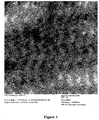
- Figure 1 is shown one of the images of Transmission Electron Microscopy (TEM) obtained for said formulation, mainly showing the formation of mixed filiform micelles of different lengths but with a relatively uniform diameter. These mixed micelles are formed at a saponin concentration below the critical micelle concentration of saponin, although higher concentrations of saponin can also be used.
- TEM Transmission Electron Microscopy
- EXAMPLE 2 Preparation of adjuvants solutions (supramolecular complexes, CSS) comprising saponin from Quillaja saponaria and cholic acid or salts thereof by the ethanol injection method.
- This example shows an alternative method for making adjuvant colloidal solutions containing saponin and cholic acid using the ethanol injection method.
- EXAMPLE 5 Preparation of adjuvant colloidal solutions containing saponin and cholic acid or salts thereof in various mass ratios (m/m) and its effect on reducing hemolytic activity of formulation. It has been shown that saponins, especially saponins from Quillaja saponaria, have a strong adjuvant activity, but have the disadvantage of their ability to produce cell lysis, in particular red cell hemolysis, which can lead to undesirable side effects when administered parenterally. Hemolytic activity of saponins can be used as an estimate of its potential to produce undesirable local effects, so development of formulations containing saponins and simultaneously having a lower hemolytic activity has advantages for its use as adjuvants in immunogenic formulations and vaccines, in particular.
- micellar formulations of saponins from Quillaja saponaria and cholic acid with reduced hemolytic activity as well as changing said hemolytic activity by varying the mass ratio between cholic acid (or salts thereof) and saponin.
- different formulations were prepared, varying mass ratios of cholic acid and saponins from Quillaja saponaria.
- solution A a 10 mg/mL cholic acid solution in phosphate buffer pH 8.0
- solution B a 10 mg/mL aqueous solution of saponins of saponina QP UF 1000 (Natural Response, Chile) were used (solution B), and necessary amounts of isotonic saline to complete a 10 mL volume were added as detailed in Table 1.
- Table 1 Composition of formulations comprising cholic acid and saponin with different mass ratios (m/m) between both components
- Formulation (mL) Solution A (mL) Solution B (mL) Isotonic saline (mL) cholic acid to saponins ratio (m/m)
- A 0 0.120 9.88 0 B 0.120 0.120 9.76 1 c 0.360 0.120 9.52 3
- D 0.480 0.120 8.92 4
- E 0 0.240 9.76 0 F 0.240 0.240 9.52 1 G 0.720 0.240 9.04 3 H 0.96 0.240 8.80 4
- Hemolytic activity assay was conducted for different formulations as described in Silveira et al., Vaccine 29 (2011) 9177-9182 .
- hemolytic activity of formulations A to H is shown.
- Formulations A-D contain a final concentration of saponins of 0.120 mg/mL
- Formulations E-F contain a final concentration of saponins of 0.240 mg/mL.
- Formulation A is a solution of saponins alone at a concentration of 0.120 mg/mL
- Formulation E is a solution of saponins alone, at a concentration 0.240 mg/mL. Both Formulation A and E produced a 100% hemolysis according to the method used for its determination.
- hemolytic activity of adjuvant colloidal formulations comprising colloidal cholic acid and saponin varies with the mass ratio of cholic acid to saponin.
- EXAMPLE 6 Formulation of vaccines for immunization of animals containing tetanus toxoid as antigen and colloidal solution of cholic acid and saponin as adjuvant. In this example tetanus toxoid as antigen is used.
- the tetanus toxoid is used in a solution containing 3 mg/mL of protein equivalent to 450 Lf/mL (toxoid flocculation unit).
- a 10 mg/mL cholic acid solution in a phosphate buffer pH 8.0 (solution A)
- a 10 mg/mL aqueous solution of saponins QP UF 1000 (Natural Response, Chile) (solution B) are made.
- solution B a 10 mg/mL aqueous solution of saponins QP UF 1000 (Natural Response, Chile)
- To prepare 40 mL of immunization formulation typically 2.90 ml of solution A, 0.96 mL of solution B and 35.94 mL of normal saline are mixed.
- tetanus toxoid solution 0.2 mL of tetanus toxoid solution is added to that mixture, and the formulation is held for 12 to 96 hours at 4°C before use. All solutions used in this example are sterilized using 0.22 ⁇ m filter, and the formulation is prepared by mixing in a laminar flow chamber under aseptic conditions.
- a formulation analogous to the previous one, but containing a saponin final concentration of 600 ⁇ g/mL (hereinafter CSS600) and 5 Lf of tetanus toxoid per mL 7.20 ml of solution A, 2.40 mL of solution B, and 29.95 mL of isotonic saline are mixed.
- EXAMPLE 7 Adjuvant effect of colloidal solution comprising cholic acid and saponin in a mouse model using tetanus toxoid (TT) as antigen, and comparison of adjuvant activity of said formulation with saponin and with an oil adjuvant.
- TT tetanus toxoid
- mice were adapted for 30 days prior to immunization assays with a day/night cycle of 12/12 hours, under controlled humidity and temperature. Water and pelleted food were provided ad libitum.
- the tested mice groups received tetanus toxoid (TT) either alone or adjuvanted with saponin (QP UF 1000, Natural Response, Chile), or oil adjuvant ADYUVAC50 (Lab Santa Maria, convinced), or adjuvant colloidal solution comprising saponin and cholic acid, prepared as described in Example 6, but with a saponin final concentration of 500 ⁇ g/mL and a cholic acid to saponin mass ratio equal to 3.
- TT tetanus toxoid
- QP UF 1000 Natural Response, Chile
- ADYUVAC50 Lab Santa Maria, Brazil
- adjuvant colloidal solution comprising saponin and cholic acid, prepared as described in Example 6, but with a saponin final concentration of 500 ⁇ g/mL and a cholic
- mice received two immunizations with TT via SC route: the first on day 1 and the second on day 45.
- Primo-immunization was performed with 1.6 ⁇ g (100 ⁇ L) of TT except for CSS50 animal group which was immunized with 3.2 ⁇ g.
- the second dose (day 45) was formulated with half of antigen (0.8 ⁇ g) and adjuvant except for the ADYUVAC50 group wherein the antigen is reduced in half (0.8 ⁇ g), but the amount of adjuvant per dose was maintained.
- Animals were bled on days 1, 45, 66, 107, 147 and 167 after the first immunization and then sera were frozen at -20 °C until processing. Titers of total IgG and IgG isotypes against TT in mice sera were assessed by ELISA. Plates (Greiner Bio-One) were sensitized with TT (100 ⁇ g/mL) in PBS (100 ⁇ L/well) overnight at 4 °C.
- FIG. 6 shows total IgG antibody titers against tetanus toxoid (TT) in this assay measured at days 0, 45 and 66 in a mouse model immunized with antigen alone, or with antigen together with various adjuvants, this figure shows anti-TT IgG titers corresponding to the primary response and the response after a second administration of immunizing formulation.
- TT tetanus toxoid
- adjuvant formulations containing colloidal cholic acid and saponin (CSS25 and CSS50 groups) induced production of significantly higher IgG titers against the co-administered antigen and remained at higher levels for longer time than IgG titers produced when the antigen is administered alone or together with saponin or with oil adjuvant ADYUVAC50.
- colloidal adjuvant comprising saponin and cholic acid is effective to generate a more intense and lasting humoral response than the one generated by administration of antigen alone or together with saponin or formulated together with an oil adjuvant in the form of an emulsion .
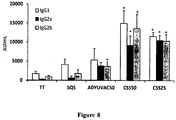
- Figure 8 shows titers of IgG1, IgG2a and IgG2b immunoglobulin subclasses in serum of different test animal groups immunized against TT.
- IgG1, IgG2a and IgG2b immunoglobulin subclasses in serum of different test animal groups immunized against TT.
- the total production of IgG and isotypes analyzed (IgG1, IgG2a and IgG2b) against TT using formulations CSS25 and CSS50 had a similar behavior.
- Total IgG titers in CSS25 group were still higher than those in CSS50 group, although no statistically significant differences between them (P> 0.05) was found.
- the CSS adjuvant stimulated the production of higher titers of IgG1, IgG2a and IgG2b subclasses.
- this EXAMPLE demonstrates that colloidal adjuvant formulation comprising cholic acid and saponin stimulates a more intense and lasting immune response when co-administered with tetanus toxoid than the one induced by antigen alone (tetanus toxoid), or when administered together with saponin as adjuvant, or formulated together with oil adjuvant ADYUVAC50, in which case the vaccine formulation is forming an emulsion.
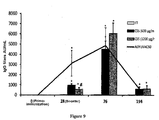
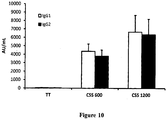
- sheep were immunized with the vaccine formulations containing colloidal adjuvant comprising cholic acid and saponin and tetanus toxoid called CSS600 and CSS 1200, prepared as described in Example 6. These preparations have a cholic acid to saponin mass ratio equal to 3, and 5 Lf of tetanus toxoid per mL.
- Sheep used which are referred in this example, were kept under natural field conditions during the experiment and had no prior immunization against tetanus toxoid. Sheep were divided into 5 groups of 10 animals each and received two immunizations via SC route, on days 1 and 28 of the experiment.
- Figure 9 also shows that use of adjuvant colloidal formulations comprising cholic acid and saponin, called CSS600 and CSS1200 also generate high titers of antibodies against the co-administered antigen even 194 days after the first immunization, with statistically significant higher antibody titers compared to the group immunized without the use of adjuvant (TT Group).
- This experiment demonstrates that adjuvant colloidal formulations comprising cholic acid and saponin are as efficient as the oil adjuvant in the immunization scheme used for generating high antibody titers against the co-administered antigen and that said humoral immune response has a high duration in time.
- oil adjuvants generally have the disadvantage of producing significant side effects (granuloma, erythema, abscess and swelling) at the site of inoculation ( Aucouturier et al., 2006; Buonavoglia et al.; Gupta et al. January 93; Hilgers et al., 1994 ).
- adjuvants comprising saponin and bile acids described in the present invention showed no appreciable side effects while promoting an intense humoral response.
- CPS14 CPS conjugated with bovine serum albumin
- BSA bovine serum albumin
- Antigens used for this example were: capsular polysaccharide of S. pneumoniae serotype 14 prepared as described in Suárez et al., Applied and Environmental Microbiology, 67 (2001) 969-971 , and a conjugate of this polysaccharide with bovine serum albumin, referred as CPS14-BSA, prepared as described in Suárez et al., Journal of Chromatography -. A, 1213 (2008), 169-175 .
- adult male Balb/c mice (30 g) were used.
- mice were adapted for 30 days prior to immunization assays with a day/night cycle of 12/12 hours, under controlled humidity and temperature. Water and pelleted food were provided ad libitum. Mice were divided into three groups of 8 animals each. Animals were immunized on day 1 (primo-immunization) and day 14 (booster) subcutaneously with 100 ⁇ L of vaccine preparation.
- the vaccine preparations used for immunization of different groups were: CPS14 saline with a concentration of 25 ⁇ g/mL (CPS14 control group), CPS14 solution in adjuvant colloidal solution comprising saponin and cholic acid prepared according to EXAMPLE 6 with a CPS14 concentration of 25 ⁇ g/mL (CPS14/CSS25 group), or a solution of polysaccharide-protein conjugate CPS14-BSA in adjuvant colloidal solution comprising saponin and cholic acid prepared according to EXAMPLE 6 with a concentration of carbohydrate in solution of 18.0 ⁇ g/mL (CPS14-BSA/CSS25 group).
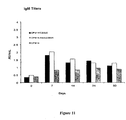
- IgM and IgG titers were expressed in arbitrary units by mL (AU/mL) using experiment pooled sera for generating a calibration curve.
- Figure 11 shows IgM titers for different groups of animals, which shows that co-administration of capsular polysaccharide CPS14 with adjuvant colloidal solution comprising saponin and cholic acid generated higher production of IgM titers specific to CPS14 than administration of CPS14 in saline.
- Figure 11 also shows that co-administration of CPS14-BSA with adjuvant solution comprising saponin and cholic acid generated higher production of IgM titers specific to CPS14 than administration of CPS14 in saline at day 7 and 14 after primo-immunization.
- IgM titers specific to CPS14 obtained from the three groups of this example decreased to similar values.
- Figure 12 shows IgG titers for different groups of animals in which it is observed that co-administration of capsular polysaccharide CPS14 with adjuvant colloidal solution comprising saponin and colic acid generated higher production of IgM titers specific to CPS14 than administration of CPS14 in saline.
- Figure 12 shows that while IgM titers specific to CPS14 remained almost constant at a low level throughout the experiment, group immunized with CPS14 together with adjuvant colloidal solution comprising saponin and cholic acid (group CPS14/CSS25) generated higher antibody titers that remained higher than the above group throughout the experiment.
- group CPS14/CSS25 adjuvant colloidal solution comprising saponin and cholic acid
- colloidal adjuvant comprising saponin and cholic acid may also have adjuvant activity when co-administered with antigens comprising polysaccharides or carbohydrates and proteins.
Landscapes
- Health & Medical Sciences (AREA)
- Life Sciences & Earth Sciences (AREA)
- Chemical & Material Sciences (AREA)
- Immunology (AREA)
- Veterinary Medicine (AREA)
- Medicinal Chemistry (AREA)
- Pharmacology & Pharmacy (AREA)
- Animal Behavior & Ethology (AREA)
- General Health & Medical Sciences (AREA)
- Public Health (AREA)
- Microbiology (AREA)
- Epidemiology (AREA)
- Mycology (AREA)
- General Chemical & Material Sciences (AREA)
- Chemical Kinetics & Catalysis (AREA)
- Nuclear Medicine, Radiotherapy & Molecular Imaging (AREA)
- Engineering & Computer Science (AREA)
- Bioinformatics & Cheminformatics (AREA)
- Organic Chemistry (AREA)
- Medicines Containing Antibodies Or Antigens For Use As Internal Diagnostic Agents (AREA)
Claims (29)
- Adjuvanszubereitung für Vakzine, umfassend mindestens eine Gallensäure oder deren Salze und mindestens ein Saponin, dadurch gekennzeichnet, dass das relative Massenverhältnis von der Gallensäure oder deren Salzen zu dem Saponin in einem Bereich zwischen 2 und 5 (m/m) liegt, wobei die Adjuvanszubereitung eine wässrige, kolloidale Lösung ist.
- Adjuvanszubereitung nach Anspruch 1, wobei das relative Massenverhältnis in einem Bereich zwischen 2,5 und 4 (m/m) liegt.
- Adjuvanszubereitung nach Anspruch 2, wobei das relative Massenverhältnis gleich 3 (m/m) ist.
- Adjuvanszubereitung nach den Ansprüchen 1 bis 3, wobei die Gallensäure Cholsäure oder deren Salze ist.
- Adjuvanszubereitung nach den Ansprüchen 1 bis 4, wobei die Gallensäure Taurocholsäure oder deren Salze ist.
- Adjuvanszubereitung nach den Ansprüchen 1 bis 5, wobei das Saponin eine Zubereitung aus Saponinen aus der Spezies Quillaja saponaria ist.
- Adjuvanszubereitung nach den Ansprüchen 1 bis 6, wobei das Saponin Quil A ist.
- Adjuvanszubereitung nach den Ansprüchen 1 bis 7, wobei das Saponin QS-21 ist.
- Adjuvanszubereitung nach den Ansprüchen 1 bis 8, wobei das Saponin ein Saponin aus der Spezies Quillaja brasiliensis ist.
- Adjuvanszubereitung nach den Ansprüchen 1 bis 9, wobei das Saponin ein Saponin aus Gypsophila sp. ist.
- Adjuvanszubereitung nach den Ansprüchen 1 bis 10, wobei die Saponinkonzentration in einem Bereich von 60 µg/mL bis 3000 µg/mL liegt.
- Adjuvanszubereitung nach Anspruch 11, wobei die Saponinkonzentration in einem Bereich von 60 µg/mL bis 1200 µg/mL liegt.
- Adjuvanszubereitung nach den Ansprüchen 1 bis 12, wobei die Saponinkonzentration in einem Bereich von 1 µg/mL bis 100 µg/mL liegt.
- Adjuvanszubereitung nach den Ansprüchen 1 bis 13, wobei die Saponinkonzentration in einem Bereich von 10 µg/mL bis 50 µg/mL liegt.
- Adjuvanszubereitung nach Anspruch 1, wobei das Saponin eine Saponinzubereitung aus Quillaja saponaria und die Gallensäure Cholsäure oder deren Salze ist.
- Adjuvanszubereitung nach Anspruch 1, wobei das Saponin Quil A und die Gallensäure Cholsäure oder deren Salze ist.
- Vakzinformulierung, umfassend eine Adjuvanszubereitung nach einem der Ansprüche 1 bis 16 und ein oder mehrere Antigene, einschließlich von viralen Antigenen, bakteriellen Antigenen, parasitären Antigenen, Tumorantigenen, Proteinantigenen, Polysaccharidantigenen, Kohlenhydratantigenen, Glycoproteinen, Protein-Kohlenhydrat-Konjugaten, Mucopolysacchariden, Glycolipiden, Glycokonjugaten und sowohl natürlichen als auch modifizierten, synthetischen oder rekombinanten Nukleinsäuren oder Antigengemischungen und Antigenzubereitungen.
- Vakzinformulierung nach Anspruch 17, umfassend irgendein Antigen oder antigene Zubereitung, abgeleitet von Clostridium, Streptococcus, Shigella, Salmonella, Neisseria, Borrelia, Bordetella, Plasmodium, Leptospira, Brucella, Haemophilus oder Mycobacterium.
- Vakzinformulierung nach Anspruch 17, umfassend ein irgendein Antigen oder antigene Zubereitung, abgeleitet vom Rinderherpesvirus, Herpessimplex-Virus, Hepatitis A, B, C oder E oder Rotavirus.
- Vakzinformulierung nach Anspruch 17, umfassend ein Antigen, das Kohlenhydrate umfasst, oder eine davon abgeleitete antigene Zubereitung, einschließlich von Protein-Polysaccharid-Konjugaten und Glycolipiden.
- Vakzinformulierung nach Anspruch 17, wobei das Antigen bakterielle Toxoide umfasst.
- Vakzinformulierung nach Anspruch 21, wobei das Antigen Tetanustoxoid ist.
- Vakzinformulierung nach Anspruch 17, wobei das Antigen Kapselpolysaccharide von Streptococcus pneumoniae umfasst.
- Vakzinformulierung nach Anspruch 23, wobei das Antigen Kapselpolysaccharide von Streptococcus pneumoniae Serotyp 14 umfasst.
- Verfahren für die Herstellung von einer Adjuvanszubereitung nach einem der Ansprüche 1 bis 16, umfassend die folgenden Schritte:- Herstellen von einer wässrigen Lösung von Saponin oder deren Salzen, die einen oder keinen Puffer enthalten kann;- Herstellen von einer wässrigen Lösung von Gallensäure oder deren Salzen, die einen oder keinen Puffer enthalten kann;- Mischen der Lösungen, die in a) und b) hergestellt werden, in Abwesenheit von zusätzlichem Detergens, um ein relatives Verhältnis von Gallensäure oder deren Salzen zu Saponin zwischen 2 und 5 bezogen auf die Masse zu erhalten;- Einstellen von dem pH auf einem Bereich zwischen 5,0 und 7,6, falls erforderlich; und- Halten von der Mischung, die in dem Schritt c) hergestellt wird, auf einer Temperatur von 2 °C bis 12 °C.
- Verfahren für die Herstellung von einer Adjuvanszubereitung nach einem der Ansprüche 1 bis 16, umfassend die folgenden Schritte:- Herstellen von einer wässrigen Lösung von Saponin oder deren Salzen, die einen oder keinen Puffer enthalten kann;- Herstellen von einer Ethanollösung von Gallensäure oder deren Salzen;- schnelles Injizieren von der Ethanollösung von Gallensäure in die wässrige Lösung von Saponin, um ein relatives Verhältnis von Gallensäure zu Saponin zwischen 2 und 5 bezogen auf die Masse zu erhalten, und zwar ein solches Volumen, das 10 % des Endvolumens von der Zubereitung nicht übersteigt.
- Verfahren zum Herstellen von einer Vakzinformulierung zur Verwendung für Menschen oder Tiere, umfassend das Zugeben von einem Antigen oder einer antigenen Zubereitung zu dem Zeitpunkt des Mischens von den Komponenten der Adjuvansformulierung, die hergestellt wird, wie es in dem Schritt c) nach den Ansprüchen 25 und 26 beschrieben ist.
- Verfahren zum Herstellen von einer Vakzinformulierung zur Verwendung für Menschen oder Tiere, umfassend die folgenden Schritte:- Nehmen von einer Adjuvansformulierung, hergestellt nach den Ansprüchen 26 und 27, und- Zugeben von einem Antigen oder einer antigenen Zubereitung zu dieser Formulierung.
- Verwendung von einer Adjuvanszubereitung nach einem der Ansprüche 1 bis 16 zum Formulieren von Vakzinen, die Antigene oder antigene Zubereitungen umfassen, welche eine Steigerung und Modulation der Immunantwort gegen die Antigene oder antigenen Zubereitungen bedürfen, um eine Immunantwort zu erzeugen, die in Tieren oder Menschen wirksam ist.
Applications Claiming Priority (2)
| Application Number | Priority Date | Filing Date | Title |
|---|---|---|---|
| UY0001034506A UY34506A (es) | 2012-12-10 | 2012-12-10 | Adyuvante de vacunación, preparación y vacunas que lo contienen |
| PCT/MX2013/000161 WO2014092528A1 (es) | 2012-12-10 | 2013-12-09 | Adyuvante de vacunación, preparación y vacunas que lo contienen |
Publications (3)
| Publication Number | Publication Date |
|---|---|
| EP2929894A1 EP2929894A1 (de) | 2015-10-14 |
| EP2929894A4 EP2929894A4 (de) | 2015-12-02 |
| EP2929894B1 true EP2929894B1 (de) | 2018-02-21 |
Family
ID=50934708
Family Applications (1)
| Application Number | Title | Priority Date | Filing Date |
|---|---|---|---|
| EP13863256.7A Not-in-force EP2929894B1 (de) | 2012-12-10 | 2013-12-09 | Impfungsadjuvans, herstellung und impfstoffe damit |
Country Status (8)
| Country | Link |
|---|---|
| US (1) | US20150313991A1 (de) |
| EP (1) | EP2929894B1 (de) |
| AR (1) | AR093530A1 (de) |
| AU (1) | AU2013360504B2 (de) |
| BR (1) | BR112015013625A2 (de) |
| CL (1) | CL2015001618A1 (de) |
| UY (1) | UY34506A (de) |
| WO (1) | WO2014092528A1 (de) |
Cited By (1)
| Publication number | Priority date | Publication date | Assignee | Title |
|---|---|---|---|---|
| RU2741834C1 (ru) * | 2020-07-17 | 2021-01-29 | Муса Тажудинович Абидов | Вакцина и способ повышения иммуногенности и специфической активности средств профилактики инфекций |
Families Citing this family (3)
| Publication number | Priority date | Publication date | Assignee | Title |
|---|---|---|---|---|
| CN108272824A (zh) * | 2018-03-11 | 2018-07-13 | 张显英 | 一种胆汁提取工艺 |
| US20210346401A1 (en) * | 2018-09-25 | 2021-11-11 | Yichang Humanwell Pharmaceutical Co., Ltd | Regulator of tgr5 signaling as immunomodulatory agent |
| EP3669890A1 (de) | 2018-12-18 | 2020-06-24 | Croda International PLC | Filamentöse nanopartikel mit impfstoffadjuvanswirkung |
Family Cites Families (11)
| Publication number | Priority date | Publication date | Assignee | Title |
|---|---|---|---|---|
| US5057540A (en) | 1987-05-29 | 1991-10-15 | Cambridge Biotech Corporation | Saponin adjuvant |
| CA1331443C (en) | 1987-05-29 | 1994-08-16 | Charlotte A. Kensil | Saponin adjuvant |
| CA2096650A1 (en) * | 1991-09-18 | 1993-03-21 | Keith E. Langley | Hepatitis b vaccine formulation incorporating a bile acid salt |
| AU1077795A (en) * | 1993-09-30 | 1995-04-18 | Seed Capital Investments (Sci) B.V. | Compounds with adjuvant activity |
| UA56132C2 (uk) | 1995-04-25 | 2003-05-15 | Смітклайн Бічем Байолоджікалс С.А. | Композиція вакцини (варіанти), спосіб стабілізації qs21 відносно гідролізу (варіанти), спосіб приготування композиції вакцини |
| AUPO517897A0 (en) * | 1997-02-19 | 1997-04-11 | Csl Limited | Chelating immunostimulating complexes |
| GB9817052D0 (en) | 1998-08-05 | 1998-09-30 | Smithkline Beecham Biolog | Vaccine |
| PL355287A1 (en) * | 1999-09-24 | 2004-04-05 | Smithkline Beecham Biologicals S.A. | Intranasal influenza virus vaccine |
| EP2281573A3 (de) * | 2001-02-23 | 2011-12-07 | GlaxoSmithKline Biologicals s.a. | Influenza Vakzinzusammensetzungen zur intradermaler Verabreichung |
| KR20110132416A (ko) | 2004-04-05 | 2011-12-07 | 화이자 프로덕츠 인코포레이티드 | 미세유체화된 수중유 유화액 및 백신 조성물 |
| US8343498B2 (en) * | 2008-10-12 | 2013-01-01 | Massachusetts Institute Of Technology | Adjuvant incorporation in immunonanotherapeutics |
-
2012
- 2012-12-10 UY UY0001034506A patent/UY34506A/es not_active Application Discontinuation
-
2013
- 2013-11-18 AR ARP130104247A patent/AR093530A1/es unknown
- 2013-12-09 US US14/651,093 patent/US20150313991A1/en not_active Abandoned
- 2013-12-09 EP EP13863256.7A patent/EP2929894B1/de not_active Not-in-force
- 2013-12-09 AU AU2013360504A patent/AU2013360504B2/en not_active Ceased
- 2013-12-09 BR BR112015013625A patent/BR112015013625A2/pt not_active IP Right Cessation
- 2013-12-09 WO PCT/MX2013/000161 patent/WO2014092528A1/es not_active Ceased
-
2015
- 2015-06-10 CL CL2015001618A patent/CL2015001618A1/es unknown
Non-Patent Citations (1)
| Title |
|---|
| None * |
Cited By (2)
| Publication number | Priority date | Publication date | Assignee | Title |
|---|---|---|---|---|
| RU2741834C1 (ru) * | 2020-07-17 | 2021-01-29 | Муса Тажудинович Абидов | Вакцина и способ повышения иммуногенности и специфической активности средств профилактики инфекций |
| WO2022015197A1 (ru) * | 2020-07-17 | 2022-01-20 | Муса Тажудинович Абидов | Применение деривата синтетических производных фталгидразида |
Also Published As
| Publication number | Publication date |
|---|---|
| EP2929894A4 (de) | 2015-12-02 |
| BR112015013625A2 (pt) | 2017-07-11 |
| AU2013360504A1 (en) | 2015-07-02 |
| AU2013360504B2 (en) | 2016-12-01 |
| US20150313991A1 (en) | 2015-11-05 |
| AR093530A1 (es) | 2015-06-10 |
| WO2014092528A1 (es) | 2014-06-19 |
| UY34506A (es) | 2014-06-30 |
| CL2015001618A1 (es) | 2016-05-27 |
| EP2929894A1 (de) | 2015-10-14 |
Similar Documents
| Publication | Publication Date | Title |
|---|---|---|
| JP7295895B2 (ja) | 追加免疫ワクチンのアジュバント化された処方物 | |
| US20200215189A1 (en) | Iscom preparation and use thereof | |
| DE60121136T2 (de) | Proteasom-influenzavirus-impfstoffzusammensetzung | |
| Kensil et al. | QS-21: a water-soluble triterpene glycoside adjuvant | |
| DE69605296T2 (de) | Impfstoffe die ein saponin und ein sterol enthalten | |
| DE69405551T2 (de) | 3-0-deazylierte monophosphoryl lipid a enthaltende impfstoff-zusammensetzungen | |
| US8628937B2 (en) | Vaccines with enhanced immune response and methods for their preparation | |
| Lin et al. | Oil-in-ionic liquid nanoemulsion-based intranasal delivery system for influenza split-virus vaccine | |
| US20220080043A1 (en) | Oil/surfactant mixtures for self-emulsification | |
| JPH10508301A (ja) | サポニン製剤およびiscomでのその使用 | |
| CA2373239A1 (en) | Stability, biocompatibility optimized adjuvant (sba) for enhancing humoral and cellular immune response | |
| EP2929894B1 (de) | Impfungsadjuvans, herstellung und impfstoffe damit | |
| CN114366810B (zh) | 一种可高效诱导体液和细胞免疫的天然微生物和植物来源复合双佐剂及其制备方法和应用 | |
| EP4112076A1 (de) | Nanoemulsionszusammensetzungen zur prävention, unterdrückung oder eliminierung von allergischen und entzündlichen erkrankungen | |
| CN103784953B (zh) | 作为疫苗佐剂的水包油型亚微乳及其制备方法 | |
| CN117323427A (zh) | 脂质体佐剂及其制造方法和应用 | |
| AU744308B2 (en) | Antigen vectors in the form of multilamellar vesicles | |
| JPS6236501B2 (de) | ||
| CN119925592A (zh) | 一种含皂苷的水包油疫苗佐剂组合及制备方法 | |
| US6673357B2 (en) | Alkaloid glycoside for use as a medicament | |
| JP2000504350A (ja) | キトサン誘導性免疫強化 |
Legal Events
| Date | Code | Title | Description |
|---|---|---|---|
| PUAI | Public reference made under article 153(3) epc to a published international application that has entered the european phase |
Free format text: ORIGINAL CODE: 0009012 |
|
| 17P | Request for examination filed |
Effective date: 20150610 |
|
| AK | Designated contracting states |
Kind code of ref document: A1 Designated state(s): AL AT BE BG CH CY CZ DE DK EE ES FI FR GB GR HR HU IE IS IT LI LT LU LV MC MK MT NL NO PL PT RO RS SE SI SK SM TR |
|
| AX | Request for extension of the european patent |
Extension state: BA ME |
|
| RIC1 | Information provided on ipc code assigned before grant |
Ipc: A61K 39/09 20060101ALI20151021BHEP Ipc: A61K 39/39 20060101AFI20151021BHEP Ipc: A61K 39/08 20060101ALI20151021BHEP |
|
| RA4 | Supplementary search report drawn up and despatched (corrected) |
Effective date: 20151030 |
|
| DAX | Request for extension of the european patent (deleted) | ||
| 17Q | First examination report despatched |
Effective date: 20170215 |
|
| GRAP | Despatch of communication of intention to grant a patent |
Free format text: ORIGINAL CODE: EPIDOSNIGR1 |
|
| INTG | Intention to grant announced |
Effective date: 20171004 |
|
| GRAS | Grant fee paid |
Free format text: ORIGINAL CODE: EPIDOSNIGR3 |
|
| GRAA | (expected) grant |
Free format text: ORIGINAL CODE: 0009210 |
|
| AK | Designated contracting states |
Kind code of ref document: B1 Designated state(s): AL AT BE BG CH CY CZ DE DK EE ES FI FR GB GR HR HU IE IS IT LI LT LU LV MC MK MT NL NO PL PT RO RS SE SI SK SM TR |
|
| REG | Reference to a national code |
Ref country code: GB Ref legal event code: FG4D |
|
| REG | Reference to a national code |
Ref country code: CH Ref legal event code: EP |
|
| REG | Reference to a national code |
Ref country code: DE Ref legal event code: R096 Ref document number: 602013033536 Country of ref document: DE Ref country code: AT Ref legal event code: REF Ref document number: 970991 Country of ref document: AT Kind code of ref document: T Effective date: 20180315 |
|
| REG | Reference to a national code |
Ref country code: IE Ref legal event code: FG4D |
|
| REG | Reference to a national code |
Ref country code: NL Ref legal event code: MP Effective date: 20180221 |
|
| REG | Reference to a national code |
Ref country code: LT Ref legal event code: MG4D |
|
| REG | Reference to a national code |
Ref country code: AT Ref legal event code: MK05 Ref document number: 970991 Country of ref document: AT Kind code of ref document: T Effective date: 20180221 |
|
| PG25 | Lapsed in a contracting state [announced via postgrant information from national office to epo] |
Ref country code: HR Free format text: LAPSE BECAUSE OF FAILURE TO SUBMIT A TRANSLATION OF THE DESCRIPTION OR TO PAY THE FEE WITHIN THE PRESCRIBED TIME-LIMIT Effective date: 20180221 Ref country code: FI Free format text: LAPSE BECAUSE OF FAILURE TO SUBMIT A TRANSLATION OF THE DESCRIPTION OR TO PAY THE FEE WITHIN THE PRESCRIBED TIME-LIMIT Effective date: 20180221 Ref country code: NO Free format text: LAPSE BECAUSE OF FAILURE TO SUBMIT A TRANSLATION OF THE DESCRIPTION OR TO PAY THE FEE WITHIN THE PRESCRIBED TIME-LIMIT Effective date: 20180521 Ref country code: LT Free format text: LAPSE BECAUSE OF FAILURE TO SUBMIT A TRANSLATION OF THE DESCRIPTION OR TO PAY THE FEE WITHIN THE PRESCRIBED TIME-LIMIT Effective date: 20180221 Ref country code: NL Free format text: LAPSE BECAUSE OF FAILURE TO SUBMIT A TRANSLATION OF THE DESCRIPTION OR TO PAY THE FEE WITHIN THE PRESCRIBED TIME-LIMIT Effective date: 20180221 Ref country code: CY Free format text: LAPSE BECAUSE OF FAILURE TO SUBMIT A TRANSLATION OF THE DESCRIPTION OR TO PAY THE FEE WITHIN THE PRESCRIBED TIME-LIMIT Effective date: 20180221 |
|
| PG25 | Lapsed in a contracting state [announced via postgrant information from national office to epo] |
Ref country code: LV Free format text: LAPSE BECAUSE OF FAILURE TO SUBMIT A TRANSLATION OF THE DESCRIPTION OR TO PAY THE FEE WITHIN THE PRESCRIBED TIME-LIMIT Effective date: 20180221 Ref country code: SE Free format text: LAPSE BECAUSE OF FAILURE TO SUBMIT A TRANSLATION OF THE DESCRIPTION OR TO PAY THE FEE WITHIN THE PRESCRIBED TIME-LIMIT Effective date: 20180221 Ref country code: GR Free format text: LAPSE BECAUSE OF FAILURE TO SUBMIT A TRANSLATION OF THE DESCRIPTION OR TO PAY THE FEE WITHIN THE PRESCRIBED TIME-LIMIT Effective date: 20180522 Ref country code: BG Free format text: LAPSE BECAUSE OF FAILURE TO SUBMIT A TRANSLATION OF THE DESCRIPTION OR TO PAY THE FEE WITHIN THE PRESCRIBED TIME-LIMIT Effective date: 20180521 Ref country code: RS Free format text: LAPSE BECAUSE OF FAILURE TO SUBMIT A TRANSLATION OF THE DESCRIPTION OR TO PAY THE FEE WITHIN THE PRESCRIBED TIME-LIMIT Effective date: 20180221 Ref country code: AT Free format text: LAPSE BECAUSE OF FAILURE TO SUBMIT A TRANSLATION OF THE DESCRIPTION OR TO PAY THE FEE WITHIN THE PRESCRIBED TIME-LIMIT Effective date: 20180221 |
|
| PG25 | Lapsed in a contracting state [announced via postgrant information from national office to epo] |
Ref country code: RO Free format text: LAPSE BECAUSE OF FAILURE TO SUBMIT A TRANSLATION OF THE DESCRIPTION OR TO PAY THE FEE WITHIN THE PRESCRIBED TIME-LIMIT Effective date: 20180221 Ref country code: IT Free format text: LAPSE BECAUSE OF FAILURE TO SUBMIT A TRANSLATION OF THE DESCRIPTION OR TO PAY THE FEE WITHIN THE PRESCRIBED TIME-LIMIT Effective date: 20180221 Ref country code: AL Free format text: LAPSE BECAUSE OF FAILURE TO SUBMIT A TRANSLATION OF THE DESCRIPTION OR TO PAY THE FEE WITHIN THE PRESCRIBED TIME-LIMIT Effective date: 20180221 Ref country code: EE Free format text: LAPSE BECAUSE OF FAILURE TO SUBMIT A TRANSLATION OF THE DESCRIPTION OR TO PAY THE FEE WITHIN THE PRESCRIBED TIME-LIMIT Effective date: 20180221 Ref country code: PL Free format text: LAPSE BECAUSE OF FAILURE TO SUBMIT A TRANSLATION OF THE DESCRIPTION OR TO PAY THE FEE WITHIN THE PRESCRIBED TIME-LIMIT Effective date: 20180221 Ref country code: ES Free format text: LAPSE BECAUSE OF FAILURE TO SUBMIT A TRANSLATION OF THE DESCRIPTION OR TO PAY THE FEE WITHIN THE PRESCRIBED TIME-LIMIT Effective date: 20180221 |
|
| REG | Reference to a national code |
Ref country code: DE Ref legal event code: R097 Ref document number: 602013033536 Country of ref document: DE |
|
| PG25 | Lapsed in a contracting state [announced via postgrant information from national office to epo] |
Ref country code: CZ Free format text: LAPSE BECAUSE OF FAILURE TO SUBMIT A TRANSLATION OF THE DESCRIPTION OR TO PAY THE FEE WITHIN THE PRESCRIBED TIME-LIMIT Effective date: 20180221 Ref country code: SK Free format text: LAPSE BECAUSE OF FAILURE TO SUBMIT A TRANSLATION OF THE DESCRIPTION OR TO PAY THE FEE WITHIN THE PRESCRIBED TIME-LIMIT Effective date: 20180221 Ref country code: SM Free format text: LAPSE BECAUSE OF FAILURE TO SUBMIT A TRANSLATION OF THE DESCRIPTION OR TO PAY THE FEE WITHIN THE PRESCRIBED TIME-LIMIT Effective date: 20180221 Ref country code: DK Free format text: LAPSE BECAUSE OF FAILURE TO SUBMIT A TRANSLATION OF THE DESCRIPTION OR TO PAY THE FEE WITHIN THE PRESCRIBED TIME-LIMIT Effective date: 20180221 |
|
| PLBE | No opposition filed within time limit |
Free format text: ORIGINAL CODE: 0009261 |
|
| STAA | Information on the status of an ep patent application or granted ep patent |
Free format text: STATUS: NO OPPOSITION FILED WITHIN TIME LIMIT |
|
| 26N | No opposition filed |
Effective date: 20181122 |
|
| PG25 | Lapsed in a contracting state [announced via postgrant information from national office to epo] |
Ref country code: SI Free format text: LAPSE BECAUSE OF FAILURE TO SUBMIT A TRANSLATION OF THE DESCRIPTION OR TO PAY THE FEE WITHIN THE PRESCRIBED TIME-LIMIT Effective date: 20180221 |
|
| REG | Reference to a national code |
Ref country code: DE Ref legal event code: R119 Ref document number: 602013033536 Country of ref document: DE |
|
| REG | Reference to a national code |
Ref country code: CH Ref legal event code: PL |
|
| GBPC | Gb: european patent ceased through non-payment of renewal fee |
Effective date: 20181209 |
|
| PG25 | Lapsed in a contracting state [announced via postgrant information from national office to epo] |
Ref country code: LU Free format text: LAPSE BECAUSE OF NON-PAYMENT OF DUE FEES Effective date: 20181209 Ref country code: MC Free format text: LAPSE BECAUSE OF FAILURE TO SUBMIT A TRANSLATION OF THE DESCRIPTION OR TO PAY THE FEE WITHIN THE PRESCRIBED TIME-LIMIT Effective date: 20180221 |
|
| REG | Reference to a national code |
Ref country code: IE Ref legal event code: MM4A |
|
| REG | Reference to a national code |
Ref country code: BE Ref legal event code: MM Effective date: 20181231 |
|
| PG25 | Lapsed in a contracting state [announced via postgrant information from national office to epo] |
Ref country code: DE Free format text: LAPSE BECAUSE OF NON-PAYMENT OF DUE FEES Effective date: 20190702 Ref country code: FR Free format text: LAPSE BECAUSE OF NON-PAYMENT OF DUE FEES Effective date: 20181231 Ref country code: IE Free format text: LAPSE BECAUSE OF NON-PAYMENT OF DUE FEES Effective date: 20181209 |
|
| PG25 | Lapsed in a contracting state [announced via postgrant information from national office to epo] |
Ref country code: BE Free format text: LAPSE BECAUSE OF NON-PAYMENT OF DUE FEES Effective date: 20181231 |
|
| PG25 | Lapsed in a contracting state [announced via postgrant information from national office to epo] |
Ref country code: CH Free format text: LAPSE BECAUSE OF NON-PAYMENT OF DUE FEES Effective date: 20181231 Ref country code: LI Free format text: LAPSE BECAUSE OF NON-PAYMENT OF DUE FEES Effective date: 20181231 Ref country code: GB Free format text: LAPSE BECAUSE OF NON-PAYMENT OF DUE FEES Effective date: 20181209 |
|
| PG25 | Lapsed in a contracting state [announced via postgrant information from national office to epo] |
Ref country code: MT Free format text: LAPSE BECAUSE OF NON-PAYMENT OF DUE FEES Effective date: 20181209 |
|
| PG25 | Lapsed in a contracting state [announced via postgrant information from national office to epo] |
Ref country code: TR Free format text: LAPSE BECAUSE OF FAILURE TO SUBMIT A TRANSLATION OF THE DESCRIPTION OR TO PAY THE FEE WITHIN THE PRESCRIBED TIME-LIMIT Effective date: 20180221 |
|
| PG25 | Lapsed in a contracting state [announced via postgrant information from national office to epo] |
Ref country code: PT Free format text: LAPSE BECAUSE OF FAILURE TO SUBMIT A TRANSLATION OF THE DESCRIPTION OR TO PAY THE FEE WITHIN THE PRESCRIBED TIME-LIMIT Effective date: 20180221 |
|
| PG25 | Lapsed in a contracting state [announced via postgrant information from national office to epo] |
Ref country code: HU Free format text: LAPSE BECAUSE OF FAILURE TO SUBMIT A TRANSLATION OF THE DESCRIPTION OR TO PAY THE FEE WITHIN THE PRESCRIBED TIME-LIMIT; INVALID AB INITIO Effective date: 20131209 Ref country code: MK Free format text: LAPSE BECAUSE OF NON-PAYMENT OF DUE FEES Effective date: 20180221 |
|
| PG25 | Lapsed in a contracting state [announced via postgrant information from national office to epo] |
Ref country code: IS Free format text: LAPSE BECAUSE OF FAILURE TO SUBMIT A TRANSLATION OF THE DESCRIPTION OR TO PAY THE FEE WITHIN THE PRESCRIBED TIME-LIMIT Effective date: 20180621 |