EP2964215B1 - Mixture of fatty acids for use in the treatment of inflammatory pathologies - Google Patents
Mixture of fatty acids for use in the treatment of inflammatory pathologies Download PDFInfo
- Publication number
- EP2964215B1 EP2964215B1 EP14708015.4A EP14708015A EP2964215B1 EP 2964215 B1 EP2964215 B1 EP 2964215B1 EP 14708015 A EP14708015 A EP 14708015A EP 2964215 B1 EP2964215 B1 EP 2964215B1
- Authority
- EP
- European Patent Office
- Prior art keywords
- acid
- mixture
- weight
- contained
- quantity comprised
- Prior art date
- Legal status (The legal status is an assumption and is not a legal conclusion. Google has not performed a legal analysis and makes no representation as to the accuracy of the status listed.)
- Active
Links
Images



Classifications
-
- A—HUMAN NECESSITIES
- A61—MEDICAL OR VETERINARY SCIENCE; HYGIENE
- A61K—PREPARATIONS FOR MEDICAL, DENTAL OR TOILETRY PURPOSES
- A61K31/00—Medicinal preparations containing organic active ingredients
- A61K31/185—Acids; Anhydrides, halides or salts thereof, e.g. sulfur acids, imidic, hydrazonic or hydroximic acids
- A61K31/19—Carboxylic acids, e.g. valproic acid
- A61K31/20—Carboxylic acids, e.g. valproic acid having a carboxyl group bound to a chain of seven or more carbon atoms, e.g. stearic, palmitic, arachidic acids
-
- A—HUMAN NECESSITIES
- A61—MEDICAL OR VETERINARY SCIENCE; HYGIENE
- A61K—PREPARATIONS FOR MEDICAL, DENTAL OR TOILETRY PURPOSES
- A61K31/00—Medicinal preparations containing organic active ingredients
- A61K31/185—Acids; Anhydrides, halides or salts thereof, e.g. sulfur acids, imidic, hydrazonic or hydroximic acids
- A61K31/19—Carboxylic acids, e.g. valproic acid
- A61K31/20—Carboxylic acids, e.g. valproic acid having a carboxyl group bound to a chain of seven or more carbon atoms, e.g. stearic, palmitic, arachidic acids
- A61K31/201—Carboxylic acids, e.g. valproic acid having a carboxyl group bound to a chain of seven or more carbon atoms, e.g. stearic, palmitic, arachidic acids having one or two double bonds, e.g. oleic, linoleic acids
-
- A—HUMAN NECESSITIES
- A61—MEDICAL OR VETERINARY SCIENCE; HYGIENE
- A61K—PREPARATIONS FOR MEDICAL, DENTAL OR TOILETRY PURPOSES
- A61K31/00—Medicinal preparations containing organic active ingredients
- A61K31/185—Acids; Anhydrides, halides or salts thereof, e.g. sulfur acids, imidic, hydrazonic or hydroximic acids
- A61K31/19—Carboxylic acids, e.g. valproic acid
- A61K31/20—Carboxylic acids, e.g. valproic acid having a carboxyl group bound to a chain of seven or more carbon atoms, e.g. stearic, palmitic, arachidic acids
- A61K31/202—Carboxylic acids, e.g. valproic acid having a carboxyl group bound to a chain of seven or more carbon atoms, e.g. stearic, palmitic, arachidic acids having three or more double bonds, e.g. linolenic
-
- A—HUMAN NECESSITIES
- A61—MEDICAL OR VETERINARY SCIENCE; HYGIENE
- A61K—PREPARATIONS FOR MEDICAL, DENTAL OR TOILETRY PURPOSES
- A61K45/00—Medicinal preparations containing active ingredients not provided for in groups A61K31/00 - A61K41/00
- A61K45/06—Mixtures of active ingredients without chemical characterisation, e.g. antiphlogistics and cardiaca
-
- A—HUMAN NECESSITIES
- A61—MEDICAL OR VETERINARY SCIENCE; HYGIENE
- A61K—PREPARATIONS FOR MEDICAL, DENTAL OR TOILETRY PURPOSES
- A61K9/00—Medicinal preparations characterised by special physical form
- A61K9/08—Solutions
-
- A—HUMAN NECESSITIES
- A61—MEDICAL OR VETERINARY SCIENCE; HYGIENE
- A61K—PREPARATIONS FOR MEDICAL, DENTAL OR TOILETRY PURPOSES
- A61K9/00—Medicinal preparations characterised by special physical form
- A61K9/14—Particulate form, e.g. powders, Processes for size reducing of pure drugs or the resulting products, Pure drug nanoparticles
-
- A—HUMAN NECESSITIES
- A61—MEDICAL OR VETERINARY SCIENCE; HYGIENE
- A61P—SPECIFIC THERAPEUTIC ACTIVITY OF CHEMICAL COMPOUNDS OR MEDICINAL PREPARATIONS
- A61P17/00—Drugs for dermatological disorders
-
- A—HUMAN NECESSITIES
- A61—MEDICAL OR VETERINARY SCIENCE; HYGIENE
- A61P—SPECIFIC THERAPEUTIC ACTIVITY OF CHEMICAL COMPOUNDS OR MEDICINAL PREPARATIONS
- A61P19/00—Drugs for skeletal disorders
-
- A—HUMAN NECESSITIES
- A61—MEDICAL OR VETERINARY SCIENCE; HYGIENE
- A61P—SPECIFIC THERAPEUTIC ACTIVITY OF CHEMICAL COMPOUNDS OR MEDICINAL PREPARATIONS
- A61P25/00—Drugs for disorders of the nervous system
-
- A—HUMAN NECESSITIES
- A61—MEDICAL OR VETERINARY SCIENCE; HYGIENE
- A61P—SPECIFIC THERAPEUTIC ACTIVITY OF CHEMICAL COMPOUNDS OR MEDICINAL PREPARATIONS
- A61P27/00—Drugs for disorders of the senses
-
- A—HUMAN NECESSITIES
- A61—MEDICAL OR VETERINARY SCIENCE; HYGIENE
- A61P—SPECIFIC THERAPEUTIC ACTIVITY OF CHEMICAL COMPOUNDS OR MEDICINAL PREPARATIONS
- A61P29/00—Non-central analgesic, antipyretic or antiinflammatory agents, e.g. antirheumatic agents; Non-steroidal antiinflammatory drugs [NSAID]
Definitions
- Fatty acids are aliphatic carboxylic acids and they represent the constituent ingredients of almost all complex lipids and of vegetable and animal fats. These compounds can be classified according to the length of the carbon chain and/or the presence of double bonds within the said chain (saturated, unsaturated fatty acids).
- some unsaturated fatty acids are considered to be essential because they are not synthesised by the body, instead they must be supplemented by diet.
- some acids are distinguished according to the position of the last double bond in the carbon chain, such as omega-3, wherein the last double bond is found on the third carbon from the end (for example linolenic acid), omega-6 wherein the last double bond is found on the sixth carbon from the end (for example linoleic acid) or, furthermore, omega-9 wherein the last double bond is found on the ninth carbon from the end (e.g. oleic acid).
- the first phospholipid was discovered, namely phosphatidylinositol, along with the role thereof in the activation of cellular response processes, the said phospholipid being able to activate and control reactivity through messaging elements.
- Lipids therefore, play different roles in the body, including acting as chemical messengers which can cause changes in the role of an individual cell or determine actions which can change the microenvironment, as in the case of the processes involved in the response to inflammatory insults.
- Lipids in esterified form can fit into the membrane and be transported as signal elements for other cells. These compounds can also bind to certain proteins and remain inactive until they reach the site of action and bind to the appropriate receptor.
- Essential fatty acids such as linoleic acid and linolenic acid, are known to be precursors of the arachidonic acid present on membrane phospholipids (e.g. those of the cell membrane) and of many different types of eicosanoids, i.e. substances involved in the body's inflammatory response, including hydroxyeicosatetraenoic acids, prostanoids (prostaglandins, thromboxanes, and prostacyclins), leukotrienes, lipoxins and resolvins, chemical mediators which play an important role in pain, fever, oedema, blood coagulation and, more in general, inflammation.
- eicosanoids i.e. substances involved in the body's inflammatory response, including hydroxyeicosatetraenoic acids, prostanoids (prostaglandins, thromboxanes, and prostacyclins), leukotrienes, lipoxins and resolvins, chemical mediators which play
- the inflammatory response is a multifactorial physiological reaction characterised by the participation of different cells from the immune system, e.g. mast cells, macrophages, basophils and/or lymphocytes, with different intervention times.
- One of the first cells to intervene in the inflammatory process is the mast cell, whose capacity to respond and trigger the inflammatory process is in the order of microseconds.
- the activation thereof generates a series of reactions resulting in the release of preformed mediators contained within the cytoplasm thereof; in rapid succession, the macrophages are recalled and activated.
- M1 The function of macrophages is structured into two phases: the first, known as M1, involves the activation of a series of reactions resulting in the release into the microenvironment of chemical mediators, such as NGF (Nerve Growth Factor), VEGF (Vascular Endothelial Growth Factor), FGF (Fibroblast Growth Factor), histamine, interleukins, cytokines, and lipid products, such as arachidonic acid, prostaglandins and heparin, which can trigger and support the inflammatory process as well as to "attract" the other cells in the immune system to the site of inflammation.
- NGF Neve Growth Factor
- VEGF Vascular Endothelial Growth Factor
- FGF Fibroblast Growth Factor
- histamine histamine
- interleukins interleukins
- cytokines cytokines
- lipid products such as arachidonic acid, prostaglandins and heparin
- the second phase involves the activation of the 'scavenger' phenomenon aimed at eliminating the waste resulting from the destruction of the agent responsible for the inflammatory action.
- M2 The second phase, known as M2
- the basophils - whose role is to release histamine into the microenvironment subjected to the aggression of the inflammatory agent - are attracted and activated, leading to vasodilation and, consequently, oedema as a result of immune cell diapedesis or extravasation.
- the lymphocytes - whose role is to counteract the pathogenic agent - reach the area.
- the entire inflammatory process is triggered in just a few seconds.
- the aforesaid cells in the immune system are self-regulated by means of fine receptor mechanisms involving a sophisticated system of receptors, expressed in the cytoplasmic membrane, which can be overexpressed during stimulation processes.
- This overexpression determines a release, within the extra-cellular space, of a series of chemical mediators, which trigger a series of events whose purpose is to defend the tissue microenvironment and bring about repair phenomena.
- the system is regulated by the production of receptor antagonists, which are produced by the cell itself, from fatty acids taken from the cell membrane.
- receptor control following stimulation of the pathogenic agent, the cells express specific receptors which are saturated with self-produced mediators, i.e. formed from the fatty acids constituting the membranes of the said cells.
- the expression of receptors is the means by which the cells involved in the inflammatory process are able to transfer growth factors, interleukins, cytokines, etc., into the microenvironment.
- the saturation of these receptors allows first the reduction and then the modulation of the degranulation of the mediators present within the cytoplasm of the cells involved in the inflammatory process (the mast cells in particular) until the stimulation induced by the presence of the pathogenic agent is halted.
- the body can control the overactive inflammatory process through the formation of a receptor antagonist consisting of fatty acids taken from the membrane of the same cells.
- US2010/113387A1 discloses a composition comprising height fatty acids for the treatment and prevention of multiple disorders and inflammations.
- US2012252888A1 discloses a pharmaceutical liquid composition comprising seven fatty acids, selected from DHA, EPA, linoleic acid, alfa and gamma-linolenic acid, palmitic acid and stearic acid, in the treatment of neurological disorders, such as multiple sclerosis and other degenerative and autoimmune diseases.
- US2005208162A1 discloses a composition comprising lecithin, olive oil, esterified fatty acids and mixed tocophenols for use in the treatment and prevention of various types of arthritis and other inflammatory joint conditions, periodontal diseases and psoriasis.
- JP2009149599 discloses a composition comprising fats and oils selected from oleic acid, palmitic acid, stearic acid, linoleic acid, myristic acid and linolenic acid, for the treatment of inflammation such as atopic dermatitis.
- US5925679 discloses a soluble topical composition of azelaic acid in a glycol base stable at normal temperatures that reduce the incidence of skin irritation.
- the pharmacological therapies used for inflammatory pathologies include corticosteroids (such as cortisone and analogue substances) or NSAIDs (non-steroidal anti-inflammatory drugs), which act on different levels of the arachidonic acid cascade.
- corticosteroids such as cortisone and analogue substances
- NSAIDs non-steroidal anti-inflammatory drugs
- Corticosteroids counteract the release of arachidonic acid from phospholipids through the inhibition of the phospholipase activity, including phospholipase A2 (PLA2) and phospholipase C (PLC).
- PKA2 phospholipase A2
- PLC phospholipase C
- the mechanism by which corticosteroids exert their anti-inflammatory and immunosuppressive action is highly structured and involves several biochemical processes implemented by cell in response to potentially harmful stimuli (e.g. infectious agents, allergens, foreign substances, abnormal cells, etc.).
- the role of this mechanism is to trigger an immune response, maintain it until the risk is eliminated and then deaden the response so that it does not go on to become harmful (as happens, for example, in chronic inflammation cases or autoimmune diseases).
- the corticosteroids inhibit the cellular processes that lead to the synthesis of pro-inflammatory and immunostimulatory substances and, vice versa, activate the cellular processes that lead to the synthesis of anti-inflammatory and immunosuppressive substances, in order to reduce the symptoms of the disease.
- the side effects of the synthesised corticosteroids generally stem from the fact that they interfere with the body's homeostatic systems and therefore may cause: hypertension, water retention, hyperglycemia, potassium loss, osteoporosis, muscle hypertrophy, capillary fragility, delayed wound healing, hyperlipidaemia, accumulation of adipose tissue in the face, neck and abdomen, gastroduodenal ulcers, increased blood coagulability, haematological disorders, euphoria, and insomnia.
- NSAIDs meanwhile, interfere with the arachidonic acid cascade on a different level, by inhibiting cyclooxygenases COX1 and 2, which are involved in inflammatory processes.
- the most common side effects are those affecting the digestive system, in particular, the stomach, and include pain, burning sensations, or nausea, and ulceration of the gastric mucosa with possible bleeding; as well as skin reactions in susceptible individuals (erythema, urticaria).
- fatty acids containing from 8 to 24 carbon atoms
- said fatty acids can be either saturated, unsaturated, or mixtures thereof.
- the mixture disclosed preferably contains from three to ten fatty acids, and, more preferably, said mixture contains four, five, eight or nine fatty acids.
- An object of the present invention is a mixture of at least nine fatty acids, selected from palmitic acid, oleic acid, stearic acid, linoleic acid, alpha-linolenic acid, and gamma-linolenic acid, eicosapentaenoic acid (EPA), docosahexaenoic acid (DHA), azelaic acid and myristic acid for use in the treatment and/or prevention of inflammatory pathologies selected from atopic dermatitis, dermatomyositis, scleroderma, psoriasis, polymyositis, pemphigus, pemphigoid epidermolysis bullosa, Sjogren's syndrome, sympathetic ophthalmia, uveitis, and uveo-retinitis.
- EPA eicosapentaenoic acid
- DHA docosahexaenoic acid
- Said fatty acids are preferably selected from palmitic acid, oleic acid, stearic acid, linoleic acid, alpha-linolenic acid, gamma-linolenic acid, eicosapentaenoic acid (EPA), docosahexaenoic acid (DHA), azelaic acid and myristic acid, or a mixture thereof.
- palmitic acid refers to hexadecanoic acid, i.e. a saturated monocarboxylic acid containing 16 carbon atoms ( Figure 1 ).
- oleic acid refers to cis-9-octadecenoic acid, i.e. an unsaturated monocarboxylic acid (omega-9) containing 18 carbon atoms ( Figure 1 ).
- stearic acid refers to octadecanoic acid, i.e. a saturated monocarboxylic acid containing 18 carbon atoms ( Figure 1 ).
- leic acid refers to cis,cis-9,12- octadecenoic acid, i.e. an unsaturated monocarboxylic acid (omega-6) containing 18 carbon atoms ( Figure 1 ).
- alpha-linolenic acid refers to cis,cis,cis-9,12,15-octadecatrienoic acid, i.e. an unsaturated monocarboxylic acid (omega-3) containing 18 carbon atoms ( Figure 1 ).
- gamma-linolenic acid refers to cis,cis,cis-6,9,12-octadecatrienoic acid, i.e. an unsaturated monocarboxylic acid (omega-6) containing 18 carbon atoms ( Figure 1 ).
- EPA eicosapentaenoic acid
- 5Z,8Z,11Z,14Z,17Z unsaturated monocarboxylic acid (omega-3) containing 20 carbon atoms ( Figure 1 ).
- DHA docosahexaenoic acid
- 4Z,7Z,10Z,13Z,16Z,19Z 4-Z,7Z,10Z,13Z,16Z,19Z)-docosa-4,7,10,13,16,19-hexaenoic acid, i.e. to an unsaturated monocarboxylic acid (omega-3) containing 22 carbon atoms ( Figure 1 ).
- azelaic acid refers to nonanedioic acid, i.e. a saturated dicarboxylic acid containing 9 carbon atoms ( Figure 1 ).
- myristic acid refers to tetradecanoic acid, i.e. a saturated monocarboxylic acid containing 14 carbon atoms ( Figure 1 ).
- the mixture disclosed contains six fatty acids, namely: palmitic acid, oleic acid, linoleic acid, alpha-linolenic acid, gamma-linolenic acid, and eicosapentaenoic acid (EPA).
- fatty acids namely: palmitic acid, oleic acid, linoleic acid, alpha-linolenic acid, gamma-linolenic acid, and eicosapentaenoic acid (EPA).
- the mixture disclosed contains seven fatty acids, namely: palmitic acid, oleic acid, stearic acid, linoleic acid, alpha-linolenic acid, and eicosapentaenoic acid (EPA) and docosahexaenoic acid (DHA).
- fatty acids namely: palmitic acid, oleic acid, stearic acid, linoleic acid, alpha-linolenic acid, and eicosapentaenoic acid (EPA) and docosahexaenoic acid (DHA).
- the mixture disclosed contains four fatty acids, namely: palmitic acid, oleic acid, stearic acid, and linoleic acid.
- the mixture disclosed contains five fatty acids, namely: palmitic acid, oleic acid, stearic acid, linoleic acid, and alpha-linolenic acid.
- the mixture disclosed contains eight fatty acids, namely: palmitic acid, oleic acid, stearic acid, linoleic acid, alpha-linolenic acid, gamma-linolenic acid, eicosapentaenoic acid (EPA) and docosahexaenoic acid (DHA).
- eight fatty acids namely: palmitic acid, oleic acid, stearic acid, linoleic acid, alpha-linolenic acid, gamma-linolenic acid, eicosapentaenoic acid (EPA) and docosahexaenoic acid (DHA).
- the mixture for use according to the present invention contains nine fatty acids, namely: palmitic acid, oleic acid, stearic acid, linoleic acid, alpha-linolenic acid, gamma-linolenic acid, eicosapentaenoic acid (EPA), docosahexaenoic acid (DHA) and azelaic acid.
- nine fatty acids namely: palmitic acid, oleic acid, stearic acid, linoleic acid, alpha-linolenic acid, gamma-linolenic acid, eicosapentaenoic acid (EPA), docosahexaenoic acid (DHA) and azelaic acid.
- the palmitic acid is contained in a quantity comprised between 0.2 % and 48 % by weight; the oleic acid is contained in the mixture in a quantity comprised between 0.2 % and 38% by weight; the stearic acid is contained in the mixture in a quantity comprised between 0.2% and 42% by weight; the linoleic acid is contained in the mixture in a quantity comprised between 0.2% and 40% by weight; the alpha-linolenic acid is contained in the mixture in a quantity comprised between 0.2% and 38% by weight; the gamma-linoleic acid is contained in the mixture in a quantity comprised between 0.2% and 30% by weight; the eicosapentaenoic acid is contained in the mixture in a quantity comprised between 0.2% and 25% by weight; the docosahexaenoic acid is contained in the mixture in a quantity comprised between 0.2 % and 25% by weight; the azelaic acid is
- the aforesaid percentages are quantities by weight expressed with respect to the total weight of the mixture.
- a mixture that contains four fatty acids is contained in the aforesaid mixture in a quantity comprised between 0.2% and 48% by weight, preferably between 30% and 45% by weight, and more preferably to about 40% of the total weight of the mixture.
- the oleic acid is contained in a quantity comprised between 0.2 % and 38 % by weight, preferably between 15% and 30% by weight, and more preferably to about 25% of the total weight of the mixture.
- the stearic acid is contained in a quantity comprised between 0.2 % and 42% by weight, preferably between 20% and 35% by weight, and more preferably to about 32% of the total weight of the mixture.
- the linoleic acid is contained in a quantity comprised between 0.2% and 38% by weight, preferably between 1% and 4% by weight, and more preferably to about 3% of the total weight of the mixture.
- a mixture that contains five fatty acids is contained in the aforesaid mixture in a quantity comprised between 0.2% and 48% by weight, preferably between 20% and 40% by weight, and more preferably to about 38% of the total weight of the mixture.
- the oleic acid is contained in a quantity comprised between 0.2% and 38% by weight, preferably between 20% and 30% by weight, and more preferably to about 27% of the total weight of the mixture.
- the stearic acid is contained in a quantity comprised between 0.2% and 42% by weight, preferably between 7% and 15% by weight, and more preferably to about 10% of the total weight of the mixture.
- the linoleic acid is contained in a quantity comprised between 0.2% and 40% by weight, preferably between 8% and 20% by weight, and more preferably to about 15% of the total weight of the mixture.
- the alpha-linolenic acid is contained in a quantity comprised between 0.2% and 38% by weight, preferably between 2% and 15% by weight, and more preferably to about 10% of the total weight of the mixture.
- a mixture that contains eight fatty acids the palmitic acid is contained in the aforesaid mixture in a quantity comprised between 0.2% and 48% by weight, preferably between 20% and 38% by weight, and more preferably to about 30% of the total weight of the mixture.
- the oleic acid is contained in a quantity comprised between 0.2% and 38% by weight, preferably between 10% and 15% by weight, and more preferably to about 12% of the total weight of the mixture.
- the stearic acid is contained in a quantity comprised between 0.2% and 42% by weight, preferably between 8% and 15% by weight, and more preferably to about 12% of the total weight of the mixture.
- the linoleic acid is contained in a quantity comprised between 0.2% and 40% by weight, preferably between 10% and 20% by weight, and more preferably to about 18% of the total weight of the mixture.
- the alpha-linolenic acid is contained in a quantity comprised between 0.2% and 38% by weight, preferably between 10% and 15% by weight, and more preferably to about 12% of the total weight of the mixture.
- the gamma-linoleic acid is contained in a quantity comprised between 0.2% and 30% by weight, preferably between 1% and 3% by weight, and more preferably to about 2% of the total weight of the mixture.
- the eicosapentaenoic acid is contained in a quantity comprised between 0.2% and 25% by weight, preferably between 5% and 10% by weight, and more preferably to about 8% of the total weight of the mixture.
- the docosahexaenoic acid is contained in a quantity comprised between 0.2% and 25% by weight, preferably between 4% and 10% by weight, and more preferably to about 6% of the total weight of the mixture.
- the palmitic acid is contained in the aforesaid mixture in a quantity comprised between 0.2% and 48% by weight, preferably between 20% and 30% by weight, and more preferably to about 25% of the total weight of the mixture.
- the oleic acid is contained in a quantity comprised between 0.2% and 38% by weight, preferably between 10% and 16% by weight, and more preferably to about 14% of the total weight of the mixture.
- the stearic acid is contained in a quantity comprised between 0.2% and 42% by weight, preferably between 8% and 15% by weight, and more preferably to about 12% of the total weight of the mixture.
- the linoleic acid is contained in a quantity comprised between 0.2% and 40% by weight, preferably between 15% and 25% by weight, and more preferably to about 20% of the total weight of the mixture.
- the alpha-linolenic acid is contained in a quantity comprised between 0.2% and 38%by weight, preferably between 5% and 10% by weight, and more preferably to about 8% of the total weight of the mixture.
- the gamma-linoleic acid is contained in a quantity comprised between 0.2% and 30% by weight, preferably between 2% and 6% by weight, and more preferably to about 4% of the total weight of the mixture.
- the eicosapentaenoic acid is contained in a quantity comprised between 0.2% and 25% by weight, preferably between 5% and 10% by weight, and more preferably to about 7% of the total weight of the mixture.
- the docosahexaenoic acid is contained in a quantity comprised between 0.2% and 25% by weight, preferably between 5% and 10% by weight, and more preferably to about 8% of the total weight of the mixture.
- the azelaic acid is contained in a quantity comprised between 0.2% and 40% by weight, preferably between 1% and 3% by weight, and more preferably to about 2% of the total weight of the mixture.
- the mixture when the mixture contains four fatty acids, such as palmitic acid, oleic acid, stearic acid, and linoleic acid, they are present in a weight ratio of about 1.6:1:1.28.0.12, respectively.
- the mixture when the mixture contains five fatty acids, such as palmitic acid, oleic acid, stearic acid, linoleic acid, and alpha-linolenic acid, they are present in a weight ratio of about 1.9:1.35:0.5:0.75:0.5, respectively.
- the mixture disclosed contains eight fatty acids, such as palmitic acid, oleic acid, stearic acid, linoleic acid, alpha-linolenic acid, gamma-linolenic acid, eicosapentaenoic acid, and docosahexaenoic acid, they are present in a weight ratio of about 2.4:0.96:0.96:1.44:0.96:0.16:0.64:0.48 respectively.
- eight fatty acids such as palmitic acid, oleic acid, stearic acid, linoleic acid, alpha-linolenic acid, gamma-linolenic acid, eicosapentaenoic acid, and docosahexaenoic acid
- the mixture disclosed contains nine fatty acids, such as palmitic acid, oleic acid, stearic acid, linoleic acid, alpha-linolenic acid, gamma-linolenic acid, eicosapentaenoic acid, docosahexaenoic acid and azelaic acid, they are preferably present in a weight ratio of about 2.25:1.26:1.08:1.80:0.72:0.36:0.63:0.72:0.18 respectively,.
- nine fatty acids such as palmitic acid, oleic acid, stearic acid, linoleic acid, alpha-linolenic acid, gamma-linolenic acid, eicosapentaenoic acid, docosahexaenoic acid and azelaic acid
- a further disclosure is a pharmaceutical, cosmetic, and/or dietary composition comprising the above mixture and at least one physiologically acceptable excipient.
- a physiologically acceptable excipient is any excipient known by a person skilled in the art to be useful in the preparation of pharmaceutical and/or cosmetic compositions.
- excipients are usually classified according to the function they perform in the final composition.
- suitable excipients according to this invention include, for example, diluents, absorbents, glidants, binders, lubricants, surfactants, disintegrants, preservatives, antioxidants, or mixtures thereof.
- the excipients may be classified according to the functional group present in their chemical structure, such as sugars, amides, ethers, alcohols and suchlike.
- a particularly preferred excipient disclosed is N-2-hydroxyethyl palmitamide.
- the aforesaid composition comprises a mixture of at least three fatty acids selected from the following: palmitic acid, oleic acid, stearic acid, linoleic acid, alpha-linolenic acid, gamma-linolenic acid, eicosapentaenoic acid (EPA), docosahexaenoic acid (DHA), azelaic acid and myristic acid, an at least one pharmaceutically acceptable excipient.
- EPA eicosapentaenoic acid
- DHA docosahexaenoic acid
- myristic acid an at least one pharmaceutically acceptable excipient.
- said composition comprises a mixture containing between three and ten fatty acids, and at least one pharmaceutically acceptable excipient.
- the palmitic acid is contained in the composition in a quantity comprised between 5 % and 45 % by weight; the oleic acid is contained in the composition in a quantity comprised between 2 % and 35% by weight; the stearic acid is contained in the composition in a quantity comprised between 2 % and 35% by weight; the linoleic acid is contained in the composition in a quantity comprised between 1% and 40% by weight; the alpha-linolenic acid is contained in the composition in a quantity comprised between 1% and 25% by weight; the gamma-linolenic acid is contained in the composition in a quantity comprised between 0.5% and 10% by weight; the eicosapentaenoic acid is contained in the composition in a quantity comprised between 1% and 20% by weight; the docosahexaenoic acid is contained in the composition in a quantity comprised between 1 % and 25% by weight; the azelaic acid is contained in the composition in a quantity comprised
- the aforesaid percentages are quantities by weight expressed with respect to the total weight of the composition.
- said composition contains a mixture comprising four fatty acids and at least one pharmaceutically acceptable excipient.
- the palmitic acid is contained in the composition in a quantity comprised between 2% and 40% by weight, preferably between 5% and 25% by weight, and more preferably to about 6% of the total weight of the composition.
- the oleic acid is contained in a quantity comprised between 1% and 35% by weight, preferably between 2% and 10% by weight, and more preferably to about 4% of the total weight of the composition.
- the stearic acid is contained in a quantity comprised between 0.5% and 15% by weight, preferably between 2% and 10% by weight, and more preferably to about 5% of the total weight of the composition.
- the linoleic acid is contained in a quantity comprised between 0.5% and 5% by weight, preferably between 1% and 3% by weight, and more preferably to about 1% of the total weight of the composition.
- composition contains a mixture comprising five fatty acids and at least one pharmaceutically acceptable excipient.
- the palmitic acid is contained in the composition in a quantity comprised between 1% and 20% by weight, preferably between 3% and 10% by weight, and more preferably to about 6% of the total weight of the composition.
- the oleic acid is contained in a quantity comprised between 1% and 15% by weight, preferably between 2% and 8% by weight, and more preferably to about 4.5% of the total weight of the composition.
- the stearic acid is contained in a quantity comprised between 0.5% and 7%, preferably between 1% and 5% by weight, and more preferably to about 2% of the total weight of the composition.
- the linoleic acid is contained in a quantity comprised between 0.5% and 10% by weight, preferably between 1% and 5% by weight, and more preferably to about 2.5% of the total weight of the composition.
- the alpha-linolenic acid is contained in a quantity comprised between 0.5% and 10% by weight, preferably between 1% and 6% by weight, and more preferably to about 2% of the total weight of the composition.
- said composition contains a mixture comprising eight fatty acids and at least one pharmaceutically acceptable excipient.
- the palmitic acid is contained in the composition in a quantity comprised between 1% and 30% by weight, preferably between 3% and 10% by weight, and more preferably to about 6% of the total weight of the composition.
- the oleic acid is contained in a quantity comprised between 1% and 25% by weight, preferably between 5% and 15% by weight, and more preferably to about 10% of the total weight of the composition.
- the stearic acid is contained in a quantity comprised between 1% and 25% by weight, preferably between 5% and 15% by weight, and more preferably to about 10% of the total weight of the composition.
- the linoleic acid is contained in a quantity comprised between 0.2% and 10% by weight, preferably between 0.7% and 5% by weight, and more preferably to about 1% of the total weight of the composition.
- the alpha-linolenic acid is contained in a quantity comprised between 0.2% and 6% by weight, preferably between 0.5% and 4% by weight, and more preferably to about 1% of the total weight of the composition.
- the gamma-linolenic acid is contained in a quantity comprised between 0.04% and 3% by weight, preferably between 0.2% and 1% by weight, and more preferably to about 0.5% of the total weight of the composition.
- the eicosapentaenoic acid is contained in a quantity comprised between 1% and 15% by weight, preferably between 2% and 6% by weight, and more preferably to about 3% of the total weight of the composition.
- the docosahexaenoic acid is contained in a quantity comprised between 0.5% and 7% by weight, preferably between 1% and 4% by weight, and more preferably to about 2% of the total weight of the composition.
- said composition contains a mixture comprising nine fatty acids and at least one pharmaceutically acceptable excipient.
- the palmitic acid is contained in the composition in a quantity comprised between 1% and 30% by weight, preferably between 3% and 10% by weight, and more preferably to about 7% of the total weight of the composition.
- the oleic acid is contained in a quantity comprised between 1% and 25% by weight, preferably between 5% and 15% by weight, and more preferably to about 10% of the total weight of the composition.
- the stearic acid is contained in a quantity comprised between 1% and 25% by weight, preferably between 5% and 15% by weight, and more preferably to about 10% of the total weight of the composition.
- the linoleic acid is contained in a quantity comprised between 0.2% and 6% by weight, preferably between 0.5% and 3% by weight, and more preferably to about 1% of the total weight of the composition.
- the alpha-linolenic acid is contained in a quantity comprised between 0.2% and 6% by weight, preferably between 0.5% and 4% by weight, and more preferably to about 1% of the total weight of the composition.
- the gamma-linolenic acid is contained in a quantity comprised between 0.04% and 3% by weight, preferably between 0.2% and 1% by weight, and more preferably to about 0.5% of the total weight of the composition.
- the eicosapentaenoic acid is contained in a quantity comprised between 1% and 15% by weight, preferably between 2% and 6% by weight, and more preferably to about 3% of the total weight of the composition.
- the docosahexaenoic acid is contained in a quantity comprised between 0.5% and 7% by weight, preferably between 1% and 4% by weight, and more preferably to about 2% of the total weight of the composition.
- the azelaic acid is contained in a quantity comprised between 0.05% and 2% by weight, preferably between 0.2% and 1% by weight, and more preferably to about 0.5% of the total weight of the composition.
- composition disclosed can be formulated in a form suitable for oral, topical, rectal, vaginal, ophthalmic, or parenteral administration.
- said oral form can be selected from tablets, capsules, granules, oily capsules, solutions, suspensions, carriers, or nebuliser solutions, and more preferably is selected from capsules, tablets or solutions.
- the capsule may be a soft gelatine capsule, a hard capsule, or a capsule containing granules.
- said topical form can be selected from cream, ointment, gel, solution, suspension, spray, patch, or lyophilised granular powder, more preferably is selected from cream, gel, spray, ointment and lyophilised granular powder.
- said form suitable for vaginal administration is a pessary, a catheter, a gel or a solution for endocavitary use.
- said form suitable for rectal administration is a suppository, an enema, or a solution for endocavitary use.
- said form suitable for ophthalmic administration is eye drops, a wash, a cream, or a ointment.
- wash is understood as an eyewash solution.
- said form suitable for parenteral administration can be either an aqueous buffer solution or an oily suspension, and preferably said parenteral form is an oily suspension.
- the aforesaid composition is a dermocosmetic composition, a pharmaceutical substance, a dietary supplement, or a drug.
- the mixture of fatty acids in the present disclosure is preferably contained in the aforesaid formulations in a quantity which varies from 10% to 60% by weight, and preferably from 15% to 45% of the total weight of the formulation.
- the composition containing a mixture of four fatty acids is preferably formulated in a topical form.
- composition containing a mixture of five fatty acids is preferably formulated in a topical form or an oral form.
- the composition containing a mixture of eight fatty acids is preferably formulated in an oral form, and more preferably in a tablet form or a suspension form.
- Said composition containing a mixture of eight fatty acids is preferably formulated in a parenteral form or in a rectal form.
- composition containing a mixture of nine fatty acids is formulated in an oral form, more preferably in a tablet form or suspension form, or in a topical form, and more preferably in a cream form, gel form, or ointment form.
- the azelaic acid is contained in a quantity comprised between 0.04% and 0.5% by weight, preferably between 0.08% and 0.4% by weight, and more preferably to about 0.2%.
- the azelaic acid is contained in a quantity comprised between 0.05% and 2% by weight, preferably between 0.2% and 1% by weight, and more preferably to about 0.5%.
- composition of the present invention may be administered to humans, intended to comprise both adults and the "paediatric population" (where the term “paediatric population” is understood as the part of the population ranging from birth to eighteen years of age), and to animals.
- a further disclosure is a mixture containing at least three fatty acids, preferably between three and ten fatty acids, and more preferably four, five, eight, or nine fatty acids and/or a composition containing said mixture, for use in the treatment of inflammatory pathologies.
- the aforesaid inflammatory pathologies are of the acute or chronic variety and include: dermatological pathologies, such as atopic dermatitis, dermatomyositis, scleroderma, psoriasis, polymyositis, pemphigus, pemphigoid epidermolysis bullosa; ophthalmic pathologies, such as Sjogren's syndrome, sympathetic ophthalmia, uveitis, and uveo-retinitis; mucosal pathologies, such as inflammation of the gastrointestinal mucous membranes (Crohn's disease) and inflammation of the oral and genital mucosa; articular and connective pathologies, such as rheumatoid arthritis, psoriatic arthritis, arthritis from lupus erythematosus, and discoid and systemic lupus erythematosus; chronic pathological inflammations, such as chronic solar dermatitis, asthma
- the local and/or systemic anti-inflammatory action exerted by the pool of fatty acids is useful in the treatment of neurogenic inflammation (e.g. spinal cord compression, nerve lesions in dogs), articular and connective pathologies such as laminitis in horses (where the use of cortisone drugs is not possible), arthritis, respiratory pathologies, ophthalmic inflammation, keratoconjunctivitis sicca, and allergic inflammatory manifestations, including food allergies.
- composition for use according to the present invention is preferably administered daily, to both humans and animals, within a range of one to four doses a day.
- Said dose preferably contains from 0.1 to 50 mg of composition/kg of the patient's bodyweight, and more preferably from 0.5 to 20 mg/kg of the patient's bodyweight.
- said composition for use according to the present invention is administered for at least four weeks.
- Palmitic acid 14% - Linoleic acid 12% - Oleic acid 15% - Stearic acid 14% - Alpha-linolenic acid 15% - Gamma-linolenic acid 0.5% - Azelaic acid 0.5% - Eicosapentaenoic acid (EPA) 14% - Docosahexaenoic acid (DHA) 15%
- the inflammatory reaction is the result of a complex process determined by the response of different cell populations in the different districts of the human body. Simplifying, we can distinguish the following stages: external aggression (bacterial or other) whether or not accompanied by a real tissue injury, release of pro-inflammatory mediators, recall of competent cells, production of antibodies, antigen elimination, activation of the process of repair and healing.
- Monocytes and macrophages are critical players in both natural and acquired immune responses. Macrophages exist in virtually every tissue in the body, and show striking morphological heterogeneity in different tissues. Monocytes are the blood-borne precursors of macrophages.
- Macrophages are also important modulators of a variety of immune responses, via secretion of a large array of cytokines and chemokines.
- cytokines include monocytes/macrophages
- chemokine include monocytes/macrophages
- Interleukin 8 has been chosen for its key role in the primary inflammatory response. It is produced constitutively by different cell populations (monocytes/macrophages, T lymphocytes, endothelial cells, neutrophils, keratinocytes , fibroblasts, and chondrocytes), and this gives it an important role in the operations of "surveillance” and " emergency" in the tissues.
- Interleukin 6 was chosen because it is typical of the late phase of the inflammatory reaction.
- the IL-6 is a glycoprotein of 26 kDa not constitutively produced, it is synthesized in response to other pro-inflammatory mediators namely "precocious" such as IL-8, IL-1 ⁇ and TNF, also called primary cytokines of the inflammatory response.
- pro-inflammatory mediators namely "precocious" such as IL-8, IL-1 ⁇ and TNF, also called primary cytokines of the inflammatory response.
- the IL-6 has a role in both innate (non-specific) and in the humoral (specific) immune reaction.
- innate immunity it stimulates the production of acute phase proteins by the liver cells, which are responsible for the appearance of symptoms of systemic allergic reaction, and stimulates the maturation of neutrophils from immature precursors in the bone marrow.
- specific humoral response it stimulates the proliferation of clones of B lymphocytes that produce antibodies specific for the allergen which triggered the reaction.
- THP-1 Human Acute monocytic leukemia
- the cells were purchased from the Istituto Zooprofilattico della Lombardia ed Emilia Romagna (site of Brescia - Italy) and are certified free of bacterial and mycoplasma contaminations.
- LPS lipopolysaccharide
- the first non-cytotoxic dose choice is the dose at which the residual % of cell viability does not differ more than 15% of the viability of the negative control.
- a cell suspension was prepared at a density of 400.000 cells / ml. This suspension was distributed in 24- microwell plates at 2 : 1 ml of suspension per well (400.000 cells / well). Then the plates were placed in an incubator at 37 °C and atmosphere enriched with 5% CO 2 until the next day (20-22 hours).
- Inoculation of the sample after checking the state of health and density of cells seeded on day 1, from each well was collected a volume of 0.5 ml of culture medium which was later replaced with the same volume of 2x sample dilutions previously prepared. 6 different doses of the sample were inoculated: from 1mg/ml and 5 additional twofold dilutions were arranged from the mother solution in medium with 5% FBS. The plates were then placed in an incubator at 37 °C and atmosphere enriched with 5% CO 2 for 20-22 hours.
- Negative control consists of cells exposed only to culture medium that represent 100% of vitality.
- MTT is a tetrazolium salt which, in its oxidised form, is soluble and yellow in colour. It is converted into its reduced formazan salt form by cytoplasmic and mitochrondial dehydrogenases (succinate dehydrogenases), in this form the salt is insoluble and precipitates to form purplish blue crystals.
- cytoplasmic and mitochrondial dehydrogenases succinate dehydrogenases
- isopropanol solubilises the crystals, forming a violet solution whose strength, evaluated with a 540 nm ⁇ 30 spectrophotometer reading, is proportional to the quantity of live cells present at the time the test is performed.
- the inoculum was removed and replaced with the same volume of the MTT working solution.
- the plates were placed in an incubator for three hours. At the end of the incubation period the salt has been removed and replaced with the same volume of isopropanol. Then, after 5 minutes of shaking, the optical density was read at 570 nm ( ⁇ 30nm) with a spectrophotometer (Victor X5-Perkin-Elmer)
- the QC was represented by a solution of Locoidon 0.1% at 1 mg/ml, a known anti-inflammatory product containing cortisol.
- the solution was prepared in RPMI 1640 medium with 5% FBS.
- the positive control was represented by cells exposed to the solution of LPS 1 ⁇ g/ml Induction of the inflammatory reaction: after a night of the culture the dishes were removed and about half of the culture medium was replaced with the same volume of the solution of LPS 2 ⁇ g/ml (final concentration 1 ⁇ g/ml). The exposure to LPS was continued for two hours.
- the LPS solution was replaced with the same volume of the different doses of the sample previously prepared.
- the plates were then placed in an incubator at 37 °C and atmosphere enriched with 5% CO 2 for 20-22 hours.
- the cell suspension was collected in 1.5ml tubes and centrifuged (1000g for 10 minutes). Then the ELISA test was carried out in order to evaluate the IL-6 and IL-8 concentrations in the culture medium.
- IL- 8 % Inhibition 100 ⁇ pg / ml IL- 8 sample / pg / ml IL- 8 pos cntrl ⁇ 100
- the test meets the acceptance criteria of the method if the equation of the regression line of the standard curve has a coefficient of determination (R2) ⁇ 0.8 (between 0.8 and 1).
- the coefficient of variation of the raw data must be ⁇ 20% p Value (T test): ⁇ 0.05
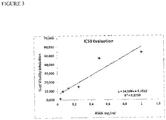
- IC 50 0.8 mg / ml (see Figue 3) Table 1 Camp.AS66 mg/ml % Vitality % Vitality Inhibition 1 45,97 54,03 0,5 53,05 46,95 0,25 85,19 14,81 0,125 86,66 13,34 0,0625 90,38 9,62 0,03125 98,53 1,47 0,015625 95,05 4,95 cntrl neg 100,00 0,00
- IC 50 corresponds to the dose of the sample which kills 50% of the cells in the incubation period.
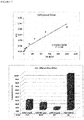
- the tests performed have identified a maximum effective dose equivalent to 0.03 mg / ml: at this concentration, the anti-inflammatory activity of AS66 determines an inhibition of release of IL-6 and IL-8 equal to 51 % and 66.7 % respectively.
- IC 50 has been identified and is of 0.38 mg / ml (see Figure 6 ).
- Study 1 clinical study on dogs belonging to class 2: Mastiff of many breeds suffering of Malassezia ( Pityrosporum)
- the external auditory canal was edematous and erythematous in both ears, with presence of earwax material and bad odor.
- the ear cytology discloses the presence of Malassezia in a very large number for each sample.
- the therapy provides the use of a veterinary ear disinfectant based of clorexidine to be administered twice daily, morning and evening, for 15 days.
- a veterinary ear disinfectant based of clorexidine to be administered twice daily, morning and evening, for 15 days.
- we added the administration of ear drops based on fatty acids because the overgrowing yeasts had been controlled, but the auditory canal was still erythematous with persistent symptoms in the animal.
- the next control after 4 days showed that the external auditory canal was normalized without erythema and without any symptoms showed by the animals.
- Study 3 clinical cases on dogs belonging to class 3, Terrier, etiopathogenesis atopic dermatitis, allergies and hormonal alterations.
- the mixture of the present invention is thus to be considered a valid therapeutic instrument for the control and the progression of inflammatory processes of variegated etiologies of pathologies affecting the external ear of pets.
- the periophthalmic cream based on 9 fatty acids demonstrated to be efficient in the control and in the progression of the symptomatology related to inflammation of variegated nature in the eyelids of cats and dogs.
- GutLife and EvaLife are creams that contain the mixture of the present invention (see Example 10) and that can be used for the treatment of skin/mucosal changes (itching, burning, redness, swelling and tenderness) in the anal and peri-anal area in patients undergoing radiation or chemotherapy.
- GutLife is an anal and peri-anal cream that both male and female patients can use. EvaLife is specifically for female patients to use around vagina and vulva, it is pH balanced to be more beneficial for female patients.
- PICC peripheral catheter
- the chemotherapy was delivered prior to receiving first fraction of radiotherapy
- the RTOG skin assessment tool was used as advised by the Society of Radiographers in order to evaluate the skin reaction (see table 8)
- Table 8 RTOG 0 RTOG 1 RTOG 2A RTOG 2B RTOG 3 No visible change to skin Faint or dull erythema Tender or bright erythema Patchy moist desquamation moist oedema Confluent moist desquamation
- the highest pain score recorded for the control group was 8 (recorded in two patients) with a lowest score of 6 (recorded in 1 patient) compared to a high score of 7 in the study group (recorded in 1 patient), the lowest pain score recorded in the trial group was 4.
Landscapes
- Health & Medical Sciences (AREA)
- Life Sciences & Earth Sciences (AREA)
- Animal Behavior & Ethology (AREA)
- General Health & Medical Sciences (AREA)
- Public Health (AREA)
- Veterinary Medicine (AREA)
- Chemical & Material Sciences (AREA)
- Medicinal Chemistry (AREA)
- Pharmacology & Pharmacy (AREA)
- Epidemiology (AREA)
- Engineering & Computer Science (AREA)
- Bioinformatics & Cheminformatics (AREA)
- Organic Chemistry (AREA)
- General Chemical & Material Sciences (AREA)
- Nuclear Medicine, Radiotherapy & Molecular Imaging (AREA)
- Chemical Kinetics & Catalysis (AREA)
- Physical Education & Sports Medicine (AREA)
- Neurosurgery (AREA)
- Biomedical Technology (AREA)
- Neurology (AREA)
- Pain & Pain Management (AREA)
- Rheumatology (AREA)
- Dermatology (AREA)
- Acyclic And Carbocyclic Compounds In Medicinal Compositions (AREA)
- Organic Low-Molecular-Weight Compounds And Preparation Thereof (AREA)
- Fats And Perfumes (AREA)
Priority Applications (9)
| Application Number | Priority Date | Filing Date | Title |
|---|---|---|---|
| PL14708015T PL2964215T3 (pl) | 2013-03-08 | 2014-03-04 | Mieszanina kwasów tłuszczowych do zastosowania do leczenia patologicznych stanów zapalnych |
| RS20191396A RS59523B1 (sr) | 2013-03-08 | 2014-03-04 | Smeša masnih kiselina za primenu u lečenju inflamatornih patologija |
| PL17169929T PL3219316T3 (pl) | 2013-03-08 | 2014-03-04 | Mieszanina kwasów tłuszczowych (grupa kwasów tłuszczowych f.a.g.) do zastosowania w leczeniu patologicznych stanów zapalnych |
| HRP20191963TT HRP20191963T1 (hr) | 2013-03-08 | 2014-03-04 | Smjesa masnih kiselina za primjenu u liječenju upalnih patologija |
| SM20190614T SMT201900614T1 (it) | 2013-03-08 | 2014-03-04 | Miscela di acidi grassi(f.a.g. fatty acids group) per uso nel trattamento di patologie infiammatorie |
| DK17169929.1T DK3219316T3 (da) | 2013-03-08 | 2014-03-04 | Blanding af fedtsyrer (f.a.g., fedtsyregruppe) til anvendelse i behandlingen af inflammatoriske patologier |
| EP17169929.1A EP3219316B1 (en) | 2013-03-08 | 2014-03-04 | Mixture of fatty acids (f.a.g., fatty acids group) for use in the treatment of inflammatory pathologies |
| SI201431377T SI2964215T1 (sl) | 2013-03-08 | 2014-03-04 | Mešanica maščobnih kislin za uporabo pri zdravljenju vnetnih patologij |
| CY20201100229T CY1122783T1 (el) | 2013-03-08 | 2020-03-16 | Μιγμα λιπαρων οξεων (ομαδα λιπαρων οξεων, ο.λ.ο.) προς χρηση στη θεραπευτικη αγωγη φλεγμονωδων παθολογιων |
Applications Claiming Priority (3)
| Application Number | Priority Date | Filing Date | Title |
|---|---|---|---|
| US201361774796P | 2013-03-08 | 2013-03-08 | |
| IT000354A ITMI20130354A1 (it) | 2013-03-08 | 2013-03-08 | Miscela di acidi grassi (f.a.g. fatty acids group) per uso nel trattamento di patologie infiammatorie. |
| PCT/EP2014/054163 WO2014135529A1 (en) | 2013-03-08 | 2014-03-04 | Mixture of fatty acids for use in the treatment of inflammatory pathologies |
Related Child Applications (2)
| Application Number | Title | Priority Date | Filing Date |
|---|---|---|---|
| EP17169929.1A Division EP3219316B1 (en) | 2013-03-08 | 2014-03-04 | Mixture of fatty acids (f.a.g., fatty acids group) for use in the treatment of inflammatory pathologies |
| EP17169929.1A Division-Into EP3219316B1 (en) | 2013-03-08 | 2014-03-04 | Mixture of fatty acids (f.a.g., fatty acids group) for use in the treatment of inflammatory pathologies |
Publications (2)
| Publication Number | Publication Date |
|---|---|
| EP2964215A1 EP2964215A1 (en) | 2016-01-13 |
| EP2964215B1 true EP2964215B1 (en) | 2019-08-21 |
Family
ID=48227394
Family Applications (2)
| Application Number | Title | Priority Date | Filing Date |
|---|---|---|---|
| EP14708015.4A Active EP2964215B1 (en) | 2013-03-08 | 2014-03-04 | Mixture of fatty acids for use in the treatment of inflammatory pathologies |
| EP17169929.1A Active EP3219316B1 (en) | 2013-03-08 | 2014-03-04 | Mixture of fatty acids (f.a.g., fatty acids group) for use in the treatment of inflammatory pathologies |
Family Applications After (1)
| Application Number | Title | Priority Date | Filing Date |
|---|---|---|---|
| EP17169929.1A Active EP3219316B1 (en) | 2013-03-08 | 2014-03-04 | Mixture of fatty acids (f.a.g., fatty acids group) for use in the treatment of inflammatory pathologies |
Country Status (18)
| Country | Link |
|---|---|
| US (2) | US11020365B2 (da) |
| EP (2) | EP2964215B1 (da) |
| AU (2) | AU2014224710B2 (da) |
| CA (1) | CA2904112C (da) |
| CY (2) | CY1122248T1 (da) |
| DK (2) | DK3219316T3 (da) |
| EA (2) | EA035091B1 (da) |
| ES (2) | ES2779851T3 (da) |
| HR (2) | HRP20191963T1 (da) |
| HU (2) | HUE046239T2 (da) |
| IT (1) | ITMI20130354A1 (da) |
| LT (2) | LT2964215T (da) |
| PL (2) | PL2964215T3 (da) |
| PT (2) | PT3219316T (da) |
| RS (2) | RS60023B1 (da) |
| SI (2) | SI3219316T1 (da) |
| SM (2) | SMT202000115T1 (da) |
| WO (1) | WO2014135529A1 (da) |
Families Citing this family (12)
| Publication number | Priority date | Publication date | Assignee | Title |
|---|---|---|---|---|
| ITMI20130354A1 (it) * | 2013-03-08 | 2014-09-09 | Again Life Italia Srl | Miscela di acidi grassi (f.a.g. fatty acids group) per uso nel trattamento di patologie infiammatorie. |
| JP7118642B2 (ja) * | 2014-08-08 | 2022-08-16 | アリ リサーチ ソシエタ ア レスポンサビリタ リミタータ センプリフィカタ | 炎症性およびアレルギー性病変の治療に用いるための脂肪酸とパルミトイルエタノールアミドの混合物 |
| AR102008A1 (es) * | 2015-09-24 | 2017-01-25 | Brix S R L | Ingrediente farmacéutico activo (ifa) oleoso para el tratamiento de afecciones de la piel, composiciones que lo comprenden y su uso para prepararlas |
| US20210205253A1 (en) * | 2018-05-31 | 2021-07-08 | The Asan Foundation | Use Of Stearic Acid For Preventing Or Treating Pulmonary Fibrosis |
| EP3586641A1 (en) | 2018-06-21 | 2020-01-01 | Nuseed Pty Ltd | Dha enriched polyunsaturated fatty acid compositions |
| EP3586643A1 (en) | 2018-06-21 | 2020-01-01 | Nuseed Pty Ltd | Dha enriched polyunsaturated fatty acid compositions |
| KR102204097B1 (ko) * | 2019-01-31 | 2021-01-18 | 동신대학교 산학협력단 | 지방산을 유효성분으로 포함하는 천식 예방 또는 치료용 조성물 |
| CN116472023A (zh) * | 2020-02-12 | 2023-07-21 | 拜奥吉瓦有限责任公司 | 用于化妆品应用的氘代多不饱和脂肪酸或其酯 |
| AU2022328181A1 (en) | 2021-08-09 | 2024-03-21 | Kentucky Equine Research, Inc. | Compositions and methods for modulating equine fatty acid profiles |
| US20240350447A1 (en) * | 2021-11-24 | 2024-10-24 | Jenivision Inc. | Delivery methods for treating brain and central nervous system diseases |
| CN119385999A (zh) * | 2024-11-06 | 2025-02-07 | 中国人民解放军军事科学院军事医学研究院 | 壬二酸在制备防治放射性肺损伤药物中的应用 |
| CN120000629B (zh) * | 2025-01-22 | 2025-12-05 | 华南师范大学 | 壬二酸在制备防治脓毒症急性肺损伤药物中的应用 |
Citations (9)
| Publication number | Priority date | Publication date | Assignee | Title |
|---|---|---|---|---|
| US5925679A (en) * | 1995-06-06 | 1999-07-20 | Neutrogena Corporation | Topical vehicles containing solubilized and stabilized azelaic acid |
| DE10161729A1 (de) | 2001-12-15 | 2003-06-18 | Mira Ursic | Medizinische bzw. pharmazeutische Salbenzubereitung |
| WO2003092655A2 (de) | 2002-04-30 | 2003-11-13 | Cognis Iberia, S.L. | Verwendung von wirkstoffmischungen mit azelainsaure und glycyrrhetinsaure als anti-aknemittel |
| JP2009149599A (ja) | 2007-11-27 | 2009-07-09 | Kizuku Nakajima | 薬用油脂 |
| WO2009131939A2 (en) | 2008-04-21 | 2009-10-29 | Asha Lipid Sciences, Inc. | Lipid-containing compositions and methods of use thereof |
| US20100113387A1 (en) | 2008-10-31 | 2010-05-06 | Thorsteinn Loftsson | Fatty acids for use as a medicament |
| WO2010118761A1 (en) | 2009-04-17 | 2010-10-21 | Eolas Science Limited | Compositions rich in omega-3 fatty acids with a low content in phytanic acid |
| WO2011147964A1 (de) | 2010-05-27 | 2011-12-01 | Intendis Gmbh | Azelainsäurehaltige formulierung mit pigmentzusatz |
| WO2014135529A1 (en) | 2013-03-08 | 2014-09-12 | Again Life Italia Srl | Mixture of fatty acids for use in the treatment of inflammatory pathologies |
Family Cites Families (11)
| Publication number | Priority date | Publication date | Assignee | Title |
|---|---|---|---|---|
| ATE155684T1 (de) * | 1992-04-28 | 1997-08-15 | Fresenius Ag | Verwendung einer omega-3-fettsäuren enthaltenden emulsion zur herstellung eines parenteral zu verabreichenden arzneimittels zur behandlung von entzündlichen erkrankungen |
| EP1175901B1 (en) * | 1999-04-15 | 2006-05-31 | Kaneka Corporation | Peroxisome activator-responsive receptor agonists |
| GB9923738D0 (en) | 1999-10-07 | 1999-12-08 | Nestle Sa | Nutritional composition |
| WO2004084829A2 (en) * | 2003-03-20 | 2004-10-07 | Imagenetix, Inc. | Esterified fatty acid composition |
| US20080057552A1 (en) * | 2006-08-31 | 2008-03-06 | Inmok Lee | Processes for Producing Fats or Oils and Compositions Comprising the Fats or Oils |
| NZ552238A (en) | 2006-12-20 | 2009-07-31 | Seperex Nutritionals Ltd | An extract |
| BRPI0909185A2 (pt) * | 2008-03-20 | 2015-08-25 | Virun Inc | Derivado de vitamina e e seus usos |
| ES2547133T5 (es) | 2009-09-07 | 2019-02-15 | Epitech Group S P A | Composición que contiene palmitoiletanolamida ultramicronizada |
| CA2703532C (en) | 2010-05-10 | 2018-05-01 | Eva Turley | Topically administered, skin-penetrating glycosaminoglycan formulations suitable for use in cosmetic and pharmaceutical applications |
| EP2661266B1 (en) | 2011-01-07 | 2020-09-16 | Anji Pharma (US) LLC | Chemosensory receptor ligand-based therapies |
| US20120252888A1 (en) * | 2011-03-29 | 2012-10-04 | Palupa Medical Ltd. | Compositions and Methods for Treating Neurologic Disorders |
-
2013
- 2013-03-08 IT IT000354A patent/ITMI20130354A1/it unknown
-
2014
- 2014-03-04 PL PL14708015T patent/PL2964215T3/pl unknown
- 2014-03-04 AU AU2014224710A patent/AU2014224710B2/en not_active Ceased
- 2014-03-04 SI SI201431512T patent/SI3219316T1/sl unknown
- 2014-03-04 RS RS20200252A patent/RS60023B1/sr unknown
- 2014-03-04 EA EA201591680A patent/EA035091B1/ru unknown
- 2014-03-04 DK DK17169929.1T patent/DK3219316T3/da active
- 2014-03-04 HU HUE14708015A patent/HUE046239T2/hu unknown
- 2014-03-04 SI SI201431377T patent/SI2964215T1/sl unknown
- 2014-03-04 LT LT14708015T patent/LT2964215T/lt unknown
- 2014-03-04 PT PT171699291T patent/PT3219316T/pt unknown
- 2014-03-04 SM SM20200115T patent/SMT202000115T1/it unknown
- 2014-03-04 PT PT147080154T patent/PT2964215T/pt unknown
- 2014-03-04 US US14/772,768 patent/US11020365B2/en active Active
- 2014-03-04 RS RS20191396A patent/RS59523B1/sr unknown
- 2014-03-04 HU HUE17169929A patent/HUE048361T2/hu unknown
- 2014-03-04 DK DK14708015T patent/DK2964215T3/da active
- 2014-03-04 CA CA2904112A patent/CA2904112C/en active Active
- 2014-03-04 ES ES17169929T patent/ES2779851T3/es active Active
- 2014-03-04 EP EP14708015.4A patent/EP2964215B1/en active Active
- 2014-03-04 WO PCT/EP2014/054163 patent/WO2014135529A1/en not_active Ceased
- 2014-03-04 EA EA201791885A patent/EA036724B1/ru unknown
- 2014-03-04 PL PL17169929T patent/PL3219316T3/pl unknown
- 2014-03-04 EP EP17169929.1A patent/EP3219316B1/en active Active
- 2014-03-04 SM SM20190614T patent/SMT201900614T1/it unknown
- 2014-03-04 LT LTEP17169929.1T patent/LT3219316T/lt unknown
- 2014-03-04 HR HRP20191963TT patent/HRP20191963T1/hr unknown
- 2014-03-04 ES ES14708015T patent/ES2753257T3/es active Active
-
2018
- 2018-03-27 AU AU2018202190A patent/AU2018202190B2/en not_active Ceased
-
2019
- 2019-11-05 CY CY20191101148T patent/CY1122248T1/el unknown
-
2020
- 2020-03-10 HR HRP20200394TT patent/HRP20200394T1/hr unknown
- 2020-03-16 CY CY20201100229T patent/CY1122783T1/el unknown
-
2021
- 2021-04-29 US US17/244,036 patent/US20210290578A1/en active Pending
Patent Citations (10)
| Publication number | Priority date | Publication date | Assignee | Title |
|---|---|---|---|---|
| US5925679A (en) * | 1995-06-06 | 1999-07-20 | Neutrogena Corporation | Topical vehicles containing solubilized and stabilized azelaic acid |
| DE10161729A1 (de) | 2001-12-15 | 2003-06-18 | Mira Ursic | Medizinische bzw. pharmazeutische Salbenzubereitung |
| WO2003092655A2 (de) | 2002-04-30 | 2003-11-13 | Cognis Iberia, S.L. | Verwendung von wirkstoffmischungen mit azelainsaure und glycyrrhetinsaure als anti-aknemittel |
| JP2009149599A (ja) | 2007-11-27 | 2009-07-09 | Kizuku Nakajima | 薬用油脂 |
| WO2009131939A2 (en) | 2008-04-21 | 2009-10-29 | Asha Lipid Sciences, Inc. | Lipid-containing compositions and methods of use thereof |
| US20100113387A1 (en) | 2008-10-31 | 2010-05-06 | Thorsteinn Loftsson | Fatty acids for use as a medicament |
| WO2010049954A1 (en) | 2008-10-31 | 2010-05-06 | Lipid Pharmaceuticals Ehf. | Fatty acids for use as a medicament |
| WO2010118761A1 (en) | 2009-04-17 | 2010-10-21 | Eolas Science Limited | Compositions rich in omega-3 fatty acids with a low content in phytanic acid |
| WO2011147964A1 (de) | 2010-05-27 | 2011-12-01 | Intendis Gmbh | Azelainsäurehaltige formulierung mit pigmentzusatz |
| WO2014135529A1 (en) | 2013-03-08 | 2014-09-12 | Again Life Italia Srl | Mixture of fatty acids for use in the treatment of inflammatory pathologies |
Non-Patent Citations (9)
| Title |
|---|
| "Nutrition and Skin", 1 January 2011, SPRINGER NEW YORK, New York, NY, ISBN: 978-1-4419-7967-4, article ANTHONY VINCENT RAWLINGS: "Essential Fatty Acids and Atopic Dermatitis", pages: 159 - 175, XP055722955, DOI: 10.1007/978-1-4419-7967-4_11 |
| A. M. KLIGMAN: "Corneobiology and Corneotherapy - a final chapter :", INTERNATIONAL JOURNAL OF COSMETIC SCIENCE., KLUWER ACADEMIC PUBLISHERS, DORDRECHT., NL, vol. 33, no. 3, 1 June 2011 (2011-06-01), NL, pages 197 - 209, XP055722960, ISSN: 0142-5463, DOI: 10.1111/j.1468-2494.2011.00644.x |
| ANONYMOUS: "Sjogren syndrome", WIKIPEDIA, THE FREE ENCYCLOPEDIA, 18 April 2020 (2020-04-18), pages 1 - 17, XP055722937, Retrieved from the Internet <URL:https://en.wikipedia.org/wiki/Sjögren_syndrome> [retrieved on 20200518] |
| ARHAM SHABBIR: "RHUS CORIARIA LINN, A PLANT OF MEDICINAL, NUTRITIONAL AND INDUSTRIAL IMPORTANCE: A REVIEW", THE JOURNAL OF ANIMAL & PLANT SCIENCES, vol. 22, no. 2, 7 June 2012 (2012-06-07), pages 505 - 512, XP055115158, ISSN: 1017-7081 |
| C. REMACLE B. REUSENS: "Functional Foods, Ageing and Degenerative Disease, Part III: Gut health and immune function", 2004, WOODHEAD PUBLISHING, ISBN: 9781855737259, article P.C. CALDER: "15 - Dietary lipids and immune function", pages: 349 - 393, XP055722924 |
| DENNIS KIM;RICHARD LOCKEY: "Dermatology for the allergist", WORLD ALLERGY ORGANIZATION JOURNAL, BIOMED CENTRAL LTD, LONDON, UK, vol. 3, no. 6, 15 June 2010 (2010-06-15), London, UK, pages 202 - 215, XP021143372, ISSN: 1939-4551, DOI: 10.1097/WOX.0b013e3181e2eb2e |
| GEORG LAMBERTSEN, BRÆKKAN OLAF R: "The fatty acid composition of cod liver oil", FISKERIDIREKTORATETS SKRIFTER / SERIE TEKNOLOGISKE UNDERSØKELSER, FISKERIDIREKTORATET, 1 January 1965 (1965-01-01), pages 1 - 14, XP055722943 |
| HERBERT J SPOOR: "External Cod Liver Oil Therapy in Infantile and Atopic Eczema", 15 September 1960 (1960-09-15), pages 2863 - 2868, XP055743165 |
| OIEN TORBJ0RN, OLA STORR0, ROAR JOHNSEN: "Do early intake of fish and fish oil protect against eczema and doctor-diagnosed asthma at 2 years of age? A cohort study", JOURNAL OF EPIDEMIOLOGY AND COMMUNITY HEALTH, BRITISH MEDICAL ASSOCIATION, LONDON, GB, vol. 64, no. 2, 1 February 2010 (2010-02-01), GB, pages 124 - 129, XP055722951, ISSN: 0143-005X, DOI: 10.1136/jech.2008.084921 |
Also Published As
Similar Documents
| Publication | Publication Date | Title |
|---|---|---|
| US20210290578A1 (en) | Mixture of fatty acids for use in the treatment of inflammatory pathologies | |
| CA2582027C (en) | A pharmaceutical composition for the treatment of pathologies caused by the general response of the immune system | |
| US9962355B2 (en) | Mixture of fatty acids and palmitoylethanolamide for use in the treatment of inflammatory and allergic pathologies | |
| US12540310B2 (en) | Differentiation method of neural stem cells manufactured by direct cell conversion into astrocytes | |
| JPH11501634A (ja) | 免疫系異常治療用の胆汁からの免疫調節組成物 | |
| US20160279092A1 (en) | Compositions and methods for treating psoriasis | |
| US10987323B2 (en) | Combination comprising palmitoylethanolamide (PEA) and lycopene for use in the treatment of inflammatory diseases | |
| Kim et al. | Nutraceutical potential of exosome-like nanoparticles derived from Boehmeria japonica in inflammatory bowel disease | |
| CN117899098B (zh) | 稀有人参皂苷CMx在制备用于预防和/或治疗2型炎症性疾病的药物中的应用 | |
| Cui et al. | Clinical evaluation and therapeutic effects of combination treatment with mecobalamin+ vitamin E in recurrent oral ulcer | |
| HK1243924B (en) | Mixture of fatty acids (f.a.g., fatty acids group) for use in the treatment of inflammatory pathologies | |
| CN117205223A (zh) | 单半乳糖基二酰基甘油半乳糖脂在制备治疗银屑病药物的应用及其药物组合物 | |
| Vijayapoopathi et al. | Nutraceutical combination ameliorates imiquimod‐induced psoriasis in mice | |
| JP6708376B2 (ja) | IFN−γ及び/又はIL−17の産生抑制剤、並びにTh1細胞及び/又はTh17細胞の分化抑制剤 | |
| JP2012254959A (ja) | Il−17産生抑制剤 | |
| CN118557565A (zh) | 楝酰胺及其结构类似物防治银屑病的用途 | |
| Zhao et al. | Protective effects of baicalin on lipopolysaccharide (LPS)-induced implantation failure and the uterine endometrium in mice | |
| Kukushkina et al. | Effect of urolithin A on production of interleukins 6 and 10 by immune cells from patients with MS and healthy donors | |
| CN118717778A (zh) | D-甘露糖在制备治疗牙周炎产品中的应用 | |
| KR20240073357A (ko) | IFN-γ 전처리된 반려견 중간엽 줄기세포 유래 엑소좀을 포함하는 아토피 피부염 치료용 조성물 | |
| IT202100025427A1 (it) | Uso di una combinazione topica e sistemica per il trattamento di disordini immunologici cutanei legato allo squilibrio della popolazione Treg residente | |
| CN114366732A (zh) | 泰妙菌素在制备用于治疗银屑病的药物中的应用 | |
| JP2011251950A (ja) | スルホバシンbを有効成分として含む抗炎症剤 | |
| CN110035746A (zh) | 对自然杀伤细胞具有免疫调节作用的口服组合物 |
Legal Events
| Date | Code | Title | Description |
|---|---|---|---|
| PUAI | Public reference made under article 153(3) epc to a published international application that has entered the european phase |
Free format text: ORIGINAL CODE: 0009012 |
|
| 17P | Request for examination filed |
Effective date: 20150803 |
|
| AK | Designated contracting states |
Kind code of ref document: A1 Designated state(s): AL AT BE BG CH CY CZ DE DK EE ES FI FR GB GR HR HU IE IS IT LI LT LU LV MC MK MT NL NO PL PT RO RS SE SI SK SM TR |
|
| AX | Request for extension of the european patent |
Extension state: BA ME |
|
| DAX | Request for extension of the european patent (deleted) | ||
| STAA | Information on the status of an ep patent application or granted ep patent |
Free format text: STATUS: EXAMINATION IS IN PROGRESS |
|
| 17Q | First examination report despatched |
Effective date: 20161207 |
|
| RIC1 | Information provided on ipc code assigned before grant |
Ipc: A61K 31/201 20060101ALI20190221BHEP Ipc: A61P 17/00 20060101ALI20190221BHEP Ipc: A61P 27/00 20060101ALI20190221BHEP Ipc: A61K 31/20 20060101AFI20190221BHEP Ipc: A61P 19/00 20060101ALI20190221BHEP Ipc: A61K 31/202 20060101ALI20190221BHEP Ipc: A61K 45/06 20060101ALI20190221BHEP Ipc: A61K 9/14 20060101ALN20190221BHEP Ipc: A61K 9/08 20060101ALN20190221BHEP Ipc: A61P 25/00 20060101ALI20190221BHEP Ipc: A61P 29/00 20060101ALI20190221BHEP |
|
| GRAP | Despatch of communication of intention to grant a patent |
Free format text: ORIGINAL CODE: EPIDOSNIGR1 |
|
| STAA | Information on the status of an ep patent application or granted ep patent |
Free format text: STATUS: GRANT OF PATENT IS INTENDED |
|
| RIC1 | Information provided on ipc code assigned before grant |
Ipc: A61K 31/201 20060101ALI20190304BHEP Ipc: A61K 45/06 20060101ALI20190304BHEP Ipc: A61P 19/00 20060101ALI20190304BHEP Ipc: A61P 27/00 20060101ALI20190304BHEP Ipc: A61K 9/14 20060101ALN20190304BHEP Ipc: A61K 9/08 20060101ALN20190304BHEP Ipc: A61K 31/20 20060101AFI20190304BHEP Ipc: A61K 31/202 20060101ALI20190304BHEP Ipc: A61P 29/00 20060101ALI20190304BHEP Ipc: A61P 17/00 20060101ALI20190304BHEP Ipc: A61P 25/00 20060101ALI20190304BHEP |
|
| RAP1 | Party data changed (applicant data changed or rights of an application transferred) |
Owner name: AGAIN LIFE ITALIA SRL |
|
| RIC1 | Information provided on ipc code assigned before grant |
Ipc: A61K 31/202 20060101ALI20190318BHEP Ipc: A61P 19/00 20060101ALI20190318BHEP Ipc: A61K 9/14 20060101ALN20190318BHEP Ipc: A61K 31/20 20060101AFI20190318BHEP Ipc: A61P 27/00 20060101ALI20190318BHEP Ipc: A61K 31/201 20060101ALI20190318BHEP Ipc: A61K 45/06 20060101ALI20190318BHEP Ipc: A61P 17/00 20060101ALI20190318BHEP Ipc: A61P 25/00 20060101ALI20190318BHEP Ipc: A61K 9/08 20060101ALN20190318BHEP Ipc: A61P 29/00 20060101ALI20190318BHEP |
|
| INTG | Intention to grant announced |
Effective date: 20190401 |
|
| GRAS | Grant fee paid |
Free format text: ORIGINAL CODE: EPIDOSNIGR3 |
|
| GRAA | (expected) grant |
Free format text: ORIGINAL CODE: 0009210 |
|
| STAA | Information on the status of an ep patent application or granted ep patent |
Free format text: STATUS: THE PATENT HAS BEEN GRANTED |
|
| AK | Designated contracting states |
Kind code of ref document: B1 Designated state(s): AL AT BE BG CH CY CZ DE DK EE ES FI FR GB GR HR HU IE IS IT LI LT LU LV MC MK MT NL NO PL PT RO RS SE SI SK SM TR |
|
| REG | Reference to a national code |
Ref country code: GB Ref legal event code: FG4D |
|
| REG | Reference to a national code |
Ref country code: CH Ref legal event code: EP |
|
| REG | Reference to a national code |
Ref country code: DE Ref legal event code: R096 Ref document number: 602014052092 Country of ref document: DE |
|
| REG | Reference to a national code |
Ref country code: AT Ref legal event code: REF Ref document number: 1168914 Country of ref document: AT Kind code of ref document: T Effective date: 20190915 |
|
| REG | Reference to a national code |
Ref country code: IE Ref legal event code: FG4D |
|
| REG | Reference to a national code |
Ref country code: HR Ref legal event code: TUEP Ref document number: P20191963T Country of ref document: HR |
|
| REG | Reference to a national code |
Ref country code: RO Ref legal event code: EPE |
|
| REG | Reference to a national code |
Ref country code: DK Ref legal event code: T3 Effective date: 20191104 |
|
| REG | Reference to a national code |
Ref country code: PT Ref legal event code: SC4A Ref document number: 2964215 Country of ref document: PT Date of ref document: 20191112 Kind code of ref document: T Free format text: AVAILABILITY OF NATIONAL TRANSLATION Effective date: 20191104 |
|
| REG | Reference to a national code |
Ref country code: SE Ref legal event code: TRGR |
|
| REG | Reference to a national code |
Ref country code: NL Ref legal event code: FP |
|
| REG | Reference to a national code |
Ref country code: NO Ref legal event code: T2 Effective date: 20190821 |
|
| REG | Reference to a national code |
Ref country code: EE Ref legal event code: FG4A Ref document number: E018343 Country of ref document: EE Effective date: 20191104 |
|
| REG | Reference to a national code |
Ref country code: HR Ref legal event code: T1PR Ref document number: P20191963 Country of ref document: HR |
|
| REG | Reference to a national code |
Ref country code: CH Ref legal event code: NV Representative=s name: VALIPAT S.A. C/O BOVARD SA NEUCHATEL, CH |
|
| REG | Reference to a national code |
Ref country code: SK Ref legal event code: T3 Ref document number: E 32758 Country of ref document: SK |
|
| REG | Reference to a national code |
Ref country code: GR Ref legal event code: EP Ref document number: 20190403323 Country of ref document: GR Effective date: 20200213 Ref country code: HU Ref legal event code: AG4A Ref document number: E046239 Country of ref document: HU |
|
| REG | Reference to a national code |
Ref country code: HR Ref legal event code: ODRP Ref document number: P20191963 Country of ref document: HR Payment date: 20200226 Year of fee payment: 7 |
|
| REG | Reference to a national code |
Ref country code: ES Ref legal event code: FG2A Ref document number: 2753257 Country of ref document: ES Kind code of ref document: T3 Effective date: 20200407 |
|
| REG | Reference to a national code |
Ref country code: DE Ref legal event code: R026 Ref document number: 602014052092 Country of ref document: DE |
|
| PLBI | Opposition filed |
Free format text: ORIGINAL CODE: 0009260 |
|
| PLAX | Notice of opposition and request to file observation + time limit sent |
Free format text: ORIGINAL CODE: EPIDOSNOBS2 |
|
| REG | Reference to a national code |
Ref country code: FI Ref legal event code: MDE Opponent name: N.V. NUTRICIA |
|
| 26 | Opposition filed |
Opponent name: N.V. NUTRICIA Effective date: 20200520 |
|
| PLBB | Reply of patent proprietor to notice(s) of opposition received |
Free format text: ORIGINAL CODE: EPIDOSNOBS3 |
|
| REG | Reference to a national code |
Ref country code: AT Ref legal event code: UEP Ref document number: 1168914 Country of ref document: AT Kind code of ref document: T Effective date: 20190821 |
|
| REG | Reference to a national code |
Ref country code: HR Ref legal event code: ODRP Ref document number: P20191963 Country of ref document: HR Payment date: 20210219 Year of fee payment: 8 |
|
| APBM | Appeal reference recorded |
Free format text: ORIGINAL CODE: EPIDOSNREFNO |
|
| APBP | Date of receipt of notice of appeal recorded |
Free format text: ORIGINAL CODE: EPIDOSNNOA2O |
|
| APAH | Appeal reference modified |
Free format text: ORIGINAL CODE: EPIDOSCREFNO |
|
| REG | Reference to a national code |
Ref country code: HR Ref legal event code: ODRP Ref document number: P20191963 Country of ref document: HR Payment date: 20220221 Year of fee payment: 9 |
|
| APBQ | Date of receipt of statement of grounds of appeal recorded |
Free format text: ORIGINAL CODE: EPIDOSNNOA3O |
|
| APAH | Appeal reference modified |
Free format text: ORIGINAL CODE: EPIDOSCREFNO |
|
| REG | Reference to a national code |
Ref country code: HR Ref legal event code: ODRP Ref document number: P20191963 Country of ref document: HR Payment date: 20230331 Year of fee payment: 10 |
|
| PGFP | Annual fee paid to national office [announced via postgrant information from national office to epo] |
Ref country code: LU Payment date: 20230327 Year of fee payment: 10 |
|
| PGFP | Annual fee paid to national office [announced via postgrant information from national office to epo] |
Ref country code: IS Payment date: 20230331 Year of fee payment: 10 |
|
| PGFP | Annual fee paid to national office [announced via postgrant information from national office to epo] |
Ref country code: MC Payment date: 20230404 Year of fee payment: 10 Ref country code: CY Payment date: 20230405 Year of fee payment: 10 |
|
| PGFP | Annual fee paid to national office [announced via postgrant information from national office to epo] |
Ref country code: MT Payment date: 20230403 Year of fee payment: 10 |
|
| PGFP | Annual fee paid to national office [announced via postgrant information from national office to epo] |
Ref country code: MK Payment date: 20230403 Year of fee payment: 10 |
|
| P01 | Opt-out of the competence of the unified patent court (upc) registered |
Effective date: 20240208 |
|
| REG | Reference to a national code |
Ref country code: HR Ref legal event code: ODRP Ref document number: P20191963 Country of ref document: HR Payment date: 20240830 Year of fee payment: 11 |
|
| PG25 | Lapsed in a contracting state [announced via postgrant information from national office to epo] |
Ref country code: CY Free format text: LAPSE BECAUSE OF NON-PAYMENT OF DUE FEES Effective date: 20240304 |
|
| PG25 | Lapsed in a contracting state [announced via postgrant information from national office to epo] |
Ref country code: CY Free format text: LAPSE BECAUSE OF NON-PAYMENT OF DUE FEES Effective date: 20240304 |
|
| PG25 | Lapsed in a contracting state [announced via postgrant information from national office to epo] |
Ref country code: LU Free format text: LAPSE BECAUSE OF NON-PAYMENT OF DUE FEES Effective date: 20240304 |
|
| PG25 | Lapsed in a contracting state [announced via postgrant information from national office to epo] |
Ref country code: MC Free format text: LAPSE BECAUSE OF NON-PAYMENT OF DUE FEES Effective date: 20240402 |
|
| APBU | Appeal procedure closed |
Free format text: ORIGINAL CODE: EPIDOSNNOA9O |
|
| PG25 | Lapsed in a contracting state [announced via postgrant information from national office to epo] |
Ref country code: MC Free format text: LAPSE BECAUSE OF NON-PAYMENT OF DUE FEES Effective date: 20240402 Ref country code: LU Free format text: LAPSE BECAUSE OF NON-PAYMENT OF DUE FEES Effective date: 20240304 |
|
| PLAY | Examination report in opposition despatched + time limit |
Free format text: ORIGINAL CODE: EPIDOSNORE2 |
|
| REG | Reference to a national code |
Ref country code: HR Ref legal event code: ODRP Ref document number: P20191963 Country of ref document: HR Payment date: 20250319 Year of fee payment: 12 |
|
| PGFP | Annual fee paid to national office [announced via postgrant information from national office to epo] |
Ref country code: BG Payment date: 20250325 Year of fee payment: 12 |
|
| PGFP | Annual fee paid to national office [announced via postgrant information from national office to epo] |
Ref country code: HU Payment date: 20250326 Year of fee payment: 12 |
|
| PGFP | Annual fee paid to national office [announced via postgrant information from national office to epo] |
Ref country code: SI Payment date: 20250317 Year of fee payment: 12 |
|
| PGFP | Annual fee paid to national office [announced via postgrant information from national office to epo] |
Ref country code: GB Payment date: 20250327 Year of fee payment: 12 |
|
| PGFP | Annual fee paid to national office [announced via postgrant information from national office to epo] |
Ref country code: AL Payment date: 20250321 Year of fee payment: 12 |
|
| PLBC | Reply to examination report in opposition received |
Free format text: ORIGINAL CODE: EPIDOSNORE3 |
|
| PGFP | Annual fee paid to national office [announced via postgrant information from national office to epo] |
Ref country code: ES Payment date: 20250401 Year of fee payment: 12 |
|
| PGFP | Annual fee paid to national office [announced via postgrant information from national office to epo] |
Ref country code: CH Payment date: 20250401 Year of fee payment: 12 |
|
| PLAY | Examination report in opposition despatched + time limit |
Free format text: ORIGINAL CODE: EPIDOSNORE2 |
|
| PLBC | Reply to examination report in opposition received |
Free format text: ORIGINAL CODE: EPIDOSNORE3 |
|
| PGFP | Annual fee paid to national office [announced via postgrant information from national office to epo] |
Ref country code: SM Payment date: 20260320 Year of fee payment: 13 |
|
| PGFP | Annual fee paid to national office [announced via postgrant information from national office to epo] |
Ref country code: SE Payment date: 20260325 Year of fee payment: 13 |
|
| PGFP | Annual fee paid to national office [announced via postgrant information from national office to epo] |
Ref country code: LT Payment date: 20260312 Year of fee payment: 13 |
|
| REG | Reference to a national code |
Ref country code: HR Ref legal event code: ODRP Ref document number: P20191963 Country of ref document: HR Payment date: 20260310 Year of fee payment: 13 |
|
| PGFP | Annual fee paid to national office [announced via postgrant information from national office to epo] |
Ref country code: DE Payment date: 20260318 Year of fee payment: 13 Ref country code: NO Payment date: 20260327 Year of fee payment: 13 Ref country code: DK Payment date: 20260325 Year of fee payment: 13 Ref country code: IE Payment date: 20260325 Year of fee payment: 13 |
|
| PGFP | Annual fee paid to national office [announced via postgrant information from national office to epo] |
Ref country code: HR Payment date: 20260310 Year of fee payment: 13 Ref country code: AT Payment date: 20260318 Year of fee payment: 13 |
|
| PGFP | Annual fee paid to national office [announced via postgrant information from national office to epo] |
Ref country code: RO Payment date: 20260323 Year of fee payment: 13 Ref country code: BE Payment date: 20260318 Year of fee payment: 13 Ref country code: FI Payment date: 20260323 Year of fee payment: 13 Ref country code: IT Payment date: 20260317 Year of fee payment: 13 |
|
| PGFP | Annual fee paid to national office [announced via postgrant information from national office to epo] |
Ref country code: NL Payment date: 20260325 Year of fee payment: 13 |
|
| PGFP | Annual fee paid to national office [announced via postgrant information from national office to epo] |
Ref country code: RS Payment date: 20260311 Year of fee payment: 13 |
|
| PGFP | Annual fee paid to national office [announced via postgrant information from national office to epo] |
Ref country code: FR Payment date: 20260325 Year of fee payment: 13 |
|
| PGFP | Annual fee paid to national office [announced via postgrant information from national office to epo] |
Ref country code: TR Payment date: 20260310 Year of fee payment: 13 |
|
| PGFP | Annual fee paid to national office [announced via postgrant information from national office to epo] |
Ref country code: PT Payment date: 20260310 Year of fee payment: 13 Ref country code: CZ Payment date: 20260317 Year of fee payment: 13 |
|
| PGFP | Annual fee paid to national office [announced via postgrant information from national office to epo] |
Ref country code: GR Payment date: 20260317 Year of fee payment: 13 Ref country code: PL Payment date: 20260312 Year of fee payment: 13 |
|
| PGFP | Annual fee paid to national office [announced via postgrant information from national office to epo] |
Ref country code: EE Payment date: 20260317 Year of fee payment: 13 Ref country code: SK Payment date: 20260317 Year of fee payment: 13 Ref country code: LV Payment date: 20260317 Year of fee payment: 13 |