EP2964257B1 - Rezeptur für transkutane dosierung - Google Patents
Rezeptur für transkutane dosierung Download PDFInfo
- Publication number
- EP2964257B1 EP2964257B1 EP14759477.4A EP14759477A EP2964257B1 EP 2964257 B1 EP2964257 B1 EP 2964257B1 EP 14759477 A EP14759477 A EP 14759477A EP 2964257 B1 EP2964257 B1 EP 2964257B1
- Authority
- EP
- European Patent Office
- Prior art keywords
- composition
- topical
- nthi
- seq
- dmlt
- Prior art date
- Legal status (The legal status is an assumption and is not a legal conclusion. Google has not performed a legal analysis and makes no representation as to the accuracy of the status listed.)
- Active
Links
Images


Classifications
-
- A—HUMAN NECESSITIES
- A61—MEDICAL OR VETERINARY SCIENCE; HYGIENE
- A61K—PREPARATIONS FOR MEDICAL, DENTAL OR TOILETRY PURPOSES
- A61K39/00—Medicinal preparations containing antigens or antibodies
- A61K39/02—Bacterial antigens
- A61K39/102—Pasteurellales, e.g. Actinobacillus, Pasteurella; Haemophilus
-
- A—HUMAN NECESSITIES
- A61—MEDICAL OR VETERINARY SCIENCE; HYGIENE
- A61K—PREPARATIONS FOR MEDICAL, DENTAL OR TOILETRY PURPOSES
- A61K9/00—Medicinal preparations characterised by special physical form
- A61K9/0012—Galenical forms characterised by the site of application
- A61K9/0014—Skin, i.e. galenical aspects of topical compositions
-
- A—HUMAN NECESSITIES
- A61—MEDICAL OR VETERINARY SCIENCE; HYGIENE
- A61K—PREPARATIONS FOR MEDICAL, DENTAL OR TOILETRY PURPOSES
- A61K9/00—Medicinal preparations characterised by special physical form
- A61K9/70—Web, sheet or filament bases ; Films; Fibres of the matrix type containing drug
- A61K9/7023—Transdermal patches and similar drug-containing composite devices, e.g. cataplasms
- A61K9/703—Transdermal patches and similar drug-containing composite devices, e.g. cataplasms characterised by shape or structure; Details concerning release liner or backing; Refillable patches; User-activated patches
- A61K9/7084—Transdermal patches having a drug layer or reservoir, and one or more separate drug-free skin-adhesive layers, e.g. between drug reservoir and skin, or surrounding the drug reservoir; Liquid-filled reservoir patches
-
- A—HUMAN NECESSITIES
- A61—MEDICAL OR VETERINARY SCIENCE; HYGIENE
- A61K—PREPARATIONS FOR MEDICAL, DENTAL OR TOILETRY PURPOSES
- A61K39/00—Medicinal preparations containing antigens or antibodies
- A61K2039/54—Medicinal preparations containing antigens or antibodies characterised by the route of administration
-
- A—HUMAN NECESSITIES
- A61—MEDICAL OR VETERINARY SCIENCE; HYGIENE
- A61K—PREPARATIONS FOR MEDICAL, DENTAL OR TOILETRY PURPOSES
- A61K39/00—Medicinal preparations containing antigens or antibodies
- A61K2039/54—Medicinal preparations containing antigens or antibodies characterised by the route of administration
- A61K2039/541—Mucosal route
-
- A—HUMAN NECESSITIES
- A61—MEDICAL OR VETERINARY SCIENCE; HYGIENE
- A61K—PREPARATIONS FOR MEDICAL, DENTAL OR TOILETRY PURPOSES
- A61K39/00—Medicinal preparations containing antigens or antibodies
- A61K2039/545—Medicinal preparations containing antigens or antibodies characterised by the dose, timing or administration schedule
-
- A—HUMAN NECESSITIES
- A61—MEDICAL OR VETERINARY SCIENCE; HYGIENE
- A61K—PREPARATIONS FOR MEDICAL, DENTAL OR TOILETRY PURPOSES
- A61K39/00—Medicinal preparations containing antigens or antibodies
- A61K2039/555—Medicinal preparations containing antigens or antibodies characterised by a specific combination antigen/adjuvant
- A61K2039/55511—Organic adjuvants
- A61K2039/55544—Bacterial toxins
-
- A—HUMAN NECESSITIES
- A61—MEDICAL OR VETERINARY SCIENCE; HYGIENE
- A61K—PREPARATIONS FOR MEDICAL, DENTAL OR TOILETRY PURPOSES
- A61K39/00—Medicinal preparations containing antigens or antibodies
- A61K2039/60—Medicinal preparations containing antigens or antibodies characteristics by the carrier linked to the antigen
-
- A—HUMAN NECESSITIES
- A61—MEDICAL OR VETERINARY SCIENCE; HYGIENE
- A61K—PREPARATIONS FOR MEDICAL, DENTAL OR TOILETRY PURPOSES
- A61K39/00—Medicinal preparations containing antigens or antibodies
- A61K2039/60—Medicinal preparations containing antigens or antibodies characteristics by the carrier linked to the antigen
- A61K2039/6031—Proteins
- A61K2039/6068—Other bacterial proteins, e.g. OMP
-
- A—HUMAN NECESSITIES
- A61—MEDICAL OR VETERINARY SCIENCE; HYGIENE
- A61K—PREPARATIONS FOR MEDICAL, DENTAL OR TOILETRY PURPOSES
- A61K39/00—Medicinal preparations containing antigens or antibodies
- A61K39/385—Haptens or antigens, bound to carriers
-
- Y—GENERAL TAGGING OF NEW TECHNOLOGICAL DEVELOPMENTS; GENERAL TAGGING OF CROSS-SECTIONAL TECHNOLOGIES SPANNING OVER SEVERAL SECTIONS OF THE IPC; TECHNICAL SUBJECTS COVERED BY FORMER USPC CROSS-REFERENCE ART COLLECTIONS [XRACs] AND DIGESTS
- Y02—TECHNOLOGIES OR APPLICATIONS FOR MITIGATION OR ADAPTATION AGAINST CLIMATE CHANGE
- Y02A—TECHNOLOGIES FOR ADAPTATION TO CLIMATE CHANGE
- Y02A50/00—TECHNOLOGIES FOR ADAPTATION TO CLIMATE CHANGE in human health protection, e.g. against extreme weather
- Y02A50/30—Against vector-borne diseases, e.g. mosquito-borne, fly-borne, tick-borne or waterborne diseases whose impact is exacerbated by climate change
Definitions
- the present subject matter is related to topical dosage forms and the topical delivery of active ingredients by the administration of a transcutaneous dosage form to the post-auricular region of a subject.
- Topical dosage forms including, e.g., creams, gels, liniments, balms, lotions, ointments, and patches, etc.
- Topical dosage forms are known to be effective delivery systems for a wide range of active ingredients.
- formulating topical dosage forms can be difficult as challenges, including, topical delivery specific issues, such as, penetration of the stratum corneum, poor storage-stability and generally low patient compliance, among others, are often not easy to overcome. Accordingly, there is a need for an improved storage-stable, topical dosage form, and/or method for administering the same, for treating and/or preventing one or more disease or disorder.
- the topical delivery systems may include an active ingredient.
- the active ingredient may be a topical immunogenic composition.
- the topical immunogenic composition may be any topical immunogenic composition, including, e.g., a chimeric protein.
- the chimeric protein may include one or more one active agents.
- the active chimeric protein may include residues 40-149 of SEQ ID NO: 2 and SEQ ID NO: 4, SEQ ID NO: 4 being inserted before residue 40 of SEQ ID NO: 2.
- the active chimeric protein may include the amino acid sequence of SEQ ID NO: 57.
- the topical delivery systems may include, e.g., a topical immunogenic composition as described herein and a flexible substrate in communication with the topical immunogenic composition.
- the topical immunogenic composition may also include one or more pharmaceutically acceptable topical carriers and/or adjuvants.
- the adjuvant may be any adjuvant.
- the adjuvant may be any known adjuvant, including a mucosal adjuvant dmLT.
- the active agent in the topical composition may be any active agent.
- the active agent may be an immunogenic active agent.
- the immunogenic active agent may be at least one vaccine or other active agent capable of eliciting an immune response.
- the immunogenic active agent may include one or more chimeric protein, or fragments thereof.
- the immunogenic active agent may include an immunogenic PilA peptide selected from the group consisting of the amino acid sequence of SEQ ID NO: 6, SEQ ID NO: 7 , SEQ ID NO: 8 and residues 40 to 149 of SEQ ID NO: 2.
- the immunogenic active agent may also include a portion of the LB1 peptide.
- the portion of the LB1 peptide may be selected from the group consisting of the amino acid sequence of SEQ ID NO: 4 and SEQ ID NO: 5, wherein the LB1 peptide is inserted before the immunogenic PilA peptide.
- the PilA peptide may be any PilA peptide.
- the PilA peptide may include, among others, residues 40-149 of SEQ ID NO: 2 and wherein the LB1 peptide comprises SEQ ID NO: 4.
- the chimeric protein comprises may include any amino acid sequence, including, e.g., the amino acid sequence of SEQ ID NO: 57.
- the topical composition may also include one or more adjuvant or other pharmaceutically acceptable carriers.
- the composition may include one or more mucosal adjuvant.
- the mucosal adjuvant may be any mucosal adjuvant, including, e.g., dmLT.
- the topical delivery system comprises a flexible substrate.
- the flexible substrate may be any flexible substrate including, e.g., a patch, a poultice, a tape, etc.
- the flexible substrate may include a skin-contacting surface.
- the topical the topical pharmaceutical composition may be provided in or on the flexible substrate.
- the flexible substrate may also include a backing.
- the backing may be an adhesive or occlusive backing.
- the backing may have one or more surfaces upon which one or more active agent may be in direct or indirect communication.
- the backing may be in communication with an active containing layer that includes the at least one active agent or the topical pharmaceutical composition.
- the active agent containing layer may have a skin-contacting surface provided on one or more surface of the backing.
- the backing may include one or more polymers.
- the polymers may form a matrix as a layer in communication with the backing.
- the polymers alone, or in combination may be adhesive.
- a polymer matrix layer that does or does not comprises the topical composition may form a pressure-sensitive adhesive matrix layer.
- the polymeric matrix layer may release the active agent at a predetermined controlled rate.
- the topical delivery system may or may not contain a permeation enhancer and/or may or may not be applied using a penetration enhancer. Accordingly, hydration of the skin, as well as other permeation and penetration enhancers, are not required prior to the application of the topical delivery system.
- the topical delivery system may be applied to the skin of a subject at a location proximate to a lymph node in the post-auricular region of the subject.
- the post-auricular region according to the present subject matter may not include of the subject's pinnae.
- the present subject matter also provides methods for treating and/or preventing a disease or disorder in a subject.
- the methods may include applying, to at least a portion of the subject's post-auricular region, a topical delivery system comprising a therapeutically effective amount of a topical pharmaceutical composition comprising at least one active agent and a pharmaceutically acceptable carrier and/or adjuvant.
- the disease or disorder to be prevented or treated may be any known disease disorder or pathological condition.
- the disease or disorder may be an influenzae infection.
- the influenzae infection may be one or more of nontypeable H. influenzae (NTHi) infection, an H. influenzae a infection, an H. influenzae b infection, an H. influenzae c infection, an H. influenzae d infection, and/or an H. influenzae e infection.
- NHi nontypeable H. influenzae
- the NTHi infection may be one or more of a middle ear NTHi infection, a nasopharynx NTHi infection or a lower airway NTHi infection.
- the disease or disorder may be one or more pathological condition selected from the group consisting of otitis media, pneumonia, sinusitis, septicemia, endocarditis, epiglottitis, septic arthritis, meningitis, postpartum and neonatal infections, postpartum and neonatal sepsis, acute and chronic salpingitis, pericardis, cellulitis, osteomyelitis, endocarditis, cholecystitis, intraabdominal infections, urinary tract infection, mastoiditis, aortic graft infection, conjunctitivitis, Brazilian purpuric fever, occult bacteremia and exacerbation of underlying lung diseases such as chronic bronchitis, bronchietasis and cystic fibrosis.
- pathological condition selected from the group consisting of otitis media, pneumonia, sinusitis, septicemia, endocarditis, epiglottitis, septic arthritis, meningitis, postpartum and
- the present subject matter further provides a method for eliciting an immune response to any bacteria.
- the bacteria may be an NTHi bacteria, including, e,g., an H. influenzae bacteria.
- the bacteria may also be, e.g,. a Streptococcus pneumnoniae and/or Moraxella catarrhalis, among others.
- the method may include topically administering to at least a portion of a subject's post-auricular region, where the patient at risk of an NTHi bacterial infection, a topical delivery system including a topical immunogenic composition.
- the immunogenic composition may include at least one active agent.
- the at least one active agent may include an immunogenic dose of a protein.
- the protein may me a chimeric protein including, e.g., an immunogenic PilA peptide selected from the group consisting of the amino acid sequence of SEQ ID NO: 6, SEQ ID NO: 7 , SEQ ID NO: 8, and residues 40 to 149 of SEQ ID NO: 2, and a portion of the LB1 peptide selected from the group consisting of the amino acid sequence of SEQ ID NO: 4 and SEQ ID NO: 5.
- the LB1 peptide may be inserted before the immunogenic PilA peptide.
- the PilA peptide may include residues 40-149 of SEQ ID NO: 2.
- the LB1 peptide may include SEQ ID NO: 4.
- the protein may be a chimeric protein including the amino acid sequence of SEQ ID NO: 57.
- the topical immunogenic composition may also include one or more adjuvant, e.g., a mucosal adjuvant such as dmLT.
- the bacterial infection may be associated with or causes one or more disease or disorder selected from the group consisting of otitis media, pneumonia, sinusitis, septicemia, endocarditis, epiglottitis, septic arthritis, meningitis, sepsis, salpingitis, epiglottis, pericardis, cellulitis, osteomyelitis, endocarditis, cholecystitis, intraabdominal infections, urinary tract infection, mastoiditis, aortic graft infection, conjunctitivitis, Brazilian purpuric fever, occult bacteremia, chronic obstructive pulmonary disease, chronic bronchitis, bronchietasis, and cystic fibrosis.
- otitis media pneumonia, sinusitis, septicemia, endocarditis, epiglottitis, septic arthritis, meningitis, sepsis, salpingitis, epiglottis, pericardis, cellulitis,
- administering comprises applying the topical delivery system at least once.
- administering comprises applying the topical delivery system once a week, at weekly intervals, for a pre-determined period of time.
- the presently described subject matter is directed to a method wherein the predetermined period of time is from 2 weeks to 10 weeks.
- the presently described subject matter is directed to a method wherein the predetermined period of time is 2 weeks.
- the presently described subject matter is directed to a method wherein the topical delivery system remains on the patient for a period of at least 24 hours.
- administer refers to any method which, in sound medical practice, delivers the composition to a subject in such a manner as to provide a therapeutic effect.
- adjuvant refers to a substance added to a topical pharmaceutical composition to assist the action of the active agent.
- the term "mucosal adjuvant” refers to protein or oligonucleotides with immunopotentiating properties that can be co-administered with pathogen derived antigens.
- Such adjuvants can include dmLT and mutants of heat labile enterotoxin from Escherichia coli and cholera toxin from Vibrio cholera including two mutants of the enzymatic A subunit, LTK63 and LTR72, maintain a high degree of adjuvanticity.
- LTK63 results from the substitution of serine 63 with a lysine in the A subunit, which renders it enzymatically inactive and non-toxic.
- LTR72 is derived from a substitution of alanine 72 with an arginine in the A subunit, and has approximately 0.6% of the enzymatic activity of wild-type LT. LTR72 is shown to be 100,000 times less toxic than wild-type LT in Y1 cells in vitro and 25-100 times less toxic than wild-type LT in the rabbit ileal loop assay.
- particulate mucosal adjuvant refers to adjuvants including emulsions, microparticles, iscoms, and liposomes that can have comparable dimensions to the pathogens that the immune system has evolved to combat.
- Such particulate adjuvants can include, for example, particles including polymers or proteins which self-assemble into particles, biodegradable and biocompatible polyesters, the polylactide-coglycolides (PLG), where the antigen is associated with the particles, for example, by encapsulation or adsorption onto the particle surface.
- PLG polylactide-coglycolides
- the presently described topical pharmaceutical compositions can comprise one or more adjuvants including one or more mucosal adjuvants and/or particulate mucosal adjuvants.
- backing refers to a layer for application to an area of skin that conforms to the skin.
- adheresive backing refers to a layer for application to an area of skin of which at least a portion of the backing adheres and conforms to the skin to which it is applied.
- occlusive backing refers to a layer for application to an area of skin that retains moisture and heat while increasing the concentration and absorption of an active agent being topically applied.
- An occlusive backing can be an adhesive occlusive backing. The occlusive backing conforms to the area of skin to which it is applied.
- an "effective amount” or a "therapeutically effective amount” of an active agent or ingredient, or pharmaceutically active agent or ingredient, which are synonymous herein, refer to an amount of the pharmaceutically active agent sufficient enough to have a therapeutic effect upon administration.
- a therapeutically effective amount of the pharmaceutically active agent may, will, or is expected to cause a relief of symptoms. Effective amounts of the pharmaceutically active agent will vary with the particular condition or conditions being treated, the severity of the condition, the duration of the treatment, the specific components of the composition being used, and like factors.
- Suitable flexible substrates can include, but are not limited to, bandages, cotton pads, gauze pads, poultices, tapes, and skin patches.
- Skin patches can include, but are not limited to, "reservoir” patches and "matrix” patches. Patches may be single- or multi-layered.
- a "reservoir” patch can have a liquid or gel compartment containing the drug solution or suspension separated by a membrane and a layer of adhesive.
- the drug in a "matrix" patch, can be present, for example, dispersed or suspended, in a semi-solid or solid layer, which may or may not be adhesive or comprise an adhesive material.
- a semi-solid or solid layer which may or may not be adhesive or comprise an adhesive material.
- Such flexible substrates can include a backing and/or an active containing layer.
- a topical pharmaceutical composition containing at least one active agent or at least one active agent can be in contact or communication with the backing and/or any other layer, for example a polymeric matrix layer, provided the active agent is in contact with an area of skin to which the system is applied, during use.
- One or more active agents can be dispersed in, suspended in, or coated on a skin-contacting surface of an active agent containing layer.
- influenzae infection refers to a bacterial infection caused by the microbe Haemophilus influenza.
- the terms "optional” or “optionally” mean that the subsequently described event or circumstance may or may not occur, and that the description includes instances where said event or circumstance occurs and instances where it does not.
- pharmaceutically acceptable topical carrier refers to any inactive ingredient present in one of the herein described compositions in an amount effective to enhance the stability, effectiveness, or otherwise of the composition.
- pharmaceutically acceptable carriers include diluents, excipients, suspending agents, adjuvants, vehicles, delivery systems, emulsifiers, disintegrants, absorbants, adsorbents, preservatives, surfactants, colorants, flavorants, emollients, buffers, pH modifiers, thickeners, water softening agents, humectants, fragrances, stabilizers, conditioning agents, chelating agents, sweeteners, propellants, viscosity increasing agents, solubilizers, plasticizers, penetration enhancing agents, film forming agents, antioxidants, stiffening agents, wetting agents, or any mixture of one or more of these components.
- polymeric matrix layer refers to a layer comprising one or more polymers for the release of one or more active agents.
- the polymeric matrix layer can be an adhesive, i.e., an adhesive polymeric matrix layer that adheres and conforms to an area of skin to which it is applied.
- the polymeric matrix layer can be a pressure-sensitive adhesive polymeric matrix layer, comprising for example, one or more of polyurethane, PMMA, styrene-butadiene copolymer, and silicone.
- the polymeric matrix layer can comprise one or more active agents.
- the polymer matrix layer can include an active agent homogeneously combined in a biocompatible pressure sensitive polymer adhesive which may or may not also contain other components.
- the topical delivery system can comprise an adhesive patch having an impermeable film backing and, before transdermal application, a release liner on the surface of the adhesive opposite the film backing.
- the topical delivery system can comprise a unit dosage form of an active agent in a topical pharmaceutical composition that is in a matrix comprising an adhesive polymer.
- the pressure sensitive adhesive and the topical pharmaceutical composition containing the active agent can be homogeneously combined.
- postauricular region refers to the area behind the auricle of the ear.
- the postauricular region may include the skin near or proximate the postauricular lymph node.
- the postauricular region does not include any portion of the pinnae.
- preservative refers to any known pharmaceutically acceptable preservative that functions by inhibiting bacteria and/or fungi, and/or yeast, and/or mold, and/or other microbe, and/ or by inhibiting oxidation.
- Suitable preservatives can include but are not limited to antimicrobial agents and/or antioxidants.
- Suitable antimicrobial agents can include but are not limited to benzoates, benzyl alcohol, sodium benzoate, sorbates, propionates, and nitrites.
- Suitable antioxidants can include but are not limited to vitamin C, butylated hydroxytoluene (BHT), sulphites, and vitamin E.
- prevention refers to any reduction, no matter how slight, of a subject's predisposition or risk for developing a disease or disorder.
- prevention includes either preventing the onset of a clinically evident disease or disorder altogether or preventing the onset of a pre-clinically evident infection in individuals at risk. This includes prophylactic treatment of subjects at risk of developing a disease or disorder as presently described.
- substantially pure refers to an individual compound form, which is substantially devoid of all other forms, as well as degradation products of a form, and any residual solvent, and is at least 85 wt% pure, unless otherwise specified.
- the compound form can have at least 90 wt% purity, at least 93 wt% purity, at least 95 wt% purity, or at least 97 wt% purity.
- subject or “individual” or “animal” or “patient” or “mammal,” refers to any subject, particularly a mammalian subject, for whom diagnosis, prognosis, or therapy is desired, for example, a human, for example a pediatric human patient.
- topical delivery system refers to a pharmaceutical dosage form that comprises a flexible substrate and at least one topical pharmaceutical composition.
- the flexible substrate may include a backing or backing layer that provides a protective outer surface for the system, as well as a release liner or layer that covers an adhesive portion of the system that is used to affix the same to the skin of a patient.
- the release liner is removed prior to application, thereby exposing the adhesive portion of the system, which can be a pressure-sensitive adhesive.
- the topical delivery system can be storage-stable at room temperature.
- the flexible substrate can include single or multiple layers for the transdermal delivery of one or more active agents when applied to an area of skin of a patient, for example, a pediatric patient.
- Suitable topical delivery systems can include, but are not limited to, skin patches, including "reservoir” patches and "matrix” patches. Patches may be single- or multi-layered.
- a "reservoir” patch essentially has a liquid or gel compartment containing the active agent in solution or suspension separated by a membrane and a layer of adhesive.
- the active agent can be present, for example, dispersed or suspended, in a semi-solid or solid layer, which may or may not be adhesive or comprise an adhesive material.
- Such systems can include a backing or backing layer and/or an active containing layer.
- An active agent can be in contact or communication with the backing and/or any other layer, for example a polymeric matrix layer, provided the active agent is in contact with an area of skin to which the system is applied, during use.
- One or more active agents can be dispersed in, suspended in, or coated on a skin-contacting surface of an active containing layer.
- a patch can comprise a backing layer and a reservoir provided on a portion of the backing layer.
- the reservoir can be configured for releaseably containing at least one active agent for transdermal delivery when applied to an area of skin of a patient, for example a pediatric patient.
- the reservoir can be mounted on a portion of a lower surface the backing layer.
- the patch can comprise a skin adhesive layer disposed on at least a portion of a lower surface of the backing layer of the patch such that the patch can be applied or releasably applied to an area of skin of the patient.
- transdermal means the application of one or more active agents, to the skin. Transdermal application can result in transdermal delivery, where the active agent is delivered across one or more layers of the skin.
- transcutaneous means the application of a composition and/or one or more active agents, to the epidermis which may result in the delivery of the one or more active agents across at least the epidermis.
- transcutaneous immunization means the application of an immunogenic substance, e.g., a vaccine onto skin, to induce an immune response, which may include, e.g., engaging antigen-presenting cells present within the epidermis and dermis, the Langerhan ' s cells and dermal dendritic cells respectively.
- a "treatment” or “treating” of a disease, disorder, or condition encompasses alleviation of at least one symptom thereof, a reduction in the severity thereof, or the delay or inhibition of the progression thereof. Treatment need not mean that the disease, disorder, or condition is totally cured.
- a useful composition herein needs only to reduce the severity of a disease, disorder, or condition, reduce the severity of symptoms associated therewith, provide improvement to a patient or subject's quality of life, or delay or inhibit the onset of a disease, disorder, or condition.
- concentration ranges, percentage range, or ratio range recited herein are to be understood to include concentrations, percentages or ratios of any integer within that range and fractions thereof, such as one tenth and one hundredth of an integer, unless otherwise indicated.
- the chimeric proteins of the presently described subject matter may comprise the full length or a portion of the major subunit of the NTHi Type IV Pilus which is encoded by the gene pilA.
- the PilA protein of the NTHi isolate 86-028NP is encoded by the nucleic acid sequence set out as SEQ ID NO: 2, which is described in U.S. patent application No. 11/019,005 , incorporated by reference herein in its entirety.
- the amino acid sequences of these Pi1A polypeptides are set out in SEQ ID NOS: 34, 36, 38, 40, 42, 44, 46, 48, 50 and 52 respectively.
- the possibility of alternative codon usage is specifically contemplated in polynucleotides encoding the polypeptides.
- the polypeptides are respectively encoded by the nucleotide sequences set out in SEQ ID NOS: 33, 35, 37, 39, 41, 43, 45, 47, 49 and 51.
- the presently described subject matter provides for polynucleotides that hybridize under stringent conditions to (a) the complement of the nucleotide sequences set out in SEQ ID NOS: 1, 33, 35, 37, 39, 41, 43, 45, 47, 49 and 51; (b) a polynucleotide which is an allelic variant of any polynucleotides recited above; (c) a polynucleotide which encodes a species homolog of any of the proteins recited above; or (d) a polynucleotide that encodes a polypeptide comprising a specific domain or truncation of the polypeptides of the presently described subject matter.
- PilA polynucleotides from other non-typeable H. influenzae strains and from H. influenzae strains a, b, c, e and f are specifically contemplated. These polynucleotides can be identified and isolated by techniques standard in the art such as hybridization and polymerase chain reaction using part or all of the polynucleotides of SEQ ID NOS: 1, 33, 35, 37, 39, 41, 43, 45, 47, 49 and 51as probes or primers, respectively.
- polynucleotides of the presently described subject matter also include nucleotide sequences that are substantially equivalent to the polynucleotides recited above.
- Polynucleotides according to the presently described subject matter can have, e.g., at least 65%, at least 70%, at least 75%, at least 80%, 81%, 82%, 83%, 84%, 85%, 86%, 87%, 88%, or 89%, more typically at least 90%, 91%, 92%, 93%, or 94% and even more typically at least 95%, 96%, 97%, 98%, or 99% sequence identity to the NTHi polynucleotides recited above.
- nucleic acid sequence fragments that hybridize under stringent conditions to the NTHi nucleotide sequences of SEQ ID NOS: 1, 33, 35, 37, 39, 41, 43, 45, 47, 49 and 51, or complements thereof, which fragment is greater than about 5 nucleotides, 7 nucleotides, greater than 7 nucleotides, greater than 9 nucleotides, and greater than 17 nucleotides. Fragments of, e.g., 15, 17, or 20 nucleotides or more that are selective for (i.e., specifically hybridize to any one of the PilA polynucleotides of the presently described subject matter) are suitable.
- nucleic acid sequence fragments capable of specifically hybridizing to an NTHi PilA polynucleotide of the presently described subject matter can be used as probes to detect NTHi PilA polynucleotides of the presently described subject matter and/or can differentiate NTHi PilA polynucleotides of the presently described subject matter from other bacterial genes, and are preferably based on unique nucleotide sequences.
- stringent is used herein to refer to conditions that are commonly understood in the art as stringent.
- Hybridization stringency is principally determined by temperature, ionic strength, and the concentration of denaturing agents such as formamide.
- Examples of stringent conditions for hybridization and washing are 0.015 M sodium chloride, 0.0015 M sodium citrate at 65-68°C or 0.015 M sodium chloride, 0.0015M sodium citrate, and 50% folinamide at 42°C. See Sambrook et al., Molecular Cloning: A Laboratory Manual, 2nd Ed., Cold Spring Harbor Laboratory, (Cold Spring Harbor, N.Y. 1989 ).
- agents may be included in the hybridization and washing buffers for the purpose of reducing non-specific and/or background hybridization.
- agents include 0.1% bovine serum albumin, 0.1% polyvinyl-pyrrolidone, 0.1% sodium pyrophosphate, 0.1% sodium dodecylsulfate, NaDodSO4, (SDS), ficoll, Denhardt's solution, sonicated salmon sperm DNA (or other non-complementary DNA), and dextran sulfate, although other suitable agents can also be used.
- concentration and types of these additives can be changed without substantially affecting the stringency of the hybridization conditions.
- Hybridization experiments are usually carried out at pH 6.8-7.4, however, at typical ionic strength conditions, the rate of hybridization is nearly independent of pH. See Anderson et al., Nucleic Acid Hybridisation: A Practical Approach, Ch. 4, IRL Press Limited (Oxford, Engl and). Hybridization conditions can be adjusted by one skilled in the art in order to accommodate these variables and allow DNAs of different sequence relatedness to form hybrids.
- suitable polynucleotides are not limited to the specific PilA polynucleotides of SEQ ID NOS: 1, 33, 35, 37, 39, 41, 43, 45, 47, 49 and 51, but also include, for example, allelic and species variations thereof.
- Allelic and species variations can be routinely determined by comparing the sequence provided in SEQ ID NOS: 1, 33, 35, 37, 39, 41, 43, 45, 47, 49 and 51, preferably the open reading frames therein, a representative fragment thereof, or a nucleotide sequence at least 90% identical, preferably 95% identical, to the open reading frames within SEQ ID NOS: 1, 33, 35, 37, 39, 41, 43, 45, 47, 49 and 51 with a sequence from another isolate of the same species or another species.
- Computer program methods to determine identity and similarity between two sequences include, but are not limited to, the GCG program package, including GAP ( Devereux et al., Nucl. Acid.
- Polynucleotides of the presently described subject matter may be isolated from natural sources or may be synthesized by standard chemical techniques, e.g., the phosphotriester method described in Matteucci et al., J Am Chem Soc., 103: 3185 (1981 ).
- the presently described subject matter provides for chimeric proteins comprising a portion of NTHi PilA protein.
- the polypeptides can comprise the NTHi 86-028NP amino acid sequences respectively set out in SEQ ID NO: 2.
- Polypeptides of the presently described subject matter may also include PilA polypeptides set out in SEQ ID NOS: 34, 36, 38, 40, 42, 44, 46, 48, 50 and 52.
- the PilA polypeptides of the presently described subject matter can be those of other non-typeable H. influenzae strains and from H. influenzae strains a, b, c, e and f.
- Polypeptides of the presently described subject matter specifically include peptide fragments (i.e., peptides) or fragments of the PilA polypeptide that retain one or more biological or immunogenic properties of a full length polypeptide of the presently described subject matter.
- PilA peptide fragments provided by the presently described subject matter are designated TfpQ2, TfpQ3, TfpQ4 and OLP3 and respectively comprise amino acids 35 through 68 of SEQ ID NO: 2, amino acids 69 through 102 of SEQ ID NO: 2, amino acids 103 through 137 of SEQ ID NO: 2, and amino acids 21 through 35 of SEQ ID NO: 2.
- Another PilA peptide fragment provided by the presently described subject matter comprises amino acids 40 through 149 of SEQ ID NO: 2.
- any native residue in the polypeptide may also be substituted with alanine, according to the methods of "alanine scanning mutagenesis.”
- Naturally occurring amino acids are characterized based on their side chains as follows: basic: arginine, lysine, histidine; acidic: glutamic acid, aspartic acid; uncharged polar: glutamine, asparagine, serine, threonine, tyrosine; and non-polar: phenylalanine, tryptophan, cysteine, glycine, alanine, valine, proline, methionine, leucine, norleucine, isoleucine.
- General rules for amino acid substitutions are set forth in Table 1 below.
- the presently described subject matter also provides for chimeric proteins comprising a portion of a variants of the NTHi PilA polypeptides of the presently described subject matter (e.g., a polypeptide exhibiting at least about 65%, at least about 70%, at least about 75%, at least about 80%, at least about 85%, 86%, 87%, 88%, 89%, at least about 90%, 91%, 92%, 93%, 94%, at least about 95%, 96%, 97%, at least about 98%, or at least about 99% amino acid identity to a polypeptide of SEQ ID NOS: 2, 34, 36, 38, 40, 42, 44, 46, 48, 50 and 52) that retain biological arid/or immunogenic activity.
- a polypeptide exhibiting at least about 65%, at least about 70%, at least about 75%, at least about 80%, at least about 85%, 86%, 87%, 88%, 89%, at least about 90%, 91%, 92%, 93%, 94%, at least
- the presently described subject matter is directed to PilA polynucleotides of the presently described subject matter that may be inserted in a vector for amplification or expression.
- the polynucleotides are operatively linked to appropriate expression control sequences such as promoter and polyadenylation signal sequences.
- host cells comprising polynucleotides of the presently described subject matter.
- Exemplary prokaryotic host cells can include bacteria such as E. coli, Bacillus, Streptomyces, Pseudonzonas, Salmonella, and Serratia.
- the presently described subject matter is directed to methods of producing the polypeptides of the presently described subject matter by growing the host cells and isolating polypeptide from the host cells or growth medium.
- polypeptides of the presently described subject matter can be prepared by chemical synthesis using standard means. Particularly convenient are solid phase techniques (see, e.g., Erikson et al., The Proteins (1976) v. 2, Academic Press, New York, p. 255 ). Automated solid phase synthesizers are commercially available. In addition, modifications in the sequence are easily made by substitution, addition or omission of appropriate residues. For example, a cysteine residue may be added at the carboxy terminus to provide a sulfhydryl group for convenient linkage to a carrier protein, or spacer elements, such as an additional glycine residue, may be incorporated into the sequence between the linking amino acid at the C-terminus and the remainder of the peptide.
- isolated refers to a substance removed from, and essentially free of, the other components of the environment in which it naturally exists.
- a polypeptide is separated from other cellular proteins or a DNA is separated from other DNA flanking it in a genome in which it naturally occurs.
- Recombinant PilA protein may be generated to serve as a more readily renewable product.
- the published protocol of Keizer et al. J. Biol. Chem., 276: 24186-14193, 2001 ), who studied a pilin which also had four Cys residues as it will be critical that rPilA similarly be properly folded so as to possess functional qualities of the native pilin subunit, is utilized.
- a truncated pilin is engineered wherein the first 28 residues are removed from the N-terminus to prevent aggregation, and this truncated pilin will be further engineered to be transported to the periplasm by means of the incorporation of an OmpA leader sequence in the construct.
- Keizer et al. generated a recombinant soluble monomeric P . aeruginosa pilin protein that was able to bind to its receptor (asialo GM1) in in vitro assays and decrease morbidity and mortality in mice when the peptide was delivered 15 minutes prior to heterologous challenge.
- This soluble, monomeric, truncated form of NTHi PilA will be useful in the studies described herein.
- the presently described subject matter also provides for synthetic chimeric proteins.
- the chimeric proteins may be synthesize, purified and sequenced using standard techniques.
- the chimeric proteins may be assembled semi-manually by stepwise Fmoc-tert-butyl solid-phase synthesis and purified by HPLC.
- the composition and amino acid sequence of recombinant and synthetic chimeric proteins may be confirmed by amino acid analysis and/or mass spectral analysis.
- the presently described subject matter provides antibodies which bind to antigenic epitopes of the chimeric proteins of the presently described subject matter.
- the antibodies may be polyclonal antibodies, monoclonal antibodies, antibody fragments which retain their ability to bind their unique epitope (e.g ., Fv, Fab and F(ab)2 fragments), single chain antibodies and human or humanized antibodies.
- Antibodies may be generated by techniques standard in the art using chimeric protein(s) of the presently described subject matter or host cells expressing chimeric protein(s) of the presently described subject matter as antigens.
- the presently described subject matter provides for antibodies specific for the chimeric proteins of the presently described subject matter and fragments thereof, which exhibit the ability to kill both H. influenzae bacteria and to protect humans from infection.
- the presently described subject matter also provides for antibodies specific for the chimeric proteins of the presently described subject matter which reduce the virulence, inhibit adherence, inhibit biofilm formation, inhibit twitching motility, inhibit cell division, and/or inhibit penetration into the epithelium of H. influenzae bacteria and/or enhance phagocytosis of the H. influenzae bacteria.
- In vitro complement mediated bactericidal assay systems Musher et al., Infect. In nun. 39: 297-304, 1983 ; Anderson et al., J. Clin. Invest. 51: 31-38, 1972 ) may be used to measure the bactericidal activity of anti-chimeric proteins antibodies.
- Antibodies of the presently described subject matter may be used in the production of anti-idiotypic antibody, which in turn can be used as an antigen to stimulate an immune response against the chimeric protein epitopes or H . influenzae epitopes.
- the bacteria may be an NTHi bacteria, including, e,g., an H. influenzae bacteria.
- the bacteria may also be, e.g., a Streptococcus pneumnoniae and/or Moraxella catarrhalis, among others.
- H. influenzae the methods can elicit an immune response to the chimeric proteins of the presently described subject matter. These methods can elicit one or more immune responses, including but not limited to, immune responses which inhibit bacterial replication, immune responses which block H. influenzae adherence to cells, immune responses which prevent H . influenzae twitching, immune responses that kill H.
- the methods can comprise a step of topically administering an immunogenic dose of a composition comprising one or more chimeric proteins of the presently described subject matter.
- the methods can comprise topically administering an immunogenic dose of a composition comprising a cell expressing one or more chimeric proteins of the presently described subject matter.
- the methods can comprise topically administering an immunogenic dose of a composition comprising one or more polynucleotides encoding one or more chimeric proteins of the presently described subject matter.
- the polynucleotide may be a naked polynucleotide not associated with any other nucleic acid or may be in a vector such as a plasmid or viral vector (e.g ., adeno-associated virus vector or adenovirus vector).
- the methods may be used in combination in a single individual. The methods may be used prior or subsequent to H. influenzae infection of an individual. The methods and compositions of the presently described subject matter may be used to topically treat or prevent any pathological condition involving H .
- influenzae typeable and nontypeable strains
- OM OM
- pneumonia sinusitis
- septicemia endocarditis
- epiglottitis septic arthritis
- meningitis postpartum and neonatal infections
- postpartum and neonatal sepsis acute and chromic salpingitis
- epiglottis pericardis
- cellulitis osteomyelitis
- endocarditis cholecystitis
- intraabdominal infections urinary tract infection
- mastoiditis aortic graft infection
- conjunctitivitis conjunctitivitis
- Brazilian purpuric fever occult bacteremia
- chronic obstructive pulmonary disease and exacerbation of underlying lung diseases such as chronic bronchitis, bronchietasis, and cystic fibrosis.
- a composition of the presently described subject matter can be topically administered as a priming dose followed by one or more topical booster doses.
- Proteins or polypeptides that beneficially enhance the immune response such as cytokines (e.g., IL-2, IL-12, GM-CSF), cytokine-inducing molecules (e.g. Leaf) or co-stimulatory molecules can be topically co-administered.
- An "immunogenic dose" of a composition of the presently described subject matter is one that generates, after topical administration, a detectable humoral (antibody) and/or cellular (T cell) immune response in comparison to the immune response detectable before topical administration or in comparison to a standard immune response before topical administration.
- the immune response resulting from the presently described methods may be protective and/or therapeutic.
- the antibody and/or T cell immune response can protect the individual from H. influenzae infection, for example, infection of the middle ear and/or the nasopharynx or lower airway.
- the precise dose depends on the patient's state of health and weight, topical administration, the nature of the formulation, etc., but generally ranges from about 1.0 ⁇ g to about 5000 ⁇ g per 70 kilogram patient, more commonly from about 10 to about 500 ⁇ g per 70 kg of body weight.
- Humoral immune response may be measured by many well known methods, such as Single Radial Immunodiffussion Assay (SRID), Enzyme Immunoassay (ETA) and Hemagglutination Inhibition Assay (HAI).
- SRID utilizes a layer of a gel, such as agarose, containing the immunogen being tested. A well is cut in the gel and the serum being tested is placed in the well. Diffusion of the antibody out into the gel leads to the formation of a precipitation ring whose area is proportional to the concentration of the antibody in the serum being tested.
- ETA also known as ELISA (Enzyme Linked Immunoassay) is used to determine total antibodies in the sample.
- the immunogen is adsorbed to the surface of a microtiter plate.
- the test serum is exposed to the plate followed by an enzyme linked immunoglobulin, such as IgG.
- the enzyme activity adherent to the plate is quantified by any convenient means such as spectrophotometry and is proportional to the concentration of antibody directed against the immunogen present in the test sample.
- HAI utilizes the capability of an immunogen such as viral proteins to agglutinate chicken red blood cells (or the like).
- the assay detects neutralizing antibodies, i.e., those antibodies able to inhibit hemagglutination. Dilutions of the test serum are incubated with a standard concentration of immunogen, followed by the addition of the red blood cells. The presence of neutralizing antibodies will inhibit the agglutination of the red blood cells by the immunogen.
- Tests to measure cellular immune response include determination of delayed-type hypersensitivity or measuring the proliferative response of lymphocytes to target immunogen.
- topical compositions suitable for eliciting an immune response to chimeric proteins of the presently described subject matter.
- the topical compositions can comprise one or more chimeric proteins, cells expressing one or more chimeric proteins, or one or more polynucleotides encoding one or more chimeric proteins.
- the topical compositions may also comprise one or more other ingredients such as pharmaceutically acceptable topical carriers and adjuvants.
- a chimeric protein may be fused to another protein when produced by recombinant methods.
- the other protein may not, by itself, elicit antibodies, but it may stabilize the first protein and forms a fusion protein retaining immunogenic activity.
- the fusion protein can comprise another protein that is immunogenic, such as Glutathione-S-transferase (GST) or beta-galactosidase, relatively large co-proteins which solubilize the fusion protein and facilitate production and purification thereof.
- GST Glutathione-S-transferase
- beta-galactosidase relatively large co-proteins which solubilize the fusion protein and facilitate production and purification thereof.
- the other protein may act as an adjuvant in the sense of providing a generalized stimulation of the immune system.
- the other protein may be fused to either the amino or carboxy teminus of the chimeric proteins of the presently described subject matter.
- chimeric proteins may be otherwise linked to carrier substances. Any method of creating such linkages known in the art may be used.
- Linkages can be formed with hetero-bifunctional agents that generate a disulfide link at one functional group end and a peptide link at the other, such as a disulfide amide forming agent, e.g., N-succidimidy1-3-(2-pyridyldithio) proprionate (SPDP) (see, e.g., Jansen et al., Inimun. Rev.
- SPDP N-succidimidy1-3-(2-pyridyldithio) proprionate
- bifunctional coupling agents that form a thioether rather than a disulfide linkage such as reactive esters of 6- maleimidocaproic acid, 2-bromoacetic acid, 2-iodoacetic acid, 4-(N-maleimidomethyl) cyclohexane-1-carboxylic acid and the like, and coupling agent which activate carboxyl groups by combining them with succinimide or 1-hydroxy-2-nitro-4-sulfonic acid, for sodium salt such as succinimmidyl 4-(N-maleimido-methyl) cyclohexane-1-carobxylate (SMCC).
- SMCC succinimmidyl 4-(N-maleimido-methyl) cyclohexane-1-carobxylate
- the present chimeric proteins may be formulated as neutral or salt forms.
- Pharmaceutically acceptable salts include the acid addition salts (formed with the free amino groups of the peptide) and which are formed with inorganic acids such as, e.g., hydrochloric or phosphoric acids, or such organic acids as acetic, oxalic, tartaric, mandelic. Salts formed with the free carboxyl groups may also be derived from inorganic bases such as, e.g., sodium, potassium, ammonium, calcium, or ferric hydroxides, and such organic bases as isopropylamine, trimethylamine, 2-ethylamino ethanol, histidine, and procaine.
- Topical compositions of the presently described subject matter may further comprise one or more adjuvants, including for example, known adjuvants.
- Known adjuvants include, for example, emulsions such as Freund's Adjuvants and other oil emulsions, Bordetella pertussis, MF59, purified saponin from Quillaja saponaria (QS21), aluminum salts such as hydroxide, phosphate and alum, calcium phosphate, (and other metal salts), gels such as aluminum hydroxide salts, mycobacterial products including muramyl dipeptides, solid materials, particles such as liposomes and virosomes.
- emulsions such as Freund's Adjuvants and other oil emulsions, Bordetella pertussis, MF59, purified saponin from Quillaja saponaria (QS21), aluminum salts such as hydroxide, phosphate and alum, calcium phosphate, (and other metal salts
- MPL monophosphoryl lipid A
- RC-529 synthetic MPL-like acylated monosaccharide
- OM-174 which is a lipid A derivative from E. coli
- holotoxins such as cholera toxin (CT) or one of its derivatives, pertussis toxin (PT) and heat-labile toxin (LT) of E. coli or one of its derivatives
- CpG oligonucleotides CpG oligonucleotides.
- Adjuvant activity can be affected by a number of factors, such as carrier effect, depot formation, altered lymphocyte recirculation, stimulation of T-25 lymphocytes, direct stimulation of B-lymphocytes and stimulation of macrophages.
- Topical compositions of the presently described subject matter can be in any form suitable for topical delivery. Such formulations can be topically administered in combination with a flexible substrate.
- the active topically immunogenic ingredient can be encapsulated, for example, in the form of nanocapsules or microcapsules; can be mixed with excipients that are topically pharmaceutically acceptable and compatible with the active ingredient. Suitable excipients are, e.g., water, saline, dextrose, glycerol, or the like and combinations thereof.
- the topical vaccine may contain minor amounts of auxiliary substances such as wetting or emulsifying agents, pH buffering agents, or adjuvants, which can enhance the effectiveness of the topical vaccine.
- the topical vaccines are administered topically.
- Topical formulations may include carriers, for example, polyalkalene glycols or triglycerides. Topical formulations may contain 10%-95% of active ingredient, or 25-70% of active ingredient.
- Topical compositions may also be administered utilizing jet injectors, microneedles, electroporation, sonoporation, microencapsulation, polymers or liposomes, transmucosal routes and intranasal routes using nebulizers, aerosols and nasal sprays.
- Microencapsulation using natural or synthetic polymers such as starch, alginate and chitosan, D-poly L-lactate (PLA), D-poly DL-lactic-coglycolic microspheres, polycaprolactones, polyorthoesters, polyanhydrides and polyphosphazenes polyphosphatazanes are useful for both transdermal and transmucosal administration.
- Polymeric complexes comprising synthetic poly-omithate, poly-lysine and poly-arginine or amphipathic peptides are useful for transdermal delivery systems.
- liposomes are contemplated for transdermal, transmucosal and intranasal vaccine delivery systems.
- Common lipids used for topical vaccine delivery include N-(1)2,3-(dioleyl-dihydroxypropy1)-N,N,N, - trimethylammonium-methyl sulfate (DOTAP), dioleyloxy-propyl trimethylammonium chloride DOTMA, dimystyloxpropyl-3-dimethyl-hydroxyethyl ammonium (DMRIE), dimethyldioctadecyl ammonium bromide (DDAB) and 9N(N',N-dimethylaminoethane) carbamoyl) cholesterol (DC-Chol).
- DOTAP N-(1)2,3-(dioleyl-dihydroxypropy1)-N,N,N, - trimethylammonium-methyl sulfate
- DOTMA dioleyloxy-propyl trimethylammonium chloride
- DMRIE dimystyloxpropyl-3-dimethyl-hydroxyethyl ammonium
- helper lipids include dioleoyl phosphatidylethanolamine (DOPE), dilauroylphosphatidylethanolamine (DLPE), dimyristoyl phosphatidylethanolamine (DMPE), dipalmitoylphosphatidylethanolamine (DPPE).
- DOPE dioleoyl phosphatidylethanolamine
- DLPE dilauroylphosphatidylethanolamine
- DMPE dimyristoyl phosphatidylethanolamine
- DPPE dipalmitoylphosphatidylethanolamine
- triterpenoid glycosides or saponins derived from the Chilean soap tree bark (Quillaja saponaria) and chitosan (deacetylated chitan) have been contemplated as useful adjuvants for intranasal and transmucosal topical vaccine delivery.
- Topical formulations may be presented in unit-dose or multidose containers.
- the presently described subject matter also includes methods of inhibiting H. influenzae type IV pili function in an individual.
- the methods comprise topically administering to the individual, for example, one or more antibodies of the presently described subject matter and/or one or more chimeric proteins of the presently described subject matter; in an amount that inhibits function of the pili.
- In vitro assays may be used to demonstrate the ability to inhibit pili function.
- These methods can include, for example, methods using inhibitors of adherence mediated via type IV pili, inhibitors that disrupt existing biofilins mediated by type IV pili, and inhibitors of twitching.
- H. influenzae for example, OM, pneumonia, sinusitis, septicemia, endocarditis, epiglottitis, septic arthritis, meningitis, postpartum and neonatal infections, postpartum and neonatal sepsis, acute and chromic salpingitis, epiglottis, pericardis, cellulitis, osteomyelitis, endocarditis, cholecystitis, intraabdominal infections, urinary tract infection, mastoiditis, aortic graft infection, conjunctitivitis, Brazilian purpuric fever, occult bacteremia, chronic obstructive pulmonary disease and exacerbation of underlying lung diseases such as chronic bronchitis, bronchietasis and cystic fibrosis.
- H. influenzae for example, OM, pneumonia, sinusitis, septicemia, endocarditis, epiglottitis, septic arthritis, meningitis, postpartum and neonatal
- Topical compositions comprising inhibitors of H. influenzae type IV pili function are provided.
- the topical compositions may comprise or consist of one of the foregoing active ingredients alone, may comprise combinations of the foregoing active ingredients or may comprise additional active ingredients used to treat bacterial infections.
- the topical compositions may comprise one or more additional ingredients such as pharmaceutically effective topical carriers.
- dosage and frequency of the topical administration of the topical compositions are determined by standard techniques and depend, for example, on the weight and age of the individual, area of topical administration, and the severity of symptoms.
- Topical administration of the pharmaceutical compositions may be, for example, by application to an area of skin, oral, buccal, nasal, rectal, intranasal, or vaginal.
- a chinchilla model of NTHi-induced OM has been well characterized ( Bakaletz et al., J Infect. Dis., 168: 865-872, 1993 ; Bakaletz and Holmes, Clin. Diagn. Lab. Immunol.,4: 223-225, 1997 ; Suzuki and Bakaletz, Infect. Imnzun., 62: 1710-1718, 1994 ; Mason et al., Infect.
- adenovirus predisposes chinchillas to H. infiuenzae-induced OM media, which allowed for the establishment of relevant cell, tissue and organ culture systems for the biological assessment of NTHi ( Bakaletz et al., J Infect. Dis., 168: 865-72, 1993 ; Suzuki et al., Infect. Immunity 62: 1710-8, 1994 ).
- Adenovirus infection alone has been used to assess the transudation of induced serum antibodies into the tympanum ( Bakaletz et al., Clin.
- NHi nontypeable Haemophilus influenza
- TCI transcutaneous immunization
- NTHi-induced OM The mechanisms for the observed rapid resolution of established NTHi-induced OM after TCI with chimV4+ dmLT in a chinchilla model (of nontypeable Haemophilus influenzae (NTHi)-induced otitis media) ("OM”)) were analyzed. The kinetics of disease resolution were assessed over a period of 14 days via multiple parameters. Video otoscopy and tympanometry were performed as clinically-relevant evaluations of the incidence and severity of OM in addition to examination of mucosal biofilms within the middle ear to rank disease severity grossly. Culture of NTHi from middle ear fluids and mucosal biofilms provided an assessment of the bacterial load within both the planktonic and adherent populations, respectively, over time.
- the quantity of immunogen-specific antibody in middle ear fluids was determined to identify the point at which an adaptive immune response contributed to disease resolution. Moreover, as it became apparent that innate immune elements within the middle ear mucosa played a role early in this disease resolution process, the relative amount of the host defense molecule chinchilla 3-defensin-1 (cBD-1, an orthologue of human 3-defensin 3), was examined. Lastly, the functional activation of dermal DCs induced by TCI of chinchilla pinnae and the phenotype of the resultant CD4+ T-cell response was analyzed.
- cBD-1 an orthologue of human 3-defensin 3
- chimV4 is a novel, chimeric immunogen wherein a modified and N-terminally truncated form of PilA, the majority subunit of Tfp, serves as an immunogenic carrier for 24 amino acids of a B-cell epitope from surface-exposed region 3 of OMP P5.
- the amino acid substitutions render dmLT nontoxic while maintaining adjuvant properties.
- NTHi strain 86-028NP was isolated from the nasopharynx of a child undergoing tympanostomy and tube insertion for chronic OM at National Children's Hospital, Columbus, OH. This strain has been characterized and extensively used in chinchilla models of OM, a rat model of pulmonary clearance and a murine model of OM.
- Chinchillas were challenged with NTHi exclusively transbullarly with 1000 CFU strain 86-028NP delivered in 0.3 ml sterile, pyrogen-free 0.9% sodium chloride (Hospira, Inc., Lake Forest, IL) per bulla and the challenge dose was confirmed by plate count.
- This challenge model has been shown to result in the formation of a mucosal biofilm in >83% of middle ears within four days.
- Four days after challenge (day 0) all animals were immunized by TCI.
- the pinnae of alert animals was first hydrated by placement of gauze soaked in sterile, pyrogen-free 0.9% sodium chloride on the inner surface for 5 min.
- Pinnae were then blotted with dry gauze and 50 ⁇ l of each vaccine formulation was applied to the center of the inner face of each pinna using a pipet. The pinnae were then folded in half and opposing surfaces gently rubbed together.
- Formulations consisted of 10 ⁇ g chimV4 admixed with 10 ⁇ g dmLT, 10 ⁇ g dmLT alone or 50 ⁇ l pyrogen-free 0.9% sodium chloride and were delivered twice at a weekly interval (day 0 and day 7).
- Video otoscopy using a 0-degree, 3-in. probe connected to a digital camera system was utilized to monitor signs of tympanic membrane inflammation and/or presence of fluid within the middle ear space.
- Middle ear pressure, tympanic membrane compliance and tympanic width were monitored via tympanometry using a MADSEN OTOflex 100 (GN Otometrics, Schaumburg, IL).
- Overall signs of OM were blindly rated on a scale of 0 to 4+.
- Middle ears with a score of ⁇ 2.0 were consistently considered positive for otitis media as middle ear fluid (MEF) was visible behind the tympanic membrane.
- MEF middle ear fluid
- the inferior bullae from each animal were dissected, opened to reveal the middle ear space and washed with 1.0 ml sterile, pyrogen-free 0.9% sodium chloride to remove residual MEF and loosely adherent bacterial biofilm.
- the bullae and remaining adherent mucosal biofilm were then imaged with a digital camera.
- endpoint ELISA was performed. Samples were incubated in chimV4-coated wells (0.2 g protein/well) for 3 h at 25°C and bound antibody was detected with HRP-conjugated goat anti-rat IgG or IgA (Bethyl Laboratories, Montgomery, TX). Color was developed with 3,3',5,5'-tetramethylbenzidine (TMB; Pierce Biotechnology, Rockford, IL). Endpoint reciprocal titers were defined as the dilution that yielded an OD 450 nm value of 0.1 above control wells that were incubated without sample fluids. Assays were performed a minimum of three times and reciprocal titers reported as the geometric mean (GMT) with 95% confidence intervals.
- GTT geometric mean
- a sandwich ELISA was performed. Clarified homogenates of middle ear mucosa and mucosal biofilm were incubated in wells of a Microfluor 2 black U-bottom microtiter plate (Thermo Scientific, Rochester, NY) coated with Protein G-purified rabbit anti-recombinant cBD-1 (0.5 g antibody/well) overnight at 4°C. Host defense peptide was detected by addition of FITC-conjugated purified rabbit anti-recombinant cBD-1.
- the concentration of cBD-1 in each mucosal sample was calculated by comparison of the mean fluorescence of each well versus a standard curve generated with purified recombinant cBD-1.
- the mean concentration of cBD-1 ⁇ SEM for each cohort from three independent assays is reported.
- the pinnae were trimmed to 2.5 cm 2 , the dorsal and ventral faces peeled apart, cartilage removed and the pinnae placed on to 8 ⁇ m pore size Transwell membranes.
- Two milliliters of RPMI 1640 (Corning cellgro, Manassas, VA) plus 0.5% (w/v) bovine serum albumin (Sigma Aldrich) were added to the basolateral chamber and incubated for 20 h at 37°C, 5% CO 2 , in a humidified atmosphere.
- dendritic cells migrate to the NALT after TCI of the chinchilla pinnae, indicating that this lymphoid aggregate may serve as an immune inductive site.
- cytokine production by CD4 + T-cells within the NALT was examined.
- the NALT was collected from three chinchillas per cohort; homogenized individually using GentleMACS dissociator (Miltenyi Biotech) and CD3 + cells isolated using MACS magnetic microbeads.
- each tympanic membrane was examined to document signs of disease including erythema, the presence of middle ear fluid behind the tympanic membrane and changes in tympanometric read outs.
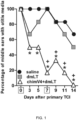
- 100% of middle ears 122/122 were positive for the presence of MEF behind the tympanic membrane as each middle ear had been directly inoculated with NTHi four days prior ( Fig. 1 ).
- chimV4 admixed with dmLT resulted in a greater reduction in the percentage of middle ears with OM to 50% (3/6 middle ears) three and five days after receipt of the first dose, statistically significant results compared to receipt of saline (p ⁇ 0.05).
- seven days after primary TCI with chimV4 admixed with dmLT only 17% (1/6 middle ears) demonstrated signs on OM and although this percentage increased to 33% (2/6 middle ears) on day nine, receipt of the second immunizing dose subsequently induced rapid and complete resolution of experimental disease.
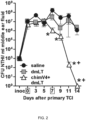
- MEFs were collected when their presence was indicated by video otoscopy and cultured to determine the relative concentration of bacteria within these fluids.
- the inoculum had multiplied to 9.7 ⁇ 10 6 to 1.1 ⁇ 10 7 CFU/ml in all animals ( Fig. 2 ), as is expected in this challenge model. No significant difference in bacterial concentration was observed among the three cohorts until one week after receipt of the primary immunizing dose.
- the mean mucosal biofilm scores for each of the three cohorts ranged from 3.7 to 4.0, which indicated that 75-100% of the middle ear space of all animals contained a mucosal biofilm, as expected for this model.
- No change in rank was observed in the cohort that received saline, as a mean score of ⁇ 30 was maintained for the duration of the study. Receipt of dmLT alone, however, afforded a 25% reduction in mucosal biofilm with scores of 2.3-2.8 detected after receipt of the second dose.
- the middle ear mucosa and accompanying NTHi biofilm was collected, homogenized and cultured.
- the mean bacterial concentration of NTHi was equivalent among the three cohorts as expected and ranged from 5.3 ⁇ 10 3 to 1.8 ⁇ 10 4 CFU NTHi/mg mucosa ( Fig. 4 ).
- the GMT of chimV4-specific IgG in the middle ear equaled 190 (p ⁇ 0.05 compared to day 0).
- the relative quantity of this antibody isotype was 2.0-4.6-fold less than IgG at each time point tested and no significant increase in quantity of IgA was achieved relative to pre-immunization values (Table 2).
- the ability to eradicate NTHi from the middle ear was associated with a GMT value of at least 160 for IgG.
- NTHi mucosal biofilms As reduction of established NTHi mucosal biofilms began within three days after primary TCI ( Fig. 4 ) and prior to detection of antibody in MEFs (Table 1), it was hypothesized that production of innate host defense molecules by the middle ear epithelium contributed to this observation.
- Activated DCs can secrete cytokines and chemokines as a means of functional modulation via autocrine or paracrine manner.
- the supernatants from the cultured pinnae were assayed for the presence of inflammatory mediators via membrane array.
- seven were expressed at least 2-fold greater after TCI of pinnae with dmLT or chimV4+ dmLT compared to administration of saline ( Fig. 5 ).
- IL-23, IL-16, CCL5 and CCL4 are noted to induce the migration and differentiation of CD4+ T-cells, critical first steps toward the initiation of an immune response.
- the phenotype of the resultant immune response specifically, the pattern of cytokine production by CD4+ T-cells within the NALT after TCI with any of the three vaccine formulations, was examined.
- the NALT was examined as the primary lymphoid aggregate to which dermal DCs trafficked after TCI in this model.
- TCI with dmLT alone yielded 5.1% of CD4+ T-cells that produced both IFN--y and IL-17 ( Fig. 6 ), further support for the induction of a modest response by administration of this potent adjuvant alone.
- ChimV4 admixed with dmLT resulted in a 5.7-fold increase in the percentage of T-cells that produced both IFN--y and IL-17-(29.3%), relative to receipt of dmLT alone.
- two subtypes were observed; one of lesser dual fluorescence and one of greater dual fluorescence.
- Each population may represent CD4+ T-cells of greater and lesser activation states.
- OM is a common disease of childhood and while the associated mortality is very limited at least in developed countries, the morbidity associated with this disease in terms of developmental delays, quality of life and economic impact is substantial.
- the chronic nature of OM may be attributed to the ability of the bacterial causative agents, including NTHi, to form mucosal biofilms within the middle ear space. These highly structured communities are recalcitrant to antibiotic therapies and resist immune-mediated clearance.
- NTHi OMP P5 and Tfp are identified as components of the biofilm matrix.
- TCI with chimV4 a chimeric immunogen designed to target both of these critical NTHi adhesions (outer membrane protein P5 and Tfp), delivered with dmLT by simply rubbing the formulations on to the pinnae of chinchillas was significantly efficacious to both prevent NTHi-induced OM and resolve active OM.
- the rapidity with which biofilms that had been established within the middle ear resolved was striking.
- TCI with NTHi adhesin-directed immunogens plus dmLT induced the activation and subsequent migration of cutaneous DCs to the NALT, which is located in close proximity to the site of experimental disease, and thereby facilitated the efficacy observed.
- the mechanisms that afforded the observed efficacy and examine the kinetics of disease resolution were examined utilizing an established chinchilla model wherein cohorts of animals were first challenged by direct inoculation of the middle ear with NTHi to induce OM.
- the chinchilla serves as a relevant model for this pediatric disease as it is permissive to infection with the viral and bacterial agents that cause OM in humans and by appropriate viral-bacterial co-infection, one can experimentally mimic the natural disease course of OM observed in the child. It has shown reproducibility in numerous preclinical trials wherein the efficacy of NTHi-targeted immunogens to prevent or resolve-induced OM was assessed and is shown to be predictive of a clinical trial outcome in examined in children. Moreover, the chinchilla also serves as a robust host that both we and others employ to study characteristics of bacterial biofilms associated with OM.
- saline served as a negative control and provided the ability to examine the immune response elicited by application of dmLT alone.
- This adjuvant is a form of E. coli heat-labile enterotoxin wherein two amino acid substitutions inactivate a trypsin cleavage site and modifies a potential pepsin cleavage site, thus rendering the molecule nontoxic, while adjuvant properties are retained.
- DmLT promotes activation of various cell types, including DCs, with a resultant mixed Th1/Th2-type immune response.
- Host defense peptides are multifunctional proteins that possess both antimicrobial and immunomodulatory characteristics.
- the 3- defensins are one class of host defense peptide and are shown to be produced by epithelial cells, constitutively or immediately in response to infection.
- Middle ear mucosal homogenates were tested for the presence of cBD-1, the orthologue to human 3-defensin 3, as a potential innate immune factor that contributed to the early reduction in signs of OM and concentration of NTHi within mucosal biofilms.
- a correlation between a greater concentration of cBD-1 and fewer NTHi was detected, particularly within the middle ears of animals that received dmLT alone or chimV4+ dmLT.
- the chimeric proteins of the presently described subject matter were produced using standard 15 recombinant methods. Initially, a gene-synthesis company, (Blue Heron Biotechnology Inc.) was contracted to make the initial plasmid based on the chimeric protein amino acid sequences described herein that were optimized for E. coli preferred codon usage. Briefly, the native NTHi pilin protein sequence was modified by truncating the N-terminus (residues 1-39 of SEQ ID NO: 2) and adding a HIS-tag sequence and a thrombin cleavage site as set out in SEQ ID NO: 3. The HIS-tag was preceded by a sequence (MUSS) to assist in expression.
- MUSS sequence
- the thrombin cleavage site allowed for release of the HIS-tag.
- These plasmids were then cloned into the E. coli expression vector pET-15b vector (Novagen).
- the plasmid were then transformed into E. coli strain "Origami(DE3)" (available from Novagen) as the host for expression of soluble His-tagged chimeric proteins.
- Origami(DE3) available from Novagen
- Another E. coli host cell expression stain that may be used is Origami B(DE3) (Novagen).
- the His-tagged variants of the chimeric proteins will be recovered by nickel column chromatography, then used for initial studies to determine if they are reactive with antisera directed against any of the following: native OMP P5-fimbrin, LB1 (full length 40 amino acid peptide), LB1(1) (a synthetic peptide representing just the 19 amino acid B-cell epitope of LB1), recombinant PilA protein or native PilA protein.
- the His-tag is removed by thrombin site cleavage, the recombinant huneric proteins will be used as immunogens to determine their immunogenicity and protective capability.
- Exemplary chimeric proteins of the presently described subject matter have the sequences as set out in Table 2 below.
- the chimeric proteins having the amino acid sequences of SEQ ID NOS: 10, 12 and 14 have been expressed by E. coli as described above.
- Table 2 SEQ ID NO: Chimeric Protein Amino Acid Sequence 9
- SEQ ID NO: Chimeric Protein Amino Acid Sequence 10 11 12 13 14 15 16 17 18
- SEQ ID NO: Chimeric Protein Amino Acid Sequence 19 20 21 22 23 24 25 26 27 28 29 30 31 32
- Additional exemplary chimeric proteins of the presently described subject matter have the amino acid sequences as set forth in Table 3 below. These chimeric proteins have been expressed by E. coli and purified using a HIS-tag, as described above. The chimeric proteins set out in Table 3 have the His tag sequence removed for use as an immunogen. The chimeric protein having the amino acid sequence of SEQ ID NO: 56 was used in the studies described in Example 5. Table 3 SEQ ID NO: Chimeric Protein Amino Acid Sequence 54 55 56 57
Landscapes
- Health & Medical Sciences (AREA)
- Life Sciences & Earth Sciences (AREA)
- Chemical & Material Sciences (AREA)
- Public Health (AREA)
- Veterinary Medicine (AREA)
- Medicinal Chemistry (AREA)
- Pharmacology & Pharmacy (AREA)
- Epidemiology (AREA)
- General Health & Medical Sciences (AREA)
- Animal Behavior & Ethology (AREA)
- Engineering & Computer Science (AREA)
- Dermatology (AREA)
- Bioinformatics & Cheminformatics (AREA)
- Immunology (AREA)
- Microbiology (AREA)
- Mycology (AREA)
- Medicines Containing Antibodies Or Antigens For Use As Internal Diagnostic Agents (AREA)
- Medicinal Preparation (AREA)
- Peptides Or Proteins (AREA)
Claims (11)
- Topische Zusammensetzung zur Verwendung beim Behandeln und/oder Vorbeugen von Mittelohrentzündung bei einem Subjekt, wobei die topische Zusammensetzung einen Haemophilus-influenzae-Impfstoff und zumindest ein Schleimhautadjuvans umfasst, wobei die Zusammensetzung auf die Haut des Subjekts in zumindest einem Teil der postaurikulären Region des Subjekts aufgetragen wird, undwobei der Haemophilus-influenzae-Impfstoff ein chimäres Protein umfasst, umfassend:(i) Reste 40-149 von SEQ ID NO: 2 und SEQ ID NO:4, wobei SEQ ID NO: 4 vor Rest 40 von SEQ ID NO: 2 eingefügt wird, oder(ii) die Aminosäuresequenz von SEQ ID NO: 57, undwobei das Schleimhautadjuvans ein Mutant von hitzelabilem Escherichia-coli-Enterotoxin oder ein Mutant von hitzelabilem Cholera-Enterotoxin ist.
- Zusammensetzung zur Verwendung nach Anspruch 1, wobei der Haemophilus-influenzae-Impfstoff eine Immunantwort auf eine nicht typisierbare Haemophilus-influenzae-Infektion (NTHi) bei dem Subjekt induziert.
- Zusammensetzung zur Verwendung nach einem vorhergehenden Anspruch, ferner umfassend ein flexibles Substrat.
- Zusammensetzung zur Verwendung nach einem vorhergehenden Anspruch, wobei das Schleimhautadjuvans dmLT ist.
- Zusammensetzung zur Verwendung nach Anspruch 3 oder Anspruch 4, wobei das flexible Substrat einen Träger mit einer unteren Oberfläche und zumindest einer wirkstoffhaltigen Schicht umfasst, welche die topische pharmazeutische Zusammensetzung umfasst, wobei die wirkstoffhaltige Schicht eine Hautkontaktoberfläche aufweist, wobei die wirkstoffhaltige Schicht auf der unteren Oberfläche des Trägers bereitgestellt ist, sodass während Verwendung die Hautkontaktoberfläche in Kontakt mit einer Hautoberfläche eines Subjekts ist.
- Zusammensetzung zur Verwendung nach Anspruch 5, wobei die zumindest eine wirkstoffhaltige Schicht eine Polymermatrixschicht umfasst.
- Zusammensetzung zur Verwendung nach Anspruch 6, wobei die topische pharmazeutische Zusammensetzung in der Polymermatrixschicht dispergiert oder suspendiert ist.
- Zusammensetzung zur Verwendung nach Anspruch 6 oder Anspruch 7, wobei die Polymermatrixschicht die topische pharmazeutische Zusammensetzung mit einer vorbestimmten kontrollierten Rate freigibt.
- Zusammensetzung zur Verwendung nach einem vorhergehenden Anspruch, wobei das topische Abgabesystem keinen Permeationsverstärker enthält oder nicht unter Verwendung eines Penetrationsverstärkers aufgetragen wird.
- Zusammensetzung zur Verwendung nach einem vorhergehenden Anspruch, wobei die postaurikuläre Region keinen Teil der Ohrmuscheln des Subjekts umfasst.
- Zusammensetzung zur Verwendung nach einem vorhergehenden Anspruch, wobei das Subjekt ein pädiatrisches Subjekt ist.
Applications Claiming Priority (2)
| Application Number | Priority Date | Filing Date | Title |
|---|---|---|---|
| US201361775132P | 2013-03-08 | 2013-03-08 | |
| PCT/US2014/022871 WO2014138748A1 (en) | 2013-03-08 | 2014-03-10 | Transcutaneous dosage formulation |
Publications (4)
| Publication Number | Publication Date |
|---|---|
| EP2964257A1 EP2964257A1 (de) | 2016-01-13 |
| EP2964257A4 EP2964257A4 (de) | 2016-10-26 |
| EP2964257C0 EP2964257C0 (de) | 2024-10-09 |
| EP2964257B1 true EP2964257B1 (de) | 2024-10-09 |
Family
ID=51492048
Family Applications (1)
| Application Number | Title | Priority Date | Filing Date |
|---|---|---|---|
| EP14759477.4A Active EP2964257B1 (de) | 2013-03-08 | 2014-03-10 | Rezeptur für transkutane dosierung |
Country Status (5)
| Country | Link |
|---|---|
| US (3) | US9855326B2 (de) |
| EP (1) | EP2964257B1 (de) |
| AU (1) | AU2014225330B2 (de) |
| CA (1) | CA2904388C (de) |
| WO (1) | WO2014138748A1 (de) |
Families Citing this family (2)
| Publication number | Priority date | Publication date | Assignee | Title |
|---|---|---|---|---|
| WO2021225663A1 (en) * | 2020-04-16 | 2021-11-11 | Old Dominion University Research Foundation | Systems and methods for bacterial biofilm inactivation |
| EP4601681A1 (de) * | 2022-10-13 | 2025-08-20 | Q-Vant Biosciences, Inc. | Saponin-dmlt-adjuvantien und zugehörige verwendungen |
Citations (2)
| Publication number | Priority date | Publication date | Assignee | Title |
|---|---|---|---|---|
| US20040137004A1 (en) * | 2002-03-19 | 2004-07-15 | Glenn Gregory M | Patch for transcutaneous immunization |
| US20040146534A1 (en) * | 2001-02-13 | 2004-07-29 | Glenn Gregory M. | Vaccine for transcutaneous immunization |
Family Cites Families (17)
| Publication number | Priority date | Publication date | Assignee | Title |
|---|---|---|---|---|
| JP3429313B2 (ja) | 1993-05-18 | 2003-07-22 | オハイオ・ステイト・リサーチ・ファウンデーション | 中耳炎ワクチン |
| DE4336530C1 (de) | 1993-10-26 | 1995-04-13 | Max Planck Gesellschaft | Rekombinante PilC-Proteine, Verfahren zu ihrer Herstellung und ihre Verwendung |
| US6355450B1 (en) | 1995-04-21 | 2002-03-12 | Human Genome Sciences, Inc. | Computer readable genomic sequence of Haemophilus influenzae Rd, fragments thereof, and uses thereof |
| US5843464A (en) | 1995-06-02 | 1998-12-01 | The Ohio State University | Synthetic chimeric fimbrin peptides |
| US6207157B1 (en) * | 1996-04-23 | 2001-03-27 | The United States Of America As Represented By The Department Of Health And Human Services | Conjugate vaccine for nontypeable Haemophilus influenzae |
| GB9812613D0 (en) | 1998-06-11 | 1998-08-12 | Smithkline Beecham Biolog | Vaccine |
| US7297340B2 (en) * | 2003-01-07 | 2007-11-20 | University Of Iowa Research Foundation | Vaccine and method for preventing biofilm formation |
| ATE557033T1 (de) | 2003-12-23 | 2012-05-15 | Nationwide Children S Hospital Inc | Pili von haemophilus influenzae typ iv |
| WO2005105061A2 (en) * | 2004-04-14 | 2005-11-10 | Indevus Pharmaceuticals, Inc. | Transdermal patch |
| US7838532B2 (en) | 2005-05-18 | 2010-11-23 | Mpex Pharmaceuticals, Inc. | Aerosolized fluoroquinolones and uses thereof |
| CA2871088A1 (en) | 2005-06-16 | 2006-12-28 | Lauren O. Bakaletz | Genes of an otitis media isolate of nontypeable haemophilus influenzae |
| ATE488526T1 (de) | 2005-07-08 | 2010-12-15 | Nationwide Childrens Hospital | Chimärer impfstoff für haemophilus influenzae- induzierte infektion |
| US20130109674A1 (en) * | 2009-12-18 | 2013-05-02 | Achelios Therapeutics Llc | Methods and compositions for treating and preventing trigeminal autonomic cephalgias, migraine, and vascular conditions |
| US20110182976A1 (en) * | 2010-01-28 | 2011-07-28 | National Taiwan Ocean University | Lipoplex-patch based dna vaccine |
| CN103097399A (zh) | 2010-03-29 | 2013-05-08 | 南加利福尼亚大学 | 用于去除生物膜的组合物及方法 |
| SG194886A1 (en) * | 2011-05-11 | 2013-12-30 | Riesbeck Healthcare Sweden Ab | Protein f - a novel haemophilus influenzae adhesin with laminin and vitronectin binding properties |
| RU2727476C2 (ru) * | 2012-04-26 | 2020-07-21 | Новартис Аг | Антигены и антигенные композиции |
-
2014
- 2014-03-10 WO PCT/US2014/022871 patent/WO2014138748A1/en not_active Ceased
- 2014-03-10 US US14/773,556 patent/US9855326B2/en active Active
- 2014-03-10 EP EP14759477.4A patent/EP2964257B1/de active Active
- 2014-03-10 CA CA2904388A patent/CA2904388C/en active Active
- 2014-03-10 AU AU2014225330A patent/AU2014225330B2/en active Active
-
2017
- 2017-11-28 US US15/824,387 patent/US10722568B2/en active Active
-
2020
- 2020-07-07 US US16/922,725 patent/US12048740B2/en active Active
Patent Citations (2)
| Publication number | Priority date | Publication date | Assignee | Title |
|---|---|---|---|---|
| US20040146534A1 (en) * | 2001-02-13 | 2004-07-29 | Glenn Gregory M. | Vaccine for transcutaneous immunization |
| US20040137004A1 (en) * | 2002-03-19 | 2004-07-15 | Glenn Gregory M | Patch for transcutaneous immunization |
Non-Patent Citations (1)
| Title |
|---|
| LAURA A NOVOTNY ET AL: "Therapeutic Transcutaneous Immunization with a Band-Aid Vaccine Resolves Experimental Otitis Media", CLINICAL AND VACCINE IMMUNOLOGY, 1 January 2015 (2015-01-01), United States, pages 867 - 874, XP055723262, Retrieved from the Internet <URL:https://cvi.asm.org/content/22/8/867> [retrieved on 20200824], DOI: 10.1128/cvi.00090-15 * |
Also Published As
| Publication number | Publication date |
|---|---|
| US10722568B2 (en) | 2020-07-28 |
| AU2014225330B2 (en) | 2018-11-01 |
| US20200330580A1 (en) | 2020-10-22 |
| EP2964257C0 (de) | 2024-10-09 |
| CA2904388A1 (en) | 2014-09-12 |
| US12048740B2 (en) | 2024-07-30 |
| EP2964257A4 (de) | 2016-10-26 |
| US9855326B2 (en) | 2018-01-02 |
| US20180071381A1 (en) | 2018-03-15 |
| WO2014138748A1 (en) | 2014-09-12 |
| US20160022800A1 (en) | 2016-01-28 |
| CA2904388C (en) | 2023-09-26 |
| EP2964257A1 (de) | 2016-01-13 |
| AU2014225330A1 (en) | 2015-10-08 |
Similar Documents
| Publication | Publication Date | Title |
|---|---|---|
| US8741304B2 (en) | Chimeric vaccine for Haemophilus influenzae-induced disease | |
| KR100615109B1 (ko) | 모렉셀라 카타르할리스의 uspa1, uspa2 항원 | |
| Novotny et al. | Kinetic analysis and evaluation of the mechanisms involved in the resolution of experimental nontypeable Haemophilus influenzae-induced otitis media after transcutaneous immunization | |
| WO2007079684A1 (fr) | Proteines de fusion de mycobacterium tuberculosis et utilisations | |
| JP2012501959A (ja) | Yersiniapestis抗原を含む組成物 | |
| US7901692B2 (en) | Nontypeable Haemophilus influenzae virulence factors | |
| US12048740B2 (en) | Transcutaneous dosage formulation | |
| JP2009500037A5 (de) | ||
| US20070172498A1 (en) | Polypeptides for inducing a protective immune response against staphyloococcus aureus | |
| WO2025036985A1 (en) | A vaccine for the treatment or prevention of burkholderia species infection in a subject. | |
| JP6401148B2 (ja) | 抗原および抗原の組み合わせ | |
| SG194886A1 (en) | Protein f - a novel haemophilus influenzae adhesin with laminin and vitronectin binding properties | |
| US6638518B1 (en) | Method for inhibiting inflammatory responses | |
| US20140199350A1 (en) | Chimeric topical vaccine for haemophilus influenzae-induced disease | |
| ES2356077T3 (es) | Vacuna quimérica para una enfermedad inducida por haemophilus influenzae. | |
| JP2003506045A (ja) | モラクセラ・カタラーリス(Moraxellacatarrhalis)由来のBASB119ポリペプチドおよびポリヌクレオチド | |
| JP2003506043A (ja) | 新規化合物 |
Legal Events
| Date | Code | Title | Description |
|---|---|---|---|
| PUAI | Public reference made under article 153(3) epc to a published international application that has entered the european phase |
Free format text: ORIGINAL CODE: 0009012 |
|
| 17P | Request for examination filed |
Effective date: 20151007 |
|
| AK | Designated contracting states |
Kind code of ref document: A1 Designated state(s): AL AT BE BG CH CY CZ DE DK EE ES FI FR GB GR HR HU IE IS IT LI LT LU LV MC MK MT NL NO PL PT RO RS SE SI SK SM TR |
|
| AX | Request for extension of the european patent |
Extension state: BA ME |
|
| DAX | Request for extension of the european patent (deleted) | ||
| A4 | Supplementary search report drawn up and despatched |
Effective date: 20160926 |
|
| RIC1 | Information provided on ipc code assigned before grant |
Ipc: A61K 39/102 20060101ALI20160920BHEP Ipc: A61K 39/145 20060101ALI20160920BHEP Ipc: A61K 39/00 20060101ALI20160920BHEP Ipc: A61K 9/00 20060101ALI20160920BHEP Ipc: A61K 9/70 20060101ALI20160920BHEP Ipc: A61K 39/395 20060101AFI20160920BHEP Ipc: A61K 39/385 20060101ALI20160920BHEP |
|
| STAA | Information on the status of an ep patent application or granted ep patent |
Free format text: STATUS: EXAMINATION IS IN PROGRESS |
|
| 17Q | First examination report despatched |
Effective date: 20190319 |
|
| P01 | Opt-out of the competence of the unified patent court (upc) registered |
Effective date: 20230521 |
|
| GRAP | Despatch of communication of intention to grant a patent |
Free format text: ORIGINAL CODE: EPIDOSNIGR1 |
|
| STAA | Information on the status of an ep patent application or granted ep patent |
Free format text: STATUS: GRANT OF PATENT IS INTENDED |
|
| INTG | Intention to grant announced |
Effective date: 20240705 |
|
| RIN1 | Information on inventor provided before grant (corrected) |
Inventor name: BAKALETZ, LAUREN O. |
|
| GRAS | Grant fee paid |
Free format text: ORIGINAL CODE: EPIDOSNIGR3 |
|
| GRAA | (expected) grant |
Free format text: ORIGINAL CODE: 0009210 |
|
| STAA | Information on the status of an ep patent application or granted ep patent |
Free format text: STATUS: THE PATENT HAS BEEN GRANTED |
|
| AK | Designated contracting states |
Kind code of ref document: B1 Designated state(s): AL AT BE BG CH CY CZ DE DK EE ES FI FR GB GR HR HU IE IS IT LI LT LU LV MC MK MT NL NO PL PT RO RS SE SI SK SM TR |
|
| REG | Reference to a national code |
Ref country code: GB Ref legal event code: FG4D |
|
| REG | Reference to a national code |
Ref country code: CH Ref legal event code: EP |
|
| REG | Reference to a national code |
Ref country code: DE Ref legal event code: R096 Ref document number: 602014090983 Country of ref document: DE |
|
| REG | Reference to a national code |
Ref country code: IE Ref legal event code: FG4D |
|
| U01 | Request for unitary effect filed |
Effective date: 20241107 |
|
| P04 | Withdrawal of opt-out of the competence of the unified patent court (upc) registered |
Free format text: CASE NUMBER: APP_63925/2024 Effective date: 20241203 |
|
| U07 | Unitary effect registered |
Designated state(s): AT BE BG DE DK EE FI FR IT LT LU LV MT NL PT RO SE SI Effective date: 20241205 |
|
| U20 | Renewal fee for the european patent with unitary effect paid |
Year of fee payment: 12 Effective date: 20250205 |
|
| PG25 | Lapsed in a contracting state [announced via postgrant information from national office to epo] |
Ref country code: IS Free format text: LAPSE BECAUSE OF FAILURE TO SUBMIT A TRANSLATION OF THE DESCRIPTION OR TO PAY THE FEE WITHIN THE PRESCRIBED TIME-LIMIT Effective date: 20250209 Ref country code: HR Free format text: LAPSE BECAUSE OF FAILURE TO SUBMIT A TRANSLATION OF THE DESCRIPTION OR TO PAY THE FEE WITHIN THE PRESCRIBED TIME-LIMIT Effective date: 20241009 |
|
| PG25 | Lapsed in a contracting state [announced via postgrant information from national office to epo] |
Ref country code: ES Free format text: LAPSE BECAUSE OF FAILURE TO SUBMIT A TRANSLATION OF THE DESCRIPTION OR TO PAY THE FEE WITHIN THE PRESCRIBED TIME-LIMIT Effective date: 20241009 |
|
| PG25 | Lapsed in a contracting state [announced via postgrant information from national office to epo] |
Ref country code: NO Free format text: LAPSE BECAUSE OF FAILURE TO SUBMIT A TRANSLATION OF THE DESCRIPTION OR TO PAY THE FEE WITHIN THE PRESCRIBED TIME-LIMIT Effective date: 20250109 |
|
| PG25 | Lapsed in a contracting state [announced via postgrant information from national office to epo] |
Ref country code: GR Free format text: LAPSE BECAUSE OF FAILURE TO SUBMIT A TRANSLATION OF THE DESCRIPTION OR TO PAY THE FEE WITHIN THE PRESCRIBED TIME-LIMIT Effective date: 20250110 |
|
| PG25 | Lapsed in a contracting state [announced via postgrant information from national office to epo] |
Ref country code: PL Free format text: LAPSE BECAUSE OF FAILURE TO SUBMIT A TRANSLATION OF THE DESCRIPTION OR TO PAY THE FEE WITHIN THE PRESCRIBED TIME-LIMIT Effective date: 20241009 |
|
| PG25 | Lapsed in a contracting state [announced via postgrant information from national office to epo] |
Ref country code: RS Free format text: LAPSE BECAUSE OF FAILURE TO SUBMIT A TRANSLATION OF THE DESCRIPTION OR TO PAY THE FEE WITHIN THE PRESCRIBED TIME-LIMIT Effective date: 20250109 |
|
| PG25 | Lapsed in a contracting state [announced via postgrant information from national office to epo] |
Ref country code: SM Free format text: LAPSE BECAUSE OF FAILURE TO SUBMIT A TRANSLATION OF THE DESCRIPTION OR TO PAY THE FEE WITHIN THE PRESCRIBED TIME-LIMIT Effective date: 20241009 |
|
| PG25 | Lapsed in a contracting state [announced via postgrant information from national office to epo] |
Ref country code: SK Free format text: LAPSE BECAUSE OF FAILURE TO SUBMIT A TRANSLATION OF THE DESCRIPTION OR TO PAY THE FEE WITHIN THE PRESCRIBED TIME-LIMIT Effective date: 20241009 |
|
| PG25 | Lapsed in a contracting state [announced via postgrant information from national office to epo] |
Ref country code: CZ Free format text: LAPSE BECAUSE OF FAILURE TO SUBMIT A TRANSLATION OF THE DESCRIPTION OR TO PAY THE FEE WITHIN THE PRESCRIBED TIME-LIMIT Effective date: 20241009 |
|
| PLBE | No opposition filed within time limit |
Free format text: ORIGINAL CODE: 0009261 |
|
| STAA | Information on the status of an ep patent application or granted ep patent |
Free format text: STATUS: NO OPPOSITION FILED WITHIN TIME LIMIT |
|
| 26N | No opposition filed |
Effective date: 20250710 |
|
| PG25 | Lapsed in a contracting state [announced via postgrant information from national office to epo] |
Ref country code: MC Free format text: LAPSE BECAUSE OF FAILURE TO SUBMIT A TRANSLATION OF THE DESCRIPTION OR TO PAY THE FEE WITHIN THE PRESCRIBED TIME-LIMIT Effective date: 20241009 |
|
| REG | Reference to a national code |
Ref country code: CH Ref legal event code: H13 Free format text: ST27 STATUS EVENT CODE: U-0-0-H10-H13 (AS PROVIDED BY THE NATIONAL OFFICE) Effective date: 20251023 |
|
| PG25 | Lapsed in a contracting state [announced via postgrant information from national office to epo] |
Ref country code: CH Free format text: LAPSE BECAUSE OF NON-PAYMENT OF DUE FEES Effective date: 20250331 |
|
| PG25 | Lapsed in a contracting state [announced via postgrant information from national office to epo] |
Ref country code: IE Free format text: LAPSE BECAUSE OF NON-PAYMENT OF DUE FEES Effective date: 20250310 |
|
| U20 | Renewal fee for the european patent with unitary effect paid |
Year of fee payment: 13 Effective date: 20260209 |
|
| PGFP | Annual fee paid to national office [announced via postgrant information from national office to epo] |
Ref country code: GB Payment date: 20260209 Year of fee payment: 13 |