EP2968255B1 - Compositions de hydroxymethylfurfural à stabilité améliorée et procédés pour leurs preparation - Google Patents
Compositions de hydroxymethylfurfural à stabilité améliorée et procédés pour leurs preparation Download PDFInfo
- Publication number
- EP2968255B1 EP2968255B1 EP14773375.2A EP14773375A EP2968255B1 EP 2968255 B1 EP2968255 B1 EP 2968255B1 EP 14773375 A EP14773375 A EP 14773375A EP 2968255 B1 EP2968255 B1 EP 2968255B1
- Authority
- EP
- European Patent Office
- Prior art keywords
- hmf
- sugars
- acid
- hexose
- fructose
- Prior art date
- Legal status (The legal status is an assumption and is not a legal conclusion. Google has not performed a legal analysis and makes no representation as to the accuracy of the status listed.)
- Active
Links
Images
Classifications
-
- A—HUMAN NECESSITIES
- A61—MEDICAL OR VETERINARY SCIENCE; HYGIENE
- A61K—PREPARATIONS FOR MEDICAL, DENTAL OR TOILETRY PURPOSES
- A61K31/00—Medicinal preparations containing organic active ingredients
- A61K31/70—Carbohydrates; Sugars; Derivatives thereof
-
- A—HUMAN NECESSITIES
- A61—MEDICAL OR VETERINARY SCIENCE; HYGIENE
- A61K—PREPARATIONS FOR MEDICAL, DENTAL OR TOILETRY PURPOSES
- A61K31/00—Medicinal preparations containing organic active ingredients
- A61K31/33—Heterocyclic compounds
- A61K31/335—Heterocyclic compounds having oxygen as the only ring hetero atom, e.g. fungichromin
- A61K31/34—Heterocyclic compounds having oxygen as the only ring hetero atom, e.g. fungichromin having five-membered rings with one oxygen as the only ring hetero atom, e.g. isosorbide
- A61K31/341—Heterocyclic compounds having oxygen as the only ring hetero atom, e.g. fungichromin having five-membered rings with one oxygen as the only ring hetero atom, e.g. isosorbide not condensed with another ring, e.g. ranitidine, furosemide, bufetolol, muscarine
-
- A—HUMAN NECESSITIES
- A61—MEDICAL OR VETERINARY SCIENCE; HYGIENE
- A61K—PREPARATIONS FOR MEDICAL, DENTAL OR TOILETRY PURPOSES
- A61K47/00—Medicinal preparations characterised by the non-active ingredients used, e.g. carriers or inert additives; Targeting or modifying agents chemically bound to the active ingredient
- A61K47/06—Organic compounds, e.g. natural or synthetic hydrocarbons, polyolefins, mineral oil, petrolatum or ozokerite
- A61K47/08—Organic compounds, e.g. natural or synthetic hydrocarbons, polyolefins, mineral oil, petrolatum or ozokerite containing oxygen, e.g. ethers, acetals, ketones, quinones, aldehydes, peroxides
- A61K47/10—Alcohols; Phenols; Salts thereof, e.g. glycerol; Polyethylene glycols [PEG]; Poloxamers; PEG/POE alkyl ethers
-
- A—HUMAN NECESSITIES
- A61—MEDICAL OR VETERINARY SCIENCE; HYGIENE
- A61K—PREPARATIONS FOR MEDICAL, DENTAL OR TOILETRY PURPOSES
- A61K47/00—Medicinal preparations characterised by the non-active ingredients used, e.g. carriers or inert additives; Targeting or modifying agents chemically bound to the active ingredient
- A61K47/30—Macromolecular organic or inorganic compounds, e.g. inorganic polyphosphates
-
- A—HUMAN NECESSITIES
- A61—MEDICAL OR VETERINARY SCIENCE; HYGIENE
- A61K—PREPARATIONS FOR MEDICAL, DENTAL OR TOILETRY PURPOSES
- A61K9/00—Medicinal preparations characterised by special physical form
- A61K9/08—Solutions
-
- C—CHEMISTRY; METALLURGY
- C07—ORGANIC CHEMISTRY
- C07D—HETEROCYCLIC COMPOUNDS
- C07D307/00—Heterocyclic compounds containing five-membered rings having one oxygen atom as the only ring hetero atom
- C07D307/02—Heterocyclic compounds containing five-membered rings having one oxygen atom as the only ring hetero atom not condensed with other rings
- C07D307/34—Heterocyclic compounds containing five-membered rings having one oxygen atom as the only ring hetero atom not condensed with other rings having two or three double bonds between ring members or between ring members and non-ring members
- C07D307/38—Heterocyclic compounds containing five-membered rings having one oxygen atom as the only ring hetero atom not condensed with other rings having two or three double bonds between ring members or between ring members and non-ring members with substituted hydrocarbon radicals attached to ring carbon atoms
- C07D307/40—Radicals substituted by oxygen atoms
- C07D307/46—Doubly bound oxygen atoms, or two oxygen atoms singly bound to the same carbon atom
-
- C—CHEMISTRY; METALLURGY
- C07—ORGANIC CHEMISTRY
- C07D—HETEROCYCLIC COMPOUNDS
- C07D307/00—Heterocyclic compounds containing five-membered rings having one oxygen atom as the only ring hetero atom
- C07D307/02—Heterocyclic compounds containing five-membered rings having one oxygen atom as the only ring hetero atom not condensed with other rings
- C07D307/34—Heterocyclic compounds containing five-membered rings having one oxygen atom as the only ring hetero atom not condensed with other rings having two or three double bonds between ring members or between ring members and non-ring members
- C07D307/38—Heterocyclic compounds containing five-membered rings having one oxygen atom as the only ring hetero atom not condensed with other rings having two or three double bonds between ring members or between ring members and non-ring members with substituted hydrocarbon radicals attached to ring carbon atoms
- C07D307/40—Radicals substituted by oxygen atoms
- C07D307/46—Doubly bound oxygen atoms, or two oxygen atoms singly bound to the same carbon atom
- C07D307/48—Furfural
-
- C—CHEMISTRY; METALLURGY
- C07—ORGANIC CHEMISTRY
- C07D—HETEROCYCLIC COMPOUNDS
- C07D307/00—Heterocyclic compounds containing five-membered rings having one oxygen atom as the only ring hetero atom
- C07D307/02—Heterocyclic compounds containing five-membered rings having one oxygen atom as the only ring hetero atom not condensed with other rings
- C07D307/34—Heterocyclic compounds containing five-membered rings having one oxygen atom as the only ring hetero atom not condensed with other rings having two or three double bonds between ring members or between ring members and non-ring members
- C07D307/38—Heterocyclic compounds containing five-membered rings having one oxygen atom as the only ring hetero atom not condensed with other rings having two or three double bonds between ring members or between ring members and non-ring members with substituted hydrocarbon radicals attached to ring carbon atoms
- C07D307/40—Radicals substituted by oxygen atoms
- C07D307/46—Doubly bound oxygen atoms, or two oxygen atoms singly bound to the same carbon atom
- C07D307/48—Furfural
- C07D307/50—Preparation from natural products
-
- C—CHEMISTRY; METALLURGY
- C09—DYES; PAINTS; POLISHES; NATURAL RESINS; ADHESIVES; COMPOSITIONS NOT OTHERWISE PROVIDED FOR; APPLICATIONS OF MATERIALS NOT OTHERWISE PROVIDED FOR
- C09K—MATERIALS FOR MISCELLANEOUS APPLICATIONS, NOT PROVIDED FOR ELSEWHERE
- C09K15/00—Anti-oxidant compositions; Compositions inhibiting chemical change
- C09K15/04—Anti-oxidant compositions; Compositions inhibiting chemical change containing organic compounds
- C09K15/06—Anti-oxidant compositions; Compositions inhibiting chemical change containing organic compounds containing oxygen
Definitions
- the present invention is concerned in one aspect with processes for improving the resistance of hydroxymethylfurfural or a derivative thereof to degradation through oxidation.
- the present invention relates to an improved stability hydroxymethylfurfural composition.
- Agricultural raw materials such as starch, cellulose, sucrose or inulin are inexpensive starting materials for the manufacture of hexoses, such as glucose and fructose. Dehydrating these hexoses produces 2-hydroxymethyl-5-furfuraldehyde, also known as hydroxymethylfurfural (HMF), among other products such as levulinic acid and formic acid. HMF and its related 2,5-disubstituted furanic derivatives have been viewed as having great potential for use in the field of intermediate chemicals from regrowing resources.
- HMF 2-hydroxymethyl-5-furfuraldehyde
- 2,5-disubstituted furanic derivatives have been viewed as having great potential for use in the field of intermediate chemicals from regrowing resources.
- HMF could be utilized to produce a wide range of products such as polymers, solvents, surfactants, pharmaceuticals, and plant protection agents, and HMF has been reported to have antibacterial and anticorrosive properties.
- HMF is also a key component, as either a starting material or intermediate, in the synthesis of a wide variety of compounds, such as furfuryl dialcohols, dialdehydes, esters, ethers, halides and carboxylic acids.
- FDCA 2,5-furandicarboxylic acid
- FDCA 2,5-furandicarboxylic acid
- FDCA has been discussed as a biobased, renewable substitute for terephthalic acid, in the production of such multi-megaton polyester polymers as ethylene terephthalate or butylene terephthalate.
- FDCA esters have also recently been evaluated for replacing phthalate plasticizers for PVC, see, e.g., WO 2011/023491A1 and WO 2011/023590A1 , both assigned to Evonik Oxeno GmbH, as well as R.D. Sanderson et al., Journal of Appl. Pol. Sci. 1994, vol. 53, pp. 1785-1793 .
- HMF has been considered as useful for the development of biofuels, fuels derived from biomass as a sustainable alternative to fossil fuels. HMF has additionally been evaluated as a treatment for sickle cell anemia. In short, HMF is an important chemical compound and a method of synthesis on a large scale to produce HMF absent significant amounts of impurities, side products and remaining starting material has been sought for nearly a century.
- HMF can be prepared from sugars through dehydration, being initially prepared in 1895 from levulose by Dull (Chem. Ztg., 19, 216 ) and from sucrose by Kiermayer (Chem. Ztg., 19, 1003 ), chemists have differed over the years as to the precise mechanisms by which HMF is formed from certain sugars.
- chemists have differed over the years as to the precise mechanisms by which HMF is formed from certain sugars.
- Weinberg et al. "Kinetics and Reaction Engineering of Levulinic Acid Production from Aqueous Glucose Solutions", ChemSusChem 2012, vol. 5, pp. 1280-1290 (2012 ), "[o]verall, there are two schools of thought with regard to the mechanism of HMF formation from C 6 carbohydrates.
- Another unwanted side reaction includes the polymerization of HMF and/or fructose resulting in humin polymers, which are solid waste products. Further complications may arise as a result of solvent selection. Water is easy to dispose of and dissolves fructose, but unfortunately, low selectivity and increased formation of polymers and humin increases under aqueous conditions.
- HMF ester and ether derivatives have sought to either form more stable and easily separated HMF derivatives, for example, HMF ester and ether derivatives, or to quickly remove the HMF from exposure to those conditions, for example, acidic conditions, tending to contribute to its degradation.
- a method of producing HMF esters from a carbohydrate source and organic acids involved in one embodiment, heating a carbohydrate starting material with a solvent in a column, and continuously flowing the heated carbohydrate and solvent through a solid phase catalyst in the presence of an organic acid to form a HMF ester. The solvent is removed by rotary evaporation to provide a substantially pure HMF ester.
- a carbohydrate is heated with the organic acid and a solid catalyst in a solution to form an HMF ester.
- the resulting HMF ester may then be purified by filtration, evaporation, extraction, and distillation or any combination thereof.
- HMF is proposed to be made by mixing or agitating an aqueous solution of fructose and inorganic acid catalyst with a water immiscible organic solvent to form an emulsion of the aqueous and organic phases, then heating the emulsion in a flow-through reactor at elevated pressures and allowing the aqueous and organic phases to phase separate.
- HMF is present in the aqueous and organic phases in about equal amounts, and is removed from both, for example, by vacuum evaporation and vacuum distillation from the organic phase and by passing the aqueous phase through an ion-exchange resin. Residual fructose stays with the aqueous phase.
- High fructose levels are advocated for the initial aqueous phase, to use relatively smaller amounts of solvent in relation to the amount of fructose reacted.
- HMF or HMF derivatives e.g., the ester or ether derivatives
- the acid-catalyzed dehydration step is conducted with rapid heating of the aqueous hexose solution from an ambient to a reaction temperature, as well as with rapid cooling of the HMF and/or HMF derivative unconverted sugar mixture prior to the separation of the fermentation-ready residual sugars product from the HMF and/or HMF derivative product.
- the time between when the aqueous hexose solution has been introduced into a reactor and the HMF and/or HMF ether products begin to be cooled is preferably limited.
- CN 102 453 007 discloses a process for the manufacture of hydroxymethylfurfural from glucosic material in aqueous media under an inert atmosphere (nitrogen) in the presence of an acid catalyst.
- CN 103 183 653 discloses a process for the manufacture of hydroxymethylfurfural from glucosic material in aqueous media under an inert atmosphere (carbon dioxide) in the presence of an acid catalyst.
- EP 1 842 536 discloses a hydroxymethylfurfural composition comprising alpha-ketoglutarate. LONG, L. H. et at., BIOCHEMICAL AND BIOPHYSICAL RESEARCH COMMUNICATIONS, vol.
- alpha-ketoglutarate can scavenge hydrogen peroxide generated by ascorbate and epigallocatechin gallate in cell culture media.
- DUNN et al. FUEL PROCESSING TECNOLOGY, ELSEVIER BV, NL, vol. 86, no. 10, 25 June 2005, pages 1071-1085 studies the use of antioxidants, including butylated hydroxyanisole, for stabilizing methyl soyate.
- DUNN, R. O., BIOFUELS, BIOPRODUCTS AND BIOREFINING, vol. 2, no. 4, 2008, pages 304-318 studies the use of antioxidants, including butylated hydroxyanisole, for stabilizing biodiesel.
- the present disclosure concerns a still different approach to resolving some of the difficulties that have been encountered in seeking to manufacture HMF on a commercial scale, especially from common hexose sugars from corn wet or dry milling or from the cellulosic fraction of a lignocellulosic biomass, for example, through providing a process for making HMF or a derivative of HMF by dehydrating one or more hexose sugars in a reduced oxygen environment.
- the present invention concerns a method for improving the stability and resistance to oxidative degradation of an HMF product such as may be produced from the acid dehydration of one or more hexose sugars, through combination of the HMF product with one or more antioxidants, where "antioxidants” is understood to refer broadly to those compounds and combinations of compounds which are directly or indirectly capable of limiting or even preventing, regardless of a particular mode of action, the complex phenomena of oxidation, including autooxidation, of organic substances of natural or synthetic origin, of a monomeric or polymeric nature, and further concerns the improved stability HMF compositions themselves including one or more antioxidants.
- antioxidants as used herein will be understood to include those materials which have been conventionally described as antioxidants per se, as well as materials which have been conventionally described or categorized differently, e.g., oxygen scavengers.
- the present invention relates to a process for improving the resistance of hydroxymethylfurfural or of a derivative of hydroxymethylfurfural to degradation through oxidation, comprising adding one or more antioxidants, wherein butylated hydroxyanisole is included in the one or more antioxidants.
- the present invention also relates to an improved stability hydroxymethylfurfural composition, comprising hydroxymethylfurfural and butylated hydroxyanisole.
- the present disclosure concerns a method for improving the stability and resistance to degradation of a stored HMF product such as may be produced from the acid hehydration of one or more hexose sugars prior to its use, comprising storing the HMF product in a reduced oxygen environment.
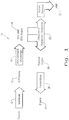
- FIG. 1 is a schematic representation of a process according to the present disclosure in one illustrative aspect.
- aspect 10 of a process of the present disclosure is shown schematically in Figure 1 .
- aspect 10 concerns a modified process otherwise according to the above-mentioned WO 2013/106136 to Sanborn et al. , wherein the dehydration is carried out in a reduced oxygen environment and/or wherein one or more antioxidants are combined with the HMF and/or HMF derivatives made according to a process carried out as described in that application, or carried out as described therein but in a reduced oxygen environment for the dehydration step.
- the aqueous hexose solution that is dehydrated to make HMF or an HMF derivative can generally comprise one or more of the six-carbon sugars (hexoses).
- the aqueous hexose solution can comprise one or both of the more common hexoses glucose and fructose and in certain aspects will comprise both of glucose and fructose.
- the aspect 10 schematically shown in Figure 1 is based on an aqueous hexose solution including both of glucose and fructose.
- glucose as may be derived from the hydrolysis of starch with acids or enzymes or from the hydrolysis of cellulosic materials is first enzymatically converted in step 12 through use of an isomerase to a mixture of glucose and fructose, in the form of aqueous hexose sugar solution 14.
- an isomerase to a mixture of glucose and fructose, in the form of aqueous hexose sugar solution 14.
- Processes for making glucose from starch and for converting a portion of the glucose to fructose are well known, for example, in the making of high fructose corn syrups.
- fructose derived from cane sugar or sugar beets, rather than from an isomerization of glucose may be combined with glucose in a desired proportion.
- a combination of isomerization of glucose plus blending in of fructose from other known sources may be employed, to provide a combination of glucose and fructose for forming an aqueous hexose sugar solution for further processing.
- the aqueous hexose sugar solution 14 can correspond to a current high fructose corn syrup product, for example, HFCS 42 (containing about 42 percent fructose and about 53 percent glucose), HFCS 90 (made from HFCS 42 by additional purification, about 90 percent fructose and about 5 percent each of glucose and maltose) or HFCS 55 (containing about 55 percent fructose, conventionally made from blending HFCS 42 and HFCS 90), so that existing HFCS production capacity can be utilized to make HMF and derivative products to improve asset utilization and improve returns on capital, as HFCS demand and pricing and HMF and HMF derivative demand and pricing would indicate.
- HFCS 42 containing about 42 percent fructose and about 53 percent glucose
- HFCS 90 made from HFCS 42 by additional purification, about 90 percent fructose and about 5 percent each of glucose and maltose
- HFCS 55 containing about 55 percent fructose, conventionally made from blending HFCS 42 and HFCS 90
- the aqueous hexose sugar solution 14 then undergoes an acid-catalyzed dehydration in step 16, to provide a mixture 18 of HMF and unconverted sugars. Because fructose dehydrates much more readily than glucose, the proportion of glucose in the unconverted sugars of mixture 18 will be higher than in the hexose sugar solution 14.
- the relative amounts of HMF and of the unconverted hexose sugars in the mixture 18, and the relative amounts of glucose and fructose in the unconverted sugars portion can vary dependent on the manner in which the acid dehydration step 16 is conducted as well as on the composition of the aqueous hexose sugar solution 14.
- HFCS 90 will produce more HMF given the same acid dehydration conditions than will HFCS 55, and HFCS 55 will produce more than HFCS 42 (since fructose more readily dehydrates to HMF than does glucose).
- the acid-catalyzed dehydration step 16 is conducted with rapid heating of the aqueous hexose sugar solution 14 from an ambient temperature to the desired dehydration reaction temperature, and then with rapid cooling of the HMF/unconverted sugar mixture 18 prior to the separation of the fermentation-ready residual sugars product from the HMF product.
- the time from the introduction of sugar solution 14 until HMF/unconverted sugar mixture begins to be cooled is also limited.
- the overall exposure of the HMF that is formed to acidic, elevated temperature conditions is correspondingly limited, so that preferably little to no unwanted or unusable byproducts such as humins are produced requiring waste treatments.
- Separation and recovery of the products is simplified and levels of HMF and other hexose dehydration products known to inhibit ethanol production by fermentation are reduced in the residual sugars product to an extent whereby the residual sugars product can be used directly for ethanol fermentation if desired.
- the mixture 18 will comprise from 10 to 55 percent molar yield of HMF, from 30 to 80 percent molar yield of unconverted, residual sugars, and not more than 10 percent molar yield of other materials such as furfural, levulinic acid, humins etc.
- the mixture 18 will comprise from 30 to 55 percent yield of HMF, from 40 to 70 percent yield of unconverted, residual sugars, and not more than 5 percent yield of other materials such as furfural, levulinic acid, humins etc. More preferably, the mixture 18 will comprise from 45 to 55 percent yield of HMF, from 25 to 40 percent yield of unconverted, residual sugars, and not more than 5 percent yield of other materials such as furfural, levulinic acid, humins etc.
- the acid-catalyzed dehydration step 16 is conducted in a reduced oxygen environment wherein a subatmospheric oxygen content prevails.
- the oxygen is preferably displaced by an inert gas, for example, nitrogen or argon.
- a reduced oxygen environment is established within the reactor space prior to introducing the aqueous hexose sugar solution 14, or at least prior to any exposure of the aqueous hexose sugar solution 14 to an acid catalyst for carrying out the dehydration step 16.
- the HMF and unconverted, residual sugars in mixture 18 are then separated by adsorption, solvent extraction, or a combination of these in separation step 20, to yield an HMF product stream or portion 22 and a fermentation-ready sugars stream or portion 24 which can optionally be supplied to an ethanol fermentation step 26 for producing an ethanol product 28.
- Adsorption in step 20 can be by means of any material which preferentially adsorbs HMF from the residual hexose sugars in the mixture 18.
- a material which has been found to be very effective at retaining the HMF and any levulinic acid formed in the acid-cataiyzed dehydration step 16 is DOWEX® OPTIPORE® V-493 macroporous styrene-divinylbenzene resin (CAS 69011-14-9, The Dow Chemical Company, Midland, MI), which has been described by its manufacturer as having a 20-50 mesh particle size, a 46 angstrom mean pore size and 1.16 mL/g pore volume, a surface area of 1100 sq. meters/g and a bulk density of 680 g/liter.
- An ethanol wash was effective for desorbing most of the adsorbed HMF, and subsequent washing of the resin with acetone provided quantitative recovery of the HMF that was adsorbed.
- An alternative is AMBERLITETM XADTM-4 polystyrene divinylbenzene polymeric adsorbent resin (CAS 37380-42-0, Rohm & Haas Company, Philadelphia, PA), a non-functionalized resin having a 1.08 g/mL dry density, a surface area of 725 square meters per gram, an average pore diameter of 50 angstroms, a wet mesh size of 20-60 and a pore volume of 0.98 mL/gram.
- adsorbents can be activated carbon, zeolites, alumina, clays, non-functionalized resins (LEWATIT® AF-5, LEWATIT® S7968, LEWATIT® VPOC1064 resins, all from Lanxess AG), Amberlite® XAD-4 macroreticular crosslinked polystryrene divinylbenzene polymer resin (CAS 37380-42-0, Rohm & Haas Company, Philadelphia, PA), and cation exchange resins, see US 7,317,116 (Sanborn ) and the later US 7,897,794 (Geier and Soper ),
- Desorption solvents may include polar organic solvents, for example, alcohols such as ethanol, amyl alcohol, butanol and isopentyl alcohol, as well as ethyl acetate, methyl tetrahydrofuran and tetrahydrofuran.
- Suitable solvents for solvent extraction include methyl ethyl ketone and especially ethyl acetate, due to the latter's great affinity for HMF and levulinic acid, low boiling point (77 deg. C) and ease of separation from water.
- ethyl acetate methyl ethyl ketone and especially ethyl acetate, due to the latter's great affinity for HMF and levulinic acid, low boiling point (77 deg. C) and ease of separation from water.
- virtually complete recovery of the sugars and of the HMF from mixture 18 can be accomplished through a series of ethyl acetate extractions.
- the residual sugars recovered by other means were still suitable for being directly processed to ethanol in the subsequent ethanol fermentation step 26, those recovered following the quantitative extraction with ethyl acetate were observed to be significantly less inhibitory even under non-optimal conditions.
- solvents have been suggested or used in the literature related to HMF and HMF derivative synthesis and recovery in biphasic systems, and these may be appropriate for use in the context of the present invention.
- examples of other useful solvents are butanol, isoamyl alcohol, methyl ethyl ketone, methyl isobutyl ketone, diethyl ether, cyclopentyl dimethyl ether, methyl tetrahydrofuran, and methyl butyl ether.
- Ethanol fermentation step 26 can encompass any known process whereby a hexose sugars feed of the type represented by fermentation-ready sugars stream or portion 24 may be converted to one or more products inclusive of ethanol, at least in some part by fermentation means. Both aerobic and anaerobic processes are thus contemplated, using any of the variety of yeasts (e.g., kluyveromyces lactis . kluyveromyces lipolytica, saccharomyces cerevisiae, s. uvarum, s. monacensis, s. pastorianus, s. bayanus, s. ellipsoidties, Candida shehata, c . melibiosica, c.
- yeasts e.g., kluyveromyces lactis . isseyveromyces lipolytica, saccharomyces cerevisiae, s. uvarum, s. monacensis, s. pastorianu
- intermedia or any of the variety of bacteria (e.g., Clostridium sporogenes, c. indolis, c . sphenoides, c. sordelli, Candida bracarensis, candida dubliniensis, zymomonas mobilis, z. pomaceas ) that have ethanol-producing capability from the fermentation-ready sugars stream or portion 24 under aerobic or anaerobic conditions and other appropriate conditions.
- the particular yeasts (or bacteria) used and other particulars of the fermentations employing these various yeasts (or bacteria) are a matter for routine selection by those skilled in the fermentation art, though the examples below demonstrate the functionality of one common anaerobic yeast strain, saccharomyces cerevisiae.
- the sugars stream or portion 24 derives from a process for making the acid dehydration product HMF
- a yeast or bacteria that has been demonstrated for use particularly with sugars derived from a lignocellulosic biomass through acid-hydrolyzing the biomass and/or a cellulosic fraction from biomass may be preferred.
- the aerobic bacterium corynebacterium glutamicum R was evaluated in Sakai et al., "Effect of Lignocellulose-Derived Inhibitors on Growth of and Ethanol Production by Growth-Arrested Corynebacterium glutamicum R", Applied and Environmental Biology, vol. 73, no. 7, pp 2349-2353 (April 2007 ), as an alternative to detoxification measures against organic acids, furans and phenols byproducts from the dilute acid pretreatment of biomass, and found promising.
- a modified process 10 is characterized by a total sugar accountability of at least 70 percent, more preferably at least 80 percent and most preferably at least 90 percent.
- the fermentation-ready sugars stream or portion 24 can, in whole or in part, also be used for other purposes beyond the production of ethanol.
- sugars in stream or portion 24 can be recycled to the beginning of the acid dehydration step 16 for producing additional HMF or HMF ethers.
- the hexose sugars represented by stream or portion 24 can also be hydrogenated to sugar alcohols for producing other biobased fuels and fuel additives (other than or in addition to ethanol), see, for example, US 7,678,950 to Yao et al.
- the sugars in stream or portion 24 can be fermented to produce lysine or lactic acid according to known methods, or used for making another dehydration product such as levulinic acid. Still other uses will be evident to those skilled in the art, given the character of the sugars stream or portion 24 provided by the described process.
- HMF product stream or portion 22 A number of prospective uses of HMF product stream or portion 22 have already been mentioned, but one important contemplated use would be in the manufacture of 2,5-furandicarboxylic acid (FDCA) using a Mid-Century type Co/Mn/Br oxidation catalyst under oxidation conditions, as described in United States Pat. Application Publication No. US 2009/1056841 to Sanborn et al. and in Patent Cooperation Treaty Application Ser. No. PCT/US12/52641, filed Aug. 28, 2012 for "Process for Producing Both Biobased Succinic Acid and 2,5-Furandicarboxylic Acid", now published as WO 2013/033081 .
- FDCA 2,5-furandicarboxylic acid
- HMF product stream or portion 22 is not directly used in a transformative process or otherwise may be exposed to an oxygen source in use such that an undesirable degradation of the HMF (or of an HMF derivative which is susceptible of degrading, albeit to a lesser extent) through autooxidation is foreseeable (processes for carrying out an oxidation of the HMF product stream or portion 22 or of some portion thereof to produce, e.g., FDCA, being examples of transformative processes involving the purposeful interaction of oxygen with HMF), preferably one or more antioxidants are combined with the HMF product stream or portion 22 or with some portion thereof that is foreseeably exposed to an oxygen source and at risk of degrading through autooxidation.
- one or more antioxidants are combined with the HMF product stream or portion 22 or with some portion thereof that is foreseeably exposed to an oxygen source and at risk of degrading through autooxidation.
- BHA butylated hydroxyanisole
- the acid dehydration step 16 is preferably conducted in a manner to limit per-pass conversion to HMF and the exposure of the HMF that is formed to acidic, elevated temperature conditions. Rapid heating of the hexose sugar solution 14, as well as rapid cooling of the HMF/unconverted sugar mixture produced from the acid dehydration step 16, are desirable for accomplishing these objectives for a given amount of hexose sugar solution 14. Further, once the aqueous hexose solution 14 has reached the desired reaction temperature range, the extent to which the aqueous hexose solution remains subject to the acidic, elevated temperature conditions is preferably also limited.
- reaction temperature can be in the range of from 185 degrees to 205 degrees Celsius
- dry solids loading of hexose sugars in the sugar solution 14 can be from 30 to 50 percent and provide an 8 to 15 percent final dry solids concentration
- a reaction time can be from 5 to 10 minutes.
- a final dry solids concentration of 20 percent could not be processed with the same overall sugars accountability, and a lower final dry solids concentration was indicated as preferable.
- a reaction temperature of 185 degrees Celsius and a reaction time of 10 minutes were observed to provide favorable results.
- the heating to the desired reaction temperature is preferably accomplished in not more than 15 minutes, preferably is accomplished in 11 minutes of less, more preferably in not more than 8 minutes and still more preferably is accomplished in not more than five minutes.
- rapid feeding of a quantity of ambient hexose sugar solution to a hot aqueous acid matrix gave consistent improvements in one or more of HMF selectivity, yield and overall sugar accountability compared to less rapid feeding, even given the same elapsed time between when the quantity of hexose sugar solution was fully introduced and when cooling was initiated. Rapid cooling from the reaction temperature to 50 degrees Celsius and lower is preferably accomplished in not more than 5 minutes, especially 3 minutes or less.
- one suitable means for rapidly heating the sugar solution 14 and the acid catalyst would be direct steam injection.
- a commercially-available, in-line direct steam injection device the Hydro-Thermal HydroheaterTM from Hydro-Thermal Corporation, 400 Pilot Court, Waukesha, WI, injects sonic velocity steam into a thin layer of a liquid (such as the sugar solution 14) flowing from an inlet pipe through a series of gaps. Steam flow is adjusted precisely through a variable area nozzle to an extent whereby outlet fluid temperatures are claimed to be controllable within 0.5 degrees Fahrenheit over a large liquid turndown ratio.
- Turbulent mixing takes place in a specifically designed combining tube, with an adjustable degree of shear responsive to adjustments of the steam flow and the liquid flow through (or pressure drop across) the series of gaps.
- Devices of this general character are described in, for example, US 5,622,655 ; US 5,842,497 ; US 6,082,712 ; and US 7,152,851 .
- the highest HMF yield and sugar accountability from HFCS 42 syrup included a system of sulfuric acid (0.5% by wt of sugars), an initial dry solids concentration of 20% and rapid heating of the reaction mixture by direct steam injection with a system back pressure of 1.48 MPa, gauge to 1.52 MPa, gauge (215-220 psig), a steam pressure of 1.9 MPa, gauge (275 psig), a time of 5-6 minutes at the reaction temperatures provided by the direct steam injection and rapid cooling of the product mixture before pressure relief.
- the reaction control set point as monitored by the temperature control element, was 200 degrees Celsius and the maximum temperature achieved at the end of the resting tube was 166 degrees Celsius. HMF was obtained with these conditions in up to 20% molar yield with greater than 90% total sugar accountability. There was virtually no visible production of insoluble humins.
- the highest HMF yield and sugar accountability included a system of sulfuric acid (0.5% by wt of sugars) an initial dry solids concentration of 10% and rapid heating of the reaction mixture by direct steam injection with a system back pressure of 1 MPa, gauge (150 psig), a steam pressure of 1.4 MPa, gauge (200 psig), a time of 11 minutes at the reaction temperatures provided by the direct steam injection and rapid cooling of the product mixture before pressure relief.
- the reaction control set point was 185 degrees C and the maximum temperature achieved at the end of the resting tube was 179 degrees C.
- HMF was obtained from HFCS 90 with these conditions up to 31% molar yield with greater than 95% total sugar accountability. There was again virtually no visible production of insoluble humins.
- Rapid cooling of the mixture 18 can be accomplished by various means.
- a brazed plate heat exchanger was used in at least certain of the examples below prior to a pressure reduction, other types of exchangers could be used.
- Other options will be evident to those of routine skill in the art
- the acid-catalyzed dehydration step 16 can be conducted in a batchwise, semi-batch or continuous mode.
- a variety of acid catalysts have been described previously for the dehydration of hexose-containing materials to HMF, including both homogeneous and heterogeneous, solid acid catalysts. Solid acid catalysts would be preferred given they are more readily separated and recovered for reuse, but selecting a catalyst that will maintain a satisfactory activity and stability in the presence of water and at the temperatures required for carrying out the dehydration step 16 can be problematic.
- Sulfuric acid was used in the examples of the WO 2013/106136 application and is used in the examples below, and provided good yields and excellent sugar accountabilities.
- Crystalline fructose (5 g) was dissolved in 7 mL of water, and charged to a two neck 25 mL round bottom flask.
- the flask was equipped with a tube to sparge gas (either dry air (Comp. Ex. 1) or nitrogen (Ex. 1)) through the solution and with a reflux condenser.
- the gas (dry air or nitrogen) was sparged through the solution for five minutes, then one drop of concentrated sulfuric acid was added to the solution.
- the flask was then closed with rubber septa, inserting a 16 gauge needle to allow sparge gas to escape, and refluxed for 7 hours.
- a second set of samples - Example 3 and Comparative Example 3 - were prepared by combining 850 mg of HMF with 150 mg of water; to one of the samples was added 1000 ppm equivalent of BHA, while nothing was added to the second. Both samples were vigorously stirred and placed in an 85 deg. C oven.
- Ester Derivative For the ester example, 5-acetoxymethylfurfural (AcHMF) was purchased commercially (from Aldrich) and recrystallized from an n-hexane/methyl tert-butyl ether mixture to improve its purity. To a vial containing 500 ppm equivalent of BHA, 900 mg of AcHMF was added. A second sample containing 700 mg of AcHMF was prepared without BHA for comparison. The headspace was purged with argon and the AcHMF was melted and mixed. The samples were re-exposed to an air atmosphere and placed in an 85 °C dark oven, and analyzed after one week and again after two weeks.
- AcHMF 5-acetoxymethylfurfural
- HMF and AcHMF for the ester example were analyzed by ultra-performance liquid chromatography (UPLC), using a Waters Acquity H-Class UPLC apparatus with TUV detector - Monitor at 280 nm, and the following additional analysis details: Column: Waters BEH C18 2.1 ⁇ 50 mm, 1.7 ⁇ m Temperature: 50 °C Flow rate: 0.5 mL/min Purge solvent: 10% Acetonitrile Wash solvent: 50% Acetonitrile Solvent C: 50% Acetonitrile Solvent D: Water Gradient: Time (min) % C % D initial 10 90 0.60 46 54 0.80 99 1 0.96 99 1 0.97 10 90 2.50 10 90 Injection volume: 0.5 ⁇ L Run time: 2.5 min
- Ether Derivative For the ether derivative of HMF, 5-butoxymethylfurfural (BMF) was recrystallized from n-hexane until no more butyl levulinate was observable by NMR. BMF (700 mg) was added to a vial containing 500 ppm equivalent of BHA followed by thorough mixing. For comparison, 300 mg of BMF was placed in a vial containing no BHA. The vials were kept in a dark 85 °C oven and sampled for analysis after 1 and 2 week intervals.
- BMF 5-butoxymethylfurfural
- test results were as shown in Table 5: Table 5 Description Week 1 (GC %area) Week 2 (GC %area) BMF - Blank 98.079 96.546 BMF - 500 ppm BHA 99.327 98.773
- the BMF was analyzed by gas chromatography.
- the sample was diluted to a concentration of 1 mg/mL with acetonitrile and the GC area percent was measured as reported in Table 5.
- the starting material was >99.9% by GC area. While not all decomposition products were identified and indeed while some degradation products may not have been detected, nevertheless the results demonstrate that BHA was helpful for stabilizing the ether derivative BMF.
Landscapes
- Chemical & Material Sciences (AREA)
- Health & Medical Sciences (AREA)
- Organic Chemistry (AREA)
- Life Sciences & Earth Sciences (AREA)
- Public Health (AREA)
- Medicinal Chemistry (AREA)
- Pharmacology & Pharmacy (AREA)
- Epidemiology (AREA)
- Veterinary Medicine (AREA)
- Animal Behavior & Ethology (AREA)
- General Health & Medical Sciences (AREA)
- Engineering & Computer Science (AREA)
- Chemical Kinetics & Catalysis (AREA)
- General Chemical & Material Sciences (AREA)
- Oil, Petroleum & Natural Gas (AREA)
- Materials Engineering (AREA)
- Molecular Biology (AREA)
- Inorganic Chemistry (AREA)
- Organic Low-Molecular-Weight Compounds And Preparation Thereof (AREA)
- Food Preservation Except Freezing, Refrigeration, And Drying (AREA)
- Furan Compounds (AREA)
- Cosmetics (AREA)
- Saccharide Compounds (AREA)
- Anti-Oxidant Or Stabilizer Compositions (AREA)
- Heterocyclic Carbon Compounds Containing A Hetero Ring Having Oxygen Or Sulfur (AREA)
Claims (2)
- Procédé pour améliorer la résistance de l'hydroxyméthylfurfural ou d'un dérivé d'hydroxyméthylfurfural à une dégradation par oxydation, comprenant l'ajout d'un ou de plusieurs antioxydants, dans lequel l'hydroxyanisole butylé est inclus dans le ou les antioxydants.
- Composition d'hydroxyméthylfurfural à stabilité améliorée, comprenant de l'hydroxyméthylfurfural et de l'hydroxyanisole butylé.
Applications Claiming Priority (2)
| Application Number | Priority Date | Filing Date | Title |
|---|---|---|---|
| US201361782539P | 2013-03-14 | 2013-03-14 | |
| PCT/US2014/018186 WO2014158554A1 (fr) | 2013-03-14 | 2014-02-25 | Procédé de fabrication de hmf à partir de sucres avec formation réduite de sous-produits, et compositions de hmf à stabilité améliorée |
Publications (3)
| Publication Number | Publication Date |
|---|---|
| EP2968255A1 EP2968255A1 (fr) | 2016-01-20 |
| EP2968255A4 EP2968255A4 (fr) | 2016-07-27 |
| EP2968255B1 true EP2968255B1 (fr) | 2018-12-05 |
Family
ID=51625021
Family Applications (1)
| Application Number | Title | Priority Date | Filing Date |
|---|---|---|---|
| EP14773375.2A Active EP2968255B1 (fr) | 2013-03-14 | 2014-02-25 | Compositions de hydroxymethylfurfural à stabilité améliorée et procédés pour leurs preparation |
Country Status (11)
| Country | Link |
|---|---|
| US (3) | US9422257B2 (fr) |
| EP (1) | EP2968255B1 (fr) |
| JP (1) | JP6373350B2 (fr) |
| KR (1) | KR102001716B1 (fr) |
| CN (1) | CN105007913B (fr) |
| AU (1) | AU2014242130B2 (fr) |
| BR (1) | BR112015022816A2 (fr) |
| CA (3) | CA2902632C (fr) |
| MX (1) | MX354363B (fr) |
| RU (1) | RU2659166C2 (fr) |
| WO (1) | WO2014158554A1 (fr) |
Families Citing this family (5)
| Publication number | Priority date | Publication date | Assignee | Title |
|---|---|---|---|---|
| EP3401312B1 (fr) * | 2017-05-08 | 2019-09-04 | AVALON Industries AG | Procédé de stabilisation de 5-hydroxyméthylfurfural (hmf) |
| DE102018208510A1 (de) | 2018-05-29 | 2019-12-05 | Südzucker AG | Salz- und Säuregemisch-katalysierte HMF-Herstellung |
| DE102018208507A1 (de) | 2018-05-29 | 2019-12-05 | Südzucker AG | Anolytfraktion-katalysierte HMF-Herstellung |
| KR102860983B1 (ko) * | 2018-06-18 | 2025-09-16 | 아처 다니엘 미드랜드 캄파니 | 바이오-기반 중합체를 형성하기 위한 단량체 및 다른 반응물의 색상 안정화 |
| CN116178314B (zh) * | 2021-11-29 | 2025-01-28 | 中国科学院宁波材料技术与工程研究所 | 一种提高5-羟甲基糠醛储运稳定性的方法 |
Citations (1)
| Publication number | Priority date | Publication date | Assignee | Title |
|---|---|---|---|---|
| EP1842536A1 (fr) * | 2006-03-20 | 2007-10-10 | C.Y.L. Pharmazeutika GmbH | Utilisation de l'acide alpha-kétoglutarique et du 5-hydroxyméthylfurfural pour la réduction du stress oxydatif |
Family Cites Families (15)
| Publication number | Priority date | Publication date | Assignee | Title |
|---|---|---|---|---|
| US2917520A (en) * | 1957-09-11 | 1959-12-15 | Arthur C Cope | Production and recovery of furans |
| DE3362937D1 (en) * | 1982-09-28 | 1986-05-15 | Procter & Gamble | Synthesis of sulphonated organic compounds |
| CN1038422A (zh) * | 1988-06-10 | 1990-01-03 | 爱德华·A·德朗 | 使用解离的木质纤维材料进行模塑的方法及其产品 |
| JPH0399072A (ja) * | 1989-09-11 | 1991-04-24 | Kao Corp | 5―ヒドロキシメチル―2―フランカルボキシアルデヒドの製法 |
| EP1834950A1 (fr) * | 2006-03-10 | 2007-09-19 | Avantium International B.V. | Procédé de fabrication d'alkoxyméthylfurfurales et leur utilisation |
| EP2050742B1 (fr) * | 2006-03-10 | 2010-07-07 | Furanix Technologies B.V | Utilisation d'esters d'acide organique du 5-hydroxyméthylfurfural |
| UA97690C2 (uk) * | 2007-09-07 | 2012-03-12 | Фураникс Технолоджиз Б.В. | Спосіб одержання суміші простих 5-гідроксиметилфурфуралевих ефірів та паливо або паливна композиція, що містить їх |
| EP2197866B1 (fr) * | 2007-09-07 | 2013-02-27 | Furanix Technologies B.V. | Ethers hydroxyméthylfurfuraux des sucres ou hmf et alcools supérieurs |
| WO2009076627A2 (fr) * | 2007-12-12 | 2009-06-18 | Archer Daniels Midland Co | Conversion de glucides en hydroxy-méthylfurfural (hmf) et dérivés |
| BR112012024133A2 (pt) * | 2010-04-07 | 2015-09-15 | Novozymes As | método para produzir 5-hidroximetilfurfural e para converter hmf, e, uso de ácido 2, 5-furanodicarboxílico |
| CN102453007A (zh) * | 2010-10-22 | 2012-05-16 | 王天任 | 一种制备5-羟甲基糠醛的方法 |
| JP5779888B2 (ja) * | 2011-01-19 | 2015-09-16 | 三菱化学株式会社 | 2−フルアルデヒド化合物の製造方法 |
| JP2012232961A (ja) * | 2011-05-09 | 2012-11-29 | Osaka Prefecture Univ | 温度応答性複合ポリマー |
| FR2975396B1 (fr) * | 2011-05-16 | 2013-12-27 | Centre Nat Rech Scient | Procede de preparation de 5-hydroxymethylfurfural |
| CN103183653A (zh) * | 2011-12-29 | 2013-07-03 | 广西科学院 | 一种制备5-羟甲基糠醛的绿色方法 |
-
2014
- 2014-02-25 RU RU2015139512A patent/RU2659166C2/ru active
- 2014-02-25 WO PCT/US2014/018186 patent/WO2014158554A1/fr not_active Ceased
- 2014-02-25 MX MX2015011794A patent/MX354363B/es active IP Right Grant
- 2014-02-25 CA CA2902632A patent/CA2902632C/fr active Active
- 2014-02-25 US US14/771,842 patent/US9422257B2/en active Active
- 2014-02-25 CA CA3079120A patent/CA3079120C/fr active Active
- 2014-02-25 CA CA3080500A patent/CA3080500C/fr active Active
- 2014-02-25 EP EP14773375.2A patent/EP2968255B1/fr active Active
- 2014-02-25 KR KR1020157028531A patent/KR102001716B1/ko active Active
- 2014-02-25 BR BR112015022816A patent/BR112015022816A2/pt not_active Application Discontinuation
- 2014-02-25 CN CN201480009838.5A patent/CN105007913B/zh active Active
- 2014-02-25 AU AU2014242130A patent/AU2014242130B2/en active Active
- 2014-02-25 JP JP2016500372A patent/JP6373350B2/ja active Active
-
2016
- 2016-07-19 US US15/213,514 patent/US9604951B2/en active Active
-
2017
- 2017-02-09 US US15/428,288 patent/US9776980B1/en active Active
Patent Citations (1)
| Publication number | Priority date | Publication date | Assignee | Title |
|---|---|---|---|---|
| EP1842536A1 (fr) * | 2006-03-20 | 2007-10-10 | C.Y.L. Pharmazeutika GmbH | Utilisation de l'acide alpha-kétoglutarique et du 5-hydroxyméthylfurfural pour la réduction du stress oxydatif |
Non-Patent Citations (3)
| Title |
|---|
| DUNN ET AL: "Effect of antioxidants on the oxidative stability of methyl soyate (biodiesel)", FUEL PROCESSING TECHNOLOGY, ELSEVIER BV, NL, vol. 86, no. 10, 25 June 2005 (2005-06-25), pages 1071 - 1085, XP027621879, ISSN: 0378-3820, [retrieved on 20050625] * |
| DUNN, R.O.: "Antioxidants for improving storage stability of biodiesel", BIOFUELS, BIOPRODUCTS AND BIOREFINING, vol. 2, no. 4, 2008, pages 304 - 318 * |
| LONG, L.H. ET AL.: "Artefacts in cell culture: Alpha-Ketoglutarate can scavenge hydrogen peroxide generated by ascorbate and epigallocatechin gallate in cell culture media", BIOCHEMICAL AND BIOPHYSICAL RESEARCH COMMUNICATIONS, vol. 406, 2011, pages 20 - 24 * |
Also Published As
| Publication number | Publication date |
|---|---|
| EP2968255A1 (fr) | 2016-01-20 |
| EP2968255A4 (fr) | 2016-07-27 |
| US20160332978A1 (en) | 2016-11-17 |
| BR112015022816A2 (pt) | 2017-07-18 |
| RU2659166C2 (ru) | 2018-06-28 |
| MX354363B (es) | 2018-02-27 |
| CN105007913A (zh) | 2015-10-28 |
| US9776980B1 (en) | 2017-10-03 |
| CA3080500C (fr) | 2020-09-08 |
| WO2014158554A8 (fr) | 2015-10-15 |
| AU2014242130A1 (en) | 2015-08-27 |
| KR102001716B1 (ko) | 2019-07-18 |
| CA3080500A1 (fr) | 2014-10-02 |
| JP6373350B2 (ja) | 2018-08-15 |
| CA2902632C (fr) | 2020-06-30 |
| AU2014242130B2 (en) | 2017-07-27 |
| CA2902632A1 (fr) | 2014-10-02 |
| CA3079120C (fr) | 2020-09-08 |
| RU2015139512A (ru) | 2017-04-19 |
| CN105007913B (zh) | 2017-09-29 |
| US20160009675A1 (en) | 2016-01-14 |
| CA3079120A1 (fr) | 2014-10-02 |
| MX2015011794A (es) | 2016-01-08 |
| US9422257B2 (en) | 2016-08-23 |
| JP2016517407A (ja) | 2016-06-16 |
| WO2014158554A1 (fr) | 2014-10-02 |
| KR20150132299A (ko) | 2015-11-25 |
| US9604951B2 (en) | 2017-03-28 |
Similar Documents
| Publication | Publication Date | Title |
|---|---|---|
| EP3183241B1 (fr) | Catalyseur et procédé de production d'acide 2,5-furanedicarboxylique à partir d'hydrométhylfurfural dans de l'eau | |
| US20140315262A1 (en) | Process for making hmf and hmf derivatives from sugars, with recovery of unreacted sugars suitable for direct fermentation to ethanol | |
| US9776980B1 (en) | Process for making HMF from sugars with reduced byproduct formation, and improved stability HMF compositions | |
| EP2825543B1 (fr) | Procédé de préparation de produits de déshydratation de sucres et/ou d'alcools glucidiques | |
| JP2013523800A (ja) | ヒドロキシメチルフルフラールの製造方法 | |
| AU2012364788A1 (en) | Process for making levulinic acid |
Legal Events
| Date | Code | Title | Description |
|---|---|---|---|
| PUAI | Public reference made under article 153(3) epc to a published international application that has entered the european phase |
Free format text: ORIGINAL CODE: 0009012 |
|
| 17P | Request for examination filed |
Effective date: 20150907 |
|
| AK | Designated contracting states |
Kind code of ref document: A1 Designated state(s): AL AT BE BG CH CY CZ DE DK EE ES FI FR GB GR HR HU IE IS IT LI LT LU LV MC MK MT NL NO PL PT RO RS SE SI SK SM TR |
|
| AX | Request for extension of the european patent |
Extension state: BA ME |
|
| DAX | Request for extension of the european patent (deleted) | ||
| A4 | Supplementary search report drawn up and despatched |
Effective date: 20160629 |
|
| RIC1 | Information provided on ipc code assigned before grant |
Ipc: A61K 47/30 20060101ALI20160623BHEP Ipc: A61K 9/08 20060101ALI20160623BHEP Ipc: A61K 31/341 20060101AFI20160623BHEP Ipc: A61K 31/70 20060101ALI20160623BHEP |
|
| STAA | Information on the status of an ep patent application or granted ep patent |
Free format text: STATUS: EXAMINATION IS IN PROGRESS |
|
| 17Q | First examination report despatched |
Effective date: 20170526 |
|
| GRAP | Despatch of communication of intention to grant a patent |
Free format text: ORIGINAL CODE: EPIDOSNIGR1 |
|
| STAA | Information on the status of an ep patent application or granted ep patent |
Free format text: STATUS: GRANT OF PATENT IS INTENDED |
|
| GRAJ | Information related to disapproval of communication of intention to grant by the applicant or resumption of examination proceedings by the epo deleted |
Free format text: ORIGINAL CODE: EPIDOSDIGR1 |
|
| STAA | Information on the status of an ep patent application or granted ep patent |
Free format text: STATUS: EXAMINATION IS IN PROGRESS |
|
| INTG | Intention to grant announced |
Effective date: 20180511 |
|
| GRAP | Despatch of communication of intention to grant a patent |
Free format text: ORIGINAL CODE: EPIDOSNIGR1 |
|
| STAA | Information on the status of an ep patent application or granted ep patent |
Free format text: STATUS: GRANT OF PATENT IS INTENDED |
|
| INTC | Intention to grant announced (deleted) | ||
| INTG | Intention to grant announced |
Effective date: 20180619 |
|
| GRAS | Grant fee paid |
Free format text: ORIGINAL CODE: EPIDOSNIGR3 |
|
| GRAA | (expected) grant |
Free format text: ORIGINAL CODE: 0009210 |
|
| STAA | Information on the status of an ep patent application or granted ep patent |
Free format text: STATUS: THE PATENT HAS BEEN GRANTED |
|
| AK | Designated contracting states |
Kind code of ref document: B1 Designated state(s): AL AT BE BG CH CY CZ DE DK EE ES FI FR GB GR HR HU IE IS IT LI LT LU LV MC MK MT NL NO PL PT RO RS SE SI SK SM TR |
|
| REG | Reference to a national code |
Ref country code: GB Ref legal event code: FG4D |
|
| REG | Reference to a national code |
Ref country code: CH Ref legal event code: EP |
|
| REG | Reference to a national code |
Ref country code: AT Ref legal event code: REF Ref document number: 1072198 Country of ref document: AT Kind code of ref document: T Effective date: 20181215 |
|
| REG | Reference to a national code |
Ref country code: DE Ref legal event code: R096 Ref document number: 602014037460 Country of ref document: DE |
|
| REG | Reference to a national code |
Ref country code: IE Ref legal event code: FG4D |
|
| REG | Reference to a national code |
Ref country code: NL Ref legal event code: FP |
|
| REG | Reference to a national code |
Ref country code: AT Ref legal event code: MK05 Ref document number: 1072198 Country of ref document: AT Kind code of ref document: T Effective date: 20181205 |
|
| REG | Reference to a national code |
Ref country code: LT Ref legal event code: MG4D |
|
| PG25 | Lapsed in a contracting state [announced via postgrant information from national office to epo] |
Ref country code: BG Free format text: LAPSE BECAUSE OF FAILURE TO SUBMIT A TRANSLATION OF THE DESCRIPTION OR TO PAY THE FEE WITHIN THE PRESCRIBED TIME-LIMIT Effective date: 20190305 Ref country code: ES Free format text: LAPSE BECAUSE OF FAILURE TO SUBMIT A TRANSLATION OF THE DESCRIPTION OR TO PAY THE FEE WITHIN THE PRESCRIBED TIME-LIMIT Effective date: 20181205 Ref country code: LT Free format text: LAPSE BECAUSE OF FAILURE TO SUBMIT A TRANSLATION OF THE DESCRIPTION OR TO PAY THE FEE WITHIN THE PRESCRIBED TIME-LIMIT Effective date: 20181205 Ref country code: AT Free format text: LAPSE BECAUSE OF FAILURE TO SUBMIT A TRANSLATION OF THE DESCRIPTION OR TO PAY THE FEE WITHIN THE PRESCRIBED TIME-LIMIT Effective date: 20181205 Ref country code: HR Free format text: LAPSE BECAUSE OF FAILURE TO SUBMIT A TRANSLATION OF THE DESCRIPTION OR TO PAY THE FEE WITHIN THE PRESCRIBED TIME-LIMIT Effective date: 20181205 Ref country code: NO Free format text: LAPSE BECAUSE OF FAILURE TO SUBMIT A TRANSLATION OF THE DESCRIPTION OR TO PAY THE FEE WITHIN THE PRESCRIBED TIME-LIMIT Effective date: 20190305 Ref country code: LV Free format text: LAPSE BECAUSE OF FAILURE TO SUBMIT A TRANSLATION OF THE DESCRIPTION OR TO PAY THE FEE WITHIN THE PRESCRIBED TIME-LIMIT Effective date: 20181205 Ref country code: FI Free format text: LAPSE BECAUSE OF FAILURE TO SUBMIT A TRANSLATION OF THE DESCRIPTION OR TO PAY THE FEE WITHIN THE PRESCRIBED TIME-LIMIT Effective date: 20181205 |
|
| PG25 | Lapsed in a contracting state [announced via postgrant information from national office to epo] |
Ref country code: AL Free format text: LAPSE BECAUSE OF FAILURE TO SUBMIT A TRANSLATION OF THE DESCRIPTION OR TO PAY THE FEE WITHIN THE PRESCRIBED TIME-LIMIT Effective date: 20181205 Ref country code: SE Free format text: LAPSE BECAUSE OF FAILURE TO SUBMIT A TRANSLATION OF THE DESCRIPTION OR TO PAY THE FEE WITHIN THE PRESCRIBED TIME-LIMIT Effective date: 20181205 Ref country code: RS Free format text: LAPSE BECAUSE OF FAILURE TO SUBMIT A TRANSLATION OF THE DESCRIPTION OR TO PAY THE FEE WITHIN THE PRESCRIBED TIME-LIMIT Effective date: 20181205 Ref country code: GR Free format text: LAPSE BECAUSE OF FAILURE TO SUBMIT A TRANSLATION OF THE DESCRIPTION OR TO PAY THE FEE WITHIN THE PRESCRIBED TIME-LIMIT Effective date: 20190306 |
|
| PG25 | Lapsed in a contracting state [announced via postgrant information from national office to epo] |
Ref country code: IT Free format text: LAPSE BECAUSE OF FAILURE TO SUBMIT A TRANSLATION OF THE DESCRIPTION OR TO PAY THE FEE WITHIN THE PRESCRIBED TIME-LIMIT Effective date: 20181205 Ref country code: CZ Free format text: LAPSE BECAUSE OF FAILURE TO SUBMIT A TRANSLATION OF THE DESCRIPTION OR TO PAY THE FEE WITHIN THE PRESCRIBED TIME-LIMIT Effective date: 20181205 Ref country code: PT Free format text: LAPSE BECAUSE OF FAILURE TO SUBMIT A TRANSLATION OF THE DESCRIPTION OR TO PAY THE FEE WITHIN THE PRESCRIBED TIME-LIMIT Effective date: 20190405 Ref country code: PL Free format text: LAPSE BECAUSE OF FAILURE TO SUBMIT A TRANSLATION OF THE DESCRIPTION OR TO PAY THE FEE WITHIN THE PRESCRIBED TIME-LIMIT Effective date: 20181205 |
|
| PG25 | Lapsed in a contracting state [announced via postgrant information from national office to epo] |
Ref country code: EE Free format text: LAPSE BECAUSE OF FAILURE TO SUBMIT A TRANSLATION OF THE DESCRIPTION OR TO PAY THE FEE WITHIN THE PRESCRIBED TIME-LIMIT Effective date: 20181205 Ref country code: IS Free format text: LAPSE BECAUSE OF FAILURE TO SUBMIT A TRANSLATION OF THE DESCRIPTION OR TO PAY THE FEE WITHIN THE PRESCRIBED TIME-LIMIT Effective date: 20190405 Ref country code: RO Free format text: LAPSE BECAUSE OF FAILURE TO SUBMIT A TRANSLATION OF THE DESCRIPTION OR TO PAY THE FEE WITHIN THE PRESCRIBED TIME-LIMIT Effective date: 20181205 Ref country code: SK Free format text: LAPSE BECAUSE OF FAILURE TO SUBMIT A TRANSLATION OF THE DESCRIPTION OR TO PAY THE FEE WITHIN THE PRESCRIBED TIME-LIMIT Effective date: 20181205 Ref country code: SM Free format text: LAPSE BECAUSE OF FAILURE TO SUBMIT A TRANSLATION OF THE DESCRIPTION OR TO PAY THE FEE WITHIN THE PRESCRIBED TIME-LIMIT Effective date: 20181205 |
|
| REG | Reference to a national code |
Ref country code: DE Ref legal event code: R097 Ref document number: 602014037460 Country of ref document: DE |
|
| REG | Reference to a national code |
Ref country code: CH Ref legal event code: PL |
|
| PLBE | No opposition filed within time limit |
Free format text: ORIGINAL CODE: 0009261 |
|
| STAA | Information on the status of an ep patent application or granted ep patent |
Free format text: STATUS: NO OPPOSITION FILED WITHIN TIME LIMIT |
|
| PG25 | Lapsed in a contracting state [announced via postgrant information from national office to epo] |
Ref country code: DK Free format text: LAPSE BECAUSE OF FAILURE TO SUBMIT A TRANSLATION OF THE DESCRIPTION OR TO PAY THE FEE WITHIN THE PRESCRIBED TIME-LIMIT Effective date: 20181205 Ref country code: LU Free format text: LAPSE BECAUSE OF NON-PAYMENT OF DUE FEES Effective date: 20190225 Ref country code: SI Free format text: LAPSE BECAUSE OF FAILURE TO SUBMIT A TRANSLATION OF THE DESCRIPTION OR TO PAY THE FEE WITHIN THE PRESCRIBED TIME-LIMIT Effective date: 20181205 Ref country code: MC Free format text: LAPSE BECAUSE OF FAILURE TO SUBMIT A TRANSLATION OF THE DESCRIPTION OR TO PAY THE FEE WITHIN THE PRESCRIBED TIME-LIMIT Effective date: 20181205 |
|
| 26N | No opposition filed |
Effective date: 20190906 |
|
| REG | Reference to a national code |
Ref country code: IE Ref legal event code: MM4A |
|
| PG25 | Lapsed in a contracting state [announced via postgrant information from national office to epo] |
Ref country code: CH Free format text: LAPSE BECAUSE OF NON-PAYMENT OF DUE FEES Effective date: 20190228 Ref country code: LI Free format text: LAPSE BECAUSE OF NON-PAYMENT OF DUE FEES Effective date: 20190228 |
|
| PG25 | Lapsed in a contracting state [announced via postgrant information from national office to epo] |
Ref country code: IE Free format text: LAPSE BECAUSE OF NON-PAYMENT OF DUE FEES Effective date: 20190225 |
|
| PG25 | Lapsed in a contracting state [announced via postgrant information from national office to epo] |
Ref country code: TR Free format text: LAPSE BECAUSE OF FAILURE TO SUBMIT A TRANSLATION OF THE DESCRIPTION OR TO PAY THE FEE WITHIN THE PRESCRIBED TIME-LIMIT Effective date: 20181205 |
|
| PG25 | Lapsed in a contracting state [announced via postgrant information from national office to epo] |
Ref country code: MT Free format text: LAPSE BECAUSE OF NON-PAYMENT OF DUE FEES Effective date: 20190225 |
|
| PG25 | Lapsed in a contracting state [announced via postgrant information from national office to epo] |
Ref country code: CY Free format text: LAPSE BECAUSE OF FAILURE TO SUBMIT A TRANSLATION OF THE DESCRIPTION OR TO PAY THE FEE WITHIN THE PRESCRIBED TIME-LIMIT Effective date: 20181205 |
|
| PG25 | Lapsed in a contracting state [announced via postgrant information from national office to epo] |
Ref country code: HU Free format text: LAPSE BECAUSE OF FAILURE TO SUBMIT A TRANSLATION OF THE DESCRIPTION OR TO PAY THE FEE WITHIN THE PRESCRIBED TIME-LIMIT; INVALID AB INITIO Effective date: 20140225 |
|
| PG25 | Lapsed in a contracting state [announced via postgrant information from national office to epo] |
Ref country code: MK Free format text: LAPSE BECAUSE OF FAILURE TO SUBMIT A TRANSLATION OF THE DESCRIPTION OR TO PAY THE FEE WITHIN THE PRESCRIBED TIME-LIMIT Effective date: 20181205 |
|
| P01 | Opt-out of the competence of the unified patent court (upc) registered |
Effective date: 20230531 |
|
| PGFP | Annual fee paid to national office [announced via postgrant information from national office to epo] |
Ref country code: NL Payment date: 20260121 Year of fee payment: 13 |
|
| PGFP | Annual fee paid to national office [announced via postgrant information from national office to epo] |
Ref country code: GB Payment date: 20260122 Year of fee payment: 13 |
|
| PGFP | Annual fee paid to national office [announced via postgrant information from national office to epo] |
Ref country code: DE Payment date: 20260121 Year of fee payment: 13 |
|
| PGFP | Annual fee paid to national office [announced via postgrant information from national office to epo] |
Ref country code: BE Payment date: 20260121 Year of fee payment: 13 |
|
| PGFP | Annual fee paid to national office [announced via postgrant information from national office to epo] |
Ref country code: FR Payment date: 20260121 Year of fee payment: 13 |