EP2992013B1 - Anti-cd38 antibodies and fusions to attenuated interferon alpha-2b - Google Patents
Anti-cd38 antibodies and fusions to attenuated interferon alpha-2b Download PDFInfo
- Publication number
- EP2992013B1 EP2992013B1 EP13721243.7A EP13721243A EP2992013B1 EP 2992013 B1 EP2992013 B1 EP 2992013B1 EP 13721243 A EP13721243 A EP 13721243A EP 2992013 B1 EP2992013 B1 EP 2992013B1
- Authority
- EP
- European Patent Office
- Prior art keywords
- seq
- antibody
- amino acid
- cells
- light chain
- Prior art date
- Legal status (The legal status is an assumption and is not a legal conclusion. Google has not performed a legal analysis and makes no representation as to the accuracy of the status listed.)
- Active
Links
Images



















Classifications
-
- C—CHEMISTRY; METALLURGY
- C07—ORGANIC CHEMISTRY
- C07K—PEPTIDES
- C07K16/00—Immunoglobulins [IG], e.g. monoclonal or polyclonal antibodies
- C07K16/18—Immunoglobulins [IG], e.g. monoclonal or polyclonal antibodies against material from animals or humans
- C07K16/28—Immunoglobulins [IG], e.g. monoclonal or polyclonal antibodies against material from animals or humans against receptors, cell surface antigens or cell surface determinants
- C07K16/2896—Immunoglobulins [IG], e.g. monoclonal or polyclonal antibodies against material from animals or humans against receptors, cell surface antigens or cell surface determinants against molecules with a "CD"-designation, not provided for elsewhere
-
- A—HUMAN NECESSITIES
- A61—MEDICAL OR VETERINARY SCIENCE; HYGIENE
- A61K—PREPARATIONS FOR MEDICAL, DENTAL OR TOILETRY PURPOSES
- A61K38/00—Medicinal preparations containing peptides
- A61K38/16—Peptides having more than 20 amino acids; Gastrins; Somatostatins; Melanotropins; Derivatives thereof
- A61K38/17—Peptides having more than 20 amino acids; Gastrins; Somatostatins; Melanotropins; Derivatives thereof from animals; from humans
- A61K38/19—Cytokines; Lymphokines; Interferons
- A61K38/21—Interferons [IFN]
- A61K38/212—IFN-alpha
-
- A—HUMAN NECESSITIES
- A61—MEDICAL OR VETERINARY SCIENCE; HYGIENE
- A61K—PREPARATIONS FOR MEDICAL, DENTAL OR TOILETRY PURPOSES
- A61K39/00—Medicinal preparations containing antigens or antibodies
- A61K39/395—Antibodies; Immunoglobulins; Immune serum, e.g. antilymphocytic serum
- A61K39/39533—Antibodies; Immunoglobulins; Immune serum, e.g. antilymphocytic serum against materials from animals
- A61K39/39558—Antibodies; Immunoglobulins; Immune serum, e.g. antilymphocytic serum against materials from animals against tumor tissues, cells, antigens
-
- A—HUMAN NECESSITIES
- A61—MEDICAL OR VETERINARY SCIENCE; HYGIENE
- A61P—SPECIFIC THERAPEUTIC ACTIVITY OF CHEMICAL COMPOUNDS OR MEDICINAL PREPARATIONS
- A61P35/00—Antineoplastic agents
-
- A—HUMAN NECESSITIES
- A61—MEDICAL OR VETERINARY SCIENCE; HYGIENE
- A61P—SPECIFIC THERAPEUTIC ACTIVITY OF CHEMICAL COMPOUNDS OR MEDICINAL PREPARATIONS
- A61P35/00—Antineoplastic agents
- A61P35/02—Antineoplastic agents specific for leukemia
-
- C—CHEMISTRY; METALLURGY
- C07—ORGANIC CHEMISTRY
- C07K—PEPTIDES
- C07K14/00—Peptides having more than 20 amino acids; Gastrins; Somatostatins; Melanotropins; Derivatives thereof
-
- C—CHEMISTRY; METALLURGY
- C07—ORGANIC CHEMISTRY
- C07K—PEPTIDES
- C07K14/00—Peptides having more than 20 amino acids; Gastrins; Somatostatins; Melanotropins; Derivatives thereof
- C07K14/435—Peptides having more than 20 amino acids; Gastrins; Somatostatins; Melanotropins; Derivatives thereof from animals; from humans
- C07K14/52—Cytokines; Lymphokines; Interferons
- C07K14/555—Interferons [IFN]
- C07K14/56—IFN-alpha
-
- A—HUMAN NECESSITIES
- A61—MEDICAL OR VETERINARY SCIENCE; HYGIENE
- A61K—PREPARATIONS FOR MEDICAL, DENTAL OR TOILETRY PURPOSES
- A61K39/00—Medicinal preparations containing antigens or antibodies
- A61K2039/505—Medicinal preparations containing antigens or antibodies comprising antibodies
-
- A—HUMAN NECESSITIES
- A61—MEDICAL OR VETERINARY SCIENCE; HYGIENE
- A61K—PREPARATIONS FOR MEDICAL, DENTAL OR TOILETRY PURPOSES
- A61K38/00—Medicinal preparations containing peptides
-
- C—CHEMISTRY; METALLURGY
- C07—ORGANIC CHEMISTRY
- C07K—PEPTIDES
- C07K2317/00—Immunoglobulins specific features
- C07K2317/20—Immunoglobulins specific features characterized by taxonomic origin
- C07K2317/21—Immunoglobulins specific features characterized by taxonomic origin from primates, e.g. man
-
- C—CHEMISTRY; METALLURGY
- C07—ORGANIC CHEMISTRY
- C07K—PEPTIDES
- C07K2317/00—Immunoglobulins specific features
- C07K2317/20—Immunoglobulins specific features characterized by taxonomic origin
- C07K2317/24—Immunoglobulins specific features characterized by taxonomic origin containing regions, domains or residues from different species, e.g. chimeric, humanized or veneered
-
- C—CHEMISTRY; METALLURGY
- C07—ORGANIC CHEMISTRY
- C07K—PEPTIDES
- C07K2317/00—Immunoglobulins specific features
- C07K2317/40—Immunoglobulins specific features characterized by post-translational modification
- C07K2317/41—Glycosylation, sialylation, or fucosylation
-
- C—CHEMISTRY; METALLURGY
- C07—ORGANIC CHEMISTRY
- C07K—PEPTIDES
- C07K2317/00—Immunoglobulins specific features
- C07K2317/50—Immunoglobulins specific features characterized by immunoglobulin fragments
- C07K2317/52—Constant or Fc region; Isotype
-
- C—CHEMISTRY; METALLURGY
- C07—ORGANIC CHEMISTRY
- C07K—PEPTIDES
- C07K2317/00—Immunoglobulins specific features
- C07K2317/50—Immunoglobulins specific features characterized by immunoglobulin fragments
- C07K2317/56—Immunoglobulins specific features characterized by immunoglobulin fragments variable (Fv) region, i.e. VH and/or VL
-
- C—CHEMISTRY; METALLURGY
- C07—ORGANIC CHEMISTRY
- C07K—PEPTIDES
- C07K2317/00—Immunoglobulins specific features
- C07K2317/90—Immunoglobulins specific features characterized by (pharmaco)kinetic aspects or by stability of the immunoglobulin
- C07K2317/92—Affinity (KD), association rate (Ka), dissociation rate (Kd) or EC50 value
-
- C—CHEMISTRY; METALLURGY
- C07—ORGANIC CHEMISTRY
- C07K—PEPTIDES
- C07K2319/00—Fusion polypeptide
-
- C—CHEMISTRY; METALLURGY
- C07—ORGANIC CHEMISTRY
- C07K—PEPTIDES
- C07K2319/00—Fusion polypeptide
- C07K2319/70—Fusion polypeptide containing domain for protein-protein interaction
- C07K2319/74—Fusion polypeptide containing domain for protein-protein interaction containing a fusion for binding to a cell surface receptor
Definitions
- This disclosure relates generally to the field of antibody engineering. More specifically, this disclosure relates to antibodies that bind specifically to CD38, as well as constructs comprising such antibodies and attenuated interferon-alpha ligands, and methods of treatment using these constructs. In these constructs, the antibodies direct the ligands to cells that express both CD38 and receptors for the ligands, and the attenuated interferon-alpha reduces interferon signaling in cells that do not express CD38.
- CD38 is a 46kDa type II transmembrane glycoprotein. It has a short N-terminal cytoplasmic tail of 20 amino acids, a single transmembrane helix and a long extracellular domain of 256 amino acids. It is expressed on the surface of many immune cells including CD4 and CD8 positive T cells, B cells, NK cells, monocytes, plasma cells and on a significant proportion of normal bone marrow precursor cells. In some instances, the expression of CD38 in lymphocytes may be dependent on the differentiation and activation state of the cell, for example, resting T and B cells may be negative while immature and activated lymphocytes may be predominantly positive for CD38 expression. CD38 mRNA expression has been detected in non-hemopoeitic organs such as the pancreas, brain, spleen and liver ( Koguma, T. (1994) Biochim. Biophys. Acta 1223:160 ).
- CD38 is a multifunctional ectoenzyme that is involved in transmembrane signaling and cell adhesion. It is also known as cyclic ADP ribose hydrolase because it can transform NAD + and NADP + into cADPR, ADPR and NAADP, depending on extracellular pH. These products induce Ca 2+ -mobilization inside the cell, which can lead to tyrosine phosphorylation and activation of the cell. CD38 is also a receptor that can interact with a ligand, CD31. Activation of receptor via CD31 leads to intracellular events including Ca 2+ mobilization, cell activation, proliferation, differentiation and migration.
- CD38 is expressed at high levels on multiple myeloma cells, in most cases of T- and B-lineage acute lymphoblastic leukemias, some acute myelocyticleukemias, follicular center cell lymphomas and T lymphoblastic lymphomas. CD38 is also expressed on B-lineage chronic lymphoblastic leukemia (B-CLL) cells. In some cases, B-CLL patients presenting with a CD38+ clone are characterized by an unfavorable clinical course with a more advanced stage of disease, poor responsiveness to chemotherapy and shorter survival time.
- B-CLL B-lineage chronic lymphoblastic leukemia
- the use of antibodies to CD38 has been proposed for the treatment of CD38-expressing cancers and hematological malignancies. It may therefore be advantageous to provide alternative antibodies to CD38 which have desirable manufacturing, stability and immunogenic properties.
- peptide and polypeptide ligands have been described to function by interacting with a receptor on a cell surface, and thereby stimulating, inhibiting, or otherwise modulating a biological response, usually involving signal transduction pathways inside the cell that bears the said receptor.
- ligands include peptide and polypeptide hormones, cytokines, chemokines, growth factors, and apoptosis-inducing factors.
- peptide or polypeptide ligands Due to the biological activities of such ligands, many have potential uses as therapeutics.
- peptide or polypeptide ligands have been approved by regulatory agencies as therapeutic products including, for example, human growth hormone, insulin, interferon (IFN)-alpha2b, IFN-alpha2a, IFN ⁇ , erythropoietin, G-CSF and GM-CSF.
- IFN interferon
- ligands While these and other ligands have demonstrated potential in therapeutic applications, they may also exhibit toxicity when administered to human patients.
- One reason for toxicity is that most of these ligands trigger receptors on a variety of cells, including cells other than those that mediate the desired therapeutic effect.
- a consequence of such "off target" activity of ligands is that many ligands are currently not suitable for use as therapeutic agents because the ligands cannot be administered at sufficiently high dosages to produce maximal or optimal therapeutic effects on the target cells which mediate the therapeutic effect.
- interferons in particular IFN-alpha
- IFN-alpha has been approved by the FDA for the treatment of several cancers including melanoma, renal cell carcinoma, B cell lymphoma, multiple myeloma, chronic myelogenous leukemia (CML) and hairy cell leukemia.
- CML chronic myelogenous leukemia
- a direct effect of IFN-alpha on the tumor cells is mediated by the IFN-alpha binding directly to the type I IFN receptor on those cells and stimulating apoptosis, terminal differentiation or reduced proliferation.
- a further indirect effect of IFN-alpha on non-cancer cells is to stimulate the immune system, which may produce an additional anti-cancer effect by causing the immune system to reject the tumor.
- type I interferon receptors on the surface of the cancer cells which, when stimulated, initiate various signal transduction pathways leading to reduced proliferation and/or the induction of terminal differentiation or apoptosis.
- the type I interferon receptor is, however, also present on most non-cancerous cells. Activation of this receptor on non-cancerous cells by IFN-alpha causes the expression of numerous pro-inflammatory cytokines and chemokines, leading to toxicity and untoward effects. Such toxicity may cause severe flu-like symptoms, which prevents the dosing of IFN-alpha to a subject at levels that exert the maximum anti-proliferative and pro-apoptotic activity on the cancer cells.
- IFN-alpha2b When IFN-alpha2b is used to treat multiple myeloma, its utility resides, at least in part, in its binding to type I interferon receptors on the myeloma cells, which in turn triggers apoptosis and/or reduced proliferation and hence limits disease progression. Unfortunately, however, this IFN also binds healthy cells within the body, triggering a variety of other cellular responses, some of which are harmful.
- Antibodies and IFN-alpha may also be connected together in the form of a fusion protein.
- WO 01/97844 describes a direct fusion of human IFN-alpha to the C-terminus of the heavy chain of an IgG specific for the tumor antigen CD20.
- IFN may be targeted to cancer cells. While this approach may result in an increase in activity of the IFN against cancer cells, it does not completely address the issue of undesired activity of the IFN on healthy cells. Fusing IFN-alpha to the C-terminus of the heavy chain of an IgG may prolong the half-life of the IFN alpha leading to undesirable adverse events. Accordingly, there exists a need to decrease off-target activity of ligand-based drugs, while retaining the "on-target" therapeutic effect of such ligands.
- WO 2011/154453 discloses human anti CD38 antibodies suitable for the treatment, also used in combination with Interferon alpha 2b
- WO 2012/092612 discloses monoclonal anti CD38 antibodies, exhibiting an affinity in the nanomolar range and mediating CDC and ADCC
- US 2002/164788 discloses a humanised antibody specific for human CD38
- WO 2007/042309 discloses murine
- WO 2005/103083 discloses human antagonistic antibodies to CD38 that mediate ADCC and CDC and reduce the growth of human myeloma xenografts in a murine model.
- the first aspect of the present invention provides an antibody that specifically binds to CD38, the antibody comprising a heavy chain variable region that comprises the amino acid sequence of SEQ ID NO: 156 and a light chain variable region that comprises the amino acid sequence of SEQ ID NO: 185.
- the disclosure features new anti-CD38 antibodies and constructs comprising an anti-CD38 antibody and attenuated IFN-alpha.
- the antibodies which comprise one or a plurality of mutations in their heavy and/or light chain variable regions retain the ability to specifically bind to CD38, including CD38 expressed on the surface of cells.
- the antibodies may be fused, for example, to an attenuated form of interferon alpha to form an anti-CD38 antibody-attenuated interferon fusion construct.
- the antibody according of the first aspect may comprise a human IgG1 heavy chain constant region or a human IgG4 heavy chain constant region.
- the human IgG4 heavy chain constant region may comprise a proline at position 228 according to the EU numbering system.
- the human IgG4 heavy chain constant region may comprise a tyrosine at position 252, a threonine at position 254, and a glutamic acid at position 256 of the constant region according to the EU numbering system.
- the present invention provides an anti-CD38 antibody-interferon alpha-2b fusion construct, comprising: an antibody of the first aspect; and an interferon alpha-2b comprising an alanine to aspartic acid or alanine to glycine substitution at the position corresponding to position 168 of the amino acid sequence of SEQ ID NO. 7.
- the interferon alpha-2b may be an N-terminally truncated interferon alpha-2b, optionally wherein the N-terminally truncated interferon alpha-2b does not have the twenty-three N-terminal amino acids.
- the interferon alpha-2b may comprise the amino acid sequence of SEQ ID NO: 649.
- the interferon alpha-2b may comprise the amino acid sequence of SEQ ID NO: 651, or the amino acid sequence of SEQ ID NO: 647 or SEQ ID NO: 650.
- composition comprising the antibody of the first aspect or the construct of the second aspect and a pharmaceutically acceptable carrier.
- the invention also provides the antibody of the first aspect, the construct of the second aspect or the composition of the third aspect for use in medicine.
- the invention also provides the antibody of the first aspect, the construct of the second aspect or the composition of the third aspect for use in the treatment of B-cell lymphoma, multiple myeloma, non-Hodgkin's lymphoma, chronic myelogenous leukemia, chronic lymphocytic leukemia or acute myelogenous leukemia.
- an isolated antibody that binds specifically to CD38 which comprises a heavy chain variable region comprising the amino acid sequence of SEQ ID NO: 559 and a light chain variable region comprising the amino acid sequence of SEQ ID NO: 664. Also disclosed is n isolated antibody that binds specifically to CD38 comprising a heavy chain variable region comprising the amino acid sequence of SEQ ID NO: 665 and a light chain variable region comprising the amino acid sequence of SEQ ID NO: 666. Also disclosed is an isolated antibody that binds specifically to CD38 comprises a heavy chain variable region comprising the amino acid sequence of SEQ ID NO: 739 and a light chain variable region comprising the amino acid sequence of SEQ ID NO: 664.
- the heavy chain variable region amino acid sequence of SEQ ID NO: 559 excludes the amino acid sequence of SEQ ID NO: 13.
- the light chain variable region amino acid sequence of SEQ ID NO: 664 excludes the amino acid sequence of SEQ ID NO: 14.
- an isolated antibody that binds specifically to CD38 comprises a heavy chain CDR1 comprising the amino acid sequence of, SEQ ID NO: 200, SEQ ID NO: 514 or SEQ ID NO: 697, a heavy chain CDR2 comprising the amino acid sequence of SEQ ID NO: 202, SEQ ID NO: 516, SEQ ID NO: 544, SEQ ID NO: 698 or SEQ ID NO: 737, and a heavy chain CDR3 comprising the amino acid sequence of SEQ ID NO: 204, SEQ ID NO: 222, SEQ ID NO: 518, SEQ ID NO: 534, SEQ ID NO: 535, SEQ ID NO: 536, SEQ ID NO: 699 or SEQ ID NO: 738, and may further comprise a light chain C
- the heavy chain variable region may comprise the amino acid sequence of SEQ ID NO: 34, SEQ ID NO: 18, SEQ ID NO: 665, SEQ ID NO: 165, SEQ ID NO: 166, SEQ ID NO: 167, SEQ ID NO: 179, SEQ ID NO: 180, SEQ ID NO: 197, SEQ ID NO: 152, SEQ ID NO: 720, SEQ ID NO: 721, SEQ ID NO: 722, SEQ ID NO: 723, SEQ ID NO: 739, SEQ ID NO: 740, SEQ ID NO: 741, SEQ ID NO: 742, SEQ ID NO: 728, SEQ ID NO: 730, SEQ ID NO: 731.
- the light chain variable region may comprise the amino acid sequence of SEQ ID NO: 65, SEQ ID NO: 68, SEQ ID NO: 86, SEQ ID NO: 88, SEQ ID NO: 92, SEQ ID NO: 93, SEQ ID NO: 660, SEQ ID NO: 661, SEQ ID NO: 662, SEQ ID NO: 663.
- the antibody preferably is capable of binding to CD38-positive cells.
- the antibody may bind to a CD38-positive cell with an EC50 value of less than about 100 nM.
- the antibody may bind to a CD38-positive cell with an EC 50 value of less than about 75 nM.
- the antibody may bind to a CD38-positive cell with an EC 50 value of less than about 50 nM.
- the antibody may bind to a CD38-positive cell with an EC 50 value of less than about 30 nM.
- the antibody may bind to a CD38-positive cell with an EC 50 value of less than about 25 nM.
- the antibody may bind to a CD38-positive cell with an EC 50 value of less than about 20 nM.
- the antibody may bind to a CD38-positive cell with an EC 50 value of less than about 15 nM.
- the antibody may bind to a CD38-positive cell with an EC 50 value of less than about 13 nM.
- the antibody may bind to a CD38-positive cell with an EC 50 value of less than about 10 nM.
- the antibody may be a monoclonal antibody, and is preferably a fully human antibody.
- the antibody may comprise an FAb.
- the antibody may comprise a human IgG1 constant region or a human IgG4 constant region.
- the IgG1 or the IgG4 constant region may comprise a tyrosine at position 252, a threonine at position 254, and a glutamic acid at position 256 according to the EU numbering system.
- the IgG4 constant region may comprise a proline at position 228 according to the EU numbering system, and the proline at position 228 may be in addition to a tyrosine at position 252, a threonine at position 254, and a glutamic acid at position 256.
- the antibody is fused to attenuated interferon alpha-2b.
- the interferon alpha-2b may comprise a substitution of the alanine at position 145 to glycine or aspartic acid, including an interferon alpha-2b having the amino acid sequence of SEQ ID NO: 649 or SEQ ID NO: 651.
- the attenuated interferon alpha-2b may be fused directly to the C-terminus of the IgG1 or IgG4 constant region, and the antibody may comprise the amino acid sequence of SEQ ID NO: 9, SEQ ID NO: 10, SEQ ID NO: 652, SEQ ID NO: 653, SEQ ID NO: 654, SEQ ID NO: 655, SEQ ID NO: 656, SEQ ID NO: 657, SEQ ID NO: 658, or SEQ ID NO: 694.
- the antibody, including the antibody fused to an attenuated interferon alpha-2b may be comprised in a composition comprising a pharmaceutically acceptable carrier.
- polynucleotides encoding the antibody and the antibody fused to an attenuated interferon alpha-2b are disclosed herein.
- the polynucleotide may comprise the nucleic acid sequence of SEQ ID NO: 667, SEQ ID NO: 670, SEQ ID NO: 671, SEQ ID NO: 672, SEQ ID NO: 673, SEQ ID NO: 674, SEQ ID NO: 668, SEQ ID NO: 669, SEQ ID NO: 675, SEQ ID NO: 676, or SEQ ID NO: 677, SEQ ID NO: 678, SEQ ID NO: 679, SEQ ID NO: 680, SEQ ID NO: 681, SEQ ID NO: 682, SEQ ID NO: 683, SEQ ID NO: 684, SEQ ID NO: 685, SEQ ID NO: 686, SEQ ID NO: 687, SEQ ID NO: 688, SEQ ID NO: 689, SEQ ID NO: 690, SEQ ID NO: 691
- the polynucleotides may comprise a vector.
- the vector may be used, for example, to transform a cell.
- a transformed cell comprising such polynucleotides is also provided.
- the transformed cell may comprise a mammalian cell, a yeast cell, or an insect cell.
- Antibody-expressing cells may be mammalian cells.
- Preferred cells are Chinese Hamster Ovary (CHO) cells.
- kits comprising antibodies fused to attenuated interferon alpha-2b are disclosed herein.
- the kits comprise the anti-CD38-attenuated interferon alpha-2b fusion construct, and instructions for using the construct in a method for inhibiting the proliferation of a tumor cell expressing CD38 and a receptor for interferon alpha-2b on its surface, instructions for using the construct in a method for inducing apoptosis in a tumor cell expressing CD38 and a receptor for interferon alpha-2b on its surface, instructions for using the construct in a method for treating a tumor comprising cells expressing CD38 and a receptor for interferon alpha-2b on their surface in a subject in need thereof, and optionally, a pharmaceutically acceptable carrier.
- Kits comprising anti-CD38 antibodies are disclosed herein, and such kits comprise the anti-CD38 antibody and instructions for using the antibody in a method for detecting a CD38-positive tumor cell in a tissue sample isolated from a subject, the antibody may optionally be fused to an attenuated interferon alpha-2b protein.
- the anti-CD38 antibody-attenuated interferon alpha-2b fusion constructs may be used as a threrapy in the treatment of a tumor comprising cells expressing CD38 and a receptor for interferon alpha-2b on their surface.
- a treatment method comprises administering to a subject having the tumor an anti-CD38 antibody-attenuated interferon alpha-2b fusion construct in an amount effective to treat the tumor.
- the construct may comprise any construct described or exemplified herein.
- the subject is preferably a mammal, more preferably a non-human primate, and most preferably a human being.
- the tumor may comprise a ⁇ -cell lymphoma, multiple myeloma, non-Hodgkin's lymphoma, chronic myelogenous leukemia, chronic lymphocytic leukemia or acute myelogenous leukemia.
- the anti-CD38 antibodies may be used in a method for detecting CD38 or a CD38-positive tumor cell in a tissue sample isolated from a subject.
- the method comprises contacting an antibody that binds specifically to CD38 with a tissue sample isolated from a subject and detecting a complex of the antibody and CD38 or a CD38-positive cell in the tissue sample.
- the tissue sample may be known to have or be suspected of having CD38-positive tumor cells.
- the tissue may comprise blood or bone marrow.
- the CD38-positive tumor cell may be a CD38-positive ⁇ -cell lymphoma cell, multiple myeloma cell, non-Hodgkin's lymphoma cell, chronic myelogenous leukemia cell, chronic lymphocytic leukemia cell, or acute myelogenous leukemia cell.
- the subject is preferably a mammal, more preferably a non-human primate, and most preferably a human being.
- the method may include the step of isolating the tissue sample from the subject.
- the method may further comprise contacting the antibody with a tissue sample that does not include any CD38-positive cells, for example, to serve as a negative control.
- subject and patient are used interchangeably and include any animal. Mammals are preferred, including companion and farm mammals, as well as rodents, including mice, rabbits, and rats, and other rodents. Non-human primates, such as Cynomolgus monkeys, are more preferred, and human beings are highly preferred.
- a molecule such as an antibody has been "isolated” if it has been altered and/or removed from its natural environment by the hand of a human being.
- An anti-CD38 antibody-attenuated interferon alpha-2b fusion construct includes, but is not limited to, any antibody described or exemplified herein that binds specifically to CD38 that is fused to an attenuated interferon alpha-2b protein, including an interferon alpha-2b of SEQ ID NO: 647, SEQ ID NO: 648, SEQ ID NO: 649, SEQ ID NO: 650, or SEQ ID NO: 651.
- fusing an unmutated interferon alpha-2b protein, such as SEQ ID NO: 7, to an anti-CD38 antibody attenuates the biologic activities of the interferon molecule.
- attenuated interferon, attenuated interferon alpha-2b, IFN-alpha2b A145D, and IFN-alpha2b A145G are used interchangeably.
- Specificity is not necessarily an absolute designation but may constitute a relative term signifying the degree of selectivity of an antibody IFN-alpha fusion protein construct for an antigen-positive cell compared to an antigen-negative cell.
- Specificity of an antibody IFN-alpha fusion protein construct for an antigen-positive cell is mediated by the variable regions of the antibody, and usually by the complementarity determining regions (CDRs) of the antibody.
- CDRs complementarity determining regions
- Human CD38 comprises the amino acid sequence of SEQ ID NO: 1
- cynomolgus monkey CD38 comprises the amino acid sequence of SEQ ID NO: 2.
- interferon-alpha2b can be attenuated in terms of its biologic activity which is mediated through the interferon binding to an interferon receptor on a cell surface by introducing certain amino acid changes into the protein sequence.
- An attenuated interferon molecule can be fused to antibodies that specifically bind to CD38, such that the antibody may serve as a delivery vehicle for the attenuated interferon to CD38-positive cells with a resulting diminution of off target interferon activity caused by the attenuated interferon molecule. It has been further observed that fusing the attenuated interferon to the CD38 antibodies does not significantly affect the capacity of the antibody to specifically bind to CD38 on cells expressing CD38, including cells in the body of animals.
- variants of the CD38 antibodies can be engineered and expressed such that the antibodies have reduced immunogenicity and enhanced stability and half life without a significant loss of specificity or affinity of the antibody to the CD38 antigen. These variant antibodies can be fused to an attenuated interferon.
- antibodies that specifically bind to CD38 are featured. It has also been observed that such anti-CD38 antibodies may be employed as delivery vehicles for attenuated ligands such as interferon alpha. Without intending to be limited to any particular theory or mechanism of action, it is believed that the antibodies direct the interferon alpha to which they are attached to CD38-positive cells, where the interferon may interact with its receptor. It is believed that the antibody, as a delivery vehicle, compensates for the diminished capacity of the interferon molecule to bind to its receptor. In this sense, the attenuated interferon has reduced capacity to interact with its receptor on healthy cells, and particularly cells that do not express CD38.
- the antibodies may enhance the capacity of the attenuated interferon to bind to its relevant receptor and induce a therapeutic effect, while exhibiting a diminished capacity to induce undesirable effects on healthy cells that do not express CD38.
- the antibodies may be polyclonal, but in some aspects, are not polyclonal.
- the antibodies preferably are monoclonal.
- the antibodies are preferably full length antibodies.
- Full length antibodies generally comprise a variable region heavy chain and a variable region light chain.
- the antibodies may comprise derivatives or fragments or portions of antibodies that retain the antigen-binding specificity, and also preferably retain most or all of the affinity, of the parent antibody molecule ( e.g., for CD38).
- derivatives may comprise at least one variable region (either a heavy chain or light chain variable region).
- Suitable antibody derivatives and fragments include, without limitation, antibodies with polyepitopic specificity, bispecific antibodies, multi-specific antibodies, diabodies, single-chain molecules, as well as FAb, F(Ab')2, Fd, Fabc, and Fv molecules, single chain (Sc) antibodies, single chain Fv antibodies (scFv), individual antibody light chains, individual antibody heavy chains, fusions between antibody chains and other molecules, heavy chain monomers or dimers, light chain monomers or dimers, dimers consisting of one heavy and one light chain, and other multimers.
- Single chain Fv antibodies may be multivalent. All antibody isotypes may be used to produce antibody derivatives, fragments, and portions. Antibody derivatives, fragments, and/or portions may be recombinantly produced and expressed by any cell type, prokaryotic or eukaryotic.
- an isolated antibody may refer to a monoclonal antibody to which IFN-alpha, or an attenuated IFN-alpha, has been fused to the C-terminus of the heavy chain IgG constant region.
- the monoclonal antibody has a binding specificity to CD38 and the IFN-alpha is attenuated IFN-alpha 2b
- the isolated antibody is also referred to as an Anti-CD38 attenuated IFN-alpha fusion protein, or an Anti-CD38 attenuated IFN-alpha fusion construct herein.
- each heavy chain is comprised of a heavy chain variable region (abbreviated herein as HCVR or VH) and a heavy chain constant region.
- the heavy chain constant region is comprised of three domains, CH1, CH2 and CH3.
- Each light chain is comprised of a light chain variable region (abbreviated herein as LCVR or VL) and a light chain constant region.
- the light chain constant region is comprised of one domain, CL.
- the VH and VL regions can be further subdivided into regions of hypervariability, termed complementarity determining regions (CDR), interspersed with regions that are more conserved, termed framework regions (FWR or FR).
- CDR complementarity determining regions
- Each VH and VL is composed of three CDRs and four FWRs, arranged from amino-terminus to carboxy-terminus in the following order: FWR1, CDR1, FWR2, CDR2, FWR3, CDR3, FWR4.
- the antigen binding properties of an antibody are less likely to be disturbed by changes to FWR sequences than by changes to the CDR sequences.
- Immunoglobulin molecules can be of any type (e.g ., IgG, IgE, IgM, IgD, IgA and IgY), class ( e.g. , IgG1, IgG2, IgG3, IgG4, IgAI and IgA2) or subclass.
- the antibodies may be derived from any species.
- the antibodies may be mouse, rat, goat, horse, swine, bovine, camel, chicken, rabbit, donkey, llama, dromedary, shark, or human antibodies, as well as antibodies from any other animal species.
- non-human derived antibodies may be structurally altered to be less antigenic upon administration to a human patient, including by chimerization or humanization or superhumanization.
- the antibodies may be humanized antibodies.
- Humanized antibodies are those wherein the amino acids directly involved in antigen binding, e.g., the complementarity determining regions (CDR), and in some cases the framework regions (FWR), or portions thereof, of the heavy and/or light chains are not of human origin, while the rest of the amino acids in the antibody are human or otherwise of human origin, e.g., a human antibody scaffold.
- Humanized antibodies also include antibodies in which one or more residues of the human protein are modified by one or more amino acid substitutions and/or one or more FWR residues of the human protein are replaced by corresponding non-human residues.
- Humanized antibodies may also comprise residues which are found in neither the human antibody or in the non-human antibody.
- a humanized antibody may be a super-humanized antibody, e.g., as described in U.S. Pat. No. 7,732,578 .
- the antibodies may be humanized chimeric antibodies.
- Fully human antibodies are those where the whole molecule is human or otherwise of human origin, or includes an amino acid sequence identical to a human form of the antibody.
- Fully human antibodies include those obtained from a human V gene library, for example, where human genes encoding variable regions of antibodies are recombinantly expressed.
- Fully human antibodies may be expressed in other organisms ( e.g., mice and xenomouse technology) or cells from other organisms transformed with genes encoding human antibodies.
- Fully human antibodies may nevertheless include amino acid residues not encoded by human sequences, e.g., mutations introduced by random or site directed mutations.
- the antibodies may be full length antibodies of any class, for example, IgG1, IgG2 or IgG4.
- the constant domains of such antibodies are preferably human.
- the variable regions of such antibodies may be of non-human origin, or preferably are human in origin or are humanized.
- Antibody fragments may also be used in place of the full length antibodies.
- the antibodies may be minibodies.
- Minibodies comprise small versions of whole antibodies, which encode in a single chain the essential elements of a whole antibody.
- the minibody may be comprised of the VH and VL domains of a native antibody fused to the hinge region and CH3 domain of an immunoglobulin molecule.
- the antibody may comprise non-immunoglobulin derived protein frameworks.
- non-immunoglobulin derived protein frameworks For example, reference may be made to ( Ku & Schutz, Proc. Natl. Acad. Sci. USA 92: 6552-6556, 1995 ) which describes a four-helix bundle protein cytochrome b562 having two loops randomized to create CDRs, which have been selected for antigen binding.
- Natural sequence variations may exist among heavy and light chains and the genes encoding them, and therefore, persons having ordinary skill in the art would expect to find some level of variation within the amino acid sequences, or the genes encoding them, of the antibodies described and exemplified herein. These variants preferably maintain the unique binding properties (e.g., specificity and affinity) of the parent antibody. Such an expectation is due in part to the degeneracy of the genetic code, as well as to the known evolutionary success of conservative amino acid sequence variations, which do not appreciably alter the nature of the encoded protein. Accordingly, such variants and homologs are considered substantially the same as one another and are included within the scope of the disclosure.
- the antibodies thus include variants having single or multiple amino acid substitutions, deletions, additions, or replacements that retain the biological properties (e.g., binding specificity and binding affinity) of the parent antibodies.
- the variants are preferably conservative, but may be non-conservative.
- Amino acid positions assigned to CDRs and FWRs may be defined according to Kabat Sequences of Proteins of Immunological Interest, National Institutes of Health, Bethesda, Md., 1987 and 1991 (also referred to herein as the Kabat numbering system).
- the amino acid positions assigned to CDRs and FWRs may be defined according to the Enhanced Chothia Numbering Scheme (http://www.bioinfo.org.uk/mdex.html).
- the heavy chain constant region of an antibody can be defined by the EU numbering system ( Edelman, GM et al. (1969)., Proc. Natl. Acad. USA, 63, 78-85 ).
- VH FWRs and CDRs may be positioned as follows: residues 1-30 (FWR1), 31-35 (CDR1), 36-49 (FWR2), 50-65 (CDR2), 66-94 (FWR3), 95-102 (CDR3) and 103-113 (FWR4), and VL FWRs and CDRs are positioned as follows: residues 1-23 (FWR1), 24-34 (CDR1), 35-49 (FWR2), 50-56 (CDR2), 57-88 (FWR3), 89-97 (CDR3) and 98-107 (FWR4).
- variable regions may increase in length and according to the Kabat numbering system some amino acids may be designated by a number followed by a letter.
- This specification is not limited to FWRs and CDRs as defined by the Kabat numbering system, but includes all numbering systems, including the canonical numbering system or of Chothia et al. (1987) J. Mol. Biol. 196:901-17 ; Chothiaet al. (1989) Nature 342:877-83 ; and/or Al-Lazikani et al. (1997) J. Mol. Biol. 273:927-48 ; the numbering system of Honnegher et al. (2001) J. Mol. Biol., 309:657-70 ; or the IMGT system discussed in Giudicelli et al., (1997) Nucleic Acids Res. 25:206-11 .
- the CDRs may be defined according to the Kabat numbering system.
- the five C-terminal amino acids may not participate directly in antigen binding, and accordingly, it will be understood that any one or more of these five C-terminal amino acids may be substituted with another naturally-occurring amino acid without substantially adversely affecting antigen binding.
- the four N-terminal amino acids may not participate directly in antigen binding, and accordingly, it will be understood that any one or more of these four amino acids may be substituted with another naturally-occurring amino acid without substantially adversely affecting antigen binding.
- the five C terminal amino acids of heavy chain CDR2 and/or the four N-terminal amino acids of light chain CDR1 may not participate in antigen binding. Both the heavy chain CDR2 and the light chain CDR1 may not directly participate in antigen binding.
- Chemical analogues of amino acids may be used in the antibodies described and/or exemplified herein.
- the use of chemical analogues of amino acids is useful, for example, for stabilizing the molecules such as if required to be administered to a subject.
- the analogues of the amino acids contemplated herein include, but are not limited to, modifications of side chains, incorporation of unnatural amino acids and/or their derivatives during peptide, polypeptide or protein synthesis and the use of crosslinkers and other methods which impose conformational constraints on the proteinaceous molecule or their analogues.
- the antibodies may comprise post-translational modifications or moieties, which may impact antibody activity or stability.
- modifications or moieties include, but are not limited to, methylated, acetylated, glycosylated, sulfated, phosphorylated, carboxylated, and amidated moieties and other moieties that are well known in the art.
- Moieties include any chemical group or combinations of groups commonly found on immunoglobulin molecules in nature or otherwise added to antibodies by recombinant expression systems, including prokaryotic and eukaryotic expression systems.
- side chain modifications contemplated by the disclosure include modifications of amino groups such as by reductive alkylation by reaction with an aldehyde followed by reduction with NaBH 4 ; amidination with methylacetimidate; acylation with acetic anhydride; carbamoylation of amino groups with cyanate; trinitrobenzylation of amino groups with 2, 4, 6-trinitrobenzene sulphonic acid (TNBS); acylation of amino groups with succinic anhydride and tetrahydrophthalic anhydride; and pyridoxylation of lysine with pyridoxal-5-phosphate followed by reduction with NaBH 4 .
- amino groups such as by reductive alkylation by reaction with an aldehyde followed by reduction with NaBH 4 ; amidination with methylacetimidate; acylation with acetic anhydride; carbamoylation of amino groups with cyanate; trinitrobenzylation of amino groups with 2, 4, 6-trinitrobenzene sulphonic acid (TNBS); acylation
- the guanidine group of arginine residues may be modified by the formation of heterocyclic condensation products with reagents such as 2,3-butanedione, phenylglyoxal and glyoxal.
- the carboxyl group may be modified by carbodiimide activation via O-acylisourea formation followed by subsequent derivation, for example, to a corresponding amide.
- Sulphydryl groups may be modified by methods such as carboxymethylation with iodoacetic acid or iodoacetamide; performic acid oxidation to cysteic acid; formation of mixed disulphides with other thiol compounds; reaction with maleimide, maleic anhydride or other substituted maleimide; formation of mercurial derivatives using 4-chloromercuribenzoate, 4-chloromercuriphenylsulphonic acid, phenylmercury chloride, 2-chloromercuri-4-nitrophenol and other mercurials; carbamoylation with cyanate at alkaline pH.
- Tryptophan residues may be modified by, for example, oxidation with N-bromosuccinimide or alkylation of the indole ring with 2-hydroxy-5-nitrobenzyl bromide or sulphenyl halides.
- Tyrosine residues on the other hand, may be altered by nitration with tetranitromethane to form a 3-nitrotyrosine derivative.
- Modification of the imidazole ring of a histidine residue may be accomplished by alkylation with iodoacetic acid derivatives or N-carbethoxylation with diethylpyrocarbonate.
- the antibodies may be affinity matured, or may comprise amino acid changes that decrease immunogenicity, for example, by removing predicted MHC class II-binding motifs.
- the therapeutic utility of the antibodies described herein may be further enhanced by modulating their functional characteristics, such as antibody-dependent cell-mediated cytotoxicity (ADCC), complement-dependent cytotoxicity (CDC), serum half-life, biodistribution and binding to Fc receptors or the combination of any of these.
- ADCC antibody-dependent cell-mediated cytotoxicity
- CDC complement-dependent cytotoxicity
- serum half-life biodistribution and binding to Fc receptors or the combination of any of these.
- This modulation can be achieved by protein-engineering, glyco-engineering or chemical methods. Depending on the therapeutic application required, it could be advantageous to either increase or decrease any of these activities.
- An example of glyco-engineering used the Potelligent® method as described in Shinkawa T. et al. (2003) J. Biol. Chem. 278: 3466-73 .
- the antibodies may include modifications that modulate its serum half-life and biodistribution, including modifications that modulate the antibody's interaction with the neonatal Fc receptor (FcRn), a receptor with a key role in protecting IgG from catabolism, and maintaining high serum antibody concentration.
- Serum half-life modulating modifications may occur in the Fc region of IgG1 or IgG4, including the triple substitution of M252Y/S254T/T256E (Numbering according to the EU numbering system ( Edelman, G.M. et al. (1969) Proc. Natl. Acad.
- Naked antibodies may have the heavy chain C-terminal lysine omitted or removed to reduce heterogeneity.
- S228P EU numbering
- the glycans linked to antibody molecules are known to influence interactions of antibody with Fc receptors and glycan receptors and thereby influence antibody activity, including serum half-life.
- certain glycoforms that modulate desired antibody activities can confer therapeutic advantage.
- Methods for generating engineered glycoforms include but are not limited to those described in U.S. Pat. Nos. 6,602,684 , 7,326,681 , and 7,388,081 and PCT Publ. No. WO 08/006554 .
- the antibody sequences may be modified to remove relevant glycoform attachment sites.
- the antibodies may be labeled or conjugated to any chemical or biomolecule moieties. Labeled antibodies may find use in therapeutic, diagnostic, or basic research applications. Such labels/conjugates can be detectable, such as fluorochromes, radiolabels, enzymes, fluorescent proteins, and biotin.
- the labels/conjugates may be chemotherapeutic agents, toxins, isotopes, and other agents used for treating conditions such as the killing of cancer cells. Chemotherapeutic agents may be any which is suitable for the purpose to which the antibody is being used.
- the antibodies may be derivatized by known protecting/blocking groups to prevent proteolytic cleavage or enhance activity or stability.
- the antibodies preferably have a binding affinity for an epitope on CD38 that includes a dissociation constant (Kd) of less than about 1 x 10 -2 M.
- Kd dissociation constant
- the Kd is less than about 1 x 10 -3 M.
- the Kd is less than about 1 x 10 -4 M.
- the Kd is less than about 1 x 10 -5 M.
- the Kd is less than about 1 x 10 -6 M.
- the Kd is less than about 1 x 10 -7 M.
- the Kd is less than about 1 x 10 -8 M.
- the Kd is less than about 1 x 10 -9 M.
- the Kd is less than about 1 x 10 -10 M. In still other embodiments, the Kd is less than about 1 x 10 -11 M. In some embodiments, the Kd is less than about 1 x 10 -12 M. In other embodiments, the Kd is less than about 1 x 10 -13 M. In other embodiments, the Kd is less than about 1 x 10 -14 M. In still other embodiments, the Kd is less than about 1 x 10 -15 M.
- Affinity values refer to those obtained by standard methodologies, including surface plasmon resonance such as BiacoreTM analyses or analysis using an Octet® Red 96 (Forte Bio) Dip-and-Read system.
- the antibodies may comprise a single chain Fv molecule (scFv), Fab, or full IgG.
- scFv single chain Fv molecule
- Fab single chain Fv molecule
- the retained CD38 specific binding activity (including affinity) is preferably about the same as the binding activity (including affinity) of an antibody without any amino acid changes in the heavy chain, although the binding activity (including affinity) may be lesser or greater than an antibody without any amino acid changes in the heavy chain.
- the antibody may comprise a light chain having an amino acid sequence having at least about 85%, at least about 90%, at least about 95%, at least about 96%, at least about 97%, at least about 98%, at least about 99%, or at least about 100% sequence identity with the amino acid sequence of SEQ ID NO: 664 or SEQ ID NO: 666, provided that a light chain comprising the amino acid sequence of SEQ ID NO: 664 or variant thereof excludes the amino acid sequence of SEQ ID NO: 14.
- antibodies comprising amino acid changes in their light chain retain the capability to specifically bind to CD38.
- the retained CD38 specific binding activity (including affinity) is preferably about the same as the binding activity (including affinity) of an antibody without any amino acid changes in the light chain, although the binding activity (including affinity) may be lesser or greater than an antibody without any amino acid changes in the light chain.
- the heavy chain FWR1 may comprise the amino acid sequence of SEQ ID NO: 199, SEQ ID NO: 206, SEQ ID NO: 214, SEQ ID NO: 215, SEQ ID NO: 217, SEQ ID NO: 219, SEQ ID NO: 389, SEQ ID NO: 396, SEQ ID NO: 400, SEQ ID NO: 404, SEQ ID NO: 408, SEQ ID NO: 412, SEQ ID NO: 416, SEQ ID NO: 420, SEQ ID NO: 424, SEQ ID NO: 428, SEQ ID NO: 432, SEQ ID NO: 466, SEQ ID NO: 470, SEQ ID NO: 472, SEQ ID NO: 474, SEQ ID NO: 476, SEQ ID NO: 478, SEQ ID NO: 480, SEQ ID NO: 482, SEQ ID NO: 486, SEQ ID NO: 488, SEQ ID NO: 513, SEQ ID NO: 537, SEQ ID NO: 542, SEQ ID NO: 547,
- the heavy chain FWR2 may comprise the amino acid sequence of SEQ ID NO: 201, SEQ ID NO: 211, SEQ ID NO: 229, SEQ ID NO: 391, SEQ ID NO: 397, SEQ ID NO: 401, SEQ ID NO: 405, SEQ ID NO: 409, SEQ ID NO: 413, SEQ ID NO: 417, SEQ ID NO: 421, SEQ ID NO: 425, SEQ ID NO: 429, SEQ ID NO: 433, SEQ ID NO: 515 , SEQ ID NO: 520, SEQ ID NO: 521, SEQ ID NO: 522, SEQ ID NO: 523, SEQ ID NO: 524, SEQ ID NO: 525, SEQ ID NO: 538, SEQ ID NO: 543, SEQ ID NO: 548, SEQ ID NO: 553, SEQ ID NO: 558, SEQ ID NO: 563, SEQ ID NO: 568, SEQ ID NO: 573, SEQ ID NO: 578, SEQ ID NO:
- the heavy chain FWR3 may comprise the amino acid sequence of SEQ ID NO: 203, SEQ ID NO: 210, SEQ ID NO: 212, SEQ ID NO: 213, SEQ ID NO: 216, SEQ ID NO: 218, SEQ ID NO: 221, SEQ ID NO: 226, SEQ ID NO: 227, SEQ ID NO: 230, SEQ ID NO: 393, SEQ ID NO: 399, SEQ ID NO: 403, SEQ ID NO: 407, SEQ ID NO: 411, SEQ ID NO: 415, SEQ ID NO: 419, SEQ ID NO: 423, SEQ ID NO: 427, SEQ ID NO: 431, SEQ ID NO: 435, SEQ ID NO: 468, SEQ ID NO: 517, SEQ ID NO: 530, SEQ ID NO: 531, SEQ ID NO: 532, SEQ ID NO: 533, SEQ ID NO: 540, SEQ ID NO: 545, SEQ ID NO: 550, SEQ ID NO: 555,
- the heavy chain FWR4 may comprise the amino acid sequence of SEQ ID NO: 205, SEQ ID NO: 395, SEQ ID NO: 519, SEQ ID NO: 541, SEQ ID NO: 546, SEQ ID NO: 551, SEQ ID NO: 556, SEQ ID NO: 561, SEQ ID NO: 566, SEQ ID NO: 571, SEQ ID NO: 576, SEQ ID NO: 581 or SEQ ID NO: 753, and the heavy chain FWR4 may comprise an amino acid sequence having at least about 85%, at least about 90%, at least about 92%, at least about 93%, at least about 94%, at least about 95%, at least about 96%, at least about 97%, at least about 98%, or at least about 99% sequence identity with the amino acid sequence of SEQ ID NO: 205, SEQ ID NO: 395, SEQ ID NO: 519, SEQ ID NO: 541, SEQ ID NO: 546, SEQ ID NO: 551, SEQ ID NO: 556, SEQ ID NO: 56
- antibodies comprising amino acid changes in the heavy chain framework region(s) retain the capability to specifically bind to CD38.
- the retained CD38 specific binding activity (including affinity) is preferably about the same as the binding activity (including affinity) of an antibody without any amino acid changes in any heavy chain framework region(s), although the binding activity (including affinity) may be lesser or greater than an antibody without any amino acid changes in any heavy chain framework region(s).
- the heavy chain CDR1 may comprise the amino acid sequence of SEQ ID NO: 200, SEQ ID NO: 224, SEQ ID NO: 390, SEQ ID NO: 514, SEQ ID NO: 526, SEQ ID NO: 527, SEQ ID NO: 528, SEQ ID NO: 529, or SEQ ID NO: 697 and the heavy chain CDR1 may comprise an amino acid sequence having at least about 85%, at least about 90%, at least about 92%, at least about 93%, at least about 94%, at least about 95%, at least about 96%, at least about 97%, at least about 98%, or at least about 99% sequence identity with the amino acid sequence of SEQ ID NO: 200, SEQ ID NO: 224, SEQ ID NO: 390, SEQ ID NO: 514, SEQ ID NO: 526, SEQ ID NO: 527, SEQ ID NO: 528, SEQ ID NO: 529, or SEQ ID NO: 697.
- the heavy chain CDR2 may comprise the amino acid sequence of SEQ ID NO: 202, SEQ ID NO: 392, SEQ ID NO: 398, SEQ ID NO: 402, SEQ ID NO: 406, SEQ ID NO: 410, SEQ ID NO: 414, SEQ ID NO: 418, SEQ ID NO: 422, SEQ ID NO: 426, SEQ ID NO: 430, SEQ ID NO: 434, SEQ ID NO: 467, SEQ ID NO: 471, SEQ ID NO: 473, SEQ ID NO: 475, SEQ ID NO: 477, SEQ ID NO: 479, SEQ ID NO: 481, SEQ ID NO: 483, SEQ ID NO: 485, SEQ ID NO: 487, SEQ ID NO: 489, SEQ ID NO: 516, SEQ ID NO: 539, SEQ ID NO: 544, SEQ ID NO: 549, SEQ ID NO: 554, SEQ ID NO: 559, SEQ ID NO: 564, SEQ ID NO: 569, SEQ
- the heavy chain CDR3 may comprise the amino acid sequence of SEQ ID NO: 204, SEQ ID NO: 220, SEQ ID NO: 222, SEQ ID NO: 223, SEQ ID NO: 228, SEQ ID NO: 231, SEQ ID NO: 394, SEQ ID NO: 469, SEQ ID NO: 518, SEQ ID NO: 534, SEQ ID NO: 535, SEQ ID NO: 536, SEQ ID NO: 699 or SEQ ID NO: 738 and the heavy chain CDR3 may comprise an amino acid sequence having at least about 85%, at least about 90%, at least about 92%, at least about 93%, at least about 94%, at least about 95%, at least about 96%, at least about 97%, at least about 98%, or at least about 99% sequence identity with the amino acid sequence of SEQ ID NO: 204, SEQ ID NO: 220, SEQ ID NO: 222, SEQ ID NO: 223, SEQ ID NO: 228, SEQ ID NO: 231, SEQ ID NO: 394
- CD38 specific binding activity is preferably about the same as the binding activity (including affinity) of an antibody without any amino acid changes in any heavy chain complementarity determining region(s), although the binding activity (including affinity) may be lesser or greater than an antibody without any amino acid changes in any heavy chain complementarity determining region(s).
- the light chain FWR1 may comprise the amino acid sequence of SEQ ID NO: 232, SEQ ID NO: 247, SEQ ID NO: 259, SEQ ID NO: 260, SEQ ID NO: 261, SEQ ID NO: 436, SEQ ID NO: 443, SEQ ID NO: 447, SEQ ID NO: 451, SEQ ID NO: 455, SEQ ID NO: 459, SEQ ID NO: 463, SEQ ID NO: 490, SEQ ID NO: 497, SEQ ID NO: 501, SEQ ID NO: 509, SEQ ID NO: 582, SEQ ID NO: 607, SEQ ID NO: 614, SEQ ID NO: 618, SEQ ID NO: 622, SEQ ID NO: 626, SEQ ID NO: 630, SEQ ID NO: 634 or SEQ ID NO: 638 and the light chain FWR1 may comprise an amino acid sequence having at least about 85%, at least about 90%, at least about 92%, at least about 93%, at least about 94%, at least about
- the light chain FWR2 may comprise the amino acid sequence of SEQ ID NO: 234, SEQ ID NO: 246, SEQ ID NO: 248, SEQ ID NO: 281, SEQ ID NO: 283, SEQ ID NO: 285, SEQ ID NO: 287, SEQ ID NO: 289, SEQ ID NO: 291, SEQ ID NO: 293, SEQ ID NO: 295, SEQ ID NO: 297, SEQ ID NO: 438, SEQ ID NO: 444, SEQ ID NO: 448, SEQ ID NO: 452, SEQ ID NO: 456, SEQ ID NO: 460, SEQ ID NO: 464, SEQ ID NO: 492, SEQ ID NO: 498, SEQ ID NO: 502, SEQ ID NO: 506, SEQ ID NO: 510, SEQ ID NO: 584, SEQ ID NO: 592, SEQ ID NO: 593, SEQ ID NO: 609, SEQ ID NO: 615, SEQ ID NO: 619, SEQ ID NO: 623, SEQ ID NO: 6
- the light chain FWR3 may comprise the amino acid sequence of SEQ ID NO: 236, SEQ ID NO: 245, SEQ ID NO: 265, SEQ ID NO: 266, SEQ ID NO: 267, SEQ ID NO: 271, SEQ ID NO: 272, SEQ ID NO: 274, SEQ ID NO: 276, SEQ ID NO: 277, SEQ ID NO: 278, SEQ ID NO: 279, SEQ ID NO: 280, SEQ ID NO: 282, SEQ ID NO: 284, SEQ ID NO: 286, SEQ ID NO: 288, SEQ ID NO: 290, SEQ ID NO: 292, SEQ ID NO: 294, SEQ ID NO: 296, SEQ ID NO: 298, SEQ ID NO: 300, SEQ ID NO: 302, SEQ ID NO: 304, SEQ ID NO: 306, SEQ ID NO: 308, SEQ ID NO: 310, SEQ ID NO: 312, SEQ ID NO: 314, SEQ ID NO: 316, SEQ ID NO: 318, SEQ ID NO: 320,
- the light chain FWR4 may comprise the amino acid sequence of SEQ ID NO: 238, SEQ ID NO: 442, SEQ ID NO: 446, SEQ ID NO: 450, SEQ ID NO: 454, SEQ ID NO: 458, SEQ ID NO: 462, SEQ ID NO: 496, SEQ ID NO: 500, SEQ ID NO: 504, SEQ ID NO: 508, SEQ ID NO: 512, SEQ ID NO: 588, SEQ ID NO: 613, SEQ ID NO: 617, SEQ ID NO: 621, SEQ ID NO: 625, SEQ ID NO: 629, SEQ ID NO: 633, SEQ ID NO: 637 or SEQ ID NO: 641 and the light chain FWR4 may comprise an amino acid sequence having at least about 85%, at least about 90%, at least about 92%, at least about 93%, at least about 94%, at least about 95%, at least about 96%, at least about 97%, at least about 98%, or at least about 99% sequence identity with the amino acid sequence of S
- antibodies comprising amino acid changes in the light chain framework region(s) retain the capability to specifically bind to CD38.
- the retained CD38 specific binding activity (including affinity) is preferably about the same as the binding activity (including affinity) of an antibody without any amino acid changes in any light chain framework region(s), although the binding activity (including affinity) may be lesser or greater than an antibody without any amino acid changes in any light chain framework region(s).
- the light chain CDR1 may comprise the amino acid sequence of SEQ ID NO: 233, SEQ ID NO: 250, SEQ ID NO: 525, SEQ ID NO: 255, SEQ ID NO: 262, SEQ ID NO: 263, SEQ ID NO: 319, SEQ ID NO: 322, SEQ ID NO: 325, SEQ ID NO: 329, SEQ ID NO: 333, SEQ ID NO: 337, SEQ ID NO: 341, SEQ ID NO: 345, SEQ ID NO: 349, SEQ ID NO: 353, SEQ ID NO: 357, SEQ ID NO: 361, SEQ ID NO: 365, SEQ ID NO: 369, SEQ ID NO: 373, SEQ ID NO: 377, SEQ ID NO: 381, SEQ ID NO: 385, SEQ ID NO: 437, SEQ ID NO: 491, SEQ ID NO: 583, SEQ ID NO: 589, SEQ ID NO: 590, SEQ ID NO: 608, or SEQ ID NO: 696, and the
- the light chain CDR2 may comprise the amino acid sequence of SEQ ID NO: 235, SEQ ID NO: 249, SEQ ID NO: 253, SEQ ID NO: 264, SEQ ID NO: 299, SEQ ID NO: 301, SEQ ID NO: 303, SEQ ID NO: 305, SEQ ID NO: 307, SEQ ID NO: 309, SEQ ID NO: 311, SEQ ID NO: 313, SEQ ID NO: 315, SEQ ID NO: 317, SEQ ID NO: 326, SEQ ID NO: 330, SEQ ID NO: 334, SEQ ID NO: 338, SEQ ID NO: 342, SEQ ID NO: 346, SEQ ID NO: 350, SEQ ID NO: 354, SEQ ID NO: 358, SEQ ID NO: 362, SEQ ID NO: 366, SEQ ID NO: 370, SEQ ID NO: 374, SEQ ID NO: 378, SEQ ID NO: 382, SEQ ID NO: 386, SEQ ID NO: 439, S
- the light chain CDR3 may comprise the amino acid sequence of SEQ ID NO: 237, SEQ ID NO: 244, SEQ ID NO: 251, SEQ ID NO: 254, SEQ ID NO: 256, SEQ ID NO: 257, SEQ ID NO: 258, SEQ ID NO: 268, SEQ ID NO: 269, SEQ ID NO: 270, SEQ ID NO: 273, SEQ ID NO: 275, SEQ ID NO: 321, SEQ ID NO: 324, SEQ ID NO: 328, SEQ ID NO: 332, SEQ ID NO: 336, SEQ ID NO: 340, SEQ ID NO: 344, SEQ ID NO: 348, SEQ ID NO: 352, SEQ ID NO: 356, SEQ ID NO: 360, SEQ ID NO: 364, SEQ ID NO: 368, SEQ ID NO: 372, SEQ ID NO: 376, SEQ ID NO: 380, SEQ ID NO: 384, SEQ ID NO: 388, SEQ ID NO: 441, SEQ ID NO: 495
- CD38 specific binding activity is preferably about the same as the binding activity (including affinity) of an antibody without any amino acid changes in any light chain complementarity determining region(s), although the binding activity (including affinity) may be lesser or greater than an antibody without any amino acid changes in any light chain complementarity determining region(s).
- the antibody may comprise particular heavy and light chain pairs.
- the heavy chains having the amino acid sequences of SEQ ID NO: 659 may be paired with any light chains having the amino acid sequences of SEQ ID NO: 664, or the heavy chains having the amino acid sequences of SEQ ID NO: 665 may be paired with any light chains having the amino acid sequences of SEQ ID NO: 666, or the heavy chain having the amino acid sequences of SEQ ID NO: 736 may be paired with any light chains having the amino acid sequences of SEQ ID NO: 664.
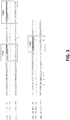
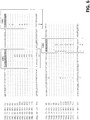
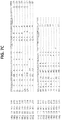
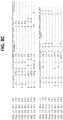
- Variable heavy and variable light chain pairs may comprise pairs from the following table: Antibody Name Variable Heavy SEQ ID NO: (amino acid) Variable Light SEQ ID NO: (amino acid) A02.10 19 14 A02.11 20 14 A02.112 34 65 A02.12 34 65 A02.13 35 65 A02.16 34 92 A02.17 34 93 A02.18 34 73 A02.19 34 74 A02.2 13 65 A02.20 34 75 A02.21 34 76 A02.22 34 77 A02.23 34 78 A02.24 34 79 A02.25 34 80 A02.26 34 81 A02.27 34 82 A02.28 34 83 A02.29 34 84 A02.3 17 65 A02.30 34 85 A02.31 34 86 A02.32 34 87 A02.33 34 88 A02.34 34 89 A02.35 34 90 A02.36 34 91 A02.37 34 66 A02.38 34 113 A02.39 34 112 A02.4 18 65 A02.40 111 65 A02.41 110 65 A02.43 110 113 A02.44 111 112 A02.
- the antibodies may be fused to attenuated ligands, for example, to form antibody-attenuated ligand constructs, which show an elevated antigen-specificity index with respect to activating signaling pathways due to the action of the attenuated ligand on a cell surface receptor.
- attenuated ligands for example, to form antibody-attenuated ligand constructs, which show an elevated antigen-specificity index with respect to activating signaling pathways due to the action of the attenuated ligand on a cell surface receptor.
- Such constructs display one, two, three, four or five orders of magnitude greater potency on antigen-positive cells compared to antigen negative cells than does the free ligand.
- the antibody-attenuated ligand construct retains at least 1%, at least 10%, at least 20%, at least 30%, at least 40% or at least 50% of the potency on antigen-positive cells as the non-attenuated free (i.e., not attached to an antibody) ligand.
- the antibody-attenuated ligand construct retains at least 30%, at least 50%, at least 75% or at least 90% of the maximal activity of the non-attenuated free (i.e. not attached to an antibody) ligand.
- Maximal activity includes the amount of signaling activity (or downstream effect thereof) at the high, plateau portion of a dose-response curve, where further increases in the agent does not further increase the amount of response.
- the antibody fusion to and inclusion of an attenuating mutation(s) in the interferon ligand increases the antigen-specificity index (ASI) by greater than 10-fold, preferably greater than 50-fold, preferably greater than 100-fold, preferably greater than 1000-fold, or preferably greater than 10,000 fold, relative to an antibody without a fusion.
- ASI comprises the fold-increased potency in signaling activity of the antibody-IFN ligand construct relative to the free non-mutated polypeptide ligand on target antigen-positive cells, multiplied by the fold decreased potency in signaling activity relative to the free non-mutated polypeptide ligand on target antigen-negative cells.
- Potency may be quantitatively represented by the EC 50 value, which is the mathematical midpoint of a dose-response curve, in which the dose refers to the concentration of ligand or antibody-ligand construct in an assay, and response refers to the quantitative response of the cells to the signaling activity of the ligand at a particular dose.
- the EC 50 value is the mathematical midpoint of a dose-response curve, in which the dose refers to the concentration of ligand or antibody-ligand construct in an assay, and response refers to the quantitative response of the cells to the signaling activity of the ligand at a particular dose.
- the antibodies are preferably capable of binding to CD38-positive cells.
- the antibody may bind to a CD38-positive cell with an EC 50 value of less than about 100 nM.
- the antibody may bind to a CD38-positive cell with an EC 50 value of less than about 75 nM.
- the antibody may bind to a CD38-positive cell with an EC 50 value of less than about 50 nM.
- the antibody may bind to a CD38-positive cell with an EC 50 value of less than about 30 nM.
- the antibody may bind to a CD38-positive cell with an EC 50 value of less than about 25 nM.
- the antibody may bind to a CD38-positive cell with an EC 50 value of less than about 20 nM.
- the antibody may bind to a CD38-positive cell with an EC 50 value of less than about 18 nM.
- the antibody may bind to a CD38-positive cell with an EC 50 value of less than about 15 nM.
- the antibody may bind to a CD38-positive cell with an EC 50 value of less than about 13 nM.
- the antibody may bind to a CD38-positive cell with an EC 50 value of less than about 10 nM.
- the interferon joined to the antibody preferably comprises alterations in its amino acid sequence, including point mutations and/or deletions that render the interferon less active in stimulating its respective receptors on cells that lack cell surface expression of the CD38 antigen to which the antibody binds.
- a highly preferred variant of interferon alpha comprises an amino acid change at position 168 of the interferon alpha 2b molecule of SEQ ID NO: 7.
- the amino acid at position 168 which is an alanine in the parent IFN-alpha2b molecule, is preferably changed to a glycine (Gly/G) (SEQ ID NO: 650) or aspartic acid (Asp/D) (SEQ ID NO: 647).
- the IFN-alpha2b is truncated at its N-terminus when the IFN-alpha2b is fused to an IgG heavy chain constant domain such as the human IgG1 or human IgG4 heavy chain constant domain.
- the truncated IFN-alpha2b does not have the twenty three N-terminal amino acids of SEQ ID NO: 7 (Met 1 through Gly 23 are deleted), and the truncated IFN-alpha2b comprises the amino acid sequence of SEQ ID NO: 648.
- the truncated IFN-alpha2b may also comprise the amino acid change at what was formerly position 168, but which becomes position 145 in the truncated protein (e.g., alanine 168 becomes alanine 145).
- the alanine is preferably changed to a glycine (Gly/G) (SEQ ID NO: 651) or aspartic acid (Asp/D) (SEQ ID NO: 649).
- Gly/G glycine
- Asp/D aspartic acid
- Interferon with A145D alteration is particularly preferred as the attenuated ligand fused to the antibodies of the disclosure. Any of these point-mutated, attenuated versions of IFN-alpha may be joined to any antibody described herein, for example, as an antibody-attenuated interferon construct.
- the linkage between the antibody and the interferon preferably comprises a fusion, for example, a peptide bond between the N- or the C-terminus of the interferon and the Nor C-terminus of the heavy or the light chain of the antibody.
- no linker is present between the antibody and the interferon, and the antibody and interferon are thus directly fused. It is believed that direct fusion, without an intervening linker peptide, provides at least a measurable degree of attenuation of the interferon protein, and it is also believed that this attenuation is additive with the attenuation of the interferon protein that stems from the mutations introduced into the interferon protein, including those described or exemplified herein.
- Polynucleotide sequences that encode antibodies and their subdomains are featured in the disclosure.
- Polynucleotides include, but are not limited to, RNA, DNA, cDNA, hybrids of RNA and DNA, and single, double, or triple stranded strands of RNA, DNA, or hybrids thereof.
- the polynucleotides may encode the heavy chain of an antibody that specifically binds to an epitope on CD38.
- the polynucleotide may encode a heavy chain comprising the amino acid sequence of any of SEQ ID NO: 667, SEQ ID NO: 668, SEQ ID NO: 679, SEQ ID NO: 680, SEQ ID NO: 681, SEQ ID NO: 682, SEQ ID NO: 683, SEQ ID NO: 684, SEQ ID NO:, SEQ ID NO: 685, SEQ ID NO: 686, SEQ ID NO: 695, SEQ ID NO: 724, SEQ ID NO: 725, SEQ ID NO: 726, SEQ ID NO: 727, SEQ ID NO: 732, SEQ ID NO: 733, SEQ ID NO: 734, SEQ ID NO: 735, SEQ ID NO: 743, SEQ ID NO: 744, SEQ ID NO: 745 or SEQ ID NO: 746.
- the polynucleotide may encode a light chain comprising the amino acid sequence of any of SEQ ID NO: 669, SEQ ID NO: 670, SEQ ID NO: 671, SEQ ID NO: 672, SEQ ID NO: 673, SEQ ID NO: 674, SEQ ID NO: 675, SEQ ID NO: 676, SEQ ID NO: 677, SEQ ID NO: 678, SEQ ID NO: 688, SEQ ID NO: 689, SEQ ID NO: 690, SEQ ID NO: 691, SEQ ID NO: 692, SEQ ID NO: 693, SEQ ID NO: 702, SEQ ID NO: 703, SEQ ID NO: 712, SEQ ID NO: 713, SEQ ID NO: 714, SEQ ID NO: 715, SEQ ID NO: 716, SEQ ID NO: 717, SEQ ID NO: 718 or SEQ ID NO: 719.
- the polynucleotide may comprise the nucleic acid sequence of any of SEQ ID NO: 667, SEQ ID NO: 668, SEQ ID NO: 679, SEQ ID NO: 680, SEQ ID NO: 681, SEQ ID NO: 682, SEQ ID NO: 683, SEQ ID NO: 684, SEQ ID NO:, SEQ ID NO: 685, SEQ ID NO: 686, SEQ ID NO: 695, SEQ ID NO: 724, SEQ ID NO: 725, SEQ ID NO: 726, SEQ ID NO: 727, SEQ ID NO: 732, SEQ ID NO: 733, SEQ ID NO: 734, SEQ ID NO: 735, SEQ ID NO: 743, SEQ ID NO: 744, SEQ ID NO: 745, SEQ ID NO: 746, SEQ ID NO: 669, SEQ ID NO: 670, SEQ ID NO: 671, SEQ ID NO: 672, SEQ ID NO: 673, SEQ ID NO:
- the polynucleotide may comprise a nucleic acid sequence having at least about 80%, at least about 85%, at least about 86%, at least about 87%, at least about 88%, at least about 89%, at least about 90%, at least about 91%, at least about 92%, at least about 93%, at least about 94%, at least about 95%, at least about 96%, at least about 97%, at least about 98%, or at least about 99% sequence identity with any of SEQ ID NO: 667, SEQ ID NO: 668, SEQ ID NO: 679, SEQ ID NO: 680, SEQ ID NO: 681, SEQ ID NO: 682, SEQ ID NO: 683, SEQ ID NO: 684, SEQ ID NO:, SEQ ID NO: 685, SEQ ID NO: 686, SEQ ID NO: 695, SEQ ID NO: 724, SEQ ID NO: 725, SEQ ID NO: 726, SEQ ID NO: 727, SEQ ID NO: 732, SEQ
- the antibodies encoded by the polynucleotide variants will specifically bind to CD38 with an affinity about equal to the affinity of the antibody encoded by the parent (non-variant) polynucleotide sequence.
- Affinity may be measured, for example, according to any technique described or exemplified herein, including techniques described in the Examples. Complements of the polynucleotide sequences and the variant polynucleotide sequences are also within the scope of the disclosure.
- the vectors may be expression vectors. Recombinant expression vectors containing a sequence encoding a polypeptide of interest are thus provided.
- the expression vector may contain one or more additional sequences, such as but not limited to regulatory sequences, a selection marker, a purification tag, or a polyadenylation signal.
- regulatory elements may include a transcriptional promoter, enhancers, mRNA ribosomal binding sites, or sequences that control the termination of transcription and translation.
- Expression vectors may include one or more nontranscribed elements, such as an origin of replication, a suitable promoter and enhancer linked to the gene to be expressed, other 5' or 3' flanking nontranscribed sequences, 5' or 3' nontranslated sequences (such as necessary ribosome binding sites), a polyadenylation site, splice donor and acceptor sites, or transcriptional termination sequences.
- an origin of replication that confers the ability to replicate in a specific host may also be incorporated.
- the vectors may be used to transform any of a wide array of host cells well known to those of skill in the art, and preferably host cells capable of expressing antibodies.
- Vectors include without limitation, plasmids, phagemids, cosmids, baculoviruses, bacmids, bacterial artificial chromosomes (BACs), yeast artificial chromosomes (YACs), and baculovirus, as well as other bacterial, eukaryotic, yeast, and viral vectors.
- Suitable host cells include without limitation CHO cells, HEK293 cells, or any eukaryotic stable cell line known or produced, and also include bacteria, yeast, and insect cells.
- the antibodies may also be produced by hybridoma cells; methods to produce hybridomas being well known and established in the art.
- interferon alpha ligand having one or more mutations that substantially decrease the affinity of the ligand for an interferon receptor
- an anti-CD38 antibody that targets the mutated interferon alpha ligand to target cells which display the antibody's corresponding antigen
- the ligand's activity on target antigen-positive cells is maintained while the ligand's activity on non-target antigen-negative cells is substantially reduced.
- the net result is a ligand signaling molecule that has a much greater potency in activation of its receptors on antigen-positive target cells compared to antigen-negative non-target cells, which provides a means for reducing toxicity arising from off-target ligand activity.
- a polypeptide construct may comprise an IFN-alpha variant linked to an anti-CD38 antibody or antigen binding portion thereof. Such a polypeptide will be capable of exerting with high potency the IFN's anti-proliferative activity on CD38-positive tumor cells while exerting a much lower potency on CD38-negative, non-tumor cells within the body.
- compositions comprising the antibodies and antibody-attenuated interferon constructs of the disclosure.
- These compositions can further comprise at least one of any suitable auxiliary, such as, but not limited to one or more, diluents, binders, stabilizers, buffers, salts, lipophilic solvents, preservatives, adjuvants, or other suitable carrier and/or excipient.
- Pharmaceutically acceptable auxiliaries are preferred.
- the compositions may comprise any of the antibodies and antibody-attenuated interferon constructs described and/or exemplified herein and an acceptable carrier such as a pharmaceutically acceptable carrier.
- Suitable carriers include any media that does not interfere with the biological activity of the antibody and/or the interferon and preferably is not toxic to a host to which it is administered.
- the carrier may be an aqueous solution, such as water, saline, or alcohol, or a physiologically compatible buffer, such as Hanks's solution, Ringer's solution, or physiological saline buffer.
- the carrier may contain formulatory agents, such as suspending, stabilizing and/or dispersing agents
- compositions include but are not limited to proteins, peptides, amino acids, lipids, and carbohydrates (e.g., sugars, including monosaccharides, di-, tri-, tetra-, and oligosaccharides; derivatized sugars such as alditols, aldonic acids, esterified sugars and other known sugars; and polysaccharides or sugar polymers), which can be present singly or in combination, comprising alone or in combination any suitable weight or volume.
- Exemplary protein excipients include serum albumin, such as human serum albumin (HSA), recombinant human albumin (rHA), gelatin, casein, and other known proteins.
- amino acids which can also function in a buffering capacity include alanine, glycine, arginine, betaine, histidine, glutamic acid, aspartic acid, cysteine, lysine, leucine, isoleucine, valine, methionine, phenylalanine, and aspartame.
- One preferred amino acid is histidine.
- a second preferred amino acid is arginine.
- Carbohydrate excipients suitable for use in the composition include, for example, monosaccharides, such as fructose, maltose, galactose, glucose, D-mannose, and sorbose; disaccharides, such as lactose, sucrose, trehalose, and cellobiose; polysaccharides, such as raffinose, melezitose, maltodextrins, dextrans, and starches; and alditols, such as mannitol, xylitol, maltitol, lactitol, xylitol sorbitol (glucitol), and myoinositol.
- Preferred carbohydrate excipients for use in the disclosure are mannitol, trehalose, and raffinose.
- Antibody compositions can also include a buffer or a pH adjusting agent; typically, the buffer is a salt prepared from an organic acid or base.
- Representative buffers include organic acid salts, such as salts of citric acid, ascorbic acid, gluconic acid, carbonic acid, tartaric acid, succinic acid, acetic acid, or phthalic acid; Tris, tromethamine hydrochloride, or phosphate buffers.
- Preferred buffers for use in the present compositions are organic acid salts, such as citrate.
- compositions of the disclosure can include polymeric excipients/additives, such as polyvinylpyrrolidones, ficolls (a polymeric sugar), dextrates (e.g., cyclodextrins, such as 2-hydroxypropyl- ⁇ -cyclodextrin), polyethylene glycols, antimicrobial agents, antioxidants, antistatic agents, surfactants (e.g ., polysorbates such as "TWEEN® 20" and “TWEEN® 80”), lipids (e.g., phospholipids, fatty acids), steroids ( e.g., cholesterol), and chelating agents (e.g ., EDTA).
- polymeric excipients/additives such as polyvinylpyrrolidones, ficolls (a polymeric sugar), dextrates (e.g., cyclodextrins, such as 2-hydroxypropyl- ⁇ -cyclodextrin), polyethylene glycols, antimicrobial agents, antioxidants
- compositions may also be formulated in sustained release vehicles or depot preparations.
- the compositions may be formulated with suitable polymeric or hydrophobic materials (for example, as an emulsion in an acceptable oil) or ion exchange resins, or as sparingly soluble derivatives, for example, as a sparingly soluble salt.
- suitable polymeric or hydrophobic materials for example, as an emulsion in an acceptable oil
- ion exchange resins for example, as a sparingly soluble derivatives
- sparingly soluble derivatives for example, as a sparingly soluble salt.
- Liposomes and emulsions are well-known examples of delivery vehicles suitable for use as carriers for hydrophobic drugs.
- compositions may be formulated for administration to a subject in any suitable dosage form.
- the compositions may be formulated for oral, buccal, nasal, transdermal, parenteral, injectable, intravenous, subcutaneous, intramuscular, rectal, or vaginal administrations.
- the compositions may be formulated in a suitable controlled-release vehicle, with an adjuvant, or as a depot formulation.
- Preparations for parenteral administration include sterile solutions ready for injection, sterile dry soluble products ready to be combined with a solvent just prior to use, including hypodermic tablets, sterile suspensions ready for injection, sterile dry insoluble products ready to be combined with a vehicle just prior to use and sterile emulsions.
- An anti-CD38-attenuated interferon alpha-2b fusion construct may be used, for example, to inhibit, reduce, decrease, block, or prevent proliferation of a cell that expressed CD38 on its surface.
- Methods for inhibiting or reducing proliferation of a cell that expresses CD38 on its surface generally comprise contacting a cell expressing CD38 with an anti-CD38-attenuated interferon alpha-2b fusion construct in an amount effective to inhibit or reduce proliferation of the cell.
- the antibody that specifically binds to CD38 may be any antibody described or exemplified herein.
- the attenuated interferon alpha 2b may comprise IFN-alpha2b A145D or IFN-alpha2b A145G.
- the cell may be a lymphocyte, an autoimmune lymphocyte, or a tumor cell such as a leukemia cell, a multiple myeloma cell, or a lymphoma cell.
- the anti-CD38-attenuated interferon alpha-2b fusion construct may be comprised in a composition, for example, with a pharmaceutically acceptable carrier and optionally one or more auxiliaries or excipients, including any such carrier, auxiliary, or excipient described or exemplified herein.
- the methods may be carried out in vitro, ex vivo, in vivo, or in situ.
- An anti-CD38-attenuated interferon alpha-2b fusion construct may also be used, for example, to induce, facilitate, or enhance apoptosis of a cell that expressed CD38 on its surface.
- Methods for inducing apoptosis in a cell that expresses CD38 on its surface generally comprise contacting a cell expressing CD38 with an anti-CD38-attenuated interferon alpha-2b fusion construct in an amount effective to induce apoptosis in the cell.
- the antibody that specifically binds to CD38 may be any antibody described or exemplified herein.
- the attenuated interferon alpha 2b may comprise IFN-alpha2b A145D or IFN-alpha2b A145G.
- the cell may be a lymphocyte, an autoimmune lymphocyte, or a tumor cell such as a leukemia cell, a multiple myeloma cell, or a lymphoma cell.
- the anti-CD38-attenuated interferon alpha-2b fusion construct may be comprised in a composition, for example, with a pharmaceutically acceptable carrier and optionally one or more auxiliaries or excipients, including any such carrier, auxiliary, or excipient described or exemplified herein.
- the methods may be carried out in vitro, ex vivo, in vivo, or in situ.
- An anti-CD38-attenuated interferon alpha-2b fusion construct may also be used to treat a subject having a tumor that comprises and/or is mediated, at least in part, by cells that express CD38 on their surface.
- Methods for treating a tumor comprising cells expressing CD38 on their surface generally comprise administering to a subject in need thereof an anti-CD38-attenuated interferon alpha-2b fusion construct in an amount effective to treat the tumor in the subject.
- Effective treatment may include, for example, inhibiting or reducing proliferation of CD38-positive cells in the tumor and/or inducing apoptosis of CD38-positive cells in the tumor.
- the antibody that specifically binds to CD38 may be any antibody described or exemplified herein.
- the attenuated interferon alpha 2b may comprise IFN-alpha2b A145D or IFN-alpha2b A145G.
- the anti-CD38-attenuated interferon alpha-2b fusion construct may be comprised in a composition, for example, with a pharmaceutically acceptable carrier and optionally one or more auxiliaries or excipients, including any such carrier, auxiliary, or excipient described or exemplified herein.
- the anti-CD38-attenuated interferon alpha-2b fusion constructs or composition comprising such constructs may be administered to the tumor by administering the constructs of composition to the blood.
- the anti-CD38-attenuated interferon alpha-2b fusion constructs or composition comprising such constructs may be administered such that the construct diffuses via blood flow to and/or into the tumor cells.
- the construct may be internalized by a tumor cell.
- an anti-CD38 antibody or anti-CD38 antibody-attenuated interferon alpha-2b fusion construct in the treatment of tumors.
- Methods for treating tumors with an anti-CD38 antibody or anti-CD38 antibody-attenuated interferon alpha-2b fusion construct are disclosed herein. Any anti-CD38 antibody or anti-CD38 antibody-attenuated interferon alpha-2b fusion construct described or exemplified herein may be used.
- Tumors that may be treated include, but are not limited to AIDS related cancers, acoustic neuroma, acute lymphocytic leukemia, acute myeloid leukemia, adenocystic carcinoma, adrenocortical cancer, agnogenic myeloid metaplasia, alopecia, alveolar soft-part sarcoma, anal cancer, angiosarcoma, aplastic anemia, astrocytoma, ataxia-telangiectasia, basal cell carcinoma (skin), bladder cancer, bone cancers, bowel cancer, brain stem glioma, brain and CNS tumors, breast cancer, CNS tumors, carcinoid tumors, cervical cancer, childhood brain tumors, childhood cancer, childhood leukemia, childhood soft tissue sarcoma, chondrosarcoma, choriocarcinoma, chronic lymphocytic leukemia, chronic myeloid leukemia, colorectal cancers, cutaneous T-Cell lympho
- the methods may be used for treatment of multiple myeloma, leukemia, or lymphoma in a subject in need thereof. Such methods may further comprise treating the subject with a retinoid, such as all-trans retinoic acid.
- a retinoid such as all-trans retinoic acid.
- the tumor or cancer may be selected from multiple myeloma, non-Hodgkin's lymphoma, chronic myelogenous leukemia, chronic lymphocytic leukemia or acute myelogenous leukemia.
- An anti-CD38-attenuated interferon alpha-2b fusion construct may be combined with other drugs and/or used in addition to other cancer treatment regimens or modalities such as radiation therapy or surgery.
- anti-CD38-attenuated interferon alpha-2b fusion constructs are used in combination with known therapeutic agents the combination may be administered either in sequence (either continuously or broken up by periods of no treatment) or concurrently or as a mixture.
- anticancer agents there are numerous known anticancer agents that may be used in this context.
- Treatment in combination is also contemplated to encompass the treatment with either the anti-CD38-attenuated interferon alpha-2b fusion construct followed by a known treatment, or treatment with a known agent followed by treatment with the anti-CD38-attenuated interferon alpha-2b fusion construct, for example, as maintenance therapy.
- the anti-CD38-attenuated interferon alpha-2b fusion construct may be administered in combination with an alkylating agent (such as mechlorethamine, cyclophosphamide, chlorambucil, ifosfamidecysplatin, or platinum-containing alkylating-like agents such as cisplatin, carboplatin and oxaliplatin), an antimetabolite (such as a purine or pyrimidine analogue or an antifolate agent, such as azathioprine and mercaptopurine), an anthracycline (such as Daunorubicin, Doxorubicin, Epirubicinldarubicin, Valrubicin, Mitoxantrone, or anthracycline analog), a plant alkaloid (such as a vinca alkaloid or a taxane, such as Vincristine, Vinblastine, Vinorelbine, Vindes
- an alkylating agent such as mechlor
- an anti-CD38-attenuated interferon alpha-2b fusion construct may be administered in combination with other suitable therapies, such as treatment of the subject with the administration of steroids such as dexamethasone, proteasome inhibitors (such as bortezomib or carfilzomib), immunomodulatory drugs (such as thalidomide, lenalidomide or pomalidomide), or induction chemotherapy followed by autologous hematopoietic stem cell transplantation, with or without other chemotherapeutic agents such as Melphalan hydrochloride or the chemotherapeutic agents listed above.
- steroids such as dexamethasone, proteasome inhibitors (such as bortezomib or carfilzomib), immunomodulatory drugs (such as thalidomide, lenalidomide or pomalidomide), or induction chemotherapy followed by autologous hematopoietic stem cell transplantation, with or without other chemotherapeutic agents such as Melphalan hydrochloride or
- an anti-CD38-attenuated interferon alpha-2b fusion construct may be administered in combination with current therapeutic approaches, such as ABVD (Adriamycin (doxorubicin), bleomycin, vinblastine, and dacarbazine), or Stanford V (doxorubicin, bleomycin, vinblastine, vincristine, mechlorethamine, etoposide, prednisone), or BEACOPP (doxorubicin, bleomycin, vincristine, cyclophosphamide, procarbazine, etoposide, prednisone).
- ABVD Adriamycin (doxorubicin), bleomycin, vinblastine, and dacarbazine)
- Stanford V doxorubicin, bleomycin, vinblastine, vincristine, mechlorethamine, etoposide, prednisone
- BEACOPP doxorubicin, bleomycin, vin
- an anti-CD38-attenuated interferon alpha-2b fusion construct may be administered in combination current therapeutic approaches.
- drugs approved for non-Hodgkin lymphoma include Abitrexate (Methotrexate), Adriamycin PFS (Doxorubicin Hydrochloride), Adriamycin RDF (Doxorubicin Hydrochloride), Ambochlorin (Chlorambucil), Amboclorin (Chlorambucil), Arranon (Nelarabine), Bendamustine Hydrochloride, Bexxar (Tositumomab and Iodine I 131 Tositumomab), Blenoxane (Bleomycin), Bleomycin, Bortezomib, Chlorambucil, Clafen (Cyclophosphamide), Cyclophosphamide, Cytoxan (Cyclophosphamide), DenileukinD
- An anti-CD38 antibody, or an anti-CD38-attenuated interferon alpha-2b fusion construct may be used to detect CD38-positive cells, including CD38-positive tumor cells. They may be used in methods for detecting a CD38-positive tumor cell in a tissue sample isolated from a subject, which methods may generally comprise contacting an anti-CD38 antibody, or an anti-CD38-attenuated interferon alpha-2b fusion construct, with a tissue sample isolated from a subject and detecting a complex of the antibody or construct and a CD38-positive cell in the tissue sample.
- the tissue sample preferably is blood.
- the cell may be a CD38-positive B-cell lymphoma cell, multiple myeloma cell, non-Hodgkin's lymphoma cell, chronic myelogenous leukemia cell, chronic lymphocytic leukemia cell, or acute myelogenous leukemia cell.
- the method may further comprise isolating the tissue sample from the subject.
- kits comprising any of the antibodies and anti-CD38-attenuated interferon alpha-2b fusion constructs described and exemplified herein.
- the kits may be used to supply antibodies and other agents for use in diagnostic, basic research, or therapeutic methods, among others.
- a kit may comprise an anti-CD38-attenuated interferon alpha-2b fusion construct, the construct optionally comprised in a composition comprising a pharmaceutically acceptable carrier, and instructions for using the kit in one or more of a method for inhibiting or reducing proliferation of a tumor cell expressing CD38 on its surface, a method for inducing apoptosis in a tumor cell expressing CD38 on its surface, and/or a method for treating a tumor that comprises and/or is mediated by cells expressing CD38 on their surface.
- Such methods may be any method described or exemplified herein.
- the kits may comprise a pharmaceutically acceptable carrier.
- the kits may comprise one or more pharmaceutically acceptable auxiliaries and/or one or more pharmaceutically acceptable excipients.
- the anti-CD38 antibody may be any antibody described or exemplified herein, and the attenuated interferon alpha-2b may comprise any attenuated interferon alpha-2b described or exemplified herein.
- the constructs may be comprised in sterile solutions ready for injection or intravenous administration, or may comprise a sterile, lyophilized form ready to be combined with a carrier just prior to use.
- a kit may comprise an anti-CD38 antibody and instructions for using the kit in a method for detecting CD38-positive cells in a sample, including a tissue sample isolated from a subject.
- the anti-CD38 antibody may be any antibody described or exemplified herein.
- the antibody may optionally be fused to an attenuated interferon alpha-2b protein.
- IFN fusion proteins are described in PCT Application No. PCT/AU2012/001323 . These include the antibody construct designated in the PCT application as X355/02-HC-L0-IFN-alpha (A145D) IgG4. In this specification, X355/02-HC-L0-IFN-alpha (A145D) IgG4 has been renamed as A02.1.
- the heavy chain sequence of the antibody comprises the amino acid sequence of SEQ ID NO: 11, and the light chain sequence comprises the amino acid sequence of SEQ ID NO: 12.
- variable light chain of A02.1 (SEQ ID NO: 14) was co-expressed with its variable heavy chain A02.1 (SEQ ID NO: 13) formatted on a human IgG4 constant region containing the substitution S228P (EU Numbering) (SEQ ID NO: 3).
- This antibody is referred to herein as X02.1.
- A02.1 includes a fusion to IFN-alpha2b whilst X02.1 does not, despite both antibodies sharing identical heavy chain and light chains sequences.
- a BLAST search Altschul SF (1997) Nucleic Acids Res. 25:3389-3402 ) against a database of human germline immunoglobulin genes was performed using the amino acid sequence of the variable heavy chain of X02.1.
- the closest human germline variable heavy chain gene was IGHV4-61 ⁇ 01 (SEQ ID NO: 16).
- An alignment of the X02.1 VH and IGHV4-61 ⁇ 01 is shown in Figure 2 .
- the X02.1 variable heavy region differs by eight amino acids from its closest germline amino acid sequence.
- germline amino acid residue substitutions could be produced at residues where it differs from the germline sequence and the resulting antibody variants tested for anti-CD38 binding activity.
- Antibodies with the above amino acid substitutions were subsequently explored in the context of a fusion protein through conjugation to attenuated IFN-alpha2b (termed A02 when linked to IFN, with the number following the decimal representing the same variant having the X02 designation).
- These heavy chain variable regions were formatted onto an IgG4 constant region comprising the substitution S228P fused to A145D attenuated IFN-alpha2b and co-expressed in CHO or HEK cells with the A02.1 light chain as described in Example 5. Proteins that were successfully purified from cell supernatant were then tested in a flow binding assay to the cell line ARP-1. The EC 50 value of the dose response curve for each antibody is given in Table 2.
- Antibodies X02.96, X02.99, X02.101, X02.102, X02.103 and X02.104 bound strongly to the CD38 positive ARP-1 cell line.
- X02.105 was able to bind strongly to the CD38 positive, H929 cell line.
- Amino acid sequence analysis of the variable heavy chain sequence of X02.1 and A02.1 identified amino acids that could potentially undergo oxidation or isomerization. These include a potential isomerization site at D101 and a potential oxidation site at M(100C). To remove the potential isomerization and oxidation sites, amino acid substitutions were made as follows: D(101)E (SEQ ID NO: 30), M(100C)L (SEQ ID NO: 29) and the combination of both D(101)E and M(100C)L (SEQ ID NO: 27) ( Figure 2 ). Antibodies were made with combinations of these amino acid substitutions in the variable heavy chain as shown in Table 4.
- Antibody heavy chain variable regions were formatted with an IgG4 constant region containing the substitution S228P and co-expressed with the A02.1 light chain in CHO cells. Antibodies were then purified by Protein A chromatography and screened for binding to ARP-1 cells by flow cytometry. The binding data obtained is shown in Table 4.
- Antibodies X02.76 and X02.77 maintained their strong binding to the ARP-1 cell line indicating that the amino acids substitutions to remove the potential oxidation and isomerization sites in the X02.1 and A02.1 heavy chain had little impact on their CD38 binding activity. Combining these substitutions to form antibody X02.74 resulted in an antibody that did not purify using the protocol in Example 5.
- Amino acid analysis of the variable light chain sequence of X02.1 and A02.1 identified amino acids that could potentially undergo oxidation or deamidation. These included a potential deamidation site at N69 and potential oxidation site at M89. Additionally a putative N-linked glycosylation site was predicted to exist within CDR3 of the light chain at position N94. The presence of N-linked glycans can cause heterogeneity in therapeutic proteins, complicating development.
- N69A SEQ ID NO: 39
- M89L SEQ ID NO: 52
- M89I SEQ ID NO: 51
- N94T SEQ ID NO: 48
- N94Q SEQ ID NO: 38
- G95P SEQ ID NO: 50
- S96A SEQ ID NO: 45
- Antibodies were generated by co-expression of the heavy- and light chains in CHO cells as detailed in Table 5.
- Antibodies were purified by Protein A chromatography and screened for binding to ARP-1 cells by flow cytometry. The binding data obtained is presented in Table 5.
- X02.94 bound the CD38 positive cell line ARP-1 indicating that the substitution M89L had little impact on CD38 binding activity.
- the substitution N94Q in antibody X02.80 removed the potential N-linked glycosylation motif with minimal impact on CD38 binding activity as measure by flow cytometry (Table 5). Other substitutions that remove this glycosylation motif either resulted in antibodies that could not easily be purified or antibodies that exhibited attenuated binding to the CD38 positive cell line ARP-1.
- the potential deamidation site at position 69 was removed through substitution to alanine , though this antibody (X02.81) was not easily purified.
- variable heavy chain variants are listed in Table 6. These heavy chain variable regions were formatted on an IgG4 constant region containing an S228P substitution. These heavy chains were co-expressed with the A02.1 light chain in CHO cells. The antibodies were expressed and the resulting antibodies tested in flow cytometry-based assays for binding to the CD38-positive cell ARP-1. All variable heavy chain substitutions with the exception of T23K (SEQ ID NO: 21; X02.68) had minimal impact on binding to the CD38 positive cell line ARP-1 in flow cytometry-based assays.
- Antibodies comprising other light chain variable region substitutions in the X02.1 sequence were also produced. These variant light chains were combined with the X02.1 heavy chain formatted onto an IgG4 constant region containing the substitution S228P and expressed in CHO cells as described in Example 5. A summary of the heavy- and light chains used to produce these antibody variants is given in Table 7. Antibodies X02.83, X02.85, X02.91, X02.82 bound strongly to the CD38 positive cell line ARP-1.
- the antibodies listed in Table 8 were analyzed for protein expression and binding to CD38 via surface plasmon resonance (SPR). Potency assays were also performed using cell culture supernatant taken from transfected cells to assess the relative activity of each of these anti-CD38-attenuated IFN fusion proteins as outlined in Example 5. The data obtained is given in Table 9.
- Annexin V Assay refers to cells positively stained by Annexin V-FITC after 24 h treatment with antibody constructs at 20 nM.
- Caspase Assay refers to caspase activation of cells after 24 h treatment with antibody constructs at 20 nM. N/A - Not Available; N/T - Not Tested.
- Putative immunogenic epitopes were identified in the light chain variable region amino acid sequence of A02.1 using the Epibase analysis software (Lonza, UK). To remove putative immunogenic epitopes, substitutions were introduced into the A02.1 variable light chain ( Figure 4 ). Light chains with lower predicted immunogenicity were co-expressed in HEK293E cells with the A02.12 heavy chain variable region (SEQ ID NO: 34) formatted onto an IgG4 constant region containing the substitution S228P fused to A145D-attenuated IFN. The antibody variants produced are detailed in Table 10.
- Annexin V Assay refers to cells positively stained by Annexin V-FITC after 24 h treatment with antibody constructs at 20 nM.
- Caspase Assay refers to caspase activation of cells after 24 h treatment with antibody constructs at 20 nM. DNB - Did not bind; N/T - Not Tested.
- Annexin V Assay refer to cells positively stained by Annexin V-FITC after 24 h treatment with antibody constructs at 20 nM.
- Caspase Assay refers to caspase activation of cells after 24 h treatment with antibody constructs at 20 nM DNB - Did not bind; N/T - Not Tested.
- a summary of the heavy and light chain pairings is provided listed in Table 14.
- Annexin V Assay refer to cells positively stained by Annexin V-FITC after 24 h treatment with antibody constructs at 20 nM.
- Caspase Assay refers to caspase activation of cells after 24 h treatment with antibody constructs at 20 nM. DNB - Did not bind.
- Annexin V Assay refer to cells positively stained by Annexin V-FITC after 24 h treatment with antibody constructs at 20 nM.
- Caspase Assay refers to caspase activation of cells after 24 h treatment with antibody constructs at 20 nM.
- LB - low binding not sufficient for an EC 50 value. *Antibody was tested in a flow binding assay against H929 cell line. Reported value is the EC 50 in ⁇ g/mL.
- Figure 5 lists the consensus variable heavy chain and Figure 6 lists the consensus variable light chain of A02.1 related constructs with functional activity. It could be further envisioned that combinations of substitutions could be made such as those described for Anti-CD38 antibodies X02.114, X02.115, X02.116, X02.117, X02.118, X02.119 ( Figure 6 ), X02.120, X02.121, X02.122, X02.123, X02.124, X02.125, X02.126 or X02.127 ( Figure 30 ). Further the above Anti-CD38 antibodies could also be constructed as Anti-CD38-attenuated IFN fusion proteins and tested for functional activity as described herein.
- A02.1 The in vivo potency of A02.1 has been tested previously in the NCI- H929 s.c. multiple myeloma model as described in Example 5. A02.1 was shown to have potent anti-tumor activity. The data is presented in PCT/AU2012/001323 .
- the H929 multiple myeloma xenograft model could be used to test the anti-tumor activity of any of the Anti-CD38-attenuated IFN fusion proteins described above.
- Attenuated IFN is required for potent apoptotic and caspase activation in tumor cell lines
- Annexin V Assay Anti-CD38-attenuated IFN fusion protein Annexin V Assay (Fold change relative to untreated cells)
- Caspase Assay (Fold change relative to untreated cells) A02.1 3.57 5.60 X02.1 1.50 2.34
- Annexin V Assay refer to cells positively stained by Annexin V-FITC after 24 h treatment with antibody constructs at 20 nM.
- Caspase Assay refers to caspase activation of cells after 24 h treatment with antibody constructs at 20 nM.
- DNA plasmids encoding protein constructs were prepared using HiSpeed Plasmid Maxi Kit (Qiagen, Valencia, CA) and then transfected into HEK293E cells (CNRC, Montreal, Canada), grown in F17 synthetic medium supplemented with 0.45% (w/v) D-(+)-Glucose (Sigma, Castle Hill, NSW), 25 ⁇ g/mL Geneticin (Invitrogen, Carlsbad, CA), and 1 x GlutaMAX (Invitrogen, Carlsbad, CA) using a commercially available transfection reagent and OptiMEM medium (Invitrogen, Carlsbad, CA).
- Protein A Mab Select SuReTM agarose beads (GE Healthcare, Pisataway, NJ). Purified protein constructs were buffer-exchanged into 0.2M arginine HCl, 25mM citric acid, 71.5mM sodium hydroxide at pH 6.0 using a PD Midi-Trap G-25 column (GE Healthcare, Piscataway, NJ) or a HiPrep 26/10 Desalting column (HiTrap Desalting HiPrep 26/10 Desalting). Purified protein constructs were then concentrated using 50 kDa Amicon Ultra centrifugal filter devices (Millipore, Billerica, MA), followed by protein concentration determination by reading absorbance at 280 nm.
- DNA plasmids encoding protein constructs were prepared using HiSpeed Plasmid Maxi Kit (Qiagen, Valencia, CA) and then transfected into CHO cells (Lonza) grown in FreestyleTM CHO Expression Medium (Invitrogen, Carlsbad, CA) using a commercially available transfection reagent and OptiPro SFMTM medium (Invitrogen, Carlsbad, CA). After allowing for expression for 6 days in an incubator supplied with 10% CO 2 and 120 rpm shaking, the culture media was isolated and subjected to affinity purification using Protein A Mab Select SuReagarose beads (GE Healthcare, Piscataway, NJ).
- Purified protein constructs were buffer-exchanged into 0.2M arginine.HCl, 25mM citric acid, 71.5mM sodium hydroxide at pH 6.0 using a PD Midi-Trap G-25 column (GE Healthcare, Piscataway, NJ) or a HiPrep 26/10 Desalting column (HiTrap Desalting HiPrep 26/10 Desalting). Purified protein constructs were then concentrated using 50 kDa Amicon Ultra centrifugal filter devices (Millipore, Billerica, MA), followed by protein concentration determination by reading absorbance at 280 nm.
- BIAevaluation software automatically subtracted the reference sensorgram giving a trace of FC2-1 (or FC4-3) for each sample. A double reference was performed for each antibody tested by subtracting the sensorgram with a CD38 injection from the sensorgram with a blank running buffer injection.
- the Protein A capture refers to the response units measured from a sensorgram at a fixed timepoint of 412.5s and this corresponds to the level of protein captured on the Protein A surface.
- CD38 binding is the response units measured at 507.5s and is an indication of the level of bound CD38 to the protein captured sensor.
- CD38 dissociation is the response units measured at 865.5s and is an indication of the level of CD38 bound to the protein captured surface after approximately 300s of dissociation phase.
- BIAevalution was used to fit the sensorgram using a Langmuir 1:1 equation in order to generate an equilibrium association constant (KD)
- the multiple myeloma cell line ARP-1 was a gift from Bart Barlogie MD, PhD, Director of the Myeloma Institute at the University of Arkansas Medical Center (Little Rock, AK). It is described in Hardin J. et al. (1994) Blood. 84:3063-70 ).
- the multiple myeloma cell line NCI-H929 (H929) was purchased from ATCC (CRL-9068, Gazdar, Blood 67: 1542-1549, 1986 ).
- ARP-1 cells or H929 cells (5 x 10 5 , as judged by trypan blue exclusion) were incubated with each protein or with a human IgG4 monoclonal antibody with irrelevant specificity protein construct at various concentrations in 50 ⁇ L of FACS buffer (PBS plus 1% fetal calf serum, FCS, 0.2M HEPES, 0.5M EDTA) in 96 well plates for 60 minutes on ice in the dark.
- FACS buffer PBS plus 1% fetal calf serum, FCS, 0.2M HEPES, 0.5M EDTA
- Daudi cell proliferation assay This assay was used to quantify the anti-proliferative activity of IFNs and antibody-IFN fusion protein constructs on cells that display CD38. Daudi cells express CD38 as a cell surface associated antigen. The viability of cells was measured using the reagent CellTiter-Glo®, Cat #G7570, from Promega (Madison, Wisconsin). This is a luminescence-based assay that determines the viability of cells in culture based on quantitation of ATP. The signal strength is proportional to the number of viable cells in a microtiter plate well.
- Daudi cells obtained from ATCC, Manassas, VA were cultured in a T75 flask (TPP, Trasadingen, Switzerland, cat# 90076) to a preferred density of between 0.5 x 10 5 and 0.8 x 10 5 viable cells/mL in RPMI 1640 (Mediatech, Inc., Manassas, VA, cat # 10-040- CV) with 10% Fetal Bovine Serum (FBS; Hyclone, Logan, UT cat# SH30070.03). Cells were harvested by centrifuging at 400 x g for five minutes, decanting the supernatant, and resuspending the cell pellet in RPMI 1640 + 10% FBS.
- assay plate a 96 well flat bottom white opaque plate
- the content of the assay plate was then allowed to stabilize in the dark for 15 minutes at room temperature.
- the plate was read on a Victor 3V Multilabel Counter (Perkin Elmer, Waltham, MA, model# 1420-041) on the luminometry channel and the luminescence was measured. Results are presented as "relative luminescence units” (RLU).
- RLU relative luminescence units
- ARP-1 Cell proliferation assay This assay was used to quantify the anti-proliferative activity of IFNs and antibody-IFN fusion protein constructs against CD38 antigen positive cells.
- ARP-1 cells express CD38 as cell surface associated antigens. The viability of cells was measured using the reagent CellTiter-Glo®, Cat #G7570, from Promega (Madison, Wisconsin). This is a luminescence-based assay that determines the viability of cells in culture by quantitation of ATP. The signal strength is proportional to the number of viable cells in a microtiter plate well.
- ARP-1 cells were cultured in a T175 flask (Costar, Corning, NY Lakes, NJ, cat# CLS431080) to a preferred density of between 2.0 x 10 5 and 2.0 x 10 6 viable cells/mL in RPMI 1640 (Life Technologies, Mulgrave, VIC, cat # 11875-093) with 10% Fetal Bovine Serum (FBS; AusGeneX, Molendinar, QLD, Australia cat# FBS500S). Cells were harvested by centrifuging at 400 x g for five minutes, decanting the supernatant, and resuspending the cell pellet in RPMI 1640 + 10% FBS.
- a mixture of the manufacturer-supplied assay buffer and assay substrate (CellTiter-Glo® reagent, mixed according to the manufacturer's instructions) was added to the experimental plate at 100 ⁇ L/well. The plate was shaken for two minutes. The content of the assay plate was then allowed to stabilize in the dark for 15 minutes at room temperature. The plate was read on a FLUOstar Galaxy plate reader (BMG Labtech, Durham, NC) on the luminometry channel and the luminescence was measured. Data was analyzed using Prism 5 (Graphpad, San Diego, CA) using non-linear regression and three parameter curve fit to determine the midpoint of the curve (EC 50 ).
- Annexin V assay H929 cells were harvested by centrifuging at 400 x g for five minutes, decanting the supernatant, and resuspending the cell pellet in RPMI 1640 + 10% FBS. Cells were then counted and the density was adjusted to 1.0 x 10 6 cells/mL in RPMI 1640 + 10% FBS. Then, 50 ⁇ L of the cell suspension was aliquoted into each well of 96-well round bottom clear plates (hereafter, "experimental plate;" Costar, Corning, NY cat# CL3799).
- test articles were diluted to 40 nM in quaduplicate in RPMI 1640 + 10% FBS. Subsequently, 50 ⁇ L/well was transferred from the dilution plate to the experimental plate. The experimental plate was then incubated for 24 hours at 37° C with 5% CO 2 . The cells were then centrifuged at 400 x g for 5 min, supernatant decanted and resuspended in 100 ⁇ l of HEPES buffer containing Annexin V-FITC (1/200) and 7-AAD (1/50).
- Annexin V positive cells refer to cells positively stained by Annexin V-FITC after 24 h treatment with antibody constructs at 20 nM and is expressed as fold change relative to untreated cells.
- Caspase assay Activated caspases 2, 3, 6, 7, 8, 9, 10 were measured with the reagent Homogeneous Caspases Assay, fluorimetric Cat #12236869001, from Roche (West Wales, UK) after treatment with test antibodies. The details of the assay follow.
- ARP-1 cells which express high levels of CD38, were cultured in a T175 flask (Costar, Corning, NY, cat# CLS431080) to a preferred density of between 2.0 x 10 5 and 2.0 x 10 6 viable cells/mL in RPMI 1640 (Life Technologies, Mulgrave, VIC, cat # 11875-093) with 10% FBS (AusGeneX, Molendinar, QLD, Australia cat# FBS500S). Cells were harvested by centrifuging at 400 x g for five minutes, decanting the supernatant, and resuspending the cell pellet in RPMI 1640 Phenol red-free (Life Technologies, Mulgrave, VIC, cat # 11835-030) + 10% FBS.
- Caspase Assay refers to caspase activation of cells after 24 h treatment with antibody constructs at 20 nM.
- iLite gene reporter assay The "off-target" iLite assay (PBL Interferon Source, Piscataway, NJ, Cat# 51100) was performed largely as described by the manufacturer, with the addition of a human IgG blocking step.
- the iLite cell line is described by the manufacturer as "a stable transfected cell line derived from a commercially available promonocytic human cell line characterized by the expression of MHC Class II antigens, in particular the human lymphocyte antigen (HLADR), on the cell surface.”
- the cell line contains a stably transfected luciferase gene, the expression of which is driven by an interferon-response element (IRE), which allows for interferon activity to be quantified based on luminescence output.
- IRE interferon-response element
- the manufacturer supplied iLite plate (hereafter, assay plate) and diluent were removed from the -80° C freezer and allowed to equilibrate to room temperature. Then, 50 ⁇ L of the diluent was added per well to the assay plate. The vial of manufacturer-supplied reporter cells was removed from the -80° C freezer and thawed in a 37° C water bath. Then, 25 ⁇ L aliquots of cells were dispensed into each well of the assay plate. Next, 12.5 ⁇ l of 8 mg/mL human IgG that was diluted into RPMI 1640 + 10% FBS (Sigma Chemicals, St. Louis, MO; cat# 14506) was added per well.
- test articles were serially diluted in duplicate in RPMI 1640 + 10% FBS. Then, 12.5 ⁇ L of the test articles were transferred from the dilution plate to the assay plate. The assay plate was then incubated at 37° C with 5% CO 2 for 17 hours.
- the manufacturer-supplied assay buffer and substrate were removed from the -80° C freezer and allowed to equilibrate to room temperature for two hours.
- the manufacturer-supplied assay buffer was added to the manufacturer-supplied substrate vial and mixed well according to the manufacturer's instructions to create the "luminescence solution.” Then, 100 ⁇ L of the luminescence solution was added to each well of the assay plate.
- the plate was shaken for 2 minutes. The plate was then incubated at room temperature for 5 minutes in the dark and finally read on a Victor 3V Multilabel Counter on a luminometry channel and the luminescence measured and presented as RLU. The data was analyzed with Graphpad Prism 5 as described for the "on-target (Daudi) assay.”
- manufacturer-supplied diluent was supplemented with 0.25 mg/mL anti-CD38 antibody (same antibody clone being tested as an antibody-IFN fusion protein construct, to block any binding of the anti-CD38 antibody-IFN fusion protein constructs to the CD38 expressed on the iLite cells).
- HEK-BlueTM Off-target assay The assay was used to quantify the ability of antibody-IFN fusion constructs to bind interferon-alpha/ ⁇ receptor (IFNAR) using the HEK-BlueTM IFN-alpha/ ⁇ cell line (InvivoGen, San Diego, CA).
- the "off-target (HB-IFN) assay” was performed largely as described by the manufacturer of the HEK-BlueTM IFN-alpha/ ⁇ cell line.
- HEK-BlueTM IFN-alpha/ ⁇ Cells are specifically designed to monitor the activation of the JAK-STAT pathway, which is induced by type I IFNs.
- the cells were generated by introducing the human STAT2 and IRF9 genes into HEK293 cells to obtain a fully active type I IFN signalling pathway.
- the HEK-BlueTM IFN-alpha/ ⁇ Cells stably express a reporter gene, secreted embryonic alkaline phosphatase (SEAP), under the control of the ISG54 promoter.
- SEAP embryonic alkaline phosphatase
- ISG54 is a well-known ISG activated through an ISRE-dependent mechanism by type I IFNs.
- HEK-BlueTM IFN-alpha/ ⁇ cells activate the JAK-STAT pathway and then the expression of the SEAP reporter gene.
- SEAP is secreted into the media and can be quantitated using the colorimetric reagent QUANTI-BlueTM.
- HEK-Blue IFN-alpha/ ⁇ cells Invivogen, San Diego CA cat# hkb-ifnab
- DMEM media Mediatech, Manassas VA, cat# 10-013-CV
- FBS FBS
- HI FBS heat inactivated
- NCI-H929 ATCC CRL-9068, Gazdar, Blood 67: 1542-1549, 1986 .
- SCID immunocompromised
- mice Eight to twelve week old CB.17 SCID mice were injected subcutaneously in the flank with 1 x 10 7 NCI-H929 tumor cells in 50% MatrigelTM. When average tumor size reached 170-350 mm 3 , mice were grouped into 4 cohorts of 7 mice each and treatment began at time zero (T0). All treatments were given by intraperitoneal injection, (i.p.) twice weekly for 3 weeks (indicated by bar under graph). All compounds were dosed at 100 ⁇ g/dose (approximately 4.5 mg/kg) except vehicle group. Tumor volume was measured twice weekly by caliper measurement. Endpoint was tumor volume of 2,000 mm 3 .
- NCI-H929 ATCC CRL-9068, Gazdar, Blood 67: 1542-1549, 1986 .
- SCID immunocompromised
- mice Eight to twelve week old CB.17 SCID mice were injected subcutaneously in the flank with 1x10 7 NCI-H929 tumor cells in 50% Matrigel. When average tumor size reaches 90mm 3 , mice will be grouped into 4 cohorts of 5 mice each and treatment begin at time zero (T0). All treatments will be given by intraperitoneal injection, (i.p.) twice weekly for 3 weeks (indicated by bar under graph). All compounds will be dosed at 100 ⁇ g/dose (approximately 4.5 mg/kg) except vehicle group. Tumor volume will be measured twice weekly by caliper measurement.
- A02.12 comprises an anti-CD38-attenuated IFN fusion protein in which the constant region of the protein is HC-L0-IFN-alpha (A145D) IgG4 (SEQ ID NO: 9).
- the heavy chain variable region of this antibody was reformatted onto an IgG1 constant region fused to A145D attenuated IFN-alpha2b (SEQ ID NO: 10).
- Rat-derived anti-CD38 antibodies R5D1, R5E8 and R10A2 are described in PCT/AU2012/001323 and were selected for humanization. The variable regions of these antibodies were superhumanized as described in U.S. Publ. No. 2003/0039649 . Briefly, canonical structures were assigned to each rodent heavy and light chain through inspection of their respective amino acid sequences. R10A2 was assigned the canonical structure 2-1-1/1-2 (V L /V H ), R5E8 was assigned the canonical structure 4-1-1/1-2, and R5D1 was assigned the canonical structure 2-1-1/1-2. Human germline sequences of the same canonical structure were used as acceptor frameworks for the grafting of donor CDRs.
- Variants of the resulting superhumanized antibody genes containing amino acid substitutions at positions within their sequences deemed likely to be important for maintenance of their binding activity were also designed.
- the different heavy chain superhumanized variable regions are shown in Figure 7 .
- the different light chain superhumanized variable regions are shown in Figure 8 .
- Heavy chain variable region sequences were subcloned into vector pEE6.4 containing a human IgG4 constant region possessing the substitution S228P fused to A145D attenuated IFN-alpha2b (SEQ ID NO: 9).
- Light chain variable regions were subcloned into vector pEE12.4 containing a human kappa constant region (SEQ ID NO: 5).
- Antibodies were produced through co-expression of heavy chains in pEE6.4 and light chains in pEE12.4 in CHO cells as described previously. Table 17 summarises the heavy- and light chain pairings used to produce each superhumanized 5D1-based protein.
- Table 18 details the heavy- and light chain pairings for the superhumanized 5E8-based protein generated, whilst the heavy- and light chain pairings used to generate superhumanzied 10A2-based proteins are given in Table 19.
- K D equilibrium dissociation constant
- the A10.0 antibody was optimized through alterations to the variable heavy and/or light chain sequences with the aim of yielding a positive effect on the biophysical and in silico immunogenicity of the antibody whilst causing minimal impact on the functional activity of the antibody.
- Each antibody generated using the heavy- and light chain pairings outlined in Table 20 was assessed for protein expression level and binding to CD38 via SPR. Furthermore, potency assays were performed using cell culture supernatants to assess the relative functional activity of each of these anti-CD38 antibody-attenuated IFN fusion proteins, Table 21.
- Annexin V Assay refer to cells positively stained by Annexin V-FITC after 24 h treatment with antibody constructs at 20 nM.
- Caspase Assay refers to caspase activation of cells after 24 h treatment with antibody constructs at 20 nM. DNB - Did not bind; N/T- not tested; No IC 50 - potency not sufficient for an IC 50 value.
- Table 23 Anti-CD38-attenuated IFN fusion protein Protein A HPLC (mg/L) CD38 binding by SPR (RU) at 350 sec* Annexin V assay (Fold change relative to untreated cells)Assay Caspase Assay (Fold change relative to untreated cells) Cell Proliferation Assay IC 50 (pM) A10.35 34.5 1889 1.83 6.16 6241 A10.36 52.4 1895 3.95 5.90 534.9
- the CD38 binding by SPR refers to the amount of CD38 that remains bound to the surface after 350 seconds of the dissociation phase.
- Annexin V Assay refer to cells positively stained by Annexin V-FITC after 24 h treatment with antibody constructs at 20 nM.
- Caspase Assay refers to caspase activation of cells after 24 h treatment with antibody constructs at 20 nM.
- A10.0 and A10.38 share a common light chain.
- the optimized light chain sequences of A10.0 were paired with the heavy chain of the A10.38 antibody with the aim of yielding a positive effect on the antibody's biophysical and in silico immunogenicity properties whilst having a minimal impact on functional activity.
- a summary of the changes and the pairings of heavy and light chains are described in Table 24.
- Annexin V Assay refer to cells positively stained by Annexin V-FITC after 24 h treatment with antibody constructs at 20 nM.
- Caspase Assay refers to caspase activation of cells after 24 h treatment with antibody constructs at 20 nM. N/T - Not Tested.
- Attenuated IFN is required for potent apoptotic and caspase activation in tumor cell lines
- the relative potency of anti-CD38 antibodies A10.0 (attenuated IFN fusion) and X10.0 (no fusion) were compared using the Annexin V, Caspase and the Cell Proliferation Assays outlined in Example 5.
- the relative potency of A10.38 and X10.38 was also compared, Table 26.
- a consensus sequence alignment of heavy chain variable regions from proteins with functional activity is shown in Figure 11 .
- a consensus sequence alignment of light chain variable regions from proteins with functional activity is shown in Figure 12 . It could be further envisioned that combinations of substitutions could be made such as those described for Anti-CD38 antibodies X10.60, X10.61, X10.62, X10.63, X10.64, X10.65, X10.66, X10.67, X10.68, X10.69, X10.70, X10.71, X10.72, X10.73, X10.74, X10.75, X10.76, X10.77, X10.78, X10.79, X10.80, X10.81, X10.82, X10.83, X10.84, X10.85, X10.86, X10.87, X10.88, X10.89, X10.90, X10.91, X10.92, X10.93, X10.94, X10.95, X10.96,
- the off-target activity of the 10A2 variants A10.0, A10.38, A10A2.37 and A10A2.39 in comparison with the parental A10A2.0 chimeric antibody fused to wildtype and attenuated interferon 145D was assessed in either the iLite reporter gene assay and/or the HEK Blue assay and is shown in Figure 28 and Figure 29 .
- the EC 50 values are provided in Figure 28 and Figure 29 .
- the off-target activity confirms the attenuation of the interferon and the need for the antibody to be targeted to CD38 to restore function.
- Annexin V Assay refer to cells positively stained by Annexin V-FITC after 24 h treatment with antibody constructs at 20 nM.
- Caspase Assay refers to caspase activation of cells after 24 h treatment with antibody constructs at 20 nM.
- A10.0 comprises an anti-CD38-attenuated IFN fusion protein in which the constant region of the protein is HC-L0-IFN-alpha (A145D) IgG4 (SEQ ID NO: 9).
- the constant region of this protein was replaced with HC-L0-IFN-alpha (A145D) IgG1 (SEQ ID NO: 10), paired with A10.0 light chain (SEQ ID NO: 161) and given the designation A10.59.
- the protein was expressed and was found to be potent in functional assays (Table 28).
- Table 29 lists the pairing of variable heavy chain, variable light chain and constant region for each antibody described herein.
- Table 30 lists the sequences used in the disclosure AA refers to amino acid (sequence type) and DNA refers to polynucleotide (sequence type).
Landscapes
- Health & Medical Sciences (AREA)
- Chemical & Material Sciences (AREA)
- Life Sciences & Earth Sciences (AREA)
- Organic Chemistry (AREA)
- Medicinal Chemistry (AREA)
- General Health & Medical Sciences (AREA)
- Immunology (AREA)
- Proteomics, Peptides & Aminoacids (AREA)
- Molecular Biology (AREA)
- Genetics & Genomics (AREA)
- Biophysics (AREA)
- Biochemistry (AREA)
- Pharmacology & Pharmacy (AREA)
- Animal Behavior & Ethology (AREA)
- Public Health (AREA)
- Veterinary Medicine (AREA)
- Gastroenterology & Hepatology (AREA)
- Engineering & Computer Science (AREA)
- Zoology (AREA)
- Epidemiology (AREA)
- Bioinformatics & Cheminformatics (AREA)
- Toxicology (AREA)
- Oncology (AREA)
- Nuclear Medicine, Radiotherapy & Molecular Imaging (AREA)
- Chemical Kinetics & Catalysis (AREA)
- General Chemical & Material Sciences (AREA)
- Microbiology (AREA)
- Mycology (AREA)
- Biomedical Technology (AREA)
- Hematology (AREA)
- Peptides Or Proteins (AREA)
- Medicines Containing Antibodies Or Antigens For Use As Internal Diagnostic Agents (AREA)
- Medicines That Contain Protein Lipid Enzymes And Other Medicines (AREA)
- Micro-Organisms Or Cultivation Processes Thereof (AREA)
- Medicinal Preparation (AREA)
- Preparation Of Compounds By Using Micro-Organisms (AREA)
Priority Applications (5)
| Application Number | Priority Date | Filing Date | Title |
|---|---|---|---|
| PL13721243T PL2992013T3 (pl) | 2013-04-29 | 2013-04-29 | Przeciwciała anty-cd38 i fuzje z atenuowanym interferonem alfa-2b |
| EP19213030.0A EP3677591B1 (en) | 2013-04-29 | 2013-04-29 | Anti-cd38 antibodies and fusions to attenuated interferon alpha-2b |
| DK19213030.0T DK3677591T5 (da) | 2013-04-29 | 2013-04-29 | Anti-CD38 antistoffer og fusioner til svækket interferon alpha-2b |
| PT137212437T PT2992013T (pt) | 2013-04-29 | 2013-04-29 | Anticorpos anti-cd38 e fusões a interferão alfa-2b atenuado |
| PT192130300T PT3677591T (pt) | 2013-04-29 | 2013-04-29 | Anticorpos anti-cd38 e fusões a interferão alfa-2b atenuado |
Applications Claiming Priority (1)
| Application Number | Priority Date | Filing Date | Title |
|---|---|---|---|
| PCT/US2013/038659 WO2014178820A1 (en) | 2013-04-29 | 2013-04-29 | Anti-cd38 antibodies and fusions to attenuated interferon alpha-2b |
Related Child Applications (1)
| Application Number | Title | Priority Date | Filing Date |
|---|---|---|---|
| EP19213030.0A Division EP3677591B1 (en) | 2013-04-29 | 2013-04-29 | Anti-cd38 antibodies and fusions to attenuated interferon alpha-2b |
Publications (2)
| Publication Number | Publication Date |
|---|---|
| EP2992013A1 EP2992013A1 (en) | 2016-03-09 |
| EP2992013B1 true EP2992013B1 (en) | 2019-12-04 |
Family
ID=48325957
Family Applications (2)
| Application Number | Title | Priority Date | Filing Date |
|---|---|---|---|
| EP13721243.7A Active EP2992013B1 (en) | 2013-04-29 | 2013-04-29 | Anti-cd38 antibodies and fusions to attenuated interferon alpha-2b |
| EP19213030.0A Active EP3677591B1 (en) | 2013-04-29 | 2013-04-29 | Anti-cd38 antibodies and fusions to attenuated interferon alpha-2b |
Family Applications After (1)
| Application Number | Title | Priority Date | Filing Date |
|---|---|---|---|
| EP19213030.0A Active EP3677591B1 (en) | 2013-04-29 | 2013-04-29 | Anti-cd38 antibodies and fusions to attenuated interferon alpha-2b |
Country Status (22)
| Country | Link |
|---|---|
| US (1) | US9963515B2 (pt) |
| EP (2) | EP2992013B1 (pt) |
| JP (1) | JP6286532B2 (pt) |
| KR (1) | KR102094022B1 (pt) |
| CN (2) | CN110526971B (pt) |
| AU (2) | AU2013388126B2 (pt) |
| BR (1) | BR112015027313A2 (pt) |
| CA (1) | CA2909952C (pt) |
| DK (1) | DK3677591T5 (pt) |
| EA (1) | EA033115B1 (pt) |
| ES (2) | ES2938708T3 (pt) |
| FI (1) | FI3677591T3 (pt) |
| IL (1) | IL242296B (pt) |
| MX (1) | MX370377B (pt) |
| NZ (1) | NZ713641A (pt) |
| PH (1) | PH12015502439B1 (pt) |
| PL (2) | PL3677591T3 (pt) |
| PT (2) | PT3677591T (pt) |
| SG (1) | SG11201508923VA (pt) |
| UA (1) | UA113129C2 (pt) |
| WO (1) | WO2014178820A1 (pt) |
| ZA (1) | ZA201507789B (pt) |
Families Citing this family (41)
| Publication number | Priority date | Publication date | Assignee | Title |
|---|---|---|---|---|
| EP3559049B1 (en) | 2011-10-28 | 2025-06-11 | Teva Pharmaceuticals Australia Pty Ltd | Polypeptide constructs and uses thereof |
| PT2822575T (pt) | 2012-03-03 | 2020-07-02 | Immungene Inc | Moléculas de fusão anticorpos-mutante de interferão modificadas |
| MX368288B (es) | 2012-09-25 | 2019-09-27 | Morphosys Ag | Una combinación de anticuerpos anti-cd38 y melfalán para usarse en el tratamiento de mieloma múltiple. |
| BR112015027313A2 (pt) | 2013-04-29 | 2017-09-26 | Teva Pharmaceuticals Australia Pty Ltd | anticorpos anti-cd38 e fusões ao interferon alfa-2b atenuado |
| US11117975B2 (en) | 2013-04-29 | 2021-09-14 | Teva Pharmaceuticals Australia Pty Ltd | Anti-CD38 antibodies and fusions to attenuated interferon alpha-2B |
| US9732154B2 (en) | 2014-02-28 | 2017-08-15 | Janssen Biotech, Inc. | Anti-CD38 antibodies for treatment of acute lymphoblastic leukemia |
| US9603927B2 (en) | 2014-02-28 | 2017-03-28 | Janssen Biotech, Inc. | Combination therapies with anti-CD38 antibodies |
| UA119352C2 (uk) | 2014-05-01 | 2019-06-10 | Тева Фармасьютикалз Острейліа Пті Лтд | Комбінація леналідоміду або помалідоміду і конструкції анти-cd38 антитіло-атенуйований інтерферон альфа-2b та спосіб лікування суб'єкта, який має cd38-експресуючу пухлину |
| PH12017500442B1 (en) | 2014-09-09 | 2023-05-24 | Janssen Biotech Inc | Combination therapies with anti-cd38 antibodies |
| US10544199B2 (en) | 2014-10-29 | 2020-01-28 | Teva Pharmaceuticals Australia Pty Ltd | Interferon alpha 2B variants |
| CN107406506A (zh) | 2014-12-04 | 2017-11-28 | 詹森生物科技公司 | 用于治疗急性髓系白血病的抗cd38抗体 |
| EA201792546A1 (ru) | 2015-05-20 | 2018-04-30 | Янссен Байотек, Инк. | Антитела к cd38 для лечения амилоидоза легких цепей и прочих cd38-положительных гематологических злокачественных опухолей |
| IL256242B2 (en) | 2015-06-22 | 2024-09-01 | Janssen Biotech Inc | Combination therapies for heme malignancies with anti-cd38 antibodies and survivin inhibitors |
| US20170044265A1 (en) | 2015-06-24 | 2017-02-16 | Janssen Biotech, Inc. | Immune Modulation and Treatment of Solid Tumors with Antibodies that Specifically Bind CD38 |
| EA037548B1 (ru) | 2015-06-24 | 2021-04-12 | Янссен Байотек, Инк. | Иммуномодуляция и лечение солидных опухолей антителами, которые специфически связывают cd38 |
| WO2017008049A1 (en) * | 2015-07-08 | 2017-01-12 | The Board Of Trustees Of The Leland Stanford Junior University | Heterotypic antibodies specific for human rotavirus |
| CA3004152C (en) | 2015-11-03 | 2024-04-16 | Janssen Biotech, Inc. | Subcutaneous formulations of anti-cd38 antibodies and their uses |
| US10781261B2 (en) | 2015-11-03 | 2020-09-22 | Janssen Biotech, Inc. | Subcutaneous formulations of anti-CD38 antibodies and their uses |
| WO2017149122A1 (en) | 2016-03-04 | 2017-09-08 | Morphosys Ag | Clinical assessment of m-protein response in multiple myeloma |
| US20190233533A1 (en) | 2016-06-28 | 2019-08-01 | Umc Utrecht Holding B.V. | Treatment Of IgE-Mediated Diseases With Antibodies That Specifically Bind CD38 |
| CN117717604A (zh) * | 2016-07-19 | 2024-03-19 | 梯瓦制药澳大利亚股份有限公司 | 抗cd47联合治疗 |
| WO2018014068A1 (en) * | 2016-07-19 | 2018-01-25 | Teva Pharmaceuticals Australia Pty Ltd | Attenuated type i ifn cd47 combination therapy |
| WO2018015498A1 (en) | 2016-07-20 | 2018-01-25 | Hybrigenics Sa | Combinations of inecalcitol with an anti-cd38 agent and their uses for treating cancer |
| CA3031028C (en) * | 2016-07-25 | 2024-02-13 | Lu Wang | Affinity chromatography wash buffer |
| EP3641831B1 (en) * | 2017-06-20 | 2024-11-06 | Sorrento Therapeutics, Inc. | Cd38 antibody drug conjugate |
| JP2020525445A (ja) | 2017-06-21 | 2020-08-27 | セファロン・インコーポレイテッドCephalon,Incorporated | カチオン交換クロマトグラフィーの洗浄緩衝液 |
| WO2019035938A1 (en) | 2017-08-16 | 2019-02-21 | Elstar Therapeutics, Inc. | MULTISPECIFIC MOLECULES BINDING TO BCMA AND USES THEREOF |
| MA50514A (fr) | 2017-10-31 | 2020-09-09 | Janssen Biotech Inc | Méthodes de traitement du myélome multiple à haut risque |
| JP6648171B2 (ja) * | 2018-02-02 | 2020-02-14 | テバ・ファーマシューティカルズ・オーストラリア・ピーティワイ・リミテッド | 抗cd38抗体及び弱毒化インターフェロンアルファ−2bとの融合物 |
| KR20210077725A (ko) | 2018-10-17 | 2021-06-25 | 얀센 바이오테크 인코포레이티드 | 항-cd38 항체의 피하 투여를 제공하는 방법 |
| KR20210104736A (ko) | 2018-12-14 | 2021-08-25 | 모르포시스 아게 | 항체 제형 |
| US11414496B2 (en) * | 2019-01-23 | 2022-08-16 | Takeda Pharmaceutical Company Limited | Anti-CD38 binding domains |
| BR112021015656A2 (pt) | 2019-02-20 | 2021-10-05 | Denali Therapeutics Inc. | Anticorpos anti-trem2 e métodos de uso dos mesmos |
| JP2023512450A (ja) | 2020-01-13 | 2023-03-27 | デナリ セラピューティクス インコーポレイテッド | 抗trem2抗体及びその使用方法 |
| IL308185B2 (en) | 2020-02-16 | 2026-03-01 | Aulos Bioscience Inc | Engineered antibodies against IL-2 |
| US20220275090A1 (en) | 2021-02-22 | 2022-09-01 | Janssen Biotech, Inc. | Combination Therapies with Anti-CD38 Antibodies and PARP or Adenosine Receptor Inhibitors |
| CN118103407A (zh) * | 2021-08-12 | 2024-05-28 | 上海才致药成生物科技有限公司 | 一种双特异性重组蛋白及其用途 |
| AU2022380155A1 (en) | 2021-11-03 | 2024-06-20 | Janssen Biotech, Inc. | Corticosteriod reduction in treatment with anti-cd38 antibodies |
| WO2023144303A1 (en) | 2022-01-31 | 2023-08-03 | INSERM (Institut National de la Santé et de la Recherche Médicale) | Cd38 as a biomarker and biotarget in t-cell lymphomas |
| EP4525911A1 (en) * | 2022-05-18 | 2025-03-26 | Takeda Pharmaceutical Company Limited | Anti-cd38 fusion protein formulation |
| TW202423968A (zh) * | 2022-09-29 | 2024-06-16 | 日商武田藥品工業股份有限公司 | Cd38結合融合蛋白組合療法 |
Family Cites Families (107)
| Publication number | Priority date | Publication date | Assignee | Title |
|---|---|---|---|---|
| GB2148299B (en) | 1983-09-01 | 1988-01-06 | Hybritech Inc | Antibody compositions of therapeutic agents having an extended serum half-life |
| US4908431A (en) | 1986-01-22 | 1990-03-13 | Temple University-Of The Commonwealth System Of Higher Education | Monoclonal antibodies to human kininogen and methods of preparing same |
| US5225539A (en) | 1986-03-27 | 1993-07-06 | Medical Research Council | Recombinant altered antibodies and methods of making altered antibodies |
| JP3040121B2 (ja) | 1988-01-12 | 2000-05-08 | ジェネンテク,インコーポレイテッド | 増殖因子レセプターの機能を阻害することにより腫瘍細胞を処置する方法 |
| US5846534A (en) | 1988-02-12 | 1998-12-08 | British Technology Group Limited | Antibodies to the antigen campath-1 |
| AU4128089A (en) | 1988-09-15 | 1990-03-22 | Rorer International (Overseas) Inc. | Monoclonal antibodies specific to human epidermal growth factor receptor and therapeutic methods employing same |
| EP0368684B2 (en) | 1988-11-11 | 2004-09-29 | Medical Research Council | Cloning immunoglobulin variable domain sequences. |
| US5530101A (en) | 1988-12-28 | 1996-06-25 | Protein Design Labs, Inc. | Humanized immunoglobulins |
| US5859205A (en) | 1989-12-21 | 1999-01-12 | Celltech Limited | Humanised antibodies |
| US5976531A (en) | 1990-04-19 | 1999-11-02 | The Dow Chemical Company | Composite antibodies of human subgroup IV light chain capable of binding to tag-72 |
| GB9022543D0 (en) | 1990-10-17 | 1990-11-28 | Wellcome Found | Antibody production |
| US5650150A (en) | 1990-11-09 | 1997-07-22 | Gillies; Stephen D. | Recombinant antibody cytokine fusion proteins |
| CA2082160C (en) | 1991-03-06 | 2003-05-06 | Mary M. Bendig | Humanised and chimeric monoclonal antibodies |
| US5795965A (en) | 1991-04-25 | 1998-08-18 | Chugai Seiyaku Kabushiki Kaisha | Reshaped human to human interleukin-6 receptor |
| WO1994004679A1 (en) | 1991-06-14 | 1994-03-03 | Genentech, Inc. | Method for making humanized antibodies |
| US5565332A (en) | 1991-09-23 | 1996-10-15 | Medical Research Council | Production of chimeric antibodies - a combinatorial approach |
| US6042828A (en) | 1992-09-07 | 2000-03-28 | Kyowa Hakko Kogyo Co., Ltd. | Humanized antibodies to ganglioside GM2 |
| EP0627932B1 (en) | 1992-11-04 | 2002-05-08 | City Of Hope | Antibody construct |
| US5840299A (en) | 1994-01-25 | 1998-11-24 | Athena Neurosciences, Inc. | Humanized antibodies against leukocyte adhesion molecule VLA-4 |
| PT699237E (pt) | 1994-03-17 | 2003-07-31 | Merck Patent Gmbh | Fvs de cadeia anti-egfr e anticorpos anti-egfr |
| DE69523857T2 (de) | 1994-09-16 | 2002-06-13 | Merck Patent Gmbh | Immunokonjugate |
| US20020164788A1 (en) * | 1994-12-02 | 2002-11-07 | The Wellcome Foundation Limited | Humanized antibodies to CD38 |
| US5977322A (en) | 1995-06-14 | 1999-11-02 | The Regents Of The University Of California | High affinity human antibodies to tumor antigens |
| ES2176484T3 (es) | 1995-08-18 | 2002-12-01 | Morphosys Ag | Bancos de proteinas/(poli)peptidos. |
| US5723125A (en) | 1995-12-28 | 1998-03-03 | Tanox Biosystems, Inc. | Hybrid with interferon-alpha and an immunoglobulin Fc linked through a non-immunogenic peptide |
| AU719513B2 (en) | 1996-05-04 | 2000-05-11 | Astrazeneca Ab | Monoclonal antibody to CEA, conjugates comprising said antibody, and their therapeutic use in an adept system |
| US6417337B1 (en) | 1996-10-31 | 2002-07-09 | The Dow Chemical Company | High affinity humanized anti-CEA monoclonal antibodies |
| US6277375B1 (en) | 1997-03-03 | 2001-08-21 | Board Of Regents, The University Of Texas System | Immunoglobulin-like domains with increased half-lives |
| US6872568B1 (en) | 1997-03-17 | 2005-03-29 | Human Genome Sciences, Inc. | Death domain containing receptor 5 antibodies |
| ES2297889T3 (es) | 1997-07-14 | 2008-05-01 | Bolder Biotechnology, Inc. | Derivados de hormona de crecimiento y proteinas relacionadas. |
| AUPP221098A0 (en) | 1998-03-06 | 1998-04-02 | Diatech Pty Ltd | V-like domain binding molecules |
| DK1071700T3 (da) | 1998-04-20 | 2010-06-07 | Glycart Biotechnology Ag | Glykosylerings-modifikation af antistoffer til forbedring af antistofafhængig cellulær cytotoksicitet |
| BR9915548A (pt) | 1998-10-16 | 2001-08-14 | Biogen Inc | Proteìnas de fusão de interferon-beta e usos |
| DK1137789T3 (da) | 1998-12-09 | 2010-11-08 | Phyton Holdings Llc | Fremgangsmåde til fremstilling af et glycoprotein med glycosylering af human type |
| US7223397B1 (en) | 1999-01-07 | 2007-05-29 | Research Development Foundation | Potentiation of anti-CD38-Immunotoxin cytotoxicity |
| PL209392B1 (pl) | 1999-01-15 | 2011-08-31 | Genentech Inc | Przeciwciało, komórka gospodarza, sposób wytwarzania przeciwciała oraz zastosowanie przeciwciała |
| EP1161266A4 (en) | 1999-03-12 | 2007-09-19 | Univ Georgetown | Matriptase, a serine protease and its applications |
| US7312318B2 (en) | 2002-03-01 | 2007-12-25 | Immunomedics, Inc. | Internalizing anti-CD74 antibodies and methods of use |
| US6946129B1 (en) | 1999-06-08 | 2005-09-20 | Seattle Genetics, Inc. | Recombinant anti-CD40 antibody and uses thereof |
| HUP0204475A2 (en) | 2000-02-11 | 2003-04-28 | Merck Patent Gmbh | Enhancing the circulating half-life of antibody-based fusion proteins |
| US7063845B2 (en) | 2000-04-28 | 2006-06-20 | Gemini Science, Inc. | Human anti-CD40 antibodies |
| US7521047B2 (en) | 2000-05-12 | 2009-04-21 | Gpc Biotech Ag | Human polypeptides causing or leading to the killing of cells including lymphoid tumor cells |
| JP2003535908A (ja) * | 2000-06-22 | 2003-12-02 | アイデック ファーマスーティカルズ コーポレイション | 二重特異性融合タンパク及び標的細胞を殺傷するエフェクター細胞を増強するための使用方法 |
| ES2252261T3 (es) | 2000-06-28 | 2006-05-16 | Glycofi, Inc. | Metodos para producir glicoproteinas modificadas. |
| EP1174440A1 (en) | 2000-07-19 | 2002-01-23 | U-BISys B.V. | A selectively-expressed epitope on the human CD38 molecule detected by a phage display library-derived human scFv antibody fragment |
| US7083784B2 (en) | 2000-12-12 | 2006-08-01 | Medimmune, Inc. | Molecules with extended half-lives, compositions and uses thereof |
| ME00502B (me) | 2001-01-05 | 2011-10-10 | Amgen Fremont Inc | Antitjela za insulinu sličan receptor faktora i rasta |
| FR2823764B1 (fr) | 2001-04-24 | 2003-12-12 | Genodyssee | Nouveaux polynucleotides et polypeptides du gene ifn alpha-17 |
| US20020193569A1 (en) | 2001-06-04 | 2002-12-19 | Idec Pharmaceuticals Corporation | Bispecific fusion protein and method of use for enhancing effector cell killing of target cells |
| EP1409544B1 (en) | 2001-07-03 | 2009-06-17 | Genentech, Inc. | Human dr4 antibodies and uses thereof |
| MXPA05000511A (es) | 2001-07-12 | 2005-09-30 | Jefferson Foote | Anticuepros super humanizados. |
| AR035119A1 (es) | 2001-08-16 | 2004-04-14 | Lilly Co Eli | Anticuerpos humanos antagonistas anti-htnfsf13b |
| AR039067A1 (es) | 2001-11-09 | 2005-02-09 | Pfizer Prod Inc | Anticuerpos para cd40 |
| IL162835A0 (en) | 2002-01-09 | 2005-11-20 | Medarex Inc | Human monoclonal antibodies against cd30 |
| US7317091B2 (en) | 2002-03-01 | 2008-01-08 | Xencor, Inc. | Optimized Fc variants |
| US20040132101A1 (en) | 2002-09-27 | 2004-07-08 | Xencor | Optimized Fc variants and methods for their generation |
| US7332580B2 (en) | 2002-04-05 | 2008-02-19 | The Regents Of The University Of California | Bispecific single chain Fv antibody molecules and methods of use thereof |
| CA2491017A1 (en) | 2002-07-03 | 2004-01-15 | Immunogen, Inc. | Antibodies to non-shed muc1 and muc16, and uses thereof |
| US7217797B2 (en) | 2002-10-15 | 2007-05-15 | Pdl Biopharma, Inc. | Alteration of FcRn binding affinities or serum half-lives of antibodies by mutagenesis |
| US7534427B2 (en) * | 2002-12-31 | 2009-05-19 | Immunomedics, Inc. | Immunotherapy of B cell malignancies and autoimmune diseases using unconjugated antibodies and conjugated antibodies and antibody combinations and fusion proteins |
| KR20050107435A (ko) | 2003-02-18 | 2005-11-11 | 메르크 파텐트 게엠베하 | 개선된 특성의 인터페론 알파 뮤테인의 융합 단백질 |
| US7709610B2 (en) | 2003-05-08 | 2010-05-04 | Facet Biotech Corporation | Therapeutic use of anti-CS1 antibodies |
| DE10343708A1 (de) | 2003-09-18 | 2005-05-12 | Nexpress Solutions Llc | Verfahren für das Befestigen von Toner an einem Bedruckstoff und Mikrowelleneinrichtung |
| WO2005044307A2 (en) | 2003-11-04 | 2005-05-19 | Chiron Corporation | Methods of therapy for b cell-related cancers |
| AU2005235811B2 (en) | 2004-02-06 | 2011-11-03 | Morphosys Ag | Anti-CD38 human antibodies and uses therefor |
| KR20140066259A (ko) * | 2004-02-06 | 2014-05-30 | 모르포시스 아게 | 항-cd38 인간 항체 및 그의 용도 |
| US8034352B2 (en) | 2005-04-06 | 2011-10-11 | Ibc Pharmaceuticals, Inc. | Tetrameric cytokines with improved biological activity |
| US7273608B2 (en) | 2004-03-11 | 2007-09-25 | City Of Hope | Humanized anti-CEA T84.66 antibody and uses thereof |
| US7670595B2 (en) | 2004-06-28 | 2010-03-02 | Merck Patent Gmbh | Fc-interferon-beta fusion proteins |
| AU2005259221B2 (en) | 2004-07-01 | 2011-02-10 | Innate Pharma | Antibodies binding to receptors KIR2DL1, -2, 3 but not KIR2DS4 and their therapeutic use |
| WO2006044643A2 (en) | 2004-10-15 | 2006-04-27 | Seattle Genetics, Inc. | Anti-cd70 antibody and its use for the treatment and prevention of cancer and immune disorders |
| JP5225069B2 (ja) | 2005-03-23 | 2013-07-03 | ゲンマブ エー/エス | 多発性骨髄腫の治療のためのcd38に対する抗体 |
| TW200745162A (en) | 2005-05-24 | 2007-12-16 | Morphosys Ag | Generation and profiling of fully human hucal gold-derived therapeutic antibodies specific for human CD38 |
| MX2007014889A (es) | 2005-05-26 | 2008-02-19 | Schering Corp | Fusion de interferon-inmunoglobulina g. |
| AU2006263331B2 (en) | 2005-06-29 | 2012-02-16 | Yeda Research And Development Co. Ltd. At The Weizmann Institute Of Science | Recombinant interferon alpha2 (IFNalpha2) mutants |
| EP2397498A3 (en) | 2005-07-18 | 2013-11-27 | Amgen, Inc | Human anti-B7RP1 neutralizing antibodies |
| NZ566395A (en) | 2005-09-26 | 2012-03-30 | Medarex Inc | Human monoclonal antibodies to CD70 |
| CA2625681C (en) | 2005-10-12 | 2016-08-02 | Morphosys Ag | Generation and profiling of fully human hucal gold-derived therapeutic antibodies specific for human cd38 |
| EP1954720A1 (en) | 2005-10-31 | 2008-08-13 | The Government of the United States of America, as represented by the Secretary of Health and Human Services, National Institutes of Health | Antibodies and immunotoxins that target human glycoprotein nmb |
| GB0525214D0 (en) | 2005-12-12 | 2006-01-18 | Bioinvent Int Ab | Biological materials and uses thereof |
| CN101045156B (zh) | 2006-03-29 | 2012-05-02 | 刘宏利 | 特异靶向性药物及其用途 |
| EP1878747A1 (en) | 2006-07-11 | 2008-01-16 | greenovation Biotech GmbH | Glyco-engineered antibodies |
| WO2008036688A2 (en) * | 2006-09-18 | 2008-03-27 | Xencor, Inc. | Optimized antibodies that target hm1.24 |
| WO2008037257A2 (en) | 2006-09-26 | 2008-04-03 | Genmab A/S | Anti-cd38 plus corticosteroids plus a non-corticosteroid chemotherapeutic for treating tumors |
| EP1914242A1 (en) | 2006-10-19 | 2008-04-23 | Sanofi-Aventis | Novel anti-CD38 antibodies for the treatment of cancer |
| DE102007001370A1 (de) | 2007-01-09 | 2008-07-10 | Curevac Gmbh | RNA-kodierte Antikörper |
| WO2008124086A2 (en) | 2007-04-05 | 2008-10-16 | President And Fellows Of Harvard College | Chimeric activators: quantitatively designed protein therapeutics and uses thereof |
| CL2008001334A1 (es) | 2007-05-08 | 2008-09-22 | Genentech Inc | Anticuerpo anti-muc16 disenado con cisteina; conjugado que lo comprende; metodo de produccion; formulacion farmaceutica que lo comprende; y su uso para tratar el cancer. |
| EP2152751A1 (en) | 2007-05-31 | 2010-02-17 | Genmab A/S | Fusion or linked proteins with extended half life |
| EP2187971A2 (en) | 2007-08-01 | 2010-05-26 | The Government of the United States of America as represented by the Secretary of the Department of Health and Human Services | A fold-back diabody diphtheria toxin immunotoxin and methods of use |
| US20090076249A1 (en) | 2007-09-19 | 2009-03-19 | Michel De Weers | Antibodies against CD38 for treatment of multiple myeloma |
| CN101868246A (zh) | 2007-09-21 | 2010-10-20 | 加利福尼亚大学董事会 | 被导靶的干扰素显示强的细胞凋亡和抗肿瘤活性 |
| US8092804B2 (en) | 2007-12-21 | 2012-01-10 | Medimmune Limited | Binding members for interleukin-4 receptor alpha (IL-4Rα)-173 |
| US9221914B2 (en) | 2007-12-26 | 2015-12-29 | Biotest Ag | Agents targeting CD138 and uses thereof |
| EP2313435A4 (en) | 2008-07-01 | 2012-08-08 | Aveo Pharmaceuticals Inc | FIBROBLAST GROWTH FACTOR RECEPTOR 3 (FGFR3) BINDING PROTEINS |
| EP2433967A3 (en) | 2009-03-16 | 2013-05-01 | Cephalon Australia Pty Ltd | Humanised antibodies with anti-tumour activity |
| SMT202000031T1 (it) * | 2010-06-09 | 2020-03-13 | Genmab As | Anticorpi contro cd38 umano |
| DK2621531T3 (en) | 2010-09-27 | 2017-02-27 | Morphosys Ag | ANTI-CD38 ANTIBODY AND LENALIDOMIDE OR BORTEZOMIB FOR TREATMENT OF MULTIPLE MYELOM AND NHL |
| US9505826B2 (en) | 2010-12-22 | 2016-11-29 | Teva Pharmaceuticals Australia Pty Ltd | Modified antibody with improved half-life |
| JOP20210044A1 (ar) * | 2010-12-30 | 2017-06-16 | Takeda Pharmaceuticals Co | الأجسام المضادة لـ cd38 |
| EP3559049B1 (en) * | 2011-10-28 | 2025-06-11 | Teva Pharmaceuticals Australia Pty Ltd | Polypeptide constructs and uses thereof |
| ES2694180T3 (es) | 2012-01-20 | 2018-12-18 | Vib Vzw | Citocinas de haz alfa-helicoidal mutantes dirigidas |
| PT2822575T (pt) | 2012-03-03 | 2020-07-02 | Immungene Inc | Moléculas de fusão anticorpos-mutante de interferão modificadas |
| US9783589B2 (en) | 2012-08-13 | 2017-10-10 | Immungene Inc | Engineered antibody-interferon fusion molecules for treatment of autoimmune diseases |
| BR112015027313A2 (pt) | 2013-04-29 | 2017-09-26 | Teva Pharmaceuticals Australia Pty Ltd | anticorpos anti-cd38 e fusões ao interferon alfa-2b atenuado |
| UA119352C2 (uk) | 2014-05-01 | 2019-06-10 | Тева Фармасьютикалз Острейліа Пті Лтд | Комбінація леналідоміду або помалідоміду і конструкції анти-cd38 антитіло-атенуйований інтерферон альфа-2b та спосіб лікування суб'єкта, який має cd38-експресуючу пухлину |
| US10544199B2 (en) | 2014-10-29 | 2020-01-28 | Teva Pharmaceuticals Australia Pty Ltd | Interferon alpha 2B variants |
-
2013
- 2013-04-29 BR BR112015027313A patent/BR112015027313A2/pt not_active Application Discontinuation
- 2013-04-29 CN CN201910277311.5A patent/CN110526971B/zh active Active
- 2013-04-29 PT PT192130300T patent/PT3677591T/pt unknown
- 2013-04-29 EA EA201592076A patent/EA033115B1/ru not_active IP Right Cessation
- 2013-04-29 NZ NZ713641A patent/NZ713641A/en unknown
- 2013-04-29 ES ES19213030T patent/ES2938708T3/es active Active
- 2013-04-29 UA UAA201511753A patent/UA113129C2/uk unknown
- 2013-04-29 PL PL19213030.0T patent/PL3677591T3/pl unknown
- 2013-04-29 CA CA2909952A patent/CA2909952C/en active Active
- 2013-04-29 DK DK19213030.0T patent/DK3677591T5/da active
- 2013-04-29 CN CN201380076093.XA patent/CN105473615B/zh active Active
- 2013-04-29 JP JP2016511712A patent/JP6286532B2/ja active Active
- 2013-04-29 MX MX2015015043A patent/MX370377B/es active IP Right Grant
- 2013-04-29 ES ES13721243T patent/ES2774976T3/es active Active
- 2013-04-29 FI FIEP19213030.0T patent/FI3677591T3/fi active
- 2013-04-29 PT PT137212437T patent/PT2992013T/pt unknown
- 2013-04-29 EP EP13721243.7A patent/EP2992013B1/en active Active
- 2013-04-29 AU AU2013388126A patent/AU2013388126B2/en active Active
- 2013-04-29 WO PCT/US2013/038659 patent/WO2014178820A1/en not_active Ceased
- 2013-04-29 KR KR1020157031108A patent/KR102094022B1/ko active Active
- 2013-04-29 EP EP19213030.0A patent/EP3677591B1/en active Active
- 2013-04-29 PL PL13721243T patent/PL2992013T3/pl unknown
- 2013-04-29 SG SG11201508923VA patent/SG11201508923VA/en unknown
-
2015
- 2015-10-19 ZA ZA2015/07789A patent/ZA201507789B/en unknown
- 2015-10-22 PH PH12015502439A patent/PH12015502439B1/en unknown
- 2015-10-26 US US14/922,282 patent/US9963515B2/en active Active
- 2015-10-27 IL IL242296A patent/IL242296B/en active IP Right Grant
-
2019
- 2019-06-07 AU AU2019204016A patent/AU2019204016B2/en active Active
Non-Patent Citations (1)
| Title |
|---|
| None * |
Also Published As
Similar Documents
| Publication | Publication Date | Title |
|---|---|---|
| AU2019204016B2 (en) | Anti-cd38 antibodies and fusions to attenuated interferon alpha-2b | |
| JP6817674B2 (ja) | 抗ntb−a抗体ならびに関連する組成物および方法 | |
| EP4039710B1 (en) | Anti-cd3 antibodies, anti-cd123 antibodies and bispecific antibodies specifically binding to cd3 and/or cd123 | |
| TWI417299B (zh) | 包括抗體、抗體衍生物及抗體片段之專一性地結合至cd154之結合蛋白及其用途 | |
| JP2021511808A (ja) | 抗ctla4抗体ならびにその作製及び使用方法 | |
| CN114395048A (zh) | Cd3结合抗体 | |
| US11117975B2 (en) | Anti-CD38 antibodies and fusions to attenuated interferon alpha-2B | |
| AU2014233478A1 (en) | Anti-CD25 antibodies and their uses | |
| JP2023527583A (ja) | Lag3に結合する抗体およびその使用 | |
| HK40033583A (en) | Anti-cd38 antibodies and fusions to attenuated interferon alpha-2b | |
| HK40033583B (en) | Anti-cd38 antibodies and fusions to attenuated interferon alpha-2b | |
| JP6648171B2 (ja) | 抗cd38抗体及び弱毒化インターフェロンアルファ−2bとの融合物 | |
| JP6853392B2 (ja) | 抗cd38抗体及び弱毒化インターフェロンアルファ−2bとの融合物 | |
| HK1216650B (en) | Anti-cd38 antibodies and fusions to attenuated interferon alpha-2b | |
| HK40036085A (en) | Antibodies and variants thereof against pd-l1 | |
| EA043099B1 (ru) | АНТИТЕЛА ПРОТИВ CD38 И СЛИТЫЕ БЕЛКИ С ОСЛАБЛЕННЫМ ИНТЕРФЕРОНОМ АЛЬФА-2b |
Legal Events
| Date | Code | Title | Description |
|---|---|---|---|
| PUAI | Public reference made under article 153(3) epc to a published international application that has entered the european phase |
Free format text: ORIGINAL CODE: 0009012 |
|
| 17P | Request for examination filed |
Effective date: 20151023 |
|
| AK | Designated contracting states |
Kind code of ref document: A1 Designated state(s): AL AT BE BG CH CY CZ DE DK EE ES FI FR GB GR HR HU IE IS IT LI LT LU LV MC MK MT NL NO PL PT RO RS SE SI SK SM TR |
|
| AX | Request for extension of the european patent |
Extension state: BA ME |
|
| REG | Reference to a national code |
Ref country code: HK Ref legal event code: DE Ref document number: 1216650 Country of ref document: HK |
|
| STAA | Information on the status of an ep patent application or granted ep patent |
Free format text: STATUS: EXAMINATION IS IN PROGRESS |
|
| 17Q | First examination report despatched |
Effective date: 20170203 |
|
| GRAP | Despatch of communication of intention to grant a patent |
Free format text: ORIGINAL CODE: EPIDOSNIGR1 |
|
| STAA | Information on the status of an ep patent application or granted ep patent |
Free format text: STATUS: GRANT OF PATENT IS INTENDED |
|
| INTG | Intention to grant announced |
Effective date: 20190722 |
|
| GRAS | Grant fee paid |
Free format text: ORIGINAL CODE: EPIDOSNIGR3 |
|
| GRAA | (expected) grant |
Free format text: ORIGINAL CODE: 0009210 |
|
| STAA | Information on the status of an ep patent application or granted ep patent |
Free format text: STATUS: THE PATENT HAS BEEN GRANTED |
|
| AK | Designated contracting states |
Kind code of ref document: B1 Designated state(s): AL AT BE BG CH CY CZ DE DK EE ES FI FR GB GR HR HU IE IS IT LI LT LU LV MC MK MT NL NO PL PT RO RS SE SI SK SM TR |
|
| AX | Request for extension of the european patent |
Extension state: BA ME |
|
| REG | Reference to a national code |
Ref country code: GB Ref legal event code: FG4D |
|
| REG | Reference to a national code |
Ref country code: CH Ref legal event code: EP |
|
| REG | Reference to a national code |
Ref country code: AT Ref legal event code: REF Ref document number: 1209296 Country of ref document: AT Kind code of ref document: T Effective date: 20191215 |
|
| REG | Reference to a national code |
Ref country code: DE Ref legal event code: R096 Ref document number: 602013063575 Country of ref document: DE |
|
| REG | Reference to a national code |
Ref country code: IE Ref legal event code: FG4D |
|
| REG | Reference to a national code |
Ref country code: SE Ref legal event code: TRGR |
|
| REG | Reference to a national code |
Ref country code: PT Ref legal event code: SC4A Ref document number: 2992013 Country of ref document: PT Date of ref document: 20200305 Kind code of ref document: T Free format text: AVAILABILITY OF NATIONAL TRANSLATION Effective date: 20200227 |
|
| REG | Reference to a national code |
Ref country code: NO Ref legal event code: T2 Effective date: 20191204 |
|
| REG | Reference to a national code |
Ref country code: NL Ref legal event code: FP |
|
| REG | Reference to a national code |
Ref country code: LT Ref legal event code: MG4D |
|
| PG25 | Lapsed in a contracting state [announced via postgrant information from national office to epo] |
Ref country code: LV Free format text: LAPSE BECAUSE OF FAILURE TO SUBMIT A TRANSLATION OF THE DESCRIPTION OR TO PAY THE FEE WITHIN THE PRESCRIBED TIME-LIMIT Effective date: 20191204 Ref country code: GR Free format text: LAPSE BECAUSE OF FAILURE TO SUBMIT A TRANSLATION OF THE DESCRIPTION OR TO PAY THE FEE WITHIN THE PRESCRIBED TIME-LIMIT Effective date: 20200305 Ref country code: BG Free format text: LAPSE BECAUSE OF FAILURE TO SUBMIT A TRANSLATION OF THE DESCRIPTION OR TO PAY THE FEE WITHIN THE PRESCRIBED TIME-LIMIT Effective date: 20200304 Ref country code: FI Free format text: LAPSE BECAUSE OF FAILURE TO SUBMIT A TRANSLATION OF THE DESCRIPTION OR TO PAY THE FEE WITHIN THE PRESCRIBED TIME-LIMIT Effective date: 20191204 Ref country code: LT Free format text: LAPSE BECAUSE OF FAILURE TO SUBMIT A TRANSLATION OF THE DESCRIPTION OR TO PAY THE FEE WITHIN THE PRESCRIBED TIME-LIMIT Effective date: 20191204 |
|
| PG25 | Lapsed in a contracting state [announced via postgrant information from national office to epo] |
Ref country code: RS Free format text: LAPSE BECAUSE OF FAILURE TO SUBMIT A TRANSLATION OF THE DESCRIPTION OR TO PAY THE FEE WITHIN THE PRESCRIBED TIME-LIMIT Effective date: 20191204 Ref country code: HR Free format text: LAPSE BECAUSE OF FAILURE TO SUBMIT A TRANSLATION OF THE DESCRIPTION OR TO PAY THE FEE WITHIN THE PRESCRIBED TIME-LIMIT Effective date: 20191204 |
|
| PG25 | Lapsed in a contracting state [announced via postgrant information from national office to epo] |
Ref country code: AL Free format text: LAPSE BECAUSE OF FAILURE TO SUBMIT A TRANSLATION OF THE DESCRIPTION OR TO PAY THE FEE WITHIN THE PRESCRIBED TIME-LIMIT Effective date: 20191204 |
|
| REG | Reference to a national code |
Ref country code: ES Ref legal event code: FG2A Ref document number: 2774976 Country of ref document: ES Kind code of ref document: T3 Effective date: 20200723 |
|
| PG25 | Lapsed in a contracting state [announced via postgrant information from national office to epo] |
Ref country code: RO Free format text: LAPSE BECAUSE OF FAILURE TO SUBMIT A TRANSLATION OF THE DESCRIPTION OR TO PAY THE FEE WITHIN THE PRESCRIBED TIME-LIMIT Effective date: 20191204 Ref country code: CZ Free format text: LAPSE BECAUSE OF FAILURE TO SUBMIT A TRANSLATION OF THE DESCRIPTION OR TO PAY THE FEE WITHIN THE PRESCRIBED TIME-LIMIT Effective date: 20191204 Ref country code: EE Free format text: LAPSE BECAUSE OF FAILURE TO SUBMIT A TRANSLATION OF THE DESCRIPTION OR TO PAY THE FEE WITHIN THE PRESCRIBED TIME-LIMIT Effective date: 20191204 |
|
| PG25 | Lapsed in a contracting state [announced via postgrant information from national office to epo] |
Ref country code: SK Free format text: LAPSE BECAUSE OF FAILURE TO SUBMIT A TRANSLATION OF THE DESCRIPTION OR TO PAY THE FEE WITHIN THE PRESCRIBED TIME-LIMIT Effective date: 20191204 Ref country code: IS Free format text: LAPSE BECAUSE OF FAILURE TO SUBMIT A TRANSLATION OF THE DESCRIPTION OR TO PAY THE FEE WITHIN THE PRESCRIBED TIME-LIMIT Effective date: 20200404 Ref country code: SM Free format text: LAPSE BECAUSE OF FAILURE TO SUBMIT A TRANSLATION OF THE DESCRIPTION OR TO PAY THE FEE WITHIN THE PRESCRIBED TIME-LIMIT Effective date: 20191204 |
|
| REG | Reference to a national code |
Ref country code: DE Ref legal event code: R097 Ref document number: 602013063575 Country of ref document: DE |
|
| REG | Reference to a national code |
Ref country code: AT Ref legal event code: UEP Ref document number: 1209296 Country of ref document: AT Kind code of ref document: T Effective date: 20191204 |
|
| PLBE | No opposition filed within time limit |
Free format text: ORIGINAL CODE: 0009261 |
|
| STAA | Information on the status of an ep patent application or granted ep patent |
Free format text: STATUS: NO OPPOSITION FILED WITHIN TIME LIMIT |
|
| PG25 | Lapsed in a contracting state [announced via postgrant information from national office to epo] |
Ref country code: DK Free format text: LAPSE BECAUSE OF FAILURE TO SUBMIT A TRANSLATION OF THE DESCRIPTION OR TO PAY THE FEE WITHIN THE PRESCRIBED TIME-LIMIT Effective date: 20191204 |
|
| 26N | No opposition filed |
Effective date: 20200907 |
|
| PG25 | Lapsed in a contracting state [announced via postgrant information from national office to epo] |
Ref country code: MC Free format text: LAPSE BECAUSE OF FAILURE TO SUBMIT A TRANSLATION OF THE DESCRIPTION OR TO PAY THE FEE WITHIN THE PRESCRIBED TIME-LIMIT Effective date: 20191204 Ref country code: SI Free format text: LAPSE BECAUSE OF FAILURE TO SUBMIT A TRANSLATION OF THE DESCRIPTION OR TO PAY THE FEE WITHIN THE PRESCRIBED TIME-LIMIT Effective date: 20191204 |
|
| PG25 | Lapsed in a contracting state [announced via postgrant information from national office to epo] |
Ref country code: LU Free format text: LAPSE BECAUSE OF NON-PAYMENT OF DUE FEES Effective date: 20200429 |
|
| PG25 | Lapsed in a contracting state [announced via postgrant information from national office to epo] |
Ref country code: MT Free format text: LAPSE BECAUSE OF FAILURE TO SUBMIT A TRANSLATION OF THE DESCRIPTION OR TO PAY THE FEE WITHIN THE PRESCRIBED TIME-LIMIT Effective date: 20191204 Ref country code: CY Free format text: LAPSE BECAUSE OF FAILURE TO SUBMIT A TRANSLATION OF THE DESCRIPTION OR TO PAY THE FEE WITHIN THE PRESCRIBED TIME-LIMIT Effective date: 20191204 |
|
| PG25 | Lapsed in a contracting state [announced via postgrant information from national office to epo] |
Ref country code: MK Free format text: LAPSE BECAUSE OF FAILURE TO SUBMIT A TRANSLATION OF THE DESCRIPTION OR TO PAY THE FEE WITHIN THE PRESCRIBED TIME-LIMIT Effective date: 20191204 |
|
| P01 | Opt-out of the competence of the unified patent court (upc) registered |
Effective date: 20230526 |
|
| PGFP | Annual fee paid to national office [announced via postgrant information from national office to epo] |
Ref country code: DE Payment date: 20250319 Year of fee payment: 13 |
|
| PGFP | Annual fee paid to national office [announced via postgrant information from national office to epo] |
Ref country code: ES Payment date: 20250502 Year of fee payment: 13 |
|
| PGFP | Annual fee paid to national office [announced via postgrant information from national office to epo] |
Ref country code: CH Payment date: 20250501 Year of fee payment: 13 |
|
| PGFP | Annual fee paid to national office [announced via postgrant information from national office to epo] |
Ref country code: AT Payment date: 20250321 Year of fee payment: 13 |
|
| PGFP | Annual fee paid to national office [announced via postgrant information from national office to epo] |
Ref country code: SE Payment date: 20260319 Year of fee payment: 14 |
|
| PGFP | Annual fee paid to national office [announced via postgrant information from national office to epo] |
Ref country code: GB Payment date: 20260319 Year of fee payment: 14 |
|
| PGFP | Annual fee paid to national office [announced via postgrant information from national office to epo] |
Ref country code: NO Payment date: 20260320 Year of fee payment: 14 Ref country code: IE Payment date: 20260320 Year of fee payment: 14 |
|
| PGFP | Annual fee paid to national office [announced via postgrant information from national office to epo] |
Ref country code: IT Payment date: 20260319 Year of fee payment: 14 Ref country code: BE Payment date: 20260319 Year of fee payment: 14 |
|
| PGFP | Annual fee paid to national office [announced via postgrant information from national office to epo] |
Ref country code: NL Payment date: 20260319 Year of fee payment: 14 |
|
| PGFP | Annual fee paid to national office [announced via postgrant information from national office to epo] |
Ref country code: FR Payment date: 20260319 Year of fee payment: 14 |
|
| PGFP | Annual fee paid to national office [announced via postgrant information from national office to epo] |
Ref country code: TR Payment date: 20260330 Year of fee payment: 14 |
|
| PGFP | Annual fee paid to national office [announced via postgrant information from national office to epo] |
Ref country code: PT Payment date: 20260323 Year of fee payment: 14 |
|
| PGFP | Annual fee paid to national office [announced via postgrant information from national office to epo] |
Ref country code: PL Payment date: 20260325 Year of fee payment: 14 |