EP3056208B1 - Immunpotentiator - Google Patents
Immunpotentiator Download PDFInfo
- Publication number
- EP3056208B1 EP3056208B1 EP14852637.9A EP14852637A EP3056208B1 EP 3056208 B1 EP3056208 B1 EP 3056208B1 EP 14852637 A EP14852637 A EP 14852637A EP 3056208 B1 EP3056208 B1 EP 3056208B1
- Authority
- EP
- European Patent Office
- Prior art keywords
- modified
- glucan
- particle
- curdlan
- laminaran
- Prior art date
- Legal status (The legal status is an assumption and is not a legal conclusion. Google has not performed a legal analysis and makes no representation as to the accuracy of the status listed.)
- Active
Links
Images





Classifications
-
- A—HUMAN NECESSITIES
- A61—MEDICAL OR VETERINARY SCIENCE; HYGIENE
- A61K—PREPARATIONS FOR MEDICAL, DENTAL OR TOILETRY PURPOSES
- A61K31/00—Medicinal preparations containing organic active ingredients
- A61K31/70—Carbohydrates; Sugars; Derivatives thereof
- A61K31/715—Polysaccharides, i.e. having more than five saccharide radicals attached to each other by glycosidic linkages; Derivatives thereof, e.g. ethers, esters
- A61K31/716—Glucans
-
- A—HUMAN NECESSITIES
- A61—MEDICAL OR VETERINARY SCIENCE; HYGIENE
- A61K—PREPARATIONS FOR MEDICAL, DENTAL OR TOILETRY PURPOSES
- A61K31/00—Medicinal preparations containing organic active ingredients
- A61K31/70—Carbohydrates; Sugars; Derivatives thereof
- A61K31/715—Polysaccharides, i.e. having more than five saccharide radicals attached to each other by glycosidic linkages; Derivatives thereof, e.g. ethers, esters
- A61K31/716—Glucans
- A61K31/718—Starch or degraded starch, e.g. amylose, amylopectin
-
- A—HUMAN NECESSITIES
- A61—MEDICAL OR VETERINARY SCIENCE; HYGIENE
- A61K—PREPARATIONS FOR MEDICAL, DENTAL OR TOILETRY PURPOSES
- A61K39/00—Medicinal preparations containing antigens or antibodies
-
- A—HUMAN NECESSITIES
- A61—MEDICAL OR VETERINARY SCIENCE; HYGIENE
- A61K—PREPARATIONS FOR MEDICAL, DENTAL OR TOILETRY PURPOSES
- A61K39/00—Medicinal preparations containing antigens or antibodies
- A61K39/0005—Vertebrate antigens
- A61K39/0011—Cancer antigens
-
- A—HUMAN NECESSITIES
- A61—MEDICAL OR VETERINARY SCIENCE; HYGIENE
- A61K—PREPARATIONS FOR MEDICAL, DENTAL OR TOILETRY PURPOSES
- A61K39/00—Medicinal preparations containing antigens or antibodies
- A61K39/39—Medicinal preparations containing antigens or antibodies characterised by the immunostimulating additives, e.g. chemical adjuvants
-
- A—HUMAN NECESSITIES
- A61—MEDICAL OR VETERINARY SCIENCE; HYGIENE
- A61K—PREPARATIONS FOR MEDICAL, DENTAL OR TOILETRY PURPOSES
- A61K47/00—Medicinal preparations characterised by the non-active ingredients used, e.g. carriers or inert additives; Targeting or modifying agents chemically bound to the active ingredient
- A61K47/30—Macromolecular organic or inorganic compounds, e.g. inorganic polyphosphates
- A61K47/34—Macromolecular compounds obtained otherwise than by reactions only involving carbon-to-carbon unsaturated bonds, e.g. polyesters, polyamino acids, polysiloxanes, polyphosphazines, copolymers of polyalkylene glycol or poloxamers
-
- A—HUMAN NECESSITIES
- A61—MEDICAL OR VETERINARY SCIENCE; HYGIENE
- A61K—PREPARATIONS FOR MEDICAL, DENTAL OR TOILETRY PURPOSES
- A61K47/00—Medicinal preparations characterised by the non-active ingredients used, e.g. carriers or inert additives; Targeting or modifying agents chemically bound to the active ingredient
- A61K47/50—Medicinal preparations characterised by the non-active ingredients used, e.g. carriers or inert additives; Targeting or modifying agents chemically bound to the active ingredient the non-active ingredient being chemically bound to the active ingredient, e.g. polymer-drug conjugates
- A61K47/51—Medicinal preparations characterised by the non-active ingredients used, e.g. carriers or inert additives; Targeting or modifying agents chemically bound to the active ingredient the non-active ingredient being chemically bound to the active ingredient, e.g. polymer-drug conjugates the non-active ingredient being a modifying agent
- A61K47/56—Medicinal preparations characterised by the non-active ingredients used, e.g. carriers or inert additives; Targeting or modifying agents chemically bound to the active ingredient the non-active ingredient being chemically bound to the active ingredient, e.g. polymer-drug conjugates the non-active ingredient being a modifying agent the modifying agent being an organic macromolecular compound, e.g. an oligomeric, polymeric or dendrimeric molecule
- A61K47/59—Medicinal preparations characterised by the non-active ingredients used, e.g. carriers or inert additives; Targeting or modifying agents chemically bound to the active ingredient the non-active ingredient being chemically bound to the active ingredient, e.g. polymer-drug conjugates the non-active ingredient being a modifying agent the modifying agent being an organic macromolecular compound, e.g. an oligomeric, polymeric or dendrimeric molecule obtained otherwise than by reactions only involving carbon-to-carbon unsaturated bonds, e.g. polyureas or polyurethanes
- A61K47/593—Polyesters, e.g. PLGA or polylactide-co-glycolide
-
- A—HUMAN NECESSITIES
- A61—MEDICAL OR VETERINARY SCIENCE; HYGIENE
- A61K—PREPARATIONS FOR MEDICAL, DENTAL OR TOILETRY PURPOSES
- A61K9/00—Medicinal preparations characterised by special physical form
- A61K9/14—Particulate form, e.g. powders, Processes for size reducing of pure drugs or the resulting products, Pure drug nanoparticles
- A61K9/16—Agglomerates; Granulates; Microbeadlets ; Microspheres; Pellets; Solid products obtained by spray drying, spray freeze drying, spray congealing,(multiple) emulsion solvent evaporation or extraction
-
- A—HUMAN NECESSITIES
- A61—MEDICAL OR VETERINARY SCIENCE; HYGIENE
- A61P—SPECIFIC THERAPEUTIC ACTIVITY OF CHEMICAL COMPOUNDS OR MEDICINAL PREPARATIONS
- A61P35/00—Antineoplastic agents
-
- A—HUMAN NECESSITIES
- A61—MEDICAL OR VETERINARY SCIENCE; HYGIENE
- A61P—SPECIFIC THERAPEUTIC ACTIVITY OF CHEMICAL COMPOUNDS OR MEDICINAL PREPARATIONS
- A61P37/00—Drugs for immunological or allergic disorders
- A61P37/02—Immunomodulators
- A61P37/04—Immunostimulants
-
- A—HUMAN NECESSITIES
- A61—MEDICAL OR VETERINARY SCIENCE; HYGIENE
- A61P—SPECIFIC THERAPEUTIC ACTIVITY OF CHEMICAL COMPOUNDS OR MEDICINAL PREPARATIONS
- A61P43/00—Drugs for specific purposes, not provided for in groups A61P1/00-A61P41/00
-
- A—HUMAN NECESSITIES
- A61—MEDICAL OR VETERINARY SCIENCE; HYGIENE
- A61K—PREPARATIONS FOR MEDICAL, DENTAL OR TOILETRY PURPOSES
- A61K39/00—Medicinal preparations containing antigens or antibodies
- A61K2039/54—Medicinal preparations containing antigens or antibodies characterised by the route of administration
- A61K2039/541—Mucosal route
- A61K2039/542—Mucosal route oral/gastrointestinal
-
- A—HUMAN NECESSITIES
- A61—MEDICAL OR VETERINARY SCIENCE; HYGIENE
- A61K—PREPARATIONS FOR MEDICAL, DENTAL OR TOILETRY PURPOSES
- A61K39/00—Medicinal preparations containing antigens or antibodies
- A61K2039/555—Medicinal preparations containing antigens or antibodies characterised by a specific combination antigen/adjuvant
- A61K2039/55511—Organic adjuvants
- A61K2039/55583—Polysaccharides
-
- A—HUMAN NECESSITIES
- A61—MEDICAL OR VETERINARY SCIENCE; HYGIENE
- A61K—PREPARATIONS FOR MEDICAL, DENTAL OR TOILETRY PURPOSES
- A61K2121/00—Preparations for use in therapy
Definitions
- the present invention relates to an immunopotentiator comprising, as an active ingredient, a modified ⁇ -glucan which ⁇ -glucan and poly(hydroxy acid) are covalently bonded.
- Polysaccharides are known to have various effects on the organism.
- ⁇ -glucans are known to bind to receptors (e.g., Dectin-1) and the like existing in immune cells in the organism to activate immunoreaction (see Non Patent Document 1).
- receptors e.g., Dectin-1
- Patent Document 1 Although immunopotentiators utilizing the immunopotentiating effect of ⁇ -glucans have been researched and developed (see Patent Document 1), the immunopotentiating effect of ⁇ -glucans cannot be said to be potent, and concomitant use with other immunopotentiators to obtain sufficient effects has been investigated (see Patent Document 2).
- polysaccharides are also known as the materials of biocompatibility, and they are used as the bases of hydrogel or sustained release materials by utilizing the biocompatibility of polysaccharides. Modification of biodegradable polymers to polysaccharides can transform the physical properties while maintaining the biocompatibility (see Patent Document 3 and Non Patent Document 2).
- Patent Document 3 Bohn, J. and BeMiller, J., 1995. "(1 ⁇ 3)- ⁇ -d-Glucans as biological response modifiers: a review of structure-functional activity relationships.”
- Carbohydrate Polymers, 28(1), pp.3-14 is a review of structure-functional activity relationships in (1• 3)- ⁇ -D-glucans.
- Patent Document 4 provides a polysaccharide, a hydrophobic polymer and a hydrophobic material premixed in an aprotic polar solvent or alkaline aqueous solution. By adding water thereto and mixing, the resultant mixture forms a self-assembled structure. [beta]-1,3-glucan is preferably used as the saccharide.
- Patent Document 5 discloses an immunogenic composition comprising an antigen-adjuvant microparticle complex containing an antigen encapsulated in an adjuvant microparticle composed of an amphiphilic polymer(s) whose hydrophobic segment is a poly(hydroxy acid), or a particle composed of the antigen-adjuvant microparticle complex associated together, and its use as a vaccine.
- An object of the present invention is to provide a potent immunopotentiator by enhancing the immunopotentiating effect of ⁇ -glucan.
- the present inventor investigated a means to enhance the immunopotentiating effect of ⁇ -glucan, found that ⁇ -glucan modified with poly(hydroxy acid) has high in vivo immunopotentiating capacity, and completed the present invention.
- the present invention provides an immunopotentiator that activates immunity more potently than conventional one.
- the present invention relates to an immunopotentiator comprising, as an active ingredient, a modified ⁇ -glucan which ⁇ -glucan and poly(hydroxy acid) are covalently bonded.
- Glucan is a polysaccharide containing glucose
- ⁇ -glucan is a glucan containing at least one ⁇ -bond between glucose subunits.
- ⁇ -glucan used in the present invention is a glucan containing a ⁇ -bond, and may be a glucan containing only a ⁇ -bond.
- ⁇ -Glucan used in the present invention may be branched or linear.
- ⁇ -glucan used in the present invention includes ⁇ -glucan that contains at least one ⁇ -1,3 bond and/or at least one ⁇ -1,6 bond, more preferably ⁇ -glucan that contains at least one ⁇ -1,3 bond and/or at least one ⁇ -1,6 bond, and still more preferably ⁇ -glucan that contains at least one ⁇ -1,3 bond.
- Examples of ⁇ -glucan that contains at least one ⁇ -1,3 bond include curdlan, pachyman, laminaran, lichenan, sizofiran, lentinan, scleroglucan, Aureobasidium pullulans glucan (preferably Aureobasidium pullulans- derived ⁇ -1,3 glucan or ⁇ -1,6 glucan), or pachymaran, preferably curdlan, pachyman, laminaran, sizofiran, scleroglucan, Aureobasidium pullulans glucan, or pachymaran.
- Linear ⁇ -glucan that contains at least one ⁇ -1,3 bond includes ⁇ -glucan that is mainly composed of a ⁇ -1,3 bond (for example, curdlan or pachyman) or ⁇ -glucan that is composed of a ⁇ -1,3 bond and a ⁇ -bond other than ⁇ -1,3 bond (for example, laminaran or lichenan).
- ⁇ -glucan that is mainly composed of a ⁇ -1,3 bond (for example, curdlan or pachyman) or ⁇ -glucan that is composed of a ⁇ -1,3 bond and a ⁇ -bond other than ⁇ -1,3 bond (for example, laminaran or lichenan).
- Branched ⁇ -glucan that contains at least one ⁇ -1,3 bond includes ⁇ -glucan that is composed of a ⁇ -1,3 bond and a ⁇ -1,6 bond (for example, sizofiran, lentinan, scleroglucan, or Aureobasidium pullulans glucan).
- ⁇ -Glucan used in the present invention may be derivatized.
- Examples of derivatization include addition reaction of a carboxymethyl group or oxidative cleavage reaction.
- Examples of derivatized ⁇ -glucan include carboxymethyl curdlan in which a carboxymethyl group is added to curdlan or pachymaran in which pachyman is cleaved.
- the number average molecular weight of ⁇ -glucan is preferably 500 to 100,000, more preferably 1,000 to 50,000, and still more preferably 1,900 to 25,000.
- the number average molecular weight is the average molecular weight calculated by not considering the weighting of molecular size, and the number average molecular weight of ⁇ -glucan can be calculated by gel permeation chromatography (GPC).
- the poly(hydroxy acid), is preferably a biocompatibility polymer that has no marked adverse effects at the time of in vivo administration in terms of the component of an immunopotentiator.
- biocompatibility here means that in which LD50 when the polymer is orally administered to rats is 2,000 mg/kg or more.
- Poly(hydroxy acid) may be a copolymer of plural types of hydroxy acids, and is preferably a polymer of two or less types of hydroxy acids.
- the poly(hydroxy acid) include polyglycolic acid, polylactic acid, and poly(lactic-co-glycolic acid), poly(lactic-co-glycolic acid) is preferable.
- the composition ratio of poly(lactic-co-glycolic acid) (lactic acid/glycolic acid) (mol/mol) when poly(hydroxy acid) is poly(lactic-co-glycolic acid) is preferably 100/0 to 30/70, and more preferably 60/40 to 40/60.
- the number average molecular weight of poly(hydroxy acid) is preferably 500 to 1,000,000, more preferably 10,000 to 100,000, and still more preferably 14,700 to 68,300.
- the number average molecular weight of poly(hydroxy acid) can be calculated from the difference between the number average molecular weight of modified ⁇ -glucan and the number average molecular weight of ⁇ -glucan.
- modified ⁇ -glucan there is not particular limitation on the structure of modified ⁇ -glucan, and examples of it include a linear block type polymer in which ⁇ -glucan is linked with poly(hydroxy acid), a branched polymer having plural branched chains of ⁇ -glucans or poly(hydroxy acids), a graft type polymer composed of a main chain of ⁇ -glucan and a side chain of poly(hydroxy acid), or a graft type polymer composed of a main chain of poly(hydroxy acid) and a side chain of ⁇ -glucan, preferably a graft type polymer composed of a main chain of ⁇ -glucan and a side chain of poly(hydroxy acid).
- modified ⁇ -glucan sustains the immunopotentiating effect for a long time, it is preferably water-insoluble as a whole so that it is not immediately excreted in vivo.
- water-insolubility here means that the solubility in water is 1 g (modified ⁇ -g
- modified ⁇ -glucan there is no particular limitation on the number average molecular weight of modified ⁇ -glucan, and it is preferably 1,000 to 1,000,000, more preferably 10,000 to 100,000, and still more preferably 13,800 to 84,000.
- the number average molecular weight of modified ⁇ -glucan can be calculated by gel permeation chromatography (GPC).
- ⁇ -glucan segments in modified ⁇ -glucan there is no particular limitation on the proportion of ⁇ -glucan segments in modified ⁇ -glucan ( ⁇ -glucan segments/modified ⁇ -glucan), and it is preferably 1% to 50% (w/w), more preferably 5% to 45% (w/w), and still more preferably 8.3% to 42.5% (w/w).
- the proportion of ⁇ -glucan segments in modified ⁇ -glucan can be calculated by using the proportion of the number average molecular weight of ⁇ -glucan to the number average molecular weight of modified ⁇ -glucan.
- a graft type polymer composed of a main chain of ⁇ -glucan and a side chain of poly(hydroxy acid) there is no particular limitation on the number average molecular weight of each graft chain, and it is preferably 1,000 to 10,000, and more preferably 1,300 to 6,400.
- the number average molecular weight of each graft chain can be calculated from the ratio of the peak integral value of a terminal residue to the peak integral value of the sites other than the terminal residue by nuclear magnetic resonance (NMR) measurement.
- NMR nuclear magnetic resonance
- a graft type polymer composed of a main chain of ⁇ -glucan and a side chain of poly(hydroxy acid) there is no particular limitation on the number of graft chains, and it is preferably 3 to 15.
- the number of graft chains can be calculated by dividing the value obtained by subtracting the number average molecular weight of ⁇ -glucan from the number average molecular weight of modified ⁇ -glucan by the number average molecular weight of each graft chain.
- Modified ⁇ -glucan may be produced by known methods, specifically, examples include a method for producing by adding poly(hydroxy acid) to ⁇ -glucan to perform condensation reaction or a method for producing by adding hydroxy acid-activated monomer to ⁇ -glucan to perform polymerization reaction.
- modified ⁇ -glucan is a graft type polymer composed of a main chain of ⁇ -glucan and a side chain of poly(hydroxy acid), it can be produced by the following (1), (2), or (3):
- modified ⁇ -glucan used as an immunopotentiator includes fiber, film, particle, and the like, and when an immunopotentiator is administered in vivo, particle is preferable in terms of ease of administration.
- a method for producing a modified ⁇ -glucan particle includes a solvent evaporation method, a spray drying method, or a crushing method, and a modified ⁇ -glucan particle is preferably produced by the solvent evaporation method.
- a method for producing a particle by the solvent evaporation method includes an O/W emulsion method, a W/O/W emulsion method, or an S/O/W emulsion method.
- the particle can be produced in a process in which a water-immiscible organic solvent in which a modified ⁇ -glucan is dissolved is mixed with a surface modifier aqueous solution to prepare an O/W emulsion solution, and a process in which the water-immiscible organic solvent is removed from the O/W emulsion solution to obtain the particle.
- the particle can be produced in a process in which an aqueous solvent is mixed with a water-immiscible organic solvent in which a modified ⁇ -glucan is dissolved to prepare a W/O emulsion solution, a process in which the W/O emulsion solution is mixed with a surface modifier aqueous solution to prepare a W/O/W emulsion solution, and a process in which the water-immiscible organic solvent is removed from the W/O/W emulsion solution to obtain the particle.
- the particle can be produced in a process in which an aqueous solvent is mixed with a water-immiscible organic solvent in which a modified ⁇ -glucan is dissolved to prepare a W/O emulsion solution, a process in which the solvent is removed from the W/O emulsion solution to obtain solid contents, a process in which the solid contents are dispersed in the water-immiscible organic solvent to obtain an S/O suspension solution, a process in which the S/O suspension solution is mixed with a surface modifier aqueous solution to prepare an S/O/W emulsion solution, and a process in which the water-immiscible organic solvent is removed from the S/O/W emulsion solution to obtain the particle.
- a surface modifier used for the preparation of a particle is preferably a water-soluble polymer or a surfactant.
- water-soluble polymer here means a high molecular compound whose solubility in water is 1 g (hydrophilic polymer)/100 ml (water) or more.
- Examples of a water-soluble polymer as the surface modifier include polyethylene glycol, polyvinylpyrrolidone, polyvinyl alcohol, polyethylenimine, polyacrylic acid, polymethacrylic acid, poly-1,3-dioxolane, 2-methacryloyloxyethyl phosphorylcholine polymer, poly-1,3,6-trioxane, polyamino acid, peptide, protein, saccharides, or polysaccharides, and more preferably polyvinyl alcohol.
- a surfactant as the surface modifier examples include nonionic surfactants, such as polyoxyethylene polyoxypropylene glycol, sucrose fatty acid ester, polyoxyethylene fatty acid ester, polyoxyethylene sorbitan mono-fatty acid ester, polyoxyethylene sorbitan di-fatty acid ester, polyoxyethylene glycerin mono-fatty acid ester, polyoxyethylene glycerin di-fatty acid ester, polyglycerin fatty acid ester, polyoxyethylene castor oil, or polyoxyethylene hardened castor oil; alkyl sulfates, such as sodium lauryl sulfate, ammonium lauryl sulfate, or sodium stearyl sulfate, or lecithin, and more preferably polyoxyethylene polyoxypropylene glycol.
- nonionic surfactants such as polyoxyethylene polyoxypropylene glycol, sucrose fatty acid ester, polyoxyethylene fatty acid ester, polyoxyethylene sorbitan mono-fatty acid ester, polyoxy
- a modified ⁇ -glucan is soluble and ⁇ -glucan is slightly soluble or insoluble.
- the solubility in water of the water-immiscible organic solvent is preferably 30 g (water-immiscible organic solvent)/100 ml (water) or less.
- the water-immiscible organic solvent include ethyl acetate, isopropyl acetate, butyl acetate, dimethyl carbonate, diethyl carbonate, methylene chloride, or chloroform.
- An aqueous solvent used for the preparation of a particle is water or an aqueous solution containing water-soluble components.
- water-soluble components include inorganic salts, saccharides, organic salts, amino acid, peptide, protein, or nucleic acid.
- a surface modifier used in the production process may be bound on the surface of a modified ⁇ -glucan particle.
- the term bond here may be noncovalent bond or covalent bond.
- Noncovalent bond is preferably hydrophobic interaction, and may be electrostatic interaction, hydrogen bond, or van der Waals force, or may be bond of combination of them.
- the mean particle size of the particle is preferably 0.01 to 10 ⁇ m, and more preferably 0.1 to 1 ⁇ m.
- the mean particle size here was calculated by measurement of light scattering intensity distribution and diffusion coefficient using a dynamic light scattering device (DLS: for example, Otsuka Electronics Co., Ltd., ELS-Z) and by analysis by the cumulant method.
- DLS dynamic light scattering device
- An immunopotentiator is a drug that activates immune response in vivo, and an immunopotentiator of the present invention is characterized by having a modified ⁇ -glucan as an active ingredient.
- an immunopotentiator of the present invention is characterized by having a modified ⁇ -glucan as an active ingredient.
- the type of immune response activated by the immunopotentiator and the type of immune response to be caused include Th1 immune response or Th2 immune response. It is known that either immune response predominantly occurs depending on the types of antigen, administration site, or an administration method, and an immunopotentiator of the present invention can cause both Th1 and Th2 immune responses.
- An immunopotentiator of the present invention can be used as a medicine alone or in combination with other drugs.
- an immunopotentiator of the present invention when used in combination with other drugs, they may be combined and formulated, or they may be formulated independently in order to be administered separately.
- an antigen is preferably used.
- antigen here is a substance that induces immunity in vivo and utilized as a vaccine for the treatment and/or prevention of diseases. Concomitant use of an immunopotentiator of the present invention with an antigen can enhance the immune response induced by the antigen.
- an antigen examples include peptide, protein, glycoprotein, glycolipid, lipid, carbohydrate, nucleic acid, or polysaccharides, and virus, bacterial body, allergy-inducing substance, tissue, or cell containing them. Specifically, they include pollen-derived antigen, hepatitis A virus-derived antigen, hepatitis B virus-derived antigen, hepatitis C virus-derived antigen, hepatitis D virus-derived antigen, hepatitis E virus-derived antigen, hepatitis F virus-derived antigen, HIV virus-derived antigen, influenza virus-derived antigen, herpes virus (HSV-1 or HSV-2)-derived antigen, Bacillus anthracis -derived antigen, Chlamydia- derived antigen, Streptococcus pneumoniae- derived antigen, Japanese encephalitis virus-derived antigen, measles virus-derived antigen, rubella virus-derived antigen, Clostridium tetani-derived anti
- an antigen examples include cancer antigen.
- Cancer antigen is a substance derived from proteins that are specifically expressed on cancer cells, and exerts its effects on the treatment and/or prevention of cancer by the immune response after administered in vivo from the outside of the organism. Concomitant use of an immunopotentiator of the present invention with a cancer antigen can be used as a vaccine for the treatment and/or prevention of cancer.
- an antigen is preferably encapsulated in the particle.
- a method for encapsulating an antigen in the modified ⁇ -glucan particle includes a method for producing the modified ⁇ -glucan particle by the W/O/W emulsion method or the S/O/W emulsion method using an antigen solution as an aqueous solvent.
- the encapsulation rate (antigen/modified ⁇ -glucan) is preferably 0.01% to 20% (w/w) and more preferably 0.1% to 10% (w/w).
- a method for determining the encapsulation rate includes a method for determining the encapsulation rate by gel electrophoresis or liquid chromatography after an antigen is extracted from a modified ⁇ -glucan particle using an organic solvent.
- a method for immunopotentiation which include administering an immunopotentiator or a medicine of the present invention to the organism (subject).
- an immunopotentiator or a medicine of the present invention There is no limitation on a method for activating (potentiating) the immunoreaction using an immunopotentiator or a medicine of the present invention, and the immunopotentiator or the medicine may be administered to the organism, or may be brought into contact with immunocytes extracted ex vivo.
- the organism to be administered may be human or animals other than human, and is preferably human or livestock, or pig, cattle, bird, sheep, horse, donkey, goat, camel, dog, cat, ferret, rabbit, monkey, rat, mouse, or guinea pig raised as a pet or laboratory animal.
- formulation may be performed by combining various pharmaceutically useful additives, and examples of additives include buffer, antioxidant, salt, polymer, or sugar.
- the dose of modified ⁇ -glucan when an immunopotentiator of the present invention is used as a medicine is appropriately selected according to the administration method or the frequency of administration. For example, when an immunopotentiator of the present invention is subcutaneously administered to humans, 0.01 to 1,000 mg per administration as an amount of a modified ⁇ -glucan is administered.
- the dose of other drugs such as antigen when an immunopotentiator of the present invention is used in combination with an antigen is preferably 0.001 to 100 mg.
- an immunopotentiator including, as an active ingredient, a modified ⁇ -glucan which ⁇ -glucan and poly(hydroxy acid) are covalently bonded, wherein the ⁇ -glucan is curdlan, pachyman, laminaran, sizofiran, scleroglucan, Aureobasidium pullulans glucan, or pachymaran, and the poly(hydroxy acid) is poly(lactic-co-glycolic acid).
- a vaccine including an immunopotentiator including, as an active ingredient, a modified ⁇ -glucan which ⁇ -glucan and poly(hydroxy acid) are covalently bonded and a cancer antigen as an active ingredient, wherein the ⁇ -glucan is curdlan, pachyman, laminaran, sizofiran, scleroglucan, Aureobasidium pullulans glucan, or pachymaran, and the poly(hydroxy acid) is poly(lactic-co-glycolic acid).
- Example 1 Synthesis of laminaran in which poly(lactic-co-glycolic acid) is modified (modified laminarans (1) to (8))
- laminaran hydrolysate (1) (number average molecular weight 12,700) as a powder.
- a laminaran hydrolysate (2) (number average molecular weight 6,700) and a laminaran hydrolysate (3) (number average molecular weight 4,100) were synthesized by reaction for 1.5 hours and 2 hours, respectively.
- TMS Trimethylsilylation
- a trimethylsilylated laminaran (2) was synthesized from the laminaran hydrolysate (1)
- a trimethylsilylated laminaran (3) was synthesized from the laminaran hydrolysate (2)
- a trimethylsilylated laminaran (4) was synthesized from the laminaran hydrolysate (3).
- the solution after completion of the reaction was concentrated under reduced pressure, and reprecipitated and purified with a chloroform (good solvent)-methanol (poor solvent) system and a chloroform (good solvent)-cyclohexane (poor solvent) system to obtain a white solid.
- the obtained white solid was dissolved in 5 ml of chloroform, and 0.5 ml of trifluoroacetic acid was added, followed by stirring at room temperature for 30 minutes.
- the reaction solution was concentrated under reduced pressure, and reprecipitated and purified with a chloroform (good solvent)-diethyl ether (poor solvent) system to obtain a modified laminaran (1) as a white solid.
- a modified laminaran (2) was synthesized by reacting a trimethylsilylated laminaran (1) with a monomer of 50-fold mol of tBuOK
- a modified laminaran (3) was synthesized by reacting a trimethylsilylated laminaran (2) with a monomer of 35-fold mol of tBuOK
- a modified laminaran (4) was synthesized by reacting the trimethylsilylated laminaran (2) with a monomer of 50-fold mol of tBuOK
- a modified laminaran (5) was synthesized by reacting the trimethylsilylated laminaran (3) with a monomer of 30-fold mol of tBuOK
- a modified laminaran (6) was synthesized by reacting the trimethylsilylated laminaran (3) with a monomer of 35-fold mol of tBuOK
- a modified laminaran (7) was synthesized by reacting the trimethylsilylated lamin
- modified laminarans (1) to (8) are shown in Table 1.
- the number average molecular weight of modified laminaran was determined by GPC measurement (column, Tosoh Corporation TSK-gel ⁇ -5000 ⁇ 2, DMF solvent; detector, RI; reference standard, pullulan) ( Fig. 2 : modified laminaran (5)).
- the proportion (w/w) of laminaran segments contained in the modified laminaran was determined from the number average molecular weight of laminaran used for the synthesis and the number average molecular weight of the modified laminaran.
- the number average molecular weight of each graft chain was determined by 1 H-NMR measurement ( Fig. 4 : modified laminaran (5)).
- Mean number of graft chains was determined by dividing the value obtained by subtracting the number average molecular weight of laminaran from the number average molecular weight of the modified laminaran by the number average molecular weight of each graft chain.
- curdlan hydrolysate (4) (number average molecular weight 2,800) as a powder.
- curdlan hydrolysate (5) number average molecular weight 2,300
- curdlan hydrolysate (6) number average molecular weight 1,900
- TMS Trimethylsilylation
- the solution after completion of the reaction was concentrated under reduced pressure, and reprecipitated and purified with a chloroform (good solvent)-methanol (poor solvent) system and a chloroform (good solvent)-cyclohexane (poor solvent) system to obtain a white solid.
- the obtained white solid was dissolved in 5 ml of chloroform, 0.4 ml of trifluoroacetic acid was added, followed by stirring at room temperature for 30 minutes.
- the reaction solution was concentrated under reduced pressure, and reprecipitated and purified with a chloroform (good solvent)-diethyl ether (poor solvent) system to obtain a modified curdlan (9) as a white solid.
- a modified curdlan (10) was synthesized by reacting a trimethylsilylated curdlan (5) with a monomer of 50-fold mol of tBuOK
- a modified curdlan (11) was synthesized by reacting a trimethylsilylated curdlan (6) with a monomer of 35-fold mol of tBuOK
- a modified curdlan (12) was synthesized by reacting the trimethylsilylated curdlan (6) with a monomer of 50-fold mol of tBuOK
- a modified curdlan (13) was synthesized by reacting a trimethylsilylated curdlan (7) with a monomer of 35-fold mol of tBuOK
- a modified curdlan (14) was synthesized by reacting the trimethylsilylated curdlan (7) with a monomer of 50-fold mol of tBuOK.
- modified curdlans (9) to (14) are shown in Table 2.
- the number average molecular weight of modified curdlan was determined by GPC measurement (column, Tosoh Corporation TSK-gel ⁇ -5000 ⁇ 2, DMF solvent; detector, RI; reference standard, pullulan) ( Fig. 6 : modified curdlan (9)).
- the proportion (w/w) of curdlan segments contained in the modified curdlan was determined from the number average molecular weight of curdlan used for the synthesis and the number average molecular weight of the modified curdlan.
- the number average molecular weight of each graft chain was determined by 1 H-NMR measurement ( Fig. 8 : modified curdlan (9)).
- Mean number of graft chains was determined by dividing the value obtained by subtracting the number average molecular weight of curdlan from the number average molecular weight of the modified curdlan by the number average molecular weight of each graft chain.
- Comparative Example 1 Synthesis of dextran in which poly(lactic-co-glycolic acid) is modified (modified dextran (15))
- a trimethylsilylated dextran (8) was obtained as a white solid in the same manner as in Example 1 and Example 2 mentioned above.
- 0.5 g of a trimethylsilylated dextran (8) was then reacted with tert-butoxypotassium (tBuOK) and a monomer (a mixture of (DL)-lactide and glycolide with a molar ratio of 1:1) of 35-fold mol of tBuOK to obtain 0.9 g of a modified dextran (15) as a white solid.
- tBuOK tert-butoxypotassium
- a monomer a mixture of (DL)-lactide and glycolide with a molar ratio of 1:1
- Example 3 Preparation of particles (curdlan particles (1) to (5), laminaran particles (6) and (7), PLGA comparative particle (8), dextran comparative particle (9)) using the O/W emulsion method
- a polymer solution was prepared.
- the polymer solution was added dropwise to 4 ml of a 1% (w/v) polyvinyl alcohol aqueous solution, followed by stirring at 11,000 rpm for 1 minute using a mixer (Polytron, PT2100S) to prepare an O/W emulsion solution.
- Ethyl acetate was removed from the O/W emulsion solution by the solvent evaporation method, and the solution was used as a particle suspension.
- the suspension was transferred to a 15 ml tube, and centrifuged at 8,000 rpm for 10 minutes to precipitate the particle.
- the particle was resuspended in 10 ml of distilled water, and the particle was reprecipitated by centrifugation under the above conditions. This washing operation was repeated once again, the supernatant was removed, and then the particle was suspended in 1.8 ml of an aqueous solution containing 5% (w/v) mannitol and 0.1% (w/v) polysorbate 80.
- the suspension was pre-frozen with liquid nitrogen, and then freeze-dried at a trap cooling temperature of -45°C and under vacuum of 20 Pa for 12 hours using a freeze-drying device (Tokyo Rikakikai Co., Ltd., FD-1000) to obtain curdlan particles (1) to (5).
- a PLGA comparative particle (8) with poly(lactic-co-glycolic acid) (PLGA, number average molecular weight 5,000, Wako Pure Chemical Industries, Ltd.) as a base material
- a dextran comparative particle (9) with modified dextran (15) as a base material were obtained in the same manner.
- the mean particle size of the particle was calculated by measurement of light scattering intensity distribution and diffusion coefficient using a dynamic light scattering device (Otsuka Electronics Co., Ltd., ELS-Z) and by analysis by the cumulant method. The results are shown in Table 4.
- Example 4 Preparation of particles (curdlan particle containing OVA (10), curdlan particle (11), laminaran particles containing OVA (12) to (14), dextran comparative particle containing OVA (15)) using the S/O/W emulsion method
- the W/O emulsion solution was pre-frozen with liquid nitrogen, and then freeze-dried for 12 hours at a trap cooling temperature of -45°C and under vacuum of 20 Pa using a freeze-drying device (Tokyo Rikakikai Co., Ltd., FD-1000).
- the obtained solid contents were dispersed in 10 ml of ethyl acetate to prepare an S/O suspension solution.
- the S/O suspension solution was added dropwise to 40 ml of 1%(w/v) polyvinyl alcohol aqueous solution, followed by stirring at 6,000 rpm for 5 minutes using a mixer (Silverson Nippon Ltd, L5M-A) to prepare an S/O/W emulsion solution.
- Ethyl acetate was removed from the S/O/W emulsion solution by the solvent evaporation method, and the solution was used as a particle suspension.
- the suspension was transferred to a 50 ml tube, and centrifuged at 8,000 rpm for 10 minutes to precipitate the particle. After the supernatant was removed, the particle was resuspended in 50 ml of distilled water, and the particle was reprecipitated by centrifugation under the above conditions. This washing operation was repeated once again, the supernatant was removed, and then the particle was suspended in 8 ml of an aqueous solution containing 5% (w/v) mannitol and 0.1% (w/v) polysorbate 80. The suspension was pre-frozen with liquid nitrogen, and then freeze-dried for 12 hours at a trap cooling temperature of -45°C and under vacuum of 20 Pa using a freeze-drying device to obtain a curdlan particle containing OVA (10).
- dextran comparative particle containing OVA (15) was obtained in the same manner.
- the results of assessment of particles are shown in Table 5.
- the mean particle size of particles was calculated by the cumulant method using a dynamic light scattering device (Otsuka Electronics Co., Ltd., ELS-Z).
- the encapsulation rate (w/w) of an antigen was determined by extracting the antigen from the particle using an organic solvent, by performing gel electrophoresis for the extracted antigen using a gel electrophoresis device (TEFCO), and then by staining the antigen using a colloid CBB staining kit (TEFCO).
- RPMI1640 medium (hereinafter referred to as RPMI medium) containing 10% FBS (Sigma-Aldrich Co. LLC.), 100 IU/ml penicillin (Life Technologies, Inc.), and 100 IU/ml streptomycin (Life Technologies, Inc.) was injected into the inside of the femur with an injector, and a bone marrow solution was collected. The bone marrow solution was centrifuged at 1,500 rpm for 5 minutes to precipitate the cells, and the supernatant was removed.
- the collected cells were suspended in 1 ml of a hemolysis buffer (1.66% [w/v] ammonium chloride aqueous solution), and then allowed to stand at 4°C for 4 minutes to hemolyze the cells.
- a hemolysis buffer 1.66% [w/v] ammonium chloride aqueous solution
- 10 ml of an RPMI medium was added, the solution was centrifuged at 1,500 rpm for 5 minutes to precipitate the cells, and the supernatant was removed.
- the cells were suspended in an RPMI1640 medium (hereinafter referred to as culture medium) containing 10% FBS (Sigma-Aldrich Co.
- the seeded plate was incubated for 3 hours in a CO 2 incubator (NAPCO) under the conditions of 5% CO 2 , 37°C, and humidity 100%, and the cells were strongly suspended using a micropipette to collect only cells not adhered on the plate.
- the collected cells were resuspended in a culture medium, and then seeded on a 6-well plate and incubated in a CO 2 incubator.
- the culture medium was exchanged on days 2 and 4 of culture, and the cells were strongly suspended using a micropipette on day 5 of culture to collect only cells not adhered on the plate, namely, induced dendritic cells.
- Example 5 In vitro stimulation test of modified ⁇ -glucan in murine bone marrow-derived dendritic cells (BMDC)
- the modified ⁇ -glucan obtained in Example 2 was weighed 10 mg of the modified ⁇ -glucan obtained in Example 2 (modified curdlans (9) to (12)), the modified ⁇ -glucan was dissolved in 10 ml of acetonitrile to obtain a polymer solution.
- a polymer coated plate was obtained.
- the dendritic cells obtained in Reference Example 1 were seeded together with a culture medium so that the number of cells was 1 ⁇ 10 6 per well.
- the seeded plate was incubated for 2 days in a CO 2 incubator, and then the cells were strongly suspended using a micropipette to collect only cells not adhered on the plate.
- the collected cells were centrifuged at 1,500 rpm for 5 minutes to precipitate the cells, the supernatant was removed, and the cells were suspended in 100 ⁇ l of an RPMI medium.
- FITC-labeled anti-CD86 antibodies and PE-labeled anti-CD11c antibodies were added, and the suspension was allowed to stand at 4°C for 15 minutes to perform antibody labeling reaction. After completion of the antibody labeling reaction, the expression level of an activation marker (CD86) was assessed based on mean fluorescence intensity (MFI) by flow cytometry.
- MFI mean fluorescence intensity
- Comparative Example using a plate on which modified dextran (15) obtained in Comparative Example 1, a trimethylsilylated curdlan (1) obtained in Example 1, or poly(lactic-co-glycolic acid) (PLGA, Wako Pure Chemical Industries, Ltd., PLGA-5020) was coated in the same manner, and the expression level of the activation marker was compared in the same manner.
- a trimethylsilylated curdlan (1) obtained in Example 1 or poly(lactic-co-glycolic acid) PLGA, Wako Pure Chemical Industries, Ltd., PLGA-5020
- 100 ⁇ g of curdlan hydrolysate (1) obtained in Example 1 or 100 ⁇ g of poly I:C (Sigma-Aldrich Co. LLC.) with known immunopotentiating capacity was added to a culture medium, and the expression level of the activation marker was compared in the same manner.
- Mean fluorescence intensity an index of the expression level of CD86, is shown in Fig. 9 .
- CD86 is one of the activation markers of dendritic cells.
- modified curdlans (9) to (12) were used, the expression level of CD86 was higher than that when modified dextran (15) and poly(lactic-co-glycolic acid) were used, revealing that modified ⁇ -glucan has potent dendritic cell activation capacity.
- a curdlan hydrolysate (1) and a trimethylsilylated curdlan (1) were used, the expression level of CD86 was lower than that when modified ⁇ -glucan was used, revealing that modification of poly(hydroxy acid) to ⁇ -glucan is important for activation of dendritic cells.
- Example 6 In vitro stimulation test 1 of particles with modified ⁇ -glucan as a base material in murine bone marrow-derived dendritic cells (BMDC)
- the dendritic cells obtained in Reference Example 1 were seeded together with a culture medium on a 6-well plate so that the number of cells was 1 ⁇ 10 6 per well, and 0.2 mg of the particles prepared in Example 3 (curdlan particles (1) to (5), PLGA comparative particle (8), dextran comparative particle (9)) were further added.
- the seeded plate was incubated for 2 days in a CO 2 incubator, and then the cells were strongly suspended using a micropipette to collect only cells not adhered on the plate.
- the collected cells were centrifuged at 1,500 rpm for 5 minutes to precipitate the cells, the supernatant was removed, and the cells were suspended in 100 ⁇ l of an RPMI medium.
- FITC-labeled anti-CD86 antibodies and PE-labeled anti-CD11c antibodies were added, and the suspension was allowed to stand at 4°C for 15 minutes to perform antibody labeling reaction. After completion of the antibody labeling reaction, the expression level of an activation marker (CD86) was assessed based on mean fluorescence intensity (MFI) by flow cytometry.
- MFI mean fluorescence intensity
- Mean fluorescence intensity an index of the expression level of CD86 in each particle, is shown in Fig. 10 .
- particles curdlan particles (1) to (5), PLGA comparative particle (8), dextran comparative particle (8)
- the expression level of CD86 was higher than that when no particles were added, revealing that particles have dendritic cell activation capacity.
- particles with modified curdlan as a base material curdlan particles (1) to (5)
- they were revealed to have more potent dendritic cell activation capacity than a particle with modified dextran as a base material (dextran comparative particle (9)) or particle with PLGA as a base material PLGA comparative particle (8)).
- Particles with modified ⁇ -glucan as a base material were found to have potent immunopotentiating capacity.
- Example 7 In vitro stimulation test 2 of particles with modified ⁇ -glucan as a base material in murine bone marrow-derived dendritic cells (BMDC)
- Example 6 0.2 mg of the particles prepared in Example 3 (laminaran particles (6) and (7), PLGA comparative particle (8), dextran comparative particle (9)) was added on a plate on which the dendritic cells obtained in Reference Example 1 were seeded, and the expression level of an activation marker (CD86) was assessed based on mean fluorescence intensity (MFI).
- MFI mean fluorescence intensity
- Mean fluorescence intensity an index of the expression level of CD86 in each particle, is shown in Fig. 11 .
- particles with modified laminaran as a base material laminaran particles (6) and (7) were used, they were revealed to have more potent dendritic cell activation capacity than a particle with modified dextran as a base material (dextran comparative particle (9)) or a particle with PLGA as a base material (PLGA comparative particle (8)).
- particles with modified laminaran as a base material were revealed to have potent dendritic cell activation capacity, like particles with modified curdlan as a base material in Example 6.
- Example 8 In vivo test 1 of modified ⁇ -glucan in mice (assessment by IFN- ⁇ production capacity)
- mice used for the experiment were 5-week male C57BL/6NCR mice purchased from Japan SLC, Inc. The mice were raised under free-feeding conditions with a 12-hour day/night cycle at an in-house rearing facility for 1 week and acclimated to the environment.
- mice under the conditions shown in Table 6.
- the particles prepared in Example 4 curdlan particle containing OVA (10), dextran comparative particle containing OVA (15)
- the solution was administered to foot pads on both hind legs using a 29G injection needle (Terumo Myjector).
- OVA Sigma-Aldrich Co. LLC.
- poly I:C Sigma-Aldrich Co. LLC.
- a solution not containing antigens was administered in the same manner.
- the second administration was performed 3 days after the first administration in the same manner, and the third administration was performed 6 days after the first administration in the same manner.
- mice after administration were raised under free-feeding conditions and an environment where water supply is possible, and euthanized with carbonic acid gas 2 weeks after the first administration.
- Lymph nodes below the knee near the administration site were aseptically removed, the contained cells were dispersed, and then filtered with a 200 ⁇ m filter (AS ONE Corporation, FILCONS, 120-22S) to remove debris.
- the collected cells were suspended in an RPMI1640 medium (hereinafter referred to as RPMI medium) containing 10% FBS (Sigma-Aldrich Co.
- the seeded plate was incubated in a CO 2 incubator for 48 hours, the culture supernatant was collected, and the concentration of IFN- ⁇ produced from each cell group was measured by the ELISA method (Mabtech AB, Mouse IFN-gamma ELISA kit [HRP]).
- IFN- ⁇ is an index of activation of cell-mediated immunity.
- condition (1) and (2) and comparative condition (3) stronger production of IFN- ⁇ was found than under the condition in which an antigen was not administered (comparative condition (5)) and the condition in which OVA and poly I:C were administered (comparative condition (4)), revealing that a particle containing an antigen is effective for activation of antigen-specific immunity.
- condition (3) a particle with modified ⁇ -glucan as a base material and containing an antigen was revealed to enhance antigen-specific immunity.
- condition (2) higher production of IFN- ⁇ was found than under the condition in which the particle was administered once (condition (1)), revealing that multiple administration is also effective for further enhancement of immunity.
- Table 6 Administration conditions in in vivo test 1 of modified ⁇ -glucan in mice Substance administered Frequency of administration Condition (1) 2.5 mg of curdlan particle containing OVA (10) 1 Condition (2) 2.5 mg of curdlan particle containing OVA (10) 3 Comparative condition (3) 2.5 mg of dextran comparative particle containing OVA (15) 3 Comparative condition (4) 25 ⁇ g of OVA, 25 ⁇ g of poly I:C 3 Comparative condition (5) - 1
- Example 9 In vivo test 2 of modified ⁇ -glucan in mice (assessment by IFN- ⁇ production capacity)
- mice after administration were raised under free-feeding conditions and an environment where water supply is possible, and euthanized with carbonic acid gas 2 weeks after the first administration.
- cells contained in the lymph nodes were removed, and the production amount of IFN- ⁇ after stimulation with OVA was measured.
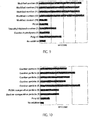
- the amount of IFN- ⁇ produced by lymph node cells is shown in Fig. 13 .
- condition (6) to (8) stronger production of IFN- ⁇ was observed than under the condition in which dextran comparative particle containing OVA was administered (comparative condition (9)) and the condition in which OVA and poly I:C were administered (comparative condition (10]).
- Table 7 Administration conditions in in vivo test 2 of modified ⁇ -glucan in mice Substance administered Frequency of administration Condition (6) 5 mg of laminaran particle containing OVA (12) 1 Condition (7) 5 mg of laminaran particle containing OVA (13) 1 Condition (8) 5 mg of laminaran particle containing OVA (14) 1 Comparative condition (9) 5 mg of dextran comparative particle containing OVA (15) 1 Comparative condition (10) 50 ⁇ g of OVA, 50 ⁇ g of poly I:C 1 Comparative condition (11) 50 ⁇ g of OVA 1 Comparative condition (12) 1
- OVA-expressing murine cancer cells E.G7-OVA (ATCC) as tumor-bearing cells
- a logarithmic growth state was kept in advance, and the cells were cultured for 1 week with an RPMI medium. Then, the cells were washed 3 times with sterilized PBS to prepare cells to be transplanted.
- 5-week old male C57BL/6NCR mice purchased from Japan SLC, Inc. were raised under free-feeding conditions with a 12-hour day/night cycle at our rearing facility and acclimated to the environment. Then, 100 ⁇ l of PBS containing 2 ⁇ 10 6 E.G7-OVA cells was subcutaneously administered to the abdomen using a 25G injection needle to develop a tumor.
- mice after administration were raised under free-feeding conditions and an environment where water supply is possible, and the volume of the tumor tissue was measured.
- Fig. 14 Mean volume of the tumor tissue in 5 mice after development of a tumor under each condition is shown in Fig. 14 .
- condition (14) Under the condition in which a particle not containing antigens was administered (condition (14)), increase in tumor volume was more suppressed than under the condition in which neither antigens nor particles were administered (comparative condition (16)), revealing that a particle with modified ⁇ -glucan as a base material has antitumor effects.
- Table 8 Administration conditions in in vivo test 3 of modified ⁇ -glucan in mice Substance administered Frequency of administration Condition (13) 5 mg of curdlan particle containing OVA (10) 5 Condition (14) 5 mg of curdlan particle (11) 5 Comparative condition (15) 50 ug of OVA, 50 ⁇ g of poly I:C 5 Comparative condition (16) - 5
- Example 11 Synthesis of ⁇ -glucan in which poly(lactic-co-glycolic acid) is modified (modified pachyman (16), modified sizofiran (17), modified Aureobasidium pullulans glucan (18), modified scleroglucan (19), modified curdlans (20) and (21))
- pachyman hydrolysate (7) (number average molecular weight 1,900) as a powder.
- a sizofiran hydrolysate (8) (number average molecular weight 4,400) was obtained by reaction of sizofiran (InvivoGen) for 1.3 hours
- Aureobasidium pullulans glucan hydrolysate (9) (number average molecular weight 2,700) was obtained by reaction of Aureobasidium pullulans glucan (DAISO Co., Ltd.) for 0.15 hours
- scleroglucan hydrolysate (10) (number average molecular weight 3,000) was obtained by reaction of scleroglucan (Ethycythyl) for 1.15 hours
- a curdlan hydrolysate (11) (number average molecular weight 18,700) and a curdlan hydrolysate (12) (number average molecular weight 1,900) were obtained by reaction of curdlan (Wako Pure Chemical Industries, Ltd.) for 0.1 hour and 0.75 hour, respectively.
- TMS Trimethylsilylation reaction of ⁇ -glucan (synthesis of trimethylsilylated pachyman (9), trimethylsilylated sizofiran (10), trimethylsilylated Aureobasidium pullulans glucan (11), trimethylsilylated scleroglucan (12), trimethylsilylated curdlan (13) and (14))
- a trimethylsilylated sizofiran (10) was synthesized from a sizofiran hydrolysate (8), a trimethylsilylated Aureobasidium pullulans glucan (11) was synthesized from an Aureobasidium pullulans glucan hydrolysate (9), a trimethylsilylated scleroglucan (12) was synthesized from scleroglucan hydrolysate (10), a trimethylsilylated curdlan (13) was synthesized from a curdlan hydrolysate (11), and a trimethylsilylated curdlan (14) was synthesized from a curdlan hydrolysate (12).
- the solution after completion of the reaction was concentrated under reduced pressure, and reprecipitated and purified with a chloroform (good solvent)-methanol (poor solvent) system and a chloroform (good solvent)-cyclohexane (poor solvent) system to obtain a white solid.
- the obtained white solid was dissolved in 9 ml of chloroform, 1 ml of trifluoroacetic acid was added, followed by stirring at room temperature for 30 minutes.
- the reaction solution was concentrated under reduced pressure, and reprecipitated and purified with a chloroform (good solvent)-diethyl ether (poor solvent) system to obtain 287 mg of a modified pachyman (16) as a white solid.
- a modified sizofiran (17) was synthesized from a trimethylsilylated sizofiran (10)
- a modified Aureobasidium pullulans glucan (18) was synthesized from a trimethylsilylated Aureobasidium pullulans glucan (11)
- a modified scleroglucan (19) was synthesized from a trimethylsilylated scleroglucan (12)
- a modified curdlan (20) was synthesized from a trimethylsilylated curdlan (13)
- a modified curdlan (21) was synthesized from a trimethylsilylated curdlan (14).
- modified ⁇ -glucan results of assessment of modified ⁇ -glucan are shown in Table 9.
- the number average molecular weight of modified ⁇ -glucan was determined by GPC measurement (column, Tosoh Corporation TSK-gel ⁇ -5000 ⁇ 2, DMF solvent; detector, RI; reference standard, pullulan).
- the proportion (w/w) of ⁇ -glucan segments contained in modified ⁇ -glucan was determined from the number average molecular weight of ⁇ -glucan used for the synthesis and the number average molecular weight of modified ⁇ -glucan.
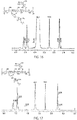
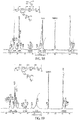
- the number average molecular weight of each graft chain was determined by 1 H-NMR measurement ( Fig. 15 , modified pachyman (16); Fig. 16 , modified sizofiran (17); Fig.
- Mean number of graft chains was determined by dividing the value obtained by subtracting the number average molecular weight of ⁇ -glucan from the number average molecular weight of modified ⁇ -glucan by the number average molecular weight of each graft chain.
- Example 12 Synthesis of pachymaran in which poly(lactic-co-glycolic acid) is modified (modified pachymaran (22))
- TMS Trimethylsilylation
- Trimethylsilylation was performed in the same manner as in Example 11 mentioned above and, using 200 mg of pachymaran hydrolysate (13), 325 mg of trimethylsilylated pachymaran (15) was obtained as a white solid.
- Example 13 Preparation of particles 2 (pachyman particle (16), sizofiran particle (17), Aureobasidium pullulans glucan particle (18), scleroglucan particle (19), curdlan particle (20), pachymaran particle (21), dextran comparative particle (22)) prepared by the O/W emulsion method
- a polymer solution was prepared.
- the polymer solution was added dropwise to 4 ml of a 1% (w/v) polyvinyl alcohol aqueous solution, followed by stirring at 11,000 rpm for 5 minutes using a mixer (Polytron, PT2100S) to prepare an O/W emulsion solution.
- Ethyl acetate was removed from the O/W emulsion solution by the solvent evaporation method, and the solution was used as a particle suspension.
- the suspension was transferred to a 15 ml tube, and centrifuged at 8,000 rpm for 10 minutes to precipitate the particle.
- the particle was resuspended in 10 ml of distilled water, and the particle was reprecipitated by centrifugation under the above conditions. This washing operation was repeated once again, the supernatant was removed, and then the particle was suspended in 1.8 ml of an aqueous solution containing 5% (w/v) mannitol and 0.1% (w/v) polysorbate 80.
- the suspension was pre-frozen with liquid nitrogen, and then freeze-dried for 12 hours at a trap cooling temperature of -45°C and under vacuum of 20 Pa using a freeze-drying device (Tokyo Rikakikai Co., Ltd., FD-1000) to obtain a pachyman particle (16).
- sizofiran particle (17) with modified sizofiran (17) as a base material Aureobasidium pullulans glucan particle (18) with modified Aureobasidium pullulans glucan (18) as a base material
- scleroglucan particle (19) with modified scleroglucan (19) as a base material scleroglucan particle (19) with modified scleroglucan (19) as a base material
- curdlan particle (20) with modified curdlan (20) as a base material and pachymaran particle (21) with modified pachymaran (22) as a base material were obtained.
- Example 14 Preparation of particles (curdlan particles containing OVA (23) and (24), scleroglucan particle containing OVA (25)) using the S/O/W emulsion method
- the W/O emulsion solution was pre-frozen with liquid nitrogen, and then freeze-dried for 12 hours at a trap cooling temperature of -45°C and under vacuum of 20 Pa using a freeze-drying device (Tokyo Rikakikai Co., Ltd., FD-1000).
- the obtained solid contents were dispersed in 10 ml of ethyl acetate to prepare an S/O suspension solution.
- the S/O suspension solution was added dropwise to 40 ml of 1%(w/v) polyvinyl alcohol aqueous solution, followed by stirring at 6,000 rpm for 5 minutes using a mixer (Silverson Nippon Ltd, L5M-A) to prepare an S/O/W emulsion solution.
- Ethyl acetate was removed from the S/O/W emulsion solution by the solvent evaporation method, and the solution was used as a particle suspension.
- the suspension was transferred to a 50 ml tube, and centrifuged at 8,000 rpm for 10 minutes to precipitate the particle. After the supernatant was removed, the particle was resuspended in 50 ml of distilled water, and the particle was reprecipitated by centrifugation under the above conditions. This washing operation was repeated once again, the supernatant was removed, and then the particle was suspended in 8 ml of an aqueous solution containing 5% (w/v) mannitol and 0.1% (w/v) polysorbate 80. The suspension was pre-frozen with liquid nitrogen, and then freeze-dried for 12 hours at a trap cooling temperature of -45°C and under vacuum of 20 Pa using a freeze-drying device to obtain a curdlan particle containing OVA (23).
- the results of assessment of particles are shown in Table 12.
- the mean particle size of particles was calculated by the cumulant method using a dynamic light scattering device (Otsuka Electronics Co., Ltd., ELS-Z).
- the encapsulation rate (w/w) of an antigen was determined by extracting the antigen from the particle using an organic solvent, by performing gel electrophoresis for the extracted antigen using a gel electrophoresis device (TEFCO), and then by staining the antigen using a colloid CBB staining kit (TEFCO).
- Table 12 Results of analysis of particles (curdlan particles containing OVA (23) and (24), scleroglucan particle containing OVA (25)) prepared by the S/O/W emulsion method Base material Particle size Encapsulation rate of antigen Curdlan particle containing OVA (23) Modified curdlan (21) 486.9 nm 4.97% Curdlan particle containing OVA (24) Modified curdlan (20) 563.2 nm 4.41% Scleroglucan particle containing OVA (25) Modified scleroglucan (19) 441.9 nm 4.41%
- Example 15 In vitro stimulation test 2 of modified ⁇ -glucans (modified pachyman (16), modified sizofiran (17), modified Aureobasidium pullulans glucan (18), modified pachymaran (22)) in murine bone marrow-derived dendritic cells (BMDC)
- modified ⁇ -glucans modified pachyman (16), modified sizofiran (17), modified Aureobasidium pullulans glucan (18), modified pachymaran (22)
- Example 11 After 10 mg of a modified ⁇ -glucans obtained in Example 11 (modified pachyman (16), modified sizofiran (17), modified Aureobasidium pullulans glucan (18), modified pachymaran (22)) were weighed, they were dissolved in 1 ml of acetonitrile to obtain a polymer solution. By dropping of the polymer solution (corresponding to 1 mg of polymer) (100 ⁇ l) into a 12-well plate and drying the plate, a polymer coated plate was obtained. On the polymer coated plate, the dendritic cells obtained in Reference Example 1 were seeded together with a culture medium so that the number of cells was 3 ⁇ 10 5 per well.
- the seeded plate was incubated for 2 days in a CO 2 incubator, and then the cells were strongly suspended using a micropipette to collect only cells not adhered on the plate.
- the collected cells were centrifuged at 1,500 rpm for 5 minutes to precipitate the cells, the supernatant was removed, and the cells were suspended in 100 ⁇ l of an RPMI medium.
- FITC-labeled anti-CD86 antibodies and PE-labeled anti-CD11c antibodies were added, and the suspension was allowed to stand at 4°C for 15 minutes to perform antibody labeling reaction. After completion of the antibody labeling reaction, the expression level of an activation marker (CD86) in the dendritic cells (CD11c-positive cells) was assessed based on mean fluorescence intensity (MFI) by flow cytometry.
- MFI mean fluorescence intensity
- Comparative Example using a plate on which modified dextran (15) obtained in Comparative Example 1 was coated in the same manner, the expression level of the activation marker was compared in the same manner.
- 1 mg of unmodified ⁇ -glucans pachyman hydrolysate (7), sizofiran hydrolysate (8), Aureobasidium pullulans glucan hydrolysate (9), pachymaran hydrolysate (13)
- poly I:C Sigma-Aldrich Co. LLC.
- Mean fluorescence intensity an index of the expression level of CD86, an activation marker of dendritic cells, is shown in Fig. 20 .
- MFI Mean fluorescence intensity
- a modified ⁇ -glucan was used, the expression level of CD86 was higher than that when modified dextran (15) was used, revealing that modified ⁇ -glucan has potent dendritic cell activation capacity.
- an unmodified ⁇ -glucan was used, the expression level of CD86 was lower than that when modified ⁇ -glucan was used, revealing that modification of poly(hydroxy acid) to ⁇ -glucan is important for immunopotentiating capacity.
- Example 16 In vitro stimulation test 2 of particles with modified ⁇ -glucan as a base material (pachyman particle (16), sizofiran particle (17), Aureobasidium pullulans glucan particle (18), scleroglucan particle (19), curdlan particle (20), pachymaran particle (21)) in murine bone marrow-derived dendritic cells (BMDC)
- BMDC murine bone marrow-derived dendritic cells
- the dendritic cells obtained in Reference Example 1 were seeded together with a culture medium on a 12-well plate so that the number of cells was 3 ⁇ 10 5 per well, and 0.05 mg of particles with modified ⁇ -glucan as a base material (pachyman particle (16), sizofiran particle (17), Aureobasidium pullulans glucan particle (18), scleroglucan particle (19), curdlan particle (20), pachymaran particle (21)) were further added.
- the seeded plate was incubated for 2 days in a CO 2 incubator, and then the cells were strongly suspended using a micropipette to collect only cells not adhered on the plate.
- the collected cells were centrifuged at 1,500 rpm for 5 minutes to precipitate the cells, the supernatant was removed, and the cells were suspended in 100 ⁇ l of an RPMI medium.
- FITC-labeled anti-CD86 antibodies and PE-labeled anti-CD11c antibodies were added, and the suspension was allowed to stand at 4°C for 15 minutes to perform antibody labeling reaction.
- the expression level of an activation marker (CD86) in the dendritic cells (CD11c-positive cells) was assessed based on mean fluorescence intensity (MFI) by flow cytometry.
- Mean fluorescence intensity an index of the expression level of CD86 in each particle, is shown in Fig. 21 .
- particles with a modified ⁇ -glucan as a base material pachyman particle (16), sizofiran particle (17), Aureobasidium pullulans glucan particle (18), scleroglucan particle (19), curdlan particle (20), pachymaran particle (21)
- the expression level of CD86 was higher than that when no particles were added and when particle with modified dextran as a base material (dextran comparative particle (22)) was used, revealing that particles with modified ⁇ -glucan as a base material strongly activate dendritic cells.
- Example 17 In vivo test 4 of modified ⁇ -glucan in mice (assessment by IFN- ⁇ production capacity)
- mice used for the experiment were 5-week male C57BL/6NCR mice purchased from Japan SLC, Inc. The mice were raised under free-feeding conditions with a 12-hour day/night cycle at an in-house rearing facility for 1 week and acclimated to the environment.
- mice under the conditions shown in Table 13.
- the particles prepared in Example 14 (curdlan particles containing OVA (23) and (24), a scleroglucan particle containing OVA (25)) were dispersed in 50 ⁇ l of 4% (w/v) mannitol aqueous solution, and the solution was administered to foot pads on both hind legs with a 29G injection needle (Terumo Myjector).
- OVA Sigma-Aldrich Co. LLC.
- a curdlan hydrolysate (12) were administered in the same manner.
- the second administration was performed 3 days after the first administration in the same manner
- the third administration was performed 7 days after the first administration in the same manner
- the fourth administration was performed 10 days after the first administration in the same manner.
- mice after administration were raised under free-feeding conditions and an environment where water supply is possible, and euthanized with carbonic acid gas 16 days after the first administration. Lymph nodes below the knee near the administration site were aseptically removed, the contained cells were dispersed, and then filtered with a 200 ⁇ m filter (AS ONE Corporation, FILCONS, 120-22S) to remove debris.
- the collected cells were suspended in an RPMI1640 medium (hereinafter referred to as RPMI medium) containing 10% FBS (Sigma-Aldrich Co.
- the seeded plate was incubated in a CO 2 incubator for 48 hours, the culture supernatant was collected, and the concentration of IFN- ⁇ produced from each cell group was measured by the ELISA method (Mabtech AB, Mouse IFN-gamma ELISA kit [HRP]).
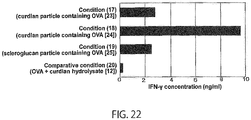
- IFN- ⁇ is an index of activation of cell-mediated immunity. Under the condition in which a particle containing OVA with modified curdlan as a base material was administered (condition (17)), stronger production of IFN- ⁇ was found than under the condition in which OVA and unmodified curdlan were administered (comparative condition (20)), revealing that modified ⁇ -glucan has more potent immunopotentiating capacity than ⁇ -glucan also in vivo.
- condition (18) Under the condition in which a particle containing OVA with high molecular weight modified curdlan as a base material was administered (condition (18)) and the condition in which a particle containing OVA with branched modified scleroglucan as a base material was administered (condition (19)), stronger production of IFN- ⁇ was also found, showing that modified ⁇ -glucan has potent immunopotentiating capacity regardless of molecular weight and whether it is linear or branched.
- Table 13 Administration conditions in vivo test 4 of modified ⁇ -glucan in mice Substance administered Frequency of administration Condition (17) 0.5 mg of curdlan particle containing OVA (23) 4 Condition (18) 0.5 mg of curdlan particle containing OVA (24) 4 Condition (19) 0.5 mg of scleroglucan particle containing OVA (25) 4 Comparative condition (20) 25 ⁇ g of OVA, 0.5 mg of curdlan hydrolysate (12) 4
- An immunopotentiator of the present invention can be utilized as a medicine, particularly as an immunopotentiator for a vaccine for the treatment and/or prevention of infection, cancer, and the like.
Landscapes
- Health & Medical Sciences (AREA)
- Life Sciences & Earth Sciences (AREA)
- Chemical & Material Sciences (AREA)
- Public Health (AREA)
- Pharmacology & Pharmacy (AREA)
- Veterinary Medicine (AREA)
- General Health & Medical Sciences (AREA)
- Medicinal Chemistry (AREA)
- Animal Behavior & Ethology (AREA)
- Epidemiology (AREA)
- Immunology (AREA)
- Microbiology (AREA)
- Mycology (AREA)
- Engineering & Computer Science (AREA)
- Bioinformatics & Cheminformatics (AREA)
- General Chemical & Material Sciences (AREA)
- Chemical Kinetics & Catalysis (AREA)
- Molecular Biology (AREA)
- Organic Chemistry (AREA)
- Nuclear Medicine, Radiotherapy & Molecular Imaging (AREA)
- Oncology (AREA)
- Proteomics, Peptides & Aminoacids (AREA)
- Inorganic Chemistry (AREA)
- Pharmaceuticals Containing Other Organic And Inorganic Compounds (AREA)
- Polysaccharides And Polysaccharide Derivatives (AREA)
- Medicines Containing Antibodies Or Antigens For Use As Internal Diagnostic Agents (AREA)
- Medicinal Preparation (AREA)
- Addition Polymer Or Copolymer, Post-Treatments, Or Chemical Modifications (AREA)
- Acyclic And Carbocyclic Compounds In Medicinal Compositions (AREA)
- Medicines That Contain Protein Lipid Enzymes And Other Medicines (AREA)
Claims (7)
- Modifiziertes β-Glucan, in dem β-Glucan und Poly(hydroxysäure) kovalent gebunden sind, zur Verwendung als Medikament,
wobei das β-Glucan Curdlan, Pachyman, Laminaran, Lichenan, Sizofiran, Lentinan, Scleroglucan, Aureobasidium pullulans-Glucan oder Pachymaran ist;
die Poly(hydroxysäure) eine Poly(laktid-co-glykolsäure), Polylaktidsäure oder Polyglykolsäure ist; und
das modifizierte β-Glucan eine immunpotenzierende Wirkung aufweist. - Modifiziertes β-Glucan zur Verwendung nach Anspruch 1, das zur Verwendung in einem Verfahren zur Immunopotenzierung vorgesehen ist.
- Impfstoff, der ein modifiziertes β-Glucan umfasst, in dem β-Glucan und Poly(hydroxysäure) kovalent gebunden sind, wobei das β-Glucan Curdlan, Pachyman, Laminaran, Lichenan, Sizofiran, Lentinan, Scleroglucan, Aureobasidium pullulans-Glucan oder Pachymaran ist;
die Poly(hydroxysäure) eine Poly(laktid-co-glykolsäure), Polylaktidsäure oder Polyglykolsäure ist; und das modifizierte β-Glucan eine immunpotenzierende Wirkung aufweist und
wobei der Impfstoff des Weiteren als einen aktiven Bestandteil ein Antigen umfasst. - Impfstoff nach Anspruch 3 zur Verwendung bei der Behandlung und/oder der Prävention von Krebs.
- Modifiziertes β-Glucan zur Verwendung nach Anspruch 1 oder Anspruch 2, Impfstoff nach Anspruch 3 oder Impfstoff zur Verwendung nach Anspruch 4, wobei modifiziertes β-Glucan ein Pfropfpolymer ist, das aus einer Hauptkette aus β-Glucan und einer Seitenkette aus Poly(hydroxysäure) besteht.
- Modifiziertes β-Glucan zur Verwendung nach einem der Ansprüche 1, 2 und 5, Impfstoff nach Anspruch 3 oder Anspruch 5, oder Impfstoff zur Verwendung nach einem der Ansprüche 4 bis 5, wobei der Anteil der β-Glucan-Segmente 1 % bis 50 % (w/w) beträgt.
- Modifiziertes β-Glucan zur Verwendung nach einem der Ansprüche 1, 2 und 5 bis 6, Impfstoff nach einem der Ansprüche 3 und 5 bis 6 oder Impfstoff zur Verwendung nach einem der einem der Ansprüche 4 bis 6, der ein Partikel eines modifizierten β-Glucans als aktiven Bestandteil umfasst.
Priority Applications (1)
| Application Number | Priority Date | Filing Date | Title |
|---|---|---|---|
| PL14852637T PL3056208T3 (pl) | 2013-10-09 | 2014-10-09 | Immunopotencjator |
Applications Claiming Priority (2)
| Application Number | Priority Date | Filing Date | Title |
|---|---|---|---|
| JP2013212103 | 2013-10-09 | ||
| PCT/JP2014/077038 WO2015053354A1 (ja) | 2013-10-09 | 2014-10-09 | 免疫賦活化剤 |
Publications (3)
| Publication Number | Publication Date |
|---|---|
| EP3056208A1 EP3056208A1 (de) | 2016-08-17 |
| EP3056208A4 EP3056208A4 (de) | 2017-06-14 |
| EP3056208B1 true EP3056208B1 (de) | 2021-08-18 |
Family
ID=52813169
Family Applications (1)
| Application Number | Title | Priority Date | Filing Date |
|---|---|---|---|
| EP14852637.9A Active EP3056208B1 (de) | 2013-10-09 | 2014-10-09 | Immunpotentiator |
Country Status (14)
| Country | Link |
|---|---|
| US (1) | US10556004B2 (de) |
| EP (1) | EP3056208B1 (de) |
| JP (1) | JP6146676B2 (de) |
| KR (1) | KR102343005B1 (de) |
| CN (1) | CN105611936B (de) |
| AU (1) | AU2014332835B2 (de) |
| BR (1) | BR112016007130B1 (de) |
| CA (1) | CA2926720A1 (de) |
| DK (1) | DK3056208T3 (de) |
| ES (1) | ES2887367T3 (de) |
| MX (1) | MX386144B (de) |
| PL (1) | PL3056208T3 (de) |
| RU (1) | RU2702987C2 (de) |
| WO (1) | WO2015053354A1 (de) |
Families Citing this family (6)
| Publication number | Priority date | Publication date | Assignee | Title |
|---|---|---|---|---|
| CN110237249A (zh) * | 2018-03-09 | 2019-09-17 | 南开大学 | 特异靶向树突状细胞的新型铝佐剂及在疫苗制备上的应用 |
| TWI862656B (zh) * | 2019-08-09 | 2024-11-21 | 日商三菱商事生命科學股份有限公司 | 生活習慣病預防或改善用組成物 |
| CA3230661A1 (en) * | 2021-08-30 | 2023-03-09 | Toray Industries, Inc. | Composition for enhancing immunogenicity |
| KR20240054289A (ko) | 2021-08-30 | 2024-04-25 | 도레이 카부시키가이샤 | 면역원성 증강용 조성물 |
| KR20240065074A (ko) | 2021-09-16 | 2024-05-14 | 도레이 카부시키가이샤 | 암의 치료 및/또는 예방을 위한 의약품 |
| CN119684489A (zh) * | 2024-12-16 | 2025-03-25 | 南京农业大学 | 一种聚乙烯亚胺修饰的昆布多糖及其制备方法和应用 |
Citations (1)
| Publication number | Priority date | Publication date | Assignee | Title |
|---|---|---|---|---|
| EP2402032A1 (de) * | 2009-02-27 | 2012-01-04 | Toray Industries, Inc. | Immunogene zusammensetzung |
Family Cites Families (16)
| Publication number | Priority date | Publication date | Assignee | Title |
|---|---|---|---|---|
| US3871892A (en) * | 1972-12-18 | 1975-03-18 | Hayashibara Biochem Lab | Shaped bodies of pullulan esters and their use |
| US5032401A (en) * | 1989-06-15 | 1991-07-16 | Alpha Beta Technology | Glucan drug delivery system and adjuvant |
| EP0640348A1 (de) | 1993-07-26 | 1995-03-01 | Akzo Nobel N.V. | Adjuvansmischung auf Ölbasis und auf Wasserbasis |
| JP4091136B2 (ja) | 1997-01-17 | 2008-05-28 | キリンフードテック株式会社 | 免疫賦活剤 |
| US20040057958A1 (en) * | 2002-05-17 | 2004-03-25 | Waggoner David W. | Immunogenicity-enhancing carriers and compositions thereof and methods of using the same |
| KR100649855B1 (ko) | 2003-03-07 | 2006-11-28 | 가부시키가이샤 아우레오 | β-글루칸 함유 조성물 및 상기 조성물을 이용한 변비개선제, 면역 부활제 및 피부용 보습제 |
| JP5138954B2 (ja) | 2006-03-09 | 2013-02-06 | 独立行政法人科学技術振興機構 | 両親媒性高分子複合体 |
| JP6082174B2 (ja) * | 2006-11-06 | 2017-02-15 | ホワイトヘッド・インスティテュート・フォー・バイオメディカル・リサーチ | 免疫調節組成物及びその使用方法 |
| US9439954B2 (en) | 2007-11-26 | 2016-09-13 | Glaxosmithkline Biologicals Sa | Conjugated beta-1,3-linked glucans |
| WO2009077854A2 (en) | 2007-11-26 | 2009-06-25 | Novartis Ag | Adjuvanted glucans |
| EP2244695A1 (de) | 2007-12-07 | 2010-11-03 | Novartis AG | Zusammensetzungen zur induktion von immunantworten |
| CN101932311B (zh) * | 2008-02-22 | 2014-07-16 | 东丽株式会社 | 微粒及其药物组合物 |
| JP5429707B2 (ja) | 2008-03-27 | 2014-02-26 | 国立大学法人群馬大学 | 微粒子およびその製造方法 |
| ES2829819T3 (es) | 2010-08-26 | 2021-06-02 | Toray Industries | Composición inmunogénica |
| GB201020193D0 (en) * | 2010-11-29 | 2011-01-12 | Biotec Pharmacon Asa | Glucan compositions |
| JP2013067709A (ja) | 2011-09-21 | 2013-04-18 | Gunze Ltd | ヒアルロン酸修飾物 |
-
2014
- 2014-10-09 EP EP14852637.9A patent/EP3056208B1/de active Active
- 2014-10-09 RU RU2016116786A patent/RU2702987C2/ru active
- 2014-10-09 AU AU2014332835A patent/AU2014332835B2/en not_active Ceased
- 2014-10-09 KR KR1020167009219A patent/KR102343005B1/ko active Active
- 2014-10-09 PL PL14852637T patent/PL3056208T3/pl unknown
- 2014-10-09 DK DK14852637.9T patent/DK3056208T3/da active
- 2014-10-09 US US15/028,266 patent/US10556004B2/en active Active
- 2014-10-09 CA CA2926720A patent/CA2926720A1/en active Pending
- 2014-10-09 JP JP2014551863A patent/JP6146676B2/ja active Active
- 2014-10-09 MX MX2016004328A patent/MX386144B/es unknown
- 2014-10-09 ES ES14852637T patent/ES2887367T3/es active Active
- 2014-10-09 WO PCT/JP2014/077038 patent/WO2015053354A1/ja not_active Ceased
- 2014-10-09 CN CN201480055296.5A patent/CN105611936B/zh active Active
- 2014-10-09 BR BR112016007130-1A patent/BR112016007130B1/pt active IP Right Grant
Patent Citations (1)
| Publication number | Priority date | Publication date | Assignee | Title |
|---|---|---|---|---|
| EP2402032A1 (de) * | 2009-02-27 | 2012-01-04 | Toray Industries, Inc. | Immunogene zusammensetzung |
Non-Patent Citations (2)
| Title |
|---|
| BENJAMIN C. LEHTOVAARA ET AL: "Pharmacological, Structural, and Drug Delivery Properties and Applications of 1,3-[beta]-Glucans", JOURNAL OF AGRICULTURAL AND FOOD CHEMISTRY, vol. 59, no. 13, 13 July 2011 (2011-07-13), US, pages 6813 - 6828, XP055619118, ISSN: 0021-8561, DOI: 10.1021/jf200964u * |
| CHEN ET AL: "Medicinal importance of fungal @b-(1->3), (1->6)-glucans", MYCOLOGICAL RESEARCH, ELSEVIER, GB, vol. 111, no. 6, 1 June 2007 (2007-06-01), pages 635 - 652, XP022163026, ISSN: 0953-7562, DOI: 10.1016/J.MYCRES.2007.02.011 * |
Also Published As
| Publication number | Publication date |
|---|---|
| DK3056208T3 (en) | 2021-11-15 |
| AU2014332835A1 (en) | 2016-04-28 |
| WO2015053354A1 (ja) | 2015-04-16 |
| RU2016116786A (ru) | 2017-11-15 |
| BR112016007130B1 (pt) | 2023-01-31 |
| JPWO2015053354A1 (ja) | 2017-03-09 |
| AU2014332835B2 (en) | 2019-07-25 |
| MX2016004328A (es) | 2016-07-11 |
| ES2887367T3 (es) | 2021-12-22 |
| KR102343005B1 (ko) | 2021-12-24 |
| JP6146676B2 (ja) | 2017-06-14 |
| EP3056208A4 (de) | 2017-06-14 |
| RU2016116786A3 (de) | 2018-08-01 |
| CA2926720A1 (en) | 2015-04-16 |
| US20160256543A1 (en) | 2016-09-08 |
| MX386144B (es) | 2025-03-18 |
| RU2702987C2 (ru) | 2019-10-15 |
| BR112016007130A2 (pt) | 2020-06-16 |
| US10556004B2 (en) | 2020-02-11 |
| PL3056208T3 (pl) | 2021-12-20 |
| CN105611936A (zh) | 2016-05-25 |
| EP3056208A1 (de) | 2016-08-17 |
| KR20160060072A (ko) | 2016-05-27 |
| CN105611936B (zh) | 2021-08-20 |
Similar Documents
| Publication | Publication Date | Title |
|---|---|---|
| Lang et al. | Carbohydrate conjugates in vaccine developments | |
| Carrillo-Conde et al. | Mannose-functionalized “pathogen-like” polyanhydride nanoparticles target C-type lectin receptors on dendritic cells | |
| Fontana et al. | Delivery of therapeutics with nanoparticles: what's new in cancer immunotherapy? | |
| Liu et al. | Lentinan-functionalized graphene oxide is an effective antigen delivery system that modulates innate immunity and improves adaptive immunity | |
| Mittal et al. | Non-invasive delivery of nanoparticles to hair follicles: a perspective for transcutaneous immunization | |
| US10556004B2 (en) | Immunopotentiator | |
| Nam et al. | Engineered polysaccharides for controlling innate and adaptive immune responses | |
| EP4397316A1 (de) | Zusammensetzung zur erhöhung der immunogenität | |
| Kim et al. | Covalent conjugation of small-molecule adjuvants to nanoparticles induces robust cytotoxic T cell responses via DC activation | |
| CN103052402B (zh) | 免疫原性组合物 | |
| Chen et al. | Maximizing TLR9 activation in cancer immunotherapy with dual-adjuvanted spherical nucleic acids | |
| CN112839674B (zh) | 包含抗原肽-佐剂核苷酸缀合体的免疫诱导剂及包含其的药物组合物 | |
| EP4397315A1 (de) | Zusammensetzung zur erhöhung der immunogenität | |
| Chen et al. | Carboxymethylated alginate-resiquimod micelles reverse the immunosuppressive tumor microenvironment and synergistically enhance the chemotherapy and immunotherapy for gastric cancer | |
| Lensch et al. | Glycoconjugate vaccines: platforms and adjuvants for directed immunity | |
| Gong et al. | Enhancing cell-mediated immunity through dendritic cell activation: the role of Tri-GalNAc-modified PLGA-PEG nanoparticles encapsulating SR717 | |
| Chuang et al. | Microfluidic Synthesis of Quaternary Chitosan Coated Liposome to Enhance Cellular Uptake and In Vivo Immune Responses | |
| CN115887640B (zh) | 香菇多糖在制备pH响应型纳米药物载体上的应用 | |
| Lang | Polymers and Polymer-Conjugates for Cancer Immunotherapy: Foreign Cytotoxic T Lymphocyte Epitope Delivery, Cytotoxic T Lymphocyte Activation, and NK92 Cell Surface Engineering | |
| Tan | Carbohydrate Conjugates in Vaccine | |
| Nordin et al. | Natural Polymeric Composites Derived from Animals, Plants, and Microbes for Vaccine Delivery and Adjuvant Applications: A Review. Gels 2023, 9, 227 | |
| Wang et al. | Advances in Mucosal Adjuvants for Influenza Vaccines |
Legal Events
| Date | Code | Title | Description |
|---|---|---|---|
| PUAI | Public reference made under article 153(3) epc to a published international application that has entered the european phase |
Free format text: ORIGINAL CODE: 0009012 |
|
| 17P | Request for examination filed |
Effective date: 20160429 |
|
| AK | Designated contracting states |
Kind code of ref document: A1 Designated state(s): AL AT BE BG CH CY CZ DE DK EE ES FI FR GB GR HR HU IE IS IT LI LT LU LV MC MK MT NL NO PL PT RO RS SE SI SK SM TR |
|
| AX | Request for extension of the european patent |
Extension state: BA ME |
|
| DAX | Request for extension of the european patent (deleted) | ||
| A4 | Supplementary search report drawn up and despatched |
Effective date: 20170511 |
|
| RIC1 | Information provided on ipc code assigned before grant |
Ipc: A61K 31/718 20060101ALI20170505BHEP Ipc: A61P 43/00 20060101ALI20170505BHEP Ipc: A61K 31/716 20060101AFI20170505BHEP Ipc: A61K 9/16 20060101ALI20170505BHEP Ipc: A61P 37/04 20060101ALI20170505BHEP Ipc: A61K 47/34 20170101ALI20170505BHEP Ipc: A61K 39/00 20060101ALI20170505BHEP Ipc: A61K 39/39 20060101ALI20170505BHEP |
|
| STAA | Information on the status of an ep patent application or granted ep patent |
Free format text: STATUS: EXAMINATION IS IN PROGRESS |
|
| 17Q | First examination report despatched |
Effective date: 20190916 |
|
| GRAP | Despatch of communication of intention to grant a patent |
Free format text: ORIGINAL CODE: EPIDOSNIGR1 |
|
| STAA | Information on the status of an ep patent application or granted ep patent |
Free format text: STATUS: GRANT OF PATENT IS INTENDED |
|
| INTG | Intention to grant announced |
Effective date: 20210315 |
|
| GRAS | Grant fee paid |
Free format text: ORIGINAL CODE: EPIDOSNIGR3 |
|
| GRAA | (expected) grant |
Free format text: ORIGINAL CODE: 0009210 |
|
| STAA | Information on the status of an ep patent application or granted ep patent |
Free format text: STATUS: THE PATENT HAS BEEN GRANTED |
|
| RIN1 | Information on inventor provided before grant (corrected) |
Inventor name: LU JIAO Inventor name: PARK JOONSIK Inventor name: KOSHI YOICHIRO |
|
| AK | Designated contracting states |
Kind code of ref document: B1 Designated state(s): AL AT BE BG CH CY CZ DE DK EE ES FI FR GB GR HR HU IE IS IT LI LT LU LV MC MK MT NL NO PL PT RO RS SE SI SK SM TR |
|
| REG | Reference to a national code |
Ref country code: GB Ref legal event code: FG4D |
|
| REG | Reference to a national code |
Ref country code: CH Ref legal event code: EP |
|
| REG | Reference to a national code |
Ref country code: DE Ref legal event code: R096 Ref document number: 602014079588 Country of ref document: DE |
|
| REG | Reference to a national code |
Ref country code: AT Ref legal event code: REF Ref document number: 1421002 Country of ref document: AT Kind code of ref document: T Effective date: 20210915 Ref country code: IE Ref legal event code: FG4D |
|
| REG | Reference to a national code |
Ref country code: NL Ref legal event code: FP |
|
| REG | Reference to a national code |
Ref country code: DK Ref legal event code: T3 Effective date: 20211109 |
|
| REG | Reference to a national code |
Ref country code: LT Ref legal event code: MG9D |
|
| REG | Reference to a national code |
Ref country code: ES Ref legal event code: FG2A Ref document number: 2887367 Country of ref document: ES Kind code of ref document: T3 Effective date: 20211222 |
|
| REG | Reference to a national code |
Ref country code: AT Ref legal event code: MK05 Ref document number: 1421002 Country of ref document: AT Kind code of ref document: T Effective date: 20210818 |
|
| PG25 | Lapsed in a contracting state [announced via postgrant information from national office to epo] |
Ref country code: SE Free format text: LAPSE BECAUSE OF FAILURE TO SUBMIT A TRANSLATION OF THE DESCRIPTION OR TO PAY THE FEE WITHIN THE PRESCRIBED TIME-LIMIT Effective date: 20210818 Ref country code: RS Free format text: LAPSE BECAUSE OF FAILURE TO SUBMIT A TRANSLATION OF THE DESCRIPTION OR TO PAY THE FEE WITHIN THE PRESCRIBED TIME-LIMIT Effective date: 20210818 Ref country code: HR Free format text: LAPSE BECAUSE OF FAILURE TO SUBMIT A TRANSLATION OF THE DESCRIPTION OR TO PAY THE FEE WITHIN THE PRESCRIBED TIME-LIMIT Effective date: 20210818 Ref country code: AT Free format text: LAPSE BECAUSE OF FAILURE TO SUBMIT A TRANSLATION OF THE DESCRIPTION OR TO PAY THE FEE WITHIN THE PRESCRIBED TIME-LIMIT Effective date: 20210818 Ref country code: BG Free format text: LAPSE BECAUSE OF FAILURE TO SUBMIT A TRANSLATION OF THE DESCRIPTION OR TO PAY THE FEE WITHIN THE PRESCRIBED TIME-LIMIT Effective date: 20211118 Ref country code: LT Free format text: LAPSE BECAUSE OF FAILURE TO SUBMIT A TRANSLATION OF THE DESCRIPTION OR TO PAY THE FEE WITHIN THE PRESCRIBED TIME-LIMIT Effective date: 20210818 Ref country code: FI Free format text: LAPSE BECAUSE OF FAILURE TO SUBMIT A TRANSLATION OF THE DESCRIPTION OR TO PAY THE FEE WITHIN THE PRESCRIBED TIME-LIMIT Effective date: 20210818 Ref country code: NO Free format text: LAPSE BECAUSE OF FAILURE TO SUBMIT A TRANSLATION OF THE DESCRIPTION OR TO PAY THE FEE WITHIN THE PRESCRIBED TIME-LIMIT Effective date: 20211118 Ref country code: PT Free format text: LAPSE BECAUSE OF FAILURE TO SUBMIT A TRANSLATION OF THE DESCRIPTION OR TO PAY THE FEE WITHIN THE PRESCRIBED TIME-LIMIT Effective date: 20211220 |
|
| PG25 | Lapsed in a contracting state [announced via postgrant information from national office to epo] |
Ref country code: LV Free format text: LAPSE BECAUSE OF FAILURE TO SUBMIT A TRANSLATION OF THE DESCRIPTION OR TO PAY THE FEE WITHIN THE PRESCRIBED TIME-LIMIT Effective date: 20210818 Ref country code: GR Free format text: LAPSE BECAUSE OF FAILURE TO SUBMIT A TRANSLATION OF THE DESCRIPTION OR TO PAY THE FEE WITHIN THE PRESCRIBED TIME-LIMIT Effective date: 20211119 |
|
| REG | Reference to a national code |
Ref country code: DE Ref legal event code: R097 Ref document number: 602014079588 Country of ref document: DE |
|
| PG25 | Lapsed in a contracting state [announced via postgrant information from national office to epo] |
Ref country code: SM Free format text: LAPSE BECAUSE OF FAILURE TO SUBMIT A TRANSLATION OF THE DESCRIPTION OR TO PAY THE FEE WITHIN THE PRESCRIBED TIME-LIMIT Effective date: 20210818 Ref country code: SK Free format text: LAPSE BECAUSE OF FAILURE TO SUBMIT A TRANSLATION OF THE DESCRIPTION OR TO PAY THE FEE WITHIN THE PRESCRIBED TIME-LIMIT Effective date: 20210818 Ref country code: RO Free format text: LAPSE BECAUSE OF FAILURE TO SUBMIT A TRANSLATION OF THE DESCRIPTION OR TO PAY THE FEE WITHIN THE PRESCRIBED TIME-LIMIT Effective date: 20210818 Ref country code: EE Free format text: LAPSE BECAUSE OF FAILURE TO SUBMIT A TRANSLATION OF THE DESCRIPTION OR TO PAY THE FEE WITHIN THE PRESCRIBED TIME-LIMIT Effective date: 20210818 Ref country code: CZ Free format text: LAPSE BECAUSE OF FAILURE TO SUBMIT A TRANSLATION OF THE DESCRIPTION OR TO PAY THE FEE WITHIN THE PRESCRIBED TIME-LIMIT Effective date: 20210818 Ref country code: AL Free format text: LAPSE BECAUSE OF FAILURE TO SUBMIT A TRANSLATION OF THE DESCRIPTION OR TO PAY THE FEE WITHIN THE PRESCRIBED TIME-LIMIT Effective date: 20210818 |
|
| PLBE | No opposition filed within time limit |
Free format text: ORIGINAL CODE: 0009261 |
|
| STAA | Information on the status of an ep patent application or granted ep patent |
Free format text: STATUS: NO OPPOSITION FILED WITHIN TIME LIMIT |
|
| PG25 | Lapsed in a contracting state [announced via postgrant information from national office to epo] |
Ref country code: MC Free format text: LAPSE BECAUSE OF FAILURE TO SUBMIT A TRANSLATION OF THE DESCRIPTION OR TO PAY THE FEE WITHIN THE PRESCRIBED TIME-LIMIT Effective date: 20210818 |
|
| 26N | No opposition filed |
Effective date: 20220519 |
|
| PG25 | Lapsed in a contracting state [announced via postgrant information from national office to epo] |
Ref country code: LU Free format text: LAPSE BECAUSE OF NON-PAYMENT OF DUE FEES Effective date: 20211009 |
|
| PG25 | Lapsed in a contracting state [announced via postgrant information from national office to epo] |
Ref country code: SI Free format text: LAPSE BECAUSE OF FAILURE TO SUBMIT A TRANSLATION OF THE DESCRIPTION OR TO PAY THE FEE WITHIN THE PRESCRIBED TIME-LIMIT Effective date: 20210818 |
|
| PG25 | Lapsed in a contracting state [announced via postgrant information from national office to epo] |
Ref country code: IE Free format text: LAPSE BECAUSE OF NON-PAYMENT OF DUE FEES Effective date: 20211009 |
|
| PG25 | Lapsed in a contracting state [announced via postgrant information from national office to epo] |
Ref country code: HU Free format text: LAPSE BECAUSE OF FAILURE TO SUBMIT A TRANSLATION OF THE DESCRIPTION OR TO PAY THE FEE WITHIN THE PRESCRIBED TIME-LIMIT; INVALID AB INITIO Effective date: 20141009 |
|
| P01 | Opt-out of the competence of the unified patent court (upc) registered |
Effective date: 20230515 |
|
| PG25 | Lapsed in a contracting state [announced via postgrant information from national office to epo] |
Ref country code: CY Free format text: LAPSE BECAUSE OF FAILURE TO SUBMIT A TRANSLATION OF THE DESCRIPTION OR TO PAY THE FEE WITHIN THE PRESCRIBED TIME-LIMIT Effective date: 20210818 |
|
| PGFP | Annual fee paid to national office [announced via postgrant information from national office to epo] |
Ref country code: NL Payment date: 20230915 Year of fee payment: 10 |
|
| PGFP | Annual fee paid to national office [announced via postgrant information from national office to epo] |
Ref country code: PL Payment date: 20230830 Year of fee payment: 10 Ref country code: BE Payment date: 20230918 Year of fee payment: 10 |
|
| PGFP | Annual fee paid to national office [announced via postgrant information from national office to epo] |
Ref country code: DK Payment date: 20231016 Year of fee payment: 10 Ref country code: CH Payment date: 20231102 Year of fee payment: 10 |
|
| PG25 | Lapsed in a contracting state [announced via postgrant information from national office to epo] |
Ref country code: MK Free format text: LAPSE BECAUSE OF FAILURE TO SUBMIT A TRANSLATION OF THE DESCRIPTION OR TO PAY THE FEE WITHIN THE PRESCRIBED TIME-LIMIT Effective date: 20210818 |
|
| PG25 | Lapsed in a contracting state [announced via postgrant information from national office to epo] |
Ref country code: TR Free format text: LAPSE BECAUSE OF FAILURE TO SUBMIT A TRANSLATION OF THE DESCRIPTION OR TO PAY THE FEE WITHIN THE PRESCRIBED TIME-LIMIT Effective date: 20210818 |
|
| PG25 | Lapsed in a contracting state [announced via postgrant information from national office to epo] |
Ref country code: MT Free format text: LAPSE BECAUSE OF FAILURE TO SUBMIT A TRANSLATION OF THE DESCRIPTION OR TO PAY THE FEE WITHIN THE PRESCRIBED TIME-LIMIT Effective date: 20210818 |
|
| REG | Reference to a national code |
Ref country code: DK Ref legal event code: EBP Effective date: 20241031 |
|
| REG | Reference to a national code |
Ref country code: CH Ref legal event code: PL |
|
| REG | Reference to a national code |
Ref country code: NL Ref legal event code: MM Effective date: 20241101 |
|
| PG25 | Lapsed in a contracting state [announced via postgrant information from national office to epo] |
Ref country code: NL Free format text: LAPSE BECAUSE OF NON-PAYMENT OF DUE FEES Effective date: 20241101 Ref country code: BE Free format text: LAPSE BECAUSE OF NON-PAYMENT OF DUE FEES Effective date: 20241031 |
|
| PG25 | Lapsed in a contracting state [announced via postgrant information from national office to epo] |
Ref country code: CH Free format text: LAPSE BECAUSE OF NON-PAYMENT OF DUE FEES Effective date: 20241031 |
|
| REG | Reference to a national code |
Ref country code: BE Ref legal event code: MM Effective date: 20241031 |
|
| PG25 | Lapsed in a contracting state [announced via postgrant information from national office to epo] |
Ref country code: DK Free format text: LAPSE BECAUSE OF NON-PAYMENT OF DUE FEES Effective date: 20241031 |
|
| PGFP | Annual fee paid to national office [announced via postgrant information from national office to epo] |
Ref country code: IT Payment date: 20250922 Year of fee payment: 12 |
|
| PGFP | Annual fee paid to national office [announced via postgrant information from national office to epo] |
Ref country code: GB Payment date: 20250828 Year of fee payment: 12 |
|
| PGFP | Annual fee paid to national office [announced via postgrant information from national office to epo] |
Ref country code: FR Payment date: 20250908 Year of fee payment: 12 |
|
| PGFP | Annual fee paid to national office [announced via postgrant information from national office to epo] |
Ref country code: DE Payment date: 20250902 Year of fee payment: 12 |
|
| PG25 | Lapsed in a contracting state [announced via postgrant information from national office to epo] |
Ref country code: PL Free format text: LAPSE BECAUSE OF NON-PAYMENT OF DUE FEES Effective date: 20241009 |
|
| PGFP | Annual fee paid to national office [announced via postgrant information from national office to epo] |
Ref country code: ES Payment date: 20251103 Year of fee payment: 12 |