EP3065732B1 - Verbindungen, zusammensetzungen und verwendungen davon zur prävention und/oder behandlung von dyslipidämie - Google Patents
Verbindungen, zusammensetzungen und verwendungen davon zur prävention und/oder behandlung von dyslipidämie Download PDFInfo
- Publication number
- EP3065732B1 EP3065732B1 EP14781242.4A EP14781242A EP3065732B1 EP 3065732 B1 EP3065732 B1 EP 3065732B1 EP 14781242 A EP14781242 A EP 14781242A EP 3065732 B1 EP3065732 B1 EP 3065732B1
- Authority
- EP
- European Patent Office
- Prior art keywords
- cells
- compound
- lipointoxication
- ags
- hypoxia
- Prior art date
- Legal status (The legal status is an assumption and is not a legal conclusion. Google has not performed a legal analysis and makes no representation as to the accuracy of the status listed.)
- Active
Links
Images



Classifications
-
- A—HUMAN NECESSITIES
- A61—MEDICAL OR VETERINARY SCIENCE; HYGIENE
- A61K—PREPARATIONS FOR MEDICAL, DENTAL OR TOILETRY PURPOSES
- A61K31/00—Medicinal preparations containing organic active ingredients
- A61K31/70—Carbohydrates; Sugars; Derivatives thereof
- A61K31/7024—Esters of saccharides
-
- A—HUMAN NECESSITIES
- A23—FOODS OR FOODSTUFFS; TREATMENT THEREOF, NOT COVERED BY OTHER CLASSES
- A23L—FOODS, FOODSTUFFS OR NON-ALCOHOLIC BEVERAGES, NOT OTHERWISE PROVIDED FOR; PREPARATION OR TREATMENT THEREOF
- A23L33/00—Modifying nutritive qualities of foods; Dietetic products; Preparation or treatment thereof
- A23L33/10—Modifying nutritive qualities of foods; Dietetic products; Preparation or treatment thereof using additives
- A23L33/115—Fatty acids or derivatives thereof; Fats or oils
- A23L33/12—Fatty acids or derivatives thereof
-
- A—HUMAN NECESSITIES
- A61—MEDICAL OR VETERINARY SCIENCE; HYGIENE
- A61K—PREPARATIONS FOR MEDICAL, DENTAL OR TOILETRY PURPOSES
- A61K31/00—Medicinal preparations containing organic active ingredients
- A61K31/16—Amides, e.g. hydroxamic acids
- A61K31/164—Amides, e.g. hydroxamic acids of a carboxylic acid with an aminoalcohol, e.g. ceramides
-
- A—HUMAN NECESSITIES
- A61—MEDICAL OR VETERINARY SCIENCE; HYGIENE
- A61K—PREPARATIONS FOR MEDICAL, DENTAL OR TOILETRY PURPOSES
- A61K31/00—Medicinal preparations containing organic active ingredients
- A61K31/185—Acids; Anhydrides, halides or salts thereof, e.g. sulfur acids, imidic, hydrazonic or hydroximic acids
- A61K31/19—Carboxylic acids, e.g. valproic acid
- A61K31/20—Carboxylic acids, e.g. valproic acid having a carboxyl group bound to a chain of seven or more carbon atoms, e.g. stearic, palmitic, arachidic acids
- A61K31/201—Carboxylic acids, e.g. valproic acid having a carboxyl group bound to a chain of seven or more carbon atoms, e.g. stearic, palmitic, arachidic acids having one or two double bonds, e.g. oleic, linoleic acids
-
- A—HUMAN NECESSITIES
- A61—MEDICAL OR VETERINARY SCIENCE; HYGIENE
- A61K—PREPARATIONS FOR MEDICAL, DENTAL OR TOILETRY PURPOSES
- A61K31/00—Medicinal preparations containing organic active ingredients
- A61K31/21—Esters, e.g. nitroglycerine, selenocyanates
- A61K31/215—Esters, e.g. nitroglycerine, selenocyanates of carboxylic acids
- A61K31/22—Esters, e.g. nitroglycerine, selenocyanates of carboxylic acids of acyclic acids, e.g. pravastatin
- A61K31/23—Esters, e.g. nitroglycerine, selenocyanates of carboxylic acids of acyclic acids, e.g. pravastatin of acids having a carboxyl group bound to a chain of seven or more carbon atoms
- A61K31/231—Esters, e.g. nitroglycerine, selenocyanates of carboxylic acids of acyclic acids, e.g. pravastatin of acids having a carboxyl group bound to a chain of seven or more carbon atoms having one or two double bonds
-
- A—HUMAN NECESSITIES
- A61—MEDICAL OR VETERINARY SCIENCE; HYGIENE
- A61K—PREPARATIONS FOR MEDICAL, DENTAL OR TOILETRY PURPOSES
- A61K31/00—Medicinal preparations containing organic active ingredients
- A61K31/21—Esters, e.g. nitroglycerine, selenocyanates
- A61K31/215—Esters, e.g. nitroglycerine, selenocyanates of carboxylic acids
- A61K31/22—Esters, e.g. nitroglycerine, selenocyanates of carboxylic acids of acyclic acids, e.g. pravastatin
- A61K31/23—Esters, e.g. nitroglycerine, selenocyanates of carboxylic acids of acyclic acids, e.g. pravastatin of acids having a carboxyl group bound to a chain of seven or more carbon atoms
- A61K31/232—Esters, e.g. nitroglycerine, selenocyanates of carboxylic acids of acyclic acids, e.g. pravastatin of acids having a carboxyl group bound to a chain of seven or more carbon atoms having three or more double bonds, e.g. etretinate
-
- A—HUMAN NECESSITIES
- A61—MEDICAL OR VETERINARY SCIENCE; HYGIENE
- A61K—PREPARATIONS FOR MEDICAL, DENTAL OR TOILETRY PURPOSES
- A61K31/00—Medicinal preparations containing organic active ingredients
- A61K31/33—Heterocyclic compounds
- A61K31/335—Heterocyclic compounds having oxygen as the only ring hetero atom, e.g. fungichromin
- A61K31/357—Heterocyclic compounds having oxygen as the only ring hetero atom, e.g. fungichromin having two or more oxygen atoms in the same ring, e.g. crown ethers, guanadrel
-
- A—HUMAN NECESSITIES
- A61—MEDICAL OR VETERINARY SCIENCE; HYGIENE
- A61K—PREPARATIONS FOR MEDICAL, DENTAL OR TOILETRY PURPOSES
- A61K31/00—Medicinal preparations containing organic active ingredients
- A61K31/66—Phosphorus compounds
- A61K31/661—Phosphorus acids or esters thereof not having P—C bonds, e.g. fosfosal, dichlorvos, malathion or mevinphos
-
- A—HUMAN NECESSITIES
- A61—MEDICAL OR VETERINARY SCIENCE; HYGIENE
- A61K—PREPARATIONS FOR MEDICAL, DENTAL OR TOILETRY PURPOSES
- A61K31/00—Medicinal preparations containing organic active ingredients
- A61K31/70—Carbohydrates; Sugars; Derivatives thereof
- A61K31/7028—Compounds having saccharide radicals attached to non-saccharide compounds by glycosidic linkages
- A61K31/7032—Compounds having saccharide radicals attached to non-saccharide compounds by glycosidic linkages attached to a polyol, i.e. compounds having two or more free or esterified hydroxy groups, including the hydroxy group involved in the glycosidic linkage, e.g. monoglucosyldiacylglycerides, lactobionic acid, gangliosides
-
- A—HUMAN NECESSITIES
- A61—MEDICAL OR VETERINARY SCIENCE; HYGIENE
- A61K—PREPARATIONS FOR MEDICAL, DENTAL OR TOILETRY PURPOSES
- A61K45/00—Medicinal preparations containing active ingredients not provided for in groups A61K31/00 - A61K41/00
- A61K45/06—Mixtures of active ingredients without chemical characterisation, e.g. antiphlogistics and cardiaca
-
- A—HUMAN NECESSITIES
- A61—MEDICAL OR VETERINARY SCIENCE; HYGIENE
- A61P—SPECIFIC THERAPEUTIC ACTIVITY OF CHEMICAL COMPOUNDS OR MEDICINAL PREPARATIONS
- A61P1/00—Drugs for disorders of the alimentary tract or the digestive system
- A61P1/16—Drugs for disorders of the alimentary tract or the digestive system for liver or gallbladder disorders, e.g. hepatoprotective agents, cholagogues, litholytics
-
- A—HUMAN NECESSITIES
- A61—MEDICAL OR VETERINARY SCIENCE; HYGIENE
- A61P—SPECIFIC THERAPEUTIC ACTIVITY OF CHEMICAL COMPOUNDS OR MEDICINAL PREPARATIONS
- A61P11/00—Drugs for disorders of the respiratory system
-
- A—HUMAN NECESSITIES
- A61—MEDICAL OR VETERINARY SCIENCE; HYGIENE
- A61P—SPECIFIC THERAPEUTIC ACTIVITY OF CHEMICAL COMPOUNDS OR MEDICINAL PREPARATIONS
- A61P11/00—Drugs for disorders of the respiratory system
- A61P11/12—Mucolytics
-
- A—HUMAN NECESSITIES
- A61—MEDICAL OR VETERINARY SCIENCE; HYGIENE
- A61P—SPECIFIC THERAPEUTIC ACTIVITY OF CHEMICAL COMPOUNDS OR MEDICINAL PREPARATIONS
- A61P3/00—Drugs for disorders of the metabolism
-
- A—HUMAN NECESSITIES
- A61—MEDICAL OR VETERINARY SCIENCE; HYGIENE
- A61P—SPECIFIC THERAPEUTIC ACTIVITY OF CHEMICAL COMPOUNDS OR MEDICINAL PREPARATIONS
- A61P3/00—Drugs for disorders of the metabolism
- A61P3/06—Antihyperlipidemics
-
- A—HUMAN NECESSITIES
- A61—MEDICAL OR VETERINARY SCIENCE; HYGIENE
- A61P—SPECIFIC THERAPEUTIC ACTIVITY OF CHEMICAL COMPOUNDS OR MEDICINAL PREPARATIONS
- A61P3/00—Drugs for disorders of the metabolism
- A61P3/08—Drugs for disorders of the metabolism for glucose homeostasis
- A61P3/10—Drugs for disorders of the metabolism for glucose homeostasis for hyperglycaemia, e.g. antidiabetics
-
- A—HUMAN NECESSITIES
- A61—MEDICAL OR VETERINARY SCIENCE; HYGIENE
- A61P—SPECIFIC THERAPEUTIC ACTIVITY OF CHEMICAL COMPOUNDS OR MEDICINAL PREPARATIONS
- A61P43/00—Drugs for specific purposes, not provided for in groups A61P1/00-A61P41/00
-
- A—HUMAN NECESSITIES
- A61—MEDICAL OR VETERINARY SCIENCE; HYGIENE
- A61P—SPECIFIC THERAPEUTIC ACTIVITY OF CHEMICAL COMPOUNDS OR MEDICINAL PREPARATIONS
- A61P9/00—Drugs for disorders of the cardiovascular system
- A61P9/04—Inotropic agents, i.e. stimulants of cardiac contraction; Drugs for heart failure
-
- A—HUMAN NECESSITIES
- A61—MEDICAL OR VETERINARY SCIENCE; HYGIENE
- A61P—SPECIFIC THERAPEUTIC ACTIVITY OF CHEMICAL COMPOUNDS OR MEDICINAL PREPARATIONS
- A61P9/00—Drugs for disorders of the cardiovascular system
- A61P9/12—Antihypertensives
-
- A—HUMAN NECESSITIES
- A23—FOODS OR FOODSTUFFS; TREATMENT THEREOF, NOT COVERED BY OTHER CLASSES
- A23V—INDEXING SCHEME RELATING TO FOODS, FOODSTUFFS OR NON-ALCOHOLIC BEVERAGES AND LACTIC OR PROPIONIC ACID BACTERIA USED IN FOODSTUFFS OR FOOD PREPARATION
- A23V2002/00—Food compositions, function of food ingredients or processes for food or foodstuffs
Definitions
- the present invention relates to the field of medicine. It relates more particularly to the use of compounds for preventing and / or treating, in a subject, a lipointoxication, in particular lipointoxication by hypoxia.
- Lipointoxication, or dyslipidemia in its broadest sense is typically related to the presence in excess in biological membranes, including in the biological membranes of non-adipocyte cells, fatty acids, especially saturated long-chain fatty acids, and / or sterols.
- the invention also relates to compositions, in particular pharmaceutical compositions and dietary supplements or supplements, comprising such compounds, for their uses for preventing and / or treating lipointoxication by hypoxia.
- the compounds and compositions according to the invention may in particular be advantageously used to prevent and / or treat a pathology chosen from pulmonary pathologies, in particular cystic fibrosis or chronic obstructive pulmonary diseases.
- Cystic fibrosis is a disease that affects the glandular epithelia of many organs. This autosomal recessive genetic lethal disease is linked to mutations in the cystic fibrosis transmembrane conductance regulator (CFTR) gene located on chromosome 7, resulting in alteration of the CFTR protein. More than 1900 different mutations have already been identified. The most common mutation is the "F508del-CFTR" mutation ( ⁇ F508) which consists of a deletion of three nucleotides at the tenth exon of the gene, resulting in the elimination of an amino acid, phenylalanine, at position 508.
- CFTR cystic fibrosis transmembrane conductance regulator
- the dysfunction of the CFTR protein notably causes an increase in the viscosity of the mucus and its accumulation in the respiratory and digestive tracts. From a clinical point of view, the most common form associates respiratory disorders, digestive disorders and disorders of the growth of the uterus. Pulmonary disorders remain the major cause of morbidity and mortality. Cystic fibrosis causes chronic inflammation of the bronchi with bacterial superinfection, leading to a gradual deterioration of the respiratory state, evolving by relapses, starting with symptoms such as cough and resulting in severe respiratory failure. Various Symptomatic palliative treatments - such as physiotherapy, antibiotic therapy, administration of mucolytic drugs - are available. Conversely, there is currently no curative treatment of a medicinal nature or a gene therapy protocol.
- Ivacaftor® comprising a molecule that potentiates the CFTR protein in cystic fibrosis subjects carrying the G551D mutation.
- Ivacaftor® comprising a molecule that potentiates the CFTR protein in cystic fibrosis subjects carrying the G551D mutation.
- candidate molecules generally aim to correct, regulate, potentiate and / or "chaperone" the dysfunctional CFTR protein (see, for example, Kirby et al., 2014, Pedemonte et al., 2005, Van Goor et al., 2006, Wang et al. al., 2006; Sampson et al., 2011; Van Goor et al., 2011).
- COPD chronic obstructive pulmonary disease
- COPD chronic systemic diseases of respiratory origin that affect the bronchi. The main cause of this disease is smoking.
- COPD is characterized by a slow and progressive obstruction of the airways and lungs, associated with permanent distention of the alveoli of the lungs. From a clinical point of view, COPD is associated with respiratory disorders, with possible neurological, cardiovascular or muscular complications. COPD causes respiratory failure, which can be severe.
- Various symptomatic palliative treatments such as antibiotic therapy, corticosteroid therapy, the use of a bronchodilator or mechanical ventilatory support, or even long-term oxygen therapy for the most severe forms - are available.
- dyslipidemia - or lipointoxication - is defined as an abnormally high or decreased concentration of lipids, typically free or non-esterified fatty acids, sterols (for example cholesterol, triglycerides or phospholipids in the blood).
- the dyslipidemias are then defined as a deregulation of the lipid homeostasis
- Non-esterified fatty acids or free fatty acids (GLA) are an important energy component of the body. They consist of a complex mixture of fatty acids differing in their number of double bonds and the number of carbon atoms constituting their hydrocarbon chain. Of endogenous origin, they are formed by biosynthesis in the cytoplasm of the cells and are used, in the form of acylcoA, for the synthesis of triglycerides in the adipose tissue and the liver, in particular.
- AGNE oleic, palmitic, linoleic and stearic acid.
- the majority of AGNE is bound to albumin. They come from the triglycerides of adipose tissue hydrolysed during fasting under the action of lipoprotein lipase tissue and blood glycerol and fatty acids. Their concentration varies in important proportions according to the age, the taking of meals and the physical exercise. Generally, in the post-prandial period, their release is suppressed.
- a sterol is a lipid having a sterane ring whose carbon 3 carries a hydroxyl group. Sterols are considered an underclass of steroids. Cholesterol, one of the most common and widespread sterols, is vital for cell function and is a precursor to fat-soluble vitamins and steroid hormones.
- dyslipidemia at the cellular level, corresponds to an abnormally high concentration of lipids in biological membranes, and in particular to an accumulation of saturated fatty acids (AGS) in biological membranes.
- AGS saturated fatty acids
- AGIs have mainly preventive properties and are therefore of limited interest in the treatment of lipointoxications installed, ie lipointoxications responsible for a disruption of all membrane mechanisms (detectable at all stages of the process). secretion pathway of proteins).
- AGIs act by competing directly with AGS during food intake in the synthesis of membrane phospholipids (PL).
- PL membrane phospholipids
- the toxicity of AGI has been demonstrated on cells incapable of transforming ("buffering") and then storing the excess of free fatty acids, in particular AGI, into neutral lipids, typically triglycerides (TG). and / or esterified sterols.
- the inventors now describe molecules or compounds, and compositions comprising such molecules or compounds, for preventing the occurrence of lipointoxication within biological membranes, typically the cellular accumulation of fatty acids, in particular fatty acids. saturated, or to treat a lipointoxication installed by acting on the phenomenon commonly altered in all the lipointoxic tissues: membrane plasticity.
- the present invention aims to overcome the disadvantages of the prior art, exposed in particular above.
- the object of the invention is to prevent and / or treat in a subject hypoxia lipointoxication related to the presence in excess in the biological membranes of non-adipocyte cells, saturated fatty acids and / or sterols, said hypoxia lipointoxication being associated in said subject with pulmonary pathology.
- the objective of the invention is therefore to prevent and / or treat in a subject a pulmonary pathology, particularly pulmonary pathology leading to respiratory failure, more particularly a pulmonary pathology is cystic fibrosis or chronic obstructive pulmonary disease.
- the invention thus particularly aims to prevent and / or treat cystic fibrosis.
- the invention also particularly aims to prevent and / or treat obstructive chronic bronchopulmonary diseases.
- the invention makes it possible to limit, or even prevent, dysfunctions or apoptosis of hypoxia-hypoxia-associated non-adipocyte cells, associated in particular by the reduction or suppression of the fluidity of their plasma membrane and / or the membrane of their organelles.
- the objective of the invention is to provide a compound capable of preventing and / or treating in a subject hypoxia lipointoxication as defined above, while being non-toxic to cells incapable of synthesizing neutral lipids, typically triglycerides and / or esterified sterols.
- the object of the invention is in particular to provide a compound capable of preventing and / or treating in a subject said lipointoxication by hypoxia, being alternative to, or even superior to, oleic acid in its properties, while being non-toxic.
- the object of the invention is therefore in particular to provide a compound capable of preventing and / or treating in a subject that lipointoxication by hypoxia, while being non-toxic for bronchial epithelial cells.
- the invention relates to a new class of molecules for the prevention and / or treatment of pathologies associated with a lipointoxication by fatty acids, typically saturated long-chain fatty acids and / or trans.
- fatty acid with long chains is understood to mean, for example, fatty acids whose carbon chain comprises at least 14 carbon atoms, typically between 14 and 24 carbon atoms, for example at least 16 or at least 18 carbon atoms, typically between 14 and 14 carbon atoms. and 22 or between 14 and 18 carbon atoms.
- Lipointoxication can be manifested by an inversion of the ratio AGS / unsaturated fatty acids (AGI) in the phospholipids present within the biological membranes, the AGS becoming majority, or even completely replacing the AGI.
- AGI unsaturated fatty acids
- the molecules of the invention may be intended for the prevention or treatment of a lipointoxication of endogenous origin (or “endogenous” lipointoxication), particularly lipointoxication by hypoxia (or “hypoxic” lipointoxication).
- endogenous lipointoxication particularly lipointoxication by hypoxia (or “hypoxic” lipointoxication).
- hypoxia or “hypoxic” lipointoxication
- a lipointoxication of endogenous origin or "endogenous” lipointoxication
- hypoxia or “hypoxic” lipointoxication
- exogenous lipointoxications or "exogenous” lipointoxications
- lipointoxications of endogenous origin or “endogenous” lipointoxications.
- Exogenous lipointoxications are induced by overexposing cells to an environmental source of AGS.
- Endogenous lipointoxications are induced by deregulation of the endogenous equilibrium between AGI and AGS. These lipointoxications appear in particular when a cell is no longer able to control or regulate its fatty acid content, spatially or temporally, depending on the balance requirements between AGS and AGI, and membrane plasticity constraints. specific to an endomembrane compartment considered.
- yeasts accumulate AGS (for example, by non-conversion of endogenous AGS to AGI) and that induced lipointoxication causes some number of deleterious effects, such as endoplasmic reticulum stress, triggering of the unfolded protein response (UPR), vesiculation defect, and vesicular trafficking defect in the distal phases of the protein secretory pathway.
- AGS endoplasmic reticulum stress
- UPR unfolded protein response
- vesiculation defect vesicular trafficking defect in the distal phases of the protein secretory pathway.
- the inventors started from the observation that the clinical pictures of patients with cystic fibrosis or COPD share a certain number of similarities. These common features include (1) an exacerbation of inflammation in lung tissue, (2) airway obstruction associated with alteration of mucus rheology properties, (3) a strong predisposition to the onset of inflammation. apoptosis and (4) bronchial hypertension. They associated with these various points the presence of lipointoxication in AGS and, in the light of the literature, proposed that this characteristic could be the key element from which all the symptoms would flow. In order to confirm this hypothesis, and so to identify a possible therapeutic solution, the inventors then conducted a number of experimental research.
- the lipointoxication of bronchial epithelial cells by palmitic acid triggers the UPR pathway and ultimately apoptosis.
- the inventors have also demonstrated that the compounds and compositions according to the present invention significantly inhibit the onset of apoptosis, and that these compounds are consequently useful for preventing and / or treating lipointoxications, in particular lipointoxication by hypoxia.
- these compounds and compositions according to the invention may in particular be advantageously used to prevent and / or treat a pathology chosen from pulmonary pathologies, in particular cystic fibrosis or chronic obstructive pulmonary diseases.
- the inventors have demonstrated that the compounds and compositions according to the present invention exert an effect on the bronchi of patients suffering from cystic fibrosis or COPD.
- the compounds and compositions according to the invention may in particular be advantageously used to prevent and / or treat bronchial hypertension associated with pulmonary pathologies, in particular cystic fibrosis or chronic obstructive pulmonary disease.
- the invention thus relates to a compound as described herein for use in preventing and / or treating in a subject a pulmonary pathology, particularly pulmonary pathology resulting in respiratory failure, more particularly a pulmonary pathology being cystic fibrosis or broncho chronic obstructive pulmonary disease.
- the invention furthermore describes a composition, in the form of a pharmaceutical composition, a food or a nutritional supplement, comprising at least one compound according to the invention.
- the invention also describes a pharmaceutical composition comprising, in addition to said at least one compound according to the invention, at least one other compound (different from the compounds according to the invention) that is therapeutically active (and recognized as such by the human being of the job).
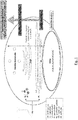
- the inventors have demonstrated that the AGS originating from an exogenous source (diet) or endogenous (hypoxia or alteration, by mutation, of the fatty acid desaturation steps) accumulated within the phospholipids constituting the cell membranes, thus disturbing many process, by altering the functionality of the intracellular organelles involved in the pathway of secretion of proteins (cf. Figure 1 ).
- strain hem1 ⁇ prepared from the baker's yeast Saccharomyces cerevisiae ) reproducing all the impacts of AGS and cholesterol observed in mammalian cells, in particular all the abnormalities involved in the development of the metabolic syndrome (Pineau et al., 2008 and Pineau et al., 2009).
- YPG medium ie medium containing neither Ergosterol (Erg) nor oleic acid (Ole)
- the strain hem1 ⁇ accumulates saturated fatty acids (in particular palmitic acid, C16: 0) in its phospholipids, in particular in phosphatidylcholine ( PC).
- PC phosphatidylcholine
- the strain QM (Petschingg et al., 2009), in which the genes encoding the enzymes responsible for the synthesis of triglycerides and sterol esters have been deleted, is incapable of transforming an exogenous supply of fatty acids.
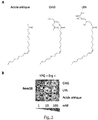
- the use of the QM strain has enabled the inventors to carry out toxicity tests which have clearly demonstrated the toxicity of oleic acid in such circumstances (cf. figure 4 ).
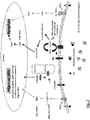
- the inventors have been able to observe disturbances in the vesiculation of the Golgi apparatus as well as an alteration of the reference protein trafficking (eg Fur4p) between the Golgi apparatus and the plasma membrane.
- the inventors have observed an alteration, due to lipo-intoxication, of the entire secretory pathway.
- the yeast hem1 ⁇ strain enabled them to confirm both the impacts of AGS on ER stress but also on the trafficking of proteins towards the plasma membrane.
- the endoplasmic reticulum (ER) is involved in several fundamental cellular processes, including lipid synthesis, regulation of calcium homeostasis, and synthesis of proteins for different organelles and cell surface (eg membrane proteins such as ion channels and transporters). ER is also the site where membrane or secreted proteins are assembled and folded. As a result, the UPR plays a key role in maintaining the integrity and functionality of the ER by allowing this organelle to manage the accumulation of misfolded proteins (Kincaid & Cooper, 2007; Zhang & Kaufman, 2006).
- Gcs1p has been shown to be a mediator of vesicular transport both between the Golgi apparatus and the ER, and between the ER and the plasma membrane (Robinson et al., 2006).
- the deletion of the GCS1 gene causes fragmentation of the Golgi apparatus and disruption of post-Golgi vesicular trafficking (Poon et al., 2001), phenomena that the inventors themselves have been able to observe in the literature .
- yeast model hem1 ⁇ ie in condition of accumulation of AGS (see Payet et al, 2013.).
- Proteins of the Arf-GAP1 family respond to membrane curvature by adsorbing to the membrane surface via a specific motif called ArfGAP1 Lipid Packing Sensor (ALPS) (Bigay et al., 2005).
- ALPS ArfGAP1 Lipid Packing Sensor
- the ALPS motif does not recognize the membrane curvature per se, that is to say a curved geometry, but recognizes a small stack of polar heads of phospholipids ("Loose Lipid Packing") which is a consequence of the membrane curvature (Bigay et al., 2005).
- the inventors have succeeded in demonstrating that the high levels of saturated PL under lipo-intoxication conditions are associated with an increase in membrane Lipid Packing (Deguil et al., 2011), and that this increase impairs recruitment by the Golgi apparatus. Gcs1p from the cytoplasm (Payet et al., 2013). More generally, they have demonstrated that the accumulation of fatty acids, in particular AGS, in biological membranes causes the functional deregulation of organelles or intracellular organelles including the Golgi apparatus and Endoplasmic Reticulum (ER), and in particular a decrease in the degree of vesiculation responsible for a decrease in the translocation of certain cell surface transporters and receptors.
- fatty acids in particular AGS
- the cellular lipointoxications caused by the inventors result, in vitro, from exposure to an exogenous source of fatty acids exclusively in saturated form (“exogenous" lipointoxication) or, alternatively, from an intrinsic inability of the cell to produce forms unsaturated fatty acids (“endogenous" lipointoxication).
- oleic acid being metabolized in phospholipids (PL) (cf. figure 1 loss of PL at AGS in favor of PL at AGI), makes it possible to restore the plasticity of membranes previously lipo-intoxicated by AGS.
- PL phospholipids
- the beneficial effect observed was limited to cells having the capacity to buffer excess exogenous AGI in the form of neutral lipids. In cells lacking this capacity, the surplus of exogenous oleic acid ultimately leads to an abnormal proliferation of intracellular membranes which, by stressing the cells, will trigger their apoptosis.
- the inventors have used their model of yeast hem1 ⁇ and strain QM to screen for molecules of interest likely to prevent or limit this phenomenon, ideally to counter the toxic effect of saturated fatty acids present in excess and / or poorly metabolized ( ie esterified) and to correct all disturbed phenomena. They have also discovered molecules capable, in particular, of restoring cellular functionality (for example by restoring membrane fluidity) comparable to that encountered in non-pathological conditions.
- the subject concerned by the invention is an animal, typically a mammal, for example a mammal chosen from a mouse, a rat, a pig and a human being.
- the subject concerned is preferably a human being.
- dyslipidemia - or lipointoxication - typically affects biological membranes, in particular non-adipocyte cell biological membranes. It is generally related to the presence in excess in said biological membranes of fatty acids, more particularly saturated and / or trans long chain fatty acids and / or sterols.
- the dyslipidemia - or lipointoxication - is typically responsible for intoxication of non-adipocyte cells causing the dysfunction or apoptosis of said cells by reducing or even suppressing the fluidity of their plasma membrane and / or the membrane of their cells. organelles.
- lipointoxication is associated with the presence in the subject of a pulmonary pathology, particularly a pulmonary pathology resulting in respiratory failure, more particularly pulmonary pathology resulting in respiratory failure being cystic fibrosis or COPD.
- the expression "excess presence” of fatty acids, in particular AGS, and / or sterols is synonymous with “lipointoxication” and refers to the presence, in a non-adipocyte cell. , in particular saturated and / or trans fatty acids , and / or sterols in an amount sufficient to disrupt the secretion pathway described above and thus impair cell function (typically the secretory pathway of proteins and consequently the function of said proteins), or even, at a higher level, alter accordingly the operation of the corresponding member.
- a lipointoxication is typically diagnosed by the demonstration of a modification of the fatty acid content of the PL of the biological membranes (at the level of phospholipid species of phosphatidylcholine (PC) in particular) and, in particular, by the depletion of PL forms at AGI in favor of PL at AGS.
- PC phosphatidylcholine
- a lipidomic signature can be demonstrated following the extraction of the total cellular lipids, the purification of their phospholipids and the analysis of these last by mass spectrometry (Deguil et al., 2011).
- this cellular lipointoxication can be manifested by the induction of the UPR ("Unfolded Protein Response") response.
- UPR Unfolded Protein Response
- a reporter gene such as the lacZ gene coding for ⁇ -galactosidase whose enzymatic activity can be quantified
- UPR UPR
- UPRE element of response to UPR
- a characteristically induced gene at the outbreak of said response for example of a gene selected from CHOP, BiP, GRP78 and ATF4 (Laybutt et al., 2007).
- the triggering of the UPR in response to lipo-intoxication can be detected and measured by quantifying the proportion of active forms of certain key proteins in this cascade of cellular events. This is the case of the eIF2 ⁇ protein whose abundance of the phosphorylated active form is proportional to the activation state of the UPR. As explained in the experimental part, the amount of the phosphorylated active form can be evaluated by densitometry of the images obtained after western blotting (Dhayal and Morgan, 2011).
- the UPR response can be advantageously detected or measured by detecting or measuring the expression of a gene or activity of a protein involved in the "UPR" response, such as explained above.
- Examples of compounds that can be used to prevent and / or treat lipointoxication are identified below: 1-oleoyl-2-acetyl-sn-glycerol ( OAG ), 1-oleoyl-sn-glycerol-3-phosphate (1-oleoyl lysophosphatidic acid or LPA ), 2-arachidonoylglycerol (2-AG), mannide monooleate, 3-hydroxy-2,2-bis (hydroxymethyl) propyl oleate, N, N-diethanololeamide, propylene glycol monooleate, 1-oleoyl glycerol, 2-oleoyl glycerol, oleic acid monoester with triglycerol, (Z) -9-Octadecenoic Acid- (2,2-Dimethyl-1,3-dioxolan-4-yl) methyl Ester Diethylene glycol monooleate
- OAG 1-oleoyl-2-acetyl-
- a particularly preferred compound of interest for preventing and / or treating lipointoxication is the mannide monooleate.
- the compounds of interest are used in the context of the invention to prevent and / or treat lipointoxications such as hypoxic lipointoxication, typically by restoring the fluidity of biological membranes.
- An advantageous characteristic of these compounds is that, unlike the AGIs used in the prior art, they are non-toxic for cells incapable of synthesizing neutral lipids, typically triglycerides and / or esterified sterols.
- These compounds are in particular non-toxic for pancreatic cells ( ⁇ -pancreatic cells and ⁇ -pancreatic cells). They are also preferably non-toxic to kidney, liver, heart and muscle cells. They are also preferably non-toxic to bronchial epithelial cells. They are also preferably advantageously capable of restoring the functionality of a lipointoxic cell as well as, if appropriate, that of the organs involved, such as the respiratory tract, and in particular the bronchi.
- Particular compounds used in the context of the invention are capable of restoring the growth of a lipo - toxoid Saccharomyces cerevisiae yeast hem1 ⁇ mutant and / or of reducing or eliminating the UPR ("Unfolded Protein Response") response, typically the induced UPR response. by lipo-intoxication (whether the latter is endogenous or exogenous).
- UPR Unfolded Protein Response
- Particular compounds used in the context of the invention are non-toxic to yeast strain QM.
- Particular compounds used in the context of the invention are capable of reducing or suppressing apoptotic cell death of lipointoxic mammalian cells.
- the compounds of interest are used to prevent and / or treat a pulmonary pathology, particularly a pulmonary pathology causing respiratory failure, more particularly pulmonary pathology resulting in respiratory insufficiency being the cystic fibrosis or COPD.
- At least one compound of interest as described herein is used to prevent and / or treat cystic fibrosis or COPD.
- the mannide monooleate is an example of a compound of interest used in a preferred manner for preventing and / or treating cystic fibrosis or COPD.
- This at least one compound of interest can be used, in a particular embodiment of the invention, in combination with a distinct compound known to those skilled in the art and conventionally used in the prevention and / or treatment of cystic fibrosis. or a COPD, said distinct compound being preferably selected from mucolytic compounds, antibiotics, correctors of the CFTR protein.
- the invention also relates to a composition in the form of a pharmaceutical composition, a food, a supplement or a food supplement, comprising at least one compound of interest according to the invention.
- the invention also relates to a pharmaceutical composition
- a pharmaceutical composition comprising, in addition to said at least one compound of interest according to the invention, at least one other compound (different from the compounds of interest used in the context of the invention for preventing or treating lipointoxication by hypoxia without inducing toxicity to non-adipocyte cells) that is therapeutically active (and recognized as such by those skilled in the art), in particular a compound active in the prevention or treatment of a symptom or disorder; a characteristic anomaly of a pulmonary pathology, associated in particular with a respiratory insufficiency.
- the invention also relates to a composition as described in the present text for use in preventing and / or treating hypoxia lipointoxication, typically a pathology selected from pulmonary pathologies, preferably for preventing and / or treating cystic fibrosis or COPD. .
- treatment refers to curative, symptomatic or preventive treatment.
- the compounds of the present invention can thus be used in subjects (such as mammals, in particular humans) with a declared disease.
- the compounds of the present invention can also be used to delay or slow progression or prevent further progression of the disease, thereby improving the condition of the subjects.
- the compounds of the present invention may finally be administered in "prevention" to non-sick subjects, but who may develop the disease normally or who have a significant risk of developing the disease.
- the compound (s) of interest or compositions according to the invention may be administered in different ways and in different forms.
- the compound (s) of interest are administered to the subject, together or separately, and the compound (s) of interest or compositions according to the invention are administered continuously or sequentially, one or more once a day (daily administration), one or more times a week (weekly administration), or one or more times a month (monthly administration), throughout the duration of the treatment, ie until the improvement of the symptoms of the pathology treated, preferably the disappearance of all or part of said symptoms.
- the daily dose may, for example, be administered in two, three, four, five, six or more doses taken daily or in multiple sub-doses administered at appropriate intervals during the day.
- These compounds or compositions may be, for example, administered systemically, orally, parenterally, by inhalation or by injection, for example intravenously, intraperitoneally, intramuscularly, subcutaneously, trans-dermally, intravenously or intravenously. arterial, etc.
- the preferred route of administration will be sublingual, oral, intraperitoneal, or transcutaneous.
- compositions may be formulated as injectable suspensions, oils, suppositories, capsules, aerosols, etc., optionally using dosage forms or devices providing sustained and / or delayed release.
- the compounds are generally packaged as liquid suspensions, which can be injected by means of syringes or infusions, for example.
- the flow rate and / or the injected dose can be adapted by those skilled in the art depending on the patient, the pathology, the mode of administration, etc.
- the daily dose of the compound will be the minimum dose to achieve the therapeutic effect.
- the amount of compound present in the therapeutic composition may be modulated so as to obtain a circulating level of active principle necessary to obtain the desired therapeutic effect for a particular patient, a composition, a mode of administration, and that of preferably without toxicity to the patient.
- the amount selected will depend on multiple factors, in particular the route of administration, the duration of administration, the timing of administration, the rate of elimination of the compound, the or various products used in combination with the compound, age, weight and physical condition of the patient, as well as his medical history, and other information known in medicine.
- compositions according to the invention may comprise, in addition, other agents or active principles as explained above.
- the compositions according to the invention may also comprise one or more excipients or vehicles, which are pharmaceutically acceptable.
- excipients or vehicles which are pharmaceutically acceptable.
- saline, physiological, isotonic, buffered, etc. solutions compatible with a pharmaceutical use and known to those skilled in the art may be mentioned.
- the compositions may contain one or more agents or vehicles selected from dispersants, solubilizers, stabilizers, preservatives, etc.
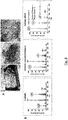
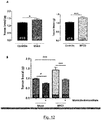
- N corresponds to the number of rings tested and n to the number of patients analyzed.
- a / Yeast strains, mammalian cell lines and biological samples A / Yeast strains, mammalian cell lines and biological samples
- the Saccharomyces cerevisiae yeast strains listed in Table 1 are used for the different growth restoration tests, for the demonstration of toxicities, for the analysis of the fatty acid content of cellular phospholipids as well as for the triggering tests of the unfolded protein response (UPR).
- URR unfolded protein response
- the strain bearing the hem1 ⁇ mutation is cultured, under aerobic conditions, with stirring and at 28 ° C., in a YPG A liquid medium (YPG (yeast extract 1% (w / v), peptone 1% (w / v) and glucose 2% (w / v)) supplemented with ⁇ -aminolevulinic acid (ALA) at 80 ⁇ g / mL).
- YPG yeast extract 1% (w / v), peptone 1% (w / v) and glucose 2% (w / v)
- ALA ⁇ -aminolevulinic acid
- AGI unsaturated fatty acids
- Lipo-intoxication can be induced on solid medium YPG + + agar 2% (m / v) by transferring 3500 cells ( hem1 ⁇ from preculture to YPG A ) / cm 2 or, alternatively, into a liquid medium by inoculating 2.10 6 cells / ml of YPG + .
- the effects of lipo-intoxication with AGS are analyzed 7 hours after transfer in YPG + medium.
- the ability of a compound to counteract the deleterious effects of AGS lipo-intoxication is, in turn, evaluated successively with the addition of this compound to (or in) the YPG + transfer medium, after seeding. with the cells.
- the lipid species are prepared in ethanol before being complexed with bovine serum albumin (BSA, initially devoid of fatty acids) by incubation for 1 hour at 37 ° C. Palmitate stock is obtained by adding a volume of ethanol before the assembly is heated to 70 ° C for homogenization. OAG and LPA solutions are prepared in 100% ethanol at room temperature. For mammalian cell incubations, the final concentrations of BSA and ethanol in the culture medium are respectively maintained at 1 and 0.5% (w / v).
- BSA bovine serum albumin
- the rat ⁇ -pancreatic (BRIN-BD11) cell line is cultured in complete RPMI-1640 medium, containing 11 mM glucose and supplemented with 10% (v / v) fetal calf serum (FCS), 2 mM L-glutamine, 100 U / mL penicillin and 100 ⁇ g / mL streptomycin.
- FCS fetal calf serum
- the cells are initially inoculated at a density of 0.5 ⁇ 10 5 cells / ml in 6-well dishes for 24 hours. Subsequently, the complete medium is replaced by an equivalent free of FBS but containing the lipid reagents of interest, at the desired concentrations, complexed with BSA.
- BRIN-BD11 cells are seeded at a density of 0.5 ⁇ 10 5 cells / mL in T25 flasks for 24 hours. As indicated above, the complete medium is then replaced by an equivalent free of FBS but containing the lipid reagents of interest. After 6 hours of incubation, extraction of the total proteins is carried out using a lysis buffer (20 mM Tris, 150 mM NaCl, 1 mM EDTA and 1% Triton-X (v / v)) containing inhibitors of proteases and phosphatases.
- a lysis buffer (20 mM Tris, 150 mM NaCl, 1 mM EDTA and 1% Triton-X (v / v)
- the membranes are stripped with the Re-Blot Plus-Strong buffer (Millipore) before being probed a second time with total anti-eIF2 ⁇ antibodies (Cell Signaling (New England Biolabs) diluted 1/1000 th
- the densitometric analysis of the relative abundance of the phosphorylated or non-phosphorylated forms of the eIF2 ⁇ protein is performed with the Fluor-S Multi-imager analysis system combined with the Quantify One software (Biorad UK Ltd).
- the wild-type (WT) and QM strains are cultivated, under aerobic conditions, with stirring and at 28 ° C., in a YPG liquid medium before inoculating 3500 cells per cm 2 of YPG + agar 2% (m / v). .
- drops of 1 .mu.l of solutions of different compounds at 1, 10 and 100 mM in DMSO or EtOH are deposited on the surface of the agar.
- DMSO and EtOH deposits are also made to evaluate the intrinsic toxicity of these two solvents.
- the toxicity of the compounds tested is evaluated by comparing the diameters of the growth inhibition halos obtained for the crude solvent deposits with those of the deposits of the different concentrations of compounds tested.
- the QM strain is unable to buffer excess exogenous oleic acid in the form of neutral lipids (triglycerides (TG) or sterol esters (ES)) in lipid droplets.
- TG neutral lipids
- ES sterol esters
- the hem1 ⁇ strain is cultured in YPG A , YPG + or YPG + + 200 ⁇ M test compound, aerobically, with stirring and at 28 ° C. for 7 hours, starting from an initial cell concentration of 2.10 6 cells. / mL.
- 10 8 cells are collected in order to carry out the extraction of the total lipids.
- 500 ⁇ l of glass beads ( ⁇ 0.6 mm) are added and the assembly then undergoes 3 sequences of 20 sec at 5000 revolutions / min. in an agitator (the tubes are kept on ice between each of the 3 sequences).
- the sample is centrifuged for 12 min at 10,000 g before transferring the supernatant to a new Corex TM tube. After adding 2 mL of chloroform and then 4 mL of distilled water, the mixture is vortexed for 30 sec and then centrifuged for 8 min at 3000 g. After removal of the resulting upper phase, the lower organic phase is collected in a glass hemolysis tube. Finally, the solvent is evaporated under nitrogen flow at 80 ° C to obtain the total cell lipid samples.
- the bronchial epithelial cells were rinsed three times in PBS before proceeding to the preparation of total lipids as indicated above, from 10 5 cells.
- the total cell lipid samples are resuspended in 1 mL of dichloromethane by vortexing for 30 seconds.
- the whole is deposited on a silica column (BOND ELUT-SI, 100 mg 1 mL) pre-conditioned with 3 mL of methanol and then 2 mL of dichloromethane successively.
- the fraction retained by the column is then washed with 2 mL of dichloromethane and then 3 mL of acetone successively.
- 2 mL of a 50: 45: 5 (v / v / v) chloroform / methanol / water mixture is deposited on the column and the phospholipids thus eluted are collected in a glass hemolysis tube.
- the solvent is evaporated under nitrogen at 80 ° C to obtain cell phospholipid samples.
- the hem1 ⁇ strain transformed with the plasmid pPW344 [2 ⁇ URA3 4 ⁇ UPRE- LacZ (Patil et al., 2004)] is cultured in a YPG A , YPG or YPG liquid medium with 200 ⁇ M of test compound, under aerobic conditions, under stirring and at 28 ° C for 7 h from an initial cell concentration of 2.10 6 cells / mL.
- 10 8 cells are collected in order to quantify the beta-galactosidase ( ⁇ -gal) activity resulting from the expression of the LacZ transgene (in the case of activation of the UPR).
- a first step the cells are resuspended in 1.5 ml of buffer Z (60 mM Na 2 HPO 4 , 40 mM NaH 2 PO 4 , 10 mM KCl, 1 mM MgSO 4 and 50 mM ⁇ -mercaptoethanol). mM, solution at pH 7) then 1/15 th of this suspension is used to make a measurement of OD 600 nm .
- the suspension is supplemented with 100 ⁇ l of sodium dodecyl sulfate (SDS) 0.1% (v / v) and 200 ⁇ l. chloroform and then vortexed in two successive 30 sec sequences.
- SDS sodium dodecyl sulfate
- the reaction products o-nitrophenol
- cell debris are assayed by wavelength spectrometry. 420 and 550 nm respectively.
- bronchial rings are isolated and mounted on an analysis device by the technique of isolated organs, in which they are immersed in a physiological buffer KREBS. Following stabilization of ring tone, basal tone is measured. Alternatively, the rings are incubated for 4 h in a KREBS buffer supplemented with 100 ⁇ M mannide monooleate
Landscapes
- Health & Medical Sciences (AREA)
- Life Sciences & Earth Sciences (AREA)
- Chemical & Material Sciences (AREA)
- Pharmacology & Pharmacy (AREA)
- Veterinary Medicine (AREA)
- Public Health (AREA)
- General Health & Medical Sciences (AREA)
- Animal Behavior & Ethology (AREA)
- Medicinal Chemistry (AREA)
- Epidemiology (AREA)
- Engineering & Computer Science (AREA)
- Bioinformatics & Cheminformatics (AREA)
- Chemical Kinetics & Catalysis (AREA)
- Nuclear Medicine, Radiotherapy & Molecular Imaging (AREA)
- General Chemical & Material Sciences (AREA)
- Organic Chemistry (AREA)
- Emergency Medicine (AREA)
- Diabetes (AREA)
- Molecular Biology (AREA)
- Hematology (AREA)
- Cardiology (AREA)
- Obesity (AREA)
- Food Science & Technology (AREA)
- Polymers & Plastics (AREA)
- Oil, Petroleum & Natural Gas (AREA)
- Mycology (AREA)
- Nutrition Science (AREA)
- Heart & Thoracic Surgery (AREA)
- Pulmonology (AREA)
- Gastroenterology & Hepatology (AREA)
- Endocrinology (AREA)
- Hospice & Palliative Care (AREA)
- Acyclic And Carbocyclic Compounds In Medicinal Compositions (AREA)
- Pharmaceuticals Containing Other Organic And Inorganic Compounds (AREA)
- Organic Low-Molecular-Weight Compounds And Preparation Thereof (AREA)
- Coloring Foods And Improving Nutritive Qualities (AREA)
- Furan Compounds (AREA)
- Medicines That Contain Protein Lipid Enzymes And Other Medicines (AREA)
Claims (8)
- Verbindung umfassend einen polaren Kopf umfassend mindestens einen Hydroxylrest, auf den eine einzige ungesättigte Fettsäure, die zwischen 16 und 24 Kohlenstoffatomen und 1 bis 6 Unsättigung(en) in cis-Konfiguration umfasst, aufgepfropft ist, für eine Anwendung zur Vorbeugung und/oder Behandlung einer hypoxiebedingten Lipidvergiftung bei einem Individuum, die mit dem Vorliegen eines Überschusses an Fettsäuren, insbesondere langkettigten gesättigten Fettsäuren, und/oder Sterolen in biologischen Membranen von Nicht-Adipozyten-Zellen verbunden ist;
wobei die Verbindung aus Mannidmonooleat, 3-Hydroxy-2,2-bis(hydroxymethyl)propyloleat, N,N-Diethanololeamid und ihren Mischungen ausgewählt ist;
wobei die hypoxiebedingte Lipidvergiftung bei dem Individuum mit einer Lungenpathologie assoziiert ist. - Verbindung zur Verwendung nach Anspruch 1, dadurch gekennzeichnet, dass die hypoxiebedingte Lipidvergiftung auf einer Dysfunktion oder Apoptose der Nicht-Adipozyten-Zellen durch Verringerung oder Suppression der Fluidität ihrer Plasmamembran und/oder der Membran ihrer Organellen beruht.
- Verbindung zur Verwendung nach einem der vorhergehenden Ansprüche, dadurch gekennzeichnet, dass sie für Zellen, die zur Synthese von Neutrallipiden, typischerweise Triglyceriden und/oder veresterten Sterolen, befähigt sind, insbesondere für die Bronchialepithelzellen, nicht toxisch ist.
- Verbindung zur Verwendung nach einem der Ansprüche 1 bis 3, dadurch gekennzeichnet, das sie aus N,N-Diethanololeamid; alternativ dazu Mannidmonooleat, 3-Hydroxy-2,2-bis-(hydromethyl)propyloleat und ihren Mischungen ausgewählt ist.
- Verbindung zur Verwendung nach einem der vorhergehenden Ansprüche, dadurch gekennzeichnet, dass sie durch Wiederherstellen der Fluidität von biologischen Membranen der hypoxiebedingten Lipidvergiftung vorbeugt und/oder diese behandelt.
- Verbindung zur Verwendung nach einem der vorhergehenden Ansprüche, dadurch gekennzeichnet, dass (i) sie fähig ist, das Wachstum einer hem1Δ-Mutante der Hefe Saccharomyces cerevisiae mit Lipidvergiftung wiederherzustellen, (ii) sie fähig ist, die UPR ("Unfolded Protein Response") zu vermindern oder zu unterdrücken, (iii) sie für eine QM-Mutante der Hefe Saccharomyces cerevisiae nicht toxisch ist und/oder (iv) sie den apoptotischen Zelltod einer Säugerzelle mit Lipidvergiftung vermindert oder unterdrückt.
- Verbindung zur Verwendung nach einem der vorhergehenden Ansprüche, dadurch gekennzeichnet, dass es sich bei der Lungenpathologie um eine Lungenpathologie, mit der eine Ateminsuffizienz einhergeht, insbesondere um Mukoviszidose oder eine chronisch-obstruktive Bronchopneumopathie, handelt.
- Verbindung zur Verwendung nach einem der vorhergehenden Ansprüche, wobei es sich bei dem Individuum um ein Tier, typischerweise einen Säuger, vorzugsweise einen Menschen, handelt.
Priority Applications (1)
| Application Number | Priority Date | Filing Date | Title |
|---|---|---|---|
| PL14781242T PL3065732T3 (pl) | 2013-10-08 | 2014-10-08 | Związki, kompozycje i odpowiednie zastosowania do zapobiegania i/lub leczenia dyslipidemii |
Applications Claiming Priority (2)
| Application Number | Priority Date | Filing Date | Title |
|---|---|---|---|
| FR1302334A FR3011467B1 (fr) | 2013-10-08 | 2013-10-08 | Composes et compositions comprenant de tels composes pour la prevention ou le traitement des dyslipidemies |
| PCT/EP2014/071543 WO2015052237A1 (fr) | 2013-10-08 | 2014-10-08 | Composes, compositions et utilisations correspondantes, pour la prevention et/ou le traitement des dyslipidemies |
Publications (2)
| Publication Number | Publication Date |
|---|---|
| EP3065732A1 EP3065732A1 (de) | 2016-09-14 |
| EP3065732B1 true EP3065732B1 (de) | 2018-04-11 |
Family
ID=50023610
Family Applications (2)
| Application Number | Title | Priority Date | Filing Date |
|---|---|---|---|
| EP14781242.4A Active EP3065732B1 (de) | 2013-10-08 | 2014-10-08 | Verbindungen, zusammensetzungen und verwendungen davon zur prävention und/oder behandlung von dyslipidämie |
| EP14790233.2A Active EP3065733B1 (de) | 2013-10-08 | 2014-10-08 | Verbindungen und zusammensetzungen mit solchen verbindungen zur vorbeugung oder behandlung von dyslipidämien |
Family Applications After (1)
| Application Number | Title | Priority Date | Filing Date |
|---|---|---|---|
| EP14790233.2A Active EP3065733B1 (de) | 2013-10-08 | 2014-10-08 | Verbindungen und zusammensetzungen mit solchen verbindungen zur vorbeugung oder behandlung von dyslipidämien |
Country Status (11)
| Country | Link |
|---|---|
| US (2) | US10231985B2 (de) |
| EP (2) | EP3065732B1 (de) |
| JP (2) | JP6502335B2 (de) |
| CN (2) | CN105828814B (de) |
| AU (2) | AU2014333853A1 (de) |
| BR (1) | BR112016007536B1 (de) |
| CA (2) | CA2926582C (de) |
| ES (2) | ES2682973T3 (de) |
| FR (1) | FR3011467B1 (de) |
| PL (1) | PL3065732T3 (de) |
| WO (2) | WO2015052237A1 (de) |
Families Citing this family (15)
| Publication number | Priority date | Publication date | Assignee | Title |
|---|---|---|---|---|
| DK3219705T3 (da) | 2005-12-28 | 2020-04-14 | Vertex Pharma | Farmaceutiske sammensætninger af den amorfe form af n-[2,4-bis(1,1-dimethylethyl)-5-hydroxyphenyl]-1,4-dihydro-4-oxoquinolin-3-carboxamid |
| US9744542B2 (en) | 2013-07-29 | 2017-08-29 | Apeel Technology, Inc. | Agricultural skin grafting |
| FR3011467B1 (fr) * | 2013-10-08 | 2016-02-12 | Centre Nat Rech Scient | Composes et compositions comprenant de tels composes pour la prevention ou le traitement des dyslipidemies |
| CN107250113B (zh) | 2014-10-07 | 2019-03-29 | 弗特克斯药品有限公司 | 囊性纤维化跨膜传导调节蛋白的调节剂的共晶 |
| EP3298024B1 (de) | 2015-05-20 | 2020-04-01 | Apeel Technology, Inc. | Pflanzenextraktzusammensetzungen und verfahren zur herstellung davon |
| EP3349589B1 (de) | 2015-09-16 | 2022-12-14 | Apeel Technology, Inc. | Verfahren zur bildung einer schutzbeschichtung durch auftragen von fettsäureglyceridverbindungen auf eine oberfläche |
| ES2797697T3 (es) | 2015-12-10 | 2020-12-03 | Apeel Tech Inc | Proceso para despolimerizar cutina |
| WO2017132281A1 (en) | 2016-01-26 | 2017-08-03 | Apeel Technology, Inc. | Method for preparing and preserving sanitized products |
| JP7194678B2 (ja) | 2016-11-17 | 2022-12-22 | アピール テクノロジー,インコーポレイテッド | 植物抽出物から形成される組成物及びその調製方法 |
| US12245605B2 (en) | 2018-09-05 | 2025-03-11 | Apeel Technology, Inc. | Compounds and formulations for protective coatings |
| KR102218540B1 (ko) * | 2019-04-16 | 2021-02-22 | 주식회사 엔지켐생명과학 | 모노아세틸디아실글리세롤 화합물을 함유하는 당뇨병 치료용 조성물 및 당뇨병의 치료 방법 |
| WO2020212915A1 (en) * | 2019-04-16 | 2020-10-22 | Enzychem Lifesciences | Compositions and methods for treating diabetes |
| JP7578707B2 (ja) | 2020-03-04 | 2024-11-06 | アピール テクノロジー,インコーポレイテッド | 被覆された農産物及び対応する方法 |
| MX2023004343A (es) | 2020-10-30 | 2023-05-08 | Apeel Tech Inc | Composiciones y metodos de preparacion de las mismas. |
| CN118159138A (zh) | 2021-09-08 | 2024-06-07 | 阿比尔技术公司 | 用于保护性涂层的化合物和制剂 |
Family Cites Families (15)
| Publication number | Priority date | Publication date | Assignee | Title |
|---|---|---|---|---|
| JPS5914520B2 (ja) * | 1977-07-29 | 1984-04-04 | カネボウ株式会社 | 二層型液状シヤンプ− |
| EP0104043A3 (de) * | 1982-09-20 | 1984-06-06 | Ajinomoto Co., Inc. | Nahrungsmittel und pharmazeutische Produkte |
| JPS5953421A (ja) * | 1983-02-15 | 1984-03-28 | Ajinomoto Co Inc | コレステロ−ル低下または上昇抑制剤 |
| WO2001017472A1 (en) | 1999-09-08 | 2001-03-15 | Watson Pharmaceuticals, Inc. | Using quaternary ammonium salts for transdermal drug delivery |
| EP1272147B1 (de) * | 2000-04-03 | 2006-06-21 | 3M Innovative Properties Company | Dentalmaterialien mit verlängerter verarbeitungszeit, kits und verfahren |
| IL142537A0 (en) * | 2001-04-11 | 2002-03-10 | Yeda Res & Dev | Pharmaceutical compositions for the treatment of autoimmune diseases |
| US20030066100A1 (en) * | 2001-07-09 | 2003-04-03 | Zoltan Machaty | Capacitative calcium entry mechanism in porcine oocytes |
| EP1449237A2 (de) * | 2001-11-15 | 2004-08-25 | Koninklijke Philips Electronics N.V. | Hochdruckentladungslampe |
| US7700583B2 (en) * | 2003-04-11 | 2010-04-20 | High Point Pharmaceuticals, Llc | 11β-hydroxysteroid dehydrogenase type 1 active compounds |
| GB0425658D0 (en) * | 2004-11-22 | 2004-12-22 | Stanford Rook Ltd | Immunotherapeutic agent |
| US20090124608A1 (en) * | 2006-10-16 | 2009-05-14 | Board Of Trustees Of The University Of Arkansas | CB2 Receptor Modulators In Neurodegenerative Diseases And Applications Of The Same |
| EP2445494A4 (de) * | 2009-06-24 | 2012-12-12 | Univ Koebenhavn | Behandlung der insulinresistenz und fettleibigkeit durch stimulierung der glp-1-freisetzung |
| WO2012054527A2 (en) * | 2010-10-19 | 2012-04-26 | Elcelyx Therapeutics, Inc. | Chemosensory receptor ligand-based therapies |
| CN105592847B (zh) * | 2013-08-19 | 2019-04-09 | Enzychem生命科学株式会社 | 含有以单乙酰基二酰基甘油化合物作为有效成分的慢性阻塞性肺病的预防或者治疗用组合物 |
| FR3011467B1 (fr) * | 2013-10-08 | 2016-02-12 | Centre Nat Rech Scient | Composes et compositions comprenant de tels composes pour la prevention ou le traitement des dyslipidemies |
-
2013
- 2013-10-08 FR FR1302334A patent/FR3011467B1/fr active Active
-
2014
- 2014-10-08 EP EP14781242.4A patent/EP3065732B1/de active Active
- 2014-10-08 ES ES14790233.2T patent/ES2682973T3/es active Active
- 2014-10-08 CA CA2926582A patent/CA2926582C/fr active Active
- 2014-10-08 CA CA2927951A patent/CA2927951C/en active Active
- 2014-10-08 PL PL14781242T patent/PL3065732T3/pl unknown
- 2014-10-08 BR BR112016007536-6A patent/BR112016007536B1/pt active IP Right Grant
- 2014-10-08 CN CN201480055571.3A patent/CN105828814B/zh active Active
- 2014-10-08 JP JP2016521712A patent/JP6502335B2/ja active Active
- 2014-10-08 AU AU2014333853A patent/AU2014333853A1/en not_active Abandoned
- 2014-10-08 CN CN201480055631.1A patent/CN105744934B/zh active Active
- 2014-10-08 WO PCT/EP2014/071543 patent/WO2015052237A1/fr not_active Ceased
- 2014-10-08 WO PCT/FR2014/052546 patent/WO2015052433A1/fr not_active Ceased
- 2014-10-08 JP JP2016521780A patent/JP6594866B2/ja active Active
- 2014-10-08 US US15/028,139 patent/US10231985B2/en active Active
- 2014-10-08 AU AU2014333636A patent/AU2014333636B2/en active Active
- 2014-10-08 ES ES14781242.4T patent/ES2674869T3/es active Active
- 2014-10-08 EP EP14790233.2A patent/EP3065733B1/de active Active
- 2014-10-08 US US15/027,738 patent/US9821000B2/en active Active
Also Published As
| Publication number | Publication date |
|---|---|
| CN105828814B (zh) | 2019-04-19 |
| US20160256429A1 (en) | 2016-09-08 |
| US10231985B2 (en) | 2019-03-19 |
| EP3065732A1 (de) | 2016-09-14 |
| CN105744934B (zh) | 2019-08-20 |
| ES2682973T3 (es) | 2018-09-24 |
| EP3065733A1 (de) | 2016-09-14 |
| WO2015052433A1 (fr) | 2015-04-16 |
| US9821000B2 (en) | 2017-11-21 |
| PL3065732T3 (pl) | 2019-03-29 |
| JP6502335B2 (ja) | 2019-04-17 |
| WO2015052237A1 (fr) | 2015-04-16 |
| CA2927951A1 (en) | 2015-04-16 |
| CN105828814A (zh) | 2016-08-03 |
| CA2927951C (en) | 2022-08-30 |
| AU2014333636B2 (en) | 2019-12-05 |
| CA2926582A1 (fr) | 2015-04-16 |
| AU2014333636A1 (en) | 2016-05-05 |
| ES2674869T3 (es) | 2018-07-04 |
| JP2016535725A (ja) | 2016-11-17 |
| AU2014333853A1 (en) | 2016-05-12 |
| JP2016535727A (ja) | 2016-11-17 |
| BR112016007536B1 (pt) | 2020-10-13 |
| FR3011467B1 (fr) | 2016-02-12 |
| BR112016007536A8 (pt) | 2018-01-30 |
| CA2926582C (fr) | 2023-07-25 |
| BR112016007536A2 (pt) | 2017-09-26 |
| US20160287542A1 (en) | 2016-10-06 |
| FR3011467A1 (fr) | 2015-04-10 |
| JP6594866B2 (ja) | 2019-10-23 |
| CN105744934A (zh) | 2016-07-06 |
| EP3065733B1 (de) | 2018-05-30 |
Similar Documents
| Publication | Publication Date | Title |
|---|---|---|
| EP3065732A1 (de) | Verbindungen, zusammensetzungen und verwendungen davon zur prävention und/oder behandlung von dyslipidämie | |
| Birnbaum et al. | DPP-4 inhibition by linagliptin prevents cardiac dysfunction and inflammation by targeting the Nlrp3/ASC inflammasome | |
| Bartolini et al. | Nonalcoholic fatty liver disease impairs the cytochrome P-450-dependent metabolism of α-tocopherol (vitamin E) | |
| Liu et al. | Oleic acid protects insulin-secreting INS-1E cells against palmitic acid-induced lipotoxicity along with an amelioration of ER stress | |
| Bandet et al. | Ceramide transporter CERT is involved in muscle insulin signaling defects under lipotoxic conditions | |
| CA2322848A1 (en) | Novel methods for treating disorders in which docosahexaenoic acid (dha) levels are effected | |
| Madsen et al. | Muscle very long-chain ceramides associate with insulin resistance independently of obesity | |
| FR2849598A1 (fr) | Utilisation d'inhibiteurs de la kynurenine-3-hydroxylase pour le traitement du diabete, par augmentation du nombre de cellules des ilots de langerhans | |
| AU2022283770B2 (en) | Cyclic plasmenylethanolamines | |
| Payet et al. | Cystic fibrosis bronchial epithelial cells are lipointoxicated by membrane palmitate accumulation | |
| Risso | Effect of CYP46A1 ectopic expression on recovery from liver disease in a Niemann-Pick type C mouse model | |
| JP2017511387A (ja) | 脂質蓄積障害の治療のための方法および組成物 | |
| Dahik | Lipid rewiring by adipose tissue macrophages during diet-induced inflammation and insulin resistance | |
| FR2951083A1 (fr) | Utilisation d'un inhibiteur de la replication de l'adn pour le traitement des malades neurodegeneratives par expansion de polyglutamine | |
| Lee et al. | Cardiac Dysfunction in β-Carotene-15, 15'-Dioxygenase-Deficient Mice Is | |
| Pérez-Torres et al. | Participation of Arachidonic Acid and Its Metabolites in Insulin Resistance | |
| Katrangi | The role of polyunsaturated fatty acid and eicosanoid biosynthesis in the pathogenesis of cystic fibrosis |
Legal Events
| Date | Code | Title | Description |
|---|---|---|---|
| PUAI | Public reference made under article 153(3) epc to a published international application that has entered the european phase |
Free format text: ORIGINAL CODE: 0009012 |
|
| 17P | Request for examination filed |
Effective date: 20160325 |
|
| AK | Designated contracting states |
Kind code of ref document: A1 Designated state(s): AL AT BE BG CH CY CZ DE DK EE ES FI FR GB GR HR HU IE IS IT LI LT LU LV MC MK MT NL NO PL PT RO RS SE SI SK SM TR |
|
| AX | Request for extension of the european patent |
Extension state: BA ME |
|
| DAX | Request for extension of the european patent (deleted) | ||
| GRAP | Despatch of communication of intention to grant a patent |
Free format text: ORIGINAL CODE: EPIDOSNIGR1 |
|
| STAA | Information on the status of an ep patent application or granted ep patent |
Free format text: STATUS: GRANT OF PATENT IS INTENDED |
|
| INTG | Intention to grant announced |
Effective date: 20171204 |
|
| GRAS | Grant fee paid |
Free format text: ORIGINAL CODE: EPIDOSNIGR3 |
|
| GRAA | (expected) grant |
Free format text: ORIGINAL CODE: 0009210 |
|
| STAA | Information on the status of an ep patent application or granted ep patent |
Free format text: STATUS: THE PATENT HAS BEEN GRANTED |
|
| AK | Designated contracting states |
Kind code of ref document: B1 Designated state(s): AL AT BE BG CH CY CZ DE DK EE ES FI FR GB GR HR HU IE IS IT LI LT LU LV MC MK MT NL NO PL PT RO RS SE SI SK SM TR |
|
| REG | Reference to a national code |
Ref country code: GB Ref legal event code: FG4D Free format text: NOT ENGLISH |
|
| REG | Reference to a national code |
Ref country code: CH Ref legal event code: EP |
|
| REG | Reference to a national code |
Ref country code: AT Ref legal event code: REF Ref document number: 987258 Country of ref document: AT Kind code of ref document: T Effective date: 20180415 |
|
| REG | Reference to a national code |
Ref country code: IE Ref legal event code: FG4D Free format text: LANGUAGE OF EP DOCUMENT: FRENCH |
|
| REG | Reference to a national code |
Ref country code: DE Ref legal event code: R096 Ref document number: 602014023818 Country of ref document: DE |
|
| REG | Reference to a national code |
Ref country code: ES Ref legal event code: FG2A Ref document number: 2674869 Country of ref document: ES Kind code of ref document: T3 Effective date: 20180704 |
|
| REG | Reference to a national code |
Ref country code: NL Ref legal event code: FP |
|
| REG | Reference to a national code |
Ref country code: CH Ref legal event code: NV Representative=s name: ICB INGENIEURS CONSEILS EN BREVETS SA, CH |
|
| REG | Reference to a national code |
Ref country code: SE Ref legal event code: TRGR |
|
| REG | Reference to a national code |
Ref country code: LT Ref legal event code: MG4D |
|
| REG | Reference to a national code |
Ref country code: FR Ref legal event code: PLFP Year of fee payment: 5 |
|
| PG25 | Lapsed in a contracting state [announced via postgrant information from national office to epo] |
Ref country code: LT Free format text: LAPSE BECAUSE OF FAILURE TO SUBMIT A TRANSLATION OF THE DESCRIPTION OR TO PAY THE FEE WITHIN THE PRESCRIBED TIME-LIMIT Effective date: 20180411 Ref country code: BG Free format text: LAPSE BECAUSE OF FAILURE TO SUBMIT A TRANSLATION OF THE DESCRIPTION OR TO PAY THE FEE WITHIN THE PRESCRIBED TIME-LIMIT Effective date: 20180711 Ref country code: NO Free format text: LAPSE BECAUSE OF FAILURE TO SUBMIT A TRANSLATION OF THE DESCRIPTION OR TO PAY THE FEE WITHIN THE PRESCRIBED TIME-LIMIT Effective date: 20180711 Ref country code: AL Free format text: LAPSE BECAUSE OF FAILURE TO SUBMIT A TRANSLATION OF THE DESCRIPTION OR TO PAY THE FEE WITHIN THE PRESCRIBED TIME-LIMIT Effective date: 20180411 Ref country code: FI Free format text: LAPSE BECAUSE OF FAILURE TO SUBMIT A TRANSLATION OF THE DESCRIPTION OR TO PAY THE FEE WITHIN THE PRESCRIBED TIME-LIMIT Effective date: 20180411 |
|
| PG25 | Lapsed in a contracting state [announced via postgrant information from national office to epo] |
Ref country code: HR Free format text: LAPSE BECAUSE OF FAILURE TO SUBMIT A TRANSLATION OF THE DESCRIPTION OR TO PAY THE FEE WITHIN THE PRESCRIBED TIME-LIMIT Effective date: 20180411 Ref country code: LV Free format text: LAPSE BECAUSE OF FAILURE TO SUBMIT A TRANSLATION OF THE DESCRIPTION OR TO PAY THE FEE WITHIN THE PRESCRIBED TIME-LIMIT Effective date: 20180411 Ref country code: RS Free format text: LAPSE BECAUSE OF FAILURE TO SUBMIT A TRANSLATION OF THE DESCRIPTION OR TO PAY THE FEE WITHIN THE PRESCRIBED TIME-LIMIT Effective date: 20180411 |
|
| REG | Reference to a national code |
Ref country code: AT Ref legal event code: MK05 Ref document number: 987258 Country of ref document: AT Kind code of ref document: T Effective date: 20180411 |
|
| PG25 | Lapsed in a contracting state [announced via postgrant information from national office to epo] |
Ref country code: PT Free format text: LAPSE BECAUSE OF FAILURE TO SUBMIT A TRANSLATION OF THE DESCRIPTION OR TO PAY THE FEE WITHIN THE PRESCRIBED TIME-LIMIT Effective date: 20180813 |
|
| REG | Reference to a national code |
Ref country code: DE Ref legal event code: R097 Ref document number: 602014023818 Country of ref document: DE |
|
| REG | Reference to a national code |
Ref country code: GR Ref legal event code: EP Ref document number: 20180401964 Country of ref document: GR Effective date: 20190109 |
|
| PG25 | Lapsed in a contracting state [announced via postgrant information from national office to epo] |
Ref country code: DK Free format text: LAPSE BECAUSE OF FAILURE TO SUBMIT A TRANSLATION OF THE DESCRIPTION OR TO PAY THE FEE WITHIN THE PRESCRIBED TIME-LIMIT Effective date: 20180411 Ref country code: EE Free format text: LAPSE BECAUSE OF FAILURE TO SUBMIT A TRANSLATION OF THE DESCRIPTION OR TO PAY THE FEE WITHIN THE PRESCRIBED TIME-LIMIT Effective date: 20180411 Ref country code: AT Free format text: LAPSE BECAUSE OF FAILURE TO SUBMIT A TRANSLATION OF THE DESCRIPTION OR TO PAY THE FEE WITHIN THE PRESCRIBED TIME-LIMIT Effective date: 20180411 Ref country code: SK Free format text: LAPSE BECAUSE OF FAILURE TO SUBMIT A TRANSLATION OF THE DESCRIPTION OR TO PAY THE FEE WITHIN THE PRESCRIBED TIME-LIMIT Effective date: 20180411 Ref country code: RO Free format text: LAPSE BECAUSE OF FAILURE TO SUBMIT A TRANSLATION OF THE DESCRIPTION OR TO PAY THE FEE WITHIN THE PRESCRIBED TIME-LIMIT Effective date: 20180411 Ref country code: CZ Free format text: LAPSE BECAUSE OF FAILURE TO SUBMIT A TRANSLATION OF THE DESCRIPTION OR TO PAY THE FEE WITHIN THE PRESCRIBED TIME-LIMIT Effective date: 20180411 |
|
| PLBE | No opposition filed within time limit |
Free format text: ORIGINAL CODE: 0009261 |
|
| STAA | Information on the status of an ep patent application or granted ep patent |
Free format text: STATUS: NO OPPOSITION FILED WITHIN TIME LIMIT |
|
| PG25 | Lapsed in a contracting state [announced via postgrant information from national office to epo] |
Ref country code: SM Free format text: LAPSE BECAUSE OF FAILURE TO SUBMIT A TRANSLATION OF THE DESCRIPTION OR TO PAY THE FEE WITHIN THE PRESCRIBED TIME-LIMIT Effective date: 20180411 |
|
| 26N | No opposition filed |
Effective date: 20190114 |
|
| PG25 | Lapsed in a contracting state [announced via postgrant information from national office to epo] |
Ref country code: SI Free format text: LAPSE BECAUSE OF FAILURE TO SUBMIT A TRANSLATION OF THE DESCRIPTION OR TO PAY THE FEE WITHIN THE PRESCRIBED TIME-LIMIT Effective date: 20180411 |
|
| PG25 | Lapsed in a contracting state [announced via postgrant information from national office to epo] |
Ref country code: LU Free format text: LAPSE BECAUSE OF NON-PAYMENT OF DUE FEES Effective date: 20181008 Ref country code: MC Free format text: LAPSE BECAUSE OF FAILURE TO SUBMIT A TRANSLATION OF THE DESCRIPTION OR TO PAY THE FEE WITHIN THE PRESCRIBED TIME-LIMIT Effective date: 20180411 |
|
| PG25 | Lapsed in a contracting state [announced via postgrant information from national office to epo] |
Ref country code: MT Free format text: LAPSE BECAUSE OF FAILURE TO SUBMIT A TRANSLATION OF THE DESCRIPTION OR TO PAY THE FEE WITHIN THE PRESCRIBED TIME-LIMIT Effective date: 20180411 |
|
| PG25 | Lapsed in a contracting state [announced via postgrant information from national office to epo] |
Ref country code: TR Free format text: LAPSE BECAUSE OF FAILURE TO SUBMIT A TRANSLATION OF THE DESCRIPTION OR TO PAY THE FEE WITHIN THE PRESCRIBED TIME-LIMIT Effective date: 20180411 |
|
| PG25 | Lapsed in a contracting state [announced via postgrant information from national office to epo] |
Ref country code: CY Free format text: LAPSE BECAUSE OF FAILURE TO SUBMIT A TRANSLATION OF THE DESCRIPTION OR TO PAY THE FEE WITHIN THE PRESCRIBED TIME-LIMIT Effective date: 20180411 Ref country code: HU Free format text: LAPSE BECAUSE OF FAILURE TO SUBMIT A TRANSLATION OF THE DESCRIPTION OR TO PAY THE FEE WITHIN THE PRESCRIBED TIME-LIMIT; INVALID AB INITIO Effective date: 20141008 Ref country code: MK Free format text: LAPSE BECAUSE OF NON-PAYMENT OF DUE FEES Effective date: 20180411 |
|
| PG25 | Lapsed in a contracting state [announced via postgrant information from national office to epo] |
Ref country code: IS Free format text: LAPSE BECAUSE OF FAILURE TO SUBMIT A TRANSLATION OF THE DESCRIPTION OR TO PAY THE FEE WITHIN THE PRESCRIBED TIME-LIMIT Effective date: 20180811 |
|
| REG | Reference to a national code |
Ref country code: CH Ref legal event code: U11 Free format text: ST27 STATUS EVENT CODE: U-0-0-U10-U11 (AS PROVIDED BY THE NATIONAL OFFICE) Effective date: 20251106 |
|
| PGFP | Annual fee paid to national office [announced via postgrant information from national office to epo] |
Ref country code: NL Payment date: 20251030 Year of fee payment: 12 |
|
| PGFP | Annual fee paid to national office [announced via postgrant information from national office to epo] |
Ref country code: DE Payment date: 20251126 Year of fee payment: 12 |
|
| PGFP | Annual fee paid to national office [announced via postgrant information from national office to epo] |
Ref country code: GB Payment date: 20251029 Year of fee payment: 12 |
|
| PGFP | Annual fee paid to national office [announced via postgrant information from national office to epo] |
Ref country code: IT Payment date: 20251029 Year of fee payment: 12 |
|
| PGFP | Annual fee paid to national office [announced via postgrant information from national office to epo] |
Ref country code: FR Payment date: 20251030 Year of fee payment: 12 |
|
| PGFP | Annual fee paid to national office [announced via postgrant information from national office to epo] |
Ref country code: GR Payment date: 20251029 Year of fee payment: 12 Ref country code: BE Payment date: 20251030 Year of fee payment: 12 |
|
| PGFP | Annual fee paid to national office [announced via postgrant information from national office to epo] |
Ref country code: CH Payment date: 20251106 Year of fee payment: 12 Ref country code: SE Payment date: 20251029 Year of fee payment: 12 |
|
| PGFP | Annual fee paid to national office [announced via postgrant information from national office to epo] |
Ref country code: IE Payment date: 20251029 Year of fee payment: 12 |
|
| PGFP | Annual fee paid to national office [announced via postgrant information from national office to epo] |
Ref country code: PL Payment date: 20251007 Year of fee payment: 12 |
|
| REG | Reference to a national code |
Ref country code: CH Ref legal event code: R17 Free format text: ST27 STATUS EVENT CODE: U-0-0-R10-R17 (AS PROVIDED BY THE NATIONAL OFFICE) Effective date: 20260210 |
|
| PGFP | Annual fee paid to national office [announced via postgrant information from national office to epo] |
Ref country code: ES Payment date: 20260127 Year of fee payment: 12 |