EP3082848B1 - Pharmakokinetische werkzeuge für populationen und verwendungen davon - Google Patents
Pharmakokinetische werkzeuge für populationen und verwendungen davon Download PDFInfo
- Publication number
- EP3082848B1 EP3082848B1 EP14867154.8A EP14867154A EP3082848B1 EP 3082848 B1 EP3082848 B1 EP 3082848B1 EP 14867154 A EP14867154 A EP 14867154A EP 3082848 B1 EP3082848 B1 EP 3082848B1
- Authority
- EP
- European Patent Office
- Prior art keywords
- information
- dosing
- fix
- patient
- dose
- Prior art date
- Legal status (The legal status is an assumption and is not a legal conclusion. Google has not performed a legal analysis and makes no representation as to the accuracy of the status listed.)
- Active
Links
Images


























Classifications
-
- G—PHYSICS
- G16—INFORMATION AND COMMUNICATION TECHNOLOGY [ICT] SPECIALLY ADAPTED FOR SPECIFIC APPLICATION FIELDS
- G16H—HEALTHCARE INFORMATICS, i.e. INFORMATION AND COMMUNICATION TECHNOLOGY [ICT] SPECIALLY ADAPTED FOR THE HANDLING OR PROCESSING OF MEDICAL OR HEALTHCARE DATA
- G16H50/00—ICT specially adapted for medical diagnosis, medical simulation or medical data mining; ICT specially adapted for detecting, monitoring or modelling epidemics or pandemics
- G16H50/50—ICT specially adapted for medical diagnosis, medical simulation or medical data mining; ICT specially adapted for detecting, monitoring or modelling epidemics or pandemics for simulation or modelling of medical disorders
-
- A—HUMAN NECESSITIES
- A61—MEDICAL OR VETERINARY SCIENCE; HYGIENE
- A61K—PREPARATIONS FOR MEDICAL, DENTAL OR TOILETRY PURPOSES
- A61K38/00—Medicinal preparations containing peptides
- A61K38/16—Peptides having more than 20 amino acids; Gastrins; Somatostatins; Melanotropins; Derivatives thereof
- A61K38/17—Peptides having more than 20 amino acids; Gastrins; Somatostatins; Melanotropins; Derivatives thereof from animals; from humans
- A61K38/36—Blood coagulation or fibrinolysis factors
- A61K38/37—Factors VIII
-
- A—HUMAN NECESSITIES
- A61—MEDICAL OR VETERINARY SCIENCE; HYGIENE
- A61K—PREPARATIONS FOR MEDICAL, DENTAL OR TOILETRY PURPOSES
- A61K38/00—Medicinal preparations containing peptides
- A61K38/16—Peptides having more than 20 amino acids; Gastrins; Somatostatins; Melanotropins; Derivatives thereof
- A61K38/43—Enzymes; Proenzymes; Derivatives thereof
- A61K38/46—Hydrolases (3)
- A61K38/48—Hydrolases (3) acting on peptide bonds (3.4)
- A61K38/482—Serine endopeptidases (3.4.21)
- A61K38/4846—Factor VII (3.4.21.21); Factor IX (3.4.21.22); Factor Xa (3.4.21.6); Factor XI (3.4.21.27); Factor XII (3.4.21.38)
-
- C—CHEMISTRY; METALLURGY
- C07—ORGANIC CHEMISTRY
- C07K—PEPTIDES
- C07K14/00—Peptides having more than 20 amino acids; Gastrins; Somatostatins; Melanotropins; Derivatives thereof
- C07K14/435—Peptides having more than 20 amino acids; Gastrins; Somatostatins; Melanotropins; Derivatives thereof from animals; from humans
- C07K14/745—Blood coagulation or fibrinolysis factors
- C07K14/755—Factors VIII, e.g. factor VIII C (AHF), factor VIII Ag (VWF)
-
- C—CHEMISTRY; METALLURGY
- C12—BIOCHEMISTRY; BEER; SPIRITS; WINE; VINEGAR; MICROBIOLOGY; ENZYMOLOGY; MUTATION OR GENETIC ENGINEERING
- C12N—MICROORGANISMS OR ENZYMES; COMPOSITIONS THEREOF; PROPAGATING, PRESERVING, OR MAINTAINING MICROORGANISMS; MUTATION OR GENETIC ENGINEERING; CULTURE MEDIA
- C12N9/00—Enzymes; Proenzymes; Compositions thereof; Processes for preparing, activating, inhibiting, separating or purifying enzymes
- C12N9/14—Hydrolases (3)
- C12N9/48—Hydrolases (3) acting on peptide bonds (3.4)
- C12N9/50—Proteinases, e.g. Endopeptidases (3.4.21-3.4.25)
- C12N9/64—Proteinases, e.g. Endopeptidases (3.4.21-3.4.25) derived from animal tissue
- C12N9/6421—Proteinases, e.g. Endopeptidases (3.4.21-3.4.25) derived from animal tissue from mammals
- C12N9/6424—Serine endopeptidases (3.4.21)
- C12N9/644—Coagulation factor IXa (3.4.21.22)
-
- C—CHEMISTRY; METALLURGY
- C12—BIOCHEMISTRY; BEER; SPIRITS; WINE; VINEGAR; MICROBIOLOGY; ENZYMOLOGY; MUTATION OR GENETIC ENGINEERING
- C12Y—ENZYMES
- C12Y304/00—Hydrolases acting on peptide bonds, i.e. peptidases (3.4)
- C12Y304/21—Serine endopeptidases (3.4.21)
- C12Y304/21022—Coagulation factor IXa (3.4.21.22)
-
- G—PHYSICS
- G06—COMPUTING OR CALCULATING; COUNTING
- G06N—COMPUTING ARRANGEMENTS BASED ON SPECIFIC COMPUTATIONAL MODELS
- G06N7/00—Computing arrangements based on specific mathematical models
- G06N7/01—Probabilistic graphical models, e.g. probabilistic networks
-
- G—PHYSICS
- G16—INFORMATION AND COMMUNICATION TECHNOLOGY [ICT] SPECIALLY ADAPTED FOR SPECIFIC APPLICATION FIELDS
- G16C—COMPUTATIONAL CHEMISTRY; CHEMOINFORMATICS; COMPUTATIONAL MATERIALS SCIENCE
- G16C20/00—Chemoinformatics, i.e. ICT specially adapted for the handling of physicochemical or structural data of chemical particles, elements, compounds or mixtures
- G16C20/30—Prediction of properties of chemical compounds, compositions or mixtures
-
- G—PHYSICS
- G16—INFORMATION AND COMMUNICATION TECHNOLOGY [ICT] SPECIALLY ADAPTED FOR SPECIFIC APPLICATION FIELDS
- G16C—COMPUTATIONAL CHEMISTRY; CHEMOINFORMATICS; COMPUTATIONAL MATERIALS SCIENCE
- G16C20/00—Chemoinformatics, i.e. ICT specially adapted for the handling of physicochemical or structural data of chemical particles, elements, compounds or mixtures
- G16C20/70—Machine learning, data mining or chemometrics
-
- G—PHYSICS
- G16—INFORMATION AND COMMUNICATION TECHNOLOGY [ICT] SPECIALLY ADAPTED FOR SPECIFIC APPLICATION FIELDS
- G16H—HEALTHCARE INFORMATICS, i.e. INFORMATION AND COMMUNICATION TECHNOLOGY [ICT] SPECIALLY ADAPTED FOR THE HANDLING OR PROCESSING OF MEDICAL OR HEALTHCARE DATA
- G16H20/00—ICT specially adapted for therapies or health-improving plans, e.g. for handling prescriptions, for steering therapy or for monitoring patient compliance
- G16H20/10—ICT specially adapted for therapies or health-improving plans, e.g. for handling prescriptions, for steering therapy or for monitoring patient compliance relating to drugs or medications, e.g. for ensuring correct administration to patients
-
- G—PHYSICS
- G16—INFORMATION AND COMMUNICATION TECHNOLOGY [ICT] SPECIALLY ADAPTED FOR SPECIFIC APPLICATION FIELDS
- G16H—HEALTHCARE INFORMATICS, i.e. INFORMATION AND COMMUNICATION TECHNOLOGY [ICT] SPECIALLY ADAPTED FOR THE HANDLING OR PROCESSING OF MEDICAL OR HEALTHCARE DATA
- G16H40/00—ICT specially adapted for the management or administration of healthcare resources or facilities; ICT specially adapted for the management or operation of medical equipment or devices
- G16H40/60—ICT specially adapted for the management or administration of healthcare resources or facilities; ICT specially adapted for the management or operation of medical equipment or devices for the operation of medical equipment or devices
- G16H40/67—ICT specially adapted for the management or administration of healthcare resources or facilities; ICT specially adapted for the management or operation of medical equipment or devices for the operation of medical equipment or devices for remote operation
-
- C—CHEMISTRY; METALLURGY
- C07—ORGANIC CHEMISTRY
- C07K—PEPTIDES
- C07K2319/00—Fusion polypeptide
- C07K2319/30—Non-immunoglobulin-derived peptide or protein having an immunoglobulin constant or Fc region, or a fragment thereof, attached thereto
-
- G—PHYSICS
- G16—INFORMATION AND COMMUNICATION TECHNOLOGY [ICT] SPECIALLY ADAPTED FOR SPECIFIC APPLICATION FIELDS
- G16C—COMPUTATIONAL CHEMISTRY; CHEMOINFORMATICS; COMPUTATIONAL MATERIALS SCIENCE
- G16C20/00—Chemoinformatics, i.e. ICT specially adapted for the handling of physicochemical or structural data of chemical particles, elements, compounds or mixtures
- G16C20/90—Programming languages; Computing architectures; Database systems; Data warehousing
Definitions
- the present invention is directed to computer based method of estimating dosing information of a chimeric FVIII or FIX protein.
- Hemophilia blood clotting is disturbed by a lack of certain plasma blood clotting factors.
- Hemophilia A the most common form of hemophilia, is caused by Factor VIII deficiency.
- Hemophilia B is caused by decreased synthesis of Factor IX protein or synthesis of defective Factor IX having reduced activity.
- Treating hemophilia involves replacing missing or defective clotting factor with recombinant or plasma-derived FVIII or FIX.
- Factor VII can be used as a bypass therapy.
- Commercially available clotting factors are usually administered by peripheral intravenous injection. However, for patients with small veins or children who require frequent injections, clotting factors can be administered by a central venous access device. See Blankenship C.S., Biotechnol. Healthc. 2008, 5(4): 37-40 .
- BENEFIX ® is a recombinant FIX product marketed by Pfizer.
- the second and third products are plasma-derived FIX products, ALPHANINE ® marketed by Grifols and MONONINE ® marketed by CSL Behring.
- BENEFIX ® is supplied as a lyophilized powder in five different dosages: 250IU, 500IU, 1000IU, 2000IU, and 3000IU.
- MONONINE ® is supplied as a single dose vial with Sterile Water for Injection at 500IU and 1000IU.
- ALPHANINE is supplied in lyophilized form as single doses at 500IU, 1000IU, and 1500IU.
- the FIX dose required for each patient is calculated based on the formula: Number of factor IX IU required IU ⁇ Body Weight kg X Desired Factor IX Increase % or IU / dL X Reciprocal of Observed Recovery IU / kg per IU / dL
- Factor VIII products are also commercially available, which include recombinant FVIII products (ADVATE ® and RECOMBINATE ® marketed by Baxter, KOGENATE ® FS marketed by Bayer, HELIXATE ® FS marketed by CSL-Behring, and XYNTHA ® and REFACTO ® marketed by PFIZER) and Plasma-derived FVIII products (HEMOFIL-M ® marketed by Baxter, MONARC-M ® by American Red Cross, and MONOCLATE-P ® marketed by CSL Behring).
- FVIII products ADVATE ® and RECOMBINATE ® marketed by Baxter
- KOGENATE ® FS marketed by Bayer
- HELIXATE ® FS marketed by CSL-Behring
- XYNTHA ® and REFACTO ® XYNTHA ® and REFACTO ® marketed by PFIZER
- the invention as described herein provides a computer-based method of estimating dosing information of a chimeric FVIII protein, wherein the dosing information is individualized for a patient.
- the present invention is directed to a method of estimating dosing information of a chimeric FVIII protein, wherein the dosing information is individualized for a patient, the method comprising: a) receiving at least one of patient information and desired treatment outcome information; and (b) calculating a dosage regimen of the chimeric FVIII protein for the patient using a computer-based application, wherein the application is programmed to implement (i) a two-compartment clotting factor population pharmacokinetic (popPK) model comprising the parameters clearance (CL), exponent on von Willebrand Factor (VWF), V1, V2, and intercompartmental clearance (Q); and (ii) a Bayesian estimation program to calculate the dosage regimen, wherein the chimeric FVIII protein comprises FVIII and an FcRn binding partner.
- a two-compartment clotting factor population pharmacokinetic (popPK) model comprising the parameters clearance (CL), exponent on von Willebrand Factor (VWF), V1, V2, and intercom
- the present invention provides a computer-based method of estimating dosing information of a chimeric FIX protein, wherein the dosing information is individualized for a patient, the method comprising: (a) receiving at least one of patient information and desired treatment outcome information; and (b) calculating a dosage regimen of the chimeric FIX protein for the patient using a computer-based application, wherein the application is programmed to implement (i) a three-compartment clotting factor population pharmacokinetic (popPK) model comprising the parameters clearance (CL), body weight exponent on CL, central volume (V1), V2, V3, body weight exponent on V1, and intercompartmental clearances Q1 and Q2; and (ii) a Bayesian estimation program to calculate the dosage regimen, wherein the chimeric FIX protein comprises FIX and an FcRn binding partner.
- a three-compartment clotting factor population pharmacokinetic (popPK) model comprising the parameters clearance (CL), body weight exponent on CL, central volume (
- Some embodiments include the method as described herein, wherein the desired treatment outcome data is the desired rise in plasma clotting factor activity level following dosing.
- the desired treatment outcome information is desired dosing interval and the output information is dose for prophylaxis.
- Some embodiments include the method as described herein, wherein the desired treatment outcome information is desired dose and the output information is interval for prophylaxis.
- (a) further comprises receiving, by the computer-based system, additional patient information.
- Some embodiments include the method as described herein, wherein the patient information is the patient's age or body weight, or both.
- Some embodiments include the method as described herein, wherein the desired treatment outcome information is desired rise in plasma FIX activity level following dosing and the dosing output information is dose for acute treatment.
- the desired treatment outcome information is desired rise in plasma FVIII activity level following dosing and the dosing output information is dose for acute treatment.
- Some embodiments include is the method as described herein, wherein the desired treatment outcome information is desired dosing interval and the dosing output information is dose for prophylaxis.
- the desired treatment outcome information is desired dose and the dosing output information is interval for prophylaxis.
- Some embodiments include the method as described herein, wherein the desired treatment outcome information is desired rise in plasma FIX activity level following dosing and the dosing output information is dose for acute treatment. Some embodiments include the method as described herein, wherein the desired treatment outcome information is desired rise in plasma FVIII activity level following dosing and the dosing output information is dose for acute treatment. Also disclosed is the method as described herein, wherein the desired treatment outcome information is desired dosing interval and the dosing output information is dose for prophylaxis. Some embodiments include the method as described herein, wherein, the desired treatment outcome information is desired dose and the dosing output information is interval for prophylaxis.
- the individualized patient PK includes a PK curve or a PK parameter selected from incremental recovery (Cmax/Dose), mean residence time, terminal t1 ⁇ 2, clearance, Vss and AUC/Dose.
- Some embodiments include the method as described herein, wherein the information is desired rise in plasma FIX activity level following dosing and the dosing output information is dose for acute treatment.
- Some embodiments include the method as described herein, wherein the information is desired dose and the dosing output information is dose for prophylaxis.
- the information is desired dose interval and the dosing output information is interval for prophylaxis.
- Some embodiments include the method as described herein, wherein, the electronic device is selected from a digital pen, a smart phone, a tablet computer, a personal digital assistant, a handheld computer, a laptop computer, a scanner, a camera, and a fax machine.
- a computer readable storage medium having instructions stored thereon that, when executed by a processor, cause the processor to estimate a long-acting FIX dosing information individualized for a patient
- the computer-based system comprises (i) a long-acting FIX population pharmacokinetic (popPK) model of Example 5 or 7 and (ii) a Bayesian estimation program.
- Some embodiments include a computer readable storage medium having instructions stored thereon that, when executed by a processor, cause the processor to estimate a long-acting FVIII dosing information individualized for a patient, wherein the computer-based system comprises (i) a long-acting FVIII population pharmacokinetic (popPK) model of Example 9 or 11 or 16 and (ii) a Bayesian estimation program.
- the computer-based system comprises (i) a long-acting FVIII population pharmacokinetic (popPK) model of Example 9 or 11 or 16 and (ii) a Bayesian estimation program.
- a system comprising a processor and a memory, the memory having instructions stored thereon that, when executed by the processor, cause the processor to estimate a long-acting FIX dosing information individualized for a patient
- the memory comprises (i) a long-acting FIX population pharmacokinetic (popPK) model of Example 5 or 7 and (ii) a Bayesian estimation program and wherein the system receives at least one of patient information and desired treatment outcome information, calculates individualized long-acting FIX dosing information using the popPK model, the Bayesian estimation program, and the received information, and outputting the individualized dosing information.
- Some embodiments include a system comprising a processor and a memory, the memory having instructions stored thereon that, when executed by the processor, cause the processor to estimate a long-acting FVIII dosing information individualized for a patient, wherein the memory comprises (i) a long-acting FVIII population pharmacokinetic (popPK) model of Example 9 or 11 or 16 and (ii) a Bayesian estimation program and wherein the system receives at least one of patient information and desired treatment outcome information, calculates individualized long-acting FVIII dosing information using the popPK model, the Bayesian estimation program, and the received information, and outputting the individualized dosing information.
- the memory comprises (i) a long-acting FVIII population pharmacokinetic (popPK) model of Example 9 or 11 or 16 and (ii) a Bayesian estimation program and wherein the system receives at least one of patient information and desired treatment outcome information, calculates individualized long-acting FVIII dosing information using the popPK model, the Bay
- Also disclosed is a method of treating a bleeding episode comprising administering to a subject in need thereof a therapeutic dose of a clotting factor at a dosing interval, wherein the dose and dosing interval are calculated using a web-based application that is accessible through a web server, wherein the application is programmed to implement a clotting factor population pharmacokinetic (popPK) model and a Bayesian estimation program to calculate the dose and dosing interval.
- a method of treating a bleeding episode comprising administering to a subject in need thereof a therapeutic dose of a clotting factor at a dosing interval, wherein the dose and dosing interval are calculated using a web-based application that is accessible through a web server, wherein the application is programmed to implement a clotting factor population pharmacokinetic (popPK) model and a Bayesian estimation program to calculate the dose and dosing interval.
- a clotting factor population pharmacokinetic (popPK) model and a Bayesian estimation program to calculate the dose and
- Also disclosed is a method of treating a bleeding episode comprising (1) calculating a therapeutic dose of a clotting factor and a dosing interval of the clotting factor for a subject in need thereof using a web-based application that is accessible through a web server, wherein the application is programmed to implement a clotting factor population pharmacokinetic (popPK) model and a Bayesian estimation program to calculate the dose and dosing interval and (2) administering the clotting factor at the calculated dose and the dosing interval to the subject.
- a web-based application that is accessible through a web server
- the application is programmed to implement a clotting factor population pharmacokinetic (popPK) model and a Bayesian estimation program to calculate the dose and dosing interval
- a clotting factor population pharmacokinetic (popPK) model and a Bayesian estimation program
- the method further comprises entering individual clotting factor pharmacokinetic information.
- the method further comprises, optionally contemporaneously, updating the popPK model based on the individual clotting factor pharmacokinetic information.
- the application continuously updates the popPK model based on newly input clotting factor pharmacokinetic information.
- the method further comprises, before the calculating, inputting a body weight of the subject.
- the method further comprises inputting a rise of clotting factor plasma activity level desired following the administrating ("desired rise of clotting factor plasma activity level").
- the method further comprises, before the calculating, inputting the subject's age. Also disclosed is the method, as described herein, wherein the subject is less than 6 years old, equal to or greater than 6 years old and less than 12 years old, less than 12 years old, or equal to or greater than 12 years old.
- the method further comprises, before the calculating, inputting the subject's Von Willebrand Factor (VWF) level.
- VWF Von Willebrand Factor
- the method further comprises, before the calculating, measuring a clotting factor activity level in plasma at various time points after an initial dose of the clotting factor, wherein individual subject clotting factor pharmacokinetic information is, optionally contemporaneously, calculated based on the clotting factor activity level.
- the clotting factor popPK model is updated, optionally contemporaneously, and is, optionally immediately, available through a web server.
- the clotting factor popPK model is updated, optionally immediately, after the individual subject clotting factor pharmacokinetic information is added to the application and wherein an updated clotting factor popPK model is available for a next use.
- popPK model is used to create a dosing regimen for clotting factor administration to a subject in need thereof.
- the method further comprises administering to the subject a clotting factor according to the regimen.
- the method as described herein wherein (a) the clotting factor is rFVIIIFc and the popPK model includes one or more parameters selected from the group consisting of the parameters in Example 9, 11, and 16 (Table 18, 24, 25, or 33), or (b) the clotting factor is rFIXFc and the popPK model includes one or more parameters selected from the group consisting of the parameters in Example 5 or 7 (Table 10, 13, or 14). Also disclosed is the method as described herein, wherein the clotting factor is rFVIIIFc and the popPK model is generated as disclosed in Examples 9, 1.1, 16, or any combinations thereof.
- the method as described herein wherein one or more parameters for the popPK model are selected from the group consisting of the parameters in Table 18, 24, 25, 33, and any combinations thereof Also disclosed is the method as described herein, wherein the clotting factor is rFIXFc and the popPK model is generated as disclosed in Example 5, 7, or both. Also disclosed is the method as described herein, wherein one or more parameters for the popPK model are selected from the group consisting of the parameters in Table 10, 13, 14, and any combinations thereof.
- the method may further comprises producing the recorded regimen.
- Some embodiments include the method as described herein, wherein the Factor IX is a human Factor IX. Also disclosed is the method as described herein, wherein the FIX is a mutant Factor IX. Some embodiments include the method as described herein, wherein said Factor VIII is human Factor VIII. Also disclosed is the method as described herein, wherein said Factor VIII has a full or partial deletion of the B domain. Further aspects and embodiments are disclosed in the accompanying claims.
- the present invention provides a computer-based system, e.g., web-based system for estimating individual patient PK of a long-acting FIX protein or a long-acting FVIII protein for treatment of hemophilia, e.g., Hemophilia B or Hemophilia A or a method of estimating individual patient PK of a long-acting FIX protein or a long-acting FVIII protein using the computer-based system, e.g., web-based system.
- a computer-based system e.g., web-based system for estimating individual patient PK of a long-acting FIX protein or a long-acting FVIII protein for treatment of hemophilia, e.g., Hemophilia B or Hemophilia A
- a method of estimating individual patient PK of a long-acting FIX protein or a long-acting FVIII protein using the computer-based system e.g., web-based system.
- polypeptide peptide
- protein protein
- polynucleotide and “nucleic acid” are used interchangeably and refer to a polymeric compound comprised of covalently linked nucleotide residues.
- Polynucleotides can be DNA, cDNA, RNA, single stranded, or double stranded, vectors, plasmids, phage, or viruses.
- Polynucleotides include those in Table 33 or Table 35, which encode the polypeptides of Table 34 or Table 36, respectively.
- Polynucleotides also include fragments of the polynucleotides of Table 33 or Table 35, e.g., those that encode fragments of the polypeptides of Table 34 or Table 36, such as the Factor IX, Factor VIII, Fc, signal sequence, propeptide, 6His and other fragments of the polypeptides of Table 34 or Table 36.
- administering means to or prescribe or give a pharmaceutically acceptable a long-acting FIX polypeptide or a long-acting FVIII polypeptide of the invention to a subject via a pharmaceutically acceptable route.
- routes of administration include, but are not limited to, intravenous, e.g., intravenous injection and intravenous infusion, e.g., via central venous access. Additional routes of administration include subcutaneous, intramuscular, oral., nasal, and pulmonary administration, preferably subcutaneous.
- a long-acting FIX polypeptide or a long-acting FV1II polypeptide can be administered as part of a pharmaceutical composition comprising at least one excipient.
- Advantages of the present invention include: improved regimen compliance; reduced break through bleeds; increased protection of joints from bleeds; prevention of joint damage; reduced morbidity; reduced mortality; prolonged protection from bleeding; decreased thrombotic events; and improved quality of life.
- chimeric polypeptide means a polypeptide that includes within it at least two polypeptides (or portions thereof such as subsequences or peptides) from different sources.
- Chimeric polypeptides can include two, three, four, five, six, seven, or more polypeptides or portions thereof from different sources, such as different genes, different cDNAs, or different animal or other species.
- Chimeric polypeptides can include one or more linkers joining the different polypeptides or portions thereof.
- the polypeptides or portions thereof can be joined directly or they can be joined indirectly, via linkers, or both, within a single chimeric polypeptide.
- Chimeric polypeptides can include additional peptides such as signal sequences and sequences such as 6His and FLAG that aid in protein purification or detection.
- chimeric polypeptides can have amino acid or peptide additions to the N- and/or C-termini.
- Exemplary chimeric polypeptides of the invention are Factor IX-FcRn BP chimeric polypeptides, e.g., FIXFc in SEQ ID NO: 2 (Table 34) or Factor VIII-FcRn BP chimeric polypeptides, e.g., FVIIIFc in SEQ ID NO: 10 (Table 36).
- Factor IX or Factor VIII coagulant activity is expressed as International Unit(s) (IU).
- IU International Unit(s)
- Assays are available for measuring Factor IX activity, including the one stage clotting assay (activated partial thromboplastin time; aPTT), thrombin generation time (TGA) and rotational thromboelastometry (ROTEM ® ),
- Dosing interval means the amount of time that elapses between multiple doses being administered to a subject. Dosing interval can thus be indicated as ranges.
- the dosing interval in the methods of the invention using a chimeric FIX-FcRn BP, e.g., a chimeric FIX-Fc can be at least about one and one-half to eight times longer than the dosing interval required for an equivalent amount (in lU/kg) of said Factor IX without the FcRn BP, e.g., Fc portion (i.e., a polypeptide consisting of said FIX). Dosing interval can thus be indicated as ranges.
- the dosing interval in the methods of the invention using a chimeric FVIII-FcRn BP can be at least about one and one-half to eight times longer than the dosing interval required for an equivalent amount (in IU/kg) of said Factor VIII without the FcRn BP, e.g., Fc portion (i.e., a polypeptide consisting of said FVIII).
- Dosing frequency refers to the frequency of administering doses of a long-acting FIX polypeptide or a long-acting FVIII polypeptide in a given time. Dosing frequency can be indicated as the number of doses per a given time, e.g., once a week or once in two weeks.
- bleeding episode as used herein is given a standardized definition: A bleeding episode starts from the first sign of a bleed, and ends 72 hours after the last treatment for the bleeding, within which any symptoms of bleeding at the same location, or injections less than or equal to 72 hours apart, is considered the same bleeding episode. See Blanchette V. (2006) Haemophilia 72: 124-7 . As used herein, any injection to treat the bleeding episode, taken more than 72 hours after the preceding one, is considered the first injection to treat a new bleeding episode at the same location. Likewise, any bleeding at a different location is considered a separate bleeding episode regardless of time from the last injection.
- prophylaxis of one or more bleeding episode or “prophylactic treatment” as used herein means administering a long-acting FIX polypeptide or a long-acting FVIII polypeptide in multiple doses to a subject over a course of time to increase the level of Factor IX or Factor VIII activity in a subject's plasma.
- prophylaxis of one or more bleeding episode indicates use of a long-acting FIX polypeptide or a long-acting FVIII polypeptide to prevent or inhibit occurrence of one or more spontaneous or uncontrollable bleeding or bleeding episodes or to reduce the frequency of one or more spontaneous or uncontrollable bleeding or bleeding episodes.
- the increased FIX or FVIII activity level is sufficient to decrease the incidence of spontaneous bleeding or to prevent bleeding in the event of an unforeseen injury.
- Prophylactic treatment decreases or prevents bleeding episodes, for example, those described under on-demand treatment.
- Prophylactic treatment can be individualized, as discussed under "dosing interval", e.g., to compensate for inter-subject variability.
- the term "about once a week” as used herein means approximate number, and "about once a week” can include every seven days ⁇ two days, i.e., every five days to every nine days.
- the dosing frequency of "once a week” thus can be every five days, every six days, every seven days, every eight days, or every nine days.
- individualized interval prophylaxis means use of a long-acting FIX polypeptide or a long-acting FVIII polypeptide for an individualized dosing interval or frequency to prevent or inhibit occurrence of one or more spontaneous and/or uncontrollable bleeding or bleeding episodes or to reduce the frequency of one or more spontaneous and/or uncontrollable bleeding or bleeding episodes.
- the "individualized interval” includes every 10 days ⁇ 3 days, i.e. every seven days to every 13 days.
- the dosing frequency of the "individualized interval prophylaxis" thus can be ever three days, every seven days, every eight days, every nine days, every ten days, every 11 days, every 12 days, or every 13 days.
- on-demand treatment means treatment that is intended to take place over a short course of time and is in response to an existing condition, such as a bleeding episode, or a perceived short term need such as planned surgery.
- the "on-demand treatment” is used interchangeably with “episodic” treatment.
- Conditions that can require on-demand treatment include a bleeding episode, hemarthrosis, muscle bleed, oral bleed, hemorrhage, hemorrhage into muscles, oral hemorrhage, trauma, trauma capitis, gastrointestinal bleeding, intracranial hemorrhage, intra-abdominal hemorrhage, intrathoracic hemorrhage, bone fracture, central nervous system bleeding, bleeding in the retropharyngeal space, bleeding in the retroperitoneal space, or bleeding in the illiopsoas sheath. Bleeding episodes other than these are also included.
- the subject can be in need of surgical prophylaxis, peri-operative management, or treatment for surgery.
- Such surgeries include minor surgery, major surgery, tooth extraction, tonsillectomy, other dental/thoraco-facial surgeries, inguinal herniotomy, synovectomy, total knee replacement, other joint replacement, craniotomy, osteosynthesis, trauma surgery, intracranial surgery, intra-abdominal surgery, intrathoracic surgery. Surgeries other than these are also included.
- Additional conditions that can require on-demand treatment include minor hemorrhage, hemarthroses, superficial muscle hemorrhage, soft tissue hemorrhage, moderate hemorrhage, intramuscle or soft tissue hemorrhage with dissection, mucous membrane hemorrhage, hematuria, major hemorrhage, hemorrhage of the pharynx, hemorrhage of the retropharynx, hemorrhage of the retroperitonium, hemorrhage of the central nervous system, bruises, cuts, scrapes, joint hemorrhage, nose bleed, mouth bleed, gum bleed, intracranial bleeding, intraperitoneal bleeding, minor spontaneous hemorrhage, bleeding after major trauma, moderate skin bruising, or spontaneous hemorrhage into joints, muscles, internal organs or the brain. Additional reasons for on-demand treatment include the need for peri-operative management for surgery or dental extraction, major surgery, extensive oral surgery, urologic surgery, hernia surgery, orthopedic surgery
- treatment means amelioration or reduction of one or more symptoms of bleeding diseases or disorders including, but not limited to, hemophilia B.
- "treatment of or “treating” a bleeding disease or disorder includes prevention of one or more symptoms of a bleeding disease or disorder.
- a bleeding disease or disorder caused by a FIX deficiency e.g., a low baseline FIX activity
- a FVIII deficiency e.g., a FVIII deficiency
- treatment or “treating” means a FIX or FVIII replacement therapy.
- treatment means reduction of the frequency of one or more symptoms of bleeding diseases or disorders, e.g., spontaneous or uncontrollable bleeding episodes. "Treatment,” however, need not be a cure.
- perioperative management means use of a long-acting FIX polypeptide or a long-acting FVIII polypeptide before, concurrently with, or after an operative procedure, e.g., a surgical operation.
- the use for "perioperative management" of one or more bleeding episode includes surgical prophylaxis before (i.e., preoperative), during (i.e., intraoperative), or after (i.e., postoperative) a surgery to prevent one or more bleeding or bleeding episode or reducing or inhibiting spontaneous and/or uncontrollable bleeding episodes before, during, and after a surgery.
- PK parameters include the terms above and the following terms, which have their ordinary meaning in the art, unless otherwise indicated. Some of the terms are explained in more detail in the Examples. PK parameters can be based on FIX or FVIII antigen level (often denoted parenthetically herein as "antigen") or FIX or FVIII activity level (often denoted parenthetically herein as "activity"). In the literature, PK parameters are often based on FIX or FVIII activity level due to the presence in the plasma of some subjects of endogenous, inactive FIX or FVIII, which interferes with the ability to measure administered (i.e., exogenous) FIX or FVIII using antibody against FIX or FVIII, respectively.
- FIX or FVIII when administered as part of a fusion or hybrid protein containing a heterologous polypeptide such as an FcRn BP, administered (i.e., exogenous) FIX or FVIII antigen can be accurately measured using antibody to the heterologous polypeptide.
- certain PK parameters can be based on model predicted data (often denoted parenthetically herein as "model predicted") or on observed data (often denoted parenthetically herein as "observed”), and preferably are based on observed data.
- Baseline is the lowest measured plasma Factor IX or FVIII level in a subject prior to administering a dose.
- the Factor IX or FVIII plasma levels can be measured at two time points prior to dosing: at a screening visit and immediately prior to dosing.
- the baseline in subjects whose pretreatment FIX or FVIII activity is ⁇ 1%, who have no detectable FIX or FVIII antigen, and have nonsense genotypes can be defined as 0%
- the baseline for subjects with pretreatment FIX or FVIII activity ⁇ 1% and who have detectable FIX or FVIII antigen can be set at 0.5%
- the baseline for subjects whose pretreatment FIX or FVIII activity is between 1 - 2% is Cmin (the lowest activity throughout the PK study)
- the baseline for subjects whose pretreatment FIX or FVIII activity is ⁇ 2% can be set at 2%.
- Activity above the baseline pre-dosing can be considered residue drug from prior treatment, and can be decayed to baseline and subtracted from the PK data following long-acting FIX polypeptide or long-acting FVIII polypeptide dosing.
- the T 1 ⁇ 2 beta can be measured by FIX or FVIII activity or by FIX or FVIII antigen level in plasma.
- the T 1 ⁇ 2 beta based on activity is shown as T 1 ⁇ 2 beta (activity), and the T 1 ⁇ 2 beta based on the FIX or FVIII antigen level can be shown as T 1 ⁇ 2 beta (antigen).
- Both T 1 ⁇ 2 beta (activity) and T 1 ⁇ 2 beta (antigen) can be shown as ranges or a geometric mean.
- Trough is the lowest plasma Factor IX or FVIII activity level reached after administering a dose of chimeric polypeptide of the invention or another Factor IX or FVIII molecule and before the next dose is administered, if any. Trough is used interchangeably herein with “threshold.” Baseline Factor IX or FVIII levels are subtracted from measured Factor IX or FVIII levels to calculate the trough level.
- ABR annualized bleeding rate
- the term "annualized bleeding rate” as used herein refers to the number of bleeding episodes (including spontaneous and traumatic bleeds) experienced by a subject during a defined time period, extrapolated to 1 year. For example two bleeds in six months would indicate an ABR of four.
- the median ABR provides a single number to describe all subjects, indicating that half of the subjects had individual ABRs less than or equal to the median and half had ABRs greater than or equal to the median.
- the population pharmacokinetic modeling terms used herein e.g., model, modeling, validation, dataset
- "Immediately,” as used herein in reference to updating a popPK model, means that the model is updated as soon as the application performs necessary modeling computations to arrive at an updated model. Thus, “immediately,” may reasonably differ in duration of time depending on the hardware and software on which the application is running.
- Constants means shortly after the user has input the information needed to update the popPK model or to calculate the pharmacokinetic information, preferably during the same session in which the user has input the information.
- Subject means a human.
- Subject as used herein includes an individual who is known to have at least one incidence of uncontrolled bleeding episodes, who has been diagnosed with a disease or disorder associated with uncontrolled bleeding episodes, e.g., a bleeding disease or disorder, e.g., hemophilia A or hemophilia B, who are susceptible to uncontrolled bleeding episodes, e.g., hemophilia, or any combinations thereof
- Subjects can also include an individual who is in danger of one or more uncontrollable bleeding episodes prior to a certain activity, e.g., a surgery, a sport activity, or any strenuous activities.
- the subject can have a baseline FIX or FVIII activity less than 1%, less than 0.5%, less than 2%, less than 2.5%, less than 3%, or less than 4%.
- Subjects also include pediatric humans.
- Pediatric human subjects are birth to 20 years, preferably birth to 18 years, birth to 16 years, birth to 15 years, birth to 12 years, birth to 11 years, birth to 6 years, birth to 5 years, birth to 2 years, and 2 to 11 years of age.
- “Therapeutic dose,” “dose,” “effective dose,” or “dosing amount” as used herein means a dose that achieves a plasma trough level of a FIX or FVIII activity at least about 1 IU/dl or above 1 IU/dl in the subject administered with the long-acting FIX polypeptide or the long-acting FVIII polypeptide.
- the "dose” refers to the amount of the doses that a plasma trough level of a FIX or FVIII activity is maintained at least about 1 IU/dl or above 1 IU/dl, at least about 2 IU/dl or above 2 IU/dl, at least about 3 IU/dl or above 3 IU/dl, at least about 4 IU/dl or above 4 IU/dl, or at least about 5 IU/dl or above 5 IU/dl throughout the administration of the long-acting FIX polypeptide or the long-acting FVIII polypeptide.
- the "dose” reduces or decreases frequency of bleeding or bleeding disorder.
- the "dose” stops on-going, uncontrollable bleeding or bleeding episodes. In still other embodiments, the “dose” prevents spontaneous bleeding or bleeding episodes in a subject susceptible to such spontaneous bleeding or bleeding episodes.
- the "dose” or “therapeutic dose” need not cure hemophilia.
- Variant refers to a polynucleotide or polypeptide differing from the original polynucleotide or polypeptide, but retaining essential properties thereof, e.g., Factor IX coagulant activity or Fc (FcRn binding) activity. Generally, variants are overall closely similar, and, in many regions, identical to the original polynucleotide or polypeptide. Variants include polypeptide and polynucleotide fragments, deletions, insertions, and modified versions of original polypeptides.
- the invention includes a method of estimating dosing information of a chimeric FIX protein comprising FIX and an FcRn binding partner, wherein the dosing information is individualized for a patient, the method comprising: (a) receiving, by a computer-based system containing the long-acting FIX population pharmacokinetic (popPK) model of Example 5 or 7, e.g., Table 10, 13, or 14, and, optionally, a Bayesian estimation program, at least one of patient information and desired treatment outcome information, (b) calculating, by the computer-based system, individualized dosing regimen of the chimeric FIX protein using a three-compartment clotting factor population pharmacokinetic (popPK) model comprising the parameters clearance (CL), body weight exponent on CL, central volume (V1), V2, V3, body weight exponent on V1, and intercompartmental clearances Q1 and Q2, and a Bayesian estimation program.
- a computer-based system containing the long-acting FIX population pharma
- the desired treatment outcome information is desired rise in plasma FIX activity level following dosing and the output information is dose for acute treatment.
- the desired treatment outcome information is desired dosing interval and the output information is dose for prophylaxis.
- the desired treatment outcome information is desired dose and the output information is interval for prophylaxis.
- (a) further comprises receiving, by a computer-based system, patient information.
- the patient information is age, e.g., 12 and older, or body weight. Additional patient information includes diagnostic (baseline) FIX level, PK determinations, time of PK sampling, dosing history if PK samples were taken from multiple doses, actual dose, FIX activity level, etc.
- desired treatment outcome information is, e.g., desired PK or desired regimen outcome, e.g., desired rise in plasma FIX activity level following dose, desired dosing interval, and desired dose.
- output information is, e.g., PK curve, PK parameter such as incremental recovery (Cmax/dose), mean residence time, terminal t1/2, clearance, Vss, AUC/dose, doses and associated troughs, and intervals and associated troughs.
- PK curve e.g., PK parameter such as incremental recovery (Cmax/dose), mean residence time, terminal t1/2, clearance, Vss, AUC/dose, doses and associated troughs, and intervals and associated troughs.
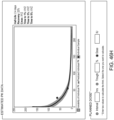
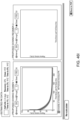
- system output can include PK curve and one or more selected PK parameters, e.g., incremental recovery (Cmax/Dose), mean residence time, terminal t1/2, clearance, Vss, AUC, and time to 1 or X%, etc. e.g., Figure 12 .
- PK parameters e.g., incremental recovery (Cmax/Dose), mean residence time, terminal t1/2, clearance, Vss, AUC, and time to 1 or X%, etc. e.g., Figure 12 .
- the dose selected for acute treatment can be based on user input of the desired rise in plasma FIX activity level following the dose
- the dose selected for prophylaxis can be based on user input of the desired dosing interval
- the selected interval for prophylaxis can be based on user input for the desired dose.
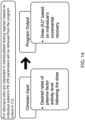
- the system can output the dose (IU) based in the patient's incremental recovery, e.g., Figure 14 .
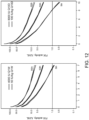
- system output can be a table of doses and associated troughs, e.g., x IU/kg, 1% trough, y IU/kg, 2% trough, etc. e.g., Figure 15 , top.
- system output can be a table of intervals and associated troughs, e.g., x days, 1% trough, y IU/kg, 2% trough, etc., e.g., Figure 15 , bottom.
- the user may wish to use the system without inputting any individualized PK data.
- the dosing output would be based on the population median rather than being individualized for the particular patient. E.g., Figure 15 .
- the user inputs, e.g., body weight and age, and (i) the desired rise in plasma FIX activity level following the dose, (ii) the desired dose interval for prophylaxis, or (iii) the desired dose for prophylaxis.
- the system can output the dose.
- the system can output the dose and associated trough, e.g., Table 6.
- the system can output the interval and associated trough, e.g., Table 7.
- the system is compliant with patient privacy laws.
- the system is encrypted, e.g., with SSL.
- input patient information is made anonymous.
- a system as disclosed herein includes a user help function.
- the method can be carried out by, e.g., a physician, a nurse, or another healthcare practitioner.
- Also disclosed but not forming part of the invention is a computer readable storage medium having instructions stored thereon that, when executed by a processor, cause the processor to perform any of the methods or processes described herein.
- Also disclosed but not forming part of the invention is a system comprising a processor and a memory, the memory having instructions stored thereon that, when executed by the processor, cause the processor to perform any of the above methods.
- the user of the system or computer readable storage medium can be, e.g., a physician, a nurse, or another healthcare practitioner.
- Also disclosed but not forming part of the invention is a computer readable storage medium having instructions stored thereon that, when executed by a processor, cause the processor to perform any of the methods or processes described herein.
- the system is optionally web-based.
- An exemplary web-based method of estimating a long-acting FIX dosing information individualized for a patient comprises: (a) receiving, by one or more electronic devices, at least one of patient information and desired treatment outcome information, (b) transmitting, by a processing device, the at least one of patient information and desired treatment outcome information to a web-based application program accessible through a web server, wherein the application is programmed to implement a long-acting FIX population pharmacokinetic (popPK) model, such as that of Example 5 or 7, e.g., Table 10, 13, or 14, and, optionally, a Bayesian estimation program, (c) receiving from the web based server and program, individualized dosing information calculated using the popPK model, the optional Bayesian estimation program, and the transmitted information of (b), and (d) outputting, by the one or more electronic devices, the individualized dosing information.
- the method optionally also comprises selecting a dosing regimen based on the output individualized dosing information of (d) and administering the
- the patient information optionally includes body weight.
- the desired treatment outcome information is optionally desired rise in plasma FIX activity level following dosing and the output information is dose for acute treatment, or desired dosing interval and the output information is dose for prophylaxis.
- the desired treatment outcome information is optionally desired dose and the output information is interval for prophylaxis.
- Also disclosed but not forming part of the invention is a web-based method of estimating a long-acting FIX dosing information individualized for a patient, wherein the method comprises: (a) receiving, by a processing device, at least one of patient information and desired treatment outcome information by a web-based application program accessible through a web server and programmed to implement a long-acting FIX population pharmacokinetic (popPK) model, and a Bayesian estimation program, and the received information, and (e) transmitting, by a processing device, the individualized calculated dosing information of (b) to one or more electronic devices for output of the information.
- the method optionally also comprises selecting a dosing regimen based on the output individualized dosing information transmitted in (c) and administering the long-acting FIX to the patient according to the selected dosing regimen.
- the patient information includes body weight.
- the desired treatment outcome information is optionally desired rise in plasma FIX activity level following dosing and the output information is dose for acute treatment, or the desired treatment outcome information is optionally desired dosing interval and the output information is dose for prophylaxis.
- the desired treatment outcome information is optionally desired dose and the output information is interval for prophylaxis.
- Also disclosed but not forming part of the invention is a web-based method of estimating a long-acting FIX dosing information individualized for a patient, the method comprising: (a) receiving, by an electronic device, at least one of patient information and desired treatment outcome, (b) transmitting, by a processing device, the individual long-acting FIX PK information to outcome information to a web-based application program accessible through a web server, and programmed to implement a long-acting FIX population pharmacokinetic (popPK) model, such as that of Example 5 or 7, e.g., Table 10, 13, or 14, and, optionally, a Bayesian estimation program, (c) calculating, by the web-based program, individualized long-acting FIX dosing information using the popPK model, and.
- a processing device transmitting, by a processing device, the individual long-acting FIX PK information to outcome information to a web-based application program accessible through a web server, and programmed to implement a long-act
- a Bayesian estimation program transmitting, by a processing device, the individualized calculated dosing information of (c) to one or more one or more electronic devices, and (e) outputting, by the one or more electronic devices, the individualized dosing information.
- the method optionally also comprises selecting a dosing regimen based on the output individualized dosing information of (e) and administering the long-acting FIX polypeptide to the patient according to the selected dosing regimen.
- the method also comprises selecting a dosing regimen based on the output individualized dosing information in (e) and administering the long-acting FIX polypeptide to the patient according to the selected dosing regimen.
- the patient information optionally includes body weight.
- the desired treatment outcome information is optionally desired rise in plasma FIX activity level following dosing and the output information is dose for acute treatment, or the desired treatment outcome information is optionally desired dosing interval and the output information is dose for prophylaxis.
- the desired treatment outcome information is desired dose and the output information is interval for prophylaxis.
- Also disclosed but not forming part of the invention is a web-based method of estimating a long-acting FIX dosing regimen based on median popPK, the method comprising: (a) receiving, by one or more electronic devices at least one of patient information and desired treatment outcome information, (b) transmitting, by a processing device, the at least one of patient information and desired treatment outcome information to a web-based application program accessible through a web server, wherein the application is programmed to implement a long-acting FIX population pharmacokinetic (popPK) model, such as that of Example 5 or 7, e.g., Table 10, 13, or 14, and a Bayesian estimation program, (c) receiving from the web based server and program, median long-acting FIX PK dosing information calculated using the popPK model, the Bayesian estimation program, and the received information, and (d) outputting, by the one or more electronic devices, the median PK information.
- a long-acting FIX population pharmacokinetic (popPK) model such as
- the method optionally also comprises selecting a dosing regimen based on the output median PK information of (e), and (f) administering the long-acting FIX polypeptide to a patient according to the selected dosing regimen.
- the method also comprises selecting a dosing regimen based on the output individualized dosing information output in (d) and administering the long-acting FIX polypeptide to the patient according to the selected dosing regimen.
- the patient information optionally includes body weight.
- the desired treatment outcome information is optionally desired rise in plasma FIX activity level following dosing and the output information is dose for acute treatment, or desired dosing interval and the output information is dose for prophylaxis, optionally, the desired treatment outcome information is desired dose and the output information is interval for prophylaxis.
- a web-based method of estimating a long-acting FIX dosing regimen based on median popPK comprises: (a) receiving, by a processing device, at least one of patient information and desired treatment outcome information by a web-based application program accessible through a web server and programmed to implement a long-acting FIX population pharmacokinetic (popPK) model, and a Bayesian estimation program, wherein the received information is transmitted by one or more electronic devices, (b) calculating, by the web-based program, individualized long-acting FIX dosing information using the popPK model, the Bayesian estimation program, and the received information, and (c) transmitting, by a processing device, the individualized calculated dosing information of (b) to one or more electronic devices for output of the information.
- the method also comprises selecting a dosing regimen based on the output individualized dosing information transmitted in (c) and administering the long-acting FIX polypeptide to the patient
- the desired treatment outcome information is optionally desired rise in plasma FIX activity level following dosing and the output information is dose for acute treatment.
- the desired treatment outcome information is desired dosing interval and the output information is dose for prophylaxis.
- the desired treatment outcome information is desired dose and the output information is interval for prophylaxis.
- Also disclosed but not forming part of the invention is a web-based method of estimating individual patient long-acting FIX PK, the method comprising: (a) receiving, by one or more electronic devices, individual long-acting FIX PK information, (b) transmitting, by a processing device, the individual long-acting FIX PK information to a web-based application program accessible through a web server, wherein the application is programmed to implement a long-acting FIX population pharmacokinetic (popPK) model, such as that of Example 5 or 7, e.g., Table 10, 13, or 14, and a Bayesian estimation program, (c) receiving from the web-based server and program, individualized patient long-acting FIX PK information using the popPK model, the Bayesian estimation program, and the transmitted information of (b) and (d) outputting, by the one or more electronic devices, the individualized patient PK information.
- a long-acting FIX population pharmacokinetic (popPK) model such as that of Example 5
- the method also comprises selecting a dosing regimen based on the individualized patient PK information output in (d) and administering the long-acting FIX polypeptide to the patient according to the selected dosing regimen.
- a web-based method of estimating a long-acting FIX dosing regimen based on median popPK comprising: (a) receiving, by one or more electronic devices at least one of patient information and desired treatment outcome information, (b) transmitting, by a processing device, the at least one of patient information and desired treatment outcome information to a web-based application program accessible through a web server, wherein the application is programmed to implement a long-acting FIX population pharmacokinetic (popPK) model, such as that of Example 5 or 7, e.g., Table 10, 13, or 14, and, optionally, a Bayesian estimation program, (c) receiving from the web based server and program, median long-acting FIX PK dosing information calculated using the popPK model, the optional Bayesian estimation program, and the received information, and (d) outputting, by the one or more electronic devices, the median PK information.
- the method also comprises selecting a dosing regimen based on the output
- the desired treatment outcome information is desired rise in plasma FIX activity level following dosing and the output information is dose for acute treatment.
- the desired treatment outcome information is desired dosing interval and the output information is dose for prophylaxis.
- the desired treatment outcome information is desired dose and the output information is interval for prophylaxis.
- Also disclosed but not forming part of the invention is a web-based method of estimating individual patient long-acting FIX PK, the method comprising: (a) receiving, by one or more electronic devices, individual long-acting FIX PK information, (b) transmitting, by a processing device, the individual long-acting FIX PK information to a web-based application program accessible through a web server, wherein the application is programmed to implement a long-acting FIX population pharmacokinetic (popPK) model, such as that of Example 5 or 7, e.g., Table 10, 13, or 14, and, optionally, a Bayesian estimation program, (c) receiving from the web-based server and program, individualized patient long-acting FIX PK information calculated using the popPK model, the optional Bayesian estimation program, and the transmitted information of (b) and (d) outputting, by the one or more electronic devices, the calculated patient PK information.
- the method also comprises selecting a dosing regimen based on the output calculated patient PK
- the individual long-acting FIX PK information includes 2-3 PK sampling time points.
- the individual long-acting FIX PK information includes one or more of patient body weight, diagnostic (baseline) factor level, dosing history if PK samples were taken from multiple doses, actual dose, actual time of PK sampling, factor activity level and patient body weight.
- the output individualized patient PK includes a PK curve or a PK parameter selected from incremental recovery (Cmax/Dose), mean residence time, terminal t 1 ⁇ 2 , clearance, Vss and AUC/Dose.
- the desired treatment outcome information based on the individual patient's PK is desired rise in plasma FIX activity level following dosing and the output information is dose for acute treatment.
- a web-based method of estimating individual patient long-acting FIX PK comprising: (a) receiving, of individual long-acting FIX PK information by a web-based application program accessible through a web server, and programmed to implement a long-acting FIX population pharmacokinetic (popPK) model, such as that of Example 5 or 7, e.g., Table 10, 13, or 14, and, optionally, a Bayesian estimation program, wherein the received information is transmitted by one or more electronic devices (b) estimating, by the web-based program, individualized patient long-acting FIX PK information using the popPK model, the optional Bayesian estimation program, and the received information, and (c) transmitting, by a processing device, the estimated individualized patient long-acting FIX PK information of (b) to one or more one or more electronic devices for output of the individualized patient PK information.
- the method also comprises selecting a dosing regimen based on the transmitted
- the individual long-acting FIX PK information includes 2-3 PK sampling time points.
- the individual long-acting FIX PK information includes one or more of patient body weight, diagnostic (baseline) factor level, dosing history if PK samples were taken from multiple doses, actual dose, actual time of PK sampling, factor activity level and patient body weight.
- the output individualized patient PK includes a PK curve or a PK parameter selected from incremental recovery (Cmax/Dose), mean residence time, terminal t 1 ⁇ 2 , clearance, Vss and AUC/Dose.
- the desired treatment outcome information based on the individual patient's PK is desired rise in plasma FIX activity level following dosing and the output information is dose for acute treatment.
- Also disclosed but not forming part of the invention is a web-based method of estimating individual patient long-acting FIX PK, the method comprising: (a) receiving, by one or more electronic devices, individual long-acting FIX PK information, (b) transmitting, by a processing device, the individual long-acting FIX PK information to a web-based application program accessible through a web server, and programmed to implement a long-acting FIX population pharmacokinetic (popPK) model, such as that of Example 5 or 7, e.g., Table 10, 13, or 14, and, optionally, a Bayesian estimation program, (c) estimating, by the web-based program, individualized patient long-acting FIX PK information using the popPK model, the optional Bayesian estimation program, and the received information, (d) transmitting, by a processing device, the estimated individualized patient long-acting FIX PK information of (c) to one or more one or more electronic devices, and (e) outputting, by the one or
- the individual long-acting FIX PK information includes 2-3 PK sampling time points.
- the individual long-acting FIX PK information includes one or more of patient body weight, diagnostic (baseline) factor level, dosing history if PK samples were taken from multiple doses, actual dose, actual time of PK sampling, factor activity level and patient body weight.
- the output individualized patient PK includes a PK curve or a PK parameter selected from incremental recovery (Cmax/Dose), mean residence time, terminal t 1 ⁇ 2 , clearance, Vss and AUC/Dose.
- the desired treatment outcome information based on the individual patient's PK is desired rise in plasma FIX activity level following dosing and the output information is dose for acute treatment.
- a web-based method of estimating individual patient long-acting FIX PK comprising: (a) receiving, by one or more electronic devices, information regarding individual body weight and (i) desired rise of plasma factor activity level following the dose or (ii) desired dose or desired dose interval, (b) transmitting, by a processing device, the information of (a) to a web-based application program accessible through a web server, wherein the application is programmed to implement a long-acting FIX population pharmacokinetic (popPK) model, such as that of Example 5 or 7, e.g., Table 10, 13, or 14, and a Bayesian estimation program, (c) receiving from the web based server and program, individualized patient long-acting FIX PK information calculated using the popPK model, the Bayesian estimation program, and the transmitted information of (b), and (d) outputting, by the one or more electronic devices, the estimated patient PK information.
- the method also comprises selecting a dosing regimen
- (a) further comprises receiving, by the electronic device patient information and (b) further comprises transmitting, by a processing device, the patient information to the web-based application program.
- (a) further comprises receiving information, by the electronic device information relating to diagnostic (baseline) factor level, dosing history (if PK samples were taken from multiple doses), actual dose, actual time of PK sampling or factor activity level and (b) further comprises transmitting, by a processing device, the information to the web-based application program.
- the individualized patient PK includes a PK curve or a PK parameter selected from incremental recovery (Cmax/Dose), mean residence time, terminal t1 ⁇ 2 , clearance, Vss and AUC/Dose.
- Also disclosed but not forming part of the invention includes a web-based method of estimating individual patient long-acting FIX PK, that comprises; (a) receiving information regarding individual body weight and (i) desired rise of plasma factor activity level following the dose or (ii) desired dose or desired dose interval, wherein the received information is transmitted by one or more electronic devices, (c) estimating, by the web-based program, individualized patient long-acting FIX PK information using the popPK model, the Bayesian estimation program, and the received information, based on population median, and (c) transmitting, by a processing device, the estimated patient PK information of (b) to one or more electronic devices for output of the information.
- the method also comprises selecting a dosing regimen based on the estimated patient PK information transmitted in (c), and administering the long-acting FIX polypeptide to the patient according to the selected regimen.
- (a) further comprises receiving, by the electronic device additional patient information and (b) further comprises transmitting, by a processing device, the additional patient information to the web-based application program.
- (a) further comprises receiving information, by the electronic device information relating to diagnostic (baseline) factor level, dosing history (if PK samples were taken from multiple doses), actual dose, actual time of PK sampling or factor activity level and (b) further comprises transmitting, by a processing device, the information to the web-based application program.
- Also disclosed but not forming part of the invention is a web-based method of estimating individual patient long-acting FIX PK, the method comprising: (a) receiving, by one or more electronic devices, patient information regarding individual body weight and (i) desired rise of plasma factor activity level following the dose or (ii) desired dose or desired dose interval, (b) transmitting, by a processing device, the information of (a) to a web-based application program accessible through a web server, and programmed to implement a long-acting FIX population pharmacokinetic (popPK) model, such as that of Example 5 or 7, e.g., Table 10, 13, or 14, and, optionally, a Bayesian estimation program, (c) estimating, by the web-based program, individualized patient long-acting FIX PK information using the popPK model, the optional Bayesian estimation program, and the received information, based on population medium, (d) transmitting, by a processing device, the estimated patient PK information of (c) to one or more electronic devices, and (e
- a processor is an electronic device.
- the electronic device is selected from a digital pen, a smart phone, a tablet computer, a personal digital assistant, a handheld computer, a laptop computer, a point-of-sale transaction device, a scanner, a camera, and a fax machine.
- (a) further comprises receiving, by the electronic device patient information and (b) further comprises transmitting, by a processing device, the patient information to the web-based application program.
- (a) further comprises receiving information, by the electronic device information relating to diagnostic (baseline) factor level, dosing history (if PK samples were taken from multiple doses), actual dose, actual time of PK sampling or factor activity level and (b) further comprises transmitting, by a processing device, the information to the web-based application program, in some embodiments the individualized patient PK includes a PK curve or a PK parameter selected from incremental recovery (Cmax/Dose), mean residence time, terminal t 1 ⁇ 2 , clearance, Vss and AUC/Dose.
- Cmax/Dose incremental recovery
- the electronic device is selected from a digital pen, a smart phone, a tablet computer, a personal digital assistant, a handheld computer, a laptop computer, a point-of-sale transaction device, a scanner, a camera, and a fax machine.
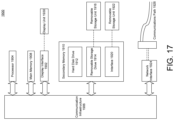
- the electronic device can be a general-purpose computer with a processor, local memory, display, and one or more computer input devices such as a keyboard, a mouse and/or a joystick.
- the electronic device can be a specialized computing device such as, for example, a mobile handset.
- the electronic device communicates with one or more network-based (e.g., web-based) application programs over one or more networks, such as the Internet. Similar to the electronic device, the network-based (e.g., web-based) application program can be implemented using any general-purpose computer capable of serving data to the electronic device.
- Each of the client, authority, or transmitter may be implemented on any electronic device.
- Such electronic device can include, but is not limited to, a personal computer, mobile device such as a mobile phone, workstation, embedded system, game console, television, set-top box, or any other computing device.
- an electronic device can include, but is not limited to, a device having a processor and memory for executing and storing instructions.
- Software may include one or more applications and an operating system.
- Hardware can include, but is not limited to, a processor, memory and graphical user interface display.
- the electronic device may also have multiple processors and multiple shared or separate memory components.
- the electronic device may be a clustered computing environment or server farm.
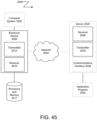
- Network 116 can be any network or combination of networks that can carry data communication, and may be referred to herein as a computer network.
- Such network 116 can include, but is not limited to, a local area network, medium area network, and/or wide area network such as the Internet.
- Network 116 can support protocols and technology including, but not limited to, World Wide Web protocols and/or services.
- Intermediate web servers, gateways, or other servers may be provided between components of system 100 depending upon a particular application or environment.
- the invention also includes a computer-based method of estimating dosing information of a chimeric FVIII protein comprising FVIII and an FcRn binding partner, wherein the dosing information is individualized for a patient, the method comprising: (a) receiving, by a computer-based application containing the long-acting FVIII population pharmacokinetic (popPK) model of Example 9 or 11 or 16, e.g., Table 18, 24, 25, or 33, and, optionally, a Bayesian estimation program, the at least one of patient information and desired treatment outcome information, (b) calculating, by the computer-based system, a dosage regimen of the chimeric FVIII protein for the patient using a computer-based application, wherein the application is programmed to implement (i) a two-compartment clotting factor population pharmacokinetic (popPK) model comprising the parameters clearance (CL), exponent on von Willebrand Factor (VWF), V1, V2, and intercompartmental clearance (Q); and (ii) a Bayesian
- the method also comprises selecting a dosing regimen based on the output individualized dosing information of (c) and administering the long-acting FVIII polypeptide to the patient according to the selected dosing regimen.
- the desired treatment outcome information is desired rise in plasma FVIII activity level following dosing and the output information is dose for acute treatment.
- the desired treatment outcome information is desired dosing interval and the output information is dose for prophylaxis.
- the desired treatment outcome information is desired dose and the output information is interval for prophylaxis.
- (a) further comprises receiving, by the computer-based system, patient information.
- the patient information is age, e.g., 12 and older, Von Willebrand Factor, hematocrit, or body weight. Additional patient information includes diagnostic (baseline) FVIII level, PK determinations, time of PK sampling, dosing history if PK samples were taken from multiple doses, actual dose, FVIII activity level etc.
- desired treatment outcome information is, e.g., desired PK or desired regimen outcome, e.g., desired rise in plasma FVIII activity level following dose, desired dosing interval, and desired dose,
- output information is, e.g., PK curve, PK parameter such as incremental recovery (Cmax/dose), mean residence time, terminal t1/2, clearance, Vss, AUC/dose, doses and associated troughs, and intervals and associated troughs.
- PK curve e.g., PK parameter such as incremental recovery (Cmax/dose), mean residence time, terminal t1/2, clearance, Vss, AUC/dose, doses and associated troughs, and intervals and associated troughs.
- system output can include PK curve and one or more selected PK parameters, e.g., incremental recovery (Cmax/Dose), mean residence time, terminal t1/2, clearance, Vss, AUG, and time to 1 or X%, etc., e.g., Figure 14 .
- PK parameters e.g., incremental recovery (Cmax/Dose), mean residence time, terminal t1/2, clearance, Vss, AUG, and time to 1 or X%, etc., e.g., Figure 14 .
- the dose selected for acute treatment can be based on user input of the desired rise in plasma FVIII activity level following the dose
- the dose selected for prophylaxis can be based on user input of the desired dosing interval.
- the selected interval for prophylaxis can be based on user input for the desired dose.
- the system can output the dose (IU) based in the patient's incremental recovery, e.g., Figure 14 .
- system output can be a table of doses and associated troughs, e.g., x IU/kg, 1 % trough, y IU/kg, 2% trough, etc. e.g., Figure 15 , top.
- system output can be a table of intervals and associated troughs, e.g., x days, 1% trough, y IU/kg, 2% trough, etc., e.g.. Figure 15 , bottom.
- the user may wish to use the system without inputting any individualized PK data.
- the dosing output would be based on the population median rather than being individualized for the particular patient. E.g., Figure 15 .
- the user inputs, e.g., body weight and age, and (i) the desired rise in plasma FVIII activity level following the dose, (ii) the desired dose interval for prophylaxis, or (iii) the desired dose for prophylaxis.
- the system can output the dose.
- the system can output the dose and associated trough.
- the system can output the interval and associated trough.
- Table 20 the interval and associated trough.
- the system is compliant with patient privacy laws, in some embodiments, the system is encrypted, e.g., with SSL. In some embodiments, input patient information is made anonymous.
- the system includes a user help function.
- the method can be carried out by, e.g., a physician, a nurse, or another healthcare practitioner.
- Also disclosed is a system comprising a processor and a memory, the memory having instructions stored thereon that, when executed by the processor, cause the processor to perform any of the above methods.
- the user of the system or computer readable storage medium can be, e.g., a physician, a nurse, or another healthcare practitioner.
- the system is optionally web-based.
- Also disclosed but not forming part of the invention is a web-based method of estimating a long-acting FVIII dosing information individualized for a patient, the method comprising: (a) receiving, by one or more electronic devices, at least one of patient information and desired treatment outcome information, (b) transmitting, by a processing device, the at least one of patient information and desired treatment outcome information to a web-based application program accessible through a web server, wherein the application is programmed to implement a long-acting FVIII population pharmacokinetic (popPK) model, such as that of Example 9 or 11 or 16, e.g., Table 18, 24, 25, or 33, and, optionally, a Bayesian estimation program, (c) receiving from the web based server and program, individualized dosing information calculated using the popPK model, the optional Bayesian estimation program, and the transmitted information of (b), and (d) outputting, by the one or more electronic devices, the individualized dosing information.
- the method also comprises selecting a dosing regimen based on
- the patient information includes body weight.
- the desired treatment outcome information is desired rise in plasma FVIII activity level following dosing and the output information is dose for acute treatment.
- the desired treatment outcome information is desired dosing interval and the output information is dose for prophylaxis.
- the desired treatment outcome information is desired dose and the output information is interval for prophylaxis.
- Also disclosed but not forming part of the invention is a web-based method of estimating a long-acting FVIII dosing information individualized for a patient, wherein the method comprises: (a) receiving, by a processing device, at least one of patient information and desired treatment outcome information by a web-based application program accessible through a web server and programmed to implement a long-acting FVIII population pharmacokinetic (popPK) model, and a Bayesian estimation program, and the received information, and (c) transmitting, by a processing device, the individualized calculated dosing information of (b) to one or more electronic devices for output of the information.
- the method also comprises selecting a dosing regimen based on the output individualized dosing information transmitted in (c) and administering the long-acting FVIII polypeptide to the patient according to the selected dosing regimen.
- the patient information includes body weight.
- the desired treatment outcome information is desired rise in plasma FVIII activity level following dosing and the output information is dose for acute treatment.
- the desired treatment outcome information is desired dosing interval and the output information is dose for prophylaxis.
- the desired treatment outcome information is desired dose and the output information is interval for prophylaxis.
- Also disclosed but not forming part of the invention is a web-based method of estimating a long-acting FVIII dosing information individualized for a patient, the method comprising: (a) receiving, by an electronic device, at least one of patient information and desired treatment outcome, (b) transmitting, by a processing device, the individual long-acting FVIII PK information to outcome information to a web-based application program accessible through a web server, and programmed to implement a long-acting FVIII population pharmacokinetic (popPK) model, such as that of Example 9 or 11 or 16, e.g., Table 18, 24, 25, or 33, and, optionally, a Bayesian estimation program, (c) calculating, by the web-based program, individualized long-acting FVIII dosing information using the popPK model, and optionally a Bayesian estimation program, and the received information, (d) transmitting, by a processing device, the individualized calculated dosing information of (c) to one or more one or more electronic devices, and (e
- the method also comprises selecting a dosing regimen based on the output individualized dosing information of (e) and administering the long-acting FVIII polypeptide to the patient according to the selected dosing regimen.
- the method also comprises selecting a dosing regimen based on the output individualized dosing information in (e) and administering the long-acting FVIII polypeptide to the patient according to the selected dosing regimen.
- the patient information includes body weight.
- the desired treatment outcome information is desired rise in plasma FVIII activity level following dosing and the output information is dose for acute treatment.
- the desired treatment outcome information is desired dosing interval and the output information is dose for prophylaxis.
- the desired treatment outcome information is desired dose and the output information is interval for prophylaxis
- Also disclosed but not forming part of the invention is a web-based method of estimating a long-acting FVIII dosing regimen based on median popPK, the method comprising: (a) receiving, by one or more electronic devices at least one of patient information and desired treatment outcome information, (b) transmitting, by a processing device, the at least one of patient information and desired treatment outcome information to a web-based application program accessible through a web server, wherein the application is programmed to implement a long-acting FVIII population pharmacokinetic (popPK) model, such as that of Example 9 or 11 or 16, e.g., Table 18, 24, 25, or 33, and a Bayesian estimation program, (c) receiving from the web based server and program, median long-acting FVIII PK dosing information calculated using the popPK model, the Bayesian estimation program, and the received information, and (d) outputting, by the one or more electronic devices, the median PK information.
- the method also comprises selecting a dosing regimen based on the output median PK information of (e), and (f) administering the long-acting FVIII polypeptide to a patient according to the selected dosing regimen.
- the method also comprises selecting a dosing regimen based on the output individualized dosing information output in (d) and administering the long-acting FVIII polypeptide to the patient according to the selected dosing regimen.
- the patient information includes body weight.
- the desired treatment outcome information is desired rise in plasma FVIII activity level following dosing and the output information is dose for acute treatment.
- the desired treatment outcome information is desired dosing interval and the output information is dose for prophylaxis.
- the desired treatment outcome information is desired dose and the output information is interval for prophylaxis.
- a web-based method of estimating a long-acting FVIII dosing regimen based on median popPK comprises: (a) receiving, by a processing device, at least one of patient information and desired treatment outcome information by a web-based application program accessible through a web server and programmed to implement a long-acting FVIII population pharmacokinetic (popPK) model, and a Bayesian estimation program, wherein the received information is transmitted by one or more electronic devices, (b) calculating, by the web-based program, individualized long-acting FVIII dosing information using the popPK model, the Bayesian estimation program, and the received information, and (c) transmitting, by a processing device, the individualized calculated dosing information of (b) to one or more electronic devices for output of the information.
- the method also comprises selecting a dosing regimen based on the output individualized dosing information transmitted in (c) and administering the long-acting FVIII polypeptide to the patient
- the desired treatment outcome information is desired rise in plasma FVIII activity level following dosing and the output information is dose for acute treatment.
- the desired treatment outcome information is desired dosing interval and the output information is dose for prophylaxis.
- the desired treatment outcome information is desired dose and the output information is interval for prophylaxis.
- Also disclosed but not forming part of the invention is a web-based method of estimating individual patient long-acting FVIII PK, the method comprising: (a) receiving, by one or more electronic devices, individual long-acting FVIII PK information, (b) transmitting, by a processing device, the individual long-acting FVIII PK information to a web-based application program accessible through a web server, wherein the application is programmed to implement a long-acting FVIII population pharmacokinetic (popPK) model, such as that of Example 9 or 11 or 16, e.g., Table 18, 24, 25, or 33, and a Bayesian estimation program, (c) receiving from the web-based server and program, individualized patient long-acting FVIII PK information using the popPK model, the Bayesian estimation program, and the transmitted information of (b) and (d) outputting, by the one or more electronic devices, the individualized patient PK information.
- a long-acting FVIII population pharmacokinetic (popPK) model such as
- the method also comprises selecting a dosing regimen based on the individualized patient PK information output in (d) and administering the long-acting FVIII polypeptide to the patient according to the selected dosing regimen.
- Also disclosed but not forming part of the invention is a web-based method of estimating a long-acting FVIII dosing regimen based on median popPK, the method comprising: (a) receiving, by one or more electronic devices at least one of patient information and desired treatment outcome information, (b) transmitting, by a processing device, the at least one of patient information and desired treatment outcome information to a web-based application program accessible through a web server, wherein the application is programmed to implement a long-acting FVIII population pharmacokinetic (popPK) model, such as that of Example 9 or 11 or 16, e.g., Table 18, 24, 25, or 33, and, optionally, a Bayesian estimation program, (c) receiving from the web based server and program, median long-acting FVIII PK dosing information calculated using the popPK model, the optional Bayesian estimation program, and the received information, and (d) outputting, by the one or more electronic devices, the median PK information.
- the method also comprises selecting a dosing regimen
- the desired treatment outcome information is desired rise in plasma FVIII activity level following dosing and the output information is dose for acute treatment.
- the desired treatment outcome information is desired dosing interval and the output information is dose for prophylaxis.
- the desired treatment outcome information is desired dose and the output information is interval for prophylaxis.
- Also disclosed but not forming part of the invention is a web-based method of estimating individual patient long-acting FVIII PK, the method comprising: (a) receiving, by one or more electronic devices, individual long-acting FVIII PK information, (b) transmitting, by a processing device, the individual long-acting FVIII PK information to a web-based application program accessible through a web server, wherein the application is programmed to implement a long-acting FVIII population pharmacokinetic (popPK) model, such as that of Example 9 or 11 or 16, e.g., Table 18, 24, 25, or 33, and, optionally, a Bayesian estimation program, (c) receiving from the web-based server and program, individualized patient long-acting FVIII PK information calculated using the popPK model, the optional Bayesian estimation program, and the transmitted information of (b) and (d) outputting, by the one or more electronic devices, the calculated patient PK information.
- the method also comprises selecting a dosing regimen based on the output
- the individual long-acting FVIII PK information includes 2-3 PK sampling time points.
- the individual long-acting FVIII PK information includes one or more of patient body weight, diagnostic (baseline) factor level, dosing history if PK samples were taken from multiple doses, actual dose, actual time of PK sampling, factor activity level and patient body weight.
- the output individualized patient PK includes a PK curve or a PK parameter selected from incremental recovery (Cmax/Dose), mean residence time, terminal 11/2, clearance, Vss and AUC/Dose.
- the desired treatment outcome information based on the individual patient's PK is desired rise in plasma FIX activity level following dosing and the output information is dose for acute treatment.
- a web-based method of estimating individual patient long-acting FVIII PK comprising: (a) receiving, of individual long-acting FVIII PK information by a web-based application program accessible through a web server, and programmed to implement a long-acting FVIII population pharmacokinetic (popPK) model, such as that of Example 9 or 11 or 16, e.g., Table 18, 24, 25, or 33, and, optionally, a Bayesian estimation program, wherein the received information is transmitted by one or more electronic devices (b) estimating, by the web-based program, individualized patient long-acting FVIII PK information using the popPK model, the optional Bayesian estimation program, and the received information, and (c) transmitting, by a processing device, the estimated individualized patient long-acting FVIII PK information of (b) to one or more one or more electronic devices for output of the individualized patient PK information.
- the method also comprises selecting a dosing regimen
- the individual long-acting FVIII PK information includes 2-3 PK sampling time points.
- the individual long-acting FVIII PK information includes one or more of patient body weight, diagnostic (baseline) factor level, dosing history if PK samples were taken from multiple doses, actual dose, actual time of PK sampling, factor activity level and patient body weight.
- the output individualized patient PK includes a PK curve or a PK parameter selected from incremental recovery (Cmax/Dose), mean residence time, terminal 11/2, clearance, Vss and AUC/Dose. terminal t1/2, the desired treatment outcome information based on the individual patient's PK is desired rise in plasma FVIII activity level following dosing and the output information is dose for acute treatment.
- Also disclosed but not forming part of the invention is a web-based method of estimating individual patient long-acting FVIII PK, the method comprising: (a) receiving, by one or more electronic devices, individual long-acting FVIII PK information, (b) transmitting, by a processing device, the individual long-acting FVIII PK information to a web-based application program accessible through a web server, and programmed to implement a long-acting FVIII population pharmacokinetic (popPK) model, such as that of Example 9 or 11 or 16, e.g., Table 18, 24, 25, or 33, and, optionally, a Bayesian estimation program, (c) estimating, by the web-based program, individualized patient long-acting FVIII PK information using the popPK model, the optional Bayesian estimation program, and the received information, (d) transmitting, by a processing device, the estimated individualized patient long-acting FVIII PK information of (c) to one or more one or more electronic devices, and (e) outputting,
- the individual long-acting FVIII PK information includes 2-3 PK sampling time points.
- the individual long-acting FVIII PK information includes one or more of patient body weight, diagnostic (baseline) factor level, dosing history if PK samples were taken from multiple doses, actual dose, actual time of PK sampling, factor activity level and patient body weight.
- the output individualized patient PK includes a PK curve or a PK parameter selected from incremental recovery (Cmax/Dose), mean residence time, terminal 11/2, clearance, Vss and AUC/Dose.
- the desired treatment outcome information based on the individual patient's PK is desired rise in plasma FVIII activity level following dosing and the output information is dose for acute treatment.
- Also disclosed but not forming part of the invention is a web-based method of estimating individual patient long-acting FVIII PK, the method comprising: (a) receiving, by one or more electronic devices, information regarding individual body weight and (i) desired rise of plasma factor activity level following the dose or (ii) desired dose or desired dose interval, (b) transmitting, by a processing device, the information of (a) to a web-based application program accessible through a web server, wherein the application is programmed to implement a long-acting FVIII population pharmacokinetic (popPK) model, such as that of Example 9 or 11 or 16, e.g., Table 18, 24, 25, or 33, and a Bayesian estimation program, (c) receiving from the web based server and program, individualized patient long-acting FVIII PK information calculated using the popPK model, the Bayesian estimation program, and the transmitted information of (b), and (d) outputting, by the one or more electronic devices, the estimated patient PK information.
- the method also comprises selecting a do
- (a) further comprises receiving, by the electronic device patient information and (b) further comprises transmitting, by a processing device, the patient information to the web-based application program.
- (a) further comprises receiving information, by the electronic device information relating to diagnostic (baseline) factor level, dosing history (if PK samples were taken from multiple doses), actual dose, actual time of PK sampling or factor activity level and (b) further comprises transmitting, by a processing device, the information to the web-based application program.
- the individualized patient PK includes a PK curve or a PK parameter selected from incremental recovery (Cmax/Dose), mean residence time, terminal t1/2, clearance, Vss and AUC/Dose.
- Also disclosed but not forming part of the invention is a web-based method of estimating individual patient long-acting FVIII PK, that comprises: (a) receiving information regarding individual body weight and (i) desired rise of plasma factor activity level following the dose or (ii) desired dose or desired dose interval, wherein the received information is transmitted by one or more electronic devices, (c) estimating, by the web-based program, individualized patient long-acting FVIII PK information using the popPK model, the Bayesian estimation program, and the received information, based on population median, and (c) transmitting, by a processing device, the estimated patient PK information of (b) to one or more electronic devices for output of the information.
- the method also comprises selecting a dosing regimen based on the estimated patient PK information transmitted in (c), and administering the long-acting FVIII polypeptide to the patient according to the selected regimen.
- (a) further comprises receiving, by the electronic device additional patient information and (b) further comprises transmitting, by a processing device, the additional patient information to the web-based application program.
- (a) further comprises receiving information, by the electronic device information relating to diagnostic (baseline) factor level, dosing history (if PK samples were taken from multiple doses), actual dose, actual time of PK sampling or factor activity level and (b) further comprises transmitting, by a processing device, the information to the web-based application program.
- Also disclosed but not forming part of the invention is a web-based method of estimating individual patient long-acting FVIII PK, the method comprising: (a) receiving, by one or more electronic devices, patient information regarding individual body weight and (i) desired rise of plasma factor activity level following the dose or (ii) desired dose or desired dose interval, (b) transmitting, by a processing device, the information of (a) to a web-based application program accessible through a web server, and programmed to implement a long-acting FVIII population pharmacokinetic (popPK) model, such as that of Example 9 or 11 or 16, e.g., Table 18, 24, 25, or 33, and, optionally, a Bayesian estimation program, (c) estimating, by the web-based program, individualized patient long-acting FVIII PK information using the popPK model, the optional Bayesian estimation program, and the received information, based on population medium, (d) transmitting, by a processing device, the estimated patient PK information of (c) to one or more electronic devices
- a processor is an electronic device.
- the electronic device is selected from a digital pen, a smart phone, a tablet computer, a personal digital assistant, a handheld computer, a laptop computer, a point-of-sale transaction device, a scanner, a camera, and a fax machine.
- (a) further comprises receiving, by the electronic device patient information and (b) further comprises transmitting, by a processing device, the patient information to the web-based application program.
- (a) further comprises receiving information, by the electronic device information relating to diagnostic (baseline) factor level, dosing history (if PK samples were taken from multiple doses), actual dose, actual time of PK sampling or factor activity level and (b) further comprises transmitting, by a processing device, the information to the web-based application program.
- the individualized patient PK includes a PK curve or a PK parameter selected from incremental recovery (Cmax/Dose), mean residence time, terminal t1/2, clearance, Vss and AUC/Dose.
- the electronic device is selected from a digital pen, a smart phone, a tablet computer, a personal digital assistant, a handheld computer, a laptop computer, a point-of-sale transaction device, a scanner, a camera, and a fax machine.
- the electronic device can be a general-purpose computer with a processor, local memory, display, and one or more computer input devices such as a keyboard, a mouse and/or a joystick.
- the electronic device can be a specialized computing device such as, for example, a mobile handset.
- the electronic device communicates with one or more network-based (e.g., web-based) application programs over one or more networks, such as the Internet. Similar to the electronic device, the network-based (e.g., web-based) application program can be implemented using any general-purpose computer capable of serving data to the electronic device.
- Each of the client, authority, or transmitter may be implemented on any electronic device.
- Such electronic device can include, but is not limited to, a personal computer, mobile device such as a mobile phone, workstation, embedded system, game console, television, set-top box, or any other computing device.
- an electronic device can include, but is not limited to, a device having a processor and memory for executing and storing instructions.
- Software may include one or more applications and an operating system.
- Hardware can include, but is not limited to, a processor, memory and graphical user interface display.
- the electronic device may also have multiple processors and multiple shared or separate memory components.
- the electronic device may be a clustered computing environment or server farm.
- Network 116 can be any network or combination of networks that can carry data communication, and may be referred to herein as a computer network.
- Such network 116 can include, but is not limited to, a local area network, medium area network, and/or wide area network such as the Internet.
- Network 116 can support protocols and technology including, but not limited to, World Wide Web protocols and/or services.
- Intermediate web servers, gateways, or other servers may be provided between components of system 100 depending upon a particular application or environment.
- the web-based application allows contemporaneously updating the popPK model based on the individual clotting factor pharmacokinetic information.
- the web-based application continuously updates the popPK model based on newly input clotting factor pharmacokinetic information.
- the user of the application can have an access to the most updated popPK model, thereby obtaining the most accurate dosing information from the web-based application system.
- the web-based application allows the user to pool a large amount of information quickly and utilize the information in order to calculate the dosing information of the subject. This type of pooling and analyzing a large amount of information quickly and efficiently for the next user is not available routinely and by human hand.
- Figure 17 illustrates an example computer system 1900 in which parts or portions thereof, can be implemented as computer-readable code.
- the modeling of Examples 5 and 7, and/or the patient treatment simulation of Example 6 can be implemented in system 1900.
- the modeling of Examples 9 and 1 1, and/or the patient treatment simulation of Example 10 can be implemented in system 1900.
- Computer system 1900 includes one or more processors, such as processor 1904.
- Processor 1904 is connected to a communication infrastructure 1906 (for example, a bus or network).
- Computer system 1900 also includes a main memory 1908, preferably random access memory (RAM), and may also include a secondary memory 1910.
- main memory 1908 may include, for example, cache, and/or static and/or dynamic RAM.
- Secondary memory 1910 may include, for example, a hard disk drive and/or a removable storage drive.
- Removable storage drive 1914 may include a floppy disk drive, a magnetic tape drive, an optical disk drive, a flash memory, or the like.
- the removable storage drive 1914 reads from and/or writes to removable storage unit 1916 in a well-known manner.
- Removable storage unit 1916 may include a floppy disk, magnetic tape, optical disk, etc. which is read by and written to by removable storage drive 1914.
- removable storage unit 1916 includes a computer readable storage medium having stored therein computer software and/or data.
- Computer system 1900 may also include a display interface 1902.
- Display interface 1902 may be adapted to communicate with display unit 1930.
- Display unit 1930 may include a computer monitor or similar means for displaying graphics, text, and other data received from main memory 1908 via communication infrastructure 1906.
- secondary memory 1910 may include other similar means for allowing computer programs or other instructions to be loaded into computer system 1900.
- Such means may include, for example, a removable storage unit 1922 and an interface 1920. Examples of such means may include a program cartridge and cartridge interface (such as that found in video game devices), a removable memory chip (such as an EPROM, or PROM) and associated socket, and other removable storage units 1922 and interfaces 1920 which allow software and data to be transferred from the removable storage unit 1922 to computer system 1900.
- Computer system 1900 may also include a communications interface 1924.
- Communications interface 1924 allows software and data to be transferred between computer system 1900 and external devices.
- Communications interface 1924 may include a modem, a network interface (such as an Ethernet card), a communications port, a PCMCIA slot and card, or the like.
- Software and data transferred via communications interface 1924 are in the form of signals which may be electronic, electromagnetic, optical, or other signals capable of being received by communications interface 1924. These signals are provided to communications inlet face 1924 via a communications path 1926.
- Communications path 1926 carries signals and may be implemented using wire or cable, fiber optics, a phone line, a cellular phone link, an RF link or other communications channels.
- computer readable storage medium is used to generally refer to non-transitory storage media such as removable storage unit 1916, removable storage unit 1922, and a hard disk installed in hard disk drive 1912.
- Computer readable storage medium can also refer to one or more memories, such as main memory 1908 and secondary memory 1910, which can be memory semiconductors (e.g. DRAMs, etc.).
- main memory 1908 and secondary memory 1910 can be memory semiconductors (e.g. DRAMs, etc.).
- Computer programs are stored in main memory 1908 and/or secondary memory 1910. Computer programs may also be received via communications interface 1924 and stored on main memory 1908 and/or secondary memory 1910. Such computer programs, when executed, enable computer system 1900 to implement the functions and programs as discussed herein. In particular, the computer programs, when executed, enable processor 1904 to implement processes of the present disclosure, such as certain methods discussed above. Accordingly, such computer programs represent controllers of the computer system 1900. Where embodiments use software, the software may be stored in a computer program product and loaded into computer system 1900 using removable storage drive 1914, interface 1920, or hard drive 1912.
- Computer program products comprising software stored on any computer readable medium.
- Such software when executed in one or more data processing device, causes a data processing device(s) to operate as described herein.
- Any computer useable or readable medium can optionally be employed.
- Examples of computer readable storage media include, but are not limited to, non-transitory primary storage devices (e.g., any type of random access memory), and non-transitory secondary storage devices (e.g., hard drives, floppy disks, CD ROMS, ZIP disks, tapes, magnetic storage devices, and optical storage devices, MEMS, nano-technological storage device, etc.).
- Other computer readable media include communication mediums (e.g., wired and wireless communications networks, local area networks, wide area networks, intranets, etc.),
- Figure 45 illustrates an example of a network-based system 2000 for a long-acting FIX polypeptide or a long-acting FVIII polypeptide, in which the embodiments, or portions thereof, can be implemented as computer-readable code.
- the modeling of Examples 5 and 7, and/or the patient treatment simulation of Example 6 can be implemented in system 2000.
- the modeling of Examples 9 and 11, and/or the patient treatment simulation of Example 10 can be implemented in system 2000.
- Network-based system 2000 includes network 2004 that can be any network or combination of networks that can carry data communication, and may be referred to herein as a computer network.
- network 2004 can include, but is not limited to, a local area network, medium area network, and/or wide area network such as the Internet.
- Network 2004 can support protocols and technology including, but not limited to, World Wide Web protocols and/or services.
- Intermediate web servers, gateways, or other servers may be provided between components of system 2000 depending upon a particular application or environment.
- Figure 45 shows a block diagram of an exemplary network-based system 2000 for obtaining an estimated patient individualized dosing information, patient individualized PK information, and patient median PK information.
- System 2000 includes an electronic device 2008 that can communicate over network 2004.
- Electronic device 2008 includes a transmitting engine 2012, and receiving engine 2016.
- Transmitting engine 2012 may transmit messages over network 2004.
- transmitting engine 2012 may transmit information associated with dosing information individualized for a patient.
- Receiving engine 2016 may receive messages over network 2004 (e.g., from server 2020).
- receiving engine 2016 may receive a response associated with individualized calculated dosing information transmitted over network 2004 by server 2020.
- Electronic device 2008 can include computer system 1900 and can include, but is not limited to, a personal computer, mobile device such as a mobile phone, workstation, embedded system, game console, television, set-top box, or any other computing device. Further, electronic device 2008 can include, but is not limited to, a device having a processor and memory 2017 for executing and storing instructions.
- Server 2020 is web-based or fixed (physical) and includes a receiving engine 2026 and a communications interface 2028.
- Receiving engine 2026 may receive messages over network 2004 (e.g., from electronic device 2008) and communicate the received message to application program 2032.
- application program 2032 can be web-based or computer-based and is programmed to implement a long-acting FIX population pharmacokinetic (popPK) model such as that of Example 5 or 7, and, optionally, a Bayesian estimation program.
- application program 2032 is web-based or computer-based and is programmed to implement a long-acting FVIII population pharmacokinetic (popPK) model such as that of Example 9 or 11 or 16, and, optionally, a Bayesian estimation program.
- Output of application program 2032 may be communicated by communications interface 2028 over network 2004.
- transmitting engine 2030 may transmit output information associated with dosing information individualized for a patient over network 2004 to electronic device 2008.
- Also disclosed but nor forming part of the invention is administering a dose of a long-acting FIX polypeptide to a human subject in need thereof at a dosing interval, wherein the dose and/or the dosing interval is identified by the web-based or computer based program.
- Administration of the long-acting FIX polypeptide is a replacement therapy by adding a recombinant FIX to a subject with FIX deficiency.
- Administration of the long-acting FIX polypeptide can reduce or prevent a number of bleeding or bleeding episodes in the subject.
- the subject for the methods of the invention includes those in need of control or prevention of bleeding or bleeding episodes.
- the subject can be bleeding at the time of administration or be expected to be bleeding, or can be susceptible to bleeding in minor hemorrhage, hemarthroses, superficial muscle hemorrhage, soft tissue hemorrhage, moderate hemorrhage, intramuscle or soft tissue hemorrhage with dissection, mucous membrane hemorrhage, hematuria, major hemorrhage, hemorrhage of the pharynx, hemorrhage of the retropharynx, hemorrhage of the retroperitonium, hemorrhage of the central nervous system, bruises, cuts, scrapes, joint hemorrhage, nose bleed, mouth bleed, gum bleed, intracranial bleeding, intraperitoneal bleeding, minor spontaneous hemorrhage, bleeding after major trauma, moderate skin bruising, or spontaneous hemorrhage into joints, muscles, internal organs or the brain.
- Such subjects also include those in need of peri-operative management, such as management of bleeding associated with surgery or dental extraction.
- the subject is in need of prophylaxis of one or more bleeding episodes.
- the subject is in need of individualized interval prophylaxis.
- the subject is in need of on-demand treatment of one or more bleeding episodes.
- the subject is in need of perioperative management of one or more bleeding episodes.
- the present invention also identifies the appropriate dosing amount and the dosing interval that can treat or prevent one or more bleeding episodes.
- Administration of the appropriate dosing amount for the dosing interval can achieve a plasma trough level of a FIX activity at least about 1 IU/dl or above 1 IU/dl during the interval in a subject administered with a long-acting FIX polypeptide.
- a dosing amount (or ranges of the dosing amount) and a dosing interval (or ranges of the dosing interval) that can maintain a plasma trough level of a FIX activity include at least about 1 IU/dl (1%) or above 1 IU/dl (1%), at least about 2 IU/dl (2%) or above 2 IU/dl (2%), at least about 3 IU/dl (3%) or above 3 IU/dl (3%), at least about 4 IU/dl (4%) or above 4 IU/dl (4%), or at least about 5 IU/dl (5%) or above 5 IU/dl (5%) throughout the interval.
- a dosing amount (or ranges of the dosing amount) and a dosing interval (or ranges of the dosing interval) that reduces or decreases frequency of bleeding or bleeding disorder.
- the dosing amount (or ranges of the dosing amount) and the dosing interval (or ranges of the dosing interval) of a long-acting FIX polypeptide stops on-going, uncontrollable bleeding or bleeding episodes in a subject administered with the dosing amount during the dosing interval.
- the dosing amount (or ranges of the dosing amount) and the dosing interval (or ranges of the dosing interval) of a long-acting FIX polypeptide prevents spontaneous bleeding or bleeding episodes in a subject susceptible to such spontaneous bleeding or bleeding episodes.
- Various dosing amounts and dosing intervals are described in International Appl. No. PCT/US2011/043569 filed July 11, 2G11 and published as WO 2012/006624 on January 12, 2012 .
- the doses that can be used in the methods of the invention are about 10 IU/kg to about 200 IU/kg, about 10 IU/kg to about 180 IU/kg, or about 25 IU/kg to about 200 IU/kg.
- the dose of a long-acting FIX polypeptide is about 10 IU/kg to about 50 IU/kg, about 10 IU/kg to about 100 IU/kg, about 25 lU/kg to about 75 IU/kg, about 25 IU/kg to about 100 IU/kg, about 25 lU/kg to about 125 IU/kg, about 25 lU/kg to about 150 IU/kg, about 25 lU/kg to about 50 IU/kg, about 50 IU/kg to about 100 IU/kg, about 50 IU/kg to about 150 IU/kg, about 100 lU/kg to about 150 IU/kg, about 150 lU/kg to about 200 IU/kg, or any combinations thereof.
- the dosing interval can, alternatively, be an individualized interval that is determined for each subject based on the population pharmacokinetic data or other information about that subject.
- the individualized dose/dosing interval combination can be the same as those for fixed interval regimens in the preceding paragraphs, or can differ.
- the regimen can initially be at a fixed dosing interval, and then it can change to an individualized dosing interval.
- a dose of a long-acting FIX polypeptide is an amount sufficient for individualized interval prophylaxis of a bleeding episode.
- the individualized interval is every nine days, every 10 days, every 11 days, every 12 days, every 13 days, every 14 days, every 15 days, every 16 days, every 17 days, every 18 days, every 19 days or two times monthly.
- a dose of a long-acting FIX polypeptide is sufficient for on-demand treatment of one or more bleeding episodes.
- the doses for the on-demand treatment can vary depending on the various factors, e.g., subject's baseline FIX activity, subject's body weight, subject's likelihood of experiencing bleeding episode, and etc.
- the doses for the on-demand treatment can be about 10 to about 50, about 15 to about 100, about 20 to about 100, about 20 to about 50, about 50 to about 100, about 10, about 20, about 40, about 50, and about 100 IU/kg.
- a dosing amount and a dosing interval combination for a subject is 20 IU/kg once weekly, 40 IU/kg once weekly, 50 IU/kg once weekly, 100 IU/kg every 10 days, and 100 IU/kg every two weeks (or twice monthly).
- a dosing frequency for a long-acting FIX polypeptide is about every two weeks or twice monthly.
- the dosing frequency is every 7 days for 25-50 IU/kg, every 10-13 days for 50-100 IU/kg, or every 14 days for 100-150 IU/kg.
- interval (or frequency) and dose are determined such that the combination of interval (or frequency) and dose will result in a trough level of at least about 1-5 or at least about 1-3, or at least about 1, at least about 2, at least about 3 IU/dl FIX activity in the subject.
- an annualized bleeding rate (ABR) of a bleeding episode is controlled by the present methods.
- the dosing amount and dosing interval can be administered to reduce or decrease an annualized bleeding rate to a certain level.
- administration of a long-acting FIX polypeptide at a dose and a dosing interval for prophylaxis of a bleeding episode results in an annual bleeding rate of less than 2, less than 2.5, less than 3, less than 3.5, less than 4, less than 4.5, less than 5, less than 5.5, less than 6, less than 6.5, less than 7, less than 7.5, less than 8, less than 8.5, less than 9, less than 9.5, or less than 10.
- ABR of weekly prophylaxis of a bleeding episode can be 2.95.
- the long-acting FIX polypeptide of the invention can provide a half-life, e.g., T 1 ⁇ 2 beta (activity) or T 1 ⁇ 2 beta (antigen), that is longer than wild-type FIX (e.g., a polypeptide consisting of amino acids 1 to 415 of SEQ ID NO: 2; BENEFIX ® ; or pdFIX).
- a half-life e.g., T 1 ⁇ 2 beta (activity) or T 1 ⁇ 2 beta (antigen)
- wild-type FIX e.g., a polypeptide consisting of amino acids 1 to 415 of SEQ ID NO: 2; BENEFIX ® ; or pdFIX.
- a T 1 ⁇ 2 beta (activity) of a long-acting FIX polypeptide is at least about 40 hours, at least about 45 hours, at least about 50 hours, at least about 55 hours, at least about 60 hours, at least about 65 hours, at least about 70 hours, at least about 75 hours, at least about 80 hours, at least about 85 hours, at least about 90 hours, at least about 95 hours, at least about 100 hours, at least about 105 hours, at least about 110 hours, at least about 115, at least about 120, at least about 125, at least about 130, at least about 135, at least about 140, at least about 145, at least about 150, at least about 155, at least about 160, at least about 165, at least about 170, at least about 175, at least about 180, at least about 185, at least about 190, or at least about 193 hours.
- the T 1 ⁇ 2 beta (activity) of a long-acting FIX polypeptide is expressed as a mean.
- a mean of the T 1 ⁇ 2 beta (activity) of a long-acting FIX polypeptide is at least about 76 hours, at least about 77 hours, at least about 78 hours, at least about 79 hours, at least about 80 hours, at least about 81 hours, at least about 82 hours, at least about 83 hours, at least about 84 hours, at least about 85 hours, at least about 86 hours, at least about 87 hours, at least about 88 hours, at least about 89 hours, at least about 90 hours, at least about 91 hours, or at least about 92 hours.
- a mean of the T 1 ⁇ 2 beta (activity) of a long-acting FIX polypeptide is 82 hours.
- the T 1 ⁇ 2 beta (activity) of a long-acting FIX polypeptide is shown as a comparison to a T 1 ⁇ 2 beta (activity) of wild-type mature FIX.
- the mean of the T 1 ⁇ 2 beta (activity) is at least about 2.0 fold higher than wild-type mature FIX (a polypeptide consisting of amino acids 1 to 415 of SEQ ID NO: 2, BENEFIX ® , or pdFIX).
- the mean of the T 1 ⁇ 2 beta (activity) is at least about 2.0 fold, at least about 2.1 fold, at least about 2.2 fold, at least about 2.3 fold, at least about 2.4 fold, at least about 2.5 fold, at least about 2.6 fold, at least about 2.7 fold, at least about 2.8 fold, at least about 2.9 fold, at least about 3.0 fold, at least about 3.1 fold, or at least about 3.2 fold higher than wild-type mature FIX (a polypeptide consisting of amino acids 1 to 415 of SEQ ID NO: 2, BENEFIX ® , or pdFIX).
- wild-type mature FIX a polypeptide consisting of amino acids 1 to 415 of SEQ ID NO: 2, BENEFIX ® , or pdFIX.
- a baseline FIX activity of a subject is measured prior to the initial administration of a long-acting FIX polypeptide.
- Measuring of a baseline FIX activity can employ any known clotting assays in the art, e.g., one step aPTT assay, two step chromogenic assay, ROTEM, TGA, or etc.
- a T 1 ⁇ 2 beta (activity) or T 1 ⁇ 2 beta (antigen) of the long-acting FIX polypeptide is measured in the subject after administration of a long-acting FIX polypeptide.
- a long-acting FIX polypeptide useful for the invention is a chimeric polypeptide comprising a FIX polypeptide and a second portion.
- the long-acting FIX is a fusion protein comprising a single molecule of human recombinant coagulation FIX (rFIX) covalently linked to the dimeric Fc domain of immunoglobulin G1 (IgG1) with no intervening sequence.
- the FIX polypeptide of the invention comprises a functional Factor IX polypeptide in its normal role in coagulation, unless otherwise specified.
- the FIX polypeptide includes variant polypeptides that are functional and the polynucleotides that encode such functional variant polypeptides.
- the FIX polypeptides are the human, bovine, porcine, canine, feline, and murine FIX polypeptides.
- the full length polypeptide and polynucleotide sequences of FIX are known, as are many functional variants, e.g., fragments, mutants and modified versions.
- FIX polypeptides include full-length FIX, full-length FIX minus Met at the N-terminus, full-length FIX minus the signal sequence, mature FIX (minus the signal sequence and propeptide), and mature FIX with an additional Met at the N-terminus.
- FIX can be made by recombinant means ("recombinant Factor IX" or "rFIX”), i.e., it is not naturally occurring or derived from plasma.
- FIX variants A great many functional FIX variants are known.
- International publication number WO 02/040544 A3 discloses mutants that exhibit increased resistance to inhibition by heparin at page 4, lines 9-30 and page 15, lines 6-31.
- international publication number WO 03/020764 A2 discloses FIX mutants with reduced T cell immunogenicity in Tables 2 and 3 (on pages 14-24), and at page 12, lines 1-27.
- International publication number WO 2007/149406 A2 discloses functional mutant FIX molecules that exhibit increased protein stability, increased in vivo and in vitro half-life, and increased resistance to proteases at page 4, line 1 to page 19, line 11.
- WO 2007/149406 A2 also discloses chimeric and other variant FIX molecules at page 19, line 12 to page 20, line 9.
- International publication number WO 08/118507 A2 discloses FIX mutants that exhibit increased clotting activity at page 5, line 14 to page 6, line 5.
- International publication number WO 09/051717 A2 discloses FIX mutants having an increased number of N-linked and/or O-linked glycosylation sites, which results in an increased half-life and/or recovery at page 9, line 11 to page 20, line 2.
- International publication number WO 09/137254 A2 also discloses Factor IX mutants with increased numbers of glycosylation sites at page 2, paragraph [006] to page 5, paragraph [011] and page 16, paragraph [044] to page 24, paragraph [057].
- International publication number WO 09/130198 A2 discloses functional mutant FIX molecules that have an increased number of glycosylation sites, which result in an increased half-life, at page 4, line 26 to page 12, line 6.
- International publication number WO 09/140015 A2 discloses functional FIX mutants that an increased number of Cys residues, which can be used for polymer (e.g., PEG) conjugation, at page 11, paragraph [0043] to page 13, paragraph [0053]. It is also referred to the FIX polypeptides described in International Application No. PCT/US2011/043569 filed July 11, 2011 and published as WO 2012/006624 on January 12, 2012 .
- non-functional mutations in FIX have been identified in hemophilia subjects, many of which are disclosed in Table 5, at pages 11-14 of International publication number WO 09/137254 A2 .
- Such non-functional mutations are not included in the invention, but provide additional guidance for which mutations are more or less likely to result in a functional FIX polypeptide.
- the Factor IX (or Factor IX portion of a chimeric polypeptide) can be at least 70%, at least 80%, at least 85%, at least 90%, at least 95%, at least 96%, at least 97%, at least 98%, at least 99%, or 100% identical to a FIX amino acid sequence shown in Table 34A without a signal sequence and propeptide sequence (amino acids 1 to 415 of SEQ ID NO: 2), or alternatively, with a propeptide sequence, or with a propeptide and signal sequence (full length FIX).
- a long-acting FIX polypeptide can be a hybrid FIX polypeptide.
- Hybrid FIX polypeptide means a combination of a FIX chimeric polypeptide with a second polypeptide.
- the chimeric polypeptide and the second polypeptide in a hybrid can be associated with each other via non-covalent protein-protein interactions, such as charge-charge or hydrophobic interactions.
- the chimeric polypeptide and the second polypeptide in a hybrid can be associated with each other via covalent bond(s) such as disulfide bonds;
- the chimeric peptide and the second peptide can be associated with each other via more than one type of bond, such as non-covalent and disulfide bonds.
- the second polypeptide can be a second copy of the same chimeric polypeptide or it can be a non-identical chimeric polypeptide.
- the second polypeptide is a polypeptide comprising an FcRn BP, e.g., Fc.
- the chimeric polypeptide is a Factor IX-FcRn BP, e.g., Factor IX-Fc chimeric polypeptide, and the second polypeptide consists essentially of Fc. See, e.g., Table 34 (SEQ ID NOs: 2 and 4). See, e.g., US 7404956 .
- Also disclosed but not forming part of the present invention is an administering a dose of a long-acting FVIII polypeptide to a human subject in need thereof at a dosing interval, wherein the dose and/or the dosing interval is identified by the web-based or computer based program.
- Administration of the long-acting FVIII polypeptide is a replacement therapy by adding a recombinant FVIII to a subject with FVIII deficiency.
- Administration of the long-acting FVIII polypeptide can reduce or prevent a number of bleeding or bleeding episodes in the subject.
- hemophilia A Treatment of hemophilia A is a replacement therapy targeting restoration of FVIII activity to 1 to 5 % of normal levels to prevent spontaneous bleeding ( Mannucci, P.M. et al., N..Engl. J, Med. 344:1773-9 (2001 )).
- the long-acting FVIII polypeptide is optionally administered at a dosing interval of every three days or longer.
- the effective dose is between about 20IU/kg and about 90IU/kg.
- the effective dose is 20-30 lU/kg, 30- 40 IU/kg, 40-50 IU/kg, 50-60 IU/kg, 60-70 IU/kg, 70-80 IU/kg, or 80-90 IU/kg.
- administration of a long-acting FVIII polypeptide is for individualized (tailored) prophylaxis and results in an ABR of less than about 5.5, less than about 5.4, less than about 5.3, less than about 5.2, less than about 5.1, less than about 5.0, less than about 4.9, less than about 4.8, less than about 4.7, less than about 4.6, or less than about 4.5.
- administration of a long-acting FVIII polypeptide is for weekly prophylaxis and results in an ABR of less than about 9.0, less than about 8.9, less than about 8.8, less than about 8.7, less than about 8.6, less than about 8.5, or less than about 8.4.
- administration of a long-acting FVIII polypeptide is for episodic or on-demand treatment and results in an ABR of less than about 55, less than about 54, less than about 53, less than about 52, less than about 51, less than about 50, less than about 49, less than about 48, or less than about 47.
- the effective dose for individualized prophylaxis, weekly prophylaxis, or episodic treatment is a fixed dose or a stratified dose.
- the fixed dose is about 2.000lU per dose, about 2,500IU per dose, about 3,000IU per dose, about 3,500IU per dose, or about 4,000IU per dose.
- the dosing interval suitable for administration of a long-acting FVIII polypeptide can be at least about one and one-half times longer than the dosing interval required for an equivalent dose of the Factor VIII without the non-Factor VIII portion (a polypeptide consisting of the Factor VIII portion).
- the dosing interval can be at least about one and one-half to six times longer, one and one-half to five times longer, one and one-half to four times longer, one and one-half to three times longer, or one and one-half to two times longer, than the dosing interval required for an equivalent dose of the Factor VIII without the non-Factor VIII portion (a polypeptide consisting of the Factor VIII portion), e.g., without the Fc portion.
- the dosing interval can be at least about one and one-half, two, two and one-half, three, three and one-half four, four and one-half five, five and one-half or six times longer than the dosing interval required for an equivalent dose of the Factor VIII without the non-Factor VIII portion (a polypeptide consisting of the Factor VIII portion), e.g., without the Fc portion.
- the dosing interval can be about every three, four, five, six, seven, eight, nine, ten, eleven, twelve, thirteen, or fourteen days or longer.
- the dosing interval can be at least about one and one-half to 5, one and one-half, 2, 3, 4, or 5 days or longer.
- the methods of the invention can be used in the context of treating a subject in need of prophylactic treatment or on-demand treatment.
- the bleeding condition can be caused by a blood coagulation disorder.
- a blood coagulation disorder can also be referred to as a coagulopathy.
- the blood coagulation disorder which can be treated with a pharmaceutical composition of the current disclosure, is hemophilia.
- the blood coagulation disorder that can be treated with a pharmaceutical composition of the present disclosure is hemophilia A.
- the type of bleeding associated with the bleeding condition is selected from hemarthrosis, muscle bleed, oral bleed, hemorrhage, hemorrhage into muscles, oral hemorrhage, trauma, trauma capitis, gastrointestinal bleeding, intracranial hemorrhage, intra-abdominal hemorrhage, intrathoracic hemorrhage, bone fracture, central nervous system bleeding, bleeding in the retropharyngeal space, bleeding in the retroperitoneal space, and bleeding in the illiopsoas sheath.
- the subject suffering from bleeding condition is in need of treatment for surgery, including, e.g., surgical prophylaxis or peri-operative management.
- the surgery is selected from minor surgery and major surgery.
- Exemplary surgical procedures include tooth extraction, tonsillectomy, inguinal herniotomy, synovectomy, craniotomy, osteosynthesis, trauma surgery, intracranial surgery, intra-abdominal surgery, intrathoracic surgery, joint replacement surgery (e.g., total knee replacement, hip replacement, and the like), heart surgery, and caesarean section.
- a "B domain" of Factor VIII is the same as the B domain known in the art that is defined by internal amino acid sequence identity and sites of proteolytic cleavage by thrombin, e.g., residues Ser741-Argl648 of full length mature human factor VIII.
- the other human factor VIII domains are defined by the following amino acid residues; Al, residues Alal-Arg372; A2, residues Ser373-Arg740; A3, residues Ser1690-Ile2032; C1, residues Arg2033-Asn2172; C2, residues Ser2173-Tyr2332.
- the A3-C1-C2 sequence includes residues Serl690-Tyr2332.
- the remaining sequence, residues Glu1649-Arg1689, is usually referred to as the factor VIII light chain activation peptide.
- the locations of the boundaries for all of the domains, including the B domains, for porcine, mouse and canine factor VIII are also known in the art.
- the B domain of Factor VIII is deleted ("B domain deleted factor VIII" or "BDD FVIII”).
- BDD FVIII is REFACTO ® (recombinant BDD FVIII), which has the same sequence as the Factor VIII portion of the sequence in Table 36A(i) (amino acids 1 to 1457 of SEQ ID NO: 6 or 20 to 1457 of SEQ ID NO: 10).
- the B domain deleted Factor VIII contains an intact intracellular processing site, which corresponds to Arginine at residue 754 of B domain deleted Factor VIII, which corresponds to Arginine residue 773 of SEQ ID NO: 6, or residue 1648 of full-length Factor VIII, which corresponds to Arginine residue 1667 of SEQ ID NO: 10.
- sequence residue numbers used herein without referring to any SEQ ID Numbers correspond to the Factor VIII sequence without the signal peptide sequence (19 amino acids) unless otherwise indicated.
- S743/Q1638 of full-length Factor VIII corresponds to S762/Q1657 of SEQ ID NO: 10 due to the 19 amino acid signal peptide sequence.
- the B domain deleted FVIII comprises a substitution or mutation at an amino acid position corresponding to Arginine 1645, a substitution or mutation at an amino acid position corresponding to Arginine 1648, or a substitution or mutation at amino acid positions corresponding to Arginine 1645 and Arginine 1648 in full-length Factor VIII.
- the amino acid substituted at the amino acid position corresponding to Arginine 1645 is a different amino acid from the amino acid substituted at the amino acid position corresponding to Arginine 1648.
- the substitution or mutation is an amino acid other than arginine, e.g., alanine.
- a "B domain deleted factor VIII” can have the full or partial deletions disclosed in U.S. Patent Nos. 6,316,226 , 6,346,513 , 7,041,635 , 5,789,203 , 6,060,447 , 5,595,886 , 6,228,620 , 5,972,885 , 6,048,720 , 5,543,502 , 5,610,278 , 5,171,844 , 5,112,950 , 4,868,112 , and 6,458,563 .
- a B domain deleted factor VIII sequence which can be used in the context of the present invention comprises any one of the deletions disclosed at col. 4, line 4 to col. 5, line 28 and examples 1-5 of U.S. Patent No.
- a B domain deleted factor VIII which can be used in the context of the present invention has a deletion disclosed at col. 2, lines 26-51 and examples 5-8 of U.S. Patent No. 5,789,203 (also US 6,060,447 , US 5,595,886 , and US 6,228,620 ).
- a B domain deleted factor VIII has a deletion described in col. 1, lines 25 to col. 2, line 40 of US Patent No. 5,972,885 ; col. 6, lines 1-22 and example 1 of U.S. Patent no. 6,048,720 ; col. 2, lines 17-46 of U.S. Patent No. 5,543,502 ; col. 4, line 22 to col.
- a B domain deleted factor VIII has a deletion of most of the B domain, but still contains amino-terminal sequences of the B domain that are essential for in vivo proteolytic processing of the primary translation product into two polypeptide chain (i.e., intracellular processing site), as disclosed in WO 91/09122 .
- a B domain deleted factor VIII is constructed with a deletion of amino acids 747-1638, i.e., virtually a complete deletion of the B domain. Hoeben R.C., et al. J. Biol, Chem. 265 (13): 7318-7323 (1990 ).
- a B domain deleted factor VIII can also contain a deletion of amino acids 771-1666 or amino acids 868-1562 of factor VIII.
- Additional B domain deletions include, e.g.,: deletion of amino acids 982 through 1562 or 760 through 1639 ( Toole et al., Proc. Natl. Acad. Sci. U.S.A. 83:5939-5942 (1986 )), 797 through 1562 ( Eaton et al., Biochemistry 25:8343-8347 (1986 )), 741 through 1646 (Kaufman ( PCT published application No.
- B domain deleted FVIII comprises a partial deletion in B domain, i.e., having 21 amino acids from B domain (i.e., SFSQNSRHPSQNPPVLKRHQR, which is SEQ ID NO: 11) disclosed in US Publication No. 20100286067 and US Publication No. US 20120093840 .
- SFSQNSRHPSQNPPVLKRHQR which is SEQ ID NO: 11
- the B domain deleted Factor VIII portion in the long-acting FVIII polypeptide is processed into two chains connected (or associated) by a metal bond, the first chain comprising a heavy chain (A1-A2-partial B) and a second chain comprising a light chain (A3-C1-C2).
- the B domain deleted Factor VIII portion is a single chain Factor VIII.
- the single chain Factor VIII can comprise an intracellular processing site, which corresponds to Arginine at residue 754 of B domain deleted Factor VIII (residue 773 of SEQ ID NO: 6) or at residue 1648 of full-length Factor VIII (residue 1657 of SEQ ID NO: 10).
- the metal bond between the heavy chain and the light chain can be any metal known in the art.
- the metals useful for the invention can be a divalent metal ion.
- the metals that can be used to associate the heavy chain and light chain include, but not limited to, Ca 2+ , Mn 2+ , or Cu 2+ . Fatouros et al. Intern. J. Pharm. 155(1): 121-131 (1997 ); Wakabayashi et al., JBC. 279(13): 12677-12684 (2004 ).
- the long-acting FVIII polypeptide can comprise a sequence at least 60%, 70%, 80%, 90%, 95%, 96%, 97%, 98%, 99%, or 100% identical to the Factor VIII and Fc amino acid sequence shown in Table 36A(i) without a signal sequence (amino acids 20 to 1684 of SEQ ID NO: 6) or at least 60%, 70%, 80%, 90%, 95%, 96%, 97%, 98%, 99%, or 100% identical to the Factor VIII and Fc amino acid sequence shown in Table 36A(i) with a signal sequence (amino acids 1 to 1684 of SEQ ID NO: 6), wherein the sequence has Factor VIII activity.
- the Factor VIII activity can be measured by activated Partial Thromboplastin Time (aPPT) assay, chromogenic assay, or other known methods.
- the chimeric polypeptide can comprise a sequence identical to the Factor VIII and Fc amino acid sequence shown in Table 36A(i) without a signal sequence (amino acids 20 to 1684 of SEQ ID NO: 6) or identical to the Factor VIII and Fc amino acid sequence shown in Table 36 A(i) with a signal sequence (amino acids 1 to 1684 of SEQ ID NO: 6).
- Factor VIII polypeptide as used herein is functional factor VIII polypeptide in its normal role in coagulation, unless otherwise specified.
- Factor VIII includes variant polypeptides that are functional.
- Factor VIII proteins can be the human, porcine, canine, and murine factor VIII proteins.
- the full length polypeptide and polynucleotide sequences are known, as are many functional fragments, mutants and modified versions. Examples of human factor VIII sequences are shown as subsequences in SEQ ID NOs: 6 or 10 (Table 36).
- Factor VIII polypeptides include, e.g., full-length factor VIII, full-length factor VIII minus Met at the N-terminus, mature factor VIII (minus the signal sequence), mature factor VIII with an additional Met at the N-terminus, and/or factor VIII with a full or partial deletion of the B domain.
- Factor VIII variants include B domain deletions, whether partial or full deletions.
- factor VIII variants A great many functional factor VIII variants are known, as is discussed above and below.
- hundreds of nonfunctional mutations in factor VIII have been identified in hemophilia patients, and it has been determined that the effect of these mutations on factor VIII function is due more to where they lie within the 3-dimensional structure of factor VIII than on the nature of the substitution ( Cutler et al., Hum. Mutat. 79:274-8 (2002 )).
- comparisons between factor VIII from humans and other species have identified conserved residues that are likely to be required for function ( Cameron et al., Thromb. Haemost. 79:317-22 (1998 ); US 6,251,632 ).
- the human factor VIII gene was isolated and expressed in mammalian cells ( Toole, J. J., et al., Nature 372:342-347 (1984 ); Gitschier, J., et al., Nature 572:326-330 (1984 ); Wood, W. I., et al., Nature 372:330-337 (1984 ); Vehar, G. A., et al., Nature 572:337-342 (1984 ); WO 87/04187 ; WO 88/08035 ; WO 88/03558 ; U.S. Pat. No. 4,757,006 ), and the amino acid sequence was deduced from cDNA. Capon et al., U.S. Pat. No.
- 4,965,199 discloses a recombinant DNA method for producing factor VIII in mammalian host cells and purification of human factor VIII.
- Human factor VIII expression in CHO (Chinese hamster ovary) cells and BHK (baby hamster kidney cells) has been reported.
- Human factor VIII has been modified to delete part or all of the B domain ( U.S. Pat. Nos. 4,994,371 and 4,868,112 ), and replacement of the human factor VIII B domain with the human factor V B domain has been performed ( U.S. Pat. No. 5,004,803 ).
- the cDNA sequence encoding human factor VIII and predicted amino acid sequence are shown in SEQ ID NOs: 1 and 2, respectively, of US Application Publ. No. 2005/0100990 .
- a number of functional factor VIII molecules, including B-domain deletions, are disclosed in the following patents US 6,316,226 and US 6,346,513, both assigned to Baxter ; US 7,041,635 assigned to In2Gen ; US 5,789,203 , US 6,060,447 , US 5,595,886 , and US 6,228,620 assigned to Chiron ; US 5,972,885 and US 6,048,720 assigned to Biovitrum , US 5,543,502 and US 5,610,278 assigned to Novo Nordisk ; US 5,171,844 assigned to Immuno Ag ; US 5,112,950 assigned to Transgene S.A .; US 4,868,112 assigned to Genetics Institute .
- porcine factor VIII sequence is published, ( Toole, J. J., et al., Proc. Natl. Acad. Sci. USA 53:5939-5942 (1986 )), and the complete porcine cDNA sequence obtained from PCR amplification of factor VIII sequences from a pig spleen cDNA library has been reported ( Healey, J. F. et al., Blood 88:4209-4214 (1996 )).
- Hybrid human/porcine factor VIII having substitutions of all domains, all subunits, and specific amino acid sequences were disclosed in U.S. Pat. No. 5,364,771 by Lollar and Runge , and in WO 93/20093 .
- the Factor VIII (or Factor VIII portion of a chimeric polypeptide) can be at least 60%, 70%, 80%, 90%, 95%, 96%, 97%. 98%., 99%. or 100% identical to a Factor VIII amino acid sequence shown in Table 36 without a signal sequence (amino acids 20 to 1457 of SEQ ID NO: 6; and amino acids 20 to 2351 of SEQ ID NO: 10), wherein the Factor VIII portion has Factor VIII activity.
- the Factor VIII (or Factor VIII portion of a chimeric polypeptide) can be identical to a Factor VIII amino acid sequence shown in Table 36 without a signal sequence (amino acids 20 to 1457 of SEQ ID NO: 6; and amino acids 20 to 2351 of SEQ ID NO: 10).
- the Factor VIII (or Factor VIII portion of a chimeric polypeptide) can be at least 60%, 70%, 80%, 90%, 95%, 96%, 97%, 98%, 99%, or 100% identical to a Factor VIII amino acid sequence shown in Table 36 with a signal sequence (amino acids 1 to 1457 of SEQ ID NO: 6 and amino acids 1 to 2351 of SEQ ID NO: 10), wherein the Factor VIII portion has Factor VIII activity.
- the Factor VIII (or Factor VIII portion of a chimeric polypeptide) can be identical to a Factor VIII amino acid sequence shown in Table 36 with a signal sequence (amino acids 1 to 1457 of SEQ ID NO: 6 and amino acids 1 to 2351 of SEQ ID NO: 10).
- polypeptide variants include, e.g., modified polypeptides.
- Modifications include, e.g., acetylation, acylation, ADP-ribosylation, amidation, covalent attachment of flavin, covalent attachment of a heme moiety, covalent attachment of a nucleotide or nucleotide derivative, covalent attachment of a lipid or lipid derivative, covalent attachment of phosphotidylinositol, cross-linking, cyclization, disulfide bond formation, demethylation, formation of covalent cross-links, formation of cysteine, formation of pyroglutamate, formylation, gamma-carboxylation, glycosylation, GPI anchor formation, hydroxylation, iodination, methylation, myristoylation, oxidation, pegylation ( Mei et al., Blood 116:270-79 (2010 )), proteolytic processing, phosphorylation, prenylation,
- Factor VIII is modified, e.g., pegylated, at any convenient location.
- Factor VIII is pegylated at a surface exposed amino acid of Factor VIII, e.g., a surface exposed cysteine, which can be an engineered cysteine. Id.
- the long-acting FVIII polypeptide used herein can comprise processed Factor VIII or single chain Factor VIII or a combination thereof "Processed Factor VIII,” as used herein means Factor VIII that has been cleaved at Arginine 1648 (for full-length Factor VIII) or Arginine 754 (for B-domain deleted Factor VIII), i.e., intracellular processing site. Due to the cleavage at the intracellular processing site, processed Factor VIII comprises two polypeptide chains, the first chain being a heavy chain and the second chain being a light chain.
- the processed Factor VIII-Fc fusion protein (i.e., Heavy chain and Light chain fused to Fc) run at approximately 90 kDa and 130 kDa on a non-reducing SDS-PAGE, respectively, and 90 kDa and 105 kDa on a reducing SDS-PAGE, respectively. Therefore, in one embodiment, at least about 50%, about 60%, about 70%, about 75%, about 80%, about 85%, about 90%, about 95%, about 96%, about 97%, about 98%, about 99%, or about 100% of the Factor VIII portion in the long-acting FVIII polypeptide is processed Factor VIII.
- the long-acting FVIII polypeptide comprising processed Factor VIII is purified (or isolated) from the chimeric polypeptide comprising single chain Factor VIII, and at least about 75%, about 80%, about 85%, about 90%, about 95%, about 96%, about 97%, about 98%, about 99%, or about 100% of the Factor VIII portion in the long-acting FVIII polypeptide is processed Factor VIII.
- the long-acting FVIII polypeptide comprises about 15% to 25% of single chain FVIII polypeptide and about 75% to about 85% of processed FVIII polypeptide.
- Single chain Factor VIII means Factor VIII that has not been cleaved at the Arginine site (residue 1648 for full-length Factor VIII (i.e., residue 1667 of SEQ ID NO: 10) or residue 754 for B-domain deleted Factor VIII (i.e., residue 773 of SEQ ID NO: 6). Therefore, single chain Factor VIII in the long-acting FVIII polypeptide used herein comprises a single chain. In one embodiment, the single chain Factor VIII contains an intact intracellular processing site.
- the single chain Factor VIII comprises a substitution or mutation at an amino acid position corresponding to Arginine 1645, a substitution or mutation at an amino acid position corresponding to Arginine 1648, or a substitution or mutation at amino acid positions corresponding to Arginine 1645 and Arginine 1648 in full-length Factor VIII.
- the amino acid substituted at the amino acid position corresponding to Arginine 1645 is a different amino acid from the amino acid substituted at the amino acid position corresponding to Arginine 1648.
- the substitution or mutation is an amino acid other than arginine, e.g., isoleucine, leucine, lysine, methionine, phenylalanine, threonine, tryptophan, valine, alanine, asparagine, aspartic acid, cysteine, glutamic acid, glutamine, glycine, proline, selenocysteine, serine, tyrosine, histidine, ornithine, pyrrolysine, or taurine.
- the single chain Factor VIII-Fc fusion protein can run at approximately 220 kDa on a non-reducing SDS-PAGE and at approximately 195 kDa on a reducing SDS-PAGE.
- the Factor VIII portion in the long-acting FVIII polypeptide used herein has Factor VIII activity.
- Factor VIII activity can be measured by any known methods in the art. For example, one of those methods can be a chromogenic assay.
- the chromogenic assay mechanism is based on the principles of the blood coagulation cascade, where activated Factor VIII accelerates the conversion of Factor X into Factor Xa in the presence of activated Factor IX, phospholipids and calcium ions.
- the Factor Xa activity is assessed by hydrolysis of a p-nitroanilide (pNA) substrate specific to Factor Xa.
- pNA p-nitroanilide
- the initial rate of release of p-nitroaniline measured at 405 nM is directly proportional to the Factor Xa activity and thus to the Factor VIII activity in the sample.
- the chromogenic assay is recommended by the Factor VIII and Factor IX Subcommittee of the Scientific and Standardization Committee (SSC) of the International Society on Thrombosis and Hemostasia (ISTH). Since 1994, the chromogenic assay has also been the reference method of the European Pharmacopoeia for the assignment of FVIII concentrate potency.
- the long-acting FVIII polypeptide comprising single chain Factor VIII has Factor VIII activity comparable to a long-acting FVIII polypeptide comprising processed Factor VIII (e.g., a chimeric polypeptide consisting essentially of Or consisting of two Fc portions and processed Factor VIII, wherein said processed Factor VIII is fused to one of the two Fc portions), when the Factor VIII activity is measured in vitro by a chromogenic assay.
- processed Factor VIII e.g., a chimeric polypeptide consisting essentially of Or consisting of two Fc portions and processed Factor VIII, wherein said processed Factor VIII is fused to one of the two Fc portions
- the second portion fused to FIX or FVIII is an FcRn binding partner.
- an FcRn binding partner fused to FIX or FVIII is an Fc fragment.
- An FcRn binding partner is any molecule that can be specifically bound by the FcRn receptor with consequent active transport by the FcRn receptor of the FcRn binding partner.
- Fc includes any variants of IgG Fc that are functional. The region of the Fc portion of IgG that binds to the FcRn receptor has been described based on X-ray crystallography ( Burmeister et ah. Nature 372:379 (1994 )).
- the major contact area of the Fc with the FcRn is near the j unction of the CH2 and CH3 domains.
- Fc-FcRn contacts are all within a single Ig heavy chain.
- the FcRn binding partners include, e.g., whole IgG, the Fc fragment of IgG, and other fragments of IgG that include the complete binding region of FcRn.
- the major contact sites include amino acid residues 248, 250-257, 272, 285, 288, 290-291, 308-311, and 314 of the CH2 domain and amino acid residues 385-387, 428, and 433-436 of the CH3 domain.
- references made to amino acid numbering of immunoglobulins or immunoglobulin fragments, or regions, are all based on Kabat et al. 1991, Sequences of Proteins of Immunological Interest, U. S. Department of Public Health, Bethesda; MD. (The FcRn receptor has been isolated from several mammalian species including humans. The sequences of the human FcRn, rat FcRn, and mouse FcRn are known ( Story et al., J Exp. Med, 180: 2377 (1994 ).) An Fc can comprise the CH2 and CH3 domains of an immunoglobulin with or without the hinge region of the immunoglobulin. Exemplary Fc variants are provided in WO 2004/101740 and WO 2006/074199 .
- Fc (or Fc portion of a chimeric polypeptide) can contain one or more mutations, and combinations of mutations.
- Fc (or Fc portion of a chimeric polypeptide) can contain mutations conferring increased half-life such as M252Y, S254T, T256E, and combinations thereof, as disclosed in OganeSyan et al., Mol. Immunol. 46: 1750 (2009 ); H433K, N434F, and combinations thereof, as disclosed in Vaccaro et al., Nat. Biotechnol 23:1283 (2005 ); the mutants disclosed at pages 1-2, paragraph [0012], and Examples 9 and 10 of US 2009/0264627 A1ety; and the mutants disclosed at page 2, paragraphs [0014] to [0021] of US 20090163699 A1 .
- Fc (or Fc portion of a chimeric polypeptide) can also include, e.g., the following mutations:
- the Fc region of IgG can be modified according to well recognized procedures such as site directed mutagenesis and the like to yield modified IgG or Fc fragments or portions thereof that will be bound by FcRn.
- modifications include, e.g., modifications remote from the FcRn contact sites as well as modifications within the contact sites that preserve or even enhance binding to the FcRn.
- Fcy1 human IgG1 Fc
- P238A S239A, K246A, K248A, D249A, M252A, T256A, E258A, T260A, D265A, S267A, H268A, E269A, D270A, E272A, L274A, N276A, Y278A, D280A, V282A, E283A, H285A, N286A, T289A, K290A, R292A, E293A, E294A, Q295A, Y296F, N297A, S298A, Y300F, R301A, V303A, V305A, T307A, L309A, Q311A, D312A, N315A, K317A, E318A, K320A, K32
- the effect of this mutation is to reduce immunogenicity, thereby enhancing circulating half-life of the FcRn binding partner, and to render the FcRn binding partner incapable of binding to FcyRI, FcyRIIA, FcyRIIB, and FcyRIIIA, without compromising affinity for FcRn ( Routledge et al. 1995, Transplantation 60:847 ; Friend et al. 1999, Transplantation 68:1632 ; Shields et al. 1995, J. Biol. Chem. 276:6591 ). Additionally, at least three human Fc gamma receptors appear to recognize a binding site on IgG within the lower hinge region, generally amino acids 234-237.
- Another example of new functionality and potential decreased immunogenicity can arise from mutations of this region, as for example by replacing amino acids 233-236 of human IgG1 "ELLG” to the corresponding sequence from IgG2 "PVA” (with one amino acid deletion). It has been shown that FcyRI, FcyRII, and FcyRIII which mediate various effector functions will not bind to IgG1 when such mutations have been introduced ( Ward and Ghetie, Therapeutic Immunology 2:11 (1995 ); and Armour et al., Eur. J. Immunol. 29:2613 (1999 )). As a further example of new functionality arising from mutations described above affinity for FcRn can be increased beyond that of wild type in some instances.
- This increased affinity can reflect an increased "on” rate, a decreased “off rate or both an increased “on” rate and a decreased “off rate.
- Mutations believed to impart an increased affinity for FcRn include, e.g., T256A, T307A, E380A, and N434A ( Shields et al., J, Biol. Chem. 27(5:6591 (2001 )).
- the Fc (or Fc portion of a chimeric polypeptide) can be at least 60%, 70%, 80%, 90%, 95%, 96%, 91%, 98%, 99%, or 100% identical to the Fc amino acid sequence shown in Table 36 (amino acids 1458 to 1684 of SEQ ID NO: 6 or amino acids 2352 to 2578 of SEQ ID NO: 10).
- the Fc (or Fc portion of a chimeric polypeptide) can be identical to the Fc amino acid sequence shown in Table 36 (amino acids 1458 to 1684 of SEQ ID NO: 6 and amino acids 2352 to 2578 of SEQ ID NO; 10).
- a long-acting FIX polypeptide or a long-acting FVIII polypeptide can be formulated as a pharmaceutical composition.
- the pharmaceutical composition can be formulated for administration to humans.
- the pharmaceutical compositions used in the methods of this invention comprise pharmaceutically acceptable carriers, including, e.g., ion exchangers, alumina, aluminum stearate, lecithin, serum proteins, such as human serum albumin, buffer substances such as phosphates, glycine, sorbic acid, potassium sorbate, partial glyceride mixtures of saturated vegetable fatty acids, water, salts or electrolytes, such as protamine sulfate, disodium hydrogen phosphate, potassium hydrogen phosphate, sodium chloride, zinc salts, colloidal silica, magnesium trisilicate, polyvinyl pyrrolidone, cellulose-based substances, polyethylene glycol, sodium carboxymethylcellulose, polyacrylates, waxes, polyethylene-polyoxypropylene-block polymers, polyethylene glycol
- a long-acting FIX polypeptide or a long-acting FVIII polypeptide can be formulated as a pharmaceutical composition or formulation.
- a long-acting FIX polypeptide or a long-acting FVIII polypeptide is formulated as a sterile, preservative-free, non-pyrogenic, lyophilized, white to off-white powder to cake, for intravenous (IV) administration.
- the formulation can be provided in a single-use vial.
- the first container of a pharmaceutical kit provided herein is a glass vial comprising a rubber stopper.
- the second container a pharmaceutical kit provided herein is a syringe body, associated with a plunger.
- the syringe is a pre-filled syringe containing the diluent.
- a pharmaceutical kit provided herein further comprises an adaptor to connect the glass vial to the syringe body.
- a pharmaceutical kit further comprises infusion tubing associated with a needle to be connected to the syringe, suitable for intravenous infusion.
- a desired dose of a long-acting FIX polypeptide or a long-acting FVIII polypeptide can be achieved through the use of one pharmaceutical kit as provided herein.
- more than one pharmaceutical kit can be used to achieve a desired dose.
- Also disclosed but not forming part of the invention is a method of combining or pooling the formulations contained in two or more pharmaceutical kits as disclosed herein in order to achieve a desired dose.
- the pharmaceutical composition disclosed herein can be formulated as a liquid formulation, lyophilized powder, or suspension.
- a container comprising the pharmaceutical compositions can be a vial, a cartridge, or a syringe.
- a syringe comprising the pharmaceutical composition is a dual chamber syringe.
- the pharmaceutical composition disclosed herein or the reconstitution solution for the lyophilized powder comprises a preservative in an amount sufficient to provide antimicrobial activity.
- Pharmaceutically acceptable preservatives that are useful for pharmaceutical composition are well known in the art.
- examples of the pharmaceutically acceptable preservatives include, but are not limited to, phenol, m-cresol, benzyl alcohol, chlorobutanol, methyl paraben, propylparaben, phenoxyethanol, any other pharmaceutically acceptable preservative, and any combinations thereof.
- the preservative is benzyl alcohol.
- the pharmaceutical composition comprises benzyl alcohol at a concentration between 0.5% and 0.9%.
- rFIXFc is a long-acting, fully recombinant fusion protein consisting of human coagulation Factor IX (FIX) covalently linked to the Fc domain of human immunoglobulin G1 (IgG1).
- the Factor IX portion of rFIXFc has a primary amino acid sequence that is identical to the Thr 148 allelic form of plasma derived Factor IX and has structural and functional characteristics similar to endogenous Factor IX.
- the Fc domain of rFIXFc contains the hinge, CH2 and CH3 regions of IgG1.
- rFIXFc contains 869 amino acids with a molecular weight of approximately 98 kilodaltons.
- rFIXFc is produced by recombinant DNA technology in a human embryonic kidney (HEK) cell line, which has been extensively characterized.
- the cell line expresses rFIXFc into a defined cell culture medium that does not contain any proteins derived from animal or human sources.
- rFIXFc is purified by a series of chromatography steps that does not require use of a monoclonal antibody. The process includes multiple viral clearance steps including 15nm virus-retaining nano-filtration. No human or animal additives are used in the cell culture, purification, and formulation processes.
- rFIXFc is long-acting anti-hemophilic factor (recombinant) indicated in adults and children (>12 years) with hemophilia B (congenital Factor IX deficiency) for, e.g., control and prevention of bleeding episodes, routine prophylaxis to prevent or reduce the frequency of bleeding episodes, and perioperative management (surgical prophylaxis).
- Dosing of rFIXFc, formulated as described in Example 1, can be estimated as described in this example, but can also be determined by standard tests such as FIX activity assays described elsewhere herein.
- rFIXFc 1 IU of rFIXFc per kg body weight is expected to increase the circulating level of Factor IX by 1% [1U/dL]. rFIXFc has been shown to have a prolonged circulating half-life.
- Table 1 The following table (Table 1) can be used to guide dosing in bleeding episodes:
- Subsequent dosage and duration of treatment depends on the individual clinical response, the severity of the Factor IX deficiency, and the location and extent of bleeding.
- Table 2 can be used to guide dosing for and perioperative management (surgical prophylaxis):
- the recommended starting regimens are either: 50 IU/kg once weekly, or 100 lU/kg once every 10-14 days. Either regimen can be adjusted based on subject response.
- rFIXFc is contraindicated in subjects who have manifested severe hypersensitivity reactions, including anaphylaxis, to the product or its components.
- the clinical response to rFIXFc may vary. If bleeding is not controlled with the recommended dose, the plasma level of Factor IX can be determined, and a sufficient dose of rFIXFc can be administered to achieve a satisfactory clinical response. If the subject's plasma Factor IX level fails to increase as expected or if bleeding is not controlled after rFIXFc administration, the subject's plasma can be tested for the presence of an inhibitor, e.g., neutralizing antibodies. Subjects using rFIXFc can be monitored for the development of Factor IX inhibitors by appropriate clinical observations and laboratory tests known to those of ordinary skill in the art.
- an inhibitor e.g., neutralizing antibodies
- Subject's plasma can be monitored for Factor IX activity levels by performing, e.g., the one-stage clotting assay to confirm adequate Factor IX levels have been achieved and maintained, when clinically indicated. Subject's plasma can further be monitored for the development of Factor IX inhibitors.
- Example 3 The Clinical Implications of Population Pharmacokinetics of rFIXFc in Routine Prophylaxis, Control of Bleeding and Perioperative Management for
- FIX factor IX
- PK pharmacokinetics
- rFIXFc population PK
- IIV inter-individual variability
- AIMS To simulate the BW-based and flat dosing regimens for routine prophylaxis, control of bleeding and perioperative management in the hemophilia B population.
- RESLTLTLT Consistent with the observations from the phase 3 study, popPK simulation of 50 IU/kg once weekly or 100 IU/kg every 10-14 days predicted peak FIX activity within the physiologic range (Cmax ⁇ 150%) and trough ⁇ 1% in majority of the population. All simulated regimens predicted that the majority of the population will maintain trough activity at or above 1% (Table 3).
- FIG. 11 A plot showing a population simulation of steady-state FIX activity vs. time is shown in Figure 11 .
- Table 4 shows the predicted steady state FIX activity over the course of 14 days for two dosing regimens: 50 IU/kg weekly and 100IU/kg every 14 days.
- BW-based and flat dosing resulted in comparable PK profiles with comparable exposure parameters, e.g., 50 IU/kg and 4000 IU once weekly predicted a median (5th, 95th percentile) Cmax of 52.6 (32.1, 89.3) IU/dL and 56.1 (36.2, 90.9) IU/dL, respectively. Both dosing regimens predicted that >95% of the population maintains Cmax ⁇ 150% and trough ⁇ 1% ( Figure 12 ). However, BW-based and flat dosing showed differential effects on the exposure parameters in extreme ( ⁇ 10th or ⁇ 90th percentile) BW populations. This suggests that BW-independent flat dosing may be feasible for patients 12 years and older.
- the popPK model was used to simulate dosing regimens for episodic treatment.
- the model predicts that for the control of bleeding episodes, a single dose of 50 or 100 lU/kg of rFIXFc is sufficient to maintain the plasma FIX peak activity levels at 40 to 80 IU/dL (Table 5) as recommended by the World Federation of Hemophilia (WFH) guidelines.
- PopPK provides a robust and effective means to evaluate potential dosing regimens.
- the predictions by popPK simulation for rFIXFc corroborate the results from the phase 3 study.
- the simulations of BW-based and flat dosing of rFIXFc achieved similar PK profiles.
- flat dosing of rFIXFc and rFIX products may be a potentially viable approach in adult hemophilia B subjects that warrants further clinical investigation.
- FIX factor IX
- PK pharmacokinetics
- rFIXFc population PK
- AIMS To simulate the BW-based and flat dosing regimens for routine prophylaxis, control of bleeding and perioperative management in the hemophilia B population.
- RESLTLTLT Consistent with the observations from the phase 3 study, popPK simulation of 50 IU/kg once weekly or 100 IU/kg every 10-14 days predicted peak FIX activity within the physiologic range (Cmax ⁇ 150%) and trough ⁇ 1% in majority of the population. All simulated regimens predicted that the majority of the population will maintain trough activity at or above 1% (Table 6).
- FIG. 11 A plot showing a population simulation of steady-state FIX activity vs. time is shown in Figure 11 .
- Table 7 shows the predicted steady state FIX activity over the course of 14 days for two dosing regimens: 50 IU/kg weekly and 100IU/kg every 14 days.
- BW-based and flat dosing resulted in comparable PK profiles with comparable exposure parameters, e.g., 50 IU/kg and 4000 IU once weekly predicted a median (5th, 95th percentile) Cmax of 52.6 (32.1, 89,3) IU/dL and 56.1 (36.2, 90.9) IU/dL, respectively. Both dosing regimens predicted that >95% of the population maintains Cmax ⁇ 150% and trough ⁇ 1% ( Figure 12 ). However, BW-based and flat dosing showed differential effects on the exposure parameters in extreme ( ⁇ 10th or ⁇ 90th percentile) BW populations. This suggests that BW-independent flat dosing may be feasible for patients 12 years and older.
- the popPK model was used to simulate dosing regimens for episodic treatment.
- the model predicts that for the control of bleeding episodes, a single dose of 50 or 100 lU/kg of rFIXFc is sufficient to maintain the plasma FIX peak activity levels at 40 to 80 IU/dL (Table 8) as recommended by the World Federation of Hemophilia (WFH) guidelines.
- PopPK provides a robust and effective means to evaluate potential dosing regimens.
- the predictions by popPK simulation for rFIXFc corroborate the results from the phase 3 study.
- the simulations of BW-based and flat dosing of rFIXFc achieved similar PK profiles.
- flat dosing of rFIXFc and rFIX products may be a potentially viable approach in adult hemophilia B subjects that warrants further clinical investigation.
- PK Population pharmacokinetic models are developed to understand the sources of variability in dose requirements (covariates) and to help individualize dosing regimens if necessary. Dosing histories and subject-specific data are used to gain an understanding of drug disposition in order to discern specific demographic and/or clinical factors that may be predictors of PK parameters.
- popPK population PK
- rFIXFc long-acting FIX-Fc
- a model of estimated population PK parameters of rFIXFc can be established. This model may assist physicians who wish to tailor dosing for individual subjects with sparse PK samples.
- the modeling dataset included 135 baseline PK profiles at Week 1, as well as 21 repeat PK profiles at Week 26, with a total of 1400 measured FIX activity records. The final population PK model was validated using 1027 trough/peak FIX activity records from 119 subjects.
- Baseline FIX activity was defined as the lowest level of activity (LLACT) recorded at screening, predose, postdose, or from historical clinical records. When the baseline is equal to 0, the LLACT is less than 1% (lower limit of quantification). When the baseline FIX activity is equal to LLACT, LLACT is greater than or equal to 1% and less than or equal to 2%.
- Residual decay predose ⁇ baseline x e ⁇ decay rate ⁇ time
- NONMEM VII version 1.0 (ICON Development Solutions, Ellicott City, Maryland) was used. The modeling and qualification steps are presented below in Table 9.
- a first order conditional estimation with interaction method was used to estimate the popPK parameters. Residual errors were modeled as combined proportional and additive errors. Stepwise forward addition (p ⁇ 0.005) and backward elimination (p ⁇ 0.001) covariate modeling was performed. Potential covariates assessed in this analysis included: body weight (BW), Age, Race, Blood type, Human Immunodeficiency Virus status, Hepatitis C Virus status, haematocrit, IgG 1 and albumin concentration, and FIX genotype.
- BW body weight
- Age Age
- Race Blood type
- Human Immunodeficiency Virus status Hepatitis C Virus status
- haematocrit haematocrit
- IgG 1 and albumin concentration and FIX genotype.
- Model qualifications included bootstrap, visual predictive check (VPC) and validation with trough/peak records.
- the rFIXFc disposition was best described by a three-compartment base model ( Figure 4 ).
- the model was further improved by including intra-subject random changes at different occasions (i.e., inter-occasion variability, IOV) for CL and VI ( Figure 5 ).
- IOV inter-occasion variability
- IIV inter-individual variability
- Body weight was found to be a significant covariate for rFIXFc disposition ( Figure 6 ), although the impact of BW was limited.
- the BW exponent on CL and VI was 0.436 and 0.396, respectively, and inclusion of BW reduced inter-individual variability (IIV) for both CL and VI only by 3.4% and 2.5%, respectively. None of the other covariates assessed, including age, race, blood type or genotype, were significant covariates in this model.
- the predicted popPK values for clearance, volume of central compartment, and volume of distribution at steady state are 2,39 dL/h, 71.4 dL, and 198 dL, respectively.
- Goodness-of-fit plots show that the predicted popPK data generated by the model closely mimic the observed FIX activity data ( Figure 7 ).
- the three-compartment popPK model predicted disposition of rFIXFc with modest inter-individual variability (IIV). Individual PK parameters derived from the three-compartment popPK model were similar to those derived from the two-compartment conventional PK analysis, indicating a limited 3rd compartment contribution. For a typical 73 kg subject, the popPK model predicted a clearance of 2.39 dL/h; volume of central compartment of 71.4 dL; and volume of distribution at steady state of 198 dL. The only significant covariate assessed in the popPK model was BW, although its impact on rFIXFc PK variability was limited.
- the final popPK model can be used to simulate dosing regimens and intervals for routine prophylaxis, control and prevention of bleeding episodes, and peri-operative management. This model may assist physicians who wish to tailor dosing for individual subjects with sparse PK samples.
- Example 6 Use of the Population Pharmacokinetic Model of rFIXFc to Simulate or Estimate Individualized and Median Patient Treatment Information
- a model of estimated population PK parameters of rFIXFc has been established that can assist physicians and other healthcare practitioners who wish to tailor dosing for individual subjects with, e.g., sparse PK samples.
- the model can be used to determine dosing based on PK data for the whole population (median PK).
- individualized patient treatment e.g., pharmacokinetics (PK) and dosing regimens
- PK pharmacokinetics
- dosing regimens can be selected using Bayesian estimation (or similar machine learning algorithm) based on the population pharmacokinetic (popPK) model described in Example 5 and 7, above (e.g., Table 10, 13, or 14).
- PK population pharmacokinetic
- the selected dosing regimen is based on population PK (median PK) rather than making an individualized selection.
- the computer-based system is a computer application.
- the computer-based system optionally includes a storage medium for the rFIXFc popPK model discussed in Example 5 and 7, e.g., the parameters of Table 10, 13, or 14.
- the storage medium can also contain a Bayesian estimating program, e.g., NONMEM or Phoenix NLME. E.g., Example 5 and 7 (e.g., Table 10, 13, or 14); Kiang et ah, Clin. Pharmacokinet 57:515-525 (2012 ).
- the system comprises two or more computer-based systems.
- the user can input information into a first computer-based system that communicates with a second computer-based system, and the second computer-based system carries out calculations and communicates output information to the first computer-based system.
- This output information can include recommendations about individualized or non-individualized dosing regimens.
- the user inputs information into the system and the system calculates and outputs one or more PK or dosing regimens.
- the system uses the received information to calculate and output individualized or median PK information.
- the system calculates individualized dosing or interval information.
- Information that can be input by a user and received by the system includes patient information and desired treatment outcome information. Based on the type and value of the received information, the computer-based system calculates output information based on the rFIXFc popPK model and optional machine learning algorithm on the storage medium.
- Patient information includes, e.g., age, body weight, diagnostic (baseline) FIX level, PK determinations, time of PK sampling, dosing history if PK samples were taken from multiple doses, actual dose, FIX activity level, etc.
- Desired treatment outcome information includes desired PK or desired regimen outcome, e.g., desired rise in plasma FIX activity level following dose, desired dosing interval, and desired dose.
- the system can output various information, e.g., PK curve, PK parameter such as incremental recovery (Cmax/dose), mean residence time, terminal t1/2, clearance, Vss, AUC/dose, doses and associated troughs, and intervals and associated troughs.
- PK curve e.g., PK parameter such as incremental recovery (Cmax/dose), mean residence time, terminal t1/2, clearance, Vss, AUC/dose, doses and associated troughs, and intervals and associated troughs.
- system output can include PK curve and one or more selected PK parameters, e.g., incremental recovery (Cmax/Dose), mean residence time, terminal t1/2, clearance, Vss, AUC, and time to 1 or X%, etc. E.g., Figure 13 .
- PK parameters e.g., incremental recovery (Cmax/Dose), mean residence time, terminal t1/2, clearance, Vss, AUC, and time to 1 or X%, etc.
- the dose selected for acute treatment can be based on user input of the desired rise in plasma FIX activity level following the dose
- the dose selected for prophylaxis can be based on user input of the desired dosing interval
- the selected interval for prophylaxis can be based on user input for the desired dose.
- the system can output the dose (IU) based in the patient's incremental recovery. E.g., Figure 14 .
- system output can be a table of doses and associated troughs, e.g., x lU/kg, 1% trough, y IU/kg, 2% trough, etc. e.g., Figure 15 , top.
- system output can be a table of intervals and associated troughs, e.g., x days, 1% trough, y IU/kg, 2% trough, etc., E.g., Figure 15 , bottom.
- the user may wish to use the system without inputting any individualized PK data.
- the dosing output would be based on the population median rather than being individualized for the particular patient. E.g., Figure 16 .
- the user inputs, e.g., body weight and age, and (i) the desired rise in plasma FIX activity level following the dose, (ii) the desired dose interval for prophylaxis, or (iii) the desired dose for prophylaxis.
- the system can output the dose.
- the system can output the dose and associated trough, e.g., Table 16.
- the system can output the interval and associated trough, e.g., Table 16.
- Age can be input to determine if the system is suitable for the patient because the current version of the popPK model was built for patients 12 years and older.
- the system is compliant with patient privacy laws.
- the system is encrypted, e.g., with SSL.
- input patient information is made anonymous.
- the system includes a user help function.
- the user can be, e.g., a physician, a nurse, or another healthcare practitioner.
- Recombinant factor IX Fc fusion protein (rFIXFc) is a clotting factor developed using monomeric Fc fusion technology resulting in a longer circulating half-life.
- the objective of this analysis is to elucidate the pharmacokinetic characteristics of recombinant factor IX Fc fusion protein (rFIXFc) in patients with hemophilia B and identify covariates that affect rFIXFc disposition.
- Hemophilia B is a rare bleeding disorder caused by a deficiency of coagulation factor IX (FIX).
- FIX coagulation factor IX
- the disease is caused by a mutation on the X chromosome and affects approximately 1 in 30,000 males.
- Hemophilia B results in abnormal clot formation, causing prolonged and abnormal bleeding, including bleeding into joints, soft tissue, muscle and body cavities. Bleeding episodes may be associated with trauma or occur in the absence of trauma (spontaneous bleeding). If not treated appropriately, bleeding can be life-threatening or result in significant morbidity.
- the current mainstay of treatment is FIX replacement therapy.
- Recombinant factor IX Fc fusion protein is a recombinant protein consisting of a single molecule of FIX covalently fused to the Fc domain of human immunoglobulin G1 (IgG1) with no intervening sequence.
- the Fc domain is responsible for the long circulating half-life of IgG1 through interaction with the neonatal Fc receptor (FcRn) that is expressed in many different cell types.
- FcRn neonatal Fc receptor
- rFIXFc has the potential to fulfill an unmet medical need by providing a long-acting therapy for control and prevention of bleeding episodes, routine prophylaxis and perioperative management in patients with hemophilia B.
- Two clinical trials with rFIXFc have been completed in previously treated patients with severe to moderate hemophilia B (with ⁇ 2 IU/dL [%] endogenous FIX): one single dose phase 1/2a study in 14 patients (12 of them who received doses ⁇ 12.5 IU/kg had pharmacokinetic assessment) [6], and one registrational phase 3 study in 123 patients [8].
- rFIXFc was shown to be well tolerated and efficacious in the treatment of bleeding, routine prophylaxis and perioperative management.
- the purpose of this analysis is to characterize the population pharmacokinetics of rFIXFc in patients with hemophilia B and to identify demographic and clinical factors that are potential determinants of rFIXFc pharmacokinetic variability.
- the population pharmacokinetic model of rFIXFc can be used to evaluate and guide dosing regimens of rFIXFc in the treatment of patients with hemophilia B.
- FIX activity data were obtained from two completed clinical trials in previously treated patients with severe to moderate hemophilia B. Twelve evaluable patients from the phase 1/2a study and 123 patients from the phase 3 study (B-LONG) who had measurable FIX activities were included in this population pharmacokinetic analysis.
- the clinical Studies are summarized in Figures 2A and 2B . All subjects were patients with severe to moderate hemophilia B previously treated with FIX products, from 12.1 to 76.8 years of age. All patients, or patient guardians, gave informed written consent. The studies were approved by the Ethics committee and conducted in accordance with the International Conference on Harmonisation guidelines for Good Clinical Practice.
- phase 1/2a study 12 patients underwent rFIXFc pharmacokinetic sampling up to 14 days.
- phase 3 study pharmacokinetic samples were collected for rFIXFc in all patients according to the schedule in FIG. 2C .
- Pharmacokinetic profiles of rFIXFc were assessed at week 1 (baseline) for all patients and at week 26 for the Arm 1 sequential pharmacokinetic subgroup. For patients on prophylaxis in Arms 1 and 2, additional trough and peak samples were collected at clinical visits throughout the study.
- the population pharmacokinetic modeling was performed using plasma FIX activity data as measured by the one-stage activated partial thromboplastin time (aPTT) clotting assay using commercially available aPTT reagents (Trinity Biotech) and normal reference plasma (Precision BioLogic). Lower limit of quantitation (LLOQ) was 1 IU/dL (%). The accuracy of the assay was within 95-104%, and the intra- and inter-assay precision was approximately 10%.
- aPTT activated partial thromboplastin time
- the one-stage clotting assay does not distinguish between FIX activities resulting from endogenous baseline residual activity and incomplete washout of the pre-study FIX product or the input study drug, rFIXFc. Therefore, the baseline and residual activity corrections were applied to the observed FIX activity data (formulas (I) and (J)). The corrected FIX activities were recorded as the dependent variable (DY) in the population pharmacokinetic dataset. Similar baseline and residual activity corrections were reported previously for the pharmacokinetic analyses of other FIX products [12-15]. See Bjorkman et al., Eur J Clin Pharmacol. 2012;68(6):969-77 ; Bjorkman et al., Eur J Clin Pharmacol.
- Residual decay correction Predose ⁇ baseline ⁇ e ⁇ decay rate ⁇ time
- Corrected FIX activity Measured FIX activity ⁇ baseline ⁇ residual decay correction
- the endogenous baseline FIX activity level is dictated by the defective FIX genotype and thus is stable in each individual subject, yet could be overestimated in patients receiving FIX replacement therapy who underwent incomplete washout. Therefore the baseline FIX activity was defined as the lowest FIX activity observed throughout the study, including all the screening, pre-dose, and post-dose records. For patients whose lowest observed FIX activity was ⁇ 1% (LLOQ), the baseline FIX activity was set at 0; for patients whose lowest observed FIX activity was between 1-2%, the baseline FIX activity was set at the lowest observed FIX activity. The study enrollment was limited to subjects with baseline FIX activity ⁇ 2%.
- baseline activity was first subtracted from observed FIX activity and then residual activity, if any, was decayed from baseline-corrected FIX activity to obtain the corrected FIX activity.
- Residual activity was defined as pre-dose activity minus baseline FIX activity.
- the comparator FIX product BENEFIX ® , Pfizer Inc, New York, NY
- the residual activity was decayed using the individual subject's BENEFIX ® terminal first-order decay rate estimated by the non-compartmental analysis in PHOENIX TM WinNonlin 6.2 (Pharsight, Sunnyvale, CA).
- the residual activity was decayed from the rFIXFc pharmacokinetic profiles using the average BENEFIX ® terminal first-order decay rate from the Arm 1 sequential pharmacokinetic subgroup.
- Demographic and clinical factors collected and examined in the analysis included age, body weight (BW), race, height, human immunodeficiency virus (HIV) and hepatitis C virus (HCV) status, IgG1 and albumin concentration, hematocrit (HCT) level, FIX genotype and blood type.
- BW body weight
- HAV human immunodeficiency virus
- HCV hepatitis C virus
- IgG1 and albumin concentration IgG1 and albumin concentration
- HCT hematocrit
- FIX genotype hematocrit
- the pharmacokinetic dataset was split into the modeling, dataset, which was used to build the population pharmacokinetic model and validation dataset, which was used to qualify the final model.
- the modeling dataset for rFIXFc included 1400 FIX activity records from 135 baseline pharmacokinetic profiles in both phase 1/2a and 3 studies, as well as 21 repeat pharmacokinetic profiles that were collected at week 26 from the Arm 1 sequential pharmacokinetic subgroup in the phase 3 study.
- the validation dataset included 1027 trough/peak FIX activity records from the: phase 3 study, excluding the records during and after surgeries. Peak/trough collection times were recorded by patients retrospectively into their electronic, diary following the clinic visit. A summary of the modeling and validation datasets is listed in Table 12.
- the modeling strategy was a two-step approach. The first step was to build the population pharmacokinetic model using the modeling dataset and the second step was to validate the model with goodness-of-fit plots, bootstrapping, visual prediction check (VPC) and the trough/peak validation dataset. As a comparison, the rFIXFc model using the full dataset, which combined the modeling and validation dataset, was also developed.
- NONMEM ® 7 version 1.0 (ICON Development Solutions, Ellicott City, MD, USA) with an Intel Fortran compiler (version 12) was used for the population pharmacokinetic model development.
- Statistical program R version 2.15.0, R Foundation for Statistical Computing, Vienna, Austria
- Perl Speaks NONMEM PsN, version 3.5.3
- PsN and Xpose 4 Jonsson et al., Comput Methods Programs Biomed. 1999; 58(1): 51-64 ) were used to perform VPC.
- a first-order conditional estimation with interaction method was used to estimate population pharmacokinetic parameters.
- Inter-individual variability IIV was modeled using exponential function. The inclusion of IIV terms on pharmacokinetic parameters was tested sequentially, with the most significant objective function value (OFV) reduction (P ⁇ 0.005) entering the model first.
- Inter-occasion variability IOV ( Karlsson et al., J. Pharmacokinet-Biopharm. 1993: 21(6): 735-50 ) was also evaluated.
- two occasions were defined including baseline pharmacokinetic profiling at week 1 and repeat pharmacokinetic profiling at week 26.
- six occasions were defined according to the data density. Residual errors were modeled as combined proportional and additive errors.
- model selection was also aided by goodness-of-fit plots, including DV (observed FIX activity adjusted for baseline activity and residual decay) versus population prediction (PRED), DV versus individual prediction (IPRED), conditional weighted residual (CWRES) versus TIME and PRED plots.
- PRED population prediction
- IPRED DV versus individual prediction
- CWRES conditional weighted residual
- Other diagnostics also helped to select the proper model, including parameter precision, ETA, and CWRES distribution and shrinkage. See Savic et al., A APS J. 2009; 11(3): 558-69 ; and Xu et al., AAPS J. 2012; 14(4): 927-36 .
- VPC was performed to obtain 1,000 simulated pharmacokinetic profiles. Median, 10 th , and 90 th percentile of simulated and observed FIX activities, stratified by dose (50 and 100 IU/kg), were plotted.
- IOV was evaluated with baseline pharmacokinetics as occasion 1 and repeat pharmacokinetics as occasion 2.
- IOV IOV reduced the corresponding IIV on CL and Vi from 24.0% and 29.6% to 21.1% and 24.2%, respectively.
- the inclusion of IOV also reduced proportional and additive residual errors from 12.1% and 0.30 IU/dL, to 10.5% and 0.24 IU/dL, respectively.
- the base model with IOV provided a reasonable fit to the data, and explained the random as well as small pharmacokinetic changes between occasions studied in the trial, therefore was chosen for further covariate modeling.
- phase 1 /2a and phase 3 studies have different dosing and sampling schemes, the population pharmacokinetic modeling did not suggest a PK difference between the two studies.
- the final model of rFIXFc had IIV on CL/ V 1 /Q 2 /V 2 /V 3 but not Q 3 , IOV on CL and Vi and BW as a covariate on GL and Vi.
- the model described the data well ( Fig. 4 ).
- Population pharmacokinetic parameter estimates, IIV and IOV, as well as residual errors were estimated with precision, evidenced by narrow 95% CIs for each pharmacokinetic parameter (Table 3).
- the IIV for CL and Vi were 17.7 and 21.7%, respectively, which are low to moderate, and IOV for CL and Vi were low at 15.1 and 17.4%, respectively.
- the magnitude of ETA shrinkage on the IIVs was moderate ( ⁇ 30% for all pharmacokinetic parameters with IIV terms), while the magnitude of ETA shrinkage on the IOV was occasion-specific, moderate at first occasion (around 30% on CL and Vi) and higher at occasion 2 (around 70%) because there were fewer pharmacokinetic profiles for the second occasion (21 for occasion 2 repeat pharmacokinetics vs. 135 for occasion 1 baseline pharmacokinetics).
- the distributions of ETAs and CWRES showed approximate normal distribution centered around zero without apparent skewness (data not shown). This was consistent with the ETABAR P values, all of which were non-significant (P>0.05).
- Non-parametric bootstrapping was applied to the final model to assess the model stability.
- Bootstrapping generated medians and CIs for the pharmacokinetic parameters, IIV and IOV estimates (Table 13). The median values from the bootstrapping were very similar to the model estimates for all the pharmacokinetic parameters.
- the predictive capability of the final model was further evaluated using a validation dataset, which contains the trough/peak FIX activity records that were not included in the modeling dataset.
- a population pharmacokinetic model of rFIXFc was also built based on the full dataset, including both pharmacokinetic profile and trough/peak data.
- the population parameter estimates of the resulting model, as well as IIV and IOV were comparable with those of the final model derived from the modeling dataset (Table 13 above).
- the goodness-of-fit plots indicated that the model also described the data adequately ( Fig. 20 ).
- a slightly greater over-prediction of FIX activity in the lower range ( ⁇ 10 lU/dL) was observed for the VPC of the full dataset model. ( Fig. 8C and 8D ).
- Residual errors were small with a proportional error of 10.6% and additive error of 0.24 IU/dL.
- the proportional residual error is similar to the inter-assay variability of the one-stage aPTT clotting assay.
- the small IIV and residual errors indicate that the model described the data adequately and rFIXFc pharmacokinetics do not vary substantially among patients.
- the estimated IOVs for CL and Vi were 15.1% and 17.4%, respectively, similar to those reported for plasma-derived FIX (15% for CL and 12% for Vi).
- the small and randomly distributed IOV on CL and Vi indicate that rFIXFc pharmacokinetics is relatively stable at different occasions.
- BW on CL and Vi was the only covariate that showed a statistically significant impact on rFIXFc pharmacokinetics. It was suggested that the exponent of a physiological or pharmacokinetic parameter shall not revolve around a fixed number. Hence, the exponents of BW on CL and Vi were estimated during the modeling instead of fixed at presumed values, e.g., 0.75 for CL and 1 for Vi. The estimated BW exponents for CL and Vi in the final model were markedly lower at 0.436 and 0.396, respectively. Furthermore, inclusion of BW as a covariate decreased II V for CL by only 3.4% and for Vi by only 2.5%, suggesting that a considerable portion of the variability was not explained by BW.
- Data splitting is a useful internal model validation approach in population pharmacokinetic modeling. See Sherwin et al., Clin. Pharmacokinet. 2012; 51(9); 573-90 . Because in the clinic intensive pharmacokinetic profile data are used to predict subsequent trough/peak sparse data, the data were split into a modeling dataset including the intensive pharmacokinetic profile data from all subjects at week 1 and week 26 and a validation dataset including the sparse peak and trough data throughout the phase 3 study.
- the final model derived from the modeling dataset is slightly more accurate in predicting trough levels, which is essential for maintenance of the therapeutic efficacy. Therefore, the final model derived from the modeling dataset is robust and predictive to be used for simulation of the dosing regimens for rFIXFc.
- the geometric mean t 1 ⁇ 2 estimated in population pharmacokinetic and conventional pharmacokinetic are 81.1 h and 82.1 h, respectively.
- the highly comparable pharmacokinetic parameters derived from a two-compartment conventional pharmacokinetic analysis and a three-compartment population pharmacokinetic analysis suggests that the contribution of the third compartment to rFIXFc PK was probably limited, but nevertheless provided better profile definition for the more complex population modeling.
- the advantage of developing a population pharmacokinetic model for rFIXFc is that the model can be utilized for dosing regimen simulation taking into account IIV and IOV, because FIX activity is considered as a surrogate for efficacy; Further, the population pharmacokinetic model combined with individual sparse pharmacokinetic data can be used to derive an individualized dosing regimen through Bayesian estimation, which can alleviate the requirement for extensive sampling. Since hemophilia is a lifelong disease impacting children as well as adults, the benefit of pharmacokinetics-tailored dosing regimens based on data from limited blood sampling is of great interest to the hemophilia community.
- rFVIIIFc is long-acting anti-hemophilic factor (recombinant) indicated in adults and children ( ⁇ 12 years) with hemophilia A (congenital Factor FVIII deficiency) for, e.g., control and prevention of bleeding episodes, routine prophylaxis to prevent or reduce the frequency of bleeding episodes, and perioperative management (surgical prophylaxis).
- Dosing of rFVIIIFc can be estimated as described in this example, but can also be determined by standard tests such as FVIII activity assays described elsewhere herein.
- rFVIIIFc 1 IU per kg body weight is expected to increase the circulating level of Factor VIII by 2 [IU/dL]. rFVIIIFc has been shown to have a prolonged circulating half-life.
- IU/dL or % of normal
- IU/dL or % of normal Total Dose IU / body weight kg ⁇ 2 IU / dL per IU / kg
- Dose IU body weight kg ⁇ Desired Factor VIII Rise IU / dL or % of normal ⁇ 0.5 IU / kg per IU / dL
- Table 16 The following table (Table 16) can be used to guide dosing in bleeding episodes:
- Subsequent dosage and duration of treatment depends on the individual clinical response, the severity of the Factor VIII deficiency, and the location and extent of bleeding.
- Table 17 can be used to guide dosing for perioperative management (surgical prophylaxis):
- the recommended regimen is 50 IU/kg every 3-5 days.
- the dose can be adjusted based on patient response in the range of 25-65 IU/kg.
- the recommended dose is 65 IU/kg.
- rFVIIIFc is contraindicated in patients who have manifested severe hypersensitivity reactions, including anaphylaxis, to the product or its components. Severe hypersensitivity reactions were not observed in clinical trials; however, these have been known to occur with use of other factor VIII replacement factors.
- the clinical response to rFVIIIFc can vary. If bleeding is not controlled with the recommended dose, the plasma level of Factor VIII can be determined, and a sufficient dose of rFVIIIFc can be administered to achieve a satisfactory clinical response. If the patient's plasma Factor VIII level fails to increase as expected or if bleeding is not controlled after rFVIIIFc administration, the presence of an inhibitor (neutralizing antibodies) should be suspected, and appropriate testing performed. Patients using rFVIIIFc can be monitored for the development of Factor VIII inhibitors by appropriate clinical observations and laboratory tests known to those of ordinary skill in the art.
- Patient's plasma can be monitored for Factor VIII activity levels, e.g., the one-stage clotting assay to confirm adequate Factor VIII levels have been achieved and maintained, when clinically indicated. Patient's plasma can further be monitored for the development of Factor VIII inhibitors.
- Factor VIII activity levels e.g., the one-stage clotting assay to confirm adequate Factor VIII levels have been achieved and maintained, when clinically indicated.
- Patient's plasma can further be monitored for the development of Factor VIII inhibitors.
- rFVIIIFc a recombinant fusion protein composed of a single molecule of B domain deleted human coagulation factor VIII (FVIII) attached to the Fc domain of human immunoglobulin G1 (IgG1), was well-tolerated and effective in the treatment of bleeding, routine prophylaxis, and perioperative management.
- the duration of activity of rFVIIIFc was prolonged, compared to another recombinant FVIII product (ADVATE ® ).
- the modeling dataset included activity-time profiles in a total of 180 subjects (16 from a Phase 1/2a study and 164 from A-LONG) taken over up to 52 weeks of treatment.
- the Phase 1/2a study was an open-label, multicenter, dose-escalation study that included 2 dose levels.
- A-LONG was an open-label, multinational, multicenter study that included 3 treatment arms.
- Subjects were 12 to 65 years old and weighing between 41 kg and 132 kg. The analysis was done with NONMEM 7 software, and included model building, covariate search, and model qualification steps. The data were analyzed using mixed-effects modeling with maximal likelihood parameter estimation methods. Covariate-parameter relationships were explored for parameters with inter-individual variability (IIV) terms, and model diagnostics were performed to guide model selection. rFVIIIFc dosing regimens of therapeutic interest were simulated using the current model.
- IIV inter-individual variability
- the population estimate for the clearance (CL) is 1.65 dL/h, and Vss is 44.4 dL.
- the inter-occasional variability (IOV) of both CL and V1 is low (20.6 and 12.0% respectively).
- the additive residual error is very low (0.208 IU/dL), and so is the proportional residual error (13.6%), approximating the precision of the one-stage clotting assay for FVIII activity.
- Von Willebrand Factor (VWF) level was identified as the major covariate for CL.
- the population PK model of rFVIII activity adequately describes the observed activity-time profiles after long term administration.
- the clearance of rFVIIIFc activity is lower than the clearance reported for AD VATE ® , resulting in longer duration of activity.
- the low IIV underlines the consistency and homogeneity of the activity profiles.
- the low IOV indicates that rFVIIIFc maintains stable and predictable activity with long term administration over time.
- the set of covariates identified is physiologically relevant. Therefore, the population model developed can be used to simulate various dosing scenarios in support of dosing regimen selection and other decision making related to rFVIIIFc therapy.
- the model was used to predict the activity time profile following a single dose of rFVIIIFc in patients with severe hemophilia A.
- the model was used to predict trough activity for three different prophylaxis regimens,
- Table 19 presents the model-predicted steady state peaks and troughs of the rFVIIIFc activity-time profiles with 50 IL/kg dose administered every 3, 4, or 5 days.
- the simulated steady-state activity profiles are presented in Figure 25 .
- a dosing regimen of 50 IU/kg every 5 days is predicted to yield troughs above 1 IU/dL in 53.4% of individuals and a dosing regimen of 65 IU/kg administered weekly is predicted to yield troughs above 1 IU/dL in 26.6 % of the individuals treated.
- the population PK models for rFVIIIFc and ADVATE ® adequately described the combined activity data from the two clinical studies.
- the major covariate for rFVIIIFc activity identified by the population PK analysis was VWF level on CL. Weight and hematocrit were identified as minor covariates on the central volume of distribution.
- the results from the simulations support the dosing recommendations derived from the Phase 3 study results and can be used to aid dosing regimen selection and adjustment.
- WFH recommends a stricter control of Factor VIII dosing, with high activity levels attained in the pre-operative period and during surgery, followed by stepwise decrease of the activity levels during the post-operative period, e.g., within 1 to 3 days, 4 to 6 days, and as long as needed.
- the population PK model developed can be used as a tool to design such complicated activity profiles.
- Table 21 presents the dosing times, doses, and predicted FVIII activity for a hypothetical perioperative dosing regimen, to achieve levels recommended by WFH Guidelines.
- the doses, times, and administration as well as the predicted activities are listed for each subsequent dose. All doses after the second one are administered at 24-hour intervals.
- the resulting activity time profile is presented in Figure 26 .
- Table 21 presents the dosing times, doses and predicted FVIII activity for a simpler hypothetical perioperative dosing regimen. All doses after the fourth dose are administered at 48 h intervals.
- Figure 27 shows the predicted FVIII activity for the hypothetical perioperative dosing regimen in Table 22.
- the model was used to predict FVIII activity in patients during the post-operative period based on subjects' presurgery baseline PK.
- Example 10 Use of the Population Pharmacokinetic Model of rFVIIIFc to Simulate or Estimate Individualized and Median Patient Treatment
- the rFVIIIFc population model that has now been developed can be used to simulate (estimate) various dosing scenarios in support of dosing regimen selection and other decision making related to rFVIIIFc therapy.
- individualized patient treatment e.g., pharmacokinetics (PK) and dosing regimens
- PK pharmacokinetics
- dosing regimens can be selected using Bayesian estimation (or similar machine learning algorithm) based on the population pharmacokinetic (popPK) model described in Example 9 or 11 or 16, (e.g., Table 18, 24, 25, or 33).
- PK pharmacokinetics
- popPK population pharmacokinetic
- the selected dosing regimen is based on population PK (median PR) rather than making an individualized selection.
- the method is carried out on a computer-based system, and the computer-based system is a computer application.
- the computer-based system optionally includes a storage medium for the rFVIIIFc popPK model discussed in Example 9 or 11 or 16, e.g., the parameters of Table 18, 24, 25, or 33.
- the storage medium can also contain a Bayesian estimating program, e.g., NONMEM or Phoenix NLME. E.g., Example 9 or 11 or 16; Kiang et al., Clin. Pharmacokinet 57:515-525 (2012 ).
- the system comprises two or more computer-based systems.
- the user can input information into a first computer-based system that communicates with a second computer-based system, and the second computer-based system carries out calculations and communicates output information to the first computer-based system.
- This output information can include recommendations about individualized or non-individualized dosing regimens.
- the user inputs information into the system and the system calculates and outputs one or more PK or dosing regimens.
- the system uses the received information to calculate and output individualized or median PK information.
- the system calculates individualized dosing or interval information.
- Information that can be input by a user and received by the system includes patient information and desired treatment outcome information. Based on the type and value of the received information, the computer-based system calculates output information based on the rFVIIIFc popPK model and optional machine learning algorithm on the storage medium.
- Patient information includes, e.g., age, Von Willebrand Factor (VWF) level, hematocrit (HCT), body weight (BW), diagnostic (baseline) FVIII level, PK determinations, time of PK sampling, dosing history if PK samples were taken from multiple doses, actual dose, FVIII activity level, etc.
- VWF Von Willebrand Factor
- HCT hematocrit
- BW body weight
- diagnostic (baseline) FVIII level PK determinations
- time of PK sampling time of PK sampling
- dosing history if PK samples were taken from multiple doses actual dose
- FVIII activity level etc.
- Desired treatment outcome information includes desired PK or desired regimen outcome, e.g., desired rise in plasma FVIII activity level following dose, desired dosing interval, and desired dose.
- the system can output various information, e.g., PK curve, PK parameter such as incremental recovery (Cmax/dose), mean residence time, terminal t1/2, clearance, Vss, AUC/dose, doses and associated troughs, and intervals and associated troughs.
- PK curve e.g., PK parameter such as incremental recovery (Cmax/dose), mean residence time, terminal t1/2, clearance, Vss, AUC/dose, doses and associated troughs, and intervals and associated troughs.
- system output can include PK curve and one or more selected PK parameters, e.g., incremental recovery (Cmax/Dose), mean residence time, terminal t1/2, clearance, Vss, AUC, and time to 1 or X%, etc. E.g., Figure 13 .
- PK parameters e.g., incremental recovery (Cmax/Dose), mean residence time, terminal t1/2, clearance, Vss, AUC, and time to 1 or X%, etc.
- the dose selected for acute treatment can be based on user input of the desired rise in plasma FVIII activity level following the dose
- the dose selected for prophylaxis can be based on user input of the desired dosing interval
- the selected interval for prophylaxis can be based on user input for the desired dose.
- the system can output the dose (IU) based in the patient's incremental recovery. E.g., Figure 14 .
- system output can be a table of doses and associated troughs, e.g., x IU/kg, 1% trough, y IU/kg, 2% trough, etc. E.g., Figure 15 , top.
- system output can be a table of intervals and associated troughs, e.g., x days, 1% trough, y IU/kg, 2% trough, etc., E.g., Figure 15 , bottom.
- the user may wish to use the system without inputting any individualized PK data.
- the dosing output would be based on the population median rather than being individualized for the particular patient. E.g., Figure 29 .
- the user inputs, e.g., body weight and age, and (i) the desired rise in plasma FVIII activity level following the dose, (ii) the desired dose interval for prophylaxis, or (iii) the desired dose for prophylaxis.
- the system can output the dose.
- the system can output the dose and associated trough.
- the system can output the interval and associated trough. E.g., Table 19.
- Age can be input to determine if the system is suitable for the patient because the current version of the popPK model was built for patients 12 years and older.
- the system is compliant with patient privacy laws.
- the system is encrypted, e.g., with SSL.
- input patient information is made anonymous.
- the system includes a user help function.
- the user can be, e.g., a physician, a nurse, or another healthcare practitioner.
- PK pharmacokinetics
- FVIIIFc recombinant factor VIII Fc fusion protein
- rFVIII recombinant factor VIII
- rFVIII recombinant factor VIII
- Hemophilia A is an X-chromosome-linked coagulation disorder that primarily affects males, and occurs in approximately 1-2 per 10,000 live births. It is caused by mutations and/or deletions in the F8 gene, resulting in a deficiency of factor VIII (FVIII) activity. Severe hemophilia A is defined as a coagulation activity of FVIII in plasma (FVIII:C) level ⁇ 1% ( ⁇ 1 IU/dL), and individuals with this severe form of the disease experience recurrent spontaneous bleeding, primarily into the muscles and joints, leading to joint damage and severe disability. This is associated with a negative impact on psychosocial well-being and quality of life.
- Modern FVIII replacement therapy for hemophilia A relies on the infusion of specific concentrates to substitute the deficient or inactive endogenous FVIII. Such infusions are performed either episodically (e.g., for on-demand treatment of bleeding or before/during and after surgery) or prophylactically.
- Target factor activity levels may vary depending on the dosing paradigm; for acute bleeding such as during major surgeries, this may be as high as 80 to 100 IU/dL, while the goal for prophylaxis is to maintain trough activity levels >1 IU/dL.
- Recombinant factor VIII Fc fusion protein is a novel protein composed of a single B-domain-deleted human coagulation FVIII molecule attached to the Fc domain of human immunoglobulin G1 (IgG1), designed to offer a longer circulating half-life (t 1 ⁇ 2 ) than currently available FVIII products. Clinical studies have confirmed this increase in t 1 ⁇ 2 relative to recombinant FVIII (rFVIII) and demonstrated the safety and efficacy of rFVIIIFc for the prevention and treatment of bleeding episodes in patients with hemophilia A.
- PK pharmacokinetics
- the objective of this example is to present the development of a population PK model based on rFVIIIFc activity data in individuals with severe hemophilia.
- the PK parameters of the model were estimated and significant determinants (covariates) of variability in rFVIIIFc PK in subjects with hemophilia A were identified.
- the population PK model was then used to simulate rFVIIIFc dosing regimens of interest.
- the Phase 1/2a study was an open-label, crossover, dose-escalation, multicenter study to determine the safety, tolerability, and PK of a single intravenous (IV) injection of rFVIIIFc in previously treated patients with severe hemophilia A.
- IV intravenous
- the study included two cohorts dosed at the 25 IU/kg (Cohort A) and 65 IU/kg (Cohort B) level.
- subjects from both cohorts received a single 25 IU/kg (Cohort A) or 65 IU/kg (Cohort B) dose of rFVIII followed by a 3-day (Cohort A) or 4-day (Cohort B) blood sampling regimen for PK assessment (see upper panel of Table 23 for the Phase L/2a sampling schedule). These patients then received a 25 IU/kg (Cohort A) or 65 IU/kg (Cohort B) single dose of rFVIIIFc followed by a 7-day (Cohort A) or 10-day (Cohort B) blood sampling regimen for PK assessment.
- the Phase 3 study was an open-label, multinational, multicenter study to evaluate the safety, PK, and efficacy of rFVIIIFc administered as an IV injection to subjects with severe hemophilia A, at least 12 years of age ( Mahlangu J. et al. Phase 3 study of recombinant factor VIII Fc fusion protein in haemophilia A, Lancet, submitted 2013 ).
- All subjects underwent a washout of FVIII products for 72-96 hours followed by an initial PK sampling.
- the study comprises 3 treatment arms:
- PK profiling of rFVIIIFc 50 IU/kg was reassessed 12-24 weeks later.
- Subjects in Arm 1 non-sequential PK subgroup received a single rFVIIIFc dose of 50 IU/kg of rFVIIIFc, on Day 0 followed by a semi-sparse PK blood sampling performed at 5 timepoints.
- an individualized prophylaxis regimen was established for each individual in Arm 1 (both subgroups) based on their PK, in which the dose (25 - 65 IU/kg) and dosing interval (3-5 days) were determined to maintain a trough level of 1% to 3% rFVIIIFc activity.
- peak and trough measurements were carried out periodically, at nominal times spread over the whole course of study participation (e.g., peak/trough collections at week 7, 14, 28, 38, 52, etc.) for subjects in Arms 1 and 2.
- the FVIII activity was measured by one-stage clotting (activated partial thromboplastin time [aPTT]) assay with a Siemens B( S-XP analyzer (Siemens AG, Er Weg, Germany) with the use of commercial reagents (Dade Actin FSL; Siemens Healthcare Diagnostics, Inc., Newark, DE, USA) and calibration against a normal reference plasma (CRY OCHECK TM ; Precision Biologies, Dartmouth, Nova Scotia, Canada) traceable to the World Health Organization (WHO) Fifth International Standard for human plasma.
- aPTT activated partial thromboplastin time
- FVIII activity was also measured by a chromogenic substrate assay with the use of a commercially available kit (Aniara BIOPHEN TM FVIII:C; Aniara, West Chester, OH, USA) that complies with European Pharmacopoeia recommendations. This assay was calibrated against normal human reference plasma (ORKE45; Instrumentation Laboratory, Bedford, MA, USA), which also had a potency assigned against the human plasma standard from the WHO Fifth International Standard. The lower limits of quantification (LLOQ) for the aPTT and chromogenic assays were 0.5 IU/dL and 0.4 IU/dL, respectively. In the phase 3 study, FVIII activity was measured using the one-stage aPTT assay as outlined above.
- Occasions are defined within each individual, as clusters of observations, separated from previous observations by at least 1 week of dosing. Occasions 1 and 2 are reserved for the Baseline (first) and Repeat (second) intensive PK sampling period. The rest of the occasions are allocated to trough and peak measurements, and as such, represent sparse observation periods.
- Activity levels observed before administration of a rFVIII product represent a combination of endogenous activity (baseline) and residual activity from pre-study drug. To account for that, baseline and residual drug corrections were performed on the observed FVIII activity results for both rFVIIIFc and rFVIII. Similar corrections are typical for PK analyses of other FVIII and factor IX products ( Bjorkman S, CM., Berntop E, Pharmacokinetics of Factor IX in patients with hemophilia B. Eur J Clin Pharmacol, 1994. 46: p. 325-332 ; Carlsson M, B.S., Berntop E, Multidose pharmacokinetics of factor IX: Implications for dosing in prophylaxis.
- Residual decay was performed using the terminal half-life (t 1 ⁇ 2 ) obtained from noncompartmental analysis (NCA) of the raw, observed activity data.
- NCA noncompartmental analysis
- rFVIII and Baseline rFVIIIFc PK profiles were decayed using the respective subject's rFVIII t 1 ⁇ 2 .
- Arm 1 non PK subgroup Arm 2, and Arm 3, rFVIIIFc PK profiles were decayed using the average rFVIII t 1 ⁇ 2 obtained from the Arm 1 PK subgroup.
- the pre-dose FVIII activity levels are a combination of endogenous activity (baseline) and the residual activity from previous pre-study drug administration(s). Therefore, the baseline and residual drug corrections were performed on the observed FVIII activity results prior to data analysis.
- Residual decay to account for activity as a result of previous administration of a FVIII product, was performed using the terminal first-order decay rate ( ⁇ ) obtained from noncompartmental analysis (NCA) of the raw, observed activity data.
- ⁇ terminal first-order decay rate obtained from noncompartmental analysis (NCA) of the raw, observed activity data.
- NCA noncompartmental analysis
- the FVIII activities following Advate and Baseline rFVIIIFc PK administrations were decayed using the respective subject's Advate ⁇ .
- the FVIII activity-time profiles resulting from rFVIIIFc infusions for the subjects in Arm 1 non-sequential PK subgroup, Arm 2, and Arm 3 were decayed using the average Advate ⁇ obtained from the Arm 1 sequential PK subgroup.
- Two population PK models were developed independently of each other - one for rFVIIIFc, based on the rFVIIIFc data, and one for rFVIII, based on the rFVIII data alone.
- the statistical model was built by testing and discriminating between various IIV and IOV structures and between different combinations of additive and proportional residual error terms. Candidate models were run from a number (usually 25-50) of different randomly generated initial estimates to assess the model stability and convergence.
- WT Weight
- STUD Study
- the continuous covariates were centered around a standard value - usually the median of the study population.
- the Likelihood Ratio Test was used to compare hierarchical models with a significance level of 0.01. Decrease in the respective IIV term and other Goodness of Fit measures were also considered for inclusion.
- a stepwise backwards deletion method with a significance level of 0.001 (change in objective function value 10.8 for 1 degree of freedom) was used to determine the final model. In all cases, physiological relevance of the covariates was considered before accepting a covariate.
- a bootstrap procedure (nominally 1000 bootstraps), implemented by the bootstrap function of the Perl speaks NONMEN software package (PsN) was used to characterize the uncertainty in the model parameter estimates.
- Nonparametric 95% confidence intervals (CI) of all parameters were constructed based on the bootstrap results.
- the predictive ability of the final model(s) was evaluated using simulation in a visual predictive check (vpc) using the vpc function of PsN.
- > 5 were evaluated for impact on the qualified models by sensitivity analysis.
- Atypical drug activity data (such as very low or very high activity levels, or data not compliant with the trough-dose-peak sequence) were excluded from the analysis if no apparent explanation for these observations was provided. Activity data were excluded from the analysis if corresponding dosing or sampling times were missing or could not be reconstructed.
- a number of rFVIIIFc dosing regimens were simulated. During the simulations, the activity - time profiles at Steady State (SS) for 2000 individuals were generated. Weight characteristics of the population simulated were derived from the Phase 3 study data. Where IOV was part of the model, the SS dosing interval or period simulated was set up as a single occasion. All dosing regimens were simulated using the same value of the random seed(s) to ensure comparability of the results. Simulation results are represented as the median as well as the 5th, 25th, 75th, and 95th percentiles activity-time curves.
- simulations were performed with models without including uncertainty in the model parameters. These simulations were used to illustrate the dosing regimen of interest and to derive parameters of therapeutic relevance (such as the percentage of individuals with FVI1I activity levels >1 IU/dL).
- univariate uncertainty distributions were reconstructed from the bootstrap results and used to explore the impact of modeling uncertainties on model predictions. The uncertainty distributions were sampled 1,000 times and 2,000 individuals were simulated with each set of parameter values. The 90% CIs of the activity percentile profiles were calculated from the simulated curves.
- NONMEM ICON pic, Dublin, Ireland, versions 7.1.2, and 7.2
- Intel Fortran compiler Intel Corporation, Santa Clara, California, version 11.1.048 and version 12.1.
- the presence of antibodies usually increases the clearance of the target proteins by speeding up their rate of elimination.
- the incidence of antibodies in the dataset was low - 5 individuals had antibodies at baseline, while 6 individuals acquired antibodies during the course of the clinical trial. It should be noted also that the antibody detection was transient within the same individual.
- the IIV of the activity was low to moderate.
- the CL had higher IIV While the IIV of the volume of distribution, characterized by a coefficient of variation (CV) of 13.4%, was very low.
- the IOV was low, which was in line with observations from other FVIII products ( Bjorkman S, Blanchette VS, Fischer K, et ah, J Thromb Haemost., 8(4):730-736 (2010 ); Bjorkman S, Oh M, Spotts G, et al, Blood, 119(2):612-618 (2010 )).
- the IOV of the clearance was higher than the IOV of the volume of distribution.
- the GoF plots indicate that the model fitted the experimental data very well, specifically at the lower end of the activities (which is the range of interest with respect to therapeutic effects). There were no systematic deviations or shapes detectable in the residual plots and no notable deviations from the symmetry distribution assumption for most of the exponential inter-individual variability (ETA) terms.
- ETA exponential inter-individual variability
- the residual error values for both the base and the final models were very low.
- the additive error was less than the LLOQ.
- the proportional error was of the same magnitude as the precision of the assay (CV ⁇ 10%). This showed that the final model had almost completely extracted the information contained in the data; the unexplained variance was almost exclusively due to the inherent activity assay variability.
- the ETA shrinkage of the IIV terms was moderate, whereas the ETA shrinkage on the IOV terms was higher (>25%) and was especially high for occasions containing sparse data,
- an external validation procedure was performed.
- a model development (training) dataset was constructed, containing the intensive sampled profiles from the two studies (a total of 1162 observation records in the training set).
- a model validation set included all of the remaining observed data (predominantly peak and trough observations, a total of 888 observation records in the validation set).
- a model development procedure similar to the base model development, was carried out with the training dataset. The parameters estimated from the whole dataset and from the training dataset only were very similar (results not shown).
- the validation data (peak and trough data for occasions 3 through 7) were re-introduced.
- the GoF diagnostics for the validation set only (troughs and peaks) are shown in Figure 32 . There was a very good agreement between the observed data in the validation dataset and the predicted data by the model developed on the training set.
- the base model for rFVIII (model AdvOD) is a two compartment model with covariates WT on Vi and study (STUD) on the peripheral volume (V2), BLOCK(2) IIV on CL, Vi, common additive error and separated proportional residual error by study:
- V 1 TVV 1 ⁇ WT 73 ⁇ 8
- V 2 TVV 2 ⁇ ⁇ 9
- the population PK models adequately describe the time course of both rFVIII and rFVIIIFc activity. Therefore, they can be used to simulate various dosing scenarios in the target population with the aim to explore and compare the resulting activity profiles.
- Such model based simulations have been widely used, especially in recent years, and have become a valuable tool in support of operational, regulatory, and therapeutic decision making.
- the base model (Eq. Q) was used. This was preferred to the final model as: (i) the base model and the final model provided the same approximation of the data; the final model only assigned part of the IIV to the covariates selected, and (ii) no covariate model was developed for rFVIII, so it is meaningful to compare simulations from base models when rFVIIIFc is referenced to rFVIII. In addition to that, at this moment, the course of the time-variant covariates, VWF and HCT, has not qualitatively characterized. In any case, the parameter values of the base and final models from Tables 24 and 25 indicate that the base model is adequate and can be used for simulations.
- the simulations without uncertainty were performed with both the base model without BLQ data (considered to be mildly optimistic, see the Discussion section) and with the base model with BLQ data included (considered to be conservative, see the Discussion section).
- the simulations with uncertainty were based upon the base model without BLQ values.
- Table 28 presents the predicted SS peaks and troughs of the rFVIIIFc activity-time profiles (5 th , 25 th , 50 th [median], 75 th , and 95 th percentiles) at various dose levels administered every 3, 4, or 5 days (E3D, E4D, and E5D administration, respectively).
- the top section of Table 28 displays the simulation results with the base model with no BLQ data included and no uncertainty.
- the bottom section of Table 28 displays the simulation results with the base model with BLQ included and no uncertainty.
- the middle section of Table 28 displays the simulation results with uncertainty in the model parameters.
- Panels A, C, E, and G display the simulations without uncertainty; panels B, D, F, and H display the 90% confidence regions around the 5%, 50%, and 95% percentile curves calculated from the uncertainty simulations.
- the dosing regimens simulated include dose levels (20-65 IU kg) and dosing intervals that have been tested in the Phase 1/2a and Phase 3 studies. Therefore, the simulations can be considered to interpolate within the existing clinical experience, increasing the credibility of the predictions.
- FIG. 36A-C presents the individual Bayesian CL, Vi, and Time to 1 IU/dL (Time 1%) estimates for rFVIII and rFVIIIFc, where each point represents one individual.
- the generally narrow CIs of the parameter value estimates of both the base and final rFVIIIFc models indicate that the population PK parameters were estimated with good precision.
- the PK behavior of the activity profiles as assessed by population analysis is typical for a FVIII product ( Bjorkman S, Oh M, Spotts G, et al., Blood., 119(2):612-618 (2012 )) with a peripheral compartment much smaller than the central volume (V 2 is >5 times lower than Vi). The Vi approximates the plasma volume.
- the results from the VPC and the simulations indicate that both the full and the base model without the BLQ values (not shown) in the dataset mildly overestimate the trough activity.
- the base model predicts that more than one-quarter of the individuals will have trough values above the 1 IU/dL threshold.
- This prediction can be compared with the results from Arm 2 (weekly dosing with 65 lU/kg) of the phase 3 study, where 9 of 21 (42.9%) had troughs above 1 IU/dL at Week 7; 6 of 19 (31.6%) had troughs above 1 IU/dL at Week 14, and 1 of 6 (16.7%) had troughs above 1 IU/dL at Week 18.
- the estimator seemed to move the curvature due to the second compartment toward the initial portion of the profile. It should be kept in mind that the M3 method treats the BLQ values as categorical variables and what happens under the LLOQ is quantitatively unknown.
- the models developed from data with the BLQ values as well as the rFVIII model reflective of the phase 3 data have the potential to under-predict the activity during simulation.
- the impact of the model variation on the model predictions were quantified by the simulations performed.
- the results from the uncertainty simulations demonstrate that any of the developed pivotal models (with and without BLQ values, base and final, etc.) can be used for simulations without an impact on the overall PK conclusions, provided that the random nature of the predictions is acknowledged.
- the selection of the simulation model should be determined by the objectives and/or the context (eg, risk tolerance) of the simulation exercise. When risk tolerance is low, the more conservative models (with the BLQ data included) may be the best simulation option. For population-oriented simulations (such as those shown in Table 28) the base model simulation is adequate, whereas for individual-oriented simulations, when the individual covariate values are of interest, the final covariate model may be more appropriate. It is suggested that simulations with uncertainty should be the preferred option, accounting for the inherent randomness of the simulations. It is also important to note that when referencing between rFVIII and rFVIIIFc dosing regimens, it is meaningful to use either the optimistic models for both agents, or the conservative models for both agents to avoid the potential of bias.
- the results emphasize the strong predictive potential of the current population PK model and indicate that the peak and troughs in the long term can be predicted by a model developed on a semi-sparse sampling schedule.
- Table 27 shows that the FVIII population PK parameters from the current analysis and the analysis published by Bjorkman S, Oh M, Spotts G, et al., Blood, 1 19(2):612-618 (2010 ) are comparable, although there are differences in the analysis methodology.
- Bjorkman's model identified a weight dependence of CL and V 2 , which was not substantiated by our data. Additionally, age was not identified by our modeling as a covariate of rFVIIIFc clearance.
- the Vi panel of Figure 36 A-C indicates that individuals had similar Vi values for rFVIII and for rFVIIIFc. These two relationships rise the hypothesis that individuals who had high time-related characteristics (such as t 1 ⁇ 2 , MRT, Time to 1 %, and Time to 3%) for rFVIII are very likely to have had high characteristics for rFVIIIFc, and vice-versa. This hypothesis was confirmed in the Time 1% panel of Figure 36 A-C , where the individual Times to 1%, calculated based on the Bayesian estimates from the rFVIII and rFVIIIFc model, are plotted.
- Time to 1% activity is a PK outcome parameter that is directly related to frequency of dosing under the paradigm of maintaining target activity above this threshold. Therefore, based on the relationship identified, a conclusion can be made, that individuals who were on less frequent rFVIII dosing would require less frequent rFVIIIFc dosing, and vice-versa. Such a relationship could be useful when transition between the two products is considered.
- the population PK model for rFVIIIFc was used for simulation of various dosing scenarios to aid dosing regimen selection and adjustment. Based on this, it was concluded that individuals on a less frequent rFVIII dosing regimen would require less frequent rFVIIIFc dosing, and vice-versa. Such a relationship could be useful when transitioning from one agent to the other.
- the population PK models are useful tools for predicting peak, trough, and average activity of various dosing scenarios, and can be further extended to develop aids and methods for individualizing treatment. Many efforts have been made to correlate activity levels with bleeding risk, although a definitive quantitative relationship to calculate bleeding probability based on activity has not yet been identified. These population PK models may serve as a basis for the development of a population PK/pharmacodynamics model to better understand the relationship between FVIII activity and bleeding.
- the objective of this post hoc analysis was to evaluate the relationship between the annualized time spent under target 1, 3, and 5 IU/dL FIX activity levels and clinical outcomes (overall, spontaneous, traumatic, and joint bleeds), as well as the probability of experiencing bleeding episodes given time spent under the target trough.
- B-LONG was a phase 3 interventional, nonrandomized, open-label, multicenter study of rFIXFc in subjects with hemophilia B.
- Subjects were assigned by the investigator based on the clinical site's standard of care to 1 of 4 treatment arms: Arm 1, weekly prophylaxis (50 IU/kg every 7 days; dose adjusted to maintain factor levels); Arm 2, individualized interval prophylaxis (100 IU/kg dose, every 10 days; interval adjusted to maintain factor levels); Arm 3, episodic (on-demand) treatment as needed for bleeding episodes (20-100 IU/kg, depending on bleeding severity); Arm 4, perioperative management.
- the dose (in Arm 1) and the interval (in Arm 2) were adjusted during the study to maintain a trough level of 1 to 3 IU/dL above baseline, or higher if clinically necessary.
- the end of the study was defined as the point in time when pre-specified criteria were reached (e.g., 53 subjects completed >50 rFIXFc exposure days, in conjunction with additional criteria).
- the cumulative time spent under the target trough FIX levels of 1, 3, and 5 IU/dL for each individual on-study was calculated and normalized to obtain an annualized time under the respective target trough level, expressed in days.
- the time spent under the target trough level (1, 3, or 5 IU/dL) is summarized by treatment arm (individualized weekly prophylaxis, individualized interval prophylaxis, and episodic treatment).
- Negative binomial regression models unadjusted and adjusted for the number of pre-study bleeding episodes and pre-treatment switch (i.e., switching from on-demand to prophylaxis), were used to evaluate the association between the annualized time spent under the target trough FIX activity levels of 1, 3, or 5 IU/dL and the number of bleeding episodes experienced on-study Subjects.
- 117 subjects in the prophylactic and episodic arms had available information for calculating time spent under target trough levels; 106 subjects had available efficacy data for inclusion in multivariable models.
- 2 declined to switch to study drug 1 did not participate in the efficacy period, 7 were missing information regarding pre-study bleeding episodes, and 1 was missing information regarding pre-study treatment.
- Demographic and baseline characteristics for these 106 subjects were consistent with that expected in the severe hemophilia B population.
- the median time under the target trough level is summarized by treatment arm in Table 29.
- the annualized median time spent under the 1 IU/dL target trough level in both prophylaxis arms was 0 days, while the annualized median time spent under the 1 IU/dL target trough level in the episodic arm was 146.28 days.
- A-LONG is a phase 3, open-label, multicenter, partially randomized study of the PK, efficacy, and safety of rFVIIIFc in patients with severe hemophilia A.
- METHODS The study enrolled 165 subjects into 1 of 3 treatment arms ( Figure 38 ). In Arm 1, dosing recommendations were based on individual subject PK evaluations to target a steady-state FVIII activity trough of 1% to 3% (1-3 IU/dL) or higher, with additional regimen adjustments made if the subject experienced >2 spontaneous bleeding episodes over a rolling 8-week period.
- Study Population Previously treated males aged >12 years with severe hemophilia A ( ⁇ 1 IU/dL [1%] endogenous FVIII activity or severe genotype) and treated prophylactically, or treated episodically and with a history of>12 bleeding events in the 12 months prior to the study.
- Exclusion criteria history of inhibitors (neutralizing antibodies), history of hypersensitivity associated with any FVIII concentrate or intravenous immunoglobulin, or other coagulation disorders.
- Prophylactic Dosing Subgroup Analysis The subgroup of subjects with >6 months on-study who were (1) previously on prophylactic therapy (>2 injections/week) and assigned to the individualized prophylaxis arm (Arm 1), or (2) previously treated episodically and assigned to the weekly prophylaxis arm (Arm 2; Figure 38 ) was analyzed .
- Self-reported information collected at the time of study enrollment from patient logs and/or hospital records included prestudy prophlactic dose and dosing frequency (infusions per week), and the number of bleeding episodes in the prior 12 months.
- On-study parameters recorded included rFVIIIFc dose and dosing interval (number of days), and the median ABR for the last 3 months on-study, once subjects' treatment regimens had stabilized.
- Subjects were stratified according to their final on-study rFVIIIFc dose and dosing interval., and the corresponding self-reported prestudy FVIII dose and infusion frequency were analyzed. Subjects were also stratified according to their prestudy FVIII infusion frequency, and their final on-study dosing interval was examined.
- Population PK models for rFVIIIFc and ADVATE ® were developed based on A-LONG PK data (collected in 164 subjects over ⁇ 52 weeks of treatment, and in 30 subjects participating in the sequential PK analysis, respectively), and factors that may be determinants of variability in FVIII activity were identified. Subjects were monitored for the development of inhibitors and adverse events.
- IQR median and interquartile range
- RESLTLTS Study Participants-Baseline characteristics of the subjects in the prophylactic dosing subgroups were consistent with the overall A-LONG study population and were representative of a population with severe hemophilia A ( Figure 38 ).
- Arm 1 subjects previously treated prophylactically, >80% were on their prestudy regimen for 12 months; the most common products used for prophylaxis prior to study entry were Kogenate/Helixate (25/80 subjects; 31.3%) and r FVIII (22/80 subjects; 27.5%),
- Dosing Interval Analysis Nearly all subjects (79/80; 98.8%) had a decrease in the number of prophylactic infusions administered per week on-study compared with their self-reported prestudy infusion frequency, as shown in Figure 39 . Prior to entering the study, most subjects (65/80; 81.3%) reported a FVIII prophylactic regimen of 3 times per week. On-study, the most common rFVIIIFc prophylactic dosing intervals were every 3 days (29/80 subjects; 36.3%), twice weekly (23/80 subjects; 28.8%), and every 5 days (24/80 subjects; 30.0%).
- On-study rFVIIIFc Dosing The median on-study rFVIIIFc dose was 50 IU/kg, most commonly administered every 5 days (19/37 subjects; 51.4%), or every 3 days (16/37 subjects; 43.2% [Table 30, solid box]). At study end, 22/80 subjects (27.5%) were taking the twice-weekly starting regimen of 25 IU/kg on Day 1 and 50 IU/kg on Day 4 (Table 30, dashed box).
- ABR Median ABR in the last 3 months on-study was lower than the self-reported prestudy median number of bleeding episodes across all rFVIIIFc dosing interval subgroups, as shown in Figure 40 .
- subjects in the prior prophylaxis/individualized prophylaxis subgroup (Arm 1) reported a median of 6.0 bleeding episodes in the 12 months prior to study; in the last 3 months on-study they had a median ABR of 0.0
- Subjects in the prior episodic/weekly prophylaxis subgroup (Arm 2) reported a median of 29.0 bleeding episodes in the 12 months prior to study; in the last 3 months on-study they had a median ABR of 4.0.
- the objective of this post hoc analysis was to evaluate the relationship between the annualized time spent under target 1 IU/dL, 3 IU/dL, and 5 IU/dL FVIII activity levels and clinical outcomes (e.g., overall, spontaneous, traumatic, and joint bleeds), as well as the probability of experiencing >1 bleed given time spent under the target trough level.
- Subjects on prior episodic treatment were randomized to Arm 2, weekly prophylaxis (65 IU/kg), or Arm 3, episodic (on-demand) treatment as needed for bleeding episodes (10-50 IU/kg, depending on bleeding severity).
- the end of the study was defined as the point in time when prespecified criteria were reached (e.g., 104 subjects completed >50 rFVIIIFc exposure days, in conjunction with additional criteria).
- a two-compartment population pharmacokinetics (PK) model of rFVIIIFc was developed based on FVIII activity data collected from a total of 180 subjects (16 subjects from a phase 1 study and 164 subjects from the phase 3 A-LONG study). Individual post hoc PK parameters were used to construct continuous FVIII activity-over-time profiles for each dose of rFVIIIFc administered over the course of the study for all individual subjects in the A-LONG study.
- the time spent under the target trough level (1 IU/dL, 3 IU/dL, and 5 IU/dL) is summarized by treatment arm (i.e., individualized prophylaxis, weekly prophylaxis, and episodic treatment).
- Negative binomial regression models unadjusted and adjusted for the annualized number of pre-study bleeding episodes and pre-treatment switch (i.e., switching from on-demand to prophylaxis), were used to evaluate the association between the annualized time under the target trough FVIII levels of 1 IU/dL, 3 IU/dL, and 5 IU/dL and the numbers of spontaneous, traumatic, and joint bleeds, and bleeds overall.
- Logistic regression models unadjusted and adjusted for the number of pre-study bleeding episodes and pre-treatment switch, were used to evaluate the association between the time spent under the target trough level of 1 IU/kg, 3 IU/kg, and 5 IU/kg and the probability of experiencing bleeding. Data were also stratified by the type of bleed (e.g., spontaneous, traumatic, or joint bleeds).
- the annualized median time under the target trough level is summarized by treatment group in Table 32 and Figure 42 .
- the annualized median time spent under the 1 IU/dL target trough level was 2.17 days in the individualized prophylaxis arm, 51.55 days in the weekly prophylaxis arm, and 224.8 days in the episodic treatment arm.
- the adjusted probability of experiencing any bleed according to the time (in days) under target trough FVIII levels of 1 IU/dL, 3 IU/dL, and 5 IU/dL is shown in Figure 44 .
- Results for the adjusted probability of experiencing spontaneous, traumatic, or joint bleeds according to time (in days) under target trough FVIII levels of 1 IU/dL, 3 IU/dL, and 5 IU/dL are also shown in Figure 44 .
- the adjusted probability of experiencing all types of bleeding episodes increased.
- the starting rFVIIIFc regimen was twice-weekly prophylaxis (Day 1, 25 IU/kg; Day 4, 50 IU kg): dose ( ⁇ 80 IU/kg) and dosing interval ( ⁇ 2 days) were adjusted as needed.
- a subset of subjects had sequential pharmacokinetic evaluations of FVIII and rFVIIIFc.
- the primary endpoint was development of inhibitors (neutralizing antibodies). Secondary endpoints included pharmacokinetics, annualized bleeding rate (ABR) and number of infusions required to control a bleed.
- ABR annualized bleeding rate
- the volume of distribution at steady state was 58.58 (54.90, 62.27) mL/kg for the younger cohort and 52.13 (45.25, 59.01) mL/kg for the older cohort.
- the dose normalized area under the concentration-time curve was 30.04 (26.45, 33.63) IU*h/dL per IU/kg for the younger cohort and 41.87 (34.00, 49.75) IU*h/dL per IU/kg for the older cohort.
- FIX-Fc Chain DNA Sequence (SEQ ID NO:1, which encodes SEQ ID NO:2) pSYN-FIX-030 Nucleotide sequence (nt 1 to 7583): FIX exon 1 (signal peptide, 1st amino acid propeptide): nt 690-777 FIX mini intron: nt 778-1076 FIX propeptide sequence: nt 1077-1126 Mature FIX sequence: nt 1127-2371 Fc: nt 2372-3052 B.
- Fc DNA sequence (mouse Igx signal peptide underlined) (SEQ ID NO: 3, which encodes SEQ ID NO: 4) This is the Fc cassette from pSYN-FIX-030.
- Fc expression cassette that was transacted into the cell line in plasmid pSYN-Fc-015 that encodes the same amino acid sequence, but contains a few noncoding changes.
- the second copy of Fc encoding sequence enables a better monomer: dimer ratio.
- TABLE 38 Polypeptide Sequences FIX-Fc Monomer Hybrid: created by coexpressing FIX-Fc and Fc chains.
- FIX-Fc chain (SEQ ID NO: 2): (28 amino acid signal sequence underlined, 18 amino acid propeptide double underlined, Fc portion in italics.) The C-terminal lysine is not present in either subunit; this processing is often observed in recombinant proteins produced in mammalian cell culture, as well as with plasma derived proteins.
- FIXFC-SC SUBUNIT FIX Signal Peptide: -46 MQRVNMIMAE SPGLITICLL GYLLSAEC
- FIX Propeptide -18 TVFLDHENAN KILNRPKR B.
- Fc chain (SEQ ID NO: 4) 20 amino acid heterologous mouse Ig ⁇ light chain signal peptide (underlined); -20 METDTLLLWV LLLWVPGSTG Mature Fc sequence (corresponding to human IgG1 amino acids 221 to 447, EU numbering) TABLE 39.
- FVIIIFc Polynucleotide Sequences A.
- B-Domain Deleted FVIIIFc (i) B-Domain Deleted FVIIIFc Chain DNA Sequence (FVIII signal peptide underlined, Fc region in bold) (SED ID NO: 5, which encodes SEQ ID NO: 6) (ii) Fc DNA sequence (mouse Igx signal peptide underlined) (SEQ ID NO: 7, which encodes SEQ ID NO:8) B.
- An Fc expression cassette is cotransfected with BDDFVIII-Fc to generate the BDD FVIIIFc monomer-.
- the Fc sequence is shown in bold; HC sequence is shown in double underline; remaining B domain sequence is shown in italics.
- Signal peptides are underlined.
- B domain deleted FVIII-Fc chain (19 amino acid signal sequence underlined) (SEQ ID NO: 6)
- Fc chain (20 amino acid heterologous signal peptide from mouse Ig ⁇ chain underlined) (SEQ ID NO: 8) ⁇ ' B.
- Full length FVIIIFc monomer hybrid (Full length FVIIIFc monomer dimer): created by coexpressing FVIIIFc and Fc chains.
- Construct HC-B-LC-Fc fusion.
- An Fc expression cassette is cotransfected with full length FVIII-Fc to generate the full length FVIIIFc monomer.
- the Fc sequence is shown in bold; HC sequence is shown in double underline; B domain sequence is shown in italics. Signal peptides are underlined.
- FVIIIFc chain (FVIII signal peptide underlined (SEQ ID NO: 10)
- Fc chain (20 amino acid heterologous signal peptide from mouse Ig ⁇ chain underlined) (SEQ ID NO: 8)
Landscapes
- Health & Medical Sciences (AREA)
- Engineering & Computer Science (AREA)
- Life Sciences & Earth Sciences (AREA)
- Chemical & Material Sciences (AREA)
- General Health & Medical Sciences (AREA)
- Bioinformatics & Cheminformatics (AREA)
- Public Health (AREA)
- Organic Chemistry (AREA)
- Epidemiology (AREA)
- Medical Informatics (AREA)
- Biomedical Technology (AREA)
- Zoology (AREA)
- Medicinal Chemistry (AREA)
- Theoretical Computer Science (AREA)
- Genetics & Genomics (AREA)
- Wood Science & Technology (AREA)
- General Engineering & Computer Science (AREA)
- Primary Health Care (AREA)
- Data Mining & Analysis (AREA)
- Computing Systems (AREA)
- Physics & Mathematics (AREA)
- Proteomics, Peptides & Aminoacids (AREA)
- Biochemistry (AREA)
- Gastroenterology & Hepatology (AREA)
- Immunology (AREA)
- Veterinary Medicine (AREA)
- Animal Behavior & Ethology (AREA)
- Pharmacology & Pharmacy (AREA)
- Databases & Information Systems (AREA)
- Bioinformatics & Computational Biology (AREA)
- Crystallography & Structural Chemistry (AREA)
- Software Systems (AREA)
- Artificial Intelligence (AREA)
- Evolutionary Computation (AREA)
- General Physics & Mathematics (AREA)
- Hematology (AREA)
- Molecular Biology (AREA)
- Biotechnology (AREA)
- Microbiology (AREA)
- Pathology (AREA)
Claims (14)
- Computergestütztes Verfahren zum Abschätzen von Dosierungsinformationen eines chimären FVIII-Proteins, wobei die Dosierungsinformationen für einen Patienten individualisiert sind, wobei das Verfahren umfasst:(a) Empfangen von einer Patienteninformation und/oder einer Information über das gewünschte Behandlungsergebnis; und(b) Berechnen eines Dosierungsschemas des chimären FVIII-Proteins für den Patienten unter Verwendung einer computergestützten Anwendung, wobei die Anwendung so programmiert ist, dass sie Folgendes implementiert:(i) ein pharmakokinetisches Populationsmodell (popPK) des Gerinnungsfaktors mit zwei Kompartimenten, das die Parameter Clearance (CL), Exponent auf von-Willebrand-Faktor (VWF), V1, V2, und interkompartimentelle Clearance (Q) umfasst; und(ii) ein Bayessches Schätzprogramm zur Berechnung des Dosierungsschemas, wobei das chimäre FVIII-Protein FVIII und einen FcRn-Bindungspartner umfasst.
- Computergestütztes Verfahren zum Abschätzen von Dosierungsinformationen eines chimären FIX-Proteins, wobei die Dosierungsinformationen für einen Patienten individualisiert sind, wobei das Verfahren umfasst:(a) Empfangen einer Patienteninformation und/oder einer Information über das gewünschte Behandlungsergebnis; und(b) Berechnen eines Dosierungsschemas des chimären FIX-Proteins für den Patienten unter Verwendung einer computergestützten Anwendung, wobei die Anwendung so programmiert ist, dass sie Folgendes implementiert:(i) ein pharmakokinetisches Populationsmodell (popPK) des Gerinnungsfaktors mit drei Kompartimenten, das die Parameter Clearance (CL), Exponent des Körpergewichts auf CL, zentrales Volumen (V1), V2, V3, Exponent des Körpergewichts auf V1 und interkompartimentelle Clearances Q1 und Q2 umfasst; und
(ii) ein Bayessches Schätzprogramm zur Berechnung des Dosierungsschemas, wobei das chimäre FIX-Protein FIX und einen FcRn-Bindungspartner umfasst. - Verfahren nach Anspruch 1, wobei es sich bei dem Dosierungsschema um ein Prophylaxeschema handelt.
- Verfahren nach Anspruch 2, wobei es sich bei dem Dosierungsschema um ein Abrufschema handelt.
- Verfahren nach einem der Ansprüche 1 bis 4, wobei es sich bei den Patienteninformationen um das Körpergewicht des Patienten, das Alter des Patienten oder um beides handelt.
- Verfahren nach einem der Ansprüche 1 bis 5, das ferner umfasst:(a) Eingeben der pharmakokinetischen (PK) Informationen über den Gerinnungsfaktor des Patienten;(b) Aktualisieren des popPK-Modells auf der Grundlage der PK-Informationen über den Gerinnungsfaktor des Patienten;(c) Eingeben eines nach der Verabreichung gewünschten Anstiegs des Aktivitätsniveaus des Gerinnungsfaktors im Plasma; oder(d) eine Kombination davon.
- Verfahren nach einem der Ansprüche 1 bis 6, wobei das Dosierungsschema mindestens eine vorgeschlagene therapeutische Dosis und mindestens ein vorgeschlagenes Dosierungsintervall umfasst.
- Verfahren nach einem der Ansprüche 1 bis 7, wobei es sich bei den gewünschten Behandlungsergebnisdaten um den gewünschten Anstieg des Aktivitätsniveaus des Plasmagerinnungsfaktors nach der Verabreichung handelt.
- Verfahren nach einem der Ansprüche 1 bis 8, wobei die Anwendung das popPK-Modell kontinuierlich auf der Grundlage neu eingegebener Gerinnungsfaktor-PK-Informationen aktualisiert.
- Verfahren nach einem der Ansprüche 1 bis 9, das ferner vor der Berechnung ein Erfassen eines Gerinnungsfaktor-Aktivitätsniveaus im Plasma zu verschiedenen Zeitpunkten nach einer Anfangsdosis des Gerinnungsfaktors umfasst, wobei die PK-Informationen des Patienten in Bezug auf den Gerinnungsfaktor gegebenenfalls gleichzeitig auf der Grundlage des Gerinnungsfaktor-Aktivitätsniveaus berechnet werden.
- Verfahren nach einem der Ansprüche 1, 3 und 5 bis 10, wobei das chimäre FVIII-Protein FVIII und eine Fc-Domäne umfasst.
- Verfahren nach einem der Ansprüche 2 und 4 bis 10, wobei das chimäre FIX-Protein FIX und eine Fc-Domäne umfasst.
- Verfahren nach Anspruch 11 oder 12, wobei die Fc-Domäne eine menschliche Fc-Domäne ist.
- Verfahren nach einem der Ansprüche 1 bis 13, wobei das computergestützte System eine webgestützte Anwendung ist, die über einen Webserver zugänglich ist.
Priority Applications (1)
| Application Number | Priority Date | Filing Date | Title |
|---|---|---|---|
| EP23204106.1A EP4332839A3 (de) | 2013-12-06 | 2014-12-06 | Pharmakokinetische werkzeuge für populationen und verwendungen davon |
Applications Claiming Priority (4)
| Application Number | Priority Date | Filing Date | Title |
|---|---|---|---|
| US201361913149P | 2013-12-06 | 2013-12-06 | |
| US201461934286P | 2014-01-31 | 2014-01-31 | |
| US201461944467P | 2014-02-25 | 2014-02-25 | |
| PCT/US2014/068956 WO2015085276A1 (en) | 2013-12-06 | 2014-12-06 | Population pharmacokinetics tools and uses thereof |
Related Child Applications (1)
| Application Number | Title | Priority Date | Filing Date |
|---|---|---|---|
| EP23204106.1A Division EP4332839A3 (de) | 2013-12-06 | 2014-12-06 | Pharmakokinetische werkzeuge für populationen und verwendungen davon |
Publications (4)
| Publication Number | Publication Date |
|---|---|
| EP3082848A1 EP3082848A1 (de) | 2016-10-26 |
| EP3082848A4 EP3082848A4 (de) | 2017-09-20 |
| EP3082848B1 true EP3082848B1 (de) | 2023-10-18 |
| EP3082848C0 EP3082848C0 (de) | 2023-10-18 |
Family
ID=53274200
Family Applications (2)
| Application Number | Title | Priority Date | Filing Date |
|---|---|---|---|
| EP14867154.8A Active EP3082848B1 (de) | 2013-12-06 | 2014-12-06 | Pharmakokinetische werkzeuge für populationen und verwendungen davon |
| EP23204106.1A Pending EP4332839A3 (de) | 2013-12-06 | 2014-12-06 | Pharmakokinetische werkzeuge für populationen und verwendungen davon |
Family Applications After (1)
| Application Number | Title | Priority Date | Filing Date |
|---|---|---|---|
| EP23204106.1A Pending EP4332839A3 (de) | 2013-12-06 | 2014-12-06 | Pharmakokinetische werkzeuge für populationen und verwendungen davon |
Country Status (4)
| Country | Link |
|---|---|
| US (3) | US10325687B2 (de) |
| EP (2) | EP3082848B1 (de) |
| ES (1) | ES2967617T3 (de) |
| WO (1) | WO2015085276A1 (de) |
Families Citing this family (25)
| Publication number | Priority date | Publication date | Assignee | Title |
|---|---|---|---|---|
| WO2017180807A1 (en) | 2016-04-15 | 2017-10-19 | Baxalta Incorporated | Method and apparatus for providing a pharmacokinetic drug dosing regiment |
| EP3082848B1 (de) * | 2013-12-06 | 2023-10-18 | Bioverativ Therapeutics Inc. | Pharmakokinetische werkzeuge für populationen und verwendungen davon |
| SG11201605242YA (en) | 2014-01-10 | 2016-07-28 | Biogen Ma Inc | Factor viii chimeric proteins and uses thereof |
| WO2015154090A1 (en) | 2014-04-04 | 2015-10-08 | Bloodworks | Routine laboratory and point-of-care (poc) testing for hemostasis |
| GB201420139D0 (en) | 2014-11-12 | 2014-12-24 | Ucl Business Plc | Factor IX gene therapy |
| US10537245B2 (en) | 2015-02-17 | 2020-01-21 | Halo Wearables, Llc | Measurement correlation and information tracking for a portable device |
| JP6642953B2 (ja) * | 2015-09-16 | 2020-02-12 | ハートフロー, インコーポレイテッド | 患者固有画像法及び薬物送達のモデル化のためのシステム及び方法 |
| CN109478421B (zh) * | 2016-05-25 | 2024-07-09 | 豪夫迈·罗氏有限公司 | 剂量方案设计相关的材料与方法 |
| KR102446476B1 (ko) * | 2016-07-08 | 2022-10-19 | 체에스엘 베링 렝나우 아게 | 사람에서의 장기-작용성 인자 ix의 피하 투여 |
| GB201614462D0 (en) * | 2016-08-24 | 2016-10-05 | Univ Sheffield | Clotting factor |
| MX2019006444A (es) | 2016-12-02 | 2019-10-30 | Bioverativ Therapeutics Inc | Métodos de tratamiento de artropatía hemofílica utilizando factores de coagulación quiméricos. |
| US10896749B2 (en) * | 2017-01-27 | 2021-01-19 | Shire Human Genetic Therapies, Inc. | Drug monitoring tool |
| SI3793588T1 (sl) | 2018-05-18 | 2025-07-31 | Bioverativ Therapeutics Inc. | Postopki zdravljenja hemofilije A |
| US10842885B2 (en) | 2018-08-20 | 2020-11-24 | Ucl Business Ltd | Factor IX encoding nucleotides |
| GB201813528D0 (en) | 2018-08-20 | 2018-10-03 | Ucl Business Plc | Factor IX encoding nucleotides |
| JP7513631B2 (ja) | 2019-03-27 | 2024-07-09 | サノフイ | 残差セミリカレントニューラルネットワーク |
| JP7778712B2 (ja) * | 2020-03-25 | 2025-12-02 | ジェネンテック, インコーポレイテッド | 深層学習を使用した集団pk/pd連結パラメータの分析 |
| US11605038B1 (en) | 2020-05-18 | 2023-03-14 | Vignet Incorporated | Selecting digital health technology to achieve data collection compliance in clinical trials |
| US11461216B1 (en) | 2020-05-18 | 2022-10-04 | Vignet Incorporated | Monitoring and improving data collection using digital health technology |
| WO2021257899A1 (en) * | 2020-06-19 | 2021-12-23 | Bioverativ Therapeutics Inc. | Methods for treating hemophilia a and population pharmacokinetics tools for determining treatments and uses thereof |
| CN116391235A (zh) * | 2020-10-06 | 2023-07-04 | 豪夫迈·罗氏有限公司 | 使用传感器数据生成血友病相关预测的机器学习模型 |
| US20240087704A1 (en) * | 2021-01-13 | 2024-03-14 | Christopher Vincent Rackauckas | Method and apparatus for automating models for individualized administration of medicaments |
| CN114765076A (zh) * | 2022-04-18 | 2022-07-19 | 柳州市妇幼保健院 | 新生儿个体化氟康唑给药量计算方法及给药方案推荐系统 |
| US12295943B2 (en) | 2023-09-22 | 2025-05-13 | Closed Loop Medicine Ltd | Apixaban dosing |
| CN121439080A (zh) * | 2025-12-31 | 2026-01-30 | 西安交通大学医学院第一附属医院 | 一种外源性凝血因子剂量确定的方法及系统 |
Family Cites Families (61)
| Publication number | Priority date | Publication date | Assignee | Title |
|---|---|---|---|---|
| US4757006A (en) | 1983-10-28 | 1988-07-12 | Genetics Institute, Inc. | Human factor VIII:C gene and recombinant methods for production |
| EP0154316B1 (de) | 1984-03-06 | 1989-09-13 | Takeda Chemical Industries, Ltd. | Chemisch modifizierte Lymphokine und Verfahren zu ihrer Herstellung |
| US4965199A (en) | 1984-04-20 | 1990-10-23 | Genentech, Inc. | Preparation of functional human factor VIII in mammalian cells using methotrexate based selection |
| AU5772886A (en) | 1985-04-12 | 1986-11-05 | Genetics Institute Inc. | Novel procoagulant proteins |
| KR910006424B1 (ko) | 1985-08-21 | 1991-08-24 | 인코텍스 비.브이 | 편성브리프(brief) 제조방법 |
| JP2525022B2 (ja) | 1986-01-03 | 1996-08-14 | ジェネティックス・インスチチュ−ト・インコ−ポレ−テッド | ▲VIII▼:c因子型タンパク質の改良生産方法 |
| US5595886A (en) | 1986-01-27 | 1997-01-21 | Chiron Corporation | Protein complexes having Factor VIII:C activity and production thereof |
| US5543502A (en) | 1986-06-24 | 1996-08-06 | Novo Nordisk A/S | Process for producing a coagulation active complex of factor VIII fragments |
| US4912040A (en) | 1986-11-14 | 1990-03-27 | Genetics Institute, Inc. | Eucaryotic expression system |
| CA1331157C (en) | 1987-04-06 | 1994-08-02 | Randal J. Kaufman | Method for producing factor viii:c-type proteins |
| US6060447A (en) | 1987-05-19 | 2000-05-09 | Chiron Corporation | Protein complexes having Factor VIII:C activity and production thereof |
| IE69026B1 (en) | 1987-06-12 | 1996-08-07 | Immuno Ag | Novel proteins with factor VIII activity process for their preparation using genetically-engineered cells and pharmaceutical compositions containing them |
| US6346513B1 (en) | 1987-06-12 | 2002-02-12 | Baxter Trading Gmbh | Proteins with factor VIII activity: process for their preparation using genetically-engineered cells and pharmaceutical compositions containing them |
| DE3720246A1 (de) | 1987-06-19 | 1988-12-29 | Behringwerke Ag | Faktor viii:c-aehnliches molekuel mit koagulationsaktivitaet |
| FR2619314B1 (fr) | 1987-08-11 | 1990-06-15 | Transgene Sa | Analogue du facteur viii, procede de preparation et composition pharmaceutique le contenant |
| US4994371A (en) | 1987-08-28 | 1991-02-19 | Davie Earl W | DNA preparation of Christmas factor and use of DNA sequences |
| US5004803A (en) | 1988-11-14 | 1991-04-02 | Genetics Institute, Inc. | Production of procoagulant proteins |
| WO1990006952A1 (fr) | 1988-12-22 | 1990-06-28 | Kirin-Amgen, Inc. | Facteur de stimulation de colonies de granulocytes modifies chimiquement |
| ATE148171T1 (de) | 1989-02-21 | 1997-02-15 | Univ Washington | Modifizierte formen von fortpflanzungshormonen |
| SE465222C5 (sv) | 1989-12-15 | 1998-02-10 | Pharmacia & Upjohn Ab | Ett rekombinant, humant faktor VIII-derivat och förfarande för dess framställning |
| US6552170B1 (en) | 1990-04-06 | 2003-04-22 | Amgen Inc. | PEGylation reagents and compounds formed therewith |
| GEP20033082B (en) | 1991-03-15 | 2003-10-27 | Amgen Inc | Pegylation of Polypeptides |
| FR2686899B1 (fr) | 1992-01-31 | 1995-09-01 | Rhone Poulenc Rorer Sa | Nouveaux polypeptides biologiquement actifs, leur preparation et compositions pharmaceutiques les contenant. |
| US6376463B1 (en) | 1992-04-07 | 2002-04-23 | Emory University | Modified factor VIII |
| US5364771A (en) | 1992-04-07 | 1994-11-15 | Emory University | Hybrid human/porcine factor VIII |
| US5859204A (en) | 1992-04-07 | 1999-01-12 | Emory University | Modified factor VIII |
| US5563045A (en) | 1992-11-13 | 1996-10-08 | Genetics Institute, Inc. | Chimeric procoagulant proteins |
| SE504074C2 (sv) | 1993-07-05 | 1996-11-04 | Pharmacia Ab | Proteinberedning för subkutan, intramuskulär eller intradermal administrering |
| SE9503380D0 (sv) | 1995-09-29 | 1995-09-29 | Pharmacia Ab | Protein derivatives |
| US6458563B1 (en) | 1996-06-26 | 2002-10-01 | Emory University | Modified factor VIII |
| CA2225189C (en) | 1997-03-06 | 2010-05-25 | Queen's University At Kingston | Canine factor viii gene, protein and methods of use |
| JP5179689B2 (ja) | 2000-02-11 | 2013-04-10 | メルク パテント ゲゼルシャフト ミット ベシュレンクテル ハフツング | 抗体ベース融合タンパク質の循環系内半減期の増強 |
| US7125841B2 (en) | 2000-11-14 | 2006-10-24 | The University Of Texas Systems | Mutant human factor IX with an increased resistance to inhibition by heparin |
| JP2005501547A (ja) | 2001-09-04 | 2005-01-20 | メルク パテント ゲゼルシャフト ミット ベシュレンクテル ハフトング | 修飾された第ix因子 |
| PT1463751E (pt) | 2001-12-21 | 2013-08-26 | Human Genome Sciences Inc | Proteínas de fusão de albumina |
| US7041635B2 (en) | 2003-01-28 | 2006-05-09 | In2Gen Co., Ltd. | Factor VIII polypeptide |
| ES2333598T5 (es) | 2003-05-06 | 2013-09-04 | Biogen Idec Hemophilia Inc | Proteinas quimericas del factor de coagulacion fc para tratar la hemofilia. |
| TWI353991B (en) | 2003-05-06 | 2011-12-11 | Syntonix Pharmaceuticals Inc | Immunoglobulin chimeric monomer-dimer hybrids |
| US7348004B2 (en) | 2003-05-06 | 2008-03-25 | Syntonix Pharmaceuticals, Inc. | Immunoglobulin chimeric monomer-dimer hybrids |
| US7211559B2 (en) | 2003-10-31 | 2007-05-01 | University Of Maryland, Baltimore | Factor VIII compositions and methods |
| KR101468345B1 (ko) | 2004-11-12 | 2014-12-03 | 바이엘 헬스케어 엘엘씨 | Fviii의 부위 지향 변형 |
| US8367805B2 (en) | 2004-11-12 | 2013-02-05 | Xencor, Inc. | Fc variants with altered binding to FcRn |
| US8048848B2 (en) | 2006-02-03 | 2011-11-01 | Prolor Biotech Ltd. | Long-acting interferons and derivatives thereof and methods thereof |
| WO2007149406A2 (en) | 2006-06-19 | 2007-12-27 | Nautilus Technology Llc | Modified coagulation factor ix polypeptides and use thereof for treatment |
| US7700734B2 (en) | 2007-01-09 | 2010-04-20 | Shu-Wha Lin | Recombinant human factor IX and use thereof |
| JP5351889B2 (ja) | 2007-06-21 | 2013-11-27 | テクニシェ ユニバーシタット ミュンヘン | インビボおよび/またはインビトロ安定性が増大した生物学的に活性なタンパク質 |
| EP2209487A4 (de) | 2007-10-15 | 2012-06-20 | Univ North Carolina | Varianten von humanem faktor ix mit verlängerter halbwertszeit |
| JP5647899B2 (ja) | 2008-01-08 | 2015-01-07 | ラツィオファルム ゲーエムベーハーratiopharm GmbH | オリゴサッカリルトランスフェラーゼを使用するポリペプチドの複合糖質化 |
| CA2721362A1 (en) | 2008-04-16 | 2009-11-19 | Bayer Healthcare Llc | Site-directed modification of factor ix |
| MX2010011345A (es) | 2008-04-16 | 2011-02-23 | Bayer Healthcare Llc | Polipeptidos modificados del factor ix y usos de los mismos. |
| JP5665733B2 (ja) | 2008-04-21 | 2015-02-04 | ノボ ノルディスク ヘルス ケア アーゲー | 高度にグリコシル化されたヒト凝固第ix因子 |
| US20120093840A1 (en) | 2009-04-06 | 2012-04-19 | Novo Nordisk A/S | Targeted delivery of factor viii proteins to platelets |
| WO2011069164A2 (en) * | 2009-12-06 | 2011-06-09 | Biogen Idec Ma Inc. | Factor viii-fc chimeric and hybrid polypeptides, and methods of use thereof |
| US8771251B2 (en) * | 2009-12-17 | 2014-07-08 | Hospira, Inc. | Systems and methods for managing and delivering patient therapy through electronic drug delivery systems |
| BR112012029466A2 (pt) | 2010-05-20 | 2017-03-01 | Duocort Phama Ab | "composição de glicocorticoide, método melhorado para tratar a deficiência de glicocorticoide, e, método para dar origem a uma dosagem individualizada de glicocorticoides" |
| PT3552619T (pt) * | 2010-07-09 | 2025-10-23 | Bioverativ Therapeutics Inc | Polipéptidos de fator ix e métodos de uso dos mesmos |
| WO2013016454A1 (en) * | 2011-07-25 | 2013-01-31 | Biogen Idec Hemophilia Inc. | Assays to monitor bleeding disorders |
| SG10201907682RA (en) * | 2012-10-05 | 2019-10-30 | Mould Diane | System and method for providing patient-specific dosing as a function of mathematical models |
| EP3446700A1 (de) * | 2012-10-30 | 2019-02-27 | Bioverativ Therapeutics Inc. | Verfahren zur verwendung von fviii-polypeptid |
| GEP20196990B (en) * | 2013-06-20 | 2019-07-10 | GmbH Baxalta | Method and system for providing a pharmacokinetic drug dosing regime |
| EP3082848B1 (de) * | 2013-12-06 | 2023-10-18 | Bioverativ Therapeutics Inc. | Pharmakokinetische werkzeuge für populationen und verwendungen davon |
-
2014
- 2014-12-06 EP EP14867154.8A patent/EP3082848B1/de active Active
- 2014-12-06 ES ES14867154T patent/ES2967617T3/es active Active
- 2014-12-06 WO PCT/US2014/068956 patent/WO2015085276A1/en not_active Ceased
- 2014-12-06 US US15/101,756 patent/US10325687B2/en active Active
- 2014-12-06 EP EP23204106.1A patent/EP4332839A3/de active Pending
-
2019
- 2019-05-06 US US16/404,385 patent/US20190362856A1/en not_active Abandoned
-
2023
- 2023-11-01 US US18/499,693 patent/US20240212861A1/en active Pending
Also Published As
| Publication number | Publication date |
|---|---|
| US20160306945A1 (en) | 2016-10-20 |
| US10325687B2 (en) | 2019-06-18 |
| US20240212861A1 (en) | 2024-06-27 |
| EP3082848C0 (de) | 2023-10-18 |
| ES2967617T3 (es) | 2024-05-03 |
| EP3082848A1 (de) | 2016-10-26 |
| US20190362856A1 (en) | 2019-11-28 |
| EP3082848A4 (de) | 2017-09-20 |
| EP4332839A2 (de) | 2024-03-06 |
| EP4332839A3 (de) | 2024-06-05 |
| WO2015085276A1 (en) | 2015-06-11 |
Similar Documents
| Publication | Publication Date | Title |
|---|---|---|
| EP4332839A2 (de) | Pharmakokinetische werkzeuge für populationen und verwendungen davon | |
| US11225650B2 (en) | Methods of using FIX polypeptides | |
| EP3552619B1 (de) | Faktor-ix-polypeptide und verfahren zur verwendung davon | |
| Peters et al. | Advances and innovations in haemophilia treatment | |
| JP2023071969A (ja) | 第VIII-Fc因子キメラおよびハイブリッドポリペプチドならびにその使用法 | |
| EP2737311B1 (de) | Tests zur überwachung von blutungsstörungen | |
| TWI764092B (zh) | 因子viii嵌合及雜交多肽,及其使用方法 | |
| EP3943102A1 (de) | Verfahren zur verwendung von fviii-polypeptid | |
| Preijers et al. | Strategies for individualized dosing of clotting factor concentrates and desmopressin in hemophilia A and B | |
| Kessler et al. | Spotlight on the human factor: Building a foundation for the future of haemophilia A management: Report from a symposium on human recombinant FVIII at the World Federation of Hemophilia World Congress, Melbourne, Australia on 12 May 2014 | |
| HK40108460A (en) | Population pharmacokinetics tools and uses thereof | |
| HK40070761A (en) | Methods of using fviii polypeptide | |
| CN109843319A (zh) | 长效因子ix在人中的皮下施用 | |
| HK40014424A (en) | Methods of using fix polypeptides | |
| HK40004409A (en) | Methods of using fviii polypeptide | |
| HK1196985A (en) | Assays to monitor bleeding disorders | |
| HK40015680B (en) | Factor ix polypeptides and methods of use thereof | |
| HK40015680A (en) | Factor ix polypeptides and methods of use thereof |
Legal Events
| Date | Code | Title | Description |
|---|---|---|---|
| PUAI | Public reference made under article 153(3) epc to a published international application that has entered the european phase |
Free format text: ORIGINAL CODE: 0009012 |
|
| 17P | Request for examination filed |
Effective date: 20160621 |
|
| AK | Designated contracting states |
Kind code of ref document: A1 Designated state(s): AL AT BE BG CH CY CZ DE DK EE ES FI FR GB GR HR HU IE IS IT LI LT LU LV MC MK MT NL NO PL PT RO RS SE SI SK SM TR |
|
| AX | Request for extension of the european patent |
Extension state: BA ME |
|
| DAX | Request for extension of the european patent (deleted) | ||
| RAP1 | Party data changed (applicant data changed or rights of an application transferred) |
Owner name: BIOVERATIV THERAPEUTICS INC. |
|
| A4 | Supplementary search report drawn up and despatched |
Effective date: 20170818 |
|
| RIC1 | Information provided on ipc code assigned before grant |
Ipc: A61K 38/37 20060101ALI20170811BHEP Ipc: G06F 19/00 20110101AFI20170811BHEP |
|
| STAA | Information on the status of an ep patent application or granted ep patent |
Free format text: STATUS: EXAMINATION IS IN PROGRESS |
|
| 17Q | First examination report despatched |
Effective date: 20191209 |
|
| GRAJ | Information related to disapproval of communication of intention to grant by the applicant or resumption of examination proceedings by the epo deleted |
Free format text: ORIGINAL CODE: EPIDOSDIGR1 |
|
| GRAP | Despatch of communication of intention to grant a patent |
Free format text: ORIGINAL CODE: EPIDOSNIGR1 |
|
| STAA | Information on the status of an ep patent application or granted ep patent |
Free format text: STATUS: GRANT OF PATENT IS INTENDED |
|
| GRAP | Despatch of communication of intention to grant a patent |
Free format text: ORIGINAL CODE: EPIDOSNIGR1 |
|
| GRAJ | Information related to disapproval of communication of intention to grant by the applicant or resumption of examination proceedings by the epo deleted |
Free format text: ORIGINAL CODE: EPIDOSDIGR1 |
|
| RIC1 | Information provided on ipc code assigned before grant |
Ipc: G06N 7/01 20230101ALI20230427BHEP Ipc: G16H 40/67 20180101ALI20230427BHEP Ipc: G16H 20/10 20180101ALI20230427BHEP Ipc: G16H 50/50 20180101ALI20230427BHEP Ipc: G16C 20/70 20190101ALI20230427BHEP Ipc: G16C 20/30 20190101ALI20230427BHEP Ipc: C12N 9/64 20060101ALI20230427BHEP Ipc: A61K 38/48 20060101ALI20230427BHEP Ipc: A61K 38/37 20060101AFI20230427BHEP |
|
| GRAP | Despatch of communication of intention to grant a patent |
Free format text: ORIGINAL CODE: EPIDOSNIGR1 |
|
| STAA | Information on the status of an ep patent application or granted ep patent |
Free format text: STATUS: EXAMINATION IS IN PROGRESS |
|
| GRAJ | Information related to disapproval of communication of intention to grant by the applicant or resumption of examination proceedings by the epo deleted |
Free format text: ORIGINAL CODE: EPIDOSDIGR1 |
|
| INTG | Intention to grant announced |
Effective date: 20230519 |
|
| INTG | Intention to grant announced |
Effective date: 20230523 |
|
| INTG | Intention to grant announced |
Effective date: 20230523 |
|
| GRAP | Despatch of communication of intention to grant a patent |
Free format text: ORIGINAL CODE: EPIDOSNIGR1 |
|
| STAA | Information on the status of an ep patent application or granted ep patent |
Free format text: STATUS: GRANT OF PATENT IS INTENDED |
|
| INTC | Intention to grant announced (deleted) | ||
| INTG | Intention to grant announced |
Effective date: 20230630 |
|
| INTG | Intention to grant announced |
Effective date: 20230630 |
|
| GRAS | Grant fee paid |
Free format text: ORIGINAL CODE: EPIDOSNIGR3 |
|
| GRAA | (expected) grant |
Free format text: ORIGINAL CODE: 0009210 |
|
| STAA | Information on the status of an ep patent application or granted ep patent |
Free format text: STATUS: THE PATENT HAS BEEN GRANTED |
|
| AK | Designated contracting states |
Kind code of ref document: B1 Designated state(s): AL AT BE BG CH CY CZ DE DK EE ES FI FR GB GR HR HU IE IS IT LI LT LU LV MC MK MT NL NO PL PT RO RS SE SI SK SM TR |
|
| REG | Reference to a national code |
Ref country code: GB Ref legal event code: FG4D |
|
| REG | Reference to a national code |
Ref country code: CH Ref legal event code: EP |
|
| REG | Reference to a national code |
Ref country code: IE Ref legal event code: FG4D |
|
| REG | Reference to a national code |
Ref country code: DE Ref legal event code: R096 Ref document number: 602014088635 Country of ref document: DE |
|
| U01 | Request for unitary effect filed |
Effective date: 20231116 |
|
| U07 | Unitary effect registered |
Designated state(s): AT BE BG DE DK EE FI FR IT LT LU LV MT NL PT SE SI Effective date: 20231121 |
|
| U20 | Renewal fee for the european patent with unitary effect paid |
Year of fee payment: 10 Effective date: 20231129 |
|
| PG25 | Lapsed in a contracting state [announced via postgrant information from national office to epo] |
Ref country code: GR Free format text: LAPSE BECAUSE OF FAILURE TO SUBMIT A TRANSLATION OF THE DESCRIPTION OR TO PAY THE FEE WITHIN THE PRESCRIBED TIME-LIMIT Effective date: 20240119 |
|
| PG25 | Lapsed in a contracting state [announced via postgrant information from national office to epo] |
Ref country code: IS Free format text: LAPSE BECAUSE OF FAILURE TO SUBMIT A TRANSLATION OF THE DESCRIPTION OR TO PAY THE FEE WITHIN THE PRESCRIBED TIME-LIMIT Effective date: 20240218 |
|
| PG25 | Lapsed in a contracting state [announced via postgrant information from national office to epo] |
Ref country code: IS Free format text: LAPSE BECAUSE OF FAILURE TO SUBMIT A TRANSLATION OF THE DESCRIPTION OR TO PAY THE FEE WITHIN THE PRESCRIBED TIME-LIMIT Effective date: 20240218 Ref country code: GR Free format text: LAPSE BECAUSE OF FAILURE TO SUBMIT A TRANSLATION OF THE DESCRIPTION OR TO PAY THE FEE WITHIN THE PRESCRIBED TIME-LIMIT Effective date: 20240119 |
|
| REG | Reference to a national code |
Ref country code: ES Ref legal event code: FG2A Ref document number: 2967617 Country of ref document: ES Kind code of ref document: T3 Effective date: 20240503 |
|
| PG25 | Lapsed in a contracting state [announced via postgrant information from national office to epo] |
Ref country code: RS Free format text: LAPSE BECAUSE OF FAILURE TO SUBMIT A TRANSLATION OF THE DESCRIPTION OR TO PAY THE FEE WITHIN THE PRESCRIBED TIME-LIMIT Effective date: 20231018 Ref country code: PL Free format text: LAPSE BECAUSE OF FAILURE TO SUBMIT A TRANSLATION OF THE DESCRIPTION OR TO PAY THE FEE WITHIN THE PRESCRIBED TIME-LIMIT Effective date: 20231018 Ref country code: NO Free format text: LAPSE BECAUSE OF FAILURE TO SUBMIT A TRANSLATION OF THE DESCRIPTION OR TO PAY THE FEE WITHIN THE PRESCRIBED TIME-LIMIT Effective date: 20240118 Ref country code: HR Free format text: LAPSE BECAUSE OF FAILURE TO SUBMIT A TRANSLATION OF THE DESCRIPTION OR TO PAY THE FEE WITHIN THE PRESCRIBED TIME-LIMIT Effective date: 20231018 |
|
| REG | Reference to a national code |
Ref country code: DE Ref legal event code: R097 Ref document number: 602014088635 Country of ref document: DE |
|
| PG25 | Lapsed in a contracting state [announced via postgrant information from national office to epo] |
Ref country code: CZ Free format text: LAPSE BECAUSE OF FAILURE TO SUBMIT A TRANSLATION OF THE DESCRIPTION OR TO PAY THE FEE WITHIN THE PRESCRIBED TIME-LIMIT Effective date: 20231018 |
|
| PG25 | Lapsed in a contracting state [announced via postgrant information from national office to epo] |
Ref country code: SK Free format text: LAPSE BECAUSE OF FAILURE TO SUBMIT A TRANSLATION OF THE DESCRIPTION OR TO PAY THE FEE WITHIN THE PRESCRIBED TIME-LIMIT Effective date: 20231018 |
|
| PG25 | Lapsed in a contracting state [announced via postgrant information from national office to epo] |
Ref country code: SM Free format text: LAPSE BECAUSE OF FAILURE TO SUBMIT A TRANSLATION OF THE DESCRIPTION OR TO PAY THE FEE WITHIN THE PRESCRIBED TIME-LIMIT Effective date: 20231018 Ref country code: SK Free format text: LAPSE BECAUSE OF FAILURE TO SUBMIT A TRANSLATION OF THE DESCRIPTION OR TO PAY THE FEE WITHIN THE PRESCRIBED TIME-LIMIT Effective date: 20231018 Ref country code: RO Free format text: LAPSE BECAUSE OF FAILURE TO SUBMIT A TRANSLATION OF THE DESCRIPTION OR TO PAY THE FEE WITHIN THE PRESCRIBED TIME-LIMIT Effective date: 20231018 Ref country code: CZ Free format text: LAPSE BECAUSE OF FAILURE TO SUBMIT A TRANSLATION OF THE DESCRIPTION OR TO PAY THE FEE WITHIN THE PRESCRIBED TIME-LIMIT Effective date: 20231018 |
|
| PLBE | No opposition filed within time limit |
Free format text: ORIGINAL CODE: 0009261 |
|
| STAA | Information on the status of an ep patent application or granted ep patent |
Free format text: STATUS: NO OPPOSITION FILED WITHIN TIME LIMIT |
|
| PG25 | Lapsed in a contracting state [announced via postgrant information from national office to epo] |
Ref country code: MC Free format text: LAPSE BECAUSE OF FAILURE TO SUBMIT A TRANSLATION OF THE DESCRIPTION OR TO PAY THE FEE WITHIN THE PRESCRIBED TIME-LIMIT Effective date: 20231018 |
|
| PG25 | Lapsed in a contracting state [announced via postgrant information from national office to epo] |
Ref country code: MC Free format text: LAPSE BECAUSE OF FAILURE TO SUBMIT A TRANSLATION OF THE DESCRIPTION OR TO PAY THE FEE WITHIN THE PRESCRIBED TIME-LIMIT Effective date: 20231018 |
|
| 26N | No opposition filed |
Effective date: 20240719 |
|
| REG | Reference to a national code |
Ref country code: IE Ref legal event code: MM4A |
|
| PG25 | Lapsed in a contracting state [announced via postgrant information from national office to epo] |
Ref country code: IE Free format text: LAPSE BECAUSE OF NON-PAYMENT OF DUE FEES Effective date: 20231206 |
|
| PG25 | Lapsed in a contracting state [announced via postgrant information from national office to epo] |
Ref country code: IE Free format text: LAPSE BECAUSE OF NON-PAYMENT OF DUE FEES Effective date: 20231206 |
|
| U20 | Renewal fee for the european patent with unitary effect paid |
Year of fee payment: 11 Effective date: 20241107 |
|
| PG25 | Lapsed in a contracting state [announced via postgrant information from national office to epo] |
Ref country code: CY Free format text: LAPSE BECAUSE OF FAILURE TO SUBMIT A TRANSLATION OF THE DESCRIPTION OR TO PAY THE FEE WITHIN THE PRESCRIBED TIME-LIMIT; INVALID AB INITIO Effective date: 20141206 |
|
| PG25 | Lapsed in a contracting state [announced via postgrant information from national office to epo] |
Ref country code: HU Free format text: LAPSE BECAUSE OF FAILURE TO SUBMIT A TRANSLATION OF THE DESCRIPTION OR TO PAY THE FEE WITHIN THE PRESCRIBED TIME-LIMIT; INVALID AB INITIO Effective date: 20141206 |
|
| PG25 | Lapsed in a contracting state [announced via postgrant information from national office to epo] |
Ref country code: TR Free format text: LAPSE BECAUSE OF FAILURE TO SUBMIT A TRANSLATION OF THE DESCRIPTION OR TO PAY THE FEE WITHIN THE PRESCRIBED TIME-LIMIT Effective date: 20231018 |
|
| U20 | Renewal fee for the european patent with unitary effect paid |
Year of fee payment: 12 Effective date: 20251110 |
|
| REG | Reference to a national code |
Ref country code: CH Ref legal event code: U11 Free format text: ST27 STATUS EVENT CODE: U-0-0-U10-U11 (AS PROVIDED BY THE NATIONAL OFFICE) Effective date: 20260101 |
|
| PGFP | Annual fee paid to national office [announced via postgrant information from national office to epo] |
Ref country code: GB Payment date: 20251001 Year of fee payment: 12 |
|
| PGFP | Annual fee paid to national office [announced via postgrant information from national office to epo] |
Ref country code: ES Payment date: 20260114 Year of fee payment: 12 |
|
| PGFP | Annual fee paid to national office [announced via postgrant information from national office to epo] |
Ref country code: CH Payment date: 20260101 Year of fee payment: 12 |