EP3086846B1 - Diagnose von alzheimer-krankheit - Google Patents
Diagnose von alzheimer-krankheit Download PDFInfo
- Publication number
- EP3086846B1 EP3086846B1 EP14874045.9A EP14874045A EP3086846B1 EP 3086846 B1 EP3086846 B1 EP 3086846B1 EP 14874045 A EP14874045 A EP 14874045A EP 3086846 B1 EP3086846 B1 EP 3086846B1
- Authority
- EP
- European Patent Office
- Prior art keywords
- pacap
- subject
- disease
- alzheimer
- sirt3
- Prior art date
- Legal status (The legal status is an assumption and is not a legal conclusion. Google has not performed a legal analysis and makes no representation as to the accuracy of the status listed.)
- Active
Links
Images


Classifications
-
- G—PHYSICS
- G01—MEASURING; TESTING
- G01N—INVESTIGATING OR ANALYSING MATERIALS BY DETERMINING THEIR CHEMICAL OR PHYSICAL PROPERTIES
- G01N33/00—Investigating or analysing materials by specific methods not covered by groups G01N1/00 - G01N31/00
- G01N33/48—Biological material, e.g. blood, urine; Haemocytometers
- G01N33/50—Chemical analysis of biological material, e.g. blood, urine; Testing involving biospecific ligand binding methods; Immunological testing
- G01N33/68—Chemical analysis of biological material, e.g. blood, urine; Testing involving biospecific ligand binding methods; Immunological testing involving proteins, peptides or amino acids
- G01N33/6893—Chemical analysis of biological material, e.g. blood, urine; Testing involving biospecific ligand binding methods; Immunological testing involving proteins, peptides or amino acids related to diseases not provided for elsewhere
- G01N33/6896—Neurological disorders, e.g. Alzheimer's disease
-
- A—HUMAN NECESSITIES
- A61—MEDICAL OR VETERINARY SCIENCE; HYGIENE
- A61K—PREPARATIONS FOR MEDICAL, DENTAL OR TOILETRY PURPOSES
- A61K38/00—Medicinal preparations containing peptides
- A61K38/16—Peptides having more than 20 amino acids; Gastrins; Somatostatins; Melanotropins; Derivatives thereof
- A61K38/17—Peptides having more than 20 amino acids; Gastrins; Somatostatins; Melanotropins; Derivatives thereof from animals; from humans
- A61K38/22—Hormones
-
- A—HUMAN NECESSITIES
- A61—MEDICAL OR VETERINARY SCIENCE; HYGIENE
- A61K—PREPARATIONS FOR MEDICAL, DENTAL OR TOILETRY PURPOSES
- A61K38/00—Medicinal preparations containing peptides
- A61K38/16—Peptides having more than 20 amino acids; Gastrins; Somatostatins; Melanotropins; Derivatives thereof
- A61K38/43—Enzymes; Proenzymes; Derivatives thereof
- A61K38/46—Hydrolases (3)
-
- A—HUMAN NECESSITIES
- A61—MEDICAL OR VETERINARY SCIENCE; HYGIENE
- A61K—PREPARATIONS FOR MEDICAL, DENTAL OR TOILETRY PURPOSES
- A61K38/00—Medicinal preparations containing peptides
- A61K38/16—Peptides having more than 20 amino acids; Gastrins; Somatostatins; Melanotropins; Derivatives thereof
- A61K38/43—Enzymes; Proenzymes; Derivatives thereof
- A61K38/46—Hydrolases (3)
- A61K38/50—Hydrolases (3) acting on carbon-nitrogen bonds, other than peptide bonds (3.5), e.g. asparaginase
-
- A—HUMAN NECESSITIES
- A61—MEDICAL OR VETERINARY SCIENCE; HYGIENE
- A61P—SPECIFIC THERAPEUTIC ACTIVITY OF CHEMICAL COMPOUNDS OR MEDICINAL PREPARATIONS
- A61P25/00—Drugs for disorders of the nervous system
- A61P25/28—Drugs for disorders of the nervous system for treating neurodegenerative disorders of the central nervous system, e.g. nootropic agents, cognition enhancers, drugs for treating Alzheimer's disease or other forms of dementia
-
- C—CHEMISTRY; METALLURGY
- C12—BIOCHEMISTRY; BEER; SPIRITS; WINE; VINEGAR; MICROBIOLOGY; ENZYMOLOGY; MUTATION OR GENETIC ENGINEERING
- C12Y—ENZYMES
- C12Y305/00—Hydrolases acting on carbon-nitrogen bonds, other than peptide bonds (3.5)
- C12Y305/01—Hydrolases acting on carbon-nitrogen bonds, other than peptide bonds (3.5) in linear amides (3.5.1)
-
- G—PHYSICS
- G01—MEASURING; TESTING
- G01N—INVESTIGATING OR ANALYSING MATERIALS BY DETERMINING THEIR CHEMICAL OR PHYSICAL PROPERTIES
- G01N2333/00—Assays involving biological materials from specific organisms or of a specific nature
- G01N2333/435—Assays involving biological materials from specific organisms or of a specific nature from animals; from humans
- G01N2333/46—Assays involving biological materials from specific organisms or of a specific nature from animals; from humans from vertebrates
- G01N2333/47—Assays involving proteins of known structure or function as defined in the subgroups
-
- G—PHYSICS
- G01—MEASURING; TESTING
- G01N—INVESTIGATING OR ANALYSING MATERIALS BY DETERMINING THEIR CHEMICAL OR PHYSICAL PROPERTIES
- G01N2800/00—Detection or diagnosis of diseases
- G01N2800/28—Neurological disorders
- G01N2800/2814—Dementia; Cognitive disorders
-
- G—PHYSICS
- G01—MEASURING; TESTING
- G01N—INVESTIGATING OR ANALYSING MATERIALS BY DETERMINING THEIR CHEMICAL OR PHYSICAL PROPERTIES
- G01N2800/00—Detection or diagnosis of diseases
- G01N2800/28—Neurological disorders
- G01N2800/2814—Dementia; Cognitive disorders
- G01N2800/2821—Alzheimer
-
- G—PHYSICS
- G01—MEASURING; TESTING
- G01N—INVESTIGATING OR ANALYSING MATERIALS BY DETERMINING THEIR CHEMICAL OR PHYSICAL PROPERTIES
- G01N2800/00—Detection or diagnosis of diseases
- G01N2800/50—Determining the risk of developing a disease
-
- G—PHYSICS
- G01—MEASURING; TESTING
- G01N—INVESTIGATING OR ANALYSING MATERIALS BY DETERMINING THEIR CHEMICAL OR PHYSICAL PROPERTIES
- G01N2800/00—Detection or diagnosis of diseases
- G01N2800/52—Predicting or monitoring the response to treatment, e.g. for selection of therapy based on assay results in personalised medicine; Prognosis
Definitions
- PACAP Pituitary Adenylate Cyclase Activating Polypeptide
- PACAP-38 a small peptide with either 38 amino acids in full length form
- PACAP-27 a small peptide with either 38 amino acids in full length form
- PACAP-27 a neurotrophin associated with stress. Both forms strongly increase cyclic adenosine monophosphate (cAMP) by activating adenylate cyclase, and hence named as PACAP.
- PACAP is not only an endocrine hormone, but intrinsically expressed in multiple brain regions and peripheral tissues.
- PACAP is a potent neurotrophic and neuroprotective peptide in the central nervous system (CNS).
- PACAP-38 is the major form in brain, while PACAP-27 exists in minor quantity. Both forms of PACAP bind to and activate G protein-coupled receptors (PAC1, VPAC1, and VPAC2).
- PAC1 is mainly localized in the CNS; while VPAC1 and VPAC2 are in the vascular system and
- PACAP has been shown to promote synaptic transmission, long term potentiation and memory under physiological conditions.
- AD Alzheimer's disease
- ADA Alzheimer's Disease Association
- WO2010/047823 discloses the use of SIRT3 or analogs thereof in the treatment of neurological conditions.
- EP0618291 , WO00/05260 , WO2004/011497 and Reglodi D et al disclose the use of PACAP or analogs thereof in the treatment of neurological conditions.
- the present invention provides for a method of diagnosing or prognosing an early stage of Alzheimer's disease in an individual with mild cognitive impairment, comprising:
- the present invention provides for a method for determining whether a subject with mild cognitive impairment has an early stage of Alzheimer's disease, comprising:
- the present invention provides for a method of diagnosing susceptibility to an early stage of Alzheimer's disease, comprising:
- the present invention provides for a method of diagnosing or prognosing Alzheimer's disease in an individual, comprising:
- the present invention provides for a method for determining whether a subject has Alzheimer's disease, comprising:
- the present invention provides for a method of diagnosing susceptibility to Alzheimer's disease, comprising:
- Various disclosures of the present invention provide for a method of diagnosing dementia and/or a neurological condition in an individual, comprising: obtaining a sample from the individual; preparing the sample to be assayed by a serological test to determine the presence or absence of low SIRT3 expression levels and/or low PACAP expression levels; and diagnosing dementia and/or a neurological condition based on the presence of low SIRT3 expression levels and/or low PACAP expression levels relative to those levels found in a healthy subject.
- the sample to be assayed by a serological test can be prepared to determine the presence or absence of low PACAP expression, and dementia and/or a neurological condition can be diagnosed based on the presence of low PACAP expression levels relative to those levels found in a healthy subject.
- the sample to be assayed by a serological test can be prepared to determine the presence or absence of low SIRT3 expression, and dementia and/or a neurological condition can be diagnosed based on the presence of low SIRT3 expression levels relative to those levels found in a healthy subject.
- the dementia can be Alzheimer's disease (AD).
- AD Alzheimer's disease
- a method for determining whether a subject has dementia and/or a neurological condition comprising: obtaining a biological sample from a subject; determining the PACAP expression level and/or the SIRT3 expression level in the biological sample; and diagnosing the subject as having dementia if low PACAP expression levels and/or low SIRT3 expression levels relative to a PACAP reference value and/or SSIRT3 reference value is found in the biological sample.
- determining the PACAP expression level or assaying the biological sample to determine PACAP expression level can comprise contacting the biological sample with an anti-PACAP antibody and detecting whether binding occurs or the amount of binding occurring between PACAP protein and the anti-PACAP antibody.
- determining the SIRT3 expression level or assaying the biological sample to determine SIRT3 expression level can comprise contacting the biological sample with an anti-SIRT3 antibody and detecting whether binding occurs or the amount of binding occurring between SIRT3 protein and the anti-SIRT3 antibody.
- Various examples provide for a method of distinguishing between Alzheimer's disease and Parkinson's disease, comprising: obtaining a biological sample from a subject desiring a distinction between Alzheimer's disease and Parkinson's disease; assaying the biological sample to determine PACAP expression level; and determining the subject has Alzheimer's disease if the PACAP expression level is lower than a reference value, or determining the subject does not have Alzheimer's disease if the PACAP expression level is not lower than the reference value.
- the method can further comprise assaying the biological sample to determine SIRT3 expression level; and determining the subject has Alzheimer's disease if the PACAP expression level and the SIRT3 expression level are lower than their reference values, or determining the subject does not have Alzheimer's disease if the PACAP expression level and the SIRT3 expression level are not lower than their reference values.
- a method of prognosing dementia and/or a neurological condition in an individual comprising: obtaining a sample from the individual; preparing the sample to be assayed by a serological test to determine the presence or absence of low PACAP expression levels and/or low SIRT3 expression levels; and prognosing a severe form of dementia and/or a neurological condition based on the presence of low PACAP expression levels and/or low SIRT3 expression levels relative to those levels found in a healthy subject.
- the sample to be assayed by a serological test can be prepared to determine the presence or absence of low PACAP expression, and a severe form of dementia and/or a neurological condition can be prognosed based on the presence of low PACAP expression levels relative to those levels found in a healthy subject.
- the sample to be assayed by a serological test can be prepared to determine the presence or absence of low SIRT3 expression, and a severe form of dementia and/or a neurological condition can be prognosed based on the presence of low SIRT3 expression levels relative to those levels found in a healthy subject.
- the dementia is Alzheimer's disease (AD).
- Various examples provide for a method of diagnosing susceptibility to Alzheimer's disease, comprising: obtaining a sample from the individual; preparing the sample to be assayed by a serological test to determine the presence or absence of low SIRT3 and/or PACAP expression levels; and diagnosing susceptibility to Alzheimer's disease based on the presence of low SIRT3 and/or PACAP expression levels relative to those levels found in a healthy subject.
- the sample to be assayed by a serological test can be prepared to determine the presence or absence of low SIRT3 expression, and the individual can be diagnosed to be susceptible to Alzheimer's disease based on the presence of low SIRT3 expression levels relative to those levels found in a healthy subject.
- the sample to be assayed by a serological test can be prepared to determine the presence or absence of low PACAP expression, and the individual can be diagnosed to be susceptible to Alzheimer's disease based on the presence of low PACAP expression levels relative to those levels found in a healthy subject.
- Various examples provide for a method of diagnosing susceptibility to a neurological disorder, comprising: obtaining a sample from the individual; preparing the sample to be assayed by a serological test to determine the presence or absence of low SIRT3 and/or PACAP expression levels; and diagnosing susceptibility to the neurological disorder based on the presence of low SIRT3 and/or PACAP expression levels relative to those levels found in a healthy subject.
- the sample to be assayed by a serological test can be prepared to determine the presence or absence of low PACAP expression, and the individual can be diagnosed to be susceptible to the neurological disorder based on the presence of low PACAP expression levels relative to those levels found in a healthy subject.
- the sample to be assayed by a serological test can be prepared to determine the presence or absence of low SIRT3 expression, and the individual can be diagnosed to be susceptible to the neurological disorder based on the presence of low SIRT3 expression levels relative to those levels found in a healthy subject.
- a method of treating dementia and/or a neurological condition in an individual comprising: providing a composition comprising PACAP, SIRT3, salts thereof, analogs thereof, derivatives thereof, pharmaceutical equivalents thereof, or combinations thereof; and administering a therapeutically effective dosage of the composition to the individual.
- composition can be administered to the individual intravenously.
- the dementia can be Alzheimer's disease (AD).
- AD Alzheimer's disease
- a method of treating dementia and/or a neurological condition comprising: providing a composition comprising one or more agonists of receptors to PACAP, SIRT3, or combinations thereof, and administering a therapeutically effective dosage of the composition to the individual.
- the dementia is Alzheimer's disease.
- a method of treating dementia and/or neurological condition comprising: providing a composition comprising one or more neurotrophins; and administering a therapeutically effective dosage of the composition to a subject who has been determined to have dementia and/or the neurological condition based on the subject's PACAP level and/or SIRT3 level.
- Various examples provide for a method for treating dementia and/or neurological condition in a subject, comprising: analyzing a biological sample from the subject for a PACAP level; and administering a neurotrophin or an agonist of a neurotrophin to the subject when the PACAP level is below a reference value to treat dementia and/or neurological condition.
- the method can further comprise: analyzing the biological sample for a SIRT3 level and the neurotrophin or the agonist of a neurotrophin can be administered to the subject when the PACAP level is below a PACAP reference value and the SIRT3 level is below a SIRT3 reference value to treat dementia and/or neurological condition.
- Various examples provide for a method for treating dementia and/or neurological condition in a subject, comprising: obtaining the results of an analysis of a PACAP level in a subject; and administering a neurotrophin or an agonist of a neurotrophin to the subject when the PACAP level is below a reference value.
- the method can further comprise obtaining the results of an analysis a SIRT3 level and the neurotrophin or the agonist of the neurotrophin can be administered to the subject when the PACAP level is below a PACAP reference value and the SIRT3 level is below a SIRT3 reference value to treat dementia and/or neurological condition.
- a method for treating dementia and/or neurological condition in a subject who has been determined to have a PACAP level below a reference value comprising: administering a neurotrophin or an agonist thereof to the subject.
- the subject has also been determined to have a SIRT3 level below a SIRT3 reference value.
- Various examples provide for a method for treating dementia and/or neurological condition in a subject, comprising: analyzing a biological sample from the subject for a SIRT3 level; and administering a SIRT3 or an agonist thereof to the subject when the SIRT3 level is below a reference value to treat dementia and/or neurological condition.
- Various examples provide for a method for treating dementia and/or neurological condition in a subject, comprising: obtaining the results of an analysis of a SIRT3 level in a subject; and administering SIRT3 or an agonist thereof to the subject when the SIRT3 level is below a reference value.
- Various examples provide for a method for treating dementia and/or neurological condition in a subject who has been determined to have a SIRT3 level below a reference value, comprising: administering SIRT3 or an agonist thereof to the subject.
- Various examples provide for a method of selecting a treatment for dementia and/or neurological condition in a subject, comprising: analyzing a biological sample from the subject for PACAP level and/or SIRT3 level; and prescribing PACAP, SIRT3, agonists thereof, salts thereof, or derivatives thereof, for the subject when the PACAP level is below a PACAP reference value and/or the SIRT3 level is below the SIRT3 reference value.
- compositions comprising: PACAP, SIRT3, an agonists of a receptor to PACAP, an agonist of a receptor to SIRT3, salts thereof, derivatives thereof, or pharmaceutical equivalents thereof, or combinations thereof; and an pharmaceutically acceptable carrier.
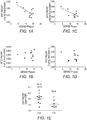
- FIGS. 1A-E depict, in accordance with embodiments herein, PACAP levels are inversely related to AD pathology.
- FIGS 2A-B depict, in accordance with embodiments herein, reduction in PACAP levels in CSF is specific to AD.
- PACAP levels were quantified by ELISA as ng PACAP per ml undiluted CSF.
- A. PACAP was reduced in AD but not in PDD or FTLD.
- B. PACAP is correlated with the Z score of DRS.
- CN and AD cases were separated by the dotted line based on their DRS score.
- AD Alzheimer's disease
- CN cognitively normal controls
- PDD Parkinson Disease with Dementia
- FTLD Frontotemporal Lobe Dementia
- DRS Dementia Rating Scale-Revised (DRS-R), a global cognitive assessment.
- * indicates p ⁇ 0.05 and ** p ⁇ 0.01.
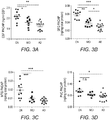
- Figure 3 depicts, in accordance with embodiments herein, a comparison of PACAP abundance in selected cerebral regions among CN, MCI and AD.
- A PACAP in CSF was expressed as ng PACAP per ml CSF.
- B PACAP in SFG.
- C PACAP in MTG
- D PACAP in PVC.
- B, C, and D PACAP was expressed as ng PACAP per mg protein from the same sample. Bars indicate standard errors.
- FIGS 4A-D depict, in accordance with embodiments herein, PACAP level in selected cerebral regions correlate with region-specific cognitive tests.
- FIGS 4E-F depict, in accordance with embodiments herein, PACAP in CSF inversely correlate with total amyloid plaque and total tangles. Solid fitted lines indicate significant Pearson correlations (p ⁇ 0.05).
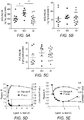
- Figure 5 depicts, in accordance with embodiments herein, PAC1 receptor in selected cerebral regions and the PACAP-PAC1 receptor interaction.
- A PAC1 receptor quantification in SFG, * indicate p ⁇ 0.05, one way ANOVA with post hoc Tukey's tests.
- B PAC1 receptor quantification in MTG;
- C PAC1 receptor quantification in MTG.
- D Pharmacodynamic model fit of SFG PACAP and SFG PAC1 level to predict the correlation with Stroop Color-Word Interference z scores. The dashed line marks the point at significant correlation (p ⁇ 0.05).
- E Pharmacodynamic model fit of MTG PACAP and MTG PAC1 levels to predict the correlation with AVLT scores. The dashed line marks the point at significant correlation (p ⁇ 0.05).
- PACAP is an abbreviation of Pituitary Adenylate Cyclase Activating Polypeptide.
- AD Alzheimer's disease
- SIRT is an abbreviation of sirtuin.
- analog of a molecule such as a peptide refers to a molecule similar in function to either the entire molecule or to a fragment thereof. Analogs typically differ from naturally occurring peptides at one or a few positions, often by virtue of conservative substitutions. Analogs typically exhibit at least 80 or 90% sequence identity with natural peptides. Some analogs also include unnatural amino acids or modifications of N or C terminal amino acids.
- unnatural amino acids are, for example but not limited to; disubstituted amino acids, N-alkyl amino acids, lactic acid, 4-hydroxyproline, ⁇ -carboxyglutamate, ⁇ -N,N,N- trimethyllysine, ⁇ -N-acetyllysine, O-phosphoserine, N-acetylserine, N- formylmethionine, 3-methylhistidine, 5-hydroxylysine, ⁇ -N-methylarginine. Fragments and analogs can be screened for prophylactic or therapeutic efficacy in transgenic animal models.
- “conservative amino acid substitutions” result from replacing one amino acid with another having similar structural and/or chemical properties, such as the replacement of a leucine with an isoleucine or valine, an aspartate with a glutamate, or a threonine with a serine.
- a "conservative substitution" of a particular amino acid sequence refers to substitution of those amino acids that are not critical for polypeptide activity or substitution of amino acids with other amino acids having similar properties (e.g ., acidic, basic, positively or negatively charged, polar or non-polar, etc.) such that the substitution of even critical amino acids does not reduce the activity of the peptide, (e.g., the ability of the peptide to penetrate the blood brain barrier (BBB)).
- BBB blood brain barrier
- the following six groups each contain amino acids that are conservative substitutions for one another: 1) Alanine (A), Serine (S), Threonine (T); 2) Aspartic acid (D), Glutamic acid (E); 3) Asparagine (N), Glutamine (Q); 4) Arginine (R), Lysine (K); 5) Isoleucine (I), Leucine (L), Methionine (M), Valine (V); and 6) Phenylalanine (F), Tyrosine (Y), Tryptophan (W).
- individual substitutions, deletions or additions that alter, add or delete a single amino acid or a small percentage of amino acids can also be considered "conservative substitutions" if the change does not reduce the activity of the peptide.
- Insertions or deletions are typically in the range of about 1 to 5 amino acids. The choice of conservative amino acids may be selected based on the location of the amino acid to be substituted in the peptide, for example if the amino acid is on the exterior of the peptide and expose to solvents, or on the interior and not exposed to solvents.
- Selection of such conservative amino acid substitutions are well known in the art, for example as disclosed in Dordo et al, J. Mol Biol, 1999, 217, 721-739 and Taylor et al, J. Theor. Biol. 119(1986);205-218 and S. French and B. Robson, J. Mol. Evol. 19(1983)171 .
- substitutions suitable for amino acids on the exterior of a protein or peptide for example, but not limited to, the following substitutions can be used: substitution of Y with F, T with S or K, P with A, E with D or Q, N with D or G, R with K, G with N or A, T with S or K, D with N or E, I with L or V, F with Y, S with T or A, R with K, G with N or A, K with R, A with S, K or P.
- derivative refers to peptides which have been chemically modified, for example but not limited to by techniques such as ubiquitination, labeling, pegylation (derivatization with polyethylene glycol), lipidation, glycosylation, or addition of other molecules.
- a molecule also a "derivative" of another molecule when it contains additional chemical moieties not normally a part of the molecule. Such moieties can improve the molecule's solubility, absorption, biological half-life, etc. The moieties can alternatively decrease the toxicity of the molecule, eliminate or attenuate any undesirable side effect of the molecule, etc.
- PACAP Pituitary Adenylate Cyclase Activating Polypeptide
- the inventors studied the brains of pathologically confirmed late onset AD patients and age matched cognitively normal (CN) subjects to investigate the expression of PACAP mRNA (34 AD and 14 CN) and protein (12 AD and 11 CN). They found that PACAP levels are reduced in multiple brain regions, including the entorhinal cortex (ENT), the middle temporal gyrus (MTG), the superior frontal gyrus (SFG) and the primary visual cortex (PVC). This reduction is inversely correlated with amyloid burden (CERAD plaque density) in the ENT and SFG but not the PVC, a region spared in most cases of AD.
- ENT entorhinal cortex
- MMG middle temporal gyrus
- SFG superior frontal gyrus
- PVC primary visual cortex
- PACAP expression is lower in the advanced Braak Stage (V-VI) than that in the moderate stage (III-IV).
- PACAP level is correlated with Dementia Rating Scale, a global cognitive assessment.
- PACAP level in cerebrospinal fluid reflects its level in the brain and is reduced in AD but not in Parkinson's disease dementia or Frontotemporal lobe dementia.
- the close inverse relationship between PACAP reduction and AD pathological markers suggests that down regulation of PACAP contributes to AD pathogenesis.
- AD is associated with a characteristic and progressive pattern of reductions in regional cerebral metabolism as measured by flourodeoxyglucose positron emission tomography (FDG PET). These reductions begin years before the onset of cognitive symptoms and are correlated with clinical severity.
- FDG PET flourodeoxyglucose positron emission tomography
- mitochondrial dysfunction is an initiating factor leading to apoptosis which is a common pathological mechanism for neurodegeneration. Insufficient energy metabolism due to complex I malfunction may contribute to tau phosphorylation, a crucial pathological step in Alzheimer's disease.
- PACAP and Sirts target mitochondria to improve its function.
- PACAP and Sirt 3 have a direct protective effect on neurons, likely targeting on intrinsic apoptotic pathway.
- PACAP and SIRT3 expression is reduced in AD patients and the triple transgenic mouse model of AD.
- PACAP and SIRT3 protects against A ⁇ induced cell death by enhancing mitochondrial function.
- PACAP and SIRT3, individually and/or collectively can be used as a biomarker for AD.
- PACAP and SIRT3, individually and/or collectively may be used as a treatment for AD.
- PACAP and/or SIRT3 will improve mitochondria function.
- PACAP and/or SIRT3 will rescue neurons from apoptosis.
- PACAP levels start to decline before the onset of AD, as early as the MCI stage. This reduction in PACAP is region specific, targeting vulnerable regions of AD. These data support the possibility that the PACAP deficit is a risk factor for AD pathogenesis. Furthermore, the PACAP deficit in selected cerebral regions may predict region-specific cognitive function deterioration.
- the CSF PACAP level inversely correlates with the total quantities of amyloid plaques and tangle plaques. PACAP specific receptor PAC1 showed a transient upregulation in the frontal lobe of MCI subjects but not in AD patients, suggesting a potential compensatory mechanism in MCI. AD patients may lose this compensatory capability as the disease progresses.
- the PACAP level in SFG is higher than that of MTG regardless in controls, MCIs or AD patients. But the PACAP deficit in AD is more severe in MTG (-60% reduction) than in SFG (45% reduction). Interestingly, the total A ⁇ in SFG was increased 10 fold in AD compared to the control, whereas A ⁇ in MTG was increased 100 fold in AD. This regional difference in A ⁇ deposition is consistent with the inverse relationship between PACAP and amyloid load, as shown herein.
- PACAP amnesiac
- Amn gene encodes a homolog of vertebral PACAP.
- PACAP is also essential for associative memory in Lymnaea stagnalis, a prototype model for studying the molecular mechanism of simple associative learning.
- intranasal administration of PACAP enhances Novel object recognition in SAMP8 mice and APP transgenic mice.
- the memory enhancing effect of PACAP may be mediated by multiple molecular mechanisms, including enhancing inward currents through NMDA channel and AMPA channel, inhibiting HCN channel or A-type K channel.
- the present disclosure provides a method of diagnosing dementia and/or a neurological condition in an individual by obtaining a sample from the individual, preparing the sample to be assayed by a serological test to determine the presence or absence of PACAP expression levels, and diagnosing dementia and/or a neurological condition based on the presence of low PACAP expression levels relative to those levels found in a healthy subject.
- the method further comprises preparing the sample to be assayed by a serological test to determine the presence or absence of SIRT3 expression levels, and diagnosing dementia and/or a neurological condition based on the presence of low PACAP expression levels and low SIRT3 expression levels relative to those levels found in a healthy subject
- a method for determining whether a subject has dementia comprising: obtaining a biological sample from a subject; determining the PACAP expression level in the biological sample, and diagnosing the subject as having dementia if low PACAP expression levels relative to a reference value is found in the biological sample.
- the method further comprises determining the SIRT3 expression level in the biological sample, and diagnosing the subject as having dementia if low PACAP expression levels and low SIRT3 expression levels relative to a reference value are found in the biological sample
- a method for determining whether a subject has a neurological condition comprising: obtaining a biological sample from a subject; determining the PACAP expression level in the biological sample, and diagnosing the subject as having the neurological condition if low PACAP expression levels relative to a reference value is found in the biological sample.
- the method further comprises determining the SIRT3 expression level in the biological sample, and diagnosing the subject as having the neurological condition if low PACAP expression levels and low SIRT3 expression levels relative to a reference value are found in the biological sample.
- a method of diagnosing dementia comprising obtaining a biological sample from a subject desiring a diagnosis regarding dementia; assaying the biological sample to determine PACAP expression level; and determining the subject has dementia if the PACAP expression level is lower than a reference value, or determining the subject does not have dementia if the PACAP expression level is not lower than the reference value.
- the method further comprises assaying the biological sample to determine SIRT3 expression level; and determining the subject has dementia if the PACAP expression level and the SIRT3 expression level are lower than their reference values, or determining the subject does not have dementia if the PACAP expression level and the SIRT3 expression level are not lower than their reference values.
- the present disclosure provides for a method of diagnosing dementia and/or a neurological condition in an individual by obtaining a sample from the individual, preparing the sample to be assayed by a serological test to determine the presence or absence of SIRT3 expression levels, and diagnosing dementia and/or a neurological condition based on the presence of low SIRT3 expression levels relative to those levels found in a healthy subject.
- Various examples of the present disclosure provides for a method for determining whether a subject has dementia, comprising: obtaining a biological sample from a subject; determining the SIRT3 expression level in the biological sample, and diagnosing the subject as having dementia if low SIRT3 expression levels relative to a reference value is found in the biological sample.
- Various examples of the present disclosure provides for a method for determining whether a subject has a neurological condition, comprising: obtaining a biological sample from a subject; determining the SIRT3 expression level in the biological sample, and diagnosing the subject as having the neurological condition if low SIRT3 expression levels relative to a reference value is found in the biological sample.
- Various examples provide for a method of diagnosing dementia comprising obtaining a biological sample from a subject desiring a diagnosis regarding dementia; assaying the biological sample to determine SIRT3 expression level; and determining the subject has dementia if the SIRT3 expression level is lower than a reference value, or determining the subject does not have dementia if the SIRT3 expression level is not lower than the reference value.
- Various examples provide for a method of diagnosing a neurological condition comprising obtaining a biological sample from a subject desiring a diagnosis regarding dementia; assaying the biological sample to determine SIRT3 expression level; and determining the subject has the neurological condition if the SIRT3 expression level is lower than a reference value, or determining the subject does not have the neurological condition if the SIRT3 expression level is not lower than the reference value.
- the disclosure provides for a system for diagnosing dementia and/or neurological condition in a subject, comprising: a biological sample from the subject; an antibody that specifically binds to PACAP and/or an antibody that specifically binds to SIRT3; and a machine to detect the binding of the antibody PACAP and/or the antibody to SIRT3.
- the disclosure provides for a composition for diagnosing dementia and/or neurological condition in a subject, comprising: a biological sample obtained from the subject; and an antibody that specifically binds to PACAP and/or an antibody that specifically binds to SIRT3.
- the disclosure provides for a system for diagnosing dementia and/or neurological condition in a subject, comprising: an antibody-PACAP complex and/or an antibody-SRIT3 complex in a biological sample obtained from the subject; and a machine to detect the antibody-PACAP complex and/or an antibody-SIRT3 complex.
- the disclosure provides for a composition for diagnosing dementia and/or neurological condition in a subject, comprising: an antibody-PACAP complex and/or an antibody-SRIT3 complex in a biological sample obtained from the subject.
- PACAP is the full length form (PACAP-38). In various embodiments, PACAP is the short form (PACAP-27). In other embodiments, PACAP is both the full length form and the short form.
- the dementia is Alzheimer's disease (AD).
- the individual or subject is human.
- the present disclosure provides a method of prognosing dementia and/or a neurological condition in an individual by obtaining a sample from the individual, preparing the sample to be assayed by a serological test to determine the presence or absence of PACAP expression levels, and prognosing a severe form of dementia and/or a neurological condition based on the presence of low PACAP expression levels relative to those levels found in a healthy subject.
- the method further comprises preparing the sample to be assayed by a serological test to determine the presence or absence of SIRT3 expression levels, and prognosing a severe form of dementia and/or a neurological condition based on the presence of low PACAP expression levels and low SIRT3 expression levels relative to those levels found in a healthy subject.
- the dementia is Alzheimer's disease (AD).
- the individual is human.
- the present disclosure provides a method of prognosing dementia and/or a neurological condition in an individual by obtaining a sample from the individual, preparing the sample to be assayed by a serological test to determine the presence or absence of SIRT3 expression levels, and prognosing a severe form of dementia and/or a neurological condition based on the presence of low SIRT3 expression levels relative to those levels found in a healthy subject.
- the dementia is Alzheimer's disease (AD).
- the individual is human.
- a method for prognosing dementia comprising: obtaining a biological sample from a subject; determining the PACAP expression level in the biological sample, and prognosing the subject as having a severe form of dementia if low PACAP expression levels relative to a reference value is found in the biological sample.
- the method further comprises determining the SIRT3 expression level in the biological sample, and prognosing the subject as having a severe form of dementia if low PACAP expression levels and low SIRT3 expression levels relative their reference values are found in the biological sample.
- a method for prognosing a neurological condition comprising: obtaining a biological sample from a subject; determining the PACAP expression level in the biological sample, and prognosing the subject as having a severe form of the neurological condition if low PACAP expression levels relative to a reference value is found in the biological sample.
- the method further comprises determining the SIRT3 expression level in the biological sample, and prognosing the subject as having a severe form of the neurological condition if low PACAP expression levels and low SIRT3 expression levels relative to their reference values are found in the biological sample.
- PACAP is the full length form (PACAP-38). In various embodiments, PACAP is the short form (PACAP-27). In other embodiments, PACAP is both the full length form and the short form.
- Various examples of the present invention provides for a method for distinguishing whether a subject has Alzheimer's disease or Parkinson's disease, comprising: obtaining a biological sample from a subject; determining the PACAP expression level in the biological sample, and diagnosing the subject as having Alzheimer's disease if low PACAP expression levels relative to a reference value is found in the biological sample.
- the method further comprises determining the SIRT3 expression level in the biological sample, and diagnosing the subject as having Alzheimer's disease if low PACAP expression levels and low SIRT3 expression levels relative to a reference value are found in the biological sample.
- Various examples provide for a method of distinguishing between Alzheimer's disease and Parkinson's disease comprising obtaining a biological sample from a subject desiring a distinction between Alzheimer's disease and Parkinson's disease; assaying the biological sample to determine PACAP expression level; and determining the subject has Alzheimer's disease if the PACAP expression level is lower than a reference value, or determining the subject does not have Alzheimer's disease if the PACAP expression level is not lower than the reference value.
- the method further comprises assaying the biological sample to determine SIRT3 expression level; and determining the subject has Alzheimer's disease if the PACAP expression level and the SIRT3 expression level are lower than their reference values, or determining the subject does not have Alzheimer's disease if the PACAP expression level and the SIRT3 expression level are not lower than their reference values.
- the individual or subject is human.
- PACAP is the full length form (PACAP-38). In various embodiments, PACAP is the short form (PACAP-27). In other embodiments, PACAP is both the full length form and the short form.
- the present disclosure provides a method of treating dementia and/or a neurological condition in an individual by providing a composition comprising SIRT3, or a salt, analog, derivative, pharmaceutical equivalent thereof, and administering a therapeutically effective dosage of the composition to the individual.
- the composition is administered to the individual intravenously.
- the composition is administered intranasally.
- the dementia is Alzheimer's disease (AD).
- the individual is human.
- the present disclosure provides a method of treating dementia and/or a neurological condition by providing a composition comprising one or more agonists of receptors to PACAP or SIRT3, and administering a therapeutically effective dosage of the composition to the individual.
- the dementia is Alzheimer's disease.
- the present disclosure provides a method of treating dementia and/or neurological condition in an individual by administering a therapeutically effective dosage of a composition comprising one or more neurotrophins to the individual.
- the present disclosure provides a method of treating dementia and/or neurological condition, comprising administering a therapeutically effective dosage of a composition comprising one or more neurotrophins to a subject who has been determined to have dementia and/or the neurological condition by a method of the present disclosure.
- the present disclosure provides a method of treating dementia and/or neurological condition, comprising providing a composition comprising one or more neurotrophins; and administering a therapeutically effective dosage of the composition to a subject who has been determined to have dementia and/or the neurological condition by a method of the present disclosure.
- the present disclosure provides for a method for treating dementia and/or neurological condition in a subject, comprising: analyzing a biological sample from the subject for a PACAP level; and administering a neurotrophin or an agonist of a neurotrophin to the subject when the PACAP level is below a reference value to treat dementia and/or neurological condition.
- the method further comprises analyzing the biological sample for a SIRT3 level and a neurotrophin or an agonist of a neurotrophin is administered to the subject when the PACAP level is below a PACAP reference value and the SIRT3 level is below a SIRT3 reference value to treat dementia and/or neurological condition.
- the present disclosure provides for a method for treating dementia and/or neurological condition in a subject, comprising: obtaining the results of an analysis of a PACAP level in a subject; and administering a neurotrophin or an agonist of a neurotrophin to the subject when the PACAP level is below a reference value.
- the method further comprises obtaining the results of an analysis a SIRT3 level and the neurotrophin or an agonist of the neurotrophin is administered to the subject when the PACAP level is below a PACAP reference value and the SIRT3 level is below a SIRT3 reference value to treat dementia and/or neurological condition.
- the present disclosure provide for a method for treating dementia and/or neurological condition in a subject who has been determined to have a PACAP level below a reference value, comprising: administering a neurotrophin or an agonist thereof to the subject.
- the subject has also been determined to have a SIRT3 level below a SIRT3 reference value.
- the present disclosure provides for a method for treating dementia and/or neurological condition in a subject, comprising: analyzing a biological sample from the subject for a SIRT3 level; and administering a SIRT3 or an agonist thereof to the subject when the SIRT3 level is below a reference value to treat dementia and/or neurological condition.
- the present disclosure provides for a method for treating dementia and/or neurological condition in a subject, comprising: obtaining the results of an analysis of a SIRT3 level in a subject; and administering SIRT3 or an agonist thereof to the subject when the SIRT3 level is below a reference value.
- the present disclosure provide for a method for treating dementia and/or neurological condition in a subject who has been determined to have a SIRT3 level below a reference value, comprising: administering SIRT3 or an agonist thereof to the subject.
- the present disclosure provides for a method of selecting a treatment for dementia and/or neurological condition in a subject, comprising: analyzing a biological sample from the subject for PACAP level and/or SIRT3 level; and prescribing PACAP, SIRT3, agonists thereof, salts thereof, derivatives thereof, for the subject when the PACAP level is below a PACAP reference value and/or the SIRT3 level is below the SIRT3 reference value.
- PACAP and/or SIRT3 levels are done via the methods described herein.
- the neurotrophin includes PACAP, or a salt, derivative, or pharmaceutical equivalent thereof.
- the composition is administered intravenously.
- PACAP is the full length form (PACAP-38).
- PACAP is the short form (PACAP-27).
- PACAP is both the full length form and the short form.
- the individual is treated by decreasing amyloid plaque in the individual.
- the dementia is Alzheimer's disease.
- Biological samples used in accordance with various embodiments of the present invention can be mammalian body fluids, sera such as blood (including whole blood as well as its plasma and serum), CSF (spinal fluid), urine, sweat, saliva, tears, pulmonary secretions, breast aspirate, prostate fluid, seminal fluid, stool, cervical scraping, cysts, amniotic fluid, intraocular fluid, mucous, moisture in breath, animal tissue, cell lysates, tumor tissue, hair, skin, buccal scrapings, nails, bone marrow, cartilage, prions, bone powder, ear wax, etc. or even from external or archived sources such as tumor samples (i.e ., fresh, frozen or paraffin-embedded).
- CSF cystal fluid
- urine sweat, saliva, tears, pulmonary secretions
- breast aspirate prostate fluid
- seminal fluid stool
- cervical scraping cysts
- amniotic fluid intraocular fluid
- mucous mucous
- mucous mucous
- mucous mucou
- samples such as body fluids or sera, obtained during the course of clinical trials may be advantageous for, although samples obtained directly from living subjects under alternate conditions or for other purposes may be readily used as well.
- the biological sample is cerebrospinal fluid (CSF).
- the biological sample is plasma.
- the biological sample is serum.
- the reference value can be the median or mean ADCYAP1 (the PACAP gene) expression level from a population of subjects with without dementia or the neurological condition.
- nucleic acid samples used to compute a reference value are taken from at least 1, 2, 5, 10, 20, 30, 40, 50, 100, or 200 different organisms of that species.
- nucleic acid "derived from" genomic DNA as used in the methods of the invention, e.g., in hybridization experiments to determine ADCYAP1 expression can be fragments of genomic nucleic acid generated by restriction enzyme digestion and/or ligation to other nucleic acid, and/or amplification products of genomic nucleic acids, pre-messenger RNA (pre-mRNA), or post-messenger RNA (the mature form of mRNA), amplification products of pre- or post- mRNA, or genomic DNA fragments grown up in cloning vectors generated, e.g., by "shotgun" cloning methods.
- genomic nucleic acid samples are digested with restriction enzymes.
- the reference value can be the median or mean PACAP protein expression level from a population of subjects with without dementia or the neurological condition.
- the protein samples used to compute a reference value are taken from at least 1, 2, 5, 10, 20, 30, 40, 50, 100, or 200 different organisms of that species.
- the reference value can be the median or mean SIRT3 expression level from a population of subjects with without dementia or the neurological condition.
- nucleic acid samples used to compute a reference value are taken from at least 1, 2, 5, 10, 20, 30, 40, 50, 100, or 200 different organisms of that species.
- nucleic acid "derived from" genomic DNA as used in the methods of the invention, e.g., in hybridization experiments to determine SIRT3 expression can be fragments of genomic nucleic acid generated by restriction enzyme digestion and/or ligation to other nucleic acid, and/or amplification products of genomic nucleic acids, pre-messenger RNA (pre-mRNA), or post-messenger RNA (the mature form of mRNA), amplification products of pre- or post- mRNA, or genomic DNA fragments grown up in cloning vectors generated, e.g ., by "shotgun" cloning methods.
- genomic nucleic acid samples are digested with restriction enzymes.
- the reference value can be the median or mean SIRT3 protein expression level from a population of subjects with without dementia or the neurological condition.
- the protein samples used to compute a reference value are taken from at least 1, 2, 5, 10, 20, 30, 40, 50, 100, or 200 different organisms of that species.
- determining the PACAP expression level or assaying the biological sample to determine PACAP expression level comprises detecting PACAP (ADCYAP1) mRNA with a polynucleotide capable of hybridizing with PACAP (ADCYAP1) mRNA under stringent hybridization conditions.
- determining the PACAP expression level or assaying the biological sample to determine PACAP expression level comprises using DNA sequencing, mRNA expression assay, RT-PCR, real-time PCR, or a combination thereof.
- determining the PACAP expression level or assaying the biological sample to determine PACAP expression level comprises contacting the biological sample with an anti-PACAP antibody and detecting whether binding occurs or the amount of binding occurring between PACAP protein and the anti-PACAP antibody. In various embodiments, wherein the anti-PACAP antibody binds to an epitope that is present on PACAP.
- detecting whether binding occurs between PACAP protein and the anti-PACAP antibody comprises using flow cytometry.
- determining the PACAP expression level or assaying the biological sample to determine PACAP expression level comprises detecting a PACAP protein with an antibody capable of specifically binding to a PACAP protein.
- determining the PACAP expression level or assaying the biological sample to determine PACAP expression level comprises using enzyme-linked immunosorbent assay (ELISA), including but not limited to indirect ELISA, sandwich ELISA, competitive ELISA, multiple and portable ELISA.
- ELISA enzyme-linked immunosorbent assay
- determining the PACAP expression level or assaying the biological sample to determine PACAP expression level comprises using immunohistochemistry, flow cytometry, fluorescence in situ hybridization (FISH), radioimmuno assays, and affinity purification.
- FISH fluorescence in situ hybridization
- determining the SIRT3 expression level or assaying the biological sample to determine SIRT3 expression level comprises detecting SIRT3 mRNA with a polynucleotide capable of hybridizing with SIRT3 mRNA under stringent hybridization conditions.
- determining the SIRT3 expression level or assaying the biological sample to determine SIRT3 expression level comprises using DNA sequencing, mRNA expression assay, RT-PCR, real-time PCR, or a combination thereof.
- determining the SIRT3 expression level or assaying the biological sample to determine SIRT3 expression level comprises contacting the biological sample with an anti-SIRT3 antibody and detecting whether binding occurs or the amount of binding occurring between SIRT3 protein and the anti-SIRT3 antibody.
- the anti-SIRT3 antibody binds to an epitope that is present on SIRT3.
- detecting whether binding occurs between SIRT3 protein and the anti-SIRT3 antibody comprises using flow cytometry.
- determining the SIRT3 expression level or assaying the biological sample to determine SIRT3 expression level comprises detecting a SIRT3 protein with an antibody capable of specifically binding to a SIRT3 protein.
- determining the SIRT3 expression level or assaying the biological sample to determine SIRT3 expression level comprises using enzyme-linked immunosorbent assay (ELISA), including but not limited to indirect ELISA, sandwich ELISA, competitive ELISA, multiple and portable ELISA.
- ELISA enzyme-linked immunosorbent assay
- determining the SIRT3 expression level or assaying the biological sample to determine SIRT3 expression level comprises using immunohistochemistry, flow cytometry, fluorescence in situ hybridization (FISH), radioimmuno assays, and affinity purification.
- FISH fluorescence in situ hybridization
- the present disclosure provides a composition comprising PACAP, or a salt, derivative, or pharmaceutical equivalent thereof, and an acceptable carrier.
- the present disclosure provides a composition comprising SIRT3, or a salt, derivative, or pharmaceutical equivalent thereof, and an acceptable carrier.
- the present disclosure provides a composition comprising PACAP and SIRT3, and an acceptable carrier.
- the present invention provides a composition comprising one or more agonists of receptors of PACAP or SIRT3, and an acceptable carrier.
- compositions including a pharmaceutically acceptable excipient along with a therapeutically effective amount of SIRT3, PACAP, and/or one or more agonists of receptors to SIRT3 or PACAP.
- “Pharmaceutically acceptable excipient” means an excipient that is useful in preparing a pharmaceutical composition that is generally safe, non-toxic, and desirable, and includes excipients that are acceptable for veterinary use as well as for human pharmaceutical use. Such excipients may be solid, liquid, semisolid, or, in the case of an aerosol composition, gaseous.
- compositions according to the disclosure may be formulated for delivery via any route of administration.
- Route of administration may refer to any administration pathway known in the art, including but not limited to aerosol, nasal, oral, transmucosal, transdermal or parenteral.
- Parenteral refers to a route of administration that is generally associated with injection, including intraorbital, infusion, intraarterial, intracapsular, intracardiac, intradermal, intramuscular, intraperitoneal, intrapulmonary, intraspinal, intrasternal, intrathecal, intrauterine, intravenous, subarachnoid, subcapsular, subcutaneous, transmucosal, or transtracheal.
- the compositions may be in the form of solutions or suspensions for infusion or for injection, or as lyophilized powders.
- compositions according to the disclosure can also contain any pharmaceutically acceptable carrier.
- “Pharmaceutically acceptable carrier”, or “acceptable carrier”, as used herein refers to a pharmaceutically acceptable material, composition, or vehicle that is involved in carrying or transporting a compound of interest from one tissue, organ, or portion of the body to another tissue, organ, or portion of the body.
- the carrier may be a liquid or solid filler, diluent, excipient, solvent, or encapsulating material, or a combination thereof.
- Each component of the carrier must be “pharmaceutically acceptable” in that it must be compatible with the other ingredients of the formulation. It must also be suitable for use in contact with any tissues or organs with which it may come in contact, meaning that it must not carry a risk of toxicity, irritation, allergic response, immunogenicity, or any other complication that excessively outweighs its therapeutic benefits.
- compositions according to the disclosure can also be encapsulated, tableted or prepared in an emulsion or syrup for oral administration.
- Pharmaceutically acceptable solid or liquid carriers may be added to enhance or stabilize the composition, or to facilitate preparation of the composition.
- Liquid carriers include syrup, peanut oil, olive oil, glycerin, saline, alcohols and water.
- Solid carriers include starch, lactose, calcium sulfate, dihydrate, terra alba, magnesium stearate or stearic acid, talc, pectin, acacia, agar or gelatin.
- the carrier may also include a sustained release material such as glyceryl monostearate or glyceryl distearate, alone or with a wax.
- the pharmaceutical preparations are made following the conventional techniques of pharmacy involving milling, mixing, granulation, and compressing, when necessary, for tablet forms; or milling, mixing and filling for hard gelatin capsule forms.
- a liquid carrier When a liquid carrier is used, the preparation will be in the form of a syrup, elixir, emulsion or an aqueous or non-aqueous suspension.
- Such a liquid formulation may be administered directly p.o. or filled into a soft gelatin capsule.
- the pharmaceutical compositions according to the disclosure may be delivered in a therapeutically effective amount.
- the precise therapeutically effective amount is that amount of the composition that will yield the most effective results in terms of efficacy of treatment in a given subject. This amount will vary depending upon a variety of factors, including but not limited to the characteristics of the therapeutic compound (including activity, pharmacokinetics, pharmacodynamics, and bioavailability), the physiological condition of the subject (including age, sex, disease type and stage, general physical condition, responsiveness to a given dosage, and type of medication), the nature of the pharmaceutically acceptable carrier or carriers in the formulation, and the route of administration.
- Typical dosages of a therapeutically effective dosage of SIRT3 or PACAP, or agonists of receptors to SIRT3 or PACAP can be in the ranges recommended by the manufacturer where known therapeutic compounds are used, and also as indicated to the skilled artisan by the in vitro responses or responses in animal models. Such dosages typically can be reduced by up to about one order of magnitude in concentration or amount without losing the relevant biological activity.
- the actual dosage will depend upon the judgment of the physician, the condition of the patient, and the effectiveness of the therapeutic method based, for example, on the in vitro responsiveness of the relevant primary cultured cells or histocultured tissue sample, such as biopsied malignant tumors, or the responses observed in the appropriate animal models, as previously described.
- the present disclosure is also directed to a kit to diagnose, prognose, or treat Alzheimer's disease or a neurological disorder.
- the kit is useful for practicing the inventive method of diagnosing or prognosing the disorder by determining the presence of one or more biomarkers, including expression levels of PACAP and/or SIRT3.
- the kit is an assemblage of materials or components, including at least one of the inventive compositions.
- the kit is configured particularly for the purpose of treating mammalian subjects.
- the kit is configured particularly for the purpose of treating human subjects.
- the kit is configured for veterinary applications, treating subjects such as, but not limited to, farm animals, domestic animals, and laboratory animals.
- kits Instructions for use may be included in the kit. "Instructions for use” typically include a tangible expression describing the technique to be employed in using the components of the kit to effect a desired outcome.
- the kit also contains other useful components, such as, diluents, buffers, pharmaceutically acceptable carriers, syringes, catheters, applicators, pipetting or measuring tools, bandaging materials or other useful paraphernalia as will be readily recognized by those of skill in the art.
- the materials or components assembled in the kit can be provided to the practitioner stored in any convenient and suitable ways that preserve their operability and utility.
- the components can be in dissolved, dehydrated, or lyophilized form; they can be provided at room, refrigerated or frozen temperatures.
- the components are typically contained in suitable packaging material(s).
- packaging material refers to one or more physical structures used to house the contents of the kit, such as inventive compositions and the like.
- the packaging material is constructed by well known methods, preferably to provide a sterile, contaminant-free environment.
- the term "package” refers to a suitable solid matrix or material such as glass, plastic, paper, foil, and the like, capable of holding the individual kit components.
- the packaging material generally has an external label which indicates the contents and/or purpose of the kit and/or its components.
- the numbers expressing quantities of ingredients, properties such as concentration, reaction conditions, and so forth, used to describe and claim certain embodiments of the invention are to be understood as being modified in some instances by the term "about.” Accordingly, in some embodiments, the numerical parameters set forth in the written description and attached claims are approximations that can vary depending upon the desired properties sought to be obtained by a particular embodiment. In some embodiments, the numerical parameters should be construed in light of the number of reported significant digits and by applying ordinary rounding techniques. Notwithstanding that the numerical ranges and parameters setting forth the broad scope of some embodiments of the invention are approximations, the numerical values set forth in the specific examples are reported as precisely as practicable. The numerical values presented in some embodiments of the invention may contain certain errors necessarily resulting from the standard deviation found in their respective testing measurements.
- Postmortem human brains were obtained from the Banner Sun Health Research Institute Brain and Body Donation Program (BBDP). The operations of the BBDP have been approved by the Western Institutional Review Board. Frozen brain tissues were obtained from patients with a clinical and pathological diagnosis of late onset AD and from age-matched cognitive normal subjects (CN). Brain donors all underwent extensive longitudinal clinical and neuropsychological assessment antemortem. All AD cases were selected as being "intermediate” or "high” probability for AD according to NIA-Reagan criteria (National Institute on Aging-Alzheimer's Association criteria). CN subjects did not meet the criteria for AD or dementia. The AD cases and controls did not differ significantly in their age at death, gender, or educational level. Cortical A ⁇ neuritic plaque density (CERAD evaluation) and Braak tangle stage were determined by a neuropathologist (T.G.B). Postmortem cisternal CSF samples from the same cohort were obtained.
- RNA from each sample of -500 neurons was double-round amplified, cleaned, and biotin labeled with Affymetrix's GeneChip per the manufacturer's protocol. Amplified and labeled cRNA was quantitated on a spectrophotometer and run on a 1% Tris-acetate-EDTA (TAE) gel to check for an evenly distributed range of transcript sizes 8.
- TAE Tris-acetate-EDTA
- T-tests were used to compare values of two groups. For comparing values across multiple groups, a one way ANOVA with post-hoc Tukey's test was used. Pearson's correlation assay was applied for correlation analyses. All results were reported as mean ⁇ standard error. Statistical significance was set at P ⁇ 0.05.
- PACAP is reduced in multiple areas of human AD brain.
- ADCYAP1 the PACAP gene
- MMG Middle Temporal Gyrus
- SFG Superior Frontal Gyrus
- PVC Primary Visual Cortex
- ADCYAP1 is the PACAP gene.
- ENT Entorhinal Cortex
- MTG Middle Temporal Lobe
- SFG Superior Frontal Cortex
- PVC Primary Visual Cortex Table 1.2: ELISA quantification of PACAP CN AD
- PACAP Mean + SEM, ⁇ 10 -2 ng/mg protein
- PACAP Mean ⁇ SEM, ⁇ 10 -2 ng/mg protein
- N P value ENT 2.13 ⁇ 0.25 11 1.41 ⁇ 0.19 12 0.035
- MTG 1.24 ⁇ 0.11 0.73 ⁇ 0.05 11 0.007
- Amyloid plaques and neurofibrillary tangle are the two pathological hallmarks of AD.
- PACAP protein levels were inversely correlated with CERAD amyloid plaque score in the ENT and SFG but not in the MTG or PVC ( Figure 1A-D ), suggesting that lower PACAP level is associated with a more pronounced A ⁇ deposition.
- the AD cases had Braak stages ranging from IV to VI, whereas the CN samples ranged from III-IV.
- PACAP levels were reduced in Braak stage V-VI (all AD cases) than in stage III-IV ( Figure IE). It's noteworthy that in the same Braak stage III-IV, AD cases had lower PACAP levels than CN cases; suggesting PACAP might be a more sensitive biomarker than tau pathology.
- PACAP mRNA transcription and protein expression are significantly reduced in AD brains compared to matched CN controls.
- PACAP levels in the CSF were also significantly decreased in AD versus controls. This supports that the reduced neurotrophic effects from PACAP is an important factor contributing to Alzheimer's pathology.
- the CERAD amyloid plaque burden is inversely correlated with PACAP expression in the ENT and SFG, but not the MTG or PVC. This is not surprising because amyloid deposition usually spares the PVC unless in the case of posterior cortical atrophy. This concurs with the animal study showing that PACAP may inhibit the amyloidogenic processing and facilitate amyloid clearance.
- the progression of neurofibrillary tangle is defined by Braak stage that follows the pathway from the entorhinal cortex to the temporal lobe and then to the distal neocortex. PACAP levels at stage III-IV (limbic) was relatively higher than those at the advanced stage V-VI (isocortical). Thus, PACAP is associated with both pathological hallmarks of AD.
- PACAP as a neurotrophin is abundant in the brain. PACAP levels in the CSF can be a good surrogate for diagnosis and monitoring the disease progression since CSF is more readily available than brain biopsy. PACAP levels in the CSF are reduced in AD but not in PDD or FTLD, suggesting it is more specific to AD. This is consistent with the close relationship between PACAP and pathological markers of AD.
- PACAP an effective neurotrophin
- Postmortem human cerebral cortex and cerebrospinal fluid were obtained from the Arizona Alzheimer's Disease Center and the Banner Sun Health Research Institute Brain and Body Donation Program (BBDP), including 16 AD, 9 MCI and 10 CN subjects. All AD cases were selected as being "intermediate” or "high” probability for AD according to NIA-Reagan criteria (National Institute on Aging-Alzheimer's Association criteria) (Consensus recommendations for the postmortem diagnosis of Alzheimer's disease. The National Institute on Aging, and Reagan Institute Working Group on Diagnostic Criteria for the Neuropathological Assessment of Alzheimer's Disease 1997).
- NIA-Reagan criteria National Institute on Aging-Alzheimer's Association criteria
- MCI neurodegenerative disorders
- Parkinson's disease dementia with Lewy bodies, frontotemporal dementia, hippocampal sclerosis, progressive supranuclear palsy, dementia lacking distinctive histology, multiple system atrophy, motor neuron disease with dementia and corticobasal degeneration.
- MCI was diagnosed by consensus as a syndrome of cognitive impairment beyond age-adjusted norms that is not severe enough to impair daily function or fulfill clinical criteria for dementia. To ensure MCI is an early stage of AD, we excluded 3 cases of MCI that didn't have AD pathology. All patients underwent longitudinal clinical and neuropsychological assessment antemortem.
- Protein samples and CSF were quantified for PACAP and PAC1 receptor using standard ELISA kit (Cat# MBS160511 and MBS042704, MyBiosource Inc. San Diego, CA) according to the manufacture protocol. Briefly, protein samples were loaded and incubated with biotin-labeled PACAP antibody or PAC1 receptor antibody at 37°C for 60 minutes. The plate was washed with the washing buffer for five times, followed by incubation with chromogen solution at 37°C for 10 minutes. The reaction was stopped by adding stop solution.
- Table 2 Patient demographic and cognitive data Cognitive Normal (CN) Mild Cognitive Impairment (MCI) Alzheimer Disease (AD) # Total case number 10 9 16 Gender (M/F) 8/2 4/5 7/9 Age, Mean (SD), years 86.3 (5.7) 87.2 (4.6) 81.7 (8.9) Most recent antemortem cognitive task performance # DRS z-score, Mean (SD) 0.95 (0.50) -0.85 (0.81)*** -2.31 (0.65)*** Stroop Words and Color Interference z score, Mean (SD) 0.38 (1.05) -0.83 (1.17) -1.87 (1.11)*** AVLT-TL z score, Mean (SD) 0.34 (0.96) -1.15 (0.89)* -2.58 (1.73)*** JLO z score, Mean (SD) 1.33 (1.05) 0.93 (0.84) -1.03 (1.53)** #: Cognitive testing done within a year of death.
- CN Mild Cognitive Impairment
- AD Alzheimer Disease
- DRS z-score Mean (SD) 0.95
- DRS Dementia Rating Scale-II, Stroop Color-Word Interference Trial
- AVLT-TL Auditory Verbal Learning Test total learning
- JLO Judgment of Line Orientation. All scores converted to z-scores based on age- and education-corrected norms. * p ⁇ 0.05, ** P ⁇ 0.01, ***p ⁇ 0.001, compared to CN, one way ANOVA with post hoc Tukey analysis
- PACAP Figure 3D
- the relative abundance of PAC1 receptor was SFG >> MTG > PVC, and was not affected by the disease stages, i.e. MCI or AD.
Landscapes
- Health & Medical Sciences (AREA)
- Life Sciences & Earth Sciences (AREA)
- Engineering & Computer Science (AREA)
- Chemical & Material Sciences (AREA)
- Immunology (AREA)
- General Health & Medical Sciences (AREA)
- Medicinal Chemistry (AREA)
- Proteomics, Peptides & Aminoacids (AREA)
- Biomedical Technology (AREA)
- Bioinformatics & Cheminformatics (AREA)
- Veterinary Medicine (AREA)
- Public Health (AREA)
- Animal Behavior & Ethology (AREA)
- Pharmacology & Pharmacy (AREA)
- Gastroenterology & Hepatology (AREA)
- Epidemiology (AREA)
- Hematology (AREA)
- Urology & Nephrology (AREA)
- Molecular Biology (AREA)
- Neurology (AREA)
- Neurosurgery (AREA)
- Pathology (AREA)
- Endocrinology (AREA)
- Biochemistry (AREA)
- Analytical Chemistry (AREA)
- Physics & Mathematics (AREA)
- Food Science & Technology (AREA)
- Microbiology (AREA)
- Cell Biology (AREA)
- Biotechnology (AREA)
- General Physics & Mathematics (AREA)
- Zoology (AREA)
- Hospice & Palliative Care (AREA)
- Psychiatry (AREA)
- Chemical Kinetics & Catalysis (AREA)
- General Chemical & Material Sciences (AREA)
- Nuclear Medicine, Radiotherapy & Molecular Imaging (AREA)
- Organic Chemistry (AREA)
- Investigating Or Analysing Biological Materials (AREA)
- Medicines That Contain Protein Lipid Enzymes And Other Medicines (AREA)
Claims (9)
- Verfahren zum Diagnostizieren oder Prognostizieren eines frühen Stadiums der Alzheimer-Krankheit bei einem Individuum mit leichter kognitiver Beeinträchtigung, umfassend:Bereitstellen einer von dem Individuum erhaltenen Probe;Vorbereiten der Probe, die mit einem serologischen Test untersucht werden soll, um das Vorliegen oder Nichtvorliegen niedriger PACAP-Expressionsniveaus festzustellen; undDiagnostizieren oder Prognostizieren eines frühen Stadiums der Alzheimer-Krankheit bei dem Individuum mit leichter kognitiver Beeinträchtigung basierend auf dem Vorliegen niedriger PACAP-Expressionsniveaus im Vergleich zu denjenigen Niveaus, die bei einem gesunden Individuum zu finden sind,wobei die untersuchte Probe Cerebrospinalflüssigkeit (CSF) ist.
- Verfahren zum Bestimmen, ob ein Individuum mit leichter kognitiver Beeinträchtigung ein frühes Stadium der Alzheimer-Krankheit hat, umfassend:Bereitstellen einer von einem Individuum erhaltenen biologischen Probe;Bestimmen des PACAP-Expressionsniveaus in der biologischen Probe; undDiagnostizieren eines frühen Stadiums der Alzheimer-Krankheit bei dem Individuum mit leichter kognitiver Beeinträchtigung, falls niedrige PACAP-Expressionsniveaus im Vergleich zu einem PACAP-Referenzwert in der biologischen Probe gefunden werden,wobei die untersuchte Probe Cerebrospinalflüssigkeit (CSF) ist.
- Verfahren nach Anspruch 2, wobei das Bestimmen des PACAP-Expressionsniveaus oder das Untersuchen der biologischen Probe, um das PACAP-Expressionsniveau zu bestimmen, das Herstellen des Kontakts der biologischen Probe mit einem Anti-PACAP-Antikörper und das Erkennen, ob eine Bindung oder in welchem Umfang eine Bindung zwischen dem PACAP-Protein und dem Anti-PACAP-Antikörper stattfindet, umfasst.
- Verfahren zum Diagnostizieren der Anfälligkeit gegenüber einem frühen Stadium der Alzheimer-Krankheit, umfassend:Bereitstellen einer von einem Individuum mit leichter kognitiver Beeinträchtigung erhaltenen Probe;Vorbereiten der Probe, die mit einem serologischen Test untersucht werden soll, um das Vorliegen oder Nichtvorliegen niedriger PACAP-Expressionsniveaus festzustellen; undDiagnostizieren der Anfälligkeit gegenüber einem frühen Stadium der Alzheimer-Krankheit basierend auf dem Vorliegen von PACAP-Expressionsniveaus im Vergleich zu denjenigen Niveaus, die bei einem gesunden Individuum zu finden sind,wobei die untersuchte Probe Cerebrospinalflüssigkeit (CSF) ist.
- Verfahren zum Diagnostizieren oder Prognostizieren der Alzheimer-Krankheit bei einem Individuum, umfassend:Bereitstellen einer von dem Individuum erhaltenen Probe der Cerebrospinalflüssigkeit (CSF);Vorbereiten der CSF-Probe, die mit einem serologischen Test untersucht werden soll, um das Vorliegen oder Nichtvorliegen niedriger PACAP-Expressionsniveaus festzustellen; undDiagnostizieren oder Prognostizieren der Alzheimer-Krankheit bei dem Individuum basierend auf dem Vorliegen niedriger PACAP-Expressionsniveaus im Vergleich zu denjenigen Niveaus, die bei einem gesunden Individuum zu finden sind.
- Verfahren zum Bestimmen, ob ein Individuum die Alzheimer-Krankheit hat, umfassend:Bereitstellen einer von dem Individuum erhaltenen Probe der Cerebrospinalflüssigkeit (CSF);Bestimmen des PACAP-Expressionsniveaus in der biologischen Probe; undDiagnostizieren der Alzheimer-Krankheit bei dem Individuum, falls niedrige PACAP-Expressionsniveaus im Vergleich zu einem PACAP-Referenzwert in der biologischen Probe gefunden wird.
- Verfahren zum Diagnostizieren der Anfälligkeit gegenüber der Alzheimer-Krankheit, umfassend:Bereitstellen einer von dem Individuum erhaltenen Probe der Cerebrospinalflüssigkeit (CSF);Vorbereiten der Probe, die mit einem serologischen Test untersucht werden soll, um das Vorliegen oder Nichtvorliegen niedriger PACAP-Expressionsniveaus festzustellen; undDiagnostizieren der Anfälligkeit gegenüber der Alzheimer-Krankheit basierend auf dem Vorliegen niedriger PACAP-Expressionsniveaus im Vergleich zu denjenigen Niveaus, die bei einem gesunden Individuum zu finden sind.
- Verfahren nach einem der Ansprüche 1, 2, 3 und 5-7, wobei die Probe ferner auf SIRT3 untersucht wird.
- Verfahren nach einem der Ansprüche 1-8, wobei die Alzheimer-Krankheit die Spätform der Alzheimer-Krankheit ist.
Applications Claiming Priority (2)
| Application Number | Priority Date | Filing Date | Title |
|---|---|---|---|
| US201361921359P | 2013-12-27 | 2013-12-27 | |
| PCT/US2014/072216 WO2015100353A1 (en) | 2013-12-27 | 2014-12-23 | Diagnosing and treating alzheimer's disease |
Publications (3)
| Publication Number | Publication Date |
|---|---|
| EP3086846A1 EP3086846A1 (de) | 2016-11-02 |
| EP3086846A4 EP3086846A4 (de) | 2017-09-06 |
| EP3086846B1 true EP3086846B1 (de) | 2019-02-20 |
Family
ID=53479665
Family Applications (1)
| Application Number | Title | Priority Date | Filing Date |
|---|---|---|---|
| EP14874045.9A Active EP3086846B1 (de) | 2013-12-27 | 2014-12-23 | Diagnose von alzheimer-krankheit |
Country Status (4)
| Country | Link |
|---|---|
| US (5) | US9989541B2 (de) |
| EP (1) | EP3086846B1 (de) |
| CA (1) | CA2930330A1 (de) |
| WO (1) | WO2015100353A1 (de) |
Families Citing this family (9)
| Publication number | Priority date | Publication date | Assignee | Title |
|---|---|---|---|---|
| US9989541B2 (en) * | 2013-12-27 | 2018-06-05 | Dignity Health | Diagnosing and treating alzheimer's disease |
| MX2017013113A (es) | 2015-04-16 | 2018-07-06 | Alder Biopharmaceuticals Inc | Anticuerpos anti-pacap y sus usos. |
| CA3020839A1 (en) * | 2016-04-15 | 2017-10-19 | Alder Biopharmaceuticals, Inc. | Anti-pacap antibodies and uses thereof |
| EP3658172A4 (de) | 2017-07-25 | 2021-05-05 | TrueBinding, Inc. | Behandlung von krebs durch blockierung der interaktion von tim-3 und seinem liganden |
| WO2019023217A1 (en) * | 2017-07-25 | 2019-01-31 | Dignity Health | METHODS OF TREATING NEURODEGENERATIVE DISEASES |
| CN113711036B (zh) | 2019-01-30 | 2025-03-18 | 真和制药有限公司 | 抗gal3抗体及其用途 |
| EP3879272A1 (de) * | 2020-03-09 | 2021-09-15 | Albert-Ludwigs-Universität Freiburg | Verfahren im zusammenhang mit der darmmikrobiota zur behandlung von demenz und altersbedingter kognitiver beeinträchtigungen |
| JP2023508968A (ja) * | 2019-12-23 | 2023-03-06 | アルベルト・ルートヴィヒ大学フライブルク | 認知症および年齢依存性の認知機能低下を治療するための腸内微生物叢に関連する方法 |
| CN116157151A (zh) | 2020-05-26 | 2023-05-23 | 真和制药有限公司 | 通过阻断半乳凝素-3治疗炎性疾病的方法 |
Family Cites Families (13)
| Publication number | Priority date | Publication date | Assignee | Title |
|---|---|---|---|---|
| EP0618291A3 (de) | 1993-02-26 | 1997-12-03 | Takeda Chemical Industries, Ltd. | PACAP-Rezeptor Protein, Verfahren zur dessen Herstellung und Verwendung davon |
| PL345583A1 (en) | 1998-07-20 | 2001-12-17 | Sod Conseils Rech Applic | Peptide analogues of pacap |
| EP1546198A1 (de) | 2002-07-31 | 2005-06-29 | Stem Cell Therapeutics Inc. | Verfahren zur verbesserung der proliferation, der differenzierung und des berlebens von neuralen stammzellen unter verwendung von pituitary adenylate cyclase activating polypeptide (pacap) |
| US20070020637A1 (en) | 2003-01-21 | 2007-01-25 | Research Association For Biotechnology | Full-length cDNA |
| US20120021924A1 (en) | 2008-10-23 | 2012-01-26 | President And Fellows Of Harvard College | Detection and modulation of cytochrome c acetylation |
| JP5172020B2 (ja) * | 2008-11-12 | 2013-03-27 | エフ.ホフマン−ラ ロシュ アーゲー | 癌のマーカーとしてのpacap |
| KR20120101038A (ko) | 2009-10-30 | 2012-09-12 | 프로메테우스 레버러터리스 인코포레이티드 | 과민성대장증후군을 진단하는 방법 |
| US8916517B2 (en) * | 2009-11-02 | 2014-12-23 | The Administrators Of The Tulane Educational Fund | Analogs of pituitary adenylate cyclase-activating polypeptide (PACAP) and methods for their use |
| US9833621B2 (en) | 2011-09-23 | 2017-12-05 | Setpoint Medical Corporation | Modulation of sirtuins by vagus nerve stimulation |
| WO2012106407A2 (en) * | 2011-02-01 | 2012-08-09 | The University Of Vermont And State Agricultural College | Diagnostic and therapeutic methods and products related to anxiety disorders |
| US20130065825A1 (en) * | 2011-09-14 | 2013-03-14 | Neurotez, Inc. | Compositions and Methods for Delaying Senescence or Cell Death in Neurons |
| EP3035950A4 (de) * | 2013-08-14 | 2017-05-03 | The Arizona Board Of Regents On Behalf Of The University Of Arizona | Glykosylierte pacap/vip-analoga mit verbesserter penetration zur behandlung neurodegenerativer erkrankungen |
| US9989541B2 (en) * | 2013-12-27 | 2018-06-05 | Dignity Health | Diagnosing and treating alzheimer's disease |
-
2014
- 2014-12-23 US US15/103,059 patent/US9989541B2/en active Active
- 2014-12-23 CA CA2930330A patent/CA2930330A1/en active Pending
- 2014-12-23 EP EP14874045.9A patent/EP3086846B1/de active Active
- 2014-12-23 WO PCT/US2014/072216 patent/WO2015100353A1/en not_active Ceased
-
2018
- 2018-04-25 US US15/962,691 patent/US10247738B2/en active Active
-
2019
- 2019-02-15 US US16/276,771 patent/US10775392B2/en active Active
-
2020
- 2020-08-04 US US16/984,500 patent/US11181533B2/en active Active
-
2021
- 2021-10-22 US US17/508,413 patent/US20220043007A1/en active Pending
Also Published As
| Publication number | Publication date |
|---|---|
| US20200363431A1 (en) | 2020-11-19 |
| US20190178898A1 (en) | 2019-06-13 |
| WO2015100353A1 (en) | 2015-07-02 |
| CA2930330A1 (en) | 2015-07-02 |
| US20160305962A1 (en) | 2016-10-20 |
| US10775392B2 (en) | 2020-09-15 |
| US20220043007A1 (en) | 2022-02-10 |
| EP3086846A4 (de) | 2017-09-06 |
| EP3086846A1 (de) | 2016-11-02 |
| US9989541B2 (en) | 2018-06-05 |
| US11181533B2 (en) | 2021-11-23 |
| US10247738B2 (en) | 2019-04-02 |
| US20180246126A1 (en) | 2018-08-30 |
Similar Documents
| Publication | Publication Date | Title |
|---|---|---|
| US11181533B2 (en) | Diagnosing and treating Alzheimer's disease | |
| Šagud et al. | Smoking in schizophrenia: an updated review | |
| Alves et al. | The autophagy/lysosome pathway is impaired in SCA7 patients and SCA7 knock-in mice | |
| Schwab et al. | DNA repair deficiency and senescence in concussed professional athletes involved in contact sports | |
| Feresten et al. | Increased expression of glial fibrillary acidic protein in prefrontal cortex in psychotic illness | |
| Uzbay et al. | Increased plasma agmatine levels in patients with schizophrenia | |
| Villemagne et al. | Blood-borne amyloid-β dimer correlates with clinical markers of Alzheimer's disease | |
| EP3190413B1 (de) | Verfahren zur vorhersage von arzneimittelalternativen für die behandlung von depression | |
| AU2025200383A1 (en) | Animal, Fungal and Marine Sources of cGP and Increased cGP Concentration for Disease Management and for Treatment of Non-Neurological and/or Neurological Conditions | |
| Bruns et al. | Calcineurin signaling promotes takotsubo syndrome | |
| WO2024074133A1 (en) | Protein marker for assessing and treating neurodegenerative diseases | |
| KR20150000490A (ko) | 알츠하이머병의 치료에 사용되는 h3 수용체 길항제 | |
| Steffens et al. | Short/long heterozygotes at 5HTTLPR and white matter lesions in geriatric depression | |
| US20200282019A1 (en) | Methods of treating neurodegenerative diseases | |
| Reid et al. | Does apolipoprotein E (Apo-E) genotype influence nicotinic receptor binding in Alzheimer's disease | |
| US10359436B2 (en) | Nuclear stress response in motor neuron disease and other neurological diseases | |
| US20180338996A1 (en) | Combination therapy for traumatic brain injury | |
| US20230280357A1 (en) | Csf phosphorylated tau and amyloid beta profiles as biomarkers of tauopathies | |
| Koivumäki et al. | Genetic Validation of ABI3 p. S209F Variant and Its effects On Early Brain Pathology in Asymptomatic Elderly Individuals | |
| US20140187593A1 (en) | Diagnostic test and treatment for a neurological disorder | |
| US20210324475A1 (en) | Analytic method and kit for diagnosing alcohol use disorders | |
| Jones | Long-term neuroleptic toxicity and mood: blurring of diagnostic boundaries | |
| Jones | The possibility that long-term neuroleptic exposure can result in mood disorder symptoms has a number of research implications but more importantly may distort the original presentation of the illness resulting in a blurring of | |
| Shahim et al. | P3-078 SERUM NEUROFILAMENT LIGHT PROTEIN AND VISIN-LIKE PROTEIN-1 IN CONCUSSED PROFESSIONAL ICE HOCKEY PLAYERS | |
| Baruah | Biomarkers in psychiatry. |
Legal Events
| Date | Code | Title | Description |
|---|---|---|---|
| PUAI | Public reference made under article 153(3) epc to a published international application that has entered the european phase |
Free format text: ORIGINAL CODE: 0009012 |
|
| 17P | Request for examination filed |
Effective date: 20160708 |
|
| AK | Designated contracting states |
Kind code of ref document: A1 Designated state(s): AL AT BE BG CH CY CZ DE DK EE ES FI FR GB GR HR HU IE IS IT LI LT LU LV MC MK MT NL NO PL PT RO RS SE SI SK SM TR |
|
| AX | Request for extension of the european patent |
Extension state: BA ME |
|
| RIN1 | Information on inventor provided before grant (corrected) |
Inventor name: HAN, PENG CHENG Inventor name: SHI, JIONG |
|
| DAX | Request for extension of the european patent (deleted) | ||
| RIC1 | Information provided on ipc code assigned before grant |
Ipc: G01N 33/50 20060101ALI20170509BHEP Ipc: A61P 25/28 20060101AFI20170509BHEP Ipc: C12Q 1/00 20060101ALI20170509BHEP |
|
| A4 | Supplementary search report drawn up and despatched |
Effective date: 20170809 |
|
| RIC1 | Information provided on ipc code assigned before grant |
Ipc: C12Q 1/00 20060101ALI20170803BHEP Ipc: A61P 25/28 20060101AFI20170803BHEP Ipc: G01N 33/50 20060101ALI20170803BHEP |
|
| STAA | Information on the status of an ep patent application or granted ep patent |
Free format text: STATUS: EXAMINATION IS IN PROGRESS |
|
| 17Q | First examination report despatched |
Effective date: 20180424 |
|
| GRAP | Despatch of communication of intention to grant a patent |
Free format text: ORIGINAL CODE: EPIDOSNIGR1 |
|
| STAA | Information on the status of an ep patent application or granted ep patent |
Free format text: STATUS: GRANT OF PATENT IS INTENDED |
|
| INTG | Intention to grant announced |
Effective date: 20181011 |
|
| GRAS | Grant fee paid |
Free format text: ORIGINAL CODE: EPIDOSNIGR3 |
|
| GRAA | (expected) grant |
Free format text: ORIGINAL CODE: 0009210 |
|
| STAA | Information on the status of an ep patent application or granted ep patent |
Free format text: STATUS: THE PATENT HAS BEEN GRANTED |
|
| AK | Designated contracting states |
Kind code of ref document: B1 Designated state(s): AL AT BE BG CH CY CZ DE DK EE ES FI FR GB GR HR HU IE IS IT LI LT LU LV MC MK MT NL NO PL PT RO RS SE SI SK SM TR |
|
| REG | Reference to a national code |
Ref country code: GB Ref legal event code: FG4D |
|
| REG | Reference to a national code |
Ref country code: CH Ref legal event code: EP |
|
| REG | Reference to a national code |
Ref country code: DE Ref legal event code: R096 Ref document number: 602014041559 Country of ref document: DE |
|
| REG | Reference to a national code |
Ref country code: AT Ref legal event code: REF Ref document number: 1097402 Country of ref document: AT Kind code of ref document: T Effective date: 20190315 |
|
| REG | Reference to a national code |
Ref country code: IE Ref legal event code: FG4D |
|
| REG | Reference to a national code |
Ref country code: CH Ref legal event code: NV Representative=s name: TR-IP CONSULTING LLC, CH |
|
| REG | Reference to a national code |
Ref country code: NL Ref legal event code: MP Effective date: 20190220 |
|
| REG | Reference to a national code |
Ref country code: LT Ref legal event code: MG4D |
|
| PG25 | Lapsed in a contracting state [announced via postgrant information from national office to epo] |
Ref country code: FI Free format text: LAPSE BECAUSE OF FAILURE TO SUBMIT A TRANSLATION OF THE DESCRIPTION OR TO PAY THE FEE WITHIN THE PRESCRIBED TIME-LIMIT Effective date: 20190220 Ref country code: NO Free format text: LAPSE BECAUSE OF FAILURE TO SUBMIT A TRANSLATION OF THE DESCRIPTION OR TO PAY THE FEE WITHIN THE PRESCRIBED TIME-LIMIT Effective date: 20190520 Ref country code: LT Free format text: LAPSE BECAUSE OF FAILURE TO SUBMIT A TRANSLATION OF THE DESCRIPTION OR TO PAY THE FEE WITHIN THE PRESCRIBED TIME-LIMIT Effective date: 20190220 Ref country code: SE Free format text: LAPSE BECAUSE OF FAILURE TO SUBMIT A TRANSLATION OF THE DESCRIPTION OR TO PAY THE FEE WITHIN THE PRESCRIBED TIME-LIMIT Effective date: 20190220 Ref country code: PT Free format text: LAPSE BECAUSE OF FAILURE TO SUBMIT A TRANSLATION OF THE DESCRIPTION OR TO PAY THE FEE WITHIN THE PRESCRIBED TIME-LIMIT Effective date: 20190620 Ref country code: NL Free format text: LAPSE BECAUSE OF FAILURE TO SUBMIT A TRANSLATION OF THE DESCRIPTION OR TO PAY THE FEE WITHIN THE PRESCRIBED TIME-LIMIT Effective date: 20190220 |
|
| PG25 | Lapsed in a contracting state [announced via postgrant information from national office to epo] |
Ref country code: LV Free format text: LAPSE BECAUSE OF FAILURE TO SUBMIT A TRANSLATION OF THE DESCRIPTION OR TO PAY THE FEE WITHIN THE PRESCRIBED TIME-LIMIT Effective date: 20190220 Ref country code: RS Free format text: LAPSE BECAUSE OF FAILURE TO SUBMIT A TRANSLATION OF THE DESCRIPTION OR TO PAY THE FEE WITHIN THE PRESCRIBED TIME-LIMIT Effective date: 20190220 Ref country code: BG Free format text: LAPSE BECAUSE OF FAILURE TO SUBMIT A TRANSLATION OF THE DESCRIPTION OR TO PAY THE FEE WITHIN THE PRESCRIBED TIME-LIMIT Effective date: 20190520 Ref country code: HR Free format text: LAPSE BECAUSE OF FAILURE TO SUBMIT A TRANSLATION OF THE DESCRIPTION OR TO PAY THE FEE WITHIN THE PRESCRIBED TIME-LIMIT Effective date: 20190220 Ref country code: IS Free format text: LAPSE BECAUSE OF FAILURE TO SUBMIT A TRANSLATION OF THE DESCRIPTION OR TO PAY THE FEE WITHIN THE PRESCRIBED TIME-LIMIT Effective date: 20190620 Ref country code: GR Free format text: LAPSE BECAUSE OF FAILURE TO SUBMIT A TRANSLATION OF THE DESCRIPTION OR TO PAY THE FEE WITHIN THE PRESCRIBED TIME-LIMIT Effective date: 20190521 |
|
| REG | Reference to a national code |
Ref country code: AT Ref legal event code: MK05 Ref document number: 1097402 Country of ref document: AT Kind code of ref document: T Effective date: 20190220 |
|
| PG25 | Lapsed in a contracting state [announced via postgrant information from national office to epo] |
Ref country code: DK Free format text: LAPSE BECAUSE OF FAILURE TO SUBMIT A TRANSLATION OF THE DESCRIPTION OR TO PAY THE FEE WITHIN THE PRESCRIBED TIME-LIMIT Effective date: 20190220 Ref country code: EE Free format text: LAPSE BECAUSE OF FAILURE TO SUBMIT A TRANSLATION OF THE DESCRIPTION OR TO PAY THE FEE WITHIN THE PRESCRIBED TIME-LIMIT Effective date: 20190220 Ref country code: AL Free format text: LAPSE BECAUSE OF FAILURE TO SUBMIT A TRANSLATION OF THE DESCRIPTION OR TO PAY THE FEE WITHIN THE PRESCRIBED TIME-LIMIT Effective date: 20190220 Ref country code: IT Free format text: LAPSE BECAUSE OF FAILURE TO SUBMIT A TRANSLATION OF THE DESCRIPTION OR TO PAY THE FEE WITHIN THE PRESCRIBED TIME-LIMIT Effective date: 20190220 Ref country code: RO Free format text: LAPSE BECAUSE OF FAILURE TO SUBMIT A TRANSLATION OF THE DESCRIPTION OR TO PAY THE FEE WITHIN THE PRESCRIBED TIME-LIMIT Effective date: 20190220 Ref country code: SK Free format text: LAPSE BECAUSE OF FAILURE TO SUBMIT A TRANSLATION OF THE DESCRIPTION OR TO PAY THE FEE WITHIN THE PRESCRIBED TIME-LIMIT Effective date: 20190220 Ref country code: ES Free format text: LAPSE BECAUSE OF FAILURE TO SUBMIT A TRANSLATION OF THE DESCRIPTION OR TO PAY THE FEE WITHIN THE PRESCRIBED TIME-LIMIT Effective date: 20190220 Ref country code: CZ Free format text: LAPSE BECAUSE OF FAILURE TO SUBMIT A TRANSLATION OF THE DESCRIPTION OR TO PAY THE FEE WITHIN THE PRESCRIBED TIME-LIMIT Effective date: 20190220 |
|
| REG | Reference to a national code |
Ref country code: DE Ref legal event code: R097 Ref document number: 602014041559 Country of ref document: DE |
|
| PG25 | Lapsed in a contracting state [announced via postgrant information from national office to epo] |
Ref country code: SM Free format text: LAPSE BECAUSE OF FAILURE TO SUBMIT A TRANSLATION OF THE DESCRIPTION OR TO PAY THE FEE WITHIN THE PRESCRIBED TIME-LIMIT Effective date: 20190220 Ref country code: PL Free format text: LAPSE BECAUSE OF FAILURE TO SUBMIT A TRANSLATION OF THE DESCRIPTION OR TO PAY THE FEE WITHIN THE PRESCRIBED TIME-LIMIT Effective date: 20190220 |
|
| PLBE | No opposition filed within time limit |
Free format text: ORIGINAL CODE: 0009261 |
|
| STAA | Information on the status of an ep patent application or granted ep patent |
Free format text: STATUS: NO OPPOSITION FILED WITHIN TIME LIMIT |
|
| PG25 | Lapsed in a contracting state [announced via postgrant information from national office to epo] |
Ref country code: AT Free format text: LAPSE BECAUSE OF FAILURE TO SUBMIT A TRANSLATION OF THE DESCRIPTION OR TO PAY THE FEE WITHIN THE PRESCRIBED TIME-LIMIT Effective date: 20190220 |
|
| 26N | No opposition filed |
Effective date: 20191121 |
|
| REG | Reference to a national code |
Ref country code: CH Ref legal event code: PCAR Free format text: NEW ADDRESS: ROUTE DU COUTSET 18, 1485 NUVILLY (CH) |
|
| PG25 | Lapsed in a contracting state [announced via postgrant information from national office to epo] |
Ref country code: SI Free format text: LAPSE BECAUSE OF FAILURE TO SUBMIT A TRANSLATION OF THE DESCRIPTION OR TO PAY THE FEE WITHIN THE PRESCRIBED TIME-LIMIT Effective date: 20190220 |
|
| PG25 | Lapsed in a contracting state [announced via postgrant information from national office to epo] |
Ref country code: TR Free format text: LAPSE BECAUSE OF FAILURE TO SUBMIT A TRANSLATION OF THE DESCRIPTION OR TO PAY THE FEE WITHIN THE PRESCRIBED TIME-LIMIT Effective date: 20190220 |
|
| REG | Reference to a national code |
Ref country code: BE Ref legal event code: MM Effective date: 20191231 |
|
| PG25 | Lapsed in a contracting state [announced via postgrant information from national office to epo] |
Ref country code: MC Free format text: LAPSE BECAUSE OF FAILURE TO SUBMIT A TRANSLATION OF THE DESCRIPTION OR TO PAY THE FEE WITHIN THE PRESCRIBED TIME-LIMIT Effective date: 20190220 |
|
| REG | Reference to a national code |
Ref country code: DE Ref legal event code: R082 Ref document number: 602014041559 Country of ref document: DE Representative=s name: VENNER SHIPLEY GERMANY LLP, DE Ref country code: DE Ref legal event code: R082 Ref document number: 602014041559 Country of ref document: DE Representative=s name: VENNER SHIPLEY LLP, DE |
|
| PG25 | Lapsed in a contracting state [announced via postgrant information from national office to epo] |
Ref country code: LU Free format text: LAPSE BECAUSE OF NON-PAYMENT OF DUE FEES Effective date: 20191223 Ref country code: IE Free format text: LAPSE BECAUSE OF NON-PAYMENT OF DUE FEES Effective date: 20191223 |
|
| PG25 | Lapsed in a contracting state [announced via postgrant information from national office to epo] |
Ref country code: BE Free format text: LAPSE BECAUSE OF NON-PAYMENT OF DUE FEES Effective date: 20191231 |
|
| PG25 | Lapsed in a contracting state [announced via postgrant information from national office to epo] |
Ref country code: CY Free format text: LAPSE BECAUSE OF FAILURE TO SUBMIT A TRANSLATION OF THE DESCRIPTION OR TO PAY THE FEE WITHIN THE PRESCRIBED TIME-LIMIT Effective date: 20190220 |
|
| PG25 | Lapsed in a contracting state [announced via postgrant information from national office to epo] |
Ref country code: MT Free format text: LAPSE BECAUSE OF FAILURE TO SUBMIT A TRANSLATION OF THE DESCRIPTION OR TO PAY THE FEE WITHIN THE PRESCRIBED TIME-LIMIT Effective date: 20190220 Ref country code: HU Free format text: LAPSE BECAUSE OF FAILURE TO SUBMIT A TRANSLATION OF THE DESCRIPTION OR TO PAY THE FEE WITHIN THE PRESCRIBED TIME-LIMIT; INVALID AB INITIO Effective date: 20141223 |
|
| PG25 | Lapsed in a contracting state [announced via postgrant information from national office to epo] |
Ref country code: MK Free format text: LAPSE BECAUSE OF FAILURE TO SUBMIT A TRANSLATION OF THE DESCRIPTION OR TO PAY THE FEE WITHIN THE PRESCRIBED TIME-LIMIT Effective date: 20190220 |
|
| REG | Reference to a national code |
Ref country code: CH Ref legal event code: U11 Free format text: ST27 STATUS EVENT CODE: U-0-0-U10-U11 (AS PROVIDED BY THE NATIONAL OFFICE) Effective date: 20260101 |
|
| PGFP | Annual fee paid to national office [announced via postgrant information from national office to epo] |
Ref country code: GB Payment date: 20251229 Year of fee payment: 12 |
|
| PGFP | Annual fee paid to national office [announced via postgrant information from national office to epo] |
Ref country code: FR Payment date: 20251226 Year of fee payment: 12 |
|
| PGFP | Annual fee paid to national office [announced via postgrant information from national office to epo] |
Ref country code: DE Payment date: 20251229 Year of fee payment: 12 |
|
| PGFP | Annual fee paid to national office [announced via postgrant information from national office to epo] |
Ref country code: CH Payment date: 20260101 Year of fee payment: 12 |