EP3094351B9 - Immunomodulatory agents - Google Patents
Immunomodulatory agents Download PDFInfo
- Publication number
- EP3094351B9 EP3094351B9 EP15736953.9A EP15736953A EP3094351B9 EP 3094351 B9 EP3094351 B9 EP 3094351B9 EP 15736953 A EP15736953 A EP 15736953A EP 3094351 B9 EP3094351 B9 EP 3094351B9
- Authority
- EP
- European Patent Office
- Prior art keywords
- seq
- prt
- artificial sequence
- human antibody
- antibody library
- Prior art date
- Legal status (The legal status is an assumption and is not a legal conclusion. Google has not performed a legal analysis and makes no representation as to the accuracy of the status listed.)
- Active
Links
Images










Classifications
-
- C—CHEMISTRY; METALLURGY
- C07—ORGANIC CHEMISTRY
- C07K—PEPTIDES
- C07K16/00—Immunoglobulins [IG], e.g. monoclonal or polyclonal antibodies
- C07K16/18—Immunoglobulins [IG], e.g. monoclonal or polyclonal antibodies against material from animals or humans
- C07K16/28—Immunoglobulins [IG], e.g. monoclonal or polyclonal antibodies against material from animals or humans against receptors, cell surface antigens or cell surface determinants
- C07K16/2803—Immunoglobulins [IG], e.g. monoclonal or polyclonal antibodies against material from animals or humans against receptors, cell surface antigens or cell surface determinants against the immunoglobulin superfamily
- C07K16/2827—Immunoglobulins [IG], e.g. monoclonal or polyclonal antibodies against material from animals or humans against receptors, cell surface antigens or cell surface determinants against the immunoglobulin superfamily against B7 molecules, e.g. CD80, CD86
-
- A—HUMAN NECESSITIES
- A61—MEDICAL OR VETERINARY SCIENCE; HYGIENE
- A61B—DIAGNOSIS; SURGERY; IDENTIFICATION
- A61B17/00—Surgical instruments, devices or methods
- A61B17/56—Surgical instruments or methods for treatment of bones or joints; Devices specially adapted therefor
- A61B17/58—Surgical instruments or methods for treatment of bones or joints; Devices specially adapted therefor for osteosynthesis, e.g. bone plates, screws or setting implements
- A61B17/68—Internal fixation devices, including fasteners and spinal fixators, even if a part thereof projects from the skin
- A61B17/70—Spinal positioners or stabilisers, e.g. stabilisers comprising fluid filler in an implant
- A61B17/7001—Screws or hooks combined with longitudinal elements which do not contact vertebrae
- A61B17/7035—Screws or hooks, wherein a rod-clamping part and a bone-anchoring part can pivot relative to each other
-
- A—HUMAN NECESSITIES
- A61—MEDICAL OR VETERINARY SCIENCE; HYGIENE
- A61B—DIAGNOSIS; SURGERY; IDENTIFICATION
- A61B17/00—Surgical instruments, devices or methods
- A61B17/56—Surgical instruments or methods for treatment of bones or joints; Devices specially adapted therefor
- A61B17/58—Surgical instruments or methods for treatment of bones or joints; Devices specially adapted therefor for osteosynthesis, e.g. bone plates, screws or setting implements
- A61B17/68—Internal fixation devices, including fasteners and spinal fixators, even if a part thereof projects from the skin
- A61B17/70—Spinal positioners or stabilisers, e.g. stabilisers comprising fluid filler in an implant
- A61B17/7001—Screws or hooks combined with longitudinal elements which do not contact vertebrae
- A61B17/7035—Screws or hooks, wherein a rod-clamping part and a bone-anchoring part can pivot relative to each other
- A61B17/7037—Screws or hooks, wherein a rod-clamping part and a bone-anchoring part can pivot relative to each other wherein pivoting is blocked when the rod is clamped
-
- A—HUMAN NECESSITIES
- A61—MEDICAL OR VETERINARY SCIENCE; HYGIENE
- A61K—PREPARATIONS FOR MEDICAL, DENTAL OR TOILETRY PURPOSES
- A61K47/00—Medicinal preparations characterised by the non-active ingredients used, e.g. carriers or inert additives; Targeting or modifying agents chemically bound to the active ingredient
- A61K47/50—Medicinal preparations characterised by the non-active ingredients used, e.g. carriers or inert additives; Targeting or modifying agents chemically bound to the active ingredient the non-active ingredient being chemically bound to the active ingredient, e.g. polymer-drug conjugates
- A61K47/51—Medicinal preparations characterised by the non-active ingredients used, e.g. carriers or inert additives; Targeting or modifying agents chemically bound to the active ingredient the non-active ingredient being chemically bound to the active ingredient, e.g. polymer-drug conjugates the non-active ingredient being a modifying agent
- A61K47/68—Medicinal preparations characterised by the non-active ingredients used, e.g. carriers or inert additives; Targeting or modifying agents chemically bound to the active ingredient the non-active ingredient being chemically bound to the active ingredient, e.g. polymer-drug conjugates the non-active ingredient being a modifying agent the modifying agent being an antibody, an immunoglobulin or a fragment thereof, e.g. an Fc-fragment
- A61K47/6835—Medicinal preparations characterised by the non-active ingredients used, e.g. carriers or inert additives; Targeting or modifying agents chemically bound to the active ingredient the non-active ingredient being chemically bound to the active ingredient, e.g. polymer-drug conjugates the non-active ingredient being a modifying agent the modifying agent being an antibody, an immunoglobulin or a fragment thereof, e.g. an Fc-fragment the modifying agent being an antibody or an immunoglobulin bearing at least one antigen-binding site
- A61K47/6849—Medicinal preparations characterised by the non-active ingredients used, e.g. carriers or inert additives; Targeting or modifying agents chemically bound to the active ingredient the non-active ingredient being chemically bound to the active ingredient, e.g. polymer-drug conjugates the non-active ingredient being a modifying agent the modifying agent being an antibody, an immunoglobulin or a fragment thereof, e.g. an Fc-fragment the modifying agent being an antibody or an immunoglobulin bearing at least one antigen-binding site the antibody targeting a receptor, a cell surface antigen or a cell surface determinant
-
- A—HUMAN NECESSITIES
- A61—MEDICAL OR VETERINARY SCIENCE; HYGIENE
- A61P—SPECIFIC THERAPEUTIC ACTIVITY OF CHEMICAL COMPOUNDS OR MEDICINAL PREPARATIONS
- A61P31/00—Antiinfectives, i.e. antibiotics, antiseptics, chemotherapeutics
- A61P31/12—Antivirals
-
- A—HUMAN NECESSITIES
- A61—MEDICAL OR VETERINARY SCIENCE; HYGIENE
- A61P—SPECIFIC THERAPEUTIC ACTIVITY OF CHEMICAL COMPOUNDS OR MEDICINAL PREPARATIONS
- A61P35/00—Antineoplastic agents
-
- A—HUMAN NECESSITIES
- A61—MEDICAL OR VETERINARY SCIENCE; HYGIENE
- A61P—SPECIFIC THERAPEUTIC ACTIVITY OF CHEMICAL COMPOUNDS OR MEDICINAL PREPARATIONS
- A61P37/00—Drugs for immunological or allergic disorders
- A61P37/02—Immunomodulators
- A61P37/04—Immunostimulants
-
- C—CHEMISTRY; METALLURGY
- C07—ORGANIC CHEMISTRY
- C07K—PEPTIDES
- C07K14/00—Peptides having more than 20 amino acids; Gastrins; Somatostatins; Melanotropins; Derivatives thereof
- C07K14/435—Peptides having more than 20 amino acids; Gastrins; Somatostatins; Melanotropins; Derivatives thereof from animals; from humans
- C07K14/52—Cytokines; Lymphokines; Interferons
- C07K14/54—Interleukins [IL]
- C07K14/5443—IL-15
-
- C—CHEMISTRY; METALLURGY
- C07—ORGANIC CHEMISTRY
- C07K—PEPTIDES
- C07K14/00—Peptides having more than 20 amino acids; Gastrins; Somatostatins; Melanotropins; Derivatives thereof
- C07K14/435—Peptides having more than 20 amino acids; Gastrins; Somatostatins; Melanotropins; Derivatives thereof from animals; from humans
- C07K14/705—Receptors; Cell surface antigens; Cell surface determinants
- C07K14/715—Receptors; Cell surface antigens; Cell surface determinants for cytokines; for lymphokines; for interferons
- C07K14/7155—Receptors; Cell surface antigens; Cell surface determinants for cytokines; for lymphokines; for interferons for interleukins [IL]
-
- A—HUMAN NECESSITIES
- A61—MEDICAL OR VETERINARY SCIENCE; HYGIENE
- A61K—PREPARATIONS FOR MEDICAL, DENTAL OR TOILETRY PURPOSES
- A61K39/00—Medicinal preparations containing antigens or antibodies
- A61K2039/505—Medicinal preparations containing antigens or antibodies comprising antibodies
-
- C—CHEMISTRY; METALLURGY
- C07—ORGANIC CHEMISTRY
- C07K—PEPTIDES
- C07K2317/00—Immunoglobulins specific features
- C07K2317/30—Immunoglobulins specific features characterized by aspects of specificity or valency
- C07K2317/31—Immunoglobulins specific features characterized by aspects of specificity or valency multispecific
-
- C—CHEMISTRY; METALLURGY
- C07—ORGANIC CHEMISTRY
- C07K—PEPTIDES
- C07K2317/00—Immunoglobulins specific features
- C07K2317/50—Immunoglobulins specific features characterized by immunoglobulin fragments
- C07K2317/55—Fab or Fab'
-
- C—CHEMISTRY; METALLURGY
- C07—ORGANIC CHEMISTRY
- C07K—PEPTIDES
- C07K2317/00—Immunoglobulins specific features
- C07K2317/70—Immunoglobulins specific features characterized by effect upon binding to a cell or to an antigen
- C07K2317/74—Inducing cell proliferation
-
- C—CHEMISTRY; METALLURGY
- C07—ORGANIC CHEMISTRY
- C07K—PEPTIDES
- C07K2317/00—Immunoglobulins specific features
- C07K2317/70—Immunoglobulins specific features characterized by effect upon binding to a cell or to an antigen
- C07K2317/76—Antagonist effect on antigen, e.g. neutralization or inhibition of binding
-
- C—CHEMISTRY; METALLURGY
- C07—ORGANIC CHEMISTRY
- C07K—PEPTIDES
- C07K2317/00—Immunoglobulins specific features
- C07K2317/90—Immunoglobulins specific features characterized by (pharmaco)kinetic aspects or by stability of the immunoglobulin
- C07K2317/92—Affinity (KD), association rate (Ka), dissociation rate (Kd) or EC50 value
-
- C—CHEMISTRY; METALLURGY
- C07—ORGANIC CHEMISTRY
- C07K—PEPTIDES
- C07K2319/00—Fusion polypeptide
Definitions
- the invention provides fusion proteins comprising antibodies that specifically bind to PD-L1, an IL 15 receptor binding domain and an IL15 receptor alpha sushi domain, nucleic acid molecules encoding the same, and medical uses thereof.
- the agents enhance T cell and NK cell function to increase cell and cytokine mediated immunity for the treatment of various immune dysfunction related disorders including cancers and infectious diseases.
- PD-1 is a member of the CD28 family of receptors comprising CD28, CTLA-4, PD-1, ICOS, and BTLA ( Freeman et al. (2000) J Exp Med 192:1027-34 ; Latchman et al. (2001) Nat Immunol 2:261-8 ).
- PD-1 is an inducible immunosuppressive receptor mainly upregulated on activated T cells and B cells during the progression of immunopathological conditions.
- ITIM immunoreceptor tyrosine-based inhibitory motif
- PD-L1 is a cell surface glycoprotein and a major ligand for PD-1. PD-L1 is also inducible on lymphoid tissues and non-lymphoid peripheral tissues following cellular activation. PD-L1 is upregulated in a variety of affected cell types including cancer and stromal cells in addition to immune cells, and plays an active role in immunosuppression during the course of the deterioration of diseases ( Iwai et al (2002) PNAS 99:12293-7 , Ohigashi et al. (2005) Clin Cancer Res 11:2947-53 ). PD-L1 upregulation has been linked to poor clinical outcomes in a variety of cancers and viral infection ( Hofmeyer et al. (2011) J. BioMed. Biotech.
- IL15 has been recognized to be dedicated to stimulate effector and central memory CD8 T cells composing of a subset of antigen specific CD8 cells to exert antitumor immunity without modulating effects on other T cell populations. Moreover, unlike IL-2 that activates Treg, IL15 has been shown to have capacity to rescue T cells from apoptosis induced by Treg and other immunosuppressive cells in addition to its ability to activate natural killer (NK) cells and effector and memory CD8 T cells ( Van Belle et al. (2012) PLoS One 7:e45299 , Obar and Lefrancois. (2010) J. Immunol. 185:263-72 , Pelletier and Girard. (2006) J Immunol 177:100-108 , Elpek et al. (2010) PNAS 107:21647-21652 ).
- IL15 was identified as a yc cytokine in 1994 based on its ability to stimulate the proliferation of the murine T cell line CTLL-2 ( Grabstein et al. (1994) Science 264:965-8 , Bamford et al. (1996) PNAS 93:2897-902 ).
- Human IL15 shares approximately 97% and 96% amino acid sequence identity with simian and cynomolgus IL15, respectively.
- Human and mouse IL15 have 73% homology and are comparably active on mouse cells.
- IL15 is a 12.5 KD protein (114 amino acids), secreted by DC, macrophage and granular cells as a 14-15 kDa glycoprotein, and also a member of the four ⁇ -helix bundle-containing cytokines ( Andderson et al. (1995) J Biol Chem. 270:29862-9 , Steel et al. (2012) Trends Pharmacol. Sci. 33:35-41 ).
- IL15 is typically formed a complex with IL15 receptor alpha expressed on APCs prior to binding to functional IL15 receptor beta and gamma units on T cells and NK cells.
- IL15 may be presented in trans to responsive cells expressing CD122 and CD132 by cells expressing the cytokine itself bound to a membrane form of the receptor alpha chain ( Dubois et al. (2002) Immunity 17:537-47 ).
- IL15 receptor alpha sushi domain (29.5KD in size) is a critical component to form a complex with IL15 prior to properly engagement with receptor ⁇ and ⁇ ( Wei et al. (2001) J. Immunol.167:277-82 ).
- IL15 and IL15R ⁇ complex and IL15/IL15R ⁇ sushi domain fusion protein were reported to be highly potent to stimulate CD8 T cells and NK cells in vitro and in vivo compared to IL15 alone ( Mortier et al.
- IL15 also induces the proliferation and differentiation of stimulated human B cells ( Armitage et al. (1995) J Immunol. 154:483-90 ). It was suggested that IL15 mostly opposed activation-induced cell death (AICD) by acting to prolong the survival ofT lymphocytes ( Marks-Konczalik et al. (2000) PNAS 97:11445-50 ). IL15 has an exceptional ability to support the maintenance of NK cells and memory phenotype and antigen specific memory CD8 T cells ( Ma et al. (2006) Annu Rev Immunol. 24:657-79 ).
- IL15 has an unique capacity to mediate many important aspects of immunity against a variety of tumor types and viral infection including HIV, HBV, HCV, LCMV, etc ( Steel et al. (2012) Trends Pharmacol. Sci. 33:35-41 , Verbist and Klonowski, (2012) Cytokine. 59:467-478 ).
- the present invention provides fusion proteins comprising antibodies that bind to PD-L1.
- the antibodies bind to PD-L1 and block interaction with PD-1.
- By blocking the interaction of PD-L1 with PD-1, such antibodies arc useful to reduce or inhibit immunosuppression.
- the present invention provides a fusion protein comprising:
- the fusion protein further comprises a flexible linker joining the sushi domain of the IL-15R alpha to the IL-15 or IL-15R-binding fragment, optionally wherein the flexible linker comprises 15-20 amino acids which are predominantly serine and glycine.
- the fusion protein comprises SEQ ID NO:315, SEQ ID NO:317, SEQ ID NO:319, SEQ ID NO:321, SEQ ID NO:323, or SEQ ID NO: 261.
- the antibody to PD-L1 comprises a heavy chain CDR-1H comprising SEQ ID NO:121; a heavy chain CDR-2H comprising SEQ ID NO:123; a heavy chain CDR-3H comprising SEQ ID NO:125; a light chain CDR-1L comprising SEQ ID NO:127; a light chain CDR-2L comprising SEQ ID NO:128; and a light chain CDR-3L comprising SEQ ID NO:129.
- the antibody to PD-L1 comprises a heavy chain variable domain that is at least 85% identical to SEQ ID NO:126 and/or a light chain variable domain that is at least 85% identical to SEQ ID NO:130.
- the antibody to PD-L1 comprises a heavy chain variable domain that has the sequence of SEQ ID NO:126 and a light chain variable domain that has the sequence of SEQ ID NO:130.
- the antibody to PD-L1 comprises a light chain CDR-1L comprising SEQ ID NO:247, a CDR-2L comprising SEQ ID NO:248, and a CDR-3L comprising SEQ ID NO:249; and a heavy chain CDR-1H comprising SEQ ID NO: 241, a CDR-2H comprising SEQ ID NO: 243, and a CDR-3H comprising SEQ ID NO: 245.
- the antibody to PD-L1 comprises a light chain CDR-1L comprising SEQ ID NO:247, a CDR-2L comprising SEQ ID NO:248, and a CDR-3L comprising SEQ ID NO:249; and a heavy chain CDR-1H comprising SEQ ID NO: 266, a CDR-2H comprising SEQ ID NO: 243, and a CDR-3H comprising SEQ ID NO: 245.
- the antibody to PD-L1 comprises a heavy chain variable domain that is at least 85% identical to SEQ ID NO:246 and/or a light chain variable domain that is at least 85% identical to SEQ ID NO:250.
- the antibody to PD-L1 comprises a heavy chain variable domain that has the sequence of SEQ ID NO:246 or SEQ ID NO:267 and a light chain variable domain that has the sequence of SEQ ID NO:250.
- the fusion protein comprises SEQ ID NO: 261.
- the present invention provides a medical use of the fusion protein of the invention in treating cancer.
- the present invention provides a nucleic acid molecule comprising a nucleotide sequence encoding the fusion protein of the invention.
- antibodies and binding proteins that bind specifically to PD-L1 and at least one other molecule.
- examples include PD-L1 binding proteins that also bind to one or more other ligands and/or receptors, which may be membrane bound or soluble.
- molecules such as fusion proteins that bind PD-L1 that, apart from reducing or inhibiting immunosuppression by binding to PD-L1, also promote one or more immune responses by interaction with other ligands or receptors.
- the molecule binds to PD-L1 on target cells, and also stimulates a cell-mediated immune response, for example, by promoting proliferation of T cells and/or NK cells.
- the molecule disclosed herein stimulates cells that respond to an interleukin or an interferon, such as, without limitation, IL2, IL7, IL15, and IL21.
- the molecule disclosed herein may include a sequence or domain that promotes IL15 stimulation of the IL15 receptor (IL15R).
- the molecule that promotes IL15R stimulation may be a portion of the IL15R alpha chain comprising a sushi domain.
- the molecule disclosed herein may provide the sushi domain of the IL15R alpha chain.
- the molecule disclosed herein may provide a complex of IL15 and the sushi domain of the IL15R alpha chain, which may be covalent or non-covalent.
- the experiments disclosed herein demonstrate that single molecules containing both a PD-L1 binding domain that blocks binding or PD-L1 to PD-1, and an IL15R stimulating domain, promote a better immune response than separate molecules used together.
- a molecule that provides an anti-PD-L1 antibody domain as well as a hybrid domain comprising IL15 and the IL15 alpha chain sushi domain promoted increased proliferation, Th1 cytokine release, and killing activity-related molecules of NK and T cells, compared to providing the domains in separate molecules.
- an antibody or fragment that binds to PD-L1 which comprises a heavy chain CDR-1H which has the sequence X 1 YX 2 MX 3 (SEQ ID NO:328) wherein X 1 is A, G, M, Q, S, Y, or W, X 2 is A, L, M, Q, R, S, V, W, or Y, and X 3 is A, F, L, M, S, T, V, or Y, a heavy chain CDR-2H which has SEQ ID NO:243, and a heavy chain CDR-3H which has the sequence of SEQ ID NO:245.
- the heavy chain CDR-1H may have a sequence selected from SEQ ID NO:241, SEQ ID NO:264, SEQ ID NO:266, SEQ ID NO:268, SEQ ID NO:270, SEQ ID NO:272, SEQ ID NO:274, SEQ ID NO:276, SEQ ID NO:278, SEQ ID NO:280, SEQ ID NO:282, SEQ ID NO:284, SEQ ID NO:286, SEQ ID NO:288, SEQ ID NO:290, SEQ ID NO:292, SEQ ID NO:294, SEQ ID NO:296, SEQ ID NO:298, SEQ ID NO:300, SEQ ID NO:302, SEQ ID NO:304, SEQ ID NO:306, SEQ ID NO:308, SEQ ID NO:310, and SEQ ID NO:312.
- the heavy chain variable domain may be at least 80%, or at least 85%, or at least 90%, or at least 95% identical to SEQ ID NO:246.
- the antibodies may further comprise a light chain variable domain which comprises a CDR-1L which has SEQ ID NO:247, a CDR-2L which has SEQ ID NO:248, and a CDR-3L which has SEQ ID NO:249.
- the light chain variable domain may be at least 80%, or at least 85%, or at least 90%, or at least 95% identical to SEQ ID NO:250. Also disclosed is an antibody or fragment thereof that binds to PD-L1, wherein the light chain comprises a CDR-1L which has SEQ ID NO:247, a CDR-2L which has SEQ ID NO:248, and a CDR-3L which has SEQ ID NO:249.
- conjugates of the antibodies for example, and without limitation, to imaging agents, therapeutic agents, or cytotoxic agents.
- compositions comprising the antibodies and conjugates and a pharamaceutically acceptable carrier.
- the invention provides a fusion protein capable of binding to PDL1, which also stimulates an immune response mediated by, for example, a T cell or an NK cell.
- the fusion protein includes a portion that binds to IL15 receptor.
- fusion proteins that include a portion that binds to, e.g., an interleukin receptor or an interferon receptor.
- the portion of the fusion protein that binds to PD-L1 is an antibody or PD-L1 binding fragment thereof.
- the IL15 receptor-binding portion is IL15, whose binding may be enhanced by the presence in the fusion protein of an IL15R alpha sushi domain.
- the cell or tissue that expresses PD-L1 is a neoplastic cell or an infected cell.
- the interaction of PD-1 on immune cells with PD-L1 inhibits proliferation and cytokine production by immune cells.
- PD-L1 is also inducible and upregulated in various tissues, including cancer. Together, PD-1 and PD-L1 play a role in immunosuppression.
- the invention provides novel fusion proteins comprising antibodies that bind to PD-L1 and block the interaction with PD-1. In the fusion proteins of the invention, the antibodies reduce or inhibit immunosuppression.
- Novel antibodies disclosed herein are set forth in Table 1 and the accompanying sequence listing, which set forth amino acid sequences of heavy and light chain CDRs (identified according to the identification systems of Kabat and Chothia), as well as complete heavy and light chain variable region.
- the first two heavy chain CDRs arc identified according to the common systems of Kabat and Chothia, which provide distinct, but overlapping locations for the CDRs.
- a comparison of the numerous heavy and light chains shows a significant similarity among many of the CDR sequences. Accordingly, it would be expected that many of the CDRs can be mixed and matched among the sequences.
- the antibodies can have one or more amino acid substitutions, deletions, insertions, and/or additions.
- the antibodies disclosed herein may comprise one of the above-mentioned heavy chain variable domains and one of the above-mentioned light chain variable domains.
- the PD-L1 antibodies or binding fragments thereof as disclosed herein may comprise one or more CDRs or one or more variable domains with an amino acid sequence at least 85% at least 90%, at least 95%, at least 97%, at least 98%, or at least 99%, identical to the CDR and variable domain sequences set forth in Table 1.
- Identity refers to the number or percentage of identical positions shared by two amino acid or nucleic acid sequences, taking into account the number of gaps, and the length of each gap, which need to be introduced for optimal alignment of the two sequences.
- substantially identical means an amino acid sequence which differs only by conservative amino acid substitutions, for example, substitution of one amino acid for another of the same class (e.g., valine for glycine, arginine for lysine, etc.) or by one or more non-conservative substitutions, deletions, or insertions located at positions of the amino acid sequence which do not destroy the function of the protein.
- Amino acid substitutions can be made, in some cases, by selecting substitutions that do not differ significantly in their effect on maintaining (a) the structure of the peptide backbone in the area of the substitution, (b) the charge or hydrophobicity of the molecule at the target sit; or (c) the bulk of the side chain.
- residues can be divided into groups based on side-chain properties; (1) hydrophobic amino acids (norleucine, methionine, alanine, valine, leucine, and isoleucine); (2) neutral hydrophilic amino acids (cysteine, serine, and threonine); (3) acidic amino acids (aspartic acid and glutamic acid); (4) basic amino acids (asparagine, glutamine, histidine, lysine, and arginine); (5) amino acids that influence chain orientation (glycine and proline); and (6) aromatic amino acids (tryptophan, tyrosine, and phenylalanine). Substitutions made within these groups can be considered conservative substitutions.
- substitutions include, without limitation, substitution of valine for alanine, lysine for arginine, glutamine for asparagine, glutamic acid for aspartic acid, serine for cysteine, asparagine for glutamine, aspartic acid for glutamic acid, proline for glycinc, arginine for histidine, leucine for isoleucine, isoleucine for leucine, arginine for lysine, leucine for methionine, leucine for phenyalanine, glycine for proline, threonine for serine, serine for threonine, tyrosine for tryptophan, phenylalanine for tyrosine, and/or leucine for valine.
- the amino acid sequence is at least 80%, or at least 85%, or at least 90%, or at least 95% identical to an amino acid sequence disclosed herein.
- Methods and computer programs for determining sequence similarity are publically available, including, but not limited to, the GCG program package ( Devereux et al., Nucleic Acids Research 12: 387, 1984 ), BLASTP, BLASTN, FASTA ( Altschul et al., J. Mol. Biol. 215:403 (1990 ), and the ALIGN program (version 2.0).
- the well-known Smith Waterman algorithm may also be used to determine similarity.
- BLAST program is publicly available from NCBI and other sources (BLAST Manual, Altschul, et al., NCBI NLM NIH, Bethesda, Md. 20894; BLAST 2.0 at http://www.ncbi.nlm.nih.gov/blast /). In comparing sequences, these methods account for various substitutions, deletions, and other modifications. Conservative substitutions typically include substitutions within the following groups: glycinc, alanine; valine, isoleucine, leucine; aspartic acid, glutamic acid, asparagine, glutamine; serine, threonine; lysine, arginine; and phenylalanine, tyrosine.
- Antibodies disclosed herein also include those for which binding characteristics have been improved by direct mutation, methods of affinity maturation, phage display, or chain shuffling. Affinity and specificity may be modified or improved by mutating CDRs and screening for antigen binding sites having the desired characteristics.
- CDRs are mutated in a variety of ways. One way is to randomize individual residues or combinations of residues so that in a population of otherwise identical antigen binding sites, all twenty amino acids are found at particular positions. Alternatively, mutations are induced over a range of CDR residues by error prone PCR methods (see, e.g., Hawkins et al., J. Mol. Biol., 226: 889-896 (1992 )).
- phage display vectors containing heavy and light chain variable region genes may be propagated in mutator strains of E. coli (see, e.g., Low et al., J. Mol. Biol., 250: 359-368 (1996 )). These methods of mutagenesis are illustrative of the many methods known to one of skill in the art.
- antibodies which comprise human constant domain sequences are preferred.
- the antibodies may be or may combine members of any immunoglobulin class, such as IgG, IgM, IgA, IgD, or IgE, and the subclasses thereof.
- the antibody class may be selected to optimize effector functions (e.g., complement dependent cytotoxicity (CDC) and antibody dependent cellular cytotoxicity (ADCC)) of natural antibodies.
- An Fv is the smallest fragment that contains a complete heavy and light chain variable domain, including all six hypervariable loops (CDRs). Lacking constant domains, the variable domains are noncovalently associated.
- the heavy and light chains may be connected into a single polypeptide chain (a "single-chain Fv" or "scFv") using a linker that allows the V H and V L domains to associate to form an antigen binding site.
- the linker may be (Gly-Gly-Gly-Gly-Ser) 3 . Since scFv fragments lack the constant domains of whole antibodies, they are considerably smaller than whole antibodies. scFv fragments are also free of normal heavy-chain constant domain interactions with other biological molecules which may be undesired.
- Fragments of an antibody containing V H , V L , and optionally C L , C H 1, or other constant domains can also be used.
- Monovalent fragments of antibodies generated by papain digestion are referred to as Fab and lack the heavy chain hinge region.
- Fragments generated by pepsin digestion, referred to as F(ab') 2 retain the heavy chain hinge and are divalent. Such fragments may also be recombinantly produced.
- Many other useful antigen-binding antibody fragments arc known in the art, and include, without limitation, diabodics, triabodies, single domain antibodies, and other monovalent and multivalent forms.
- multivalent antigen-binding proteins which can be in the form, without limitation, of antibodies, antigen-binding fragments thereof, and proteins comprising all or part of antigen-binding portions of antibodies.
- Multivalent antigen-binding proteins may be monospecific, bispecific, or multispecific.
- the term specificity refers to the number of different types of antigenic determinants to which a particular molecule can bind. If an immunoglobulin molecule binds to only one type of antigenic determinant, the immunoglobulin molecule is monospecific. If the immunoglobulin molecule binds to different types of antigenic determinants then the immunoglobulin molecule is multispecific.
- the PD-L1 binding protein disclosed herein may have an on rate constant (Kon) of at least about 10 2 M -1 s -1 ; at least about 10 3 M -1 s -1 ; at least about 10 4 M -1 s -1 ; at least about 10 5 M -1 s -1 ; or at least about 10 6 M -1 s -1 , as measured by surface plasmon resonance.
- Kon on rate constant
- the PD-L1 binding protein disclosed herein may have an on rate constant (Kon) between 10 2 M -1 s -1 and 10 3 M -1 s -1 ; between 10 3 M -1 s -1 and 10 4 M -1 s -1 ; between 10 4 M -1 s -1 and 10 5 M -1 s -1 ; or between 10 5 M -1 s -1 and 10 6 M -1 s -1 , as measured by surface plasmon resonance.
- Kon on rate constant
- the PD-L1 binding protein disclosed herein may have an off rate constant (Koff) of at most about 10 -3 s -1 ; at most about 10 -4 s -1 ; at most about 10 -5 s -1 ; or at most about 10 -6 s -1 as measured by surface plasmon resonance.
- the PD-L1 binding protein disclosed herein may have an off rate constant (Koff) of 10 -3 s -1 to 10 -4 s -1 ; of 10 -4 s -1 to 10 -5 s -1 ; or of 10 -5 s -1 to 10 -6 s -1 , as measured by surface plasmon resonance.
- the PD-L1 binding protein disclosed herein may have a dissociation constant (K D ) of at most about 10 -7 M; at most about 10 -8 M; at most about 10 -9 M; at most about 10 -10 M; at most about 10 -11 M; at most about 10 -12 M; or at most 10 -13 M.
- the binding protein disclosed herein may have a dissociation constant (K D ) to its targets of 10 -7 M to 10 -8 M; of 10 -8 M to 10 -9 M; of 10 -9 M to 10 -10 M; of 10 -10 M to 10 -11 M; of 10 -11 M to 10 -12 M; or of 10 -12 M to 10 -13 M.
- the binding protein described herein may be a conjugate further comprising an imaging agent, a therapeutic agent, or a cytotoxic agent.
- the imaging agent may be a radiolabel, an enzyme, a fluorescent label, a luminescent label, bioluminescent label, a magnetic label, or biotin.
- Theradiolabel may be: 3 H, 14 C, 35 S, 90 Y, 99 Tc, 111 In, 125 I, 131 I, 177 Lu, or 153 Sm.
- the therapeutic or cytotoxic agent may be an anti-metabolite, an alkylating agent, an antibiotic, a growth factor, a cytokine, an anti-angiogenic agent, an anti-mitotic agent, an anthracycline, toxin, or an apoptotic agent.
- an anti-metabolite an alkylating agent
- an antibiotic an antibiotic
- a growth factor a cytokine
- an anti-angiogenic agent an anti-mitotic agent
- an anthracycline an anthracycline
- toxin an apoptotic agent.
- immunostimulatory cytokines are of particular importance.
- the invention also provides fusion proteins that bind PD-L1 to inhibit immunosuppression, which also promote immune responses by interaction with other ligands or receptors.
- a fusion proteins combines the PD-L1-binding domain of an antibody with a domain that stimulates NK or T cell function.
- a stimulatory domain binds to and stimulates a receptor that is responsive to interleukin IL15.
- the stimulatory domain exemplified herein is a hybrid domain comprising the sushi domain of the IL15R alpha chain attached to IL15 by a linker (e.g., SEQ ID NO:261).
- SEQ ID NO:262 An example of a complete molecule is set forth by SEQ ID NO:262.
- a nearly identical molecule, modified with two amino acid substitutions in the region between the antibody domain and the IL15R-stimulating domain, to inhibit proteolysis in the region, is set forth by SEQ ID NO:263.
- a molecule which comprises a PD-L1 binding domain that inhibits immunosuppression, and a second domain which promotes an immune response provides for increased immune cell activity, compared to two distinct molecules that providing the functions separately.
- the PD-L1-binding portion of the fusion protein is an antigen-binding domain of an antibody.
- the PD-L1-binding portion is an antibody that binds to PD-L1 and blocks immunosuppression.
- anti-PD-Ll antibodies and fragments not limited to those novel antibodies disclosed herein, as well as peptides and proteins derived from PD1, the natural ligand of PD-L1.
- the PD-L1-binding domain is linked to a domain that stimulates NK and T cell activity.
- the domain comprises IL15, and joined to it by a flexible linker, the "sushi" domain from the alpha chain of the IL15 receptor.
- the sushi domain binds to IL15 with high affinity and the complex of IL15 with the sushi domain is particularly active for stimulating NK and T cell proliferation.
- treatment with an agent combining the PD-L1-binding domain in the same molecule as the IL15 stimulatory domain is more effective than combined treatment using the PD-L1-binding domain and IL15 stimulatory domain as separate molecules.
- the invention contemplates fusion proteins comprising a domain that bind to PD-L1 and blocks binding to PD1, and a domain that stimulates IL15R, thus proliferation of immune cells.
- the IL15R stimulatory domain comprises the sushi domain of the IL15R alpha chain joined to IL15 by a flexible linker similar to those employed for, e.g., single chain Fv molecules (i.e., containing 15-20 amino acids which are predominantly serine and glycine.
- single chain Fv molecules i.e., containing 15-20 amino acids which are predominantly serine and glycine.
- there are other methods that can be used which may be preferred for example for manufacturing procedures.
- the domain structures thus the modular aspects and other features of the disclosed hybrid proteins.
- the linker joining the sushi domain to IL15 is useful for expressing the hybrid as one polypeptide, but could just as well be replaced by other agents, linkers, or cross linkers.
- the high affinity of IL15 for the sushicontaining portion of the 1L15R alpha chain indicates that the sushi domain and IL15 would form a stable complex that need not be covalent.
- the exemplified protein comprises an entire antibody constant region, other antigen binding fragments of a PD-L1-binding antibody would suffice.
- a PD-L1-binding domain linked to an IL15R stimulatory domain which IL15R stimulatory domain comprises the sushi domain of the IL15R alpha chain or a variant thereof and IL15 or a variant thereof.
- the variants would be 80%, 85%, 87%, 90%, 91%, 92%, 93%, 94%, or 95% identical to the sequences disclosed herein.
- the sushi domain of the IL15R alpha chain, and IL15 may from a covalent complex.
- the sushi domain of the IL15R alpha chain and IL15 may from a non-covalent complex.
- the PD-L1 binding domain can comprise one, two, three, four, five, or six CDRs, or the heavy and or light chain variable domain of an antibody thereof disclosed herein, of be an antigen-binding fragment thereof, or a variant thereof, such as a variant that is 80%, 85%, 87%, 90%, 91%, 92%, 93%, 94%, or 95% identical, or a PD-L1 antibody known in the art that blocks binding to PD-1 or an antigen binding fragment thereof.
- fusion proteins comprising anti-PD-L1 antibodies of the invention where used in a mammal for the purpose of prophylaxis or treatment, will be administered in the form of a composition additionally comprising a pharmaceutically acceptable carrier.
- suitable pharmaceutically acceptable carriers include, for example, one or more of water, saline, phosphate buffered saline, dextrose, glycerol, sucrose, polysorbate, ethanol and the like, as well as combinations thereof.
- Pharmaceutically acceptable carriers may further comprise minor amounts of auxiliary substances such as wetting or emulsifying agents, preservatives or buffers, which enhance the shelf life or effectiveness of the antibodies.
- a therapeutically effective amount of the fusion protein of the invention is administered to a mammal in need thereof.
- administering means delivering the fusion proteins of the present invention to a mammal by any method that may achieve the result sought. They may be administered, for example, intravenously or intramuscularly. Although the exemplified fusion proteins of the invention are particularly useful for administration to humans, they may be administered to other mammals as well.
- mammal as used herein is intended to include, but is not limited to, humans, laboratory animals, domestic pets and farm animals.
- “Therapeutically effective amount” means an amount of fusion protein the present invention that, when administered to a mammal, is effective in producing the desired therapeutic effect, such as inhibiting kinase activity.
- Fusion proteins of the invention are useful for inhibiting tumors and other neoplastic diseases, as well as treating other pathologic conditions associated with immunosuppression.
- Tumors that can be treated include primary tumors, metastatic tumors, and refractory tumors.
- Refractory tumors include tumors that fail to respond or arc resistant to treatment with chemotherapeutic agents alone, antibodies alone, radiation alone or combinations thereof.
- Refractory tumors also encompass tumors that appear to be inhibited by treatment with such agents, but recur up to five years, sometimes up to ten years or longer after treatment is discontinued.
- the antibodies are effective for treating vascularized tumors and tumor that arc not vascularized, or not yet substantially vascularized.
- solid tumors which may be accordingly treated include breast carcinoma, lung carcinoma, colorectal carcinoma, pancreatic carcinoma, glioma and lymphoma.
- Some examples of such tumors include epidermoid tumors, squamous tumors, such as head and neck tumors, colorectal tumors, prostate tumors, breast tumors, lung tumors, including small cell and non-small cell lung tumors, pancreatic tumors, thyroid tumors, ovarian tumors, and liver tumors.
- vascularized skin cancers for which the antagonists disclosed herein are effective include squamous cell carcinoma, basal cell carcinoma and skin cancers that can be treated by suppressing the growth of malignant keratinocytes, such as human malignant keratinocytes.
- non-solid tumors include leukemia, multiple myeloma and lymphoma that are unresponsive to cytokines, such as IL15.
- leukemias include acute myelogenous leukemia (AML), chronic myelogenous leukemia (CML), acute lymphocytic leukemia (ALL), chronic lymphocytic leukemia (CLL), erythrocytic leukemia or monocytic leukemia.
- lymphomas include Hodgkin's and non-Hodgkin's lymphoma.
- the PD-L1 antibodies and immune cell stimulating hybrid proteins disclosed herein are also used in the treatment of viral infections.
- PD-1 expression on T cells correlates with viral load in HIV and HCV infected patients and PD-1 expression has been identified as a marker for exhausted virus-specific CD8+ T cells.
- PD-1 + CD8 + T cells show impaired effector functions and PD-1 associated T cell exhaustion which can be restored by blocking the PD-1/PD-L1 interaction. This results in recovery of virus-specific CD8+ T cell mediated immunity, indicating that interrupting PD-1 signaling using an antagonistic antibody restores T-cell effector functions.
- Immunotherapy based on the blockade of PD-1/PD-L1 results in breakdown of T-cell tolerance not only to tumor antigens, but also provides a strategy to reactivate virus-specific effector T cells and eradicate pathogens in chronic viral infections. Accordingly, the antibodies and hybrid proteins disclosed herein are useful to treat chronic viral infections, including, without limitation, HCV and HIV, and lymphocytic choriomeningitis virus (LCMV).
- chronic viral infections including, without limitation, HCV and HIV, and lymphocytic choriomeningitis virus (LCMV).
- fusion proteins of the invention can be advantageously administered with second agents to patients in need thereof.
- fusion protein of the invention may be administered to a subject with an anti-neoplastic agent, with a second angiogcncsis inhibitor or with an antiinflammatory agent or an immunosuppressant.
- Antineoplastic agents include cytotoxic chemotherapeutic agents, targeted small molecules and biological molecules, and radiation.
- chemotherapeutic agents include cisplatin, dacarbazine (DTIC), dactinomycin, irinotecan, mechlorethamine (nitrogen mustard), streptozocin, cyclophosphamide, carmustine (BCNU), lomustine (CCNU), doxorubicin (adriamycin), daunorubicin, procarbazine, mitomycin, cytarabine, etoposide, methotrexate, 5-fluorouracil, vinblastine, vincristine, bleomycin, paclitaxcl (taxol), docetaxel (taxotcrc), aldesleukin, asparaginase, busulfan, carboplatin, cladribine, dacarbazine, floxuridine, fludarabine, hydroxyurea, ifosf
- Targeted small molecules and biological molecules include, without limitation, inhibitors of components of signal transduction pathways, such as modulators of tyrosine kinases and inhibitors of receptor tyrosine kinases, and agents that bind to tumorspecific antigens.
- growth factor receptors involved in tumorigenesis are the receptors for platelet-derived growth factor (PDGFR), insulin-like growth factor (IGFR), nerve growth factor (NGFR), and fibroblast growth factor (FGFR), and receptors of the epidermal growth factor receptor family, including EGFR (erbB1), HER2 (erbB2), erbB3, and erbB4.
- EGFR antagonists include antibodies that bind to EGFR or to an EGFR ligand, and inhibits ligand binding and/or receptor activation.
- the agent can block formation of receptor dimers or heterodimer with other EGFR family members.
- Ligands for EGFR include, for example, EGF, TGF- ⁇ amphiregulin, heparin-binding EGF (HB-EGF) and betaregullulin.
- An EGFR antagonist can bind externally to the extracellular portion of EGFR, which may or may not inhibit binding of the ligand, or internally to the tyrosine kinase domain.
- EGFR antagonists further include agents that inhibit EGFR-dependent signal transduction, for example, by inhibiting the function of a component of the EGFR signal transduction pathway.
- agents that inhibit EGFR-dependent signal transduction for example, by inhibiting the function of a component of the EGFR signal transduction pathway.
- EGFR antagonists that bind EGFR include, without limitation, biological molecules, such as antibodies (and functional equivalents thereof) specific for EGFR, and small molecules, such as synthetic kinase inhibitors that act directly on the cytoplasmic domain of EGFR.
- Small molecule and biological inhibitors include inhibitors of epidermal growth factor receptor (EGFR), including gefitinib, erlotinib, and cetuximab, inhibitors of HER2 (e.g., trastuzumab, trastuzumab emtansine (trastuzumab-DMl; T-DM1) and pertuzumab), anti-VEGF antibodies and fragments (e.g., bevacizumab), antibodies that inhibit CD20 (e.g., rituximab, ibritumomab), anti-VEGFR antibodies (e.g., ramucirumab (IMC-1121B), IMC-1C11, and CDP791), anti-PDGFR antibodies, and imatinib.
- EGFR epidermal growth factor receptor
- HER2 e.g., trastuzumab, trastuzumab emtansine (trastuzumab-DMl; T-DM1) and
- Small molecule kinase inhibitors can be specific for a particular tyrosine kinase or be inhibitors of two or more kinases.
- the compound N-(3,4-dichloro-2-fluorophenyl)-7-( ⁇ [(3aR,6aS)-2-methyloctahydrocyclopenta[c] pyrrol-5-yl]methyl ⁇ oxy)-6-(methyloxy)quinazolin-4-amine also known as XL647, EXEL-7647 and KD-019
- RTKs receptor tyrosine kinases
- EGFR epigallocate
- EphB4 KDR
- Flt4 Flt4
- ErbB2 ErbB2
- treatment of a subject in need may comprise administration of a rho-kinase
- Dasatinib (BMS-354825; Bristol-Myers Squibb, New York) is another orally bioavailable, ATP-site competitive Src inhibitor. Dasatanib also targets Bcr-Abl (FDA-approved for use in patients with chronic myelogenous leukemia (CML) or Philadelphia chromosome positive (Ph+) acute lymphoblastic leukemia (ALL)) as well as c-Kit, PDGFR, c-FMS, EphA2, and SFKs.
- Bcr-Abl FDA-approved for use in patients with chronic myelogenous leukemia (CML) or Philadelphia chromosome positive (Ph+) acute lymphoblastic leukemia (ALL)
- CML chronic myelogenous leukemia
- ALL Philadelphia chromosome positive
- c-Kit c-Kit
- PDGFR chronic myelogenous leukemia
- c-FMS chronic lymphoblastic leukemia
- EphA2 Eph
- a PD-L1 antibody or conjugate disclosed herein may be used in combination with an anti-viral agent to treat a chronic virus infection.
- an anti-viral agent for example, tor HCV, the following agents can be used.
- HCV protease inhibitors include, without limitation, boceprevir, telaprevir (VX-950), ITMN-191, SCH-900518, TMC-435, BI-201335, MK-7009, VX-500, VX-813, BMS790052, BMS650032, and VBY376.
- HCV nonstructural protein 4B (NS4B) inhibitors include, but are not limited to, clemizole, and other NS4B-RNA binding inhibitors, including but not limited to benzimidazole RBIs (B-RBIs) and indazole RBIs (I-RBIs).
- HCV nonstructural protein 5A (NS5A) inhibitors include, but are not limited to, BMS-790052, A-689, A-831, EDP239, GS5885, and PP1461.
- HCV polymerase (NS5B) inhibitors include, but are not limited to nucleoside analogs (e.g., valopicitabinc, R1479, R1626, R7128), nucleotide analogs ( e .
- ribavirin or a ribavirin analog such as Taribavirin (viramidine; ICN 3142), Mizoribine, Merimepodib (VX-497), Mycophenolate mofetil, and Mycophenolate can be used.
- a fusion protein of the invention may be administered to a subject every day, every other day, every couple of days, every third day, once a week, twice a week, three times a week, or once every two weeks.
- Two, three or four doses of a fusion protein of the invention may be administered to a subject every day, every couple of days, every third day, once a week or once every two weeks.
- a dose(s) of a fusion protein of the invention may be administered for 2 days, 3 days, 5 days, 7 days, 14 days, or 21 days.
- a dose of a fusion protein of the invention may also be administered for 1 month, 1.5 months, 2 months, 2.5 months, 3 months, 4 months, 5 months, 6 months or more.
- Methods of administration include but are not limited to parenteral, intradermal, intravitrial, intramuscular, intraperitoneal, intravenous, subcutaneous, intranasal, epidural, oral, sublingual, intranasal, intracerebral, intravaginal, transdermal, transmucosal, rectally, by inhalation, or topically, particularly to the ears, nose, eyes, or skin.
- the mode of administration is left to the discretion of the practitioner. In most instances, administration will result in the release of a compound into the bloodstream.
- intravitrial administration of biological agents is preferred.
- a compound may be desirable to administer a compound locally. This may be achieved, for example, and not by way of limitation, by local infusion, topical application, by injection, by means of a catheter, or by means of an implant, said implant being of a porous, non-porous, or gelatinous material, including membranes, such as sialastic membranes, or fibers. In such instances, administration may selectively target a local tissue without substantial release of a compound into the bloodstream.
- Pulmonary administration can also be employed, e.g., by use of an inhaler or nebulizer, and formulation with an aerosolizing agent, or via perfusion in a fluorocarbon or synthetic pulmonary surfactant.
- a compound disclosed herein may be formulated as a suppository, with traditional binders and vehicles such as triglycerides.
- a compound disclosed herein may be delivered in a vesicle, in particular a liposome (See Langer, 1990, Science 249:1527 - 1533 ; Treat et al., in Liposomes in the Therapy of Infectious Disease and Bacterial infection, Lopez-Berestein and Fidler (eds.), Liss, New York, pp. 353 - 365 (1989 ); Lopez Berestein, ibid., pp. 317 - 327; see generally ibid.).
- a compound disclosed herein may be delivered in a controlled release system (See, e.g., Goodson, in Medical Applications of Controlled Release, supra, vol. 2, pp. 115 - 138 (1984 )). Examples of controlled-release systems are discussed in the review by Langer, 1990, Science 249:1527 - 1533 may be used. As disclosed herein, a pump may be used (See Langer, supra; Sefton, 1987, CRC Crit. Ref. Biomed. Eng. 14:201 ; Buchwald et al., 1980, Surgery 88:507 ; Saudek et al., 1989, N. Engl. J. Med. 321:574 ).
- polymeric materials can be used (See Medical Applications of Controlled Release, Langer and Wise (eds.), CRC Pres., Boca Raton, Florida (1974 ); Controlled Drug Bioavailability, Drug Product Design and Performance, Smolen and Ball (eds.), Wiley, New York (1984 ); Ranger and Peppas, 1983, J. Macromol. Sci. Rev. Macromol. Chem. 23:61 ; See also Levy et al., 1985, Science 228:190 ; During et al., 1989, Ann. Neurol. 25:351 ; Howard et al., 1989, J. Neurosurg. 71:105 ).
- CD14 positive monocytes were isolated by negative selection from whole blood using RosetteSep human monocyte enrichment kit (StemCell technologies). Immature monocyte-derived dendritic cells (mo-DC) were generated by culturing CD14 positive cells in IMDM supplemented with 10% FBS with 150ng/mL GM-CSF and 50ng/mL IL-4 for 6 to 7 days. CD4 positive cells were negatively isolated from whole blood using RosetteSep human CD4 enrichment kit (StemCell technologies). Mo-DC and CD4 positive cells from a different donor were then co-cultured at a ratio 1 to 10 of mo-DC to CD4 cells respectively.
- PBMC peripheral blood mononuclear cells
- PBMC peripheral blood mononuclear cells
- CD4 and CD8 positive cells were negatively isolated from whole blood using RosetteSep enrichment kits (StemCell technologies).
- CD4 cells were activated by either anti-CD3 or anti-CD3 and PDL1Fc coated beads in IMDM, 10%FBS in the presence of anti-PDL1 antibodies.
- supernatants were collected for IFN ⁇ measurements by ELISA, and cells were evaluated for expression of the proliferation marker Ki67 using flow cytometry.
- CD8 cells were activated by anti-CD3 coated beads and either IL15 or anti-PDL1-SD15 fusion proteins. In some cases anti-CD3 and PDL1Fc was used in place of anti-CD3 coated beads.
- the supernatants were collected for measurements of IFN ⁇ and TNF ⁇ secretions by ELISA. The cells were collected for measurements of CD8 activation by granzymeB and perforin markers using flow cytometry.
- the fusion protein tcc1D7HC-SD15 is identified in figure legends as cD7-SD15.
- the fusion protein tcclF8HC-SD15 is identified in figure legends as F8-SD15.
- Anti-PD-Ll antibodies with high affinity were obtained using a phage display library.
- phage Fabs amplified from Dyax libraries were panned on either recombinant human PDL1-Fc (PDL1 ECD and human Fc fusion protein, Q9NZQ7) or murine PDL1-Fc (Q9EP73) which were immobilized on immune-tubes for three rounds.
- the ELISA positive clones from round (R2) and round 3 (R3) were sequenced.
- phage Fabs amplified from the Dyax libraries were panned on recombinant human PDL1-Fc (PDL1 ECD and human Fc fusion protein, Q9NZQ7) for the first round, and then panned on activated T cells for second round.
- activated T cells either the activated T cells or recombinant human PDL1-Fc were used for the panning.
- Clones which can bind to both soluble PDL1-Fc and cell expressed PDL1-Fc were sequenced. V H and V L variable domain sequences of these antibodies are set forth in Fig. 13 and the rows 1-26 of Table 1.
- High affinity binding anti-PD-Ll antibodies were evaluated for their function to block PD-1 PD-L1 interactions and increase T cell proliferation.
- Negatively purified CD4 T cells were activated in vitro with either ⁇ CD3 or ⁇ CD3 and PD-L1Fc coated beads in the presence of anti-PD-Ll antibodies.
- CD4 cells stimulated with ⁇ CD3 and PD-L1Fc coated beads showed lower proliferation and IFN ⁇ as well as IL-2 secretions as compared to CD4 cells stimulated with ⁇ CD3 only coated beads.
- CD4 proliferation and activation is also observed in mixed-lymphocyte reaction (MLR) of CD4 T cells and mo-DC cultured in the presence of anti-PD-Ll blocking antibodies.
- MLR mixed-lymphocyte reaction
- anti-PD-Ll antibodies increased CD4 proliferation in MLR when compared to cultures where no antibody was added ( Figure 7C ).
- These antibodies also increased IFN ⁇ and IL-2 secretion as evaluated by ELISA.
- Negatively purified CD8 from whole blood stimulated in vitro with aCD3 and PD-L1Fc coated beads also responds to IL15 in a dose-dependent fashion. Addition of IL15 to cultures of CD8 with ⁇ CD3 and PD-L1Fc coated beads and anti-PD-Ll antibodies resulted in large increases in CD8 proliferation ( Figure 8B ).
- Anti-PD-L1-IL5 fusion protein targets IL15 to PD-L1-expressing antigen presenting cells and increases proliferation and activation of responding CD8 cells
- Anti-PD-L1 antibody and IL15 fusion protein was constructed by linking the Fc domain of the antibody to the sushi-domain of IL15R and to IL15 molecule itself.
- the fusion of the IL15R ⁇ sushi domain, IRD-11 exone3, linker and IL15 (designated "SD15") is provided as SEQ ID NO:261.
- SD15 was appended to the heavy chain c-terminal of conventional IgG.
- the fusion protein with IL15R ⁇ sushi domain, IRD-11 exone3, linker and IL15 was appended to the heavy chain c-terminal of tcc ⁇ D7 variable domain and IgG1 C H 1-C H 2-C H 3 variable domain (SEQ ID NO:262).
- the construct also included a K to S replacement at the end of the IgG1 heavy chain (1) to diminish the possibility of "G-K” cleavage; (2) to add the cloning site (BamHI) to the vector.
- the light chain is that of a conventional antibody. Both the light chain and fusion heavy chain with or without LALA mutant were inserted to Dyax pBh1 vector for expression.
- This fusion molecule is designate anti-PD-L1-sushi domain-IL15 or anti-PD-L1-SD15.
- a different version of the fusion protein where IL15 was linked to the Fc instead of the sushi domain was also constructed, and as this fusion protein did not have IL15 functional activity we used this protein as negative control in some assays (termed anti-PD-L1-SD15neg).
- PBMC isolated from whole blood was cultured in the presence of either anti-PD-L1-SD15 fusion proteins or IL15. No other stimulations were added to the cultures.
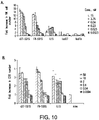
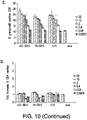
- Anti-PD-L1-SD15 fusion proteins increased NK cell number ( Fig. 10A ), increased CD8 proliferation ( Fig. 10B ) and activation (measured by % of granzymeB positive CD8, Fig. 10C ) similarly as IL15. No significant increase in CD4 numbers were observed for all cultures ( Fig. 10D ).
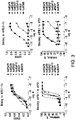
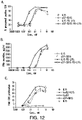
- cD7-SD15 lowers the effective dose needed to activate CD8 as measured by increase in % of granzymeB positive CD8 cells ( Figure 12A ) and IFN ⁇ secretion ( Figure 12B ) by about ten-fold. cD7-SD15 also increases maximum level of CD8 activation when compared to IL15 ( Figure 12A and B ). When compared to addition of anti-PD-L1 antibody plus free IL15, the anti-PD-L1-SD15 fusion protein increased CD8 proliferation to a level higher than the combination added separately ( Figure 12C ).
- anti-PD-Ll-SD15 fusion protein will be beneficial in the setting of immunotherapy as lower doses of anti-PD-L1-SD15 fusion protein can be used to achieve a higher level of CD8 activation and proliferation.
- the high amplified response of CD8 to anti-PD-L1-SD15 fusion protein in cases where the antigen presenting cells express PD-L1 will be advantageous in achieving selective CD8 activation.
- CD8 T cells were co-cultured with human PD-L1 expressing MAD-MB-231 tumor cells in the presence of anti-PD-L1-SD15 fusion protein or anti-KLH-SD15, which has no binding activity to PD-L1 expressing tumor cells, for 7 days prior to the measurement of tumor cell death.
- Human CD8 T cells and the tumor cells were co-cultured in IMDM supplemented with 10% FBS for 7 days. Tumor cell killing activity was assessed by the measurement of the number of dead tumor cells stained by Viability Dye eFluor 780 in FACS.
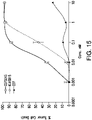
- the CD8 T cell mediated cytotoxicity of MDA-MB-231 was significantly enhanced by anti-PD-L1-SD15 fusion protein in comparison to the treatment with anti-KLH-SD15 in the co-culture ( Figure 15 ).
- PD-L1-SD15 fusion protein cD7-SD15 significantly increased the survival rate of mice bearing PD-L1 expressing tumor cells in the tumor model of mice intravenously injected with murine CT26 colon tumor cells in comparison to the mice treated with vehicle or PD-L1-SD15 fusion protein sD7-SD15, which does not have binding activity to murine PD-L1 ( Figure 16 ).
- bifunctional anti-PD-L1-SD15 fusion protein has advantage to enhance antitumor immunity while minimize side effects.
- This type of bifunctional antibody cytokine fusion proteins has potential as novel immunomodulatory therapeutics to achieve greater antitumor efficacy in the control of tumor progression.
- Variants of the tcc ⁇ D7 heavy chain were produced by introducing amino acid substitutions at three of the methionine positions in CDR-1H and screening for improved affinity. More particularly, a library containing about 1 ⁇ 10 8 variants of CDRH1 of tcc ⁇ D7 was generated in which the first, second and fourth methionine positions were simultaneously varied. The library was panned on recombinant human PDL1-Fc (PDL1 ECD and human Fc fusion protein, Q9NZQ7) or murine PDL1-Fc (Q9EP73) which were immobilized on immune-tubes for four rounds. The ELISA positive clones from rounds 3 and 4 were sequenced. The unique clones were compared by competition ELISA.
- Table 4 shows the amino acid substitutions observed in 25 variants obtained from the screen, with SEQ ID NOs: for the affinity matured CDR-1H sequences and heavy chain variable domains containing the CDRs.
- the amino acid sequences of these variants are also set forth the sequence listing as indicated in Table 1.
- tccD7_#114 and tccD7_#102 were converted to IgG and also to an IgG form containing two Leu-Ala substitutions in the hinge region for reduced ADCC, as described elsewhere herein.
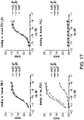
- the antibodies were expressed and purified for the further characterization. Improved binding to soluble PDL1 is shown in Fig. 17 for the two affinity matured variants.
- Fig. 18 shows the two variants blocked binding of human PD1 to human PDL1 (left panel) and blocked binding of mouse PD1 to mouse PDL1 (right panel).
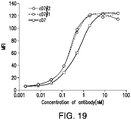
- the variants wlao demonstrated higher binding activity to MDA-MB-231 cells compared to the parent ( Fig. 19 ).
- the affinity matured variants were tested for their ability to promote production of Th1 cytokines IL2 and IFN ⁇ .
- PBMC isolated from whole blood were stimulated with the super antigen Staphylococcus Enterotoxin B (SEB, 0.1 ug/mL) in the presence of anti-PD-L1 antibodies.
- SEB super antigen Staphylococcus Enterotoxin B
- IFN ⁇ and IL-2 were measured by ELISA.
- Significant increases in the levels of IFN ⁇ and IL-2 were observed in cultures with the variants of anti-PD-L1 antibodies cD7#1 and #2 when compared to cD7 ( Fig. 20 ).
- fusion protein variants comprising a PD-L1 binding domain, an IL15R ⁇ sushi domain and IL15 were constructed.
- Certain constructs include a linker between the IL15R ⁇ sushi domain and the IL15 portion.
- 11 amino acids of exon 3 present in the c-terminal of the IL15 receptor ⁇ sushi domain were replaced with "GS" linkers of various lengths.
- GS linkers include SGGSGGGGSGGGSGGGGS (SEQ ID NO:324; 18 amino acids), SGGSGGGGSGGGSGGGGSLQ (SEQ ID NO:314; 20 amino acids), SGGGGSGGGGSGGGGSGGGGSGGGG (SEQ ID NO:316; 25 amino acids), SGGGGSGGGGSGGGGSGGGGSGGGGSGGGG (SEQ ID NO:318; 30 amino acids).
- SGGGGSGGGGSGGGGSGGGGGGSGGGGSGGGGGGSGGGGSGGGGGG (SEQ ID NO:320; 40 amino acids), and SGGGGSGGGGSGGGGSGGGGSGGGGSGGGGGGSGGGGSGGGGGG(SEQ ID NO:322; 50 amino acids) in constructs having SEQ ID NOS:325, 315, 317, 319, 321, and 323, respectively.
- Fusion proteins were expressed in HEK293 cells, transiently or stably, and purified by protein A column chromatography according to manufacturers instructions.
- the C-terminal serine of the lambda light chain was deleted, referred to herein by the designation "ds.”
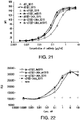
- Fusion proteins containing the tcc ⁇ D7 affinity matured variant #102 with the sushi domain and IL15 were tested for binding to MDA-MB-231 by flow cytometry. All demonstrated improved binding compared to the fusion protein containing tcc ⁇ D7 ( Fig. 21 ).
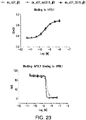
- the fusion proteins containing the tcc ⁇ D7 affinity matured variant #102 were also confirmed to have stimulatory activity on IL15-responsive human megakaryoblastic leukemia cells.
- Cells were cultured with anti-PD-L1-SD15 fusion proteins in RPMI 1640 supplemented with 10% FBS and 20% conditioned medium of human bladder carcinoma 5637 cells for 48 hours. Cell proliferation was measured as Relative Luminescence Units (RLU) by CellTiter-Glo ® Luminescent Cell Viability Assay ( Fig. 22 ).
- RLU Relative Luminescence Units
Landscapes
- Health & Medical Sciences (AREA)
- Life Sciences & Earth Sciences (AREA)
- Chemical & Material Sciences (AREA)
- Organic Chemistry (AREA)
- Immunology (AREA)
- General Health & Medical Sciences (AREA)
- Medicinal Chemistry (AREA)
- Orthopedic Medicine & Surgery (AREA)
- Molecular Biology (AREA)
- Animal Behavior & Ethology (AREA)
- Public Health (AREA)
- Veterinary Medicine (AREA)
- Proteomics, Peptides & Aminoacids (AREA)
- Biochemistry (AREA)
- Genetics & Genomics (AREA)
- Biophysics (AREA)
- Engineering & Computer Science (AREA)
- Nuclear Medicine, Radiotherapy & Molecular Imaging (AREA)
- Pharmacology & Pharmacy (AREA)
- Surgery (AREA)
- Neurology (AREA)
- Toxicology (AREA)
- Gastroenterology & Hepatology (AREA)
- Zoology (AREA)
- Cell Biology (AREA)
- Bioinformatics & Cheminformatics (AREA)
- General Chemical & Material Sciences (AREA)
- Chemical Kinetics & Catalysis (AREA)
- Biomedical Technology (AREA)
- Medical Informatics (AREA)
- Heart & Thoracic Surgery (AREA)
- Epidemiology (AREA)
- Oncology (AREA)
- Communicable Diseases (AREA)
- Virology (AREA)
- Peptides Or Proteins (AREA)
- Micro-Organisms Or Cultivation Processes Thereof (AREA)
- Medicines Containing Antibodies Or Antigens For Use As Internal Diagnostic Agents (AREA)
- Medicines That Contain Protein Lipid Enzymes And Other Medicines (AREA)
- Pharmaceuticals Containing Other Organic And Inorganic Compounds (AREA)
Priority Applications (5)
| Application Number | Priority Date | Filing Date | Title |
|---|---|---|---|
| SI201531793T SI3094351T1 (sl) | 2014-01-15 | 2015-01-15 | Imunomodulatorna sredstva |
| HRP20220214TT HRP20220214T1 (hr) | 2014-01-15 | 2015-01-15 | Imunomodulacijska sredstva |
| EP21215577.4A EP4079321A1 (en) | 2014-01-15 | 2015-01-15 | Immunomodulatory agents |
| RS20220223A RS62989B9 (sr) | 2014-01-15 | 2015-01-15 | Imunomodulatorni agensi |
| PL15736953T PL3094351T3 (pl) | 2014-01-15 | 2015-01-15 | Środki immunomodulujące |
Applications Claiming Priority (2)
| Application Number | Priority Date | Filing Date | Title |
|---|---|---|---|
| US201461927907P | 2014-01-15 | 2014-01-15 | |
| PCT/US2015/011657 WO2015109124A2 (en) | 2014-01-15 | 2015-01-15 | Immunomodulatory agents |
Related Child Applications (2)
| Application Number | Title | Priority Date | Filing Date |
|---|---|---|---|
| EP21215577.4A Division EP4079321A1 (en) | 2014-01-15 | 2015-01-15 | Immunomodulatory agents |
| EP21215577.4A Division-Into EP4079321A1 (en) | 2014-01-15 | 2015-01-15 | Immunomodulatory agents |
Publications (4)
| Publication Number | Publication Date |
|---|---|
| EP3094351A2 EP3094351A2 (en) | 2016-11-23 |
| EP3094351A4 EP3094351A4 (en) | 2017-06-28 |
| EP3094351B1 EP3094351B1 (en) | 2021-12-29 |
| EP3094351B9 true EP3094351B9 (en) | 2022-04-13 |
Family
ID=53543618
Family Applications (2)
| Application Number | Title | Priority Date | Filing Date |
|---|---|---|---|
| EP15736953.9A Active EP3094351B9 (en) | 2014-01-15 | 2015-01-15 | Immunomodulatory agents |
| EP21215577.4A Pending EP4079321A1 (en) | 2014-01-15 | 2015-01-15 | Immunomodulatory agents |
Family Applications After (1)
| Application Number | Title | Priority Date | Filing Date |
|---|---|---|---|
| EP21215577.4A Pending EP4079321A1 (en) | 2014-01-15 | 2015-01-15 | Immunomodulatory agents |
Country Status (15)
| Country | Link |
|---|---|
| US (2) | US10407502B2 (pl) |
| EP (2) | EP3094351B9 (pl) |
| JP (5) | JP2017509319A (pl) |
| CN (3) | CN113603788B (pl) |
| CA (2) | CA2936543C (pl) |
| DK (1) | DK3094351T3 (pl) |
| ES (1) | ES2908264T3 (pl) |
| HR (1) | HRP20220214T1 (pl) |
| HU (1) | HUE057917T2 (pl) |
| LT (1) | LT3094351T (pl) |
| PL (1) | PL3094351T3 (pl) |
| PT (1) | PT3094351T (pl) |
| RS (1) | RS62989B9 (pl) |
| SI (1) | SI3094351T1 (pl) |
| WO (1) | WO2015109124A2 (pl) |
Families Citing this family (162)
| Publication number | Priority date | Publication date | Assignee | Title |
|---|---|---|---|---|
| DK2160401T3 (da) | 2007-05-11 | 2014-10-20 | Altor Bioscience Corp | Fusionsmolekyler og il-15-varianter |
| EP4209510B1 (en) | 2008-12-09 | 2024-01-31 | F. Hoffmann-La Roche AG | Anti-pd-l1 antibodies and their use to enhance t-cell function |
| EP2734205B1 (en) | 2011-07-21 | 2018-03-21 | Tolero Pharmaceuticals, Inc. | Heterocyclic protein kinase inhibitors |
| CA2919725C (en) | 2013-08-08 | 2023-04-18 | Cytune Pharma | An il-15 and il-15r.aplha. sushi domain based modulokines |
| EP3757130A1 (en) | 2013-09-26 | 2020-12-30 | Costim Pharmaceuticals Inc. | Methods for treating hematologic cancers |
| EP3094351B9 (en) * | 2014-01-15 | 2022-04-13 | Kadmon Corporation, LLC | Immunomodulatory agents |
| CA2935423C (en) | 2014-01-24 | 2023-11-07 | Dana-Farber Cancer Institute, Inc. | Antibody molecules to pd-1 and uses thereof |
| AU2015210750B2 (en) | 2014-01-31 | 2020-08-20 | Children's Medical Center Corporation | Antibody molecules to TIM-3 and uses thereof |
| GB201403775D0 (en) | 2014-03-04 | 2014-04-16 | Kymab Ltd | Antibodies, uses & methods |
| WO2015138920A1 (en) | 2014-03-14 | 2015-09-17 | Novartis Ag | Antibody molecules to lag-3 and uses thereof |
| KR102503476B1 (ko) | 2014-06-30 | 2023-02-24 | 알토 바이오사이언스 코포레이션 | Il-15-베이즈드 분자 및 이의 사용 방법 |
| WO2016040882A1 (en) | 2014-09-13 | 2016-03-17 | Novartis Ag | Combination therapies of egfr inhibitors |
| WO2016061142A1 (en) | 2014-10-14 | 2016-04-21 | Novartis Ag | Antibody molecules to pd-l1 and uses thereof |
| US9139653B1 (en) | 2015-04-30 | 2015-09-22 | Kymab Limited | Anti-human OX40L antibodies and methods of treatment |
| CN108112254B (zh) | 2015-03-13 | 2022-01-28 | 西托姆克斯治疗公司 | 抗-pdl1抗体、可活化的抗-pdl1抗体、及其使用方法 |
| PL3298021T3 (pl) | 2015-05-18 | 2019-11-29 | Tolero Pharmaceuticals Inc | Proleki alvocidibu o zwiększonej biodostępności |
| CA2986765A1 (en) | 2015-05-29 | 2016-12-08 | Agenus Inc. | Anti-ctla-4 antibodies and methods of use thereof |
| ES2878188T3 (es) | 2015-07-29 | 2021-11-18 | Novartis Ag | Terapias de combinación que comprenden moléculas de anticuerpos contra LAG-3 |
| WO2017136562A2 (en) * | 2016-02-02 | 2017-08-10 | Kadmon Corporation, Llc | Bispecific binding proteins for pd-l1 and kdr |
| US11414491B2 (en) * | 2016-05-18 | 2022-08-16 | Mayo Foundation For Medical Education And Research | Targeting PD-L1 on tumor cells |
| MX389710B (es) | 2016-05-27 | 2025-03-20 | Agenus Inc | Anticuerpos anti proteina inmunoglobulina de linfocitos t y dominio de mucina 3 (tim-3) y métodos para usarlos. |
| US11472856B2 (en) | 2016-06-13 | 2022-10-18 | Torque Therapeutics, Inc. | Methods and compositions for promoting immune cell function |
| WO2018029474A2 (en) | 2016-08-09 | 2018-02-15 | Kymab Limited | Anti-icos antibodies |
| US9567399B1 (en) | 2016-06-20 | 2017-02-14 | Kymab Limited | Antibodies and immunocytokines |
| JP7461741B2 (ja) | 2016-06-20 | 2024-04-04 | カイマブ・リミテッド | 抗pd-l1およびil-2サイトカイン |
| CA3032897A1 (en) | 2016-08-09 | 2018-02-15 | Kymab Limited | Anti-icos antibodies |
| KR102576042B1 (ko) | 2016-10-11 | 2023-09-07 | 아게누스 인코포레이티드 | 항-lag-3 항체 및 이의 사용 방법 |
| KR102392142B1 (ko) | 2016-10-21 | 2022-04-28 | 알토 바이오사이언스 코포레이션 | 다량체 il-15 기반 분자 |
| US11779604B2 (en) | 2016-11-03 | 2023-10-10 | Kymab Limited | Antibodies, combinations comprising antibodies, biomarkers, uses and methods |
| WO2018094275A1 (en) | 2016-11-18 | 2018-05-24 | Tolero Pharmaceuticals, Inc. | Alvocidib prodrugs and their use as protein kinase inhibitors |
| FI3551660T3 (fi) | 2016-12-07 | 2023-12-11 | Agenus Inc | Anti-ctla-4-vasta-aineita ja niiden käyttömenetelmiä |
| CN118634323A (zh) | 2016-12-07 | 2024-09-13 | 艾吉纳斯公司 | 抗体和其使用方法 |
| EP3554561B1 (en) | 2016-12-14 | 2023-06-28 | Janssen Biotech, Inc. | Cd137 binding fibronectin type iii domains |
| BR112019012154A2 (pt) | 2016-12-14 | 2019-11-12 | Janssen Biotech, Inc. | domínios do tipo iii da fibronectina de ligação a cd8a |
| EP3554535A4 (en) | 2016-12-14 | 2020-10-21 | Janssen Biotech, Inc. | PD-L1 BINDING FIBRONECTIN TYPE III DOMAINS |
| AU2018207172B2 (en) | 2017-01-13 | 2023-10-12 | Mink Therapeutics, Inc. | T cell receptors that bind to NY-ESO-1 and methods of use thereof |
| JP7132232B2 (ja) | 2017-02-24 | 2022-09-06 | マクロジェニクス,インコーポレーテッド | Cd137及び腫瘍抗原に結合できる二重特異性結合分子並びにその使用 |
| US11629340B2 (en) | 2017-03-03 | 2023-04-18 | Obsidian Therapeutics, Inc. | DHFR tunable protein regulation |
| CN107082812B (zh) * | 2017-03-29 | 2018-11-13 | 上海科医联创生物科技有限公司 | 一种恢复衰竭性免疫细胞功能的融合蛋白及其应用 |
| JP7297672B2 (ja) | 2017-04-13 | 2023-06-26 | アジェナス インコーポレイテッド | 抗cd137抗体およびその使用方法 |
| AR111651A1 (es) | 2017-04-28 | 2019-08-07 | Novartis Ag | Conjugados de anticuerpos que comprenden agonistas del receptor de tipo toll y terapias de combinación |
| RS64576B1 (sr) | 2017-05-01 | 2023-10-31 | Agenus Inc | Anti-tigit antitela i postupci njihove primene |
| BR112019025188A2 (pt) | 2017-06-01 | 2020-06-23 | Cytomx Therapeutics, Inc. | Anticorpos anti-pdl1 ativáveis e métodos de uso dos mesmos |
| WO2018229715A1 (en) | 2017-06-16 | 2018-12-20 | Novartis Ag | Compositions comprising anti-cd32b antibodies and methods of use thereof |
| GB201709808D0 (en) | 2017-06-20 | 2017-08-02 | Kymab Ltd | Antibodies |
| US11312783B2 (en) | 2017-06-22 | 2022-04-26 | Novartis Ag | Antibody molecules to CD73 and uses thereof |
| WO2018237173A1 (en) | 2017-06-22 | 2018-12-27 | Novartis Ag | ANTIBODY MOLECULES DIRECTED AGAINST CD73 AND CORRESPONDING USES |
| US20190048072A1 (en) | 2017-06-22 | 2019-02-14 | Novartis Ag | USE OF IL-1beta BINDING ANTIBODIES |
| US20200223924A1 (en) | 2017-06-27 | 2020-07-16 | Novartis Ag | Dosage regimens for anti-tim-3 antibodies and uses thereof |
| KR20200031659A (ko) | 2017-07-20 | 2020-03-24 | 노파르티스 아게 | 항-lag-3 항체의 투여 요법 및 그의 용도 |
| JP7387585B2 (ja) | 2017-09-04 | 2023-11-28 | アジェナス インコーポレイテッド | 混合系統白血病(mll)特異的ホスホペプチドに結合するt細胞受容体およびその使用方法 |
| WO2019055579A1 (en) | 2017-09-12 | 2019-03-21 | Tolero Pharmaceuticals, Inc. | TREATMENT REGIME FOR CANCERS THAT ARE INSENSITIVE TO BCL-2 INHIBITORS USING THE MCL-1 ALVOCIDIB INHIBITOR |
| WO2019081983A1 (en) | 2017-10-25 | 2019-05-02 | Novartis Ag | CD32B TARGETING ANTIBODIES AND METHODS OF USE |
| WO2019096137A1 (zh) * | 2017-11-14 | 2019-05-23 | 拜西欧斯(北京)生物技术有限公司 | 包含免疫检查点抑制剂的融合物及其制备方法和应用 |
| WO2019108900A1 (en) | 2017-11-30 | 2019-06-06 | Novartis Ag | Bcma-targeting chimeric antigen receptor, and uses thereof |
| GB201721338D0 (en) | 2017-12-19 | 2018-01-31 | Kymab Ltd | Anti-icos Antibodies |
| EP3728314A1 (en) | 2017-12-19 | 2020-10-28 | Kymab Limited | Bispecific antibody for icos and pd-l1 |
| CU24545B1 (es) * | 2017-12-29 | 2021-09-07 | Ct Ingenieria Genetica Biotecnologia | Péptido antagonista de la actividad de la interleucina-15 |
| CN112218651A (zh) | 2018-01-08 | 2021-01-12 | 诺华公司 | 用于与嵌合抗原受体疗法组合的免疫增强rna |
| TW201938196A (zh) * | 2018-01-18 | 2019-10-01 | 美商南特生物科學股份有限公司 | 融合蛋白擴展 |
| AU2019215031C1 (en) | 2018-01-31 | 2026-02-26 | Novartis Ag | Combination therapy using a chimeric antigen receptor |
| WO2019160956A1 (en) | 2018-02-13 | 2019-08-22 | Novartis Ag | Chimeric antigen receptor therapy in combination with il-15r and il15 |
| WO2019166946A1 (en) | 2018-02-28 | 2019-09-06 | Pfizer Inc. | Il-15 variants and uses thereof |
| US20210147547A1 (en) | 2018-04-13 | 2021-05-20 | Novartis Ag | Dosage Regimens For Anti-Pd-L1 Antibodies And Uses Thereof |
| KR20210005646A (ko) | 2018-04-26 | 2021-01-14 | 아게누스 인코포레이티드 | 열쇼크 단백질-결합 펩티드 조성물 및 그의 이용 방법 |
| UY38247A (es) | 2018-05-30 | 2019-12-31 | Novartis Ag | Anticuerpos frente a entpd2, terapias de combinación y métodos de uso de los anticuerpos y las terapias de combinación |
| WO2019232319A1 (en) | 2018-05-31 | 2019-12-05 | Peloton Therapeutics, Inc. | Compositions and methods for inhibiting cd73 |
| US20210214459A1 (en) | 2018-05-31 | 2021-07-15 | Novartis Ag | Antibody molecules to cd73 and uses thereof |
| AU2019277029C1 (en) | 2018-06-01 | 2024-01-04 | Novartis Ag | Binding molecules against BCMA and uses thereof |
| CU20210002A7 (es) | 2018-07-10 | 2021-08-06 | Novartis Ag | Derivados de 3-(5-hidroxi-1-oxoisoindolin-2-il)piperidina-2,6-diona y su uso en el tratamiento de trastornos dependientes de la proteína con dedos de zinc 2 de la familia ikaros (ikzf2) |
| AR116109A1 (es) | 2018-07-10 | 2021-03-31 | Novartis Ag | Derivados de 3-(5-amino-1-oxoisoindolin-2-il)piperidina-2,6-diona y usos de los mismos |
| US20230053449A1 (en) | 2018-10-31 | 2023-02-23 | Novartis Ag | Dc-sign antibody drug conjugates |
| JP2022511029A (ja) | 2018-12-04 | 2022-01-28 | スミトモ ダイニッポン ファーマ オンコロジー, インコーポレイテッド | がんの処置のための薬剤としての使用のためのcdk9インヒビターおよびその多形 |
| AU2019396360A1 (en) | 2018-12-11 | 2021-05-27 | Theravance Biopharma R&D Ip, Llc | Naphthyridine and quinoline derivatives useful as ALK5 inhibitors |
| WO2020128972A1 (en) | 2018-12-20 | 2020-06-25 | Novartis Ag | Dosing regimen and pharmaceutical combination comprising 3-(1-oxoisoindolin-2-yl)piperidine-2,6-dione derivatives |
| EP3897613A1 (en) | 2018-12-21 | 2021-10-27 | Novartis AG | Use of il-1beta binding antibodies |
| JP2022514087A (ja) | 2018-12-21 | 2022-02-09 | ノバルティス アーゲー | IL-1β結合抗体の使用 |
| WO2020128636A1 (en) | 2018-12-21 | 2020-06-25 | Novartis Ag | Use of il-1 beta antibodies in the treatment or prevention of myelodysplastic syndrome |
| AU2019408408A1 (en) | 2018-12-21 | 2021-06-03 | Valerio Therapeutics | New conjugated nucleic acid molecules and their uses |
| WO2020128637A1 (en) | 2018-12-21 | 2020-06-25 | Novartis Ag | Use of il-1 binding antibodies in the treatment of a msi-h cancer |
| AU2020221247B2 (en) | 2019-02-12 | 2024-12-12 | Sumitomo Pharma America, Inc. | Formulations comprising heterocyclic protein kinase inhibitors |
| WO2020165374A1 (en) * | 2019-02-14 | 2020-08-20 | Ose Immunotherapeutics | Bifunctional molecule comprising il-15ra |
| ES3032659T3 (en) | 2019-02-15 | 2025-07-23 | Novartis Ag | 3-(1-oxo-5-(piperidin-4-yl)isoindolin-2-yl)piperidine-2,6-dione derivatives and uses thereof |
| BR112021015672A2 (pt) | 2019-02-15 | 2021-10-05 | Novartis Ag | Derivados de 3-(1-oxoisoindolin-2-il)piperidina-2,6-diona substituída e usos dos mesmos |
| JP2022525149A (ja) | 2019-03-20 | 2022-05-11 | スミトモ ダイニッポン ファーマ オンコロジー, インコーポレイテッド | ベネトクラクスが失敗した急性骨髄性白血病(aml)の処置 |
| EP3941463A1 (en) | 2019-03-22 | 2022-01-26 | Sumitomo Dainippon Pharma Oncology, Inc. | Compositions comprising pkm2 modulators and methods of treatment using the same |
| JP7762570B2 (ja) | 2019-05-20 | 2025-10-30 | サイチューン ファーマ | 癌又は感染性疾患を処置するためのIL-2/IL-15Rβγアゴニスト投薬レジメン |
| WO2020249757A1 (en) * | 2019-06-14 | 2020-12-17 | Philogen S.P.A | Immunoconjugates comprising a single chain diabody and interleukin-15 or interleukin-15 and a sushi domain of interleukin-15 receptor alpha |
| JP2022539208A (ja) | 2019-07-03 | 2022-09-07 | スミトモ ファーマ オンコロジー, インコーポレイテッド | チロシンキナーゼ非受容体1(tnk1)阻害剤およびその使用 |
| WO2021024020A1 (en) | 2019-08-06 | 2021-02-11 | Astellas Pharma Inc. | Combination therapy involving antibodies against claudin 18.2 and immune checkpoint inhibitors for treatment of cancer |
| AU2020329301A1 (en) * | 2019-08-15 | 2022-02-17 | Igm Biosciences, Inc. | Immunostimulatory multimeric binding molecules |
| TW202120560A (zh) * | 2019-08-16 | 2021-06-01 | 國立陽明大學 | 重組多肽及其用途 |
| CN116574183A (zh) | 2019-08-22 | 2023-08-11 | 盛禾(中国)生物制药有限公司 | 多功能抗体、其制备及其用途 |
| KR20220053007A (ko) | 2019-08-30 | 2022-04-28 | 아게누스 인코포레이티드 | 항-cd96 항체 및 이의 사용 방법 |
| TW202124446A (zh) | 2019-09-18 | 2021-07-01 | 瑞士商諾華公司 | 與entpd2抗體之組合療法 |
| JP2022548881A (ja) | 2019-09-18 | 2022-11-22 | ノバルティス アーゲー | Entpd2抗体、組合せ療法並びに抗体及び組合せ療法を使用する方法 |
| WO2021076546A1 (en) | 2019-10-14 | 2021-04-22 | Aro Biotherapeutics Company | Cd71 binding fibronectin type iii domains |
| US11781138B2 (en) | 2019-10-14 | 2023-10-10 | Aro Biotherapeutics Company | FN3 domain-siRNA conjugates and uses thereof |
| US12491255B2 (en) | 2019-10-14 | 2025-12-09 | Aro Biotherapeutics Company | EPCAM binding fibronectin type III domains |
| CN112679615B (zh) * | 2019-10-17 | 2023-09-22 | 瑞阳(苏州)生物科技有限公司 | 一种融合蛋白 |
| TW202128191A (zh) | 2019-10-21 | 2021-08-01 | 瑞士商諾華公司 | Tim-3抑制劑及其用途 |
| CA3158298A1 (en) | 2019-10-21 | 2021-04-29 | Novartis Ag | Combination therapies with venetoclax and tim-3 inhibitors |
| IL293084A (en) | 2019-11-22 | 2022-07-01 | Theravance Biopharma R& D Ip Llc | Substituted 1,5-naphthyridines or quinolines as alk5 inhibitors |
| JP2023502264A (ja) | 2019-11-22 | 2023-01-23 | スミトモ ファーマ オンコロジー, インコーポレイテッド | 固体用量医薬組成物 |
| KR20220116257A (ko) | 2019-12-20 | 2022-08-22 | 노파르티스 아게 | 골수섬유증 및 골수이형성 증후군을 치료하기 위한, 데시타빈 또는 항 pd-1 항체 스파르탈리주맙을 포함하거나 또는 포함하지 않는, 항 tim-3 항체 mbg453 및 항 tgf-베타 항체 nis793의 조합물 |
| US20230058489A1 (en) | 2020-01-17 | 2023-02-23 | Novartis Ag | Combination comprising a tim-3 inhibitor and a hypomethylating agent for use in treating myelodysplastic syndrome or chronic myelomonocytic leukemia |
| WO2021152005A1 (en) | 2020-01-28 | 2021-08-05 | Universite De Strasbourg | Antisense oligonucleotide targeting linc00518 for treating melanoma |
| EP4126824A1 (en) | 2020-03-31 | 2023-02-08 | Theravance Biopharma R&D IP, LLC | Substituted pyrimidines and methods of use |
| KR20230002261A (ko) | 2020-04-28 | 2023-01-05 | 더 락커펠러 유니버시티 | 항-sars-cov-2 중화 항체 및 이의 사용 방법 |
| JP2023530275A (ja) | 2020-06-10 | 2023-07-14 | セラヴァンス バイオファーマ アール&ディー アイピー, エルエルシー | Alk5阻害剤として有用なナフチリジン誘導体 |
| AR122644A1 (es) | 2020-06-19 | 2022-09-28 | Onxeo | Nuevas moléculas de ácido nucleico conjugado y sus usos |
| CN115916199A (zh) | 2020-06-23 | 2023-04-04 | 诺华股份有限公司 | 包含3-(1-氧代异吲哚啉-2-基)哌啶-2,6-二酮衍生物的给药方案 |
| EP4168124A4 (en) * | 2020-06-23 | 2024-10-02 | Kadmon Corporation, LLC | ANTI-PD-1 ANTIBODIES AND FUSION PROTEINS |
| CA3182579A1 (en) | 2020-07-07 | 2022-01-13 | Ugur Sahin | Therapeutic rna for hpv-positive cancer |
| US20230271940A1 (en) | 2020-08-03 | 2023-08-31 | Novartis Ag | Heteroaryl substituted 3-(1-oxoisoindolin-2-yl)piperidine-2,6-dione derivatives and uses thereof |
| JP7823021B2 (ja) * | 2020-08-07 | 2026-03-03 | バイオ-テラ ソリュ-ションズ,エルティーディー. | 抗pd-l1抗体及びその応用 |
| CN112898436A (zh) * | 2020-10-23 | 2021-06-04 | 广州医科大学附属肿瘤医院 | 一种具有靶向功能的鼠pd1和鼠il-15基因融合蛋白的表达及其应用 |
| KR20230096047A (ko) | 2020-10-26 | 2023-06-29 | 싸이튠 파마 | 비흑색종 피부암 치료용 IL-2/IL-15Rβγ 작용제 |
| JP2023550685A (ja) | 2020-10-26 | 2023-12-05 | サイチューン ファーマ | 扁平上皮癌を治療するためのIL-2/IL-15Rβγアゴニスト |
| EP4240491A1 (en) | 2020-11-06 | 2023-09-13 | Novartis AG | Cd19 binding molecules and uses thereof |
| TW202237119A (zh) | 2020-12-10 | 2022-10-01 | 美商住友製藥腫瘤公司 | Alk﹘5抑制劑和彼之用途 |
| KR20230125809A (ko) * | 2020-12-18 | 2023-08-29 | 바이오아르디스 엘엘씨 | Fap 결합 분자 및 이의 사용 |
| WO2022135666A1 (en) | 2020-12-21 | 2022-06-30 | BioNTech SE | Treatment schedule for cytokine proteins |
| TW202245808A (zh) | 2020-12-21 | 2022-12-01 | 德商拜恩迪克公司 | 用於治療癌症之治療性rna |
| WO2022135667A1 (en) | 2020-12-21 | 2022-06-30 | BioNTech SE | Therapeutic rna for treating cancer |
| EP4284510A1 (en) | 2021-01-29 | 2023-12-06 | Novartis AG | Dosage regimes for anti-cd73 and anti-entpd2 antibodies and uses thereof |
| WO2022192259A1 (en) * | 2021-03-09 | 2022-09-15 | Cureimmune Therapeutics Inc. | BIFUNCTIONAL HOMODIMERIC ANTI-PD-1 AND IL-15/IL-15Rα FUSION PROTEINS AND USES THEREOF |
| CN117321418A (zh) | 2021-03-18 | 2023-12-29 | 诺华股份有限公司 | 癌症生物标志物及其使用方法 |
| TW202304506A (zh) | 2021-03-25 | 2023-02-01 | 日商安斯泰來製藥公司 | 涉及抗claudin 18.2抗體的組合治療以治療癌症 |
| TW202304979A (zh) | 2021-04-07 | 2023-02-01 | 瑞士商諾華公司 | 抗TGFβ抗體及其他治療劑用於治療增殖性疾病之用途 |
| CA3213079A1 (en) | 2021-04-13 | 2022-10-20 | Kristin Lynne ANDREWS | Amino-substituted heterocycles for treating cancers with egfr mutations |
| US12239710B2 (en) | 2021-04-14 | 2025-03-04 | Aro Biotherapeutics Company | FN3 domain-siRNA conjugates and uses thereof |
| IL307582A (en) | 2021-04-14 | 2023-12-01 | Aro Biotherapeutics Company | CD71-binding domains of the fibronectin type |
| TW202313682A (zh) | 2021-05-18 | 2023-04-01 | 英商凱麥博有限公司 | 抗icos抗體之用途 |
| AR125874A1 (es) | 2021-05-18 | 2023-08-23 | Novartis Ag | Terapias de combinación |
| WO2022251359A1 (en) | 2021-05-26 | 2022-12-01 | Theravance Biopharma R&D Ip, Llc | Bicyclic inhibitors of alk5 and methods of use |
| WO2022251705A1 (en) * | 2021-05-28 | 2022-12-01 | Akso Biopharmaceutical Inc. | BISPECIFIC FC FUSION PROTEINS WITH sPD-1 AND IL-15 |
| GB202107994D0 (en) | 2021-06-04 | 2021-07-21 | Kymab Ltd | Treatment of cancer |
| CA3225254A1 (en) | 2021-07-13 | 2023-01-19 | BioNTech SE | Multispecific binding agents against cd40 and cd137 in combination therapy for cancer |
| WO2023051926A1 (en) | 2021-09-30 | 2023-04-06 | BioNTech SE | Treatment involving non-immunogenic rna for antigen vaccination and pd-1 axis binding antagonists |
| TW202333802A (zh) | 2021-10-11 | 2023-09-01 | 德商拜恩迪克公司 | 用於肺癌之治療性rna(二) |
| WO2023083439A1 (en) | 2021-11-09 | 2023-05-19 | BioNTech SE | Tlr7 agonist and combinations for cancer treatment |
| EP4434998A4 (en) * | 2021-11-18 | 2025-06-18 | Shandong Simcere Biopharmaceutical Co., Ltd. | PHARMACEUTICAL COMPOSITION OF IL-15 MUTANT FUSION PROTEIN |
| WO2023102367A1 (en) * | 2021-12-01 | 2023-06-08 | Kadmon Corporation, Llc | B7-h4 antibodies and anti-b7-h4 antibody/il-15 fusion proteins |
| AU2022409713A1 (en) | 2021-12-16 | 2024-06-20 | Valerio Therapeutics | New conjugated nucleic acid molecules and their uses |
| EP4493189A1 (en) | 2022-03-14 | 2025-01-22 | Laekna Limited | Combination treatment for cancer |
| WO2023214325A1 (en) | 2022-05-05 | 2023-11-09 | Novartis Ag | Pyrazolopyrimidine derivatives and uses thereof as tet2 inhibitors |
| WO2023217067A1 (zh) * | 2022-05-09 | 2023-11-16 | 上海先博生物科技有限公司 | 工程化免疫效应细胞及其与CBL-b抑制剂联用的应用 |
| US20250340641A1 (en) | 2022-05-18 | 2025-11-06 | Kymab Limited | Uses of anti-icos antibodies |
| WO2024017362A1 (zh) * | 2022-07-22 | 2024-01-25 | 上海先博生物科技有限公司 | 靶向gprc5d和/或bcma的嵌合抗原受体及其应用 |
| CN120302979A (zh) | 2022-12-01 | 2025-07-11 | 生物技术公司 | 针对CD40和CD137的多特异性抗体与抗PD1 Ab和化学治疗的组合治疗 |
| EP4634224A1 (en) | 2022-12-14 | 2025-10-22 | Astellas Pharma Europe Bv | Combination therapy involving bispecific binding agents binding to cldn18.2 and cd3 and immune checkpoint inhibitors |
| CN120813375A (zh) | 2023-01-30 | 2025-10-17 | 凯玛布有限公司 | 抗体 |
| WO2024216028A1 (en) | 2023-04-12 | 2024-10-17 | Agenus Inc. | Methods of treating cancer using an anti-ctla4 antibody and an enpp1 inhibitor |
| EP4450093A1 (en) | 2023-04-17 | 2024-10-23 | Synaffix B.V. | Cleavable immune cell engagers |
| EP4450489A1 (en) | 2023-04-18 | 2024-10-23 | Synaffix B.V. | Stable 4-isoxazoline conjugates |
| WO2024218162A1 (en) | 2023-04-17 | 2024-10-24 | Synaffix B.V. | Cleavable immune cell engagers |
| WO2025056180A1 (en) | 2023-09-15 | 2025-03-20 | BioNTech SE | Methods of treatment using agents binding to epcam and cd137 in combination with pd-1 axis binding antagonists |
| AR134560A1 (es) | 2023-12-08 | 2026-01-28 | Astellas Pharma Inc | Terapia de combinación que implica agentes de unión biespecíficos que se unen a cldn18.2 y cd3 y agentes que estabilizan o aumentan la expresión de cldn18.2 |
| WO2025120866A1 (en) | 2023-12-08 | 2025-06-12 | Astellas Pharma Inc. | Combination therapy involving bispecific binding agents binding to cldn18.2 and cd3 and agents stabilizing or increasing expression of cldn18.2 |
| WO2025120867A1 (en) | 2023-12-08 | 2025-06-12 | Astellas Pharma Inc. | Combination therapy involving bispecific binding agents binding to cldn18.2 and cd3 and anti-vegfr2 antibodies |
| WO2026033885A1 (en) | 2024-08-08 | 2026-02-12 | Astellas Pharma Inc. | Combination therapy involving bispecific binding agents binding to cldn18.2 and cd3 and agents stabilizing or increasing expression of cldn18.2 |
Family Cites Families (22)
| Publication number | Priority date | Publication date | Assignee | Title |
|---|---|---|---|---|
| MXPA02001878A (es) | 1999-08-23 | 2003-08-20 | Dana Farber Cancer Inst Inc | Moleculas b7-4 novedosas y usos de las mismas. |
| PT1210428E (pt) | 1999-08-23 | 2015-07-21 | Genetics Inst Llc | Pd-1, um recetor para b7-4 e suas utilizações |
| EP1234031B2 (en) | 1999-11-30 | 2021-11-24 | Mayo Foundation For Medical Education And Research | B7-h1, a novel immunoregulatory molecule |
| US6803192B1 (en) | 1999-11-30 | 2004-10-12 | Mayo Foundation For Medical Education And Research | B7-H1, a novel immunoregulatory molecule |
| PT1537878E (pt) * | 2002-07-03 | 2010-11-18 | Ono Pharmaceutical Co | Composições de imunopotenciação |
| PL1899364T5 (pl) | 2005-05-17 | 2024-12-09 | University Of Connecticut | Kompozycje i sposoby immunomodulacji w organizmie |
| CA2612241C (en) * | 2005-07-01 | 2018-11-06 | Medarex, Inc. | Human monoclonal antibodies to programmed death ligand 1 (pd-l1) |
| EP1777294A1 (en) * | 2005-10-20 | 2007-04-25 | Institut National De La Sante Et De La Recherche Medicale (Inserm) | IL-15Ralpha sushi domain as a selective and potent enhancer of IL-15 action through IL-15Rbeta/gamma, and hyperagonist (IL15Ralpha sushi -IL15) fusion proteins |
| CA2947292C (en) * | 2006-12-27 | 2019-07-23 | Emory University | Compositions and methods for the treatment of infections and tumors |
| KR101586617B1 (ko) * | 2007-06-18 | 2016-01-20 | 머크 샤프 앤 도메 비.브이. | 사람 프로그램된 사멸 수용체 pd-1에 대한 항체 |
| ES2456296T3 (es) | 2008-03-27 | 2014-04-21 | Zymogenetics, Inc. | Composiciones y procedimientos para inhibir PDGFR beta y VEGF-A |
| EP4209510B1 (en) * | 2008-12-09 | 2024-01-31 | F. Hoffmann-La Roche AG | Anti-pd-l1 antibodies and their use to enhance t-cell function |
| EP3135294B1 (en) * | 2009-08-14 | 2020-06-03 | The Government of the United States of America as represented by the Secretary of the Department of Health and Human Services | Use of il-15-il-15 receptor heterodimers to treat lymphopenia |
| EP2511294B1 (en) | 2009-12-11 | 2014-02-26 | Proyecto de Biomedicina Cima, S.L. | Conjugates and compositions for immunotherapy and anti-tumoral treatment |
| EP2619229B1 (en) * | 2010-09-21 | 2016-04-06 | Altor BioScience Corporation | Multimeric il-15 soluble fusion molecules and methods of making and using same |
| EA201892619A1 (ru) | 2011-04-29 | 2019-04-30 | Роше Гликарт Аг | Иммуноконъюгаты, содержащие мутантные полипептиды интерлейкина-2 |
| EP2537933A1 (en) * | 2011-06-24 | 2012-12-26 | Institut National de la Santé et de la Recherche Médicale (INSERM) | An IL-15 and IL-15Ralpha sushi domain based immunocytokines |
| US9624298B2 (en) * | 2011-11-28 | 2017-04-18 | Merck Patent Gmbh | Anti-PD-L1 antibodies and uses thereof |
| AU2013267161A1 (en) * | 2012-05-31 | 2014-11-20 | Sorrento Therapeutics, Inc. | Antigen binding proteins that bind PD-L1 |
| SI3030262T1 (sl) * | 2013-08-08 | 2020-03-31 | Cytune Pharma | Kombiniran farmacevtski sestavek |
| EP3094351B9 (en) * | 2014-01-15 | 2022-04-13 | Kadmon Corporation, LLC | Immunomodulatory agents |
| WO2017205726A1 (en) * | 2016-05-27 | 2017-11-30 | Altor Bioscience Corporation | Construction and characterization of multimeric il-15-based molecules with cd3 binding domains |
-
2015
- 2015-01-15 EP EP15736953.9A patent/EP3094351B9/en active Active
- 2015-01-15 HR HRP20220214TT patent/HRP20220214T1/hr unknown
- 2015-01-15 CA CA2936543A patent/CA2936543C/en active Active
- 2015-01-15 RS RS20220223A patent/RS62989B9/sr unknown
- 2015-01-15 DK DK15736953.9T patent/DK3094351T3/da active
- 2015-01-15 PT PT157369539T patent/PT3094351T/pt unknown
- 2015-01-15 CN CN202110687327.0A patent/CN113603788B/zh active Active
- 2015-01-15 SI SI201531793T patent/SI3094351T1/sl unknown
- 2015-01-15 CN CN202110690222.0A patent/CN113637692A/zh active Pending
- 2015-01-15 PL PL15736953T patent/PL3094351T3/pl unknown
- 2015-01-15 LT LTEPPCT/US2015/011657T patent/LT3094351T/lt unknown
- 2015-01-15 JP JP2016546780A patent/JP2017509319A/ja not_active Withdrawn
- 2015-01-15 HU HUE15736953A patent/HUE057917T2/hu unknown
- 2015-01-15 ES ES15736953T patent/ES2908264T3/es active Active
- 2015-01-15 US US15/111,102 patent/US10407502B2/en active Active
- 2015-01-15 CA CA3193936A patent/CA3193936A1/en active Pending
- 2015-01-15 EP EP21215577.4A patent/EP4079321A1/en active Pending
- 2015-01-15 WO PCT/US2015/011657 patent/WO2015109124A2/en not_active Ceased
- 2015-01-15 CN CN201580000119.1A patent/CN105263521B/zh active Active
-
2020
- 2020-01-17 JP JP2020005892A patent/JP6983918B2/ja active Active
- 2020-03-09 US US16/812,867 patent/US20240059775A9/en active Pending
-
2021
- 2021-11-22 JP JP2021189428A patent/JP7279142B2/ja active Active
-
2023
- 2023-05-09 JP JP2023077360A patent/JP2023099601A/ja active Pending
-
2025
- 2025-08-21 JP JP2025138359A patent/JP2025172792A/ja active Pending
Also Published As
Similar Documents
| Publication | Publication Date | Title |
|---|---|---|
| JP7279142B2 (ja) | 免疫調節剤 | |
| US20180244779A1 (en) | Immunomodulatory agents | |
| WO2017136562A2 (en) | Bispecific binding proteins for pd-l1 and kdr | |
| AU2019225740A1 (en) | Antibody variable domains targeting CD33, and use thereof | |
| EP2903647B1 (en) | Human anti-vegfr-2/kdr antibodies | |
| US20260048084A1 (en) | Methods of administering natural killer cells comprising an anti-human epidermal growth factor receptor 2 (her2) chimeric antigen receptor (car) | |
| HK40078022A (en) | Immunomodulatory agents | |
| HK1230957B (en) | Immunomodulatory agents | |
| JP2017531434A (ja) | ヒト 抗vegfr−2/kdr 抗体s | |
| KR20250106298A (ko) | 항-il-2 항체의 사용 방법 | |
| HK40032016A (en) | Human anti-vegfr-2/kdr antibodies |
Legal Events
| Date | Code | Title | Description |
|---|---|---|---|
| REG | Reference to a national code |
Ref country code: HR Ref legal event code: TUEP Ref document number: P20220214 Country of ref document: HR |
|
| PUAI | Public reference made under article 153(3) epc to a published international application that has entered the european phase |
Free format text: ORIGINAL CODE: 0009012 |
|
| 17P | Request for examination filed |
Effective date: 20160812 |
|
| AK | Designated contracting states |
Kind code of ref document: A2 Designated state(s): AL AT BE BG CH CY CZ DE DK EE ES FI FR GB GR HR HU IE IS IT LI LT LU LV MC MK MT NL NO PL PT RO RS SE SI SK SM TR |
|
| AX | Request for extension of the european patent |
Extension state: BA ME |
|
| DAX | Request for extension of the european patent (deleted) | ||
| A4 | Supplementary search report drawn up and despatched |
Effective date: 20170526 |
|
| RIC1 | Information provided on ipc code assigned before grant |
Ipc: A61K 39/395 20060101AFI20170519BHEP Ipc: C07K 16/24 20060101ALI20170519BHEP Ipc: A61K 39/00 20060101ALI20170519BHEP Ipc: C07K 14/54 20060101ALI20170519BHEP Ipc: C07K 16/46 20060101ALI20170519BHEP Ipc: C07K 14/715 20060101ALI20170519BHEP Ipc: C07K 16/28 20060101ALI20170519BHEP |
|
| REG | Reference to a national code |
Ref country code: HK Ref legal event code: DE Ref document number: 1230957 Country of ref document: HK |
|
| STAA | Information on the status of an ep patent application or granted ep patent |
Free format text: STATUS: EXAMINATION IS IN PROGRESS |
|
| 17Q | First examination report despatched |
Effective date: 20181123 |
|
| GRAP | Despatch of communication of intention to grant a patent |
Free format text: ORIGINAL CODE: EPIDOSNIGR1 |
|
| STAA | Information on the status of an ep patent application or granted ep patent |
Free format text: STATUS: GRANT OF PATENT IS INTENDED |
|
| RIC1 | Information provided on ipc code assigned before grant |
Ipc: A61K 39/395 20060101AFI20210629BHEP Ipc: C07K 16/28 20060101ALI20210629BHEP Ipc: C07K 16/24 20060101ALI20210629BHEP Ipc: C07K 16/46 20060101ALI20210629BHEP Ipc: C07K 14/715 20060101ALI20210629BHEP Ipc: C07K 14/54 20060101ALI20210629BHEP Ipc: A61K 39/00 20060101ALI20210629BHEP Ipc: A61K 47/68 20170101ALI20210629BHEP Ipc: A61P 31/12 20060101ALI20210629BHEP Ipc: A61P 35/00 20060101ALI20210629BHEP Ipc: A61P 37/04 20060101ALI20210629BHEP |
|
| INTG | Intention to grant announced |
Effective date: 20210803 |
|
| GRAS | Grant fee paid |
Free format text: ORIGINAL CODE: EPIDOSNIGR3 |
|
| GRAA | (expected) grant |
Free format text: ORIGINAL CODE: 0009210 |
|
| STAA | Information on the status of an ep patent application or granted ep patent |
Free format text: STATUS: THE PATENT HAS BEEN GRANTED |
|
| AK | Designated contracting states |
Kind code of ref document: B1 Designated state(s): AL AT BE BG CH CY CZ DE DK EE ES FI FR GB GR HR HU IE IS IT LI LT LU LV MC MK MT NL NO PL PT RO RS SE SI SK SM TR |
|
| REG | Reference to a national code |
Ref country code: GB Ref legal event code: FG4D |
|
| REG | Reference to a national code |
Ref country code: CH Ref legal event code: EP |
|
| REG | Reference to a national code |
Ref country code: DE Ref legal event code: R096 Ref document number: 602015076060 Country of ref document: DE |
|
| REG | Reference to a national code |
Ref country code: AT Ref legal event code: REF Ref document number: 1458189 Country of ref document: AT Kind code of ref document: T Effective date: 20220115 |
|
| REG | Reference to a national code |
Ref country code: IE Ref legal event code: FG4D |
|
| REG | Reference to a national code |
Ref country code: RO Ref legal event code: EPE Ref country code: FI Ref legal event code: FGE |
|
| REG | Reference to a national code |
Ref country code: DK Ref legal event code: T3 Effective date: 20220217 |
|
| REG | Reference to a national code |
Ref country code: PT Ref legal event code: SC4A Ref document number: 3094351 Country of ref document: PT Date of ref document: 20220222 Kind code of ref document: T Free format text: AVAILABILITY OF NATIONAL TRANSLATION Effective date: 20220216 |
|
| REG | Reference to a national code |
Ref country code: NL Ref legal event code: FP |
|
| REG | Reference to a national code |
Ref country code: SE Ref legal event code: TRGR |
|
| REG | Reference to a national code |
Ref country code: NO Ref legal event code: T2 Effective date: 20211229 |
|
| REG | Reference to a national code |
Ref country code: GR Ref legal event code: EP Ref document number: 20220400371 Country of ref document: GR Effective date: 20220309 |
|
| REG | Reference to a national code |
Ref country code: CH Ref legal event code: PK Free format text: BERICHTIGUNG B9 |
|
| REG | Reference to a national code |
Ref country code: HR Ref legal event code: ODRP Ref document number: P20220214 Country of ref document: HR Payment date: 20220225 Year of fee payment: 8 |
|
| REG | Reference to a national code |
Ref country code: EE Ref legal event code: FG4A Ref document number: E021994 Country of ref document: EE Effective date: 20220301 |
|
| REG | Reference to a national code |
Ref country code: ES Ref legal event code: FG2A Ref document number: 2908264 Country of ref document: ES Kind code of ref document: T3 Effective date: 20220428 |
|
| REG | Reference to a national code |
Ref country code: HR Ref legal event code: T1PR Ref document number: P20220214 Country of ref document: HR |
|
| PG25 | Lapsed in a contracting state [announced via postgrant information from national office to epo] |
Ref country code: LV Free format text: LAPSE BECAUSE OF FAILURE TO SUBMIT A TRANSLATION OF THE DESCRIPTION OR TO PAY THE FEE WITHIN THE PRESCRIBED TIME-LIMIT Effective date: 20211229 |
|
| PGFP | Annual fee paid to national office [announced via postgrant information from national office to epo] |
Ref country code: EE Payment date: 20220216 Year of fee payment: 8 |
|
| REG | Reference to a national code |
Ref country code: HU Ref legal event code: AG4A Ref document number: E057917 Country of ref document: HU |
|
| PG25 | Lapsed in a contracting state [announced via postgrant information from national office to epo] |
Ref country code: SM Free format text: LAPSE BECAUSE OF FAILURE TO SUBMIT A TRANSLATION OF THE DESCRIPTION OR TO PAY THE FEE WITHIN THE PRESCRIBED TIME-LIMIT Effective date: 20211229 |
|
| REG | Reference to a national code |
Ref country code: EE Ref legal event code: LD4A Ref document number: E021994 Country of ref document: EE |
|
| PG25 | Lapsed in a contracting state [announced via postgrant information from national office to epo] |
Ref country code: MC Free format text: LAPSE BECAUSE OF FAILURE TO SUBMIT A TRANSLATION OF THE DESCRIPTION OR TO PAY THE FEE WITHIN THE PRESCRIBED TIME-LIMIT Effective date: 20211229 Ref country code: IS Free format text: LAPSE BECAUSE OF FAILURE TO SUBMIT A TRANSLATION OF THE DESCRIPTION OR TO PAY THE FEE WITHIN THE PRESCRIBED TIME-LIMIT Effective date: 20220429 |
|
| REG | Reference to a national code |
Ref country code: DE Ref legal event code: R097 Ref document number: 602015076060 Country of ref document: DE |
|
| PG25 | Lapsed in a contracting state [announced via postgrant information from national office to epo] |
Ref country code: AL Free format text: LAPSE BECAUSE OF FAILURE TO SUBMIT A TRANSLATION OF THE DESCRIPTION OR TO PAY THE FEE WITHIN THE PRESCRIBED TIME-LIMIT Effective date: 20211229 |
|
| PLBE | No opposition filed within time limit |
Free format text: ORIGINAL CODE: 0009261 |
|
| STAA | Information on the status of an ep patent application or granted ep patent |
Free format text: STATUS: NO OPPOSITION FILED WITHIN TIME LIMIT |
|
| 26N | No opposition filed |
Effective date: 20220930 |
|
| REG | Reference to a national code |
Ref country code: HR Ref legal event code: ODRP Ref document number: P20220214 Country of ref document: HR Payment date: 20230112 Year of fee payment: 9 |
|
| P01 | Opt-out of the competence of the unified patent court (upc) registered |
Effective date: 20230424 |
|
| REG | Reference to a national code |
Ref country code: EE Ref legal event code: MM4A Ref document number: E021994 Country of ref document: EE Effective date: 20230131 |
|
| PG25 | Lapsed in a contracting state [announced via postgrant information from national office to epo] |
Ref country code: EE Free format text: LAPSE BECAUSE OF NON-PAYMENT OF DUE FEES Effective date: 20230131 |
|
| REG | Reference to a national code |
Ref country code: HR Ref legal event code: ODRP Ref document number: P20220214 Country of ref document: HR Payment date: 20231211 Year of fee payment: 10 |
|
| PG25 | Lapsed in a contracting state [announced via postgrant information from national office to epo] |
Ref country code: MK Free format text: LAPSE BECAUSE OF FAILURE TO SUBMIT A TRANSLATION OF THE DESCRIPTION OR TO PAY THE FEE WITHIN THE PRESCRIBED TIME-LIMIT Effective date: 20211229 Ref country code: CY Free format text: LAPSE BECAUSE OF FAILURE TO SUBMIT A TRANSLATION OF THE DESCRIPTION OR TO PAY THE FEE WITHIN THE PRESCRIBED TIME-LIMIT Effective date: 20211229 |
|
| PG25 | Lapsed in a contracting state [announced via postgrant information from national office to epo] |
Ref country code: MT Free format text: LAPSE BECAUSE OF FAILURE TO SUBMIT A TRANSLATION OF THE DESCRIPTION OR TO PAY THE FEE WITHIN THE PRESCRIBED TIME-LIMIT Effective date: 20211229 |
|
| REG | Reference to a national code |
Ref country code: HR Ref legal event code: ODRP Ref document number: P20220214 Country of ref document: HR Payment date: 20241209 Year of fee payment: 11 |
|
| REG | Reference to a national code |
Ref country code: AT Ref legal event code: UEP Ref document number: 1458189 Country of ref document: AT Kind code of ref document: T Effective date: 20211229 |
|
| PGFP | Annual fee paid to national office [announced via postgrant information from national office to epo] |
Ref country code: LT Payment date: 20251204 Year of fee payment: 12 Ref country code: GB Payment date: 20251204 Year of fee payment: 12 |
|
| PGFP | Annual fee paid to national office [announced via postgrant information from national office to epo] |
Ref country code: FI Payment date: 20251230 Year of fee payment: 12 |
|
| PGFP | Annual fee paid to national office [announced via postgrant information from national office to epo] |
Ref country code: HR Payment date: 20251208 Year of fee payment: 12 Ref country code: NL Payment date: 20251215 Year of fee payment: 12 Ref country code: FR Payment date: 20251208 Year of fee payment: 12 |
|
| PGFP | Annual fee paid to national office [announced via postgrant information from national office to epo] |
Ref country code: GR Payment date: 20251210 Year of fee payment: 12 Ref country code: BE Payment date: 20251223 Year of fee payment: 12 |
|
| REG | Reference to a national code |
Ref country code: HR Ref legal event code: ODRP Ref document number: P20220214 Country of ref document: HR Payment date: 20251208 Year of fee payment: 12 |
|
| PGFP | Annual fee paid to national office [announced via postgrant information from national office to epo] |
Ref country code: SE Payment date: 20251210 Year of fee payment: 12 |
|
| PGFP | Annual fee paid to national office [announced via postgrant information from national office to epo] |
Ref country code: IE Payment date: 20251209 Year of fee payment: 12 |
|
| PGFP | Annual fee paid to national office [announced via postgrant information from national office to epo] |
Ref country code: PL Payment date: 20251212 Year of fee payment: 12 |
|
| PGFP | Annual fee paid to national office [announced via postgrant information from national office to epo] |
Ref country code: BG Payment date: 20251215 Year of fee payment: 12 |
|
| PGFP | Annual fee paid to national office [announced via postgrant information from national office to epo] |
Ref country code: SK Payment date: 20251212 Year of fee payment: 12 Ref country code: RO Payment date: 20251223 Year of fee payment: 12 |
|
| PGFP | Annual fee paid to national office [announced via postgrant information from national office to epo] |
Ref country code: RS Payment date: 20251219 Year of fee payment: 12 |
|
| PGFP | Annual fee paid to national office [announced via postgrant information from national office to epo] |
Ref country code: SI Payment date: 20251215 Year of fee payment: 12 |
|
| REG | Reference to a national code |
Ref country code: CH Ref legal event code: U11 Free format text: ST27 STATUS EVENT CODE: U-0-0-U10-U11 (AS PROVIDED BY THE NATIONAL OFFICE) Effective date: 20260201 |
|
| PGFP | Annual fee paid to national office [announced via postgrant information from national office to epo] |
Ref country code: LU Payment date: 20260116 Year of fee payment: 12 |
|
| PGFP | Annual fee paid to national office [announced via postgrant information from national office to epo] |
Ref country code: HU Payment date: 20260112 Year of fee payment: 12 |
|
| PGFP | Annual fee paid to national office [announced via postgrant information from national office to epo] |
Ref country code: ES Payment date: 20260212 Year of fee payment: 12 |
|
| PGFP | Annual fee paid to national office [announced via postgrant information from national office to epo] |
Ref country code: DE Payment date: 20251203 Year of fee payment: 12 Ref country code: DK Payment date: 20260113 Year of fee payment: 12 Ref country code: NO Payment date: 20260109 Year of fee payment: 12 |
|
| PGFP | Annual fee paid to national office [announced via postgrant information from national office to epo] |
Ref country code: AT Payment date: 20251230 Year of fee payment: 12 |
|
| PGFP | Annual fee paid to national office [announced via postgrant information from national office to epo] |
Ref country code: IT Payment date: 20251219 Year of fee payment: 12 |
|
| PGFP | Annual fee paid to national office [announced via postgrant information from national office to epo] |
Ref country code: TR Payment date: 20260113 Year of fee payment: 12 |
|
| PGFP | Annual fee paid to national office [announced via postgrant information from national office to epo] |
Ref country code: CH Payment date: 20260201 Year of fee payment: 12 Ref country code: PT Payment date: 20260109 Year of fee payment: 12 Ref country code: CZ Payment date: 20260109 Year of fee payment: 12 |