EP3100724A1 - Médicament pour la prévention de maladies ischémiques - Google Patents
Médicament pour la prévention de maladies ischémiques Download PDFInfo
- Publication number
- EP3100724A1 EP3100724A1 EP14880497.4A EP14880497A EP3100724A1 EP 3100724 A1 EP3100724 A1 EP 3100724A1 EP 14880497 A EP14880497 A EP 14880497A EP 3100724 A1 EP3100724 A1 EP 3100724A1
- Authority
- EP
- European Patent Office
- Prior art keywords
- retinal disorder
- prophylactic agent
- astaxanthin
- mass
- retinal
- Prior art date
- Legal status (The legal status is an assumption and is not a legal conclusion. Google has not performed a legal analysis and makes no representation as to the accuracy of the status listed.)
- Withdrawn
Links
Images


Classifications
-
- A—HUMAN NECESSITIES
- A61—MEDICAL OR VETERINARY SCIENCE; HYGIENE
- A61K—PREPARATIONS FOR MEDICAL, DENTAL OR TOILETRY PURPOSES
- A61K31/00—Medicinal preparations containing organic active ingredients
- A61K31/12—Ketones
- A61K31/122—Ketones having the oxygen directly attached to a ring, e.g. quinones, vitamin K1, anthralin
-
- A—HUMAN NECESSITIES
- A23—FOODS OR FOODSTUFFS; TREATMENT THEREOF, NOT COVERED BY OTHER CLASSES
- A23L—FOODS, FOODSTUFFS OR NON-ALCOHOLIC BEVERAGES, NOT OTHERWISE PROVIDED FOR; PREPARATION OR TREATMENT THEREOF
- A23L33/00—Modifying nutritive qualities of foods; Dietetic products; Preparation or treatment thereof
- A23L33/10—Modifying nutritive qualities of foods; Dietetic products; Preparation or treatment thereof using additives
-
- A—HUMAN NECESSITIES
- A23—FOODS OR FOODSTUFFS; TREATMENT THEREOF, NOT COVERED BY OTHER CLASSES
- A23L—FOODS, FOODSTUFFS OR NON-ALCOHOLIC BEVERAGES, NOT OTHERWISE PROVIDED FOR; PREPARATION OR TREATMENT THEREOF
- A23L33/00—Modifying nutritive qualities of foods; Dietetic products; Preparation or treatment thereof
- A23L33/10—Modifying nutritive qualities of foods; Dietetic products; Preparation or treatment thereof using additives
- A23L33/105—Plant extracts, their artificial duplicates or their derivatives
-
- A—HUMAN NECESSITIES
- A23—FOODS OR FOODSTUFFS; TREATMENT THEREOF, NOT COVERED BY OTHER CLASSES
- A23L—FOODS, FOODSTUFFS OR NON-ALCOHOLIC BEVERAGES, NOT OTHERWISE PROVIDED FOR; PREPARATION OR TREATMENT THEREOF
- A23L33/00—Modifying nutritive qualities of foods; Dietetic products; Preparation or treatment thereof
- A23L33/10—Modifying nutritive qualities of foods; Dietetic products; Preparation or treatment thereof using additives
- A23L33/135—Bacteria or derivatives thereof, e.g. probiotics
-
- A—HUMAN NECESSITIES
- A23—FOODS OR FOODSTUFFS; TREATMENT THEREOF, NOT COVERED BY OTHER CLASSES
- A23L—FOODS, FOODSTUFFS OR NON-ALCOHOLIC BEVERAGES, NOT OTHERWISE PROVIDED FOR; PREPARATION OR TREATMENT THEREOF
- A23L33/00—Modifying nutritive qualities of foods; Dietetic products; Preparation or treatment thereof
- A23L33/10—Modifying nutritive qualities of foods; Dietetic products; Preparation or treatment thereof using additives
- A23L33/15—Vitamins
- A23L33/155—Vitamins A or D
-
- A—HUMAN NECESSITIES
- A61—MEDICAL OR VETERINARY SCIENCE; HYGIENE
- A61K—PREPARATIONS FOR MEDICAL, DENTAL OR TOILETRY PURPOSES
- A61K35/00—Medicinal preparations containing materials or reaction products thereof with undetermined constitution
- A61K35/66—Microorganisms or materials therefrom
- A61K35/74—Bacteria
-
- A—HUMAN NECESSITIES
- A61—MEDICAL OR VETERINARY SCIENCE; HYGIENE
- A61K—PREPARATIONS FOR MEDICAL, DENTAL OR TOILETRY PURPOSES
- A61K45/00—Medicinal preparations containing active ingredients not provided for in groups A61K31/00 - A61K41/00
- A61K45/06—Mixtures of active ingredients without chemical characterisation, e.g. antiphlogistics and cardiaca
-
- A—HUMAN NECESSITIES
- A61—MEDICAL OR VETERINARY SCIENCE; HYGIENE
- A61P—SPECIFIC THERAPEUTIC ACTIVITY OF CHEMICAL COMPOUNDS OR MEDICINAL PREPARATIONS
- A61P27/00—Drugs for disorders of the senses
- A61P27/02—Ophthalmic agents
-
- A—HUMAN NECESSITIES
- A61—MEDICAL OR VETERINARY SCIENCE; HYGIENE
- A61P—SPECIFIC THERAPEUTIC ACTIVITY OF CHEMICAL COMPOUNDS OR MEDICINAL PREPARATIONS
- A61P27/00—Drugs for disorders of the senses
- A61P27/02—Ophthalmic agents
- A61P27/06—Antiglaucoma agents or miotics
-
- A—HUMAN NECESSITIES
- A61—MEDICAL OR VETERINARY SCIENCE; HYGIENE
- A61P—SPECIFIC THERAPEUTIC ACTIVITY OF CHEMICAL COMPOUNDS OR MEDICINAL PREPARATIONS
- A61P3/00—Drugs for disorders of the metabolism
- A61P3/08—Drugs for disorders of the metabolism for glucose homeostasis
- A61P3/10—Drugs for disorders of the metabolism for glucose homeostasis for hyperglycaemia, e.g. antidiabetics
-
- A—HUMAN NECESSITIES
- A61—MEDICAL OR VETERINARY SCIENCE; HYGIENE
- A61P—SPECIFIC THERAPEUTIC ACTIVITY OF CHEMICAL COMPOUNDS OR MEDICINAL PREPARATIONS
- A61P9/00—Drugs for disorders of the cardiovascular system
- A61P9/10—Drugs for disorders of the cardiovascular system for treating ischaemic or atherosclerotic diseases, e.g. antianginal drugs, coronary vasodilators, drugs for myocardial infarction, retinopathy, cerebrovascula insufficiency, renal arteriosclerosis
-
- A—HUMAN NECESSITIES
- A61—MEDICAL OR VETERINARY SCIENCE; HYGIENE
- A61P—SPECIFIC THERAPEUTIC ACTIVITY OF CHEMICAL COMPOUNDS OR MEDICINAL PREPARATIONS
- A61P9/00—Drugs for disorders of the cardiovascular system
- A61P9/12—Antihypertensives
-
- A—HUMAN NECESSITIES
- A23—FOODS OR FOODSTUFFS; TREATMENT THEREOF, NOT COVERED BY OTHER CLASSES
- A23V—INDEXING SCHEME RELATING TO FOODS, FOODSTUFFS OR NON-ALCOHOLIC BEVERAGES AND LACTIC OR PROPIONIC ACID BACTERIA USED IN FOODSTUFFS OR FOOD PREPARATION
- A23V2002/00—Food compositions, function of food ingredients or processes for food or foodstuffs
-
- A—HUMAN NECESSITIES
- A23—FOODS OR FOODSTUFFS; TREATMENT THEREOF, NOT COVERED BY OTHER CLASSES
- A23V—INDEXING SCHEME RELATING TO FOODS, FOODSTUFFS OR NON-ALCOHOLIC BEVERAGES AND LACTIC OR PROPIONIC ACID BACTERIA USED IN FOODSTUFFS OR FOOD PREPARATION
- A23V2200/00—Function of food ingredients
- A23V2200/30—Foods, ingredients or supplements having a functional effect on health
-
- A—HUMAN NECESSITIES
- A61—MEDICAL OR VETERINARY SCIENCE; HYGIENE
- A61K—PREPARATIONS FOR MEDICAL, DENTAL OR TOILETRY PURPOSES
- A61K2300/00—Mixtures or combinations of active ingredients, wherein at least one active ingredient is fully defined in groups A61K31/00 - A61K41/00
Definitions
- the present invention relates to a prophylactic agent for retinal disorder containing a carotenoid, for example.
- vascular occlusion prevents oxygen and nutritional components from being transported, it may result in the onset of apoplexy, cerebral thrombosis, subarachnoid hemorrhage, myocardial infarction, amaurosis fugax, or the like. Further, if vascular stenosis or temporal occlusion prevents blood supply, it may cause the onset of cerebral ischemia, angina, ocular ischemia, or the like.
- carotenoids such as astaxanthin are widely distributed in animals, plants, and microorganisms and exhibit various types of action.
- carotenoids such as astaxanthin have protective effects against ocular ischemia such as ischemic retinal disorder.
- the object of the present invention is to provide a prophylactic agent for retinal disorder such as ischemic retinal disorder.
- the present invention encompasses the following.
- the prophylactic agent for retinal disorder of the present invention contains, as an active ingredient, a carotenoid mixture containing astaxanthin as a main component.
- a carotenoid mixture containing astaxanthin as a main component.
- a carotenoid mixture containing astaxanthin as a main component is used as an active ingredient.
- the term "carotenoid mixture containing astaxanthin as a main component” used herein refers to a carotenoid mixture containing astaxanthin, adonirubin, adonixanthin, canthaxanthin, echinenone, asteroidenone, 3-hydroxyechinenone, and ⁇ -carotene, in which the proportion accounted for by astaxanthin is greater than the proportions accounted for by other carotenoids.
- the carotenoid mixture containing astaxanthin as a main component may be a commercially available product or a product (such as a naturally occurring product) produced by a conventional chemical synthesis method, a fermentation method using a microorganism, or a method comprising extraction and purification from an animal, a plant, or the like.
- a compound produced by extraction and purification from a microorganism e.g., Paracoccus carotinifaciens
- Paracoccus carotinifaciens belonging to the genus Paracoccus can be used as the carotenoid mixture containing astaxanthin as a main component.
- a carotenoid eluate is prepared by extraction from dry matter of a microorganism belonging to the genus Paracoccus with ethanol at 90°C to 100°C for 15 minutes or more. Residual bacterial cells are removed from the carotenoid eluate through filtration under heat (60°C to 70°C). The filtrate (extract) is cooled to 30°C and the degree of pressure reduction is adjusted to bring the container temperature to 30°C so as to concentrate the filtrate to one-fifth (1/15 th ) of its original liquid volume.
- a carotenoid mixture containing astaxanthin as a main component is collected by filtration.
- the carotenoid mixture containing astaxanthin as a main component is heated at 100°C under vacuum so as to be dried.
- a carotenoid mixture extracted from a microorganism belonging to the genus Paracoccus e.g., Paracoccus carotinifaciens
- Table 1 Component Range of composition ratio for production (% by mass) Astaxanthin 47-67 Adonirubin 4-19 Adonixanthin 7-10 Canthaxanthin 2-6 Echinenone 1-2 Asteroidenone 0.5-2 3-Hydroxyechinenone 0.5-1 ⁇ -carotene 0.5-1 Lipid 8-15 Protein 1-2 Ash 0.4-0.8 Moisture 0.2-0.4
- the lower limit of the astaxanthin content in the total mass of the carotenoid mixture is preferably 30% by mass or more, more preferably 35% by mass or more, and most preferably 40% by mass or more, and the upper limit thereof is preferably 70% by mass or less and more preferably 65% by mass or less.
- the lower limit of the adonirubin content in the total mass of the carotenoid mixture is preferably 4% by mass or more, more preferably 8% by mass or more, and most preferably 16% by mass or more, and the upper limit thereof is preferably 22% by mass or less and more preferably 20% by mass or less.
- the lower limit of the adonixanthin content in the total mass of the carotenoid mixture is preferably 7% by mass or more, more preferably 8% by mass or more, and most preferably 9% by mass or more, and the upper limit thereof is preferably 13% by mass or less and more preferably 12% by mass or less.
- the prophylactic agent for retinal disorder of the present invention can be produced using, as an active ingredient, the carotenoid mixture containing astaxanthin as a main component described above.
- the prophylactic agent for retinal disorder of the present invention may contain a pharmaceutically acceptable carrier (e.g., an excipient or a diluent) and additives which are appropriately selected from the group consisting of binders, bulking agents, lubricants, disintegrators, wetting agents, emulsifiers, buffering agents, suspending agents, preservatives, coloring agents, flavors, sweeteners, and the like, in addition to the carotenoid mixture containing astaxanthin as a main component.
- binders include starch, polyvinylpyrrolidone, and hydroxypropyl methylcellulose.
- Examples of bulking agents include lactose and microcrystalline cellulose.
- Examples of lubricants include talc, silica, and magnesium stearate.
- Examples of disintegrators include starch and sodium starch glycolatestarch.
- Examples of wetting agents include sodium lauryl sulfate.
- Examples of emulsifiers include cellulose derivatives and sorbitol.
- examples of preservatives include methyl-p-hydroxybenzoate and sorbic acid. Note that additives that can be used in the present invention are not limited to the above examples.
- the prophylactic agent for retinal disorder of the present invention can be formulated as a pharmaceutical product for oral or parenteral administration (e.g., intravenous, intra-arterial, intraperitoneal, transrectal, subcutaneous, intramuscular, sublingual, transnasal, or transvaginal administration).
- parenteral administration e.g., intravenous, intra-arterial, intraperitoneal, transrectal, subcutaneous, intramuscular, sublingual, transnasal, or transvaginal administration.
- the dosage form include, but are not particularly limited to, liquid solutions, tablets, powders, granules, capsules, suppositories, sprays, controlled-release agents, suspensions, and drinks.
- the dose of a carotenoid mixture containing astaxanthin as a main component that is contained in the prophylactic agent for retinal disorder of the present invention would vary depending on factors such as patient's age, body weight, gender, and conditions.
- the daily dose of the prophylactic agent for retinal disorder of the present invention is, but is not limited to, 0.01 to 400 mg/kg body weight and preferably 0.1 to 40 mg/kg body weight in terms of the dose of the carotenoid mixture containing astaxanthin as a main component.
- the daily dose may be divided into several doses, for example, 2 to 3 doses, for separate administration.
- the prophylactic agent for retinal disorder of the present invention may be administered in combination with a different prophylactic agent for retinal disorder to patients.
- the prophylactic agent for retinal disorder of the present invention can be used also for improving diseases such as diabetic retinopathy, glaucoma, ocular hypertension, ocular ischemia, and related diseases.
- the prophylactic agent for retinal disorder of the present invention can be prepared in the form of a functional food, a health food or a drink or a food by adding or including the effective dose of the prophylactic agent for retinal disorder of the present invention in an arbitrary selected dosage form, such as in tablets, capsules, granules, drinks, and pet bottle beverages, or adding it to an arbitrary selected food or drink containing substantially no carotenoids.
- functional foods, health foods, drinks and foods include, but are not limited to, snacks, retort foods, juice products, teas, and dairy products.
- a sweetener may optionally be added to functional foods, health foods, drinks and foods.
- a prophylactic agent for retinal disorder of the present invention can also be used as a food additive.
- Pharmacological evaluation of the prophylactic agent for retinal disorder of the present invention can be carried out in vivo using, for example, ocular ischemia model mice described in the Examples below.
- the prophylactic agent for retinal disorder of the present invention is administered to mice and then the mice are treated to develop ocular ischemia.
- the prophylactic agent for retinal disorder of the present invention Upon electroretinography or histological evaluation of the retina, if the retina of mice treated with the prophylactic agent for retinal disorder of the present invention are in a state similar to that of the retina of normal mice, when compared with ocular ischemia model mice to which the prophylactic agent for retinal disorder of the present invention has not been administered, it can be judged that the prophylactic agent for retinal disorder of the present invention has retinal disorder preventing action (such as retinal protective action).
- pharmacological evaluation of the prophylactic agent for retinal disorder of the present invention can be carried out in vitro using the retinal ganglion cell line (RGC-5 cell) described in the Examples below.
- the retinal ganglion cell line is cultured in the presence of the prophylactic agent for retinal disorder of the present invention under OGD stress (corresponding to a state in which the supply of oxygen and glucose is restricted).
- OGD stress induces cell death and reactive oxygen species (ROS) generation.
- ROS reactive oxygen species
- the present invention also relates to a method for preventing retinal disorder (e.g., ischemic retinal disorder) or a method for improving a disease selected from the group consisting of diabetic retinopathy, glaucoma, ocular hypertension, and ocular ischemia comprising administering a carotenoid mixture containing astaxanthin as a main component to a patient or subject (i.e., a human) in accordance with the above description of the prophylactic agent for retinal disorder of the present invention.
- retinal disorder e.g., ischemic retinal disorder
- a method for improving a disease selected from the group consisting of diabetic retinopathy, glaucoma, ocular hypertension, and ocular ischemia comprising administering a carotenoid mixture containing astaxanthin as a main component to a patient or subject (i.e., a human) in accordance with the above description of the prophylactic agent for retinal disorder of the present invention.
- an carotenoid eluate was prepared by extraction from dry matter of a microorganism belonging to the genus Paracoccus with ethanol at 90°C for 20 minutes. Residual bacterial cells were removed from the carotenoid eluate through filtration under heat at 65°C. The filtrate (extract) was cooled to 30°C and the degree of pressure reduction was adjusted to bring the container temperature to 30°C so as to concentrate the filtrate to one-fifth (1/5 th ) of its original liquid volume.
- the resulting product was heated at 60°C for 3 hours to re-isomerize astaxanthin in the cis form to astaxanthin in the trans form, followed by further aging at 30°C for 12 hours. After aging, a carotenoid mixture containing astaxanthin as a main component was collected by filtration. The carotenoid mixture containing astaxanthin as a main component was heated at 100°C in a vacuum so as to be dried. The composition of the obtained carotenoid mixture containing astaxanthin as a main component is shown in Table 2 below.
- the obtained carotenoid mixture containing astaxanthin as a main component is hereinafter referred to as "astaxanthin for health foods.”
- Table 2 Component Composition ratio (% by mass) Astaxanthin 47.5 Adonirubin 18.3 Adonixanthin 8.0 Canthaxanthin 5.1 Echinenone 1.6 Asteroidenone 1.3 3-Hydroxyechinenone 1.0 ⁇ -carotene 0.8 Lipid 14.0 Protein 1.5 Ash 0.6 Moisture 0.3 Total 100.0
- Ocular ischemia model mice were prepared by ligating the pterygopalatine artery (PPA) and the external carotid artery (ECA) in accordance with the method disclosed in OGISHIMA H. et al., Ligation of the Pterygopalatine and External Carotid Arteries Induces Ischemic Damage in the Murine Retina, Investigative Ophthalmology & Visual Science, 2011, Vol. 52, No. 13, pp. 9710-9720 .
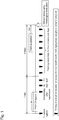
- ligation of PPA and ECA was performed on each ocular ischemia model mouse to induce ischemia for 5 hours, followed by reperfusion. Astaxanthin for health foods was suspended in olive oil, and ocular ischemia model mice were fed therewith at a dose of 100 mg/kg body weight. The mice were fed 12 times in total (1 hour before PPA/ECA ligation, immediately after reperfusion, 6 hours and 12 hours after reperfusion, twice daily from the day following ligation to 4 days later) via oral administration.
- mice were subjected to dark adaptation from day 4 after ischemic reperfusion.
- electroretinography ECG was performed for measurement, and paraffin sections of eyeballs were prepared to carry out histological evaluation using hematoxylin and eosin staining in accordance with the method disclosed in OGISHIMA H. et al., Ligation of the Pterygopalatine and External Carotid Arteries Induces Ischemic Damage in the Murine Retina, Investigative Ophthalmology & Visual Science, 2011, Vol. 52, No. 13, pp. 9710-9720 .
- mice were fed with a solvent (olive oil) to create a group of non-administration of astaxanthin for health foods.
- a solvent olive oil
- Each of the experimental groups consisted of 10 mice, which were 3 groups, i.e., an unligated group, a group of administration of astaxanthin for health foods + ischemic reperfusion, and a group of solvent administration + ischemic reperfusion.
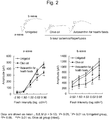
- Electroretinography is a measurement involving collectively obtaining electric potentials corresponding to electrical activity in sensory retina and retinal pigment epithelium induced by light stimulation in a wide area of the ocular fundus.
- An a-WAVE represents a corneal-negative electric potential deflection, which is observed at a latent time of 1.5 msec following flush stimulation to eyeballs.
- An a-WAVE is considered to correspond to electric potential originating from the retinal surface layer (stratum neuroepitheliale retinae).
- the clinical meaning of an abnormal a-WAVE is ophthalmic artery obstruction, retinal detachment, or the like.
- a b-WAVE represents a significant corneal-positive electric potential deflection, which is observed after an a-WAVE.
- a b-WAVE is considered to correspond to electric potential originating from Muller cells (ranging from the interlayer to the lining) of the retina.
- the clinical meaning of a small b-WAVE amplitude is suspected occlusion of the central retinal artery, congenital retinoschisis, congenital stationary night blindness, or the like.
- Electroretinography was performed for measurement, and paraffin sections of eyeballs were prepared to carry out histological evaluation using hematoxylin and eosin staining.
- GCL ganglion cell layer
- the thickness of the inner plexiform layer (IPL) and the thickness of the inner nuclear layer (INL) showed that the cell thickness for the group fed with astaxanthin for health foods was significantly greater than that for the group fed with a solvent alone and comparable to the cell thickness for the unligated group.
- astaxanthin for health foods has a retinal protective effect. Accordingly, it is presumed that astaxanthin for health foods can also prevent the development of cerebral ischemia, angina, ocular ischemia, and the like because it can prevent damage to cells with poor blood flow supply.
- the RGC-5 cell line is a cell line from rat retinal ganglion cells and used for in vitro tests for cell damage evaluation.
- the RGC-5 cell line can be cultured in accordance with the method disclosed in NAKAJIMA Y. et al., Zeaxanthin, a Retinal Carotenoid, Protects Retinal Cells against Oxidative Stress, Current Eye Research, 2009, Vol. 34, pp. 311-318 .
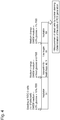
- the RGC-5 cell line was cultured under OGD stress in order to reproduce conditions of poor blood flow.
- OGD stress refers to a state in which the supply of oxygen and glucose is restricted.
- RGC-5 cells were added at a concentration of 1 ⁇ 10 3 cells/well to a DMEM medium containing glucose (4.5%) that was concentrated at 4.5 times the general concentration and fetal bovine serum (FBS: 10%) of Oseanian origin that was concentrated at 10 times the general concentration, followed by culture for 24 hours.
- DMEM medium containing glucose (4.5%) that was concentrated at 4.5 times the general concentration and fetal bovine serum (FBS: 10%) of Oseanian origin that was concentrated at 10 times the general concentration, followed by culture for 24 hours.
- FBS fetal bovine serum
- aeration conditions air 95% + CO 2 5%
- low-oxygen conditions N 2 94% + O 2 1% + CO 2 5%
- the dead cell rate and the state of reactive oxygen species (ROS) generation were determined via nuclear staining. Nuclear staining was carried out in accordance with the method disclosed in OTSUKA T. et al., The Protective Effects of a Dietary Carotenoid, Astaxanthin, against Light-Induced Retinal Damage, Journal of Pharmacological Sciences, 2013, Vol. 123, No. 3, pp. 209-218 . Meanwhile, the state of reactive oxygen species (ROS) generation was determined in accordance with the method disclosed in NAKAJIMA Y. et al., Zeaxanthin, a Retinal Carotenoid, Protects Retinal Cells against Oxidative Stress, Current Eye Research, 2009, Vol. 34, pp. 311-318 .
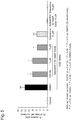
- the number of dead RGC-5 cells supplemented with astaxanthin for health foods was significantly lower than the number of dead RGC-5 cells supplemented with a solvent (DMSO).
- DMSO a solvent
- the cytoprotective effect was comparable to that in the case in which there had been addition of the pharmaceutical product, i.e., Edaravone.
- ROS reactive oxygen species
- ROS hydroxyl radical or singlet oxygen
- ROS production of RGC-5 cells supplemented with astaxanthin for health foods was significantly lower than that of RGC-5 cells supplemented with a solvent (DMSO). Astaxanthin for health foods inhibited ROS generation at a concentration lower than that of the pharmaceutical product, i.e., Edaravone.
- astaxanthin for health foods can also prevent the development of cerebral ischemia, angina, ocular ischemia, and the like because it can inhibit the generation of ROS that causes damage to cells.
- a prophylactic agent for retinal disorder that is useful for eye health is provided.
Landscapes
- Health & Medical Sciences (AREA)
- Life Sciences & Earth Sciences (AREA)
- Chemical & Material Sciences (AREA)
- Medicinal Chemistry (AREA)
- Veterinary Medicine (AREA)
- Pharmacology & Pharmacy (AREA)
- Animal Behavior & Ethology (AREA)
- General Health & Medical Sciences (AREA)
- Public Health (AREA)
- Engineering & Computer Science (AREA)
- Mycology (AREA)
- Epidemiology (AREA)
- Polymers & Plastics (AREA)
- Food Science & Technology (AREA)
- Nutrition Science (AREA)
- Bioinformatics & Cheminformatics (AREA)
- Nuclear Medicine, Radiotherapy & Molecular Imaging (AREA)
- Organic Chemistry (AREA)
- Chemical Kinetics & Catalysis (AREA)
- General Chemical & Material Sciences (AREA)
- Microbiology (AREA)
- Molecular Biology (AREA)
- Ophthalmology & Optometry (AREA)
- Diabetes (AREA)
- Heart & Thoracic Surgery (AREA)
- Cardiology (AREA)
- Botany (AREA)
- Hematology (AREA)
- Vascular Medicine (AREA)
- Endocrinology (AREA)
- Obesity (AREA)
- Urology & Nephrology (AREA)
- Emergency Medicine (AREA)
- Acyclic And Carbocyclic Compounds In Medicinal Compositions (AREA)
- Coloring Foods And Improving Nutritive Qualities (AREA)
- Non-Alcoholic Beverages (AREA)
- Medicines Containing Material From Animals Or Micro-Organisms (AREA)
- Medicines Containing Plant Substances (AREA)
Applications Claiming Priority (2)
| Application Number | Priority Date | Filing Date | Title |
|---|---|---|---|
| JP2014016118A JP6218624B2 (ja) | 2014-01-30 | 2014-01-30 | 虚血性疾患を予防するための薬剤 |
| PCT/JP2014/078677 WO2015114900A1 (fr) | 2014-01-30 | 2014-10-22 | Médicament pour la prévention de maladies ischémiques |
Publications (2)
| Publication Number | Publication Date |
|---|---|
| EP3100724A1 true EP3100724A1 (fr) | 2016-12-07 |
| EP3100724A4 EP3100724A4 (fr) | 2017-09-06 |
Family
ID=53756498
Family Applications (1)
| Application Number | Title | Priority Date | Filing Date |
|---|---|---|---|
| EP14880497.4A Withdrawn EP3100724A4 (fr) | 2014-01-30 | 2014-10-22 | Médicament pour la prévention de maladies ischémiques |
Country Status (7)
| Country | Link |
|---|---|
| US (1) | US20170007554A1 (fr) |
| EP (1) | EP3100724A4 (fr) |
| JP (1) | JP6218624B2 (fr) |
| KR (1) | KR20160106632A (fr) |
| CN (1) | CN106102729B (fr) |
| CA (1) | CA2938008A1 (fr) |
| WO (1) | WO2015114900A1 (fr) |
Families Citing this family (6)
| Publication number | Priority date | Publication date | Assignee | Title |
|---|---|---|---|---|
| JP6978325B2 (ja) * | 2016-02-05 | 2021-12-08 | 参天製薬株式会社 | キサントフィルとヒシ属植物の加工物を含有する組成物 |
| JP2019077664A (ja) * | 2017-10-27 | 2019-05-23 | Jxtgエネルギー株式会社 | カロテノイド組成物を含有する脳機能低下抑制剤または脳機能低下予防剤 |
| JPWO2019172369A1 (ja) * | 2018-03-08 | 2021-03-11 | Eneos株式会社 | 出血性血管障害の予防または抑制のための組成物 |
| JPWO2020095881A1 (ja) * | 2018-11-05 | 2021-10-07 | Eneos株式会社 | カロテノイドの血中滞留増加用組成物 |
| CN110302190A (zh) * | 2019-06-27 | 2019-10-08 | 集美大学 | 虾青素在制备醛糖还原酶抑制剂的用途 |
| JPWO2021045138A1 (fr) * | 2019-09-04 | 2021-03-11 |
Family Cites Families (13)
| Publication number | Priority date | Publication date | Assignee | Title |
|---|---|---|---|---|
| US5527533A (en) * | 1994-10-27 | 1996-06-18 | Board Of Trustees Of The University Of Illinois | Method of retarding and ameliorating central nervous system and eye damage |
| JP3278574B2 (ja) * | 1996-05-23 | 2002-04-30 | 日石三菱株式会社 | 色調改善剤 |
| JPH10155459A (ja) * | 1996-11-27 | 1998-06-16 | Suntory Ltd | アスタキサンチン含有飲食物 |
| JP4427167B2 (ja) * | 2000-06-12 | 2010-03-03 | 新日本石油株式会社 | カロテノイド色素の製法 |
| JP2006008720A (ja) * | 2005-07-06 | 2006-01-12 | Yamaha Motor Co Ltd | 腎臓機能改善剤 |
| JP5706056B2 (ja) * | 2006-10-17 | 2015-04-22 | Jx日鉱日石エネルギー株式会社 | サケ類の肉色改善方法 |
| JP2008179632A (ja) * | 2006-12-29 | 2008-08-07 | Fuji Chem Ind Co Ltd | 抗酸化剤 |
| JP4969370B2 (ja) * | 2007-08-29 | 2012-07-04 | Jx日鉱日石エネルギー株式会社 | カロテノイドの製造方法 |
| JP2012025712A (ja) * | 2010-07-27 | 2012-02-09 | Jx Nippon Oil & Energy Corp | 抗不安組成物 |
| JP5838552B2 (ja) * | 2010-12-28 | 2016-01-06 | 東ソー株式会社 | 新規微生物及びそれを用いたカロテノイドの生産方法 |
| JP2012158569A (ja) * | 2011-02-02 | 2012-08-23 | Jx Nippon Oil & Energy Corp | 皮膚外用剤 |
| WO2012157290A1 (fr) * | 2011-05-19 | 2012-11-22 | 富士化学工業株式会社 | Agent prophylactique/thérapeutique pour la stéatose hépatique non alcoolique |
| JP2014016118A (ja) | 2012-07-10 | 2014-01-30 | Hitachi Powdered Metals Co Ltd | 連続焼結炉 |
-
2014
- 2014-01-30 JP JP2014016118A patent/JP6218624B2/ja not_active Expired - Fee Related
- 2014-10-22 WO PCT/JP2014/078677 patent/WO2015114900A1/fr not_active Ceased
- 2014-10-22 US US15/115,759 patent/US20170007554A1/en not_active Abandoned
- 2014-10-22 CA CA2938008A patent/CA2938008A1/fr not_active Abandoned
- 2014-10-22 EP EP14880497.4A patent/EP3100724A4/fr not_active Withdrawn
- 2014-10-22 CN CN201480074583.0A patent/CN106102729B/zh not_active Expired - Fee Related
- 2014-10-22 KR KR1020167020893A patent/KR20160106632A/ko not_active Ceased
Also Published As
| Publication number | Publication date |
|---|---|
| KR20160106632A (ko) | 2016-09-12 |
| WO2015114900A1 (fr) | 2015-08-06 |
| EP3100724A4 (fr) | 2017-09-06 |
| JP6218624B2 (ja) | 2017-10-25 |
| JP2015140346A (ja) | 2015-08-03 |
| CA2938008A1 (fr) | 2015-08-06 |
| US20170007554A1 (en) | 2017-01-12 |
| CN106102729B (zh) | 2019-06-28 |
| CN106102729A (zh) | 2016-11-09 |
Similar Documents
| Publication | Publication Date | Title |
|---|---|---|
| EP3100724A1 (fr) | Médicament pour la prévention de maladies ischémiques | |
| EP3231437B1 (fr) | Inhibiteur de vieillissement | |
| US20180116996A1 (en) | Composition for preventing or treating disease caused by overproduction of dihydrotestosterone comprising fucoxanthin | |
| JP5686496B2 (ja) | メタボリックシンドローム改善・予防組成物 | |
| KR102379523B1 (ko) | 황기 추출물을 유효성분으로 포함하는 신경세포 보호용 조성물 | |
| JP6721583B2 (ja) | 3−ヒドロキシブチラートのオリゴマー体 | |
| JP2013043850A (ja) | 脂肪分解促進剤 | |
| KR20150100302A (ko) | 테트라셀미스 테트라셀레의 추출물을 유효 성분으로 함유하는 두피 개선 및 탈모 방지용 조성물 | |
| KR20130057878A (ko) | 팥꽃나무 추출물로부터 분리된 화합물을 포함하는 신경퇴행성 질환 예방 또는 치료용 약학적 조성물 | |
| JP2004002231A (ja) | ルブロフサリン配糖体含有組成物 | |
| US20240299479A1 (en) | Nepeta cataria l. extract and methods for improving sleep and resisting depression by using the same | |
| KR101274182B1 (ko) | 퇴행성 신경질환의 치료 및 예방에 효과를 갖는 땅콩나물 추출물 조성물 | |
| JP2007215465A (ja) | 眼精疲労改善組成物 | |
| JP5070040B2 (ja) | 血管不全改善剤 | |
| KR100965121B1 (ko) | 진저롤을 함유하는 알코올성 태아기형 예방 및 치료용조성물 | |
| KR102191588B1 (ko) | 겐티아나 루테아 추출물 또는 이로부터 분리된 화합물을 유효성분으로 포함하는 인지 기능 장애 예방 또는 치료용 조성물 | |
| JP2023508257A (ja) | カンナビノイドおよびリコピンの抗炎症性の相乗的組み合わせ | |
| KR102429147B1 (ko) | 콜라비론의 제조방법 | |
| JP2016531844A (ja) | モノアセチルジアシルグリセロール化合物を有効成分として含有する赤血球系細胞分化又は増殖促進用組成物 | |
| KR102950218B1 (ko) | 잎들깨 추출물을 유효성분으로 포함하는 눈 건강 개선용 조성물 | |
| KR102161454B1 (ko) | 혈관 이완능 및 항염 활성이 우수한 누에고치 유래 브로멜라인 효소 분해물 및 이의 용도 | |
| JP4825957B2 (ja) | 抗腫瘍剤 | |
| KR20250120680A (ko) | 발프로산을 유효성분으로 포함하는 신경 질환 예방 또는 치료용 약학 조성물 | |
| JP2006273843A (ja) | シクロオキシゲナーゼ阻害剤および食用組成物 | |
| KR101711304B1 (ko) | 3,3''-다이인돌일메탄, 이의 전구체인 인돌-3-카르비놀 또는 이들의 혼합물을 포함하는 간질중첩증 예방 또는 치료용 약학적 조성물 |
Legal Events
| Date | Code | Title | Description |
|---|---|---|---|
| STAA | Information on the status of an ep patent application or granted ep patent |
Free format text: STATUS: THE INTERNATIONAL PUBLICATION HAS BEEN MADE |
|
| PUAI | Public reference made under article 153(3) epc to a published international application that has entered the european phase |
Free format text: ORIGINAL CODE: 0009012 |
|
| STAA | Information on the status of an ep patent application or granted ep patent |
Free format text: STATUS: REQUEST FOR EXAMINATION WAS MADE |
|
| 17P | Request for examination filed |
Effective date: 20160819 |
|
| AK | Designated contracting states |
Kind code of ref document: A1 Designated state(s): AL AT BE BG CH CY CZ DE DK EE ES FI FR GB GR HR HU IE IS IT LI LT LU LV MC MK MT NL NO PL PT RO RS SE SI SK SM TR |
|
| AX | Request for extension of the european patent |
Extension state: BA ME |
|
| DAX | Request for extension of the european patent (deleted) | ||
| RIC1 | Information provided on ipc code assigned before grant |
Ipc: A23L 33/10 20160101ALI20170727BHEP Ipc: A61P 27/06 20060101ALI20170727BHEP Ipc: A23L 2/52 20060101ALI20170727BHEP Ipc: A61K 31/122 20060101AFI20170727BHEP Ipc: A61K 35/74 20150101ALI20170727BHEP Ipc: A61P 27/02 20060101ALI20170727BHEP |
|
| A4 | Supplementary search report drawn up and despatched |
Effective date: 20170803 |
|
| STAA | Information on the status of an ep patent application or granted ep patent |
Free format text: STATUS: EXAMINATION IS IN PROGRESS |
|
| 17Q | First examination report despatched |
Effective date: 20190314 |
|
| STAA | Information on the status of an ep patent application or granted ep patent |
Free format text: STATUS: THE APPLICATION IS DEEMED TO BE WITHDRAWN |
|
| 18D | Application deemed to be withdrawn |
Effective date: 20230503 |