WO2012157290A1 - Agent prophylactique/thérapeutique pour la stéatose hépatique non alcoolique - Google Patents
Agent prophylactique/thérapeutique pour la stéatose hépatique non alcoolique Download PDFInfo
- Publication number
- WO2012157290A1 WO2012157290A1 PCT/JP2012/003291 JP2012003291W WO2012157290A1 WO 2012157290 A1 WO2012157290 A1 WO 2012157290A1 JP 2012003291 W JP2012003291 W JP 2012003291W WO 2012157290 A1 WO2012157290 A1 WO 2012157290A1
- Authority
- WO
- WIPO (PCT)
- Prior art keywords
- astaxanthin
- acid
- ester
- liver
- examples
- Prior art date
- Legal status (The legal status is an assumption and is not a legal conclusion. Google has not performed a legal analysis and makes no representation as to the accuracy of the status listed.)
- Ceased
Links
Images



Classifications
-
- A—HUMAN NECESSITIES
- A61—MEDICAL OR VETERINARY SCIENCE; HYGIENE
- A61K—PREPARATIONS FOR MEDICAL, DENTAL OR TOILETRY PURPOSES
- A61K31/00—Medicinal preparations containing organic active ingredients
- A61K31/12—Ketones
- A61K31/122—Ketones having the oxygen directly attached to a ring, e.g. quinones, vitamin K1, anthralin
-
- A—HUMAN NECESSITIES
- A61—MEDICAL OR VETERINARY SCIENCE; HYGIENE
- A61K—PREPARATIONS FOR MEDICAL, DENTAL OR TOILETRY PURPOSES
- A61K36/00—Medicinal preparations of undetermined constitution containing material from algae, lichens, fungi or plants, or derivatives thereof, e.g. traditional herbal medicines
- A61K36/02—Algae
- A61K36/05—Chlorophycota or chlorophyta (green algae), e.g. Chlorella
-
- A—HUMAN NECESSITIES
- A61—MEDICAL OR VETERINARY SCIENCE; HYGIENE
- A61P—SPECIFIC THERAPEUTIC ACTIVITY OF CHEMICAL COMPOUNDS OR MEDICINAL PREPARATIONS
- A61P1/00—Drugs for disorders of the alimentary tract or the digestive system
- A61P1/16—Drugs for disorders of the alimentary tract or the digestive system for liver or gallbladder disorders, e.g. hepatoprotective agents, cholagogues, litholytics
Definitions
- the present invention relates to a method for preventing and improving nonalcoholic steatohepatitis and liver fibrosis, and the use of astaxanthin for the production of a pharmaceutical composition therefor.
- fat intake in the body has become a problem in Japan due to an increase in fat intake accompanying the westernization of dietary habits, and a decrease in exercise and stress due to social change.
- Accumulated fat accumulates in each tissue and causes various lifestyle-related diseases. It consists mainly of two causes, one being stored in the fat cells of internal organs.
- the enlarged fat cells change the amount of cytokines secreted, which is one of the causes of diabetes and arteriosclerosis.
- the internal organs are inflamed, and in the case of the liver, for example, fatty liver disease is caused.
- Non-patent Document 1 Non-patent Document 1
- astaxanthin is widely distributed in natural, especially marine products, such as crustaceans such as shrimp and crab, fish such as salmon and Thailand, algae such as green alga Hematococcus, yeasts such as red yeast faffia, etc. It is known that it has an antioxidant action about 1000 times that of vitamin E and about 40 times that of ⁇ -carotene, and has an anti-inflammatory effect (Patent Document 1).
- Astaxanthin has other effects such as a decrease in liver function due to stress and a reduction in lipid peroxide in the liver (Patent Document 2), treatment and prevention of liver damage, cirrhosis, hepatitis, etc. by suppression of blood lipid oxide by astaxanthin. Have been reported (Patent Document 3).
- the action of astaxanthin on NASH is not known at all.
- An object of the present invention is to provide a medicament for treating / preventing non-alcoholic steatohepatitis and liver fibrosis that can be easily taken without side effects.
- the present inventors have conducted intensive studies to achieve the above-mentioned object, and as a result, found that by taking astaxanthin, excellent non-alcoholic steatohepatitis and liver fibrosis can be improved and prevented.
- the present invention has been completed.
- the present invention provides a preventive / ameliorating agent for nonalcoholic steatohepatitis comprising astaxanthin or an ester thereof as an active ingredient.
- the present invention also provides an agent for preventing or improving liver fibrosis, which comprises astaxanthin or an ester thereof as an active ingredient.
- the active ingredient of the agent for preventing and improving nonalcoholic steatohepatitis (NAS) and liver fibrosis according to the present invention is astaxanthin or an ester thereof. That is, in the present invention, at least one of astaxanthin free form, monoester form and diester form can be used. Diesters are chemically and physically more stable than free and monoesters because two hydroxyl groups are protected by ester bonds, and are less susceptible to oxidative degradation. However, it is considered that when it is taken into the intestine by an enzyme or into a living body, it is rapidly hydrolyzed to astaxanthin by the in vivo enzyme and exhibits an effect.
- the ester form is preferred to the astaxanthin-free form because of its excellent absorbability from the gastrointestinal tract and dispersion in water.
- astaxanthin monoesters include esters esterified with lower or higher saturated fatty acids or lower or higher unsaturated fatty acids.
- Specific examples of the lower or higher saturated fatty acid or the lower or higher unsaturated fatty acid include acetic acid, lauric acid, myristic acid, pentadecanoic acid, palmitic acid, palmitooleic acid, heptadecanoic acid, elaidic acid, ricinoleic acid, petrothelin Acid, vaccenic acid, eleostearic acid, punicic acid, ricinic acid, parinaric acid, gadoric acid, 5-eicosenoic acid, 5-docosenoic acid, cetoleic acid, erucic acid, 5,13-docosadienoic acid, ceracholic acid, decenoic acid , Steric acid, dodecenoic acid, oleic acid, stearic acid, eicosapentaenoic acid, docos
- astaxanthin monoesters include amino acids such as glycine and alanine; monovalent or polyvalent carboxylic acids such as acetic acid and citric acid; inorganic acids such as phosphoric acid and sulfuric acid; sugar fatty acids such as glycerosugar fatty acid and sphingosugar fatty acid.
- Monoesters esterified with fatty acid such as glycero fatty acid, glycerophosphoric acid, and the like.
- the salt of the said monoester is also included when it can be considered.
- fatty acid derivatives include phospholipid type, alcohol type, ether type, sucrose ester type, and polyglycerin ester type of the above fatty acid.
- the diester of astaxanthin is selected from the group consisting of the lower saturated fatty acid, higher saturated fatty acid, lower unsaturated fatty acid, higher unsaturated fatty acid, amino acid, mono- or polyvalent carboxylic acid, inorganic acid, sugar fatty acid, fatty acid and glycerophosphoric acid And diesters esterified with the same or different acids.
- the salt of the said diester is also included when it can be considered.
- Examples of the diester of glycerophosphoric acid include saturated fatty acid esters of glycerophosphoric acid, or glycerophosphoric acid esters containing fatty acids selected from higher unsaturated fatty acids, unsaturated fatty acids or saturated fatty acids.
- Astaxanthin means a product derived from a natural product or obtained by synthesis.
- examples of those derived from natural products include microalgae such as the green alga Hematococcus, yeasts such as the red yeast Phaffia, crustacean shells such as shrimp, krill and crabs, craniopod viscera such as squid and octopus, various Skin of seafood, fins, petals of Adonis genus plants such as Natsuzaki Fukujusou, Paracoccus sp. 81 N81106, Brevundimonas sp. SD212, Erythrobacter sp. ⁇ PC6 and other ⁇ -proteobacteria, Gordonia sp.
- Examples thereof include those obtained from fungi, Labyrinthulas such as Schizophytriuym sp. KH105 (especially Yabetaceae) and astaxanthin-producing genetically modified organisms. Natural extracts and chemically synthesized products are commercially available and are readily available.
- Astaxanthin is 3,3′-dihydroxy- ⁇ , ⁇ -carotene-4, 4′-dione and has stereoisomers. Specifically, three stereoisomers of (3R, 3′R) -astaxanthin, (3R, 3 ′S) -astaxanthin and (3S, 3 ′S) -astaxanthin are known. Any of these can be used.
- fatty acid ester of astaxanthin any of those derived from natural products or those obtained by synthesis can be used, but those derived from natural products in which the astaxanthin ester is dissolved in various oils and fats are preferred from absorption in the body.
- Natural sources include, for example, krill extract, faffia yeast extract, and haematococcus algal extract, but particularly preferred is hematococcus alga extract depending on the stability of astaxanthin and the type of ester of astaxanthin. .
- fatty acid chryslides Since these extracts are well dispersed in fatty acid chryslides, it is preferable to add them to fatty acid chryslides in order to increase the absorbability of astaxanthin and promote the effect of preventing and improving nonalcoholic steatohepatitis according to the present invention.
- medium-chain fatty acid triglycerides are preferred.
- Fatty acid esters of astaxanthin have not been observed to be mutagenic, are known to be highly safe compounds, and are widely used as food additives (Jiro Takahashi et al .: Toxicity test of hematococcus alga astaxanthin-Ames Test, mouse single dose toxicity test, mouse 90-day repeated oral dose toxicity test, clinical medicine, 20: 867-881, 2004).
- Haematococcus algae is a green algae belonging to the Volboxic Chlamydomonas family, and since it is a green algae, it has a high chlorophyll content and is green, and it swims in the water with two flagella, but it lacks nutrient sources, changes in temperature, etc. Under starvation conditions, dormant spores are formed, the astaxanthin content is increased, and red spheres are formed.
- hematococcus algae in any state can be used, but it is preferable to use hematococcus algae that have become dormant spores containing a large amount of astaxanthin.
- Haematococcus pluvialis is preferable.
- a hermetically sealed culture method is preferred in which no foreign microorganisms are mixed and propagated and other contaminants are not mixed.
- a partially open-type dome shape, conical shape or cylindrical shape is preferable.
- a culture method using a culture medium having a culture apparatus and a gas discharge device movable within the apparatus International Publication No. 99/50384
- culturing by irradiating light from inside a sealed culture apparatus and a method using a flat culture tank or a tube-type culture layer are suitable.
- a method for obtaining an extract containing astaxanthin or an ester thereof from Haematococcus algae a method in which hematococcus algae is dried and ground and then extracted with an organic solvent such as acetone or alcohol, the Haematococcus algae is suspended in an organic solvent. It can be performed by a method of pulverizing and extracting simultaneously, a method of supercritical extraction using carbon dioxide or the like.
- Supercritical extraction can be performed by conventional methods such as Hirose (Ind Eng Chem Res, 2006, 45 (10), 3652-3657, Extraction of Astaxanthin from Haematococcus pluvialis Using Supercritical CO2 and Ethanol as Entrainer) Can be done by the method.
- astaxanthin and its esters are oil-soluble substances
- astaxanthin-containing components can be extracted from natural products containing astaxanthin with an oil-soluble organic solvent such as acetone, alcohol, ethyl acetate, benzene, and chloroform.
- supercritical extraction can be performed using carbon dioxide, propane, water, or the like.
- the solvent is removed according to a conventional method to obtain a mixed concentrate of monoester type astaxanthin and diester type astaxanthin.
- the obtained concentrate can be further purified by separation column or lipase decomposition, if desired.
- there is almost no oxidation of astaxanthin because there is no contact with air, there are few impurities, that is, there are few substances that inhibit the effect of the present invention, and astaxanthin and triglyceride are contained. It can be contained in a large amount with good purity, which is preferable.
- Astaxanthin or an ester thereof has excellent NASH and liver fibrosis prevention / improvement effect as shown in Examples below.
- the effect of astaxanthin or its ester on NASH prevention and liver fibrosis prevention suppresses the expression of genes related to fibrosis and inflammation of hepatocytes and cannot be predicted from simple antioxidant action or lipid antioxidant action. It is. Therefore, astaxanthin or an ester thereof is a drug for preventing and improving nonalcoholic steatohepatitis and liver fibrosis (hereinafter referred to as “the drug of the present invention”), as well as a food and drink (hereinafter referred to as “the product of the present invention”). "The food and drink of the present invention”).
- the pharmaceutical and food and drink of the present invention can be administered to humans and animals.
- the content of astaxanthin or its ester in the pharmaceutical product of the present invention is an astaxanthin free form equivalent amount, and 0.001 to 1 mg, preferably 0.001 to 0.5 mg, more preferably 0, per 1 kg body weight per day for adults. 0.01 to 0.2 mg. It can be set as the form divided
- the dosage varies depending on the age, weight, symptom level, and dosage form of the patient to be administered. Astaxanthin or a salt thereof in the pharmaceutical product of the present invention can be appropriately blended depending on the daily intake, and can be contained in an amount of 0.001 to 99% by weight, preferably 0.01 to 90% by weight.
- a substance having an assist effect can be added.
- vitamins A carotenoids (excluding xanthophyll); vitamins B; vitamins C; vitamins D, vitamins E; tocotrienols; glutathione and derivatives thereof and salts thereof; lignans, catechins, anthocyanins, tannins, Polyphenols such as rutin, chlorogenic acid, ellagic acid, curcumin, coumarin; linoleic acid, ⁇ - or ⁇ -linolenic acid, arachidonic acid, eicosapentaenoic acid, sardine acid, docosahexaenoic acid and their derivatives and salts thereof; collagen, elastin , Fibronectin, keratin proteins and their derivatives and hydrolysates; alanine, arginine, asparagine, aspartic acid, cysteine, glutamine, glutamic acid, glycine, histidine
- Nucleic acids such as deoxyribonucleic acid and ribonucleic acid; Other glycyrrhizic acid, guanine, mucin, ubiquinone, ⁇ -lipoic acid, octacosanol, allicin, alliin, raspberry ketone, capsiate, honey, royal jelly, cap
- leucine and it can be selected from the group consisting of a mixture thereof alone or in combination.
- These components are generally blended in an amount of 0.01 to 90% by weight, preferably 0.1 to 50% by weight, based on the total amount of the pharmaceutical, and can be used in combination of one or more.
- the NASH and the liver fibrosis prevention / improving agent of the present invention can be blended with or in the form of pharmaceuticals, foods and drinks, cosmetics, and feeds.
- the drug includes quasi-drugs in addition to the drug.
- the pharmaceutical product of the present invention may contain appropriate amounts of various additives used for the production of general preparations.
- additives include excipients, binders, acidulants, foaming agents, artificial sweeteners, fragrances, lubricants, colorants, stabilizers, pH adjusters, and surfactants.
- excipients include corn starch, potato starch, wheat starch, rice starch, partially pregelatinized starch, pregelatinized starch, and starches such as porous starch, sugars such as lactose, sucrose, and glucose, mannitol, xylitol, Examples thereof include sugar alcohols such as erythritol, sorbitol, maltitol, magnesium aluminate metasilicate, hydrotalcite, anhydrous calcium phosphate, precipitated calcium carbonate, calcium silicate, and light anhydrous silicic acid.
- the binder include hydroxypropylcellulose, hydroxypropylmethylcellulose, polyvinylpyrrolidone, gum arabic powder, gelatin, and pullulan.
- Examples of the disintegrant include starch, agar, carmellose calcium, sodium carboxymethyl starch, croscarmellose sodium, crospovidone, crystalline cellulose, and F-MELT (trademark, manufactured by Fuji Chemical Industry Co., Ltd.).
- Examples of sour agents include citric acid, tartaric acid, malic acid, ascorbic acid and the like.
- Examples of the foaming agent include sodium bicarbonate and sodium carbonate.
- Examples of the sweetener include saccharin sodium, dipotassium glycyrrhizin, aspartame, stevia and thaumatin.
- Examples of the fragrances include lemon oil, orange oil, menthol and the like.
- Examples of the lubricant include magnesium stearate, sucrose fatty acid ester, polyethylene glycol, talc, stearic acid, and sodium stearyl fumarate.
- Examples of the colorant include edible pigments such as edible yellow No. 5, edible red No. 2, and edible blue No. 2, edible lake pigments, and iron sesquioxide.
- Examples of the stabilizer include sodium edetate, tocopherol, cyclodextrin and the like.
- Examples of the pH adjuster include citrate, phosphate, carbonate, tartrate, fumarate, acetate, amino acid salt and the like.
- surfactant examples include polysorbate 80, methyl cellulose, hydroxyethyl cellulose, sodium carboxymethyl cellulose, polyoxyethylene sorbitan monolaurate, gum arabic, and powdered tragacanth. In order to improve the absorption and formulation of astaxanthin and tocotrienol, it can be in a powder state.
- active ingredients are adjusted to pH, buffers, solubilizers, suspensions, etc., as required, tonicity agents, stabilizers, antiseptics It can be formulated by a conventional method in the presence of an agent.
- the suspending agent include polysorbate 80, methyl cellulose, hydroxyethyl cellulose, sodium carboxymethyl cellulose, polyoxyethylene sorbitan monolaurate, gum arabic, and powdered tragacanth.
- solubilizer include polysorbate 80, hydrogenated polyoxyethylene castor oil, nicotinamide, polyoxyethylene sorbitan monolaurate, macrogol, and castor oil fatty acid ethyl ester.
- Examples of the stabilizer include sodium sulfite and sodium metasulfite.
- Examples of the preservative include methyl p-hydroxybenzoate, ethyl p-hydroxybenzoate, sorbic acid, phenol, cresol, chlorocresol and the like.
- the external preparation for skin for example, cosmetics such as emulsions, creams, lotions, packs, dispersions, cleaning agents, makeup cosmetics, scalp / hair products, ointments, creams, and external use. It can be a pharmaceutical such as a liquid.
- cosmetics and pharmaceuticals such as whitening agents, moisturizers, various skin nutritional components, ultraviolet absorbers, antioxidants, oily components, surfactants, thickeners , Alcohols, coloring agents, water, preservatives, fragrances and the like can be appropriately blended as necessary.
- the food and drink of the present invention can be used as supplements, functional foods for health, special purpose foods, health foods and other functional foods, general foods, and beverages, the ease of intake and the amount of intake can be easily determined.
- Functional foods such as functional health foods and special-purpose foods are preferred, and the same form as the above-mentioned pharmaceuticals, solid dosage forms such as tablets, intraoral quick disintegrating tablets, capsules, granules, fine granules, syrups and suspensions Can be taken in various liquid dosage forms.
- ingredients used in the above pharmaceutical preparations those that can be used in foods can be selected, in addition to milk protein, soy protein, egg albumin protein, etc., or egg white oligopeptide, soy hydrolyzate that is a degradation product thereof, A mixture of amino acids alone can also be used in combination.
- nutritional additives such as amino acids, vitamins and minerals, sweeteners, spices, fragrances, and pigments may be added to improve the nutritional balance and flavor during intake.
- the form of the food or drink of the present invention is not limited to these.
- the functional food is a food having a medicinal effect that is permitted or specified by the government or a public body.
- a functional food such as a nutritional functional food or a food for specified health use, a special-purpose food. Etc.
- a name and a rule change with situations and times, what is essentially the same is included in the present invention.
- Examples of forms of general foods, ie, foods and drinks include margarine, butter, butter sauce, cheese, fresh cream, shortening, lard, ice cream, yogurt, dairy products, sauce products, fish products, pickles, natto, boiled beans, fried beans , Tofu, mapo tofu, mixed nuts, french fries, potato chips, snacks, kakimochi, popcorn, sprinkle, chewing gum, chocolate, pudding, jelly, gummy candy, candy, drop, caramel, bread, castella, cake, donut, Biscuits, cookies, crackers, baked goods, macaroni, pasta, ramen, buckwheat, udon, salad oil, instant soup, dressing, eggs, mayonnaise, miso, etc.
- non-carbonated beverages such as fruit juice drinks, soft drinks, sports drinks, etc.
- non-carbonated beverages be tea, coffee, non-alcoholic or liqueur
- alcoholic beverages such as medicinal liquor, such as cocoa, energy drinks, milk, be added examples of the general foods such as soy milk.
- the food and drink of the present invention is manufactured by blending astaxanthin together with raw materials of general foods and processing and manufacturing according to a conventional method.
- the amount of astaxanthin varies depending on the form of the food and is not particularly limited. In general, the amount of astaxanthin used can be appropriately selected by those skilled in the art depending on the type of food and drink, and the above amounts can be blended. .
- the food and drink of the present invention can obtain the same effect even when administered to animals other than humans as feed.
- animals include mice, hamsters, mice, rabbits, dogs, cats, pigs, cows (especially Japanese black beef), horses, sheep, monkeys, chickens, duck, geese and the like.
- astaxanthin free form equivalent amount per day per kg of body weight per day per kg of body weight, 0.0001-1 mg, preferably 0.001-0.5 mg, more preferably 0.01 It can be formulated to allow an intake of ⁇ 0.2 mg.
- Examples of the feed form of the food and drink of the present invention include solid preparations, solid forms, pellet forms, granular forms, biscuit forms, kneaded forms, etc., dry foods, semi-dry foods (for example, feed having a water content of about 10 to 50% by weight), Alternatively, it is not particularly limited to wet food such as canned food (for example, feed having a water content of about 50 to 80% by weight).
- One or more astaxanthin or its ester is added to the feed material and mixed in a suitable process in the process of conventional feed production, or astaxanthin or its ester is sprinkled on one or more aqueous solutions can do.
- the feed of the present invention can also be prepared by adding or mixing one or more astaxanthins or esters thereof to a commercial feed or sprinkling them. Also, like human dietary supplements, it should be manufactured with solid preparations such as tablets, sublingual tablets, pills, powders, powders, fine granules, granules, capsules and soft capsules that are easy to ingest. Can do.
- feed ingredients that can be used as long as they can be used as feed, but feed ingredients that are commonly used depending on the type of feed, such as fish meal, fish, seafood, fishmeal, and livestock meat.
- Animal raw materials such as meat powder, meat and bone meal, blood meal, feather meal, cocoon oil cake, skim milk powder, animal fats (beef oil, pork oil, bone oil, etc.), eggs, milk, etc .; beer yeast, torula yeast, etc.
- Microorganisms corn, milo, wheat, barley, rye, oats, wheat flour, brown rice, millet, soybeans, quinaco, cassava and other cereals; pregelatinized starch, starches such as starch; soybean oil cake, molted soybean oil cake, rapeseed oil cake, Oil meal such as peanut oil meal, palm oil meal, sunflower oil meal, linseed oil meal, sesame oil meal, safflower oil meal, palm kernel oil meal, kapok oil meal; rice bran, barley bran, bran Any kind of bran; Grun feed, gluten meal, starch cake, honey, soy sauce cake, beer cake, beet pulp, bagasse, tofu cake, malt root, citrus peel, tangerine juice cake, etc .; alfalfa meal, timothy hay, Fibrin such as koji; excipients, binders, disintegrants, saccharides such as salt and sugar, vitamins, amino acids, minerals and other
- a raw material that can be blended in a solid preparation in addition to the above-mentioned raw materials, for example, it can be produced by uniformly mixing with a carrier generally used in the human food field.
- a carrier generally used in the human food field.
- sugars such as sucrose, sorbitol and fructose, glycols such as polyethylene glycol and propylene glycol, oils such as sesame oil, rapeseed oil, olive oil and soybean oil, and flavors such as strawberry flavor and peppermint Can be manufactured using.
- pills, capsules, soft capsules, tablets excipients such as lactose, glycolose, sucrose, lactose, mannitol, corn starch, silicon dioxide, disintegrants such as starch and sodium alginate, magnesium stearate Lubricants such as talc, binders such as polyvinyl alcohol, hydroxypropyl cellulose, gelatin and casein, glycerin fatty acid esters, sucrose fatty acid esters, sorbitan fatty acid esters, saponins, lecithin and other emulsifiers, guar gum, alginic acid, carrageenan, agar , Pectin, gum arabic, and thickeners such as crystalline cellulose, and plasticizers such as glycerin.
- excipients such as lactose, glycolose, sucrose, lactose, mannitol, corn starch, silicon dioxide, disintegrants such as starch and sodium alginate, magnesium stearate Lubric
- Example 1 Animal model test of non-alcoholic steatohepatitis Male C57B1 / 6J mice (Charles River, 8 weeks old) were used as an animal model of non-alcoholic steatohepatitis. Mice were raised for 8 weeks so that they could freely ingest standard mouse food and tap water under conditions of an artificial light-dark cycle of 12 hours at a temperature of 25 ° C. and a humidity of 40%.
- CRF-1 made by Charles River
- a cholesterol-containing cocoa butter meal made by Research Diet
- 4% ethanol was given as an alcoholic steatohepatitis-inducing diet.
- Astaxanthin (fatty acid ester of astaxanthin, extracted from Haematococcus algae, dissolved in medium-chain fatty acid glycerides) was given a feed mixed with the aforementioned feed to contain the amounts in Table 1. After 16 weeks from the start of the test, the mice were fasted for 16 hours, and then blood and liver were collected and analyzed as described below. During the test, the body weight of the mice increased from 425 g to 535 g in the NC group, from 425 g to 510 g in the NC + AC group, from 445 g to 605 g in the CL group, and from 425 g to 575 g in the CL + AX group.
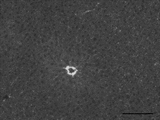
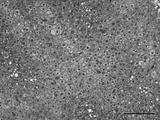
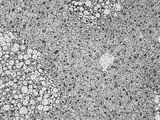
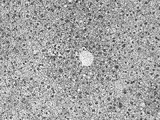
- astaxanthin has an effect of selectively improving fatty liver and steatohepatitis only when a cholesterol diet is ingested. Moreover, since it does not have an effect normally, it turns out that there is no side effect and there exists a preventive effect. From the photographs of hepatocytes (FIGS. 1 to 6) and gene expression related to fibrosis (FIGS. 7 to 10), it can be seen that administration of astaxanthin suppresses liver fat reduction and liver fibrosis.
- Example 2 (Test of non-alcoholic steatohepatitis by human) One person who was in a sales position without drinking and was stressed regularly and who falls into metabolic syndrome was administered 6 mg of astaxanthin per day for 8 weeks. Astaxanthin used was Asterel ACT (Fuji Chemical Industry Co., Ltd.). Table 9 shows the values of ⁇ -GTP, GOT, and GPT in blood before and after administration.
- GOT and GPT were down. These are indicators of fatty liver, and it can be seen that astaxanthin improves steatohepatitis.
Landscapes
- Health & Medical Sciences (AREA)
- Life Sciences & Earth Sciences (AREA)
- Engineering & Computer Science (AREA)
- Biotechnology (AREA)
- Natural Medicines & Medicinal Plants (AREA)
- Chemical & Material Sciences (AREA)
- Veterinary Medicine (AREA)
- Public Health (AREA)
- Medicinal Chemistry (AREA)
- General Health & Medical Sciences (AREA)
- Animal Behavior & Ethology (AREA)
- Pharmacology & Pharmacy (AREA)
- Epidemiology (AREA)
- Alternative & Traditional Medicine (AREA)
- Chemical Kinetics & Catalysis (AREA)
- Microbiology (AREA)
- Medical Informatics (AREA)
- Botany (AREA)
- Gastroenterology & Hepatology (AREA)
- Bioinformatics & Cheminformatics (AREA)
- Mycology (AREA)
- General Chemical & Material Sciences (AREA)
- Nuclear Medicine, Radiotherapy & Molecular Imaging (AREA)
- Organic Chemistry (AREA)
- Acyclic And Carbocyclic Compounds In Medicinal Compositions (AREA)
- Medicines Containing Plant Substances (AREA)
- Coloring Foods And Improving Nutritive Qualities (AREA)
Abstract
La présente invention vise à fournir un agent médical pour le traitement/la prévention de la stéatose hépatique non alcoolique, qui peut être facilement ingéré, qui provient d'une substance naturelle, qui n'a pas d'effet secondaire indésirable, et qui est sûr. La présente invention concerne par conséquent, pour la prévention/le traitement de la stéatose hépatique non alcoolique ou de la fibrose hépatique, l'administration d'astaxanthine ou d'un ester de celle-ci.
Applications Claiming Priority (2)
| Application Number | Priority Date | Filing Date | Title |
|---|---|---|---|
| JP2011-112277 | 2011-05-19 | ||
| JP2011112277 | 2011-05-19 |
Publications (1)
| Publication Number | Publication Date |
|---|---|
| WO2012157290A1 true WO2012157290A1 (fr) | 2012-11-22 |
Family
ID=47176635
Family Applications (1)
| Application Number | Title | Priority Date | Filing Date |
|---|---|---|---|
| PCT/JP2012/003291 Ceased WO2012157290A1 (fr) | 2011-05-19 | 2012-05-18 | Agent prophylactique/thérapeutique pour la stéatose hépatique non alcoolique |
Country Status (2)
| Country | Link |
|---|---|
| JP (1) | JPWO2012157290A1 (fr) |
| WO (1) | WO2012157290A1 (fr) |
Cited By (4)
| Publication number | Priority date | Publication date | Assignee | Title |
|---|---|---|---|---|
| JP2015140346A (ja) * | 2014-01-30 | 2015-08-03 | Jx日鉱日石エネルギー株式会社 | 虚血性疾患を予防するための薬剤 |
| JP2018070568A (ja) * | 2016-11-04 | 2018-05-10 | 株式会社ユーグレナ | 非アルコール性脂肪性肝疾患治療又は予防剤及び非アルコール性脂肪性肝疾患予防用食品 |
| JP2018070569A (ja) * | 2016-11-04 | 2018-05-10 | 株式会社ユーグレナ | 肝星細胞の活性化抑制剤及び肝星細胞の活性化抑制用食品組成物 |
| WO2020006631A1 (fr) * | 2018-07-06 | 2020-01-09 | Algernon Pharmaceuticals Inc. | Compositions et méthodes de traitement de la stéatohépatite non alcoolique |
Citations (3)
| Publication number | Priority date | Publication date | Assignee | Title |
|---|---|---|---|---|
| JPH09124470A (ja) * | 1995-10-26 | 1997-05-13 | Suntory Ltd | 抗ストレス組成物 |
| JP2006008719A (ja) * | 2005-06-23 | 2006-01-12 | Yamaha Motor Co Ltd | 血中過酸化脂質抑制剤 |
| JP2009120607A (ja) * | 2007-10-25 | 2009-06-04 | Kanazawa Univ | 新規な肝疾患の予防又は治療薬並びにインスリン抵抗性改善剤 |
-
2012
- 2012-05-18 WO PCT/JP2012/003291 patent/WO2012157290A1/fr not_active Ceased
- 2012-05-18 JP JP2013515011A patent/JPWO2012157290A1/ja active Pending
Patent Citations (3)
| Publication number | Priority date | Publication date | Assignee | Title |
|---|---|---|---|---|
| JPH09124470A (ja) * | 1995-10-26 | 1997-05-13 | Suntory Ltd | 抗ストレス組成物 |
| JP2006008719A (ja) * | 2005-06-23 | 2006-01-12 | Yamaha Motor Co Ltd | 血中過酸化脂質抑制剤 |
| JP2009120607A (ja) * | 2007-10-25 | 2009-06-04 | Kanazawa Univ | 新規な肝疾患の予防又は治療薬並びにインスリン抵抗性改善剤 |
Non-Patent Citations (2)
| Title |
|---|
| TSUGUHITO OTA ET AL.: "Kosanka Sozai Astaxanthin wa lipotoxic NASH Model no Shinten o Soshi suru", THE JAPANESE SOCIETY OF NUTRITION AND FOOD SCIENCE TAIKAI KOEN YOSHISHU, vol. 65TH, 25 April 2011 (2011-04-25), pages 251 * |
| TSUGUHITO OTA ET AL.: "NASH no Joryu Byotai to shite no Shishitsu Kasanka o Kaishita Lipotoxicity no Igi -Astaxanthin ni yoru lipotoxic NASH Model no Shinten Yokushi Koka no Kento", ACTA HEPATOLOGICA JAPONICA, vol. 52, no. SUPP.1, 25 April 2011 (2011-04-25), pages A45 * |
Cited By (6)
| Publication number | Priority date | Publication date | Assignee | Title |
|---|---|---|---|---|
| JP2015140346A (ja) * | 2014-01-30 | 2015-08-03 | Jx日鉱日石エネルギー株式会社 | 虚血性疾患を予防するための薬剤 |
| JP2018070568A (ja) * | 2016-11-04 | 2018-05-10 | 株式会社ユーグレナ | 非アルコール性脂肪性肝疾患治療又は予防剤及び非アルコール性脂肪性肝疾患予防用食品 |
| JP2018070569A (ja) * | 2016-11-04 | 2018-05-10 | 株式会社ユーグレナ | 肝星細胞の活性化抑制剤及び肝星細胞の活性化抑制用食品組成物 |
| WO2018084224A1 (fr) * | 2016-11-04 | 2018-05-11 | 株式会社ユーグレナ | Agent thérapeutique ou prophylactique de la stéatose hépatique non alcoolique et aliment prophylactique de la stéatose hépatique non alcoolique |
| WO2020006631A1 (fr) * | 2018-07-06 | 2020-01-09 | Algernon Pharmaceuticals Inc. | Compositions et méthodes de traitement de la stéatohépatite non alcoolique |
| US11744808B2 (en) | 2018-07-06 | 2023-09-05 | Algernon Pharmaceuticals Inc. | Compositions and methods for treating non-alcoholic steatohepatitis |
Also Published As
| Publication number | Publication date |
|---|---|
| JPWO2012157290A1 (ja) | 2015-02-23 |
Similar Documents
| Publication | Publication Date | Title |
|---|---|---|
| JP2008179632A (ja) | 抗酸化剤 | |
| JP5147239B2 (ja) | コエンザイムq10含有乳化組成物 | |
| KR101262686B1 (ko) | 체지방 감소용 조성물 | |
| JP2011032171A (ja) | 美白用組成物 | |
| JP2008239619A (ja) | 末梢血行改善組成物 | |
| JP2007126455A (ja) | 脳機能障害の改善剤 | |
| JP2014019660A (ja) | 活性酸素抑制剤 | |
| JPH10155459A (ja) | アスタキサンチン含有飲食物 | |
| JP5686496B2 (ja) | メタボリックシンドローム改善・予防組成物 | |
| JP2008297222A (ja) | 眼の調節機能障害改善組成物 | |
| JP2009215170A (ja) | エネルギー産生代謝向上組成物 | |
| JP2011063563A (ja) | しわ改善組成物 | |
| JPWO2009048120A1 (ja) | アスタキサンチン含有水溶性組成物 | |
| JP2012072132A (ja) | 寿命延長剤 | |
| JP2009269832A (ja) | カルシトニン遺伝子関連ペプチド及びインスリン様成長因子−1の産生促進組成物 | |
| JP2009298740A (ja) | 認識運動機能改善組成物 | |
| WO2012157290A1 (fr) | Agent prophylactique/thérapeutique pour la stéatose hépatique non alcoolique | |
| JPH10276721A (ja) | アスタキサンチン含有飲食物 | |
| US20120004297A1 (en) | Agent for alleviating vascular failure | |
| JPWO2005074907A1 (ja) | 遺伝子発現調節剤 | |
| JP2006347927A (ja) | 疲労改善剤 | |
| JP2012246244A (ja) | 毛細血管退行抑制剤 | |
| JP2002226368A (ja) | 赤血球の酸化的損傷抑制剤 | |
| JP5071618B2 (ja) | 外分泌腺の機能障害改善剤及び機能障害改善用飲食物 | |
| JP2008110942A (ja) | アスタキサンチン、亜鉛及びセレンを含む抗酸化組成物 |
Legal Events
| Date | Code | Title | Description |
|---|---|---|---|
| 121 | Ep: the epo has been informed by wipo that ep was designated in this application |
Ref document number: 12784892 Country of ref document: EP Kind code of ref document: A1 |
|
| ENP | Entry into the national phase |
Ref document number: 2013515011 Country of ref document: JP Kind code of ref document: A |
|
| NENP | Non-entry into the national phase |
Ref country code: DE |
|
| 122 | Ep: pct application non-entry in european phase |
Ref document number: 12784892 Country of ref document: EP Kind code of ref document: A1 |