EP3108255B1 - Procédés et compositions pharmaceutiques pour le traitement de maladies induites par la voie de signalisation du complexe nrp-1/obr - Google Patents
Procédés et compositions pharmaceutiques pour le traitement de maladies induites par la voie de signalisation du complexe nrp-1/obr Download PDFInfo
- Publication number
- EP3108255B1 EP3108255B1 EP15704806.7A EP15704806A EP3108255B1 EP 3108255 B1 EP3108255 B1 EP 3108255B1 EP 15704806 A EP15704806 A EP 15704806A EP 3108255 B1 EP3108255 B1 EP 3108255B1
- Authority
- EP
- European Patent Office
- Prior art keywords
- nrp
- obr
- leptin
- antibody
- complex
- Prior art date
- Legal status (The legal status is an assumption and is not a legal conclusion. Google has not performed a legal analysis and makes no representation as to the accuracy of the status listed.)
- Active
Links
Images




Classifications
-
- A—HUMAN NECESSITIES
- A61—MEDICAL OR VETERINARY SCIENCE; HYGIENE
- A61K—PREPARATIONS FOR MEDICAL, DENTAL OR TOILETRY PURPOSES
- A61K38/00—Medicinal preparations containing peptides
- A61K38/16—Peptides having more than 20 amino acids; Gastrins; Somatostatins; Melanotropins; Derivatives thereof
- A61K38/17—Peptides having more than 20 amino acids; Gastrins; Somatostatins; Melanotropins; Derivatives thereof from animals; from humans
-
- C—CHEMISTRY; METALLURGY
- C07—ORGANIC CHEMISTRY
- C07K—PEPTIDES
- C07K16/00—Immunoglobulins [IG], e.g. monoclonal or polyclonal antibodies
- C07K16/18—Immunoglobulins [IG], e.g. monoclonal or polyclonal antibodies against material from animals or humans
- C07K16/28—Immunoglobulins [IG], e.g. monoclonal or polyclonal antibodies against material from animals or humans against receptors, cell surface antigens or cell surface determinants
- C07K16/2863—Immunoglobulins [IG], e.g. monoclonal or polyclonal antibodies against material from animals or humans against receptors, cell surface antigens or cell surface determinants against receptors for growth factors, growth regulators
-
- A—HUMAN NECESSITIES
- A61—MEDICAL OR VETERINARY SCIENCE; HYGIENE
- A61K—PREPARATIONS FOR MEDICAL, DENTAL OR TOILETRY PURPOSES
- A61K31/00—Medicinal preparations containing organic active ingredients
- A61K31/33—Heterocyclic compounds
- A61K31/395—Heterocyclic compounds having nitrogen as a ring hetero atom, e.g. guanethidine or rifamycins
- A61K31/435—Heterocyclic compounds having nitrogen as a ring hetero atom, e.g. guanethidine or rifamycins having six-membered rings with one nitrogen as the only ring hetero atom
- A61K31/47—Quinolines; Isoquinolines
- A61K31/4738—Quinolines; Isoquinolines ortho- or peri-condensed with heterocyclic ring systems
- A61K31/4745—Quinolines; Isoquinolines ortho- or peri-condensed with heterocyclic ring systems condensed with ring systems having nitrogen as a ring hetero atom, e.g. phenantrolines
-
- A—HUMAN NECESSITIES
- A61—MEDICAL OR VETERINARY SCIENCE; HYGIENE
- A61K—PREPARATIONS FOR MEDICAL, DENTAL OR TOILETRY PURPOSES
- A61K31/00—Medicinal preparations containing organic active ingredients
- A61K31/70—Carbohydrates; Sugars; Derivatives thereof
- A61K31/7088—Compounds having three or more nucleosides or nucleotides
- A61K31/7105—Natural ribonucleic acids, i.e. containing only riboses attached to adenine, guanine, cytosine or uracil and having 3'-5' phosphodiester links
-
- A—HUMAN NECESSITIES
- A61—MEDICAL OR VETERINARY SCIENCE; HYGIENE
- A61K—PREPARATIONS FOR MEDICAL, DENTAL OR TOILETRY PURPOSES
- A61K31/00—Medicinal preparations containing organic active ingredients
- A61K31/70—Carbohydrates; Sugars; Derivatives thereof
- A61K31/7088—Compounds having three or more nucleosides or nucleotides
- A61K31/713—Double-stranded nucleic acids or oligonucleotides
-
- A—HUMAN NECESSITIES
- A61—MEDICAL OR VETERINARY SCIENCE; HYGIENE
- A61K—PREPARATIONS FOR MEDICAL, DENTAL OR TOILETRY PURPOSES
- A61K39/00—Medicinal preparations containing antigens or antibodies
- A61K39/395—Antibodies; Immunoglobulins; Immune serum, e.g. antilymphocytic serum
- A61K39/39533—Antibodies; Immunoglobulins; Immune serum, e.g. antilymphocytic serum against materials from animals
- A61K39/39558—Antibodies; Immunoglobulins; Immune serum, e.g. antilymphocytic serum against materials from animals against tumor tissues, cells, antigens
-
- A—HUMAN NECESSITIES
- A61—MEDICAL OR VETERINARY SCIENCE; HYGIENE
- A61K—PREPARATIONS FOR MEDICAL, DENTAL OR TOILETRY PURPOSES
- A61K45/00—Medicinal preparations containing active ingredients not provided for in groups A61K31/00 - A61K41/00
- A61K45/06—Mixtures of active ingredients without chemical characterisation, e.g. antiphlogistics and cardiaca
-
- A—HUMAN NECESSITIES
- A61—MEDICAL OR VETERINARY SCIENCE; HYGIENE
- A61P—SPECIFIC THERAPEUTIC ACTIVITY OF CHEMICAL COMPOUNDS OR MEDICINAL PREPARATIONS
- A61P1/00—Drugs for disorders of the alimentary tract or the digestive system
- A61P1/14—Prodigestives, e.g. acids, enzymes, appetite stimulants, antidyspeptics, tonics, antiflatulents
-
- A—HUMAN NECESSITIES
- A61—MEDICAL OR VETERINARY SCIENCE; HYGIENE
- A61P—SPECIFIC THERAPEUTIC ACTIVITY OF CHEMICAL COMPOUNDS OR MEDICINAL PREPARATIONS
- A61P13/00—Drugs for disorders of the urinary system
- A61P13/02—Drugs for disorders of the urinary system of urine or of the urinary tract, e.g. urine acidifiers
-
- A—HUMAN NECESSITIES
- A61—MEDICAL OR VETERINARY SCIENCE; HYGIENE
- A61P—SPECIFIC THERAPEUTIC ACTIVITY OF CHEMICAL COMPOUNDS OR MEDICINAL PREPARATIONS
- A61P13/00—Drugs for disorders of the urinary system
- A61P13/12—Drugs for disorders of the urinary system of the kidneys
-
- A—HUMAN NECESSITIES
- A61—MEDICAL OR VETERINARY SCIENCE; HYGIENE
- A61P—SPECIFIC THERAPEUTIC ACTIVITY OF CHEMICAL COMPOUNDS OR MEDICINAL PREPARATIONS
- A61P3/00—Drugs for disorders of the metabolism
- A61P3/04—Anorexiants; Antiobesity agents
-
- A—HUMAN NECESSITIES
- A61—MEDICAL OR VETERINARY SCIENCE; HYGIENE
- A61P—SPECIFIC THERAPEUTIC ACTIVITY OF CHEMICAL COMPOUNDS OR MEDICINAL PREPARATIONS
- A61P31/00—Antiinfectives, i.e. antibiotics, antiseptics, chemotherapeutics
-
- A—HUMAN NECESSITIES
- A61—MEDICAL OR VETERINARY SCIENCE; HYGIENE
- A61P—SPECIFIC THERAPEUTIC ACTIVITY OF CHEMICAL COMPOUNDS OR MEDICINAL PREPARATIONS
- A61P37/00—Drugs for immunological or allergic disorders
- A61P37/02—Immunomodulators
- A61P37/06—Immunosuppressants, e.g. drugs for graft rejection
-
- A—HUMAN NECESSITIES
- A61—MEDICAL OR VETERINARY SCIENCE; HYGIENE
- A61P—SPECIFIC THERAPEUTIC ACTIVITY OF CHEMICAL COMPOUNDS OR MEDICINAL PREPARATIONS
- A61P43/00—Drugs for specific purposes, not provided for in groups A61P1/00-A61P41/00
-
- A—HUMAN NECESSITIES
- A61—MEDICAL OR VETERINARY SCIENCE; HYGIENE
- A61P—SPECIFIC THERAPEUTIC ACTIVITY OF CHEMICAL COMPOUNDS OR MEDICINAL PREPARATIONS
- A61P7/00—Drugs for disorders of the blood or the extracellular fluid
-
- C—CHEMISTRY; METALLURGY
- C12—BIOCHEMISTRY; BEER; SPIRITS; WINE; VINEGAR; MICROBIOLOGY; ENZYMOLOGY; MUTATION OR GENETIC ENGINEERING
- C12N—MICROORGANISMS OR ENZYMES; COMPOSITIONS THEREOF; PROPAGATING, PRESERVING, OR MAINTAINING MICROORGANISMS; MUTATION OR GENETIC ENGINEERING; CULTURE MEDIA
- C12N15/00—Mutation or genetic engineering; DNA or RNA concerning genetic engineering, vectors, e.g. plasmids, or their isolation, preparation or purification; Use of hosts therefor
- C12N15/09—Recombinant DNA-technology
- C12N15/11—DNA or RNA fragments; Modified forms thereof; Non-coding nucleic acids having a biological activity
- C12N15/113—Non-coding nucleic acids modulating the expression of genes, e.g. antisense oligonucleotides; Antisense DNA or RNA; Triplex- forming oligonucleotides; Catalytic nucleic acids, e.g. ribozymes; Nucleic acids used in co-suppression or gene silencing
- C12N15/1138—Non-coding nucleic acids modulating the expression of genes, e.g. antisense oligonucleotides; Antisense DNA or RNA; Triplex- forming oligonucleotides; Catalytic nucleic acids, e.g. ribozymes; Nucleic acids used in co-suppression or gene silencing against receptors or cell surface proteins
-
- G—PHYSICS
- G01—MEASURING; TESTING
- G01N—INVESTIGATING OR ANALYSING MATERIALS BY DETERMINING THEIR CHEMICAL OR PHYSICAL PROPERTIES
- G01N33/00—Investigating or analysing materials by specific methods not covered by groups G01N1/00 - G01N31/00
- G01N33/48—Biological material, e.g. blood, urine; Haemocytometers
- G01N33/50—Chemical analysis of biological material, e.g. blood, urine; Testing involving biospecific ligand binding methods; Immunological testing
- G01N33/53—Immunoassay; Biospecific binding assay; Materials therefor
- G01N33/566—Immunoassay; Biospecific binding assay; Materials therefor using specific carrier or receptor proteins as ligand binding reagents where possible specific carrier or receptor proteins are classified with their target compounds
-
- C—CHEMISTRY; METALLURGY
- C07—ORGANIC CHEMISTRY
- C07K—PEPTIDES
- C07K2317/00—Immunoglobulins specific features
- C07K2317/70—Immunoglobulins specific features characterized by effect upon binding to a cell or to an antigen
- C07K2317/76—Antagonist effect on antigen, e.g. neutralization or inhibition of binding
-
- C—CHEMISTRY; METALLURGY
- C12—BIOCHEMISTRY; BEER; SPIRITS; WINE; VINEGAR; MICROBIOLOGY; ENZYMOLOGY; MUTATION OR GENETIC ENGINEERING
- C12N—MICROORGANISMS OR ENZYMES; COMPOSITIONS THEREOF; PROPAGATING, PRESERVING, OR MAINTAINING MICROORGANISMS; MUTATION OR GENETIC ENGINEERING; CULTURE MEDIA
- C12N2310/00—Structure or type of the nucleic acid
- C12N2310/10—Type of nucleic acid
- C12N2310/14—Type of nucleic acid interfering nucleic acids [NA]
-
- C—CHEMISTRY; METALLURGY
- C12—BIOCHEMISTRY; BEER; SPIRITS; WINE; VINEGAR; MICROBIOLOGY; ENZYMOLOGY; MUTATION OR GENETIC ENGINEERING
- C12N—MICROORGANISMS OR ENZYMES; COMPOSITIONS THEREOF; PROPAGATING, PRESERVING, OR MAINTAINING MICROORGANISMS; MUTATION OR GENETIC ENGINEERING; CULTURE MEDIA
- C12N2310/00—Structure or type of the nucleic acid
- C12N2310/50—Physical structure
- C12N2310/53—Physical structure partially self-complementary or closed
- C12N2310/531—Stem-loop; Hairpin
-
- C—CHEMISTRY; METALLURGY
- C12—BIOCHEMISTRY; BEER; SPIRITS; WINE; VINEGAR; MICROBIOLOGY; ENZYMOLOGY; MUTATION OR GENETIC ENGINEERING
- C12N—MICROORGANISMS OR ENZYMES; COMPOSITIONS THEREOF; PROPAGATING, PRESERVING, OR MAINTAINING MICROORGANISMS; MUTATION OR GENETIC ENGINEERING; CULTURE MEDIA
- C12N2320/00—Applications; Uses
- C12N2320/30—Special therapeutic applications
- C12N2320/31—Combination therapy
-
- G—PHYSICS
- G01—MEASURING; TESTING
- G01N—INVESTIGATING OR ANALYSING MATERIALS BY DETERMINING THEIR CHEMICAL OR PHYSICAL PROPERTIES
- G01N2333/00—Assays involving biological materials from specific organisms or of a specific nature
- G01N2333/435—Assays involving biological materials from specific organisms or of a specific nature from animals; from humans
- G01N2333/705—Assays involving receptors, cell surface antigens or cell surface determinants
- G01N2333/70503—Immunoglobulin superfamily, e.g. VCAMs, PECAM, LFA-3
-
- G—PHYSICS
- G01—MEASURING; TESTING
- G01N—INVESTIGATING OR ANALYSING MATERIALS BY DETERMINING THEIR CHEMICAL OR PHYSICAL PROPERTIES
- G01N2333/00—Assays involving biological materials from specific organisms or of a specific nature
- G01N2333/435—Assays involving biological materials from specific organisms or of a specific nature from animals; from humans
- G01N2333/705—Assays involving receptors, cell surface antigens or cell surface determinants
- G01N2333/71—Assays involving receptors, cell surface antigens or cell surface determinants for growth factors; for growth regulators
-
- G—PHYSICS
- G01—MEASURING; TESTING
- G01N—INVESTIGATING OR ANALYSING MATERIALS BY DETERMINING THEIR CHEMICAL OR PHYSICAL PROPERTIES
- G01N2500/00—Screening for compounds of potential therapeutic value
- G01N2500/02—Screening involving studying the effect of compounds C on the interaction between interacting molecules A and B (e.g. A = enzyme and B = substrate for A, or A = receptor and B = ligand for the receptor)
-
- Y—GENERAL TAGGING OF NEW TECHNOLOGICAL DEVELOPMENTS; GENERAL TAGGING OF CROSS-SECTIONAL TECHNOLOGIES SPANNING OVER SEVERAL SECTIONS OF THE IPC; TECHNICAL SUBJECTS COVERED BY FORMER USPC CROSS-REFERENCE ART COLLECTIONS [XRACs] AND DIGESTS
- Y02—TECHNOLOGIES OR APPLICATIONS FOR MITIGATION OR ADAPTATION AGAINST CLIMATE CHANGE
- Y02A—TECHNOLOGIES FOR ADAPTATION TO CLIMATE CHANGE
- Y02A50/00—TECHNOLOGIES FOR ADAPTATION TO CLIMATE CHANGE in human health protection, e.g. against extreme weather
- Y02A50/30—Against vector-borne diseases, e.g. mosquito-borne, fly-borne, tick-borne or waterborne diseases whose impact is exacerbated by climate change
Definitions
- the present disclosure relates to methods and pharmaceutical compositions for the treatment of diseases mediated by the NRP-1/OBR complex signaling pathway.
- Neuropilin-1 (NRP-1) a trans-membrane receptor that plays a central role in neuronal development (Fujisawa et al., 1995) has been subsequently shown to be also involved in blood vessel development as a co-receptor for two different types of ligands, the semaphorin (SEMA) family of axon guidance modulators and the vascular endothelial growth factor (VEGF) family of angiogenesis stimulators, respectively.
- SEMA semaphorin
- VEGF vascular endothelial growth factor
- NRP-1 needs to form complexes with receptors belonging to the plexin family, which serve as the signal-transducing element for the axonal repulsion and collapse of neuronal growth cones after SEMA binding to the NRP-1/plexin complex (He and Tessier-Lavigne, 1997). NRP-1 also interacts as well with VEGF receptors (VEGFR) forming a complex, which can be activated by VEGF-A165 for normal developmental angiogenesis (Soker et al., 1998).
- VAGFR VEGF receptors
- NRP-1 plays a critical role in the regulation of the immune system by modulating interactions between dendritic and T cells in the periphery and between thymocytes and thymic epithelial cells in the thymus (Tordjman et al, 2002) (Lepelletier et al., 2007).
- NRP-1 is also involved in physiopathology.
- NRP-1 is a receptor for the HTLV-1 virus (Ghez et al., 2006).
- data are accumulating showing that NRP-1 is involved in oncogenesis (Soker et al., 2001; Ellis et al, 2006), but its role remains controversial.
- SEMA inhibit cell growth and decrease cell survival by inducing PTEN activity, an inhibitor of the PI3kinase pathway (Cantly et al., 1999), whereas VEGF plays an opposite role by competing with SEMA for binding to NRP-1 and by providing signaling for cell proliferation and survival through NRP-1/VEGFR complex (Bachelder et al., 2003; Narazaki and Tosato, 2006).
- NRP-1 increases cell proliferation and invasiveness through mechanisms that do not necessarily involved neither SEMA nor VEGF suggesting that alternative ligands and/or receptors may use NRP-1 as a co-receptor (Kigel et al., 2008).
- Leptin is a small non glycosylated protein expressed not only by the benign primary source adipocytes but by cancer cells also ( Clin Cancer Research 2004 ). OBR is the receptor of leptin. Leptin has been shown to regulate gene expression. More than 64 genes were identified including those for growth, cell cycle regulators, extracellular matrix proteins and gene associated with metastasis ( J of Endocrinol 2008 ; EBM 2008 ). Obesity is considered a risk for many cancers. Serum leptin levels are often elevated in obese people. Leptin acts as a mitogenic agent in many tissues; therefore, it may act to promote cancer cell growth.
- leptin was shown to act as a growth factor for prostate cancer cells in vitro, to induce increased migration of prostate cancer cells and expression of growth factors such as vascular endothelial growth factor (VEGF), transforming growth factor-beta 1 (TGF- ⁇ I), and basic fibroblast growth factor (bFGF), and to enhance prostate cancer growth.
- VEGF vascular endothelial growth factor
- TGF- ⁇ I transforming growth factor-beta 1
- bFGF basic fibroblast growth factor
- Leptin has been shown recently to promote T helper 1 (Thl)-cell differentiation and to modulate the onset and progression of autoimmune responses in several animal models of disease. If leptin's role is fundamental in Thl -mediated autoimmune diseases or inflammatory diseases, such as inflammatory bowel syndrome, then a therapeutic effect can be anticipated by blocking peripheral leptin action.
- Leptin has also been shown to be involved in the pathogenesis of rheumatoid arthritis and in the development of experimental autoimmune encephalomyelitis (EAE), a mouse model for multiple sclerosis. Consequently, inhibitors of the leptin signaling pathway are highly desirable for therapeutic purposes.
- EAE experimental autoimmune encephalomyelitis
- US 2013/259858 discloses A method of treating breast cancer by predicting the outcome of Her2 treatment by determining among ethers the level of expression of NRP-1.
- NRP-1 is not only associated with oncogenesis, but also with ovarian cancer malignancy, and this molecule is a targeting candidate for the treatment of ovarian malignancies ( Baba, Tsukasa, et al. "Neuropilin-1 promotes unlimited growth of ovarian cancer by evading contact inhibition.” Gynecologic oncology 105.3 (2007): 703-711 ).
- the present invention relates to an antagonist of the NRP-1/OBR signaling pathway for use in the treatment of a disease selected from the group consisting of cancers, obesity and obesity related diseases, cachexia, anorexia, ureteral obstructive kidney disease, autoimmune diseases and infectious diseases in a subject in need thereof, wherein the antagonist of the NRP-1/OBR signaling pathway is selected from the group consisting of antibodies having the ability to block the interaction between NRP-1 and OBR or the ability to block the interaction between NRP-1 and Leptin.
- the present invention is defined by the claims.
- NRP-1 Neuropilin-1
- VEGF vascular endothelial growth factor-1
- a first aspect of the present disclosure relates to a method for treating a disease selected from the group consisting of cancers, obesity and obesity related diseases, cachexia, anorexia, ureteral obstructive kidney disease, autoimmune diseases and infectious diseases in a subject in need thereof comprising administering the subject with a therapeutically effective amount of an antagonist of the NRP-1/OBR signaling pathway.
- treatment refers to reversing, alleviating, inhibiting the progress of a disease or disorder as described herein, or delaying, eliminating or reducing the incidence or onset of a disorder or disease as described herein, as compared to that which would occur in the absence of the measure taken.
- prophylaxis or “prophylactic use” and “prophylactic treatment” as used herein, refer to any medical or public health procedure whose purpose is to prevent a disease.
- the terms “prevent”, “prevention” and “preventing” refer to the reduction in the risk of acquiring or developing a given condition, or the reduction or inhibition of the recurrence or said condition in a subject who is not ill, but who has been or may be near a subject with the disease.
- the term "obesity” refers to a condition characterized by an excess of body fat.
- the operational definition of obesity is based on the Body Mass Index (BMI), which is calculated as body weight per height in meter squared (kg/m 2 ).
- BMI Body Mass Index
- Obesity refers to a condition whereby an otherwise healthy subject has a BMI greater than or equal to 30 kg/m 2 , or a condition whereby a subject with at least one co-morbidity has a BMI greater than or equal to 27 kg/m 2 .
- An "obese subject” is an otherwise healthy subject with a BMI greater than or equal to 30 kg/m 2 or a subject with at least one co-morbidity with a BMI greater than or equal 27 kg/m 2 .
- a "subject at risk of obesity” is an otherwise healthy subject with a BMI of 25 kg/m 2 to less than 30 kg/m 2 or a subject with at least one co-morbidity with a BMI of 25 kg/m 2 to less than 27 kg/m 2 .
- the increased risks associated with obesity may occur at a lower BMI in people of Asian descent.
- "obesity” refers to a condition whereby a subject with at least one obesity-induced or obesity-related co-morbidity that requires weight reduction or that would be improved by weight reduction, has a BMI greater than or equal to 25 kg/m 2 .
- an “obese subject” in these countries refers to a subject with at least one obesity-induced or obesity-related co-morbidity that requires weight reduction or that would be improved by weight reduction, with a BMI greater than or equal to 25 kg/m 2 .
- a “subject at risk of obesity” is a person with a BMI of greater than 23 kg/m2 to less than 25 kg/m 2 .
- the method herein disclosed is particularly suitable for the prophylactic treatment of obesity related disorders.
- obesity-related diseases encompasses disorders that are associated with, caused by, or result from obesity.
- obesity-related disorders include overeating and bulimia, diabetes, hypertension, elevated plasma insulin concentrations and insulin resistance, dyslipidemia, hyperlipidemia, breast, prostate, endometrial and colon cancer, heart disease, cardiovascular disorders, abnormal heart rhythms and arrhythmias, myocardial infarction, congestive heart failure, coronary heart disease, angina pectoris, cerebral infarction, cerebral thrombosis and transient ischemic attack, and osteoarthritis.
- Other examples include pathological conditions showing reduced metabolic activity or a decrease in resting energy expenditure as a percentage of total fat-free mass.
- obesity-related disorders include metabolic syndrome, also known as syndrome X, insulin resistance syndrome, type II diabetes, impaired fasting glucose, impaired glucose tolerance, inflammation, such as systemic inflammation of the vasculature, atherosclerosis, hypercholesterolemia, hyperuricaemia, as well as secondary outcomes of obesity such as left ventricular hypertrophy.
- Obesity-related disorders also include the liver abnormalities associated with obesity such as non-alcoholic fatty liver disease (NAFLD) a rising cause of cirrhosis associated to obesity and metabolic syndrome.
- NAFLD non-alcoholic fatty liver disease
- NAFLD can present as simple steatosis or evolve towards inflammation and steatohepatitis (NASH), with a 20 % risk of cirrhosis after 20 years.
- Dyslipidemia is a major risk factor for coronary heart disease (CHD).
- CHD coronary heart disease
- HDL high density lipoprotein
- LDL low density cholesterol
- cancer has its general meaning in the art and includes, but is not limited to, solid tumors and blood borne tumors
- the term cancer includes diseases of the skin, tissues, organs, bone, cartilage, blood and vessels.
- the term “cancer” further encompasses both primary and metastatic cancers. Examples of cancers that may treated by methods and compositions of the present disclosure include, but are not limited to, cancer cells from the bladder, blood, bone, bone marrow, brain, breast, colon, esophagus, gastrointestinal, gum, head, kidney, liver, lung, nasopharynx, neck, ovary, prostate, skin, stomach, testis, tongue, or uterus.
- the cancer may specifically be of the following histological type, though it is not limited to these: neoplasm, malignant; carcinoma; carcinoma, undifferentiated; giant and spindle cell carcinoma; small cell carcinoma; papillary carcinoma; squamous cell carcinoma; lymphoepithelial carcinoma; basal cell carcinoma; pilomatrix carcinoma; transitional cell carcinoma; papillary transitional cell carcinoma; adenocarcinoma; gastrinoma, malignant; cholangiocarcinoma; hepatocellular carcinoma; combined hepatocellular carcinoma and cholangiocarcinoma; trabecular adenocarcinoma; adenoid cystic carcinoma; adenocarcinoma in adenomatous polyp; adenocarcinoma, familial polyposis coli; solid carcinoma; carcinoid tumor, malignant; branchiolo-alveolar adenocarcinoma; papillary adenocarcinoma; chromophobe carcinoma; acid
- Autoimmune diseases in the context of the present disclosure, relates to diseases arising from an overactive immune response of the body against substances and tissues normally present in the body. In other words, the body actually attacks its own cells or components. The immune system mistakes some part of the body as a pathogen and attacks it. This may be restricted to certain organs (e.g. in thyroiditis) or involve a particular tissue in different places (e.g. Goodpasture's disease which may affect the basement membrane in both the lung and the kidney). The treatment of autoimmune and/or inflammatory diseases is typically with immunosuppression-medication which decreases the immune response.
- autoimmune and/or inflammatory disease include but are not limited to sarcoidosis, Ankylosing Spondylitis, Crohns Disease (one of two types of idiopathic inflammatory bowel disease "IBD"), Dermatomyositis, Diabetes mellitus type 1, Goodpasture's syndrome, Graves' disease, Guillain-Barré syndrome (GBS), Hashimoto's disease, Hidradenitis suppurativa, Idiopathic thrombocytopenic purpura, systemic Lupus erythematosus, Mixed Connective Tissue Disease, Multiple Sclerosis Myasthenia gravis, Myositis, Narcolepsy, Pemphigus vulgaris, Pernicious anaemia, Psoriasis, Psoriatic Arthritis, Polymyositis, Primary biliary cirrhosis, Relapsing polychondritis , Rheumatoid arthritis, Systemic sclerosis, Temporal arteritis (IBD”)
- infectious diseases include but are not limited to chronic infectious diseases and more preferably viral infections, e.g. Herpes (HSV), HIV, Hepatitis B, Hepatitis C, etc., intracellular bacterial infections, e.g. tuberculosis, salmonellosis, listeriosis, etc., and parasite infections, e.g. malaria, leishmaniasis, schistosomiasis.
- viral infections e.g. Herpes (HSV), HIV, Hepatitis B, Hepatitis C, etc.
- intracellular bacterial infections e.g. tuberculosis, salmonellosis, listeriosis, etc.
- parasite infections e.g. malaria, leishmaniasis, schistosomiasis.
- NRP-1 has its general meaning in the art and refers to Neuropilin-1.
- Neuropilins are 120 to 130 kDa non-tyrosine kinase receptors. There are multiple NRP-1 and NRP-2 splice variants and soluble isoforms.
- the basic structure of neuropilins comprises five domains: three extracellular domains (ala2, blb2 and c), a transmembrane domain, and a cytoplasmic domain.
- the ala2 domain is homologous to complement components C1r and C1s (CUB), which generally contains four cysteine residues that form two disculfid bridges.
- C1r and C1s C1s
- the blb2 domain is homologous to coagulation factors V and VIII.
- the central portion of the c domain is designated as MAM due to its homology to meprin, AS and receptor tyrosine phosphotase ⁇ proteins.
- the ala2 and blb2 domains are responsible for ligand binding, whereas the c domain is critical for homodimerization or heterodimerization.
- OBR has its general meaning in the art and refers to the leptin receptor also known as LEPR and CD295.
- the human transmembrane receptor has at least four different isoforms with different C-terminus cytoplasmatic domains ( Barr et al., 1999, J. Biol. Chem. 274 (30): 21416-21424 ).
- the full form of ObR (ObR1) is 1,165 amino acids long and contains extracellular, transmembrane and intracellular domains. The extracellular domain binds ligand, whereas the intracellular tail recruits and activates signaling substrates.
- NRP-1/OBR complex refers to the complex resulting from the heterodimerization between NRP-1 and OBR as described in the EXAMPLE.
- the formation of the complex is mediated by the binding of leptin to OBR and NRP-1.
- the NRP-1/OBR complex formation and nuclear translocation are dependent on NRP-1 and OBR phosphorylation by the Serine/threonine Protein-kinase CK2.
- the NRP-1/OBR complex translocates to the nucleus and interacts with RNA polymerase II (RNApol2) so as to trigger the expression of various genes.
- RNApol2 RNA polymerase II
- the complex triggers the expression of genes implicated in cancer metastasis. All the effects mediated by the formation of the NRP-1/OBR complex are referred as the "NRP-1/OBR/Leptin signaling pathway".
- antagonist of the NRP-1/OBR signaling pathway means any compound that attenuates signal transduction mediated by the formation of the NRP-1/OBR complex as described in the EXAMPLE.
- antagonist of the NRP-1/OBR signaling pathway is a compound that inhibits, reduces, abolishes or otherwise reduces the formation of said complex.
- antagonist of the NRP-1/OBR signaling pathway is a compound that inhibits, reduces, abolishes or otherwise reduces the signaling pathway triggered by the formation of the complex.
- the antagonist of the NRP-1/OBR signaling pathway herein disclosed binds to NRP-1 or OBR without triggering signal transduction, to reduce or block the formation of the NRP-1/OBR complex;
- the antagonist of the NRP-1/OBR signaling pathway inhibits the stability of the NRP-1/OBR complex by impeding the phosphorylation mediated by the Protein-kinase CK2; or
- the antagonist of the NRP-1/OBR signaling pathway binds to, or otherwise inhibits the activity of, a molecule that is part of a regulatory chain that, when not inhibited, has the result of stimulating or otherwise facilitating the signal transduction mediated by the NRP-1/OBR complex.
- the agent is an antibody.
- the present disclosure embraces antibodies or fragments of antibodies having the ability to block the interaction between NRP-1 and OBR or the interaction between NRP-1 and leptin.
- the antibodies may have specificity to NRP-1 or OBR.
- the antibodies or fragment of antibodies are directed to all or a portion of the extracellular domain of OBR.
- the antibodies or fragment of antibodies are directed to an extracellular domain of NRP-1 or OBR. More particularly the present disclosure provides an antibody or portion thereof capable of inhibiting binding of OBR and/or to NRP-1, which antibody binds to an epitope located within a region of OBR or NRP-1, which region of OBR binds to NRP-1.
- the present disclosure provides an antibody or portion thereof capable of inhibiting binding of NRP-1 to OBR and/or leptin, which antibody binds to an epitope located within a region of NRP-1, which region of NRP-1 binds to OBR and/or leptin.
- the antibody is a monoclonal antibody. In one embodiment of the antibodies or portions thereof described herein, the antibody is a polyclonal antibody. In one embodiment of the antibodies or portions thereof described herein, the antibody is a humanized antibody. In one embodiment of the antibodies or portions thereof described herein, the antibody is a chimeric antibody. In one embodiment of the antibodies or portions thereof described herein, the portion of the antibody comprises a light chain of the antibody. In one embodiment of the antibodies or portions thereof described herein, the portion of the antibody comprises a heavy chain of the antibody. In one embodiment of the antibodies or portions thereof described herein, the portion of the antibody comprises a Fab portion of the antibody.
- the portion of the antibody comprises a F(ab')2 portion of the antibody. In one embodiment of the antibodies or portions thereof described herein, the portion of the antibody comprises a Fc portion of the antibody. In one embodiment of the antibodies or portions thereof described herein, the portion of the antibody comprises a Fv portion of the antibody. In one embodiment of the antibodies or portions thereof described herein, the portion of the antibody comprises a variable domain of the antibody. In one embodiment of the antibodies or portions thereof described herein, the portion of the antibody comprises one or more CDR domains of the antibody.
- antibody includes both naturally occurring and non-naturally occurring antibodies. Specifically, “antibody” includes polyclonal and monoclonal antibodies, and monovalent and divalent fragments thereof. Furthermore, “antibody” includes chimeric antibodies, wholly synthetic antibodies, single chain antibodies, and fragments thereof. The antibody may be a human or non human antibody. A non human antibody may be humanized by recombinant methods to reduce its immunogenicity in man.
- antibodies are prepared according to conventional methodology. Monoclonal antibodies may be generated using the method of Kohler and Milstein (Nature, 256:495, 1975 ). To prepare monoclonal antibodies useful in the present disclosure, a mouse or other appropriate host animal is immunized at suitable intervals (e.g., twice-weekly, weekly, twice-monthly or monthly) with antigenic forms of NRP-1, or OBR. The animal may be administered a final "boost" of antigen within one week of sacrifice. It is often desirable to use an immunologic adjuvant during immunization.
- suitable intervals e.g., twice-weekly, weekly, twice-monthly or monthly
- suitable intervals e.g., twice-weekly, weekly, twice-monthly or monthly
- the animal may be administered a final "boost" of antigen within one week of sacrifice. It is often desirable to use an immunologic adjuvant during immunization.
- Suitable immunologic adjuvants include Freund's complete adjuvant, Freund's incomplete adjuvant, alum, Ribi adjuvant, Hunter's Titermax, saponin adjuvants such as QS21 or Quil A, or CpG-containing immunostimulatory oligonucleotides.
- Other suitable adjuvants are well-known in the field.
- the animals may be immunized by subcutaneous, intraperitoneal, intramuscular, intravenous, intranasal or other routes. A given animal may be immunized with multiple forms of the antigen by multiple routes.
- the recombinant NRP-1 or OBR may be provided by expression with recombinant cell lines, in particular in the form of human cells expressing NRP-1 or OBR at their surface.
- Recombinant forms of OBR or NRP-1 may be provided using any previously described method.
- lymphocytes are isolated from the spleen, lymph node or other organ of the animal and fused with a suitable myeloma cell line using an agent such as polyethylene glycol to form a hydridoma.
- an antibody from which the pFc' region has been enzymatically cleaved, or which has been produced without the pFc' region designated an F(ab')2 fragment, retains both of the antigen binding sites of an intact antibody.
- an antibody from which the Fc region has been enzymatically cleaved, or which has been produced without the Fc region designated an Fab fragment, retains one of the antigen binding sites of an intact antibody molecule.
- Fab fragments consist of a covalently bound antibody light chain and a portion of the antibody heavy chain denoted Fd.
- the Fd fragments are the major determinant of antibody specificity (a single Fd fragment may be associated with up to ten different light chains without altering antibody specificity) and Fd fragments retain epitope-binding ability in isolation.
- CDRs complementarity determining regions
- FRs framework regions
- CDR1 through CDRS complementarity determining regions
- compositions and methods that include humanized forms of antibodies.
- humanized describes antibodies wherein some, most or all of the amino acids outside the CDR regions are replaced with corresponding amino acids derived from human immunoglobulin molecules.
- Methods of humanization include, but are not limited to, those described in U.S. Pat. Nos. 4,816,567 , 5,225,539 , 5,585,089 , 5,693,761 , 5,693,762 and 5,859,205 .
- the above U.S. Pat. Nos. 5,585,089 and 5,693,761 , and WO 90/07861 also propose four possible criteria which may used in designing the humanized antibodies.
- the first proposal was that for an acceptor, use a framework from a particular human immunoglobulin that is unusually homologous to the donor immunoglobulin to be humanized, or use a consensus framework from many human antibodies.
- the second proposal was that if an amino acid in the framework of the human immunoglobulin is unusual and the donor amino acid at that position is typical for human sequences, then the donor amino acid rather than the acceptor may be selected.
- the third proposal was that in the positions immediately adjacent to the 3 CDRs in the humanized immunoglobulin chain, the donor amino acid rather than the acceptor amino acid may be selected.
- the fourth proposal was to use the donor amino acid reside at the framework positions at which the amino acid is predicted to have a side chain atom within 3A of the CDRs in a three dimensional model of the antibody and is predicted to be capable of interacting with the CDRs.
- the above methods are merely illustrative of some of the methods that one skilled in the art could employ to make humanized antibodies.
- One of ordinary skill in the art will be familiar with other methods for antibody humanization.
- humanized forms of the antibodies some, most or all of the amino acids outside the CDR regions have been replaced with amino acids from human immunoglobulin molecules but where some, most or all amino acids within one or more CDR regions are unchanged. Small additions, deletions, insertions, substitutions or modifications of amino acids are permissible as long as they would not abrogate the ability of the antibody to bind a given antigen. Suitable human immunoglobulin molecules would include IgG1, IgG2, IgG3, IgG4, IgA and IgM molecules.
- a "humanized" antibody retains a similar antigenic specificity as the original antibody. However, using certain methods of humanization, the affinity and/or specificity of binding of the antibody may be increased using methods of "directed evolution", as described by Wu et al., /. Mol. Biol. 294:151, 1999 .
- Fully human monoclonal antibodies also can be prepared by immunizing mice transgenic for large portions of human immunoglobulin heavy and light chain loci. See, e.g., U.S. Pat. Nos. 5,591,669 , 5,598,369 , 5,545,806 , 5,545,807 , 6,150,584 . These animals have been genetically modified such that there is a functional deletion in the production of endogenous (e.g., murine) antibodies. The animals are further modified to contain all or a portion of the human germ-line immunoglobulin gene locus such that immunization of these animals will result in the production of fully human antibodies to the antigen of interest.
- monoclonal antibodies can be prepared according to standard hybridoma technology. These monoclonal antibodies will have human immunoglobulin amino acid sequences and therefore will not provoke human anti-mouse antibody (KAMA) responses when administered to humans.
- KAMA human anti-mouse antibody
- the present disclosure also provides for F(ab') 2 Fab, Fv and Fd fragments; chimeric antibodies in which the Fc and/or FR and/or CDR1 and/or CDR2 and/or light chain CDR3 regions have been replaced by homologous human or non-human sequences; chimeric F(ab')2 fragment antibodies in which the FR and/or CDR1 and/or CDR2 and/or light chain CDR3 regions have been replaced by homologous human or non-human sequences; chimeric Fab fragment antibodies in which the FR and/or CDR1 and/or CDR2 and/or light chain CDR3 regions have been replaced by homologous human or non-human sequences; and chimeric Fd fragment antibodies in which the FR and/or CDR1 and/or CDR2 regions have been replaced by homologous human or non-human sequences.
- the present disclosure also includes so-called single chain antibodies.
- the various antibody molecules and fragments may derive from any of the commonly known immunoglobulin classes, including but not limited to IgA, secretory IgA, IgE, IgG and IgM.
- IgG subclasses are also well known to those in the art and include but are not limited to human IgG1, IgG2, IgG3 and IgG4.
- the antibody according to the present disclosure is a single domain antibody.
- the term "single domain antibody” (sdAb) or “VHH” refers to the single heavy chain variable domain of antibodies of the type that can be found in Camelid mammals which are naturally devoid of light chains. Such VHH are also called “nanobody®”. According to the present disclosure, sdAb can particularly be llama sdAb.
- the antibody is a bispecific antibody.
- bispecific antibody has its general meaning in the art and refers to any antibody consisting of one binding site for a first target antigen and a second binding site for a second target antigen.
- a bispecific antibody according the present disclosure antibody consists of one binding site for NRP-1 and a second binding site for OBR.
- Methods for making bispecific antibodies are known in the art.
- Traditional production of full-length bispecific antibodies is based on the coexpression of two immunoglobulin heavy chain-light chain pairs, where the two chains have different specificities (see, e.g., Milstein et al., 1983, Nature 305:537-39 ).
- bispecific antibodies include Bi-specific T-cell engagers (BiTEs) that are a class of artificial bispecific monoclonal antibodies.
- BiTEs are fusion proteins consisting of two single-chain variable fragments (scFvs) of different antibodies, or amino acid sequences from four different genes, on a single peptide chain of about 55 kilodaltons.
- BiTEs those described in WO2006064136 .
- the bispecific antibody is a Fab format described in WO2006064136 comprising one VH or VHH specific for NRP-1 and one VH or VHH specific for OBR.
- the antagonists of the present disclosure are used in combination with a chemotherapeutic agent for the treatment of cancer.
- Chemotherapeutic agents include, but are not limited to alkylating agents such as thiotepa and cyclosphosphamide; alkyl sulfonates such as busulfan, improsulfan and piposulfan; aziridines such as benzodopa, carboquone, meturedopa, and uredopa; ethylenimines and methylamelamines including altretamine, triethylenemelamine, trietylenephosphoramide, triethiylenethiophosphoramide and trimethylolomelamine; acetogenins (especially bullatacin and bullatacinone); a camptothecin (including the synthetic analogue topotecan); bryostatin; callystatin; CC-1065 (including its adozelesin, carzelesin and bizelesin synthetic
- calicheamicin especially calicheamicin gammall and calicheamicin omegall ;
- dynemicin including dynemicin A; bisphosphonates, such as clodronate; an esperamicin; as well as neocarzinostatin chromophore and related chromoprotein enediyne antiobiotic chromophores, aclacinomysins, actinomycin, authrarnycin, azaserine, bleomycins, cactinomycin, carabicin, caminomycin, carzinophilin, chromomycinis, dactinomycin, daunorubicin, detorubicin, 6-diazo-5-oxo-L-norleucine, doxorubicin (including morpholino-doxorubicin, cyanomorpholino-doxorubicin, 2-pyrrolino-doxorubicin and deoxy doxor
- a “therapeutically effective amount” is meant a sufficient amount of the antagonist of the present disclosure to treat the diseases at a reasonable benefit/risk ratio applicable to any medical treatment.
- the total daily usage of the compounds of the present disclosure will be decided by the attending physician within the scope of sound medical judgment.
- the specific therapeutically effective dose level for any particular subject will depend upon a variety of factors including the disease being treated and the severity of the disorder; activity of the specific compound employed; the specific composition employed, the age, body weight, general health, sex and diet of the subject; the time of administration, route of administration, and rate of excretion of the specific compound employed; the duration of the treatment; drugs used in combination or coincidential with the specific compound employed; and like factors well known in the medical arts. For example, it is well within the skill of the art to start doses of the compound at levels lower than those required to achieve the desired therapeutic effect and to gradually increase the dosage until the desired effect is achieved.
- the daily dosage of the products may be varied over a wide range from 0.01 to 1,000 mg per adult per day.
- the compositions contain 0.01,0.05,0.1,0.5,1.0,2.5,5.0,10.0,15.0,25.0,50.0, 100, 250 and 500 mg of the active ingredient for the symptomatic adjustment of the dosage to the subject to be treated.
- a medicament typically contains from about 0.01 mg to about 500 mg of the active ingredient, preferably from 1 mg to about 100 mg of the active ingredient.
- An effective amount of the drug is ordinarily supplied at a dosage level from 0.0002 mg/kg to about 20 mg/kg of body weight per day, especially from about 0.001 mg/kg to 7 mg/kg of body weight per day.
- the antagonists of the present disclosure are administered as a formulation in association with one or more pharmaceutically acceptable excipients to form pharmaceutical composition.
- the term “Pharmaceutically” or “pharmaceutically acceptable” refers to molecular entities and compositions that do not produce an adverse, allergic or other untoward reaction when administered to a mammal, especially a human, as appropriate.
- a pharmaceutically acceptable carrier or excipient refers to a non-toxic solid, semi-solid or liquid filler, diluent, encapsulating material or formulation auxiliary of any type.
- compositions suitable for the delivery of compounds of the present disclosure and methods for their preparation will be readily apparent to those skilled in the art.
- the active principle i.e. a antagonist of the present disclosure
- Suitable unit administration forms comprise oral-route forms such as tablets, gel capsules, powders, granules and oral suspensions or solutions, sublingual and buccal administration forms, aerosols, implants, subcutaneous, transdermal, topical, intraperitoneal, intramuscular, intravenous, subdermal, transdermal, intrathecal and intranasal administration forms and rectal administration forms.
- the pharmaceutical compositions contain vehicles which are pharmaceutically acceptable for a formulation capable of being injected.
- vehicles which are pharmaceutically acceptable for a formulation capable of being injected.
- These may be in particular isotonic, sterile, saline solutions (monosodium or disodium phosphate, sodium, potassium, calcium or magnesium chloride and the like or mixtures of such salts), or dry, especially freeze-dried compositions which upon addition, depending on the case, of sterilized water or physiological saline, permit the constitution of injectable solutions.
- the pharmaceutical forms suitable for injectable use include sterile aqueous solutions or dispersions; formulations including sesame oil, peanut oil or aqueous propylene glycol; and sterile powders for the extemporaneous preparation of sterile injectable solutions or dispersions.
- the form must be sterile and must be fluid to the extent that easy syringability exists. It must be stable under the conditions of manufacture and storage and must be preserved against the contaminating action of microorganisms, such as bacteria and fungi.
- Solutions comprising compounds as free base or pharmacologically acceptable salts can be prepared in water suitably mixed with a surfactant, such as hydroxypropylcellulose. Dispersions can also be prepared in glycerol, liquid polyethylene glycols, and mixtures thereof and in oils. Under ordinary conditions of storage and use, these preparations contain a preservative to prevent the growth of microorganisms.
- Antagonists of the present disclosure can be formulated into a composition in a neutral or salt form as above described.
- the carrier can also be a solvent or dispersion medium containing, for example, water, ethanol, polyol (for example, glycerol, propylene glycol, and liquid polyethylene glycol, and the like), suitable mixtures thereof, and vegetables oils.
- the proper fluidity can be maintained, for example, by the use of a coating, such as lecithin, by the maintenance of the required particle size in the case of dispersion and by the use of surfactants.
- the prevention of the action of microorganisms can be brought about by various antibacterial and antifungal agents, for example, parabens, chlorobutanol, phenol, sorbic acid, thimerosal, and the like.
- isotonic agents for example, sugars or sodium chloride.
- Prolonged absorption of the injectable compositions can be brought about by the use in the compositions of agents delaying absorption, for example, aluminium monostearate and gelatin.
- Sterile injectable solutions are prepared by incorporating the antagonists of the present disclosure in the required amount in the appropriate solvent with various of the other ingredients enumerated above, as required, followed by filtered sterilization.
- dispersions are prepared by incorporating the various sterilized active ingredients into a sterile vehicle which contains the basic dispersion medium and the required other ingredients from those enumerated above.
- the preferred methods of preparation are vacuum-drying and freeze-drying techniques which yield a powder of the active ingredient plus any additional desired ingredient from a previously sterile-filtered solution thereof.
- solutions Upon formulation, solutions will be administered in a manner compatible with the dosage formulation and in such amount as is therapeutically effective.
- the formulations are easily administered in a variety of dosage forms, such as the type of injectable solutions described above, but drug release capsules and the like can also be employed.
- aqueous solutions For parenteral administration in an aqueous solution, for example, the solution should be suitably buffered if necessary and the liquid diluent first rendered isotonic with sufficient saline or glucose.
- aqueous solutions are especially suitable for intravenous, intramuscular, subcutaneous and intraperitoneal administration.
- sterile aqueous media which can be employed will be known to those of skill in the art in light of the present disclosure.
- one dosage could be dissolved in 1 ml of isotonic NaCl solution and either added to 1000 ml of hypodermoclysis fluid or injected at the proposed site of infusion. Some variation in dosage will necessarily occur depending on the condition of the subject being treated. The person responsible for administration will, in any event, determine the appropriate dose for the individual subject.
- Antagonists of the present disclosure may be formulated within a therapeutic mixture to comprise about 0.0001 to 1.0 milligrams, or about 0.001 to 0.1 milligrams, or about 0.1 to 1.0 or even about 10 milligrams per dose or so. Multiple doses can also be administered.
- other pharmaceutically acceptable forms include, e.g. tablets or other solids for oral administration; liposomal formulations ; time release capsules ; and any other form currently used.
- the antagonist of the NRP-1/OBR signaling pathway is combined with an anti-VEGF agent of the treatment of cancer.
- an "anti-VEGF agent” refers to a molecule that inhibits VEGF -mediated angiogenesis, vasculogenesis, or undesirable vascular permeability.
- an anti-VEGF therapeutic may be an antibody to or other antagonist of VEGF.
- An "anti-VEGF antibody” is an antibody that binds to VEGF with sufficient affinity and specificity to be useful in a method of the present disclosure.
- An anti-VEGF antibody will usually not bind to other VEGF homologues such as VEGF- B or VEGF-C, or other growth factors such as P1GF, PDGF or bFGF.
- a preferred anti- VEGF antibody is a monoclonal antibody that binds to the same epitope as the monoclonal anti-VEGF antibody A4.6.1 produced by hybridoma ATCC® HB 10709 and is a high-affinity anti-VEGF antibody.
- a "high-affinity anti-VEGF antibody” has at least 10-fold better affinity for VEGF than the monoclonal anti-VEGF antibody A4.6.1.
- the anti-VEGF antibody is a recombinant humanized anti-VEGF monoclonal antibody fragment generated according to WO 98/45331 , including an antibody comprising the CDRs or the variable regions of Y0317.
- anti-VEGF antibody is the antibody fragment known as ranibizumab (LUCENTIS ®).
- ranibizumab is a humanized, affinity-matured anti-human VEGF Fab fragment.
- Ranibizumab is produced by standard recombinant technology methods in E. coli expression vector and bacterial fermentation. Ranibizumab is not glycosylated and has a molecular mass of -48,000 daltons. See WO98/45331 and U.S. 2003/0190317 .
- Anti-VEGF agents include but are not limited to bevacizumab (rhuMab VEGF, Avastin®, Genentech, South San Francisco Calif.), ranibizumab (rhuFAb V2, Lucentis®, Genentech), pegaptanib (Macugen®, Eyetech Pharmaceuticals, New York N.Y.), sunitinib maleate (Sutent®, Pfizer, Groton Conn.)
- FIGURES are a diagrammatic representation of FIGURES.
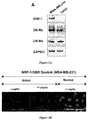
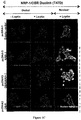
- Leptin induces NRP-1/OBR complex formation resulting in OBR oligomerization (Duolink, HTRF and BRET) and nuclear translocation of the complex.
- NRP-1 and Leptin were investigated by using proximity ligation assay technology (Duolink) in MDA-MB-231 and in T47D-NRP-1. Since OBR is a member of the class I cytokine receptor family, we asked the question if the formation of the complex NRP-1/OBR can or not be modulated by Leptin. This question was investigated endogenously in MDA-MB-231 or by transient transfection of T47D either by NRP-1 or by NRP-1/OBR or OBR alone. After 24h of transfection, cells were serum starved for 16h then stimulated with Leptin (10nM) .
- NRP-1/OBR complex formation was analyzed by Duolink in situ Proximity Ligation Assay (PLA) and by confocal microscopy detection. Co-localization was analyzed using JACoP (ImageJ; National Institutes of Health, Bethesda, MD) software. Co-localization between molecules was indicated by a positive Pearson coefficient (r).
- JACoP Pearson coefficient
- the Duolink signal increased in the T47D co-transfected with NRP-1 and OBR.
- the Duolink signals in T47D transfected with either the empty vector pcDNA3 or with the OBR expressing vector were similar. The same results are observed in MDA-MB-231. Surprisingly, the Duolink signal was detected in the nucleus as shown in white dot.
- NRP-1 and OBR localization in cytoplasmic (C), membrane (M), in the total nuclear extract (N) or in soluble nuclear (SN) and chromatin bound fractions (CB) was analyzed by western blotting either in total lysate or after coimmunoprecipitation.
- the purity of fraction was assessed by the detection of specific proteins of each fraction such as Hsp90 for the C fraction, SP1 and HDAC2 for the SN and CB fractions and specifically the Calreticulin for endoplasmic reticulum (ER) in order to detect any contamination by the ER membrane fraction in the nuclear fractions.
- OBR was coimmunoprecipitated with NRP-1 in the cytoplasmic (C) and in the nuclear fraction (N) of MDA-MB-231 but not in T47D.
- NRP-1 was detected in cytoplasmic fraction and in nuclear fractions SN and CB of 16h serum starved MDA-MB-231 and stimulated with 10nM of Leptin during 3h at 37°C.
- the P-OBR and NRP-1 coimmunoprecipitated in the nuclear fractions, increasing with Leptin stimulation as observed by confocal microscopy.
- NRP-1/OBR complex formation and its nuclear translocation implicate NRP-1 phosphorylation by Protein-kinase CK2.
- NRP-1 Beside the modulation of the NRP-1/OBR complex formation by Leptin and OBR phosphorylation, we postulated a possible phosphorylation of NRP-1 that can regulate the translocation of the complex to the nucleus. Two putative phosphorylation sites of NRP-1 have been reported with no more investigation. The first one at the extracellular B domain as reported by Shintani et al in 2009 with no antibody available and the second one at the Threonine 916 located in the cytoplasmic domain as it was reported by Kyle et al in 2011.
- NRP-1 phosphorylation by CK2 was confirmed in vitro using recombinant protein and 32 P-ATP. In contrast to soluble form of NRP-1 (data not shown), only full length of NRP-1 was phosphorylated in a CK2 ⁇ and CK2 ⁇ dependent manner. Since NRP-1 phosphorylation seems to be induced not only with CK2 but also in response to Leptin stimulation we asked the question if NRP-1/OBR complex stability can be also affected by CK2 inhibition.
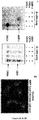
- NRP-1/OBR complex was detected by confocal microscopy after by Duolink in situ Proximity Ligation Assay (PLA) in MDA-MB-231 stimulated with Leptin (10nM) .
- PHA Duolink in situ Proximity Ligation Assay
- MDA-MB-231-shGFP MDA-MB-231-shGFP
- MDA-MB-231- shNRP-1 MDA-MB-231- shNRP-1
- the NRP-1/OBR complex formation was inhibited by CK2 inhibitors but not by DMSO.
- the same effect on NRP-1/OBR complex formation was observed in T47D stably transduced with NRP-1-RFP.
- NRP-1 Chip-Seq analysis of sample generated from MDA-MB-231 and transcriptome analysis of RNA extracts from T47D-NRP-1 xenograft led to identify genes implicated in breast cancer metastasis with sequences containing binding site of RNA polymerase II and transcription factors and increased expression respectively.
- Chromatin immunoprecipitation (ChIP) assay was conducted with EZ-Magna ChIPTM A using a purified polyclonal rabbit anti-NRP-1 (a generous gift of Alex Kolodkin team). The samples are designed as follow: input mix comprises input of non stimulated cells (NS), cells stimulated with 2nM of Leptin and cells stimulated with 10nM of Leptin.
- Chip-Seq analysis can be summarized in 1) mapping of reads on complete genome of Homo Sapiens (GRCh37), 2) peak detection and coverage by detecting peaks on the reference genome and computing their coverage in mapped reads consisted in finding region enriched in one of the IP sample (NS, 2nM and 10nM of leptin) but absent in both control samples (Input mix and IgG mixt) and 3) normalization and comparison of libraries.
- the number and percentage of mapped reads for each library were 23'226'278 (79.66%) for NS Chip sample, 25'247'185 (76.13%) for 2nM Chip sample and 29'694'919 (75.27%) for 10nM Chip sample.
- the peak detection was performed with the software SEQMONK. A total of 20'495 peaks were detected and annotated with the closest gene located within 10kb of each peak. We detected 3,844 peaks at a distance >10kb from a gene, 13,893 peaks overlapping a gene, 1,336 peaks downstream from a gene ⁇ 10kb and 1,422 peaks upstream from a gene >10kb. Interestingly the number of detected peaks increased with the concentration of Leptin.
- NRP-1 Chip-Seq By using ENCODE data at UCSC website, we compared the NRP-1 Chip-Seq to reported transcription factors Chip-Seq.
- the matched sequences led to identify a binding sequence of 140 transcription factors beside RNA polymerase II (Pol2).
- the main enriched sequences that overlap the starting site of the genes are those containing binding site of transcription factors known to form a complex with Pol2 such CTCF or those known to be a partner of each other such as c-Myc and Max.
- the count of the sequence increased with Leptin stimulation but with the maximum reached at 2nM of Leptin but no significant increase between 2nM and 10nM of Leptin.
- the detection of the Pol2 binding sequence raised the question if NRP-1 forms à complex with Pol2.
- Plasminogen Activator Inhibitor 1 (PAI.1) related to SERPINE1 gene has been associated to breast cancer invasion and metastasis
- PAI.1 expression was evaluated by immunostaining in T47D-NRP-1-RFP xenografts compared to T47D-wt and T47D-RFP.
- PAI.1 expression was increased by immunostaining in T47D-NRP-1-RFP xenografts compared to T47D-wt and T47D-RFP.
- NRP-1/OBR complex represented by white dot was detected as well as in treated or not treated cells with nuclear localization indicating NRP-1/OBR complex signaling in the infiltrated lymph node.
- NRP-1 adipokine Leptin and its main receptor OBR may be a new partner of NRP-1.
- MDA-MB-231 and T47D cell lines were selected for high and undetectable expression of NRP-1 respectively but expressing OBR at different level.
- Neuropilin-1 forms a complex with OBR and induces its oligomerization through a direct binding of Leptin to OBR and NRP-1.
- NRP-1 and Leptin A direct association of NRP-1 and Leptin to breast cancer cell lines migrations was confirmed by the detection of NRP-1/OBR complex in MDA-MB-231 and T47D overexpressing NRP-1.
- NRP-1 has been reported to bind directly VEGF increasing thus the binding affinity of VEGF to its receptor VEGFR2 (ref) and Sema3A enabling thus its binding to Plexin 3A.
- Our study led us to highlight a new mechanism of NRP-1 function.
- VEGF and Sema3A Leptin is able to bind directly to NRP-1 as it is demonstrated by HTRF and confocal microscopy.
- NRP-1/OBR complex formation and its nuclear translocation depend on NRP-1 phosphorylation by Protein-kinase CK2.
- the Duolink PLA assay revealed by confocal microscopy showed NRP-1/OBR complex in the nucleus as represented in white dot resulting from co-localization analysis of the Duolink in red dot and the DAPI staining of the nucleus using Jacop software. It is for the first time that membrane complex receptors are reported to translocate to the nucleus. This surprising result was confirmed by inhibiting nuclear export of NRP-1/OBR complex using leptomycin B. MDA-MB-231 co-treated with Leptin and leptomycin B showed increased NRP-1/OBR complex detection by Duolink in the nucleus than MDA-MB-231 treated with Leptin alone.
- NRP-1 and OBR The localization of NRP-1 and OBR was confirmed by the detection of NRP-1 and OBR in the nuclear fraction as well as in the soluble form than in the bound to the chromatin. This localization is specific since we do not detect calreticulin that can be from any contamination by the endoplasmic reticulum membrane. Even tough at this level, the function of NRP-1 in the nucleus was not identify, we suggested that nuclear translocation of the NRP-1/OBR complex should be regulated by their phosphorylation. As reported in the literature, NRP-1 can be a target of CK2.
- NRP-1 is a target for CK2-mediated phosphorylation but that this phosphorylation was indispensable for the NRP-1/OBR complex stability and its nuclear translocation as it was demonstrated by using a specific anti-P-NRP-1 and by the Duolink.
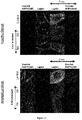
- the immunostaining of P-NRP-1 clearly show NRP-1 translocation depends on its phosphorylated state since in serum starved and unstimulated MDA-MB-231, P-NRP-1 is concentrated in the nuclear periphery. In stimulated condition, we can observe an accumulation of P-NRP-1 in the nucleus while this localization is inhibited by CK2 inhibitors.
- Neuropilin-1 Chip-Seq revealed its association with RNA polymerase II (Pol2) and transcription factors CTCF and p300: Is NRP-1 a transcription factor of a super activator?
- NRP-1 in in vitro and in vivo breast cancer cell migration and its detection in the nucleus of MDA-MB-231 and of T47D-NRP-1-RFP and principally in the chromatin bound fraction raised the question whether NRP-1 can be associated to gene sequences implicated in cell movement, migration and metastasis.
- the NRP-1 Chip-Seq analysis has clearly shown a correlation between Leptin stimulation and peak number increase which confirmed the association of NRP-1 and OBR signaling. More interestingly, the enriched peaks corresponded to genes related to Leptin functions, which can be another argument for NRP-1/OBR action.
- Transcriptome analysis of T47D stably overexpressing NRP-1 revealed genes enriched in NRP-1 Chipseq from MDA-MB-231 and implicated in cell movement and breast cancer metastasis.
- NRP-1 overexpression results in larger tumors and in Cell motility.
- the molecular mechanisms associated to cell migration and metastasis are not fully elucidated and NRP-1 function independently of its known ligand such as VEGF is also reported.
- Mikael Klagsbrun team has already shown that the increase in tumor cell migration after NRP-1 overexpression is independent of VEGF and they postulated that NRP-1 overexpression induces downstream genes that are responsible for enhancing cell motility ( FASEB. 2000, vol 14 ).
- T47D overexpressing NRP-1 xenograft has tumor growth decrease when treated with Leptin as it was observed for the MDA-MB231. This tumor growth decrease induced by Leptin treatment was accompanied by lymph node infiltration that were not observed in NRP-1 repression condition in MDA-MB-231-shNRP-1.
- NRP-1 induces tumor growth independently of Leptin/OBR pathway and that NRP-1/OBR complex signaling is in a favor of cell movement and migration induction.
- Leptin in tumor growth and metastasis has already been studied but the published data are contradictory depending on cancer cell type and model studies.
- Aparicio T et al have shown that leptin stimulates colon cancer cell proliferation in vitro but does not promote their growth in vivo in two xenograft model ( Gut 2005;54:1136-1145 ).
- in vitro leptin implication in cell growth has been evaluated by different methods. By MTT assay and (H3)-thymidine incorporation and by BrdU incorporation.
- SERPINE1 a gene expressing PAI.1 (Plasminogen Activator Inhibitor-1) has been shown to be up-regulated in endothelial cells ( Prachi Singh , BBRC, 2010 ) and its overexpression has been found in many obesity-related types of cancer and is associated with the progression of breast, endometrial, colorectal, thyroid, renal, and prostate cancer ( Cancer Epidemiol Biomarkers Prev 2009 voir Biblio 97-102 ). It remain to demonstrate clearly the implication of NRP-1/OBR complex action on SERPINE1 promoter activity by identifying the essential sequence of NRP-1/OBR complex in association with Pol2 since the enriched sequence by NRP-1 Chipseq contained Pol2 binding site.
- BCAR1 Breast cancer anti-estrogen resistance protein 1/p130 (Cas) and PTK2 ( Protein tyrosine Kinase 2) that are not only increased by NRP-1 overexpression in T47D but they were enriched by NRP-1 Chipseq with sequences containing transcription factor binding site of CTCF, Rad21,SRF and CEBPB.
- NRP-1 was demonstrated to regulate endothelial and tumor cell chemotactic migration through p130Cas) pathway ( Evans et Al, MOL. CELL. BIOL., 2011 ).
- NRP-1 as a new co receptor of Leptin and OBRa discovery of leptin recptor (OBR) as a new partner of NRP-1 and that this complex is associated with breast cancer cell growth arrest but increase of lymph node infiltration.
- OBR leptin recptor
- this study highlighted an eventual role of NRP-1 and/or NRP-1/OBR complex as transcription factor or activator or super-activator in the regulation of gene expression by interacting with RNAPol2 as demonstrated here and may be with other transcription factors such as CTCF, P300 and TAF1 that remain to be demonstrated.
- this new data may open a wide field of investigation of NRP-1/OBR complex in cancer, obesity, immune system and diabetes.
Landscapes
- Health & Medical Sciences (AREA)
- Life Sciences & Earth Sciences (AREA)
- Chemical & Material Sciences (AREA)
- General Health & Medical Sciences (AREA)
- Medicinal Chemistry (AREA)
- Engineering & Computer Science (AREA)
- Animal Behavior & Ethology (AREA)
- Veterinary Medicine (AREA)
- Public Health (AREA)
- Pharmacology & Pharmacy (AREA)
- Bioinformatics & Cheminformatics (AREA)
- Organic Chemistry (AREA)
- Immunology (AREA)
- Epidemiology (AREA)
- Molecular Biology (AREA)
- Biochemistry (AREA)
- Chemical Kinetics & Catalysis (AREA)
- General Chemical & Material Sciences (AREA)
- Nuclear Medicine, Radiotherapy & Molecular Imaging (AREA)
- Biomedical Technology (AREA)
- Genetics & Genomics (AREA)
- Zoology (AREA)
- Hematology (AREA)
- Urology & Nephrology (AREA)
- Biotechnology (AREA)
- Microbiology (AREA)
- Proteomics, Peptides & Aminoacids (AREA)
- Physics & Mathematics (AREA)
- Wood Science & Technology (AREA)
- General Engineering & Computer Science (AREA)
- Biophysics (AREA)
- Oncology (AREA)
- Gastroenterology & Hepatology (AREA)
- Diabetes (AREA)
- Mycology (AREA)
- Analytical Chemistry (AREA)
- Pathology (AREA)
- General Physics & Mathematics (AREA)
- Food Science & Technology (AREA)
- Plant Pathology (AREA)
Claims (4)
- Antagoniste de la voie de signalisation NRP-1/OBR destiné à être utilisé dans le traitement d'une maladie choisie dans le groupe constitué par les cancers, l'obésité et les maladies liées à l'obésité, la cachexie, l'anorexie, la maladie rénale obstructive urétérale, les maladies auto-immunes et les maladies infectieuses chez un sujet en ayant besoin, l'antagoniste de la voie de signalisation NRP-1/OBR étant choisi dans le groupe constitué d'anticorps ayant la capacité de bloquer l'interaction entre NRP-1 et OBR ou la capacité de bloquer l'interaction entre NRP-1 et leptine.
- Antagoniste de la voie de signalisation NRP-1/OBR destiné à être utilisé selon la revendication 1, dans lequel l'antagoniste de la voie de signalisation NRP-1/OBR est choisi parmi les anticorps dirigés vers un domaine extracellulaire de NRP-1 ou OBR ou un domaine de leptine.
- Antagoniste de la voie de signalisation NRP-1/OBR destiné à être utilisé selon la revendication 1, dans lequel l'antagoniste de la voie de signalisation NRP-1/OBR est combiné avec un agent anti-VEGF du traitement du cancer.
- Antagoniste de la voie de signalisation NRP-1/OBR destiné à être utilisé selon la revendication 3, dans lequel l'agent anti-VEGF comporte, mais sans s'y limiter, le bévacizumab, le ranibizumab, le pegaptanib et le malate de sunitinib.
Applications Claiming Priority (2)
| Application Number | Priority Date | Filing Date | Title |
|---|---|---|---|
| EP14305220 | 2014-02-18 | ||
| PCT/EP2015/053355 WO2015124588A1 (fr) | 2014-02-18 | 2015-02-18 | Procédés et compositions pharmaceutiques pour le traitement de maladies induites par la voie de signalisation du complexe nrp-1/obr |
Publications (2)
| Publication Number | Publication Date |
|---|---|
| EP3108255A1 EP3108255A1 (fr) | 2016-12-28 |
| EP3108255B1 true EP3108255B1 (fr) | 2020-08-12 |
Family
ID=50231095
Family Applications (1)
| Application Number | Title | Priority Date | Filing Date |
|---|---|---|---|
| EP15704806.7A Active EP3108255B1 (fr) | 2014-02-18 | 2015-02-18 | Procédés et compositions pharmaceutiques pour le traitement de maladies induites par la voie de signalisation du complexe nrp-1/obr |
Country Status (6)
| Country | Link |
|---|---|
| US (2) | US20170051062A1 (fr) |
| EP (1) | EP3108255B1 (fr) |
| JP (1) | JP6666848B2 (fr) |
| DK (1) | DK3108255T3 (fr) |
| ES (1) | ES2831014T3 (fr) |
| WO (1) | WO2015124588A1 (fr) |
Families Citing this family (11)
| Publication number | Priority date | Publication date | Assignee | Title |
|---|---|---|---|---|
| ES2940360T3 (es) * | 2015-09-22 | 2023-05-05 | Inst Nat Sante Rech Med | Polipéptidos capaces de inhibir la unión entre leptina y neuropilina-1 |
| TWI824372B (zh) | 2015-10-12 | 2023-12-01 | 美商再生元醫藥公司 | 活化瘦素受體的抗原結合蛋白 |
| US20200056186A1 (en) * | 2016-09-22 | 2020-02-20 | Rsem, Limited Partnership | Compositions comprising sasp modulators and senescence attenuators and uses thereof for modulating cellular senescence |
| MA45801B1 (fr) | 2016-11-08 | 2021-11-30 | Regeneron Pharma | Protéines de liaison à l'antigène qui sont des antagonistes du récepteur de leptine |
| CN109952377A (zh) * | 2016-12-01 | 2019-06-28 | 雀巢产品技术援助有限公司 | 调节fam46a的方法 |
| WO2018178247A1 (fr) * | 2017-03-31 | 2018-10-04 | Nestec S.A. | Procédés de modulation pour ank1 |
| SG11202005146VA (en) | 2017-12-18 | 2020-06-29 | Regeneron Pharma | Bispecific antigen binding molecules that bind leptin receptor and/or gp130, and methods of use thereof |
| SMT202500283T1 (it) | 2018-04-06 | 2025-09-12 | Regeneron Pharma | Un anticorpo agonista del recettore della leptina da utilizzare per aumentare la massa ossea in un soggetto affetto da disfunzione metabolica o ipoleptinemia |
| WO2023126951A1 (fr) * | 2022-01-03 | 2023-07-06 | Yeda Research And Development Co. Ltd. | Inhibiteurs d'interactions protéine-protéine liées à l'autophagie |
| EP4403578A1 (fr) | 2023-01-19 | 2024-07-24 | Theranovir | Anticorps contre un epitope d'un neuropiline-1-peptide modifiée par glycosaminoglycane et procédés d'utilisation de celui-ci |
| US20260226176A1 (en) | 2023-01-19 | 2026-08-06 | Theranovir | Neuropilin-1-peptide based antibody, highliting new epitope associated to glycosaminoglycan-modified neuropilin-1 and methods of use thereof |
Family Cites Families (45)
| Publication number | Priority date | Publication date | Assignee | Title |
|---|---|---|---|---|
| US4816567A (en) | 1983-04-08 | 1989-03-28 | Genentech, Inc. | Recombinant immunoglobin preparations |
| SE8502573D0 (sv) | 1985-05-23 | 1985-05-23 | Jouko Kanakre | Fluorescent lanthanide chelates useful as labels of physiologically active materials |
| US5225539A (en) | 1986-03-27 | 1993-07-06 | Medical Research Council | Recombinant altered antibodies and methods of making altered antibodies |
| US5567610A (en) | 1986-09-04 | 1996-10-22 | Bioinvent International Ab | Method of producing human monoclonal antibodies and kit therefor |
| US5162508A (en) | 1987-12-18 | 1992-11-10 | Compagnie Oris Industrie | Rare earth cryptates, processes for their preparation, synthesis intermediates and application as fluorescent tracers |
| GB8823869D0 (en) | 1988-10-12 | 1988-11-16 | Medical Res Council | Production of antibodies |
| US5175384A (en) | 1988-12-05 | 1992-12-29 | Genpharm International | Transgenic mice depleted in mature t-cells and methods for making transgenic mice |
| IL162181A (en) | 1988-12-28 | 2006-04-10 | Pdl Biopharma Inc | A method of producing humanized immunoglubulin, and polynucleotides encoding the same |
| US5530101A (en) | 1988-12-28 | 1996-06-25 | Protein Design Labs, Inc. | Humanized immunoglobulins |
| US5859205A (en) | 1989-12-21 | 1999-01-12 | Celltech Limited | Humanised antibodies |
| US6150584A (en) | 1990-01-12 | 2000-11-21 | Abgenix, Inc. | Human antibodies derived from immunized xenomice |
| US5283173A (en) | 1990-01-24 | 1994-02-01 | The Research Foundation Of State University Of New York | System to detect protein-protein interactions |
| DE4011684A1 (de) | 1990-04-06 | 1991-10-10 | Schering Ag | Dtpa-monoamide, diese verbindungen enthaltende pharmazeutische mittel, ihre verwendung und verfahren zu deren herstellung |
| US5229275A (en) | 1990-04-26 | 1993-07-20 | Akzo N.V. | In-vitro method for producing antigen-specific human monoclonal antibodies |
| US5545806A (en) | 1990-08-29 | 1996-08-13 | Genpharm International, Inc. | Ransgenic non-human animals for producing heterologous antibodies |
| ES2136092T3 (es) | 1991-09-23 | 1999-11-16 | Medical Res Council | Procedimientos para la produccion de anticuerpos humanizados. |
| WO1993008829A1 (fr) | 1991-11-04 | 1993-05-13 | The Regents Of The University Of California | Compositions induisant la destruction de cellules infectees par l'hiv |
| US5573905A (en) | 1992-03-30 | 1996-11-12 | The Scripps Research Institute | Encoded combinatorial chemical libraries |
| US5457186A (en) | 1993-10-13 | 1995-10-10 | Wallac Oy | Luminescent lanthanide chelates with decreased non-radiative energy loss |
| US5525490A (en) | 1994-03-29 | 1996-06-11 | Onyx Pharmaceuticals, Inc. | Reverse two-hybrid method |
| EP0690452A3 (fr) | 1994-06-28 | 1999-01-07 | Advanced Micro Devices, Inc. | Mémoire électriquement effaçable et procédé d'effacement |
| US5622821A (en) | 1994-06-29 | 1997-04-22 | The Regents Of The University Of California | Luminescent lanthanide chelates and methods of use |
| US5637463A (en) | 1995-05-04 | 1997-06-10 | Hoffmann-La Roche Inc. | Method to detect protein-protein interactions |
| DE69829891T2 (de) | 1997-04-07 | 2005-10-06 | Genentech, Inc., South San Francisco | Anti-VEGF Antikörper |
| US20020032315A1 (en) | 1997-08-06 | 2002-03-14 | Manuel Baca | Anti-vegf antibodies |
| US6566131B1 (en) | 2000-10-04 | 2003-05-20 | Isis Pharmaceuticals, Inc. | Antisense modulation of Smad6 expression |
| JP2002519404A (ja) | 1998-07-07 | 2002-07-02 | スミスクライン・ビーチャム・コーポレイション | 新規蛍光ランタニドキレート |
| US6740756B1 (en) | 1998-07-07 | 2004-05-25 | Smithkline Beecham Corporation | Fluorescent lanthanide chelates |
| US6410323B1 (en) | 1999-08-31 | 2002-06-25 | Isis Pharmaceuticals, Inc. | Antisense modulation of human Rho family gene expression |
| US6107091A (en) | 1998-12-03 | 2000-08-22 | Isis Pharmaceuticals Inc. | Antisense inhibition of G-alpha-16 expression |
| US5981732A (en) | 1998-12-04 | 1999-11-09 | Isis Pharmaceuticals Inc. | Antisense modulation of G-alpha-13 expression |
| US6046321A (en) | 1999-04-09 | 2000-04-04 | Isis Pharmaceuticals Inc. | Antisense modulation of G-alpha-i1 expression |
| US6365354B1 (en) | 2000-07-31 | 2002-04-02 | Isis Pharmaceuticals, Inc. | Antisense modulation of lysophospholipase I expression |
| US6566135B1 (en) | 2000-10-04 | 2003-05-20 | Isis Pharmaceuticals, Inc. | Antisense modulation of caspase 6 expression |
| FR2836475B1 (fr) * | 2002-02-26 | 2007-02-23 | Aventis Pharma Sa | Procede de detection de ligands du recepteur de la leptine |
| EP1439192A1 (fr) * | 2003-01-15 | 2004-07-21 | Xerion Pharmaceuticals AG | Inhibiteurs de neuropilin-1 |
| FR2879605B1 (fr) | 2004-12-16 | 2008-10-17 | Centre Nat Rech Scient Cnrse | Production de formats d'anticorps et applications immunologiques de ces formats |
| UA96139C2 (uk) * | 2005-11-08 | 2011-10-10 | Дженентек, Інк. | Антитіло до нейропіліну-1 (nrp1) |
| AU2008272818A1 (en) * | 2007-07-02 | 2009-01-08 | Yu, Ming Dr | Methods, composition, targets for combinational cancer treatments |
| JP5548616B2 (ja) * | 2007-08-08 | 2014-07-16 | ボード・オブ・リージエンツ,ザ・ユニバーシテイ・オブ・テキサス・システム | Vegfr−1/nrp−1標的化ペプチド |
| EP2280011A1 (fr) | 2009-07-28 | 2011-02-02 | Commissariat à l'Énergie Atomique et aux Énergies Alternatives | Dérivés condensés de la pyridine en tant qu'inhibiteurs puissants de la protéine kinase CK2 |
| US20110212845A1 (en) * | 2009-10-02 | 2011-09-01 | Denis Drygin | Biomarkers for predicting the sensitivity and response of protein kinase CK2-mediated diseases to CK2 Inhibitors |
| EP2497498A4 (fr) * | 2009-11-05 | 2013-04-17 | Univ Osaka | Agent thérapeutique pour des maladies auto-immunes ou une allergie et procédé de criblage pour l'agent thérapeutique |
| WO2011089101A1 (fr) * | 2010-01-19 | 2011-07-28 | F. Hoffmann-La Roche Ag | Biomarqueurs à base de tissu tumoral pour des polythérapies au bevacizumab |
| US9803245B2 (en) * | 2012-03-14 | 2017-10-31 | University Health Network | Signature for predicting clinical outcome in human HER2+ breast cancer |
-
2015
- 2015-02-18 EP EP15704806.7A patent/EP3108255B1/fr active Active
- 2015-02-18 ES ES15704806T patent/ES2831014T3/es active Active
- 2015-02-18 JP JP2016553504A patent/JP6666848B2/ja active Active
- 2015-02-18 WO PCT/EP2015/053355 patent/WO2015124588A1/fr not_active Ceased
- 2015-02-18 DK DK15704806.7T patent/DK3108255T3/da active
- 2015-02-18 US US15/119,401 patent/US20170051062A1/en not_active Abandoned
-
2018
- 2018-09-04 US US16/120,514 patent/US11629192B2/en active Active
Non-Patent Citations (1)
| Title |
|---|
| IVERSEN P O ET AL: "Prevention of leptin binding to its receptor suppresses rat leukemic cell growth by inhibiting angiogenesis", BLOOD,, vol. 100, no. 12, 1 December 2002 (2002-12-01), pages 4123 - 4128, XP002323289, ISSN: 0006-4971, DOI: 10.1182/BLOOD-2001-11-0134 * |
Also Published As
| Publication number | Publication date |
|---|---|
| US11629192B2 (en) | 2023-04-18 |
| ES2831014T3 (es) | 2021-06-07 |
| EP3108255A1 (fr) | 2016-12-28 |
| DK3108255T3 (da) | 2020-11-09 |
| WO2015124588A1 (fr) | 2015-08-27 |
| US20190002569A1 (en) | 2019-01-03 |
| JP2017507146A (ja) | 2017-03-16 |
| US20170051062A1 (en) | 2017-02-23 |
| JP6666848B2 (ja) | 2020-03-18 |
Similar Documents
| Publication | Publication Date | Title |
|---|---|---|
| US11629192B2 (en) | Methods and pharmaceutical compositions for the treatment of diseases mediated by the NRP-1/OBR complex signaling pathway | |
| CA2886002C (fr) | Gene de fusion fgfr3 et medicament pharmaceutique ciblant celui-ci | |
| TW200831538A (en) | VEGF-specific antagonists for adjuvant and neoadjuvant therapy and the treatment of early stage tumors | |
| TW201718024A (zh) | 治療性細胞內化結合物 | |
| KR20170098957A (ko) | 세포 침투성 항체 | |
| US20240299568A1 (en) | Bone-specific delivery of polypeptides | |
| US20250051430A1 (en) | Neutralization of acyl-coa binding protein confers autophagy-dependent organ protection | |
| WO2022270524A1 (fr) | Médicament pour le traitement et/ou la prévention du cancer | |
| WO2018185516A1 (fr) | Méthodes et compositions pharmaceutiques destinées à traiter une toxicité cardiovasculaire induite par une thérapie anticancéreuse | |
| WO2015071701A1 (fr) | Méthodes et compositions pharmaceutiques pour le traitement de cancers du pancréas | |
| US20180339022A1 (en) | Methods and pharmaceutical compositions for the treatment of hepatocellular carcinomas | |
| WO2016142486A1 (fr) | Procédés et compositions pour le traitement de cancer résistant à une thérapie anti-angiogénique | |
| US20210340232A1 (en) | Monoclonal antibodies against human dickkopf3 and uses thereof | |
| EP3353196B1 (fr) | Polypeptides capables d'inhiber la liaison entre la leptine et la neuropiline-1 | |
| US20180064789A1 (en) | Methods and pharmaceutical compositions for the treatment of pancreatic cancer | |
| US20250084183A1 (en) | Engineered compositions for bone-targeted therapy | |
| WO2022270523A1 (fr) | Médicament pour le traitement et/ou la prévention du cancer | |
| US20260108602A1 (en) | Methods and systems for improving anti-cancer therapies | |
| KR20140144934A (ko) | Cthrc1의 발현 및 활성 억제제를 유효성분으로 포함하는 췌장암 치료 및 전이억제용 조성물 | |
| US20230416346A1 (en) | C-terminal sparc fragments for treating cancer | |
| KR20250052368A (ko) | 암의 치료 및/또는 예방을 위한 의약품 | |
| KR20250052364A (ko) | 암의 치료 및/또는 예방을 위한 의약품 |
Legal Events
| Date | Code | Title | Description |
|---|---|---|---|
| PUAI | Public reference made under article 153(3) epc to a published international application that has entered the european phase |
Free format text: ORIGINAL CODE: 0009012 |
|
| STAA | Information on the status of an ep patent application or granted ep patent |
Free format text: STATUS: REQUEST FOR EXAMINATION WAS MADE |
|
| 17P | Request for examination filed |
Effective date: 20160712 |
|
| AK | Designated contracting states |
Kind code of ref document: A1 Designated state(s): AL AT BE BG CH CY CZ DE DK EE ES FI FR GB GR HR HU IE IS IT LI LT LU LV MC MK MT NL NO PL PT RO RS SE SI SK SM TR |
|
| AX | Request for extension of the european patent |
Extension state: BA ME |
|
| DAX | Request for extension of the european patent (deleted) | ||
| STAA | Information on the status of an ep patent application or granted ep patent |
Free format text: STATUS: EXAMINATION IS IN PROGRESS |
|
| 17Q | First examination report despatched |
Effective date: 20170821 |
|
| RIN1 | Information on inventor provided before grant (corrected) |
Inventor name: HERMINE, OLIVIER Inventor name: SEIGNEURIC, RENAUD Inventor name: FILHOL-COCHET, ODILE Inventor name: COCHET, CLAUDE Inventor name: BELAID-CHOUCAIR, ZAKIA Inventor name: GARRIDO-FLEURY, CARMEN |
|
| TPAC | Observations filed by third parties |
Free format text: ORIGINAL CODE: EPIDOSNTIPA |
|
| TPAC | Observations filed by third parties |
Free format text: ORIGINAL CODE: EPIDOSNTIPA |
|
| GRAP | Despatch of communication of intention to grant a patent |
Free format text: ORIGINAL CODE: EPIDOSNIGR1 |
|
| STAA | Information on the status of an ep patent application or granted ep patent |
Free format text: STATUS: GRANT OF PATENT IS INTENDED |
|
| INTG | Intention to grant announced |
Effective date: 20200506 |
|
| GRAJ | Information related to disapproval of communication of intention to grant by the applicant or resumption of examination proceedings by the epo deleted |
Free format text: ORIGINAL CODE: EPIDOSDIGR1 |
|
| STAA | Information on the status of an ep patent application or granted ep patent |
Free format text: STATUS: EXAMINATION IS IN PROGRESS |
|
| GRAR | Information related to intention to grant a patent recorded |
Free format text: ORIGINAL CODE: EPIDOSNIGR71 |
|
| GRAS | Grant fee paid |
Free format text: ORIGINAL CODE: EPIDOSNIGR3 |
|
| STAA | Information on the status of an ep patent application or granted ep patent |
Free format text: STATUS: GRANT OF PATENT IS INTENDED |
|
| GRAA | (expected) grant |
Free format text: ORIGINAL CODE: 0009210 |
|
| STAA | Information on the status of an ep patent application or granted ep patent |
Free format text: STATUS: THE PATENT HAS BEEN GRANTED |
|
| INTC | Intention to grant announced (deleted) | ||
| AK | Designated contracting states |
Kind code of ref document: B1 Designated state(s): AL AT BE BG CH CY CZ DE DK EE ES FI FR GB GR HR HU IE IS IT LI LT LU LV MC MK MT NL NO PL PT RO RS SE SI SK SM TR |
|
| INTG | Intention to grant announced |
Effective date: 20200706 |
|
| REG | Reference to a national code |
Ref country code: CH Ref legal event code: EP |
|
| REG | Reference to a national code |
Ref country code: IE Ref legal event code: FG4D |
|
| REG | Reference to a national code |
Ref country code: DE Ref legal event code: R096 Ref document number: 602015057295 Country of ref document: DE |
|
| REG | Reference to a national code |
Ref country code: AT Ref legal event code: REF Ref document number: 1302057 Country of ref document: AT Kind code of ref document: T Effective date: 20200915 |
|
| REG | Reference to a national code |
Ref country code: DK Ref legal event code: T3 Effective date: 20201102 |
|
| REG | Reference to a national code |
Ref country code: SE Ref legal event code: TRGR |
|
| REG | Reference to a national code |
Ref country code: CH Ref legal event code: NV Representative=s name: NOVAGRAAF INTERNATIONAL SA, CH |
|
| REG | Reference to a national code |
Ref country code: NL Ref legal event code: FP |
|
| REG | Reference to a national code |
Ref country code: LT Ref legal event code: MG4D |
|
| PG25 | Lapsed in a contracting state [announced via postgrant information from national office to epo] |
Ref country code: BG Free format text: LAPSE BECAUSE OF FAILURE TO SUBMIT A TRANSLATION OF THE DESCRIPTION OR TO PAY THE FEE WITHIN THE PRESCRIBED TIME-LIMIT Effective date: 20201112 Ref country code: GR Free format text: LAPSE BECAUSE OF FAILURE TO SUBMIT A TRANSLATION OF THE DESCRIPTION OR TO PAY THE FEE WITHIN THE PRESCRIBED TIME-LIMIT Effective date: 20201113 Ref country code: NO Free format text: LAPSE BECAUSE OF FAILURE TO SUBMIT A TRANSLATION OF THE DESCRIPTION OR TO PAY THE FEE WITHIN THE PRESCRIBED TIME-LIMIT Effective date: 20201112 Ref country code: LT Free format text: LAPSE BECAUSE OF FAILURE TO SUBMIT A TRANSLATION OF THE DESCRIPTION OR TO PAY THE FEE WITHIN THE PRESCRIBED TIME-LIMIT Effective date: 20200812 Ref country code: HR Free format text: LAPSE BECAUSE OF FAILURE TO SUBMIT A TRANSLATION OF THE DESCRIPTION OR TO PAY THE FEE WITHIN THE PRESCRIBED TIME-LIMIT Effective date: 20200812 Ref country code: FI Free format text: LAPSE BECAUSE OF FAILURE TO SUBMIT A TRANSLATION OF THE DESCRIPTION OR TO PAY THE FEE WITHIN THE PRESCRIBED TIME-LIMIT Effective date: 20200812 |
|
| REG | Reference to a national code |
Ref country code: AT Ref legal event code: MK05 Ref document number: 1302057 Country of ref document: AT Kind code of ref document: T Effective date: 20200812 |
|
| PG25 | Lapsed in a contracting state [announced via postgrant information from national office to epo] |
Ref country code: IS Free format text: LAPSE BECAUSE OF FAILURE TO SUBMIT A TRANSLATION OF THE DESCRIPTION OR TO PAY THE FEE WITHIN THE PRESCRIBED TIME-LIMIT Effective date: 20201212 Ref country code: LV Free format text: LAPSE BECAUSE OF FAILURE TO SUBMIT A TRANSLATION OF THE DESCRIPTION OR TO PAY THE FEE WITHIN THE PRESCRIBED TIME-LIMIT Effective date: 20200812 Ref country code: RS Free format text: LAPSE BECAUSE OF FAILURE TO SUBMIT A TRANSLATION OF THE DESCRIPTION OR TO PAY THE FEE WITHIN THE PRESCRIBED TIME-LIMIT Effective date: 20200812 Ref country code: PL Free format text: LAPSE BECAUSE OF FAILURE TO SUBMIT A TRANSLATION OF THE DESCRIPTION OR TO PAY THE FEE WITHIN THE PRESCRIBED TIME-LIMIT Effective date: 20200812 |
|
| PG25 | Lapsed in a contracting state [announced via postgrant information from national office to epo] |
Ref country code: EE Free format text: LAPSE BECAUSE OF FAILURE TO SUBMIT A TRANSLATION OF THE DESCRIPTION OR TO PAY THE FEE WITHIN THE PRESCRIBED TIME-LIMIT Effective date: 20200812 Ref country code: RO Free format text: LAPSE BECAUSE OF FAILURE TO SUBMIT A TRANSLATION OF THE DESCRIPTION OR TO PAY THE FEE WITHIN THE PRESCRIBED TIME-LIMIT Effective date: 20200812 Ref country code: SM Free format text: LAPSE BECAUSE OF FAILURE TO SUBMIT A TRANSLATION OF THE DESCRIPTION OR TO PAY THE FEE WITHIN THE PRESCRIBED TIME-LIMIT Effective date: 20200812 Ref country code: CZ Free format text: LAPSE BECAUSE OF FAILURE TO SUBMIT A TRANSLATION OF THE DESCRIPTION OR TO PAY THE FEE WITHIN THE PRESCRIBED TIME-LIMIT Effective date: 20200812 |
|
| REG | Reference to a national code |
Ref country code: DE Ref legal event code: R097 Ref document number: 602015057295 Country of ref document: DE |
|
| PG25 | Lapsed in a contracting state [announced via postgrant information from national office to epo] |
Ref country code: AT Free format text: LAPSE BECAUSE OF FAILURE TO SUBMIT A TRANSLATION OF THE DESCRIPTION OR TO PAY THE FEE WITHIN THE PRESCRIBED TIME-LIMIT Effective date: 20200812 Ref country code: AL Free format text: LAPSE BECAUSE OF FAILURE TO SUBMIT A TRANSLATION OF THE DESCRIPTION OR TO PAY THE FEE WITHIN THE PRESCRIBED TIME-LIMIT Effective date: 20200812 |
|
| REG | Reference to a national code |
Ref country code: ES Ref legal event code: FG2A Ref document number: 2831014 Country of ref document: ES Kind code of ref document: T3 Effective date: 20210607 |
|
| PLBE | No opposition filed within time limit |
Free format text: ORIGINAL CODE: 0009261 |
|
| STAA | Information on the status of an ep patent application or granted ep patent |
Free format text: STATUS: NO OPPOSITION FILED WITHIN TIME LIMIT |
|
| PG25 | Lapsed in a contracting state [announced via postgrant information from national office to epo] |
Ref country code: SK Free format text: LAPSE BECAUSE OF FAILURE TO SUBMIT A TRANSLATION OF THE DESCRIPTION OR TO PAY THE FEE WITHIN THE PRESCRIBED TIME-LIMIT Effective date: 20200812 |
|
| 26N | No opposition filed |
Effective date: 20210514 |
|
| PG25 | Lapsed in a contracting state [announced via postgrant information from national office to epo] |
Ref country code: SI Free format text: LAPSE BECAUSE OF FAILURE TO SUBMIT A TRANSLATION OF THE DESCRIPTION OR TO PAY THE FEE WITHIN THE PRESCRIBED TIME-LIMIT Effective date: 20200812 |
|
| PG25 | Lapsed in a contracting state [announced via postgrant information from national office to epo] |
Ref country code: MC Free format text: LAPSE BECAUSE OF FAILURE TO SUBMIT A TRANSLATION OF THE DESCRIPTION OR TO PAY THE FEE WITHIN THE PRESCRIBED TIME-LIMIT Effective date: 20200812 |
|
| REG | Reference to a national code |
Ref country code: CH Ref legal event code: PK Free format text: BERICHTIGUNGEN |
|
| REG | Reference to a national code |
Ref country code: GB Ref legal event code: 732E Free format text: REGISTERED BETWEEN 20210930 AND 20211006 |
|
| PG25 | Lapsed in a contracting state [announced via postgrant information from national office to epo] |
Ref country code: LU Free format text: LAPSE BECAUSE OF NON-PAYMENT OF DUE FEES Effective date: 20210218 |
|
| PG25 | Lapsed in a contracting state [announced via postgrant information from national office to epo] |
Ref country code: IE Free format text: LAPSE BECAUSE OF NON-PAYMENT OF DUE FEES Effective date: 20210218 |
|
| REG | Reference to a national code |
Ref country code: NL Ref legal event code: PD Owner name: UNIVERSITE DE BOURGOGNE; FR Free format text: DETAILS ASSIGNMENT: CHANGE OF OWNER(S), MERGE; FORMER OWNER NAME: UNIVERSITE PARIS DESCARTES Effective date: 20220110 |
|
| REG | Reference to a national code |
Ref country code: DE Ref legal event code: R081 Ref document number: 602015057295 Country of ref document: DE Owner name: UNIVERSITE PARIS CITE, FR Free format text: FORMER OWNERS: ASSISTANCE PUBLIQUE-HOPITAUX DE PARIS (APHP), PARIS, FR; CENTRE NATIONAL DE LA RECHERCHE SCIENTIFIQUE (C.N.R.S.), PARIS, FR; COMMISSARIAT A L'ENERGIE ATOMIQUE ET AUX ENERGIES ALTERNATIVES, PARIS, FR; FONDATION IMAGINE, PARIS, FR; INSERM (INSTITUT NATIONAL DE LA SANTE ET DE LA RECHERCHE MEDICALE), PARIS, FR; UNIVERSITE DE BOURGOGNE, DIJON, FR; UNIVERSITE GRENOBLE ALPES, SAINT-MARTIN-D'HERES, FR; UNIVERSITE PARIS DESCARTES, PARIS, FR Ref country code: DE Ref legal event code: R081 Ref document number: 602015057295 Country of ref document: DE Owner name: UNIVERSITE GRENOBLE ALPES, FR Free format text: FORMER OWNERS: ASSISTANCE PUBLIQUE-HOPITAUX DE PARIS (APHP), PARIS, FR; CENTRE NATIONAL DE LA RECHERCHE SCIENTIFIQUE (C.N.R.S.), PARIS, FR; COMMISSARIAT A L'ENERGIE ATOMIQUE ET AUX ENERGIES ALTERNATIVES, PARIS, FR; FONDATION IMAGINE, PARIS, FR; INSERM (INSTITUT NATIONAL DE LA SANTE ET DE LA RECHERCHE MEDICALE), PARIS, FR; UNIVERSITE DE BOURGOGNE, DIJON, FR; UNIVERSITE GRENOBLE ALPES, SAINT-MARTIN-D'HERES, FR; UNIVERSITE PARIS DESCARTES, PARIS, FR Ref country code: DE Ref legal event code: R081 Ref document number: 602015057295 Country of ref document: DE Owner name: UNIVERSITE DE PARIS, FR Free format text: FORMER OWNERS: ASSISTANCE PUBLIQUE-HOPITAUX DE PARIS (APHP), PARIS, FR; CENTRE NATIONAL DE LA RECHERCHE SCIENTIFIQUE (C.N.R.S.), PARIS, FR; COMMISSARIAT A L'ENERGIE ATOMIQUE ET AUX ENERGIES ALTERNATIVES, PARIS, FR; FONDATION IMAGINE, PARIS, FR; INSERM (INSTITUT NATIONAL DE LA SANTE ET DE LA RECHERCHE MEDICALE), PARIS, FR; UNIVERSITE DE BOURGOGNE, DIJON, FR; UNIVERSITE GRENOBLE ALPES, SAINT-MARTIN-D'HERES, FR; UNIVERSITE PARIS DESCARTES, PARIS, FR Ref country code: DE Ref legal event code: R081 Ref document number: 602015057295 Country of ref document: DE Owner name: UNIVERSITE DE BOURGOGNE, FR Free format text: FORMER OWNERS: ASSISTANCE PUBLIQUE-HOPITAUX DE PARIS (APHP), PARIS, FR; CENTRE NATIONAL DE LA RECHERCHE SCIENTIFIQUE (C.N.R.S.), PARIS, FR; COMMISSARIAT A L'ENERGIE ATOMIQUE ET AUX ENERGIES ALTERNATIVES, PARIS, FR; FONDATION IMAGINE, PARIS, FR; INSERM (INSTITUT NATIONAL DE LA SANTE ET DE LA RECHERCHE MEDICALE), PARIS, FR; UNIVERSITE DE BOURGOGNE, DIJON, FR; UNIVERSITE GRENOBLE ALPES, SAINT-MARTIN-D'HERES, FR; UNIVERSITE PARIS DESCARTES, PARIS, FR Ref country code: DE Ref legal event code: R081 Ref document number: 602015057295 Country of ref document: DE Owner name: INSERM (INSTITUT NATIONAL DE LA SANTE ET DE LA, FR Free format text: FORMER OWNERS: ASSISTANCE PUBLIQUE-HOPITAUX DE PARIS (APHP), PARIS, FR; CENTRE NATIONAL DE LA RECHERCHE SCIENTIFIQUE (C.N.R.S.), PARIS, FR; COMMISSARIAT A L'ENERGIE ATOMIQUE ET AUX ENERGIES ALTERNATIVES, PARIS, FR; FONDATION IMAGINE, PARIS, FR; INSERM (INSTITUT NATIONAL DE LA SANTE ET DE LA RECHERCHE MEDICALE), PARIS, FR; UNIVERSITE DE BOURGOGNE, DIJON, FR; UNIVERSITE GRENOBLE ALPES, SAINT-MARTIN-D'HERES, FR; UNIVERSITE PARIS DESCARTES, PARIS, FR Ref country code: DE Ref legal event code: R081 Ref document number: 602015057295 Country of ref document: DE Owner name: FONDATION IMAGINE, FR Free format text: FORMER OWNERS: ASSISTANCE PUBLIQUE-HOPITAUX DE PARIS (APHP), PARIS, FR; CENTRE NATIONAL DE LA RECHERCHE SCIENTIFIQUE (C.N.R.S.), PARIS, FR; COMMISSARIAT A L'ENERGIE ATOMIQUE ET AUX ENERGIES ALTERNATIVES, PARIS, FR; FONDATION IMAGINE, PARIS, FR; INSERM (INSTITUT NATIONAL DE LA SANTE ET DE LA RECHERCHE MEDICALE), PARIS, FR; UNIVERSITE DE BOURGOGNE, DIJON, FR; UNIVERSITE GRENOBLE ALPES, SAINT-MARTIN-D'HERES, FR; UNIVERSITE PARIS DESCARTES, PARIS, FR Ref country code: DE Ref legal event code: R081 Ref document number: 602015057295 Country of ref document: DE Owner name: COMMISSARIAT A L'ENERGIE ATOMIQUE ET AUX ENERG, FR Free format text: FORMER OWNERS: ASSISTANCE PUBLIQUE-HOPITAUX DE PARIS (APHP), PARIS, FR; CENTRE NATIONAL DE LA RECHERCHE SCIENTIFIQUE (C.N.R.S.), PARIS, FR; COMMISSARIAT A L'ENERGIE ATOMIQUE ET AUX ENERGIES ALTERNATIVES, PARIS, FR; FONDATION IMAGINE, PARIS, FR; INSERM (INSTITUT NATIONAL DE LA SANTE ET DE LA RECHERCHE MEDICALE), PARIS, FR; UNIVERSITE DE BOURGOGNE, DIJON, FR; UNIVERSITE GRENOBLE ALPES, SAINT-MARTIN-D'HERES, FR; UNIVERSITE PARIS DESCARTES, PARIS, FR Ref country code: DE Ref legal event code: R081 Ref document number: 602015057295 Country of ref document: DE Owner name: CENTRE NATIONAL DE LA RECHERCHE SCIENTIFIQUE (, FR Free format text: FORMER OWNERS: ASSISTANCE PUBLIQUE-HOPITAUX DE PARIS (APHP), PARIS, FR; CENTRE NATIONAL DE LA RECHERCHE SCIENTIFIQUE (C.N.R.S.), PARIS, FR; COMMISSARIAT A L'ENERGIE ATOMIQUE ET AUX ENERGIES ALTERNATIVES, PARIS, FR; FONDATION IMAGINE, PARIS, FR; INSERM (INSTITUT NATIONAL DE LA SANTE ET DE LA RECHERCHE MEDICALE), PARIS, FR; UNIVERSITE DE BOURGOGNE, DIJON, FR; UNIVERSITE GRENOBLE ALPES, SAINT-MARTIN-D'HERES, FR; UNIVERSITE PARIS DESCARTES, PARIS, FR Ref country code: DE Ref legal event code: R081 Ref document number: 602015057295 Country of ref document: DE Owner name: ASSISTANCE PUBLIQUE-HOPITAUX DE PARIS (APHP), FR Free format text: FORMER OWNERS: ASSISTANCE PUBLIQUE-HOPITAUX DE PARIS (APHP), PARIS, FR; CENTRE NATIONAL DE LA RECHERCHE SCIENTIFIQUE (C.N.R.S.), PARIS, FR; COMMISSARIAT A L'ENERGIE ATOMIQUE ET AUX ENERGIES ALTERNATIVES, PARIS, FR; FONDATION IMAGINE, PARIS, FR; INSERM (INSTITUT NATIONAL DE LA SANTE ET DE LA RECHERCHE MEDICALE), PARIS, FR; UNIVERSITE DE BOURGOGNE, DIJON, FR; UNIVERSITE GRENOBLE ALPES, SAINT-MARTIN-D'HERES, FR; UNIVERSITE PARIS DESCARTES, PARIS, FR |
|
| REG | Reference to a national code |
Ref country code: DE Ref legal event code: R081 Ref document number: 602015057295 Country of ref document: DE Owner name: UNIVERSITE PARIS CITE, FR Free format text: FORMER OWNERS: ASSISTANCE PUBLIQUE-HOPITAUX DE PARIS (APHP), PARIS, FR; CENTRE NATIONAL DE LA RECHERCHE SCIENTIFIQUE (C.N.R.S.), PARIS, FR; COMMISSARIAT A L'ENERGIE ATOMIQUE ET AUX ENERGIES ALTERNATIVES, PARIS, FR; FONDATION IMAGINE, PARIS, FR; INSERM (INSTITUT NATIONAL DE LA SANTE ET DE LA RECHERCHE MEDICALE), PARIS, FR; UNIVERSITE DE BOURGOGNE, DIJON, FR; UNIVERSITE DE PARIS, PARIS, FR; UNIVERSITE GRENOBLE ALPES, SAINT-MARTIN-D'HERES, FR Ref country code: DE Ref legal event code: R081 Ref document number: 602015057295 Country of ref document: DE Owner name: UNIVERSITE GRENOBLE ALPES, FR Free format text: FORMER OWNERS: ASSISTANCE PUBLIQUE-HOPITAUX DE PARIS (APHP), PARIS, FR; CENTRE NATIONAL DE LA RECHERCHE SCIENTIFIQUE (C.N.R.S.), PARIS, FR; COMMISSARIAT A L'ENERGIE ATOMIQUE ET AUX ENERGIES ALTERNATIVES, PARIS, FR; FONDATION IMAGINE, PARIS, FR; INSERM (INSTITUT NATIONAL DE LA SANTE ET DE LA RECHERCHE MEDICALE), PARIS, FR; UNIVERSITE DE BOURGOGNE, DIJON, FR; UNIVERSITE DE PARIS, PARIS, FR; UNIVERSITE GRENOBLE ALPES, SAINT-MARTIN-D'HERES, FR Ref country code: DE Ref legal event code: R081 Ref document number: 602015057295 Country of ref document: DE Owner name: UNIVERSITE DE BOURGOGNE, FR Free format text: FORMER OWNERS: ASSISTANCE PUBLIQUE-HOPITAUX DE PARIS (APHP), PARIS, FR; CENTRE NATIONAL DE LA RECHERCHE SCIENTIFIQUE (C.N.R.S.), PARIS, FR; COMMISSARIAT A L'ENERGIE ATOMIQUE ET AUX ENERGIES ALTERNATIVES, PARIS, FR; FONDATION IMAGINE, PARIS, FR; INSERM (INSTITUT NATIONAL DE LA SANTE ET DE LA RECHERCHE MEDICALE), PARIS, FR; UNIVERSITE DE BOURGOGNE, DIJON, FR; UNIVERSITE DE PARIS, PARIS, FR; UNIVERSITE GRENOBLE ALPES, SAINT-MARTIN-D'HERES, FR Ref country code: DE Ref legal event code: R081 Ref document number: 602015057295 Country of ref document: DE Owner name: INSERM (INSTITUT NATIONAL DE LA SANTE ET DE LA, FR Free format text: FORMER OWNERS: ASSISTANCE PUBLIQUE-HOPITAUX DE PARIS (APHP), PARIS, FR; CENTRE NATIONAL DE LA RECHERCHE SCIENTIFIQUE (C.N.R.S.), PARIS, FR; COMMISSARIAT A L'ENERGIE ATOMIQUE ET AUX ENERGIES ALTERNATIVES, PARIS, FR; FONDATION IMAGINE, PARIS, FR; INSERM (INSTITUT NATIONAL DE LA SANTE ET DE LA RECHERCHE MEDICALE), PARIS, FR; UNIVERSITE DE BOURGOGNE, DIJON, FR; UNIVERSITE DE PARIS, PARIS, FR; UNIVERSITE GRENOBLE ALPES, SAINT-MARTIN-D'HERES, FR Ref country code: DE Ref legal event code: R081 Ref document number: 602015057295 Country of ref document: DE Owner name: FONDATION IMAGINE, FR Free format text: FORMER OWNERS: ASSISTANCE PUBLIQUE-HOPITAUX DE PARIS (APHP), PARIS, FR; CENTRE NATIONAL DE LA RECHERCHE SCIENTIFIQUE (C.N.R.S.), PARIS, FR; COMMISSARIAT A L'ENERGIE ATOMIQUE ET AUX ENERGIES ALTERNATIVES, PARIS, FR; FONDATION IMAGINE, PARIS, FR; INSERM (INSTITUT NATIONAL DE LA SANTE ET DE LA RECHERCHE MEDICALE), PARIS, FR; UNIVERSITE DE BOURGOGNE, DIJON, FR; UNIVERSITE DE PARIS, PARIS, FR; UNIVERSITE GRENOBLE ALPES, SAINT-MARTIN-D'HERES, FR Ref country code: DE Ref legal event code: R081 Ref document number: 602015057295 Country of ref document: DE Owner name: COMMISSARIAT A L'ENERGIE ATOMIQUE ET AUX ENERG, FR Free format text: FORMER OWNERS: ASSISTANCE PUBLIQUE-HOPITAUX DE PARIS (APHP), PARIS, FR; CENTRE NATIONAL DE LA RECHERCHE SCIENTIFIQUE (C.N.R.S.), PARIS, FR; COMMISSARIAT A L'ENERGIE ATOMIQUE ET AUX ENERGIES ALTERNATIVES, PARIS, FR; FONDATION IMAGINE, PARIS, FR; INSERM (INSTITUT NATIONAL DE LA SANTE ET DE LA RECHERCHE MEDICALE), PARIS, FR; UNIVERSITE DE BOURGOGNE, DIJON, FR; UNIVERSITE DE PARIS, PARIS, FR; UNIVERSITE GRENOBLE ALPES, SAINT-MARTIN-D'HERES, FR Ref country code: DE Ref legal event code: R081 Ref document number: 602015057295 Country of ref document: DE Owner name: CENTRE NATIONAL DE LA RECHERCHE SCIENTIFIQUE (, FR Free format text: FORMER OWNERS: ASSISTANCE PUBLIQUE-HOPITAUX DE PARIS (APHP), PARIS, FR; CENTRE NATIONAL DE LA RECHERCHE SCIENTIFIQUE (C.N.R.S.), PARIS, FR; COMMISSARIAT A L'ENERGIE ATOMIQUE ET AUX ENERGIES ALTERNATIVES, PARIS, FR; FONDATION IMAGINE, PARIS, FR; INSERM (INSTITUT NATIONAL DE LA SANTE ET DE LA RECHERCHE MEDICALE), PARIS, FR; UNIVERSITE DE BOURGOGNE, DIJON, FR; UNIVERSITE DE PARIS, PARIS, FR; UNIVERSITE GRENOBLE ALPES, SAINT-MARTIN-D'HERES, FR Ref country code: DE Ref legal event code: R081 Ref document number: 602015057295 Country of ref document: DE Owner name: ASSISTANCE PUBLIQUE-HOPITAUX DE PARIS (APHP), FR Free format text: FORMER OWNERS: ASSISTANCE PUBLIQUE-HOPITAUX DE PARIS (APHP), PARIS, FR; CENTRE NATIONAL DE LA RECHERCHE SCIENTIFIQUE (C.N.R.S.), PARIS, FR; COMMISSARIAT A L'ENERGIE ATOMIQUE ET AUX ENERGIES ALTERNATIVES, PARIS, FR; FONDATION IMAGINE, PARIS, FR; INSERM (INSTITUT NATIONAL DE LA SANTE ET DE LA RECHERCHE MEDICALE), PARIS, FR; UNIVERSITE DE BOURGOGNE, DIJON, FR; UNIVERSITE DE PARIS, PARIS, FR; UNIVERSITE GRENOBLE ALPES, SAINT-MARTIN-D'HERES, FR |
|
| REG | Reference to a national code |
Ref country code: NL Ref legal event code: HC Owner name: UNIVERSITE PARIS CITE; FR Free format text: DETAILS ASSIGNMENT: CHANGE OF OWNER(S), CHANGE OF OWNER(S) NAME; FORMER OWNER NAME: UNIVERSITE GRENOBLE ALPES Effective date: 20220818 |
|
| REG | Reference to a national code |
Ref country code: BE Ref legal event code: PD Owner name: UNIVERSITE DE BOURGOGNE; FR Free format text: DETAILS ASSIGNMENT: CHANGE OF OWNER(S), MERGE; FORMER OWNER NAME: UNIVERSITE PARIS DESCARTES Effective date: 20221017 |
|
| REG | Reference to a national code |
Ref country code: ES Ref legal event code: PC2A Owner name: UNIVERSITE DE PARIS Effective date: 20221216 |
|
| REG | Reference to a national code |
Ref country code: ES Ref legal event code: PC2A Owner name: UNIVERSITE PARIS CITE Effective date: 20230214 |
|
| PG25 | Lapsed in a contracting state [announced via postgrant information from national office to epo] |
Ref country code: PT Free format text: LAPSE BECAUSE OF FAILURE TO SUBMIT A TRANSLATION OF THE DESCRIPTION OR TO PAY THE FEE WITHIN THE PRESCRIBED TIME-LIMIT Effective date: 20201214 |
|
| PG25 | Lapsed in a contracting state [announced via postgrant information from national office to epo] |
Ref country code: HU Free format text: LAPSE BECAUSE OF FAILURE TO SUBMIT A TRANSLATION OF THE DESCRIPTION OR TO PAY THE FEE WITHIN THE PRESCRIBED TIME-LIMIT; INVALID AB INITIO Effective date: 20150218 |
|
| PG25 | Lapsed in a contracting state [announced via postgrant information from national office to epo] |
Ref country code: CY Free format text: LAPSE BECAUSE OF FAILURE TO SUBMIT A TRANSLATION OF THE DESCRIPTION OR TO PAY THE FEE WITHIN THE PRESCRIBED TIME-LIMIT Effective date: 20200812 |
|
| PG25 | Lapsed in a contracting state [announced via postgrant information from national office to epo] |
Ref country code: MK Free format text: LAPSE BECAUSE OF FAILURE TO SUBMIT A TRANSLATION OF THE DESCRIPTION OR TO PAY THE FEE WITHIN THE PRESCRIBED TIME-LIMIT Effective date: 20200812 |
|
| PG25 | Lapsed in a contracting state [announced via postgrant information from national office to epo] |
Ref country code: MT Free format text: LAPSE BECAUSE OF FAILURE TO SUBMIT A TRANSLATION OF THE DESCRIPTION OR TO PAY THE FEE WITHIN THE PRESCRIBED TIME-LIMIT Effective date: 20200812 |
|
| REG | Reference to a national code |
Ref country code: DE Ref legal event code: R079 Ref document number: 602015057295 Country of ref document: DE Free format text: PREVIOUS MAIN CLASS: G01N0033574000 Ipc: G01N0033575000 |
|
| PGFP | Annual fee paid to national office [announced via postgrant information from national office to epo] |
Ref country code: TR Payment date: 20260217 Year of fee payment: 12 |
|
| REG | Reference to a national code |
Ref country code: CH Ref legal event code: U11 Free format text: ST27 STATUS EVENT CODE: U-0-0-U10-U11 (AS PROVIDED BY THE NATIONAL OFFICE) Effective date: 20260518 |
|
| PGFP | Annual fee paid to national office [announced via postgrant information from national office to epo] |
Ref country code: NL Payment date: 20260518 Year of fee payment: 12 |
|
| PGFP | Annual fee paid to national office [announced via postgrant information from national office to epo] |
Ref country code: ES Payment date: 20260511 Year of fee payment: 12 |
|
| PGFP | Annual fee paid to national office [announced via postgrant information from national office to epo] |
Ref country code: DK Payment date: 20260518 Year of fee payment: 12 Ref country code: GB Payment date: 20260518 Year of fee payment: 12 |
|
| PGFP | Annual fee paid to national office [announced via postgrant information from national office to epo] |
Ref country code: IT Payment date: 20260513 Year of fee payment: 12 |
|
| PGFP | Annual fee paid to national office [announced via postgrant information from national office to epo] |
Ref country code: DE Payment date: 20260512 Year of fee payment: 12 |
|
| PGFP | Annual fee paid to national office [announced via postgrant information from national office to epo] |
Ref country code: SE Payment date: 20260518 Year of fee payment: 12 |
|
| PGFP | Annual fee paid to national office [announced via postgrant information from national office to epo] |
Ref country code: CH Payment date: 20260518 Year of fee payment: 12 Ref country code: BE Payment date: 20260518 Year of fee payment: 12 |
|
| PGFP | Annual fee paid to national office [announced via postgrant information from national office to epo] |
Ref country code: FR Payment date: 20260518 Year of fee payment: 12 |