EP3128840B1 - Produit fertilisant et biostimulant contenant des fructo-oligosaccharides, procede d'application et utilisations. - Google Patents
Produit fertilisant et biostimulant contenant des fructo-oligosaccharides, procede d'application et utilisations. Download PDFInfo
- Publication number
- EP3128840B1 EP3128840B1 EP15720370.4A EP15720370A EP3128840B1 EP 3128840 B1 EP3128840 B1 EP 3128840B1 EP 15720370 A EP15720370 A EP 15720370A EP 3128840 B1 EP3128840 B1 EP 3128840B1
- Authority
- EP
- European Patent Office
- Prior art keywords
- plants
- fos
- composition
- fertilizing
- fructo
- Prior art date
- Legal status (The legal status is an assumption and is not a legal conclusion. Google has not performed a legal analysis and makes no representation as to the accuracy of the status listed.)
- Active
Links
Images

Classifications
-
- A—HUMAN NECESSITIES
- A01—AGRICULTURE; FORESTRY; ANIMAL HUSBANDRY; HUNTING; TRAPPING; FISHING
- A01N—PRESERVATION OF BODIES OF HUMANS OR ANIMALS OR PLANTS OR PARTS THEREOF; BIOCIDES, e.g. AS DISINFECTANTS, AS PESTICIDES OR AS HERBICIDES; PEST REPELLANTS OR ATTRACTANTS; PLANT GROWTH REGULATORS
- A01N43/00—Biocides, pest repellants or attractants, or plant growth regulators containing heterocyclic compounds
- A01N43/02—Biocides, pest repellants or attractants, or plant growth regulators containing heterocyclic compounds having rings with one or more oxygen or sulfur atoms as the only ring hetero atoms
- A01N43/04—Biocides, pest repellants or attractants, or plant growth regulators containing heterocyclic compounds having rings with one or more oxygen or sulfur atoms as the only ring hetero atoms with one hetero atom
- A01N43/14—Biocides, pest repellants or attractants, or plant growth regulators containing heterocyclic compounds having rings with one or more oxygen or sulfur atoms as the only ring hetero atoms with one hetero atom six-membered rings
- A01N43/16—Biocides, pest repellants or attractants, or plant growth regulators containing heterocyclic compounds having rings with one or more oxygen or sulfur atoms as the only ring hetero atoms with one hetero atom six-membered rings with oxygen as the ring hetero atom
-
- C—CHEMISTRY; METALLURGY
- C05—FERTILISERS; MANUFACTURE THEREOF
- C05B—PHOSPHATIC FERTILISERS
- C05B17/00—Other phosphatic fertilisers, e.g. soft rock phosphates, bone meal
-
- C—CHEMISTRY; METALLURGY
- C05—FERTILISERS; MANUFACTURE THEREOF
- C05B—PHOSPHATIC FERTILISERS
- C05B17/00—Other phosphatic fertilisers, e.g. soft rock phosphates, bone meal
- C05B17/02—Other phosphatic fertilisers, e.g. soft rock phosphates, bone meal containing manganese
-
- C—CHEMISTRY; METALLURGY
- C05—FERTILISERS; MANUFACTURE THEREOF
- C05G—MIXTURES OF FERTILISERS COVERED INDIVIDUALLY BY DIFFERENT SUBCLASSES OF CLASS C05; MIXTURES OF ONE OR MORE FERTILISERS WITH MATERIALS NOT HAVING A SPECIFIC FERTILISING ACTIVITY, e.g. PESTICIDES, SOIL-CONDITIONERS, WETTING AGENTS; FERTILISERS CHARACTERISED BY THEIR FORM
- C05G3/00—Mixtures of one or more fertilisers with additives not having a specially fertilising activity
Definitions
- the present invention relates to the use of fructo-oligosaccharides as elicitors of mineral nutrient absorption mechanisms, and as agents for stimulating the defense of plants against pathogens.
- the invention also relates to fertilizer and biostimulant products containing such fructo-oligosaccharides, as well as to a method for spreading these fructo-oligosaccharides on crops.
- One of the strategies to increase yields is to produce more efficient fertilizers, for example by reducing nutrient losses in the soil.
- urease and nitrification inhibitors have been used with the aim of reducing the volatilization of ammonia and the leaching of nitrates.
- fructo-oligosaccharide comprising thirteen fructose units has been described as a growth activator of plants at different stages of development ( CN 2007/101006777 and J. Phytopathol., 157, pp 201-207, 2009 ). This effect is attributed to the activation of the production of salicylic acid and its glycosilated counterpart in the leaves of the treated plants.
- the fructo-oligosaccharide is obtained by extraction of burdock roots ( Arctium lappa ) in aqueous phase, followed by enzymatic deprotonation, precipitation in ethanol and purification by chromatography.
- the invention relates to fructo-oligosaccharides of lower molecular weight than the fructo-oligosaccharide described in the prior art.
- the inventors have in fact discovered that these fructo-oligosaccharides cause a better rate of absorption of nutrients by the roots of plants, and further stimulate the natural defenses of the plant. This effect concerns all mineral nutrients, in particular nitrogen, phosphorus and calcium.
- the fructo-oligosaccharides used in the context of the invention indeed have a better solubility in water than the fructo-oligosaccharides of the prior art.
- the inventors have found that inulin cannot be applied in the form of a fertilizer in aqueous solution, because this compound cannot remain stable in the stock solution before its application to the crops.
- the product of the invention allows an increased production of organic nitrogen in the plant meeting the growth needs of the crop, which is expressed by an increase in yield.
- the product of the invention also allows an increase in the protein content and the nutritional value of protein crops and fodder.
- the product of the invention also makes it possible to reduce the risks of toxicity caused by an excessive accumulation of ammonium ions at the leaf level or to reduce the accumulations of nitrates in the leaves.
- WO 98/46081 discloses sugarcane molasses containing 1-2% kestose (GF3). It is used in combination with a fertilizer to improve plant growth.
- a subject of the present invention is thus a fertilizing and/or biostimulating composition containing fructo-oligosaccharides as well as a process for treating plants or soils using them.
- fertilizer composition is intended to designate any product whose use is intended to ensure or improve the nutrition of plants.
- fructose units By “fructo-oligosaccharide”, is meant a compound comprising several fructose units and optionally another osidic unit.
- biostimulating composition is intended to designate any product whose use is intended to ensure or to the ability of plants to stimulate the foliar or root metabolism of plants.
- the subject of the invention is a fertilizing and/or biostimulating composition
- a fertilizing and/or biostimulating composition comprising one or more fertilizing materials chosen from urea, ammonium sulphate, ammonium nitrate, natural phosphate, potassium chloride , ammonium sulphate, magnesium nitrate, manganese nitrate, zinc nitrate, copper nitrate, phosphoric acid and boric acid containing at least one fructo-oligosaccharide (FOS) comprising from 2 to 10 saccharide units, which fructo-oligosaccharide is optionally sulphated.
- FOS fructo-oligosaccharide
- the composition also contains a mixture of Glucose-(Fructose)n or Mannose-(Fructose)n compounds such that n ranges from 1 to 3.
- the fructo-oligosaccharide is preferably in an effective amount in the composition to cause the desired effect .
- the amount of FOS supplied to plants must be sufficient to stimulate the elicitation of inorganic nutrient uptake mechanisms.
- This quantity is variable according to the nature of the plant to be treated and the method of treatment (foliar or root application). This quantity may in particular be determined on a case-by-case basis by implementing macroarray tests as defined below.
- the fructo-oligosaccharides used in the context of the present invention are polymers comprising at least one fructose unit and at least one ose unit chosen from glucose and mannose.
- the fructo-oligosaccharide (FOS) comprising from 2 to 10 saccharide units (2 and 10 being included), comprises at least one fructose.
- the fructo-oligosaccharide (FOS) used in the context of the present invention may comprise from 2 to 9 sugar units (2 and 9 being included), or from 2 to 8 sugar units (2 and 8 being included), or even from 2 to 7 saccharide units (2 and 7 being included), or else from 2 to 6 saccharide units (2 and 6 being included), for example from 2 to 6 saccharide units (2 and 6 being included), from 2 to 5 units osidic units (2 and 5 being included, from 2 to 4 osidic units (2 and 4 being included).
- the composition of the present invention comprises a mixture of Glucose-(Fructose) n or Mannose-(Fructose) n compounds such as n va from 1 to 3 (1 and 3 being included).
- the FOS can be obtained from the aforementioned species by a process comprising steps of washing, grinding, extraction (solid-liquid separation), and optionally fractionation and concentration.
- the FOS can also be obtained by acid or enzymatic hydrolysis, from the aforementioned extracts.
- the fructo-oligosaccharides are obtained by hydrolysis of inulin or by hydrolysis of oligosaccharides obtained from inulin. Hydrolysis can be driven enzymatically, chemically or microbially (e.g. by Bifidobacterium ).
- the fructo-oligosaccharides are obtained by enzymatic hydrolysis of inulin.
- Inulin is a polysaccharide consisting of D-fructose units linked by ⁇ (2-1) bonds and a D-glucose terminus linked by an ⁇ (1-2) bond.
- the degree of polymerization of inulin is generally of the order of 40 to 60 osidic units.
- Inulin can be extracted from the root of different plants, in particular Jerusalem artichoke and chicory.
- the plant extract containing FOS obtained according to one of the processes described above can be more or less concentrated depending on the use envisaged. Complete dehydration of the extract allows it to be presented in a water-soluble powder form. Dehydration can be achieved by drum drying or by spray drying.
- fructo-oligosaccharides can be obtained by chemical synthesis.
- the fructo-oligosaccharides can be obtained by transfructosylation of sucrose, for example by the action of transfructosylation of a fructosidase ⁇ -Aspergillus Niger on sucrose.
- the fructo-oligosaccharides can be sulphated, for example by reacting an FOS as described above with sulfuric acid in the presence of pyridine.
- the FOS described above can be used alone or mixed with mineral fertilizers, to prepare the fertilizer and/or biostimulant product of the invention.
- fertilizers are defined as fertilizing materials whose main function is to provide plants with elements that are directly useful for their nutrition (major fertilizing elements, secondary fertilizing elements and trace elements).
- root or foliar fertilizers generally use sources of nitrogen, phosphorus and potassium as well as trace elements and amino acids.
- Nitrogen is generally supplied in the form of nitrate or ammonium, the use of which in large quantities poses problems from an ecological point of view.
- the fertilizer and/or biostimulant product of the invention containing FOS can therefore be used as a supplement in fertilizing compositions classics, such as fertilizers, in order to activate the absorption of mineral nitrogen and its assimilation in the form of proteins.
- the fertilizing and/or biostimulant product of the invention may therefore contain one or more fertilizing materials chosen from urea, ammonium sulphate, ammonium nitrate, natural phosphate, potassium chloride, ammonium, magnesium nitrate, manganese nitrate, zinc nitrate, copper nitrate, phosphoric acid and boric acid.
- fertilizing materials chosen from urea, ammonium sulphate, ammonium nitrate, natural phosphate, potassium chloride, ammonium, magnesium nitrate, manganese nitrate, zinc nitrate, copper nitrate, phosphoric acid and boric acid.
- the product of the invention may contain biostimulating agents chosen from humic acids, seaweed extracts, amino acids, phytohormones or one of their mixtures.
- the fructo-oligosaccharide represents for example from 0.1 to 10% by weight, for example 1% by weight, of the weight of the composition.
- the product of the invention When it is formulated in liquid form, the product of the invention contains for example from 0.1 to 5% by weight of FOS. When it is formulated in solid form, the product of the invention contains for example from 1 to 10% by weight of FOS.
- the product of the invention can be in the form of a product chosen from lime amendments, organic amendments and culture supports, root fertilizers of the NP, PK, NPK type, foliar fertilizers or even nutrient solutions roots.
- a subject of the invention is also a process for fertilizing plants to improve their absorption of mineral nutrients, which comprises the application to said plants or to soils of a composition such as has just been described.
- a further subject of the invention is a method for the biostimulation of plants of plants which comprises the application to said plants or to soils of an effective quantity of a product as described previously.
- the present application aims to protect a process for the treatment of plants or soils intended to activate the reactions of elicitation of the mechanisms of absorption of inorganic nutrients, characterized in that it comprises the application to said plants or to said soils with an effective amount of the FOS mixture.
- the application of the product of the invention or of the mixture of FOS to the plants can be carried out by the foliar route or by the root route.
- the quantity of FOS provided to plants is from 0.1 g to 100 g per liter, and preferably around 1 g per liter, for contributions in liquid form in leaves or in root nutrient solutions. (hydroponics or drip).
- the quantity of FOS provided to the plants is for example from 10 to 1000 g/ha, preferably of the order of 200 g/ha, for the contributions in solid form, for example in powdered or granular fertilizers.
- plant in the present application the plant considered as a whole, including its root apparatus, its vegetative apparatus, grains, seeds and fruits.
- the present application aims to cover the use of a mixture of Glucose-(Fructose)n or Mannose-(Fructose)n compounds such that n ranges from 1 to 3 as elicitors of nutrient absorption mechanisms minerals in plants and as an agent stimulating the natural defenses of plants.
- the mineral nutrients will be in particular nitrogen, phosphorus and calcium.
- Example 1 Solid granulated NPK fertilizer containing a fructo-oliaosaccharide
- the granules were dried in a tumble dryer at 90°C for 15 min.
- Example 2 Liquid water-soluble NPK fertilizer containing a fructo-oligosaccharide
- the liquid containing the fructo-oligosaccharide was mixed with 10 kg of urea and 25 kg of monopotassium phosphate. The mixture was kept under continuous stirring at 25°C for 24 h, and the final product was filtered.
- the tests were carried out on 15-day-old lettuce ( Lactuca sativa ) seedlings grown in hydroponics. The tests were carried out in a greenhouse at temperatures of 22° C./16° C. day/night, 60% humidity and a photoperiod of 10 hours.
- Lettuce seedlings (from a nursery) were washed to remove the soil around the root and grown for two days hydroponically in water to remove nutrients from the preculture.
- the rate of mineral absorption was compared according to whether the nutrient solution contained FOS (Treatment) or not (Control).
- the nutrient solution contained: 2 mM NO 3 - , 2 mM PO 4 2- , 4 mM K + , 1 mM Ca 2+ , 2 mM Mg 2+ , 100 ⁇ M Fe, 14 ⁇ M B, 16 ⁇ M of Mn, 4 ⁇ M of Mo and 0.8 ⁇ M of Cu.
- the pH of the solution was adjusted to 6 with KOH.
- the amount of mineral elements absorbed was calculated by monitoring the depletion of these elements in the nutrient solution for a period of 30 hours.
- the nitrate measurements were carried out by ion chromatography (Dionex 120) and the measurements of the other elements (P, Ca, Mg, K, Fe) were carried out by optical ICP (IRIS Intrepid II xdl, Thermo-Electron).
- the plants were then harvested.
- the root and the aerial part were separated, weighed and then dried in a forced air oven at 45°C for 48 hours in order to determine their dry weight.
- fructo-oligosaccharide in accordance with the invention The impact of a fructo-oligosaccharide in accordance with the invention and the impact of a fructo-oligosaccharide not in accordance with the invention on biostimulation were compared by measuring the level of jasmonic acid (phytohormone) in the stems tobacco plants.
- jasmonic acid (JA) metabolic pathway plays a role in insect and disease resistance.
- An increase in the level of jasmonic acid in the tissues is therefore a good indicator of the increase in the potential resistance of the plants to pathogenic agents.
- FOS fructo-oligosaccharides
- Tobacco plants germinated in a peat/sand mixture (proportion 1/1) were transplanted at the 5-leaf stage in a 1L pot in a greenhouse.
- the plants were treated by root application of an aqueous solution of 0.3% FOS, an aqueous solution of chicory inulin (Sigma I2255) at 0.3%, or the same aqueous solution containing no fos or inulin.
- the experiment was carried out on five plants for each treatment applied.
- oligosaccharides such as betamune (B), Bio-mannanoligosaccharides (MS), mannanoligosaccharide (M) were tested either in aqueous solution (10 min at 100°C) (B20, Ms20, M20) or in acid solution (0.1N HCl, 10 min at 100°C, pH neutralized before application to plants) (BCl, MsCl, MCl).
- B betamune
- MS Bio-mannanoligosaccharides
- M mannanoligosaccharide
- the plants harvested after the application of the treatment were frozen and ground with liquid nitrogen to carry out the quantitative analysis of the jasmonic acid and the salicylic acid which they contain, according to the following protocol.
- Jasmonic acid (JAS) and salicylic acid (SAL) standards were provided by Sigma-Aldrich (St Louis, USA).
- Dihydrojasmonic acid (DHJAS) used as internal standard for jasmonic acid was supplied by OlChemin Ltd, (Olomouc, Czech Republic)
- 2H4-salicylic acid (D-SAL) used as internal standard for salicylic acid was supplied by Sigma-Aldrich (St Louis, USA).
- the agitations were carried out in a Multi Reax system from Heidolph Instruments (Schwabach, Germany) and the centrifugations in a Centrikon T-124 centrifuge from Kontron Instruments (Zurich, Switzerland).
- the evaporations were carried out in a model 432-2100 vortex evaporator from Labconco Corporation (Kansas City, MO, USA).
- a 3200 Q TRAP LC/MS/MS System mass spectrometry detector (Applied Biosystems/MDS Sciex, Ontario, Canada), equipped with a Turbo Ion Spray interface operating in negative mode, is used.
- CEM Multi-Channel Electron Multiplier
- the values of the detection (LD) and quantification (LQ) limits were calculated by taking 10 times the average level of the background noise in the blanks as well as in the plant samples.
- the background noise was measured in the areas of the chromatogram close to the hormone retention time.
- the results are expressed in ng/ml and picograms injected, and in the case of plant extracts in ng/g of plant.
- a fructo-oligosaccharide comprising from 2 to 10 saccharide units in accordance with the invention induces a concentration of phytohormone 4 to 8 times higher depending on the tissues.
Landscapes
- Life Sciences & Earth Sciences (AREA)
- Chemical & Material Sciences (AREA)
- Organic Chemistry (AREA)
- Pest Control & Pesticides (AREA)
- Dentistry (AREA)
- Plant Pathology (AREA)
- Health & Medical Sciences (AREA)
- Engineering & Computer Science (AREA)
- Agronomy & Crop Science (AREA)
- General Health & Medical Sciences (AREA)
- Wood Science & Technology (AREA)
- Zoology (AREA)
- Environmental Sciences (AREA)
- Agricultural Chemicals And Associated Chemicals (AREA)
- Fertilizers (AREA)
- Cultivation Of Plants (AREA)
Description
- La présente invention concerne l'utilisation de fructo-oligosaccharides comme éliciteurs des mécanismes d'absorption des nutriments minéraux, et comme agents stimulant la défense des plantes vis-à-vis des pathogènes.
- L'invention concerne également des produits fertilisants et biostimulants contenant de tels fructo-oligosaccharides, ainsi qu'un procédé d'épandage de ces fructo-oligosaccharides sur des cultures.
- La nécessité d'augmenter l'efficacité des pratiques agricoles est soumise à des contraintes à la fois économiques et environnementales.
- Une des stratégies pour augmenter les rendements consiste à produire des engrais plus efficaces, par exemple en réduisant les pertes d'éléments nutritifs dans le sol. Ainsi, l'uréase et des inhibiteurs de nitrification ont été utilisés dans le but de diminuer la volatilisation de l'ammoniac et le lessivage des nitrates.
- Une autre stratégie complémentaire consiste à développer des molécules qui augmentent la capacité de la plante à absorber les nutriments du sol, ou à stimuler ses défenses naturelles vis-à-vis des pathogènes. Récemment, un fructo-oligosaccharide comprenant treize unités fructose a été décrit comme activateur de croissance de plantes à différents stades de développement (
CN 2007/101006777 - L'invention porte sur des fructo-oligosaccharides de poids moléculaire inférieur à celui du fructo-oligosaccharide décrit dans l'art antérieur. Les inventeurs ont en effet découvert que ces fructo-oligosaccharides provoquent un meilleur taux d'absorption des nutriments par les racines des plantes, et stimulent davantage les défenses naturelles de la plante. Cet effet concerne tous les nutriments minéraux, en particulier l'azote, le phosphore et le calcium. Les fructo-oligosaccharides utilisés dans le cadre de l'invention ont en effet une meilleure solubilité dans l'eau que les fructo-oligosaccharides de l'art antérieur. Les inventeurs ont trouvé l'inuline ne peut pas être appliquée sous la forme d'un engrais en solution aqueuse, car ce composé ne peut pas rester stable dans la solution mère avant sou application sur les cultures.
- Le produit de l'invention permet une production d'azote organique accrue dans la plante répondant aux besoins de croissance de la culture, qui s'exprime par une augmentation de rendement. Le produit de l'invention permet également une augmentation de la teneur en protéines et de la valeur nutritionnelle des protéagineux et des fourrages. Le produit de l'invention permet encore de réduire les risques de toxicité provoquée par une accumulation excessive d'ions ammonium au niveau foliaire ou de réduire les accumulations de nitrates dans les feuilles.
- La demande
WO 98/46081 - Jong Pil Park et al. ont décrit l'utilisation d'un fructo-oligosaccharide comprenant six unités osidiques (le Glucose-(Fructose)5) dans une composition fertilisante (Biotech. Letters, 01.11.1999, 987-990).
- Enfin, dans le brevet
US 5 733 579 décrit une solution de réhydratation orale pour le traitement thérapeutique de la diarrhée : une de ces solutions contient du nystose ou du kestose en association avec du chlorure de potassium. - La présente invention a ainsi pour objet une composition fertilisante et/ou biostimulante contenant des fructo-oligosaccharides ainsi qu'un procédé de traitement des plantes ou des sols les utilisant.
- Dans le cadre de la présente description, on entend désigner par l'expression « composition fertilisante » tout produit dont l'emploi est destiné à assurer ou à améliorer la nutrition des végétaux.
- Par « fructo-oligosaccharide », on entend un composé comportant plusieurs motifs fructose et éventuellement un autre motif osidique.
- Dans le cadre de la présente description, on entend désigner par l'expression « composition biostimulante » tout produit dont l'emploi est destiné à assurer ou à la capacité des végétaux à stimuler le métabolisme foliaire ou racinaire des plantes.
- Selon un premier aspect, l'invention a pour objet une composition fertilisante et/ou biostimulante comprenant une ou plusieurs matières fertilisantes choisies parmi l'urée, le sulfate d'ammonium, le nitrate d'ammonium, le phosphate naturel, le chlorure de potassium, le sulfate d'ammonium, le nitrate de magnésium, le nitrate de manganèse, le nitrate de zinc, le nitrate de cuivre, l'acide phosphorique et l'acide borique contenant au moins un fructo-oligosaccharide (FOS) comprenant de 2 à 10 unités osidiques, lequel fructo-oligosaccharide est éventuellement sulfaté. La composition contient en outre un mélange de composés Glucose-(Fructose)n ou Mannose-(Fructose)n tels que n va de 1 à 3.Le fructo-oligosaccharide est de préférence en quantité efficace dans la composition pour provoquer l'effet recherché.
- La quantité de FOS apportée aux plantes doit être suffisante pour stimuler l'élicitation des mécanismes d'absorption des nutriments inorganiques. Cette quantité est variable selon la nature de la plante à traiter et le mode de traitement (voie foliaire ou voie racinaire). Cette quantité pourra notamment être déterminée au cas par cas par la mise en œuvre de tests macroarrays tels que définis ci-dessous.
- Les fructo-oligosaccharides utilisés dans la cadre de la présente invention sont des polymères comprenant un moins un motif fructose et au moins un motif ose choisi parmi le glucose et le mannose.
- Le fructo-oligosaccharide (FOS) comprenant de 2 à 10 unités osidiques (2 et 10 étant inclus), comprend au moins un fructose. Le fructo-oligosaccharide (FOS) utilisé dans la cadre de la présente invention peut comprendre de 2 à 9 unités osidiques (2 et 9 étant inclus), ou de 2 à 8 unités osidiques (2 et 8 étant inclus), ou encore de de 2 à 7 unités osidiques (2 et 7 étant inclus), ou encore de 2 à 6 unités osidiques (2 et 6 étant inclus), par exemple de 2 à 6 unités osidiques (2 et 6 étant inclus), de 2 à 5 unités osidiques (2 et 5 étant inclus, de 2 à 4 unités osidiques (2 et 4 étant inclus). La composition de la présente invention comprend un mélange de composés Glucose-(Fructose)n ou Mannose-(Fructose)n tels que n va de 1 à 3 (1 et 3 étant inclus).
- Les composés Glucose-(Fructose)n peuvent être choisis dans le groupe constitué des composés nystose (GF2), kestose (GF3), bifurcose (GF3) tels que G=glucose).
- Les FOS peuvent être obtenus à partir des espèces précitées par un procédé comportant des étapes de lavage, broyage, extraction (séparation solide-liquide), et éventuellement fractionnement et concentration.
- Les FOS peuvent être également obtenus par hydrolyse acide ou enzymatique, à partir des extraits précités.
- Selon un mode de réalisation de l'invention, les fructo-oligosaccharides sont obtenus par hydrolyse d'inuline ou par hydrolyse d'oligosaccharides obtenus à partir de l'inuline. L'hydrolyse peut être conduite par voie enzymatique, chimique ou microbienne (par exemple par Bifidobacterium).
- Selon un mode de réalisation particulier de l'invention, les fructo-oligosaccharides sont obtenus par hydrolyse enzymatique de l'inuline.
- L'inuline est un polysaccaharide constitué de motifs D-fructose liés par des liaisons β(2-1) et d'une terminaison D-glucose lié par une liaison α(1-2). Le degré de polymérisation de l'inuline est généralement de l'ordre de 40 à 60 unités osidiques.
- L'inuline peut être extraite de la racine de différentes plantes, en particulier le topinambour et la chicorée.
- L'extrait végétal contenant des FOS obtenu selon l'un des procédés décrits précédemment peut être plus ou moins concentré selon l'utilisation envisagée. Une déshydratation totale de l'extrait permet sa présentation sous forme pulvérulente hydrosoluble. La déshydratation peut être obtenue par séchage en tambour ou par atomisation.
- Alternativement, les fructo-oligosaccharides peuvent être obtenus par synthèse chimique.
- Selon une variante, les fructo-oligosaccharides peuvent être obtenus par transfructosylation du saccharose, par exemple par l'action de transfructosylation d'un fructosidase ß-Aspergillus Niger sur du saccharose.
- Les fructo-oligosaccharides peuvent être sulfatés, par exemple par réaction d'un FOS tel que décrit précédemment avec de l'acide sulfurique en présence de pyridine.
- Les FOS décrits précédemment peuvent être utilisés seuls ou en mélange avec des engrais minéraux, pour préparer le produit fertilisant et/ou biostimulant de l'invention.
- On sait que les engrais se définissent comme des matières fertilisantes dont la fonction principale est d'apporter aux plantes des éléments directement utiles à leur nutrition (éléments fertilisants majeurs, éléments fertilisants secondaires et oligo-éléments).
- A cet effet, les engrais racinaires ou foliaires utilisent généralement des sources d'azote, de phosphore et de potassium ainsi que des oligo-éléments et des acides aminés.
- Les plantes absorbent principalement l'azote, qui est un élément nutritif essentiel à leur croissance. L'azote est généralement apporté sous la forme de nitrate ou d'ammonium dont l'utilisation en grande quantité pose des problèmes sur le plan écologique.
- Le produit fertilisant et/ou biostimulant de l'invention contenant des FOS peut donc être utilisé en complément dans des compositions fertilisantes classiques, telles que des engrais, afin d'activer l'absorption de l'azote minéral et son assimilation sous forme de protéines.
- Le produit fertilisant et/ou biostimulant de l'invention peut donc contenir une ou plusieurs matières fertilisantes choisies parmi l'urée, le sulfate d'ammonium, le nitrate d'ammonium, le phosphate naturel, le chlorure de potassium, le sulfate d'ammonium, le nitrate de magnésium, le nitrate de manganèse, le nitrate de zinc, le nitrate de cuivre, l'acide phosphorique et l'acide borique.
- Le produit de l'invention peut contenir des agents biostimulants choisis parmi les acides humiques, les extraits d'algues marines, des acides aminés, des phytohormones ou un de leurs mélanges.
- Le fructo-oligosaccharide (FOS) représente par exemple de 0,1 à 10% en poids, par exemple 1% en poids, du poids de la composition.
- Lorsqu'il est formulé sous forme liquide, le produit de l'invention contient par exemple de 0,1 à 5% en poids de FOS. Lorsqu'il est formulé sous forme solide, le produit de l'invention contient par exemple de 1 à 10% en poids de FOS.
- Le produit de l'invention peut se présenter sous la forme d'un produit choisi parmi les amendements calcaires, les amendements organiques et les supports de culture, les engrais racinaires de type NP, PK, NPK, les engrais foliaires ou encore les solutions nutritives racinaires.
- L'invention a également pour objet un procédé de fertilisation de plantes pour améliorer leur absorption de nutriments minéraux qui comprend l'application auxdites plantes ou aux sols, d'une composition telle qu'il vient d'être décrit.
- L'invention a encore pour objet un procédé pour la biostimulation de plantes des plantes qui comprend l'application auxdites plantes ou aux sols, d'une quantité efficace d'un produit tel que décrit précédemment.
- Selon un autre aspect, la présente demande vise à protéger un procédé de traitement des plantes ou des sols destiné à activer les réactions d'élicitation des mécanismes d'absorption des nutriments inorganiques, caractérisée en ce qu'il comprend l'application auxdites plantes ou auxdits sols d'une quantité efficace du mélange de FOS.
- Dans un de ces trois procédés, l'application du produit de l'invention ou du mélange de FOS sur les plantes pourra être réalisée par voie foliaire ou par voie racinaire.
- D'une façon générale la quantité de FOS apportée aux plantes est de 0,1 g à 100 g par litre, et préférentiellement de l'ordre de 1 g par litre, pour les apports sous forme liquide en foliaire ou dans les solutions nutritives racinaires (hydroponie ou goutte à goutte).
- La quantité de FOS apportée aux plantes est par exemple de 10 à 1000 g/ha, de préférence de l'ordre de 200 g/ha, pour les apports sous forme solide, par exemple dans les engrais pulvérulents ou granulés.
- Le produit de l'invention peut être utilisé dans un des procédés objets de l'invention aux doses recommandées suivantes:
- Application foliaire: entre 0,5 à 5 kg / ha à un taux de dilution compris entre 0,1-0,5%,
- Application racine - application sur le terrain: 10-50 kg / ha,
- Application racine - fertigation: 10-20 kg / ha par irrigation goutte à goutte à un taux de dilution compris entre 0,1-0,5%.
- La présente invention trouve application dans le traitement d'une très grande variété de plantes. Parmi celles-ci, on citera en particulier :
- les plantes de grande culture telles que les céréales (blé, maïs),
- les protéagineux (pois),
- les oléagineux (soja, tournesol),
- les plantes prairials utiles pour l'alimentation animale,
- les cultures spécialisées telles qu'en particulier le maraîchage (laitue, épinards, tomate, melon), la vigne, l'arboriculture (poire, pomme, nectarine), ou l'horticulture (rosiers).
- Par l'expression "plante" on entend désigner dans la présente demande la plante considérée dans son ensemble, incluant son appareil racinaire, son appareil végétatif, les graines, semences et fruits.
- Selon encore un autre aspect, la présente demande vise à couvrir l'utilisation d'un mélange de composés Glucose-(Fructose)n ou Mannose-(Fructose)n tels que n va de 1 à 3comme éliciteurs des mécanismes d'absorption des nutriments minéraux dans les plantes et comme agent stimulant les défenses naturelles des plantes. Les nutriments minéraux seront en particulier l'azote, le phosphore et le calcium.
- La présente invention sera maintenant illustrée par les figures et les exemples non limitatifs suivants. Dans ces exemples, et sauf indication contraire, les pourcentages sont exprimés en poids et la température est la température ambiante.
-
- La
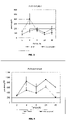
Figure 1 représente la concentration en acide salicylique (exprimée en pmoles/gPF) dans les tiges de plants de tabac alimentés avec une solution nutritive contenant un fructo-oligosaccharide conforme à l'invention (FOS), ou la même solution nutritive sans FOS (C). - La
Figure 2 représente la concentration en acide jasmonique (exprimée en pmoles/gPF) dans les tiges de plants de tabac alimentés avec une solution nutritive contenant un fructo-oligosaccharide conforme à l'invention (FOS), ou la même solution nutritive sans FOS (C). - La
Figure 3 représente la concentration en acide salicylique (exprimée en pmoles/gPF) dans les tiges de plantes alimentées avec une solution nutritive contenant un fructo-oligosaccharide non conforme à l'invention (FOS Comparatif), ou la même solution nutritive sans FOS (témoin). - La
Figure 4 représente la concentration en acide jasmonique (exprimée en pmoles/gPF) dans les tiges de plantes alimentées avec une solution nutritive contenant un fructo-oligosaccharide non conforme à l'invention (FOS Comparatif), ou la même solution nutritive sans FOS (témoin). - 10 kg d'un fructo-oligosaccharide commercialisé sous la marque Profeed®L95 ont été mélangés avec 250 kg de sulfate d'ammonium, 50 kg d'urée, 300 kg de superphosphate et 300 kg de chlorure de potassium dans un granulateur à tambour en présence de 125 l d'eau à 45 °C. Toutes les matières premières, y compris les fructo-oligosacharides ont été préalablement broyées.
- Les granulés ont été séchés dans un séchoir à tambour à 90 °C pendant 15 min.
- 100 l d'eau ont été mélangés avec 10 kg d'un fructo-oligosaccharide fabriqué et commercialisé sous la marque Profeed®L95. Le mélange a été maintenu sous agitation continue pendant 2-6 heures. La température était préférablement située entre 25-70 °C.
- Le liquide contenant le fructo-oligosaccharide a été mélangé avec 10 kg d'urée et 25 kg de phosphate monopotassique. Le mélange a été maintenu sous agitation continue à 25 ° C pendant 24 h, et le produit final a été filtré.
- Les essais ont été réalisés sur des jeunes plants de salade (Lactuca sativa) de 15 jours cultivés en hydroponie. Les essais ont été réalisés sous serre aux températures de 22°C/16°C jours/nuit, 60% d'humidité et une photopériode de 10 heures.
- Les plantules de salade (provenance d'une pépinière) ont été lavées afin de quitter le terreau autour de la racine et cultivées pendant deux jours en hydroponie dans de l'eau afin d'éliminer les éléments nutritifs provenant de la préculture.
- On a comparé la vitesse d'absorption des minéraux selon que la solution nutritive contenait du FOS (Traitement) ou non (Témoin).
- 9 plants de salades (trois lots comprenant chacun trois plants) ont été transférés sur une solution nutritive fraîche contenant 100 mg.l-1 d'un fructo-oligosaccaride commercialisé par la société Beghin Meiji sous la référence Profeed® L95.
- 9 plants de salades (trois lots comprenant chacun trois plants) ont été transférés sur la même solution nutritive fraîche ne contenant pas de FOS (Témoin).
- La solution nutritive contenait: 2 mM de NO3 -, 2 mM de PO4 2-, 4 mM de K+, 1 mM de Ca2+, 2 mM de Mg2+, 100 µM de Fe, 14 µM de B, 16 µM de Mn, 4µM de Mo et 0,8 µM de Cu. Le pH de la solution a été ajusté à 6 avec KOH.
- La quantité des éléments minéraux absorbée a été calculée grâce au suivi de la déplétion de ces éléments dans la solution nutritive pendant une période de 30 heures. Les mesures de nitrate ont été réalisées par chromatographie ionique (Dionex 120) et les mesures des autres éléments (P, Ca, Mg, K, Fe) ont été effectuées par ICP optique (IRIS Intrepid II xdl, Thermo-Electron).
- Les plantes ont ensuite été récoltées. La racine et la partie aérienne ont été séparées, pesées puis séchées dans une étuve à air forcé à 45°C pendant 48h afin de déterminer leur poids sec.
- Les résultats ont été soumis à une analyse statistique (ANOVA) grâce au programme STATISTICA 6.0 considérant P<0,05 comme significatif.
- Les taux d'absorption racinaire du nitrate, du phosphate et du calcium par les salades ont été reportés dans le tableau suivant. Les résultats sont exprimés en % par rapport au témoin (100%).
Nitrate Phosphate Calcium Témoin sans FOS 100 100 100 Traitement avec FOS 112.95 159.8 119 - L'impact d'un fructo-oligosaccharide conforme à l'invention et l'impact d'un fructo-oligosaccharide non conforme à l'invention sur la biostimulation ont été comparés en mesurant le taux d'acide jasmonique (phytohormone) dans les tiges de plants de tabac.
- En effet, le chemin métabolique de l'acide jasmonique (JA) joue un rôle dans la résistance aux insectes et aux maladies. Une augmentation du taux d'acide jasmonique dans les tissus est donc un bon indicateur de l'augmentation du potentiel de résistance des plants aux agents pathogènes.
- L'effet d'un fructo-oligosaccharides (FOS) comprenant de 2 à 10 unités osidiques (commercialisé sous la référence Profeed® L95) a été comparé à l'effet d'un FOS comparatif (commercialisé sous la référence Probiofeed®, contenant 95 % Inuline et 5 % monosaccharides).
- Des plants de tabac mis en germination dans un mélange tourbe/sable (proportion 1/1), ont été transplantés au stade 5 feuilles en pot de 1L en serre.
Le traitement des plantes a été réalisé par une application radiculaire d'une solution aqueuse de 0.3% de FOS, d'une solution aqueuse d'inuline de chicorée (Sigma I2255) à 0.3%, ou de la même solution aqueuse ne contenant pas de Fos ou d'inuline. L'expérience a été effectuée sur cinq plantes pour chaque traitement appliqué. - D'autres oligosaccharides tels que le betamune (B), le Bio-mannanoligosaccharides (MS), mannanoligosaccharide (M) ont été testés soit en solution aqueuse (10 min à 100°C) (B20, Ms20, M20) ou en solution acide (0.1N HCl, 10 min à 100°C, dont le pH a été neutralisé avant l'application aux plantes) (BCl, MsCl, MCl).
- Les plantes récoltées après l'application du traitement ont été congelées et broyées avec de l'azote liquide pour réaliser l'analyse quantitative de l'acide jasmonique et de l'acide salicylique qu'elles contiennent, selon le protocole suivant.
- Les étalons de l'acide jasmonique (JAS) et de l'acide salicylique (SAL) ont été fournis par Sigma-Aldrich (St Louis, USA). L'acide dihydrojasmonique (DHJAS) utilisé comme standard interne pour l'acide jasmonique a été fourni par OlChemin Ltd, (Olomouc, République tchèque), et l'acide 2H4-salicylique (D-SAL) utilisé comme standard interne pour l'acide salicylique a été fourni par Sigma-Aldrich (St Louis, USA).
- Les agitations ont été réalisées dans un système Multi Reax de Heidolph Instruments (Schwabach, Allemagne) et les centrifugations dans une centrifugeuse Centrikon T-124 de Kontron Instruments (Zurich, Suisse). Les évaporations ont été réalisées dans un évaporateur vortex modèle 432-2100 de Labconco Corporation (Kansas City, MO, USA).
- On pèse 0,25 grammes de tissu végétal (poids frais) auxquels on ajoute 100 µl d'une solution de D-SAL et DHJAS (1000 ng/ml dans du méthanol) et 2 ml de MeOH/H2O/HCOOH (90/9/1 en volume) contenant du diéthyldithiocarbamate de sodium 2,5 mM à -20°C. On agite le tout pendant 60 minutes à la vitesse maximale, 2 000 min-1, et on centrifuge à 11 000 min-1 pendant 10 minutes à 20° C. On introduit 0,5 ml de surnageant dans un tube à essai contenant déjà 0,5 ml d'acide acétique à 0,4% puis on agite et on centrifuge à 12 000 min-1 pendant 10 minutes. On verse une partie du surnageant dans un flacon de chromatographie à partir duquel on l'injecte dans le système LC/MS/MS.
- On utilise un chromatographe Waters AllianceHT (Milford, MA, USA) équipé d'un module de séparation 2795 XE, un module de colonne avec régulation de température ALLCOLHTR et une colonne chromatographique Synergi 4 µm Hydro-RP (15 x 0,2 cm) (Phenomenex, Torrance, CA, USA). Le gradient et les conditions utilisés sont les suivants :
Minutes ml/min % de MeOH % d'acide acétique à 0,4% 0 0,2 35 65 1 0,2 35 65 6 0,2 60 40 14 0,2 64 36 15 0,2 90 10 16 0,2 90 10 17 0,2 35 65 20 0,2 35 65 - Volume d'injection : 40 µl.
- Température de l'échantillon : 20° C.
- Température de la colonne : 30° C.
- On utilise un détecteur de spectrométrie de masse 3200 Q TRAP LC/MS/MS System (Applied Biosystems/MDS Sciex, Ontario, Canada), équipé d'une interface Turbo Ion Spray fonctionnant en mode négatif.
- Paramètres de la source :
- CUR (débit de gaz rideau) : 22,00 psi.
- IS (tension du pulvérisateur ionique) : -4000 V.
- TEM : 550° C.
- GS1 (débit de gaz du nébuliseur) : 45,00 psi.
- GS2 (débit de gaz du réchauffeur) : 55,00 psi.
- Paramètres de l'analyseur de masse :
- Mode de balayage : MRM (multiple reaction monitoring).
- Résolution Q1 : basse.
- Résolution Q3 : unité.
- Gaz CAD (dissociation activée par collision) : moyen.
- CXP (potentiel de sortie de la cellule de collision) : -4,00 V.
- Paramètres du détecteur :
CEM (multiplicateur d'électrons multicanaux) : -2800,0 V. - Le traitement des données obtenues s'effectue au moyen du logiciel Analyst 1.4.2 d'Applied Biosystems.
- Les résultats sont présentés dans le tableau suivant.
Composé Transition Paramètres d'ionisation et de collision Q1 (uma) Q3 (uma) Dwell (ms) DP (V) EP (V) CEP (V) CE (V) JAS 209 59 40 -35 -7 -12 -22 209 165 40 -35 -7 -12 -20 DHJAS 211 59 40 -34 -8 -13 -21 211 167 40 -34 -8 -13 -20 SAL 137 93 40 -25 -6 -10 -20 137 65 40 -25 -6 -10 -38 D-SAL 141 97 40 -30 -5,5 -10 -20 141 69 40 -30 -5,5 -10 -36 - uma = unité de masse atomique
- Acide jasmonique (JAS)
- Acide salicylique (SAL)
- Acide dihydrojasmonique (DHJAS)
- Acide 2H4-salicylique (D-SAL)
- Le rendement total, y compris l'effet matrice, a été calculé de deux manières. D'une part, des plantes ont été dopées avec des concentrations en hormones différentes et la soustraction d'avec la plante non dopée a été comparée à des étalons intercalés entre les échantillons à titre de contrôles. Comme indiqué dans les tableaux, le dopage a été réalisé avec différentes concentrations selon l'hormone considérée, compte tenu des différences de sensibilité entre elles ainsi que des différences de concentrations observées dans la plante utilisée, le concombre. Le rendement a également été calculé au moyen du standard interne, comme le quotient entre la moyenne des aires de chaque standard interne dans les échantillons à examiner et dans les étalons intercalés entre les échantillons à titre de contrôles. Les résultats sont les suivants.
- Rendement total dans les feuilles :
Hormone + 2,5 + 5 + 10 + 25 + 50 + 100 Std. int. JAS 73,1 102,1 99,7 98,5 99,3 98,8 92,7 SAL 73,2 103,8 98,2 97,5 99,0 101,2 94,3 - Rendement total dans les racines :
Hormone + 2,5 + 5 + 10 + 25 + 50 + 100 Std. int. JAS 93,7 92,5 92,4 92,4 91,8 93,6 97,5 SAL 89,0 95,0 95,2 98,5 94,5 95,2 98,1 - Les valeurs des limites de détection (LD) et de quantification (LQ) ont été calculées en prenant 10 fois le niveau moyen du bruit de fond dans les blancs de même que dans les échantillons végétaux. Le bruit de fond a été mesuré dans les zones du chromatogramme voisines du temps de rétention des hormones. Dans le cas des étalons, les résultats sont exprimés en ng/ml et en picogrammes injectés, et dans le cas des extraits de la plante en ng/g de plante. Les résultats sont les suivants :
Limites de détection LD et de Quantification (LQ):Hormone LD étalons ng/ml (pg) LD plante ng/g LQ étalons ng/ml (pg) LQ plante ng/g JAS 0,15 (6) 1,20 0,45 (18) 3,50 SAL 0,10 (4) 1,00 0,30 (12) 3,00 - Les résultats ont été reportées aux
Figures 1 à 4 . On peut voir que l'inuline - qui comprend plus de 10 unités osidiques - n'induit pas une augmentation de la concentration en acide jasmonique. - Par contre, un fructo-oligosaccharide comprenant de 2 à 10 unités osidiques conforme à l'invention induit une concentration de phytohormone 4 à 8 fois supérieure selon les tissus.
Claims (8)
- Composition fertilisante et/ou biostimulante comprenant une ou plusieurs matières fertilisantes choisies parmi l'urée, le sulfate d'ammonium, le nitrate d'ammonium, le phosphate naturel, le chlorure de potassium, le sulfate d'ammonium, le nitrate de magnésium, le nitrate de manganèse, le nitrate de zinc, le nitrate de cuivre, l'acide phosphorique et l'acide borique, contenant au moins un fructo-oligosaccharide (FOS) comprenant de 2 à 10 unités osidiques, lequel fructo-oligosaccharide est éventuellement sulfaté, et caractérisée en ce qu'elle contient un mélange de composés Glucose-(Fructose)n ou Mannose-(Fructose)n tels que n va de 1 à 3.
- Composition selon la revendication 1, caractérisée en ce que le fructo-oligosaccharide (FOS) représente de 0,1 à 10% en poids du poids de la composition.
- Composition selon la revendication 1, caractérisée en ce que le fructo-oligosaccharide (FOS) est issu de l'hydrolyse enzymatique de l'inuline.
- Procédé de fertilisation de plantes pour améliorer leur absorption de nutriments minéraux, caractérisé en ce qu'il comprend l'application auxdites plantes ou aux sols sur lesquelles elles poussent, d'une quantité efficace d'une composition selon la revendication 1.
- Procédé pour la biostimulation de plantes qui comprend l'application auxdites plantes ou aux sols sur lesquelles elles poussent, d'une quantité efficace d'une composition selon la revendication 1.
- Procédé selon la revendication 4 ou 5, caractérisé en ce que l'application du FOS ou de la composition aux plantes est réalisée par voie foliaire ou par voie racinaire.
- Procédé selon la revendication 6, caractérisé en ce que le FOS est utilisé en une quantité :- de 0,1 à 100 g par litre, et de préférence de l'ordre de 1 g par litre pour les apports sous forme liquide par voie foliaire ou dans des solutions nutritives racinaires,- de 10 à 1000 g et de préférence de l'ordre de 200 g par hectare pour les apports sous forme solide, par exemple, dans des engrais pulvérulents ou granulés.
- Utilisation d'un mélange de composés Glucose-(Fructose)n ou Mannose-(Fructose)n tels que n va de 1 à 3, comme éliciteur des mécanismes d'absorption des nutriments minéraux dans les plantes et comme agent stimulant les défenses naturelles des plantes.
Priority Applications (1)
| Application Number | Priority Date | Filing Date | Title |
|---|---|---|---|
| HRP20221365TT HRP20221365T1 (hr) | 2014-04-09 | 2015-04-08 | Proizvod koji sadrži fruktozne oligosaharide namijenjen gnojenju i biostimuliranju, postupak njegove primjene, te upotrebe |
Applications Claiming Priority (2)
| Application Number | Priority Date | Filing Date | Title |
|---|---|---|---|
| FR1453157A FR3019715B1 (fr) | 2014-04-09 | 2014-04-09 | Composition fertilisante et biostimulante contenant des fructo-oligosaccharides, procede d'application et utilisations |
| PCT/FR2015/050917 WO2015155476A1 (fr) | 2014-04-09 | 2015-04-08 | Produit fertilisant et biostimulant contenant des fructo-oligosaccharides, procede d'application et utilisations. |
Publications (2)
| Publication Number | Publication Date |
|---|---|
| EP3128840A1 EP3128840A1 (fr) | 2017-02-15 |
| EP3128840B1 true EP3128840B1 (fr) | 2022-09-28 |
Family
ID=51210558
Family Applications (1)
| Application Number | Title | Priority Date | Filing Date |
|---|---|---|---|
| EP15720370.4A Active EP3128840B1 (fr) | 2014-04-09 | 2015-04-08 | Produit fertilisant et biostimulant contenant des fructo-oligosaccharides, procede d'application et utilisations. |
Country Status (10)
| Country | Link |
|---|---|
| US (2) | US20170020132A1 (fr) |
| EP (1) | EP3128840B1 (fr) |
| BR (1) | BR112016023458B1 (fr) |
| ES (1) | ES2933905T3 (fr) |
| FR (1) | FR3019715B1 (fr) |
| HR (1) | HRP20221365T1 (fr) |
| HU (1) | HUE060565T2 (fr) |
| PL (1) | PL3128840T3 (fr) |
| PT (1) | PT3128840T (fr) |
| WO (1) | WO2015155476A1 (fr) |
Families Citing this family (3)
| Publication number | Priority date | Publication date | Assignee | Title |
|---|---|---|---|---|
| US10683243B2 (en) * | 2016-01-28 | 2020-06-16 | R. Umar Hasan Saputra | Process for producing coal-based fertilizer and the products produced |
| US12507698B2 (en) * | 2017-02-21 | 2025-12-30 | Christelle Martinez-Barbreau | Use of an extract of part of a rocket plant for stimulating the defenses of plants and trees and associated composition and method |
| EP4640054A1 (fr) * | 2022-12-23 | 2025-10-29 | Yessinergy Holding S.A. | Composition pour promouvoir la multiplication et la survie de micro-organismes, procédé de traitement de plantes et utilisation de la composition dans des biopesticides agricoles |
Family Cites Families (19)
| Publication number | Priority date | Publication date | Assignee | Title |
|---|---|---|---|---|
| DE29503135U1 (de) | 1995-02-24 | 1995-05-24 | Röhm GmbH, 64293 Darmstadt | Mehrfunktionelle Lederbearbeitungsmittel |
| US5733579A (en) * | 1995-04-05 | 1998-03-31 | Abbott Laboratories | Oral rehydration solution containing indigestible oligosaccharides |
| WO1998046081A1 (fr) * | 1997-04-11 | 1998-10-22 | Auxein Corporation | Compositions et procedes mettant en oeuvre des succinates et des raffinats pour ameliorer la croissance des plantes |
| JPH10298020A (ja) * | 1997-04-22 | 1998-11-10 | Gun Ei Chem Ind Co Ltd | 作物栄養補助剤及び該作物栄養補助剤を用いた作物栽培方法 |
| JPH10338585A (ja) * | 1997-06-09 | 1998-12-22 | Gun Ei Chem Ind Co Ltd | 作物栄養補助剤及び該作物栄養補助剤を用いた作物栽培方法 |
| FR2766059B1 (fr) * | 1997-07-18 | 1999-09-17 | Goemar Lab Sa | Procede pour la stimulation des defenses naturelles de plantes agronomiquement utiles et composition pour la mise en oeuvre de ce procede |
| EP1125507A1 (fr) * | 2000-02-15 | 2001-08-22 | Tiense Suikerraffinaderij N.V. (Raffinerie Tirlemontoise S.A.) | Produits d' inuline possédant des propriétés nutritionelles améliorées |
| FR2836011B1 (fr) * | 2002-02-20 | 2004-05-14 | Goemar Lab Sa | Agent pour la stimulation des defenses naturelles des plantes et procede pour sa mise en oeuvre |
| FR2868253B1 (fr) * | 2004-03-30 | 2006-07-21 | Cie Financiere Et De Participa | Utilisation des ulvanes comme activateurs des reactions de defense des plantes et de resistance contre des contraintes biotiques ou abiotiques |
| JP2007215462A (ja) * | 2006-02-16 | 2007-08-30 | National Agriculture & Food Research Organization | ミネラル吸収促進物質を含有する食用植物体およびその製造方法 |
| WO2008046428A1 (fr) | 2006-10-18 | 2008-04-24 | Fekria Ahmed Fathi Kassem | Nouveau procédé de production de phosphate d'urée à faible coût |
| CN100486434C (zh) | 2007-01-11 | 2009-05-13 | 山东应天生物科技有限公司 | 牛蒡低聚果糖在农业上作为抗病诱导子的应用 |
| DE102007007738A1 (de) | 2007-02-09 | 2008-08-14 | Südzucker AG Mannheim/Ochsenfurt | Farbmarkierte Oligo- oder Polysaccharide |
| US20110081449A1 (en) * | 2008-06-12 | 2011-04-07 | Lena De Leenheer | Fructooligosaccharide composition, process for its production and use |
| US20110294864A1 (en) * | 2009-01-13 | 2011-12-01 | Universiteit Gent | Aqueous coacervate compositions suitable for making powders and water-soluble formulations of biologically-active agents |
| US8419820B2 (en) | 2009-01-28 | 2013-04-16 | Everris International B.V. | Fast dissolving water-soluble fertilizer formulations and methods and uses thereof |
| US20120264193A1 (en) | 2011-04-14 | 2012-10-18 | Rumiko Kuwana | Method for producing medium and medium produced thereby |
| CN102671206B (zh) * | 2012-05-29 | 2013-07-10 | 安吉东来药用辅料有限责任公司 | 低聚果糖片剂赋形剂、药物片剂及药物片剂的制备方法 |
| JP6122136B2 (ja) | 2012-11-30 | 2017-04-26 | エルジー・ケム・リミテッド | 膜形成装置 |
-
2014
- 2014-04-09 FR FR1453157A patent/FR3019715B1/fr active Active
-
2015
- 2015-04-08 PL PL15720370.4T patent/PL3128840T3/pl unknown
- 2015-04-08 WO PCT/FR2015/050917 patent/WO2015155476A1/fr not_active Ceased
- 2015-04-08 HR HRP20221365TT patent/HRP20221365T1/hr unknown
- 2015-04-08 EP EP15720370.4A patent/EP3128840B1/fr active Active
- 2015-04-08 US US15/302,410 patent/US20170020132A1/en not_active Abandoned
- 2015-04-08 ES ES15720370T patent/ES2933905T3/es active Active
- 2015-04-08 HU HUE15720370A patent/HUE060565T2/hu unknown
- 2015-04-08 PT PT157203704T patent/PT3128840T/pt unknown
- 2015-04-08 BR BR112016023458-8A patent/BR112016023458B1/pt active IP Right Grant
-
2019
- 2019-02-20 US US16/280,812 patent/US12144347B2/en active Active
Also Published As
| Publication number | Publication date |
|---|---|
| PL3128840T3 (pl) | 2023-01-09 |
| EP3128840A1 (fr) | 2017-02-15 |
| FR3019715B1 (fr) | 2018-04-06 |
| HRP20221365T1 (hr) | 2023-01-06 |
| ES2933905T3 (es) | 2023-02-14 |
| FR3019715A1 (fr) | 2015-10-16 |
| BR112016023458A2 (fr) | 2017-08-15 |
| BR112016023458B1 (pt) | 2022-06-07 |
| WO2015155476A1 (fr) | 2015-10-15 |
| US20170020132A1 (en) | 2017-01-26 |
| US20190183120A1 (en) | 2019-06-20 |
| HUE060565T2 (hu) | 2023-03-28 |
| US12144347B2 (en) | 2024-11-19 |
| PT3128840T (pt) | 2022-10-21 |
Similar Documents
| Publication | Publication Date | Title |
|---|---|---|
| FI98513C (fi) | Kasvien satotuloksen parantaminen | |
| CN101250075B (zh) | 人参叶面肥 | |
| JP2015057425A (ja) | タンニン及び非タンニン物質を含む、地力改善並びに栽培の根付肥効果を有する植物組成物の適用方法 | |
| CN102285841A (zh) | 毛竹专用肥及其生产方法 | |
| CN1074901C (zh) | 提高作物产量的方法 | |
| CN101475416A (zh) | 人参复合生物叶面肥 | |
| JP2011105541A (ja) | 液体肥料 | |
| EP3128840B1 (fr) | Produit fertilisant et biostimulant contenant des fructo-oligosaccharides, procede d'application et utilisations. | |
| CN114988952A (zh) | 一种纳米硅液体肥料及其制备方法 | |
| WO2014041556A1 (fr) | Zinc, essentiel pour la flore et la faune | |
| EP3066925A1 (fr) | Composition à usage agricole pour stimuler le métabolisme azoté des plantes comprenant un extrait d'algue du genre laminaria et de l'acide glutamique, procédés et utilisations correspondants | |
| EP1729575B2 (fr) | Utilisation des ulvanes comme eliciteurs des mecanismes d'absorption de l'azote et de la synthese proteique. | |
| Hassanein et al. | Grain-priming and foliar pretreatment enhanced stress defense in wheat ('Triticum aestivum'var. Gimaza 9) plants cultivated in drought land | |
| Zhang et al. | Yield and protein content of barley as affected by release rate of coated urea and rate of nitrogen application | |
| CN104193494A (zh) | 一种杀菌抗病的土豆肥及其制造、使用方法 | |
| CN102351597A (zh) | 一种黄腐酸有机肥 | |
| Singh et al. | Effect of stabilized ortho silicic acid on pre and post-harvest quality attributes of plant and ratoon sugarcane | |
| EP2211624B1 (fr) | Utilisation des substances humiques comme activateurs des agents moleculaires specifiques de l'absorption du fer chez la plante | |
| Mondal et al. | Biochemical response of mungbean (Vigna radiata L.) under the influence of reduced dose of chemical fertilizer and different time and method of application of biofertilizer. | |
| KR970000384B1 (ko) | 키틴 및 키토산계 액상복합비료 | |
| RU2858079C1 (ru) | Органоминеральное удобрение | |
| RU2858073C1 (ru) | Органоминеральное удобрение | |
| EP0855375B1 (fr) | Utilisation de dérivés d'adénine comme agents favorisant par systémie la migration et la distribution des éléments nutritifs et fertilisants chez la plante | |
| EP3728165B1 (fr) | Stimulation de la nitrification d'un sol avec des compositions comprenant un extrait de plante | |
| Lozhnikova et al. | Growth of spring barley and activity of endogenous phytohormones under the influence of silicon compounds |
Legal Events
| Date | Code | Title | Description |
|---|---|---|---|
| REG | Reference to a national code |
Ref country code: HR Ref legal event code: TUEP Ref document number: P20221365T Country of ref document: HR |
|
| STAA | Information on the status of an ep patent application or granted ep patent |
Free format text: STATUS: THE INTERNATIONAL PUBLICATION HAS BEEN MADE |
|
| PUAI | Public reference made under article 153(3) epc to a published international application that has entered the european phase |
Free format text: ORIGINAL CODE: 0009012 |
|
| STAA | Information on the status of an ep patent application or granted ep patent |
Free format text: STATUS: REQUEST FOR EXAMINATION WAS MADE |
|
| 17P | Request for examination filed |
Effective date: 20161026 |
|
| AK | Designated contracting states |
Kind code of ref document: A1 Designated state(s): AL AT BE BG CH CY CZ DE DK EE ES FI FR GB GR HR HU IE IS IT LI LT LU LV MC MK MT NL NO PL PT RO RS SE SI SK SM TR |
|
| AX | Request for extension of the european patent |
Extension state: BA ME |
|
| DAV | Request for validation of the european patent (deleted) | ||
| DAX | Request for extension of the european patent (deleted) | ||
| STAA | Information on the status of an ep patent application or granted ep patent |
Free format text: STATUS: EXAMINATION IS IN PROGRESS |
|
| 17Q | First examination report despatched |
Effective date: 20191118 |
|
| GRAP | Despatch of communication of intention to grant a patent |
Free format text: ORIGINAL CODE: EPIDOSNIGR1 |
|
| STAA | Information on the status of an ep patent application or granted ep patent |
Free format text: STATUS: GRANT OF PATENT IS INTENDED |
|
| RIC1 | Information provided on ipc code assigned before grant |
Ipc: C05G 3/00 20060101ALI20220404BHEP Ipc: C05B 17/02 20060101ALI20220404BHEP Ipc: C05B 17/00 20060101ALI20220404BHEP Ipc: A01P 21/00 20060101ALI20220404BHEP Ipc: A01N 43/16 20060101AFI20220404BHEP |
|
| INTG | Intention to grant announced |
Effective date: 20220511 |
|
| GRAS | Grant fee paid |
Free format text: ORIGINAL CODE: EPIDOSNIGR3 |
|
| GRAA | (expected) grant |
Free format text: ORIGINAL CODE: 0009210 |
|
| STAA | Information on the status of an ep patent application or granted ep patent |
Free format text: STATUS: THE PATENT HAS BEEN GRANTED |
|
| AK | Designated contracting states |
Kind code of ref document: B1 Designated state(s): AL AT BE BG CH CY CZ DE DK EE ES FI FR GB GR HR HU IE IS IT LI LT LU LV MC MK MT NL NO PL PT RO RS SE SI SK SM TR |
|
| REG | Reference to a national code |
Ref country code: GB Ref legal event code: FG4D Free format text: NOT ENGLISH |
|
| REG | Reference to a national code |
Ref country code: CH Ref legal event code: EP |
|
| REG | Reference to a national code |
Ref country code: DE Ref legal event code: R096 Ref document number: 602015080965 Country of ref document: DE |
|
| REG | Reference to a national code |
Ref country code: AT Ref legal event code: REF Ref document number: 1520642 Country of ref document: AT Kind code of ref document: T Effective date: 20221015 |
|
| REG | Reference to a national code |
Ref country code: PT Ref legal event code: SC4A Ref document number: 3128840 Country of ref document: PT Date of ref document: 20221021 Kind code of ref document: T Free format text: AVAILABILITY OF NATIONAL TRANSLATION Effective date: 20221017 |
|
| REG | Reference to a national code |
Ref country code: NL Ref legal event code: FP Ref country code: IE Ref legal event code: FG4D Free format text: LANGUAGE OF EP DOCUMENT: FRENCH |
|
| REG | Reference to a national code |
Ref country code: SE Ref legal event code: TRGR |
|
| REG | Reference to a national code |
Ref country code: RO Ref legal event code: EPE |
|
| REG | Reference to a national code |
Ref country code: HR Ref legal event code: T1PR Ref document number: P20221365 Country of ref document: HR |
|
| REG | Reference to a national code |
Ref country code: LT Ref legal event code: MG9D |
|
| PG25 | Lapsed in a contracting state [announced via postgrant information from national office to epo] |
Ref country code: RS Free format text: LAPSE BECAUSE OF FAILURE TO SUBMIT A TRANSLATION OF THE DESCRIPTION OR TO PAY THE FEE WITHIN THE PRESCRIBED TIME-LIMIT Effective date: 20220928 Ref country code: NO Free format text: LAPSE BECAUSE OF FAILURE TO SUBMIT A TRANSLATION OF THE DESCRIPTION OR TO PAY THE FEE WITHIN THE PRESCRIBED TIME-LIMIT Effective date: 20221228 Ref country code: LV Free format text: LAPSE BECAUSE OF FAILURE TO SUBMIT A TRANSLATION OF THE DESCRIPTION OR TO PAY THE FEE WITHIN THE PRESCRIBED TIME-LIMIT Effective date: 20220928 Ref country code: LT Free format text: LAPSE BECAUSE OF FAILURE TO SUBMIT A TRANSLATION OF THE DESCRIPTION OR TO PAY THE FEE WITHIN THE PRESCRIBED TIME-LIMIT Effective date: 20220928 Ref country code: FI Free format text: LAPSE BECAUSE OF FAILURE TO SUBMIT A TRANSLATION OF THE DESCRIPTION OR TO PAY THE FEE WITHIN THE PRESCRIBED TIME-LIMIT Effective date: 20220928 |
|
| REG | Reference to a national code |
Ref country code: GR Ref legal event code: EP Ref document number: 20220402427 Country of ref document: GR Effective date: 20230110 |
|
| REG | Reference to a national code |
Ref country code: ES Ref legal event code: FG2A Ref document number: 2933905 Country of ref document: ES Kind code of ref document: T3 Effective date: 20230214 |
|
| REG | Reference to a national code |
Ref country code: DE Ref legal event code: R082 Ref document number: 602015080965 Country of ref document: DE Representative=s name: CBDL PATENTANWAELTE GBR, DE Ref country code: DE Ref legal event code: R082 Ref document number: 602015080965 Country of ref document: DE Representative=s name: CBDL PATENTANWAELTE EGBR, DE |
|
| REG | Reference to a national code |
Ref country code: HU Ref legal event code: AG4A Ref document number: E060565 Country of ref document: HU |
|
| REG | Reference to a national code |
Ref country code: HR Ref legal event code: ODRP Ref document number: P20221365 Country of ref document: HR Payment date: 20230314 Year of fee payment: 9 |
|
| PG25 | Lapsed in a contracting state [announced via postgrant information from national office to epo] |
Ref country code: SM Free format text: LAPSE BECAUSE OF FAILURE TO SUBMIT A TRANSLATION OF THE DESCRIPTION OR TO PAY THE FEE WITHIN THE PRESCRIBED TIME-LIMIT Effective date: 20220928 |
|
| PG25 | Lapsed in a contracting state [announced via postgrant information from national office to epo] |
Ref country code: SK Free format text: LAPSE BECAUSE OF FAILURE TO SUBMIT A TRANSLATION OF THE DESCRIPTION OR TO PAY THE FEE WITHIN THE PRESCRIBED TIME-LIMIT Effective date: 20220928 Ref country code: IS Free format text: LAPSE BECAUSE OF FAILURE TO SUBMIT A TRANSLATION OF THE DESCRIPTION OR TO PAY THE FEE WITHIN THE PRESCRIBED TIME-LIMIT Effective date: 20230128 Ref country code: EE Free format text: LAPSE BECAUSE OF FAILURE TO SUBMIT A TRANSLATION OF THE DESCRIPTION OR TO PAY THE FEE WITHIN THE PRESCRIBED TIME-LIMIT Effective date: 20220928 |
|
| REG | Reference to a national code |
Ref country code: DE Ref legal event code: R097 Ref document number: 602015080965 Country of ref document: DE |
|
| PG25 | Lapsed in a contracting state [announced via postgrant information from national office to epo] |
Ref country code: AL Free format text: LAPSE BECAUSE OF FAILURE TO SUBMIT A TRANSLATION OF THE DESCRIPTION OR TO PAY THE FEE WITHIN THE PRESCRIBED TIME-LIMIT Effective date: 20220928 |
|
| PG25 | Lapsed in a contracting state [announced via postgrant information from national office to epo] |
Ref country code: DK Free format text: LAPSE BECAUSE OF FAILURE TO SUBMIT A TRANSLATION OF THE DESCRIPTION OR TO PAY THE FEE WITHIN THE PRESCRIBED TIME-LIMIT Effective date: 20220928 |
|
| PLBE | No opposition filed within time limit |
Free format text: ORIGINAL CODE: 0009261 |
|
| STAA | Information on the status of an ep patent application or granted ep patent |
Free format text: STATUS: NO OPPOSITION FILED WITHIN TIME LIMIT |
|
| 26N | No opposition filed |
Effective date: 20230629 |
|
| REG | Reference to a national code |
Ref country code: AT Ref legal event code: UEP Ref document number: 1520642 Country of ref document: AT Kind code of ref document: T Effective date: 20220928 |
|
| PG25 | Lapsed in a contracting state [announced via postgrant information from national office to epo] |
Ref country code: SI Free format text: LAPSE BECAUSE OF FAILURE TO SUBMIT A TRANSLATION OF THE DESCRIPTION OR TO PAY THE FEE WITHIN THE PRESCRIBED TIME-LIMIT Effective date: 20220928 |
|
| REG | Reference to a national code |
Ref country code: HR Ref legal event code: ODRP Ref document number: P20221365 Country of ref document: HR Payment date: 20240325 Year of fee payment: 10 |
|
| PGFP | Annual fee paid to national office [announced via postgrant information from national office to epo] |
Ref country code: HR Payment date: 20240325 Year of fee payment: 10 |
|
| PGFP | Annual fee paid to national office [announced via postgrant information from national office to epo] |
Ref country code: GB Payment date: 20240425 Year of fee payment: 10 |
|
| PGFP | Annual fee paid to national office [announced via postgrant information from national office to epo] |
Ref country code: CH Payment date: 20240501 Year of fee payment: 10 |
|
| PGFP | Annual fee paid to national office [announced via postgrant information from national office to epo] |
Ref country code: HU Payment date: 20240319 Year of fee payment: 10 |
|
| PGFP | Annual fee paid to national office [announced via postgrant information from national office to epo] |
Ref country code: PT Payment date: 20250319 Year of fee payment: 11 |
|
| PGFP | Annual fee paid to national office [announced via postgrant information from national office to epo] |
Ref country code: GR Payment date: 20250318 Year of fee payment: 11 |
|
| PGFP | Annual fee paid to national office [announced via postgrant information from national office to epo] |
Ref country code: PL Payment date: 20250314 Year of fee payment: 11 Ref country code: CZ Payment date: 20250311 Year of fee payment: 11 |
|
| PGFP | Annual fee paid to national office [announced via postgrant information from national office to epo] |
Ref country code: DE Payment date: 20250411 Year of fee payment: 11 |
|
| PGFP | Annual fee paid to national office [announced via postgrant information from national office to epo] |
Ref country code: ES Payment date: 20250512 Year of fee payment: 11 |
|
| PGFP | Annual fee paid to national office [announced via postgrant information from national office to epo] |
Ref country code: IT Payment date: 20250409 Year of fee payment: 11 Ref country code: BE Payment date: 20250423 Year of fee payment: 11 |
|
| PGFP | Annual fee paid to national office [announced via postgrant information from national office to epo] |
Ref country code: FR Payment date: 20250422 Year of fee payment: 11 |
|
| PGFP | Annual fee paid to national office [announced via postgrant information from national office to epo] |
Ref country code: BG Payment date: 20250417 Year of fee payment: 11 |
|
| PGFP | Annual fee paid to national office [announced via postgrant information from national office to epo] |
Ref country code: RO Payment date: 20250401 Year of fee payment: 11 Ref country code: AT Payment date: 20250321 Year of fee payment: 11 |
|
| PG25 | Lapsed in a contracting state [announced via postgrant information from national office to epo] |
Ref country code: CY Free format text: LAPSE BECAUSE OF FAILURE TO SUBMIT A TRANSLATION OF THE DESCRIPTION OR TO PAY THE FEE WITHIN THE PRESCRIBED TIME-LIMIT; INVALID AB INITIO Effective date: 20150408 |
|
| PGFP | Annual fee paid to national office [announced via postgrant information from national office to epo] |
Ref country code: SE Payment date: 20250422 Year of fee payment: 11 |
|
| REG | Reference to a national code |
Ref country code: HR Ref legal event code: PBON Ref document number: P20221365 Country of ref document: HR Effective date: 20250408 |
|
| REG | Reference to a national code |
Ref country code: CH Ref legal event code: H13 Free format text: ST27 STATUS EVENT CODE: U-0-0-H10-H13 (AS PROVIDED BY THE NATIONAL OFFICE) Effective date: 20251125 |
|
| PG25 | Lapsed in a contracting state [announced via postgrant information from national office to epo] |
Ref country code: HU Free format text: LAPSE BECAUSE OF NON-PAYMENT OF DUE FEES Effective date: 20250409 Ref country code: TR Free format text: LAPSE BECAUSE OF FAILURE TO SUBMIT A TRANSLATION OF THE DESCRIPTION OR TO PAY THE FEE WITHIN THE PRESCRIBED TIME-LIMIT Effective date: 20220928 |
|
| GBPC | Gb: european patent ceased through non-payment of renewal fee |
Effective date: 20250408 |
|
| PG25 | Lapsed in a contracting state [announced via postgrant information from national office to epo] |
Ref country code: GB Free format text: LAPSE BECAUSE OF NON-PAYMENT OF DUE FEES Effective date: 20250408 |
|
| PG25 | Lapsed in a contracting state [announced via postgrant information from national office to epo] |
Ref country code: HR Free format text: LAPSE BECAUSE OF NON-PAYMENT OF DUE FEES Effective date: 20250408 |
|
| PG25 | Lapsed in a contracting state [announced via postgrant information from national office to epo] |
Ref country code: CH Free format text: LAPSE BECAUSE OF NON-PAYMENT OF DUE FEES Effective date: 20250430 |
|
| PGFP | Annual fee paid to national office [announced via postgrant information from national office to epo] |
Ref country code: MC Payment date: 20260326 Year of fee payment: 12 |
|
| PGFP | Annual fee paid to national office [announced via postgrant information from national office to epo] |
Ref country code: IE Payment date: 20260323 Year of fee payment: 12 |
|
| PGFP | Annual fee paid to national office [announced via postgrant information from national office to epo] |
Ref country code: LU Payment date: 20260326 Year of fee payment: 12 |
|
| PGFP | Annual fee paid to national office [announced via postgrant information from national office to epo] |
Ref country code: NL Payment date: 20260326 Year of fee payment: 12 |