EP3142414A1 - Procédé et dispositif de changement de chemin de service - Google Patents
Procédé et dispositif de changement de chemin de service Download PDFInfo
- Publication number
- EP3142414A1 EP3142414A1 EP14892933.4A EP14892933A EP3142414A1 EP 3142414 A1 EP3142414 A1 EP 3142414A1 EP 14892933 A EP14892933 A EP 14892933A EP 3142414 A1 EP3142414 A1 EP 3142414A1
- Authority
- EP
- European Patent Office
- Prior art keywords
- address
- mme
- sent
- needs
- service
- Prior art date
- Legal status (The legal status is an assumption and is not a legal conclusion. Google has not performed a legal analysis and makes no representation as to the accuracy of the status listed.)
- Granted
Links
Images



Classifications
-
- H—ELECTRICITY
- H04—ELECTRIC COMMUNICATION TECHNIQUE
- H04W—WIRELESS COMMUNICATION NETWORKS
- H04W36/00—Hand-off or reselection arrangements
- H04W36/12—Reselecting a serving backbone network switching or routing node
-
- H—ELECTRICITY
- H04—ELECTRIC COMMUNICATION TECHNIQUE
- H04L—TRANSMISSION OF DIGITAL INFORMATION, e.g. TELEGRAPHIC COMMUNICATION
- H04L61/00—Network arrangements, protocols or services for addressing or naming
- H04L61/09—Mapping addresses
- H04L61/25—Mapping addresses of the same type
- H04L61/2503—Translation of Internet protocol [IP] addresses
-
- H—ELECTRICITY
- H04—ELECTRIC COMMUNICATION TECHNIQUE
- H04W—WIRELESS COMMUNICATION NETWORKS
- H04W36/00—Hand-off or reselection arrangements
- H04W36/0005—Control or signalling for completing the hand-off
- H04W36/0011—Control or signalling for completing the hand-off for data sessions of end-to-end connection
-
- H—ELECTRICITY
- H04—ELECTRIC COMMUNICATION TECHNIQUE
- H04W—WIRELESS COMMUNICATION NETWORKS
- H04W4/00—Services specially adapted for wireless communication networks; Facilities therefor
- H04W4/02—Services making use of location information
- H04W4/029—Location-based management or tracking services
-
- H—ELECTRICITY
- H04—ELECTRIC COMMUNICATION TECHNIQUE
- H04W—WIRELESS COMMUNICATION NETWORKS
- H04W68/00—User notification, e.g. alerting and paging, for incoming communication, change of service or the like
- H04W68/005—Transmission of information for alerting of incoming communication
-
- H—ELECTRICITY
- H04—ELECTRIC COMMUNICATION TECHNIQUE
- H04W—WIRELESS COMMUNICATION NETWORKS
- H04W8/00—Network data management
- H04W8/26—Network addressing or numbering for mobility support
-
- H—ELECTRICITY
- H04—ELECTRIC COMMUNICATION TECHNIQUE
- H04W—WIRELESS COMMUNICATION NETWORKS
- H04W88/00—Devices specially adapted for wireless communication networks, e.g. terminals, base stations or access point devices
- H04W88/16—Gateway arrangements
-
- H—ELECTRICITY
- H04—ELECTRIC COMMUNICATION TECHNIQUE
- H04W—WIRELESS COMMUNICATION NETWORKS
- H04W92/00—Interfaces specially adapted for wireless communication networks
- H04W92/16—Interfaces between hierarchically similar devices
- H04W92/20—Interfaces between hierarchically similar devices between access points
Definitions
- the present invention relates to the field of communications technologies, and in particular, to a service path changing method and apparatus.
- a wireless network in the LTE project is an evolved universal terrestrial radio access network (Evolved Universal Terrestrial Radio Access Network, E-UTRAN), a core network in the SAE project is an evolved packet core (Evolved Packet Core, EPC) network, and an E-UTRAN and an EPC constitute an evolved packet system (Evolved Packet System, EPS).
- E-UTRAN evolved Universal Terrestrial Radio Access Network
- EPC evolved Packet Core
- EPC evolved Packet Core
- EPS evolved Packet System
- Network elements of an EPS include a mobility management entity (Mobility Management Entity, MME), a serving gateway (Serving Gateway, S-GW), a packet data network gateway (Packet Data Network Gateway, P-GW), and the like, where the MME is responsible for control plane mobility management, the S-GW is a user plane anchor of an E-UTRAN, and the P-GW is a user plane anchor of an EPC network.
- MME Mobility Management Entity
- S-GW Serving Gateway
- P-GW Packet Data Network Gateway
- data of a user equipment can reach a packet data network (Packet Data Network, PDN) only after passing through at least three hops, namely, a base station, an S-GW, and a P-GW.
- PDN Packet Data Network
- an S-GW and a P-GW are generally combined into one physical device, that is, an access gateway (Access Gateway, AG).
- Embodiments of the present invention provide a service path changing method and apparatus, so as to resolve problems that fragmentation of routing table information in a router is caused when a UE performs AG handover, time for route search is increased, and forwarding efficiency is affected.
- a service path changing apparatus including:
- the determining module is specifically configured to:
- the instructing module is further configured to:
- the instructing module is specifically configured to send the bearer information and the second IP address to the UE, and instruct the UE to notify, according to the bearer information, the service peer end of the second IP address and the first IP address that is assigned by the first AG; or if the session creation response message includes the bearer information, the instructing module is specifically configured to send the bearer information to the UE, and instruct the UE to request, according to the bearer information, to acquire the second IP address from the second AG, and to notify the service peer end of the second IP address and the first IP address that is assigned by the first AG
- the instructing module is specifically configured to:
- the session creation request message includes indication information used to indicate that an AG last accessed by the UE before the UE accesses the second AG is not the second AG, and the session creation response message further includes forwarding path destination end information; and the instructing module is further configured to: after receiving the session creation response message sent by the second AG, and before instructing the UE to notify the service peer end that the IP address of the UE is changed from the first IP address to the second IP address, send a forwarding path creation request message including the forwarding path destination end information to the first AG, and receive forwarding path start end information sent by the first AG, where the forwarding path creation request message is used to instruct the first AG to forward, to the second AG, received downlink data that needs to be sent to the UE; and send the received forwarding path start end information to the second AG
- the session creation request message includes the first IP address of the UE, where the first IP address is used to instruct the second AG to send, to the first AG, a binding update message for binding the second IP address and the first IP address, where the binding update message is used to instruct the first AG to forward, to the second AG, received downlink data that needs to be sent to the UE.
- the instructing module is further configured to: after the instructing module instructs the UE to notify the service peer end that the IP address of the UE is changed from the first IP address to the second IP address, if the instructing module receives a service path change notification message sent by the UE, instruct the first AG to release a session between the first AG and the UE.
- a service path changing apparatus including:
- the determining module is specifically configured to receive bearer information used to perform service transmission between the second AG and the UE and the second IP address that are assigned by the second AG and sent by a mobility management entity MME; and the notification module is specifically configured to notify, according to the bearer information, the service peer end of the second IP address assigned by the second AG and the first IP address assigned by the first AG
- the determining module is specifically configured to receive bearer information used to perform service transmission between the second AG and the UE, assigned by the second AG, and sent by a mobility management entity MME; and the notification module is specifically configured to request, according to the bearer information, to acquire the second IP address from the second AG, and notify the service peer end of the acquired second IP address and the first IP address that is assigned by the first AG.
- the determining module is specifically configured to:
- the determining module is specifically configured to:
- the notification module is specifically configured to:
- the notification module is specifically configured to:
- a service path changing apparatus including:
- the determining module is specifically configured to:
- the transceiver module is further configured to: after receiving the forwarding path creation request message sent by the MME, and before forwarding, to the second AG, the downlink data that needs to be sent to the UE, send the forwarding path start end information to the second AG through the MME.
- the determining module is further configured to: after the transceiver module forwards, to the second AG, the downlink data that needs to be sent to the UE, if it is determined that the transceiver module receives instruction information that is for releasing a session between the first AG and the UE and sent by the MME, release the session between the first AG and the UE.
- a service path changing apparatus including:
- the determining module is specifically configured to: after the transceiver module receives a session creation request message sent by a mobility management entity MME, determine that the UE needs to access the second AG; and the transceiver module is specifically configured to send a session creation response message to the MME, where the session creation response message includes the bearer information and the second IP address; or send a session creation response message to the MME, where the session creation response message includes the bearer information; and after the second AG receives information for requesting to acquire an IP address and sent by the UE according to the bearer information, the second AG assigns the second IP address to the UE.
- the session creation request message includes indication information indicating that an AG previously accessed by the UE is not the second AG, and the session creation response message further includes forwarding path destination end information; and the transceiver module is further configured to: after sending the session creation response message to the MME, receive forwarding path start end information sent by the MME; and receive, according to the forwarding path start end information, downlink data that needs to be sent to the UE and is forwarded by the first AG, and send the received downlink data to the UE.
- the session creation request message includes the first IP address of the UE; and the transceiver module is further configured to: after receiving the session creation request message sent by the MME and sending the session creation response message to the MME, send, to the first AG according to the first IP address, a binding update message for binding the second IP address and the first IP address, where the binding update message is used to instruct the first AG to forward, to the second AG, received downlink data that needs to be sent to the UE.
- a service path changing apparatus including:
- the processor is specifically configured to:
- the transceiver is further configured to:
- the transceiver is specifically configured to send the bearer information and the second IP address to the UE, and instruct the UE to notify, according to the bearer information, the service peer end of the second IP address and the first IP address that is assigned by the first AG; or if the session creation response message includes the bearer information, the transceiver is specifically configured to send the bearer information to the UE, and instruct the UE to request, according to the bearer information, to acquire the second IP address from the second AG, and to notify the service peer end of the second IP address and the first IP address that is assigned by the first AG
- the transceiver is specifically configured to: send AG change indication information to the UE; and after receiving a packet data network PDN connection establishment request message that is sent, according to the AG change indication information, by the UE, send the session creation request message to the second AG
- the session creation request message includes indication information used to indicate that an AG last accessed by the UE before the UE accesses the second AG is not the second AG, and the session creation response message further includes forwarding path destination end information; and the transceiver is further configured to: after receiving the session creation response message sent by the second AG, and before instructing the UE to notify the service peer end that the IP address of the UE is changed from the first IP address to the second IP address, send a forwarding path creation request message including the forwarding path destination end information to the first AG, and receive forwarding path start end information sent by the first AG, where the forwarding path creation request message is used to instruct the first AG to forward, to the second AG, received downlink data that needs to be sent to the UE; and send the received forwarding path start end information to the second AG.
- the session creation request message includes the first IP address of the UE, where the first IP address is used to instruct the second AG to send, to the first AG, a binding update message for binding the second IP address and the first IP address, where the binding update message is used to instruct the first AG to forward, to the second AG, received downlink data that needs to be sent to the UE.
- the transceiver is further configured to: after the transceiver instructs the UE to notify the service peer end that the IP address of the UE is changed from the first IP address to the second IP address, if the transceiver receives a service path change notification message sent by the UE, instruct the first AG to release a session between the first AG and the UE.
- a service path changing apparatus including:
- the processor is specifically configured to: after the transceiver receives bearer information used to perform service transmission between the second AG and the UE and the second IP address that are assigned by the second AG and sent by a mobility management entity MME, determine that the UE needs to be handed over from the first AG to the second AG; and the transceiver is specifically configured to notify, according to the bearer information, the service peer end of the second IP address assigned by the second AG and the first IP address assigned by the first AG
- the processor is specifically configured to: after the transceiver receives bearer information used to perform service transmission between the second AG and the UE, assigned by the second AG, and sent by a mobility management entity MME, determine that the UE needs to be handed over from the first AG to the second AG; and the transceiver is specifically configured to request, according to the bearer information, to acquire the second IP address from the second AG, and notify the service peer end of the acquired second IP address and the first IP address that is assigned by the first AG.
- the transceiver is specifically configured to send a tracking area update TAU request message to the mobility management entity MME, and receive TAU accept information sent by the MME; and the processor is specifically configured to determine, according to the TAU accept information received by the transceiver, that the UE needs to be handed over from the first access gateway AG to the second AG; or the transceiver is specifically configured to send a service request message to the MME, and receive a radio bearer establishment response message sent by the MME; and the processor is specifically configured to determine, according to the radio bearer establishment response message received by the transceiver, that the UE needs to be handed over from the first AG to the second AG.
- the transceiver is specifically configured to: after the transceiver sends a tracking area update TAU request message or a service request message to the mobility management entity MME, if the transceiver receives AG change indication information sent by the MME, send a packet data network PDN connection establishment request message to the MME; and the processor is specifically configured to: after the transceiver receives a PDN connection establishment response message that is sent, according to the PDN connection establishment request message, by the MME, determine that the UE needs to be handed over from the first AG to the second AG.
- the transceiver is further configured to: after the processor determines that the UE needs to be handed over from the first AG to the second AG, and before the transceiver notifies the service peer end that the IP address of the UE is changed from the first IP address to the second IP address, send, to the first AG through the second AG, a binding update message for binding the second IP address and the first IP address, where the binding update message is used to instruct the first AG to forward, to the second AG, received downlink data that needs to be sent to the UE.
- the transceiver is further configured to: after notifying the service peer end that the IP address of the UE is changed from the first IP address to the second IP address, send a service path change notification message to the mobility management entity MME, so that the MME instructs the first AG to release a session between the first AG and the UE.
- a service path changing apparatus including:
- the processor is specifically configured to:
- the transceiver is further configured to: after receiving the forwarding path creation request message sent by the MME, and before forwarding, to the second AG, the downlink data that needs to be sent to the UE, send the forwarding path start end information to the second AG through the MME.
- the processor is further configured to: after the transceiver forwards, to the second AG, the downlink data that needs to be sent to the UE, if the transceiver receives instruction information that is for releasing a session between the first AG and the UE and sent by the mobility management entity MME, release the session between the first AG and the UE.
- a service path changing apparatus including:
- the processor is specifically configured to:
- the session creation request message includes indication information indicating that an AG previously accessed by the UE is not the second AG, and the session creation response message further includes forwarding path destination end information; and the transceiver is further configured to: after sending the session creation response message to the MME, receive forwarding path start end information sent by the MME; and receive, according to the forwarding path start end information, downlink data that needs to be sent to the UE and is forwarded by the first AG, and send the received downlink data to the UE.
- the session creation request message includes the first IP address of the UE; and the transceiver is further configured to: after receiving the session creation request message sent by the MME and sending the session creation response message to the MME, send, to the first AG according to the first IP address, a binding update message for binding the second IP address and the first IP address, where the binding update message is used to instruct the first AG to forward, to the second AG, received downlink data that needs to be sent to the UE.
- a service path changing method including:
- the determining, by an MME, that a UE needs to be handed over from a first AG to a second AG includes:
- the method further includes:
- the instructing, by the MME, the UE to notify, according to bearer information, a service peer end that an IP address of the UE is changed from a first IP address to a second IP address includes: sending, by the MME, the bearer information and the second IP address to the UE, and instructing the UE to notify, according to the bearer information, the service peer end of the second IP address and the first IP address that is assigned by the first AG; or if the session creation response message includes the bearer information, the instructing, by the MME, the UE to notify, according to bearer information, a service peer end that an IP address of the UE is changed from a first IP address to a second IP address includes: sending, by the MME, the bearer information to the UE, and instructing the UE to request, according to the bearer information, to acquire the second IP address from the second AG,
- the sending, by the MME to the second AG, a session creation request message includes:
- the session creation request message includes indication information used to indicate that an AG last accessed by the UE before the UE accesses the second AG is not the second AG, and the session creation response message further includes forwarding path destination end information; and after the receiving, by the MME, a session creation response message sent by the second AG, and before the instructing, by the MME, the UE to notify a service peer end that an IP address of the UE is changed from a first IP address to a second IP address, the method further includes:
- the session creation request message includes the first IP address of the UE, where the first IP address is used to instruct the second AG to send, to the first AG, a binding update message for binding the second IP address and the first IP address, where the binding update message is used to instruct the first AG to forward, to the second AG, received downlink data that needs to be sent to the UE.
- the method further includes:
- a service path changing method including:
- the determining, by a UE, that the UE needs to be handed over from a first AG to a second AG includes: receiving, by the UE, bearer information used to perform service transmission between the second AG and the UE and the second IP address that are assigned by the second AG and sent by a mobility management entity MME; and the notifying, by the UE, a service peer end that an IP address of the UE is changed from a first IP address to a second IP address includes: notifying, by the UE according to the bearer information, the service peer end of the second IP address assigned by the second AG and the first IP address assigned by the first AG.
- the determining, by a UE, that the UE needs to be handed over from a first AG to a second AG includes: receiving, by the UE, bearer information used to perform service transmission between the second AG and the UE, assigned by the second AG, and sent by a mobility management entity MME; and the notifying, by the UE, a service peer end that an IP address of the UE is changed from a first IP address to a second IP address includes: requesting, by the UE according to the bearer information, to acquire the second IP address from the second AG, and notifying the service peer end of the acquired second IP address and the first IP address that is assigned by the first AG.
- the determining, by a UE, that the UE needs to be handed over from a first access gateway AG to a second access gateway AG includes:
- the determining, by a UE, that the UE needs to be handed over from a first AG to a second AG includes:
- the method further includes:
- the method further includes:
- a service path changing method including:
- the determining, by a first AG, that a UE needs to be handed over to a second AG includes:
- the method further includes:
- the method further includes:
- a service path changing method including:
- the determining, by a second AG, that a user equipment UE needs to access the second AG, where an AG that is last accessed by the UE is a first AG includes: receiving, by the second AG, a session creation request message sent by a mobility management entity MME; the assigning, by the second AG to the UE, a second IP address and bearer information includes:
- the session creation request message includes indication information indicating that an AG previously accessed by the UE is not the second AG, and the session creation response message further includes forwarding path destination end information; and after the sending, by the second AG, a session creation response message to the MME, the method further includes:
- the session creation request message includes the first IP address of the UE; and after the receiving, by the second AG, a session creation request message sent by an MME and the sending, by the second AG, a session creation response message to the MME, the method further includes:
- a UE may be handed over from a first AG to a second AG, and notify a service peer end of a second IP address assigned by the second AG, and the service peer end may communicate with the UE by using the second IP address assigned by the second AG to the UE. Because the second IP address assigned by the second AG exists in an IP address segment maintained by the second AG, it is not required to add a first IP address assigned to the UE by the first AG into the IP address segment maintained by the second AG, that is, it is unnecessary to change routing information of a router in a PDN to route downlink data of the UE to the second AG.
- FIG. 1 is a schematic diagram of a network architecture applied to an embodiment of the present invention.
- a UE is handed over from a first AG to a second AG, and notifies a service peer end of a second Internet Protocol (Internet Protocol, IP) address assigned by the second AG, and the service peer end may communicate with the UE by using the second IP address assigned by the second AG to the UE.
- IP Internet Protocol
- the second IP address assigned by the second AG exists in an IP address segment maintained by the second AG, it is not required to add a first IP address assigned to the UE by the first AG into the IP address segment maintained by the second AG, that is, it is unnecessary to change routing information of a router in a PDN to route downlink data of the UE to the second AG.
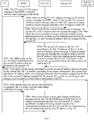
- FIG. 2 is a flowchart of a service path changing method according to Embodiment 1 of the present invention, where the service path changing method includes the following steps.
- S201 An MME determines that a UE needs to be handed over from a first AG to a second AG.
- the MME instructs the UE to notify, according to bearer information used to perform service transmission between the second AG and the UE and assigned by the second AG, a service peer end that an IP address of the UE is changed from a first IP address assigned by the first AG to a second IP address assigned by the second AG, so that the service peer end changes a service path on which data is transmitted to the UE.
- the service peer end in step S202 may be a service server, a service terminal, or the like, where the service server may provide Internet services, such as audio, video, chatting, forum, email, web page browsing, or game services, for the UE, and the service terminal may perform point-to-point service communication, such as voice call, video call, and game, with the UE.
- the service server may provide Internet services, such as audio, video, chatting, forum, email, web page browsing, or game services, for the UE
- the service terminal may perform point-to-point service communication, such as voice call, video call, and game, with the UE.
- a UE after being handed over from a first AG to a second AG, a UE uses an IP address assigned by the second AG that is newly accessed, and notifies a service peer end that an IP address of the UE is changed from a first IP address assigned by the first AG to a second IP address assigned by the second AG, so that the service peer end changes a service path on which data is transmitted to the UE.
- the second IP address assigned by the second AG exists in an IP address segment maintained by the second AG, it is not required to add the first IP address assigned to the UE by the first AG into the IP address segment maintained by the second AG, that is, it is unnecessary to change routing information of a router in a PDN to route downlink data of the UE to the second AG, thereby preventing fragmentation of routing table information in the router, reducing time for route search, and improving forwarding efficiency.
- the MME may specifically determine, after receiving a tracking area update (Track Area, TAU) request message sent by the UE, that the UE needs to perform AG handover; or may determine, after receiving a service request message sent by the UE and when selecting an AG to be accessed by the UE, that the UE needs to perform AG handover. That is, step S201 specifically includes:
- the MME determines that an AG newly accessed by the UE may be the second AG If the MME receives the service request message sent by the UE, whether the UE still exists in coverage of the first AG that is last accessed is determined first, and if it is determined that the UE has left the coverage of the first AG, the second AG that is newly accessed is selected for the UE.
- step S201 and before step S202 the following is further included:
- the MME sends, to the second AG, a session creation request message that is for the UE and used to request to establish a session connection between the second AG and the UE, and receives a session creation response message sent by the second AG, where the session creation response message includes the bearer information and the second IP address that are assigned by the second AG; or the session creation response message includes the bearer information assigned by the second AG to the UE.
- the session creation response message includes the bearer information and the second IP address
- that the MME instructs the UE to notify, according to bearer information, a service peer end that an IP address of the UE is changed from a first IP address to a second IP address includes: the MME sends the bearer information and the second IP address to the UE, so that the UE notifies, according to the bearer information, the service peer end of the second IP address and the first IP address that is assigned by the first AG.
- the session creation response message includes the bearer information, that the MME instructs the UE to notify, according to bearer information, a service peer end that an IP address of the UE is changed from a first IP address to a second IP address includes: the MME sends the bearer information to the UE, so that the UE requests, according to the bearer information, to acquire the second IP address from the second AG, and notifies the service peer end of the second IP address and the first IP address that is assigned by the first AG.
- the MME may acquire the bearer information used to perform communication between the UE and the second AG and the second IP address of the UE that are assigned to the UE by the second AG newly accessed by the UE, and send the bearer information and the second IP address to the UE; the UE notifies, according to the bearer information, the service peer end that the IP address of the UE is changed from the first IP address to the second IP address.
- the MME may acquire only the bearer information that is assigned to the UE by the second AG newly accessed by the UE, and send the bearer information to the UE; the UE may request, according to the bearer information, to acquire the second IP address from the second AG.
- the bearer information herein is information used to indicate a bearer resource that bears information about service transmission between the UE and the second AG, and generally includes default bearer information and dedicated bearer information, where a default bearer is also referred to as a bearer by default, and it is a user bearer that meets default quality of service (Quality of Service, QoS); and a dedicated bearer is established to meet a specific QoS transmission demand, and a QoS requirement of the dedicated bearer is different from a QoS requirement of the default bearer.
- a default bearer is also referred to as a bearer by default, and it is a user bearer that meets default quality of service (Quality of Service, QoS)
- QoS Quality of Service
- the MME sends a TAU accept message to the UE, where the TAU accept message includes the foregoing bearer information or the bearer information and the second IP address; if the UE sends the service request message (Service Request), the MME sends the foregoing bearer information or the bearer information and the second IP address to the UE by means of a radio bearer establishment process (Radio Bearer Establishment).
- Radio Bearer Establishment a radio bearer establishment process
- a session creation request message specifically includes:
- the MME may immediately send, after determining that the UE needs to be handed over from the first AG to the second AG, the session creation request message to the second AG, and request to acquire the bearer information for communication between the UE and the second AG, or the like, or may first send, after determining that the UE needs to be handed over from the first AG to the second AG, the AG change indication information to the UE, wait for a further instruction of the UE, and send the session creation request message to the second AG after receiving the PDN connection establishment request message sent by the UE.
- a forwarding path may be created, and downlink data sent by the service peer end to the UE is forwarded by the first AG to the second AG.
- Two manners of creating a forwarding path are described in this embodiment of the present invention.
- forwarding path information is carried in the session creation request message and the session creation response message.
- the session creation request message includes indication information used to indicate that an AG last accessed by the UE before the UE accesses the second AG is not the second AG, and the session creation response message further includes forwarding path destination end information.
- the MME After the MME receives the session creation response message sent by the second AG, and before the MME instructs the UE to notify the service peer end that the IP address of the UE is changed from the first IP address to the second IP address, the following is further included: the MME sends a forwarding path creation request message including the forwarding path destination end information to the first AG, and receives forwarding path start end information sent by the first AG, where the forwarding path creation request message is used to instruct the first AG to forward, to the second AG, received downlink data that needs to be sent to the UE; and the MME sends the received forwarding path start end information to the second AG.
- the forwarding path destination end information is information about the second AG receiving the forwarded data, includes an IP address of a tunnel endpoint of the second AG, and may further include a port number of the second AG, a tunnel endpoint identifier (Tunnel End Identifier, TEID) of the second AG, a Generic Routing Encapsulation key (Generic Routing Encapsulation, GRE) assigned to the second AG, and the like.
- TEID tunnel endpoint identifier
- GRE Generic Routing Encapsulation key assigned to the second AG, and the like.
- the forwarding path start end information is information about the first AG sending the forwarded data, includes an IP address of a tunnel endpoint of the first AG, and may further include a port number of the first AG, a tunnel endpoint identifier (Tunnel End Identifier, TEID) of the first AG, an assigned Generic Routing Encapsulation key (Generic Routing Encapsulation, GRE), and the like.
- TEID tunnel endpoint identifier
- GRE Generic Routing Encapsulation key
- the second IP address and the first IP address are bound by means of a binding update process, so as to implement data forwarding.
- the binding update process may be initiated by the second AG to the first AG, or may be initiated by the UE to the first AG by using the second AG.
- a specific process is as follows:
- the session creation request message sent by the MME to the second AG includes the first IP address of the UE, where the first IP address is used to instruct the second AG to send, to the first AG, a binding update message for binding the second IP address and the first IP address, where the binding update message is used to instruct the first AG to forward, to the second AG, received downlink data that needs to be sent to the UE.
- the UE When the binding update process is initiated by the UE, before notifying the service peer end that the IP address of the UE is changed from the first IP address to the second IP address, the UE sends, to the first AG through the second AG, a binding update message for binding the second IP address and the first IP address. Similarly, the binding update message is used to instruct the first AG to forward, to the second AG, received downlink data that needs to be sent to the UE.
- the MME instructs the UE to notify the service peer end that the IP address of the UE is changed from the first IP address to the second IP address, the following is further included:
- the UE may send a service path change notification message to the MME.
- the UE may send the service path change notification message to the MME by adding the service path change notification message into a TAU complete message; after receiving the service path change notification message, the MME may instruct the first AG to release the session between the first AG and the UE, which specifically includes releasing a bearer resource of the session and releasing the forwarding path, the first IP address of the UE, and the like; the MME may further instruct the second AG to release the forwarding path.
- the following embodiment of the present invention provides a service path changing method that is based on a UE side, and repeated descriptions about specific implementation in the foregoing content are not repeatedly described.
- FIG. 3 is a flowchart of a service path changing method according to Embodiment 2 of the present invention, where the service path changing method includes:
- step S301 that a UE determines that the UE needs to be handed over from a first AG to a second AG includes: the UE receives bearer information used to perform service transmission between the second AG and the UE and the second IP address that are assigned by the second AG and sent by the MME; and that the UE notifies a service peer end that an IP address of the UE is changed from a first IP address to a second IP address includes: the UE notifies, according to the bearer information, the service peer end of the second IP address assigned by the second AG and the first IP address assigned by the first AG.
- a UE determines that the UE needs to be handed over from a first AG to a second AG includes: the UE receives bearer information used to perform service transmission between the second AG and the UE, assigned by the second AG, and sent by the MME; and that the UE notifies a service peer end that an IP address of the UE is changed from a first IP address to a second IP address includes: the UE requests, according to the bearer information, to acquire the second IP address from the second AG, and notifies the service peer end of the acquired second IP address and the first IP address that is assigned by the first AG
- the UE may determine that the UE needs to be handed over from the first AG to the second AG If the UE receives only the bearer information, the UE may further request, according to the bearer information, to acquire the second IP address from the second AG
- a UE determines that the UE needs to be handed over from a first access gateway AG to a second access gateway AG includes:
- the UE may send the TAU request message to the MME; or when determining that the UE needs to be switched from an idle state to a working state, the UE may send the service request message to the MME.
- a UE determines that the UE needs to be handed over from a first AG to a second AG specifically includes:
- the MME may not immediately send new access information (including the bearer information and the second IP address that are assigned by the second AG) to the UE, but send one piece of AG change indication information, and in this case, the UE may send the PDN connection establishment request message to the MME, so as to re-establish a PDN connection to acquire the new access information.
- the MME After receiving the PDN connection establishment request message, the MME sends a session creation request message to the second AG, and sends, to the UE by adding the bearer information and the second IP address that are assigned by the foregoing second AG into the PDN connection establishment response message, the bearer information and the second IP address that are assigned by the foregoing second AG.
- the UE determines that the UE needs to be handed over from the first AG to the second AG, and before the UE notifies the service peer end that the IP address of the UE is changed from the first IP address to the second IP address, the following is further included:
- the foregoing optional implementation manner is corresponding to a forwarding path creating manner that is initiated by the UE in Embodiment 1, which is not repeatedly described herein.
- the UE after the UE notifies the service peer end that the IP address of the UE is changed from the first IP address to the second IP address, the following is further included:
- the following embodiment of the present invention provides a service path changing method that is based on a first AG side, and repeated descriptions about specific implementation in the foregoing content are not repeatedly described.
- FIG. 4 is a flowchart of a service path changing method according to Embodiment 3 of the present invention, where the service path changing method includes:
- a first AG determines that a UE needs to be handed over to a second AG includes:
- step S402 before the first AG forwards data, a forwarding path further needs to be created.
- forwarding path creating manners reference is specifically made to Embodiment 1, and only brief descriptions are provided herein.
- forwarding path information is carried in a session creation request message and a session creation response message.
- the first AG sends the forwarding path start end information to the second AG through the MME. That is, the first AG sends the forwarding path start end information to the MME, and the MME forwards the forwarding path start end information to the second AG.
- the second IP address and the first IP address are bound by means of a binding update process, so as to implement data forwarding.
- the downlink data that needs to be sent to the UE the following is further included:
- the first AG After receiving instruction information that is for releasing a session between the first AG and the UE and sent by the MME, the first AG releases the session between the first AG and the UE.
- the following embodiment of the present invention provides a service path changing method that is based on a second AG side, and repeated descriptions about specific implementation in the foregoing content are not repeatedly described.
- FIG. 5 is a flowchart of a service path changing method according to Embodiment 4 of the present invention, and the service path changing method includes:
- that the second AG assigns, to the UE, a second IP address and bearer information includes:
- forwarding path information is carried in the session creation request message and the session creation response message.
- the session creation request message includes indication information indicating that an AG previously accessed by the UE is not the second AG, and the session creation response message further includes forwarding path destination end information; and after the second AG sends the session creation response message to the MME, the following is further included: the second AG receives forwarding path start end information sent by the MME; and the second AG receives, according to the forwarding path start end information, downlink data that needs to be sent to the UE and is forwarded by the first AG, and sends the received downlink data to the UE.
- the second IP address and the first IP address are bound by means of a binding update process, so as to implement data forwarding.
- the session creation request message includes the first IP address of the UE; and after the second AG receives the session creation request message sent by the MME and sends the session creation response message to the MME, the following is further included: the second AG sends, to the first AG according to the first IP address, a binding update message for binding the second IP address and the first IP address, where the binding update message is used to instruct the first AG to forward, to the second AG, received downlink data that needs to be sent to the UE.
- FIG. 6 is a flowchart of a service path changing method according to Embodiment 5 of the present invention.
- an MME initiates session establishment, and the MME initiates to establish a forwarding path between a first AG previously accessed by a UE and a second AG accessed by the UE afterward.
- the service path changing method includes:
- an MME newly accessed by the UE may acquire, from an MME previously accessed by the UE, context information of the UE, determine that the UE is handed over from the first AG to the second AG, and send a session creation request message to the second AG.
- the MME newly accessed by the UE may determine, according to a tracking area identity (Track Area Identity, TAI) or a globally unique temporary UE identity (Globally Unique Temporary UE Identity, GUTI) that are prior to TA updating and included in the TAU request message, the MME previously accessed by the UE.
- TAI Track Area Identity
- GUTI Globally Unique Temporary UE Identity
- the second AG After receiving the session creation request message, the second AG sends a session creation response message to the MME, where the session creation response message includes bearer information used to perform service transmission between the second AG and the UE and a second IP address that are assigned by the second AG, and forwarding path destination end information.
- the forwarding path destination end information herein includes an IP address of a tunnel endpoint of the second AG, and may further include a port number of the second AG, a tunnel endpoint identifier (Tunnel End Identifier, TEID) of the second AG, a Generic Routing Encapsulation (Generic Routing Encapsulation, GRE) key (Key) assigned to the second AG, and the like.
- TEID tunnel endpoint identifier
- GRE Generic Routing Encapsulation
- the MME After receiving the session creation response message, the MME sends a forwarding path creation request message including the forwarding path destination end information to the first AG, where the forwarding path creation request message is used to instruct the first AG to forward, to the second AG, received downlink data that needs to be sent to the UE.
- the first AG After receiving the forwarding path creation request message, the first AG sends a forwarding path creation response message to the MME, where the forwarding path creation response message includes forwarding path start end information.
- the forwarding path start end information herein includes an IP address of a tunnel endpoint of the first AG, and may further include a port number of the first AG, a tunnel endpoint identifier (Tunnel End Identifier, TEID) of the first AG, a Generic Routing Encapsulation key (Generic Routing Encapsulation, GRE) assigned to the first AG, and the like.
- IP address of a tunnel endpoint of the first AG
- TEID tunnel endpoint identifier
- GRE Generic Routing Encapsulation key assigned to the first AG
- Both the forwarding path destination end information in step S603 and the forwarding path start end information in step S605 are forwarding path information, and the forwarding path between the first AG and the second AG may be a forwarding path based on one of the following protocol forms: GPRS Tunnel Protocol (GPRS Tunnel Protocol, GTP), Generic Routing Encapsulation (Generic Routing Encapsulation, GRE), Proxy Mobile IP (Proxy Mobile IP, PMIP), Internet Protocol Security (Internet Protocol Security, IPSec), and the like.
- GPRS Tunnel Protocol GPRS Tunnel Protocol
- GRE Generic Routing Encapsulation
- Proxy Mobile IP Proxy Mobile IP
- PMIP Internet Protocol Security
- Internet Protocol Security Internet Protocol Security
- the MME sends, to the UE, the bearer information and the second IP address that are assigned by the second AG.
- downlink data of the UE is forwarded to the UE by the first AG through the second AG.
- the MME sends a TAU accept message to the UE, where the TAU accept message includes the foregoing bearer information and the second IP address; or if the UE sends the service request message (Service Request), the MME sends the foregoing bearer information and the second IP address to the UE by means of a radio bearer establishment process.
- the UE After receiving the bearer information and the second IP address that are assigned by the second AG, the UE notifies, according to the bearer information, a service peer end that an IP address of the UE is changed from a first IP address assigned by the first AG to the second IP address assigned by the second AG, so that the service peer end changes a service path on which data is transmitted to the UE.
- the service peer end transfers service data to a new service path for transmission, that is, data of the UE is sent to the second AG according to the second IP address and is forwarded to the UE by the second AG.
- the service peer end may also transmit the data of the UE in parallel on a new path and an old path, that is, same data is transmitted on the new path and the old path, where data transmitted on the new path and data transmitted on the old path are used as backups for each other.
- a transmission manner may be selected according to an actual requirement of service transmission.
- the UE may instruct the service peer end to close or release the old path; or the service peer end may release the old path when data cannot be detected, for a period of time, on the old path.
- the foregoing service peer end may be a service server, a service terminal, or the like.
- the foregoing service path refers to a connection channel used to transmit data, and may be a Subflow (subflow) based on the Multipath Transfer Control Protocol (Multipath Transfer Control Protocol, MPTCP) or the Multipath Real-time Transport Protocol (Multipath Real-time Transport Protocol, MPRTP), or may be a connection channel based on general forms such as TCP, RTP, GRE, and IPSec.
- a multipath protocol may be customized by the UE and the service peer end.
- an MPTCP proxy (Proxy), MPRTP Proxy, or the like may be set between the UE and the service peer end to support multipath transmission, so as to avoid service interruption caused by that the UE changes the IP address.
- the UE may send a TCP synchronous (SYNC) message to the service peer end, and add a TCP option (Option) for creating a TCP connection to the message, for example, MP_JOIN (which means adding a Subflow), and for another example, ADD_ADDR (which means adding an address), and may instruct, by using the two TCP Options, the service peer end to create a new subflow based on the second IP address of the UE.
- SYNC TCP synchronous
- Option for creating a TCP connection to the message
- MP_JOIN which means adding a Subflow
- ADD_ADDR which means adding an address
- the UE may instruct, in a manner of setting a priority of a Subflow, the service peer end to perform service path switching, for example, the UE notifies the service peer end that a priority of the foregoing created Subflow is higher to a priority of a previous Subflow that is for the UE, so as to instruct the service peer end to transfer the service data to the new Subflow for transmission.
- the UE may instruct, by sending DATA_FIN (which means a terminating message), the service peer end to close the old service path that is for the UE.
- a service path switching process is similar to the foregoing process, but considering that real-time services, such as voice and video, have a relatively high requirement on quality of service, a manner of parallel transmission on a new path and an old path may be used to reduce service interruption probability and reduce a packet loss rate.
- step S601 the UE sends the TAU request message
- the UE may send the service path change notification message to the MME by adding the service path change notification message into a TAU complete message.
- the UE Before step S609, that is, before determining that the service path transition is complete, the UE may directly send uplink data to the service peer end through the second AG, or may send uplink data to the second AG, and then, the uplink data is forwarded by the second AG to the first AG and sent to the service peer end by the first AG.
- the MME After receiving the service path change notification message sent by the UE, the MME instructs the first AG to release a session between the first AG and the UE, which specifically includes releasing a bearer resource for communication between the first AG and the UE, and releasing the forwarding path and the first IP address of the UE.
- S611 The MME instructs the second AG to release the forwarding path between the second AG and the first AG.
- FIG. 7 is a flowchart of a service path changing method according to Embodiment 6 of the present invention.
- an MME initiates session establishment, and a UE or a second AG initiates to establish a forwarding path between a first AG and the second AG.
- the service path changing method includes:
- the foregoing binding update message may be initiated based on an MIPv4 binding update process or a PMIPv6 binding update process.
- the MME sends, to the UE, the bearer information and the second IP address that are assigned by the second AG.
- the binding update message in step S704 may also be sent, after step S705, to the first AG by the UE through the second AG.
- the UE After receiving the bearer information and the second IP address that are assigned by the second AG, the UE notifies, according to the bearer information, a service peer end that an IP address of the UE is changed from the first IP address assigned by the first AG to the second IP address assigned by the second AG, so that the service peer end changes a service path on which data is transmitted to the UE.
- step S701 the UE sends the TAU request message
- the UE may send the service path change notification message to the MME by adding the service path change notification message into a TAU complete message.
- the UE Before step S707, that is, before determining that the service path transition is complete, the UE may directly send uplink data to the service peer end through the second AG, or may send uplink data to the second AG, and then, the uplink data is forwarded by the second AG to the first AG and sent to the service peer end by the first AG.
- the MME After receiving the service path change notification message sent by the UE, the MME instructs the first AG to release a session between the first AG and the UE, which specifically includes releasing a bearer resource for communication between the first AG and the UE, and releasing the forwarding path and the first IP address of the UE.
- FIG. 8 is a flowchart of a service path changing method according to Embodiment 7 of the present invention.
- a UE initiates session establishment.
- the service path changing method includes:
- the binding update message herein may be initiated based on an MIPv4 binding update process or a PMIPv6 binding update process.
- the foregoing binding update message may also be directly initiated by the second AG; or in this case, for forwarding path creating, reference may further be made to the foregoing specific implementation in Embodiment 1 and Embodiment 5.
- the PDN connection establishment request message in step S803 may further include instruction information for creating a forwarding path, or may further include the first IP address of the UE; and the MME initiates a creating process of a forwarding path between the second AG and the first AG according to the instruction information.
- the instruction information herein may be in a form of an information element, and specifically, may be a set value of an existing information element.
- S808 The UE notifies, according to the bearer information, a service peer end that an IP address of the UE is changed from the first IP address assigned by the first AG to the second IP address assigned by the second AG, so that the service peer end changes a service path on which data is transmitted to the UE.
- step S801 the UE sends the TAU request message
- the UE may send the service path change notification message to the MME by adding the service path change notification message into a TAU complete message.
- the UE may directly send uplink data to the service peer end through the second AG, or may send uplink data to the second AG, and then, the uplink data is forwarded by the second AG to the first AG and sent to the service peer end by the first AG.
- the MME After receiving the service path change notification message sent by the UE, the MME instructs the first AG to release a session between the first AG and the UE, which specifically includes releasing a bearer resource for communication between the first AG and the UE, and releasing the forwarding path and the first IP address of the UE.
- the embodiments of the present invention further provide a service path changing apparatus that is corresponding to the service path changing method, and because a problem-solving principle of the apparatus is similar to that of the service path changing method in the embodiments of the present invention, for implementation of the apparatus, reference may be made to the implementation of the method, and repeated descriptions are not repeatedly described herein.
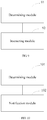
- FIG. 9 is a schematic structural diagram of a service path changing apparatus according to Embodiment 8 of the present invention, where the apparatus may be disposed in a mobility management entity MME or may serve as an independent device, and includes:
- the determining module 91 is specifically configured to:
- the instructing module 92 is further configured to:
- the session creation response message includes the bearer information and the second IP address that are assigned by the second AG; or the session creation response message includes the bearer information assigned by the second AG
- the instructing module 92 is specifically configured to send the bearer information and the second IP address to the UE, and instruct the UE to notify, according to the bearer information, the service peer end of the second IP address and the first IP address that is assigned by the first AG; or if the session creation response message includes the bearer information, the instructing module 92 is specifically configured to send the bearer information to the UE, and instruct the UE to request, according to the bearer information, to acquire the second IP address from the second AG, and to notify the service peer end of the second IP address and the first IP address that is assigned by the first AG
- the instructing module 92 is specifically configured to:
- the session creation request message includes indication information used to indicate that an AG last accessed by the UE before the UE accesses the second AG is not the second AG, and the session creation response message further includes forwarding path destination end information.
- the instructing module 92 is further configured to: after receiving the session creation response message sent by the second AG, and before instructing the UE to notify the service peer end that the IP address of the UE is changed from the first IP address to the second IP address, send a forwarding path creation request message including the forwarding path destination end information to the first AG, and receive forwarding path start end information sent by the first AG, where the forwarding path creation request message is used to instruct the first AG to forward, to the second AG, received downlink data that needs to be sent to the UE; and send the received forwarding path start end information to the second AG
- the session creation request message includes the first IP address of the UE, where the first IP address is used to instruct the second AG to send, to the first AG, a binding update message for binding the second IP address and the first IP address, where the binding update message is used to instruct the first AG to forward, to the second AG, received downlink data that needs to be sent to the UE.
- the instructing module 92 is further configured to: after the instructing module 92 instructs the UE to notify the service peer end that the IP address of the UE is changed from the first IP address to the second IP address, if the instructing module 92 receives a service path change notification message sent by the UE, instruct the first AG to release a session between the first AG and the UE.
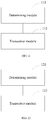
- FIG. 10 is a schematic structural diagram of a service path changing apparatus according to Embodiment 9 of the present invention, where the apparatus may be disposed in a user equipment UE or may serve as an independent device, and includes:
- the determining module 101 is specifically configured to receive bearer information used to perform service transmission between the second AG and the UE and the second IP address that are assigned by the second AG and sent by a mobility management entity MME.
- the notification module 102 is specifically configured to notify, according to the bearer information, the service peer end of the second IP address assigned by the second AG and the first IP address assigned by the first AG.
- the determining module 101 is specifically configured to receive bearer information used to perform service transmission between the second AG and the UE, assigned by the second AG, and sent by a mobility management entity MME; and the notification module 102 is specifically configured to request, according to the bearer information, to acquire the second IP address from the second AG, and notify the service peer end of the acquired second IP address and the first IP address that is assigned by the first AG
- the determining module 101 is specifically configured to:
- the determining module 101 is specifically configured to:
- the notification module 102 is specifically configured to:
- the notification module 102 is specifically configured to:
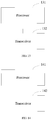
- FIG. 11 is a schematic structural diagram of a service path changing apparatus according to Embodiment 10 of the present invention, where the apparatus may be disposed in a first AG or may serve as an independent device, and includes:
- the determining module 111 is specifically configured to:
- the transceiver module 112 is further configured to: after receiving the forwarding path creation request message sent by the MME, and before forwarding, to the second AG, the downlink data that needs to be sent to the UE, send the forwarding path start end information to the second AG through the MME.
- the determining module 111 is further configured to: after the transceiver module 112 forwards, to the second AG, the downlink data that needs to be sent to the UE, if it is determined that the transceiver module receives instruction information that is for releasing a session between the first AG and the UE and sent by the MME, release the session between the first AG and the UE.
- FIG. 12 is a schematic structural diagram of a service path changing apparatus according to Embodiment 11 of the present invention, where the apparatus may be disposed in a second AG or may serve as an independent device, and includes:
- the determining module 121 is specifically configured to: after the transceiver module 122 receives a session creation request message sent by a mobility management entity MME, determine that the UE needs to access the second AG
- the transceiver module 122 is specifically configured to send a session creation response message to the MME, where the session creation response message includes the bearer information and the second IP address; or send a session creation response message to the MME, where the session creation response message includes the bearer information; and after the second AG receives information for requesting to acquire an IP address and sent by the UE according to the bearer information, the second AG assigns the second IP address to the UE.
- the session creation request message includes indication information indicating that an AG previously accessed by the UE is not the second AG, and the session creation response message further includes forwarding path destination end information.
- the transceiver module 122 is further configured to: after sending the session creation response message to the MME, receive forwarding path start end information sent by the MME; and receive, according to the forwarding path start end information, downlink data that needs to be sent to the UE and is forwarded by the first AG, and send the received downlink data to the UE.
- the session creation request message includes the first IP address of the UE.
- the transceiver module 122 is further configured to: after receiving the session creation request message sent by the MME and sending the session creation response message to the MME, send, to the first AG according to the first IP address, a binding update message for binding the second IP address and the first IP address, where the binding update message is used to instruct the first AG to forward, to the second AG, received downlink data that needs to be sent to the UE.
- FIG. 13 is a schematic structural diagram of an entity apparatus for changing a service path according to Embodiment 12 of the present invention, where the entity apparatus may specifically be a mobility management entity MME, and includes:
- the processor 131 is specifically configured to:
- the transceiver 132 is further configured to:
- the session creation response message includes the bearer information and the second IP address that are assigned by the second AG; or the session creation response message includes the bearer information assigned by the second AG
- the transceiver is specifically configured to send the bearer information and the second IP address to the UE, and instruct the UE to notify, according to the bearer information, the service peer end of the second IP address and the first IP address that is assigned by the first AG; or if the session creation response message includes the bearer information, the transceiver is specifically configured to send the bearer information to the UE, and instruct the UE to request, according to the bearer information, to acquire the second IP address from the second AG, and to notify the service peer end of the second IP address and the first IP address that is assigned by the first AG
- the transceiver 132 is specifically configured to: send AG change indication information to the UE; and after receiving a packet data network PDN connection establishment request message that is sent, according to the AG change indication information, by the UE, send the session creation request message to the second AG.
- the session creation request message includes indication information used to indicate that an AG last accessed by the UE before the UE accesses the second AG is not the second AG, and the session creation response message further includes forwarding path destination end information.
- the transceiver 132 is further configured to: after receiving the session creation response message sent by the second AG, and before instructing the UE to notify the service peer end that the IP address of the UE is changed from the first IP address to the second IP address, send a forwarding path creation request message including the forwarding path destination end information to the first AG, and receive forwarding path start end information sent by the first AG, where the forwarding path creation request message is used to instruct the first AG to forward, to the second AG, received downlink data that needs to be sent to the UE; and send the received forwarding path start end information to the second AG
- the session creation request message includes the first IP address of the UE, where the first IP address is used to instruct the second AG to send, to the first AG, a binding update message for binding the second IP address and the first IP address, where the binding update message is used to instruct the first AG to forward, to the second AG, received downlink data that needs to be sent to the UE.
- the transceiver 132 is further configured to: after the transceiver 132 instructs the UE to notify the service peer end that the IP address of the UE is changed from the first IP address to the second IP address, if the transceiver 132 receives a service path change notification message sent by the UE, instruct the first AG to release a session between the first AG and the UE.
- FIG. 14 is a schematic structural diagram of an entity apparatus for changing a service path according to Embodiment 13 of the present invention, where the entity apparatus may specifically be a user equipment UE, and includes:
- the processor 141 is specifically configured to: after the transceiver 132 receives bearer information used to perform service transmission between the second AG and the UE and the second IP address that are assigned by the second AG and sent by a mobility management entity MME, determine that the UE needs to be handed over from the first AG to the second AG.
- the transceiver 142 is specifically configured to notify, according to the bearer information, the service peer end of the second IP address assigned by the second AG and the first IP address assigned by the first AG.
- the processor 141 is specifically configured to: after the transceiver 142 receives bearer information used to perform service transmission between the second AG and the UE, assigned by the second AG, and sent by a mobility management entity MME, determine that the UE needs to be handed over from the first AG to the second AG
- the transceiver 142 is specifically configured to request, according to the bearer information, to acquire the second IP address from the second AG, and notify the service peer end of the acquired second IP address and the first IP address that is assigned by the first AG
- the transceiver 142 is specifically configured to send a tracking area update TAU request message to the mobility management entity MME, and receive TAU accept information sent by the MME; and the processor is specifically configured to determine, according to the TAU accept information received by the transceiver, that the UE needs to be handed over from the first access gateway AG to the second AG; or the transceiver 142 is specifically configured to send a service request message to the MME, and receive a radio bearer establishment response message sent by the MME; and the processor 141 is specifically configured to determine, according to the radio bearer establishment response message received by the transceiver, that the UE needs to be handed over from the first AG to the second AG.
- the transceiver 142 is specifically configured to: after the transceiver 142 sends a tracking area update TAU request message or a service request message to the mobility management entity MME, if the transceiver 142 receives AG change indication information sent by the MME, send a packet data network PDN connection establishment request message to the MME.
- the processor 141 is specifically configured to: after the transceiver 142 receives a PDN connection establishment response message that is sent, according to the PDN connection establishment request message, by the MME, determine that the UE needs to be handed over from the first AG to the second AG.
- the transceiver 142 is further configured to: after the processor 141 determines that the UE needs to be handed over from the first AG to the second AG, and before the transceiver 142 notifies the service peer end that the IP address of the UE is changed from the first IP address to the second IP address, send, to the first AG through the second AG, a binding update message for binding the second IP address and the first IP address, where the binding update message is used to instruct the first AG to forward, to the second AG, received downlink data that needs to be sent to the UE.
- the transceiver 142 is further configured to: after notifying the service peer end that the IP address of the UE is changed from the first IP address to the second IP address, send a service path change notification message to the mobility management entity MME, so that the MME instructs the first AG to release a session between the first AG and the UE.
- FIG. 15 is a schematic structural diagram of an entity apparatus for changing a service path according to Embodiment 14 of the present invention, where the entity apparatus may specifically be a first AG, and includes:
- the processor 151 is specifically configured to:
- the transceiver 152 is further configured to: after receiving the forwarding path creation request message sent by the MME, and before forwarding, to the second AG, the downlink data that needs to be sent to the UE, send the forwarding path start end information to the second AG through the MME.
- the processor 151 is further configured to: after the transceiver 152 forwards, to the second AG, the downlink data that needs to be sent to the UE, if the transceiver 152 receives instruction information that is for releasing a session between the first AG and the UE and sent by the mobility management entity MME, release the session between the first AG and the UE.
- FIG. 16 is a schematic structural diagram of an entity apparatus for changing a service path according to Embodiment 15 of the present invention, where the entity apparatus may specifically be a second AG, and includes:
- the transceiver 162 is specifically configured to:
- the session creation request message includes indication information indicating that an AG previously accessed by the UE is not the second AG, and the session creation response message further includes forwarding path destination end information.
- the transceiver 162 is further configured to: after sending the session creation response message to the MME, receive forwarding path start end information sent by the MME; and receive, according to the forwarding path start end information, downlink data that needs to be sent to the UE and is forwarded by the first AG, and send the received downlink data to the UE.
- the session creation request message includes the first IP address of the UE.
- the transceiver 162 is further configured to: after receiving the session creation request message sent by the MME and sending the session creation response message to the MME, send, to the first AG according to the first IP address, a binding update message for binding the second IP address and the first IP address, where the binding update message is used to instruct the first AG to forward, to the second AG, received downlink data that needs to be sent to the UE.
- the embodiments of the present invention may be provided as a method, a system, or a computer program product. Therefore, the present invention may use a form of hardware only embodiments, software only embodiments, or embodiments with a combination of software and hardware. Moreover, the present invention may use a form of a computer program product that is implemented on one or more computer-usable storage media (including but not limited to a disk memory, a CD-ROM, an optical memory, and the like) that include computer-usable program code.
- computer-usable storage media including but not limited to a disk memory, a CD-ROM, an optical memory, and the like
- These computer program instructions may be provided for a general-purpose computer, a dedicated computer, an embedded processor, or a processor of any other programmable data processing device to generate a machine, so that the instructions executed by a computer or a processor of any other programmable data processing device generate an apparatus for implementing a specific function in one or more processes in the flowcharts and/or in one or more blocks in the block diagrams.
- These computer program instructions may also be stored in a computer readable memory that can instruct the computer or any other programmable data processing device to work in a specific manner, so that the instructions stored in the computer readable memory generate an artifact that includes an instruction apparatus.
- the instruction apparatus implements a specific function in one or more processes in the flowcharts and/or in one or more blocks in the block diagrams.
- These computer program instructions may also be loaded onto a computer or another programmable data processing device, so that a series of operations and steps are performed on the computer or the another programmable device, thereby generating computer-implemented processing. Therefore, the instructions executed on the computer or the another programmable device provide steps for implementing a specific function in one or more processes in the flowcharts and/or in one or more blocks in the block diagrams.
Landscapes
- Engineering & Computer Science (AREA)
- Computer Networks & Wireless Communication (AREA)
- Signal Processing (AREA)
- Databases & Information Systems (AREA)
- Mobile Radio Communication Systems (AREA)
- Data Exchanges In Wide-Area Networks (AREA)
Applications Claiming Priority (1)
| Application Number | Priority Date | Filing Date | Title |
|---|---|---|---|
| PCT/CN2014/078941 WO2015180141A1 (fr) | 2014-05-30 | 2014-05-30 | Procédé et dispositif de changement de chemin de service |
Publications (3)
| Publication Number | Publication Date |
|---|---|
| EP3142414A1 true EP3142414A1 (fr) | 2017-03-15 |
| EP3142414A4 EP3142414A4 (fr) | 2017-05-17 |
| EP3142414B1 EP3142414B1 (fr) | 2018-11-07 |
Family
ID=54697918
Family Applications (1)
| Application Number | Title | Priority Date | Filing Date |
|---|---|---|---|
| EP14892933.4A Active EP3142414B1 (fr) | 2014-05-30 | 2014-05-30 | Procédé et dispositif de changement de chemin de service |
Country Status (6)
| Country | Link |
|---|---|
| US (1) | US9961045B2 (fr) |
| EP (1) | EP3142414B1 (fr) |
| KR (1) | KR101889436B1 (fr) |
| CN (1) | CN105325031B (fr) |
| RU (1) | RU2669582C2 (fr) |
| WO (1) | WO2015180141A1 (fr) |
Families Citing this family (6)
| Publication number | Priority date | Publication date | Assignee | Title |
|---|---|---|---|---|
| CN108353334B (zh) * | 2015-12-25 | 2020-09-04 | 华为技术有限公司 | 业务传输方法、装置及设备 |
| US10492114B2 (en) * | 2016-03-22 | 2019-11-26 | Futurewei Technologies, Inc. | Method and system for managing radio connections with a virtual access point |
| WO2018082559A1 (fr) * | 2016-11-07 | 2018-05-11 | Telefonaktiebolaget Lm Ericsson (Publ) | Différenciation de service pour dispositifs connectés à un ue en tant que routeur |
| KR102452958B1 (ko) * | 2018-04-23 | 2022-10-11 | 삼성전자 주식회사 | X2 핸드오버 동안 베어러 관리 방법 및 장치 |
| CN111510977B (zh) * | 2019-01-30 | 2021-06-08 | 华为技术有限公司 | 一种移动性管理方法及装置 |
| CN111372102B (zh) * | 2020-02-06 | 2022-10-28 | 视联动力信息技术股份有限公司 | 一种数据传输方法、装置、终端设备和存储介质 |
Family Cites Families (36)
| Publication number | Priority date | Publication date | Assignee | Title |
|---|---|---|---|---|
| CN100584093C (zh) * | 2006-08-15 | 2010-01-20 | 华为技术有限公司 | 一种在移动通信系统中转移用户设备的方法及系统 |
| CN101128022B (zh) * | 2006-08-18 | 2011-02-02 | 华为技术有限公司 | 终端切换方法及装置、源接入网关地址获取方法及装置 |
| CN101431797B (zh) * | 2007-05-11 | 2012-02-01 | 华为技术有限公司 | 一种注册处理方法、系统及装置 |
| US8594069B2 (en) * | 2007-08-06 | 2013-11-26 | Qualcomm Incorporated | In-order data delivery during handover in a wireless communication system |
| WO2009070061A1 (fr) * | 2007-11-30 | 2009-06-04 | Telefonaktiebolaget L M Ericson (Publ) | Procédé et appareil de gestion d'une session de sortie de zone locale |
| JP5163658B2 (ja) * | 2008-01-31 | 2013-03-13 | 日本電気株式会社 | 無線通信システム、基地局装置、ゲートウェイ装置、無線通信方法 |
| US20090270098A1 (en) * | 2008-04-29 | 2009-10-29 | Gallagher Michael D | Method and Apparatus for User Equipment Registration in a Voice over Long Term Evolution via Generic Access |
| CN101448252B (zh) * | 2008-06-20 | 2011-03-16 | 中兴通讯股份有限公司 | 网络切换实现方法及系统以及移动节点 |
| US8811338B2 (en) * | 2008-08-22 | 2014-08-19 | Qualcomm Incorporated | Proxy mobile internet protocol (PMIP) in a multi-interface communication environment |
| CN101754168B (zh) * | 2008-12-04 | 2012-09-19 | 中国移动通信集团公司 | 移动节点多接口间的切换方法、装置及系统 |
| JP5042248B2 (ja) * | 2009-01-22 | 2012-10-03 | 株式会社日立製作所 | 移動体通信システム、呼制御サーバ及びアクセスゲートウェイ装置 |
| KR101080852B1 (ko) * | 2009-08-05 | 2011-11-07 | 숭실대학교산학협력단 | 프록시 모바일 아이피 네트워크에서의 네트워크 이동성 관리장치 및 방법 |
| EP2471306B1 (fr) * | 2009-08-25 | 2017-06-28 | Telefonaktiebolaget LM Ericsson (publ) | Relocalisation d'ancre de mobilité |
| CN102026318B (zh) * | 2009-09-17 | 2013-09-11 | 中兴通讯股份有限公司 | 切换管理及切换时用户数据管理的方法、系统和agr |
| US8861426B2 (en) * | 2010-04-16 | 2014-10-14 | Panasonic Intellectual Property Corporation Of America | Path switching system, path switching method, and mobile terminal |
| US9301333B2 (en) * | 2010-09-28 | 2016-03-29 | Blackberry Limited | Method and apparatus for releasing connection with local GW when UE moves out of the residential/enterprise network coverage |
| JP5437975B2 (ja) * | 2010-11-04 | 2014-03-12 | 株式会社Nttドコモ | 移動通信方法及び移動管理ノード |
| US9668199B2 (en) * | 2010-11-08 | 2017-05-30 | Google Technology Holdings LLC | Wireless communication system, method of routing data in a wireless communication system, and method of handing over a wireless communication device, having an established data connection to a local network |
| JP5964860B2 (ja) * | 2011-01-21 | 2016-08-03 | ブラックベリー リミテッド | (ローカル)オフロードのために用いられる接続のための接続コンテンツを決定するネットワーク装置およびプロセス |
| JP5450474B2 (ja) * | 2011-02-08 | 2014-03-26 | 株式会社Nttドコモ | 移動通信システム、移動通信方法、パケットデータネットワーク用ゲートウェイ及び在圏ゲートウェイ |
| US9749982B2 (en) * | 2011-03-17 | 2017-08-29 | Lg Electronics Inc. | Method and apparatus for updating tracking area in wireless communication system including mobile relay node |
| JP5357913B2 (ja) * | 2011-03-24 | 2013-12-04 | 株式会社エヌ・ティ・ティ・ドコモ | 移動通信方法 |
| EP2708012B1 (fr) * | 2011-05-13 | 2018-07-04 | Nokia Solutions and Networks Oy | Procédés d'attribution de préfixes et élément de réseau, serveur et produits programme d'ordinateur correspondants |
| EP2727401A1 (fr) * | 2011-07-01 | 2014-05-07 | InterDigital Patent Holdings, Inc. | Procédé et appareil pour la prise en charge de mobilité - lipa - à accès ip local |
| WO2013004793A1 (fr) * | 2011-07-05 | 2013-01-10 | Nec Europe Ltd. | Procédé de prise en charge de sélection de connexions pdn pour un terminal mobile, et terminal mobile |
| EP2745607A1 (fr) * | 2011-08-19 | 2014-06-25 | Interdigital Patent Holdings, Inc. | Procédé et appareil pour utiliser des procédures de strate non d'accès dans une station mobile afin d'accéder à des ressources de porteuses composantes appartenant à différentes technologies d'accès radio |
| SG11201400925SA (en) * | 2011-09-30 | 2014-04-28 | Interdigital Patent Holdings | Methods, apparatus and systems for enabling managed remote access |
| US20150296424A1 (en) * | 2011-11-25 | 2015-10-15 | Nokia Solutions And Networks Oy | Method for Handing Over a Mobile Relay Node |
| US8724590B2 (en) * | 2012-01-04 | 2014-05-13 | Futurewei Technologies, Inc. | System and method for primary point handovers |
| JP6179523B2 (ja) * | 2012-03-01 | 2017-08-16 | 日本電気株式会社 | 通信システム、ゲートウェイ制御装置、経路制御装置、通信方法及びプログラム |
| CN102761965B (zh) * | 2012-04-25 | 2016-03-30 | 中兴通讯股份有限公司 | 跟踪区域更新后保持用户设备业务连续性的方法及装置 |
| JP5758351B2 (ja) * | 2012-06-22 | 2015-08-05 | 株式会社Nttドコモ | 無線通信システム |
| WO2014003431A1 (fr) * | 2012-06-28 | 2014-01-03 | 엘지전자 주식회사 | Procédé et dispositif de mise à jour de zone dans un système de communication sans fil |
| EP3122149B1 (fr) * | 2012-09-28 | 2025-06-11 | Apple Inc. | Porteuse permanente pour petits transferts de données dans des systèmes lte |
| KR101944099B1 (ko) * | 2012-12-06 | 2019-04-17 | 한국전자통신연구원 | 셀룰러 이동통신 시스템에서 디바이스간 직접통신을 위한 디스커버리 방법 및 장치 |
| US9787726B2 (en) * | 2015-01-30 | 2017-10-10 | Blackberry Limited | Control of accesses for IMS services |
-
2014
- 2014-05-30 RU RU2016150538A patent/RU2669582C2/ru active
- 2014-05-30 KR KR1020167036224A patent/KR101889436B1/ko not_active Expired - Fee Related
- 2014-05-30 EP EP14892933.4A patent/EP3142414B1/fr active Active
- 2014-05-30 WO PCT/CN2014/078941 patent/WO2015180141A1/fr not_active Ceased
- 2014-05-30 CN CN201480020448.8A patent/CN105325031B/zh active Active
-
2016
- 2016-11-29 US US15/364,066 patent/US9961045B2/en active Active
Also Published As
| Publication number | Publication date |
|---|---|
| KR20170009985A (ko) | 2017-01-25 |
| EP3142414A4 (fr) | 2017-05-17 |
| WO2015180141A1 (fr) | 2015-12-03 |
| RU2016150538A3 (fr) | 2018-07-04 |
| RU2669582C2 (ru) | 2018-10-12 |
| RU2016150538A (ru) | 2018-07-04 |
| KR101889436B1 (ko) | 2018-08-17 |
| CN105325031A (zh) | 2016-02-10 |
| EP3142414B1 (fr) | 2018-11-07 |
| CN105325031B (zh) | 2020-01-21 |
| US9961045B2 (en) | 2018-05-01 |
| US20170078244A1 (en) | 2017-03-16 |
Similar Documents
| Publication | Publication Date | Title |
|---|---|---|
| US8532046B2 (en) | Method, system, and device for network handoff | |
| JP6683383B2 (ja) | ハンドオーバー装置および方法 | |
| JP6938588B2 (ja) | UE(User Equipment)、UE(User Equipment)の通信制御方法、制御装置及び制御装置の通信制御方法 | |
| US9894554B2 (en) | Packet data network gateway and terminal mobility management system | |
| JP7046487B2 (ja) | Ue、コアネットワーク装置及びueの通信制御方法 | |
| JP5734317B2 (ja) | ユーザ機器と3gpp発展型パケット・コアとの間でのマルチホーミング・サービス関連情報の転送 | |
| JP6727341B2 (ja) | 通信制御方法および関連するネットワーク要素 | |
| US10624145B2 (en) | Service transmission method, apparatus, and device | |
| US9961045B2 (en) | Service path changing method and apparatus | |
| EP3280167B1 (fr) | Procédé et dispositif de commande d'établissement de porteuse côté utilisateur | |
| KR101561108B1 (ko) | 소프트웨어 정의 네트워크에 기반한 프록시 모바일 IPv6환경에서의 데이터 통신 방법 및 핸드오버 방법 | |
| CN109155739B (zh) | 切换过程中的通信方法和装置 | |
| CN101472314A (zh) | 一种数据处理方法和设备 | |
| CN110149166A (zh) | 传输控制方法、装置和系统 | |
| KR20130055194A (ko) | 이종 네트워크 간 핸드오버 방법 및 장치 | |
| KR20110121044A (ko) | 무선 통신 시스템에서 통신 시스템 노드와 데이터 서비스 망 노드 간 연결 설정 방법 | |
| EP2850912B1 (fr) | Distribution efficace de messages de signalisation dans une passerelle d'accès de mobilité ou un dispositif d'ancrage de mobilité locale | |
| EP3337202B1 (fr) | Procédé, dispositif et système de traitement destinés à la récupération de passerelle | |
| EP3361816A1 (fr) | Procédé et appareil de transmission de flux de service | |
| WO2017000694A1 (fr) | Procédé et dispositif de réacheminement de données | |
| EP3454588B1 (fr) | Procédé et dispositif de transmission de messages | |
| KR20150144654A (ko) | 이동통신시스템에서 유동적 ip 주소 할당을 통한 라우팅 최적화 방법 | |
| WO2016074468A1 (fr) | Procédé de commutation optimale prenant en charge une pluralité de connexions pdn, nœud de réseau et système |
Legal Events
| Date | Code | Title | Description |
|---|---|---|---|
| STAA | Information on the status of an ep patent application or granted ep patent |
Free format text: STATUS: THE INTERNATIONAL PUBLICATION HAS BEEN MADE |
|
| PUAI | Public reference made under article 153(3) epc to a published international application that has entered the european phase |
Free format text: ORIGINAL CODE: 0009012 |
|
| STAA | Information on the status of an ep patent application or granted ep patent |
Free format text: STATUS: REQUEST FOR EXAMINATION WAS MADE |
|
| 17P | Request for examination filed |
Effective date: 20161209 |
|
| AK | Designated contracting states |
Kind code of ref document: A1 Designated state(s): AL AT BE BG CH CY CZ DE DK EE ES FI FR GB GR HR HU IE IS IT LI LT LU LV MC MK MT NL NO PL PT RO RS SE SI SK SM TR |
|
| AX | Request for extension of the european patent |
Extension state: BA ME |
|
| A4 | Supplementary search report drawn up and despatched |
Effective date: 20170420 |
|
| RIC1 | Information provided on ipc code assigned before grant |
Ipc: H04W 36/12 20090101AFI20170412BHEP |
|
| DAX | Request for extension of the european patent (deleted) | ||
| REG | Reference to a national code |
Ref country code: DE Ref legal event code: R079 Ref document number: 602014035812 Country of ref document: DE Free format text: PREVIOUS MAIN CLASS: H04W0036120000 Ipc: H04L0029120000 |
|
| RIC1 | Information provided on ipc code assigned before grant |
Ipc: H04W 36/12 20090101ALI20180411BHEP Ipc: H04L 29/12 20060101AFI20180411BHEP |
|
| GRAP | Despatch of communication of intention to grant a patent |
Free format text: ORIGINAL CODE: EPIDOSNIGR1 |
|
| STAA | Information on the status of an ep patent application or granted ep patent |
Free format text: STATUS: GRANT OF PATENT IS INTENDED |
|
| INTG | Intention to grant announced |
Effective date: 20180522 |
|
| RAP1 | Party data changed (applicant data changed or rights of an application transferred) |
Owner name: HUAWEI TECHNOLOGIES CO., LTD. |
|
| GRAS | Grant fee paid |
Free format text: ORIGINAL CODE: EPIDOSNIGR3 |
|
| GRAA | (expected) grant |
Free format text: ORIGINAL CODE: 0009210 |
|
| STAA | Information on the status of an ep patent application or granted ep patent |
Free format text: STATUS: THE PATENT HAS BEEN GRANTED |
|
| AK | Designated contracting states |
Kind code of ref document: B1 Designated state(s): AL AT BE BG CH CY CZ DE DK EE ES FI FR GB GR HR HU IE IS IT LI LT LU LV MC MK MT NL NO PL PT RO RS SE SI SK SM TR |
|
| REG | Reference to a national code |
Ref country code: GB Ref legal event code: FG4D |
|
| REG | Reference to a national code |
Ref country code: CH Ref legal event code: EP Ref country code: AT Ref legal event code: REF Ref document number: 1063466 Country of ref document: AT Kind code of ref document: T Effective date: 20181115 |
|
| REG | Reference to a national code |
Ref country code: DE Ref legal event code: R096 Ref document number: 602014035812 Country of ref document: DE |
|
| REG | Reference to a national code |
Ref country code: IE Ref legal event code: FG4D |
|
| REG | Reference to a national code |
Ref country code: NL Ref legal event code: MP Effective date: 20181107 |
|
| REG | Reference to a national code |
Ref country code: LT Ref legal event code: MG4D |
|
| REG | Reference to a national code |
Ref country code: AT Ref legal event code: MK05 Ref document number: 1063466 Country of ref document: AT Kind code of ref document: T Effective date: 20181107 |
|
| PG25 | Lapsed in a contracting state [announced via postgrant information from national office to epo] |
Ref country code: AT Free format text: LAPSE BECAUSE OF FAILURE TO SUBMIT A TRANSLATION OF THE DESCRIPTION OR TO PAY THE FEE WITHIN THE PRESCRIBED TIME-LIMIT Effective date: 20181107 Ref country code: HR Free format text: LAPSE BECAUSE OF FAILURE TO SUBMIT A TRANSLATION OF THE DESCRIPTION OR TO PAY THE FEE WITHIN THE PRESCRIBED TIME-LIMIT Effective date: 20181107 Ref country code: NO Free format text: LAPSE BECAUSE OF FAILURE TO SUBMIT A TRANSLATION OF THE DESCRIPTION OR TO PAY THE FEE WITHIN THE PRESCRIBED TIME-LIMIT Effective date: 20190207 Ref country code: LV Free format text: LAPSE BECAUSE OF FAILURE TO SUBMIT A TRANSLATION OF THE DESCRIPTION OR TO PAY THE FEE WITHIN THE PRESCRIBED TIME-LIMIT Effective date: 20181107 Ref country code: BG Free format text: LAPSE BECAUSE OF FAILURE TO SUBMIT A TRANSLATION OF THE DESCRIPTION OR TO PAY THE FEE WITHIN THE PRESCRIBED TIME-LIMIT Effective date: 20190207 Ref country code: LT Free format text: LAPSE BECAUSE OF FAILURE TO SUBMIT A TRANSLATION OF THE DESCRIPTION OR TO PAY THE FEE WITHIN THE PRESCRIBED TIME-LIMIT Effective date: 20181107 Ref country code: ES Free format text: LAPSE BECAUSE OF FAILURE TO SUBMIT A TRANSLATION OF THE DESCRIPTION OR TO PAY THE FEE WITHIN THE PRESCRIBED TIME-LIMIT Effective date: 20181107 Ref country code: IS Free format text: LAPSE BECAUSE OF FAILURE TO SUBMIT A TRANSLATION OF THE DESCRIPTION OR TO PAY THE FEE WITHIN THE PRESCRIBED TIME-LIMIT Effective date: 20190307 Ref country code: FI Free format text: LAPSE BECAUSE OF FAILURE TO SUBMIT A TRANSLATION OF THE DESCRIPTION OR TO PAY THE FEE WITHIN THE PRESCRIBED TIME-LIMIT Effective date: 20181107 |
|
| PG25 | Lapsed in a contracting state [announced via postgrant information from national office to epo] |
Ref country code: GR Free format text: LAPSE BECAUSE OF FAILURE TO SUBMIT A TRANSLATION OF THE DESCRIPTION OR TO PAY THE FEE WITHIN THE PRESCRIBED TIME-LIMIT Effective date: 20190208 Ref country code: SE Free format text: LAPSE BECAUSE OF FAILURE TO SUBMIT A TRANSLATION OF THE DESCRIPTION OR TO PAY THE FEE WITHIN THE PRESCRIBED TIME-LIMIT Effective date: 20181107 Ref country code: RS Free format text: LAPSE BECAUSE OF FAILURE TO SUBMIT A TRANSLATION OF THE DESCRIPTION OR TO PAY THE FEE WITHIN THE PRESCRIBED TIME-LIMIT Effective date: 20181107 Ref country code: PT Free format text: LAPSE BECAUSE OF FAILURE TO SUBMIT A TRANSLATION OF THE DESCRIPTION OR TO PAY THE FEE WITHIN THE PRESCRIBED TIME-LIMIT Effective date: 20190307 Ref country code: AL Free format text: LAPSE BECAUSE OF FAILURE TO SUBMIT A TRANSLATION OF THE DESCRIPTION OR TO PAY THE FEE WITHIN THE PRESCRIBED TIME-LIMIT Effective date: 20181107 Ref country code: NL Free format text: LAPSE BECAUSE OF FAILURE TO SUBMIT A TRANSLATION OF THE DESCRIPTION OR TO PAY THE FEE WITHIN THE PRESCRIBED TIME-LIMIT Effective date: 20181107 |
|
| PG25 | Lapsed in a contracting state [announced via postgrant information from national office to epo] |
Ref country code: DK Free format text: LAPSE BECAUSE OF FAILURE TO SUBMIT A TRANSLATION OF THE DESCRIPTION OR TO PAY THE FEE WITHIN THE PRESCRIBED TIME-LIMIT Effective date: 20181107 Ref country code: PL Free format text: LAPSE BECAUSE OF FAILURE TO SUBMIT A TRANSLATION OF THE DESCRIPTION OR TO PAY THE FEE WITHIN THE PRESCRIBED TIME-LIMIT Effective date: 20181107 Ref country code: CZ Free format text: LAPSE BECAUSE OF FAILURE TO SUBMIT A TRANSLATION OF THE DESCRIPTION OR TO PAY THE FEE WITHIN THE PRESCRIBED TIME-LIMIT Effective date: 20181107 Ref country code: IT Free format text: LAPSE BECAUSE OF FAILURE TO SUBMIT A TRANSLATION OF THE DESCRIPTION OR TO PAY THE FEE WITHIN THE PRESCRIBED TIME-LIMIT Effective date: 20181107 |
|
| REG | Reference to a national code |
Ref country code: DE Ref legal event code: R097 Ref document number: 602014035812 Country of ref document: DE |
|
| PG25 | Lapsed in a contracting state [announced via postgrant information from national office to epo] |
Ref country code: RO Free format text: LAPSE BECAUSE OF FAILURE TO SUBMIT A TRANSLATION OF THE DESCRIPTION OR TO PAY THE FEE WITHIN THE PRESCRIBED TIME-LIMIT Effective date: 20181107 Ref country code: SK Free format text: LAPSE BECAUSE OF FAILURE TO SUBMIT A TRANSLATION OF THE DESCRIPTION OR TO PAY THE FEE WITHIN THE PRESCRIBED TIME-LIMIT Effective date: 20181107 Ref country code: SM Free format text: LAPSE BECAUSE OF FAILURE TO SUBMIT A TRANSLATION OF THE DESCRIPTION OR TO PAY THE FEE WITHIN THE PRESCRIBED TIME-LIMIT Effective date: 20181107 Ref country code: EE Free format text: LAPSE BECAUSE OF FAILURE TO SUBMIT A TRANSLATION OF THE DESCRIPTION OR TO PAY THE FEE WITHIN THE PRESCRIBED TIME-LIMIT Effective date: 20181107 |
|
| PLBE | No opposition filed within time limit |
Free format text: ORIGINAL CODE: 0009261 |
|
| STAA | Information on the status of an ep patent application or granted ep patent |
Free format text: STATUS: NO OPPOSITION FILED WITHIN TIME LIMIT |
|
| 26N | No opposition filed |
Effective date: 20190808 |
|
| PG25 | Lapsed in a contracting state [announced via postgrant information from national office to epo] |
Ref country code: SI Free format text: LAPSE BECAUSE OF FAILURE TO SUBMIT A TRANSLATION OF THE DESCRIPTION OR TO PAY THE FEE WITHIN THE PRESCRIBED TIME-LIMIT Effective date: 20181107 |
|
| REG | Reference to a national code |
Ref country code: DE Ref legal event code: R119 Ref document number: 602014035812 Country of ref document: DE |
|
| REG | Reference to a national code |
Ref country code: CH Ref legal event code: PL |
|
| PG25 | Lapsed in a contracting state [announced via postgrant information from national office to epo] |
Ref country code: MC Free format text: LAPSE BECAUSE OF FAILURE TO SUBMIT A TRANSLATION OF THE DESCRIPTION OR TO PAY THE FEE WITHIN THE PRESCRIBED TIME-LIMIT Effective date: 20181107 Ref country code: LI Free format text: LAPSE BECAUSE OF NON-PAYMENT OF DUE FEES Effective date: 20190531 Ref country code: CH Free format text: LAPSE BECAUSE OF NON-PAYMENT OF DUE FEES Effective date: 20190531 |
|
| REG | Reference to a national code |
Ref country code: BE Ref legal event code: MM Effective date: 20190531 |
|
| PG25 | Lapsed in a contracting state [announced via postgrant information from national office to epo] |
Ref country code: LU Free format text: LAPSE BECAUSE OF NON-PAYMENT OF DUE FEES Effective date: 20190530 |
|
| PG25 | Lapsed in a contracting state [announced via postgrant information from national office to epo] |
Ref country code: TR Free format text: LAPSE BECAUSE OF FAILURE TO SUBMIT A TRANSLATION OF THE DESCRIPTION OR TO PAY THE FEE WITHIN THE PRESCRIBED TIME-LIMIT Effective date: 20181107 |
|
| PG25 | Lapsed in a contracting state [announced via postgrant information from national office to epo] |
Ref country code: IE Free format text: LAPSE BECAUSE OF NON-PAYMENT OF DUE FEES Effective date: 20190530 Ref country code: DE Free format text: LAPSE BECAUSE OF NON-PAYMENT OF DUE FEES Effective date: 20191203 |
|
| PG25 | Lapsed in a contracting state [announced via postgrant information from national office to epo] |
Ref country code: BE Free format text: LAPSE BECAUSE OF NON-PAYMENT OF DUE FEES Effective date: 20190531 |
|
| PG25 | Lapsed in a contracting state [announced via postgrant information from national office to epo] |
Ref country code: FR Free format text: LAPSE BECAUSE OF NON-PAYMENT OF DUE FEES Effective date: 20190531 |
|
| PG25 | Lapsed in a contracting state [announced via postgrant information from national office to epo] |
Ref country code: CY Free format text: LAPSE BECAUSE OF FAILURE TO SUBMIT A TRANSLATION OF THE DESCRIPTION OR TO PAY THE FEE WITHIN THE PRESCRIBED TIME-LIMIT Effective date: 20181107 |
|
| PG25 | Lapsed in a contracting state [announced via postgrant information from national office to epo] |
Ref country code: MT Free format text: LAPSE BECAUSE OF FAILURE TO SUBMIT A TRANSLATION OF THE DESCRIPTION OR TO PAY THE FEE WITHIN THE PRESCRIBED TIME-LIMIT Effective date: 20181107 Ref country code: HU Free format text: LAPSE BECAUSE OF FAILURE TO SUBMIT A TRANSLATION OF THE DESCRIPTION OR TO PAY THE FEE WITHIN THE PRESCRIBED TIME-LIMIT; INVALID AB INITIO Effective date: 20140530 |
|
| PG25 | Lapsed in a contracting state [announced via postgrant information from national office to epo] |
Ref country code: MK Free format text: LAPSE BECAUSE OF FAILURE TO SUBMIT A TRANSLATION OF THE DESCRIPTION OR TO PAY THE FEE WITHIN THE PRESCRIBED TIME-LIMIT Effective date: 20181107 |
|
| PGFP | Annual fee paid to national office [announced via postgrant information from national office to epo] |
Ref country code: GB Payment date: 20250401 Year of fee payment: 12 |