EP3142496B1 - Direkt verabreichte mikroben und verfahren zu deren verwendung - Google Patents
Direkt verabreichte mikroben und verfahren zu deren verwendung Download PDFInfo
- Publication number
- EP3142496B1 EP3142496B1 EP15792802.9A EP15792802A EP3142496B1 EP 3142496 B1 EP3142496 B1 EP 3142496B1 EP 15792802 A EP15792802 A EP 15792802A EP 3142496 B1 EP3142496 B1 EP 3142496B1
- Authority
- EP
- European Patent Office
- Prior art keywords
- strain
- animal
- bacillus strain
- feed
- bacillus
- Prior art date
- Legal status (The legal status is an assumption and is not a legal conclusion. Google has not performed a legal analysis and makes no representation as to the accuracy of the status listed.)
- Active
Links
Images







Classifications
-
- A—HUMAN NECESSITIES
- A23—FOODS OR FOODSTUFFS; TREATMENT THEREOF, NOT COVERED BY OTHER CLASSES
- A23K—FODDER
- A23K20/00—Accessory food factors for animal feeding-stuffs
-
- A—HUMAN NECESSITIES
- A23—FOODS OR FOODSTUFFS; TREATMENT THEREOF, NOT COVERED BY OTHER CLASSES
- A23K—FODDER
- A23K10/00—Animal feeding-stuffs
- A23K10/10—Animal feeding-stuffs obtained by microbiological or biochemical processes
- A23K10/16—Addition of microorganisms or extracts thereof, e.g. single-cell proteins, to feeding-stuff compositions
- A23K10/18—Addition of microorganisms or extracts thereof, e.g. single-cell proteins, to feeding-stuff compositions of live microorganisms
-
- A—HUMAN NECESSITIES
- A23—FOODS OR FOODSTUFFS; TREATMENT THEREOF, NOT COVERED BY OTHER CLASSES
- A23K—FODDER
- A23K10/00—Animal feeding-stuffs
- A23K10/10—Animal feeding-stuffs obtained by microbiological or biochemical processes
- A23K10/16—Addition of microorganisms or extracts thereof, e.g. single-cell proteins, to feeding-stuff compositions
-
- A—HUMAN NECESSITIES
- A23—FOODS OR FOODSTUFFS; TREATMENT THEREOF, NOT COVERED BY OTHER CLASSES
- A23K—FODDER
- A23K50/00—Feeding-stuffs specially adapted for particular animals
- A23K50/10—Feeding-stuffs specially adapted for particular animals for ruminants
-
- A—HUMAN NECESSITIES
- A23—FOODS OR FOODSTUFFS; TREATMENT THEREOF, NOT COVERED BY OTHER CLASSES
- A23K—FODDER
- A23K50/00—Feeding-stuffs specially adapted for particular animals
- A23K50/20—Feeding-stuffs specially adapted for particular animals for horses
-
- A—HUMAN NECESSITIES
- A23—FOODS OR FOODSTUFFS; TREATMENT THEREOF, NOT COVERED BY OTHER CLASSES
- A23K—FODDER
- A23K50/00—Feeding-stuffs specially adapted for particular animals
- A23K50/30—Feeding-stuffs specially adapted for particular animals for swines
-
- A—HUMAN NECESSITIES
- A23—FOODS OR FOODSTUFFS; TREATMENT THEREOF, NOT COVERED BY OTHER CLASSES
- A23K—FODDER
- A23K50/00—Feeding-stuffs specially adapted for particular animals
- A23K50/60—Feeding-stuffs specially adapted for particular animals for weanlings
-
- A—HUMAN NECESSITIES
- A23—FOODS OR FOODSTUFFS; TREATMENT THEREOF, NOT COVERED BY OTHER CLASSES
- A23K—FODDER
- A23K50/00—Feeding-stuffs specially adapted for particular animals
- A23K50/70—Feeding-stuffs specially adapted for particular animals for birds
- A23K50/75—Feeding-stuffs specially adapted for particular animals for birds for poultry
-
- A—HUMAN NECESSITIES
- A23—FOODS OR FOODSTUFFS; TREATMENT THEREOF, NOT COVERED BY OTHER CLASSES
- A23K—FODDER
- A23K50/00—Feeding-stuffs specially adapted for particular animals
- A23K50/80—Feeding-stuffs specially adapted for particular animals for aquatic animals, e.g. fish, crustaceans or molluscs
Definitions
- the disclosure relates to direct-fed microbials for use in improving the performance of an animal, improving the health of an animal, improving the environment of an animal, and combinations thereof. More particularly, the disclosure relates to isolated Bacillus strains 86 and 300, and strains having all of the identifying characteristics of these strains, for uses comprising the above-mentioned uses.
- the present invention relates to a non-therapeutic method for improving the performance of an animal, improving the environment of the animal and a combination thereof, wherein the animal is a porcine species, a non-therapeutic method for improving the performance of an animal, wherein the animal is a poultry species, and an animal feed composition, as defined in the appended claims.
- These improvements enhance commercial value of animal populations.
- An animal's gastrointestinal tract is constantly challenged by large numbers of bacteria, viruses, and protozoa found in feed, bedding, and the environment.
- the gastrointestinal tract has a sophisticated system to counter these potential pathogens consisting of physical, chemical, and immunological lines of defense. Beneficial bacteria are an important part of this system.
- Feeding animals high levels of DDGS, or other high fiber and/or lipid-containing diets results in increased solids accumulation, as well as increased ammonia, methane, phosphine, and hydrogen sulfide gas in manure pits.
- commercially available products do not appear to help control the negative environmental effects associated with DDGS, or other high fiber and/or lipid-containing diets (e.g., corn-soy diets, and the like).
- direct-fed microbial strains are needed that work both in the animal and in the manure waste pit system. Microbial strains are also needed that will improve animal performance, including average daily feed intake, average daily gain, and feed conversion, which have been reduced in DDGS-fed animals.
- Applicants have developed a direct-fed microbial composition that results in increased average daily gain, increased average daily feed intake, and improved feed conversion in an animal, improved metabolizable energy due to breakdown of difficult to digest feed components in the diet (e.g., DDGS), reduced negative environmental effects on animals due to ammonia volatilization, reduced disease concerns from animal pathogens (e.g., E. coli, Salmonella, and Clostridia ) , improved manure nitrogen value due to reduction in NH 3 ammonia volatilization, reduced disease spreading and nuisance manure pit foaming, and reduced explosive gases (e.g., methane, hydrogen, phosphine) in barns due to reduction in long chain fatty acid-containing foams.
- DDGS difficult to digest feed components in the diet
- reduced negative environmental effects on animals due to ammonia volatilization e.g., E. coli, Salmonella, and Clostridia
- animal pathogens e.g., E. coli, Salmonella, and Clo
- compositions for use in the methods described herein can be a commercial package, a feed additive for an animal feed composition, an additive for the drinking water of an animal, or an animal feed composition (e.g., a complete feed), each comprising an isolated Bacillus strain selected from the group consisting of Bacillus strain 86 (NRRL No. B-50944), Bacillus strain 300 (NRRL No. B-50943), a strain having all of the identifying characteristics of Bacillus strain 86 (NRRL No. B-50944), a strain having all of the identifying characteristics of Bacillus strain 300 (NRRL No. B-50943), and combinations thereof.
- a method of controlling detrimental environmental effects of manure.
- the method comprises the steps of administering to an animal a feed composition or drinking water comprising an effective amount of an additive comprising an isolated Bacillus strain selected from the group consisting of Bacillus strain 86 (NRRL No. B-50944), Bacillus strain 300 (NRRL No. B-50943), a strain having all of the identifying characteristics of Bacillus strain 86 (NRRL No. B-50944), a strain having all of the identifying characteristics of Bacillus strain 300 (NRRL No. B-50943), and combinations thereof, and controlling the detrimental environmental effects of the manure.
- an isolated Bacillus strain selected from the group consisting of Bacillus strain 86 (NRRL No. B-50944), Bacillus strain 300 (NRRL No. B-50943), a strain having all of the identifying characteristics of Bacillus strain 86 (NRRL No. B-50944), a strain having all of the identifying characteristics of Bacillus strain 300 (NRRL No. B-50943), and
- a method of controlling detrimental environmental effects of manure.
- the method comprises the step of applying to manure, litter, a pit, or a manure pond a composition comprising an effective amount of an isolated Bacillus strain selected from the group consisting of Bacillus strain 86 (NRRL No. B-50944), Bacillus strain 300 (NRRL No. B-50943), a strain having all of the identifying characteristics of Bacillus strain 86 (NRRL No. B-50944), a strain having all of the identifying characteristics of Bacillus strain 300 (NRRL No. B-50943), and combinations thereof, and controlling the detrimental environmental effects of the manure.
- an isolated Bacillus strain selected from the group consisting of Bacillus strain 86 (NRRL No. B-50944), Bacillus strain 300 (NRRL No. B-50943), a strain having all of the identifying characteristics of Bacillus strain 86 (NRRL No. B-50944), a strain having all of the identifying characteristics of Bacillus strain 300 (NRRL No. B
- compositions for improving the performance of an animal, improving the health of the animal, improving the environment of the animal, and combinations thereof can be a commercial package, a feed additive for an animal feed composition, an additive for the drinking water of an animal, or an animal feed composition (e.g., a complete feed), each comprising an isolated Bacillus strain selected from the group consisting of Bacillus strain 86 (NRRL No. B-50944), Bacillus strain 300 (NRRL No. B-50943), a strain having all of the identifying characteristics of Bacillus strain 86 (NRRL No. B-50944), a strain having all of the identifying characteristics of Bacillus strain 300 (NRRL No. B-50943), and combinations thereof.
- a method of feeding an animal.
- the method comprises the step of administering to the animal a feed composition or drinking water comprising an effective amount of an additive comprising an isolated Bacillus strain selected from the group consisting of Bacillus strain 86 (NRRL No. B-50944), Bacillus strain 300 (NRRL No. B-50943), a strain having all of the identifying characteristics of Bacillus strain 86 (NRRL No. B-50944), a strain having all of the identifying characteristics of Bacillus strain 300 (NRRL No. B-50943), and combinations thereof, wherein the Bacillus strain causes an effect selected from the group consisting of improving the performance of the animal, improving the health of the animal, improving the environment of the animal, and combinations thereof.
- a method of controlling detrimental environmental effects of manure.
- the method comprises the step of applying to manure, litter, a pit, or a manure pond a composition comprising an effective amount of an isolated Bacillus strain selected from the group consisting of Bacillus strain 86 (NRRL No. B-50944), Bacillus strain 300 (NRRL No. B-50943), a strain having all of the identifying characteristics of Bacillus strain 86 (NRRL No. B-50944), a strain having all of the identifying characteristics of Bacillus strain 300 (NRRL No. B-50943), and combinations thereof, and controlling the detrimental environmental effects of the manure.
- an isolated Bacillus strain selected from the group consisting of Bacillus strain 86 (NRRL No. B-50944), Bacillus strain 300 (NRRL No. B-50943), a strain having all of the identifying characteristics of Bacillus strain 86 (NRRL No. B-50944), a strain having all of the identifying characteristics of Bacillus strain 300 (NRRL No. B
- the animal can be selected from the group consisting of a chicken (e.g., a broiler or a layer), a pig, a horse, a pony, a cow, a turkey, a goat, a sheep, a quail, a pheasant, an ostrich, a duck, a fish (e.g., a tilapia, a catfish, a flounder, or a salmon), a crustacean (e.g., a shrimp or a crab), and combinations thereof.
- a chicken e.g., a broiler or a layer
- a pig e.g., a horse, a pony, a cow, a turkey, a goat, a sheep, a quail, a pheasant, an ostrich, a duck, a fish (e.g., a tilapia, a catfish, a flounder, or a salmon), a crustace
- an effective amount of the Bacillus strain can be administered to improve the performance of the animal, improve the health of the animal, improve the environment of the animal, or combinations thereof.
- effective amount is meant an amount of the Bacillus strain (e.g., strain 86 or 300) capable of improving the performance of the animal, improving the health of the animal, improving the environment of the animal, or combinations thereof, by any mechanism, including those described herein.
- compositions of the present invention comprising Bacillus strains 86 and/or 300 are administered to an animal
- the compositions are preferably administered to animals orally in a feed composition or in drinking water, but any other effective method of administration known to those skilled in the art may be utilized.
- the Bacillus strains 86 and/or 300 are provided in the form of an additive for addition to the drinking water of an animal.
- animal feed blend including those known in the art and those described herein, may be used in accordance with the methods and compositions described in this patent application, such as rapeseed meal, cottonseed meal, soybean meal, cornmeal, barley, wheat, silage, and haylage.
- the animal feed blend can be supplemented with Bacillus strain 86 and/or Bacillus strain 300, but other ingredients may optionally be added to the animal feed blend, including other bacterial strains, such as other Bacillus strains or Lactobacillus strains.
- Vitamins that may be optionally added are thiamine HCl, riboflavin, pyridoxine HCl, niacin, niacinamide, inositol, choline chloride, calcium pantothenate, biotin, folic acid, ascorbic acid, and vitamins A, B, K, D, E, and the like.
- vitamins may be added in the form of a vitamin premix.
- protein ingredients may be added to the animal feed blend and include protein obtained from meat meal, bone meal, or fish meal, liquid or powdered egg, fish solubles, crude protein, and the like.
- the method may further comprise the step of avoiding administering to the animal an antibiotic selected from the group consisting of erythromycin, levofloxacin, trimethoprim/ sulfamethoxazole, trimethoprim, daptomycin, rifampicin, Tylan TM , Pulmotil TM , vancomycin, and combinations thereof.
- an antibiotic selected from the group consisting of erythromycin, levofloxacin, trimethoprim/ sulfamethoxazole, trimethoprim, daptomycin, rifampicin, Tylan TM , Pulmotil TM , vancomycin, and combinations thereof.
- the animal feed blend, the feed composition, the feed additive, or the additive for the drinking water of the animal may contain no antibiotics.
- one or more enzymes may be added to the animal feed blend.
- the enzymes that may be added include a galactosidase, a phytase, a protease, a lipase, an amylase, a hemicellulase, an arabinoxylanase, a xylanase, a cellulase, an NSPase, combinations thereof, and any other enzyme that improves the effectiveness of the feed composition for improving the performance or health of the animal or that is effective for improving the environment of the animal.
- the Bacillus strain (e.g., Bacillus strain 86 and/or 300), or any other bacterial strains added in addition to Bacillus strain 86 and/or 300, can be administered in the feed composition at a dose of about 1.0 ⁇ 10 3 CFU/gram of the feed composition to about 5.0 ⁇ 10 12 CFU/gram of the feed composition or at a dose of about 1.0 ⁇ 10 3 CFU/gram of the feed composition to about 1.0 ⁇ 10 7 CFU/gram of the feed composition.
- Bacillus strain e.g., Bacillus strain 86 and/or 300
- any other bacterial strains added in addition to Bacillus strain 86 and/or 300 can be administered in the feed composition at a dose of about 1.0 ⁇ 10 3 CFU/gram of the feed composition to about 5.0 ⁇ 10 12 CFU/gram of the feed composition or at a dose of about 1.0 ⁇ 10 3 CFU/gram of the feed composition to about 1.0 ⁇ 10 7 CFU/gram of the feed composition.
- the Bacillus strain for use in accordance with the methods and compositions described herein can be selected from the group consisting of Bacillus strain 86, a strain having all of the identifying characteristics of Bacillus strain 86, Bacillus strain 300, and a strain having all of the identifying characteristics of Bacillus strain 300.
- Bacillus strain MDG86 and Bacillus strain MDG300 were deposited on March 14, 2014 at the Agricultural Research Service Culture Collection (NRRL), National Center for Agricultural Utilization Research, Agricultural Research Service, USDA, 1815 North University Street, Peoria, Illinois 61604-3999, and were given accession numbers B-50944 and B-50943, respectively.
- any of these strains can be administered alone or in combination in the form of a feed composition (e.g., a complete feed comprising an animal feed blend) or drinking water for an animal.
- a feed composition e.g., a complete feed comprising an animal feed blend
- multiple strains are administered in combination in a single composition.
- multiple strains are administered in combination in separate compositions.
- any of these strains is isolated from a high performing grow finish pig.
- a strain having all of the identifying characteristics of' Bacillus strain 86 or Bacillus strain 300 can be a mutant strain having all of the identifying characteristics of Bacillus strain 86 or Bacillus strain 300 (e.g., a DNA fingerprint based on DNA analysis that corresponds to the DNA fingerprint of Bacillus strain 86 or Bacillus strain 300, enzyme activities that correspond to Bacillus strain 86 or Bacillus strain 300, antimicrobial activity that corresponds to Bacillus strain 86 or Bacillus strain 300, antibiotic sensitivity and tolerance profiles that correspond to Bacillus strain 86 or Bacillus strain 300, or combinations thereof).
- the mutation can be a natural mutation, or a genetically engineered mutation.
- the animal is a chicken and the improvement in the health of the chicken results in an increase in the number of eggs laid by the chicken, an increase in the number of chicks born to the chicken, or an increase in the number of live chicks born to the chicken.
- high ammonia and high pH in manure may inhibit the growth of bacteria that degrade long chain fatty acids (e.g., lactic acid bacteria and Syntrophomonas ) .
- Long chain fatty acids are typically found in the manure of animals fed diets high in lipids where the lipids breakdown to long chain fatty acids (e.g., diets containing dried distillers grain solubles or diets containing soybeans, such as a soybean meal diet).
- a build up of long chain fatty acids in manure can be detrimental to the environment of the animal because long chain fatty acids entrap explosive gases leading to, for example, pit foaming and explosions in barns.
- Long chain fatty acids can also inhibit natural flora which would degrade the long chain fatty acids to produce less detrimental products.
- Bacillus strain 86 and Bacillus strain 300 increase the value of manure as a fertilizer.
- Bacillus strain 86 and/or Bacillus strain 300 causes an effect selected from the group consisting of reducing the pH of manure, reducing the long chain fatty acid content of manure, reducing ammonia in manure, reducing manure pit foaming, reducing explosive gases in manure, reducing ammonia volatilization, and combinations thereof.
- high ammonia and high pH in manure may inhibit the growth of bacteria that degrade long chain fatty acids (e.g., lactic acid bacteria and Syntrophomonas ) .
- Long chain fatty acids are typically found in the manure of animals fed diets high in lipids where the lipids breakdown to long chain fatty acids.
- a feed additive for an animal feed comprising an isolated Bacillus strain selected from the group consisting of Bacillus strain 86 (NRRL No. B-50944), Bacillus strain 300 (NRRL No. B-50943), a strain having all of the identifying characteristics of Bacillus strain 86 (NRRL No. B-50944), a strain having all of the identifying characteristics of Bacillus strain 300 (NRRL No. B-50943), and combinations thereof.
- an animal feed composition comprising an isolated Bacillus strain selected from the group consisting of Bacillus strain 86 (NRRL No. B-50944), Bacillus strain 300 (NRRL No. B-50943), a strain having all of the identifying characteristics of Bacillus strain 86 (NRRL No. B-50944), a strain having all of the identifying characteristics of Bacillus strain 300 (NRRL No. B-50943), and combinations thereof.
- Bacillus strain 86 and/or Bacillus strain 300 can be in the form of, for example, a powder, a liquid, or pellets, and can be mixed with the drinking water using any suitable method known in the art to achieve any of the doses of Bacillus strain 86 and Bacillus strain 300 described herein, for administration to the animal in the drinking water of the animal.
- Bacillus strain 86 and/or Bacillus strain 300 can also be fed directly to the animal orally (i.e., by oral insertion) in the form of a powder, a liquid, or a pellet.
- the Bacillus strain 86 and/or Bacillus strain 300 can cause an effect selected from the group consisting of improving the performance of the animal, improving the health of the animal, improving the environment of the animal, and combinations thereof.
- the commercial package, feed additive, feed composition, or additive for the drinking water of the animal described herein can also inhibit a pathogen selected from the group consisting of E . coli, Salmonella, Staphylococcus, Enterococcus, Clostridia, Campylobacter, and combinations thereof.
- These effects are non-limiting examples of the types of effects Bacillus strain 86 and/or Bacillus strain 300 can cause.
- the feed additive, feed composition, or additive for the drinking water of the animal, or the Bacillus strain 86 and/or Bacillus strain 300 in a composition in a commercial package can be in a dry form (e.g., a powder), a pelleted form, a liquid form, in the form of a top-dressing, or in the form of a gel, or any other suitable form.
- the strains in the form of a commercial package can be in a form for use in treatment of manure, in a form for treatment of a pit or in a form for use in treatment of litter.
- the Bacillus strain 86 and/or Bacillus strain 300 can be, for example, in a dry form (e.g., a powder or freeze-dried form), in a pelleted form, or in a liquid form.
- the commercial package, feed additive, additive for the drinking water of the animal, or feed composition can further comprise a carrier for the Bacillus strain 86 and/or Bacillus strain 300.
- the carrier can be selected from the group consisting of a bran, rice hulls, a salt, mineral oil, a dextrin (e.g., maltodextrin), whey, sugar, limestone, dried starch, sodium silico aluminate, vegetable oil, and combinations thereof.
- the carrier can be any suitable carrier known in the art for a direct-fed microbial.
- the commercial package, feed additive, additive for the drinking water of the animal, or feed composition can further comprise a binder such as clay, yeast cell wall components, aluminum silicate, glucan, or other known binders.
- Approximately 2100 hatch chickens (Cobb 500 genetics) were evaluated, including roosters and hens in mixed-sex pens. Chickens received an anti-coccidia vaccine at hatch (mist application). The start weight of the chickens was about 50 grams, and the end weight of the chickens was about 2.75 kg.
- Table 1 Table 1.
- Experimental Treatment Groups Treatment Group Experimental Treatment A Corn-SBM-5% Dried Distillers Grain Solubles (DDGS; Positive Control) B Corn-SBM-5% DDGS + 1.84 ⁇ 10 5 CFU/g DFM combo MDG-1 ( Bs 4-way combo) C Corn-SBM-5% DDGS + 7.35 ⁇ 10 4 CFU/g DFM combo MDG-3 ( Bs 86 + 300, 80/20%) D Corn-SBM-5% DDGS + 1.84 ⁇ 10 5 CFU/g DFM combo MDG-3 ( Bs 86 + 300, 80/20%)
- Measurements of live performance were also obtained and evaluated. Total pen weights were recorded at the beginning of the investigation and at biweekly intervals, corresponding to dietary phase changes, thereafter until the end of the experimental period. Experimental feeds were manufactured, delivered, and recorded by hand. The feed-in-feeder at the end of the experimental period was removed and weighed, and that weight was used to calculate total feed disappearance by pen. Pen weights, feed delivered, and feed-in-feeder for each pen were used to calculate body weights, feed intakes, and feed conversion ratios (grams feed/grams body weight). Caloric efficiency (kcal/lb gain) was calculated from the total feed intake per pen, metabolizable energy (ME) content of each diet, and the total live gain per bird. All morbidity and mortality events were recorded, along with any major health issues. Any bird that became morbid was removed from the study and weighed and its individual identification number, gender, room, pen, date of removal, and reason of removal were recorded.
- the cost of feed per pen was calculated as the sum-product of total feed consumed per pen and the cost per each diet.
- Feed cost per bird was calculated as the total feed cost per pen divided by the total number of birds present at the end of the experiment.
- Feed cost per 100 pound gain was calculated as the product of feed/gain (F/G) and the cost/100 pound feed (total feed cost /total carcass weight (cwt) feed).
- Revenue per bird was calculated as the product of carcass weight (cwt) and meat price ($/pound).
- Margin-over-feed per bird was calculated as the difference between revenue and feed cost per bird.
- the experimental diet formulation used in the instant example included yellow dent corn (Producers Cooperative, Bryan, TX) and poultry fat (Griffin Industries).
- the test materials DFM strains were provided by Microbial Discovery Group (Franklin, WI).
- the control diet contained supplemental fat (poultry), 5% DDGS, and 3% meat-and-bone meal. Identification information of DFM materials was as follows: DFM additive CFU/g Combo MDG-1 8.30 ⁇ 10 8 Combo MDG-3 1.82 ⁇ 10 10
- Chickens were fed diets in three phases according to the following age ranges: Phase 1 - Week 1-2; Phase 1 - Week 3-4; and Phase 3 - Week 5-6.
- Diet components were mixed in a horizontal mixer. An amount of corn was added to the mixer for purposes of flushing the system between each batch of DFM-supplemented diets. Each diet was pelleted at 85°C (185°F) following 30 seconds of conditioning. The diets for Week 1-2 were crumbled following pelleting. Experimental diets were delivered to each pen by hand, and the addition was recorded manually.
- Samples of corn, SBM, and DDGS were taken at each time of diet manufacture. Final experimental diets were sampled at the time of manufacture. Samples of both feedstuffs (pooled) and experimental diets were split into five (5) samples, of which one was retained and the remaining four were available for submission for the following analyses: proximate components and minerals, amino acids, microbial counts, and mycotoxins.
- Table 4 shows the mortality-corrected feed conversion ratio (FCR) of straight-run broilers in the various treatment groups at the starter, grower, and finisher phases. Table 4. Mortality corrected feed conversion ratio (FCR) of straight-run broilers fed standard corn-soy diets with the inclusion of a direct fed microbial.
- Table 5 shows the mortality-corrected feed conversion ratio (FCR) of straight-run broilers in the various treatment groups from Days 1-28 of the treatment phase and for Days 1-41 of the treatment phase. Table 5. Mortality corrected cumulative feed conversion ratio (FCR) of straight-run broilers fed standard corn-soy diet with DFM inclusion.
- Treatment Day 1-28 Day 1-41 Control (C) 1.499 a 1.702 C + MDG-1 (1.84 5 ) 1.492 ab 1.707 C + MDG-3 (7.35 4 ) 1.457 c 1.673 C + MDG-3 (1.84 5 ) 1.486 abc 1.690
- Table 6 shows the calculated body weights of straight-run broilers fed a standard corn-soy diet in the various treatment groups at day 1, day 14, day 28, and day 41 of treatment. Table 6. Body weights (kg) of straight-run broilers fed a standard corn-soy diet with the inclusion of a direct fed microbial. Treatment Day 1 Day 14 Day 28 Day 41 Control (C) 0.034 0.338 1.274 2.460 C + MDG-1 (1.84 5 ) 0.034 0.324 1.236 2.413 C + MDG-3 (7.35 4 ) 0.034 0.340 1.280 2.438 C + MDG-3 (1.84 5 ) 0.033 0.316 1.239 2.419 Pooled SEM 0.000 0.003 0.008 0.013
- Table 7 shows the mortality of straight-run broilers fed standard corn-soy diet in the various treatment groups at the starter, grower, and finisher phases. Table 7. Mortality (%) of straight-run broilers fed standard corn-soy diet with the inclusion of a direct fed microbial.
- Fig. 1 shows the growth performance of finishing pigs fed various DFM strain combinations.
- Fig. 1 suggests that strain 86 alone performed better than in combination with other strains in relation to ADFI and ADG.
- an additional trial described at the end of Example 3 suggests that a combination of strain 86 plus strain 300 performed better than strain 86 alone on ADFI and ADG.
- the ratios for 86 + 300 + 552 were 33.3%, 33.3%, and 33.3%, respectively.
- the ratios for 86 + 552 and 300 + 552 were 50:50.
- the objective of this investigation was to determine the efficacy of several Bacillus species DFM strain combinations for promoting weight gain and growth performance in finishing pigs.
- Table 9 Experimental Treatment Groups Treatment Group Experimental Treatment A Corn-SBM (Positive Control) B Corn-SBM + 7.35 ⁇ 10 4 cfu/g Bs strain 86 C Corn-SBM + 7.35 ⁇ 10 4 cfu/g Bs strain 86 + 300 + 552 combination
- Gastrointestinal disease ileitis; hemorrhagic bowel; obstructed bowel; or ulcers.
- Other disease strep or greasy pig.
- Injury broken bones; cannibalism; abscesses; or swollen joints
- Structural defects broken top; leg soundness issues; or spraddle legs
- Hernia scrotal or umbilical hernia
- Emaciation fall-off; anorexia; or general unthrifitiness
- Carcass weights, back fat and loin depths at the 10th rib, calculated lean content, sort discounts, and lean premiums were collected.
- Carcass yield was calculated as the carcass weight divided by live weight as measured at the plant, multiplied by 100.
- Carcass ADG was calculated as the difference between carcass weight and the weight of the carcass at the beginning of the experiment, defined as start weight ⁇ 0.75; carcass F/G was calculated as ADFI/carcass ADG.
- Carcass caloric efficiency (kcal/pound carcass gain) was calculated from the total ingredient intake per pen, ME content of each ingredient used, and the total carcass gain per pen.
- Feed cost per pen was calculated as the sum-product of total ingredient consumed per pen and the cost per unit of each ingredient.
- Feed cost per pig was calculated as the total feed cost per pen divided by the total number of pigs present at the end of the experiment.
- Feed cost per pound gain (both live and carcass) was calculated as the product of F/G and the cost/pound feed (total feed cost /total pound feed).
- Revenue per pig was calculated as the product of carcass weight (cwt) and the sum of base price and lean premium ($/cwt).
- Margin-over-feed (MOF) per pig was calculated as the difference between revenue and feed cost per pig.
- the experimental diet formulation used in the instant example included feedstuffs such as yellow dent corn (Co-Alliance, Frankfort, IN), soybean meal (ADM, Frankfort, IN), DDGS (The Andersons, Clymers, IN), choice white grease (IPC, Delphi, IN), and basemixes (JBS United, Inc., Sheridan, IN).
- feedstuffs such as yellow dent corn (Co-Alliance, Frankfort, IN), soybean meal (ADM, Frankfort, IN), DDGS (The Andersons, Clymers, IN), choice white grease (IPC, Delphi, IN), and basemixes (JBS United, Inc., Sheridan, IN).
- Loading values for corn, soy bean meal (SBM), and DDGS are shown in Table 11. Table 11. Nutrient loading values and analyses of feedstuffs.
- Each of the Bacillus ( Bs ) strain combinations was manufactured and provided by Microbial Discovery Group (Franklin, WI).
- Treatment B comprised Bs strains 86 and 300
- Treatment C comprised Bs strains 86, 300, and 552.
- Each strain combination was premixed with corn prior to addition to experimental diets. Pigs were fed experimental diets by weight range according to the budgets for each experiment outlined in Table 12. Table 12. Dietary feedstuff and formulation constraints for experimental diets.
- feedstuff was sampled for nutrient and mycotoxin analyses according to standard protocol.
- Final experimental diets were sampled bi-weekly from a minimum of 5 feeders per dietary treatment and pooled together for each treatment. Feedstuff and experimental diet samples were submitted for the following analyses if deemed necessary: proximate components and minerals, amino acids, and mycotoxins.
- Feed costs were calculated based on the following feedstuff costs: corn, $4.25/bu; soybean meal, $500/ton; DDGS, $225/ton; basemix, $900/ton; and the DFMs were valued at a cost equivalent to $5/treated ton of feed.
- Income was calculated as the carcass wt (cwt/pig) multiplied by a base meat price of $80/cwt.
- Fig. 2 shows a meta-analysis of DFM strain effect on growth performance across three experiments. A total of three (3) separate trials were conducted using DFM strains 86 and 300 in combination, individually or in combination with other Bacillus or lactic acid bacteria strains. A universal dose of 7.35 ⁇ 10 4 CFU/gram was utilized.
- Enzyme assay media plates were prepared by supplementing tryptic soy agar with between 0.5% and 1% of various substrates, including polysaccharides (corn starch, carboxymethylcellulose, or xylan), proteins (casein), and lipids (tributyrin).
- Bacillus strains of interest including DFM strains 86 and 300 obtained from fresh overnight cultures were spotted onto plates (5 ⁇ L) and incubated at 32°C for up to 48 hours. For protein and lipid agar plates, zones of clearing around enzyme-producing colonies were visible without further treatment.
- Polysaccharide-containing plates were stained with Gram's iodine for 1 minute to visualize zones of clearing.
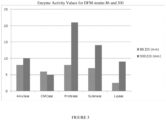
- DFM strains 86 and 300 were both observed to be positive for protease, amylase, and carboxymethylcellulose (CMCase) activity after 48 hours and strong positives on tributyrin agar (lipase) after 72 hours were observed.
- CMCase carboxymethylcellulose
- the Bacillus strains have enzymatic activity including but not limited to amylase, carboxymethylcellulose, protease, xylanase and lipase.
- DFM strain 86 and DFM strain 300 were tested to determine the variations in substrate utilization. A number of parameters were tested, including enzyme activity, pathogen antimicrobial activity, digestion of DDGS, and tolerance of certain production antibiotics.
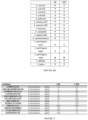
- DFM strain 86 and DFM strain 300 A list of carbohydrate and carboxylic acid carbon sources utilized for DFM strain 86 and DFM strain 300 is presented in Table 16. Table 16. Utilized Carbohydrate and Carboxylic Acid Carbon Sources.
- DFM strain 86 DFM strain 300 2-deoxy-D-ribose x x 3-0-b-galactopyranosyl-d-arabinose x x 5-keto-d-gluconic aid x x a-D-glucose x x a-D-lactose x Amydalin x x Arbutin x x b-methyl-d-glucoside x x Bromosuccinic acid x x Citric acid x D,L-a-glycerol phosphate x x D,L-Malic acid x x D-arabinose x x D-cellobiose x x Dextrin x D-fructose x
- DFM strain 86 and DFM strain 300 A list of phosphate and sulfur sources utilized by DFM strain 86 and DFM strain 300 is presented in Table 17. Table 17. Utilized Phosphate and Sulfur Sources.
- DFM strain 86 DFM strain 300 Adenosine 2- monophosphate x Adenosine 2,3 cyclic monophosphate x x Adenosine 5 monophosphate x Adenosinee 3,5 cyclic monophosphate x x B-glycerol phosphate x Cysteamine-S-Phosphate x x Cytidine 2 monophosphate x Cytidine 2,3 cyclic monophosphate x Cytidine 3 monophosphate x Cytidine 5 monophosphate x D,L-lipoamide x x D-glucosamine 6 phosphate x D-glucose-6-phosphate x Dithiophosphate x x D-I-a-glycerol phosphate x D-Mannose-1-phosphate
- DFM strain 86 and DFM strain 300 Menadione (Vitamin K precursor) x x Tween 80 (Polyoxyethylene sorbitan monooleate) x x Tween 60 (Polyoxyethylene sorbitan monostearate) x x Tween 40 (Polyoxyethylene sorbitan monopalmitate) x 2-deoxyuridine x 2-deoxycytidine x Gultathione x (5) 4 amino-imidazole-4(5)-caroxamide x Thymidine x x m-inositol x x D-alanine x D-asparagine x D-glutamatic acid x D-aspartic acid x x x
- DFM strain 86 and DFM strain 300 utilized 123 and 149 amino acids and dipeptide bonds, respectively.
- DFM strain 300 does appear to be more versatile, as this strain used 26 more amino acids and dipeptide bonds than DFM strain 86, including several D-amino acids which are not often found in microbes.
- DFM strain 86 Both strains use a very wide variety of carbon sources, but DFM strain 86 appears to use a number of ⁇ -galactosides such as meliobiose, stachyose and raffinose. Furthermore, DFM strain 86 is able to utilize maltose and maltotriose, which was not observed for DFM strain 300.
- DFM strain 86 and strain 300 are both able to use a variety of phosphate and sulfur sources, including phytate. Both strains are able to use the phytate breakdown product m-inositol. DFM strain 300 appears to be broader regarding the array of phosphate compound utilization.
- DFM strain 86 and strain 300 are both able to use a variety of Tween compounds, which is indicative of the ability to breakdown long chain fatty acids such as palmitic, oleic and stearic acids.
- Other data suggest that the observed activities on long chain fatty acids may differ depending on the presence in an aerobic or an anaerobic environment.
- This example describes the use of the cross-streak plating method and the stab-streak method to screen DFM strains of interest, including DFM strain 86 and DFM strain 300, for antimicrobial activity against a range of other organisms.
- Bacillus strains of interest obtained from frozen glycerol stocks were inoculated in a single 1 cm wide streak (cross-streak) across the center of plates of a suitable nutrient medium. Tryptic soy agar was used when screening for activity against most non-fastidious organisms (for screening against Clostridium strains, reinforced clostridial agar was found to support satisfactory growth of the Bacillus strains as well as the Clostridium strains tested). Bacillus -streaked plates were incubated for 24 hours at 32°C, until a heavy streak of growth was present.
- Organisms to be tested for susceptibility such as Clostridium, Salmonella, and E. coli (from frozen glycerol stocks) were streaked in lines perpendicular to the Bacillus streak and incubated for 24 hours under their optimal growth conditions. After incubation, plates were examined for zones of inhibition around the initial Bacillus streak, and the width of each zone of inhibition was measured.
- DFM strains 86 and 300 produce antimicrobial substances which inhibit pathogenic organisms including, but not limited to, Staphylococcus, Enterococcus, E. coli, Salmonella, and Clostridium.
- DFM strains 86 and 300 produce antimicrobial substances which inhibit additional pathogenic organisms.
- This example describes the stab streak plating method used to screen the DFM strains of interest, including DFM strain 86 and DFM strain 300, for antimicrobial activity against other organisms.
- Bacillus strains of interest obtained from frozen glycerol stocks were inoculated by puncturing the center of a nutrient rich medium plate with an inoculum needle.
- Brain heart infusion agar was utilized for the simultaneous growth of both Bacillus species and anaerobic or microaerophilic microorganisms ( Clostridium perfringens, Clostridium difficile, Campylobacter jejuni ) .
- Bacillus inoculated plates were incubated for 16-24 hours at 37°C depending on the colony size and proliferation tendencies of each Bacillus strain. Once incubation had concluded, lids were removed and plates were inverted over 1ml of concentrated chloroform for 15 minutes to kill the Bacillus colonies. The chloroform was contained via an absorbent material which also served as the platform for the plates to rest upon. After 15 minutes, the plates were placed face up in a biological safety cabinet in order to allow excess chloroform to evaporate while maintaining plate sterility for an additional 15 minutes. BHI (0.7%) agar was prepared in 5 ml aliquots and utilized for top agar overlays of recently killed Bacillus strains.
- strains 86 and 300 produce antimicrobial substances which inhibit pathogenic organisms including, but not limited to, Staphylococcus, Enterococcus, E. coli, Salmonella, Clostridium, Vibrio, and Campylobacter.
- Bacillus strains of interest including DFM strains 86 and 300 from 24 hour-old cultures in tryptic soy broth were combined with molten Muller-Hinton agar II, poured into petri plates, and allowed to solidify. After plates containing Bacillus were hardened, an Etest strip (Biomerieux) containing a concentration gradient of an antibiotic was placed on the surface of each Bacillus -inoculated plate. After incubation for 24 hours at 32°C, plates were covered with a uniform lawn of bacterial growth, with zones of inhibition surrounding the Etest strips. A minimum inhibitory concentration of each antibiotic was determined by reading the test strips according to the Etest protocol.
- DFM strains 86 and 300 were tested for antibiotic sensitivity using various antibiotics and they are susceptible to a number of antibiotics.
- Antibiotic media plates were prepared with five antibiotics of agricultural importance at either 1x, 1/10x, or 1/100x their recommended dose rates (Pulmotil TM , 181g/ton; BMD TM , 30g/ton; Stafac TM , 10g/ton; Tylan TM , 20g/ton, chlortetracycline (CTC) + Denagard TM , 400g/ton CTC + 35 g/ton Denagard TM ).
- Bacillus isolates were screened by spotting 5 ⁇ l of fresh overnight culture onto antibiotic media plates and incubating for 24 hours. The presence or absence of colony growth was noted and used as a rough measure of antibiotic susceptibility for screening purposes.
- DDGS dried distiller's grains with solubles
- a minimal medium was prepared with DDGS as the main carbon and nitrogen source: 0.023% K 2 HPO 4 , 0.01% MgSO 4 *7H 2 O, 0.1% trace element stock, 0.05% yeast extract, 0.0002% MnCl 2 *4H 2 O, 0.002% FeCl 3 , and 0.2% DDGS.
- Sterile 10 ml tubes of this medium were inoculated with these Bacillus strains, incubated 72 hours at 25°C, and scored for growth. Tubes with strong growth were used for 10x serial dilutions in the same medium, incubated for 24 hours at 25°C, and scored again for growth, with turbidity at later dilution steps serving as a rough indicator of initial cell count.
- DFM strains 86 and 300 exhibited ability to grow and digest DDGS.
- DFM strain 86 was among the strains with the highest growth, with turbidity in the 10 -8 dilution tube after the secondary screening.
- DFM strain 300 showed moderate growth at 72 hours with turbidity in the 10 -4 dilution tube after the secondary screening.
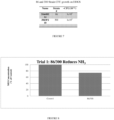
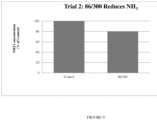
- This example describes the use of Bacillus DFM strains 86 and 300 to decrease the pH and free ammonia of liquid hog manure in vitro.
- Liquid manure collected from deep pit systems in several swine production facilities was divided into 50 ml portions and inoculated with freeze-dried cultures of DFM strains 86, 300. All freeze-dried cultures were enumerated by the plate count method, and inocula were prepared by suspending spores in a solution of 0.1% peptone.
- Inoculated manure sample tubes were capped loosely and incubated at 25°C without shaking under stagnant, non-aerated conditions for a minimum of 24 hours.
- the pH was determined using a pH electrode and total ammonia nitrogen (TAN) was determined by diluting a portion of the manure sample 1/20 in Millipore water for analysis with the Hach ISENH4 ammonium ion-sensitive electrode. All measurements were taken at 25°C. The fraction and concentration of free ammonia were derived from the pH, temperature, and TAN of the sample.
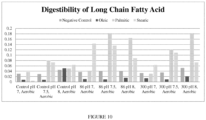
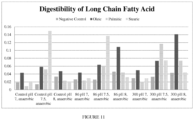
- DFM strains 86 and 300 were able to utilize long-chain fatty acids as an energy source
- minimal media were prepared with either no carbon source, or oleic, palmitic, or stearic acid as the sole carbon source (2x mineral stock, 10mM phosphate buffer, and 0.1% fatty acid, adjusted to pH 7.0, 7.5, 8.0.)
- DFM strains 86 and 300 obtained from frozen glycerol stocks were inoculated into each type of minimal medium and incubated at 37°C for 48 hours with or without shaking. Growth was determined by measuring optical density at 600 nm with a spectrophotometer.
- DFM strain 86 showed substantial growth (change in A 600 >0.1) with palmitic acid and stearic acid at different pHs and DFM strain 300 showed substantial growth with palmitic acid and stearic acid at pHs of 7.5 and 8.0.
- DFM strain 86 showed substantial growth (change in A 600 >0.1) with palmitic acid and oleic acid at pHs of 7.0, 7.5 and 8.0 and DFM strain 300 showed substantial growth with palmitic acid and oleic acid at pHs of 7.5 and 8.0.
- RAPD Randomly Amplified Polymorphic DNA
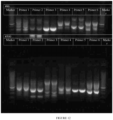
- RAPD randomly amplified polymorphic DNA analysis was performed with each strain from the Bacillus library. Each isolate was cultured overnight in 10 ml of tryptic soy broth at 32°C. Thereafter, DNA was extracted from these cultures using Qiagen's DNeasy Mini kit, following the protocol provided for Gram-positive bacteria. AGE Healthcare Illustra Ready-To Go RAPD kit was used to perform RAPD-PCR with each DNA sample to amplify genetic fragments of arbitrary length. PCR products were separated via gel electrophoresis, and banding patterns were detected and matched using BioNumerics software. As shown in Fig.
- Fig. 12 demonstrates that DFM Strains 86 and 300 are different strains, each having a unique DNA fingerprint.
- growth of DFM strains 86 and 300 can be achieved by culturing. On a small scale, TSB or nutrient broth can be utilized to culture DFM strains 86 and 300.
- Agar medium may be produced using 23 grams Nutrient Agar (BD 213000) and 1000 ml of DI water, followed by autoclaving at 121°C.
- Broth medium may be produced using 8.0 grams of Nutrient Broth (BD 234000) and 1000 ml of DI water, followed by autoclaving at 121°C.
- DFM strain 86 For culturing DFM strain 86, a pure culture of DFM strain 86 was streaked on a nutrient agar plate and allowed to grow for 48 hours at 32°C. Thereafter, a single colony was inoculated in nutrient broth medium. The single colony was incubated at 37°C and at 230-240 rpm, for 16 to 24 hours. Finally, the culture was streaked on a nutrient agar plate to check morphology.
- DFM strain 300 For culturing DFM strain 300, a pure culture of DFM strain 300 was streaked on a nutrient agar plate and allowed to grow for 48 hours at 32°C. Thereafter, a single colony was inoculated in nutrient broth medium. The single colony was incubated at 37°C and at 230-240 rpm, for 16 to 24 hours. Finally, the culture was streaked on a nutrient agar plate to check morphology.
- the objective of the instant example was to determine the response in weight gain, caloric efficiency, and survivability of broiler chickens to multiple utilization strategies of a DFM.
- the effect of selected DFM combinations on increased weight gain, reduced feed conversion ratio, and improved survival of broiler chickens reared to 7 weeks (49 days) of age was investigated in which growth and carcass data was analyzed using a randomized complete-block design, live weight (by pen) as the replication factor, and 10 replicates.
- a total of 60 pens (6 ⁇ 6 ft, 35 ft 2 /pen - subtracting 1 sq ft for feeder space) were utilized, with a group size of 35 birds per pen.
- the pens were equipped with a dry tube feeder (30-lb feed capacity) with a total feeder space of 50 in. (1.7 in./bird) and 5 nipple drinkers/pen (7 birds/nipple).
- Approximately 2100 hatch rooster chickens (Cobb 500 genetics) were evaluated.
- the start weight of the chickens was about 40 grams, and the end weight of the chickens was about 3.2 kg.
- Carcass performance A subset of each replicate-pen was processed for the determination of carcass, fat pad, and breast meat yield. Six broilers per replicate pen were randomly selected for yield determination.
- Feedstuffs were: Corn - yellow-dent, soybean meal, corn low-oil DDGS, and porcine meat and bone meal (Producers Cooperative, Bryan, TX) and fat was poultry fat (Griffin Industries).
- Experimental diet specifications Four dietary phases - wk 1-2, wk 3-4, wk 5-6, wk 7.
- the control diet contained at least 2% supplemental fat (poultry fat), 5% DDGS, and 5% meat-and-bone meal. All diets were formulated to be adequate in SID Lys (%, NRC, 1994) and the other essential AA, available P, and Ca.
- the test materials were supplemented to the final diets at the expense of corn (Table 20). Diet components were mixed in a horizontal mixer.
- Dietary formulations for experimental diets are shown in Table 20. Table 20. Dietary formulations for experimental diets. Feed Composition (%) Starter Grower Finisher Finisher II Corn 58.306 63.228 67.590 71.277 Soybean Meal 27.005 23.093 18.759 16.369 DL- Methionine 0.263 .250 .165 .159 Lysine HCL 0.265 .233 .202 .248 Fat, Blended 2.705 2.710 3.131 2.238 Limestone .675 .639 .629 .630 Biofos 16/21% .047 N/A N/A N/A Salt .322 .239 .141 .105 Sodium Bicarbonate .100 .228 .369 .424 Trace Minerals .050 .050 .050 .050 Vitamins .250 .250 .250 .250 LO DDGS 5.000 5.000 5.000 5.000 MBM
- Results are shown in following Tables 21-30 based on Treatments A-F of Table 19, summarized as below: TRT TREATMENT A Control B C + 7.35 ⁇ 10 4 MDGDFM starter only C C + 7.35 ⁇ 10 4 MDGDFM starter and grower only D C + 7.35 ⁇ 10 4 MDGDFM continuously E C + 5.50 ⁇ 10 4 MDGDFM continuously F C + 7.35 ⁇ 10 4 MDGDFM-v2 continuously Table 21. Body weight of male broilers fed different DFMs.
- treatments B, D, and F had significantly higher average body weight when compared to the control and treatment E, with treatment C being intermediate.
- treatment F consumed the most feed per bird, which was significantly higher than the control diet. All other treatments were intermediate.
- treatment D had the highest feed consumption rate out of all treatments and was significantly higher than the control and treatment E diets with all remaining diets being intermediate.
- broilers fed the treatment B diet had significantly improved cumulative FCR compared to the control and treatment F fed broilers with all other treatments being intermediate.
- treatment C had a significantly lower pH when compared to treatment F with all other diets being intermediate.
- treatment D had the highest average live weight.
- Treatments B, C, and F were significantly higher than the control.
- Treatment E was not different form the control.
- treatments B, D, and F were significantly higher than the control with treatment D being the largest.
- Treatment C and E were greater than the control but not at a significant level.
- treatment F had a significantly higher mortality rate when compared to the control, treatment B and C with all other treatments being intermediate.
- the object of the instant example was to compare the performance in a 35 day floor pen trial broilers fed with and without 86/300 DFM (80% strain 86 and 20% strain 300) to compare broiler performance to those fed the antibiotic growth promotant (AGP) program of bacitracin MD (BMD) shuttled to virginiamycin (VM) and to those not receiving any supplements.
- AGP antibiotic growth promotant
- BMD bacitracin MD
- the feed supplements tested were as follows: 86/300 DFM test material with 80% strain 86 and 20% strain 300 DFM strains was provided by Microbial Discovery Group (Franklin, WI). BMD (bacitracin methylene disalicylate). VM (virginiamycin).
- Study Design There were 4 treatment groups with each group replicated 14 times for a total of 56 pens (30 chicks/pen at placement) as shown in Table 31. Salinomycin 60 g/ton was present in all starter and grower feeds. Table 31. Study Design Group No. Treatment Pen Numbers 1 BMD in Starter/VM in Grower 3 10 15 19 25 32 37 46 51 57 66 68 77 79 2 nCON 4 11 17 22 29 34 41 47 54 59 61 70 76 80 3 86/300 Continuously 6 7 13 24 26 33 40 43 52 60 62 72 78 83 4 86/300 Starter Only 2 9 14 23 30 31 42 48 48 55 65 69 73 62 1.
- nCON - Negative control w/o feed-grade antibiotic addition.
- Pen body weights and feed weights for feed conversions
- Days 0, 14, 28 and 35 At Day 35 all birds were individually weighed and each bird's gender determined by phenotype. All deaths and removed birds (mortality) were documented. No feeds were removed from pens until Day 35 to ensure all pens received the same plane of nutrition throughout the study.
- Each response variable was evaluated by One-Way ANOVA and means separated by Tukey HSD Test (Statistix 10, Analytical Software, Tallahassee, FL).
- Live Bird Weights All birds were weighed by pen at Days 14 (by pen), 28 (by pen), and 35 (by gender, by pen) as shown in Table 32. Table 32. Live Bird Weights (lb) TREATMENT D14 WT/BIRD D28 WT/BIRD D35 WT/BIRD 1 D35 WT/MALE 1 D35 WT/FEMALE 1 b abc a a a BMD in Starter/VM in Grower 1.013 3.061 4.318 4.582 4.146 c c c c b nCON 0.938 2.986 4.111 4.253 3.879 ab abc ab ab ab a 86/300 Continuously 1.044 3.089 4.255 4.540 4.109 a ab a ab a 86/300 Starter Only 1.046 3.116 4.282 4.491 4.171 NOTE: Column data having different superscripts are different (p ⁇ 0.05). 1. Individual D35 body weights by pen and gender for a pen within a treatment group were used for statistical analysis.
- Mortality (%) Mortality (%) results by treatment group are shown in Table 34.
- Table 34. Mortality (%) TREATMENT D0-14 Mort D28 MORT(%) D35 MORT(%) a a A BMD in Starter/VM in Grower 0.00% 4.29% 6.67% a a A nCON 0.00% 5.48% 7.38% a a A 86/300 Continuously 0.00% 5.24% 5.71% a a A 86/300 Starter Only 0.00% 4.29% 5.24% NOTE: Column data having different superscripts are different (p ⁇ 0.05).
- Carcass and Breast Yields (%Live Weight): Results for carcass yield and breast yield as a % of live weight by gender and by sexes combined are shown in Table 35 and Table 36, which shows combined average weights and per cent yields.
- Carcass Yield (%Live Weight) was significantly (p ⁇ 0.05) greater for BMD/VM fed broilers than for nCON broilers, with other treatment values being intermediate.
- Female carcass yield results were statistically similar to combined sexes results. There were no significant differences between treatments for male carcass yield (p>0.05).
- this example describes the use of plate media screening methods to detect enzymatic activity in DFM strains 86, 101, 290, and 300 and other related isolates.
- the DNS reducing sugar assay was performed as in the manufacturer's protocol, inoculating the 0.5% guar gum solution with overnight cultures of MDG strains 86,101, 290, and 300 grown in TSB + 0.5% guar gum.
- the reducing sugar assay was performed with samples taken after 30 minutes and 18 hours of incubation at 37°C. Standard curves were prepared with solutions of D-mannose and D-galactose at concentrations between 1M and 1 ⁇ M to determine the relation between free reducing sugar reacted and OD 575.
- Negative control samples (NC) consisted of guar gum substrate inoculated with buffer only or with sterile media (TSB+guar gum).
- Bacillus strains 86,101, 290, and 300 showed mannanase activity in the range of about 0.467 mmol to about 0.720 mmol in 24 hours.
- DFM strains 86, 101, 290, and 300 were individually tested, and were tested with various strain combinations.
- two-strain combinations included, but were not limited to, a combination of strain 1/strain 2 as follows: 86/101; 86/290; 86/300; 101/290; 101/300, and 290/300.
- Three-strain combinations included, but were not limited to, a combination of strain 1/strain 2/strain 3 as follows: 86/101/290; 101/290/300; 86/290/300; and 86/101/300.
- a combination of all four strains i.e., 86/101/290/200 was also tested.
- a negative control that included no Bacillus was also assessed with the strains.
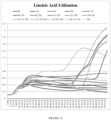
- a substrate utilization assay was conducted to determine whether the Bacillus strains exhibited growth in a minimal medium with linoleic acid as the only carbon source.
- each microtiter plate well contained 2 ⁇ l of linoleic acid and 200 ⁇ l of minimal medium inoculated with a respective Bacillus strain or strain combination.
- the substrate utilization test was run at 37°C for 4 days with medium shaking.
- the most effective strains or strain combinations for using linoleic acid as the only carbon source were: 86/300; 86/101/290; 86/101/300; 101/290; 101/290/300; 101/300; and 300.
- Figs. 15 and 16 show genomic annotation of DFM strains 86 and 300, respectively.
- strain 86 comprises approximately 4,055,712 bp (i.e., about 4056 kb) of genomic sequence.
- DFM strain 300 was slightly smaller comprising about 3,957,082 bp (i.e., about 3957 kb) of genomic sequence. Therefore, Figs. 15 and 16 demonstrate that DFM Strains 86 and 300 are different strains, each having a unique DNA fingerprint.
- sequencing of DFM strains 86 and 300 identified many different genes within the strains. Genes identified in strains 86 and 300 included, but were not limited to, antimicrobial genes, such as bacilysin, bacilyosin, antlisterial subtilisin, sufactin, Lantibiotic lichenidicin, streptomycin, lactococcin, polyketides, plipastatin, and macrolactin.
- antimicrobial genes such as bacilysin, bacilyosin, antlisterial subtilisin, sufactin, Lantibiotic lichenidicin, streptomycin, lactococcin, polyketides, plipastatin, and macrolactin.
- Sequencing also identified additional genes that were incorporated into strains 86 and 300 including, but not limited to antimicrobial tolerance genes, such as bacitracin, ⁇ -lactams, penicillin, erythromycin, cephalosporin, lincomycin, tetracycline, tunicamycin, fosmidomycin, and fosmomycin. Sequencing also identified five unnamed bacteriocins, genetic redundancies within the strains, multi-drug efflux transporters, and different compounds.
- antimicrobial tolerance genes such as bacitracin, ⁇ -lactams, penicillin, erythromycin, cephalosporin, lincomycin, tetracycline, tunicamycin, fosmidomycin, and fosmomycin.
- Daily management Daily management followed standard operating procedures within each farm. Pigs were visually inspected daily to ensure that individual pigs were meeting the standard for body condition and criteria for the standard operating procedures of the farm. Pigs not meeting such criteria were medicated per standards of the farm and recommendations of the attending veterinarian. Any pig requiring medicinal treatment for 3 consecutive days and not showing signs of improvement was immediately removed from the experiment.
- Measurements of Live performance and Morbidity Rates Total pen weights were recorded at allotment of the experiment and at regular intervals during the experimental period.
- Period feed intakes corresponded with pen weight periods. Pen weights, feed delivered, and feed-in-feeder for each pen were used to calculate ADG, ADFI, and F/G ratio. All morbidity and mortality was recorded, along with any major health issues.
Landscapes
- Life Sciences & Earth Sciences (AREA)
- Chemical & Material Sciences (AREA)
- Polymers & Plastics (AREA)
- Engineering & Computer Science (AREA)
- Animal Husbandry (AREA)
- Food Science & Technology (AREA)
- Zoology (AREA)
- Birds (AREA)
- Microbiology (AREA)
- Biochemistry (AREA)
- Physiology (AREA)
- Molecular Biology (AREA)
- Biotechnology (AREA)
- Biomedical Technology (AREA)
- Health & Medical Sciences (AREA)
- Insects & Arthropods (AREA)
- Marine Sciences & Fisheries (AREA)
- Fodder In General (AREA)
- Feed For Specific Animals (AREA)
- Medicines Containing Material From Animals Or Micro-Organisms (AREA)
- Micro-Organisms Or Cultivation Processes Thereof (AREA)
- Measuring Or Testing Involving Enzymes Or Micro-Organisms (AREA)
Claims (9)
- Nicht-therapeutisches Verfahren zur Verbesserung der Leistung eines Tieres, zur Verbesserung der Umgebung des Tieres und einer Kombination davon, wobei das Verfahren den Schritt der Verabreichung einer Futterzusammensetzung an das Tier umfasst, die in eine Dosis von 1,0 × 10³ CFU/Gramm der Futterzusammensetzung bis 5,0 × 10¹² CFU/Gramm der Futterzusammensetzung eines isolierten Bacillus-Stamm umfasst, der aus der Gruppe ausgewählt ist, die aus Bacillus-Stamm 86 (NRRL Nr. B-50944), Bacillus-Stamm 300 (NRRL Nr. B-50943) und Kombinationen davon besteht, wobei das Tier zur Spezies der Schweine gehört, wobei die Verbesserung der Tierleistung aus der Gruppe ausgewählt ist, die aus der Förderung der Gewichtszunahme, der Erhöhung des Körperendgewichts und der Erhöhung der Wachstumsrate besteht, und wobei die Verbesserung der Umgebung des Tieres aus der Gruppe ausgewählt wird, die aus der Verringerung des pH-Werts des Dungs und der Verringerung des Ammoniaks im Dung besteht.
- Nicht-therapeutisches Verfahren zur Verbesserung der Leistung eines Tieres, wobei das Verfahren den Schritt der Verabreichung einer Futterzusammensetzung an das Tier umfasst, die eine Dosis von 1,0 × 10³ CFU/Gramm der Futterzusammensetzung bis 5,0 × 10¹² CFU/Gramm der Futterzusammensetzung eines isolierten Bacillus-Stamm umfasst, der aus der Gruppe ausgewählt ist, die aus Bacillus-Stamm 86 (NRRL Nr. B-50944), Bacillus-Stamm 300 (NRRL Nr. B-50943) und Kombinationen davon besteht, wobei das Tier zur Geflügelspezies gehört, wobei die Verbesserung der Tierleistung aus der Gruppe ausgewählt ist, die aus der Senkung der Futterverwertung, der Erhöhung der durchschnittlichen täglichen Futteraufnahme, der Erhöhung des Brustfleischgewichts und der Steigerung der Gewichtszunahme besteht.
- Das nicht-therapeutische Verfahren nach Anspruch 2, wobei das Tier ein Masthähnchen ist, und die Verbesserung der Tierleistung die Erhöhung des Brustfleischgewichts ist.
- Das nicht-therapeutische Verfahren nach einem der Ansprüche 1 bis 3, wobei der Bacillus-Stamm ein Enzym produziert, das aus der Gruppe ausgewählt ist, die aus einer α-Galactosidase, einer Protease, einer Lipase, einer Amylase, einer Xylanase, einer Cellulase und Kombinationen davon besteht.
- Das nicht-therapeutische Verfahren nach einem der Ansprüche 1 bis 4, wobei das Verfahren ferner den Schritt der Verabreichung eines anderen Bakterienstamms an das Tier umfasst, der aus der Gruppe ausgewählt ist, die aus einem anderen Bacillus-Stamm, einem Milchsäurebakterienstamm und Kombinationen davon besteht.
- Das nicht-therapeutische Verfahren nach einem der Ansprüche 1 bis 5, wobei der verabreichte Stamm der Bacillus-Stamm 86 (NRRL Nr. B-50944) ist.
- Das nicht-therapeutische Verfahren nach einem der Ansprüche 1 bis 5, wobei der verabreichte Stamm der Bacillus-Stamm 300 (NRRL Nr. B-50943) ist.
- Das nicht-therapeutische Verfahren nach einem der Ansprüche 1 bis 5, wobei der Bacillus-Stamm 86 (NRRL Nr. B-50944), und der Bacillus-Stamm 300 (NRRL Nr. B-50943) in Kombination in einer einzelnen Zusammensetzung oder in Kombination in getrennten Zusammensetzungen verabreicht wird.
- Tierfutterzusammensetzung, die einen isolierten Bacillus-Stamm umfasst, der aus der Gruppe ausgewählt ist, die aus dem Bacillus-Stamm 86 (NRRL Nr. B-50944), dem Bacillus-Stamm 300 (NRRL Nr. B-50943) und Kombinationen davon besteht.
Applications Claiming Priority (3)
| Application Number | Priority Date | Filing Date | Title |
|---|---|---|---|
| US201461992607P | 2014-05-13 | 2014-05-13 | |
| US201462078665P | 2014-11-12 | 2014-11-12 | |
| PCT/US2015/030578 WO2015175667A1 (en) | 2014-05-13 | 2015-05-13 | Direct-fed microbials and methods of their use |
Publications (3)
| Publication Number | Publication Date |
|---|---|
| EP3142496A1 EP3142496A1 (de) | 2017-03-22 |
| EP3142496A4 EP3142496A4 (de) | 2017-12-06 |
| EP3142496B1 true EP3142496B1 (de) | 2024-12-25 |
Family
ID=54480615
Family Applications (1)
| Application Number | Title | Priority Date | Filing Date |
|---|---|---|---|
| EP15792802.9A Active EP3142496B1 (de) | 2014-05-13 | 2015-05-13 | Direkt verabreichte mikroben und verfahren zu deren verwendung |
Country Status (9)
| Country | Link |
|---|---|
| US (4) | US10357046B2 (de) |
| EP (1) | EP3142496B1 (de) |
| CN (1) | CN106714570A (de) |
| BR (1) | BR112016026359B1 (de) |
| CA (1) | CA2948832A1 (de) |
| ES (1) | ES3014957T3 (de) |
| MX (2) | MX385047B (de) |
| TW (1) | TWI702004B (de) |
| WO (1) | WO2015175667A1 (de) |
Families Citing this family (22)
| Publication number | Priority date | Publication date | Assignee | Title |
|---|---|---|---|---|
| EP3142496B1 (de) | 2014-05-13 | 2024-12-25 | Microbial Discovery Group, LLC | Direkt verabreichte mikroben und verfahren zu deren verwendung |
| US10201574B1 (en) | 2015-09-16 | 2019-02-12 | Church & Dwight Co., Inc. | Methods of microbial treatment of poultry |
| US12157690B2 (en) | 2015-12-09 | 2024-12-03 | Microbial Discovery Group Llc | Cold temperature-resistant microbials and methods of their use |
| WO2017151608A1 (en) | 2016-02-29 | 2017-09-08 | Microbial Discovery Group Llc | Direct-fed microbials |
| US11298383B2 (en) | 2016-05-20 | 2022-04-12 | Church & Dwight Co., Inc. | Lactobacillus and bacillus based direct fed microbial treatment for poultry and method of use |
| EP3464648A1 (de) | 2016-05-25 | 2019-04-10 | Church & Dwight Co., Inc. | Bacillus-zusammensetzungen und verfahren zur verwendung mit wiederkäuern |
| US10524487B2 (en) * | 2017-01-12 | 2020-01-07 | Cisbay | Animal feed stock using microbial enhancement |
| US11622569B2 (en) | 2017-07-24 | 2023-04-11 | Church & Dwight Co., Inc. | Bacillus microbial terroir for pathogen control in swine |
| AU2019212338B2 (en) | 2018-01-24 | 2024-07-11 | Omnigen Research, Llc | Bacillus combination for administration to animals |
| US11627741B2 (en) | 2018-09-28 | 2023-04-18 | Microbial Discovery Group, Llc | Microorganisms for plant pathogen inhibition |
| WO2020072578A1 (en) | 2018-10-02 | 2020-04-09 | Microbial Discovery Group, Llc | Microbials for animals |
| PH12021551640A1 (en) * | 2019-01-15 | 2022-06-13 | Kemin Ind Inc | Inactivation of african swine fever virus using a feed additive |
| CN113825407B (zh) * | 2019-03-19 | 2025-05-13 | 微生物发现集团有限责任公司 | 用于病毒抑制的微生物菌株 |
| MX2022002101A (es) * | 2019-08-22 | 2022-03-17 | Microbial Discovery Group Llc | Metodos de inhibicion con cepas microbianas y antibioticos. |
| WO2021146582A1 (en) | 2020-01-17 | 2021-07-22 | AgBiome, Inc. | Compositions and methods for controlling undesirable microbes and improving animal health |
| US12514885B2 (en) | 2020-08-21 | 2026-01-06 | Microbial Discovery Group, Llc | Microbials and antibiotics |
| BR112023002974A2 (pt) * | 2020-08-21 | 2023-04-04 | Microbial Discovery Group Llc | Cepas microbianas e antibióticos |
| CN116490076A (zh) * | 2020-11-23 | 2023-07-25 | 卢布尔雅那大学 | 对肠致病性细菌和食源性致病性细菌有强抑制的枯草芽孢杆菌菌株 |
| MX2023005934A (es) * | 2020-11-23 | 2023-08-09 | Univ Ljubljani | Cepa de bacillus subtilis con fuerte inhibicion de bacterias enteropatogenas y patogenas transmitidas por los alimentos. |
| WO2024006531A1 (en) | 2022-07-01 | 2024-01-04 | Arkea Bio Corp. | Compositions and methods for reducing deleterious atmospheric gas emissions from flooded ecosystems |
| EP4599045A2 (de) * | 2022-10-05 | 2025-08-13 | Microbial Discovery Group, LLC | Zusammensetzungen aus mikrobiellem stamm |
| WO2024226571A2 (en) * | 2023-04-25 | 2024-10-31 | Microbial Discovery Group, Llc | Microbial compositions for inhibiting fusobacterium or trueperella |
Family Cites Families (33)
| Publication number | Priority date | Publication date | Assignee | Title |
|---|---|---|---|---|
| US1434582A (en) * | 1921-08-22 | 1922-11-07 | Lisenby Mfg Company | Paper-feeler mechanism |
| DE2225363C3 (de) | 1972-05-25 | 1981-01-22 | Henkel Kgaa, 4000 Duesseldorf | Futtermittel für Geflügel und für die Aufzucht und Mast von Kälbern |
| US4673638A (en) | 1982-11-01 | 1987-06-16 | Miles Laboratories, Inc. | Method for detection and isolation of a microorganism |
| US5587475A (en) | 1995-05-18 | 1996-12-24 | University Of Notre Dame | Derivatized virginiamycin M1 |
| US6645506B1 (en) | 1997-04-18 | 2003-11-11 | Ganeden Biotech, Inc. | Topical compositions containing extracellular products of Pseudomonas lindbergii and Emu oil |
| JP2005043617A (ja) | 2003-07-28 | 2005-02-17 | Konica Minolta Business Technologies Inc | 画像形成装置 |
| CA2566617C (en) | 2004-05-14 | 2013-12-31 | Agtech Products, Inc. | Method and composition for reducing e.coli disease and enhancing performance using bacillus |
| US20060188978A1 (en) * | 2005-02-24 | 2006-08-24 | Grant Daniel T | Products and processes for waste control |
| US7754469B2 (en) | 2005-11-30 | 2010-07-13 | Agtech Products, Inc | Microorganisms and methods for treating poultry |
| JP5232781B2 (ja) | 2006-07-13 | 2013-07-10 | エコ アニマルヘルス リミテッド | 抗ウイルス薬としてのタイルバロシンの使用 |
| JP4662067B2 (ja) * | 2006-07-25 | 2011-03-30 | トヨタ自動車株式会社 | 構造制御されたカーボンナノウォール、及びカーボンナノウォールの構造制御方法 |
| CN100520863C (zh) | 2007-11-06 | 2009-07-29 | 浙江大学 | 分段式生活垃圾生态填埋模拟装置 |
| US8021654B2 (en) | 2008-03-14 | 2011-09-20 | Danisco A/S | Methods of treating pigs with Bacillus strains |
| DK2274415T3 (da) * | 2008-04-17 | 2016-04-04 | Dupont Nutrition Biosci Aps | Anvendelige bacillestammer til bekæmpelse af dyrelugt |
| US8540981B1 (en) | 2008-07-07 | 2013-09-24 | Dupont Nutrition Biosciences Aps | Bacillus strains useful against calf pathogens and scours |
| US8142760B2 (en) | 2008-09-05 | 2012-03-27 | Nathan Len Winkelman | Vaccination for Lawsonia intracellularis |
| BRPI0918033A8 (pt) | 2008-09-17 | 2017-10-03 | Agraquest Inc | Metodo para melhorar a saude de um animal nao inseto e nao humano, e, composicao para melhorar a condicao fisica de um animal nao inseto e nao humano |
| ES2590482T3 (es) | 2008-12-02 | 2016-11-22 | Dupont Nutrition Biosciences Aps | Cepas y métodos para mejorar la salud y/o el rendimiento de los rumiantes |
| US20120010011A1 (en) * | 2010-07-06 | 2012-01-12 | Farmer Ted, Inc. | Golf iron top cover and alignment means |
| BR112013001107B1 (pt) * | 2010-07-16 | 2022-01-25 | The Board Of Trustees Of The University Of Arkansas | Métodos e composições incluindo bactéria formadora de esporos para aumento da saúde dos animais |
| DK2748300T3 (en) | 2011-08-24 | 2019-01-14 | Dupont Nutrition Biosci Aps | ENZYM-PRODUCING BACILLUS STUMS |
| US20130100118A1 (en) * | 2011-10-21 | 2013-04-25 | Digital Artforms, Inc. | Systems and methods for human-computer interaction using a two handed interface |
| EP2836589B1 (de) | 2012-04-13 | 2018-08-15 | Chr. Hansen A/S | Antibiotikaempfindliche bakterienstämme mit antimikrobieller wirkung und hoher sporulationsfähigkeit |
| WO2014020141A1 (en) | 2012-08-03 | 2014-02-06 | Dupont Nutrition Biosciences Aps | Feed additive composition |
| US20150247018A1 (en) | 2012-10-31 | 2015-09-03 | Jun Yang | Biodegradation of petroleum-based plastics |
| US20150111214A1 (en) | 2013-10-17 | 2015-04-23 | Life Technologies Corporation | Direct quantification of unprocessed nucleic acid samples |
| US20170042949A1 (en) | 2014-04-15 | 2017-02-16 | The Board Of Regents For Oklahoma State University | System and method for production of shelf stable probiotics for animal nutrition enhancement |
| EP3142496B1 (de) | 2014-05-13 | 2024-12-25 | Microbial Discovery Group, LLC | Direkt verabreichte mikroben und verfahren zu deren verwendung |
| CN103980535B (zh) | 2014-05-26 | 2017-12-15 | 北京航空航天大学 | 芽孢杆菌胞外漆酶降解聚乙烯的方法 |
| JP6670254B2 (ja) | 2014-05-28 | 2020-03-18 | バイエル クロップサイエンス エルピーBayer Cropscience Lp | 植物における菌類病及び細菌病を防除するための組成物及び方法 |
| WO2017151608A1 (en) | 2016-02-29 | 2017-09-08 | Microbial Discovery Group Llc | Direct-fed microbials |
| CA3053583C (en) | 2017-02-17 | 2023-11-28 | The University Of British Columbia | Probiotic compositions and uses thereof |
| US11622569B2 (en) | 2017-07-24 | 2023-04-11 | Church & Dwight Co., Inc. | Bacillus microbial terroir for pathogen control in swine |
-
2015
- 2015-05-13 EP EP15792802.9A patent/EP3142496B1/de active Active
- 2015-05-13 MX MX2016014901A patent/MX385047B/es unknown
- 2015-05-13 ES ES15792802T patent/ES3014957T3/es active Active
- 2015-05-13 WO PCT/US2015/030578 patent/WO2015175667A1/en not_active Ceased
- 2015-05-13 TW TW104115285A patent/TWI702004B/zh active
- 2015-05-13 BR BR112016026359-6A patent/BR112016026359B1/pt active IP Right Grant
- 2015-05-13 CA CA2948832A patent/CA2948832A1/en active Pending
- 2015-05-13 US US15/310,545 patent/US10357046B2/en active Active
- 2015-05-13 CN CN201580038351.4A patent/CN106714570A/zh active Pending
-
2016
- 2016-11-14 MX MX2021009001A patent/MX2021009001A/es unknown
-
2019
- 2019-06-27 US US16/454,585 patent/US20200015497A1/en not_active Abandoned
- 2019-10-03 US US16/592,080 patent/US10905135B2/en active Active
-
2020
- 2020-12-22 US US17/131,000 patent/US12478080B2/en active Active
Also Published As
| Publication number | Publication date |
|---|---|
| MX385047B (es) | 2025-03-14 |
| US10357046B2 (en) | 2019-07-23 |
| TWI702004B (zh) | 2020-08-21 |
| US20200029592A1 (en) | 2020-01-30 |
| MX2016014901A (es) | 2017-06-29 |
| US20200015497A1 (en) | 2020-01-16 |
| CN106714570A (zh) | 2017-05-24 |
| ES3014957T3 (en) | 2025-04-28 |
| EP3142496A4 (de) | 2017-12-06 |
| MX2021009001A (es) | 2021-10-13 |
| TW201616976A (zh) | 2016-05-16 |
| WO2015175667A1 (en) | 2015-11-19 |
| US20210360945A1 (en) | 2021-11-25 |
| CA2948832A1 (en) | 2015-11-19 |
| BR112016026359B1 (pt) | 2022-03-22 |
| US12478080B2 (en) | 2025-11-25 |
| US10905135B2 (en) | 2021-02-02 |
| US20170079308A1 (en) | 2017-03-23 |
| BR112016026359A8 (pt) | 2021-04-13 |
| EP3142496A1 (de) | 2017-03-22 |
Similar Documents
| Publication | Publication Date | Title |
|---|---|---|
| US12478080B2 (en) | Direct-fed microbials and methods of their use | |
| US20240389620A1 (en) | Feed additive composition | |
| US11998576B2 (en) | Direct-fed microbials | |
| US12115198B2 (en) | Microbials for animals | |
| US20210236563A1 (en) | Microbials for feed | |
| US12369604B2 (en) | Methods of inhibition with microbial strains and antibiotics | |
| US20240130401A1 (en) | Direct fed microbials using b. coagulans | |
| US12564612B2 (en) | Microbial strains and antibiotics | |
| US12514885B2 (en) | Microbials and antibiotics | |
| US20240358770A1 (en) | Methods of treating pododermatitis | |
| EP4704593A2 (de) | Mikrobielle zusammensetzungen zur hemmung von fusobacterium oder echtperella | |
| WO2024254478A2 (en) | Microbials for bacterial inhibition |
Legal Events
| Date | Code | Title | Description |
|---|---|---|---|
| STAA | Information on the status of an ep patent application or granted ep patent |
Free format text: STATUS: THE INTERNATIONAL PUBLICATION HAS BEEN MADE |
|
| PUAI | Public reference made under article 153(3) epc to a published international application that has entered the european phase |
Free format text: ORIGINAL CODE: 0009012 |
|
| STAA | Information on the status of an ep patent application or granted ep patent |
Free format text: STATUS: REQUEST FOR EXAMINATION WAS MADE |
|
| 17P | Request for examination filed |
Effective date: 20161213 |
|
| AK | Designated contracting states |
Kind code of ref document: A1 Designated state(s): AL AT BE BG CH CY CZ DE DK EE ES FI FR GB GR HR HU IE IS IT LI LT LU LV MC MK MT NL NO PL PT RO RS SE SI SK SM TR |
|
| AX | Request for extension of the european patent |
Extension state: BA ME |
|
| DAV | Request for validation of the european patent (deleted) | ||
| DAX | Request for extension of the european patent (deleted) | ||
| A4 | Supplementary search report drawn up and despatched |
Effective date: 20171108 |
|
| RIC1 | Information provided on ipc code assigned before grant |
Ipc: A23K 50/10 20160101ALI20171102BHEP Ipc: A23K 50/60 20160101ALI20171102BHEP Ipc: A23K 50/20 20160101ALI20171102BHEP Ipc: A23K 50/75 20160101ALI20171102BHEP Ipc: A23K 50/30 20160101ALI20171102BHEP Ipc: A23K 50/80 20160101ALI20171102BHEP Ipc: A23K 10/18 20160101AFI20171102BHEP |
|
| STAA | Information on the status of an ep patent application or granted ep patent |
Free format text: STATUS: EXAMINATION IS IN PROGRESS |
|
| 17Q | First examination report despatched |
Effective date: 20200408 |
|
| REG | Reference to a national code |
Ref country code: DE Ref legal event code: R079 Free format text: PREVIOUS MAIN CLASS: A23K0010400000 Ipc: A23K0010180000 Ref country code: DE Ref legal event code: R079 Ref document number: 602015090711 Country of ref document: DE Free format text: PREVIOUS MAIN CLASS: A23K0010400000 Ipc: A23K0010180000 |
|
| GRAP | Despatch of communication of intention to grant a patent |
Free format text: ORIGINAL CODE: EPIDOSNIGR1 |
|
| STAA | Information on the status of an ep patent application or granted ep patent |
Free format text: STATUS: GRANT OF PATENT IS INTENDED |
|
| RIC1 | Information provided on ipc code assigned before grant |
Ipc: A23K 10/16 20160101ALI20240301BHEP Ipc: A23K 50/80 20160101ALI20240301BHEP Ipc: A23K 50/20 20160101ALI20240301BHEP Ipc: A23K 50/10 20160101ALI20240301BHEP Ipc: A23K 50/60 20160101ALI20240301BHEP Ipc: A23K 50/30 20160101ALI20240301BHEP Ipc: A23K 50/75 20160101ALI20240301BHEP Ipc: A23K 10/18 20160101AFI20240301BHEP |
|
| INTG | Intention to grant announced |
Effective date: 20240319 |
|
| GRAJ | Information related to disapproval of communication of intention to grant by the applicant or resumption of examination proceedings by the epo deleted |
Free format text: ORIGINAL CODE: EPIDOSDIGR1 |
|
| STAA | Information on the status of an ep patent application or granted ep patent |
Free format text: STATUS: EXAMINATION IS IN PROGRESS |
|
| GRAP | Despatch of communication of intention to grant a patent |
Free format text: ORIGINAL CODE: EPIDOSNIGR1 |
|
| STAA | Information on the status of an ep patent application or granted ep patent |
Free format text: STATUS: GRANT OF PATENT IS INTENDED |
|
| INTC | Intention to grant announced (deleted) | ||
| INTG | Intention to grant announced |
Effective date: 20240807 |
|
| GRAS | Grant fee paid |
Free format text: ORIGINAL CODE: EPIDOSNIGR3 |
|
| GRAA | (expected) grant |
Free format text: ORIGINAL CODE: 0009210 |
|
| STAA | Information on the status of an ep patent application or granted ep patent |
Free format text: STATUS: THE PATENT HAS BEEN GRANTED |
|
| AK | Designated contracting states |
Kind code of ref document: B1 Designated state(s): AL AT BE BG CH CY CZ DE DK EE ES FI FR GB GR HR HU IE IS IT LI LT LU LV MC MK MT NL NO PL PT RO RS SE SI SK SM TR |
|
| REG | Reference to a national code |
Ref country code: GB Ref legal event code: FG4D |
|
| REG | Reference to a national code |
Ref country code: CH Ref legal event code: EP |
|
| REG | Reference to a national code |
Ref country code: DE Ref legal event code: R096 Ref document number: 602015090711 Country of ref document: DE |
|
| P01 | Opt-out of the competence of the unified patent court (upc) registered |
Free format text: CASE NUMBER: APP_65077/2024 Effective date: 20241210 |
|
| REG | Reference to a national code |
Ref country code: IE Ref legal event code: FG4D |
|
| REG | Reference to a national code |
Ref country code: LT Ref legal event code: MG9D |
|
| PG25 | Lapsed in a contracting state [announced via postgrant information from national office to epo] |
Ref country code: HR Free format text: LAPSE BECAUSE OF FAILURE TO SUBMIT A TRANSLATION OF THE DESCRIPTION OR TO PAY THE FEE WITHIN THE PRESCRIBED TIME-LIMIT Effective date: 20241225 |
|
| PG25 | Lapsed in a contracting state [announced via postgrant information from national office to epo] |
Ref country code: FI Free format text: LAPSE BECAUSE OF FAILURE TO SUBMIT A TRANSLATION OF THE DESCRIPTION OR TO PAY THE FEE WITHIN THE PRESCRIBED TIME-LIMIT Effective date: 20241225 |
|
| PG25 | Lapsed in a contracting state [announced via postgrant information from national office to epo] |
Ref country code: BG Free format text: LAPSE BECAUSE OF FAILURE TO SUBMIT A TRANSLATION OF THE DESCRIPTION OR TO PAY THE FEE WITHIN THE PRESCRIBED TIME-LIMIT Effective date: 20241225 |
|
| PG25 | Lapsed in a contracting state [announced via postgrant information from national office to epo] |
Ref country code: NO Free format text: LAPSE BECAUSE OF FAILURE TO SUBMIT A TRANSLATION OF THE DESCRIPTION OR TO PAY THE FEE WITHIN THE PRESCRIBED TIME-LIMIT Effective date: 20250325 |
|
| PG25 | Lapsed in a contracting state [announced via postgrant information from national office to epo] |
Ref country code: GR Free format text: LAPSE BECAUSE OF FAILURE TO SUBMIT A TRANSLATION OF THE DESCRIPTION OR TO PAY THE FEE WITHIN THE PRESCRIBED TIME-LIMIT Effective date: 20250326 Ref country code: LV Free format text: LAPSE BECAUSE OF FAILURE TO SUBMIT A TRANSLATION OF THE DESCRIPTION OR TO PAY THE FEE WITHIN THE PRESCRIBED TIME-LIMIT Effective date: 20241225 |
|
| PG25 | Lapsed in a contracting state [announced via postgrant information from national office to epo] |
Ref country code: RS Free format text: LAPSE BECAUSE OF FAILURE TO SUBMIT A TRANSLATION OF THE DESCRIPTION OR TO PAY THE FEE WITHIN THE PRESCRIBED TIME-LIMIT Effective date: 20250325 |
|
| REG | Reference to a national code |
Ref country code: NL Ref legal event code: MP Effective date: 20241225 |
|
| PG25 | Lapsed in a contracting state [announced via postgrant information from national office to epo] |
Ref country code: NL Free format text: LAPSE BECAUSE OF FAILURE TO SUBMIT A TRANSLATION OF THE DESCRIPTION OR TO PAY THE FEE WITHIN THE PRESCRIBED TIME-LIMIT Effective date: 20241225 |
|
| REG | Reference to a national code |
Ref country code: AT Ref legal event code: MK05 Ref document number: 1753388 Country of ref document: AT Kind code of ref document: T Effective date: 20241225 |
|
| PG25 | Lapsed in a contracting state [announced via postgrant information from national office to epo] |
Ref country code: SM Free format text: LAPSE BECAUSE OF FAILURE TO SUBMIT A TRANSLATION OF THE DESCRIPTION OR TO PAY THE FEE WITHIN THE PRESCRIBED TIME-LIMIT Effective date: 20241225 |
|
| PG25 | Lapsed in a contracting state [announced via postgrant information from national office to epo] |
Ref country code: PL Free format text: LAPSE BECAUSE OF FAILURE TO SUBMIT A TRANSLATION OF THE DESCRIPTION OR TO PAY THE FEE WITHIN THE PRESCRIBED TIME-LIMIT Effective date: 20241225 |
|
| PG25 | Lapsed in a contracting state [announced via postgrant information from national office to epo] |
Ref country code: IS Free format text: LAPSE BECAUSE OF FAILURE TO SUBMIT A TRANSLATION OF THE DESCRIPTION OR TO PAY THE FEE WITHIN THE PRESCRIBED TIME-LIMIT Effective date: 20250425 |
|
| PG25 | Lapsed in a contracting state [announced via postgrant information from national office to epo] |
Ref country code: PT Free format text: LAPSE BECAUSE OF FAILURE TO SUBMIT A TRANSLATION OF THE DESCRIPTION OR TO PAY THE FEE WITHIN THE PRESCRIBED TIME-LIMIT Effective date: 20250428 |
|
| PG25 | Lapsed in a contracting state [announced via postgrant information from national office to epo] |
Ref country code: EE Free format text: LAPSE BECAUSE OF FAILURE TO SUBMIT A TRANSLATION OF THE DESCRIPTION OR TO PAY THE FEE WITHIN THE PRESCRIBED TIME-LIMIT Effective date: 20241225 |
|
| PG25 | Lapsed in a contracting state [announced via postgrant information from national office to epo] |
Ref country code: RO Free format text: LAPSE BECAUSE OF FAILURE TO SUBMIT A TRANSLATION OF THE DESCRIPTION OR TO PAY THE FEE WITHIN THE PRESCRIBED TIME-LIMIT Effective date: 20241225 Ref country code: AT Free format text: LAPSE BECAUSE OF FAILURE TO SUBMIT A TRANSLATION OF THE DESCRIPTION OR TO PAY THE FEE WITHIN THE PRESCRIBED TIME-LIMIT Effective date: 20241225 |
|
| PG25 | Lapsed in a contracting state [announced via postgrant information from national office to epo] |
Ref country code: SK Free format text: LAPSE BECAUSE OF FAILURE TO SUBMIT A TRANSLATION OF THE DESCRIPTION OR TO PAY THE FEE WITHIN THE PRESCRIBED TIME-LIMIT Effective date: 20241225 |
|
| PG25 | Lapsed in a contracting state [announced via postgrant information from national office to epo] |
Ref country code: CZ Free format text: LAPSE BECAUSE OF FAILURE TO SUBMIT A TRANSLATION OF THE DESCRIPTION OR TO PAY THE FEE WITHIN THE PRESCRIBED TIME-LIMIT Effective date: 20241225 |
|
| PG25 | Lapsed in a contracting state [announced via postgrant information from national office to epo] |
Ref country code: SE Free format text: LAPSE BECAUSE OF FAILURE TO SUBMIT A TRANSLATION OF THE DESCRIPTION OR TO PAY THE FEE WITHIN THE PRESCRIBED TIME-LIMIT Effective date: 20241225 |
|
| REG | Reference to a national code |
Ref country code: DE Ref legal event code: R097 Ref document number: 602015090711 Country of ref document: DE |
|
| PG25 | Lapsed in a contracting state [announced via postgrant information from national office to epo] |
Ref country code: DK Free format text: LAPSE BECAUSE OF FAILURE TO SUBMIT A TRANSLATION OF THE DESCRIPTION OR TO PAY THE FEE WITHIN THE PRESCRIBED TIME-LIMIT Effective date: 20241225 |
|
| PLBE | No opposition filed within time limit |
Free format text: ORIGINAL CODE: 0009261 |
|
| STAA | Information on the status of an ep patent application or granted ep patent |
Free format text: STATUS: NO OPPOSITION FILED WITHIN TIME LIMIT |
|
| REG | Reference to a national code |
Ref country code: CH Ref legal event code: L10 Free format text: ST27 STATUS EVENT CODE: U-0-0-L10-L00 (AS PROVIDED BY THE NATIONAL OFFICE) Effective date: 20251105 |
|
| 26N | No opposition filed |
Effective date: 20250926 |
|
| REG | Reference to a national code |
Ref country code: CH Ref legal event code: H13 Free format text: ST27 STATUS EVENT CODE: U-0-0-H10-H13 (AS PROVIDED BY THE NATIONAL OFFICE) Effective date: 20251223 |
|
| PG25 | Lapsed in a contracting state [announced via postgrant information from national office to epo] |
Ref country code: LU Free format text: LAPSE BECAUSE OF NON-PAYMENT OF DUE FEES Effective date: 20250513 |
|
| PG25 | Lapsed in a contracting state [announced via postgrant information from national office to epo] |
Ref country code: CH Free format text: LAPSE BECAUSE OF NON-PAYMENT OF DUE FEES Effective date: 20250531 |
|
| REG | Reference to a national code |
Ref country code: BE Ref legal event code: MM Effective date: 20250531 |
|
| PG25 | Lapsed in a contracting state [announced via postgrant information from national office to epo] |
Ref country code: MC Free format text: LAPSE BECAUSE OF FAILURE TO SUBMIT A TRANSLATION OF THE DESCRIPTION OR TO PAY THE FEE WITHIN THE PRESCRIBED TIME-LIMIT Effective date: 20241225 |
|
| PG25 | Lapsed in a contracting state [announced via postgrant information from national office to epo] |
Ref country code: IE Free format text: LAPSE BECAUSE OF NON-PAYMENT OF DUE FEES Effective date: 20250513 |
|
| PG25 | Lapsed in a contracting state [announced via postgrant information from national office to epo] |
Ref country code: BE Free format text: LAPSE BECAUSE OF NON-PAYMENT OF DUE FEES Effective date: 20250531 |
|
| PG25 | Lapsed in a contracting state [announced via postgrant information from national office to epo] |
Ref country code: LT Free format text: LAPSE BECAUSE OF FAILURE TO SUBMIT A TRANSLATION OF THE DESCRIPTION OR TO PAY THE FEE WITHIN THE PRESCRIBED TIME-LIMIT Effective date: 20241225 |
|
| PGFP | Annual fee paid to national office [announced via postgrant information from national office to epo] |
Ref country code: ES Payment date: 20260601 Year of fee payment: 12 |
|
| PGFP | Annual fee paid to national office [announced via postgrant information from national office to epo] |
Ref country code: GB Payment date: 20260527 Year of fee payment: 12 |
|
| PGFP | Annual fee paid to national office [announced via postgrant information from national office to epo] |
Ref country code: IT Payment date: 20260520 Year of fee payment: 12 |
|
| PGFP | Annual fee paid to national office [announced via postgrant information from national office to epo] |
Ref country code: DE Payment date: 20260528 Year of fee payment: 12 |
|
| PGFP | Annual fee paid to national office [announced via postgrant information from national office to epo] |
Ref country code: FR Payment date: 20260525 Year of fee payment: 12 |
|
| PG25 | Lapsed in a contracting state [announced via postgrant information from national office to epo] |
Ref country code: CY Free format text: LAPSE BECAUSE OF FAILURE TO SUBMIT A TRANSLATION OF THE DESCRIPTION OR TO PAY THE FEE WITHIN THE PRESCRIBED TIME-LIMIT Effective date: 20241225 |