EP3146965A1 - Selektive, mit dem fibroblastenwachstumsfaktorrezeptor interferierende inhibitoren und frs2-interaktion zur vorbeugung und behandlung von krebs und anderen erkrankungen - Google Patents
Selektive, mit dem fibroblastenwachstumsfaktorrezeptor interferierende inhibitoren und frs2-interaktion zur vorbeugung und behandlung von krebs und anderen erkrankungen Download PDFInfo
- Publication number
- EP3146965A1 EP3146965A1 EP14892456.6A EP14892456A EP3146965A1 EP 3146965 A1 EP3146965 A1 EP 3146965A1 EP 14892456 A EP14892456 A EP 14892456A EP 3146965 A1 EP3146965 A1 EP 3146965A1
- Authority
- EP
- European Patent Office
- Prior art keywords
- frs2
- inhibitor
- interaction
- cells
- inhibitors
- Prior art date
- Legal status (The legal status is an assumption and is not a legal conclusion. Google has not performed a legal analysis and makes no representation as to the accuracy of the status listed.)
- Granted
Links
- KLDPZSLSLAEXGS-UHFFFAOYSA-N CC1N(C(c2cc(C(O)=O)ccc2)=O)c2ccccc2NC1=O Chemical compound CC1N(C(c2cc(C(O)=O)ccc2)=O)c2ccccc2NC1=O KLDPZSLSLAEXGS-UHFFFAOYSA-N 0.000 description 1
Images




Classifications
-
- C—CHEMISTRY; METALLURGY
- C07—ORGANIC CHEMISTRY
- C07D—HETEROCYCLIC COMPOUNDS
- C07D239/00—Heterocyclic compounds containing 1,3-diazine or hydrogenated 1,3-diazine rings
- C07D239/02—Heterocyclic compounds containing 1,3-diazine or hydrogenated 1,3-diazine rings not condensed with other rings
- C07D239/24—Heterocyclic compounds containing 1,3-diazine or hydrogenated 1,3-diazine rings not condensed with other rings having three or more double bonds between ring members or between ring members and non-ring members
- C07D239/28—Heterocyclic compounds containing 1,3-diazine or hydrogenated 1,3-diazine rings not condensed with other rings having three or more double bonds between ring members or between ring members and non-ring members with hetero atoms or with carbon atoms having three bonds to hetero atoms with at the most one bond to halogen, directly attached to ring carbon atoms
- C07D239/32—One oxygen, sulfur or nitrogen atom
- C07D239/42—One nitrogen atom
-
- A—HUMAN NECESSITIES
- A61—MEDICAL OR VETERINARY SCIENCE; HYGIENE
- A61K—PREPARATIONS FOR MEDICAL, DENTAL OR TOILETRY PURPOSES
- A61K31/00—Medicinal preparations containing organic active ingredients
- A61K31/095—Sulfur, selenium, or tellurium compounds, e.g. thiols
- A61K31/10—Sulfides; Sulfoxides; Sulfones
-
- A—HUMAN NECESSITIES
- A61—MEDICAL OR VETERINARY SCIENCE; HYGIENE
- A61K—PREPARATIONS FOR MEDICAL, DENTAL OR TOILETRY PURPOSES
- A61K31/00—Medicinal preparations containing organic active ingredients
- A61K31/185—Acids; Anhydrides, halides or salts thereof, e.g. sulfur acids, imidic, hydrazonic or hydroximic acids
-
- A—HUMAN NECESSITIES
- A61—MEDICAL OR VETERINARY SCIENCE; HYGIENE
- A61K—PREPARATIONS FOR MEDICAL, DENTAL OR TOILETRY PURPOSES
- A61K31/00—Medicinal preparations containing organic active ingredients
- A61K31/33—Heterocyclic compounds
- A61K31/335—Heterocyclic compounds having oxygen as the only ring hetero atom, e.g. fungichromin
- A61K31/34—Heterocyclic compounds having oxygen as the only ring hetero atom, e.g. fungichromin having five-membered rings with one oxygen as the only ring hetero atom, e.g. isosorbide
-
- A—HUMAN NECESSITIES
- A61—MEDICAL OR VETERINARY SCIENCE; HYGIENE
- A61K—PREPARATIONS FOR MEDICAL, DENTAL OR TOILETRY PURPOSES
- A61K31/00—Medicinal preparations containing organic active ingredients
- A61K31/33—Heterocyclic compounds
- A61K31/395—Heterocyclic compounds having nitrogen as a ring hetero atom, e.g. guanethidine or rifamycins
- A61K31/435—Heterocyclic compounds having nitrogen as a ring hetero atom, e.g. guanethidine or rifamycins having six-membered rings with one nitrogen as the only ring hetero atom
-
- A—HUMAN NECESSITIES
- A61—MEDICAL OR VETERINARY SCIENCE; HYGIENE
- A61K—PREPARATIONS FOR MEDICAL, DENTAL OR TOILETRY PURPOSES
- A61K31/00—Medicinal preparations containing organic active ingredients
- A61K31/33—Heterocyclic compounds
- A61K31/395—Heterocyclic compounds having nitrogen as a ring hetero atom, e.g. guanethidine or rifamycins
- A61K31/435—Heterocyclic compounds having nitrogen as a ring hetero atom, e.g. guanethidine or rifamycins having six-membered rings with one nitrogen as the only ring hetero atom
- A61K31/44—Non condensed pyridines; Hydrogenated derivatives thereof
- A61K31/4418—Non condensed pyridines; Hydrogenated derivatives thereof having a carbocyclic group directly attached to the heterocyclic ring, e.g. cyproheptadine
-
- A—HUMAN NECESSITIES
- A61—MEDICAL OR VETERINARY SCIENCE; HYGIENE
- A61K—PREPARATIONS FOR MEDICAL, DENTAL OR TOILETRY PURPOSES
- A61K31/00—Medicinal preparations containing organic active ingredients
- A61K31/33—Heterocyclic compounds
- A61K31/395—Heterocyclic compounds having nitrogen as a ring hetero atom, e.g. guanethidine or rifamycins
- A61K31/495—Heterocyclic compounds having nitrogen as a ring hetero atom, e.g. guanethidine or rifamycins having six-membered rings with two or more nitrogen atoms as the only ring heteroatoms, e.g. piperazine or tetrazines
-
- A—HUMAN NECESSITIES
- A61—MEDICAL OR VETERINARY SCIENCE; HYGIENE
- A61K—PREPARATIONS FOR MEDICAL, DENTAL OR TOILETRY PURPOSES
- A61K31/00—Medicinal preparations containing organic active ingredients
- A61K31/33—Heterocyclic compounds
- A61K31/395—Heterocyclic compounds having nitrogen as a ring hetero atom, e.g. guanethidine or rifamycins
- A61K31/495—Heterocyclic compounds having nitrogen as a ring hetero atom, e.g. guanethidine or rifamycins having six-membered rings with two or more nitrogen atoms as the only ring heteroatoms, e.g. piperazine or tetrazines
- A61K31/498—Pyrazines or piperazines ortho- and peri-condensed with carbocyclic ring systems, e.g. quinoxaline, phenazine
-
- A—HUMAN NECESSITIES
- A61—MEDICAL OR VETERINARY SCIENCE; HYGIENE
- A61K—PREPARATIONS FOR MEDICAL, DENTAL OR TOILETRY PURPOSES
- A61K31/00—Medicinal preparations containing organic active ingredients
- A61K31/33—Heterocyclic compounds
- A61K31/395—Heterocyclic compounds having nitrogen as a ring hetero atom, e.g. guanethidine or rifamycins
- A61K31/495—Heterocyclic compounds having nitrogen as a ring hetero atom, e.g. guanethidine or rifamycins having six-membered rings with two or more nitrogen atoms as the only ring heteroatoms, e.g. piperazine or tetrazines
- A61K31/505—Pyrimidines; Hydrogenated pyrimidines, e.g. trimethoprim
-
- A—HUMAN NECESSITIES
- A61—MEDICAL OR VETERINARY SCIENCE; HYGIENE
- A61P—SPECIFIC THERAPEUTIC ACTIVITY OF CHEMICAL COMPOUNDS OR MEDICINAL PREPARATIONS
- A61P35/00—Antineoplastic agents
-
- C—CHEMISTRY; METALLURGY
- C07—ORGANIC CHEMISTRY
- C07D—HETEROCYCLIC COMPOUNDS
- C07D213/00—Heterocyclic compounds containing six-membered rings, not condensed with other rings, with one nitrogen atom as the only ring hetero atom and three or more double bonds between ring members or between ring members and non-ring members
- C07D213/02—Heterocyclic compounds containing six-membered rings, not condensed with other rings, with one nitrogen atom as the only ring hetero atom and three or more double bonds between ring members or between ring members and non-ring members having three double bonds between ring members or between ring members and non-ring members
- C07D213/04—Heterocyclic compounds containing six-membered rings, not condensed with other rings, with one nitrogen atom as the only ring hetero atom and three or more double bonds between ring members or between ring members and non-ring members having three double bonds between ring members or between ring members and non-ring members having no bond between the ring nitrogen atom and a non-ring member or having only hydrogen or carbon atoms directly attached to the ring nitrogen atom
- C07D213/24—Heterocyclic compounds containing six-membered rings, not condensed with other rings, with one nitrogen atom as the only ring hetero atom and three or more double bonds between ring members or between ring members and non-ring members having three double bonds between ring members or between ring members and non-ring members having no bond between the ring nitrogen atom and a non-ring member or having only hydrogen or carbon atoms directly attached to the ring nitrogen atom with substituted hydrocarbon radicals attached to ring carbon atoms
- C07D213/36—Radicals substituted by singly-bound nitrogen atoms
- C07D213/42—Radicals substituted by singly-bound nitrogen atoms having hetero atoms attached to the substituent nitrogen atom
-
- C—CHEMISTRY; METALLURGY
- C07—ORGANIC CHEMISTRY
- C07D—HETEROCYCLIC COMPOUNDS
- C07D239/00—Heterocyclic compounds containing 1,3-diazine or hydrogenated 1,3-diazine rings
- C07D239/02—Heterocyclic compounds containing 1,3-diazine or hydrogenated 1,3-diazine rings not condensed with other rings
- C07D239/24—Heterocyclic compounds containing 1,3-diazine or hydrogenated 1,3-diazine rings not condensed with other rings having three or more double bonds between ring members or between ring members and non-ring members
- C07D239/26—Heterocyclic compounds containing 1,3-diazine or hydrogenated 1,3-diazine rings not condensed with other rings having three or more double bonds between ring members or between ring members and non-ring members with only hydrogen atoms, hydrocarbon or substituted hydrocarbon radicals, directly attached to ring carbon atoms
Definitions
- New blood vessels are formed from already existing endothelium and is an important component of many diseases and disorders, including such ones as growth and dissemination of tumor, rheumatoid arthritis, psoriasis, atherosclerosis, diabetic retinopathy, retrolental fibroplasia, neovascular glaucoma, hemangioma, immune rejection of transplanted cornea and other tissues, and also chronic inflammations.
- Proliferation of tumor cells, as well as endothelial cells can be caused by various factors which occur directly in nature. These factors bind to receptors on the surface of tumor, endothelial and other cells, which leads to activation of receptors and conducting the signal inside the cell with the subsequent division.
- FGFR fibroblast growth factor
- the FGFR family participates in physiological processes such as angiogenesis, migration, proliferation, differentiation and survivability of various cells.
- the fibroblast growth factor (FGF) binds specifically with FGFR represented by five types.
- FGFR types 1-4 are standard receptors with tyrosine kinase activity, i.e. the intracellular part is represented by tyrosine kinase.
- the tyrosine kinase activation processes and further signal transmission inside a cell are based on the phosphorylation processes inherent for all receptors like these.
- Extracellular part of the FGFR consists of 3 immunoglobulin-like domains; the II and III domains contain a ligand-binding region. Due to alternative splicing, domain III changes shape and is in two states - IIIb and IIIc. This can influence on the strength of binding with ligand and activity of therapeutic agents aimed against the receptor [Eswarakumar et al. 2005; Brooks et al. 2012]. Moreover, there is information about different proliferative activity of tumor cells when FGF is bound with various subunits of domain IIIc - 1 ⁇ or 1 ⁇ [Tomlinson et al. 2010]. FGF relates to the group of heparin-binding proteins.
- FGF should bind with a receptor and heparan sulfate (heparin) on the surface of the cell [Abuharbeid et al. 2006]. This differs the FGF receptor activation mechanism from other factors, in particular VEGF, for which heparin sulfate is unneeded. Hormone-like FGF have a low affinity to heparin sulfate.
- RAS-RAF-MAPK and PI3K-AKT-mTOR are activated with signal propagation into the core [Turner et al. 2010].
- FRS2 protein The main component of signal transmission from FGFR to intracellular kinases is FRS2 protein [Ong et al. 2000; Kouhara et al. 1997].
- FRS2 is a "docking protein" activated when FGFR is bound with the ligand and forming a complex with Shp2 and Grb2, due to which the activation of FRS2 triggers activation of the both signal paths RAS-RAF-MAPK and PI3K-AKT-mTOR.
- FGFR types include inhibitors of tyrosine kinase, and also monoclonal antibodies.
- the existing inhibitors of tyrosine kinase decrease activity of intracellular tyrosine kinase by blocking various active parts of the same or, typically, several receptors.
- Non-selective blocking is associated with reduction of efficiency of the effect on tumor cells, vessel cells, and also other structures expressing the relevant type of the receptor.
- Efficiency of therapeutic monoclonal antibodies directed against FGFR is known to be able to considerably decrease if domain III of the FGF receptor changes shape (IIIb and IIIc) [Wesche et al.
- ponatinib, BGJ398, AZD4547, JNJ-42756493, BAY 1163877 inhibit several types of FGFR and, although to a lesser degree, but also receptors of growth factors of vessel endothelium and some other kinases [Gozgit et al. 2012; Arai et al. 2014; Gavine et al. 2012; Perera et al. 2014; Heroult et al. 2014]. Besides, cells of a certain tumor are shown to express their FGFR type (for example, kidney cancer - FGFR1 [Tsimafeyeu et al. 2011], luminal type of breast cancer - FGFR1 [Tenhagen et al.
- ponatibib as the most selective inhibitor of FGFR, inhibits phosphorylation of FGFR with IC50 within the limits of 3-18 nmol/l, and FRS2 - only 33-40 nmol/l (Gozgit et al. 2012); high-selective inhibitor AZD4547, by suppressing the activity of FGFR2 with IC50 within the limits 2 nmol/l, suppresses activity of FRS2 when using a concentration of 100 nmol/l (Gavine et al. 2012). This means that the existing inhibitors have a weak indirect inhibiting effect on FRS2, moreover do not cause interference with interaction of FGFR with FRS2.
- the inhibitors described in the invention interfere with interaction of FGFR with FRS2, which considerably influences on FRS2 protein, the activity of which decreases (Example 1).
- the most important thing in the action mechanism of the described inhibitors is absence of influence on activity of the common FGFR, and also intracellular part of the receptor represented by tyrosine kinase, and absence of influence on the activity of other receptors with tyrosine kinase activity (Example 2).
- the described inhibitors no not interact with the active center of FGFR and do not interfere with the binding of FGFR with the ligand (Example 3).
- the described inhibitors can interfere with complex FRS2 with Shp2 and/or Grb2, which can lead to enhancement of the effect, but is not obligatory, while the main thing in limiting the signal conducting is blockage of FGFR-FRS2 interaction (Example 7).
- the described inhibitors may inhibit only one FGFR type as described in Example 8 for FGFR2, or several ones (Example 6). Dependence of inhibitor activity on the isoform of a certain FGFR type in most cases should be excluded (Example 9).
- Such selective interference with the interaction of FGFR and FRS2 leads to the desired therapeutic effects of the described inhibitors, for example, suppression of proliferation of endothelial cell migration, formation of tubular structures of the vessel, growth of mature vessels (Examples 10 and 11), suppression of proliferation of tumor cells (Examples 12), slowdown of tumor growth (Example 13), development of necrosis in tumor (Example 14), slowdown of development of other diseases (Example 15).
- Selective effect of described inhibitors and absence of effect on other targets leads to reduction of apparent toxicity, which is extremely important in using therapeutic agents (Example 16).
- the main objective of this invention is the use of inhibitors, which selectively interfere with interaction of fibroblast growth factor receptor with FRS2, and also interaction with other components of FRS2 complex, with the properties described above.
- An example of such inhibitor interfering with interaction of FGFR of the 2 type and FRS2 can be a substance defined by chemical Formula I.
- R 1 , R 2 , R 3 , R 4 , R 5 , R 6 , R 7 , R 8 , R 9 , R 10 can be similar or different and can independently include groups -NH 2 , -NO 2 , -CH 3 , -CH 2 NH 2 , -F, -Cl, -Br, -I, -CF 3 , -OCH 3 , -C 2 H 5 , -H, substituted or unsubstituted primary, secondary and tertiary alkyl groups, substituted or unsubstituted aryl group, substituted or unsubstituted alkenyl groups, substituted or unsubstituted alkinyl groups, substituted or unsubstituted heterocyclic groups, substituted or unsubstituted heterocyclylalkyl groups, substituted or unsubstituted alkoxyalkyl group, substituted or unsubstituted aryloxyalkyl groups, substituted
- X may be presented by CH 1 N or CH or N.
- a similar inhibitor may relate to 3-(N-(4-methyl-2-nitro-5-(pyrimidine-5-yl)phenyl)sulfamoyl)benzoic acid and be presented by Formula III or relates to 3-(N-(5-(furan-3-yl)-4-methyl-2-nitrophenyl)sulfamoyl)benzoic acid and be presented by Formula IV, can relate to 3-(N-(2-amino-4-methyl-5-(pyrimidine-5-yl)phenyl)sulfamoyl)benzoic acid and described by Formula V.
- the inhibitor described in the invention can combine several components selected from Formulas I, II, III, IV, V.
- the chemical formula of such combined substance can be, for example, like this (Formula VI).
- Inhibitor interfering with interaction of fibroblast growth factor receptor and FRS2 can be chosen from any class of substances described by Formula VII.
- R 1 , R 2 , R 3 , R 4 , R 5 , R 6 , R 7 , R 8 , R 9 MO ⁇ yT an be similar or different and can independently include groups -NH 2 , -CH 2 NH 2 , -NO 2 , -CH 3 , -F, -Cl, -Br, -I, -CF 3 , -OCH 3 , -C 2 H 5 , -H, substituted or unsubstituted primary, secondary and tertiary alkyl groups, substituted or unsubstituted aryl group, substituted or unsubstituted alkenyl groups, substituted or unsubstituted alkinyl groups, substituted or unsubstituted heterocyclic groups, substituted or unsubstituted heterocyclylalkyl groups, substituted or unsubstituted alkoxyalkyl group, substituted or unsubstituted aryloxyalkyl groups, substituted
- the simplest example of chemicals pertaining to the class according to Formula VII can be 3-(3-oxo-1,2,3,4-tetrahydroquinoxaline-1-carbonyl)benzoic acid (Formula VIII) and 3-(2-methyl-3-oxo-1,2,3,4-tetrahydroquinoxalyne-1-carbonyl)benzoic acid (Formula IX).
- Inhibitor interfering with the interaction of the fibroblast growth factor receptor and FRS2 can also be chosen from ant class of substances described by Formula X.
- R 1 , R 2 , R 3 , R 4 , R 5 , R 6 , R 7 , R 8 , R 9 , R 10 , R 11 MO ⁇ yT an be similar or different and can independently include groups -NH 2 , -CH 2 NH 2 , -NO 2 , -CH 3 , -F, -Cl, -Br, -I, -CF 3 , -OCH 3 , -C 2 H 5 , -H, substituted or unsubstituted primary, secondary and tertiary alkyl groups, substituted or unsubstituted aryl group, substituted or unsubstituted alkenyl groups, substituted or unsubstituted alkinyl groups, substituted or unsubstituted heterocyclic groups, substituted or unsubstituted heterocyclylalkyl groups, substituted or unsubstituted alkoxyalkyl group, substituted or unsubstituted aryl
- the inhibitor can include all the structures described in formulas I-XI and represent a combined substance.
- inhibitors described in this invention in therapeutic practice they need to be administered to a mammal, preferably a human, in the pharmaceutically acceptable form, including intravenous injection, and also by the following ways: oral, intramuscular, subcutaneous, intraperitoneal, intracerebrospinal, intra-articular, intrasynovial, intrathecal, local or inhalation. Inhibitors can also be administered by intratumoral, peritumoral, intralesional and perilesional paths to ensure local effect alongside with the systematic therapeutic effect.
- Such ways of administration include pharmaceutically acceptable carriers, which by their nature have neither toxic, nor therapeutic action.
- auxiliary substances which are used for preparation of the medicine on the basis of the inhibitor described in the invention, depending on the influence on the physical and chemical characteristics and pharmacokinetics of dosage forms can be divided into the following groups:
- Carriers can be used. Examples of such carriers are ion exchanging substances, alumen, aluminum stearate, lecithin, serum protein (such as human plasma protein), buffer substances, such as phosphates, glycine, sorbic acid, potassium sorbate, partial glyceride mixtures of saturated vegetable fatty acids, water, salt or electrolytes, such as protamine sulfate, disodium phosphate, dispotassium phosphate, sodium chloride, zinc salts, colloidal silica, magnesium trisilicate, polyvinyl pyrrolidone, substances with cellulose base and polyethylene glycol.
- buffer substances such as phosphates, glycine, sorbic acid, potassium sorbate, partial glyceride mixtures of saturated vegetable fatty acids, water, salt or electrolytes, such as protamine sulfate, disodium phosphate, dispotassium phosphate, sodium chloride, zinc salts, colloidal silica, magnesium trisilicate,
- the carriers for local or gel-based forms of antagonists include polysaccharides, such as sodium salt of carboxymethylcellulose or methylcellulose, polyvinyl pyrrolidone, polyacryltes, polymers of polyoxyethylenepolyoxypropylene block, polyethylene glycol and alcohol.
- polysaccharides such as sodium salt of carboxymethylcellulose or methylcellulose
- polyvinyl pyrrolidone such as sodium salt of carboxymethylcellulose or methylcellulose
- polyacryltes such as sodium salt of carboxymethylcellulose or methylcellulose
- polyacryltes such as sodium salt of carboxymethylcellulose or methylcellulose
- polyacryltes such as sodium salt of carboxyethylenepolyoxypropylene block
- polyethylene glycol and alcohol polyethylene glycol and alcohol.
- regular dosage forms received from warehouses are used for administration.
- Such forms include, for instance, microcapsules, nanocapsules, liposomes, Band-Aids, inhalation medicinal agents, aerosols, sublingual tablets and drugs with constant release of the substance.
- drugs with constant release of the substance include semi-transparent matrices of solid hydrophobic polymers containing the inhibitor; such matrices have a certain form, for example they can be films or microcapsules.
- matrixes with constant release are polyethers, hydrogels [e.g., poly(2-hydroxyethyl-mathacrylate)], described by Langer et al. (J. Biomed. Mater. Res. 15, 167 (1981 ) and Langer (Chem. Tech. 12 (1982 ), or poly(vinyalcohol), poly lactides ( US patents No.
- stabilization For the purpose of stabilization, reasonable strategies can be developed based on the acting mechanism. For example, if an aggregation mechanism expressed in formation of an inter-molecular S-S-link due to diodisulfide exchange is found, stabilization can be achieved by modification of sulfhydryl residues, lyophylisation to remove acidic solutions, humidity control, use of appropriate additives and development of specific polymeric matrix solutions.
- Liposomes containing inhibitors can be obtained by the methods known in this area, e.g. ones described by Epstein et al. (Proc. Nat. Acad. Sci. 82, 3688 (1985 ); Huag et al. (Procc. Nat. Acad. Sci. 77, 4030 (1980 ); US Patent No.4485045 and US Patent No. 4544545 .
- Liposomes normally have a small value (about 200-800 Angstrom) and belong to a single layer type, in which the content of lipids is higher than 30 mol.% of cholesterol; the selected ratio can change for selection of optimal conditions of therapy. Liposomes with a long period of circulation are covered by US Patent No. 5013556 .
- Another way of using this invention is incorporation of the inhibitor into the item, having a certain form.
- Such items can be used for modulation of growth the endothelium cells and angiogenesis.
- such products can be used for modulation of tumor and metastases invasion.
- the described inhibitor can be used in various modes in combinations with other therapeutically active and/or adjuvant medicines for enhancement of the therapeutic action, and also to decrease the frequency of side effects and undesirable events.
- the required dose of the described inhibitor during prevention and treatment of a disease will depend on the type of disease, degree of its severity and progress, whether the inhibiter is injected for the preventive or therapeutic purpose, the previous therapy, the patient's case record and his/reaction to the inhibitor and indications of the attending doctor.
- the inhibitor can be administered to the patient in various ways, simultaneously or as a series of indications, for the period of time when the inhibitor therapy is considered effective by the standard criteria of the efficiency practiced at the moment of the inhibitor indication.
- Tumors and close states which respond to such treatment, for example, include breast cancer, non-small cells and small cells lung cancer, trachea tumor, stomach cancer, esophageal cancer, colorectal cancer, liver cancer, pancreatic cancer, gallbladder and bile passages tumor, gastrointestinal tumor, ovarian cancer, cervical cancer, endometrial cancer, endometrial hyperplasia, endometriosis, sarcoma, head and neck cancer, hepatoblastma, melanoma, skin cancer, hemangioma, cavernous hemangeoma, hemangioblastoma, adrenal cancer, retinoblastoma, astrocytoma, glioblastoma, nerve sheath tumor, oligodendroglioma, medulloblastoma, nuroblastoma, rhbd
- non-cancer diseases which respond to treatment including such as rheumatic diseases, cardiovascular diseases, including atherosclerosis, diseases of the respiratory system, diseases of the digestive system, kidney diseases, including glomerulonephritis, skin diseases, including psoriasis, diabetic and other retinopathies, fibroplasia, neovascular glaucoma, endocrinal diseases and metabolism diseases, transplantation of cornea and other tissues, chronic inflammations, ascite, preeclampsia, pericardial effusion (for example, connected with pericarditis) and pleural effusion, neurological diseases.
- cardiovascular diseases including atherosclerosis
- diseases of the respiratory system diseases of the digestive system
- kidney diseases including glomerulonephritis
- skin diseases including psoriasis, diabetic and other retinopathies, fibroplasia, neovascular glaucoma, endocrinal diseases and metabolism diseases
- transplantation of cornea and other tissues chronic inflammations, ascite, pree
- the initial dose to administer to a patient will be 0.001 mg/kg to 200 mg/kg, or more preferably 1 mg/kg to 100 mg/kg, or even more preferably 10 mg/kg to 50 mg/kg, and can be introduced by one or many separate prescriptions/administrations or by constant infusion.
- Usual daily dose can vary approximately from 1 mg/kg to 100 mg/kg and more, depending on the above-mentioned factors.
- the treatment is repeated until the desired suppression of disease symptom is achieved. However other dosing modes can be used. Success of the treatment is determined by usual methods and analyses, for example methods for X-ray visualization of tumor.
- the efficiency of the inhibitor in prevention or treatment of the diseases can be improved by administration of the inhibitor serially or combined with another substance effective for this purpose, such for example as the factor of tumor necrosis, interferons, interleukins; monoclonal antibodies, growth factor "traps" and other inhibitors capable of neutralizing or inhibiting the activity of the growth factor of vessel endothelium and/or its receptors and/or the growth factor of hepatocytes and/or its receptors and/or epidermal growth factor and/or its receptors and/or placenta growth factor and/or its receptors and/or insulin-like growth factor and/or its receptors and/or fibroblast growth factors and/or its receptors and/or mTOR and/or other intracellular kinases, or one or more usual therapeutic agents, such as for example alkylating compounds, antibiotics, animetabolites, anthracyclines, vincaalkaloids, epipodophyllotoxins, other cytostatics. Combination of inhibitors described
- One or more inhibitors are administered to a patient with a tumor in therapeutically effective doses, determined for example in observation of tumor necrosis or its metastatic focuses, if applicable. Such therapy continues till the further improvement stops being observed, or clinical examination shows that the tumor or its metastases disappeared. If the disease progresses, one or several above-described substances are administered or other treatment methods are used. Since efficiency of additional substances will vary, it is desirable to compare their influence on the tumor by standard screening. Repeated administration of the inhibitor and an additional agent is carried out until the desired clinical effect is achieved. Alternatively, the inhibitor(s) is introduced combined, if desired, together with additional substances. Standard therapeutic effect assessment scales are used to treat other diseases, e.g. rheumatoid diseases, with inhibitors.
- Standard therapeutic effect assessment scales are used to treat other diseases, e.g. rheumatoid diseases, with inhibitors.
- Inhibitors described in the invention can be used with supporting and accompanying therapy medicines, e.g. with erythropoietis, agents stimulating leukopoesis or increasing the number of thrombocytes and/or neutrophils, macrophages, with nutritive support, non-steroidal anti-inflammatory drugs, blood components, corticosteroids, zoledronic acid, antibodies against RANKL, antiemetic drums, etc.
- therapy medicines e.g. with erythropoietis, agents stimulating leukopoesis or increasing the number of thrombocytes and/or neutrophils, macrophages, with nutritive support, non-steroidal anti-inflammatory drugs, blood components, corticosteroids, zoledronic acid, antibodies against RANKL, antiemetic drums, etc.
- stomach cancer cells KATO III which express FGFR2
- FGF-2 in concentration of 1 mg/ml
- heparin 10 mg/ml were added to the cells for stimulation of FGFR.
- RPT835 was added in various concentrations. A part of the cells was left without adding the inhibitor, and a part of the cells - without adding either inhibitor, or stimulating agents (control group).
- FGF stimulates the whole signal path from the FGF receptor to intracellular kinases, including interaction of FGFR and FRS2.
- Inhibitor RPT835 does not influence on the activity of FGFR, but leads to interference with interaction of FGFR and FRS2, which in turn affects suppression of the activity of FRS2 in the nano-molar concentration.
- stomach cancer cells KATO III strongly expressing FGFR2 were used. A part of cells stimulated FGF-2 in concentration 1 mg/ml and heparin 10 mg/ml. The other part of the cells was left without stimulation. Inhibitor RPT835 in dose 1, 10, 100, 1000 nM was added to cells. The control group left without addition of RPT835.
- the level of FGFR phosphorylation was assessed using standard Western-blotting and automatic capillary electrophoresis with immune-detection and use of automatic system WesTM (ProteinSimple; SantaClara,CA).
- Inhibitor RPT835 did not have any effect on phosphorylation of FGFR2 stimulated by FGF-2 ( Figure 4 ), i.e. it did not show the inhibiting activity on tyrosine kinase even in the maximum concentration.
- Non-radioactive enzyme linked FGF2 binding assay was performed in order to assess if RPT835 influences on binding of FGFR2 and ligand (FGF-2).
- Recombinant chimeric protein FGFR2-Fc which consisted of human extracellular domain FGFR2 ⁇ (IIIc) and Fc-fragment of human IgG 1 was used in the binding assay of FGF-2.
- FGFR2 ⁇ contained all the 3 immunoglobulin-like domains and represented domain IIIc FGFR2 with high affinity to FGF-2.
- a 96-cavity plate tablet was covered with FGFR2-Fc protein, and then the following was added into the cavities:
- enzyme-linked immunoassay was carried out using the corresponding antibodies and subsequent determination of OD 650 (optic density with wavelength of 650 nm).
- FGF-2 In the first group without addition of the inhibitor and heparin, FGF-2 was shown to bind well with protein FGFR2-Fc. Binding of FGF2 with the receptor was dose-dependent. In the second group, addition of heparin improved binding of FGF-2 with the receptor. In this case, in order to achieve the same strength of binding, FGF-2 could be used in smaller doses than without heparin. In the group of negative control the signal was negative (less than 1% of the positive control). The results are presented in Figure 5 . They confirm the significance of this method: FGF-2 binds with FGFR2-Fc in the presence of heparin and without it.
- RPT835 was assessed on binding of FGF-2 and FGFR2-Fc.
- RPT835 in concentrations of 1 to 1000 nM did not influence on binding of ligand with the receptor ( Figure 6A ).
- one more enzyme-linked immune assay was carried out, in which the cavities were covered with immobilized anti-FGF-2 antibody.
- FGF-2 ⁇ RPT835 in different concentrations is added to the cavities.
- RPT835 in concentration of 1 to 1,000 nM did not influence on binding of FGF-2 with anti-FGF-2 antibody ( Figure 6B ).
- inhibitor RPT835 provided as an example in this invention does not interfere with binding of ligand (i.e. FGF-2) with its receptor (i.e. with FGFR2).
- Stomach cancer cells Snu16 expressing FGFR2 were cultivated according to the standard method. A part of the cells was left for negative control, FGF-2 was added to the other part (positive control).
- the Western -blotting method was used for assessment of the phosphorylation level of various kinases.
- substances described in formulas V, IX, XI are selective inhibitors of interaction between FGFR2 and FRS2, which influences on the proliferative activity of the tumor cells expressing FGFR.
- the phosphorylation level of intracellular kinases in particular p44/42(MAPK), Akt, mTOR, p70S6.
- stomach cancer cells KATO III which express FGFR2
- FGF-2 in concentration 1 mg/ml and heparin 10 mg/ml was added to the cells for stimulation of FGFR.
- RPT835 was added in various concentrations. Part of the cells left without addition of the inhibitor, and a part of the cells - without addition of both the inhibitor, and stimulating agents (control groups).
- RPT835 does not have influence on phosphorylation of other intracellular kinases.
- the phosphorylation levels of type 1-3 fibroblast growth factor receptors, FRS2, and also phosphorylation levels of VEGFR1 and intracellular kinases PI3K, p44/42(MAPK), Akt, mTOR were analyzed by the Western-blotting method.
- Endothelial cells HUVEC, human renal cell carcinoma of Caki-1 type, stomach cancer cells KATO III were used in the research. All the mentioned cells expressed various types of the mentioned receptors.
- a part of the cells stimulated FGF-2 and/or VEGF-A a part of the cells was cultivated with the inhibitor described by Formula VIII, a part of the cells left without stimulation and treatment.
- FGF-2 strongly stimulated phosphorylation of all three types of FGFR, and also PI3K, Akt and FRS2 compared with non-stimulated cells (P ⁇ 0.0001 for all comparisons).
- VEGF-A did not have effect on FGFR of the 1-3 types and FRS2 (P>0.3 for all comparisons), but significantly increased the phosphorylation level of VEGFR1, mTOR, PI3K, MAPK (P ⁇ 0.001 for all comparisons).
- the level of FGFR1 phosphorylation even increased ( Figure 8 ).
- FRS2 is known to interact with Shp2 and Grb2, transmitting the signal to the intracellular kinases through these proteins.
- the purpose of this research was to prove that the inhibitors described in the invention can influence on the interaction of FRS2 with Shp2 and Grb2, but this is not the action mechanism defining them: the main mechanism is interference with interaction of FGFR and FRS2.
- Stomach cancer cells Snu16 were sawn in 96-cavity plates with a size of 90 mcl/cavity. After 24 hours of incubation in a damped incubator at a temperature of 37C, 5% CO 2 and 95% air to cells were the tested dissolved agent described by formula VI in the volume of 100 mcg/ml, and then FGF-2 was added as a stimulator.
- the inhibitor according to formula VI did not suppress phosphoryllation of FGFR2 (no differences with control were found), however, it significantly, 12 times, suppressed phosphorylation of FRS2 ⁇ and FRS2 ⁇ (IC50 ⁇ 10 nM). Besides, certain suppression of Shp2 and Grb2 protein phosphorylation (more than 10 times) was noted in some cells. Therefore, the cells were divided into two groups by the phosphorylation factor of Shp2 and/or Grb2:
- the defining factor having the inhibiting effect on proliferation of tumor cells is interference with interaction of FGFR and FRS2.
- the level of phosphorylation of Shp2 and/or Grb2 can be different, which does not influence on suppression of proliferative activity by the inhibitor described in the invention.
- the research procedure was the same as in the previous examples: the cells were cultivated in presence of RPT835 followed by stimulation with FGF-2 and heparin. The other part of the cells was cultivated in presence of RPT835. Phosphorylation of FGFR1 (in breast cancer cells) and FGFR2 (in stomach cancer cells), and also FRS2 ⁇ (in the both cell lines) and some intracellular kinases (in breast cancer cells) was assessed using manual and automated Western blotting.
- inhibitor RPT835 did not have influence on phosphorylation of FRS2 ⁇ (system FGFR1), as well as for FGFR1 itself, and also intracellular kinases ( Figure 9 ). As you can see in the Figure, some insignificant increase of the phosphorylation level for some intracellular kinases and FGFR1 was noted.
- this example confirms the selective action of inhibitor RPT835 and its activity in system FGFR2.
- Inhibitor RPT835 influences only on interference with interaction of FGFR2 with FRS2 and does not influence on interaction of other types of FGFR with FRS2.
- human cell line of embryonal osteoblasts (hFOB) expressing only FGFR2 IIIc, and human cell line of breast cancer SUM-52 expressing FGFR2 IIIb (all main versions of isoform - C1, C2, C3) were chosen.
- Inhibitor RPT835 reliably suppressed proliferation of cells of the both lines, expressing FGFR2 IIIc or FGFR2 IIIb ( Figure 10 ). There were no meaningful differences between these groups during assessment of FRS2 ⁇ phosphorylation level either - the inhibitor completely suppressed the phosphorylation ( Figure 11 ).
- inhibitor RPT835 described in this invention shows activity in relation to any isoforms within the limits of one type of FGFR.
- mice of the 1 generation F1 (C57B1/6 x DBA/2), males with a weight of 22-30 g are used in the research.
- the mice (nomenclature number M02.13.00011) were received from a branch of nursery "Stolbovaya". The method described earlier was used in the experiment [Passaniti A., 1992].
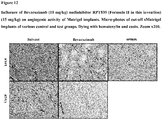
- the control and experiment groups had at least 3 mice. Aliquots (1,000 mcl) of Matrigel (BD Biosciences) containing heparin 60 conventional units/ml, VEGF (200 ng/ml, BD Biosciences) or bFGF (100 ng/ml, BD Biosciences) were prepared on ice.
- Matrigel containing heparin 60 conventional units/ml was used as negative control.
- Matrigel was injected in the mice subcutaneously into the side part of the back. After injection, Matrigel quickly forms single, hard gel-like implant.
- a weight of the inhibitor was dissolved in DMSO to concentration of 10 -2 M. Aliquots were frozen down to -20°C and unfrozen immediately before injection. Refreezing of the solution was not allowed.
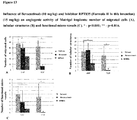
- the tested and standard objects were administered intraperitoneally on the 0, 3 and 6 day of Matrigel implntation: Bevacizumab in a dose of 10 mg/kg and RPT835 - 15 mg/kg. Description of the groups was presented in Table 2. Seven days after administration of Matrigel, the mice were put into sleep with diethyl ether to remove the implant. The implants were fixed for 24-36 hours in 10% neutral formalin and enclosed in paraffin for further histological research.
- inhibitor RPT835 statistically significantly blocks angiogenesis stimulated by bFGF.
- Bevacizumab in the same operation mode was effective against VEGF-stimulated angiogenesis, but not when bFGF was used.
- RPT835 as an example of inhibitors described in this invention is a promising antiangiogenic substance with a self-contained mechanism of action.
- Endothelial cells HUVEC were sawn in 96-cavity plates and cultivate for 24 hours. After that, the following was added to the cells:
- FGF-2 in a concentration of 25 ng/ml.
- the cells were cultivated for 96 hours in general and then were calculated.
- Inhibitors described in this invention produced a pronounced anti-proliferative effect on endothelial cells unlike the typical inhibitor of tyrosine kinase of FGFR/VEGFR of brivanib.
- SKOV3 ovarian cancer, ATCC # HTB-77
- HS578T breast cancer, ATCC # HTB-126
- T47D breast cancer, ATCC #HTB-1336
- modified line of non-small cells lung cancer A549 line of metastatic melanoma of skin Mel Kor (RF Patent No. 2287578 )
- antiangiogenic activity - cell line SVEC-4-10 endothelial cells, ATCC #CRL-2181.
- the cells were cultivated in environment RPMI-1640 (PANECO) (SKOV3, HS578T, T47D, Mel-Kor) or DMEM (PANECO) (SVEC-4-10) containing 10% of embryonal serum cattle (FCS, HyClone), 2mM glutamine (PANECO), antibiotics (100 IU/mL penicillin and 100 mg/ml streptomycin (all PANECO)) at 37°C and 5% CO 2 . Cells at 70-80% monolayer were used for the experiments.
- the cells were planted in low density (30 t of cells/ml) in triplets on a 96-cavity plate in an environment containing 0.1% of FCS serum. On the next day, tested inhibitor RPT835 was added into the cavities in the required concentrations, and after 6 hours - the fibroblast growth factor (100 ng/ml bFGF (BD Bioscience)). The environment, antibiotics and the drugs were changed once per 3 days. Growth of cells was determined by the modified "Crystal Violet mitogenic method" for 7 days after the experiment start. The cells were rinsed with PBS, fixed with 1% parafarmaldehyde on PBS and dyed with 0.5% solution of Crystal Violet, Sigma Chemical Co on ethanol.
- the dye was dissolved in ethanol and measured on a spectrophotometer at 540-560 nm.
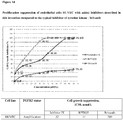
- the curve of cell proliferative activity inhibition was built by the dependence of the percent of the cell quantity (Y axis) on concentration of inhibitor RPT835 in the cavity of the plate (X axis). Concentration of samples, starting from which the percentage of survived cells became lower than 50% (IC 50 ), was calculated in program GraphPad Prizm 5. The experiments were repeated at least 3 times with three repetitions per experiment.
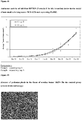
- Figure 15 shows the antiproliferative action of compound RPT835 on cultures of tumor and endothelial cells in vitro.
- inhibitor RPT835 suppressed anti-proliferative activity of tumor and endothelial cells in various degrees.
- the degree of proliferation inhibiting depended on the expression status of FGFR2: the harder the receptor is expressed, the more effective was inhibitor RPT835.
- the maximum inhibiting effect is noted when using SVEC-4-10 line, which strongly expresses FGFR2.
- a moderate effect on proliferation is found in cells with low FGFR2-expression of SKOV3 and HS578T.
- Tested inhibitor RPT835 did not block the proliferative activity of the cell line of metastatic melanoma Mel Kor and breast cancer T47D, which hardly expressed FGFR2.
- inhibitor RPT835 was shown to produce anti-proliferative action on tumor and endothelial cells, which correlates with the expression intensity of FGFR2. This emphasizes specific activity of the inhibitor.
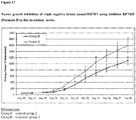
- mice Females of immunodeficient mice (nude) at the age of 8 weeks were administered 2x10 6 tumor cells of human cell lines with various expression of FGFR2:
- Control group 1 SUM52PE, administration of water through a stomach tube, daily.
- Treatment group 1 SUM52PE, administration of inhibitor RPT835 through a stomach tube in a dose of 30 mg/kg, daily.
- Control group 3 NCI-H226, administration of water through a stomach tube, daily.
- Treatment group 3 NCI-H226, administration of inhibiter RPT835 through a stomach tube in a dose of 30 mg/kg, daily.
- tumor volume is in Table 3.
- the mice that were administered inhibitor RPT835 were noted to have significant slowdown of aggressive growth of tumor SUM52PE (P ⁇ 0.000, starting from the 16 th day of the experiment).
- the average size of the tumor in groups varied more than 2-fold and equaled in the control group 2,712.2 ⁇ 37 mm3, in the treatment group - 1,080.7 ⁇ 49 mm3. Slowdown of the tumor growth was 60.2%.
- the mice from the control group were subjected to euthanasia. Observation of the mice from the treatment group was continued. Stabilization of the disease (absence of tumor growth during the subsequent period of observation) was found in the group, which is evaluated as a positive effect. Consequently, inhibitor RPT835 demonstrated antitumor efficacy in experiment in vivo in relation to triple negative breast cancer SUM52PE strongly expressing FGFR2.
- inhibitor RPT835 also produced certain suppression of tumor growth of triple negative breast cancer HS578T weakly expressing FGFR2.
- the differences were less significant, than in using inhibitor RPT835 in the model of triple negative breast cancer with strong expression of FGFR2.
- Slowdown of tumor growth on the 31 st and the 40 th days was 33.2% and 30.6%.
- Immunodefficient mice (Nude, age of the mice as of the treatment start is 8 weeks; nursery "Pushchino”) were subcutaneously inoculated cells of FGFR2 of expressing line of human ovarian cancer SKOV-3. When the average tumor volume of 200 mm3 was achieved, the mice were randomized into the groups of control (standard chemotherapy with paclitaxel and caroplatin) and treatment (inhibitor RPT835). There were 10 mice in each group. Inhibitor RPT835 was assigned in a dose of 50 mg/kg, daily. The tumor volume was measured twice a week. When the tumor volume reached 2,000 mm3, the mice were subjected to euthanasia. Pathomorphosis of the tumor tissue was studied.
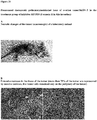
- Pronounced therapeutic pathomorphosis both macroscopic, and microscopic was observed in the treatment group when inhibitor RPT835 was used ( Figure 20 ). Extensive necroses were found in the tumor (over 75% of the tumor are represented by massive necroses, live tumor cells remained only on the periphery of the tumor). Early damage of vessels inside still vitalized tissue was also observed. Dystrophy was observed in the tumor cells.
- inhibitor RPT835 causes treatment pathomorphosis of some tumors, in particular, ovarian cancer.
- Collagen-induced arthritis model was used in the research. Arthritic was induced in mice by intradermal injections of collagen of the II type combined with Freund's adjuvant. The mice were randomized into 2 groups of 5 animals in each one:
- mice On the 41 st day, the mice were subjected to euthanasia, the tissue was studied.
- inhibitors described in the invention can be effective for rheumatic diseases and connective tissue diseases.
- Toxicity of inhibitor RPT835 was assessed in in vivo studies described in Example 13. According to the standard procedure, all undesirable events were assessed, as well as loss of weight by animals, when the inhibitor is used compared to the control group. Neither weight loss, nor any undesirable side effects of the therapy was found in this research.
Landscapes
- Health & Medical Sciences (AREA)
- Chemical & Material Sciences (AREA)
- Organic Chemistry (AREA)
- Public Health (AREA)
- Veterinary Medicine (AREA)
- Medicinal Chemistry (AREA)
- Pharmacology & Pharmacy (AREA)
- Life Sciences & Earth Sciences (AREA)
- Animal Behavior & Ethology (AREA)
- General Health & Medical Sciences (AREA)
- Epidemiology (AREA)
- Nuclear Medicine, Radiotherapy & Molecular Imaging (AREA)
- General Chemical & Material Sciences (AREA)
- Chemical Kinetics & Catalysis (AREA)
- Pharmaceuticals Containing Other Organic And Inorganic Compounds (AREA)
- Medicines That Contain Protein Lipid Enzymes And Other Medicines (AREA)
- Medicines Containing Antibodies Or Antigens For Use As Internal Diagnostic Agents (AREA)
- Pyridine Compounds (AREA)
- Saccharide Compounds (AREA)
- Nitrogen And Oxygen Or Sulfur-Condensed Heterocyclic Ring Systems (AREA)
- Steroid Compounds (AREA)
Applications Claiming Priority (2)
| Application Number | Priority Date | Filing Date | Title |
|---|---|---|---|
| EA201400495A EA028614B1 (ru) | 2014-05-22 | 2014-05-22 | Селективные ингибиторы, нарушающие взаимодействие рецептора фактора роста фибробластов и frs2, для профилактики и лечения рака |
| PCT/EA2014/000013 WO2015176730A1 (ru) | 2014-05-22 | 2014-06-06 | Селективные ингибиторы, нарушающие взаимодействие рецептора фактора роста фибробластов и frs2, для профилактики и лечения рака и других заболеваний |
Publications (3)
| Publication Number | Publication Date |
|---|---|
| EP3146965A1 true EP3146965A1 (de) | 2017-03-29 |
| EP3146965A4 EP3146965A4 (de) | 2018-01-03 |
| EP3146965B1 EP3146965B1 (de) | 2019-05-01 |
Family
ID=54553457
Family Applications (1)
| Application Number | Title | Priority Date | Filing Date |
|---|---|---|---|
| EP14892456.6A Active EP3146965B1 (de) | 2014-05-22 | 2014-06-06 | Selektive, mit dem fibroblastenwachstumsfaktorrezeptor interferierende inhibitoren und frs2-interaktion zur vorbeugung und behandlung von krebs und anderen erkrankungen |
Country Status (7)
| Country | Link |
|---|---|
| US (1) | US9957236B2 (de) |
| EP (1) | EP3146965B1 (de) |
| JP (1) | JP6365999B2 (de) |
| CN (1) | CN106535882B (de) |
| EA (1) | EA028614B1 (de) |
| ES (1) | ES2734649T3 (de) |
| WO (1) | WO2015176730A1 (de) |
Cited By (2)
| Publication number | Priority date | Publication date | Assignee | Title |
|---|---|---|---|---|
| WO2021250029A1 (en) * | 2020-06-08 | 2021-12-16 | Universität Zürich | Small-molecule inhibitors of the frs2-fgfr interaction |
| US12485169B2 (en) | 2018-11-23 | 2025-12-02 | Grey Wolf Therapeutics Limited | Compounds |
Families Citing this family (3)
| Publication number | Priority date | Publication date | Assignee | Title |
|---|---|---|---|---|
| CN109251983B (zh) * | 2018-08-15 | 2022-03-25 | 深圳市罗湖区人民医院 | Frs2基因的拷贝数扩增及其应用、检测拷贝数扩增的特异性引物对 |
| EP3898626A1 (de) | 2018-12-19 | 2021-10-27 | Array Biopharma, Inc. | Substituierte pyrazolo[1,5-a]pyridin-verbindungen als inhibitoren von fgfr-tyrosinkinasen |
| US12351571B2 (en) | 2018-12-19 | 2025-07-08 | Array Biopharma Inc. | Substituted quinoxaline compounds as inhibitors of FGFR tyrosine kinases |
Family Cites Families (18)
| Publication number | Priority date | Publication date | Assignee | Title |
|---|---|---|---|---|
| US439179A (en) | 1890-10-28 | Boot or shoe polishing machine | ||
| US3773919A (en) | 1969-10-23 | 1973-11-20 | Du Pont | Polylactide-drug mixtures |
| US4485045A (en) | 1981-07-06 | 1984-11-27 | Research Corporation | Synthetic phosphatidyl cholines useful in forming liposomes |
| US4544545A (en) | 1983-06-20 | 1985-10-01 | Trustees University Of Massachusetts | Liposomes containing modified cholesterol for organ targeting |
| US5013556A (en) | 1989-10-20 | 1991-05-07 | Liposome Technology, Inc. | Liposomes with enhanced circulation time |
| US7105682B2 (en) | 2001-01-12 | 2006-09-12 | Amgen Inc. | Substituted amine derivatives and methods of use |
| WO2004013091A2 (en) | 2002-08-01 | 2004-02-12 | Yissum Research Development Company Of The Hebrew University Of Jerusalem | 4-anilido substituted quinazolines and use thereof as inhibitors of epidermal growth factor receptor kinases |
| GB0307695D0 (en) * | 2003-04-02 | 2003-05-07 | Avecia Ltd | Compounds,compositions and processes |
| US8198328B2 (en) * | 2004-01-21 | 2012-06-12 | New York University | Treatment of cancer using benzoic acid derivatives |
| WO2005115363A2 (en) * | 2004-05-25 | 2005-12-08 | Yale University | Method for treating skeletal disorders resulting from fgfr malfunction |
| JP5113038B2 (ja) * | 2006-03-23 | 2013-01-09 | テムリック株式会社 | 癌治療用キットおよび癌治療用医薬組成物 |
| BRPI0717106A2 (pt) * | 2006-09-21 | 2013-10-08 | Piramal Life Sciences Ltd | Compostos para o tratamento de distúrbios metabólicos |
| PE20121126A1 (es) * | 2006-12-21 | 2012-08-24 | Plexxikon Inc | Compuestos pirrolo [2,3-b] piridinas como moduladores de quinasa |
| US7776877B2 (en) | 2007-06-22 | 2010-08-17 | Chemocentryx, Inc. | N-(2-(hetaryl)aryl) arylsulfonamides and N-(2-(hetaryl) hetaryl arylsulfonamides |
| US8916553B2 (en) * | 2010-07-26 | 2014-12-23 | Bristol-Myers Squibb Company | Sulfonamide compounds useful as CYP17 inhibitors |
| JP2013538784A (ja) * | 2010-10-01 | 2013-10-17 | ラクオリア創薬株式会社 | Trpm8拮抗剤としてのスルファモイル安息香酸ヘテロ二環性誘導体 |
| KR102032007B1 (ko) * | 2012-02-28 | 2019-10-14 | 아스텔라스세이야쿠 가부시키가이샤 | 질소 함유 방향족 헤테로환 화합물 |
| US20150072019A1 (en) * | 2012-03-30 | 2015-03-12 | Novartis Ag | Fgfr inhibitor for use in the treatment of hypophosphatemic disorders |
-
2014
- 2014-05-22 EA EA201400495A patent/EA028614B1/ru not_active IP Right Cessation
- 2014-06-06 EP EP14892456.6A patent/EP3146965B1/de active Active
- 2014-06-06 WO PCT/EA2014/000013 patent/WO2015176730A1/ru not_active Ceased
- 2014-06-06 JP JP2017513314A patent/JP6365999B2/ja active Active
- 2014-06-06 CN CN201480079337.4A patent/CN106535882B/zh active Active
- 2014-06-06 ES ES14892456T patent/ES2734649T3/es active Active
-
2016
- 2016-11-18 US US15/355,506 patent/US9957236B2/en active Active
Cited By (2)
| Publication number | Priority date | Publication date | Assignee | Title |
|---|---|---|---|---|
| US12485169B2 (en) | 2018-11-23 | 2025-12-02 | Grey Wolf Therapeutics Limited | Compounds |
| WO2021250029A1 (en) * | 2020-06-08 | 2021-12-16 | Universität Zürich | Small-molecule inhibitors of the frs2-fgfr interaction |
Also Published As
| Publication number | Publication date |
|---|---|
| JP6365999B2 (ja) | 2018-08-01 |
| CN106535882B (zh) | 2019-06-04 |
| EP3146965B1 (de) | 2019-05-01 |
| EP3146965A4 (de) | 2018-01-03 |
| ES2734649T3 (es) | 2019-12-11 |
| WO2015176730A1 (ru) | 2015-11-26 |
| JP2017530111A (ja) | 2017-10-12 |
| EA028614B1 (ru) | 2017-12-29 |
| US20170183315A1 (en) | 2017-06-29 |
| EA201400495A1 (ru) | 2015-11-30 |
| CN106535882A (zh) | 2017-03-22 |
| US9957236B2 (en) | 2018-05-01 |
Similar Documents
| Publication | Publication Date | Title |
|---|---|---|
| Morgan et al. | Targeted therapy for advanced prostate cancer: inhibition of the PI3K/Akt/mTOR pathway | |
| US9957236B2 (en) | Selective inhibitors interfering with fibroblast growth factor receptor and FRS2 interaction for the prevention and treatment of cancer and other diseases | |
| JP6640288B2 (ja) | 卵巣癌の治療のための併用療法 | |
| US20160151336A1 (en) | Compounds and methods for regulating integrins | |
| CN107666906A (zh) | 用于治疗癌症的方法 | |
| JP2020169222A (ja) | 癌を治療するための方法 | |
| JP2020520923A (ja) | がんを処置するための方法 | |
| Ramezani et al. | Rolipram optimizes therapeutic effect of bevacizumab by enhancing proapoptotic, antiproliferative signals in a glioblastoma heterotopic model | |
| WO2016168858A1 (en) | Methods for treating cancer | |
| US20060160837A1 (en) | Rapamycin compounds in the treatment of neurofibromatosis type 1 | |
| JP2025166160A (ja) | F16イソインドール小分子を使用する固形腫瘍の治療のための方法及び組成物 | |
| Arnaldez et al. | Targeting Key Signaling Pathways in Pediatric Brain Tumors | |
| Opel et al. | 230 POSTER PI3 Kinase inhibitors broadly sensitize glioblastoma cells for death receptor-or chemotherapy-induced apoptosis |
Legal Events
| Date | Code | Title | Description |
|---|---|---|---|
| STAA | Information on the status of an ep patent application or granted ep patent |
Free format text: STATUS: THE INTERNATIONAL PUBLICATION HAS BEEN MADE |
|
| PUAI | Public reference made under article 153(3) epc to a published international application that has entered the european phase |
Free format text: ORIGINAL CODE: 0009012 |
|
| STAA | Information on the status of an ep patent application or granted ep patent |
Free format text: STATUS: REQUEST FOR EXAMINATION WAS MADE |
|
| 17P | Request for examination filed |
Effective date: 20161103 |
|
| AK | Designated contracting states |
Kind code of ref document: A1 Designated state(s): AL AT BE BG CH CY CZ DE DK EE ES FI FR GB GR HR HU IE IS IT LI LT LU LV MC MK MT NL NO PL PT RO RS SE SI SK SM TR |
|
| AX | Request for extension of the european patent |
Extension state: BA ME |
|
| DAX | Request for extension of the european patent (deleted) | ||
| A4 | Supplementary search report drawn up and despatched |
Effective date: 20171205 |
|
| RIC1 | Information provided on ipc code assigned before grant |
Ipc: A61K 31/495 20060101ALI20171129BHEP Ipc: A61K 31/34 20060101ALI20171129BHEP Ipc: A61P 35/00 20060101ALI20171129BHEP Ipc: A61K 31/10 20060101AFI20171129BHEP Ipc: A61K 31/435 20060101ALI20171129BHEP Ipc: C07D 239/26 20060101ALI20171129BHEP Ipc: A61K 31/505 20060101ALI20171129BHEP Ipc: A61K 31/498 20060101ALI20171129BHEP Ipc: A61K 31/4418 20060101ALI20171129BHEP Ipc: C07D 213/42 20060101ALI20171129BHEP Ipc: A61K 31/185 20060101ALI20171129BHEP |
|
| GRAP | Despatch of communication of intention to grant a patent |
Free format text: ORIGINAL CODE: EPIDOSNIGR1 |
|
| STAA | Information on the status of an ep patent application or granted ep patent |
Free format text: STATUS: GRANT OF PATENT IS INTENDED |
|
| RIC1 | Information provided on ipc code assigned before grant |
Ipc: C07D 239/42 20060101ALI20181012BHEP Ipc: A61P 35/00 20060101ALI20181012BHEP Ipc: A61K 31/498 20060101ALI20181012BHEP Ipc: A61K 31/34 20060101ALI20181012BHEP Ipc: A61K 31/435 20060101ALI20181012BHEP Ipc: A61K 31/10 20060101AFI20181012BHEP Ipc: A61K 31/4418 20060101ALI20181012BHEP Ipc: A61K 31/505 20060101ALI20181012BHEP Ipc: A61K 31/185 20060101ALI20181012BHEP Ipc: A61K 31/495 20060101ALI20181012BHEP Ipc: C07D 239/26 20060101ALI20181012BHEP Ipc: C07D 213/42 20060101ALI20181012BHEP |
|
| INTG | Intention to grant announced |
Effective date: 20181115 |
|
| GRAS | Grant fee paid |
Free format text: ORIGINAL CODE: EPIDOSNIGR3 |
|
| GRAA | (expected) grant |
Free format text: ORIGINAL CODE: 0009210 |
|
| STAA | Information on the status of an ep patent application or granted ep patent |
Free format text: STATUS: THE PATENT HAS BEEN GRANTED |
|
| AK | Designated contracting states |
Kind code of ref document: B1 Designated state(s): AL AT BE BG CH CY CZ DE DK EE ES FI FR GB GR HR HU IE IS IT LI LT LU LV MC MK MT NL NO PL PT RO RS SE SI SK SM TR |
|
| REG | Reference to a national code |
Ref country code: GB Ref legal event code: FG4D |
|
| REG | Reference to a national code |
Ref country code: CH Ref legal event code: EP Ref country code: AT Ref legal event code: REF Ref document number: 1125988 Country of ref document: AT Kind code of ref document: T Effective date: 20190515 |
|
| REG | Reference to a national code |
Ref country code: DE Ref legal event code: R096 Ref document number: 602014046040 Country of ref document: DE |
|
| REG | Reference to a national code |
Ref country code: IE Ref legal event code: FG4D |
|
| REG | Reference to a national code |
Ref country code: NL Ref legal event code: MP Effective date: 20190501 |
|
| REG | Reference to a national code |
Ref country code: LT Ref legal event code: MG4D |
|
| PG25 | Lapsed in a contracting state [announced via postgrant information from national office to epo] |
Ref country code: SE Free format text: LAPSE BECAUSE OF FAILURE TO SUBMIT A TRANSLATION OF THE DESCRIPTION OR TO PAY THE FEE WITHIN THE PRESCRIBED TIME-LIMIT Effective date: 20190501 Ref country code: NL Free format text: LAPSE BECAUSE OF FAILURE TO SUBMIT A TRANSLATION OF THE DESCRIPTION OR TO PAY THE FEE WITHIN THE PRESCRIBED TIME-LIMIT Effective date: 20190501 Ref country code: LT Free format text: LAPSE BECAUSE OF FAILURE TO SUBMIT A TRANSLATION OF THE DESCRIPTION OR TO PAY THE FEE WITHIN THE PRESCRIBED TIME-LIMIT Effective date: 20190501 Ref country code: FI Free format text: LAPSE BECAUSE OF FAILURE TO SUBMIT A TRANSLATION OF THE DESCRIPTION OR TO PAY THE FEE WITHIN THE PRESCRIBED TIME-LIMIT Effective date: 20190501 Ref country code: AL Free format text: LAPSE BECAUSE OF FAILURE TO SUBMIT A TRANSLATION OF THE DESCRIPTION OR TO PAY THE FEE WITHIN THE PRESCRIBED TIME-LIMIT Effective date: 20190501 Ref country code: HR Free format text: LAPSE BECAUSE OF FAILURE TO SUBMIT A TRANSLATION OF THE DESCRIPTION OR TO PAY THE FEE WITHIN THE PRESCRIBED TIME-LIMIT Effective date: 20190501 Ref country code: PT Free format text: LAPSE BECAUSE OF FAILURE TO SUBMIT A TRANSLATION OF THE DESCRIPTION OR TO PAY THE FEE WITHIN THE PRESCRIBED TIME-LIMIT Effective date: 20190901 Ref country code: NO Free format text: LAPSE BECAUSE OF FAILURE TO SUBMIT A TRANSLATION OF THE DESCRIPTION OR TO PAY THE FEE WITHIN THE PRESCRIBED TIME-LIMIT Effective date: 20190801 |
|
| PG25 | Lapsed in a contracting state [announced via postgrant information from national office to epo] |
Ref country code: GR Free format text: LAPSE BECAUSE OF FAILURE TO SUBMIT A TRANSLATION OF THE DESCRIPTION OR TO PAY THE FEE WITHIN THE PRESCRIBED TIME-LIMIT Effective date: 20190802 Ref country code: LV Free format text: LAPSE BECAUSE OF FAILURE TO SUBMIT A TRANSLATION OF THE DESCRIPTION OR TO PAY THE FEE WITHIN THE PRESCRIBED TIME-LIMIT Effective date: 20190501 Ref country code: BG Free format text: LAPSE BECAUSE OF FAILURE TO SUBMIT A TRANSLATION OF THE DESCRIPTION OR TO PAY THE FEE WITHIN THE PRESCRIBED TIME-LIMIT Effective date: 20190801 Ref country code: RS Free format text: LAPSE BECAUSE OF FAILURE TO SUBMIT A TRANSLATION OF THE DESCRIPTION OR TO PAY THE FEE WITHIN THE PRESCRIBED TIME-LIMIT Effective date: 20190501 |
|
| REG | Reference to a national code |
Ref country code: ES Ref legal event code: FG2A Ref document number: 2734649 Country of ref document: ES Kind code of ref document: T3 Effective date: 20191211 |
|
| REG | Reference to a national code |
Ref country code: AT Ref legal event code: MK05 Ref document number: 1125988 Country of ref document: AT Kind code of ref document: T Effective date: 20190501 |
|
| PG25 | Lapsed in a contracting state [announced via postgrant information from national office to epo] |
Ref country code: IS Free format text: LAPSE BECAUSE OF FAILURE TO SUBMIT A TRANSLATION OF THE DESCRIPTION OR TO PAY THE FEE WITHIN THE PRESCRIBED TIME-LIMIT Effective date: 20190901 |
|
| PG25 | Lapsed in a contracting state [announced via postgrant information from national office to epo] |
Ref country code: DK Free format text: LAPSE BECAUSE OF FAILURE TO SUBMIT A TRANSLATION OF THE DESCRIPTION OR TO PAY THE FEE WITHIN THE PRESCRIBED TIME-LIMIT Effective date: 20190501 Ref country code: AT Free format text: LAPSE BECAUSE OF FAILURE TO SUBMIT A TRANSLATION OF THE DESCRIPTION OR TO PAY THE FEE WITHIN THE PRESCRIBED TIME-LIMIT Effective date: 20190501 Ref country code: EE Free format text: LAPSE BECAUSE OF FAILURE TO SUBMIT A TRANSLATION OF THE DESCRIPTION OR TO PAY THE FEE WITHIN THE PRESCRIBED TIME-LIMIT Effective date: 20190501 Ref country code: CZ Free format text: LAPSE BECAUSE OF FAILURE TO SUBMIT A TRANSLATION OF THE DESCRIPTION OR TO PAY THE FEE WITHIN THE PRESCRIBED TIME-LIMIT Effective date: 20190501 Ref country code: RO Free format text: LAPSE BECAUSE OF FAILURE TO SUBMIT A TRANSLATION OF THE DESCRIPTION OR TO PAY THE FEE WITHIN THE PRESCRIBED TIME-LIMIT Effective date: 20190501 Ref country code: SK Free format text: LAPSE BECAUSE OF FAILURE TO SUBMIT A TRANSLATION OF THE DESCRIPTION OR TO PAY THE FEE WITHIN THE PRESCRIBED TIME-LIMIT Effective date: 20190501 Ref country code: MC Free format text: LAPSE BECAUSE OF FAILURE TO SUBMIT A TRANSLATION OF THE DESCRIPTION OR TO PAY THE FEE WITHIN THE PRESCRIBED TIME-LIMIT Effective date: 20190501 |
|
| REG | Reference to a national code |
Ref country code: DE Ref legal event code: R097 Ref document number: 602014046040 Country of ref document: DE |
|
| PG25 | Lapsed in a contracting state [announced via postgrant information from national office to epo] |
Ref country code: SM Free format text: LAPSE BECAUSE OF FAILURE TO SUBMIT A TRANSLATION OF THE DESCRIPTION OR TO PAY THE FEE WITHIN THE PRESCRIBED TIME-LIMIT Effective date: 20190501 |
|
| PLBE | No opposition filed within time limit |
Free format text: ORIGINAL CODE: 0009261 |
|
| STAA | Information on the status of an ep patent application or granted ep patent |
Free format text: STATUS: NO OPPOSITION FILED WITHIN TIME LIMIT |
|
| REG | Reference to a national code |
Ref country code: BE Ref legal event code: MM Effective date: 20190630 |
|
| PG25 | Lapsed in a contracting state [announced via postgrant information from national office to epo] |
Ref country code: TR Free format text: LAPSE BECAUSE OF FAILURE TO SUBMIT A TRANSLATION OF THE DESCRIPTION OR TO PAY THE FEE WITHIN THE PRESCRIBED TIME-LIMIT Effective date: 20190501 |
|
| 26N | No opposition filed |
Effective date: 20200204 |
|
| PG25 | Lapsed in a contracting state [announced via postgrant information from national office to epo] |
Ref country code: IE Free format text: LAPSE BECAUSE OF NON-PAYMENT OF DUE FEES Effective date: 20190606 Ref country code: PL Free format text: LAPSE BECAUSE OF FAILURE TO SUBMIT A TRANSLATION OF THE DESCRIPTION OR TO PAY THE FEE WITHIN THE PRESCRIBED TIME-LIMIT Effective date: 20190501 |
|
| PG25 | Lapsed in a contracting state [announced via postgrant information from national office to epo] |
Ref country code: BE Free format text: LAPSE BECAUSE OF NON-PAYMENT OF DUE FEES Effective date: 20190630 Ref country code: SI Free format text: LAPSE BECAUSE OF FAILURE TO SUBMIT A TRANSLATION OF THE DESCRIPTION OR TO PAY THE FEE WITHIN THE PRESCRIBED TIME-LIMIT Effective date: 20190501 Ref country code: LU Free format text: LAPSE BECAUSE OF NON-PAYMENT OF DUE FEES Effective date: 20190606 |
|
| PG25 | Lapsed in a contracting state [announced via postgrant information from national office to epo] |
Ref country code: CY Free format text: LAPSE BECAUSE OF FAILURE TO SUBMIT A TRANSLATION OF THE DESCRIPTION OR TO PAY THE FEE WITHIN THE PRESCRIBED TIME-LIMIT Effective date: 20190501 |
|
| PG25 | Lapsed in a contracting state [announced via postgrant information from national office to epo] |
Ref country code: MT Free format text: LAPSE BECAUSE OF FAILURE TO SUBMIT A TRANSLATION OF THE DESCRIPTION OR TO PAY THE FEE WITHIN THE PRESCRIBED TIME-LIMIT Effective date: 20190501 Ref country code: HU Free format text: LAPSE BECAUSE OF FAILURE TO SUBMIT A TRANSLATION OF THE DESCRIPTION OR TO PAY THE FEE WITHIN THE PRESCRIBED TIME-LIMIT; INVALID AB INITIO Effective date: 20140606 |
|
| PG25 | Lapsed in a contracting state [announced via postgrant information from national office to epo] |
Ref country code: MK Free format text: LAPSE BECAUSE OF FAILURE TO SUBMIT A TRANSLATION OF THE DESCRIPTION OR TO PAY THE FEE WITHIN THE PRESCRIBED TIME-LIMIT Effective date: 20190501 |
|
| REG | Reference to a national code |
Ref country code: DE Ref legal event code: R082 Ref document number: 602014046040 Country of ref document: DE Representative=s name: ALPSPITZ IP ALLGAYER UND PARTNER PATENTANWAELT, DE |
|
| PGFP | Annual fee paid to national office [announced via postgrant information from national office to epo] |
Ref country code: DE Payment date: 20250530 Year of fee payment: 12 |
|
| PGFP | Annual fee paid to national office [announced via postgrant information from national office to epo] |
Ref country code: GB Payment date: 20250530 Year of fee payment: 12 |
|
| PGFP | Annual fee paid to national office [announced via postgrant information from national office to epo] |
Ref country code: FR Payment date: 20250530 Year of fee payment: 12 |
|
| PGFP | Annual fee paid to national office [announced via postgrant information from national office to epo] |
Ref country code: ES Payment date: 20250701 Year of fee payment: 12 |
|
| PGFP | Annual fee paid to national office [announced via postgrant information from national office to epo] |
Ref country code: IT Payment date: 20250623 Year of fee payment: 12 |
|
| PGFP | Annual fee paid to national office [announced via postgrant information from national office to epo] |
Ref country code: CH Payment date: 20250701 Year of fee payment: 12 |