EP3165607A2 - Oligonucléotides biologiquement actifs capables de moduler le système immunitaire - Google Patents
Oligonucléotides biologiquement actifs capables de moduler le système immunitaire Download PDFInfo
- Publication number
- EP3165607A2 EP3165607A2 EP16202636.3A EP16202636A EP3165607A2 EP 3165607 A2 EP3165607 A2 EP 3165607A2 EP 16202636 A EP16202636 A EP 16202636A EP 3165607 A2 EP3165607 A2 EP 3165607A2
- Authority
- EP
- European Patent Office
- Prior art keywords
- oligonucleotide
- oligonucleotides
- seq
- quadruplex
- ifn
- Prior art date
- Legal status (The legal status is an assumption and is not a legal conclusion. Google has not performed a legal analysis and makes no representation as to the accuracy of the status listed.)
- Granted
Links
Images






Classifications
-
- C—CHEMISTRY; METALLURGY
- C12—BIOCHEMISTRY; BEER; SPIRITS; WINE; VINEGAR; MICROBIOLOGY; ENZYMOLOGY; MUTATION OR GENETIC ENGINEERING
- C12N—MICROORGANISMS OR ENZYMES; COMPOSITIONS THEREOF; PROPAGATING, PRESERVING, OR MAINTAINING MICROORGANISMS; MUTATION OR GENETIC ENGINEERING; CULTURE MEDIA
- C12N15/00—Mutation or genetic engineering; DNA or RNA concerning genetic engineering, vectors, e.g. plasmids, or their isolation, preparation or purification; Use of hosts therefor
- C12N15/09—Recombinant DNA-technology
- C12N15/11—DNA or RNA fragments; Modified forms thereof; Non-coding nucleic acids having a biological activity
- C12N15/117—Nucleic acids having immunomodulatory properties, e.g. containing CpG-motifs
-
- G—PHYSICS
- G01—MEASURING; TESTING
- G01N—INVESTIGATING OR ANALYSING MATERIALS BY DETERMINING THEIR CHEMICAL OR PHYSICAL PROPERTIES
- G01N33/00—Investigating or analysing materials by specific methods not covered by groups G01N1/00 - G01N31/00
- G01N33/48—Biological material, e.g. blood, urine; Haemocytometers
- G01N33/50—Chemical analysis of biological material, e.g. blood, urine; Testing involving biospecific ligand binding methods; Immunological testing
- G01N33/68—Chemical analysis of biological material, e.g. blood, urine; Testing involving biospecific ligand binding methods; Immunological testing involving proteins, peptides or amino acids
- G01N33/6863—Cytokines, i.e. immune system proteins modifying a biological response such as cell growth proliferation or differentiation, e.g. TNF, CNF, GM-CSF, lymphotoxin, MIF or their receptors
- G01N33/6866—Interferon
-
- G—PHYSICS
- G01—MEASURING; TESTING
- G01N—INVESTIGATING OR ANALYSING MATERIALS BY DETERMINING THEIR CHEMICAL OR PHYSICAL PROPERTIES
- G01N33/00—Investigating or analysing materials by specific methods not covered by groups G01N1/00 - G01N31/00
- G01N33/48—Biological material, e.g. blood, urine; Haemocytometers
- G01N33/50—Chemical analysis of biological material, e.g. blood, urine; Testing involving biospecific ligand binding methods; Immunological testing
- G01N33/68—Chemical analysis of biological material, e.g. blood, urine; Testing involving biospecific ligand binding methods; Immunological testing involving proteins, peptides or amino acids
- G01N33/6863—Cytokines, i.e. immune system proteins modifying a biological response such as cell growth proliferation or differentiation, e.g. TNF, CNF, GM-CSF, lymphotoxin, MIF or their receptors
- G01N33/6869—Interleukin
-
- C—CHEMISTRY; METALLURGY
- C12—BIOCHEMISTRY; BEER; SPIRITS; WINE; VINEGAR; MICROBIOLOGY; ENZYMOLOGY; MUTATION OR GENETIC ENGINEERING
- C12N—MICROORGANISMS OR ENZYMES; COMPOSITIONS THEREOF; PROPAGATING, PRESERVING, OR MAINTAINING MICROORGANISMS; MUTATION OR GENETIC ENGINEERING; CULTURE MEDIA
- C12N2310/00—Structure or type of the nucleic acid
- C12N2310/10—Type of nucleic acid
- C12N2310/17—Immunomodulatory nucleic acids
-
- C—CHEMISTRY; METALLURGY
- C12—BIOCHEMISTRY; BEER; SPIRITS; WINE; VINEGAR; MICROBIOLOGY; ENZYMOLOGY; MUTATION OR GENETIC ENGINEERING
- C12N—MICROORGANISMS OR ENZYMES; COMPOSITIONS THEREOF; PROPAGATING, PRESERVING, OR MAINTAINING MICROORGANISMS; MUTATION OR GENETIC ENGINEERING; CULTURE MEDIA
- C12N2310/00—Structure or type of the nucleic acid
- C12N2310/30—Chemical structure
- C12N2310/31—Chemical structure of the backbone
- C12N2310/313—Phosphorodithioates
-
- C—CHEMISTRY; METALLURGY
- C12—BIOCHEMISTRY; BEER; SPIRITS; WINE; VINEGAR; MICROBIOLOGY; ENZYMOLOGY; MUTATION OR GENETIC ENGINEERING
- C12N—MICROORGANISMS OR ENZYMES; COMPOSITIONS THEREOF; PROPAGATING, PRESERVING, OR MAINTAINING MICROORGANISMS; MUTATION OR GENETIC ENGINEERING; CULTURE MEDIA
- C12N2310/00—Structure or type of the nucleic acid
- C12N2310/30—Chemical structure
- C12N2310/31—Chemical structure of the backbone
- C12N2310/315—Phosphorothioates
-
- C—CHEMISTRY; METALLURGY
- C12—BIOCHEMISTRY; BEER; SPIRITS; WINE; VINEGAR; MICROBIOLOGY; ENZYMOLOGY; MUTATION OR GENETIC ENGINEERING
- C12N—MICROORGANISMS OR ENZYMES; COMPOSITIONS THEREOF; PROPAGATING, PRESERVING, OR MAINTAINING MICROORGANISMS; MUTATION OR GENETIC ENGINEERING; CULTURE MEDIA
- C12N2320/00—Applications; Uses
- C12N2320/10—Applications; Uses in screening processes
- C12N2320/11—Applications; Uses in screening processes for the determination of target sites, i.e. of active nucleic acids
Definitions
- the present invention refers to methods of identifying oligonucleotides that adopts a certain tertiary structure, and thereby are able to modulate the immune system, irrespective of primary structure.
- the present invention relates to methods of identifying oligonucleotides capable of modulating the immune system in a mammalian subject, comprising analysis of which tertiary structural type said oligonucleotide adopts, in physiologically relevant aqueous solution.
- the invention provides oligonucleotides identifiable by the methods of the invention and to their use in methods of treating diseases, such as inflammatory diseases, autoimmune diseases, infectious diseases, neurodegenerative diseases and cancer.
- DNA oligonucleotides are short DNA-based synthetic polymers that can be synthesised and highly purified in significant quantities.
- the sequence of monomers (deoxyribonucleotides) in oligonucleotides is termed as the primary structure of DNA.
- the secondary structure of a nucleic acid molecule refers to the base-pairing interactions within a single molecule or set of interacting molecules.
- the tertiary structure of DNA is determined as its spatial organization (IUPAC).
- ODNs in physiologically relevant aqueous solutions are considered to be random-coiled single-stranded or in the tertiary structure of double-stranded DNA helix.
- the double helix is the dominant tertiary structure for biological DNA that can be in one of three DNA conformations and are believed to be found in nature, A-DNA, B-DNA, and Z-DNA.
- the B-form described by Watson and Crick is believed to predominate in cells ( Richmond T.J., et al. (2003) Nature 423 (6936): 145-150 ).
- nucleic acid structures can be observed that are different from random or classical double-stranded helix forms. Among them are triplexes, quadruplexes and other nucleic acid structures ( Soyfer, V.N and Potaman V.N. (1995) Triple-Helical Nucleic Acids. Springer Ver., New York, 360 pp ; Burge S., et al. (2006) Nucleic Acids Research, 34,19, 5402-5415 ).
- G-quartets G-quadruplexes
- GRO action The molecular mechanisms of GRO action are not fully known. One of them appears to be related to the ability of oligonucleotides to bind to nucleolin ( Bates, P.J., et al. (1999) J. Biol. Chem., 274, 26369-26377 ). Binding of nucleolin to other G-quartet-forming sequences such as telomeric DNA, immunoglobulin switch regions and ribosomal genes has also been reported ( Dempsey, L.A., et al., (1999) J. Biol. Chem., 274, 1066-1071 ; Hanakahi, L.A. et al., (1999) J. Biol.
- Antisoma plc developed G-quadruplex based AS-1411 that is the first oligodeoxyribonucleotide aptamer that reached clinical trials for the potential treatment of cancers, including acute myelogenous leukemia (AML) ( Ireson CR and Kelland LR, (2006) Mol Cancer Ther. 5 (12):2957-62 ; Mongelard F. and Bouvet P., (2006) Curr Opin Mol Ther.12(1): 107-14 ).
- AML acute myelogenous leukemia
- G-rich oligonucleotides can form a variety of possible quadruplex structures, depending on its thermodynamic and kinetic characteristics.
- Quadruplexes can be formed by one, two or four molecules of oligonucleotides, which are referred to as monomer, dimer and tetramer structures, respectively. ( Dapic V., et al., (2003) Nucleic Acids Research 31 (8): 2097-2107 ).
- Circular dichroism (CD) spectroscopy is commonly used to investigate the structure and conformation of nucleic acids ( Baase and Johnson Jr. (1979) Nucleic Acids Res., 6(2): 797-814 ; Giraldo R. et al., (1994) Proc.Natl.Acad.Sci.USA 91: 7658-7662 ; Hardin C.C. et al., (1991) Biochemistry 30:4460-44721992 , Hardin C.C. et al., (1992) Biochemistry 31: 833-841 ; Paramasivan S, et al.
- CpG ODNs immunostimulatory oligodeoxyribonucleotides containing unmethylated deoxyribodinucleotide CpG motifs (CpG ODNs) that mimic prokaryotic DNA have been developed and characterised by several research groups. It has been established that recognition of CpG ODN requires Toll-like receptor 9 (TLR9) interaction. Cells that express TLR9, which include plasmacytoid dendritic cells (PDCs) and B cells, produce Th1-like proinflammatory cytokines, interferons, and chemokines in response to CpG ODNs.
- PDCs plasmacytoid dendritic cells
- B cells produce Th1-like proinflammatory cytokines, interferons, and chemokines in response to CpG ODNs.
- CpG ODNs are described up to date as A-, B-, C-, D- and P-class CpG ODNs (Krieg A., 2002 and 2006), however, they all have been classified based on the primary structure (nucleotide sequence) of the oligonucleotides.
- Imbalances in the cytokine cascade can help the initiation and propagation of the immune driven inflammation.
- inflammatory diseases including rheumatoid arthritis and inflammatory bowel disease
- the proinflammatory cytokine TNF- ⁇ has been shown to play a central role in inflammatory reactions and has proven to be an especially attractive target for biological agents.
- Immunomodulatory cytokines considered of significance in the treatment of infectious diseases, malignancies and autoimmune diseases including interferon type I (IFN- ⁇ and IFN- ⁇ ), IFN- ⁇ and IL-10.
- Interferons are cytokines that may be released in response to viruses, bacteria, parasites and tumor cells. Interferons possess immunoregulatory, antiviral and anti-cancer properties. They have been used to successfully treat a number of chronic inflammatory disorders including multiple sclerosis ( Paolicelli, D et al., (2009) Targets & Therapy; 3, 369-76 ), chronic viral hepatitis ( Hoofnagel JH and Seeff LB, (2006) N. Eng. J.
- IFNs There are two main classes of IFNs: Type I IFNs ( ⁇ , ⁇ , ⁇ , ⁇ , ⁇ ) are central in the host defense against pathogens such as viruses whereas type II IFN ( ⁇ ) mainly contributes to the T-cell-mediated regulation of the immune responses.
- IFN- ⁇ is produced by the cells of the immune system in response to the presence of a foreign antigen, inducing cell activation of macrophages and natural killer cells and enhancing antigen presentation.
- IFN- ⁇ There are 13 subtypes of IFN- ⁇ , whereby the two subtypes IFN- ⁇ 2a and IFN- ⁇ 2b have been used therapeutically with similar results in hepatitis C ( Welzel TM et al., (2009) Hepatology, 49: 1847-58 ) and renal carcinoma (Coppin C et al., (2008) The Cochrane Collaboration, Targeted therapy for advanced renal cell carcinoma, 1-38).
- the side effects of recombinant IFN- ⁇ can, however, be significant with up to 68% of patients presenting with psychiatric symptoms, such as depression, irritability, and insomnia.
- IFN- ⁇ is produced mainly in fibroblasts and plasmacytoid dendritic cells and has 30% nucleic acid homology to IFN- ⁇ and sharing similar antiviral activity. Clinically, it has been used in the treatment of MS because of its additional anti-inflammatory effect ( Durelli L et al., (2009) Ann Neurol, 65: 499-509 ).
- recombinant IFN- ⁇ is used as a first-line treatment for relapsing-remitting form of the MS disease.
- Common adverse events from the recombinant IFN- ⁇ are depression, flu-like symptoms, and increase of liver enzyme levels.
- IFN- ⁇ is produced by leukocytes to induce macrophage activation and increase oxidative burst.
- Defects in IFN- ⁇ and IFN- ⁇ receptor genes have been associated with autoimmune diseases such as rheumatoid arthritis, type1 diabetes and multiple sclerosis ( Chen J and Liu X, (2009) Cellular Immunology, Vol. 254: 85-90 ).
- treatment of autoimmune diseases supplementing with IFN- ⁇ was ambivalent due to its broad biological effects causing unwanted activities. Further, it is clinically used to enhance immunity in patients with chronic granulomatous disease with good efficacy. Potential side effects include fever, hypotension, and flu-like symptoms ( Holland SM, (2009) Clinic Rev Allerg Immunol, 38: 3-10 ). It is also thought to be beneficial as treatment for brain tumor immunotherapy ( Haque A et al., (2007) Neurochem Res, 32: 2203-2209 ).
- Interleukins are a group of multifunctional cytokines that are produced by a variety of lymphoid and non-lymphoid cells of the immune system to mediate communication between the immune cells and are particularly important to promote immune responses as inflammation and in the hematopoeisis.
- An example of a proinflammatory classified interleukin is IL-6. Its dysregulation can contribute to the induction and maintenance of several diseases such as rheumatoid arthritis and inflammatory bowel disease ( Heinrich PC et al., (2003) Biochem. J., 1374: 1-20 ).
- IL-6 has also anti-inflammatory properties by for example inhibiting TNFs ( Opal SM and DePalo VA, (2000) Chest Anti-inflammatory cytokines, 117: 932-4 ) reflecting the challenge of using a cytokine as therapy or as target for immunotherapy.
- IL-10 is classified as an anti-inflammatory cytokine and is produced by monocytes, macrophages, mast cells, T and B lymphocytes, and dendritic cells. It is believed that it can suppress the production of pro-inflammatory cytokines and plays a central role in the regulation of immune responses.
- corticosteroids widely used anti-inflammatory compounds, exert their anti-inflammatory effects in part by enhancing IL-10 production ( Richards DF et al., (2000) Eur J Immunol, 30: 2344-54 ). In corticosteroid resistant asthmatic patients, corticosteroids failed to induce IL-10 synthesis suggesting a strong link between induction of IL-10 synthesis and efficacy of corticosteroids ( Hawrylowicz CM et al., (2002) J Allergy Clin Immunol, 109: 369-70 ).
- D. Hesse and colleagues Hesse D et al., (2010) Europ. J.
- antibody-related therapies can have several options such as binding to a specific target molecule on the cell surface to trigger cellular mechanisms such as apoptosis or activation pathways (immunotherapy), or simply binding to a target on the cell surface for delivery of an agent to the specific cell type, e.g. cytostatic agent (immuno-chemotherapy).
- Immunotherapy is used in the treatment or alleviation of many immunological diseases or conditions, such as cancer, inflammatory diseases such as asthma and allergy and also autoimmune disorders such as multiple sclerosis.
- WO2010/053433 A1 describes the potential of specific oligonucleotides in up-regulating the expression of certain cell surface markers or cell surface antigens such as CD20, CD23, CD69 and CD80.
- the pre-incubation of PBMC isolated from CLL patients significantly increased the rate of apoptosis in human B-cells mediated by a monoclonal antibody directed against CD20 (rituximab).
- WO2010/053430 A1 describes the capability of specific oligonucleotides to influence the properties and behaviour of polymorphonuclear cells, in particular the recruitment and/or migration of polymorphonuclear cells to a site of inflammation, and that they through this mechanism have utility in the prevention, treatment and/or alleviation of various diseases such as ischemia.
- IL-10 has less side effects than IFN- ⁇ and therefore could be a better treatment option.
- Chen and collegues described the opposite functions of IL-10 and IFN- ⁇ in a subform of CD4+ T-cells while they are working together in the disease management of chronic infections ( Chen J and Liu XS, (2009) J Leuk Biol, 86: 1305-10 ).
- oligonucleotides may interact with the cellular receptor (TLR9)
- TLR9 cellular receptor 9
- the inventors have surprisingly identified that various synthetic oligonucleotides can induce different patterns of cytokine expression in human PBMCs wherein the functionality is dependent on the tertiary structure of the oligonucleotides and not on the primary structure or the content of any specific sequence feature as for example the dinucleotide CpG.
- Non-CpG oligonucleotides can induce cytokine expression and some CpG containing oligonucleotides cannot.
- the inventors have developed a method for identifying new oligonucleotides that can induce preferably specific cytokines, wherein said functionality is dependent on their tertiary structure.
- the oligonucleotides would be useful in treatment of diseases related to deficiencies or imbalance in these cytokines.
- the present invention refers to methods of identifying oligonucleotides that adopts a certain tertiary structure, and thereby are able to modulate the immune system, irrespective of primary structure.
- the primary structure of the oligonucleotides identifiable by the methods of the invention may or may not fall into any of previously known ODN primary structure classes but as long as they have the desired tertiary structure described by the invention, they are unified by both the tertiary structure and their capability to modulate the immune system, such as inducing particular cytokines.
- oligonucleotides capable of modulating the immune system in a mammalians comprising analyzing which tertiary structural type said oligonucleotide adopts, in phosphate-buffered saline solution.
- the method is capable of identifying oligonucleotides characterized in that they form at least 40% of telomeric G-quadruplex tetramer type of tertiary structure.
- This group of oligonucleotides are surprisingly active in stimulation of IFNs compared to similar oligonucleotides (in primary structure) that do not form a telomeric G-quadruplex tetramer type of tertiary structure.
- Such oligonucleotides with nearly identical primary structure surprisingly differ strongly in their capability of inducing IFNs production.
- the ODNs identifiable by the methods of the present invention form at least 40% of telomeric G-quadruplex tetramer type of tertiary structure, independently of their primary structure and these are able to induce specific cytokine profiles, in particular IFN- ⁇ , IFN- ⁇ and/or IFN- ⁇ .
- the method is capable of identifying oligonucleotides characterized in that they form at least 45% of non-G-quadruplex dimer type of tertiary structure.
- This group of oligonucleotides are surprisingly active in stimulation of cytokines IL-6 and/or IL10, compared to similar oligonucleotides (in primary structure) that do not form a non-G-quadruplex dimer type of tertiary structure.
- Such oligonucleotides with nearly identical primary structure surprisingly differ strongly in their capability of inducing IL-6 and/or IL10 production.
- the ODNs identifiable by the methods of the present invention form at least 45% of non-G-quadruplex dimer type of tertiary structure, independently of their primary structure and these are able to induce specific cytokine profiles, in particular IL-6 and/or IL-10.
- the inventors have set out to develop a method for identification of novel oligonucleotides capable of endogenously modulating the immune system in a mammalian subject depending on the tertiary structure adopted in solution and, therefore useful in the treatment of inflammatory and autoimmune diseases.
- Other objects underlying the invention, as well as advantages associated with the invention, will become evident to the skilled person upon study of the description, examples and claims.
- the term "about” is used to indicate a deviation of +/- 2 percent of the given value, preferably +/- 5 percent and most preferably +/- 10 percent of the numeric values, when applicable.
- the phrase "capable of modulating the immune system” is used to describe a function, wherein a substance is capable to alter an immune response.
- Immunomodulation is an alteration, adjustment or regulation of the immune response.
- An immunomodulator is a substance that has an effect on the immune system in form of immunostimulation or immunosupression or both.
- the modulation of the immune system may represent an increase or a balancing of the levels of cytokines. This effect can be mediated by, but is not limited to, cytokines (lymphokines, chemokines, interleukins, interferons), cell surface markers, receptors, prostaglandins and hormones.
- cytokines lymphokines, chemokines, interleukins, interferons
- cell surface markers receptors
- prostaglandins prostaglandins and hormones.
- the substance or immunomodulator is preferably an oligonucleotide.
- oligonucleotide refers to a nucleic acid polymer, typically with from 8 to 120 bases, preferably of about 12 to about 30 nucleotides.
- said oligonucleotide represents a DNA oligonucleotide, which should be interpreted as being equal to an oligodeoxyribonucleotide or an oligodeoxyribonucleic acid (ODN).
- tertiary structural type refers to different spatial organizations that an oligonucleotide may adopt.
- the following described types of tertiary structure are relevant: telomeric G-quadruplex tetramer type; fragile X G-quadruplex dimer type; telomeric G-quadruplex dimer type form 1; telomeric G-quadruplex dimer type form 2; non-G-quadruplex dimer type; G-quadruplex basket monomer type; random type and G-quadruplex chair monomer type.
- a phosphate-buffered saline solution refers here to a buffer solution system relevant or similar to physiological conditions such as a phosphate-buffered saline solution (PBS) comprising 10mM phosphate buffer (pH 7.4) with 140mM NaCl and 27mM KCI.
- PBS phosphate-buffered saline solution
- Other phosphate-buffered saline solutions or aqueous buffer solutions with similar physiological properties may also be used.
- the experiments related to the present invention are typically carried out at room temperature. However, they can also be carried out at 37 °C.
- oligonucleotides of the invention may be carried out as described below in Example 2.
- the invention relates to the surprising concept that if a certain oligonucleotide forms a certain tertiary structure, at least to a certain percentage in a composition, it is capable of modulating the immune system, such as increasing levels of cytokines. Therefore, there is provided methods for identification of such oligonucleotides.
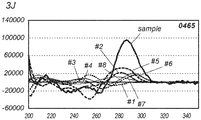
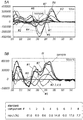
- samples were prepared and analyzed by circular dichroism (CD) measurement. The results were compared to the results of CD measurements of a number of reference oligonucleotides that are capable of, and established to form particular tertiary structures. The sequences of these reference oligonucleotides are disclosed in Table 1. Table 1. Tertiary structure references for CD spectra analysis.
- Oligonucleotide TGGGGT is derived from the O . nova telomeric sequence. Previous work using both X-ray crystallographic (XRC) and nuclear magnetic resonance (NMR) has shown that it forms a tetrameric structure (see e.g. Phillips,K., et al. (1997) J. Mol. Biol., 273, 171-182 ; Aboul-ela,F. et al. (1994) J. Mol. Biol., 243, 458-471 ; Aboul-ela,F. et al.(1992) Nature, 360, 280-282 .).
- XRC X-ray crystallographic
- NMR nuclear magnetic resonance
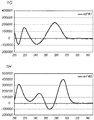
- oligonucleotide TGGGGT (SEQ ID NO 1 - reference #1) serves as reference oligonucleotide for a telomeric G-quadruplex tetramer type and its CD spectrum is depicted in Figure 1A .
- Oligonucleotide GCGGTTTGCGG represents the fragile X gene repeat sequence and has been shown to form a specific dimeric structure (see Kettani, A. et al. (1995) J. Mol. Biol., 254, 638-65 ). Thus, the oligonucleotide GCGGTTTGCGG (SEQ ID NO 2 - reference #2) serves as reference oligonucleotide for a Fragile X G-quadruplex dimer type and its CD spectrum is depicted in Figure 1B .
- Oligonucleotide GGGTTTTGGG is derived from the O . nova telomeric sequence. NMR studies showed that it forms a specific dimeric G-quadruplex structure (see e.g. Scaria,P.V. et al. (1992) Proc. Natl Acad. Sci. USA, 89, 10336-10340 ; Keniry, M.A. et al. (1995) Eur. J. Biochem., 233, 631-643 ; Hud,N.V. et al. (1996) Biochemistry, 35, 15383-15390 ).
- oligonucleotide GGGTTTTGGG serves as reference oligonucleotide for a telomeric G-quadruplex dimer type form 1 and its CD spectrum is depicted in Figure 1C .
- Oligonucleotide GGGGTTTTGGGG is derived from the O . nova telomeric sequence. Both XRC and NMR studies showed that it forms a specific G-dimeric non-GC structure (see e.g. Schultze,P. et al. (1999) Nucleic Acids Res., 27, 3018-3028 ; Kang,C. et al. (1992) Nature, 356,126-131 ; Smith,F.W. and Feigon,J. (1993) Biochemistry, 32, 8682-8692 ; Haider,S. et al. (2002) Mol. Biol., 320, 189-200 ).
- oligonucleotide GGGGTTTTGGGG serves as reference oligonucleotide for a telomeric G-quadruplex dimer type form 2 and its CD spectrum is depicted in Figure 1D .
- Oligonucleotide GCATGCT forms a specific quadruplex dimeric structure that does not involve G-quadruplex formation (see Leonard,G.A. et al. (1995) Structure, 3, 335-340 ).
- the oligonucleotide GCATGCT (SEQ ID NO 5 - reference #5) serves as reference oligonucleotide for a non-G-quadruplex dimer type and its CD spectrum is depicted in Figure 1E .
- Oligonucleotide GGTTTTGGTTTTGGTTTTGG forms a specific monomeric G-quadruplex structure that was shown using NMR analysis (see Marathias,V.M. and Bolton,P.H. (1999) Biochemistry, 38, 4355-4364 ).
- the oligonucleotide GGTTTTGGTTTTGGTTTTGG (SEQ ID NO 6 - reference #6) serves as reference oligonucleotide for a G-quadruplex basket monomer type and its CD spectrum is depicted in Figure 1F .
- Oligonucleotide T*C*A*CGACCGTCAAAC*T*C*C designed by the inventors and is characterised by CD spectroscopy. It shows CD spectra characteristic for DNA that has random coil structure but doesn't form any particular specific tertiary structure.
- the oligonucleotide T*C*A*CGACCGTCAAAC*T*C*C (SEQ ID NO 7 - reference #7) thus serves as reference oligonucleotide for a random type and its CD spectrum is depicted in Figure 1G .
- Oligonucleotide GGTTGGTGTGGTTGG is known as the thrombin-binding aptamer. It was created by an in vitro selection approach. It forms a monomeric G-quadruplex structure that was shown by both NMR and crystal structures (see Padmanabhan, K. and Tulinsky, A. (1996) Acta Crystallogr. D, 52, 272-282 ; Kelly, J.A. et al. (1996) J. Mol. Biol., 256, 417-422 ; Macaya,R.F. et al. (1993) Proc. Natl Acad. Sci. USA, 90, 3745-3749 ; Padmanabhan,K. et al. (1993) J. Biol.
- the oligonucleotide GGTTGGTGTGGTTGG (SEQ ID NO 8 - reference #8) thus serves as reference oligonucleotide for a G-quadruplex chair monomer type and its CD spectrum is depicted in Figure 1H .
- a method for identifying an oligonucleotide capable of modulating the immune system in a mammalian subject comprising analyzing which tertiary structural type said oligonucleotide adopts, in phosphate-buffered saline solution.
- said capability of modulating the immune system can be analyzed by testing whether said oligonucleotide modulates the immune system in a mammalian subject. Said testing may be carried out in vitro.
- a method for identifying an oligonucleotide capable of modulating the immune system in a mammalian subject comprising analyzing which tertiary structural type said oligonucleotide adopts, in phosphate-buffered saline solution, wherein said modulation of the immune system represents an increase of levels of cytokines, such as interferon- ⁇ , interferon- ⁇ , interferon- ⁇ , IL-6 and/or IL-10.
- the modulation of the immune system may represent an increase or balancing the levels of cytokines.
- said modulation of the immune system represents an increase of the levels of cytokines.
- said oligonucleotide adopts, in phosphate-buffered saline solution, a tertiary structure of at least 45% of non-G-quadruplex dimer type.
- said oligonucleotide adopts, in phosphate-buffered saline solution, at least 55%, more preferably 80%, even more preferably 90% of non-G-quadruplex dimer type.
- Said oligonucleotide are capable of modulation of the immune system by increasing levels of cytokines, in particular IL-6 and/or IL-10.
- a method wherein the amount of tertiary structural non-G-quadruplex dimer type is estimated by quantifying against the tertiary structural type of a reference oligonucleotide that adopts, in phosphate-buffered saline solution, non-G-quadruplex dimer type.
- Said reference oligonucleotide may represent an oligonucleotide of SEQ ID NO 5. The quantifying estimate is carried out such that the amount of structural non-G-quadruplex dimer type of the reference oligonucleotide is set at 100 percent.
- an oligonucleotide identifiable by the methods of said methods.
- Said oligonucleotide preferably has at least one nucleotide that has a phosphate backbone modification.
- Said phosphate backbone modification preferably is a phosphorothioate or phosphorodithioate modification.
- Said oligonucleotide typically comprises of about 8 to about 120 nucleotides, preferably of about 12 to about 30 nucleotides.
- said oligonucleotide adopts, in phosphate-buffered saline solution, a tertiary structure of at least 40% of telomeric G-quadruplex tetramer type.
- said oligonucleotide adopts, in phosphate-buffered saline solution, at least 60%, preferably 80%, more preferably 90% of telomeric G-quadruplex tetramer type.
- Said oligonucleotide is capable of modulation of the immune system by increasing levels of cytokines, in particular interferons, such as interferon- ⁇ , interferon- ⁇ and/or interferon- ⁇ .
- the modulation of the immune system may represent an increase or balancing the levels of said cytokines.
- said modulation of the immune system represents an increase of the levels of said cytokines.
- the amount of tertiary structural telomeric G-quadruplex tetramer type is estimated by quantifying against the tertiary structural type of a reference oligonucleotide that adopts, in phosphate-buffered saline solution, a telomeric G-quadruplex tetramer type.
- Said reference oligonucleotide may represent an oligonucleotide of SEQ ID NO 1. The quantifying estimate is carried out such that the amount of structural telomeric G-quadruplex tetramer type of the reference oligonucleotide is set at 100 percent.
- an oligonucleotide identifiable by the methods of the invention.
- Said oligonucleotide preferably has at least one nucleotide that has a phosphate backbone modification.
- Said phosphate backbone modification preferably is a phosphorothioate or phosphorodithioate modification.
- Said oligonucleotide typically comprises of about 8 to about 120 nucleotides, preferably of about 12 to about 30 nucleotides.
- a method for identifying an oligonucleotide capable of modulating the immune system in a mammalian subject comprising analyzing which tertiary structural type said oligonucleotide adopts, in phosphate-buffered saline solution, wherein said modulation of the immune system represents an increase or decrease of levels of cell surface markers.
- a method for identifying an oligonucleotide capable of modulating the immune system in a mammalian subject comprising analyzing which tertiary structural type said oligonucleotide adopts, in phosphate-buffered saline solution wherein said modulation of the immune system represents a change in the properties or behaviour of polymorphonuclear cells.
- an oligonucleotide selected from the group consisting of SEQ ID NOs 60, 62, 67, 68, 70, 72, 74 - 77 and 79 - 80.
- an oligonucleotide selected from the group consisting of SEQ ID NOs 76, 77 and 80.
- said oligonucleotide for use in therapy.
- said oligonucleotide for use in treating a disease where increasing or balancing the levels of cytokines are beneficial for said treatment.
- said oligonucleotide for use in treating a disease where increasing the levels of cytokines are beneficial for said treatment.
- an oligonucleotide selected from the group consisting of SEQ ID NOs 13-17, 19-22, 24-30, and 33-35.
- an oligonucleotide selected from the group consisting of SEQ ID NOs 16, 28 and 33.
- said oligonucleotide for use in therapy.
- said oligonucleotide for use in treating a disease where increasing or balancing the levels of cytokines are beneficial for said treatment.
- said oligonucleotide for use in treating a disease where increasing the levels of cytokines are beneficial for said treatment.
- oligonucleotides with sequences according to any one of sequences in Table 2.
- oligonucleotides with sequences according to any one of SEQ ID NOs 13-17, 19-22, 24-30 and 33-35. These oligonucleotides have been identified to adopt, in phosphate-buffered saline solution, a tertiary structure composed of at least 45% of non-G-quadruplex dimer type. Further, these oligonucleotides have also been shown to be or of being capable of increasing levels of cytokines, such as IL-6 and/or IL-10. These particular oligonucleotides are presented in Table 2, which correlates the SEQ ID NOs with the nucleotide sequences and corresponding internal reference codes ("IDX-No"). Table 2.
- oligonucleotides that do not modulate the immune system, in particular, they do not increase levels of cytokines in the presented assays are set out in Table 3.
- the tertiary structural types of these oligonucleotides were identified and it was shown that they had a different tertiary structural composition than the active oligonucleotides set out in Table 2.
- the oligonucleotides in Table 3 are designated as oligonucleotides with less than 45% non-G-quadruplex dimer type contribution.
- Table 3 Oligonucleotides with less than 45% non-G-quadruplex dimer type contribution.
- isolated oligonucleotides with sequences according to any one of sequences in Table 4, particularly isolated oligonucleotides with sequences according to any one SEQ ID NOs 60, 62, 67, 68, 70, 72, 74-77 and 79-80.
- These oligonucleotides have been identified to adopt, in phosphate-buffered saline solution, a tertiary structure composed of at least 40% telomeric G-quadruplex tetramer type. Further, these oligonucleotides have also been shown to being capable of increasing levels of interferons, such as interferon- ⁇ , interferon- ⁇ and/or interferon- ⁇ .
- oligonucleotides are presented in Table 4, which correlates the SEQ ID NOs with the nucleotide sequences and corresponding internal reference codes ("IDX-No"). Table 4. Active oligonucleotides with at least 40% of telomeric G-quadruplex tetramer type.
- oligonucleotides that do not modulate the immune system, in particular, they do not increase levels of interferons in the presented assays are set out in Table 5.
- the tertiary structural types of these oligonucleotides were identified and it was shown that they had a different tertiary structural composition than the active oligonucleotides set out in Table 4.
- the oligonucleotides in Table 5 are designated as oligonucleotides with less than 40% contribution of telomeric G-quadruplex tetramer type.
- Oligonucleotides with less than 40% contribution of telomeric G-quadruplex tetramer type are designated as Oligonucleotides with less than 40% contribution of telomeric G-quadruplex tetramer type.
- an isolated oligonucleotide which adopts, in phosphate-buffered saline solution, a tertiary structure composed of at least 45% of non-G-quadruplex dimer type, said oligonucleotide being capable of balancing or increasing levels of cytokines in a mammalian subject upon administration to said subject.
- said non-G-quadruplex dimer type is present in at least 55%, more preferably 80%, even more preferably 90% as non-G-quadruplex dimertype.
- said oligonucleotide is capable of increasing levels of cytokines in a mammalian subject.
- said oligonucleotide comprises at least one nucleotide that has a phosphate backbone modification.
- said phosphate backbone modification is a phosphorothioate or phosphorodithioate modification.
- said oligonucleotide comprises of about 8 to about 120 nucleotides, preferably of about 12 to about 30 nucleotides.
- said cytokine represents IL-6 and/or IL-10.
- said oligonucleotide is selected from the group consisting of SEQ ID NOs 13-17, 19-22, 24-30 and 33-35.
- said oligonucleotide is selected from the group consisting of SEQ ID NOs 13-17 and 19-22.
- said oligonucleotide is selected from the group consisting of SEQ ID NOs 16, 28 and 33.
- said oligonucleotide for use in therapy.
- said oligonucleotide for use in treating a disease where balancing or increasing the levels of cytokines are beneficial for said treatment.
- said oligonucleotide for use in treating a disease where increasing the levels of cytokines are beneficial for said treatment.
- said oligonucleotide for use in the treatment of diseases selected from inflammatory and/or autoimmune diseases.
- said oligonucleotide for use in the treatment of diseases selected from inflammatory bowel disease, meningitis, allergy, atopic eczema, asthma and COPD.
- oligonucleotide in the preparation of a medicament useful in the treatment where increasing or balancing the levels of cytokines are beneficial for said treatment.
- oligonucleotide in the preparation of a medicament useful in the treatment of inflammatory and/or autoimmune diseases.
- oligonucleotide in the preparation of a medicament useful in the treatment of a disease selected from inflammatory bowel disease, meningitis, allergy, atopic eczema, asthma and COPD.
- oligonucleotide which use further comprises one or more additional agents effective in treating inflammatory and/or autoimmune diseases.
- a method of treating a disease wherein increasing or balancing the levels of cytokines are beneficial for said treatment comprising administering to a subject in need thereof, of said oligonucleotide.
- a method of treating a disease wherein increasing the levels of cytokines are beneficial for said treatment comprising administering to a subject in need thereof, of said oligonucleotide.
- a method of treating inflammatory and/or autoimmune diseases comprising administering to a subject in need thereof, of said oligonucleotide.
- a method of treating a disease selected from inflammatory bowel disease, meningitis, allergy, atopic eczema, asthma and COPD comprising administering to a subject in need thereof, of said oligonucleotide.
- a method of treating said disease or diseases which further comprises one or more additional agents effective in treating inflammatory and/or autoimmune diseases.
- allergy in the present invention describes an inappropriate and excessive immunological reaction triggered by an allergen.
- allergens include, but are not limited to, pollen, animal dander, dust mites, food, insect stings, microorganisms, chemicals and medications.
- an isolated oligonucleotide which adopts, in phosphate-buffered saline solution, a tertiary structure composed of at least 40% of telomeric G-quadruplex tetramer type, said oligonucleotide being capable of balancing or increasing levels of interferons in a mammalian subject upon administration to said subject.
- said tertiary type is present in at least 60%, more preferably 80%, even more preferably 90% of telomeric G-quadruplex tetramer type.
- said oligonucleotide is capable of increasing levels of interferons.
- said oligonucleotide comprises at least one nucleotide that has a phosphate backbone modification.
- said phosphate backbone modification is a phosphorothioate or phosphorodithioate modification.
- said oligonucleotide comprises of about 8 to about 120 nucleotides, preferably of about 12 to about 30 nucleotides.
- said interferon represents interferon- ⁇ , interferon- ⁇ and/or interferon- ⁇ .
- said oligonucleotide is selected from the group consisting of SEQ ID NOs 60, 62, 67, 68, 70, 72, 74-77 and 79-80.
- said oligonucleotide is selected from the group consisting of SEQ ID NOs 76, 77 and 80.
- said oligonucleotide for use in therapy.
- said oligonucleotide for use in treating a disease where balancing or increasing the levels of interferons are beneficial for said treatment.
- said oligonucleotide for use in treating a disease is capable of where increasing the levels of interferons.
- said oligonucleotide for use in the treatment of diseases selected from infectious diseases, inflammatory diseases, neurodegenerative diseases and cancer.
- said oligonucleotide for use in the treatment of diseases selected from inflammatory bowel disease, hairy cell leukemia, haematological malignancy, multiple sclerosis, hepatitis B, hepatitis C, chronic hepatitis, cirrhosis, chronic granulomatosis disease and severe malignant osteopetrosis.
- said oligonucleotide in the preparation of a medicament useful in the treatment where increasing or balancing the levels of interferons are beneficial for said treatment.
- said oligonucleotide is capable of increasing the levels of interferons.
- oligonucleotide in the preparation of a medicament useful in the treatment of infectious diseases, inflammatory diseases, neurodegenerative diseases or cancer.
- oligonucleotide in the preparation of a medicament useful in the treatment of a disease selected from inflammatory bowel disease, hairy cell leukemia, haematological malignancy, multiple sclerosis, hepatitis B, hepatitis C, chronic hepatitis, cirrhosis, chronic granulomatosis disease and severe malignant osteopetrosis.
- oligonucleotide which use further comprises one or more additional agents effective in treating infectious diseases, inflammatory diseases, neurodegenerative diseases or cancer.
- a method of treating a disease wherein increasing or balancing the levels of interferons are beneficial for said treatment comprising administering to a subject in need thereof, of said oligonucleotide.
- said oligonucleotide is capable of increasing the levels of interferons.
- a method of treating infectious diseases, inflammatory diseases, neurodegenerative diseases or cancer comprising administering to a subject in need thereof, of said oligonucleotide.
- a method of treating a disease selected from inflammatory bowel disease, hairy cell leukemia, haematological malignancy, multiple sclerosis, hepatitis B, hepatitis C, chronic hepatitis, cirrhosis, chronic granulomatosis disease and severe malignant osteopetrosis comprising administering to a subject in need thereof, of said oligonucleotide.
- a pharmaceutical composition comprising an oligonucleotide of the invention as well as further oligonucleotides identifiable by the methods of the invention, together with pharmaceutically acceptable adjuvants, diluents or carriers.
- said oligonucleotide is administered in an amount of about 1 to about 2000 micro g per kg body weight, preferably about 1 to about 1000 micro g per kg body weight. Most preferably the oligonucleotide is administered in an amount of about 1 to 500 micro g per kg body weight.
- said oligonucleotide is administered in a sufficient amount to induce immunomodulation.
- the route of administration is chosen from mucosal, subcutaneous, intramuscular, intravenous and intraperitoneal administration.
- the mucosal administration is selected from nasal, oral, gastric, ocular, rectal, colonic, urogenital and vaginal administration.
- Nasal administration constitutes one embodiment of the method according to the invention.
- Using appropriate devices or administration techniques it is possible to target the olfactory bulb region for delivery to the CNS.
- the present invention is not limited to particular methods or devices for administering the oligonucleotides to the nasal mucous membrane.
- the initial animal studies have shown that simple instillation by pipette works satisfactorily, although for human use, devices for reliable single or multi dose of administration would be preferred.
- the oligonucleotides are administered to the mucous membrane of the colon through rectal instillation, e.g. in the form of an aqueous enema comprising the oligonucleotides suspended in water or a suitable buffer.
- the oligonucleotides are administered to the mucous membrane of the lungs or the airways through inhalation of an aerosol, comprising the oligonucleotides suspended in a suitable buffer, or by performing a lavage, also comprising the oligonucleotides suspended in water or a suitable buffer.
- the oligonucleotides are administered to the mucous membrane of the urogenital tract, such as the urethra, the vagina etc through application of a solution, a buffer, a gel, salve, paste or the like, comprising the oligonucleotides suspended in water or in a suitable vehicle.
- a particular embodiment involves the use of an oligonucleotide according to the invention for use in conjunction with the administration of an anti cell surface marker antibody such as Rituximab.
- an anti cell surface marker antibody such as Rituximab.
- oligonucleotides according to the invention can induce the expression of cells surface markers, such as on immune cells such as CD20 on B cells, and thereby enhance the rate of apoptosis in human B-cells mediated by monoclonal antibodies directed against CD20 (such as rituximab).
- the inventors thus make available a combination therapy involving the use of oligonucleotide compounds together with an anti cell surface marker antibody.
- a particular embodiment involves the use of an oligonucleotide according to the invention for use in conjunction with the administration of glucocorticosteroids (GCS).
- GCS glucocorticosteroids
- the oligonucleotides according to the invention can enhance GCS action.
- the inventors thus make available a combination therapy involving the use of oligonucleotide compounds together with a GCS. This is contemplated to be able to reduce GCS consumption, and thereby reduce the cost, side-effects and risks associated with the said GCS therapy. Consequently, in this embodiment, said compound is administered together with a GCS.
- the oligonucleotide is administered in a therapeutically effective amount.
- a therapeutically effective dose or “therapeutically effective amount” is dependent on the disease and treatment setting, a “therapeutically effective amount” being a dose which alone or in combination with other treatments results in a measurable improvement of the patient's condition.
- a skilled person can determine a therapeutically effective amount either empirically, or based on laboratory experiments, performed without undue burden.
- the treating physician can also determine a suitable amount, based on his/her experience and considering the nature and severity of the disease, as well as the patient's condition.
- Another embodiment is the administration of the oligonucleotide in two or three or more separate amounts, separated in time by about 12 hours, about 24 hours, about 48 hours, about one week and about 4 weeks. Another embodiment is the administration of the oligonucleotide prior, in parallel or after the administration of a combination therapy.
- the embodiments of the invention have many advantages. So far, the administration of an oligonucleotide in the amounts defined by the inventors has not elicited any noticeable side-effects. Further, the mucosal administration is easy, fast, and painless, and surprisingly results in a systemic effect. It is held that this effect, either alone, or in combination with existing and future treatments, offers a promising approach to fight the diseases of interest.
- the oligonucleotides of the invention are useful for steroid re-sensitization.
- the oligonucleotides of the invention are useful to influence the properties and behaviour of polymorphonuclear cells, in particular the recruitment and/or migration of polymorphonuclear cells to a site of inflammation, and that they through this mechanism have utility in the prevention, treatment and/or alleviation of various diseases such as ischemia.
- SEQ ID NOs 12, 36-42, 46, 52, 55, 58, 61, 63-66, 69, 71, 73, 86-88 and 92-93 are included in the sequence listing to provide comparative oligonucleotide sequences.
- Example 1 Relative structural composition of CD spectra of oligonucleotides of the invention
- oligonucleotides were annealed by heating to 90°C and then snap-cooled in ice-cold water bath at 4°C and then brought to room temperature.
- CD measurements in UV range were conducted on a Jasco J-720 spectropolarimeter (Jasco Corp., Tokyo, Japan). For the measurement 300 ⁇ l of the samples was loaded into a quartz cuvette with 0.1 cm path length (total volume 400 ⁇ l).
- the CD spectra of the oligonucleotide samples used for the calculation were collected at 20 ⁇ M concentration of the oligonucleotide.
- the CD measurements were conducted at the rate of 100 nm/min with 4 sec response time.
- CD spectra of oligonucleotide samples were measured in 1 X PBS buffer (10mM phosphate buffer (pH 7.4) with 140mM NaCl and 27mM KCI). The blank spectrum of 1 X PBS was subtracted from the CD spectra of the samples solutions.
- CD spectra were collected in the range from 190 to 350 nm at 25°C for all samples.
- the temperature in the sample holder was controlled and kept constant ( ⁇ 0.1°C) with the help of a Peltier element (PTC-348 WI). Data collection and evaluation were carried out by the software supplied with the instrument.
- the resulting spectra were normalized to the concentration of the oligonucleotide and zeroed at 320 nm.
- Example 2 Method for determination of oligonucleotide-stimulated cytokine production profile of healthy individuals represented by cultured peripheral blood mononuclear cells (PBMC) PBMC isolation, stimulation and cultivation
- PBMC peripheral blood mononuclear cells
- Buffy coats from healthy blood donors were obtained from the Karolinska University blood bank and used for preparation of peripheral blood mononuclear cells (PBMC).
- PBMC peripheral blood mononuclear cells
- PBMC peripheral blood mononuclear cells
- the cells were then further washed in PBS, and the viability and the cell number were determined by counting the cells in Trypan blue (Sigma Aldrich, Sweden).
- RPMI 1640 (Sigma Aldrich) supplemented with 10 % heat inactivated fetal calf serum (FCS, Invitrogen), 2 mM L-glutamine, 100 U/mL penicillin, 100 ⁇ g/mL streptomycin, 10 mM HEPES (Sigma Aldrich) and 5 ⁇ g/mL gentamicin (Invitrogen).
- the PBMC were cultured in 48-well culture tissue plates (Becton Dickinson, Franklin Lakes, NJ) at a concentration of 5 x 10 6 cells/mL with 10 ⁇ M of oligonucleotides of the invention, with medium alone as a negative control in a total volume of 400 ⁇ l/well.
- the cells were incubated for 48 h at 37 °C in a humidified cell culture incubator (Thermo Scientific, Waltham, MA) with 5% CO 2 , in air, after which the culture supernatants were collected and frozen at -20°C for later cytokine analysis.
- Culture supernatants from PBMC stimulated with oligonucleotides of the invention were analyzed for the presence of the cytokines IFN- ⁇ , IL-6, and IL-10 using cytometric bead array flex kit (Becton Dickinson) according to the manufacturer's instructions on a FACSArray flow cytometer (Becton Dickinson). The data were analyzed using FCAP Array software (Becton Dickinson).
- Table 6 shows Cytometric Bead Array (CBA) mean data (IL6, IL10, IFN- ⁇ ) from four healthy individuals and ELISA mean data (IFN- ⁇ , IFN- ⁇ ) from six healthy individuals on cytokines and interferons production of PBMC cultured in presence of selected oligonucleotides of the invention.
- CBA Cytometric Bead Array
- IFN- ⁇ ELISA mean data
- Table 6 Induction of cytokines by oligonucleotides with different contributions of non-G-quadruplex dimer type of tertiary structure.
- the mean concentration (pg/ml) of IFN- ⁇ , and IFN- ⁇ is scored as follows;
- the mean concentration (pg/ml) of IL6, IL10 and IFN- ⁇ is scored as follows;
- Table 7 shows Cytometric Bead Array (CBA) mean data (IL6, IL10, IFN- ⁇ ) from four healthy individuals and ELISA mean data (IFN- ⁇ , IFN- ⁇ ) from six healthy individuals on cytokines and interferons production of PBMC cultured in presence of selected oligonucleotides of the invention.
- CBA Cytometric Bead Array
- IFN- ⁇ ELISA mean data
- Table 7 Induction of cytokines by oligonucleotides with different contributions of telomeric G-quadruplex tetramer type of tertiary structure.
- the mean concentration (pg/ml) of IFN- ⁇ and IFN- ⁇ is scored as follows;
- the mean concentration (pg/ml) of IL6, IL10 and IFN- ⁇ is scored as follows;
- Example 3 Relation between tertiary structure of inventive compounds and their biological activity.
- the mean concentration (pg/ml) of IL6 and IL10 is scored as follows;
- the mean concentration (pg/ml) of IFN- ⁇ is scored as follows;
- the data in Table 8 shows that representative oligonucleotides that are present in at least 45% non-G-quadruplex dimer type (related to Ref #5, SEQ ID NO 5) are capable of increasing levels of cytokines IL-6 and IL-10.
- the data (IL-6, IL-10, IFN- ⁇ , IFN- ⁇ and IFN- ⁇ ) are obtained in accordance with the methods set out in Example 1.
- the tertiary structure of SEQ ID NO 7, SEQ ID NO 31, SEQ ID NO 32, SEQ ID NO 43 and SEQ ID NO 59 (Tables 6 and 8) represents less than 45% non-G-quadruplex dimer type and, thus, according to the invention, are not capable of sufficiently increasing levels of cytokines IL-6 and IL-10.
- the mean concentration (pg/ml) of IFN- ⁇ and IFN- ⁇ is scored as follows:
- the mean concentration (pg/ml) of IL6 and IL10 is scored as follows;
- the mean concentration (pg/ml) of IFN- ⁇ is scored as follows;
- the data in Table 9 shows that representative oligonucleotides that are present in at least 40% telomeric G-quadruplex tetramer type (related to Ref #1, SEQ ID NO 1) are capable of increasing levels of interferons.
- the data (IL-6, IL-10, IFN- ⁇ , IFN- ⁇ and IFN- ⁇ ) are obtained in accordance with the methods set out in Example 1.
- the tertiary structure of SEQ ID NO 59, SEQ ID NO 91, SEQ ID NO 31, SEQ ID NO 32, SEQ ID NO 43, SEQ ID NO 94 and SEQ ID NO 7 (Tables 7, and 9) represents less than 40% telomeric G-quadruplex tetramer type and, thus, according to the invention, are not capable of increasing levels of interferons.
Landscapes
- Life Sciences & Earth Sciences (AREA)
- Health & Medical Sciences (AREA)
- Engineering & Computer Science (AREA)
- Molecular Biology (AREA)
- Biomedical Technology (AREA)
- Immunology (AREA)
- Chemical & Material Sciences (AREA)
- Genetics & Genomics (AREA)
- Biotechnology (AREA)
- Hematology (AREA)
- Urology & Nephrology (AREA)
- Cell Biology (AREA)
- Physics & Mathematics (AREA)
- Microbiology (AREA)
- General Health & Medical Sciences (AREA)
- Biochemistry (AREA)
- General Engineering & Computer Science (AREA)
- Zoology (AREA)
- Wood Science & Technology (AREA)
- Organic Chemistry (AREA)
- Bioinformatics & Cheminformatics (AREA)
- Food Science & Technology (AREA)
- Proteomics, Peptides & Aminoacids (AREA)
- Medicinal Chemistry (AREA)
- Analytical Chemistry (AREA)
- General Physics & Mathematics (AREA)
- Pathology (AREA)
- Plant Pathology (AREA)
- Biophysics (AREA)
- Pharmaceuticals Containing Other Organic And Inorganic Compounds (AREA)
- Medicines That Contain Protein Lipid Enzymes And Other Medicines (AREA)
- Measuring Or Testing Involving Enzymes Or Micro-Organisms (AREA)
Applications Claiming Priority (5)
| Application Number | Priority Date | Filing Date | Title |
|---|---|---|---|
| EP10196273A EP2468866A1 (fr) | 2010-12-21 | 2010-12-21 | Oligonucléotides biologiquement actifs capables de moduler le système immunitaire |
| EP10196290A EP2468867A1 (fr) | 2010-12-21 | 2010-12-21 | Procédé d'identification d'oligonucléotides biologiquement actifs capables de moduler le système immunitaire |
| EP10196285 | 2010-12-21 | ||
| EP11802929.7A EP2655622B1 (fr) | 2010-12-21 | 2011-12-20 | Procédés d'identification d'oligonucléotides biologiquement actifs capables de moduler le système immunitaire |
| PCT/EP2011/073468 WO2012084996A2 (fr) | 2010-12-21 | 2011-12-20 | Procédés d'identification d'oligonucléotides biologiquement actifs capables de moduler le système immunitaire |
Related Parent Applications (1)
| Application Number | Title | Priority Date | Filing Date |
|---|---|---|---|
| EP11802929.7A Division EP2655622B1 (fr) | 2010-12-21 | 2011-12-20 | Procédés d'identification d'oligonucléotides biologiquement actifs capables de moduler le système immunitaire |
Publications (3)
| Publication Number | Publication Date |
|---|---|
| EP3165607A2 true EP3165607A2 (fr) | 2017-05-10 |
| EP3165607A3 EP3165607A3 (fr) | 2017-07-26 |
| EP3165607B1 EP3165607B1 (fr) | 2021-04-07 |
Family
ID=45440530
Family Applications (2)
| Application Number | Title | Priority Date | Filing Date |
|---|---|---|---|
| EP11802929.7A Active EP2655622B1 (fr) | 2010-12-21 | 2011-12-20 | Procédés d'identification d'oligonucléotides biologiquement actifs capables de moduler le système immunitaire |
| EP16202636.3A Active EP3165607B1 (fr) | 2010-12-21 | 2011-12-20 | Oligonucléotides biologiquement actifs capables de moduler le système immunitaire |
Family Applications Before (1)
| Application Number | Title | Priority Date | Filing Date |
|---|---|---|---|
| EP11802929.7A Active EP2655622B1 (fr) | 2010-12-21 | 2011-12-20 | Procédés d'identification d'oligonucléotides biologiquement actifs capables de moduler le système immunitaire |
Country Status (6)
| Country | Link |
|---|---|
| US (2) | US9157919B2 (fr) |
| EP (2) | EP2655622B1 (fr) |
| CA (1) | CA2859698C (fr) |
| DK (1) | DK3165607T3 (fr) |
| ES (1) | ES2870458T3 (fr) |
| WO (1) | WO2012084996A2 (fr) |
Families Citing this family (2)
| Publication number | Priority date | Publication date | Assignee | Title |
|---|---|---|---|---|
| CA3043768A1 (fr) | 2016-11-29 | 2018-06-07 | PureTech Health LLC | Exosomes destines a l'administration d'agents therapeutiques |
| WO2018231752A1 (fr) * | 2017-06-12 | 2018-12-20 | University Of Miami | Activateurs dépendant de sting pour le traitement d'une maladie |
Citations (2)
| Publication number | Priority date | Publication date | Assignee | Title |
|---|---|---|---|---|
| WO2010053433A1 (fr) | 2008-11-04 | 2010-05-14 | Index Pharmaceuticals Ab | Expression accrue d'antigènes spécifiques |
| WO2010053430A1 (fr) | 2008-11-04 | 2010-05-14 | Index Pharmaceuticals Ab | Composés et procédés de réduction du recrutement et/ou de la migration de cellules polymorphonucléaires |
Family Cites Families (5)
| Publication number | Priority date | Publication date | Assignee | Title |
|---|---|---|---|---|
| US20040224405A1 (en) * | 2003-05-06 | 2004-11-11 | Dharmacon Inc. | siRNA induced systemic gene silencing in mammalian systems |
| CN1989439B (zh) * | 2004-05-06 | 2010-12-29 | 美国政府健康及人类服务部 | 治疗葡萄膜炎的方法以及组合物 |
| CN1865275B (zh) * | 2005-05-17 | 2011-06-15 | 长春华普生物技术有限公司 | 对人b细胞肿瘤有治疗作用的人工合成的单链脱氧核苷酸 |
| ES2581480T3 (es) * | 2007-05-04 | 2016-09-06 | Index Pharmaceuticals Ab | Compuestos inhibidores de crecimiento tumoral y métodos de uso de los mismos |
| JP5547637B2 (ja) * | 2007-10-05 | 2014-07-16 | インデックス・ファーマシューティカルズ・アクチエボラーグ | 浮腫を治療または軽減するための新規な化合物およびその使用方法 |
-
2011
- 2011-12-20 US US13/995,304 patent/US9157919B2/en active Active
- 2011-12-20 WO PCT/EP2011/073468 patent/WO2012084996A2/fr not_active Ceased
- 2011-12-20 EP EP11802929.7A patent/EP2655622B1/fr active Active
- 2011-12-20 ES ES16202636T patent/ES2870458T3/es active Active
- 2011-12-20 DK DK16202636.3T patent/DK3165607T3/da active
- 2011-12-20 EP EP16202636.3A patent/EP3165607B1/fr active Active
- 2011-12-20 CA CA2859698A patent/CA2859698C/fr active Active
-
2015
- 2015-08-31 US US14/840,628 patent/US9593337B2/en not_active Expired - Fee Related
Patent Citations (2)
| Publication number | Priority date | Publication date | Assignee | Title |
|---|---|---|---|---|
| WO2010053433A1 (fr) | 2008-11-04 | 2010-05-14 | Index Pharmaceuticals Ab | Expression accrue d'antigènes spécifiques |
| WO2010053430A1 (fr) | 2008-11-04 | 2010-05-14 | Index Pharmaceuticals Ab | Composés et procédés de réduction du recrutement et/ou de la migration de cellules polymorphonucléaires |
Non-Patent Citations (75)
| Title |
|---|
| ABOUL-ELA,F. ET AL., J. MOL. BIOL., vol. 243, 1994, pages 458 - 471 |
| ABOUL-ELA,F. ET AL., NATURE, vol. 360, 1992, pages 280 - 282 |
| ANSELMET, A. ET AL., FEBS LETT, vol. 510, 2002, pages 175 - 180 |
| BAASE AND JOHNSON JR., NUCLEIC ACIDS RES., vol. 6, no. 2, 1979, pages 797 - 814 |
| BATES, P.J. ET AL., J. BIOL. CHEM., vol. 274, 1999, pages 26369 - 26377 |
| BENIMETSKAYA, L. ET AL., NUCLEIC ACIDS RES., vol. 25, 1997, pages 2648 - 2656 |
| BURGE S. ET AL., NUCLEIC ACIDS RESEARCH, vol. 34, no. 19, 2006, pages 5402 - 5415 |
| BURGESS ET AL., PROC. NATL. ACAD. SCI.USA, vol. 92, 1995, pages 4051 - 4055 |
| CHEN J; LIU X, CELLULAR IMMUNOLOGY, vol. 254, 2009, pages 85 - 90 |
| CHEN J; LIU XS, J LEUK BIOL, vol. 86, 2009, pages 1305 - 10 |
| CHEVALIEZ S; PAWLOTSKY JM: "Handbook of Experimental Pharmacology, Antiviral Strategies", vol. 189, 2009, pages: 203 - 41 |
| COPPIN C ET AL.: "The Cochrane Collaboration", TARGETED THERAPY FOR ADVANCED RENAL CELL CARCINOMA, 2008, pages 1 - 38 |
| DAPIC V ET AL., NUCLEIC ACIDS RESEARCH, vol. 31, no. 8, 2003, pages 2097 - 2107 |
| DAPIC V. ET AL., NUCLEIC ACIDS RESEARCH, vol. 31, no. 8, 2003, pages 2097 - 2107 |
| DEMPSEY, L.A. ET AL., J. BIOL. CHEM., vol. 274, 1999, pages 1066 - 1071 |
| DICKINSON, L.A.; KOHWI-SHIGEMATSU, T., MOL. CELL. BIOL., vol. 15, 1995, pages 456 - 465 |
| DURELLI L ET AL., ANN NEUROL, vol. 65, 2009, pages 499 - 509 |
| GILL PS ET AL., N. ENG. J. MED., vol. 332, 1995, pages 1744 - 8 |
| GIRALDO R. ET AL., PROC.NATI.ACAD.SCI.USA, vol. 91, 1994, pages 7658 - 7662 |
| HAIDER,S. ET AL., MOL. BIOL., vol. 320, 2002, pages 189 - 200 |
| HANAKAHI, L.A. ET AL., J. BIOL. CHEM., vol. 274, 1999, pages 15908 - 15912 |
| HAQUE A ET AL., NEUROCHEM RES, vol. 32, 2007, pages 2203 - 2209 |
| HARDIN C.C. ET AL., BIOCHEMISTRY, vol. 30, 1991, pages 4460 - 44721992 |
| HARDIN C.C. ET AL., BIOCHEMISTRY, vol. 31, 1992, pages 833 - 841 |
| HAWRYLOWICZ CM ET AL., J ALLERGY CLIN IMMUNOL, vol. 109, 2002, pages 369 - 70 |
| HAWRYLOWICZ CM; O'GARRA A, NAT REV IMMUNOL, vol. 202, 2005, pages 1459 - 63 |
| HEINRICH PC ET AL., BIOCHEM. J., vol. 1374, 2003, pages 1 - 20 |
| HESSE D ET AL., EUROP. J. NEUROL., vol. 15, 2010, pages 1 - 7 |
| HOLLAND SM, CLINIC REV ALLERG IMMUNOL, vol. 38, 2009, pages 3 - 10 |
| HOOFNAGEL JH; SEEFF LB, N. ENG. J. MED., vol. 355, 2006, pages 2444 - 51 |
| HUD,N.V. ET AL., BIOCHEMISTRY, vol. 35, 1996, pages 15383 - 15390 |
| IRESON CR; KELLAND LR, MOL CANCER THER., vol. 5, no. 12, 2006, pages 2957 - 62 |
| ISHIKAWA, F. ET AL., MOL. CELL. BIOL, vol. 13, 1999, pages 4301 - 4310 |
| KANG,C. ET AL., NATURE, vol. 356, 1992, pages 126 - 131 |
| KELLY, J.A. ET AL., J. MOL. BIOL., vol. 256, 1996, pages 417 - 422 |
| KENIRY, M.A. ET AL., EUR. J. BIOCHEM., vol. 233, 1995, pages 631 - 643 |
| KETTANI, A. ET AL., J. MOL. BIOL., vol. 254, 1995, pages 638 - 65 |
| KUMARI ET AL., NAT CHEM BIOL., vol. 3, no. 4, 2007, pages 218 - 21 |
| LEONARD,G.A. ET AL., STRUCTURE, vol. 3, 1995, pages 335 - 340 |
| MACAYA,R.F. ET AL., PROC. NATL ACAD. SCI. USA, vol. 90, 1993, pages 3745 - 3749 |
| MARATHIAS,V.M.; BOLTON,P.H., BIOCHEMISTRY, vol. 38, 1999, pages 4355 - 4364 |
| MONGELARD F.; BOUVET P., CURR OPIN MOL THER., vol. 12, no. 1, 2006, pages 107 - 14 |
| MUSCH E ET AL., ALIMENT PHARMACOL THER, vol. 3, 2002, pages 581 - 6 |
| NEIDLE; BALASUBRAMANIAN: "Quadruplex Nucleic Acids", 2006, RSC PUBLISHING, pages: 302 PP |
| OGANESIAN L; BRYAN TM, BIOESSAYS, vol. 29, no. 2, 2007, pages 155 - 65 |
| OGAWA Y ET AL., CURR MOL MED, vol. 8, 2008, pages 437 - 45 |
| OPAL SM; DEPALO VA, CHEST ANTI-INFLAMMATORY CYTOKINES, vol. 117, 2000, pages 932 - 4 |
| P. ATKINS; J. DE PAULA: "Elements of Physical Chemistry", 2005, OXFORD UNIVERSITY PRESS |
| PADMANABHAN, K.; TULINSKY, A., ACTA CRYSTALLOGR. D, vol. 52, 1996, pages 272 - 282 |
| PADMANABHAN,K. ET AL., J. BIOL. CHEM., vol. 268, 1993, pages 17651 - 17654 |
| PAOLICELLI, D ET AL., TARGETS & THERAPY;, vol. 3, 2009, pages 369 - 76 |
| PARAMASIVAN S ET AL., METHODS, vol. 43, 2007, pages 324 - 331 |
| PAREKH-OLMEDO ET AL., J MOL NEUROSCI., vol. 24, no. 2, 2004, pages 257 - 67 |
| PATEL ET AL., NUCLEIC ACIDS RES., vol. 35, no. 22, 2007, pages 7429 - 55 |
| PHILLIPS,K. ET AL., J. MOL. BIOL., vol. 273, 1997, pages 171 - 182 |
| QIN; HURLEY, BIOCHIMIE, vol. 90, no. 8, 2008, pages 1149 - 71 |
| RICHARDS DF ET AL., EUR J IMMUNOL, vol. 30, 2000, pages 2344 - 54 |
| RICHMOND T.J. ET AL., NATURE, vol. 423, no. 6936, 2003, pages 145 - 150 |
| SAIJO,Y ET AL., JPN J. CANCER RES., vol. 88, 1997, pages 26 - 33 |
| SARASIN-FILIPOWICZ M, SWISS MED WKLY, vol. 140, 2010, pages 3 - 11 |
| SCARIA,P.V. ET AL., PROC. NATL ACAD. SCI. USA, vol. 89, 1992, pages 10336 - 10340 |
| SCHULTZE,P. ET AL., NUCLEIC ACIDS RES., vol. 27, 1999, pages 3018 - 3028 |
| SCOTT DW; DE GROOT AS, ANN RHEUM DIS, vol. 69, 2010, pages 72 - 76 |
| SFRISO P ET AL., J LEUK BIOL, vol. 87, 2010, pages 385 - 95 |
| SIDDIQUI-JAIN ET AL., PROC NATL ACAD SCI USA., vol. 99, no. 18, 3 December 2001 (2001-12-03), pages 11593 - 8 |
| SIMON HU ET AL., ALLERGY, vol. 58, 2003, pages 1250 - 1255 |
| SKOGEN M. ET AL., BMC NEUROSCIENCE, vol. 7, 2006, pages 65 |
| SMITH,F.W.; FEIGON,J., BIOCHEMISTRY, vol. 32, 1993, pages 8682 - 8692 |
| SOELBERG SORENSEN P ET AL., LANCET, vol. 362, 2003, pages 1184 - 91 |
| SOELBERG SORENSEN P ET AL., NEUROLOGY, vol. 67, 2006, pages 1681 - 3 |
| SOYFER, V.N; POTAMAN V.N.: "Triple-Helical Nucleic Acids", 1995, SPRINGER VER., pages: 360 PP |
| TOMITA K ET AL., CLIN IMMUNOL, vol. 102, 2002, pages 258 - 66 |
| VIAL T; DESCOTES J, DRUG SAF, vol. 10, 1994, pages 115 - 20 |
| WELZEL TM ET AL., HEPATOLOGY, vol. 49, 2009, pages 1847 - 58 |
| XU X. ET AL., J. BIOL. CHEM., vol. 276, 2001, pages 43221 - 43230 |
Also Published As
| Publication number | Publication date |
|---|---|
| DK3165607T3 (da) | 2021-05-31 |
| EP2655622B1 (fr) | 2017-01-11 |
| WO2012084996A3 (fr) | 2012-08-16 |
| EP3165607B1 (fr) | 2021-04-07 |
| CA2859698A1 (fr) | 2012-06-28 |
| US9593337B2 (en) | 2017-03-14 |
| EP3165607A3 (fr) | 2017-07-26 |
| WO2012084996A2 (fr) | 2012-06-28 |
| US20160024508A1 (en) | 2016-01-28 |
| EP2655622A2 (fr) | 2013-10-30 |
| US20130281519A1 (en) | 2013-10-24 |
| CA2859698C (fr) | 2021-03-02 |
| ES2870458T3 (es) | 2021-10-27 |
| US9157919B2 (en) | 2015-10-13 |
Similar Documents
| Publication | Publication Date | Title |
|---|---|---|
| Chen et al. | MicroRNA‐155: regulation of immune cells in sepsis | |
| Fujita et al. | Intercellular communication by extracellular vesicles and their microRNAs in asthma | |
| Rettig et al. | Particle size and activation threshold: a new dimension of danger signaling | |
| WO2012084991A1 (fr) | Oligonucléotides biologiquement actifs permettant de moduler le système immun ii | |
| Mazzoni et al. | Cutting edge: histamine inhibits IFN-α release from plasmacytoid dendritic cells | |
| US20090169529A1 (en) | Compositions and methods for immunostimulatory rna oligonucleotides | |
| US20100099746A1 (en) | Novel nucleic acid | |
| Furset et al. | Design of bifunctional siRNAs: combining immunostimulation and gene-silencing in one single siRNA molecule | |
| EP2468866A1 (fr) | Oligonucléotides biologiquement actifs capables de moduler le système immunitaire | |
| US9593337B2 (en) | Method for identifying biologically active oligonucleotides capable of modulating the immune system | |
| US8318924B2 (en) | Immunostimulatory siRNA molecules | |
| CA3000195A1 (fr) | Modulateurs tlr et methodes d'utilisation associees | |
| Marshall et al. | Novel chimeric immunomodulatory compounds containing short CpG oligodeoxyribonucleotides have differential activities in human cells | |
| US20090169571A1 (en) | Selected ma motifs to include cell death and/or apoptosis | |
| Wang et al. | Advances in the mechanisms and applications of inhibitory oligodeoxynucleotides against immune-mediated inflammatory diseases | |
| EP2468867A1 (fr) | Procédé d'identification d'oligonucléotides biologiquement actifs capables de moduler le système immunitaire | |
| CN105473164A (zh) | 一种核酸和药物组合物及其应用 | |
| Berggren et al. | Activation of plasmacytoid dendritic cells and B cells with two structurally different Toll‐like receptor 7 agonists | |
| Qiao et al. | Specific siRNA downregulated TLR9 and altered cytokine expression pattern in macrophage after CpG DNA stimulation | |
| CN111012783A (zh) | 自噬抑制剂在制备抑制嗜碱性粒细胞活化的药物中的应用 | |
| EP2977454B1 (fr) | Aptamère pour il-17 et utilisation de celui-ci | |
| Altieri et al. | LL-37 modulates IL-17A/F-mediated airway inflammation by selectively suppressing Lipocalin-2 | |
| Dobrovolskaia et al. | Defining Immunological Properties of Nucleic Acid Nanoparticles Using Human Peripheral Blood Mononuclear Cells | |
| Cheng et al. | The Major Role of Type 2 Inflammation in Asthma: From the Perspective of Immunological Mechanism | |
| Del Prete et al. | Psoriatic microRNAs induce NK cell activation via an innate immune crosstalk abrogated by the Toll-like receptor 7/8 antagonist Enpatoran |
Legal Events
| Date | Code | Title | Description |
|---|---|---|---|
| PUAI | Public reference made under article 153(3) epc to a published international application that has entered the european phase |
Free format text: ORIGINAL CODE: 0009012 |
|
| STAA | Information on the status of an ep patent application or granted ep patent |
Free format text: STATUS: THE APPLICATION HAS BEEN PUBLISHED |
|
| AC | Divisional application: reference to earlier application |
Ref document number: 2655622 Country of ref document: EP Kind code of ref document: P |
|
| AK | Designated contracting states |
Kind code of ref document: A2 Designated state(s): AL AT BE BG CH CY CZ DE DK EE ES FI FR GB GR HR HU IE IS IT LI LT LU LV MC MK MT NL NO PL PT RO RS SE SI SK SM TR |
|
| AX | Request for extension of the european patent |
Extension state: BA ME |
|
| PUAL | Search report despatched |
Free format text: ORIGINAL CODE: 0009013 |
|
| RIN1 | Information on inventor provided before grant (corrected) |
Inventor name: ADMYRE, CHARLOTTE Inventor name: VON STEIN, OLIVER Inventor name: VON STEIN, PETRA Inventor name: KOUZNETSOV, NIKOLAI Inventor name: ZARGARI, AREZOU |
|
| AK | Designated contracting states |
Kind code of ref document: A3 Designated state(s): AL AT BE BG CH CY CZ DE DK EE ES FI FR GB GR HR HU IE IS IT LI LT LU LV MC MK MT NL NO PL PT RO RS SE SI SK SM TR |
|
| AX | Request for extension of the european patent |
Extension state: BA ME |
|
| RIC1 | Information provided on ipc code assigned before grant |
Ipc: C12N 15/117 20100101AFI20170619BHEP |
|
| STAA | Information on the status of an ep patent application or granted ep patent |
Free format text: STATUS: REQUEST FOR EXAMINATION WAS MADE |
|
| 17P | Request for examination filed |
Effective date: 20180119 |
|
| RBV | Designated contracting states (corrected) |
Designated state(s): AL AT BE BG CH CY CZ DE DK EE ES FI FR GB GR HR HU IE IS IT LI LT LU LV MC MK MT NL NO PL PT RO RS SE SI SK SM TR |
|
| STAA | Information on the status of an ep patent application or granted ep patent |
Free format text: STATUS: EXAMINATION IS IN PROGRESS |
|
| 17Q | First examination report despatched |
Effective date: 20180321 |
|
| GRAP | Despatch of communication of intention to grant a patent |
Free format text: ORIGINAL CODE: EPIDOSNIGR1 |
|
| STAA | Information on the status of an ep patent application or granted ep patent |
Free format text: STATUS: GRANT OF PATENT IS INTENDED |
|
| INTG | Intention to grant announced |
Effective date: 20200310 |
|
| RAP1 | Party data changed (applicant data changed or rights of an application transferred) |
Owner name: INDEX PHARMACEUTICALS AB |
|
| GRAJ | Information related to disapproval of communication of intention to grant by the applicant or resumption of examination proceedings by the epo deleted |
Free format text: ORIGINAL CODE: EPIDOSDIGR1 |
|
| STAA | Information on the status of an ep patent application or granted ep patent |
Free format text: STATUS: EXAMINATION IS IN PROGRESS |
|
| GRAP | Despatch of communication of intention to grant a patent |
Free format text: ORIGINAL CODE: EPIDOSNIGR1 |
|
| STAA | Information on the status of an ep patent application or granted ep patent |
Free format text: STATUS: GRANT OF PATENT IS INTENDED |
|
| INTC | Intention to grant announced (deleted) | ||
| INTG | Intention to grant announced |
Effective date: 20201023 |
|
| GRAS | Grant fee paid |
Free format text: ORIGINAL CODE: EPIDOSNIGR3 |
|
| GRAA | (expected) grant |
Free format text: ORIGINAL CODE: 0009210 |
|
| STAA | Information on the status of an ep patent application or granted ep patent |
Free format text: STATUS: THE PATENT HAS BEEN GRANTED |
|
| AC | Divisional application: reference to earlier application |
Ref document number: 2655622 Country of ref document: EP Kind code of ref document: P |
|
| AK | Designated contracting states |
Kind code of ref document: B1 Designated state(s): AL AT BE BG CH CY CZ DE DK EE ES FI FR GB GR HR HU IE IS IT LI LT LU LV MC MK MT NL NO PL PT RO RS SE SI SK SM TR |
|
| REG | Reference to a national code |
Ref country code: GB Ref legal event code: FG4D |
|
| REG | Reference to a national code |
Ref country code: AT Ref legal event code: REF Ref document number: 1379732 Country of ref document: AT Kind code of ref document: T Effective date: 20210415 Ref country code: CH Ref legal event code: EP |
|
| REG | Reference to a national code |
Ref country code: DE Ref legal event code: R096 Ref document number: 602011070650 Country of ref document: DE |
|
| REG | Reference to a national code |
Ref country code: IE Ref legal event code: FG4D |
|
| REG | Reference to a national code |
Ref country code: CH Ref legal event code: NV Representative=s name: ISLER AND PEDRAZZINI AG, CH |
|
| REG | Reference to a national code |
Ref country code: DK Ref legal event code: T3 Effective date: 20210526 |
|
| REG | Reference to a national code |
Ref country code: SE Ref legal event code: TRGR |
|
| REG | Reference to a national code |
Ref country code: NL Ref legal event code: FP |
|
| REG | Reference to a national code |
Ref country code: LT Ref legal event code: MG9D |
|
| REG | Reference to a national code |
Ref country code: NO Ref legal event code: T2 Effective date: 20210407 |
|
| REG | Reference to a national code |
Ref country code: AT Ref legal event code: MK05 Ref document number: 1379732 Country of ref document: AT Kind code of ref document: T Effective date: 20210407 |
|
| REG | Reference to a national code |
Ref country code: ES Ref legal event code: FG2A Ref document number: 2870458 Country of ref document: ES Kind code of ref document: T3 Effective date: 20211027 |
|
| PG25 | Lapsed in a contracting state [announced via postgrant information from national office to epo] |
Ref country code: FI Free format text: LAPSE BECAUSE OF FAILURE TO SUBMIT A TRANSLATION OF THE DESCRIPTION OR TO PAY THE FEE WITHIN THE PRESCRIBED TIME-LIMIT Effective date: 20210407 Ref country code: LT Free format text: LAPSE BECAUSE OF FAILURE TO SUBMIT A TRANSLATION OF THE DESCRIPTION OR TO PAY THE FEE WITHIN THE PRESCRIBED TIME-LIMIT Effective date: 20210407 Ref country code: AT Free format text: LAPSE BECAUSE OF FAILURE TO SUBMIT A TRANSLATION OF THE DESCRIPTION OR TO PAY THE FEE WITHIN THE PRESCRIBED TIME-LIMIT Effective date: 20210407 Ref country code: BG Free format text: LAPSE BECAUSE OF FAILURE TO SUBMIT A TRANSLATION OF THE DESCRIPTION OR TO PAY THE FEE WITHIN THE PRESCRIBED TIME-LIMIT Effective date: 20210707 Ref country code: HR Free format text: LAPSE BECAUSE OF FAILURE TO SUBMIT A TRANSLATION OF THE DESCRIPTION OR TO PAY THE FEE WITHIN THE PRESCRIBED TIME-LIMIT Effective date: 20210407 |
|
| PG25 | Lapsed in a contracting state [announced via postgrant information from national office to epo] |
Ref country code: LV Free format text: LAPSE BECAUSE OF FAILURE TO SUBMIT A TRANSLATION OF THE DESCRIPTION OR TO PAY THE FEE WITHIN THE PRESCRIBED TIME-LIMIT Effective date: 20210407 Ref country code: GR Free format text: LAPSE BECAUSE OF FAILURE TO SUBMIT A TRANSLATION OF THE DESCRIPTION OR TO PAY THE FEE WITHIN THE PRESCRIBED TIME-LIMIT Effective date: 20210708 Ref country code: IS Free format text: LAPSE BECAUSE OF FAILURE TO SUBMIT A TRANSLATION OF THE DESCRIPTION OR TO PAY THE FEE WITHIN THE PRESCRIBED TIME-LIMIT Effective date: 20210807 Ref country code: RS Free format text: LAPSE BECAUSE OF FAILURE TO SUBMIT A TRANSLATION OF THE DESCRIPTION OR TO PAY THE FEE WITHIN THE PRESCRIBED TIME-LIMIT Effective date: 20210407 Ref country code: PT Free format text: LAPSE BECAUSE OF FAILURE TO SUBMIT A TRANSLATION OF THE DESCRIPTION OR TO PAY THE FEE WITHIN THE PRESCRIBED TIME-LIMIT Effective date: 20210809 Ref country code: PL Free format text: LAPSE BECAUSE OF FAILURE TO SUBMIT A TRANSLATION OF THE DESCRIPTION OR TO PAY THE FEE WITHIN THE PRESCRIBED TIME-LIMIT Effective date: 20210407 |
|
| REG | Reference to a national code |
Ref country code: DE Ref legal event code: R097 Ref document number: 602011070650 Country of ref document: DE |
|
| PG25 | Lapsed in a contracting state [announced via postgrant information from national office to epo] |
Ref country code: RO Free format text: LAPSE BECAUSE OF FAILURE TO SUBMIT A TRANSLATION OF THE DESCRIPTION OR TO PAY THE FEE WITHIN THE PRESCRIBED TIME-LIMIT Effective date: 20210407 Ref country code: SM Free format text: LAPSE BECAUSE OF FAILURE TO SUBMIT A TRANSLATION OF THE DESCRIPTION OR TO PAY THE FEE WITHIN THE PRESCRIBED TIME-LIMIT Effective date: 20210407 Ref country code: SK Free format text: LAPSE BECAUSE OF FAILURE TO SUBMIT A TRANSLATION OF THE DESCRIPTION OR TO PAY THE FEE WITHIN THE PRESCRIBED TIME-LIMIT Effective date: 20210407 Ref country code: EE Free format text: LAPSE BECAUSE OF FAILURE TO SUBMIT A TRANSLATION OF THE DESCRIPTION OR TO PAY THE FEE WITHIN THE PRESCRIBED TIME-LIMIT Effective date: 20210407 Ref country code: CZ Free format text: LAPSE BECAUSE OF FAILURE TO SUBMIT A TRANSLATION OF THE DESCRIPTION OR TO PAY THE FEE WITHIN THE PRESCRIBED TIME-LIMIT Effective date: 20210407 |
|
| PLBE | No opposition filed within time limit |
Free format text: ORIGINAL CODE: 0009261 |
|
| STAA | Information on the status of an ep patent application or granted ep patent |
Free format text: STATUS: NO OPPOSITION FILED WITHIN TIME LIMIT |
|
| 26N | No opposition filed |
Effective date: 20220110 |
|
| PG25 | Lapsed in a contracting state [announced via postgrant information from national office to epo] |
Ref country code: IS Free format text: LAPSE BECAUSE OF FAILURE TO SUBMIT A TRANSLATION OF THE DESCRIPTION OR TO PAY THE FEE WITHIN THE PRESCRIBED TIME-LIMIT Effective date: 20210807 Ref country code: AL Free format text: LAPSE BECAUSE OF FAILURE TO SUBMIT A TRANSLATION OF THE DESCRIPTION OR TO PAY THE FEE WITHIN THE PRESCRIBED TIME-LIMIT Effective date: 20210407 |
|
| PG25 | Lapsed in a contracting state [announced via postgrant information from national office to epo] |
Ref country code: MC Free format text: LAPSE BECAUSE OF FAILURE TO SUBMIT A TRANSLATION OF THE DESCRIPTION OR TO PAY THE FEE WITHIN THE PRESCRIBED TIME-LIMIT Effective date: 20210407 |
|
| REG | Reference to a national code |
Ref country code: BE Ref legal event code: MM Effective date: 20211231 |
|
| PG25 | Lapsed in a contracting state [announced via postgrant information from national office to epo] |
Ref country code: LU Free format text: LAPSE BECAUSE OF NON-PAYMENT OF DUE FEES Effective date: 20211220 |
|
| PG25 | Lapsed in a contracting state [announced via postgrant information from national office to epo] |
Ref country code: BE Free format text: LAPSE BECAUSE OF NON-PAYMENT OF DUE FEES Effective date: 20211231 |
|
| PG25 | Lapsed in a contracting state [announced via postgrant information from national office to epo] |
Ref country code: HU Free format text: LAPSE BECAUSE OF FAILURE TO SUBMIT A TRANSLATION OF THE DESCRIPTION OR TO PAY THE FEE WITHIN THE PRESCRIBED TIME-LIMIT; INVALID AB INITIO Effective date: 20111220 Ref country code: CY Free format text: LAPSE BECAUSE OF FAILURE TO SUBMIT A TRANSLATION OF THE DESCRIPTION OR TO PAY THE FEE WITHIN THE PRESCRIBED TIME-LIMIT Effective date: 20210407 |
|
| P01 | Opt-out of the competence of the unified patent court (upc) registered |
Effective date: 20230330 |
|
| PGFP | Annual fee paid to national office [announced via postgrant information from national office to epo] |
Ref country code: GB Payment date: 20231221 Year of fee payment: 13 |
|
| PGFP | Annual fee paid to national office [announced via postgrant information from national office to epo] |
Ref country code: SE Payment date: 20231116 Year of fee payment: 13 Ref country code: NO Payment date: 20231121 Year of fee payment: 13 Ref country code: NL Payment date: 20231211 Year of fee payment: 13 Ref country code: IT Payment date: 20231120 Year of fee payment: 13 Ref country code: IE Payment date: 20231221 Year of fee payment: 13 Ref country code: FR Payment date: 20231221 Year of fee payment: 13 Ref country code: DK Payment date: 20231213 Year of fee payment: 13 Ref country code: DE Payment date: 20231221 Year of fee payment: 13 |
|
| PGFP | Annual fee paid to national office [announced via postgrant information from national office to epo] |
Ref country code: ES Payment date: 20240105 Year of fee payment: 13 |
|
| PG25 | Lapsed in a contracting state [announced via postgrant information from national office to epo] |
Ref country code: MK Free format text: LAPSE BECAUSE OF FAILURE TO SUBMIT A TRANSLATION OF THE DESCRIPTION OR TO PAY THE FEE WITHIN THE PRESCRIBED TIME-LIMIT Effective date: 20210407 |
|
| PGFP | Annual fee paid to national office [announced via postgrant information from national office to epo] |
Ref country code: CH Payment date: 20240101 Year of fee payment: 13 |
|
| PG25 | Lapsed in a contracting state [announced via postgrant information from national office to epo] |
Ref country code: TR Free format text: LAPSE BECAUSE OF FAILURE TO SUBMIT A TRANSLATION OF THE DESCRIPTION OR TO PAY THE FEE WITHIN THE PRESCRIBED TIME-LIMIT Effective date: 20210407 |
|
| PG25 | Lapsed in a contracting state [announced via postgrant information from national office to epo] |
Ref country code: MT Free format text: LAPSE BECAUSE OF FAILURE TO SUBMIT A TRANSLATION OF THE DESCRIPTION OR TO PAY THE FEE WITHIN THE PRESCRIBED TIME-LIMIT Effective date: 20210407 |
|
| REG | Reference to a national code |
Ref country code: DE Ref legal event code: R119 Ref document number: 602011070650 Country of ref document: DE |
|
| REG | Reference to a national code |
Ref country code: DK Ref legal event code: EBP Effective date: 20241231 |
|
| REG | Reference to a national code |
Ref country code: SE Ref legal event code: EUG |
|
| REG | Reference to a national code |
Ref country code: CH Ref legal event code: PL |
|
| REG | Reference to a national code |
Ref country code: NL Ref legal event code: MM Effective date: 20250101 |
|
| GBPC | Gb: european patent ceased through non-payment of renewal fee |
Effective date: 20241220 |
|
| PG25 | Lapsed in a contracting state [announced via postgrant information from national office to epo] |
Ref country code: NL Free format text: LAPSE BECAUSE OF NON-PAYMENT OF DUE FEES Effective date: 20250101 |
|
| PG25 | Lapsed in a contracting state [announced via postgrant information from national office to epo] |
Ref country code: DE Free format text: LAPSE BECAUSE OF NON-PAYMENT OF DUE FEES Effective date: 20250701 |
|
| PG25 | Lapsed in a contracting state [announced via postgrant information from national office to epo] |
Ref country code: IT Free format text: LAPSE BECAUSE OF NON-PAYMENT OF DUE FEES Effective date: 20241220 Ref country code: NO Free format text: LAPSE BECAUSE OF NON-PAYMENT OF DUE FEES Effective date: 20241231 |
|
| PG25 | Lapsed in a contracting state [announced via postgrant information from national office to epo] |
Ref country code: GB Free format text: LAPSE BECAUSE OF NON-PAYMENT OF DUE FEES Effective date: 20241220 |
|
| PG25 | Lapsed in a contracting state [announced via postgrant information from national office to epo] |
Ref country code: FR Free format text: LAPSE BECAUSE OF NON-PAYMENT OF DUE FEES Effective date: 20241231 |
|
| PG25 | Lapsed in a contracting state [announced via postgrant information from national office to epo] |
Ref country code: CH Free format text: LAPSE BECAUSE OF NON-PAYMENT OF DUE FEES Effective date: 20241231 |
|
| PG25 | Lapsed in a contracting state [announced via postgrant information from national office to epo] |
Ref country code: IE Free format text: LAPSE BECAUSE OF NON-PAYMENT OF DUE FEES Effective date: 20241220 |
|
| PG25 | Lapsed in a contracting state [announced via postgrant information from national office to epo] |
Ref country code: DK Free format text: LAPSE BECAUSE OF NON-PAYMENT OF DUE FEES Effective date: 20241231 |
|
| REG | Reference to a national code |
Ref country code: ES Ref legal event code: FD2A Effective date: 20260203 |
|
| PG25 | Lapsed in a contracting state [announced via postgrant information from national office to epo] |
Ref country code: ES Free format text: LAPSE BECAUSE OF NON-PAYMENT OF DUE FEES Effective date: 20241221 |