EP3185189B1 - Verfahren und system zur erbringung eines dienstes mit überprüfung der übereinstimmung zwischen einem fahrzeug, das diesen dienst empfängt, und einem nutzer des dienstes - Google Patents
Verfahren und system zur erbringung eines dienstes mit überprüfung der übereinstimmung zwischen einem fahrzeug, das diesen dienst empfängt, und einem nutzer des dienstes Download PDFInfo
- Publication number
- EP3185189B1 EP3185189B1 EP15290328.2A EP15290328A EP3185189B1 EP 3185189 B1 EP3185189 B1 EP 3185189B1 EP 15290328 A EP15290328 A EP 15290328A EP 3185189 B1 EP3185189 B1 EP 3185189B1
- Authority
- EP
- European Patent Office
- Prior art keywords
- vehicle
- service
- identifier
- user
- list
- Prior art date
- Legal status (The legal status is an assumption and is not a legal conclusion. Google has not performed a legal analysis and makes no representation as to the accuracy of the status listed.)
- Active
Links
Images

Classifications
-
- G—PHYSICS
- G06—COMPUTING OR CALCULATING; COUNTING
- G06Q—INFORMATION AND COMMUNICATION TECHNOLOGY [ICT] SPECIALLY ADAPTED FOR ADMINISTRATIVE, COMMERCIAL, FINANCIAL, MANAGERIAL OR SUPERVISORY PURPOSES; SYSTEMS OR METHODS SPECIALLY ADAPTED FOR ADMINISTRATIVE, COMMERCIAL, FINANCIAL, MANAGERIAL OR SUPERVISORY PURPOSES, NOT OTHERWISE PROVIDED FOR
- G06Q10/00—Administration; Management
- G06Q10/06—Resources, workflows, human or project management; Enterprise or organisation planning; Enterprise or organisation modelling
-
- G—PHYSICS
- G07—CHECKING-DEVICES
- G07F—COIN-FREED OR LIKE APPARATUS
- G07F15/00—Coin-freed apparatus with meter-controlled dispensing of liquid, gas or electricity
- G07F15/003—Coin-freed apparatus with meter-controlled dispensing of liquid, gas or electricity for electricity
- G07F15/005—Coin-freed apparatus with meter-controlled dispensing of liquid, gas or electricity for electricity dispensed for the electrical charging of vehicles
-
- Y—GENERAL TAGGING OF NEW TECHNOLOGICAL DEVELOPMENTS; GENERAL TAGGING OF CROSS-SECTIONAL TECHNOLOGIES SPANNING OVER SEVERAL SECTIONS OF THE IPC; TECHNICAL SUBJECTS COVERED BY FORMER USPC CROSS-REFERENCE ART COLLECTIONS [XRACs] AND DIGESTS
- Y02—TECHNOLOGIES OR APPLICATIONS FOR MITIGATION OR ADAPTATION AGAINST CLIMATE CHANGE
- Y02T—CLIMATE CHANGE MITIGATION TECHNOLOGIES RELATED TO TRANSPORTATION
- Y02T90/00—Enabling technologies or technologies with a potential or indirect contribution to GHG emissions mitigation
- Y02T90/10—Technologies relating to charging of electric vehicles
- Y02T90/12—Electric charging stations
Definitions
- the present invention relates to a method for supplying a service by a service provider equipment to a vehicle receiving said service, under the injunction of a user of the service.
- the invention also relates to a corresponding service provision system.
- the provision of services for vehicles, in particular motor vehicles, is known.
- the services that vehicles can thus benefit from are numerous and include in particular access to road networks, vehicle maintenance, or recharging the vehicle with a source of energy, such as fuel or electricity, intended to the vehicle's engine power supply.
- the supply of this service is generally done under the injunction of a user of the service, who is most often the owner of the vehicle but can also be an individual authorized or mandated by the owner of the vehicle to use this service.
- This user commonly identifies himself to the service provider by means of a user identifier which will enable the service provider to determine who is the person (natural or legal) to whom the provision of the service must be invoiced.
- This user identifier most often takes the form of a code stored on a data medium, such as a card, carried by the user. Recognition of the user identifier by the service provider is generally sufficient to trigger the provision of the service
- One objective of the invention is to limit the risks of fraud to which service supply systems intended for vehicles are subject.
- the subject of the invention is a method according to claim 1.
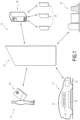
- the service delivery system 10 shown in figure Figure 1 is intended to provide a service to a vehicle 12 receiving this service, typically a motor vehicle, on the order of an individual 14 user of this service.
- This service preferably consists of recharging a storage device 16 of the vehicle 12 with an energy source intended to supply energy to an engine 18 of the vehicle 12.
- the vehicle 12 is an electric vehicle of which the storage device 16 is an electric accumulator and the motor 18 is an electric motor, and the energy source is electric energy.
- the vehicle 12 is a fuel vehicle whose storage device 16 is a fuel tank and the engine 18 is a heat engine, the energy source then being a fuel. Any other type of energy source and energy storage device can also be envisaged.
- the service includes, in addition to recharging the storage device 16, providing the vehicle 12 with access to a controlled-access road network (not shown).
- the service is provided by providing vehicle 12 access to a controlled access road network.
- road network with controlled access is meant any circulation or parking area for motor vehicles, including car parks, engineering structures, company sites, piggyback wagons, ferries for motor vehicles, etc. subject to access control, whether this access control is linked to a tariff or not.
- System 10 includes, with reference to Figure 1 , a first data carrier 20, intended for the identification of the user 14, a second data carrier 22, intended for the identification of the vehicle 12, a plurality of service provider equipment 24, and a remote server 26
- the service provider equipment 24 is preferably all adapted to provide a service identical to the service provided by the other service provider equipment 24; alternatively, some of the service provider equipment 24 is adapted to provide a first service, such as the recharging of vehicles with a source of energy intended to supply energy to an engine of these vehicles, and other equipment service providers 24 are adapted to provide a second service, such as providing vehicles with access to a controlled access road network.
- the first data carrier 20 carries a user identifier 27 ( Figure 2 ) to allow the identification of the user 14 by each of the service provider equipment 24.
- the system 10 does not include the first data medium 20, and the user identifier is then constituted by a PIN code or biometric data of the user 14.
- the first data medium 20 is typically constituted by a smart card, for example a contactless smart card, or by an NFC component, a smartphone or a tablet.
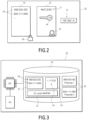
- the first data medium 20 then comprises a memory 28 whose content is illustrated in Figure 2 .
- the first data medium 20 consists of a medium, such as a card or a sheet, bearing a graphic representation, for example a hologram, a character string or a barcode, such as a Flash Code ® or an Aztek ® , said graphic representation encoding the data carried by the first data medium 20.
- a graphic representation for example a hologram, a character string or a barcode, such as a Flash Code ® or an Aztek ® , said graphic representation encoding the data carried by the first data medium 20.
- the data carried by the medium 20 includes a local list of authorized vehicles 30, a digital certificate 32 and an address 34 of a user account 36 ( Figure 4 ) stored on the remote server 26.
- the local list of authorized vehicles 30 contains at least one local authorized vehicle identifier 38. It is encrypted using a private key 40.
- the digital certificate 32 allows the data carrier 20 to authenticate itself with the service provider equipment 24; to this end, the data medium 20 contains, in a known manner, a signature 42 of a certification authority (not shown) recognized by the service provider equipment 24, and a unique identifier which here constitutes the identifier of user 27.
- the digital certificate 32 also contains a public key 44 allowing the decryption of the local list of authorized vehicles 30, in accordance with the PKCS recommendations of RSA Laboratories.
- the second data carrier 22 carries a vehicle identifier 45 to allow the identification of the vehicle 12 by the service provider equipment 24.
- the second data carrier 22 is typically constituted by an on-board computer of the vehicle 12, the vehicle identifier 45 being stored in a ROM (not shown) of the on-board computer.
- the vehicle identifier 45 is preferably a unique identifier of the vehicle 12.
- the vehicle identifier 45 typically consists of the vehicle identification number (or “VIN” code, standing for “Vehicle”. Identification Number”) of the vehicle 12.
- the second data carrier 22 is adapted to communicate with the service provider equipment 24, typically by wireless communication or power line carrier.
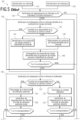
- the remote server 26 comprises a communication device 46, adapted to allow the exchange of data between the server 26 and the service provider equipment 24, a computer 48, and a memory 50.
- the memory 50 stores a plurality of user accounts 36, including the user account whose address 34 is carried by the first data medium 20.
- Each user account 36 contains, in known manner, a personal information directory 52 in which are stored personal information relating to the account holder, such as his name and address, and an accounting directory 54 in which an account balance 56 is typically stored.
- the user account 36 also contains, according to the invention, a remote list of authorized vehicles 57 containing at least one remote authorized vehicle identifier 58.
- Memory 50 also stores a plurality of vehicle records 59 each associating a charging protocol with a vehicle identifier.
- each service provider equipment 24 includes a first reading device 60 for reading the first data carrier 20, a second reading device 62 for reading the second data carrier 22, and a device 64 for supplying the service to the vehicle 12.
- the service supplier equipment 24 also comprises a device 66 for determining an identity of the vehicle 12 , a device 68 for determining an identity of the user 14, a device 70 for verifying that the vehicle 12 and the user 14 belong to an exclusion list, a device 71 for verifying the adequacy between the vehicle 12 and a requested charging protocol, a system 72 for verifying the match between the identity of the vehicle 12 and the identity of the user 14, a system 74 for transaction control, an anti-vandalism device 75 and a member 76 for implementing anti-fraud measures.
- the determination device 66, the determination device 68, the verification unit 70, the verification device 71, the verification system 72, the transaction control system 74, the detection device 75 and the anti-fraud measures implementation unit 76 are produced in the form of software stored in a memory 77 and able to be executed by a processor 78 associated with the memory 77, the processor 78 and the memory 77 forming an information processing unit 79 included in the service provider equipment 24.
- the determination device 66, the determination device 68, the verification device 70, the verification device 71, the verification system 72, the transaction control system 74, the anti-vandalism device 75 and the anti-fraud measures implementation unit 76 are made at least partially in the form of programmable logic components, or even in the form of dedicated integrated circuits, included in service provider equipment 24.
- the first reading device 60 is configured to read the first data carrier 20, for example by wireless link when the first data carrier 20 consists of a contactless smart card, an NFC component, a smartphone or a tablet, or by means of a camera coupled to an image processing module when the first data carrier 20 consists of a carrier carrying a graphic representation of the data carried by the first data carrier 20.
- the first reading device 60 is also configured to write data on the first data carrier 20.
- the second reading device 62 is configured to read the second data carrier 22, for example by wireless link or by power line carrier.
- Service providing device 64 is adapted to provide service to vehicle 12 when activated.
- the service provision device typically comprises a cable (not shown) for connecting the battery 16 of the vehicle 12 to the service provider equipment 24, and a switch (not shown) for connecting the cable to a network 81 ( Figure 1 ) for supplying electricity, said switch being closed if and only if the service supply device 64 is activated.
- the service provision device 64 typically comprises an obstacle and an obstacle control device configured to move the obstacle in a configuration for releasing a road network access passage when the service providing device 64 is activated and for restoring the obstacle in a blocking configuration of a road network access passage when the service provision 64 is disabled.
- the determination device 68 is suitable for reading the information carried by the second data medium 22, in particular the vehicle identifier 45, by means of the second reading device 62, and for deducing the identity of the vehicle 12 therefrom.
- the verification unit 70 stores an exclusion list (not shown) containing at least one excluded identifier, and is configured to compare the user 27 and vehicle identifiers carried respectively by the data medium 20 and by the data 22 with the or each identifier excluded.
- the verification unit 70 is also configured to activate the verification device 71 when the user and vehicle identifiers are different from all the excluded identifiers, and to activate the anti-fraud measures implementation unit 76 when at least one of the user and vehicle identifiers matches one of the excluded identifiers.
- the verification device 71 is configured to check the availability of the connection between the service provider equipment 24 and the remote server 26.
- the verification device 71 is also configured to identify a charging protocol associated with the vehicle identifier 45 when the connection is available; to this end, the verification device 71 is configured to consult the vehicle file 59 stored in the memory 50 of the remote server 26 which mentions said vehicle identifier 45 and read the protocol associated by said vehicle file 59 with the vehicle identifier 45
- the verification device 71 is further configured to detect, by means of the service provision device 64, the charging protocol requested by the vehicle 12, and to compare this charging protocol requested with the charging protocol associated with the identifier vehicle 45.
- the verification device 71 is finally configured to activate the verification system 72 when the charging protocol requested by the vehicle 12 corresponds to the charging protocol associated with the vehicle identifier 45 or when the connection to the remote server 26 is unavailable, and to activate the anti-fraud measures implementation unit 76 when the charging protocol requested by the vehicle 12 and the charge protocol associated with vehicle identifier 45 do not match each other.
- the verification system 72 is configured to check the availability of the connection between the service provider equipment 24 and the remote server 26.
- the verification system 72 is also configured to connect to the user account 36 designated by the address 34 carried by the first data carrier 20 when the connection is available, and to compare the vehicle identifier 45 with the or each authorized identifier 58 mentioned in the remote authorized vehicle list 57 of said user account 36.
- the verification system 72 is in further configured to decrypt the local authorized vehicle list 30 carried by the first data carrier 20 by means of the public key 44 when the connection to the remote server 26 is unavailable, and to compare the vehicle identifier 45 with the or each identifier authorized 38 mentioned in the local authorized vehicle list 30.
- the verification system 72 is furthermore configured to activate the service provision device 64 when the vehicle identifier 45 corresponds to one of the local or remote authorized identifiers 38, 58, and to activate the anti-fraud measures implementation unit 76 when the connection to the remote server 26 is unavailable and the vehicle identifier 45 is different from each local authorized identifier 38, or when the connection is available and the vehicle identifier 45 is different from each remote authorized identifier 58.
- the verification system 72 is finally configured to activate the transaction control system 74 when the connection to the remote server 26 is unavailable and the vehicle identifier 45 corresponds to one of the local authorized identifiers 38.
- the transaction control system 74 is configured to memorize the vehicle identifier 45 carried by the second data carrier 22, as well as the address 34 carried by the first data carrier 20.
- the transaction control system 74 is also adapted to connect to the user account 36 designated by the address 34 as soon as the connection between the energy supplier equipment 24 and the remote server 26 is restored, and to compare the vehicle identifier 45 with each of the authorized identifiers 58 mentioned in the remote authorized vehicle list 57 of said user account 36.
- the transaction control system 74 is finally configured to activate the anti-fraud measures implementation unit 76 when the vehicle identifier 45 is different from each said remote authorized identifiers 58.
- the anti-vandalism device 75 is configured to detect an attempt to vandalize the service provider equipment 24, for example by tearing off the first reading device 60.
- the anti-vandalism device 75 is also configured to activate the determination device 68 and the anti-fraud measures implementation member 76 when an attempt to vandalize the service provider equipment 24 is detected.
- the anti-fraud measures implementation unit 76 is configured to block the supply of the service to the vehicle 12; to this end, the anti-fraud measures implementation unit 76 is configured to deactivate the service provision device 64 when it is activated.
- the member for implementing anti-fraud measures 76 is also configured to immobilize the vehicle 12; to this end, the anti-fraud measures implementation unit 76 is configured to transmit an instruction to immobilize the vehicle 12 to the on-board computer of the vehicle 12 by means of the second reading device 62.
- the unit implementation of anti-fraud measures 76 is further configured to register the user and vehicle identifiers carried respectively by the first and second data carriers 20, 22 in the exclusion list of the verification body 70 of each service supplier equipment 24.
- the anti-fraud measures implementation unit 76 is further adapted to transmit to the central server 26 the location of the energy supplier equipment 24.
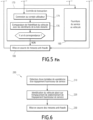
- a service provision method 100 implemented by the system 10 will now be described, with reference to the Figure 5 .
- the vehicle 12 is first of all driven close to one of the service provider equipments 24 of the system 10, in a location (not shown), for example a parking space, adapted so that the second reading device 62 can read the second data carrier 22 when the vehicle 12 occupies this location.
- the device 66 for determining the identity of the vehicle 12 then enters into communication with the second data medium 22 and determines the identity of the vehicle 12 by means of the vehicle identifier 45 during an identification step 110 of the vehicle 12 to the service provider equipment 24.
- the user 14 brings the first data carrier 20 close to the service provider equipment 24 near which the vehicle 12 is located. so that the first reading device 60 can read the first data medium 20.
- the device 68 for determining the identity of the user 14 then enters into communication with the first data medium 20 and determines the identity of the user.
- user 14 by means of the user identifier 27 carried by the first support of data 20 during a step 120 of identifying the user 14 with the service provider equipment 24.
- the verification unit 70 verifies that the vehicle identifier 45 and the user identifier 27 belong to the exclusion list. For this purpose, the verification unit 70 compares the user 27 and vehicle 45 identifiers carried respectively by the first and second data carriers 20, 22 with the or each excluded identifier contained in the exclusion list. In the event that at least one of the user and vehicle identifiers 27, 45 corresponds to one of the excluded identifiers, the verification unit 70 concludes that said user or vehicle identifier 27, 45 belongs to the exclusion list and activates the unit for implementing anti-fraud measures 76, so that step 130 is followed by a step 180 for implementing anti-fraud measures.
- the verification unit 70 concludes that said user and vehicle identifiers 27, 45 are absent from the exclusion list. and activates the verification device 71, so that step 130 is followed by a second verification step 140.
- the second verification step 140 consists of a step of verifying the adequacy between a charging protocol requested by the vehicle 12 and the vehicle identifier 45.
- This step 140 includes a first sub-step 142 of checking the availability of the connection between the service provider equipment 24 and the remote server 26 by the verification device 71.
- the device verification 71 attempts to establish communication with the remote server 26 and, if successful, concludes that the connection is available and, in the event of failure, concludes that the connection is unavailable.
- This first sub-step 142 is followed, when the connection is available, by a sub-step 144 of identifying a charging protocol associated with the vehicle identifier 45.
- the verification device 71 activates the verification system 72, so that the first sub-step 142 is then followed by a third verification step 150.
- the verification device 71 searches the memory 50 of the remote server 26 for a vehicle file 59 which mentions the vehicle identifier 45, and consults said vehicle file 59 to read the protocol associated by said vehicle file 59 with the vehicle identifier 45.
- a sub-step 146 of detection of a charging protocol requested by vehicle 12 takes place, during which the verification device 71 detects the charging protocol requested by the vehicle 12 by means of the service provision device 64.
- Sub-step 146 is finally followed by a last sub-step 148 of comparison of the charging protocol requested by the vehicle 12 with the charging protocol associated with the vehicle identifier 45.
- the verification device 71 concludes that the requested charging protocol matches the vehicle identifier 45 and activates the verification system 72, so that the second verification step is then followed by the third verification step 150.
- the verification device 71 concludes that there is a mismatch of the charging protocol requested with the vehicle identifier 45 and activates the anti-fraud measures implementation unit 76, so that step 140 is then followed by step 180 of implementing anti-fraud measures -fraud.
- the third verification step 150 consists of a step of verifying the match between the vehicle identifier 45 and the user identifier 27.
- This step 150 includes a first sub-step 152 of checking the availability of the connection between the service provider equipment 24 and the remote server 26 by the verification system 72.
- the system verification 72 attempts to establish communication with the remote server 26 and, if successful, concludes that the connection is available and, if unsuccessful, concludes that the connection is unavailable.
- This first sub-step 152 is followed by a sub-step 153 of connection of the verification system 72 to the user account 36 designated by the address 34 carried by the first data medium 20 when the connection is available, and of a substep 154 of decrypting the list of local authorized vehicles 30 carried by the first data carrier 20 by means of the public key 44 when the connection is unavailable.
- the connection sub-step 153 is followed by a sub-step 155 of verifying that the vehicle identifier 45 belongs to the list of remote authorized vehicles 57 of the user account 36.
- the verification system compares the vehicle identifier 45 with the or each authorized identifier 58 mentioned in said list of remote authorized vehicles 57; in the event that the vehicle identifier 45 corresponds to one of the remote authorized identifiers 58, the verification system 72 concludes that said vehicle identifier 45 belongs to the list of remote authorized vehicles 57 and, in the event that vehicle id 45 is different from all remote authorized identifiers 58, the verification system 72 concludes that the vehicle identifier 45 is absent from the list of remote authorized vehicles 57.
- the verification system 72 concludes that there is a mismatch between the user and vehicle identifiers carried respectively by the first and second data carriers. 20, 22. If the vehicle identifier 45 belongs to the list of remote authorized vehicles 57, the verification system 72 concludes that the user and vehicle identifiers carried respectively by the first and second data carriers 20, 22.
- the decryption sub-step 154 is followed by a sub-step 156 of verifying that the vehicle identifier 45 belongs to the local authorized vehicle list 30.
- the verification compares the vehicle identifier 45 with the or each authorized identifier 38 mentioned in said local authorized vehicle list 30; in the event that the vehicle identifier 45 corresponds to one of the local authorized identifiers 38, the verification system 72 concludes that said vehicle identifier 45 belongs to the local authorized vehicle list 30 and, in the event that the vehicle identifier 45 is different from all the local authorized identifiers 38, the verification system 72 concludes that the vehicle identifier 45 is absent from the local authorized vehicle list 30.
- the verification system 72 concludes that there is a mismatch between the user and vehicle identifiers carried respectively by the first and second data carriers. 20, 22. If the vehicle identifier 45 belongs to the local authorized list of vehicles 30, the verification system 72 concludes that the user and vehicle identifiers carried respectively by the first and second data carriers 20, 22.
- the verification system 72 activates the anti-fraud measures implementation unit 76, so that the verification step 150 is followed by the step implementation of anti-fraud measures 180.
- the verification system 72 activates the service provision device 64, so that the verification step 150 is followed by a step 160 of providing the service to the vehicle 12.
- the verification system 72 activates the transaction 74, so that step 150 is also followed by a transaction control step 170.
- the service provision device 64 provides service to the vehicle 12.
- the service provision device 64 deactivates and the service is terminated. process 100.
- the transaction control step 170 is subsequent to the service provision step 160. It comprises a first sub-step 174 of connection to the user account 36 designated by the address 34 which is implemented as soon as the connection between the energy supplier equipment 24 and the remote server 26 is restored. This first sub-step 174 is followed by a second sub-step 176 of verifying that the vehicle 12 belongs to the list of remote authorized vehicles 57 of said user account 36; during this second sub-step 176, the transaction control system 74 compares the vehicle identifier 45 with each of the authorized identifiers 58 mentioned in the list of remote authorized vehicles 57 of the user account 36, and concludes that it belongs from the vehicle identifier 45 to the list of remote authorized vehicles 57 in the event that the vehicle identifier 45 corresponds to one of the remote authorized identifiers 58, and the absence of the vehicle identifier 45 from the list of remote authorized vehicles 57 in the event that the vehicle identifier 45 is different from all the remote authorized identifiers 58.
- the control system 74 concludes that there is no fraud in the energy supply transaction carried out, and then terminates the process 100 .
- control system 74 concludes that there has been fraud in the energy supply transaction carried out, and consequently activates the anti-fraud measures implementation unit 76, so that the control step 170 is followed by the anti-fraud measures implementation step 180.
- the anti-fraud measures implementation unit 76 implements anti-fraud measures. These measures include blocking the provision of service to vehicle 12; to this end, the anti-fraud measures implementation member 76 deactivates the service provision device 64. Preferably, the anti-fraud measures 76 also include the immobilization of the vehicle 12; to this end, the anti-fraud measures implementation unit 76 transmits an instruction to immobilize the vehicle 12 to the vehicle on-board computer 12 by means of the second reading device 62.
- the anti-fraud measures 76 also include the registration of the user and vehicle identifiers carried respectively by the first and second data carriers 20, 22 in the exclusion list of the verification body 70 of each supplier equipment service 24.
- the measures anti-fraud also include the transmission to the central server 26 of the location of the energy supplier equipment 24.
- This method 200 comprises a first step 210 of detecting an attempt at vandalism of the service provider equipment 24 by the anti-vandalism device 75.
- This attempt at vandalism consists for example of pulling out the first reading device 60 and is detected by the anti-vandalism device 75 following the stopping of the emission by the first reading device 60 of an operating signal.
- the anti-vandalism device 75 activates the determination device 68 and the member for implementing anti-fraud measures 76, so that the detection step 210 is followed by a step 220 of determining the identity of the vehicle 12 placed on the parking space of the service provider equipment 24 and a step 230 of implementing anti-fraud measures.
- the device 66 for determining the identity of the vehicle 12 enters into communication with the second data carrier 22 and determines the identity of the vehicle 12 by means of the vehicle identifier 45.
- the anti-fraud measures implementation unit 76 implements anti-fraud measures, said anti-fraud measures 76 including the entry of the vehicle identifier 45 in the list exclusion of the verification body 70 from each service provider equipment 24. Said anti-fraud measures 76 also include the immobilization of the vehicle 12; to this end, the anti-fraud measures implementation member 76 transmits an instruction to immobilize the vehicle 12 to the on-board computer of the vehicle 12 by means of the second reading device 62.
- the measures anti-fraud also include the transmission to the central server 26 of the location of the energy supplier equipment 24.
- the method 200 is terminated.
- a vehicle identifier substitution fraud in which a fraudster would attempt to recharge a vehicle by replacing its vehicle identifier with a vehicle identifier associated with the fraudster's user account, is also prevented, since the system 10 will detect that the charging protocol is not consistent with the vehicle identifier.
Landscapes
- Business, Economics & Management (AREA)
- Engineering & Computer Science (AREA)
- Physics & Mathematics (AREA)
- General Physics & Mathematics (AREA)
- Strategic Management (AREA)
- Economics (AREA)
- Human Resources & Organizations (AREA)
- Entrepreneurship & Innovation (AREA)
- Game Theory and Decision Science (AREA)
- Educational Administration (AREA)
- Development Economics (AREA)
- Marketing (AREA)
- Operations Research (AREA)
- Quality & Reliability (AREA)
- Tourism & Hospitality (AREA)
- General Business, Economics & Management (AREA)
- Theoretical Computer Science (AREA)
- Management, Administration, Business Operations System, And Electronic Commerce (AREA)
- Mobile Radio Communication Systems (AREA)
Claims (16)
- Verfahren (100) zum Bereitstellen eines Dienstes durch eine Dienstbereitstellungsausrüstung (24), die zu einem Dienstbereitstellungssystem (10) eines Fahrzeugs (12) gehört, das Empfänger des Dienstes ist, auf Anordnung eines Nutzers (14) des Dienstes, die Dienstbereitstellungsausrüstung (24) umfasst ein Element (76) zum Implementieren von Betrugsbekämpfungsmaßnahmen, eine erste Lesevorrichtung (60), eine zweite Lesevorrichtung (62) und eine Antivandalismus-Vorrichtung (75), das Dienstbereitstellungssystem (10) umfassend eine Vielzahl von Dienstbereitstellungsausrüstungen (24), dadurch gekennzeichnet, dass das Verfahren (100) die folgenden Schritte umfasst:- Identifizieren (110) des empfangenden Fahrzeugs (12) bei der Dienstbereitstellungsausrüstung (24) mittels einer Fahrzeugkennung (45) des empfangenden Fahrzeugs (12), wobei die Fahrzeugkennung (45) von einem zweiten Datenträger (22) mittels der zweiten Lesevorrichtung (62) gelesen wird, Identifizieren (120) des Nutzers (14) bei der Dienstbereitstellungsausrüstung (24) mittels einer Nutzerkennung (27), wobei die Nutzerkennung mittels der ersten Lesevorrichtung (60) auf einem ersten Datenträger (20) gelesen wird,- Vergleichen (130) der Fahrzeugkennung (45) und/oder der Nutzerkennung (27) mit einer Liste von ausgeschlossenen Kennungen, die von einem Überprüfungselement (70) der Dienstbereitstellungsausrüstung (24) gespeichert wird,- in dem Fall, dass die Fahrzeugkennung (45) und/oder die Nutzerkennung (27) in der Liste der ausgeschlossenen Kennungen vorhanden ist, Implementieren von Betrugsbekämpfungsmaßnahmen (180), die das Übertragen einer Anweisung zur Immobilisierung des Fahrzeugs (12) beinhalten, an einen Bordcomputer des Fahrzeugs (12) mittels der zweiten Lesevorrichtung (62) durch das Element (76) zum Implementieren von Betrugsbekämpfungsmaßnahmen,- in dem Fall, dass die Fahrzeugkennung (45) und/oder die Nutzerkennung (27) in der Liste der ausgeschlossenen Kennungen fehlt, Überprüfen (150), ob die Fahrzeugkennung (45) des empfangenden Fahrzeugs (12) und die Nutzerkennung (27) übereinstimmen,- bei einer Übereinstimmung zwischen der Fahrzeugkennung (45) des empfangenden Fahrzeugs (12) und der Nutzerkennung (27), Bereitstellen (160) des Dienstes für das empfangende Fahrzeug (12) durch die Dienstbereitstellungsausrüstung (24); und- bei einer Diskrepanz zwischen der Fahrzeugkennung (45) des empfangenden Fahrzeugs (12) und der Nutzerkennung (27), Implementieren von Betrugsbekämpfungsmaßnahmen (180),das Verfahren (100) ferner umfassend die folgenden aufeinanderfolgenden Schritte:- Erkennen (210) eines Vandalismusversuchs der Dienstbereitstellungsausrüstung (24), wobei die Antivandalismus-Vorrichtung (75) einen Vandalismusversuch erkennt, nachdem die erste Lesevorrichtung (60) die Ausgabe eines Betriebssignals angehalten hat, undwenn ein Vandalismusversuch an der Dienstbereitstellungsausrüstung (24) erkannt wird:- Bestimmen (220) der Identität des Fahrzeugs, das auf einem Parkplatz der Dienstbereitstellungsausrüstung (24) abgestellt ist, mittels der Fahrzeugkennung (45), und- Implementieren (230) von Betrugsbekämpfungsmaßnahmen durch das Element (76) zum Implementieren von Betrugsbekämpfungsmaßnahmen, wobei die Betrugsbekämpfungsmaßnahmen das Eintragen einer Fahrzeugkennung des Fahrzeugs in die Ausschlussliste des Überprüfungselements (70) jeder Dienstbereitstellungsausrüstung (24) des Dienstbereitstellungssystems (10) beinhalten.
- Dienstbereitstellungsverfahren (100) nach Anspruch 1, wobei die Fahrzeugkennung (45) eine eindeutige Kennung des empfangenden Fahrzeugs (12) ist.
- Dienstbereitstellungsverfahren (100) nach Anspruch 1 oder 2, wobei:- in dem ersten Datenträger (20) Folgendes gespeichert ist:∘ eine lokale Liste zugelassener Fahrzeuge (30), die mit einem privaten Schlüssel (40) verschlüsselt ist, und∘ ein Zertifikat (32), das es dem ersten Datenträger (20) ermöglicht, sich bei der Dienstbereitstellungsausrüstung (24) zu authentifizieren, wobei das Zertifikat (32) einen öffentlichen Schlüssel (44) umfasst, der die Entschlüsselung der lokalen Liste der autorisierten Fahrzeuge (30) ermöglicht,- wobei der Schritt (120) eines Identifizierens des Nutzers (14) bei der Dienstbereitstellungsausrüstung (24) die folgenden Teilschritte umfasst:∘ Authentifizieren des ersten Datenträgers (20) bei der Dienstbereitstellungsausrüstung (24) mittels des Zertifikats (32), und∘ Lesen, durch die Dienstbereitstellungsausrüstung (24), der auf dem ersten Datenträger (20) getragenen Nutzerkennung (27), und- wobei der Schritt (150) eines Überprüfens der Übereinstimmung zwischen der Fahrzeugkennung (45) und der Nutzerkennung (27) die folgenden Teilschritte umfasst:∘ Entschlüsseln (154), unter Verwendung des öffentlichen Schlüssels (44), der lokalen Liste autorisierter Fahrzeuge (30), und∘ Überprüfen (156), ob die Fahrzeugkennung (45) des empfangenden Fahrzeugs (12) zu der lokalen Liste autorisierter Fahrzeuge (30) gehört.
- Dienstbereitstellungsverfahren (100) nach Anspruch 3, umfassend einen zusätzlichen Transaktionsprüfschritt (170), der auf den Schritt der Dienstbereitstellung (160) folgt, der Transaktionsprüfschritt (170) umfassend die folgenden Teilschritte:- Verbinden (172) der Dienstbereitstellungsausrüstung (24) mit einem Nutzerkonto (36), das auf einem entfernten Server (26) gespeichert ist, mittels einer Adresse (34), die auf dem ersten Datenträger (20) gespeichert ist,- Lesen einer entfernten Liste von zugelassenen Fahrzeugen (57), die in dem Nutzerkonto (36) gespeichert ist,- Überprüfen (176), ob die Fahrzeugkennung (45) des empfangenden Fahrzeugs (12) zu der entfernten Liste autorisierter Fahrzeuge (57) gehört, und in dem Fall, dass die Fahrzeugkennung (45) des empfangenden Fahrzeugs (12) nicht in der entfernten Liste der autorisierten Fahrzeuge (57) enthalten ist, Implementieren von Betrugsbekämpfungsmaßnahmen (180).
- Dienstbereitstellungsverfahren (100) nach Anspruch 3, wobei der Schritt (150) der Überprüfung der Übereinstimmung zwischen der Fahrzeugkennung (45) und der Nutzerkennung (27) vor dem Schritt (154) des Entschlüsselns der lokalen Liste autorisierter Fahrzeuge (30) einen Schritt (152) eines Überprüfens des Zustands einer Verbindung zwischen der Dienstbereitstellungsausrüstung (24) und dem entfernten Server (26), umfasst, gefolgt von:- für den Fall, dass die Verbindung verfügbar ist:- Verbinden (153) der Dienstbereitstellungsausrüstung (24) mit einem Nutzerkonto (36), das auf einem entfernten Server (26) gespeichert ist, mittels einer Adresse (34), die auf dem ersten Datenträger (20) gespeichert ist,- Lesen einer entfernten Liste von zugelassenen Fahrzeugen (57), die in dem Nutzerkonto (36) enthalten ist, und∘ Überprüfen (155), ob die Fahrzeugkennung (45) des empfangenden Fahrzeugs (12) zu der entfernten Liste autorisierter Fahrzeuge (57) gehört,- in dem Fall, dass die Verbindung nicht verfügbar ist, Implementieren von Schritten zum Entschlüsseln (154) der lokalen Liste autorisierter Fahrzeuge (30) und eins Überprüfens (156) der Zugehörigkeit der Fahrzeugkennung (45) des empfangenden Fahrzeugs (12) zu der lokalen Liste autorisierter Fahrzeuge (30).
- Dienstbereitstellungsverfahren (100) nach Anspruch 5, wobei in dem Fall, dass die Verbindung zwischen der Dienstbereitstellungsausrüstung (24) und dem entfernten Server (26) zum Zeitpunkt der Implementierung des Schritts (150) einer Überprüfung der Übereinstimmung zwischen der Fahrzeugkennung (45) und der Nutzerkennung (27) nicht verfügbar ist, das Verfahren einen zusätzlichen Schritt (170) der Transaktionsprüfung umfasst, der auf den Schritt der Dienstbereitstellung (160) folgt, wobei der Schritt der Transaktionsprüfung (170) die folgenden Teilschritte umfasst:- Verbinden (172) der Dienstbereitstellungsausrüstung (24) mit dem Nutzerkonto (36) mittels der auf dem ersten Datenträger (20) gespeicherten Adresse (34),- Lesen der entfernten Liste autorisierter Fahrzeuge (57), Überprüfen, ob die Fahrzeugkennung (45) des empfangenden Fahrzeugs (12) zu der entfernten Liste autorisierter Fahrzeuge (57) gehört, und- in dem Fall, dass die Fahrzeugkennung (45) des empfangenden Fahrzeugs (12) in der entfernten Liste des autorisierten Fahrzeugs (57) nicht vorhanden ist, Implementieren von Betrugsbekämpfungsmaßnahmen (180).
- Dienstbereitstellungsverfahren (100) nach einem der vorherigen Ansprüche, wobei das Implementieren von Betrugsbekämpfungsmaßnahmen (180) einen Eintragen der Nutzerkennung (27) und/oder der Fahrzeugkennung (45) in die Liste der ausgeschlossenen Kennungen umfasst.
- Dienstbereitstellungsverfahren (100) nach Anspruch 6, umfassend nach dem Vergleichsschritt (130) einen Schritt (140) zur Überprüfung der Übereinstimmung zwischen einem von dem empfangenden Fahrzeug (12) angeforderten Ladeprotokoll und der Fahrzeugkennung (45), der Überprüfungsschritt (140) umfassend einen Teilschritt (142) zum Überprüfen der Verfügbarkeit einer Verbindung zwischen der Dienstbereitstellungsausrüstung (24) und dem entfernten Server (26), gefolgt von:- für den Fall, dass die Verbindung verfügbar ist:∘ einem Teilschritt (144) eines Identifizierens eines Ladeprotokolls, das mit der Fahrzeugkennung (45) assoziiert ist;∘ einem Teilschritt (146) eines Erfassens eines von dem Fahrzeug (12) angeforderten Ladeprotokolls;∘ einem Teilschritt (148) eines Vergleichens des von dem Fahrzeug (12) angeforderten Ladeprotokolls mit dem Ladeprotokoll, das mit der Fahrzeugkennung (45) assoziiert ist; und- wenn das von dem Fahrzeug (12) angeforderte Ladeprotokoll mit dem Ladeprotokoll übereinstimmt, das der Fahrzeugkennung (45) assoziiert ist, dem Teilschritt (150) zum Überprüfen der Übereinstimmung zwischen der Fahrzeugkennung (45) des empfangenden Fahrzeugs (12) und der Nutzerkennung (27); und- wenn das von dem Fahrzeug (12) angeforderte Ladeprotokoll nicht mit dem Ladeprotokoll übereinstimmt, das mit der Fahrzeugkennung (45) assoziiert ist, dem Schritt (180) eines Implementierens von Betrugsbekämpfungsmaßnahmen (180); und- in dem Fall, dass die Verbindung nicht verfügbar ist, einem Schritt (150) eines Überprüfens der Übereinstimmung zwischen der Fahrzeugkennung (45) des empfangenden Fahrzeugs (12) und der Nutzerkennung (27).
- Dienstbereitstellungssystem (10) zum Bereitstellen eines Dienstes für ein Fahrzeug (12), das Empfänger des Dienstes ist, auf Anforderung eines Nutzers (14) des Dienstes, das System (10) umfassend einen ersten Datenträger (20) und einen zweiten Datenträger (22) und eine Vielzahl von Dienstbereitstellungsausrüstungen (24) zum Bereitstellen des Dienstes für das empfangende Fahrzeug (12), jede Dienstbereitstellungsausrüstung (24) umfassend eine erste Lesevorrichtung (60) zum Lesen des ersten Datenträgers (20), eine zweite Lesevorrichtung (62) zum Lesen des zweiten Datenträgers (22), eine Antivandalismus-Vorrichtung (75) und ein Element (76) zum Implementieren von Betrugsbekämpfungsmaßnahmen, dadurch gekennzeichnet, dass jede Dienstbereitstellungsausrüstung (24) Folgendes umfasst:- eine Vorrichtung (68) zum Bestimmen einer Identität des empfangenden Fahrzeugs (12) mittels einer Fahrzeugkennung (45) des empfangenden Fahrzeugs (12), die angepasst ist, um eine auf dem zweiten Datenträger (22) getragene Fahrzeugkennung mittels der zweiten Lesevorrichtung (62) zu lesen,- eine Vorrichtung (66) zum Bestimmen einer Identität des Nutzers (14) mittels einer Nutzerkennung (27), die angepasst ist, um eine auf dem ersten Datenträger (20) getragene Nutzerkennung (27) mittels der ersten Lesevorrichtung (60) zu lesen,- ein Überprüfungselement (70), das eine Ausschlussliste speichert, die mindestens eine ausgeschlossene Kennung enthält und konfiguriert ist, um die Nutzerkennung (27) und die Fahrzeugkennung (45) mit der oder jeder ausgeschlossenen Kennung zu vergleichen und die Implementierung von Betrugsbekämpfungsmaßnahmen zu befehlen, wenn die Nutzerkennung (27) (14) und/oder die Fahrzeugkennung (45) des empfangenden Fahrzeugs (12) mit der oder jeder ausgeschlossenen Kennung übereinstimmen, wobei das Element (76) zur Implementierung von Betrugsbekämpfungsmaßnahmen konfiguriert ist, um bei der Implementierung von Betrugsbekämpfungsmaßnahmen mittels der zweiten Lesevorrichtung (62) eine Anweisung zur Immobilisierung des Fahrzeugs (12) an den Bordcomputer des Fahrzeugs (12) zu senden, und- eine Antivandalisvorrichtung (75), die konfiguriert ist, um einen Vandalismusversuch an der Dienstbereitstellungsausrüstung (24) zu erkennen, nachdem die Ausgabe eines ersten Betriebssignals durch die erste Lesevorrichtung (60) angehalten wurde, und, wenn ein versuchter Vandalismus der Dienstbereitstellungsausrüstung (24) erkannt wird, die Bestimmungsvorrichtung (68) der Identität des empfangenden Fahrzeugs (12) zu aktivieren, um die Identität des empfangenden Fahrzeugs (12) anhand einer Fahrzeugkennung (45) des empfangenden Fahrzeugs (12) zu bestimmen, und um die Implementierung von Betrugsbekämpfungsmaßnahmen zu befehlen, einschließlich des Eintragens der Fahrzeugkennung (45) des empfangenden Fahrzeugs (12) in die Ausschlussliste des Überprüfungselements (70) jeder Dienstbereitstellungsausrüstung (24),- und dass das Dienstbereitstellungssystem (10) ein System (72) zum Überprüfen der Übereinstimmung zwischen der Fahrzeugkennung (45) des empfangenden Fahrzeugs (12) und der Nutzerkennung (27) umfasst, das angepasst ist, um in dem Fall, dass die Fahrzeugkennung (45) des empfangenden Fahrzeugs und die Nutzerkennung (27) nicht in der Liste ausgeschlossener Kennungen vorhanden ist, die Bereitstellung des Dienstes für das empfangende Fahrzeug (12) durch die Dienstbereitstellungsausrüstung (24) zu befehlen, wenn die Identitäten übereinstimmen, und die Implementierung von Betrugsbekämpfungsmaßnahmen zu befehlen, wenn die Kennungen nicht übereinstimmen.
- Dienstbereitstellungssystem (10) nach Anspruch 9, wobei die Fahrzeugkennung (45) eine eindeutige Kennung des empfangenden Fahrzeugs (12) ist.
- Dienstbereitstellungssystem (10) nach Anspruch 9 oder 10, wobei in dem ersten Datenträger (20) Folgendes gespeichert ist:- eine lokale Liste autorisierter Fahrzeuge (30), die mindestens eine lokale Identität eines autorisierten Fahrzeugs (38) angibt, die mit einem privaten Schlüssel (40) verschlüsselt ist, und- ein Zertifikat (32), das es dem ersten Datenträger (20) ermöglicht, sich bei der Dienstbereitstellungsausrüstung (24) zu authentifizieren, wobei das Zertifikat (32) einen öffentlichen Schlüssel (44) umfasst, der die Entschlüsselung der lokalen Liste der autorisierten Fahrzeuge (30) ermöglicht,wobei die Vorrichtung (66) zur Bestimmung der Identität des Nutzers (14) angepasst ist, um den ersten Datenträger (20) zu lesen und die Identität des Nutzers (14) nach Authentifizieren des ersten Datenträgers (20) gegenüber der Bestimmungsvorrichtung (66) mittels des Zertifikats (32) zu bestimmen, und das System (74) zur Überprüfung der Übereinstimmung zwischen den Identitäten des empfangenden Fahrzeugs (12) und des Nutzers (14) angepasst ist, mittels des öffentlichen Schlüssels (44), der in dem Zertifikat (32) enthalten ist, die lokale Liste autorisierter Fahrzeuge (30) zu verschlüsseln und die Angabe der Identität des empfangenden Fahrzeugs (12) in der lokalen Liste autorisierter Fahrzeuge (30) zu überprüfen.
- Dienstbereitstellungssystem (10) nach einem der Ansprüche 9 bis 11, umfassend einen entfernten Server (26), auf dem ein Nutzerkonto (36) gespeichert ist, umfassend eine entfernte Liste autorisierter Fahrzeuge (57), die mindestens eine entfernte Identität eines autorisierten Fahrzeugs (58) angibt, wobei das System (74) zur Überprüfung der Übereinstimmung zwischen den Identitäten des empfangenden Fahrzeugs (12) und des Nutzers (14) angepasst ist, um die Dienstanbieterausrüstung (24) mit dem Nutzerkonto (36) auf dem entfernten Server (26) zu verbinden und die Angabe der Identität des empfangenden Fahrzeugs (12) in der entfernten Liste autorisierter Fahrzeuge (57) zu überprüfen.
- Dienstbereitstellungssystem (10) nach Anspruch 11 und 12 zusammengenommen, wobei das System (74) zur Überprüfung der Übereinstimmung zwischen den Identitäten des empfangenden Fahrzeugs (12) und des Nutzers (14) angepasst ist, um die Angabe der Identität des empfangenden Fahrzeugs (12) in der lokalen Liste autorisierter Fahrzeuge (30) nur dann zu überprüfen, wenn die Verbindung zwischen der Dienstanbieterausrüstung (24) und dem entfernten Server (26) nicht verfügbar ist.
- Dienstbereitstellungssystem (10) nach einem der Ansprüche 12 bis 13, umfassend eine Überprüfungsvorrichtung (71) der Übereinstimmung zwischen dem empfangenden Fahrzeugs (12) und einem angeforderten Ladeprotokoll, das zu Folgendem konfiguriert ist:- Kontrollieren der Verfügbarkeit der Verbindung zwischen der Dienstanbieterausrüstung (24) und dem entfernten Server (26), und- wenn die Verbindung verfügbar ist:∘ Identifizieren eines Ladeprotokolls, das mit der Identität des empfangenden Fahrzeugs (12) assoziiert ist,∘ Erkennen eines Ladeprotokolls, das von dem empfangenden Fahrzeug (12) angefordert wird,∘ Vergleichen dieses angeforderten Ladeprotokolls mit dem Ladeprotokoll, das mit der Identität des empfangenden Fahrzeugs (12) assoziiert ist, und∘ Aktivieren des Elements zur Implementierung von Betrugsbekämpfungsmaßnahme (76), wenn das von dem empfangenden Fahrzeug (12) angeforderte Ladeprotokoll und das mit der Identität des Empfängerfahrzeugs (12) assoziierte Ladeprotokoll nicht übereinstimmen, und Aktivieren des Überprüfungssystems (72), um die Übereinstimmung zwischen der Fahrzeugkennung (45) des empfangenden Fahrzeugs (12) und der Nutzerkennung (27) zu überprüfen, wenn das durch das Empfängerfahrzeug (12) angeforderte Ladeprotokoll und das Ladeprotokoll, das mit der Identität des Empfängerfahrzeugs (12) assoziiert ist, miteinander übereinstimmen; und- wenn die Verbindung nicht verfügbar ist, Aktivieren des Überprüfungssystem (72), um die Übereinstimmung zwischen der Fahrzeugkennung (45) des empfangenden Fahrzeugs (12) und der Nutzerkennung (27) zu überprüfen.
- Verfahren (100) oder System (10) zum Bereitstellen eines Dienstes nach einem der vorherigen Ansprüche, wobei die Implementierung von Betrugsbekämpfungsmaßnahmen ein Sperren der Bereitstellung des Dienstes für das empfangende Fahrzeug (12) umfasst.
- Verfahren (100) oder System (10) zum Bereitstellen eines Dienstes nach einem der vorherigen Ansprüche, wobei der Dienst ein Bereitstellen eines Zugangs des empfangenden Fahrzeugs (12) zu einem Straßennetz und/oder das Aufladen des empfangenden Fahrzeugs (12) mit einer Energiequelle zur Energieversorgung eines Motors (18) des empfangenden Fahrzeugs (12) umfasst.
Priority Applications (1)
| Application Number | Priority Date | Filing Date | Title |
|---|---|---|---|
| EP15290328.2A EP3185189B1 (de) | 2015-12-21 | 2015-12-21 | Verfahren und system zur erbringung eines dienstes mit überprüfung der übereinstimmung zwischen einem fahrzeug, das diesen dienst empfängt, und einem nutzer des dienstes |
Applications Claiming Priority (1)
| Application Number | Priority Date | Filing Date | Title |
|---|---|---|---|
| EP15290328.2A EP3185189B1 (de) | 2015-12-21 | 2015-12-21 | Verfahren und system zur erbringung eines dienstes mit überprüfung der übereinstimmung zwischen einem fahrzeug, das diesen dienst empfängt, und einem nutzer des dienstes |
Publications (2)
| Publication Number | Publication Date |
|---|---|
| EP3185189A1 EP3185189A1 (de) | 2017-06-28 |
| EP3185189B1 true EP3185189B1 (de) | 2023-04-26 |
Family
ID=55182203
Family Applications (1)
| Application Number | Title | Priority Date | Filing Date |
|---|---|---|---|
| EP15290328.2A Active EP3185189B1 (de) | 2015-12-21 | 2015-12-21 | Verfahren und system zur erbringung eines dienstes mit überprüfung der übereinstimmung zwischen einem fahrzeug, das diesen dienst empfängt, und einem nutzer des dienstes |
Country Status (1)
| Country | Link |
|---|---|
| EP (1) | EP3185189B1 (de) |
Families Citing this family (2)
| Publication number | Priority date | Publication date | Assignee | Title |
|---|---|---|---|---|
| CN113905376B (zh) * | 2020-06-18 | 2024-08-20 | 浙江安吉智电控股有限公司 | 充电鉴权方法、服务器、系统、介质及计算机设备 |
| DE102021128708A1 (de) * | 2021-11-04 | 2023-05-04 | Audi Aktiengesellschaft | Verfahren und System zur Validierung eines Ladedatensatzes |
Citations (2)
| Publication number | Priority date | Publication date | Assignee | Title |
|---|---|---|---|---|
| WO2010036471A1 (en) * | 2008-09-25 | 2010-04-01 | Ge Security, Inc. | Physical access control system with smartcard and methods of operating |
| US20140160280A1 (en) * | 2012-12-12 | 2014-06-12 | Schneider Electric USA, Inc. | Security monitoring systems, methods and devices for electric vehicle charging stations |
Family Cites Families (6)
| Publication number | Priority date | Publication date | Assignee | Title |
|---|---|---|---|---|
| FR2809433B1 (fr) * | 2000-05-26 | 2005-01-28 | Schlumberger Systems & Service | Parc ferme de stationnement de vehicules, equipements pour sa mise en oeuvre et procede de gestion d'un tel parc |
| JP4366382B2 (ja) * | 2006-08-02 | 2009-11-18 | 株式会社東海理化電機製作所 | 充電システム |
| US20090313174A1 (en) | 2008-06-16 | 2009-12-17 | International Business Machines Corporation | Approving Energy Transaction Plans Associated with Electric Vehicles |
| WO2011109460A2 (en) * | 2010-03-02 | 2011-09-09 | Liberty Plug-Ins, Inc. | Method and system for using a smart phone for electrical vehicle charging |
| US8912924B2 (en) * | 2012-09-25 | 2014-12-16 | Inrix, Inc. | Authorization of service using vehicle information and/or user information |
| US9090171B2 (en) * | 2013-06-18 | 2015-07-28 | David W. Smith | Vehicle immobilizer |
-
2015
- 2015-12-21 EP EP15290328.2A patent/EP3185189B1/de active Active
Patent Citations (2)
| Publication number | Priority date | Publication date | Assignee | Title |
|---|---|---|---|---|
| WO2010036471A1 (en) * | 2008-09-25 | 2010-04-01 | Ge Security, Inc. | Physical access control system with smartcard and methods of operating |
| US20140160280A1 (en) * | 2012-12-12 | 2014-06-12 | Schneider Electric USA, Inc. | Security monitoring systems, methods and devices for electric vehicle charging stations |
Also Published As
| Publication number | Publication date |
|---|---|
| EP3185189A1 (de) | 2017-06-28 |
Similar Documents
| Publication | Publication Date | Title |
|---|---|---|
| US12198485B2 (en) | Method and system for establishing wireless communication services | |
| EP2969667B1 (de) | Verfahren zum bereitstellen eines fahrzeuges und entsprechendes system zum bereitstellen | |
| US20090234764A1 (en) | Systems and methods for biometric authentication of monetary fund transfer | |
| CA2771686A1 (en) | Vehicle battery charging | |
| CN107403483A (zh) | 智能汽车钥匙系统及其控制方法 | |
| WO2020221938A1 (fr) | Procédé de connexion sécurisée à un service web embarqué et dispositif correspondant | |
| EP3185189B1 (de) | Verfahren und system zur erbringung eines dienstes mit überprüfung der übereinstimmung zwischen einem fahrzeug, das diesen dienst empfängt, und einem nutzer des dienstes | |
| WO2011101407A1 (fr) | Procédé d'authentification biométrique, système d'authentification et programme correspondant | |
| EP2447880A1 (de) | Verfahren und Kontrollsystem für die Ausführung einer geschützten Funktion durch Authentifizierung eines Benutzers, insbesondere für den Zugang zu einer Ressource | |
| EP2727087B1 (de) | Verfahren zur überprüfung der anwendung der funktionen eines bereitgestellten fahrzeugs | |
| EP3757832B1 (de) | System und verfahren zur fernauthentifizierung einer person in besitz eines ausweises durch einen dritten | |
| US20130031057A1 (en) | Minimal Identity Recovery System and Method | |
| EP3195276B1 (de) | Vorrichtung zum entriegeln von wenigstens einem öffnungsblatt und vorrichtung zur aufnahme von objekten, zugehörige datenspeicheranordnung und zugehöriges objektverteilungssystem | |
| EP2960119A1 (de) | Fahrzeug, das Ausrüstungen mit gesicherten Elementen umfasst | |
| WO2014207364A1 (fr) | Verification de la validite d'une transaction par localisation d'un terminal | |
| US20260105139A1 (en) | Method and Apparatus for Plug and Charge Ecosystems with Multiple Service Providers | |
| WO2009114020A1 (en) | Systems and methods for biometric authentication of monetary fund transfer | |
| FR3024265A1 (fr) | Procede de securisation d'une operation de restitution d'un vehicule partage par une pluralite d'utilisateurs | |
| FR2981028A1 (fr) | Systeme de cle virtuelle | |
| FR3063375A1 (fr) | Dispositif et procede integre multifonctions pour la mobilite en vehicule | |
| TWM660330U (zh) | 用於自助能源補充之多重驗證系統 | |
| FR3153908A1 (fr) | Procédé d’enregistrement de fichiers informatiques sur un serveur lié à une chaîne de blocs | |
| EP2798564A1 (de) | Verfahren und system für sichere zahlungstransaktionen mithilfe einer zahlungskarte | |
| FR3061977A1 (fr) | Systeme d'assistance a la recuperation d'objets voles ou perdus, permettant de geolocaliser des objets a l'aide d'unites informatiques detenues par des individus contributeurs | |
| FR3060168A1 (fr) | Procede et systeme d'identification biometrique |
Legal Events
| Date | Code | Title | Description |
|---|---|---|---|
| PUAI | Public reference made under article 153(3) epc to a published international application that has entered the european phase |
Free format text: ORIGINAL CODE: 0009012 |
|
| STAA | Information on the status of an ep patent application or granted ep patent |
Free format text: STATUS: THE APPLICATION HAS BEEN PUBLISHED |
|
| STAA | Information on the status of an ep patent application or granted ep patent |
Free format text: STATUS: REQUEST FOR EXAMINATION WAS MADE |
|
| AK | Designated contracting states |
Kind code of ref document: A1 Designated state(s): AL AT BE BG CH CY CZ DE DK EE ES FI FR GB GR HR HU IE IS IT LI LT LU LV MC MK MT NL NO PL PT RO RS SE SI SK SM TR |
|
| AX | Request for extension of the european patent |
Extension state: BA ME |
|
| 17P | Request for examination filed |
Effective date: 20170615 |
|
| RBV | Designated contracting states (corrected) |
Designated state(s): AL AT BE BG CH CY CZ DE DK EE ES FI FR GB GR HR HU IE IS IT LI LT LU LV MC MK MT NL NO PL PT RO RS SE SI SK SM TR |
|
| RAP1 | Party data changed (applicant data changed or rights of an application transferred) |
Owner name: REVENUE COLLECTION SYSTEMS FRANCE SAS |
|
| STAA | Information on the status of an ep patent application or granted ep patent |
Free format text: STATUS: EXAMINATION IS IN PROGRESS |
|
| 17Q | First examination report despatched |
Effective date: 20201030 |
|
| GRAP | Despatch of communication of intention to grant a patent |
Free format text: ORIGINAL CODE: EPIDOSNIGR1 |
|
| STAA | Information on the status of an ep patent application or granted ep patent |
Free format text: STATUS: GRANT OF PATENT IS INTENDED |
|
| INTG | Intention to grant announced |
Effective date: 20221121 |
|
| GRAS | Grant fee paid |
Free format text: ORIGINAL CODE: EPIDOSNIGR3 |
|
| GRAA | (expected) grant |
Free format text: ORIGINAL CODE: 0009210 |
|
| STAA | Information on the status of an ep patent application or granted ep patent |
Free format text: STATUS: THE PATENT HAS BEEN GRANTED |
|
| AK | Designated contracting states |
Kind code of ref document: B1 Designated state(s): AL AT BE BG CH CY CZ DE DK EE ES FI FR GB GR HR HU IE IS IT LI LT LU LV MC MK MT NL NO PL PT RO RS SE SI SK SM TR |
|
| REG | Reference to a national code |
Ref country code: GB Ref legal event code: FG4D Free format text: NOT ENGLISH |
|
| REG | Reference to a national code |
Ref country code: CH Ref legal event code: EP |
|
| REG | Reference to a national code |
Ref country code: DE Ref legal event code: R096 Ref document number: 602015083294 Country of ref document: DE |
|
| REG | Reference to a national code |
Ref country code: AT Ref legal event code: REF Ref document number: 1563394 Country of ref document: AT Kind code of ref document: T Effective date: 20230515 |
|
| REG | Reference to a national code |
Ref country code: IE Ref legal event code: FG4D Free format text: LANGUAGE OF EP DOCUMENT: FRENCH |
|
| P01 | Opt-out of the competence of the unified patent court (upc) registered |
Effective date: 20230425 |
|
| REG | Reference to a national code |
Ref country code: LT Ref legal event code: MG9D |
|
| REG | Reference to a national code |
Ref country code: NL Ref legal event code: MP Effective date: 20230426 |
|
| REG | Reference to a national code |
Ref country code: AT Ref legal event code: MK05 Ref document number: 1563394 Country of ref document: AT Kind code of ref document: T Effective date: 20230426 |
|
| PG25 | Lapsed in a contracting state [announced via postgrant information from national office to epo] |
Ref country code: NL Free format text: LAPSE BECAUSE OF FAILURE TO SUBMIT A TRANSLATION OF THE DESCRIPTION OR TO PAY THE FEE WITHIN THE PRESCRIBED TIME-LIMIT Effective date: 20230426 |
|
| PG25 | Lapsed in a contracting state [announced via postgrant information from national office to epo] |
Ref country code: SE Free format text: LAPSE BECAUSE OF FAILURE TO SUBMIT A TRANSLATION OF THE DESCRIPTION OR TO PAY THE FEE WITHIN THE PRESCRIBED TIME-LIMIT Effective date: 20230426 Ref country code: PT Free format text: LAPSE BECAUSE OF FAILURE TO SUBMIT A TRANSLATION OF THE DESCRIPTION OR TO PAY THE FEE WITHIN THE PRESCRIBED TIME-LIMIT Effective date: 20230828 Ref country code: NO Free format text: LAPSE BECAUSE OF FAILURE TO SUBMIT A TRANSLATION OF THE DESCRIPTION OR TO PAY THE FEE WITHIN THE PRESCRIBED TIME-LIMIT Effective date: 20230726 Ref country code: ES Free format text: LAPSE BECAUSE OF FAILURE TO SUBMIT A TRANSLATION OF THE DESCRIPTION OR TO PAY THE FEE WITHIN THE PRESCRIBED TIME-LIMIT Effective date: 20230426 Ref country code: AT Free format text: LAPSE BECAUSE OF FAILURE TO SUBMIT A TRANSLATION OF THE DESCRIPTION OR TO PAY THE FEE WITHIN THE PRESCRIBED TIME-LIMIT Effective date: 20230426 |
|
| PG25 | Lapsed in a contracting state [announced via postgrant information from national office to epo] |
Ref country code: RS Free format text: LAPSE BECAUSE OF FAILURE TO SUBMIT A TRANSLATION OF THE DESCRIPTION OR TO PAY THE FEE WITHIN THE PRESCRIBED TIME-LIMIT Effective date: 20230426 Ref country code: PL Free format text: LAPSE BECAUSE OF FAILURE TO SUBMIT A TRANSLATION OF THE DESCRIPTION OR TO PAY THE FEE WITHIN THE PRESCRIBED TIME-LIMIT Effective date: 20230426 Ref country code: LV Free format text: LAPSE BECAUSE OF FAILURE TO SUBMIT A TRANSLATION OF THE DESCRIPTION OR TO PAY THE FEE WITHIN THE PRESCRIBED TIME-LIMIT Effective date: 20230426 Ref country code: LT Free format text: LAPSE BECAUSE OF FAILURE TO SUBMIT A TRANSLATION OF THE DESCRIPTION OR TO PAY THE FEE WITHIN THE PRESCRIBED TIME-LIMIT Effective date: 20230426 Ref country code: IS Free format text: LAPSE BECAUSE OF FAILURE TO SUBMIT A TRANSLATION OF THE DESCRIPTION OR TO PAY THE FEE WITHIN THE PRESCRIBED TIME-LIMIT Effective date: 20230826 Ref country code: HR Free format text: LAPSE BECAUSE OF FAILURE TO SUBMIT A TRANSLATION OF THE DESCRIPTION OR TO PAY THE FEE WITHIN THE PRESCRIBED TIME-LIMIT Effective date: 20230426 Ref country code: GR Free format text: LAPSE BECAUSE OF FAILURE TO SUBMIT A TRANSLATION OF THE DESCRIPTION OR TO PAY THE FEE WITHIN THE PRESCRIBED TIME-LIMIT Effective date: 20230727 |
|
| PG25 | Lapsed in a contracting state [announced via postgrant information from national office to epo] |
Ref country code: FI Free format text: LAPSE BECAUSE OF FAILURE TO SUBMIT A TRANSLATION OF THE DESCRIPTION OR TO PAY THE FEE WITHIN THE PRESCRIBED TIME-LIMIT Effective date: 20230426 |
|
| PG25 | Lapsed in a contracting state [announced via postgrant information from national office to epo] |
Ref country code: SK Free format text: LAPSE BECAUSE OF FAILURE TO SUBMIT A TRANSLATION OF THE DESCRIPTION OR TO PAY THE FEE WITHIN THE PRESCRIBED TIME-LIMIT Effective date: 20230426 |
|
| REG | Reference to a national code |
Ref country code: DE Ref legal event code: R097 Ref document number: 602015083294 Country of ref document: DE |
|
| PG25 | Lapsed in a contracting state [announced via postgrant information from national office to epo] |
Ref country code: SM Free format text: LAPSE BECAUSE OF FAILURE TO SUBMIT A TRANSLATION OF THE DESCRIPTION OR TO PAY THE FEE WITHIN THE PRESCRIBED TIME-LIMIT Effective date: 20230426 Ref country code: SK Free format text: LAPSE BECAUSE OF FAILURE TO SUBMIT A TRANSLATION OF THE DESCRIPTION OR TO PAY THE FEE WITHIN THE PRESCRIBED TIME-LIMIT Effective date: 20230426 Ref country code: RO Free format text: LAPSE BECAUSE OF FAILURE TO SUBMIT A TRANSLATION OF THE DESCRIPTION OR TO PAY THE FEE WITHIN THE PRESCRIBED TIME-LIMIT Effective date: 20230426 Ref country code: EE Free format text: LAPSE BECAUSE OF FAILURE TO SUBMIT A TRANSLATION OF THE DESCRIPTION OR TO PAY THE FEE WITHIN THE PRESCRIBED TIME-LIMIT Effective date: 20230426 Ref country code: DK Free format text: LAPSE BECAUSE OF FAILURE TO SUBMIT A TRANSLATION OF THE DESCRIPTION OR TO PAY THE FEE WITHIN THE PRESCRIBED TIME-LIMIT Effective date: 20230426 Ref country code: CZ Free format text: LAPSE BECAUSE OF FAILURE TO SUBMIT A TRANSLATION OF THE DESCRIPTION OR TO PAY THE FEE WITHIN THE PRESCRIBED TIME-LIMIT Effective date: 20230426 |
|
| PLBE | No opposition filed within time limit |
Free format text: ORIGINAL CODE: 0009261 |
|
| STAA | Information on the status of an ep patent application or granted ep patent |
Free format text: STATUS: NO OPPOSITION FILED WITHIN TIME LIMIT |
|
| 26N | No opposition filed |
Effective date: 20240129 |
|
| PG25 | Lapsed in a contracting state [announced via postgrant information from national office to epo] |
Ref country code: SI Free format text: LAPSE BECAUSE OF FAILURE TO SUBMIT A TRANSLATION OF THE DESCRIPTION OR TO PAY THE FEE WITHIN THE PRESCRIBED TIME-LIMIT Effective date: 20230426 |
|
| PG25 | Lapsed in a contracting state [announced via postgrant information from national office to epo] |
Ref country code: SI Free format text: LAPSE BECAUSE OF FAILURE TO SUBMIT A TRANSLATION OF THE DESCRIPTION OR TO PAY THE FEE WITHIN THE PRESCRIBED TIME-LIMIT Effective date: 20230426 |
|
| REG | Reference to a national code |
Ref country code: CH Ref legal event code: PL |
|
| PG25 | Lapsed in a contracting state [announced via postgrant information from national office to epo] |
Ref country code: LU Free format text: LAPSE BECAUSE OF NON-PAYMENT OF DUE FEES Effective date: 20231221 |
|
| PG25 | Lapsed in a contracting state [announced via postgrant information from national office to epo] |
Ref country code: MC Free format text: LAPSE BECAUSE OF FAILURE TO SUBMIT A TRANSLATION OF THE DESCRIPTION OR TO PAY THE FEE WITHIN THE PRESCRIBED TIME-LIMIT Effective date: 20230426 |
|
| GBPC | Gb: european patent ceased through non-payment of renewal fee |
Effective date: 20231221 |
|
| REG | Reference to a national code |
Ref country code: BE Ref legal event code: MM Effective date: 20231231 |
|
| PG25 | Lapsed in a contracting state [announced via postgrant information from national office to epo] |
Ref country code: MC Free format text: LAPSE BECAUSE OF FAILURE TO SUBMIT A TRANSLATION OF THE DESCRIPTION OR TO PAY THE FEE WITHIN THE PRESCRIBED TIME-LIMIT Effective date: 20230426 Ref country code: LU Free format text: LAPSE BECAUSE OF NON-PAYMENT OF DUE FEES Effective date: 20231221 |
|
| REG | Reference to a national code |
Ref country code: IE Ref legal event code: MM4A |
|
| PG25 | Lapsed in a contracting state [announced via postgrant information from national office to epo] |
Ref country code: IE Free format text: LAPSE BECAUSE OF NON-PAYMENT OF DUE FEES Effective date: 20231221 |
|
| PG25 | Lapsed in a contracting state [announced via postgrant information from national office to epo] |
Ref country code: GB Free format text: LAPSE BECAUSE OF NON-PAYMENT OF DUE FEES Effective date: 20231221 |
|
| PG25 | Lapsed in a contracting state [announced via postgrant information from national office to epo] |
Ref country code: BE Free format text: LAPSE BECAUSE OF NON-PAYMENT OF DUE FEES Effective date: 20231231 |
|
| PG25 | Lapsed in a contracting state [announced via postgrant information from national office to epo] |
Ref country code: CH Free format text: LAPSE BECAUSE OF NON-PAYMENT OF DUE FEES Effective date: 20231231 |
|
| PG25 | Lapsed in a contracting state [announced via postgrant information from national office to epo] |
Ref country code: IE Free format text: LAPSE BECAUSE OF NON-PAYMENT OF DUE FEES Effective date: 20231221 Ref country code: GB Free format text: LAPSE BECAUSE OF NON-PAYMENT OF DUE FEES Effective date: 20231221 Ref country code: CH Free format text: LAPSE BECAUSE OF NON-PAYMENT OF DUE FEES Effective date: 20231231 Ref country code: BE Free format text: LAPSE BECAUSE OF NON-PAYMENT OF DUE FEES Effective date: 20231231 |
|
| PG25 | Lapsed in a contracting state [announced via postgrant information from national office to epo] |
Ref country code: BG Free format text: LAPSE BECAUSE OF FAILURE TO SUBMIT A TRANSLATION OF THE DESCRIPTION OR TO PAY THE FEE WITHIN THE PRESCRIBED TIME-LIMIT Effective date: 20230426 |
|
| PG25 | Lapsed in a contracting state [announced via postgrant information from national office to epo] |
Ref country code: BG Free format text: LAPSE BECAUSE OF FAILURE TO SUBMIT A TRANSLATION OF THE DESCRIPTION OR TO PAY THE FEE WITHIN THE PRESCRIBED TIME-LIMIT Effective date: 20230426 |
|
| PG25 | Lapsed in a contracting state [announced via postgrant information from national office to epo] |
Ref country code: CY Free format text: LAPSE BECAUSE OF FAILURE TO SUBMIT A TRANSLATION OF THE DESCRIPTION OR TO PAY THE FEE WITHIN THE PRESCRIBED TIME-LIMIT; INVALID AB INITIO Effective date: 20151221 |
|
| PG25 | Lapsed in a contracting state [announced via postgrant information from national office to epo] |
Ref country code: HU Free format text: LAPSE BECAUSE OF FAILURE TO SUBMIT A TRANSLATION OF THE DESCRIPTION OR TO PAY THE FEE WITHIN THE PRESCRIBED TIME-LIMIT; INVALID AB INITIO Effective date: 20151221 |
|
| PG25 | Lapsed in a contracting state [announced via postgrant information from national office to epo] |
Ref country code: TR Free format text: LAPSE BECAUSE OF FAILURE TO SUBMIT A TRANSLATION OF THE DESCRIPTION OR TO PAY THE FEE WITHIN THE PRESCRIBED TIME-LIMIT Effective date: 20230426 |
|
| PGFP | Annual fee paid to national office [announced via postgrant information from national office to epo] |
Ref country code: IT Payment date: 20251210 Year of fee payment: 11 |
|
| PGFP | Annual fee paid to national office [announced via postgrant information from national office to epo] |
Ref country code: FR Payment date: 20251230 Year of fee payment: 11 |
|
| PGFP | Annual fee paid to national office [announced via postgrant information from national office to epo] |
Ref country code: DE Payment date: 20251231 Year of fee payment: 11 |