EP3190180A2 - Procédé d'identification, d'expansion et de suppression de cellules souches adultes et cellules souches de cancer - Google Patents
Procédé d'identification, d'expansion et de suppression de cellules souches adultes et cellules souches de cancer Download PDFInfo
- Publication number
- EP3190180A2 EP3190180A2 EP16200856.9A EP16200856A EP3190180A2 EP 3190180 A2 EP3190180 A2 EP 3190180A2 EP 16200856 A EP16200856 A EP 16200856A EP 3190180 A2 EP3190180 A2 EP 3190180A2
- Authority
- EP
- European Patent Office
- Prior art keywords
- lgr5
- cells
- stem cells
- cell
- cancer
- Prior art date
- Legal status (The legal status is an assumption and is not a legal conclusion. Google has not performed a legal analysis and makes no representation as to the accuracy of the status listed.)
- Withdrawn
Links
- 210000000130 stem cell Anatomy 0.000 title claims abstract description 611
- 206010028980 Neoplasm Diseases 0.000 title claims abstract description 311
- 201000011510 cancer Diseases 0.000 title claims abstract description 211
- 238000000034 method Methods 0.000 title claims abstract description 160
- 210000004504 adult stem cell Anatomy 0.000 title description 38
- 210000004027 cell Anatomy 0.000 claims abstract description 396
- 150000001875 compounds Chemical class 0.000 claims abstract description 331
- 230000027455 binding Effects 0.000 claims abstract description 318
- 239000006285 cell suspension Substances 0.000 claims abstract description 81
- 210000000056 organ Anatomy 0.000 claims abstract description 53
- 238000011282 treatment Methods 0.000 claims abstract description 39
- 239000003814 drug Substances 0.000 claims abstract description 26
- 238000002360 preparation method Methods 0.000 claims abstract description 18
- 238000002955 isolation Methods 0.000 claims abstract description 15
- 101150017554 LGR5 gene Proteins 0.000 claims description 395
- 210000001519 tissue Anatomy 0.000 claims description 151
- 108090000623 proteins and genes Proteins 0.000 claims description 119
- 239000003446 ligand Substances 0.000 claims description 69
- 239000003112 inhibitor Substances 0.000 claims description 65
- 102000004169 proteins and genes Human genes 0.000 claims description 64
- 108700008625 Reporter Genes Proteins 0.000 claims description 63
- 210000003780 hair follicle Anatomy 0.000 claims description 49
- 108010021625 Immunoglobulin Fragments Proteins 0.000 claims description 41
- 102000008394 Immunoglobulin Fragments Human genes 0.000 claims description 41
- 230000000694 effects Effects 0.000 claims description 37
- 230000000968 intestinal effect Effects 0.000 claims description 31
- 210000001525 retina Anatomy 0.000 claims description 28
- 210000004556 brain Anatomy 0.000 claims description 26
- 210000002784 stomach Anatomy 0.000 claims description 25
- 241001465754 Metazoa Species 0.000 claims description 23
- 210000000481 breast Anatomy 0.000 claims description 23
- 150000003384 small molecules Chemical class 0.000 claims description 23
- 108020001507 fusion proteins Proteins 0.000 claims description 22
- 102000037865 fusion proteins Human genes 0.000 claims description 22
- 239000003550 marker Substances 0.000 claims description 20
- 230000001093 anti-cancer Effects 0.000 claims description 18
- 210000004185 liver Anatomy 0.000 claims description 18
- 210000004072 lung Anatomy 0.000 claims description 17
- 239000007787 solid Substances 0.000 claims description 16
- 239000007788 liquid Substances 0.000 claims description 15
- 239000000203 mixture Substances 0.000 claims description 14
- 230000004913 activation Effects 0.000 claims description 13
- 238000001943 fluorescence-activated cell sorting Methods 0.000 claims description 13
- 210000001124 body fluid Anatomy 0.000 claims description 12
- 239000010839 body fluid Substances 0.000 claims description 12
- 238000012258 culturing Methods 0.000 claims description 12
- 238000012360 testing method Methods 0.000 claims description 12
- 238000004519 manufacturing process Methods 0.000 claims description 11
- 210000001550 testis Anatomy 0.000 claims description 11
- 210000000170 cell membrane Anatomy 0.000 claims description 10
- 238000000338 in vitro Methods 0.000 claims description 10
- 210000002216 heart Anatomy 0.000 claims description 9
- 238000012423 maintenance Methods 0.000 claims description 9
- 230000002401 inhibitory effect Effects 0.000 claims description 8
- 210000000496 pancreas Anatomy 0.000 claims description 8
- 239000000556 agonist Substances 0.000 claims description 7
- 150000007523 nucleic acids Chemical class 0.000 claims description 7
- 230000000451 tissue damage Effects 0.000 claims description 7
- 238000011394 anticancer treatment Methods 0.000 claims description 6
- 102000039446 nucleic acids Human genes 0.000 claims description 5
- 108020004707 nucleic acids Proteins 0.000 claims description 5
- 230000002611 ovarian Effects 0.000 claims description 5
- 238000003745 diagnosis Methods 0.000 claims description 4
- 230000008816 organ damage Effects 0.000 claims description 4
- 230000003213 activating effect Effects 0.000 claims description 3
- 229940126062 Compound A Drugs 0.000 claims 1
- NLDMNSXOCDLTTB-UHFFFAOYSA-N Heterophylliin A Natural products O1C2COC(=O)C3=CC(O)=C(O)C(O)=C3C3=C(O)C(O)=C(O)C=C3C(=O)OC2C(OC(=O)C=2C=C(O)C(O)=C(O)C=2)C(O)C1OC(=O)C1=CC(O)=C(O)C(O)=C1 NLDMNSXOCDLTTB-UHFFFAOYSA-N 0.000 claims 1
- 238000011160 research Methods 0.000 abstract description 6
- 230000014509 gene expression Effects 0.000 description 89
- 241000699670 Mus sp. Species 0.000 description 81
- 241000282414 Homo sapiens Species 0.000 description 52
- NKANXQFJJICGDU-QPLCGJKRSA-N Tamoxifen Chemical compound C=1C=CC=CC=1C(/CC)=C(C=1C=CC(OCCN(C)C)=CC=1)/C1=CC=CC=C1 NKANXQFJJICGDU-QPLCGJKRSA-N 0.000 description 48
- 239000000523 sample Substances 0.000 description 47
- 210000003134 paneth cell Anatomy 0.000 description 42
- 241000699666 Mus <mouse, genus> Species 0.000 description 37
- 210000001072 colon Anatomy 0.000 description 33
- 239000005090 green fluorescent protein Substances 0.000 description 33
- 208000003200 Adenoma Diseases 0.000 description 32
- 210000000813 small intestine Anatomy 0.000 description 31
- 101001063456 Homo sapiens Leucine-rich repeat-containing G-protein coupled receptor 5 Proteins 0.000 description 30
- 102000013814 Wnt Human genes 0.000 description 30
- 108050003627 Wnt Proteins 0.000 description 30
- 102100035360 Cerebellar degeneration-related antigen 1 Human genes 0.000 description 29
- 102100031036 Leucine-rich repeat-containing G-protein coupled receptor 5 Human genes 0.000 description 29
- 239000012634 fragment Substances 0.000 description 28
- 210000003491 skin Anatomy 0.000 description 28
- 206010009944 Colon cancer Diseases 0.000 description 27
- 238000004458 analytical method Methods 0.000 description 25
- 210000000936 intestine Anatomy 0.000 description 25
- 210000000981 epithelium Anatomy 0.000 description 24
- 210000004966 intestinal stem cell Anatomy 0.000 description 24
- 229960001603 tamoxifen Drugs 0.000 description 24
- 208000029742 colonic neoplasm Diseases 0.000 description 19
- 239000000047 product Substances 0.000 description 18
- 206010001233 Adenoma benign Diseases 0.000 description 16
- 108060000903 Beta-catenin Proteins 0.000 description 16
- 102000015735 Beta-catenin Human genes 0.000 description 16
- 101100112922 Candida albicans CDR3 gene Proteins 0.000 description 15
- 102100035361 Cerebellar degeneration-related protein 2 Human genes 0.000 description 15
- 101000737793 Homo sapiens Cerebellar degeneration-related antigen 1 Proteins 0.000 description 15
- 101000737796 Homo sapiens Cerebellar degeneration-related protein 2 Proteins 0.000 description 15
- 230000006698 induction Effects 0.000 description 15
- 238000010186 staining Methods 0.000 description 15
- SGKRLCUYIXIAHR-AKNGSSGZSA-N (4s,4ar,5s,5ar,6r,12ar)-4-(dimethylamino)-1,5,10,11,12a-pentahydroxy-6-methyl-3,12-dioxo-4a,5,5a,6-tetrahydro-4h-tetracene-2-carboxamide Chemical compound C1=CC=C2[C@H](C)[C@@H]([C@H](O)[C@@H]3[C@](C(O)=C(C(N)=O)C(=O)[C@H]3N(C)C)(O)C3=O)C3=C(O)C2=C1O SGKRLCUYIXIAHR-AKNGSSGZSA-N 0.000 description 14
- 241000700159 Rattus Species 0.000 description 14
- 230000015572 biosynthetic process Effects 0.000 description 14
- 229960003722 doxycycline Drugs 0.000 description 14
- 102100034540 Adenomatous polyposis coli protein Human genes 0.000 description 13
- 108700028369 Alleles Proteins 0.000 description 13
- 102000004190 Enzymes Human genes 0.000 description 13
- 108090000790 Enzymes Proteins 0.000 description 13
- 229940088598 enzyme Drugs 0.000 description 13
- 108020004999 messenger RNA Proteins 0.000 description 12
- 210000001778 pluripotent stem cell Anatomy 0.000 description 12
- WOVKYSAHUYNSMH-RRKCRQDMSA-N 5-bromodeoxyuridine Chemical compound C1[C@H](O)[C@@H](CO)O[C@H]1N1C(=O)NC(=O)C(Br)=C1 WOVKYSAHUYNSMH-RRKCRQDMSA-N 0.000 description 11
- 210000004907 gland Anatomy 0.000 description 11
- 210000001672 ovary Anatomy 0.000 description 11
- 210000001943 adrenal medulla Anatomy 0.000 description 10
- 238000003556 assay Methods 0.000 description 10
- 230000001351 cycling effect Effects 0.000 description 10
- 230000006378 damage Effects 0.000 description 10
- 210000004347 intestinal mucosa Anatomy 0.000 description 10
- 230000003902 lesion Effects 0.000 description 10
- 230000007774 longterm Effects 0.000 description 10
- 210000005075 mammary gland Anatomy 0.000 description 10
- 230000037361 pathway Effects 0.000 description 10
- 210000002307 prostate Anatomy 0.000 description 10
- 238000000926 separation method Methods 0.000 description 10
- 231100000167 toxic agent Toxicity 0.000 description 10
- 239000003440 toxic substance Substances 0.000 description 10
- 208000001333 Colorectal Neoplasms Diseases 0.000 description 9
- 210000004100 adrenal gland Anatomy 0.000 description 9
- 150000001413 amino acids Chemical class 0.000 description 9
- 238000013459 approach Methods 0.000 description 9
- 238000005516 engineering process Methods 0.000 description 9
- 108010048367 enhanced green fluorescent protein Proteins 0.000 description 9
- 238000002474 experimental method Methods 0.000 description 9
- 210000001508 eye Anatomy 0.000 description 9
- 210000002175 goblet cell Anatomy 0.000 description 9
- 210000004408 hybridoma Anatomy 0.000 description 9
- 239000007924 injection Substances 0.000 description 9
- 238000002347 injection Methods 0.000 description 9
- 101150066555 lacZ gene Proteins 0.000 description 9
- 239000000463 material Substances 0.000 description 9
- 239000000243 solution Substances 0.000 description 9
- 239000000126 substance Substances 0.000 description 9
- 210000004291 uterus Anatomy 0.000 description 9
- 108091032973 (ribonucleotides)n+m Proteins 0.000 description 8
- 108020004414 DNA Proteins 0.000 description 8
- 101000981765 Homo sapiens Leucine-rich repeat-containing G-protein coupled receptor 6 Proteins 0.000 description 8
- 108090001061 Insulin Proteins 0.000 description 8
- 102100024140 Leucine-rich repeat-containing G-protein coupled receptor 6 Human genes 0.000 description 8
- 230000006907 apoptotic process Effects 0.000 description 8
- 239000011324 bead Substances 0.000 description 8
- 230000036541 health Effects 0.000 description 8
- 238000002372 labelling Methods 0.000 description 8
- 239000002245 particle Substances 0.000 description 8
- 208000026310 Breast neoplasm Diseases 0.000 description 7
- 230000003698 anagen phase Effects 0.000 description 7
- OUGIDAPQYNCXRA-UHFFFAOYSA-N beta-naphthoflavone Chemical compound O1C2=CC=C3C=CC=CC3=C2C(=O)C=C1C1=CC=CC=C1 OUGIDAPQYNCXRA-UHFFFAOYSA-N 0.000 description 7
- 210000001185 bone marrow Anatomy 0.000 description 7
- 238000012217 deletion Methods 0.000 description 7
- 230000037430 deletion Effects 0.000 description 7
- 210000002919 epithelial cell Anatomy 0.000 description 7
- 238000011275 oncology therapy Methods 0.000 description 7
- 239000012268 protein inhibitor Substances 0.000 description 7
- 229940121649 protein inhibitor Drugs 0.000 description 7
- 230000005855 radiation Effects 0.000 description 7
- 102000005962 receptors Human genes 0.000 description 7
- 108020003175 receptors Proteins 0.000 description 7
- 208000031261 Acute myeloid leukaemia Diseases 0.000 description 6
- 208000003174 Brain Neoplasms Diseases 0.000 description 6
- 206010006187 Breast cancer Diseases 0.000 description 6
- 241000202252 Cerberus Species 0.000 description 6
- KCXVZYZYPLLWCC-UHFFFAOYSA-N EDTA Chemical compound OC(=O)CN(CC(O)=O)CCN(CC(O)=O)CC(O)=O KCXVZYZYPLLWCC-UHFFFAOYSA-N 0.000 description 6
- 238000012413 Fluorescence activated cell sorting analysis Methods 0.000 description 6
- 102000003688 G-Protein-Coupled Receptors Human genes 0.000 description 6
- 108090000045 G-Protein-Coupled Receptors Proteins 0.000 description 6
- 102100033808 Glycoprotein hormone alpha-2 Human genes 0.000 description 6
- 108010043121 Green Fluorescent Proteins Proteins 0.000 description 6
- 102000004144 Green Fluorescent Proteins Human genes 0.000 description 6
- 102100038367 Gremlin-1 Human genes 0.000 description 6
- 101001069261 Homo sapiens Glycoprotein hormone alpha-2 Proteins 0.000 description 6
- 208000033776 Myeloid Acute Leukemia Diseases 0.000 description 6
- 206010060862 Prostate cancer Diseases 0.000 description 6
- 208000000236 Prostatic Neoplasms Diseases 0.000 description 6
- 102100034944 Relaxin-3 Human genes 0.000 description 6
- 101710113452 Relaxin-3 Proteins 0.000 description 6
- 101150017815 TCF4 gene Proteins 0.000 description 6
- 208000027418 Wounds and injury Diseases 0.000 description 6
- 201000010099 disease Diseases 0.000 description 6
- 208000037265 diseases, disorders, signs and symptoms Diseases 0.000 description 6
- 210000003158 enteroendocrine cell Anatomy 0.000 description 6
- 230000006862 enzymatic digestion Effects 0.000 description 6
- 108091006047 fluorescent proteins Proteins 0.000 description 6
- 102000034287 fluorescent proteins Human genes 0.000 description 6
- 238000003304 gavage Methods 0.000 description 6
- 210000003128 head Anatomy 0.000 description 6
- 238000007901 in situ hybridization Methods 0.000 description 6
- 208000014018 liver neoplasm Diseases 0.000 description 6
- 210000003739 neck Anatomy 0.000 description 6
- 108700007229 noggin Proteins 0.000 description 6
- 102000045246 noggin Human genes 0.000 description 6
- 230000009466 transformation Effects 0.000 description 6
- NFGXHKASABOEEW-UHFFFAOYSA-N 1-methylethyl 11-methoxy-3,7,11-trimethyl-2,4-dodecadienoate Chemical compound COC(C)(C)CCCC(C)CC=CC(C)=CC(=O)OC(C)C NFGXHKASABOEEW-UHFFFAOYSA-N 0.000 description 5
- 101710010675 Cerberus Proteins 0.000 description 5
- 208000000461 Esophageal Neoplasms Diseases 0.000 description 5
- WSFSSNUMVMOOMR-UHFFFAOYSA-N Formaldehyde Chemical compound O=C WSFSSNUMVMOOMR-UHFFFAOYSA-N 0.000 description 5
- 208000005016 Intestinal Neoplasms Diseases 0.000 description 5
- 206010058467 Lung neoplasm malignant Diseases 0.000 description 5
- 241000124008 Mammalia Species 0.000 description 5
- 208000000172 Medulloblastoma Diseases 0.000 description 5
- 101150079463 NBL1 gene Proteins 0.000 description 5
- 206010033128 Ovarian cancer Diseases 0.000 description 5
- 206010061535 Ovarian neoplasm Diseases 0.000 description 5
- 239000000427 antigen Substances 0.000 description 5
- 108091007433 antigens Proteins 0.000 description 5
- 102000036639 antigens Human genes 0.000 description 5
- 210000003719 b-lymphocyte Anatomy 0.000 description 5
- 210000004369 blood Anatomy 0.000 description 5
- 239000008280 blood Substances 0.000 description 5
- 238000002512 chemotherapy Methods 0.000 description 5
- 210000002777 columnar cell Anatomy 0.000 description 5
- 210000002808 connective tissue Anatomy 0.000 description 5
- 101150118520 dan gene Proteins 0.000 description 5
- 210000001842 enterocyte Anatomy 0.000 description 5
- 210000002615 epidermis Anatomy 0.000 description 5
- 201000004101 esophageal cancer Diseases 0.000 description 5
- 238000001415 gene therapy Methods 0.000 description 5
- 230000002068 genetic effect Effects 0.000 description 5
- 229910052737 gold Inorganic materials 0.000 description 5
- 239000010931 gold Substances 0.000 description 5
- 208000014829 head and neck neoplasm Diseases 0.000 description 5
- 230000006801 homologous recombination Effects 0.000 description 5
- 238000002744 homologous recombination Methods 0.000 description 5
- 230000001939 inductive effect Effects 0.000 description 5
- 208000014674 injury Diseases 0.000 description 5
- 201000002313 intestinal cancer Diseases 0.000 description 5
- 239000007928 intraperitoneal injection Substances 0.000 description 5
- 210000003734 kidney Anatomy 0.000 description 5
- 201000007270 liver cancer Diseases 0.000 description 5
- 201000005202 lung cancer Diseases 0.000 description 5
- 208000020816 lung neoplasm Diseases 0.000 description 5
- 230000001404 mediated effect Effects 0.000 description 5
- 210000003205 muscle Anatomy 0.000 description 5
- 230000002018 overexpression Effects 0.000 description 5
- 108090000765 processed proteins & peptides Proteins 0.000 description 5
- 229940002612 prodrug Drugs 0.000 description 5
- 239000000651 prodrug Substances 0.000 description 5
- 230000002062 proliferating effect Effects 0.000 description 5
- 230000035755 proliferation Effects 0.000 description 5
- 210000001732 sebaceous gland Anatomy 0.000 description 5
- 230000008685 targeting Effects 0.000 description 5
- 108700020534 tetracycline resistance-encoding transposon repressor Proteins 0.000 description 5
- 239000003053 toxin Substances 0.000 description 5
- 231100000765 toxin Toxicity 0.000 description 5
- 102000002260 Alkaline Phosphatase Human genes 0.000 description 4
- 108020004774 Alkaline Phosphatase Proteins 0.000 description 4
- 102100032912 CD44 antigen Human genes 0.000 description 4
- 208000005243 Chondrosarcoma Diseases 0.000 description 4
- 206010051635 Gastrointestinal tract adenoma Diseases 0.000 description 4
- HVLSXIKZNLPZJJ-TXZCQADKSA-N HA peptide Chemical compound C([C@@H](C(=O)N[C@@H](CC(O)=O)C(=O)N[C@@H](C(C)C)C(=O)N1[C@@H](CCC1)C(=O)N[C@@H](CC(O)=O)C(=O)N[C@@H](CC=1C=CC(O)=CC=1)C(=O)N[C@@H](C)C(O)=O)NC(=O)[C@H]1N(CCC1)C(=O)[C@@H](N)CC=1C=CC(O)=CC=1)C1=CC=C(O)C=C1 HVLSXIKZNLPZJJ-TXZCQADKSA-N 0.000 description 4
- 101000868273 Homo sapiens CD44 antigen Proteins 0.000 description 4
- 101001032872 Homo sapiens Gremlin-1 Proteins 0.000 description 4
- 101001063463 Homo sapiens Leucine-rich repeat-containing G-protein coupled receptor 4 Proteins 0.000 description 4
- 206010030155 Oesophageal carcinoma Diseases 0.000 description 4
- 108091034117 Oligonucleotide Proteins 0.000 description 4
- 208000015634 Rectal Neoplasms Diseases 0.000 description 4
- 238000011579 SCID mouse model Methods 0.000 description 4
- 101150106167 SOX9 gene Proteins 0.000 description 4
- 208000000453 Skin Neoplasms Diseases 0.000 description 4
- 108010088160 Staphylococcal Protein A Proteins 0.000 description 4
- 208000005718 Stomach Neoplasms Diseases 0.000 description 4
- 208000024313 Testicular Neoplasms Diseases 0.000 description 4
- 206010057644 Testis cancer Diseases 0.000 description 4
- 238000011319 anticancer therapy Methods 0.000 description 4
- 230000000890 antigenic effect Effects 0.000 description 4
- 230000032823 cell division Effects 0.000 description 4
- 239000002771 cell marker Substances 0.000 description 4
- 230000000295 complement effect Effects 0.000 description 4
- 230000007547 defect Effects 0.000 description 4
- 230000002255 enzymatic effect Effects 0.000 description 4
- 206010017758 gastric cancer Diseases 0.000 description 4
- 210000001035 gastrointestinal tract Anatomy 0.000 description 4
- PCHJSUWPFVWCPO-UHFFFAOYSA-N gold Chemical compound [Au] PCHJSUWPFVWCPO-UHFFFAOYSA-N 0.000 description 4
- 201000010536 head and neck cancer Diseases 0.000 description 4
- 230000001900 immune effect Effects 0.000 description 4
- 238000001727 in vivo Methods 0.000 description 4
- 230000005764 inhibitory process Effects 0.000 description 4
- 230000014759 maintenance of location Effects 0.000 description 4
- 230000035772 mutation Effects 0.000 description 4
- 239000008194 pharmaceutical composition Substances 0.000 description 4
- 206010038038 rectal cancer Diseases 0.000 description 4
- 201000001275 rectum cancer Diseases 0.000 description 4
- 230000009467 reduction Effects 0.000 description 4
- 150000003839 salts Chemical class 0.000 description 4
- 201000000849 skin cancer Diseases 0.000 description 4
- 125000006850 spacer group Chemical group 0.000 description 4
- 238000009168 stem cell therapy Methods 0.000 description 4
- 238000009580 stem-cell therapy Methods 0.000 description 4
- 201000011549 stomach cancer Diseases 0.000 description 4
- 201000003120 testicular cancer Diseases 0.000 description 4
- 230000001225 therapeutic effect Effects 0.000 description 4
- 239000013598 vector Substances 0.000 description 4
- NLMDJJTUQPXZFG-UHFFFAOYSA-N 1,4,10,13-tetraoxa-7,16-diazacyclooctadecane Chemical compound C1COCCOCCNCCOCCOCCN1 NLMDJJTUQPXZFG-UHFFFAOYSA-N 0.000 description 3
- 101150071279 Apc gene Proteins 0.000 description 3
- 206010004146 Basal cell carcinoma Diseases 0.000 description 3
- 102100026189 Beta-galactosidase Human genes 0.000 description 3
- 201000004569 Blindness Diseases 0.000 description 3
- 102000029816 Collagenase Human genes 0.000 description 3
- 108060005980 Collagenase Proteins 0.000 description 3
- IAZDPXIOMUYVGZ-UHFFFAOYSA-N Dimethylsulphoxide Chemical compound CS(C)=O IAZDPXIOMUYVGZ-UHFFFAOYSA-N 0.000 description 3
- LFQSCWFLJHTTHZ-UHFFFAOYSA-N Ethanol Chemical compound CCO LFQSCWFLJHTTHZ-UHFFFAOYSA-N 0.000 description 3
- 101150081517 LGR4 gene Proteins 0.000 description 3
- 102100031035 Leucine-rich repeat-containing G-protein coupled receptor 4 Human genes 0.000 description 3
- 102000018697 Membrane Proteins Human genes 0.000 description 3
- 108010052285 Membrane Proteins Proteins 0.000 description 3
- 241000283973 Oryctolagus cuniculus Species 0.000 description 3
- 241000283984 Rodentia Species 0.000 description 3
- 108010003723 Single-Domain Antibodies Proteins 0.000 description 3
- 102100035101 Transcription factor 7-like 2 Human genes 0.000 description 3
- 201000010425 adrenal medulla cancer Diseases 0.000 description 3
- 230000000692 anti-sense effect Effects 0.000 description 3
- 238000003491 array Methods 0.000 description 3
- 210000000270 basal cell Anatomy 0.000 description 3
- 108010005774 beta-Galactosidase Proteins 0.000 description 3
- 230000001588 bifunctional effect Effects 0.000 description 3
- 230000000903 blocking effect Effects 0.000 description 3
- 210000000988 bone and bone Anatomy 0.000 description 3
- 239000002775 capsule Substances 0.000 description 3
- 230000010307 cell transformation Effects 0.000 description 3
- 229960002424 collagenase Drugs 0.000 description 3
- 238000002591 computed tomography Methods 0.000 description 3
- 238000010226 confocal imaging Methods 0.000 description 3
- 210000000805 cytoplasm Anatomy 0.000 description 3
- 210000000172 cytosol Anatomy 0.000 description 3
- 230000002950 deficient Effects 0.000 description 3
- 238000011161 development Methods 0.000 description 3
- 230000018109 developmental process Effects 0.000 description 3
- 238000009826 distribution Methods 0.000 description 3
- 239000012636 effector Substances 0.000 description 3
- 238000010195 expression analysis Methods 0.000 description 3
- 210000002950 fibroblast Anatomy 0.000 description 3
- 230000012010 growth Effects 0.000 description 3
- 238000003384 imaging method Methods 0.000 description 3
- 238000003364 immunohistochemistry Methods 0.000 description 3
- 238000010348 incorporation Methods 0.000 description 3
- 230000000977 initiatory effect Effects 0.000 description 3
- 230000000670 limiting effect Effects 0.000 description 3
- 230000003211 malignant effect Effects 0.000 description 3
- 238000010208 microarray analysis Methods 0.000 description 3
- 231100001221 nontumorigenic Toxicity 0.000 description 3
- 238000004091 panning Methods 0.000 description 3
- 208000028591 pheochromocytoma Diseases 0.000 description 3
- 210000002826 placenta Anatomy 0.000 description 3
- 230000008569 process Effects 0.000 description 3
- 238000011002 quantification Methods 0.000 description 3
- 230000002285 radioactive effect Effects 0.000 description 3
- 230000008439 repair process Effects 0.000 description 3
- 201000008933 retinal cancer Diseases 0.000 description 3
- 230000002441 reversible effect Effects 0.000 description 3
- 238000005096 rolling process Methods 0.000 description 3
- 210000004918 root sheath Anatomy 0.000 description 3
- 230000035945 sensitivity Effects 0.000 description 3
- 239000012679 serum free medium Substances 0.000 description 3
- 230000003797 telogen phase Effects 0.000 description 3
- 238000002560 therapeutic procedure Methods 0.000 description 3
- 231100000827 tissue damage Toxicity 0.000 description 3
- 231100000331 toxic Toxicity 0.000 description 3
- 230000002588 toxic effect Effects 0.000 description 3
- 210000005102 tumor initiating cell Anatomy 0.000 description 3
- OPIFSICVWOWJMJ-AEOCFKNESA-N 5-bromo-4-chloro-3-indolyl beta-D-galactoside Chemical compound O[C@@H]1[C@@H](O)[C@@H](O)[C@@H](CO)O[C@H]1OC1=CNC2=CC=C(Br)C(Cl)=C12 OPIFSICVWOWJMJ-AEOCFKNESA-N 0.000 description 2
- 201000004384 Alopecia Diseases 0.000 description 2
- NLXLAEXVIDQMFP-UHFFFAOYSA-N Ammonia chloride Chemical compound [NH4+].[Cl-] NLXLAEXVIDQMFP-UHFFFAOYSA-N 0.000 description 2
- IJGRMHOSHXDMSA-UHFFFAOYSA-N Atomic nitrogen Chemical compound N#N IJGRMHOSHXDMSA-UHFFFAOYSA-N 0.000 description 2
- 241001504766 Bovichtus Species 0.000 description 2
- 101150017002 CD44 gene Proteins 0.000 description 2
- 102000003952 Caspase 3 Human genes 0.000 description 2
- 108090000397 Caspase 3 Proteins 0.000 description 2
- 241001155433 Centrarchus macropterus Species 0.000 description 2
- 108010055334 EphB2 Receptor Proteins 0.000 description 2
- 102000017357 Glycoprotein hormone receptor Human genes 0.000 description 2
- 108050005395 Glycoprotein hormone receptor Proteins 0.000 description 2
- 101710169781 Gremlin-1 Proteins 0.000 description 2
- 102000006496 Immunoglobulin Heavy Chains Human genes 0.000 description 2
- 108010019476 Immunoglobulin Heavy Chains Proteins 0.000 description 2
- 102000013463 Immunoglobulin Light Chains Human genes 0.000 description 2
- 108010065825 Immunoglobulin Light Chains Proteins 0.000 description 2
- ROHFNLRQFUQHCH-YFKPBYRVSA-N L-leucine Chemical compound CC(C)C[C@H](N)C(O)=O ROHFNLRQFUQHCH-YFKPBYRVSA-N 0.000 description 2
- ROHFNLRQFUQHCH-UHFFFAOYSA-N Leucine Natural products CC(C)CC(N)C(O)=O ROHFNLRQFUQHCH-UHFFFAOYSA-N 0.000 description 2
- 102000037126 Leucine-rich repeat-containing G-protein-coupled receptors Human genes 0.000 description 2
- 108091006332 Leucine-rich repeat-containing G-protein-coupled receptors Proteins 0.000 description 2
- 230000027311 M phase Effects 0.000 description 2
- TWRXJAOTZQYOKJ-UHFFFAOYSA-L Magnesium chloride Chemical compound [Mg+2].[Cl-].[Cl-] TWRXJAOTZQYOKJ-UHFFFAOYSA-L 0.000 description 2
- 206010027476 Metastases Diseases 0.000 description 2
- 241000699660 Mus musculus Species 0.000 description 2
- 101100181869 Mus musculus Lgr4 gene Proteins 0.000 description 2
- 101100128139 Mus musculus Lgr6 gene Proteins 0.000 description 2
- 101710135898 Myc proto-oncogene protein Proteins 0.000 description 2
- 238000000636 Northern blotting Methods 0.000 description 2
- 108091028043 Nucleic acid sequence Proteins 0.000 description 2
- 108010019160 Pancreatin Proteins 0.000 description 2
- 238000002123 RNA extraction Methods 0.000 description 2
- 238000012228 RNA interference-mediated gene silencing Methods 0.000 description 2
- 201000000582 Retinoblastoma Diseases 0.000 description 2
- 235000019486 Sunflower oil Nutrition 0.000 description 2
- 102000004874 Synaptophysin Human genes 0.000 description 2
- 108090001076 Synaptophysin Proteins 0.000 description 2
- 210000001744 T-lymphocyte Anatomy 0.000 description 2
- 239000004098 Tetracycline Substances 0.000 description 2
- 101710150448 Transcriptional regulator Myc Proteins 0.000 description 2
- 210000001015 abdomen Anatomy 0.000 description 2
- 230000002159 abnormal effect Effects 0.000 description 2
- 230000035508 accumulation Effects 0.000 description 2
- 238000009825 accumulation Methods 0.000 description 2
- 238000013019 agitation Methods 0.000 description 2
- 210000003484 anatomy Anatomy 0.000 description 2
- 238000011230 antibody-based therapy Methods 0.000 description 2
- 238000000149 argon plasma sintering Methods 0.000 description 2
- 230000008901 benefit Effects 0.000 description 2
- WPYMKLBDIGXBTP-UHFFFAOYSA-N benzoic acid Chemical compound OC(=O)C1=CC=CC=C1 WPYMKLBDIGXBTP-UHFFFAOYSA-N 0.000 description 2
- 238000001574 biopsy Methods 0.000 description 2
- 210000002459 blastocyst Anatomy 0.000 description 2
- 210000003123 bronchiole Anatomy 0.000 description 2
- 238000004113 cell culture Methods 0.000 description 2
- 230000022131 cell cycle Effects 0.000 description 2
- 239000003153 chemical reaction reagent Substances 0.000 description 2
- 230000001684 chronic effect Effects 0.000 description 2
- 238000010367 cloning Methods 0.000 description 2
- 230000001427 coherent effect Effects 0.000 description 2
- 230000000052 comparative effect Effects 0.000 description 2
- 239000002299 complementary DNA Substances 0.000 description 2
- 230000009260 cross reactivity Effects 0.000 description 2
- 230000001419 dependent effect Effects 0.000 description 2
- 229940079919 digestives enzyme preparation Drugs 0.000 description 2
- 108010007093 dispase Proteins 0.000 description 2
- 101150042537 dld1 gene Proteins 0.000 description 2
- 230000003828 downregulation Effects 0.000 description 2
- 229940079593 drug Drugs 0.000 description 2
- 238000001493 electron microscopy Methods 0.000 description 2
- 238000010828 elution Methods 0.000 description 2
- 210000001671 embryonic stem cell Anatomy 0.000 description 2
- 108060002566 ephrin Proteins 0.000 description 2
- 102000012803 ephrin Human genes 0.000 description 2
- 230000008029 eradication Effects 0.000 description 2
- 230000003203 everyday effect Effects 0.000 description 2
- 239000013613 expression plasmid Substances 0.000 description 2
- 238000000684 flow cytometry Methods 0.000 description 2
- 239000000446 fuel Substances 0.000 description 2
- 230000004927 fusion Effects 0.000 description 2
- 238000011223 gene expression profiling Methods 0.000 description 2
- 230000009368 gene silencing by RNA Effects 0.000 description 2
- 239000008187 granular material Substances 0.000 description 2
- 230000003394 haemopoietic effect Effects 0.000 description 2
- 230000003676 hair loss Effects 0.000 description 2
- 239000008241 heterogeneous mixture Substances 0.000 description 2
- 229940127121 immunoconjugate Drugs 0.000 description 2
- 230000001976 improved effect Effects 0.000 description 2
- 238000011065 in-situ storage Methods 0.000 description 2
- 238000011534 incubation Methods 0.000 description 2
- 230000036512 infertility Effects 0.000 description 2
- 238000003780 insertion Methods 0.000 description 2
- 230000037431 insertion Effects 0.000 description 2
- 230000002147 killing effect Effects 0.000 description 2
- 208000032839 leukemia Diseases 0.000 description 2
- 230000004807 localization Effects 0.000 description 2
- 238000002595 magnetic resonance imaging Methods 0.000 description 2
- 230000009401 metastasis Effects 0.000 description 2
- 238000002493 microarray Methods 0.000 description 2
- 230000005012 migration Effects 0.000 description 2
- 238000013508 migration Methods 0.000 description 2
- 239000008267 milk Substances 0.000 description 2
- 210000004080 milk Anatomy 0.000 description 2
- 235000013336 milk Nutrition 0.000 description 2
- 238000001823 molecular biology technique Methods 0.000 description 2
- 239000003068 molecular probe Substances 0.000 description 2
- 238000010172 mouse model Methods 0.000 description 2
- 239000002773 nucleotide Substances 0.000 description 2
- 125000003729 nucleotide group Chemical group 0.000 description 2
- 210000000956 olfactory bulb Anatomy 0.000 description 2
- 229940055695 pancreatin Drugs 0.000 description 2
- 239000008188 pellet Substances 0.000 description 2
- 238000002823 phage display Methods 0.000 description 2
- 238000002600 positron emission tomography Methods 0.000 description 2
- 230000006798 recombination Effects 0.000 description 2
- 238000005215 recombination Methods 0.000 description 2
- 230000001105 regulatory effect Effects 0.000 description 2
- 230000001850 reproductive effect Effects 0.000 description 2
- 230000000717 retained effect Effects 0.000 description 2
- 239000004017 serum-free culture medium Substances 0.000 description 2
- 210000004872 soft tissue Anatomy 0.000 description 2
- 238000012289 standard assay Methods 0.000 description 2
- 239000000758 substrate Substances 0.000 description 2
- 239000002600 sunflower oil Substances 0.000 description 2
- 239000000725 suspension Substances 0.000 description 2
- 229960002180 tetracycline Drugs 0.000 description 2
- 229930101283 tetracycline Natural products 0.000 description 2
- 235000019364 tetracycline Nutrition 0.000 description 2
- 150000003522 tetracyclines Chemical class 0.000 description 2
- 229940124597 therapeutic agent Drugs 0.000 description 2
- 230000009261 transgenic effect Effects 0.000 description 2
- 238000011830 transgenic mouse model Methods 0.000 description 2
- 238000002054 transplantation Methods 0.000 description 2
- 231100000588 tumorigenic Toxicity 0.000 description 2
- 230000000381 tumorigenic effect Effects 0.000 description 2
- 230000007306 turnover Effects 0.000 description 2
- 210000003932 urinary bladder Anatomy 0.000 description 2
- 210000002700 urine Anatomy 0.000 description 2
- 238000005406 washing Methods 0.000 description 2
- 238000002689 xenotransplantation Methods 0.000 description 2
- XLSLFPQAPYONPW-WHUHBCJBSA-N (2s,3s,4s,5r,6r)-6-[(r)-cyano(phenyl)methoxy]-3,4,5-trihydroxyoxane-2-carboxylic acid Chemical compound O1[C@H](C(O)=O)[C@@H](O)[C@H](O)[C@@H](O)[C@@H]1O[C@@H](C#N)C1=CC=CC=C1 XLSLFPQAPYONPW-WHUHBCJBSA-N 0.000 description 1
- PBJBVIHLBRYRQC-UHFFFAOYSA-N 1-o-[2-(diethylamino)ethyl] 3-o-ethyl 2-methyl-2-phenylpropanedioate Chemical compound CCN(CC)CCOC(=O)C(C)(C(=O)OCC)C1=CC=CC=C1 PBJBVIHLBRYRQC-UHFFFAOYSA-N 0.000 description 1
- 108700020469 14-3-3 Proteins 0.000 description 1
- 102000004899 14-3-3 Proteins Human genes 0.000 description 1
- OVSKIKFHRZPJSS-UHFFFAOYSA-N 2,4-D Chemical compound OC(=O)COC1=CC=C(Cl)C=C1Cl OVSKIKFHRZPJSS-UHFFFAOYSA-N 0.000 description 1
- DODQJNMQWMSYGS-QPLCGJKRSA-N 4-[(z)-1-[4-[2-(dimethylamino)ethoxy]phenyl]-1-phenylbut-1-en-2-yl]phenol Chemical compound C=1C=C(O)C=CC=1C(/CC)=C(C=1C=CC(OCCN(C)C)=CC=1)/C1=CC=CC=C1 DODQJNMQWMSYGS-QPLCGJKRSA-N 0.000 description 1
- ZCYVEMRRCGMTRW-UHFFFAOYSA-N 7553-56-2 Chemical compound [I] ZCYVEMRRCGMTRW-UHFFFAOYSA-N 0.000 description 1
- 108010005465 AC133 Antigen Proteins 0.000 description 1
- 102000005908 AC133 Antigen Human genes 0.000 description 1
- 208000009304 Acute Kidney Injury Diseases 0.000 description 1
- 208000026872 Addison Disease Diseases 0.000 description 1
- 229920000936 Agarose Polymers 0.000 description 1
- 206010002091 Anaesthesia Diseases 0.000 description 1
- 101150074374 Ascl2 gene Proteins 0.000 description 1
- 239000005711 Benzoic acid Substances 0.000 description 1
- 102100024505 Bone morphogenetic protein 4 Human genes 0.000 description 1
- 244000056139 Brassica cretica Species 0.000 description 1
- 235000003351 Brassica cretica Nutrition 0.000 description 1
- 235000003343 Brassica rupestris Nutrition 0.000 description 1
- 208000019300 CLIPPERS Diseases 0.000 description 1
- 241000283707 Capra Species 0.000 description 1
- 206010007559 Cardiac failure congestive Diseases 0.000 description 1
- 101150084121 Cdca7 gene Proteins 0.000 description 1
- 102000004162 Claudin-1 Human genes 0.000 description 1
- 108090000600 Claudin-1 Proteins 0.000 description 1
- 108020004705 Codon Proteins 0.000 description 1
- 206010052360 Colorectal adenocarcinoma Diseases 0.000 description 1
- 108010051219 Cre recombinase Proteins 0.000 description 1
- 208000011231 Crohn disease Diseases 0.000 description 1
- 102000018832 Cytochromes Human genes 0.000 description 1
- 108010052832 Cytochromes Proteins 0.000 description 1
- 108090000204 Dipeptidase 1 Proteins 0.000 description 1
- 241000255581 Drosophila <fruit fly, genus> Species 0.000 description 1
- 208000010334 End Stage Liver Disease Diseases 0.000 description 1
- -1 Ephb3 Proteins 0.000 description 1
- 102100031968 Ephrin type-B receptor 2 Human genes 0.000 description 1
- 102100031982 Ephrin type-B receptor 3 Human genes 0.000 description 1
- 102000003974 Fibroblast growth factor 2 Human genes 0.000 description 1
- 108090000379 Fibroblast growth factor 2 Proteins 0.000 description 1
- 206010016654 Fibrosis Diseases 0.000 description 1
- 239000001828 Gelatine Substances 0.000 description 1
- SXRSQZLOMIGNAQ-UHFFFAOYSA-N Glutaraldehyde Chemical compound O=CCCCC=O SXRSQZLOMIGNAQ-UHFFFAOYSA-N 0.000 description 1
- 102100033044 Glutathione peroxidase 2 Human genes 0.000 description 1
- 108090000288 Glycoproteins Proteins 0.000 description 1
- 102000003886 Glycoproteins Human genes 0.000 description 1
- 102100038353 Gremlin-2 Human genes 0.000 description 1
- 101710169778 Gremlin-2 Proteins 0.000 description 1
- 206010019280 Heart failures Diseases 0.000 description 1
- 208000002250 Hematologic Neoplasms Diseases 0.000 description 1
- 102100031573 Hematopoietic progenitor cell antigen CD34 Human genes 0.000 description 1
- 241000282412 Homo Species 0.000 description 1
- 101000762379 Homo sapiens Bone morphogenetic protein 4 Proteins 0.000 description 1
- 101001064458 Homo sapiens Ephrin type-B receptor 3 Proteins 0.000 description 1
- 101000871129 Homo sapiens Glutathione peroxidase 2 Proteins 0.000 description 1
- 101000777663 Homo sapiens Hematopoietic progenitor cell antigen CD34 Proteins 0.000 description 1
- 101000869643 Homo sapiens Relaxin receptor 1 Proteins 0.000 description 1
- 101000976959 Homo sapiens Transcription factor 4 Proteins 0.000 description 1
- 101000596771 Homo sapiens Transcription factor 7-like 2 Proteins 0.000 description 1
- 101000955101 Homo sapiens WD repeat-containing protein 43 Proteins 0.000 description 1
- 238000012450 HuMAb Mouse Methods 0.000 description 1
- 108060003951 Immunoglobulin Proteins 0.000 description 1
- 108010067060 Immunoglobulin Variable Region Proteins 0.000 description 1
- 102000017727 Immunoglobulin Variable Region Human genes 0.000 description 1
- 102100034343 Integrase Human genes 0.000 description 1
- 108020004684 Internal Ribosome Entry Sites Proteins 0.000 description 1
- PIWKPBJCKXDKJR-UHFFFAOYSA-N Isoflurane Chemical compound FC(F)OC(Cl)C(F)(F)F PIWKPBJCKXDKJR-UHFFFAOYSA-N 0.000 description 1
- 238000012449 Kunming mouse Methods 0.000 description 1
- LEVWYRKDKASIDU-IMJSIDKUSA-N L-cystine Chemical compound [O-]C(=O)[C@@H]([NH3+])CSSC[C@H]([NH3+])C([O-])=O LEVWYRKDKASIDU-IMJSIDKUSA-N 0.000 description 1
- 102000023108 LH Receptors Human genes 0.000 description 1
- 108010011942 LH Receptors Proteins 0.000 description 1
- 108010006444 Leucine-Rich Repeat Proteins Proteins 0.000 description 1
- 108700027649 Mitogen-Activated Protein Kinase 3 Proteins 0.000 description 1
- 102100024192 Mitogen-activated protein kinase 3 Human genes 0.000 description 1
- 241001529936 Murinae Species 0.000 description 1
- 101100128134 Mus musculus Lgr5 gene Proteins 0.000 description 1
- 108091093105 Nuclear DNA Proteins 0.000 description 1
- 108700026244 Open Reading Frames Proteins 0.000 description 1
- 208000031845 Pernicious anaemia Diseases 0.000 description 1
- 206010035226 Plasma cell myeloma Diseases 0.000 description 1
- 241000288906 Primates Species 0.000 description 1
- 102000016971 Proto-Oncogene Proteins c-kit Human genes 0.000 description 1
- 108010014608 Proto-Oncogene Proteins c-kit Proteins 0.000 description 1
- 108010092799 RNA-directed DNA polymerase Proteins 0.000 description 1
- 102100032444 Relaxin receptor 1 Human genes 0.000 description 1
- 208000033626 Renal failure acute Diseases 0.000 description 1
- 208000016624 Retinal neoplasm Diseases 0.000 description 1
- 238000012300 Sequence Analysis Methods 0.000 description 1
- BQCADISMDOOEFD-UHFFFAOYSA-N Silver Chemical compound [Ag] BQCADISMDOOEFD-UHFFFAOYSA-N 0.000 description 1
- 108020004459 Small interfering RNA Proteins 0.000 description 1
- 238000002105 Southern blotting Methods 0.000 description 1
- DPXHITFUCHFTKR-UHFFFAOYSA-L To-Pro-1 Chemical compound [I-].[I-].S1C2=CC=CC=C2[N+](C)=C1C=C1C2=CC=CC=C2N(CCC[N+](C)(C)C)C=C1 DPXHITFUCHFTKR-UHFFFAOYSA-L 0.000 description 1
- 108010048992 Transcription Factor 4 Proteins 0.000 description 1
- 108700011001 Transcription Factor 7-Like 2 Proteins 0.000 description 1
- 108700019146 Transgenes Proteins 0.000 description 1
- 208000030886 Traumatic Brain injury Diseases 0.000 description 1
- GLNADSQYFUSGOU-GPTZEZBUSA-J Trypan blue Chemical compound [Na+].[Na+].[Na+].[Na+].C1=C(S([O-])(=O)=O)C=C2C=C(S([O-])(=O)=O)C(/N=N/C3=CC=C(C=C3C)C=3C=C(C(=CC=3)\N=N\C=3C(=CC4=CC(=CC(N)=C4C=3O)S([O-])(=O)=O)S([O-])(=O)=O)C)=C(O)C2=C1N GLNADSQYFUSGOU-GPTZEZBUSA-J 0.000 description 1
- 102000001742 Tumor Suppressor Proteins Human genes 0.000 description 1
- 108010040002 Tumor Suppressor Proteins Proteins 0.000 description 1
- 102100038960 WD repeat-containing protein 43 Human genes 0.000 description 1
- 230000009471 action Effects 0.000 description 1
- 239000012190 activator Substances 0.000 description 1
- 230000001154 acute effect Effects 0.000 description 1
- 201000011040 acute kidney failure Diseases 0.000 description 1
- 210000000577 adipose tissue Anatomy 0.000 description 1
- 235000019270 ammonium chloride Nutrition 0.000 description 1
- 238000001949 anaesthesia Methods 0.000 description 1
- 230000037005 anaesthesia Effects 0.000 description 1
- 210000000628 antibody-producing cell Anatomy 0.000 description 1
- 239000002246 antineoplastic agent Substances 0.000 description 1
- 230000001640 apoptogenic effect Effects 0.000 description 1
- 235000010233 benzoic acid Nutrition 0.000 description 1
- 102000006995 beta-Glucosidase Human genes 0.000 description 1
- 108010047754 beta-Glucosidase Proteins 0.000 description 1
- 102000006635 beta-lactamase Human genes 0.000 description 1
- 230000004071 biological effect Effects 0.000 description 1
- 230000033228 biological regulation Effects 0.000 description 1
- QKSKPIVNLNLAAV-UHFFFAOYSA-N bis(2-chloroethyl) sulfide Chemical compound ClCCSCCCl QKSKPIVNLNLAAV-UHFFFAOYSA-N 0.000 description 1
- 230000006931 brain damage Effects 0.000 description 1
- 231100000874 brain damage Toxicity 0.000 description 1
- 208000029028 brain injury Diseases 0.000 description 1
- 210000000133 brain stem Anatomy 0.000 description 1
- 238000004422 calculation algorithm Methods 0.000 description 1
- 238000004364 calculation method Methods 0.000 description 1
- 230000015556 catabolic process Effects 0.000 description 1
- 210000001175 cerebrospinal fluid Anatomy 0.000 description 1
- 238000012512 characterization method Methods 0.000 description 1
- 239000003795 chemical substances by application Substances 0.000 description 1
- 229940044683 chemotherapy drug Drugs 0.000 description 1
- 208000020832 chronic kidney disease Diseases 0.000 description 1
- 208000011444 chronic liver failure Diseases 0.000 description 1
- 208000021930 chronic lymphocytic inflammation with pontine perivascular enhancement responsive to steroids Diseases 0.000 description 1
- 208000025302 chronic primary adrenal insufficiency Diseases 0.000 description 1
- 208000022831 chronic renal failure syndrome Diseases 0.000 description 1
- 230000004186 co-expression Effects 0.000 description 1
- 230000008045 co-localization Effects 0.000 description 1
- 230000000112 colonic effect Effects 0.000 description 1
- 238000004624 confocal microscopy Methods 0.000 description 1
- 230000006552 constitutive activation Effects 0.000 description 1
- QTCANKDTWWSCMR-UHFFFAOYSA-N costic aldehyde Natural products C1CCC(=C)C2CC(C(=C)C=O)CCC21C QTCANKDTWWSCMR-UHFFFAOYSA-N 0.000 description 1
- 210000001100 crypt cell Anatomy 0.000 description 1
- 108010055370 cryptdin Proteins 0.000 description 1
- 239000013078 crystal Substances 0.000 description 1
- 229960003067 cystine Drugs 0.000 description 1
- 231100000433 cytotoxic Toxicity 0.000 description 1
- 230000001472 cytotoxic effect Effects 0.000 description 1
- 238000007405 data analysis Methods 0.000 description 1
- 230000003247 decreasing effect Effects 0.000 description 1
- 230000006735 deficit Effects 0.000 description 1
- 238000006731 degradation reaction Methods 0.000 description 1
- 229960003964 deoxycholic acid Drugs 0.000 description 1
- 239000000645 desinfectant Substances 0.000 description 1
- 238000001514 detection method Methods 0.000 description 1
- 206010012601 diabetes mellitus Diseases 0.000 description 1
- 238000002405 diagnostic procedure Methods 0.000 description 1
- 229910003460 diamond Inorganic materials 0.000 description 1
- 239000010432 diamond Substances 0.000 description 1
- 230000004069 differentiation Effects 0.000 description 1
- 239000003085 diluting agent Substances 0.000 description 1
- 238000010790 dilution Methods 0.000 description 1
- 239000012895 dilution Substances 0.000 description 1
- 230000003292 diminished effect Effects 0.000 description 1
- 230000009977 dual effect Effects 0.000 description 1
- 230000004064 dysfunction Effects 0.000 description 1
- 230000002500 effect on skin Effects 0.000 description 1
- 238000000635 electron micrograph Methods 0.000 description 1
- 210000002308 embryonic cell Anatomy 0.000 description 1
- 210000002257 embryonic structure Anatomy 0.000 description 1
- 230000029578 entry into host Effects 0.000 description 1
- 230000007613 environmental effect Effects 0.000 description 1
- YQGOJNYOYNNSMM-UHFFFAOYSA-N eosin Chemical compound [Na+].OC(=O)C1=CC=CC=C1C1=C2C=C(Br)C(=O)C(Br)=C2OC2=C(Br)C(O)=C(Br)C=C21 YQGOJNYOYNNSMM-UHFFFAOYSA-N 0.000 description 1
- 210000002514 epidermal stem cell Anatomy 0.000 description 1
- 210000005081 epithelial layer Anatomy 0.000 description 1
- 210000003743 erythrocyte Anatomy 0.000 description 1
- 210000003238 esophagus Anatomy 0.000 description 1
- 229940011871 estrogen Drugs 0.000 description 1
- 239000000262 estrogen Substances 0.000 description 1
- ZMMJGEGLRURXTF-UHFFFAOYSA-N ethidium bromide Chemical compound [Br-].C12=CC(N)=CC=C2C2=CC=C(N)C=C2[N+](CC)=C1C1=CC=CC=C1 ZMMJGEGLRURXTF-UHFFFAOYSA-N 0.000 description 1
- 229960005542 ethidium bromide Drugs 0.000 description 1
- 230000035558 fertility Effects 0.000 description 1
- 210000004700 fetal blood Anatomy 0.000 description 1
- 210000003754 fetus Anatomy 0.000 description 1
- 230000004761 fibrosis Effects 0.000 description 1
- 210000002337 follicle stem cell Anatomy 0.000 description 1
- 108010062699 gamma-Glutamyl Hydrolase Proteins 0.000 description 1
- 229920000159 gelatin Polymers 0.000 description 1
- 235000019322 gelatine Nutrition 0.000 description 1
- 238000001476 gene delivery Methods 0.000 description 1
- 238000003198 gene knock in Methods 0.000 description 1
- 238000012239 gene modification Methods 0.000 description 1
- 230000005017 genetic modification Effects 0.000 description 1
- 235000013617 genetically modified food Nutrition 0.000 description 1
- 230000000762 glandular Effects 0.000 description 1
- 208000005017 glioblastoma Diseases 0.000 description 1
- 239000001963 growth medium Substances 0.000 description 1
- 210000000442 hair follicle cell Anatomy 0.000 description 1
- 201000010235 heart cancer Diseases 0.000 description 1
- 208000019622 heart disease Diseases 0.000 description 1
- 208000024348 heart neoplasm Diseases 0.000 description 1
- 238000010438 heat treatment Methods 0.000 description 1
- 230000009033 hematopoietic malignancy Effects 0.000 description 1
- 210000000777 hematopoietic system Anatomy 0.000 description 1
- 230000002440 hepatic effect Effects 0.000 description 1
- 238000012203 high throughput assay Methods 0.000 description 1
- 102000049181 human LGR4 Human genes 0.000 description 1
- 102000047766 human LGR5 Human genes 0.000 description 1
- 238000009396 hybridization Methods 0.000 description 1
- 230000028993 immune response Effects 0.000 description 1
- 210000000987 immune system Anatomy 0.000 description 1
- 238000002649 immunization Methods 0.000 description 1
- 230000003053 immunization Effects 0.000 description 1
- 102000018358 immunoglobulin Human genes 0.000 description 1
- 238000003126 immunogold labeling Methods 0.000 description 1
- 238000002991 immunohistochemical analysis Methods 0.000 description 1
- 238000012606 in vitro cell culture Methods 0.000 description 1
- 239000012678 infectious agent Substances 0.000 description 1
- 208000015181 infectious disease Diseases 0.000 description 1
- 239000003978 infusion fluid Substances 0.000 description 1
- 239000007927 intramuscular injection Substances 0.000 description 1
- 238000010255 intramuscular injection Methods 0.000 description 1
- 230000009602 intrauterine growth Effects 0.000 description 1
- 229910052740 iodine Inorganic materials 0.000 description 1
- 239000011630 iodine Substances 0.000 description 1
- ISTFUJWTQAMRGA-UHFFFAOYSA-N iso-beta-costal Natural products C1C(C(=C)C=O)CCC2(C)CCCC(C)=C21 ISTFUJWTQAMRGA-UHFFFAOYSA-N 0.000 description 1
- 229960002725 isoflurane Drugs 0.000 description 1
- 210000004901 leucine-rich repeat Anatomy 0.000 description 1
- 210000002751 lymph Anatomy 0.000 description 1
- 210000004880 lymph fluid Anatomy 0.000 description 1
- 229910001629 magnesium chloride Inorganic materials 0.000 description 1
- 230000036244 malformation Effects 0.000 description 1
- 230000036210 malignancy Effects 0.000 description 1
- 208000026037 malignant tumor of neck Diseases 0.000 description 1
- 108010082117 matrigel Proteins 0.000 description 1
- 230000007246 mechanism Effects 0.000 description 1
- 239000002609 medium Substances 0.000 description 1
- 238000002844 melting Methods 0.000 description 1
- 230000008018 melting Effects 0.000 description 1
- 208000030159 metabolic disease Diseases 0.000 description 1
- 230000011987 methylation Effects 0.000 description 1
- 238000007069 methylation reaction Methods 0.000 description 1
- 210000000110 microvilli Anatomy 0.000 description 1
- 230000011278 mitosis Effects 0.000 description 1
- 230000000394 mitotic effect Effects 0.000 description 1
- 235000010460 mustard Nutrition 0.000 description 1
- 239000003471 mutagenic agent Substances 0.000 description 1
- 231100000707 mutagenic chemical Toxicity 0.000 description 1
- 230000003505 mutagenic effect Effects 0.000 description 1
- 230000000869 mutational effect Effects 0.000 description 1
- 201000000050 myeloid neoplasm Diseases 0.000 description 1
- 210000004165 myocardium Anatomy 0.000 description 1
- 210000004898 n-terminal fragment Anatomy 0.000 description 1
- 230000001537 neural effect Effects 0.000 description 1
- 210000001178 neural stem cell Anatomy 0.000 description 1
- 208000015122 neurodegenerative disease Diseases 0.000 description 1
- PGSADBUBUOPOJS-UHFFFAOYSA-N neutral red Chemical compound Cl.C1=C(C)C(N)=CC2=NC3=CC(N(C)C)=CC=C3N=C21 PGSADBUBUOPOJS-UHFFFAOYSA-N 0.000 description 1
- 229910052757 nitrogen Inorganic materials 0.000 description 1
- 210000003463 organelle Anatomy 0.000 description 1
- 239000012188 paraffin wax Substances 0.000 description 1
- 239000000546 pharmaceutical excipient Substances 0.000 description 1
- FDIKHVQUPVCJFA-UHFFFAOYSA-N phosphohistidine Chemical compound OP(=O)(O)NC(C(=O)O)CC1=CN=CN1 FDIKHVQUPVCJFA-UHFFFAOYSA-N 0.000 description 1
- 238000013081 phylogenetic analysis Methods 0.000 description 1
- 239000011148 porous material Substances 0.000 description 1
- 230000035935 pregnancy Effects 0.000 description 1
- 239000003755 preservative agent Substances 0.000 description 1
- 230000002335 preservative effect Effects 0.000 description 1
- 230000002250 progressing effect Effects 0.000 description 1
- 230000002035 prolonged effect Effects 0.000 description 1
- 239000003380 propellant Substances 0.000 description 1
- XJMOSONTPMZWPB-UHFFFAOYSA-M propidium iodide Chemical compound [I-].[I-].C12=CC(N)=CC=C2C2=CC=C(N)C=C2[N+](CCC[N+](C)(CC)CC)=C1C1=CC=CC=C1 XJMOSONTPMZWPB-UHFFFAOYSA-M 0.000 description 1
- 239000002096 quantum dot Substances 0.000 description 1
- 238000001959 radiotherapy Methods 0.000 description 1
- 238000003753 real-time PCR Methods 0.000 description 1
- 230000001172 regenerating effect Effects 0.000 description 1
- 230000008929 regeneration Effects 0.000 description 1
- 238000011069 regeneration method Methods 0.000 description 1
- 230000004044 response Effects 0.000 description 1
- 230000001177 retroviral effect Effects 0.000 description 1
- 210000003705 ribosome Anatomy 0.000 description 1
- 210000004761 scalp Anatomy 0.000 description 1
- 238000007790 scraping Methods 0.000 description 1
- 238000012216 screening Methods 0.000 description 1
- 230000003248 secreting effect Effects 0.000 description 1
- 210000002955 secretory cell Anatomy 0.000 description 1
- 230000011664 signaling Effects 0.000 description 1
- 229910052709 silver Inorganic materials 0.000 description 1
- 239000004332 silver Substances 0.000 description 1
- 210000002027 skeletal muscle Anatomy 0.000 description 1
- 201000008261 skin carcinoma Diseases 0.000 description 1
- FHHPUSMSKHSNKW-SMOYURAASA-M sodium deoxycholate Chemical compound [Na+].C([C@H]1CC2)[C@H](O)CC[C@]1(C)[C@@H]1[C@@H]2[C@@H]2CC[C@H]([C@@H](CCC([O-])=O)C)[C@@]2(C)[C@@H](O)C1 FHHPUSMSKHSNKW-SMOYURAASA-M 0.000 description 1
- 230000000392 somatic effect Effects 0.000 description 1
- 239000003381 stabilizer Substances 0.000 description 1
- 238000007619 statistical method Methods 0.000 description 1
- 210000000603 stem cell niche Anatomy 0.000 description 1
- 210000002536 stromal cell Anatomy 0.000 description 1
- 239000006228 supernatant Substances 0.000 description 1
- 230000000153 supplemental effect Effects 0.000 description 1
- 230000008093 supporting effect Effects 0.000 description 1
- 238000001356 surgical procedure Methods 0.000 description 1
- 239000006188 syrup Substances 0.000 description 1
- 235000020357 syrup Nutrition 0.000 description 1
- 239000003826 tablet Substances 0.000 description 1
- 210000001138 tear Anatomy 0.000 description 1
- 230000005100 tissue tropism Effects 0.000 description 1
- 238000004448 titration Methods 0.000 description 1
- 230000014616 translation Effects 0.000 description 1
- 230000009529 traumatic brain injury Effects 0.000 description 1
- 229960001005 tuberculin Drugs 0.000 description 1
- 210000004881 tumor cell Anatomy 0.000 description 1
- 230000005740 tumor formation Effects 0.000 description 1
- 230000004614 tumor growth Effects 0.000 description 1
- 210000003954 umbilical cord Anatomy 0.000 description 1
- 241001430294 unidentified retrovirus Species 0.000 description 1
- 239000003981 vehicle Substances 0.000 description 1
- 238000012800 visualization Methods 0.000 description 1
Images








Classifications
-
- A—HUMAN NECESSITIES
- A61—MEDICAL OR VETERINARY SCIENCE; HYGIENE
- A61K—PREPARATIONS FOR MEDICAL, DENTAL OR TOILETRY PURPOSES
- A61K38/00—Medicinal preparations containing peptides
- A61K38/16—Peptides having more than 20 amino acids; Gastrins; Somatostatins; Melanotropins; Derivatives thereof
- A61K38/17—Peptides having more than 20 amino acids; Gastrins; Somatostatins; Melanotropins; Derivatives thereof from animals; from humans
- A61K38/177—Receptors; Cell surface antigens; Cell surface determinants
-
- A—HUMAN NECESSITIES
- A61—MEDICAL OR VETERINARY SCIENCE; HYGIENE
- A61K—PREPARATIONS FOR MEDICAL, DENTAL OR TOILETRY PURPOSES
- A61K45/00—Medicinal preparations containing active ingredients not provided for in groups A61K31/00 - A61K41/00
- A61K45/06—Mixtures of active ingredients without chemical characterisation, e.g. antiphlogistics and cardiaca
-
- A—HUMAN NECESSITIES
- A61—MEDICAL OR VETERINARY SCIENCE; HYGIENE
- A61P—SPECIFIC THERAPEUTIC ACTIVITY OF CHEMICAL COMPOUNDS OR MEDICINAL PREPARATIONS
- A61P35/00—Antineoplastic agents
-
- C—CHEMISTRY; METALLURGY
- C12—BIOCHEMISTRY; BEER; SPIRITS; WINE; VINEGAR; MICROBIOLOGY; ENZYMOLOGY; MUTATION OR GENETIC ENGINEERING
- C12N—MICROORGANISMS OR ENZYMES; COMPOSITIONS THEREOF; PROPAGATING, PRESERVING, OR MAINTAINING MICROORGANISMS; MUTATION OR GENETIC ENGINEERING; CULTURE MEDIA
- C12N5/00—Undifferentiated human, animal or plant cells, e.g. cell lines; Tissues; Cultivation or maintenance thereof; Culture media therefor
- C12N5/06—Animal cells or tissues; Human cells or tissues
- C12N5/0602—Vertebrate cells
- C12N5/0679—Cells of the gastro-intestinal tract
- C12N5/068—Stem cells; Progenitors
-
- G—PHYSICS
- G01—MEASURING; TESTING
- G01N—INVESTIGATING OR ANALYSING MATERIALS BY DETERMINING THEIR CHEMICAL OR PHYSICAL PROPERTIES
- G01N33/00—Investigating or analysing materials by specific methods not covered by groups G01N1/00 - G01N31/00
- G01N33/48—Biological material, e.g. blood, urine; Haemocytometers
- G01N33/50—Chemical analysis of biological material, e.g. blood, urine; Testing involving biospecific ligand binding methods; Immunological testing
- G01N33/5005—Chemical analysis of biological material, e.g. blood, urine; Testing involving biospecific ligand binding methods; Immunological testing involving human or animal cells
- G01N33/5008—Chemical analysis of biological material, e.g. blood, urine; Testing involving biospecific ligand binding methods; Immunological testing involving human or animal cells for testing or evaluating the effect of chemical or biological compounds, e.g. drugs, cosmetics
- G01N33/5011—Chemical analysis of biological material, e.g. blood, urine; Testing involving biospecific ligand binding methods; Immunological testing involving human or animal cells for testing or evaluating the effect of chemical or biological compounds, e.g. drugs, cosmetics for testing antineoplastic activity
Definitions
- the invention relates to the fields of biochemistry, pharmacy and oncology.
- the invention particularly relates to the use of novel stem cell markers for the isolation of stem cells.
- the invention further relates to the obtained stem cells and their use in for example research or treatment, for example, for the preparation of a medicament for the treatment of damaged or diseased tissue.
- the invention further relates to means suitable for cancer treatment and even more specific for the treatment of cancer stem cells.
- adult stem cells are found in many, if not all, organs of adult humans and mice. Although there may be great variation in the exact characteristics of adult stem cells in individual tissues, adult stem cells share the following characteristics: They retain an undifferentiated phenotype; their offspring can differentiate towards all lineages present in the pertinent tissue; they retain self-maintenance capabilities throughout life; and they are able to regenerate the pertinent tissue after injury. Stem cells reside in a specialized location, the stem cell niche. The niche typically supplies the appropriate cell-cell contacts and signals to maintain "stemness".
- Bone marrow stem cells have been the subject of intensive research over the last 30 years. Work on other adult stem cells has typically been initiated more recently. Good progress has been made with a limited number of these, i.e. the epidermal stem cell, the hair follicle stem cell, neuronal stem cells, and the mammary gland stem cell. In a dramatic demonstration, a single mammary gland stem cell was shown to regenerate the entire mammary epithelium upon introduction into the mammary fat pad (2).
- intestinal stem cells are discussed in more detail.
- the intestinal epithelium is the most rapidly self-renewing tissue in the adult. A handful of stem cells are believed to be located at the base of each intestinal crypt to ensure continuous and unlimited renewal. Compared to the other rapidly self-renewing tissues, the intestinal stem cells have remained rather elusive. No ex vivo or transplantation assays exist for these cells, and all knowledge of intestinal stem cells derives from histological analysis of crypts in situ. Intestinal stem cells divide slower than their proliferating descendants that fill the upward positions of the crypt. While the consensus is that colon stem cells are positioned at the bottom of the crypts, the localization of stem cells in the small intestine remains a controversial issue.
- Musashi a candidate gene marker for intestinal stem cells
- phospho-PTEN a marker for intestinal stem cells
- stemness is a set of properties that are self-perpetuated by asymmetric division through the years or whether the crypt bottom acts as a niche that confers these properties to progenitors residing within.
- the study of cell pedigrees in single crypts by analysis of methylation tags (11) indicates that stem cells divide stochastically in asymmetric (i.e. one daughter stem cell plus one differentiating progenitor) or symmetric fashion (i.e. either two stem cells daughters or two differentiating progenitors).
- asymmetric and symmetric cell divisions is inferred from the above studies, no formal proof of asymmetric distribution of determinants during mitosis in the intestinal epithelium has been observed so far.
- progenitors differentiate into absorbtive cells (colonocytes/enterocytes) or secretory lineage cells (goblet cells, enteroendocrine cells, Paneth cells). From this point onwards, differentiated cells continue their migration towards the villus in coherent bands stretching along the crypt-villus axis or organised at the surface epithelium of the colorectum in clusters of hexagonal appearance. As an exception to this rule, Paneth cells migrate towards the crypt bottom in the small intestine (reviewed in 12).
- the cancer stem cell hypothesis postulates that a small reservoir of self-sustaining cells is exclusively able to self-renew and maintain the tumor. These cancer stem cells can expand the cancer stem cell pool, but will also generate the heterogeneous cell types that constitute the bulk of the tumor. Cancer stem cells may be relatively refractory to therapies that have been developed to eradicate the rapidly dividing cells that constitute the bulk of a tumor. Cancer stem cells may also be the most likely cells to metastasize. Thus, the cancer stem cell hypothesis would require that we rethink the way we diagnose and treat tumors. Therapy would have to target the "minority" stem cell population that fuels tumor growth and metastasis, rather than the bulk of the tumor. The cancer stem cell hypothesis is at the centre of a rapidly evolving field and may dictate changes in how basic and clinical researchers view cancer.
- AML acute myelogenous leukemia
- cancer stem cells have also been identified in a number of solid tumors. Clarke and colleagues transplanted fractioned cells from human breast tumors into NOD/SCID mice. As few as a hundred CD44 + CD24 - /low cells could establish tumors in mice, whereas tens of thousands of cells from different fractions failed to induce tumors (17). This example has been followed by multiple other studies on solid tumors. For instance, brain tumor stem cells that can produce serially transplantable brain tumors in NOD/SCID mice have been isolated from human medulloblastomas and glioblastomas using the CD133 marker found also on normal neural stem cells (reviewed in 18). Sorting for Hoechst dye-excluding side population (SP) cells and for CD44 allowed the isolation of cancer stem cells in prostate cancer (reviewed in 19).
- SP Hoechst dye-excluding side population
- cancer stem cell is a cell within a tumor that possesses the capacity to self-renew and to cause the heterogeneous lineages of cancer cells that comprise the tumor. Cancer stem cells can thus only be defined experimentally by their ability to recapitulate the generation of a continuously growing tumor.
- Alternative terms in the literature include tumor-initiating cell and tumorigenic cell.
- Assays for cancer stem cell activity need to address the potential of self-renewal and of tumor propagation.
- the gold-standard assay currently is serial xeno-transplantation into immunodeficient mice.
- colon cancer stem cells are discussed in more detail.
- CD133 is a marker that is associated with stem and progenitor populations in multiple tissues and cancers. They found that CD133 was expressed on 5-20% of human colon cancer cells. Subsequent serial xenograft assays demonstrated that CD133+, but not CD133- cells could initiate tumor formation in immunodeficient mice. It was calculated that the frequency of cancer stem cells in the isolated CD133+ population was slightly less than .5%.
- CD133+ cells comprised less than 2.5 % of human colon cancer cells and also demonstrated that these cells could be serially transplanted into immunodeficient mice (21). Moreover, the CD133+ cells could be maintained for long periods of time in culture using a serum-free medium containing EGF and FGF2.
- colon cancer may represent another example of a solid tumor in which a small number of cancer stem cells is responsible for maintenance of the tumor. Sorting for expression of the CD133 marker enriches significantly for the cancer stem cell, but the resulting cell mixture remains far from pure. It therefore remains unclear what the exact properties are of the cancer stem cells within the sorted cell preparation, such as their cell cycle status, or their resistance to chemotherapy or radiation.
- US 2004/0058392 and EP 1 400 807 describe a list of TCF target genes that were defined in the colon cancer cell line Ls174T (22). In the applications, it was speculated that these molecules expressed in colon cancer cells and in intestinal crypts would represent stem cell markers. Several of the markers encode cell-surface proteins. The inventors of US 2004/0058392 and EP 1 400 807 contemplated that these proteins can be used as markers for selection of the abundant stem cell population in the gut. However, it turned out that the overwhelming majority of these proteins are not suitable as a stem cell selection marker as they are not expressed (specifically) by stem cells. E.g. the CD44 protein is expressed by all dividing crypt cells (23) as is cMyb (24) and GPX2 (25).
- the c-Kit protein is expressed on non-dividing entero-endocrine cells (26).
- EphB2 is expressed by all dividing cells and EphB3 is expressed by the non-dividing Paneth cells (27).
- BMP4 is expressed by stromal cells in the villus (28).
- Claudin1 is expressed almost ubiquitously (29).
- the present invention provides markers that identify adult and/or tissue stem cells and cancer stem cells.
- the identified adult and/or tissue stem cells are useful in the repair of damaged or diseased tissue.
- the present invention further provides methods that allow for the isolation of adult and/or tissue stem cells and/or cancer stem cells.
- the invention further provides ex vivo methods for culturing or maintaining or multiplying (isolated) adult and/or tissue stem cells and/or cancer stem cells.
- the invention yet further provides methods that allow the identification and eradication of cancer stem cell markers.
- One of the objects of the present invention is to provide novel markers that are useful in a method for identifying adult stem cells and cancer stem cells.
- Another object of the present invention is to provide a method suitable for maintaining/culturing/multiplying/expanding adult stem cells.
- Yet another object of the present invention is to eradicate cancer stem cells.
- Adult stem cells are typically isolated from tissue and are therefore also referred to as tissue stem cells.
- the surface receptors Lgr5 and Lgr 6 mark adult stem cells in multiple tissues as well as cancer stem cells in multiple types of cancer.
- the present inventors disclose that the expression patterns of the surface molecules Lgr5 (also known as Grp49) and of Lgr6 independently mark adult stem cells in multiple tissues, as well as cancer stem cells in multiple types of cancer.
- Glycoprotein hormone receptors such as the receptors for LH, FSH, and TSH, belong to the large G protein-coupled receptor (GPCR) superfamily, but are unique in carrying a large leucine-rich ectodomain important for ligand binding.
- GPCR G protein-coupled receptor
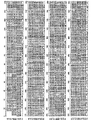
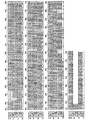
- LGR5 and -6 are the main subject of this invention. Ligands for these two receptors remain not described in the scientific literature; hence these receptors are often referred to as orphans. Sequences of the human, mouse and rat receptors are shown in Figure 10 .
- Human LGR4 comprises 951 amino acids, 447 of which are identical to the corresponding amino acids in LGR5 and 485 of which are identical to the corresponding amino acids in LGR6.
- Human LGR5 comprises 907 amino acids, 387 of which are identical to the corresponding amino acids in LGR6.
- LGR6 consists of 967 amino acids.
- LGR4/GPR48 is the best studied gene of the three. According to the scientific literature, it is broadly expressed in multiple tissues (31, 32) and not associated specifically with stem cells. In genetic mouse models, it has been described to be important for intrauterine growth (32), for male fertility (33) and for renal development (34). LGR5/GPR49 has been knocked out. Mutant embryos die after birth due to a defect in the tongue and lower jaw (35). LGR5/GPR49 is overexpressed in hepatic and colon cancers (22, 36, 37). LGR6 has not been studied beyond its initial cloning and sequence analysis (30).
- the invention provides a method for obtaining (or isolating) adult stem cells comprising
- a method of the invention allows obtaining (or isolating) a collection of cells comprising, preferably consisting of, at least 50%, more preferred at least 60%, more preferred at least 70%, more preferred at least 80%, most preferred at least 90% stem cells, such as between 90% and 99% stem cells or between 95 % and 99% stem cells, the method comprising
- the isolated collection of stem cells comprises, and preferably consists of, more than 50%, more preferred at least 60%, more preferred at least 70%, more preferred at least 80%, most preferred at least 90% stem cells, such as between 90 % and 99% stem cells or between 95 % and 99% pure pluripotent stem cells, which can retain an undifferentiated phenotype.
- the cells retain self-maintenance capabilities throughout life; and are able to regenerate the pertinent tissue after injury. Their offspring, or non-stem cell daughter cells, can differentiate towards all lineages present in the pertinent tissue.
- Said collection of cells can be isolated from a cell suspension comprising stem cells and non-stem cell daughter cells such as committed or differentiated daughter progenitor cells.
- An adult stem cell is preferably a stem cell obtained from a post embryonic tissue. Preferably a post natal tissue. In primates such as a human they are preferably obtained from at least a year old subject, preferably a post-puberal subject. In a preferred embodiment of the invention said stem cells are adult stem cells and/or cancer stem cells.
- a major advantage of a collection of stem cells comprising more than 50% pluripotent stem cells is that said population comprises less cells that can act negatively on the self maintenance capacity of the stem cells and/or the differentiation capacity of the stem cells, compared to a collection of stem cells comprising less than 50% pure pluripotent stem cells. These negatively acting cells comprise non-stem cell daughter cells or other non-stem cells that are co-isolated with the stem cells.
- said stem cells are tissue stem cells, such as for instance intestinal stem cells, skin stem cells or retina stem cells.
- the invention preferably provides a method for isolating tissue stem cells, said method comprising the above described steps.
- Said stem cells do not include human embryonic stem cells.
- tissue stem cell and/or adult stem cell it is preferred to start with a collection of cells from the specific tissue from which the tissue and/or adult stem cell is to be isolated.
- tissue stem cell and/or adult stem cell is committed to form cells of said tissue, however, a tissue and/or adult stem cell can exceptionally be manipulated to produce cells of another tissue.
- Stem cells are primal cells found in all multi-cellular organisms. They retain the ability to renew themselves through mitotic cell division and can differentiate into a diverse range of specialized cell types.
- the three broad categories of mammalian stem cells are: embryonic cells (derived from blastocysts), adult stem cells (which are found in adult tissues) and cord blood stem cells (which are found in the umbilical cord).
- embryonic cells derived from blastocysts
- adult stem cells which are found in adult tissues
- cord blood stem cells which are found in the umbilical cord.
- the definition of a stem cell requires that it is at least capable of self-renewal (the ability to go through numerous cycles of cell division while maintaining the undifferentiated state) and has an unlimited potency (the capacity to differentiate into any mature cell type, i.e. being either totipotent, pluripotent, multipotent or unipotent).
- the invention provides a method for obtaining (or isolating) stem cells comprising
- a tissue or organ sample can be obtained via any known method, such as a biopsy.
- a tissue or organ sample can be obtained from any possible tissue or organ, such as, but not limited to, heart, retina, breast, ovary, lung, brain, eye, stomach, pancreas, liver, intestine comprising colon and rectal tissue, skin, hair follicle, and adrenal medulla,
- a normal tissue or organ sample is used herein to refer to a tissue or organ sample which is healthy, non-transformed, non-malignant, non-cancerous or non-tumorigenic, i.e. a healthy, non-transformed, non-malignant, non-cancerous or non-tumorigenic tissue or organ sample. Any pathologist, skilled in the art, can determine if a tissue is healthy non-transformed, non-malignant, non-cancerous, or non-tumorigenic.
- the used tissue or organ sample is of mammalian human origin. Even more preferably, the tissue is adult tissue (i.e. tissue of a borne mammal, i.e. non-embryonic/fetal tissue).
- Bone marrow and (cord) blood can be considered natural cell suspensions.
- cell suspensions can be obtained for instance by mechanical disruption of organ tissue into small fragments. These fragments can then optionally be further segregated into single cells by chemicals such as EDTA and/or by enzymatic digestion with for instance the enzyme preparations trypsine, dispase, collagenase or pancreatin.
- the procedure can involve tissue or cell culture before, during or after the disruption and/or enzymatic digestion procedures
- said step is presented as an optional feature in the claim.
- this can be performed by multiple methods well known to the skilled person. Suitable examples are (mechanical) agitation, enzymatic digestion, addition of excess binding compound or a derivative thereof, elution by changing pH or salt concentration.
- Lgr5 or 6 are (unique) markers for stem cells
- compounds that are capable of binding to Lgr5 and/or 6 i.e. Lgr5 or 6 binding compounds
- Lgr5 or 6 binding compounds can be used to identify, mark and isolate stem cells.
- an Lgr5 or 6 binding compound is an antibody or an antibody derivative or an antibody fragment capable of binding to Lgr5 or 6, i.e. an antibody or derivative or fragment thereof that has affinity for Lgr5 or 6.
- Lgr5 and 6 are transmembrane surface proteins, such an antibody or a derivative or a fragment thereof preferably has affinity for the part of the protein facing externally, i.e. binds to any extracellular part.
- said antibody or an antibody derivative or an antibody fragment has a high affinity for Lgr5 and/or 6.
- the invention provides a method for obtaining (or isolating) stem cells comprising
- Antibodies or their derivatives and/or their fragments can be provided by methods that are well known to the person skilled in the art and include the hybridoma technology in normal or transgenic mice or in rabbits, or phage display antibody technology.
- genetic immunization is used. This technique comprises administration of a nucleic acid sequence, or a functional equivalent thereof, encoding at least one antigen of interest, to a non-human animal. The encoded antigen(s) is/are produced by the animal, which stimulates the animal's immune system against said antigen(s). Hence, an immune response against said antigen(s) is elicited in said animal.
- T-cells, B-cells and/or antibodies specific for an antigen of interest are preferably obtained from said animal. Said T-cells, B-cells and/or antibodies are optionally further processed.
- an obtained B-cell of interest is used in hybridoma technology wherein said obtained B-cell is fused with a tumor cell in order to produce a hybrid antibody producing cell.
- Suitable antibody fragments are scFv, Fab, or (Fab)2 fragments.
- suitable derivatives are chimeric antibodies, nanobodies, bifunctional antibodies or humanized antibodies.
- the used antibody is a monoclonal antibody.
- a Lgr5 and/or 6 binding compound comprises an antibody or an antibody derivative or an antibody fragment comprising a heavy chain CDR1, CDR2 and/or CDR3 sequence as depicted in Figure 27 , and preferably also comprising a complementary immunoglobulin light chain molecule, whereby the CDR sequences are determined according to Kabat ( Kabat et al., "Sequences of Proteins of Immunological Interest," U.S. Dept. of Health and Human Services, National Institute of Health, 1987 ).
- said antibody or antibody derivative or antibody fragment comprises the heavy chain CDR1 sequence and the heavy chain CDR2 sequence and the heavy chain CDR3 sequence of a heavy chain as depicted in Figure 27 .
- an antibody or an antibody derivative or an antibody fragment such as for example a scFv, Fab, or (Fab)2 fragment, comprising a heavy chain CDR1, CDR2 and/or CDR3 sequence as depicted in Figure 27 constitutes a high affinity binding compound with a high specificity for their target proteins.
- a Lgr5 and/or 6 binding compound comprises an antibody or an antibody derivative or an antibody fragment comprising a light chain CDR1, CDR2 and/or CDR3 sequence as depicted in Figure 27 , and preferably also comprising a complementary immunoglobulin heavy chain molecule, whereby the CDR sequences are determined according to Kabat ( Kabat et al., "Sequences of Proteins of Immunological Interest," U.S. Dept. of Health and Human Services, National Institute of Health, 1987 ).
- said antibody or antibody derivative or antibody fragment comprises the light chain CDR1 sequence and the light chain CDR2 sequence and the light chain CDR3 sequence of the light chain as depicted in Figure 27 .
- an antibody or an antibody derivative or an antibody fragment such as for example a scFv, Fab, or (Fab)2 fragment, comprising a light chain CDR1, CDR2 and/or CDR3 sequence as depicted in Figure 27 constitutes a high affinity binding compound with a high specificity for their target proteins.
- a Lgr5 and/or 6 binding compound comprises an antibody as depicted in Table 4 or 5.
- a method according to the invention, wherein an antibody as depicted in Table 4 or 5 is used is therefore also herewith provided, as well as a method according to the invention, wherein an antibody or an antibody derivative or an antibody fragment is used which comprises at least one CDR sequence as depicted in Figure 27 .
- said antibody or antibody derivative or antibody fragment comprises a CDR1 sequence and a CDR2 sequence and a CDR3 sequence of a light chain and/or heavy chain depicted in Figure 27 .
- a binding compound comprising a heavy chain and/or a light chain CDR1, CDR2 and/or CDR3 sequence as depicted in Figure 27 is a rat monoclonal antibody.
- a binding compound comprising a heavy chain and/or a light chain CDR1, CDR2 and/or CDR3 sequence as depicted in Figure 27 is a chimaeric, deimmunized, or humanized monoclonal antibody.
- a chimaeric antibody can be generated comprising a rodent variable region comprising the indicated CDR sequence(s) fused to a non-rodent, for example a human, constant region ( Morrison et al. 1984. Proc Natl Acad Sci USA 81: 6851-6855 ; which is hereby incorporated by reference).
- Methods for deimmunization of a binding compound comprising a heavy chain and/or a light chain CDR1, CDR2 and/or CDR3 sequence as depicted in Figure 27 are also known to a skilled person, for example from Giovannoni, 2003. Neurology 61: S13-S17; which is hereby incorporated by reference. Humanization of a non-human antibody is principally achieved through grafting of the CDR regions to a human immunoglobulin framework region as is shown, for example, in US6548640 , US5530101 , and US5859205 , which are all hereby incorporated by reference.
- a human antibody against Lgr5 or 6 can also be generated in an animal provided with human sequences encoding an immunoglobulin heavy and/or light chain gene such as transgenic strains of mice in which mouse antibody gene expression is suppressed and effectively replaced with human antibody gene expression.
- Examples are provided by the HuMAb®-Mouse technology of Medarex; the TC MouseTM technology of Kirin, and the KM-Mouse® technology, a crossbred mouse that combines the characteristics of the HuMAb-Mouse with the TC Mouse.
- the invention further provides the use of a binding compound according to the invention for identifying or isolating stem cells from a population of cells comprising stem cells and committed or differentiated daughter progenitor cells; whereby the isolated stem cells comprise at least 50 % pure pluripotent stem cells.
- an Lgr5 or 6 binding compound is an Lgr5 or 6 ligand.
- Such an Lgr5 or 6 ligand can be used unmodified, can be produced and/or used as a fusion protein (i.e. a ligand fusion protein) or can be coupled to a second moiety to, for example, allow cell separation.
- the invention therefore provides a method for obtaining (or isolating) stem cells comprising
- Lgr5 or 6 ligand is a member of the insulin peptide family, such as Insl5 or relaxin3.
- Another suitable example is a cysteine-knot protein such as Noggin, Gremlin1 or -2, Dan, or Cerberus.
- the nucleotide and amino acid sequences of these ligands are known and the skilled person is thus for example capable to produce a ligand fusion protein.
- the second moiety of a ligand fusion protein introduces a feature which allows for easy identification and tracing of the fusion protein, for example a protein (fragment) such as the antibody Fc tail or Staphylococcal protein A or Glutathion-S-transferase, a short antigenic peptide tag such as the Myc, FLAG or HA tag or an oligomeric Histidine-tag, an enzymatic tag such as Alkaline Phosphatase, a fluorescent protein tag such as Green Fluorescent Protein.
- a protein fragment
- a short antigenic peptide tag such as the Myc, FLAG or HA tag or an oligomeric Histidine-tag
- an enzymatic tag such as Alkaline Phosphatase
- a fluorescent protein tag such as Green Fluorescent Protein.
- Small chemical moieties can also be coupled to the ligand for stem cell identification and/or isolation.
- the second part of the fusion protein is linked to an Lgr5 or 6 ligand via a spacer.
- said spacer comprises an enzyme digestible sequence. This allows for an easy separation of the second moiety and the Lgr5 or 6 ligand.
- Lgr5 or 6 binding compound is a small compound that has affinity for Lgr5 or 6.
- the invention thus provide a method for obtaining (or isolating) stem cells comprising
- the affinity of said small molecule for Lgr5 or 6 is a high affinity, i.e. an affinity with a Kd of at least 10 -7 .
- the invention provides a method for obtaining (or isolating) stem cells comprising
- Non-limiting examples of stem cells that can be obtained via the above mentioned methods are skin, intestinal comprising colon and rectal, eye, retina, brain, breast, hair follicle, pancreas, stomach, liver, lung, heart, adrenal medulla, or ovarian stem cells. It has not been previously been possible to obtain or isolate stomach, intestinal or retina stem cells. Hence, in a preferred embodiment, the obtained or isolated stem cells are stomach, intestinal or retina stem cells.
- a method according to the invention can be performed with at least one, at least two, at least three or even more (different) binding compound(s).
- Table 1 provides an overview of the presence or absence of Lgr5 or 6 on different kind of adult and/or tissue stem cells. Based on Table 1 the person skilled in the art is very well capable of selecting one or multiple target markers and one or multiple corresponding binding compounds and to obtain or isolate stem cells from a particular normal tissue or organ.
- Table 1 The distribution of the adult and/or tissue stem cell markers Lgr5 and 6 marker Lgr5 Lgr6 stem cell brain + + kidney - - liver + - lung - + retina + - stomach + - intestine + - pancreas + - testis - - breast + + hair follicle + + heart - + ovary + - adrenal medulla + - skin + + bladder + - bone + - connective tissue + + + ear + - muscle + - prostate + - placenta + - uterus + + bone marrow - + eye - +
- a binding compound of Lgr5 or 6 can be used alone or in any combination thereof, because the breast stem cells comprise both of said markers.
- the invention provides a method for obtaining (or isolating) stem cells comprising
- the invention provides a method for obtaining (or isolating) stem cells comprising
- the invention provides a method for obtaining (or isolating) stem cells comprising
- the invention provides a method for obtaining (or isolating) stem cells comprising
- At least two different antibodies or antibody derivatives or antibody fragments capable of binding to Lgr5 or 6 are contacted with a cell suspension.
- Fluorescence-activated cell-sorting is a specialised type of flow cytometry. It provides a method for sorting a heterogeneous mixture of biological cells into two or more containers, one cell at a time, based upon the specific light scattering and fluorescent characteristics of each cell. It is a useful scientific instrument as it provides fast, objective and quantitative recording of fluorescent signals from individual cells as well as physical separation of cells of particular interest.
- the invention provides a method for obtaining (or isolating) stem cells comprising
- stem cells Other options for isolation of stem cells utilizes binding compounds bound to Lgr5 or 6 on stem cells in conjunction with magnetic bead sorting, immunoaffinity column cell separation or panning.
- the binding compound is provided with a fluorescence label
- the binding compound is provide with magnetic beads (for example an antibody-coated magnetic bead), for immunoaffinity it is bound to a solid support, for panning to tissue culture dishes.
- Lgr5 and/or 6 are markers for adult stem cells
- this knowledge can also be used in respect of the culturing of adult stem cells.
- Ligands of Lgr5 and/or 6 as well as small molecule agonists of Lgr5 and/or 6 can be used as a stimulator for the growth of normal (i.e. healthy, non-transformed, normal) adult stem cells.
- the invention therefore also provides a method for maintaining or culturing tissue or organ stem cells, comprising providing tissue or organ stem cells with an Lgr5 and/or 6 ligand or a small molecule agonist of Lgr5 and/or 6.
- the term “maintaining” is used herein to describe the situation in which the number of stem cells is essentially not changed.
- the term “culturing” is used herein to describe the situation in which the amount of stem cells is increased, i.e. in which the cells are expanded while retaining their stem cell phenotype.
- tissue or organ stem cells After the tissue or organ stem cells have been provided with an Lgr5 and/or 6 ligand, the cells are incubated in tissue culture at circumstances (temperature, culture medium, pH) that allow for maintenance or expansion.
- the stem cells can be obtained via any suitable method but are preferably obtained by any of the methods described herein, i.e. a method for obtaining (or isolating) stem cells comprising
- the invention provides a method for maintaining or culturing tissue or organ stem cells, comprising providing tissue stem cells with an Lgr5 and/or 6 ligand or a small molecule agonist of Lgr5 and/or 6, wherein said ligand is a member of the insulin peptide family.
- an Lgr5 or 6 ligand is a member of the insulin peptide family, such as Insl5 or relaxin3.
- Another suitable example is a cysteine-knot protein such as Noggin, Gremlin 1 or 2, Dan, or Cerberus.
- the invention further provides (isolated) stem cells, or a collection of isolated stem cells, preferably from mammalian origin and even more preferably human stem cells or human adult stem cells, wherein at least 50% of the cells are Lgr5 or 6 positive, pluripotent stem cells.
- at least 60% of the cells are Lgr5 or 6 positive, pluripotent stem cells.
- at least 70% of the cells are Lgr5 or 6 positive, pluripotent stem cells.
- at least 80% of the cells are Lgr5 or 6 positive, pluripotent stem cells.
- at least 90% of the cells are Lgr5 or 6 positive, pluripotent stem cells.
- the invention provides (isolated) stem cells or a collection of isolated stem cells wherein said stem cells contain bound specific Lgr5 and/or Lgr6 binding compound.
- a specific Lgr5 and/or Lgr6 binding antibody as described herein above or a fragment or derivative thereof.
- the invention further provides a culture of stem cells comprising a binding antibody specific for Lgr5 and/or Lgr6 or a specific fragment of at least 20 amino acids of said Lgr5 and/or Lgr6 binding antibody.
- said stem cells are, or said collection of stem cells comprises, brain, liver, retina, stomach, intestine including colon and rectal, ovary, hair follicle, adrenal medulla, skin, bladder, bone, connective tissue, ear, muscle, prostate, placenta, uterus, or breast stem cells that comprise Lgr5 in their cell membrane.
- said stem cells are, or said collection of stem cells comprises, brain, lung, skin, breast, hair follicle, connective tissue, uterus, bone marrow, eye, or heart stem cells that comprise Lgr6 in their cell membrane.
- said stem cells are, or said collection of stem cells comprises, brain, breast, skin, connective tissue, uterus, or hair follicle stem cells that comprise Lgr5 as well as Lgr6 in their cell membrane.
- the invention provides stem cells, or a collection of stem cells wherein at least 50%, preferably at least 60%, more preferably at least 70%, more preferably at least 80%, more preferably at least 90%, more preferably at least 95% of the cells are Lgr5 or 6 positive, pluripotent stem cells, obtainable by a method according to the invention, i.e.
- the stem cells, or the collection of stem cells, isolated according to the invention can be used as a therapeutic agent for the treatment of diseases in which the corresponding tissue has been affected.
- the obtained stem cells are also very useful for other purposes.
- the invention provides the use of stem cells, or a collection of stem cells, as obtained by any of the herein described methods, in the preparation of a medicament for treating damaged or diseased tissue.
- stem cells are human stem cells. Even more preferably the acceptor is human as well.
- Table 2 provides an overview of different stem cells and the diseases in which they can therapeutically be used. Table 2.
- Therapeutic applications for use of Lgr5 + and/or Lgr6 + stem cells Therapeutic application stem cell brain Brain damage such as stroke and traumatic brain injury.
- Degenerative diseases such as Alzheimer's, Parkinson, Huntington's kidney Chronic or acute kidney failure liver Chronic liver failure, for instance due to damage by infectious agents, chemicals including alcohol or metabolic disorders lung COPD, fibrosis retina Blindness and vision impairments due to defects in the retina stomach Pernicious anemia Intestinal, colon, rectal, and colorectal Crohn's disease, tissue damage resulting from chemotherapy or other toxic agents, pancreas Diabetes testis Sterility breast Breast reconstruction hair follicle Baldness heart Heart disease such as congestive heart failure ovary Sterility Skin Skin grafting Adrenal medulla Addison's Disease
- the invention provides a use of stem cells, or a collection of stem cells, as obtained by any of the herein described methods, in the preparation of a medicament for treating damaged or diseased tissue,
- Gene therapy can additionally be used in a method directed at repairing damaged or diseased tissue.
- Use can, for example, be made of an adenoviral or retroviral gene delivery vehicle to deliver genetic information (like DNA and/or RNA) to stem cells.
- a skilled person can replace or repair particular genes targeted in gene therapy.
- a normal gene may be inserted into a nonspecific location within the genome to replace a nonfunctional gene. This approach is common.
- an abnormal gene could be swapped for a normal gene through homologous recombination or an abnormal gene could be repaired through selective reverse mutation, which returns the gene to its normal function.
- a further example is altering the regulation (the degree to which a gene is turned on or off) of a particular gene.
- the stem cells are ex vivo treated by a gene therapy approach and are subsequently transferred to the mammal (preferably a human being) in need of treatment.
- the invention also provides a method for modifying a genomic sequence of a stem cell, comprising providing a collection of stem cells according to a method of the invention, contacting said collection with a nucleic acid to modify a genomic sequence, and isolating a stem cell in which a genomic sequence has been modified.
- the invention further provides a method for modifying a genomic sequence of a tissue cell comprising providing a collection of tissue cells in vitro with a nucleic acid sequence for modifying said genomic sequence, further comprising isolating a stem cell from said collection of tissue cells according to a method of the invention.
- the invention further provides isolated, genomicly modified stem cells obtainable by a method of the invention, and wherein at least 50%, preferably at least 60%, more preferably at least 70%, more preferably at least 80%, more preferably at least 90%, more preferably at least 95% of the cells are pluripotent stem cells which can retain an undifferentiated phenotype.
- the invention further provides isolated, genomicly modified stem cells obtainable by a method of the invention, and wherein at least 50%, preferably at least 60%, more preferably at least 70%, more preferably at least 80%, more preferably at least 90%, more preferably at least 95% of the cells are adult and/or tissue stem cells as defined herein.
- the invention provides the use of stem cells as obtained by any of the herein described methods, in the preparation of a medicament for treating damaged or diseased tissue, further comprising genetically modifying said stem cells preferably ex vivo and/or preferably by a gene therapy approach.
- the invention further provides a composition for treating tissue or organ damage comprising isolated genomicly modified stem cells according to the invention.
- the invention provides a composition for treating tissue damage comprising tissue stem cells obtainable by a method according to the invention, i.e.
- Stem cells of the invention are also very useful for research purposes. Examples of suitable research purposes are further identification of stem cell markers or the development of gene therapy with the stem cells of the invention as a target or any other research purpose.
- the invention further provides a use of Lgr5 and/or 6 as a marker for the isolation of tissue stem cells as well as the use of an Lgr5 and/or 6 binding compound for the isolation of tissue stem cells.
- the invention further provides a method for treating an individual in need thereof comprising administering to said individual a sufficient amount of stem cells obtainable/obtained by a method according to the invention.
- the invention provides a recombinant animal comprising a first reporter gene under control of a Lgr5 or Lgr6 promoter such that the reporter gene product is expressed in cells expressing Lgr5 or Lgr6, a sequence encoding a regulatable protein being in an operable linkage with the first reporter gene such that the regulatable protein is co-expressed with the first reporter gene product in cells expressing Lgr5 or Lgr6, and a second reporter gene that is expressed upon activation of the regulatable protein.
- a recombinant animal of the invention allows staining of tissue or organ stem cells with said first reporter, and allows staining of non-stem cells daughter cells such as committed or differentiated daughter progenitor cells with the second reporter gene product after activation of the regulatable protein.
- a reporter gene is a gene that encodes a product that can readily be assayed. Reporter genes are typically used to determine whether a particular nucleic acid construct has been successfully introduced into a cell, organ or tissue and/or to specifically detect the cell in which the reporter gene has been introduced and is expressed. The expression product is typically unique in the sense that non modified cells or cells that do not express the reporter gene are not specifically detected. A reporter gene is also referred to as a marker gene. When two or more reporter genes are used, the different reporter genes are typically not the same, in the sense that their expression products can easily be distinguished from each other. Thus a first and a second reporter gene are typically not the same.
- a regulatable protein as used herein is a protein that, upon the presence of a signal, alters its function.
- regulatable proteins have been identified and/or artificially generated.
- a well known example is the tet-repressor system where the presence or absence of tetracycline or an analogue thereof regulates the activity of the tet-operon by regulating the binding capacity of the tet-repressor protein to the tet-repressor binding sequence.
- the tet-repressor protein is the regulatable protein and the presence or absence of tetracycline is the signal.
- the tet-repressor system is well known, there are many other regulatable proteins.
- Co expression of two or more proteins in a cell is currently very common. Fusion proteins can be generated. Preferably a multi-cistron is used. This is currently typically achieved using at least one so-called internal ribosomal entry site (IRES).
- IRS internal ribosomal entry site
- Alternative methods include the use of reinitiation sites and/or alternative splicing of an RNA containing two or more open reading frames.
- the invention also provides a recombinant stem cell comprising a first reporter gene under control of a Lgr5 or Lgr6 promoter such that the reporter gene product is expressed in cells expressing Lgr5 or Lgr6, a sequence encoding a regulatable protein being in an operable linkage with the first reporter gene such that the regulatable protein is co-expressed with the first reporter gene product in cells expressing Lgr5 or Lgr6, and a second reporter gene that is expressed upon activation of the regulatable protein.
- Said stem cell can be generated from an isolated stem cell, or preferably is isolated from a recombinant animal according to the invention.
- Said regulatable protein preferably is CRE-ERT2, which can be activated by administration of an estrogen or analogue thereof such as tamoxifen or 4-hydroxytamoxifen.
- the expression of the second reporter gene is regulated by activated CRE-ERT2 through the removal of a repressor sequence that prevents expression of the second reporter gene in the inactive state.
- said first reporter gene product is a fluorescent protein such as green fluorescent protein, or more preferred enhanced green fluorescent protein.
- said second reporter gene comprises LacZ, encoding beta-galactosidase which can be identified through provision of a suitable substrate such as X-gal.
- Said second reporter gene is preferably inserted into a genomic region that provides robust, prolonged expression of the transgene after activation, such as the ROSA locus if the transgenic animal is a mouse.
- the invention provides a recombinant animal comprising the nucleic acids as specified in the examples in the context of the recombinant animal for tracing stem cells described therein.
- said recombinant animal is a non-human animal.
- a mammal Preferably a rodent. More preferably a rat or a mouse.
- the invention further provides the use of a recombinant animal or a recombinant stem cell according to the invention for tracing stem cells and descendants of a stem cell.
- the invention also provides a method for identifying descendants of a stem cell, comprising providing a recombinant animal or recombinant stem cell according to the invention, activating the regulatable protein, and identifying cells that do not express Lgr5 and/or 6 and the first reporter, and express the second reporter protein.
- Lgr5 also known as Grp49
- Lgr6 not only mark adult stem cells, but also mark cancer stem cells in multiple different tumors.
- the invention provides a method for obtaining (or isolating) cancer stem cells comprising
- cancer stem cells are involved in intestinal cancer, including colon, rectal and colorectal cancer, skin cancer such as basal cell carcinoma, esophageal cancer, breast cancer, prostate cancer, medulloblastoma and other brain cancers, liver cancer, stomach cancer, retina, head and neck cancer, testicular cancer, hair follicle, ovarian cancer, adrenal medulla cancer (pheochromocytoma) or lung cancer.
- intestinal cancer including colon, rectal and colorectal cancer
- skin cancer such as basal cell carcinoma, esophageal cancer, breast cancer, prostate cancer, medulloblastoma and other brain cancers
- liver cancer stomach cancer
- retina retina
- head and neck cancer testicular cancer
- hair follicle ovarian cancer
- adrenal medulla cancer pheochromocytoma
- said cancer stem cells are intestinal cancer stem cells, including colon-, rectal- and colorectal cancer stem cells, skin cancer stem cells such as basal cell carcinoma stem cells, esophageal cancer stem cells, breast cancer stem cells, prostate cancer stem cells, medulloblastoma stem cells and other brain cancer stem cells, liver cancer stem cells, stomach cancer stem cells, retina stem cells, head and neck cancer stem cells, testicular cancer stem cells, hair follicle cancer stem cells, ovarian cancer stem cells, pheochromocytoma stem cells, or lung cancer stem cells.
- intestinal cancer stem cells including colon-, rectal- and colorectal cancer stem cells
- skin cancer stem cells such as basal cell carcinoma stem cells, esophageal cancer stem cells, breast cancer stem cells, prostate cancer stem cells, medulloblastoma stem cells and other brain cancer stem cells, liver cancer stem cells, stomach cancer stem cells, retina stem cells, head and neck cancer stem cells, testicular cancer stem cells, hair follicle cancer stem cells, ovarian cancer stem cells
- cancer stem cell is a cell within a tumor that possesses the capacity to self-renew and to cause the heterogeneous lineages of cancer cells that comprise the tumor. Cancer stem cells can thus only be defined experimentally by their ability to recapitulate the generation of a continuously growing tumor.
- Alternative terms in the literature include tumor-initiating cell and tumorigenic cell.
- Assays for cancer stem cell activity preferably need to address the potential of self-renewal and of tumor propagation.
- the gold-standard assay currently is serial xeno-transplantation into immunodeficient mice.
- a solid tumor sample is for example obtained via biopsy or surgical techniques and a liquid tumor sample is for example obtained by taking a blood, urine, cerebrospinal fluid or lymph sample from a mammal, preferably a human.
- the tissue or organ that is sampled is for example the colon, a breast, prostate, brain, liver, stomach or lung.
- the invention provides a method for obtaining (or isolating) cancer stem cells, or a collection of cancer stem cells, comprising
- Bone marrow and (cord) blood can be considered natural cell suspensions.
- cell suspensions can be obtained for instance by mechanical disruption of organ tissue into small fragments. These fragments can then optionally be further segregated into single cells by chemicals such as EDTA and/or by enzymatic digestion with for instance the enzyme preparations dispase, collagenase or pancreatin.
- the procedure can involve tissue or cell culture before, during or after the disruption and/or enzymatic digestion procedures.
- said step is presented as an optional feature in the claim.
- this can be performed by multiple methods well known to the skilled person. Suitable examples are (mechanical) agitation, enzymatic digestion, addition of excess binding compound or a derivative thereof, elution by changing pH or salt concentration.
- Lgr5 or 6 are markers for cancer stem cells
- compounds that are capable of binding to Lgr5 or 6 i.e. Lgr5 or 6 binding compounds
- Lgr5 or 6 binding compounds can be used to identify, mark and isolate cancer stem cells.
- an Lgr5 or 6 binding compound is an antibody or an antibody derivative or an antibody fragment capable of binding to Lgr5 or 6, i.e. an antibody or derivative or fragment thereof that has affinity for Lgr5 or 6.
- Lgr5 and 6 are transmembrane surface proteins, such an antibody or a derivative or a fragment thereof preferably has affinity for the part of the protein facing externally, i.e. binds to any extracellular part of said protein.
- said antibody or an antibody derivative or an antibody fragment has a high affinity for Lgr5 and/or 6, i.e. an affinity with a Kd of at least 10 -7 .
- the affinity is ⁇ 10 -9 .
- affinities of around 10 -8 can also be used.
- the invention provides a method for obtaining (or isolating) cancer stem cells comprising
- Antibodies or their derivatives or their fragments can be provided by methods that are well known to the person skilled in the art and include the hybridoma technique, single chain-antibody/phage display technology.
- the experimental part describes Lgr5-specific and Lgr6-specific antibodies.
- a method according to the invention, wherein an antibody as depicted in Table 4 or 5 is used is therefore also herewith provided, as well as a method according to the invention, wherein an antibody or an antibody derivative or an antibody fragment is used which comprises at least one CDR sequence as depicted in Figure 27 .
- said antibody or antibody derivative or antibody fragment comprises a CDR1 sequence and a CDR2 sequence and a CDR3 sequence of a light chain and/or heavy chain depicted in Figure 27 .
- Suitable antibody fragments are scFv, Fab.
- suitable derivatives are chimeric antibodies, nanobodies, bifunctional antibodies or humanized antibodies.
- the used antibody is a monoclonal antibody.
- Lgr5 or 6 binding compound is an Lgr5 or 6 ligand which can be used unmodified, but can also be produced and/or used as a fusion protein or can be coupled to a second moiety to allow cell separation.
- the invention therefore provides a method for obtaining (or isolating) cancer stem cells comprising
- Lgr5 or 6 ligand is a member of the insulin peptide family, such as Insl5 or relaxin3.
- Another suitable example is a cysteine-knot protein such as Noggin, Gremlin, Dan, or Cerberus. Based on the known and published nucleotide and amino acid sequences of these ligands, the preparation of a fusion protein is well within the abilities of the person skilled in the art.
- the second moiety introduces a feature which allows for easy identification and tracing of the fusion protein, for example a protein (fragment) such as the antibody Fc tail or Staphylococcal protein A or Glutathion-S-transferase, a short antigenic peptide tag such as the Myc, FLAG or HA tag or an oligomeric Histidine-tag, an enzymatic tag such as Alkaline Phosphatase, a fluorescent protein tag (such as Green Fluorescent Protein).
- a protein fragment
- a short antigenic peptide tag such as the Myc, FLAG or HA tag or an oligomeric Histidine-tag
- an enzymatic tag such as Alkaline Phosphatase
- a fluorescent protein tag such as Green Fluorescent Protein
- the second part of the fusion protein is linked to said Lgr5 or 6 ligand via a spacer.
- said spacer comprises an enzyme digestible sequence. This allows for an easy separation of the second moiety and the Lgr5 or 6 ligand.
- Lgr5 or 6 binding compound is a small compound that has affinity for Lgr5 or 6.
- the invention thus provide a method for obtaining (or isolating) cancer stem cells comprising
- the affinity of said small molecule for Lgr5 or 6 is a high, i.e. an affinity with a Kd of at least 10 -7 .
- Such a small molecule is optionally coupled to a second moiety that introduces a feature which allows for easy identification and tracing of the fusion protein, for example a protein (fragment) such as the antibody Fc tail or Staphylococcal protein A or Glutathion-S-transferase, a short antigenic peptide tag such as the Myc, FLAG or HA tag or an oligomeric Histidine-tag, an enzymatic tag such as Alkaline Phosphatase, a fluorescent protein tag such as Green Fluorescent Protein).
- a protein fragment
- a protein fragment
- a protein fragment
- a protein fragment
- a short antigenic peptide tag such as the Myc, FLAG or HA tag or an oligomeric Histidine-tag
- an enzymatic tag such as Alkaline Phosphatase
- a fluorescent protein tag such as Green Fluorescent
- a method according to the invention can use at least one, at least two, at least three or even more (different) binding compound(s).
- Table 3 provides an overview of the presence of absence of Lgr5 or 6 on the different kind of tumors. Based on this Table the person skilled in the art is very well capable of selecting one or multiple target markers and one or multiple corresponding binding compounds and thus capable of obtaining or isolating cancer stem cells.
- Table 3 The distribution of the stem cell markers Lgr5 and 6 in tumors. Data is derived from comparison of Lgr5 or Lgr6 expression in normal versus tumor tissues by microarray analysis (Genelogic) or by quantitative PCR.
- a binding compound of Lgr5 or 6 can be used alone or in any combination thereof, because the breast cancer stem cells comprise both of said markers.
- the invention provides a method for obtaining (or isolating) cancer stem cells comprising
- the invention provides a method for obtaining (or isolating) cancer stem cells comprising
- the invention provides a method for obtaining (or isolating) cancer stem cells comprising
- At least two different antibodies or antibody derivatives or antibody fragments capable of binding to Lgr5 and/or 6 are contacted with a cell suspension.
- Fluorescence-activated cell-sorting is a specialised type of flow cytometry. It provides a method for sorting a heterogenous mixture of biological cells into two or more containers, one cell at a time, based upon the specific light scattering and fluorescent characteristics of each cell. It is a useful scientific instrument as it provides fast, objective and quantitative recording of fluorescent signals from individual cells as well as physical separation of cells of particular interest.
- the invention provides a method for obtaining (or isolating) cancer stem cells, or a collection of cancer stem cells, comprising
- the binding compound is preferably provided with a fluorescence label
- the binding compound is preferably provided with magnetic beads (for example an antibody-coated magnetic bead).
- the invention provides (a collection of) cancer stem cells comprising Lgr5 and/or 6 embedded in their cell membrane, wherein said collection comprises at least 50 % of cancer stem cells that are able to recapitulate the generation of a continuously growing tumor.
- said collection comprises at least 60% pure cancer stem cells, preferably at least 70% pure cancer stem cells, more preferably at least 80% pure cancer stem cells, more preferably at least 90% pure cancer stem cells, more preferably at least 95% pure cancer stem cells. More preferably said collection consists of (cancer) stem cells with the indicated purity.
- Such a collection of cancer stem cells is for example obtained by a method as described herein, i.e. a method for obtaining (or isolating) cancer stem cells comprising
- cancer stem cells that can be obtained via the above mentioned methods are colon, rectal, intestine, skin, retina, brain, breast, testis, hair follicle, stomach, head and/or neck, liver, lung, prostate, esophagus, adrenal medulla, heart, or ovarian cancer stem cells.
- said cancer stem cells are maintained or multiplied (expanded) by culturing said cells in the presence of an Lgr5 and/or 6 ligand under appropriate environmental conditions (for example pH and temperature).
- an Lgr5 or 6 ligand is a member of the insulin peptide family, such as Insl5 or relaxin3.
- Another suitable example is a cysteine-knot protein such as Noggin, Gremlin, Dan, or Cerberus.
- the invention provides a method for maintaining or culturing cancer stem cells, comprising providing cancer stem cells with an Lgr5 and/or 6 ligand or a small binding molecule of Lgr5 or 6.
- the invention further provides a collection of (isolated) cancer stem cells of the invention further comprising an Lgr5 and/or Lgr6 binding compound associated with Lgr5 and/or Lgr6 expressed by said cancer stem cells.
- the invention further provides a culture of (isolated) cancer stem cells comprising an Lgr5 and/or Lgr6 binding compound.
- said Lgr5 and/or Lgr6 binding compound is a specific Lgr5 and/or Lgr6 binding antibody or a fragment or derivative thereof.
- the invention provides a recombinant tumor stem cell, isolated according to a method of the invention, comprising a reporter gene under control of a Lgr5 or Lgr6 promoter such that the reporter gene product is expressed in cells expressing Lgr5 or Lgr6.
- a reporter gene construct in which the reporter gene is operably linked to a Lgr5 or Lgr6 promoter, can be inserted into the genome of an isolated tumor stem cell.
- said reporter gene construct can be provided, for example, through infection of a tumor stem cell with an adenoviral vector comprising the reporter gene construct.
- Methods for inserting a reporter gene construct into the genome of a cell are known to a skilled person and include random insertion, for example by insertion of a retrovirus comprising the reporter gene construct, or through homologous recombination.
- the invention provides a recombinant stem cell comprising a first reporter gene under control of a Lgr5 or Lgr6 promoter such that the reporter gene product is expressed in cells expressing Lgr5 or Lgr6, a sequence encoding a regulatable protein being in an operable linkage with the first reporter gene such that the regulatable protein is co-expressed with the first reporter gene product in cells expressing Lgr5 or Lgr6, and a second reporter gene that is expressed upon activation of the regulatable protein.
- Said first reporter gene product preferably is a fluorescent protein such as green fluorescent protein, or more preferred enhanced green fluorescent protein.
- Said regulatable protein preferably is CRE-ERT2.
- the second reporter gene preferably comprises LacZ.
- Isolated (and optionally cultured) cancer stem cells are for example useful for the further analysis of such cells on for example biochemical, molecular biology or marker level.
- isolated cancer stem cells are also very useful in the identification of compounds that can be used in cancer treatment, especially cancer stem cell therapy.
- compounds capable of inhibiting, blocking or binding to Lgr5 and/or 6 can be designed and prepared. Such compounds can subsequently be tested for their ability to kill or functionally block or inhibit cancer stem cells comprising Lgr5 and/or 6 in their cell membrane.
- Recombinant tumor stem cells according to the invention are particularly preferred for the identification of compounds, because their presence can readily be monitored after addition of a compound. Said recombinant tumor stem cells are suited for use in assays such a high throughput assays, where multiple compounds are tested in a cost-efficient manner.
- the invention thus provides a method for testing the effect of a possible anti cancer stem cell compound comprising contacting (treating) a set of cancer stem cells according to the invention in vitro with said possible anti cancer stem cell compound and testing whether said treated cancer stem cells are capable of generating a continuously growing tumor and wherein said possible cancer stem cell compound is preferably designed as an Lgr5 or 6 inhibitor or as an Lgr5 or 6 binding compound.
- the invention provides a method for testing the effect of a possible anti cancer stem cell compound comprising contacting a collection of cancer stem cells according to the invention in vitro with said possible anti cancer stem cell compound and testing whether said treated cancer stem cells are capable of generating a continuously growing tumor, further comprising contacting said possible anti cancer stem cell compound with a tissue of organ stem cell and selecting a compound that specifically effects tumour stem cells.
- the cancer stem cells used in this method comprise Lgr5 and/or 6 in their cell membrane or are obtainable by a method for obtaining (or isolating) cancer stem cells comprising
- the to be tested compounds can for example be obtained from a (small) compound library or can be specifically designed based on the (structural) knowledge of Lgr5 or 6 or on the (structural) knowledge of a (natural) ligand of Lgr5 or 6.
- anti cancer stem cell compounds will be discussed in more detail below.
- the invention provides an Lgr5 or 6 inhibitor or an Lgr5 or 6 binding compound.
- an inhibitor or binding compound is obtainable by a method for testing the effect of a possible anti cancer stem cell compound comprising contacting (treating) a set of cancer stem cells according to the invention in vitro with said possible anti cancer stem cell compound and testing whether said treated cancer stem cells are capable of generating a continuously growing tumor and wherein said possible cancer stem cell compound is preferably, but nor necessarily, designed as an Lgr5 or 6 inhibitor or as an Lgr5 or 6 binding compound.
- a first example of an Lgr5 or 6 inhibitor is an inhibitor of Lgr5 or 6 protein.
- said Lgr5 or 6 protein inhibitor is an antibody or antibody derivative or antibody fragment capable of binding to Lgr5 or 6 and more preferably capable of binding to the part of Lgr5 or 6 that is exposed on the outside of the cancer stem cell.
- said antibody or antibody derivative or antibody fragment binds to said Lgr5 or 6 protein and functionally blocks said Lgr5 or 6 protein by preventing the binding of a natural ligand of Lgr5 or 6.
- said antibody or antibody derivative or antibody fragment comprises at least one CDR sequence as depicted in Figure 27 .
- said antibody or antibody derivative or antibody fragment comprises a CDR1 sequence and a CDR2 sequence and a CDR3 sequence of a light chain and/or a heavy chain depicted in Figure 27 .
- said antibody is an antibody as depicted in Table 4 or 5.
- Suitable antibody fragments are scFv and Fab.
- suitable derivatives are chimeric antibodies, nanobodies, bifunctional antibodies or humanized antibodies.
- the used antibody is a monoclonal antibody.
- Lgr5 or 6 protein inhibitor is a small molecule that interferes with the biological activity of Lgr5 or 6.
- a small molecule can be a chemical compound as well as a small protein and is typically designed on the basis of structure-function analysis of Lgr5 or 6. Analysis can comprise crystal structure analysis of Lgr5 or 6.
- Small molecules libraries can be screened or compounds can be designed and subsequently screened.
- a small molecule inhibitor can also be designed based on the structure of a (natural) ligand of Lgr5 or 6.
- an Lgr5 or 6 inhibitor is an inhibitor of the mRNA transcripts of Lgr 5 or 6.
- an inhibitor of Lgr5 or 6 transcript are antisense molecules.
- Antisense drugs are complementary strands of small segments of mRNA. Such an antisense molecule binds to the mRNA of Lgr5 or 6 and inhibits (at least in part) Lgr5 or 6 protein production.
- Another example of an inhibitor of Lgr5 or 6 transcript relate to RNA interference (RNAi) molecules such as siRNA molecules.
- RNAi RNA interference
- an antibody or antibody derivative or antibody fragment binds to Lgr5 or 6 and functionally blocks Lgr5 or 6 (as described above)
- said antibody or antibody derivative or antibody fragment can also bind to Lgr5 or 6 without functionally blocking the Lgr5 or 6 activity.
- Such an antibody or antibody derivative or antibody fragment is preferably coupled to another compound (i.e. another moiety) that is capable of functionally inhibiting a cancer stem cell.
- another compound is i.e. another moiety
- a cancer stem cell inhibitor wherein said inhibitor comprises a first part that is capable of binding to Lgr5 or 6 and a second part that provides for cancer stem cell dysfunction.
- said first part is an antibody or antibody derivative or antibody fragment binds to Lgr5 or 6 (preferably without influencing the function of Lgr5 or 6) and said second part is a toxin.
- Lg5 or 6 is used as a target to deliver a cytotoxic compound to a cancer stem cell.
- the invention also provides a binding compound according to the invention that is linked to a toxic agent or linked to an enzyme capable of converting a prodrug to a toxic agent.
- the antibody or derivative or fragment thereof is linked to a toxic agent to form an immunoconjugate.
- Said toxic agent includes a radioisotope and a toxic drug which is ineffective when administered systemically alone.
- the invention further provides a use of a binding compound according to the invention as a medicament for treatment of cancer.
- said binding compound comprises an antibody specific for Lgr5 and/or Lgr6 or an Lgr5 or 6 binding fragment or derivative thereof.
- said antibody is a human, humanized or deimmunised anti Lgr5 and/or Lgr6 antibody as described herein.
- said binding compound is specific for human Lgr5 and/or human Lgr6.
- said antibody is a monoclonal antibody.
- said binding compound is an antibody or antibody derivative or antibody fragment which comprises at least one CDR sequence as depicted in Figure 27 .
- said antibody or antibody derivative or antibody fragment comprises a CDR1 sequence and a CDR2 sequence and a CDR3 sequence of a light chain and/or a heavy chain depicted in Figure 27 .
- said binding compound is an antibody as depicted in Table 4 or 5.
- a binding compound according to the invention is linked to a toxic agent or linked to an enzyme capable of converting a prodrug to a toxic agent.
- the invention provides a cancer stem cell inhibitor comprising an Lgr5 or 6 ligand preferably coupled to another compound (i.e. another moiety) that is capable of functionally inhibiting a cancer stem cell.
- another compound i.e. another moiety
- an Lgr5 or 6 ligand is ligands that are a member of the insulin peptide family. Suitable examples are Insl5 and relaxin3.
- Another suitable example is a cysteine-knot protein such as Noggin, Gremlin, Dan, or Cerberus.
- a natural ligand can be modified such that it permanently blocks Lgr5 or 6 activity.
- Lgr5 or 6 protein inhibitors All the above mentioned Lgr5 or 6 protein inhibitors, inhibitors of the mRNA transcripts of Lgr5 or 6, as well as the described cancer stem cell inhibitors are very useful for therapeutic cancer therapy approaches.
- the invention provides the use of at least one Lgr5 or 6 inhibitor or at least one Lgr5 or 6 binding compound as described herein (e.g. an Lgr5 or 6 protein inhibitor or an inhibitor of the mRNA transcripts of Lgr5 or 6 or a cancer stem cell inhibitor) for the manufacture of a medicament for the treatment of cancer.
- at least one Lgr5 or 6 inhibitor or at least one Lgr5 or 6 binding compound as described herein e.g. an Lgr5 or 6 protein inhibitor or an inhibitor of the mRNA transcripts of Lgr5 or 6 or a cancer stem cell inhibitor
- said inhibitors are obtainable according to a method of the invention, i.e. a method for testing the effect of a possible anti cancer stem cell compound comprising contacting (treating) a set of cancer stem cells according to the invention in vitro with said possible anti cancer stem cell compound and testing whether said treated cancer stem cells are capable of generating a continuously growing tumor and wherein said possible cancer stem cell compound is preferably designed as an Lgr5 or 6 inhibitor or as an Lgr5 or 6 binding compound.
- use is made of an Lgr5 or 6 inhibitor or an Lgr5 or 6 binding compound.
- the invention further provides a method for reducing or inhibiting tumor maintenance potential of a tumor, comprising providing said tumor with a compound that is designed as an Lgr5 and/or 6 inhibitor, or preferably that is capable of binding to Lgr5 and/or 6.
- An anti cancer stem cell therapy is very useful to eradicate the part of the tumor that maintains the tumor and is involved in invasive growth and metastasis. Although such an approach is considered to be a very effective cancer therapy, improved or increased results can be obtained by combining the anti cancer stem cell therapy with conventional cancer therapy.
- the invention provides the use of at least one Lgr5 or 6 inhibitor or at least one Lgr5 or 6 binding compound as described herein (e.g. an Lgr5 or 6 protein inhibitor or an inhibitor of the mRNA transcripts of Lgr5 or 6 or a cancer stem cell inhibitor) for the manufacture of a medicament for the treatment of cancer, further comprising general anti-cancer therapy.
- Lgr5 or 6 inhibitor or at least one Lgr5 or 6 binding compound as described herein e.g. an Lgr5 or 6 protein inhibitor or an inhibitor of the mRNA transcripts of Lgr5 or 6 or a cancer stem cell inhibitor
- general anti-cancer therapy are radiation, chemotherapy, antibody-based therapy or small molecule based treatments. Combined treatment leads to an approach of killing the minority cancer stem cell population as well as the bulk of the tumor.
- the invention provides the use of at least one Lgr5 or 6 inhibitor or at least one Lgr5 or 6 binding compound as described herein (e.g. an Lgr5 or 6 protein inhibitor or an inhibitor of the mRNA transcripts of Lgr5 or 6 or a cancer stem cell inhibitor) for the manufacture of a medicament for the treatment of cancer, wherein cancer stem cells are involved in intestinal cancer, colon cancer, rectal cancer, colorectal cancer, skin cancer, esophageal cancer, breast cancer, prostate cancer, medulloblastoma or other brain cancers, liver cancer, stomach cancer, hair follicle cancer, retinal cancer, pheochromcytoma, head and neck cancer, testicular cancer, ovarian cancer, basel cell carcinoma of the skin or lung cancer.
- “involved” means sustaining and/or maintaining and/or expanding.
- the treatment with at least one Lgr5 and/or 6 inhibitor or at least one Lgr5 and/or 6 binding compound is initiated before, after or during said conventional cancer therapy.
- treatment with at least one Lgr5 and/or 6 inhibitor or at least one Lgr5 and/or 6 binding compound is considered to be effective, treatment with multiple inhibitors and/or binding compounds can provide improved results. This is especially true if the to be treated cancer stem cell comprises two, three or even more different Lgr proteins embedded in its cell membrane.
- the invention provides the use of at least one Lgr5 and/or 6 inhibitor or at least one Lgr5 and/or 6 binding compound as described herein (e.g. an Lgr5 or 6 protein inhibitor or an inhibitor of the mRNA transcripts of Lgr5 or 6 or a cancer stem cell inhibitor) for the manufacture of a medicament for the treatment of cancer, wherein at least two Lg5 and/or 6 inhibitors or at least two Lgr5 and/or 6 binding compounds or a combination of at least one Lgr5 and/or 6 inhibitor and at least one Lgr5 and/or 6 binding compound are/is used.
- at least one Lgr5 and/or 6 inhibitor or at least one Lgr5 and/or 6 binding compound as described herein e.g. an Lgr5 or 6 protein inhibitor or an inhibitor of the mRNA transcripts of Lgr5 or 6 or a cancer stem cell inhibitor
- the invention thus provides use of at least two Lgr5 and/or 6 inhibitors or at least two Lgr5 and/or 6 binding compounds or a combination of at least one Lgr5 and/or 6 inhibitor and at least one Lgr5 and/or 6 binding compound for the manufacture of a medicament for the treatment of cancer stem cells.
- An inhibitor and/or binding compound can, but need not be, directed to one and the same Lgr protein, e.g. a binding compound and an inhibitor against Lgr5.
- the mixture of at least two Lgr5 or 6 inhibitors or at least two Lgr5 or 6 binding compounds or a combination of at least one Lgr5 or 6 inhibitor and at least one Lgr5 or 6 binding compound is for example directed against Lgr5 and 6.
- the latter is especially useful in a method for obtaining brain, head and neck, testis, breast, prostate, skin, ovary or hair follicle cancer stem cells.
- Another already described useful compound is a stem cell inhibitor comprising an Lgr5 and/or 6 ligand preferably coupled to another compound (i.e. another moiety) that is capable of functionally inhibiting a cancer stem cell.
- another compound i.e. another moiety
- an Lgr5 or 6 ligand are ligands that are a member of the insulin peptide family. Suitable examples are Insl5 and relaxin3.
- Another suitable example is a cysteine-knot protein such as Noggin, Gremlin, Dan, or Cerberus. Such a compound can also be used in a cancer stem cell therapy.
- the invention provides use of a compound that is capable of binding to a ligand of Lgr5 and/or 6 for the manufacture of a medicament for the treatment of cancer stem cells.
- said ligand is coupled to another compound (i.e. another moiety) that is capable of functionally inhibiting a cancer stem cell, such as a toxin or an enzyme capable of converting a prodrug to a toxic agent.
- a cancer stem cell such as a toxin or an enzyme capable of converting a prodrug to a toxic agent.
- a cancer stem cell such as a toxin or an enzyme capable of converting a prodrug to a toxic agent.
- a treatment is combined with general cancer therapy, such as radiation, chemotherapy, antibody-based therapy or small molecule based treatments.
- the invention provides use of a compound that is capable of binding to a ligand of Lgr5 and/or 6 for the manufacture of a medicament for the treatment of cancer stem cells.
- a compound that is capable of binding to a ligand of Lgr5 and/or 6 for the manufacture of a medicament for the treatment of cancer stem cells.
- the binding of said compound to an Lgr5 and/or 6 ligand is such that said ligand is no longer capable of binding to Lgr5 and/or 6.
- An example is an antibody or antibody derivative or antibody fragment that captures a (natural) ligand of Lgr5 and/or 6 and thus prevents the activation of Lgr5 and/or 6.
- the invention further provides a composition comprising at least one Lgr5 and/or 6 inhibitor or at least one Lgr5 and/or 6 binding compound or at least one Lgr5 and/or 6 ligand or at least one compound capable of binding to an Lgr5 and/or 6 ligand, preferably all as described herein before.
- a composition is a pharmaceutical composition.
- Such a pharmaceutical composition can further comprise any pharmaceutically acceptable excipient, stabilizer, activator, carrier, permeator, propellant, desinfectant, diluent and/or preservative.
- a pharmaceutical composition may be in any desired form, e.g. a tablet, infusion fluid, capsule, syrup, etc.
- a (pharmaceutical) composition comprises at least two Lgr5 and/or 6 inhibitors or at least two Lgr5 and/or 6 binding compounds or a combination of at least one Lgr5 and/or 6 inhibitor and at least one Lgr5 and/or 6 binding compound.
- Lgr5 and/or 6 are cancer stem cell markers this further opens possibilities in the field of diagnostics.
- the binding compound has a high affinity for Lgr5 or 6 (i.e. the Kd is at least 10 -7 ).
- Suitable binding compounds are an Lgr5 and/or 6 ligand, an antibody or an antibody derivative or an antibody fragment capable of binding to Lgr5 and/or 6, e.g. an antibody or derivative or fragment thereof that has affinity for Lgr5 and/or 6.
- the invention thus also provides a method for determining cancer stem cell content of a tumor, comprising contacting said tumor with an Lgr5 and/or 6 binding compound, removing unbound binding compound and determining whether any bound binding compound is present in said tumor.
- said method is an in vitro method.
- said binding compound is labeled such that it can be identified.
- Suitable labels are for example a protein (fragment) such as the antibody Fc tail or Staphylococcal protein A or Glutathion-S-transferase, a short antigenic peptide tag such as the Myc, FLAG or HA tag or an oligomeric Histidine-tag, an enzymatic tag such as Alkaline Phosphatase, a fluorescent protein tag (such as Green Fluorescent Protein).
- a second compound that has affinity for the binding compound and labeling said second compound with a suitable label (i.e. an indirect analysis).
- the invention further provide use of an Lgr5 and/or 6 binding compound in the preparation of a diagnostic for the diagnosis of cancer stem cell presence and/or content in a tumor.
- Said sample is for example obtained from a body fluid or a sample obtained from a solid tumor.
- the invention provides a method for determining cancer stem cell content of a tumor, comprising contacting said tumor with an Lgr5 and/or 6 binding compound and determining whether any bound binding compound is present in said tumor.
- the invention also provides use of an Lgr5 and/or 6 binding compound in the preparation of a diagnostic for the diagnosis of cancer stem cell presence and/or content in a sample, wherein said binding compound is conjugated to a substance that allows radioactive imaging, positron emission tomography (PET) scanning, magnetic resonance imaging (MRI) scanning, or X-ray/ computed tomography (CT) scanning.
- PET positron emission tomography
- MRI magnetic resonance imaging
- CT X-ray/ computed tomography
- the invention further provides a method for determining whether a body fluid comprises a cancer stem cell, comprising
- Suitable binding compounds are an Lgr5 and/or 6 ligand, an antibody or an antibody derivative or an antibody fragment capable of binding to Lgr5 and/or 6, i.e. an antibody or derivative or fragment thereof that has affinity for Lgr5 and/or 6.
- the step of removing any unbound binding compound is for example accomplished by washing with a suitable solution or buffer.
- body fluid examples include blood, urine, lymph fluid or tears.
- said method is an in vitro method.
- the described diagnostic methods are also very useful for determining whether an anti cancer therapy leads to eradication of (at least part of the) cancer stem cells. If for example use is made of general anti cancer therapy (or combined treatment with for example an Lgr5 and/or 6 inhibitor), the effect of said therapy on the cancer stem cell can be determined by determining the presence or absence of cells bearing Lgr5 and/or 6.
- the invention provides a method for determining the effectivity of an anti cancer treatment, comprising treating cancer and determining whether cancer stem cells are present comprising contacting said cancer with an Lgr5 and/or 6 binding compound.
- Such a method can be performed in vitro as well as in vivo.
- the presence of cancer stem cells is determined before treatment and during or after treatment such that it can determined whether or not the applied treatment results in a changed (preferably decreased) amount of cancer stem cells.
- the invention further provides a method for treating an individual in need thereof comprising administering an effective amount of a herein described pharmaceutical composition to said individual and optionally further subjecting said individual to conventional cancer therapy such as radiation or chemotherapy.
- GPR49-LacZ mice were generated by homologous recombination in ES cells targeting an Ires-LacZ cassette to the 5' end of the last exon, essentially removing the region containing all TM regions and creating a null allele (Lexicon).
- GPR49-EGFP-Ires-CreERT2 mice were generated by homologous recombination in ES cells targeting an EGFP-Ires-CreERT2 cassette to the ATG of GPR49. Rosa26-lacZ Cre reporter mice were obtained from Jackson Labs.
- Tamoxifen induction Mice of at least 8 weeks of age were injected once intraperitoneally with 200 ⁇ l of Tamoxifen in sunflower oil at 10 mg/ml.
- BrdU injection Mice were injected intraperitoneally at four hour intervals with 200 ⁇ l of a BrdU solution in PBS at 5 mg/ml.
- Intestines were dissected and perfuse-fixed in 4% PFA in 0.2 M PHEM-buffer, embedded in gelatine, cryosectioned with a Leica FCS cryoultratome and immunolabelled against GFP with polyclonal rabbit anti-GFP antibody. Samples were trimmed using a diamond Cryotrim 90 knife at -100 ° C (Diatome, Switzerland) and ultrathin sections of 70 nm were cut at -120 °C using a Cryoimmuno knife (Diatome, Switzerland).
- Tissue sample preparation for immunohistochemistry, in-situ hybridization and LacZ expression analysis All performed as previously described in Muncan, V. et al. Rapid loss of intestinal crypts upon conditional deletion of the Wnt/Tcf-4 target gene c-Myc. Mol Cell Biol 26, 8418-26 (2006 ).
- In-situ probes comprising a 1kb N-terminal fragment of mGPR49 were generated from sequence-verified Image Clone 30873333. Ki67 antibodies were purchased from Monosan (The Netherlands), Phospho-histone H3 from Campro Scientific (The Netherlands), anti-synaptophysin from Dako, anti BrdU from Roche. Polyclonal rabbit anti-GFP was provided by Edwin Cuppen, Hubrecht Institute.
- mice are sublethally irradiated with 320 Rad.
- the experimental procedure involves injecting human (colon) cancer cell suspensions under the renal capsule of NOD/SCID mice.
- the mice are handled using sterile techniques and anaesthetized using inhalational anaesthesia: isoflurane.
- the mice are placed on a heating pad during the procedure.
- a clipper is used to shave the abdomen, which is then prepped sequentially with: (1) iodine based solution and (2) 70% ethanol solution.
- the area is then dabbed with a gauze.
- the mouse is placed on its side (left side up).
- a 1 cm (approximately) flank incision is made with scissors, just below the costal margin on the left side. Deliver the kidney into the wound.
- the cell suspension to be assayed for cancer stem cell activity is mixed 1:1 (medium : Matrigel) on ice. Utilizing a tuberculin syringe, inject 25 microliter of the cell suspension under the renal capsule. Deliver the kidney back into the abdomen. If cancer stem cell activity is present in the cell suspension, a tumor will grow out in the subsequent weeks/months which is analysed by histology and should resemble the original human tumor.
- the intestinal epithelium is the most rapidly self-renewing tissue in adult mammals. Current models state that 4-6 crypt stem cells reside at the +4 position immediately above the Paneth cells in the small intestine; colon stem cells remain undefined. Gpr49 / Lgr5 was selected from a panel of intestinal Wnt target genes for its restricted crypt expression. Two knock-in alleles revealed exclusive expression of Gpr49 in cycling, columnar cells at the crypt base. In addition, Gpr49 was expressed in rare cells in several other tissues including stomach, breast and hair follicle. Using an inducible Cre knock-in allele and the Rosa26- LacZ reporter strain, lineage tracing experiments were performed in adult mice.
- the Gpr49 +ve crypt base columnar cell (CBC) generated all epithelial lineages over a 60-day period, implying that it represents the stem cell of the small intestine and colon.
- the expression pattern of Gpr49 shows that it marks stem cells in multiple adult tissues and cancers.
- the absorptive epithelium of the small intestine is ordered into crypts and villi 1 (References 2).
- the small intestinal epithelium turns over every 3-5 days.
- the massive rate of cell production in the crypts is balanced by apoptosis at the tips of the villi.
- intestinal stem cells have not been functionally identified, due to the lack of unique markers and the absence of stem cell assays.
- the analysis of mouse chimeras and mutagen-induced somatic clones 2,3 (References 2) and the study of regeneration upon injury have allowed an operational definition of stem cell characteristics. Stem cells are believed to cycle steadily to produce the rapidly proliferating transit amplifying (TA) cells capable of differentiating towards all lineages.
- TA transit amplifying
- Stem cells self-renew throughout life, and regenerate the epithelium following injury.
- the estimated number of stem cells is between 4 and 6 per crypt 2 (References 2).
- Long-term DNA label retention has tentatively located stem cells at "position +4" directly above the Paneth cells 4 (References 2).
- Three differentiated cell types (enterocytes, goblet cells and enteroendocrine cells) form from TA cells at the crypt-villus junction and continue their migration in coherent bands stretching along the crypt-villus axis. While crypts are monoclonal, each villus receives cells from multiple different crypts and is therefore polyclonal.
- the fourth major differentiated cell-type, the Paneth cell resides at the crypt bottom.
- the colon epithelium contains crypts, but has a flat surface rather than carrying villi.
- This epithelium comprises two major differentiated cell types: the absorptive colonocytes and the goblet cells 1 (References 2). To date, no stem cells have been identified in the colon.
- Wnt signals constitute the major driving force behind the biology of the crypt 5 (References 2)
- Wnt/Tcf4(Tcf712) target genes may be specifically expressed in the stem cells.
- Tcf4 target genes 7 When we studied the expression of approximately 80 selected Tcf4 target genes 7 , the overwhelming majority was expressed either in Paneth cells or TA cells.
- the Gpr49 / Lgr5 gene was expressed in a unique fashion.
- the Gpr49 gene behaved as a Wnt target gene, as its expression was extinguished upon the induced inhibition of Wnt pathway activity by dominant-negative TCF4 in the human colorectal cancer cell line LS174T, a cell system described earlier 6 (References 2) ( Fig. 1a , lane 1 ⁇ s. 2). Accordingly, the gene was expressed in the crypts, but not the villi, of mouse small intestine ( Fig 1a , lane 3 ⁇ s. 4). In situ hybridization revealed expression in a limited number of cells located at all crypt bottoms as well as in adenomas in the small intestine of an APC min mouse ( Fig. 1b and c ).
- Gpr49 encodes an orphan G protein-coupled receptor (GPCR), characterized by a large leucine-rich extracellular domain. It is closely related to GPCRs with glycoprotein ligands, such as the TSH-, FSH- and LH-receptors 8 (References 2). Gpr49 was on our original list of Tcf4 targets in colorectal cancer 6 , but has since been observed to be overexpressed also in ovarian and hepatocellular carcinomas 9, 10 (References 2).
- GPCR G protein-coupled receptor
- the slender Gpr49 +ve CBC cells with their scant cytoplasm and flat, wedge-shaped nuclei pointing towards the crypt lumen were readily distinguishable from the adjacent Paneth cells. Occasionally (once in approximately every ten crypts), these cells also expressed the M phase marker phospho-histone H3, indicating that the cells are in cycle ( Fig 2f ).
- LacZ expression was not observed in non-induced mice (not shown).
- blue LacZ signals appeared at the typical CBC positions.
- the large majority of the Cre +ve , LacZ-labelled CBC cells occurred at positions between the Paneth cells, while only 10% of these cells were observed at the +4 position directly above the cells ( Fig 5b , blue line).
- Fig 5d At 5 days post-induction ( Fig 5d ), such crypt-restricted expression was very rarely seen.
- the CBC cells were capable of long-term maintenance of the self-renewing epithelium, since in 60-day intestines ( Fig 5e and Fig. 8 ) the frequency of blue crypts and ribbons was essentially identical to that seen at 5-12 days post-induction.
- Double-labeling of 60 day-induced intestine demonstrated the presence of PAS-positive goblet cells ( Fig 5f ), PAS-positive Paneth cells ( Fig 5g ) and synaptophysin-positive enteroendocrine cells ( Fig 5h ) in the LacZ-stained clones originating from the GPR49 +ve CBC cells.
- Cheng and Bjerknes have reported the existence of different types of long-lived epithelial clones, i.e. columnar (enterocyte) clones, mucous (goblet) clones and mixed clones 2 .
- the clones observed in our study were exclusively of the mixed variety.
- the Gpr49 +ve cells yielded blue clones emanating from the crypt bottom ( Fig 5i ). These clones contained colonocytes as well as goblet cells, and essentially remained unchanged during the 60 days of chase ( Fig 5j,k ).
- Fig 5i The Gpr49 +ve cells yielded blue clones emanating from the crypt bottom ( Fig 5i ). These clones contained colonocytes as well as goblet cells, and essentially remained unchanged during the 60 days of chase ( Fig 5j,k ).
- One significant difference with the situation in the small intestine involved the kinetics of clone-formation. At 5 days, blue staining in most crypts was still restricted to the bottom and entirely blue crypts were only rarely observed, implying that the colon stem cells were more often quiescent than their small intestinal counterparts. At later days, the relative number of entirely blue crypts increased.
- the Gpr49 +ve colon cells fulfilled the stem cell requirements in being pluripotent and capable
- Germ stem cells in the Drosophila testis and ovary of the fly arguably the best understood adult stem cells in animals, cycle throughout the lifetime of the adult fly 18 (References 2).
- a recent elegant study demonstrated that adult stem cells of mammalian skin are continuously cycling 19 (References 2).
- the cycling +4 cells have previously been proposed by Potten and colleagues to represent the small intestinal stem cells 4 (References 2), a notion not confirmed here.
- the notion was based on the observation that a DNA label incorporated during periods of high stem cell activity was specifically retained in cells at the +4 position. Long-term label retention is often used as an indirect strategy to identify stem cells 12 (References 2). It should be noted, however, that terminally differentiating cells will also retain DNA labels and that label retention should therefore be interpreted with caution.
- Previous studies have proposed other markers for intestinal stem cells. Musashi 20,21 (References 2) and CD133 22 (References 2) in our hands stain up to 30-50 cells per crypt (not shown), which appear to encompass CBC cells as well as early transit amplifying cells. Li and colleagues have described several molecular markers for the +4 cells, including phospho-PTEN, phospho-AKT and 14-3-3 ⁇ 23 (References 2). Our current study implies that the validity of these putative stem cell markers should be reconsidered.
- Gpr49 may thus represent a more general marker of adult stem cells. If true, the mouse models developed in the course of this study will allow the isolation as well as specific genetic modification of live adult stem cells in a variety of organs. We first identified Gpr49 as a gene expressed in colon cancer cells 6 (References 2). It is expressed in other cancers 9, 10 (References 2) and, as described in the current study, also in premalignant mouse adenomas. Based on the observations reported here, we now know that Gpr49 may mark cancer stem cells ("tumor-initiating cells”) in colorectal adenocarcinomas.
- Lgr5 expression also detected in brain, retina, liver and adrenal gland
- Lgr5 + cells were detected in brain, retina, liver and adrenal gland ( Fig 12 ).
- LGR5 is restricted to rare cell populations in the brain (glomeruli of the olfactory bulb and several other poorly defined regions), the eye (inner nuclear layer of the retina), liver (cells surrounding the portal triads) and adrenal gland.
- Lgr5 Lineage tracing in the stomach, mammary gland and adrenal gland proves that Lgr5 is marking stem cell populations in these tissues
- LGR5KI/Rosa26-lacZ mice 16 See example 1 for experimental strategy
- Injection of Tamoxifen activates the CreERT2 fusion enzyme in Gpr49- expressing cells. Cre-mediated excision of the roadblock sequence in the Rosa26-LacZ reporter should then irreversibly mark the Gpr49 +ve cells.
- the activated LacZ reporter should act as a permanent genetic mark, which will be passed on to any descendents of the LGR5+ve cells, allowing us to track their appearance and fate in-vivo.
- LGR5-lacZ positive cells are initially restricted to the base of the glands ( Fig. 13a ). After 6 months, multiple entirely lacZ-positive glands are visible throughout the stomach ( Fig. 13b ), demonstrating that the LGR5+ve cells are capable of generating all cell-types on the glandular epithelium over long periods of time.
- LGR5-lacZ positive cells are initially restricted to rare basal epithelial cells on virgin glands ( Fig. 14a ). Following pregnancy, LacZ-positive cells are visible in the basal epithelium of the newly-formed milk glands ( Fig. 14b ). This demonstrates that LGR5 + cells in the mammary gland are myoepithelial stem cells.
- LGR5-lacZ positive cells are initially restricted to the periphery of the adrenal gland 5 days after induction ( Fig. 15a ). After 3 months the majority of the adrenal medulla is LacZ positive ( Fig 15b ). This remains positive over a 14 month period (not shown). This demonstrates that the LGR5 + cells are the stem cells of the adrenal medulla.
- Lgr6-EGFP-Ires-CreERT2 mice were generated by homologous recombination in embryonic stem cells targeting an EGFP-Ires-CreERT2 cassette to the ATG of Lgr6.
- Rosa26-LacZ reporter mice were obtained from the Jackson laboratory. Mice were fed ad libitum.
- the Cre recombinase was activated in Lgr6-EGFP-Ires-CreERT2 / Rosa26-LacZ mice by injecting 200 ⁇ l of tamoxifen (10 mg/ml dissolved in sunflower oil) intraperitoneally.
- Freshly obtained tissues were fixed for 2 hours in 1% Formaldehyde/0.2% glutaraldehyde/0.02% NP40 in PBS0 solution at 4°C on a rolling platform. Samples were washed 3 times for 20 min with rinse buffer (2 mM MgCl 2 /0.02% NP40/PBS0) and stained for 36-48 h in a solution consisting of 1 mg/ml X-gal, 5 mM ferrothiocyanide, 5 mM ferrithiocyanide, 0.1% sodium deoxycholate in rinse buffer. The substrate was removed and the samples washed twice in PBS0 for 20 min at room temperature on a rolling platform.
- the tissues were then fixed overnight in 4% PFA in PBS0 at 4°C in the dark on a rolling platform. The PFA was removed and the tissues washed twice in PBS0 for 20 min at room temperature. The samples were embedded in paraffin, sectioned (4 ⁇ m) and counterstained with neutral red.
- Lgr6-EGFP-Ires-CreERT2 the Lgr6 promoter controls the expression of EGFP and the CreERT2 fusion protein, termed Lgr6-EGFP-Ires-CreERT2.
- the GFP-positive cells were localized to cells of the upper bulge/isthmus area of the HF ( Fig 16A, C ) and basal cells of the interfollicular epidermis (IFE, Fig 16A, B ).
- IFE interfollicular epidermis
- Lgr6 + cells of the anagen HF and IFE represent functional stem cells
- 20 day-old Lgr6-EGFP-Ires-CreERT2 / Rosa26-LacZ mice were injected with tamoxifen.
- Lgr6 is expressed in the upper bulge/isthmus area of the HF and basal cells of the IFE (data not shown).
- Three days post tamoxifen injection a scattered pattern of labeled cells could be seen in the HFs and the IFE ( Fig. 17B ).
- the progeny of Lgr6 + cells could be seen in the anagen HFs ( Fig.
- Lgr6 + cells represent functional stem cells in any other tissues.
- 20 day-old Lgr6-EGFP-Ires-CreERT2 / Rosa26-LacZ mice were injected with tamoxifen. LacZ staining was performed on 18 and 32 days post tamoxifen injection to assess for lineage tracing in a variety of tissues.
- LacZ positive cells were present in the myoepithelium underlying the bronchioles of the lung at both timepoints ( Fig. 18 ).
- Lgr6 + cells contribute to the myoepithelium of the lung strongly suggesting that Lgr6 + cells located in the lung exhibit stem cell properties as well.
- Example 4 The role of Lgr5 + cancer stem cells in adenoma
- the anatomy of the intestinal crypt is uniquely suited to study adult stem cells in their niche.
- the epithelium of the murine small intestine renews every five days 1,2 (references 5). Vigorous proliferation occurs within the crypt compartment.
- Each small intestinal crypt contains approximately 6 independent, long-lived stem cells that are intermingled with Paneth cells in the small intestine and with goblet cells in the colon. Counter-intuitively, these cells are not quiescent, but complete a cell cycle every day 3 (references 5).
- CBC Crypt Base Columnar
- TA cells morphologically Crypt Base Columnar cells 4, 5 (references 5). Their daughter cells constitute the readily distinguishable transit amplifying (TA) crypt compartment.
- TA cells divide every 12-16 hours, generating some 300 cells per crypt every day 6 (references 5).
- Newly-formed TA cells reside within crypts for approximately 48-72 hours, undergoing up to 6 rounds of cell division while migrating upwards 6 (references 5).
- the committed TA cells reach the crypt-villus junction, they rapidly and irreversibly differentiate. The proliferation is balanced by apoptosis at the other end of the epithelial conveyor belt, the tip of the villus.
- the Cytochrome P450-promoter-driven AH-Cre mouse allows conditional deletion of floxed alleles in the intestinal epithelium following administration of the inducing agent, ß-Napthoflavone (ß-NF).
- ß-NF ß-Napthoflavone
- the AH-Cre allele is highly active in all cell types of the epithelium, including the stem cells 16 (references 5).
- Monoclonal rat antibodies were generated by Genovac (Freiburg, Germany) by intramuscular injection of rats with an expression plasmid expressing either human Lgr5 or Lgr6.
- Rat B-cells were fused with mouse myeloma cells.
- the resulting hybridomas were screened on HEK293 cells that were transfected with human or Mouse Lgr5 or Lgr6 expression plasmids.
- L8 (DNTcf4-LS174T) cells were cultured with and without Doxycycline for 48hrs.
- L8 cells are clonal derivatives of LS174T cells.
- DOX Doxycycline
- the L8 cells express a dominant negative form of T-cell Factor 4 (DNTcf4; see Roose et al., 1999, Science 285: 1923-1926 ).
- DNTcf4 turns off constitutive active Wnt pathway.
- Rat IgG was used as negative isotype control.
- After 48hrs cells are washed with ice cold PBS and brought into suspension using 5mM EDTA. All the following steps are done at 4°C. Cells were blocked for 30 min in PBS containing 2% BSA.
- 9G5 is a rat monoclonal antibody directed against hLgr5.
- the analysis of endogenous Lgr5 expression was determined in L8 cells.
- L8 cells are clonal derivatives of LS174T cells.
- DNTcf4 dominant negative Tcf4
- DNTcf4 turns off constitutive active Wnt pathway. This is reflected in Fig. 24 , showing FACS staining of L8 cells with 9G5 antibody or IgG control antibody.
- Antibodies 1d8 and 3d8 recognize mouse Lgr6 and hLgr5 in addition to human Lgr6.
- the colon cancer cell lines; LS174, DLD1 and SW480 do not show specific staining for Lgr6. These antibodies were tested negative for cross reactivity against mouse Lgr4, 5 and human Lgr4.
- Example 6 Expression analysis of colon and small intestine derived stem cells compared to their direct progeny
- DAKO MoFlo cell sorter
- G4122F Agilent Whole Mouse Genome dual colour Microarrays
- Figure 25B shows the expression of Sox9 , a Wnt-responsive gene (Blache et al., 2004) crucial for Paneth cell specification (Bastide et al., 2007; Mori-Akiyama et al., 2007).
- Lgr5 expression a Wnt responsive orphan G-coupled receptor
- Barker et al. 2007, Nature 449, 1003-1007
- Lgr5 + cells have previously been observed by Leblond and colleagues, who named them Crypt Base Columnar (CBC) cells and already speculated that these CBC cells represent the stem cells of the intestinal epithelium ( Cheng and Leblond, 1974, Am J Anat 141, 461-79 ).
- CBC Crypt Base Columnar
- Table 6 Expression analysis of stem cells and their direct progeny Small intestinal (Table 6a) and colon stem cell (Table 6b) signature based on Lgr5 expression.
- GFP-positive epithelial cells from pure crypt preparations of Lgr5-EGFP-ires-CreERT2 mice were isolated using FACS sorting.
- FACS analysis distinguished two populations GFP hi and GFP lo cells, corresponding to the CBC cells and their immediate transit-amplifying daughters respectively.
- mRNA samples of the two populations were subjected to comparative gene expression profiling using Agilent microarray analysis.
- Table 6a Comparison of small intestinal stem cells with direct progeny Gene name avg log2 ratio 1 (gfp high / gfp low ) Lgr5 2.54 Ephb3 1.38 Cd44 1.15 Rnf43 1.14 Sox9 1.12 Slc12a2 0.87 Ets2 0.80 1 Q value ⁇ 0.15
- Table 6b Comparison of colon stem cells with direct progeny Gene name avg log2 ratio 1 (gfp high / gfplow) Lgr5 2.98 Cd44 1.47 Cdca7 1.23 Ephb3 1.11 Myb 0.81 Myc 0.77 1 Q value ⁇ 0.05
- the hybridomas were produced as described in the materials and methods section of Example 5.
- Hybridoma sequences were determined from Lgr5-specific and/or Lgr6-specific clonal hybridoma cell lines NR 2F10 (see Table 4) and 6d8 and 2f4 (see Table 5).
- Total RNA was isolated using Trizol reagent and cDNA generated using superscript reverse transcriptase (Promega).
- cDNA was amplified using PCR primers designed to amplify the IgG antibody Fv-DNA sequences in a 'touch-down' PCR. PCR fragments were cloned into either PJET1.2 (Fermentas) or PGEM-T (Promega) cloning vectors and subsequently sequenced using vector-specific primers on an ABI sequencer.
- Kappa L-chain reverse primers 25 individually synthesized oligos, pooled, representing 50 variants: MVK-1 GACATTGTTCTCACCCAGTCTCC MVK-2 GACATTGTGCTSACCCAGTCTCC MVK-3 GACATTGTGATGACTCAGTCTCC MVK-4 GACATTGTGCTMACTCAGTCTCC MVK-5 GACATTGTGYTRACACAGTCTCC MVK-6 GACATTGTRATGACACAGTCTCC MVK-7 GACATTMAGATRACCCAGTCTCC MVK-8 GACATTGCAGATGAMCCAGTCTCC MVK-9 GACATTCAGATGACDCAGTCTCC MVK-10 GACATTCAGATGACACAGACTAC MVK-11 GACATTCAGATGATTCAGTCTCC MVK-12 GACATTGTTCTCAWCCAGTCTCC MVK-13 GACATTGTTCTCTCCCAGTCTCC MVK-14 GACATTGWGCTSACCCAATCTCC MVK-15 GACATTSTGATGACCCARTCTCTC
- H-chain variable region reverse primers 25 individually synthesized oligos, pooled, representing 88 variants: MVH-1 GCCGGCCATGGCCGAGGTRMAGCTTCAGGAGTCAGGAC MVH-2 GCCGGCCATGGCCGAGGTSCAGCTKCAGCAGTCAGGAC MVH-3 GCCGGCCATGGCCCAGGTGCAGCTGAAGSASTCAGG MVH-4 GCCGGCCATGGCCGAGGTGCAGCTTCAGGAGTCSGGAC MVH-5 GCCGGCCATGGCCGARGTCCAGCTGCAACAGTCYGGAC MVH-6 GCCGGCCATGGCCCAGGTCCAGCTKCAGCAATCTGG MVH-7 GCCGGCCATGGCCCAGSTBCAGCTGCAGCAATCTGG MVH-8 GCCGGCCATGGCCCAGGTYCAGCTGCAGCAGTCTGGRC MVH-9 GCCGGCCATGGCCCAGGTYCAGCTGCAGCAGTCTGGRC MVH-9 GCCGGCCATGGCCCAGGTYCAGC
- H-chain forward primers MJH-REV1&2 GGGGGTGTCGTTTTGGCTGAGGAGACGGTGACCGTGG MJH-REV2INT GGGGGTGTCGTTTTGGCTGAGGAGACGGTGACAGTGG MJH-REV3 GGGGGTGTCGTTTTGGCTGAGGAGACGGTGACCAGAG MJH-REV4 GGGGGTGTCGTTTTGGCTGAGGAGACGGTGACCGAGG
- Variable position key R (A/G); M (A/C); Y (T/C); W (A/T); S (G/C); K (G/T); H (A/T/C); B (G/C/T); V (G/A/C); D (G/A/T); N (G/A/T/C)
- mouse-specific oligos are used.
- rat-specific oligos can be used as well.
- the light chain sequence of LGR5-specific antibody NR 2F10 (see Table 4) and the heavy chain sequences of LGR6-specific antibodies 6d8 and 2f4 (see Table 5) are depicted in Figure 27 .
- the CDR regions are indicated in bold and in italics.
- the CDR sequences were determined according to Kabat ( Kabat et al., "Sequences of Proteins of Immunological Interest," U.S. Dept. of Health and Human Services, National Institute of Health, 1987 ).
- Antibodies or functional equivalents thereof comprising at least one of these CDR sequences constitute a high affinity binding compound with a high specificity for their target proteins LGR5 and/or LGR6.
Landscapes
- Health & Medical Sciences (AREA)
- Life Sciences & Earth Sciences (AREA)
- Engineering & Computer Science (AREA)
- Chemical & Material Sciences (AREA)
- Biomedical Technology (AREA)
- Bioinformatics & Cheminformatics (AREA)
- General Health & Medical Sciences (AREA)
- Zoology (AREA)
- Biotechnology (AREA)
- Organic Chemistry (AREA)
- Cell Biology (AREA)
- Wood Science & Technology (AREA)
- Genetics & Genomics (AREA)
- Immunology (AREA)
- Medicinal Chemistry (AREA)
- Gastroenterology & Hepatology (AREA)
- Pharmacology & Pharmacy (AREA)
- Veterinary Medicine (AREA)
- Public Health (AREA)
- Animal Behavior & Ethology (AREA)
- Microbiology (AREA)
- Biochemistry (AREA)
- Epidemiology (AREA)
- General Engineering & Computer Science (AREA)
- Developmental Biology & Embryology (AREA)
- Molecular Biology (AREA)
- Urology & Nephrology (AREA)
- Hematology (AREA)
- Proteomics, Peptides & Aminoacids (AREA)
- Food Science & Technology (AREA)
- Tropical Medicine & Parasitology (AREA)
- Toxicology (AREA)
- Physics & Mathematics (AREA)
- Analytical Chemistry (AREA)
- General Physics & Mathematics (AREA)
- Pathology (AREA)
- Chemical Kinetics & Catalysis (AREA)
- General Chemical & Material Sciences (AREA)
- Nuclear Medicine, Radiotherapy & Molecular Imaging (AREA)
- Measuring Or Testing Involving Enzymes Or Micro-Organisms (AREA)
Applications Claiming Priority (2)
| Application Number | Priority Date | Filing Date | Title |
|---|---|---|---|
| EP07114192A EP2022848A1 (fr) | 2007-08-10 | 2007-08-10 | Procédé d'identification, d'expansion, et de suppression de cellules souches adultes et cellules souches de cancer |
| EP08793835.3A EP2190978B1 (fr) | 2007-08-10 | 2008-08-08 | Procédé d'identification, d'expansion, et de suppression de cellules souches adultes et cellules souches de cancer |
Related Parent Applications (1)
| Application Number | Title | Priority Date | Filing Date |
|---|---|---|---|
| EP08793835.3A Division EP2190978B1 (fr) | 2007-08-10 | 2008-08-08 | Procédé d'identification, d'expansion, et de suppression de cellules souches adultes et cellules souches de cancer |
Publications (2)
| Publication Number | Publication Date |
|---|---|
| EP3190180A2 true EP3190180A2 (fr) | 2017-07-12 |
| EP3190180A3 EP3190180A3 (fr) | 2017-08-09 |
Family
ID=38611770
Family Applications (3)
| Application Number | Title | Priority Date | Filing Date |
|---|---|---|---|
| EP07114192A Ceased EP2022848A1 (fr) | 2007-08-10 | 2007-08-10 | Procédé d'identification, d'expansion, et de suppression de cellules souches adultes et cellules souches de cancer |
| EP08793835.3A Active EP2190978B1 (fr) | 2007-08-10 | 2008-08-08 | Procédé d'identification, d'expansion, et de suppression de cellules souches adultes et cellules souches de cancer |
| EP16200856.9A Withdrawn EP3190180A3 (fr) | 2007-08-10 | 2008-08-08 | Procédé d'identification, d'expansion et de suppression de cellules souches adultes et cellules souches de cancer |
Family Applications Before (2)
| Application Number | Title | Priority Date | Filing Date |
|---|---|---|---|
| EP07114192A Ceased EP2022848A1 (fr) | 2007-08-10 | 2007-08-10 | Procédé d'identification, d'expansion, et de suppression de cellules souches adultes et cellules souches de cancer |
| EP08793835.3A Active EP2190978B1 (fr) | 2007-08-10 | 2008-08-08 | Procédé d'identification, d'expansion, et de suppression de cellules souches adultes et cellules souches de cancer |
Country Status (12)
| Country | Link |
|---|---|
| US (4) | US8906631B2 (fr) |
| EP (3) | EP2022848A1 (fr) |
| CN (2) | CN104483485B (fr) |
| AU (1) | AU2008287605B2 (fr) |
| CA (1) | CA2696047C (fr) |
| DK (1) | DK2190978T3 (fr) |
| ES (1) | ES2617304T3 (fr) |
| HR (1) | HRP20170326T1 (fr) |
| HU (1) | HUE032118T2 (fr) |
| PL (1) | PL2190978T3 (fr) |
| PT (1) | PT2190978T (fr) |
| WO (1) | WO2009022907A2 (fr) |
Families Citing this family (94)
| Publication number | Priority date | Publication date | Assignee | Title |
|---|---|---|---|---|
| EP2022848A1 (fr) | 2007-08-10 | 2009-02-11 | Hubrecht Institut | Procédé d'identification, d'expansion, et de suppression de cellules souches adultes et cellules souches de cancer |
| CA2705509A1 (fr) | 2007-11-14 | 2009-05-22 | Forerunner Pharma Research Co., Ltd. | Diagnostic et traitement du cancer a l'aide d'un anticorps anti-gpr49 |
| GB201111244D0 (en) | 2011-06-30 | 2011-08-17 | Konink Nl Akademie Van Wetenschappen Knaw | Culture media for stem cells |
| EP2412800A1 (fr) | 2010-07-29 | 2012-02-01 | Koninklijke Nederlandse Akademie van Wetenschappen | Organoïde du foie, ses utilisations et son procédé de culture pour l'obtenir |
| EP2393917B1 (fr) | 2009-02-03 | 2016-04-06 | Koninklijke Nederlandse Akademie van Wetenschappen | Milieu de culture de cellules souches épithéliales et organoïdes comprenant lesdites cellules souches |
| US9752124B2 (en) | 2009-02-03 | 2017-09-05 | Koninklijke Nederlandse Akademie Van Wetenschappen | Culture medium for epithelial stem cells and organoids comprising the stem cells |
| US10087236B2 (en) | 2009-12-02 | 2018-10-02 | Academia Sinica | Methods for modifying human antibodies by glycan engineering |
| US11377485B2 (en) | 2009-12-02 | 2022-07-05 | Academia Sinica | Methods for modifying human antibodies by glycan engineering |
| EP2517555A4 (fr) | 2009-12-25 | 2014-09-24 | Chugai Pharmaceutical Co Ltd | Procédé de recherche et de dépistage d'une cible d'agent anticancéreux à l'aide d'un modèle animal non humain dans lequel a été transplantée une lignée de cellules cancéreuses établie sur nog |
| US9719068B2 (en) | 2010-05-06 | 2017-08-01 | Children's Hospital Medical Center | Methods and systems for converting precursor cells into intestinal tissues through directed differentiation |
| EP2404500A1 (fr) | 2010-07-07 | 2012-01-11 | Universite Pierre Et Marie Curie - Paris 6 | Animal transgénique en tant que modèle pour identifier des cellules souches adultes et leurs utilisations |
| US8679474B2 (en) | 2010-08-04 | 2014-03-25 | StemBios Technologies, Inc. | Somatic stem cells |
| WO2012019061A2 (fr) | 2010-08-05 | 2012-02-09 | Stem Centrx, Inc. | Nouveaux effecteurs et leurs procédés d'utilisation |
| AU2011295715B9 (en) | 2010-09-03 | 2017-02-23 | Abbvie Stemcentrx Llc | Novel modulators and methods of use |
| JP6230789B2 (ja) * | 2010-10-06 | 2017-11-15 | 中外製薬株式会社 | 癌幹細胞集団及びその作製方法 |
| NZ611428A (en) | 2010-12-08 | 2015-07-31 | Stemcentrx Inc | Novel modulators and methods of use |
| SA112330278B1 (ar) | 2011-02-18 | 2015-10-09 | ستيم سينتركس، انك. | مواد ضابطة جديدة وطرق للاستخدام |
| GB201106395D0 (en) * | 2011-04-14 | 2011-06-01 | Hubrecht Inst | Compounds |
| EP2533045A1 (fr) | 2011-06-08 | 2012-12-12 | Université Pierre et Marie Curie Paris 6 | Procédés pour identifier des cellules souches adultes |
| US20130058947A1 (en) | 2011-09-02 | 2013-03-07 | Stem Centrx, Inc | Novel Modulators and Methods of Use |
| EP2749641B1 (fr) | 2011-09-07 | 2021-06-02 | Chugai Seiyaku Kabushiki Kaisha | Séparation de cellules souches cancéreuses |
| EP2772268B8 (fr) | 2011-10-28 | 2020-01-08 | Chugai Seiyaku Kabushiki Kaisha | Molécule spécifique des cellules souches cancéreuses |
| US10006904B2 (en) | 2011-12-19 | 2018-06-26 | Umc Utrecht Holding B.V. | Rapid quantitative assay to measure CFTR function in a primary intestinal culture model |
| US9506929B2 (en) | 2012-02-23 | 2016-11-29 | Portland State University | Selective detection of amino group containing thiols |
| EP3539985A1 (fr) | 2012-02-24 | 2019-09-18 | AbbVie Stemcentrx LLC | Anticorps anti-sez6 et procédés d'utilisation |
| BR112014020826A8 (pt) | 2012-02-24 | 2017-09-19 | Stem Centrx Inc | Anticorpo que se liga especificamente a um epítopo, ácido nucleico, vetor ou célula hospedeira, conjugado de fármaco anticorpo, composição farmacêutica compreendendo o referido anticorpo, uso do mesmo, kit e método de preparação do conjugado |
| US20150191791A1 (en) * | 2012-07-05 | 2015-07-09 | Lsip, Llc | Fgfr2 fusion gene |
| TWI687519B (zh) | 2012-12-06 | 2020-03-11 | 美商幹細胞生物科技股份有限公司 | Lgr5+體幹細胞 |
| ES2731681T3 (es) | 2013-02-22 | 2019-11-18 | Abbvie Stemcentrx Llc | Conjugados de anticuerpo anti-DLL3 y PBD y usos de los mismos |
| ES2703785T3 (es) * | 2013-04-08 | 2019-03-12 | Regentys Corp | Método y composición para tratar una enfermedad inflamatoria intestinal sin colectomía |
| TW201920951A (zh) * | 2013-06-24 | 2019-06-01 | 美商幹細胞生物科技公司 | 獲得幹細胞及其資料的方法 |
| CN105792836A (zh) | 2013-08-28 | 2016-07-20 | 施特姆森特克斯股份有限公司 | 新型sez6调节剂以及应用方法 |
| SG11201601424PA (en) | 2013-08-28 | 2016-03-30 | Stemcentrx Inc | Site-specific antibody conjugation methods and compositions |
| JP6486368B2 (ja) | 2013-09-06 | 2019-03-20 | アカデミア シニカAcademia Sinica | 改変されたグリコシル基を含む糖脂質を用いたヒトiNKT細胞の活性化 |
| JP2016537399A (ja) | 2013-09-17 | 2016-12-01 | ジェネンテック, インコーポレイテッド | 抗lgr5抗体を使用する方法 |
| RU2016122041A (ru) | 2013-11-06 | 2017-12-11 | ЭББВИ СТЕМСЕНТРКС ЭлЭлСи | Новые анти-клаудин антитела и способы их применения |
| SG11201604664PA (en) | 2013-12-12 | 2016-07-28 | Stemcentrx Inc | Novel anti-dpep3 antibodies and methods of use |
| CA2939941A1 (fr) | 2014-02-21 | 2015-08-27 | Abbvie Stemcentrx Llc | Anticorps anti-dll3 et conjugues de medicaments destines a etre utilises dans un melanome |
| AU2015231110B2 (en) | 2014-03-21 | 2019-03-07 | University Of Pittsburgh - Of The Commonwealth System Of Higher Education | Methods for preparation of a terminally sterilized hydrogel derived from extracellular matrix |
| CA2949171A1 (fr) | 2014-05-16 | 2015-11-19 | Koninklijke Nederlandse Akademie Van Wetenschappen | Procede de culture ameliore pour organoides |
| JP7093612B2 (ja) | 2014-05-27 | 2022-06-30 | アカデミア シニカ | Bacteroides由来のフコシダーゼおよびそれを使用する方法 |
| CA2950415A1 (fr) | 2014-05-27 | 2015-12-03 | Academia Sinica | Glycoanticorps anti-cd20 et leurs utilisations |
| CN106661099A (zh) | 2014-05-27 | 2017-05-10 | 中央研究院 | 抗her2醣抗体及其用途 |
| WO2015184001A1 (fr) | 2014-05-28 | 2015-12-03 | Academia Sinica | Glycoanticorps anti-thf-alpha et leurs utilisations |
| SG10201801654RA (en) | 2014-05-28 | 2018-04-27 | Childrens Hospital Med Ct | Methods and systems for converting precursor cells into gastric tissues through directed differentiation |
| US10883994B2 (en) | 2014-06-25 | 2021-01-05 | Tel Hashomer Medical Research Infrastructure And Services Ltd. | Identification of cancer stem cells markers and use of same for diagnosis and treatment |
| TW201617368A (zh) | 2014-09-05 | 2016-05-16 | 史坦森特瑞斯公司 | 新穎抗mfi2抗體及使用方法 |
| AU2015331848B2 (en) | 2014-10-17 | 2022-03-03 | Children's Hospital Medical Center, D/B/A Cincinnati Children's Hospital Medical Center | In vivo model of human small intestine using pluripotent stem cells and methods of making and using same |
| JP2018501189A (ja) * | 2014-11-19 | 2018-01-18 | ステムバイオス テクノロジーズ,インコーポレイテッド | 骨欠損を治療するための体性幹細胞 |
| GB201421094D0 (en) | 2014-11-27 | 2015-01-14 | Koninklijke Nederlandse Akademie Van Wetenschappen | Culture medium |
| GB201421092D0 (en) | 2014-11-27 | 2015-01-14 | Koninklijke Nederlandse Akademie Van Wetenschappen | Culture medium |
| CN104360070B (zh) * | 2014-11-28 | 2017-02-22 | 山东新创生物科技有限公司 | 肽基精氨酸脱亚胺酶2在制备肿瘤临床血液诊断试剂中的应用 |
| US10495645B2 (en) | 2015-01-16 | 2019-12-03 | Academia Sinica | Cancer markers and methods of use thereof |
| AU2016209056B2 (en) * | 2015-01-24 | 2021-01-28 | Academia Sinica | Cancer markers and methods of use thereof |
| US10100285B2 (en) | 2015-04-03 | 2018-10-16 | Propagenix Inc. | Ex vivo proliferation of epithelial cells |
| WO2016161192A1 (fr) | 2015-04-03 | 2016-10-06 | Propagenix Inc. | Prolifération ex vivo de cellules épithéliales |
| CN104862272B (zh) * | 2015-05-29 | 2018-08-10 | 吉林大学 | Y-27632抑制剂在cd44阳性肠干细胞分选中的应用 |
| WO2017044454A1 (fr) | 2015-09-11 | 2017-03-16 | Propagenix Inc. | Prolifération ex vivo de cellules épithéliales |
| GB201603569D0 (en) | 2016-03-01 | 2016-04-13 | Koninklijke Nederlandse Akademie Van Wetenschappen | Improved differentiation method |
| JP2019513038A (ja) | 2016-03-14 | 2019-05-23 | リージェンティーズ コーポレイション | 炎症性腸疾患を処置するための方法および組成物 |
| JP2019522960A (ja) | 2016-04-21 | 2019-08-22 | アッヴィ・ステムセントルクス・エル・エル・シー | 新規の抗bmpr1b抗体及び使用方法 |
| CN109415685B (zh) | 2016-05-05 | 2023-07-04 | 儿童医院医疗中心 | 用于体外制造胃底组织的方法和与其相关的组合物 |
| CA3034057A1 (fr) | 2016-08-22 | 2018-03-01 | CHO Pharma Inc. | Anticorps, fragments de liaison, et procedes d'utilisation |
| EP4553082A3 (fr) | 2016-11-04 | 2025-08-20 | Children's Hospital Medical Center | Compositions d'organoïdes hépatiques et leurs procédés de fabrication et d'utilisation |
| EP3548507A4 (fr) | 2016-12-05 | 2020-07-15 | Children's Hospital Medical Center | Organoïdes du côlon et leurs procédés de préparation et d'utilisation |
| EP3604522B1 (fr) * | 2017-03-28 | 2022-07-13 | Keio University | Cellule souche de tissu humain et utilisation de cette dernière |
| JP7248586B2 (ja) | 2017-04-14 | 2023-03-29 | チルドレンズ ホスピタル メディカル センター | 複数ドナー幹細胞組成物およびそれを作製する方法 |
| EP3694603B1 (fr) | 2017-10-10 | 2026-04-08 | Children's Hospital Medical Center | Compositions de tissus oesophagiens et/ou d'organoïdes et leurs procédés de fabrication |
| GB201721615D0 (en) | 2017-12-21 | 2018-02-07 | Koninklijke Nederlandse Akademie Van Wetenschappen | Immune cell organoid co-cultures |
| EP3727394A4 (fr) | 2017-12-21 | 2021-09-08 | Children's Hospital Medical Center | Organoïdes humains numérisés et méthodes d'utilisation de ceux-ci |
| WO2019178267A2 (fr) * | 2018-03-13 | 2019-09-19 | University Of Iowa Research Foundation | Régénération inductive des voies respiratoires par modulation du facteur transcriptionnel de cellules souches myoépithéliales glandulaires |
| EP4678727A3 (fr) | 2018-07-26 | 2026-03-11 | Children's Hospital Medical Center | Tissus hépato-biliaire-pancréatiques et leurs procédés de fabrication |
| CA3112026A1 (fr) | 2018-09-12 | 2020-03-19 | Children's Hospital Medical Center | Compositions d'organoides pour la production de cellules souches hematopoietiques et leurs derives |
| GB201819224D0 (en) | 2018-11-26 | 2019-01-09 | Koninklijke Nederlandse Akademie Van Wetenschappen | Hepatocyte expansion methods |
| US20220095597A1 (en) * | 2019-01-24 | 2022-03-31 | North Carolina State University | Transgenic models for stem cell therapies |
| US12600943B2 (en) | 2019-02-01 | 2026-04-14 | The University Of Hong Kong | Innervated organoid compositions and methods of making same |
| GB201903573D0 (en) | 2019-03-15 | 2019-05-01 | Koninklijke Nederlandse Akademie Van Wetenschappen | Culture method for head and neck organoids |
| GB201906978D0 (en) | 2019-05-17 | 2019-07-03 | Koninklijke Nederlandse Akademie Van Wetenschappen | Improved culture method using integrin agonist |
| AU2020283048A1 (en) | 2019-05-31 | 2021-12-23 | Children's Hospital Medical Center | Shaped organoid compositions and methods of making same |
| US12497597B2 (en) | 2019-05-31 | 2025-12-16 | Children's Hospital Medical Center | Methods of generating and expanding hematopoietic stem cells |
| WO2021037142A1 (fr) * | 2019-08-27 | 2021-03-04 | The Third Hospital Of Hebei Medical University | Cellules progénitrices d'articulation multipotentes, compositions et procédés associés |
| EP3789049A1 (fr) | 2019-09-06 | 2021-03-10 | QGel SA | Procédé d'obtention d'organoïdes intestinaux sains |
| WO2021081253A1 (fr) | 2019-10-22 | 2021-04-29 | Tempus Labs, Inc. | Systèmes et procédés de prédiction de la sensibilité thérapeutique |
| US11629385B2 (en) | 2019-11-22 | 2023-04-18 | Tempus Labs, Inc. | Tumor organoid culture compositions, systems, and methods |
| EP4070232A4 (fr) | 2019-12-05 | 2024-01-31 | Tempus Labs, Inc. | Systèmes et procédés de dépistage de médicaments à grand débit |
| EP4121111A4 (fr) * | 2020-03-20 | 2024-05-15 | University of Houston System | Méthodes et compositions pour le traitement de troubles inflammatoires et pulmonaires fibrotiques |
| US11561178B2 (en) | 2020-04-20 | 2023-01-24 | Tempus Labs, Inc. | Artificial fluorescent image systems and methods |
| US20240280561A1 (en) * | 2021-06-08 | 2024-08-22 | Dana-Farber Cancer Institute, Inc. | Compositions and methods for treating and/or identifying an agent for treating intestinal cancers |
| CN113637634A (zh) * | 2021-08-01 | 2021-11-12 | 杭州憶盛医疗科技有限公司 | 一种基于结合化合物的间充质干细胞分离的方法 |
| CN114045336B (zh) * | 2021-09-28 | 2024-01-02 | 中国人民解放军空军军医大学 | Cga基因作为靶点在制备用于诊断和治疗耐药实体瘤药物的应用 |
| GB202204266D0 (en) | 2022-03-25 | 2022-05-11 | Stichting Hubrecht Organoid Tech | Methods for co-culturing genotoxic bacteria and organoids |
| CN115453114A (zh) * | 2022-07-29 | 2022-12-09 | 成都锦欣生殖医学与遗传学研究所 | 一种用于观察胎儿脱落细胞状态的试剂盒及其制备方法和应用 |
| CN115792227A (zh) * | 2022-12-07 | 2023-03-14 | 西北农林科技大学 | 一种绒山羊毛囊干细胞的鉴定、分离和培养方法 |
| EP4495227A1 (fr) | 2023-07-18 | 2025-01-22 | HUB Organoids IP B.V. | Co-cultures d'organoïdes et de cellules stromales |
Citations (4)
| Publication number | Priority date | Publication date | Assignee | Title |
|---|---|---|---|---|
| US5530101A (en) | 1988-12-28 | 1996-06-25 | Protein Design Labs, Inc. | Humanized immunoglobulins |
| US5859205A (en) | 1989-12-21 | 1999-01-12 | Celltech Limited | Humanised antibodies |
| US6548640B1 (en) | 1986-03-27 | 2003-04-15 | Btg International Limited | Altered antibodies |
| EP1400807A2 (fr) | 2002-09-17 | 2004-03-24 | Kylix B.V. | Utilisation de nouveaux marqueurs de celluses souches pour isoler des cellules souches intestinales ainsi que l'utilisation des cellules souches intestinales ainsi obtenues pour la préparation d'une composition therapeutique |
Family Cites Families (14)
| Publication number | Priority date | Publication date | Assignee | Title |
|---|---|---|---|---|
| ATE420101T1 (de) * | 2001-04-20 | 2009-01-15 | Children S Hospital Of Orange | Isolierung von nervenstammzellen unter verwendung von gangliosiden und anderen oberflächenmarkern |
| US7056685B1 (en) | 2002-11-05 | 2006-06-06 | Amgen Inc. | Receptor ligands and methods of modulating receptors |
| DE602004015064D1 (de) | 2003-01-06 | 2008-08-28 | Wyeth Corp | Zusammensetzungen und verfahren zur diagnose und behandlung von kolonkrebs |
| DE10339820A1 (de) * | 2003-08-22 | 2005-03-17 | Hinzmann, Bernd, Dr. | Verwendung von an GPR49 bindenden Substanzen zur Diagnose und Behandlung von Krebs |
| CN1925869A (zh) * | 2004-01-29 | 2007-03-07 | 塞尔卓姆股份公司 | 使用gpr49治疗神经变性疾病 |
| WO2005074980A1 (fr) * | 2004-01-29 | 2005-08-18 | Cellzome Ag | Traitement de maladies neurodegeneratives au moyen de gpr49 |
| CN1940062B (zh) * | 2005-09-28 | 2010-04-28 | 上海市肿瘤研究所 | 一种肝癌干细胞及其分离方法和用途 |
| EP2022848A1 (fr) | 2007-08-10 | 2009-02-11 | Hubrecht Institut | Procédé d'identification, d'expansion, et de suppression de cellules souches adultes et cellules souches de cancer |
| EP2412800A1 (fr) | 2010-07-29 | 2012-02-01 | Koninklijke Nederlandse Akademie van Wetenschappen | Organoïde du foie, ses utilisations et son procédé de culture pour l'obtenir |
| US9752124B2 (en) | 2009-02-03 | 2017-09-05 | Koninklijke Nederlandse Akademie Van Wetenschappen | Culture medium for epithelial stem cells and organoids comprising the stem cells |
| EP2393917B1 (fr) | 2009-02-03 | 2016-04-06 | Koninklijke Nederlandse Akademie van Wetenschappen | Milieu de culture de cellules souches épithéliales et organoïdes comprenant lesdites cellules souches |
| GB201111244D0 (en) | 2011-06-30 | 2011-08-17 | Konink Nl Akademie Van Wetenschappen Knaw | Culture media for stem cells |
| GB201106395D0 (en) | 2011-04-14 | 2011-06-01 | Hubrecht Inst | Compounds |
| US10006904B2 (en) | 2011-12-19 | 2018-06-26 | Umc Utrecht Holding B.V. | Rapid quantitative assay to measure CFTR function in a primary intestinal culture model |
-
2007
- 2007-08-10 EP EP07114192A patent/EP2022848A1/fr not_active Ceased
-
2008
- 2008-08-08 AU AU2008287605A patent/AU2008287605B2/en active Active
- 2008-08-08 DK DK08793835.3T patent/DK2190978T3/en active
- 2008-08-08 CN CN201410637712.4A patent/CN104483485B/zh active Active
- 2008-08-08 PT PT87938353T patent/PT2190978T/pt unknown
- 2008-08-08 CN CN200880110833.6A patent/CN101868534B/zh active Active
- 2008-08-08 EP EP08793835.3A patent/EP2190978B1/fr active Active
- 2008-08-08 WO PCT/NL2008/050543 patent/WO2009022907A2/fr not_active Ceased
- 2008-08-08 CA CA2696047A patent/CA2696047C/fr active Active
- 2008-08-08 HU HUE08793835A patent/HUE032118T2/en unknown
- 2008-08-08 EP EP16200856.9A patent/EP3190180A3/fr not_active Withdrawn
- 2008-08-08 PL PL08793835T patent/PL2190978T3/pl unknown
- 2008-08-08 HR HRP20170326TT patent/HRP20170326T1/hr unknown
- 2008-08-08 ES ES08793835.3T patent/ES2617304T3/es active Active
-
2010
- 2010-05-10 US US12/705,336 patent/US8906631B2/en active Active
-
2014
- 2014-09-23 US US14/494,511 patent/US9833496B2/en active Active
-
2017
- 2017-11-15 US US15/813,863 patent/US10940180B2/en active Active
-
2021
- 2021-01-28 US US17/161,376 patent/US20210228682A1/en not_active Abandoned
Patent Citations (5)
| Publication number | Priority date | Publication date | Assignee | Title |
|---|---|---|---|---|
| US6548640B1 (en) | 1986-03-27 | 2003-04-15 | Btg International Limited | Altered antibodies |
| US5530101A (en) | 1988-12-28 | 1996-06-25 | Protein Design Labs, Inc. | Humanized immunoglobulins |
| US5859205A (en) | 1989-12-21 | 1999-01-12 | Celltech Limited | Humanised antibodies |
| EP1400807A2 (fr) | 2002-09-17 | 2004-03-24 | Kylix B.V. | Utilisation de nouveaux marqueurs de celluses souches pour isoler des cellules souches intestinales ainsi que l'utilisation des cellules souches intestinales ainsi obtenues pour la préparation d'une composition therapeutique |
| US20040058392A1 (en) | 2002-09-17 | 2004-03-25 | Kylix B.V. | Use of novel stem cell markers for isolation of intestinal stem cells, and use of the intestinal stem cells thus obtained for the preparation of a therapeutical composition |
Non-Patent Citations (92)
| Title |
|---|
| AL-HAJJ M; WICHA MS; BENITO-HERNANDEZ A; MORRISON SJ; CLARKE MF: "Prospective identification of tumorigenic breast cancer cells", PROC NATL ACAD SCI USA., vol. 100, 2003, pages 3983 - 8 |
| BACH SP; RENEHAN AG; POTTEN CS: "Stem cells: the intestinal stem cell as a paradigm", CARCINOGENESIS, vol. 21, no. 3, 2000, pages 469 - 76 |
| BARKER ET AL., NATURE, vol. 449, 2007, pages 1003 - 1007 |
| BARKER, N ET AL.: "Identification of stem cells in small intestine and colon by marker gene Lgr5", NATURE, vol. 449, 2007, pages 1003 - 7 |
| BARKER, N. V. D. W., M; CLEVERS, H: "The intestinal stem cell", GEN DEV IN PRESS, 2008 |
| BATTLE, E.; HENDERSON, J.T; BEGHTEL, H.; VAN DEN BORN, M.; SANCHO, E.; HULS, G.; MEELDIJK, J.; ROBERTSON, J; VAN DE WETERING, M.;: "Beta- catenin and TCF mediate cell positioning in the intestinal epithelium by controlling the expression of EphB/ephrinB", CELL, vol. 111, 2002, pages 251 - 263, XP001156842, DOI: doi:10.1016/S0092-8674(02)01015-2 |
| BJERKNES M; CHENG H.: "Clonal analysis of mouse intestinal epithelial progenitors", GASTROENTEROLOGY, vol. 116, no. 1, 1999, pages 7 - 14, XP009006493, DOI: doi:10.1016/S0016-5085(99)70222-2 |
| BJERKNES M; CHENG H: "Re-examination of P-PTEN staining patterns in the intestinal crypt", NAT GENET, vol. 37, 2005, pages 1016 - 7 |
| BJERKNES, M.; CHENG, H: "Clonal analysis of mouse intestinal epithelial progenitors", GASTROENTEROLOGY, vol. 116, 1999, pages 7 - 14, XP009006493, DOI: doi:10.1016/S0016-5085(99)70222-2 |
| BJERKNES, M.; CHENG, H: "The stem-cell zone of the small intestinal epithelium. I. Evidence from Paneth cells in the adult mouse", AM J ANAT, vol. 160, 1981, pages 51 - 63 |
| BJERKNES, M.; CHENG, H: "The stem-cell zone of the small intestinal epithelium. II. Evidence from paneth cells in the newborn mouse", AM J ANAT, vol. 160, 1981, pages 65 - 75 |
| BJERKNES, M; CHENG, H: "Multipotential stem cells in adult mouse gastric epithelium", AM J PHYSIOL GASTROINTEST LIVER PHYSIOL, vol. 283, 2002, pages G767 - 77 |
| BJERKNES, M; CHENG, H: "The stem-cell zone of the small intestinal epithelium. III. Evidence from columnar, enteroendocrine, and mucous cells in the adult mouse", AM J ANAT, vol. 160, 1981, pages 77 - 91 |
| BONNET D; DICK JE: "Human acute myeloid leukemia is organized as a hierarchy that originates from a primitive hematopoietic cell", NAT MED, vol. 3, 1997, pages 730 - 7, XP009065505, DOI: doi:10.1038/nm0797-730 |
| BOOTH C; POTTEN CS: "Gut instincts: thoughts on intestinal epithelial stem cells", J. CLIN. INVEST, vol. 105, no. 11, 2000, pages 1493 - 9, XP002229899, DOI: doi:10.1172/JCI10229 |
| BRIGELIUS-FLOHE, R: "Glutathione peroxidases and redox-regulated transcription factors", BIOLOGICAL CHEMISTRY, vol. 387, no. 10-11, 2006, pages 1329 - 1335 |
| CHENG, H; LEBLOND, C. P: "Origin, differentiation and renewal of the four main epithelial cell types in the mouse small intestine. I", COLUMNAR CELL. AM J ANAT, vol. 141, 1974, pages 461 - 79 |
| CHENG, H; LEBLOND, C. P: "Origin, differentiation and renewal of the four main epithelial cell types in the mouse small intestine. V. Unitarian Theory of the origin of the four epithelial cell types", AM J ANAT, vol. 141, 1974, pages 537 - 61 |
| CHENG; LEBLOND, AM J ANAT, vol. 141, 1974, pages 461 - 79 |
| CLARKE MF; DICK JE; DIRKS PB; EAVES CJ; JAMIESON CH; JONES DL; VISVADER J; WEISSMAN IL; WAHL GM: "Cancer Stem Cells-Perspectives on Current Status and Future Directions: AACR Workshop on Cancer Stem Cells", CANCER RES., vol. 66, 2006, pages 9339 - 44, XP002661633, DOI: doi:10.1158/0008-5472.CAN-06-3126 |
| CLAUDINOT, S.; NICOLAS, M.; OSHIMA, H.; ROCHAT, A.; BARRANDON, Y: "Long-term renewal of hair follicles from clonogenic multipotent stem cells", PROC NATL ACAD SCI U S A, vol. 102, 2005, pages 14677 - 82, XP002527264, DOI: doi:10.1073/PNAS.0507250102 |
| CLAYTON, E. ET AL.: "A single type of progenitor cell maintains normal epidermis", NATURE, vol. 446, 2007, pages 185 - 9, XP002452435, DOI: doi:10.1038/nature05574 |
| COLLINS AT; MAITLAND NJ: "Prostate cancer stem cells", EUR J CANCER, vol. 42, 2006, pages 1213 - 8, XP025104762, DOI: doi:10.1016/j.ejca.2006.01.037 |
| COTSARELIS, G.; SUN, T. T; LAVKER, R. M: "Label-retaining cells reside in the bulge area of pilosebaceous unit: implications for follicular stem cells, hair cycle, and skin carcinogenesis", CELL, vol. 61, 1990, pages 1329 - 37, XP024246262, DOI: doi:10.1016/0092-8674(90)90696-C |
| GIOVANNONI, NEUROLOGY, vol. 61, 2003, pages S13 - S17 |
| GREGORIEFF, A.; CLEVERS, H: "Wnt signaling in the intestinal epithelium: from endoderm to cancer", GENES DEV, vol. 19, 2005, pages 877 - 90 |
| HARAMIS, A.P.; BEGTHEL, H.; VAN DEN BORN, M.; VAN ES, J.; JONKHEER, S.; OFFERHAUS, G.J.; CLEVERS, H: "De novo crypt formation and Juvenile Polyposis upon BMP inhibition", SCIENCE, vol. 303, 2004, pages 1684 - 1686, XP002529276, DOI: doi:10.1126/science.1093587 |
| HE XC; ZHANG J; TONG WG; TAWFIK O; ROSS J; SCOVILLE DH; TIAN Q; ZENG X; HE X; WIEDEMANN LM: "BMP signaling inhibits intestinal stem cell self-renewal through suppression of Wnt-beta-catenin signaling", NAT GENET, vol. 36, 2004, pages 1117 - 21 |
| HE, X. C ET AL.: "BMP signaling inhibits intestinal stem cell self-renewal through suppression of Wnt-beta-catenin signaling", NAT GENET, vol. 36, 2004, pages 1117 - 21, XP002613404, DOI: doi:10.1038/NG1430 |
| HEWITT, K.J.; AGARWAL, R.; MORIN, P.J: "The claudin gene family: Expression in normal and neoplastic tissues", BMC CANCER,, vol. 6, no. 186, 2006 |
| HSU, S. Y.; LIANG, S. G; HSUEH, A. J: "Characterization of two LGR genes homologous to gonadotropin and thyrotropin receptors with extracellular leucine-rich repeats and a G protein-coupled, seven-transmembrane region", MOL ENDOCRINOL, vol. 12, 1998, pages 1830 - 45, XP002528150, DOI: doi:10.1210/me.12.12.1830 |
| IRELAND, H.; HOUGHTON, C.; HOWARD, L; WINTON, D. J: "Cellular inheritance of a Cre-activated reporter gene to determine Paneth cell longevity in the murine small intestine", DEV DYN, vol. 233, 2005, pages 1332 - 6 |
| JONES, S. ET AL.: "Comparative lesion sequencing provides insights into tumor evolution", PROC NATL ACAD SCI USA, vol. 105, 2008, pages 4283 - 8 |
| KABAT ET AL.: "Sequences of Proteins of Immunological Interest", 1987, NATIONAL INSTITUTE OF HEALTH |
| KATO, S.; MATSUBARA, M.; MATSUO, T.; MOHRI, Y.; KAZAMA, I; HATANO, R.; UMEZAWA, A; NISHIMORI, K: "Leucine-rich repeat-containing G protein-coupled receptor-4 (LGR4, Gpr48) is essential for renal development in mice", NEPHRON - EXPERIMENTAL NEPHROLOGY, vol. 104, no. 2, 2006, pages E63 - E75 |
| KINZLER, K. W; VOGELSTEIN, B: "Lessons from hereditary colorectal cancer", CELL, vol. 87, 1996, pages 159 - 70, XP002153982, DOI: doi:10.1016/S0092-8674(00)81333-1 |
| KORINEK, V ET AL.: "Constitutive transcriptional activation by a beta-catenin-Tcf complex in APC-/- colon carcinoma", SCIENCE, vol. 275, 1997, pages 1784 - 7, XP002070159, DOI: doi:10.1126/science.275.5307.1784 |
| KORINEK, V ET AL.: "Depletion of epithelial stem-cell compartments in the small intestine of mice lacking Tcf-4", NAT GENET, vol. 19, 1998, pages 379 - 83, XP002233453, DOI: doi:10.1038/1270 |
| LAPIDOT T; SIRARD C; VORMOOR J; MURDOCH B; HOANG T; CACERES-CORTES J; MINDEN M; PATERSON B; CALIGIURI MA; DICK JE: "A cell initiating human acute myeloid leukaemia after transplantation into SCID mice", NATURE, vol. 367, 1994, pages 645 - 8, XP003025767, DOI: doi:10.1038/367645a0 |
| MALATERRE, J ET AL.: "c-Myb is required for progenitor cell homeostasis in colonic crypts", PROC. NATL. ACAD. SCI USA, vol. 104, 2007, pages 3829 - 3834 |
| MARSHMAN E; BOOTH C; POTTEN CS: "The intestinal epithelial stem cell", BIOESSAYS, vol. 24, no. 1, 2002, pages 91 - 8 |
| MARSHMAN, E.; BOOTH, C.; POTTEN, C. S: "The intestinal epithelial stem cell", BIOESSAYS, vol. 24, 2002, pages 91 - 8 |
| MAZERBOURG, S.; BOULEY, D.M.; SUDO, S.; KLEIN, C.A.; ZHANG, J.V.; KAWAMURA, K.; GOODRICH, L.V.; HSUEH, A.J.W: "Leucine-rich repeat-containing, G protein-coupled receptor 4 null mice exhibit intrauterine growth retardation associated with embryonic and perinatal lethality", MOLECULAR ENDOCRINOLOGY, vol. 18, no. 9, 2004, pages 2241 - 2254, XP007902746, DOI: doi:10.1210/me.2004-0133 |
| MCCLANAHAN T; KOSEOGLU S; SMITH K; GREIN J; GUSTAFSON E; BLACK S; KIRSCHMEIER P; SAMATAR AA: "Identification of overexpression of orphan G protein-coupled receptor GPR49 in human colon and ovarian primary tumors", CANCER BIOL THER., vol. 5, 2006, pages 419 - 26 |
| MCCLANAHAN, T ET AL.: "Identification of overexpression of orphan G protein-coupled receptor GPR49 in human colon and ovarian primary tumors", CANCER BIOL THER, vol. 5, 2006, pages 419 - 26 |
| MENDIVE, F.; LAURENT, P.; VAN SCHOORE, G.; SKARNES, W.; POCHET, R.; VASSART, G: "Defective postnatal development of the male reproductive tract in LGR4 knockout mice", DEVELOPMENTAL BIOLOGY, vol. 290, no. 2, 2006, pages 421 - 434, XP024943747, DOI: doi:10.1016/j.ydbio.2005.11.043 |
| MORIN, P. J ET AL.: "Activation of beta-catenin-Tcf signaling in colon cancer by mutations in beta-catenin or APC", SCIENCE, vol. 275, 1997, pages 1787 - 90, XP002092734, DOI: doi:10.1126/science.275.5307.1787 |
| MORITA H; MAZERBOURG S; BOULEY DM; LUO CW; KAWAMURA K; KUWABARA Y; BARIBAULT H; TIAN H; HSUEH AJ: "Neonatal lethality of LGR5 null mice is associated with ankyloglossia and gastrointestinal distension", MOL CELL BIOL., vol. 24, 2004, pages 9736 - 43, XP002609363, DOI: doi:10.1128/MCB.24.22.9736-9743.2004 |
| MORITA, H ET AL.: "Neonatal lethality of LGR5 null mice is associated with ankyloglossia and gastrointestinal distension", MOL CELL BIOL, vol. 24, 2004, pages 9736 - 43, XP002609363, DOI: doi:10.1128/MCB.24.22.9736-9743.2004 |
| MORRIS, R. J ET AL.: "Capturing and profiling adult hair follicle stem cells", NAT BIOTECHNOL, vol. 22, 2004, pages 411 - 7 |
| MORRISON ET AL., PROC NATL ACAD SCI USA, vol. 81, 1984, pages 6851 - 6855 |
| MUNCAN, V ET AL.: "Rapid loss of intestinal crypts upon conditional deletion of the Wnt/Tcf-4 target gene c-Myc", MOL CELL BIOL, vol. 26, 2006, pages 8418 - 26 |
| NAKANO I; KORNBLUM HI: "Brain tumor stem cells", PEDIATR RES., vol. 59, 2006, pages 54R - 8R |
| NEID, M.; WITTEKIND, C: "Epidemiology, pathology, and staging of mesenchymal and endocrine tumours of the gastrointestinal tract", CHIRURGISCHE GASTROENTEROLOGIE NTERDISZIPLINAR, vol. 23, no. 2, 2007, pages 108 - 112 |
| NISHIMURA S; WAKABAYASHI N; TOYODA K; KASHIMA K; MITSUFUJI S: "Expression of Musashi-1 in human normal colon crypt cells: a possible stem cell marker of human colon epithelium", DIG. DIS. SCI, vol. 48, no. 8, 2003, pages 1523 - 9, XP019236981, DOI: doi:10.1023/A:1024763723240 |
| NISHIMURA, S.; WAKABAYASHI, N.; TOYODA, K.; KASHIMA, K.; MITSUFUJI, S: "Expression of Musashi-1 in human normal colon crypt cells: a possible stem cell marker of human colon epithelium", DIG DIS SCI, vol. 48, 2003, pages 1523 - 9, XP019236981, DOI: doi:10.1023/A:1024763723240 |
| O'BRIEN CA; POLLETT A; GALLINGER S; DICK JE: "A human colon cancer cell capable of initiating tumour growth in immunodeficient mice", NATURE, vol. 445, 2007, pages 106 - 10 |
| O'BRIEN, C. A.; POLLETT, A.; GALLINGER, S.; DICK, J. E: "A human colon cancer cell capable of initiating tumour growth in immunodeficient mice", NATURE, vol. 445, 2007, pages 106 - 10 |
| OHLSTEIN, B.; KAI, T.; DECOTTO, E; SPRADLING, A: "The stem cell niche: theme and variations", CURR OPIN CELL BIOL, vol. 16, 2004, pages 693 - 9, XP004630253, DOI: doi:10.1016/j.ceb.2004.09.003 |
| POTTEN CS; BOOTH C; TUDOR GL; BOOTH D; BRADY G; HURLEY P; ASHTON G; CLARKE R; SAKAKIBARA S; OKANO H: "Identification of a putative intestinal stem cell and early lineage marker; musashi-1", DIFFERENTIATION, vol. 71, no. 1, 2003, pages 28 - 41, XP026778295, DOI: doi:10.1046/j.1432-0436.2003.700603.x |
| POTTEN, C. S ET AL.: "Identification of a putative intestinal stem cell and early lineage marker; musashi-1", DIFFERENTIATION, vol. 71, 2003, pages 28 - 41, XP026778295, DOI: doi:10.1046/j.1432-0436.2003.700603.x |
| POTTEN, C. S.; BOOTH, C.; PRITCHARD, D. M: "The intestinal epithelial stem cell: the mucosal governor", INT J EXP PATHOL, vol. 78, 1997, pages 219 - 43 |
| POTTEN, C. S.; OWEN, G; BOOTH, D: "Intestinal stem cells protect their genome by selective segregation of template DNA strands", J CELL SCI, vol. 115, 2002, pages 2381 - 8 |
| POTTEN, C. S: "Kinetics and possible regulation of crypt cell populations under normal and stress conditions", BULL CANCER, vol. 62, 1975, pages 419 - 30 |
| RADTKE, F; CLEVERS, H.: "Self-renewal and cancer of the gut: Two sides of a coin", REVIEW SCIENCE, vol. 307, 2005, pages 1904 - 1909 |
| REYA, T.; CLEVERS, H: "Wnt signalling in stem cells and cancer", NATURE, vol. 434, 2005, pages 843 - 50, XP055229280, DOI: doi:10.1038/nature03319 |
| REYA, T.; MORRISON, S. J.; CLARKE, M. F.; WEISSMAN, I. L: "Stem cells, cancer, and cancer stem cells", NATURE, vol. 414, 2001, pages 105 - 111, XP002631354 |
| REYA; CLEVERS, NATURE, vol. 434, 2005, pages 843 - 850 |
| RICCI-VITIANI L; LOMBARDI DG; PILOZZI E; BIFFONI M; TODARO M; PESCHLE C; DE MARIA R: "Identification and expansion of human colon-cancer-initiating cells", NATURE, vol. 445, 2007, pages 111 - 5, XP002558467, DOI: doi:10.1038/nature05384 |
| ROOSE ET AL., SCIENCE, vol. 285, 1999, pages 1923 - 1926 |
| SANSOM, O. J ET AL.: "Cyclin D1 is not an immediate target of beta-catenin following Apc loss in the intestine", J BIOL CHEM, vol. 280, 2005, pages 28463 - 7 |
| SANSOM, O. J ET AL.: "Loss of Apc in vivo immediately perturbs Wnt signaling, differentiation, and migration", GENES DEV, vol. 18, 2004, pages 1385 - 90 |
| SANSOM, O. J ET AL.: "Myc deletion rescues Apc deficiency in the small intestine", NATURE, vol. 446, 2007, pages 676 - 9 |
| SHEA YU HSU; KUDO, M.; CHEN, T.; NAKABAYASHI, K.; BHALLA, A.; VAN DER SPEK, P.J.; VAN DUIN, M.; HSUEH, A.J.W: "The three subfamilies of leucine-rich repeat-containing G protein-coupled receptors (LGR): Identification of LGR6 and LGR7 and the signaling mechanism for LGR7", MOLECULAR ENDOCRINOLOGY, vol. 14, no. 8, 2000, pages 1257 - 1271 |
| SHIBATA, H ET AL.: "Rapid colorectal adenoma formation initiated by conditional targeting of the Apc gene", SCIENCE, vol. 278, 1997, pages 120 - 3 |
| SLEEMAN, K. E ET AL.: "Dissociation of estrogen receptor expression and in vivo stem cell activity in the mammary gland", J CELL BIOL, vol. 176, 2007, pages 19 - 26 |
| SORIANO, P: "Generalized lacZ expression with the ROSA26 Cre reporter strain", NAT GENET, vol. 21, 1999, pages 70 - 1, XP002321839, DOI: doi:10.1038/5007 |
| STAPPENBECK, T. S.; MILLS, J. C.; GORDON, J. I: "Molecular features of adult mouse small intestinal epithelial progenitors", PROC NATL ACAD SCI USA, vol. 100, 2003, pages 1004 - 9 |
| STINGL J; EIREW P; RICKETSON I; SHACKLETON M; VAILLANT F; CHOI D; LI HI; EAVES CJ: "Purification and unique properties of mammary epithelial stem cells", NATURE, vol. 439, pages 993 - 7, XP002465395 |
| TUMBAR, T ET AL.: "Defining the epithelial stem cell niche in skin", SCIENCE, vol. 303, 2004, pages 359 - 63, XP002531165, DOI: doi:10.1126/science.1092436 |
| TUSHER, PNAS, 2001 |
| VAN DE WETERING, M ET AL.: "The beta-catenin/TCF-4 complex imposes a crypt progenitor phenotype on colorectal cancer cells", CELL, vol. 111, 2002, pages 241 - 50, XP002324236, DOI: doi:10.1016/S0092-8674(02)01014-0 |
| VAN DE WETERING, M.; SANCHO, E.; VERWEIJ, C.; DE LAU, W.; OVING, I.; HURLSTONE, A.; VAN DER HORN, K.; BATLLE, E.; COUDREUSE, D.; H: "The beta-catenin/TCF4 complex imposes a crypt progenitor phenotype on colorectal cancer cells", CELL, vol. 111, 2002, pages 241 - 250, XP002324236, DOI: doi:10.1016/S0092-8674(02)01014-0 |
| VAN DER FLIER ET AL., GASTROENTEROLOGY, vol. 132, 2007, pages 628 - 632 |
| VAN DER FLIER, L. G ET AL.: "The Intestinal Wnt/TCF Signature", GASTROENTEROLOGY, vol. 132, 2007, pages 628 - 32 |
| VAN SCHOORE, G.; MENDIVE, F.; POCHET, R.; VASSART, G: "Expression pattern of the orphan receptor LGR4/GPR48 gene in the mouse", HISTOCHEMISTRY AND CELL BIOLOGY, vol. 124, no. 1, 2005, pages 35 - 50, XP019427010, DOI: doi:10.1007/s00418-005-0002-3 |
| WETERING, M. ET AL.: "The beta-catenin/TCF-4 complex imposes a crypt progenitor phenotype on colorectal cancer cells", CELL, vol. 111, 2002, pages 241 - 50, XP002324236, DOI: doi:10.1016/S0092-8674(02)01014-0 |
| WIELENGA, V.J.; SMITS, R.; KORINEK, V.; SMIT, L.; KIELMAN, M.; FODDE, R.; CLEVERS, H.; PALS, S.T: "Expression of CD44 in Apc and Tcf mutant mice implies regulation by the WNT pathway", AM J PATHOL, vol. 54, 1999, pages 515 - 523, XP002224014 |
| WINTON, D. J.; PONDER, B. A: "Stem-cell organization in mouse small intestine", PROC BIOL SCI, vol. 241, 1990, pages 13 - 8 |
| YAMAMOTO Y; SAKAMOTO M; FUJII G; TSUIJI H; KENETAKA K; ASAKA M; HIROHASHI S: "Overexpression of orphan G-protein-coupled receptor, Gpr49, in human hepatocellular carcinomas with beta-catenin mutations", HEPATOLOGY, vol. 37, 2003, pages 528 - 33 |
| YAMAMOTO, Y ET AL.: "Overexpression of orphan G-protein-coupled receptor, Gpr49, in human hepatocellular carcinomas with beta-catenin mutations", HEPATOLOGY, vol. 37, 2003, pages 528 - 33, XP008041122, DOI: doi:10.1053/jhep.2003.50029 |
| YATABE Y; TAVARE S; SHIBATA D: "Investigating stem cells in human colon by using methylation patterns", PROC. NATL. ACAD. SCI. USA, vol. 98, no. 19, 2001, pages 10839 - 44 |
Also Published As
| Publication number | Publication date |
|---|---|
| EP2190978A2 (fr) | 2010-06-02 |
| US20100275280A1 (en) | 2010-10-28 |
| US20180221441A1 (en) | 2018-08-09 |
| US20210228682A1 (en) | 2021-07-29 |
| CA2696047A1 (fr) | 2009-02-19 |
| US10940180B2 (en) | 2021-03-09 |
| CN101868534A (zh) | 2010-10-20 |
| AU2008287605A1 (en) | 2009-02-19 |
| WO2009022907A3 (fr) | 2009-06-25 |
| HRP20170326T1 (hr) | 2017-04-21 |
| EP2022848A1 (fr) | 2009-02-11 |
| DK2190978T3 (en) | 2017-02-06 |
| CN104483485B (zh) | 2017-12-12 |
| EP2190978B1 (fr) | 2016-11-30 |
| EP3190180A3 (fr) | 2017-08-09 |
| PT2190978T (pt) | 2017-01-31 |
| PL2190978T3 (pl) | 2017-06-30 |
| US20170151308A9 (en) | 2017-06-01 |
| CN101868534B (zh) | 2014-12-10 |
| CN104483485A (zh) | 2015-04-01 |
| CA2696047C (fr) | 2023-10-03 |
| HUE032118T2 (en) | 2017-08-28 |
| US9833496B2 (en) | 2017-12-05 |
| US20150231201A1 (en) | 2015-08-20 |
| US8906631B2 (en) | 2014-12-09 |
| WO2009022907A2 (fr) | 2009-02-19 |
| ES2617304T3 (es) | 2017-06-16 |
| AU2008287605B2 (en) | 2014-07-03 |
Similar Documents
| Publication | Publication Date | Title |
|---|---|---|
| US10940180B2 (en) | Method for identifying, expanding, and removing adult stem cells and cancer stem cells | |
| US9289492B2 (en) | Collecting ovarian cancer stem cells from ovarian cancer cells | |
| EP2626414B1 (fr) | Masse de cellules souches de cancer et son procédé de production | |
| Debeb et al. | Characterizing cancer cells with cancer stem cell-like features in 293T human embryonic kidney cells | |
| US20230126485A1 (en) | Pancreatic stem cells and uses thereof | |
| Villadsen | In search of a stem cell hierarchy in the human breast and its relevance to breast cancer evolution | |
| JP4980211B2 (ja) | 細胞単離方法 | |
| JP6002748B2 (ja) | 癌幹細胞の数を選択的に減少させる化合物をスクリーニングするためのアッセイ | |
| Liu | Prostate cancer research: tools, cell types, and molecular targets | |
| HK1144826A (en) | A method for identifying, expanding, and removing adult stem cells and cancer stem cells | |
| HK1144826B (en) | A method for identifying, expanding, and removing adult stem cells and cancer stem cells | |
| CN120898133A (zh) | 涉及水通道蛋白-5(aqp5)的方法和用途 | |
| Tempest | Adult epithelial stem cells in the human endometrium: existence, location and 3D histo-architecture | |
| Diebel et al. | ALDH1-positive cancer stem cells mediate metastasis and poor clinical outcome in inflammatory breast cancer | |
| Grisanzio et al. | Adult Prostate Epithelium Renewal, Stem Cells and Cancer | |
| WO2008071987A1 (fr) | Module de cellule souche de prostate |
Legal Events
| Date | Code | Title | Description |
|---|---|---|---|
| PUAI | Public reference made under article 153(3) epc to a published international application that has entered the european phase |
Free format text: ORIGINAL CODE: 0009012 |
|
| PUAL | Search report despatched |
Free format text: ORIGINAL CODE: 0009013 |
|
| AC | Divisional application: reference to earlier application |
Ref document number: 2190978 Country of ref document: EP Kind code of ref document: P |
|
| AK | Designated contracting states |
Kind code of ref document: A2 Designated state(s): AT BE BG CH CY CZ DE DK EE ES FI FR GB GR HR HU IE IS IT LI LT LU LV MC MT NL NO PL PT RO SE SI SK TR |
|
| AK | Designated contracting states |
Kind code of ref document: A3 Designated state(s): AT BE BG CH CY CZ DE DK EE ES FI FR GB GR HR HU IE IS IT LI LT LU LV MC MT NL NO PL PT RO SE SI SK TR |
|
| RIC1 | Information provided on ipc code assigned before grant |
Ipc: C12N 5/095 20100101AFI20170706BHEP Ipc: A61K 38/00 20060101ALI20170706BHEP Ipc: C07K 14/72 20060101ALI20170706BHEP |
|
| 17P | Request for examination filed |
Effective date: 20180201 |
|
| RBV | Designated contracting states (corrected) |
Designated state(s): AT BE BG CH CY CZ DE DK EE ES FI FR GB GR HR HU IE IS IT LI LT LU LV MC MT NL NO PL PT RO SE SI SK TR |
|
| 17Q | First examination report despatched |
Effective date: 20190125 |
|
| STAA | Information on the status of an ep patent application or granted ep patent |
Free format text: STATUS: THE APPLICATION IS DEEMED TO BE WITHDRAWN |
|
| 18D | Application deemed to be withdrawn |
Effective date: 20190605 |