EP3190195A1 - Procédé de récupération du nickel - Google Patents
Procédé de récupération du nickel Download PDFInfo
- Publication number
- EP3190195A1 EP3190195A1 EP15831422.9A EP15831422A EP3190195A1 EP 3190195 A1 EP3190195 A1 EP 3190195A1 EP 15831422 A EP15831422 A EP 15831422A EP 3190195 A1 EP3190195 A1 EP 3190195A1
- Authority
- EP
- European Patent Office
- Prior art keywords
- nickel
- chlorine
- residue
- slurry
- copper
- Prior art date
- Legal status (The legal status is an assumption and is not a legal conclusion. Google has not performed a legal analysis and makes no representation as to the accuracy of the status listed.)
- Granted
Links
Images


Classifications
-
- C—CHEMISTRY; METALLURGY
- C22—METALLURGY; FERROUS OR NON-FERROUS ALLOYS; TREATMENT OF ALLOYS OR NON-FERROUS METALS
- C22B—PRODUCTION AND REFINING OF METALS; PRETREATMENT OF RAW MATERIALS
- C22B23/00—Obtaining nickel or cobalt
- C22B23/04—Obtaining nickel or cobalt by wet processes
- C22B23/0407—Leaching processes
-
- C—CHEMISTRY; METALLURGY
- C22—METALLURGY; FERROUS OR NON-FERROUS ALLOYS; TREATMENT OF ALLOYS OR NON-FERROUS METALS
- C22B—PRODUCTION AND REFINING OF METALS; PRETREATMENT OF RAW MATERIALS
- C22B23/00—Obtaining nickel or cobalt
- C22B23/04—Obtaining nickel or cobalt by wet processes
- C22B23/0407—Leaching processes
- C22B23/0415—Leaching processes with acids or salt solutions except ammonium salts solutions
- C22B23/0423—Halogenated acids or salts thereof
-
- C—CHEMISTRY; METALLURGY
- C22—METALLURGY; FERROUS OR NON-FERROUS ALLOYS; TREATMENT OF ALLOYS OR NON-FERROUS METALS
- C22B—PRODUCTION AND REFINING OF METALS; PRETREATMENT OF RAW MATERIALS
- C22B23/00—Obtaining nickel or cobalt
- C22B23/04—Obtaining nickel or cobalt by wet processes
- C22B23/0407—Leaching processes
- C22B23/0415—Leaching processes with acids or salt solutions except ammonium salts solutions
- C22B23/043—Sulfurated acids or salts thereof
-
- C—CHEMISTRY; METALLURGY
- C22—METALLURGY; FERROUS OR NON-FERROUS ALLOYS; TREATMENT OF ALLOYS OR NON-FERROUS METALS
- C22B—PRODUCTION AND REFINING OF METALS; PRETREATMENT OF RAW MATERIALS
- C22B23/00—Obtaining nickel or cobalt
- C22B23/04—Obtaining nickel or cobalt by wet processes
- C22B23/0453—Treatment or purification of solutions, e.g. obtained by leaching
- C22B23/0461—Treatment or purification of solutions, e.g. obtained by leaching by chemical methods
-
- C—CHEMISTRY; METALLURGY
- C22—METALLURGY; FERROUS OR NON-FERROUS ALLOYS; TREATMENT OF ALLOYS OR NON-FERROUS METALS
- C22B—PRODUCTION AND REFINING OF METALS; PRETREATMENT OF RAW MATERIALS
- C22B23/00—Obtaining nickel or cobalt
- C22B23/04—Obtaining nickel or cobalt by wet processes
- C22B23/0453—Treatment or purification of solutions, e.g. obtained by leaching
- C22B23/0461—Treatment or purification of solutions, e.g. obtained by leaching by chemical methods
- C22B23/0469—Treatment or purification of solutions, e.g. obtained by leaching by chemical methods by chemical substitution, e.g. by cementation
-
- C—CHEMISTRY; METALLURGY
- C22—METALLURGY; FERROUS OR NON-FERROUS ALLOYS; TREATMENT OF ALLOYS OR NON-FERROUS METALS
- C22B—PRODUCTION AND REFINING OF METALS; PRETREATMENT OF RAW MATERIALS
- C22B3/00—Extraction of metal compounds from ores or concentrates by wet processes
- C22B3/20—Treatment or purification of solutions, e.g. obtained by leaching
- C22B3/44—Treatment or purification of solutions, e.g. obtained by leaching by chemical processes
-
- C—CHEMISTRY; METALLURGY
- C22—METALLURGY; FERROUS OR NON-FERROUS ALLOYS; TREATMENT OF ALLOYS OR NON-FERROUS METALS
- C22B—PRODUCTION AND REFINING OF METALS; PRETREATMENT OF RAW MATERIALS
- C22B3/00—Extraction of metal compounds from ores or concentrates by wet processes
- C22B3/20—Treatment or purification of solutions, e.g. obtained by leaching
- C22B3/44—Treatment or purification of solutions, e.g. obtained by leaching by chemical processes
- C22B3/46—Treatment or purification of solutions, e.g. obtained by leaching by chemical processes by substitution, e.g. by cementation
-
- C—CHEMISTRY; METALLURGY
- C22—METALLURGY; FERROUS OR NON-FERROUS ALLOYS; TREATMENT OF ALLOYS OR NON-FERROUS METALS
- C22B—PRODUCTION AND REFINING OF METALS; PRETREATMENT OF RAW MATERIALS
- C22B7/00—Working up raw materials other than ores, e.g. scrap, to produce non-ferrous metals and compounds thereof; Methods of a general interest or applied to the winning of more than two metals
-
- C—CHEMISTRY; METALLURGY
- C22—METALLURGY; FERROUS OR NON-FERROUS ALLOYS; TREATMENT OF ALLOYS OR NON-FERROUS METALS
- C22B—PRODUCTION AND REFINING OF METALS; PRETREATMENT OF RAW MATERIALS
- C22B7/00—Working up raw materials other than ores, e.g. scrap, to produce non-ferrous metals and compounds thereof; Methods of a general interest or applied to the winning of more than two metals
- C22B7/006—Wet processes
-
- C—CHEMISTRY; METALLURGY
- C22—METALLURGY; FERROUS OR NON-FERROUS ALLOYS; TREATMENT OF ALLOYS OR NON-FERROUS METALS
- C22B—PRODUCTION AND REFINING OF METALS; PRETREATMENT OF RAW MATERIALS
- C22B7/00—Working up raw materials other than ores, e.g. scrap, to produce non-ferrous metals and compounds thereof; Methods of a general interest or applied to the winning of more than two metals
- C22B7/006—Wet processes
- C22B7/007—Wet processes by acid leaching
-
- C—CHEMISTRY; METALLURGY
- C25—ELECTROLYTIC OR ELECTROPHORETIC PROCESSES; APPARATUS THEREFOR
- C25C—PROCESSES FOR THE ELECTROLYTIC PRODUCTION, RECOVERY OR REFINING OF METALS; APPARATUS THEREFOR
- C25C1/00—Electrolytic production, recovery or refining of metals by electrolysis of solutions
- C25C1/06—Electrolytic production, recovery or refining of metals by electrolysis of solutions or iron group metals, refractory metals or manganese
- C25C1/08—Electrolytic production, recovery or refining of metals by electrolysis of solutions or iron group metals, refractory metals or manganese of nickel or cobalt
-
- Y—GENERAL TAGGING OF NEW TECHNOLOGICAL DEVELOPMENTS; GENERAL TAGGING OF CROSS-SECTIONAL TECHNOLOGIES SPANNING OVER SEVERAL SECTIONS OF THE IPC; TECHNICAL SUBJECTS COVERED BY FORMER USPC CROSS-REFERENCE ART COLLECTIONS [XRACs] AND DIGESTS
- Y02—TECHNOLOGIES OR APPLICATIONS FOR MITIGATION OR ADAPTATION AGAINST CLIMATE CHANGE
- Y02P—CLIMATE CHANGE MITIGATION TECHNOLOGIES IN THE PRODUCTION OR PROCESSING OF GOODS
- Y02P10/00—Technologies related to metal processing
- Y02P10/20—Recycling
Definitions
- the present invention relates to a process for recovering nickel from a byproduct of an electrolytic nickel manufacturing process by chlorine-leaching.
- the present application claims priority based on Japanese Patent Application No. 2014-164790 filed in Japan on August 13, 2014.
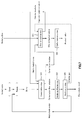
- the electrolytic nickel manufacturing process comprises: a chlorine-leaching step S11 for generating a copper-containing nickel chloride solution, which is a chlorine leachate, by chlorine-leaching metal such as nickel with nickel sulfide as a raw material; a cementation step S21 for fixing univalent copper ion by adding nickel matte and chlorine-leached residue to the copper-containing nickel chloride solution obtained by the chlorine-leaching step S11; a solution purification step S31 for removing impurities other than nickel from a cementation final solution; an electrolytic step S41 for obtaining electrolytic nickel by electrominning from a nickel chloride solution obtained by the solution purification step S31; and a sulfur recovery step S51 for recovering product sulfur from the chlorine-leached residue obtained by the chlorine-leaching step S11.
- a chlorine-leaching step S11 for generating a copper-containing nickel chloride solution, which is a chlorine leachate, by chlorine-leaching metal such as nickel with nickel sulfide as a raw material
- the bivalent copper ion contained in the copper-containing nickel chloride solution will be reduced to univalent copper ion by nickel matte added as the raw material, and fixed by sulfur in the chlorine-leached residue.
- nickel metal or nickel subsulfide which is a major form of nickel matte, prioritizes a function to reduce bivalent copper ion to univalent copper ion, and univalent copper ion generated by remained nickel metal and else will be fixed as copper sulfide. Therefore, when the amount of copper circulating in the system of the electrolytic nickel manufacturing process is increased, relatively, amount of nickel matte for fixing as sulfide after reducing to univalent copper ion from bivalent copper ion will be decreased, so there is a case that copper in the copper-containing nickel chloride solution cannot be fixed and removed surely and efficiently.
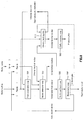
- cementation step when performing the technology described in patent document 2 or patent document 3 in real operation, it is necessary to configure cementation step to be at least two phase steps. For example, as illustrated in Fig. 8 , at first, in first cementation step S22, reducing copper by adding nickel sulfide to nickel chloride solution containing copper (copper-containing nickel chloride solution), and then, in second cementation step S23, it is necessary to fix copper by adding nickel matte and chlorine-leached residue.
- the two phase steps are a main continuing path through which most of treated water in the process passes, therefore, it is necessary to operate each step simultaneously and suitably, so a cost for controlling the steps in real operation will be high and it is disadvantageous compared to simple one phase step.
- the present invention is proposed considering these actual circumstances, and a purpose of the present invention is to provide a nickel recovery process capable of decreasing nickel remaining in a byproduct by recovering nickel from the byproduct of the electrolytic nickel manufacturing process by chlorine-leaching, and further, capable of simplifying the cementation step simultaneously.
- the inventors accomplished the present invention, as a result of keen examination for achieving the above purpose, by finding that it is possible to decrease nickel remaining in the byproduct by mixing the byproduct with prescribed aqueous solution when recovering nickel from the byproduct of the electrolytic nickel manufacturing process.
- a nickel recovery process relating to the present invention for achieving the above purpose is a nickel recovery process for recovering nickel from a byproduct of an electrolytic nickel manufacturing process by chlorine-leaching, comprising: a chlorine-leaching step for obtaining a chlorine leachate and a chlorine-leached residue by oxidizing and leaching nickel sulfide; a cementation step for fixing and removing copper in the chlorine leachate; a sulfur recovery step for obtaining a sulfur-containing solution and a residue by solid-liquid separation after slurrying the chlorine-leached residue in a melting tank; and a nickel recovery step for obtaining slurry by adding an aqueous solution with a chlorine dissolving amount of 80 g/L to 390 g/L, and also, with a copper concentration of 30 g/L to 70 g/L to the byproduct containing 5 wt% to 20 wt% of nickel and for solid-liquid separating the slurry into solid phase and liquid phase, wherein the liquid phase is returned
- the slurry is having a slurry concentration that solid content is 130 g/L to 350 g/L.
- present embodiment the concrete embodiments applying the present invention (Hereinafter, referred to as "present embodiment") along with the following items.
- present invention will not be limited by the following embodiments, and these embodiments can be modified in various ways without departing from the gist of the present invention.
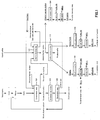
- Nickel recovery process relating to the present embodiment is a process for recovering nickel from S 0 slurry, residue flaker and chlorine-leached residue, which are byproducts of an electrolytic nickel manufacturing process by chlorine-leaching, in a nickel recovery step S60, a nickel recovery step S70 and a nickel recovery step S80, as illustrated in Fig. 1 .
- an electrolytic nickel manufacturing process comprises: a chlorine-leaching step S10 for generating a copper-containing nickel chloride solution, which is a chlorine leachate, by chlorine-leaching metal such as nickel with nickel sulfide as a raw material; and a cementation step S20 for fixing univalent copper ion by adding nickel matte and chlorine-leached residue to the copper-containing nickel chloride solution obtained by the chlorine-leaching step S10.
- the electrolytic nickel manufacturing process comprises: a solution purification step S30 for removing impurities other than nickel from a cementation final solution; and an electrolytic step S40 for obtaining electrolytic nickel by electrowinning from a nickel chloride solution obtained from the solution purification step S30.
- the electrolytic nickel manufacturing process comprises: a sulfur recovery step S50 for recovering product sulfur from the chlorine-leached residue obtained from the chlorine-leaching step S10; a nickel recovery step S60 for stirring and mixing S 0 slurry obtained from the sulfur recovery step S50 added with a prescribed solution; a nickel recovery step S70 for obtaining liquid phase and solid phase by solid-liquid separation after stirring and mixing a residue flaker obtained from the sulfur recovery step S50 added with a prescribed solution; and a nickel recovery step S80 for obtaining liquid phase and solid phase by solid-liquid separation after stirring and mixing a part of the chlorine-leached residue obtained from the chlorine-leaching step S10 added with a prescribed solution:
- a copper-containing nickel chloride solution is generated as a chlorine leachate by oxidizing and leaching metal components such as nickel or copper by chlorine gas, for example with nickel sulfide manufactured by hydrometallurgy from nickel oxide ore as a raw material.
- the chlorine leachate containing copper (copper-containing nickel chloride solution) generated from the chlorine-leaching step S10 is transported to a cementation step S20.
- impurities mainly composed of sulfur remaining in solid phase in chlorine-leaching step S10 will be chlorine-leached residue, and product sulfur will be collected through a sulfur recovery step S50 in the following description.
- a chlorine-leached residue extracting a part of the chlorine-leached residue will be collected of nickel in the chlorine-leached residue in a nickel recovery step S80 in the following description.
- the copper-containing nickel chloride solution generated in the chlorine-leaching step S10 is transported and copper in the copper-containing nickel chloride solution is fixed and removed.
- a slurry repulped by nickel chloride solution generated in the following step of an electrolytic step S40 by grinding a raw material of nickel matte produced for example from pyrometallurgy is added to the copper-containing nickel chloride solution.
- a chlorine-leached residue mainly composed of sulfur generated as a byproduct in the chlorine-leaching step S10 is added.
- S 0 slurry generated as a byproduct in a sulfur recovery step S50 may be added.
- nickel in a solution in which copper has been fixed and removed will be bivalent nickel ion, and its solution will be transported to the solution purification step S30 as a cementation final solution.
- sulfide of copper remaining in solid phase by fixation or unreacted nickel will be transported to the chlorine-leaching step S10 again as a cementation residue.
- reaction temperature in the cementation step S20 preferably it is 70°C to 100°C, more preferably it is 80°C to 90°C.
- temperature condition is less than 70°C, it will be difficult to reduce bivalent copper ion remaining in the copper-containing nickel chloride solution to univalent copper ion, and a progress of reaction to fix univalent copper ion by sulfur will be stagnated.
- the cementation step S20 by setting a temperature condition to 70°C or more, it is possible to reduce remaining bivalent copper ion to univalent copper ion, and it is possible to progress a reaction to fix the univalent copper ion efficiently by sulfur.
- the cementation final solution is transported from the cementation step S20, and impurities other than nickel such as iron, cobalt and copper contained in the cementation final solution are removed by solution purification treatment, for example oxidizing and neutralizing process and else.
- solution purification treatment for example oxidizing and neutralizing process and else.
- electrolytic nickel is manufactured by electrowinning, using nickel chloride solution obtained by the solution purification step S30.
- nickel ion in nickel chloride solution deposits as metal and electrolytic nickel will be generated.
- chlorine ion in nickel chloride solution generates as chlorine gas and it will be used in the chlorine-leaching step S10 and else.
- the chlorine-leached residue obtained in the chlorine-leaching step S10 is heated in the melting tank to melt contained sulfur content, and the chlorine-leached residue will be slurried, and this slurry is charged into a solid-liquid separation device to obtain a product sulfur as liquid phase. Also, residue obtained as solid phase is grinded and repulped to obtain S 0 slurry. Nickel in the obtained S 0 slurry is recovered in the following nickel recovery step S60.
- a nickel recovery step S60 After obtaining slurry by mixing and stirring S° slurry obtained in the sulfur recovery step S50 and a prescribed solution, liquid phase and solid phase are obtained by solid-liquid separation.
- the obtained liquid phase is returned into a transportation path from the chlorine-leaching step S10 to the cementation step S20, and joins the chlorine-leached residue. Also, the obtained solid phase is charged into the cementation step S20. In addition, in the nickel recovery step S60, the obtained slurry may be charged into the cementation step S20 without solid-liquid separation.
- slurry concentration of the obtained slurry is adjusted that solid content will be 130 g/L to 350 g/L.
- a publicly known technology is applied for effective contact of the S 0 slurry and the prescribed solution.
- a stirring means with ability to stir in a range of amount of solid content in the above slurry concentration may be selected.
- an aqueous solution containing at least 80 g/L to 390 g/L as chlorine dissolving amount, and also, containing at least 30 g/L to 70 g/L as copper concentration, is used as the prescribed solution.
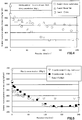
- 15 wt% to 20 wt% of nickel remained in S 0 slurry is leached by chlorine dissolved in the prescribed solution, so it is possible to decrease nickel remaining in finally obtained solid phase.
- nickel in the solid phase can be decreased to be the extent of 11 wt% to 16 wt%.
- Leached nickel will be incorporated into finally obtained liquid phase, and joined to the chlorine leachate by returning the liquid phase into the transportation path from the chlorine-leaching step S10 to the cementation step S20, so amount of nickel contained in the chlorine leachate increases, and nickel leaching rate in the chlorine-leaching step S10 increases seemingly.
- a water balance in a system will be broke, as prescribed solution is added, but it will be fine by a countermeasure to discharge a water in the system, which almost does not contain nickel, for example a barren solution (unillustrated), to the amount matches the added water, or by a countermeasure to evaporate the water in the system by heating, and else.
- a countermeasure to discharge a water in the system which almost does not contain nickel, for example a barren solution (unillustrated), to the amount matches the added water, or by a countermeasure to evaporate the water in the system by heating, and else.
- chlorine leachate containing copper generated from the chlorine-leaching step S10 (copper-containing nickel chloride solution), or aqueous solution containing chloride ion such as nickel chloride solution discharged in the electrolytic step S40 is preferable as concentration of cupric chloride will not be decreased at the time of mixing treatment, and aqueous solution containing cupric chloride is more preferable.
- concentration of cupric chloride will not be decreased at the time of mixing treatment, and aqueous solution containing cupric chloride is more preferable.
- chlorine leachate copper-containing nickel chloride solution
- restoration measures for broken water balance in the system will not be necessary, and more efficient operation will be possible.
- a nickel recovery step S70 After obtaining slurry by mixing and stirring a residue flaker obtained in the sulfur recovery step S50 and a prescribed solution, liquid phase and solid phase are obtained by solid-liquid separation.
- slurry concentration, stirring means, and prescribed solution they are similar as the nickel recovery step S60, so the explanation will be abbreviated here.
- obtained liquid phase is returned into a transportation path from the chlorine-leaching step S10 to the cementation step S20, and joins the chlorine leachate. Also, obtained solid phase is discharged out of the system.
- aqueous solution similar as prescribed solution of nickel recovery step S60 is used as the prescribed solution.
- 5 wt% to 7 wt% of nickel remaining in the residue flaker is leached by chlorine dissolved in the prescribed solution, and not only that nickel remaining in finally obtained solid phase will be decreased to the extent of 2 wt%, but also it is possible to decrease a loss of nickel in the whole process.
- Leached nickel is incorporated in finally obtained liquid phase, and joined to the chlorine leachate by returning the liquid phase into the transportation path from the chlorine-leaching step S10 to the cementation step S20, so amount of nickel contained in the chlorine leachate increases, and nickel leaching rate in the chlorine-leaching step S10 increases seemingly.
- a water balance in a system will be broke, as prescribed solution is added, but it will be fine by a countermeasure to discharge a water in the system, which almost does not contain nickel, for example a barren solution (unillustrated), to the amount matches the added water, or by a countermeasure to evaporate the water in the system by heating, and else.
- a countermeasure to discharge a water in the system which almost does not contain nickel, for example a barren solution (unillustrated), to the amount matches the added water, or by a countermeasure to evaporate the water in the system by heating, and else.
- Liquid amount of liquid phase obtained by solid-liquid separating slurry is equal to liquid amount of prescribed solution. Therefore, weight of obtained solid phase is equal to weight of residue flaker obtained in the sulfur recovery step S51 and discharged out of the system in the prior art illustrated in Fig. 7 , so there will be no harmful effect to the whole process even if the solid phase is discharged out of the system.
- a nickel recovery step S80 after obtaining slurry by mixing and stirring a chlorine-leached residue partially extracted from a chlorine-leached residue charged into the sulfur recovery step S50 and a prescribed solution, liquid phase and solid phase are obtained by solid-liquid separation.
- slurry concentration, stirring means, and prescribed solution they are similar as the nickel recovery step S60, so the explanation will be abbreviated here.
- obtained liquid phase is returned into a transportation path from the chlorine-leaching step S10 to the cementation step S20, and joins the chlorine leachate. Also, obtained solid phase is charged into the next step of sulfur recovery step S50.
- aqueous solution similar as prescribed solution of nickel recovery step S60 is used as the prescribed solution.
- 5 wt% to 7 wt% of nickel remaining in the chlorine-leached residue is leached by chlorine dissolved in the prescribed solution, and it is possible to decrease amount of nickel remaining in finally obtained solid phase.
- it is possible to decrease the amount of nickel to the extent that nickel in the solid phase will be to the extent of 3 wt% to 5 wt%.
- Leached nickel is incorporated in finally obtained liquid phase, and joined to the chlorine leachate by returning the liquid phase into the transportation path from the chlorine-leaching step S10 to the cementation step S20, so amount of nickel contained in the chlorine leachate increases, and nickel leaching rate in the chlorine-leaching step S10 increases seemingly.
- a water balance in a system will be broke, as prescribed solution is added, but it will be fine by a countermeasure to discharge a water in the system, which almost does not contain nickel, for example a barren solution (unillustrated), to the amount matches the added waster, or by a countermeasure to evaporate the water in the system by heating, and else.
- a countermeasure to discharge a water in the system which almost does not contain nickel, for example a barren solution (unillustrated), to the amount matches the added waster, or by a countermeasure to evaporate the water in the system by heating, and else.
- nickel can be recovered by performing at least one step of nickel recovery step S60, nickel recovery step S70, and nickel recovery step S80, and it will be possible to decrease nickel remaining in each byproduct.
- the nickel recovery step S60 or the nickel recovery step S70 in addition to the nickel recovery step S80, or by performing every nickel recovery steps the chlorine-leached residue after recovering nickel by the nickel recovery step S80 will be charged into the sulfur recovery step S50. Then, recovery of nickel will be performed further, and it is preferable as recovery rate of nickel will be higher than performing the nickel recovery step individually.
- the nickel recovery step is to apply the nickel recovery step, in other words, to add the nickel recovery step S60, nickel recovery step S70, and nickel recovery step S80, to a conventional electrolytic nickel manufacturing process as illustrated in Fig. 7 .
- Nickel contained in nickel matte and nickel chloride circulates in the system similar to the conventional electrolytic nickel manufacturing process. Therefore, in a purpose of increasing production of electrolytic nickel, for example, when treatment capacity of nickel chloride produced from hydrometallurgy is increased, amount of copper circulated in the system of electrolytic nickel manufacturing process is also increased inevitably.
- the chlorine leachate obtained from the chlorine-leaching step S11 will be to the extent of 550 mV at oxidation-reduction potential on the basis of Ag/AgCl, and coexisting copper ion will be in the state with excess bivalent copper ions, and it will be short of reduction power of nickel metal throughout the cementation step S21, as univalent copper ion will be reduced at first.
- liquid phase obtained by solid-liquid separation of slurry obtained by mixing and stirring each byproduct and prescribed solution is the liquid phase leaching nickel remaining in each byproduct, so dissolved chlorine will be consumed as nickel chloride.
- coexisting copper ion will be decreased to the extent of 350 mV at oxidation-reduction potential on the basis of Ag/AgCl, in which existence ratio of univalent copper ion and bivalent copper ion will be in balance, so, for example, a first phase cementation step (first cementation step S22) by nickel chloride, which was necessary in conventional electrolytic nickel manufacturing process illustrated in Fig. 8 will be unnecessary.
- starting solution 1 indicated in table 2 400 mL of a starting solution 1 indicated in table 2 was poured into 500 mL of separable flask with baffle plate, and heated to be 100°C to 105°C in oil bus while stirring in rotational speed of 300 rpm.
- starting solutions 2 to 4 indicated in table 2 were also adjusted as well as the starting solution 1.
- example 2 it was performed as same as the example 1 except that 140 g of residue flaker was poured into the starting solution 1, and leached residue 2 (solid phase) and leachate 2 (liquid phase) were obtained.
- example 3 it was performed as same as the example 1 except that 140 g of chlorine-leached residue was poured into the starting solution 1, and leached residue 3 (solid phase) and leachate 3 (liquid phase) were obtained.
- example 4 it was performed as same as the example 1 except that 116 g of S 0 slurry was poured into the starting solution 1, and leached residue 4 (solid phase) and leachate 4 (liquid phase) were obtained.
- example 5 it was performed as same as the example 1 except that 72 g of S 0 slurry was poured into the starting solution 1, and leached residue 5 (solid phase) and leachate 5 (liquid phase) were obtained.
- example 6 it was performed as same as the example 1 except that 52 g of S 0 slurry was poured into the starting solution 1, and leached residue 6 (solid phase) and leachate 6 (liquid phase) were obtained.
- example 7 it was performed as same as the example 1 except that 30 g of S 0 slurry was poured into the starting solution 1, and leached residue 7 (solid phase) and leachate 7 (liquid phase) were obtained.
- example 8 it was performed as same as the example 1 except that 72 g of residue flaker was poured into the starting solution 1, and leached residue 8 (solid phase) and leachate 8 (liquid phase) were obtained.
- example 9 it was performed as same as the example 1 except that 30 g of residue flaker was poured into the starting solution 1, and leached residue 9 (solid phase) and leachate 9 (liquid phase) were obtained.
- comparative example 1 it was performed as same as the example 1 except that 140 g of S 0 slurry was poured into 400mL of starting solution 2 heated by the adjustment process, and leached residue 10 (solid phase) and leachate 10 (liquid phase) were obtained.
- comparative example 2 it was performed as same as the example 1 except that 140 g of chlorine-leached residue was poured into the starting solution 2 heated by the adjustment process, and leached residue 11 (solid phase) and leachate 11 (liquid phase) were obtained.
- comparative example 3 it was performed as same as the example 1 except that 140 g of chlorine-leached residue was poured into 400mL of starting solution 3 heated by the adjustment process, and leached residue 12 (solid phase) and leachate 12 (liquid phase) were obtained.
- starting solution 4 was obtained by dissolving reagent of cupric chloride in pure water, and by adjusting it to pH 0.00 (25°C) by hydrochloric acid. Copper concentration of the obtained starting solution 4 was 52 g/L, and dissolved chlorine concentration of the obtained starting solution 4 was 80 g/L.
- the comparative example 4 it was performed as same as the example 1 except that 140 g of S° slurry was poured into 400mL of starting solution 4 heated by the adjustment process, and leached residue 13 (solid phase) and leachate 13 (liquid phase) were obtained.
- comparative example 5 it was performed as same as the example 1 except that 140 g of chlorine-leached residue was poured into the starting solution 4 heated by the adjustment process, and leached residue 14 (solid phase) and leachate 14 (liquid phase) were obtained.
Landscapes
- Chemical & Material Sciences (AREA)
- Engineering & Computer Science (AREA)
- Metallurgy (AREA)
- Manufacturing & Machinery (AREA)
- Organic Chemistry (AREA)
- Mechanical Engineering (AREA)
- Materials Engineering (AREA)
- Chemical Kinetics & Catalysis (AREA)
- General Chemical & Material Sciences (AREA)
- Geology (AREA)
- General Life Sciences & Earth Sciences (AREA)
- Life Sciences & Earth Sciences (AREA)
- Environmental & Geological Engineering (AREA)
- Geochemistry & Mineralogy (AREA)
- Manufacture And Refinement Of Metals (AREA)
- Electrolytic Production Of Metals (AREA)
Applications Claiming Priority (2)
| Application Number | Priority Date | Filing Date | Title |
|---|---|---|---|
| JP2014164790A JP5884870B1 (ja) | 2014-08-13 | 2014-08-13 | ニッケルの回収方法 |
| PCT/JP2015/071032 WO2016024470A1 (fr) | 2014-08-13 | 2015-07-23 | Procédé de récupération du nickel |
Publications (3)
| Publication Number | Publication Date |
|---|---|
| EP3190195A1 true EP3190195A1 (fr) | 2017-07-12 |
| EP3190195A4 EP3190195A4 (fr) | 2018-05-02 |
| EP3190195B1 EP3190195B1 (fr) | 2019-05-22 |
Family
ID=55304099
Family Applications (1)
| Application Number | Title | Priority Date | Filing Date |
|---|---|---|---|
| EP15831422.9A Active EP3190195B1 (fr) | 2014-08-13 | 2015-07-23 | Procédé de récupération du nickel |
Country Status (6)
| Country | Link |
|---|---|
| US (1) | US10344354B2 (fr) |
| EP (1) | EP3190195B1 (fr) |
| JP (1) | JP5884870B1 (fr) |
| AU (1) | AU2015302771B2 (fr) |
| CA (1) | CA2957875C (fr) |
| WO (1) | WO2016024470A1 (fr) |
Families Citing this family (7)
| Publication number | Priority date | Publication date | Assignee | Title |
|---|---|---|---|---|
| JP6957974B2 (ja) * | 2017-05-23 | 2021-11-02 | 住友金属鉱山株式会社 | 塩素浸出方法、電気ニッケルの製造方法 |
| KR20240019402A (ko) | 2021-07-20 | 2024-02-14 | 스미토모 긴조쿠 고잔 가부시키가이샤 | 합금의 처리 방법 |
| JP7245423B1 (ja) * | 2021-09-29 | 2023-03-24 | 住友金属鉱山株式会社 | 合金の処理方法 |
| JP7831159B2 (ja) * | 2022-06-30 | 2026-03-17 | 住友金属鉱山株式会社 | 塩化ニッケル水溶液の製造設備および製造方法 |
| JP7842381B2 (ja) * | 2022-06-30 | 2026-04-08 | 住友金属鉱山株式会社 | 塩化ニッケル水溶液の製造設備および製造方法 |
| JP2024005317A (ja) * | 2022-06-30 | 2024-01-17 | 住友金属鉱山株式会社 | 塩化ニッケル水溶液の製造設備および製造方法 |
| KR102835106B1 (ko) | 2023-04-06 | 2025-07-17 | 주식회사 썸백 | 가스 담금질용 전기로 |
Family Cites Families (12)
| Publication number | Priority date | Publication date | Assignee | Title |
|---|---|---|---|---|
| US1808938A (en) * | 1926-05-07 | 1931-06-09 | Koppers Co Inc | Sulphur sludge treatment |
| ZA745691B (en) * | 1974-09-06 | 1976-01-28 | Atok Platinum Mines Ltd | Improvements in to relating to the leaching of copper-nickel concentrates |
| GB1520117A (en) * | 1975-08-04 | 1978-08-02 | Inco Ltd | Chlorine leaching of nickel containing materials |
| CA1039065A (fr) * | 1975-08-05 | 1978-09-26 | David L. Jones | Methode de separation du cuivre |
| US4384940A (en) * | 1982-01-21 | 1983-05-24 | Inco Limited | Chlorine leaching of nickel-cobalt-iron sulphides |
| NO173613C (no) * | 1986-04-24 | 1994-01-05 | Falconbridge Ltd | Fremgangsmaate for separering av nikkel fra kobber inneholdt i faste partikler av en kobber- og nikkelholdig malt sulfidisk matte eller sulfidisk legering |
| JPH0791599B2 (ja) * | 1989-01-25 | 1995-10-04 | 住友金属鉱山株式会社 | 有価金属の分離方法 |
| JP3427879B2 (ja) | 1997-09-03 | 2003-07-22 | 住友金属鉱山株式会社 | 含銅塩化ニッケル溶液からの銅の除去方法 |
| US6428604B1 (en) | 2000-09-18 | 2002-08-06 | Inco Limited | Hydrometallurgical process for the recovery of nickel and cobalt values from a sulfidic flotation concentrate |
| JP4924754B2 (ja) | 2010-06-21 | 2012-04-25 | 住友金属鉱山株式会社 | 含銅塩化ニッケル溶液の銅イオン除去方法並びに電気ニッケルの製造方法 |
| JP5565282B2 (ja) | 2010-11-15 | 2014-08-06 | 住友金属鉱山株式会社 | 銅イオンの分離方法、及び電気ニッケルの製造方法 |
| JP2013253276A (ja) * | 2012-06-06 | 2013-12-19 | Sumitomo Metal Mining Co Ltd | 湿式製錬方法 |
-
2014
- 2014-08-13 JP JP2014164790A patent/JP5884870B1/ja active Active
-
2015
- 2015-07-23 EP EP15831422.9A patent/EP3190195B1/fr active Active
- 2015-07-23 AU AU2015302771A patent/AU2015302771B2/en active Active
- 2015-07-23 US US15/503,430 patent/US10344354B2/en active Active
- 2015-07-23 WO PCT/JP2015/071032 patent/WO2016024470A1/fr not_active Ceased
- 2015-07-23 CA CA2957875A patent/CA2957875C/fr active Active
Also Published As
| Publication number | Publication date |
|---|---|
| WO2016024470A1 (fr) | 2016-02-18 |
| AU2015302771A1 (en) | 2017-03-09 |
| JP2016040406A (ja) | 2016-03-24 |
| JP5884870B1 (ja) | 2016-03-15 |
| EP3190195B1 (fr) | 2019-05-22 |
| EP3190195A4 (fr) | 2018-05-02 |
| CA2957875A1 (fr) | 2016-02-18 |
| AU2015302771B2 (en) | 2019-10-24 |
| US20170240994A1 (en) | 2017-08-24 |
| CA2957875C (fr) | 2019-11-26 |
| US10344354B2 (en) | 2019-07-09 |
Similar Documents
| Publication | Publication Date | Title |
|---|---|---|
| EP3190195B1 (fr) | Procédé de récupération du nickel | |
| EP3715484B1 (fr) | Procédé de traitement de déchets de batterie lithium-ion | |
| EP2799400B1 (fr) | Procédé de fabrication de sulfate de cobalt | |
| ZA200703451B (en) | Process for recovery of copper from copper-bearing material using pressure leaching, direct electrowinning and solvent/solution extraction | |
| EP3655557B1 (fr) | Procédé de récupération de métaux précieux | |
| MX2010013510A (es) | Electrorecuperacion de oro y plata a partir de soluciones de tiosulfato. | |
| EP3550041A1 (fr) | Procédé de traitement par échange d'ions et procédé de récupération de scandium | |
| EP3239310B1 (fr) | Procédé permettant de lixivier des métaux de valeur contenus dans la boue d'élimination du cuivre | |
| AU2017281847B2 (en) | Methods, materials and techniques for precious metal recovery | |
| US9656873B2 (en) | Purification of tungsten carbide compositions | |
| EP3575420A1 (fr) | Procédé de purification de bismuth | |
| JP2008106348A (ja) | 亜鉛の分離回収方法 | |
| JP6750454B2 (ja) | ビスマス電解液の不純物除去方法 | |
| JP6250365B2 (ja) | ロジウム及びルテニウムの濃縮方法 | |
| JP6882095B2 (ja) | 白金族元素を含む沈殿物の回収方法 | |
| JPS6338538A (ja) | ニツケル硫化物からのニツケルの回収方法 | |
| JP6662260B2 (ja) | 混合硫化物からのニッケルの塩素浸出方法 | |
| JP5512640B2 (ja) | 銀の回収方法 | |
| JP2024145680A (ja) | 塩化ニッケル水溶液からの銀の除去方法 | |
| US20210262060A1 (en) | Method for separating copper from nickel and cobalt | |
| JP5786589B2 (ja) | 金属硫化物の塩素浸出方法、並びに金属の湿式製錬方法 |
Legal Events
| Date | Code | Title | Description |
|---|---|---|---|
| STAA | Information on the status of an ep patent application or granted ep patent |
Free format text: STATUS: THE INTERNATIONAL PUBLICATION HAS BEEN MADE |
|
| PUAI | Public reference made under article 153(3) epc to a published international application that has entered the european phase |
Free format text: ORIGINAL CODE: 0009012 |
|
| STAA | Information on the status of an ep patent application or granted ep patent |
Free format text: STATUS: REQUEST FOR EXAMINATION WAS MADE |
|
| 17P | Request for examination filed |
Effective date: 20170223 |
|
| AK | Designated contracting states |
Kind code of ref document: A1 Designated state(s): AL AT BE BG CH CY CZ DE DK EE ES FI FR GB GR HR HU IE IS IT LI LT LU LV MC MK MT NL NO PL PT RO RS SE SI SK SM TR |
|
| AX | Request for extension of the european patent |
Extension state: BA ME |
|
| DAV | Request for validation of the european patent (deleted) | ||
| DAX | Request for extension of the european patent (deleted) | ||
| A4 | Supplementary search report drawn up and despatched |
Effective date: 20180403 |
|
| RIC1 | Information provided on ipc code assigned before grant |
Ipc: C22B 23/00 20060101AFI20180326BHEP Ipc: C22B 7/00 20060101ALI20180326BHEP Ipc: C22B 3/04 20060101ALI20180326BHEP Ipc: C25C 1/08 20060101ALI20180326BHEP Ipc: C22B 3/00 20060101ALI20180326BHEP Ipc: C22B 3/44 20060101ALI20180326BHEP |
|
| GRAP | Despatch of communication of intention to grant a patent |
Free format text: ORIGINAL CODE: EPIDOSNIGR1 |
|
| STAA | Information on the status of an ep patent application or granted ep patent |
Free format text: STATUS: GRANT OF PATENT IS INTENDED |
|
| INTG | Intention to grant announced |
Effective date: 20190208 |
|
| GRAS | Grant fee paid |
Free format text: ORIGINAL CODE: EPIDOSNIGR3 |
|
| GRAA | (expected) grant |
Free format text: ORIGINAL CODE: 0009210 |
|
| STAA | Information on the status of an ep patent application or granted ep patent |
Free format text: STATUS: THE PATENT HAS BEEN GRANTED |
|
| AK | Designated contracting states |
Kind code of ref document: B1 Designated state(s): AL AT BE BG CH CY CZ DE DK EE ES FI FR GB GR HR HU IE IS IT LI LT LU LV MC MK MT NL NO PL PT RO RS SE SI SK SM TR |
|
| REG | Reference to a national code |
Ref country code: GB Ref legal event code: FG4D |
|
| REG | Reference to a national code |
Ref country code: CH Ref legal event code: EP |
|
| REG | Reference to a national code |
Ref country code: IE Ref legal event code: FG4D |
|
| REG | Reference to a national code |
Ref country code: DE Ref legal event code: R096 Ref document number: 602015030946 Country of ref document: DE |
|
| REG | Reference to a national code |
Ref country code: AT Ref legal event code: REF Ref document number: 1136176 Country of ref document: AT Kind code of ref document: T Effective date: 20190615 |
|
| REG | Reference to a national code |
Ref country code: NL Ref legal event code: MP Effective date: 20190522 |
|
| REG | Reference to a national code |
Ref country code: LT Ref legal event code: MG4D |
|
| PG25 | Lapsed in a contracting state [announced via postgrant information from national office to epo] |
Ref country code: NO Free format text: LAPSE BECAUSE OF FAILURE TO SUBMIT A TRANSLATION OF THE DESCRIPTION OR TO PAY THE FEE WITHIN THE PRESCRIBED TIME-LIMIT Effective date: 20190822 Ref country code: ES Free format text: LAPSE BECAUSE OF FAILURE TO SUBMIT A TRANSLATION OF THE DESCRIPTION OR TO PAY THE FEE WITHIN THE PRESCRIBED TIME-LIMIT Effective date: 20190522 Ref country code: LT Free format text: LAPSE BECAUSE OF FAILURE TO SUBMIT A TRANSLATION OF THE DESCRIPTION OR TO PAY THE FEE WITHIN THE PRESCRIBED TIME-LIMIT Effective date: 20190522 Ref country code: NL Free format text: LAPSE BECAUSE OF FAILURE TO SUBMIT A TRANSLATION OF THE DESCRIPTION OR TO PAY THE FEE WITHIN THE PRESCRIBED TIME-LIMIT Effective date: 20190522 Ref country code: HR Free format text: LAPSE BECAUSE OF FAILURE TO SUBMIT A TRANSLATION OF THE DESCRIPTION OR TO PAY THE FEE WITHIN THE PRESCRIBED TIME-LIMIT Effective date: 20190522 Ref country code: SE Free format text: LAPSE BECAUSE OF FAILURE TO SUBMIT A TRANSLATION OF THE DESCRIPTION OR TO PAY THE FEE WITHIN THE PRESCRIBED TIME-LIMIT Effective date: 20190522 Ref country code: PT Free format text: LAPSE BECAUSE OF FAILURE TO SUBMIT A TRANSLATION OF THE DESCRIPTION OR TO PAY THE FEE WITHIN THE PRESCRIBED TIME-LIMIT Effective date: 20190922 Ref country code: AL Free format text: LAPSE BECAUSE OF FAILURE TO SUBMIT A TRANSLATION OF THE DESCRIPTION OR TO PAY THE FEE WITHIN THE PRESCRIBED TIME-LIMIT Effective date: 20190522 Ref country code: FI Free format text: LAPSE BECAUSE OF FAILURE TO SUBMIT A TRANSLATION OF THE DESCRIPTION OR TO PAY THE FEE WITHIN THE PRESCRIBED TIME-LIMIT Effective date: 20190522 |
|
| PG25 | Lapsed in a contracting state [announced via postgrant information from national office to epo] |
Ref country code: RS Free format text: LAPSE BECAUSE OF FAILURE TO SUBMIT A TRANSLATION OF THE DESCRIPTION OR TO PAY THE FEE WITHIN THE PRESCRIBED TIME-LIMIT Effective date: 20190522 Ref country code: LV Free format text: LAPSE BECAUSE OF FAILURE TO SUBMIT A TRANSLATION OF THE DESCRIPTION OR TO PAY THE FEE WITHIN THE PRESCRIBED TIME-LIMIT Effective date: 20190522 Ref country code: BG Free format text: LAPSE BECAUSE OF FAILURE TO SUBMIT A TRANSLATION OF THE DESCRIPTION OR TO PAY THE FEE WITHIN THE PRESCRIBED TIME-LIMIT Effective date: 20190822 Ref country code: GR Free format text: LAPSE BECAUSE OF FAILURE TO SUBMIT A TRANSLATION OF THE DESCRIPTION OR TO PAY THE FEE WITHIN THE PRESCRIBED TIME-LIMIT Effective date: 20190823 |
|
| REG | Reference to a national code |
Ref country code: AT Ref legal event code: MK05 Ref document number: 1136176 Country of ref document: AT Kind code of ref document: T Effective date: 20190522 |
|
| PG25 | Lapsed in a contracting state [announced via postgrant information from national office to epo] |
Ref country code: CZ Free format text: LAPSE BECAUSE OF FAILURE TO SUBMIT A TRANSLATION OF THE DESCRIPTION OR TO PAY THE FEE WITHIN THE PRESCRIBED TIME-LIMIT Effective date: 20190522 Ref country code: SK Free format text: LAPSE BECAUSE OF FAILURE TO SUBMIT A TRANSLATION OF THE DESCRIPTION OR TO PAY THE FEE WITHIN THE PRESCRIBED TIME-LIMIT Effective date: 20190522 Ref country code: EE Free format text: LAPSE BECAUSE OF FAILURE TO SUBMIT A TRANSLATION OF THE DESCRIPTION OR TO PAY THE FEE WITHIN THE PRESCRIBED TIME-LIMIT Effective date: 20190522 Ref country code: DK Free format text: LAPSE BECAUSE OF FAILURE TO SUBMIT A TRANSLATION OF THE DESCRIPTION OR TO PAY THE FEE WITHIN THE PRESCRIBED TIME-LIMIT Effective date: 20190522 Ref country code: RO Free format text: LAPSE BECAUSE OF FAILURE TO SUBMIT A TRANSLATION OF THE DESCRIPTION OR TO PAY THE FEE WITHIN THE PRESCRIBED TIME-LIMIT Effective date: 20190522 Ref country code: AT Free format text: LAPSE BECAUSE OF FAILURE TO SUBMIT A TRANSLATION OF THE DESCRIPTION OR TO PAY THE FEE WITHIN THE PRESCRIBED TIME-LIMIT Effective date: 20190522 |
|
| REG | Reference to a national code |
Ref country code: DE Ref legal event code: R119 Ref document number: 602015030946 Country of ref document: DE |
|
| PG25 | Lapsed in a contracting state [announced via postgrant information from national office to epo] |
Ref country code: MC Free format text: LAPSE BECAUSE OF FAILURE TO SUBMIT A TRANSLATION OF THE DESCRIPTION OR TO PAY THE FEE WITHIN THE PRESCRIBED TIME-LIMIT Effective date: 20190522 Ref country code: IT Free format text: LAPSE BECAUSE OF FAILURE TO SUBMIT A TRANSLATION OF THE DESCRIPTION OR TO PAY THE FEE WITHIN THE PRESCRIBED TIME-LIMIT Effective date: 20190522 Ref country code: SM Free format text: LAPSE BECAUSE OF FAILURE TO SUBMIT A TRANSLATION OF THE DESCRIPTION OR TO PAY THE FEE WITHIN THE PRESCRIBED TIME-LIMIT Effective date: 20190522 |
|
| REG | Reference to a national code |
Ref country code: CH Ref legal event code: PL |
|
| PLBE | No opposition filed within time limit |
Free format text: ORIGINAL CODE: 0009261 |
|
| STAA | Information on the status of an ep patent application or granted ep patent |
Free format text: STATUS: NO OPPOSITION FILED WITHIN TIME LIMIT |
|
| PG25 | Lapsed in a contracting state [announced via postgrant information from national office to epo] |
Ref country code: TR Free format text: LAPSE BECAUSE OF FAILURE TO SUBMIT A TRANSLATION OF THE DESCRIPTION OR TO PAY THE FEE WITHIN THE PRESCRIBED TIME-LIMIT Effective date: 20190522 |
|
| REG | Reference to a national code |
Ref country code: BE Ref legal event code: MM Effective date: 20190731 |
|
| 26N | No opposition filed |
Effective date: 20200225 |
|
| GBPC | Gb: european patent ceased through non-payment of renewal fee |
Effective date: 20190822 |
|
| PG25 | Lapsed in a contracting state [announced via postgrant information from national office to epo] |
Ref country code: PL Free format text: LAPSE BECAUSE OF FAILURE TO SUBMIT A TRANSLATION OF THE DESCRIPTION OR TO PAY THE FEE WITHIN THE PRESCRIBED TIME-LIMIT Effective date: 20190522 Ref country code: DE Free format text: LAPSE BECAUSE OF NON-PAYMENT OF DUE FEES Effective date: 20200201 |
|
| PG25 | Lapsed in a contracting state [announced via postgrant information from national office to epo] |
Ref country code: SI Free format text: LAPSE BECAUSE OF FAILURE TO SUBMIT A TRANSLATION OF THE DESCRIPTION OR TO PAY THE FEE WITHIN THE PRESCRIBED TIME-LIMIT Effective date: 20190522 Ref country code: LI Free format text: LAPSE BECAUSE OF NON-PAYMENT OF DUE FEES Effective date: 20190731 Ref country code: BE Free format text: LAPSE BECAUSE OF NON-PAYMENT OF DUE FEES Effective date: 20190731 Ref country code: LU Free format text: LAPSE BECAUSE OF NON-PAYMENT OF DUE FEES Effective date: 20190723 Ref country code: CH Free format text: LAPSE BECAUSE OF NON-PAYMENT OF DUE FEES Effective date: 20190731 |
|
| PG25 | Lapsed in a contracting state [announced via postgrant information from national office to epo] |
Ref country code: IE Free format text: LAPSE BECAUSE OF NON-PAYMENT OF DUE FEES Effective date: 20190723 |
|
| PG25 | Lapsed in a contracting state [announced via postgrant information from national office to epo] |
Ref country code: GB Free format text: LAPSE BECAUSE OF NON-PAYMENT OF DUE FEES Effective date: 20190822 |
|
| PG25 | Lapsed in a contracting state [announced via postgrant information from national office to epo] |
Ref country code: CY Free format text: LAPSE BECAUSE OF FAILURE TO SUBMIT A TRANSLATION OF THE DESCRIPTION OR TO PAY THE FEE WITHIN THE PRESCRIBED TIME-LIMIT Effective date: 20190522 |
|
| PG25 | Lapsed in a contracting state [announced via postgrant information from national office to epo] |
Ref country code: IS Free format text: LAPSE BECAUSE OF FAILURE TO SUBMIT A TRANSLATION OF THE DESCRIPTION OR TO PAY THE FEE WITHIN THE PRESCRIBED TIME-LIMIT Effective date: 20190922 |
|
| PG25 | Lapsed in a contracting state [announced via postgrant information from national office to epo] |
Ref country code: MT Free format text: LAPSE BECAUSE OF FAILURE TO SUBMIT A TRANSLATION OF THE DESCRIPTION OR TO PAY THE FEE WITHIN THE PRESCRIBED TIME-LIMIT Effective date: 20190522 Ref country code: HU Free format text: LAPSE BECAUSE OF FAILURE TO SUBMIT A TRANSLATION OF THE DESCRIPTION OR TO PAY THE FEE WITHIN THE PRESCRIBED TIME-LIMIT; INVALID AB INITIO Effective date: 20150723 |
|
| PG25 | Lapsed in a contracting state [announced via postgrant information from national office to epo] |
Ref country code: MK Free format text: LAPSE BECAUSE OF FAILURE TO SUBMIT A TRANSLATION OF THE DESCRIPTION OR TO PAY THE FEE WITHIN THE PRESCRIBED TIME-LIMIT Effective date: 20190522 |
|
| P01 | Opt-out of the competence of the unified patent court (upc) registered |
Effective date: 20230512 |
|
| PGFP | Annual fee paid to national office [announced via postgrant information from national office to epo] |
Ref country code: FR Payment date: 20250610 Year of fee payment: 11 |