EP3199640A1 - Verfahren zur beurteilung der wirksamkeit einer chemoradiotherapie in plattenepithelkarzinom - Google Patents
Verfahren zur beurteilung der wirksamkeit einer chemoradiotherapie in plattenepithelkarzinom Download PDFInfo
- Publication number
- EP3199640A1 EP3199640A1 EP15843387.0A EP15843387A EP3199640A1 EP 3199640 A1 EP3199640 A1 EP 3199640A1 EP 15843387 A EP15843387 A EP 15843387A EP 3199640 A1 EP3199640 A1 EP 3199640A1
- Authority
- EP
- European Patent Office
- Prior art keywords
- gene
- genes
- cell carcinoma
- sim2
- squamous cell
- Prior art date
- Legal status (The legal status is an assumption and is not a legal conclusion. Google has not performed a legal analysis and makes no representation as to the accuracy of the status listed.)
- Ceased
Links
Images






Classifications
-
- C—CHEMISTRY; METALLURGY
- C12—BIOCHEMISTRY; BEER; SPIRITS; WINE; VINEGAR; MICROBIOLOGY; ENZYMOLOGY; MUTATION OR GENETIC ENGINEERING
- C12Q—MEASURING OR TESTING PROCESSES INVOLVING ENZYMES, NUCLEIC ACIDS OR MICROORGANISMS; COMPOSITIONS OR TEST PAPERS THEREFOR; PROCESSES OF PREPARING SUCH COMPOSITIONS; CONDITION-RESPONSIVE CONTROL IN MICROBIOLOGICAL OR ENZYMOLOGICAL PROCESSES
- C12Q1/00—Measuring or testing processes involving enzymes, nucleic acids or microorganisms; Compositions therefor; Processes of preparing such compositions
- C12Q1/68—Measuring or testing processes involving enzymes, nucleic acids or microorganisms; Compositions therefor; Processes of preparing such compositions involving nucleic acids
- C12Q1/6876—Nucleic acid products used in the analysis of nucleic acids, e.g. primers or probes
- C12Q1/6883—Nucleic acid products used in the analysis of nucleic acids, e.g. primers or probes for diseases caused by alterations of genetic material
- C12Q1/6886—Nucleic acid products used in the analysis of nucleic acids, e.g. primers or probes for diseases caused by alterations of genetic material for cancer
-
- G—PHYSICS
- G01—MEASURING; TESTING
- G01N—INVESTIGATING OR ANALYSING MATERIALS BY DETERMINING THEIR CHEMICAL OR PHYSICAL PROPERTIES
- G01N33/00—Investigating or analysing materials by specific methods not covered by groups G01N1/00 - G01N31/00
- G01N33/48—Biological material, e.g. blood, urine; Haemocytometers
- G01N33/50—Chemical analysis of biological material, e.g. blood, urine; Testing involving biospecific ligand binding methods; Immunological testing
- G01N33/53—Immunoassay; Biospecific binding assay; Materials therefor
- G01N33/575—Immunoassay; Biospecific binding assay; Materials therefor for cancer
-
- C—CHEMISTRY; METALLURGY
- C12—BIOCHEMISTRY; BEER; SPIRITS; WINE; VINEGAR; MICROBIOLOGY; ENZYMOLOGY; MUTATION OR GENETIC ENGINEERING
- C12N—MICROORGANISMS OR ENZYMES; COMPOSITIONS THEREOF; PROPAGATING, PRESERVING, OR MAINTAINING MICROORGANISMS; MUTATION OR GENETIC ENGINEERING; CULTURE MEDIA
- C12N15/00—Mutation or genetic engineering; DNA or RNA concerning genetic engineering, vectors, e.g. plasmids, or their isolation, preparation or purification; Use of hosts therefor
- C12N15/09—Recombinant DNA-technology
- C12N15/63—Introduction of foreign genetic material using vectors; Vectors; Use of hosts therefor; Regulation of expression
- C12N15/79—Vectors or expression systems specially adapted for eukaryotic hosts
-
- C—CHEMISTRY; METALLURGY
- C12—BIOCHEMISTRY; BEER; SPIRITS; WINE; VINEGAR; MICROBIOLOGY; ENZYMOLOGY; MUTATION OR GENETIC ENGINEERING
- C12Q—MEASURING OR TESTING PROCESSES INVOLVING ENZYMES, NUCLEIC ACIDS OR MICROORGANISMS; COMPOSITIONS OR TEST PAPERS THEREFOR; PROCESSES OF PREPARING SUCH COMPOSITIONS; CONDITION-RESPONSIVE CONTROL IN MICROBIOLOGICAL OR ENZYMOLOGICAL PROCESSES
- C12Q1/00—Measuring or testing processes involving enzymes, nucleic acids or microorganisms; Compositions therefor; Processes of preparing such compositions
- C12Q1/68—Measuring or testing processes involving enzymes, nucleic acids or microorganisms; Compositions therefor; Processes of preparing such compositions involving nucleic acids
-
- C—CHEMISTRY; METALLURGY
- C12—BIOCHEMISTRY; BEER; SPIRITS; WINE; VINEGAR; MICROBIOLOGY; ENZYMOLOGY; MUTATION OR GENETIC ENGINEERING
- C12Q—MEASURING OR TESTING PROCESSES INVOLVING ENZYMES, NUCLEIC ACIDS OR MICROORGANISMS; COMPOSITIONS OR TEST PAPERS THEREFOR; PROCESSES OF PREPARING SUCH COMPOSITIONS; CONDITION-RESPONSIVE CONTROL IN MICROBIOLOGICAL OR ENZYMOLOGICAL PROCESSES
- C12Q1/00—Measuring or testing processes involving enzymes, nucleic acids or microorganisms; Compositions therefor; Processes of preparing such compositions
- C12Q1/68—Measuring or testing processes involving enzymes, nucleic acids or microorganisms; Compositions therefor; Processes of preparing such compositions involving nucleic acids
- C12Q1/6806—Preparing nucleic acids for analysis, e.g. for polymerase chain reaction [PCR] assay
-
- C—CHEMISTRY; METALLURGY
- C12—BIOCHEMISTRY; BEER; SPIRITS; WINE; VINEGAR; MICROBIOLOGY; ENZYMOLOGY; MUTATION OR GENETIC ENGINEERING
- C12Q—MEASURING OR TESTING PROCESSES INVOLVING ENZYMES, NUCLEIC ACIDS OR MICROORGANISMS; COMPOSITIONS OR TEST PAPERS THEREFOR; PROCESSES OF PREPARING SUCH COMPOSITIONS; CONDITION-RESPONSIVE CONTROL IN MICROBIOLOGICAL OR ENZYMOLOGICAL PROCESSES
- C12Q1/00—Measuring or testing processes involving enzymes, nucleic acids or microorganisms; Compositions therefor; Processes of preparing such compositions
- C12Q1/68—Measuring or testing processes involving enzymes, nucleic acids or microorganisms; Compositions therefor; Processes of preparing such compositions involving nucleic acids
- C12Q1/6844—Nucleic acid amplification reactions
- C12Q1/6853—Nucleic acid amplification reactions using modified primers or templates
-
- C—CHEMISTRY; METALLURGY
- C12—BIOCHEMISTRY; BEER; SPIRITS; WINE; VINEGAR; MICROBIOLOGY; ENZYMOLOGY; MUTATION OR GENETIC ENGINEERING
- C12Q—MEASURING OR TESTING PROCESSES INVOLVING ENZYMES, NUCLEIC ACIDS OR MICROORGANISMS; COMPOSITIONS OR TEST PAPERS THEREFOR; PROCESSES OF PREPARING SUCH COMPOSITIONS; CONDITION-RESPONSIVE CONTROL IN MICROBIOLOGICAL OR ENZYMOLOGICAL PROCESSES
- C12Q1/00—Measuring or testing processes involving enzymes, nucleic acids or microorganisms; Compositions therefor; Processes of preparing such compositions
- C12Q1/68—Measuring or testing processes involving enzymes, nucleic acids or microorganisms; Compositions therefor; Processes of preparing such compositions involving nucleic acids
- C12Q1/6844—Nucleic acid amplification reactions
- C12Q1/686—Polymerase chain reaction [PCR]
-
- C—CHEMISTRY; METALLURGY
- C12—BIOCHEMISTRY; BEER; SPIRITS; WINE; VINEGAR; MICROBIOLOGY; ENZYMOLOGY; MUTATION OR GENETIC ENGINEERING
- C12N—MICROORGANISMS OR ENZYMES; COMPOSITIONS THEREOF; PROPAGATING, PRESERVING, OR MAINTAINING MICROORGANISMS; MUTATION OR GENETIC ENGINEERING; CULTURE MEDIA
- C12N15/00—Mutation or genetic engineering; DNA or RNA concerning genetic engineering, vectors, e.g. plasmids, or their isolation, preparation or purification; Use of hosts therefor
- C12N15/09—Recombinant DNA-technology
-
- C—CHEMISTRY; METALLURGY
- C12—BIOCHEMISTRY; BEER; SPIRITS; WINE; VINEGAR; MICROBIOLOGY; ENZYMOLOGY; MUTATION OR GENETIC ENGINEERING
- C12Q—MEASURING OR TESTING PROCESSES INVOLVING ENZYMES, NUCLEIC ACIDS OR MICROORGANISMS; COMPOSITIONS OR TEST PAPERS THEREFOR; PROCESSES OF PREPARING SUCH COMPOSITIONS; CONDITION-RESPONSIVE CONTROL IN MICROBIOLOGICAL OR ENZYMOLOGICAL PROCESSES
- C12Q2600/00—Oligonucleotides characterized by their use
- C12Q2600/106—Pharmacogenomics, i.e. genetic variability in individual responses to drugs and drug metabolism
-
- C—CHEMISTRY; METALLURGY
- C12—BIOCHEMISTRY; BEER; SPIRITS; WINE; VINEGAR; MICROBIOLOGY; ENZYMOLOGY; MUTATION OR GENETIC ENGINEERING
- C12Q—MEASURING OR TESTING PROCESSES INVOLVING ENZYMES, NUCLEIC ACIDS OR MICROORGANISMS; COMPOSITIONS OR TEST PAPERS THEREFOR; PROCESSES OF PREPARING SUCH COMPOSITIONS; CONDITION-RESPONSIVE CONTROL IN MICROBIOLOGICAL OR ENZYMOLOGICAL PROCESSES
- C12Q2600/00—Oligonucleotides characterized by their use
- C12Q2600/158—Expression markers
-
- G—PHYSICS
- G01—MEASURING; TESTING
- G01N—INVESTIGATING OR ANALYSING MATERIALS BY DETERMINING THEIR CHEMICAL OR PHYSICAL PROPERTIES
- G01N2333/00—Assays involving biological materials from specific organisms or of a specific nature
- G01N2333/435—Assays involving biological materials from specific organisms or of a specific nature from animals; from humans
-
- G—PHYSICS
- G01—MEASURING; TESTING
- G01N—INVESTIGATING OR ANALYSING MATERIALS BY DETERMINING THEIR CHEMICAL OR PHYSICAL PROPERTIES
- G01N2333/00—Assays involving biological materials from specific organisms or of a specific nature
- G01N2333/435—Assays involving biological materials from specific organisms or of a specific nature from animals; from humans
- G01N2333/46—Assays involving biological materials from specific organisms or of a specific nature from animals; from humans from vertebrates
- G01N2333/47—Assays involving proteins of known structure or function as defined in the subgroups
- G01N2333/4701—Details
- G01N2333/4703—Regulators; Modulating activity
-
- G—PHYSICS
- G01—MEASURING; TESTING
- G01N—INVESTIGATING OR ANALYSING MATERIALS BY DETERMINING THEIR CHEMICAL OR PHYSICAL PROPERTIES
- G01N2800/00—Detection or diagnosis of diseases
- G01N2800/52—Predicting or monitoring the response to treatment, e.g. for selection of therapy based on assay results in personalised medicine; Prognosis
-
- G—PHYSICS
- G01—MEASURING; TESTING
- G01N—INVESTIGATING OR ANALYSING MATERIALS BY DETERMINING THEIR CHEMICAL OR PHYSICAL PROPERTIES
- G01N33/00—Investigating or analysing materials by specific methods not covered by groups G01N1/00 - G01N31/00
- G01N33/48—Biological material, e.g. blood, urine; Haemocytometers
- G01N33/50—Chemical analysis of biological material, e.g. blood, urine; Testing involving biospecific ligand binding methods; Immunological testing
- G01N33/53—Immunoassay; Biospecific binding assay; Materials therefor
- G01N33/575—Immunoassay; Biospecific binding assay; Materials therefor for cancer
- G01N33/5751—Immunoassay; Biospecific binding assay; Materials therefor for cancer of the skin, e.g. melanoma
Definitions
- the present invention relates to a method for evaluating an efficacy of a chemoradiotherapy against squamous cell carcinoma, or an agent used in the method.
- Squamous cell carcinoma is malignant basal cells of stratified squamous epithelium and the like, and observed mainly in esophageal cancer, head and neck cancer, cervical cancer, lung cancer, and so forth.
- squamous cell carcinoma accounts for 90% or more cases of esophageal cancer among Mongoloid races in East Asia.
- squamous cell carcinoma occurs more frequently than adenocarcinoma, which is another esophageal cancer.
- adenocarcinoma which is another esophageal cancer.
- squamous cell carcinoma and adenocarcinoma differ from each other in the diseased tissue and the origin.
- the two types of esophageal cancer are treated similarly at present.
- CTR definitive chemoradiotherapy
- An object of the present invention is to provide a method and an agent which enable a high-precision evaluation of an efficacy of a chemoradiotherapy against squamous cell carcinoma (sensitivity and prognosis prediction).
- the present inventors conducted an unsupervised cluster analysis based on a comprehensive gene expression profile to identify subtypes correlated with treatment prognoses after a chemoradiotherapy (CRT) against squamous cell carcinoma.
- CRT chemoradiotherapy
- a transcription factor controlling expressions of a gene group expressed at high levels in subtype-7 was searched for by a correlation analysis on expression amounts in each case, so that a SIM2 gene was found.
- FOXE1 was found as a transcription factor controlling expressions of a gene group of the subtype. Then, genes defining subtype-7 sensitive to CRT, that is, a SIM2 gene and genes co-expressed with the SIM2 gene (191 genes), were identified. Further, genes defining subtype-5 not sensitive to CRT, that is, a FOXE1 gene and genes co-expressed with the FOXE1 gene (121 genes) were identified.
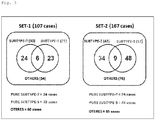
- cases classified as subtype-7 but not classified as subtype-5 were selected as pure subtype-7.
- cases classified as subtype-5 but not classified as subtype-7 were selected as pure subtype-5.
- cases belonging to these re-classified pure subtype-7 and pure subtype-5 were analyzed for the post-CRT complete response rates, survival curves, and five-year survival rates. The analysis revealed that it was possible to classify, with a high precision, cases belonging to pure subtype-7 as a good prognosis group and cases belonging to pure subtype-5 as a poor prognosis group.
- the SIM2 gene identified as the gene involved in the CRT sensitivity of squamous cell carcinoma as described above was evaluated for the differentiation-inducing activity.
- the evaluation revealed that the SIM2 gene was able to induce differentiation of undifferentiated basal cells.
- introducing the SIM2 gene into squamous cell carcinoma cells promoted the anticancer-agent sensitivity and ⁇ -ray sensitivity of the cancer. It was verified from the viewpoint of the molecular mechanism also that an evaluation of a CRT efficacy against squamous cell carcinoma was possible on the basis of subtype-7 (expressions of the SIM2 gene and the genes co-expressed with the SIM2 gene).
- microarray data on esophageal squamous cell carcinoma from China and head and neck squamous cell carcinoma from France were analyzed by the same method as described above.
- the result verified the presences of subtypes-5 and -7 also in esophageal squamous cell carcinoma in the other country and further in squamous cell carcinoma other than esophageal squamous cell carcinoma (i.e., head and neck squamous cell carcinoma).
- the SIM2 gene and the genes co-expressed with the SIM2 gene (191 genes) as well as the FOXE1 gene and the genes co-expressed with the FOXE1 gene were screened for genes which allowed an evaluation of an efficacy of a chemoradiotherapy against squamous cell carcinoma.
- the present invention relates to a method for evaluating an efficacy of a chemoradiotherapy against squamous cell carcinoma, or an agent used in the method. More specifically, the present invention relates to the following.
- the present invention enables a high-precision evaluation of an efficacy of a chemoradiotherapy against squamous cell carcinoma.
- the present invention provides a method for evaluating an efficacy of a chemoradiotherapy against squamous cell carcinoma, the method comprising the following steps (a) to (c):
- the present invention also provides, as a preferable embodiment thereof, a method for evaluating an efficacy of a chemoradiotherapy against squamous cell carcinoma, the method comprising the following steps (a) to (c):
- squamous cell carcinoma is not particularly limited, as long as it is malignant basal cells of stratified squamous epithelium and the like.
- examples thereof include squamous cell carcinomas in: digestive organs such as esophagus (upper esophagus, middle esophagus, lower esophagus) and rectum; head and neck parts such as nasal cavity, maxilla, maxillary sinus, tongue, floor of mouth, gingiva, buccal mucosa, epipharynx, mesopharynx, hypopharynx, and larynx; lung, anus, vulva, vagina, and cervix.
- digestive organs such as esophagus (upper esophagus, middle esophagus, lower esophagus) and rectum
- head and neck parts such as nasal cavity, maxilla, maxillary sinus, tongue, floor of mouth, gingiva, buccal mucosa, epipharynx
- the target in the present invention to be evaluated for a chemoradiotherapy efficacy is preferably esophageal squamous cell carcinoma and head and neck squamous cell carcinoma, and more preferably esophageal squamous cell carcinoma.
- the "chemoradiotherapy” is a combination therapy of both of a “chemotherapy” through anticancer agent administration or the like and a “radiotherapy” through radiation irradiation.
- the "chemoradiotherapy” may be a therapy performed only by itself, a preoperative chemoradiotherapy performed before an operation, a postoperative chemoradiotherapy performed after an operation, or a chemoradiotherapy performed in combination with another therapy other than an operation.
- the type of the anticancer agent is not particularly limited, as long as the anticancer agent is well known to those skilled in the art.
- anticancer agent examples include platinum preparations such as cisplatin (CDDP), carboplatin, oxaliplatin, and nedaplatin; antimetabolites such as 5-fluorouracil (5-FU), tegafur-uracil, TS-1 (containing tegafur, gimeracil, and oteracil potassium), methotrexate, and gemcitabine hydrochloride; plant alkaloids such as docetaxel (DTX) and irinotecan; alkylating agents such as cyclophosphamide, melphalan, ranimustine, nimustine, and temozolomide; anticancer antibiotics such as doxorubicin; and biological response modifiers such as interferon-a.
- platinum preparations such as cisplatin (CDDP), carboplatin, oxaliplatin, and nedaplatin
- antimetabolites such as 5-fluorouracil (5-FU), tegafur-uracil,
- the administration amount, administration schedule, and so forth of the anticancer agent are selected depending on the type of the anticancer agent and the condition of a subject. Multiple types of anticancer agents may be co-administered.
- the type of the radiation for example, ⁇ ray, X-ray, electron beam, proton beam, heavy particle beam
- radiation intensity, irradiation time, and so forth are not particularly limited, as long as these are within ranges normally adopted in cancer therapies.
- examples of the "efficacy of a chemoradiotherapy against squamous cell carcinoma” include a survival rate and a complete response rate of subjects after a treatment by the chemoradiotherapy (prognosis).
- the phrase that the efficacy is high means the survival rate is high; more concretely, the survival rate is 50% or higher when five years (1800 days) elapse after a treatment by the chemoradiotherapy.
- the phrase that the efficacy is low means the survival rate is low; more concretely, the survival rate is lower than 50% when five years elapse after a treatment by the chemoradiotherapy (see Figs. 1 , 2 , and 4 to be described later).
- the high efficacy also means that the complete response rate is high; more concretely, the complete response rate is 50% or higher two to three months after a treatment by the chemoradiotherapy.
- the low efficacy also means that the complete response rate is low; more concretely, the complete response rate is lower than 50% two to three months after a treatment by the chemoradiotherapy (see Table 15 to be described later).
- a "subject” may be not only a squamous cell carcinoma patient before a treatment by the chemoradiotherapy, but also a squamous cell carcinoma patient during a treatment by the chemoradiotherapy, or a squamous cell carcinoma patient after a treatment by the chemoradiotherapy.
- examples of the "subject” according to the present invention include not only human who has squamous cell carcinoma, but also human who has been subjected to a therapy to remove squamous cell carcinoma but may have a relapse.
- a "squamous cell carcinoma specimen isolated from a subject” should be squamous cell carcinoma excised from a subject (human body) and completely isolated from the body from which the squamous cell carcinoma is originated, or a tissue containing such squamous cell carcinoma. Examples thereof include tissues (biopsy samples) containing squamous cell carcinoma sampled from subjects for a test before a treatment is started, and tissues containing squamous cell carcinoma excised by an operation.
- the "squamous cell carcinoma specimen isolated from a subject” is more preferably biopsy samples.
- the timing at which a "squamous cell carcinoma specimen" is isolated from a subject is not particularly limited, but is preferably a timing at which no distant metastasis of the cancer is observed (disease stages: II, III).
- SIM2 gene whose expression level is to be detected in the present invention is a gene also called single-minded homolog 2 ( Drosophila melanogaster ), single-minded family bHLH transcription factor 2, SIM, bHLHe15, HMC13F06, or HMC29C01. If derived from human, the SIM2 gene is typically a gene specified under Entrez Gene ID: 6493 (gene having the DNA sequence specified under Ref Seq ID: NM_005069, gene encoding a protein having the amino acid sequence specified under Ref Seq ID: NP_005060).
- the "genes co-expressed with the SIM2 gene" whose expression levels are to be detected in the present invention are genes whose expressions vary in correlation with the expression of the SIM2 gene (the genes exhibit expression patterns similar to that of the SIM2 gene).
- Those skilled in the art can judge whether or not the gene expressions of these genes and the SIM2 gene are highly correlated with each other by an analysis employing a method known in the technical field. For example, the judgment is possible by calculating a Pearson correlation coefficient or a Spearman correlation coefficient of gene expression amounts among samples (such as squamous cell carcinoma specimens described above), or the calculation is possible by a clustering method.
- the co-expression can also be analyzed through a calculation using normalized expression data or standardized and normalized expression data.
- the "genes co-expressed with the SIM2 gene” are preferably genes correlated with the expression of the SIM2 gene with a Pearson product-moment correlation coefficient of 0.4 or more.
- more preferable examples of the "SIM2 gene and genes co-expressed with the SIM2 gene” include 191 genes shown in the following Tables 1 to 7.
- preferable examples of the genes include 69 genes shown in Table 36 to be described later.
- the "FOXE1 gene” whose expression level is to be detected in the present invention is a gene also called forkhead box E1 (thyroid transcription factor 2), TTF2, FOXE2, HFKH4, HFKL5, TITF2, TTF-2, or FKHL15. If derived from human, the FOXE1 gene is typically a gene specified under Entrez Gene ID: 2304 (gene having the DNA sequence specified under Ref Seq ID: NM_004473, gene encoding a protein having the amino acid sequence specified under Ref Seq ID: NP_004464).
- the "genes co-expressed with the FOXE1 gene” whose expression levels are to be detected in the present invention are, as in the case of the above-described SIM2 gene, genes whose expressions vary in correlation with the expression of the FOXE1 gene (the genes exhibit expression patterns similar to that of the FOXE1 gene). Whether or not the gene expressions of these genes and the FOXE1 gene are highly correlated with each other can also be judged by the same analysis method as that for the above-described SIM2 gene.
- the "genes co-expressed with the FOXE1 gene” are preferably genes correlated with the expression of the FOXE1 gene with a Pearson product-moment correlation coefficient of 0.4 or more.
- more preferable examples of the "FOXE1 gene and genes co-expressed with the FOXE1 gene” include 121 genes shown in the following Tables 8 to 12. Furthermore preferable examples of the genes include 56 genes shown in Table 35 to be described later.
- SIM2 co-expression gene group' the "SIM2 gene and genes co-expressed with the SIM2 gene (hereinafter also referred to as ' SIM2 co-expression gene group')" and the "FOXE1 gene and genes co-expressed with the FOXE1 gene (hereinafter also referred to as FOXE1 co-expression gene group')" are typically each a gene specified under Entrez Gene ID.
- the DNA sequence of a gene may be mutated naturally (i.e., non-artificially) by a mutation or the like. Thus, in the present invention, such naturally-occurring mutants may also be detected.
- the evaluation method of the present invention detects an expression of at least one gene from the "SIM2 co-expression gene group.”
- An expression of one gene may be detected (for example, only a gene expression of SPRR3 may be detected), expressions of two genes may be detected, or expressions of three genes may be detected (for example, gene expressions of SPRR3, CEACAM1, and PPL may be detected).
- the rank order of the SIM2 co-expression genes shown in Table 36 is a rank order of contributing to the precision improvement in evaluating an efficacy of a chemoradiotherapy against squamous cell carcinoma.
- an expression of at least one gene from the "FOXE1 co-expression gene group” may be detected in addition to the detection of an expression of at least one gene from the SIM2 co-expression gene group.
- an expression of one gene may be detected (for example, a gene expression of LOC344887 may be detected), expressions of two genes may be detected, or expressions of three genes may be detected (for example, gene expressions of LOC344887, NTRK2, and TMEM116 may be detected).
- expressions of at least five genes shouldbe detected, it is preferable to detect expressions of at least ten genes, more preferable to detect expressions of at least 20 genes, furthermore preferable to detect expressions of at least 30 genes, still furthermore preferable to detect expressions of at least 50 genes, yet furthermore preferable to detect expressions of at least 100 genes, and particularly preferable to detect expressions of all the genes in the FOXE1 co-expression gene group.
- the rank order of the FOXE1 co-expression genes shown in Table 35 is a rank order of contributing to the precision improvement in evaluating an efficacy of a chemoradiotherapy against squamous cell carcinoma.
- the number of genes detected in the above-described method of the present invention may be a total number.
- detecting an expression level of a gene and similar phrases mean detecting the degree of the expression of the gene. Moreover, a level of a gene expressed can be grasped as an absolute amount or a relative amount.
- the relative amount can be calculated, as described later in Examples, based on an expression amount of a reference gene.
- the "reference gene” according to the present invention should be a gene which is stably expressed in a sample (such as a squamous cell carcinoma specimen described above), and whose difference in expression amount is small among different samples.
- the reference gene is preferably genes shown in Tables 16 to 32 to be described later. More preferable are SRSF3, TPM3, ZNF207, ZNF143, PUM1, RAB1A, and LOC101059961. Particularly preferable is SRSF3.
- the "expression level of a gene” means to include both a transcription level and a translation level of the gene.
- the "detecting an expression level of a gene” includes detections at both an mRNA level and a protein level.
- known methods can be used to detect such an expression of a gene.
- the method for quantitatively detecting an mRNA level include PCRs (RT-PCR, real-time PCR, quantitative PCR), and DNA microarray analysis.
- an mRNA level can be quantitatively detected by counting the number of reads according to what is called a new generation sequencing method.
- the new generation sequencing method is not particularly limited. Examples thereof include sequencing-by-synthesis (for example, sequencing using Solexa genome analyzer or Hiseq (registered trademark) 2000 manufactured by Illumina, Inc.), pyrosequencing (for example, sequencing using a sequencer GSLX or FLX manufactured by Roche Diagnostics K. K.
- the examples of the method for quantitatively detecting an mRNA level also include northern blotting, in situ hybridization, dot blot, RNase protection assay, and mass spectrometry.
- examples of the method for quantitatively detecting a protein level include mass spectrometry and detection methods using an antibody (immunological methods) such as ELISA methods, antibody array, immunoblotting, imaging cytometry, flow cytometry, radioimmunoassay, immunoprecipitation, and immunohistochemical staining.
- an antibody immunological methods
- ELISA methods ELISA methods
- antibody array antibody array
- immunoblotting imaging cytometry
- flow cytometry flow cytometry
- radioimmunoassay immunoprecipitation
- immunohistochemical staining immunohistochemical staining.
- the gene expression thus detected is compared with a reference expression level of the gene.
- a statistical analysis method as appropriate in accordance with the aforementioned expression detection methods. Examples of the statistical analysis method include a t -test, analysis of variance (ANOVA), Kruskal-Wallis test, Wilcoxon test, Mann-Whitney test, and odds ratio.
- ANOVA analysis of variance
- Kruskal-Wallis test Kruskal-Wallis test
- Wilcoxon test Mann-Whitney test
- odds ratio odds ratio
- normalized expression data or standardized and normalized expression data can also be used.
- the comparison target "reference expression level of the corresponding gene” is not particularly limited. Those skilled in the art can set the "reference expression level” as what is called a cutoff value in accordance with the aforementioned expression detection methods and statistical analysis methods, so that it is possible to determine that an efficacy of a chemoradiotherapy against squamous cell carcinoma is high or low based on the "reference expression level.”
- the reference expression level may be an average value of gene expression levels for genes detected in a number of squamous cell carcinomas, as will be described later in Examples.
- the "reference expression level" may be a value determined by comparing expression levels of genes detected in a patient group for whom an efficacy of a chemoradiotherapy against squamous cell carcinoma is high and in a patient group for whom the efficacy is low. Meanwhile, for a patient group for whom a CRT efficacy is high and a patient group for whom the efficacy is low, the “reference expression level” may be predetermined values set based on gene expression amounts in non-cancerous portions, cell lines, and the like.
- the reference expression level of at least one gene selected from the SIM2 co-expression gene group it is also possible to use an expression level of the corresponding gene in a squamous cell carcinoma specimen isolated from a patient who has been revealed in advance that an efficacy of a chemoradiotherapy against squamous cell carcinoma is low.
- the reference expression level of at least one gene selected from the FOXE1 co-expression gene group it is also possible to use an expression level of the corresponding gene in a squamous cell carcinoma specimen isolated from a patient who has been revealed in advance that an efficacy of a chemoradiotherapy against squamous cell carcinoma is high.
- the expression level of at least one gene selected from the SIM2 co-expression gene group in the subject is higher than the reference expression level, it can be determined that an efficacy of a chemoradiotherapy against squamous cell carcinoma in the subject is high.
- the result of "higher than the reference expression level” can be determined by those skilled in the art as appropriate based on the aforementioned statistical analysis methods.
- an example thereof includes that a detected gene expression level is higher than the corresponding reference expression level, where a significant difference is found therebetween by a t -test (P ⁇ 0.05).
- the example also includes that a detected gene expression level is twice or more as high as the corresponding reference expression level.
- the expression level of the FOXE1 co-expression gene group is higher than the reference expression level thereof and the expression level of at least one gene selected from the FOXE1 co-expression gene group in the subject is lower than the reference expression level thereof, it is preferably determined that an efficacy of a chemoradiotherapy against squamous cell carcinoma in the subject is high.
- the result of "lower than the reference expression level” can be determined by those skilled in the art as appropriate based on the aforementioned statistical analysis methods.
- an example thereof includes that a detected gene expression level is lower than the corresponding reference expression level, where a significant difference is found therebetween by a t -test (P ⁇ 0.05).
- the example also includes that a detected gene expression level is half or less of the corresponding reference expression level.
- the evaluation method of the present invention is not limited to the above-described embodiments.
- the present invention can also provide a method for evaluating an efficacy of a chemoradiotherapy against squamous cell carcinoma, the method comprising the following steps (a) to (c):
- the present invention makes it possible to precisely evaluate an efficacy of a chemoradiotherapy against squamous cell carcinoma. Then, based on the result of such an evaluation, it is also possible to determine whether to select a chemoradiotherapy as a method for treating squamous cell carcinoma, or whether to select another treatment method (such as a therapy for removing squamous cell carcinoma by a surgical operation or an endoscopic operation, a therapy for removing squamous cell carcinoma by laser beam irradiation).
- a chemoradiotherapy as a method for treating squamous cell carcinoma, or whether to select another treatment method (such as a therapy for removing squamous cell carcinoma by a surgical operation or an endoscopic operation, a therapy for removing squamous cell carcinoma by laser beam irradiation).
- the present invention can also provide a method for treating squamous cell carcinoma, the method comprising a step of performing a chemoradiotherapy on a subject who has been determined that an efficacy of a chemoradiotherapy against squamous cell carcinoma is high according to the evaluation method of the present invention.
- the present invention can also provide a method for treating squamous cell carcinoma, the method comprising a step of performing a therapy for removing squamous cell carcinoma by a surgical operation or an endoscopic operation, or a therapy for removing squamous cell carcinoma by laser beam irradiation, on a subject who has been determined that an efficacy of a chemoradiotherapy against squamous cell carcinoma is not high according to the evaluation method of the present invention.
- the evaluation of an efficacy of a chemoradiotherapy against squamous cell carcinoma in a subject is normally conducted by a doctor (including one instructed by the doctor, the same shall apply hereinafter).
- the data on the above-described gene expression level and so forth obtained by the method of the present invention are useful in a diagnosis including the selection of the therapy by a doctor.
- the method of the present invention can also be described as a method for collecting and presenting data useful in a diagnosis by a doctor.
- the evaluation method of the present invention makes it possible to evaluate an efficacy of a chemoradiotherapy against squamous cell carcinoma by detecting expression levels of the SIM2 co-expression gene group and so on at an mRNA (transcription product) level or a protein (translation product) level.
- the present invention provides an agent for evaluating an efficacy of a chemoradiotherapy against squamous cell carcinoma by the above-described evaluation method, the agent comprising at least one compound selected from the following (a) to (d):
- oligonucleotides which the agent of the present invention comprises may be in the form of primer or may be in the form of probe in accordance with the aforementioned detection methods at an mRNA (transcription product) level.
- the primer which the agent of the present invention comprises is not particularly limited, as long as it is capable of hybridizing a transcription product (mRNA) of at least one gene selected from the SIM2 co-expression gene group and the FOXE1 co-expression gene group (hereinafter also referred to as "prognosis related gene (s) ") or a complementary nucleic acid (cDNA, cRNA) to the transcription product, enabling amplification and detection of the transcription product and so on.
- the primer may be constituted of only a DNA, or part or whole of the primer may be substituted with an artificial nucleic acid (modified nucleic acid) such as a bridged nucleic acid.
- the size of the primer should be at least approximately 15 nucleotides long or longer, preferably 15 to 100 nucleotides long, more preferably 18 to 50 nucleotides long, and furthermore preferably 20 to 40 nucleotides long.
- the number of primers which the agent of the present invention comprises is not particularly limited. Nevertheless, the agent of the present invention may comprise two or more primers for each one prognosis related gene. Additionally, those skilled in the art can design and prepare such primers by known methods in accordance with the aforementioned detection methods.
- the probe which the agent of the present invention comprises is not particularly limited, as long as it is capable of hybridizing a transcription product of the prognosis related gene or a complementary nucleic acid to the transcription product, enabling detection of the transcription product and so on.
- the probe can be a DNA, an RNA, an artificial nucleic acid, a chimeric molecule thereof, or the like.
- the probe may be either single-stranded or double-stranded.
- the size of the probe should be at least approximately 15 nucleotides long or longer, preferably 15 to 1000 nucleotides long, more preferably 20 to 500 nucleotides long, and furthermore preferably 30 to 300 nucleotides long. Those skilled in the art can prepare such probes by known methods.
- the probe may be provided in the form immobilized on a substrate as in a microarray.
- an antibody against the translation product may be either a polyclonal antibody or a monoclonal antibody, or may be a functional fragment (such as Fab, Fab', scFv) of an antibody.
- Fab fragment antigen
- Fab' fragment antigen binding protein
- scFv fragment antigen binding protein
- the antibody may be provided in the form immobilized on a substrate such as a plate for use in an ELISA method, antibody array, and the like.
- the oligonucleotide or antibody which the agent of the present invention comprises may be labeled with a labeling substance in accordance with the aforementioned detection methods.
- the labeling substance include fluorescent substances such as FITC, FAM, DEAC, R6G, TexRed, and Cy5; enzymes such as ⁇ -D-glucosidase, luciferases, and HRP; radioisotopes such as 3 H, 14 C, 32 P, 35 S, and 123 I; affinity substances such as biotin and streptavidin; and luminescent substances such as luminal, luciferins, and lucigenin.
- the agent of the present invention may comprise other ingredients acceptable as compositions, in addition to the oligonucleotide or antibody.
- the other ingredients include carriers, excipients disintegrators, buffers, emulsifiers, suspensions, stabilizers, preservatives, antiseptics, physiological salines, secondary antibodies, and the like.
- the agent of the present invention can be combined with a substrate necessary for detection of a label, a positive control or a negative control, a buffer solution used to dilute or wash a specimen, or the like.
- a kit for evaluating an efficacy of a chemoradiotherapy against squamous cell carcinoma can also be provided. Further, such a kit may comprise an instruction for the kit.
- RNAs were extracted from biopsy tissues of 274 cases of locally advanced esophageal squamous cell carcinoma patients at stages of II-III before a treatment.
- a comprehensive gene expression profile was obtained by using GeneChip (registered trademark) Human Genome U133 Plus 2.0 Array according to the method recommended by Affymetrix, Inc.
- the gene expression profile was divided into a 107-case set for subtyping (set-1) and a 167-case set for validation (set-2).
- a two-dimensional cluster analysis (method for creating two-dimensional phylogenetic trees of gene probe clusters and case clusters) was conducted using Java TreeView and freeware Cluster 3.0 provided from Stanford University.
- gene probes (multiple probes were synthesized and placed on one gene in some cases) which were at the detection limit or below in all the cases and gene probes whose signals did not vary among the cases were excluded.
- 2054 gene probes were selected, and an unsupervised cluster analysis was conducted without clinicopathological information.
- the top gene probe clusters were divided into seven sets. The seven gene probe sets were separately subjected to a cluster analysis using gene expression data on case sets-1 and -2.
- a SIM2 gene cDNA ligated to a pCMV-AC-GFP plasmid vector was transiently introduced using Lipofectamin(registered trademark) 2000 (Invitrogen Corporation) into esophageal squamous cell carcinoma-derived cell lines KYSE510 and TE8 obtained from RIKEN BRC or JCRB.
- a pCMV-neo plasmid vector was transiently introduced.
- the cDNA was prepared according to SuperScript (registered trademark) III First-Strand Synthesis System for RT-PCR (Invitrogen Corporation).
- the diluted cDNA was mixed with iQTM SYBER(registered trademark) Green Supermix (BIO-RAD Laboratories, Inc.), primers, and nuclease-freewater, and quantified using MyiQ (registered trademark) (BIO-RAD Laboratories, Inc.).
- Table 13 shows the base sequences of the primers.
- Fig. 5 shows the result.
- the SIM2 gene was introduced into TE8 obtained from RIKEN BRC and KYSE510 and T. Tn obtained from JCRB Cell Bank. The resultant was cultured in a medium containing 400 ⁇ g/ml of G-418 for approximately 2 weeks. The G418 resistant colonies were isolated and cultured. The SIM2 gene expression was confirmed by an RT-PCR method. Thus, SIM2-gene stably expressing lines were established. Cell lines in which only a GFP expression plasmid vector was introduced were prepared as control cell lines.
- the SIM2-gene stably expressing lines were each seeded into NanoCulture (registered trademark) Plate and then cultured with a normal medium for 3 days.
- the total RNA was extracted, and an RT-PCR method was performed.
- the cDNA was synthesized using SuperScript (registered trademark) III First-Strand Synthesis System for RT-PCR.
- the diluted cDNA was mixed with AccuPrime(registered trademark) Taq DNA Polymerase System (Invitrogen), primers, and nuclease-free water, and amplified using GeneAmp(registered trademark) PCR System 9700 (Applied Biosystems Inc.).
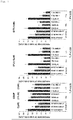
- SIM2-gene stably expressing lines were each seeded into a 6-well plate, cultured with a normal medium for 1 day, and then cultured with a normal medium or a medium supplemented with CDDP (2 ⁇ M, 5 ⁇ M, 10 ⁇ M), 5-FU (10 ⁇ M), or DTX (1 nM) for 3 days. After the chemical treatment was completed, the cells were collected using 0.25% trypsin/EDTA and stained with trypan blue. After that, the number of viable cells was counted. Fig. 6 shows the result.
- an anticancer-agent sensitivity test was conducted employing three-dimensional culturing.
- the SIM2-gene stably expressing lines were each seeded into 3.5 cm NanoCulture(registered trademark) Plate, and cultured with a normal medium for 1 day. Then, the medium was replaced with a medium containing CDDP (5 ⁇ 10 -6 M) . While the medium containing CDDP (5 ⁇ 10 -6 M) was replaced at intervals of two days, the culturing was continued for 14 days. After the chemical treatment was completed, the cells were collected using Spheroid Dispersion Solution (SCIVAX Life Sciences, Inc.) and stained with trypan blue. After that, the number of viable cells was counted. Fig. 7 shows the result.
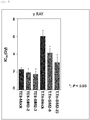
- SIM2-gene stably expressing lines were each seeded into a 6-well plate, cultured with a normal medium for 1 day, and then irradiated with ⁇ rays (0 Gy, 1 Gy, 5 Gy, 10 Gy). After culturing for 7 days, the cells were collected using 0.25% trypsin/EDTA and stained with trypan blue. After that, the number of viable cells was counted, and the IC50 was calculated.
- Fig. 8 shows the result.
- the unsupervised cluster analysis was conducted on the 2054-gene probe set selected in case set-1, the gene phylogenetic trees were divided into seven, and the reproducibilities in case set-2 were checked. As a result, among the seven gene probe clusters, five gene probe clusters were reproduced in set-2, too. As shown in Fig. 1 , among case clusters (subtypes) which expressed these five gene probe sets at high levels, subtype-7 exhibited a sensitivity such that the five-year survival rate after CRT was 64% in set-1 and 75% in set-2. On the other hand, subtype-5 was non sensitive: the five-year survival rate after CRT was 11% in set-1 and 28% in set-2.
- CRT-sensitive subtype-7 was compared with the others in set-1, and gene probes were selected which satisfied the condition of p ⁇ 0.05 in the t-test and the condition of the average expression level being 2-fold or more. As a result, there were 599 gene probes. A key transcription factor included among these, that is, a transcription factor controlling the expressions of these genes, was searched for by a correlation analysis on expression amounts in each case, so that SIM2 was found. Among the 599 gene probes selected statistically as described above, genes expressed in correlation with the expression of SIM2 were 256 gene probes. Similarly, FOXE1 was identified as a transcription factor which correlated with 163 gene probes among 525 gene probes specifically expressed in non-sensitive subtype-5.
- Fig. 2 shows the result. As shown in Fig. 2 , the outcome of subtype-7 was favorable; the five-year survival rate was 67% in set-1 and 70% in set-2. On the other hand, that of subtype-5 was unfavorable; the five-year survival rate after CRT was 11% in set-1 and 32% in set-2.
- the 256 gene probes defining CRT-sensitive subtype-7 were organized as 191 gene names without redundancy, which have been shown in Tables 1 to 7 described above.
- the 191 genes defining CRT-sensitive subtypes-7 included a lot of genes (differentiation markers) expressed in the differentiation layer of esophageal squamous epithelium.
- the 163 gene probes defining non-sensitive subtype-5 have been shown as 121 genes in Tables 8 to 12 described above. These genes included a lot of undifferentiated-basal-cell markers and the like. Thus, it was shown that SIM2 induced the differentiation of esophageal cancer, and that FOXE1 suppressed the differentiation, and thereby contributed to the acquisition of chemical and radiation resistances.
- Table 15 shows the complete response (CR) rates two months after the CRT treatment on pure subtype-7, pure subtype-5, and the other cases classified in [3]. Note that, in Table 15, “ST” indicates “subtype”, “CR” indicates “complete response, “ and “non CR” indicates “non complete response.” As shown in Table 15, the complete response rate of the 121 CRT cases was 47%. Meanwhile, the complete response rate of pure subtype-7 was favorably 100% in set-1 and 59% in set-2 with good reproducibility, and the complete response rate as a whole was 71%. On the other hand, the complete response rate of pure subtype-5 was unfavorably 18% in set-1 and 24% in set-2 with good reproducibility, and the complete response rate as a whole was 23%.
- Fig. 4 shows data for comparing the survival curves and the five-year survival rates of pure subtype-7, pure subtype-5, and the other cases in the 121 CRT cases (upper left: set-1, upper right: set-2, lower left: sets-1 & -2).
- the survival curves and the five-year survival rates were compared (lower right: the operation cases).
- the five-year survival rate of the 121 CRT cases was 44%.
- the five-year survival rate of pure subtype-7 was as high as 86% in set-1 and 70% in set-2 with good reproducibility, and the five-year survival rate as a whole (sets-1 & -2) was 74%.
- the five-year survival rate of subtype-5 was as low as 15% in set-1 and 27% in set-2 with good reproducibility, and the five-year survival rate as a whole (sets-1 & -2) was 24%.
- the five-year survival rate of all the 65 cases in the operation cases was 59%.
- the five-year survival rates of pure subtype-7, pure subtype-5, and the others were respectively 62%, 61%, and 57%. Hence, no significant difference was found.
- subtype-5 and subtype-7, or this subtype classification method were not prognosis factors for predicting surgical resection prognosis but were effective specially in predicting a CRT treatment outcome.
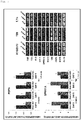
- Fig. 5 Shown on the left of Fig. 5 are data on the quantitative RT-PCR performed to examine the expressions of an undifferentiated-basal-cell marker PDPN and a differentiation marker SPRR1A at Day 3 and Day 5 after the SIM2 gene cDNA was introduced into the esophageal squamous cell carcinoma cell lines KYSE510 and TE8.
- the differentiation marker SPRR1A was increased, while the expression of the undifferentiated-basal-cell marker PDPN was decreased. This result revealed that SIM2 was able to induce the differentiation of the undifferentiated basal cells.
- FIG. 5 Shown on the right of Fig. 5 were data examined by the RT-PCR performed to examine the expressions of SIM2, differentiation markers (CEA, FLG, KRT1, SPRR1A, MUC4), and undifferentiation markers (VIM, PDPN, NGFR) after the three-dimensional culturing of the SIM2 stably expressing cell lines (KYSE510-SIM2-27 and -37, TE8-SIM2-2 and -3, T.Tn-SIM2-9 and -23) of the esophageal squamous cell carcinoma cell lines KYSE510, TE8, and T.Tn and the control-vector introduced lines (KYSE510-Mock, TE8-Mock, T.Tn-Mock).
- the expressions of the differentiation markers were high but the expressions of the undifferentiation markers were low in the SIM2 stably expressing cells in comparison with the control cells. These data verified, like the data on the transient SIM2-gene expression induction described above (on the left of Fig. 5 ), that SIM2 was able to induce the differentiation of the undifferentiated basal cells.
- Fig. 8 it was revealed that the ⁇ -ray sensitivities of the SIM2 stably expressing lines (TE8-SIM2-2 and -3, T.Tn-SIM2-9 and -23) were increased in comparison with the control-vector introduced lines (TE8-Mock, T.Tn-Mock). Note that both the parental line of KYSE510 and the control-vector introduced line (KYSE510-Mock) were and excluded from the evaluation because of the high sensitivities to ⁇ ray.
- an expression amount of a gene to be analyzed is converted to the relative amount (expression level) based on an expression amount of a gene (reference gene) whose expression variation is small among samples, and the gene expression levels are compared among the samples.
- reference genes such as ⁇ -actin and GAPDH are used which are normally constitutively expressed and said that the expression variations are generally small. Nevertheless, these are not always appropriate as reference genes when squamous cell carcinoma is targeted. Hence, the following analysis was conducted to identifymore effective reference genes than ⁇ -actin and the like in squamous cell carcinoma.
- the size of the expression variation of each gene was evaluated by the above three methods. To be more specific, in any of the methods, the smaller the gene expression variation, the smaller the numerical value to be calculated. Hence, the gene probes were arranged in ascending order of the numerical values and evaluated. Note that multiple probes were synthesized and placed on one gene in the Array in some cases. Accordingly, for a single gene, the smallest numerical value among numerical values calculated by these methods was selected, and the other values were excluded.
- Tables 16 to 32 show genes evaluated as having expression variations equivalent to or smaller than ⁇ -actin from the analysis result thus obtained. Tables 16 to 19 show a total of 243 genes identified by the method 1. Tables 20 to 26 show a total of 377 genes identified by the method 2.
- Tables 27 to 32 show a total of 330 genes identified by the method 3.
- Table 16 Rank ID Gene symbol 1 6428 SRSF3 2 7170 TPM3 3 23435 TARDBP 4 7756 ZNF207 5 7702 ZNF143 6 9698 PUM1 7 5861 RAB1A 8 149013 LOC101059961 9 54778 RNF111 10 1665 DHX15 11 51663 ZFR 12 10236 HNRNPR 13 9813 EFCAB14 14 65117 RSRC2 15 5725 MIR4745 16 155435 RBM33 17 55252 ASXL2 18 1655 DDX5 19 1982 EIF4G2 20 10978 CLP1 21 3032 HADHB 22 3190 HNRNPK 23 6791 AURKAPS1 24 6434 TRA2B 25 25912 C1orf43 26 5757 PT MA 27 3312 HSPA8 28 54925 ZSCAN32 29 10664 CTCF 30 54617 INO80 31 11315 PARK7 32 2345
- SRSF3, TPM3, ZNF207, ZNF143, PUM1, RAB1A, and LOC101059961 included in the top ten genes by all of the methods were more useful reference genes in analyzing gene expression levels in squamous cell carcinoma.
- the SRSF3 gene was the highest in all of the methods 1 to 3 and was the most useful reference gene.
- boosting weighted majority voting determination method
- boosting weighted majority voting determination method
- a simple prediction model defining an appropriate weight
- determining a combination by weighted majority voting was employed to select genes from the 107-case set for subtyping (aforementioned set-1) and evaluated by using the 167-case set for validation (aforementioned set-2) .
- the SRSF3 gene which was the highest in all of the methods 1 to 3 in [10] was used as the reference gene.
- the study was conducted musing a signal ratio obtained by dividing a signal value of each gene probe by a signal value of the SRSF3 gene.
- boosting is a procedure to obtain a prediction result with a high precision by: efficiently selecting a simple prediction model, defining an appropriate weight, and determining a combination by weighted majority voting.
- a decision tree with a depth of 1 based on each gene was constructed.
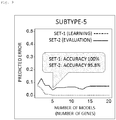
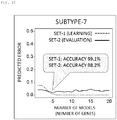
- the number of models was increased from 1 to 20, and predicted errors in sets-1 and -2 were calculated for each subtype.
- the decision tree with a depth of 1 based on each gene herein was binarized based on a certain threshold of the signal ratio of each gene.
- Fig. 9 shows the result of the predicted errors of sets-1 and -2 for subtypes (-5, -7) obtained with the number of models being increased from 1 to 20 in total.
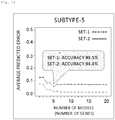
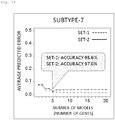
- the number of selections was calculated such that even when different gene probes were selected, if the genes were the same, the number of selections was incremented. Then, in the 1000 re-samplings as described above, average values of predicted errors of sets-1 and -2 were calculated with the number of models from 1 to 20 in total. Figs. 13 and 14 show the obtained result.
- genes included in the five-models by the 1000 0 re-samplings were summarized, the genes selected in the top groups varied. While 56 genes (see Table 35) were selected in subtype-5, 69 genes (see Table 36) were selected in subtype-7.
- the present invention makes it possible to evaluate an efficacy of a chemoradiotherapy against squamous cell carcinoma on the basis of an expression level of at least one gene selected from the SIM2 co-expression gene group. Further, it is also possible to evaluate the efficacy with a higher precision on the basis of an expression level of at least one gene selected from the FOXE1 co-expression gene group.
- the evaluation method of the present invention and the agent used in the method are quite effective in determining a therapeutic strategy against squamous cell carcinoma.
Landscapes
- Chemical & Material Sciences (AREA)
- Life Sciences & Earth Sciences (AREA)
- Health & Medical Sciences (AREA)
- Engineering & Computer Science (AREA)
- Organic Chemistry (AREA)
- Immunology (AREA)
- Proteomics, Peptides & Aminoacids (AREA)
- Wood Science & Technology (AREA)
- Zoology (AREA)
- Genetics & Genomics (AREA)
- Analytical Chemistry (AREA)
- Molecular Biology (AREA)
- Biotechnology (AREA)
- Biochemistry (AREA)
- Physics & Mathematics (AREA)
- General Health & Medical Sciences (AREA)
- Microbiology (AREA)
- General Engineering & Computer Science (AREA)
- Bioinformatics & Cheminformatics (AREA)
- Pathology (AREA)
- Biophysics (AREA)
- Biomedical Technology (AREA)
- Urology & Nephrology (AREA)
- Hematology (AREA)
- Chemical Kinetics & Catalysis (AREA)
- Oncology (AREA)
- Hospice & Palliative Care (AREA)
- Cell Biology (AREA)
- Food Science & Technology (AREA)
- Medicinal Chemistry (AREA)
- General Physics & Mathematics (AREA)
- Plant Pathology (AREA)
- Measuring Or Testing Involving Enzymes Or Micro-Organisms (AREA)
- Peptides Or Proteins (AREA)
- Preparation Of Compounds By Using Micro-Organisms (AREA)
Applications Claiming Priority (2)
| Application Number | Priority Date | Filing Date | Title |
|---|---|---|---|
| JP2014194379 | 2014-09-24 | ||
| PCT/JP2015/076927 WO2016047688A1 (ja) | 2014-09-24 | 2015-09-24 | 扁平上皮がんに対する化学放射線療法の有効性を評価するための方法 |
Publications (2)
| Publication Number | Publication Date |
|---|---|
| EP3199640A1 true EP3199640A1 (de) | 2017-08-02 |
| EP3199640A4 EP3199640A4 (de) | 2018-03-14 |
Family
ID=55581211
Family Applications (1)
| Application Number | Title | Priority Date | Filing Date |
|---|---|---|---|
| EP15843387.0A Ceased EP3199640A4 (de) | 2014-09-24 | 2015-09-24 | Verfahren zur beurteilung der wirksamkeit einer chemoradiotherapie in plattenepithelkarzinom |
Country Status (7)
| Country | Link |
|---|---|
| US (1) | US10969390B2 (de) |
| EP (1) | EP3199640A4 (de) |
| JP (2) | JP7016466B2 (de) |
| KR (1) | KR102578551B1 (de) |
| CN (1) | CN106715722A (de) |
| CA (1) | CA2962551C (de) |
| WO (1) | WO2016047688A1 (de) |
Families Citing this family (4)
| Publication number | Priority date | Publication date | Assignee | Title |
|---|---|---|---|---|
| CN110632318B (zh) * | 2019-10-28 | 2023-04-07 | 四川大学华西医院 | Tpm3自身抗体检测试剂在制备肺癌筛查试剂盒中的用途 |
| CN114167059B (zh) * | 2021-11-03 | 2023-07-14 | 郑州大学 | 一种用于食管鳞癌诊断的生物标志物及检测试剂盒 |
| CN116024347A (zh) * | 2023-01-30 | 2023-04-28 | 首都医科大学附属北京同仁医院 | 基于单细胞转录组的下咽癌预后肿瘤细胞特征基因集 |
| CN116531385B (zh) * | 2023-06-19 | 2026-04-14 | 中国人民解放军空军军医大学 | Czc-54252在制备治疗食管鳞癌的药物中的应用 |
Family Cites Families (11)
| Publication number | Priority date | Publication date | Assignee | Title |
|---|---|---|---|---|
| US20060127901A1 (en) | 2002-08-02 | 2006-06-15 | Compugen Ltd. | Sim2 polypeptides and polynucleotides and uses of each in diagnosis and treatment of ovarian, breast and lung cancers |
| EP2311985A1 (de) * | 2005-07-27 | 2011-04-20 | Oncotherapy Science, Inc. | Sirna zur Behandlung von Ösophaguskrebs |
| US7914988B1 (en) * | 2006-03-31 | 2011-03-29 | Illumina, Inc. | Gene expression profiles to predict relapse of prostate cancer |
| EP2274617A4 (de) * | 2008-04-10 | 2011-11-09 | Massachusetts Inst Technology | Verfahren zur erkennung und verwendung von auf krebsstammzellen abzielenden mitteln |
| WO2009151511A1 (en) * | 2008-04-29 | 2009-12-17 | Therasis, Inc. | Systems and methods for identifying combinations of compounds of therapeutic interest |
| EP2288741B1 (de) * | 2008-05-14 | 2015-01-28 | University Health Network | Prognostische und prädikative gensignatur für nichtkleinzelligen lungenkrebs und adjuvanschemotherapie |
| EP2342355A4 (de) | 2008-10-29 | 2012-06-27 | Beaumont Hospital William | Verfahren zur verwendung von biomarkern |
| CN102308212A (zh) * | 2008-12-04 | 2012-01-04 | 加利福尼亚大学董事会 | 用于确定前列腺癌诊断和预后的材料和方法 |
| US20110224088A1 (en) | 2010-03-11 | 2011-09-15 | Heidi Lyng | Biomarkers for subtypes of cervical cancer |
| JP5702944B2 (ja) | 2010-03-31 | 2015-04-15 | 独立行政法人国立がん研究センター | バイオマーカー |
| WO2014082083A1 (en) * | 2012-11-26 | 2014-05-30 | Caris Science, Inc. | Biomarker compositions and methods |
-
2015
- 2015-09-24 WO PCT/JP2015/076927 patent/WO2016047688A1/ja not_active Ceased
- 2015-09-24 EP EP15843387.0A patent/EP3199640A4/de not_active Ceased
- 2015-09-24 KR KR1020177010586A patent/KR102578551B1/ko active Active
- 2015-09-24 US US15/513,707 patent/US10969390B2/en active Active
- 2015-09-24 CN CN201580051937.4A patent/CN106715722A/zh active Pending
- 2015-09-24 CA CA2962551A patent/CA2962551C/en active Active
- 2015-09-24 JP JP2016550359A patent/JP7016466B2/ja active Active
-
2021
- 2021-11-01 JP JP2021178949A patent/JP2022009848A/ja active Pending
Also Published As
| Publication number | Publication date |
|---|---|
| US20170292955A1 (en) | 2017-10-12 |
| EP3199640A4 (de) | 2018-03-14 |
| JP7016466B2 (ja) | 2022-02-07 |
| CA2962551A1 (en) | 2016-03-31 |
| CA2962551C (en) | 2023-10-24 |
| CN106715722A (zh) | 2017-05-24 |
| WO2016047688A1 (ja) | 2016-03-31 |
| KR102578551B1 (ko) | 2023-09-15 |
| JP2022009848A (ja) | 2022-01-14 |
| JPWO2016047688A1 (ja) | 2017-07-06 |
| US10969390B2 (en) | 2021-04-06 |
| KR20170058984A (ko) | 2017-05-29 |
Similar Documents
| Publication | Publication Date | Title |
|---|---|---|
| EP2653546B1 (de) | Marker zur prognose von magenkrebs und verfahren zur prognose von magenkrebs | |
| US20230146253A1 (en) | Methods related to bronchial premalignant lesion severity and progression | |
| ES2397672T3 (es) | Método de diagnóstico de cánceres de pulmón utilizando perfiles de expresión genética en células mononucleares de sangre periférica | |
| EP2925885B1 (de) | Molekular-diagnosetest für krebs | |
| EP3325653B1 (de) | Expressionsprofil für die durchführung von immuntherapien bei krebs | |
| US20190376148A1 (en) | Diagnostic for lung disorders using class prediction | |
| EP2715348B1 (de) | Molekular-diagnosetest für krebs | |
| EP1934377B1 (de) | Verfahren zur identifizierung von biomarkern mit eignung bei der diagnose biologischer zustände | |
| US20080280779A1 (en) | Gene expression profiling based identification of genomic signatures of multiple myeloma and uses thereof | |
| CN106978480A (zh) | 用于癌症的分子诊断试验 | |
| HUE035614T2 (en) | Plasma microRNA for early detection of rectal cancer | |
| US20210164056A1 (en) | Use of metastases-specific signatures for treatment of cancer | |
| ES2504242T3 (es) | Pronóstico de cáncer de mama | |
| KR20160057416A (ko) | 식도암에 대한 분자적 진단 검사 | |
| JP2022009848A (ja) | 扁平上皮がんに対する化学放射線療法の有効性を評価するための方法 | |
| CA2504403A1 (en) | Prognostic for hematological malignancy | |
| EP3478855B1 (de) | Verwendung der expression spezifischer gene zur prognose bei patienten mit dreifach negativem brustkrebs | |
| US10934590B2 (en) | Biomarkers for breast cancer and methods of use thereof | |
| Stathopoulos et al. | Differences in gene expression between individuals with multiple primary and single primary malignancies | |
| US20120157342A1 (en) | Predictive biomarkers useful for cancer therapy mediated by a wee1 inhibitor | |
| CN114746551A (zh) | 大肠癌诊断用标志物、辅助大肠癌的诊断的方法、收集数据以用于大肠癌诊断的方法、大肠癌的诊断试剂盒、大肠癌治疗药物、大肠癌的治疗方法、大肠癌的诊断方法 | |
| Urban | Profiling Human Breast Tumor Biopsies: Gene Expression Changes Associated with ERBB2 Status and Prognosis, and Possible Implications for Molecular Breast Cancer Classification in the Clinic |
Legal Events
| Date | Code | Title | Description |
|---|---|---|---|
| STAA | Information on the status of an ep patent application or granted ep patent |
Free format text: STATUS: THE INTERNATIONAL PUBLICATION HAS BEEN MADE |
|
| PUAI | Public reference made under article 153(3) epc to a published international application that has entered the european phase |
Free format text: ORIGINAL CODE: 0009012 |
|
| STAA | Information on the status of an ep patent application or granted ep patent |
Free format text: STATUS: REQUEST FOR EXAMINATION WAS MADE |
|
| 17P | Request for examination filed |
Effective date: 20170316 |
|
| AK | Designated contracting states |
Kind code of ref document: A1 Designated state(s): AL AT BE BG CH CY CZ DE DK EE ES FI FR GB GR HR HU IE IS IT LI LT LU LV MC MK MT NL NO PL PT RO RS SE SI SK SM TR |
|
| AX | Request for extension of the european patent |
Extension state: BA ME |
|
| DAV | Request for validation of the european patent (deleted) | ||
| DAX | Request for extension of the european patent (deleted) | ||
| A4 | Supplementary search report drawn up and despatched |
Effective date: 20180212 |
|
| RIC1 | Information provided on ipc code assigned before grant |
Ipc: C12N 15/09 20060101ALI20180206BHEP Ipc: C12Q 1/6886 20180101ALI20180206BHEP Ipc: G01N 33/574 20060101AFI20180206BHEP |
|
| STAA | Information on the status of an ep patent application or granted ep patent |
Free format text: STATUS: EXAMINATION IS IN PROGRESS |
|
| 17Q | First examination report despatched |
Effective date: 20190214 |
|
| REG | Reference to a national code |
Ref country code: DE Ref legal event code: R003 |
|
| STAA | Information on the status of an ep patent application or granted ep patent |
Free format text: STATUS: THE APPLICATION HAS BEEN REFUSED |
|
| 18R | Application refused |
Effective date: 20210305 |