EP3202908B1 - Nukleinsäuremolekül - Google Patents
Nukleinsäuremolekül Download PDFInfo
- Publication number
- EP3202908B1 EP3202908B1 EP17162348.1A EP17162348A EP3202908B1 EP 3202908 B1 EP3202908 B1 EP 3202908B1 EP 17162348 A EP17162348 A EP 17162348A EP 3202908 B1 EP3202908 B1 EP 3202908B1
- Authority
- EP
- European Patent Office
- Prior art keywords
- nucleic acid
- dna
- sequence
- polypeptide
- seq
- Prior art date
- Legal status (The legal status is an assumption and is not a legal conclusion. Google has not performed a legal analysis and makes no representation as to the accuracy of the status listed.)
- Active
Links
Images





Classifications
-
- C—CHEMISTRY; METALLURGY
- C12—BIOCHEMISTRY; BEER; SPIRITS; WINE; VINEGAR; MICROBIOLOGY; ENZYMOLOGY; MUTATION OR GENETIC ENGINEERING
- C12P—FERMENTATION OR ENZYME-USING PROCESSES TO SYNTHESISE A DESIRED CHEMICAL COMPOUND OR COMPOSITION OR TO SEPARATE OPTICAL ISOMERS FROM A RACEMIC MIXTURE
- C12P17/00—Preparation of heterocyclic carbon compounds with only O, N, S, Se or Te as ring hetero atoms
- C12P17/18—Preparation of heterocyclic carbon compounds with only O, N, S, Se or Te as ring hetero atoms containing at least two hetero rings condensed among themselves or condensed with a common carbocyclic ring system, e.g. rifamycin
-
- C—CHEMISTRY; METALLURGY
- C07—ORGANIC CHEMISTRY
- C07K—PEPTIDES
- C07K14/00—Peptides having more than 20 amino acids; Gastrins; Somatostatins; Melanotropins; Derivatives thereof
- C07K14/415—Peptides having more than 20 amino acids; Gastrins; Somatostatins; Melanotropins; Derivatives thereof from plants
-
- C—CHEMISTRY; METALLURGY
- C12—BIOCHEMISTRY; BEER; SPIRITS; WINE; VINEGAR; MICROBIOLOGY; ENZYMOLOGY; MUTATION OR GENETIC ENGINEERING
- C12N—MICROORGANISMS OR ENZYMES; COMPOSITIONS THEREOF; PROPAGATING, PRESERVING, OR MAINTAINING MICROORGANISMS; MUTATION OR GENETIC ENGINEERING; CULTURE MEDIA
- C12N15/00—Mutation or genetic engineering; DNA or RNA concerning genetic engineering, vectors, e.g. plasmids, or their isolation, preparation or purification; Use of hosts therefor
- C12N15/09—Recombinant DNA-technology
- C12N15/11—DNA or RNA fragments; Modified forms thereof; Non-coding nucleic acids having a biological activity
- C12N15/52—Genes encoding for enzymes or proenzymes
-
- C—CHEMISTRY; METALLURGY
- C12—BIOCHEMISTRY; BEER; SPIRITS; WINE; VINEGAR; MICROBIOLOGY; ENZYMOLOGY; MUTATION OR GENETIC ENGINEERING
- C12N—MICROORGANISMS OR ENZYMES; COMPOSITIONS THEREOF; PROPAGATING, PRESERVING, OR MAINTAINING MICROORGANISMS; MUTATION OR GENETIC ENGINEERING; CULTURE MEDIA
- C12N15/00—Mutation or genetic engineering; DNA or RNA concerning genetic engineering, vectors, e.g. plasmids, or their isolation, preparation or purification; Use of hosts therefor
- C12N15/09—Recombinant DNA-technology
- C12N15/63—Introduction of foreign genetic material using vectors; Vectors; Use of hosts therefor; Regulation of expression
- C12N15/79—Vectors or expression systems specially adapted for eukaryotic hosts
- C12N15/82—Vectors or expression systems specially adapted for eukaryotic hosts for plant cells, e.g. plant artificial chromosomes (PACs)
- C12N15/8241—Phenotypically and genetically modified plants via recombinant DNA technology
- C12N15/8242—Phenotypically and genetically modified plants via recombinant DNA technology with non-agronomic quality (output) traits, e.g. for industrial processing; Value added, non-agronomic traits
- C12N15/8243—Phenotypically and genetically modified plants via recombinant DNA technology with non-agronomic quality (output) traits, e.g. for industrial processing; Value added, non-agronomic traits involving biosynthetic or metabolic pathways, i.e. metabolic engineering, e.g. nicotine, caffeine
-
- C—CHEMISTRY; METALLURGY
- C12—BIOCHEMISTRY; BEER; SPIRITS; WINE; VINEGAR; MICROBIOLOGY; ENZYMOLOGY; MUTATION OR GENETIC ENGINEERING
- C12N—MICROORGANISMS OR ENZYMES; COMPOSITIONS THEREOF; PROPAGATING, PRESERVING, OR MAINTAINING MICROORGANISMS; MUTATION OR GENETIC ENGINEERING; CULTURE MEDIA
- C12N9/00—Enzymes; Proenzymes; Compositions thereof; Processes for preparing, activating, inhibiting, separating or purifying enzymes
- C12N9/0004—Oxidoreductases (1.)
- C12N9/0006—Oxidoreductases (1.) acting on CH-OH groups as donors (1.1)
-
- C—CHEMISTRY; METALLURGY
- C12—BIOCHEMISTRY; BEER; SPIRITS; WINE; VINEGAR; MICROBIOLOGY; ENZYMOLOGY; MUTATION OR GENETIC ENGINEERING
- C12N—MICROORGANISMS OR ENZYMES; COMPOSITIONS THEREOF; PROPAGATING, PRESERVING, OR MAINTAINING MICROORGANISMS; MUTATION OR GENETIC ENGINEERING; CULTURE MEDIA
- C12N9/00—Enzymes; Proenzymes; Compositions thereof; Processes for preparing, activating, inhibiting, separating or purifying enzymes
- C12N9/0004—Oxidoreductases (1.)
- C12N9/0071—Oxidoreductases (1.) acting on paired donors with incorporation of molecular oxygen (1.14)
-
- C—CHEMISTRY; METALLURGY
- C12—BIOCHEMISTRY; BEER; SPIRITS; WINE; VINEGAR; MICROBIOLOGY; ENZYMOLOGY; MUTATION OR GENETIC ENGINEERING
- C12N—MICROORGANISMS OR ENZYMES; COMPOSITIONS THEREOF; PROPAGATING, PRESERVING, OR MAINTAINING MICROORGANISMS; MUTATION OR GENETIC ENGINEERING; CULTURE MEDIA
- C12N9/00—Enzymes; Proenzymes; Compositions thereof; Processes for preparing, activating, inhibiting, separating or purifying enzymes
- C12N9/10—Transferases (2.)
- C12N9/1003—Transferases (2.) transferring one-carbon groups (2.1)
- C12N9/1007—Methyltransferases (general) (2.1.1.)
-
- C—CHEMISTRY; METALLURGY
- C12—BIOCHEMISTRY; BEER; SPIRITS; WINE; VINEGAR; MICROBIOLOGY; ENZYMOLOGY; MUTATION OR GENETIC ENGINEERING
- C12N—MICROORGANISMS OR ENZYMES; COMPOSITIONS THEREOF; PROPAGATING, PRESERVING, OR MAINTAINING MICROORGANISMS; MUTATION OR GENETIC ENGINEERING; CULTURE MEDIA
- C12N9/00—Enzymes; Proenzymes; Compositions thereof; Processes for preparing, activating, inhibiting, separating or purifying enzymes
- C12N9/14—Hydrolases (3)
- C12N9/16—Hydrolases (3) acting on ester bonds (3.1)
- C12N9/18—Carboxylic ester hydrolases (3.1.1)
-
- C—CHEMISTRY; METALLURGY
- C12—BIOCHEMISTRY; BEER; SPIRITS; WINE; VINEGAR; MICROBIOLOGY; ENZYMOLOGY; MUTATION OR GENETIC ENGINEERING
- C12P—FERMENTATION OR ENZYME-USING PROCESSES TO SYNTHESISE A DESIRED CHEMICAL COMPOUND OR COMPOSITION OR TO SEPARATE OPTICAL ISOMERS FROM A RACEMIC MIXTURE
- C12P17/00—Preparation of heterocyclic carbon compounds with only O, N, S, Se or Te as ring hetero atoms
- C12P17/18—Preparation of heterocyclic carbon compounds with only O, N, S, Se or Te as ring hetero atoms containing at least two hetero rings condensed among themselves or condensed with a common carbocyclic ring system, e.g. rifamycin
- C12P17/188—Heterocyclic compound containing in the condensed system at least one hetero ring having nitrogen atoms and oxygen atoms as the only ring heteroatoms
-
- C—CHEMISTRY; METALLURGY
- C12—BIOCHEMISTRY; BEER; SPIRITS; WINE; VINEGAR; MICROBIOLOGY; ENZYMOLOGY; MUTATION OR GENETIC ENGINEERING
- C12Y—ENZYMES
- C12Y114/00—Oxidoreductases acting on paired donors, with incorporation or reduction of molecular oxygen (1.14)
- C12Y114/21—Oxidoreductases acting on paired donors, with incorporation or reduction of molecular oxygen (1.14) with NADH or NADPH as one donor, and the other dehydrogenated (1.14.21)
- C12Y114/21001—(S)-Stylopine synthase (1.14.21.1)
-
- C—CHEMISTRY; METALLURGY
- C12—BIOCHEMISTRY; BEER; SPIRITS; WINE; VINEGAR; MICROBIOLOGY; ENZYMOLOGY; MUTATION OR GENETIC ENGINEERING
- C12Y—ENZYMES
- C12Y114/00—Oxidoreductases acting on paired donors, with incorporation or reduction of molecular oxygen (1.14)
- C12Y114/21—Oxidoreductases acting on paired donors, with incorporation or reduction of molecular oxygen (1.14) with NADH or NADPH as one donor, and the other dehydrogenated (1.14.21)
- C12Y114/21002—(S)-Cheilanthifoline synthase (1.14.21.2)
-
- C—CHEMISTRY; METALLURGY
- C12—BIOCHEMISTRY; BEER; SPIRITS; WINE; VINEGAR; MICROBIOLOGY; ENZYMOLOGY; MUTATION OR GENETIC ENGINEERING
- C12Y—ENZYMES
- C12Y201/00—Transferases transferring one-carbon groups (2.1)
- C12Y201/01—Methyltransferases (2.1.1)
- C12Y201/01117—(S)-Scoulerine 9-O-methyltransferase (2.1.1.117)
-
- C—CHEMISTRY; METALLURGY
- C12—BIOCHEMISTRY; BEER; SPIRITS; WINE; VINEGAR; MICROBIOLOGY; ENZYMOLOGY; MUTATION OR GENETIC ENGINEERING
- C12Y—ENZYMES
- C12Y206/00—Transferases transferring nitrogenous groups (2.6)
- C12Y206/01—Transaminases (2.6.1)
- C12Y206/01052—Phosphoserine transaminase (2.6.1.52)
Definitions
- This disclosure relates to the isolation and sequencing of a nucleic acid molecule that includes a gene cluster comprising 10 genes from a noscapine producing Papaver somniferum [opium poppy] cultivar; transgenic cells transformed with said nucleic acid molecule, sequence variants of the genes; the use of said genes/proteins in the production of opiate alkaloids; and the use of the genes as a marker of P. somniferum plants that synthesize opiate alkaloids, in particular noscapine.
- Noscapine belongs to the phthalideisoquinoline subclass of the structurally diverse isoquinoline alkaloids whereas codeine, morphine, thebaine and oripavine belong to the morphinan subclass. While the biosynthesis of morphinans has been elucidated at the molecular level our knowledge of noscapine biosynthesis has not advanced significantly since the demonstration using isotope labeling in the 1960s, that it is derived from scoulerine. Understanding the biochemical genetics underpinning noscapine biosynthesis should enable improved production of noscapine and related molecules both in poppy and other expression systems.
- P. somniferum is the plant from which opium is extracted.
- the opium poppy is the only commercially exploited poppy of the family Papaveraceae and is the principal source of natural opiates.
- the opium is extracted from latex harvested from the green seed pods.
- a further source of opiate alkaloids is the poppy straw which is the dried mature plant.
- P. somniferum is a source of clinically useful opiate alkaloids such as morphine, codeine, thebaine, noscapine [also known as narcotine] and papaverine.
- the clinical application of these opiate alkaloids and their derivates is broad having use as analgesics, cough suppressants and anti-spasmodics.
- thebaine is a particularly useful opiate which can be converted into a range of compounds such as hydrocodone, oxycodone, oxymorphone, nalbuphine naltrexone, buprenorphine and etorphine.
- hydrocodone, oxycodone, oxymorphone, nalbuphine naltrexone, buprenorphine and etorphine These intermediates also have broad pharmaceutical applications.
- oxycodone, oxymorphone and etorphine are widely used as an analgesic for moderate to severe pain and are often combined with other analgesics such as ibuprofen.
- Buprenorphine is used in the treatment of heroin addiction and chronic pain.
- Naltrexone is used in the treatment of alcohol and opiate addiction.
- This disclosure relates to transcriptomic analysis of P. somniferum noscapine producing cultivars compared to P. somniferum cultivars that are non-noscapine producing.
- the analysis has revealed the exclusive expression of a group of mostly cytochrome P450 and methyltransferase genes in a poppy variety that produces noscapine. These genes are surprisingly absent from the genomes of two non-noscapine producing varieties.
- nucleic acid molecule comprising or consisting of a nucleotide sequence selected from the group consisting of:
- said nucleic acid molecule comprises or consists of a nucleotide sequence as represented SEQ ID NO: 8 wherein said nucleic acid molecule encodes a polypeptide with carboxylesterase activity.
- said nucleic acid molecule further includes one or more nucleotide sequences selected from the group consisting of: SEQ ID NO: 1, 2, 3, 4, 5, 6, 7, 9 or 10.
- said nucleic acid molecule includes 3, 4, 5, 6, 7, 8 or 9 nucleotide sequences selected from the group consisting of: SEQ ID NO: 1, 2, 3, 4, 5, 6, 7, 8, 9 or 10.
- said nucleic acid molecule includes each of the nucleotide sequences as represented in SEQ ID NO: 1, 2, 3, 4, 5, 6, 7, 8, 9 and 10.
- an isolated polypeptide selected from the group consisting of:
- a modified polypeptide as herein disclosed may differ in amino acid sequence by one or more substitutions, additions, deletions, truncations that may be present in any combination.
- substitutions are those that vary from a reference polypeptide by conservative amino acid substitutions. Such substitutions are those that substitute a given amino acid by another amino acid of like characteristics.
- amino acids are considered conservative replacements (similar): a) alanine, serine, and threonine; b) glutamic acid and aspartic acid; c) asparagine and glutamine d) arginine and lysine; e) isoleucine, leucine, methionine and valine and f) phenylalanine, tyrosine and tryptophan. Most highly preferred are variants that retain or enhance the same biological function and activity as the reference polypeptide from which it varies.
- the modified polypeptides have at least at least75%, 80%, 85%, 90%, 95% identity, and at least 99% identity with most or the full length amino acid sequence illustrated herein.
- a vector comprising a nucleic acid molecule according to the invention.
- the nucleic acid molecule in the vector is under the control of, and operably linked to, an appropriate promoter or other regulatory elements for transcription in a host cell such as a microbial, (e.g. bacterial, yeast), or plant cell.
- a host cell such as a microbial, (e.g. bacterial, yeast), or plant cell.
- the vector may be a bifunctional expression vector which functions in multiple hosts. In the case of genomic DNA this may contain its own promoter or other regulatory elements and in the case of cDNA this may be under the control of an appropriate promoter or other regulatory elements for expression in the host cell.
- promoter is meant a nucleotide sequence upstream from the transcriptional initiation site and which contains all the regulatory regions required for transcription.
- Suitable promoters include constitutive, tissue-specific, inducible, developmental or other promoters for expression in plant cells comprised in plants depending on design.
- Such promoters include viral, fungal, bacterial, animal and plant-derived promoters capable of functioning in plant cells.
- Constitutive promoters include, for example CaMV 35S promoter ( Odell et al. (1985) Nature 313, 9810-812 ); rice actin ( McElroy et al. (1990) Plant Cell 2: 163-171 ); ubiquitin ( Christian et al. (1989) Plant Mol. Biol. 18 (675-689 ); pEMU ( Last et al. (1991) Theor Appl. Genet. 81: 581-588 ); MAS ( Velten et al. (1984) EMBO J. 3. 2723-2730 ); ALS promoter ( U.S. Application Seriel No. 08/409,297 ), and the like.
- Other constitutive promoters include those in U.S. Patent Nos. 5,608,149 ; 5,608,144 ; 5,604,121 ; 5,569,597 ; 5,466,785 ; 5,399,680 , 5,268,463 ; and 5,608,142 .
- Chemical-regulated promoters can be used to modulate the expression of a gene in a plant through the application of an exogenous chemical regulator.
- the promoter may be a chemical-inducible promoter, where application of the chemical induced gene expression, or a chemical-repressible promoter, where application of the chemical represses gene expression.
- Chemical-inducible promoters are known in the art and include, but are not limited to, the maize In2-2 promoter, which is activated by benzenesulfonamide herbicide safeners, the maize GST promoter, which is activated by hydrophobic electrophilic compounds that are used as pre-emergent herbicides, and the tobacco PR-1a promoter, which is activated by salicylic acid.
- promoters of interest include steroid-responsive promoters (see, for example, the glucocorticoid-inducible promoter in Schena et al. (1991) Proc. Natl. Acad. Sci. USA 88: 10421-10425 and McNellis et al. (1998) Plant J. 14(2): 247-257 ) and tetracycline-inducible and tetracycline-repressible promoters (see, for example, Gatz et al. (1991) Mol. Gen. Genet. 227: 229-237 , and US Patent Nos. 5,814,618 and 5,789,156 .
- tissue-specific promoters can be utilised.
- Tissue-specific promoters include those described by Yamamoto et al. (1997) Plant J. 12(2): 255-265 ; Kawamata et al. (1997) Plant Cell Physiol. 38(7): 792-803 ; Hansen et al. (1997) Mol. Gen. Genet. 254(3): 337-343 ; Russell et al. (1997) Transgenic Res. 6(2): 157-168 ; Rinehart et al. (1996) Plant Physiol. 112(3): 1331-1341 ; Van Camp et al. (1996) Plant Physiol. 112(2): 525-535 ; Canevascni et al. (1996) Plant Physiol.
- operably linked means joined as part of the same nucleic acid molecule, suitably positioned and oriented for transcription to be initiated from the promoter.
- DNA operably linked to a promoter is "under transcriptional initiation regulation" of the promoter.
- the promoter is a tissue specific promoter, an inducible promoter or a developmentally regulated promoter.
- nucleic acid constructs which operate as plant vectors. Specific procedures and vectors previously used with wide success in plants are described by Guerineau and Mullineaux (1993) (Plant transformation and expression vectors. In: Plant Molecular Biology Labfax (Croy RRD ed) Oxford, BIOS Scientific Publishers, pp 121-148 .
- Suitable vectors may include plant viral-derived vectors (see e.g. EP194809 ).
- selectable genetic markers may be included in the construct, such as those that confer selectable phenotypes such as resistance to herbicides (e.g. kanamycin, hygromycin, phosphinotricin, chlorsulfuron, methotrexate, gentamycin, spectinomycin, imidazolinones and glyphosate).
- said vector is a bacterial artificial chromosome [BACS].
- transgenic cell transformed or transfected with a nucleic acid molecule or vector according to the invention.
- said cell is a plant cell.
- said plant cell is from the genus Papaver.
- said plant cell is a Papaver somniferum cell.
- a plant comprising a plant cell according to the invention.
- said plant is from the genus Papaver; preferably Papaver somniferum.
- said cell is a microbial cell; preferably a bacterial or fungal cell [e.g. yeast, Saccharomyces cerevisae ].
- said cell is adapted such that the nucleic acid molecule encoding one or more polypeptides according to the invention is over-expressed when compared to a non-transgenic cell of the same species.
- a nucleic acid molecule comprising a transcription cassette wherein said cassette includes the nucleotide sequence of SEQ ID NO: 8, and is adapted for expression by provision of at least one promoter operably linked to said nucleotide sequence such that both sense and antisense molecules are transcribed from said cassette.
- said cassette is adapted such that both sense and antisense ribonucleic acid molecules are transcribed from said cassette wherein said sense and antisense nucleic acid molecules are adapted to anneal over at least part or all of their length to form a inhibitory RNA or short hairpin RNA.
- said cassette is provided with at least two promoters adapted to transcribe both sense and antisense strands of said ribonucleic acid molecule.
- said cassette comprises a nucleic acid molecule wherein said molecule comprises a first part linked to a second part wherein said first and second parts are complementary over at least part of their sequence and further wherein transcription of said nucleic acid molecule produces an ribonucleic acid molecule which forms a double stranded region by complementary base pairing of said first and second parts thereby forming an short hairpin RNA.
- siRNA small inhibitory/interfering RNA
- shRNA short hairpin RNA
- the siRNA molecule comprises two complementary strands of RNA (a sense strand and an antisense strand) annealed to each other to form a double stranded RNA molecule.
- the siRNA molecule is typically derived from exons of the gene which is to be ablated. The mechanism of RNA interference is being elucidated.
- siRNA acts as a guide for the RNase complex to cleave mRNA complementary to the antisense strand of the siRNA thereby resulting in destruction of the mRNA.
- said nucleic acid molecule is part of a vector adapted for expression in a plant cell.
- said harvested plant material is dried and opiate alkaloid is extracted.
- said microbial cell is a bacterial cell or fungal/yeast cell.
- microorganisms are grown or cultured in the manner with which the skilled worker is familiar, depending on the host organism.
- a liquid medium comprising a carbon source, usually in the form of sugars, a nitrogen source, usually in the form of organic nitrogen sources such as yeast extract or salts such as ammonium sulfate, trace elements such as salts of iron, manganese and magnesium and, if appropriate, vitamins, at temperatures of between 0°C and 100°C, preferably between 10°C and 60°C, while gassing in oxygen.
- the pH of the liquid medium can either be kept constant, that is to say regulated during the culturing period, or not.
- the cultures can be grown batchwise, semi-batchwise or continuously.
- Nutrients can be provided at the beginning of the fermentation or fed in semi-continuously or continuously.
- the methylated opiate alkaloids produced can be isolated from the organisms as described above by processes known to the skilled worker, for example by extraction, distillation, crystallization, if appropriate precipitation with salt, and/or chromatography. To this end, the organisms can advantageously be disrupted beforehand.
- the pH value is advantageously kept between pH 4 and 12, preferably between pH 6 and 9, especially preferably between pH 7 and 8.
- the culture medium to be used must suitably meet the requirements of the strains in question. Descriptions of culture media for various microorganisms can be found in the textbook “Manual of Methods for General Bacteriology” of the American Society for Bacteriology (Washington D.C., USA, 1981).
- these media which can be employed in accordance with the invention usually comprise one or more carbon sources, nitrogen sources, inorganic salts, vitamins and/or trace elements.
- Preferred carbon sources are sugars, such as mono-, di- or polysaccharides.
- Examples of carbon sources are glucose, fructose, mannose, galactose, ribose, sorbose, ribulose, lactose, maltose, sucrose, raffinose, starch or cellulose.
- Sugars can also be added to the media via complex compounds such as molasses or other by-products from sugar refining. The addition of mixtures of a variety of carbon sources may also be advantageous.
- oils and fats such as, for example, soya oil, sunflower oil, peanut oil and/or coconut fat, fatty acids such as, for example, palmitic acid, stearic acid and/or linoleic acid, alcohols and/or polyalcohols such as, for example, glycerol, methanol and/or ethanol, and/or organic acids such as, for example, acetic acid and/or lactic acid.
- Nitrogen sources are usually organic or inorganic nitrogen compounds or materials comprising these compounds.
- nitrogen sources comprise ammonia in liquid or gaseous form or ammonium salts such as ammonium sulfate, ammonium chloride, ammonium phosphate, ammonium carbonate or ammonium nitrate, nitrates, urea, amino acids or complex nitrogen sources such as cornsteep liquor, soya meal, soya protein, yeast extract, meat extract and others.
- the nitrogen sources can be used individually or as a mixture.
- Inorganic salt compounds which may be present in the media comprise the chloride, phosphorus and sulfate salts of calcium, magnesium, sodium, cobalt, molybdenum, potassium, manganese, zinc, copper and iron.
- Inorganic sulfur-containing compounds such as, for example, sulfates, sulfites, dithionites, tetrathionates, thiosulfates, sulfides, or else organic sulfur compounds such as mercaptans and thiols may be used as sources of sulfur for the production of sulfur-containing fine chemicals, in particular of methionine.
- Phosphoric acid, potassium dihydrogenphosphate or dipotassium hydrogenphosphate or the corresponding sodium-containing salts may be used as sources of phosphorus.
- Chelating agents may be added to the medium in order to keep the metal ions in solution.
- Particularly suitable chelating agents comprise dihydroxyphenols such as catechol or protocatechuate and organic acids such as citric acid.
- the fermentation media used according to the invention for culturing microorganisms usually also comprise other growth factors such as vitamins or growth promoters, which include, for example, biotin, riboflavin, thiamine, folic acid, nicotinic acid, panthothenate and pyridoxine.
- growth factors and salts are frequently derived from complex media components such as yeast extract, molasses, cornsteep liquor and the like. It is moreover possible to add suitable precursors to the culture medium.
- the exact composition of the media compounds heavily depends on the particular experiment and is decided upon individually for each specific case. Information on the optimization of media can be found in the textbook " Applied Microbiol. Physiology, A Practical Approach” (Editors P.M. Rhodes, P.F. Stanbury, IRL Press (1997) pp. 53-73, ISBN 0 19 963577 3 ).
- Growth media can also be obtained from commercial suppliers, for example Standard 1 (Merck) or BHI (brain heart infusion, DIFCO)
- All media components are sterilized, either by heat (20 min at 1.5 bar and 121°C) or by filter sterilization.
- the components may be sterilized either together or, if required, separately. All media components may be present at the start of the cultivation or added continuously or batchwise, as desired.
- the culture temperature is normally between 15°C and 45°C, preferably at from 25°C to 40°C, and may be kept constant or may be altered during the experiment.
- the pH of the medium should be in the range from 5 to 8.5, preferably around 7.0.
- the pH for cultivation can be controlled during cultivation by adding basic compounds such as sodium hydroxide, potassium hydroxide, ammonia and aqueous ammonia or acidic compounds such as phosphoric acid or sulfuric acid.
- Foaming can be controlled by employing antifoams such as, for example, fatty acid polyglycol esters.
- suitable substances having a selective effect for example antibiotics.
- Aerobic conditions are maintained by introducing oxygen or oxygen-containing gas mixtures such as, for example, ambient air into the culture.
- the temperature of the culture is normally 20°C to 45°C and preferably 25°C to 40°C.
- the culture is continued until formation of the desired product is at a maximum. This aim is normally achieved within 10 to 160 hours.
- the fermentation broth can then be processed further.
- the biomass may, according to requirement, be removed completely or partially from the fermentation broth by separation methods such as, for example, centrifugation, filtration, decanting or a combination of these methods or be left completely in said broth. It is advantageous to process the biomass after its separation.
- the fermentation broth can also be thickened or concentrated without separating the cells, using known methods such as, for example, with the aid of a rotary evaporator, thin-film evaporator, falling-film evaporator, by reverse osmosis or by nanofiltration.
- this concentrated fermentation broth can be processed to obtain the opiate alkaloids present therein.
- Mutagenesis as a means to induce phenotypic changes in organisms is well known in the art and includes but is not limited to the use of mutagenic agents such as chemical mutagens [e.g. base analogues, deaminating agents, DNA intercalating agents, alkylating agents, transposons, bromine, sodium azide] and physical mutagens [e.g. ionizing radiation, psoralen exposure combined with UV irradiation].
- chemical mutagens e.g. base analogues, deaminating agents, DNA intercalating agents, alkylating agents, transposons, bromine, sodium azide
- physical mutagens e.g. ionizing radiation, psoralen exposure combined with UV irradiation.
- a P. somniferum plant that has altered expression of a carboxylesterase polypeptide obtainable by a process comprising the steps of:
- a viral vector comprising a nucleic acid molecule according to the invention.
- Virus induced gene silencing is known in the art and exploits a RNA mediated antiviral defence mechanism. Plants that are infected with an unmodified virus induces a mechanism that specifically targets the viral genome.
- viral vectors which are engineered to include nucleic acid molecules derived from host plant genes also induce specific inhibition of viral vector expression and additionally target host mRNA. This allows gene specific gene silencing without genetic modification of the plant genome and is essentially a non-transgenic modification.
- Figure 1 Identification of genes exclusively present in the genome of a noscapine producing poppy variety, HN1 (High Noscapine 1).
- A Relative abundance of the major alkaloids extracted from the capsules of three commercial varieties of poppy, HM1 (High Morphine 1), HT1 (High Thebaine 1) and HN1.
- M morphine
- C codeine
- T thebaine
- O oripavine
- N Noscapine.
- B EST libraries from stem and capsule were generated by pyrosequencing and unique contiguous sequences assembled as described in material and methods .
- FIG. 1 Segregation analysis of noscapine content in an F2 mapping population demonstrates requirement for the noscapine gene cluster.
- A Box plot depiction of noscapine levels as percentage dry weight (DW) in glasshouse grown parental lines HN1 and HM1 and the F1 generation.
- B The field grown F2 generation segregated into three classes of zero, low and high noscapine.
- F2 GC- and F2 GC+ indicate the absence and presence respectively of the noscapine gene cluster. Numbers in brackets indicate number of individuals in each class;
- Figure 3 The HN1 gene cluster.
- the noscapine structure is numbered according to the IUPAC convention; Figure 5 : The ten genes exclusively expressed in the HN1 variety occur in the genome of HN1 but are absent from that of varieties HT1 and HM1.
- A Amplification of fragments from the ten genes exclusively expressed in HN1 using two different primer pairs.
- B Amplification of fragments of genes from the protoberberine and morphinan branch pathways that are expressed in all three varieties. Primers used are detailed in Table 3; HyperLadder I (Bioline Reagents, London, UK) was used as molecular size standard; Figure 6 . Evidence for putative identities of intermediates from VIGS experiments.
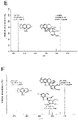
- 206.0816 fragment observed is consistent with a hydroxylated 4' position.
- Alternative structures could be discounted by comparing the candidate fragmentation spectra with that from synthetic 7-desmethylnoscapine, which eluted at a different retention time and lacked the characteristic 206.0816 fragment;
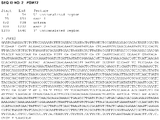
- Table 1 Illustrates the % identity of CYP82Y1, PSCXE1, PSDFR1 and PSAT1 (SEQ ID 17-20) with their respective closest functionally characterised homologues. Accession numbers given are from GenBank, Swiss-Prot or PDB databases; Table 2. Genotyping of F3 families derived from two F2 phenotypic classes: low noscapine and high noscapine.
- Plant Material Three GSK Australia poppy varieties that predominantly accumulate either noscapine (High Noscapine, HN1), morphine (High Morphine, HM1) or thebaine (High Thebaine HT1), were grown in Maxi (Fleet) Rootrainers TM (Haxnicks, Mere, UK) under glass in 16 hour days at the University of York horticulture facilities.
- the growth substrate consisted of 4 parts John Innes No. 2, 1 part Perlite and 2 parts Vermiculite.
- the HM1 ⁇ HN1 F2 mapping population was grown at the GlaxoSmithKline Australia field-trial site, Latrobe, Zealand from September 2009 to February 2010.
- RNA isolation and cDNA synthesis Upper stems (defined as the 2 cm section immediately underneath the capsule) and whole capsules were harvested at two developmental stages represented by 1-3 days and 4-6 days, after petal fall. Five plants were used per developmental stage and cultivar. The material was ground to a fine powder in liquid nitrogen using a mortar and pestle. RNA was isolated from the powder using a CTAB-based extraction method ( Chang et al (1993) Plant Mol. Biol. Rep. 11, 113-116 ) with small modifications: (i) three sequential extractions with chloroform:isoamylalcohol (24:1) were performed and (ii) the RNA was precipitated overnight with lithium chloride at 4°C.
- RNA was typically eluted in 30-100 ⁇ l water.
- cDNA was prepared with the SMART cDNA Library Construction Kit (Clontech, Saint-Germainen-Laye, France) according to the manufacturer's instructions but using SuperScript II Reverse Transcriptase (Invitrogen, Paisley, UK ) for first strand synthesis.
- R A or G
- V A, C or G
- N A/T or C/G.
- cDNA Pyrosequencing Pyrosequencing was performed on the Roche 454 GS-FLX sequencing platform (Branford, CT) using cDNA prepared from the following four samples of each of the three varieties:
- Raw sequence analysis, contiguous sequence assembly and annotation The raw sequence datasets were derived from parallel tagged sequencing on the 454 sequencing platform ( Meyer et al (2008) Nature Prot. 3, 267-78 ). Primer and tag sequences were first removed from all individual sequence reads. Contiguous sequence assembly was only performed on sequences longer than 40 nucleotides and containing less than 3% unknown (N) residues. Those high quality Expressed Sequence Tag (EST) sequences were assembled into unique contiguous sequences with the CAP3 Sequence Assembly Program ( Huang and Madan (1999) Genome Res. 9, 868-877 ), and the resulting contigs were annotated locally using the BLAST2 program ( Altschul et al. (1997) Nucleic Acids Res. 25, 3389-3402 ) against the non-redundant peptide database downloaded from the NCBI.
- EST Expressed Sequence Tag
- Expression profiling The number of ESTs associated with a specific consensus sequence representing each of the candidate genes detailed in Figure 1 was counted for each EST library. EST numbers were normalised on the basis of total number of ESTs obtained per library. For each variety, EST counts were combined for the two developmental stages from both stems and capsules. Differences in candidate gene expression levels between organs and varieties were visualised as a heat map using Microsoft Excel.
- Genomic DNA was extracted using the BioSprint 96 Plant kit on the BioSprint 96 Workstation (Qiagen, Crawley, UK) according to the manufacturer's protocol. Extracted DNA was quantified using Hoescht 33258 and normalized to10 ng/ul.
- Primers for amplification and Sanger-sequencing of the candidate genes from genomic DNA were based on the respective contiguous sequences assembled from the ESTs or on BAC sequences.
- the primer sequences are shown in Table 3.
- PCR amplifications were performed on pools of genomic DNA comprising DNA from four individuals. Amplification was typically carried out on 10 ng genomic DNA in 1 ⁇ Phusion High Fidelity Buffer supplemented with 200 nM forward and reverse primers, 0.2 mM dNTPs, 0.02 units/ ⁇ l Phusion Hot Start DNA Polymerase (Finnzymes, Vantaa, Finnland). Standard PCR conditions were used throughout with annealing temperatures and times dependent on primers and PCR equipment.
- Plants of the F2 mapping population were genotyped for the presence or absence of eight candidate genes.
- the gene primer pairs (Table 3) were designed with fluorescent tags (5'-VIC ® -labeled) for use on the ABI 3730xl capillary apparatus (Applied Biosystems, Foster City, CA).
- PCR amplifications were typically carried out on 10 ng genomic DNA in 1x GoTaq buffer supplemented with 1 mM MgCl 2 , 500 nM forward and reverse primer, 0.125 mM dNTPs, 0.1 U GoTaq (Promega, Southampton, UK).
- the amplification conditions were: 1 min 94°C, 30-36 cycles of 30 s denaturation at 94°C, 30 s annealing at 62°C and 20-50 s extension at 72°C, followed by a final extension for 5 min at 72°C. Cycle number and extension times depended on the candidate gene (Table 3). Amplification products were diluted 1:20 in H 2 O and fractionated on an ABI 3730xl capillary sequencer (Applied Biosystems, Foster City, CA). Data were scored using GeneMarker TM software (Softgenetics, State College, PA).
- Poppy capsules were harvested by hand from the mapping population once capsules had dried to approximately 10% moisture on the plant. After manually separating the seed from the capsule, the capsule straw samples (Poppy Straw) were then ground in a ball mill (Model MM04, Retsch, Haan, Germany) into a fine powder. Samples of ground poppy straw were then weighed accurately to 2 ⁇ 0.003 g and extracted in 50 ml of a 10% acetic acid solution. The extraction suspension was shaken on an orbital shaker at 200 rpm for a minimum of 10 min, then filtered to provide a clear filtrate. The final filtrate was passed through a 0.22 ⁇ m filter prior to analysis. The loss on drying (LOD) of the straw was determined by drying in an oven at 105°C for 3 hours.
- LOD loss on drying
- the injection volume was 2 ⁇ l and eluted peaks were ionised in positive APCI mode and detected within 5 ppm mass accuracy using a Thermo LTQ-Orbitrap.
- the runs were controlled by Thermo Xcalibur software (Thermo Fisher Scientific Inc., Hemel Hempstead, UK).
- Mass spectra were collected over the 150-900 m/z range at a resolution setting of 7500. All data analysis was carried out in the R programming language in a 64-bit Linux environment (R 2.11). Peak-picking was performed using the Bioconductor package, XCMS ( Smith et al (2006) Anal. Chem. 78, 779-787 ), employing the centWave algorithm ( Tautenhahn et al (2008) BMC Bioinformatics 9, 504 ). Redundancy in peak lists was reduced using the CAMERA package ( Kuhl et al (2012) Anal. Chem. 84, 283-289 ). Alkaloids were identified by comparing exact mass and retention time values to those of standards and quantified by their pseudomolecular ion areas using custom R scripts.
- the HN1 BAC library was constructed from high molecular weight (HMW) genomic DNA processed at Amplicon Express, Inc. (Pullman, WA) from four week old seedlings using the method described ( Tao et al (2002) Theor. Appl. Genet. 105, 1058-1066 ).
- the HMW DNA was partially digested with the restriction enzyme Hindlll and size selected prior to ligation of fragments into the pCC1BAC vector (Epicentre Biotechnologies, Madison, WI) and transformation of DH10B E. coli cells, which were then plated on Luria-Bertani (LB) agar with chloramphenicol, X-gal and IPTG at appropriate concentrations.
- Clones were robotically picked with a Genetix QPIX (Molecular Devices, Sunnyvale, CA) into 240 384-well plates containing LB freezing media. Plates were incubated for 16 hours, replicated and then frozen at -80°C. The replicated copy was used as a source plate for nylon filters that were made and used for screening using the PCR DIG Probe Synthesis Kit (Roche Applied Science, Indianapolis, IN). To estimate insert sizes, DNA aliquots of 10 BAC minipreps were digested with 5U of Notl enzyme for 3 hours at 37°C. The digestion products were separated by pulsed-field gel electrophoresis (CHEF-DRIII system, Bio-Rad, Hercules, CA) in a 1% agarose gel in TBE.
- CHEF-DRIII system pulsed-field gel electrophoresis
- Insert sizes were compared to those of the Lambda Ladder MidRange I PFG Marker (New England Biolabs, Ipswich, MA). Electrophoresis was carried out for 18 hours at 14°C with an initial switch time of 5 s, a final switch time of 15 s, in a voltage gradient of 6 V/cm. The average BAC clone size for the library was found to be 150 Kb.
- a non-labeled probe was amplified, diluted and spotted to each filter in the following dilutions of 2 ng, 1 ng, 0.1 ng and 0.0 ng as a positive control.
- the controls were baked at 80°C for 30 min. Following a 30 min prehybridizing wash in DIG EasyHyb solution at 45°C approximately 0.5 ⁇ l of denatured DIG labeled PCR product was added per ml of hybridization solution with the nylon filters and incubated with gentle shaking overnight at 45°C.
- the nylon filters were washed twice in a 2x standard sodium citrate (SSC), 0.1% sodium dodecyl sulfate (SDS) buffer at room temperature for 5 min each, and twice with a 0.5x SSC, 0.1% SDS buffer at 65°C for 15 minutes each.
- SSC standard sodium citrate
- SDS sodium dodecyl sulfate
- the hybridized probe was detected using NBT/BCIP stock solution according to the manufacturer's instructions (Roche Applied Science, Indianapolis, IN) and was found to hybridize to six BAC clones.
- BAC sequencing and automated sequence assembly The six positive BAC clones from the BAC library were sequenced at Amplicon Express, Inc. (Pullman, WA) by Focused Genome Sequencing (FGS) with an average depth of 100x coverage.
- FGS is a Next Generation Sequencing (NGS) method developed at Amplicon Express that allows very high quality assembly of BAC clone sequence data using the Illumina HiSeq platform (Illumina,Inc, San Diego, CA).
- NGS Next Generation Sequencing
- the proprietary FGS process makes NGS tagged libraries of BAC clones and generates a consensus sequence of the BAC clones with all reads assembled at 80 bp overlap and 98% identity.
- the gapped contiguous sequences were ordered and orientated manually based on mate pair sequences from four libraries of insert size 5000, 2000, 500 and 170 bp.
- Overlapping BAC clones, PS_BAC193L09, PS_BAC179L19, PS_BAC150A23 and PS_BAC164F07, which together encoded all 10 genes from the HN1 cluster, were selected for further sequence assembly. Where possible, gaps and ambiguous regions on both BAC clones were covered by primer walking with traditional Sanger sequencing to validate the assembly. Combination of the four overlapping BAC sequences gave a single continuous consensus sequence assembly of 401 Kb.
- the sequences of the 10 genes from the HN1 cluster were determined independently by Sanger sequencing and the 100% agreement of the Sanger determined gene sequences with the assembly from FGS provided quality assurance for the whole assembly.
- VIGS Virus Induced Gene Silencing
- the tobacco rattle virus (TRV) based gene silencing system ( Liu et al (2002) Plant J. 30, 415-422 ) was used to investigate the gene function of PSMT1, PSMT2, CYP719A21, CYP82X2, PSSDR1 and PSCXE1.
- DNA fragments selected for silencing were amplified by PCR and cloned into the silencing vector pTRV2 (GenBank accession no: AF406991). They were linked to a 129 bp-long fragment (SEQ ID NO: 30) of the P. somniferum PHYTOENE DESATURASE gene ( PSPDS ) in order to simultaneously silence the respective candidate genes and PSPDS.
- Plants displaying the photo-bleaching phenotype resulting from PSPDS silencing were identified as plants successfully infected with the respective silencing constructs and selected for further analysis.
- pTRV2:PDS construct A 622 bp fragment of PSPDS was amplified from cDNA prepared from HN1 using primers shown in Table 3. Sau3AI digestion of the 622 bp PCR product yielded among others a fragment of 129 bp (SEQ ID NO: 30) which was cloned into the BamHI site of the pTRV2 vector. The orientation and fidelity was confirmed by sequencing and the resulting pTRV2:PDS vector was used in the generation of the VIGS construct for each candidate gene. The pTRV2:PDS construct also served as the control in the VIGS experiments.
- DNA fragments selected for silencing the respective candidate genes were amplified from either HN1 genomic or cDNA. Primers used for amplification as well as the positions of the selected sequences within the respective open reading frames are shown in Table 3.
- the PSMT1, CYP719A21 and CYP82X2 fragments were first cloned into pTV00 ( Ratcliff et al (2001) Plant J., 237-245 ) using Hindlll and Kpnl and then subcloned into pTRV2:PDS using BamHI and Kpnl.
- PSMT2, PSCXE1 and PSSDR1 fragments were cloned directly into pTRV2:PDS using BamHI and Kpnl. The orientation and fidelity of all constructs was confirmed by sequencing.
- VIGS constructs were propagated in E. coli strain DH5 ⁇ and transformed into electrocompetent Agrobacterium tumefaciens (strain GV3101) by electroporation.
- Latex and capsule analysis of silenced plants Leaf latex of infiltrated plants displaying photo-bleaching as a visual marker for successful infection and silencing was analyzed when the first flower buds emerged ( ⁇ 7 week old plants). Latex was collected from cut petioles, with a single drop dispersed into 500 ⁇ l of 10% acetic acid. This was diluted 10x in 1% acetic acid to give an alkaloid solution in 2% acetic acid for further analysis. Capsules were harvested from the same plants used for latex analysis and single capsules were ground to a fine powder in a ball mill (Model MM04, Retsch, Haan, Germany).
- Samples of ground poppy straw were then weighed accurately to 10 ⁇ 0.1 mg and extracted in 0.5 ml of a 10% acetic acid solution with gentle shaking for 1h at room temperature. Samples were then clarified by centrifugation and a 50 ⁇ l subsample diluted 10x in 1% acetic acid to give an alkaloid solution in 2% acetic acid for further analysis. All solutions were analyzed as described for the poppy straw analysis from field grown F2 plants. Likewise, all data analysis was carried out using the R programming language. Putative alkaloid peaks were quantified by their pseudomolecular ion areas using custom scripts.
- Peak lists were compiled and any peak-wise significant differences between samples were identified using 1-way ANOVA with p-values adjusted using the Bonferroni correction for the number of unique peaks in the data set. For any peak-wise comparisons with adjusted p-values ⁇ 0.05, Tukey's HSD test was used to identify peaks that were significantly different between any given sample and the control. Alkaloids were identified by comparing exact mass and retention time values to those of standards. Where standards were not available, the Bioconductor rcdk package ( Smith et al (2006) Anal. Chem.
- Transcriptomic analysis reveals the exclusive expression of 10 genes encoding five distinct enzyme classes in a high noscapine producing poppy variety, HN1. These genes are absent from the genome of two noscapine non-producing varieties.
- EST Expressed Sequence Tag
- the corresponding genes were putatively identified as three O-methyltransferases ( PSMT1, PSMT2, PSMT3), four cytochrome P450s ( CYP82X1, CYP82X2, CYP82X3 and CYP719A21 ), an acetyltransferase ( PSAT1 ), a carboxylesterase ( PSCXE1 ) and a short-chain dehydrogenase/reductase ( PSSDR1 ).
- An F2 mapping population of 271 individuals was generated using HN1 and HM1 as parents. Genotyping of the field grown F2 population revealed that the HN1 specific genes are tightly linked and associated with the presence of noscapine suggesting they occur as a gene cluster involved in noscapine biosynthesis ( Fig. 2B ). Analysis of noscapine levels in field grown F2 capsules revealed that individuals containing this putative gene cluster fall into two classes. The first class containing 150 individuals, have relatively low levels of noscapine and the second class containing 63 individuals exhibit the high noscapine trait of the parental HN1 variety ( Fig. 2B ). The 58 F2 individuals that lack the putative gene cluster contain undetectable levels of noscapine ( Fig. 2B ).
- Bacterial artificial chromosome sequencing confirms that the 10 genes exist as a complex gene cluster
- BAC Bacterial Artificial Chromosome
- TE DNA transposable element
- Virus induced gene silencing results in accumulation of pathway intermediates allowing gene function to be linked to noscapine synthesis and a novel bifurcated biosynthetic pathway to be proposed
- VIGS Virus Induced Gene Silencing
- CYP719A21 shows high homology to cytochrome P450 oxidases that act as methylenedioxy bridge-forming enzymes ( Diaz Chávez et al (2011) Arch. Biochem. Biophys. 507, 186193 ; Ikezawa et al (2009) Plant Cell Rep. 28, 123-133 ). Therefore CYP719A21 may encode a canadine synthase. Fig. 6 ).
- the PSAT1 gene from the HN1 cluster is an obvious candidate for this reaction.
Landscapes
- Health & Medical Sciences (AREA)
- Life Sciences & Earth Sciences (AREA)
- Chemical & Material Sciences (AREA)
- Genetics & Genomics (AREA)
- Organic Chemistry (AREA)
- Engineering & Computer Science (AREA)
- Zoology (AREA)
- Wood Science & Technology (AREA)
- Bioinformatics & Cheminformatics (AREA)
- General Engineering & Computer Science (AREA)
- General Health & Medical Sciences (AREA)
- Biochemistry (AREA)
- Biotechnology (AREA)
- Biomedical Technology (AREA)
- Molecular Biology (AREA)
- Microbiology (AREA)
- Medicinal Chemistry (AREA)
- Biophysics (AREA)
- Physics & Mathematics (AREA)
- Plant Pathology (AREA)
- General Chemical & Material Sciences (AREA)
- Chemical Kinetics & Catalysis (AREA)
- Botany (AREA)
- Cell Biology (AREA)
- Gastroenterology & Hepatology (AREA)
- Nutrition Science (AREA)
- Proteomics, Peptides & Aminoacids (AREA)
- Micro-Organisms Or Cultivation Processes Thereof (AREA)
- Preparation Of Compounds By Using Micro-Organisms (AREA)
- Saccharide Compounds (AREA)
- Nitrogen Condensed Heterocyclic Rings (AREA)
- Breeding Of Plants And Reproduction By Means Of Culturing (AREA)
- Measuring Or Testing Involving Enzymes Or Micro-Organisms (AREA)
Claims (16)
- Isoliertes Nukleinsäuremolekül, umfassend oder bestehend aus einer Nukleotidsequenz, die aus der folgenden Gruppe ausgewählt ist:i) eine Nukleotidsequenz wie festgelegt in SEQ ID NO: 8;ii) eine Nukleotidsequenz, wobei die Sequenz als Ergebnis des genetischen Codes zu der in (i) definierten Nukleotidsequenz degeneriert ist;iii) ein Nukleinsäuremolekül, das zu mindestens 80 % mit SEQ ID NO: 8 identisch ist, das ein Polypeptid kodiert, das Carboxylesterase-Aktivität aufweist;iv) eine Nukleotidsequenz, die ein Polypeptid kodiert, umfassend eine Aminosäuresequenz, wie festgelegt in SEQ ID NO: 18, oder eine Nukleotidsequenz, die ein Polypeptid kodiert, das mindestens 75 % Aminosäuresequenzidentität über die Volllängen-Aminosäuresequenz aufweist, wie festgelegt in SEQ ID NO: 18, wobei das Polypeptid Carboxylesterase-Aktivität aufweist.
- Isoliertes Polypeptid, ausgewählt aus der Gruppe, die besteht aus:i) einem Polypeptid, das eine Aminosäuresequenz wie in SEQ ID NO: 18 dargestellt umfasst oder aus dieser besteht;ii) einem modifizierten Polypeptid, das eine modifizierte Aminosäuresequenz umfasst oder daraus besteht, wobei das Polypeptid durch Addition, Deletion oder Substitution von mindestens einem Aminosäurerest der in SEQ ID NO: 18 dargestellten Sequenz modifiziert ist, und die mindestens 75 % Sequenzidentität mit der Volllängen-Aminosäuresequenz in SEQ ID NO: 18 aufweist und Carboxylesterase-Aktivität aufweist;iii) einem modifizierten Polypeptid, das eine Aminosäuresequenz umfasst oder aus dieser besteht, die zu mindestens 75 % identisch mit der Volllängen-Aminosäuresequenz in SEQ ID NO: 18 ist und die ein Polypeptid mit Carboxylesterase-Aktivität kodiert.
- Isoliertes Nukleinsäuremolekül nach Anspruch 1, wobei das Nukleinsäuremolekül ferner eine oder mehrere Nukleotidsequenzen umfasst, die aus der Gruppe ausgewählt sind, die besteht aus:i) einer Nukleotidsequenz, wie dargestellt durch die Sequenz in SEQ ID NO: 1, 2, 3, 4, 5, 6, 7, 9 oder 10;ii) einer Nukleotidsequenz, wobei die Sequenz als Ergebnis des genetischen Codes zu der in (i) definierten Nukleotidsequenz degeneriert ist;iii) einem Nukleinsäuremolekül, das zu mindestens 80 % identisch mit der Sequenz in SEQ ID NO: 1, 2, 3, 4, 5, 6, 7, 9 oder 10 ist, wobei das Nukleinsäuremolekül Polypeptide kodiert, die an der Biosynthese von Noscapin von P. somniferum beteiligt sind,iv) einer Nukleotidsequenz, die ein Polypeptid kodiert, das eine Aminosäuresequenz umfasst, wie sie in SEQ ID NO: 11, 12, 13, 14, 15, 16, 17, 19 oder 20 dargestellt ist; undv) einer Nukleotidsequenz, die ein Polypeptid kodiert, das eine Aminosäuresequenz umfasst, wobei die Aminosäuresequenz durch Addition, Deletion oder Substitution von mindestens einem Aminosäurerest, wie in iv) oben dargestellt, modifiziert ist und die mindestens zu 75 % mit den Aminosäuresequenzen identisch ist, die in SEQ ID NO: 11, 12, 13, 14, 15, 16, 17, 19 oder 20 dargestellt sind, die an der Biosynthese von Noscapin beteiligt sind.
- Nukleinsäuremolekül nach einem der Ansprüche 1 oder 3, wobei das Nukleinsäuremolekül SEQ ID NO: 9 enthält und ferner eine oder mehrere Nukleotidsequenzen enthält, die aus der Gruppe ausgewählt sind, die besteht aus: SEQ ID NO: 1, 2, 3, 4, 5, 6, 7 und 10.
- Nukleinsäuremolekül nach Anspruch 1 oder 3, wobei das Nukleinsäuremolekül 3, 4, 5, 6, 7, 8, 9 oder 10 Nukleotidsequenzen enthält, die aus der Gruppe ausgewählt sind, die besteht aus: SEQ ID NO: 1, 2, 3, 4, 5, 6, 7, 8, 9 und 10.
- Vektor, umfassend ein Nukleinsäuremolekül nach einem der Ansprüche 1, 3, 4 oder 5.
- Transgene Zelle, umfassend einen Vektor nach Anspruch 6.
- Transgene Zelle nach Anspruch 7, wobei die Zelle eine Pflanzenzelle ist.
- Transgene Zelle nach Anspruch 7, wobei die Zelle eine Mikroorganismenzelle ist.
- Nukleinsäuremolekül, eine Transkriptionskassette umfassend, wobei die Kassette die Nukleotidsequenz von SEQ ID NO: 8 beinhaltet und für die Expression durch Bereitstellung mindestens eines Promotors ausgelegt ist, der funktionsfähig mit der Nukleotidsequenz verbunden ist, sodass sowohl Sense- als auch Antisense-Moleküle von der Kassette transkribiert werden.
- Verfahren zur Modifizierung von Papaveroxin und Desmethylpapaveroxin, umfassend:i) Bereitstellen einer transgenen Papaver-Pflanzenzelle gemäß 8;ii) Kultivieren der Pflanzenzelle, um eine transgene Papaver-Pflanze zu produzieren; und optionaliii) Ernten der transgenen Papaver-Pflanze oder eines Teils davon.
- Verfahren zur Modifizierung von Papaveroxin oder Desmethylpapaveroxin, umfassend:i) Bereitstellen einer transgenen Mikroorganismenzelle nach Anspruch 9, die ein oder mehrere Nukleinsäuremoleküle exprimiert, die ein Polypeptid mit Carboxylesterase-Aktivität und Papaveroxin oder Desmethylpapaveroxin kodieren;ii) Kultivieren der Mikroorganismenzelle unter Bedingungen, die Papaveroxin oder Desmethylpapaveroxin modifizieren; und optionaliii) Isolieren von Narcotin-Hemiacetal oder Narcotolin-Hemiacetal aus der Mikroorganismenzelle oder Zellkultur.
- Verwendung eines Gens, das durch das Nukleinsäuremolekül von SEQ ID NO: 8 oder ein Nukleinsäuremolekül kodiert wird, das zu mindestens 80 % mit SEQ ID NO: 8 identisch ist und ein Polypeptid mit Carboxylesterase-Aktivität kodiert, als ein Mittel, um einen Locus zu identifizieren, wobei der Locus mit einer veränderten Expression oder Aktivität der Carboxylesterase assoziiert ist.
- P. somniferum-Pflanze, die eine veränderte Expression eines Carboxylesterase-Polypeptids nach Anspruch 2 aufweist, erhaltbar durch ein Verfahren, das die Schritte umfasst:i) Mutagenese von Wildtyp-Samen von einer P. somniferum-Pflanze, die das Polypeptid exprimiert;ii) Kultivierung des Samens in i), um eine erste und nachfolgende Pflanzengenerationen zu produzieren;iii) Erhalten von Samen von Pflanzen der ersten Generation und nachfolgenden Generationen von Pflanzen;iv) Bestimmen, ob der Samen von der ersten und nachfolgenden Generationen von Pflanzen eine veränderte Nukleotidsequenz und/oder eine veränderte Expression des Carboxylesterase-Polypeptids aufweist; undv) Erhalten des Samens oder von Pflanzen mit einer veränderten Nukleotidsequenz, die ein verändertes Carboxylesterase-Polypeptid kodiert, wobei die Enzymaktivität bei der Modifizierung von Papaveroxin oder Desmethylpapaveroxin im Vergleich zu einer Wildtyp-P. somniferum-Pflanze verändert ist.
- Verfahren zur Analyse einer Pflanze, umfassend:i) Erhalten einer Probe von einer Pflanze nach Anspruch 14 und Analysieren der Nukleinsäuresequenz eines Nukleinsäuremoleküls, das aus der Gruppe ausgewählt ist, die besteht aus:a) einem Nukleinsäuremolekül, das eine Sequenz in SEQ ID NO: 8 umfasst; undb) einem Nukleinsäuremolekül, das eine Sequenzidentität von mindestens 80 % mit SEQ ID NO: 8 aufweist und ein Carboxylesterase-Polypeptid mit Aktivität kodiert;ii) Vergleichen der Nukleotidsequenz des Nukleinsäuremoleküls in der Probe mit einer Nukleotidsequenz eines Nukleinsäuremoleküls der ursprünglichen Wildtyp-Pflanze; und gegebenenfalls wobei das Nukleinsäuremolekül durch ein Verfahren analysiert wird, das die folgenden Schritte umfasst:iii) Extrahieren von Nukleinsäure aus den mutierten Pflanzen;iv) Amplifikation eines Teils des Nukleinsäuremoleküls durch eine Polymerase-Kettenreaktion;v) Bilden eines Präparats, umfassend die amplifizierte Nukleinsäure und Nukleinsäure, die aus Wildtyp-Samen extrahiert ist, um Heteroduplex-Nukleinsäure zu bilden;vi) Inkubieren des Präparats mit einer einzelsträngigen Nuklease, die an einer Region der Heteroduplex-Nukleinsäure schneidet, um die Fehlpaarung in dem Heteroduplex zu identifizieren;vii) Bestimmen der Stelle der Fehlpaarung in dem Nukleinsäure-Heteroduplex; undviii) Erhalten einer Pflanze mit einer Mutation in der Nukleinsäure, die das Carboxylesterase-Polypeptid kodiert.
- Virenvektor, umfassend ein Nukleinsäuremolekül nach Anspruch 1.
Priority Applications (1)
| Application Number | Priority Date | Filing Date | Title |
|---|---|---|---|
| EP22177354.2A EP4123028A3 (de) | 2012-03-13 | 2013-03-12 | Nukleinsäuremolekül |
Applications Claiming Priority (3)
| Application Number | Priority Date | Filing Date | Title |
|---|---|---|---|
| GBGB1204407.9A GB201204407D0 (en) | 2012-03-13 | 2012-03-13 | Nucleic acid molecule |
| PCT/GB2013/050599 WO2013136057A2 (en) | 2012-03-13 | 2013-03-12 | Nucleic acid molecule |
| EP13721003.5A EP2804949B1 (de) | 2012-03-13 | 2013-03-12 | An der herstellung von noscapine beteiligte gene |
Related Parent Applications (2)
| Application Number | Title | Priority Date | Filing Date |
|---|---|---|---|
| EP13721003.5A Division EP2804949B1 (de) | 2012-03-13 | 2013-03-12 | An der herstellung von noscapine beteiligte gene |
| EP13721003.5A Division-Into EP2804949B1 (de) | 2012-03-13 | 2013-03-12 | An der herstellung von noscapine beteiligte gene |
Related Child Applications (2)
| Application Number | Title | Priority Date | Filing Date |
|---|---|---|---|
| EP22177354.2A Division EP4123028A3 (de) | 2012-03-13 | 2013-03-12 | Nukleinsäuremolekül |
| EP22177354.2A Division-Into EP4123028A3 (de) | 2012-03-13 | 2013-03-12 | Nukleinsäuremolekül |
Publications (2)
| Publication Number | Publication Date |
|---|---|
| EP3202908A1 EP3202908A1 (de) | 2017-08-09 |
| EP3202908B1 true EP3202908B1 (de) | 2022-07-20 |
Family
ID=46026457
Family Applications (3)
| Application Number | Title | Priority Date | Filing Date |
|---|---|---|---|
| EP17162348.1A Active EP3202908B1 (de) | 2012-03-13 | 2013-03-12 | Nukleinsäuremolekül |
| EP13721003.5A Active EP2804949B1 (de) | 2012-03-13 | 2013-03-12 | An der herstellung von noscapine beteiligte gene |
| EP22177354.2A Pending EP4123028A3 (de) | 2012-03-13 | 2013-03-12 | Nukleinsäuremolekül |
Family Applications After (2)
| Application Number | Title | Priority Date | Filing Date |
|---|---|---|---|
| EP13721003.5A Active EP2804949B1 (de) | 2012-03-13 | 2013-03-12 | An der herstellung von noscapine beteiligte gene |
| EP22177354.2A Pending EP4123028A3 (de) | 2012-03-13 | 2013-03-12 | Nukleinsäuremolekül |
Country Status (9)
| Country | Link |
|---|---|
| US (2) | US9447444B2 (de) |
| EP (3) | EP3202908B1 (de) |
| AU (3) | AU2013234139B2 (de) |
| CA (1) | CA2863742C (de) |
| DK (2) | DK2804949T3 (de) |
| ES (2) | ES2648967T3 (de) |
| GB (1) | GB201204407D0 (de) |
| NZ (4) | NZ723978A (de) |
| WO (1) | WO2013136057A2 (de) |
Families Citing this family (16)
| Publication number | Priority date | Publication date | Assignee | Title |
|---|---|---|---|---|
| ES2742755T3 (es) | 2010-06-22 | 2020-02-17 | Sun Pharmaceutical Industries Australia Pty Ltd | Acidos nucleicos y polipéptidos de la metiltransferasa |
| EP2596012B1 (de) | 2010-07-22 | 2017-12-06 | Sun Pharmaceutical Industries (Australia) Pty Limited | Cytochrom p450 |
| GB201204407D0 (en) * | 2012-03-13 | 2012-04-25 | Glaxosmithkline Australia Pty Ltd | Nucleic acid molecule |
| DK3553177T3 (da) | 2013-03-15 | 2021-02-15 | Univ Leland Stanford Junior | Benzylisoquinolinalkaloider (bia) som producerer mikrober, og fremgangsmåder til fremstilling og anvendelse deraf |
| EP3033347B1 (de) * | 2013-08-16 | 2021-10-06 | Antheia, Inc. | Verfahren zur herstellung von noscapin und synthesezwischenprodukten davon |
| CN112410379B (zh) | 2013-11-04 | 2024-12-31 | 小利兰·斯坦福大学托管委员会 | 产生苄基异喹啉生物碱(bia)前体的微生物以及制备和使用所述前体的方法 |
| WO2015173590A1 (en) * | 2014-05-16 | 2015-11-19 | The Unversity Of York | Novel cytochrome p450 fusion protein |
| US20160228483A1 (en) | 2014-09-30 | 2016-08-11 | Noramco, Inc. | Method for extraction and concentration of alkaloids using dimethyl ether |
| WO2016081371A1 (en) * | 2014-11-17 | 2016-05-26 | The Board Of Trustees Of The Leland Stanford Junior University | Noscapinoid-producing microbes and methods of making and using the same |
| EP3292203A4 (de) | 2015-05-04 | 2019-10-09 | The Board of Trustees of the Leland Stanford Junior University | Benzylisochinolin-alkaloid (bia)-vorläufer produzierende mikroben sowie verfahren zur herstellung und verwendung davon |
| JP7266966B2 (ja) | 2015-05-08 | 2023-05-01 | ザ ボード オブ トラスティーズ オブ ザ レランド スタンフォード ジュニア ユニバーシティー | エピメラーゼ及びベンジルイソキノリンアルカロイドを産生する方法 |
| GB201511156D0 (en) | 2015-06-24 | 2015-08-05 | Glaxosmithkline Australia Pty Ltd And University Of York | Production of alkaloids |
| CN106119265B (zh) * | 2016-06-30 | 2019-04-30 | 湖南美可达生物资源股份有限公司 | 博落回中参与血根碱与白屈菜红碱合成的细胞色素p450酶基因及其应用 |
| WO2018075670A1 (en) | 2016-10-18 | 2018-04-26 | Antheia, Inc. | Methods of producing nor-opioid and nal-opioid benzylisoquinoline alkaloids |
| WO2019028390A1 (en) | 2017-08-03 | 2019-02-07 | Antheia, Inc. | ALKALOID BENZYLISOQUINOLEIN GENETICALLY MODIFIED EPIMERASES AND METHODS FOR PRODUCING BENZYLISOQUINOLINE ALKALOIDS |
| CN120399912A (zh) | 2019-03-08 | 2025-08-01 | 小利兰·斯坦福大学托管委员会 | 产生莨菪烷生物碱(ta)的非植物宿主细胞及其制备和使用方法 |
Family Cites Families (27)
| Publication number | Priority date | Publication date | Assignee | Title |
|---|---|---|---|---|
| CA1288073C (en) | 1985-03-07 | 1991-08-27 | Paul G. Ahlquist | Rna transformation vector |
| US5569597A (en) | 1985-05-13 | 1996-10-29 | Ciba Geigy Corp. | Methods of inserting viral DNA into plant material |
| US5268463A (en) | 1986-11-11 | 1993-12-07 | Jefferson Richard A | Plant promoter α-glucuronidase gene construct |
| US5608142A (en) | 1986-12-03 | 1997-03-04 | Agracetus, Inc. | Insecticidal cotton plants |
| ATE225853T1 (de) | 1990-04-12 | 2002-10-15 | Syngenta Participations Ag | Gewebe-spezifische promotoren |
| US5498830A (en) | 1990-06-18 | 1996-03-12 | Monsanto Company | Decreased oil content in plant seeds |
| US5399680A (en) | 1991-05-22 | 1995-03-21 | The Salk Institute For Biological Studies | Rice chitinase promoter |
| US5604121A (en) | 1991-08-27 | 1997-02-18 | Agricultural Genetics Company Limited | Proteins with insecticidal properties against homopteran insects and their use in plant protection |
| US5814618A (en) | 1993-06-14 | 1998-09-29 | Basf Aktiengesellschaft | Methods for regulating gene expression |
| US5789156A (en) | 1993-06-14 | 1998-08-04 | Basf Ag | Tetracycline-regulated transcriptional inhibitors |
| US5608144A (en) | 1994-08-12 | 1997-03-04 | Dna Plant Technology Corp. | Plant group 2 promoters and uses thereof |
| US6521433B1 (en) * | 1997-09-17 | 2003-02-18 | E. I. Du Pont De Nemours And Company | cDNA sequences from plants that encode activities associated with isoflavone biosynthesis |
| EP1270727A1 (de) | 2001-06-11 | 2003-01-02 | Institut für Pflanzenbiochemie | Salutaridinol 7-0-acetyltransferase und Derivate davon |
| EP1512748A1 (de) | 2003-09-03 | 2005-03-09 | Johnson & Johnson Research Pty Limited | O-Methyltransferasen der Tetrahydrobenzylisoqinolin-Alkaloid Biosynthese in Papaver somniferum |
| EP1632565A1 (de) | 2004-08-12 | 2006-03-08 | Johnson & Johnson Research Pty Limited | Beeinflussung der Alkaloidbiosynthese in Pflanzen und Pflanzen mit veränderter Alkaloidbiosynthese |
| WO2006081029A2 (en) | 2004-12-22 | 2006-08-03 | Ceres, Inc. | Nucleotide sequences and corresponding polypeptides conferring modulated plant size and biomass and other characteristics in plants |
| WO2006138012A1 (en) | 2005-06-17 | 2006-12-28 | Ceres Inc. | P450 substrates and methods related thereto |
| US20070199090A1 (en) | 2006-02-22 | 2007-08-23 | Nestor Apuya | Modulating alkaloid biosynthesis |
| EP1837396A1 (de) | 2006-03-23 | 2007-09-26 | Institut für Pflanzenbiochemie-IPB | Salutaridin-Reduktase und Morphin-Biosynthese |
| US8362322B2 (en) | 2006-10-27 | 2013-01-29 | Ceres, Inc. | Modulating lignin in plants |
| EP2169075B1 (de) | 2007-06-12 | 2016-09-14 | Kyoto University | Herstellungsverfahren für alkaloid |
| WO2009005647A2 (en) | 2007-06-27 | 2009-01-08 | Bioverdant, Inc. | Compounds and process to prepare chiral intermediates for synthesis of paroxetine |
| WO2009064771A2 (en) | 2007-11-12 | 2009-05-22 | North Carolina State University | Alteration of tobacco alkaloid content through modification of specific cytochrome p450 genes |
| US9131649B2 (en) | 2008-03-07 | 2015-09-15 | Tasmanian Alkaloids Pty. Ltd | Papaver somniferum strain with high concentration of thebaine |
| ES2742755T3 (es) | 2010-06-22 | 2020-02-17 | Sun Pharmaceutical Industries Australia Pty Ltd | Acidos nucleicos y polipéptidos de la metiltransferasa |
| EP2596012B1 (de) | 2010-07-22 | 2017-12-06 | Sun Pharmaceutical Industries (Australia) Pty Limited | Cytochrom p450 |
| GB201204407D0 (en) * | 2012-03-13 | 2012-04-25 | Glaxosmithkline Australia Pty Ltd | Nucleic acid molecule |
-
2012
- 2012-03-13 GB GBGB1204407.9A patent/GB201204407D0/en not_active Ceased
-
2013
- 2013-03-12 WO PCT/GB2013/050599 patent/WO2013136057A2/en not_active Ceased
- 2013-03-12 NZ NZ723978A patent/NZ723978A/en unknown
- 2013-03-12 DK DK13721003.5T patent/DK2804949T3/en active
- 2013-03-12 EP EP17162348.1A patent/EP3202908B1/de active Active
- 2013-03-12 ES ES13721003.5T patent/ES2648967T3/es active Active
- 2013-03-12 ES ES17162348T patent/ES2925868T3/es active Active
- 2013-03-12 AU AU2013234139A patent/AU2013234139B2/en active Active
- 2013-03-12 CA CA2863742A patent/CA2863742C/en active Active
- 2013-03-12 NZ NZ729980A patent/NZ729980A/en unknown
- 2013-03-12 EP EP13721003.5A patent/EP2804949B1/de active Active
- 2013-03-12 DK DK17162348.1T patent/DK3202908T3/da active
- 2013-03-12 NZ NZ627373A patent/NZ627373A/en unknown
- 2013-03-12 US US14/375,120 patent/US9447444B2/en active Active
- 2013-03-12 EP EP22177354.2A patent/EP4123028A3/de active Pending
- 2013-03-12 NZ NZ729979A patent/NZ729979A/en unknown
-
2016
- 2016-06-15 US US15/182,761 patent/US9862979B2/en active Active
-
2018
- 2018-07-13 AU AU2018205190A patent/AU2018205190B2/en active Active
-
2021
- 2021-05-20 AU AU2021203237A patent/AU2021203237B2/en active Active
Also Published As
| Publication number | Publication date |
|---|---|
| US9862979B2 (en) | 2018-01-09 |
| ES2648967T3 (es) | 2018-01-09 |
| AU2018205190A1 (en) | 2018-08-02 |
| AU2018205190B2 (en) | 2021-03-11 |
| DK3202908T3 (da) | 2022-09-05 |
| AU2013234139B2 (en) | 2018-05-10 |
| EP2804949A2 (de) | 2014-11-26 |
| DK2804949T3 (en) | 2018-01-08 |
| NZ627373A (en) | 2016-10-28 |
| AU2021203237B2 (en) | 2024-04-04 |
| NZ729980A (en) | 2020-01-31 |
| AU2021203237A1 (en) | 2021-06-10 |
| AU2013234139A1 (en) | 2014-09-18 |
| NZ729979A (en) | 2020-01-31 |
| US9447444B2 (en) | 2016-09-20 |
| US20160281121A1 (en) | 2016-09-29 |
| US20150004659A1 (en) | 2015-01-01 |
| EP4123028A2 (de) | 2023-01-25 |
| GB201204407D0 (en) | 2012-04-25 |
| EP3202908A1 (de) | 2017-08-09 |
| CA2863742C (en) | 2024-01-02 |
| WO2013136057A3 (en) | 2013-11-14 |
| EP2804949B1 (de) | 2017-10-18 |
| EP4123028A3 (de) | 2023-04-19 |
| ES2925868T3 (es) | 2022-10-20 |
| CA2863742A1 (en) | 2013-09-19 |
| NZ723978A (en) | 2017-09-29 |
| WO2013136057A2 (en) | 2013-09-19 |
Similar Documents
| Publication | Publication Date | Title |
|---|---|---|
| AU2021203237B2 (en) | Genes involved in noscapine production | |
| US11312973B2 (en) | Plant cytochrome P450 | |
| US9458481B2 (en) | Methyltransferase nucleic acids and polypeptides | |
| AU2016208335B2 (en) | Plant cytochrome p450 | |
| AU2015200581B2 (en) | Plant cytochrome p450 | |
| HK40074480A (en) | Plant cytochrome p450 |
Legal Events
| Date | Code | Title | Description |
|---|---|---|---|
| PUAI | Public reference made under article 153(3) epc to a published international application that has entered the european phase |
Free format text: ORIGINAL CODE: 0009012 |
|
| STAA | Information on the status of an ep patent application or granted ep patent |
Free format text: STATUS: THE APPLICATION HAS BEEN PUBLISHED |
|
| AC | Divisional application: reference to earlier application |
Ref document number: 2804949 Country of ref document: EP Kind code of ref document: P |
|
| AK | Designated contracting states |
Kind code of ref document: A1 Designated state(s): AL AT BE BG CH CY CZ DE DK EE ES FI FR GB GR HR HU IE IS IT LI LT LU LV MC MK MT NL NO PL PT RO RS SE SI SK SM TR |
|
| STAA | Information on the status of an ep patent application or granted ep patent |
Free format text: STATUS: REQUEST FOR EXAMINATION WAS MADE |
|
| STAA | Information on the status of an ep patent application or granted ep patent |
Free format text: STATUS: EXAMINATION IS IN PROGRESS |
|
| 17P | Request for examination filed |
Effective date: 20171018 |
|
| RBV | Designated contracting states (corrected) |
Designated state(s): AL AT BE BG CH CY CZ DE DK EE ES FI FR GB GR HR HU IE IS IT LI LT LU LV MC MK MT NL NO PL PT RO RS SE SI SK SM TR |
|
| 17Q | First examination report despatched |
Effective date: 20171127 |
|
| GRAP | Despatch of communication of intention to grant a patent |
Free format text: ORIGINAL CODE: EPIDOSNIGR1 |
|
| STAA | Information on the status of an ep patent application or granted ep patent |
Free format text: STATUS: GRANT OF PATENT IS INTENDED |
|
| INTG | Intention to grant announced |
Effective date: 20220414 |
|
| GRAS | Grant fee paid |
Free format text: ORIGINAL CODE: EPIDOSNIGR3 |
|
| GRAA | (expected) grant |
Free format text: ORIGINAL CODE: 0009210 |
|
| STAA | Information on the status of an ep patent application or granted ep patent |
Free format text: STATUS: THE PATENT HAS BEEN GRANTED |
|
| AC | Divisional application: reference to earlier application |
Ref document number: 2804949 Country of ref document: EP Kind code of ref document: P |
|
| AK | Designated contracting states |
Kind code of ref document: B1 Designated state(s): AL AT BE BG CH CY CZ DE DK EE ES FI FR GB GR HR HU IE IS IT LI LT LU LV MC MK MT NL NO PL PT RO RS SE SI SK SM TR |
|
| REG | Reference to a national code |
Ref country code: CH Ref legal event code: EP |
|
| REG | Reference to a national code |
Ref country code: DE Ref legal event code: R096 Ref document number: 602013082128 Country of ref document: DE |
|
| REG | Reference to a national code |
Ref country code: AT Ref legal event code: REF Ref document number: 1505560 Country of ref document: AT Kind code of ref document: T Effective date: 20220815 |
|
| REG | Reference to a national code |
Ref country code: IE Ref legal event code: FG4D |
|
| REG | Reference to a national code |
Ref country code: DK Ref legal event code: T3 Effective date: 20220830 |
|
| REG | Reference to a national code |
Ref country code: ES Ref legal event code: FG2A Ref document number: 2925868 Country of ref document: ES Kind code of ref document: T3 Effective date: 20221020 |
|
| REG | Reference to a national code |
Ref country code: LT Ref legal event code: MG9D |
|
| REG | Reference to a national code |
Ref country code: NL Ref legal event code: MP Effective date: 20220720 |
|
| PG25 | Lapsed in a contracting state [announced via postgrant information from national office to epo] |
Ref country code: SE Free format text: LAPSE BECAUSE OF FAILURE TO SUBMIT A TRANSLATION OF THE DESCRIPTION OR TO PAY THE FEE WITHIN THE PRESCRIBED TIME-LIMIT Effective date: 20220720 Ref country code: RS Free format text: LAPSE BECAUSE OF FAILURE TO SUBMIT A TRANSLATION OF THE DESCRIPTION OR TO PAY THE FEE WITHIN THE PRESCRIBED TIME-LIMIT Effective date: 20220720 Ref country code: PT Free format text: LAPSE BECAUSE OF FAILURE TO SUBMIT A TRANSLATION OF THE DESCRIPTION OR TO PAY THE FEE WITHIN THE PRESCRIBED TIME-LIMIT Effective date: 20221121 Ref country code: NO Free format text: LAPSE BECAUSE OF FAILURE TO SUBMIT A TRANSLATION OF THE DESCRIPTION OR TO PAY THE FEE WITHIN THE PRESCRIBED TIME-LIMIT Effective date: 20221020 Ref country code: NL Free format text: LAPSE BECAUSE OF FAILURE TO SUBMIT A TRANSLATION OF THE DESCRIPTION OR TO PAY THE FEE WITHIN THE PRESCRIBED TIME-LIMIT Effective date: 20220720 Ref country code: LV Free format text: LAPSE BECAUSE OF FAILURE TO SUBMIT A TRANSLATION OF THE DESCRIPTION OR TO PAY THE FEE WITHIN THE PRESCRIBED TIME-LIMIT Effective date: 20220720 Ref country code: LT Free format text: LAPSE BECAUSE OF FAILURE TO SUBMIT A TRANSLATION OF THE DESCRIPTION OR TO PAY THE FEE WITHIN THE PRESCRIBED TIME-LIMIT Effective date: 20220720 Ref country code: FI Free format text: LAPSE BECAUSE OF FAILURE TO SUBMIT A TRANSLATION OF THE DESCRIPTION OR TO PAY THE FEE WITHIN THE PRESCRIBED TIME-LIMIT Effective date: 20220720 |
|
| REG | Reference to a national code |
Ref country code: AT Ref legal event code: MK05 Ref document number: 1505560 Country of ref document: AT Kind code of ref document: T Effective date: 20220720 |
|
| PG25 | Lapsed in a contracting state [announced via postgrant information from national office to epo] |
Ref country code: PL Free format text: LAPSE BECAUSE OF FAILURE TO SUBMIT A TRANSLATION OF THE DESCRIPTION OR TO PAY THE FEE WITHIN THE PRESCRIBED TIME-LIMIT Effective date: 20220720 Ref country code: IS Free format text: LAPSE BECAUSE OF FAILURE TO SUBMIT A TRANSLATION OF THE DESCRIPTION OR TO PAY THE FEE WITHIN THE PRESCRIBED TIME-LIMIT Effective date: 20221120 Ref country code: HR Free format text: LAPSE BECAUSE OF FAILURE TO SUBMIT A TRANSLATION OF THE DESCRIPTION OR TO PAY THE FEE WITHIN THE PRESCRIBED TIME-LIMIT Effective date: 20220720 Ref country code: GR Free format text: LAPSE BECAUSE OF FAILURE TO SUBMIT A TRANSLATION OF THE DESCRIPTION OR TO PAY THE FEE WITHIN THE PRESCRIBED TIME-LIMIT Effective date: 20221021 |
|
| REG | Reference to a national code |
Ref country code: DE Ref legal event code: R097 Ref document number: 602013082128 Country of ref document: DE |
|
| PG25 | Lapsed in a contracting state [announced via postgrant information from national office to epo] |
Ref country code: SM Free format text: LAPSE BECAUSE OF FAILURE TO SUBMIT A TRANSLATION OF THE DESCRIPTION OR TO PAY THE FEE WITHIN THE PRESCRIBED TIME-LIMIT Effective date: 20220720 Ref country code: RO Free format text: LAPSE BECAUSE OF FAILURE TO SUBMIT A TRANSLATION OF THE DESCRIPTION OR TO PAY THE FEE WITHIN THE PRESCRIBED TIME-LIMIT Effective date: 20220720 Ref country code: CZ Free format text: LAPSE BECAUSE OF FAILURE TO SUBMIT A TRANSLATION OF THE DESCRIPTION OR TO PAY THE FEE WITHIN THE PRESCRIBED TIME-LIMIT Effective date: 20220720 Ref country code: AT Free format text: LAPSE BECAUSE OF FAILURE TO SUBMIT A TRANSLATION OF THE DESCRIPTION OR TO PAY THE FEE WITHIN THE PRESCRIBED TIME-LIMIT Effective date: 20220720 |
|
| PLBE | No opposition filed within time limit |
Free format text: ORIGINAL CODE: 0009261 |
|
| STAA | Information on the status of an ep patent application or granted ep patent |
Free format text: STATUS: NO OPPOSITION FILED WITHIN TIME LIMIT |
|
| PG25 | Lapsed in a contracting state [announced via postgrant information from national office to epo] |
Ref country code: SK Free format text: LAPSE BECAUSE OF FAILURE TO SUBMIT A TRANSLATION OF THE DESCRIPTION OR TO PAY THE FEE WITHIN THE PRESCRIBED TIME-LIMIT Effective date: 20220720 Ref country code: EE Free format text: LAPSE BECAUSE OF FAILURE TO SUBMIT A TRANSLATION OF THE DESCRIPTION OR TO PAY THE FEE WITHIN THE PRESCRIBED TIME-LIMIT Effective date: 20220720 |
|
| 26N | No opposition filed |
Effective date: 20230421 |
|
| P01 | Opt-out of the competence of the unified patent court (upc) registered |
Effective date: 20230519 |
|
| PG25 | Lapsed in a contracting state [announced via postgrant information from national office to epo] |
Ref country code: AL Free format text: LAPSE BECAUSE OF FAILURE TO SUBMIT A TRANSLATION OF THE DESCRIPTION OR TO PAY THE FEE WITHIN THE PRESCRIBED TIME-LIMIT Effective date: 20220720 |
|
| PG25 | Lapsed in a contracting state [announced via postgrant information from national office to epo] |
Ref country code: SI Free format text: LAPSE BECAUSE OF FAILURE TO SUBMIT A TRANSLATION OF THE DESCRIPTION OR TO PAY THE FEE WITHIN THE PRESCRIBED TIME-LIMIT Effective date: 20220720 |
|
| PG25 | Lapsed in a contracting state [announced via postgrant information from national office to epo] |
Ref country code: MC Free format text: LAPSE BECAUSE OF FAILURE TO SUBMIT A TRANSLATION OF THE DESCRIPTION OR TO PAY THE FEE WITHIN THE PRESCRIBED TIME-LIMIT Effective date: 20220720 |
|
| REG | Reference to a national code |
Ref country code: CH Ref legal event code: PL |
|
| PG25 | Lapsed in a contracting state [announced via postgrant information from national office to epo] |
Ref country code: LU Free format text: LAPSE BECAUSE OF NON-PAYMENT OF DUE FEES Effective date: 20230312 |
|
| REG | Reference to a national code |
Ref country code: IE Ref legal event code: MM4A |
|
| PG25 | Lapsed in a contracting state [announced via postgrant information from national office to epo] |
Ref country code: LI Free format text: LAPSE BECAUSE OF NON-PAYMENT OF DUE FEES Effective date: 20230331 Ref country code: IE Free format text: LAPSE BECAUSE OF NON-PAYMENT OF DUE FEES Effective date: 20230312 Ref country code: CH Free format text: LAPSE BECAUSE OF NON-PAYMENT OF DUE FEES Effective date: 20230331 |
|
| PG25 | Lapsed in a contracting state [announced via postgrant information from national office to epo] |
Ref country code: IT Free format text: LAPSE BECAUSE OF FAILURE TO SUBMIT A TRANSLATION OF THE DESCRIPTION OR TO PAY THE FEE WITHIN THE PRESCRIBED TIME-LIMIT Effective date: 20220720 |
|
| PG25 | Lapsed in a contracting state [announced via postgrant information from national office to epo] |
Ref country code: BG Free format text: LAPSE BECAUSE OF FAILURE TO SUBMIT A TRANSLATION OF THE DESCRIPTION OR TO PAY THE FEE WITHIN THE PRESCRIBED TIME-LIMIT Effective date: 20220720 |
|
| PG25 | Lapsed in a contracting state [announced via postgrant information from national office to epo] |
Ref country code: BG Free format text: LAPSE BECAUSE OF FAILURE TO SUBMIT A TRANSLATION OF THE DESCRIPTION OR TO PAY THE FEE WITHIN THE PRESCRIBED TIME-LIMIT Effective date: 20220720 |
|
| PGFP | Annual fee paid to national office [announced via postgrant information from national office to epo] |
Ref country code: ES Payment date: 20250401 Year of fee payment: 13 |
|
| PG25 | Lapsed in a contracting state [announced via postgrant information from national office to epo] |
Ref country code: CY Free format text: LAPSE BECAUSE OF FAILURE TO SUBMIT A TRANSLATION OF THE DESCRIPTION OR TO PAY THE FEE WITHIN THE PRESCRIBED TIME-LIMIT; INVALID AB INITIO Effective date: 20130312 |
|
| PG25 | Lapsed in a contracting state [announced via postgrant information from national office to epo] |
Ref country code: HU Free format text: LAPSE BECAUSE OF FAILURE TO SUBMIT A TRANSLATION OF THE DESCRIPTION OR TO PAY THE FEE WITHIN THE PRESCRIBED TIME-LIMIT; INVALID AB INITIO Effective date: 20130312 |
|
| PG25 | Lapsed in a contracting state [announced via postgrant information from national office to epo] |
Ref country code: TR Free format text: LAPSE BECAUSE OF FAILURE TO SUBMIT A TRANSLATION OF THE DESCRIPTION OR TO PAY THE FEE WITHIN THE PRESCRIBED TIME-LIMIT Effective date: 20220720 |
|
| PGFP | Annual fee paid to national office [announced via postgrant information from national office to epo] |
Ref country code: GB Payment date: 20260327 Year of fee payment: 14 |
|
| PGFP | Annual fee paid to national office [announced via postgrant information from national office to epo] |
Ref country code: DE Payment date: 20260327 Year of fee payment: 14 Ref country code: DK Payment date: 20260325 Year of fee payment: 14 |
|
| PGFP | Annual fee paid to national office [announced via postgrant information from national office to epo] |
Ref country code: BE Payment date: 20260327 Year of fee payment: 14 |
|
| PGFP | Annual fee paid to national office [announced via postgrant information from national office to epo] |
Ref country code: FR Payment date: 20260325 Year of fee payment: 14 |