EP3213643A1 - Solutions de fruit fermentées pour compositions de nettoyage - Google Patents
Solutions de fruit fermentées pour compositions de nettoyage Download PDFInfo
- Publication number
- EP3213643A1 EP3213643A1 EP17162903.3A EP17162903A EP3213643A1 EP 3213643 A1 EP3213643 A1 EP 3213643A1 EP 17162903 A EP17162903 A EP 17162903A EP 3213643 A1 EP3213643 A1 EP 3213643A1
- Authority
- EP
- European Patent Office
- Prior art keywords
- solution
- fruit
- fermented
- fermented fruit
- weight percent
- Prior art date
- Legal status (The legal status is an assumption and is not a legal conclusion. Google has not performed a legal analysis and makes no representation as to the accuracy of the status listed.)
- Withdrawn
Links
Images

Classifications
-
- C—CHEMISTRY; METALLURGY
- C11—ANIMAL OR VEGETABLE OILS, FATS, FATTY SUBSTANCES OR WAXES; FATTY ACIDS THEREFROM; DETERGENTS; CANDLES
- C11D—DETERGENT COMPOSITIONS; USE OF SINGLE SUBSTANCES AS DETERGENTS; SOAP OR SOAP-MAKING; RESIN SOAPS; RECOVERY OF GLYCEROL
- C11D3/00—Other compounding ingredients of detergent compositions covered in group C11D1/00
- C11D3/16—Organic compounds
- C11D3/38—Products with no well-defined composition, e.g. natural products
-
- C—CHEMISTRY; METALLURGY
- C11—ANIMAL OR VEGETABLE OILS, FATS, FATTY SUBSTANCES OR WAXES; FATTY ACIDS THEREFROM; DETERGENTS; CANDLES
- C11D—DETERGENT COMPOSITIONS; USE OF SINGLE SUBSTANCES AS DETERGENTS; SOAP OR SOAP-MAKING; RESIN SOAPS; RECOVERY OF GLYCEROL
- C11D1/00—Detergent compositions based essentially on surface-active compounds; Use of these compounds as a detergent
- C11D1/02—Anionic compounds
- C11D1/12—Sulfonic acids or sulfuric acid esters; Salts thereof
-
- C—CHEMISTRY; METALLURGY
- C11—ANIMAL OR VEGETABLE OILS, FATS, FATTY SUBSTANCES OR WAXES; FATTY ACIDS THEREFROM; DETERGENTS; CANDLES
- C11D—DETERGENT COMPOSITIONS; USE OF SINGLE SUBSTANCES AS DETERGENTS; SOAP OR SOAP-MAKING; RESIN SOAPS; RECOVERY OF GLYCEROL
- C11D1/00—Detergent compositions based essentially on surface-active compounds; Use of these compounds as a detergent
- C11D1/02—Anionic compounds
- C11D1/12—Sulfonic acids or sulfuric acid esters; Salts thereof
- C11D1/14—Sulfonic acids or sulfuric acid esters; Salts thereof derived from aliphatic hydrocarbons or mono-alcohols
- C11D1/146—Sulfuric acid esters
-
- C—CHEMISTRY; METALLURGY
- C11—ANIMAL OR VEGETABLE OILS, FATS, FATTY SUBSTANCES OR WAXES; FATTY ACIDS THEREFROM; DETERGENTS; CANDLES
- C11D—DETERGENT COMPOSITIONS; USE OF SINGLE SUBSTANCES AS DETERGENTS; SOAP OR SOAP-MAKING; RESIN SOAPS; RECOVERY OF GLYCEROL
- C11D1/00—Detergent compositions based essentially on surface-active compounds; Use of these compounds as a detergent
- C11D1/66—Non-ionic compounds
- C11D1/662—Carbohydrates or derivatives
-
- C—CHEMISTRY; METALLURGY
- C11—ANIMAL OR VEGETABLE OILS, FATS, FATTY SUBSTANCES OR WAXES; FATTY ACIDS THEREFROM; DETERGENTS; CANDLES
- C11D—DETERGENT COMPOSITIONS; USE OF SINGLE SUBSTANCES AS DETERGENTS; SOAP OR SOAP-MAKING; RESIN SOAPS; RECOVERY OF GLYCEROL
- C11D1/00—Detergent compositions based essentially on surface-active compounds; Use of these compounds as a detergent
- C11D1/88—Ampholytes; Electroneutral compounds
- C11D1/90—Betaines
-
- C—CHEMISTRY; METALLURGY
- C11—ANIMAL OR VEGETABLE OILS, FATS, FATTY SUBSTANCES OR WAXES; FATTY ACIDS THEREFROM; DETERGENTS; CANDLES
- C11D—DETERGENT COMPOSITIONS; USE OF SINGLE SUBSTANCES AS DETERGENTS; SOAP OR SOAP-MAKING; RESIN SOAPS; RECOVERY OF GLYCEROL
- C11D11/00—Special methods for preparing compositions containing mixtures of detergents
- C11D11/04—Special methods for preparing compositions containing mixtures of detergents by chemical means, e.g. by sulfonating in the presence of other compounding ingredients followed by neutralising
-
- C—CHEMISTRY; METALLURGY
- C11—ANIMAL OR VEGETABLE OILS, FATS, FATTY SUBSTANCES OR WAXES; FATTY ACIDS THEREFROM; DETERGENTS; CANDLES
- C11D—DETERGENT COMPOSITIONS; USE OF SINGLE SUBSTANCES AS DETERGENTS; SOAP OR SOAP-MAKING; RESIN SOAPS; RECOVERY OF GLYCEROL
- C11D3/00—Other compounding ingredients of detergent compositions covered in group C11D1/00
- C11D3/0005—Other compounding ingredients characterised by their effect
- C11D3/001—Softening compositions
-
- C—CHEMISTRY; METALLURGY
- C11—ANIMAL OR VEGETABLE OILS, FATS, FATTY SUBSTANCES OR WAXES; FATTY ACIDS THEREFROM; DETERGENTS; CANDLES
- C11D—DETERGENT COMPOSITIONS; USE OF SINGLE SUBSTANCES AS DETERGENTS; SOAP OR SOAP-MAKING; RESIN SOAPS; RECOVERY OF GLYCEROL
- C11D3/00—Other compounding ingredients of detergent compositions covered in group C11D1/00
- C11D3/0005—Other compounding ingredients characterised by their effect
- C11D3/0026—Low foaming or foam regulating compositions
-
- C—CHEMISTRY; METALLURGY
- C11—ANIMAL OR VEGETABLE OILS, FATS, FATTY SUBSTANCES OR WAXES; FATTY ACIDS THEREFROM; DETERGENTS; CANDLES
- C11D—DETERGENT COMPOSITIONS; USE OF SINGLE SUBSTANCES AS DETERGENTS; SOAP OR SOAP-MAKING; RESIN SOAPS; RECOVERY OF GLYCEROL
- C11D3/00—Other compounding ingredients of detergent compositions covered in group C11D1/00
- C11D3/0005—Other compounding ingredients characterised by their effect
- C11D3/0047—Other compounding ingredients characterised by their effect pH regulated compositions
-
- C—CHEMISTRY; METALLURGY
- C11—ANIMAL OR VEGETABLE OILS, FATS, FATTY SUBSTANCES OR WAXES; FATTY ACIDS THEREFROM; DETERGENTS; CANDLES
- C11D—DETERGENT COMPOSITIONS; USE OF SINGLE SUBSTANCES AS DETERGENTS; SOAP OR SOAP-MAKING; RESIN SOAPS; RECOVERY OF GLYCEROL
- C11D3/00—Other compounding ingredients of detergent compositions covered in group C11D1/00
- C11D3/0005—Other compounding ingredients characterised by their effect
- C11D3/0073—Anticorrosion compositions
-
- C—CHEMISTRY; METALLURGY
- C11—ANIMAL OR VEGETABLE OILS, FATS, FATTY SUBSTANCES OR WAXES; FATTY ACIDS THEREFROM; DETERGENTS; CANDLES
- C11D—DETERGENT COMPOSITIONS; USE OF SINGLE SUBSTANCES AS DETERGENTS; SOAP OR SOAP-MAKING; RESIN SOAPS; RECOVERY OF GLYCEROL
- C11D3/00—Other compounding ingredients of detergent compositions covered in group C11D1/00
- C11D3/0005—Other compounding ingredients characterised by their effect
- C11D3/0084—Antioxidants; Free-radical scavengers
-
- C—CHEMISTRY; METALLURGY
- C11—ANIMAL OR VEGETABLE OILS, FATS, FATTY SUBSTANCES OR WAXES; FATTY ACIDS THEREFROM; DETERGENTS; CANDLES
- C11D—DETERGENT COMPOSITIONS; USE OF SINGLE SUBSTANCES AS DETERGENTS; SOAP OR SOAP-MAKING; RESIN SOAPS; RECOVERY OF GLYCEROL
- C11D3/00—Other compounding ingredients of detergent compositions covered in group C11D1/00
- C11D3/02—Inorganic compounds ; Elemental compounds
- C11D3/04—Water-soluble compounds
-
- C—CHEMISTRY; METALLURGY
- C11—ANIMAL OR VEGETABLE OILS, FATS, FATTY SUBSTANCES OR WAXES; FATTY ACIDS THEREFROM; DETERGENTS; CANDLES
- C11D—DETERGENT COMPOSITIONS; USE OF SINGLE SUBSTANCES AS DETERGENTS; SOAP OR SOAP-MAKING; RESIN SOAPS; RECOVERY OF GLYCEROL
- C11D3/00—Other compounding ingredients of detergent compositions covered in group C11D1/00
- C11D3/02—Inorganic compounds ; Elemental compounds
- C11D3/04—Water-soluble compounds
- C11D3/042—Acids
-
- C—CHEMISTRY; METALLURGY
- C11—ANIMAL OR VEGETABLE OILS, FATS, FATTY SUBSTANCES OR WAXES; FATTY ACIDS THEREFROM; DETERGENTS; CANDLES
- C11D—DETERGENT COMPOSITIONS; USE OF SINGLE SUBSTANCES AS DETERGENTS; SOAP OR SOAP-MAKING; RESIN SOAPS; RECOVERY OF GLYCEROL
- C11D3/00—Other compounding ingredients of detergent compositions covered in group C11D1/00
- C11D3/02—Inorganic compounds ; Elemental compounds
- C11D3/04—Water-soluble compounds
- C11D3/044—Hydroxides or bases
-
- C—CHEMISTRY; METALLURGY
- C11—ANIMAL OR VEGETABLE OILS, FATS, FATTY SUBSTANCES OR WAXES; FATTY ACIDS THEREFROM; DETERGENTS; CANDLES
- C11D—DETERGENT COMPOSITIONS; USE OF SINGLE SUBSTANCES AS DETERGENTS; SOAP OR SOAP-MAKING; RESIN SOAPS; RECOVERY OF GLYCEROL
- C11D3/00—Other compounding ingredients of detergent compositions covered in group C11D1/00
- C11D3/02—Inorganic compounds ; Elemental compounds
- C11D3/04—Water-soluble compounds
- C11D3/046—Salts
-
- C—CHEMISTRY; METALLURGY
- C11—ANIMAL OR VEGETABLE OILS, FATS, FATTY SUBSTANCES OR WAXES; FATTY ACIDS THEREFROM; DETERGENTS; CANDLES
- C11D—DETERGENT COMPOSITIONS; USE OF SINGLE SUBSTANCES AS DETERGENTS; SOAP OR SOAP-MAKING; RESIN SOAPS; RECOVERY OF GLYCEROL
- C11D3/00—Other compounding ingredients of detergent compositions covered in group C11D1/00
- C11D3/02—Inorganic compounds ; Elemental compounds
- C11D3/04—Water-soluble compounds
- C11D3/10—Carbonates ; Bicarbonates
-
- C—CHEMISTRY; METALLURGY
- C11—ANIMAL OR VEGETABLE OILS, FATS, FATTY SUBSTANCES OR WAXES; FATTY ACIDS THEREFROM; DETERGENTS; CANDLES
- C11D—DETERGENT COMPOSITIONS; USE OF SINGLE SUBSTANCES AS DETERGENTS; SOAP OR SOAP-MAKING; RESIN SOAPS; RECOVERY OF GLYCEROL
- C11D3/00—Other compounding ingredients of detergent compositions covered in group C11D1/00
- C11D3/16—Organic compounds
- C11D3/20—Organic compounds containing oxygen
- C11D3/2003—Alcohols; Phenols
- C11D3/2041—Dihydric alcohols
- C11D3/2048—Dihydric alcohols branched
-
- C—CHEMISTRY; METALLURGY
- C11—ANIMAL OR VEGETABLE OILS, FATS, FATTY SUBSTANCES OR WAXES; FATTY ACIDS THEREFROM; DETERGENTS; CANDLES
- C11D—DETERGENT COMPOSITIONS; USE OF SINGLE SUBSTANCES AS DETERGENTS; SOAP OR SOAP-MAKING; RESIN SOAPS; RECOVERY OF GLYCEROL
- C11D3/00—Other compounding ingredients of detergent compositions covered in group C11D1/00
- C11D3/16—Organic compounds
- C11D3/20—Organic compounds containing oxygen
- C11D3/2003—Alcohols; Phenols
- C11D3/2065—Polyhydric alcohols
-
- C—CHEMISTRY; METALLURGY
- C11—ANIMAL OR VEGETABLE OILS, FATS, FATTY SUBSTANCES OR WAXES; FATTY ACIDS THEREFROM; DETERGENTS; CANDLES
- C11D—DETERGENT COMPOSITIONS; USE OF SINGLE SUBSTANCES AS DETERGENTS; SOAP OR SOAP-MAKING; RESIN SOAPS; RECOVERY OF GLYCEROL
- C11D3/00—Other compounding ingredients of detergent compositions covered in group C11D1/00
- C11D3/16—Organic compounds
- C11D3/20—Organic compounds containing oxygen
- C11D3/2075—Carboxylic acids-salts thereof
- C11D3/2079—Monocarboxylic acids-salts thereof
-
- C—CHEMISTRY; METALLURGY
- C11—ANIMAL OR VEGETABLE OILS, FATS, FATTY SUBSTANCES OR WAXES; FATTY ACIDS THEREFROM; DETERGENTS; CANDLES
- C11D—DETERGENT COMPOSITIONS; USE OF SINGLE SUBSTANCES AS DETERGENTS; SOAP OR SOAP-MAKING; RESIN SOAPS; RECOVERY OF GLYCEROL
- C11D3/00—Other compounding ingredients of detergent compositions covered in group C11D1/00
- C11D3/16—Organic compounds
- C11D3/20—Organic compounds containing oxygen
- C11D3/2075—Carboxylic acids-salts thereof
- C11D3/2086—Hydroxy carboxylic acids-salts thereof
-
- C—CHEMISTRY; METALLURGY
- C11—ANIMAL OR VEGETABLE OILS, FATS, FATTY SUBSTANCES OR WAXES; FATTY ACIDS THEREFROM; DETERGENTS; CANDLES
- C11D—DETERGENT COMPOSITIONS; USE OF SINGLE SUBSTANCES AS DETERGENTS; SOAP OR SOAP-MAKING; RESIN SOAPS; RECOVERY OF GLYCEROL
- C11D3/00—Other compounding ingredients of detergent compositions covered in group C11D1/00
- C11D3/16—Organic compounds
- C11D3/20—Organic compounds containing oxygen
- C11D3/2096—Heterocyclic compounds
-
- C—CHEMISTRY; METALLURGY
- C11—ANIMAL OR VEGETABLE OILS, FATS, FATTY SUBSTANCES OR WAXES; FATTY ACIDS THEREFROM; DETERGENTS; CANDLES
- C11D—DETERGENT COMPOSITIONS; USE OF SINGLE SUBSTANCES AS DETERGENTS; SOAP OR SOAP-MAKING; RESIN SOAPS; RECOVERY OF GLYCEROL
- C11D3/00—Other compounding ingredients of detergent compositions covered in group C11D1/00
- C11D3/16—Organic compounds
- C11D3/20—Organic compounds containing oxygen
- C11D3/22—Carbohydrates or derivatives thereof
-
- C—CHEMISTRY; METALLURGY
- C11—ANIMAL OR VEGETABLE OILS, FATS, FATTY SUBSTANCES OR WAXES; FATTY ACIDS THEREFROM; DETERGENTS; CANDLES
- C11D—DETERGENT COMPOSITIONS; USE OF SINGLE SUBSTANCES AS DETERGENTS; SOAP OR SOAP-MAKING; RESIN SOAPS; RECOVERY OF GLYCEROL
- C11D3/00—Other compounding ingredients of detergent compositions covered in group C11D1/00
- C11D3/16—Organic compounds
- C11D3/20—Organic compounds containing oxygen
- C11D3/22—Carbohydrates or derivatives thereof
- C11D3/221—Mono, di- or trisaccharides or derivatives thereof
-
- C—CHEMISTRY; METALLURGY
- C11—ANIMAL OR VEGETABLE OILS, FATS, FATTY SUBSTANCES OR WAXES; FATTY ACIDS THEREFROM; DETERGENTS; CANDLES
- C11D—DETERGENT COMPOSITIONS; USE OF SINGLE SUBSTANCES AS DETERGENTS; SOAP OR SOAP-MAKING; RESIN SOAPS; RECOVERY OF GLYCEROL
- C11D3/00—Other compounding ingredients of detergent compositions covered in group C11D1/00
- C11D3/16—Organic compounds
- C11D3/38—Products with no well-defined composition, e.g. natural products
- C11D3/382—Vegetable products, e.g. soya meal, wood flour, sawdust
-
- C—CHEMISTRY; METALLURGY
- C11—ANIMAL OR VEGETABLE OILS, FATS, FATTY SUBSTANCES OR WAXES; FATTY ACIDS THEREFROM; DETERGENTS; CANDLES
- C11D—DETERGENT COMPOSITIONS; USE OF SINGLE SUBSTANCES AS DETERGENTS; SOAP OR SOAP-MAKING; RESIN SOAPS; RECOVERY OF GLYCEROL
- C11D3/00—Other compounding ingredients of detergent compositions covered in group C11D1/00
- C11D3/43—Solvents
-
- C—CHEMISTRY; METALLURGY
- C12—BIOCHEMISTRY; BEER; SPIRITS; WINE; VINEGAR; MICROBIOLOGY; ENZYMOLOGY; MUTATION OR GENETIC ENGINEERING
- C12P—FERMENTATION OR ENZYME-USING PROCESSES TO SYNTHESISE A DESIRED CHEMICAL COMPOUND OR COMPOSITION OR TO SEPARATE OPTICAL ISOMERS FROM A RACEMIC MIXTURE
- C12P1/00—Preparation of compounds or compositions, not provided for in groups C12P3/00 - C12P39/00, by using microorganisms or enzymes
- C12P1/04—Preparation of compounds or compositions, not provided for in groups C12P3/00 - C12P39/00, by using microorganisms or enzymes by using bacteria
-
- C—CHEMISTRY; METALLURGY
- C12—BIOCHEMISTRY; BEER; SPIRITS; WINE; VINEGAR; MICROBIOLOGY; ENZYMOLOGY; MUTATION OR GENETIC ENGINEERING
- C12P—FERMENTATION OR ENZYME-USING PROCESSES TO SYNTHESISE A DESIRED CHEMICAL COMPOUND OR COMPOSITION OR TO SEPARATE OPTICAL ISOMERS FROM A RACEMIC MIXTURE
- C12P7/00—Preparation of oxygen-containing organic compounds
- C12P7/40—Preparation of oxygen-containing organic compounds containing a carboxyl group including Peroxycarboxylic acids
-
- C—CHEMISTRY; METALLURGY
- C12—BIOCHEMISTRY; BEER; SPIRITS; WINE; VINEGAR; MICROBIOLOGY; ENZYMOLOGY; MUTATION OR GENETIC ENGINEERING
- C12P—FERMENTATION OR ENZYME-USING PROCESSES TO SYNTHESISE A DESIRED CHEMICAL COMPOUND OR COMPOSITION OR TO SEPARATE OPTICAL ISOMERS FROM A RACEMIC MIXTURE
- C12P7/00—Preparation of oxygen-containing organic compounds
- C12P7/40—Preparation of oxygen-containing organic compounds containing a carboxyl group including Peroxycarboxylic acids
- C12P7/56—Lactic acid
-
- A—HUMAN NECESSITIES
- A23—FOODS OR FOODSTUFFS; TREATMENT THEREOF, NOT COVERED BY OTHER CLASSES
- A23V—INDEXING SCHEME RELATING TO FOODS, FOODSTUFFS OR NON-ALCOHOLIC BEVERAGES AND LACTIC OR PROPIONIC ACID BACTERIA USED IN FOODSTUFFS OR FOOD PREPARATION
- A23V2400/00—Lactic or propionic acid bacteria
- A23V2400/11—Lactobacillus
-
- C—CHEMISTRY; METALLURGY
- C11—ANIMAL OR VEGETABLE OILS, FATS, FATTY SUBSTANCES OR WAXES; FATTY ACIDS THEREFROM; DETERGENTS; CANDLES
- C11D—DETERGENT COMPOSITIONS; USE OF SINGLE SUBSTANCES AS DETERGENTS; SOAP OR SOAP-MAKING; RESIN SOAPS; RECOVERY OF GLYCEROL
- C11D2111/00—Cleaning compositions characterised by the objects to be cleaned; Cleaning compositions characterised by non-standard cleaning or washing processes
- C11D2111/10—Objects to be cleaned
- C11D2111/12—Soft surfaces, e.g. textile
Definitions
- the present invention relates generally to natural cleaning compositions and, more particularly, to natural cleaning compositions comprising fermented fruit solutions, methods for making the same, and methods for using the same.
- Cleaning products are commonly used in day to day life, whether it be to clean a home, clean clothes, or for industrial purposes.
- Common cleaning products are used across the world and can include for example, laundry detergents, stain removers, fabric softeners, floor cleaners, bathroom cleaners, dishwashing products, kitchen cleaners, liquid soap, and multi-purpose cleaners.
- Most common cleaning products use a relatively toxic (to either health and/or to the environment) mix of chemicals as many such products contain certain ingredients derived from petrochemicals. Products derived from petrochemicals may be harmful since either the final mix of ingredients may contain toxic chemicals and/or the manufacture of these products also may result in the production of harmful by-products.
- Natural products are an alternative to toxic petroleum based cleaning products. Examples of natural cleaning products include fermented fruit solutions. These natural products, typically however, do not clean as well as their petroleum based counterparts. Thus, there is a need for natural based cleaning products with superior cleaning capabilities.
- the present invention provides for natural cleaning products comprising fermented fruit solutions.
- Embodiments of the present invention include fermented fruit solutions for a cleaning composition.
- the fermented fruit solutions comprise a pre-fermented fruit solution that is fermented with lactic acid bacteria.
- the pre-fermented fruit solution comprises about 2 to about 20 weight percent of a sugar based on the total weight of the pre-fermented fruit solution.
- the pre-fermented fruit solution further comprises about 20 to about 50 weight percent of a fruit puree based on the total weight of the pre-fermented fruit solution, wherein the fruit puree comprises predominately pineapple fruit.
- the pre-fermented fruit solution further comprises about 30 to about 75 weight percent of a water based on the total weight of the pre-fermented fruit solution.
- the pH of the pre-fermented fruit solution is about 5.5 to about 9.0.
- the brix level of the pre-fermented fruit solution is about 12% to about 24%.
- Embodiments of the present invention include methods of making fermented fruit solutions.
- the method comprises pureeing predominately pineapple to produce a fruit puree.
- the method further comprises mixing about 3 to about 40 weight percent of a sugar with about 60 to about 97 weight percent of a water to form a sugar solution, wherein the weight percents are based on the total weight of the sugar solution.
- the method further comprises mixing about 20 to about 50 weight percent of the fruit puree with about 50 to about 80 weight percent of the sugar solution to produce a fruit-sugar solution, wherein the weight percents are based on the total weight of the fruit-sugar solution.
- the method further comprises adding a base to the fruit-sugar solution to form a pre-fermented fruit solution with a pH of about 5.5 to about 9.0.
- the method further comprises fermenting the pre-fermented fruit solution in a closed container.
- the method further comprises adding about 0.001 to about 0.2 weight percent of potassium metabisulphite to the fermented fruit solution based on the total weight of the fermented fruit solution, after the fermented fruit solution has a total sugar content of less than or equal to 0.10% and a total acid content of greater than or equal to 2%.
- Embodiments of the present invention include methods for cleaning an article with a cleaning composition comprising a fermented fruit solution.
- the fermented fruit solutions comprise a pre-fermented fruit solution that is fermented with lactic acid bacteria.
- the pre-fermented fruit solution comprises about 2 to about 20 weight percent of a sugar based on the total weight of the pre-fermented fruit solution.
- the pre-fermented fruit solution further comprises about 20 to about 50 weight percent of a fruit puree based on the total weight of the pre-fermented fruit solution, wherein the fruit puree comprises predominately pineapple fruit.
- the fruit puree comprises about 90% pineapple. More preferably, the fruit puree comprises about 95% pineapple. Even more preferably, the fruit puree comprises about 99% pineapple.
- the fruit puree comprises about 100% pineapple.
- the pre-fermented fruit solution further comprises about 30 to about 75 weight percent of a water based on the total weight of the pre-fermented fruit solution.
- the pH of the pre-fermented fruit solution is about 5.5 to about 9.0.
- the brix level of the pre-fermented fruit solution is about 12% to about 24%.
- the present invention relates generally to natural cleaning compositions comprising fermented fruit solutions, methods for making the same, and methods for using the same.
- the fermented fruit solutions can contain fruit, sugar and water.
- cleaning compositions include, but are not limited to, laundry detergents, stain removers, fabric softeners, floor cleaners, bathroom cleaners, dishwashing products, kitchen cleaners, liquid soap, multi-purpose cleaners and the like.
- Embodiments of the present invention include fermented fruit solutions for use with cleaning compositions.
- the fermented fruit solutions can include a pre-fermented fruit solution that is fermented with lactic acid bacteria.
- the pre-fermented fruit solution is prepared prior to fermentation and may comprise fruit puree, sugar and water in various amounts.
- the fruit puree can be a mashed up fruit mixture comprising predominately pineapple.
- the fruit puree comprises about 90% pineapple. More preferably, the fruit puree comprises about 95% pineapple. Even more preferably, the fruit puree comprises about 99% pineapple. Most preferably, the fruit puree comprises about 100% pineapple.
- the portion of the fruit mixture that does not comprise pineapple can comprise other fruits such as lime. Any or some or all parts of the pineapple can be used, provided that more than just the crown of the pineapple is used.
- the entirety of the pineapple including the crust/shell minus the crown of the pineapple can be used.
- the brix level of the fruit is greater than or equal to 10%. Even more preferably, the brix level is greater than or equal to 12%.
- the pre-fermented fruit solution can comprise fruit puree in amounts from about 20 to about 50 weight percent based on the total weight of pre-fermented fruit solution. More preferably, the pre-fermented fruit solution can comprise fruit puree in amounts from about 35 to about 40 weight percent based on the total weight of pre-fermented fruit solution. Most preferred, the pre-fermented fruit solution comprises 37.5 weight percent of fruit puree based on the total weight of the pre-fermented fruit solution.
- the pre-fermented fruit solution also contains a sugar.
- the sugar can be any sugar including a type of disaccharide, oligosaccharide and/or a type of monosaccharide.
- the sugar can be in either solid or liquid form.
- the sugar is sucrose.
- the pre-fermented fruit solution can comprise sugar in amounts from about 2 to about 20 weight percent based on the total weight of pre-fermented fruit solution. More preferably, the pre-fermented fruit solution can comprise sugar in amounts from about 10 to about 15 weight percent based on the total weight of the pre-fermented fruit solution. Even more preferably, the pre-fermented fruit solution can comprise sugar in an amount of about 12.5 weight percent based on the total weight of the pre-fermented fruit solution.
- the pre-fermented fruit solution can also comprise water.
- the pre-fermented fruit solution can comprise water in amounts from about 30 to about 75 weight percent based on the total weight of the pre-fermented fruit solution.
- the pre-fermented fruit solution can comprise water in amounts from about 40 to about 60 weight percent based on the total weight of pre-fermented fruit solution. More preferably, the pre-fermented fruit solution can comprise water in an amount of about 50 weight percent based on the total weight of the pre-fermented fruit solution.
- the brix level of the pre-fermented solution can be between about 12% to about 24%.
- a base can be added to the pre-fermented solution to adjust the pH of the solution.
- bases for use with the present invention include sodium hydroxide, potassium hydroxide and alkyl poly glucoside ("APG").
- APG alkyl poly glucoside
- the pH is adjusted to a pH between 5.5 and 9.0. More preferably, the pH is adjusted to a pH of 6.0 to 8.0.
- the pre-fermented solution is fermented with lactic acid bacteria until the total acid content and total sugar content reach preferred levels.
- the pre-fermented solution can be fermented with lactic acid bacteria naturally produced from the selected fruit. Alternatively or additionally, a lactic acid bacteria starter can be added to the pre-fermented solution.
- the pre-fermented solution is fermented until the total acid content is greater than or equal to 2%, 3% or 4%. More preferably, the pre-fermented solution is fermented until the total acid content is greater than or equal to 5%.
- the total acid content can be measured using a titration method.
- the pre-fermented solution is fermented until the total sugar content is less than or equal to 0.10%.
- the pre-fermented solution is fermented until the total sugar content is less than or equal to 0.05%.
- the total sugar content can be measured using a dinitrosalicylic colorimetric ("DNS") method. Once such parameters of total sugar and total acid are met, we refer to this solution below as the fermented solution.
- DMS dinitrosalicylic colorimetric
- the fermented solution is then filtered.
- alum can be added to the fermented solution to aid with the filtration of sediment from the solution.
- Alum can be added in an amount ranging from 0.5 to 1.0 weight percent based on the total weight of the solution. After greater than or equal to 24 hours, the sediment can be removed from the solution after the addition of alum.
- Potassium metabisulphite can be added to the fermented solution to stop the fermentation process. Potassium metabisulphite can be added in an amount from about 0.001 to about 0.2 weight percent based on the total weight of the fermented fruit solution. Preferably, potassium metabisulphite can be added in an amount from about 0.01 to about 0.1 weight percent based on the total weight of the fermented fruit solution.
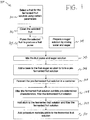
- Embodiments of the present invention also include methods of making fermented fruit solutions for use with cleaning compositions.
- method 100 includes selecting one fruit (step 101).
- the fruit used is predominately pineapple.
- the fruit puree comprises about 90% pineapple. More preferably, the fruit puree comprises about 95% pineapple. Even more preferably, the fruit puree comprises about 99% pineapple. Most preferably, the fruit puree comprises about 100% pineapple.
- the remaining percentage of the fruit puree can comprise an additional fruit such as lime. Any or some or all parts of the pineapple can be used, provide that more than just the crown of the pineapple is used. Preferably, the entirety of the pineapple including the crust/shell minus the crown of the pineapple can be used.
- the brix level of the fruit is greater than or equal to 10%. Even more preferably, the brix level must be greater than or equal to 12%.
- the brix level of the fruit can be determined by measuring the brix level of the fruit puree using a refractometer.
- the selected fruit can be cleaned (step 102).
- the fruit can be cleaned by soaking the fruit in water with already created fermented fruit solution.
- the fermented fruit solution can be used to effectively clean the fruit for future production.
- the fermented fruit solution is a natural surfactant that helps clean pesticides and other impurities within the fruit. Additionally, the fermented fruit solution contains lactic acid bacteria, to aid with the fermentation of the pre-fermented fruit solution.
- the weight percent of the fermented fruit solution used for cleaning the fruit can be greater than or equal to 5% fermented fruit solution, with the remaining amount comprising water.
- the total acid content of the fermented fruit solution can be greater than or equal to 3%.
- the fruit can be soaked in the fermented fruit solution for greater than or equal to three hours.
- the fruit can be cleaned with only water.
- the fruit can be soaked in the solution of water for greater than or equal to 24 hours.
- the method of making fermented fruit solutions can include pureeing a fruit to produce a fruit puree (step 103).
- the fruit puree can be obtained by grinding the fruit into a puree.
- the fruit puree comprises about 90% pineapple. More preferably, the fruit puree comprises about 95% pineapple. Even more preferably, the fruit puree comprises about 99% pineapple. Most preferably, the fruit puree comprises about 100% pineapple.
- the method of making fermented fruit solutions can include preparing a sugar solution by mixing water and sugar (step 104).
- the sugar solution can be prepared by mixing about 3 to about 40 weight percent of a sugar with about 60 to about 97 weight percent of a water to form a sugar solution.
- the sugar solution can be prepared by mixing about 14 to about 27 weight percent of a sugar with about 73 to about 86 weight percent of a water.
- the sugar solution can be prepared by mixing about 20 weight percent of a sugar with about 80 weight percent of a water.
- the sugar and water can be mixed with an electric stirrer.
- the sugar can be any sugar including a type of disaccharide, oligosaccharide and/or a type of monosaccharide.
- the sugar can be in either solid or liquid form.
- the sugar is sucrose.
- the brix level of the sugar solution preferably is greater than or equal to 19%.
- the brix level of the sugar solution can be determined by using a refractometer.
- the method of making fermented fruit solutions can include mixing the fruit puree and sugar solution (step 105).
- the mixture can be prepared by mixing about 20 to about 50 weight percent of the fruit puree with about 50 to about 80 weight percent of the sugar solution to produce a fruit-sugar solution, wherein the weight percents are based on the total weight of the fruit-sugar solution.
- the mixture can be prepared by mixing about 35 to about 38 weight percent of the fruit puree with about 62 to about 65 weight percent of the sugar solution. More preferably, the mixture can be prepared by mixing about 37.5 weight percent of the fruit puree with about 62.5 weight percent of the sugar solution.
- the fruit puree and sugar solution can be mixed with an electric stirrer.
- the method of making fermented fruit solutions can include adding a base to the fruit-sugar solution to form a pre-fermented fruit solution (step 106).
- a base can be added to the fruit-sugar solution such that it produces a pre-fermented fruit solution with a pH of about 5.5 to about 9.0.
- a base can be added to the fruit-sugar solution such that it produces a pre-fermented fruit solution with a pH of about 6.0 to about 8.0.
- the base can be selected from the group consisting of sodium hydroxide, potassium hydroxide and APG.
- the pre-fermented fruit solution preferably has a brix level of about 12% to about 24%. More preferably, the pre-fermented fruit solution has a brix level of about 15% to about 24%.
- the brix level of the pre-fermented fruit solution can be determined by using a refractometer.
- the method of making fermented fruit solutions can include fermenting the pre-fermented fruit solution in a closed container (step 107).
- the pre-fermented fruit solution can fill the container in an amount between about 85% to about 90%.
- the container is a 200 liter polyethylene plastic tank with a lid. The remainder of the container can be air.
- the container can be secured with a clamp device to ensure that the pre-fermented fruit solution is not exposed to outside environmental conditions or contaminants.
- the container can be stored at ambient temperature in tropical climates, for instance at temperatures ranging from 27 to 45°C.
- the pre-fermented fruit solution can be allowed to ferment until the solution exhibits certain characteristics.
- the characteristics that can be observed to aid in the determination of when to stop fermentation can include the total sugar content, total acid content, electrical conductivity, total microbial count, lactic acid bacteria count, and/or yeast and mold count.
- the characteristics of the pre-fermented fruit solution can be observed at set intervals. The characteristics can be observed on a weekly or monthly basis.
- the pre-fermented fruit solution can be fermented until it exhibits a total sugar content that is close to or equal to zero percent.
- the pre-fermented fruit solution is allowed to ferment until the total sugar content is less than or equal to 0.10%. More preferably, the pre-fermented solution is allowed to ferment until the total sugar content is less than or equal to 0.05%.
- the pre-fermented fruit solution can be fermented until it exhibits a total acid content that reaches a certain level.
- the pre-fermented fruit solution is allowed to ferment until the total acid content is greater than or equal to 2%, 3% or 4%. More preferably, the pre-fermented solution is allowed to ferment until the total acid content is greater than or equal to 5%.
- the fermented fruit solution can be filtered (step 108).
- the fermented fruit solution can be filtered with a filter to separate crusts.
- An example of a filter for use with the present invention is a cloth filter.
- alum can be added to the fermented fruit solution and the fermented fruit solution can once again be filtered (step 109).
- Alum can be added to the fermented fruit solution to aid with the settling of sediment.
- Alum can be added in an amount ranging from about 0.5 weight percent to 1.0 weight percent based on the total weight of the fermented fruit solution.
- the fermented fruit solution can sit for greater than or equal to 24 hours.
- the fermented fruit solution can then be filtered.
- the fermented fruit solution can be filtered using a filter.
- An example of a filter for use with the present invention is a cloth filter.
- the method of making fermented fruit solutions can include adding potassium metabisulphite to the fermented fruit solution (step 110).
- Potassium metabisulphite can be added to the fermented fruit solution once the solution exhibits certain characteristics, as described above. Potassium metabisulphite can be added to stop the fermentation process. Potassium metabisulphite can be added in an amount from about 0.001 to about 0.2 weight percent based on the total weight of the fermented fruit solution. Preferably, potassium metabisulphite can be added in an amount from about 0.01 to about 0.1 weight percent based on the total weight of the fermented fruit solution. After adding potassium metabisulphite, the fermented fruit solution should be allowed to sit for a minimum of 3 hours.
- the fermented fruit solution can be used in a cleaning composition.
- the fermented fruit solution can be used in cleaning compositions, including for example laundry detergents, stain removers, fabric softeners, floor cleaners, bathroom cleaners, dishwashing products, kitchen cleaners, liquid soap, and multi-purpose cleaners.
- method 200 includes several of the same steps described above in reference to method 100.
- the selected fruit can be cleaned (step 102).
- the fruit can be cleaned by soaking the fruit in water with already created fermented fruit solution.
- the fermented fruit solution can be used to effectively clean the fruit for future production.
- the fermented fruit solution is a natural surfactant that helps clean pesticides and other impurities within the fruit.
- the weight percent of the fermented fruit solution used for cleaning the fruit can be greater than or equal to 5% fermented fruit solution, with the remaining amount comprising water.
- the total acid content of the fermented fruit solution can be greater than or equal to 3%.
- the fruit can be soaked in the fermented fruit solution for greater than or equal to three hours.
- the fruit can be cleaned with only water.
- the fruit can be soaked in the solution of water for greater than or equal to 24 hours.
- the fruit can then be pureed to produce a fruit puree.
- the fruit puree comprises about 90% pineapple. More preferably, the fruit puree comprises about 95% pineapple. Even more preferably, the fruit puree comprises about 99% pineapple. Most preferably, the fruit puree comprises about 100% pineapple.
- method 200 can include adding potassium metabisulphite to the fruit-sugar solution after the fruit sugar solution is prepared by mixing the fruit puree and sugar solution (step 201). Potassium metabisulphite can be used to kill all micro-organisms in the fruit-sugar solution including yeast and mold. After adding potassium metabisulphite and adjusting pH of the fruit-sugar solution (see step 106), lactic acid bacteria can be added.
- method 200 can include adding lactic acid bacteria starter to the pre-fermented fruit solution (step 202).
- the lactic acid bacteria starter can be added to the pre-fermented fruit solution to help with fermentation of the pre-fermented fruit solution.
- Embodiments of the present invention also include methods of cleaning an article with a cleaning composition comprising a fermented fruit solution. Following preparation of the fermented fruit solutions described above, the fermented fruit solutions can be used to clean an article. Methods of the invention can comprise using a cleaning composition with a fermented fruit solution to launder an article. Methods of the invention can also comprise using a cleaning composition with a fermented fruit solution to remove a stain from an article. Methods of the invention can also comprise using a cleaning composition with a fermented fruit solution to clean and soften an article. Methods of the invention can also comprise using a cleaning composition with a fermented fruit solution to clean any type of surface, including but not limited to floors, bathrooms, dishes, tabletops, windows, and kitchens. Methods of the invention can also comprise using a cleaning composition with a fermented fruit solution to wash hands or a body (either human or otherwise), as a liquid soap product.
- Fermented fruit solutions were prepared in accordance with the methods described in detail above. The fermented fruit solutions were prepared similarly except for the composition of the pre-fermented fruit solution.
- Table 1 provides the components of Examples 1-3: TABLE 1 Example 1 Example 2 Example 3 Sucrose 12.5% 11.1% 10% Pineapple Puree 37.5% 33.3% 30% Water 50.0% 55.6% 60% All concentrations are weight percent, based on the total weight of the pre-fermented fruit composition.
- Example 1 After preparation of the fermented fruit solutions, the pH, total sugar content and total acid content was measured after 2.5 months. Three different samples of each example were measured. The results of these measurements are provided in Table 2. TABLE 2 pH Total Sugar Content (%) Total Acid Content (%) Example 1A 3.09 0.04 3.19 Example 1B 3.19 0.03 3.07 Example 1C 3.17 1.62 3.10 Example 2A 3.11 1.40 3.06 Example 2B 3.08 0.10 2.28 Example 2C 3.15 0.11 2.28 Example 3A 3.11 0.13 2.27 Example 3B 3.16 0.15 2.25 Example 3C 3.13 0.14 2.26 As is illustrated in Table 2, the total acid content of Example 1 was surprisingly higher than the total acid content of the other examples. Thus, it appears that the weight percents of sucrose, pineapple and water, as used in Example 1 of the present invention result in superior cleaning compositions. Specifically, a ratio of sugar:fruit:water of 1:3:4 appears to produce superior cleaning compositions.
- Examples 4-33 the pre-fermented fruit solutions were all prepared using a sugar:fruit:water ratio of 1:3:4.
- the initial brix level of the pineapple used to prepare the pineapple puree was not measured. Rather, all pineapples, regardless of brix level were used for Examples 4-18.
- the selected pineapples included a brix level of greater than or equal to 12%.
- the initial brix level of the pre-fermented fruit solution was measured at day 0.
- the pH, total sugar content (“TS”) and total acid content (“TA”) of the fermented fruit solutions were measured after 1.5 months. Additionally, the pH and total acid content (“TA”) of the fermented fruit solutions were measured after 2 months. Finally, the pH, total acid content (“TA”), electric conductivity (“EC”) and temperature of the fermented fruit solutions were measured after 3 months. The results of these measurements are provided in Table 3. TABLE 3 Example No.
- the total acid content after 3 months ranged from 3.06% to 4.23% with a mean value of 3.50%.
- the total acid content after 3 months ranged from 3.69% to 5.67% with a mean value of 4.77%.
- the total acid content after 1 month ranged from 2.70% to 4.50% with a mean value of 3.36%.
- the total acid content after 1 month ranged from 4.14% to 5.40% with a mean value of 4.88%.
- the invention also relates to the following aspects as defined in the following numbered paragraphs:
Landscapes
- Chemical & Material Sciences (AREA)
- Life Sciences & Earth Sciences (AREA)
- Organic Chemistry (AREA)
- Engineering & Computer Science (AREA)
- Wood Science & Technology (AREA)
- Chemical Kinetics & Catalysis (AREA)
- Oil, Petroleum & Natural Gas (AREA)
- Health & Medical Sciences (AREA)
- Emergency Medicine (AREA)
- Zoology (AREA)
- Inorganic Chemistry (AREA)
- Biochemistry (AREA)
- Molecular Biology (AREA)
- General Health & Medical Sciences (AREA)
- Microbiology (AREA)
- General Chemical & Material Sciences (AREA)
- Bioinformatics & Cheminformatics (AREA)
- General Engineering & Computer Science (AREA)
- Biotechnology (AREA)
- Genetics & Genomics (AREA)
- Mycology (AREA)
- Detergent Compositions (AREA)
- Preparation Of Fruits And Vegetables (AREA)
- Medicines Containing Plant Substances (AREA)
- Treatments For Attaching Organic Compounds To Fibrous Goods (AREA)
- Agricultural Chemicals And Associated Chemicals (AREA)
- Micro-Organisms Or Cultivation Processes Thereof (AREA)
- Jellies, Jams, And Syrups (AREA)
- Processing Of Solid Wastes (AREA)
Priority Applications (1)
| Application Number | Priority Date | Filing Date | Title |
|---|---|---|---|
| EP17162903.3A EP3213643A1 (fr) | 2013-09-20 | 2013-09-20 | Solutions de fruit fermentées pour compositions de nettoyage |
Applications Claiming Priority (3)
| Application Number | Priority Date | Filing Date | Title |
|---|---|---|---|
| EP13893928.5A EP3046425B1 (fr) | 2013-09-20 | 2013-09-20 | Solutions de fruit fermenté pour compositions nettoyantes |
| EP17162903.3A EP3213643A1 (fr) | 2013-09-20 | 2013-09-20 | Solutions de fruit fermentées pour compositions de nettoyage |
| PCT/IB2013/002069 WO2015040442A1 (fr) | 2013-09-20 | 2013-09-20 | Solutions de fruit fermenté pour compositions nettoyantes |
Related Parent Applications (2)
| Application Number | Title | Priority Date | Filing Date |
|---|---|---|---|
| EP13893928.5A Division-Into EP3046425B1 (fr) | 2013-09-20 | 2013-09-20 | Solutions de fruit fermenté pour compositions nettoyantes |
| EP13893928.5A Division EP3046425B1 (fr) | 2013-09-20 | 2013-09-20 | Solutions de fruit fermenté pour compositions nettoyantes |
Publications (1)
| Publication Number | Publication Date |
|---|---|
| EP3213643A1 true EP3213643A1 (fr) | 2017-09-06 |
Family
ID=52688294
Family Applications (8)
| Application Number | Title | Priority Date | Filing Date |
|---|---|---|---|
| EP13893928.5A Active EP3046425B1 (fr) | 2013-09-20 | 2013-09-20 | Solutions de fruit fermenté pour compositions nettoyantes |
| EP17162903.3A Withdrawn EP3213643A1 (fr) | 2013-09-20 | 2013-09-20 | Solutions de fruit fermentées pour compositions de nettoyage |
| EP13893761.0A Active EP3047005B1 (fr) | 2013-09-20 | 2013-10-02 | Compositions détergentes pour le linge contenant des solutions de fruits fermentées |
| EP17162919.9A Withdrawn EP3202881A1 (fr) | 2013-09-20 | 2013-10-02 | Compositions de détergent pour lessive contenant des solutions de fruits fermentées |
| EP13893698.4A Active EP3047004B1 (fr) | 2013-09-20 | 2013-10-16 | Compositions de nettoyage contenant des solutions de fruits fermentées |
| EP18170700.1A Withdrawn EP3391756A1 (fr) | 2013-09-20 | 2013-10-16 | Procédé de préparation d'une solution de fruits fermentés |
| EP17163416.5A Active EP3205709B1 (fr) | 2013-09-20 | 2013-10-16 | Procédé de préparation de compositions de nettoyage contenant des solutions de fruits fermentées |
| EP14845543.9A Withdrawn EP3047006A4 (fr) | 2013-09-20 | 2014-05-20 | Compositions assouplissantes comprenant des solutions de fruit fermentées et leurs procédés de fabrication et d'utilisation |
Family Applications Before (1)
| Application Number | Title | Priority Date | Filing Date |
|---|---|---|---|
| EP13893928.5A Active EP3046425B1 (fr) | 2013-09-20 | 2013-09-20 | Solutions de fruit fermenté pour compositions nettoyantes |
Family Applications After (6)
| Application Number | Title | Priority Date | Filing Date |
|---|---|---|---|
| EP13893761.0A Active EP3047005B1 (fr) | 2013-09-20 | 2013-10-02 | Compositions détergentes pour le linge contenant des solutions de fruits fermentées |
| EP17162919.9A Withdrawn EP3202881A1 (fr) | 2013-09-20 | 2013-10-02 | Compositions de détergent pour lessive contenant des solutions de fruits fermentées |
| EP13893698.4A Active EP3047004B1 (fr) | 2013-09-20 | 2013-10-16 | Compositions de nettoyage contenant des solutions de fruits fermentées |
| EP18170700.1A Withdrawn EP3391756A1 (fr) | 2013-09-20 | 2013-10-16 | Procédé de préparation d'une solution de fruits fermentés |
| EP17163416.5A Active EP3205709B1 (fr) | 2013-09-20 | 2013-10-16 | Procédé de préparation de compositions de nettoyage contenant des solutions de fruits fermentées |
| EP14845543.9A Withdrawn EP3047006A4 (fr) | 2013-09-20 | 2014-05-20 | Compositions assouplissantes comprenant des solutions de fruit fermentées et leurs procédés de fabrication et d'utilisation |
Country Status (12)
| Country | Link |
|---|---|
| US (10) | US9493729B2 (fr) |
| EP (8) | EP3046425B1 (fr) |
| CN (5) | CN105792666B (fr) |
| DK (1) | DK3046425T3 (fr) |
| ES (1) | ES2675204T3 (fr) |
| HK (1) | HK1225752A1 (fr) |
| MY (2) | MY174609A (fr) |
| PL (1) | PL3046425T3 (fr) |
| SG (7) | SG11201508008RA (fr) |
| TR (1) | TR201809205T4 (fr) |
| TW (5) | TW201527516A (fr) |
| WO (4) | WO2015040442A1 (fr) |
Families Citing this family (13)
| Publication number | Priority date | Publication date | Assignee | Title |
|---|---|---|---|---|
| CN104348603B (zh) * | 2013-07-30 | 2020-06-12 | 北京三星通信技术研究有限公司 | 配置上行传输定时的方法和设备 |
| TR201809205T4 (tr) * | 2013-09-20 | 2018-07-23 | Equator Global Ltd | Temizleme bileşimlerine yönelik fermente meyve solüsyonları. |
| MX2018007252A (es) * | 2015-12-17 | 2018-09-28 | Proklean Tech Pvt Ltd | Composicion de detergente biodegradable. |
| WO2017215978A1 (fr) * | 2016-06-16 | 2017-12-21 | Unilever Plc | Procédés et compositions |
| EP3472286B1 (fr) | 2016-06-16 | 2019-12-18 | Unilever PLC | Procédés et compositions |
| CN106048623A (zh) * | 2016-08-09 | 2016-10-26 | 吴迪 | 一种环保型金属除油剂的制备方法 |
| CN106753900A (zh) * | 2016-12-04 | 2017-05-31 | 张家界长生源红心猕猴桃产品开发有限公司 | 一种生物洗洁剂及其制作方法 |
| CN107267292A (zh) * | 2017-06-28 | 2017-10-20 | 常州建轩纺织品有限公司 | 一种环保型地板清洗剂 |
| JP6749959B2 (ja) * | 2018-03-20 | 2020-09-02 | 花王株式会社 | 床用感触改善剤 |
| CN108676636A (zh) * | 2018-07-04 | 2018-10-19 | 成都师范学院 | 基于农产品余料生产的生态清洗剂及其制备方法 |
| CN111388379A (zh) * | 2020-04-28 | 2020-07-10 | 西南大学 | 一种食品级免洗洗手液及其制备方法 |
| US12312568B2 (en) * | 2022-05-26 | 2025-05-27 | Young Sik Choi | Metal coach |
| EP4553138A1 (fr) * | 2023-11-13 | 2025-05-14 | SkyLab AG | Composition detergente biodegradable a base d'acide malique et de saccharose pour la regeneration de la structure des fibres de cellulose du coton et la prevention des rides |
Citations (3)
| Publication number | Priority date | Publication date | Assignee | Title |
|---|---|---|---|---|
| JP2889044B2 (ja) * | 1992-03-16 | 1999-05-10 | キッコーマン株式会社 | 果実酒及びその製造法 |
| EP1178108A1 (fr) * | 1999-05-12 | 2002-02-06 | Shizuo Uyama | Composition detergente |
| EP1717301A1 (fr) * | 2004-02-20 | 2006-11-02 | EM Research Organization, Inc. | Agent nettoyant englobant l application de la technologie de fermentation et procede de fabrication dudit agent |
Family Cites Families (37)
| Publication number | Priority date | Publication date | Assignee | Title |
|---|---|---|---|---|
| US3984335A (en) * | 1975-01-16 | 1976-10-05 | Basf Wyandotte Corporation | Compositions for souring and softening laundered textile materials and stock solutions prepared therefrom |
| JPS5648701A (en) | 1979-09-27 | 1981-05-02 | Nec Corp | Waveguide isolator |
| JPH06219082A (ja) | 1993-01-22 | 1994-08-09 | Toppan Printing Co Ltd | 折り丁供給装置 |
| JP3384871B2 (ja) * | 1994-05-10 | 2003-03-10 | 株式会社創研 | 米からの柔軟剤 |
| CN1079432C (zh) * | 1994-12-28 | 2002-02-20 | 陕西科学院酶工程研究所 | 酶洗纺织品专用酶制剂的制备方法 |
| JP2001152188A (ja) | 1999-11-24 | 2001-06-05 | Yoshie Kanda | ドライクリーニング用洗浄剤組成物とドライクリーニング用洗剤とドライクリーニング用洗浄助剤 |
| JP2002003886A (ja) | 2000-04-19 | 2002-01-09 | Dainippon Jochugiku Co Ltd | 洗浄剤組成物 |
| JP3392850B1 (ja) | 2002-05-23 | 2003-03-31 | 株式会社ミナキアドバンス | 触媒反応による水質浄化剤及び微生物の活性化による水質浄化方法 |
| AT412286B (de) * | 2003-05-27 | 2004-12-27 | Koenig Manja Kathrin | Zusammensetzung zur ausrüstung von textilien |
| US20060240147A1 (en) | 2005-04-21 | 2006-10-26 | Padhye Vinod W | Alcoholic beverages containing corn syrup substitutes |
| JP2006341236A (ja) | 2005-06-10 | 2006-12-21 | Best Plan:Kk | 厨房廃水の浄化方法 |
| CN1710070A (zh) * | 2005-06-22 | 2005-12-21 | 嘉兴市雀屏化工有限责任公司 | 羊毛织物后整理用复合酶的制备方法 |
| EP1767613A1 (fr) | 2005-09-23 | 2007-03-28 | Takasago International Corporation | Procédé pour la préparation d'une poudre séchée par atomisation |
| WO2007049831A1 (fr) | 2005-10-26 | 2007-05-03 | Kyung-Ho Lee | Procede de fabrication de vin utilisant de l'eau filtree de tofu et vin fabrique au moyen de ce procede |
| CN101077997A (zh) * | 2006-05-25 | 2007-11-28 | 常锋 | 一种可降解环保洗涤剂的配置方法 |
| CN101077999A (zh) * | 2006-05-25 | 2007-11-28 | 常锋 | 一种医用多酶清洗剂的制备方法 |
| KR100778886B1 (ko) | 2006-07-28 | 2007-11-29 | (주)진바이오텍 | 과채발효물의 제조방법, 그 방법으로 제조된 과채발효물 및이를 포함하는 기능성 조성물 |
| CN101225348B (zh) * | 2007-01-19 | 2010-12-08 | 台湾烟酒股份有限公司 | 以谷物发酵液为主体的抗菌清洁剂组合物 |
| CN101126052A (zh) | 2007-08-16 | 2008-02-20 | 王锦容 | 环保洗净液 |
| KR20110008210A (ko) | 2008-05-09 | 2011-01-26 | 로디아 오퍼레이션스 | 그린 용매를 포함하는 세정 조성물 및 사용 방법 |
| WO2010070836A1 (fr) | 2008-12-18 | 2010-06-24 | メルシャン株式会社 | Boisson sans alcool, extrait de péricarpe de raisin et leurs méthodes de production |
| JP5302228B2 (ja) | 2009-01-29 | 2013-10-02 | 修一 汐見 | 排水浄化処理剤及び排水の浄化処理方法 |
| US20100233128A1 (en) | 2009-03-13 | 2010-09-16 | Mci Media Capital Inc. | Natural Skin Products Containing Dairy and Processes |
| CN101531965B (zh) * | 2009-03-19 | 2012-10-03 | 广东海洋大学 | 一种菠萝皮渣果醋的制作方法 |
| US20100316752A1 (en) | 2009-06-10 | 2010-12-16 | Heng-Jui Hsu | Method for extracing substances from soapberry fruit and seed and products made therefrom |
| CA2767254A1 (fr) * | 2009-07-10 | 2011-01-13 | Chr. Hansen A/S | Procede de production d'une boisson alcoolisee ayant une teneur reduite en alcool |
| US8278260B2 (en) * | 2009-08-21 | 2012-10-02 | S.C. Johnson & Son, Inc. | Water-activated “green” cleaning wipe |
| US8778860B2 (en) | 2009-10-14 | 2014-07-15 | S.C. Johnson & Son, Inc. | Green disinfection/sanitization compositions and processes of making thereof |
| US8257761B2 (en) | 2009-12-15 | 2012-09-04 | Jacob Ludwig Manfred | Polyphenol-containing products |
| WO2012084426A1 (fr) | 2010-12-22 | 2012-06-28 | Unilever Nv | Composition de détergent à lessive enzymatique servant à favoriser l'hygiène et empêcher les mauvaises odeurs |
| CN102071113B (zh) * | 2011-02-05 | 2013-01-16 | 徐宏汇 | 浓缩多酶医疗清洗剂 |
| US20120246854A1 (en) | 2011-03-28 | 2012-10-04 | Hirotaka Uchiyama | Water Disposable Head Comprising Plural Water Disposable Materials |
| CN102888427A (zh) * | 2011-07-19 | 2013-01-23 | 博赐康生物科技有限公司 | 天然环保机能酵素的制法及应用 |
| CN102391917B (zh) * | 2011-09-22 | 2014-02-05 | 澄思源生物科技(上海)有限公司 | 一种微生物果蔬农药清洗剂及其制备方法 |
| CN102391918B (zh) * | 2011-09-30 | 2012-10-24 | 陈国丰 | 本草果酸激活素及其制作工艺 |
| CN103224840A (zh) * | 2013-05-15 | 2013-07-31 | 湖南天孚生物科技有限责任公司 | 一种生物洗涤剂的配制方法 |
| TR201809205T4 (tr) * | 2013-09-20 | 2018-07-23 | Equator Global Ltd | Temizleme bileşimlerine yönelik fermente meyve solüsyonları. |
-
2013
- 2013-09-20 TR TR2018/09205T patent/TR201809205T4/tr unknown
- 2013-09-20 ES ES13893928.5T patent/ES2675204T3/es active Active
- 2013-09-20 DK DK13893928.5T patent/DK3046425T3/en active
- 2013-09-20 PL PL13893928T patent/PL3046425T3/pl unknown
- 2013-09-20 US US14/768,712 patent/US9493729B2/en active Active
- 2013-09-20 SG SG11201508008RA patent/SG11201508008RA/en unknown
- 2013-09-20 WO PCT/IB2013/002069 patent/WO2015040442A1/fr not_active Ceased
- 2013-09-20 EP EP13893928.5A patent/EP3046425B1/fr active Active
- 2013-09-20 CN CN201380080833.7A patent/CN105792666B/zh active Active
- 2013-09-20 EP EP17162903.3A patent/EP3213643A1/fr not_active Withdrawn
- 2013-10-02 MY MYPI2015704117A patent/MY174609A/en unknown
- 2013-10-02 US US14/768,717 patent/US9434913B2/en active Active
- 2013-10-02 EP EP13893761.0A patent/EP3047005B1/fr active Active
- 2013-10-02 WO PCT/IB2013/002180 patent/WO2015040444A1/fr not_active Ceased
- 2013-10-02 SG SG11201508009VA patent/SG11201508009VA/en unknown
- 2013-10-02 SG SG10201703955YA patent/SG10201703955YA/en unknown
- 2013-10-02 EP EP17162919.9A patent/EP3202881A1/fr not_active Withdrawn
- 2013-10-02 CN CN201380080840.7A patent/CN105793408B/zh active Active
- 2013-10-16 SG SG11201508010UA patent/SG11201508010UA/en unknown
- 2013-10-16 CN CN201811631986.7A patent/CN110003987A/zh active Pending
- 2013-10-16 EP EP13893698.4A patent/EP3047004B1/fr active Active
- 2013-10-16 CN CN201380080838.XA patent/CN105916971B/zh active Active
- 2013-10-16 EP EP18170700.1A patent/EP3391756A1/fr not_active Withdrawn
- 2013-10-16 SG SG10201703643PA patent/SG10201703643PA/en unknown
- 2013-10-16 WO PCT/IB2013/002320 patent/WO2015040445A1/fr not_active Ceased
- 2013-10-16 EP EP17163416.5A patent/EP3205709B1/fr active Active
- 2013-10-16 US US14/768,719 patent/US9434914B2/en active Active
-
2014
- 2014-05-20 HK HK16113944.2A patent/HK1225752A1/zh unknown
- 2014-05-20 US US14/768,715 patent/US9434912B2/en active Active
- 2014-05-20 EP EP14845543.9A patent/EP3047006A4/fr not_active Withdrawn
- 2014-05-20 MY MYPI2015704118A patent/MY174631A/en unknown
- 2014-05-20 CN CN201480061452.9A patent/CN105874050B/zh active Active
- 2014-05-20 SG SG10201703679RA patent/SG10201703679RA/en unknown
- 2014-05-20 WO PCT/IB2014/061567 patent/WO2015040506A1/fr not_active Ceased
- 2014-05-20 SG SG11201508011XA patent/SG11201508011XA/en unknown
- 2014-09-22 TW TW103132668A patent/TW201527516A/zh unknown
- 2014-09-22 TW TW103132667A patent/TWI575067B/zh active
- 2014-09-22 TW TW103132666A patent/TWI586282B/zh active
- 2014-09-22 TW TW105143755A patent/TWI615466B/zh active
- 2014-09-22 TW TW103132662A patent/TWI582227B/zh active
-
2016
- 2016-08-26 US US15/248,951 patent/US9598661B2/en active Active
- 2016-08-26 US US15/248,937 patent/US9593296B2/en active Active
- 2016-08-26 US US15/248,919 patent/US9605235B2/en active Active
- 2016-10-11 US US15/290,876 patent/US9598662B2/en not_active Expired - Fee Related
-
2017
- 2017-03-10 US US15/455,449 patent/US20180016526A1/en not_active Abandoned
-
2018
- 2018-06-05 US US16/000,500 patent/US10723980B2/en active Active
Patent Citations (3)
| Publication number | Priority date | Publication date | Assignee | Title |
|---|---|---|---|---|
| JP2889044B2 (ja) * | 1992-03-16 | 1999-05-10 | キッコーマン株式会社 | 果実酒及びその製造法 |
| EP1178108A1 (fr) * | 1999-05-12 | 2002-02-06 | Shizuo Uyama | Composition detergente |
| EP1717301A1 (fr) * | 2004-02-20 | 2006-11-02 | EM Research Organization, Inc. | Agent nettoyant englobant l application de la technologie de fermentation et procede de fabrication dudit agent |
Non-Patent Citations (5)
| Title |
|---|
| ABDULLAH: "Solid and liquid pineapple waste utilization for lactic acid fermentation using Lactobacillus delbrueckii", REAKTOR, vol. 11, no. 1, June 2007 (2007-06-01), pages 50 - 52, XP008184225 * |
| CELINE LIM: "Pineapples: tasty fruit, effective celaning agent?", 7 December 2016 (2016-12-07), XP002769182, Retrieved from the Internet <URL:http://www.eco-business.com/news/pineapples-tasty-fruit-effective-cleaning-agent/> [retrieved on 20170411] * |
| DI CAGNO R ET AL: "Taxonomic structure of the yeasts and lactic acid bacteria microbiota of pineapple (Ananas comosus L. Merr.) and use of autochthonous starters for minimally processing", FOOD MICROBIOLOGY, ACADEMIC PRESS LTD, LONDON, GB, vol. 27, no. 3, 1 May 2010 (2010-05-01), pages 381 - 389, XP026961043, ISSN: 0740-0020, [retrieved on 20091126] * |
| HAPPYHOMEMAKER88: "Recipe for homemade citrus enzyme cleaner", 2009, XP002769179, Retrieved from the Internet <URL:https://happyhomemaker88.com/2009/05/02/recipe-for-homemade-citrus-enzyme-a-natural-cheap-effective-all-purpose-cleaner/> [retrieved on 20170411] * |
| IVORY SOAP: "Enzymatic cleaner: 7 things to know", 16 July 2013 (2013-07-16), XP002769180, Retrieved from the Internet <URL:http://littlehouseinthesuburbs.com/enzymatic-cleaner-7-things> [retrieved on 20170411] * |
Also Published As
Similar Documents
| Publication | Publication Date | Title |
|---|---|---|
| EP3046425B1 (fr) | Solutions de fruit fermenté pour compositions nettoyantes | |
| HK1236343A1 (en) | Fermented fruit solutions for cleaning compositions | |
| HK1236343A (en) | Fermented fruit solutions for cleaning compositions | |
| HK1221382B (en) | Fermented fruit solutions for cleaning compositions | |
| HK1238282A1 (en) | Laundry detergent compositions including fermented fruit solutions | |
| HK1221482B (en) | Laundry detergent compositions including fermented fruit solutions | |
| HK1221483B (en) | Cleaning compositions including fermented fruit solutions | |
| HK1238283A1 (en) | Method of making cleaning compositions including fermented fruit solutions |
Legal Events
| Date | Code | Title | Description |
|---|---|---|---|
| PUAI | Public reference made under article 153(3) epc to a published international application that has entered the european phase |
Free format text: ORIGINAL CODE: 0009012 |
|
| STAA | Information on the status of an ep patent application or granted ep patent |
Free format text: STATUS: THE APPLICATION HAS BEEN PUBLISHED |
|
| AC | Divisional application: reference to earlier application |
Ref document number: 3046425 Country of ref document: EP Kind code of ref document: P |
|
| AK | Designated contracting states |
Kind code of ref document: A1 Designated state(s): AL AT BE BG CH CY CZ DE DK EE ES FI FR GB GR HR HU IE IS IT LI LT LU LV MC MK MT NL NO PL PT RO RS SE SI SK SM TR |
|
| STAA | Information on the status of an ep patent application or granted ep patent |
Free format text: STATUS: REQUEST FOR EXAMINATION WAS MADE |
|
| 17P | Request for examination filed |
Effective date: 20170927 |
|
| RBV | Designated contracting states (corrected) |
Designated state(s): AL AT BE BG CH CY CZ DE DK EE ES FI FR GB GR HR HU IE IS IT LI LT LU LV MC MK MT NL NO PL PT RO RS SE SI SK SM TR |
|
| GRAP | Despatch of communication of intention to grant a patent |
Free format text: ORIGINAL CODE: EPIDOSNIGR1 |
|
| STAA | Information on the status of an ep patent application or granted ep patent |
Free format text: STATUS: GRANT OF PATENT IS INTENDED |
|
| RIC1 | Information provided on ipc code assigned before grant |
Ipc: C12P 7/40 20060101ALI20171220BHEP Ipc: C11D 3/38 20060101ALI20171220BHEP Ipc: C11D 11/00 20060101ALI20171220BHEP Ipc: A23L 2/02 20060101AFI20171220BHEP Ipc: C11D 1/04 20060101ALI20171220BHEP |
|
| INTG | Intention to grant announced |
Effective date: 20180109 |
|
| REG | Reference to a national code |
Ref country code: HK Ref legal event code: DE Ref document number: 1236343 Country of ref document: HK |
|
| STAA | Information on the status of an ep patent application or granted ep patent |
Free format text: STATUS: THE APPLICATION IS DEEMED TO BE WITHDRAWN |
|
| 18D | Application deemed to be withdrawn |
Effective date: 20180523 |
|
| REG | Reference to a national code |
Ref country code: HK Ref legal event code: WD Ref document number: 1236343 Country of ref document: HK |