EP3215246B1 - Verfahren zum entfernen von auslaugbaren und/oder extraktionsfähigen stoffen - Google Patents
Verfahren zum entfernen von auslaugbaren und/oder extraktionsfähigen stoffen Download PDFInfo
- Publication number
- EP3215246B1 EP3215246B1 EP15784570.2A EP15784570A EP3215246B1 EP 3215246 B1 EP3215246 B1 EP 3215246B1 EP 15784570 A EP15784570 A EP 15784570A EP 3215246 B1 EP3215246 B1 EP 3215246B1
- Authority
- EP
- European Patent Office
- Prior art keywords
- target molecule
- activated carbon
- extractables
- leachables
- particle size
- Prior art date
- Legal status (The legal status is an assumption and is not a legal conclusion. Google has not performed a legal analysis and makes no representation as to the accuracy of the status listed.)
- Active
Links
Images






Classifications
-
- B—PERFORMING OPERATIONS; TRANSPORTING
- B01—PHYSICAL OR CHEMICAL PROCESSES OR APPARATUS IN GENERAL
- B01D—SEPARATION
- B01D15/00—Separating processes involving the treatment of liquids with solid sorbents; Apparatus therefor
-
- B—PERFORMING OPERATIONS; TRANSPORTING
- B01—PHYSICAL OR CHEMICAL PROCESSES OR APPARATUS IN GENERAL
- B01D—SEPARATION
- B01D15/00—Separating processes involving the treatment of liquids with solid sorbents; Apparatus therefor
- B01D15/08—Selective adsorption, e.g. chromatography
- B01D15/26—Selective adsorption, e.g. chromatography characterised by the separation mechanism
- B01D15/38—Selective adsorption, e.g. chromatography characterised by the separation mechanism involving specific interaction not covered by one or more of groups B01D15/265 and B01D15/30 - B01D15/36, e.g. affinity, ligand exchange or chiral chromatography
- B01D15/3804—Affinity chromatography
- B01D15/3809—Affinity chromatography of the antigen-antibody type, e.g. protein A, G or L chromatography
-
- B—PERFORMING OPERATIONS; TRANSPORTING
- B01—PHYSICAL OR CHEMICAL PROCESSES OR APPARATUS IN GENERAL
- B01D—SEPARATION
- B01D39/00—Filtering material for liquid or gaseous fluids
- B01D39/14—Other self-supporting filtering material ; Other filtering material
- B01D39/20—Other self-supporting filtering material ; Other filtering material of inorganic material, e.g. asbestos paper, metallic filtering material of non-woven wires
- B01D39/2055—Carbonaceous material
-
- B—PERFORMING OPERATIONS; TRANSPORTING
- B01—PHYSICAL OR CHEMICAL PROCESSES OR APPARATUS IN GENERAL
- B01J—CHEMICAL OR PHYSICAL PROCESSES, e.g. CATALYSIS OR COLLOID CHEMISTRY; THEIR RELEVANT APPARATUS
- B01J20/00—Solid sorbent compositions or filter aid compositions; Sorbents for chromatography; Processes for preparing, regenerating or reactivating thereof
- B01J20/02—Solid sorbent compositions or filter aid compositions; Sorbents for chromatography; Processes for preparing, regenerating or reactivating thereof comprising inorganic material
- B01J20/20—Solid sorbent compositions or filter aid compositions; Sorbents for chromatography; Processes for preparing, regenerating or reactivating thereof comprising inorganic material comprising free carbon; comprising carbon obtained by carbonising processes
-
- B—PERFORMING OPERATIONS; TRANSPORTING
- B01—PHYSICAL OR CHEMICAL PROCESSES OR APPARATUS IN GENERAL
- B01J—CHEMICAL OR PHYSICAL PROCESSES, e.g. CATALYSIS OR COLLOID CHEMISTRY; THEIR RELEVANT APPARATUS
- B01J20/00—Solid sorbent compositions or filter aid compositions; Sorbents for chromatography; Processes for preparing, regenerating or reactivating thereof
- B01J20/28—Solid sorbent compositions or filter aid compositions; Sorbents for chromatography; Processes for preparing, regenerating or reactivating thereof characterised by their form or physical properties
- B01J20/28002—Solid sorbent compositions or filter aid compositions; Sorbents for chromatography; Processes for preparing, regenerating or reactivating thereof characterised by their form or physical properties characterised by their physical properties
- B01J20/28004—Sorbent size or size distribution, e.g. particle size
-
- B—PERFORMING OPERATIONS; TRANSPORTING
- B01—PHYSICAL OR CHEMICAL PROCESSES OR APPARATUS IN GENERAL
- B01J—CHEMICAL OR PHYSICAL PROCESSES, e.g. CATALYSIS OR COLLOID CHEMISTRY; THEIR RELEVANT APPARATUS
- B01J20/00—Solid sorbent compositions or filter aid compositions; Sorbents for chromatography; Processes for preparing, regenerating or reactivating thereof
- B01J20/28—Solid sorbent compositions or filter aid compositions; Sorbents for chromatography; Processes for preparing, regenerating or reactivating thereof characterised by their form or physical properties
- B01J20/28014—Solid sorbent compositions or filter aid compositions; Sorbents for chromatography; Processes for preparing, regenerating or reactivating thereof characterised by their form or physical properties characterised by their form
- B01J20/28016—Particle form
-
- B—PERFORMING OPERATIONS; TRANSPORTING
- B01—PHYSICAL OR CHEMICAL PROCESSES OR APPARATUS IN GENERAL
- B01J—CHEMICAL OR PHYSICAL PROCESSES, e.g. CATALYSIS OR COLLOID CHEMISTRY; THEIR RELEVANT APPARATUS
- B01J20/00—Solid sorbent compositions or filter aid compositions; Sorbents for chromatography; Processes for preparing, regenerating or reactivating thereof
- B01J20/30—Processes for preparing, regenerating, or reactivating
- B01J20/3078—Thermal treatment, e.g. calcining or pyrolizing
-
- C—CHEMISTRY; METALLURGY
- C07—ORGANIC CHEMISTRY
- C07K—PEPTIDES
- C07K1/00—General methods for the preparation of peptides, i.e. processes for the organic chemical preparation of peptides or proteins of any length
- C07K1/14—Extraction; Separation; Purification
- C07K1/16—Extraction; Separation; Purification by chromatography
- C07K1/22—Affinity chromatography or related techniques based upon selective absorption processes
-
- C—CHEMISTRY; METALLURGY
- C07—ORGANIC CHEMISTRY
- C07K—PEPTIDES
- C07K1/00—General methods for the preparation of peptides, i.e. processes for the organic chemical preparation of peptides or proteins of any length
- C07K1/14—Extraction; Separation; Purification
- C07K1/34—Extraction; Separation; Purification by filtration, ultrafiltration or reverse osmosis
-
- C—CHEMISTRY; METALLURGY
- C07—ORGANIC CHEMISTRY
- C07K—PEPTIDES
- C07K1/00—General methods for the preparation of peptides, i.e. processes for the organic chemical preparation of peptides or proteins of any length
- C07K1/14—Extraction; Separation; Purification
- C07K1/36—Extraction; Separation; Purification by a combination of two or more processes of different types
-
- C—CHEMISTRY; METALLURGY
- C07—ORGANIC CHEMISTRY
- C07K—PEPTIDES
- C07K16/00—Immunoglobulins [IG], e.g. monoclonal or polyclonal antibodies
-
- C—CHEMISTRY; METALLURGY
- C07—ORGANIC CHEMISTRY
- C07K—PEPTIDES
- C07K2/00—Peptides of undefined number of amino acids; Derivatives thereof
Definitions
- the present invention relates to the purification of target molecules like recombinant and/or biotherapeutic proteins, e.g. resulting from a cell expression system.
- Activated carbon can be used to remove leachables and/or extractables resulting from disposable equipment employed in the process.
- biomolecules e.g., therapeutic proteins including antibodies, peptides or hormones
- purification processes are quite elaborate and expensive and include many different steps.
- proteins are produced using cell culture methods, e.g. using either mammalian or bacterial cell lines recombinantly engineered to produce the protein of interest.
- cell culture methods e.g. using either mammalian or bacterial cell lines recombinantly engineered to produce the protein of interest.
- impurities such as, e.g. host cell proteins, media components and nucleic acids.
- FDA Food and Drug Administration
- WO2013/028330 as well as US2014/046038 deal with the removal of biological impurities from proteins whereby the use of activated carbon is generally mentioned as an option.
- Documents US 2001/009756 A1 and WO 99/34915 A1 disclose methods for the reduction of compounds in biological compositions.
- the present invention is thus directed to a method according to the claims for purifying a target molecule whose production and/or purification process involves the use of disposable equipment whereby the target molecule is separated from leachables and/or extractables using activated carbon.
- the purification is performed by contacting the activated carbon with a liquid comprising the target molecule and potentially leachables and/or extractables, whereby the leachables and/or extractables when contacted with the activated carbon are kept or bound on the activated carbon and the liquid comprising the target molecule is not bound and is then separated from the activated carbon, e.g. by filtration.
- the target molecule is a protein with a molecular weight of 10000 or more.
- the target molecule is a glycoprotein.
- the target molecule is an antibody.
- the leachables and/or extractables are one or more of the following components: Acetaldehyde, Toluene, 2-Hexanone, Acetone, 2-Butanone, Ethyl Acetate, Bisphenol A, Benzyl alcohol, Trimethyl Silanol, Formaldehyde, Bis (2-ethylhexyl) phthalate, 1-Methylethyl ester acetic acid, 2,4-di-t-butyl Phenol, 2-Octanone, 2-Pentanone, 3,3-dimethyl-2- Butanone, 3-ethoxy- Propane, 3-Hexanone, 3-Methoxy-1- butanol, Butanal, Cyclohexanone, Ethanol, Formic acid, Heptaethylene glycol, Hexanal, Methyl isobutyl ketone, Pentanal, t-Butanol, Tetrahydrofuran, Methyl formate.
- the method is carried out at a pH between 3 to 9.
- the activated carbon is an activated carbon obtained by pyrolysis of an organic polymeric material, preferably polystyrene.
- the activated carbon has a medium particle size between 5 and 40 ⁇ m.
- the target molecule is separated from leachables and/or extractables by filtration through one or more filters comprising activated carbon.
- the method of the present invention is used in a production and/or purification process comprising one or more of the following steps:
- the target molecule is contacted with the activated carbon after a process step in which disposable equipment is used in combination with a temperature above 25°C and/or mechanical deformation of the disposable equipment and/or in which the residence time of the target molecule in the disposable equipment is more than 1 hour.
- the liquid is contacted with the activated carbon in a filtration device, whereby the liquid flows through the filtration device comprising the activated carbon so that leachables and/or extractables are bound to the activated carbon while the liquid as well as target molecules comprised in the liquid are not bound to the activated carbon.
- target molecule refers to any molecule, substance or compound that shall be isolated, separated or purified from one or more other components, e.g. impurities, in a sample.
- target molecules are antibodies, fragment antigen binding (Fab), fragment constant region (Fc), proteins, peptides, recombinant proteins, other natural compounds, other biopharmaceutical compounds, vaccines or aggregates of biopharmaceutical compounds.
- the target molecule is a biomolecule, preferably a protein.
- the target molecule is an antibody. In the production and/or purification process the target molecule is typically present in a liquid.
- the liquid might be water, a buffer, a non-aqueous solvent like ethanol or any mixture thereof. Beside the target molecule said liquid may comprise one or more impurities.
- the composition of the liquid may change during production and/or purification depending on the process steps that are performed. After a chromatographic step the liquid typically comprises other solvents than before because of the eluent used in the chromatographic step. Typically only after the very last step purification step the target molecule might be dried for preparing the final dosage form.
- antibody refers to a protein which has the ability to specifically bind to an antigen.
- antibodies are having a basic four-polypeptide chain structure consisting of two heavy and two light chains, said chains being stabilized, for example, by interchain disulfide bonds.
- Antibodies may be monoclonal or polyclonal and may exist in monomeric or polymeric form, for example, IgM antibodies which exist in pentameric form and/or IgA antibodies which exist in monomeric, dimeric or multimeric form.
- Antibodies may also include multispecific antibodies (e.g., bispecific antibodies), and antibody fragments so long as they retain, or are modified to comprise, a ligand-specific binding domain.
- fragment refers to a part or portion of an antibody or antibody chain comprising fewer amino acid residues than an intact or complete antibody or antibody chain. Fragments can be obtained via chemical or enzymatic treatment of an intact or complete antibody or antibody chain. Fragments can also be obtained by recombinant means. When produced recombinantly, fragments may be expressed alone or as part of a larger protein called a fusion protein. Exemplary fragments include Fab, Fab', F(ab')2, Fc and/or Fv fragments. Exemplary fusion proteins include Fc fusion proteins. According to the present invention fusion proteins are also encompassed by the term "antibody".
- an antibody is an Fc region containing protein, e.g., an immunoglobulin.
- an Fc region containing protein is a recombinant protein which includes the Fc region of an immunoglobulin fused to another polypeptide or a fragment thereof.
- Exemplary polypeptides include, e.g., renin; a growth hormone, including human growth hormone and bovine growth hormone; growth hormone releasing factor; parathyroid hormone; thyroid stimulating hormone; lipoproteins; ⁇ -1 -antitrypsin; insulin ⁇ -chain; insulin ⁇ -chain; proinsulin; follicle stimulating hormone; calcitonin; luteinizing hormone; glucagon; clotting factors such as factor VIIIC, factor IX, tissue factor, and von Willebrands factor; anti-clotting factors such as Protein C; atrial natriuretic factor; lung surfactant; a plasminogen activator, such as urokinase or human urine or tissue-type plasminogen activator (t-PA); bombesin; thrombin; hemopoietic growth factor; tumor necrosis factor - ⁇ and - ⁇ ; enkephalinase; RANTES (regulated on activation normally T- cell expressed and secreted); human macrophage inflammatory
- sample refers to any composition or mixture that contains a target molecule.
- Samples may be derived from biological or other sources.
- Biological sources include eukaryotic and prokaryotic sources, such as plant and animal cells, tissues and organs.
- Preferred samples are from cell culture fluid like mammalian cell culture, e.g. CHO, NS-0, SP2/0, BioWa, bacterial cell culture, e.g. E. coli, B. subtilis, yeast cell culture, or filamentous fungi.
- the sample may also include diluents, buffers, detergents, and contaminating species, debris and the like that are found mixed with the target molecule.
- the sample may be "partially purified” (i.e., having been subjected to one or more purification steps, such as filtration steps) or may be obtained directly from a host cell or organism producing the target molecule (e.g., the sample may comprise harvested cell culture fluid).
- impurity refers to any foreign or objectionable molecule, including a biological macromolecule such as DNA, RNA, one or more host cell proteins, nucleic acids, endotoxins, lipids, impurities of synthetic origin and one or more additives which may be present in a sample containing the target molecule that is being separated from one or more of the foreign or objectionable molecules. Additionally, such impurity may include any reagent which is used in a step of the production and/or purification process. Leachables and/or extractables are also impurities.
- purifying refers to increasing the degree of purity of a target molecule by separating it from a composition or sample comprising the target molecule and one or more other components, e.g.impurities.
- the degree of purity of the target molecule is increased by removing (completely or partially) at least one impurity from the composition.
- chromatography refers to any kind of technique which separates an analyte of interest (e.g. a target molecule) from other molecules present in a mixture.
- analyte of interest e.g. a target molecule
- the target molecule is separated from other molecules as a result of differences in rates at which the individual molecules of the mixture migrate through a stationary medium under the influence of a moving phase, or in bind and elute processes.
- Examples for chromatographic separation processes are reversed phase chromatography, ion exchange chromatography, size exclusion chromatography, affinity chromatography, hydrophobic interaction chromatography and mixed mode chromatography.
- a “buffer” is a solution that resists changes in pH by the action of its acid-base conjugate components.
- Various buffers which can be employed depending, for example, on the desired pH of the buffer are described in Buffers.
- Non- limiting examples of buffers include MES, MOPS, MOPSO, Tris, HEPES, phosphate, acetate, citrate, succinate, and ammonium buffers, as well as combinations of these.
- Disposable equipment or “single-use equipment” is a product designed for a limited number of uses after which it is recycled or is disposed as solid waste or, preferably, a product designed for a single use, e.g. the use in the purification of one batch of raw material resulting from a bioreactor.
- the term often implies cheapness and short-term convenience rather than medium to long-term durability.
- the term is also sometimes used for products that may last several weeks or months (e.g. disposable filters) to distinguish from similar products that last indefinitely (e.g. washable filters).
- a "single use equipment” is an equipment that is only used a single time, whereby the duration of the use is defined by the duration of the process in which it is used, e.g. a filtration process, a bioreactor process etc..
- Disposable equipment is made of plastic materials like polyamides, polycarbonates, polymethylpentene, polystyrene, polyethylene, polyesters, polyvinyls like polyvinylchloride, polysulfones like polyethersulfones, polytetrafluoroethylene, celluloseacetate, ethylvinylacetate or polypropylene.
- Disposable equipment can be any equipment needed in the production and purification of a target molecule, e.g. bioreactors, pool tanks, surge tanks, surge bags, any types of tubings, valves, columns, filters, cartridges or connectors,
- bioreactor refers to any manufactured or engineered device or system that supports a biologically active environment.
- a bioreactor is a vessel in which a cell culture process is carried out which involves organisms or biochemically active substances derived from such organisms. Such a process may be either aerobic or anaerobic.
- Commonly used bioreactors are typically cylindrical, ranging in size from liters to cubic meters, and are often made of stainless steel.
- a bioreactor might contain a disposable constituent made of a material other than steel and is disposable. In some embodiments that is a disposable bag where in the biologically active environment is maintained.
- the total volume of a bioreactor may be any volume ranging from 100 mL to up to 10,000 Liters or more, depending on a particular process.
- Disposable or single use bioreactors provide an alternative to reusable bioreactors and are used to carry out preferably one biological or biotechnological process before being disposed of. By providing a new disposable bioreactor for each process, and one that is preferably sterilized during the production process, it is possible to reduce the risk of (cross-) contamination, while simultaneously obviating the need to perform and document the integrity cleaning and sterilization of a previously used bioreactor.
- Disposable bioreactors are often designed as flexible containers, for example as bags, or as containers having walls that are flexible in sections thereof at least.
- bioreactors examples include US 2011/0003374 A1 , US2011/0058447A1 , DE 20 2007 005 868U1 , US 2011/0058448A1 , US2011/0207218A1 , WO 2008/088379A2 , US 2012/0003733 A1 , WO2011/079180 A1 , US2007/0253288A1 , US 2009/0275121 A1 and US 2010/0028990A1 .
- pool tank refers to any container, vessel, reservoir, tank or bag, which is generally used between process steps and has a size/volume to enable collection of the entire volume of output from a process step. Pool tanks may be used for holding or storing or manipulating solution conditions of the entire volume of output from a process step.
- the processes and systems for the production and purification of a target molecule may use one or more pool tanks or surge tanks throughout the process.
- surge tank refers to any container or vessel or bag, which is used between process steps or within a process step (e.g., when a single process step comprises more than one step); where the output from one step flows through the surge tank onto the next step. Accordingly, a surge tank is different from a pool tank, in that it is not intended to hold or collect the entire volume of output from a step; but instead enables continuous flow of output from one step to the next.
- the terms "clarify,” “clarification,” and “clarification step,” as used herein, refers to a process step for removing suspended particles and or colloids, thereby to reduce turbidity, of a target molecule containing solution, as measured in NTU (nephelometric turbidity units). Clarification can be achieved by a variety of means, including centrifugation or filtration. Centrifugation could be done in a batch or continuous mode, while filtration could be done in a normal flow (e.g. depth filtration) or tangential flow mode. In processes used in the industry today, centrifugation is typically followed by depth filters intended to remove insoluble impurities, which may not have been removed by centrifugation.
- clarification involves any combinations of two or more of centrifugation, filtration, depth filtration and precipitation.
- depth filter or “depth filtration” as used herein refer to a filter that is capable of retaining particulate matter throughout the filter medium, rather than just on the filter surface.
- one or more depth filters are used in the clarification process step.
- extractable and/or extractables as used herein means impurities that can be found in the target molecule preparation or the liquid comprising the target molecule during and after the production and/or purification process, whereby said impurities result from the equipment, especially the disposable equipment, employed in the production and purification process. Extractables are chemical compounds that migrate from any material which is in direct contact with the target molecule into the target molecule or the liquid comprising the target molecule when exposed to an appropriate solvent under certain conditions of time, temperature and mechanical force.
- Materials which might emit extractables include elastomeric, plastic or coating components.
- Leachables are chemical compounds, typically a subset of extractables, that migrate into the target molecule preparation from any target molecule-contact material, including elastomeric, plastic or coating components as a result of direct contact with the target molecule preparation or the liquid comprising the target molecule under normal process conditions or accelerated storage conditions and are found in the liquid comprising the target molecule and if not removed also in the final target molecule product.
- extractables tests are performed using a model solvent whereas leachables studies use the actual target molecule or process fluid.
- extractables are obtained under exaggerated or aggressive conditions but leachables tests use normal process conditions. Consequently, typically, leachables are shown as a subset of extractables. In some cases, due to the interaction of process fluid or target molecule with process equipment, some leachable compounds are not part of the extractables.
- the leachables and/or extractables are Acetaldehyde, Toluene, 2-Hexanone, Acetone, 2-Butanone, Ethyl Acetate, Bisphenol A, Benzyl alcohol, Trimethyl Silanol, Formaldehyde, Bis (2-ethylhexyl) phthalate, 1-Methylethyl ester acetic acid, 2,4-di-t-butyl Phenol, 2-Octanone, 2-Pentanone, 3,3-dimethyl-2- Butanone, 3-ethoxy- Propane, 3-Hexanone, 3-Methoxy-1- butanol, Butanal, Cyclohexanone, Ethanol, formic acid, Heptaethylene glycol, Hexanal, Methyl isobutyl ketone, Pentanal, t-Butanol, Tetrahydrofuran, Methyl formate.
- the state-of-the art biopharmaceutical production process typically uses genetically modified cells to express the target of interest in the bioreactor following by numerous unit operations to purify it.
- platform processes consisting of centrifugation, depth filtration, chromatographic purification, virus inactivation, chromatographic polishing, virus filtration and ultrafiltration/diafiltration steps to obtain bulk drug substance.
- a biopharmaceutical molecule purification process is established to remove potentially contaminating and harmful agents, such as bacteria, viruses, host cell proteins and host cell DNA, target molecule scaffolds or aggregates, purification process leachables and extractables ( Shukla, A.A., Gottschalk U, Trends in Biotechnology, March 2013, Vol. 31, No. 3, 147-154 ).
- the gist of the present invention is the finding that activated carbon, especially activated carbon obtained by the pyrolysis of an organic polymeric material can be used to remove leachables and/or extractables resulting from the use of disposable equipment. It is known from WO201404281 and US 2014/046038 that activated carbon can generally be used in biopharma production processes to remove impurities. But it had not been found out yet that activated carbon is especially suitable for the removal of leachables and/or extractables resulting from the use of disposable equipment.
- Activated carbon is a material having extensive non-specific adsorption properties, and is used as an adsorbent or as a decolorant in the industrial fields, such as the production of chemicals and foods, sewage or waste water treatment, water filtration, and production of small-molecule drugs.
- active carbon or “activated carbon” as used interchangeably herein, refers to a carbonaceous material which has been subjected to a process to enhance its pore structure.
- Activated carbons are porous solids with very high surface areas. They can be derived from a variety of sources including coal, wood, coconut husk, nutshells, peat and also organic polymers.
- Activated carbon can be produced from these materials using physical activation involving heating under a controlled atmosphere or chemical activation using strong acids, bases, or oxidants.
- the activation processes produce a porous structure with high surface areas that give activated carbon high capacities for impurity removal. Activation processes can be modified to control the acidity of the surface.
- Organic polymers are any synthetic, chemically defined organic polymers, like e.g. polystyrene, polyamide, polycarbonate, polymethylpentene, polyethylene, polyesters, polyvinyls or polypropylene.
- the activated carbon comprises or preferably consist of spherical active carbon particles. That means they have essentially similar extensions in all three spatial dimensions. Besides the spherical shape, cubical, parallelepiped or cylindrical shapes are imaginable, provided that the extensions in two different spatial dimensions do not differ by more than a factor 3, preferably less than a factor 2.
- the activated carbon obtained from organic polymers can be produced by pyrolysis of spherical organic material, for example polystyrene. However, it is also possible to pyrolyze glucose solutions, as described in Int. J. Electrochem. Sci., Vol. 4, 2009, pages 1063 to 1073 . The manufacture of spherical activated carbon is further disclosed in US 20060148645 and US 2008171648 .
- An exemplary way of manufacturing such active carbon polymer particles is to use polymer balls, in particular ion exchanger balls, the polymer structure of which contains separable functional groups, in particular sulfonyl groups and/or carboxyl groups, as an educt.
- the porous polymer balls are pyrolyzed, and optionally the pyrolyzed polymer balls are subjected to an activation step.
- the separation of the functional groups preferably occurs up to a residual content (referred to the weight share of the functional groups, as used) of 5% to 15%.
- the temperature of this first heat treatment is suitably in the range from 200 °C to 350 °C for 10 min to 60 min.
- the atmosphere is in principle arbitrary.
- the following pyrolysis step starts at a temperature, which essentially corresponds to the final temperature of the first heat treatment, and preferably ends at 600 °C to 800 °C.
- the heating-up rate is suitably in the range from 5 K/min to 0.5 K/min, and therefrom the duration of the pyrolysis step can immediately be calculated.
- the activation step is uncritical and occurs in a conventional way.
- Suitable spherical activated carbons are also available as SARATECH (TM) 100562, SARATECH (TM) 100772 and SARATECH (TM) 101373 (Blücher GmbH, Erkrath, Germany).
- the activated carbon has a surface area of preferably 10 to 10 000 m 2 /g, more preferably of 100 to 5000 m 2 /g, most preferably of 1000 to 2000 m 2 /g.
- the mean particle size of the activated carbon is preferably at least 2 ⁇ m, more preferably from 2 to 550 ⁇ m and very particularly from 5 to 40 ⁇ m.
- the mean particle size of the product fraction is determined by means of EDANA recommended test method No. WSP 220.2-05 "Particle Size Distribution", where the proportions by mass of the screen fractions are plotted in cumulated form and the mean particle size is determined graphically.
- the mean particle size here is the value of the mesh size which gives rise to a cumulative 50% by weight.
- the proportion of activated carbon having a certain particle size range is preferably at least 90% by weight, more preferably at least 95% by weight, most preferably at least 98% by weight of the whole activated carbon.
- the type and amount of leachables and/or extractables that can be found in the production and/or purification process of a target molecule depends on several aspects, like the equipment used in the process as well as the conditions like temperature, solvents, pH under which the process is run.
- Typical leachables and/or extractables are Acetaldehyde, Toluene, 2-Hexanone, Acetone, 2-Butanone, Ethyl Acetate, Bisphenol A, Benzyl alcohol, Trimethyl Silanol, Formaldehyde, Bis (2-ethylhexyl) phthalate, 1-Methylethyl ester acetic acid, 2,4-di-t-butyl Phenol, 2-Octanone, 2-Pentanone, 3,3-dimethyl-2- Butanone, 3-ethoxy- Propane, 3-Hexanone, 3-Methoxy-1- butanol, Butanal, Cyclohexanone, Ethanol, formic acid, Heptaethylene glycol, Hexanal, Methyl isobutyl ketone, Pentanal, t-Butanol, Tetrahydrofuran, Methyl formate.
- Toluene, 2-Hexanone, Acetone, 2-Butanone, Ethyl Acetate, Bisphenol A, Benzylalcohol, Trimethylsilanol, Formaldehyde and Bis (2-ethylhexyl) phthalate have been identified as leachables and/or extractables of importance.
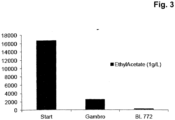
- Toluene, 2-Hexanone, Acetone, 2-Butanone and Ethyl Acetate have proven to be suitable reference compounds to monitor and reference the process quality and the amount of residual leachables and/or extractables.
- the target molecule which is typically present in a liquid is contacted with activated carbon.
- Biopharma production typically comprises several process steps like cell culture in a bioreactor, clarification, chromatography, viral clearance, filtration etc. Each of these steps as well as the preparation of media and buffers to be used in these steps can involve the use of disposable equipment.
- Disposable equipment can be employed once or several times within the production and/or purification process.
- the use of activated carbon can be performed once or several times in a production and/or purification process. It can be performed as additional process step or can be included in an existing process step, e.g. a filtration step.
- the target molecule which is typically present in a liquid is contacted with activated carbon after a process step in which disposable equipment is used in combination with one or more of the following process features:
- the target molecule which is typically present in a liquid is contacted with activated carbon two times or more in the process.
- the contact with the activated carbon can be performed by mixing the liquid containing the target molecule with the activated carbon and afterwards separating the liquid from the activated carbon e.g. by sedimentation, centrifugation and/or preferably filtration.
- the contact time between the activated carbon and the liquid is typically between 5 and 30 minutes.
- the contacting is performed by flowing the liquid containing the target molecule through the activated carbon.
- the activated carbon might be packed in a column, a cartridge, a filter or any other suitable device.
- the residence time of the liquid in the device is between 0.5 and 5 min.
- a person skilled in the art is able to adapt the flow rates to achieve the suitable residence time as well as the amount of liquid and activated carbon.
- the liquid comprising the target molecule is typically the liquid resulting from the process step after which the method of the invention shall be performed. It can be water, a buffer, an organic liquid or any mixture thereof. Typically it is an aqueous buffer.
- the liquid typically comprises the target molecule as well as one or more impurities like leachables and/or extractables.
- the removal of leachables and/or extractables with activated carbon may be performed under a broad range of extraction conditions, like pH, conductivity and ionic strength.
- the solution containing the target molecule can be directly applied to the activated carbon without changing pH, conductivity and ionic strength of the solution.
- the pH of the liquid containing the target molecule can for example be between pH 3 and 9 when contacting the activated carbon.
- the presence of an organic solvent in the solution might nevertheless influence the binding capacity of the activated carbon.
- the extraction of leachables and/or extractables with activated carbon is based on adsorptive size exclusion, which means that the leachables and/or extractables are bound in the pores of the activated carbon while the target molecule is too big to enter the pores and can thus not be bound within the pores. While the target molecule can thus be recovered in the non-adsorption fraction, the leachables and/or extractables are adsorbed onto the activated carbon, thereby reducing the amount of leachables and/or extractables in the liquid comprising the target molecule.
- the amount of activated carbon to be used for the method of the invention depends on the amount and/or origin of leachables and/or extractables that might be present. For 0,005 g of leachables and/or extractables typically at least 1 g of activated carbon is suitable. Typically 1 g of activated carbon can be used for 0,0001 to 0,005 g of leachables and/or extractables, preferably for 0,0005 to 0,0015 g of leachables and/or extractables. It has been found that for toluene, aceton, bisphenol the amount of activated carbon that is needed for their removal from the solution comprising the target molecule is lower than the amount needed to effectively remove aldehydes.
- At least 1 g of activated carbon or most preferred about 1 g of activated carbon is used for about 0,001g of leachable and/or extractables such as toluene, aceton, bisphenol and about 0,0005g of leachable and/or extractables such as acetalaldehyde.
- activated carbon obtained from organic polymers is especially suitable for the removal of leachables and/or extractables.
- the most efficient reduction of leachables and/or extractables can be reached with this type of material.
- activated carbon with a relatively small particle size of between 4 and 50 ⁇ m is especially suitable for the method of the present invention.
- the method of the present invention for the first time provides an easy and effective way to remove leachables and/or extractables from a target molecule.
- Activated carbon is a material known in the art that can be easily included in the purification process without taking the risk of adding new contaminants to the target molecule.
- the method of the invention is suitable to remove at least 50%, preferably at least 75%, most preferred at least 90% of the leachables and/or extractables from a target molecule. It has been found that the method of the invention is especially suited to remove leachables and/or extractables such as ketones, alcohols, aromatic hydrocarbons like toluene and benzylalcohol from the target molecule. It is to be expected to remove 90% of above named leachables and/or extractables using appropriate device scaling.
- the examples are all not according to the invention, as they do not contain a target protein molecule.
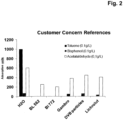
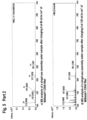
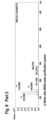
- Activated carbon materials (“BL 562" and "BL 772") could adsorb 3 out of 4 selected reference materials under the limit of detection.
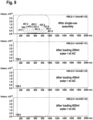
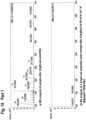
- Activated carbon materials (“BL 562" and "BL 772") could adsorb 2 out of 3 selected reference materials under the limit of detection and reduce the amount of acetalaldehyde appr. 3 times.
- Mobius ® Disposable Assembly (Gamma Irradiated (min 25-40kGy; MS0010L30EP, EMD Millipore Corporation, Billerica, MA, USA) of 10L solution bag was connected with Lynx ST connector (STC21THN01, EMD Millipore Corporation, Billerica, MA, USA) to tubing (Pharma 50, 7486040801PU-6, EMD Millipore Corporation, Billerica, MA, USA) following by female lure (5621000821, EMD Millipore Corporation, Billerica, MA, USA) connection to Mobius ® Disposable Assembly (Gamma Irradiated (min 25-40kGy; MS0010L30EP, EMD Millipore Corporation, Billerica, MA, USA) of 10L solution bag;
- the assembly was installed in a Mobius ® Virus Clearance unit (EMD Millipore Corporation, Billerica, MA, USA) and 10L of pure water was flown through using unit's peristaltic pump at 1 ,5L/hour flow rate.
- the processed water was gathered in the Mobius ® Disposable Assembly 10L solution bag at room temperature.
- the 10L processed water containing bag was connected to an equilibrated Millistak+ ® media in uPOD TM format CR40 23 cm 2 (EMD Millipore Corporation, Billerica, MA, USA) containing activated carbon and operated at 4ml/min using peristaltic pump.
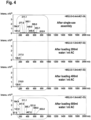
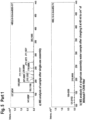
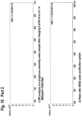
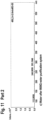
- the flow through water was gathered in separate glass containers and subjected to FIA-MS (flow injection mass spectrometry at 200 ⁇ l/min Bruker Esquire 3000+, Bruker Corporation, Billerica, MA, USA) using electrospray ionization (ESI+, ESI-) and atmospheric pressure chemical ionization (APCl-, APCI+) methods.
- FIA-MS flow injection mass spectrometry at 200 ⁇ l/min Bruker Esquire 3000+, Bruker Corporation, Billerica, MA, USA
- ESI+, ESI- electrospray ionization
- APICl-, APCI+ atmospheric pressure chemical ionization
- Millistak+ ® CR40 device for the extractable/leachable removal after single-use assembly use leads to almost full extractable/leachable removal.
- Mobius ® Disposable Assembly (Gamma Irradiated (min 25-40kGy; TF20020LGE1, EMD Millipore Corporation, Billerica, MA, USA) of 20L solution bag was connected with Lynx ST connector (STC21THN01, EMD Millipore Corporation, Billerica, MA, USA) to tubing (Pharma 50, 7486040801 PU-6, EMD Millipore Corporation, Billerica, MA, USA) following by Smart Flexware ® Assembly for Chromatography (EMD Millipore Corporation, Billerica, MA, USA) with Optical XL 600 filter having SHC membrane (EMD Millipore Corporation, Billerica, MA, USA) connected with female lure (5621000821, EMD Millipore Corporation, Billerica, MA, USA) to Mobius ® Disposable Assembly (Gamma Irradiated (min 25-40kGy; TF20020LGE1, EMD Millipore Corporation, Billerica, MA, USA) of 20L solution bag was
- the assembly was installed in a Mobius ® Chromatography unit (EMD Millipore Corporation, Billerica, MA, USA) and 20L of pure water was flown through using unit's peristaltic pump at 2L/hour flow rate.
- the processed water was gathered in the Mobius ® Disposable Assembly 20L solution bag at room temperature.
- the 20L water containing bag was connected to a equilibrated Superformance ® glass column (10*150mm, Götec Labortechnik, Bickenbach, Germany) packed with activated carbon (100772, Blücher GmbH, Erkrath) and operated at 4ml/min using peristaltic pump.
- Millistak+ ® CR40 device for the extractable/leachable removal after single-use assembly use leads to almost full extractable/leachable removal.
Landscapes
- Chemical & Material Sciences (AREA)
- Organic Chemistry (AREA)
- Analytical Chemistry (AREA)
- Chemical Kinetics & Catalysis (AREA)
- Life Sciences & Earth Sciences (AREA)
- Health & Medical Sciences (AREA)
- Molecular Biology (AREA)
- Genetics & Genomics (AREA)
- Medicinal Chemistry (AREA)
- General Health & Medical Sciences (AREA)
- Proteomics, Peptides & Aminoacids (AREA)
- Biophysics (AREA)
- Biochemistry (AREA)
- Inorganic Chemistry (AREA)
- Immunology (AREA)
- Geology (AREA)
- Physics & Mathematics (AREA)
- Thermal Sciences (AREA)
- Engineering & Computer Science (AREA)
- Water Supply & Treatment (AREA)
- Solid-Sorbent Or Filter-Aiding Compositions (AREA)
- Treatment Of Liquids With Adsorbents In General (AREA)
- Peptides Or Proteins (AREA)
- Organic Low-Molecular-Weight Compounds And Preparation Thereof (AREA)
Claims (8)
- Verfahren zur Reinigung eines Zielmoleküls, wobei das Zielmolekül ein Protein mit einem Molekulargewicht von 10000 oder mehr ist und von auslaugbaren und/oder extrahierbaren Stoffen abgetrennt wird, indem man eine das Zielmolekül enthaltende Flüssigkeit mit kugelförmiger Aktivkohle mit einer mittleren Teilchengröße von 2 bis 550 µm in Kontakt bringt, die durch Pyrolyse eines kugelförmigen organischen Polymermaterials erhalten wurde, das ausgewählt ist aus Polystyrol, Polyamid, Polycarbonat, Polymethylpenten, Polyethylen, Polyestern, Polyvinylen oder Polypropylen, wobei die auslaugbaren und/oder extrahierbaren Stoffe aus dem Kontakt von im Herstellungs- und/oder Reinigungsverfahren des Zielmoleküls eingesetzten Einweg-Anlagenteilen mit dem Zielmolekül oder mit einer das Zielmolekül enthaltenden Flüssigkeit stammen und die Einweg-Anlagenteile aus Materialien wie elastomeren oder thermoplastischen Komponenten hergestellt sind, wobei es sich bei den auslaugbaren und/oder extrahierbaren Stoffen um eine oder mehrere der folgenden Komponenten handelt: Acetaldehyd, Toluol, 2-Hexanon, Aceton, 2-Butanon, Essigsäureethylester, Bisphenol A, Benzylalkohol, Trimethylsilanol, Formaldehyd, Bis(2-ethylhexyl)-phthalat, 1-Methylethyl-ester-essigsäure, 2,4-Di-t-butyl-phenol, 2-Octanon, 2-Pentanon, 3,3-Dimethyl-2-butanon, 3-Ethoxy-propan, 3-Hexanon, 3-Methoxy-1-butanol, Butanal, Cyclohexanon, Ethanol, Ameisensäure, Heptaethylenglykol, Hexanal, Methyl-isobutyl-keton, Pentanal, t-Butanol, Tetrahydrofuran, Methylformiat und wobei die mittlere Teilchengröße mittels des EDANA-empfohlenen Testverfahrens Nr. WSP 220.2-05 "Particle Size Distribution" [Teilchengrößenverteilung] bestimmt wird, wo die Massenanteile der Siebfraktionen kumuliert aufgetragen werden und die mittlere Teilchengröße graphisch bestimmt wird, so dass die mittlere Teilchengröße der Wert der Maschenweite ist, die kumulative 50 Gew.-% ergibt.
- Verfahren nach Anspruch 1, dadurch gekennzeichnet, dass das Zielmolekül ein Glykoprotein ist.
- Verfahren nach den Ansprüchen 1 oder 2, dadurch gekennzeichnet, dass das Zielmolekül ein Antikörper ist.
- Verfahren nach einem oder mehreren der Ansprüche 1 bis 3, dadurch gekennzeichnet, dass der pH der das Zielmolekül enthaltende Flüssigkeit zwischen pH 3 und 9 liegt, wenn sie mit der Aktivkohle in Kontakt kommt.
- Verfahren nach einem oder mehreren der Ansprüche 1 bis 4, dadurch gekennzeichnet, dass die Aktivkohle eine mittlere Teilchengröße zwischen 5 und 40 µm aufweist, bestimmt durch Sieben.
- Verfahren nach einem oder mehreren der Ansprüche 1 bis 5, dadurch gekennzeichnet, dass das Zielmolekül von auslaugbaren und/oder extrahierbaren Stoffen durch Filtration durch einen oder mehrere die Aktivkohle enthaltende Filter abgetrennt wird.
- Verfahren nach einem oder mehreren der Ansprüche 1 bis 6, dadurch gekennzeichnet, dass es in einem Herstellungs- und/oder Reinigungsverfahren verwendet wird, das einen oder mehrere der folgenden Schritte umfasst:- Zellkultur in einem Bioreaktor- Klärung- chromatographische Reinigung- Filtration
- Verfahren nach einem oder mehreren der Ansprüche 1 bis 7, dadurch gekennzeichnet, dass das Zielmolekül mit der Aktivkohle nach einem Verfahrensschritt in Kontakt gebracht wird, in dem Einweg-Anlagenteile in Kombination mit einer Temperatur oberhalb von 25°C und/oder mechanischer Verformung der Einweg-Anlagenteile verwendet werden und/oder in dem die Verweilzeit des Zielmoleküls in den Einweg-Anlagenteilen mehr als 1 Stunde beträgt.
Applications Claiming Priority (2)
| Application Number | Priority Date | Filing Date | Title |
|---|---|---|---|
| EP14003737 | 2014-11-06 | ||
| PCT/EP2015/002071 WO2016070957A1 (en) | 2014-11-06 | 2015-10-20 | Activated carbon for the removal of leachables and/or extractables |
Publications (2)
| Publication Number | Publication Date |
|---|---|
| EP3215246A1 EP3215246A1 (de) | 2017-09-13 |
| EP3215246B1 true EP3215246B1 (de) | 2024-08-07 |
Family
ID=51893815
Family Applications (1)
| Application Number | Title | Priority Date | Filing Date |
|---|---|---|---|
| EP15784570.2A Active EP3215246B1 (de) | 2014-11-06 | 2015-10-20 | Verfahren zum entfernen von auslaugbaren und/oder extraktionsfähigen stoffen |
Country Status (8)
| Country | Link |
|---|---|
| US (1) | US10793592B2 (de) |
| EP (1) | EP3215246B1 (de) |
| JP (1) | JP6716557B2 (de) |
| KR (1) | KR102398719B1 (de) |
| CN (1) | CN107635657B (de) |
| CA (1) | CA2966764C (de) |
| SG (1) | SG11201703672QA (de) |
| WO (1) | WO2016070957A1 (de) |
Families Citing this family (2)
| Publication number | Priority date | Publication date | Assignee | Title |
|---|---|---|---|---|
| JP7653244B2 (ja) * | 2019-11-13 | 2025-03-28 | ノリタケ株式会社 | 連続精製用限外ろ過ユニットおよび連続精製用限外ろ過ユニットを用いたタンパク質の製造方法 |
| WO2025197985A1 (ja) * | 2024-03-19 | 2025-09-25 | 味の素株式会社 | 菜種蛋白質の精製方法 |
Citations (1)
| Publication number | Priority date | Publication date | Assignee | Title |
|---|---|---|---|---|
| US20140046038A1 (en) * | 2012-08-07 | 2014-02-13 | Kyowa Hakko Kirin Co., Ltd | Method of purifying protein |
Family Cites Families (26)
| Publication number | Priority date | Publication date | Assignee | Title |
|---|---|---|---|---|
| US5104530A (en) * | 1988-01-29 | 1992-04-14 | Maroldo Stephen G | Chromatography column with carbonaceous adsorbents from pyrolyzed polysulfonated polymers |
| US5543096A (en) * | 1994-09-12 | 1996-08-06 | Corning Incorporated | Method for producing activated carbon bodies having silicone resin binder |
| US6171373B1 (en) * | 1996-04-23 | 2001-01-09 | Applied Ceramics, Inc. | Adsorptive monolith including activated carbon, method for making said monolith, and method for adsorbing chemical agents from fluid streams |
| US20010009756A1 (en) * | 1998-01-06 | 2001-07-26 | Derek Hei | Flow devices for the reduction of compounds from biological compositions and methods of use |
| US7611831B2 (en) | 1998-01-06 | 2009-11-03 | Cerus Corporation | Adsorbing pathogen-inactivating compounds with porous particles immobilized in a matrix |
| AU759966C (en) * | 1998-01-06 | 2004-02-12 | Cerus Corporation | Batch devices for the reduction of compounds from biological compositions containing cells and methods of use |
| EP1229976A1 (de) * | 1999-09-24 | 2002-08-14 | Bausch & Lomb Incorporated | Verfahren zur reinigung und wiederverwendung von lösungsmitteln zur entfernung von extrahierbaren materialien |
| ATE283238T1 (de) | 2000-04-28 | 2004-12-15 | Bluecher Gmbh | Verfahren zur herstellung kugelförmiger aktivkohle |
| DE10254241A1 (de) | 2002-11-20 | 2004-06-09 | RVG Berlin-Brandenburg Gesellschaft für Verfahrensentwicklung und Recyclingtechnologien mbH | Kugelaktivkohle |
| DE102006020461B3 (de) | 2006-04-28 | 2007-10-04 | Sartorius Biotech Gmbh | Behälter mit flexiblen Wänden |
| DE102006021984B4 (de) | 2006-05-10 | 2013-05-08 | Sartorius Stedim Biotech Gmbh | Bioreaktor |
| DE102006022306B4 (de) | 2006-05-11 | 2009-06-25 | Sartorius Stedim Biotech Gmbh | Vibrationsmischer |
| US7819934B2 (en) | 2006-07-14 | 2010-10-26 | Xcellerex, Inc. | Environmental containment systems |
| PL2087002T3 (pl) * | 2006-10-27 | 2015-02-27 | Lpath Inc | Kompozycje i sposoby do wiązania sfingozyno-1 fosforanu |
| WO2008101124A1 (en) | 2007-02-15 | 2008-08-21 | Broadley-James Corporation | Sterile bioreactor bag with integrated drive unit |
| DE102008010427B4 (de) | 2008-02-21 | 2010-05-12 | Sartorius Stedim Biotech Gmbh | Bioreaktor |
| DE102008025508A1 (de) | 2008-05-28 | 2009-12-03 | Sartorius Stedim Biotech Gmbh | Mischsystem |
| DE102008025507A1 (de) | 2008-05-28 | 2009-12-03 | Sartorius Stedim Biotech Gmbh | Mischsystem |
| FR2943355B1 (fr) | 2009-03-18 | 2011-04-08 | Sartorius Stedim Biotech Sa | Recipient-melangeur avec palier d'arbre en partie superieure |
| US20110151552A1 (en) | 2009-12-23 | 2011-06-23 | Ge Healthcare Bio-Sciences Corp. | Bioreactors |
| US8455242B2 (en) | 2010-02-22 | 2013-06-04 | Hyclone Laboratories, Inc. | Mixing system with condenser |
| US20110229517A1 (en) * | 2010-03-17 | 2011-09-22 | Sanofi Pasteur, Ltd. | System and process for producing multi-component biopharmaceuticals |
| SG191071A1 (en) * | 2010-12-08 | 2013-07-31 | Amgen Inc | Ion exchange chromatography in the presence of an amino acid |
| US9096648B2 (en) * | 2011-08-19 | 2015-08-04 | Emd Millipore Corporation | Methods of reducing level of one or more impurities in a sample during protein purification |
| EP2682168A1 (de) | 2012-07-02 | 2014-01-08 | Millipore Corporation | Reinigung biologischer Moleküle |
| EP2818185A1 (de) | 2013-06-25 | 2014-12-31 | Fresenius Medical Care Deutschland GmbH | Dialyselösung mit niedrigem Schadstoffgehalt |
-
2015
- 2015-10-20 CA CA2966764A patent/CA2966764C/en active Active
- 2015-10-20 KR KR1020177015347A patent/KR102398719B1/ko active Active
- 2015-10-20 SG SG11201703672QA patent/SG11201703672QA/en unknown
- 2015-10-20 CN CN201580060422.0A patent/CN107635657B/zh active Active
- 2015-10-20 WO PCT/EP2015/002071 patent/WO2016070957A1/en not_active Ceased
- 2015-10-20 JP JP2017524356A patent/JP6716557B2/ja active Active
- 2015-10-20 EP EP15784570.2A patent/EP3215246B1/de active Active
- 2015-10-20 US US15/524,824 patent/US10793592B2/en active Active
Patent Citations (1)
| Publication number | Priority date | Publication date | Assignee | Title |
|---|---|---|---|---|
| US20140046038A1 (en) * | 2012-08-07 | 2014-02-13 | Kyowa Hakko Kirin Co., Ltd | Method of purifying protein |
Also Published As
| Publication number | Publication date |
|---|---|
| SG11201703672QA (en) | 2017-06-29 |
| JP6716557B2 (ja) | 2020-07-01 |
| US10793592B2 (en) | 2020-10-06 |
| EP3215246A1 (de) | 2017-09-13 |
| CN107635657B (zh) | 2021-02-12 |
| KR20170084155A (ko) | 2017-07-19 |
| JP2018500288A (ja) | 2018-01-11 |
| CN107635657A (zh) | 2018-01-26 |
| KR102398719B1 (ko) | 2022-05-16 |
| US20170313741A1 (en) | 2017-11-02 |
| CA2966764C (en) | 2022-10-18 |
| CA2966764A1 (en) | 2016-05-12 |
| WO2016070957A1 (en) | 2016-05-12 |
Similar Documents
| Publication | Publication Date | Title |
|---|---|---|
| US10865224B2 (en) | Purification of biological molecules | |
| US11504646B2 (en) | Depth filters for disposable biotechnological processes | |
| KR101415660B1 (ko) | 샘플 중의 1 이상의 불순물로부터 표적 단백질을 정제하는 방법 | |
| EP2942353B1 (de) | Verfahren zur verringerung des niveaus von einer oder mehreren verunreinigungen in einer probe während proteinreinigung | |
| EP2639239A2 (de) | Beseitigung von Proteinaggregaten aus biopharmazeutischen Präparaten in einem Durchflussmodus | |
| EP3215246B1 (de) | Verfahren zum entfernen von auslaugbaren und/oder extraktionsfähigen stoffen | |
| JP2023506472A (ja) | 透析濾過緩衝液を用いて増強したウイルス濾過 | |
| KR20160021050A (ko) | 혈장으로부터의 면역글로불린의 정제 | |
| JP2011036128A (ja) | 抗体製造方法 |
Legal Events
| Date | Code | Title | Description |
|---|---|---|---|
| STAA | Information on the status of an ep patent application or granted ep patent |
Free format text: STATUS: THE INTERNATIONAL PUBLICATION HAS BEEN MADE |
|
| PUAI | Public reference made under article 153(3) epc to a published international application that has entered the european phase |
Free format text: ORIGINAL CODE: 0009012 |
|
| STAA | Information on the status of an ep patent application or granted ep patent |
Free format text: STATUS: REQUEST FOR EXAMINATION WAS MADE |
|
| 17P | Request for examination filed |
Effective date: 20170503 |
|
| AK | Designated contracting states |
Kind code of ref document: A1 Designated state(s): AL AT BE BG CH CY CZ DE DK EE ES FI FR GB GR HR HU IE IS IT LI LT LU LV MC MK MT NL NO PL PT RO RS SE SI SK SM TR |
|
| AX | Request for extension of the european patent |
Extension state: BA ME |
|
| RIN1 | Information on inventor provided before grant (corrected) |
Inventor name: ANDRECHT, SVEN Inventor name: ADRIAN, KLAUS Inventor name: SKUDAS, ROMAS Inventor name: EDELMANN, BIANCA Inventor name: MOYA, WILSON |
|
| DAV | Request for validation of the european patent (deleted) | ||
| DAX | Request for extension of the european patent (deleted) | ||
| STAA | Information on the status of an ep patent application or granted ep patent |
Free format text: STATUS: EXAMINATION IS IN PROGRESS |
|
| 17Q | First examination report despatched |
Effective date: 20200527 |
|
| RAP3 | Party data changed (applicant data changed or rights of an application transferred) |
Owner name: MERCK PATENT GMBH |
|
| P01 | Opt-out of the competence of the unified patent court (upc) registered |
Effective date: 20230518 |
|
| GRAP | Despatch of communication of intention to grant a patent |
Free format text: ORIGINAL CODE: EPIDOSNIGR1 |
|
| STAA | Information on the status of an ep patent application or granted ep patent |
Free format text: STATUS: GRANT OF PATENT IS INTENDED |
|
| INTG | Intention to grant announced |
Effective date: 20240322 |
|
| GRAS | Grant fee paid |
Free format text: ORIGINAL CODE: EPIDOSNIGR3 |
|
| GRAA | (expected) grant |
Free format text: ORIGINAL CODE: 0009210 |
|
| STAA | Information on the status of an ep patent application or granted ep patent |
Free format text: STATUS: THE PATENT HAS BEEN GRANTED |
|
| AK | Designated contracting states |
Kind code of ref document: B1 Designated state(s): AL AT BE BG CH CY CZ DE DK EE ES FI FR GB GR HR HU IE IS IT LI LT LU LV MC MK MT NL NO PL PT RO RS SE SI SK SM TR |
|
| REG | Reference to a national code |
Ref country code: GB Ref legal event code: FG4D |
|
| REG | Reference to a national code |
Ref country code: CH Ref legal event code: EP |
|
| REG | Reference to a national code |
Ref country code: IE Ref legal event code: FG4D |
|
| REG | Reference to a national code |
Ref country code: DE Ref legal event code: R096 Ref document number: 602015089459 Country of ref document: DE |
|
| REG | Reference to a national code |
Ref country code: SE Ref legal event code: TRGR |
|
| REG | Reference to a national code |
Ref country code: LT Ref legal event code: MG9D |
|
| REG | Reference to a national code |
Ref country code: NL Ref legal event code: MP Effective date: 20240807 |
|
| PG25 | Lapsed in a contracting state [announced via postgrant information from national office to epo] |
Ref country code: NO Free format text: LAPSE BECAUSE OF FAILURE TO SUBMIT A TRANSLATION OF THE DESCRIPTION OR TO PAY THE FEE WITHIN THE PRESCRIBED TIME-LIMIT Effective date: 20241107 |
|
| REG | Reference to a national code |
Ref country code: AT Ref legal event code: MK05 Ref document number: 1710321 Country of ref document: AT Kind code of ref document: T Effective date: 20240807 |
|
| PG25 | Lapsed in a contracting state [announced via postgrant information from national office to epo] |
Ref country code: PL Free format text: LAPSE BECAUSE OF FAILURE TO SUBMIT A TRANSLATION OF THE DESCRIPTION OR TO PAY THE FEE WITHIN THE PRESCRIBED TIME-LIMIT Effective date: 20240807 Ref country code: FI Free format text: LAPSE BECAUSE OF FAILURE TO SUBMIT A TRANSLATION OF THE DESCRIPTION OR TO PAY THE FEE WITHIN THE PRESCRIBED TIME-LIMIT Effective date: 20240807 Ref country code: NL Free format text: LAPSE BECAUSE OF FAILURE TO SUBMIT A TRANSLATION OF THE DESCRIPTION OR TO PAY THE FEE WITHIN THE PRESCRIBED TIME-LIMIT Effective date: 20240807 Ref country code: PT Free format text: LAPSE BECAUSE OF FAILURE TO SUBMIT A TRANSLATION OF THE DESCRIPTION OR TO PAY THE FEE WITHIN THE PRESCRIBED TIME-LIMIT Effective date: 20241209 Ref country code: GR Free format text: LAPSE BECAUSE OF FAILURE TO SUBMIT A TRANSLATION OF THE DESCRIPTION OR TO PAY THE FEE WITHIN THE PRESCRIBED TIME-LIMIT Effective date: 20241108 |
|
| PG25 | Lapsed in a contracting state [announced via postgrant information from national office to epo] |
Ref country code: BG Free format text: LAPSE BECAUSE OF FAILURE TO SUBMIT A TRANSLATION OF THE DESCRIPTION OR TO PAY THE FEE WITHIN THE PRESCRIBED TIME-LIMIT Effective date: 20240807 |
|
| PG25 | Lapsed in a contracting state [announced via postgrant information from national office to epo] |
Ref country code: LV Free format text: LAPSE BECAUSE OF FAILURE TO SUBMIT A TRANSLATION OF THE DESCRIPTION OR TO PAY THE FEE WITHIN THE PRESCRIBED TIME-LIMIT Effective date: 20240807 |
|
| PG25 | Lapsed in a contracting state [announced via postgrant information from national office to epo] |
Ref country code: IS Free format text: LAPSE BECAUSE OF FAILURE TO SUBMIT A TRANSLATION OF THE DESCRIPTION OR TO PAY THE FEE WITHIN THE PRESCRIBED TIME-LIMIT Effective date: 20241207 Ref country code: AT Free format text: LAPSE BECAUSE OF FAILURE TO SUBMIT A TRANSLATION OF THE DESCRIPTION OR TO PAY THE FEE WITHIN THE PRESCRIBED TIME-LIMIT Effective date: 20240807 |
|
| PG25 | Lapsed in a contracting state [announced via postgrant information from national office to epo] |
Ref country code: HR Free format text: LAPSE BECAUSE OF FAILURE TO SUBMIT A TRANSLATION OF THE DESCRIPTION OR TO PAY THE FEE WITHIN THE PRESCRIBED TIME-LIMIT Effective date: 20240807 |
|
| PG25 | Lapsed in a contracting state [announced via postgrant information from national office to epo] |
Ref country code: ES Free format text: LAPSE BECAUSE OF FAILURE TO SUBMIT A TRANSLATION OF THE DESCRIPTION OR TO PAY THE FEE WITHIN THE PRESCRIBED TIME-LIMIT Effective date: 20240807 Ref country code: RS Free format text: LAPSE BECAUSE OF FAILURE TO SUBMIT A TRANSLATION OF THE DESCRIPTION OR TO PAY THE FEE WITHIN THE PRESCRIBED TIME-LIMIT Effective date: 20241107 |
|
| PG25 | Lapsed in a contracting state [announced via postgrant information from national office to epo] |
Ref country code: RS Free format text: LAPSE BECAUSE OF FAILURE TO SUBMIT A TRANSLATION OF THE DESCRIPTION OR TO PAY THE FEE WITHIN THE PRESCRIBED TIME-LIMIT Effective date: 20241107 Ref country code: PT Free format text: LAPSE BECAUSE OF FAILURE TO SUBMIT A TRANSLATION OF THE DESCRIPTION OR TO PAY THE FEE WITHIN THE PRESCRIBED TIME-LIMIT Effective date: 20241209 Ref country code: PL Free format text: LAPSE BECAUSE OF FAILURE TO SUBMIT A TRANSLATION OF THE DESCRIPTION OR TO PAY THE FEE WITHIN THE PRESCRIBED TIME-LIMIT Effective date: 20240807 Ref country code: NO Free format text: LAPSE BECAUSE OF FAILURE TO SUBMIT A TRANSLATION OF THE DESCRIPTION OR TO PAY THE FEE WITHIN THE PRESCRIBED TIME-LIMIT Effective date: 20241107 Ref country code: NL Free format text: LAPSE BECAUSE OF FAILURE TO SUBMIT A TRANSLATION OF THE DESCRIPTION OR TO PAY THE FEE WITHIN THE PRESCRIBED TIME-LIMIT Effective date: 20240807 Ref country code: LV Free format text: LAPSE BECAUSE OF FAILURE TO SUBMIT A TRANSLATION OF THE DESCRIPTION OR TO PAY THE FEE WITHIN THE PRESCRIBED TIME-LIMIT Effective date: 20240807 Ref country code: IS Free format text: LAPSE BECAUSE OF FAILURE TO SUBMIT A TRANSLATION OF THE DESCRIPTION OR TO PAY THE FEE WITHIN THE PRESCRIBED TIME-LIMIT Effective date: 20241207 Ref country code: HR Free format text: LAPSE BECAUSE OF FAILURE TO SUBMIT A TRANSLATION OF THE DESCRIPTION OR TO PAY THE FEE WITHIN THE PRESCRIBED TIME-LIMIT Effective date: 20240807 Ref country code: GR Free format text: LAPSE BECAUSE OF FAILURE TO SUBMIT A TRANSLATION OF THE DESCRIPTION OR TO PAY THE FEE WITHIN THE PRESCRIBED TIME-LIMIT Effective date: 20241108 Ref country code: FI Free format text: LAPSE BECAUSE OF FAILURE TO SUBMIT A TRANSLATION OF THE DESCRIPTION OR TO PAY THE FEE WITHIN THE PRESCRIBED TIME-LIMIT Effective date: 20240807 Ref country code: ES Free format text: LAPSE BECAUSE OF FAILURE TO SUBMIT A TRANSLATION OF THE DESCRIPTION OR TO PAY THE FEE WITHIN THE PRESCRIBED TIME-LIMIT Effective date: 20240807 Ref country code: BG Free format text: LAPSE BECAUSE OF FAILURE TO SUBMIT A TRANSLATION OF THE DESCRIPTION OR TO PAY THE FEE WITHIN THE PRESCRIBED TIME-LIMIT Effective date: 20240807 Ref country code: AT Free format text: LAPSE BECAUSE OF FAILURE TO SUBMIT A TRANSLATION OF THE DESCRIPTION OR TO PAY THE FEE WITHIN THE PRESCRIBED TIME-LIMIT Effective date: 20240807 |
|
| PG25 | Lapsed in a contracting state [announced via postgrant information from national office to epo] |
Ref country code: SM Free format text: LAPSE BECAUSE OF FAILURE TO SUBMIT A TRANSLATION OF THE DESCRIPTION OR TO PAY THE FEE WITHIN THE PRESCRIBED TIME-LIMIT Effective date: 20240807 Ref country code: RO Free format text: LAPSE BECAUSE OF FAILURE TO SUBMIT A TRANSLATION OF THE DESCRIPTION OR TO PAY THE FEE WITHIN THE PRESCRIBED TIME-LIMIT Effective date: 20240807 Ref country code: DK Free format text: LAPSE BECAUSE OF FAILURE TO SUBMIT A TRANSLATION OF THE DESCRIPTION OR TO PAY THE FEE WITHIN THE PRESCRIBED TIME-LIMIT Effective date: 20240807 |
|
| PG25 | Lapsed in a contracting state [announced via postgrant information from national office to epo] |
Ref country code: EE Free format text: LAPSE BECAUSE OF FAILURE TO SUBMIT A TRANSLATION OF THE DESCRIPTION OR TO PAY THE FEE WITHIN THE PRESCRIBED TIME-LIMIT Effective date: 20240807 |
|
| PG25 | Lapsed in a contracting state [announced via postgrant information from national office to epo] |
Ref country code: CZ Free format text: LAPSE BECAUSE OF FAILURE TO SUBMIT A TRANSLATION OF THE DESCRIPTION OR TO PAY THE FEE WITHIN THE PRESCRIBED TIME-LIMIT Effective date: 20240807 |
|
| PG25 | Lapsed in a contracting state [announced via postgrant information from national office to epo] |
Ref country code: SK Free format text: LAPSE BECAUSE OF FAILURE TO SUBMIT A TRANSLATION OF THE DESCRIPTION OR TO PAY THE FEE WITHIN THE PRESCRIBED TIME-LIMIT Effective date: 20240807 |
|
| REG | Reference to a national code |
Ref country code: DE Ref legal event code: R097 Ref document number: 602015089459 Country of ref document: DE |
|
| PLBE | No opposition filed within time limit |
Free format text: ORIGINAL CODE: 0009261 |
|
| STAA | Information on the status of an ep patent application or granted ep patent |
Free format text: STATUS: NO OPPOSITION FILED WITHIN TIME LIMIT |
|
| PG25 | Lapsed in a contracting state [announced via postgrant information from national office to epo] |
Ref country code: MC Free format text: LAPSE BECAUSE OF FAILURE TO SUBMIT A TRANSLATION OF THE DESCRIPTION OR TO PAY THE FEE WITHIN THE PRESCRIBED TIME-LIMIT Effective date: 20240807 |
|
| PG25 | Lapsed in a contracting state [announced via postgrant information from national office to epo] |
Ref country code: BE Free format text: LAPSE BECAUSE OF NON-PAYMENT OF DUE FEES Effective date: 20241031 Ref country code: LU Free format text: LAPSE BECAUSE OF NON-PAYMENT OF DUE FEES Effective date: 20241020 |
|
| 26N | No opposition filed |
Effective date: 20250508 |
|
| REG | Reference to a national code |
Ref country code: BE Ref legal event code: MM Effective date: 20241031 |
|
| PGFP | Annual fee paid to national office [announced via postgrant information from national office to epo] |
Ref country code: GB Payment date: 20250923 Year of fee payment: 11 |
|
| PGFP | Annual fee paid to national office [announced via postgrant information from national office to epo] |
Ref country code: FR Payment date: 20250923 Year of fee payment: 11 |
|
| PGFP | Annual fee paid to national office [announced via postgrant information from national office to epo] |
Ref country code: SE Payment date: 20250923 Year of fee payment: 11 |
|
| PGFP | Annual fee paid to national office [announced via postgrant information from national office to epo] |
Ref country code: IE Payment date: 20250925 Year of fee payment: 11 |
|
| REG | Reference to a national code |
Ref country code: CH Ref legal event code: U11 Free format text: ST27 STATUS EVENT CODE: U-0-0-U10-U11 (AS PROVIDED BY THE NATIONAL OFFICE) Effective date: 20251101 |
|
| PGFP | Annual fee paid to national office [announced via postgrant information from national office to epo] |
Ref country code: DE Payment date: 20250923 Year of fee payment: 11 |
|
| PGFP | Annual fee paid to national office [announced via postgrant information from national office to epo] |
Ref country code: CH Payment date: 20251101 Year of fee payment: 11 |
|
| PG25 | Lapsed in a contracting state [announced via postgrant information from national office to epo] |
Ref country code: IT Free format text: LAPSE BECAUSE OF FAILURE TO SUBMIT A TRANSLATION OF THE DESCRIPTION OR TO PAY THE FEE WITHIN THE PRESCRIBED TIME-LIMIT Effective date: 20240807 Ref country code: CY Free format text: LAPSE BECAUSE OF FAILURE TO SUBMIT A TRANSLATION OF THE DESCRIPTION OR TO PAY THE FEE WITHIN THE PRESCRIBED TIME-LIMIT; INVALID AB INITIO Effective date: 20151020 |
|
| PG25 | Lapsed in a contracting state [announced via postgrant information from national office to epo] |
Ref country code: HU Free format text: LAPSE BECAUSE OF FAILURE TO SUBMIT A TRANSLATION OF THE DESCRIPTION OR TO PAY THE FEE WITHIN THE PRESCRIBED TIME-LIMIT; INVALID AB INITIO Effective date: 20151020 |