EP3217800B1 - Verfahren zur desinfizierung von essbaren samen, insbesondere schleimproduzierenden samen - Google Patents
Verfahren zur desinfizierung von essbaren samen, insbesondere schleimproduzierenden samen Download PDFInfo
- Publication number
- EP3217800B1 EP3217800B1 EP15859463.0A EP15859463A EP3217800B1 EP 3217800 B1 EP3217800 B1 EP 3217800B1 EP 15859463 A EP15859463 A EP 15859463A EP 3217800 B1 EP3217800 B1 EP 3217800B1
- Authority
- EP
- European Patent Office
- Prior art keywords
- seeds
- effect
- ethanol
- mucilage
- alcohol
- Prior art date
- Legal status (The legal status is an assumption and is not a legal conclusion. Google has not performed a legal analysis and makes no representation as to the accuracy of the status listed.)
- Active
Links
Images


Classifications
-
- A—HUMAN NECESSITIES
- A23—FOODS OR FOODSTUFFS; TREATMENT THEREOF, NOT COVERED BY OTHER CLASSES
- A23B—PRESERVATION OF FOODS, FOODSTUFFS OR NON-ALCOHOLIC BEVERAGES; CHEMICAL RIPENING OF FRUIT OR VEGETABLES
- A23B9/00—Preservation of edible seeds, e.g. cereals
- A23B9/16—Preserving with chemicals
- A23B9/24—Preserving with chemicals in the form of liquids or solids
- A23B9/26—Organic compounds; Microorganisms; Enzymes
-
- A—HUMAN NECESSITIES
- A01—AGRICULTURE; FORESTRY; ANIMAL HUSBANDRY; HUNTING; TRAPPING; FISHING
- A01N—PRESERVATION OF BODIES OF HUMANS OR ANIMALS OR PLANTS OR PARTS THEREOF; BIOCIDES, e.g. AS DISINFECTANTS, AS PESTICIDES OR AS HERBICIDES; PEST REPELLANTS OR ATTRACTANTS; PLANT GROWTH REGULATORS
- A01N25/00—Biocides, pest repellants or attractants, or plant growth regulators, characterised by their forms, or by their non-active ingredients or by their methods of application, e.g. seed treatment or sequential application; Substances for reducing the noxious effect of the active ingredients to organisms other than pests
-
- A—HUMAN NECESSITIES
- A01—AGRICULTURE; FORESTRY; ANIMAL HUSBANDRY; HUNTING; TRAPPING; FISHING
- A01N—PRESERVATION OF BODIES OF HUMANS OR ANIMALS OR PLANTS OR PARTS THEREOF; BIOCIDES, e.g. AS DISINFECTANTS, AS PESTICIDES OR AS HERBICIDES; PEST REPELLANTS OR ATTRACTANTS; PLANT GROWTH REGULATORS
- A01N31/00—Biocides, pest repellants or attractants, or plant growth regulators containing organic oxygen or sulfur compounds
- A01N31/02—Acyclic compounds
-
- A—HUMAN NECESSITIES
- A01—AGRICULTURE; FORESTRY; ANIMAL HUSBANDRY; HUNTING; TRAPPING; FISHING
- A01N—PRESERVATION OF BODIES OF HUMANS OR ANIMALS OR PLANTS OR PARTS THEREOF; BIOCIDES, e.g. AS DISINFECTANTS, AS PESTICIDES OR AS HERBICIDES; PEST REPELLANTS OR ATTRACTANTS; PLANT GROWTH REGULATORS
- A01N37/00—Biocides, pest repellants or attractants, or plant growth regulators containing organic compounds containing a carbon atom having three bonds to hetero atoms with at the most two bonds to halogen, e.g. carboxylic acids
- A01N37/02—Saturated carboxylic acids or thio analogues thereof; Derivatives thereof
-
- A—HUMAN NECESSITIES
- A01—AGRICULTURE; FORESTRY; ANIMAL HUSBANDRY; HUNTING; TRAPPING; FISHING
- A01N—PRESERVATION OF BODIES OF HUMANS OR ANIMALS OR PLANTS OR PARTS THEREOF; BIOCIDES, e.g. AS DISINFECTANTS, AS PESTICIDES OR AS HERBICIDES; PEST REPELLANTS OR ATTRACTANTS; PLANT GROWTH REGULATORS
- A01N37/00—Biocides, pest repellants or attractants, or plant growth regulators containing organic compounds containing a carbon atom having three bonds to hetero atoms with at the most two bonds to halogen, e.g. carboxylic acids
- A01N37/16—Biocides, pest repellants or attractants, or plant growth regulators containing organic compounds containing a carbon atom having three bonds to hetero atoms with at the most two bonds to halogen, e.g. carboxylic acids containing the group; Thio analogues thereof
-
- A—HUMAN NECESSITIES
- A23—FOODS OR FOODSTUFFS; TREATMENT THEREOF, NOT COVERED BY OTHER CLASSES
- A23B—PRESERVATION OF FOODS, FOODSTUFFS OR NON-ALCOHOLIC BEVERAGES; CHEMICAL RIPENING OF FRUIT OR VEGETABLES
- A23B2/00—Preservation of foods or foodstuffs, in general
- A23B2/70—Preservation of foods or foodstuffs, in general by treatment with chemicals
- A23B2/725—Preservation of foods or foodstuffs, in general by treatment with chemicals in the form of liquids or solids
- A23B2/729—Organic compounds; Microorganisms; Enzymes
- A23B2/742—Organic compounds containing oxygen
- A23B2/754—Organic compounds containing oxygen containing carboxyl groups
-
- A—HUMAN NECESSITIES
- A23—FOODS OR FOODSTUFFS; TREATMENT THEREOF, NOT COVERED BY OTHER CLASSES
- A23B—PRESERVATION OF FOODS, FOODSTUFFS OR NON-ALCOHOLIC BEVERAGES; CHEMICAL RIPENING OF FRUIT OR VEGETABLES
- A23B2/00—Preservation of foods or foodstuffs, in general
- A23B2/70—Preservation of foods or foodstuffs, in general by treatment with chemicals
- A23B2/725—Preservation of foods or foodstuffs, in general by treatment with chemicals in the form of liquids or solids
- A23B2/788—Inorganic compounds
-
- A—HUMAN NECESSITIES
- A23—FOODS OR FOODSTUFFS; TREATMENT THEREOF, NOT COVERED BY OTHER CLASSES
- A23B—PRESERVATION OF FOODS, FOODSTUFFS OR NON-ALCOHOLIC BEVERAGES; CHEMICAL RIPENING OF FRUIT OR VEGETABLES
- A23B9/00—Preservation of edible seeds, e.g. cereals
- A23B9/08—Drying; Subsequent reconstitution
-
- A—HUMAN NECESSITIES
- A23—FOODS OR FOODSTUFFS; TREATMENT THEREOF, NOT COVERED BY OTHER CLASSES
- A23B—PRESERVATION OF FOODS, FOODSTUFFS OR NON-ALCOHOLIC BEVERAGES; CHEMICAL RIPENING OF FRUIT OR VEGETABLES
- A23B9/00—Preservation of edible seeds, e.g. cereals
- A23B9/16—Preserving with chemicals
- A23B9/24—Preserving with chemicals in the form of liquids or solids
- A23B9/30—Inorganic compounds
-
- A—HUMAN NECESSITIES
- A23—FOODS OR FOODSTUFFS; TREATMENT THEREOF, NOT COVERED BY OTHER CLASSES
- A23V—INDEXING SCHEME RELATING TO FOODS, FOODSTUFFS OR NON-ALCOHOLIC BEVERAGES AND LACTIC OR PROPIONIC ACID BACTERIA USED IN FOODSTUFFS OR FOOD PREPARATION
- A23V2002/00—Food compositions, function of food ingredients or processes for food or foodstuffs
Definitions
- the invention relates to the preservation of edible seeds, including sprouted seeds.
- Seeds such as flax, chia, hemp and sesame seeds, are economically valuable and nutritious food products. However, there are many potential points of entry for pathogens in the seed processing chain between harvesting and packaging. Some pasteurized seeds are commercially available. However, pasteurizing cooks the seeds and is not an option for seeds that are marketed as raw. The seeds are believed to have more nutritional value when raw, and raw seeds are at preferred by at least some consumers.
- U.S. Patent Number 2,512,640 describes the use of peracetic acid (also known under the tradename Peracid) for the treatment of raw fruits and vegetables to reduce spoilage from bacteria and fungi before processing.
- Peracetic aqueous solutions have also been suggested to control pathogenic organisms on growing plants (International Patent Publication WO 2012/051699 and U.S. Patent Numbers 6,024,986 ; 6,165,483 ; and, 6,238,685 ).
- EP 0,953,283 discloses a method for production of a disinfectant peracetic acid system for high-level chemical disinfection, e.g. of medical and surgical devices or waste treatment plants.
- U.S. Patent Number 3,992,147 discloses a process for sterilizing psyllium seed husks using aqueous isopropanol.
- US 2013/0203849 discloses various compositions for protecting edible matter from decay including performic acid.
- Aqueous sanitizing solutions generally employ a contact killing mechanism and so efficacy depends on coverage. This suggests that a large volume of any aqueous composition would be required to treat seeds, but seeds are typically stored and processed dry.
- Mucilage is a polysaccharide with a high swelling index that produces a viscous solution in water.
- Mucilaginous seeds contain mucilage-secreting cells (MSCs) primarily located in the seed coat, or epidermal layer of the seed. When the seeds are dry, the mucilage is contained in cell wall structures, for example between primary and secondary cells walls. When the seeds contact water, the mucilage swells, breaks free of the cell structures, and covers the seeds with mucilage.
- the mucilage is edible but, if secreted, it binds the seeds together making the seeds difficult to process and store. Examples of commercially important mucilage producing seeds include flax and chia.
- sampling detects an excess of pathogens, large containers of seed are wasted. And yet sampling also fails to detect all contaminated shipments. For example, sesame, chia and flax seeds have all caused outbreaks of Salmonella poisoning among people eating the raw seeds.
- the method can be used to provide preventative sanitization, or to sanitize seeds that already have an unacceptable pathogen concentration.
- the seeds may be whole, or in alternative forms such as sprouted, cracked or powdered.
- the method involves applying an aqueous sanitizing composition to the seeds.
- the composition includes at least one biocidal agent and at least one solvent.
- the solvent is a water-miscible alcohol that is food-grade, volatile, or both.
- the solvents include ethanol and propylene glycol.
- the biocidal agent is peracetic acid.
- the composition is applied sparingly to the surface of the seeds.
- the application rate is 15 % by weight of the seeds or less. Sufficient sanitizing may occur essentially on initial contact, or within about 5 minutes, but contact time may be extended to further reduce the number of living pathogens on the seeds.
- the seeds are dried no more than 48 hours, preferably no more than 24 hours, after applying the composition. Drying returns the seeds to a moisture content suitable for storing the seeds, and preferably vaporizes at least most of the solvent and optionally the biocidal agent.
- the seeds are not rinsed before they are dried.
- the seeds can be dried, for example, by blowing air over them.
- the method is used for sanitizing mucilaginous seeds, such as chia and flax seeds.
- the aqueous sanitizing composition is prepared with an alcohol, or a mixture of alcohols, in an amount effective to suppress mucilage release from the seeds.
- the composition may comprise at least 15% v/v ethanol, or at least 13% v/v propylene glycol.
- the composition is initially applied to the mucilaginous seeds as a mist. The composition sanitizes the seeds without causing mucilage production.
- Preferred application equipment has one or more atomizing sprayers, optionally with a downstream mixer.
- Preferred drying equipment includes a fixed bed dryer with forced-air flow through the bed.
- sanitizer can be used to kill disease-causing pathogens such as viruses, bacteria, fungi, yeasts and molds. Common bacterial pathogens include Salmonella, Listeria monocytogenes and E. coli.
- the sanitizer may be used, for example, to control E . coli in hemp seeds and Salmonella in chia seeds.
- the sanitizer is typically used after the seeds have been harvested and before they are packaged.
- the sanitizer may be used as a preventative treatment, or after an unacceptable contamination has been detected.
- an aqueous sanitizer composition includes one or more biocidal agents and one or more solvents. The solvent is believed to help disperse the composition across the seed. Applying the composition as a mist also helps disperse the compositions, and is particularly useful for treating mucilaginous seeds.
- the composition can be effective even at low application rates, for example 15 wt% (150 L/tonne) or less or 5 wt% (50 L/tonne) or less.
- the seeds are dried typically to or near their original moisture content, for example within 1 % by weight of the seeds of their original moisture content. This inhibits regrowth of microorganisms and, preferably, vaporizes the solvent and possibly the biocidal agent. The seeds do not need to be rinsed of the composition.
- solvent is used as in the chemical engineering vernacular to mean an organic liquid capable of dissolving a variety of compounds.
- the solvent should be miscible in water, at least to some concentration.
- the solvent is preferably volatile or food grade or both.
- the solvent should be generally regarded as safe (GRAS) according to any relevant law dealing with the production or sale of food in the relevant jurisdiction.
- the solvent may be a hydroxylated hydrocarbon, i.e. an alcohol.
- the solvents include ethanol and/or propylene glycol.
- Other potentially useful solvents include glycol ethers, ethylene glycol, isopropanol, and monobutyl ether of ethylene glycol.
- the solvent may represent from 2-70% by volume, preferably 50% or less by volume, optionally less than 20% by volume, but preferably at least 15% by volume, of the total volume of the composition.
- the solvent may be selected from the group consisting of C 1 -C 6 alcohols and glycol ethers.
- the solvent may be an alcohol of formula ROH where R represents a linear alkyl group having from 1 to 6 carbon atoms, or a branched alkyl group having from 3 to 6 carbon atoms.
- the alcohol may also be a food-grade alcohol that is listed in FDA's CFR 21 as Generally Regarded as Safe (GRAS) for use in food (section 184.1293), such as ethanol, propanol or isopropanol.
- GRAS Generally Regarded as Safe
- Alcohol solvents and possibly some others, also allow the composition to be applied to mucilaginous seeds without causing them to express material amounts of mucilage.
- the reason why alcohols suppress mucilage release when added to the composition is unknown. Without intending to be limited by theory, the inventors believe that the effect may be a result of a change in polarity of the composition relative to water. Alternatively, the effect may be related to the way that an alcohol causes DNA, for example, to precipitate out of solution with water, although the amount of alcohol required to inhibit mucilage release is much lower.
- the effective amount required to suppress mucilage release varies slightly between different alcohols, but can be easily determined by trials at different concentrations.
- the effective amount for ethanol is a concentration of about 15% by volume.
- the effective amount for propylene glycol is a concentration of about 13% by volume.
- the effective amount of a 50:50 mixture of propylene glycol and ethanol is a concentration of about 14% by volume.
- Effective amounts for other mixes of ethanol and propylene glycol can be obtained by linear interpolation of theses results.
- ethanol is a light, low alcohol yet the effective amount for propylene glycol (a diol of higher density) is not markedly different, these results suggest that about 15% by volume is likely to be effective for any alcohol or mixture of alcohols.
- the effective amount appears to be related to the concentration of the alcohol independent of the application rate of the alcohol.
- solvents are also difficult to handle at high concentration.
- an aqueous mixture containing ethanol at more than 20% by volume is considered flammable while a mixture with 20% or less ethanol is considered combustible.
- Combustible materials are safer and have fewer handling requirements. Accordingly, a solvent concentration of 20% by volume or less may be preferred in some cases.
- An ordinary mixer can be used to prepare sanitizer compositions with 20% or less ethanol.
- treatment of mucilaginous seeds in particular is sensitive to the initial application of the composition. It is preferable to disperse the composition and provide a large initial contact area rather than to rely on mixing after initial application to disperse the composition.
- applying the composition through an atomizer to produce a mist improves the efficacy of the treatment over applying the composition in a continuous spray.
- the composition can be applied as an atomized spray to the seeds or the seeds can fall though a mist of the composition.
- a continuous spray was used to initially apply a composition to chia seeds
- mucilage did not form but the microbial kill was not effective.
- the chia seeds were effectively sanitized when a similar composition was applied with an atomized spray.
- Agricultural seed treatment equipment normally used to apply an antimicrobial or fungicidal chemical to seeds before planting them, or modifications thereof, can be used.
- the initial application is less critical and an ordinary sprayer may be used, followed by secondary mixing. Secondary mixing is also useful even when the composition is applied as a mist and can be performed, for example, in an auger, tumbler or rotating drum.
- Agricultural seed treating equipment may provide both initial application and secondary mixing. Suitable equipment includes the USC Continuous Treating System, Bayer RH series treaters, USC LPX series treaters and the KSi 4808NGA applicator.
- the biocidal agent in the composition is peracetic acid in amounts effective to sanitize seeds to a level safe for human consumption. It may be present in a weight ratio ranging from 1:100 to 1:4, for example 1:20 to 1:5, relative to the water.
- the composition may include a surfactant.
- Peracetic acid (C 2 H 4 O 3 ) effectively kills on contact and essentially vaporizes when the seeds are dried.
- Paracetic acid can be obtained as a liquid preformed product or generated in-situ from powder precursors.
- Peracetic acid in an aqueous solution is a mixture comprising acetic acid (CH 3 COOH) and hydrogen peroxide (H 2 O 2 ).
- peracetic acid also identified hereinafter under the acronym PAA
- Methods of generating a liquid solution comprising PAA starting from the dissolution of a powdered mixture are described in U.S. patent No. 7,291,276 ; UK patent application No. 2,355,198 ; FR patent application 2,728,171 ; Canadian patent application No. 2,569,025 ; International PCT patent application WO 95/02330 and EP patent application No. 0 648 418 , which are incorporated by reference.
- the treatment process includes providing a sanitizing composition having a solvent and a biocidal agent mixed with water.
- This composition is applied to the seeds.
- the application rate is preferably less than 15% by weight of the seeds, typically 3-5% (30-50 L/tonne).
- the seeds may be stored after initial application for an hour or more with the composition in contact with the seeds.
- the seeds are dried to end the process. Drying continues until the seeds return to or near their starting moisture content, or at least until the seeds are below a moisture content, for example 10 wt%, suitable for storing them.
- the seeds do not need to be rinsed before they are dried, and mucilaginous seeds in particular are not rinsed.
- the seeds can be conveyed into solid (non-porous) storage bins.
- the bins are preferably covered, but not airtight. Some of the solvent may evaporate during the contact time, and it is preferable to allow the solvent to escape to avoid having a flammable gas over the seeds.
- seeds were treated with a 50% ethanol composition and stored in a conventional covered agricultural grain bin. There was no detectible ethanol in air in the bin when measured 16 hours after adding the seeds.
- the seeds can be dried in a fixed or moving bed by sucking or blowing hot air through the bed.
- the air is heated, primarily to increase the ability of the air to hold water. This allows the air to dry the seeds even if the air is initially saturated.
- the air may be dehumidified before it passes through the bed of seeds.
- the air should not be heated to an extent that would render the seeds no longer raw.
- Different standards exist for marketing raw seeds, and the maximum temperature may be in the range of 37-70 °C, typically 40-49 °C.
- the air may be heated to not more than 40 °C.
- the seeds can be dried in agricultural grain driers or in fixed bed batch driers. Fixed bed batch driers are preferred since they produce less dust and seed damage.
- the drier can be, for example, a circular bin dryer with air supplied to a vertically oriented central porous tube inside of a cylindrical bin holding the seeds.
- the cylindrical bin has a solid bottom and porous sides.
- a floating solid cover can be used to allow for the bed to contract as it dries.
- an outside-in airflow path may be used to provide increased air velocity across the downstream seeds.
- frusto-conical central tube or outer bin walls can be used to provide more nearly equal airflow through the top and bottom of the bed.
- commercial rectangular drying boxes can be used, optionally to both hold the seeds during a contact time and while drying the seeds.
- wetting agent i.e. surfactant
- APG® 325 is a liquid wetting agent (i.e. a surfactant) composed of alkyl polyglycoside and derived from natural sources. It is a foaming surfactant.
- liquid APG 325 surfactant 5 g were diluted in 1L water, and mixed for 5 minutes, to make 0.5% solution of wetting agent (i.e. surfactant).
- a food-grade alcohol based on ethanol at 94% concentration minimum (provided by Greenfield Ethanol).
- This Powdered PAA is equivalent to 10% peracetic acid.
- Powdered PAA 100 g was dissolved in 1 L water and mixed for 10-15 min until peracetic acid is generated in-situ. Both peracetic acid and hydrogen peroxide can be tested via Lamotte test kit code 7191-02. This solution was to be used within 6 hours to maintain a high concentration of peracetic acid.
- Neo Pure is a powdered composition that generates peracetic acid in-situ via TAED, sodium percarbonate and citric acid mixture. Also, it generates hydrogen peroxide and contains a poylglycoside wetting agent (i.e. a surfactant). Neo Pure is equivalent to 10% peracetic acid. More particularly, the Neo Pure had the following formulation: Sodium percarbonate 58% w/w Tetraacetylethylenediamine (TAED) 20% w/w Citric acid (food-grade) 18% w/w Glucopon 50 G surfactant (alkylpolyglycoside) 4% w/w Total 100%
- Neo Pure 100 g was dissolved in 1 L water and mixed for 10-15 min until peracetic acid was generated in-situ. Both peracetic acid and hydrogen peroxide can be tested via Lamotte test kit code 7191-02. This solution was to be used within 6 hours to maintain a high concentration of peracetic acid.
- Neo Pure is a powdered composition that generates peracetic acid in-situ via TAED, sodium percarbonate and citric acid mixture. Also it generates hydrogen peroxide and contains a poylglycoside wetting agent (i.e. a surfactant). Neo Pure is equivalent to 10% peracetic acid.
- Neo Pure 100 g were dissolved in 1 L water and mixed for 10-15 min until peracetic acid was generated in-situ. Then, 100 ml of the solution so obtained was mixed with 100 ml ethanol 94% for 10 minutes.
- PERCID is a CFIA approved liquid preformed peracetic acid.
- PERCID is a concentrated 5% peracetic acid formula composed of mixing liquid acetic acid with liquid hydrogen peroxide.
- Liquid peracetic acid preparation with a wetting agent i.e. a surfactant:
- PERCID is a CFIA approved liquid preformed peracetic acid.
- Percid is a concentrated 5% peracetic acid formula composed of mixing liquid acetic acid with liquid hydrogen peroxide.
- PERCID solution is mixed a liquid wetting agent (i.e. surfactant) APG 325.
- Liquid peracetic acid preparation with wetting agent i.e. surfactant
- alcohol i.e. surfactant
- PERCID is a CFIA approved liquid preformed peracetic acid.
- PERCID is a concentrated 5% peracetic acid formula composed of mixing liquid acetic acid with liquid hydrogen peroxide.
- PERCID solution is mixed a liquid wetting agent (i.e. surfactant) APG® 325.
- PERCID is a CFIA approved liquid preformed peracetic acid.
- PERCID is a concentrated 5% peracetic acid formula composed of mixing liquid acetic acid with liquid hydrogen peroxide.
- Seeds were mechanically cleaned and spread in stainless steel containers. Each 100 grams seeds were sprayed with 4 ml total solutions descried above via conventional trigger vaporizer. This solution is equivalent to 40 L disinfecting solution total sprayed on 1-tonne seeds. Seeds, grains and spices were selected to represent all families and types of seeds, grains and spices. Another criterium was to select seeds and grains contaminated with a high count of total aerobic bacteria, yeast, mold, E. coli, Salmonella sp. and other pathogenic microorganisms.
- the polyglycoside wetting agent i.e. surfactant
- Alcohol (50% concentration) applied at ratio of 40L per 1 tonne peas was not a strong bactericidal agent.
- Peracetic acid either preformed via liquid formulations or in-situ generated via powdered formulations, showed to be a strong bactericidal agent and reduced the level of bacteria, yeast and mold significantly.
- wetting agent i.e. surfactant
- peracetic acid formulations increased the efficiency of the oxidizer and showed to be synergistic with peracetic acid.
- Alcohol (ethanol) combined with peracetic acid formulations increased the efficiency of the oxidizer and showed to be synergistic with peracetic acid.
- Both alcohol and wetting agent i.e. surfactant
- the polyglycoside wetting agent i.e. surfactant
- Alcohol (50% concentration) applied at ratio of 40L per 1 tonne peas was not a strong bactericidal agent on split pea.
- Peracetic acid either preformed via liquid formulations or in-situ generated via powdered formulations, was a strong bactericidal agent and reduced the level of bacteria, yeast and mold significantly.
- wetting agent i.e. surfactant
- peracetic acid formulations increased the efficiency of the oxidizer and showed to be synergistic with peracetic acid.
- Alcohol (ethanol) combined to peracetic acid formulations increased the efficiency of the oxidizer and thus showed to be synergistic with peracetic acid.
- Both alcohol and wetting agent i.e. surfactant
- the solution affected the fiber pea size due to humidity. However, drying can restore the size of fiber pea as the untreated.
- the polyglycoside wetting agent i.e. surfactant
- Alcohol (50% concentration) applied at ratio of 40L per 1 tonne peas was not a strong bactericidal agent on pea fiber at used concentration (i.e. 40L of alcohol 50% active per 1 tonne).
- Peracetic acid either preformed via liquid formulations or in-situ generated via powdered formulations, was a strong bactericidal agent and reduced the level of bacteria, yeast and mold significantly.
- wetting agent i.e. surfactant
- peracetic acid formulation increased the efficiency of the oxidizer and thus showed to be synergistic with peracetic acid.
- Alcohol (ethanol) combined with peracetic acid formulations increases the efficiency of the oxidizer and thus showed to be synergistic with peracetic acid.
- Both alcohol and wetting agent i.e. surfactant
- the solutions were sprayed on vanilla as received in rod shape to reduce the level of total aerobic count.
- the polyglycoside wetting agent i.e. surfactant
- Alcohol (50% concentration) applied at ratio of 40L per 1 tonne vanilla was not a strong bactericidal agent on vanilla.
- Peracetic acid either preformed via liquid formulations or generated in-situ via powdered formulations, was a strong bactericidal agent and reduced the level of bacteria, yeast and mold significantly.
- wetting agent i.e. surfactant
- peracetic acid formulations increased the efficiency of the oxidizer and thus showed to be synergistic with peracetic acid.
- Alcohol (ethanol) combined with peracetic acid formulations increased the efficiency of the oxidizer and thus showed to be synergistic with peracetic acid.
- Both alcohol and wetting agent i.e. surfactant
- Av 900,000 No mucilage No effect.
- Av 800,000 No mucilage No effect.
- Av 600,000 No mucilage No effect.
- Av 600,000 No mucilage No effect.
- Humidity including alcohol solution may affect the sprouted flax and chia. It should be dried well.
- Alcohol was shown to act as a bactericidal agent but not very strong.
- the PAA in 50% alcohol was shown to be efficacious in reducing bacteria and yeast.
- the polyglycoside wetting agent i.e. surfactant
- Alcohol (50% concentration) applied at ratio of 40L per 1 tonne hemp seed was not a strong bactericidal agent on hemp.
- Peracetic acid either preformed via liquid formulations or generated in-situ via powdered formulations, was a strong bactericidal agent and reduced the level of bacteria, yeast and mold significantly.
- wetting agent i.e. surfactant
- peracetic acid formulations increased the efficiency of the oxidizer and thus showed to be synergistic with peracetic acid.
- Alcohol (ethanol) combined with peracetic acid formulations increased the efficiency of the oxidizer and thus showed to be synergistic with peracetic acid.
- Both alcohol and surfactant increase the coverage of peracetic acid and help this limited amount of solution (40L per 1 tonne seed) to better cover the seeds and penetrate the seeds and target microorganisms. They showed a synergistic effect that is higher than that of the peracetic acid with a wetting agent or the peracetic acid with an alcohol.
- the disinfecting solutions sprayed on black pepper seeds can reduce the level of total aerobic count.
- the polyglycoside surfactant is not bactericidal.
- Alcohol (50% concentration) applied at ratio of 40L per 1 tonne black pepper seed is not a strong bactericidal agent on hemp.
- Peracetic acid either preformed via liquid formulations or generated in-situ via powdered formulations, is a strong bactericidal agent and reduces the level of bacteria, yeast and mold significantly.
- Alcohol (ethanol) combined with peracetic acid formulations increases the efficiency of the oxidizer and thus is synergistic with peracetic acid.
- Both alcohol and surfactant increase the coverage of peracetic acid and help this limited amount of solution (40L per 1 tonne seed) to better cover the seeds and penetrate the seeds and target microorganisms.
- Example 2 A trial assessing the efficacy of powdered formula (Powdered PAA with a wetting agent) in the surface disinfection of hemp seeds in a grain conditioning facility.
- Hemp seeds (with a microbial load of about 2 million CFU/g) were sanitized with a powdered product based on sodium percarbonate, TAED and citric acid that generates peracetic acid and hydrogen peroxide in situ.
- An equivalent of 4 kg of this formula were dissolved in potable water and mixed thoroughly for 10 minutes and then applied to 1 tonne of hemp seeds and allowed to remain in contact with them for 30 minutes. The seeds were thoroughly dried after the treatment. The results did not show a significant reduction in microbial load as compared to untreated seeds (2 million CFU/g). These results were not satisfactory.
- coliforms, E. coli, yeast and mold were detected.
- the powdered formulation that generates PAA in-situ was based on 70% w/w sodium percarbonate, mixed with 20% w/w TAED and mixed with 10% citric acid.
- oxidizers i.e. peracetic acid and hydrogen peroxide
- wetting agent i.e. surfactant
- Example 3 Determination of contact-time efficacy of Powdered PAA combined with alcohol and a wetting agent.
- the objective of this study is to determine the effective contact-time of the sanitizing solutions (PAA with an alcohol and a wetting agent) sprayed on hemp seeds in controlling pathogens.
- PAA sanitizing solutions
- Protocol 1 kg of hemp seeds per mix was treated with 50 ml of solution by applying small amounts at a time using a hand sprayer and mixing thoroughly in between. Batches were stored in 3.3 L containers at room temperature with lids on to avoid loss of moisture due to evaporation.
- Neo-Pure solution was prepared by dissolving Neo-Pure powder (a powdered peracetic acid precursor available from Agri-Neo) in tap water to a final concentration of 10% (w/v) and incubated at room temperature (RT) for 15 minutes to allow the formation of active peracetic acid (PAA) as the active ingredient. Subsequently, ethanol was added to a final concentration of 50% (v/v) to generate sanitizing solution containing 5% Neo-Pure (w/v) and 50% ethanol (v/v).
- Neo-Pure powder a powdered peracetic acid precursor available from Agri-Neo
- RT room temperature
- PAA active peracetic acid
- ethanol was added to a final concentration of 50% (v/v) to generate sanitizing solution containing 5% Neo-Pure (w/v) and 50% ethanol (v/v).
- Sample processing was conducted according to manufacturers recommendations; in brief, 7 g sample were added to 700 ml water and homogenized for 2 min using a handmixer. A dilution series was generated using sterile 9 ml buffered peptone water aliquots (3M) and 1 ml of the relevant dilutions were plated onto 3M Petrifilm Aerobic Count Plates. Petrifilms were incubated at 31 °C for 72 hours before counting.
- Neo-Pure As indicated in the table above, at 5% Neo-Pure, 50% ethanol, chia seeds were successfully sanitized. Extending contact time up to 24 hrs improved efficacy. There was no significant benefit demonstrated to applying the treatment solution at a rate higher than 50 l/tonne. Mucilage release was completely suppressed.
- Tests were conducted to determine (a) whether a 20% ethanol formulation, which is combustible but not flammable, would effectively sanitize seeds and (b) the minimum ethanol concentration required to prevent mucilage release.
- a treatment solution was generated composed of (a) water: balance up to 100% (v/v), (b) Neo-Pure: 10% (v/v), and (c) Active Ethanol: 20% (v/v).
- a minimum of 4 ml of the treatment solution was sprayed, using a handheld atomizing sprayer while mixing, on 100 gram samples of chia and flax seeds. The samples were allowed to air dry and checked for for mucilage. No mucilage was observed for either the flax or chia seeds. This same experiment was repeated with 19%, 18%, 17% and 16% ethanol in the treatment solution with no mucilage observed. The experiment was repeated again with 15% ethanol in the treatment solution and about around 5% of the seeds (both flax and chia) released mucilage. The experiment was repeated again with 14% ethanol in the treatment solution and significant amounts of mucilage production were observed.
- Another treatment solution was made up composed of (a) water: balance up to 100% (v/v), (b) Neo-Pure: 10% (v/v), (c) Active Ethanol: 10% (v/v) and (d) Propylene Glycol 10% (v/v).
- a minimum of 4 ml of the treatment solution was sprayed, using a handheld atomizing sprayer while mixing, on 100-gram samples of chia and flax seeds. The samples were allowed to air dry and checked for mucilage. No mucilage was observed for either the flax or chia seeds. This same experiment was repeated with 10% ethanol and 5% propylene glycol with no mucilage observed. However, in further experiments with 10% ethanol and less than 5% propylene glycol, some mucilage was observed.
- Neo-Pure w/v final concentration active ingredient
- 7.5 ml solution target rate: 50 l/tonne
- PAA activity was confirmed to be >160 ppm using test strips (LaMotte Insta-Test Analytic Peracetic Acid) during application. Post spraying, the final application rate was confirmed by determining weight added to the sample.
- Seeds were stored at room temperature over night. After approximately 16 hours, 3 independent 10 g aliquots were removed from treated and untreated seed pools and processed to be analyzed on 3M Petrifilm slides to determine total aerobic counts. Sample processing was conducted according to manufacturers recommendations; in brief, 10 g sample and 90 ml sterile buffered peptone water (3M) were transferred into a sterile FBAG-04 filter blender bag and processed in a stomacher at 300 rpm for 1 min. A dilution series was generated using sterile 9 ml buffered peptone water aliquots (3M) and 1 ml of the relevant dilutions were plated onto 3M Petrifilm Aerobic Count Plates. Petrifilms were incubated at 31°C for 72 hours before counting.
- 3M sterile buffered peptone water
- Results for sprouted flax seed are summarized in the table below.
- Table 13 Sample Total Aerobic Count (CFU/g) Standard Deviation P-Value Sprouted flax, untreated control 268 x 10 6 6 x 10 6 0.0000003 Sprouted flax, treated at 50 l/tonne 15 x 10 6 2 x 10 6
- Results for sprouted white quinoa seeds are summarized in the table below.
- Table 14 Sample Total Aerobic Count (CFU/g) Standard Deviation P-Value Sprouted white quinoa, untreated control 265 x 10 6 20 x 10 6 0.0000239 Sprouted white quinoa, treated at 56 l/tonne 5 x 10 6 2 x 10 6
- Results for sprouted amaranth seeds are summarized in the table below.
- Table 16 Sample Total Aerobic Count (CFU/g) Standard Deviation P-Value Sprouted amaranth, untreated control 4.8 x 10 6 9.6 x 10 4 0.001 Sprouted amaranth, treated at 53 l/tonne ⁇ 1 x 10 4 0
- Results for a blend of sprouted seeds including flax and chia are summarized in the table below.
- Table 17 Sample Total Aerobic Count (CFU/g) Standard Deviation P-Value Sprouted seed blend, untreated control 14 x 10 6 2.8 x 10 6 0.000004 Sprouted seed blend, treated at 44 l/tonne 3 x 10 5 1 x 10 5
- Neo-Pure solution Treatment of the seeds described above with a Neo-Pure solution containing 20% ethanol reduced total aerobic counts on these seeds by 95% - 99.5% with no negative effect on seed appearance and no detectable release of mucilage.
- the nozzles were adjusted to generate a target delivery rate but treatment solution volumes before and after the runs (leftover) were measured to determine actual application rates.
- the runs described below were not performed in parallel but at different dates.
- Samples were either taken immediately (hemp) or 24 hours (chia) after treatment and plated on 3M Petrislides within 2 hours of sampling to determine total aerobic microorganism counts.
- Sample processing was conducted according to manufacturers recommendations. In brief, a 7 g sample was added to 700 ml water and homogenized for 2 min using a handmixer. A dilution series was generated using sterile 9 ml buffered peptone water aliquots (3M) and 1 ml of the relevant dilutions were plated onto 3M Petrifilm Aerobic Count Plates. Petrifilms were incubated at 31 °C for 72 hours before counting.
- the atomizing sprayer increases the initial contact surface, or the initial dispersion of treatment solution across the seed, relative to the nozzles used over the hopper, which delivered a generally continuous stream of treatment solution.
- the improved initial dispersion of the treatment solution with an atomizing sprayer may allow the treatment solution to neutralize more microbes before it becomes deactivated.
- the initial seed contact surface is more limited and more nearly complete dispersion of the treatment solution may not occur until the seeds are mixed in the auger.
- secondary distribution occurs in the auger within seconds of the initial application, in the case of mucilaginous seeds a significant part of the treatment solution activity may be compromised by mucilage if the treatment solution is not well dispersed around the seed on initial contact. Hemp, in contrast, does not produce mucilage, and is adequately treated even if the initial application of the treatment solution is more concentrated. Consequently, secondary distribution of treatment solution is believed to be sufficient for the treatment of non-mucilaginous seeds.
- Seed treaters are typically used to apply small volumes of antimicrobial or antifungal agents to seeds before they are planted.
- seeds fall from a hopper onto a seed wheel. The seed wheel scatters the seeds, and the seeds then fall through an atomizing chamber.
- an atomizing sprayer spins while producing a mist of the applied agent.
- the overall effect is that the seeds are separated from each other and fall through a mist of the applied agent which provides a well dispersed initial application of the agent.
- the seeds fall into a horizontal drum with paddles installed along the length of the drum in a staggered pattern, which provides some secondary mixing.
- the seed treater was used to apply a treatment solution as discussed above to 750 ponds of chia seeds at an application rate of 50 l/tonne. The treated seeds were incubated overnight and samples were plated the next day. Count results are presented in the table below. Table 20 Aerobic count (CFU/g) Yeast count (CFU/g) Mold count (CFU/g) Coliforms count (CFU/g) Chia Untreated None detected 704 190 35 Treated None detected None detected None detected None detected None detected None detected None detected
- Neo-Pure solution was prepared by dissolving Neo-Pure powder in tap water to a final concentration of 10% (w/v) and incubated at room temperature (RT) for 15 minutes to allow the formation of active peracetic acid (PAA) as the active ingredient.
- PAA active peracetic acid
- ethanol was added to a final concentration of 50% (v/v) to generate a sanitizing solution containing 5% Neo-Pure (w/v) and 50% ethanol (v/v).
- 50 ml solution was applied to the seeds at a target application rate of 50 l / tonne with a small hand-held vaporizer.
- PAA activity was confirmed to be >160 ppm using test strips (LaMotte Insta-Test Analytic Peracetic Acid) during application. Post treatment, all aliquots were stored at room temperature in sealed containers until sampling.
- Samples were taken 3 hours, 21 hours, 27 hours and 48 hours post treatment and plated on 3M Petrislides within 2 hours of sampling to determine total aerobic counts.
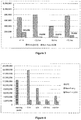
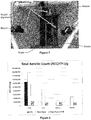
- Sample processing was conducted according to manufacturers recommendations. In brief, 7 g sample were added to 700 ml water and homogenized for 2 min using a handmixer. A dilution series was generated using sterile 9 ml buffered peptone water aliquots (3M) and 1 ml of the relevant dilutions were plated onto 3M Petrifilm Aerobic Count Plates. Petrifilms were incubated at 31 °C for 72 hours before counting. The total aerobic count (ACC) results for the samples are presented in Figure 8 . The UTC result is for untreated seed. "o/n" indicates samples taken at +21 hours, +24 indicates samples taken at 27 hours and +48 indicates samples taken at +48 hours.
- contact times longer than 3 hours have a beneficial effect on efficacy.
- beneficial effect of longer contact time there is an upper limit to the beneficial effect of longer contact time.
- microbial regrowth can occur.
- the contact time and threat of microbial regrowth are terminated by drying the treated seeds.
- the presence of ethanol not only enhanced efficacy of the treatment but also extended the time window where effective sanitization without microbial regrowth occurs.
- contact times of 12 and 24 hours were successfully used to sanitize seeds. Overall, a contact time of about 24 hours provides good results over a wide range of treatment solutions and seeds. A contact time range of 16-32 hours, or 21-27 hours, is expected to also provide good results while accommodating an ordinary work schedule. For example, the treatment solution is applied to the seeds and the seeds are transferred to holding containers on one day, and the seeds are removed from their holding containers and moved to a drier on the following day.
Landscapes
- Life Sciences & Earth Sciences (AREA)
- Engineering & Computer Science (AREA)
- Wood Science & Technology (AREA)
- Zoology (AREA)
- Chemical & Material Sciences (AREA)
- Polymers & Plastics (AREA)
- Food Science & Technology (AREA)
- General Health & Medical Sciences (AREA)
- Health & Medical Sciences (AREA)
- Plant Pathology (AREA)
- Dentistry (AREA)
- Environmental Sciences (AREA)
- Pest Control & Pesticides (AREA)
- Agronomy & Crop Science (AREA)
- Chemical Kinetics & Catalysis (AREA)
- General Chemical & Material Sciences (AREA)
- Inorganic Chemistry (AREA)
- Toxicology (AREA)
- Microbiology (AREA)
- Agricultural Chemicals And Associated Chemicals (AREA)
- Pretreatment Of Seeds And Plants (AREA)
- Storage Of Fruits Or Vegetables (AREA)
Claims (8)
- Verfahren zum Desinfizieren von schleimigen essbaren Samen, umfassend die folgenden Schritte,
Bereitstellen einer desinfizierenden Zusammensetzung, welche Wasser, Peressigsäure und zumindest einen Alkohol in einer Menge, welche: (i) zumindest 15 Vol.-% der Zusammensetzung bereitstellt; (ii) zumindest 13 Vol.-% Propylenglykol umfasst; (iii) zumindest 15 Vol.-% Äthanol umfasst; oder (iv) ein Gemisch aus Äthanol und Propylenglykol mit einer Mindestkonzentration umfasst, welche durch lineare Interpolation der effektiven Mengen für Äthanol und Propylenglykol erhalten wurde, umfasst;
wobei die effektive Menge für Äthanol eine Konzentration von 15 Vol.-% ist, und wobei die effektive Menge für Propylenglykol eine Konzentration von 13 Vol.-% ist;
Aufbringen der desinfizierenden Zusammensetzung auf die Samen bei nicht mehr als 15 Gew.-% der Samen; und
Trocknen der Samen. - Verfahren nach Anspruch 1, wobei die desinfizierende Zusammensetzung auf die schleimigen Samen als Nebel aufgebracht wird.
- Verfahren nach Anspruch 1 oder 2, wobei die Samen nach dem Aufbringen der desinfizierenden Zusammensetzung zumindest 5 Minuten aber nicht länger als 24 Stunden getrocknet werden.
- Verfahren nach einem vorstehenden Anspruch, wobei der zumindest eine Alkohol Äthanol in einer Konzentration von nicht mehr als 20 Vol.-% ist.
- Verfahren nach einem vorstehenden Anspruch, wobei der Aufbringungsschritt von Mischen der Samen gefolgt wird.
- Verfahren nach einem vorstehenden Anspruch, wobei die Samen vor dem Trocknen der Samen nicht gespült werden.
- Verfahren nach einem vorstehenden Anspruch, wobei der Trocknungsschritt Durchführen von Luft durch ein Bett der Samen umfasst.
- Verfahren nach einem vorstehenden Anspruch, wobei in dem Trocknungsschritt die Samen bis zu einem Wassergehalt von 10 % oder weniger relativ zu dem Gewicht der Samen oder bis zu einem Wassergehalt innerhalb von 1 Gew.-% der Samen des Wassergehalts der Samen vor Aufbringen der desinfizierenden Zusammensetzung auf die Samen getrocknet werden.
Applications Claiming Priority (3)
| Application Number | Priority Date | Filing Date | Title |
|---|---|---|---|
| US201361907560P | 2013-11-22 | 2013-11-22 | |
| PCT/CA2014/051088 WO2015074144A1 (en) | 2013-11-22 | 2014-11-13 | A novel composition and method of use to control pathogens and prevent diseases in seeds |
| PCT/CA2015/051187 WO2016074099A1 (en) | 2014-11-13 | 2015-11-13 | Method of sanitizing edible seeds, particularly mucilage producing seeds |
Publications (3)
| Publication Number | Publication Date |
|---|---|
| EP3217800A1 EP3217800A1 (de) | 2017-09-20 |
| EP3217800A4 EP3217800A4 (de) | 2018-05-02 |
| EP3217800B1 true EP3217800B1 (de) | 2021-05-19 |
Family
ID=53178749
Family Applications (2)
| Application Number | Title | Priority Date | Filing Date |
|---|---|---|---|
| EP14863134.4A Withdrawn EP3071043A4 (de) | 2013-11-22 | 2014-11-13 | Neuartige zusammensetzung und verfahren zur verwendung bei der bekämpfung von pathogenen und vorbeugung von krankheiten bei samen |
| EP15859463.0A Active EP3217800B1 (de) | 2013-11-22 | 2015-11-13 | Verfahren zur desinfizierung von essbaren samen, insbesondere schleimproduzierenden samen |
Family Applications Before (1)
| Application Number | Title | Priority Date | Filing Date |
|---|---|---|---|
| EP14863134.4A Withdrawn EP3071043A4 (de) | 2013-11-22 | 2014-11-13 | Neuartige zusammensetzung und verfahren zur verwendung bei der bekämpfung von pathogenen und vorbeugung von krankheiten bei samen |
Country Status (6)
| Country | Link |
|---|---|
| US (3) | US20160295860A1 (de) |
| EP (2) | EP3071043A4 (de) |
| AU (2) | AU2014353838B2 (de) |
| CA (1) | CA2960540A1 (de) |
| MX (2) | MX365657B (de) |
| WO (1) | WO2015074144A1 (de) |
Families Citing this family (30)
| Publication number | Priority date | Publication date | Assignee | Title |
|---|---|---|---|---|
| WO2013070730A2 (en) * | 2011-11-07 | 2013-05-16 | Rapid Micro Biosystems, Inc. | Cassette for sterility testing |
| CA2856196C (en) | 2011-12-06 | 2020-09-01 | Masco Corporation Of Indiana | Ozone distribution in a faucet |
| JP7157531B2 (ja) | 2015-05-20 | 2022-10-20 | アピール テクノロジー,インコーポレイテッド | 植物抽出物組成物およびその調製方法 |
| LT3307066T (lt) * | 2015-06-12 | 2021-03-10 | Thermoseed Global Ab | Sėklos dezinfekavimo metodas |
| EP4793326A2 (de) | 2015-09-16 | 2026-08-19 | Apeel Technology, Inc. | Verfahren zur bildung einer schutzbeschichtung durch auftragen von fettsäureglyceridverbindungen auf eine oberfläche |
| EP3386303B1 (de) | 2015-12-10 | 2020-03-11 | Apeel Technology, Inc. | Verfahren zur depolymerisierung von cutin |
| US11458214B2 (en) | 2015-12-21 | 2022-10-04 | Delta Faucet Company | Fluid delivery system including a disinfectant device |
| TWI731928B (zh) | 2016-01-26 | 2021-07-01 | 美商aPEEL科技公司 | 製備及保存經消毒產品之方法 |
| WO2017196567A1 (en) * | 2016-05-12 | 2017-11-16 | Lubrizol Oilfield Solutions, Inc. | Method for formation of an aqueous well treatment fluid with biocidal activity |
| US9861102B2 (en) | 2016-05-26 | 2018-01-09 | Markesbery Blue Pearl LLC | Methods for disinfection |
| US11425911B2 (en) | 2017-05-25 | 2022-08-30 | Markesbery Blue Pearl LLC | Method for disinfection of items and spaces |
| CR20190238A (es) | 2016-10-18 | 2019-08-07 | Sterilex LLC | Polvo para el tratamiento de superficies activado por humedad ambiental |
| WO2018094269A1 (en) | 2016-11-17 | 2018-05-24 | Apeel Technology, Inc. | Compositions formed from plant extracts and methods of preparation thereof |
| FR3064450B1 (fr) * | 2017-03-28 | 2019-05-10 | Compagnie Pour Le Haut Commerce | Perlactates, les compositions les comprenant et leurs utilisations |
| CN107602852B (zh) * | 2017-08-18 | 2019-08-20 | 浙江大学 | 一种用于负载香料的聚合物载体、前香体及其制备方法和应用 |
| EP3694325A2 (de) * | 2017-10-11 | 2020-08-19 | Markesbery Blue Pearl LLC | Verfahren und systeme zur sequenziellen abgabe von wässrigen persäurezusammensetzungen |
| US20210227843A1 (en) * | 2017-10-20 | 2021-07-29 | Agri-Neo Inc. | A tempering composition for tempering grain and controlling pathogens in and/or on said grain, an oxidizing composition for preparing said tempering composition, a use of said tempering composition and a method of use of said tempering composition |
| US11083765B2 (en) * | 2017-12-15 | 2021-08-10 | Andrew Scott Davis | Hemp leaf chew composition and method for producing |
| EP3846610A4 (de) * | 2018-09-05 | 2022-06-22 | Apeel Technology, Inc. | Verbindungen und formulierungen für schutzschichten |
| US12245605B2 (en) | 2018-09-05 | 2025-03-11 | Apeel Technology, Inc. | Compounds and formulations for protective coatings |
| CN110934141B (zh) * | 2018-09-21 | 2023-04-07 | 利康医药科技江苏有限公司 | 一种固态过氧乙酸长效灭菌粉及其制备方法 |
| US10506811B1 (en) | 2018-11-21 | 2019-12-17 | Pur Products LLC | Anti-microbial solution for seeds, crops, livestock and processed foods |
| WO2020107112A1 (en) * | 2018-11-28 | 2020-06-04 | Agri-Neo Inc. | Method for controlling pathogens and/or preventing diseases resulting from the presence of the pathogens in and/or on seeds |
| WO2020167933A1 (en) | 2019-02-12 | 2020-08-20 | Alden Medical, Llc | Alcohol-free hydrogen peroxide disinfectant compositions and methods of use thereof |
| EP4114181A1 (de) | 2020-03-04 | 2023-01-11 | Apeel Technology, Inc. | Beschichtete landwirtschaftliche produkte und entsprechende verfahren |
| IL302360B2 (en) | 2020-10-30 | 2025-01-01 | Apeel Tech Inc | Preparations and methods of their preparation |
| CN112379711B (zh) * | 2020-11-12 | 2021-09-03 | 浙江宜葆生物科技有限公司 | 一种基于物联网的草莓灰霉病预报系统 |
| IT202100010043A1 (it) * | 2021-04-20 | 2022-10-20 | White and Seeds Srl | Procedimento per il trattamento, l'utilizzo ed il confezionamento dei semi di chia con prodotto lattiero caseari quali yogurt o simili. |
| US12408680B2 (en) | 2021-09-08 | 2025-09-09 | Apeel Technology, Inc. | Compounds and formulations for protective coatings |
| CN116326283B (zh) * | 2023-05-16 | 2025-02-11 | 河北科技师范学院 | 一种提高板栗发芽势的催芽方法 |
Citations (1)
| Publication number | Priority date | Publication date | Assignee | Title |
|---|---|---|---|---|
| US5676837A (en) * | 1994-05-31 | 1997-10-14 | Biosepra, Inc. | Method for sterilizing liquid chromatography resins highly resistant to oxidation and a sterilization solution for use therein |
Family Cites Families (39)
| Publication number | Priority date | Publication date | Assignee | Title |
|---|---|---|---|---|
| US2573072A (en) | 1947-11-07 | 1951-10-30 | Int Minerals & Chem Corp | Production of vegetable protein |
| US2512640A (en) | 1949-07-25 | 1950-06-27 | Buffalo Electro Chem Co | Treatment of raw plant tissue |
| US2883407A (en) * | 1955-04-01 | 1959-04-21 | Du Pont | Organo mercuric mercaptides |
| US3330050A (en) | 1964-07-06 | 1967-07-11 | William S Ausherman | Grain dryer |
| US3344533A (en) | 1966-02-01 | 1967-10-03 | Alice L Peterson | Cylindrical grain dryer device |
| US3745669A (en) | 1971-10-20 | 1973-07-17 | Gear Co M W | Auger exhaust construction for forced air grain dryer |
| US3992147A (en) | 1974-10-21 | 1976-11-16 | G. D. Searle & Co. | Process for sterilizing psyllium seed husk using aqueous isopropanol |
| US5350563A (en) | 1986-02-06 | 1994-09-27 | Steris Corporation | Cold sterilant with extended active life |
| JP3279609B2 (ja) * | 1990-11-30 | 2002-04-30 | ゾルファイ インテロックス ゲゼルシャフト ミット ベシュレンクテル ハフツング | 固形アセチルペルオキシボラート化合物、該化合物の製法、及び該化合物を含有する洗剤組成物、清浄化剤組成物、漂白剤組成物及び消毒剤組成物並びに有機合成のための酸化剤 |
| US5424079A (en) | 1993-09-27 | 1995-06-13 | Rohm And Haas Company | Solid, dry, chlorine-free antimicrobial compositions, and method of use |
| FR2728171B1 (fr) | 1994-12-14 | 1997-01-24 | Chemoxal Sa | Production de formulations desinfectantes biocides, a base d'ions peracetiques |
| US5849320A (en) * | 1996-06-13 | 1998-12-15 | Novartis Corporation | Insecticidal seed coating |
| US6165483A (en) | 1998-04-06 | 2000-12-26 | Ecolab Inc. | Peroxy acid treatment to control pathogenic organisms on growing plants |
| ITVR980033A1 (it) | 1998-04-30 | 1999-10-30 | Farmec Di Tabasso Renato & C S | Procedimento per l'ottenimento estemporaneo di un disinfettante a base di acido peracetico. |
| KR20020008383A (ko) | 1999-02-19 | 2002-01-30 | 미오닉스 코포레이션 | 난용성 ⅱa족 착물의 산성 용액을 포함하는 부가물 |
| GB2355198A (en) | 1999-05-06 | 2001-04-18 | Medichem Internat Ltd | An aldehyde-free sterilant and disinfectant based on a peroxide source in powder or kit form for mixing and/or diluting |
| US6024986A (en) | 1999-05-24 | 2000-02-15 | Ecolab Inc. | Method of protecting growing plants from the effects of plant pathogens |
| US7031924B2 (en) * | 2000-06-30 | 2006-04-18 | Canon Kabushiki Kaisha | Voice synthesizing apparatus, voice synthesizing system, voice synthesizing method and storage medium |
| IL154004A0 (en) | 2000-09-18 | 2003-07-31 | Du Pont | Pyridinyl amides and imides for use as fungicides |
| US20020197365A1 (en) | 2001-06-04 | 2002-12-26 | Kemp Maurice Clarence | Highly acidic metalated mixture of inorganic acids |
| US20030021116A1 (en) * | 2001-07-30 | 2003-01-30 | Miller Jack V. | T-bar grid tracklight system |
| JP2003297365A (ja) * | 2002-04-08 | 2003-10-17 | Matsushita Electric Ind Co Ltd | 非水電解液二次電池 |
| JP2005209625A (ja) * | 2003-12-22 | 2005-08-04 | Matsushita Electric Ind Co Ltd | Memsスイッチ |
| GB0329929D0 (en) | 2003-12-24 | 2004-01-28 | Univ Nottingham | Improvements to decontamination of seeds |
| US7291276B1 (en) | 2004-06-21 | 2007-11-06 | Winston Company, Inc. | Controlled production and release of oxygen activated biocide into holding tanks for RV's, boats and the like |
| WO2007092180A2 (en) | 2006-01-27 | 2007-08-16 | University Of Florida Research Foundation, Inc. | Materials and methods for providing oxygen to improve seed germination and plant growth |
| CA2656491C (en) * | 2006-07-06 | 2014-11-18 | Centennial Ventures B.V. | Broad spectrum and skin friendly disinfecting composition |
| CA2569025C (en) | 2006-12-01 | 2013-01-22 | Fadi Dagher | Powdered composition for the generation of peracetic acid and use thereof to sanitize surfaces |
| US9271494B2 (en) * | 2007-08-30 | 2016-03-01 | Ecolab USA, Inc. | Shelf stable, reduced corrosion, ready to use peroxycarboxylic acid antimicrobial compositions |
| US7818894B2 (en) | 2007-10-15 | 2010-10-26 | Noyes Ronald T | Method and apparatus for low-energy in-bin cross-flow grain and seed air drying and storage |
| US9259006B2 (en) | 2008-01-30 | 2016-02-16 | Smartwash Solutions, Llc | Antimicrobial compositions and methods of use thereof |
| US9044403B2 (en) * | 2008-12-18 | 2015-06-02 | Medivators Inc. | Sporicidal hand sanitizing lotion |
| CA2793731C (en) * | 2010-03-23 | 2021-01-19 | Crop Microclimate Management Inc. | Methods for increasing tolerance to abiotic stress in plants |
| IL225247A (en) * | 2010-09-14 | 2017-10-31 | Pimi Agro Cleantech Ltd | Compositions and methods of treating edible matter and substrates therefor |
| US9497964B2 (en) | 2010-10-22 | 2016-11-22 | Agri-Neo Inc. | Synergistic activity of peracetic acid and at least one SAR inducer for the control of pathogens in and onto growing plants |
| CN202274718U (zh) | 2011-07-25 | 2012-06-13 | 仵允波 | 一种种子加工烘干机 |
| CN202274728U (zh) * | 2011-10-18 | 2012-06-13 | 朱保川 | 蜂窝煤集装炉热循式烘干炉 |
| CN104534826B (zh) | 2014-11-26 | 2016-12-07 | 湖南省农友机械集团有限公司 | 一种种子干燥机 |
| CN104522161A (zh) | 2015-01-26 | 2015-04-22 | 安徽丰絮农业科技有限公司 | 种子烘干机 |
-
2014
- 2014-11-13 US US15/038,211 patent/US20160295860A1/en not_active Abandoned
- 2014-11-13 EP EP14863134.4A patent/EP3071043A4/de not_active Withdrawn
- 2014-11-13 WO PCT/CA2014/051088 patent/WO2015074144A1/en not_active Ceased
- 2014-11-13 AU AU2014353838A patent/AU2014353838B2/en active Active
- 2014-11-13 MX MX2016006641A patent/MX365657B/es active IP Right Grant
-
2015
- 2015-11-13 EP EP15859463.0A patent/EP3217800B1/de active Active
- 2015-11-13 AU AU2015345924A patent/AU2015345924B2/en active Active
- 2015-11-13 US US15/515,678 patent/US20170303554A1/en not_active Abandoned
- 2015-11-13 CA CA2960540A patent/CA2960540A1/en active Pending
- 2015-11-13 MX MX2017004256A patent/MX369229B/es active IP Right Grant
- 2015-11-13 US US14/940,754 patent/US10292402B2/en active Active
Patent Citations (1)
| Publication number | Priority date | Publication date | Assignee | Title |
|---|---|---|---|---|
| US5676837A (en) * | 1994-05-31 | 1997-10-14 | Biosepra, Inc. | Method for sterilizing liquid chromatography resins highly resistant to oxidation and a sterilization solution for use therein |
Also Published As
| Publication number | Publication date |
|---|---|
| AU2015345924A1 (en) | 2017-04-06 |
| EP3217800A4 (de) | 2018-05-02 |
| US10292402B2 (en) | 2019-05-21 |
| US20160066572A1 (en) | 2016-03-10 |
| WO2015074144A1 (en) | 2015-05-28 |
| MX365657B (es) | 2019-06-10 |
| CA2930635A1 (en) | 2015-05-28 |
| US20160295860A1 (en) | 2016-10-13 |
| MX369229B (es) | 2019-11-01 |
| MX2017004256A (es) | 2018-01-26 |
| CA2960540A1 (en) | 2016-05-19 |
| EP3217800A1 (de) | 2017-09-20 |
| AU2014353838B2 (en) | 2018-09-13 |
| EP3071043A4 (de) | 2017-05-31 |
| AU2015345924B2 (en) | 2019-11-07 |
| US20170303554A1 (en) | 2017-10-26 |
| AU2014353838A1 (en) | 2016-06-09 |
| MX2016006641A (es) | 2016-12-02 |
| EP3071043A1 (de) | 2016-09-28 |
Similar Documents
| Publication | Publication Date | Title |
|---|---|---|
| AU2015345924B2 (en) | Method of sanitizing edible seeds, particularly mucilage producing seeds | |
| EP2615932B1 (de) | Verfahren zur bearbeitung eines essbaren materials und substrate dafür | |
| CN100358443C (zh) | 含有微溶性ⅱa族络合物的酸性溶液的加合物 | |
| MX2008013402A (es) | Composiciones fungicidas y metodos para usar las mismas. | |
| CZ2001254A3 (cs) | Ekologický způsob, prostředek, rostlinná hmota a brambory | |
| Lawrence et al. | Activity of essential oils against Bacillus subtilis spores | |
| US9125427B2 (en) | Method for sanitizing fresh produce | |
| EP1838150B1 (de) | Pestizidzusammensetzungen und verfahren | |
| WO2021240315A1 (en) | Probiotic bacillus sanitiser | |
| US6436891B1 (en) | Adduct having an acidic solution of sparingly-soluble group IIA complexes | |
| WO2016074099A1 (en) | Method of sanitizing edible seeds, particularly mucilage producing seeds | |
| Lew et al. | Effect of Javanese turmeric (Curcuma xanthorrhiza Roxb.) extract on natural microflora of oyster mushroom (Pleurotus sajur-caju) and its sensory acceptability. | |
| Fares et al. | Biological synthesis of silver nanoparticles exposed to gamma irradiation for control of early blight disease in tomatoes | |
| CN1915041A (zh) | 一种蔬菜、水果保鲜剂制品及其应用 | |
| Acar | Evaluation of ozone effectiveness against Gram-positive and Gram-negative pathogens using different methods | |
| Zaman et al. | Non-Chlorine Sanitizer Enhances the Food Safety of Common Fresh Salad Vegetables | |
| Kaur et al. | Ozonation: Potential Applications in Oilseeds Storage | |
| CZ32478U1 (cs) | Biologický prostředek pro posklizňovou ochranu ovoce a/nebo zeleniny | |
| HK40075712A (en) | Antimicrobial composition | |
| Pietrysiak | Strategies to Enhance Food Safety in Fresh Apple Packing Process | |
| JP2989998B2 (ja) | 食品及びその関連設備処理用アルコール製剤並びにその保存方法、食品及びその関連設備の薬剤処理方法 | |
| SAUNDERS et al. | Use of treatments to prevent the growth of pathogens on sprouted seeds |
Legal Events
| Date | Code | Title | Description |
|---|---|---|---|
| STAA | Information on the status of an ep patent application or granted ep patent |
Free format text: STATUS: THE INTERNATIONAL PUBLICATION HAS BEEN MADE |
|
| PUAI | Public reference made under article 153(3) epc to a published international application that has entered the european phase |
Free format text: ORIGINAL CODE: 0009012 |
|
| STAA | Information on the status of an ep patent application or granted ep patent |
Free format text: STATUS: REQUEST FOR EXAMINATION WAS MADE |
|
| 17P | Request for examination filed |
Effective date: 20170505 |
|
| AK | Designated contracting states |
Kind code of ref document: A1 Designated state(s): AL AT BE BG CH CY CZ DE DK EE ES FI FR GB GR HR HU IE IS IT LI LT LU LV MC MK MT NL NO PL PT RO RS SE SI SK SM TR |
|
| AX | Request for extension of the european patent |
Extension state: BA ME |
|
| DAV | Request for validation of the european patent (deleted) | ||
| DAX | Request for extension of the european patent (deleted) | ||
| A4 | Supplementary search report drawn up and despatched |
Effective date: 20180329 |
|
| RIC1 | Information provided on ipc code assigned before grant |
Ipc: A23L 3/358 20060101ALI20180323BHEP Ipc: A23L 3/3481 20060101ALI20180323BHEP Ipc: A23B 9/24 20060101AFI20180323BHEP Ipc: A01N 31/02 20060101ALI20180323BHEP Ipc: A01C 1/08 20060101ALI20180323BHEP Ipc: A23B 9/08 20060101ALI20180323BHEP Ipc: A01N 25/00 20060101ALI20180323BHEP Ipc: A01C 1/00 20060101ALI20180323BHEP Ipc: A01N 37/02 20060101ALI20180323BHEP Ipc: A23L 3/3508 20060101ALI20180323BHEP Ipc: A23B 9/30 20060101ALI20180323BHEP Ipc: A23B 9/26 20060101ALI20180323BHEP Ipc: A01N 37/16 20060101ALI20180323BHEP |
|
| STAA | Information on the status of an ep patent application or granted ep patent |
Free format text: STATUS: EXAMINATION IS IN PROGRESS |
|
| 17Q | First examination report despatched |
Effective date: 20200415 |
|
| GRAP | Despatch of communication of intention to grant a patent |
Free format text: ORIGINAL CODE: EPIDOSNIGR1 |
|
| STAA | Information on the status of an ep patent application or granted ep patent |
Free format text: STATUS: GRANT OF PATENT IS INTENDED |
|
| INTG | Intention to grant announced |
Effective date: 20201207 |
|
| GRAS | Grant fee paid |
Free format text: ORIGINAL CODE: EPIDOSNIGR3 |
|
| GRAA | (expected) grant |
Free format text: ORIGINAL CODE: 0009210 |
|
| STAA | Information on the status of an ep patent application or granted ep patent |
Free format text: STATUS: THE PATENT HAS BEEN GRANTED |
|
| AK | Designated contracting states |
Kind code of ref document: B1 Designated state(s): AL AT BE BG CH CY CZ DE DK EE ES FI FR GB GR HR HU IE IS IT LI LT LU LV MC MK MT NL NO PL PT RO RS SE SI SK SM TR |
|
| REG | Reference to a national code |
Ref country code: GB Ref legal event code: FG4D |
|
| REG | Reference to a national code |
Ref country code: CH Ref legal event code: EP |
|
| REG | Reference to a national code |
Ref country code: DE Ref legal event code: R096 Ref document number: 602015069560 Country of ref document: DE |
|
| REG | Reference to a national code |
Ref country code: AT Ref legal event code: REF Ref document number: 1393120 Country of ref document: AT Kind code of ref document: T Effective date: 20210615 |
|
| REG | Reference to a national code |
Ref country code: IE Ref legal event code: FG4D |
|
| REG | Reference to a national code |
Ref country code: NL Ref legal event code: FP |
|
| REG | Reference to a national code |
Ref country code: LT Ref legal event code: MG9D |
|
| REG | Reference to a national code |
Ref country code: AT Ref legal event code: MK05 Ref document number: 1393120 Country of ref document: AT Kind code of ref document: T Effective date: 20210519 |
|
| PG25 | Lapsed in a contracting state [announced via postgrant information from national office to epo] |
Ref country code: FI Free format text: LAPSE BECAUSE OF FAILURE TO SUBMIT A TRANSLATION OF THE DESCRIPTION OR TO PAY THE FEE WITHIN THE PRESCRIBED TIME-LIMIT Effective date: 20210519 Ref country code: LT Free format text: LAPSE BECAUSE OF FAILURE TO SUBMIT A TRANSLATION OF THE DESCRIPTION OR TO PAY THE FEE WITHIN THE PRESCRIBED TIME-LIMIT Effective date: 20210519 Ref country code: HR Free format text: LAPSE BECAUSE OF FAILURE TO SUBMIT A TRANSLATION OF THE DESCRIPTION OR TO PAY THE FEE WITHIN THE PRESCRIBED TIME-LIMIT Effective date: 20210519 Ref country code: AT Free format text: LAPSE BECAUSE OF FAILURE TO SUBMIT A TRANSLATION OF THE DESCRIPTION OR TO PAY THE FEE WITHIN THE PRESCRIBED TIME-LIMIT Effective date: 20210519 Ref country code: BG Free format text: LAPSE BECAUSE OF FAILURE TO SUBMIT A TRANSLATION OF THE DESCRIPTION OR TO PAY THE FEE WITHIN THE PRESCRIBED TIME-LIMIT Effective date: 20210819 |
|
| PG25 | Lapsed in a contracting state [announced via postgrant information from national office to epo] |
Ref country code: PT Free format text: LAPSE BECAUSE OF FAILURE TO SUBMIT A TRANSLATION OF THE DESCRIPTION OR TO PAY THE FEE WITHIN THE PRESCRIBED TIME-LIMIT Effective date: 20210920 Ref country code: NO Free format text: LAPSE BECAUSE OF FAILURE TO SUBMIT A TRANSLATION OF THE DESCRIPTION OR TO PAY THE FEE WITHIN THE PRESCRIBED TIME-LIMIT Effective date: 20210819 Ref country code: PL Free format text: LAPSE BECAUSE OF FAILURE TO SUBMIT A TRANSLATION OF THE DESCRIPTION OR TO PAY THE FEE WITHIN THE PRESCRIBED TIME-LIMIT Effective date: 20210519 Ref country code: SE Free format text: LAPSE BECAUSE OF FAILURE TO SUBMIT A TRANSLATION OF THE DESCRIPTION OR TO PAY THE FEE WITHIN THE PRESCRIBED TIME-LIMIT Effective date: 20210519 Ref country code: RS Free format text: LAPSE BECAUSE OF FAILURE TO SUBMIT A TRANSLATION OF THE DESCRIPTION OR TO PAY THE FEE WITHIN THE PRESCRIBED TIME-LIMIT Effective date: 20210519 Ref country code: GR Free format text: LAPSE BECAUSE OF FAILURE TO SUBMIT A TRANSLATION OF THE DESCRIPTION OR TO PAY THE FEE WITHIN THE PRESCRIBED TIME-LIMIT Effective date: 20210820 Ref country code: IS Free format text: LAPSE BECAUSE OF FAILURE TO SUBMIT A TRANSLATION OF THE DESCRIPTION OR TO PAY THE FEE WITHIN THE PRESCRIBED TIME-LIMIT Effective date: 20210919 Ref country code: LV Free format text: LAPSE BECAUSE OF FAILURE TO SUBMIT A TRANSLATION OF THE DESCRIPTION OR TO PAY THE FEE WITHIN THE PRESCRIBED TIME-LIMIT Effective date: 20210519 |
|
| PG25 | Lapsed in a contracting state [announced via postgrant information from national office to epo] |
Ref country code: SM Free format text: LAPSE BECAUSE OF FAILURE TO SUBMIT A TRANSLATION OF THE DESCRIPTION OR TO PAY THE FEE WITHIN THE PRESCRIBED TIME-LIMIT Effective date: 20210519 Ref country code: SK Free format text: LAPSE BECAUSE OF FAILURE TO SUBMIT A TRANSLATION OF THE DESCRIPTION OR TO PAY THE FEE WITHIN THE PRESCRIBED TIME-LIMIT Effective date: 20210519 Ref country code: DK Free format text: LAPSE BECAUSE OF FAILURE TO SUBMIT A TRANSLATION OF THE DESCRIPTION OR TO PAY THE FEE WITHIN THE PRESCRIBED TIME-LIMIT Effective date: 20210519 Ref country code: CZ Free format text: LAPSE BECAUSE OF FAILURE TO SUBMIT A TRANSLATION OF THE DESCRIPTION OR TO PAY THE FEE WITHIN THE PRESCRIBED TIME-LIMIT Effective date: 20210519 Ref country code: EE Free format text: LAPSE BECAUSE OF FAILURE TO SUBMIT A TRANSLATION OF THE DESCRIPTION OR TO PAY THE FEE WITHIN THE PRESCRIBED TIME-LIMIT Effective date: 20210519 Ref country code: RO Free format text: LAPSE BECAUSE OF FAILURE TO SUBMIT A TRANSLATION OF THE DESCRIPTION OR TO PAY THE FEE WITHIN THE PRESCRIBED TIME-LIMIT Effective date: 20210519 Ref country code: ES Free format text: LAPSE BECAUSE OF FAILURE TO SUBMIT A TRANSLATION OF THE DESCRIPTION OR TO PAY THE FEE WITHIN THE PRESCRIBED TIME-LIMIT Effective date: 20210519 |
|
| REG | Reference to a national code |
Ref country code: DE Ref legal event code: R097 Ref document number: 602015069560 Country of ref document: DE |
|
| PLBE | No opposition filed within time limit |
Free format text: ORIGINAL CODE: 0009261 |
|
| STAA | Information on the status of an ep patent application or granted ep patent |
Free format text: STATUS: NO OPPOSITION FILED WITHIN TIME LIMIT |
|
| 26N | No opposition filed |
Effective date: 20220222 |
|
| PG25 | Lapsed in a contracting state [announced via postgrant information from national office to epo] |
Ref country code: IS Free format text: LAPSE BECAUSE OF FAILURE TO SUBMIT A TRANSLATION OF THE DESCRIPTION OR TO PAY THE FEE WITHIN THE PRESCRIBED TIME-LIMIT Effective date: 20210919 Ref country code: AL Free format text: LAPSE BECAUSE OF FAILURE TO SUBMIT A TRANSLATION OF THE DESCRIPTION OR TO PAY THE FEE WITHIN THE PRESCRIBED TIME-LIMIT Effective date: 20210519 |
|
| PG25 | Lapsed in a contracting state [announced via postgrant information from national office to epo] |
Ref country code: MC Free format text: LAPSE BECAUSE OF FAILURE TO SUBMIT A TRANSLATION OF THE DESCRIPTION OR TO PAY THE FEE WITHIN THE PRESCRIBED TIME-LIMIT Effective date: 20210519 |
|
| REG | Reference to a national code |
Ref country code: CH Ref legal event code: PL |
|
| PG25 | Lapsed in a contracting state [announced via postgrant information from national office to epo] |
Ref country code: LU Free format text: LAPSE BECAUSE OF NON-PAYMENT OF DUE FEES Effective date: 20211113 Ref country code: IT Free format text: LAPSE BECAUSE OF FAILURE TO SUBMIT A TRANSLATION OF THE DESCRIPTION OR TO PAY THE FEE WITHIN THE PRESCRIBED TIME-LIMIT Effective date: 20210519 Ref country code: BE Free format text: LAPSE BECAUSE OF NON-PAYMENT OF DUE FEES Effective date: 20211130 |
|
| REG | Reference to a national code |
Ref country code: BE Ref legal event code: MM Effective date: 20211130 |
|
| PG25 | Lapsed in a contracting state [announced via postgrant information from national office to epo] |
Ref country code: IE Free format text: LAPSE BECAUSE OF NON-PAYMENT OF DUE FEES Effective date: 20211113 |
|
| PG25 | Lapsed in a contracting state [announced via postgrant information from national office to epo] |
Ref country code: HU Free format text: LAPSE BECAUSE OF FAILURE TO SUBMIT A TRANSLATION OF THE DESCRIPTION OR TO PAY THE FEE WITHIN THE PRESCRIBED TIME-LIMIT; INVALID AB INITIO Effective date: 20151113 |
|
| PG25 | Lapsed in a contracting state [announced via postgrant information from national office to epo] |
Ref country code: CY Free format text: LAPSE BECAUSE OF FAILURE TO SUBMIT A TRANSLATION OF THE DESCRIPTION OR TO PAY THE FEE WITHIN THE PRESCRIBED TIME-LIMIT Effective date: 20210519 |
|
| PG25 | Lapsed in a contracting state [announced via postgrant information from national office to epo] |
Ref country code: LI Free format text: LAPSE BECAUSE OF NON-PAYMENT OF DUE FEES Effective date: 20220630 Ref country code: CH Free format text: LAPSE BECAUSE OF NON-PAYMENT OF DUE FEES Effective date: 20220630 |
|
| PG25 | Lapsed in a contracting state [announced via postgrant information from national office to epo] |
Ref country code: MK Free format text: LAPSE BECAUSE OF FAILURE TO SUBMIT A TRANSLATION OF THE DESCRIPTION OR TO PAY THE FEE WITHIN THE PRESCRIBED TIME-LIMIT Effective date: 20210519 |
|
| PG25 | Lapsed in a contracting state [announced via postgrant information from national office to epo] |
Ref country code: TR Free format text: LAPSE BECAUSE OF FAILURE TO SUBMIT A TRANSLATION OF THE DESCRIPTION OR TO PAY THE FEE WITHIN THE PRESCRIBED TIME-LIMIT Effective date: 20210519 |
|
| PG25 | Lapsed in a contracting state [announced via postgrant information from national office to epo] |
Ref country code: MT Free format text: LAPSE BECAUSE OF FAILURE TO SUBMIT A TRANSLATION OF THE DESCRIPTION OR TO PAY THE FEE WITHIN THE PRESCRIBED TIME-LIMIT Effective date: 20210519 |
|
| PGFP | Annual fee paid to national office [announced via postgrant information from national office to epo] |
Ref country code: NL Payment date: 20251124 Year of fee payment: 11 |
|
| PGFP | Annual fee paid to national office [announced via postgrant information from national office to epo] |
Ref country code: DE Payment date: 20251126 Year of fee payment: 11 |
|
| PGFP | Annual fee paid to national office [announced via postgrant information from national office to epo] |
Ref country code: GB Payment date: 20251125 Year of fee payment: 11 |
|
| PGFP | Annual fee paid to national office [announced via postgrant information from national office to epo] |
Ref country code: FR Payment date: 20251124 Year of fee payment: 11 |