EP3224345B1 - Conservateur de foin et procédés de conservation de foin - Google Patents
Conservateur de foin et procédés de conservation de foin Download PDFInfo
- Publication number
- EP3224345B1 EP3224345B1 EP15804608.6A EP15804608A EP3224345B1 EP 3224345 B1 EP3224345 B1 EP 3224345B1 EP 15804608 A EP15804608 A EP 15804608A EP 3224345 B1 EP3224345 B1 EP 3224345B1
- Authority
- EP
- European Patent Office
- Prior art keywords
- hay
- genus
- yeast
- pichia
- enzyme
- Prior art date
- Legal status (The legal status is an assumption and is not a legal conclusion. Google has not performed a legal analysis and makes no representation as to the accuracy of the status listed.)
- Active
Links
Images


Classifications
-
- A—HUMAN NECESSITIES
- A01—AGRICULTURE; FORESTRY; ANIMAL HUSBANDRY; HUNTING; TRAPPING; FISHING
- A01N—PRESERVATION OF BODIES OF HUMANS OR ANIMALS OR PLANTS OR PARTS THEREOF; BIOCIDES, e.g. AS DISINFECTANTS, AS PESTICIDES OR AS HERBICIDES; PEST REPELLANTS OR ATTRACTANTS; PLANT GROWTH REGULATORS
- A01N3/00—Preservation of plants or parts thereof, e.g. inhibiting evaporation, improvement of the appearance of leaves or protection against physical influences such as UV radiation using chemical compositions; Grafting wax
-
- A—HUMAN NECESSITIES
- A23—FOODS OR FOODSTUFFS; TREATMENT THEREOF, NOT COVERED BY OTHER CLASSES
- A23K—FODDER
- A23K10/00—Animal feeding-stuffs
- A23K10/10—Animal feeding-stuffs obtained by microbiological or biochemical processes
- A23K10/14—Pretreatment of feeding-stuffs with enzymes
-
- A—HUMAN NECESSITIES
- A23—FOODS OR FOODSTUFFS; TREATMENT THEREOF, NOT COVERED BY OTHER CLASSES
- A23K—FODDER
- A23K30/00—Processes specially adapted for preservation of materials in order to produce animal feeding-stuffs
-
- C—CHEMISTRY; METALLURGY
- C12—BIOCHEMISTRY; BEER; SPIRITS; WINE; VINEGAR; MICROBIOLOGY; ENZYMOLOGY; MUTATION OR GENETIC ENGINEERING
- C12N—MICROORGANISMS OR ENZYMES; COMPOSITIONS THEREOF; PROPAGATING, PRESERVING, OR MAINTAINING MICROORGANISMS; MUTATION OR GENETIC ENGINEERING; CULTURE MEDIA
- C12N1/00—Microorganisms; Compositions thereof; Processes of propagating, maintaining or preserving microorganisms or compositions thereof; Processes of preparing or isolating a composition containing a microorganism; Culture media therefor
- C12N1/20—Bacteria; Culture media therefor
-
- C—CHEMISTRY; METALLURGY
- C12—BIOCHEMISTRY; BEER; SPIRITS; WINE; VINEGAR; MICROBIOLOGY; ENZYMOLOGY; MUTATION OR GENETIC ENGINEERING
- C12N—MICROORGANISMS OR ENZYMES; COMPOSITIONS THEREOF; PROPAGATING, PRESERVING, OR MAINTAINING MICROORGANISMS; MUTATION OR GENETIC ENGINEERING; CULTURE MEDIA
- C12N1/00—Microorganisms; Compositions thereof; Processes of propagating, maintaining or preserving microorganisms or compositions thereof; Processes of preparing or isolating a composition containing a microorganism; Culture media therefor
- C12N1/20—Bacteria; Culture media therefor
- C12N1/205—Bacterial isolates
-
- C—CHEMISTRY; METALLURGY
- C12—BIOCHEMISTRY; BEER; SPIRITS; WINE; VINEGAR; MICROBIOLOGY; ENZYMOLOGY; MUTATION OR GENETIC ENGINEERING
- C12N—MICROORGANISMS OR ENZYMES; COMPOSITIONS THEREOF; PROPAGATING, PRESERVING, OR MAINTAINING MICROORGANISMS; MUTATION OR GENETIC ENGINEERING; CULTURE MEDIA
- C12N9/00—Enzymes; Proenzymes; Compositions thereof; Processes for preparing, activating, inhibiting, separating or purifying enzymes
- C12N9/14—Hydrolases (3)
- C12N9/24—Hydrolases (3) acting on glycosyl compounds (3.2)
- C12N9/2402—Hydrolases (3) acting on glycosyl compounds (3.2) hydrolysing O- and S- glycosyl compounds (3.2.1)
- C12N9/2405—Glucanases
- C12N9/2434—Glucanases acting on beta-1,4-glucosidic bonds
- C12N9/2442—Chitinase (3.2.1.14)
-
- C—CHEMISTRY; METALLURGY
- C12—BIOCHEMISTRY; BEER; SPIRITS; WINE; VINEGAR; MICROBIOLOGY; ENZYMOLOGY; MUTATION OR GENETIC ENGINEERING
- C12Y—ENZYMES
- C12Y302/00—Hydrolases acting on glycosyl compounds, i.e. glycosylases (3.2)
- C12Y302/01—Glycosidases, i.e. enzymes hydrolysing O- and S-glycosyl compounds (3.2.1)
- C12Y302/01014—Chitinase (3.2.1.14)
-
- C—CHEMISTRY; METALLURGY
- C12—BIOCHEMISTRY; BEER; SPIRITS; WINE; VINEGAR; MICROBIOLOGY; ENZYMOLOGY; MUTATION OR GENETIC ENGINEERING
- C12R—INDEXING SCHEME ASSOCIATED WITH SUBCLASSES C12C - C12Q, RELATING TO MICROORGANISMS
- C12R2001/00—Microorganisms ; Processes using microorganisms
- C12R2001/01—Bacteria or Actinomycetales ; using bacteria or Actinomycetales
Definitions
- the present description relates to a hay preservative. More specifically to hay preservative for preserving hay in stored high moisture hay and method of use of hay preservative for the preservation of hay in stored high moisture hay.
- Zahiroddini et al. aims to provide silages additives containing a variety of bacterial species with or without exogenous enzymes to enhance the fermentation and the aerobic stability of barley silage.
- Brurberg et al. discloses genetic engineering techniques that could be used to introduce chitinase genes from Serratia marcescens into silage inoculant of lactic acid bacteria in order to prevent fungal growth, more specifically in Lactococcus lactis and Lactobacillus plantarum.
- Weinberg et al. discloses silages additives containing lactic acid bacteria to improve preservation efficiency and to enhance animal performance.
- Ozduven et al. aims to provide silages additives containing bacterial inoculants and/or enzymes (such as cellulose, amylase, hemicellulose and pentosanase enzymes) to improve fermentation efficiency and to enhance animal performance.
- bacterial inoculants and/or enzymes such as cellulose, amylase, hemicellulose and pentosanase enzymes
- Tengerdy et al. is a scientific article on the ensiling with silage additives containing lactic acid bacteria and a cocktail of cellulases, hemicellulases, pectinases and/or amylases for ensiling alfalfa
- EP0408220 discloses anti-fungal and anti-microbial bacterial strains of Bacillus and Serratia are used in the preparation and preservation of animal feedstuffs made from forage.
- the present disclosure provides a method of preserving hay quality in stored high moisture hay.
- the method relies on the use of a hay preservative capable of preventing and/or reducing heat damage in stored high moisture hay.
- the hay preservative used prevents and/or reduces heat in high moisture hay equally or better than organic acids.
- a method of treating hay for preventing and/or reducing heat damage in high moisture hay and as well to preserve the same comprising adding to hay a hay preservative comprising a hay preserving and heat reducing effective amount of at least one enzyme having a chitinase activity in combination with a hay preserving and heat reducing effective amount of a yeast of the genus Pichia or bacteria of the genus Pediococcus wherein the at least one enzyme having a chitinase activity has a chitinase activity in the range of about 6 U to 300 U per ton of hay to be treated, and wherein the hay preserving and heat reducing effective amount of a yeast of the genus Pichia or a bacteria of the genus Pediococcus is 10 5 to 10 15 viable organisms of the yeast or the bacteria per ton of hay to be treated, and wherein each enzyme unit (U) liberate about 1.0 mg of
- a method of treating hay for preventing and/or reducing heat damage in high moisture hay and as well to preserve the same comprising adding to hay a hay preservative comprising a hay preserving and heat reducing effective amount of at least one enzyme having a chitinase activity.
- a method of treating hay for preventing and/or reducing heat damage in high moisture hay and as well to preserve the same comprising adding to hay a hay preservative comprising a hay preserving and heat reducing effective amount of a yeast of the genus Pichia.
- a hay preservative comprising a hay preserving and heat reducing effective amount of at least one enzyme having a chitinase activity.
- a hay preservative comprising a hay preserving and heat reducing effective amount of at least one enzyme having a chitinase activity in combination with a hay preserving and heat reducing effective amount of a yeast of the genus Pichia or bacteria of the genus Pediococcus wherein the at least one enzyme having a chitinase activity has a chitinase activity in the range of about 6 U to 300 U per ton of hay to be treated, and wherein the hay preserving and heat reducing effective amount of a yeast of the genus Pichia or a bacteria of the genus Pediococcus is 10 5 to 10 15 viable organisms of the yeast or the bacteria per ton of hay to be treated, and wherein each enzyme unit (U) liberate about 1.0 mg of N-acetyl-D-glucosamine from chitin (g) per hour at pH 6.0 and at a temperature of 25°C
- a hay preservative comprising a hay preserving and heat reducing effective amount of at least one enzyme having a chitinase activity in combination with a hay preserving and heat reducing effective amount of a bacteria of the genus Pediococcus.
- all the previously mentioned aspects may further comprise at least one enzyme having a pectin lyase activity, a glucanase activity or a mixture thereof.
- a hay preservative comprising a hay preserving and heat reducing effective amount of a yeast of the genus Pichia.
- a high moisture hay comprising a hay preserving and heat reducing effective amount of a yeast of the genus Pichia.
- the present disclosure provides a method of preserving hay quality and preventing or reducing heat damage in stored high moisture hay, the method comprising treating fresh hay under aerobic conditions with a hay preservative.
- the hay preservative comprises a hay preserving and heat reducing effective amount of at least one enzyme having a chitinase activity. Surprisingly, it has been found that the hay preservative is even further enhanced from the standpoint of its preservative effect and its capacity in preventing and/or reducing heat damage on high moisture hay if the at least one enzyme having a chitinase activity is combined with a yeast of the genus Pichia or bacteria of the genus Pediococcus.
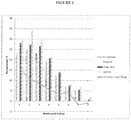
- the temperature reduction of high moisture hay is significantly enhanced by the combination, in comparison with using each components of the combination alone as shown in Figure 4 .
- the hay preservative may comprise a hay preserving and heat reducing effective amount of a yeast of the genus Pichia alone.
- hay preserving and heat reducing effective amount when used herein will be understood to refer to an amount which is at least sufficient to preserve the quality of the hay. Thus the amount is at least sufficient to prevent and/or reduce heat damage in high moisture hay and as well to preserve the same.
- Hay when used herein will be understood to refer to all form of hay as the term is commonly used in agriculture. Hay is most commonly composed of alfalfa, grass, or mixtures of alfalfa and grass harvested at a target moisture level lower than 20%.
- the method of treating hay for preventing and/or reducing heat damage in high moisture hay and as well to preserve the same may include adding to hay a hay preservative comprising a hay preserving and heat reducing effective amount of at least one enzyme having a chitinase activity.
- the at least one enzyme having a chitinase activity may be combined with a yeast of the genus Pichia or bacteria of the genus Pediococcus.
- the method of treating hay for preventing and/or reducing heat damage in high moisture hay and as well to preserve the same may include adding to hay a hay preservative comprising a hay preserving and heat reducing effective amount of at least one enzyme having a chitinase activity in combination with a hay preserving and heat reducing effective amount of a yeast of the genus Pichia.
- the method of treating hay for preventing and/or reducing heat damage in high moisture hay and as well to preserve the same may include adding to hay a hay preservative comprising a hay preserving and heat reducing effective amount of at least one enzyme having a chitinase activity in combination with a hay preserving and heat reducing effective amount of a bacteria of the genus Pediococcus.
- the method of treating hay for preventing and/or reducing heat damage in high moisture hay and as well to preserve the same may include adding to hay a hay preservative comprising a hay preserving and heat reducing effective amount of a yeast of the genus Pichia alone.
- the yeast of the genus Pichia includes, but is not limited to a Pichia anomala sp.
- the yeast of the genus Pichia may be a Pichia anomala sp having all of the identifying characteristics of Pichia anomala having the accession number DBVPG 3003 strain.
- Pichia anomala having the accession number DBVPG 3003 strain was deposited with the Industrial Yeast Collection DBVPG of the Dipartimento di Biologia Vegetale e Biotecnologie Agroambientali e Zootecniche, Seée di Microbiologia Agroalimentare ed Ambientale, http//www.agr.unipg.it/dbvpg, University of Perugia, Italy.
- the bacteria of the genus Pediococcus includes, but is not limited to a Pediococcus pentosaceus sp.
- the bacteria of the genus Pediococcus may be from a Pediococcus pentosaceus sp having all of the identifying characteristics of Pediococcus pentosaceus BTC328 strain (having the accession number NCIMB 12674).
- the bacteria of the genus Pediococcus may be from a Pediococcus pentosaceus sp having all of the identifying characteristics of Pediococcus pentosaceus BTC401 strain (having the accession number NCIMB 12675). It is understood that any isolate having the identifying characteristics of the Pediococcus pentosaceus BTC328 or BTC401 strain, including subcultures and variants thereof which have the identifying characteristics and activity as described herein are included.
- the Pediococcus pentosaceus strains having the accession number NCIMB 12674 and 12675 were deposited with the National Collection of Industrial, Food and Marine Bacteria Ltd, Ferguson Building, Craibstone Estate, Bucksburn, Aberdeen AB21 9YA.
- the treatment range for hay is typically 10 5 to 10 15 viable organisms of the yeast or bacteria per ton of hay, preferably 10 7 to 10 13 viable organisms of the yeast or the bacteria per ton of hay, and more preferably 10 9 to 10 12 viable organisms of the yeast or the bacteria per ton of hay.
- the term "ton” when used herein will be understood to refer to a metric ton (1000 kg).
- the at least one enzyme having a chitinase activity may have a chitinase activity in a range of about 6 to about 300 enzyme units (U) per ton of hay to be treated.
- the chitinase activity may be in range of about 6 to about 100 U per ton of hay to be treated.
- One U is defined as the amount of the enzyme that produces a certain amount of chitinase activity.
- Each enzyme unit (U) can liberate about 1.0 mg of N-acetyl-D-glucosamine from chitin (g) per hour at pH 6.0 and at a temperature of 25°C in a 2 hour assay.
- the solid form can be applied directly to the hay in the form of a light powder dusting, or if it is disbursed in a liquid carrier it can successfully be sprayed on the hay. It is understood that any other suitable carrier for the purpose of the present description may be used. It is also understood that the hay preservative in accordance with the present disclosure may be applied to the hay using standard techniques common to those of ordinary skill in the art. The hay preservative may also be applied before, during and/or after bailing. The present invention will be more readily understood by referring to the following examples which are given to illustrate the invention rather than to limit its scope.
- the hay was a third-cut consisting of 90% alfalfa and 10% brome grass.
- the hay was cut with a New-HollandTM disc-bine on September 17, 2011 and left to dry unconditioned and undisturbed.
- Moisture level was evaluated using a FarmexTM windrow hay moisture tester (1205 Danner Drive, Aurora, OH) five days after cutting and found to be ranging from 20 to 35%.
- the hay preservatives were prepared by pre-weighing inoculants and mixing each of them into separate jugs containing 6.5 L of pre-measured distilled water and shaken for 1 minute.
- a sprayer tank and spray boom with a single nozzle was mounted onto a 4790 Hesston big square baler. The boom was placed such that the spray pattern covered 90% of the windrow with minimal drifting.
- bale moisture was determined using a hay probe. Average time to make one bale (0.91 m x 1.22 m x 2.44 m) was found to be 2 minutes 30 seconds and average weight of bale was found to be 820 kg.
- the application rate of P. anomala was 10 11 CFU in 1 L per ton of hay.
- the enzyme having a chitinase activity was applied at a rate of 1.5 g (suspended in 1 L of water) per ton of hay, corresponding to about 6 U per ton of hay.
- Propionic acid product consisted of 68% (vol/vol) propionic acid, and was applied at a rate of 2.72 L/ton and considered as a positive control.
- the negative control was water, and was applied at a rate of 1 L per ton of hay.
- the P. anomala and enzyme having a chitinase activity were obtained from Lallemand Specialties Inc. (Milwaukee, WI, USA) while the propionic acid was from Wausau Chemical Corporation (Wausau, WI, USA). Five replicate bales were made for each treatment. Samples of the P. anomala were taken after each application to verify the viability and numbers of the organism. This was to enable confirmation of the application rate for the organism.
- bales were labeled immediately following its exit from the baler using spray paint and later with tags attached to zip ties. All bales were weighed a day after baling and core sampled. Bales were left in the field for 2 weeks after baling, to reduce risk from combustion, before being transported and stored single-layered in an open sided hay-shed. Bales were cored sampled again on day 90 from 4 sides (excluding the top and bottom parts of the bales) and restacked on top or the others (piles of two bales). Core samples were taken again on day 180.
- Dry matter (DM), organic matter (OM) and crude protein (CP) were determined according to AOAC (1990) procedures, and neutral detergent fibre (NDF), acid detergent fibre (ADF), and acid detergent insoluble nitrogen (ADIN) as described by Van Soest et al., (1991. Methods for dietary fiber, neutral detergent and non-starch polysaccharides in relation to animal nutrition. J. Dairy Sci. 74: 3583-3597 .).
- Table 1 Chemical composition (% DM), pH and microbiological composition (cfu log 10 ) of hay 90 days after treatment with various hay preservatives at baling.
- anomala and enzymes with a chitinase activity treated day 180 bales were at least 14% higher than the concentrations in the other treatments indicating that both of this treatment induced a greater degree of anaerobic microbial fermentation in the bales compared to the other treatments.
- total VFA and acetate concentrations were approximately 32% higher in P. anomala- enzymes with a chitinase activity treated day 180 bales.
- the propionate concentration in the propionic acid treated bales was higher than the concentrations in the other treatments in the d 90 and d 180 samples, respectively (Table 3).
- Table 4 Quality Evaluation of hay treated with various additives and stored for 180 days.
- Grade is based on overall evaluation by examiner which included; very poor, poor, average, good, very good, and excellent
- Temperature stability of the bales was monitored by continuously measuring the interior temperature of each bale with three Dallas Thermochron iButtons (Embedded Data Systems, Lawrenceburg, KY) that were inserted in the core holes the following morning after baling.
- the iButtons were configured to record temperatures every hour during the first 60 days of the storage period. Because temperature readings showed no further heating the probes were not placed back in the bales after 60 days. Bales were opened and visually scored for extent of spoilage and mold at the end of the storage period (180 d) based on the Maryland Cooperative Extension Fact Sheet # 644 'Evaluating Hay Quality' (http://www.extension.umd.edu/publications/pdfs/fs644.pdf).
- Cows were given two weeks to adapt to their diets before starting incubations. Immediately after incubation, bags were rinsed under cold tap water until all the rumen contents on the outside of the bags had been removed. Bags were washed in a domestic washing machine in cold water for three minutes using the delicate washing cycle without detergent and spin cycle. The washing procedure was repeated once. Duplicate sets of un-incubated bags containing samples of each treatment were washed with the bags above and used to estimate 0 h disappearance for each treatment. All bags were then dried in a forced-air oven at 55°C for 48 h.
- the hay was alfalfa hay and was harvested on August 15, 2012 at Fort Macleod, Alberta, Canada.
- the alfalfa hay was wilted in field to moisture levels between about 24% and about 30%. Bale moisture was determined as in Example 1.
- the application rate of the combination of P. anomala in combination with the enzyme having a chitinase activity was respectively 10 11 CFU and 1.5g in 1L of water per ton of hay. Accordingly, the application rate of the combination of P. pentosaceus in combination with the enzyme having a chitinase activity10 11 CFU and 1.5g in 1L of water per ton of hay.
- Propionic acid product consisted of 68% (vol/vol) propionic acid, and was applied at a rate of 2.72 L/ton and considered as a positive control.
- the negative control was water, and was applied at a rate of 1 L per ton of hay.
- Five large round bales of about 800 kg were made in accordance with Example 1 for each treatment on the same day. Core samples from bales across all treatments were collected at day 0, 90 and 180 after baling to analyze their nutritional value, fermentation product and microbial changes.
- Hay fermentative process was not strongly impacted by the treatments with the enzymes having a chitinase activity combined with Pichia anomala or Pediococcus pentosaceus since this forage material is not prone at fermenting either.
- Temperature of individual bales was monitored by continuously measuring the interior temperature throughout the storage period with three (3) Dallas Thermochron iButtons (Embedded Data Systems, Lawrenceburg, KY) inserted in the interior of each bale immediately after harvest (illustrated in pictures). The temperature was recorded at 4 hours intervals for 10 weeks.
- Dallas Thermochron iButtons Embedded Data Systems, Lawrenceburg, KY
- the treatments with enzymes having a chitinase activity combined with Pichia anomala or Pediococcus pentosaceus both displayed a reduced average temperature over a 60 day period post baling.
- the Propionic acid treatment had the highest mean temperature over time.
- the enzyme having a chitinase activity alone was applied at a rate of 1.5 g (suspended in 1 L of water) per ton of hay.
- Propionic acid product consisted of 68% (vol/vol) propionic acid, and was applied at a rate of 2.72 L/ton and considered as a positive control.
- the negative control was water, and was applied at a rate of 1 L per ton of hay.
- Five large round bales of about 800 kg were made in accordance with Example 1 for each treatment on the same day.
- the temperature of individual bales was monitored by continuously measuring the interior temperature throughout the storage period with three (3) Dallas Thermochron iButtons (Embedded Data Systems, Lawrenceburg, KY) inserted in the interior of each bale immediately after harvest (illustrated in pictures). The temperature was recorded at 4 hours intervals for 10 weeks.
- the at least one enzyme having a chitinase activity is combined with P. anomala or P. pentosaceus, the temperature reduction of high moisture hay is surprisingly significantly enhanced by the combination, in comparison with using each components of the combination.
- the trial was performed on small square bales of alfalfa-grass mix (45:55), and having a mean weight of 25.0 kg at time of harvest.
- the mean moisture level of the bales was of 79.9% DM, within the range of dry matter level expected (80-83% DM).
- the bales were inoculated with the different treatment following spraying of the forage in front of the cutting chamber of the baler, by a Dorhmann inoculant applicator.
- the experimental design allowed the application of a control and four different additive mixes of the microbial additives (none, Pichia anomala + chitinase, Pichia anomala + enzymes mix, Pediococcus pentosaceus + chitinase, Pediococcus pentosaceus + enzymes mix).
- bales were sprayed in three blocks of two bales.
- the bales were transported to the storage shed, weighted and placed on pallets, in a pre-defined complete randomized pattern in a way that no surface were in contact of another bale.
- Each bale was fitted with a temperature probe at his geometric center. The bales were stored for 100 days.
Landscapes
- Life Sciences & Earth Sciences (AREA)
- Chemical & Material Sciences (AREA)
- Engineering & Computer Science (AREA)
- Health & Medical Sciences (AREA)
- Zoology (AREA)
- Organic Chemistry (AREA)
- Wood Science & Technology (AREA)
- Bioinformatics & Cheminformatics (AREA)
- Genetics & Genomics (AREA)
- Biotechnology (AREA)
- General Health & Medical Sciences (AREA)
- Biochemistry (AREA)
- Microbiology (AREA)
- General Engineering & Computer Science (AREA)
- Biomedical Technology (AREA)
- Polymers & Plastics (AREA)
- Medicinal Chemistry (AREA)
- Virology (AREA)
- Tropical Medicine & Parasitology (AREA)
- Molecular Biology (AREA)
- Food Science & Technology (AREA)
- Animal Husbandry (AREA)
- Physiology (AREA)
- Dentistry (AREA)
- Plant Pathology (AREA)
- Toxicology (AREA)
- Agronomy & Crop Science (AREA)
- Environmental Sciences (AREA)
- Agricultural Chemicals And Associated Chemicals (AREA)
- Food Preservation Except Freezing, Refrigeration, And Drying (AREA)
- Micro-Organisms Or Cultivation Processes Thereof (AREA)
- Storage Of Harvested Produce (AREA)
- Beans For Foods Or Fodder (AREA)
- Enzymes And Modification Thereof (AREA)
- Treatment Of Sludge (AREA)
Claims (14)
- Conservateur de foin comprenant une quantité efficace réduisant la chaleur et conservant le foin d'au moins une enzyme ayant une activité de chitinase, en combinaison avec une quantité efficace réduisant la chaleur et conservant le foin d'une levure du genre Pichia ou une bactérie du genre Pediococcus, dans lequel l'au moins une enzyme ayant une activité de chitinase a une activité de chitinase dans la plage d'environ 6 U à 300 U par tonne de foin à traiter, et dans lequel la quantité efficace réduisant la chaleur et conservant le foin d'une levure du genre Pichia ou d'une bactérie du genre Pediococcus est de 105 à 1015 organismes viables de la levure ou de la bactérie par tonne de foin à traiter, et dans lequel chaque unité enzymatique (U) libère environ 1,0 mg de N-acétyl-D-glucosamine de la chitine (g) par heure au pH 6.0 et à une température de 25 °C dans un essai de 2 heures.
- Conservateur de foin selon la revendication 1, dans lequel la levure du genre Pichia provient d'une espèce Pichia anomala.
- Conservateur de foin selon l'une quelconque des revendications 1 et 2, dans lequel la levure du genre Pichia provient d'une espèce Pichia anomala ayant la totalité des caractéristiques d'identification de la souche Pichia anomala ayant le numéro d'accès DBVPG 3003.
- Conservateur de foin selon la revendication 1, dans lequel la bactérie du genre Pediococcus provient d'une espèce Pediococcus pentosaceus.
- Conservateur de foin selon la revendication 1 ou 4, dans lequel la bactérie du genre Pediococcus provient d'une espèce Pediococcus pentosaceus ayant la totalité des caractéristiques d'identification de Pediococcus pentosaceus BTC328 ayant le numéro d'accès NCIMB 12674 ou de la souche BTC401 ayant le numéro d'accès NCIMB 12675.
- Conservateur de foin selon la revendication 1, dans lequel l'au moins une enzyme ayant une activité de chitinase est en combinaison avec une quantité efficace réduisant la chaleur et conservant le foin d'espèce Pichia anomala.
- Conservateur de foin selon la revendication 1, dans lequel l'au moins une enzyme ayant une activité de chitinase est en combinaison avec une quantité efficace réduisant la chaleur et conservant le foin d'espèce Pediococcus pentosaceus.
- Conservateur de foin selon les revendications 1 à 7, comprenant en outre au moins une enzyme ayant une activité de pectine lyase, une activité de glucanase ou un mélange de celles-ci.
- Procédé de traitement de foin pour empêcher et/ou réduire des dommages par échauffement dans du foin à haute teneur en humidité ainsi que pour conserver celui-ci, le procédé comprenant l'ajout à du foin d'un conservateur de foin comprenant une quantité efficace réduisant la chaleur et conservant le foin d'au moins une enzyme ayant une activité de chitinase, en combinaison avec une quantité efficace réduisant la chaleur et conservant le foin d'une levure du genre Pichia ou d'une bactérie du genre Pediococcus, dans lequel l'au moins une enzyme ayant une activité de chitinase a une activité de chitinase dans la plage d'environ 6 U à 300 U par tonne de foin à traiter, et dans lequel la quantité efficace réduisant la chaleur et conservant le foin d'une levure du genre Pichia ou d'une bactérie du genre Pediococcus est de 105 à 1015 organismes viables de la levure ou de la bactérie par tonne de foin à traiter, et dans lequel chaque unité enzymatique (U) libère environ 1,0 mg de N-acétyl-D-glucosamine de la chitine (g) par heure au pH 6.0 et à une température de 25 °C dans un essai de 2 heures.
- Procédé selon la revendication 9, dans lequel la levure du genre Pichia est l'espèce Pichia anomala.
- Procédé selon l'une quelconque des revendications 9 et 10, dans lequel la levure du genre Pichia est l'espèce Pichia anomala ayant la totalité des caractéristiques d'identification de la souche Pichia anomala ayant le numéro d'accès DBVPG 3003.
- Procédé selon la revendication 9, dans lequel la levure du genre Pediococcus est l'espèce Pediococcus pentosaceus.
- Procédé selon la revendication 9 ou 12, dans lequel la levure du genre Pediococcus est l'espèce Pediococcus pentosaceus ayant la totalité des caractéristiques d'identification de Pediococcus pentosaceus BTC328 ayant le numéro d'accès NCIMB 12674 ou de la souche BTC401 ayant le numéro d'accès NCIMB 12675.
- Procédé selon les revendications 9 à 13, comprenant en outre au moins une enzyme ayant une activité de pectine lyase, une activité de glucanase ou un mélange de celles-ci.
Priority Applications (1)
| Application Number | Priority Date | Filing Date | Title |
|---|---|---|---|
| PL15804608T PL3224345T3 (pl) | 2014-11-24 | 2015-11-24 | Środki konserwujące siano i sposoby konserwowania siana |
Applications Claiming Priority (2)
| Application Number | Priority Date | Filing Date | Title |
|---|---|---|---|
| EP14194567.5A EP3023490A1 (fr) | 2014-11-24 | 2014-11-24 | Conservateur de foin et procédés de conservation de foin |
| PCT/IB2015/059079 WO2016083996A1 (fr) | 2014-11-24 | 2015-11-24 | Agent conservateur de foin et procédés de conservation du foin |
Publications (2)
| Publication Number | Publication Date |
|---|---|
| EP3224345A1 EP3224345A1 (fr) | 2017-10-04 |
| EP3224345B1 true EP3224345B1 (fr) | 2020-12-23 |
Family
ID=51947218
Family Applications (2)
| Application Number | Title | Priority Date | Filing Date |
|---|---|---|---|
| EP14194567.5A Withdrawn EP3023490A1 (fr) | 2014-11-24 | 2014-11-24 | Conservateur de foin et procédés de conservation de foin |
| EP15804608.6A Active EP3224345B1 (fr) | 2014-11-24 | 2015-11-24 | Conservateur de foin et procédés de conservation de foin |
Family Applications Before (1)
| Application Number | Title | Priority Date | Filing Date |
|---|---|---|---|
| EP14194567.5A Withdrawn EP3023490A1 (fr) | 2014-11-24 | 2014-11-24 | Conservateur de foin et procédés de conservation de foin |
Country Status (20)
| Country | Link |
|---|---|
| US (1) | US11903397B2 (fr) |
| EP (2) | EP3023490A1 (fr) |
| JP (2) | JP7233839B2 (fr) |
| CN (1) | CN106998750B (fr) |
| AR (2) | AR103206A1 (fr) |
| AU (1) | AU2015352045B2 (fr) |
| BR (1) | BR112017010766B1 (fr) |
| CA (1) | CA2967206C (fr) |
| CL (1) | CL2017001228A1 (fr) |
| CO (1) | CO2017005171A2 (fr) |
| DK (1) | DK3224345T3 (fr) |
| EA (1) | EA034723B1 (fr) |
| ES (1) | ES2864217T3 (fr) |
| HU (1) | HUE053811T2 (fr) |
| MX (1) | MX378620B (fr) |
| NZ (1) | NZ731618A (fr) |
| PL (1) | PL3224345T3 (fr) |
| PT (1) | PT3224345T (fr) |
| UA (1) | UA124662C2 (fr) |
| WO (1) | WO2016083996A1 (fr) |
Families Citing this family (2)
| Publication number | Priority date | Publication date | Assignee | Title |
|---|---|---|---|---|
| EP3023490A1 (fr) * | 2014-11-24 | 2016-05-25 | Danstar Ferment AG | Conservateur de foin et procédés de conservation de foin |
| CN114128792A (zh) * | 2021-12-15 | 2022-03-04 | 内蒙古自治区农牧业科学院 | 一种利用植物精油熏蒸抑制高水分苜蓿贮藏发霉的方法 |
Family Cites Families (14)
| Publication number | Priority date | Publication date | Assignee | Title |
|---|---|---|---|---|
| JPS5341205B2 (fr) * | 1971-11-11 | 1978-11-01 | ||
| JPS5436113B2 (fr) * | 1972-09-19 | 1979-11-07 | ||
| US4820531A (en) * | 1987-10-22 | 1989-04-11 | Pioneer Hi-Bred International | Bacterial treatment to preserve hay quality by addition of microorganisms of the genus bacillus |
| DE69003195T2 (de) * | 1989-07-10 | 1994-01-20 | Zeneca Corp | Schimmelkontrolle in Futter. |
| US5371011A (en) | 1989-07-10 | 1994-12-06 | Zeneca Corp. | Mold control in forage |
| GB9027303D0 (en) | 1990-12-17 | 1991-02-06 | Enzymatix Ltd | Enzyme formulation |
| ES2172795T3 (es) | 1996-06-07 | 2002-10-01 | Dsm Nv | Nuevos fungicidas enzimaticos. |
| JP3870248B2 (ja) * | 1996-08-02 | 2007-01-17 | 独立行政法人農業・食品産業技術総合研究機構 | 乳酸非資化性キラー酵母 |
| JP3762826B2 (ja) * | 1998-01-08 | 2006-04-05 | 独立行政法人理化学研究所 | サイレージ調製用乳酸菌 |
| SE513894C2 (sv) * | 1998-03-12 | 2000-11-20 | Bioagri Ab | Förfarande för lufttät lagring av fuktigt spannmål i närvaro av ett biokontrollmedel |
| JP3115289B2 (ja) * | 1998-08-04 | 2000-12-04 | 山陰建設工業株式会社 | キチナーゼを用いた植物病原菌防除剤 |
| US7087810B2 (en) * | 2001-11-07 | 2006-08-08 | Muller Mathis L | Isolated nucleic acids encoding proteins with chitinase activity and uses thereof |
| CN104146151A (zh) * | 2014-09-01 | 2014-11-19 | 陕西省西安植物园 | 一种垂穗披碱草青贮饲料的生产方法 |
| EP3023490A1 (fr) * | 2014-11-24 | 2016-05-25 | Danstar Ferment AG | Conservateur de foin et procédés de conservation de foin |
-
2014
- 2014-11-24 EP EP14194567.5A patent/EP3023490A1/fr not_active Withdrawn
-
2015
- 2015-11-24 BR BR112017010766-0A patent/BR112017010766B1/pt active IP Right Grant
- 2015-11-24 AR ARP150103839A patent/AR103206A1/es active IP Right Grant
- 2015-11-24 EA EA201791141A patent/EA034723B1/ru not_active IP Right Cessation
- 2015-11-24 DK DK15804608.6T patent/DK3224345T3/da active
- 2015-11-24 PL PL15804608T patent/PL3224345T3/pl unknown
- 2015-11-24 NZ NZ73161815A patent/NZ731618A/en unknown
- 2015-11-24 WO PCT/IB2015/059079 patent/WO2016083996A1/fr not_active Ceased
- 2015-11-24 HU HUE15804608A patent/HUE053811T2/hu unknown
- 2015-11-24 AU AU2015352045A patent/AU2015352045B2/en active Active
- 2015-11-24 PT PT158046086T patent/PT3224345T/pt unknown
- 2015-11-24 CA CA2967206A patent/CA2967206C/fr active Active
- 2015-11-24 JP JP2017546270A patent/JP7233839B2/ja active Active
- 2015-11-24 MX MX2017006721A patent/MX378620B/es unknown
- 2015-11-24 UA UAA201706346A patent/UA124662C2/uk unknown
- 2015-11-24 ES ES15804608T patent/ES2864217T3/es active Active
- 2015-11-24 EP EP15804608.6A patent/EP3224345B1/fr active Active
- 2015-11-24 US US15/528,998 patent/US11903397B2/en active Active
- 2015-11-24 CN CN201580063520.XA patent/CN106998750B/zh active Active
-
2017
- 2017-05-12 CL CL2017001228A patent/CL2017001228A1/es unknown
- 2017-05-24 CO CONC2017/0005171A patent/CO2017005171A2/es unknown
-
2020
- 2020-10-16 JP JP2020174369A patent/JP2021035952A/ja not_active Withdrawn
-
2022
- 2022-04-12 AR ARP220100932A patent/AR125341A2/es not_active Application Discontinuation
Non-Patent Citations (1)
| Title |
|---|
| None * |
Also Published As
| Publication number | Publication date |
|---|---|
| HUE053811T2 (hu) | 2021-07-28 |
| CA2967206A1 (fr) | 2016-06-02 |
| PL3224345T3 (pl) | 2021-07-12 |
| CO2017005171A2 (es) | 2017-10-31 |
| BR112017010766B1 (pt) | 2022-04-19 |
| NZ731618A (en) | 2019-09-27 |
| WO2016083996A1 (fr) | 2016-06-02 |
| UA124662C2 (uk) | 2021-10-27 |
| CN106998750A (zh) | 2017-08-01 |
| CL2017001228A1 (es) | 2018-05-11 |
| CA2967206C (fr) | 2022-08-16 |
| AR103206A1 (es) | 2017-04-26 |
| EA034723B1 (ru) | 2020-03-12 |
| EP3224345A1 (fr) | 2017-10-04 |
| CN106998750B (zh) | 2022-04-15 |
| JP2017537980A (ja) | 2017-12-21 |
| AR125341A2 (es) | 2023-07-05 |
| AU2015352045B2 (en) | 2022-01-27 |
| JP2021035952A (ja) | 2021-03-04 |
| MX378620B (es) | 2025-03-10 |
| DK3224345T3 (da) | 2021-03-15 |
| JP7233839B2 (ja) | 2023-03-07 |
| EA201791141A1 (ru) | 2017-10-31 |
| ES2864217T3 (es) | 2021-10-13 |
| US11903397B2 (en) | 2024-02-20 |
| BR112017010766A2 (pt) | 2018-01-09 |
| PT3224345T (pt) | 2021-03-12 |
| EP3023490A1 (fr) | 2016-05-25 |
| MX2017006721A (es) | 2018-03-16 |
| AU2015352045A1 (en) | 2017-05-25 |
| US20170311625A1 (en) | 2017-11-02 |
Similar Documents
| Publication | Publication Date | Title |
|---|---|---|
| Moselhy et al. | Improving the nutritive value, in vitro digestibility and aerobic stability of Hedychium gardnerianum silage through application of additives at ensiling time | |
| Zahiroddini et al. | Effect of an inoculant and hydrolytic enzymes on fermentation and nutritive value of whole crop barley silage | |
| Addah et al. | Comparison of the fermentation characteristics, aerobic stability and nutritive value of barley and corn silages ensiled with or without a mixed bacterial inoculant | |
| Müller | Fermentation patterns of small‐bale silage and haylage produced as a feed for horses | |
| Müller et al. | Effect of forage conservation method on microbial flora and fermentation pattern in forage and in equine colon and faeces | |
| AU611193B2 (en) | Bacterial treatment to preserve hay quality by addition of microorganisms of the genus bacillus | |
| CA2436823A1 (fr) | Cultures mixtes destinees a ameliorer la fermentation et la stabilite aerobie de l'ensilage | |
| Koc et al. | Effect of pre-fermented juice, Lactobacillus plantarum and Lactobacillus buchneri on the fermentation characteristics and aerobic stability of high dry matter alfalfa bale silage | |
| Hassanat et al. | Effects of inoculation on ensiling characteristics, chemical composition and aerobic stability of regular and brown midrib millet silages | |
| EP3027734B1 (fr) | Souche de lactobacillus plantarum tak 59 ncimb42150 et son utilisation | |
| Dos Santos et al. | Nutritive value, total losses of dry matter and aerobic stability of the silage from three varieties of sugarcane treated with commercial microbial additives | |
| Müller et al. | Storage of small bale silage and haylage–influence of storage period on fermentation variables and microbial composition | |
| Baah et al. | Effects of homolactic bacterial inoculant alone or combined with an anionic surfactant on fermentation, aerobic stability and in situ ruminal degradability of barley silage | |
| US11903397B2 (en) | Hay preservative and methods for preservation of hay | |
| De Boever et al. | The effect of a mixture of Lactobacillus strains on silage quality and nutritive value of grass harvested at four growth stages and ensiled for two periods | |
| Jatkauskas et al. | Evaluation of fermentation parameters, microbiological composition and aerobic stability of grass and whole crop maize silages treated with microbial inoculants. | |
| Jin et al. | Impact of Pediococcus pentosaceus and Pichia anomala in combination with chitinase on the preservation of high‐moisture alfalfa hay | |
| Pereira et al. | Nutritive value, fermentation profile and effluent loss in sweet potato vine silage, with or without microbial inoculant | |
| JÚNIOR | Effect of rehydration with whey and inoculation with Lactobacillus plantarum and Propionibacterium acidipropionici on the chemical composition, microbiological dynamics, and fermentative losses of corn grain silage | |
| Alba-Mejía et al. | The effect of biological and chemical additives on the chemical composition and fermentation process of Dactylis glomerata silage | |
| Baah et al. | Effect of Lactobacillus buchneri 40788 and buffered propionic acid on preservation and nutritive value of alfalfa and timothy high-moisture hay | |
| Adesoji et al. | Effect of Lactobacillus plantarum starter culture on the microbial succession, chemical composition, aerobic stability and acceptability by ruminant of fermented Panicum maximum grass | |
| Henderson | Silage making: Biotechnology on the farm | |
| Ferrero | New Solutions to Reduce Negative Impacts of Aerobic Deterioration of Corn Silage | |
| Haile | The effect of a feruloyl esterase producing inoculant along with mechanical treatment prior to ensiling on fibre digestibility of grass silage |
Legal Events
| Date | Code | Title | Description |
|---|---|---|---|
| STAA | Information on the status of an ep patent application or granted ep patent |
Free format text: STATUS: THE INTERNATIONAL PUBLICATION HAS BEEN MADE |
|
| PUAI | Public reference made under article 153(3) epc to a published international application that has entered the european phase |
Free format text: ORIGINAL CODE: 0009012 |
|
| STAA | Information on the status of an ep patent application or granted ep patent |
Free format text: STATUS: REQUEST FOR EXAMINATION WAS MADE |
|
| 17P | Request for examination filed |
Effective date: 20170510 |
|
| AK | Designated contracting states |
Kind code of ref document: A1 Designated state(s): AL AT BE BG CH CY CZ DE DK EE ES FI FR GB GR HR HU IE IS IT LI LT LU LV MC MK MT NL NO PL PT RO RS SE SI SK SM TR |
|
| AX | Request for extension of the european patent |
Extension state: BA ME |
|
| DAV | Request for validation of the european patent (deleted) | ||
| DAX | Request for extension of the european patent (deleted) | ||
| STAA | Information on the status of an ep patent application or granted ep patent |
Free format text: STATUS: EXAMINATION IS IN PROGRESS |
|
| 17Q | First examination report despatched |
Effective date: 20190111 |
|
| GRAP | Despatch of communication of intention to grant a patent |
Free format text: ORIGINAL CODE: EPIDOSNIGR1 |
|
| STAA | Information on the status of an ep patent application or granted ep patent |
Free format text: STATUS: GRANT OF PATENT IS INTENDED |
|
| INTG | Intention to grant announced |
Effective date: 20200619 |
|
| GRAS | Grant fee paid |
Free format text: ORIGINAL CODE: EPIDOSNIGR3 |
|
| GRAA | (expected) grant |
Free format text: ORIGINAL CODE: 0009210 |
|
| STAA | Information on the status of an ep patent application or granted ep patent |
Free format text: STATUS: THE PATENT HAS BEEN GRANTED |
|
| AK | Designated contracting states |
Kind code of ref document: B1 Designated state(s): AL AT BE BG CH CY CZ DE DK EE ES FI FR GB GR HR HU IE IS IT LI LT LU LV MC MK MT NL NO PL PT RO RS SE SI SK SM TR |
|
| REG | Reference to a national code |
Ref country code: GB Ref legal event code: FG4D |
|
| REG | Reference to a national code |
Ref country code: DE Ref legal event code: R096 Ref document number: 602015063895 Country of ref document: DE |
|
| REG | Reference to a national code |
Ref country code: AT Ref legal event code: REF Ref document number: 1347748 Country of ref document: AT Kind code of ref document: T Effective date: 20210115 |
|
| REG | Reference to a national code |
Ref country code: IE Ref legal event code: FG4D |
|
| REG | Reference to a national code |
Ref country code: PT Ref legal event code: SC4A Ref document number: 3224345 Country of ref document: PT Date of ref document: 20210312 Kind code of ref document: T Free format text: AVAILABILITY OF NATIONAL TRANSLATION Effective date: 20210305 |
|
| REG | Reference to a national code |
Ref country code: DK Ref legal event code: T3 Effective date: 20210311 Ref country code: CH Ref legal event code: NV Representative=s name: DENNEMEYER AG, CH |
|
| REG | Reference to a national code |
Ref country code: FI Ref legal event code: FGE |
|
| REG | Reference to a national code |
Ref country code: NL Ref legal event code: FP |
|
| REG | Reference to a national code |
Ref country code: GR Ref legal event code: EP Ref document number: 20210400660 Country of ref document: GR Effective date: 20210416 |
|
| PG25 | Lapsed in a contracting state [announced via postgrant information from national office to epo] |
Ref country code: RS Free format text: LAPSE BECAUSE OF FAILURE TO SUBMIT A TRANSLATION OF THE DESCRIPTION OR TO PAY THE FEE WITHIN THE PRESCRIBED TIME-LIMIT Effective date: 20201223 |
|
| REG | Reference to a national code |
Ref country code: EE Ref legal event code: FG4A Ref document number: E020609 Country of ref document: EE Effective date: 20210310 |
|
| PG25 | Lapsed in a contracting state [announced via postgrant information from national office to epo] |
Ref country code: BG Free format text: LAPSE BECAUSE OF FAILURE TO SUBMIT A TRANSLATION OF THE DESCRIPTION OR TO PAY THE FEE WITHIN THE PRESCRIBED TIME-LIMIT Effective date: 20210323 Ref country code: SE Free format text: LAPSE BECAUSE OF FAILURE TO SUBMIT A TRANSLATION OF THE DESCRIPTION OR TO PAY THE FEE WITHIN THE PRESCRIBED TIME-LIMIT Effective date: 20201223 Ref country code: LV Free format text: LAPSE BECAUSE OF FAILURE TO SUBMIT A TRANSLATION OF THE DESCRIPTION OR TO PAY THE FEE WITHIN THE PRESCRIBED TIME-LIMIT Effective date: 20201223 |
|
| REG | Reference to a national code |
Ref country code: NO Ref legal event code: T2 Effective date: 20201223 |
|
| PG25 | Lapsed in a contracting state [announced via postgrant information from national office to epo] |
Ref country code: HR Free format text: LAPSE BECAUSE OF FAILURE TO SUBMIT A TRANSLATION OF THE DESCRIPTION OR TO PAY THE FEE WITHIN THE PRESCRIBED TIME-LIMIT Effective date: 20201223 |
|
| REG | Reference to a national code |
Ref country code: LT Ref legal event code: MG9D |
|
| REG | Reference to a national code |
Ref country code: HU Ref legal event code: AG4A Ref document number: E053811 Country of ref document: HU |
|
| PG25 | Lapsed in a contracting state [announced via postgrant information from national office to epo] |
Ref country code: LT Free format text: LAPSE BECAUSE OF FAILURE TO SUBMIT A TRANSLATION OF THE DESCRIPTION OR TO PAY THE FEE WITHIN THE PRESCRIBED TIME-LIMIT Effective date: 20201223 Ref country code: SK Free format text: LAPSE BECAUSE OF FAILURE TO SUBMIT A TRANSLATION OF THE DESCRIPTION OR TO PAY THE FEE WITHIN THE PRESCRIBED TIME-LIMIT Effective date: 20201223 Ref country code: RO Free format text: LAPSE BECAUSE OF FAILURE TO SUBMIT A TRANSLATION OF THE DESCRIPTION OR TO PAY THE FEE WITHIN THE PRESCRIBED TIME-LIMIT Effective date: 20201223 Ref country code: SM Free format text: LAPSE BECAUSE OF FAILURE TO SUBMIT A TRANSLATION OF THE DESCRIPTION OR TO PAY THE FEE WITHIN THE PRESCRIBED TIME-LIMIT Effective date: 20201223 |
|
| REG | Reference to a national code |
Ref country code: DE Ref legal event code: R097 Ref document number: 602015063895 Country of ref document: DE |
|
| PG25 | Lapsed in a contracting state [announced via postgrant information from national office to epo] |
Ref country code: IS Free format text: LAPSE BECAUSE OF FAILURE TO SUBMIT A TRANSLATION OF THE DESCRIPTION OR TO PAY THE FEE WITHIN THE PRESCRIBED TIME-LIMIT Effective date: 20210423 |
|
| REG | Reference to a national code |
Ref country code: ES Ref legal event code: FG2A Ref document number: 2864217 Country of ref document: ES Kind code of ref document: T3 Effective date: 20211013 |
|
| PG25 | Lapsed in a contracting state [announced via postgrant information from national office to epo] |
Ref country code: AL Free format text: LAPSE BECAUSE OF FAILURE TO SUBMIT A TRANSLATION OF THE DESCRIPTION OR TO PAY THE FEE WITHIN THE PRESCRIBED TIME-LIMIT Effective date: 20201223 |
|
| PLBE | No opposition filed within time limit |
Free format text: ORIGINAL CODE: 0009261 |
|
| STAA | Information on the status of an ep patent application or granted ep patent |
Free format text: STATUS: NO OPPOSITION FILED WITHIN TIME LIMIT |
|
| 26N | No opposition filed |
Effective date: 20210924 |
|
| PG25 | Lapsed in a contracting state [announced via postgrant information from national office to epo] |
Ref country code: SI Free format text: LAPSE BECAUSE OF FAILURE TO SUBMIT A TRANSLATION OF THE DESCRIPTION OR TO PAY THE FEE WITHIN THE PRESCRIBED TIME-LIMIT Effective date: 20201223 |
|
| PG25 | Lapsed in a contracting state [announced via postgrant information from national office to epo] |
Ref country code: MC Free format text: LAPSE BECAUSE OF FAILURE TO SUBMIT A TRANSLATION OF THE DESCRIPTION OR TO PAY THE FEE WITHIN THE PRESCRIBED TIME-LIMIT Effective date: 20201223 |
|
| PG25 | Lapsed in a contracting state [announced via postgrant information from national office to epo] |
Ref country code: LU Free format text: LAPSE BECAUSE OF NON-PAYMENT OF DUE FEES Effective date: 20211124 |
|
| REG | Reference to a national code |
Ref country code: AT Ref legal event code: UEP Ref document number: 1347748 Country of ref document: AT Kind code of ref document: T Effective date: 20201223 |
|
| P01 | Opt-out of the competence of the unified patent court (upc) registered |
Effective date: 20230426 |
|
| PG25 | Lapsed in a contracting state [announced via postgrant information from national office to epo] |
Ref country code: CY Free format text: LAPSE BECAUSE OF FAILURE TO SUBMIT A TRANSLATION OF THE DESCRIPTION OR TO PAY THE FEE WITHIN THE PRESCRIBED TIME-LIMIT Effective date: 20201223 |
|
| PG25 | Lapsed in a contracting state [announced via postgrant information from national office to epo] |
Ref country code: MK Free format text: LAPSE BECAUSE OF FAILURE TO SUBMIT A TRANSLATION OF THE DESCRIPTION OR TO PAY THE FEE WITHIN THE PRESCRIBED TIME-LIMIT Effective date: 20201223 |
|
| PG25 | Lapsed in a contracting state [announced via postgrant information from national office to epo] |
Ref country code: MT Free format text: LAPSE BECAUSE OF FAILURE TO SUBMIT A TRANSLATION OF THE DESCRIPTION OR TO PAY THE FEE WITHIN THE PRESCRIBED TIME-LIMIT Effective date: 20201223 |
|
| PGFP | Annual fee paid to national office [announced via postgrant information from national office to epo] |
Ref country code: PL Payment date: 20250829 Year of fee payment: 11 |
|
| PGFP | Annual fee paid to national office [announced via postgrant information from national office to epo] |
Ref country code: FR Payment date: 20250930 Year of fee payment: 11 |
|
| PGFP | Annual fee paid to national office [announced via postgrant information from national office to epo] |
Ref country code: IE Payment date: 20250909 Year of fee payment: 11 |
|
| PGFP | Annual fee paid to national office [announced via postgrant information from national office to epo] |
Ref country code: NL Payment date: 20251003 Year of fee payment: 11 |
|
| REG | Reference to a national code |
Ref country code: CH Ref legal event code: U11 Free format text: ST27 STATUS EVENT CODE: U-0-0-U10-U11 (AS PROVIDED BY THE NATIONAL OFFICE) Effective date: 20251201 |
|
| PGFP | Annual fee paid to national office [announced via postgrant information from national office to epo] |
Ref country code: PT Payment date: 20251121 Year of fee payment: 11 |
|
| PGFP | Annual fee paid to national office [announced via postgrant information from national office to epo] |
Ref country code: HU Payment date: 20251105 Year of fee payment: 11 |
|
| PGFP | Annual fee paid to national office [announced via postgrant information from national office to epo] |
Ref country code: DE Payment date: 20250930 Year of fee payment: 11 |
|
| PGFP | Annual fee paid to national office [announced via postgrant information from national office to epo] |
Ref country code: GB Payment date: 20251001 Year of fee payment: 11 |
|
| PGFP | Annual fee paid to national office [announced via postgrant information from national office to epo] |
Ref country code: NO Payment date: 20251113 Year of fee payment: 11 |
|
| PGFP | Annual fee paid to national office [announced via postgrant information from national office to epo] |
Ref country code: AT Payment date: 20251027 Year of fee payment: 11 |
|
| PGFP | Annual fee paid to national office [announced via postgrant information from national office to epo] |
Ref country code: FI Payment date: 20251113 Year of fee payment: 11 Ref country code: DK Payment date: 20251112 Year of fee payment: 11 Ref country code: IT Payment date: 20251022 Year of fee payment: 11 |
|
| PGFP | Annual fee paid to national office [announced via postgrant information from national office to epo] |
Ref country code: TR Payment date: 20251120 Year of fee payment: 11 Ref country code: GR Payment date: 20251014 Year of fee payment: 11 Ref country code: BE Payment date: 20251003 Year of fee payment: 11 |
|
| PGFP | Annual fee paid to national office [announced via postgrant information from national office to epo] |
Ref country code: CH Payment date: 20251201 Year of fee payment: 11 |
|
| PGFP | Annual fee paid to national office [announced via postgrant information from national office to epo] |
Ref country code: CZ Payment date: 20251110 Year of fee payment: 11 |
|
| PGFP | Annual fee paid to national office [announced via postgrant information from national office to epo] |
Ref country code: EE Payment date: 20251020 Year of fee payment: 11 |
|
| PGFP | Annual fee paid to national office [announced via postgrant information from national office to epo] |
Ref country code: ES Payment date: 20251212 Year of fee payment: 11 |