EP3224352B1 - Modèles de troubles neurologiques du développement basés sur la reprogrammation et utilisations associées - Google Patents
Modèles de troubles neurologiques du développement basés sur la reprogrammation et utilisations associées Download PDFInfo
- Publication number
- EP3224352B1 EP3224352B1 EP15801762.4A EP15801762A EP3224352B1 EP 3224352 B1 EP3224352 B1 EP 3224352B1 EP 15801762 A EP15801762 A EP 15801762A EP 3224352 B1 EP3224352 B1 EP 3224352B1
- Authority
- EP
- European Patent Office
- Prior art keywords
- gtf2i
- syndrome
- ipsc
- inventors
- genes
- Prior art date
- Legal status (The legal status is an assumption and is not a legal conclusion. Google has not performed a legal analysis and makes no representation as to the accuracy of the status listed.)
- Active
Links
Images















Classifications
-
- A—HUMAN NECESSITIES
- A61—MEDICAL OR VETERINARY SCIENCE; HYGIENE
- A61K—PREPARATIONS FOR MEDICAL, DENTAL OR TOILETRY PURPOSES
- A61K31/00—Medicinal preparations containing organic active ingredients
-
- A—HUMAN NECESSITIES
- A61—MEDICAL OR VETERINARY SCIENCE; HYGIENE
- A61K—PREPARATIONS FOR MEDICAL, DENTAL OR TOILETRY PURPOSES
- A61K31/00—Medicinal preparations containing organic active ingredients
- A61K31/13—Amines
- A61K31/135—Amines having aromatic rings, e.g. ketamine, nortriptyline
-
- A—HUMAN NECESSITIES
- A61—MEDICAL OR VETERINARY SCIENCE; HYGIENE
- A61K—PREPARATIONS FOR MEDICAL, DENTAL OR TOILETRY PURPOSES
- A61K31/00—Medicinal preparations containing organic active ingredients
- A61K31/33—Heterocyclic compounds
- A61K31/395—Heterocyclic compounds having nitrogen as a ring hetero atom, e.g. guanethidine or rifamycins
- A61K31/41—Heterocyclic compounds having nitrogen as a ring hetero atom, e.g. guanethidine or rifamycins having five-membered rings with two or more ring hetero atoms, at least one of which being nitrogen, e.g. tetrazole
- A61K31/42—Oxazoles
- A61K31/421—1,3-Oxazoles, e.g. pemoline, trimethadione
-
- A—HUMAN NECESSITIES
- A61—MEDICAL OR VETERINARY SCIENCE; HYGIENE
- A61P—SPECIFIC THERAPEUTIC ACTIVITY OF CHEMICAL COMPOUNDS OR MEDICINAL PREPARATIONS
- A61P25/00—Drugs for disorders of the nervous system
-
- C—CHEMISTRY; METALLURGY
- C12—BIOCHEMISTRY; BEER; SPIRITS; WINE; VINEGAR; MICROBIOLOGY; ENZYMOLOGY; MUTATION OR GENETIC ENGINEERING
- C12N—MICROORGANISMS OR ENZYMES; COMPOSITIONS THEREOF; PROPAGATING, PRESERVING, OR MAINTAINING MICROORGANISMS; MUTATION OR GENETIC ENGINEERING; CULTURE MEDIA
- C12N5/00—Undifferentiated human, animal or plant cells, e.g. cell lines; Tissues; Cultivation or maintenance thereof; Culture media therefor
- C12N5/06—Animal cells or tissues; Human cells or tissues
- C12N5/0602—Vertebrate cells
- C12N5/0696—Artificially induced pluripotent stem cells, e.g. iPS
-
- C—CHEMISTRY; METALLURGY
- C12—BIOCHEMISTRY; BEER; SPIRITS; WINE; VINEGAR; MICROBIOLOGY; ENZYMOLOGY; MUTATION OR GENETIC ENGINEERING
- C12Q—MEASURING OR TESTING PROCESSES INVOLVING ENZYMES, NUCLEIC ACIDS OR MICROORGANISMS; COMPOSITIONS OR TEST PAPERS THEREFOR; PROCESSES OF PREPARING SUCH COMPOSITIONS; CONDITION-RESPONSIVE CONTROL IN MICROBIOLOGICAL OR ENZYMOLOGICAL PROCESSES
- C12Q1/00—Measuring or testing processes involving enzymes, nucleic acids or microorganisms; Compositions therefor; Processes of preparing such compositions
- C12Q1/68—Measuring or testing processes involving enzymes, nucleic acids or microorganisms; Compositions therefor; Processes of preparing such compositions involving nucleic acids
- C12Q1/6876—Nucleic acid products used in the analysis of nucleic acids, e.g. primers or probes
- C12Q1/6881—Nucleic acid products used in the analysis of nucleic acids, e.g. primers or probes for tissue or cell typing, e.g. human leukocyte antigen [HLA] probes
-
- C—CHEMISTRY; METALLURGY
- C12—BIOCHEMISTRY; BEER; SPIRITS; WINE; VINEGAR; MICROBIOLOGY; ENZYMOLOGY; MUTATION OR GENETIC ENGINEERING
- C12Q—MEASURING OR TESTING PROCESSES INVOLVING ENZYMES, NUCLEIC ACIDS OR MICROORGANISMS; COMPOSITIONS OR TEST PAPERS THEREFOR; PROCESSES OF PREPARING SUCH COMPOSITIONS; CONDITION-RESPONSIVE CONTROL IN MICROBIOLOGICAL OR ENZYMOLOGICAL PROCESSES
- C12Q1/00—Measuring or testing processes involving enzymes, nucleic acids or microorganisms; Compositions therefor; Processes of preparing such compositions
- C12Q1/68—Measuring or testing processes involving enzymes, nucleic acids or microorganisms; Compositions therefor; Processes of preparing such compositions involving nucleic acids
- C12Q1/6876—Nucleic acid products used in the analysis of nucleic acids, e.g. primers or probes
- C12Q1/6883—Nucleic acid products used in the analysis of nucleic acids, e.g. primers or probes for diseases caused by alterations of genetic material
-
- G—PHYSICS
- G01—MEASURING; TESTING
- G01N—INVESTIGATING OR ANALYSING MATERIALS BY DETERMINING THEIR CHEMICAL OR PHYSICAL PROPERTIES
- G01N33/00—Investigating or analysing materials by specific methods not covered by groups G01N1/00 - G01N31/00
- G01N33/48—Biological material, e.g. blood, urine; Haemocytometers
- G01N33/50—Chemical analysis of biological material, e.g. blood, urine; Testing involving biospecific ligand binding methods; Immunological testing
- G01N33/5005—Chemical analysis of biological material, e.g. blood, urine; Testing involving biospecific ligand binding methods; Immunological testing involving human or animal cells
- G01N33/5008—Chemical analysis of biological material, e.g. blood, urine; Testing involving biospecific ligand binding methods; Immunological testing involving human or animal cells for testing or evaluating the effect of chemical or biological compounds, e.g. drugs, cosmetics
- G01N33/5044—Chemical analysis of biological material, e.g. blood, urine; Testing involving biospecific ligand binding methods; Immunological testing involving human or animal cells for testing or evaluating the effect of chemical or biological compounds, e.g. drugs, cosmetics involving specific cell types
- G01N33/5058—Neurological cells
-
- G—PHYSICS
- G01—MEASURING; TESTING
- G01N—INVESTIGATING OR ANALYSING MATERIALS BY DETERMINING THEIR CHEMICAL OR PHYSICAL PROPERTIES
- G01N33/00—Investigating or analysing materials by specific methods not covered by groups G01N1/00 - G01N31/00
- G01N33/48—Biological material, e.g. blood, urine; Haemocytometers
- G01N33/50—Chemical analysis of biological material, e.g. blood, urine; Testing involving biospecific ligand binding methods; Immunological testing
- G01N33/5005—Chemical analysis of biological material, e.g. blood, urine; Testing involving biospecific ligand binding methods; Immunological testing involving human or animal cells
- G01N33/5008—Chemical analysis of biological material, e.g. blood, urine; Testing involving biospecific ligand binding methods; Immunological testing involving human or animal cells for testing or evaluating the effect of chemical or biological compounds, e.g. drugs, cosmetics
- G01N33/5044—Chemical analysis of biological material, e.g. blood, urine; Testing involving biospecific ligand binding methods; Immunological testing involving human or animal cells for testing or evaluating the effect of chemical or biological compounds, e.g. drugs, cosmetics involving specific cell types
- G01N33/5073—Stem cells
-
- C—CHEMISTRY; METALLURGY
- C12—BIOCHEMISTRY; BEER; SPIRITS; WINE; VINEGAR; MICROBIOLOGY; ENZYMOLOGY; MUTATION OR GENETIC ENGINEERING
- C12N—MICROORGANISMS OR ENZYMES; COMPOSITIONS THEREOF; PROPAGATING, PRESERVING, OR MAINTAINING MICROORGANISMS; MUTATION OR GENETIC ENGINEERING; CULTURE MEDIA
- C12N2501/00—Active agents used in cell culture processes, e.g. differentation
- C12N2501/06—Anti-neoplasic drugs, anti-retroviral drugs, e.g. azacytidine, cyclophosphamide
-
- C—CHEMISTRY; METALLURGY
- C12—BIOCHEMISTRY; BEER; SPIRITS; WINE; VINEGAR; MICROBIOLOGY; ENZYMOLOGY; MUTATION OR GENETIC ENGINEERING
- C12N—MICROORGANISMS OR ENZYMES; COMPOSITIONS THEREOF; PROPAGATING, PRESERVING, OR MAINTAINING MICROORGANISMS; MUTATION OR GENETIC ENGINEERING; CULTURE MEDIA
- C12N2501/00—Active agents used in cell culture processes, e.g. differentation
- C12N2501/10—Growth factors
- C12N2501/115—Basic fibroblast growth factor (bFGF, FGF-2)
-
- C—CHEMISTRY; METALLURGY
- C12—BIOCHEMISTRY; BEER; SPIRITS; WINE; VINEGAR; MICROBIOLOGY; ENZYMOLOGY; MUTATION OR GENETIC ENGINEERING
- C12N—MICROORGANISMS OR ENZYMES; COMPOSITIONS THEREOF; PROPAGATING, PRESERVING, OR MAINTAINING MICROORGANISMS; MUTATION OR GENETIC ENGINEERING; CULTURE MEDIA
- C12N2501/00—Active agents used in cell culture processes, e.g. differentation
- C12N2501/10—Growth factors
- C12N2501/13—Nerve growth factor [NGF]; Brain-derived neurotrophic factor [BDNF]; Cilliary neurotrophic factor [CNTF]; Glial-derived neurotrophic factor [GDNF]; Neurotrophins [NT]; Neuregulins
-
- C—CHEMISTRY; METALLURGY
- C12—BIOCHEMISTRY; BEER; SPIRITS; WINE; VINEGAR; MICROBIOLOGY; ENZYMOLOGY; MUTATION OR GENETIC ENGINEERING
- C12N—MICROORGANISMS OR ENZYMES; COMPOSITIONS THEREOF; PROPAGATING, PRESERVING, OR MAINTAINING MICROORGANISMS; MUTATION OR GENETIC ENGINEERING; CULTURE MEDIA
- C12N2501/00—Active agents used in cell culture processes, e.g. differentation
- C12N2501/60—Transcription factors
-
- C—CHEMISTRY; METALLURGY
- C12—BIOCHEMISTRY; BEER; SPIRITS; WINE; VINEGAR; MICROBIOLOGY; ENZYMOLOGY; MUTATION OR GENETIC ENGINEERING
- C12N—MICROORGANISMS OR ENZYMES; COMPOSITIONS THEREOF; PROPAGATING, PRESERVING, OR MAINTAINING MICROORGANISMS; MUTATION OR GENETIC ENGINEERING; CULTURE MEDIA
- C12N2501/00—Active agents used in cell culture processes, e.g. differentation
- C12N2501/60—Transcription factors
- C12N2501/602—Sox-2
-
- C—CHEMISTRY; METALLURGY
- C12—BIOCHEMISTRY; BEER; SPIRITS; WINE; VINEGAR; MICROBIOLOGY; ENZYMOLOGY; MUTATION OR GENETIC ENGINEERING
- C12N—MICROORGANISMS OR ENZYMES; COMPOSITIONS THEREOF; PROPAGATING, PRESERVING, OR MAINTAINING MICROORGANISMS; MUTATION OR GENETIC ENGINEERING; CULTURE MEDIA
- C12N2501/00—Active agents used in cell culture processes, e.g. differentation
- C12N2501/60—Transcription factors
- C12N2501/603—Oct-3/4
-
- C—CHEMISTRY; METALLURGY
- C12—BIOCHEMISTRY; BEER; SPIRITS; WINE; VINEGAR; MICROBIOLOGY; ENZYMOLOGY; MUTATION OR GENETIC ENGINEERING
- C12N—MICROORGANISMS OR ENZYMES; COMPOSITIONS THEREOF; PROPAGATING, PRESERVING, OR MAINTAINING MICROORGANISMS; MUTATION OR GENETIC ENGINEERING; CULTURE MEDIA
- C12N2501/00—Active agents used in cell culture processes, e.g. differentation
- C12N2501/60—Transcription factors
- C12N2501/604—Klf-4
-
- C—CHEMISTRY; METALLURGY
- C12—BIOCHEMISTRY; BEER; SPIRITS; WINE; VINEGAR; MICROBIOLOGY; ENZYMOLOGY; MUTATION OR GENETIC ENGINEERING
- C12N—MICROORGANISMS OR ENZYMES; COMPOSITIONS THEREOF; PROPAGATING, PRESERVING, OR MAINTAINING MICROORGANISMS; MUTATION OR GENETIC ENGINEERING; CULTURE MEDIA
- C12N2501/00—Active agents used in cell culture processes, e.g. differentation
- C12N2501/60—Transcription factors
- C12N2501/606—Transcription factors c-Myc
-
- C—CHEMISTRY; METALLURGY
- C12—BIOCHEMISTRY; BEER; SPIRITS; WINE; VINEGAR; MICROBIOLOGY; ENZYMOLOGY; MUTATION OR GENETIC ENGINEERING
- C12N—MICROORGANISMS OR ENZYMES; COMPOSITIONS THEREOF; PROPAGATING, PRESERVING, OR MAINTAINING MICROORGANISMS; MUTATION OR GENETIC ENGINEERING; CULTURE MEDIA
- C12N2501/00—Active agents used in cell culture processes, e.g. differentation
- C12N2501/60—Transcription factors
- C12N2501/608—Lin28
-
- C—CHEMISTRY; METALLURGY
- C12—BIOCHEMISTRY; BEER; SPIRITS; WINE; VINEGAR; MICROBIOLOGY; ENZYMOLOGY; MUTATION OR GENETIC ENGINEERING
- C12N—MICROORGANISMS OR ENZYMES; COMPOSITIONS THEREOF; PROPAGATING, PRESERVING, OR MAINTAINING MICROORGANISMS; MUTATION OR GENETIC ENGINEERING; CULTURE MEDIA
- C12N2501/00—Active agents used in cell culture processes, e.g. differentation
- C12N2501/70—Enzymes
- C12N2501/72—Transferases [EC 2.]
- C12N2501/727—Kinases (EC 2.7.)
-
- C—CHEMISTRY; METALLURGY
- C12—BIOCHEMISTRY; BEER; SPIRITS; WINE; VINEGAR; MICROBIOLOGY; ENZYMOLOGY; MUTATION OR GENETIC ENGINEERING
- C12N—MICROORGANISMS OR ENZYMES; COMPOSITIONS THEREOF; PROPAGATING, PRESERVING, OR MAINTAINING MICROORGANISMS; MUTATION OR GENETIC ENGINEERING; CULTURE MEDIA
- C12N2503/00—Use of cells in diagnostics
-
- C—CHEMISTRY; METALLURGY
- C12—BIOCHEMISTRY; BEER; SPIRITS; WINE; VINEGAR; MICROBIOLOGY; ENZYMOLOGY; MUTATION OR GENETIC ENGINEERING
- C12N—MICROORGANISMS OR ENZYMES; COMPOSITIONS THEREOF; PROPAGATING, PRESERVING, OR MAINTAINING MICROORGANISMS; MUTATION OR GENETIC ENGINEERING; CULTURE MEDIA
- C12N2503/00—Use of cells in diagnostics
- C12N2503/02—Drug screening
-
- C—CHEMISTRY; METALLURGY
- C12—BIOCHEMISTRY; BEER; SPIRITS; WINE; VINEGAR; MICROBIOLOGY; ENZYMOLOGY; MUTATION OR GENETIC ENGINEERING
- C12N—MICROORGANISMS OR ENZYMES; COMPOSITIONS THEREOF; PROPAGATING, PRESERVING, OR MAINTAINING MICROORGANISMS; MUTATION OR GENETIC ENGINEERING; CULTURE MEDIA
- C12N2506/00—Differentiation of animal cells from one lineage to another; Differentiation of pluripotent cells
- C12N2506/13—Differentiation of animal cells from one lineage to another; Differentiation of pluripotent cells from connective tissue cells, from mesenchymal cells
- C12N2506/1307—Differentiation of animal cells from one lineage to another; Differentiation of pluripotent cells from connective tissue cells, from mesenchymal cells from adult fibroblasts
-
- C—CHEMISTRY; METALLURGY
- C12—BIOCHEMISTRY; BEER; SPIRITS; WINE; VINEGAR; MICROBIOLOGY; ENZYMOLOGY; MUTATION OR GENETIC ENGINEERING
- C12N—MICROORGANISMS OR ENZYMES; COMPOSITIONS THEREOF; PROPAGATING, PRESERVING, OR MAINTAINING MICROORGANISMS; MUTATION OR GENETIC ENGINEERING; CULTURE MEDIA
- C12N2510/00—Genetically modified cells
-
- C—CHEMISTRY; METALLURGY
- C12—BIOCHEMISTRY; BEER; SPIRITS; WINE; VINEGAR; MICROBIOLOGY; ENZYMOLOGY; MUTATION OR GENETIC ENGINEERING
- C12N—MICROORGANISMS OR ENZYMES; COMPOSITIONS THEREOF; PROPAGATING, PRESERVING, OR MAINTAINING MICROORGANISMS; MUTATION OR GENETIC ENGINEERING; CULTURE MEDIA
- C12N2740/00—Reverse transcribing RNA viruses
- C12N2740/00011—Details
- C12N2740/10011—Retroviridae
- C12N2740/15011—Lentivirus, not HIV, e.g. FIV, SIV
- C12N2740/15041—Use of virus, viral particle or viral elements as a vector
-
- C—CHEMISTRY; METALLURGY
- C12—BIOCHEMISTRY; BEER; SPIRITS; WINE; VINEGAR; MICROBIOLOGY; ENZYMOLOGY; MUTATION OR GENETIC ENGINEERING
- C12Q—MEASURING OR TESTING PROCESSES INVOLVING ENZYMES, NUCLEIC ACIDS OR MICROORGANISMS; COMPOSITIONS OR TEST PAPERS THEREFOR; PROCESSES OF PREPARING SUCH COMPOSITIONS; CONDITION-RESPONSIVE CONTROL IN MICROBIOLOGICAL OR ENZYMOLOGICAL PROCESSES
- C12Q1/00—Measuring or testing processes involving enzymes, nucleic acids or microorganisms; Compositions therefor; Processes of preparing such compositions
- C12Q1/68—Measuring or testing processes involving enzymes, nucleic acids or microorganisms; Compositions therefor; Processes of preparing such compositions involving nucleic acids
- C12Q1/6897—Measuring or testing processes involving enzymes, nucleic acids or microorganisms; Compositions therefor; Processes of preparing such compositions involving nucleic acids involving reporter genes operably linked to promoters
-
- C—CHEMISTRY; METALLURGY
- C12—BIOCHEMISTRY; BEER; SPIRITS; WINE; VINEGAR; MICROBIOLOGY; ENZYMOLOGY; MUTATION OR GENETIC ENGINEERING
- C12Q—MEASURING OR TESTING PROCESSES INVOLVING ENZYMES, NUCLEIC ACIDS OR MICROORGANISMS; COMPOSITIONS OR TEST PAPERS THEREFOR; PROCESSES OF PREPARING SUCH COMPOSITIONS; CONDITION-RESPONSIVE CONTROL IN MICROBIOLOGICAL OR ENZYMOLOGICAL PROCESSES
- C12Q2600/00—Oligonucleotides characterized by their use
- C12Q2600/158—Expression markers
Definitions
- the present invention relates to LSD1 inhibitors for use in the prevention and/or treatment of an Autism Spectrum Disorder (ASD) wherein the Autism Spectrum Disorder (ASD) is 7dupASD.
- ASD Autism Spectrum Disorder
- iPSC induced pluripotent stem cells
- iPSC-derived neurons as a higher-throughput readout for autism: promises and pitfalls
- 2 Prilutsky et al. present an overview of efforts to study iPSC-derived neurons as a model for autism, and explore the plausibility of gene expression profiling as a reproducible and stable disease marker.
- the elucidation of disease etiologies and establishment of robust, scalable, high-throughput screening assays for autism spectrum disorders (ASDs) have been impeded by both inaccessibility of disease-relevant neuronal tissue and the genetic heterogeneity of the disorder.
- Neuronal cells derived from induced pluripotent stem cells (iPSCs) from autism patients may circumvent these obstacles and serve as relevant cell models.
- derived cells are characterized and screened by assessing their neuronal phenotypes. These characterizations are often etiology-specific or lack reproducibility and stability.
- Ghosh et al. 3 highlight that the rising rates of autism spectrum disorder (ASD) and the lack of effective medications to treat its core symptoms have led to an increased sense of urgency to identify therapies for this group of neurodevelopmental conditions.
- ASD autism spectrum disorder
- Developing drugs for ASD has been challenging because of a limited understanding of its pathophysiology, difficulties in modelling the disease in vitro and in vivo, the heterogeneity of symptoms, and the dearth of prior experience in clinical development. In the past few years these challenges have been mitigated by considerable advances in the understanding of forms of ASD caused by single-gene alterations, such as fragile X syndrome and tuberous sclerosis. In these cases they have gained insights into the pathophysiological mechanisms underlying these conditions.
- iPSCs derived from patients with neurodevelopmental disorders exhibit phenotypes distinct from those of cells from healthy volunteers.
- Muotri and colleagues reported that iPSC-derived neurons from patients with Rett syndrome have a defect in synapse density and network activity 4 .
- iPSC-derived neurons from patients with Timothy syndrome display electrophysiological defects 5 .
- WO2011079307 relates to Rett Syndrome as progressive neurological disorder caused by mutations in X-linked gene encoding MeCP2.
- X-chromosome inactivated female human neural cell derived from an induced pluripotent stem cell are used.
- a method of identifying a compound useful in treating the neurological disorder is described.
- WO2013163455 relates to a method for screening candidate drugs that inhibit a neurological disease associated with a MeCP2 mutation, haploid insufficiency or a X-linked gene mutation or aberrant activity comprising inducing iPSC from a male subject to undergo neuronal differentiation and analyzing treated cells for an increase in neuronal networks, dendritic spine density, synapses, soma size, neuronal excitation, or calcium signaling.
- US2007218068 relates to the identification of a human autism susceptibility gene, which can be used for the diagnosis, prevention and treatment of autism and related disorders, as well as for the screening of therapeutically active drugs.
- the document describes that the PITX1 gene on chromosome 5 and certain alleles thereof are related to susceptibility to autism and represent novel targets for therapeutic intervention.
- CNV symmetrical copy number variations
- alterations are then selectively amplified upon differentiation into disease-relevant lineages, thereby establishing the value of large iPSC cohorts in the elucidation of disease-relevant developmental pathways.
- the inventors functionally define the quota of transcriptional dysregulation specifically caused by dosage imbalances in GTF2I, a transcription factor in 7q11.23 thought to play a critical role in the two conditions, which the inventorsfound associated to key repressive chromatin modifiers.
- WBS Williams-Beuren syndrome
- OMIM 194050 Williams-Beuren region duplication syndrome
- 7dupASD autistic spectrum disorder 8 .
- WBS and 7dupASD involve, respectively, the loss or gain of 26-28 genes and have a prevalence of between 1 in 7,500 and 1 in 10,000 9,10 .
- WBS is characterized by cardiovascular symptoms and facial dysmorphism, along with the hallmark behavioral-cognitive profile that combines hypersociability with comparatively well-preserved language abilities, but severely compromised visuo-spatial processing, counting and planning 9,11 .
- 7dupASD in contrast, features varying degrees of ASD ranging from severe speech impairment to full blown autism, along with craniofacial dysmorphisms, among which some are similar and some symmetrically opposite to those of WBS patients 10,12 .
- both syndromes are associated with anxiety and attention deficit hyperactivity disorder (ADHD).
- ADHD attention deficit hyperactivity disorder
- the inventors present the largest cohort of WBS and 7dupASD iPSC lines and differentiated lineages, in which the inventors find that 7q11.23 dosage impacts disease-relevant transcriptional programs already in the pluripotent state. These alterations are partitioned into shared and symmetrically opposite ones and are further exacerbated upon differentiation into disease-relevant lineages. Finally, the inventors dissect the specific contribution of transcriptional factor GTF2I (also known as TFII-I), a key 7q1 1.23 gene, to the molecular phenotype of the two conditions in early developmental lineages.
- GTF2I also known as TFII-I
- a LSD1 inhibitor for use in the prevention and/or treatment of an Autism Spectrum Disorder (ASD) wherein the Autism Spectrum Disorder (ASD) is 7dupASD and wherein said LSD1 inhibitor is selected from the group consisting of:
- an autistic pathology means a condition matching at least one criterion in the definition of the Autism Spectrum Disorder (ASD), including the conditions associated to one of the following genetic lesions.
- ASD and SZ pathologies are comprised in the following:
- ASD and SZ may be caused by CNV and or point mutations in a large number of genes or loci (currently adding up to the 275 loci or genes listed above), the core symptoms of ASD and SZ are very similar regardless of the causing CNV/mutation. This suggests a high degree of molecular convergence in the pathological mechanism and supports much current effort in defining nodes of dysregulation that, while originally identified in a specific ASD or SZ subset, may obtain also in other forms of either ASD or SZ even when caused by a different genetic lesion 17-20 .
- a cortical neural progenitor cell means a cell derived from human iPSC upon differentiation into the neural lineage, and expressing at least one of the following defining markers: PAX6, SOX2, FOXG1, OTX2, CDC42, RAC1, ZO1.
- a neural crest stem cell means a cell derived from human iPSC upon differentiation into the neural crest lineage, and expressing at least both of the following defining markers: HNK1 and NGFR.
- a mesenchymal stem cell means a cell derived from human iPSC upon differentiation into the mesenchymal lineage, and expressing at least both of the following defining markers: CD44 and CD73.
- analyzing neural differentiated iPSC-derived cells for morphology and/or function means quantitatively assessing neuronal networks, dendritic spine density, synapses, soma size, neuronal excitation, or calcium signaling, electrophysiological parameters.
- Neurodevelopmental disorders encompass a wide range of human diseases characterized by abnormal development of the nervous system, especially the cortex.
- Autism Spectrum Disorders (ASD), Schizophrenia (SZ) and intellectual disability (ID) are the main neurodevelopmental disorders, displaying specific as well as shared domains of deficit.
- LSD1 inhibitor is for instance described in WO2013057322 , WO2011131576 , WO2014086790 , WO2012135113 and applications EP 14170656.4 , EP14193312.7 and EP 14183755.9 , included by reference.
- general formula and the various definition of substituent, including preferred embodiments disclosed in such documents are part of the present application.
- the LSD1 inhibitor for use according to the present invention is selected from the group consisting of: N-[4-[trans-2-aminocyclopropyl]phenyl]-3-(2-oxooxazolidin-3-yl)benzamide hydrochloride, (trans)-N1-((1R, 2S)-2-phenylcyclopropyl)cyclohexane-1,4-diamine hydrochloride, N-[4-[(1S,2R)-2-aminocyclopropyl]phenyl]-3-(2-oxooxazolidin-3-yl)benzamide hydrochloride, N -[4-[(1R,2S)-2-aminocyclopropyl]phenyl]-3-(2-oxooxazolidin-3-yl)benzamide hydrochloride, N-[4-[trans-2-aminocyclopropyl]phenyl]-4-(1-methyl-4-piperidyl)benzamide hydro
- a HDAC2 inhibitor is any known HDAC2 inhibitor, for instance those described in Dokmanovic M et al. 21 and Kim HJ et al. 22 .
- Table 1 list of performed experiments Lines Single cell adaptation RNA-seq (Ribozero) RNAseq (PolyA) CGH array Nanostring ChiP-seq Neural progenitors Neural crest stem cell Mesenchymal stem cell GTF2I scramble interfered iPSC & RNAseq GTF2I sh2 interfered iPSC WBS1 x WBS1-C2 x x x x x x WBS1-C1 x x x x x x x x WBS2 x WBS2-C3 x WBS2-C1 x x x x x WBS2-C2 x x x x x x x x x x WBS3 x WBS3-C3 x x x x x x x WBS3-C3 x x x x x x x WBS3-C3 x x x x x
- fibroblast cell lines WBS1-2-3-4, 7Dup-ASD2, AtWBS1, CTL1R were obtained from Genetic Disease Biobank.
- 7Dup-ASD1 primary fibroblast was obtained from Azienda Ospedaliera-Universitaria "S. Maria della Misericordia", Perugia, Italy.
- Fibroblasts were cultured in HF medium composed as follows: RPMI 1640, 1% L-Glutamine, 1% Pen-Strep, 15% FBS for few passages before reprogramming.
- WBS1-2-3-4, 7Dup-ASD1-2, AtWBS1, CTL1R, and CTL2 fibroblast lines were reprogrammed using mRNA Reprogramming Kit (Stemgent).
- mRNA Reprogramming Kit Stemgent
- 7Dup-ASD2 and CTL1R lines microRNA Booster Kit (Stemgent) were used to enhance the reprogramming.
- CTL3 line was reprogrammed using STEMCCA polycistronic lentiviral vector followed by successful cre-mediated excision of the integrated polycistron.
- epithelial-to-mesenchymal transition was monitored from day 5 by tracing GFP-positive cells.
- Successfully reprogrammed colonies were assayed for pluripotency at day 20 using a live TRA-1-60 antibody (Stemgent) and selected for further expansion as detailed below.
- iPSC lines were cultured on mitomycin C-inactivated mouse embrionic fibroblasts (MEFs) as previously described 23 in a medium composed as follows: DMEM-F12 (Gibco) in a 1:1 ratio supplemented with 20% KSR, 1% Non Essential Amino Acids, 1% Pen-Strep, 1% Glutamine, 0.1 % beta-mercaptoethanol, 10 ng/ml basic fibroblast growth factor (bFGF, Gibco). Colonies were passed and expanded twice by physical fractionation with a sterile needle and replated onto newly seeded MEFs for line establishment.
- MEFs mitomycin C-inactivated mouse embrionic fibroblasts
- iPSCs were adapted to grow in feeder-free condition on plates coated with human-qualified Matrigel (BD Biosciences) diluted 1:40 in DMEM-F12 and in mTeSR-1 (StemCell Technologies) medium and were passed by physical fractionation upon a 2 minutes treatment with Dispase (Sigma) at 37°C.
- Feeder-free iPSCs were also adapted to grow in single cell culture by dissociating them by a 3 minutes treatment with Accutase (Sigma) at 37°C and finally resuspended in a suitable volume of mTeSR-1 supplemented with 5 ⁇ M Y-27632 (Sigma).
- Teratoma assay was performed by subcutaneously injecting 1-3 ⁇ 10 6 iPSCs in human-qualified Matrigel (BD Biosciences) into the dorsal flanks of NOD-SCID IL2RG male mice. Teratomas were isolated when the diameter reached >1.5 cm and fixed in 4% buffered formalin. Samples were then OCT embedded, sectioned and stained for H&E and germ layer specific antibodies: desmin (Dako), S-100 (Dako) and cytokeratin (Dako).
- Cells were fixed in 4% PFA for 20' and subsequently blocked in 10% FBS + 0,1% Triton for 30' at room temperature. Cells were incubated with primary antibodies overnight at 4°C and then with secondary antibodies for one hour at room temperature. Primary and secondary antibodies were resuspended in 10% FBS.
- Genomic DNA was extracted from fibroblasts and feeder-free iPSC lines using the DNeasy Blood and Tissue Kit (Qiagen) according to manufacturer specifications.
- RNA was extracted from iPSC lines using the RNeasy Micro Plus Kit (Qiagen) according to manufacturer specifications, substituting the genomic DNA elimination column by needle and Dnase treatment (Qiagen). Quality and concentration of DNA and RNA was assessed using a NanoDropSpectrophotometer (NanoDrop Technologies).
- Proteins were extracted as follows: cells were scraped from the plate and centrifuged at 1100 g at 4°C for 3 minutes, then washed in PBS and lysed in RIPA buffer plus protease inhibitors cocktail (Sigma) on a spinning wheel at 4°C for 30 minutes. Lysates were sonicated using the Bioruptor Sonication System (UCD200) for 3 cycles of 30 seconds with 60 seconds breaks at high power. Lysates were centrifuged at 13000g for 15 minutes and supernatants were transferred to a new tube. Protein quantification was performed using the Bradford protein assay (BioRad) and following manufacturer instructions.
- Nanostring quantification was performed according to manufacturer instructions and data normalization was performed with the nSolver Analysis Software 1.1, using GAPDH, TUBB, and POLR1B as normalizers.
- RNA sequencing was performed using Poly-A, RiboZero and Single Stranded kits (Illumina) according to manufacturer instructions.
- the inventors complemented their polyA dataset with the transcriptomic profiles of three control iPSC lines available from the literature (GEO samples GSM1153507, GSM1153512, and GSM1153513, from cell lines ADRC40, WT-9 and WT-126 respectively), which were selected on the basis of the similarity of their culture conditions and sequencing protocols to ours.
- the inventors performed a series of differential expression analysis between randomly-selected samples, disarding comparisons in which the two groups were not balanced for sex and/or genotype. A minimum of 3 such combinations were tested per tissue, and the resulting genes were pooled for the purpose of enrichment analysis.
- the inventors At the iPSC stage (using the polyA dataset), the inventors first randomly assigned all patients to two groups, but could the inventors obtain statistically significant genes in none of the combinations. The inventors therefore gradually removed patients until significant genes were obtained, which did not happen until a comparison involving 6 vs 6 samples (in each group, 3 samples from 2 patients). In contrast, when clones were selected and assigned to groups in a way that maximized the number of patients represented in each group, the inventors had to go down to 3 vs 3 (3 samples per group, coming from 3 different patients) to get statistically significant genes (18 DEGs, showing no significant GO enrichment). Similarly, random allocation of the control samples (including external controls, balanced across groups) yielded very few DEGs (maximum 17) and no significant GO enrichment.
- NSC no significant differential expression
- NPC very few genes
- Table 2 Gene Ontology category enrichments for differentially expressed genes category term Log10(Fdr) DEGs Enrichment DEGs Log10(Fdr) random Enrichment random Enrichment over random Enrichment without random GO:0001974 blood vessel remodeling 4,90022987 9,57 1.59670852 6.23 1,59 5,88 GO:0014706 striated muscle tissue development 8.74816715 4,22 2,74824703 3.21 1,56 3,00 GO:0050877 neurological system process 5,02609321 2,27 2,80372131 2,59 1,56 1,81 GO:0070371 ERK1 and ERK2 cascade 5,13988542 5,04 1,39744502 3.19 1,55 4,02 GO:0001655 urogenital system development 9,4144022 4,70 2,43853353 3,13 1,54 3,58 GO:0072001 renal system development 9,41840026 5,03 2,5979742 3,35 1,52 3,93 GO:0030510 regulation of BMP signaling pathway 4,4263336 6.70 1,544873
- Retrotranscribed cDNAs have been obtained from 1 ⁇ g of total DNA-depleted RNA using the superscript VILO retrotranscription kit from Life Technologies according to manufacturer instructions.
- the pair oligos used for qPCR were: GAPDH (F: GCACCGTCAAGGCTGAGAAC (SEQ ID No. 1), R: AGGGATCTCGCTCCTGGAA (SEQ ID No. 2)), BEND4 (F: GGAAAAGGAAAAGGTCAGTGC (SEQ ID No. 3), R: GTTTATCTGCTCTTCCGAGGG (SEQ ID No. 4)) and GTF2I (F: GATCTTGCAACCCTGAAATGG (SEQ ID No. 5), R: CACCTGGAGATAGTATTGACCTG (SEQ ID No. 6)).
- iPSCs 10 8 iPSCs were used for each immunoprecipitation.
- Cells were detached using accutase, resuspended in PBS containing 1% formaldehyde for fixation and quenched with 125 mM glycine.
- Cells were lysed using ChIP lysis buffer (1% SDS, 10mM EDTA, 50mM Tris-HCl, pH 8.1) and sonicated using the Covaris Sonicator to generate 250 bp DNA fragments. Soluble chromatin was diluted 10 times in ChIP dilution buffer (0.01% SDS, 1.1% Triton-X100, 1.2 mM EDTA, 16.7 mM Tris-HCl pH 8.1, 167 mM NaCl).
- Chromatin was incubated overnight at 4°C with the antibody and recovered the day after using Dynabeads Protein G (Life Technologies). Beads were washed sequentially with Low Salt Wash Buffer (0.1% SDS, 1% Triton X-100, 2mM EDTA, 20mM Tris-HCl, pH 8.1, 150mM NaCl), High Salt Wash Buffer (0.1% SDS, 1% Triton X-100, 2mM EDTA, 20mM Tris-HCl, pH 8.1, 500mM NaCl), LiCl Wash Buffer (0.25M LiCl, 1% NP40, 1% deoxycholate, 1mM EDTA, 10mM Tris-HCl, pH 8.1) and TE.
- Low Salt Wash Buffer 0.1% SDS, 1% Triton X-100, 2mM EDTA, 20mM Tris-HCl, pH 8.1, 150mM NaCl
- High Salt Wash Buffer (0.1% SDS, 1%
- Immunocomplexes were eluted in ChIP elution buffer (0.1% SDS, 1% Triton-X100, 2 mM EDTA, 20 mM Tris-HCl pH 8.1, 500 mM NaCl) and the decrosslinking was performed overnight at 65°C. DNA was purified using Qiaquick PCR Columns (Qiagen) according to manufacturer instructions.
- DNA libraries were prepared according to Blecher-Gonenet al. 24 and DNA was sequenced on an Illumina HiSeq 2000 platform.
- R CCACCGACCCTTTAGCTTTAG (SEQ ID No. 30)
- TMEM20 F: GCTCCTGTAATTAGTGTCGGG (SEQ ID No. 31)
- R GGGATCACTTTTCAGGGTCAG (SEQ ID No. 32)
- peaks on the pooled reads from all samples (against the pooled inputs) to identify a broader set of putative binding sites, considering only regions with a fold enrichment over input of at least 5 and FDR ⁇ 0.001 (10691 peaks; 1554 target genes).
- target genes were identified as genes with a peak in a -2.5kb/+1kb around their TSS.
- Bivalent domains were defined as regions having H3K4me3 and H3K27me3 peaks within 1kb of each other in ENCODE's data from the H9 human embryonic stem cell (hESC) line.
- the inventors compared it to ENCODE's ChIPseq for H3K4me2 in H1 hESC line. As expected, 95% of the LSD1 peaks defined by the inventors overlap with a H3K4me2 peak.
- associations between TSS and distal enhancers were inferred from strong correlation, across ENCODE datasets, between the enhancer chromatin signature and expression at the putative target TSS; more specifically, the inventors considered only associations with a FDR ⁇ 0.001 and a minimum Pearson correlation of 0.5 with H3K27ac, H3K4me1, and -0.5 with DNA methylation, for a total of 5996 enhancer-TSS associations.
- the beads After three washing steps using the washing buffer (50 mMTris-HCl, pH 8, 150 mMNaCl, 0,1% Triton, 5% glycerol) the beads are treated with one volume of 4X Novex LDS sample buffer (50 mM DTT) (Life Technologies) and the same volume of sample is loaded on a precast 12%-4% Novex gel (Life Technologies) for SDS-PAGE. Gels were stained using Colloidal Blue Coomassie (Fermentas). 7 discrete bands were cut and analyzed via liquid chromatography-tandem MS.
- the washing buffer 50 mMTris-HCl, pH 8, 150 mMNaCl, 0,1% Triton, 5% glycerol
- GTF2I knock-down were performed using validated pLKO.1 TRC vector (TRCN0000019315 referred as sh2, TRCN0000364552 referred as sh52 and TRCN0000369208 referred as sh08).
- Viral particles were produced using psPAX2 and pMD2.G packaging vectors in 293T cells. Viral particles were harvested at 24 and 36 hours post-transfection and concentrated 250X by ultracentrifugation at 24000 g for 2 hours at 16°C. iPSC lines were infected with different amounts of viral particles, and the amount that gave rise to 50% of survival upon 1 ⁇ g/mL puromycin treatment for 72 hours was selected for following experiments.
- Infected cells were kept in puromycin-containing mTeSR for the whole duration of the experiments.
- Differentiation into the dorsal telencephalic lineage was accomplished by dual Smad inhibition in the presence of SB431542 (Tocris) and Noggin (R&D) 30,31 .
- Differentiation of NCSC and MSC was performed as previously described 32 , through the activation of Wnt signalling and Smad pathway blockade by administering the small molecules GSK3i (Calbiochem) and SB431542 (Tocris).
- EBs Embryoid bodies production and LSD1 inhibitors treatments.
- RNA extraction and cDNA preparation has been performed as described above.
- LSD1 inhibitor has been also tested in non-differentiating condition according to the following experimental procedure: about 2,5 ⁇ 10 5 cells were seeded at day 0 in feeder-free condition on a 6 cm (diameter) plate coated with diluted human-qualified Matrigel (BD Biosciences) and in mTeSR-1 (StemCell Technologies) medium supplemented with 5 ⁇ M Y-27632 (Sigma). mTeSR-1 was replaced at day 1 and day 2.
- DNA was isolated from parental fibroblast and iPSC using Qiagen kit as described above. DNA concentration and purity were determinate with a ND-1000 spectrophotometer (NanoDrop Technologies, Berlin, Germany) while whole-genome copy number variations (CNVs) analysis was carried out using the CytoScan HD array platform (Affymetrix, Santa Clara, CA). The CytoScan HD assay was performed according to the manufacturer protocol, starting with 250 ng of DNA. Briefly, total genomic DNA was digested with a restriction enzyme (NspI), ligated to an appropriate adapter for the enzyme and subjected to PCR amplification using a single primer.
- NspI restriction enzyme
- the PCR products were labeled with a biotinylated nucleotide analogue, using terminal deoxynucleotidyl transferase (TdT) and hybridized to the microarray.
- TdT terminal deoxynucleotidyl transferase
- Each array was then scanned with the Scanner 3000 7G and both quality control step and copy number analysis were performed using the Chromosome Analysis Suite Software version 2.0: i) the raw data file (.CEL) was normalized using the default options; ii) an unpaired analysis was performed using as baseline 270 HapMap samples in order to obtain Copy numbers value from .CEL files while the amplified and/or deleted regions were detected using a standard Hidden Markov Model (HMM) method.
- HMM Hidden Markov Model
- Microarrayanalysis was performed with the Affy package using Marc Carlson's Hugene 2.1st RefSeq annotation file, version 18. Background normalization was performed using the RMA method, whereas between-sample normalization was performed using the quantile normalization method. Quantification of expression was obtained using perfectly matching probes only with medianpolish summarization, averaging probesets to obtain gene-level expression. Probesets not assigned to known genes or having log 2 fold changes ⁇ 0.5 were discarded and differential expression was assessed using a 2-tailed t-test. For the purpose of enrichment analyses, DEGs with a FDR ⁇ 0.2 were considered.
- RNAseq data enrichment analysis was performed using the R package GOseq in order to correct for transcript length bias considering only categories with at least 10 annotated genes and discarding categories that had less than 8 significant genes.
- the enrichment analysis was performed with the package TopGO using the classic algorithm and Fisher's test with the same cutoffs described above.
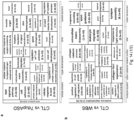
- parent categories that had enriched children were first removed and then maps were created with the package Treemap, using as colors the combination of non-overlapping parent categories accounting for the largest proportion of plotted categories. All reported FDR values were calculated using the Benjamini-Hochberg method.
- hESC-qualified matrigel diluted 1:40 in DMEM/F12/Gln/Pen-Strep
- Cells are always incubated at 37°C with 3% O2 and 5% CO2.
- Cells are always split using accutase and plated in mTeSR supplemented with 5 uM Rock Inhibitor, which is then removed after the first media change.
- the method optionally comprises extraction of genomic DNA from each stable cell line to quantify by digital PCR or TaqMan the exact amount of UbC-rtTA and TetO-NGN2-EGFP-Puro transgene copy numbers.
- the present method allows to:
- EXAMPLE 1 Establishment of a large cohort of transgene-free induced pluripotent stem cell lines from WBS and 7dupASD patients
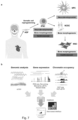
- the inventors selected a highly informative cohort of WBS and 7dupASD patients, whose fibroblast biopsies were deposited in the Genomic and Genetic Disease Biobank (http://www.telethon.it/en/scientists/biobanks) and who were assessed by a multidisciplinary team of specialists for a detailed clinical record ( Fig. 1a and Table 3 ).
- Table 3 Clinical features of patients. NA, data not available. "+” stands for present; “-” stands for not present.
- This cohort includes: i) four patients carrying the typical WBS deletion; ii) one patient carrying an atypical WBS deletion that spares several genes including BAZ1B, who exhibits milder craniofacial dysmorphisms 35 and lack cardiovascular abnormalities, supporting a role for BAZ1B in neural crest-derived lineages 36 ; iii) two patients carrying the typical duplication of the 7q11.23 interval associated to language impairment, autism spectrum disorder and craniofacial dysmorphisms 37 ; and iv) one unaffected relative of a typical WBS patient, chosen as genetically half-matched control (three iPSC lines from two additional unrelated individuals were included as additional controls, Fig. 1a ).
- FISH Fluorescent In Situ Hybridization
- MLPA Multiplex Ligation-dependent Probe Amplification
- aCGH array Comparative Genome Hybridization
- qPCR quantitative real-time Polymerase Chain Reaction
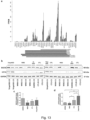
- the inventors succeeded in reprogramming skin fibroblasts from each patient/control into iPSC by daily transfection of synthetic mRNAs encoding the five pluripotency factors OCT4 (also known as POU5F1), SOX2, KLF4, LIN28 and c-MYC 23,38 Fig. 12a -b ), indicating that 7q11.23 hemideletion/duplication does not prevent the re-establishment of pluripotency.
- the inventors characterized 3 independent iPSC lines from each patient or unaffected relative, along with 2 independent iPSC lines from the unrelated control individual, and one additional iPSC line previously reprogrammed by a conditional lentiviral vector following Cre-mediated excision of the single copy integrant amounting to a total cohort of 27 independent iPSC lines ( Fig. 1a ).
- iPSC lines exhibited typical morphology, expressed the full range of pluripotency markers including ALP (alkaline phosphatase), OCT4, NANOG, Tra-1-60, SOX2 and SSEA-4, ( Fig. 12c -d ) and contributed to the three embryonic germ layers upon teratoma differentiation in vivo ( Fig. 12c ).
- iPSC lines were also assessed for genomic integrity by comparison to the respective parental fibroblasts through high density CytoScan Arrays. As shown in Table 4, virtually all iPSC lines carried copy number variants.
- the iPSC from this cohort are clearly distinct both from: i) any other iPSC reported thus far, due to the unique genetic make up that includes reprogramming-induced specific CNVs, and to the method employed for reprogramming; ii) any somatic cell originally sourced from the research participants, due to the specific CNVs that were introduced during reprogramming.
- Table 4 Copy-number variations (CNVs) identified through aCGH Summary of the aCGH data on iPSC lines, indicating the genomic coordinates (in the human reference genome version hg19) of iPSC-specific CNVs. "+" indicates a copy-number gain, while "-” indicates a loss.
- line 7dupASD1-C1 has lost a copy of the region spanning base pairs 254253 to 381137 of chromosome 6.
- iPSC line Total CNVs iPSC-specific CNVs (absent in fibroblasts) 7dupASD1-C1 5 chr6:254253-381137 (-), chr20:29989418-30665270 (+) 7dupASD 1-C2 4 chr6:254175-381137 (-) 7dupASD 1-C3 5 chr6:254253-381137 (-), chr6:102252826-102423940 (-) 7dupASD2-C1 20 chr4:93058279-94067253 (+), chr5:147088797-147206977 (+), chr6:267501-381118 (-), chr6:94409405-94683997 (+), chr6:73864358-74468940 (+), chr
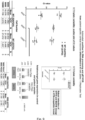
- the inventors In order to ascertain whether the pluripotent state represented a meaningful stage at which to probe the effect of 7q11.23 dosage, the inventors first asked whether the mRNA expression of the 7q1 1.23 genes follows gene dosage. For this the inventors resorted to the high accuracy of Nanostring-based quantitation as well as to RNAseq and found that the expression of all genes of the interval (including those expressed at very low levels) mirrors gene dosage ( Fig. 1c and Fig. 13a ), thus excluding compensatory effects from the wild type allele.
- EXAMPLE 3 7q11.23 dosage imbalance causes transcriptional dysregulation in disease-relevant pathways already at the pluripotent state
- the set of symmetrically dysregulated genes includes genes associated to characterizing phenotypes of the 2 conditions, as in the case of PDLIM1 and MYH14, the former associated to attention-deficit disorder 50 , neurite outgrowth 51 , cardiovascular defects, and hyperacusis, and the latter involved in hearing impairment 37 .
- EXAMPLE 4 GTF2I dosage accounts for a significant fraction of transcriptional dysregulation in the pluripotent state.
- EXAMPLE 5 GTF2I assembles a transcriptional co-repressor complex containing LSD1 and HDAC2
- the inventors purified its protein complex and defined its genome-wide occupancy.
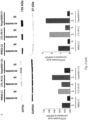
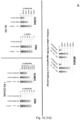
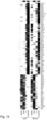
- the inventors tested the ability of two GTF2I antibodies to immunoprecipitate GTF2I in its native form ( Fig. 16a ) and selected the most efficient ones for large-scale IP (immunoprecipitation) on one representative iPSC line for each genotype, followed by Mass Spectrometry (MS) of discrete bands from IP eluates and validation of selected candidates ( Fig. 3a -b ).
- MS Mass Spectrometry
- the inventors found two transcriptionally repressive chromatin modifiers, the histone demethylase LSD1 (also known as KDM1A) and the histone deacethylase HDAC2 (Q92769), that were sub-stoichiometrically associated to GTF2I.
- the inventors identified two transcription factors, ZMYM2 and ZMYM3 (A6NHB5), previously reported as part of LSD1-containing transcriptional complexes (BHC complex) 55-57 .
- the inventors also found the co-repressor RCOR2 (Q8IZ40), recently reported, in place of RCOR1, as the main partner of LSD1 in the pluripotent state 58 .
- the other proteins identified in the complex are DNMT3B (P11388-4) and FXR1 (P51114).
- EXAMPLE 6 Identification of GTF2I targets in WBS and 7DupASD patient-derived iPSCs
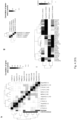
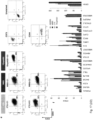
- the inventors profiled 1-2 iPSC lines from each patient and control, for a total of 12 samples, and identified a total of 1554 genes with a GTF2I binding site in the -2.5kb/+1kb region around the transcription start site (TSS). The inventors then concentrated on the peaks that were conserved across all control and 7dupASD samples, and considered the 436 genes with such a high-confidence peak in their promoter as "core GTF2I targets", whose functional annotation is shown in Fig. 3c .
- the 436 genes are as follows:
- GTF2I core targets (conserved promoter peak in all control samples):
- GTF2I targets differentially-expressed in iPSC:
- WBS lines retain only a subset of these core GTF2I targets, consistent with a progressive dosage-dependent loss of GTF2I occupancy.
- the inventors next confirmed by ChIP-qPCR (ChIP coupled with quantitative real-time PCR) dosage-dependent occupancy on a subset of core GTF2I targets. Additionally, they validated a generally lower enrichment, in WBS, for dosage sensitive targets, with levels of binding comparable to negative control regions ( Fig. 16d ).
- GTF2I dosage-dependent transcriptional dysregulation could be mediated by distal binding, looking at GTF2I-bound enhancers associated to putative target genes.
- the inventors found however only one of the 89 GTF2I-bound enhancers associated to a GTF2I-attributable, differentially-expressed TSS (PHC2), thus excluding that GTF2I acts mostly at enhancers, and supporting the alternative model of a largely indirect impact mediated by a minority of GTF2I direct targets.
- BEND4 a TF that is both highly expressed in the brain and is part of a large CNV that has been reported in an ASD patient 62 .
- BEND4 was confirmed to be differentially expressed both between genotypes ( Fig. 4a -b ) and upon GTF2I knockdown using several independent short-hairpin expressing vectors ( Fig. 4c -d-e ).
- BEND4 and GTF2I levels are significantly anticorrelated in the human brain (Pearson coefficient of -0.71 between regional averages) according to a very recent compendium of gene expression across several brain regions from over a hundred individuals 63 (a weaker but significant correlation was also found among the regions of the Allen Brain Atlas) 64 .
- the inventors decided to profile LSD1 occupancy in iPSCs in order to test whether it could discriminate dosage-dependent and independent GTF2I targets.
- Comparison between the GTF2I and LSD1 profiles revealed that while GTF2I co-occupies only a relatively small fraction of the LSD1 targets ( Fig. 3f ), the inventors were able to detect significant LSD1 peaks on 53% of the GTF2I conserved peaks ( Fig. 3g ).
- LSD1-bound GTF2I dosage-sensitive targets include further disease-relevant genes, as in the paradigmatic case of CRB2 ( Fig. 16d ), which is implicated in cleft palate and lip development 65 , and whose dosage sensitivity could provide a molecular link to the symmetrical phyltrum defects (respectively expanded or reduced) that are observed in WBS and 7dupASD patients.
- LSD1-sensitive targets also include critical genes that have already been causally associated to ASD, such as NLGN2, MAP2, and PRICKLE1. Interestingly however, within this subset of LSD1-sensitive targets, only RHBDF2 has a GTF2I peak on its promoter.
- GTF2I-LSD1 This may indicate the presence of distal enhancer-based regulation by GTF2I-LSD1 (that escapes a promoter-centered analysis), or the possibility that in addition to its role in GTF2I-containing complexes, chemical LSD1-inhibition can rescue several important genes found differentially-expressed in the diseases, even when they are only indirectly modulated by GTF2I ( Fig. 4i ).
- EXAMPLE 7 iPSC-specific transcriptional dysregulation is amplified during development in a lineage-specific manner
- iPSC lines into three lineages of cardinal relevance for the two conditions ( Fig. 5a ): i) Pax6 + telencephalic neural stem cells and progenitors (NPC) 30,31 ; ii) neural crest stem cells (NCSC) 32 , which originate the craniofacial structures along with several other disease-relevant lineages; iii) mesenchymal stem cells (MSC) 32 , hierarchically upstream of osteocytes, chondrocytes, smooth muscle cells, and other physiopathologically meaningful cell types.
- NPC telencephalic neural stem cells and progenitors
- NSC neural crest stem cells
- MSC mesenchymal stem cells
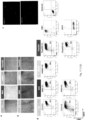
- the inventors confirmed that patient-derived NPCs expressed key forebrain markers such as FOXG1, OTX2 and ZO1, and were typically arranged in neural rosettes with TBR2 + intermediate progenitors surrounding apical Pax6 + progenitors ( Fig 5b ).
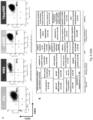
- the inventors profiled 15 patient and control-derived NPC lines and found that most of the differentially expressed genes were enriched in GO categories related to neuronal function such as axon guidance, regulation of transmitter secretion and negative regulation of axonogenesis ( Fig. 5c ).
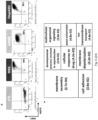
- the inventors differentiated the same cohort of iPSC lines into NCSC that displayed distinct morphology ( FIG. 17a ), and stained homogeneously positively for HNK1 and NGFR, a defining combination of NCSC markers, both in immunofluorescence ( Fig. 17c ) and by flow cytometry ( Fig. 5d and Fig. 17d ).
- Transcriptional profiling revealed differential expression in 364 genes (GO enrichments shown in Fig.
- RhoA Signalling/Signalling by Rho Family GTPases WASF1, GFAP, ACTR2, STMN1, MAPK8, ARHGEF11 and PLXNA1 74,75 .
- small GTPase RhoA signalling has been recently showed to rescue SM-actin filament bundle formation of smooth muscle cells in a model of WBS 76 .
- IPA Ingenuity Pathway Analysis
- the inventors next hypothesized that the subset of iPSC DEGs that is conserved upon differentiation in each given lineage should be preferentially enriched in lineage-relevant categories.
- the inventors thus evaluated, for each of the three differentiated lineages under study, the proportion of DEGs conserved for the GO categories that had been found enriched already in iPSC.
- iPSC DEGs are preferentially retained by category in a lineage-appropriate manner so that, for each target lineage, the proportion of conserved iPSC DEGs is much greater in categories relevant to that lineage (such as axonogenesis and axon guidance in the neural lineage, synapse-related catetgories in NCSC that will originate the peripheral nervous system and smooth muscle related categories in MSC).
- WikiWilliams-7qGeneBase a new web platform called WikiWilliams-7qGeneBase to make their data accessible to the community of scientists and practitioners working on these two diseases, through a user-friendly, gene-centered interface.
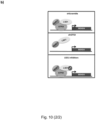
- WikiWilliams is open to contributions by other groups through submission to the database's curators, with the aim of assembling in one site all molecular data on 7q11.23 syndromes ( Fig. 7b and Fig. 19 ).
- the platform is openly accessible at http://bio.ieo.eu/wbs/ .
- EXAMPLE 9 An approach to isolate iPSC-derived FOXG1-expressing cortical progenitors
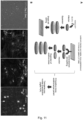
- Fig. 8 The proof of principle of experiments aimed at isolating cortical progenitors by selection and FACS sorting is described in Fig. 8 .
- the inventors designed a lentiviral construct that expresses GFP from a ubiquitous promoter and the puromycinr esistance gene under the control of the FOXG1 promoter.
- the figure shows the infection of a control iPSC line (reprogrammed from a WBS patient relative) with different concentrations of this lentiviral vector, and the assessment of infection efficiency by GFP fluorescence (both by immunofluorescence and FACS).
- EXAMPLE 10 The screening assay based on qRT-PCR
- the inventors have already validated the automated workflow for the scoring of the expression of GTF2I and BAZ1B (by multiplex qRT-PCR) in iPSC grown on a 96-well format ( Fig. 9 ). This is the format in which the screening will be conducted.
- the inventors were able to measure consistently the levels of GTF2I across 3 different concentrations of seeded iPSC (from 6.000 to 12.000), finding the expected linear relationship between number of cells and GTF2I expression, with excellent consistentcy across different wells of the same plate. Even across wells from different plates, qRT-PCR measurements are extremely consistent.
- the quantification shows a minimal coefficient of variation (CV) across both intra- and inter- plate measurements.
- the inventors modified the protocol for the direct differentiation of iPSCs towards the cortical glutamatergic lineage via induction of a lentivirally transduced factor, NGN2 34 .
- the original protocol employs two lentiviral vectors to integrate i) the inducible tetracyclin transactivator (rtTA) constitutively expressed under the UbC promoter and ii) an NGN2-EGFP-Puro polypeptide-econding cDNA whose transcription is driven by the transactivator in the presence of doxycylin.
- rtTA inducible tetracyclin transactivator
- NGN2-EGFP-Puro polypeptide-econding cDNA whose transcription is driven by the transactivator in the presence of doxycylin.
- Clones are established by: i) sorting a co-infected iPSC population into a 96-well plate; ii) selecting and expanding colonies with an ES-like (undifferentiated) morphology; iii) splitting selected colonies in two wells and testing one for GFP expression upon induction; iv) expanding and stocking 3-5 GFP positive iPSCs lines.
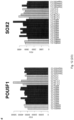
- Such lines have been tested for differentiation (up until day 21 from induction) and display the same mature neuronal markers, including glutamatergic markers, regardless of the genotype ( Fig. 11 ).
- the inventors chose the paradigmatic pair of genetic syndromes caused by symmetrical 7q11.23 CNV 7q11.23 in order to test the potential of iPSCs for defining how gene dosage impacts disease-relevant pathways in early developmental lineages. Their findings have broad significance for the molecular pathogenesis of WBS and 7dupASD as well as for the reprogramming-based disease modeling field as a whole.
- the size and quality of the present invention's iPSC cohort permitted two key observations on the molecular impact of 7q11.23 CNV: i) that these caused significant transcriptional dysregulation in disease-relevant pathways already in the pluripotent state; and ii) that this dysregulation was selectively amplified in a lineage-specific manner, with disease-relevant pathways preferentially and progressively more affected in differentiated lineages matching specific disease domains.
- the significance of this observation for the iPSC modeling field lies in the fact that the pluripotent state is by far the best characterized and most standardized one among the human developmental stages captured in vitro. Importantly, it is also the most amenable to high-throughput upscaling.
- the pluripotent state is not only a viable stage in which to measure disease-relevant transcriptional effects of genetic alterations, but that these effects are also predictive of further dysregulation in differentiated lineages, grounds the feasibility of middle-to-high-throughput iPSCs characterization in order to functionally annotate human genomes, prior to selecting lines and assays for more labor-intensive differentiation courses.
- GTF2I assembles a chromatin repressive complex with LSD1 and HDAC2 and binds preferentially to bivalent chromatin promoters, whose timed resolution has been shown by us and several other groups to be essential for normal development, especially along the neural lineage 77-80 .
- LSD1 inhibitors and/or HDAC2 inhibitors may be used for the prevention and/or treatment of a neurodevelopmental disorder entailing intellectual disability (ID) and/or belonging to the Autism Spectrum Disorder (ASD) and/or Schizophrenia (SZ).
Landscapes
- Health & Medical Sciences (AREA)
- Life Sciences & Earth Sciences (AREA)
- Chemical & Material Sciences (AREA)
- Engineering & Computer Science (AREA)
- Biomedical Technology (AREA)
- Immunology (AREA)
- Organic Chemistry (AREA)
- General Health & Medical Sciences (AREA)
- Bioinformatics & Cheminformatics (AREA)
- Biotechnology (AREA)
- Cell Biology (AREA)
- Proteomics, Peptides & Aminoacids (AREA)
- Molecular Biology (AREA)
- Analytical Chemistry (AREA)
- Wood Science & Technology (AREA)
- Zoology (AREA)
- Medicinal Chemistry (AREA)
- Microbiology (AREA)
- Biochemistry (AREA)
- Genetics & Genomics (AREA)
- Hematology (AREA)
- Physics & Mathematics (AREA)
- Urology & Nephrology (AREA)
- Pharmacology & Pharmacy (AREA)
- Animal Behavior & Ethology (AREA)
- Public Health (AREA)
- Veterinary Medicine (AREA)
- Pathology (AREA)
- General Engineering & Computer Science (AREA)
- Epidemiology (AREA)
- Toxicology (AREA)
- Developmental Biology & Embryology (AREA)
- Tropical Medicine & Parasitology (AREA)
- General Physics & Mathematics (AREA)
- Biophysics (AREA)
- Food Science & Technology (AREA)
- Neurology (AREA)
- Neurosurgery (AREA)
- Transplantation (AREA)
- Chemical Kinetics & Catalysis (AREA)
Claims (1)
- Inhibiteur de LSD1 pour son utilisation dans la prévention et/ou le traitement d'un trouble du spectre de l'autisme (TSA) dans lequel le trouble du spectre de l'autisme (TSA) est 7dupASD, dans lequel ledit inhibiteur de LSD1 est sélectionné dans le groupe constitué des :chlorhydrate de N-[4-[trans-2-aminocyclopropyl]phényl]-3-(2-oxooxazolidin-3-yl)benzamide,chlorhydrate de (trans)-N1-((1R,2S)-2-phénylcyclopropyl)cyclohexane-1,4-diamine,chlorhydrate de N-[4-[(1S,2R)-2-aminocyclopropyl]phényl]-3-(2-oxooxazolidin-3-yl)benzamide,chlorhydrate de N-[4-[(1R,2S)-2-aminocyclopropyl]phényl]-3-(2-oxooxazolidin-3-yl)benzamide,chlorhydrate de N-[4-[trans-2-aminocyclopropyl]phényl]-4-(1-méthyl-4-pipéridyl)benzamide,dichlorhydrate de N-[4-[trans-2-aminocyclopropyl]phényl]-4-(4-méthylpipérazin-1-yl)benzamide,chlorhydrate de trans N-[4-(2-aminocyclopropyl)phényl]benzamide,chlorhydrate de trans N-[4-(2-aminocyclopropyl)phényl]naphtalène-1-carboxamide,chlorhydrate de trans N-[4-(2-aminocyclopropyl)phényl]naphtalène-2-carboxamide,chlorhydrate de trans N-[4-(2-aminocyclopropyl)phényl]-4-phényl-benzamide,chlorhydrate de trans N-[4-(2-aminocyclopropyl)phényl]-2-(1-naphtyl)acétamide, etchlorhydrate de trans N-[4-(2-aminocyclopropyl)phényl]-2-(2-naphtyl)acétamide,et les stéréoisomères, les énantiomères et diastéréomères de ceux-ci.
Applications Claiming Priority (2)
| Application Number | Priority Date | Filing Date | Title |
|---|---|---|---|
| US201462085176P | 2014-11-26 | 2014-11-26 | |
| PCT/EP2015/077659 WO2016083458A1 (fr) | 2014-11-26 | 2015-11-25 | Modèles de troubles neurologiques du développement basés sur la reprogrammation et utilisations associées |
Publications (3)
| Publication Number | Publication Date |
|---|---|
| EP3224352A1 EP3224352A1 (fr) | 2017-10-04 |
| EP3224352C0 EP3224352C0 (fr) | 2024-01-03 |
| EP3224352B1 true EP3224352B1 (fr) | 2024-01-03 |
Family
ID=54707769
Family Applications (1)
| Application Number | Title | Priority Date | Filing Date |
|---|---|---|---|
| EP15801762.4A Active EP3224352B1 (fr) | 2014-11-26 | 2015-11-25 | Modèles de troubles neurologiques du développement basés sur la reprogrammation et utilisations associées |
Country Status (4)
| Country | Link |
|---|---|
| US (1) | US11369577B2 (fr) |
| EP (1) | EP3224352B1 (fr) |
| ES (1) | ES2973286T3 (fr) |
| WO (1) | WO2016083458A1 (fr) |
Families Citing this family (19)
| Publication number | Priority date | Publication date | Assignee | Title |
|---|---|---|---|---|
| AU2017306558B2 (en) | 2016-08-03 | 2024-09-19 | University Of South Florida | Reelin compositions for treatment of neurological disorders |
| CN110494556B (zh) * | 2017-04-03 | 2024-04-30 | 株式会社钟化 | 包含间充质系干细胞的细胞群、其制造方法、以及医药组合物 |
| US12104171B2 (en) | 2017-07-13 | 2024-10-01 | Allele Biotechnology And Pharmaceuticals, Inc. | Induction of neural progenitor cells, oligodendrocyte progenitor cells, and oligodendrocytes by stem cell differentiation using landmark transcription factors |
| EP3661492B1 (fr) * | 2017-08-01 | 2024-12-25 | Stuart A. Lipton | Nitrosynapsine destinée à être utilisée dans le traitement d'un trouble du spectre autistique |
| EP3880801B1 (fr) * | 2018-11-13 | 2026-04-15 | Memorial Sloan-Kettering Cancer Center | Procédés de multiplexage à base de cellules souches |
| CN109813912B (zh) * | 2019-01-04 | 2021-12-28 | 深圳大学 | 一组血清差异蛋白组合在制备用于检测孤独症的试剂中的应用 |
| WO2021081721A1 (fr) * | 2019-10-28 | 2021-05-06 | China Medical University | Nouvelles cellules souches pluripotentes induites (ipsc) et leurs applications |
| CN110747273B (zh) * | 2019-11-12 | 2023-04-07 | 中南大学 | 长链非编码rna linc00263在制备乳腺癌用药抵抗检测制剂中的应用 |
| CN110850088B (zh) * | 2019-12-06 | 2021-08-20 | 四川大学华西医院 | Gtf2ird2自身抗体检测试剂在制备肺癌筛查试剂盒中的用途 |
| WO2022058405A2 (fr) * | 2020-09-16 | 2022-03-24 | Ifom - Istituto Firc Di Oncologia Molecolare | Inhibiteurs d'histone-désacétylase et leurs utilisations |
| KR102639856B1 (ko) * | 2020-10-14 | 2024-02-23 | 한국원자력의학원 | 미세플라스틱 노출에 의해 유도되는 뇌질환 예후 예측용 바이오마커 조성물 및 이를 이용한 예후 예측방법 |
| EP4294267A4 (fr) * | 2021-02-21 | 2025-04-02 | Ichilov Tech Ltd. | Système et procédé d'évaluation ou de prédiction d'un état d'un foetus |
| CN113466467A (zh) * | 2021-06-17 | 2021-10-01 | 中国人民解放军军事科学院军事医学研究院 | 一种用于检测焦虑抑郁的标志物及其应用 |
| CN113667633B (zh) * | 2021-07-29 | 2022-05-24 | 四川大学华西医院 | 一种精神分裂症发育异常的皮层类器官模型的构建方法 |
| CN115322959B (zh) * | 2022-08-19 | 2024-04-26 | 首都儿科研究所 | 一种16p11.2微缺失综合征相关孤独症诱导性多能干细胞、制备方法及应用 |
| CN116087527B (zh) * | 2022-12-20 | 2025-04-25 | 深圳大学 | 血液差异蛋白组合在制备用于检测asd的试剂中的应用 |
| WO2024209036A1 (fr) * | 2023-04-07 | 2024-10-10 | Institut National de la Santé et de la Recherche Médicale | Génération de populations neuronales glutamatergiques de haute pureté par l'utilisation du facteur pro-neural ascl1 |
| CN120892846B (zh) * | 2025-09-28 | 2026-02-27 | 中国船舶集团有限公司第七一五研究所 | 一种基于Single-link层次聚类的多目标线谱特征分辨方法 |
| CN121343995A (zh) * | 2025-12-16 | 2026-01-16 | 中南大学湘雅二医院 | Ptchd1基因突变体和检测试剂的应用 |
Citations (7)
| Publication number | Priority date | Publication date | Assignee | Title |
|---|---|---|---|---|
| WO2009027349A2 (fr) * | 2007-08-24 | 2009-03-05 | Oryzon Genomics Sa | Traitement et prévention de maladies neurodégénératives |
| WO2012156531A2 (fr) * | 2011-05-19 | 2012-11-22 | Oryzon Genomics, S.A. | Inhibiteurs de la lysine déméthylase destinés au traitement de maladies ou états inflammatoires |
| EP2743256A1 (fr) * | 2011-08-09 | 2014-06-18 | Takeda Pharmaceutical Company Limited | Composés de cyclopropanamine |
| WO2014164867A1 (fr) * | 2013-03-11 | 2014-10-09 | Imago Biosciences | Inhibiteurs de kdm1a pour le traitement d'une maladie |
| WO2015021128A1 (fr) * | 2013-08-06 | 2015-02-12 | Imago Biosciences Inc. | Inhibiteurs de kdm1a pour le traitement d'une maladie |
| EP2907802A1 (fr) * | 2012-10-12 | 2015-08-19 | Takeda Pharmaceutical Company Limited | Composé de cyclopropanamine et utilisation de celui-ci |
| WO2015156417A1 (fr) * | 2014-04-11 | 2015-10-15 | Takeda Pharmaceutical Company Limited | Composé de cyclopropanamine et son utilisation |
Family Cites Families (4)
| Publication number | Priority date | Publication date | Assignee | Title |
|---|---|---|---|---|
| US20040142859A1 (en) * | 2002-05-02 | 2004-07-22 | Steffan Joan S. | Method for treating neurodegenerative, psychiatric, and other disorders with deacetylase inhibitors |
| BR112012027062B8 (pt) * | 2010-04-20 | 2021-05-25 | Fond Ieo | composto, processo para a preparação de um composto e usos do mesmo |
| WO2012013936A1 (fr) * | 2010-07-30 | 2012-02-02 | Cambridge Enterprise Limited | Corticogénèse de cellules pluripotentes humaines |
| JP6046154B2 (ja) * | 2011-10-20 | 2016-12-14 | オリソン ヘノミクス エセ. アー. | Lsd1阻害剤としての(ヘテロ)アリールシクロプロピルアミン化合物 |
-
2015
- 2015-11-25 WO PCT/EP2015/077659 patent/WO2016083458A1/fr not_active Ceased
- 2015-11-25 ES ES15801762T patent/ES2973286T3/es active Active
- 2015-11-25 EP EP15801762.4A patent/EP3224352B1/fr active Active
- 2015-11-25 US US15/529,886 patent/US11369577B2/en active Active
Patent Citations (7)
| Publication number | Priority date | Publication date | Assignee | Title |
|---|---|---|---|---|
| WO2009027349A2 (fr) * | 2007-08-24 | 2009-03-05 | Oryzon Genomics Sa | Traitement et prévention de maladies neurodégénératives |
| WO2012156531A2 (fr) * | 2011-05-19 | 2012-11-22 | Oryzon Genomics, S.A. | Inhibiteurs de la lysine déméthylase destinés au traitement de maladies ou états inflammatoires |
| EP2743256A1 (fr) * | 2011-08-09 | 2014-06-18 | Takeda Pharmaceutical Company Limited | Composés de cyclopropanamine |
| EP2907802A1 (fr) * | 2012-10-12 | 2015-08-19 | Takeda Pharmaceutical Company Limited | Composé de cyclopropanamine et utilisation de celui-ci |
| WO2014164867A1 (fr) * | 2013-03-11 | 2014-10-09 | Imago Biosciences | Inhibiteurs de kdm1a pour le traitement d'une maladie |
| WO2015021128A1 (fr) * | 2013-08-06 | 2015-02-12 | Imago Biosciences Inc. | Inhibiteurs de kdm1a pour le traitement d'une maladie |
| WO2015156417A1 (fr) * | 2014-04-11 | 2015-10-15 | Takeda Pharmaceutical Company Limited | Composé de cyclopropanamine et son utilisation |
Non-Patent Citations (5)
| Title |
|---|
| "Autism spectrum", 28 August 2020 (2020-08-28), Retrieved from the Internet <URL:https://en.wikipedia.org/wiki/Autism_spectrum> * |
| BETANCUR C: "Etiological heterogeneity in autism spectrum disorders: more than 100 genetic and genomic disorders and still counting.", BRAIN RESEARCH, vol. 1380, 22 March 2011 (2011-03-22), pages 42 - 77, ISSN: 1872-6240 * |
| COLEMAN D M ET AL: "Rating of the Effectiveness of 26 Psychiatric and Seizure Medications for Autism Spectrum Disorder: Results of a National Survey.", JOURNAL OF CHILD AND ADOLESCENT PSYCHOPHARMACOLOGY, vol. 29, no. 2, March 2019 (2019-03-01), pages 107 - 123, ISSN: 1557-8992 * |
| MORRIS C A ET AL: "7q11.23 Duplication syndrome: Physical characteristics and natural history.", AMERICAN JOURNAL OF MEDICAL GENETICS. PART A, vol. 167A, no. 12, December 2015 (2015-12-01), pages 2916 - 2935, ISSN: 1552-4833 * |
| WETMORE D Z ET AL: "Emerging pharmacotherapies for neurodevelopmental disorders.", JOURNAL OF DEVELOPMENTAL AND BEHAVIORAL PEDIATRICS, vol. 31, no. 7, September 2010 (2010-09-01), pages 564 - 581, ISSN: 1536-7312 * |
Also Published As
| Publication number | Publication date |
|---|---|
| EP3224352A1 (fr) | 2017-10-04 |
| EP3224352C0 (fr) | 2024-01-03 |
| ES2973286T3 (es) | 2024-06-19 |
| US20190022027A1 (en) | 2019-01-24 |
| US11369577B2 (en) | 2022-06-28 |
| WO2016083458A1 (fr) | 2016-06-02 |
Similar Documents
| Publication | Publication Date | Title |
|---|---|---|
| EP3224352B1 (fr) | Modèles de troubles neurologiques du développement basés sur la reprogrammation et utilisations associées | |
| Herdy et al. | Increased post-mitotic senescence in aged human neurons is a pathological feature of Alzheimer’s disease | |
| Hanan et al. | A Parkinson's disease CircRNAs resource reveals a link between circSLC8A1 and oxidative stress | |
| Guo et al. | Distinct processing of lncRNAs contributes to non-conserved functions in stem cells | |
| US20240309320A1 (en) | Methods for differentiating and screening stem cells | |
| Pandya et al. | Secreted retrovirus-like GAG-domain-containing protein PEG10 is regulated by UBE3A and is involved in Angelman syndrome pathophysiology | |
| Somel et al. | MicroRNA, mRNA, and protein expression link development and aging in human and macaque brain | |
| Factor et al. | Cell type-specific intralocus interactions reveal oligodendrocyte mechanisms in MS | |
| Xue et al. | Direct conversion of fibroblasts to neurons by reprogramming PTB-regulated microRNA circuits | |
| EP4461818A2 (fr) | Procédés de profilage spécifique de type cellulaire pour identifier des cibles pour isoler des noyeaux cellulaires | |
| Yoffe et al. | Cap-independent translation by DAP5 controls cell fate decisions in human embryonic stem cells | |
| US20230102038A1 (en) | Reagents and Methods for Alzheimer's Disease and CoMorbidities Thereof | |
| WO2016103269A1 (fr) | Populations de cellules progénitrices neuronales et leurs procédés de production et d'utilisation | |
| Ramaiah et al. | A microRNA cluster in the Fragile‐X region expressed during spermatogenesis targets FMR1 | |
| US12458668B2 (en) | Methods for treating facioscapulohumeral muscular dystrophy | |
| Wood et al. | Modelling the developmental spliceosomal craniofacial disorder Burn-McKeown syndrome using induced pluripotent stem cells | |
| Jin et al. | STRAP regulates alternative splicing fidelity during lineage commitment of mouse embryonic stem cells | |
| Alessandrini et al. | ALS-associated TDP-43 dysfunction compromises UPF1-dependent mRNA metabolism pathways including alternative polyadenylation and 3’UTR length | |
| Serdar et al. | mRNA stability fine-tunes gene expression in the developing cortex to control neurogenesis | |
| Bisson et al. | GATA6 regulates WNT and BMP programs to pattern precardiac mesoderm during the earliest stages of human cardiogenesis | |
| KR102377459B1 (ko) | 말초 혈액 단핵 세포로부터 자폐 범주성 장애 특이적 rna 발현 패턴을 검사하는 방법 및 그 장치 | |
| Kuriakose et al. | Psmd13, a proteasome regulatory subunit identified in miR-29a regulation during neuronal differentiation | |
| Hoschek | Mechanisms of aberrant HTT splicing and its implications on RNA homeostasis in Huntington’s disease | |
| Xie | Deciphering EIF2B5 Deficiency in Vanishing White Matter Disease | |
| Mariani et al. | Age-Associated Induction of Senescent Transcriptional Programs in Human Glial Progenitor Cells |
Legal Events
| Date | Code | Title | Description |
|---|---|---|---|
| STAA | Information on the status of an ep patent application or granted ep patent |
Free format text: STATUS: THE INTERNATIONAL PUBLICATION HAS BEEN MADE |
|
| PUAI | Public reference made under article 153(3) epc to a published international application that has entered the european phase |
Free format text: ORIGINAL CODE: 0009012 |
|
| STAA | Information on the status of an ep patent application or granted ep patent |
Free format text: STATUS: REQUEST FOR EXAMINATION WAS MADE |
|
| 17P | Request for examination filed |
Effective date: 20170623 |
|
| AK | Designated contracting states |
Kind code of ref document: A1 Designated state(s): AL AT BE BG CH CY CZ DE DK EE ES FI FR GB GR HR HU IE IS IT LI LT LU LV MC MK MT NL NO PL PT RO RS SE SI SK SM TR |
|
| AX | Request for extension of the european patent |
Extension state: BA ME |
|
| DAV | Request for validation of the european patent (deleted) | ||
| DAX | Request for extension of the european patent (deleted) | ||
| STAA | Information on the status of an ep patent application or granted ep patent |
Free format text: STATUS: EXAMINATION IS IN PROGRESS |
|
| 17Q | First examination report despatched |
Effective date: 20180611 |
|
| TPAC | Observations filed by third parties |
Free format text: ORIGINAL CODE: EPIDOSNTIPA |
|
| TPAA | Information related to observations by third parties modified |
Free format text: ORIGINAL CODE: EPIDOSCTIPA |
|
| GRAP | Despatch of communication of intention to grant a patent |
Free format text: ORIGINAL CODE: EPIDOSNIGR1 |
|
| STAA | Information on the status of an ep patent application or granted ep patent |
Free format text: STATUS: GRANT OF PATENT IS INTENDED |
|
| INTG | Intention to grant announced |
Effective date: 20230516 |
|
| RAP3 | Party data changed (applicant data changed or rights of an application transferred) |
Owner name: UNIVERSITA' DEGLI STUDI DI MILANO Owner name: I.R.C.C.S. CASA SOLLIEVO DELLA SOFFERENZA Owner name: ISTITUTO EUROPEO DI ONCOLOGIA S.R.L. |
|
| P01 | Opt-out of the competence of the unified patent court (upc) registered |
Effective date: 20230527 |
|
| GRAS | Grant fee paid |
Free format text: ORIGINAL CODE: EPIDOSNIGR3 |
|
| RAP3 | Party data changed (applicant data changed or rights of an application transferred) |
Owner name: UNIVERSITA' DEGLI STUDI DI MILANO Owner name: FONDAZIONE DI RELIGIONE E DI CULTO "CASA SOLLIEVO DELLA SOFFERENZA" - OPERA DI SAN PIO DA PIETRELCINA Owner name: ISTITUTO EUROPEO DI ONCOLOGIA S.R.L. |
|
| GRAA | (expected) grant |
Free format text: ORIGINAL CODE: 0009210 |
|
| STAA | Information on the status of an ep patent application or granted ep patent |
Free format text: STATUS: THE PATENT HAS BEEN GRANTED |
|
| AK | Designated contracting states |
Kind code of ref document: B1 Designated state(s): AL AT BE BG CH CY CZ DE DK EE ES FI FR GB GR HR HU IE IS IT LI LT LU LV MC MK MT NL NO PL PT RO RS SE SI SK SM TR |
|
| REG | Reference to a national code |
Ref country code: GB Ref legal event code: FG4D |
|
| REG | Reference to a national code |
Ref country code: CH Ref legal event code: EP |
|
| REG | Reference to a national code |
Ref country code: DE Ref legal event code: R096 Ref document number: 602015087155 Country of ref document: DE |
|
| REG | Reference to a national code |
Ref country code: IE Ref legal event code: FG4D |
|
| P04 | Withdrawal of opt-out of the competence of the unified patent court (upc) registered |
Effective date: 20240206 |
|
| U01 | Request for unitary effect filed |
Effective date: 20240201 |
|
| U07 | Unitary effect registered |
Designated state(s): AT BE BG DE DK EE FI FR IT LT LU LV MT NL PT SE SI Effective date: 20240209 |
|
| REG | Reference to a national code |
Ref country code: ES Ref legal event code: FG2A Ref document number: 2973286 Country of ref document: ES Kind code of ref document: T3 Effective date: 20240619 |
|
| PG25 | Lapsed in a contracting state [announced via postgrant information from national office to epo] |
Ref country code: IS Free format text: LAPSE BECAUSE OF FAILURE TO SUBMIT A TRANSLATION OF THE DESCRIPTION OR TO PAY THE FEE WITHIN THE PRESCRIBED TIME-LIMIT Effective date: 20240503 |
|
| PG25 | Lapsed in a contracting state [announced via postgrant information from national office to epo] |
Ref country code: GR Free format text: LAPSE BECAUSE OF FAILURE TO SUBMIT A TRANSLATION OF THE DESCRIPTION OR TO PAY THE FEE WITHIN THE PRESCRIBED TIME-LIMIT Effective date: 20240404 |
|
| PG25 | Lapsed in a contracting state [announced via postgrant information from national office to epo] |
Ref country code: HR Free format text: LAPSE BECAUSE OF FAILURE TO SUBMIT A TRANSLATION OF THE DESCRIPTION OR TO PAY THE FEE WITHIN THE PRESCRIBED TIME-LIMIT Effective date: 20240103 Ref country code: RS Free format text: LAPSE BECAUSE OF FAILURE TO SUBMIT A TRANSLATION OF THE DESCRIPTION OR TO PAY THE FEE WITHIN THE PRESCRIBED TIME-LIMIT Effective date: 20240403 |
|
| PG25 | Lapsed in a contracting state [announced via postgrant information from national office to epo] |
Ref country code: CZ Free format text: LAPSE BECAUSE OF FAILURE TO SUBMIT A TRANSLATION OF THE DESCRIPTION OR TO PAY THE FEE WITHIN THE PRESCRIBED TIME-LIMIT Effective date: 20240103 |
|
| U1N | Appointed representative for the unitary patent procedure changed after the registration of the unitary effect |
Representative=s name: PACE NAPOLEONE, MARIA; IT |
|
| PG25 | Lapsed in a contracting state [announced via postgrant information from national office to epo] |
Ref country code: RS Free format text: LAPSE BECAUSE OF FAILURE TO SUBMIT A TRANSLATION OF THE DESCRIPTION OR TO PAY THE FEE WITHIN THE PRESCRIBED TIME-LIMIT Effective date: 20240403 Ref country code: NO Free format text: LAPSE BECAUSE OF FAILURE TO SUBMIT A TRANSLATION OF THE DESCRIPTION OR TO PAY THE FEE WITHIN THE PRESCRIBED TIME-LIMIT Effective date: 20240403 Ref country code: IS Free format text: LAPSE BECAUSE OF FAILURE TO SUBMIT A TRANSLATION OF THE DESCRIPTION OR TO PAY THE FEE WITHIN THE PRESCRIBED TIME-LIMIT Effective date: 20240503 Ref country code: HR Free format text: LAPSE BECAUSE OF FAILURE TO SUBMIT A TRANSLATION OF THE DESCRIPTION OR TO PAY THE FEE WITHIN THE PRESCRIBED TIME-LIMIT Effective date: 20240103 Ref country code: GR Free format text: LAPSE BECAUSE OF FAILURE TO SUBMIT A TRANSLATION OF THE DESCRIPTION OR TO PAY THE FEE WITHIN THE PRESCRIBED TIME-LIMIT Effective date: 20240404 Ref country code: CZ Free format text: LAPSE BECAUSE OF FAILURE TO SUBMIT A TRANSLATION OF THE DESCRIPTION OR TO PAY THE FEE WITHIN THE PRESCRIBED TIME-LIMIT Effective date: 20240103 |
|
| PG25 | Lapsed in a contracting state [announced via postgrant information from national office to epo] |
Ref country code: PL Free format text: LAPSE BECAUSE OF FAILURE TO SUBMIT A TRANSLATION OF THE DESCRIPTION OR TO PAY THE FEE WITHIN THE PRESCRIBED TIME-LIMIT Effective date: 20240103 |
|
| PG25 | Lapsed in a contracting state [announced via postgrant information from national office to epo] |
Ref country code: PL Free format text: LAPSE BECAUSE OF FAILURE TO SUBMIT A TRANSLATION OF THE DESCRIPTION OR TO PAY THE FEE WITHIN THE PRESCRIBED TIME-LIMIT Effective date: 20240103 |
|
| REG | Reference to a national code |
Ref country code: DE Ref legal event code: R097 Ref document number: 602015087155 Country of ref document: DE |
|
| PG25 | Lapsed in a contracting state [announced via postgrant information from national office to epo] |
Ref country code: SM Free format text: LAPSE BECAUSE OF FAILURE TO SUBMIT A TRANSLATION OF THE DESCRIPTION OR TO PAY THE FEE WITHIN THE PRESCRIBED TIME-LIMIT Effective date: 20240103 |
|
| PG25 | Lapsed in a contracting state [announced via postgrant information from national office to epo] |
Ref country code: SK Free format text: LAPSE BECAUSE OF FAILURE TO SUBMIT A TRANSLATION OF THE DESCRIPTION OR TO PAY THE FEE WITHIN THE PRESCRIBED TIME-LIMIT Effective date: 20240103 |
|
| PG25 | Lapsed in a contracting state [announced via postgrant information from national office to epo] |
Ref country code: SM Free format text: LAPSE BECAUSE OF FAILURE TO SUBMIT A TRANSLATION OF THE DESCRIPTION OR TO PAY THE FEE WITHIN THE PRESCRIBED TIME-LIMIT Effective date: 20240103 Ref country code: SK Free format text: LAPSE BECAUSE OF FAILURE TO SUBMIT A TRANSLATION OF THE DESCRIPTION OR TO PAY THE FEE WITHIN THE PRESCRIBED TIME-LIMIT Effective date: 20240103 Ref country code: RO Free format text: LAPSE BECAUSE OF FAILURE TO SUBMIT A TRANSLATION OF THE DESCRIPTION OR TO PAY THE FEE WITHIN THE PRESCRIBED TIME-LIMIT Effective date: 20240103 |
|
| PLBE | No opposition filed within time limit |
Free format text: ORIGINAL CODE: 0009261 |
|
| STAA | Information on the status of an ep patent application or granted ep patent |
Free format text: STATUS: NO OPPOSITION FILED WITHIN TIME LIMIT |
|
| 26N | No opposition filed |
Effective date: 20241007 |
|
| U20 | Renewal fee for the european patent with unitary effect paid |
Year of fee payment: 10 Effective date: 20241128 |
|
| P05 | Withdrawal of opt-out of the competence of the unified patent court (upc) changed |
Free format text: CASE NUMBER: APP_6770/2024 Effective date: 20240209 |
|
| PGFP | Annual fee paid to national office [announced via postgrant information from national office to epo] |
Ref country code: GB Payment date: 20241129 Year of fee payment: 10 |
|
| PGFP | Annual fee paid to national office [announced via postgrant information from national office to epo] |
Ref country code: ES Payment date: 20241230 Year of fee payment: 10 |
|
| REG | Reference to a national code |
Ref country code: CH Ref legal event code: PL |
|
| PG25 | Lapsed in a contracting state [announced via postgrant information from national office to epo] |
Ref country code: MC Free format text: LAPSE BECAUSE OF FAILURE TO SUBMIT A TRANSLATION OF THE DESCRIPTION OR TO PAY THE FEE WITHIN THE PRESCRIBED TIME-LIMIT Effective date: 20240103 |
|
| REG | Reference to a national code |
Ref country code: CH Ref legal event code: PL |
|
| PG25 | Lapsed in a contracting state [announced via postgrant information from national office to epo] |
Ref country code: CH Free format text: LAPSE BECAUSE OF NON-PAYMENT OF DUE FEES Effective date: 20241130 |
|
| PG25 | Lapsed in a contracting state [announced via postgrant information from national office to epo] |
Ref country code: IE Free format text: LAPSE BECAUSE OF NON-PAYMENT OF DUE FEES Effective date: 20241125 |
|
| PG25 | Lapsed in a contracting state [announced via postgrant information from national office to epo] |
Ref country code: HU Free format text: LAPSE BECAUSE OF FAILURE TO SUBMIT A TRANSLATION OF THE DESCRIPTION OR TO PAY THE FEE WITHIN THE PRESCRIBED TIME-LIMIT; INVALID AB INITIO Effective date: 20151125 |
|
| PG25 | Lapsed in a contracting state [announced via postgrant information from national office to epo] |
Ref country code: CY Free format text: LAPSE BECAUSE OF FAILURE TO SUBMIT A TRANSLATION OF THE DESCRIPTION OR TO PAY THE FEE WITHIN THE PRESCRIBED TIME-LIMIT; INVALID AB INITIO Effective date: 20151125 |