EP3263115A1 - Invention concernant un agent actif contre le pseudomonas aeruginosa - Google Patents
Invention concernant un agent actif contre le pseudomonas aeruginosa Download PDFInfo
- Publication number
- EP3263115A1 EP3263115A1 EP16177154.8A EP16177154A EP3263115A1 EP 3263115 A1 EP3263115 A1 EP 3263115A1 EP 16177154 A EP16177154 A EP 16177154A EP 3263115 A1 EP3263115 A1 EP 3263115A1
- Authority
- EP
- European Patent Office
- Prior art keywords
- dnazyme
- pseudomonas aeruginosa
- seq
- agent
- rna
- Prior art date
- Legal status (The legal status is an assumption and is not a legal conclusion. Google has not performed a legal analysis and makes no representation as to the accuracy of the status listed.)
- Withdrawn
Links
Images



Classifications
-
- C—CHEMISTRY; METALLURGY
- C12—BIOCHEMISTRY; BEER; SPIRITS; WINE; VINEGAR; MICROBIOLOGY; ENZYMOLOGY; MUTATION OR GENETIC ENGINEERING
- C12N—MICROORGANISMS OR ENZYMES; COMPOSITIONS THEREOF; PROPAGATING, PRESERVING, OR MAINTAINING MICROORGANISMS; MUTATION OR GENETIC ENGINEERING; CULTURE MEDIA
- C12N15/00—Mutation or genetic engineering; DNA or RNA concerning genetic engineering, vectors, e.g. plasmids, or their isolation, preparation or purification; Use of hosts therefor
- C12N15/09—Recombinant DNA-technology
- C12N15/11—DNA or RNA fragments; Modified forms thereof; Non-coding nucleic acids having a biological activity
- C12N15/113—Non-coding nucleic acids modulating the expression of genes, e.g. antisense oligonucleotides; Antisense DNA or RNA; Triplex- forming oligonucleotides; Catalytic nucleic acids, e.g. ribozymes; Nucleic acids used in co-suppression or gene silencing
-
- A—HUMAN NECESSITIES
- A61—MEDICAL OR VETERINARY SCIENCE; HYGIENE
- A61K—PREPARATIONS FOR MEDICAL, DENTAL OR TOILETRY PURPOSES
- A61K31/00—Medicinal preparations containing organic active ingredients
- A61K31/70—Carbohydrates; Sugars; Derivatives thereof
- A61K31/7088—Compounds having three or more nucleosides or nucleotides
- A61K31/711—Natural deoxyribonucleic acids, i.e. containing only 2'-deoxyriboses attached to adenine, guanine, cytosine or thymine and having 3'-5' phosphodiester links
-
- A—HUMAN NECESSITIES
- A61—MEDICAL OR VETERINARY SCIENCE; HYGIENE
- A61K—PREPARATIONS FOR MEDICAL, DENTAL OR TOILETRY PURPOSES
- A61K31/00—Medicinal preparations containing organic active ingredients
- A61K31/70—Carbohydrates; Sugars; Derivatives thereof
- A61K31/7088—Compounds having three or more nucleosides or nucleotides
- A61K31/7115—Nucleic acids or oligonucleotides having modified bases, i.e. other than adenine, guanine, cytosine, uracil or thymine
-
- A—HUMAN NECESSITIES
- A61—MEDICAL OR VETERINARY SCIENCE; HYGIENE
- A61K—PREPARATIONS FOR MEDICAL, DENTAL OR TOILETRY PURPOSES
- A61K31/00—Medicinal preparations containing organic active ingredients
- A61K31/70—Carbohydrates; Sugars; Derivatives thereof
- A61K31/7088—Compounds having three or more nucleosides or nucleotides
- A61K31/712—Nucleic acids or oligonucleotides having modified sugars, i.e. other than ribose or 2'-deoxyribose
-
- A—HUMAN NECESSITIES
- A61—MEDICAL OR VETERINARY SCIENCE; HYGIENE
- A61K—PREPARATIONS FOR MEDICAL, DENTAL OR TOILETRY PURPOSES
- A61K45/00—Medicinal preparations containing active ingredients not provided for in groups A61K31/00 - A61K41/00
- A61K45/06—Mixtures of active ingredients without chemical characterisation, e.g. antiphlogistics and cardiaca
-
- A—HUMAN NECESSITIES
- A61—MEDICAL OR VETERINARY SCIENCE; HYGIENE
- A61P—SPECIFIC THERAPEUTIC ACTIVITY OF CHEMICAL COMPOUNDS OR MEDICINAL PREPARATIONS
- A61P31/00—Antiinfectives, i.e. antibiotics, antiseptics, chemotherapeutics
- A61P31/04—Antibacterial agents
-
- C—CHEMISTRY; METALLURGY
- C12—BIOCHEMISTRY; BEER; SPIRITS; WINE; VINEGAR; MICROBIOLOGY; ENZYMOLOGY; MUTATION OR GENETIC ENGINEERING
- C12N—MICROORGANISMS OR ENZYMES; COMPOSITIONS THEREOF; PROPAGATING, PRESERVING, OR MAINTAINING MICROORGANISMS; MUTATION OR GENETIC ENGINEERING; CULTURE MEDIA
- C12N2310/00—Structure or type of the nucleic acid
- C12N2310/10—Type of nucleic acid
- C12N2310/12—Type of nucleic acid catalytic nucleic acids, e.g. ribozymes
- C12N2310/127—DNAzymes
Definitions
- the invention relates to a novel active ingredient against the bacterium Pseudomonas aeruginosa , which is known as the main cause of death, especially in patients with cystic fibrosis.
- Pseudomonas aeruginosa The virulence of Pseudomonas aeruginosa is multifactorial and is caused by a number of extracellular enzymes and other substances. Their importance for the pathogenesis of human Pseudomonas aeruginosa infections depends on the type of infection. Although antibiotics have been used therapeutically for a long time for the therapy against a Pseudomonas aeruginosa infection, the bacteria often have several resistances, so that antibiotics are no longer reliably effective. The dose of previous antibiotics is currently limited due to their serious side effects.
- Alginate is a polysaccharide consisting of the two uronic acids ⁇ -L-guluronic acid (GulUA) and ⁇ -D-mannuronic acid (ManUA), which are linked 1,4-glycosidically in alternating relation to linear chains. It forms homopolymeric regions in which mannuronic acid or guluronic acid are present as blocks. Alginate tends to gel and thus to increased viscosity.
- the alginate is produced by Pseudomonas aeruginosa itself, whereby the enzyme AlgD (GDP-mannose dehydrogenase) plays a crucial role in the synthesis. Numerous scientific studies show that the body's immune system and also antibiotics can not penetrate this tough alginate biofilm.
- AlgD GDP-mannose dehydrogenase
- Cystic fibrosis is a genetic, severe metabolic disease. The prevalence in Germany is around 8,000 people, with approximately 300 children born with CF per year.
- the pancreas, the small intestine, the bile ducts, the reproductive tract and the sweat glands viscous secretions are formed which are difficult to remove from the body. As a result, functional disorders of various kinds occur in the affected organs.
- the formed mucus (Muccus) in the bronchi of CF patients is significantly more viscous than in healthy humans. This leads to chronic cough, shortness of breath and frequent recurrent pneumonia, as on the Muccus pathogens such as Pseudomonas aeruginosa, Staphylococcus aureus, Stentotrophomonas maltophila, Haermophilus influenzae , Exophiala dermatitis , Exophiala phaeomuriformis, among others, settle, over which Pseudomonas aeruginosa over time.
- brominated compounds as microbicidal agents for disinfecting surfaces and sterilizing water.
- DE 60213381 T2 a brominated agent which can be applied directly to the biofilm produced by Pseudomonas aeruginosa , permeates the viscous biofilm and is effective by: it kills or reduces the bacteria.
- This agent is due to the bromine content only for external use on surfaces or in water suitable and not plumbingsimply as a medicinal product against infection with Pseudomonas aeruginosa . It does not specifically affect Pseudomonas aeruginosa .
- DE102010013834A1 discloses genetically modified phage as a therapeutic agent against Pseudomonas strains PAH and PAO.
- the filamentous phages PF1 and PF3 are loaded with antimicrobial and anti-inflammatory substances and can infect the Pseudomonas strains so as to minimize cell burst and release of endotoxins and other immunologically active components.
- This agent can also be used prophylactically.
- the disadvantage is that the genetically modified phages are effective against only some Pseudomonas strains and the administration of genetically modified organisms is intrinsically problematic for legal and ethical reasons.
- a solution to prevent or destroy the formation of the bacterial biofilm is disclosed DE102013020916A1 .
- the intravenous use of a normal saline solution enriched with glycerol and amino acids is proposed. It is described that glycerol supports the efficacy of known antibiotics against the biofilm. So it is still necessary the therapy with antibiotics and the associated resistance problem. The writing does not replace the antibiotics therapy.
- DE102011108227A1 describes as a therapeutic agent against Pseudomonas aeruginosa infections and also as a special treatment for cystic fibrosis and chronic obstructive pulmonary disease (English: chronic obstructive pulmonary disease, abbreviation: COPD) the combination of three drugs, in particular carbapenem, polymyxin and aminoglycoside, which can be administered by inhalation.
- This therapy is an optimized antibiotic therapy and is not specifically directed against Pseudomonas aeruginosa .
- Some bacterial strains are already known as carbapenem-resistant and can no longer be controlled with this agent.
- the object of the present invention is to overcome the disadvantages of the prior art and to provide an agent for the prophylaxis and therapy of infections with Pseudomonas aeruginosa , which is effective and purposely inhibits alginate synthesis.
- DNAzymes are catalytically active single-stranded DNA molecules that specifically recognize target sequences of RNA molecules, bind complementary and cleave by catalytic activity, whereby the activity of the cleaved RNA molecule is lost or diminished. DNAzymes offer the possibility to block the translation of a protein even without RISC by acting on the mRNA of the interfering protein and inhibiting its expression either completely or partially.
- the mRNA of the algD gene of Pseudomonas aeruginosa represents a very good target for the development of a DNAzyme against Pseudomonas aeruginosa . Inhibition of this mRNA prevents alginate synthesis and thus inhibits or slows biofilm formation. The inhibition of alginate synthesis thus achieves a therapeutically significant effect.
- Alignment analyzes have shown that the AlgD protein and its gene transcript for alginate synthesis occur exclusively in the bacteria Pseudomonas aeruginosa and Azotobacter, otherwise only in brown algae, so it is very species-specific.
- the AlgD protein or mRNA coding for it does not occur in humans.
- antisense strategy to bind and block disease-causing RNA molecules in the human or animal body.
- the target structure can be inactivated, inhibited or blocked, so that they no longer fulfill their disease-causing function in the organism.
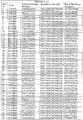
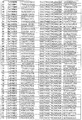
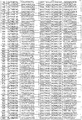
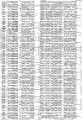
- an active agent containing at least one DNAzyme selected from the group Seq.ID 1-341 which specifically binds and cleaves the mRNA of the algD gene of Pseudomonas aeruginosa .
- a special target region was found and used in the bacterial genome (Seq.ID 342), at which the binding of the DNAzyme (s) leads to a blockade or inhibition of the expression of the AlgD protein.
- An advantage of this specific DNAzyme according to the invention selected from the group Seq.ID 1-341 is that it intervenes only in the bacterial metabolism of Pseudomonas aeruginosa , but not in the human metabolism.
- the high mutation rate of the genome of Pseudomonas aeruginosa can lead to resistance formation even if highly variable sites in the genome were deliberately omitted in the selection of the target sequence. Therefore, formation of resistance is prevented by recommending multi DNAzyme therapy using an agent containing at least two or more of the DNAzymes of the invention selected from the group Seq.ID 1-341.
- Further advantageous properties of the specific DNAzymes according to the invention are that they effectively block the alginate biosynthesis in Pseudomonas aeruginosa , which is a central metabolic constituent. Pseudomonas aeruginosa can not replace the missing protein and its associated enzymatic function with other molecules.
- DNAzymes according to the invention are very target-specific and particularly effective, their therapeutic use in a very low concentration is possible. Since the DNAzymes per se have a comparatively very low toxicity, only very few, if any, side effects when administered to a patient, for example the lungs, are to be expected. It has been proven in our own experiments that DNAzymes are gradually converted in vivo by the body's own DNases into cleavage products in the form of nucleotides, which are re-incorporated by the body into the biological material cycle and recycled. Pseudomonas aeruginosa, on the other hand, does not produce DNases that could degrade DNAzymes.
- the specific DNAzymes according to the invention selected from the group Seq.ID 1-341 are even suitable for the prophylaxis against an infection with Pseudomonas aeruginosa . This is particularly important for the treatment of CF patients or COPD patients.
- the specific DNAzymes according to the invention selected from the group Seq.ID 1-341 act in a multiple-turnover ie a single DNAzyme is able to cleave a plurality of mRNAs of the algD gene of Pseudomonas aeruginosa . This effect is a particular advantage over other potential drugs, which have only a single-turnover.
- a further advantage of the specific DNAzymes according to the invention is that they can be conveniently prepared by standard methods and are produced under GMP conditions. This is particularly important for conducting clinical trials.
- DNAzymes have a therapeutically promising approach for the treatment of diseases of the human or animal body to prevent the increased expression of RNA molecules of an invading pathogen such as Pseudomonas aeruginosa .
- an invading pathogen such as Pseudomonas aeruginosa .
- Classical 10-23 DNAzymes have a 15 nucleotide catalytic domain flanked by two substrate binding domains (I and II). The binding to the RNA substrate is carried out by base pairing according to the Watson-Crick rules on the substrate binding domains I and II.
- the specific DNAzymes according to the invention against the mRNA of the algD gene are derived from the common 10-23 molecule, wherein the two binding arms are nucleotide- specific for algD mRNA, bind only this mRNA and cut through the catalytic activity or inactivate.
- the selected regions have a purine-pyrimidine site for the DNAzyme.
- the binding site nucleotides 70-88 in SeqID 342 was selected.
- the binding site nucleotides 231-249 in SeqID 342 was selected.
- the DNAzymes according to the invention are specifically directed against these target sequences. They are thus an effective means for the prophylaxis and therapy of infections with Pseudomonas aeruginosa . They are suitable as a medical agent in CF patients or COPD patients.
- the specific DNAzymes according to the invention against the mRNA of the algD gene are selected from the group Seq.ID 1-341. They each comprise a central catalytic domain of 15 deoxyribonucleic acids with the sequence GGCTAGCTACAACGA flanked by two substrate binding domains I and II.
- the two substrate binding domains I and II are important for the catalytic activity of the DNAzyme in the cleavage of the target sequence by de-esterification. They recognize the specific target sequence on the mRNA of the algD gene and bind very nucleotide-specifically via Watson-Crick base pairing.
- the DNAzymes according to the invention recognize the RNA regions, bind these regions in a complementary manner and cut them.
- the mRNA of the algD gene is inactivated, inhibited or blocked, so that they can no longer perform their replication and thus the formation of AlgD protein.
- the entire alginate synthesis is suppressed and the tough biofilm is no longer formed.
- the DNAzymes according to the invention are an effective agent for medical use for the treatment or prophylaxis of an infection with Pseudomonas aeruginosa .
- the medicinal use for the prophylaxis and treatment takes place on humans and / or mammals.
- the DNAzymes according to the invention selected from the group Seq.ID 1-341 have unexpectedly positive properties, inter alia a very rapid cleavage.
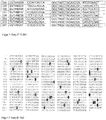
- Seq.ID DNAzyme Substrate binding domain I Catalytic domain Substrate Binding Domain II 95 DzTHM95 CCACACCAA GGCTAGCTACAACGA GACTTCATG 290 DzTHM290 GCAGATGAA GGCTAGCTACAACGA GATACGTCG
- the DNAzyme of the invention cleave the RNA target sequence very quickly and reliably, they are also optimally tuned in their activity on the temperature conditions in the lungs.
- the temperature in the lung is ⁇ 37 ° C.
- the length of the substrate binding domains I and II comprises in each case at least 8 nucleotides. Of the DNAzymes theoretically derivable from the target sequence, those DNAzymes were selected. These DNAzymes are referred to below as specific DNAzyme according to the invention. They have a surprisingly good cleavage property.
- the substrate binding domains I and II are fully complementary to the particular target sequence on the mRNA of the algD gene of Pseudomonas aeruginosa. However, in order to bind and cleave there, the substrate binding domains I and II of the DNAzyme of the invention need not necessarily be completely complementary.
- the DNAzymes according to the invention having a substrate binding domain I or II which have a homology of about 90% can also bind to the target sequence and cleave it efficiently.
- the DNAzymes of the invention may have up to two mismatching nucleotides per DNAzyme.
- Another modification involves chemical modification of a nucleotide.
- the modified nucleotide is altered by removal, attachment or replacement of one or more atoms or atomic groups as compared to naturally occurring nucleotides.
- the chemical modification includes, for example, the ribose (eg 2'-O-methyl ribose, so-called “Locked Nucleic Acid” (LNA) ribonucleotides and inverted thymidine), the phosphorus (di) ester bond (eg phosphorothioates, phosphoramidates, methyl phosphonates and peptide nucleotides ) and / or the base (eg 7-deazaguanosine, 5-methylcytosine and inosine).
- LNA Locked Nucleic Acid
- the DNAzymes of the invention are modified on at least one nucleotide of the substrate binding domain I and / or II, in particular by phosphorothioate, inverted thymidine, 2'-O-methyl-ribose or LNA ribonucleotides.
- DNAzymes is a nucleotide or are more nucleotides of the catalytic domain modified, in particular by phosphorothioate, inverted thymidine, 2'-O-methyl-ribose or LNA ribonucleotides.
- a preferred embodiment is the introduction of a 3'-3 'inversion at one end of the DNAzyme of the invention.
- the term 3'-3 'inversion refers to a covalent phosphate bond between the 3' carbons of the terminal nucleotide and the adjacent nucleotide. This type of binding is in contrast to the normal phosphate binding between the 3 'and 5' carbons of consecutive nucleotides. Accordingly, it is preferred that the nucleotide be inverse at the 3 'end of the substrate binding domain adjacent to the 3' end of the catalytic domain.
- the DNAzymes may contain modified nucleotides or nucleotide compounds. Modified nucleotides include, for example, N3'-P5'-phosphoramidate compounds, 2'-O-methyl substitutions, and peptide nucleic acid compounds. The preparation of all modifications is familiar to the person skilled in the art and he finds instructions for the procedure in the prior art.
- the modification is located in the catalytic domain. In a further embodiment, the modification is located in the substrate binding domain I and / or II. In a further embodiment, the modification is located in the catalytic domain and in the substrate binding domain I and / or II.
- At least one of the DNAzymes of the invention selected from the group Seq.ID 1-341 with or without modification is part of a medicinal agent for the prophylaxis and treatment of infections against Pseudomonas aeruginosa .
- More than one of the DNAzymes according to the invention selected from the group Seq.ID 1-341 is preferably used in the medicinal product for the prophylaxis and treatment of infections against Pseudomonas aeruginosa .
- the combination of at least two DNAzymes directed against different target regions of the algD mRNA of Pseudomonas aeruginosa is preferred.
- the agent according to the invention alternatively comprises a pharmacologically acceptable carrier, adjuvant and / or solvent.
- the composition according to the invention is prepared and administered in the form of drops, oral spray, inhalation powders, granules, emulsions, dispersions, microcapsules, capsules or injection solutions.
- the agent according to the invention is suitable inter alia for inhalation or intravenous, intraperitoneal, mucocutaneous, oral, topical, or occular administration.
- lactose, starch, sorbitol, sucrose, cellulose, magnesium stearate, dicalcium phosphate, calcium sulfate, talc, mannitol, ethyl alcohol and the like are used as pharmacologically acceptable carriers.
- Powders as well as tablets may consist of 5 to 95% of such a carrier.
- Liquid formulations include solutions, suspensions, sprays and emulsions, for example water-based or water-propylene glycol based injection solutions for parenteral injections.
- Capsules are made, for example, from methylcellulose, polyvinyl alcohols, polycations of denatured gelatin or starch.
- manganese-containing adjuvants such as manganese Cl improve the bioavailability.
- manganese CL is added in equimolar amounts to the DNAzyme.
- the agent according to the invention is administered by inhalation, for example with piezoelectric, jet, ultrasound aerosol generators, soft mist inhalers, metered dose inhalers or dry powder inhalers, ie the application to the lungs is effected by inhalation of an aerosol (suspension, powder) with the aid of a nebuliser.
- the type of dosage of the agent according to the invention is determined by the attending physician according to the clinical factors.
- the type of dosage depends on various factors such as height, weight, body surface, age, sex or the general health of the patient, but also on the specific agent, the duration and method of administration and of other medications that may be administered in parallel.
- the medicinal agent containing at least one of the DNAzymes of the invention selected from the group Seq.ID 1-341 with or without modifications is suitable for the prophylaxis and treatment of infections with Pseudomonas aeruginosa and is also used for the treatment of CF and COPD.
- a combination of the DNAzyme according to the invention selected from the group Seq.ID 1-341 is possible and increases the efficacy.
- a combination of two or more DNAzyme with at least one other medical active substance such as analgesics or antibiotics is possible.
- the combination with at least one anti-inflammatory agent, immunomodulator, anti-asthmatic and / or bronchodilator is possible.
- the combination with at least one antiparasitic, antibacterial, antifungal and / or antiviral active ingredient is possible.
- the combination with at least one dermatological or cosmetic active ingredient is possible.
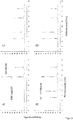
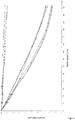
- the DNAzymes DzTHM95 and DzTHM290 are particularly outstanding because they split particularly fast in kinetics.
- the agent according to the invention preferably has one of these DNAzymes.
- the agent according to the invention has both DNAzymes DzTHM95 and DzTHM290.
- the bioinformatics evaluated alignment is in FIG. 2 shown.
- An optimal target sequence for binding the DNAzyme according to the invention is determined. It has been found that the DNAzymes of the invention selected from the group Seq.ID 1-341 bind specifically to regions of the target sequence and cleave them.
- cleavage kinetics were established by the method of the present invention to determine the rate of cleavage and find the DNAzymes that cleave the most rapidly and reliably.
- RNA used for the method according to the invention for determining the functional kinetics of the DNAzymes was prepared synthetically, as a result of which particularly precise and reproducible kinetics are obtained.
- the concentration can be adjusted so accurately and the sequence can be predetermined.
- disadvantages, such as impurities can influence the measurement result. With this in vivo RNA, for example, screenings for new DNAzymes on new targets can be very well researched.
- the preparation of the DNAzyme according to the invention according to SEQ ID NO.:341 is carried out by a synthesis method known to the person skilled in the art.
- DNAzyme and RNA are quantified eg by anion exchange High Performance HPLC (AEX-HPLC) according to manufacturer's instructions.
- the separation takes place eg by a DNAPac PA200 4x250 mm column (ThermoScientific), tempered to 60 ° C.
- the injection volume is 10 ⁇ L.
- a gradient method is used with a constant flow rate of 1 mL / min of eluent B (4% TEAA, 10% ACN in Milli-Q water) to eluent A (4% TEAA, 10% ACN, 0.2 M NaClO4 in Milli-Q Water).
- HPLC system e.g. The LaChrom Elite system is used with a diode array detector and measured at a wavelength of 260 nm. Peaks are captured, evaluated and displayed with the integrated EZChrome Elite software.
- the method according to the invention for determining the functional kinetics for DNAzymes, ribozymes and other molecules based on catalytic nucleic acids has the advantage of making use of approval-compliant devices. Furthermore, comparable and reproducible results can be obtained independently of laboratories, since synthetic RNA can be used after GMP production. Disadvantages that arise in the in vivo biosynthesis and in vitro amplification of RNA are resolved. These drawbacks may be contaminants and quality deficiencies in needed purification processes, mutations of the bacterial genome or RNA to be amplified, access required and infrastructure for in vivo and in vitro RNA amplification and poor reproducibility.
- the method according to the invention can provide, by HPLC support, objective and approval-compliant evaluations which are currently questionable in conventional methods.
- the method involves a qualitative and quantitative analysis to what extent and at what speed the DNAzymes of Seq.ID 1-341 of the invention bind and cleave the target sequence.
- the determination of the functional kinetics of DNAzymes was carried out, for example, with a suitable but tempered buffer and physiological salt content with in each case 10 .mu.M of complementary RNA. Synthetic RNA is used to give very precise and robust results. Via the temperature profile of the buffer DNAzymes could be determined which are adapted to the specific application conditions.
- the reaction starts by adding 2 ⁇ M of the at least one DNAzyme (selected from the group Seq.ID 1-341) and is automatically stopped by injection into the HPLC.
- the kinetics are carried out by subsequent injection from the same reaction vessel.
- the automatic sample holder of the HPLC is heated to the desired reaction temperature of at least 20 ° C. A temperature of 35 ° C is optimal for DNAzyme, which are used for the application on the lung. The temperature is kept constant in the sample holder over the reaction and measurement time. Own experiments show that DNAzyme should be kept at 37 ° C for systemic use and DNAzyme for dermal application at 32 ° C.
- RNA and 2 ⁇ M DNAzyme it has been found that well evaluable readings are achieved with 10 ⁇ M RNA and 2 ⁇ M DNAzyme. It has also been found that stationary phase anion exchange (IEC), reverse phase (RP), size exclusion (SEC) or normal phase (NP) column material is suitable.
- the stationary phase may also be a hybrid of at least one of the aforementioned types of columns.
- the method is alternatively carried out by staggered stopping of the reaction, for example by EDTA and can be carried out with subsequent injection from several vessels. In one embodiment, the method is performed with a reference standard of synthetic RNA or DNA. The method can be carried out except with HPLC also with UHPLC, FPLC or SEC, the detection is carried out by UV / VIS analysis with fluorescence detection, MS analysis or IR analysis.
- the method is not restricted to the DNAzymes according to the invention, but can also be used for any catalytically active nucleic acid molecules (DNAzyme, ribozymes and catalytically active nucleic acids which have been isolated from a galenic) and any target sequences on RNA, DNA, synthetic or amplified RNA or DNA are applied.
- galenic or dosage form is meant, for example, a tablet, ointment or special formulation in which the DNAzyme is packaged.
- functional kinetics is particularly important in terms of stability studies of drugs where DNAzymes are stored in vendors and need to be checked for activity at specific times. It may be necessary to dissolve the DNAzyme out of the galenics.
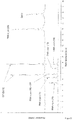
- the figure shows that especially the Cleavage product (CP) to the 3 'end (upper chromatogram, right CP [Dz13] peak) is suitable as a reference standard since it is equivalent to RNA c-jun (14) (lower chromatogram RNA c -jun (14)).
- the 5 'product upper chromatogram, left CP [Dz13] peak
- the Cleavage product (CP) is suitable as a standard 3 'side (upper chromatogram, CP [Dz13] right peak) because it can be made 100% identical as a synthetic standard.
- the cleavage sites are between the 3'-phosphate of the underlined nucleotide and the 3'-neighbor nucleoside.
- 3'-end and 5'-end are not phosphorylated.
- the invT stands for the modification with an invertible thymidine.
Landscapes
- Health & Medical Sciences (AREA)
- Life Sciences & Earth Sciences (AREA)
- Chemical & Material Sciences (AREA)
- General Health & Medical Sciences (AREA)
- Molecular Biology (AREA)
- Veterinary Medicine (AREA)
- Public Health (AREA)
- Medicinal Chemistry (AREA)
- Animal Behavior & Ethology (AREA)
- Pharmacology & Pharmacy (AREA)
- Biochemistry (AREA)
- Epidemiology (AREA)
- Engineering & Computer Science (AREA)
- Genetics & Genomics (AREA)
- Organic Chemistry (AREA)
- Biomedical Technology (AREA)
- General Engineering & Computer Science (AREA)
- Bioinformatics & Cheminformatics (AREA)
- Wood Science & Technology (AREA)
- Biotechnology (AREA)
- Zoology (AREA)
- Nuclear Medicine, Radiotherapy & Molecular Imaging (AREA)
- Biophysics (AREA)
- Physics & Mathematics (AREA)
- General Chemical & Material Sciences (AREA)
- Plant Pathology (AREA)
- Chemical Kinetics & Catalysis (AREA)
- Microbiology (AREA)
- Oncology (AREA)
- Communicable Diseases (AREA)
- Pharmaceuticals Containing Other Organic And Inorganic Compounds (AREA)
Priority Applications (1)
| Application Number | Priority Date | Filing Date | Title |
|---|---|---|---|
| EP16177154.8A EP3263115A1 (fr) | 2016-06-30 | 2016-06-30 | Invention concernant un agent actif contre le pseudomonas aeruginosa |
Applications Claiming Priority (1)
| Application Number | Priority Date | Filing Date | Title |
|---|---|---|---|
| EP16177154.8A EP3263115A1 (fr) | 2016-06-30 | 2016-06-30 | Invention concernant un agent actif contre le pseudomonas aeruginosa |
Publications (1)
| Publication Number | Publication Date |
|---|---|
| EP3263115A1 true EP3263115A1 (fr) | 2018-01-03 |
Family
ID=56345019
Family Applications (1)
| Application Number | Title | Priority Date | Filing Date |
|---|---|---|---|
| EP16177154.8A Withdrawn EP3263115A1 (fr) | 2016-06-30 | 2016-06-30 | Invention concernant un agent actif contre le pseudomonas aeruginosa |
Country Status (1)
| Country | Link |
|---|---|
| EP (1) | EP3263115A1 (fr) |
Cited By (1)
| Publication number | Priority date | Publication date | Assignee | Title |
|---|---|---|---|---|
| CN112111494A (zh) * | 2020-09-27 | 2020-12-22 | 江苏海洋大学 | 识别铜绿假单胞菌的DNAzymes及筛选检测方法与用途 |
Citations (8)
| Publication number | Priority date | Publication date | Assignee | Title |
|---|---|---|---|---|
| WO2002011674A2 (fr) * | 2000-08-09 | 2002-02-14 | Ribozyme Pharmaceuticals, Incorporated | Procede et reactif permettant d'inhiber le canal chlorure active par le calcium 1 (clca-1) |
| WO2004108840A2 (fr) * | 2003-06-03 | 2004-12-16 | Cytogenix, Inc. | Nucleotides convenant a la prevention et au traitement de pathologies bacteriennes et fongiques |
| EP1556486A2 (fr) * | 2002-11-06 | 2005-07-27 | Grünenthal GmbH | Adn enzymes actives et stables |
| DE60213381T2 (de) | 2001-03-27 | 2007-09-20 | Albemarle Corp. | Bekämpfung von pseudomonas aeruginosa |
| DE102010013834A1 (de) | 2008-03-30 | 2010-12-16 | VLB Berlin e. V. Institut für Mikrobiologie | Mittel zur Blockierung der Vermehrung und der Abtötung von Bakterien |
| DE102011108227A1 (de) | 2011-07-21 | 2013-01-24 | Eberhard-Karls-Universität Tübingen Universitätsklinikum | Pharmazeutische Zusammensetzung zur Behandlung einer Atemwegserkrankung |
| DE102013020916A1 (de) | 2013-06-06 | 2014-12-11 | Thomas B. Bryan | Verfahren zum Zerstören eines bakteriellen Biofilms unter Verwendung von sterilem, intravenösen oder intrakavernösem Glycerin |
| WO2016100556A1 (fr) * | 2014-12-18 | 2016-06-23 | Shire Human Genetic Therapies, Inc. | Essais d'activité enzymatique pour glucocérébrosidase |
-
2016
- 2016-06-30 EP EP16177154.8A patent/EP3263115A1/fr not_active Withdrawn
Patent Citations (8)
| Publication number | Priority date | Publication date | Assignee | Title |
|---|---|---|---|---|
| WO2002011674A2 (fr) * | 2000-08-09 | 2002-02-14 | Ribozyme Pharmaceuticals, Incorporated | Procede et reactif permettant d'inhiber le canal chlorure active par le calcium 1 (clca-1) |
| DE60213381T2 (de) | 2001-03-27 | 2007-09-20 | Albemarle Corp. | Bekämpfung von pseudomonas aeruginosa |
| EP1556486A2 (fr) * | 2002-11-06 | 2005-07-27 | Grünenthal GmbH | Adn enzymes actives et stables |
| WO2004108840A2 (fr) * | 2003-06-03 | 2004-12-16 | Cytogenix, Inc. | Nucleotides convenant a la prevention et au traitement de pathologies bacteriennes et fongiques |
| DE102010013834A1 (de) | 2008-03-30 | 2010-12-16 | VLB Berlin e. V. Institut für Mikrobiologie | Mittel zur Blockierung der Vermehrung und der Abtötung von Bakterien |
| DE102011108227A1 (de) | 2011-07-21 | 2013-01-24 | Eberhard-Karls-Universität Tübingen Universitätsklinikum | Pharmazeutische Zusammensetzung zur Behandlung einer Atemwegserkrankung |
| DE102013020916A1 (de) | 2013-06-06 | 2014-12-11 | Thomas B. Bryan | Verfahren zum Zerstören eines bakteriellen Biofilms unter Verwendung von sterilem, intravenösen oder intrakavernösem Glycerin |
| WO2016100556A1 (fr) * | 2014-12-18 | 2016-06-23 | Shire Human Genetic Therapies, Inc. | Essais d'activité enzymatique pour glucocérébrosidase |
Non-Patent Citations (5)
| Title |
|---|
| BOUCHER J C ET AL: "Dual regulation of mucoidy in Pseudomonas aeruginosa and sigma factor antagonism", MOLECULAR MICROBIOLOGY, vol. 36, no. 2, April 2000 (2000-04-01), pages 341 - 351, XP009193700, ISSN: 0950-382X * |
| F. HOEFER ET AL: "HPLC based single-step kinetic assay to screen the activity of DNAzymes", ANALYTICAL METHODS, vol. 9, no. 4, 1 January 2017 (2017-01-01), GBR, pages 697 - 704, XP055353809, ISSN: 1759-9660, DOI: 10.1039/C6AY03061K * |
| LEITAO JORGE H ET AL: "Effects of growth-inhibitory concentrations of copper on alginate biosynthesis in highly mucoid Pseudomonas aeruginosa", MICROBIOLOGY (READING), vol. 143, no. 2, 1997, pages 481 - 488, XP055353798, ISSN: 1350-0872 * |
| MOHR C D ET AL: "AlgR-binding sites within the algD promoter make up a set of inverted repeats separated by a large intervening segment of DNA", JOURNAL OF BACTERIOLOGY, vol. 174, no. 20, 1992, pages 6624 - 6633, XP055353804, ISSN: 0021-9193 * |
| ZHOU JINSONG ET AL: "An important role of a "probable ATP-binding component of ABC transporter" during the process of Pseudomonas aeruginosa resistance to fluoroquinolone", PROTEOMICS, vol. 6, no. 8, April 2006 (2006-04-01), pages 2495 - 2503, XP055354208, ISSN: 1615-9853 * |
Cited By (2)
| Publication number | Priority date | Publication date | Assignee | Title |
|---|---|---|---|---|
| CN112111494A (zh) * | 2020-09-27 | 2020-12-22 | 江苏海洋大学 | 识别铜绿假单胞菌的DNAzymes及筛选检测方法与用途 |
| CN112111494B (zh) * | 2020-09-27 | 2023-04-07 | 江苏海洋大学 | 识别铜绿假单胞菌的DNAzymes及筛选检测方法与用途 |
Similar Documents
| Publication | Publication Date | Title |
|---|---|---|
| AT392081B (de) | Verfahren zur herstellung eines arzneimittels zur behandlung von virusinfektionen | |
| DE69513998T2 (de) | Verwendung von 2'-substituierten oligonukleotiden zur reduzierung der genexpression | |
| EP1313768B1 (fr) | Oligonucleotides antisens contre vr1 | |
| DE69931809T2 (de) | Antibakterielle protonierte oligonukleotide | |
| DE69426596T2 (de) | Verfahren zur herstellung eines virus aerosols | |
| CH684310A5 (de) | Substituierte Adeninderivate. | |
| EP3411480B1 (fr) | Traitement de la dermatite atopique et de l'asthme en utilisant des complexes d'arn qui ciblent l'll4r, trpa1, ou f2rl1 | |
| DE2154279A1 (de) | Medikamente für das fibrinolytische System | |
| WO2003062423A2 (fr) | Procede d'inhibition de l'expression d'un gene cible issu d'une aberration chromosomique | |
| EP1617858B1 (fr) | Des inhibiteurs des caspases 3, 8, 9 ou 10 en combinaison avec des inhibiteurs de la MEK pour le traitement de l'influenza | |
| DE60315636T2 (de) | Zur therapie und prophylaxe bakterieller infektionen geeignete bakteriophagen | |
| Taleb et al. | New application of an old drug proparacaine in treating epilepsy via liposomal hydrogel formulation | |
| DE69809546T2 (de) | Antitumorale verbindungen zur behandlung von mucoviscidosis | |
| WO2004060360A1 (fr) | Utilisation de substances actives destinees a la prophylaxie et/ou la therapie de maladies virales | |
| DE68909019T2 (de) | Virushemmende Zusammensetzung und ihre Anwendungen. | |
| Varma et al. | Pharmacokinetics of enrofloxacin and its active metabolite ciprofloxacin in cows following single dose intravenous administration. | |
| DE10226702A1 (de) | Antisense Oligonukleotide gegen PIM1 | |
| DE69518984T2 (de) | Verfahren zum aufspüren von nukleosidanalogen, die durch die reverse transcriptase aus hiv eingebaut werden und falsche basenpaarung verursachen | |
| EP2393504B1 (fr) | Compositions pharmaceutiques renfermant un ribozyme pour le traitement des effets secondaires de spiegelmers | |
| DE102020207105A1 (de) | Wirkstoff sowie pharmazeutische Zusammensetzung zur Anwendung bei der Prophylaxe und/oder Behandlung einer durch Coronaviren, insbesondere SARS-CoV-2, hervorgerufenen Infektion und/oder Infektionskrankheit und/oder einer Folgeerkrankung davon | |
| CN102481265B (zh) | 保护和治疗神经损伤的方法和组合物 | |
| DE69118926T2 (de) | Antivirale Fraktion von einem wässerigen Extrakt von Lentinus edodes | |
| WO2019122267A1 (fr) | Composition destinée au traitement d'un patient souffrant d'une maladie des voies respiratoires associée à des inflammations chroniques et procédé de production et utilisation de ladite composition | |
| DE102010056610A1 (de) | Pharmazeutische Zusammensetzung enthaltend L-DNA | |
| EP3095866B1 (fr) | Moyen de prophylaxie et thérapie d'infections virales |
Legal Events
| Date | Code | Title | Description |
|---|---|---|---|
| PUAI | Public reference made under article 153(3) epc to a published international application that has entered the european phase |
Free format text: ORIGINAL CODE: 0009012 |
|
| AK | Designated contracting states |
Kind code of ref document: A1 Designated state(s): AL AT BE BG CH CY CZ DE DK EE ES FI FR GB GR HR HU IE IS IT LI LT LU LV MC MK MT NL NO PL PT RO RS SE SI SK SM TR |
|
| AX | Request for extension of the european patent |
Extension state: BA ME |
|
| STAA | Information on the status of an ep patent application or granted ep patent |
Free format text: STATUS: THE APPLICATION IS DEEMED TO BE WITHDRAWN |
|
| 18D | Application deemed to be withdrawn |
Effective date: 20180704 |