EP3298903A1 - Keimarme milchpulver mit hohem molkenproteinindex (iv) - Google Patents
Keimarme milchpulver mit hohem molkenproteinindex (iv) Download PDFInfo
- Publication number
- EP3298903A1 EP3298903A1 EP16190754.8A EP16190754A EP3298903A1 EP 3298903 A1 EP3298903 A1 EP 3298903A1 EP 16190754 A EP16190754 A EP 16190754A EP 3298903 A1 EP3298903 A1 EP 3298903A1
- Authority
- EP
- European Patent Office
- Prior art keywords
- milk
- germ
- permeate
- optionally
- microfiltration
- Prior art date
- Legal status (The legal status is an assumption and is not a legal conclusion. Google has not performed a legal analysis and makes no representation as to the accuracy of the status listed.)
- Granted
Links
Images
Classifications
-
- A—HUMAN NECESSITIES
- A23—FOODS OR FOODSTUFFS; TREATMENT THEREOF, NOT COVERED BY OTHER CLASSES
- A23C—DAIRY PRODUCTS, e.g. MILK, BUTTER OR CHEESE; MILK OR CHEESE SUBSTITUTES; PREPARATION THEREOF
- A23C9/00—Milk preparations; Milk powder or milk powder preparations
- A23C9/15—Reconstituted or recombined milk products containing neither non-milk fat nor non-milk proteins
- A23C9/1512—Reconstituted or recombined milk products containing neither non-milk fat nor non-milk proteins containing isolated milk or whey proteins, caseinates or cheese; Enrichment of milk products with milk proteins in isolated or concentrated form, e.g. ultrafiltration retentate
-
- A—HUMAN NECESSITIES
- A23—FOODS OR FOODSTUFFS; TREATMENT THEREOF, NOT COVERED BY OTHER CLASSES
- A23B—PRESERVATION OF FOODS, FOODSTUFFS OR NON-ALCOHOLIC BEVERAGES; CHEMICAL RIPENING OF FRUIT OR VEGETABLES
- A23B11/00—Preservation of milk or dairy products
- A23B11/10—Preservation of milk or milk preparations
- A23B11/12—Preservation of milk or milk preparations by heating
-
- A—HUMAN NECESSITIES
- A23—FOODS OR FOODSTUFFS; TREATMENT THEREOF, NOT COVERED BY OTHER CLASSES
- A23C—DAIRY PRODUCTS, e.g. MILK, BUTTER OR CHEESE; MILK OR CHEESE SUBSTITUTES; PREPARATION THEREOF
- A23C1/00—Concentration, evaporation or drying
- A23C1/12—Concentration by evaporation
-
- A—HUMAN NECESSITIES
- A23—FOODS OR FOODSTUFFS; TREATMENT THEREOF, NOT COVERED BY OTHER CLASSES
- A23C—DAIRY PRODUCTS, e.g. MILK, BUTTER OR CHEESE; MILK OR CHEESE SUBSTITUTES; PREPARATION THEREOF
- A23C1/00—Concentration, evaporation or drying
- A23C1/14—Concentration, evaporation or drying combined with other treatment
- A23C1/16—Concentration, evaporation or drying combined with other treatment using additives
-
- A—HUMAN NECESSITIES
- A23—FOODS OR FOODSTUFFS; TREATMENT THEREOF, NOT COVERED BY OTHER CLASSES
- A23C—DAIRY PRODUCTS, e.g. MILK, BUTTER OR CHEESE; MILK OR CHEESE SUBSTITUTES; PREPARATION THEREOF
- A23C7/00—Other dairy technology
- A23C7/04—Removing unwanted substances other than lactose or milk proteins from milk
-
- A—HUMAN NECESSITIES
- A23—FOODS OR FOODSTUFFS; TREATMENT THEREOF, NOT COVERED BY OTHER CLASSES
- A23C—DAIRY PRODUCTS, e.g. MILK, BUTTER OR CHEESE; MILK OR CHEESE SUBSTITUTES; PREPARATION THEREOF
- A23C9/00—Milk preparations; Milk powder or milk powder preparations
- A23C9/12—Fermented milk preparations; Treatment using microorganisms or enzymes
- A23C9/13—Fermented milk preparations; Treatment using microorganisms or enzymes using additives
-
- A—HUMAN NECESSITIES
- A23—FOODS OR FOODSTUFFS; TREATMENT THEREOF, NOT COVERED BY OTHER CLASSES
- A23C—DAIRY PRODUCTS, e.g. MILK, BUTTER OR CHEESE; MILK OR CHEESE SUBSTITUTES; PREPARATION THEREOF
- A23C9/00—Milk preparations; Milk powder or milk powder preparations
- A23C9/14—Milk preparations; Milk powder or milk powder preparations in which the chemical composition of the milk is modified by non-chemical treatment
- A23C9/142—Milk preparations; Milk powder or milk powder preparations in which the chemical composition of the milk is modified by non-chemical treatment by dialysis, reverse osmosis or ultrafiltration
- A23C9/1422—Milk preparations; Milk powder or milk powder preparations in which the chemical composition of the milk is modified by non-chemical treatment by dialysis, reverse osmosis or ultrafiltration by ultrafiltration, microfiltration or diafiltration of milk, e.g. for separating protein and lactose; Treatment of the UF permeate
-
- A—HUMAN NECESSITIES
- A23—FOODS OR FOODSTUFFS; TREATMENT THEREOF, NOT COVERED BY OTHER CLASSES
- A23C—DAIRY PRODUCTS, e.g. MILK, BUTTER OR CHEESE; MILK OR CHEESE SUBSTITUTES; PREPARATION THEREOF
- A23C9/00—Milk preparations; Milk powder or milk powder preparations
- A23C9/14—Milk preparations; Milk powder or milk powder preparations in which the chemical composition of the milk is modified by non-chemical treatment
- A23C9/148—Milk preparations; Milk powder or milk powder preparations in which the chemical composition of the milk is modified by non-chemical treatment by molecular sieve or gel filtration or chromatographic treatment
-
- A—HUMAN NECESSITIES
- A23—FOODS OR FOODSTUFFS; TREATMENT THEREOF, NOT COVERED BY OTHER CLASSES
- A23C—DAIRY PRODUCTS, e.g. MILK, BUTTER OR CHEESE; MILK OR CHEESE SUBSTITUTES; PREPARATION THEREOF
- A23C9/00—Milk preparations; Milk powder or milk powder preparations
- A23C9/16—Agglomerating or granulating milk powder; Making instant milk powder; Products obtained thereby
-
- A—HUMAN NECESSITIES
- A23—FOODS OR FOODSTUFFS; TREATMENT THEREOF, NOT COVERED BY OTHER CLASSES
- A23C—DAIRY PRODUCTS, e.g. MILK, BUTTER OR CHEESE; MILK OR CHEESE SUBSTITUTES; PREPARATION THEREOF
- A23C2210/00—Physical treatment of dairy products
- A23C2210/20—Treatment using membranes, including sterile filtration
- A23C2210/206—Membrane filtration of a permeate obtained by ultrafiltration, nanofiltration or microfiltration
-
- A—HUMAN NECESSITIES
- A23—FOODS OR FOODSTUFFS; TREATMENT THEREOF, NOT COVERED BY OTHER CLASSES
- A23C—DAIRY PRODUCTS, e.g. MILK, BUTTER OR CHEESE; MILK OR CHEESE SUBSTITUTES; PREPARATION THEREOF
- A23C2210/00—Physical treatment of dairy products
- A23C2210/20—Treatment using membranes, including sterile filtration
- A23C2210/208—Removal of bacteria by membrane filtration; Sterile filtration of milk products
-
- A—HUMAN NECESSITIES
- A23—FOODS OR FOODSTUFFS; TREATMENT THEREOF, NOT COVERED BY OTHER CLASSES
- A23C—DAIRY PRODUCTS, e.g. MILK, BUTTER OR CHEESE; MILK OR CHEESE SUBSTITUTES; PREPARATION THEREOF
- A23C2210/00—Physical treatment of dairy products
- A23C2210/25—Separating and blending
- A23C2210/252—Separating a milk product in at least two fractions followed by treatment of at least one of the fractions and remixing at least part of the two fractions
Definitions
- the invention is in the field of dairy products and relates to a new low-germ milk powder with a high whey protein index (MPI), alternative methods for its production and its use especially for the nutrition of infants and toddlers.
- MPI whey protein index
- pasteurized skimmed milk with about 9% dry matter is evaporated to a concentration of about 40% to produce low-germ milk powders.
- the concentrates still contain a large amount of thermoresistant germs and spores, especially from the maize silage, with which the cows are fed and eventually end up in the raw milk due to insufficient stable hygiene. For this reason, it has hitherto been necessary to subject the concentrates, prior to spraying, to a high-temperature heating with the aid of which the germs and spores are quantitatively destroyed and from which a germ-free and high-quality product results.
- Whey proteins belong to the albumins and globulins; these include, in particular, alpha-lactalbumin and beta-lactoglobulin, serum albumin, proteose peptone and immunoglobulins.
- whey proteins represent high-quality milk constituents and are used, for example, in protein preparations for muscle building. While untreated skimmed milk has a so-called whey protein index (MPI, English WPNI) above 6, especially 6.1, as a measure of the content of whey proteins, this decreases to values below 1 in conventional UHT, which is extremely undesirable.
- MPI whey protein index
- CN 2011 1116530 A1 discloses a process for producing low-temperature milk powder in which skim milk is filtered at 40 to 50 ° C by microfiltration through an inorganic membrane having a pore diameter of 0.8 to 1.4 ⁇ m. Subsequently, the MF product is at 72 to 78 ° C sterilized and concentrated at 45 to 75 ° C in a falling film evaporator. It is followed by a spray drying, wherein the temperature in the inlet at 180 to 200 ° C and at the output 80 to 105 ° C. The font does not contain information on the MPI of the resulting products nor on their germ load.
- milk powder which specifically serve infant and toddler nutrition: apart from the fact that a defined whey protein / casein ratio is desired, the products must be virtually germ-free in order to prevent the intestinal flora which is still developing to harm.
- the powders should also contain a multitude of other active substances and additives which are beneficial for nutrition and child development, such as (milk) fats, vitamins, carbohydrates, peptides or amino acids, long-chain unsaturated fatty acids and the like. Since these substances are usually neither produced sterile nor stored sterile, they have a considerable number of germs, which again leads to undesired contamination when mixed with the milk component just sterilized by microfiltration.
- the object of the present invention has therefore been to provide milk powder, both lean and whole milk powder available, which are both germ-free or low-germ, as they are previously obtained only by the high-temperature process, as well as a high MPI / WPNI of at least 2, especially at least 4 and in particular 5.5 to 6 and above, as obtained from low temperature processes, although these two parameters have so far always been in opposite directions.
- the powders should be additized simultaneously with fat-soluble as well as water-soluble additives, without thereby further germs are registered. The process should also be feasible with little technical effort.
- the process according to the invention also allows the production of milk powdered milk admissible for infant and toddler nutrition, which at the same time has a high MPI of at least 2 and up to 7.5, preferably from about 3.5 to 6 and in particular about 4 to about 5 and yet are virtually germ-free, namely, both with respect to the thermophilic and the mesophilic germs have a maximum number of 500, depending on the process, even from a total of (thermophilic + mesophilic nuclei) from about 100 to about 500. According to the invention, products are obtained which no longer have pathogenic germs.
- Suitable milk components which can be used as raw materials in the process are selected from the group consisting of whole milk, skimmed milk with up to 4% by weight fat, low-fat milk, pasteurized milk, highly heated milk, UHT milk, whey, Noble whey, sour milk and their mixtures.
- step (b) is omitted.
- the skimming of the raw milk is preferably carried out in heat exchangers, with plate heat exchangers in particular having proven to be particularly suitable.
- At the heat exchangers is a temperature gradient, but is selected so that the raw milk for a residence time of at least 20 and at most 60 seconds, preferably about 30 seconds to a temperature of about 70 to 80 ° C and in particular about 72 to 74 ° C. heated and thus already pasteurized once.
- the separation of solids (“cheese dust”) and the skimming of the fat content of about 4 wt .-% is usually carried out in a downstream component, preferably a separator.
- a separator Such components are well known in the art.
- Very widely used in the dairy industry are separators from GEA Westfalia Separator GmbH, with which the two steps can be carried out individually or jointly (http://www.westfalia-separator.com/de/aninstallen/molkereitechnik/milchmolke.html ).
- Corresponding components are for example in the DE 10036085 C1 (Westfalia) and well-known to those skilled in the art, so that it requires no explanation to carry out these steps, since they are attributable to the general expertise.
- Microfiltration is a process for separating substances.
- the main difference between micro- and ultrafiltration lies in the different pore sizes and in the different membrane structure like the materials and the involved filter materials.
- Filtration through membranes with a pore size ⁇ 0.1 microns is usually called ultrafiltration, while the filtration at pore sizes> 0.1 microns is commonly referred to as microfiltration.
- the driving force in both separation processes is the differential pressure between inlet and outlet of the filter surface, which is between 0.1 and 10 bar.
- the material of the filter surface can be made of stainless steel, plastic, ceramic or textile fabric for each application.
- the invention includes the finding that for the production of a raw milk of quality class I, a diameter in the range of 1.4 microns and less preferably 1.3 to 1.4 microns is completely sufficient, if previously the majority of thermolabile germs by a corresponding thermal treatment has been separated. In combination of this comparatively larger pore diameter with a microfiltration device consisting essentially of a ceramic membrane, the problem of frequent blockage is solved at the same time.
- the microfiltration can basically be carried out in the range from about 6 to about 60 ° C.
- the separation of seeds by means of filtration steps requires a temperature of at least 55 ° C to about 60 ° C, since only in these conditions sufficient flow rates can be achieved, while at temperatures of, for example, 20 to 30 ° C. only flow rates of a maximum of 100 l / m 2 h can be achieved.
- the filtration in the heat is also possible present method, however, has the significant disadvantage that the thermoresistant germs and spores after about 4 hours filtration time begin to grow through the membranes and to multiply in the permeate.
- a particular advantage is to perform the filtration in the cold, ie at about 6 to about 30 ° C and preferably about 8 to about 20 ° C, since the growth of germs prevented in this way and yet surprisingly a flow of 200 to 300 l / m 2 h is achieved.
- a germ-free to germ-free permeate P1 is obtained, which is further processed and a retentate, which is usually discarded because of its high bacterial load.
- the permeate withdrawn water and it is concentrated to a dry matter content of about 30 to about 55 wt .-% and in particular about 35 to about 45% wt .-%.
- conventional evaporators are particularly suitable.
- the mixing can be carried out in any conventional stirred tank, as long as it can be heated.
- the permeate phase optionally after concentration, is initially charged and mixed with a lipid phase and a powder phase.
- lipid phase there are lipids, vitamins as well as fat-soluble active substances, such as long-chain unsaturated fatty acids and the like. Since the fat phase tends to solidify, it is recommended to carry out mixing at temperatures in the range of about 60 ° C. On the other hand, proteins and water-soluble substances are contained in the solid phase of the active substance.
- the product is usually subjected to a temperature treatment.
- a temperature treatment may be a conventional pasteurization, but preferably an UHB, in which the mixture is heated to temperatures of 90 to 140 ° C over a period of about 1 to about 5 seconds.
- the thermal load is high enough to reduce the number of bacteria according to the instructions without, however, denaturing the sensitive whey proteins.
- the heated concentrate is transferred to a dry powder.
- freeze-drying and spray drying in particular come into question.
- the mixtures are usually added at 180 to 260 ° C and preferably about 200 ° C to the tower and leave this after passing through various heat exchanger units having a temperature in the range of 25 to 35 ° C.
- the powders generally contain a residual moisture of 1 to 5, preferably 2 to 3 wt .-%, in which the fat in the form of inclusions more or less uniformly in the fat-free dry substances, i. Proteins, sugars and salts is distributed.
- the pasteurization step following the mixing is on the one hand necessary to kill the new germs introduced by the additives, on the other hand it is particularly energy-intensive, so that a special interest in the sense of an additional object has been to design the process according to the invention such that the temperature aftertreatment can be dispensed with becomes.
- the powder fraction is dissolved in water or skim milk and added to the microfiltration. In this way, the germs contained in the powder are removed at this stage, so that a temperature aftertreatment is not required.
- a concentration step can also be incorporated in this process.
- Another object of the invention relates to the use of the milk powder according to the invention and of the milk powder obtained by the process according to the invention for the nutrition of babies and toddlers in particular.
- Raw milk was freed of solid components in a conventional manner, pasteurized and skimmed, so that a skimmed milk with a dry matter of about 9 wt .-% resulted.
- This mixture was intensively mixed at 60 ° C with a lipid phase containing milk fat, vitamins and lactose and an anhydrous powder phase in which whey proteins were.
- the mixture was then gently evaporated to a dry matter content of about 40% by weight.
- the concentrate thus obtained had an MPI of 6.1, and was subjected to a high-temperature heating at 120 ° C over a period of about 5 seconds, quantitatively destroying spores and other germs. It was obtained a germ-free concentrate, which was then sprayed through a tower.
- a practically germ-free high temperature skim milk powder with an MPI / WPNI of only 1.3 was obtained.
- Example V1 was repeated, instead of the superheating at 105 ° C, however, a temperature treatment also carried out at 70 ° C for 5 seconds. After spraying, a low-temperature skimmed milk powder with an MPI / WPNI of 5.9 was obtained, which, however, was germ-loaded (thermophilic and mesophilic germs in each case> 1,000) and therefore was only of limited use for consumption.
- Example V2 was repeated, but the skim milk before the evaporation step of a microfiltration using a ceramic membrane with a pore width of 1.3 microns at 55 ° C subjected.
- the retentate was discarded, the permeate mixed as described above with the lipid and powder phase and then evaporated.
- the concentrate was then heat treated at about 120 ° C for 5 seconds and sprayed.
- a skimmed milk powder with an MPI / WPNI of 6.8 was obtained, which was practically germ-free (thermophilic and mesophilic germs in each case ⁇ 500).
- Example 1 was repeated but the powder phase was dissolved in water and subjected to microfiltration with the skim milk using a ceramic membrane having a pore width of 1.3 ⁇ m at 55 ° C. The retentate was discarded, the permeate mixed with the lipid phase as described above and then evaporated. The concentrate was then sprayed without further heat treatment. A skim milk powder with a MPI / WPNI of 7.0 was obtained which was germ-free (thermophilic bacteria ⁇ 100 and mesophilic bacteria ⁇ 400).
- Skimmed milk was subjected to microfiltration using a ceramic membrane with a pore size of 0.1 ⁇ m at 55 ° C. and a protein-rich permeate and a casein-rich retentate were obtained.
- the permeate, along with another untreated skim milk fraction, was subjected to a second microfiltration using a ceramic membrane having a pore size of 1.3 ⁇ m.
- the retentate was discarded, the permeate was mixed with the lipid phase as described above and a powder phase consisting essentially of vitamins and lactose and then evaporated.
- the concentrate was then sprayed without further heat treatment.
- a skimmed milk powder with an MPI / WPNI of 7.0 was obtained which was also germ-free (thermophilic bacteria ⁇ 100 and mesophilic bacteria ⁇ 400).
Landscapes
- Engineering & Computer Science (AREA)
- Life Sciences & Earth Sciences (AREA)
- Chemical & Material Sciences (AREA)
- Food Science & Technology (AREA)
- Polymers & Plastics (AREA)
- Water Supply & Treatment (AREA)
- Microbiology (AREA)
- Wood Science & Technology (AREA)
- Zoology (AREA)
- Dairy Products (AREA)
Abstract
Description
- Die Erfindung befindet sich auf dem Gebiet der Milchprodukte und betrifft ein neues keimarme Milchpulver mit hohem Molkenproteinindex (MPI), alternative Verfahren zu ihrer Herstellung sowie ihre Verwendung speziell für die Ernährung von Babys und Kleinkindern.
- Zur Herstellung von keimarmen Milchpulvern wird beispielsweise bereits pasteurisierte Magermilch mit etwa 9 % Trockenmasse auf eine Konzentration von etwa 40 % eingedampft. Die Konzentrate enthalten jedoch noch eine große Menge an thermoresistenten Keimen und Sporen, insbesondere aus der Maissilage, mit denen die Kühe gefüttert werden und die infolge nicht ausreichender Stallhygiene schließlich in der Rohmilch landen. Aus diesem Grunde ist es bislang erforderlich, die Konzentrate vor dem Versprühen einer Hocherhitzung zu unterwerfen, mit deren Hilfe die Keime und Sporen quantitativ zerstört werden und aus der ein keimfreies und hochqualitatives Produkt resultiert.
- Allerdings wirkt sich die Hocherhitzung nicht nur auf die Keime und Sporen aus, es werden auch die wertvollen Molkenproteine ganz oder ganz überwiegend denaturiert und damit das Produkt in seiner Funktionalität und Ernährungsphysiologie nachteilig verändert. Molkenproteine gehören zu den Albuminen und Globulinen; dazu zählen insbesondere das alpha-Lactalbumin und das beta-Lactoglobulin, Serumalbumin, Proteosepepton und die Immunoglobuline. Molkenproteine stellen ernährungsphysiologisch betrachtet hochwertige Milchbestandteile dar und dienen beispielsweise in Eiweißpräparaten speziell zum Muskelaufbau. Während unbehandelte Magermilch als Maßzahl für den Gehalt an Molkenproteinen einen so genannten Molkenproteinindex (MPI, englisch WPNI) oberhalb von 6, speziell von 6,1 aufweist, nimmt dieser bei der üblichen Ultrahocherhitzung auf Werte unter 1 ab, was ausgesprochen unerwünscht ist.
- Eine Alternative würde darin bestehen, die Temperaturbehandlung bei niedrigeren Temperaturen, etwa bei 70 °C anstelle von über 100 °C durchzuführen. In der Tat weisen die so erhaltenen Produkte einen MPI/WPNI oberhalb von 5 auf, allerdings ist die Keimbelastung so hoch, dass Produkte erhalten werden, die allenfalls eingeschränkt verkaufsfähig sind.
- In diesem Zusammenhang sei auf die
CN 2011 1116530 A1 - Auch aus der
EP 2679098 A1 (DMK) ist ein Verfahren zur Herstellung von keimarmen Milchpulvern bekannt, bei dem ein Mikrofiltrationsschritt zur Abtrennung der Keime dient; diese Anmeldung enthält jedoch keinen Hinweis auf die Herstellung von Pulvern, die mit Wirkstoffen angereichert sind. - Für die Herstellung von Milchpulver, die speziell der Säuglings- und Kleinkindernährung dienen, sind indes besonders hohe Anforderungen gestellt: abgesehen davon, dass ein definiertes Molkenprotein/Kaseinverhältnis erwünscht ist, müssen die Produkte praktisch keimfrei sein, um die noch in der Entwicklung befindliche Darmflora nicht zu schädigen. Gleichzeitig sollen die Pulver aber auch noch eine Vielzahl weiterer Wirkstoffe und Additive enthalten, die der Ernährung und kindlichen Entwicklung zuträglich sind, wie beispielsweise (Milch)fette, Vitamine, Kohlenhydrate, Peptide oder Aminosäuren, langkettige ungesättigte Fettsäuren und dergleichen. Da diese Stoffe in der Regel weder steril hergestellt noch steril gelagert sind, weisen sie eine beachtliche Keimzahl auf, die beim Vermischen mit der durch Mikrofiltration gerade erst entkeimten Milchkomponente, wieder zu einer unerwünschten Kontaminierung führt. Dies ist umso kritischer anzusehen, da insbesondere zugesetzte Pulverprodukte häufig pathogene Keime wie Cronobacter Sakazakii, Salmonella Enterica, Staphyllococcus Aureus oder Lysteria Monocytogenes enthalten, die - das versteht sich von selbst - in Babynahrung definitiv nichts zu suchen haben.
- Die Aufgabe der vorliegenden Erfindung hat somit darin bestanden, Milchpulver, und zwar sowohl Mager- als auch Vollmilchpulver zur Verfügung zu stellen, die sowohl keimfrei bzw. keimarm sind, wie sie bisher nur nach den Hochtemperaturverfahren erhalten werden, als auch einen hohen MPI/WPNI von mindestens 2, speziell mindestens 4 und insbesondere 5,5 bis 6 und darüber zur Verfügung zu stellen, wie sie aus Niedrigtemperaturverfahren erhalten werden, obwohl diese beiden Parameter bislang stets einen entgegengesetzten Verlauf zeigen. Die Pulver sollten gleichzeitig mit fettlöslichen wie auch wasserlöslichen Zusatzstoffen additiviert sein, ohne dass dadurch weitere Keime eingetragen werden. Das Verfahren sollte zudem mit geringem technischem Aufwand durchführbar sein.
- Ein erster Gegenstand der Erfindung betrifft ein keimarmes Milchpulver mit einem MPI von mindestens 2, welches dadurch erhältlich ist, dass man
- (a) eine Milchkomponente bereitstellt;
- (b) gegebenenfalls den Rahm von der Milchkomponente abtrennt;
- (c) die gegebenenfalls vom Rahm befreite Milchkomponente einer Mikrofiltration unter Erhalt eines keimarmen Permeats P1 und eines keimbelasteten Retentats R1 unterwirft;
- (d) das Permeat P1 mit einer flüssigen Lipidphase und einer festen Wirkstoffphase vermischt;
- (e) gegebenenfalls die in Schritt (d) erhaltenen Mischung einer Temperaturbehandlung unterwirft; und
- (e) die gegebenenfalls temperaturbehandelte Mischung aus Schritt (d) oder (e) zu einem trockenen Pulver verarbeitet.
- Überraschenderweise wurde gefunden, dass das erfindungsgemäße Verfahren die Herstellung auch gerade von für die Baby- und Kleinkinderernährung zulässigen additivierter Milchpulver erlaubt, die gleichzeitig einen hohen MPI von mindestens 2 und von bis zu 7,5, vorzugsweise von etwa 3,5 bis 6 und insbesondere etwa 4 bis etwa 5 aufweisen und dennoch praktisch keimfrei sind, nämlich sowohl bezüglich der thermophilen als auch der mesophilen Keime eine Keimzahl von maximal 500, in Abhängigkeit von der Verfahrensführung sogar von insgesamt (thermophile + mesophile Keime) etwa 100 bis etwa 500 aufweisen. Erfindungsgemäß werden Produkte erhalten, die keine pathogenen Keime mehr aufweisen.
- Ein weiterer Gegenstand der Erfindung betrifft ein erstes Verfahren zur Herstellung keimarmer Milchpulver mit einem MPI von mindestens 2, umfassend die folgenden Schritte:
- (a) Bereitstellen einer Milchkomponente;
- (b) gegebenenfalls Abtrennung des Rahms von der Milchkomponente;
- (c) Mikrofiltration der gegebenenfalls vom Rahm befreiten Milchkomponente aus Schritt (a) oder (b) unter Erhalt eines keimarmen Permeats P1 und eines keimbelasteten Retentats R1;
- (d) Vermischen des Permeats P1 mit einer flüssigen Lipidphase und einer festen Wirkstoffphase;
- (e) gegebenenfalls Temperaturbehandlung der in Schritt (d) erhaltenen Mischung; und
- (e) Verarbeitung der gegebenenfalls temperaturbehandelten Mischung aus Schritt (d) oder (e) zu einem trockenen Pulver.
- Geeignete Milchkomponenten, die als Rohstoffe in das Verfahren eingesetzt werden können, sind ausgewählt aus der Gruppe, die gebildet wird von Vollmilch, Magermilch mit bis zu 4 Gew.-% Fettanteil, fettarmer Milch, pasteurisierter Milch, hocherhitzter Milch, Ultrahocherhitzter Milch, Molke, Edelmolke, Sauermilch sowie deren Gemischen.
- Vorzugsweise wird Vollmilch oder Molke eingesetzt. Kommen Komponenten zum Einsatz, die schon entrahmt worden sind, entfällt Schritt (b) natürlich.
- Die Entrahmung der Rohmilch erfolgt vorzugsweise in Wärmeaustauschern, wobei sich speziell Plattenwärmeaustauscher als besonders geeignet erwiesen haben. An den Wärmeaustauschern liegt ein Temperaturgradient an, der jedoch so gewählt ist, dass die Rohmilch für eine Verweilzeit von mindestens 20 und höchstens 60 Sekunden, vorzugsweise etwa 30 Sekunden auf eine Temperatur von etwa 70 bis 80 °C und insbesondere etwa 72 bis 74 °C erhitzt und damit bereits einmal pasteurisiert wird.
- Die Abtrennung von Feststoffen ("Käsestaub") sowie die Entrahmung des Fettanteils von etwa 4 Gew.-% erfolgt üblicherweise in einem nachgeschalteten Bauteil, vorzugsweise einem Separator. Derartige Bauteile sind aus dem Stand der Technik hinreichend bekannt. In der Milchindustrie sehr verbreitet sind Separatoren der Firma GEA Westfalia Separator GmbH, mit denen die beiden Schritte einzeln oder gemeinsam durchgeführt werden können (http://www.westfalia-separator.com/de/anwendungen/molkereitechnik/milchmolke.html). Entsprechende Bauteile sind beispielsweise auch in der
DE 10036085 C1 (Westfalia) beschrieben und dem Fachmann bestens bekannt, so dass es zur Durchführung dieser Verfahrensschritte keiner Erläuterungen bedarf, da sie den allgemeinen Fachwissen zuzurechnen sind. - Die Mikrofiltration ist ein Verfahren zur Stoffabtrennung. Der wesentliche Unterschied zwischen der Mikro- und der Ultrafiltration liegt in den verschiedenen Porengrößen und in der unterschiedlichen Membranstruktur wie den Werkstoffen und den beteiligten Filtermaterialien. Eine Filtration durch Membranen mit einer Porengröße < 0,1 µm wird in der Regel Ultrafiltration genannt, während die Filtration bei Porengrößen > 0,1 µm gewöhnlich als Mikrofiltration bezeichnet wird. In beiden Fällen handelt es sich um rein physikalische, d.h. mechanische Membrantrennverfahren, die nach Prinzip des mechanischen Größenausschlusses arbeiten: alle Partikel in den Fluiden, die größer als die Membranporen sind, werden von der Membran zurückgehalten. Treibende Kraft in beiden Trennverfahren ist der Differenzdruck zwischen Zulauf und Ablauf der Filterfläche, der zwischen 0,1 und 10 bar liegt. Der Werkstoff der Filterfläche kann je Einsatzgebiet aus Edelstahl, Kunststoff, Keramik oder textilen Gewebe bestehen. Es gibt verschiedene Erscheinungsformen der Filterelemente: Kerzenfilter, Flachmembranen, Spiralwickelmodule, Taschenfilter und Hohlfasermodule, die im Sinne der vorliegenden Erfindung alle grundsätzlich geeignet sind.
- In der Milchtechnik hat bislang das Vorurteil geherrscht, zur Abtrennung von Mikroorganismen und Fettbestandteilen in der Rohmilch dürfe der Porendurchmesser einen Wert von 0,5 µm nicht unterschreiten. Die Erfindung schließt jedoch die Erkenntnis ein, dass zur Herstellung einer Rohmilch der Güteklasse I ein Durchmesser im Bereich von 1,4 µm und weniger zugsweise 1,3 bis 1,4 µm völlig ausreichend ist, wenn zuvor die Mehrzahl der thermolabilen Keime durch eine entsprechende thermische Behandlung abgetrennt worden ist. In Kombination dieses im Vergleich größeren Porendurchmessers mit einer Mikrofiltrationseinrichtung, die im Wesentlichen aus einer Keramikmembran besteht, wird gleichzeitig das Problem der häufigen Verstopfung gelöst.
- Die Mikrofiltration kann grundsätzlich im Bereich von etwa 6 bis etwa 60 °C durchgeführt werden. Allerdings besteht das Vorurteil, dass die Abtrennung von Keimen mit Hilfe von Filtrationsschritten eine Temperatur von mindestens 55 °C bis etwa 60°C erfordert, da nur unter diesen Bedingungen ausreichende Durchsätze erzielt werden können., während bei Temperaturen von beispielsweise 20 bis 30 °C nur Durchflusswerte von maximal 100 l/m2h erzielt werden. Die Filtration in der Wärme ist auch vorliegenden Verfahren möglich, hat indes den wesentlichen Nachteil, dass die thermoresistenten Keime und Sporen nach etwa 4 Stunden Filtrationszeit beginnen, die Membranen zu durchwachsen und sich wieder im Permeat zu vermehren. Im Rahmen des erfindungsgemäßen Verfahrens besteht daher ein besonderer Vorteil darin, die Filtration in der Kälte, also bei etwa 6 bis etwa 30 °C und vorzugsweise etwa 8 bis etwa 20 °C durchzuführen, da das Durchwachsen der Keime auf diese Weise verhindert und dennoch überraschenderweise ein Durchfluss von 200 bis 300 l/m2h erzielt wird.
- Im Rahmen der Mikrofiltration wird ein keimarmes bis keimfreies Permeat P1 erhalten, das weiter verarbeitet wird sowie ein Retentat, das in der Regel wegen seiner hohen Keimbelastung verworfen wird.
- Als optionale Maßnahme kann sich nun ein Schritt anschließen, bei dem dem Permeat Wasser entzogen und es auf eine Trockenmasse von etwa 30 bis etwa 55 Gew.-% und insbesondere etwa 35 bis etwa 45 % Gew.-% konzentriert wird. Hierfür eignen sich konventionelle Eindampfer besonders.
- Die Vermischung kann in jedem konventionellen Rührbehälter durchgeführt werden, sofern dieser sich erwärmen lässt. Die Permeatphase, gegebenenfalls nach der Konzentrierung wird vorgelegt und mit einer Lipidphase sowie einer Pulverphase vermischt. In der Lipidphase finden sich Lipide, Vitamine sowie fettlösliche Wirkstoffe, wie langkettige ungesättigte Fettsäuren und dergleichen. Da die Fettphase leicht fest wird, empfiehlt es sich, die Vermischung bei Temperaturen im Bereich von etwa 60 °C durchzuführen. Dem gegenüber sind in der festen Wirkstoffphase Proteine und wasserlösliche Substanzen enthalten.
- Um zu vermeiden, dass das Mischprodukt über die Lipid- und Pulverphase erneut durch Keime in unerwünschter Weise belastet ist, wird das Produkt gewöhnlich einer Temperaturbehandlung unterworfen. Dabei kann es sich um eine übliche Pasteurisierung handeln, vorzugsweise jedoch um eine Ultrahocherhitzung, bei der Mischung über einen Zeitraum von etwa 1 bis etwa 5 Sekunden auf Temperaturen von 90 bis 140 °C erhitzt wird. Die thermische Belastung ist unter diesen Umständen hoch genug, um die Keimzahl den Vorgaben gemäß zu vermindern, ohne jedoch die empfindlichen Molkenproteine zu denaturieren.
- Nach der Temperaturbehandlung wird das erwärmte Konzentrat in ein trockenes Pulver überführt. Hierfür kommen Bandtrocknung, Gefriertrocknung und insbesondere Sprühtrocknung in Frage. Die Mischungen werden in der Regel bei 180 bis 260 °C und vorzugsweise etwa 200 °C auf den Turm gegeben und verlassen diesen nach Durchlaufen verschiedener Wärmetauschereinheiten mit einer Temperatur im Bereich von 25 bis 35 °C.
- Die Pulver enthalten in der Regel eine Restfeuchte von 1 bis 5, vorzugsweise 2 bis 3 Gew.-%, in welchem das Fett in Form von Einschlüssen mehr oder weniger gleichmäßig in den fettfreien Trockensubstanzen, d.h. Proteinen, Zuckern und Salzen verteilt ist.
- Der auf die Vermischung folgende Pasteurisierungsschritt ist einerseits erforderlich, um die durch die Additive eingeschleppten neuen Keime abzutöten, andererseits ist er besonders energieintensiv, so dass ein besonderes Interesse im Sinne einer zusätzlichen Aufgabe darin bestanden hat, das erfindungsgemäße Verfahren so auszugestalten, dass die Temperaturnachbehandlung entbehrlich wird.
- Im Folgenden werden daher zwei Verfahrensvarianten aufgezeigt, mit denen die Zusatzaufgabe gelöst werden kann, ohne den Rahmen des gemeinschaftlichen erfinderischen Gedankens zu verlassen. Dabei wird vor allem die Erkenntnis berücksichtigt, dass von der Lipidphase praktisch keine Verkeimungsgefahr ausgeht, sondern nur die Pulverphase kritisch zu sehen ist und hierbei insbesondere die Phase, in der unter anderem Molkenproteine, so genannte WPC (Whey Protein Concentrates) zugesetzt werden.
- Ein weiterer Gegenstand der Erfindung betrifft daher ein erstes alternatives Verfahren zur Herstellung keimarmer Milchpulver mit einem MPI von mindestens 2, umfassend die folgenden Schritte:
- (a) Bereitstellen einer Milchkomponente;
- (b) gegebenenfalls Abtrennung des Rahms von der Milchkomponente;
- (c) Bereitstellen einer flüssigen Phase, enthaltend gelöste Wirkstoffe;
- (d) gemeinsame Mikrofiltration der gegebenenfalls vom Rahm befreiten Milchkomponente aus Schritt (a) bzw. (b) mit der flüssigen Wirkstoffphase aus Schritt (c) unter Erhalt eines keimarmen Permeats P1 und eines keimbelasteten Retentats R1;
- (d) Vermischen des Permeats P1 mit einer flüssigen Lipidphase;
- (e) Verarbeitung der gegebenenfalls temperaturbehandelten Mischung aus Schritt (d) oder (e) zu einem trockenen Pulver.
- Gegenüber dem Ausgangsverfahren besteht hier die Variante, dass die Pulverfraktion in Wasser oder Magermilch gelöst und mit in die Mikrofiltration gegeben wird. Auf diese Weise werden die im Pulver enthaltenen Keime auf dieser Stufe entfernt, so dass eine Temperaturnachbehandlung nicht erforderlich wird. Auch in diesem Verfahren kann natürlich ein Konzentrierungsschritt eingefügt werden.
- Ein weiterer Gegenstand der Erfindung betrifft ferner ein zweites alternatives Verfahren zur Herstellung keimarmer Milchpulver mit einem MPI von mindestens 2, umfassend die folgenden Schritte:
- (a) Bereitstellen einer ersten Milchkomponente;
- (b) gegebenenfalls Abtrennung des Rahms von der ersten Milchkomponente;
- (c) Bereitstellen einer Magermilchkomponente;
- (d) Mikrofiltration der Magermilchkomponente unter Erhalt eines molkenproteinreichen Permeats P1* ("Ideale Molke") und eines kaseinreichen Retentats R1*;
- (e) Mikrofiltration der gegebenenfalls vom Rahm befreiten Milchkomponente aus Schritt (a) oder (b) und des Permeats P1* aus Schritt (d) unter Erhalt eines keimarmen Permeats P1 und eines keimbelasteten Retentats R1;
- (f) Vermischen des Permeats P1, einer flüssigen Lipidphase und gegebenenfalls einer festen Wirkstoffphase;
- (g) Verarbeitung der Mischung aus Schritt (f) zu einem trockenen Pulver.
- Bei dieser Verfahrensvariante wird darauf verzichtet, die wichtigen Molkenproteine über die Pulverphase zuzugeben. Stattdessen werden diese direkt aus einer Magermilch erzeugt und als weitere flüssige Permeatphase 1* in die Mikrofiltration der Milchkomponente gegeben. Das auf diese Weise erzeugte Permeat P1 enthält somit bereits die Molkenproteine, wobei die in der Molkenproteinphase enthaltenen Keime ebenfalls über das Retentat 1 abgetrennt werden. Der flüssigen Phase kann dann wie oben beschrieben die Lipidphase und falls erforderlich auch die Pulverphase zugegeben werden. Auch in diesem Fall ist eine Temperaturnachbehandlung nicht erforderlich.
- Ebenfalls ist es möglich, die Alternativverfahren I und II miteinander zu kombinieren.
- Ein weiterer Gegenstand der Erfindung betrifft die Verwendung des erfindungsgemäßen Milchpulvers sowie des nach den erfindungsgemäßen Verfahren erhaltenen Milchpulvers zur Ernährung insbesondere von Babys und Kleinkindern.
- Rohmilch wurde in an sich bekannter Weise von festen Bestandteilen befreit, pasteurisiert und entrahmt, so dass eine Magermilch mit einer Trockenmasse von ca. 9 Gew.-% resultierte. Diese Mischung wurde bei 60 °C mit einer Lipidphase enthaltend Milchfett, Vitamine und Lactose sowie einer wasserfreien Pulverphase, in der sich Molkenproteine befanden, bestand intensiv vermischt. Anschließend wurde die Mischung schonend auf eine Trockenmasse von ca. 40 Gew.-% eingedampft. Das so erhaltene Konzentrat wies einen MPI von 6,1 auf wurde über einen Zeitraum von etwa 5 Sekunden einer Hocherhitzung bei 120 °C unterworfen und dabei Sporen und andere Keime quantitativ zerstört. Es wurde ein keimfreies Konzentrat erhalten, das anschließend über einen Turm versprüht wurde. Es wurde ein praktisch keimfreies Hochtemperatur Magermilchpulver mit einem MPI/WPNI von nur 1,3 erhalten.
- Beispiel V1 wurde wiederholt, statt der Hocherhitzung bei 105 °C jedoch eine Temperaturbehandlung über ebenfalls 5 Sekunden bei 70 °C durchgeführt. Nach dem Versprühen wurde ein Niedrigtemperatur Magermilchpulver mit einem MPI/WPNI von 5,9 erhalten, das jedoch keimbelastet (thermophile und mesophile Keime jeweils > 1.000) und daher für den Verzehr nur eingeschränkt geeignet war.
- Beispiel V2 wurde wiederholt, die Magermilch jedoch vor der Eindampfungsstufe einer Mikrofiltration unter Einsatz einer Keramikmembran mit einer Porenweite von 1,3 µm bei 55 °C unterworfen. Das Retentat wurde verworfen, das Permeat wie oben beschrieben mit der Lipid- und Pulverphase vermischt und dann eingedampft Anschließend wurde das Konzentrat bei ca. 120 °C über 5 Sekunden temperaturbehandelt und versprüht. Es wurde ein Magermilchpulver mit einem MPI/WPNI von 6,8 erhalten, das praktisch keimfrei (thermophile und mesophile Keime jeweils < 500) war.
- Beispiel 1 wurde wiederholt, jedoch die Pulverphase in Wasser gelöst und zusammen mit der Magermilch einer Mikrofiltration unter Einsatz einer Keramikmembran mit einer Porenweite von 1,3 µm bei 55 °C unterworfen. Das Retentat wurde verworfen, das Permeat wie oben beschrieben mit der Lipidphase vermischt und dann eingedampft Anschließend wurde das Konzentrat ohne weitere Temperaturbehandlung versprüht. Es wurde ein Magermilchpulver mit einem MPI/WPNI von 7,0 erhalten, das keimfrei (thermophile Keime < 100 und mesophile Keime < 400) war.
- Magermilch wurde einer Mikrofiltration unter Einsatz einer Keramikmembran mit einer Porenweite von 0,1 µm bei 55 °C unterworfen und ein proteinreiches Permeat und ein kaseinreiches Retentat erhalten. Das Permeat wurden zusammen mit einer weiteren unbehandelten Magermilchfraktion einer zweiten Mikrofiltration unter Einsatz einer Keramikmembran mit einer Porenweite von 1,3 µm unterworfen. Das Retentat wurde verworfen, das Permeat wie oben beschrieben mit der Lipidphase sowie einer Pulverphase, die im Wesentlichen aus Vitaminen und Lactose bestand vermischt und dann eingedampft Anschließend wurde das Konzentrat ohne weitere Temperaturbehandlung versprüht. Es wurde ein Magermilchpulver mit einem MPI/WPNI von 7,0 erhalten, das ebenfalls keimfrei (thermophile Keime < 100 und mesophile Keime < 400) war.
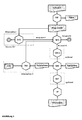
- Die Beispiele 1 bis 3 werden nachfolgend in einem Fließschema (
Abbildung 1 ) weiter erläutert. Dabei bedeuten die Abkürzungen: - SEP
- = Separator
- MF1
- = Mikrofiltration mit 1,3 µm-Membran
- MF2
- = Mikrofiltration mit 0,1 µm-Membran
- CONC
- = Eindampfer
- MIX
- = Mischer
- UHT
- = Ultrahocherhitzer
- ST
- = Sprühturm
Claims (15)
- Keimarmes Milchpulver mit einem MPI von mindestens 2, dadurch erhältlich, dass man(a) eine Milchkomponente bereitstellt;(b) gegebenenfalls den Rahm von der Milchkomponente abtrennt;(c) die gegebenenfalls vom Rahm befreite Milchkomponente einer Mikrofiltration unter Erhalt eines keimarmen Permeats P1 und eines keimbelasteten Retentats R1 unterwirft;(d) das Permeat P1 mit einer flüssigen Lipidphase und einer festen Wirkstoffphase vermischt;(e) gegebenenfalls die in Schritt (d) erhaltene Mischung einer Temperaturbehandlung unterwirft; und(e) die gegebenenfalls temperaturbehandelte Mischung aus Schritt (d) oder (e) zu einem trockenen Pulver verarbeitet.
- Milchpulver nach Anspruch 1, dadurch gekennzeichnet, dass es einen MPI von etwa 3,5 bis etwa 7,5 aufweist.
- Milchpulver nach den Ansprüchen 1 und/oder 2, dadurch gekennzeichnet, dass es weniger als 500 thermophile und/oder weniger als 500 mesophile Keime und/oder keine pathogenen Keime aufweist.
- Verfahren zur Herstellung keimarmer Milchpulver mit einem MPI von mindestens 2, umfassend die folgenden Schritte:(a) Bereitstellen einer Milchkomponente;(b) gegebenenfalls Abtrennung des Rahms von der Milchkomponente;(c) Mikrofiltration der gegebenenfalls vom Rahm befreiten Milchkomponente aus Schritt (a) oder (b) unter Erhalt eines keimarmen Permeats P1 und eines keimbelasteten Retentats R1;(d) Vermischen des Permeats P1 mit einer flüssigen Lipidphase und einer festen Wirkstoffphase;(e) gegebenenfalls Temperaturbehandlung der in Schritt (d) erhaltenen Mischung; und(f) Verarbeitung der gegebenenfalls temperaturbehandelten Mischung aus Schritt (d) oder (e) zu einem trockenen Pulver.
- Verfahren nach Anspruch 4, dadurch gekennzeichnet, dass man Milchprodukte einsetzt, die ausgewählt sind aus der Gruppe, die gebildet wird von Vollmilch, Magermilch mit bis zu 4 Gew.-% Fettanteil, fettarmer Milch, pasteurisierter Milch, hocherhitzter Milch, Ultrahocherhitzter Milch, Molke, Edelmolke, Sauermilch sowie deren Gemischen.
- Verfahren nach den Ansprüchen 4 und/oder 5, dadurch gekennzeichnet, dass man die Mikrofiltration der Milchkomponente mit einer Membran durchführt, die eine Porengröße von durchschnittlich 1,4 µm oder weniger aufweist.
- Verfahren nach mindestens einem der Ansprüche 4 bis 6, dadurch gekennzeichnet, dass man die Mikrofiltration bei einer Temperatur im Bereich von etwa 6 bis etwa 60 °C durchführt.
- Verfahren nach mindestens einem der Ansprüche 4 bis 7, dadurch gekennzeichnet, dass man das nach der Mikrofiltration erhaltene Permeat P1 vor dem Vermischen auf eine Trockenmasse von 30 bis 55 Gew.-% konzentriert.
- Verfahren nach mindestens einem der Ansprüche 4 bis 8, dadurch gekennzeichnet, dass man eine Lipidphase einsetzt, die Lipide, Vitamine, Kohlenhydrate und fettlösliche Wirkstoffe enthält.
- Verfahren nach mindestens einem der Ansprüche 4 bis 9, dadurch gekennzeichnet, dass man eine feste Wirkstoffphase einsetzt, die Proteine und wasserlösliche Wirkstoffe enthält.
- Verfahren nach mindestens einem der Ansprüche 4 bis 10, dadurch gekennzeichnet, dass man die Temperaturbehandlung bei einer Temperatur von etwa 90 bis etwa 140 °C und über einen Zeitraum von 1 bis etwa 5 Sekunden durchführt.
- Verfahren zur Herstellung keimarmer Milchpulver mit einem MPI von mindestens 2, umfassend die folgenden Schritte:(a) Bereitstellen einer Milchkomponente;(b) gegebenenfalls Abtrennung des Rahms von der Milchkomponente;(c) Bereitstellen einer flüssigen Phase, enthaltend gelöste Wirkstoffe;(d) gemeinsame Mikrofiltration der gegebenenfalls vom Rahm befreiten Milchkomponente aus Schritt (a) bzw. (b) mit der flüssigen Wirkstoffphase aus Schritt (c) unter Erhalt eines keimarmen Permeats P1 und eines keimbelasteten Retentats R1;(e) Vermischen des Permeats P1 mit einer flüssigen Lipidphase;(f) Verarbeitung der gegebenenfalls temperaturbehandelten Mischung aus Schritt (d) oder (e) zu einem trockenen Pulver.
- Verfahren zur Herstellung keimarmer Milchpulver mit einem MPI von mindestens 2, umfassend die folgenden Schritte:(a) Bereitstellen einer ersten Milchkomponente;(b) gegebenenfalls Abtrennung des Rahms von der ersten Milchkomponente;(c) Bereitstellen einer Magermilchkomponente;(d) Mikrofiltration der Magermilchkomponente unter Erhalt eines proteinreichen Permeats P1* und eines kaseinreichen Retentats R1*;(e) Mikrofiltration der gegebenenfalls vom Rahm befreiten Milchkomponente aus Schritt (a) oder (b) und des Permeats P1* aus Schritt (d) unter Erhalt eines keimarmen Permeats P1 und eines keimbelasteten Retentats R1;(f) Vermischen des Permeats P1, einer flüssigen Lipidphase und gegebenenfalls einer festen Wirkstoffphase;(g) Verarbeitung der Mischung aus Schritt (f) zu einem trockenen Pulver.
- Verfahren nach Anspruch 12, dadurch gekennzeichnet, dass man die Filtration der Magermilchkomponente mit einer Membran durchführt, die eine Porengröße von durchschnittlich 0,1 µm oder weniger aufweist.
- Verwendung des Milchpulvers nach Anspruch 1 oder des Milchpulvers erhalten gemäß dem Verfahren nach den Ansprüchen 4, 12 oder 13 zur Ernährung von Babys und Kleinkindern.
Priority Applications (5)
| Application Number | Priority Date | Filing Date | Title |
|---|---|---|---|
| EP16190754.8A EP3298903B1 (de) | 2016-09-27 | 2016-09-27 | Keimarme milchpulver mit hohem molkenproteinindex (iv) |
| DK16190754.8T DK3298903T3 (da) | 2016-09-27 | 2016-09-27 | Kimfattigt mælkepulver med højt valleproteinindhold (iv) |
| US15/643,575 US11206842B2 (en) | 2016-09-27 | 2017-07-07 | Low-bacteria milk powders with a high whey protein nitrogen index (IV) |
| CN201710799445.4A CN107969500A (zh) | 2016-09-27 | 2017-09-07 | 具备高乳清蛋白氮指数的低菌奶粉(iv) |
| US17/382,560 US20210360939A1 (en) | 2016-09-27 | 2021-07-22 | Low-bacteria milk powders with a high whey protein nitrogen index (iv) |
Applications Claiming Priority (1)
| Application Number | Priority Date | Filing Date | Title |
|---|---|---|---|
| EP16190754.8A EP3298903B1 (de) | 2016-09-27 | 2016-09-27 | Keimarme milchpulver mit hohem molkenproteinindex (iv) |
Publications (2)
| Publication Number | Publication Date |
|---|---|
| EP3298903A1 true EP3298903A1 (de) | 2018-03-28 |
| EP3298903B1 EP3298903B1 (de) | 2020-11-18 |
Family
ID=57003434
Family Applications (1)
| Application Number | Title | Priority Date | Filing Date |
|---|---|---|---|
| EP16190754.8A Revoked EP3298903B1 (de) | 2016-09-27 | 2016-09-27 | Keimarme milchpulver mit hohem molkenproteinindex (iv) |
Country Status (4)
| Country | Link |
|---|---|
| US (2) | US11206842B2 (de) |
| EP (1) | EP3298903B1 (de) |
| CN (1) | CN107969500A (de) |
| DK (1) | DK3298903T3 (de) |
Cited By (3)
| Publication number | Priority date | Publication date | Assignee | Title |
|---|---|---|---|---|
| EP3298903B1 (de) | 2016-09-27 | 2020-11-18 | DMK Deutsches Milchkontor GmbH | Keimarme milchpulver mit hohem molkenproteinindex (iv) |
| EP4393309A1 (de) | 2022-12-28 | 2024-07-03 | Solarec | Verfahren zur herstellung von milchpulver |
| US12152058B2 (en) | 2020-01-14 | 2024-11-26 | Babylat Ag | Apparatus and method for obtaining protein-enriched fractions from breast milk |
Families Citing this family (2)
| Publication number | Priority date | Publication date | Assignee | Title |
|---|---|---|---|---|
| CN109984198A (zh) * | 2019-04-29 | 2019-07-09 | 飞潮(无锡)过滤技术有限公司 | 一种高蛋白低乳糖脱脂奶粉生产工艺 |
| DE102019110995A1 (de) | 2019-04-29 | 2020-10-29 | Gea Mechanical Equipment Gmbh | Verfahren zur Herstellung eines Milch- oder Molkepulvers, sowie eine Verwendung eines Entkeimungsseparators |
Citations (6)
| Publication number | Priority date | Publication date | Assignee | Title |
|---|---|---|---|---|
| DE10036085C1 (de) | 2000-07-25 | 2002-01-24 | Westfalia Separator Food Tec G | Verfahren zur Entkeimung von Milch |
| US20020155203A1 (en) * | 2001-02-15 | 2002-10-24 | John Jensen | Process and plant for producing a milk or whey product having a reduced spores and bacteria content |
| US6635296B1 (en) * | 1999-06-04 | 2003-10-21 | Apv Pasilac A/S | Method and plant for treating milk |
| US20120015082A1 (en) * | 2009-01-27 | 2012-01-19 | Arla Foods Amba | Long shelf life milk and milk-related products, and a process and milk processing plant for their manufacture |
| EP2679098A1 (de) | 2012-06-26 | 2014-01-01 | DMK Deutsches Milchkontor GmbH | Milchpulver mit hohem Molkenproteinindex |
| US20140170266A1 (en) * | 2011-07-13 | 2014-06-19 | Friesland Brands B.V. | Composition with improved digestibility of proteins |
Family Cites Families (10)
| Publication number | Priority date | Publication date | Assignee | Title |
|---|---|---|---|---|
| DE2352894B2 (de) * | 1973-10-22 | 1981-04-16 | Aktieselskabet Niro Atomizer, Soeborg | Verfahren zur Herstellung von Pulver aus Milch oder ähnlichen Flüssigkeiten |
| DK157053B (da) * | 1982-06-14 | 1989-11-06 | Niro Atomizer As | Fremgangsmaade til fremstilling af et agglomereret, pulverformet maelkeprodukt |
| US4826693A (en) * | 1985-10-29 | 1989-05-02 | Smith Paul F | Manufacture of cheese flavor powder |
| WO1994013148A1 (en) | 1992-12-11 | 1994-06-23 | Immunotec Research Corporation Ltd. | Process for producing an undernatured whey protein concentrate |
| CA2165937A1 (en) | 1995-05-09 | 1996-11-10 | Immunotec Research Corporation Ltd. | Process for producing an undenatured whey protein concentrate |
| CA2537452C (en) * | 2005-03-09 | 2013-12-24 | Abbott Laboratories | Concentrated human milk fortifier liquid |
| US8889208B2 (en) * | 2005-11-09 | 2014-11-18 | Wisconsin Alumni Research Foundation | Purification of beta casein from milk |
| CN102217674B (zh) | 2011-05-06 | 2015-11-18 | 中国农业科学院农产品加工研究所 | 一种低热乳粉的制备方法 |
| WO2013137714A1 (en) | 2012-03-12 | 2013-09-19 | N.V. Nutricia | Process for the humanization of animal skim milk and products obtained thereby |
| EP3298903B1 (de) | 2016-09-27 | 2020-11-18 | DMK Deutsches Milchkontor GmbH | Keimarme milchpulver mit hohem molkenproteinindex (iv) |
-
2016
- 2016-09-27 EP EP16190754.8A patent/EP3298903B1/de not_active Revoked
- 2016-09-27 DK DK16190754.8T patent/DK3298903T3/da active
-
2017
- 2017-07-07 US US15/643,575 patent/US11206842B2/en active Active
- 2017-09-07 CN CN201710799445.4A patent/CN107969500A/zh active Pending
-
2021
- 2021-07-22 US US17/382,560 patent/US20210360939A1/en not_active Abandoned
Patent Citations (6)
| Publication number | Priority date | Publication date | Assignee | Title |
|---|---|---|---|---|
| US6635296B1 (en) * | 1999-06-04 | 2003-10-21 | Apv Pasilac A/S | Method and plant for treating milk |
| DE10036085C1 (de) | 2000-07-25 | 2002-01-24 | Westfalia Separator Food Tec G | Verfahren zur Entkeimung von Milch |
| US20020155203A1 (en) * | 2001-02-15 | 2002-10-24 | John Jensen | Process and plant for producing a milk or whey product having a reduced spores and bacteria content |
| US20120015082A1 (en) * | 2009-01-27 | 2012-01-19 | Arla Foods Amba | Long shelf life milk and milk-related products, and a process and milk processing plant for their manufacture |
| US20140170266A1 (en) * | 2011-07-13 | 2014-06-19 | Friesland Brands B.V. | Composition with improved digestibility of proteins |
| EP2679098A1 (de) | 2012-06-26 | 2014-01-01 | DMK Deutsches Milchkontor GmbH | Milchpulver mit hohem Molkenproteinindex |
Cited By (4)
| Publication number | Priority date | Publication date | Assignee | Title |
|---|---|---|---|---|
| EP3298903B1 (de) | 2016-09-27 | 2020-11-18 | DMK Deutsches Milchkontor GmbH | Keimarme milchpulver mit hohem molkenproteinindex (iv) |
| US12152058B2 (en) | 2020-01-14 | 2024-11-26 | Babylat Ag | Apparatus and method for obtaining protein-enriched fractions from breast milk |
| EP4393309A1 (de) | 2022-12-28 | 2024-07-03 | Solarec | Verfahren zur herstellung von milchpulver |
| BE1031208A1 (fr) | 2022-12-28 | 2024-07-23 | Solarec | Procédé de fabrication de lait en poudre |
Also Published As
| Publication number | Publication date |
|---|---|
| US20210360939A1 (en) | 2021-11-25 |
| US20180084797A1 (en) | 2018-03-29 |
| US11206842B2 (en) | 2021-12-28 |
| DK3298903T3 (da) | 2021-02-22 |
| EP3298903B1 (de) | 2020-11-18 |
| CN107969500A (zh) | 2018-05-01 |
Similar Documents
| Publication | Publication Date | Title |
|---|---|---|
| EP3254566B1 (de) | Verfahren zur herstellung geschmacksverbesserter uht- milch | |
| DE60317057T2 (de) | Verfahren zur herstellung eines lactosefreien milchprodukts | |
| EP3298903B1 (de) | Keimarme milchpulver mit hohem molkenproteinindex (iv) | |
| DE69818821T2 (de) | Verfahren zur herstellung von steriler entrahmter milch | |
| EP2679098B1 (de) | Milchpulver mit hohem molkenproteinindex | |
| EP2796051B1 (de) | Quarkgrundmasse mit verbesserten Geschmackseigenschaften | |
| EP2762490A1 (de) | Verfahren zur Gewinnung von Immunoglobulinen aus Kolostralmilch | |
| EP2730170B1 (de) | Allergenfreie Nahrungsmittelzusammensetzungen | |
| CH638954A5 (de) | Verfahren zum herstellen einer kalorienarmen margarine des wasser-in-oel typs. | |
| EP3225114B1 (de) | Verfahren zur herstellung demineralisierte molkepulver | |
| EP2949218B1 (de) | Verfahren zur Herstellung keimarmer Milchprodukte | |
| EP3103350B1 (de) | Verfahren zur herstellung von keimarmen molkenproteinkonzentraten | |
| EP2661968B1 (de) | Verfahren zur Herstellung von Käsereimilch (II) | |
| EP4003040A1 (de) | Verfahren zum herstellen von milchprodukten aus buttermilch und mit solchen verfahren hergestellte milchprodukte | |
| EP2732706B1 (de) | Milchpulver mit hohem Molkeproteinindex | |
| EP2962574B1 (de) | Verfahren zur Herstellung von keimarmen Milchprodukten | |
| EP2661967B1 (de) | Verfahren zur Herstellung von Käsereimilch | |
| EP3476220B1 (de) | Verfahren zur herstellung von quarkgrundmasse mit verbesserten geschmackseigenschaften | |
| DE2319457C3 (de) | Verfahren zur Herstellung eines Kulturkonzentrats für saure Lebensmittel | |
| EP3047732A1 (de) | Kontinuierliches Verfahren zur Herstellung einer Weisskäsezubereitung | |
| EP3300605B1 (de) | Verfarhen zur herstellung eines keimamrmen milchpulvers mit hohem mpi (iii) | |
| EP3962261B1 (de) | Verfahren zur herstellung eines milch- oder molkepulvers | |
| EP4142503A1 (de) | Verfahren zum herstellen von milchprodukten aus buttermilch und mit solchen verfahren hergestellte milchprodukte | |
| EP3837983B1 (de) | Verfahren zur herstellung eines demineralisierten süssmolkepulvers | |
| WO2024223075A1 (de) | Verfahren zur herstellung von lactoferrin, vorrichtung zu dessen herstellung, durch das verfahren hergestelltes lactoferrin und verwendungen des durch das verfahren hergestellten lactoferrins als zutat oder zugabe |
Legal Events
| Date | Code | Title | Description |
|---|---|---|---|
| PUAI | Public reference made under article 153(3) epc to a published international application that has entered the european phase |
Free format text: ORIGINAL CODE: 0009012 |
|
| STAA | Information on the status of an ep patent application or granted ep patent |
Free format text: STATUS: THE APPLICATION HAS BEEN PUBLISHED |
|
| AK | Designated contracting states |
Kind code of ref document: A1 Designated state(s): AL AT BE BG CH CY CZ DE DK EE ES FI FR GB GR HR HU IE IS IT LI LT LU LV MC MK MT NL NO PL PT RO RS SE SI SK SM TR |
|
| AX | Request for extension of the european patent |
Extension state: BA ME |
|
| STAA | Information on the status of an ep patent application or granted ep patent |
Free format text: STATUS: REQUEST FOR EXAMINATION WAS MADE |
|
| 17P | Request for examination filed |
Effective date: 20180912 |
|
| RBV | Designated contracting states (corrected) |
Designated state(s): AL AT BE BG CH CY CZ DE DK EE ES FI FR GB GR HR HU IE IS IT LI LT LU LV MC MK MT NL NO PL PT RO RS SE SI SK SM TR |
|
| STAA | Information on the status of an ep patent application or granted ep patent |
Free format text: STATUS: EXAMINATION IS IN PROGRESS |
|
| 17Q | First examination report despatched |
Effective date: 20181218 |
|
| GRAP | Despatch of communication of intention to grant a patent |
Free format text: ORIGINAL CODE: EPIDOSNIGR1 |
|
| STAA | Information on the status of an ep patent application or granted ep patent |
Free format text: STATUS: GRANT OF PATENT IS INTENDED |
|
| RIC1 | Information provided on ipc code assigned before grant |
Ipc: A23C 9/13 20060101ALI20200519BHEP Ipc: A23C 1/12 20060101AFI20200519BHEP Ipc: A23C 7/04 20060101ALI20200519BHEP Ipc: A23C 9/148 20060101ALI20200519BHEP Ipc: A23C 3/02 20060101ALI20200519BHEP Ipc: A23C 9/15 20060101ALI20200519BHEP Ipc: A23C 9/142 20060101ALI20200519BHEP Ipc: A23C 9/16 20060101ALI20200519BHEP |
|
| INTG | Intention to grant announced |
Effective date: 20200615 |
|
| GRAS | Grant fee paid |
Free format text: ORIGINAL CODE: EPIDOSNIGR3 |
|
| GRAA | (expected) grant |
Free format text: ORIGINAL CODE: 0009210 |
|
| STAA | Information on the status of an ep patent application or granted ep patent |
Free format text: STATUS: THE PATENT HAS BEEN GRANTED |
|
| AK | Designated contracting states |
Kind code of ref document: B1 Designated state(s): AL AT BE BG CH CY CZ DE DK EE ES FI FR GB GR HR HU IE IS IT LI LT LU LV MC MK MT NL NO PL PT RO RS SE SI SK SM TR |
|
| REG | Reference to a national code |
Ref country code: GB Ref legal event code: FG4D Free format text: NOT ENGLISH |
|
| REG | Reference to a national code |
Ref country code: CH Ref legal event code: EP |
|
| REG | Reference to a national code |
Ref country code: IE Ref legal event code: FG4D Free format text: LANGUAGE OF EP DOCUMENT: GERMAN |
|
| REG | Reference to a national code |
Ref country code: DE Ref legal event code: R096 Ref document number: 502016011727 Country of ref document: DE |
|
| REG | Reference to a national code |
Ref country code: AT Ref legal event code: REF Ref document number: 1334758 Country of ref document: AT Kind code of ref document: T Effective date: 20201215 |
|
| REG | Reference to a national code |
Ref country code: DK Ref legal event code: T3 Effective date: 20210215 |
|
| REG | Reference to a national code |
Ref country code: NL Ref legal event code: FP |
|
| PG25 | Lapsed in a contracting state [announced via postgrant information from national office to epo] |
Ref country code: PT Free format text: LAPSE BECAUSE OF FAILURE TO SUBMIT A TRANSLATION OF THE DESCRIPTION OR TO PAY THE FEE WITHIN THE PRESCRIBED TIME-LIMIT Effective date: 20210318 Ref country code: RS Free format text: LAPSE BECAUSE OF FAILURE TO SUBMIT A TRANSLATION OF THE DESCRIPTION OR TO PAY THE FEE WITHIN THE PRESCRIBED TIME-LIMIT Effective date: 20201118 Ref country code: NO Free format text: LAPSE BECAUSE OF FAILURE TO SUBMIT A TRANSLATION OF THE DESCRIPTION OR TO PAY THE FEE WITHIN THE PRESCRIBED TIME-LIMIT Effective date: 20210218 Ref country code: FI Free format text: LAPSE BECAUSE OF FAILURE TO SUBMIT A TRANSLATION OF THE DESCRIPTION OR TO PAY THE FEE WITHIN THE PRESCRIBED TIME-LIMIT Effective date: 20201118 Ref country code: GR Free format text: LAPSE BECAUSE OF FAILURE TO SUBMIT A TRANSLATION OF THE DESCRIPTION OR TO PAY THE FEE WITHIN THE PRESCRIBED TIME-LIMIT Effective date: 20210219 |
|
| PG25 | Lapsed in a contracting state [announced via postgrant information from national office to epo] |
Ref country code: BG Free format text: LAPSE BECAUSE OF FAILURE TO SUBMIT A TRANSLATION OF THE DESCRIPTION OR TO PAY THE FEE WITHIN THE PRESCRIBED TIME-LIMIT Effective date: 20210218 Ref country code: PL Free format text: LAPSE BECAUSE OF FAILURE TO SUBMIT A TRANSLATION OF THE DESCRIPTION OR TO PAY THE FEE WITHIN THE PRESCRIBED TIME-LIMIT Effective date: 20201118 Ref country code: LV Free format text: LAPSE BECAUSE OF FAILURE TO SUBMIT A TRANSLATION OF THE DESCRIPTION OR TO PAY THE FEE WITHIN THE PRESCRIBED TIME-LIMIT Effective date: 20201118 Ref country code: IS Free format text: LAPSE BECAUSE OF FAILURE TO SUBMIT A TRANSLATION OF THE DESCRIPTION OR TO PAY THE FEE WITHIN THE PRESCRIBED TIME-LIMIT Effective date: 20210318 Ref country code: SE Free format text: LAPSE BECAUSE OF FAILURE TO SUBMIT A TRANSLATION OF THE DESCRIPTION OR TO PAY THE FEE WITHIN THE PRESCRIBED TIME-LIMIT Effective date: 20201118 |
|
| REG | Reference to a national code |
Ref country code: LT Ref legal event code: MG9D |
|
| PG25 | Lapsed in a contracting state [announced via postgrant information from national office to epo] |
Ref country code: HR Free format text: LAPSE BECAUSE OF FAILURE TO SUBMIT A TRANSLATION OF THE DESCRIPTION OR TO PAY THE FEE WITHIN THE PRESCRIBED TIME-LIMIT Effective date: 20201118 |
|
| PG25 | Lapsed in a contracting state [announced via postgrant information from national office to epo] |
Ref country code: SM Free format text: LAPSE BECAUSE OF FAILURE TO SUBMIT A TRANSLATION OF THE DESCRIPTION OR TO PAY THE FEE WITHIN THE PRESCRIBED TIME-LIMIT Effective date: 20201118 Ref country code: LT Free format text: LAPSE BECAUSE OF FAILURE TO SUBMIT A TRANSLATION OF THE DESCRIPTION OR TO PAY THE FEE WITHIN THE PRESCRIBED TIME-LIMIT Effective date: 20201118 Ref country code: CZ Free format text: LAPSE BECAUSE OF FAILURE TO SUBMIT A TRANSLATION OF THE DESCRIPTION OR TO PAY THE FEE WITHIN THE PRESCRIBED TIME-LIMIT Effective date: 20201118 Ref country code: EE Free format text: LAPSE BECAUSE OF FAILURE TO SUBMIT A TRANSLATION OF THE DESCRIPTION OR TO PAY THE FEE WITHIN THE PRESCRIBED TIME-LIMIT Effective date: 20201118 Ref country code: SK Free format text: LAPSE BECAUSE OF FAILURE TO SUBMIT A TRANSLATION OF THE DESCRIPTION OR TO PAY THE FEE WITHIN THE PRESCRIBED TIME-LIMIT Effective date: 20201118 Ref country code: RO Free format text: LAPSE BECAUSE OF FAILURE TO SUBMIT A TRANSLATION OF THE DESCRIPTION OR TO PAY THE FEE WITHIN THE PRESCRIBED TIME-LIMIT Effective date: 20201118 |
|
| REG | Reference to a national code |
Ref country code: DE Ref legal event code: R026 Ref document number: 502016011727 Country of ref document: DE |
|
| PLBI | Opposition filed |
Free format text: ORIGINAL CODE: 0009260 |
|
| PLAX | Notice of opposition and request to file observation + time limit sent |
Free format text: ORIGINAL CODE: EPIDOSNOBS2 |
|
| 26 | Opposition filed |
Opponent name: N.V. NUTRICIA Effective date: 20210818 |
|
| PG25 | Lapsed in a contracting state [announced via postgrant information from national office to epo] |
Ref country code: AL Free format text: LAPSE BECAUSE OF FAILURE TO SUBMIT A TRANSLATION OF THE DESCRIPTION OR TO PAY THE FEE WITHIN THE PRESCRIBED TIME-LIMIT Effective date: 20201118 Ref country code: IT Free format text: LAPSE BECAUSE OF FAILURE TO SUBMIT A TRANSLATION OF THE DESCRIPTION OR TO PAY THE FEE WITHIN THE PRESCRIBED TIME-LIMIT Effective date: 20201118 |
|
| PG25 | Lapsed in a contracting state [announced via postgrant information from national office to epo] |
Ref country code: SI Free format text: LAPSE BECAUSE OF FAILURE TO SUBMIT A TRANSLATION OF THE DESCRIPTION OR TO PAY THE FEE WITHIN THE PRESCRIBED TIME-LIMIT Effective date: 20201118 |
|
| PLBB | Reply of patent proprietor to notice(s) of opposition received |
Free format text: ORIGINAL CODE: EPIDOSNOBS3 |
|
| PG25 | Lapsed in a contracting state [announced via postgrant information from national office to epo] |
Ref country code: ES Free format text: LAPSE BECAUSE OF FAILURE TO SUBMIT A TRANSLATION OF THE DESCRIPTION OR TO PAY THE FEE WITHIN THE PRESCRIBED TIME-LIMIT Effective date: 20201118 |
|
| REG | Reference to a national code |
Ref country code: CH Ref legal event code: PL |
|
| REG | Reference to a national code |
Ref country code: BE Ref legal event code: MM Effective date: 20210930 |
|
| GBPC | Gb: european patent ceased through non-payment of renewal fee |
Effective date: 20210927 |
|
| PG25 | Lapsed in a contracting state [announced via postgrant information from national office to epo] |
Ref country code: IS Free format text: LAPSE BECAUSE OF FAILURE TO SUBMIT A TRANSLATION OF THE DESCRIPTION OR TO PAY THE FEE WITHIN THE PRESCRIBED TIME-LIMIT Effective date: 20210318 Ref country code: MC Free format text: LAPSE BECAUSE OF FAILURE TO SUBMIT A TRANSLATION OF THE DESCRIPTION OR TO PAY THE FEE WITHIN THE PRESCRIBED TIME-LIMIT Effective date: 20201118 |
|
| PG25 | Lapsed in a contracting state [announced via postgrant information from national office to epo] |
Ref country code: LU Free format text: LAPSE BECAUSE OF NON-PAYMENT OF DUE FEES Effective date: 20210927 Ref country code: IE Free format text: LAPSE BECAUSE OF NON-PAYMENT OF DUE FEES Effective date: 20210927 Ref country code: GB Free format text: LAPSE BECAUSE OF NON-PAYMENT OF DUE FEES Effective date: 20210927 Ref country code: FR Free format text: LAPSE BECAUSE OF NON-PAYMENT OF DUE FEES Effective date: 20210930 Ref country code: BE Free format text: LAPSE BECAUSE OF NON-PAYMENT OF DUE FEES Effective date: 20210930 |
|
| PG25 | Lapsed in a contracting state [announced via postgrant information from national office to epo] |
Ref country code: LI Free format text: LAPSE BECAUSE OF NON-PAYMENT OF DUE FEES Effective date: 20210930 Ref country code: CH Free format text: LAPSE BECAUSE OF NON-PAYMENT OF DUE FEES Effective date: 20210930 |
|
| PGFP | Annual fee paid to national office [announced via postgrant information from national office to epo] |
Ref country code: DE Payment date: 20220920 Year of fee payment: 7 |
|
| REG | Reference to a national code |
Ref country code: AT Ref legal event code: MM01 Ref document number: 1334758 Country of ref document: AT Kind code of ref document: T Effective date: 20210927 |
|
| REG | Reference to a national code |
Ref country code: DE Ref legal event code: R103 Ref document number: 502016011727 Country of ref document: DE Ref country code: DE Ref legal event code: R064 Ref document number: 502016011727 Country of ref document: DE |
|
| PG25 | Lapsed in a contracting state [announced via postgrant information from national office to epo] |
Ref country code: AT Free format text: LAPSE BECAUSE OF NON-PAYMENT OF DUE FEES Effective date: 20210927 |
|
| RDAF | Communication despatched that patent is revoked |
Free format text: ORIGINAL CODE: EPIDOSNREV1 |
|
| RDAD | Information modified related to despatch of communication that patent is revoked |
Free format text: ORIGINAL CODE: EPIDOSCREV1 |
|
| PG25 | Lapsed in a contracting state [announced via postgrant information from national office to epo] |
Ref country code: HU Free format text: LAPSE BECAUSE OF FAILURE TO SUBMIT A TRANSLATION OF THE DESCRIPTION OR TO PAY THE FEE WITHIN THE PRESCRIBED TIME-LIMIT; INVALID AB INITIO Effective date: 20160927 |
|
| PG25 | Lapsed in a contracting state [announced via postgrant information from national office to epo] |
Ref country code: CY Free format text: LAPSE BECAUSE OF FAILURE TO SUBMIT A TRANSLATION OF THE DESCRIPTION OR TO PAY THE FEE WITHIN THE PRESCRIBED TIME-LIMIT Effective date: 20201118 |
|
| RDAG | Patent revoked |
Free format text: ORIGINAL CODE: 0009271 |
|
| STAA | Information on the status of an ep patent application or granted ep patent |
Free format text: STATUS: PATENT REVOKED |
|
| REG | Reference to a national code |
Ref country code: CH Ref legal event code: PL |
|
| 27W | Patent revoked |
Effective date: 20221208 |
|
| PGFP | Annual fee paid to national office [announced via postgrant information from national office to epo] |
Ref country code: NL Payment date: 20230920 Year of fee payment: 8 |
|
| PGFP | Annual fee paid to national office [announced via postgrant information from national office to epo] |
Ref country code: DK Payment date: 20230921 Year of fee payment: 8 |
|
| REG | Reference to a national code |
Ref country code: AT Ref legal event code: MA03 Ref document number: 1334758 Country of ref document: AT Kind code of ref document: T Effective date: 20221208 |
|
| PG25 | Lapsed in a contracting state [announced via postgrant information from national office to epo] |
Ref country code: MK Free format text: LAPSE BECAUSE OF FAILURE TO SUBMIT A TRANSLATION OF THE DESCRIPTION OR TO PAY THE FEE WITHIN THE PRESCRIBED TIME-LIMIT Effective date: 20201118 |
|
| PG25 | Lapsed in a contracting state [announced via postgrant information from national office to epo] |
Ref country code: TR Free format text: LAPSE BECAUSE OF FAILURE TO SUBMIT A TRANSLATION OF THE DESCRIPTION OR TO PAY THE FEE WITHIN THE PRESCRIBED TIME-LIMIT Effective date: 20201118 |
|
| PG25 | Lapsed in a contracting state [announced via postgrant information from national office to epo] |
Ref country code: MT Free format text: LAPSE BECAUSE OF FAILURE TO SUBMIT A TRANSLATION OF THE DESCRIPTION OR TO PAY THE FEE WITHIN THE PRESCRIBED TIME-LIMIT Effective date: 20201118 |