EP3299818B1 - Procédé de diagnostic de pancréatite aigüe (ap) par détection de glycoprotéine 2 alpha isoforme (gp2a) - Google Patents
Procédé de diagnostic de pancréatite aigüe (ap) par détection de glycoprotéine 2 alpha isoforme (gp2a) Download PDFInfo
- Publication number
- EP3299818B1 EP3299818B1 EP16190594.8A EP16190594A EP3299818B1 EP 3299818 B1 EP3299818 B1 EP 3299818B1 EP 16190594 A EP16190594 A EP 16190594A EP 3299818 B1 EP3299818 B1 EP 3299818B1
- Authority
- EP
- European Patent Office
- Prior art keywords
- gp2a
- sample
- affinity reagent
- glycoprotein
- isoform
- Prior art date
- Legal status (The legal status is an assumption and is not a legal conclusion. Google has not performed a legal analysis and makes no representation as to the accuracy of the status listed.)
- Active
Links
Images



Classifications
-
- G—PHYSICS
- G01—MEASURING; TESTING
- G01N—INVESTIGATING OR ANALYSING MATERIALS BY DETERMINING THEIR CHEMICAL OR PHYSICAL PROPERTIES
- G01N33/00—Investigating or analysing materials by specific methods not covered by groups G01N1/00 - G01N31/00
- G01N33/48—Biological material, e.g. blood, urine; Haemocytometers
- G01N33/50—Chemical analysis of biological material, e.g. blood, urine; Testing involving biospecific ligand binding methods; Immunological testing
- G01N33/68—Chemical analysis of biological material, e.g. blood, urine; Testing involving biospecific ligand binding methods; Immunological testing involving proteins, peptides or amino acids
- G01N33/6893—Chemical analysis of biological material, e.g. blood, urine; Testing involving biospecific ligand binding methods; Immunological testing involving proteins, peptides or amino acids related to diseases not provided for elsewhere
-
- G—PHYSICS
- G01—MEASURING; TESTING
- G01N—INVESTIGATING OR ANALYSING MATERIALS BY DETERMINING THEIR CHEMICAL OR PHYSICAL PROPERTIES
- G01N33/00—Investigating or analysing materials by specific methods not covered by groups G01N1/00 - G01N31/00
- G01N33/48—Biological material, e.g. blood, urine; Haemocytometers
- G01N33/50—Chemical analysis of biological material, e.g. blood, urine; Testing involving biospecific ligand binding methods; Immunological testing
- G01N33/53—Immunoassay; Biospecific binding assay; Materials therefor
-
- G—PHYSICS
- G01—MEASURING; TESTING
- G01N—INVESTIGATING OR ANALYSING MATERIALS BY DETERMINING THEIR CHEMICAL OR PHYSICAL PROPERTIES
- G01N33/00—Investigating or analysing materials by specific methods not covered by groups G01N1/00 - G01N31/00
- G01N33/48—Biological material, e.g. blood, urine; Haemocytometers
- G01N33/50—Chemical analysis of biological material, e.g. blood, urine; Testing involving biospecific ligand binding methods; Immunological testing
- G01N33/53—Immunoassay; Biospecific binding assay; Materials therefor
- G01N33/575—Immunoassay; Biospecific binding assay; Materials therefor for cancer
- G01N33/57525—Immunoassay; Biospecific binding assay; Materials therefor for cancer of the liver or pancreas
-
- G—PHYSICS
- G01—MEASURING; TESTING
- G01N—INVESTIGATING OR ANALYSING MATERIALS BY DETERMINING THEIR CHEMICAL OR PHYSICAL PROPERTIES
- G01N33/00—Investigating or analysing materials by specific methods not covered by groups G01N1/00 - G01N31/00
- G01N33/48—Biological material, e.g. blood, urine; Haemocytometers
- G01N33/50—Chemical analysis of biological material, e.g. blood, urine; Testing involving biospecific ligand binding methods; Immunological testing
- G01N33/53—Immunoassay; Biospecific binding assay; Materials therefor
- G01N33/575—Immunoassay; Biospecific binding assay; Materials therefor for cancer
- G01N33/5753—Immunoassay; Biospecific binding assay; Materials therefor for cancer of the stomach or small intestine
-
- G—PHYSICS
- G01—MEASURING; TESTING
- G01N—INVESTIGATING OR ANALYSING MATERIALS BY DETERMINING THEIR CHEMICAL OR PHYSICAL PROPERTIES
- G01N33/00—Investigating or analysing materials by specific methods not covered by groups G01N1/00 - G01N31/00
- G01N33/48—Biological material, e.g. blood, urine; Haemocytometers
- G01N33/50—Chemical analysis of biological material, e.g. blood, urine; Testing involving biospecific ligand binding methods; Immunological testing
- G01N33/58—Chemical analysis of biological material, e.g. blood, urine; Testing involving biospecific ligand binding methods; Immunological testing involving labelled substances
- G01N33/581—Chemical analysis of biological material, e.g. blood, urine; Testing involving biospecific ligand binding methods; Immunological testing involving labelled substances with enzyme label (including co-enzymes, co-factors, enzyme inhibitors or substrates)
-
- G—PHYSICS
- G01—MEASURING; TESTING
- G01N—INVESTIGATING OR ANALYSING MATERIALS BY DETERMINING THEIR CHEMICAL OR PHYSICAL PROPERTIES
- G01N2800/00—Detection or diagnosis of diseases
- G01N2800/06—Gastro-intestinal diseases
- G01N2800/067—Pancreatitis or colitis
Definitions
- the invention relates to an in vitro method for the diagnosis of acute pancreatitis (AP) in a subject by detection of Glycoprotein 2 isoform alpha (GP2a) protein.
- the invention provides an in vitro method for the diagnosis of acute pancreatitis (AP) in a subject by detection of Glycoprotein 2 isoform alpha (GP2a) protein, comprising providing a sample of a human subject exhibiting symptoms of having pancreatic disease, wherein the sample is a whole blood, plasma or serum sample, and wherein said sample is obtained from the subject within 72 hours of the appearance of said symptoms, providing an affinity reagent directed against GP2a, wherein said affinity reagent specifically binds GP2a with no binding or negligible binding to Glycoprotein 2 isoform beta (GP2b), contacting said sample with said affinity reagent thereby capturing GP2a from said sample, and determining the concentration of GP2a from said sample, wherein determining a concentration of GP2a in said sample that is
- AP zymogen granules
- Serum lipase analysis is preferred to amylase testing nowadays due to its increased sensitivity.[11] However, false positive lipase testing has been reported in 51 (23.2%) non-AP patients mainly with decompensated cirrhosis and renal failure by a prospective analysis of 221 consecutive patients with elevated lipase findings recently.[12]
- serum C-reactive protein CRP
- procalcitonin PCT
- GP2 major ZG membrane glycoprotein 2
- GP2 is released into the pancreatic duct upon exocrine pancreatic stimulation.
- GP2 is linked to the ZG membrane by a glycosyl-phosphatidylinositol (GPI) anchor cleavable by phospholipase C.[17;18]
- GPI glycosyl-phosphatidylinositol
- GP2 obviously released via the basolateral membrane of acinus cells into the bloodstream demonstrated a slower clearance in serum compared with lipase and amylase levels in the cerulean-induced AP in rats.[15] Later on, significantly higher levels of human GP2 could be detected by a research enzyme-linked immunosorbent assay (ELISA) in patients with AP compared to controls.[20] Remarkably, the quantification of plasma GP2 showed a better assay accuracy and at least 1 day longer increased levels in patients with AP compared to the established lipase and amylase testing.
- ELISA enzyme-linked immunosorbent assay
- the technical problem underlying the present invention is the provision of means for diagnosing acute pancreatitis (AP) that are more accurate and preferably enable an earlier diagnosis than those means known in the prior art.
- a further problem to be solved may be considered the provision of means for differentiating between AP and other pancreatic diseases, including chronic pancreatitis, pancreatic cancer, gastrointestinal cancer, liver cancer, neuroendocrine tumor, sarcoma, peptic ulcer or peritonitis, in particular at an early stage of the disease or at an early time point after symptoms exist.
- the invention therefore relates to an in vitro method for the diagnosis of acute pancreatitis (AP) in a subject by detection of Glycoprotein 2 isoform alpha (GP2a) protein, comprising
- pancreatic diseases or diseases affecting the pancreas including chronic pancreatitis, pancreatic cancer, gastrointestinal cancer, liver cancer, neuroendocrine tumor, sarcoma, peptic ulcer or peritonitis.
- the method of the present invention provide means for determining, at an early point in time, such as when symptoms are classified as acute symptoms of pancreatic disease, the presence of AP, such that the presence of other pancreatic diseases can be ruled out.
- the present invention represent an unexpected finding.
- Detection of GP2t levels in samples of human subjects suffering from AP symptoms for the diagnosis of AP results in a higher number of patients falsely diagnosed as suffering from AP as compared to detection of GP2a in the same samples. Detection of GP2a therefore provides a much higher specificity as compared to the detection of GP2t, with a lower false positive rate in all control groups, consisting of healthy individuals and patients suffering from pancreatic diseases or diseases affecting the pancreas, including, without limitation, chronic pancreatitis, pancreatic cancer, gastrointestinal cancer, liver cancer, neuroendocrine tumor, sarcoma, peptic ulcer or peritonitis. GP2a testing proofed to be superior in terms of diagnostic accuracy as compared to all other serological tests available for the diagnosis of AP.
- the sample used for determining the concentration of GP2a is obtained from the subject within 72 hours from appearance of the symptoms. It was entirely surprising, that GP2a levels are specifically elevated in AP patients at this early time point after occurrence of disease symptoms, and that this is not the case for other pancreatic diseases or diseases affecting the pancreas.
- the possibility of earlier diagnosis of AP and exclusion of other diseases, as enabled by the in vitro method according to the present invention, has important implications on the therapeutic interventions to be initiated after receiving the patient and performing in vitro diagnosis and therefore will greatly contribute to improved treatment of patients suffering from AP.
- GP2a levels in samples of AP patients with disease duration beyond the 10th day of appearance of disease symptoms are not significantly different from those in samples of patients suffering from pancreatic diseases or diseases affecting the pancreas, it was the more surprising that the GP2a levels in samples from AP patients until the 3rd day of disease duration, which means within 72 hours of appearance of said symptoms, are significantly elevated in comparison with all control groups including healthy individuals and patients suffering from pancreatic diseases or diseases affecting the pancreas, including, without limitation, chronic pancreatitis, pancreatic cancer, gastrointestinal cancer, liver cancer, neuroendocrine tumor, sarcoma, peptic ulcer or peritonitis.
- determining a concentration of GP2a in said sample that is greater than the concentration of GP2a in one or more control samples, such as in a group of healthy individuals, indicates the presence of AP and the absence of chronic pancreatitis and pancreatic cancer.
- the serological method of the present invention allows to differentiate between AP and chronic pancreatitis and pancreatic cancer at the early disease stage within 72 hours from occurrence of the disease symptoms, as the symptoms caused by these diseases are very similar and a differential diagnosis by serological means known in the art was not possible and therefore required diagnostic imaging techniques.
- chronic pancreatitis and pancreatic cancer were typically bundled into a single diagnostic determination of AP and chronic pancreatitis and pancreatic cancer based on GP2 levels, it is particularly surprising that GP2a enables differentiation from these diseases when measured at an early time point.
- determining a concentration of GP2a greater than 0.7 ng/ml indicates the presence of AP and the absence of one or more of chronic pancreatitis, pancreatic cancer, gastrointestinal cancer, liver cancer, neuroendocrine tumor, sarcoma, peptic ulcer or peritonitis.
- determining a concentration of GP2a in a sample of a human subject exhibiting symptoms of having AP allows diagnosis of the presence AP and the absence of other pancreatic diseases or disease affecting the pancreas, if the concentration of GP2a is greater than 0.7 ng/ml.
- Comparison of the determined GP2a concentration to a reference value is a very efficient and user friendly criterion for diagnosis and allows fast decision making according to the outcome of the method according to the present invention.
- determining a concentration of GP2a greater than a threshold value in the range of 0.2 - 1.0 ng/ml indicates the presence of AP and the absence of one or more of chronic pancreatitis, pancreatic cancer, gastrointestinal cancer, liver cancer, neuroendocrine tumor, sarcoma, peptic ulcer or peritonitis.
- the threshold region can range from a value such as 0.2 - 1.5 ng/ml, 0.3 - 1.3 ng/ml, 0.4 - 1.1 ng/ml, 0.5 to 0.9 ng/ml, 0.2 - 1.0 ng/ml, 0.3 - 1.0 ng/ml, 0.4 - 1.0 ng/ml, 0.5 - 1.0 ng/ml, 0.6 - 1.0 ng/ml, 0.7 - 1.0 ng/ml, 0.8 - 1.0 ng/ml, 0.9 - 1.0 ng/ml, 0.2 - 0.9 ng/ml, 0.2 - 0.8 ng/ml, 0.2 - 0.7 ng/ml, 0.2 - 0.6 ng/ml, 0.2 - 0.5 ng/ml, 0.2 - 0.4 ng/ml, or 0.2 - 0.3 ng/ml.
- the protein Glycoprotein 2 isoform alpha comprises or consists of a protein:
- the isoforms of GP2 also relate to those of substantially the same amino acid sequence as those explicitly listed. This refers to one or more amino acid sequence that is similar, but not identical to, the amino acid sequence provided explicitly herein.
- Variation in length of the amino acid sequences and encoding nucleic acids as described herein is also encompassed by the present invention.
- a skilled person is capable of providing artificial amino acid sequence variants that are longer or shorter than the specific sequences of SEQ ID NO 1 to 2, which will still exhibit sufficient similarity to the natural forms in order to provide the diagnostic outcomes described herein.
- shorter variants of the longer isoforms comprising 10, 20, 30, 40 or 50 amino acids less than the full length form may also enable effective diagnostic outcomes, as described herein.
- the affinity reagent specifically binds GP2a
- the invention relates to the surprising and unexpected finding that different isoforms of the GP2 protein, GP2a and GP2b, are differentially regulated during AP and that detection of GP2a results in higher diagnostic accuracy as compared to detection of GP2b or total GP2.
- the isoforms of GP2 also relate to those of substantially the same amino acid sequence as those explicitly listed. This refers to one or more amino acid sequence that is similar, but not identical to, the amino acid sequence provided explicitly herein.
- Variation in length of the amino acid sequences and encoding nucleic acids as described herein is also encompassed by the present invention.
- a skilled person is capable of providing artificial amino acid sequence variants that are longer or shorter than the specific sequences of SEQ ID NO 1 to 4, which will still exhibit sufficient similarity to the natural forms in order to provide the diagnostic outcomes described herein.
- shorter variants of the longer isoforms (SEQ ID NO 1 or 2) comprising 10, 20, 30, 40 or 50 amino acids less than the full length form may also enable effective diagnostic outcomes, as described herein.
- longer variants of the shorter isoforms (SEQ ID NO 3 or 4) comprising 10, 20, 30, 40 or 50 amino acids of GP2 sequence more than the natural length form may also enable effective diagnostic outcomes, as described herein.
- said affinity reagent is a monoclonal antibody. It was beneficial to isolate an antibody that is completely specific to GP2a. Antibodies with such properties were completely unknown in the art and it was thought that the sequence that differentiates GP2a and GP2b does not contain suitable epitopes to generate specific antibodies. Therefore, it was surprising that in one embodiment of the present invention the affinity reagent directed against GP2a is a monoclonal antibody.
- said antibody binds specifically binds GP2a
- the method as described herein is conducted as an Enzyme Linked Immunosorbent Assay (ELISA), wherein said affinity reagent is immobilized on a solid surface before contacting said sample.
- ELISA Enzyme Linked Immunosorbent Assay
- the novel GP2a ELISA according to the present invention is a better diagnostic tool for the differential diagnosis of patients exhibiting symptoms of AP for indicating the presence of AP and the absence of other pancreatic diseases or diseases affecting the pancreas and proofed to be superior in terms of diagnostic accuracy and assay performance as compared to all other serological methods available for the diagnosis of AP including an ELSIA for GP2t.
- Another advantage of the GP2a ELISA according to the present invention is that it generates higher positive likelihood ratios and has a much lower rate of false positive results as compared to an ELISA against GP2t.
- the GP2a ELISA according to the present invention shows good linearity. Furthermore, the GP2a ELSISA according to the present invention showed excellent intra-assay and inter-assay coefficients of variation making it a robust and reproducible in vitro method for the diagnosis of AP.
- the GP2a ELISA according to the present invention has very good recovery of GP2a of the GP2a present in a sample, demonstrating that this method is a reliable diagnostic test.
- Another great advantage of the GP2a ELISA according to the present invention is the robustness of the method towards interference of the generated signal with other molecules present in the sample. To date no molecule was identified that significantly interferes with the signal generated by the ELISA method according to the present invention, making it a reliable in vitro method for diagnosis of AP.
- the method of the present invention is characterized in that the determination of GP2a concentration is carried out by
- the concentration of GP2a in a sample can be carried out by comparing the signal emitted from the labeled secondary affinity reagent that has captured GP2a within the sample to the signal emitted from the said secondary affinity reagents from one or more control samples of pre-determined GP2a concentration.
- control samples can easily generated at the time of performing the method by using recombinant GP2a. This allows for determination of the GP2a concentration in a routine laboratory procedure that only requires standard laboratory equipment.
- affinity reagent that is specific to the GP2a isoform is immobilized allows the removal of all other sample components except GP2a from the surface coupled to the GP2a affinity reagent by washing the solid surface after capturing the GP2a molecules present in the sample.
- a secondary affinity reagent that is not specific to GP2a but just has to be able to recognize any labeled GP2 affinity reagent.
- affinity reagents are known in the art and are readily available, which is a great advantage for making the present invention widely available.
- said signal is preferably obtained from horseradish peroxidase conjugated to the secondary affinity reagent.
- Horeseradish peroxidase HRP is used in biochemistry applications primarily for its ability to amplify a weak signal and increase detectability of a target molecule. Its presence is be made visible by using a substrate that, when oxidized by HRP using hydrogen peroxide as the oxidizing agent, yields a characteristic change that is detectable by spectrophotometric methods. Numerous substrates for the horseradish peroxidase enzyme have been described and commercialized to exploit the desirable features of HRP.
- Horseradish peroxidase is also commonly used in techniques such as ELISA and Immunohistochemistry due to its monomeric nature and the ease with which it produces colored products. Horseradish peroxidase is ideal in many respects for these applications because it is smaller, more stable, and less expensive than other popular alternatives. It also has a high turnover rate that allows generation of strong signals in a relatively short time span.
- the method of the invention comprises using a kit for the diagnosis of acute pancreatitis (AP) in a subject by detection of Glycoprotein 2 isoform alpha (GP2a) protein, the kit comprising:
- the combination of all reagents required for performing the in vitro method according to the present invention in a format appropriate for carrying out the method is motivated only by the novel and surprising finding of the present invention.
- the computer software is executed by an optionally networked computer processing device configured to perform executable instructions to apply a model or algorithm for analyzing the signals generated by the labeled secondary affinity reagents directed against GP2.
- the kit is characterized in that the computer software further comprises a software module to designate a treatment regimen for the individual.
- the kit used in the method comprises a computer software, which is configured for determining whether the GP2a concentration in said sample is above or below 0.7 ng/mL.
- the kit comprises a computer software, which is configured for determining GP2a concentration in said sample using a threshold region of 0.2 - 1.0 ng/mL, 0.3 - 1.0 ng/ml, 0.4 - 1.0 ng/ml, 0.5 - 1.0 ng/ml, 0.6 - 1.0 ng/ml, 0.7 - 1.0 ng/ml, 0.8 - 1.0 ng/ml, 0.9 - 1.0 ng/ml, 0.2 - 0.9 ng/ml, 0.2 - 0.8 ng/ml, 0.2 - 0.7 ng/ml, 0.2 - 0.6 ng/ml, 0.2 - 0.5 ng/ml, 0.2 - 0.4 ng/ml, or 0.2 - 0.3 ng/ml.
- the method of the invention comprises using a system for the diagnosis of acute pancreatitis (AP) in a subject by detection of Glycoprotein 2 isoform alpha (GP2a) protein, comprising:
- Isoforms 1 and 2 may be referred to as isoform alpha.
- Amino acids Pubmed # 537 Isoform 1 SEQ ID NO.1 NP_001007241.2 534 Isoform 2 SEQ ID NO.2 NP_001493.2 390 Isoform 3 SEQ ID NO.3 NP_001007242.2 387 Isoform 4 SEQ ID NO.4 NP_001007243.2
- Table 2 Amino Acid sequences of isoforms 1 to 4 SEQ ID NO. Amino Acid Sequence Description SEQ ID NO 1 Transcript Variant: This variant (1) represents the longest transcript, although it occurs rarely. It encodes the longest protein (isoform 1).
- SEQ ID NO 2 Transcript Variant This variant (2) lacks an alternate in-frame segment, compared to variant 1. The resulting protein (isoform 2) is shorter than isoform 1. Isoform 2 is also known as the alpha form.
- SEQ ID NO 3 Transcript Variant This variant (3) lacks an alternate in-frame segment, compared to variant 1. The resulting protein (isoform 3) has a shorter N-terminus when compared to isoform 1, although the 31 most N-term aas are maintained.
- SEQ ID NO 4 Transcript Variant This variant (4) lacks two alternate in-frame segments, compared to variant 1. The resulting protein (isoform 4) has a shorter N-terminus when compared to isoform 1, although the 31 most N-term aas are maintained.
- Isoform 4 is also known as the beta form.
- Table 3 DNA-Sequences (such as cDNA) corresponding to each of the isoforms SEQ ID NO. Nucleotide Sequence Description SEQ ID NO 5 Isoform 1 CCDS Database CCDS42128.1 SEQ ID NO 6 Isoform 2 CCDS Database CCDS10582.2 SEQ ID NO 7 Isoform 3 CCDS Database CCDS45433.1 SEQ ID NO 8 Isoform 4 CCDS Database CCDS45432.1
- the CCDS reference refers to the CCDS project as described in " The consensus coding sequence (CCDS) project: Identifying a common protein-coding gene set for the human and mouse genomes", Pruitt KD, et al, Genome Res. 2009 Jul;19(7):1316-23 .
- in vitro method relates to a method that is performed on a sample, for example, without limitation, a tissue or a bodily fluid, outside of the outside their normal biological context.
- sample includes any biological specimen obtained from an individual. Suitable samples for use in the present invention include, without limitation, whole blood, plasma, serum, saliva, urine, stool, tears, any other bodily fluid, pure pancreatic juices or duodenal juices, tissue samples (e.g., biopsy) and cellular extracts thereof (e.g., red blood cellular extract).
- tissue samples e.g., biopsy
- cellular extracts thereof e.g., red blood cellular extract
- the sample is a serum sample.
- samples such as serum, saliva, and urine is well known in the art (see, e.g., Hashida et al., J. Clin. Lab. Anal., 11:267-86 (1997 )).
- samples such as serum samples can be diluted prior to analysis.
- subject typically refers to humans, but also to other animals including, e.g., other primates, rodents, canines, felines, equines, ovines, porcines, and the like.
- substantially the same amino acid sequence includes an amino acid sequence that is similar, but not identical to, the naturally-occurring amino acid sequence.
- an amino acid sequence i.e., polypeptide
- a particularly useful modification of a polypeptide of the present invention, or a fragment thereof, is a modification that confers, for example, increased stability or reactivity.
- Incorporation of one or more D-amino acids is a modification useful in increasing stability of a polypeptide or polypeptide fragment.
- deletion or substitution of lysine residues can increase stability by protecting the polypeptide or polypeptide fragment against degradation.
- GP2 isoform includes a protein that has at least about 50% amino acid identity with one or more SEQ ID No 1 to 4.
- an GP2 isoform of the invention can have at least about 60%, 65%, 70%, 75%, 80%, 85%, 90%, 91%, 92%, 93%, 94%, 95%, 96%, 97%, 98%, or 99% amino acid sequence identity with one or more SEQ ID No 1 to 4.
- Nucleic acid variants to SEQ ID NO 5 to 8 are also encompassed herein that encode a protein sequence of SEQ ID NO 1 to 4, or a sequence with substantially the same amino acid sequence.
- the complementary nucleic acid sequence is also encompassed, as is a degenerate sequence modified to use the degenerate nature of the genetic code, as is known to a skilled person.
- the amino acid sequences may also comprise 0 to 100, 2 to 50, 5 to 20, or for example 8 to 15, or any value from 0 to 20, amino acid additions or deletions at either the N- and/or C-terminus of the proteins.
- the termini may also be modified with additional linker sequences, or removal of sequences, as long as the antibody binding properties and immunoreactivity of the protein is essentially maintained and the antibodies as described herein bind in an analogous manner to the specific sequence provided.
- Affinity reagents such as antibodies, directed against GP2 isoforms or GP2 proteins with substantially the same amino acid sequence may therefore be employed in the present invention in order to detect GP2a.
- the GP2 isoforms may also be described as antigens, as they react with an antibody targeted to said GP2 isoform protein.
- the GP2 isoforms may also be referred to as proteins or targets.
- diagnosis and “diagnosing” include the use of the devices, methods, and systems, of the present invention to determine the presence or absence or likelihood of presence or absence of a medically relevant disorder in an individual.
- the term also includes devices, methods, and systems for assessing the level of disease activity in an individual.
- statistical algorithms are used to diagnose a mild, moderate, severe, or fulminant form of the disorder based upon the criteria developed by Truelove et al., Br. Med. J., 12:1041-1048 (1955 ).
- statistical algorithms are used to diagnose a mild to moderate, moderate to severe, or severe to fulminant form of the IBD based upon the criteria developed by Hanauer et al., Am. J. Gastroenterol., 92:559-566 (1997 ).
- the presence of GP2 antibodies is used to diagnose Crohn's disease.
- One skilled in the art will know of other methods for evaluating the severity of IBD in an individual.
- control values or standards may be used that provide samples with GP2 isoforms or represent control amounts thereof, as have already been obtained from previous analytical tests. It is possible to use control values having been generated by the testing of cohorts or other large numbers of subjects suffering from any given disease or control group. Appropriate statistical means are known to those skilled in the art for analysis and comparison of such data sets. Control samples for positive controls (such as disease sufferers) or negative controls (from healthy subjects) may be used for reference values in either simultaneous of non-simultaneous comparison.
- pancreatic diseases refers to diseases of the pancreas, including, without limitiation, acute pancreatitis, chronic pancreatitis, diabetes mellitus (type 1 and type 2), exocrine pancreatic insufficiency, cystic fibrosis, pancreatic pseudocysts, cysts of the pancreas, congenital malformations of the pancreas, pancreas divisum, annular pancreas, pancreatic tumors (benign and malignant), pancreatic cancer, serous cystadenoma of the pancreas, solid pseudopapillary neoplasm, hemosuccus pancreaticus.
- Diseases affecting the pancreas include all kinds of diseases that affect the pancreas and cause symptoms similar to the symptoms of pancreatic diseases.
- Diseases affecting the pancreas include, without limitation, gastrointestinal cancer, liver cancer, neuroendocrine tumor, sarcoma, peptic ulcer, peritonitis, inflammatory bowl disease, ulcerative colitis, gastritis.
- the assay described herein is capable of differentiating acute pancreatitis from other pancreatic diseases.
- Pancreatitis in the meaning of the invention is inflammation of the pancreas which can be acute or take a chronic course. Pancreatitis is usually induced by activation of pancreatic enzymes within the organ. The function of these enzymes is to digest proteins and fat so that autodigestion of the organ is induced. Autodigestion results in inflammation of the pancreas. In severe cases, hemorrhage, serious tissue damage, infections and cysts may develop. An inflamed gland may cause enzymes to enter the bloodstream, thus reaching the lungs, heart and kidneys where further damage may arise. "Acute pancreatitis" develops when the pancreas suddenly becomes inflamed but recovers afterwards.
- Chronic pancreatitis is a long-standing inflammation of the pancreas that alters the organ's normal structure and functions. It can present as episodes of acute inflammation in a previously injured pancreas, or as chronic damage with persistent pain or malabsorption. It is a disease process characterized by irreversible damage to the pancreas as distinct from reversible changes in acute pancreatitis.
- Symptoms of having AP are essentially the same as the symptoms of other pancreatic disease and include, without limitation, upper abdominal pain, abdominal pain that radiates to the back, abdominal pain that feels worse after eating, nausea, vomiting, tenderness when touching the abdomen, upper abdominal pain, losing weight without trying, oily and smelly stools (steatorrhea). Such symptoms are well-known to skilled practitioners in the field.
- affinity reagent in the context of the present invention relates to an antibody, peptide, nucleic acid, small molecule, or any other molecule that specifically binds to a target molecule in order to identify, track, capture, or influence its activity.
- capturing refers to binding of a target molecule by an affinity reagent.
- second affinity reagent refers to any affinity reagent according to the above definition, which is used to bind to an antigen that is already bound by another affinity reagent.
- antibody includes a population of immunoglobulin molecules, which can be polyclonal or monoclonal and of any isotype, or an immunologically active fragment of an immunoglobulin molecule.
- an immunologically active fragment contains the heavy and light chain variable regions, which make up the portion of the antibody molecule that specifically binds an antigen.
- an immunologically active fragment of an immunoglobulin molecule known in the art as Fab, Fab' or F(ab')2 is included within the meaning of the term antibody.
- monoclonal antibody refers to antibodies that are made by identical immune cells that are all clones of a unique parent cell, in contrast to polyclonal antibodies, which are made from several different immune cells.
- Monoclonal antibodies can have monovalent affinity, in that they bind to the same epitope (the part of an antigen that is recognized by the antibody).
- Engineered bispecific monoclonal antibodies also exist, where each "arm" of the antibody is specific for a different epitope. Given almost any substance, it is possible to produce monoclonal antibodies that specifically bind to that substance; they can then serve to detect or purify that substance.
- an immunoassay is used in the detection of GP2a to which end binding of the GP2a specific antibody to a solid phase is envisaged.
- the patient's GP2a included therein binds to the GP2a antibody.
- GP2a which is obtained e.g. from the serum or stool of a patient and bound to the GP2a antibody, is subsequently detected using a label, or labelled reagent and optionally quantified.
- GP2a detection of GP2a in this method is effected using labelled reagents according to the well-known ELISA (Enzyme-Linked Immunosorbent Assay) technology.
- Labels according to the invention therefore comprise enzymes catalyzing a chemical reaction which can be determined by optical means, especially by means of chromogenic substrates, chemiluminescent methods or fluorescent dyes.
- GP2a is detected by labelling with weakly radioactive substances in radioimmunoassays (RIA) wherein the resulting radioactivity is measured.
- RIA radioimmunoassays
- immunoassay techniques including competitive and non-competitive immunoassays, can be used to determine the presence or level of one or more markers in a sample (see, e.g., Self et al., Curr. Opin. Biotechnol., 7:60-65 (1996 )).
- immunoassay encompasses techniques including, without limitation, enzyme immunoassays (EIA) such as enzyme multiplied immunoassay technique (EMIT), enzyme-linked immunosorbent assay (ELISA), antigen capture ELISA, sandwich ELISA, IgM antibody capture ELISA (MAC ELISA), and microparticle enzyme immunoassay (MEIA); capillary electrophoresis immunoassays (CEIA); radioimmunoassays (RIA); immunoradiometric assays (IRMA); fluorescence polarization immunoassays (FPIA); lateral flow tests; and chemiluminescence assays (CL).
- EIA enzyme multiplied immunoassay technique
- ELISA enzyme-linked immunosorbent assay
- MAC ELISA enzyme-linked immunosorbent assay
- MEIA microparticle enzyme immunoassay
- CEIA capillary electrophoresis immunoassays
- RIA radioimmunoassays
- GP2a is detected in a lateral flow test, which can also be referred to as immunochromatographic test or lateral flow immunochromatographic test.
- Lateral flow tests are preferably based on a series of capillary beds, such as, for example, pieces of porous paper, microstructured polymer, or sintered polymer. Each of these elements has the capacity to transport fluid spontaneously.
- the first element (the sample pad) acts as a sponge and holds an excess of sample fluid.
- the fluid migrates to the second element (conjugate pad) in which the manufacturer has stored the so-called conjugate, a dried format of bio-active particles (see below) in a salt-sugar matrix that contains everything to guarantee an optimized chemical reaction between the target molecule (e.g., an antigen) and its chemical partner (e.g., antibody) that has been immobilized on the particle's surface.
- the sample fluid dissolves the salt-sugar matrix, it also dissolves the particles and in one combined transport action the sample and conjugate mix while flowing through the porous structure. In this way, the analyte binds to the particles while migrating further through the third capillary bed.
- This material has one or more areas (often called stripes) where a third molecule has been immobilized by the manufacturer. By the time the sample-conjugate mix reaches these strips, analyte has been bound on the particle and the third 'capture' molecule binds the complex. After a while, when more and more fluid has passed the stripes, particles accumulate and the stripe-area changes colour. Typically there are at least two stripes: one (the control) that captures any particle and thereby shows that reaction conditions and technology worked fine, the second contains a specific capture molecule and only captures those particles onto which an analyte molecule has been immobilized. After passing these reaction zones the fluid enters the final porous material, the wick that simply acts as a waste container.
- Lateral Flow Tests can operate as either competitive or sandwich assays and can in principle be performed by using any coloured particle. However latex (blue colour) or nanometer sized particles of gold (red colour) are commonly used. The gold particles are red in colour due to localised surface plasmon resonance. Fluorescent or magnetic labelled particles can also be used, however these require the use of an electronic reader to assess the test result.
- Immunoassays can be automated. Immunoassays can also be used in conjunction with laser induced fluorescence (see, e.g., Schmalzing et al., Electrophoresis, 18:2184-2193 (1997 ); Bao, J. Chromatogr. B. Biomed. Sci., 699:463-480 (1997 )).
- Liposome immunoassays such as flow-injection liposome immunoassays and liposome immunosensors, are also suitable for use in the present invention (see, e.g., Rongen et al., J. Immunol. Methods, 204:105-133 (1997 )).
- nephelometry assays in which the formation of protein/antibody complexes results in increased light scatter that is converted to a peak rate signal as a function of the marker concentration, are suitable for use in the present invention.
- Nephelometry assays are commercially available from Beckman Coulter (Brea, Calif.; Kit #449430) and can be performed using a Behring Nephelometer Analyzer ( Fink et al., J. Clin. Chem. Clin. Biol. Chem., 27:261-276 (1989 )).
- GP2a is detected in an immunoassay, preferably with direct or indirect coupling of one reactant to a labelling substance.
- an immunoassay wherein GP2a is present dissolved in a liquid phase, preferably diluted in a conventional buffer solution well-known to those skilled in the art or in an undiluted body fluid.
- detection can also be effected using stool samples.
- soluble or solid phase-bound antibodies are used to bind specific isoforms of GP2.
- secondary anti-GP2 affinity reagents are employed, preferably secondary anti-GP2 antibodies, which are detectably labelled conjugates of two components which can be conjugated with any conventional labelling enzymes, especially chromogenic and/or chemiluminescent substrates, preferably with horseradish peroxidase, alkaline phosphatase.
- the advantage of this embodiment lies in the use of ELISA technology usually available in laboratory facilities so that detection according to the invention can be established in a cost-effective manner.
- secondary anti-GP2 affinity reagents is detectably coupled to fluorescein isothiocyanate (FITC).
- FITC fluorescein isothiocyanate
- denaturated sample conditions refers to conditions, which induce denaturation of the molecules contained in a sample. Denaturation is a process in which proteins or nucleic acids lose the quaternary structure, tertiary structure and secondary structure, which is present in their native state, by application of some external stress or compound such as a strong acid or base, a concentrated inorganic salt, an organic solvent (e.g., alcohol or chloroform), radiation or heat.
- some external stress or compound such as a strong acid or base, a concentrated inorganic salt, an organic solvent (e.g., alcohol or chloroform), radiation or heat.
- serological diagnosis refers to diagnostic tests or methods, which examine serum, bodily fluids or other biological samples for the presence of certain components through laboratory examination of antigen-antibody reactions in the serum.
- Serological techniques used for the analysis include, without limitation, ELISA, agglutination, precipitation, complement-fixation, and fluorescent antibodies.
- a "kit for diagnosis” includes all necessary analyte specific reagents required for carrying out a diagnostic test. It may also contain instructions on how to conduct the test using the provided reagents.
- an affinity reagent such as an antibody to the marker of interest
- Any given means for detecting these labels may be considered means for detecting the label according to the method of the invention.
- Direct labels include fluorescent or luminescent tags, metals, dyes, radionuclides, and the like, attached to the antibody.
- An antibody labeled with iodine-125 (1251) can be used for determining the levels of one or more markers in a sample.
- a chemiluminescence assay using a chemiluminescent antibody specific for the marker is suitable for sensitive, non-radioactive detection of marker levels.
- An antibody labeled with fluorochrome is also suitable for determining the levels of one or more markers in a sample.
- fluorochromes include, without limitation, DAPI, fluorescein, Hoechst 33258, R-phycocyanin, B-phycoerythrin, R-phycoerythrin, rhodamine, Texas red, and lissamine.
- Secondary antibodies linked to fluorochromes can be obtained commercially, e.g., goat F(ab')2 anti-human IgG-FITC is available from Tago Immunologicals (Burlingame, Calif.).
- Indirect labels include various enzymes well-known in the art, such as horseradish peroxidase (HRP), alkaline phosphatase (AP), ⁇ -gatactosidase, urease, and the like.
- HRP horseradish peroxidase
- AP alkaline phosphatase
- ⁇ -gatactosidase urease, and the like.
- a horseradishperoxidase detection system can be used, for example, with the chromogenic substrate tetramethylbenzidine (TMB), which yields a soluble product in the presence of hydrogen peroxide that is detectable at 450 nm.
- TMB tetramethylbenzidine
- An alkaline phosphatase detection system can be used with the chromogenic substrate p-nitrophenyl phosphate, for example, which yields a soluble product readily detectable at 405 nm.
- a ⁇ -gatactosidase detection system can be used with the chromogenic substrate o-nitrophenyl- ⁇ -D-galactopyranoside (ONPG), which yields a soluble product detectable at 410 nm.
- ONPG o-nitrophenyl- ⁇ -D-galactopyranoside
- the concentration of the molecule of interest for example a specific isoform of GP2
- concentration of the molecule of interest is determined by comparing the signal generated by a secondary affinity reagent according to the present invention that has captured the molecule of interest in said sample to the signal generated by a secondary affinity reagent that has captured the molecule of interest in a control sample, wherein the concentration of the molecule of interest in said control sample is known.
- the method as described herein may also be described in terms of determining the amount of GP2, as an alternative or supplementary description to determining the concentration of GP2.
- Plate readers also known as microplate readers or microplate photometers, are instruments which are used to detect biological, chemical or physical events of samples in microtiter plates. They are widely used in research, drug discovery, bioassay validation, quality control and manufacturing processes in the pharmaceutical and biotechnological industry and academic organizations. Sample reactions can be assayed, for example, without limitation, in 6-1536 well format microtiter plates. Common detection modes for microplate assays are, for example, without limitation, absorbance, fluorescence intensity, luminescence, time-resolved fluorescence, and fluorescence polarization.
- a “camera device” in the context of the present invention is a device suitable for detection of the signal of the labeled secondary affinity reagent directed against GP2.
- the camera device can provided as being comprised in the plate reader or individually. The person skilled in the art is familiar with such devices, which are selected based on the label of the secondary affinity reagent.
- a signal from the direct or indirect label can be analyzed, for example, using a spectrophotometer to detect colour from a chromogenic substrate; a radiation counter to detect radiation such as a gamma counter for detection of 1251; or a fluorometer to detect fluorescence in the presence of light of a certain wavelength.
- a quantitative analysis of the amount of marker levels can be made using a spectrophotometer such as an EMAX Microplate Reader (Molecular Devices; Menlo Park, Calif.) in accordance with the manufacturer's instructions.
- the assays of the present invention can be automated or performed robotically, and the signal from multiple samples can be detected simultaneously.
- the invention also relates to protein and nucleic acid molecules corresponding to the sequences described herein, for example proteins or nucleic acid molecules comprising or consisting of said sequences.
- GP2 isoform As used herein, the term "GP2 isoform”, “GP2", “GP2-antigen”, “GP2-molecule”, “GP2-protein”, “GP2-peptide” or “GP2-autoantigen”, or other GP2-referencing phrase relates to the novel GP2-isoforms of the sequences as disclosed herein, or functionally analogous sequences thereof, preferably to those isoforms 1, 2, 3 and 4.
- the GP2-isoform is of human, animal, recombinant or synthetic origin.
- GP2 represents a highly conserved peptide so that GP2 of any origin can advantageously be used for detection as long as the sequence is functionally analog to the sequence according to the invention.
- the anti-GP2 antibody directed to GP2 in accordance with one or more of the sequences disclosed herein is bound to a solid phase. Binding of the anti-GP2 antibody in accordance with one or more of the sequences disclosed herein to the solid phase can be effected via a spacer. All those chemical compounds having suitable structural and functional preconditions for spacer function can be used as spacers as long as they do not modify the binding behaviour in such a way that binding of the anti-GP2 antibody to GP2 in accordance with one or more of the sequences disclosed herein is adversely affected.
- the affinity reagents according to the present application are immobilized.
- the solid phase-bound anti-GP2, preferably anti-GP2a, antibody directed to a GP2 molecule in accordance with one or more of the sequences as disclosed herein is bound to organic, inorganic, synthetic and/or mixed polymers, preferably agarose, cellulose, silica gel, polyamides and/or polyvinyl alcohols.
- immobilization is understood to involve various methods and techniques to fix the peptides on specific carriers, e.g. according to WO 99/56126 or WO 02/26292 .
- immobilization can serve to stabilize the peptides so that their activity would not be reduced or adversely modified by biological, chemical or physical exposure, especially during storage or in single-batch use.
- Immobilization of the peptides allows repeated use under technical or clinical routine conditions; furthermore, a sample - preferably blood components - can be reacted with at least one of the peptides according to the invention in a continuous fashion.
- this can be achieved by means of various immobilization techniques, with binding of the peptides to other peptides or molecules or to a carrier proceeding in such a way that the three-dimensional structure - particularly in the active center mediating the interaction with the binding partner - of the corresponding molecules, especially of said peptides, would not be changed.
- there is no loss in specificity to the GP2a antibodies as a result of such immobilization.
- three basic methods can be used for immobilization:
- the carriers may have reactive groups forming homopolar bonds with amino acid side chains.
- Suitable groups in peptides are carboxy, hydroxy and sulfide groups and especially the terminal amino groups of lysines.
- Aromatic groups offer the possibility of diazo coupling.
- the surface of microscopic porous glass particles can be activated by treatment with silanes and subsequently reacted with peptides.
- hydroxy groups of natural polymers can be activated with bromocyanogen and subsequently coupled with peptides.
- a large number of peptides can undergo direct covalent binding with polyacrylamide resins.
- Inclusion in three-dimensional networks involves inclusion of the peptides in ionotropic gels or other structures well-known to those skilled in the art. More specifically, the pores of the matrix are such in nature that the peptides are retained, allowing interaction with the target molecules.
- crosslinking the peptides are converted into polymer aggregates by crosslinking with bifunctional agents.
- Such structures are gelatinous, easily deformable and, in particular, suitable for use in various reactors. By adding other inactive components such as gelatin in crosslinking, advantageous improvement of mechanical and binding properties is possible.
- microencapsulation the reaction volume of the peptides is restricted by means of membranes. For example, microencapsulation can be carried out in the form of an interfacial polymerization.
- the peptides are made insoluble and thus reusable.
- immobilized peptides are all those peptides being in a condition that allows reuse thereof. Restricting the mobility and solubility of the antibodies by chemical, biological or physical means advantageously results in lower process cost.
- the diagnostic kit optionally includes instructions concerning combining the contents of the kit for the detection of AP and differentiation from other diseases.
- the instruction can be in the form of an instruction leaflet or other medium providing the user with information as to the type of method wherein the substances mentioned are to be used.
- the information need not necessarily be in the form of an instruction leaflet, and the information may also be imparted via the Internet, for example.
- Characteristics of the 153 patients with acute pancreatitis and 752 controls including 26 patients with CP, 125 with PCa, 118 with LCa, 126 with GICa, 40 with neuroendocrine tumors (NET), 40 with sarcoma (SA), 109 with benign liver or biliary disease (bL/BD), 27 with peptic ulcer (PU), 40 with peritonitis (PT), and 101 healthy blood donors (BD) are given in Table 4.
- Table 4 Patients' and blood donors' (BD) characteristics disorder Number (%) Age (IQR) Gender (f/m) acute pancreatitis 153 50.0 (28.0) 58/95 etiology alcohol abuse 59 (38.6) 40.0 (12.0) 11/48 biliary disease 54 (35.3) 65.0 (24.0) 30/24 drug induced 1 (0.7) 50.0 0/1 idiopathic 21 (13.7) 61.0 (24.8) 11/10 post-trauma 11 (7.2) 57.0 (19.0) 2/9 post-ERCP 7 (4.6) 59.0 (39.5) 4/3 severity mild 22 (14.4) 57.5 (29.0) 14/8 local complications 74 (48.4) 45.5 (30.0) 27/47 systemic complications 41 (26.8) 54.0 (28.5) 11/30 lethal outcome
- GP2a and GP2b were expressed in the baculovirus system as described elsewhere. Briefly, the plasmids pcDNA3.1+GP2-trunc-Thrombin-His (GP2a, CCS GmbH, Hamburg, Germany) and pBluescript-GP2 (GP2b, ThermoScientific, Braunschweig, Germany) were used which code the respective isoform amino-acid sequences. At the C-terminal end, the GPI anchor was replaced by a His6-Tag. The two isoforms were cloned into pVL1392, respectively and resulting constructs were verified by sequencing. Transfection into and culture of insect Spodoptera frugiperda (Sf) 9 cells was performed as described elsewhere.[23] GP2 isoforms were purified from harvested supernatants by Ni-chelate chromatography.
- Polyclonal antibodies to GP2 were produced immunising rabbits with recombinant human GP2 isoforms according to a standard immunisation protocol (three cycles of injection of 100 ⁇ g protein). They were purified by affinity chromatography employing recombinant GP2a immobilized to sephadex.
- Monoclonal antibodies recognizing GP2a and GP2b isoforms were developed by immunizing Balb/c mice with modified immunoconjugates. GP2 isoforms were coupled to the major capsid protein VP1 of hamster polyomavirus (HaPyV) via glutaraldehyde linking according to standard procedures. The expression of recombinant HaPyV-VP1 and the immunization procedure were performed as previously reported.[24] The selection of GP2-specific monoclonal antibodies was performed by ELISA as described elsewhere.[25]
- GP2a and GP2t were assessed in serum samples of patients and controls by ELISAs.
- the reaction was stopped with 0.25 mol/l sulphuric acid after 15 min.
- the optical density of the samples was read using a microplate reader (SLT, Crailsheim, Germany) at a wavelength of 450 nm/620 nm.
- Purified recombinant GP2a was used as standard material and GP2 levels were expressed in ng/mL.
- GP2 containing sera were spiked with hemoglobulin, triglycerides, bilirubin, and GP2's urinary homolog Tamm-Horsfall protein (uromodulin) (Sigma Co). Final concentrations were 0.0 - 2.5 g/L for hemoglobin, 30.0 - 100.0 mg/L for bilirubin, 5.7 - 25.0 g/L for triglycerides and 0.0 - 10.0 g/L for uromodulin.
- uromodulin urinary homolog Tamm-Horsfall protein
- a Kolmogorov-Smirnov test was used to reject the normal distribution of data. Thus, measured values were expressed as medians with IQR.
- the two-tailed, non-parametric Kruskal-Wallis test was used to test for statistically significant differences of independent samples in 2 or more groups. Comparison of independent samples between two groups was performed by two-tailed Mann-Whitney test.
- K9 was employed as a solid-phase antibody for the development of an ELISA for the analysis of GP2a and affinity-purified rabbit polyclonal anti-GP2 antibodies for the assessment of GP2t, respectively. Subsequently, bound GP2a and GP2t were detected by HRP-labelled polyclonal affinity purified anti-GP2 antibodies.
- Example 3 Correlation GP2a and GP2t levels with disease duration
- Table 5 Prevalences of total GP2 (GP2t) and isoform alpha (GP2a) positives detected by enzyme-linked immunosorbent assay (ELISA) in 153 patients with acute pancreatitis and 752 controls employing 2.3 and 0.7 ng / mL as optimized cut-offs, respectively.
- GP2t total GP2
- GP2a isoform alpha
- Patients with AP were age and gender matched with patients suffering from CP, PCa, islet cellular tumor, and colon carcinoma (p > 0.05, Kruskal Wallis test and Post hoc analysis, Fisher's test, respectively).
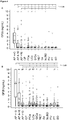
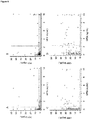
- Serum GP2a and GP2t determined by ELISAs demonstrated significantly different levels in 153 patients with AP and 752 controls (p ⁇ 0.0001, Kruskal Wallis test) ( Figure 4A,B ).
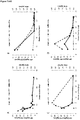
- the median GP2a and GP2t levels in AP patients until the 3rd day of disease duration were significantly elevated in comparison with all control groups including patients with chronic pancreatitis (Post hoc analysis, p ⁇ 0.05, respectively).
- the median GP2t level of AP patients with >10 days disease duration was additionally not different in patients with GICa, NET, SA and even CP (Post hoc analysis, p ⁇ 0.05, respectively).
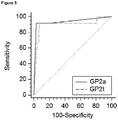
- the GP2a ELISA possessed a significantly better assay accuracy with a sensitivity of 91.7% (95% Cl: 61.5% - 99.8%) and a specificity of 96.7% (95% Cl: 95.1% - 97.8%).
- the GP2t ELISA did demonstrate the same sensitivity but a poorer specificity of 92.6% (95% Cl: 90.4% - 94.3%).
- Example 6 Comparison of GP2a and GP2t positivity in AP patients and controls
- Example 7 GP2a and GP2t levels and positivity in etiological AP variants
- patients with idiopathic and alcoholic AP demonstrated significantly elevated GP2a and GP2t levels in contrast to AP patients with biliary disease and post-trauma AP (p ⁇ 0.05, respectively).
- the respective differences in the prevalence of GP2a positivity, however, did not reach significance (p 0.0803, 0.0657).
- Example 9 Prediction of AP severity by GP2a and GP2t levels
- Example 10 Assay performance of the GP2a ELISA
- Linearity was evaluated by diluting a sample with a high GP2a concentration with increasing amounts (from 0% to 100% in increments of 20%) of a sample that did not contain GP2a from 0.5 ng/mL to 6 ng/mL. There was good linearity with a R 2 values of 0.99 for GP2a.
- the intra-assay and inter-assay coefficients of variation were analyzed using sera with varying concentrations of GP2a in accordance with the CLSI protocol EP15-A2.
- the intra-assay CVs ranged from 6.4% to 15.0% and inter-assay CV from 7.7% to 30.0% for GP2a levels from 3.9 - 0.2 ng/mL, respectively (Table 6).
- GP2 containing sera were spiked with hemoglobulin, triglycerides, bilirubin and GP2's urinary homolog Tamm-Horsfall protein (uromodulin) which is synthesized in the tubular cells of the thick ascending limb and the early distal tubule in the kidneys.
- uromodulin urinary homolog Tamm-Horsfall protein
- Final concentrations of 1.0 g/L hemoglobin, 30.0 mg/L bilirubin, 25.0 g/L triglycerides, and 10.0 g/L uromodulin did not interfere with the measurement of GP2a levels.
- Table 6 Intra and inter-assay variation of the enzyme-linked immunosorbent assay for the detection of the alpha isoform of glycoprotein 2 (GP2a).
- Intra-assay and inter-assay coefficients of variation were analyzed using sera with varying concentrations of GP2a.
- Intra-assay CV was determined by eight measurements for each serum while inter-assay CV was assessed by analyzing eight determinations for each serum on five different days in accordance with the CLSI protocol EP15-A2.
- AP acute pancreatitis
- AUC area under the curve
- BMI body mass index
- CP chronic pancreatitis
- BD blood donor
- Cl confidence interval
- CV coefficient of variation
- ERCP endoscopic retrograde cholangiopancreatography
- ELISA enzyme-linked immunosorbent assay
- GICa gastrointestinal cancer
- GIST gastrointestinal stromal tumor
- GP2 zymogen granule membrane glycoprotein 2
- GPI glycosyl phosphatidylinositol
- IPMN intraductal papillary mucinous neoplasm
- IQR interquartile range
- LCa liver cancer
- LR likelihood ratio
- NET neuroendocrine tumor
- PCa pancreatic cancer
- PT peritonitis
- PU peptic ulcer
- rho Spearman's rank coefficient of correlation
- ROC receiver-operating characteristics
- SA sarcoma
- SD standard deviation
- ZG zym
Landscapes
- Life Sciences & Earth Sciences (AREA)
- Health & Medical Sciences (AREA)
- Engineering & Computer Science (AREA)
- Immunology (AREA)
- Urology & Nephrology (AREA)
- Molecular Biology (AREA)
- Biomedical Technology (AREA)
- Chemical & Material Sciences (AREA)
- Hematology (AREA)
- Food Science & Technology (AREA)
- Biochemistry (AREA)
- Cell Biology (AREA)
- Biotechnology (AREA)
- Medicinal Chemistry (AREA)
- Physics & Mathematics (AREA)
- Analytical Chemistry (AREA)
- Microbiology (AREA)
- General Health & Medical Sciences (AREA)
- General Physics & Mathematics (AREA)
- Pathology (AREA)
- Proteomics, Peptides & Aminoacids (AREA)
- Measuring Or Testing Involving Enzymes Or Micro-Organisms (AREA)
- Investigating Or Analysing Biological Materials (AREA)
- Gastroenterology & Hepatology (AREA)
- Peptides Or Proteins (AREA)
Claims (10)
- Procédé in vitro pour le diagnostic d'une pancréatite aiguë (AP) chez un sujet par la détection de la protéine glycoprotéine 2 isoforme alpha (GP2a), comprenant- la fourniture d'un échantillon d'un sujet humain présentant des symptômes d'une maladie pancréatique, dans lequel l'échantillon est un échantillon de sang entier, de plasma ou de sérum, dans lequel ledit échantillon est obtenu à partir du sujet dans les 72 heures après l'apparition desdits symptômes,- la fourniture d'un réactif d'affinité dirigé contre GP2a, dans lequel ledit réactif d'affinité se lie spécifiquement à GP2a avec aucune liaison ou une liaison négligeable à la glycoprotéine 2 isoforme bêta (GP2b),- la mise en contact dudit échantillon avec ledit réactif d'affinité pour ainsi capturer la GP2a à partir dudit échantillon, et- la détermination de la concentration en GP2a provenant dudit échantillon,dans lequel la détermination d'une concentration en GP2a supérieure à 0,7 ng/ml dans ledit échantillon indique la présence d'une AP et l'absence d'un ou de plusieurs parmi une pancréatite chronique, un cancer du pancréas, un cancer gastrointestinal, un cancer du foie, une tumeur neuroendocrinienne, un sarcome, un ulcère peptique ou une péritonite.
- Procédé selon la revendication précédente, dans lequel la glycoprotéine 2 isoforme alpha (GP2a) comprend ou consiste en une protéine ayant une séquence d'acides aminés selon SEQ ID NO 1 ou 2.
- Procédé selon l'une quelconque des revendications précédentes, dans lequel le réactif d'affinité se lie spécifiquement à GP2a selon la revendication 2, avec aucune liaison ou une liaison négligeable à la glycoprotéine 2 isoforme bêta (GP2b) selon SEQ ID NO 3 ou 4.
- Procédé selon la revendication précédente, dans lequel ledit réactif d'affinité est un anticorps monoclonal.
- Procédé selon la revendication précédente, dans lequel ledit anticorps se lie spécifiquement à GP2a selon la revendication 2, avec aucune liaison ou une liaison négligeable à la glycoprotéine 2 isoforme bêta (GP2b selon SEQ ID NO 3 ou 4, à la fois dans des conditions d'échantillon natif et dénaturé.
- Procédé selon l'une quelconque des revendications précédentes, dans lequel le procédé est réalisé sous la forme d'un dosage immuno-enzymatique (ELISA), dans lequel ledit réactif d'affinité est immobilisé sur une surface solide avant d'entrer en contact avec ledit échantillon.
- Procédé selon la revendication précédente, dans lequel la détermination de la concentration en GP2a comprend :a) la capture de GP2a à partir de l'échantillon via le réactif d'affinité de GP2a qui est immobilisé sur la surface solide,b) le traitement de ladite GP2a capturée avec un réactif d'affinité secondaire marqué dirigé sur GP2,c) la détection d'un signal émis à partir dudit réactif d'affinité secondaire marqué dirigé sur GP2, etd) la comparaison du signal obtenu à partir dudit réactif d'affinité secondaire marqué au signal provenant d'un ou de plusieurs échantillons témoins de concentration en GP2a prédéterminée.
- Procédé selon la revendication précédente, dans lequel le signal est obtenu à partir d'une peroxydase de raifort conjuguée au réactif d'affinité secondaire.
- Procédé selon l'une quelconque des revendications précédentes, dans lequel le procédé est réalisé par la détection de la protéine glycoprotéine 2 isoforme alpha (GP2a) en utilisant un kit pour le diagnostic d'une pancréatite aiguë (AP) chez un sujet, le kit comprenant :a) le réactif d'affinité dirigé contre GP2a et une surface solide pour l'immobilisation dudit réactif d'affinité, ou le réactif d'affinité dirigé contre GP2a immobilisé sur une surface solide,b) un réactif d'affinité secondaire marqué dirigé sur GP2 et des moyens pour détecter le signal émis à partir dudit marqueur, etc) un logiciel informatique configuré pour déterminer la concentration en GP2a capturée à partir d'un échantillon via un réactif d'affinité dirigé contre GP2a, dans lequel le logiciel informatique est configuré pour déterminer si la concentration en GP2a dans ledit échantillon est supérieure ou inférieure à 0,7 ng/ml.
- Procédé selon l'une quelconque des revendications précédentes, dans lequel le procédé est réalisé en utilisant un système pour le diagnostic d'une pancréatite aiguë (AP) chez un sujet par la détection de la protéine glycoprotéine 2 isoforme alpha (GP2a), comprenant :- les composants a) à c) du kit de la revendication 9, et- un système informatique pour l'analyse automatisée d'un ou de plusieurs échantillons, comprenant un dispositif de traitement informatique et un lecteur de plaque ou un dispositif à caméra approprié pour détecter le signal du réactif d'affinité secondaire marqué dirigé sur GP2.
Priority Applications (9)
| Application Number | Priority Date | Filing Date | Title |
|---|---|---|---|
| EP16190594.8A EP3299818B1 (fr) | 2016-09-26 | 2016-09-26 | Procédé de diagnostic de pancréatite aigüe (ap) par détection de glycoprotéine 2 alpha isoforme (gp2a) |
| CA3033035A CA3033035C (fr) | 2016-09-26 | 2017-09-26 | Methode de diagnostic de pancreatite aigue (ap) par detection d'isoforme alpha de glycoproteine 2 (gp2a) |
| KR1020197010087A KR102420757B1 (ko) | 2016-09-26 | 2017-09-26 | 당단백질 2 아이소폼 알파(GP2a)의 검출에 의한 급성 췌장염(AP) 진단 방법 |
| AU2017331428A AU2017331428B2 (en) | 2016-09-26 | 2017-09-26 | Method for the diagnosis of acute pancreatitis (AP) by detection of Glycoprotein 2 isoform alpha (GP2a) |
| CN201780059243.4A CN109804250A (zh) | 2016-09-26 | 2017-09-26 | 通过检测糖蛋白2同种型α(GP2a)诊断急性胰腺炎(AP)的方法 |
| ES17780351T ES2845150T3 (es) | 2016-09-26 | 2017-09-26 | Diagnóstico de pancreatitis aguda (PA) mediante la detección de glicoproteína 2 isoforma alfa (GP2A) |
| PCT/EP2017/074405 WO2018055209A2 (fr) | 2016-09-26 | 2017-09-26 | Méthode de diagnostic de pancréatite aiguë (ap) par détection d'isoforme alpha de glycoprotéine 2 (gp2a) |
| US16/331,608 US11549952B2 (en) | 2016-09-26 | 2017-09-26 | Method for the diagnosis of acute pancreatitis (AP) by detection of glycoprotein 2 isoform alpha (GP2A) |
| EP17780351.7A EP3516399B1 (fr) | 2016-09-26 | 2017-09-26 | Diagnostic de pancréatite aigüe (ap) par détection de glycoprotéine 2 alpha isoforme (gp2a) |
Applications Claiming Priority (1)
| Application Number | Priority Date | Filing Date | Title |
|---|---|---|---|
| EP16190594.8A EP3299818B1 (fr) | 2016-09-26 | 2016-09-26 | Procédé de diagnostic de pancréatite aigüe (ap) par détection de glycoprotéine 2 alpha isoforme (gp2a) |
Publications (2)
| Publication Number | Publication Date |
|---|---|
| EP3299818A1 EP3299818A1 (fr) | 2018-03-28 |
| EP3299818B1 true EP3299818B1 (fr) | 2019-12-04 |
Family
ID=57017981
Family Applications (2)
| Application Number | Title | Priority Date | Filing Date |
|---|---|---|---|
| EP16190594.8A Active EP3299818B1 (fr) | 2016-09-26 | 2016-09-26 | Procédé de diagnostic de pancréatite aigüe (ap) par détection de glycoprotéine 2 alpha isoforme (gp2a) |
| EP17780351.7A Active EP3516399B1 (fr) | 2016-09-26 | 2017-09-26 | Diagnostic de pancréatite aigüe (ap) par détection de glycoprotéine 2 alpha isoforme (gp2a) |
Family Applications After (1)
| Application Number | Title | Priority Date | Filing Date |
|---|---|---|---|
| EP17780351.7A Active EP3516399B1 (fr) | 2016-09-26 | 2017-09-26 | Diagnostic de pancréatite aigüe (ap) par détection de glycoprotéine 2 alpha isoforme (gp2a) |
Country Status (8)
| Country | Link |
|---|---|
| US (1) | US11549952B2 (fr) |
| EP (2) | EP3299818B1 (fr) |
| KR (1) | KR102420757B1 (fr) |
| CN (1) | CN109804250A (fr) |
| AU (1) | AU2017331428B2 (fr) |
| CA (1) | CA3033035C (fr) |
| ES (1) | ES2845150T3 (fr) |
| WO (1) | WO2018055209A2 (fr) |
Cited By (1)
| Publication number | Priority date | Publication date | Assignee | Title |
|---|---|---|---|---|
| EP4399526A4 (fr) * | 2021-09-10 | 2025-10-15 | Grail Inc | Procédés d'analyse de molécules cibles dans des fluides biologiques |
Families Citing this family (7)
| Publication number | Priority date | Publication date | Assignee | Title |
|---|---|---|---|---|
| CN111487240A (zh) * | 2020-04-08 | 2020-08-04 | 嘉兴优瑞生物科技有限公司 | 一种动物专用epi诊断试剂 |
| EP3896448A1 (fr) | 2020-04-16 | 2021-10-20 | Aqsens Health Oy | Procédé de détermination de risque d'une maladie inflammatoire du tractus gastro-intestinal |
| CN114032284A (zh) * | 2021-09-15 | 2022-02-11 | 陈翠英 | 一种食管癌检测试剂及其在食管癌检测中的应用 |
| CN116121368A (zh) * | 2021-11-15 | 2023-05-16 | 上海文仁生物科技有限公司 | Gp2基因和/或蛋白在胰腺癌全切术后临床用药中的应用 |
| KR102703606B1 (ko) * | 2021-12-01 | 2024-09-06 | 재단법인 아산사회복지재단 | 반려견의 췌장염 진단용 바이오마커 |
| WO2023101447A1 (fr) * | 2021-12-01 | 2023-06-08 | 재단법인 아산사회복지재단 | Biomarqueur pour le diagnostic de la pancréatite chez un chien de compagnie |
| CN121969937A (zh) | 2023-10-06 | 2026-05-01 | Ga通用检测有限责任公司 | 通过检测粪便中的糖蛋白2(gp2)来诊断微生物群失调的方法 |
Family Cites Families (9)
| Publication number | Priority date | Publication date | Assignee | Title |
|---|---|---|---|---|
| AUPO832997A0 (en) | 1997-07-31 | 1997-08-28 | Southcorp Australia Pty Ltd | Polymeric closure |
| DE19818790A1 (de) | 1998-04-27 | 1999-10-28 | Affina Immuntechnik Gmbh | Immunadsorptionsmatrix, Verfahren zu ihrer Herstellung und ihre Verwendung |
| AU2002220577A1 (en) | 2000-09-28 | 2002-04-08 | Affina Immuntechnik Gmbh | Circulatory device for separating substances in bodily fluids, especially blood,and the use of said device |
| WO2002038592A2 (fr) | 2000-11-08 | 2002-05-16 | Affina Immuntechnik Gmbh | Peptides, leur fabrication et leur utilisation pour la liaison des immunoglobulines |
| US20070275422A1 (en) | 2004-07-26 | 2007-11-29 | The Board Of Trustees Of The Leland Stanford Jr. U | Methods and Compositions for Detecting Pancreatic Disease |
| US20060105419A1 (en) * | 2004-08-16 | 2006-05-18 | Biosite, Inc. | Use of a glutathione peroxidase 1 as a marker in cardiovascular conditions |
| ATE515704T1 (de) * | 2007-01-26 | 2011-07-15 | Ga Generic Assays Gmbh | Verfahren zum nachweis von antikörpern aus körperflüssigkeiten durch eine immunreaktion mit glykoprotein 2 (gp2) aus zymogenen granula des pankreas zur differentialdiagnose von entzündlichen darmerkrankungen und chronischer pankreatitis |
| JP2013245960A (ja) * | 2012-05-23 | 2013-12-09 | National Institute Of Biomedical Innovation | 乳がん患者手術治療後の予後判定方法 |
| EP2913675B1 (fr) * | 2014-02-28 | 2020-02-12 | GA Generic Assays GmbH | Isoformes GP2 et leur utilisation dans la capture d'auto-anticorps |
-
2016
- 2016-09-26 EP EP16190594.8A patent/EP3299818B1/fr active Active
-
2017
- 2017-09-26 AU AU2017331428A patent/AU2017331428B2/en active Active
- 2017-09-26 KR KR1020197010087A patent/KR102420757B1/ko active Active
- 2017-09-26 CA CA3033035A patent/CA3033035C/fr active Active
- 2017-09-26 US US16/331,608 patent/US11549952B2/en active Active
- 2017-09-26 WO PCT/EP2017/074405 patent/WO2018055209A2/fr not_active Ceased
- 2017-09-26 EP EP17780351.7A patent/EP3516399B1/fr active Active
- 2017-09-26 CN CN201780059243.4A patent/CN109804250A/zh active Pending
- 2017-09-26 ES ES17780351T patent/ES2845150T3/es active Active
Non-Patent Citations (1)
| Title |
|---|
| None * |
Cited By (1)
| Publication number | Priority date | Publication date | Assignee | Title |
|---|---|---|---|---|
| EP4399526A4 (fr) * | 2021-09-10 | 2025-10-15 | Grail Inc | Procédés d'analyse de molécules cibles dans des fluides biologiques |
Also Published As
| Publication number | Publication date |
|---|---|
| CA3033035A1 (fr) | 2018-03-29 |
| US11549952B2 (en) | 2023-01-10 |
| EP3516399B1 (fr) | 2020-10-28 |
| EP3516399A2 (fr) | 2019-07-31 |
| EP3299818A1 (fr) | 2018-03-28 |
| KR20190065281A (ko) | 2019-06-11 |
| WO2018055209A3 (fr) | 2018-05-03 |
| ES2845150T3 (es) | 2021-07-26 |
| AU2017331428B2 (en) | 2023-11-09 |
| US20190219596A1 (en) | 2019-07-18 |
| CA3033035C (fr) | 2023-08-08 |
| CN109804250A (zh) | 2019-05-24 |
| AU2017331428A1 (en) | 2019-02-21 |
| KR102420757B1 (ko) | 2022-07-13 |
| WO2018055209A2 (fr) | 2018-03-29 |
Similar Documents
| Publication | Publication Date | Title |
|---|---|---|
| EP3299818B1 (fr) | Procédé de diagnostic de pancréatite aigüe (ap) par détection de glycoprotéine 2 alpha isoforme (gp2a) | |
| JP5555846B2 (ja) | 急性中枢神経障害の予後判定方法 | |
| KR20110000548A (ko) | 신장암의 진단 또는 검출을 위한 조성물 및 방법 | |
| EP2913675B1 (fr) | Isoformes GP2 et leur utilisation dans la capture d'auto-anticorps | |
| US9081013B2 (en) | Marker for detecting gastric cancer and method for detecting gastric cancer | |
| KR20130004318A (ko) | 위암 검출용 마커 및 위암 검출 방법 | |
| US20170138958A1 (en) | Method for measuring anti-wt1 antibody | |
| WO2023221325A1 (fr) | Kit de détection de fluorescence d'enzyme c1s activée par le complément, procédé de détection et utilisation | |
| US11340235B2 (en) | GP2 isoforms and their use in autoantibody capture | |
| WO2006054806A1 (fr) | Autoantigène associé à la maladie de crohn | |
| JP2012018119A (ja) | 大腸癌検出用マーカーおよびそれを用いた大腸癌検出方法 | |
| JP2023547188A (ja) | 住血吸虫感染症の検出のためのタンパク質 | |
| EP3298028B1 (fr) | Procédé de détection et de mesure de complexes endogènes en tant que nouveau marqueur tumoral | |
| JP2024140805A (ja) | 自己免疫性脳弓下器官疾患を判定するための方法 | |
| JPH0785085B2 (ja) | フイブロネクチン測定試薬 |
Legal Events
| Date | Code | Title | Description |
|---|---|---|---|
| PUAI | Public reference made under article 153(3) epc to a published international application that has entered the european phase |
Free format text: ORIGINAL CODE: 0009012 |
|
| STAA | Information on the status of an ep patent application or granted ep patent |
Free format text: STATUS: THE APPLICATION HAS BEEN PUBLISHED |
|
| AK | Designated contracting states |
Kind code of ref document: A1 Designated state(s): AL AT BE BG CH CY CZ DE DK EE ES FI FR GB GR HR HU IE IS IT LI LT LU LV MC MK MT NL NO PL PT RO RS SE SI SK SM TR |
|
| AX | Request for extension of the european patent |
Extension state: BA ME |
|
| STAA | Information on the status of an ep patent application or granted ep patent |
Free format text: STATUS: REQUEST FOR EXAMINATION WAS MADE |
|
| STAA | Information on the status of an ep patent application or granted ep patent |
Free format text: STATUS: EXAMINATION IS IN PROGRESS |
|
| 17P | Request for examination filed |
Effective date: 20180928 |
|
| RBV | Designated contracting states (corrected) |
Designated state(s): AL AT BE BG CH CY CZ DE DK EE ES FI FR GB GR HR HU IE IS IT LI LT LU LV MC MK MT NL NO PL PT RO RS SE SI SK SM TR |
|
| 17Q | First examination report despatched |
Effective date: 20181024 |
|
| GRAP | Despatch of communication of intention to grant a patent |
Free format text: ORIGINAL CODE: EPIDOSNIGR1 |
|
| STAA | Information on the status of an ep patent application or granted ep patent |
Free format text: STATUS: GRANT OF PATENT IS INTENDED |
|
| INTG | Intention to grant announced |
Effective date: 20190710 |
|
| GRAS | Grant fee paid |
Free format text: ORIGINAL CODE: EPIDOSNIGR3 |
|
| GRAA | (expected) grant |
Free format text: ORIGINAL CODE: 0009210 |
|
| STAA | Information on the status of an ep patent application or granted ep patent |
Free format text: STATUS: THE PATENT HAS BEEN GRANTED |
|
| AK | Designated contracting states |
Kind code of ref document: B1 Designated state(s): AL AT BE BG CH CY CZ DE DK EE ES FI FR GB GR HR HU IE IS IT LI LT LU LV MC MK MT NL NO PL PT RO RS SE SI SK SM TR |
|
| REG | Reference to a national code |
Ref country code: GB Ref legal event code: FG4D |
|
| REG | Reference to a national code |
Ref country code: CH Ref legal event code: EP |
|
| REG | Reference to a national code |
Ref country code: AT Ref legal event code: REF Ref document number: 1210039 Country of ref document: AT Kind code of ref document: T Effective date: 20191215 |
|
| REG | Reference to a national code |
Ref country code: DE Ref legal event code: R096 Ref document number: 602016025416 Country of ref document: DE |
|
| REG | Reference to a national code |
Ref country code: IE Ref legal event code: FG4D |
|
| REG | Reference to a national code |
Ref country code: NL Ref legal event code: MP Effective date: 20191204 |
|
| REG | Reference to a national code |
Ref country code: LT Ref legal event code: MG4D |
|
| PG25 | Lapsed in a contracting state [announced via postgrant information from national office to epo] |
Ref country code: FI Free format text: LAPSE BECAUSE OF FAILURE TO SUBMIT A TRANSLATION OF THE DESCRIPTION OR TO PAY THE FEE WITHIN THE PRESCRIBED TIME-LIMIT Effective date: 20191204 Ref country code: BG Free format text: LAPSE BECAUSE OF FAILURE TO SUBMIT A TRANSLATION OF THE DESCRIPTION OR TO PAY THE FEE WITHIN THE PRESCRIBED TIME-LIMIT Effective date: 20200304 Ref country code: SE Free format text: LAPSE BECAUSE OF FAILURE TO SUBMIT A TRANSLATION OF THE DESCRIPTION OR TO PAY THE FEE WITHIN THE PRESCRIBED TIME-LIMIT Effective date: 20191204 Ref country code: LV Free format text: LAPSE BECAUSE OF FAILURE TO SUBMIT A TRANSLATION OF THE DESCRIPTION OR TO PAY THE FEE WITHIN THE PRESCRIBED TIME-LIMIT Effective date: 20191204 Ref country code: LT Free format text: LAPSE BECAUSE OF FAILURE TO SUBMIT A TRANSLATION OF THE DESCRIPTION OR TO PAY THE FEE WITHIN THE PRESCRIBED TIME-LIMIT Effective date: 20191204 Ref country code: GR Free format text: LAPSE BECAUSE OF FAILURE TO SUBMIT A TRANSLATION OF THE DESCRIPTION OR TO PAY THE FEE WITHIN THE PRESCRIBED TIME-LIMIT Effective date: 20200305 Ref country code: NO Free format text: LAPSE BECAUSE OF FAILURE TO SUBMIT A TRANSLATION OF THE DESCRIPTION OR TO PAY THE FEE WITHIN THE PRESCRIBED TIME-LIMIT Effective date: 20200304 |
|
| PG25 | Lapsed in a contracting state [announced via postgrant information from national office to epo] |
Ref country code: HR Free format text: LAPSE BECAUSE OF FAILURE TO SUBMIT A TRANSLATION OF THE DESCRIPTION OR TO PAY THE FEE WITHIN THE PRESCRIBED TIME-LIMIT Effective date: 20191204 Ref country code: RS Free format text: LAPSE BECAUSE OF FAILURE TO SUBMIT A TRANSLATION OF THE DESCRIPTION OR TO PAY THE FEE WITHIN THE PRESCRIBED TIME-LIMIT Effective date: 20191204 |
|
| PG25 | Lapsed in a contracting state [announced via postgrant information from national office to epo] |
Ref country code: AL Free format text: LAPSE BECAUSE OF FAILURE TO SUBMIT A TRANSLATION OF THE DESCRIPTION OR TO PAY THE FEE WITHIN THE PRESCRIBED TIME-LIMIT Effective date: 20191204 |
|
| PG25 | Lapsed in a contracting state [announced via postgrant information from national office to epo] |
Ref country code: EE Free format text: LAPSE BECAUSE OF FAILURE TO SUBMIT A TRANSLATION OF THE DESCRIPTION OR TO PAY THE FEE WITHIN THE PRESCRIBED TIME-LIMIT Effective date: 20191204 Ref country code: NL Free format text: LAPSE BECAUSE OF FAILURE TO SUBMIT A TRANSLATION OF THE DESCRIPTION OR TO PAY THE FEE WITHIN THE PRESCRIBED TIME-LIMIT Effective date: 20191204 Ref country code: RO Free format text: LAPSE BECAUSE OF FAILURE TO SUBMIT A TRANSLATION OF THE DESCRIPTION OR TO PAY THE FEE WITHIN THE PRESCRIBED TIME-LIMIT Effective date: 20191204 Ref country code: PT Free format text: LAPSE BECAUSE OF FAILURE TO SUBMIT A TRANSLATION OF THE DESCRIPTION OR TO PAY THE FEE WITHIN THE PRESCRIBED TIME-LIMIT Effective date: 20200429 Ref country code: CZ Free format text: LAPSE BECAUSE OF FAILURE TO SUBMIT A TRANSLATION OF THE DESCRIPTION OR TO PAY THE FEE WITHIN THE PRESCRIBED TIME-LIMIT Effective date: 20191204 Ref country code: ES Free format text: LAPSE BECAUSE OF FAILURE TO SUBMIT A TRANSLATION OF THE DESCRIPTION OR TO PAY THE FEE WITHIN THE PRESCRIBED TIME-LIMIT Effective date: 20191204 |
|
| PG25 | Lapsed in a contracting state [announced via postgrant information from national office to epo] |
Ref country code: SM Free format text: LAPSE BECAUSE OF FAILURE TO SUBMIT A TRANSLATION OF THE DESCRIPTION OR TO PAY THE FEE WITHIN THE PRESCRIBED TIME-LIMIT Effective date: 20191204 Ref country code: SK Free format text: LAPSE BECAUSE OF FAILURE TO SUBMIT A TRANSLATION OF THE DESCRIPTION OR TO PAY THE FEE WITHIN THE PRESCRIBED TIME-LIMIT Effective date: 20191204 Ref country code: IS Free format text: LAPSE BECAUSE OF FAILURE TO SUBMIT A TRANSLATION OF THE DESCRIPTION OR TO PAY THE FEE WITHIN THE PRESCRIBED TIME-LIMIT Effective date: 20200404 |
|
| REG | Reference to a national code |
Ref country code: DE Ref legal event code: R097 Ref document number: 602016025416 Country of ref document: DE |
|
| REG | Reference to a national code |
Ref country code: AT Ref legal event code: MK05 Ref document number: 1210039 Country of ref document: AT Kind code of ref document: T Effective date: 20191204 |
|
| PLBE | No opposition filed within time limit |
Free format text: ORIGINAL CODE: 0009261 |
|
| STAA | Information on the status of an ep patent application or granted ep patent |
Free format text: STATUS: NO OPPOSITION FILED WITHIN TIME LIMIT |
|
| PG25 | Lapsed in a contracting state [announced via postgrant information from national office to epo] |
Ref country code: DK Free format text: LAPSE BECAUSE OF FAILURE TO SUBMIT A TRANSLATION OF THE DESCRIPTION OR TO PAY THE FEE WITHIN THE PRESCRIBED TIME-LIMIT Effective date: 20191204 |
|
| 26N | No opposition filed |
Effective date: 20200907 |
|
| PG25 | Lapsed in a contracting state [announced via postgrant information from national office to epo] |
Ref country code: AT Free format text: LAPSE BECAUSE OF FAILURE TO SUBMIT A TRANSLATION OF THE DESCRIPTION OR TO PAY THE FEE WITHIN THE PRESCRIBED TIME-LIMIT Effective date: 20191204 Ref country code: PL Free format text: LAPSE BECAUSE OF FAILURE TO SUBMIT A TRANSLATION OF THE DESCRIPTION OR TO PAY THE FEE WITHIN THE PRESCRIBED TIME-LIMIT Effective date: 20191204 Ref country code: SI Free format text: LAPSE BECAUSE OF FAILURE TO SUBMIT A TRANSLATION OF THE DESCRIPTION OR TO PAY THE FEE WITHIN THE PRESCRIBED TIME-LIMIT Effective date: 20191204 |
|
| PG25 | Lapsed in a contracting state [announced via postgrant information from national office to epo] |
Ref country code: IT Free format text: LAPSE BECAUSE OF FAILURE TO SUBMIT A TRANSLATION OF THE DESCRIPTION OR TO PAY THE FEE WITHIN THE PRESCRIBED TIME-LIMIT Effective date: 20191204 |
|
| REG | Reference to a national code |
Ref country code: BE Ref legal event code: MM Effective date: 20200930 |
|
| PG25 | Lapsed in a contracting state [announced via postgrant information from national office to epo] |
Ref country code: LU Free format text: LAPSE BECAUSE OF NON-PAYMENT OF DUE FEES Effective date: 20200926 |
|
| PG25 | Lapsed in a contracting state [announced via postgrant information from national office to epo] |
Ref country code: BE Free format text: LAPSE BECAUSE OF NON-PAYMENT OF DUE FEES Effective date: 20200930 Ref country code: IE Free format text: LAPSE BECAUSE OF NON-PAYMENT OF DUE FEES Effective date: 20200926 |
|
| PG25 | Lapsed in a contracting state [announced via postgrant information from national office to epo] |
Ref country code: TR Free format text: LAPSE BECAUSE OF FAILURE TO SUBMIT A TRANSLATION OF THE DESCRIPTION OR TO PAY THE FEE WITHIN THE PRESCRIBED TIME-LIMIT Effective date: 20191204 Ref country code: MT Free format text: LAPSE BECAUSE OF FAILURE TO SUBMIT A TRANSLATION OF THE DESCRIPTION OR TO PAY THE FEE WITHIN THE PRESCRIBED TIME-LIMIT Effective date: 20191204 Ref country code: CY Free format text: LAPSE BECAUSE OF FAILURE TO SUBMIT A TRANSLATION OF THE DESCRIPTION OR TO PAY THE FEE WITHIN THE PRESCRIBED TIME-LIMIT Effective date: 20191204 |
|
| PG25 | Lapsed in a contracting state [announced via postgrant information from national office to epo] |
Ref country code: MK Free format text: LAPSE BECAUSE OF FAILURE TO SUBMIT A TRANSLATION OF THE DESCRIPTION OR TO PAY THE FEE WITHIN THE PRESCRIBED TIME-LIMIT Effective date: 20191204 Ref country code: MC Free format text: LAPSE BECAUSE OF FAILURE TO SUBMIT A TRANSLATION OF THE DESCRIPTION OR TO PAY THE FEE WITHIN THE PRESCRIBED TIME-LIMIT Effective date: 20191204 |
|
| P01 | Opt-out of the competence of the unified patent court (upc) registered |
Effective date: 20230517 |
|
| PGFP | Annual fee paid to national office [announced via postgrant information from national office to epo] |
Ref country code: GB Payment date: 20230921 Year of fee payment: 8 |
|
| PGFP | Annual fee paid to national office [announced via postgrant information from national office to epo] |
Ref country code: FR Payment date: 20230918 Year of fee payment: 8 Ref country code: DE Payment date: 20230913 Year of fee payment: 8 |
|
| PGFP | Annual fee paid to national office [announced via postgrant information from national office to epo] |
Ref country code: CH Payment date: 20231001 Year of fee payment: 8 |
|
| REG | Reference to a national code |
Ref country code: DE Ref legal event code: R119 Ref document number: 602016025416 Country of ref document: DE |
|
| REG | Reference to a national code |
Ref country code: CH Ref legal event code: PL |
|
| GBPC | Gb: european patent ceased through non-payment of renewal fee |
Effective date: 20240926 |
|
| PG25 | Lapsed in a contracting state [announced via postgrant information from national office to epo] |
Ref country code: DE Free format text: LAPSE BECAUSE OF NON-PAYMENT OF DUE FEES Effective date: 20250401 |
|
| PG25 | Lapsed in a contracting state [announced via postgrant information from national office to epo] |
Ref country code: GB Free format text: LAPSE BECAUSE OF NON-PAYMENT OF DUE FEES Effective date: 20240926 |
|
| PG25 | Lapsed in a contracting state [announced via postgrant information from national office to epo] |
Ref country code: FR Free format text: LAPSE BECAUSE OF NON-PAYMENT OF DUE FEES Effective date: 20240930 |
|
| PG25 | Lapsed in a contracting state [announced via postgrant information from national office to epo] |
Ref country code: CH Free format text: LAPSE BECAUSE OF NON-PAYMENT OF DUE FEES Effective date: 20240930 |