EP3307788B1 - Extraction d'hémicelluloses hydrothermique assistée par des enzymes - Google Patents
Extraction d'hémicelluloses hydrothermique assistée par des enzymes Download PDFInfo
- Publication number
- EP3307788B1 EP3307788B1 EP16728679.8A EP16728679A EP3307788B1 EP 3307788 B1 EP3307788 B1 EP 3307788B1 EP 16728679 A EP16728679 A EP 16728679A EP 3307788 B1 EP3307788 B1 EP 3307788B1
- Authority
- EP
- European Patent Office
- Prior art keywords
- extraction
- fractions
- arabinoxylans
- process according
- hot water
- Prior art date
- Legal status (The legal status is an assumption and is not a legal conclusion. Google has not performed a legal analysis and makes no representation as to the accuracy of the status listed.)
- Active
Links
Images





Classifications
-
- C—CHEMISTRY; METALLURGY
- C08—ORGANIC MACROMOLECULAR COMPOUNDS; THEIR PREPARATION OR CHEMICAL WORKING-UP; COMPOSITIONS BASED THEREON
- C08B—POLYSACCHARIDES; DERIVATIVES THEREOF
- C08B37/00—Preparation of polysaccharides not provided for in groups C08B1/00 - C08B35/00; Derivatives thereof
- C08B37/0006—Homoglycans, i.e. polysaccharides having a main chain consisting of one single sugar, e.g. colominic acid
- C08B37/0057—Homoglycans, i.e. polysaccharides having a main chain consisting of one single sugar, e.g. colominic acid beta-D-Xylans, i.e. xylosaccharide, e.g. arabinoxylan, arabinofuronan, pentosans; (beta-1,3)(beta-1,4)-D-Xylans, e.g. rhodymenans; Hemicellulose; Derivatives thereof
-
- A—HUMAN NECESSITIES
- A23—FOODS OR FOODSTUFFS; TREATMENT THEREOF, NOT COVERED BY OTHER CLASSES
- A23L—FOODS, FOODSTUFFS OR NON-ALCOHOLIC BEVERAGES, NOT OTHERWISE PROVIDED FOR; PREPARATION OR TREATMENT THEREOF
- A23L29/00—Foods or foodstuffs containing additives; Preparation or treatment thereof
- A23L29/20—Foods or foodstuffs containing additives; Preparation or treatment thereof containing gelling or thickening agents
- A23L29/206—Foods or foodstuffs containing additives; Preparation or treatment thereof containing gelling or thickening agents of vegetable origin
- A23L29/262—Cellulose; Derivatives thereof, e.g. ethers
-
- A—HUMAN NECESSITIES
- A23—FOODS OR FOODSTUFFS; TREATMENT THEREOF, NOT COVERED BY OTHER CLASSES
- A23L—FOODS, FOODSTUFFS OR NON-ALCOHOLIC BEVERAGES, NOT OTHERWISE PROVIDED FOR; PREPARATION OR TREATMENT THEREOF
- A23L33/00—Modifying nutritive qualities of foods; Dietetic products; Preparation or treatment thereof
- A23L33/20—Reducing nutritive value; Dietetic products with reduced nutritive value
- A23L33/21—Addition of substantially indigestible substances, e.g. dietary fibres
- A23L33/24—Cellulose or derivatives thereof
-
- A—HUMAN NECESSITIES
- A23—FOODS OR FOODSTUFFS; TREATMENT THEREOF, NOT COVERED BY OTHER CLASSES
- A23L—FOODS, FOODSTUFFS OR NON-ALCOHOLIC BEVERAGES, NOT OTHERWISE PROVIDED FOR; PREPARATION OR TREATMENT THEREOF
- A23L7/00—Cereal-derived products; Malt products; Preparation or treatment thereof
- A23L7/10—Cereal-derived products
- A23L7/104—Fermentation of farinaceous cereal or cereal material; Addition of enzymes or microorganisms
- A23L7/107—Addition or treatment with enzymes not combined with fermentation with microorganisms
-
- A—HUMAN NECESSITIES
- A61—MEDICAL OR VETERINARY SCIENCE; HYGIENE
- A61K—PREPARATIONS FOR MEDICAL, DENTAL OR TOILETRY PURPOSES
- A61K31/00—Medicinal preparations containing organic active ingredients
- A61K31/70—Carbohydrates; Sugars; Derivatives thereof
- A61K31/715—Polysaccharides, i.e. having more than five saccharide radicals attached to each other by glycosidic linkages; Derivatives thereof, e.g. ethers, esters
-
- A—HUMAN NECESSITIES
- A23—FOODS OR FOODSTUFFS; TREATMENT THEREOF, NOT COVERED BY OTHER CLASSES
- A23V—INDEXING SCHEME RELATING TO FOODS, FOODSTUFFS OR NON-ALCOHOLIC BEVERAGES AND LACTIC OR PROPIONIC ACID BACTERIA USED IN FOODSTUFFS OR FOOD PREPARATION
- A23V2002/00—Food compositions, function of food ingredients or processes for food or foodstuffs
Definitions
- the present invention relates to a novel process for producing hemicellulose fractions from cereal crops, comprising pressurized hot water extraction (PHWE) of hemicellulose fractions from cereal crops in combination with enzymatic treatments of the residue after extraction and/or membrane ultrafiltration of the extract with an endo-beta-xylanase and a feruloyl esterase.
- PHWE pressurized hot water extraction
- the novel process described herein allows for sustainable and scalable extraction and isolation of valuable hemicellulose fractions, especially feruloylated arabinoxylans (AXs), from cereal side products.
- the process allows the selective fractionation of arabinoxylans based on their molecular structure and inherent functionalities, which can e.g. be used for the preparation of carbohydrate-based materials with functional properties and/or food products.
- the process can include a pretreatment of the cereal crops before the pressurized hot water extraction.
- the obtained polymeric and oligomeric hemicellulose fractions show significant antioxidant properties compared with equivalent fractions obtained by traditional alkaline processes.
- Hemicelluloses constitute a rich cell wall polysaccharide fraction in cereal crops, both in the grain (as non-starch polysaccharides) and in the straw (associated with cellulose fibres and lignins). These polysaccharide fractions represent a valuable renewable resource that has not been hitherto exploited to the full potential for high-value applications.
- the valorization of such agricultural by-products is therefore fundamental for a complete implementation of first and second generation biorefineries handling cereal grain and lignucellulosic straw waste streams, respectively 1 .
- Arabinoxylan is the most abundant hemicellulose in cereals as part of the grain (as non-starch polysaccharides) and the straw (associated with cellulose fibres and lignins), with an average composition of 30% in such tissues 2,3 .
- Cereal AXs consist of a backbone of 1,4- ⁇ -D-xylopyranose (Xylp) units, which are heavily substituted by arabinofuranosyl units (Araf) in the ⁇ -1,2 and/or ⁇ -1,3 positions to different extents and intramolecular distributions, depending on the biological source and tissue.
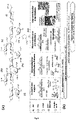
- the arabinose decorations may be further substituted by ester links in the C5 position by phenolic compounds, mainly ferulic acid (FerA); these phenolic compounds can dimerise with other aromatic moieties, creating a complex crosslinked covalent structure 5 ( Figure 1a ).
- phenolic compounds mainly ferulic acid (FerA); these phenolic compounds can dimerise with other aromatic moieties, creating a complex crosslinked covalent structure 5 ( Figure 1a ).
- cereal AXs have been traditionally classified in water-extractable (WE-AX) and water-unextractable arabinoxylans (WU-AX), depending on their potential aqueous extractability at room temperature 3 ( Figure 1b ).
- WE-AXs are mainly present in the cereal endosperm and are moderately substituted with arabinose.
- WU-AXs are predominant in cereal bran, representing approximately 95% of the total estimated AX content 3,4,6-8 .
- WU-AXs show great heterogeneity in their structure 9 , with fractions containing very divergent Araf substitution patterns and further substituted with ferulic acid, which contribute to crosslinking with other arabinoxylan polymers and other cell wall components. This molecular heterogeneity has a great impact on the extractability of these hemicelluloses and on their macroscopic properties (e.g. solubility, rheological, film forming and mechanical properties), which are fundamental for their material applications.
- WO 2015/014364 and WO 2014/019589 relate to production of fermentable monosaccharides, in particular C5 monosaccharide xylose, from hemicellulose but do not yield feruloylated arabinoxylan.
- US 2012/0009642 and US 2012/0009626 relate to a saccharide solution production method using a biomass material and an alcohol production method involving a hydrothermal decomposition system but do not yield feruloylated arabinoxylan.
- AGUEDO M., et al.
- extraction by three processes of arabinoxylans from wheat bran and characterization of the Tactions obtained Carbohydrate Polymers 2014;105:317-324 .
- US 2005/0089602 relates to a process for fractionation of fractions from cerebral brans, a two-step process which does not involve pressurized hot water extraction, but in which the bran is first subjected to a combination of enzymatic treatment and wet-milling followed by sequential centrifugation and ultrafiltration to obtain inter alia an insoluble phase. No feruloylated arabinoxylans are thus extracted from insoluble residues.
- Hemicelluloses in cereal byproducts represent a valuable renewable resource that has not been exploited to full capacity yet.
- the present invention for the first time describes a sustainable and scalable approach to extract and isolate valuable hemicellulose fractions in the aqueous phase, especially feruloylated arabinoxylans (F-AX), from cereal side products comprising exposing cereal crops to one or more pressurized hot water extraction(s) (PHWE) in combination with one or more subsequent enzymatic treatment(s) of the extraction residue comprising an endo-beta-xylanase and a feruloyl esterase.
- One or more optional enzymatic pretreatment(s) may be added prior to the pressurized hot water extraction(s), e.g. if the cereal byproduct contains large amounts of starch (non-destarched cereal side products) and/or fat.
- This process allows for selective fractionation of arabinoxylans based on their molecular structure and inherent functionalities, which can be used for the preparation of carbohydrate-based materials with functional properties and/or food products.
- the present invention for the first time describes a sustainable and scalable approach to extract and isolate valuable hemicellulose fractions in the aqueous phase, especially feruloylated arabinoxylans (AXs), from cereal side products comprising exposing cereal crops to one or more pressurized hot water extraction(s) (PHWE) in combination with one or more steps of subsequent membrane ultrafiltration to further purify the extracts and to fractionate them into a polymeric and oligomeric fraction.
- One or more optional enzymatic pretreatment(s) may be added prior to the pressurized hot water extraction(s), e.g. if the cereal byproduct contains large amounts of starch (non-destarched cereal side products) and/or fat.
- This process allows for selective fractionation of arabinoxylans based on their molecular structure and inherent functionalities, which can be used for the preparation of carbohydrate-based materials with functional properties and/or food products.
- the invention relates to a sustainable and scalable approach to extract and isolate valuable hemicellulose fractions in the aqueous phase, especially feruloylated arabinoxylans (AXs), from cereal side products
- PHWE pressurized hot water extraction
- enzymatic treatment(s) of the extraction residue with an endo-beta-xylanase and a feruloyl esterase in combination with one or more steps of subsequent membrane ultrafiltration to further purify the extracts.
- one or more optional enzymatic pretreatment(s) may be added prior to the pressurized hot water extraction(s), if the cereal byproduct e.g. contains large amounts of starch (non-destarched cereal side products) and/or fat.
- the present invention relates to a process for producing a hemicellulose fraction from a cereal crop, such as from a cereal byproduct, comprising subjecting said cereal crop to pressurized hot water extraction and enzymatic treatment(s).
- the (hydrothermal) pressurized hot water extraction can be performed in two steps, wherein step a) comprises a pressurized hot water extraction and step b) comprises a subsequent enzymatic treatment of the residual (non-extracted) fraction.
- the (hydrothermal) pressurized hot water extraction process is typically performed at a temperature at between 140-160°C at a pH between pH5-7 on an industrial scale.
- the (hydrothermal) pressurized hot water extraction in step a) is performed at 160°C in pH7.
- the enzymatic treatment can comprise enzymes with polysaccharide activity.
- different polysaccharide fractions are isolated from each other during the herein described process, leading in one embodiment to the isolation of high molar mass arabinoxylans (AXs) and low molar mass arabinoxylan oligosaccharides (AXOs).
- enzymes used in the enzymatic treatment step of the residual (non-extracted) fraction are selected from the group comprsising glucanases, e.g. lichenases, cellulases, xylanases and hydrolases, e.g. esterases.
- glucanases e.g. lichenases
- cellulases e.g. lichenases
- xylanases e.g. esterases
- hydrolases e.g. esterases.
- endo ⁇ -xylanase and/or feruloyl esterase are enzymes used for the enzymatic treatment of the residual (non-extracted) fraction.
- the process includes a fractionation procedure by membrane ultrafiltration to separate the high molar mass arabinoxylans above 30 000g mol-1, such as between 30 000-50 000, 30 000-100 000, 10 000-500 000g mol-1, or at least around 100 000 - 200 000 g mol-1) from the low molar mass arabinoxylan oligosaccharides (AXOs).
- AXOs molar mass arabinoxylan oligosaccharides
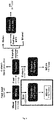
- the process combines pressurized hot-water extraction (PHWE), enzymatic treatment(s), and alternative membrane ultrafiltration(s) to isolate AX fractions from wheat bran with high purity and well-defined molecular structure.
- the process comprises implementing membrane ultrafiltration to further purify the extracts.
- the extracts can be fractionated into a high molar mass fraction, containing mainly polymeric feruloylated arabinoxylan (F-AX), and a low molar mass fraction, containing mainly arabinose-containing xylo-oligosaccharides (AXOs).
- the isolated high molar mass and low molar mass fractions exhibit significant antioxidant properties in terms of radical scavenging activity, in comparison with AX from wheat endosperm and the alkaline extracts. This antioxidant activity can be attributed to the presence of ferulic acid covalently attached to the AX molecules.
- the process can comprise different enzymatic treatments to further release AX from the unextractable residue.
- a combined action of an endo ⁇ - xylanase and a feruloyl esterase is capable of producing additional amounts of valuable FAX oligosaccharides.
- the combined total yield of the integrated process design is higher than the yield obtained by alkaline extraction alone.
- the molecular composition of the different polymeric and oligomeric fractions has been characterised in detail. This knowledge provides the proof of concept for a potential upscaling of the extraction and fractionation process.
- the process allows for successfully isolating of a broad range of fractions with well-defined molecular structures from cereals, e.g. from wheat bran.
- the isolated arabinoxylans (AXs) are predominantly feruloylated.
- the present invention consequently relates to a process for isolating feruloylated arabinoxylans (AXs) from a cereal crop, such as from a cereal byproduct, comprising subjecting said cereal crop to pressurized hot water extraction and enzymatic treatment of the residual (non-extracted) fraction with an endo-beta-xylanase and a feruloyl esterase.
- AXs feruloylated arabinoxylans
- the cereal crop used in a process according to the present invention is selected from the group consisting of wheat bran, wheat grain, wheat flour, wheat straw, barley grain, Brewer's spent grain, barley flour, barley straw, rye grain, rye flour, rye bran, rye straw, oat grain, rice, corn, corn bran, rice bran, corn straw, corn husk, corn stower and oat bran.
- the present invention also relates to feruloylated arabinoxylans (AXs) produced by a process according to the present invention as such and to the use of said feruloylated arabinoxylans (AXs) for the preparation of carbohydrate-based materials with functional properties, selected from the group consisting of films, hydrogels, active food packaging, prebiotics, bioactive compounds and texturizing agents.
- AXs feruloylated arabinoxylans
- the present invention also relates to carbohydrate-based materials with functional properties, selected from the group consisting of films, hydrogels, active food packaging, prebiotics, bioactive compounds and texturizing agents comprising feruloylated arabinoxylans (AXs) produced and/or producible by the process according to the present invention.
- AXs feruloylated arabinoxylans
- Hemic effetive pulposes constitute a rich cell wall polysaccharide fraction in cereal grains as non-starch polysaccharides. Cereal production generates high volumes of hemicellulosic byproducts, which represent a valuable renewable resource not fully exploited yet to their full capacity.
- wheat production plants Lantmännen Reppe AB
- the present invention valorizes polysaccharide as well as oligosaccharide fractions from wheat bran to produce carbohydrate-based materials (films and hydrogels) and additives with high added value in applications as active food packaging and texturizing agents.
- Different AX fractions are isolated from wheat bran, using scalable chemo-enzymatic and chromatographic processes.
- the structures at the molecular level of the isolated AX fractions are characterized using advanced analytical approaches.
- the extracted AXs are chemo-enzymatically modified to tailor their structures at the macromolecular level in terms of molar mass and substitution pattern. This allows for achieving desirable macroscopic properties (mechanical, barrier and rheological properties) and their functionalities as antioxidants and UV-absorbants in the AX-based films and hydrogels.
- These novel films and hydrogels are able to replace oil-based polymers and introduce new functionalities in applications as active food packaging and texturizing agents in cosmetic products, adhesives and binders.
- new carbohydrate-based materials are obtained from wheat bran using "green" biochemical approaches, which offers new functionalities and applications to these cereal side products with high economic and environmental value.
- the present invention discloses different scalable extraction procedures for the isolation of AX-rich fractions from cereal crops, such as cereal side products, e.g. wheat bran.
- Pressurised hot water extraction is in one embodiment implemented at high temperatures in order to extract polymeric as well as oligomeric AX with intact ferulic functionalities.
- Different temperature and pH conditions are optimised to achieve high material yields.
- NaOH sodium hydroxide
- Ca(OH) 2 calcium hydroxide
- the herein described pressurised liquid extraction procedure is superior in terms of yields and overall composition of the extracts and the residues.
- Different carbohydrate-active enzymes (CAZymes) are employed in combination with pressurised hot water extraction in order to increase the yields of extracted hemicelluloses and to isolate specific polysaccharide populations based on their molecular structure.
- the molecular structures of the isolated fractions from wheat bran are characterized in detail using advanced glycomic approaches developed for different wood and cereal hemicelluloses.
- Carbohydrate composition including Ara/Xyl ratio of the AX populations
- the content of phenolic compounds FerA
- the intramolecular linkage and substitution pattern is further monitored using enzymatic hydrolysis, chromatography and mass spectrometry.
- the macromolecular architecture is analyzed by multiple-detection size-exclusion chromatography to provide meaningful molecular weight distributions and information on the hydrodynamic conformation in solution. This detailed molecular characterization enables a deep understanding of the pressurized hot water extraction process and the possibilities of the hemicellulose fractions for future material applications.
- Hydrothermal treatment offers comparable extraction yields to conventional alkaline extraction preserving the feruloylated moieties in the AX backbone.
- the extract composition can be monitored through time during pressurized hot water treatment, which offers an indication of the extractability of the different polysaccharide components e.g. in wheat bran, based on their molecular structure.
- the hydrothermal residues contain significant amounts of water-unextractable AX with high ferulic acid content (feruloylated AX), which is assigned to a highly cross-linked material.
- Different enzymatic treatments are employed to release said cross-linked material from the insoluble residue into a water-extracted form, which constitutes a valuable fraction with interesting functionalities.
- AX with high ferulic acid content (feruloylated AX) is employed to describe an isolated AX fraction with a ferulic acid content of 4 mg g -1 (4mg/g) such as 0.4%, 0.5, 0.6, 0.7, 0.75, 0.8, 0.85, 0.9, 0.95, 1, 1.5, 2, 2.5, 3, 3.5, 5, 10% or higher, covalently attached to the polysaccharide structure.
- the presently disclosed production process allows the valorization of cereal by-products into carbohydrate-based materials using "green” biochemical approaches.
- feruloylated arabinoxylans AX
- hemicellulose fractions can be chemo-enzymatically modified to tailor their properties for the design of films and hydrogels with high-added value in applications as active food packaging and texturizing agents respectively.
- These new materials themselves provide additional valuable functionalities as antioxidants and UV absorbents.
- the macroscopic properties (mechanical, barrier, and rheological properties) of these new bio-based materials are comparable and even better than existing fossil-based polymers.
- New AX-based materials can easily replace oil-based products in a wide plethora of applications.
- the herein described production process provides a knowledge-based technological platform for the valorization of cereal byproducts into novel carbohydrate-based materials with tailored properties using "green" biochemical approaches. These novel materials have great potential in high-value applications as active film packaging and texturizing agents in diverse industries (cosmetic products, paint binders, adhesives). Valorization of different byproducts constitutes a fundamental task to reach an effective biorefinery process with near to zero waste generation.
- the process also offers a means to gain valuable knowledge about the molecular structure of the polysaccharide fractions from wheat, which in itself contributes to a better understanding of the cereal overall structure and how to optimize existing biotechnological processes with lower production costs.
- New products are obtained comprising residual polysaccharide fractions that traditionally have not been optimally used, expanding their applicability range.
- Novel carbohydrate-based materials are envisioned with high-added value, which are able to substitute traditional petrochemical-based materials.
- the potential of these materials is based on the inherent properties of the constituent polysaccharides (mechanical strength, gel-forming ability, bioactivity), their additional functionalities as antioxidants and UV-absorbents, and their sustainability.
- AX-based materials obtained by the herein disclosed production process arise from renewable resources, they can be processed using clean technology, and they present no harmful effects during their entire life cycle, contributing to a sustainable development and to mitigate climate change effects.
- Alkaline extraction with NaOH offered high yields of polymeric AX with high molar mass; however, the high pH values caused the cleavage of phenolic acid functionalities from the AX fractions.
- Hydrothermal treatment at 160°C offered comparable AX extraction yields with somewhat smaller molar masses than the alkaline extracts.
- the proposed process is easily scaled up by utilizing a pressurized vessel with the desired volume (30-200 L) capable of handling the pressure of subcritical water at the extraction temperature (see Table 1).
- a pressurized vessel at 10 bar offers the conditions for the pressurized hot water extraction in large scale.
- the fractionation of the extracts into a high molar mass polysaccharide fraction and a low molar mass oligosaccharide fraction can be as well upscaled using conventional membrane ultrafiltration with the same membrane cut-off as the one used in Experiment 2.
- the present invention therefore relates to a process for producing a hemicellulose fraction from a cereal crop, such as from a cereal byproduct, comprising subjecting said cereal crop to pressurized hot water extraction and enzymatic treatment at a temperature of between 140-160°C, such as between 140-150, 145-155, or 150-160 °C, or of at least 140, 150, 155, 156, 157, 158, 159 or 160°C, at a pH between pH5-7.5, such as between pH5-5.5, 5-6, 6-6.5 or 6.5-7.0, or at a a pH of at least 5.0, 5.5, 6.0, 6.5, 6.6, 6.7, 6.8, 6.9, 7.0, 7.1, 7.2, 7.3, 7.4 or 7.5.
- the (hydrothermal) pressurized hot water extraction in step a) is performed at a temperature of at the most 160°C in a pH of at the most pH7.0.
- the (hydrothermal) pressurized hot water extraction in step a) is performed at a temperature of at the least 158°C, such as at the least 159 or 160°C in a pH of at the least pH6.7, such as at the least pH6.8, 6.9 or 7.0.
- Arabinoxylan is the most abundant hemicellulose in cereals as part of the grain and the straw. AXs, as other plant hemicelluloses, possess a very complex molecular structure in terms of the virtually infinite possibilities for substitution patterns along the sugar backbone, and their (poly)dispersity in terms of molar mass distributions. This heterogeneous structure varies not only from one cereal species to another, but also in the different tissues ( Figure 2a).
- Cereal AXs consist of a backbone of 1,4- ⁇ -D-xylopyranose (Xylp) units, which are mainly substituted by arabinofuranosyl units (Araf) in the ⁇ -1,2 and/or ⁇ -1,3 positions to different extents and intramolecular distributions, depending on the biological source and tissue 5,6 .
- the Xylp units may be substituted to a lower extent by 1,2- ⁇ -D-glucuronic acid, either unsubstituted (GlcA) or methylated in the C4 position (4-O-Me-GlcA) 7 .
- arabinose decorations may be further substituted by ester links in the C5 position by phenolic compounds, mainly ferulic acid; these phenolic compounds can dimerize with other ferulic acid moieties in other arabinoxylan molecules, creating a complex crosslinked covalent structure in some tissues 8 .
- This molecular heterogeneity has a great impact on the extractability of these hemicelluloses during industrial processes and on their macroscopic properties (e.g. solubility, rheological, film forming and mechanical properties), which are fundamental for their material applications.
- WU-AXs are predominant in the cereal bran representing approximately 95% of the total estimated AX content.
- WU-AXs show great heterogeneity in their structure 9,10 , with fractions containing very divergent Araf substitution patterns and further decorated with GlcA and ferulic acid, which contribute to crosslinking with other arabinoxylan molecules and other cell wall components.
- This project will tackle these challenges by implementing integrated physico-chemical and enzymatic extraction procedures to maximize the yield of WU-AX extracted from wheat bran and by developing an analytical platform for the detailed characterization of the molecular structure of such extracted AX fractions.
- Wood and cereal xylans have shown great potential for the production of biopolymeric films for packaging applications.
- Several efforts have been already made for the application of cereal AXs as packaging films 11-16 .
- These studies have mainly used commercial refined water-soluble arabinoxylan (WE-AX) fractions with moderate Araf substitution degree, to prepare films, with and without the addition of plasticizers, showing good oxygen barrier properties but limited water sensitivity and mechanical properties 17 .
- AX films have also been reinforced with cellulose nanostructures in order to improve their mechanical properties 18-20.
- AXs have very interesting rheological properties and can form strong gels under the action of certain oxidizing agents, with neutral odour and high stability 8 .
- Different methods are available for the extraction and production of AX oligosaccharides from cereal bran to be used as food ingredients (e.g. 25,26 ).
- no technique is available yet on the fractionation of high molar mass arabinoxylans from wheat bran and their application for films and texturizing agents as the main components.
- the present invention for the first time allows the production of different isolated AX fractions from wheat bran and their use for the preparation of films and hydrogels with tailored molecular structure, targeting their application as active food packaging and texturizing agents.
- These texturizing agents can find wide applications as replacement of acrylic gels as binders in adhesive and coatings, or as thickening agents in cosmetic formulations.
- the Araf and GlcA substitutions influence the film-forming, barrier, and rheological properties of the AX fractions, which can be tailored for the preparation of films and hydrogels.
- the uronic and ferulic acid groups can be used for further chemical and enzymatic crosslinking, which can increase the mechanical and rheological properties of the materials.
- the ferulic acid moieties can introduce antioxidant and UV-absorbent properties, which will provide high value to the packaging film and texturizing gel products. Table 2. Composition and relative amounts (in % dry weight) of AX and ⁇ -glucans in different cereal tissues.
- the WU-AX content can be estimated as the difference between the total AX content and the WE-AX.
- the overall objective of the project is the valorisation of arabinoxylans from wheat bran into carbohydrate-based materials using "green" biochemical approaches.
- Arabinoxylans from wheat bran are extracted and fractionated using scalable processes and the AX rich fractions are structurally characterized by bioanalytical approaches. These fractions are used for the design of films and hydrogels with high-added value in applications as active food packaging and texturizing agents respectively.
- These new AX-based materials can provide additional valuable functionalities as antioxidants and UV absorbents.
- Wheat bran was provided by Lantmännen with two different particle sizes: fine (wbf) and medium granulometry (wb m ) ( Figure 2 ). All chemicals, analytical standards and reagents were from Sigma-Aldrich. ⁇ -Amylase porcine pancreatic was purchased from Sigma-Aldrich. Pholin Ciocalteau Phenol reagent was from Merck. Spectra/Por 1 and 3 Dialysis Membrane, 6-8 kD and 3.5 kDa MWCO were purchased from SpectrumLabs.
- the samples wbf and wb m were defatted and their total fat content was determined according to Folch method with some modifications. 1 Briefly, 5 g of dry sample were extracted with 50 mL of a mixture of chloroform (CHCl 3 ) and methanol (MeOH) (2:1, v/v) overnight under stirring. The extract was filtrated on a pleated paper filter, and washed with the same mixture. The extract was placed in a funnel and 20mL of NaCl 0.58% were added, stirred and left to settle. The organic phase was recovered, dried under a constant airflow at 35°C and left under vacuum for 15 min prior to gravimetrical determination.
- CHCl 3 chloroform
- MeOH methanol
- the bran was enzymatically destarched with ⁇ -amylase.
- the bran was suspended in 0.01 M phosphate buffer with 100mM KCL (pH 7.5) in a ratio of 1:10 (w/v) and boiled for 5 min to gelatinize the starch granules.
- the samples were equilibrated at 40 °C and incubated with ⁇ -amylase (2 U/ mg of carbohydrate) for 1 h at 40 °C; a second incubation was performed with a full dose of ⁇ -amylase for further 30 min.
- the polysaccharides were precipitated by addition of four volumes of cold absolute ethanol at -8 °C overnight and centrifuged (1500 g, 5 min).
- Defatted and destarched fine wheat bran (Dwbf) was submitted to two different alkaline extraction methods using either 0.5M NaOH or Ca(OH)2 concentrated solution at 80 °C for 16 h using a ratio of 1:8 (w/v).
- the recovered supernatants and the residues were neutralized with addition of acetic acid and dialyzed against tap water for 48 h using a 3.5 kDa MWCO dialysis membrane.
- the alkaline extracts and residues were concentrated and freeze-dried, in order to give the respective yields relative to the dry weight.
- the monosaccharide content and composition of the wheat bran raw material and the subsequent fractions was analyzed by acid hydrolysis followed by high-pH anion exchange chromatography with pulsed amperometric detection (HPAEC-PAD). Sulfuric hydrolysis was performed using the conditions originally reported by Saeman. 2 In brief, 1-5 mg of freeze-dried material was swelled with 72% H2SO4 for 3 hr at room temperature and subsequently diluted to 1M H2SO4 by adding Milli-Q water. The samples were further hydrolyzed at 100°C for 3 hr, cooled down and diluted until further HPAEC-PAD analysis.
- HPAEC-PAD pulsed amperometric detection
- TFA hydrolysis was performed with 1-5 mg of freeze-dried material with 2 M TFA at 121°C for 3 hr. A 100 uL aliquot was taken from the hydrolysates, vacuum dried and redissolved in 1 mL Milli-Q water until further HPAEC-PAD analysis.
- hydrolysed monosaccharides were analysed by high-pH anion exchange chromatography with pulsed amperometric detection (HPAEC-PAD) on an ICS3000 system (Dionex, Sunnyvale, CA) using a Dionex CarboPac PA1 column maintained at 30°C at a flow rate of 1 mL min -1 .
- HPAEC-PAD pulsed amperometric detection
- ICS3000 system Dionex, Sunnyvale, CA
- Dionex CarboPac PA1 column maintained at 30°C at a flow rate of 1 mL min -1 .
- Different gradients were employed for the detection and quantification of the neutral monosaccharides and uronic acids.
- the phenolic acid content and composition was determined by saponification, silylation and GC-MS. 5 mg of each sample (in duplicate) were saponified with 300 ⁇ L of 2 M NaOH overnight at room temperature in the dark. The samples were then acidified (to pH 3.0) with 55 ⁇ L 12 M hydrochloric acid and internal standard (4-hydroxybenzoic acid - 5 ⁇ g) was added. The phenolics were extracted with 1 ml ethyl acetate, nitrogen dried, and then silylated with 50 ⁇ L N- O-bis (trimethylsilyl acetamide) at 100 °C for 5 min. The derivatised phenolics were resuspended in dichloromethane and injected onto a GC-MS 3.
- the samples (10 mg dry weight) were hydrolysed with 6 M HCl at 100°C for 20 h, with 1% phenol (v/v).
- the hydrolysed and freeze-dried samples were dissolved in aqueous-methanolic solution (200 ⁇ l; 1.5:8.5, v/v) containing 0.6N HCI and 0.1% of phenol (v/v), heated at 100 °C for 15min, and evaporated under a N2 stream.
- the residue was derivatised with pyridine-methanol-acetic anhydride (300 ⁇ l, 1:1:4, v/v) at 100 °C for 60 min, into amino acid methyl esters (aaMAs).
- the products were directly analysed by GC-MS 4.
- the main fatty acids were esterified and then quantified by GC-MS. 4 Briefly, to an aliquot of the extract 1 mL of 2M TFA was added, and the hydrolysis was performed at 100 °C, for 8h. The hydrolysed samples were dissolved in 0.5N NH4OH (100 ⁇ l), held at room temperature for 10-15 min in reinforced hydrolysis tubes with Teflon lined screw cap vessels. NaBH4 (1 mg) was added, and the solution was maintained at 100 °C for 10 min. The product was dried, washed with acetic acid (100 ⁇ l) and methanol ( ⁇ 2), and further dried under N2 in a fume hood.
- the molar mass distributions of the extracted arabinoxylans from wheat bran were analysed by size exclusion chromatography (SECcurity 1260, Polymer Standard Services, Mainz, Germany) coupled to a refractive index detector (SECcurity 1260, Polymer Standard Services, Mainz, Germany) thermostatted at 45°C.
- SECcurity 1260 Polymer Standard Services, Mainz, Germany
- refractive index detector SECcurity 1260, Polymer Standard Services, Mainz, Germany
- Carbohydrates are the main components of bran, with contents that oscillate between 40-60% in different industrial wheat brans.
- 5,6 Proteins account for approximately 15-20% (DW) of the total bran composition 5,6 , whereas expected fat content can oscillate between 3-5%.
- 1,6 Total phenolic acid accounts for 1-2% of the total bran, whereas lignin can occur between 48%.
- 6 Other components are phytic acid, which can account for 3-6% of the total dry weight 7,8 , and ash content, which oscillates between 4-6%.
- 5,6,9,10 Phytic acid may be an interesting fine chemical to isolate from wheat bran, since it has antioxidant properties. The general composition of the two starting wheat bran materials agrees fairly well with the reported values from the literature, as it can be observed in Table 1.
- the carbohydrate content and composition differs significantly between fine and medium wheat bran, the latter having a higher overall AX content.
- the extraction procedures were optimized only for the fine material (wbf), since higher yields are expected due to enhanced mass transfer at lower particle sizes.
- the defatting and destarching pre-treatments are expected to remove the fatty acid and starch components from wheat bran, respectively.
- the Glc content decreased for the fine wheat bran sample after destarching (Dwbf), confirming the efficiency of the enzymatic hydrolysis. Surprisingly, the Glc content remains very similar for the medium wheat bran sample; this could indicate that the material was effectively destarched prior to delivery. It is worth mentioning that the enzymatic process by ⁇ -amylase may cause the removal of some water-soluble compounds, which may cause an overestimation of the starch content measured gravimetically.
- Alkaline extraction is the standard procedure for the extraction of hemicelluloses from biomass feedstock with low to medium yields.
- Extraction in NaOH has been widely used for the extraction of arabinoxylans from wheat bran.
- 1,13 Bivalent hydroxides such as Ca(OH)2 and Ba(OH)2 have been proposed as selective extractants for arabinoxylans. 14,15
- high pH conditions during extraction causes the modification of the native structure of the arabinoxylans.
- NaOH and Ca(OH)2 extraction have been selected as benchmark extraction methods for comparison purposes. Table 2 compares the yields and the composition after alkaline extraction of destarched wheat bran.
- the obtained extraction yields with NaOH are in the same range albeit slightly higher than those reported in similar studies (18---22%), evidencing the effectiveness of the extraction conditions 1,13 .
- the NEwb extract has high arabinoxylan content, although the presence of glucose (assignable to mixed-linkage 3-glucan) is noticeable. The more selective Cmixed-linkage 3-glucan) is noticeable.
- the more selective Ca(OH)2 extraction offered significant lower yields compared with NaOH but with higher AX purity. However, in both cases further purification of the extracts is required to achieve pure AX fractions.
- the phenolic acid content of the extract and residue fractions is largely reduced after alkaline extraction, which indicates that these valuable functionalities have been cleaved and released by the high pH values during extraction.
- e A/X is the ratio between arabinose (Ara) and xylose (Xyl) f Protein content was determined by amino acid quantification after hydrolysis and GC-MS analysis. g Phenolic acid content was determined by total phenolic acid quantification after saponification, derivatization and GC-MS analysis. h The ferulic acid content is presented as % of the total phenolic acid content.
- Hydrothermal extraction was carried out using pressurized hot water under different temperature (120°C, 140°C, and 160°C) and pH conditions to compare the effects on the yield and composition of the extracts and residues.
- a Yields for the extracts and residues were calculated gravimetrically as % dry weight of Dwbf.
- Carbohydrate content was determined after acid hydrolysis (TFA hydrolysis for the extracts, H2SO4 hydrolysis for the residues) and HPAEC-PAD analysis.
- c Arabinoxylan (AX) content was calculated based on the total Ara and Xyl composition. This value includes the residual Ara potentially present in arabinogalactan (pectin).
- d Glucose content can be potentially assigned to mixed-linkage ⁇ -glucans in the extracts after TFA hydrolysis and to cellulose in the residues after H2SO4 hydrolysis.
- e A/X is the ratio between arabinose (Ara) and xylose (Xyl) f Protein content was determined after hydrolysis, derivatization and GC-MS analysis. g Phenolic acid content was determined after saponification, derivatization and GC-MS analysis. h The ferulic acid content is presented as % of the total phenolic acid content.
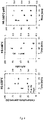
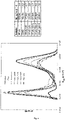
- Figure 4 shows the molar mass distributions of the wheat bran extracts using different conditions. In general a high molar mass fraction can be observed for all the extracts (10 5 -10 6 g/mol), with significant presence of low molar mass impurities (103-104 g/mol) that could be attributed to proteins and oligosaccharides. The average molar masses (M w ) and the dispersity index (D) are also reported. Alkaline extraction offers AX fractions with larger molar mass, of around 4 ⁇ 10 5 g/mol.
- the AX fractions extracted from hydrothermal treatment have slighter lower molar mass than their alkaline counterparts, which can be attributed either to degradation during the high temperature during extraction, or to the fact that larger AX populations cannot be solubilized under those conditions. Higher temperatures and lower pH values seem to slightly reduce the molar mass of the fractions.
- Two wheat bran materials with different granulometry are evaluated to exhibit different carbohydrate content and composition.
- the AX content in the medium grain wheat bran is slightly higher.
- Alkaline extraction with NaOH offers the highest material yields but it reduces significantly the amount of phenolic functionalities.
- Hydrothermal extraction has been evaluated at different temperature and pH conditions. In one embodiment, 160°C and pH7 is found to be optimal conditions for hydrothermal extraction in terms of yield, AX content, and molar mass of the extracts. All extraction procedures exhibit appreciable amounts of low molar mass compounds (probably protein and oligomeric fractions) and glucans (probably mixed-linkage ⁇ -glucan). Further purification steps by membrane filtration and enzymatic treatments can be employed to obtain AX fractions with high purity. Feruloylated AX fractions present in the residues after hydrothermal extraction can be isolated using enzymatic approaches. Feruloylated AXs constitute an extremely valuable fraction with very interesting functionalities that could be used as antioxidant or UV absorbant additives in AX-based materials.
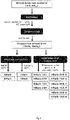
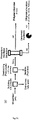
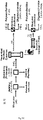
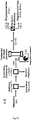
- the objective of this experiment was to design an integrated bioprocess combining pressurized hot water extraction (PHWE), enzymatic treatments, and membrane ultrafiltration to fractionate high molar mass hemicelluloses rich in arabinoxylan with covalently bound ferulic acid (feruloylated arabinoxylan) from low molar mass oligosaccharides.
- PHWE pressurized hot water extraction
- enzymatic treatments enzymatic treatments
- membrane ultrafiltration to fractionate high molar mass hemicelluloses rich in arabinoxylan with covalently bound ferulic acid (feruloylated arabinoxylan) from low molar mass oligosaccharides.
- the wheat bran (wbf) was defatted by chloroform (CHCl 3 ) and methanol (MeOH).
- the total fat content was determined according to Folch method. 1
- the defatted bran was enzymatically destarched with ⁇ -amylase.
- Total starch content was determined using the total starch kit (Megazyme, Ireland) before and after the ⁇ -amylase treatment.
- Defatted and destarched wheat bran (Dwbf) was extracted with 0.5M NaOH or Ca(OH) 2 at 80 °C for 16 h using a ratio of 1:8 (w/v).
- Pressurized hot-water extraction (PHWE) of Dwbf was performed at different temperatures (100, 120, 140 and 160 °C) and pH (5.0, 7.0, and 9.0) using 1M sodium formate/formic acid buffer. The extractions were done in three subsequent cycles of 5 min, resulting in 3 extracts and 1 residue for each tested condition.
- the different extracts after PHWE were solubilized in water at 10 mg mL -1 and submitted to closed dialysis using a 20 kDa MWCO membrane for 48h.
- the collected eluents and retentates were concentrated in a rotavapor and freeze-dried.
- Membrane ultrafiltration was upscaled for the HE-160-7 extracts in a continuous flow (initial concentration 10 mg mL -1 ), using a 30kDa cassette membrane ultrafiltration device.
- the retentate (high molar mass) and the eluent (low molar mass) were collected separately, concentrated and freeze-dried.
- the residue of PHW extraction was treated enzymatically to further valorize the crosslinked insoluble residue after pressurized hot water extraction.
- the residues were incubated with feruloyl esterase 1A alone or in synergy with an endo-1,4- ⁇ -xylanase in water (20 mL) at 37°C for 16h.
- the incubations were centrifuged, and both supernatant and residue were freeze-dried.
- the supernatants generated after the enzymatic incubations were used for the quantification of the reducing sugars (DNS assay) and for oligosaccharide analysis by ESI-MS.
- the residues after enzymatic treatment were further submitted to a new PHW extraction at 160°C pH 7.0 (3.2.2).
- the phenolic acid content and composition was determined by saponification, silylation and GC-MS 4 (see Experiment 1 for the full analytical description).
- Glycosidic linkage analysis was performed by methylation under alkaline conditions (excess of NaOH) in dimethyl sulfoxide (DMSO) using the conditions reported by Ciucanu & Kerek.
- the partially methylated polysaccharides were hydrolyzed with 2 M TFA at 121°C for 3 h and further derivatized into permethylated alditol acetates (PMAAs) by reduction with NaBH 4 and acetylation with acetic anhydride and pyridine.
- the PMAAs were identified and quantified by GC-MS on a SP-2380 capillary column (30 m ⁇ 0.25 mm ID, Agilent Technologies) with a temperature ramp of 1°C min -1 from 160 to 210°C.
- Electrospray ionization mass spectrometry was performed to identify the oligosaccharides from enzymatic incubations. The samples were filtered (3 kDa Amicon, 11500 rpm, 15 minutes) and directly injected into the ESI-MS (Q-Tof-2, Waters) in positive mode with cone voltage 80 V, capillary voltage 3.3 kV, and desolvation temperature 140°C.
- the antioxidant activity of the alkaline and PHWE extracts was evaluated according to the reduction of the DPPH radical in methanolic solution with the presence of an antioxidant donor. 5 Briefly, 1.5 mL sample aliquots at different concentrations (10 - 100 ⁇ g mL -1 ) were mixed with 0.5 mL of 100 ⁇ M L -1 methanolic solution of DPPH . . Wheat endosperm arabinoxylan (WE-AX) was used as a negative control, while ascorbic and ferulic acid were used as positive controls. The reaction mixture was incubated for 30 min in the dark at room temperature and the absorbance was measured in a spectrophotometer at 515 nm.
- the radical scavenging activity was measured as the absorbance decrease of DPPH .
- Scavenging activity 1 ⁇ A sample / A control ⁇ 100 where A sample was the absorbance in the presence of the sample, and A control was the absorbance of the control containing the reaction reagents except the sample or the positives or negative controls. All determinations were performed in triplicate.
- Table 6 presents a summarised version of the composition of the wheat bran with fine granulometry (wbf) and after defatting and destarching (Dwbf).
- the general composition of the starting wheat bran agrees well with the reported values from the literature, with AX being the main polysaccharide component (approximately 24-36% in DW), proteins accounting for approximately 15% and a small amount of ferulic acid (0.2% DW), with significant importance in the crosslinking of the bran structure.
- Defatting and destarching treatment successfully remove the fatty acid and starch components. Table 6.
- Alkaline extraction is the standard procedure for the extraction of hemicelluloses from biomass feedstock.
- high pH conditions during extraction causes the modification of the native structure and the cleavage of the valuable phenolic substitutents (e.g. ferulic acid).
- pressurized hot-water extraction as an alternative method to release the polymeric AX fractions while maintaining the ferulic acid functionalities.
- the alkaline and PHW extracts were subjected to membrane ultrafiltration to isolate the low molar mass permeates from the high molar mass retentates.
- the procedure was capable of clearly separating the oligosaccharides (HE-160-7-L) from the polymeric fractions with molar masses in the range of 10 5 - 10 6 g mol -1 (HE-160-7-H) ( Figure 9 ).
- Table 7 presents the number-average molar mass (Mn) and the weight-average molar mass from the permeates (L) and retentates (H) after membrane ultrafiltration.
- the permeates correspond with oligosaccharide populations with molar masses between 1000 - 2000 g mol -1 .
- the retentates correspond with polysaccharide populations with molar masses in the range of 10 5 - 10 6 g mol -1 .
- Polysaccharides from the alkaline extracts, NaOH (NE) and Ca(OH) 2 (CE) exhibit higher molar mass than the ones extracted by hydrothermal PHW extraction.
- oligosaccharide fractions after membrane filtration was as well studied by glycosidic linkage analysis (Table 9). The presence mainly of mixed-linkage can be observed. Mainly mixed-linkage ⁇ -glucan oligosaccharides (MLBGOs) and arabino-xylo-oligosaccharides (AXOs) are observed as the main components in the fractions. These oligosaccharides become useful as prebiotics in food formulations or as precursors for bio-based additives (e.g. plasticizers) in material applications. Table 9.
- MLBGOs Mainly mixed-linkage ⁇ -glucan oligosaccharides
- AXOs arabino-xylo-oligosaccharides
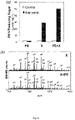
- the oligosaccharides consist of pentoses (arabino-xylo-oligosaccharides, AXOs) and feruloylated pentoses (F-AXOs) with 2-10 sugar units ( Figure 10b ). This constitutes a proof of concept of the enzymatic action onto the crosslinked residue to release valuable functional oligosaccharides for nutritional and material purposes.
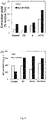
- Figure 11 compares the obtained yields after enzymatic treatment (EZ) and after combined enzymatic treatment with subsequent extraction (EZ+PHWE), together with the arabinoxylan content. This iterative procedure ensures the optimized recovery of arabinoxylan from the residue.
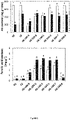
- the antioxidant activity of the different fractions at different concentrations was evaluated by their scavenging activity in the DPPH radical test.
- the alkaline extract (NE-AX) shows very poor scavenging activity, similar to the water-extractable endosperm arabinoxylan (WE-AX) negative control, which can be assigned to the loss of ferulic acid functionalities during the aggressive alkaline conditions.
- Both the polysaccharide (HE-160-7-H) and oligosaccharide (HE-160-7-L) extracts after PHWE and membrane ultrafiltration show similar scavenging activity with respect to the positive controls (ascorbic and ferulic acid).
Landscapes
- Life Sciences & Earth Sciences (AREA)
- Health & Medical Sciences (AREA)
- Chemical & Material Sciences (AREA)
- Engineering & Computer Science (AREA)
- Polymers & Plastics (AREA)
- Food Science & Technology (AREA)
- Nutrition Science (AREA)
- General Health & Medical Sciences (AREA)
- Molecular Biology (AREA)
- Microbiology (AREA)
- Biotechnology (AREA)
- Medicinal Chemistry (AREA)
- Mycology (AREA)
- Organic Chemistry (AREA)
- Chemical Kinetics & Catalysis (AREA)
- Materials Engineering (AREA)
- Biochemistry (AREA)
- Pharmacology & Pharmacy (AREA)
- Epidemiology (AREA)
- Animal Behavior & Ethology (AREA)
- Public Health (AREA)
- Veterinary Medicine (AREA)
- Dispersion Chemistry (AREA)
- Polysaccharides And Polysaccharide Derivatives (AREA)
- Preparation Of Compounds By Using Micro-Organisms (AREA)
Claims (13)
- Procédé de production et d'isolement d'arabinoxylanes (AX) féruloylés d'une culture céréalière, comprenant la soumission de ladite culture céréalière àa) l'extraction d'eau chaude sous pression,b) un traitement enzymatique ultérieur des résidus insolubles par une endo-bêta-xylanase et une féruloyl estérase, etc) une ou plusieurs étapes d'ultrafiltration membranaire ultérieure pour purifier davantage les extraits.
- Procédé selon la revendication 1, dans lequel l'extraction d'eau chaude sous pression à l'étape a) est réalisée à une température comprise entre 140 et 160 °C et à un pH compris entre pH 5 et 9.
- Procédé selon l'une quelconque des revendications 1-2, dans lequel l'extraction d'eau chaude sous pression à l'étape a) est réalisée à 160 °C à un pH 7.
- Procédé selon l'une quelconque des revendications 1-3, dans lequel le traitement enzymatique des résidus insolubles à l'étape b) comprend la soumission des résidus insolubles à une ou plusieurs étapes de traitement par une ou plusieurs enzymes présentant une activité polysaccharidique.
- Procédé selon l'une quelconque des revendications 1-4, dans lequel les résidus insolubles sont soumis à au moins une étape a) supplémentaire d'extraction d'eau chaude sous pression après le traitement enzymatique à l'étape b).
- Procédé selon la revendication 5, dans lequel les résidus insolubles sont soumis en outre après l'au moins une étape a) supplémentaire d'extraction d'eau chaude sous pression à au moins une étape b) supplémentaire de traitement enzymatique.
- Procédé selon l'une quelconque des revendications précédentes, comprenant en outre la soumission de ladite culture céréalière à un ou plusieurs prétraitements enzymatiques avant une extraction d'eau chaude sous pression à l'étape a).
- Procédé selon l'une quelconque des revendications précédentes, dans lequel différentes fractions polysaccharidiques sont isolées les unes des autres de sorte que les arabinoxylanes (AX) isolés sont fractionnés sélectivement en fonction de leur structure moléculaire et leurs fonctionnalités inhérentes.
- Procédé selon l'une quelconque des revendications précédentes, dans lequel les arabinoxylanes (AX) à masse molaire élevée sont isolés.
- Procédé selon l'une quelconque des revendications précédentes, dans lequel la culture céréalière est choisie parmi le groupe consistant en son de blé, grain de blé, farine de blé, paille de blé, grain d'orge, grain de drêche de brasserie, farine d'orge, paille d'orge, grain de seigle, farine de seigle, son de seigle, paille de seigle, grain d'avoine, riz, maïs, son de maïs, son de riz, paille de maïs, feuilles de maïs, canne de maïs et son d'avoine.
- Arabinoxylanes (AX) féruloylés produits par un procédé selon l'une quelconque des revendications précédentes et qui présentent une teneur en acide férulique de 4 mg g-1 (4 mg/g).
- Utilisation d'arabinoxylanes (AX) féruloylés selon la revendication 11 pour la préparation d'un matériau à base de glucides présentant des propriétés fonctionnelles, choisi parmi le groupe consistant en films, hydrogels, emballage alimentaire actif, prébiotiques, composés bioactifs et agents de texture.
- Matériaux à base de glucides présentant des propriétés fonctionnelles, choisis parmi le groupe consistant en films, hydrogels, emballage alimentaire actif, prébiotiques, composés bioactifs et agents de texture comprenant des arabinoxylanes (AX) féruloylés selon la revendication 11.
Applications Claiming Priority (3)
| Application Number | Priority Date | Filing Date | Title |
|---|---|---|---|
| SE1550805 | 2015-06-12 | ||
| SE1550840A SE541673C2 (en) | 2015-06-17 | 2015-06-17 | Enzymatic-Assisted Hydrothermal Extraction of Hemicelluloses |
| PCT/EP2016/063372 WO2016198651A2 (fr) | 2015-06-12 | 2016-06-10 | Extraction d'hémicelluloses hydrothermique assistée par des enzymes |
Publications (2)
| Publication Number | Publication Date |
|---|---|
| EP3307788A2 EP3307788A2 (fr) | 2018-04-18 |
| EP3307788B1 true EP3307788B1 (fr) | 2022-08-17 |
Family
ID=56119493
Family Applications (1)
| Application Number | Title | Priority Date | Filing Date |
|---|---|---|---|
| EP16728679.8A Active EP3307788B1 (fr) | 2015-06-12 | 2016-06-10 | Extraction d'hémicelluloses hydrothermique assistée par des enzymes |
Country Status (7)
| Country | Link |
|---|---|
| US (1) | US11130825B2 (fr) |
| EP (1) | EP3307788B1 (fr) |
| AU (1) | AU2016275704B2 (fr) |
| CA (1) | CA2988828C (fr) |
| DK (1) | DK3307788T3 (fr) |
| ES (1) | ES2926954T3 (fr) |
| WO (1) | WO2016198651A2 (fr) |
Families Citing this family (2)
| Publication number | Priority date | Publication date | Assignee | Title |
|---|---|---|---|---|
| EP3284348A1 (fr) * | 2016-08-16 | 2018-02-21 | Anheuser-Busch InBev S.A. | Procédé de préparation d'une boisson ou composant de boisson, boisson ou composant de boisson préparé(e) par un tel procédé et utilisation de la drêche de brasserie destinée à la préparation d'une telle boisson ou composant de boisson |
| DK3700941T3 (da) | 2017-10-27 | 2023-04-24 | Lantmaennen Ek Foer | Fremgangsmåde til fremstilling af modificeret hemicellulose |
Family Cites Families (14)
| Publication number | Priority date | Publication date | Assignee | Title |
|---|---|---|---|---|
| JP3079115B2 (ja) | 1990-10-30 | 2000-08-21 | 日清製粉株式会社 | 水溶性アラビノキシランの調製法 |
| GB9718518D0 (en) | 1997-09-01 | 1997-11-05 | Dalgety Plc | Fractionation of Hemicellulosic Materials |
| WO2001067891A1 (fr) | 2000-03-14 | 2001-09-20 | Jaekwan Hwang | Matieres biologiquement actives extraites de cereales et leur procede de preparation |
| US7709033B2 (en) | 2001-02-26 | 2010-05-04 | Biovelop International B.V. | Process for the fractionation of cereal brans |
| GB0612976D0 (en) | 2006-06-30 | 2006-08-09 | Leuven K U Res & Dev | Method for making arabinoxylo-oligosaccharides as a co-product of fermentation of whole grain cereals |
| WO2008017145A1 (fr) | 2006-08-07 | 2008-02-14 | Emicellex Energy Corporation | Procédé pour la récupération d'holocellulose et de lignine presque naturelle à partir d'une biomasse |
| WO2012004894A1 (fr) | 2010-07-09 | 2012-01-12 | 三菱重工業株式会社 | Système de décomposition hydrothermique de biomasse et méthode de production de solution de sucre à l'aide d'une charge d'alimentation constituée de biomasse |
| WO2012004895A1 (fr) | 2010-07-09 | 2012-01-12 | 三菱重工業株式会社 | Système de traitement de biomasse et méthode de production de solution de sucre à l'aide d'une charge d'alimentation constituée de biomasse |
| ES2687688T3 (es) | 2012-08-01 | 2018-10-26 | Inbicon A/S | Métodos de procesamiento de la biomasa lignocelulósica mediante autohidrólisis en una sola etapa e hidrólisis enzimática con derivación c5 e hidrolisis posterior |
| GB2506125A (en) | 2012-09-20 | 2014-03-26 | Cargill Inc | Method for extraction and isolation of arabinoxylan products from debranned cereal |
| CN105189564A (zh) | 2013-03-12 | 2015-12-23 | 泰特&莱尔组分美国公司 | 来自于玉米纤维的食品级阿拉伯木聚糖产物 |
| WO2015014361A2 (fr) | 2013-07-31 | 2015-02-05 | Schaeffler Technologies Gmbh & Co. Kg | Véhicule équipé d'une poulie à courroie et d'une climatisation à l'arrêt |
| EA201690317A1 (ru) | 2013-08-01 | 2016-06-30 | Инбикон А/С | Способы переработки лигноцеллюлозной биомассы с применением одностадийной предварительной обработки посредством аутогидролиза и ферментативного гидролиза |
| SE541673C2 (en) | 2015-06-17 | 2019-11-26 | Lantmaennen Ek Foer | Enzymatic-Assisted Hydrothermal Extraction of Hemicelluloses |
-
2016
- 2016-06-10 DK DK16728679.8T patent/DK3307788T3/da active
- 2016-06-10 ES ES16728679T patent/ES2926954T3/es active Active
- 2016-06-10 EP EP16728679.8A patent/EP3307788B1/fr active Active
- 2016-06-10 AU AU2016275704A patent/AU2016275704B2/en active Active
- 2016-06-10 CA CA2988828A patent/CA2988828C/fr active Active
- 2016-06-10 WO PCT/EP2016/063372 patent/WO2016198651A2/fr not_active Ceased
- 2016-06-10 US US15/735,694 patent/US11130825B2/en active Active
Also Published As
| Publication number | Publication date |
|---|---|
| WO2016198651A3 (fr) | 2017-01-12 |
| CA2988828C (fr) | 2022-04-26 |
| US20200040110A1 (en) | 2020-02-06 |
| DK3307788T3 (da) | 2022-11-14 |
| AU2016275704B2 (en) | 2019-05-16 |
| WO2016198651A2 (fr) | 2016-12-15 |
| CA2988828A1 (fr) | 2016-12-15 |
| AU2016275704A1 (en) | 2018-01-04 |
| US11130825B2 (en) | 2021-09-28 |
| EP3307788A2 (fr) | 2018-04-18 |
| ES2926954T3 (es) | 2022-10-31 |
Similar Documents
| Publication | Publication Date | Title |
|---|---|---|
| Ruthes et al. | Sequential fractionation of feruloylated hemicelluloses and oligosaccharides from wheat bran using subcritical water and xylanolytic enzymes | |
| Shang et al. | Extraction, purification, structural characterization, and antioxidant activity of polysaccharides from Wheat Bran | |
| Maes et al. | Structural characterisation of water-extractable and water-unextractable arabinoxylans in wheat bran | |
| Rudjito et al. | Feruloylated arabinoxylans from wheat bran: optimization of extraction process and validation at pilot scale | |
| Chiang et al. | Effect of enzyme-assisted extraction on the physicochemical properties of mucilage from the fronds of Asplenium australasicum (J. Sm.) Hook | |
| Zhu et al. | Modification of foxtail millet (Setaria italica) bran dietary fiber by xylanase-catalyzed hydrolysis improves its cholesterol-binding capacity | |
| Ebringerová et al. | Hemicellulose | |
| Ruthes et al. | Comparative recalcitrance and extractability of cell wall polysaccharides from cereal (wheat, rye, and barley) brans using subcritical water | |
| Aguedo et al. | Extraction by three processes of arabinoxylans from wheat bran and characterization of the fractions obtained | |
| Fedeniuk et al. | Composition and physicochemical properties of linseed (Linum usitatissimum L.) mucilage | |
| Sárossy et al. | Extraction and chemical characterization of rye arabinoxylan and the effect of β-glucan on the mechanical and barrier properties of cast arabinoxylan films | |
| Ren et al. | Synthesis and characterization of novel cationic SCB hemicelluloses with a low degree of substitution | |
| Roubroeks et al. | Structural features of (1→ 3),(1→ 4)-β-D-glucan and arabinoxylan fractions isolated from rye bran | |
| Li et al. | The structural and functional characteristics of soluble dietary fibers modified from tomato pomace with increased content of lycopene | |
| Yun et al. | Structural variation and microrheological properties of a homogeneous polysaccharide from wheat germ | |
| Rudjito et al. | Tuning the molar mass and substitution pattern of complex xylans from corn fibre using subcritical water extraction | |
| Ramasamy et al. | Structural and water-holding characteristics of untreated and ensiled chicory root pulp | |
| Kang et al. | Molecular and conformational properties of hemicellulose fiber gum from dried distillers grains with solubles | |
| Yiasmin et al. | Purification, isolation, and structure characterization of water soluble and insoluble polysaccharides from Maitake fruiting body | |
| Cyran et al. | Evidence of intermolecular associations of β-glucan and high-molar mass xylan in a hot water extract of raw oat groat | |
| Apirattananusorn et al. | Chemical, molecular, and structural characterization of alkali extractable nonstarch polysaccharides from Job’s tears | |
| Marquez‐Escalante et al. | Fine structural features and antioxidant capacity of ferulated arabinoxylans extracted from nixtamalized maize bran | |
| Farhat | Investigation of hemicellulose biomaterial approaches: the extraction and modification of hemicellulose and its use in value-added applications | |
| US11130825B2 (en) | Enzymatic-assisted hydrothermal extraction of hemicelluloses | |
| Mense et al. | Dissolution of wheat bran by NaOH/urea solutions and structure of soluble materials |
Legal Events
| Date | Code | Title | Description |
|---|---|---|---|
| STAA | Information on the status of an ep patent application or granted ep patent |
Free format text: STATUS: THE INTERNATIONAL PUBLICATION HAS BEEN MADE |
|
| PUAI | Public reference made under article 153(3) epc to a published international application that has entered the european phase |
Free format text: ORIGINAL CODE: 0009012 |
|
| STAA | Information on the status of an ep patent application or granted ep patent |
Free format text: STATUS: REQUEST FOR EXAMINATION WAS MADE |
|
| 17P | Request for examination filed |
Effective date: 20180108 |
|
| AK | Designated contracting states |
Kind code of ref document: A2 Designated state(s): AL AT BE BG CH CY CZ DE DK EE ES FI FR GB GR HR HU IE IS IT LI LT LU LV MC MK MT NL NO PL PT RO RS SE SI SK SM TR |
|
| AX | Request for extension of the european patent |
Extension state: BA ME |
|
| DAV | Request for validation of the european patent (deleted) | ||
| DAX | Request for extension of the european patent (deleted) | ||
| STAA | Information on the status of an ep patent application or granted ep patent |
Free format text: STATUS: EXAMINATION IS IN PROGRESS |
|
| 17Q | First examination report despatched |
Effective date: 20210201 |
|
| GRAP | Despatch of communication of intention to grant a patent |
Free format text: ORIGINAL CODE: EPIDOSNIGR1 |
|
| STAA | Information on the status of an ep patent application or granted ep patent |
Free format text: STATUS: GRANT OF PATENT IS INTENDED |
|
| INTG | Intention to grant announced |
Effective date: 20220323 |
|
| GRAS | Grant fee paid |
Free format text: ORIGINAL CODE: EPIDOSNIGR3 |
|
| GRAA | (expected) grant |
Free format text: ORIGINAL CODE: 0009210 |
|
| STAA | Information on the status of an ep patent application or granted ep patent |
Free format text: STATUS: THE PATENT HAS BEEN GRANTED |
|
| AK | Designated contracting states |
Kind code of ref document: B1 Designated state(s): AL AT BE BG CH CY CZ DE DK EE ES FI FR GB GR HR HU IE IS IT LI LT LU LV MC MK MT NL NO PL PT RO RS SE SI SK SM TR |
|
| REG | Reference to a national code |
Ref country code: CH Ref legal event code: EP |
|
| REG | Reference to a national code |
Ref country code: DE Ref legal event code: R096 Ref document number: 602016074331 Country of ref document: DE |
|
| REG | Reference to a national code |
Ref country code: IE Ref legal event code: FG4D |
|
| REG | Reference to a national code |
Ref country code: AT Ref legal event code: REF Ref document number: 1512121 Country of ref document: AT Kind code of ref document: T Effective date: 20220915 |
|
| REG | Reference to a national code |
Ref country code: FI Ref legal event code: FGE |
|
| REG | Reference to a national code |
Ref country code: NO Ref legal event code: T2 Effective date: 20220817 |
|
| REG | Reference to a national code |
Ref country code: GR Ref legal event code: EP Ref document number: 20220401826 Country of ref document: GR Effective date: 20221010 |
|
| REG | Reference to a national code |
Ref country code: ES Ref legal event code: FG2A Ref document number: 2926954 Country of ref document: ES Kind code of ref document: T3 Effective date: 20221031 |
|
| REG | Reference to a national code |
Ref country code: DK Ref legal event code: T3 Effective date: 20221108 |
|
| REG | Reference to a national code |
Ref country code: SE Ref legal event code: TRGR |
|
| REG | Reference to a national code |
Ref country code: NL Ref legal event code: MP Effective date: 20220817 |
|
| REG | Reference to a national code |
Ref country code: LT Ref legal event code: MG9D |
|
| PG25 | Lapsed in a contracting state [announced via postgrant information from national office to epo] |
Ref country code: RS Free format text: LAPSE BECAUSE OF FAILURE TO SUBMIT A TRANSLATION OF THE DESCRIPTION OR TO PAY THE FEE WITHIN THE PRESCRIBED TIME-LIMIT Effective date: 20220817 Ref country code: PT Free format text: LAPSE BECAUSE OF FAILURE TO SUBMIT A TRANSLATION OF THE DESCRIPTION OR TO PAY THE FEE WITHIN THE PRESCRIBED TIME-LIMIT Effective date: 20221219 Ref country code: NL Free format text: LAPSE BECAUSE OF FAILURE TO SUBMIT A TRANSLATION OF THE DESCRIPTION OR TO PAY THE FEE WITHIN THE PRESCRIBED TIME-LIMIT Effective date: 20220817 Ref country code: LV Free format text: LAPSE BECAUSE OF FAILURE TO SUBMIT A TRANSLATION OF THE DESCRIPTION OR TO PAY THE FEE WITHIN THE PRESCRIBED TIME-LIMIT Effective date: 20220817 Ref country code: LT Free format text: LAPSE BECAUSE OF FAILURE TO SUBMIT A TRANSLATION OF THE DESCRIPTION OR TO PAY THE FEE WITHIN THE PRESCRIBED TIME-LIMIT Effective date: 20220817 |
|
| REG | Reference to a national code |
Ref country code: AT Ref legal event code: MK05 Ref document number: 1512121 Country of ref document: AT Kind code of ref document: T Effective date: 20220817 |
|
| PG25 | Lapsed in a contracting state [announced via postgrant information from national office to epo] |
Ref country code: PL Free format text: LAPSE BECAUSE OF FAILURE TO SUBMIT A TRANSLATION OF THE DESCRIPTION OR TO PAY THE FEE WITHIN THE PRESCRIBED TIME-LIMIT Effective date: 20220817 Ref country code: IS Free format text: LAPSE BECAUSE OF FAILURE TO SUBMIT A TRANSLATION OF THE DESCRIPTION OR TO PAY THE FEE WITHIN THE PRESCRIBED TIME-LIMIT Effective date: 20221217 Ref country code: HR Free format text: LAPSE BECAUSE OF FAILURE TO SUBMIT A TRANSLATION OF THE DESCRIPTION OR TO PAY THE FEE WITHIN THE PRESCRIBED TIME-LIMIT Effective date: 20220817 |
|
| PG25 | Lapsed in a contracting state [announced via postgrant information from national office to epo] |
Ref country code: SM Free format text: LAPSE BECAUSE OF FAILURE TO SUBMIT A TRANSLATION OF THE DESCRIPTION OR TO PAY THE FEE WITHIN THE PRESCRIBED TIME-LIMIT Effective date: 20220817 Ref country code: RO Free format text: LAPSE BECAUSE OF FAILURE TO SUBMIT A TRANSLATION OF THE DESCRIPTION OR TO PAY THE FEE WITHIN THE PRESCRIBED TIME-LIMIT Effective date: 20220817 Ref country code: CZ Free format text: LAPSE BECAUSE OF FAILURE TO SUBMIT A TRANSLATION OF THE DESCRIPTION OR TO PAY THE FEE WITHIN THE PRESCRIBED TIME-LIMIT Effective date: 20220817 Ref country code: AT Free format text: LAPSE BECAUSE OF FAILURE TO SUBMIT A TRANSLATION OF THE DESCRIPTION OR TO PAY THE FEE WITHIN THE PRESCRIBED TIME-LIMIT Effective date: 20220817 |
|
| REG | Reference to a national code |
Ref country code: DE Ref legal event code: R097 Ref document number: 602016074331 Country of ref document: DE |
|
| PG25 | Lapsed in a contracting state [announced via postgrant information from national office to epo] |
Ref country code: SK Free format text: LAPSE BECAUSE OF FAILURE TO SUBMIT A TRANSLATION OF THE DESCRIPTION OR TO PAY THE FEE WITHIN THE PRESCRIBED TIME-LIMIT Effective date: 20220817 Ref country code: EE Free format text: LAPSE BECAUSE OF FAILURE TO SUBMIT A TRANSLATION OF THE DESCRIPTION OR TO PAY THE FEE WITHIN THE PRESCRIBED TIME-LIMIT Effective date: 20220817 |
|
| PLBE | No opposition filed within time limit |
Free format text: ORIGINAL CODE: 0009261 |
|
| STAA | Information on the status of an ep patent application or granted ep patent |
Free format text: STATUS: NO OPPOSITION FILED WITHIN TIME LIMIT |
|
| PG25 | Lapsed in a contracting state [announced via postgrant information from national office to epo] |
Ref country code: AL Free format text: LAPSE BECAUSE OF FAILURE TO SUBMIT A TRANSLATION OF THE DESCRIPTION OR TO PAY THE FEE WITHIN THE PRESCRIBED TIME-LIMIT Effective date: 20220817 |
|
| 26N | No opposition filed |
Effective date: 20230519 |
|
| PG25 | Lapsed in a contracting state [announced via postgrant information from national office to epo] |
Ref country code: SI Free format text: LAPSE BECAUSE OF FAILURE TO SUBMIT A TRANSLATION OF THE DESCRIPTION OR TO PAY THE FEE WITHIN THE PRESCRIBED TIME-LIMIT Effective date: 20220817 |
|
| PG25 | Lapsed in a contracting state [announced via postgrant information from national office to epo] |
Ref country code: MC Free format text: LAPSE BECAUSE OF FAILURE TO SUBMIT A TRANSLATION OF THE DESCRIPTION OR TO PAY THE FEE WITHIN THE PRESCRIBED TIME-LIMIT Effective date: 20220817 |
|
| PG25 | Lapsed in a contracting state [announced via postgrant information from national office to epo] |
Ref country code: MC Free format text: LAPSE BECAUSE OF FAILURE TO SUBMIT A TRANSLATION OF THE DESCRIPTION OR TO PAY THE FEE WITHIN THE PRESCRIBED TIME-LIMIT Effective date: 20220817 |
|
| REG | Reference to a national code |
Ref country code: BE Ref legal event code: MM Effective date: 20230630 |
|
| PG25 | Lapsed in a contracting state [announced via postgrant information from national office to epo] |
Ref country code: LU Free format text: LAPSE BECAUSE OF NON-PAYMENT OF DUE FEES Effective date: 20230610 |
|
| REG | Reference to a national code |
Ref country code: IE Ref legal event code: MM4A |
|
| PG25 | Lapsed in a contracting state [announced via postgrant information from national office to epo] |
Ref country code: LU Free format text: LAPSE BECAUSE OF NON-PAYMENT OF DUE FEES Effective date: 20230610 |
|
| PG25 | Lapsed in a contracting state [announced via postgrant information from national office to epo] |
Ref country code: IE Free format text: LAPSE BECAUSE OF NON-PAYMENT OF DUE FEES Effective date: 20230610 |
|
| PG25 | Lapsed in a contracting state [announced via postgrant information from national office to epo] |
Ref country code: IE Free format text: LAPSE BECAUSE OF NON-PAYMENT OF DUE FEES Effective date: 20230610 |
|
| PG25 | Lapsed in a contracting state [announced via postgrant information from national office to epo] |
Ref country code: BE Free format text: LAPSE BECAUSE OF NON-PAYMENT OF DUE FEES Effective date: 20230630 |
|
| PG25 | Lapsed in a contracting state [announced via postgrant information from national office to epo] |
Ref country code: BG Free format text: LAPSE BECAUSE OF FAILURE TO SUBMIT A TRANSLATION OF THE DESCRIPTION OR TO PAY THE FEE WITHIN THE PRESCRIBED TIME-LIMIT Effective date: 20220817 |
|
| PG25 | Lapsed in a contracting state [announced via postgrant information from national office to epo] |
Ref country code: BG Free format text: LAPSE BECAUSE OF FAILURE TO SUBMIT A TRANSLATION OF THE DESCRIPTION OR TO PAY THE FEE WITHIN THE PRESCRIBED TIME-LIMIT Effective date: 20220817 |
|
| PG25 | Lapsed in a contracting state [announced via postgrant information from national office to epo] |
Ref country code: CY Free format text: LAPSE BECAUSE OF FAILURE TO SUBMIT A TRANSLATION OF THE DESCRIPTION OR TO PAY THE FEE WITHIN THE PRESCRIBED TIME-LIMIT; INVALID AB INITIO Effective date: 20160610 |
|
| PGFP | Annual fee paid to national office [announced via postgrant information from national office to epo] |
Ref country code: SE Payment date: 20250627 Year of fee payment: 10 |
|
| PG25 | Lapsed in a contracting state [announced via postgrant information from national office to epo] |
Ref country code: HU Free format text: LAPSE BECAUSE OF FAILURE TO SUBMIT A TRANSLATION OF THE DESCRIPTION OR TO PAY THE FEE WITHIN THE PRESCRIBED TIME-LIMIT; INVALID AB INITIO Effective date: 20160610 |
|
| PGFP | Annual fee paid to national office [announced via postgrant information from national office to epo] |
Ref country code: ES Payment date: 20250701 Year of fee payment: 10 |
|
| PGFP | Annual fee paid to national office [announced via postgrant information from national office to epo] |
Ref country code: CH Payment date: 20250701 Year of fee payment: 10 |
|
| REG | Reference to a national code |
Ref country code: CH Ref legal event code: U11 Free format text: ST27 STATUS EVENT CODE: U-0-0-U10-U11 (AS PROVIDED BY THE NATIONAL OFFICE) Effective date: 20260701 |
|
| PGFP | Annual fee paid to national office [announced via postgrant information from national office to epo] |
Ref country code: GB Payment date: 20260629 Year of fee payment: 11 Ref country code: DK Payment date: 20260625 Year of fee payment: 11 |
|
| PGFP | Annual fee paid to national office [announced via postgrant information from national office to epo] |
Ref country code: IT Payment date: 20260622 Year of fee payment: 11 Ref country code: GR Payment date: 20260629 Year of fee payment: 11 |
|
| PGFP | Annual fee paid to national office [announced via postgrant information from national office to epo] |
Ref country code: DE Payment date: 20260629 Year of fee payment: 11 |
|
| PGFP | Annual fee paid to national office [announced via postgrant information from national office to epo] |
Ref country code: NO Payment date: 20260629 Year of fee payment: 11 |
|
| PGFP | Annual fee paid to national office [announced via postgrant information from national office to epo] |
Ref country code: FI Payment date: 20260625 Year of fee payment: 11 |
|
| PGFP | Annual fee paid to national office [announced via postgrant information from national office to epo] |
Ref country code: TR Payment date: 20260525 Year of fee payment: 11 |
|
| PGFP | Annual fee paid to national office [announced via postgrant information from national office to epo] |
Ref country code: FR Payment date: 20260625 Year of fee payment: 11 |