EP3310108B1 - Verfahren und vorrichtung zum ändern des assoziationsverhältnisses zwischen mcptt-benutzer und mcptt-gruppe - Google Patents
Verfahren und vorrichtung zum ändern des assoziationsverhältnisses zwischen mcptt-benutzer und mcptt-gruppe Download PDFInfo
- Publication number
- EP3310108B1 EP3310108B1 EP15900668.3A EP15900668A EP3310108B1 EP 3310108 B1 EP3310108 B1 EP 3310108B1 EP 15900668 A EP15900668 A EP 15900668A EP 3310108 B1 EP3310108 B1 EP 3310108B1
- Authority
- EP
- European Patent Office
- Prior art keywords
- mcptt
- group
- user
- association relationship
- association
- Prior art date
- Legal status (The legal status is an assumption and is not a legal conclusion. Google has not performed a legal analysis and makes no representation as to the accuracy of the status listed.)
- Active
Links
Images






Classifications
-
- H—ELECTRICITY
- H04—ELECTRIC COMMUNICATION TECHNIQUE
- H04W—WIRELESS COMMUNICATION NETWORKS
- H04W76/00—Connection management
- H04W76/40—Connection management for selective distribution or broadcast
- H04W76/45—Connection management for selective distribution or broadcast for Push-to-Talk [PTT] or Push-to-Talk over cellular [PoC] services
-
- H—ELECTRICITY
- H04—ELECTRIC COMMUNICATION TECHNIQUE
- H04W—WIRELESS COMMUNICATION NETWORKS
- H04W72/00—Local resource management
- H04W72/04—Wireless resource allocation
-
- H—ELECTRICITY
- H04—ELECTRIC COMMUNICATION TECHNIQUE
- H04W—WIRELESS COMMUNICATION NETWORKS
- H04W4/00—Services specially adapted for wireless communication networks; Facilities therefor
- H04W4/06—Selective distribution of broadcast services, e.g. multimedia broadcast multicast service [MBMS]; Services to user groups; One-way selective calling services
- H04W4/08—User group management
-
- H—ELECTRICITY
- H04—ELECTRIC COMMUNICATION TECHNIQUE
- H04W—WIRELESS COMMUNICATION NETWORKS
- H04W4/00—Services specially adapted for wireless communication networks; Facilities therefor
- H04W4/06—Selective distribution of broadcast services, e.g. multimedia broadcast multicast service [MBMS]; Services to user groups; One-way selective calling services
- H04W4/10—Push-to-Talk [PTT] or Push-On-Call services
-
- H—ELECTRICITY
- H04—ELECTRIC COMMUNICATION TECHNIQUE
- H04W—WIRELESS COMMUNICATION NETWORKS
- H04W4/00—Services specially adapted for wireless communication networks; Facilities therefor
- H04W4/90—Services for handling of emergency or hazardous situations, e.g. earthquake and tsunami warning systems [ETWS]
-
- H—ELECTRICITY
- H04—ELECTRIC COMMUNICATION TECHNIQUE
- H04W—WIRELESS COMMUNICATION NETWORKS
- H04W8/00—Network data management
- H04W8/18—Processing of user or subscriber data, e.g. subscribed services, user preferences or user profiles; Transfer of user or subscriber data
- H04W8/186—Processing of subscriber group data
-
- H—ELECTRICITY
- H04—ELECTRIC COMMUNICATION TECHNIQUE
- H04W—WIRELESS COMMUNICATION NETWORKS
- H04W8/00—Network data management
- H04W8/18—Processing of user or subscriber data, e.g. subscribed services, user preferences or user profiles; Transfer of user or subscriber data
- H04W8/20—Transfer of user or subscriber data
-
- H—ELECTRICITY
- H04—ELECTRIC COMMUNICATION TECHNIQUE
- H04L—TRANSMISSION OF DIGITAL INFORMATION, e.g. TELEGRAPHIC COMMUNICATION
- H04L67/00—Network arrangements or protocols for supporting network services or applications
- H04L67/2866—Architectures; Arrangements
- H04L67/30—Profiles
- H04L67/306—User profiles
-
- H—ELECTRICITY
- H04—ELECTRIC COMMUNICATION TECHNIQUE
- H04W—WIRELESS COMMUNICATION NETWORKS
- H04W76/00—Connection management
- H04W76/50—Connection management for emergency connections
Definitions
- Embodiments of the present invention relate to communications technologies, and in particular, to a method, an apparatus, and a system for changing an association relationship between an MCPTT user and an MCPTT group.
- MCPTT Mission Critical Push To Talk
- an MCPTT user when an MCPTT user needs to establish an association relationship with an MCPTT group, user equipment (UE, User Equipment) (the MCPTT user is a user using the UE) sends a group association request message to an MCPTT server, to request to establish an association relationship with the MCPTT group.
- an MCPTT user may require one MCPTT user (or multiple MCPTT users) to join group communication in an MCPTT group, or may terminate group communication of one MCPTT user (or multiple MCPTT users) in an MCPTT group.
- some particular MCPTT users for example, authorized advanced MCPTT users such as a dispatcher and an administrator
- an MCPTT user cannot change an association relationship between another MCPTT user and a group.
- 3GPP STANDARD 3GPP TS 23.179 v0.2.0 refers to a group creation method. And the method includes the grouping management client of the
- the administrator/dispatcher/authorized MCPTT user/UE requests group create operation to the group management server.
- the identities of the users being combined should be included in this message.
- the group management server creates and stores the information of the group including the group identity, the identities of the users being combined, the priority level of the group and the security level of the group.
- the group management server may conditionally notify the MCPTT server regarding the group creation with the information of the group members. Then the MCPTT group members of the group are notified.
- WO2015/102445A1 refers to a method for relaying a proximity service-based group communication by user equipment (UE) which can operate as a repeater.
- the method comprises the steps of: confirming whether downlink media of a plurality of group communications is transmitted from a network node according to a multimedia broadcast/multicast service (MBMS) technique; determining whether all of the downlink media of the plurality of group communications can be received according to the MBMS technique; determining a specific group communication of which the downlink media is to be received according to the MBMS technique, based on priority among the group communications and the number of relayed UEs, when all of the downlink media of the plurality of group communications cannot be received according to the MBMS technique; and receiving, according to the MBMS technique, the downlink media of the specific group communication which has been determined and relaying same.
- MBMS multimedia broadcast/multicast service
- Embodiments of the present invention provide a method and an apparatus, as per the appended claims, for changing an association relationship between an MCPTT user and an MCPTT group, so as to resolve a problem in the prior art that an MCPTT user cannot change an association relationship between another MCPTT user and a group.
- an embodiment of the present invention provides a method for changing an association relationship between a mission critical push to talk MCPTT user and an MCPTT group, including:
- an embodiment of the present invention provides an apparatus for changing an association relationship between a mission critical push to talk MCPTT user and an MCPTT group, where the apparatus is a first network element device, and the apparatus includes:
- a first network element device receives an association change request sent by first UE, where the association change request includes request information, the request information is used to indicate that a first MCPTT user requests to change an association relationship between a second MCPTT user and a first MCPTT group, and the first MCPTT user is a user using the first UE; and the first network element device sets the association relationship between the second MCPTT user and the first MCPTT group according to the association change request. Therefore, the first MCPTT user can change an association relationship between the first MCPTT user and the first MCPTT group, thereby implementing that an MCPTT user changes an association relationship between another MCPTT user and a group.
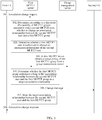
- FIG. 1 is a flowchart of Embodiment 1 of a method for changing an association relationship between an MCPTT user and an MCPTT group according to the present invention. As shown in FIG. 1 , the method in this embodiment may include the following steps.
- a first network element device receives an association change request sent by first UE, where the association change request includes request information, and the request information is used to indicate that a first MCPTT user requests to change an association relationship between a second MCPTT user and a first MCPTT group.
- the first MCPTT user is a user using the first UE.
- the first network element device is a group management server of the first MCPTT group, or the first network element device is a first MCPTT server.
- the first MCPTT server is an MCPTT server in an MCPTT system that defines the first MCPTT group.
- the UE in the present invention may be any device that can be operated by a person, such as a mobile phone, a computer, a tablet computer, or a background controller.
- Step 102 The first network element device sets the association relationship between the second MCPTT user and the first MCPTT group according to the association change request.
- a first network element device receives an association change request sent by first UE, where the association change request includes request information, the request information is used to indicate that a first MCPTT user requests to change an association relationship between a second MCPTT user and a first MCPTT group, and the first MCPTT user is a user using the first UE; and the first network element device sets the association relationship between the second MCPTT user and the first MCPTT group according to the association change request. Therefore, the first MCPTT user can change an association relationship between the first MCPTT user and the first MCPTT group, thereby implementing that an MCPTT user changes an association relationship between another MCPTT user and a group.
- FIG. 2 is a flowchart of Embodiment 2 of a method for changing an association relationship between an MCPTT user and an MCPTT group according to the present invention. As shown in FIG. 2 , the method in this embodiment may include the following steps.
- Step 201 First UE sends an association change request to a first network element device, where the association change request includes request information, the request information is used to indicate that a first MCPTT user requests to change an association relationship between a second MCPTT user and a first MCPTT group, so that the first network element device sets the association relationship between the second MCPTT user and the first MCPTT group according to the association change request.
- the first MCPTT user is a user using the first UE.
- the first network element device is a group management server of the first MCPTT group, or the first network element device is a first MCPTT server.
- the first MCPTT server is an MCPTT server in an MCPTT system that defines the first MCPTT group.
- the MCPTT server in the present invention is a network element device used for implementing a group session and user registration; and the group management server (GMS, Group Management Server) is a network element device used for managing a group policy and maintaining group information.
- GMS Group Management Server
- Step 202 The first UE receives an association change response sent by the first network element device.
- first UE sends an association change request to a first network element device, where the association change request includes request information
- the request information is used to indicate that a first MCPTT user requests to change an association relationship between a second MCPTT user and a first MCPTT group, so that the first network element device sets the association relationship between the second MCPTT user and the first MCPTT group according to the association change request. Therefore, the first MCPTT user can change the association relationship between the second MCPTT user and the first MCPTT group, thereby implementing that an MCPTT user changes an association relationship between another MCPTT user and a group.
- FIG. 3 is a flowchart of Embodiment 3 of a method for changing an association relationship between an MCPTT user and an MCPTT group according to the present invention.
- An application scenario of this embodiment may be as follows: An MCPTT system that defines a user configuration file of a first MCPTT user, an MCPTT system that defines a user configuration file of a second MCPTT user, and an MCPTT system that defines a first MCPTT group are the same.
- the method in this embodiment may include the following steps.
- Step 301 First UE sends an association change request to a first MCPTT server, where the association change request includes request information, and the request information is used to indicate that a first MCPTT user requests to change an association relationship between a second MCPTT user and a first MCPTT group.
- the first MCPTT user is a user using the first UE.
- the first MCPTT server is an MCPTT server in an MCPTT system that defines the first MCPTT group.
- the association change request further includes an association relationship indication, where the association relationship indication is used to indicate that the second MCPTT user is requested to be associated with or dissociated from the first MCPTT group.
- the request information includes: a user identifier of the second MCPTT user and a group identifier of the first MCPTT group; or a group identifier of a second MCPTT group to which the second MCPTT user belongs and a group identifier of the first MCPTT group.
- the association change request further includes a user identifier of the first MCPTT user.
- one association change request may include an identifier of only one target MCPTT user (for example, the second MCPTT user) and an identifier of a target MCPTT group (for example, the first MCPTT group) of the target MCPTT user.
- one association change request may include user identifiers (which may be a list of user identifiers of target MCPTT users) of multiple target MCPTT users and identifiers of respective target MCPTT groups of the multiple target MCPTT users.
- one association change request may include user identifiers of multiple target MCPTT users and an identifier of one MCPTT group that corresponds to the multiple target MCPTT users.
- the method may further include: determining, by the first UE according to input of the first MCPTT user, that the first MCPTT user requests to change the association relationship between the second MCPTT user and first MCPTT group; or determining, by the first UE according to information sent by another device, that the first MCPTT user requests to change the association relationship between the second MCPTT user and the first MCPTT group.
- Step 302. The first MCPTT server determines, according to a threshold of a quantity of MCPTT groups associated with the second MCPTT user, whether to change the association relationship between the second MCPTT user and the first MCPTT group.
- step 303 is performed; otherwise, the change procedure ends, or an association change response used to indicate a change failure is sent to the first UE.
- step 302 may be specifically: determining, by the first MCPTT server, whether the quantity of the MCPTT groups associated with the second MCPTT user is less than or equal to the threshold.
- Step 303 The first MCPTT server determines whether the first MCPTT user is authorized to change an association relationship of the second MCPTT user.
- step 304 is performed; otherwise, the change procedure ends, or an association change response used to indicate a change failure is sent to the first UE.
- the first MCPTT server may prestore a condition which needs to be met by another MCPTT user (for example, the first MCPTT user) that can change the association relationship of the second MCPTT user.
- the condition may be a role that a user needs to play, or the condition may be: a user priority of a user needs to be greater than or equal to a preset priority.
- Step 304 The first MCPTT server obtains a group policy of the first MCPTT group from a group management server.
- the group management server is a group management server of the first MCPTT group.
- step 304 of obtaining a group policy from a group management server does not need to be performed.
- the group management server may be inside an MCPTT system to which the first MCPTT server belongs; or the group management server may be outside an MCPTT system to which the first MCPTT server belongs, and multiple MCPTT systems share one group management server.
- Step 305 The first MCPTT server determines, according to the group policy of the first MCPTT group, whether the first MCPTT group authorizes setting of the association relationship between the second MCPTT user and the first MCPTT group as a target association relationship.
- step 306 is performed; otherwise, the change procedure ends, or an association change response used to indicate a change failure is sent to the first UE.
- the target association relationship is determined by the first MCPTT server according to the association change request.
- the determining, by the first MCPTT server, the target association relationship according to the association change request includes: using, by the first MCPTT server, the association relationship indication included in the association change request as the target association relationship. For example, when the association relationship indication is dissociation, the target association relationship is dissociation; or when the association relationship indication is association, the target association relationship is association.
- the first MCPTT server determines that a current association relationship between the second MCPTT user and the first MCPTT group is dissociation, and the request information included in the association change request instructs to change the association relationship between the first MCPTT user and the first MCPTT group, it is determined that the target association relationship is association.
- the first MCPTT server determines that a current association relationship between the second MCPTT user and the first MCPTT group is association, and the request information included in the association change request instructs to change the association relationship between the first MCPTT user and the first MCPTT group, it is determined that the target association relationship is dissociation.
- the group policy may be a maximum value of a quantity of users in a group, a lowest user priority of an MCPTT user, or the like.
- step 302 there is no limitation on a sequential order of the steps, namely step 302, step 303, and step 305, for determining in this embodiment.
- Step 306. The first MCPTT server sends a change message to second UE.
- the second MCPTT user is a user using the second UE.
- step 306 may be specifically: sending, by the first MCPTT server, the change message to the second UE by using an MCPTT server in the MCPTT system that defines the user configuration file of the second MCPTT user.
- the change message is used to indicate that the association relationship between the second MCPTT user and the first MCPTT group is the target association relationship (that is, the target association relationship determined in step 305), or the change message is used to request the second MCPTT user to set the association relationship between the second MCPTT user and the first MCPTT group as the target association relationship.
- the method further includes: receiving, by the first MCPTT server, a change response sent by the second UE, where the change response is used to indicate that setting of the association relationship between the second MCPTT user and the first MCPTT group as the target association relationship is authorized, or the change response is used to indicate that setting of the association relationship between the second MCPTT user and the first MCPTT group as the target association relationship is not authorized.
- step 307 and step 308 are not performed any longer.
- the change message may include the user identifier of the first MCPTT user, so that the first MCPTT user can determine that an MCPTT user that changes the association relationship between the first MCPTT user and the first MCPTT group is the first MCPTT user.
- Step 307. The first MCPTT server stores the target association relationship between the second MCPTT user and the first MCPTT group.
- step 307 there is no sequential order between step 307 and step 306.
- the method may further include: sending, by the first MCPTT server, first association information to the group management server, where the first association information is used to indicate that the association relationship between the second MCPTT user and the first MCPTT group is the target association relationship, so that the group management server updates the association relationship between the second MCPTT user and the first MCPTT group as the target association relationship.
- Step 308. The first MCPTT server sends, to the first UE, an association change response used to indicate a change success.
- step 308 there is no sequential order between step 308 and step 307.
- first UE sends an association change request (the association change request includes request information, and the request information is used to indicate that a first MCPTT user requests to change an association relationship between a second MCPTT user and a first MCPTT group) to a first MCPTT server; and the first MCPTT server determines that the first MCPTT user is authorized to change an association relationship of the second MCPTT user, and after the first MCPTT group authorizes setting of the association relationship between the second MCPTT user and the first MCPTT group as a target association relationship, the first MCPTT server sends a change message (the change message is used to indicate that the association relationship between the second MCPTT user and the first MCPTT group is the target association relationship; or the change message is used to request the second MCPTT user to set the association relationship between the second MCPTT user and the first MCPTT group as the target association relationship) to second UE. Therefore, the first MCPTT user can change an association relationship between the first MCPTT user and the first MCPTT group, thereby
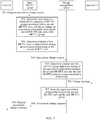
- FIG. 4 is a flowchart of Embodiment 4 of a method for changing an association relationship between an MCPTT user and an MCPTT group according to the present invention.
- An application scenario of this embodiment is the same as the application scenario of the embodiment shown in FIG. 3 .
- the method in this embodiment may include the following steps.
- Step 401 First UE sends an association change request to a first MCPTT server, where the association change request includes request information, and the request information is used to indicate that a first MCPTT user requests to change an association relationship between a second MCPTT user and a first MCPTT group.
- step 401 is similar to step 301, and details are no longer described herein.
- Step 402. The first MCPTT server determines, according to a threshold of a quantity of MCPTT groups associated with the second MCPTT user, whether to change the association relationship between the second MCPTT user and the first MCPTT group.
- step 403 is performed; otherwise, the change procedure ends, or an association change response used to indicate a change failure is sent to the first UE.
- step 402 is similar to step 302, and details are no longer described herein.
- Step 403. The first MCPTT server determines whether the first MCPTT user is authorized to change an association relationship of the second MCPTT user.
- step 404 is performed; otherwise, the change procedure ends, or an association change response used to indicate a change failure is sent to the first UE.
- step 403 is similar to step 303, and details are no longer described herein.
- Step 404 The first MCPTT server obtains a group policy of the first MCPTT group from a group management server.
- step 404 is similar to step 304, and details are no longer described herein.
- Step 405. The first MCPTT server determines, according to the group policy of the first MCPTT group, whether the first MCPTT group authorizes setting of the association relationship between the second MCPTT user and the first MCPTT group as a target association relationship.
- step 406 is performed; otherwise, the change procedure ends, or an association change response used to indicate a change failure is sent to the first UE.
- step 405 is similar to step 305, and details are no longer described herein.
- Step 406 The first MCPTT server stores the target association relationship between the second MCPTT user and the first MCPTT group.
- Step 407. The first MCPTT server sends an update message to the group management server, where the update message is used to indicate that the association relationship between the second MCPTT user and the first MCPTT group is the target association relationship.
- step 407 there is no sequential order between step 407 and step 406.
- Step 408 The group management server sends a change message to second UE after receiving the update message.
- the change message is used to indicate that the association relationship between the second MCPTT user and the first MCPTT group is the target association relationship; and the second MCPTT user is a user using the second UE.
- step 408 may further include: storing, by the group management server, the target association relationship between the second MCPTT user and the first MCPTT group.
- step 408 may also be considered as: the first MCPTT server sends a change message to second UE.
- Step 409 The first MCPTT server sends, to the first UE, an association change response used to indicate a change success.
- step 409 there is no sequential order between step 409 and step 406 to step 408.
- first UE sends an association change request (the association change request includes request information, and the request information is used to indicate that a first MCPTT user requests to change an association relationship between a second MCPTT user and a first MCPTT group) to a first MCPTT server; and the first MCPTT server determines that the first MCPTT user is authorized to change an association relationship of the second MCPTT user, and after the first MCPTT group authorizes setting of the association relationship between the second MCPTT user and the first MCPTT group as a target association relationship, the first MCPTT server sends an update message to a group management server, so that the group management server sends a change message (the change message is used to indicate that the association relationship between the second MCPTT user and the first MCPTT group is the target association relationship) to second UE. Therefore, the first MCPTT user can change an association relationship between the first MCPTT user and the first MCPTT group, thereby implementing that an MCPTT user changes an association relationship between another MCPTT user and a
- the embodiment shown in FIG. 4 and the embodiment shown in FIG. 3 mainly have the following differences: (1) In the embodiment shown in FIG. 3 , the first MCPTT server sends the change message to the second UE, while in the embodiment shown in FIG. 4 , the group management server sends the change message to the second UE. (2) In the embodiment shown in FIG. 4 , the change message is used to indicate that the association relationship between the second MCPTT user and the first MCPTT group is the target association relationship, while in the embodiment shown in FIG.
- the change message is used to indicate that the association relationship between the second MCPTT user and the first MCPTT group is the target association relationship, or is used to request the second MCPTT user to set the association relationship between the second MCPTT user and the first MCPTT group as the target association relationship.
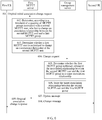
- FIG. 5 is a flowchart of Embodiment 5 of a method for changing an association relationship between an MCPTT user and an MCPTT group according to the present invention.
- An application scenario of this embodiment is the same as the application scenario of the embodiment shown in FIG. 3 .
- the method in this embodiment may include the following steps.
- Step 501 First UE sends an original association change request to a first MCPTT server, where the original association change request includes request information, and the request information is used to indicate that a first MCPTT user requests to change an association relationship between a second MCPTT user and a first MCPTT group.
- step 501 is similar to step 301, and details are no longer described herein.
- Step 502. The first MCPTT server determines, according to a threshold of a quantity of MCPTT groups associated with the second MCPTT user, whether to change the association relationship between the second MCPTT user and the first MCPTT group.
- step 503 is performed; otherwise, the change procedure ends, or an original association change response used to indicate a change failure is sent to the first UE.
- Step 503. The first MCPTT server determines whether the first MCPTT user is authorized to change an association relationship of the second MCPTT user.
- step 504 is performed; otherwise, the change procedure ends, or an original association change response used to indicate a change failure is sent to the first UE.
- step 503 is similar to step 303, and details are no longer described herein.
- Step 504. The first MCPTT server sends an association change request to a group management server according to the original association change request.
- the group management server is a group management server of the first MCPTT group.
- the association change request includes request information, and the request information is used to indicate that the first MCPTT user requests to change the association relationship between the second MCPTT user and the first MCPTT group.
- association change request and the original association change request may be a same message (that is, the first MCPTT server directly forwards the received original association change request to the group management server); or the association change request and the original association change request may be different messages.
- the original association change request includes user identifiers of a target MCPTT user 1 and a target MCPTT user 2, an identifier of a target MCPTT group 1, and an identifier of a target MCPTT group 2;
- the target MCPTT user 1 corresponds to the target MCPTT group 1,
- the target MCPTT user 2 corresponds to the target MCPTT group 2;
- an MCPTT server in an MCPTT system that defines the target MCPTT group 1 is an MCPTT server A
- an MCPTT server in an MCPTT system that defines the target MCPTT group 2 is an MCPTT server B.
- an association change request received by a group management server of the target MCPTT group 1 does not include related information of the target MCPTT user 2 and the target MCPTT group 2
- an association change request received by a group management server of the target MCPTT group 2 does not include related information of the target MCPTT user 1 and the target MCPTT group 1.
- the group management server may consider that the group management server receives the association change request sent by the first UE.
- Step 505. The group management server determines, according to the group policy of the first MCPTT group, whether the first MCPTT group authorizes setting of the association relationship between the second MCPTT user and the first MCPTT group as a target association relationship.
- step 506 is performed; otherwise, the change procedure ends, or an original association change response used to indicate a change failure is sent to the first UE.
- step 505 only lies in different execution bodies, and the remaining parts are similar. Details are no longer described herein.
- Step 506 The group management server sends a change message to second UE.
- the second MCPTT user is a user using the second UE.
- step 506 may be specifically: sending, by the group management server, the change message to the second UE by using an MCPTT server in the MCPTT system that defines the user configuration file of the second MCPTT user.
- the change message is used to indicate that the association relationship between the second MCPTT user and the first MCPTT group is the target association relationship (that is, the target association relationship determined in step 505), or the change message is used to request the second MCPTT user to set the association relationship between the second MCPTT user and the first MCPTT group as the target association relationship.
- the method further includes: receiving, by the group management server, a change response sent by the second UE, where the change response is used to indicate that setting of the association relationship between the second MCPTT user and the first MCPTT group as the target association relationship is authorized, or the change response is used to indicate that setting of the association relationship between the second MCPTT user and the first MCPTT group as the target association relationship is not authorized.
- step 507 to step 509 are not performed any longer.
- Step 507. The group management server stores the target association relationship between the second MCPTT user and the first MCPTT group.
- step 507 there is no sequential order between step 507 and step 506.
- the method may further include: sending, by the group management server, second association information to the first MCPTT server, where the second association information is used to indicate that the association relationship between the second MCPTT user and the first MCPTT group is the target association relationship, so that the first MCPTT server updates the association relationship between the second MCPTT user and the first MCPTT group as the target association relationship.
- Step 508 The group management server sends, to the first MCPTT server, an association change response used to indicate a change success.
- step 508 there is no sequential order between step 508 and step 507.
- Step 509 The first MCPTT server sends an original association change response to the first UE according to the association change response.
- the original association change response is a response message corresponding to the original association change request.
- a relationship between the original association change response and the association change response is similar to a relationship between the original association change request and the association change request. That is, the association change response and the original association change response may be a same message; or the original association change response may be obtained by the first MCPTT server according to an association change response sent by one group management server (or multiple group management servers).
- the group management server may consider that the group management server sends the association change response to the first UE.
- first UE sends an original association change request (the original association change request includes request information, and the request information is used to indicate that a first MCPTT user requests to change an association relationship between a second MCPTT user and a first MCPTT group) to a first MCPTT server; after determining that the first MCPTT user is authorized to change an association relationship of the second MCPTT user, the first MCPTT server sends an association change request to a group management server; and after determining that the first MCPTT group authorizes setting of the association relationship between the second MCPTT user and the first MCPTT group as a target association relationship, the group management server sends a change message (the change message is used to indicate that the association relationship between the second MCPTT user and the first MCPTT group is the target association relationship; or the change message is used to request the second MCPTT user to set the association relationship between the second MCPTT user and the first MCPTT group as the target association relationship) to second UE. Therefore, the first MCPTT user can change an association relationship between the first M
- the embodiment shown in FIG. 5 and the embodiment shown in FIG. 3 mainly have the following difference:
- the method in the embodiment shown in FIG. 5 is mainly performed by the group management server, while the method in the embodiment shown in FIG. 3 is mainly performed by the first MCPTT server.
- the step of determining whether the first MCPTT user is authorized to change an association relationship of the second MCPTT user is performed by the first MCPTT server.
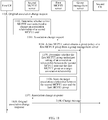
- FIG. 6 is a flowchart of Embodiment 6 of a method for changing an association relationship between an MCPTT user and an MCPTT group according to the present invention.
- An application scenario of this embodiment is the same as the application scenario of the embodiment shown in FIG. 3 .
- the method in this embodiment may include the following steps.
- Step 601. First UE sends an original association change request to a first MCPTT server, where the original association change request includes request information, and the request information is used to indicate that a first MCPTT user requests to change an association relationship between a second MCPTT user and a first MCPTT group.
- step 601 is similar to step 301, and details are no longer described herein.
- Step 602. The first MCPTT server determines, according to a threshold of a quantity of MCPTT groups associated with the second MCPTT user, whether to change the association relationship between the second MCPTT user and the first MCPTT group.
- step 603 is performed; otherwise, the change procedure ends, or an original association change response used to indicate a change failure is sent to the first UE.
- Step 603. The first MCPTT server determines whether the first MCPTT user is authorized to change an association relationship of the second MCPTT user.
- step 604 is performed; otherwise, the change procedure ends, or an original association change response used to indicate a change failure is sent to the first UE.
- step 603 is similar to step 303, and details are no longer described herein.
- Step 604. The first MCPTT server sends an association change request to a group management server according to the original association change request.
- the group management server is a group management server of the first MCPTT group.
- the association change request includes request information, and the request information is used to indicate that the first MCPTT user requests to change the association relationship between the second MCPTT user and the first MCPTT group.
- step 604 is similar to step 504, and details are no longer described herein.
- Step 605. The group management server determines, according to a group policy of the first MCPTT group, whether the first MCPTT group authorizes setting of the association relationship between the second MCPTT user and the first MCPTT group as a target association relationship.
- step 606 is performed; otherwise, the change procedure ends, or an original association change response used to indicate a change failure is sent to the first UE.
- step 605 is similar to step 505, and details are no longer described herein.
- Step 606. The group management server stores the target association relationship between the second MCPTT user and the first MCPTT group.
- Step 607. The group management server sends an update message to the first MCPTT server, where the update message is used to indicate that the association relationship between the second MCPTT user and the first MCPTT group is the target association relationship.
- step 607 there is no sequential order between step 607 and step 606.
- Step 608. The first MCPTT server sends a change message to second UE after receiving the update message.
- the change message is used to indicate that the association relationship between the second MCPTT user and the first MCPTT group is the target association relationship; and the second MCPTT user is a user using the second UE.
- step 608 may further include: storing, by the first MCPTT server, the target association relationship between the second MCPTT user and the first MCPTT group.
- step 608 may also be considered as: the group management server sends a change message to second UE.
- Step 609 The first MCPTT server sends, to the first UE, an original association change response used to indicate a change success.
- first UE sends an original association change request (the original association change request includes request information, and the request information is used to indicate that a first MCPTT user requests to change an association relationship between a second MCPTT user and a first MCPTT group) to a first MCPTT server; after determining that the first MCPTT user is authorized to change an association relationship of the second MCPTT user, the first MCPTT server sends an association change request to a group management server; and after determining that the first MCPTT group authorizes setting of the association relationship between the second MCPTT user and the first MCPTT group as a target association relationship, the group management server sends an update message to the first MCPTT server, so that the first MCPTT server sends a change message (the change message is used to indicate that the association relationship between the second MCPTT user and the first MCPTT group is the target association relationship) to second UE. Therefore, the first MCPTT user can change an association relationship between the first MCPTT user and the first MCPTT group, thereby implementing
- the embodiment shown in FIG. 6 and the embodiment shown in FIG. 5 mainly have the following differences: (1) In the embodiment shown in FIG. 5 , the group management server sends the change message to the second UE, while in the embodiment shown in FIG. 6 , the first MCPTT server sends the change message to the second UE. (2) In the embodiment shown in FIG. 6 , the change message is used to indicate that the association relationship between the second MCPTT user and the first MCPTT group is the target association relationship, while in the embodiment shown in FIG.
- the change message is used to indicate that the association relationship between the second MCPTT user and the first MCPTT group is the target association relationship, or is used to request the second MCPTT user to set the association relationship between the second MCPTT user and the first MCPTT group as the target association relationship.
- FIG. 7 is a flowchart of Embodiment 7 of a method for changing an association relationship between an MCPTT user and an MCPTT group according to the present invention.
- An application scenario of this embodiment is the same as the application scenario of the embodiment shown in FIG. 3 .
- the method in this embodiment may include the following steps.
- Step 701. First UE sends an association change request to a first MCPTT server, where the association change request includes request information, and the request information is used to indicate that a first MCPTT user requests to change an association relationship between a second MCPTT user and a first MCPTT group.
- step 701 is similar to step 301, and details are no longer described herein.
- Step 702. The first MCPTT server determines whether the first MCPTT user is authorized to change an association relationship of the second MCPTT user.
- step 703 is performed; otherwise, the change procedure ends, or an association change response used to indicate a change failure is sent to the first UE.
- step 702 is similar to step 303, and details are no longer described herein.
- the first MCPTT server may also perform the determining described in step 302.
- Step 703. The first MCPTT server sends a change message to second UE.
- the change message is used to request the second MCPTT user to set the association relationship between the second MCPTT user and the first MCPTT group as a target association relationship.
- Step 704. The second UE sends a change response to the first MCPTT server.
- the change response is used to indicate that setting of the association relationship between the second MCPTT user and the first MCPTT group as the target association relationship is authorized.
- the method may further include: determining, by the second UE according to input of a user, that the second MCPTT user authorizes setting of the association relationship between the second MCPTT user and the first MCPTT group as the target association relationship.
- Step 705. The first MCPTT server obtains a group policy of the first MCPTT group from a group management server.
- step 705 is similar to step 304, and details are no longer described herein.
- Step 706 The first MCPTT server determines, according to the group policy of the first MCPTT group, whether the first MCPTT group authorizes setting of the association relationship between the second MCPTT user and the first MCPTT group as a target association relationship.
- step 707 If yes, step 707 is performed; otherwise, the change procedure ends, or an association change response used to indicate a change failure is sent to the first UE.
- Step 707 The first MCPTT server stores the target association relationship between the second MCPTT user and the first MCPTT group.
- Step 708 The first MCPTT server sends, to the first UE, an association change response used to indicate a change success.
- step 708 there is no sequential order between step 708 and step 707.
- first UE sends an association change request (the association change request includes request information, and the request information is used to indicate that a first MCPTT user requests to change an association relationship between a second MCPTT user and a first MCPTT group) to a first MCPTT server; and after determining that the second MCPTT user authorizes setting of the association relationship between the second MCPTT user and the first MCPTT group as a target association relationship, the first MCPTT server further determines whether the first MCPTT group authorizes setting of the association relationship between the second MCPTT user and the first MCPTT group as the target association relationship, and when the first MCPTT group authorizes the setting, the first MCPTT server stores the target association relationship between the second MCPTT user and the first MCPTT group. Therefore, the first MCPTT user can change an association relationship between the first MCPTT user and the first MCPTT group, thereby implementing that an MCPTT user changes an association relationship between another MCPTT user and a group.
- the association change request includes request information, and the request information
- the embodiment shown in FIG. 7 and the embodiment shown in FIG. 3 mainly have the following difference:
- a change message is sent to the second UE; while in the embodiment shown in FIG. 7 , before the first MCPTT group authorizes setting of an association relationship between the second MCPTT user and the first MCPTT group as a target association relationship, a change message is sent to the second UE, to ask for permission from the second MCPTT user.
- FIG. 8 is a flowchart of Embodiment 8 of a method for changing an association relationship between an MCPTT user and an MCPTT group according to the present invention.
- An application scenario of this embodiment may be as follows: An MCPTT system that defines a user configuration file of a first MCPTT user and an MCPTT system that defines a user configuration file of a second MCPTT user are the same, but are different from an MCPTT system that defines a first MCPTT group.
- the method in this embodiment may include the following steps.
- Step 801. First UE sends an original association change request to a second MCPTT server, where the original association change request includes request information, and the request information is used to indicate that a first MCPTT user requests to change an association relationship between a second MCPTT user and a first MCPTT group.
- the second MCPTT server is an MCPTT server in an MCPTT system that defines a user configuration file of the first MCPTT user.
- step 801 is similar to step 301, and details are no longer described herein.
- Step 802. The second MCPTT server determines, according to a threshold of a quantity of MCPTT groups associated with the second MCPTT user, whether to change the association relationship between the second MCPTT user and the first MCPTT group.
- step 803 is performed; otherwise, the change procedure ends, or an original association change response used to indicate a change failure is sent to the first UE.
- Step 803. The second MCPTT server determines whether the first MCPTT user is authorized to change an association relationship of the second MCPTT user.
- step 804 is performed; otherwise, the change procedure ends, or an original association change response used to indicate a change failure is sent to the first UE.
- step 803 only lies in different execution bodies, and the remaining parts are similar. Details are no longer described herein.
- step 802 there is no limitation on a sequential order of the steps, namely step 802 and step 803, for determining in this embodiment.
- Step 804. The second MCPTT server sends an association change request to a first MCPTT server according to the original association change request.
- the association change request includes request information, and the request information is used to indicate that the first MCPTT user requests to change the association relationship between the second MCPTT user and the first MCPTT group.
- Step 805. The first MCPTT server obtains a group policy of the first MCPTT group from a group management server.
- step 805 is similar to step 304, and details are no longer described herein.
- Step 806 The first MCPTT server determines, according to the group policy of the first MCPTT group, whether the first MCPTT group authorizes setting of the association relationship between the second MCPTT user and the first MCPTT group as a target association relationship.
- step 807 If yes, step 807 is performed; otherwise, the change procedure ends, or an original association change response used to indicate a change failure is sent to the first UE.
- step 806 is similar to step 305, and details are no longer described herein.
- Step 807 The first MCPTT server sends a change message to second UE.
- the second MCPTT user is a user using the second UE.
- step 807 is similar to step 306, and details are no longer described herein.
- Step 808. The first MCPTT server stores the target association relationship between the second MCPTT user and the first MCPTT group.
- step 808 there is no sequential order between step 808 and step 807.
- step 808 is similar to step 307, and details are no longer described herein.
- Step 809 The first MCPTT server sends, to the second MCPTT server, an association change response used to indicate a change success.
- Step 810 The second MCPTT server sends an original association change response to the first UE according to the association change response.
- first UE sends an original association change request (the original association change request includes request information, and the request information is used to indicate that a first MCPTT user requests to change an association relationship between a second MCPTT user and a first MCPTT group) to a second MCPTT server; after determining that the first MCPTT user is authorized to change an association relationship of the second MCPTT user, the second MCPTT server sends an association change request to a first MCPTT server; and after determining that the first MCPTT group authorizes setting of the association relationship between the second MCPTT user and the first MCPTT group as a target association relationship, the first MCPTT server sends a change message (the change message is used to indicate that the association relationship between the second MCPTT user and the first MCPTT group is the target association relationship; or the change message is used to request the second MCPTT user to set the association relationship between the second MCPTT user and the first MCPTT group as the target association relationship) to second UE. Therefore, the first MCPTT user can change a change
- the embodiment shown in FIG. 8 and the embodiment shown in FIG. 3 mainly have the following difference:
- the first UE sends an original association change request to the second MCPTT server, and after determining that the first MCPTT user is authorized to change an association relationship of the second MCPTT user, the second MCPTT server sends an association change request to the first MCPTT server; while in FIG. 3 , the first UE directly sends an association change request to the first MCPTT server, and the first MCPTT server determines whether the first MCPTT user is authorized to change an association relationship of the second MCPTT user.
- FIG. 9 is a flowchart of Embodiment 9 of a method for changing an association relationship between an MCPTT user and an MCPTT group according to the present invention.
- An application scenario of this embodiment is the same as the application scenario of the embodiment shown in FIG. 8 .
- the method in this embodiment may include the following steps.
- Step 901. First UE sends an original association change request to a second MCPTT server, where the original association change request includes request information, and the request information is used to indicate that a first MCPTT user requests to change an association relationship between a second MCPTT user and a first MCPTT group.
- step 901 is similar to step 801, and details are no longer described herein.
- Step 902. The second MCPTT server determines, according to a threshold of a quantity of MCPTT groups associated with the second MCPTT user, whether to change the association relationship between the second MCPTT user and the first MCPTT group.
- step 903 is performed; otherwise, the change procedure ends, or an original association change response used to indicate a change failure is sent to the first UE.
- Step 903. The second MCPTT server determines whether the first MCPTT user is authorized to change an association relationship of the second MCPTT user.
- step 904 is performed; otherwise, the change procedure ends, or an original association change response used to indicate a change failure is sent to the first UE.
- step 903 is similar to step 803, and details are no longer described herein.
- Step 904. The second MCPTT server forwards the original association change request to a first MCPTT server.
- step 904 is similar to step 804, and details are no longer described herein.
- Step 905. The first MCPTT server sends an association change request to a group management server according to the original association change request.
- Step 906 The group management server determines, according to a group policy of the first MCPTT group, whether the first MCPTT group authorizes setting of the association relationship between the second MCPTT user and the first MCPTT group as a target association relationship.
- step 906 is similar to step 505, and details are no longer described herein.
- Step 907. The group management server sends a change message to second UE.
- the second MCPTT user is a user using the second UE.
- step 907 is similar to step 506, and details are no longer described herein.
- Step 908. The group management server stores the target association relationship between the second MCPTT user and the first MCPTT group.
- step 908 there is no sequential order between step 908 and step 907.
- step 908 is similar to step 507, and details are no longer described herein.
- Step 909 The group management server sends, to the first MCPTT server, an association change response used to indicate a change success.
- step 909 there is no sequential order between step 909 and step 908.
- Step 910 The first MCPTT server sends an original association change response to the second MCPTT server according to the association change response.
- Step 911 The second MCPTT server forwards the original association change response to the first UE.
- first UE sends an original association change request (the original association change request includes request information, and the request information is used to indicate that a first MCPTT user requests to change an association relationship between a second MCPTT user and a first MCPTT group) to a second MCPTT server; after determining that the first MCPTT user is authorized to change an association relationship of the second MCPTT user, the second MCPTT server sends an association change request to a group management server by using a first MCPTT server; and after determining that the first MCPTT group authorizes setting of the association relationship between the second MCPTT user and the first MCPTT group as a target association relationship, the group management server sends a change message (the change message is used to indicate that the association relationship between the second MCPTT user and the first MCPTT group is the target association relationship; or the change message is used to request the second MCPTT user to set the association relationship between the second MCPTT user and the first MCPTT group as the target association relationship) to second UE. Therefore, the first MCPTT user
- the embodiment shown in FIG. 9 and the embodiment shown in FIG. 5 mainly have the following difference:
- the first UE sends an original association change request to the second MCPTT server, and after determining that the first MCPTT user is authorized to change an association relationship of the second MCPTT user, the second MCPTT server sends an association change request to the first MCPTT server; while in FIG. 5 , the first UE directly sends an association change request to the first MCPTT server, and the first MCPTT server determines whether the first MCPTT user is authorized to change an association relationship of the second MCPTT user.
- FIG. 10 is a flowchart of Embodiment 10 of a method for changing an association relationship between an MCPTT user and an MCPTT group according to the present invention.
- An application scenario of this embodiment is the same as the application scenario of the embodiment shown in FIG. 8 .
- the method in this embodiment may include the following steps.
- Step 1001. First UE sends an original association change request to a second MCPTT server, where the original association change request includes request information, and the request information is used to indicate that a first MCPTT user requests to change an association relationship between a second MCPTT user and a first MCPTT group.
- the second MCPTT server is an MCPTT server in an MCPTT system that defines a user configuration file of the first MCPTT user.
- step 1001 is similar to step 301, and details are no longer described herein.
- Step 1002. The second MCPTT server determines whether the first MCPTT user is authorized to change an association relationship of the second MCPTT user.
- step 1003 is performed; otherwise, the change procedure ends, or an original association change response used to indicate a change failure is sent to the first UE.
- step 1002 is similar to step 303, and details are no longer described herein.
- the second MCPTT server may also perform the determining described in step 302.
- Step 1003. The second MCPTT server sends a change message to second UE.
- the change message is used to request the second MCPTT user to set the association relationship between the second MCPTT user and the first MCPTT group as the target association relationship.
- Step 1004. The second UE sends a change response to the second MCPTT server.
- the change response is used to indicate that setting of the association relationship between the second MCPTT user and the first MCPTT group as the target association relationship is authorized.
- Step 1005. The second MCPTT server sends an association change request to a first MCPTT server according to the original association change request.
- the first MCPTT server is an MCPTT server in an MCPTT system that defines the first MCPTT group.
- the association change request includes request information, and the request information is used to indicate that the first MCPTT user requests to change the association relationship between the second MCPTT user and the first MCPTT group.
- Step 1006 The first MCPTT server obtains a group policy of the first MCPTT group from a group management server.
- step 1006 is similar to step 304, and details are no longer described herein.
- Step 1007 The first MCPTT server determines, according to the group policy of the first MCPTT group, whether the first MCPTT group authorizes setting of the association relationship between the second MCPTT user and the first MCPTT group as a target association relationship.
- step 1008 is performed; otherwise, the change procedure ends, or an original association change response used to indicate a change failure is sent to the first UE.
- the first MCPTT server stores the target association relationship between the second MCPTT user and the first MCPTT group.
- Step 1009 The first MCPTT server sends, to the second MCPTT server, an association change response used to indicate a change success.
- Step 1010 The second MCPTT server sends an original association change response to the first UE according to the association change response.
- the method may further include: storing the target association relationship between the second MCPTT user and the first MCPTT group.
- first UE sends an original association change request (the original association change request includes request information, and the request information is used to indicate that a first MCPTT user requests to change an association relationship between a second MCPTT user and a first MCPTT group) to a second MCPTT server; after determining that the second MCPTT user authorizes setting of the association relationship between the second MCPTT user and the first MCPTT group as a target association relationship, the second MCPTT server sends an association change request to a first MCPTT server; and the first MCPTT server determines whether the first MCPTT group authorizes setting of the association relationship between the second MCPTT user and the first MCPTT group as the target association relationship, and when the first MCPTT group authorizes the setting, the first MCPTT server stores the target association relationship between the second MCPTT user and the first MCPTT group. Therefore, the first MCPTT user can change an association relationship between the first MCPTT user and the first MCPTT group, thereby implementing that an MCPTT user changes an association relationship
- the embodiment shown in FIG. 10 and the embodiment shown in FIG. 7 mainly have the following difference:
- the first UE sends an original association change request to the second MCPTT server, and after determining that the first MCPTT user is authorized to change an association relationship of the second MCPTT user, the second MCPTT server sends an association change request to the first MCPTT server; while in FIG. 7 , the first UE directly sends an association change request to the first MCPTT server, and the first MCPTT server determines whether the first MCPTT user is authorized to change an association relationship of the second MCPTT server.
- FIG. 11 is a flowchart of Embodiment 11 of a method for changing an association relationship between an MCPTT user and an MCPTT group according to the present invention.
- An application scenario of this embodiment is the same as the application scenario of the embodiment shown in FIG. 8 .
- the method in this embodiment may include the following steps.
- Step 1101 First UE sends an original association change request to a second MCPTT server, where the original association change request includes request information, and the request information is used to indicate that a first MCPTT user requests to change an association relationship between a second MCPTT user and a first MCPTT group.
- step 1101 is similar to step 301, and details are no longer described herein.
- Step 1102. The second MCPTT server determines whether the first MCPTT user is authorized to change an association relationship of the second MCPTT user.
- step 1103 If yes, step 1103 is performed; otherwise, the change procedure ends, or an original association change response used to indicate a change failure is sent to the first UE.
- step 1103 is similar to step 303, and details are no longer described herein.
- the second MCPTT server may also perform the determining described in step 302.
- Step 1103. The second MCPTT server sends an association change request to a first MCPTT server according to the original association change request.
- the first MCPTT server is an MCPTT server in an MCPTT system that defines the first MCPTT group.
- the association change request includes request information, and the request information is used to indicate that the first MCPTT user requests to change the association relationship between the second MCPTT user and the first MCPTT group.
- Step 1104. The first MCPTT server obtains a group policy of the first MCPTT group from a group management server.
- step 1104 is similar to step 304, and details are no longer described herein.
- Step 1105. The first MCPTT server determines, according to the group policy of the first MCPTT group, whether the first MCPTT group authorizes setting of the association relationship between the second MCPTT user and the first MCPTT group as a target association relationship.
- step 1106 is performed; otherwise, the change procedure ends, or an original association change response used to indicate a change failure is sent to the first UE.
- Step 1106 The first MCPTT server stores the target association relationship between the second MCPTT user and the first MCPTT group.
- Step 1107 The first MCPTT server sends, to the second MCPTT server, an association change response used to indicate a change success.
- Step 1108 The second MCPTT server sends a change message to second UE.
- the change message is used to indicate that the association relationship between the second MCPTT user and the first MCPTT group is the target association relationship.
- the second MCPTT server may obtain the target association relationship in a manner of adding the target association relationship to an association change response message; or the second MCPTT server may obtain the target association relationship according to an association change request sent by the first UE.
- Step 1109 The second MCPTT server sends an original association change response to the first UE according to the association change response.
- the method may further include: storing the target association relationship between the second MCPTT user and the first MCPTT group.
- first UE sends an original association change request (the original association change request includes request information, and the request information is used to indicate that a first MCPTT user requests to change an association relationship between a second MCPTT user and a first MCPTT group) to a second MCPTT server; after determining that the first MCPTT user is authorized to change an association relationship of the second MCPTT user, the second MCPTT server sends an association change request to a first MCPTT server; and after the first MCPTT server determines that the first MCPTT group authorizes setting of the association relationship between the second MCPTT user and the first MCPTT group as a target association relationship, the second MCPTT server sends a change message (the change message is used to indicate that the association relationship between the second MCPTT user and the first MCPTT group is the target association relationship) to second UE. Therefore, the first MCPTT user can change an association relationship between the first MCPTT user and the first MCPTT group, thereby implementing that an MCPTT user changes an association relationship between
- FIG. 12 is a flowchart of Embodiment 12 of a method for changing an association relationship between an MCPTT user and an MCPTT group according to the present invention.
- An application scenario of this embodiment may be as follows: An MCPTT system that defines a user configuration file of a first MCPTT user, an MCPTT system that defines a user configuration file of a second MCPTT user, and an MCPTT system that defines a first MCPTT group are different.
- the method in this embodiment may include the following steps.
- Step 1201 First UE sends an original association change request to a second MCPTT server, where the original association change request includes request information, and the request information is used to indicate that a first MCPTT user requests to change an association relationship between a second MCPTT user and a first MCPTT group.
- the second MCPTT server is an MCPTT server in an MCPTT system that defines a user configuration file of the first MCPTT user.
- step 1201 is similar to step 301, and details are no longer described herein.
- Step 1202. The second MCPTT server determines whether the first MCPTT user is authorized to change an association relationship of the second MCPTT user.
- step 1203 is performed; otherwise, the change procedure ends, or an original association change response used to indicate a change failure is sent to the first UE.
- the second MCPTT server is an MCPTT server in the MCPTT system that defines the user configuration file of the first MCPTT user.
- step 1202 is similar to step 803, and details are no longer described herein.
- Step 1203. The second MCPTT server forwards the original association change request to a third MCPTT server.
- the third MCPTT server is an MCPTT server in an MCPTT system that defines a user configuration file of the second MCPTT user.
- Step 1204. The third MCPTT server determines, according to a threshold of a quantity of MCPTT groups associated with the second MCPTT user, whether to change the association relationship between the second MCPTT user and the first MCPTT group.
- step 1205 is performed; otherwise, the change procedure ends, or an original association change response used to indicate a change failure is sent to the first UE.
- the third MCPTT server can control the quantity of the MCPTT groups associated with the second MCPTT user.
- Step 1205. The third MCPTT server sends an association change request to a first MCPTT server according to the original association change request.
- the first MCPTT server is an MCPTT server in an MCPTT system that defines the first MCPTT group.
- the association change request includes request information, and the request information is used to indicate that the first MCPTT user requests to change the association relationship between the second MCPTT user and the first MCPTT group.
- Step 1206 The first MCPTT server obtains a group policy of the first MCPTT group from a group management server.
- step 1206 is similar to step 304, and details are no longer described herein.
- Step 1207 The first MCPTT server determines, according to the group policy of the first MCPTT group, whether the first MCPTT group authorizes setting of the association relationship between the second MCPTT user and the first MCPTT group as a target association relationship.
- step 1208 is performed; otherwise, the change procedure ends, or an original association change response used to indicate a change failure is sent to the first UE.
- step 1207 is similar to step 305, and details are no longer described herein.
- Step 1208 The first MCPTT server sends a change message to second UE.
- the second MCPTT user is a user using the second UE.
- step 1208 is similar to step 306, and details are no longer described herein.
- Step 1209 The first MCPTT server stores the target association relationship between the second MCPTT user and the first MCPTT group.
- step 1209 there is no sequential order between step 1209 and step 1208.
- step 1209 is similar to step 307, and details are no longer described herein.
- Step 1210 The first MCPTT server sends, to the third MCPTT server, an association change response used to indicate a change success.
- Step 1211 The third MCPTT server forwards, to the second MCPTT server, the association change response used to indicate a change success.
- Step 1212. The second MCPTT server sends an original association change response to the first UE according to the association change response.
- first UE sends an original association change request (the original association change request includes request information, and the request information is used to indicate that a first MCPTT user requests to change an association relationship between a second MCPTT user and a first MCPTT group) to a second MCPTT server; after determining that the first MCPTT user is authorized to change an association relationship of the second MCPTT user, the second MCPTT server sends the original association change request to a third MCPTT server; after determining, according to a threshold of a quantity of MCPTT groups associated with the second MCPTT user, to change the association relationship between the second MCPTT user and the first MCPTT group, the third MCPTT server sends an association change request to a first MCPTT server; and after determining that the first MCPTT group authorizes setting of the association relationship between the second MCPTT user and the first MCPTT group as a target association relationship, the first MCPTT server sends a change message (the change message is used to indicate that the association relationship between the second MCP
- the embodiment shown in FIG. 12 and the embodiment shown in FIG. 8 mainly have the following difference:
- the first MCPTT server receives an association change request that is sent by the first UE by using the second MCPTT server; while in FIG. 8 , the first MCPTT server receives an association change request that is sent by the first UE by using the second MCPTT server and the third MCPTT server.
- FIG. 13 is a flowchart of Embodiment 13 of a method for changing an association relationship between an MCPTT user and an MCPTT group according to the present invention.
- An application scenario of this embodiment is the same as the application scenario of the embodiment shown in FIG. 12 .
- the method in this embodiment may include the following steps.
- Step 1301. First UE sends an original association change request to a second MCPTT server, where the original association change request includes request information, and the request information is used to indicate that a first MCPTT user requests to change an association relationship between a second MCPTT user and a first MCPTT group.
- the second MCPTT server is an MCPTT server in an MCPTT system that defines a user configuration file of the first MCPTT user.
- step 1301 is similar to step 301, and details are no longer described herein.
- Step 1302. The second MCPTT server determines whether the first MCPTT user is authorized to change an association relationship of the second MCPTT user.
- step 1303 If yes, step 1303 is performed; otherwise, the change procedure ends, or an original association change response used to indicate a change failure is sent to the first UE.
- the second MCPTT server is an MCPTT server in an MCPTT system that defines a user configuration file of the first MCPTT user.
- step 1302 is similar to step 803, and details are no longer described herein.
- Step 1303. The second MCPTT server forwards the original association change request to a third MCPTT server.
- the third MCPTT server is an MCPTT server in an MCPTT system that defines a user configuration file of the second MCPTT user.
- the third MCPTT server determines, according to a threshold of a quantity of MCPTT groups associated with the second MCPTT user, whether to change the association relationship between the second MCPTT user and the first MCPTT group.
- step 1305 is performed; otherwise, the change procedure ends, or an original association change response used to indicate a change failure is sent to the first UE.
- Step 1305. The third MCPTT server sends a change message to second UE.
- the change message is used to request the second MCPTT user to set the association relationship between the second MCPTT user and the first MCPTT group as the target association relationship.
- Step 1306 The second UE sends a change response to the second MCPTT server.
- the change response is used to indicate that setting of the association relationship between the second MCPTT user and the first MCPTT group as the target association relationship is authorized.
- Step 1307 The third MCPTT server sends an association change request to a first MCPTT server according to the original association change request.
- the first MCPTT server is an MCPTT server in an MCPTT system that defines the first MCPTT group.
- the association change request includes request information, and the request information is used to indicate that the first MCPTT user requests to change the association relationship between the second MCPTT user and the first MCPTT group.
- the first MCPTT server obtains a group policy of the first MCPTT group from a group management server.
- step 1308 is similar to step 304, and details are no longer described herein.
- Step 1309 The first MCPTT server determines, according to the group policy of the first MCPTT group, whether the first MCPTT group authorizes setting of the association relationship between the second MCPTT user and the first MCPTT group as a target association relationship.
- step 1310 is performed; otherwise, the change procedure ends, or an original association change response used to indicate a change failure is sent to the first UE.
- step 1309 is similar to step 305, and details are no longer described herein.
- Step 1310 The first MCPTT server stores the target association relationship between the second MCPTT user and the first MCPTT group.
- step 1310 is similar to step 307, and details are no longer described herein.
- Step 1311 The first MCPTT server sends, to the third MCPTT server, an association change response used to indicate a change success.
- Step 1312. The third MCPTT server sends an original association change response to the second MCPTT server according to the association change response.
- Step 1313 The second MCPTT server forwards the original association change response to the first UE.
- first UE sends an original association change request (the original association change request includes request information, and the request information is used to indicate that a first MCPTT user requests to change an association relationship between a second MCPTT user and a first MCPTT group) to a second MCPTT server; after determining that the first MCPTT user is authorized to change an association relationship of the second MCPTT user, the second MCPTT server forwards the original association change request to a third MCPTT server; after determining that the second MCPTT user authorizes setting of the association relationship between the second MCPTT user and the first MCPTT group as a target association relationship, the third MCPTT server sends an association change request to a first MCPTT server; and the first MCPTT server determines whether the first MCPTT group authorizes setting of the association relationship between the second MCPTT user and the first MCPTT group as the target association relationship, and when the first MCPTT group authorizes the setting, the first MCPTT server stores the target association relationship between the second MCPTT user and the first MCPTT
- the embodiment shown in FIG. 13 and the embodiment shown in FIG. 10 mainly have the following difference:
- the third MCPTT server sends a change message to the second UE, while in FIG. 10 , the second MCPTT server sends a change message to the second UE.
- FIG. 14 is a flowchart of Embodiment 14 of a method for changing an association relationship between an MCPTT user and an MCPTT group according to the present invention.
- An application scenario of this embodiment is the same as the application scenario of the embodiment shown in FIG. 12 .
- the method in this embodiment may include the following steps.
- Step 1401 First UE sends an original association change request to a second MCPTT server, where the original association change request includes request information, and the request information is used to indicate that a first MCPTT user requests to change an association relationship between a second MCPTT user and a first MCPTT group.
- the second MCPTT server is an MCPTT server in an MCPTT system that defines a user configuration file of the first MCPTT user.
- step 1401 is similar to step 301, and details are no longer described herein.
- Step 1402. The second MCPTT server determines whether the first MCPTT user is authorized to change an association relationship of the second MCPTT user.
- step 1403 is performed; otherwise, the change procedure ends, or an original association change response used to indicate a change failure is sent to the first UE.
- the second MCPTT server is an MCPTT server in an MCPTT system that defines a user configuration file of the first MCPTT user.
- step 1402 is similar to step 803, and details are no longer described herein.
- Step 1403. The second MCPTT server forwards the original association change request to a third MCPTT server.
- the third MCPTT server is an MCPTT server in an MCPTT system that defines a user configuration file of the second MCPTT user.
- the second MCPTT server may directly forward, to the third MCPTT server, an original association change request sent by the first UE; or the second MCPTT server may send, after receiving an original association change request sent by the first UE, a new message to the first MCPTT server according to the original association change request.
- Step 1404. The third MCPTT server determines, according to a threshold of a quantity of MCPTT groups associated with the second MCPTT user, whether to change the association relationship between the second MCPTT user and the first MCPTT group.
- step 1405 is performed; otherwise, the change procedure ends, or an original association change response used to indicate a change failure is sent to the first UE.
- Step 1405. The third MCPTT server sends an association change request to a first MCPTT server according to the original association change request.
- the first MCPTT server is an MCPTT server in an MCPTT system that defines the first MCPTT group.
- the association change request includes request information, and the request information is used to indicate that the first MCPTT user requests to change the association relationship between the second MCPTT user and the first MCPTT group.
- Step 1406 The first MCPTT server obtains a group policy of the first MCPTT group from a group management server.
- step 1406 is similar to step 304, and details are no longer described herein.
- Step 1407 The first MCPTT server determines, according to the group policy of the first MCPTT group, whether the first MCPTT group authorizes setting of the association relationship between the second MCPTT user and the first MCPTT group as a target association relationship.
- step 1408 is performed; otherwise, the change procedure ends, or an original association change response used to indicate a change failure is sent to the first UE.
- step 1407 is similar to step 305, and details are no longer described herein.
- Step 1408 The first MCPTT server stores the target association relationship between the second MCPTT user and the first MCPTT group.
- step 1408 is similar to step 307, and details are no longer described herein.
- Step 1409 The first MCPTT server sends, to the third MCPTT server, an association change response used to indicate a change success.
- Step 1410 The third MCPTT server sends a change message to second UE.
- the change message is used to indicate that the association relationship between the second MCPTT user and the first MCPTT group is the target association relationship.
- the third MCPTT server may obtain the target association relationship in a manner of adding the target association relationship to an association change response message; or the third MCPTT server may obtain the target association relationship according to an association change request sent by the first UE.
- Step 1411. The third MCPTT server sends an original association change response to the second MCPTT server according to the association change response.
- step 1411 there is no sequential order between step 1411 and step 1410.
- Step 1412. The second MCPTT server forwards the original association change response to the first UE.
- first UE sends an original association change request (the original association change request includes request information, and the request information is used to indicate that a first MCPTT user requests to change an association relationship between a second MCPTT user and a first MCPTT group) to a second MCPTT server; after determining that the first MCPTT user is authorized to change an association relationship of the second MCPTT user, the second MCPTT server forwards the original association change request to a third MCPTT server; after determining, according to a threshold of a quantity of MCPTT groups associated with the second MCPTT user, to change the association relationship between the second MCPTT user and the first MCPTT group, the third MCPTT server sends an association change response to a first MCPTT server; the first MCPTT server determines whether the first MCPTT group authorizes setting of the association relationship between the second MCPTT user and the first MCPTT group as a target association relationship; and after the first MCPTT server determines that the first MCPTT group authorizes the setting, the third MCPTT server
- FIG. 15 is a schematic structural diagram of Embodiment 1 of an apparatus for changing an association relationship between an MCPTT user and an MCPTT group according to the present invention.
- the apparatus is a first network element device.
- the apparatus includes: a receiving module 1501 and a setting module 1502.
- the receiving module 1501 is configured to receive an association change request sent by first user equipment UE.
- the association change request includes request information, the request information is used to indicate that a first MCPTT user requests to change an association relationship between a second MCPTT user and a first MCPTT group, and the first MCPTT user is an MCPTT user using the first UE.
- the setting module 1502 is configured to set the association relationship between the second MCPTT user and the first MCPTT group according to the association change request.
- the apparatus in this embodiment may be configured to implement the technical solution in the method embodiment shown in FIG. 1 .
- Implementation principles and technical effects thereof are similar, and details are no longer described herein.
- FIG. 16 is a schematic structural diagram of Embodiment 2 of an apparatus for changing an association relationship between an MCPTT user and an MCPTT group according to the present invention. As shown in FIG. 16 , based on a structure of the apparatus shown in FIG. 15 , the apparatus in this embodiment may further include a sending module 1503.
- the first network element device is a group management server of the first MCPTT group, or the first network element device is a first MCPTT server.
- the first MCPTT server is an MCPTT server in an MCPTT system that defines the first MCPTT group.
- the association change request further includes an association relationship indication, where the association relationship indication is used to indicate that the second MCPTT user is requested to be associated with or dissociated from the first MCPTT group.
- the request information includes: a user identifier of the second MCPTT user and a group identifier of the first MCPTT group; or a group identifier of a second MCPTT group to which the second MCPTT user belongs and a group identifier of the first MCPTT group.
- the setting module 1502 is further configured to determine that the first MCPTT user is authorized to change an association relationship of the second MCPTT user.
- the setting module 1502 is further configured to determine, according to a threshold of a quantity of MCPTT groups associated with the second MCPTT user, to change the association relationship between the second MCPTT user and the first MCPTT group.
- the setting, by the setting module 1502, the association relationship between the second MCPTT user and the first MCPTT group according to the association change request specifically includes: setting the association relationship between the second MCPTT user and the first MCPTT group as a target association relationship according to the association change request, where the target association relationship is determined by the setting module according to the association change request.
- the setting module 1502 is further configured to determine, according to a group policy of the first MCPTT group, that the first MCPTT group authorizes setting of the association relationship between the second MCPTT user and the first MCPTT group as the target association relationship.
- the receiving module 1501 is specifically configured to:
- Manner 1 The setting, by the setting module 1502, the association relationship between the second MCPTT user and the first MCPTT group as a target association relationship according to the association change request specifically includes:
- the change message is used to indicate that the association relationship between the second MCPTT user and the first MCPTT group is the target association relationship; and the second MCPTT user is an MCPTT user using the second UE.
- the setting module 1502 is further configured to:
- the setting, by the setting module 1502, the association relationship between the second MCPTT user and the first MCPTT group as a target association relationship according to the association change request specifically includes: storing the target association relationship between the second MCPTT user and the first MCPTT group.
- the setting, by the setting module 1502, the association relationship between the second MCPTT user and the first MCPTT group as a target association relationship according to the association change request specifically includes:
- the sending, by the sending module 1503, a change message to second UE specifically includes: sending the change message to the second UE by using an MCPTT server in the MCPTT system that defines the user configuration file of the second MCPTT user.
- the sending module 1503 is further configured to send an association change response to the first UE.
- the change message includes a user identifier of the first MCPTT user.
- the association change request further includes the user identifier of the first MCPTT user.
- the apparatus in this embodiment may be configured to implement the technical solutions on a side of the first MCPTT server or the group management server in the method embodiments shown in FIG. 3 to FIG. 14 . Implementation principles and technical effects thereof are similar, and details are no longer described herein.
- FIG. 17 is a schematic structural diagram of Embodiment 3 of an apparatus for changing an association relationship between an MCPTT user and an MCPTT group according to the present invention.
- the apparatus is a second network element device.
- the apparatus includes: a receiving module 1701 and a sending module 1702.
- the receiving module 1701 is configured to receive an association change request sent by first user equipment UE.
- the association change request includes request information, the request information is used to indicate that a first MCPTT user requests to change an association relationship between a second MCPTT user and a first MCPTT group, and the first MCPTT user is an MCPTT user using the first UE.
- the sending module 1702 is configured to send a change message to second UE.
- the change message is used to request the second MCPTT user to set the association relationship between the second MCPTT user and the first MCPTT group as a target association relationship, and the second MCPTT user is an MCPTT user using the second UE.
- the receiving module 1701 is further configured to receive a change response sent by the second UE.
- the change response is used to indicate that setting of the association relationship between the second MCPTT user and the first MCPTT group as the target association relationship is authorized.
- the sending module 1702 is further configured to send the association change request to a first network element device.
- the second network element device is a second MCPTT server or a third MCPTT server;
- the second MCPTT server is an MCPTT server in an MCPTT system that defines a user configuration file of the first MCPTT user;
- the third MCPTT server is an MCPTT server in an MCPTT system that defines a user configuration file of the second MCPTT user.
- the first network element device is a group management server of the first MCPTT group, or the first network element device is a first MCPTT server.
- the first MCPTT server is an MCPTT server in an MCPTT system that defines the first MCPTT group.
- the apparatus in this embodiment may be configured to implement the technical solution of the second MCPTT server in the method embodiment shown in FIG. 10 and the technical solution on a side of the third MCPTT server in the method embodiment shown in FIG. 13 .
- Implementation principles and technical effects thereof are similar, and details are no longer described herein.
- the apparatus in this embodiment is first UE.
- a structure in this embodiment is similar to a structure of the apparatus shown in FIG. 17 , and may also include a sending module and a receiving module.
- the sending module is configured to send an association change request to a first network element device.
- the association change request includes request information.
- the request information is used to indicate that a first MCPTT user requests to change an association relationship between a second MCPTT user and a first MCPTT group, so that the first network element device sets the association relationship between the second MCPTT user and the first MCPTT group according to the association change request.
- the first MCPTT user is a user using the first UE.
- the receiving module is configured to receive an association change response sent by the first network element device.
- the first network element device is a group management server of the first MCPTT group, or the first network element device is an MCPTT server in an MCPTT system that defines the first MCPTT group.
- the association change request further includes an association relationship indication, where the association relationship indication is used to indicate that the second MCPTT user is requested to be associated with or dissociated from the first MCPTT group.
- the request information includes: a user identifier of the second MCPTT user and a group identifier of the first MCPTT group; or a group identifier of a second MCPTT group to which the second MCPTT user belongs and a group identifier of the first MCPTT group.
- the association change request includes a user identifier of the first MCPTT user.
- the apparatus in this embodiment may be configured to implement the technical solutions on a side of first UE in the method embodiments shown in FIG. 3 to FIG. 14 . Implementation principles and technical effects thereof are similar, and details are no longer described herein.
- the present invention further provides a system for changing an association relationship between a mission critical push to talk MCPTT user and an MCPTT group, including: the first network element device according to Embodiment 1 or Embodiment 2 of the apparatus for changing an association relationship between an MCPTT user and an MCPTT group, and the first UE according to Embodiment 4 of the apparatus for changing an association relationship between an MCPTT user and an MCPTT group.
- system in this embodiment may further include: the second network element device according to Embodiment 3 of the apparatus for changing an association relationship between an MCPTT user and an MCPTT group.
- the system in this embodiment may be used to implement the technical solutions in the method embodiments shown in FIG. 3 to FIG. 13 .
- Implementation principles and technical effects thereof are similar, and details are no longer described herein.
- FIG. 18 is a schematic structural diagram of Embodiment 5 of an apparatus for changing an association relationship between an MCPTT user and an MCPTT group according to the present invention.
- the apparatus is a first network element device.
- the apparatus includes: a receiver 1801 and a processor 1802.
- the receiver 1801 is configured to receive an association change request sent by first user equipment UE.
- the association change request includes request information, the request information is used to indicate that a first MCPTT user requests to change an association relationship between a second MCPTT user and a first MCPTT group, and the first MCPTT user is an MCPTT user using the first UE.
- the processor 1802 is configured to set the association relationship between the second MCPTT user and the first MCPTT group according to the association change request.
- the apparatus in this embodiment may be configured to implement the technical solution in the method embodiment shown in FIG. 1 .
- Implementation principles and technical effects thereof are similar, and details are no longer described herein.
- FIG. 19 is a schematic structural diagram of Embodiment 6 of an apparatus for changing an association relationship between an MCPTT user and an MCPTT group according to the present invention. As shown in FIG. 19 , based on a structure of the apparatus shown in FIG. 18 , the apparatus in this embodiment may further include a transmitter 1803.
- the first network element device is a group management server of the first MCPTT group, or the first network element device is a first MCPTT server.
- the first MCPTT server is an MCPTT server in an MCPTT system that defines the first MCPTT group.
- the association change request further includes an association relationship indication, where the association relationship indication is used to indicate that the second MCPTT user is requested to be associated with or dissociated from the first MCPTT group.
- the request information includes: a user identifier of the second MCPTT user and a group identifier of the first MCPTT group; or a group identifier of a second MCPTT group to which the second MCPTT user belongs and a group identifier of the first MCPTT group.
- the processor 1802 is further configured to determine that the first MCPTT user is authorized to change an association relationship of the second MCPTT user.
- the processor 1802 is further configured to determine, according to a threshold of a quantity of MCPTT groups associated with the second MCPTT user, to change the association relationship between the second MCPTT user and the first MCPTT group.
- the setting, by the processor 1802, the association relationship between the second MCPTT user and the first MCPTT group according to the association change request specifically includes: setting the association relationship between the second MCPTT user and the first MCPTT group as a target association relationship according to the association change request, where the target association relationship is determined by the setting module according to the association change request.
- the processor 1802 is further configured to determine, according to a group policy of the first MCPTT group, that the first MCPTT group authorizes setting of the association relationship between the second MCPTT user and the first MCPTT group as the target association relationship.
- the receiver 1801 is specifically configured to:
- Manner 1 The setting, by the processor 1802, the association relationship between the second MCPTT user and the first MCPTT group as a target association relationship according to the association change request specifically includes:
- the change message is used to indicate that the association relationship between the second MCPTT user and the first MCPTT group is the target association relationship; and the second MCPTT user is an MCPTT user using the second UE.
- the processor 1802 is further configured to:
- the setting, by the processor 1802, the association relationship between the second MCPTT user and the first MCPTT group as a target association relationship according to the association change request specifically includes: storing the target association relationship between the second MCPTT user and the first MCPTT group.
- the setting, by the processor 1802, the association relationship between the second MCPTT user and the first MCPTT group as a target association relationship according to the association change request specifically includes:
- the sending, by the transmitter 1803, a change message to second UE specifically includes: sending the change message to the second UE by using an MCPTT server in the MCPTT system that defines the user configuration file of the second MCPTT user.
- the transmitter 1803 is further configured to send an association change response to the first UE.
- the apparatus in this embodiment may be configured to implement the technical solutions on a side of the first MCPTT server or the group management server in the method embodiments shown in FIG. 3 to FIG. 14 . Implementation principles and technical effects thereof are similar, and details are no longer described herein.
- the apparatus in this embodiment is a second network element device.
- a structure in this embodiment is similar to a structure of the apparatus shown in FIG. 19 , and may also include a receiver, a processor, and a transmitter.
- the processor is configured to receive, by using a receiver, an association change request sent by first user equipment UE.
- the association change request includes request information, the request information is used to indicate that a first MCPTT user requests to change an association relationship between a second MCPTT user and a first MCPTT group, and the first MCPTT user is an MCPTT user using the first UE.
- the processor is further configured to send a change message to second UE by using the transmitter.
- the change message is used to request the second MCPTT user to set the association relationship between the second MCPTT user and the first MCPTT group as a target association relationship, and the second MCPTT user is an MCPTT user using the second UE.
- the processor is further configured to receive, by using the receiver, a change response sent by the second UE.
- the change response is used to indicate that setting of the association relationship between the second MCPTT user and the first MCPTT group as the target association relationship is authorized.
- the processor is further configured to send the association change request to a first network element device by using the transmitter.
- the second network element device is a second MCPTT server or a third MCPTT server;
- the second MCPTT server is an MCPTT server in an MCPTT system that defines a user configuration file of the first MCPTT user;
- the third MCPTT server is an MCPTT server in an MCPTT system that defines a user configuration file of the second MCPTT user.
- the first network element device is a group management server of the first MCPTT group, or the first network element device is a first MCPTT server.
- the first MCPTT server is an MCPTT server in an MCPTT system that defines the first MCPTT group.
- the apparatus in this embodiment may be configured to implement the technical solution of the second MCPTT server in the method embodiment shown in FIG. 10 and the technical solution on a side of the third MCPTT server in the method embodiment shown in FIG. 13 .
- Implementation principles and technical effects thereof are similar, and details are no longer described herein.
- the apparatus in this embodiment is first UE.
- a structure in this embodiment is similar to a structure of the apparatus shown in FIG. 19 , and may also include a receiver, a processor, and a transmitter.
- the processor is configured to send an association change request to a first network element device by using the transmitter.
- the association change request includes request information.
- the request information is used to indicate that a first MCPTT user requests to change an association relationship between a second MCPTT user and a first MCPTT group, so that the first network element device sets the association relationship between the second MCPTT user and the first MCPTT group according to the association change request.
- the first MCPTT user is a user using the first UE.
- the processor is further configured to receive, by using the receiver, an association change response sent by the first network element device.
- the first network element device is a group management server of the first MCPTT group, or the first network element device is an MCPTT server in an MCPTT system that defines the first MCPTT group.
- the association change request further includes an association relationship indication, where the association relationship indication is used to indicate that the second MCPTT user is requested to be associated with or dissociated from the first MCPTT group.
- the request information includes: a user identifier of the second MCPTT user and a group identifier of the first MCPTT group; or a group identifier of a second MCPTT group to which the second MCPTT user belongs and a group identifier of the first MCPTT group.
- the apparatus in this embodiment may be configured to implement the technical solutions on a side of first UE in the method embodiments shown in FIG. 3 to FIG. 14 . Implementation principles and technical effects thereof are similar, and details are no longer described herein.
- the program may be stored in a computer-readable storage medium.
- the foregoing storage medium includes: any medium that can store program code, such as a ROM, a RAM, a magnetic disk, or an optical disc.
Landscapes
- Engineering & Computer Science (AREA)
- Computer Networks & Wireless Communication (AREA)
- Signal Processing (AREA)
- Multimedia (AREA)
- Databases & Information Systems (AREA)
- Health & Medical Sciences (AREA)
- Business, Economics & Management (AREA)
- Emergency Management (AREA)
- Environmental & Geological Engineering (AREA)
- Public Health (AREA)
- Mobile Radio Communication Systems (AREA)
- Telephonic Communication Services (AREA)
- Information Transfer Between Computers (AREA)
Claims (12)
- Verfahren zum Ändern eines Assoziationsverhältnisses zwischen einem Benutzer eines missionskritischen "Push-to-Talk", MCPTT, und einer MCPTT-Gruppe, das Folgendes aufweist:Empfangen (101), durch eine erste Netzwerkelementvorrichtung, einer Assoziationsänderungsanforderung von einem ersten Benutzergerät, UE, wobei die Assoziationsänderungsanforderung Anforderungsinformationen aufweist, wobei die Anforderungsinformationen verwendet werden, um anzuzeigen, dass ein erster MCPTT-Benutzer anfordert, ein Assoziationsverhältnis zwischen einem zweiten MCPTT-Benutzer und einer ersten MCPTT-Gruppe zu ändern, wobei der erste MCPTT-Benutzer ein MCPTT-Benutzer ist, der das erste UE verwendet, und die Anforderungsinformationen Folgendes aufweisen: eine Benutzerkennung des zweiten MCPTT-Benutzers und eine Gruppenkennung der ersten MCPTT-Gruppe; undEinstellen (102), durch die erste Netzwerkelementvorrichtung, des Assoziationsverhältnisses zwischen dem zweiten MCPTT-Benutzer und der ersten MCPTT-Gruppe entsprechend der Assoziationsänderungsanforderung.
- Verfahren nach Anspruch 1, wobei die erste Netzwerkelementvorrichtung ein Gruppenverwaltungsserver der ersten MCPTT-Gruppe ist oder die erste Netzwerkelementvorrichtung ein erster MCPTT-Server ist, wobei der erste MCPTT-Server ein MCPTT-Server in einem MCPTT-System ist, das die erste MCPTT-Gruppe definiert.
- Verfahren nach Anspruch 1 oder 2, wobei vor dem Einstellen, durch die erste Netzwerkelementvorrichtung, des Assoziationsverhältnisses zwischen dem zweiten MCPTT-Benutzer und der ersten MCPTT-Gruppe entsprechend der Assoziationsänderungsanforderung, das Verfahren ferner Folgendes aufweist:
Bestimmen, durch die erste Netzwerkelementvorrichtung, dass der erste MCPTT-Benutzer autorisiert ist, ein Assoziationsverhältnis des zweiten MCPTT-Benutzers zu ändern. - Verfahren nach einem der Ansprüche 1 bis 3, wobei vor dem Einstellen, durch die erste Netzwerkelementvorrichtung, des Assoziationsverhältnisses zwischen dem zweiten MCPTT-Benutzer und der ersten MCPTT-Gruppe entsprechend der Assoziationsänderungsanforderung, das Verfahren ferner Folgendes aufweist:
Bestimmen, durch die erste Netzwerkelementvorrichtung entsprechend einer Schwelle einer Anzahl von MCPTT-Gruppen, die mit dem zweiten MCPTT-Benutzer assoziiert sind, das Assoziationsverhältnis zwischen dem zweiten MCPTT-Benutzer und der ersten MCPTT-Gruppe zu ändern. - Verfahren nach einem der Ansprüche 1 bis 4, wobei das Einstellen, durch die erste Netzwerkelementvorrichtung, des Assoziationsverhältnisses zwischen dem zweiten MCPTT-Benutzer und der ersten MCPTT-Gruppe entsprechend der Assoziationsänderungsanforderung Folgendes aufweist:
Einstellen, durch die erste Netzwerkelementvorrichtung, des Assoziationsverhältnisses zwischen dem zweiten MCPTT-Benutzer und der ersten MCPTT-Gruppe als ein Zielassoziationsverhältnis entsprechend der Assoziationsänderungsanforderung, wobei das Zielassoziationsverhältnis durch die erste Netzwerkelementvorrichtung entsprechend der Assoziationsänderungsanforderung bestimmt wird. - Verfahren nach Anspruch 5, wobei vor dem Einstellen, durch die erste Netzwerkelementvorrichtung, des Assoziationsverhältnisses zwischen dem zweiten MCPTT-Benutzer und der ersten MCPTT-Gruppe als ein Zielassoziationsverhältnis entsprechend der Assoziationsänderungsanforderung, das Verfahren ferner Folgendes aufweist:
Bestimmen, durch die erste Netzwerkelementvorrichtung entsprechend einer Gruppenrichtlinie der ersten MCPTT-Gruppe, dass die erste MCPTT-Gruppe Einstellen des Assoziationsverhältnisses zwischen dem zweiten MCPTT-Benutzer und der ersten MCPTT-Gruppe als das Zielassoziationsverhältnis autorisiert. - Vorrichtung zum Ändern eines Assoziationsverhältnisses zwischen einem Benutzer eines missionskritischen Push-to-Talk, MCPTT, und einer MCPTT-Gruppe, wobei die Vorrichtung von einer ersten Netzwerkelementvorrichtung ist, und wobei die Vorrichtung Folgendes aufweist:ein Empfangsmodul (1501), ausgebildet zum Empfangen einer Assoziationsänderungsanforderung von einem ersten Benutzergerät, UE, wobei die Assoziationsänderungsanforderung Anforderungsinformationen aufweist, wobei die Anforderungsinformationen verwendet werden, um anzuzeigen, dass ein erster MCPTT-Benutzer anfordert, ein Assoziationsverhältnis zwischen einem zweiten MCPTT-Benutzer und einer ersten MCPTT-Gruppe zu ändern, wobei der erste MCPTT-Benutzer ein MCPTT-Benutzer ist, der das erste UE verwendet, und die Anforderungsinformationen Folgendes aufweisen: eine Benutzerkennung des zweiten MCPTT-Benutzers und eine Gruppenkennung der ersten MCPTT-Gruppe; undein Einstellmodul (1502), ausgebildet zum Einstellen des Assoziationsverhältnisses zwischen dem zweiten MCPTT-Benutzer und der ersten MCPTT-Gruppe entsprechend der Assoziationsänderungsanforderung.
- Vorrichtung nach Anspruch 7, wobei die erste Netzwerkelementvorrichtung ein Gruppenverwaltungsserver der ersten MCPTT-Gruppe ist oder die erste Netzwerkelementvorrichtung ein erster MCPTT-Server ist, wobei der erste MCPTT-Server ein MCPTT-Server in einem MCPTT-System ist, das die erste MCPTT-Gruppe definiert.
- Vorrichtung nach Anspruch 7 oder 8, wobei das Einstellmodul (1502) ferner ausgebildet ist zum:
Bestimmen, dass der erste MCPTT-Benutzer autorisiert ist, ein Assoziationsverhältnis des zweiten MCPTT-Benutzers zu ändern. - Vorrichtung nach einem der Ansprüche 7 bis 9, wobei das Einstellmodul (1502) ferner ausgebildet ist zum:
Bestimmen, entsprechend einer Schwelle einer Anzahl von MCPTT-Gruppen, die mit dem zweiten MCPTT-Benutzer assoziiert sind, das Assoziationsverhältnis zwischen dem zweiten MCPTT-Benutzer und der ersten MCPTT-Gruppe zu ändern. - Vorrichtung nach einem der Ansprüche 7 bis 10, wobei das Einstellen, durch das Einstellmodul (1502), des Assoziationsverhältnisses zwischen dem zweiten MCPTT-Benutzer und der ersten MCPTT-Gruppe entsprechend der Assoziationsänderungsanforderung speziell Folgendes aufweist:
Einstellen des Assoziationsverhältnisses zwischen dem zweiten MCPTT-Benutzer und der ersten MCPTT-Gruppe als ein Zielassoziationsverhältnis entsprechend der Assoziationsänderungsanforderung, wobei das Zielassoziationsverhältnis durch das Einstellmodul entsprechend der Assoziationsänderungsanforderung bestimmt wird. - Vorrichtung nach Anspruch 11, wobei das Einstellmodul (1502) ferner ausgebildet ist zum:
Bestimmen, entsprechend einer Gruppenrichtlinie der ersten MCPTT-Gruppe, dass die erste MCPTT-Gruppe Einstellen des Assoziationsverhältnisses zwischen dem zweiten MCPTT-Benutzer und der ersten MCPTT-Gruppe als das Zielassoziationsverhältnis autorisiert.
Priority Applications (1)
| Application Number | Priority Date | Filing Date | Title |
|---|---|---|---|
| EP20171897.0A EP3780892B1 (de) | 2015-08-10 | 2015-08-10 | Verfahren, vorrichtung und system zum ändern des assoziationsverhältnisses zwischen mcptt-benutzer und mcptt-gruppe |
Applications Claiming Priority (1)
| Application Number | Priority Date | Filing Date | Title |
|---|---|---|---|
| PCT/CN2015/086516 WO2017024470A1 (zh) | 2015-08-10 | 2015-08-10 | 变更mcptt用户与mcptt群组关联关系的方法、装置及系统 |
Related Child Applications (1)
| Application Number | Title | Priority Date | Filing Date |
|---|---|---|---|
| EP20171897.0A Division EP3780892B1 (de) | 2015-08-10 | 2015-08-10 | Verfahren, vorrichtung und system zum ändern des assoziationsverhältnisses zwischen mcptt-benutzer und mcptt-gruppe |
Publications (3)
| Publication Number | Publication Date |
|---|---|
| EP3310108A1 EP3310108A1 (de) | 2018-04-18 |
| EP3310108A4 EP3310108A4 (de) | 2018-07-11 |
| EP3310108B1 true EP3310108B1 (de) | 2020-05-13 |
Family
ID=57983444
Family Applications (2)
| Application Number | Title | Priority Date | Filing Date |
|---|---|---|---|
| EP20171897.0A Active EP3780892B1 (de) | 2015-08-10 | 2015-08-10 | Verfahren, vorrichtung und system zum ändern des assoziationsverhältnisses zwischen mcptt-benutzer und mcptt-gruppe |
| EP15900668.3A Active EP3310108B1 (de) | 2015-08-10 | 2015-08-10 | Verfahren und vorrichtung zum ändern des assoziationsverhältnisses zwischen mcptt-benutzer und mcptt-gruppe |
Family Applications Before (1)
| Application Number | Title | Priority Date | Filing Date |
|---|---|---|---|
| EP20171897.0A Active EP3780892B1 (de) | 2015-08-10 | 2015-08-10 | Verfahren, vorrichtung und system zum ändern des assoziationsverhältnisses zwischen mcptt-benutzer und mcptt-gruppe |
Country Status (9)
| Country | Link |
|---|---|
| US (2) | US10841750B2 (de) |
| EP (2) | EP3780892B1 (de) |
| JP (1) | JP6609690B2 (de) |
| KR (1) | KR102005204B1 (de) |
| CN (2) | CN107005976B (de) |
| MY (1) | MY193852A (de) |
| RU (1) | RU2684574C1 (de) |
| SG (1) | SG11201800035SA (de) |
| WO (1) | WO2017024470A1 (de) |
Families Citing this family (6)
| Publication number | Priority date | Publication date | Assignee | Title |
|---|---|---|---|---|
| EP3261313B1 (de) * | 2015-03-12 | 2019-09-04 | Huawei Technologies Co., Ltd. | Verfahren und vorrichtung zum senden eines echtzeittransportprotokolls |
| CN109862525A (zh) * | 2017-11-30 | 2019-06-07 | 华为技术有限公司 | 一种用户群组的建立方法及装置 |
| CN110830925B (zh) * | 2018-08-14 | 2021-10-19 | 华为技术有限公司 | 一种用户群组的会话管理方法及装置 |
| CN112822644B (zh) * | 2019-11-18 | 2022-04-26 | 成都鼎桥通信技术有限公司 | 群组建立方法及设备 |
| WO2023048468A1 (en) * | 2021-09-21 | 2023-03-30 | Samsung Electronics Co., Ltd. | Method and system for controlling ad-hoc group communication with security context for mission critical services |
| KR20250134602A (ko) * | 2023-01-07 | 2025-09-11 | 삼성전자주식회사 | 임무 중요 네트워크에서의 마이그레이션 스테이터스 정보 처리 |
Family Cites Families (15)
| Publication number | Priority date | Publication date | Assignee | Title |
|---|---|---|---|---|
| US7711382B2 (en) * | 2004-02-27 | 2010-05-04 | Motorola, Inc. | Method for dynamic group call |
| US8150437B2 (en) * | 2004-09-09 | 2012-04-03 | Nextel Communications Company L.P. | Architecture to facilitate the monetization of disparate, inter-worked pushed to talk technologies |
| EP1701571B1 (de) * | 2005-03-09 | 2012-06-13 | Alcatel Lucent | Verfahren und Server zur Durchführung eines dynamischen Drücken-zum-Sprechen (PTT) Dienstes |
| CN101072390B (zh) * | 2006-05-12 | 2010-12-01 | 中兴通讯股份有限公司 | 一种数字集群系统的动态群组管理方法 |
| JP4823876B2 (ja) * | 2006-11-29 | 2011-11-24 | 株式会社エヌ・ティ・ティ・ドコモ | 呼制御システム及びメッセージ送信方法 |
| CN101137114B (zh) * | 2006-12-20 | 2010-04-14 | 中兴通讯股份有限公司 | 一种获得数字集群系统激活呼叫信息的方法 |
| CN101540957A (zh) * | 2008-03-19 | 2009-09-23 | 中兴通讯股份有限公司 | 一种具有权限的集群终端及其实现群组成员管理的方法 |
| CN102137338B (zh) * | 2010-01-22 | 2014-08-27 | 深圳市源通世纪科技有限公司 | 一键通业务用户管理、呈现及会话状态管理的方法及系统 |
| EP2854471A1 (de) * | 2013-09-27 | 2015-04-01 | Alcatel Lucent | Sprecherlaubnisverfahren, System, Knoten für PTT UE im Ruhezustand |
| WO2015050395A1 (en) * | 2013-10-03 | 2015-04-09 | Lg Electronics Inc. | Method and apparatus for handling radio resources for device-to-device operation upon mobility in wireless communication system |
| WO2015065022A1 (ko) * | 2013-10-28 | 2015-05-07 | 삼성전자 주식회사 | 이동성에 강인한 그룹 통신을 위한 방법 및 장치 |
| WO2015102445A1 (ko) * | 2014-01-05 | 2015-07-09 | 엘지전자 주식회사 | 근접 서비스 기반의 그룹 통신을 중계하는 방법 및 사용자 장치 |
| CN104602351B (zh) * | 2015-01-08 | 2019-02-01 | 上海华为技术有限公司 | 一种实现宽带集群业务的方法、装置及系统 |
| CN104618349B (zh) * | 2015-01-13 | 2018-09-11 | 上海华为技术有限公司 | 一种集群通信系统、服务器及通信方法 |
| WO2017003175A1 (en) * | 2015-06-29 | 2017-01-05 | Samsung Electronics Co., Ltd. | Method and apparatus for providing service in a wireless communication system |
-
2015
- 2015-08-10 EP EP20171897.0A patent/EP3780892B1/de active Active
- 2015-08-10 EP EP15900668.3A patent/EP3310108B1/de active Active
- 2015-08-10 CN CN201580024970.8A patent/CN107005976B/zh active Active
- 2015-08-10 MY MYPI2018700076A patent/MY193852A/en unknown
- 2015-08-10 KR KR1020187002288A patent/KR102005204B1/ko active Active
- 2015-08-10 SG SG11201800035SA patent/SG11201800035SA/en unknown
- 2015-08-10 CN CN202010123485.9A patent/CN111432354B/zh active Active
- 2015-08-10 RU RU2018107265A patent/RU2684574C1/ru active
- 2015-08-10 JP JP2018506389A patent/JP6609690B2/ja active Active
- 2015-08-10 WO PCT/CN2015/086516 patent/WO2017024470A1/zh not_active Ceased
-
2018
- 2018-02-09 US US15/892,713 patent/US10841750B2/en active Active
-
2020
- 2020-10-28 US US17/082,696 patent/US11617063B2/en active Active
Non-Patent Citations (1)
| Title |
|---|
| None * |
Also Published As
| Publication number | Publication date |
|---|---|
| KR102005204B1 (ko) | 2019-07-29 |
| MY193852A (en) | 2022-10-28 |
| CN111432354A (zh) | 2020-07-17 |
| JP2018527812A (ja) | 2018-09-20 |
| CN107005976B (zh) | 2020-03-10 |
| US11617063B2 (en) | 2023-03-28 |
| SG11201800035SA (en) | 2018-03-28 |
| EP3310108A4 (de) | 2018-07-11 |
| EP3780892B1 (de) | 2023-10-04 |
| US20210044939A1 (en) | 2021-02-11 |
| US20180167786A1 (en) | 2018-06-14 |
| CN111432354B (zh) | 2021-09-14 |
| US10841750B2 (en) | 2020-11-17 |
| WO2017024470A1 (zh) | 2017-02-16 |
| CN107005976A (zh) | 2017-08-01 |
| JP6609690B2 (ja) | 2019-11-20 |
| EP3310108A1 (de) | 2018-04-18 |
| KR20180021835A (ko) | 2018-03-05 |
| EP3780892A1 (de) | 2021-02-17 |
| RU2684574C1 (ru) | 2019-04-09 |
Similar Documents
| Publication | Publication Date | Title |
|---|---|---|
| US10952036B2 (en) | Method for regrouping multiple groups and device | |
| US11617063B2 (en) | Method, apparatus, and system for changing association relationship between MCPTT user and MCPTT group | |
| US9949095B2 (en) | Floor control method and apparatus | |
| US20120176953A1 (en) | Apparatus and method for providing multicast service in a communication system | |
| EP3496432B1 (de) | Effiziente multicast-übertragung | |
| EP3300399B1 (de) | Verfahren, vorrichtung und system zur floor-steuerung für mehrfache mcppt-systeme | |
| KR20180021846A (ko) | 활성 그룹 호 병합 | |
| WO2018126980A1 (zh) | 一种角色寻址业务实现方法及系统 | |
| US20110034203A1 (en) | push to talk over cellular (poc) server capable of changing session priority settings when receiving authorized override message | |
| EP2942989B1 (de) | Verfahren, vorrichtung und system für gruppensitzungen | |
| US20180070401A1 (en) | Method and device for associating user with group | |
| CN105451195A (zh) | 端到端集群密钥分发方法和核心网设备 | |
| US20180070223A1 (en) | Discovery method and device | |
| KR20190104843A (ko) | 인터넷 접속이 단절된 사물통신 단말과 사물통신 서버의 통신 방법 | |
| CN117412253A (zh) | 组播通信方法、装置、系统和计算机可读存储介质 | |
| WO2019088886A1 (en) | Group communications during iops | |
| HK1254821B (en) | Proximity services priority control for multicast traffic in proximity services user equipment network relay scenario |
Legal Events
| Date | Code | Title | Description |
|---|---|---|---|
| STAA | Information on the status of an ep patent application or granted ep patent |
Free format text: STATUS: THE INTERNATIONAL PUBLICATION HAS BEEN MADE |
|
| PUAI | Public reference made under article 153(3) epc to a published international application that has entered the european phase |
Free format text: ORIGINAL CODE: 0009012 |
|
| STAA | Information on the status of an ep patent application or granted ep patent |
Free format text: STATUS: REQUEST FOR EXAMINATION WAS MADE |
|
| 17P | Request for examination filed |
Effective date: 20180110 |
|
| AK | Designated contracting states |
Kind code of ref document: A1 Designated state(s): AL AT BE BG CH CY CZ DE DK EE ES FI FR GB GR HR HU IE IS IT LI LT LU LV MC MK MT NL NO PL PT RO RS SE SI SK SM TR |
|
| AX | Request for extension of the european patent |
Extension state: BA ME |
|
| A4 | Supplementary search report drawn up and despatched |
Effective date: 20180611 |
|
| RIC1 | Information provided on ipc code assigned before grant |
Ipc: H04W 76/45 20180101AFI20180605BHEP Ipc: H04W 76/50 20180101ALN20180605BHEP |
|
| DAV | Request for validation of the european patent (deleted) | ||
| DAX | Request for extension of the european patent (deleted) | ||
| REG | Reference to a national code |
Ref country code: DE Ref legal event code: R079 Ref document number: 602015052928 Country of ref document: DE Free format text: PREVIOUS MAIN CLASS: H04W0072040000 Ipc: H04W0076450000 |
|
| GRAP | Despatch of communication of intention to grant a patent |
Free format text: ORIGINAL CODE: EPIDOSNIGR1 |
|
| STAA | Information on the status of an ep patent application or granted ep patent |
Free format text: STATUS: GRANT OF PATENT IS INTENDED |
|
| RIC1 | Information provided on ipc code assigned before grant |
Ipc: H04W 76/50 20180101ALN20191120BHEP Ipc: H04W 4/10 20090101ALI20191120BHEP Ipc: H04W 4/08 20090101ALI20191120BHEP Ipc: H04W 76/45 20180101AFI20191120BHEP |
|
| INTG | Intention to grant announced |
Effective date: 20191203 |
|
| GRAS | Grant fee paid |
Free format text: ORIGINAL CODE: EPIDOSNIGR3 |
|
| GRAA | (expected) grant |
Free format text: ORIGINAL CODE: 0009210 |
|
| STAA | Information on the status of an ep patent application or granted ep patent |
Free format text: STATUS: THE PATENT HAS BEEN GRANTED |
|
| AK | Designated contracting states |
Kind code of ref document: B1 Designated state(s): AL AT BE BG CH CY CZ DE DK EE ES FI FR GB GR HR HU IE IS IT LI LT LU LV MC MK MT NL NO PL PT RO RS SE SI SK SM TR |
|
| REG | Reference to a national code |
Ref country code: GB Ref legal event code: FG4D |
|
| REG | Reference to a national code |
Ref country code: CH Ref legal event code: EP |
|
| REG | Reference to a national code |
Ref country code: DE Ref legal event code: R096 Ref document number: 602015052928 Country of ref document: DE |
|
| REG | Reference to a national code |
Ref country code: AT Ref legal event code: REF Ref document number: 1271926 Country of ref document: AT Kind code of ref document: T Effective date: 20200615 |
|
| REG | Reference to a national code |
Ref country code: LT Ref legal event code: MG4D |
|
| REG | Reference to a national code |
Ref country code: NL Ref legal event code: MP Effective date: 20200513 |
|
| PG25 | Lapsed in a contracting state [announced via postgrant information from national office to epo] |
Ref country code: NO Free format text: LAPSE BECAUSE OF FAILURE TO SUBMIT A TRANSLATION OF THE DESCRIPTION OR TO PAY THE FEE WITHIN THE PRESCRIBED TIME-LIMIT Effective date: 20200813 Ref country code: IS Free format text: LAPSE BECAUSE OF FAILURE TO SUBMIT A TRANSLATION OF THE DESCRIPTION OR TO PAY THE FEE WITHIN THE PRESCRIBED TIME-LIMIT Effective date: 20200913 Ref country code: SE Free format text: LAPSE BECAUSE OF FAILURE TO SUBMIT A TRANSLATION OF THE DESCRIPTION OR TO PAY THE FEE WITHIN THE PRESCRIBED TIME-LIMIT Effective date: 20200513 Ref country code: FI Free format text: LAPSE BECAUSE OF FAILURE TO SUBMIT A TRANSLATION OF THE DESCRIPTION OR TO PAY THE FEE WITHIN THE PRESCRIBED TIME-LIMIT Effective date: 20200513 Ref country code: GR Free format text: LAPSE BECAUSE OF FAILURE TO SUBMIT A TRANSLATION OF THE DESCRIPTION OR TO PAY THE FEE WITHIN THE PRESCRIBED TIME-LIMIT Effective date: 20200814 Ref country code: PT Free format text: LAPSE BECAUSE OF FAILURE TO SUBMIT A TRANSLATION OF THE DESCRIPTION OR TO PAY THE FEE WITHIN THE PRESCRIBED TIME-LIMIT Effective date: 20200914 Ref country code: LT Free format text: LAPSE BECAUSE OF FAILURE TO SUBMIT A TRANSLATION OF THE DESCRIPTION OR TO PAY THE FEE WITHIN THE PRESCRIBED TIME-LIMIT Effective date: 20200513 |
|
| PG25 | Lapsed in a contracting state [announced via postgrant information from national office to epo] |
Ref country code: RS Free format text: LAPSE BECAUSE OF FAILURE TO SUBMIT A TRANSLATION OF THE DESCRIPTION OR TO PAY THE FEE WITHIN THE PRESCRIBED TIME-LIMIT Effective date: 20200513 Ref country code: HR Free format text: LAPSE BECAUSE OF FAILURE TO SUBMIT A TRANSLATION OF THE DESCRIPTION OR TO PAY THE FEE WITHIN THE PRESCRIBED TIME-LIMIT Effective date: 20200513 Ref country code: LV Free format text: LAPSE BECAUSE OF FAILURE TO SUBMIT A TRANSLATION OF THE DESCRIPTION OR TO PAY THE FEE WITHIN THE PRESCRIBED TIME-LIMIT Effective date: 20200513 Ref country code: BG Free format text: LAPSE BECAUSE OF FAILURE TO SUBMIT A TRANSLATION OF THE DESCRIPTION OR TO PAY THE FEE WITHIN THE PRESCRIBED TIME-LIMIT Effective date: 20200813 |
|
| REG | Reference to a national code |
Ref country code: AT Ref legal event code: MK05 Ref document number: 1271926 Country of ref document: AT Kind code of ref document: T Effective date: 20200513 |
|
| PG25 | Lapsed in a contracting state [announced via postgrant information from national office to epo] |
Ref country code: NL Free format text: LAPSE BECAUSE OF FAILURE TO SUBMIT A TRANSLATION OF THE DESCRIPTION OR TO PAY THE FEE WITHIN THE PRESCRIBED TIME-LIMIT Effective date: 20200513 Ref country code: AL Free format text: LAPSE BECAUSE OF FAILURE TO SUBMIT A TRANSLATION OF THE DESCRIPTION OR TO PAY THE FEE WITHIN THE PRESCRIBED TIME-LIMIT Effective date: 20200513 |
|
| PG25 | Lapsed in a contracting state [announced via postgrant information from national office to epo] |
Ref country code: RO Free format text: LAPSE BECAUSE OF FAILURE TO SUBMIT A TRANSLATION OF THE DESCRIPTION OR TO PAY THE FEE WITHIN THE PRESCRIBED TIME-LIMIT Effective date: 20200513 Ref country code: SM Free format text: LAPSE BECAUSE OF FAILURE TO SUBMIT A TRANSLATION OF THE DESCRIPTION OR TO PAY THE FEE WITHIN THE PRESCRIBED TIME-LIMIT Effective date: 20200513 Ref country code: DK Free format text: LAPSE BECAUSE OF FAILURE TO SUBMIT A TRANSLATION OF THE DESCRIPTION OR TO PAY THE FEE WITHIN THE PRESCRIBED TIME-LIMIT Effective date: 20200513 Ref country code: AT Free format text: LAPSE BECAUSE OF FAILURE TO SUBMIT A TRANSLATION OF THE DESCRIPTION OR TO PAY THE FEE WITHIN THE PRESCRIBED TIME-LIMIT Effective date: 20200513 Ref country code: EE Free format text: LAPSE BECAUSE OF FAILURE TO SUBMIT A TRANSLATION OF THE DESCRIPTION OR TO PAY THE FEE WITHIN THE PRESCRIBED TIME-LIMIT Effective date: 20200513 Ref country code: CZ Free format text: LAPSE BECAUSE OF FAILURE TO SUBMIT A TRANSLATION OF THE DESCRIPTION OR TO PAY THE FEE WITHIN THE PRESCRIBED TIME-LIMIT Effective date: 20200513 Ref country code: ES Free format text: LAPSE BECAUSE OF FAILURE TO SUBMIT A TRANSLATION OF THE DESCRIPTION OR TO PAY THE FEE WITHIN THE PRESCRIBED TIME-LIMIT Effective date: 20200513 |
|
| REG | Reference to a national code |
Ref country code: DE Ref legal event code: R097 Ref document number: 602015052928 Country of ref document: DE |
|
| PG25 | Lapsed in a contracting state [announced via postgrant information from national office to epo] |
Ref country code: SK Free format text: LAPSE BECAUSE OF FAILURE TO SUBMIT A TRANSLATION OF THE DESCRIPTION OR TO PAY THE FEE WITHIN THE PRESCRIBED TIME-LIMIT Effective date: 20200513 Ref country code: PL Free format text: LAPSE BECAUSE OF FAILURE TO SUBMIT A TRANSLATION OF THE DESCRIPTION OR TO PAY THE FEE WITHIN THE PRESCRIBED TIME-LIMIT Effective date: 20200513 |
|
| PLBE | No opposition filed within time limit |
Free format text: ORIGINAL CODE: 0009261 |
|
| STAA | Information on the status of an ep patent application or granted ep patent |
Free format text: STATUS: NO OPPOSITION FILED WITHIN TIME LIMIT |
|
| PG25 | Lapsed in a contracting state [announced via postgrant information from national office to epo] |
Ref country code: MC Free format text: LAPSE BECAUSE OF FAILURE TO SUBMIT A TRANSLATION OF THE DESCRIPTION OR TO PAY THE FEE WITHIN THE PRESCRIBED TIME-LIMIT Effective date: 20200513 |
|
| REG | Reference to a national code |
Ref country code: CH Ref legal event code: PL |
|
| 26N | No opposition filed |
Effective date: 20210216 |
|
| GBPC | Gb: european patent ceased through non-payment of renewal fee |
Effective date: 20200813 |
|
| PG25 | Lapsed in a contracting state [announced via postgrant information from national office to epo] |
Ref country code: CH Free format text: LAPSE BECAUSE OF NON-PAYMENT OF DUE FEES Effective date: 20200831 Ref country code: LU Free format text: LAPSE BECAUSE OF NON-PAYMENT OF DUE FEES Effective date: 20200810 Ref country code: LI Free format text: LAPSE BECAUSE OF NON-PAYMENT OF DUE FEES Effective date: 20200831 |
|
| REG | Reference to a national code |
Ref country code: BE Ref legal event code: MM Effective date: 20200831 |
|
| PG25 | Lapsed in a contracting state [announced via postgrant information from national office to epo] |
Ref country code: SI Free format text: LAPSE BECAUSE OF FAILURE TO SUBMIT A TRANSLATION OF THE DESCRIPTION OR TO PAY THE FEE WITHIN THE PRESCRIBED TIME-LIMIT Effective date: 20200513 |
|
| PG25 | Lapsed in a contracting state [announced via postgrant information from national office to epo] |
Ref country code: IE Free format text: LAPSE BECAUSE OF NON-PAYMENT OF DUE FEES Effective date: 20200810 Ref country code: GB Free format text: LAPSE BECAUSE OF NON-PAYMENT OF DUE FEES Effective date: 20200813 Ref country code: BE Free format text: LAPSE BECAUSE OF NON-PAYMENT OF DUE FEES Effective date: 20200831 |
|
| PG25 | Lapsed in a contracting state [announced via postgrant information from national office to epo] |
Ref country code: TR Free format text: LAPSE BECAUSE OF FAILURE TO SUBMIT A TRANSLATION OF THE DESCRIPTION OR TO PAY THE FEE WITHIN THE PRESCRIBED TIME-LIMIT Effective date: 20200513 Ref country code: MT Free format text: LAPSE BECAUSE OF FAILURE TO SUBMIT A TRANSLATION OF THE DESCRIPTION OR TO PAY THE FEE WITHIN THE PRESCRIBED TIME-LIMIT Effective date: 20200513 Ref country code: CY Free format text: LAPSE BECAUSE OF FAILURE TO SUBMIT A TRANSLATION OF THE DESCRIPTION OR TO PAY THE FEE WITHIN THE PRESCRIBED TIME-LIMIT Effective date: 20200513 |
|
| PG25 | Lapsed in a contracting state [announced via postgrant information from national office to epo] |
Ref country code: MK Free format text: LAPSE BECAUSE OF FAILURE TO SUBMIT A TRANSLATION OF THE DESCRIPTION OR TO PAY THE FEE WITHIN THE PRESCRIBED TIME-LIMIT Effective date: 20200513 |
|
| P01 | Opt-out of the competence of the unified patent court (upc) registered |
Effective date: 20230524 |
|
| PGFP | Annual fee paid to national office [announced via postgrant information from national office to epo] |
Ref country code: DE Payment date: 20250702 Year of fee payment: 11 |
|
| PGFP | Annual fee paid to national office [announced via postgrant information from national office to epo] |
Ref country code: IT Payment date: 20250722 Year of fee payment: 11 |
|
| PGFP | Annual fee paid to national office [announced via postgrant information from national office to epo] |
Ref country code: FR Payment date: 20250703 Year of fee payment: 11 |