EP3314015B1 - Détection d'interactions chromosomiques - Google Patents
Détection d'interactions chromosomiques Download PDFInfo
- Publication number
- EP3314015B1 EP3314015B1 EP16732727.9A EP16732727A EP3314015B1 EP 3314015 B1 EP3314015 B1 EP 3314015B1 EP 16732727 A EP16732727 A EP 16732727A EP 3314015 B1 EP3314015 B1 EP 3314015B1
- Authority
- EP
- European Patent Office
- Prior art keywords
- receptor
- als
- protein
- activity
- binding
- Prior art date
- Legal status (The legal status is an assumption and is not a legal conclusion. Google has not performed a legal analysis and makes no representation as to the accuracy of the status listed.)
- Active
Links
Images



Classifications
-
- C—CHEMISTRY; METALLURGY
- C12—BIOCHEMISTRY; BEER; SPIRITS; WINE; VINEGAR; MICROBIOLOGY; ENZYMOLOGY; MUTATION OR GENETIC ENGINEERING
- C12Q—MEASURING OR TESTING PROCESSES INVOLVING ENZYMES, NUCLEIC ACIDS OR MICROORGANISMS; COMPOSITIONS OR TEST PAPERS THEREFOR; PROCESSES OF PREPARING SUCH COMPOSITIONS; CONDITION-RESPONSIVE CONTROL IN MICROBIOLOGICAL OR ENZYMOLOGICAL PROCESSES
- C12Q1/00—Measuring or testing processes involving enzymes, nucleic acids or microorganisms; Compositions therefor; Processes of preparing such compositions
- C12Q1/68—Measuring or testing processes involving enzymes, nucleic acids or microorganisms; Compositions therefor; Processes of preparing such compositions involving nucleic acids
- C12Q1/6813—Hybridisation assays
- C12Q1/6827—Hybridisation assays for detection of mutation or polymorphism
-
- A—HUMAN NECESSITIES
- A61—MEDICAL OR VETERINARY SCIENCE; HYGIENE
- A61P—SPECIFIC THERAPEUTIC ACTIVITY OF CHEMICAL COMPOUNDS OR MEDICINAL PREPARATIONS
- A61P1/00—Drugs for disorders of the alimentary tract or the digestive system
- A61P1/04—Drugs for disorders of the alimentary tract or the digestive system for ulcers, gastritis or reflux esophagitis, e.g. antacids, inhibitors of acid secretion, mucosal protectants
-
- A—HUMAN NECESSITIES
- A61—MEDICAL OR VETERINARY SCIENCE; HYGIENE
- A61P—SPECIFIC THERAPEUTIC ACTIVITY OF CHEMICAL COMPOUNDS OR MEDICINAL PREPARATIONS
- A61P1/00—Drugs for disorders of the alimentary tract or the digestive system
- A61P1/16—Drugs for disorders of the alimentary tract or the digestive system for liver or gallbladder disorders, e.g. hepatoprotective agents, cholagogues, litholytics
-
- A—HUMAN NECESSITIES
- A61—MEDICAL OR VETERINARY SCIENCE; HYGIENE
- A61P—SPECIFIC THERAPEUTIC ACTIVITY OF CHEMICAL COMPOUNDS OR MEDICINAL PREPARATIONS
- A61P1/00—Drugs for disorders of the alimentary tract or the digestive system
- A61P1/18—Drugs for disorders of the alimentary tract or the digestive system for pancreatic disorders, e.g. pancreatic enzymes
-
- A—HUMAN NECESSITIES
- A61—MEDICAL OR VETERINARY SCIENCE; HYGIENE
- A61P—SPECIFIC THERAPEUTIC ACTIVITY OF CHEMICAL COMPOUNDS OR MEDICINAL PREPARATIONS
- A61P11/00—Drugs for disorders of the respiratory system
-
- A—HUMAN NECESSITIES
- A61—MEDICAL OR VETERINARY SCIENCE; HYGIENE
- A61P—SPECIFIC THERAPEUTIC ACTIVITY OF CHEMICAL COMPOUNDS OR MEDICINAL PREPARATIONS
- A61P11/00—Drugs for disorders of the respiratory system
- A61P11/02—Nasal agents, e.g. decongestants
-
- A—HUMAN NECESSITIES
- A61—MEDICAL OR VETERINARY SCIENCE; HYGIENE
- A61P—SPECIFIC THERAPEUTIC ACTIVITY OF CHEMICAL COMPOUNDS OR MEDICINAL PREPARATIONS
- A61P13/00—Drugs for disorders of the urinary system
- A61P13/08—Drugs for disorders of the urinary system of the prostate
-
- A—HUMAN NECESSITIES
- A61—MEDICAL OR VETERINARY SCIENCE; HYGIENE
- A61P—SPECIFIC THERAPEUTIC ACTIVITY OF CHEMICAL COMPOUNDS OR MEDICINAL PREPARATIONS
- A61P15/00—Drugs for genital or sexual disorders; Contraceptives
-
- A—HUMAN NECESSITIES
- A61—MEDICAL OR VETERINARY SCIENCE; HYGIENE
- A61P—SPECIFIC THERAPEUTIC ACTIVITY OF CHEMICAL COMPOUNDS OR MEDICINAL PREPARATIONS
- A61P17/00—Drugs for dermatological disorders
-
- A—HUMAN NECESSITIES
- A61—MEDICAL OR VETERINARY SCIENCE; HYGIENE
- A61P—SPECIFIC THERAPEUTIC ACTIVITY OF CHEMICAL COMPOUNDS OR MEDICINAL PREPARATIONS
- A61P19/00—Drugs for skeletal disorders
- A61P19/02—Drugs for skeletal disorders for joint disorders, e.g. arthritis, arthrosis
-
- A—HUMAN NECESSITIES
- A61—MEDICAL OR VETERINARY SCIENCE; HYGIENE
- A61P—SPECIFIC THERAPEUTIC ACTIVITY OF CHEMICAL COMPOUNDS OR MEDICINAL PREPARATIONS
- A61P21/00—Drugs for disorders of the muscular or neuromuscular system
-
- A—HUMAN NECESSITIES
- A61—MEDICAL OR VETERINARY SCIENCE; HYGIENE
- A61P—SPECIFIC THERAPEUTIC ACTIVITY OF CHEMICAL COMPOUNDS OR MEDICINAL PREPARATIONS
- A61P21/00—Drugs for disorders of the muscular or neuromuscular system
- A61P21/02—Muscle relaxants, e.g. for tetanus or cramps
-
- A—HUMAN NECESSITIES
- A61—MEDICAL OR VETERINARY SCIENCE; HYGIENE
- A61P—SPECIFIC THERAPEUTIC ACTIVITY OF CHEMICAL COMPOUNDS OR MEDICINAL PREPARATIONS
- A61P25/00—Drugs for disorders of the nervous system
-
- A—HUMAN NECESSITIES
- A61—MEDICAL OR VETERINARY SCIENCE; HYGIENE
- A61P—SPECIFIC THERAPEUTIC ACTIVITY OF CHEMICAL COMPOUNDS OR MEDICINAL PREPARATIONS
- A61P25/00—Drugs for disorders of the nervous system
- A61P25/02—Drugs for disorders of the nervous system for peripheral neuropathies
-
- A—HUMAN NECESSITIES
- A61—MEDICAL OR VETERINARY SCIENCE; HYGIENE
- A61P—SPECIFIC THERAPEUTIC ACTIVITY OF CHEMICAL COMPOUNDS OR MEDICINAL PREPARATIONS
- A61P25/00—Drugs for disorders of the nervous system
- A61P25/28—Drugs for disorders of the nervous system for treating neurodegenerative disorders of the central nervous system, e.g. nootropic agents, cognition enhancers, drugs for treating Alzheimer's disease or other forms of dementia
-
- A—HUMAN NECESSITIES
- A61—MEDICAL OR VETERINARY SCIENCE; HYGIENE
- A61P—SPECIFIC THERAPEUTIC ACTIVITY OF CHEMICAL COMPOUNDS OR MEDICINAL PREPARATIONS
- A61P29/00—Non-central analgesic, antipyretic or antiinflammatory agents, e.g. antirheumatic agents; Non-steroidal antiinflammatory drugs [NSAID]
-
- A—HUMAN NECESSITIES
- A61—MEDICAL OR VETERINARY SCIENCE; HYGIENE
- A61P—SPECIFIC THERAPEUTIC ACTIVITY OF CHEMICAL COMPOUNDS OR MEDICINAL PREPARATIONS
- A61P3/00—Drugs for disorders of the metabolism
- A61P3/08—Drugs for disorders of the metabolism for glucose homeostasis
- A61P3/10—Drugs for disorders of the metabolism for glucose homeostasis for hyperglycaemia, e.g. antidiabetics
-
- A—HUMAN NECESSITIES
- A61—MEDICAL OR VETERINARY SCIENCE; HYGIENE
- A61P—SPECIFIC THERAPEUTIC ACTIVITY OF CHEMICAL COMPOUNDS OR MEDICINAL PREPARATIONS
- A61P35/00—Antineoplastic agents
-
- A—HUMAN NECESSITIES
- A61—MEDICAL OR VETERINARY SCIENCE; HYGIENE
- A61P—SPECIFIC THERAPEUTIC ACTIVITY OF CHEMICAL COMPOUNDS OR MEDICINAL PREPARATIONS
- A61P35/00—Antineoplastic agents
- A61P35/02—Antineoplastic agents specific for leukemia
-
- A—HUMAN NECESSITIES
- A61—MEDICAL OR VETERINARY SCIENCE; HYGIENE
- A61P—SPECIFIC THERAPEUTIC ACTIVITY OF CHEMICAL COMPOUNDS OR MEDICINAL PREPARATIONS
- A61P37/00—Drugs for immunological or allergic disorders
-
- A—HUMAN NECESSITIES
- A61—MEDICAL OR VETERINARY SCIENCE; HYGIENE
- A61P—SPECIFIC THERAPEUTIC ACTIVITY OF CHEMICAL COMPOUNDS OR MEDICINAL PREPARATIONS
- A61P37/00—Drugs for immunological or allergic disorders
- A61P37/02—Immunomodulators
-
- A—HUMAN NECESSITIES
- A61—MEDICAL OR VETERINARY SCIENCE; HYGIENE
- A61P—SPECIFIC THERAPEUTIC ACTIVITY OF CHEMICAL COMPOUNDS OR MEDICINAL PREPARATIONS
- A61P37/00—Drugs for immunological or allergic disorders
- A61P37/02—Immunomodulators
- A61P37/06—Immunosuppressants, e.g. drugs for graft rejection
-
- A—HUMAN NECESSITIES
- A61—MEDICAL OR VETERINARY SCIENCE; HYGIENE
- A61P—SPECIFIC THERAPEUTIC ACTIVITY OF CHEMICAL COMPOUNDS OR MEDICINAL PREPARATIONS
- A61P39/00—General protective or antinoxious agents
- A61P39/02—Antidotes
-
- A—HUMAN NECESSITIES
- A61—MEDICAL OR VETERINARY SCIENCE; HYGIENE
- A61P—SPECIFIC THERAPEUTIC ACTIVITY OF CHEMICAL COMPOUNDS OR MEDICINAL PREPARATIONS
- A61P43/00—Drugs for specific purposes, not provided for in groups A61P1/00-A61P41/00
-
- A—HUMAN NECESSITIES
- A61—MEDICAL OR VETERINARY SCIENCE; HYGIENE
- A61P—SPECIFIC THERAPEUTIC ACTIVITY OF CHEMICAL COMPOUNDS OR MEDICINAL PREPARATIONS
- A61P9/00—Drugs for disorders of the cardiovascular system
-
- C—CHEMISTRY; METALLURGY
- C12—BIOCHEMISTRY; BEER; SPIRITS; WINE; VINEGAR; MICROBIOLOGY; ENZYMOLOGY; MUTATION OR GENETIC ENGINEERING
- C12Q—MEASURING OR TESTING PROCESSES INVOLVING ENZYMES, NUCLEIC ACIDS OR MICROORGANISMS; COMPOSITIONS OR TEST PAPERS THEREFOR; PROCESSES OF PREPARING SUCH COMPOSITIONS; CONDITION-RESPONSIVE CONTROL IN MICROBIOLOGICAL OR ENZYMOLOGICAL PROCESSES
- C12Q1/00—Measuring or testing processes involving enzymes, nucleic acids or microorganisms; Compositions therefor; Processes of preparing such compositions
- C12Q1/68—Measuring or testing processes involving enzymes, nucleic acids or microorganisms; Compositions therefor; Processes of preparing such compositions involving nucleic acids
- C12Q1/6876—Nucleic acid products used in the analysis of nucleic acids, e.g. primers or probes
- C12Q1/6883—Nucleic acid products used in the analysis of nucleic acids, e.g. primers or probes for diseases caused by alterations of genetic material
-
- C—CHEMISTRY; METALLURGY
- C12—BIOCHEMISTRY; BEER; SPIRITS; WINE; VINEGAR; MICROBIOLOGY; ENZYMOLOGY; MUTATION OR GENETIC ENGINEERING
- C12Q—MEASURING OR TESTING PROCESSES INVOLVING ENZYMES, NUCLEIC ACIDS OR MICROORGANISMS; COMPOSITIONS OR TEST PAPERS THEREFOR; PROCESSES OF PREPARING SUCH COMPOSITIONS; CONDITION-RESPONSIVE CONTROL IN MICROBIOLOGICAL OR ENZYMOLOGICAL PROCESSES
- C12Q1/00—Measuring or testing processes involving enzymes, nucleic acids or microorganisms; Compositions therefor; Processes of preparing such compositions
- C12Q1/68—Measuring or testing processes involving enzymes, nucleic acids or microorganisms; Compositions therefor; Processes of preparing such compositions involving nucleic acids
- C12Q1/6876—Nucleic acid products used in the analysis of nucleic acids, e.g. primers or probes
- C12Q1/6883—Nucleic acid products used in the analysis of nucleic acids, e.g. primers or probes for diseases caused by alterations of genetic material
- C12Q1/6886—Nucleic acid products used in the analysis of nucleic acids, e.g. primers or probes for diseases caused by alterations of genetic material for cancer
-
- G—PHYSICS
- G16—INFORMATION AND COMMUNICATION TECHNOLOGY [ICT] SPECIALLY ADAPTED FOR SPECIFIC APPLICATION FIELDS
- G16B—BIOINFORMATICS, i.e. INFORMATION AND COMMUNICATION TECHNOLOGY [ICT] SPECIALLY ADAPTED FOR GENETIC OR PROTEIN-RELATED DATA PROCESSING IN COMPUTATIONAL MOLECULAR BIOLOGY
- G16B40/00—ICT specially adapted for biostatistics; ICT specially adapted for bioinformatics-related machine learning or data mining, e.g. knowledge discovery or pattern finding
-
- G—PHYSICS
- G16—INFORMATION AND COMMUNICATION TECHNOLOGY [ICT] SPECIALLY ADAPTED FOR SPECIFIC APPLICATION FIELDS
- G16H—HEALTHCARE INFORMATICS, i.e. INFORMATION AND COMMUNICATION TECHNOLOGY [ICT] SPECIALLY ADAPTED FOR THE HANDLING OR PROCESSING OF MEDICAL OR HEALTHCARE DATA
- G16H50/00—ICT specially adapted for medical diagnosis, medical simulation or medical data mining; ICT specially adapted for detecting, monitoring or modelling epidemics or pandemics
- G16H50/70—ICT specially adapted for medical diagnosis, medical simulation or medical data mining; ICT specially adapted for detecting, monitoring or modelling epidemics or pandemics for mining of medical data, e.g. analysing previous cases of other patients
-
- C—CHEMISTRY; METALLURGY
- C12—BIOCHEMISTRY; BEER; SPIRITS; WINE; VINEGAR; MICROBIOLOGY; ENZYMOLOGY; MUTATION OR GENETIC ENGINEERING
- C12Q—MEASURING OR TESTING PROCESSES INVOLVING ENZYMES, NUCLEIC ACIDS OR MICROORGANISMS; COMPOSITIONS OR TEST PAPERS THEREFOR; PROCESSES OF PREPARING SUCH COMPOSITIONS; CONDITION-RESPONSIVE CONTROL IN MICROBIOLOGICAL OR ENZYMOLOGICAL PROCESSES
- C12Q2521/00—Reaction characterised by the enzymatic activity
- C12Q2521/50—Other enzymatic activities
- C12Q2521/501—Ligase
-
- C—CHEMISTRY; METALLURGY
- C12—BIOCHEMISTRY; BEER; SPIRITS; WINE; VINEGAR; MICROBIOLOGY; ENZYMOLOGY; MUTATION OR GENETIC ENGINEERING
- C12Q—MEASURING OR TESTING PROCESSES INVOLVING ENZYMES, NUCLEIC ACIDS OR MICROORGANISMS; COMPOSITIONS OR TEST PAPERS THEREFOR; PROCESSES OF PREPARING SUCH COMPOSITIONS; CONDITION-RESPONSIVE CONTROL IN MICROBIOLOGICAL OR ENZYMOLOGICAL PROCESSES
- C12Q2523/00—Reactions characterised by treatment of reaction samples
- C12Q2523/10—Characterised by chemical treatment
- C12Q2523/101—Crosslinking agents, e.g. psoralen
-
- C—CHEMISTRY; METALLURGY
- C12—BIOCHEMISTRY; BEER; SPIRITS; WINE; VINEGAR; MICROBIOLOGY; ENZYMOLOGY; MUTATION OR GENETIC ENGINEERING
- C12Q—MEASURING OR TESTING PROCESSES INVOLVING ENZYMES, NUCLEIC ACIDS OR MICROORGANISMS; COMPOSITIONS OR TEST PAPERS THEREFOR; PROCESSES OF PREPARING SUCH COMPOSITIONS; CONDITION-RESPONSIVE CONTROL IN MICROBIOLOGICAL OR ENZYMOLOGICAL PROCESSES
- C12Q2537/00—Reactions characterised by the reaction format or use of a specific feature
- C12Q2537/10—Reactions characterised by the reaction format or use of a specific feature the purpose or use of
- C12Q2537/159—Reduction of complexity, e.g. amplification of subsets, removing duplicated genomic regions
-
- C—CHEMISTRY; METALLURGY
- C12—BIOCHEMISTRY; BEER; SPIRITS; WINE; VINEGAR; MICROBIOLOGY; ENZYMOLOGY; MUTATION OR GENETIC ENGINEERING
- C12Q—MEASURING OR TESTING PROCESSES INVOLVING ENZYMES, NUCLEIC ACIDS OR MICROORGANISMS; COMPOSITIONS OR TEST PAPERS THEREFOR; PROCESSES OF PREPARING SUCH COMPOSITIONS; CONDITION-RESPONSIVE CONTROL IN MICROBIOLOGICAL OR ENZYMOLOGICAL PROCESSES
- C12Q2600/00—Oligonucleotides characterized by their use
- C12Q2600/106—Pharmacogenomics, i.e. genetic variability in individual responses to drugs and drug metabolism
Definitions
- the invention relates to detecting chromosome interactions.
- Health care costs are spiralling and so there is a need to treat people more effectively using existing drugs.
- WO2007093819 disclosed methods for diagnosing certain medical conditions in an individual by detecting the presence or absence of particular epigenetic chromosome interactions.
- Mitchell et al (Muscle & Nerve, vol.42, no.1, pp.95-103, 2010 ) disclosed a plasma biomarker profile in amylotrophic lateral sclerosis (ALS) patients.
- ALS amylotrophic lateral sclerosis
- the invention provides a method for diagnosing predisposition to amyotrophic lateral sclerosis in a subject, which method comprises detecting in sample from the subject the presence or absence of at least 10 epigenetic chromosome interactions represented by the primer sequences disclosed in Table 6a, to thereby identify predisposition to amyotrophic lateral sclerosis.
- the term 'epigenetic' interactions typically refers to interactions between distal regions of a locus on a chromosome, said interactions being dynamic and altering, forming or breaking depending upon the status of the region of the chromosome.
- chromosome interactions are detected by first generating a ligated nucleic acid that comprises sequence(s) from both regions of the chromosomes that are part of the chromosome interactions.
- the regions can be cross-linked by any suitable means.
- the interactions are cross-linked using formaldehyde, but may also be cross-linked by any aldehyde, or D-Biotinoyl-e- aminocaproic acid-N-hydroxysuccinimide ester or Digoxigenin-3-O-methylcarbonyl- e-aminocaproic acid-N-hydroxysuccinimide ester.
- Paraformaldehyde can cross link DNA chains which are 4 Angstroms apart.
- the chromosome interaction may reflect the status of the region of the chromosome, for example, if it is being transcribed or repressed in response to change of the physiological conditions. Chromosome interactions which are specific to subgroups as defined herein have been found to be stable, thus providing a reliable means of measuring the differences between the two subgroups.
- chromosome interactions specific to a disease condition will normally occur early in the disease process, for example compared to other epigenetic markers such as methylation or changes to binding of histone proteins.
- the companion diagnostic method of the invention is able to detect early stages of a disease state. This allows early treatment which may as a consequence be more effective.
- Another advantage of the invention is that no prior knowledge is needed about which loci are relevant for identification of relevant chromosome interactions. Furthermore there is little variation in the relevant chromosome interactions between individuals within the same subgroup. Detecting chromosome interactions is highly informative with up to 50 different possible interactions per gene, and so methods of the invention can interrogate 500,000 different interactions.
- Epigenetic chromosomal interactions may overlap and include the regions of chromosomes shown to encode relevant or undescribed genes, but equally may be in intergenic regions. It should further be noted that the inventors have discovered that epigenetic interactions in all regions are equally important in determining the status of the chromosomal locus. These interactions are not necessarily in the coding region of a particular gene located at the locus and may be in intergenic regions.
- the chromosome interactions which are detected in the invention could be caused by changes to the underlying DNA sequence, by environmental factors, DNA methylation, non-coding antisense RNA transcripts, non-mutagenic carcinogens, histone modifications, chromatin remodelling and specific local DNA interactions.
- the changes which lead to the chromosome interactions may be caused by changes to the underlying nucleic acid sequence, which themselves do not directly affect a gene product or the mode of gene expression.
- Such changes may be for example, SNP's within and/or outside of the genes, gene fusions and/or deletions of intergenic DNA, microRNA, and non-coding RNA. For example, it is known that roughly 20% SNPs are in non-coding regions, and therefore the method as described is also informative in non-coding situation.
- a "subgroup” preferably refers to a population subgroup (a subgroup in a population).Most preferably, a “subgroup” refers to a subgroup in a or the human population.
- Epigenetic interaction differences on a chromosome are, generally speaking, structural differences which exist at a genomic level.
- the inventors have discovered that these differ between subsets (for example two, or two or more subsets) in a given population. Identifying these differences will allow physicians to categorize their patients as a part of one subset of the population as described in the method.
- the invention therefore provides physicians with a method of personalizing medicine for the patient based on their epigenetic chromosome interactions, and provide an alternative more effective treatment and/or prophylaxis regime.
- a subgroup will be at least 10%, at least 30%, at least 50% or at least 80% of the general population.
- Certain embodiments of the invention utilise ligated nucleic acids, in particular ligated DNA. These comprise sequences from both of the regions that come together in a chromosome interaction and therefore provide information about the interaction.
- the EpiSwitch TM method described herein, uses generation of such ligated nucleic acids to detect chromosome interactions.
- One such method in particular one particular method of detecting chromosome interactions and/or one particular method of determining epigenetic chromosome interactions and/or one particular method of generating ligated nucleic acids (e.g. DNA), comprises the steps of:
- Claim 1 of WO 2009/147386 A1 which can be used in those methods of the present invention which involve a ligated product(s) and/or a ligated nucleic acid(s), discloses a method of monitoring epigenetic changes comprising monitoring changes in conditional long range chromosomal interactions at at least one chromosomal locus where the spectrum of long range interaction is associated with a specific physiological condition, said method comprising the steps of:-
- PCR polymerase chain reaction
- the size of the PCR product produced may be indicative of the specific chromosome interaction which is present, and may therefore be used to identify the status of the locus.
- restriction enzymes which can be used to cut the DNA within the chromosomal locus of interest. It will be apparent that the particular enzyme used will depend upon the locus studied and the sequence of the DNA located therein.
- a non-limiting example of a restriction enzyme which can be used to cut the DNA as described in the present invention is Taq I polymerase.
- the EpiSwitch TM Technology relates to the use of microarray EpiSwitch TM marker data in the detection of epigenetic chromosome conformation signatures specific for phenotypes.
- the present inventors describe herein how the EpiSwitch TM Array Platform has been used for discovery of chromosome signature pool of potential biomarkers specific for particular disadvantageous phenotypes subgroups versus healthy controls.
- the inventors also provide examples of validated use and translation of chromosome conformation signatures from microarray into PCR platform with examples of several markers specific between subgroups from the cohorts tested on the array.
- Embodiments such as EpiSwitch TM which utilise ligated nucleic acids in the manner described herein (for identifying relevant chromosome interactions and in companion diagnostic methods) have several advantages. They have a low level of stochastic noise, for example because the nucleic acid sequences from the first set of nucleic acids of the present invention either hybridise or fail to hybridise with the second set of nucleic acids. This provides a binary result permitting a relatively simple way to measure a complex mechanism at the epigenetic level. EpiSwitch TM technology also has fast processing time and low cost. In one embodiment the processing time is 3 hours to 6 hours.
- the sample will contain DNA from the individual. It will normally contain cells.
- a sample is obtained by minimally invasive means, and may for example be blood. DNA may be extracted and cut up with standard restriction enzymes. This can pre-determine which chromosome conformations are retained and will be detected with the EpiSwitch TM platforms.
- the sample is a blood sample previously obtained from the patient, the described method is advantageous because the procedure is minimally invasive. Due to the synchronisation of chromosome interactions between tissues and blood, including horizontal transfer, a blood sample can be used to detect the chromosome interactions in tissues, such as tissues relevant to disease. For certain conditions, such as cancer, genetic noise due to mutations can affect the chromosome interaction 'signal' in the relevant tissues and therefore using blood is advantageous.
- nucleic acids mentioned herein may be labelled, preferably using an independent label such as a fluorophore (fluorescent molecule) or radioactive label which assists detection of successful hybridisation. Certain labels can be detected under UV light.
- an independent label such as a fluorophore (fluorescent molecule) or radioactive label which assists detection of successful hybridisation.
- Certain labels can be detected under UV light.
- the pattern of hybridisation represents differences in epigenetic chromosome interactions between the two subgroups, and thus provides a method of comparing epigenetic chromosome interactions and determination of which epigenetic chromosome interactions are specific to a subgroup in the population of the present invention.
- 'pattern of hybridisation broadly covers the presence and absence of hybridisation between the first and second set of nucleic acids, i.e. which specific nucleic acids from the first set hybridise to which specific nucleic acids from the second set, and so it is not limited to any particular assay or technique, or the need to have a surface or array on which a 'pattern' can be detected.
- the invention provides a companion diagnostic method which comprises detecting the presence or absence of chromosome interactions, preferably 20 to 300 or 50 to 100 interactions, in order to determine the presence or absence of a characteristic in an individual.
- the individual to be tested may or may not have any symptoms of any disease condition or characteristic mentioned herein.
- the individual may be at risk of any such condition or characteristic.
- the individual may have recovered or be in the process of recovering from the condition or characteristic.
- the individual may be male or female.
- the individual may be 30 years old or older.
- the individual may be 29 years old or younger.
- Probe TM marker Episwitch TM marker
- gene data representing chromosome interactions present in a condition (the first mentioned group) and absent in a control group, typically but not necessarily healthy individuals (the second mentioned group).
- the probe sequences show sequence which can be used to detect a ligated product generated from both sites of gene regions that have come together in chromosome interactions, i.e. the probe will comprise sequence which is complementary to sequence in the ligated product.
- the first two sets of Start-End positions show probe positions, and the second two sets of Start-End positions show the relevant 4kb region. The following information is provided in the probe data table:
- the gene table data shows genes where a relevant chromosome interaction has been found to occur.
- the p-value in the loci table is the same as the HyperG_Stats (p-value for the probability of finding that number of significant EpiSwitch TM markers in the locus based on the parameters of hypergeometric enrichment).
- the probes are designed to be 30bp away from the Taq1 site.
- PCR primers are also designed to detect ligated product but their locations from the Taq1 site vary.
- the sample will contain at least 2 ⁇ 10 5 cells.
- the sample may contain up to 5 ⁇ 10 5 cells. In one embodiment, the sample will contain 2 ⁇ 10 5 to 5.5 ⁇ 10 5 cells.
- Crosslinking of epigenetic chromosomal interactions present at the chromosomal locus is described herein. This may be performed before cell lysis takes place. Cell lysis may be performed for 3 to 7 minutes, such as 4 to 6 or about 5 minutes. In some embodiments, cell lysis is performed for at least 5 minutes and for less than 10 minutes.
- DNA restriction is performed at about 55°C to about 70°C, such as for about 65°C, for a period of about 10 to 30 minutes, such as about 20 minutes.
- a frequent cutter restriction enzyme is used which results in fragments of ligated DNA with an average fragment size up to 4000 base pair.
- the restriction enzyme results in fragments of ligated DNA have an average fragment size of about 200 to 300 base pairs, such as about 256 base pairs.
- the typical fragment size is from 200 base pairs to 4,000 base pairs, such as 400 to 2,000 or 500 to 1,000 base pairs.
- a DNA precipitation step is not performed between the DNA restriction digest step and the DNA ligation step.
- DNA ligation is described herein. Typically the DNA ligation is performed for 5 to 30 minutes, such as about 10 minutes.
- the protein in the sample may be digested enzymatically, for example using a proteinase, optionally Proteinase K.
- the protein may be enzymatically digested for a period of about 30 minutes to 1 hour, for example for about 45 minutes.
- PCR detection is capable of detecting a single copy of the ligated nucleic acid, preferably with a binary read-out for presence/absence of the ligated nucleic acid.
- homologues of polynucleotide / nucleic acid (e.g. DNA) sequences are referred to herein.
- Such homologues typically have at least 70% homology, preferably at least 80%, at least 85%, at least 90%, at least 95%, at least 97%, at least 98% or at least 99% homology, for example over a region of at least 10, 15, 20, 30, 100 or more contiguous nucleotides, or across the portion of the nucleic acid which is from the region of the chromosome involved in the chromosome interaction.
- the homology may be calculated on the basis of nucleotide identity (sometimes referred to as "hard homology").
- homologues of polynucleotide / nucleic acid (e.g. DNA) sequences are referred to herein by reference to % sequence identity.
- such homologues have at least 70% sequence identity, preferably at least 80%, at least 85%, at least 90%, at least 95%, at least 97%, at least 98% or at least 99% sequence identity, for example over a region of at least 10, 15, 20, 30, 100 or more contiguous nucleotides, or across the portion of the nucleic acid which is from the region of the chromosome involved in the chromosome interaction.
- the UWGCG Package provides the BESTFIT program which can be used to calculate homology and/or % sequence identity (for example used on its default settings) ( Devereux et al (1984) Nucleic Acids Research 12, p387-395 ).
- the PILEUP and BLAST algorithms can be used to calculate homology and/or % sequence identity and/or line up sequences (such as identifying equivalent or corresponding sequences (typically on their default settings), for example as described in Altschul S. F. (1993) J Mol Evol 36:290-300 ; Altschul, S, F et al (1990) J Mol Biol 215:403-10 .
- HSPs high scoring sequence pair
- Extensions for the word hits in each direction are halted when: the cumulative alignment score falls off by the quantity X from its maximum achieved value; the cumulative score goes to zero or below, due to the accumulation of one or more negative-scoring residue alignments; or the end of either sequence is reached.
- the BLAST algorithm parameters W5 T and X determine the sensitivity and speed of the alignment.
- the BLAST algorithm performs a statistical analysis of the similarity between two sequences; see e.g., Karlin and Altschul (1993) Proc. Natl. Acad. Sci. USA 90: 5873-5787 .
- One measure of similarity provided by the BLAST algorithm is the smallest sum probability (P(N)), which provides an indication of the probability by which a match between two polynucleotide sequences would occur by chance.
- P(N) the smallest sum probability
- a sequence is considered similar to another sequence if the smallest sum probability in comparison of the first sequence to the second sequence is less than about 1, preferably less than about 0.1, more preferably less than about 0.01, and most preferably less than about 0.001.
- the homologous sequence typically differs by 1, 2, 3, 4 or more bases, such as less than 10, 15 or 20 bases (which may be substitutions, deletions or insertions of nucleotides). These changes may be measured across any of the regions mentioned above in relation to calculating homology and/or % sequence identity.
- nucleic acids any of the substances, such as nucleic acids, mentioned herein may be in purified or isolated form.
- The may be in a form which is different from that found in nature, for example they may be present in combination with other substance with which they do not occur in nature.
- the nucleic acids (including portions of sequences defined herein) may have sequences which are different to those found in nature, for example having at least 1, 2, 3, 4 or more nucleotide changes in the sequence as described in the section on homology.
- the nucleic acids may have heterologous sequence at the 5' or 3' end.
- the nucleic acids may be chemically different from those found in nature, for example they may be modified in some way, but preferably are still capable of Watson-Crick base pairing.
- nucleic acids will be provided in double stranded or single stranded form.
- the invention provides all the of specific nucleic acid sequences mentioned herein in single or double stranded form, and thus includes the complementary strand to any sequence which is disclosed.
- ALS amyotrophic lateral sclerosis
- the EpiSwitch TM platform technology detects epigenetic regulatory signatures of regulatory changes between normal and abnormal conditions at loci.
- the EpiSwitch TM platform identifies and monitors the fundamental epigenetic level of gene regulation associated with regulatory high order structures of human chromosomes also known as chromosome conformation signatures.
- Chromosome signatures are a distinct primary step in a cascade of gene deregulation. They are high order biomarkers with a unique set of advantages against biomarker platforms that utilize late epigenetic and gene expression biomarkers, such as DNA methylation and RNA profiling.
- the custom EpiSwitch TM array-screening platforms come in 4 densities of, 15K, 45K, 100K, and 250K unique chromosome conformations, each chimeric fragment is repeated on the arrays 4 times, making the effective densities 60K, 180K, 400K and 1 Million respectively.
- the 15K EpiSwitch TM array can screen the whole genome including around 300 loci interrogated with the EpiSwitch TM Biomarker discovery technology.
- the EpiSwitch TM array is built on the Agilent SurePrint G3 Custom CGH microarray platform; this technology offers 4 densities, 60K, 180K, 400K and 1 Million probes.
- the density per array is reduced to 15K, 45K, 100K and 250K as each EpiSwitch TM probe is presented as a quadruplicate, thus allowing for statistical evaluation of the reproducibility.
- the average number of potential EpiSwitch TM markers interrogated per genetic loci is 50; as such the numbers of loci that can be investigated are 300, 900, 2000, and 5000.
- the EpiSwitch TM array is a dual colour system with one set of samples, after EpiSwitch TM library generation, labelled in Cy5 and the other of sample (controls) to be compared/ analyzed labelled in Cy3.
- the arrays are scanned using the Agilent SureScan Scanner and the resultant features extracted using the Agilent Feature Extraction software.
- the data is then processed using the EpiSwitch TM array processing scripts in R.
- the arrays are processed using standard dual colour packages in Bioconductor in R: Limma *.
- the normalisation of the arrays is done using the normalised within Arrays function in Limma * and this is done to the on chip Agilent positive controls and EpiSwitch TM positive controls.
- the data is filtered based on the Agilent Flag calls, the Agilent control probes are removed and the technical replicate probes are averaged, in order for them to be analysed using Limma *.
- the pool of probes is initially selected based on adjusted p-value, FC and CV ⁇ 30% (arbitrary cut off point) parameters for final picking. Further analyses and the final list are drawn based only on the first two parameters (adj p-value; FC).
- EpiSwitch TM screening arrays are processed using the EpiSwitch TM Analytical Package in R in order to select high value EpiSwitch TM markers for translation on to the EpiSwitch TM PCR platform.
- FDR Fealse Discovery Rate
- the top 40 markers from the statistical lists are selected based on their ER for selection as markers for PCR translation.
- the top 20 markers with the highest negative ER load and the top 20 markers with the highest positive ER load form the list.
- the resultant markers from step 1 the statistically significant probes form the bases of enrichment analysis using hypergeometric enrichment (HE).
- HE hypergeometric enrichment
- the statistical probes are processed by HE to determine which genetic locations have an enrichment of statistically significant probes, indicating which genetic locations are hubs of epigenetic difference.
- the most significant enriched loci based on a corrected p-value are selected for probe list generation. Genetic locations below p-value of 0.3 or 0.2 are selected. The statistical probes mapping to these genetic locations, with the markers from step2, form the high value markers for EpiSwitch TM PCR translation.
- Pattern recognition methodology was used to analyse human genome data in relation to the transcriptional units in the human genome.
- the proprietary EpiSwitch TM pattern recognition software provides a probabilistic score that a region is involved in chromatin interaction. Sequences from 123 gene loci were downloaded and processed to generate a list of the 13,322 most probable chromosomal interactions. 60mer probes were designed to interrogate these potential interactions and uploaded as a custom array to the Agilent SureDesign website. Sequence-specific oligonucleotides were designed using Primer3, at the chosen sites for screening potential markers by nested PCR. Oligonucleotides were tested for specificity using oligonucleotide specific BLAST.
- Each array contains 55088 probes spots, representing 13,322 potential chromosomal interactions predicted by the EpiSwitch TM pattern recognition software quadruplicated, plus EpiSwitch TM and Agilent controls. Briefly, 1 ⁇ g of EpiSwitch TM template was labelled using the Agilent SureTag labelling kit. Processing of labelled DNA was performed. Array analysis was performed immediately after washing using the Agilent scanner and software. In order to compare all the experiments the data was background corrected and normalized. Since each spot in the array is present in quadruplicate, the median of the four spots of each probe in the array was calculated and its log2 transformed value was used for further analysis. The coefficient of variation and p-value was calculated for each probe replicate.
- EpiSwitch TM PCR detection Oligonucleotides were tested on template to confirm that each primer set was working correctly. To accommodate for technical and replicate variations, each sample was processed four times. All the extracts from these four replicates were pooled and the final nested PCR was performed on each sample. This procedure permitted the detection of limited copy-number templates with higher accuracy. All PCR amplified samples were visualised by electrophoresis in the LabChip ® GX from Perkin Elmer, using the LabChip DNA 1K Version2 kit (Perkin Elmer) and internal DNA marker was loaded on the DNA chip according to the manufacturer's protocol using fluorescent dyes. Fluorescence was detected by laser and electropherogram read-outs translated into a simulated band on gel picture using the instrument software. The threshold we set for a band to be deemed positive was 30 fluorescence units and above.
- Example 1 Table 1. Selected genes for EpiSwitch TM Array GENE Description Comments Number of identified EpiSwitch TM sites ABCB1 ATP-binding cassette, sub-family B (MDR/TAP), member 1 MTX related genes 56 ABCG2 ATP-binding cassette, sub-family G (WHITE), member 2 MTX related genes 84 ADORA2A Adenosine A2a receptor MTX related genes 72 AFF3 AF4/FMR2 family, member 3 RA SNP association 140 AMPD1 Adenosine monophosphate deaminase 1 MTX related genes 24 ApoE Apolipoprotein E Apolipoproteins 96 ATIC 5-aminoimidazole-4-carboxamide ribonucleotide formyltransferase/IMP cyclohydrolase MTX related genes 32 BLK B lymphoi
- ALS Amyotrophic lateral sclerosis
- ALS Amyotrophic lateral sclerosis
- Lou Gehrig's disease is a fatal neurodegenerative disease characterised by progressive death of the primary motor neurones in the central nervous system. Symptoms include muscle weakness and muscle wasting, difficulty in swallowing and undertaking everyday tasks. As the disease progresses, the muscles responsible for breathing gradually fail, causing difficulty in breathing, and finally death.
- ALS has an average prevalence of 2 per 100,000, but is higher in the UK and USA with up to 5 per 100,000. There are estimated to be over 50,000 patients in the USA and 5,000 patients in the UK with the condition.
- the mortality rate for ALS sufferers is high: the median survival from diagnosis with ALS (i.e.
- OBD has been discovering EpiSwitch TM markers to stratify ALS vs. healthy controls, and fast progressing ALS vs. slow progressing ALS, to develop and validate diagnostic, prognostic and predictive EpiSwitch TM biomarkers for ALS.
- NEALS Northeast Amyotrophic Lateral Sclerosis Consortium
- Primers were designed using Integrated DNA Technologies (IDT) software (and Primer3web version 4.0.0 software if required) from markers identified from the microarray. Primer testing was carried out on each primer set; each set was tested on a pooled subset of samples to ensure that appropriate primers could study the potential interactions. Presence of an amplified product from PCR was taken to indicate the presence of a ligated product, indicating that a particular chromosome interaction was taking place. If the primer testing was successful then the primer sets were taken through to screening.
- IDT Integrated DNA Technologies
- the signature set was isolated using a combination of univariate (LIMMA package, R language) and multivariate (GLMNET package, R language) statistics and validated using logistic modelling within WEKA (Machine learning algorithms package).
- the best 10 stratifying PCR markers were selected for validation on 58 individuals (29 x ALS; 29 x Healthy controls - HC) using data from the Northeast Amyotrophic Lateral Sclerosis Consortium (NEALS). These were selected based on their Exact Fisher's P-value. A consistently good marker from all 3 tests was the EpiSwitch marker in CD36.
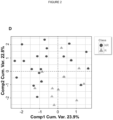
- the ALS marker set was analysed against a small independent cohort of samples provided by Oxford University. Even in a small subset of samples stratification of the samples was shown based on the biomarkers.
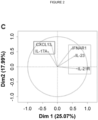
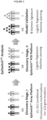
- Four markers stratify the subset of 32 (16 ALS, 16 Healthy Control) samples with p-value ⁇ 0.3. These core markers are ALS.21.23_2, DNM3.5.7_8, ALS.61.63_4 and NEALS.101.103_32, in genes EGFR, DNM3, CD36 and GLYCAM1 respectively.
Landscapes
- Health & Medical Sciences (AREA)
- Chemical & Material Sciences (AREA)
- Life Sciences & Earth Sciences (AREA)
- Organic Chemistry (AREA)
- Engineering & Computer Science (AREA)
- General Health & Medical Sciences (AREA)
- Bioinformatics & Cheminformatics (AREA)
- Public Health (AREA)
- General Chemical & Material Sciences (AREA)
- Animal Behavior & Ethology (AREA)
- Pharmacology & Pharmacy (AREA)
- Nuclear Medicine, Radiotherapy & Molecular Imaging (AREA)
- Veterinary Medicine (AREA)
- Medicinal Chemistry (AREA)
- Chemical Kinetics & Catalysis (AREA)
- Proteomics, Peptides & Aminoacids (AREA)
- Immunology (AREA)
- Zoology (AREA)
- Wood Science & Technology (AREA)
- Genetics & Genomics (AREA)
- Analytical Chemistry (AREA)
- Physics & Mathematics (AREA)
- Biophysics (AREA)
- Biotechnology (AREA)
- Molecular Biology (AREA)
- General Engineering & Computer Science (AREA)
- Biochemistry (AREA)
- Microbiology (AREA)
- Pathology (AREA)
- Neurology (AREA)
- Biomedical Technology (AREA)
- Medical Informatics (AREA)
- Neurosurgery (AREA)
- Data Mining & Analysis (AREA)
- Physical Education & Sports Medicine (AREA)
- Orthopedic Medicine & Surgery (AREA)
- Diabetes (AREA)
- Epidemiology (AREA)
- Databases & Information Systems (AREA)
- Oncology (AREA)
Claims (1)
- Procédé destiné au diagnostic de la prédisposition à la sclérose latérale amyotrophique chez un sujet, lequel procédé comprend la détection dans un échantillon provenant du sujet de la présence ou de l'absence d'au moins 10 interactions chromosomiques épigénétiques représentées par les séquences d'amorces décrites dans le tableau 6a, afin d'identifier ainsi une prédisposition à la sclérose latérale amyotrophique.
Applications Claiming Priority (4)
| Application Number | Priority Date | Filing Date | Title |
|---|---|---|---|
| GBGB1511080.2A GB201511080D0 (en) | 2015-06-24 | 2015-06-24 | Epigenetic chromosome interactions |
| GBGB1511079.4A GB201511079D0 (en) | 2015-06-24 | 2015-06-24 | Detection of chromosome interactions |
| GBGB1519555.5A GB201519555D0 (en) | 2015-11-05 | 2015-11-05 | Detection of chromosome interactions |
| PCT/GB2016/051900 WO2016207653A1 (fr) | 2015-06-24 | 2016-06-24 | Détection d'interactions chromosomiques |
Publications (3)
| Publication Number | Publication Date |
|---|---|
| EP3314015A1 EP3314015A1 (fr) | 2018-05-02 |
| EP3314015C0 EP3314015C0 (fr) | 2024-07-31 |
| EP3314015B1 true EP3314015B1 (fr) | 2024-07-31 |
Family
ID=56263988
Family Applications (4)
| Application Number | Title | Priority Date | Filing Date |
|---|---|---|---|
| EP20200717.5A Pending EP3822367A1 (fr) | 2015-06-24 | 2016-06-24 | Procédés de détection utilisant des sites d'interaction chromosomique |
| EP16732727.9A Active EP3314015B1 (fr) | 2015-06-24 | 2016-06-24 | Détection d'interactions chromosomiques |
| EP16736558.4A Withdrawn EP3314018A1 (fr) | 2015-06-24 | 2016-06-24 | Procédés de détection utilisant des sites d'interaction chromosomique |
| EP16732722.0A Withdrawn EP3314014A1 (fr) | 2015-06-24 | 2016-06-24 | Interactions chromosomiques épigénétiques |
Family Applications Before (1)
| Application Number | Title | Priority Date | Filing Date |
|---|---|---|---|
| EP20200717.5A Pending EP3822367A1 (fr) | 2015-06-24 | 2016-06-24 | Procédés de détection utilisant des sites d'interaction chromosomique |
Family Applications After (2)
| Application Number | Title | Priority Date | Filing Date |
|---|---|---|---|
| EP16736558.4A Withdrawn EP3314018A1 (fr) | 2015-06-24 | 2016-06-24 | Procédés de détection utilisant des sites d'interaction chromosomique |
| EP16732722.0A Withdrawn EP3314014A1 (fr) | 2015-06-24 | 2016-06-24 | Interactions chromosomiques épigénétiques |
Country Status (12)
| Country | Link |
|---|---|
| US (3) | US11434522B1 (fr) |
| EP (4) | EP3822367A1 (fr) |
| JP (6) | JP2018527016A (fr) |
| KR (3) | KR102622309B1 (fr) |
| CN (3) | CN108138222B (fr) |
| AU (4) | AU2016281766B2 (fr) |
| CA (2) | CA2988674C (fr) |
| HK (2) | HK1253313A1 (fr) |
| MY (4) | MY186113A (fr) |
| SG (1) | SG10201913628RA (fr) |
| WO (3) | WO2016207661A1 (fr) |
| ZA (2) | ZA201708230B (fr) |
Families Citing this family (72)
| Publication number | Priority date | Publication date | Assignee | Title |
|---|---|---|---|---|
| US11591637B2 (en) | 2012-08-14 | 2023-02-28 | 10X Genomics, Inc. | Compositions and methods for sample processing |
| US9951386B2 (en) | 2014-06-26 | 2018-04-24 | 10X Genomics, Inc. | Methods and systems for processing polynucleotides |
| US10584381B2 (en) | 2012-08-14 | 2020-03-10 | 10X Genomics, Inc. | Methods and systems for processing polynucleotides |
| US10221442B2 (en) | 2012-08-14 | 2019-03-05 | 10X Genomics, Inc. | Compositions and methods for sample processing |
| US9701998B2 (en) | 2012-12-14 | 2017-07-11 | 10X Genomics, Inc. | Methods and systems for processing polynucleotides |
| US10752949B2 (en) | 2012-08-14 | 2020-08-25 | 10X Genomics, Inc. | Methods and systems for processing polynucleotides |
| US10323279B2 (en) | 2012-08-14 | 2019-06-18 | 10X Genomics, Inc. | Methods and systems for processing polynucleotides |
| AU2013302756C1 (en) | 2012-08-14 | 2018-05-17 | 10X Genomics, Inc. | Microcapsule compositions and methods |
| US10273541B2 (en) | 2012-08-14 | 2019-04-30 | 10X Genomics, Inc. | Methods and systems for processing polynucleotides |
| CA2894694C (fr) | 2012-12-14 | 2023-04-25 | 10X Genomics, Inc. | Procedes et systemes pour le traitement de polynucleotides |
| US10533221B2 (en) | 2012-12-14 | 2020-01-14 | 10X Genomics, Inc. | Methods and systems for processing polynucleotides |
| KR20200140929A (ko) | 2013-02-08 | 2020-12-16 | 10엑스 제노믹스, 인크. | 폴리뉴클레오티드 바코드 생성 |
| SG11201508985VA (en) | 2013-05-23 | 2015-12-30 | Univ Leland Stanford Junior | Transposition into native chromatin for personal epigenomics |
| BR112016023625A2 (pt) | 2014-04-10 | 2018-06-26 | 10X Genomics, Inc. | dispositivos fluídicos, sistemas e métodos para encapsular e particionar reagentes, e aplicações dos mesmos |
| WO2015200893A2 (fr) | 2014-06-26 | 2015-12-30 | 10X Genomics, Inc. | Procédés d'analyse d'acides nucléiques provenant de cellules individuelles ou de populations de cellules |
| US12312640B2 (en) | 2014-06-26 | 2025-05-27 | 10X Genomics, Inc. | Analysis of nucleic acid sequences |
| CA2953469A1 (fr) | 2014-06-26 | 2015-12-30 | 10X Genomics, Inc. | Analyse de sequences d'acides nucleiques |
| US10526641B2 (en) | 2014-08-01 | 2020-01-07 | Dovetail Genomics, Llc | Tagging nucleic acids for sequence assembly |
| BR112017008877A2 (pt) | 2014-10-29 | 2018-07-03 | 10X Genomics Inc | métodos e composições para sequenciamento de ácido nucleico-alvo |
| US9975122B2 (en) | 2014-11-05 | 2018-05-22 | 10X Genomics, Inc. | Instrument systems for integrated sample processing |
| JP6769969B2 (ja) | 2015-01-12 | 2020-10-14 | 10エックス ジェノミクス, インコーポレイテッド | 核酸配列決定ライブラリーを作製するためのプロセス及びシステム、並びにこれらを使用して作製したライブラリー |
| WO2016134034A1 (fr) | 2015-02-17 | 2016-08-25 | Dovetail Genomics Llc | Assemblage de séquences d'acide nucléique |
| EP3262407B1 (fr) | 2015-02-24 | 2023-08-30 | 10X Genomics, Inc. | Procédés et systèmes de traitement de cloisonnement |
| MX2017010857A (es) | 2015-02-24 | 2017-12-11 | 10X Genomics Inc | Metodos para la cobertura de secuencia de acidos nucleicos seleccionados como diana. |
| US11807896B2 (en) | 2015-03-26 | 2023-11-07 | Dovetail Genomics, Llc | Physical linkage preservation in DNA storage |
| JP2018527016A (ja) | 2015-06-24 | 2018-09-20 | オックスフォード バイオダイナミックス リミテッド | 染色体相互作用の検出 |
| CA3002740A1 (fr) | 2015-10-19 | 2017-04-27 | Dovetail Genomics, Llc | Procedes d'assemblage de genomes, phasage d'haplotypes et detection d'acide nucleique independant cible |
| JP6954899B2 (ja) | 2015-12-04 | 2021-10-27 | 10エックス ゲノミクス,インコーポレイテッド | 核酸の解析のための方法及び組成物 |
| SG11201807117WA (en) | 2016-02-23 | 2018-09-27 | Dovetail Genomics Llc | Generation of phased read-sets for genome assembly and haplotype phasing |
| GB201608000D0 (en) * | 2016-05-06 | 2016-06-22 | Oxford Biodynamics Ltd | Chromosome detection |
| WO2017197343A2 (fr) | 2016-05-12 | 2017-11-16 | 10X Genomics, Inc. | Filtres microfluidiques sur puce |
| KR102412442B1 (ko) | 2016-05-13 | 2022-06-22 | 더브테일 제노믹스 엘엘씨 | 보존된 샘플로부터의 장범위 링키지 정보의 회수 |
| WO2017197338A1 (fr) | 2016-05-13 | 2017-11-16 | 10X Genomics, Inc. | Systèmes microfluidiques et procédés d'utilisation |
| EP3548633B1 (fr) | 2016-12-01 | 2024-01-24 | Oxford BioDynamics PLC | Utilisation d'interactions chromosomiques epigenetiques dans le diagnostic du cancer |
| US10011872B1 (en) | 2016-12-22 | 2018-07-03 | 10X Genomics, Inc. | Methods and systems for processing polynucleotides |
| US10550429B2 (en) | 2016-12-22 | 2020-02-04 | 10X Genomics, Inc. | Methods and systems for processing polynucleotides |
| US10815525B2 (en) | 2016-12-22 | 2020-10-27 | 10X Genomics, Inc. | Methods and systems for processing polynucleotides |
| WO2018115802A1 (fr) * | 2016-12-23 | 2018-06-28 | Oxford Biodynamics Limited | Procédé de typage |
| EP4029939B1 (fr) | 2017-01-30 | 2023-06-28 | 10X Genomics, Inc. | Procédés et systèmes de codage à barres de cellules individuelles sur la base de gouttelettes |
| US12264411B2 (en) | 2017-01-30 | 2025-04-01 | 10X Genomics, Inc. | Methods and systems for analysis |
| EP3445876B1 (fr) | 2017-05-26 | 2023-07-05 | 10X Genomics, Inc. | Analyse de la chromatine accessible par une transposase d'une cellule unique |
| US10400235B2 (en) | 2017-05-26 | 2019-09-03 | 10X Genomics, Inc. | Single cell analysis of transposase accessible chromatin |
| KR102762920B1 (ko) * | 2017-10-02 | 2025-02-04 | 옥스포드 바이오다이나믹스 피엘씨 | 바이오마커 |
| WO2019084043A1 (fr) | 2017-10-26 | 2019-05-02 | 10X Genomics, Inc. | Méthodes et systèmes de préparation d'acide nucléique et d'analyse de chromatine |
| CA3078675A1 (fr) * | 2017-11-03 | 2019-05-09 | Oxford Biodynamics Limited | Regulation genetique |
| SG11201913654QA (en) | 2017-11-15 | 2020-01-30 | 10X Genomics Inc | Functionalized gel beads |
| US10829815B2 (en) | 2017-11-17 | 2020-11-10 | 10X Genomics, Inc. | Methods and systems for associating physical and genetic properties of biological particles |
| EP3746566A1 (fr) | 2018-01-31 | 2020-12-09 | Dovetail Genomics, LLC | Préparation d'échantillon pour récupération de liaison d'adn |
| US12377396B2 (en) | 2018-02-05 | 2025-08-05 | The Board Of Trustees Of The Leland Stanford Junior University | Systems and methods for multiplexed measurements in single and ensemble cells |
| SG11202007686VA (en) | 2018-02-12 | 2020-09-29 | 10X Genomics Inc | Methods characterizing multiple analytes from individual cells or cell populations |
| CN112262218B (zh) | 2018-04-06 | 2024-11-08 | 10X基因组学有限公司 | 用于单细胞处理中的质量控制的系统和方法 |
| WO2019195854A1 (fr) * | 2018-04-06 | 2019-10-10 | Camp4 Therapeutics Corporation | Compositions et méthodes de traitement de la phénylcétonurie |
| US11746151B2 (en) | 2018-04-13 | 2023-09-05 | The Regents Of The University Of Michigan | Compositions and methods for treating cancer |
| US11932899B2 (en) | 2018-06-07 | 2024-03-19 | 10X Genomics, Inc. | Methods and systems for characterizing nucleic acid molecules |
| SG11202101164TA (en) | 2018-08-03 | 2021-03-30 | 10X Genomics Inc | Methods and systems to minimize barcode exchange |
| EP3870719A1 (fr) * | 2018-10-22 | 2021-09-01 | Oxford BioDynamics PLC | Biomarqueur chromosomique |
| US11845983B1 (en) | 2019-01-09 | 2023-12-19 | 10X Genomics, Inc. | Methods and systems for multiplexing of droplet based assays |
| US11467153B2 (en) | 2019-02-12 | 2022-10-11 | 10X Genomics, Inc. | Methods for processing nucleic acid molecules |
| WO2020167866A1 (fr) | 2019-02-12 | 2020-08-20 | 10X Genomics, Inc. | Systèmes et procédés pour le chargement de transposons |
| EP3924505B1 (fr) | 2019-02-12 | 2025-12-17 | 10X Genomics, Inc. | Procédés de traitement de molécules d'acides nucléiques |
| GB2626699B (en) * | 2019-05-08 | 2024-11-20 | Oxford BioDynamics PLC | Chromosome Conformation Markers of Prostate Cancer and Lymphoma |
| CN110222023B (zh) * | 2019-06-06 | 2022-09-16 | 桂林电子科技大学 | 基于Spark与蚁群优化的多目标并行属性约简方法 |
| US20220293209A1 (en) * | 2019-07-01 | 2022-09-15 | Rutgers, The State University Of New Jersey | Genomic and epigenomic comparative, integrative pathway discovery |
| JP7330827B2 (ja) * | 2019-09-10 | 2023-08-22 | 株式会社日立製作所 | データ処理装置、データ処理方法、およびデータ処理プログラム |
| TWI884984B (zh) * | 2019-09-11 | 2025-06-01 | 英商牛津生物力學公眾有限公司 | 診斷染色體標記 |
| GB202008269D0 (en) * | 2020-06-02 | 2020-07-15 | Oxford Biodynamics Ltd | Detecting a chromosome marker |
| GB202016176D0 (en) * | 2020-10-12 | 2020-11-25 | Oxford BioDynamics PLC | Disease marker |
| JP2024504062A (ja) * | 2021-01-07 | 2024-01-30 | オックスフォード バイオダイナミックス ピーエルシー | 染色体相互作用 |
| KR20240126870A (ko) | 2021-12-22 | 2024-08-21 | 캠프4 테라퓨틱스 코포레이션 | 조절 rna들을 표적으로 하는 안티센스 올리고뉴클레오티드를 사용한 유전자 전사의 조절 |
| WO2025181335A1 (fr) * | 2024-02-29 | 2025-09-04 | Grifols Worldwide Operations Limited | Méthodes de traitement d'une déficience cognitive |
| CN118506860B (zh) * | 2024-07-18 | 2024-10-08 | 广州女娲生命科技有限公司 | 药物表观遗传安全性评价的检测分析方法及系统 |
| GB202412610D0 (en) * | 2024-08-28 | 2024-10-09 | Oxford BioDynamics PLC | Screening method |
Family Cites Families (24)
| Publication number | Priority date | Publication date | Assignee | Title |
|---|---|---|---|---|
| JP4242590B2 (ja) * | 2002-01-11 | 2009-03-25 | 俊一 塩澤 | 慢性関節リウマチの疾患感受性遺伝子、及びその利用 |
| WO2005118873A2 (fr) | 2004-05-28 | 2005-12-15 | Cemines, Inc. | Compositions et methodes pour la detection de chromatine ouverte et l'etablissement de profils d'etat de la chromatine sur tout le genome |
| KR100565698B1 (ko) * | 2004-12-29 | 2006-03-28 | 디지탈 지노믹스(주) | 급성골수성백혈병(aml), b-세포형 급성임파구성백혈병(b-all), t 세포형 급성임파구성백혈병(t-all) 진단용 마커 |
| GT200600065A (es) * | 2005-02-14 | 2006-10-02 | Anticuerpos para interleucina-17f y otros antagonistas de la señalizacion de il-17f y sus usos | |
| AU2006264564B2 (en) | 2005-07-04 | 2012-04-19 | Erasmus University Medical Center | Chromosome conformation capture-on-chip (4c) assay |
| US20070238094A1 (en) * | 2005-12-09 | 2007-10-11 | Baylor Research Institute | Diagnosis, prognosis and monitoring of disease progression of systemic lupus erythematosus through blood leukocyte microarray analysis |
| GB0603251D0 (en) * | 2006-02-17 | 2006-03-29 | Isis Innovation | DNA conformation |
| WO2008024473A2 (fr) | 2006-08-24 | 2008-02-28 | University Of Massachusetts Medical School | Cartographie d'interactions génomiques |
| PT2121977T (pt) | 2007-01-11 | 2017-08-18 | Erasmus Univ Medical Center | Captura da conformação cromossómica circular (4c) |
| EP2129796B1 (fr) * | 2007-02-21 | 2013-10-23 | Oslo Universitetssykehus HF | Nouveaux marqueurs pour le cancer |
| WO2008144761A2 (fr) * | 2007-05-21 | 2008-11-27 | Genentech, Inc. | Procédés et compositions pour l'identification et le traitement du lupus |
| PL2557520T3 (pl) * | 2007-07-23 | 2021-10-11 | The Chinese University Of Hong Kong | Określanie zaburzenia równowagi sekwencji kwasu nukleinowego |
| DK2282779T3 (da) | 2008-04-29 | 2013-05-27 | Pharnext | Nye terapeutiske fremgangsmåder til behandling af alzheimer sygdom og beslægtede lidelser gennem en modulation af cellestress-respons |
| GB0810051D0 (en) * | 2008-06-02 | 2008-07-09 | Oxford Biodynamics Ltd | Method of diagnosis |
| GB0921329D0 (en) * | 2009-12-04 | 2010-01-20 | Univ Surrey | Biomarker |
| EP2542696B1 (fr) * | 2010-03-01 | 2016-09-28 | Caris Life Sciences Switzerland Holdings GmbH | Biomarqueurs pour théranostique |
| US8663919B2 (en) | 2011-05-18 | 2014-03-04 | Life Technologies Corporation | Chromosome conformation analysis |
| AU2013302861A1 (en) * | 2012-08-13 | 2015-03-05 | The Rockefeller University | Treatment and diagnosis of melanoma |
| US10508303B2 (en) | 2013-07-19 | 2019-12-17 | Ludwig Institute For Cancer Research Ltd | Whole-genome and targeted haplotype reconstruction |
| JP2015092853A (ja) | 2013-11-12 | 2015-05-18 | 国立大学法人名古屋大学 | Als疾患関連遺伝子配列解析用の補足pcrプライマーセット、als疾患関連遺伝子配列の解析方法、及びals疾患の検査方法 |
| GB201320351D0 (en) * | 2013-11-18 | 2014-01-01 | Erasmus Universiteit Medisch Ct | Method |
| WO2015077414A1 (fr) * | 2013-11-20 | 2015-05-28 | Dana-Farber Cancer Institute, Inc. | Biomarqueurs de la voie de la kynurénine prédictifs de réponse à un anticorps inhibiteur de point de contrôle immunitaire |
| WO2016040643A1 (fr) | 2014-09-10 | 2016-03-17 | The Uab Research Foundation | Biomarqueurs de sclérose latérale amyotrophique (sla) et leurs utilisations |
| JP2018527016A (ja) | 2015-06-24 | 2018-09-20 | オックスフォード バイオダイナミックス リミテッド | 染色体相互作用の検出 |
-
2016
- 2016-06-24 JP JP2018518797A patent/JP2018527016A/ja active Pending
- 2016-06-24 WO PCT/GB2016/051910 patent/WO2016207661A1/fr not_active Ceased
- 2016-06-24 MY MYPI2017704893A patent/MY186113A/en unknown
- 2016-06-24 EP EP20200717.5A patent/EP3822367A1/fr active Pending
- 2016-06-24 MY MYPI2021004278A patent/MY206629A/en unknown
- 2016-06-24 WO PCT/GB2016/051894 patent/WO2016207647A1/fr not_active Ceased
- 2016-06-24 US US15/738,476 patent/US11434522B1/en active Active
- 2016-06-24 MY MYPI2017704921A patent/MY188461A/en unknown
- 2016-06-24 JP JP2018518798A patent/JP2018518992A/ja active Pending
- 2016-06-24 EP EP16732727.9A patent/EP3314015B1/fr active Active
- 2016-06-24 CN CN201680037379.0A patent/CN108138222B/zh active Active
- 2016-06-24 KR KR1020187002196A patent/KR102622309B1/ko active Active
- 2016-06-24 EP EP16736558.4A patent/EP3314018A1/fr not_active Withdrawn
- 2016-06-24 HK HK18112606.1A patent/HK1253313A1/zh unknown
- 2016-06-24 KR KR1020187002147A patent/KR102622307B1/ko active Active
- 2016-06-24 HK HK18112605.2A patent/HK1253312A1/zh unknown
- 2016-06-24 SG SG10201913628RA patent/SG10201913628RA/en unknown
- 2016-06-24 CN CN201680048749.0A patent/CN108138223B/zh active Active
- 2016-06-24 AU AU2016281766A patent/AU2016281766B2/en active Active
- 2016-06-24 EP EP16732722.0A patent/EP3314014A1/fr not_active Withdrawn
- 2016-06-24 KR KR1020187002360A patent/KR102622305B1/ko active Active
- 2016-06-24 MY MYPI2017704907A patent/MY194686A/en unknown
- 2016-06-24 CA CA2988674A patent/CA2988674C/fr active Active
- 2016-06-24 JP JP2018518796A patent/JP2018518203A/ja active Pending
- 2016-06-24 WO PCT/GB2016/051900 patent/WO2016207653A1/fr not_active Ceased
- 2016-06-24 CN CN201680048728.9A patent/CN108377651A/zh active Pending
- 2016-06-24 US US15/738,469 patent/US11802305B2/en active Active
- 2016-06-24 AU AU2016281772A patent/AU2016281772B2/en active Active
- 2016-06-24 US US15/738,457 patent/US11795496B2/en active Active
- 2016-06-24 CA CA2988673A patent/CA2988673A1/fr active Pending
- 2016-06-24 AU AU2016281776A patent/AU2016281776B2/en active Active
-
2017
- 2017-12-04 ZA ZA2017/08230A patent/ZA201708230B/en unknown
- 2017-12-04 ZA ZA2017/08231A patent/ZA201708231B/en unknown
-
2019
- 2019-08-23 AU AU2019219864A patent/AU2019219864B2/en active Active
-
2020
- 2020-11-19 JP JP2020192590A patent/JP7248641B2/ja active Active
- 2020-11-27 JP JP2020196529A patent/JP7129459B2/ja active Active
-
2021
- 2021-07-30 JP JP2021125965A patent/JP7297015B2/ja active Active
Non-Patent Citations (4)
| Title |
|---|
| IONE O. C. WOOLLACOTT ET AL: "The C9ORF72 expansion mutation: gene structure, phenotypic and diagnostic issues", ACTA NEUROPATHOLOGICA., vol. 127, no. 3, 11 February 2014 (2014-02-11), BERLIN, DE, pages 319 - 332, XP055620377, ISSN: 0001-6322, DOI: 10.1007/s00401-014-1253-7 * |
| MATTHEW SALTER ET AL: "Initial Identification of a Blood-Based Chromosome Conformation Signature for Aiding in the Diagnosis of Amyotrophic Lateral Sclerosis", EBIOMEDICINE, vol. 33, 23 June 2018 (2018-06-23), pages 169 - 184, XP055620336, ISSN: 2352-3964, DOI: 10.1016/j.ebiom.2018.06.015 * |
| R. M. MITCHELL ET AL: "A CSF biomarker panel for identification of patients with amyotrophic lateral sclerosis", NEUROLOGY, vol. 72, no. 1, 5 November 2008 (2008-11-05), US, pages 14 - 19, XP055620340, ISSN: 0028-3878, DOI: 10.1212/01.wnl.0000333251.36681.a5 * |
| RYAN M. MITCHELL ET AL: "Plasma biomarkers associated with ALS and their relationship to iron homeostasis", MUSCLE & NERVE, vol. 42, no. 1, 28 April 2010 (2010-04-28), pages 95 - 103, XP055046251, ISSN: 0148-639X, DOI: 10.1002/mus.21625 * |
Also Published As
Similar Documents
| Publication | Publication Date | Title |
|---|---|---|
| EP3314015B1 (fr) | Détection d'interactions chromosomiques | |
| US20250250644A1 (en) | Methods and systems for adjusting tumor mutational burden by tumor fraction and coverage | |
| US9809854B2 (en) | Biomarkers for disease activity and clinical manifestations systemic lupus erythematosus | |
| EP3129496B1 (fr) | Prédicteurs moléculaires de la septicémie | |
| EP2520661A1 (fr) | Signatures d'expression de gènes basées sur le sang dans le cancer du poumon | |
| EP3704274B1 (fr) | Regulation genetique de l'immunoreponse par interactions chromosomiques | |
| US20150240304A1 (en) | Genes and genes combinations based on gene mknk1 predictive of early response or non response of subjects suffering from inflammatory disease to cytokine targeting drugs (cytd) or anti-inflammatory biological drugs | |
| US20150099643A1 (en) | Blood-based gene expression signatures in lung cancer | |
| CN106119406B (zh) | 多发性肉芽肿血管炎及微小动脉炎的基因分型诊断试剂盒及使用方法 | |
| EP4301874B1 (fr) | Marqueurs d'interaction chromosomique | |
| HK1253314B (en) | Detection of chromosome interactions | |
| US20260125769A1 (en) | Methods and systems for adjusting tumor mutational burden by tumor fraction and coverage | |
| HK40042983A (en) | Detection processes using sites of chromosome interaction | |
| US20150133333A1 (en) | Compositions and methods for detecting complicated sarcoidosis | |
| AU2024344411A1 (en) | Chromosome detection assay | |
| CN118891378A (zh) | 用于预测药物反应或疾病风险的基因签名 | |
| HK40033107A (en) | Genetic regulation of immunoresponse by chromosome interactions | |
| HK40033107B (en) | Genetic regulation of immunoresponse by chromosome interactions | |
| Sharma et al. | A 261 Kb Deletion Spanning Three Genes is Causing Rubinstein-Taybi Syndrome in a 6-Year-Old Boy Belonging to Kashmir Valley, India |
Legal Events
| Date | Code | Title | Description |
|---|---|---|---|
| STAA | Information on the status of an ep patent application or granted ep patent |
Free format text: STATUS: THE INTERNATIONAL PUBLICATION HAS BEEN MADE |
|
| PUAI | Public reference made under article 153(3) epc to a published international application that has entered the european phase |
Free format text: ORIGINAL CODE: 0009012 |
|
| STAA | Information on the status of an ep patent application or granted ep patent |
Free format text: STATUS: REQUEST FOR EXAMINATION WAS MADE |
|
| 17P | Request for examination filed |
Effective date: 20180122 |
|
| AK | Designated contracting states |
Kind code of ref document: A1 Designated state(s): AL AT BE BG CH CY CZ DE DK EE ES FI FR GB GR HR HU IE IS IT LI LT LU LV MC MK MT NL NO PL PT RO RS SE SI SK SM TR |
|
| AX | Request for extension of the european patent |
Extension state: BA ME |
|
| DAV | Request for validation of the european patent (deleted) | ||
| DAX | Request for extension of the european patent (deleted) | ||
| REG | Reference to a national code |
Ref country code: HK Ref legal event code: DE Ref document number: 1253314 Country of ref document: HK |
|
| STAA | Information on the status of an ep patent application or granted ep patent |
Free format text: STATUS: EXAMINATION IS IN PROGRESS |
|
| 17Q | First examination report despatched |
Effective date: 20190916 |
|
| RAP1 | Party data changed (applicant data changed or rights of an application transferred) |
Owner name: OXFORD BIODYNAMICS PLC |
|
| REG | Reference to a national code |
Ref country code: DE Ref legal event code: R079 Free format text: PREVIOUS MAIN CLASS: C12Q0001680000 Ref country code: DE Ref legal event code: R079 Ref document number: 602016088656 Country of ref document: DE Free format text: PREVIOUS MAIN CLASS: C12Q0001680000 Ipc: C12Q0001682700 |
|
| GRAP | Despatch of communication of intention to grant a patent |
Free format text: ORIGINAL CODE: EPIDOSNIGR1 |
|
| STAA | Information on the status of an ep patent application or granted ep patent |
Free format text: STATUS: GRANT OF PATENT IS INTENDED |
|
| INTG | Intention to grant announced |
Effective date: 20240209 |
|
| RIC1 | Information provided on ipc code assigned before grant |
Ipc: C12Q 1/6883 20180101ALI20240129BHEP Ipc: C12Q 1/6827 20180101AFI20240129BHEP |
|
| RAP3 | Party data changed (applicant data changed or rights of an application transferred) |
Owner name: OXFORD BIODYNAMICS PLC |
|
| RIN1 | Information on inventor provided before grant (corrected) |
Inventor name: AKOULITCHEV, ALEXANDRE Inventor name: RAMADASS, AROUL Inventor name: HUNTER, EWAN |
|
| GRAS | Grant fee paid |
Free format text: ORIGINAL CODE: EPIDOSNIGR3 |
|
| GRAA | (expected) grant |
Free format text: ORIGINAL CODE: 0009210 |
|
| STAA | Information on the status of an ep patent application or granted ep patent |
Free format text: STATUS: THE PATENT HAS BEEN GRANTED |
|
| P01 | Opt-out of the competence of the unified patent court (upc) registered |
Free format text: CASE NUMBER: APP_36551/2024 Effective date: 20240619 |
|
| AK | Designated contracting states |
Kind code of ref document: B1 Designated state(s): AL AT BE BG CH CY CZ DE DK EE ES FI FR GB GR HR HU IE IS IT LI LT LU LV MC MK MT NL NO PL PT RO RS SE SI SK SM TR |
|
| REG | Reference to a national code |
Ref country code: CH Ref legal event code: EP Ref country code: GB Ref legal event code: FG4D |
|
| REG | Reference to a national code |
Ref country code: DE Ref legal event code: R096 Ref document number: 602016088656 Country of ref document: DE |
|
| REG | Reference to a national code |
Ref country code: IE Ref legal event code: FG4D |
|
| U01 | Request for unitary effect filed |
Effective date: 20240822 |
|
| U07 | Unitary effect registered |
Designated state(s): AT BE BG DE DK EE FI FR IT LT LU LV MT NL PT RO SE SI Effective date: 20240902 |
|
| P04 | Withdrawal of opt-out of the competence of the unified patent court (upc) registered |
Free format text: CASE NUMBER: APP_49152/2024 Effective date: 20240828 |
|
| P05 | Withdrawal of opt-out of the competence of the unified patent court (upc) changed |
Free format text: CASE NUMBER: APP_49152/2024 Effective date: 20240902 |
|
| PG25 | Lapsed in a contracting state [announced via postgrant information from national office to epo] |
Ref country code: NO Free format text: LAPSE BECAUSE OF FAILURE TO SUBMIT A TRANSLATION OF THE DESCRIPTION OR TO PAY THE FEE WITHIN THE PRESCRIBED TIME-LIMIT Effective date: 20241031 |
|
| PG25 | Lapsed in a contracting state [announced via postgrant information from national office to epo] |
Ref country code: PL Free format text: LAPSE BECAUSE OF FAILURE TO SUBMIT A TRANSLATION OF THE DESCRIPTION OR TO PAY THE FEE WITHIN THE PRESCRIBED TIME-LIMIT Effective date: 20240731 Ref country code: GR Free format text: LAPSE BECAUSE OF FAILURE TO SUBMIT A TRANSLATION OF THE DESCRIPTION OR TO PAY THE FEE WITHIN THE PRESCRIBED TIME-LIMIT Effective date: 20241101 |
|
| PG25 | Lapsed in a contracting state [announced via postgrant information from national office to epo] |
Ref country code: IS Free format text: LAPSE BECAUSE OF FAILURE TO SUBMIT A TRANSLATION OF THE DESCRIPTION OR TO PAY THE FEE WITHIN THE PRESCRIBED TIME-LIMIT Effective date: 20241130 |
|
| PG25 | Lapsed in a contracting state [announced via postgrant information from national office to epo] |
Ref country code: HR Free format text: LAPSE BECAUSE OF FAILURE TO SUBMIT A TRANSLATION OF THE DESCRIPTION OR TO PAY THE FEE WITHIN THE PRESCRIBED TIME-LIMIT Effective date: 20240731 |
|
| PG25 | Lapsed in a contracting state [announced via postgrant information from national office to epo] |
Ref country code: ES Free format text: LAPSE BECAUSE OF FAILURE TO SUBMIT A TRANSLATION OF THE DESCRIPTION OR TO PAY THE FEE WITHIN THE PRESCRIBED TIME-LIMIT Effective date: 20240731 Ref country code: RS Free format text: LAPSE BECAUSE OF FAILURE TO SUBMIT A TRANSLATION OF THE DESCRIPTION OR TO PAY THE FEE WITHIN THE PRESCRIBED TIME-LIMIT Effective date: 20241031 |
|
| PG25 | Lapsed in a contracting state [announced via postgrant information from national office to epo] |
Ref country code: RS Free format text: LAPSE BECAUSE OF FAILURE TO SUBMIT A TRANSLATION OF THE DESCRIPTION OR TO PAY THE FEE WITHIN THE PRESCRIBED TIME-LIMIT Effective date: 20241031 Ref country code: PL Free format text: LAPSE BECAUSE OF FAILURE TO SUBMIT A TRANSLATION OF THE DESCRIPTION OR TO PAY THE FEE WITHIN THE PRESCRIBED TIME-LIMIT Effective date: 20240731 Ref country code: NO Free format text: LAPSE BECAUSE OF FAILURE TO SUBMIT A TRANSLATION OF THE DESCRIPTION OR TO PAY THE FEE WITHIN THE PRESCRIBED TIME-LIMIT Effective date: 20241031 Ref country code: IS Free format text: LAPSE BECAUSE OF FAILURE TO SUBMIT A TRANSLATION OF THE DESCRIPTION OR TO PAY THE FEE WITHIN THE PRESCRIBED TIME-LIMIT Effective date: 20241130 Ref country code: HR Free format text: LAPSE BECAUSE OF FAILURE TO SUBMIT A TRANSLATION OF THE DESCRIPTION OR TO PAY THE FEE WITHIN THE PRESCRIBED TIME-LIMIT Effective date: 20240731 Ref country code: GR Free format text: LAPSE BECAUSE OF FAILURE TO SUBMIT A TRANSLATION OF THE DESCRIPTION OR TO PAY THE FEE WITHIN THE PRESCRIBED TIME-LIMIT Effective date: 20241101 Ref country code: ES Free format text: LAPSE BECAUSE OF FAILURE TO SUBMIT A TRANSLATION OF THE DESCRIPTION OR TO PAY THE FEE WITHIN THE PRESCRIBED TIME-LIMIT Effective date: 20240731 |
|
| PG25 | Lapsed in a contracting state [announced via postgrant information from national office to epo] |
Ref country code: SM Free format text: LAPSE BECAUSE OF FAILURE TO SUBMIT A TRANSLATION OF THE DESCRIPTION OR TO PAY THE FEE WITHIN THE PRESCRIBED TIME-LIMIT Effective date: 20240731 |
|
| PG25 | Lapsed in a contracting state [announced via postgrant information from national office to epo] |
Ref country code: CZ Free format text: LAPSE BECAUSE OF FAILURE TO SUBMIT A TRANSLATION OF THE DESCRIPTION OR TO PAY THE FEE WITHIN THE PRESCRIBED TIME-LIMIT Effective date: 20240731 |
|
| PG25 | Lapsed in a contracting state [announced via postgrant information from national office to epo] |
Ref country code: SK Free format text: LAPSE BECAUSE OF FAILURE TO SUBMIT A TRANSLATION OF THE DESCRIPTION OR TO PAY THE FEE WITHIN THE PRESCRIBED TIME-LIMIT Effective date: 20240731 |
|
| PLBE | No opposition filed within time limit |
Free format text: ORIGINAL CODE: 0009261 |
|
| STAA | Information on the status of an ep patent application or granted ep patent |
Free format text: STATUS: NO OPPOSITION FILED WITHIN TIME LIMIT |
|
| 26N | No opposition filed |
Effective date: 20250501 |
|
| PGFP | Annual fee paid to national office [announced via postgrant information from national office to epo] |
Ref country code: GB Payment date: 20250620 Year of fee payment: 10 |
|
| PGFP | Annual fee paid to national office [announced via postgrant information from national office to epo] |
Ref country code: TR Payment date: 20250613 Year of fee payment: 10 |
|
| PGFP | Annual fee paid to national office [announced via postgrant information from national office to epo] |
Ref country code: IE Payment date: 20250623 Year of fee payment: 10 |
|
| U20 | Renewal fee for the european patent with unitary effect paid |
Year of fee payment: 10 Effective date: 20250620 |
|
| PGFP | Annual fee paid to national office [announced via postgrant information from national office to epo] |
Ref country code: CH Payment date: 20250701 Year of fee payment: 10 |
|
| PG25 | Lapsed in a contracting state [announced via postgrant information from national office to epo] |
Ref country code: MC Free format text: LAPSE BECAUSE OF FAILURE TO SUBMIT A TRANSLATION OF THE DESCRIPTION OR TO PAY THE FEE WITHIN THE PRESCRIBED TIME-LIMIT Effective date: 20240731 |