EP3315510B1 - Peptide de chimiokine modifié - Google Patents
Peptide de chimiokine modifié Download PDFInfo
- Publication number
- EP3315510B1 EP3315510B1 EP15893723.5A EP15893723A EP3315510B1 EP 3315510 B1 EP3315510 B1 EP 3315510B1 EP 15893723 A EP15893723 A EP 15893723A EP 3315510 B1 EP3315510 B1 EP 3315510B1
- Authority
- EP
- European Patent Office
- Prior art keywords
- cancer
- modified
- chemokine peptide
- peptide
- terminus
- Prior art date
- Legal status (The legal status is an assumption and is not a legal conclusion. Google has not performed a legal analysis and makes no representation as to the accuracy of the status listed.)
- Active
Links
Images




Classifications
-
- A—HUMAN NECESSITIES
- A61—MEDICAL OR VETERINARY SCIENCE; HYGIENE
- A61K—PREPARATIONS FOR MEDICAL, DENTAL OR TOILETRY PURPOSES
- A61K38/00—Medicinal preparations containing peptides
- A61K38/16—Peptides having more than 20 amino acids; Gastrins; Somatostatins; Melanotropins; Derivatives thereof
- A61K38/17—Peptides having more than 20 amino acids; Gastrins; Somatostatins; Melanotropins; Derivatives thereof from animals; from humans
- A61K38/19—Cytokines; Lymphokines; Interferons
- A61K38/20—Interleukins [IL]
-
- A—HUMAN NECESSITIES
- A61—MEDICAL OR VETERINARY SCIENCE; HYGIENE
- A61P—SPECIFIC THERAPEUTIC ACTIVITY OF CHEMICAL COMPOUNDS OR MEDICINAL PREPARATIONS
- A61P35/00—Antineoplastic agents
-
- C—CHEMISTRY; METALLURGY
- C07—ORGANIC CHEMISTRY
- C07K—PEPTIDES
- C07K14/00—Peptides having more than 20 amino acids; Gastrins; Somatostatins; Melanotropins; Derivatives thereof
- C07K14/435—Peptides having more than 20 amino acids; Gastrins; Somatostatins; Melanotropins; Derivatives thereof from animals; from humans
- C07K14/52—Cytokines; Lymphokines; Interferons
- C07K14/521—Chemokines
-
- C—CHEMISTRY; METALLURGY
- C07—ORGANIC CHEMISTRY
- C07K—PEPTIDES
- C07K14/00—Peptides having more than 20 amino acids; Gastrins; Somatostatins; Melanotropins; Derivatives thereof
- C07K14/435—Peptides having more than 20 amino acids; Gastrins; Somatostatins; Melanotropins; Derivatives thereof from animals; from humans
- C07K14/52—Cytokines; Lymphokines; Interferons
- C07K14/54—Interleukins [IL]
-
- C—CHEMISTRY; METALLURGY
- C07—ORGANIC CHEMISTRY
- C07K—PEPTIDES
- C07K14/00—Peptides having more than 20 amino acids; Gastrins; Somatostatins; Melanotropins; Derivatives thereof
- C07K14/435—Peptides having more than 20 amino acids; Gastrins; Somatostatins; Melanotropins; Derivatives thereof from animals; from humans
- C07K14/52—Cytokines; Lymphokines; Interferons
- C07K14/54—Interleukins [IL]
- C07K14/5421—IL-8
-
- A—HUMAN NECESSITIES
- A61—MEDICAL OR VETERINARY SCIENCE; HYGIENE
- A61K—PREPARATIONS FOR MEDICAL, DENTAL OR TOILETRY PURPOSES
- A61K38/00—Medicinal preparations containing peptides
Definitions
- the present invention relates to a modified chemokine peptide capable of being a therapeutic antagonist.
- the present invention relates to a modified chemokine for treating cancer and inhibiting tumor growth.
- Chemokines are a group of inducible, secretory, structurally and related small molecules (approximately 8 to 14 kD). Chemokine is divided into four subfamilies, such as CXC, CC, CX3C and C. Chemokines are also grouped into two main functional subfamilies: “homeostatic chemokines” and "inflammatory chemokines.
- Chemokine usually has three ⁇ -sheets in its structure, and has a ⁇ -helix at C terminal and 4-conserved cysteines at N-terminus. Chemokines have been categorized into four subfamilies (CXC, CC, CX3C and XC) based on the sequence containing the first two cysteines (Cys) at N-terminus. Among the four types, CXC and CC are the two major subfamilies while XC and CX3C are minor subfamilies. Reaction happens after chemokine on the cell conjugated with chemokine receptor.
- Chemokine receptor includes seven transmembrane G protein binding receptors, which respectively are nominated as CXCR, CCR, CXR and CX 3 CR according to the types of ligands on the binding target. Chemokine receptors are further arranged according to the number, such as CXCR1, CXCR2, CXCR4 and so on. However, not only one chemokine receptor is represented on the target cells, the binding target of the infiltrated inflammation cells is not specifically to one chemokine receptor, and then some chemokine receptors of different cells must be expressed under certain stimulation and induction.
- ELR-CXC chemokine with glutamate (E)-leucine (L)-Arginine (R) characteristic sequence is referred to a protein having the amino acid sequence of ELR-CXC characteristic at N-terminus, and X would be the amino acid having polarity with or without charge, or X is absent.
- ELR-CXC chemokine can regulate the expression of carcinogen, IL-8 and neutrophil-activating protein-2 (NAP-2). Their receptors are CXCR1 and CXCR2, and they mainly target to neutrophils. ELR-CXC chemokine can promote the accumulation and activation of neutrophils.
- this type of ELR-CXC chemokine plays an important role in the generation of the board-ranged acute and chronic inflammation diseases. These inflammations include psoriasis and rheumatoid arthritis.
- ELR-CXC chemokine is associated with angiogenesis accompanied upon tumor development, and its inductive mechanism is the activation generated by conjugating this type of chemokine, especially referring to IL-8 (CXCL8), with CXCR1 and CXCR2 on the endothelial cells (ECs).
- CXCL8 IL-8
- CXCR1 and CXCR2 CXCR1 and CXCR2 on the endothelial cells
- Anti-conjugation of CXCR1 or CXCR2 with ELR-CXC chemokine is a practicable strategy, so that the abnormal signal transmission induced by the activation of CXCR1 or/and CXCR2 receptor is inhibited, so that the associated diseases resulted from the activation of cells with two types of receptors are treated. Accordingly, scientists are endeavoring in finding and preparing receptor protein analogs for inhibiting CXC chemokines.
- Cancer is the most popular disease cause of death in developed countries. If cancer is diagnosed at an early stage, it is more likely to be treated successfully. Although there has been considerable progress in the diagnosis and treatment of cancer, these drugs are either causing serious side effects or ineffective. Therefore, a novel method or a novel composition for treating cancer or preventing cancer is needed.
- a modified chemokine for inhibiting tumor growth and treating cancer according to claim 1.
- Preferred embodiments of the modified chemokine are represented by the dependent claims 2 to 4.
- the present invention provides a modified chemokine peptide comprising a peptide sequence.
- the N-terminus of the peptide sequence comprises two characteristic sequences.
- One characteristic sequence is a "(a) Glutamate (E)-Leucine (L)-Arginine (R) sequence” which is situated at the N-terminus of the modified chemokine peptide.
- Another characteristic sequence is a "(b) Proline (P)-Alanine (A)-Serine (S)-Glutamine (Q)-Phenylalanine (F) sequence” which is neighbored to the upstream of the third cysteine (C) counted from N-terminus of a chemokine peptide.
- the modified chemokine peptide comprise (a) characteristic sequence, (b) characteristic sequence, and a modified position.
- the above-mentioned modified position is situated at the 17 th , 12 th , or 13 th position counted from the N-terminus of the modified chemokine peptide.
- the phenylalanine (F) residue at position 17 th is substituted with leucine (L).
- the un-modified precursor of the modified chemokine peptide is originated from a source chemokine.
- Zero to two amino acid residue is located between the first two cysteines at N-terminus of the source chemokine, and the amino acid residue has polarity with or without charge, when the number of the amino acid residue is one to two.
- the source chemokine peptide is selected from the group consisting of SEQ ID NO:1 and SEQ ID NO: 2.
- Source chemokine peptides according to SEQ ID NO:2, SEQ ID NO:3, SEQ ID NO:4, SEQ ID NO:5, SEQ ID NO:6, SEQ ID NO: 7, SEQ ID NO: 8, or SEQ ID NO: 9 as disclosed herein are not according to the present invention.
- the modified chemokine peptide is selected from SEQ ID NO:10 or SEQ ID NO: 12.
- the present invention also provides a pharmaceutical composition, comprising the modified chemokine peptide of the present invention and a pharmaceutically acceptable excipient.
- the modified chemokine peptide is suitable for treating cancer or inhibiting tumor growth.
- the present invention further provides a pharmaceutical composition for treating cancer or inhibiting tumor growth, comprising a therapeutically effective amount of a modified chemokine peptide of the present invention and a pharmaceutically acceptable excipient.
- a pharmaceutical composition for treating cancer or inhibiting tumor growth comprising a therapeutically effective amount of a modified chemokine peptide of the present invention and a pharmaceutically acceptable excipient.
- the cancer comprises prostate cancer, breast cancer, uterine cancer, leukemia, ovarian cancer, endometrial cancer, cervical cancer, colorectal cancer, testicular cancer, lymphoma, rhabdomyosarcoma, neuroblastoma, pancreatic cancer, lung cancer, brain tumor, skin cancer, stomach cancer, oral cancer, liver cancer, laryngeal cancer, gallbladder cancer, thyroid cancer, liver cancer, kidney cancer, or nasopharyngeal carcinoma.
- the present invention provides a novel chemokine.
- the novel chemokine of the present invention is derived from ELR-CXC chemokine or a substance having high binding affinity to CXCR1 or CXCR2, namely CXCL8 (SEQ ID NO: 2), and hG31P (SEQ ID NO: 1).
- modification is made in accordance with this type of chemokine in this invention, and it mainly depends on a PASQF characteristic sequence substituted the original 30s-loop region ( Fig.1 ).
- This PASQF originally exists in CXCL 10 chemokine, which is a non-ELR-CXC chemokine.
- the modified chemokine of the present invention comprises (a) "-N'-Glutamate (E)-Leucine (L)-Arginine (R)" characteristic sequence which is situated at the N-terminus of the modified chemokine peptide, and (b) a "-N'-Proline (P)-Alanine (A)-Serine (S)-Glutamine (Q)-Phenylalanine (F)-Cys 3 " characteristic sequence which is neighbored to the upstream of the third cysteine (C) counted from N-terminus of the chemokine peptide.
- the modified chemokine of the present invention further comprises a mutation (modification) at the 17 th position counted from the N-terminus of the modified chemokine peptide.
- the original amino acid residue at position 17 is phenylalanine (F), and the 17 th amino acid residue is substituted to non-phenylalanine (F) amino acid by a single amino acid mutation.
- the amino acid residue at position 17 is substituted to leucine (L), isoleucine (I), or valine (V), , preferably leucine (L).
- the modified chemokines have a higher affinity and could effectively inhibit tumor growth after an amino acid residue substituted at position 17.
- the modified chemokines of the present invention include, but are not limited to, SEQ ID NO: 10 and/or SEQ ID NO: 12 ( Fig. 2 ).
- SEQ ID NO: 10 not only includes a N-terminal sequence of ELR-CQC to satisfy the rule of amino acid characteristic sequence of ELR-CXnX, but also has an oligopeptide sequence, Pro-Ala-Ser-Gln-Phe (PASQF).
- PASQF is a modified sequence substituted for the upstream of the third cysteine (10192) counted from N-terminus, and this third cysteine closely neighbors to phenoalanine of PASQF oligopeptide sequence. More importantly, the amino acid residue at 17 th position (the first modified position) is leucine, not phenylalanine.
- SEQ ID NO: 10 SEQ ID NO: 11 and SEQ ID NO: 12 of the ELR-CXC chemokine analogs have a PASQF modified sequence, which is neighbored to the upstream of the third cysteine (C) counted from N-terminus of a chemokine peptide. Additionally, the amino acid residue at position 17 of the chemokine of the present invention is mutated to leucine.
- the modified chemokine peptides of the present invention can treat diseases associated with angiogenesis.
- the angiogenesis associated diseases include, but are not limited to, inflammatory disorders, chronic articular rheumatism and psoriasis, disorders associated with inappropriate or inopportune invasion of vessels such as diabetic retinopathy, neovascular glaucoma, restenosis, and cell proliferation disorder/disease, such as neoplasm and cancer associated disorders (e.g., prostate cancer, breast cancer, uterine cancer, leukemia, ovarian cancer, endometrial cancer, cervical cancer, colorectal cancer, testicular cancer, lymphoma, rhabdomyosarcoma, neuroblastoma, pancreatic cancer, lung cancer, brain tumor, skin cancer, stomach cancer, oral cancer, liver cancer, laryngeal cancer, gallbladder cancer, thyroid cancer, liver cancer, kidney cancer, or nasopharyngeal carcinoma).
- neoplasm and cancer associated disorders
- modified chemokine peptides of the present invention can be administered orally, buccally, parenterally, by inhalation spray, rectally, intradermally, transdermally, or topically in dosage unit formulations containing conventional nontoxic pharmaceutically acceptable carriers, adjuvants, and vehicles as desired.
- the modified chemokine peptides of the present invention can be administered in a single dose, in multiple doses throughout a 24-hour period, or by continuous infusion.
- the compounds can be supplied by methods well known in the art, such as, but not limited to, intravenous gravity drip, intravenous infusion pump, implantable infusion pump, or any topical routes. Length of treatment will vary depending on many factors, for example, the duration and severity of the angiogenesis condition. Treatment of the subject with the modified chemokine of the present invention alone or in combination with other agents may last until the angiogenesis disappears, or treatment will continue for the life of the subject.
- the present invention provides a pharmaceutical composition for treating cancer and inhibiting tumor.
- the pharmaceutical composition comprises an effective amount of a modified chemokine of the present invention or analogs thereof and a pharmaceutically acceptable carrier.
- the pharmaceutically acceptable carrier could include solvent, dispersants, coating, antibacterial/antifungal agents, isotonicity agents, controlled release agents and/or analogues thereof.
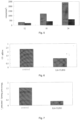
- Boyden chamber assay was used to evaluate the migration of LMVECs.
- LMVECs were cultured on HuMedia-EB2 with 2% FCS for 8 hours. Cells were seeded on a polycarbonate membrane (Sigma-Aldrich) coated with 10 ⁇ g/ml of fibronectin by a density of 1.2 ⁇ 10 5 cell/cm 2 . 10 ng/ml of CXCL8, CXCL6, CXCL1, CXCL5, and CXCL8-IP10 or IL8-F17LIP10 was added to the bottom of Boyden chamber, respectively. LMVECs were cultured on Boyden chamber at 37°C for 4 hours, and then fixed and stain with Diff-Quick (Harleco). The number of migrated cells was counted by HPFs (X200).
- black bar represents chemokine induction
- gray bar represents treat with chemokine and CXCL8-IP10 together
- white bar represents treat with chemokine and IL8-17LIP10 simultaneously.
- CXCL8-IP10 and IL8-17LIP10 both had the effect to inhibit the cell migration, and the IL8-17LIP10 has a better inhibiting effect on cell migration than CXCL8-IP10.
- mice Female mice (Bltw:NU- Foxn1 nu , 4-6 weeks-old) were obtained and maintained in a laminar airflow cabinet under the specific pathogen free conditions. The animals freely accessed to tap water and standard pellet food, and their health was monitored daily.
- the nude mouse xenograft assay the monolayer-cultured GFP-positive PC3 cells (PC-3-GFP) were harvested and inoculated subcutaneously into the right flank of three nude mice with 5 ⁇ 10 6 cell per mouse. After 2 to 4 weeks, tumor was harvested for implantation.
- PC-3-GFP monolayer-cultured GFP-positive PC3 cells
- the tumor xenografts from these three mice were reset, sliced (1 mm 3 sections), and then implanted to prostate tissues of the recipient nude mice under local anesthesia and sterile surgical conditions.
- the animals were classified into two groups (12 animals/group) for subcutaneous injection of 100 ⁇ l of normal saline (control group) or the sequence of the present invention (SEQ ID NO: 12 (IL8-17LIP10), 0.5 mg/kg) (experimental group) for 24 days.
- GFP fluorescence images of the growing tumors were captured on day 12, 18, and 24 using a digital camera under the optical configuration of a dissection microscope with 515 nm emission filter.
- the sequence (IL8-17LIP10) of the present invention effectively inhibits tumor growth.
- the tumor volume of treatment group was reduced by more than 5 times compared with placebo group. This apparent inhibition of tumor volume for treatment group compared with placebo group was sustained and became more pronounced over time.
- the sequence (IL8-17LIP10) of the present invention effectively inhibits tumor growth, and the tumor weight was decreased by more than 2 times.
- Paraffin-embedded prostate cancer xenograft sections were dewaxed and rehydrated into PBS. In detail, the sections were rinsed three times with PBS and heat-treated for 15 min in 10 mM sodium citrate (pH 6.0). The endogenous peroxidase activities were blocked by treatment with 3% hydrogen peroxide for 10 min.
- the sections were rinsed three times with PBS again, incubated with a protein-blocking solution (5% normal horse serum in PBS, pH 7.5) for 15 min at room temperature, washed with three times with PBS, and then incubated with a mouse monoclonal anti-VEGF antibody (1 : 50), a rabbit polyclonal anti-NF- ⁇ B antibody, or a goat polyclonal anti-CD31 antibody (1 : 50) for 20 hours at 4 °C. After reaction, the sections were washed three times with PBS and incubated with the appropriate dilution of the secondary antibody for 40 min at 37°C.
- a protein-blocking solution 5% normal horse serum in PBS, pH 7.5
- the sections were incubated with biotinylated goat anti-mouse or anti-rabbit anti-goat poly- immunoglobulin for 30 min in the dark. For color development, the sections were washed with PBS three times, incubated in diaminobenzidine solution for 10 min, and then counterstained with hematoxylin for 1 min (Kollmar et al, 2007). The negative control sections were incubated with PBS instead of the primary antibody. The intensity of the stained sections were measured after converting photographed sections into gray scale (scale 0-255) and represented by integrated optical density (IOD), which was calculated using Image-Pro 6.0 Microsoft. For each group, five mouse tumor xenografts were analyzed.
- IOD integrated optical density
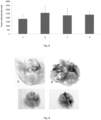
- Fig. 7 The result shows that the microvessel density of placebo (control) group and treatment (experimental) group ( Fig. 7 ).
- the sequence (IL8-17LIP10) of the present invention effectively inhibits angiogenesis on prostate cancer xenograft nude mice.
- mice C57BL/6 nude mice were maintained in a laminar airflow cabinet under specific pathogen. The animals freely accessed to tap water and standard pellet food, and their health was monitored daily. 5 ⁇ 10 6 cells of LLW2 cells (Lewis lung carcinoma) were injected to right quadrant of three mice with 5 ⁇ 10 6 cells per mouse. After 2 to 4 weeks, tumor was harvested for implantation. 24 mice were implanted in this example. After 5 days of implantation, 24 mice were classified into four groups (six mice per group). Group A: four times weekly administration of 500 ⁇ g/kg of CXCL8-IP10. Group B: twice weekly administration of 500 ⁇ g/kg of CXCL8-IP10. Group C: twice weekly administration of 250 ⁇ g/kg of CXCL8-IP10.
- Group D 100 ⁇ l of saline was subcutaneously administrated every day.
- Volume (length ⁇ width 2 )/2.
- GFP fluorescence images of the tumors were captured.
- Group A shows the best improvement in tumor growth inhibition.
- all of mice were sacrificed to calculate the tumor volume.
- the tumor volume which were treated with CXCL8-IP10 (500ug/kg) for four times per week, was reduced by 30% comparative to Group A. The results indicate that CXCL8-IP10 had significant inhibition of tumor growth.
- Fig.9 tumor metastasis was significantly suppressed by CXCL8-IP10.
- Mice were sacrificed on day 24 to obtain the lung after administration with 500 ⁇ g/kg of CXCL8-IP10 four times weekly ( Figure 9A ) or saline ( Figure 9B ).
- the white part indicated by arrow was nidus of the cancer which has spread into lung.
- no metastatic nidus occurred in mice lung.
- the neutrophil chemotaxis was evaluated by an improved Boyden chamber microchemotaxis assay.
- Leucocytes were collected from peripheral blood by a general concentration gradient. Neutrophils were obtained from the bottom of low concentration gradient area, and erythrocyte contamination was removed by hypotonic lysis.
- the purified neutrophils (5 ⁇ 10 6 /ml) were suspended in HBSS solution (400 mg/L KCl, 60 mg/L KH 2 PO 4 , 8000 mg/L, NaCl, 350 mg/L NaHCO 3 , 90 mg/LNaH 2 PO 4 ⁇ 7H 2 O, and1000 mg/L glucose), and then cultured in Calcein AM (Invitrogen, Sweden) medium at 37°C for 30 minutes.
- Chemokine (e.g., 20 ng/ml of CXCL8) was placed on the lower chamber alone or in combination with other antagonists (e.g., IL8-IP10F17L), and the purified neutrophils were placed on the upper chamber.
- An 5 ⁇ m pore-size polycarbonate filter was used to separate the upper and lower chamber. After the cells were cultured in a 5% CO 2 humidified atmosphere at 37°C for the30 minutes, the unmigrated cells and filter were removed and the migrated cells were lysed and analyzed using VICTOR3 (Perkin-Elmer, UK, excitation: 485nm; emission: 530nm).
- CI (intensity antagonist-intensity HBSS)/(intensity CXCL8 - intensity HBSS) ⁇ 100%, wherein “intensity antagonist” is the cell migration caused by antagonists, “intensity CXCL8” is the cell migration caused by CXCL8, and “intensity HBSS” is the cell migration caused by gravity.
- RNA of cancer cell lines was extracted by TRIzol reagent (Invitrogen, America), respectively using the standard procedures, and the RNA was quantified by NanoDrop ® ND-1000 spectrophotometer.
- a cDNA reverse-transcription kit (Prime Script TM RT reagent kit, Takara, Japan) was used to carry out the reverse transcription of the samples's RNA, and the samples were placed on ice before gene expression analysis. GAPDH was internal control group.
- RT-PCR reaction was carried out by SYBR (Premix Ex Taq TM , Takara, Japan), wherein the primers of CXCL included: 5'-gagcactccataaggcacaa-3' (forward) and 5'-atggttccttccggtggt-3' (reverse) for CXCL8;5'-gaccaacatcgcagacacat-3' (forward) and 5'-tgcttgtctcgttccacttg-3' (reverse) for CXCR1; 5'-ggctaagcaaatgtgatatgtacc-3' (forward) and 5'-caaggttcgtccgtgttgta-3' (reverse) for CXCR2.
- gene expression 2 - ⁇ Ct Table 1.
- Non small cell lung carcinoma A549 lung adenocarcinoma H520 lung squamous cell carcinoma H460
- the Fig. 10 illustrates high CXCR1 expression in tumor cells partially by RT-PCR. Many tumor cells highly expressed CXCL8, which is a substance of CXCR1 and CXCR2 receptors. Thus, CXCR1/2 antagonist could be used to inhibit tumor growth and metastasis.
- the Fig. 11 illustrates more design of antagonist.
- the amino acid residue(s) at the first modified position, and/or the second modified position, and/or the third modified position of CXCL8-IP10 peptide was changed to improve the antagonist properties induced by CXCR1/2.
- These antagonists effectively suppressed the expression of CXCR1/2 receptors, or inhibited tumor growth, drug resistance, metastasis, and angiogenesis associated with high cytokines expression (CXCL1, 2, 3, 5, 6, 7, and 8, etc.) in tumor cells.
- the modified chemokine of the present invention can effectively inhibit tumor growth and angiogenesis and treat cancer.
Landscapes
- Health & Medical Sciences (AREA)
- Chemical & Material Sciences (AREA)
- Life Sciences & Earth Sciences (AREA)
- Organic Chemistry (AREA)
- General Health & Medical Sciences (AREA)
- Medicinal Chemistry (AREA)
- Proteomics, Peptides & Aminoacids (AREA)
- Gastroenterology & Hepatology (AREA)
- Zoology (AREA)
- Genetics & Genomics (AREA)
- Toxicology (AREA)
- Molecular Biology (AREA)
- Biochemistry (AREA)
- Biophysics (AREA)
- Animal Behavior & Ethology (AREA)
- Public Health (AREA)
- Veterinary Medicine (AREA)
- Pharmacology & Pharmacy (AREA)
- General Chemical & Material Sciences (AREA)
- Nuclear Medicine, Radiotherapy & Molecular Imaging (AREA)
- Chemical Kinetics & Catalysis (AREA)
- Engineering & Computer Science (AREA)
- Bioinformatics & Cheminformatics (AREA)
- Immunology (AREA)
- Epidemiology (AREA)
- Medicines That Contain Protein Lipid Enzymes And Other Medicines (AREA)
- Peptides Or Proteins (AREA)
Claims (9)
- Peptide de chimiokine modifiée comprenant une séquence peptidique, dans lequel l'extrémité N-terminale de la séquence peptidique comprend :(a) une séquence « glutamate (E)-leucine (L)-arginine (R) », définie comme une séquence caractéristique A, la séquence caractéristique A étant située à l'extrémité N-terminale du peptide de chimiokine modifiée ;(b) une séquence « proline (P)-Alanine (A)-sérine (S)-glutamine (Q)-phénylalanine (F) », définie comme une séquence caractéristique B, la séquence caractéristique B étant voisine de l'amont de la troisième cystéine (C) comptée à partir de l'extrémité N-terminale d'un peptide de chimiokine, etdans lequel le peptide de chimiokine modifiée comprend la séquence caractéristique A, la séquence caractéristique B et une position modifiée, la position modifiée étant située à la 17ème, 12ème ou 13ème position comptée à partir de l'extrémité N-terminale du peptide de chimiokine modifiée,dans lequel la phénylalanine (F) à la 17ème position de l'extrémité N-terminale du peptide de chimiokine modifiée est substituée avec une leucine (L), une valine (V) ou une isoleucine (I), oula thréonine (T) à la 12ème position de l'extrémité N-terminale du peptide de chimiokine modifiée est substituée avec une sérine (S), oula tyrosine (Y) à la 13ème position de l'extrémité N-terminale du peptide de chimiokine modifiée est substituée avec une leucine (L), une phénylalanine (F), un tryptophane (W) ou une isoleucine (I) etdans lequel le peptide de chimiokine source est choisi dans le groupe constitué par SEQ ID NO: 1 et SEQ ID NO: 2.
- Peptide de chimiokine modifiée selon la revendication 1, dans lequel le peptide de chimiokine modifiée est choisi parmi SEQ ID NO: 10 et SEQ ID NO: 12 (IL8-17LIP10).
- Peptide de chimiokine modifiée selon la revendication 1, dans lequel la protéine source est SEQ ID NO: 1 et la thréonine (T) à la 12ème position de l'extrémité N-terminale du peptide de chimiokine modifiée est substitué avec une sérine (S).
- Peptide de chimiokine modifiée selon la revendication 1, dans lequel la protéine source est SEQ ID NO: 1 et la tyrosine (Y) à la 13ème position de l'extrémité N-terminale du peptide de chimiokine modifiée est substituée avec une phénylalanine (F) ou un tryptophane (W).
- Composition pharmaceutique comprenant un peptide de chimiokine modifiée selon l'une quelconque de la revendication 1 à 4 et un excipient pharmaceutiquement acceptable.
- Composition pharmaceutique selon la revendication 5, dans laquelle le peptide de chimiokine modifiée est approprié pour traiter le cancer ou inhiber la croissance tumorale.
- Composition pharmaceutique destinée à être utilisée dans un procédé de traitement d'un cancer et/ou d'inhibition de la croissance tumorale comprenant une quantité thérapeutiquement efficace d'un peptide de chimiokine modifiée selon l'une quelconque de la revendication 1 à 4 et un excipient pharmaceutiquement acceptable.
- Composition pharmaceutique destinée à être utilisée selon la revendication 7, dans laquelle le cancer comprend le cancer de la prostate, le cancer du sein, le cancer de l'utérus, la leucémie, le cancer des ovaires, le cancer endométrial, le cancer cervical, le cancer colorectal, le cancer testiculaire, le lymphome, le rhabdomyosarcome, le neuroblastome, le cancer pancréatique, le cancer du poumon, le cancer du cerveau, le cancer de la peau, le cancer de l'estomac, le cancer oral, le cancer du foie, le cancer laryngien, le cancer de la vésicule biliaire, le cancer de la thyroïde, le cancer du foie, le cancer du rein ou le carcinome nasopharyngien.
- Composition pharmaceutique destinée à être utilisée selon la revendication 8, dans laquelle le cancer est caractérisé par des cellules avec une expression de CXCR 1 / 2 ou une quantité élevée de chimiokines constituées de CXCL8, CXCL1, CXCL2, CXCL3, CXCL5, CXCL6 et CXCL7, le cancer étant caractérisé par des cellules cancéreuses exprimées avec des récepteurs de chimiokine.
Applications Claiming Priority (1)
| Application Number | Priority Date | Filing Date | Title |
|---|---|---|---|
| PCT/CN2015/080725 WO2016192067A1 (fr) | 2015-06-03 | 2015-06-03 | Peptide de chimiokine modifié |
Publications (4)
| Publication Number | Publication Date |
|---|---|
| EP3315510A1 EP3315510A1 (fr) | 2018-05-02 |
| EP3315510A4 EP3315510A4 (fr) | 2019-02-20 |
| EP3315510C0 EP3315510C0 (fr) | 2025-02-19 |
| EP3315510B1 true EP3315510B1 (fr) | 2025-02-19 |
Family
ID=57439916
Family Applications (1)
| Application Number | Title | Priority Date | Filing Date |
|---|---|---|---|
| EP15893723.5A Active EP3315510B1 (fr) | 2015-06-03 | 2015-06-03 | Peptide de chimiokine modifié |
Country Status (6)
| Country | Link |
|---|---|
| US (1) | US20180125938A1 (fr) |
| EP (1) | EP3315510B1 (fr) |
| JP (1) | JP6901407B2 (fr) |
| KR (1) | KR102088904B1 (fr) |
| AU (1) | AU2015397751B2 (fr) |
| WO (1) | WO2016192067A1 (fr) |
Families Citing this family (3)
| Publication number | Priority date | Publication date | Assignee | Title |
|---|---|---|---|---|
| CN107034272B (zh) * | 2016-12-14 | 2020-09-29 | 河北医科大学第四医院(河北省肿瘤医院) | Cxcl2在制备诊断或治疗肺腺癌工具中的应用 |
| AU2020260381A1 (en) * | 2019-10-30 | 2021-05-20 | Rise Biopharmaceuticals Inc. | Pharmaceutical compositions and use thereof for relieving anticancer drug resistance and enhancing sensitivity of anticancer drug |
| JP7772351B2 (ja) * | 2020-01-10 | 2025-11-18 | 北京鋭瑟生物醫薬科技發展有限公司 | 癌化学療法に起因する耐性の除去および癌化学療法の効果の強化のための医薬組成物およびその使用 |
Family Cites Families (6)
| Publication number | Priority date | Publication date | Assignee | Title |
|---|---|---|---|---|
| ATE169638T1 (de) * | 1991-12-04 | 1998-08-15 | Biomedical Res Centre Ltd | Analoge des menschlichen interleukin-8. |
| US5595756A (en) * | 1993-12-22 | 1997-01-21 | Inex Pharmaceuticals Corporation | Liposomal compositions for enhanced retention of bioactive agents |
| CN101200502A (zh) * | 2006-07-26 | 2008-06-18 | 趋化因子治疗剂公司 | 设计用于治疗人类疾病的干扰素诱导型蛋白-10(ip-10或cxcl10)趋化因子类似物 |
| US20100029562A1 (en) * | 2008-05-21 | 2010-02-04 | Gordon John R | hG31P Expression System |
| EP2475380A1 (fr) * | 2009-09-11 | 2012-07-18 | Protaffin Biotechnologie AG | Composition destinée au traitement de l'inflammation pulmonaire à médiation par cxcl8 |
| TWI429451B (zh) * | 2011-10-26 | 2014-03-11 | Nat Univ Tsing Hua | 對具有elr-cxc趨化素高度親和力的受體蛋白細胞所引發疾病之拮抗治療劑 |
-
2015
- 2015-06-03 WO PCT/CN2015/080725 patent/WO2016192067A1/fr not_active Ceased
- 2015-06-03 KR KR1020177034607A patent/KR102088904B1/ko active Active
- 2015-06-03 US US15/569,033 patent/US20180125938A1/en not_active Abandoned
- 2015-06-03 JP JP2017562314A patent/JP6901407B2/ja active Active
- 2015-06-03 EP EP15893723.5A patent/EP3315510B1/fr active Active
- 2015-06-03 AU AU2015397751A patent/AU2015397751B2/en active Active
Non-Patent Citations (1)
| Title |
|---|
| CHENG H T ET AL: "A new protocol for high-yield purification of recombinant human CXCL8"("3"-"7"2")K11R/G31P expressed in Escherichia coli", PROTEIN EXPRESSION AND PURIFICATION, ACADEMIC PRESS, SAN DIEGO, CA, vol. 61, no. 1, 1 September 2008 (2008-09-01), pages 65 - 72, XP023182968, ISSN: 1046-5928, [retrieved on 20080501], DOI: 10.1016/J.PEP.2008.04.007 * |
Also Published As
| Publication number | Publication date |
|---|---|
| EP3315510A4 (fr) | 2019-02-20 |
| EP3315510A1 (fr) | 2018-05-02 |
| AU2015397751A1 (en) | 2018-01-04 |
| EP3315510C0 (fr) | 2025-02-19 |
| US20180125938A1 (en) | 2018-05-10 |
| WO2016192067A1 (fr) | 2016-12-08 |
| AU2015397751B2 (en) | 2019-04-04 |
| JP2018517701A (ja) | 2018-07-05 |
| KR20170141239A (ko) | 2017-12-22 |
| JP6901407B2 (ja) | 2021-07-14 |
| KR102088904B1 (ko) | 2020-03-16 |
Similar Documents
| Publication | Publication Date | Title |
|---|---|---|
| Liao et al. | The role of the CXCL12-CXCR4/CXCR7 axis in the progression and metastasis of bone sarcomas | |
| Yang et al. | Tetraspanins: Spanning from solid tumors to hematologic malignancies | |
| Senkevitch et al. | Inhibiting Janus Kinase 1 and BCL-2 to treat T cell acute lymphoblastic leukemia with IL7-Rα mutations | |
| RU2017126601A (ru) | Способы и композиции для лечения злокачественных опухолей, ассоциированных с мутацией kras | |
| Hultberg et al. | Depleting MET-expressing tumor cells by ADCC provides a therapeutic advantage over inhibiting HGF/MET signaling | |
| EP3315510B1 (fr) | Peptide de chimiokine modifié | |
| CN110064045B (zh) | 微肽cip2a-bp在治疗癌症中的应用 | |
| Sturgeon et al. | Tumor-associated neutrophils in pancreatic cancer progression and metastasis | |
| Luecke et al. | Rationalizing heptadecaphobia: TH17 cells and associated cytokines in cancer and metastasis | |
| KR102558988B1 (ko) | 항암제 내성을 완화하고 항암제의 민감성을 강화하기 위한 약학적 조성물 및 그 용도 | |
| US20170079979A1 (en) | Therapy for solid tumors | |
| Wang et al. | Interleukin-15 suppresses gastric cancer liver metastases by enhancing natural killer cell activity in a murine model | |
| EP2732044B1 (fr) | Nouvelles compositions de peptides en doigts de zinc utilisées comme agents puissants pour la prévention et le traitement du cancer | |
| CN106279399B (zh) | 趋化素修饰胜肽 | |
| TWI665212B (zh) | 趨化素修飾胜肽 | |
| US12226454B2 (en) | Pharmaceutical compositions and use thereof for relieving anticancer drug resistance and enhancing sensitivity of anticancer drug | |
| US12329804B2 (en) | Modified chemokine peptide and use thereof | |
| Saw et al. | Introduction to Tumor Ecosystem | |
| TWI453219B (zh) | 類鋅手指胜肽、及包含其之醫藥組成物之用途 | |
| CN113956344A (zh) | 一种新型治疗肝癌的fgf类似物及其应用 | |
| US20170143787A1 (en) | Chemokine receptor antagonist and its combinational therapy | |
| Ghasempour et al. | Thymic Stromal Lymphopoietin | |
| Caponegro | A Tale of Two Cell Types: The Different Roles of Microglia and Macrophages in High-Grade Glioma | |
| CN116212024A (zh) | Ube2t抑制剂的用途及抗恶性胶质瘤的药物组合物 | |
| Garcıa-Silva et al. | of metastasis conference |
Legal Events
| Date | Code | Title | Description |
|---|---|---|---|
| STAA | Information on the status of an ep patent application or granted ep patent |
Free format text: STATUS: THE INTERNATIONAL PUBLICATION HAS BEEN MADE |
|
| PUAI | Public reference made under article 153(3) epc to a published international application that has entered the european phase |
Free format text: ORIGINAL CODE: 0009012 |
|
| STAA | Information on the status of an ep patent application or granted ep patent |
Free format text: STATUS: REQUEST FOR EXAMINATION WAS MADE |
|
| 17P | Request for examination filed |
Effective date: 20171228 |
|
| AK | Designated contracting states |
Kind code of ref document: A1 Designated state(s): AL AT BE BG CH CY CZ DE DK EE ES FI FR GB GR HR HU IE IS IT LI LT LU LV MC MK MT NL NO PL PT RO RS SE SI SK SM TR |
|
| AX | Request for extension of the european patent |
Extension state: BA ME |
|
| DAV | Request for validation of the european patent (deleted) | ||
| DAX | Request for extension of the european patent (deleted) | ||
| A4 | Supplementary search report drawn up and despatched |
Effective date: 20190123 |
|
| RAP1 | Party data changed (applicant data changed or rights of an application transferred) |
Owner name: RISE BIOPHARMACEUTICALS, INC. (BEIJING) |
|
| RIC1 | Information provided on ipc code assigned before grant |
Ipc: C07K 14/54 20060101AFI20190117BHEP Ipc: C07K 14/435 20060101ALI20190117BHEP Ipc: A61P 35/00 20060101ALI20190117BHEP Ipc: A61K 38/20 20060101ALI20190117BHEP Ipc: C07K 14/52 20060101ALI20190117BHEP Ipc: A61K 38/17 20060101ALI20190117BHEP Ipc: A61K 38/19 20060101ALI20190117BHEP |
|
| STAA | Information on the status of an ep patent application or granted ep patent |
Free format text: STATUS: EXAMINATION IS IN PROGRESS |
|
| 17Q | First examination report despatched |
Effective date: 20200921 |
|
| RIC1 | Information provided on ipc code assigned before grant |
Ipc: A61K 38/19 20060101ALI20240802BHEP Ipc: A61K 38/20 20060101ALI20240802BHEP Ipc: A61P 35/00 20060101ALI20240802BHEP Ipc: C07K 14/52 20060101ALI20240802BHEP Ipc: C07K 14/54 20060101AFI20240802BHEP |
|
| GRAP | Despatch of communication of intention to grant a patent |
Free format text: ORIGINAL CODE: EPIDOSNIGR1 |
|
| STAA | Information on the status of an ep patent application or granted ep patent |
Free format text: STATUS: GRANT OF PATENT IS INTENDED |
|
| INTG | Intention to grant announced |
Effective date: 20240913 |
|
| GRAS | Grant fee paid |
Free format text: ORIGINAL CODE: EPIDOSNIGR3 |
|
| GRAA | (expected) grant |
Free format text: ORIGINAL CODE: 0009210 |
|
| STAA | Information on the status of an ep patent application or granted ep patent |
Free format text: STATUS: THE PATENT HAS BEEN GRANTED |
|
| AK | Designated contracting states |
Kind code of ref document: B1 Designated state(s): AL AT BE BG CH CY CZ DE DK EE ES FI FR GB GR HR HU IE IS IT LI LT LU LV MC MK MT NL NO PL PT RO RS SE SI SK SM TR |
|
| REG | Reference to a national code |
Ref country code: GB Ref legal event code: FG4D |
|
| REG | Reference to a national code |
Ref country code: CH Ref legal event code: EP |
|
| REG | Reference to a national code |
Ref country code: IE Ref legal event code: FG4D |
|
| REG | Reference to a national code |
Ref country code: DE Ref legal event code: R096 Ref document number: 602015091066 Country of ref document: DE |
|
| U01 | Request for unitary effect filed |
Effective date: 20250227 |
|
| U07 | Unitary effect registered |
Designated state(s): AT BE BG DE DK EE FI FR IT LT LU LV MT NL PT RO SE SI Effective date: 20250307 |
|
| PG25 | Lapsed in a contracting state [announced via postgrant information from national office to epo] |
Ref country code: RS Free format text: LAPSE BECAUSE OF FAILURE TO SUBMIT A TRANSLATION OF THE DESCRIPTION OR TO PAY THE FEE WITHIN THE PRESCRIBED TIME-LIMIT Effective date: 20250519 |
|
| PG25 | Lapsed in a contracting state [announced via postgrant information from national office to epo] |
Ref country code: PL Free format text: LAPSE BECAUSE OF FAILURE TO SUBMIT A TRANSLATION OF THE DESCRIPTION OR TO PAY THE FEE WITHIN THE PRESCRIBED TIME-LIMIT Effective date: 20250219 |
|
| PG25 | Lapsed in a contracting state [announced via postgrant information from national office to epo] |
Ref country code: ES Free format text: LAPSE BECAUSE OF FAILURE TO SUBMIT A TRANSLATION OF THE DESCRIPTION OR TO PAY THE FEE WITHIN THE PRESCRIBED TIME-LIMIT Effective date: 20250219 |
|
| PG25 | Lapsed in a contracting state [announced via postgrant information from national office to epo] |
Ref country code: IS Free format text: LAPSE BECAUSE OF FAILURE TO SUBMIT A TRANSLATION OF THE DESCRIPTION OR TO PAY THE FEE WITHIN THE PRESCRIBED TIME-LIMIT Effective date: 20250619 Ref country code: NO Free format text: LAPSE BECAUSE OF FAILURE TO SUBMIT A TRANSLATION OF THE DESCRIPTION OR TO PAY THE FEE WITHIN THE PRESCRIBED TIME-LIMIT Effective date: 20250519 |
|
| PG25 | Lapsed in a contracting state [announced via postgrant information from national office to epo] |
Ref country code: HR Free format text: LAPSE BECAUSE OF FAILURE TO SUBMIT A TRANSLATION OF THE DESCRIPTION OR TO PAY THE FEE WITHIN THE PRESCRIBED TIME-LIMIT Effective date: 20250219 |
|
| PG25 | Lapsed in a contracting state [announced via postgrant information from national office to epo] |
Ref country code: GR Free format text: LAPSE BECAUSE OF FAILURE TO SUBMIT A TRANSLATION OF THE DESCRIPTION OR TO PAY THE FEE WITHIN THE PRESCRIBED TIME-LIMIT Effective date: 20250520 |
|
| U20 | Renewal fee for the european patent with unitary effect paid |
Year of fee payment: 11 Effective date: 20250626 |
|
| PG25 | Lapsed in a contracting state [announced via postgrant information from national office to epo] |
Ref country code: SM Free format text: LAPSE BECAUSE OF FAILURE TO SUBMIT A TRANSLATION OF THE DESCRIPTION OR TO PAY THE FEE WITHIN THE PRESCRIBED TIME-LIMIT Effective date: 20250219 |
|
| PG25 | Lapsed in a contracting state [announced via postgrant information from national office to epo] |
Ref country code: CZ Free format text: LAPSE BECAUSE OF FAILURE TO SUBMIT A TRANSLATION OF THE DESCRIPTION OR TO PAY THE FEE WITHIN THE PRESCRIBED TIME-LIMIT Effective date: 20250219 |
|
| PG25 | Lapsed in a contracting state [announced via postgrant information from national office to epo] |
Ref country code: SK Free format text: LAPSE BECAUSE OF FAILURE TO SUBMIT A TRANSLATION OF THE DESCRIPTION OR TO PAY THE FEE WITHIN THE PRESCRIBED TIME-LIMIT Effective date: 20250219 |
|
| PLBE | No opposition filed within time limit |
Free format text: ORIGINAL CODE: 0009261 |
|
| STAA | Information on the status of an ep patent application or granted ep patent |
Free format text: STATUS: NO OPPOSITION FILED WITHIN TIME LIMIT |
|
| REG | Reference to a national code |
Ref country code: CH Ref legal event code: L10 Free format text: ST27 STATUS EVENT CODE: U-0-0-L10-L00 (AS PROVIDED BY THE NATIONAL OFFICE) Effective date: 20251231 |
|
| REG | Reference to a national code |
Ref country code: CH Ref legal event code: H13 Free format text: ST27 STATUS EVENT CODE: U-0-0-H10-H13 (AS PROVIDED BY THE NATIONAL OFFICE) Effective date: 20260127 |
|
| 26N | No opposition filed |
Effective date: 20251120 |
|
| PG25 | Lapsed in a contracting state [announced via postgrant information from national office to epo] |
Ref country code: MC Free format text: LAPSE BECAUSE OF FAILURE TO SUBMIT A TRANSLATION OF THE DESCRIPTION OR TO PAY THE FEE WITHIN THE PRESCRIBED TIME-LIMIT Effective date: 20250219 |
|
| GBPC | Gb: european patent ceased through non-payment of renewal fee |
Effective date: 20250603 |
|
| PG25 | Lapsed in a contracting state [announced via postgrant information from national office to epo] |
Ref country code: GB Free format text: LAPSE BECAUSE OF NON-PAYMENT OF DUE FEES Effective date: 20250603 |
|
| PG25 | Lapsed in a contracting state [announced via postgrant information from national office to epo] |
Ref country code: IE Free format text: LAPSE BECAUSE OF NON-PAYMENT OF DUE FEES Effective date: 20250603 |
|
| PG25 | Lapsed in a contracting state [announced via postgrant information from national office to epo] |
Ref country code: CH Free format text: LAPSE BECAUSE OF NON-PAYMENT OF DUE FEES Effective date: 20250630 |