EP3336100B1 - Peptid mit wirkung zur vorbeugung oder behandlung von krankheiten des zentralen nervensystems und pharmazeutische zusammensetzung zur vorbeugung und behandlung von krankheiten des zentralen nervensystems damit als wirkstoff - Google Patents
Peptid mit wirkung zur vorbeugung oder behandlung von krankheiten des zentralen nervensystems und pharmazeutische zusammensetzung zur vorbeugung und behandlung von krankheiten des zentralen nervensystems damit als wirkstoff Download PDFInfo
- Publication number
- EP3336100B1 EP3336100B1 EP16839533.3A EP16839533A EP3336100B1 EP 3336100 B1 EP3336100 B1 EP 3336100B1 EP 16839533 A EP16839533 A EP 16839533A EP 3336100 B1 EP3336100 B1 EP 3336100B1
- Authority
- EP
- European Patent Office
- Prior art keywords
- sequence
- ctctla
- dnp2
- fusion product
- peptide
- Prior art date
- Legal status (The legal status is an assumption and is not a legal conclusion. Google has not performed a legal analysis and makes no representation as to the accuracy of the status listed.)
- Active
Links
Images






Classifications
-
- C—CHEMISTRY; METALLURGY
- C07—ORGANIC CHEMISTRY
- C07K—PEPTIDES
- C07K14/00—Peptides having more than 20 amino acids; Gastrins; Somatostatins; Melanotropins; Derivatives thereof
- C07K14/435—Peptides having more than 20 amino acids; Gastrins; Somatostatins; Melanotropins; Derivatives thereof from animals; from humans
- C07K14/705—Receptors; Cell surface antigens; Cell surface determinants
- C07K14/70503—Immunoglobulin superfamily
- C07K14/70521—CD28, CD152
-
- A—HUMAN NECESSITIES
- A61—MEDICAL OR VETERINARY SCIENCE; HYGIENE
- A61K—PREPARATIONS FOR MEDICAL, DENTAL OR TOILETRY PURPOSES
- A61K38/00—Medicinal preparations containing peptides
- A61K38/16—Peptides having more than 20 amino acids; Gastrins; Somatostatins; Melanotropins; Derivatives thereof
- A61K38/17—Peptides having more than 20 amino acids; Gastrins; Somatostatins; Melanotropins; Derivatives thereof from animals; from humans
- A61K38/177—Receptors; Cell surface antigens; Cell surface determinants
-
- A—HUMAN NECESSITIES
- A61—MEDICAL OR VETERINARY SCIENCE; HYGIENE
- A61K—PREPARATIONS FOR MEDICAL, DENTAL OR TOILETRY PURPOSES
- A61K47/00—Medicinal preparations characterised by the non-active ingredients used, e.g. carriers or inert additives; Targeting or modifying agents chemically bound to the active ingredient
- A61K47/50—Medicinal preparations characterised by the non-active ingredients used, e.g. carriers or inert additives; Targeting or modifying agents chemically bound to the active ingredient the non-active ingredient being chemically bound to the active ingredient, e.g. polymer-drug conjugates
- A61K47/51—Medicinal preparations characterised by the non-active ingredients used, e.g. carriers or inert additives; Targeting or modifying agents chemically bound to the active ingredient the non-active ingredient being chemically bound to the active ingredient, e.g. polymer-drug conjugates the non-active ingredient being a modifying agent
- A61K47/62—Medicinal preparations characterised by the non-active ingredients used, e.g. carriers or inert additives; Targeting or modifying agents chemically bound to the active ingredient the non-active ingredient being chemically bound to the active ingredient, e.g. polymer-drug conjugates the non-active ingredient being a modifying agent the modifying agent being a protein, peptide or polyamino acid
- A61K47/64—Drug-peptide, drug-protein or drug-polyamino acid conjugates, i.e. the modifying agent being a peptide, protein or polyamino acid which is covalently bonded or complexed to a therapeutically active agent
-
- A—HUMAN NECESSITIES
- A61—MEDICAL OR VETERINARY SCIENCE; HYGIENE
- A61K—PREPARATIONS FOR MEDICAL, DENTAL OR TOILETRY PURPOSES
- A61K49/00—Preparations for testing in vivo
- A61K49/001—Preparation for luminescence or biological staining
- A61K49/0013—Luminescence
- A61K49/0017—Fluorescence in vivo
- A61K49/0019—Fluorescence in vivo characterised by the fluorescent group, e.g. oligomeric, polymeric or dendritic molecules
- A61K49/0045—Fluorescence in vivo characterised by the fluorescent group, e.g. oligomeric, polymeric or dendritic molecules the fluorescent agent being a peptide or protein used for imaging or diagnosis in vivo
- A61K49/0047—Green fluorescent protein [GFP]
-
- A—HUMAN NECESSITIES
- A61—MEDICAL OR VETERINARY SCIENCE; HYGIENE
- A61P—SPECIFIC THERAPEUTIC ACTIVITY OF CHEMICAL COMPOUNDS OR MEDICINAL PREPARATIONS
- A61P25/00—Drugs for disorders of the nervous system
-
- C—CHEMISTRY; METALLURGY
- C07—ORGANIC CHEMISTRY
- C07K—PEPTIDES
- C07K14/00—Peptides having more than 20 amino acids; Gastrins; Somatostatins; Melanotropins; Derivatives thereof
- C07K14/005—Peptides having more than 20 amino acids; Gastrins; Somatostatins; Melanotropins; Derivatives thereof from viruses
-
- C—CHEMISTRY; METALLURGY
- C07—ORGANIC CHEMISTRY
- C07K—PEPTIDES
- C07K14/00—Peptides having more than 20 amino acids; Gastrins; Somatostatins; Melanotropins; Derivatives thereof
- C07K14/435—Peptides having more than 20 amino acids; Gastrins; Somatostatins; Melanotropins; Derivatives thereof from animals; from humans
-
- C—CHEMISTRY; METALLURGY
- C07—ORGANIC CHEMISTRY
- C07K—PEPTIDES
- C07K19/00—Hybrid peptides, i.e. peptides covalently bound to nucleic acids, or non-covalently bound protein-protein complexes
-
- C—CHEMISTRY; METALLURGY
- C12—BIOCHEMISTRY; BEER; SPIRITS; WINE; VINEGAR; MICROBIOLOGY; ENZYMOLOGY; MUTATION OR GENETIC ENGINEERING
- C12N—MICROORGANISMS OR ENZYMES; COMPOSITIONS THEREOF; PROPAGATING, PRESERVING, OR MAINTAINING MICROORGANISMS; MUTATION OR GENETIC ENGINEERING; CULTURE MEDIA
- C12N9/00—Enzymes; Proenzymes; Compositions thereof; Processes for preparing, activating, inhibiting, separating or purifying enzymes
- C12N9/10—Transferases (2.)
- C12N9/1025—Acyltransferases (2.3)
- C12N9/104—Aminoacyltransferases (2.3.2)
-
- A—HUMAN NECESSITIES
- A61—MEDICAL OR VETERINARY SCIENCE; HYGIENE
- A61K—PREPARATIONS FOR MEDICAL, DENTAL OR TOILETRY PURPOSES
- A61K38/00—Medicinal preparations containing peptides
-
- C—CHEMISTRY; METALLURGY
- C07—ORGANIC CHEMISTRY
- C07K—PEPTIDES
- C07K2319/00—Fusion polypeptide
- C07K2319/01—Fusion polypeptide containing a localisation/targetting motif
- C07K2319/10—Fusion polypeptide containing a localisation/targetting motif containing a tag for extracellular membrane crossing, e.g. TAT or VP22
-
- C—CHEMISTRY; METALLURGY
- C12—BIOCHEMISTRY; BEER; SPIRITS; WINE; VINEGAR; MICROBIOLOGY; ENZYMOLOGY; MUTATION OR GENETIC ENGINEERING
- C12N—MICROORGANISMS OR ENZYMES; COMPOSITIONS THEREOF; PROPAGATING, PRESERVING, OR MAINTAINING MICROORGANISMS; MUTATION OR GENETIC ENGINEERING; CULTURE MEDIA
- C12N2740/00—Reverse transcribing RNA viruses
- C12N2740/00011—Details
- C12N2740/10011—Retroviridae
- C12N2740/16011—Human Immunodeficiency Virus, HIV
- C12N2740/16022—New viral proteins or individual genes, new structural or functional aspects of known viral proteins or genes
-
- C—CHEMISTRY; METALLURGY
- C12—BIOCHEMISTRY; BEER; SPIRITS; WINE; VINEGAR; MICROBIOLOGY; ENZYMOLOGY; MUTATION OR GENETIC ENGINEERING
- C12N—MICROORGANISMS OR ENZYMES; COMPOSITIONS THEREOF; PROPAGATING, PRESERVING, OR MAINTAINING MICROORGANISMS; MUTATION OR GENETIC ENGINEERING; CULTURE MEDIA
- C12N2740/00—Reverse transcribing RNA viruses
- C12N2740/00011—Details
- C12N2740/10011—Retroviridae
- C12N2740/16011—Human Immunodeficiency Virus, HIV
- C12N2740/16033—Use of viral protein as therapeutic agent other than vaccine, e.g. apoptosis inducing or anti-inflammatory
Definitions
- the present invention relates to peptides having effects of preventing or treating central nervous system diseases and pharmaceutical compositions for preventing or treating central nervous system diseases containing the same as an active ingredient.
- MS Multiple sclerosis
- CNS central nervous system
- BBB blood-brain barrier
- EAE experimental autoimmune encephalomyelitis
- IFN- ⁇ interferon- ⁇
- IL-17A interleukin-17A
- Th1 and Th17 cells induce inflammation and necrosis of nerve cells in the central nervous system including the brain and spinal cord and in high levels of these cells.
- Non-patent documents 1 and 2 Non-patent documents 1 and 2 .
- the developed therapeutic biomolecules are derived from synthetic compounds or other organisms and thus have still problems of failing to exhibit sufficient therapeutic effects due to long-term toxicity or other side effects as well as limitation of penetration by the BBBs and BSCBs.
- Korean Patent No. 10-0242597 discloses a blood-brain barrier penetrant that includes peptides having an amino acid sequence of NH 2 -arginine-proline-hydroxyproline-glycine-thienylalanine-serine-proline-4-Me-tyrosine (CH 2 NH)-arginine-COOH or a structural analogue with a predetermined modification thereof (Patent Document 1), and Korean Patent Laid-open No.
- 10-2014-0026372 discloses an amino acid sequence represented by a predetermined sequence list and having the capability to penetrate the blood-brain barrier (Patent Document 2).
- US2007/0105775 discloses methods for delivery of fusion polypeptides into cells, to prevent allergic inflammation, airway hyper-responsiveness and to block T cell activation.
- EP0764171 discloses isolated ligands which bind a molecule expressed on the surface of T cells and induce antigen specific apoptosis in activated T cells.
- CTLA4 is disclosed as preferred T cell surface molecule.
- KR20140046994 discloses a cell penetrating peptide which is derived from human NLBP, and a delivery system using the same.
- the present invention has been made in view of the above problems, and it is one object of the present invention to provide peptides that are effectively capable of passing through the blood-brain barrier or blood-spinal cord barrier and have excellent inhibitory activity against IL-2, pharmaceutical compositions containing the same and methods for preventing or treating diseases using the same.
- a peptide with inhibitory activity against IL-2 including a fragment of the cytoplasmic domain in the CTLA-4 protein represented by Sequence ID No. 2 or 3, or a fusion peptide of two or more of the fragment.
- a fusion product including a peptide having an amino acid sequence represented by Sequence ID No. 4, and a cell-penetrating peptide.
- a fragment of said amino acid sequence may have an amino acid sequence represented by Sequence ID No. 2 or Sequence ID No. 3.
- the cell-penetrating peptide may include any one selected from the group consisting of HIV-1 tat (47-57), D-amino acid-substituted HIV-1 tat (47-57), arginine-substituted HIV-1 tat (47-57), Drosophila Antennapaedia (43-58), polyarginine polypeptides including 6 to 8 arginines, polylysine polypeptides including 7 to 11 lysines, dNP2 proteins having an amino acid sequence represented by Sequence ID No. 5, Hph-1 (Sequence ID No. 6), Transportan (Sequence ID No. 8), Pep-1 (Sequence ID No. 9), pVEC (Sequence ID No.
- the cell-penetrating peptide may be a dNP2 protein of the amino acid sequence represented by Sequence ID No. 5.
- a recombinant expression vector including genes encoding the fusion product.
- a pharmaceutical composition for preventing or treating a central nervous system disease including the fusion product as an active ingredient.
- the cell-penetrating peptide in the fusion product may have an activity to penetrate the blood-brain barrier or blood-spinal cord barrier.
- the central nervous system disease may include any one selected from the group consisting of spinal cord damage, stroke, cerebral infarction, cerebral ischemia, Alzheimer's disease and multiple sclerosis.
- a method for preventing or treating central nervous system diseases in animals excluding humans by administrating the pharmaceutical composition to a subject.
- the present invention can reduce side effects due to possible local administration and can provide potentially new treatments and prescriptions owing to possible local administration of high concentrations of therapeutic agents.
- Central nervous system (CNS)-invasive effecter T-cells are known to play a pivotal role in the development and progression of multiple sclerosis (MS).
- MS Central nervous system
- drugs associated with MS developed to date are very limited. The reason for this is that it is considerably difficult to transfer these drugs to the CNS and thereby regulate the invasive T-cells.
- the present invention has been completed based on repeated attempts to overcome the aforementioned problem of the conventional drugs and develop novel proteins that are associated with central nervous system diseases and have excellent ability to penetrate the brain-blood barriers or brain-spinal cord barriers that are densely organized.
- One aspect of the present invention is directed to a fusion peptide with inhibitory activity against IL-2 having an amino acid sequence represented by Sequence ID No. 4.
- One feature of the present invention is to develop novel proteins that have excellent ability to penetrate the brain-blood or spinal cord-blood barrier, which could not be easily introduced into cells and suppress the activity of T-cells (in particular, Th17) and thereby alleviate the cause of diseases derived from autoimmunity, thus preventing or treating central nervous system diseases.
- the term "peptide with inhibitory activity against IL-2 having an amino acid sequence represented by Sequence ID No. 1" refers to a sequence derived from the cytoplasmic domain in a CTLA-4 protein, which is obtained by sequencing only a part of the exon 4 of whole CTLA-4 protein derived from humans or mice. That is, it means an amino acid sequence of a part that has an identity of 100% among amino acid sequences of CTLA-4 proteins in humans and mice. Such an amino acid sequence has a low risk of causing side effects such as immune reaction when applied to humans.
- the peptide with inhibitory activity against IL-2 having an amino acid sequence represented by Sequence ID No. 1 is a fragment of CTLA-4 that has inhibitory activity on expression of IL-2 in the CTLA-4 protein, which has the effect of passing through the central nervous system, that is, the blood-brain barrier or blood-spinal cord barrier in a high efficiency.
- the fragment can be applied to both of them.
- CTLA-4 cytotoxic T lymphocyte antigen-4
- a peptide with inhibitory activity against IL-2 including a fragment of the cytoplasmic domain in the CTLA-4 protein represented by Sequence ID No. 2 or 3, or a fusion peptide of two or more of the fragment.
- the fragment of the ctCTLA-4 protein includes the 201 st amino acid residue to the 210 th amino acid sequence (Sequence ID No. 2), or the 218 th amino acid residue to the 223 th amino acid sequence of the ctCTLA-4 protein (Sequence ID No. 3), and may be a fragment of the polypeptide, the N- and C-end of which are partially deleted, in order to provide penetration ability to the blood-brain barrier or blood-spinal cord barrier as well as preventive or therapeutic effects.
- the fusion peptide may be an amino acid sequence represented by Sequence ID No. 4 wherein the Sequence ID No. 2 is combined with the Sequence ID No. 3.
- the peptide with inhibitory activity against IL-2 is very small and thus has an advantage of minimizing possible biological interference.
- the peptide with inhibitory activity against IL-2 may be naturally extracted, or synthesized, or produced by genetic recombination, based on DNA sequence.
- the ctCTLA-4 peptide is capable of highly efficiently passing through the central nervous system, that is, the blood-brain barrier or blood-spinal cord barrier and has the effect of inhibiting the activity of T-cells (in particular, Th17) causing central nervous system diseases.
- the peptide with inhibitory activity against IL-2 derived from the CTLA-4 protein has effects of improving transfer to the central nervous system and penetration through the blood-brain barrier and blood-spinal cord barrier, and of suppressing T-cells excellent in the multiple sclerosis animal model. Accordingly, the peptide with inhibitory activity against IL-2 according to the present invention can be used for the prevention or treatment of central nervous system diseases.
- Another aspect of the present invention is directed to a fusion product including: a peptide having an amino acid sequence represented by Sequence ID No. 4; and a cell-penetrating peptide.
- the cell-penetrating peptide is further introduced into one or two sides of the peptide having an amino acid sequence represented by Sequence ID No. 4, so that penetration ability into the central nervous system blood vessels can be further improved.
- a fusion product may be referred to as "fusion protein" as well.
- the fusion product down-regulates production of cytokines in activated T-cells and shows inhibitory effects in both preventive and therapeutic models of experimental autoimmune encephalomyelitis (EAE), thus causing decreases in demyelination and the numbers of CNS-invasive T helper 1 (Th1) and T helper 17 (Th17) cells.
- EAE experimental autoimmune encephalomyelitis
- fusion product or "fusion protein”, as used herein, includes ctCTLA-4 peptides, fragments thereof or fusion peptides, and cell-penetrating peptides, and means covalently bonded composites formed by genetic fusion or chemical bonding thereof.
- genetic fusion means binding created by linear or covalent bonding through generic expression of DNA sequences encoding proteins.
- the cell-penetrating peptide may be any one selected from the group consisting of HIV-1 tat (47-57), D-amino acid-substituted HIV-1 tat (47-57), arginine-substituted HIV-1 tat (47-57), Drosophila Antennapaedia (43-58), polyarginine polypeptides including 6 to 8 arginines, polylysine polypeptides including 7 to 11 lysines, dNP2 proteins having an amino acid sequence represented by Sequence ID No. 5, Hph-1 (Sequence ID No. 6), Transportan (Sequence ID No. 8), Pep-1 (Sequence ID No.
- the present invention demonstrates that the effects of clinical application to humans, which could not be conventionally expected, can be significantly improved by combining, with cell-penetrating peptides, ctCTLA-4 proteins or fragments thereof having penetration ability to the central nervous system, in particular, the blood-brain barrier or blood-spinal cord barrier.
- the cell-penetrating peptide is a dNP2 protein having an amino acid sequence represented by Sequence ID No. 5
- penetration ability to the blood-brain barrier or blood-spinal cord barrier is found to be significantly improved.
- Another aspect of the present invention is directed to a recombinant expression vector that includes genes encoding the fusion product, or a recombinant expression vector that includes genes encoding the peptide with inhibitory activity against IL-2 and genes encoding the cell-penetrating peptide.
- the recombinant expression vector may include sequences (Sequence ID No. 1, 2, 3 or 4) of the cell-penetrating peptide and the peptide with inhibitory activity against IL-2, and a tag sequence to facilitate purification of the fusion product, for example, a continuous histidine codon, a maltose-binding protein codon, a Myc codon or the like, and may further include a partner or the like to improve solubility of the fusion product.
- the recombinant expression vector may include a spacer amino acid or base sequence to stabilize the whole structure and functions of the recombinant protein, or to provide flexibility to proteins that respective genes encode. Examples of the spacer include AAY ( P. M.
- the recombinant expression vector may include a sequence that is specifically cleaved by an enzyme in order to remove an unnecessary part of the recombinant protein, an expression regulatory sequence, and a marker or reporter gene sequence to identify transfer into cells, but the present invention is not limited thereto.
- the expression regulatory sequence used for the recombinant expression vector may be composed of regulatory domains that include promoters specific to cells, tissues or organs which target DNAs and/or RNAs are selectively transferred to or expressed in.
- the fusion product according to the present invention may be used as an active ingredient for a preventive or therapeutic pharmaceutical composition.
- This composition can be a therapeutic agent effective for treatment of a central nervous system inflammatory disease.
- the present invention further refers to a pharmaceutical composition for use in preventing or treating a central nervous system disease comprising the fusion product of the present invention.
- the central nervous system disease may be any one selected from the group consisting of spinal cord damage, stroke, cerebral infarction, cerebral ischemia, Alzheimer's disease and multiple sclerosis, but the present invention is not limited thereto.
- composition for use according to the present invention may further include an appropriate carrier, excipient and diluent which are generally used in preparation of pharmaceutical compositions.
- the pharmaceutical composition for use according to the present invention can be formulated for use in the form of oral formulations, external preparations, suppositories and sterile injection solutions such as powders, granules, tablets, capsules, suspensions, emulsions, syrups and aerosols according to an ordinary method.
- Suitable preparations known in the art are preferably those disclosed in Remington's Pharmaceutical Science (Mack Publishing Company, Easton PA ).
- Examples of the carrier, excipient and diluent, which may be included in the pharmaceutical composition according to the present invention, may include lactose, dextrose, sucrose, sorbitol, mannitol, xylitol, erythritol, maltitol, starch, acacia gum, alginate, gelatin, calcium phosphate, calcium silicate, cellulose, methylcellulose, microcrystalline cellulose, polyvinylpyrrolidone, water, methyl hydroxybenzoate, propyl hydroxybenzoate, talc, magnesium stearate and mineral oil.
- the preparations can be produced using generally used diluents or excipients such as fillers, extenders, binders, wetting agents, disintegrants and surfactants.
- Solid preparations for oral administration include tablets, pills, powders, granules, capsules and the like. These solid preparations are produced by mixing the extract with at least one excipient, for example, starch, calcium carbonate, sucrose, lactose, gelatin or the like. In addition, apart from the simple excipient, lubricants such as magnesium stearate and talc may be used.
- Liquid preparations for oral administration include suspensions, liquids for internal use, emulsions, syrups and the like.
- diluents such as water and liquid paraffin as well as various excipients, for example, wetting agents, sweeteners, fragrances, preservatives and the like may be included.
- Preparations for parenteral administration include sterile aqueous solutions, non-aqueous solvents, suspensions, emulsions, lypophilized preparations and suppositories.
- Useful non-aqueous solvents and suspensions include propylene glycol, polyethylene glycol, vegetable oil such as olive oil, injectable ester such as ethyl oleate and the like.
- the base for suppositories includes Witepsol, Macrogol, Tween 61, cacao butter, laurin, glycerogelatin or the like.
- administration means providing the predetermined composition according to the present invention with a subject by any suitable method.
- the preferred dose of the pharmaceutical composition for use according to the present invention can be suitably selected by those skilled in the art according to patient's conditions and body weight, severity of disease, dosage form, and administration route and period.
- the composition for use of the present invention can be administrated daily at a dose of 0.001 to 1000 mg/kg.
- the composition can be administered in a single dose per day or in multiple doses per day.
- the dose should not be construed as limiting the scope of the present invention in any context.
- compositions for use according to the present invention can be administered via various routes. All administration methods can be used, for example, orally, rectally or by intravenous, intramuscular, subcutaneous, intrauterine, intradural or intracerebroventricular injection.
- the present invention provides a food composition for use in preventing or alleviating central nervous system diseases containing, as an active ingredient, the fusion product.
- the composition for use according to the present invention When the composition for use according to the present invention is used as a food additive, it may be added alone or may be used in combination with other foods or food ingredients, and may be suitably used according to conventional methods.
- the amount of active ingredient added can be suitably determined depending on purpose of use (prophylactic, health or therapeutic treatment).
- the composition for use according to the present invention When the composition for use according to the present invention is used for the preparation of a food or beverage, it is generally added in an amount of 15 wt% or less, preferably 10 wt% or less, based on the total weight of the food or beverage.
- the amount of the active ingredient may be smaller than the lower limit of the range defined above.
- the active ingredient may be used in an amount higher than the upper limit of the above range because it does not cause a problem in terms of safety.
- the composition for use according to the present invention may include a variety of nutrients, vitamins, electrolytes, flavors, colorants, pectic acid and salts thereof, alginic acid and salts thereof, organic acids, protective colloidal thickening agents, pH adjusting agents, stabilizers, antiseptics, glycerine, alcohol and carbonating agents for carbonated drinks.
- the composition for use according to the present invention may include flesh for producing natural fruit juices, fruit juice drinks and vegetable drinks. This ingredient may be used alone or in combination. The proportion of this additive is not significantly important, but is generally determined within the range of 0.01 to 0.1 parts by weight with respect to 100 parts by weight of the composition according to the present invention.
- Also described herein is a method for preventing or treating central nervous system diseases in animals excluding humans by administrating the pharmaceutical composition to a subject.
- the pharmaceutical composition can be injected in vivo or in vitro via a route such as intravenous, intraperitoneal, intramuscular, subcutaneous, intradermal, nasal, mucosal, inhalation or oral route.
- a route such as intravenous, intraperitoneal, intramuscular, subcutaneous, intradermal, nasal, mucosal, inhalation or oral route.
- the application of the transfer mode can be sufficiently expanded to transfer to culture cells as well as general in vivo transfer, that is, transfer to animal cells and animal tissues and animals.
- the pharmaceutical composition is non-immunogenic and non-infectious and DNAs are not packaged in vector organisms such as retroviral or adenovirus vector organisms. Accordingly, the pharmaceutical composition can be also used for any recombinant gene expression structure with a practical size.
- Jurka T-cells human leukemia cells
- ATCC American Type Culture Collection
- RPMI Roswell Park Memorial Institute 1640 medium supplemented with 10% fetal bovine serum (FBS) and 1% penicillin/streptomycin antibiotics.
- HeLa cells human cervical cancer cells
- DMEM Dulbecco's modified Eagle's media
- FBS fetal bovine serum
- penicillin/streptomycin antibiotics All cells were stored at 37°C in a 5% carbon dioxide incubator.
- the aforementioned reagents were purchased from Thermo Scientific HyClone.
- mice 6 to 8 week-old female C57BL/6 mice were purchased from the Orient Bio (Daejeon, Korea). The mice were bred and stored in a specific aseptic facility at Hanyang University, and regularly fed with food and sterilized water under constant conditions of predetermined temperature (21 ⁇ 1 °C) and humidity (50 ⁇ 5%) and 12-hour bright/dark cycles. All animal protocols used in the present invention were approved by the Institutional Animal Care and Use Committee of Hanyang University.
- Jurkat T-cells were cultured at a density of 5.0 ⁇ 10 5 cells/well on a 24-well plate in RPMI 1640 medium. After the cells were seeded, respective proteins were added at designated times. After culturing, the cells were collected and washed three times with phosphate buffered saline (PBS). Intracellular fluorescence was analyzed with a fluorescence-activated cell sorting (FACS) Canto II flow cytometer (BD Bioscience) and data were analyzed using FlowJo software (Tree Star, INC.). The spleen isolated from the 6-week-old C57BL/6 mice were loaded on a 60 ⁇ 15 mm cell culture dish containing 3 ml of PBS. A single cell suspension was physically prepared using a cell strainer having pores with a size of 0.45 ⁇ m, 10 ml of fresh PBS was added thereto and the resulting mixture was centrifuged.
- FACS fluorescence-activated cell sorting
- Erythrocyte cells were dissolved in an ACK buffer solution (0.15 M NH 4 Cl, 10 mM KHCO 3 , 1 mM EDTA-2Na, pH 7.2). After 1.0 ⁇ 10 6 spleen cells were seeded on each well, transfer efficiencies of the proteins according to the present invention were investigated. The cells were stained with anti-mouse CD4-PerCP-Cy5.5 and anti-mouse CD19-PE-Cy7 or anti-mouse F4/80 PerCP-Cy5.5, anti-mouse MHCII-PE, anti-mouse CD11b-PE-Cy7 and anti-mouse CD11c-APC FACS antibodies, to classify the cells into various types. The antibodies were purchased from the eBioscience Ltd.
- the viability of cells was measured using Cell Counting Kit-8 based on aqueous tetrazolium-8 (CCK-8, Dojindo).
- 5.0 ⁇ 10 3 HeLa cells in total were seeded on a 96-well plate and treated with different concentrations of 10, 30, 50 or 100 ⁇ M of ctCTLA-4 proteins or PBS for 24 hours. After culturing, the cells were washed with PBS and further cultured in the CCK-8 solution for 2 hours. Subsequently, optical density was analyzed using a 450 nm plate reader (Bio-Rad).
- CD4+ T-cells and lymph nodes were isolated from the spleen using a CD4+ T cell negative selection kit (StemCell Technologies, INC).
- the isolated CD4+ T-cells in the RPMI medium were seeded on an anti-CD44 antibody-coated glass cover slip equipped in a Chamlide chamber. Then, a protein solution was charged into the chamber and time-lapse imaging was initiated. DIC and GFP images were recorded at an interval of 5 minutes for 2 hours. The obtained time-lapse images were analyzed using MetaMorph or Image J software 1.48v.
- the isolated spleen cells were cultured in the presence of respective ctCTLA-4 proteins at various temperatures (4°C, 25°C or 37°C) for one hour.
- Spleen cells or HeLa cells were pre-treated at 37°C for 30 minutes with heparin (0, 10, 20 or 50 ⁇ g/ml), methyl-beta-cyclodextrin (0, 3, or 5 mM), chlorpromazine (0, 10 or 30 ⁇ M) or amiloride (0, 1, 2 or 5 mM) and then treated with respective ctCTLA-4 proteins, and additionally cultured at 37°C for one hour with respective ctCTLA-4 proteins.
- mice Male C57BL/6 mice (23g-25g) were subjected to surgical operation to introduce an observation window to the cranium.
- the animals were narcotized by isoflurane inhalation and kept at a body temperature (37°C-38°C) using a homeothermic heating pad system controlled by a rectal probe.
- the isoflurane level was set to 3% in order to induce narcotization and maintained at 1.5% during the cranium window operation or multiphoton imaging.
- the animals were monitored in detail throughout the entire process in order to check physiological health of animals. All surgical processes were approved by the Institutional Animal Care and Use Committee (IACUC) of SungKyunKwan University.
- IACUC Institutional Animal Care and Use Committee
- the animals were fixed on the stereotaxic frame (David Kopf Instruments, Tujunga, CA), and a circular cranium window with a diameter of 3 mm was created on the right hemisphere, which was based on ML of +2.5 mm, and AP of -1.5 mm.
- a customized chamber plate (Narishige Inc., Tokyo, Japan) having a 5 mm observation hole was placed on an open craniotomy site and immobilized with dentinal resin.
- the craniotomy window was filled with a sterilized artificial brain spinal cord liquid (125 mM NaCl, 2.5 mM KCl, 25 mM NaHCO 3 , 1.25 mM NaH 2 PO 4 , 2 mM CaCl 2 , 1 mM MgSO 4 , 10 mM glucose, pH 7.4), and covered with a 7 mm cover slip.
- the craniotomy window was sealed with a cyanoacrylic adhesive agent and the animals were loaded on a head-fixation device (MAG-1, Narishige INC.) for observation using a multiphoton microscope (TCS SP8 MP, Leica Microsystems CMS GmbH).
- imaging was conducted using a 900 nm Ti:sapphire laser (Chameleon Vision II, Coherent INC.), and emitted fluorescence signals were detected through a 585/40 bandpass filter cube on a hybrid detector (HyD).
- the carrier peptides were injected in an amount of 2.5 mg/animal through the caudal vein and 3D z-stack images were then obtained at an interval of 20 minutes for 2 hours.
- the size of imaged brain was 354.29 ⁇ 354.29 ⁇ m 2 (1024 ⁇ 1024 pixel), which was obtained using a 25 ⁇ water-immersion objective lens (N.A. 0.95).
- the imaging depth was about 450 to 500 ⁇ m from the brain surface and resolution was 1 ⁇ m. After imaging, the corresponding images were analyzed using LAS AF 3.2.0 (Leica Microsystems CMS GmbH) and Imaris 7.7.2 (Bitplane) software.
- each ctCTLA-4 protein was intraperitoneally injected into 6 week-old C57BL/6 mice to analyze the systemic transfer efficiency of dNP2-dTomato.
- the mice were euthanized 2 hours after injection. Then, the tissues were collected, washed with PBS and immobilized with 4% paraformaldehyde. All of the collected tissues were frozen using an O.C.T. compound (WAKO Chemical) .
- the frozen blocks were cut into sections with a thickness of 6 ⁇ m using cryostat (Thermo Scientific) and were inspected by fluorescence microscopy (Leica Microsystems).
- each ctCTLA-4 protein was intravenously injected into the mice, and, after one hour, the animals were euthanized and then transcardially perfused with 15 ml of PBS and then 15 ml of 4% paraformaldehyde.
- the brain tissues were removed and washed with PBS. Then, the tissues were post-immobilized at room temperature with 4% paraformaldehyde for one hour and protected at a low temperature of 4°C in 30% sucrose for 24 hours.
- the brain tissues were frozen using an O.C.T. compound (WAKO Chemical).
- the frozen blocks were cut into sections with a thickness of 40 ⁇ m using a cryostat (Thermo Scientific, Logan, UT).
- the sections were cultured in cold acetone at -20°Cfor 30 minutes and washed at room temperature with PBS for 30 minutes.
- the washed samples were cultured in a permeabilization buffer solution (0.5% Triton X-100 in PBS) for 10 minutes and were then cultured in a blocking buffer solution for 20 minutes (3% BSA, 0.1% Tween-20).
- Primary antibody staining was conducted overnight using anti-mouse CD4-FITC (eBioscience), anti-mouse GFAP (Millipore), anti-mouse Iba-1 (WAKO chemical) or anti-mouse NeuN (Abcam). Nuclei were stained using Hoechst 33342 dye (Invitrogen) or DAPI (Vector Laboratory) after antibody bonding. All section samples were analyzed using a confocal microscope (TCS SP8, Leica Microsystems
- mice 7-week-old female C57BL/6 mice were purchased from DBL. The protocol described herein was approved by the Institutional Animal Care and Use Committee of Hanyang University. EAE was induced by subcutaneous immunization with 100 ⁇ g of MOG35-55 peptide (MEVGWYRSPFSRVVHLYRNGK) in Freund's adjuvant emulsion (adjuvant-incomplete Freund and 4 mg/ml of Mycobacterium tuberculosis, BD Difco). The total volume of the subcutaneously injected emulsion was 200 ⁇ l. 0 hours and 48 hours after immunization, the mice were intra-abdominally treated with 200 ng of pertussis toxin (List Biological Laboratories INC.).
- mice were euthanized and lymphocytes of the central nervous system were isolated by Percoll density-gradient centrifugation (GE Healthcare). The surfaces of isolated lymphocytes were stained with anti-mouse CD4 PerCP-Cy5.5 antibodies (eBioscience). In addition, the lymphocytes were stained with anti-mouse IFN- ⁇ -FITC and IL-17A-APC antibodies (eBioscience) using a fixation/permeabilization concentration and dilution kit (eBioscience) .
- the cells were analyzed using an FACSCanto flow cytometer and FlowJo software.
- paraffin blocks of the spinal cord tissues were de-paraffinized and immersed in Luxol fast blue.
- hematoxylin & eosin was used (Dako).
- Invasive cells present in the white area of spinal cord tissues were counted using Image J software 1.48v.
- mice PBS and 5 mg/kg of each ctCTLA-4 protein were each repeatedly injected into three groups of C57BL/6 mice every other day for 14 days. Variation in body weight of mice were monitored every day. After 15 days, the mice were sacrificed and the morphologies of the spleen, liver and brain were carefully observed. Cytotoxicity of respective proteins to the spleen cells and thymocytes were analyzed using Annexin V and 7-AAD staining kits (BD bioscience).
- the percentages of natural CD4 T-cells in the lymph nodes and spleen were analyzed from lymphocytes which had been isolated from the respective tissues, after staining with anti-mouse CD4-PerCP-Cy5.5, anti-mouse CD62L-FITC and anti-mouse CD44-PE FACS antibodies (eBioscience).
- the hepatotoxicity of proteins was analyzed using an alanine aminotransferase (ALT) activity assay kit (BioVision) and an aspartic acid aminotransferase (AST) activity assay kit (BioVision).
- the peptide having an amino acid sequence represented by Sequence ID No. 1 (hereinafter also referred to as "ctCTLA-4"), the peptide fragment having an amino acid sequence represented by Sequence ID No. 2 (hereinafter also referred to as "ctCTLA-4-fm1”), the peptide fragment having an amino acid sequence represented by Sequence ID No. 3 (hereinafter also referred to as "ctCTLA-4-fm2”), the fusion peptide having an amino acid sequence represented by Sequence ID No. 4 (hereinafter also referred to as "ctCTLA-4-fm3”), the cell-penetrating peptide having an amino acid sequence represented by Sequence ID No.
- dNP2 cell-penetrating peptide having an amino acid sequence represented by Sequence ID No. 6
- Hph-1 cell-penetrating peptide having an amino acid sequence represented by Sequence ID No. 7
- TAT cell-penetrating peptide having an amino acid sequence represented by Sequence ID No. 7
- Sense and antisense oligodeoxynucleotides suitable for the amino acid sequences were each synthesized and then allowed to stand at 95°C for 3 minutes to remove the resulting secondary or tertiary structures (denaturation) and DNA double strands were created at different temperatures of 50°C and then 72°C.
- sequences specific to restriction enzymes, apart from the sense and antisense oligodeoxynucleotides were introduced into 5' and 3'. Then, the sequences were amplified in bulk in Escherichia. Then, the integrity of sequences was identified and the sequences were transferred into Escherichia to induce expression. Respective peptides expressed from the respective strains were purified.
- Peptides having amino acid sequences represented by Sequence ID Nos. 8 to 10 were synthesized.
- Peptide variants having Sequence ID Nos. 8 to 10 were obtained by substituting, by F, Y amino acid residues of "1Y” and "2Y” shown in FIG. 1A in the Sequence ID No. 1.
- the peptide variant having an amino acid sequence represented by Sequence ID No. 8 was obtained by substituting, by F, the Y amino acid residue of the part represented by "1Y", which is represented by "1YF”
- the peptide variant having an amino acid sequence represented by Sequence ID No. 9 was obtained by substituting, by F, the Y amino acid residue of the part represented by "2Y”, which is represented by "2YF”
- the peptide variant having an amino acid sequence represented by Sequence ID No. 10 was obtained by substituting, by F, the Y amino acid residues of both "1Y” and “2Y” parts, which is represented by "DYF".
- Peptide variants were synthesized and separately purified in the same manner as in Production Example 1 except that the amino acid sequences were used.
- a primer for linking the cell-penetrating peptide represented by Sequence ID No. 5, Sequence ID No. 6, or Sequence ID No. 7 to the N-end of ctCTLA-4 peptide was produced to produce dNP2-ctCTLA-4, Hph-1-ctCTLA-4 or TAT-ctCTLA-4 genes through PCR reaction, these genes were injected into vectors (pRSET-b) to express proteins in Escherichia strains, the proteins were purified, and testing to confirm transfer efficiency of the proteins into cells was conducted. The detailed procedure will be described below.
- the DNA base sequence for encoding the cell-penetrating peptide having an amino acid sequence represented by Sequence ID No. 5, Sequence ID No. 6 or Sequence ID No. 7 was added to the DNA base sequence for encoding a part of the N-end of the peptide having an amino acid sequence represented by Sequence ID No. 1 obtained in Production Example 1 to produce forward primers. Respective primers, Sequence ID Numbers and restriction enzyme recognition sites are briefly shown in Table 1.
- PCR reaction was conducted using, as a template, the pRSETb vector containing the gene for encoding the peptide Sequence ID No. 1 with primers represented by the Sequence ID Nos. 18 to 21.
- the dNP2-ctCTLA-4 was divided into two portions for PCR reaction because of very long sequence of dNP2 (KIKKVKKKGRKGSKIKKVKKKGRK).
- the gene (DNA) fragment produced in 1) of Production Example 3 was cut with a restriction enzyme and then inserted into the protein-expressing vector, pRSETb, using a ligase.
- the DNA fragment amplified in 1) of Production Example 3 was subjected to enzyme reaction using NheI and HindIII (NEB) such that the 5'/3' ends of the DNA became sticky ends. Meanwhile, pRSETb was subjected to enzyme reaction using two identical restriction enzymes to produce linear pRSETb vectors having NheI and HindIII insertion sites. After respective enzyme reactions, isolation was conducted using a PCR purification kit (Cosmogenetech Co., Ltd.).
- the isolated dNP2-ctCTLA-4, Hph-1-ctCTLA-4 or TAT-ctCTLA-4 fusion product double-chain DNA fragments were connected to the pRSET-b vectors at 25°C for two hours by enzyme reaction using a T4 ligase (NEB).
- the connected circular pRSETb vectors into which dNP2-ctCTLA-4, Hph-1-ctCTLA-4 or TAT-ctCTLA-4 thus was inserted were transformed into DH5 ⁇ Escherichia strains and cultured in LB plate medium containing 50 ⁇ g/ml of ampicillin as an antibiotic to select transformed Escherichia for forming colonies.
- the selected Escherichia colonies were cultured in a liquid medium (LB) containing 50 ⁇ g/ml of ampicillin again and plasmid vectors were then isolated using a plasmid mini preparation kit (Cosmogenetech Co., Ltd.).
- the pRSETb vector into which dNP2-ctCTLA-4, Hph-1-ctCTLA-4, TAT-ctCTLA-4 or dNP2-ctCTLA-4-fm3 was inserted, produced in 2) of the Production Example 3, was transformed into Escherichia BL21 (DE3) Star pLysS strains, colonies created in a LB plate medium containing 34 ⁇ g/ml of chloramphenicol and 50 ⁇ g/ml of ampicillin as antibiotics were seeded into 50 ml of a liquid LB medium and cultured at 37°C for 10 hours, and the resulting culture solution was seeded into 500 mL of a fresh LB liquid medium.
- the solution was cultured until the amount of Escherichia corresponded to O.D. of 0.5 when the culture solution was measured at the same temperature, isopropyl ⁇ -D-1-thiogalactopyranoside (IPTG) was added at a concentration of 1 mM and further cultured in a shaking incubator having a temperature of 20°C and at a constant rotation rate of 150 rpm for 14 hours.
- IPTG isopropyl ⁇ -D-1-thiogalactopyranoside
- the proteins expressing Escherichia strains included a 6X-His tag encoded in pRSET-b vectors at a front side thereof. The proteins were purified using this by the following testing method.
- the culture solution was collected by centrifugation and then re-suspended in a native lysis solution (0.5M NaCl, 5 mM imidazole, 20 mM Tris-HCl, pH 8.0).
- a native lysis solution 0.5M NaCl, 5 mM imidazole, 20 mM Tris-HCl, pH 8.0.
- the suspension in the lysis solution was allowed to stand for 10 minutes.
- the cells were broken using an ultrasonic cell disrupter VCX-130 (Sonics & Materials) and centrifuged to isolate the supernatant.
- the isolated supernatant was filtered once using a 0.45 ⁇ m filter (Advantec) and then bonded to Ni-NTA agarose (Qiagen) at room temperature for 1 hour.
- Ni-NTA agarose-bonded protein product was bound to the column using a histidine column (His-column, Biorad).
- His-column His-column, Biorad
- the column was washed with 20 mM and 250 mM imidazole solutions and finally eluted using a 3M imidazole solution.
- the eluted protein product was applied to a PD-10 desalting column (Amersham Bioscience) to finally purely isolate and purify the dNP2-ctCTLA-4, Hph-1-ctCTLA-4 or TAT-ctCTLA-4 fusion product.
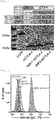
- a part of the purified protein was identified through 12% SDS-PAGE and is shown in FIG. 2 .
- the fusion product (hereinafter, also referred to as "dNP2-ctCTLA-4-fm3 fusion product") including the fusion peptide (hereinafter, also referred to as "ctCTLA-4-fm3") having an amino acid sequence represented by Sequence ID No. 4, produced in Production Example 1, and the cell-penetrating peptide (dNP2) having an amino acid sequence represented by Sequence ID No. 5 was synthesized by Cosmogenetech Co., Ltd.
- dNP2-EGFP genes were produced through PCR reaction and inserted into vectors (pRSET-b), and proteins were expressed in Escherichia strains and purified.
- the overall process was the same as in Production Example 3, except for the primers.
- the primers used are as follows.
- the intracellular introduction efficiency was compared between the ctCTLA-4 peptide purified in Production Example 1, and dNP2-ctCTLA-4 and Hph-1-ctCTLA-4 fusion products purified in Production Example 3.
- Mouse spleen cells were cultured together with 1 ⁇ M of a ctCTLA-4 peptide, or a dNP2-ctCTLA-4 or Hph-1-ctCTLA-4 fusion product for one hour, and the ctCTLA-4 peptide or CPP-linked ctCTLA-4 fusion products, which had been transferred into cells, were stained with anti-HA antibodies. Signals were amplified with PE-conjugated anti-rabbit IgG antibodies. The cells were harvested and intracellular fluorescence was measured using a flow cytometer to measure ctCTLA-4 protein introduction efficiency in primary mouse CD4-T-cells.
- FIG. 3 is a graph showing intracellular transfer efficiencies of the ctCTLA-4 peptide, and dNP2-ctCTLA-4 and Hph-1-ctCTLA-4 fusion products in primary mouse CD4-T-cells.
- 1 ⁇ M of the ctCTLA-4 peptide exhibited excellent intracellular transfer efficiency even though it was not linked to the cell-penetrating peptide (hereinafter, also referred to as "CPP").
- intracellular transfer efficiency of (dNP2-ctCTLA-4 or Hph-1-ctCTLA-4 fusion product) was further improved, preferably, the dNP2-ctCTLA-4 fusion product exhibited the highest intracellular transfer efficiency.
- the dNP2-ctCTLA-4 fusion product exhibited about at least 10 times higher intracellular transfer efficiency than the Hph-1-ctCTLA-4 fusion product and the ctCTLA-4 peptide.
- the dNP2-ctCTLA-4 fusion product having the most excellent transfer efficiency was screened from the fusion products wherein CPP was fused to ctCTLA-4, and in the following test, comparison and analysis were conducted based on the dNP2-ctCTLA-4 fusion product produced using dNP2, which is representative of conventional CPPs.
- the spleen cells activated by anti-CD3 and anti-CD28 antibodies were treated with 1 ⁇ M of each of PBS, the dNP2-ctCTLA-4 fusion product and the TAT-ctCTLA-4 fusion product, and IL-2 expression inhibitory efficiency was measured by ELISA and shown in FIG. 17 .
- a 96-well plate was coated at a concentration of 0.1 ⁇ g/well with anti-CD3 (anti-mouse CD3) and anti-CD28 (anti-mouse CD28) monoclonal antibodies at 37°Cfor 5 hours, spleen cells were isolated from 7-week-old C57BL/6, and the isolated spleen cells were suspended to be single cells.
- anti-CD3 anti-mouse CD3
- anti-CD28 anti-mouse CD28
- the spleen cells suspended through the process were seeded at 2.5 X 10 5 on each well coated with anti-CD3 (anti-mouse CD3) and anti-28 (anti-mouse CD28) monoclonal antibodies, and were treated with 1 ⁇ M PBS, the dNP2-ctCTLA-4 fusion product and the TAT-ctCTLA-4 fusion product, and then activated for 24 hours.
- anti-CD3 anti-mouse CD3
- anti-28 anti-mouse CD28
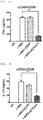
- FIG. 4 is a graph showing IL-2 expression inhibitory efficiency of 1 ⁇ M PBS, the dNP2-ctCTLA-4 fusion product and the TAT-ctCTLA-4 fusion product.
- the numbers represent mean ⁇ s.e.m., and * represents p ⁇ 0.05, ** represents p ⁇ 0.01, and *** represents p ⁇ 0.001; Student's t -test.
- the ctCTLA-4 protein according to the present invention exhibited a 40% to 70% decrease in IL-2 expression through linkage with the conventional cell-penetrating peptide (TAT, dNP2, Hph-1), compared to the counterpart subjected to PBS treatment.
- TAT conventional cell-penetrating peptide
- the dNP2-ctCTLA-4 fusion product exhibited the best decrease effect of 70% (specifically, at least two times higher effect than the TAT-ctCTLA-4 fusion product).
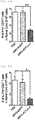
- IL-2 expression inhibitory ability was compared between the dNP2-ctCTLA-4 fusion product purified in Production Example 3 and the dNP2-EGFP fusion product (Control group) purified in Production Example 5.
- the spleen cells activated by the anti-CD3 and anti-CD28 antibodies were each treated with the dNP2-ctCTLA-4 fusion product and the dNP2-EGFP fusion product, and IL-2 expression inhibitory efficiency was measured by ELISA and shown in FIG. 4A.
- ELISA was conducted using the kit produced by Biolegend Corporation in accordance with the standard protocol provided by the manufacturer.
- spleen cells activated by PMA/ionomycin were treated with the dNP2-ctCTLA-4 fusion product and the dNP2-EGFP fusion product, and IL-2 expression inhibitory efficiency was measured by ELISA and is shown in FIG. 4B.
- the activated spleen cells were activated with the anti-CD3/CD28 antibody or PMA/ionomycin in the presence of 1 ⁇ M PBS, the dNP2-ctCTLA-4 fusion product or dNP2-EGFP fusion product for 24 hours.
- FIGS. 5A and 5B are graphs showing IL-2 expression inhibitory efficiency of the dNP2-ctCTLA-4 fusion product and the dNP2-EGFP fusion product.
- the numbers represent mean ⁇ s.e.m., and * represents p ⁇ 0.05, ** represents p ⁇ 0.01, and *** represents p ⁇ 0.001; Student's t -test.
- the dNP2-ctCTLA-4 fusion product inhibited IL-2 expression, while the dNP2-EGFP fusion product could not inhibit IL-2 expression.
- the dNP2-ctCTLA-4 fusion product according to the present invention did not have any effect on the spleen cells activated by stimulation of PMA and ionomycin, which demonstrates that the target of the dNP2-ctCTLA-4 fusion product was adjacent TcR signal molecules. That is, the dNP2-ctCTLA-4 fusion product according to the present invention had a specific-target directivity.
- IL-2 expression inhibitory effect was due to ctCTLA-4, not dNP2.
- IFN- ⁇ and IL-17A expression inhibitory abilities were compared between the dNP2-ctCTLA-4 fusion product purified in Production Example 3 and the dNP2-EGFP fusion product (Control group) purified in Production Example 5.
- the spleen cells activated by the anti-CD3 and anti-CD28 antibodies were each treated with the dNP2-ctCTLA-4 fusion product and the dNP2-EGFP fusion product, and IFN- ⁇ and IL-17A expression inhibitory abilities were measured by ELISA and are shown in FIG. 6 .
- FIGS. 6A is a graph showing IFN- ⁇ expression inhibitory efficiency of the dNP2-ctCTLA-4 fusion product and the dNP2-EGFP fusion product
- FIG. 6B is a graph showing IL-17A expression inhibitory efficiency of the dNP2-ctCTLA-4 fusion product and the dNP2-EGFP fusion product.
- the numbers represent mean ⁇ s.e.m., and * represents p ⁇ 0.05, ** represents p ⁇ 0.01, and *** represents p ⁇ 0.001; Student's t- test.
- dNP2-ctCTLA-4 fusion product levels of interferon- ⁇ (IFN- ⁇ ) and interleukin-17A (IL-17A) expressed in activated spleen cells were significantly decreased by the dNP2-ctCTLA-4 fusion product.
- the dNP2-ctCTLA-4 fusion product according to the present invention had at least 3 times lower expression level than the dNP2-EGFP fusion product.
- the present invention adopted, as a standard EAE model, C57BL/6 mice immunized by MOG 35-55 peptide and treated with pertussis toxin.
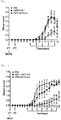
- FIG. 7 is a graph showing test results of 1) of Test Example 3 and this graph shows clinical scores in the EAE animal model as a function of day (y axis) after disease induction in respective groups (x axis).
- the numbers represent mean ⁇ s.e.m., and * represents p ⁇ 0.05, ** represents p ⁇ 0.01 and *** represents p ⁇ 0.001; Student's t- test.
- mice treated with the dNP2-ctCTLA-4 fusion product was kept low, rather than being significantly increased, compared to the clinical score of mice treated with the dNP2-EGFP fusion product or PBS.
- mice treated with the dNP2-EGFP fusion product or PBS started to show clinical symptoms at 9 days and then their conditions very rapidly worsened, that is, all back legs were paralyzed or in serious cases, all limbs were paralyzed.
- mice treated with the dNP2-ctCTLA-4 fusion product started to show clinical symptoms at 11 days and then their conditions very slowly worsened and, even in the most serious case, only the tail was paralyzed.
- the present invention adopted, as a standard EAE model, C57BL/6 mice immunized by MOG 35-55 peptide and treated with pertussis toxin.
- FIG. 8 is a graph showing test results of 2) of Test Example 3 and this graph shows clinical scores on the EAE animal model as a function of day (y axis) after disease induction in respective groups (x axis).
- the numbers represent mean ⁇ s.e.m., and * represents p ⁇ 0.05, ** represents p ⁇ 0.01, and *** represents p ⁇ 0.001; Student's t -test.
- the EAE clinical symptoms were evaluated by scoring based on the grades shown in Table 2.
- mice treated with the Hph-1-ctCTLA-4 fusion product started to show clinical symptoms at 9 days which was slightly later and more slowly worsened, compared to the mice treated with only PBS. That is, the Hph-1-ctCTLA-4 fusion product also exhibited excellent penetration ability to blood-brain barriers or blood-spinal cord barriers as well as segmentation of in vivo brain tissues, and had effects of preventing or relieving substantially central nervous system diseases, in particular, multiple sclerosis.
- mice treated with the dNP2-ctCTLA-4 fusion product started to show clinical symptoms at 11 days and their conditions then very slowly worsened and even in the most serious case, only the tail was paralyzed.
- the dNP2-ctCTLA-4 fusion product according to the present invention has the best effect of preventing central nervous system diseases, in particular, multiple sclerosis.
- the present invention adopted, as a standard EAE model, C57BL/6 mice immunized by MOG 35-55 peptide and treated with pertussis toxin.
- FIG. 9 is a graph showing test results of 3) of Test Example 3 and this graph shows clinical scores in the EAE animal model as a function of day (y axis) after disease induction in respective groups (x axis).
- the numbers represent mean ⁇ s.e.m., and * represents p ⁇ 0.05, ** represents p ⁇ 0.01, and *** represents p ⁇ 0.001; Student's t -test.
- the EAE clinical symptoms were evaluated by scoring based on the grades shown in Table 2.
- mice treated with the dNP2-ctCTLA-4 fusion product was significantly lower than that of mice treated with the dNP2-EGFP fusion product or PBS.
- dNP2-ctCTLA-4 fusion product or dNP2-EGFP fusion product 100 ⁇ g of the dNP2-ctCTLA-4 fusion product or dNP2-EGFP fusion product was intra-abdominally injected into the animal model wherein a disease developed and had an average clinical score of 1, to confirm therapeutic effects.
- C57BL/6 mice immunized by MOG 35-55 peptide and treated with pertussis toxin were used as a standard EAE model.
- the EAE was induced in 7-week-old C57BL/6 mice.
- the mice were observed every day and scores of EAE clinical symptoms are shown in FIG. 10 .
- FIG. 10 is a graph showing test results of 4) of Test Example 3 and this graph shows clinical scores in the EAE animal model as a function of day (y axis) after disease induction in respective groups (x axis).
- the numbers represent mean ⁇ s.e.m., and * represents p ⁇ 0.05, ** represents p ⁇ 0.01, and *** represents p ⁇ 0.001; Student's t-test.
- the EAE clinical symptoms were evaluated by scoring based on the grades shown in Table 2.
- mice that had symptoms developed to a clinical score of 2.0 could be recovered to the clinical score of 1.0 by treating with the dNP2-ctCTLA-4 fusion product.
- the dNP2-ctCTLA-4 fusion product could be used as an immune-regulatory protein that is capable of regulating activated T-cell reaction in vitro and in vivo as well as central nervous system diseases such as multiple sclerosis (requiring penetration of the blood-brain barrier and the blood-spinal cord barrier).
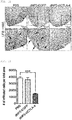
- FIG. 11 is images of luxol fast blue (LFB) and hematoxylin & eosin (H&E) staining showing the effects of the dNP2-ctCTLA-4 fusion product and the dNP2-EGFP fusion product according to the present invention on demyelination and invasion of immune cells in the EAE-induced animal model.
- the scale bar was 100 ⁇ m.
- FIG. 12 is a graph showing the numbers of invasive immune cells of spinal cord tissues according to respective treatment groups measured in FIG. 11 , wherein the numbers are counted using Image J software 1.48v.
- the numbers represent mean ⁇ s.e.m., and * represents p ⁇ 0.05, ** represents p ⁇ 0.01, and *** represents p ⁇ 0.001; Student's t-test.
- results of testing inhibitory effects of the dNP2-ctCTLA-4 fusion product and the dNP2-EGFP fusion product on demyelination and invasion of immune cells in the EAE animal model found that the animal model treated with the dNP2-ctCTLA-4 fusion product showed decreases in demyelination and invasion of immune cells, compared to in other animal cells. This indicates that inflammation of spinal cord tissues was significantly decreased in the mouse model treated with the dNP2-ctCTLA-4 fusion product.
- FIG. 13 shows results of flow cytometry of IL-17A and/or IFN- ⁇ expression CD4 T-cells after isolation of spinal cord cells in EAE animal models treated with Th1, Th17, Th2 and Treg cells (T-cells) of the dNP2-ctCTLA-4 fusion product and the dNP2-EGFP fusion product according to the present invention.
- FIG. 14 is a graph showing analysis of results of FIG. 13 .
- the numbers represent mean ⁇ s.e.m., and * represents p ⁇ 0.05, ** represents p ⁇ 0.01, and *** represents p ⁇ 0.001; Student's t-test.
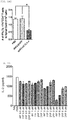
- IL-2 expression inhibitory abilities were compared between the ctCTLA-4 peptide purified in Production Example 1 (represented by "WT" in the present Test Example) and 1YF, 2YF or DYF variants purified in Production Example 2.
- the spleen cells activated by the anti-CD3 and anti-CD28 antibodies were each treated with 0.5, 1, 2 or 5 ⁇ M WT, 1YF, 2YF and DYF, and IL-2 expression inhibitory abilities were measured by ELISA and are shown in FIG. 15 .
- the activated spleen cells were activated with anti-CD3/CD28 antibody in the presence of 1 ⁇ M PBS, 0.5, 1, 2 or 5 ⁇ M WT, 1YF, 2YF, DYF for 24 hours.
- FIG. 15 is a graph showing measurement results of IL-2 expression inhibitory efficiencies of 0.5, 1, 2 or 5 ⁇ M WT, 1YF, 2YF and DYF.
- the numbers represent mean ⁇ s.e.m., and * represents p ⁇ 0.05, ** represents p ⁇ 0.01, and *** represents p ⁇ 0.001; Student's t-test.
- 1YF, 2YF and DYF exhibited significant deterioration in IL-2 expression inhibitory efficiency, compared to WT. That is, it can be seen that the amino acid fragments of the ctCTTLA-4 peptide according to the present invention where 1Y and 2Y are located greatly contribute to inhibitory activity of IL-2 expression.
- the ctCTLA-4 fragment peptides (Sequence ID Nos. 2 and 3) of areas including 1Y and 2Y amino acid residues also had excellent IL-2 expression inhibitory effect, like the present invention.
- the test identified fragment peptides which were active in ctCTLA-4 and the following test was conducted using the fusion peptide (Sequence ID No. 4) created by fusing fragment peptides of ctCTLA-4.
- the present test was conducted to check whether or not the dNP2-TAMRA, dNP2-ctCTLA-4 fusion product and dNP2-ctCTLA-4-fm3 fusion product according to the present invention could inhibit activation of CD4 T-cells in the mouse model.
- CD25 was an activation marker which has an increasing expression level when T-cells were activated, and whether or not activation of CD4 T-cells was inhibited based on the amount of expressed CD25 was determined.
- test method was as follows.
- a 96-well plate was coated with 0.1 ug of anti-CD3 and anti-CD28 antibodies in a cell incubator at 37°C under 0.5% carbon dioxide for 5 hours. Then, isolated spleen cells of mice were seeded in a density of 2.5 X 10 5 on each well. The cells were treated with PBS or 0.1, 0.5, 1, 2 or 5 ⁇ M dNP2-TAMRA, dNP2-ctCTLA-4 or dNP2-ctCTLA-4-Fm, and then cultured in a cell incubator at 37°C under 0.5% carbon dioxide for 24 hours.
- the cells were stained with APC fluorescence-conjugated anti-CD4 mAb and PE fluorescence-fused anti-CD25 mAb at 4°C for 20 minutes. Then, the cells produced through the aforementioned process were analyzed by a flow cytometer (FACS) to compare amounts of expressed CD25.
- FACS flow cytometer
- FIG. 16 is a graph showing introduction efficiency of primary mouse CD4-T-cells (NA&PBS) treated with NA or PBS
- FIG. 17 is a graph showing intracellular transfer efficiencies of 0.1, 0.5, 1, 2 or 5 ⁇ M dNP2-TAMRA, dNP2-ctCTLA-4 fusion product and dNP2-ctCTLA-4-fm3 fusion product in primary mouse CD4-T-cells.
- NA negative Control Group to which stimulus to activate T-cells was not applied and PBS herein used means a Positive Control Group to which stimuli of anti-CD3 and anti-CD28 monoclonal antibodies were applied to activate T-cells.
- NA is indicated by a red graph and PBS is indicated by a blue graph.
- CD3 is a T cell receptor and CD28 is a co-receptor, monoclonal antibodies targeting them were used to apply stimulus to the T cell receptor. 270
- the graph of PBS treated with the T cell receptor showed a great increase in CD25 expression, while the NA graph showed maintenance in CD25 expression because no stimulus was applied.
- CD25 expression was inhibited in proportion to the concentration of dNP2-ctCTLA-4 when dNP2-ctCTLA-4 was treated at different concentrations, and the dNP2-ctCTLA-4-fm3 also exhibited efficacy similar thereto.
- dNP2-TAMRA could not inhibit CD25 expression because it had no activity like ctCTLA-4.
- the dNP2-CTLA-4 fusion product could exhibit significant effects so long as it was used in a concentration of 2 ⁇ M or more, while the dNP2-ctCTLA-4-fm fusion product exhibited excellent intracellular transfer efficiency even in a concentration of 0.1 ⁇ M, like the dNP2-ctCTLA-4 fusion product.
- the spleen cells activated by anti-CD3 and anti-CD28 antibodies were each treated with 0.1, 0.5, 1, 2 or 5 ⁇ M dNP2-TAMRA fusion product, dNP2-CTLA-4 fusion product and dNP2-ctCTLA-4-fm3 fusion product, and IL-2 expression inhibitory efficiency was measured by ELISA and is shown in FIG. 18 .
- the activated spleen cells were activated with the anti-CD3/CD28 antibody in the presence of 1 ⁇ M PBS, 0.1, 0.5, 1, 2 or 5 ⁇ M dNP2-TAMRA fusion product, dNP2-CTLA-4 fusion product and dNP2-ctCTLA-4-fm3 fusion product for 24 hours.
- FIG. 18 is a graph showing IL-2 expression inhibitory efficiencies of 0.1, 0.5, 1, 2 or 5 ⁇ M dNP2-TAMRA fusion product, dNP2-CTLA-4 fusion product and dNP2-ctCTLA-4-fm3 fusion product.
- the numbers represent mean ⁇ s.e.m., and * represents p ⁇ 0.05, ** represents p ⁇ 0.01, and *** represents p ⁇ 0.001; Student's t-test.
- the dNP2-CTLA-4 fusion product also exhibited inhibitory effect of IL-2 expression, but the effect was significant only at 2 ⁇ M or more.
- the dNP2-ctCTLA-4-fm fusion product which was obtained using fragments of ctCTLA-4 according to the present invention, exhibited excellent IL-2 expression effect, comparable to the dNP2-ctCTLA-4-fusion protein of Example 2.
- CTLA-4 (ctCTLA-4) has the function of encoding only a part of the exon 4 in CTLA-4 genes, independent of B7.
- CTLA-4 another analogue protein of CTLA-4, which is genetically similar to ctCTLA-4, had been conventionally found to strengthen T cell activation and promote autoimmunity ( Liu, S. M. et al. Overexpression of the Ctla-4 isoform lacking exons 2 and 3 causes autoimmunity. Journal of immunology 188, 155-162, doi:10.4049/jimmunol.1102042 (2012 ); Ichinose, K. et al. Brief report: increased expression of a short splice variant of CTLA-4 exacerbates lupus in MRL/lpr mice. Arthritis and rheumatism 65, 764-769, doi:10.1002/art.37790 (2013 )).
- a fusion protein wherein the ctCTLA-4 protein according to the present invention is fused with the cell-penetrating peptide was identified, which inhibited T cell activation and exhibited potent therapeutic effects in an autoimmune encephalomyelitis model. This suggests that the level of CTLA-4 cytoplasmic domain in T-cells plays an important role in functions thereof.
- dNP2-ctCTLA-4 fusion product could be transferred to giant cells and dendritic cells, significant variation in production of inflammatory cytokine by stimuli of toll-like receptor (TLR) ligands was not observed in such cells, while production of IL-2 and IFN- ⁇ was successfully inhibited by activated CD4 and CD8 T-cells.
- TLR toll-like receptor
- the present invention developed the novel effective ctCTLA-4 peptides as well as fusion products wherein the ctCTLA-4 peptides are bound to the cell-penetrating peptide and verified that these peptides or fragments thereof or fusion products can be transferred to the brain and spinal cord.
- the peptide produced according to the present invention can exert efficient therapeutic effects in spite of being used in low contents owing to the function to highly efficiently penetrate the blood-brain barrier and the blood-spinal cord barrier of the central nervous system, which could not be significantly permeated in the past, thus being applicable to various substances for preventing or treating central nervous system diseases.
Landscapes
- Health & Medical Sciences (AREA)
- Life Sciences & Earth Sciences (AREA)
- Chemical & Material Sciences (AREA)
- Organic Chemistry (AREA)
- General Health & Medical Sciences (AREA)
- Medicinal Chemistry (AREA)
- Molecular Biology (AREA)
- Genetics & Genomics (AREA)
- Engineering & Computer Science (AREA)
- Proteomics, Peptides & Aminoacids (AREA)
- Biochemistry (AREA)
- Zoology (AREA)
- Bioinformatics & Cheminformatics (AREA)
- Gastroenterology & Hepatology (AREA)
- Biophysics (AREA)
- Animal Behavior & Ethology (AREA)
- Public Health (AREA)
- Veterinary Medicine (AREA)
- Immunology (AREA)
- Biomedical Technology (AREA)
- Toxicology (AREA)
- Pharmacology & Pharmacy (AREA)
- Wood Science & Technology (AREA)
- Epidemiology (AREA)
- Cell Biology (AREA)
- Nuclear Medicine, Radiotherapy & Molecular Imaging (AREA)
- Chemical Kinetics & Catalysis (AREA)
- Neurosurgery (AREA)
- General Chemical & Material Sciences (AREA)
- Neurology (AREA)
- Biotechnology (AREA)
- Microbiology (AREA)
- General Engineering & Computer Science (AREA)
- Pathology (AREA)
- Radiology & Medical Imaging (AREA)
- Virology (AREA)
- Medicines That Contain Protein Lipid Enzymes And Other Medicines (AREA)
- Peptides Or Proteins (AREA)
Claims (9)
- Fusionspeptid mit hemmender Wirkung gegen IL-2, wobei das Fusionspeptid eine Aminosäuresequenz aufweist, die durch Sequenz ID Nr. 4 dargestellt wird.
- Fusionsprodukt umfassend:ein Peptid mit einer Aminosäuresequenz, dargestellt durch Sequenz ID Nr. 4; undein zellpenetrierendes Peptid.
- Fusionsprodukt nach Anspruch 2, wobei das zellpenetrierende Peptid irgendeines umfasst, ausgewählt aus der Gruppe bestehend aus HIV-1 tat (47-57), D-Aminosäuresubstituiertem HIV-1 tat (47-57), Arginin-substituiertem HIV-1 tat (47-57), Drosophila Antennapaedia (43-58), Polyarginin-Polypeptide, einschließend 6 bis 8 Arginine, Polylysin-Polypeptide, einschließend 7 bis 11 Lysine, dNP2-Proteine mit einer Aminosäuresequenz, die durch die Sequenz ID Nr. 5, Hph-1 (Sequenz ID Nr. 6), Transportan (Sequenz ID Nr. 8), Pep-1 (Sequenz-ID Nr. 9), pVEC (Sequenz ID Nr. 10), M918 (Sequenz-ID Nr. 11), TP10 (Sequenz ID Nr. 12), VP22 (Sequenz ID Nr. 13), Buforin 2 (Sequenz ID Nr. 14), KALA (Sequenz ID Nr. 15), CL22 (Sequenz ID Nr. 16) und Crotamin (Sequenz ID Nr. 17).
- Fusionsprodukt nach Anspruch 2, wobei das zellpenetrierende Peptid ein dNP2-Protein der durch Sequenz ID Nr. 5 dargestellten Aminosäuresequenz ist.
- Rekombinanter Expressionsvektor, umfassend Gene, die für das Fusionsprodukt nach Anspruch 2 kodieren.
- Pharmazeutische Zusammensetzung zur Verwendung bei der Vorbeugung oder Behandlung einer Erkrankung des Zentralnervensystems, umfassend das Fusionsprodukt nach Anspruch 2 als Wirkstoff.
- Pharmazeutische Zusammensetzung zur Verwendung nach Anspruch 6, wobei das zellpenetrierende Peptid in dem Fusionsprodukt eine Aktivität zum Durchdringen der Blut-Hirn-Schranke oder der Blut-Rückenmark-Schranke aufweist.
- Pharmazeutische Zusammensetzung zur Verwendung nach Anspruch 6, wobei die Erkrankung des Zentralnervensystems eine Erkrankung umfasst, die aus der Gruppe bestehend aus Rückenmarkschädigung, Schlaganfall, Hirninfarkt, zerebraler Ischämie, Alzheimer-Krankheit und multipler Sklerose ausgewählt ist.
- Pharmazeutische Zusammensetzung nach Anspruch 6 zur Verwendung bei der Vorbeugung oder Behandlung von Erkrankungen des Zentralnervensystems.
Applications Claiming Priority (2)
| Application Number | Priority Date | Filing Date | Title |
|---|---|---|---|
| KR20150117966 | 2015-08-21 | ||
| PCT/KR2016/009201 WO2017034244A1 (ko) | 2015-08-21 | 2016-08-19 | 중추신경계 질환에 대한 예방 또는 치료효과를 갖는 펩타이드 및 이를 유효성분으로 하는 중추신경계 질환 예방 및 치료용 약학적 조성물 |
Publications (3)
| Publication Number | Publication Date |
|---|---|
| EP3336100A1 EP3336100A1 (de) | 2018-06-20 |
| EP3336100A4 EP3336100A4 (de) | 2019-01-09 |
| EP3336100B1 true EP3336100B1 (de) | 2021-01-13 |
Family
ID=58426603
Family Applications (1)
| Application Number | Title | Priority Date | Filing Date |
|---|---|---|---|
| EP16839533.3A Active EP3336100B1 (de) | 2015-08-21 | 2016-08-19 | Peptid mit wirkung zur vorbeugung oder behandlung von krankheiten des zentralen nervensystems und pharmazeutische zusammensetzung zur vorbeugung und behandlung von krankheiten des zentralen nervensystems damit als wirkstoff |
Country Status (4)
| Country | Link |
|---|---|
| US (1) | US11053295B2 (de) |
| EP (1) | EP3336100B1 (de) |
| KR (1) | KR101969513B1 (de) |
| CN (1) | CN108137659B (de) |
Families Citing this family (6)
| Publication number | Priority date | Publication date | Assignee | Title |
|---|---|---|---|---|
| US11351224B2 (en) | 2015-08-21 | 2022-06-07 | Iucf-Hyu (Industry-University Cooperation Foundation Hanyang University) | Pharmaceutical composition for preventing and treating transplant rejection |
| KR20180109272A (ko) * | 2017-03-27 | 2018-10-08 | 한양대학교 산학협력단 | 세포투과성 펩타이드와 ctCTLA4 펩타이드가 융합된 융합단백질을 유효성분으로 하는 염증성 호흡기 질환 예방 또는 치료용 약학 조성물 |
| CN109265557B (zh) * | 2018-09-18 | 2019-12-24 | 深圳瑞健生物科技有限公司 | 一种齐考诺肽和tat肽的融合多肽在制备药物中的应用 |
| CN109232744B (zh) * | 2018-09-18 | 2020-02-28 | 深圳瑞健生物科技有限公司 | 改进型齐考诺肽 |
| KR102528947B1 (ko) * | 2020-07-09 | 2023-05-08 | 한양대학교 산학협력단 | Nlrx1 단백질의 lrr 도메인을 기반으로 하는 신경계 자가면역질환 예방 또는 치료용 조성물 |
| EP4527848A1 (de) * | 2022-05-16 | 2025-03-26 | Korea University Research and Business Foundation | Polypeptid, das durch die blut-hirn-schranke führt, und verwendung davon |
Family Cites Families (11)
| Publication number | Priority date | Publication date | Assignee | Title |
|---|---|---|---|---|
| US5268164A (en) | 1990-04-23 | 1993-12-07 | Alkermes, Inc. | Increasing blood-brain barrier permeability with permeabilizer peptides |
| US6719972B1 (en) | 1994-06-03 | 2004-04-13 | Repligen Corporation | Methods of inhibiting T cell proliferation or IL-2 accumulation with CTLA4- specific antibodies |
| US5786152A (en) * | 1996-04-26 | 1998-07-28 | Amgen Inc. | Methods of inhibiting syp binding to a CTLA-4 receptor |
| KR20080084937A (ko) | 2005-11-04 | 2008-09-22 | 포휴먼텍(주) | 융합 폴리펩타이드를 세포로 전달하는 방법 |
| GB0620934D0 (en) | 2006-10-20 | 2006-11-29 | Cambridge Antibody Tech | Protein variants |
| EP2612867A1 (de) | 2007-11-01 | 2013-07-10 | Perseid Therapeutics LLC | Immunsuppressive Polypeptide und Nucleinsäuren |
| DK2621282T3 (da) * | 2010-09-28 | 2020-05-04 | Univ California | Gaba-agonister i behandlingen af forstyrrelser forbundet med metabolisk syndrom og gaba-kombinationer i behandling eller profylakse af type i diabetes |
| KR20140026372A (ko) | 2011-02-02 | 2014-03-05 | 이무노퓨처 아이앤씨. | 혈액-뇌 장벽을 투과하는 약물 전달체, 펩티드 및 이의 용도 |
| WO2013169338A1 (en) | 2012-05-11 | 2013-11-14 | Medimmune, Llc | Ctla-4 variants |
| KR101636538B1 (ko) * | 2012-10-09 | 2016-07-07 | 한양대학교 산학협력단 | 인간 NLBP 유래의 NP2 폴리펩티드 또는 dNP2 폴리펩티드를 포함하는 세포 투과 펩티드 및 이를 이용한 카고 전달 시스템 |
| WO2017034244A1 (ko) | 2015-08-21 | 2017-03-02 | 한양대학교 산학협력단 | 중추신경계 질환에 대한 예방 또는 치료효과를 갖는 펩타이드 및 이를 유효성분으로 하는 중추신경계 질환 예방 및 치료용 약학적 조성물 |
-
2016
- 2016-08-19 CN CN201680056710.3A patent/CN108137659B/zh active Active
- 2016-08-19 US US15/753,915 patent/US11053295B2/en active Active
- 2016-08-19 EP EP16839533.3A patent/EP3336100B1/de active Active
- 2016-08-19 KR KR1020160105642A patent/KR101969513B1/ko active Active
Non-Patent Citations (1)
| Title |
|---|
| None * |
Also Published As
| Publication number | Publication date |
|---|---|
| CN108137659B (zh) | 2021-11-26 |
| KR101969513B1 (ko) | 2019-04-16 |
| EP3336100A4 (de) | 2019-01-09 |
| CN108137659A (zh) | 2018-06-08 |
| EP3336100A1 (de) | 2018-06-20 |
| US20190202888A1 (en) | 2019-07-04 |
| US11053295B2 (en) | 2021-07-06 |
| KR20170022943A (ko) | 2017-03-02 |
Similar Documents
| Publication | Publication Date | Title |
|---|---|---|
| EP3336100B1 (de) | Peptid mit wirkung zur vorbeugung oder behandlung von krankheiten des zentralen nervensystems und pharmazeutische zusammensetzung zur vorbeugung und behandlung von krankheiten des zentralen nervensystems damit als wirkstoff | |
| US11981743B2 (en) | Monoclonal antibody and a method thereof | |
| ES2983771T3 (es) | TCR de NY-ESO | |
| KR101861416B1 (ko) | 세포 관통 펩티드 | |
| US20190307795A1 (en) | Regulatory t cells targeted with chimeric antigen receptors | |
| JP2020533971A (ja) | Il−15をベースとするil−7及びil−21への融合物 | |
| JP2023506223A (ja) | Il-2オルソログおよび使用法 | |
| RS61808B1 (sr) | Antitela i polipeptidi usmereni protiv cd127 | |
| JP2018532729A (ja) | インターロイキン−15スーパーアゴニストは、移植片対腫瘍活性を大幅に増強する | |
| JP2017521410A (ja) | Il−15ベース分子及びその使用方法 | |
| JP2022541742A (ja) | ヘテロダイマーおよびその使用方法 | |
| JP2022501074A (ja) | 血液腫瘍を治療するための遺伝子操作しているγδ−T細胞及び遺伝子操作していないγδ−T細胞に関する組成物及び方法 | |
| KR20150002706A (ko) | 종양 형성 치료방법 | |
| JP7097465B2 (ja) | キメラ抗原受容体細胞療法と併用するil-10剤の組成およびその使用方法 | |
| KR20140116054A (ko) | 다발성 경화증의 치료를 위한 apc-매개 관용 유도 | |
| US12162923B2 (en) | Immune tolerant elastin-like peptide tetramer guided nanoparticles and methods of use | |
| JP2021536247A (ja) | 併用療法用dnaワクチンを標的とするネオアンチゲン | |
| KR20250133689A (ko) | Cd40l 결합 제제를 암호화하는 핵산을 포함하는 유전자 변형된 세포 및 이의 용도 | |
| US11351224B2 (en) | Pharmaceutical composition for preventing and treating transplant rejection | |
| CN109422814A (zh) | 一种抗La/SSB嵌合体抗原修饰的NK细胞、其制备方法及其应用 | |
| KR20250033977A (ko) | Il-2 단백질 및 il-15 단백질의 키메라 단백질 또는 변이체, 이를 포함하는 융합단백질, 및 이를 발현하는 유전자 조작된 세포 | |
| KR20230147078A (ko) | 치료에 사용하기 위한 t 세포 | |
| Gillanders | Defining the Role of BTLA in Breast Cancer Immunosurveillance and Selective Targeting of the BTLA-HVEM-LIGHT Costimulatory System |
Legal Events
| Date | Code | Title | Description |
|---|---|---|---|
| STAA | Information on the status of an ep patent application or granted ep patent |
Free format text: STATUS: THE INTERNATIONAL PUBLICATION HAS BEEN MADE |
|
| PUAI | Public reference made under article 153(3) epc to a published international application that has entered the european phase |
Free format text: ORIGINAL CODE: 0009012 |
|
| STAA | Information on the status of an ep patent application or granted ep patent |
Free format text: STATUS: REQUEST FOR EXAMINATION WAS MADE |
|
| 17P | Request for examination filed |
Effective date: 20180313 |
|
| AK | Designated contracting states |
Kind code of ref document: A1 Designated state(s): AL AT BE BG CH CY CZ DE DK EE ES FI FR GB GR HR HU IE IS IT LI LT LU LV MC MK MT NL NO PL PT RO RS SE SI SK SM TR |
|
| AX | Request for extension of the european patent |
Extension state: BA ME |
|
| DAV | Request for validation of the european patent (deleted) | ||
| DAX | Request for extension of the european patent (deleted) | ||
| A4 | Supplementary search report drawn up and despatched |
Effective date: 20181211 |
|
| RIC1 | Information provided on ipc code assigned before grant |
Ipc: C07K 14/435 20060101AFI20181205BHEP Ipc: A61K 38/17 20060101ALI20181205BHEP Ipc: A61K 38/00 20060101ALI20181205BHEP Ipc: C07K 19/00 20060101ALI20181205BHEP Ipc: C12N 9/10 20060101ALI20181205BHEP Ipc: A61K 49/00 20060101ALI20181205BHEP Ipc: C07K 14/705 20060101ALI20181205BHEP |
|
| STAA | Information on the status of an ep patent application or granted ep patent |
Free format text: STATUS: EXAMINATION IS IN PROGRESS |
|
| 17Q | First examination report despatched |
Effective date: 20191016 |
|
| REG | Reference to a national code |
Ref country code: DE Ref legal event code: R079 Ref document number: 602016051492 Country of ref document: DE Free format text: PREVIOUS MAIN CLASS: C07K0014435000 Ipc: A61P0025000000 |
|
| GRAP | Despatch of communication of intention to grant a patent |
Free format text: ORIGINAL CODE: EPIDOSNIGR1 |
|
| STAA | Information on the status of an ep patent application or granted ep patent |
Free format text: STATUS: GRANT OF PATENT IS INTENDED |
|
| RIC1 | Information provided on ipc code assigned before grant |
Ipc: A61P 25/00 20060101AFI20200422BHEP Ipc: C12N 9/10 20060101ALI20200422BHEP Ipc: C07K 14/705 20060101ALI20200422BHEP Ipc: A61K 38/00 20060101ALI20200422BHEP |
|
| INTG | Intention to grant announced |
Effective date: 20200514 |
|
| GRAS | Grant fee paid |
Free format text: ORIGINAL CODE: EPIDOSNIGR3 |
|
| GRAJ | Information related to disapproval of communication of intention to grant by the applicant or resumption of examination proceedings by the epo deleted |
Free format text: ORIGINAL CODE: EPIDOSDIGR1 |
|
| GRAL | Information related to payment of fee for publishing/printing deleted |
Free format text: ORIGINAL CODE: EPIDOSDIGR3 |
|
| STAA | Information on the status of an ep patent application or granted ep patent |
Free format text: STATUS: EXAMINATION IS IN PROGRESS |
|
| INTC | Intention to grant announced (deleted) | ||
| GRAJ | Information related to disapproval of communication of intention to grant by the applicant or resumption of examination proceedings by the epo deleted |
Free format text: ORIGINAL CODE: EPIDOSDIGR1 |
|
| GRAP | Despatch of communication of intention to grant a patent |
Free format text: ORIGINAL CODE: EPIDOSNIGR1 |
|
| GRAP | Despatch of communication of intention to grant a patent |
Free format text: ORIGINAL CODE: EPIDOSNIGR1 |
|
| STAA | Information on the status of an ep patent application or granted ep patent |
Free format text: STATUS: GRANT OF PATENT IS INTENDED |
|
| GRAA | (expected) grant |
Free format text: ORIGINAL CODE: 0009210 |
|
| STAA | Information on the status of an ep patent application or granted ep patent |
Free format text: STATUS: THE PATENT HAS BEEN GRANTED |
|
| INTG | Intention to grant announced |
Effective date: 20201203 |
|
| AK | Designated contracting states |
Kind code of ref document: B1 Designated state(s): AL AT BE BG CH CY CZ DE DK EE ES FI FR GB GR HR HU IE IS IT LI LT LU LV MC MK MT NL NO PL PT RO RS SE SI SK SM TR |
|
| REG | Reference to a national code |
Ref country code: GB Ref legal event code: FG4D |
|
| REG | Reference to a national code |
Ref country code: CH Ref legal event code: EP |
|
| REG | Reference to a national code |
Ref country code: IE Ref legal event code: FG4D |
|
| REG | Reference to a national code |
Ref country code: DE Ref legal event code: R096 Ref document number: 602016051492 Country of ref document: DE |
|
| REG | Reference to a national code |
Ref country code: AT Ref legal event code: REF Ref document number: 1354105 Country of ref document: AT Kind code of ref document: T Effective date: 20210215 |
|
| REG | Reference to a national code |
Ref country code: AT Ref legal event code: MK05 Ref document number: 1354105 Country of ref document: AT Kind code of ref document: T Effective date: 20210113 |
|
| REG | Reference to a national code |
Ref country code: NL Ref legal event code: MP Effective date: 20210113 |
|
| REG | Reference to a national code |
Ref country code: LT Ref legal event code: MG9D |
|
| PG25 | Lapsed in a contracting state [announced via postgrant information from national office to epo] |
Ref country code: LT Free format text: LAPSE BECAUSE OF FAILURE TO SUBMIT A TRANSLATION OF THE DESCRIPTION OR TO PAY THE FEE WITHIN THE PRESCRIBED TIME-LIMIT Effective date: 20210113 Ref country code: BG Free format text: LAPSE BECAUSE OF FAILURE TO SUBMIT A TRANSLATION OF THE DESCRIPTION OR TO PAY THE FEE WITHIN THE PRESCRIBED TIME-LIMIT Effective date: 20210413 Ref country code: NO Free format text: LAPSE BECAUSE OF FAILURE TO SUBMIT A TRANSLATION OF THE DESCRIPTION OR TO PAY THE FEE WITHIN THE PRESCRIBED TIME-LIMIT Effective date: 20210413 Ref country code: PT Free format text: LAPSE BECAUSE OF FAILURE TO SUBMIT A TRANSLATION OF THE DESCRIPTION OR TO PAY THE FEE WITHIN THE PRESCRIBED TIME-LIMIT Effective date: 20210513 Ref country code: FI Free format text: LAPSE BECAUSE OF FAILURE TO SUBMIT A TRANSLATION OF THE DESCRIPTION OR TO PAY THE FEE WITHIN THE PRESCRIBED TIME-LIMIT Effective date: 20210113 Ref country code: GR Free format text: LAPSE BECAUSE OF FAILURE TO SUBMIT A TRANSLATION OF THE DESCRIPTION OR TO PAY THE FEE WITHIN THE PRESCRIBED TIME-LIMIT Effective date: 20210414 Ref country code: HR Free format text: LAPSE BECAUSE OF FAILURE TO SUBMIT A TRANSLATION OF THE DESCRIPTION OR TO PAY THE FEE WITHIN THE PRESCRIBED TIME-LIMIT Effective date: 20210113 |
|
| PG25 | Lapsed in a contracting state [announced via postgrant information from national office to epo] |
Ref country code: SE Free format text: LAPSE BECAUSE OF FAILURE TO SUBMIT A TRANSLATION OF THE DESCRIPTION OR TO PAY THE FEE WITHIN THE PRESCRIBED TIME-LIMIT Effective date: 20210113 Ref country code: AT Free format text: LAPSE BECAUSE OF FAILURE TO SUBMIT A TRANSLATION OF THE DESCRIPTION OR TO PAY THE FEE WITHIN THE PRESCRIBED TIME-LIMIT Effective date: 20210113 Ref country code: PL Free format text: LAPSE BECAUSE OF FAILURE TO SUBMIT A TRANSLATION OF THE DESCRIPTION OR TO PAY THE FEE WITHIN THE PRESCRIBED TIME-LIMIT Effective date: 20210113 Ref country code: LV Free format text: LAPSE BECAUSE OF FAILURE TO SUBMIT A TRANSLATION OF THE DESCRIPTION OR TO PAY THE FEE WITHIN THE PRESCRIBED TIME-LIMIT Effective date: 20210113 Ref country code: RS Free format text: LAPSE BECAUSE OF FAILURE TO SUBMIT A TRANSLATION OF THE DESCRIPTION OR TO PAY THE FEE WITHIN THE PRESCRIBED TIME-LIMIT Effective date: 20210113 |
|
| PG25 | Lapsed in a contracting state [announced via postgrant information from national office to epo] |
Ref country code: IS Free format text: LAPSE BECAUSE OF FAILURE TO SUBMIT A TRANSLATION OF THE DESCRIPTION OR TO PAY THE FEE WITHIN THE PRESCRIBED TIME-LIMIT Effective date: 20210513 |
|
| REG | Reference to a national code |
Ref country code: DE Ref legal event code: R097 Ref document number: 602016051492 Country of ref document: DE |
|
| PG25 | Lapsed in a contracting state [announced via postgrant information from national office to epo] |
Ref country code: SM Free format text: LAPSE BECAUSE OF FAILURE TO SUBMIT A TRANSLATION OF THE DESCRIPTION OR TO PAY THE FEE WITHIN THE PRESCRIBED TIME-LIMIT Effective date: 20210113 Ref country code: CZ Free format text: LAPSE BECAUSE OF FAILURE TO SUBMIT A TRANSLATION OF THE DESCRIPTION OR TO PAY THE FEE WITHIN THE PRESCRIBED TIME-LIMIT Effective date: 20210113 Ref country code: EE Free format text: LAPSE BECAUSE OF FAILURE TO SUBMIT A TRANSLATION OF THE DESCRIPTION OR TO PAY THE FEE WITHIN THE PRESCRIBED TIME-LIMIT Effective date: 20210113 |
|
| PLBE | No opposition filed within time limit |
Free format text: ORIGINAL CODE: 0009261 |
|
| STAA | Information on the status of an ep patent application or granted ep patent |
Free format text: STATUS: NO OPPOSITION FILED WITHIN TIME LIMIT |
|
| PG25 | Lapsed in a contracting state [announced via postgrant information from national office to epo] |
Ref country code: DK Free format text: LAPSE BECAUSE OF FAILURE TO SUBMIT A TRANSLATION OF THE DESCRIPTION OR TO PAY THE FEE WITHIN THE PRESCRIBED TIME-LIMIT Effective date: 20210113 Ref country code: RO Free format text: LAPSE BECAUSE OF FAILURE TO SUBMIT A TRANSLATION OF THE DESCRIPTION OR TO PAY THE FEE WITHIN THE PRESCRIBED TIME-LIMIT Effective date: 20210113 Ref country code: SK Free format text: LAPSE BECAUSE OF FAILURE TO SUBMIT A TRANSLATION OF THE DESCRIPTION OR TO PAY THE FEE WITHIN THE PRESCRIBED TIME-LIMIT Effective date: 20210113 |
|
| 26N | No opposition filed |
Effective date: 20211014 |
|
| PG25 | Lapsed in a contracting state [announced via postgrant information from national office to epo] |
Ref country code: ES Free format text: LAPSE BECAUSE OF FAILURE TO SUBMIT A TRANSLATION OF THE DESCRIPTION OR TO PAY THE FEE WITHIN THE PRESCRIBED TIME-LIMIT Effective date: 20210113 Ref country code: AL Free format text: LAPSE BECAUSE OF FAILURE TO SUBMIT A TRANSLATION OF THE DESCRIPTION OR TO PAY THE FEE WITHIN THE PRESCRIBED TIME-LIMIT Effective date: 20210113 |
|
| PG25 | Lapsed in a contracting state [announced via postgrant information from national office to epo] |
Ref country code: SI Free format text: LAPSE BECAUSE OF FAILURE TO SUBMIT A TRANSLATION OF THE DESCRIPTION OR TO PAY THE FEE WITHIN THE PRESCRIBED TIME-LIMIT Effective date: 20210113 |
|
| REG | Reference to a national code |
Ref country code: CH Ref legal event code: PL |
|
| PG25 | Lapsed in a contracting state [announced via postgrant information from national office to epo] |
Ref country code: MC Free format text: LAPSE BECAUSE OF FAILURE TO SUBMIT A TRANSLATION OF THE DESCRIPTION OR TO PAY THE FEE WITHIN THE PRESCRIBED TIME-LIMIT Effective date: 20210113 |
|
| REG | Reference to a national code |
Ref country code: BE Ref legal event code: MM Effective date: 20210831 |
|
| PG25 | Lapsed in a contracting state [announced via postgrant information from national office to epo] |
Ref country code: LI Free format text: LAPSE BECAUSE OF NON-PAYMENT OF DUE FEES Effective date: 20210831 Ref country code: IT Free format text: LAPSE BECAUSE OF FAILURE TO SUBMIT A TRANSLATION OF THE DESCRIPTION OR TO PAY THE FEE WITHIN THE PRESCRIBED TIME-LIMIT Effective date: 20210113 Ref country code: CH Free format text: LAPSE BECAUSE OF NON-PAYMENT OF DUE FEES Effective date: 20210831 |
|
| PG25 | Lapsed in a contracting state [announced via postgrant information from national office to epo] |
Ref country code: IS Free format text: LAPSE BECAUSE OF FAILURE TO SUBMIT A TRANSLATION OF THE DESCRIPTION OR TO PAY THE FEE WITHIN THE PRESCRIBED TIME-LIMIT Effective date: 20210513 Ref country code: LU Free format text: LAPSE BECAUSE OF NON-PAYMENT OF DUE FEES Effective date: 20210819 |
|
| PG25 | Lapsed in a contracting state [announced via postgrant information from national office to epo] |
Ref country code: IE Free format text: LAPSE BECAUSE OF NON-PAYMENT OF DUE FEES Effective date: 20210819 Ref country code: BE Free format text: LAPSE BECAUSE OF NON-PAYMENT OF DUE FEES Effective date: 20210831 |
|
| PG25 | Lapsed in a contracting state [announced via postgrant information from national office to epo] |
Ref country code: HU Free format text: LAPSE BECAUSE OF FAILURE TO SUBMIT A TRANSLATION OF THE DESCRIPTION OR TO PAY THE FEE WITHIN THE PRESCRIBED TIME-LIMIT; INVALID AB INITIO Effective date: 20160819 |
|
| PG25 | Lapsed in a contracting state [announced via postgrant information from national office to epo] |
Ref country code: NL Free format text: LAPSE BECAUSE OF NON-PAYMENT OF DUE FEES Effective date: 20210113 Ref country code: CY Free format text: LAPSE BECAUSE OF FAILURE TO SUBMIT A TRANSLATION OF THE DESCRIPTION OR TO PAY THE FEE WITHIN THE PRESCRIBED TIME-LIMIT Effective date: 20210113 |
|
| PG25 | Lapsed in a contracting state [announced via postgrant information from national office to epo] |
Ref country code: MK Free format text: LAPSE BECAUSE OF FAILURE TO SUBMIT A TRANSLATION OF THE DESCRIPTION OR TO PAY THE FEE WITHIN THE PRESCRIBED TIME-LIMIT Effective date: 20210113 |
|
| PG25 | Lapsed in a contracting state [announced via postgrant information from national office to epo] |
Ref country code: TR Free format text: LAPSE BECAUSE OF FAILURE TO SUBMIT A TRANSLATION OF THE DESCRIPTION OR TO PAY THE FEE WITHIN THE PRESCRIBED TIME-LIMIT Effective date: 20210113 |
|
| PG25 | Lapsed in a contracting state [announced via postgrant information from national office to epo] |
Ref country code: MT Free format text: LAPSE BECAUSE OF FAILURE TO SUBMIT A TRANSLATION OF THE DESCRIPTION OR TO PAY THE FEE WITHIN THE PRESCRIBED TIME-LIMIT Effective date: 20210113 |
|
| PGFP | Annual fee paid to national office [announced via postgrant information from national office to epo] |
Ref country code: DE Payment date: 20250707 Year of fee payment: 10 |
|
| PGFP | Annual fee paid to national office [announced via postgrant information from national office to epo] |
Ref country code: GB Payment date: 20250707 Year of fee payment: 10 |
|
| PGFP | Annual fee paid to national office [announced via postgrant information from national office to epo] |
Ref country code: FR Payment date: 20250715 Year of fee payment: 10 |