EP3343689B1 - Dispositif d'estimation du degré de détérioration et procédé d'estimation du degré de détérioration - Google Patents
Dispositif d'estimation du degré de détérioration et procédé d'estimation du degré de détérioration Download PDFInfo
- Publication number
- EP3343689B1 EP3343689B1 EP15902280.5A EP15902280A EP3343689B1 EP 3343689 B1 EP3343689 B1 EP 3343689B1 EP 15902280 A EP15902280 A EP 15902280A EP 3343689 B1 EP3343689 B1 EP 3343689B1
- Authority
- EP
- European Patent Office
- Prior art keywords
- deterioration
- deterioration degree
- battery
- internal resistance
- storage
- Prior art date
- Legal status (The legal status is an assumption and is not a legal conclusion. Google has not performed a legal analysis and makes no representation as to the accuracy of the status listed.)
- Active
Links
Images


Classifications
-
- G—PHYSICS
- G01—MEASURING; TESTING
- G01R—MEASURING ELECTRIC VARIABLES; MEASURING MAGNETIC VARIABLES
- G01R31/00—Arrangements for testing electric properties; Arrangements for locating electric faults; Arrangements for electrical testing characterised by what is being tested not provided for elsewhere
- G01R31/36—Arrangements for testing, measuring or monitoring the electrical condition of accumulators or electric batteries, e.g. capacity or state of charge [SoC]
- G01R31/392—Determining battery ageing or deterioration, e.g. state of health
-
- G—PHYSICS
- G01—MEASURING; TESTING
- G01R—MEASURING ELECTRIC VARIABLES; MEASURING MAGNETIC VARIABLES
- G01R31/00—Arrangements for testing electric properties; Arrangements for locating electric faults; Arrangements for electrical testing characterised by what is being tested not provided for elsewhere
- G01R31/36—Arrangements for testing, measuring or monitoring the electrical condition of accumulators or electric batteries, e.g. capacity or state of charge [SoC]
- G01R31/389—Measuring internal impedance, internal conductance or related variables
-
- H—ELECTRICITY
- H01—ELECTRIC ELEMENTS
- H01M—PROCESSES OR MEANS, e.g. BATTERIES, FOR THE DIRECT CONVERSION OF CHEMICAL ENERGY INTO ELECTRICAL ENERGY
- H01M10/00—Secondary cells; Manufacture thereof
- H01M10/05—Accumulators with non-aqueous electrolyte
- H01M10/052—Li-accumulators
- H01M10/0525—Rocking-chair batteries, i.e. batteries with lithium insertion or intercalation in both electrodes; Lithium-ion batteries
-
- H—ELECTRICITY
- H01—ELECTRIC ELEMENTS
- H01M—PROCESSES OR MEANS, e.g. BATTERIES, FOR THE DIRECT CONVERSION OF CHEMICAL ENERGY INTO ELECTRICAL ENERGY
- H01M10/00—Secondary cells; Manufacture thereof
- H01M10/42—Methods or arrangements for servicing or maintenance of secondary cells or secondary half-cells
- H01M10/48—Accumulators combined with arrangements for measuring, testing or indicating the condition of cells, e.g. the level or density of the electrolyte
-
- H—ELECTRICITY
- H02—GENERATION; CONVERSION OR DISTRIBUTION OF ELECTRIC POWER
- H02J—ELECTRIC POWER NETWORKS; CIRCUIT ARRANGEMENTS OR SYSTEMS FOR SUPPLYING OR DISTRIBUTING ELECTRIC POWER; SYSTEMS FOR STORING ELECTRIC ENERGY
- H02J7/00—Circuit arrangements for charging or discharging batteries or for supplying loads from batteries
-
- Y—GENERAL TAGGING OF NEW TECHNOLOGICAL DEVELOPMENTS; GENERAL TAGGING OF CROSS-SECTIONAL TECHNOLOGIES SPANNING OVER SEVERAL SECTIONS OF THE IPC; TECHNICAL SUBJECTS COVERED BY FORMER USPC CROSS-REFERENCE ART COLLECTIONS [XRACs] AND DIGESTS
- Y02—TECHNOLOGIES OR APPLICATIONS FOR MITIGATION OR ADAPTATION AGAINST CLIMATE CHANGE
- Y02E—REDUCTION OF GREENHOUSE GAS [GHG] EMISSIONS, RELATED TO ENERGY GENERATION, TRANSMISSION OR DISTRIBUTION
- Y02E60/00—Enabling technologies; Technologies with a potential or indirect contribution to GHG emissions mitigation
- Y02E60/10—Energy storage using batteries
Definitions
- the present invention relates to a deterioration degree estimation device and a deterioration degree estimation method for estimating the deterioration degree of a battery.
- a method of determining the deterioration degree of a lithium ion secondary battery a method of detecting the deterioration degree of a battery from the internal resistance of the secondary battery is known.
- the deterioration degree of a battery can be detected from the internal resistance.
- the voltage and the current that flows in the battery are detected, and the internal resistance of the battery is calculated from a predetermined formula.
- a table for specifying the deterioration degree from the internal resistance is stored. Then, the deterioration degree is calculated using the stored table (Patent Document 1).
- JP 2015 026478 A discloses a deterioration degree estimation device comprising: an internal resistance detection unit for detecting an internal resistance of a battery; deterioration management unit for monitoring at least one of a cycle deterioration of the battery and a storage deterioration of the battery, the cycle deterioration being deterioration that occurs due to the charging and discharging of the battery, the storage deterioration being deterioration that occurs over time regardless of the charging and discharging of the battery; and a deterioration degree estimation unit (40) for estimating a deterioration degree of the battery.
- WO 2014/080764 A1 discloses detecting an internal resistance of a lead storage battery, and estimating a deterioration degree of the battery based on the detected internal resistance.
- US 7 211 987 B2 discloses acquiring a cycle deterioration and a storage deterioration of an intelligent battery, calculating a current total capacity of the battery while correcting the current total capacity by using the acquired cycle deterioration and storage deterioration, and obtaining ratio of the current total capacity to the initial state total capacity of the battery as a deterioration degree of the intelligent battery.
- EP 1 531 335 A2 discloses acquiring a cycle deterioration and a storage deterioration of a battery cell, and estimating remaining power of the battery cell based on the acquired cycle deterioration.
- Patent Document 1 Japanese Laid Open Patent Application No. 2008-228492
- the deterioration degree of the battery is determined using only the internal resistance of the battery, there is the problem that the estimation accuracy of the deterioration degree is low.
- the problem to be solved by the present invention is to provide a deterioration degree estimation device or a deterioration degree estimation method with a high estimation accuracy.
- the present invention solves the problem described above by the deterioration degree estimation device defined by the appended claim 1 and the deterioration degree estimation method defined by the appended claim 8. Further advantageous effects can be obtained by the preferred embodiments defined by appended dependent claims.
- a reference example of a deterioration degree estimation method comprises monitoring at least one of the battery cycle deterioration and battery storage deterioration, estimating the deterioration degree of the battery on the basis of the increase rate of the internal resistance of the battery to serve as the estimated deterioration degree, causing the estimated deterioration degree to be smaller as the cycle deterioration becomes larger when monitoring the cycle deterioration, and causing the estimated deterioration degree to be larger as the storage deterioration becomes larger when monitoring the storage deterioration.
- the estimation accuracy of the deterioration degree is increased.
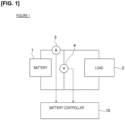
- Figure 1 is a block view of a deterioration degree estimation device according to an embodiment of the present invention.
- the deterioration degree estimation device is provided in a vehicle, and the like, that has a battery.
- the deterioration degree estimation device is not limited to a vehicle, and can be provided in another device equipped with a battery.
- the deterioration degree estimation device comprises a battery 1, a load 2, a current sensor 3, a voltage sensor 4, and a battery controller 10.
- the battery 1 is configured from a plurality of secondary batteries that are connected in series or in parallel.
- the secondary battery is a lithium ion battery, a nickel hydrogen battery, or the like.
- the battery 1 is connected to a charger, which is not shown.
- the load 2 is connected to the battery 1 by wiring.
- the load 2 is driven by the electric power of the battery 1.
- the load 2 is a motor, or the like.
- the current sensor 3 and the voltage sensor 4 detect the state of the battery, and are electrically connected to the battery 1.
- the current sensor 3 detects the current of the battery 1.
- the voltage sensor 4 detects the voltage of the battery 1.
- the detection values of the current sensor 3 and the voltage sensor 4 are output to the battery controller 10.
- the battery controller 10 is a control device for managing the state of the battery 1.
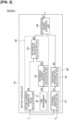
- FIG. 2 is a block view of the battery controller 10.
- the battery controller 10 is configured from a CPU, a ROM, and the like.
- the battery controller 10 comprises a controller illustrated in Figure 2 as a function block for estimating the deterioration degree of the battery 1.
- the battery controller 10 comprises an internal resistance management unit 20, a deterioration management unit 30, and a deterioration degree estimation unit 40.
- the internal resistance management unit 20 monitors the internal resistance of the battery 1 on the basis of the detected current of the current sensor 3 and the detected voltage of the voltage sensor 4.
- the internal resistance management unit 20 comprises an internal resistance detection unit 21 and a resistance increase rate calculation unit 22.
- the internal resistance detection unit 21 detects (calculates) the internal resistance of the battery 1 on the basis of the detected value of the current sensor 3 and the detected value of the voltage sensor 4.
- the resistance increase rate calculation unit 22 calculates the increase rate of the internal resistance.
- the deterioration management unit 30 monitors the cycle deterioration of the battery 1.
- the deterioration management unit 30 monitors the cycle deterioration degree by calculating the current integration value of the battery 1.
- the deterioration management unit 30 comprises an actual current integration value calculation unit 31, a time management unit 32, a reference current integration value calculation unit 33, and an integration value ratio calculation unit 34.
- the actual current integration value calculation unit 31 calculates the current integration value of the battery 1 by integrating the detected current of the current sensor 3.
- the time management unit 32 monitors the elapsed time from the start of use of the battery 1.
- the reference current integration value calculation unit 33 calculates a reference current integration value on the basis of the elapsed time that is monitored by the time management unit 32.
- the current integration value that is calculated by the actual current integration value calculation unit 31 is the integrated value of the actual discharge current.
- the reference current integration value that is calculated by the reference current integration value calculation unit 33 is a current integration value corresponding to the elapsed time, and is not an integrated value of the actual discharge current.
- the integration value ratio calculation unit 34 calculates the ratio of the current integration value.
- the ratio is the actual current integration value relative to the reference current integration value.
- the deterioration degree estimation unit 40 calculates the deterioration degree of the battery 1 on the basis of the internal resistance of the battery 1. In addition, the deterioration degree estimation unit 40 corrects the deterioration degree corresponding to the internal resistance, in accordance with the magnitude of the current integration value ratio that is calculated by the integration value ratio calculation unit 34. The deterioration degree estimation unit 40 thereby estimates the corrected deterioration degree as the final deterioration degree of the battery 1.
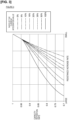
- Figure 3 is a graph illustrating the correspondence between the resistance increase rate, the ratio of the current integration value, and the capacity retention rate. Steps S1-S7 of the block view of Figure 2 illustrate the control flow of the deterioration degree estimation method.
- the internal resistance detection unit 21 uses a current sensor 3 and a voltage sensor 4 to acquire the detected current and the detected voltage, plots the acquired detected current and detected voltage on a graph having the current value and the voltage value as axes, and, at the same time, calculates the IV characteristic, which is a straight line approximating the plotted current value and voltage value, and calculates the internal resistance from the inclination of the IV characteristic (Step S1).
- the method of calculating the internal resistance is not limited to the method of calculating from the inclination oxide film layer the IV characteristic, and can be another method.
- the internal resistance can be calculated by substituting the current value detected by the current sensor 3 and the voltage value detected by the voltage sensor 4 into a battery model formula, which is stored in advance and which includes the current value, voltage value, and internal resistance in the parameter. Since these internal resistance calculation methods are well-known, the details are not described herein.
- the resistance increase rate calculation unit 22 calculates the resistance increase rate by calculating the ratio of the initial value of the internal resistance (the internal resistance value corresponding to the internal resistance value when the battery 1 is new, and which is stored in advance), and the internal resistance calculated by the internal resistance detection unit 21 (Step S2).
- the increase rate of the internal resistance corresponds to the ratio of the calculated value of the internal resistance relative to the initial value of the internal resistance. That is, the resistance increase rate means the increase rate relative to the initial value of the internal resistance.
- the initial value of the internal resistance can be a value stored in advance in the resistance increase rate calculation unit 22. Alternatively, the initial value can be a value calculated by the internal resistance detection unit 21 at the time of start of use of the battery 1.
- the resistance increase rate calculation unit 22 outputs the calculated resistance increase rate to the deterioration degree estimation unit 40.
- the actual current integration value calculation unit 31 calculates the actual current integration value of the battery 1 by integrating the detected current of the current sensor 3 (Step S3).
- the current integration value is the integrated value of the discharge current of the battery 1.
- the current integration value is the current integration value from the start of use of the battery 1 to the present.
- the time management unit 32 monitors the elapsed time of the battery 1, in accordance with the calculation timing of the current integration value by the actual current integration value calculation unit 31 (Step S4).
- the reference current integration value calculation unit 33 calculates the current integration value corresponding to the elapsed time as the reference current integration value (Step S5).
- the reference current integration value is a value in which the current integration value at the elapsed time is set in advance.
- the reference current integration value is a value that is set in advance as an evaluation value that evaluates the integrated value of the discharge current under a PR environment.
- the reference current integration value becomes larger as the elapsed time increases. For example, if 1C charging and 1C discharging are repeated for a predetermined number of times during a predetermined period, the integrated value of the discharge time during the predetermined period becomes the reference current integration value corresponding to said predetermined period.
- the correspondence relationship between the elapsed time and the reference current integration value is stored in the reference current integration value calculation unit 33 in advance as a map, or the like.
- the integration value ratio calculation unit 34 calculates the ratio of the current integration value (Step S6).
- the ratio of the current integration value is the ratio of the actual current integration value at a predetermined elapsed time and the reference current integration value corresponding to said elapsed time. If the ratio of the current integration value is high, the actual current integration value becomes large; therefore, the cycle deterioration becomes larger than the storage deterioration. On the other hand, if the ratio of the current integration value is low, the actual current integration value becomes small relative to the current integration value that was evaluated beforehand (corresponding to the reference current integration value); therefore, the cycle deterioration becomes smaller than the storage deterioration. That is, the ratio of the current integration value represents the rate of the influence of cycle deterioration at the elapsed time.
- storage deterioration is deterioration that occurs over time regardless of the charging and discharging of the battery
- cycle deterioration means deterioration that occurs due to the charging and discharging of the battery.
- the internal resistance increases as the deterioration of the battery 1 progresses. Accordingly, it is possible to calculate the deterioration degree of the battery 1 from the increase rate of the internal resistance.
- the deterioration degree of the battery 1 is represented by the storage deterioration and the cycle deterioration. That is, the deterioration of the battery 1 includes storage deterioration and cycle deterioration.
- the rate at which the storage deterioration influences the deterioration degree and the rate at which the cycle deterioration influences the deterioration degree are different depending on how the battery is used.
- the storage deterioration has a greater influence on the deterioration degree of the battery 1 than the cycle deterioration when the increase rate of the internal resistance reaches the predetermined value, the deterioration speed of the battery 1 is low, and the elapsed time from the start of use becomes long.
- the deterioration degree of the battery 1 is larger when the increase rate of the internal resistance reaches the predetermined value over a long time. That is, if the increase rate of the internal resistance is the same, the deterioration degree of the battery 1 decreases as the cycle deterioration increases, and the deterioration degree of the battery 1 increases as the storage deterioration increases.
- the deterioration degree estimation unit 40 estimates the deterioration degree of the battery 1 using this characteristic.
- the deterioration degree estimation unit 40 stores the correspondence relationship between the resistance increase rate, the ratio of the current integration value, and the capacity retention rate as a map. According to the correspondence relationship represented by the map, the capacity retention rate decreases as the resistance increase rate increases, as illustrated in Figure 3 . In addition, when the resistance increase rate is set to a constant value, the capacity retention rate decreases as the ratio of the current integration value decreases. In other words, it can be said that if the deterioration degree of the battery is constant, the capacity retention rate decreases as the ratio of the cycle deterioration decreases, that is, as the ratio of the storage deterioration increases.
- the deterioration degree estimation unit 40 refers to a map, and estimates the capacity retention rate corresponding to the resistance increase rate and the ratio of the current integration value as the current capacity retention rate of the battery 1 (Step S7).
- the deterioration degree estimation unit 40 estimates the current deterioration degree of the battery 1 such that the deterioration degree of the battery 1 decreases as the ratio of the current integration value increases. As a result, the deterioration degree estimation unit 40 corrects the resistance deterioration degree calculated based on the internal resistance of the battery 1 such that the resistance deterioration degree decreases as the cycle deterioration increases, and estimates the corrected resistance deterioration degree as the current deterioration.
- the internal resistance of the battery 1 is calculated, the cycle deterioration of the battery 1 is monitored, and the deterioration degree of the battery 1 is estimated based on the increase rate of the internal resistance of the battery 1. Then, the estimated deterioration degree of the battery 1 is decreased as the cycle deterioration is increased. It is thereby possible to increase the estimation accuracy of the deterioration degree of the battery 1.
- the cycle deterioration is monitored by calculating the current integration value of the battery 1. It is thereby possible to easily grasp how the battery 1 is used.
- a map representing the correspondence relationship between the increase rate of the internal resistance, the current integration value, and the deterioration degree is stored in advance, and the deterioration degree is estimated with reference to the map. Since it is thereby possible to grasp the transition of the deterioration degree according to how the battery is used in accordance with the battery characteristics, it is possible to increase the estimation accuracy of the deterioration degree of the battery 1.
- the deterioration degree estimation unit 40 can calculate a deterioration degree corresponding to the increase rate of the internal resistance, correct the calculated deterioration degree based on the current integration value, and estimate the corrected deterioration degree as the deterioration degree of the battery 1.
- a map representing the correspondence relationship between the increase rate of the internal resistance and the deterioration degree is stored in advance in the deterioration degree estimation unit 40.
- a correction coefficient for correcting the deterioration degree is set in advance in the deterioration degree estimation unit 40. The correction coefficient changes according to the current integration value.
- the maximum value of the correction coefficient is set to 1.0, and the correction coefficient decreases as the ratio of the current integration value decreases.
- the deterioration degree estimation unit 40 estimates the final deterioration degree by multiplying the deterioration degree calculated from the map by the correction coefficient.
- the setting value of the correction coefficient can be a value other than 1.0, and the calculation method for correcting the deterioration degree can be another method.
- the deterioration degree estimation unit 40 can correct the increase rate of the internal resistance based on the current integration value.
- a map representing the correspondence relationship between the increase rate of the internal resistance and the deterioration degree is stored in advance in the deterioration degree estimation unit 40.
- a correction coefficient for correcting the increase rate of the internal resistance is set in advance in the deterioration degree estimation unit 40.
- the correction coefficient changes according to the current integration value.
- the maximum value of the correction coefficient is set to 1.0, and the correction coefficient increases as the ratio of the current integration value decreases.
- the deterioration degree estimation unit 40 calculates the corrected internal resistance increase rate by multiplying the increase rate of the internal resistance by the correction coefficient.
- the corrected internal resistance increase rate increases as the ratio of the current integration value decreases.
- the deterioration degree estimation unit 40 refers to the map, and estimates the deterioration degree corresponding to the corrected internal resistance increase rate as the final deterioration degree.
- the deterioration degree estimation unit 40 can correct the deterioration degree based on the temperature of the battery 1.
- the deterioration degree of the battery 1 has a dependency with respect to the temperature, and the degree of progress of deterioration differs depending on the temperature of the battery 1.
- the battery 1 has a characteristic of being easily deteriorated at a certain temperature and not being easily deteriorated at other temperatures.
- the deterioration degree estimation unit 40 stores a correction coefficient that represents the relationship between deterioration and temperature, and carries out a correction based on the temperature by multiplying the estimated deterioration degree by the correction coefficient. As a result, it is possible to increase the estimation accuracy of the deterioration degree.
- the method of correcting the deterioration degree can be a calculation method that uses a map.
- the temperature of the battery 1 can be detected by a sensor provided to the battery 1.
- the deterioration degree estimation unit 40 can correct the deterioration degree based on the charging state of the battery 1 (SOC: State of Charge).
- SOC State of Charge
- the deterioration degree of the battery 1 has a dependency with respect to the SOC, and the degree of progress of deterioration differs depending on the SOC of the battery 1 (the SOC when the battery 1 is stored, the SOC when the battery 1 is used).
- the battery 1 has a characteristic of being easily deteriorated at a certain SOC and not being easily deteriorated at other SOCs.
- the deterioration degree estimation unit 40 stores a correction coefficient that represents the relationship between SOC and temperature/II think this should be "relationship between SOC and deterioration degree"//, and carries out a correction based on the SOC by multiplying the estimated deterioration degree by the correction coefficient. As a result, it is possible to increase the estimation accuracy of the deterioration degree.
- the method of correcting the deterioration degree can be a calculation method that uses a map.
- the SOC of the battery 1 can be obtained by calculation using the detection value of the current sensor 3 or the detection value of the voltage sensor 4.
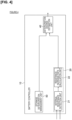
- FIG. 4 is a block view of the battery controller 10.
- the battery controller 10 comprises an internal resistance management unit 20, a deterioration degree estimation unit 40, and a storage deterioration management unit 50.
- the configuration of the internal resistance management unit 20 is the same as the configuration of the internal resistance management unit 20 according to the first embodiment.
- the storage deterioration management unit 50 monitors the storage deterioration of the battery 1.
- the storage deterioration management unit 50 monitors the storage deterioration of the battery 1 by measuring the elapsed time of the battery 1 using a timer.
- Storage deterioration is deterioration that progresses over time due to a chemical reaction between the electrolyte and the electrode of a battery.
- the storage deterioration management unit 50 measures the elapsed time since the electrode comes in contact with the electrolyte, and obtains the current storage deterioration based on the elapsed time.
- the storage deterioration monitored by the storage deterioration management unit 50 is set as the storage deterioration from when the electrode comes in contact with the electrolyte to the present time.
- the storage deterioration management unit 50 measures the time from when the electrode comes in contact with the electrolyte to the present time as the elapsed time, and calculates the storage deterioration based on the elapsed time.
- Figure 5 is a graph illustrating the time characteristic of the storage deterioration.
- the horizontal axis represents the square root of time
- the vertical axis represents the deterioration degree of the storage deterioration and the capacity retention rate.
- the characteristic illustrated in Figure 5 can be acquired using a common storage test for battery evaluation.
- Storage deterioration progresses in proportion to the square root of time, as illustrated in Figure 5 .
- a map representing the relationship between elapsed time and storage deterioration is stored in the storage deterioration management unit 50.
- the storage deterioration management unit 50 calculates the deterioration degree corresponding to the elapsed time as the storage deterioration with reference to this map.
- the deterioration degree estimation unit 40 stores the correspondence relationship between the resistance increase rate, the storage deterioration degree, and the capacity retention rate as a map. According to the correspondence relationship represented by the map, the capacity retention rate decreases as the resistance increase rate increases. In addition, when the resistance increase rate is set to a constant value, the capacity retention rate decreases as the storage deterioration degree increases.
- the deterioration degree estimation unit 40 refers to a map, and estimates the capacity retention rate corresponding to the resistance increase rate and the storage deterioration degree as the current capacity retention rate of the battery 1.
- the deterioration degree estimation unit 40 estimates the current deterioration degree of the battery 1 such that the deterioration degree of the battery 1 increases as the ratio of the storage deterioration degree increases. As a result, the deterioration degree estimation unit 40 corrects the resistance deterioration degree calculated based on the internal resistance of the battery 1 such that the resistance deterioration degree increases as the storage deterioration increases, and estimates the corrected resistance deterioration degree as the current deterioration.
- the internal resistance of the battery 1 is calculated, the storage deterioration of the battery 1 is monitored, and the deterioration degree of the battery 1 is estimated based on the increase rate of the internal resistance of the battery 1. Then, the estimated deterioration degree of the battery 1 is increased as the storage deterioration is increased. It is thereby possible to increase the estimation accuracy of the deterioration degree of the battery 1.
- the storage deterioration management unit 50 measures time using a timer mounted in a vehicle, the time from when the electrode comes in contact with the electrolyte to when timing with the vehicle timer is started in the battery manufacturing process cannot be timed. Therefore, the time from when the electrode comes in contact with the electrolyte to when timing with the vehicle timer is started can be managed to be a fixed time, and the fixed time can be added to the time measured by the timer. In addition, since the time from when the electrode comes in contact with the electrolyte to when timing with the vehicle timer is started is extremely short compared to the life of the battery 1, the time can simply be ignored.
- the storage deterioration management unit 50 can correct the storage deterioration based on the temperature of the battery 1.
- storage deterioration has temperature dependence, as illustrated in Figure 6 .
- Figure 6 is a graph illustrating the time characteristics of the deterioration coefficient.
- the horizontal axis represents the square root of time
- the vertical axis represents the deterioration coefficient.
- the deterioration coefficient is a coefficient that is multiplied by the capacity retention rate. The capacity retention rate becomes smaller and the deterioration degree increases as the deterioration coefficient becomes smaller. In addition, if the time is the same, the deterioration coefficient becomes smaller as the temperature increases.
- the storage deterioration management unit 50 stores in advance a correction coefficient that represents the relationship between storage deterioration and temperature. This correction coefficient corresponds to the deterioration coefficient. However, while the deterioration coefficient shown by the characteristic of Figure 6 is a coefficient that is multiplied by the capacity retention rate, the correction coefficient is set to a coefficient that can calculate the deterioration degree while maintaining the relationship shown by the characteristic of Figure 6 .
- the storage deterioration management unit 50 uses temperature information that is output by the temperature sensor of the battery 1 and stores, in a memory, the frequency of the temperature up to this time at a set period unit, based on the time information of the timer.
- the storage deterioration management unit 50 corrects the storage deterioration degree using the temperature information stored in the memory. Specifically, for example, the storage deterioration management unit 50 obtains the time that the battery 1 is exposed to the temperature, using temperature occurrence frequency information that is stored. Next, the storage deterioration management unit 50 calculates the storage deterioration degree with respect to the obtained time, and multiplies the storage deterioration degree by the correction coefficient.
- the storage deterioration management unit 50 carries out the same calculation for each temperature interval, and calculates the storage deterioration degree for each interval. Then, the storage deterioration management unit 50 calculates the final storage deterioration degree by calculating the storage deterioration degree for each interval. The storage deterioration management unit 50 thereby corrects the storage deterioration based on the temperature of the battery 1. In the present embodiment, it is possible to increase the calculation accuracy of the storage deterioration degree by applying temperature sensitivity to the storage deterioration of the battery 1.
- the storage deterioration management unit 50 can correct the storage deterioration based on the SOC of the battery 1. As a characteristic of the battery 1, storage deterioration is dependent on the SOC, as illustrated in Figure 7 .
- Figure 7 is a graph illustrating the time characteristics of the deterioration coefficient.
- the horizontal axis represents the square root of time
- the vertical axis represents the deterioration coefficient.
- the deterioration coefficient is the same as the deterioration coefficient shown in Figure 6 .
- the capacity retention rate becomes smaller and the deterioration degree increases as the deterioration coefficient becomes smaller.
- the time is the same, the deterioration coefficient becomes smaller as the SOC increases.
- the storage deterioration management unit 50 stores in advance a correction coefficient that represents the relationship between storage deterioration and SOC.
- the storage deterioration management unit 50 uses the SOC, and stores, in a memory, the frequency of the SOC up to this time at a set period unit, based on the time information of the timer.
- the storage deterioration management unit 50 corrects the storage deterioration degree using the SOC information stored in the memory. Specifically, for example, the storage deterioration management unit 50 obtains the time that the battery 1 maintains the SOC, using the SOC occurrence frequency information that is stored. Next, the storage deterioration management unit 50 calculates the storage deterioration degree with respect to the obtained time, and multiplies the storage deterioration degree by the correction coefficient.
- the storage deterioration management unit 50 carries out the same calculation for each SOC interval, and calculates the storage deterioration degree for each interval. Then, the storage deterioration management unit 50 calculates the final storage deterioration degree by calculating the storage deterioration degree for each interval. The storage deterioration management unit 50 thereby corrects the storage deterioration based on the SOC of the battery 1. In the present embodiment, it is possible to increase the calculation accuracy of the storage deterioration degree by applying the SOC sensitivity to the storage deterioration of the battery 1.
- the storage deterioration management unit 50 can correct the storage deterioration degree based on the temperature and the SOC of the battery 1 by combining the two modified examples described above.
- the storage deterioration management unit 50 described above corresponds to the deterioration management unit of the present invention.
Landscapes
- Engineering & Computer Science (AREA)
- Chemical & Material Sciences (AREA)
- General Physics & Mathematics (AREA)
- Physics & Mathematics (AREA)
- Manufacturing & Machinery (AREA)
- Chemical Kinetics & Catalysis (AREA)
- Electrochemistry (AREA)
- General Chemical & Material Sciences (AREA)
- Power Engineering (AREA)
- Materials Engineering (AREA)
- Tests Of Electric Status Of Batteries (AREA)
- Secondary Cells (AREA)
- Charge And Discharge Circuits For Batteries Or The Like (AREA)
Claims (8)
- Dispositif d'estimation d'un degré de détérioration, comprenant :une unité de détection de résistance interne (21) destinée à détecter une résistance interne d'une batterie ;une unité de gestion de détérioration (30, 50) destinée à surveiller une détérioration du cycle de la batterie et une détérioration du stockage de la batterie, la détérioration de cycle étant une détérioration due à la charge et à la décharge de la batterie, la détérioration de stockage étant la détérioration se produisant dans le temps indépendamment de la charge et de la décharge de la batterie ; etune unité d'estimation de degré de détérioration (40) destinée à estimer le degré de détérioration de la batterie,caractérisé parune unité de calcul de taux d'augmentation de la résistance (22) prévue pour calculer un taux d'augmentation de la résistance interne, ledit taux d'augmentation de la résistance interne étant un rapport entre une valeur calculée de la résistance interne et une valeur initiale de la résistance interne, oùl'unité d'estimation de degré de détérioration est prévue pour évaluer le degré de détérioration de la batterie en tant que degré de détérioration estimé sur la base du taux d'augmentation de la résistance interne, de sorte que le degré de détérioration estimé diminue à mesure que le degré de détérioration du cycle augmente, et de sorte que le degré de détérioration estimé augmente à mesure que le degré de détérioration du stockage augmente.
- Dispositif d'estimation d'un degré de détérioration selon la revendication 1, où l'unité de gestion de détérioration (30) est prévue pour surveiller la détérioration du cycle en calculant une valeur d'intégration de courant de la batterie.
- Dispositif d'estimation d'un degré de détérioration selon la revendication 2, où l'unité d'estimation du degré de détérioration (40) est prévue pour stocker une carte représentant une relation de correspondance entre le taux d'augmentation de la résistance interne, la valeur d'intégration de courant et le degré de détérioration estimé, et pour évaluer le degré de détérioration estimé en référence à la carte.
- Dispositif d'estimation d'un degré de détérioration selon la revendication 2 ou la revendication 3, où
l'unité d'estimation du degré de détérioration (40) est prévue pour corriger le taux d'augmentation de la résistance interne sur la base de la valeur d'intégration de courant. - Dispositif d'estimation d'un degré de détérioration selon la revendication 2 ou la revendication 3, où
l'unité d'estimation du degré de détérioration (40) est prévue pour calculer le degré de détérioration de la batterie correspondant au taux d'augmentation de la résistance interne en tant que degré de détérioration de référence, corriger le degré de détérioration de référence sur la base de la valeur d'intégration de courant et évaluer un degré de détérioration de référence corrigé en tant que degré de détérioration estimé. - Dispositif d'estimation d'un degré de détérioration selon l'une des revendications 1 à 5, où
l'unité d'estimation du degré de détérioration (40) est prévue pour corriger le degré de détérioration estimé en fonction de la température de la batterie. - Dispositif d'estimation d'un degré de détérioration selon l'une des revendications 1 à 5, où
l'unité d'estimation du degré de détérioration (40) est prévue pour corriger le degré de détérioration estimé en fonction de l'état de charge de la batterie. - Procédé d'estimation d'un degré de détérioration, comprenant :la détection d'une résistance interne d'une batterie ;la surveillance d'une détérioration du cycle de la batterie et de la détérioration du stockage de la batterie, la détérioration de cycle étant une détérioration due à la charge et à la décharge de la batterie, la détérioration de stockage étant la détérioration se produisant dans le temps indépendamment de la charge et de la décharge de la batterie ; etl'estimation du degré de détérioration de la batterie,caractérisé parle calcul d'un taux d'augmentation de la résistance interne, ledit taux d'augmentation de la résistance interne étant un rapport entre une valeur calculée de la résistance interne et une valeur initiale de la résistance interne, oùl'estimation évalue le degré de détérioration de la batterie en tant que degré de détérioration estimé sur la base du taux d'augmentation de la résistance interne, de sorte que le degré de détérioration estimé diminue à mesure que le degré de détérioration du cycle augmente, et de sorte que le degré de détérioration estimé augmente à mesure que le degré de détérioration du stockage augmente.
Applications Claiming Priority (1)
| Application Number | Priority Date | Filing Date | Title |
|---|---|---|---|
| PCT/JP2015/074021 WO2017033311A1 (fr) | 2015-08-26 | 2015-08-26 | Dispositif d'estimation du degré de détérioration et procédé d'estimation du degré de détérioration |
Publications (3)
| Publication Number | Publication Date |
|---|---|
| EP3343689A1 EP3343689A1 (fr) | 2018-07-04 |
| EP3343689A4 EP3343689A4 (fr) | 2018-11-21 |
| EP3343689B1 true EP3343689B1 (fr) | 2024-02-14 |
Family
ID=58100220
Family Applications (1)
| Application Number | Title | Priority Date | Filing Date |
|---|---|---|---|
| EP15902280.5A Active EP3343689B1 (fr) | 2015-08-26 | 2015-08-26 | Dispositif d'estimation du degré de détérioration et procédé d'estimation du degré de détérioration |
Country Status (5)
| Country | Link |
|---|---|
| US (1) | US11022653B2 (fr) |
| EP (1) | EP3343689B1 (fr) |
| JP (1) | JP6414336B2 (fr) |
| CN (1) | CN107925135B (fr) |
| WO (1) | WO2017033311A1 (fr) |
Families Citing this family (18)
| Publication number | Priority date | Publication date | Assignee | Title |
|---|---|---|---|---|
| JP6844464B2 (ja) * | 2017-07-25 | 2021-03-17 | トヨタ自動車株式会社 | 電池システム |
| EP3663780B1 (fr) * | 2017-07-31 | 2023-03-29 | Nissan Motor Co., Ltd. | Procédé de calcul d'état de détérioration et dispositif de calcul d'état de détérioration |
| US10948546B2 (en) * | 2017-10-02 | 2021-03-16 | Semiconductor Components Industries, Llc | Methods and apparatus for battery management |
| JP2019113410A (ja) * | 2017-12-22 | 2019-07-11 | 三菱自動車工業株式会社 | 二次電池の劣化状態推定装置 |
| JP2020060453A (ja) * | 2018-10-10 | 2020-04-16 | 本田技研工業株式会社 | 導出装置、導出方法、及びプログラム |
| JP7119882B2 (ja) * | 2018-10-15 | 2022-08-17 | 富士通株式会社 | 劣化予測プログラム、劣化予測方法、および劣化予測装置 |
| KR102521577B1 (ko) * | 2019-03-18 | 2023-04-12 | 주식회사 엘지에너지솔루션 | 배터리 상태 추정 장치 |
| KR102520673B1 (ko) * | 2019-03-18 | 2023-04-10 | 주식회사 엘지에너지솔루션 | 배터리 상태 추정 장치 |
| JP6722955B1 (ja) * | 2019-04-02 | 2020-07-15 | 東洋システム株式会社 | バッテリー残存価値表示装置 |
| JP6722954B1 (ja) * | 2019-04-02 | 2020-07-15 | 東洋システム株式会社 | バッテリー残存価値決定システム |
| JP7363086B2 (ja) | 2019-04-26 | 2023-10-18 | 株式会社Gsユアサ | 推定装置、推定方法 |
| US12296714B2 (en) * | 2019-06-12 | 2025-05-13 | Mitsubishi Electric Corporation | Charge and discharge control device and charge and discharge control method including first, second, and third charge level ranges |
| JP7312636B2 (ja) * | 2019-07-24 | 2023-07-21 | 株式会社日立産機システム | 経過時間表示システム、電動機械、及びその経過時間算出方法 |
| KR102874965B1 (ko) * | 2019-12-19 | 2025-10-22 | 주식회사 엘지에너지솔루션 | 급속 충전용 전류 패턴 업데이트 장치, 방법 및 이를 수행하는 저장매체에 저장된 컴퓨터 프로그램 |
| JP7519625B2 (ja) * | 2020-07-15 | 2024-07-22 | パナソニックIpマネジメント株式会社 | 情報処理方法及び情報処理装置 |
| JP7620939B2 (ja) * | 2020-07-29 | 2025-01-24 | パナソニックIpマネジメント株式会社 | 電池管理装置、演算システム、電池の劣化予測方法、及び電池の劣化予測プログラム |
| KR20230019315A (ko) * | 2021-07-29 | 2023-02-08 | 현대자동차주식회사 | 차량의 배터리 열화도 예측 방법 및 시스템 |
| JP2023125246A (ja) * | 2022-02-28 | 2023-09-07 | 株式会社Subaru | バッテリ劣化度予測装置 |
Family Cites Families (33)
| Publication number | Priority date | Publication date | Assignee | Title |
|---|---|---|---|---|
| JP3807965B2 (ja) | 2001-09-19 | 2006-08-09 | インターナショナル・ビジネス・マシーンズ・コーポレーション | インテリジェント電池、電気機器、コンピュータ装置及び電池の劣化度を求める方法 |
| JP4311168B2 (ja) * | 2003-11-14 | 2009-08-12 | ソニー株式会社 | バッテリーパック及びバッテリー残量算出方法 |
| JP4736317B2 (ja) | 2003-11-14 | 2011-07-27 | ソニー株式会社 | バッテリーパック及びバッテリー残量算出方法 |
| DE102004007904B4 (de) * | 2004-02-18 | 2008-07-03 | Vb Autobatterie Gmbh & Co. Kgaa | Verfahren zur Bestimmung mindestens einer Kenngröße für den Zustand einer elektrochemischen Speicherbatterie und Überwachungseinrichtung |
| JP2008228492A (ja) | 2007-03-14 | 2008-09-25 | Sanyo Electric Co Ltd | リチウムイオン二次電池の充電方法 |
| US7714736B2 (en) * | 2007-10-30 | 2010-05-11 | Gm Global Technology Operations, Inc. | Adaptive filter algorithm for estimating battery state-of-age |
| JP2009193919A (ja) | 2008-02-18 | 2009-08-27 | Panasonic Corp | 残寿命推定回路、及び残寿命推定方法 |
| US8283891B2 (en) * | 2008-03-21 | 2012-10-09 | Rochester Institute Of Technology | Power source health assessment methods and systems thereof |
| KR101329826B1 (ko) * | 2010-04-26 | 2013-11-14 | 도요타지도샤가부시키가이샤 | 축전 소자의 열화 추정 장치 및 열화 추정 방법 |
| US8452556B2 (en) * | 2010-09-22 | 2013-05-28 | GM Global Technology Operations LLC | Method and apparatus for estimating SOC of a battery |
| JP5342583B2 (ja) * | 2011-03-08 | 2013-11-13 | 三菱重工業株式会社 | 電池セル制御装置及び電池セル |
| JP5716828B2 (ja) * | 2011-08-03 | 2015-05-13 | トヨタ自動車株式会社 | 二次電池の劣化状態推定装置および劣化状態推定方法 |
| KR101605491B1 (ko) * | 2011-09-28 | 2016-03-22 | 도요타 지도샤(주) | 비수 이차 전지의 제어 장치 및 제어 방법 |
| WO2013054414A1 (fr) * | 2011-10-13 | 2013-04-18 | トヨタ自動車株式会社 | Dispositif et procédé de régulation d'une batterie rechargeable |
| US9529056B2 (en) | 2012-02-17 | 2016-12-27 | Toyota Jidosha Kabushiki Kaisha | Battery system and deterioration determining method |
| JP5897701B2 (ja) * | 2012-03-21 | 2016-03-30 | 三洋電機株式会社 | 電池状態推定装置 |
| JP6155781B2 (ja) * | 2012-05-10 | 2017-07-05 | 株式会社Gsユアサ | 蓄電素子管理装置、及び、soc推定方法 |
| US9018913B2 (en) * | 2012-05-18 | 2015-04-28 | Caterpillar Inc. | System for determining battery impedance |
| JP2013247003A (ja) * | 2012-05-28 | 2013-12-09 | Sony Corp | 二次電池の充電制御装置、二次電池の充電制御方法、二次電池の充電状態推定装置、二次電池の充電状態推定方法、二次電池の劣化度推定装置、二次電池の劣化度推定方法、及び、二次電池装置 |
| EP2899834B1 (fr) * | 2012-09-21 | 2021-02-24 | Nissan Motor Co., Ltd | Dispositif de calcul d'état de charge et procédé de calcul d'état de charge |
| JP5840116B2 (ja) * | 2012-11-22 | 2016-01-06 | 古河電気工業株式会社 | 二次電池の状態推定装置及び方法 |
| WO2014083856A1 (fr) * | 2012-11-30 | 2014-06-05 | 三洋電機株式会社 | Dispositif de gestion de batterie, alimentation électrique et procédé d'estimation d'état de charge |
| JP5708668B2 (ja) * | 2013-01-18 | 2015-04-30 | トヨタ自動車株式会社 | 蓄電システム |
| JP5803965B2 (ja) * | 2013-03-25 | 2015-11-04 | トヨタ自動車株式会社 | 車両 |
| US9846203B2 (en) * | 2013-04-30 | 2017-12-19 | Mitsubishi Electric Corporation | Storage battery state detection apparatus and storage battery state detection method |
| JP5765375B2 (ja) | 2013-07-25 | 2015-08-19 | トヨタ自動車株式会社 | 制御装置及び制御方法 |
| FR3009093B1 (fr) * | 2013-07-29 | 2017-01-13 | Renault Sa | Estimation de l'etat de vieillissement d'une batterie electrique |
| JP5862631B2 (ja) * | 2013-10-08 | 2016-02-16 | トヨタ自動車株式会社 | 蓄電システム |
| JP6110771B2 (ja) | 2013-10-22 | 2017-04-05 | 三菱重工業株式会社 | 劣化量算出装置、劣化量算出方法及びプログラム |
| JP2015155859A (ja) * | 2014-02-21 | 2015-08-27 | ソニー株式会社 | 電池残量推定装置、電池パック、蓄電装置、電動車両および電池残量推定方法 |
| JP6154352B2 (ja) * | 2014-04-21 | 2017-06-28 | トヨタ自動車株式会社 | 電池システム |
| JP6164168B2 (ja) * | 2014-06-26 | 2017-07-19 | トヨタ自動車株式会社 | 車両用制御装置 |
| JP6245094B2 (ja) * | 2014-06-30 | 2017-12-13 | 日立化成株式会社 | 電池システム |
-
2015
- 2015-08-26 JP JP2017536134A patent/JP6414336B2/ja active Active
- 2015-08-26 EP EP15902280.5A patent/EP3343689B1/fr active Active
- 2015-08-26 CN CN201580082690.2A patent/CN107925135B/zh active Active
- 2015-08-26 WO PCT/JP2015/074021 patent/WO2017033311A1/fr not_active Ceased
- 2015-08-26 US US15/754,607 patent/US11022653B2/en active Active
Also Published As
| Publication number | Publication date |
|---|---|
| US11022653B2 (en) | 2021-06-01 |
| CN107925135B (zh) | 2021-09-07 |
| WO2017033311A1 (fr) | 2017-03-02 |
| EP3343689A4 (fr) | 2018-11-21 |
| US20180246174A1 (en) | 2018-08-30 |
| EP3343689A1 (fr) | 2018-07-04 |
| CN107925135A (zh) | 2018-04-17 |
| JP6414336B2 (ja) | 2018-11-07 |
| JPWO2017033311A1 (ja) | 2018-07-05 |
Similar Documents
| Publication | Publication Date | Title |
|---|---|---|
| EP3343689B1 (fr) | Dispositif d'estimation du degré de détérioration et procédé d'estimation du degré de détérioration | |
| US8664960B2 (en) | Charged state estimating device and charged state estimating method of secondary battery | |
| US9660299B2 (en) | Strain measurement based battery testing | |
| CN101116003B (zh) | 二次电池充/放电电量、极化电压及soc的估计方法和装置 | |
| EP2728368B1 (fr) | Dispositif et procédé d'estimation d'état d'une batterie | |
| US9400313B2 (en) | Method and device for determining the actual capacity of a battery | |
| EP3379277B1 (fr) | Appareil d'estimation du taux de maintien de capacité ou procédé d'estimation du taux de maintien de capacité | |
| JP5565276B2 (ja) | リチウムイオン電池の蓄電量補正方法 | |
| EP2664938B1 (fr) | Dispositif d'estimation de tension de circuit ouvert, dispositif d'estimation de condition et procédé d'estimation de la tension de circuit ouvert | |
| KR20180082020A (ko) | Soc 검출 장치 | |
| JP5911407B2 (ja) | バッテリの健全度算出装置および健全度算出方法 | |
| JP2004271342A (ja) | 充放電制御システム | |
| JP2014109535A (ja) | 内部抵抗推定装置、充電装置、放電装置、内部抵抗推定方法 | |
| JP5904916B2 (ja) | バッテリの健全度算出装置および健全度算出方法 | |
| CN114859256A (zh) | 一种电池组剩余可用能量预测方法及装置 | |
| CN120405542A (zh) | 校准方法和储能设备 | |
| CN120569637A (zh) | 电池诊断装置和电池诊断方法 | |
| JP2014059251A (ja) | 内部抵抗推定装置及び内部抵抗推定方法 | |
| JP2004045235A (ja) | 内部抵抗推定方法、充電状態推定方法及びエンジン始動判定方法 | |
| JP2003051341A (ja) | 電池の残容量計 | |
| CN120958331A (zh) | 电池诊断装置和电池诊断方法 | |
| CN120604132A (zh) | 电池诊断装置和电池诊断方法 | |
| CN120936891A (zh) | 电池诊断装置和电池诊断方法 | |
| CN121002391A (zh) | 电池诊断装置和电池诊断方法 | |
| CN115042666A (zh) | 一种动力电池内部温度的计算方法和计算系统 |
Legal Events
| Date | Code | Title | Description |
|---|---|---|---|
| STAA | Information on the status of an ep patent application or granted ep patent |
Free format text: STATUS: THE INTERNATIONAL PUBLICATION HAS BEEN MADE |
|
| PUAI | Public reference made under article 153(3) epc to a published international application that has entered the european phase |
Free format text: ORIGINAL CODE: 0009012 |
|
| STAA | Information on the status of an ep patent application or granted ep patent |
Free format text: STATUS: REQUEST FOR EXAMINATION WAS MADE |
|
| 17P | Request for examination filed |
Effective date: 20180316 |
|
| AK | Designated contracting states |
Kind code of ref document: A1 Designated state(s): AL AT BE BG CH CY CZ DE DK EE ES FI FR GB GR HR HU IE IS IT LI LT LU LV MC MK MT NL NO PL PT RO RS SE SI SK SM TR |
|
| AX | Request for extension of the european patent |
Extension state: BA ME |
|
| A4 | Supplementary search report drawn up and despatched |
Effective date: 20181022 |
|
| RIC1 | Information provided on ipc code assigned before grant |
Ipc: H01M 10/48 20060101AFI20181012BHEP Ipc: H02J 7/00 20060101ALI20181012BHEP Ipc: G01R 31/36 20060101ALI20181012BHEP |
|
| DAV | Request for validation of the european patent (deleted) | ||
| DAX | Request for extension of the european patent (deleted) | ||
| REG | Reference to a national code |
Ref country code: DE Ref legal event code: R079 Ref document number: 602015087569 Country of ref document: DE Free format text: PREVIOUS MAIN CLASS: H01M0010480000 Ipc: G01R0031360000 Ref country code: DE Ref legal event code: R079 Free format text: PREVIOUS MAIN CLASS: H01M0010480000 Ipc: G01R0031360000 |
|
| STAA | Information on the status of an ep patent application or granted ep patent |
Free format text: STATUS: EXAMINATION IS IN PROGRESS |
|
| RIC1 | Information provided on ipc code assigned before grant |
Ipc: G01R 31/392 20190101ALI20220111BHEP Ipc: G01R 31/389 20190101ALI20220111BHEP Ipc: H02J 7/00 20060101ALI20220111BHEP Ipc: H01M 10/48 20060101ALI20220111BHEP Ipc: G01R 31/36 20060101AFI20220111BHEP |
|
| 17Q | First examination report despatched |
Effective date: 20220214 |
|
| GRAP | Despatch of communication of intention to grant a patent |
Free format text: ORIGINAL CODE: EPIDOSNIGR1 |
|
| STAA | Information on the status of an ep patent application or granted ep patent |
Free format text: STATUS: GRANT OF PATENT IS INTENDED |
|
| INTG | Intention to grant announced |
Effective date: 20231121 |
|
| GRAS | Grant fee paid |
Free format text: ORIGINAL CODE: EPIDOSNIGR3 |
|
| GRAA | (expected) grant |
Free format text: ORIGINAL CODE: 0009210 |
|
| STAA | Information on the status of an ep patent application or granted ep patent |
Free format text: STATUS: THE PATENT HAS BEEN GRANTED |
|
| AK | Designated contracting states |
Kind code of ref document: B1 Designated state(s): AL AT BE BG CH CY CZ DE DK EE ES FI FR GB GR HR HU IE IS IT LI LT LU LV MC MK MT NL NO PL PT RO RS SE SI SK SM TR |
|
| REG | Reference to a national code |
Ref country code: GB Ref legal event code: FG4D |
|
| REG | Reference to a national code |
Ref country code: CH Ref legal event code: EP |
|
| REG | Reference to a national code |
Ref country code: DE Ref legal event code: R096 Ref document number: 602015087569 Country of ref document: DE |
|
| REG | Reference to a national code |
Ref country code: IE Ref legal event code: FG4D |
|
| REG | Reference to a national code |
Ref country code: LT Ref legal event code: MG9D |
|
| REG | Reference to a national code |
Ref country code: NL Ref legal event code: MP Effective date: 20240214 |
|
| PG25 | Lapsed in a contracting state [announced via postgrant information from national office to epo] |
Ref country code: IS Free format text: LAPSE BECAUSE OF FAILURE TO SUBMIT A TRANSLATION OF THE DESCRIPTION OR TO PAY THE FEE WITHIN THE PRESCRIBED TIME-LIMIT Effective date: 20240614 |
|
| PG25 | Lapsed in a contracting state [announced via postgrant information from national office to epo] |
Ref country code: LT Free format text: LAPSE BECAUSE OF FAILURE TO SUBMIT A TRANSLATION OF THE DESCRIPTION OR TO PAY THE FEE WITHIN THE PRESCRIBED TIME-LIMIT Effective date: 20240214 |
|
| PG25 | Lapsed in a contracting state [announced via postgrant information from national office to epo] |
Ref country code: GR Free format text: LAPSE BECAUSE OF FAILURE TO SUBMIT A TRANSLATION OF THE DESCRIPTION OR TO PAY THE FEE WITHIN THE PRESCRIBED TIME-LIMIT Effective date: 20240515 |
|
| REG | Reference to a national code |
Ref country code: AT Ref legal event code: MK05 Ref document number: 1657460 Country of ref document: AT Kind code of ref document: T Effective date: 20240214 |
|
| PG25 | Lapsed in a contracting state [announced via postgrant information from national office to epo] |
Ref country code: RS Free format text: LAPSE BECAUSE OF FAILURE TO SUBMIT A TRANSLATION OF THE DESCRIPTION OR TO PAY THE FEE WITHIN THE PRESCRIBED TIME-LIMIT Effective date: 20240514 Ref country code: NL Free format text: LAPSE BECAUSE OF FAILURE TO SUBMIT A TRANSLATION OF THE DESCRIPTION OR TO PAY THE FEE WITHIN THE PRESCRIBED TIME-LIMIT Effective date: 20240214 Ref country code: HR Free format text: LAPSE BECAUSE OF FAILURE TO SUBMIT A TRANSLATION OF THE DESCRIPTION OR TO PAY THE FEE WITHIN THE PRESCRIBED TIME-LIMIT Effective date: 20240214 |
|
| PG25 | Lapsed in a contracting state [announced via postgrant information from national office to epo] |
Ref country code: ES Free format text: LAPSE BECAUSE OF FAILURE TO SUBMIT A TRANSLATION OF THE DESCRIPTION OR TO PAY THE FEE WITHIN THE PRESCRIBED TIME-LIMIT Effective date: 20240214 |
|
| PG25 | Lapsed in a contracting state [announced via postgrant information from national office to epo] |
Ref country code: AT Free format text: LAPSE BECAUSE OF FAILURE TO SUBMIT A TRANSLATION OF THE DESCRIPTION OR TO PAY THE FEE WITHIN THE PRESCRIBED TIME-LIMIT Effective date: 20240214 |
|
| PG25 | Lapsed in a contracting state [announced via postgrant information from national office to epo] |
Ref country code: RS Free format text: LAPSE BECAUSE OF FAILURE TO SUBMIT A TRANSLATION OF THE DESCRIPTION OR TO PAY THE FEE WITHIN THE PRESCRIBED TIME-LIMIT Effective date: 20240514 Ref country code: NO Free format text: LAPSE BECAUSE OF FAILURE TO SUBMIT A TRANSLATION OF THE DESCRIPTION OR TO PAY THE FEE WITHIN THE PRESCRIBED TIME-LIMIT Effective date: 20240514 Ref country code: NL Free format text: LAPSE BECAUSE OF FAILURE TO SUBMIT A TRANSLATION OF THE DESCRIPTION OR TO PAY THE FEE WITHIN THE PRESCRIBED TIME-LIMIT Effective date: 20240214 Ref country code: LT Free format text: LAPSE BECAUSE OF FAILURE TO SUBMIT A TRANSLATION OF THE DESCRIPTION OR TO PAY THE FEE WITHIN THE PRESCRIBED TIME-LIMIT Effective date: 20240214 Ref country code: IS Free format text: LAPSE BECAUSE OF FAILURE TO SUBMIT A TRANSLATION OF THE DESCRIPTION OR TO PAY THE FEE WITHIN THE PRESCRIBED TIME-LIMIT Effective date: 20240614 Ref country code: HR Free format text: LAPSE BECAUSE OF FAILURE TO SUBMIT A TRANSLATION OF THE DESCRIPTION OR TO PAY THE FEE WITHIN THE PRESCRIBED TIME-LIMIT Effective date: 20240214 Ref country code: GR Free format text: LAPSE BECAUSE OF FAILURE TO SUBMIT A TRANSLATION OF THE DESCRIPTION OR TO PAY THE FEE WITHIN THE PRESCRIBED TIME-LIMIT Effective date: 20240515 Ref country code: FI Free format text: LAPSE BECAUSE OF FAILURE TO SUBMIT A TRANSLATION OF THE DESCRIPTION OR TO PAY THE FEE WITHIN THE PRESCRIBED TIME-LIMIT Effective date: 20240214 Ref country code: ES Free format text: LAPSE BECAUSE OF FAILURE TO SUBMIT A TRANSLATION OF THE DESCRIPTION OR TO PAY THE FEE WITHIN THE PRESCRIBED TIME-LIMIT Effective date: 20240214 Ref country code: BG Free format text: LAPSE BECAUSE OF FAILURE TO SUBMIT A TRANSLATION OF THE DESCRIPTION OR TO PAY THE FEE WITHIN THE PRESCRIBED TIME-LIMIT Effective date: 20240214 Ref country code: AT Free format text: LAPSE BECAUSE OF FAILURE TO SUBMIT A TRANSLATION OF THE DESCRIPTION OR TO PAY THE FEE WITHIN THE PRESCRIBED TIME-LIMIT Effective date: 20240214 |
|
| PG25 | Lapsed in a contracting state [announced via postgrant information from national office to epo] |
Ref country code: PL Free format text: LAPSE BECAUSE OF FAILURE TO SUBMIT A TRANSLATION OF THE DESCRIPTION OR TO PAY THE FEE WITHIN THE PRESCRIBED TIME-LIMIT Effective date: 20240214 Ref country code: PT Free format text: LAPSE BECAUSE OF FAILURE TO SUBMIT A TRANSLATION OF THE DESCRIPTION OR TO PAY THE FEE WITHIN THE PRESCRIBED TIME-LIMIT Effective date: 20240614 |
|
| PG25 | Lapsed in a contracting state [announced via postgrant information from national office to epo] |
Ref country code: SE Free format text: LAPSE BECAUSE OF FAILURE TO SUBMIT A TRANSLATION OF THE DESCRIPTION OR TO PAY THE FEE WITHIN THE PRESCRIBED TIME-LIMIT Effective date: 20240214 Ref country code: PT Free format text: LAPSE BECAUSE OF FAILURE TO SUBMIT A TRANSLATION OF THE DESCRIPTION OR TO PAY THE FEE WITHIN THE PRESCRIBED TIME-LIMIT Effective date: 20240614 Ref country code: PL Free format text: LAPSE BECAUSE OF FAILURE TO SUBMIT A TRANSLATION OF THE DESCRIPTION OR TO PAY THE FEE WITHIN THE PRESCRIBED TIME-LIMIT Effective date: 20240214 Ref country code: LV Free format text: LAPSE BECAUSE OF FAILURE TO SUBMIT A TRANSLATION OF THE DESCRIPTION OR TO PAY THE FEE WITHIN THE PRESCRIBED TIME-LIMIT Effective date: 20240214 |
|
| PG25 | Lapsed in a contracting state [announced via postgrant information from national office to epo] |
Ref country code: DK Free format text: LAPSE BECAUSE OF FAILURE TO SUBMIT A TRANSLATION OF THE DESCRIPTION OR TO PAY THE FEE WITHIN THE PRESCRIBED TIME-LIMIT Effective date: 20240214 |
|
| PG25 | Lapsed in a contracting state [announced via postgrant information from national office to epo] |
Ref country code: SM Free format text: LAPSE BECAUSE OF FAILURE TO SUBMIT A TRANSLATION OF THE DESCRIPTION OR TO PAY THE FEE WITHIN THE PRESCRIBED TIME-LIMIT Effective date: 20240214 |
|
| PG25 | Lapsed in a contracting state [announced via postgrant information from national office to epo] |
Ref country code: CZ Free format text: LAPSE BECAUSE OF FAILURE TO SUBMIT A TRANSLATION OF THE DESCRIPTION OR TO PAY THE FEE WITHIN THE PRESCRIBED TIME-LIMIT Effective date: 20240214 Ref country code: EE Free format text: LAPSE BECAUSE OF FAILURE TO SUBMIT A TRANSLATION OF THE DESCRIPTION OR TO PAY THE FEE WITHIN THE PRESCRIBED TIME-LIMIT Effective date: 20240214 |
|
| PG25 | Lapsed in a contracting state [announced via postgrant information from national office to epo] |
Ref country code: SK Free format text: LAPSE BECAUSE OF FAILURE TO SUBMIT A TRANSLATION OF THE DESCRIPTION OR TO PAY THE FEE WITHIN THE PRESCRIBED TIME-LIMIT Effective date: 20240214 |
|
| PG25 | Lapsed in a contracting state [announced via postgrant information from national office to epo] |
Ref country code: SM Free format text: LAPSE BECAUSE OF FAILURE TO SUBMIT A TRANSLATION OF THE DESCRIPTION OR TO PAY THE FEE WITHIN THE PRESCRIBED TIME-LIMIT Effective date: 20240214 Ref country code: SK Free format text: LAPSE BECAUSE OF FAILURE TO SUBMIT A TRANSLATION OF THE DESCRIPTION OR TO PAY THE FEE WITHIN THE PRESCRIBED TIME-LIMIT Effective date: 20240214 Ref country code: RO Free format text: LAPSE BECAUSE OF FAILURE TO SUBMIT A TRANSLATION OF THE DESCRIPTION OR TO PAY THE FEE WITHIN THE PRESCRIBED TIME-LIMIT Effective date: 20240214 Ref country code: EE Free format text: LAPSE BECAUSE OF FAILURE TO SUBMIT A TRANSLATION OF THE DESCRIPTION OR TO PAY THE FEE WITHIN THE PRESCRIBED TIME-LIMIT Effective date: 20240214 Ref country code: DK Free format text: LAPSE BECAUSE OF FAILURE TO SUBMIT A TRANSLATION OF THE DESCRIPTION OR TO PAY THE FEE WITHIN THE PRESCRIBED TIME-LIMIT Effective date: 20240214 Ref country code: CZ Free format text: LAPSE BECAUSE OF FAILURE TO SUBMIT A TRANSLATION OF THE DESCRIPTION OR TO PAY THE FEE WITHIN THE PRESCRIBED TIME-LIMIT Effective date: 20240214 |
|
| REG | Reference to a national code |
Ref country code: DE Ref legal event code: R097 Ref document number: 602015087569 Country of ref document: DE |
|
| PG25 | Lapsed in a contracting state [announced via postgrant information from national office to epo] |
Ref country code: IT Free format text: LAPSE BECAUSE OF FAILURE TO SUBMIT A TRANSLATION OF THE DESCRIPTION OR TO PAY THE FEE WITHIN THE PRESCRIBED TIME-LIMIT Effective date: 20240214 |
|
| PLBE | No opposition filed within time limit |
Free format text: ORIGINAL CODE: 0009261 |
|
| STAA | Information on the status of an ep patent application or granted ep patent |
Free format text: STATUS: NO OPPOSITION FILED WITHIN TIME LIMIT |
|
| PG25 | Lapsed in a contracting state [announced via postgrant information from national office to epo] |
Ref country code: IT Free format text: LAPSE BECAUSE OF FAILURE TO SUBMIT A TRANSLATION OF THE DESCRIPTION OR TO PAY THE FEE WITHIN THE PRESCRIBED TIME-LIMIT Effective date: 20240214 |
|
| 26N | No opposition filed |
Effective date: 20241115 |
|
| REG | Reference to a national code |
Ref country code: CH Ref legal event code: PL |
|
| PG25 | Lapsed in a contracting state [announced via postgrant information from national office to epo] |
Ref country code: LU Free format text: LAPSE BECAUSE OF NON-PAYMENT OF DUE FEES Effective date: 20240826 |
|
| PG25 | Lapsed in a contracting state [announced via postgrant information from national office to epo] |
Ref country code: SI Free format text: LAPSE BECAUSE OF FAILURE TO SUBMIT A TRANSLATION OF THE DESCRIPTION OR TO PAY THE FEE WITHIN THE PRESCRIBED TIME-LIMIT Effective date: 20240214 Ref country code: CH Free format text: LAPSE BECAUSE OF NON-PAYMENT OF DUE FEES Effective date: 20240831 Ref country code: MC Free format text: LAPSE BECAUSE OF FAILURE TO SUBMIT A TRANSLATION OF THE DESCRIPTION OR TO PAY THE FEE WITHIN THE PRESCRIBED TIME-LIMIT Effective date: 20240214 |
|
| REG | Reference to a national code |
Ref country code: BE Ref legal event code: MM Effective date: 20240831 |
|
| PG25 | Lapsed in a contracting state [announced via postgrant information from national office to epo] |
Ref country code: BE Free format text: LAPSE BECAUSE OF NON-PAYMENT OF DUE FEES Effective date: 20240831 |
|
| PG25 | Lapsed in a contracting state [announced via postgrant information from national office to epo] |
Ref country code: IE Free format text: LAPSE BECAUSE OF NON-PAYMENT OF DUE FEES Effective date: 20240826 |
|
| PGFP | Annual fee paid to national office [announced via postgrant information from national office to epo] |
Ref country code: DE Payment date: 20250724 Year of fee payment: 11 |
|
| PGFP | Annual fee paid to national office [announced via postgrant information from national office to epo] |
Ref country code: GB Payment date: 20250725 Year of fee payment: 11 |
|
| PGFP | Annual fee paid to national office [announced via postgrant information from national office to epo] |
Ref country code: FR Payment date: 20250723 Year of fee payment: 11 |
|
| PG25 | Lapsed in a contracting state [announced via postgrant information from national office to epo] |
Ref country code: CY Free format text: LAPSE BECAUSE OF FAILURE TO SUBMIT A TRANSLATION OF THE DESCRIPTION OR TO PAY THE FEE WITHIN THE PRESCRIBED TIME-LIMIT; INVALID AB INITIO Effective date: 20150826 |
|
| PG25 | Lapsed in a contracting state [announced via postgrant information from national office to epo] |
Ref country code: HU Free format text: LAPSE BECAUSE OF FAILURE TO SUBMIT A TRANSLATION OF THE DESCRIPTION OR TO PAY THE FEE WITHIN THE PRESCRIBED TIME-LIMIT; INVALID AB INITIO Effective date: 20150826 |