EP3359672B1 - Lutte biologique contre les maladies des plantes - Google Patents
Lutte biologique contre les maladies des plantes Download PDFInfo
- Publication number
- EP3359672B1 EP3359672B1 EP16784990.0A EP16784990A EP3359672B1 EP 3359672 B1 EP3359672 B1 EP 3359672B1 EP 16784990 A EP16784990 A EP 16784990A EP 3359672 B1 EP3359672 B1 EP 3359672B1
- Authority
- EP
- European Patent Office
- Prior art keywords
- seq
- virus
- plant
- pepmv
- nucleic acid
- Prior art date
- Legal status (The legal status is an assumption and is not a legal conclusion. Google has not performed a legal analysis and makes no representation as to the accuracy of the status listed.)
- Active
Links
Images























Classifications
-
- C—CHEMISTRY; METALLURGY
- C12—BIOCHEMISTRY; BEER; SPIRITS; WINE; VINEGAR; MICROBIOLOGY; ENZYMOLOGY; MUTATION OR GENETIC ENGINEERING
- C12N—MICROORGANISMS OR ENZYMES; COMPOSITIONS THEREOF; PROPAGATING, PRESERVING, OR MAINTAINING MICROORGANISMS; MUTATION OR GENETIC ENGINEERING; CULTURE MEDIA
- C12N7/00—Viruses; Bacteriophages; Compositions thereof; Preparation or purification thereof
-
- A—HUMAN NECESSITIES
- A01—AGRICULTURE; FORESTRY; ANIMAL HUSBANDRY; HUNTING; TRAPPING; FISHING
- A01N—PRESERVATION OF BODIES OF HUMANS OR ANIMALS OR PLANTS OR PARTS THEREOF; BIOCIDES, e.g. AS DISINFECTANTS, AS PESTICIDES OR AS HERBICIDES; PEST REPELLANTS OR ATTRACTANTS; PLANT GROWTH REGULATORS
- A01N63/00—Biocides, pest repellants or attractants, or plant growth regulators containing microorganisms, viruses, microbial fungi, animals or substances produced by, or obtained from, microorganisms, viruses, microbial fungi or animals, e.g. enzymes or fermentates
- A01N63/40—Viruses, e.g. bacteriophages
-
- A—HUMAN NECESSITIES
- A01—AGRICULTURE; FORESTRY; ANIMAL HUSBANDRY; HUNTING; TRAPPING; FISHING
- A01N—PRESERVATION OF BODIES OF HUMANS OR ANIMALS OR PLANTS OR PARTS THEREOF; BIOCIDES, e.g. AS DISINFECTANTS, AS PESTICIDES OR AS HERBICIDES; PEST REPELLANTS OR ATTRACTANTS; PLANT GROWTH REGULATORS
- A01N63/00—Biocides, pest repellants or attractants, or plant growth regulators containing microorganisms, viruses, microbial fungi, animals or substances produced by, or obtained from, microorganisms, viruses, microbial fungi or animals, e.g. enzymes or fermentates
- A01N63/60—Isolated nucleic acids
-
- C—CHEMISTRY; METALLURGY
- C12—BIOCHEMISTRY; BEER; SPIRITS; WINE; VINEGAR; MICROBIOLOGY; ENZYMOLOGY; MUTATION OR GENETIC ENGINEERING
- C12N—MICROORGANISMS OR ENZYMES; COMPOSITIONS THEREOF; PROPAGATING, PRESERVING, OR MAINTAINING MICROORGANISMS; MUTATION OR GENETIC ENGINEERING; CULTURE MEDIA
- C12N15/00—Mutation or genetic engineering; DNA or RNA concerning genetic engineering, vectors, e.g. plasmids, or their isolation, preparation or purification; Use of hosts therefor
- C12N15/09—Recombinant DNA-technology
- C12N15/63—Introduction of foreign genetic material using vectors; Vectors; Use of hosts therefor; Regulation of expression
- C12N15/79—Vectors or expression systems specially adapted for eukaryotic hosts
- C12N15/82—Vectors or expression systems specially adapted for eukaryotic hosts for plant cells, e.g. plant artificial chromosomes (PACs)
- C12N15/8241—Phenotypically and genetically modified plants via recombinant DNA technology
- C12N15/8261—Phenotypically and genetically modified plants via recombinant DNA technology with agronomic (input) traits, e.g. crop yield
- C12N15/8271—Phenotypically and genetically modified plants via recombinant DNA technology with agronomic (input) traits, e.g. crop yield for stress resistance, e.g. heavy metal resistance
- C12N15/8279—Phenotypically and genetically modified plants via recombinant DNA technology with agronomic (input) traits, e.g. crop yield for stress resistance, e.g. heavy metal resistance for biotic stress resistance, pathogen resistance, disease resistance
- C12N15/8283—Phenotypically and genetically modified plants via recombinant DNA technology with agronomic (input) traits, e.g. crop yield for stress resistance, e.g. heavy metal resistance for biotic stress resistance, pathogen resistance, disease resistance for virus resistance
-
- C—CHEMISTRY; METALLURGY
- C12—BIOCHEMISTRY; BEER; SPIRITS; WINE; VINEGAR; MICROBIOLOGY; ENZYMOLOGY; MUTATION OR GENETIC ENGINEERING
- C12Q—MEASURING OR TESTING PROCESSES INVOLVING ENZYMES, NUCLEIC ACIDS OR MICROORGANISMS; COMPOSITIONS OR TEST PAPERS THEREFOR; PROCESSES OF PREPARING SUCH COMPOSITIONS; CONDITION-RESPONSIVE CONTROL IN MICROBIOLOGICAL OR ENZYMOLOGICAL PROCESSES
- C12Q1/00—Measuring or testing processes involving enzymes, nucleic acids or microorganisms; Compositions therefor; Processes of preparing such compositions
- C12Q1/02—Measuring or testing processes involving enzymes, nucleic acids or microorganisms; Compositions therefor; Processes of preparing such compositions involving viable microorganisms
- C12Q1/04—Determining presence or kind of microorganism; Use of selective media for testing antibiotics or bacteriocides; Compositions containing a chemical indicator therefor
-
- C—CHEMISTRY; METALLURGY
- C12—BIOCHEMISTRY; BEER; SPIRITS; WINE; VINEGAR; MICROBIOLOGY; ENZYMOLOGY; MUTATION OR GENETIC ENGINEERING
- C12N—MICROORGANISMS OR ENZYMES; COMPOSITIONS THEREOF; PROPAGATING, PRESERVING, OR MAINTAINING MICROORGANISMS; MUTATION OR GENETIC ENGINEERING; CULTURE MEDIA
- C12N2770/00—MICROORGANISMS OR ENZYMES; COMPOSITIONS THEREOF; PROPAGATING, PRESERVING, OR MAINTAINING MICROORGANISMS; MUTATION OR GENETIC ENGINEERING; CULTURE MEDIA ssRNA viruses positive-sense
- C12N2770/00011—Details
- C12N2770/26011—Flexiviridae
-
- C—CHEMISTRY; METALLURGY
- C12—BIOCHEMISTRY; BEER; SPIRITS; WINE; VINEGAR; MICROBIOLOGY; ENZYMOLOGY; MUTATION OR GENETIC ENGINEERING
- C12N—MICROORGANISMS OR ENZYMES; COMPOSITIONS THEREOF; PROPAGATING, PRESERVING, OR MAINTAINING MICROORGANISMS; MUTATION OR GENETIC ENGINEERING; CULTURE MEDIA
- C12N2770/00—MICROORGANISMS OR ENZYMES; COMPOSITIONS THEREOF; PROPAGATING, PRESERVING, OR MAINTAINING MICROORGANISMS; MUTATION OR GENETIC ENGINEERING; CULTURE MEDIA ssRNA viruses positive-sense
- C12N2770/00011—Details
- C12N2770/26011—Flexiviridae
- C12N2770/26021—Viruses as such, e.g. new isolates, mutants or their genomic sequences
-
- C—CHEMISTRY; METALLURGY
- C12—BIOCHEMISTRY; BEER; SPIRITS; WINE; VINEGAR; MICROBIOLOGY; ENZYMOLOGY; MUTATION OR GENETIC ENGINEERING
- C12N—MICROORGANISMS OR ENZYMES; COMPOSITIONS THEREOF; PROPAGATING, PRESERVING, OR MAINTAINING MICROORGANISMS; MUTATION OR GENETIC ENGINEERING; CULTURE MEDIA
- C12N2770/00—MICROORGANISMS OR ENZYMES; COMPOSITIONS THEREOF; PROPAGATING, PRESERVING, OR MAINTAINING MICROORGANISMS; MUTATION OR GENETIC ENGINEERING; CULTURE MEDIA ssRNA viruses positive-sense
- C12N2770/00011—Details
- C12N2770/26011—Flexiviridae
- C12N2770/26031—Uses of virus other than therapeutic or vaccine, e.g. disinfectant
-
- C—CHEMISTRY; METALLURGY
- C12—BIOCHEMISTRY; BEER; SPIRITS; WINE; VINEGAR; MICROBIOLOGY; ENZYMOLOGY; MUTATION OR GENETIC ENGINEERING
- C12N—MICROORGANISMS OR ENZYMES; COMPOSITIONS THEREOF; PROPAGATING, PRESERVING, OR MAINTAINING MICROORGANISMS; MUTATION OR GENETIC ENGINEERING; CULTURE MEDIA
- C12N2770/00—MICROORGANISMS OR ENZYMES; COMPOSITIONS THEREOF; PROPAGATING, PRESERVING, OR MAINTAINING MICROORGANISMS; MUTATION OR GENETIC ENGINEERING; CULTURE MEDIA ssRNA viruses positive-sense
- C12N2770/00011—Details
- C12N2770/26011—Flexiviridae
- C12N2770/26061—Methods of inactivation or attenuation
- C12N2770/26062—Methods of inactivation or attenuation by genetic engineering
Definitions
- the present disclosure provides new attenuated Pepino mosaic viruses useful in the control of plant disease.
- Compositions for biological control of plant disease are also provided as well as methods for the induction of cross-protection and increased resistance against Pepino mosaic virus in plants.
- the present invention concerns the field of biological control in agriculture and horticulture, in particular, the control of plant pathogens.
- Pepino mosaic virus (PepMV)
- PepMV belongs to the Potexvirus genus of the Alphaflexiviridae family. PepMV has rapidly spread throughout commercial tomato cropping and is currently found throughout Europe and North-America (Jorda et al. , 2001; Cotillon et al. , 2002; Verhoeven et al. , 2003; Ling et al. , 2008).
- RNA genome of PepMV encompasses approximately 6.4 kb and contains five open reading frames that encode a RNA-dependent polymerase (RdRp), a triple gene block (TGB), a coat protein (CP), and two short untranslated sequences flanking the coding regions (Aguilar et al. , 2002; Cotillon et al. , 2002). Isolates of PepMV group into four separate strains (genotypes) based on sequence similarity, namely the Peruvian (LP)-strain to which the original PepMV isolate belongs, the European (EU)-strain that was found in Europe in 1999 (Van der Vlugt et al.
- LP Peruvian
- EU European
- Symptom severity varies between different isolates of PepMV (Van der Vlugt et al. , 2000) and differences in severity do not necessarily coincide with differences in genotype (Hanssen et al. , 2008).
- PepMV induces a wide range of symptoms on tomato (Van der Vlugt et al. , 2000; Jorda et al. , 2001), such as mosaic, leaf distortion, nettle-like heads, single yellow spots, interveinal chlorosis and fruit discoloration.
- Tomato plants display symptoms shortly after infection with PepMV and, in general, subsequently recover (Van der Vlugt & Stijger, 2008). Symptoms may, however, return later during the growing season. Expression of symptoms may also depend on environmental conditions, such as temperature and light intensity (Jorda et al. , 2001; Van der Vlugt & Stijger, 2008). PepMV is sometimes suggested to cause yield losses in tomato, but the highest economic losses are attributed to symptoms that affect the commercial value of tomato fruits, such as flaming, marbling, blotchy ripening and fruit size reduction (Soler et al. , 2000; Spence et al. , 2006).
- PepMV is transmitted efficiently by contaminated hands, clothing or tools (Van der Vlugt & Stijger, 2008). Direct contact between healthy and infected plants during routine crop handling also suffices to spread PepMV infection.
- the incidence of PepMV on tomato is very high in some tomato cultivation areas, where the virus may affect up to 90% of the greenhouses (Soler-Aleixandre et al. , 2005). To stay free of virus is challenging under such circumstances.
- the present invention corresponds to the subject-matter as defined in the claims.
- the present invention provides an attenuated Pepino mosaic virus comprising a nucleic acid molecule at least 80% identical to SEQ ID NO:1 and wherein the nucleic acid sequence encodes arginine at position 868 of SEQ ID NO:2, phenylalanine at position 956 of SEQ ID NO:2, phenylalanine at the position corresponding to 1052 of SEQ ID NO:2, and asparagine at position 1325 of SEQ ID NO:2 as well as an isolated nucleic acid molecule encoding an amino acid sequence having at least 99% identity to SEQ ID NO:9 and wherein the nucleic acid encodes an arginine at the position corresponding to 886 of SEQ ID NO:9, a phenylalanine at the position corresponding to 1070 of SEQ ID NO:9, a phenylalanine at the position corresponding to position 974 of SEQ ID NO:9, and an asparagine at the
- the disclosure provides an attenuated Pepino mosaic virus comprising a nucleic acid molecule comprising a nucleic acid sequence, wherein the nucleotide at the position corresponding to 2605 of SEQ ID NO:1 is G, the nucleotide at the position corresponding to 3156 of SEQ ID NO:1 is T, and/or the nucleotide at the position corresponding to 3422 SEQ ID NO: 1 is G.
- the nucleic acid sequence is at least 80% identical to SEQ ID NO: 1.
- the disclosure provides an attenuated Pepino mosaic virus comprising a nucleic acid molecule comprising a nucleic acid sequence encoding arginine at the position according to 868 of SEQ ID NO:2 and/or encodes phenylalanine at the position according to 1052 of SEQ ID NO:2.
- the nucleic acid sequence is at least 80% identical to SEQ ID NO: 1, SEQ ID NO: 3, SEQ ID NO:4, SEQ ID NO:5, SEQ ID NO:6, or SEQ ID NO: 7. More preferably, the nucleic acid sequence is at least 80% identical to SEQ ID NO: 1.
- the disclosure provides an isolated nucleic acid molecule comprising a nucleic acid sequence having at least 95% identity to a nucleic acid sequence selected from SEQ ID NO:1, SEQ ID NO: 3, SEQ ID NO:4, SEQ ID NO:5, SEQ ID NO:6, or SEQ ID NO: 7, wherein the nucleic acid sequence encodes arginine at the position according to 868 of SEQ ID NO:2 and/or encodes phenylalanine at the position according to 1052 of SEQ ID NO:2.
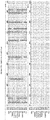
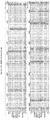
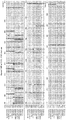
- the isolated nucleic acid molecule encodes an amino acid sequence having at least 95% identity to any one of the amino acid sequences depicted in Figure 6 , wherein the nucleic acid sequence encodes arginine at position 887 of Figure 6 and/or the nucleic acid sequence encodes phenylalanine at position 1071 of Figure 6 .
- the disclosure provides an RNA-dependent RNA polymerase wherein the polymerase has an arginine at the position according to 868 of SEQ ID NO:2, a phenylalanine at the position according to 1052 of SEQ ID NO:2, a phenylalanine at the position corresponding to 956 of SEQ ID NO:2, and/or an asparagine at the position corresponding to 1325 of SEQ ID NO:2.
- said polymerase has an arginine at the position according to 868 of SEQ ID NO:2 and a phenylalanine at the position according to 1052 of SEQ ID NO:2.
- said polymerase has a phenylalanine at the position corresponding to 956 of SEQ ID NO:2 and an asparagine at the position corresponding to 1325 of SEQ ID NO:2.
- said polymerase has an arginine at the position according to 868 of SEQ ID NO:2 and a phenylalanine at the position corresponding to 956 of SEQ ID NO:2.
- the RNA-dependent RNA polymerases has at least 50%, at least 70%, at least 80%, or at least 90% identity to any one of the amino acid sequences depicted in Figure 6 .
- the invention also provides a nucleic acid molecule encoding a polymerase as indicated in this paragraph.
- the disclosure provides an attenuated Pepino mosaic virus comprising a nucleic acid molecule comprising a nucleic acid sequence, wherein the nucleotide at the position corresponding to 2675 of SEQ ID NO:8 is G, the nucleotide at the position corresponding to 3226 of SEQ ID NO:8 is T, and/or the nucleotide at the position corresponding to 3492 SEQ ID NO: 8 is G.
- the nucleic acid sequence is at least 80% identical to SEQ ID NO: 8.
- the disclosure provides an attenuated Pepino mosaic virus comprising a nucleic acid molecule comprising a nucleic acid sequence encoding arginine at the position according to 886 of SEQ ID NO:9 and/or encodes phenylalanine at the position according to 1070 of SEQ ID NO:9.
- the nucleic acid sequence is at least 80% identical to SEQ ID NO: 1, SEQ ID NO: 3, SEQ ID NO:4, SEQ ID NO:5, SEQ ID NO:6, or SEQ ID NO: 7. More preferably, the nucleic acid sequence has at least 95%, at least 99%, or 100% identity to. SEQ ID NO: 8.
- the disclosure provides an RNA-dependent RNA polymerase having at least 50%, at least 70%, at least 80%, least 90%, at least 99% or at least 100% identity to SEQ ID NO:9, wherein the polymerase has an arginine at the position according to 886 of SEQ ID NO:9 and/or a phenylalanine at the position according to 1070 of SEQ ID NO:9.
- said polymerase has an arginine at the position according to 886 of SEQ ID NO: 9 and a phenylalanine at the position according to 1070 of SEQ ID NO:9.
- said polymerase has a phenylalanine at the position corresponding to 974 of SEQ ID NO:2 and an asparagine at the position corresponding to 1343 of SEQ ID NO:2.
- said polymerase has an arginine at the position according to 886 of SEQ ID NO:2 and a phenylalanine at the position corresponding to 974 of SEQ ID NO:2.
- the invention also provides a nucleic acid molecule encoding a polymerase as indicated in this paragraph.
- the disclosure provides a vector, preferably an expression vector, comprising a nucleic acid molecule as disclosed herein.
- a vector preferably an expression vector, comprising a nucleic acid molecule as disclosed herein.
- the disclosure provides an isolated polypeptide encoded by a nucleic acid molecule disclosed herein.
- the disclosure provides an antibody specific for the polypeptide encoded by a nucleic acid molecule as disclosed herein.
- the disclosure provides a composition for biological control of plant disease comprising an attenuated Pepino mosaic virus as disclosed herein, a nucleic acid molecule as disclosed herein or a vector as disclosed herein; and an agriculturally acceptable carrier.
- the disclosure provides a method for identifying a pepino mosaic virus (PepMV)-resistant plant, comprising
- the disclosure provides a method for the detection of a pepino mosaic virus (PepMV) comprising providing a sample suspected of containing PepMV and detecting a PepMV virus as disclosed herein, a nucleic acid molecule as disclosed herein or a vector as disclosed herein.
- the method is useful among others to determine whether an application of the attenuated virus to a plant has been successful.
- the method is also useful to determine the extent of infection of a particular patch of crop. Particularly with a PepMV as disclosed herein.
- the sample is typically prepared from a plant or a part thereof that is susceptible to PepMV infection and/or replication. A sample is suspected of containing PepMV when there is reason to believe that the PepMV is present in the sample.
- a sample is also suspected of containing PepMV when the sample is from plant of which it needs to be verified that it does or does not contain a PepMV of the invention.
- a sample can be for instance from a plant in a greenhouse in the situation when in a nearby greenhouse a PepMV infection has been reported. It can also be from a plant with one or more symptoms that point towards a PepMV infection and one wants to confirm this.
- the invention also provides method for the detection of PepMV as described herein wherein the term "sample suspected of containing PepMV" is replaced by the term "sample of a plant susceptible to PepMV infection".
- the disclosure provides a method for producing a pepino mosaic virus (PepMV)-resistant plant, comprising exposing a plant or plant part to an attenuated Pepino mosaic virus as disclosed herein, a nucleic acid molecule as disclosed herein, a vector as disclosed herein, or the compositions as disclosed herein.
- PepMV pepino mosaic virus
- the disclosure provides a PepMV-resistant plant comprising an attenuated Pepino mosaic virus as disclosed herein or a nucleic acid molecule as disclosed herein.
- the disclosure provides a method for controlling infection or disease in a plant comprising applying an effective amount of an attenuated Pepino mosaic virus as disclosed herein, a nucleic acid molecule as disclosed herein, a vector as disclosed herein, or the compositions as disclosed herein to said plant.
- the disclosure provides an attenuated Pepino mosaic virus as disclosed herein, a nucleic acid molecule as disclosed herein, a vector as disclosed herein, or the compositions as disclosed herein for use in controlling infection or disease in a plant.
- the use is for inducing resistance to PepMV.
- Cross-protection is the phenomenon of protecting crops against virulent isolates of viruses by pretreatment with closely related attenuated isolates of the virus.
- Attenuated isolates may be selected among naturally occurring or be developed by the introduction of mutations into such isolates, for example using random mutagenesis.
- a strategy in which attenuated isolates are applied to plants relies on the identification of an isolate that has as little impact on total yield and fruit quality as possible, and effectively protects against more virulent isolates at the same time.
- cross-protection may be due to RNA silencing activity induced by the protective isolate (Ratcliff et al. , 1999; Valkonen et al. , 2002).
- the role of post-transciptional gene silencing (PTGS) in cross-protection was demonstrated by the observation that two viral constructs derived from different viruses, but sharing a common sequence, could suppress each other when co-inoculated in plants (Ratcliff et al. , 1999).
- PTGS is an antiviral defence mechanism in plants, which targets double stranded RNA (dsRNA) for degradation in a sequence-specific manner.
- dsRNA double stranded RNA
- Attenuated isolates of PepMV were tested (EU-Att1 and PE-Att1).
- the attenuated isolates effectively reduced the effects of isolates of PepMV with aggressive symptoms (namely, EU-Chl1 and EU-Nec1).
- Total virus accumulation, symptom severity and yield losses were significantly reduced in cross-protected plants compared to the single infections by the aggressive isolates.
- the yields of the cross-protected plants were on a similar level as those of uninfected plants. Although plants cross-protected by the attenuated isolates reduced symptoms, infection by the attenuated isolates alone also produced symptoms (Table 2 of Schenk et al.
- the attenuated isolates caused symptoms shortly after inoculation, a pattern which has also been observed in other trials (Spence et al., 2006). Overall, the symptom severity correlated to virus accumulation, but accumulation alone did not explain all differences in symptom severity. In turn, symptom severity was negatively correlated to yield. The two symptoms that had the largest effect on yield i.e. leaf deformation and leaf necrosis, affected the leaf area of the plants, which would explain the observed yield losses.
- One aspect of the present invention is the provision of an attenuated virus that cross-protects plants from further PepMV infection while causing minimal symptoms from exposure to the attenuated virus alone.
- an attenuated virus is a virus that has been modified from a wild-type pathogenic virus.
- An attenuated virus has reduced pathogenicity as compared to the wild-type virus.
- an attenuated virus disclosed herein can be used to cross-protect plants against infection from virulent PepMV isolates. The disclosure identifies several nucleotide positions in PepMV which play a role in the symptoms induced by PepMV infection.
- the disclosure provides PepMV viruses and nucleic acid molecules, wherein the nucleic acid sequence encodes arginine at the position corresponding to 868 of SEQ ID NO:2 (corresponding to position 886 of SEQ ID NO:9) and/or encodes phenylalanine at the position corresponding to 1052 of SEQ ID NO:2 (corresponding to position 1070 of SEQ ID NO:9).
- nucleotides at positions 2605 and 3156 of SEQ ID NO: 1 corresponding to positions 2675 and 3226 of SEQ ID NO: 8
- amino acids encoded (in part) by these nucleotides play a role in the pathogenic symptoms.
- an amino acid change from lysine to arginine at position 868 of SEQ ID NO:2 corresponding to position 886 of SEQ ID NO:9
- an amino acid change from leucine to phenylalanine at position 1052 of SEQ ID NO: 2 results in a PepMV attenuated virus.
- the amino acids corresponding to 868 and 1052 of SEQ ID NO:2 are lysine and leucine, respectively. While not wishing to be bound by theory, these amino acid changes are believed to provide attenuated viruses which demonstrate milder symptoms that the VC1 virus (see Examples). The disclosure also provides that additional nucleotides- and the amino acids which they encode-also play a role in pathogenic symptoms.
- the viruses and nucleic acid molecules disclosed herein contain one or more of the following: a C at the nucleotide position corresponding to 191 of SEQ ID NO: 1 (position 261 of SEQ ID NO: 8); a C at the nucleotide position corresponding to 2354 of SEQ ID NO: (position 2424 of SEQ ID NO: 8); a T at the nucleotide position corresponding to 2768 of SEQ ID NO: 1(position 2838 of SEQ ID NO: 8); a T at position corresponding to 2868 of SEQ ID NO:1 (position 2938 of SEQ ID NO: 8); a G at the nucleotide position corresponding to 3422 of SEQ ID NO: 1 (position 3492 of SEQ ID NO: 8); and/or have an A at the nucleotide position corresponding to 3975 of SEQ ID NO: 1 (position 4045 of SEQ ID NO: 8).
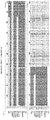
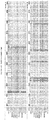
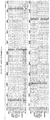
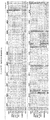
- viruses or nucleic acid molecules disclosed herein contain at least two, at least three, at least four, at least five, or all 6 of the nucleotides listed above. These six nucleotides are unique to both the VCA attenuated virus and the VC1 attenuated virus as compared to the virulent CH2 strains depicted in Figure 5 .
- viruses and nucleic acid molecules disclosed herein in addition to encoding arginine at the position corresponding to 868 of SEQ ID NO:2 (and corresponding to position 886 of SEQ ID NO:9) and/or phenylalanine at the position corresponding to 1052 of SEQ ID NO:2 (and corresponding to position 1070 of SEQ ID NO:9), also encode a phenylalanine at the position corresponding to 956 of SEQ ID NO:2 (and corresponding to position 974 of SEQ ID NO:9) and/or an asparagine at the position corresponding to 1325 of SEQ ID NO:2 (and corresponding to position 1343 of SEQ ID NO:9).
- the wild-type pathogenic viruses encode a leucine and an aspartic acid at these positions. While not wishing to be bound by theory, these amino acids are believed to play a role in reducing the virulence of the viruses.
- SEQ ID NO: 1 (herein referred to as the 'VCA' virus) was isolated as an attenuated virus of the CH2 strain.
- the Examples demonstrate the ability of the VCA virus to cross-protect against wild-type PepMV strains and the reduction of symptoms as compared to another attenuated virus VC1.
- SEQ ID NO: 1 depicts a partial sequence of the RNA-dependent RNA-polymerase of the VCA virus.
- SEQ ID NO: 8 depicts the nucleotide sequence of the RNA-dependent RNA-polymerase of the VCA virus, including the complete coding sequence.
- Y indicates a C or T
- R indicates A or G
- S indicates G or C.
- R is G.
- Y1 is C.
- Y2 is C.
- Y3 is T.
- Y4 is T.
- S is C.
- Y5 is T..
- Y6 is T.
- Viruses having the nucleic acid sequence of SEQ ID NO:1 or SEQ ID NO:8 include a single homogenous virus (i.e., having one sequence; for example SEQ ID NO:1 or SEQ ID NO:8 wherein R is G; Y1 is C; Y2 is C; Y3 is T; Y4 is T; S is C; Y5 is T; Y6 is T) as well as mixtures of viruses each having SEQ ID NO:1 or SEQ ID NO:8.
- the VCA virus was found to have nucleotide substitutions resulting in amino acid changes in the RNA-dependent RNA polymerase gene of the virus.
- SEQ ID NO:2 depicts the partial amino acid sequence of the RNA-dependent RNA polymerase from VCA.
- SEQ ID NO:9 depicts the complete amino acid sequence of the RNA-dependent RNA polymerase from VCA
- VCA (SEQ ID NO:1/SEQ ID NO:8) is an exemplary attenuated virus of the CH2 strain.
- the disclosure also provides attenuated viruses from other PepMV strains.
- Four amino acids in SEQ ID NO:2 were found to be unique when compared to wild-type EU, LP, CH2, and US1 isolates.
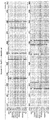
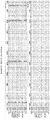
- Arginine at position 868 of SEQ ID NO:2 (886 of SEQ ID NO:9) corresponds to position 887 in the alignment shown in figure 6 .
- Phenylalanine at position 956 of SEQ ID NO:2 (974 of SEQ ID NO:9) corresponds to position 975 in the alignment shown in figure 6 .
- the virus is an attenuated virus of a EU strain. Exemplary wild-type EU viral sequences are depicted in SEQ ID Nos:3-5.In some embodiments, the virus is an attenuated virus of a US1 strain.
- An exemplary wild-type US1 viral sequence is depicted in SEQ ID NO:6.
- the virus is an attenuated virus of an LP strain.
- An exemplary wild-type LP viral sequence is depicted in SEQ ID NO:7.
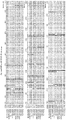
- PepMV viruses have, on the average, around 80% nucleic acid sequence identity. Accordingly, in preferred embodiments the PepMV viruses have a nucleic acid sequence at least 80% identical to SEQ ID NO:1, wherein the nucleic acid sequence encodes arginine at the position corresponding to 868 of SEQ ID NO:2 and/or encodes phenylalanine at the position corresponding to 1052 of SEQ ID NO:2 (or rather, encodes arginine at position 887 of Figure 6 and/or the nucleic acid sequence encodes phenylalanine at position 1071 of Figure 6 ).
- the PepMV viruses have a nucleic acid sequence at least 80% identical to SEQ ID NO:8, wherein the nucleic acid sequence encodes arginine at the position corresponding to 886 of SEQ ID NO:9 and/or encodes phenylalanine at the position corresponding to 1070 of SEQ ID NO:9.
- the attenuated viruses disclosed herein have a nucleic acid sequence at least 80%, at least 90%, preferably at least 95%, more preferably at least 98%, and most preferably at least 99% identical to SEQ ID NO:1, SEQ ID NO:8, SEQ ID NO: 3, SEQ ID NO:4, SEQ ID NO:5, SEQ ID NO:6, or SEQ ID NO: 7.
- the sequences provided herein refer to the bases A, T, C, and G. However, it is clear to a skilled person that when referring to a PepMV virus (an RNA virus), uracil is present instead of thymine.
- the disclosure also provides an isolated nucleic acid molecule comprising a nucleic acid sequence at least 80%, at least 90%, preferably at least 95%, more preferably at least 98%, and most preferably at least 99% identical to SEQ ID NO:1, SEQ ID NO:8, SEQ ID NO: 3, SEQ ID NO:4, SEQ ID NO:5, SEQ ID NO:6, or SEQ ID NO: 7, wherein the nucleic acid sequence encodes arginine at the position corresponding to 868 of SEQ ID NO:2 and/or encodes phenylalanine at the position corresponding to 1052 of SEQ ID NO:2 (or rather, encodes arginine at position 887 of Figure 6 and/or the nucleic acid sequence encodes phenylalanine at position 1071 of Figure 6 ; or rather encodes arginine at position 886 of SEQ ID NO:9 and/or the nucleic acid sequence encodes phenylalanine at position 1070 of SEQ ID NO:9).
- the nucleotide at the position corresponding to 2605 of SEQ ID NO:1 (2675 of SEQ ID NO:8) is G; the nucleotide at the position corresponding to 3156 of SEQ ID NO: 1 (3226 of SEQ ID NO:8) is T and/or the nucleotide at the position corresponding to 3422 SEQ ID NO: 1 (3492 of SEQ ID NO:8) is G.
- the nucleotide at the position corresponding to 2605 of SEQ ID NO:1 (2675of SEQ ID NO:8) is G and/or the nucleotide at the position corresponding to 3156 of SEQ ID NO: 1 (3226 of SEQ ID NO:8) is T.
- the nucleic acid molecules comprise one or more of the following: a C at the nucleotide position corresponding to 191 of SEQ ID NO: 1 (position 261 of SEQ ID NO: 8); a C at the nucleotide position corresponding to 2354 of SEQ ID NO: 1 (position 2424 of SEQ ID NO: 8); a T at the nucleotide position corresponding to 2768 of SEQ ID NO: 1 (position 2838 of SEQ ID NO: 8); a T at position corresponding to 2868 of SEQ ID NO:1 (position 2938 of SEQ ID NO: 8); and/or have an A at the nucleotide position corresponding to 3975 of SEQ ID NO: 1 (position 4045 of SEQ ID NO: 8).
- Such nucleic acid molecules are useful, for example, for producing the viruses disclosed herein.
- isolated refers to a protein, peptide or nucleic acid molecule which is substantially separated from other (sub)cellular components.
- isolated includes a nucleic acid molecule or protein which has been removed from its naturally occurring environment, as well as recombinant or cloned DNA isolates and chemically synthesized analogues or analogues biologically synthesized by heterologous systems.
- a further aspect of the disclosure provides vectors and expression vectors comprising the nucleic acid molecules and viruses disclosed herein.
- Expression vectors useful in the present disclosure include vaccinia virus, retroviruses, and baculovirus.
- the expression vector may comprise the nucleic acid sequences disclosed herein or a fragment thereof that is under control of or operatively linked to a regulatory element, such as a promoter.
- the segment of DNA referred to as the promoter is responsible for the regulation of the transcription of DNA into mRNA.
- the expression vector may comprise one or more promoters suitable for the expression of the gene in, e.g., plant cells, fungal cells, bacterial cells, yeast cells, insect cells or other eukaryotic cells.
- viruses and nucleic acid molecules disclosed herein can be made by any method known to one of skill in the art. Methods of generating full length cDNA clones of the RNA genome of PepMV have been described, see, e.g., Hasiow-Jaroszewsk et al. Arch Virol (2009) 154:853-856 . In addition, the cloning of both EU and CH2 PepMV clones has also been described in Duff-Farrier et al., Molecular Plant Pathology (2015) 16:308-315 . Duff-Farrier et al. describes the construction of cDNA from PepMV EU and CH2 isolates and well as the introduction of chimeric sequences into the cDNA. Infectious RNA was synthesized in vitro, which was used to infect plants. Similar methods can be used to generate the viruses and nucleic acid molecules with sequences described herein.
- the viruses and nucleic acid molecules discloses herein are useful for producing plants with increased resistance to PepMV, in particular to disease causing strains of PepMV such as the Peruvian (LP) strain, the European (EU) strain, the CH2 strain, first identified in Chile, and the US1 strain, identified in the United States. Accordingly, the disclosure provides attenuated viruses and nucleic acid molecules for controlling PepMV infection and/or PepMV disease in a plant.
- controlling PepMV infection includes the reduction, prevention, or delay of PepMV accumulation in a plant.
- controlling PepMV disease includes the reduction, prevention, or delay of PepMV symptoms.
- nucleic acid molecules disclosed herein, the polypetides encoded by said nucleic acid molecules, as well as antibodies recognizing said polypeptides are all useful for, e.g., detecting infection by the attenuated virus and thereby detecting plants with increased resistance to PepMV.
- compositions comprising an agriculturally acceptable carrier.
- Such compositions can be used for the biological control of plant disease.
- the composition comprises and anti-oxidant, a phosphate buffer and/or a sulphite (sulphite can help prevent rotting).
- the compositions have a pH range of 6-8.5, more preferably a pH of 7.7 ⁇ 0.5.
- the compositions comprise one or more of the following: mono-basic potassium phosphate, di-basic sodium phosphate dodecahydrate, and/or sodium sulphite.
- the compositions comprises 0.4-1.6 g of mono-basic potassium phosphate per liter, more preferably around 0.8 g/L; 15-60 g of di-basic sodium phosphate dodecahydrate per liter, more preferably around 30g/L; and 1-4 g sodium sulphite per liter, more preferably around 2 g/L.
- the viruses may be propagated in a suitable plant host.
- the tissue from infected plants is ground and the homogenate (the sap) can be used to prepare the compositions disclosed herein.
- the nucleic acid molecules disclosed herein may be cloned into a vector for replication in another host.
- PepMV The host range of PepMV is mainly restricted to plant species of the Solanaceae family.
- Tomato Solanum lycopersicum
- Pepino plant S. muricatum
- S. muricatum is a host in Peru and China (Jones et al. , 1980; Soler et al. , 2002; Zhang et al. , 2003).
- PepMV has been found to be naturally present in wild Solanum species ( S. chilense , S. chmielewskii , S. parviflorum and S . peruvianum ) .
- the term "plant” refers to any plant which is capable of being infected with PepMV.
- the plant belongs to the Solanaceae family, in particular the genus Solanum or Lycopersicon.
- Solanaceae family in particular the genus Solanum or Lycopersicon.
- the nomenclature for tomato plants has recently changed.
- Solanum juglandifolium is now referred to as Lycopersicon juglandifolium.
- a preferred plant is a tomato plant.
- plant part includes, for example, single cells and tissues from pollen, ovules, leaves, embryos, roots, root tips, anthers, flowers, fruits, stems shoots, and seeds; as well as pollen, ovules, leaves, embryos, roots, root tips, anthers, flowers, fruits, stems, shoots, scions, rootstocks, seeds, protoplasts, calli, and the like.
- PepMV induces a wide range of symptoms on tomato, such as yellow mosaic, leaf distortion, leaf blistering or bubbling, nettle-like heads, single yellow spots, inter-veinal chlorosis, severe leaf mosaics, leaf or stem necrosis and fruit discolouration (Van der Vlugt et al.
- Tomato plants display symptoms shortly after infection with PepMV and, in general, symptoms subsequently subside (Van der Vlugt & Stijger, 2008). However, symptoms may return later during the growing season.
- viruses disclosed herein are also useful for inducing resistance in "tolerant plants", i.e., plants which may become infected with the virus and further its spread but remain symptomless or will have mild symptoms.
- the accumulation of PepMV in a plant is determined using a quantitative detection method (e.g. an ELISA method or a quantitative reverse transcriptase-polymerase chain reaction [RT-PCR]).
- a quantitative detection method e.g. an ELISA method or a quantitative reverse transcriptase-polymerase chain reaction [RT-PCR].
- RT-PCR quantitative reverse transcriptase-polymerase chain reaction
- a further aspect of the disclosure provides antibodies specific for the polypeptides disclosed herein, preferably RdRp.
- the antibody recognizes an antigen specific to VCA, but does not recognize the CH2, the US-1, the EU, or the LP strains.
- the antigen comprises the arginine at the position corresponding to 868 of SEQ ID NO:2 and/or the phenylalanine at the position corresponding to 1052 of SEQ ID NO:2 (or rather, the arginine at the position corresponding to 886 of SEQ ID NO:9 and/or the phenylalanine at the position corresponding to 1070 of SEQ ID NO:9).
- a further aspect of the disclosure provides a method for producing said antibodies comprising immunizing a host (such as a mouse) with the attenuated virus, or a protein or peptide fragment thereof ; harvesting from blood (including serum) or splenocytes of said host antibodies against said virus, protein or peptide fragment.
- the method further comprises selecting one antibody-producing splenocyte, fusing said splenocyte to an immortalized hybridoma cell line and allowing said hybridoma fusion to produce monoclonal antibodies.
- the antigen is in part encoded by a nucleic acid sequence wherein the nucleotide at the position corresponding to 2605 of SEQ ID NO:1 (2675 of SEQ ID NO:8) is G; the nucleotide at the position corresponding to 3156 of SEQ ID NO: 1 (3226 of SEQ ID NO:8) is T and/or the nucleotide at the position corresponding to 3422 SEQ ID NO: 1 (3492 of SEQ ID NO:8) is G.
- the antigen is in part encoded by a nucleic acid sequence wherein the nucleotide at the position corresponding to 2605 of SEQ ID NO:1 (2675 of SEQ ID NO:8) is G and/or the nucleotide at the position corresponding to 3156 of SEQ ID NO: 1 (3226 of SEQ ID NO:8) is T.
- a further aspect of the disclosure provides a method for detecting the presence of the attenuated virus in a plant sample comprising reacting said sample with an antibody according to the disclosure.
- Suitable methods for performing immunoassays are well-known to a skilled person and include, e.g., radio-immunoassay (RIA), immunogold labeling, immunosorbent electron microscopy (ISEM), enzyme-linked immunosorbent assay (ELISA), Western blotting and immunoblotting.
- a further aspect of the disclosure provides a method for identifying a pepino mosaic virus (PepMV)-resistant plant, comprising
- step a) includes an incubation period of sufficient duration to allow establishment of the attenuated virus.
- incubation period is at least one week, more preferably at least 5 weeks.
- the presence of virus in the plant can be confirmed by one of the methods disclosed herein.
- step b) includes an incubation period of sufficient duration to allow establishment of the PepMV virus and detectable symptoms in control plants.
- such incubation period is at least one week, more preferably at least 5 weeks.
- resistant refers to a reduction in multiplication of PepMV, a reduction of movement/spread of the virus to other cells, and/or a reduction or delay in the development of disease symptoms after infection with PepMV. Resistance can be determined by comparing a PepMV infected plant with a plant exposed to VCA and PepMV.
- the PepMV referred to above is a CH2, US-1, EU, or LP strains, however, it also includes other disease causing PepMV strains.
- the accumulation of PepMV in a plant is determined using a quantitative detection method (e.g. an ELISA method or PCR, such as a quantitative reverse transcriptase-polymerase chain reaction [RT-PCR]).
- a quantitative detection method e.g. an ELISA method or PCR, such as a quantitative reverse transcriptase-polymerase chain reaction [RT-PCR]).
- an "infective dosage” refers to the dosage of viral particles or viral nucleic acid molecule capable of infecting a plant. As is clear to as skilled person, the dosage may vary between plant species.
- Methods of exposing a plant or a plant part to virus are well-known in the art and include dusting, coating, injecting, rubbing, rolling, dipping, spraying, or brushing.
- Exemplary methods include mechanical innoculation (e.g., rubbing plants or plant parts with infected plant material) and spraying plants with a solution containing virus particles or viral nucleic acid (see Example 1).
- the attenuated virus may be isolated from infected plants or other sources by any method known to one of the art.
- cross protection may not lead to resistance in 100% of plants of the same species. Typically, cross protection protects more that 50% of the plants, preferably more than 80% of the plants.
- a further aspect of the disclosure provides a method for producing a pepino mosaic virus (PepMV)-resistant plant using the attenuated viruses or nucleic acid molecules disclosed herein for cross-protection. Also provided are methods for controlling or preventing plant disease, in particular PepMV causing disease. Also provided are methods for controlling or preventing infection by PepMV. The methods comprise exposing a plant or plant part to an infective dosage of the attenuated virus, the nucleic acid molecules disclosed herein, or the compositions disclosed herein. In some embodiments, the methods further comprise detecting the attenuated virus in said plants or plant parts, such as by a method disclosed herein.
- PepMV pepino mosaic virus
- the disclosure also provides for PepMV-resistant plants comprising the attenuated virus or the nucleic acid sequences disclosed herein. Such plants may have been infected by the attenuated virus or are the progeny of a plant infected by the virus. The plants may also have been transformed by the nucleic acid molecules disclosed herein or a vector comprising the nucleic acid molecule. Progeny of said plants are also encompassed by the invention. Such plants are obtainable by the methods described herein.
- PepMV is an RNA virus.
- the nucleic acid molecule that is comprised in the virion is RNA.
- Sequences indicated herein contain a T and as such refer to DNA.
- reference is made to a virus comprising a nucleic acid molecule with a certain nucleic acid sequence and reference is made to a DNA sequence in the context of a virus, it is of course clear to the person skilled in the art that the corresponding RNA sequence is intended. In other words that the reference is to the SEQ ID wherein the T is replaced by a U.
- Vectors and other compositions that do not refer to a virus or virus particle can have the referenced DNA, an RNA with the same sequence or a combination thereof.
- to comprise and its conjugations is used in its non-limiting sense to mean that items following the word are included, but items not specifically mentioned are not excluded.
- verb "to consist” may be replaced by "to consist essentially of” meaning that a compound or adjunct compound as defined herein may comprise additional component(s) than the ones specifically identified, said additional component(s) not altering the unique characteristic of the invention.
- Example 1 Cross-protection experiments with new mild isolates of the CH2 strain of PepMV VC1 is a mild isolate of the CH2 strain of pepino mosaic virus (PepMV).
- PepMV pepino mosaic virus
- VC1 infection can produce unwanted symptoms in inoculated plants, namely, nettle-heads and growth retardation.
- New variants of the CH2 strain were produced in order to identify viruses that would offer cross-protection but with reduced unwanted symptoms.
- the new mild isolate VCA is compared with VC1 for symptoms and their cross-protection effectivity.
- the RNA-dependent RNA-polymerase (RdRp) of VCA was sequenced and was found to comprise a mixture of closely related viruses having the sequence of SEQ ID NO:1.
- SEQ ID NO:8 Additional sequencing was performed to determine the complete coding sequence of the RdRp which is depicted in SEQ ID NO:8.
- the overlapping sequences of SEQ ID NO:1 and 8 are identical with the exception of position 6290 of SEQ ID NO:8.
- A"C" is present at this position in SEQ ID NO:8 instead of a "T” in the SEQ ID NO:1. This may reflect a mutation, but does not lead to an amino acid change.
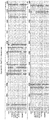
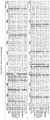
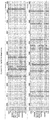
- FIG. 5 A sequence alignment of VCA with known PepMV viruses is depicted in Figure 5 .
- Three of the nucleotides in SEQ ID NO:1 are unique to VCA in comparision to not only the known PepMV viruses, but also to the attenuated strain VC1. While not wishing to be bound by theory, it is believed that these two nucleotide changes alter the amino acid sequence, which in turn results in milder symptoms.
- Tomato plants of the cultivar Merlice (on rootstock) were used. Each row of 12 plants was a different treatment. The plants were grown in two greenhouse compartements. The set temperatures were 20°C at daytime and 18°C at nighttime. The trial lasted 3 months. Inoculations were carried out by the rubbing protocol (see below). Plants were innoculated first with mild isolates (VC1 or VCA) and tested with ELISA to determine infection. The results of the ELISA are shown below. VC1 4/4 + VCA 4/4 + Negative control 0/4 +
- VC1 infection can produce unwanted sympyoms in inoculated plants, namely, nettle-heads and growth retardation.
- the new mild isolate VCA is compared with VC1 for the induction of symptoms in treated plants.
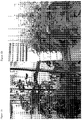
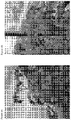
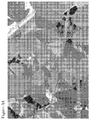
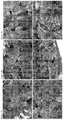
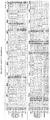
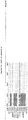
- Tomato plants of the cultivar Komeett were used. Inoculations were carried out by the rubbing protocol (see below). Plants were innoculated with mild isolates (VC1 or VCA) and tested two weeks later with ELISA to determine infection. It was found on average 95% of the virus inoculated plants had been infected. The virus-free plants remained free until the end of the test. Treatment with either VCA or VC1 resulted in the development of light symptoms, such as leaf misformation. However, plants treated with VCA ( Fig. 3B ) had more leaf volume and grew better than those treated with VC1 ( Fig. 3C ).
- Example 3 Comparision of symptoms in plants grown under optimal conditions versus sub-optimal conditions
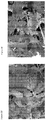
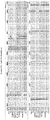
- Figure 4 depicts plants grown under optimal conditions versus sub-optimal conditions.
- plants treated with VC1 and VCA show a comparable level of very mild symptoms.
- VC1 treated plants show much more severe symptoms than VCA treated plants. While not wishing to be bound by theory, it is believed that the nucleotide differences at position 2605, and 3156 of SEQ ID NO:1 result in an amino acid alteration as compared to VC1 and that one or both of these amino acid alterations is responsible for the milder symptoms.
- Knead frozen or fresh infected plant material Take 7.5-10 ml of extracted plant sap or 7.5-10 ml virus suspension of virus product. Put the 7.5-10 ml in a plastic tray Dilute virus suspension 10-times with PBS Add 1-2% (w/v) carborundum Mix suspension well. Put disposable gloves on your hands. Stir with your fingers and thumb in the suspension. Inoculate two leaves on each plant in upper half on a leaflet by rubbing 5-times leaflet between thumb and index finger. Leaves should be damaged a little bit. (light discolouration, without holes). Dip for each plant your finger and inoculate the plant After inoculation, collect all residual material and put this in a garbage bin or waste container. The residual material should be disinfected by 100-200 ppm hypochlorite and after that it can be processed as regular waste. Test after 14 ( ⁇ 2) days the percentage of infected plants. This can be determined by the method ELISA.
- Spraying liquid 0,5 L/ m. Measure the needed amount of cold tap water and put this in the tank of the spraying cart. Prepare virus solution Add carborundum 800gram/100 L to spraying liquid. Mix carborundum well in spray cart, by hand, cover your fore-arm in a disposable overboot, circulate te contents of the tank Pressure on nozzles in spraying arm: 12-15 bar Spraying width: 1.20 m, 6 nozzles Spraying height: 10-15 cm above the plants. Check the nozzles for blockages and evenness of spray. After inoculation, collect all residual material and put this in a garbage bin or waste container. The residual material should be disinfected by 100-200 ppm hypochlorite and after that it can be processed as regular waste. Test after 14 ( ⁇ 2) days the percentage of infected plants. This can be determined by the ELISA method.
- Reagents for performing DAS-ELISA were obtained from PRIME Diagnostics, Wageningen, The Netherlands.
- the ELISAs were carried out according to the manufacturer's instructions.
Landscapes
- Life Sciences & Earth Sciences (AREA)
- Health & Medical Sciences (AREA)
- Engineering & Computer Science (AREA)
- Zoology (AREA)
- Genetics & Genomics (AREA)
- Chemical & Material Sciences (AREA)
- Wood Science & Technology (AREA)
- General Health & Medical Sciences (AREA)
- Organic Chemistry (AREA)
- Biotechnology (AREA)
- Virology (AREA)
- Bioinformatics & Cheminformatics (AREA)
- Microbiology (AREA)
- General Engineering & Computer Science (AREA)
- Biochemistry (AREA)
- Molecular Biology (AREA)
- Biomedical Technology (AREA)
- Plant Pathology (AREA)
- Environmental Sciences (AREA)
- Dentistry (AREA)
- Pest Control & Pesticides (AREA)
- Agronomy & Crop Science (AREA)
- Physics & Mathematics (AREA)
- Biophysics (AREA)
- Immunology (AREA)
- Proteomics, Peptides & Aminoacids (AREA)
- Cell Biology (AREA)
- Medicinal Chemistry (AREA)
- Toxicology (AREA)
- Analytical Chemistry (AREA)
- Micro-Organisms Or Cultivation Processes Thereof (AREA)
- Peptides Or Proteins (AREA)
- Breeding Of Plants And Reproduction By Means Of Culturing (AREA)
- Agricultural Chemicals And Associated Chemicals (AREA)
- Measuring Or Testing Involving Enzymes Or Micro-Organisms (AREA)
Claims (9)
- Virus de la mosaïque du pépino atténué, comprenant une molécule d'acide nucléique ayant un degré d'identité d'au moins 80 % avec la séquence SEQ ID NO: 1 et dans lequel la séquence d'acide nucléique code une arginine à la position 868 de la séquence SEQ ID NO: 2, une phénylalanine à la position 956 de la séquence SEQ ID NO: 2, une phénylalanine à la position correspondant à 1052 de la séquence SEQ ID NO: 2, et une asparagine à la position 1325 de la séquence SEQ ID NO: 2.
- Virus selon la revendication 1, dans laquelle la séquence d'acide nucléique a un degré d'identité d'au moins 80 % avec la séquence SEQ ID NO: 8.
- Molécule d'acide nucléique isolée codant une séquence d'acides aminés ayant un degré d'identité d'au moins 99 % avec la séquence SEQ ID NO: 9 et dans laquelle l'acide nucléique code une arginine à la position correspondant à 886 de la séquence SEQ ID NO: 9, une phénylalanine à la position correspondant à 1070 de la séquence SEQ ID NO: 9, une phénylalanine à la position correspondant à la position 974 de la séquence SEQ ID NO: 9, et une asparagine à la position correspondant à la position 1343 de la séquence SEQ ID NO: 9.
- Vecteur, de préférence vecteur d'expression, comprenant la molécule d'acide nucléique selon la revendication 3 ou le virus selon l'une quelconque des revendications 1 et 2.
- Polypeptide isolé codé par une molécule d'acide nucléique de la revendication 3.
- Composition pour la lutte biologique contre une maladie végétale, comprenant le virus de l'une quelconque des revendications 1 et 2, la molécule d'acide nucléique de la revendication 3, ou le vecteur de la revendication 4 ; et une substance de support acceptable en agriculture.
- Procédé pour la détection du virus atténué de l'une quelconque des revendications 1 et 2, comprenant le fait de fournir un échantillon suspecté de contenir du PepMV et le fait de détecter dans ledit échantillon le virus de l'une quelconque des revendications 1 et 2, la molécule d'acide nucléique de la revendication 3, ou le vecteur de la revendication 4.
- Procédé pour produire une plante résistante au virus de la mosaïque du pépino (PepMV), comprenant le fait d'exposer une plante ou partie de plante au virus de l'une quelconque des revendications 1 et 2, à la molécule d'acide nucléique de la revendication 3, au vecteur de la revendication 4, ou à la composition de la revendication 6.
- Plante résistante au PepMV, comprenant un virus selon l'une quelconque des revendications 1 et 2 ou la molécule d'acide nucléique de la revendication 3.
Priority Applications (1)
| Application Number | Priority Date | Filing Date | Title |
|---|---|---|---|
| PL16784990T PL3359672T3 (pl) | 2015-10-05 | 2016-10-04 | Biologiczna kontrola wirusów roślinnych |
Applications Claiming Priority (2)
| Application Number | Priority Date | Filing Date | Title |
|---|---|---|---|
| EP15188418 | 2015-10-05 | ||
| PCT/NL2016/050684 WO2017061859A1 (fr) | 2015-10-05 | 2016-10-04 | Lutte biologique contre des virus de plantes |
Publications (2)
| Publication Number | Publication Date |
|---|---|
| EP3359672A1 EP3359672A1 (fr) | 2018-08-15 |
| EP3359672B1 true EP3359672B1 (fr) | 2020-09-09 |
Family
ID=54266425
Family Applications (1)
| Application Number | Title | Priority Date | Filing Date |
|---|---|---|---|
| EP16784990.0A Active EP3359672B1 (fr) | 2015-10-05 | 2016-10-04 | Lutte biologique contre les maladies des plantes |
Country Status (9)
| Country | Link |
|---|---|
| US (1) | US10920241B2 (fr) |
| EP (1) | EP3359672B1 (fr) |
| CA (1) | CA3000945C (fr) |
| ES (1) | ES2819152T3 (fr) |
| HU (1) | HUE051834T2 (fr) |
| MA (1) | MA44271B1 (fr) |
| MX (1) | MX392243B (fr) |
| PL (1) | PL3359672T3 (fr) |
| WO (1) | WO2017061859A1 (fr) |
Families Citing this family (2)
| Publication number | Priority date | Publication date | Assignee | Title |
|---|---|---|---|---|
| CN108486283A (zh) * | 2018-03-26 | 2018-09-04 | 福建省农业科学院果树研究所 | 一种夜来香花叶病毒分子检测用试剂盒及检测方法 |
| WO2019235914A1 (fr) | 2018-06-04 | 2019-12-12 | Looije Applications B.V. | Virus atténué ou acide nucléique de celui-ci pour la lutte biologique contre des virus végétaux, en particulier contre des souches us1 de pepmv |
-
2016
- 2016-10-04 HU HUE16784990A patent/HUE051834T2/hu unknown
- 2016-10-04 ES ES16784990T patent/ES2819152T3/es active Active
- 2016-10-04 PL PL16784990T patent/PL3359672T3/pl unknown
- 2016-10-04 MA MA44271A patent/MA44271B1/fr unknown
- 2016-10-04 CA CA3000945A patent/CA3000945C/fr active Active
- 2016-10-04 EP EP16784990.0A patent/EP3359672B1/fr active Active
- 2016-10-04 WO PCT/NL2016/050684 patent/WO2017061859A1/fr not_active Ceased
- 2016-10-04 MX MX2018004174A patent/MX392243B/es unknown
- 2016-10-04 US US15/765,684 patent/US10920241B2/en active Active
Non-Patent Citations (1)
| Title |
|---|
| None * |
Also Published As
| Publication number | Publication date |
|---|---|
| PL3359672T3 (pl) | 2020-12-28 |
| MX2018004174A (es) | 2018-09-06 |
| EP3359672A1 (fr) | 2018-08-15 |
| CA3000945A1 (fr) | 2017-04-13 |
| WO2017061859A1 (fr) | 2017-04-13 |
| MA44271B1 (fr) | 2020-10-28 |
| US10920241B2 (en) | 2021-02-16 |
| HUE051834T2 (hu) | 2021-03-29 |
| MX392243B (es) | 2025-03-21 |
| US20190048323A1 (en) | 2019-02-14 |
| ES2819152T3 (es) | 2021-04-15 |
| CA3000945C (fr) | 2024-05-21 |
Similar Documents
| Publication | Publication Date | Title |
|---|---|---|
| Zhang et al. | Tomato brown rugose fruit virus: An emerging and rapidly spreading plant RNA virus that threatens tomato production worldwide | |
| Hanssen et al. | Pepino mosaic virus: a successful pathogen that rapidly evolved from emerging to endemic in tomato crops | |
| Rojas et al. | World management of geminiviruses | |
| Dawson et al. | Citrus tristeza virus: making an ally from an enemy | |
| Valkonen | Elucidation of virus-host interactions to enhance resistance breeding for control of virus diseases in potato | |
| Wintermantel | Co-infection of Beet mosaic virus with beet yellowing viruses leads to increased symptom expression on sugar beet | |
| Smith et al. | Aspects in Tobamovirus management in intensive agriculture | |
| Fuchs et al. | Comparative fitness of a wild squash species and three generations of hybrids between wild× virus-resistant transgenic squash | |
| Shiboleth et al. | A new approach for weed control in a cucurbit field employing an attenuated potyvirus-vector for herbicide resistance | |
| Sagar et al. | Begomovirus menace and its management in vegetable crops | |
| Pfitzner | Resistance to tobacco mosaic virus and tomato mosaic virus in tomato | |
| EP3359672B1 (fr) | Lutte biologique contre les maladies des plantes | |
| ES2738850T3 (es) | Secuencia de nucleótidos aislada de Solanum lycopersicum para una resistencia mejorada al virus del bronceado del tomate, TSWV | |
| Lapidot et al. | Pelargonium zonate spot virus is transmitted vertically via seed and pollen in tomato | |
| Wang et al. | Plum pox virus in Canada: progress in research and future prospects for disease control | |
| Schenk et al. | The use of attenuated isolates of Pepino mosaic virus for cross-protection | |
| WO2019235914A1 (fr) | Virus atténué ou acide nucléique de celui-ci pour la lutte biologique contre des virus végétaux, en particulier contre des souches us1 de pepmv | |
| Vermunt et al. | Multi-genotype cross-protection against pepino mosaic virus in tomato | |
| Bibi et al. | Pepino Mosaic Virus: A serious threat to tomato crops worldwide | |
| Akhtar¹ et al. | Resistance to papaya ringspot virus: a review | |
| Tran et al. | Development of an Effective Mild Chimeric Virus for the Concurrent Control of Two Important Aphid-Transmitted Viruses in Cucurbits | |
| JP5063120B2 (ja) | Rna、同rnaを用いたトマト黄化えそウイルス弱毒ウイルス、同弱毒ウイルスを接種したトマト黄化えそウイルス抵抗性植物及びキク科植物のトマト黄化えそウイルスの防除法 | |
| Noris et al. | Tomato | |
| Lawson | Detection, diagnosis and control of lily diseases | |
| Hema et al. | Cucumber mosaic |
Legal Events
| Date | Code | Title | Description |
|---|---|---|---|
| STAA | Information on the status of an ep patent application or granted ep patent |
Free format text: STATUS: UNKNOWN |
|
| STAA | Information on the status of an ep patent application or granted ep patent |
Free format text: STATUS: THE INTERNATIONAL PUBLICATION HAS BEEN MADE |
|
| PUAI | Public reference made under article 153(3) epc to a published international application that has entered the european phase |
Free format text: ORIGINAL CODE: 0009012 |
|
| STAA | Information on the status of an ep patent application or granted ep patent |
Free format text: STATUS: REQUEST FOR EXAMINATION WAS MADE |
|
| 17P | Request for examination filed |
Effective date: 20180501 |
|
| AK | Designated contracting states |
Kind code of ref document: A1 Designated state(s): AL AT BE BG CH CY CZ DE DK EE ES FI FR GB GR HR HU IE IS IT LI LT LU LV MC MK MT NL NO PL PT RO RS SE SI SK SM TR |
|
| AX | Request for extension of the european patent |
Extension state: BA ME |
|
| DAX | Request for extension of the european patent (deleted) | ||
| RAV | Requested validation state of the european patent: fee paid |
Extension state: MA Effective date: 20180501 |
|
| STAA | Information on the status of an ep patent application or granted ep patent |
Free format text: STATUS: EXAMINATION IS IN PROGRESS |
|
| 17Q | First examination report despatched |
Effective date: 20190124 |
|
| GRAP | Despatch of communication of intention to grant a patent |
Free format text: ORIGINAL CODE: EPIDOSNIGR1 |
|
| STAA | Information on the status of an ep patent application or granted ep patent |
Free format text: STATUS: GRANT OF PATENT IS INTENDED |
|
| INTG | Intention to grant announced |
Effective date: 20200402 |
|
| GRAS | Grant fee paid |
Free format text: ORIGINAL CODE: EPIDOSNIGR3 |
|
| GRAA | (expected) grant |
Free format text: ORIGINAL CODE: 0009210 |
|
| STAA | Information on the status of an ep patent application or granted ep patent |
Free format text: STATUS: THE PATENT HAS BEEN GRANTED |
|
| AK | Designated contracting states |
Kind code of ref document: B1 Designated state(s): AL AT BE BG CH CY CZ DE DK EE ES FI FR GB GR HR HU IE IS IT LI LT LU LV MC MK MT NL NO PL PT RO RS SE SI SK SM TR |
|
| REG | Reference to a national code |
Ref country code: GB Ref legal event code: FG4D |
|
| REG | Reference to a national code |
Ref country code: AT Ref legal event code: REF Ref document number: 1311619 Country of ref document: AT Kind code of ref document: T Effective date: 20200915 Ref country code: CH Ref legal event code: EP |
|
| REG | Reference to a national code |
Ref country code: IE Ref legal event code: FG4D |
|
| REG | Reference to a national code |
Ref country code: DE Ref legal event code: R096 Ref document number: 602016043746 Country of ref document: DE |
|
| REG | Reference to a national code |
Ref country code: DK Ref legal event code: T3 Effective date: 20200928 |
|
| REG | Reference to a national code |
Ref country code: NL Ref legal event code: FP |
|
| REG | Reference to a national code |
Ref country code: MA Ref legal event code: VAGR Ref document number: 44271 Country of ref document: MA Kind code of ref document: B1 |
|
| REG | Reference to a national code |
Ref country code: LT Ref legal event code: MG4D |
|
| PG25 | Lapsed in a contracting state [announced via postgrant information from national office to epo] |
Ref country code: GR Free format text: LAPSE BECAUSE OF FAILURE TO SUBMIT A TRANSLATION OF THE DESCRIPTION OR TO PAY THE FEE WITHIN THE PRESCRIBED TIME-LIMIT Effective date: 20201210 Ref country code: BG Free format text: LAPSE BECAUSE OF FAILURE TO SUBMIT A TRANSLATION OF THE DESCRIPTION OR TO PAY THE FEE WITHIN THE PRESCRIBED TIME-LIMIT Effective date: 20201209 Ref country code: LT Free format text: LAPSE BECAUSE OF FAILURE TO SUBMIT A TRANSLATION OF THE DESCRIPTION OR TO PAY THE FEE WITHIN THE PRESCRIBED TIME-LIMIT Effective date: 20200909 Ref country code: HR Free format text: LAPSE BECAUSE OF FAILURE TO SUBMIT A TRANSLATION OF THE DESCRIPTION OR TO PAY THE FEE WITHIN THE PRESCRIBED TIME-LIMIT Effective date: 20200909 Ref country code: NO Free format text: LAPSE BECAUSE OF FAILURE TO SUBMIT A TRANSLATION OF THE DESCRIPTION OR TO PAY THE FEE WITHIN THE PRESCRIBED TIME-LIMIT Effective date: 20201209 Ref country code: FI Free format text: LAPSE BECAUSE OF FAILURE TO SUBMIT A TRANSLATION OF THE DESCRIPTION OR TO PAY THE FEE WITHIN THE PRESCRIBED TIME-LIMIT Effective date: 20200909 Ref country code: SE Free format text: LAPSE BECAUSE OF FAILURE TO SUBMIT A TRANSLATION OF THE DESCRIPTION OR TO PAY THE FEE WITHIN THE PRESCRIBED TIME-LIMIT Effective date: 20200909 |
|
| PG25 | Lapsed in a contracting state [announced via postgrant information from national office to epo] |
Ref country code: RS Free format text: LAPSE BECAUSE OF FAILURE TO SUBMIT A TRANSLATION OF THE DESCRIPTION OR TO PAY THE FEE WITHIN THE PRESCRIBED TIME-LIMIT Effective date: 20200909 Ref country code: LV Free format text: LAPSE BECAUSE OF FAILURE TO SUBMIT A TRANSLATION OF THE DESCRIPTION OR TO PAY THE FEE WITHIN THE PRESCRIBED TIME-LIMIT Effective date: 20200909 |
|
| REG | Reference to a national code |
Ref country code: HU Ref legal event code: AG4A Ref document number: E051834 Country of ref document: HU |
|
| REG | Reference to a national code |
Ref country code: ES Ref legal event code: FG2A Ref document number: 2819152 Country of ref document: ES Kind code of ref document: T3 Effective date: 20210415 |
|
| PG25 | Lapsed in a contracting state [announced via postgrant information from national office to epo] |
Ref country code: SM Free format text: LAPSE BECAUSE OF FAILURE TO SUBMIT A TRANSLATION OF THE DESCRIPTION OR TO PAY THE FEE WITHIN THE PRESCRIBED TIME-LIMIT Effective date: 20200909 Ref country code: EE Free format text: LAPSE BECAUSE OF FAILURE TO SUBMIT A TRANSLATION OF THE DESCRIPTION OR TO PAY THE FEE WITHIN THE PRESCRIBED TIME-LIMIT Effective date: 20200909 Ref country code: PT Free format text: LAPSE BECAUSE OF FAILURE TO SUBMIT A TRANSLATION OF THE DESCRIPTION OR TO PAY THE FEE WITHIN THE PRESCRIBED TIME-LIMIT Effective date: 20210111 Ref country code: RO Free format text: LAPSE BECAUSE OF FAILURE TO SUBMIT A TRANSLATION OF THE DESCRIPTION OR TO PAY THE FEE WITHIN THE PRESCRIBED TIME-LIMIT Effective date: 20200909 Ref country code: CZ Free format text: LAPSE BECAUSE OF FAILURE TO SUBMIT A TRANSLATION OF THE DESCRIPTION OR TO PAY THE FEE WITHIN THE PRESCRIBED TIME-LIMIT Effective date: 20200909 |
|
| PG25 | Lapsed in a contracting state [announced via postgrant information from national office to epo] |
Ref country code: AL Free format text: LAPSE BECAUSE OF FAILURE TO SUBMIT A TRANSLATION OF THE DESCRIPTION OR TO PAY THE FEE WITHIN THE PRESCRIBED TIME-LIMIT Effective date: 20200909 Ref country code: IS Free format text: LAPSE BECAUSE OF FAILURE TO SUBMIT A TRANSLATION OF THE DESCRIPTION OR TO PAY THE FEE WITHIN THE PRESCRIBED TIME-LIMIT Effective date: 20210109 |
|
| VSFP | Annual fee paid to validation state [announced via postgrant information from national office to epo] |
Ref country code: MA Payment date: 20201119 Year of fee payment: 5 |
|
| REG | Reference to a national code |
Ref country code: DE Ref legal event code: R097 Ref document number: 602016043746 Country of ref document: DE |
|
| PG25 | Lapsed in a contracting state [announced via postgrant information from national office to epo] |
Ref country code: SK Free format text: LAPSE BECAUSE OF FAILURE TO SUBMIT A TRANSLATION OF THE DESCRIPTION OR TO PAY THE FEE WITHIN THE PRESCRIBED TIME-LIMIT Effective date: 20200909 Ref country code: MC Free format text: LAPSE BECAUSE OF FAILURE TO SUBMIT A TRANSLATION OF THE DESCRIPTION OR TO PAY THE FEE WITHIN THE PRESCRIBED TIME-LIMIT Effective date: 20200909 Ref country code: LU Free format text: LAPSE BECAUSE OF NON-PAYMENT OF DUE FEES Effective date: 20201004 |
|
| PLBE | No opposition filed within time limit |
Free format text: ORIGINAL CODE: 0009261 |
|
| STAA | Information on the status of an ep patent application or granted ep patent |
Free format text: STATUS: NO OPPOSITION FILED WITHIN TIME LIMIT |
|
| 26N | No opposition filed |
Effective date: 20210610 |
|
| PG25 | Lapsed in a contracting state [announced via postgrant information from national office to epo] |
Ref country code: SI Free format text: LAPSE BECAUSE OF FAILURE TO SUBMIT A TRANSLATION OF THE DESCRIPTION OR TO PAY THE FEE WITHIN THE PRESCRIBED TIME-LIMIT Effective date: 20200909 |
|
| PG25 | Lapsed in a contracting state [announced via postgrant information from national office to epo] |
Ref country code: IE Free format text: LAPSE BECAUSE OF NON-PAYMENT OF DUE FEES Effective date: 20201004 |
|
| PG25 | Lapsed in a contracting state [announced via postgrant information from national office to epo] |
Ref country code: TR Free format text: LAPSE BECAUSE OF FAILURE TO SUBMIT A TRANSLATION OF THE DESCRIPTION OR TO PAY THE FEE WITHIN THE PRESCRIBED TIME-LIMIT Effective date: 20200909 Ref country code: MT Free format text: LAPSE BECAUSE OF FAILURE TO SUBMIT A TRANSLATION OF THE DESCRIPTION OR TO PAY THE FEE WITHIN THE PRESCRIBED TIME-LIMIT Effective date: 20200909 Ref country code: CY Free format text: LAPSE BECAUSE OF FAILURE TO SUBMIT A TRANSLATION OF THE DESCRIPTION OR TO PAY THE FEE WITHIN THE PRESCRIBED TIME-LIMIT Effective date: 20200909 |
|
| PG25 | Lapsed in a contracting state [announced via postgrant information from national office to epo] |
Ref country code: MK Free format text: LAPSE BECAUSE OF FAILURE TO SUBMIT A TRANSLATION OF THE DESCRIPTION OR TO PAY THE FEE WITHIN THE PRESCRIBED TIME-LIMIT Effective date: 20200909 |
|
| PGFP | Annual fee paid to national office [announced via postgrant information from national office to epo] |
Ref country code: PL Payment date: 20250929 Year of fee payment: 10 |
|
| VSFP | Annual fee paid to validation state [announced via postgrant information from national office to epo] |
Ref country code: MA Payment date: 20231003 Year of fee payment: 8 |
|
| VSFP | Annual fee paid to validation state [announced via postgrant information from national office to epo] |
Ref country code: MA Payment date: 20221003 Year of fee payment: 7 Ref country code: MA Payment date: 20211011 Year of fee payment: 6 |
|
| REG | Reference to a national code |
Ref country code: CH Ref legal event code: U11 Free format text: ST27 STATUS EVENT CODE: U-0-0-U10-U11 (AS PROVIDED BY THE NATIONAL OFFICE) Effective date: 20251101 |
|
| PGFP | Annual fee paid to national office [announced via postgrant information from national office to epo] |
Ref country code: HU Payment date: 20251027 Year of fee payment: 10 |
|
| PGFP | Annual fee paid to national office [announced via postgrant information from national office to epo] |
Ref country code: NL Payment date: 20251021 Year of fee payment: 10 |
|
| VSFP | Annual fee paid to validation state [announced via postgrant information from national office to epo] |
Ref country code: MA Payment date: 20240923 Year of fee payment: 9 Ref country code: MA Payment date: 20201119 Year of fee payment: 5 Ref country code: MA Payment date: 20251003 Year of fee payment: 10 |
|
| PGFP | Annual fee paid to national office [announced via postgrant information from national office to epo] |
Ref country code: DE Payment date: 20251021 Year of fee payment: 10 |
|
| PGFP | Annual fee paid to national office [announced via postgrant information from national office to epo] |
Ref country code: GB Payment date: 20251022 Year of fee payment: 10 |
|
| PGFP | Annual fee paid to national office [announced via postgrant information from national office to epo] |
Ref country code: AT Payment date: 20251022 Year of fee payment: 10 |
|
| PGFP | Annual fee paid to national office [announced via postgrant information from national office to epo] |
Ref country code: DK Payment date: 20251027 Year of fee payment: 10 Ref country code: IT Payment date: 20251024 Year of fee payment: 10 |
|
| PGFP | Annual fee paid to national office [announced via postgrant information from national office to epo] |
Ref country code: FR Payment date: 20251030 Year of fee payment: 10 |
|
| PGFP | Annual fee paid to national office [announced via postgrant information from national office to epo] |
Ref country code: BE Payment date: 20251021 Year of fee payment: 10 |
|
| PGFP | Annual fee paid to national office [announced via postgrant information from national office to epo] |
Ref country code: CH Payment date: 20251101 Year of fee payment: 10 |
|
| PGFP | Annual fee paid to national office [announced via postgrant information from national office to epo] |
Ref country code: ES Payment date: 20251216 Year of fee payment: 10 |