EP3379253A1 - Procédé pour déterminer le niveau de zygosité d'une graine - Google Patents
Procédé pour déterminer le niveau de zygosité d'une graine Download PDFInfo
- Publication number
- EP3379253A1 EP3379253A1 EP17305341.4A EP17305341A EP3379253A1 EP 3379253 A1 EP3379253 A1 EP 3379253A1 EP 17305341 A EP17305341 A EP 17305341A EP 3379253 A1 EP3379253 A1 EP 3379253A1
- Authority
- EP
- European Patent Office
- Prior art keywords
- seeds
- seed
- fluorescence
- promoter
- endosperm
- Prior art date
- Legal status (The legal status is an assumption and is not a legal conclusion. Google has not performed a legal analysis and makes no representation as to the accuracy of the status listed.)
- Withdrawn
Links
- 238000000034 method Methods 0.000 title claims abstract description 70
- 108700019146 Transgenes Proteins 0.000 claims abstract description 75
- 102000034287 fluorescent proteins Human genes 0.000 claims abstract description 56
- 108091006047 fluorescent proteins Proteins 0.000 claims abstract description 56
- 108090000623 proteins and genes Proteins 0.000 claims abstract description 46
- 101710086766 FP protein Proteins 0.000 claims abstract description 20
- 241000209504 Poaceae Species 0.000 claims abstract description 8
- 241000196324 Embryophyta Species 0.000 claims description 51
- 230000009261 transgenic effect Effects 0.000 claims description 26
- 230000005284 excitation Effects 0.000 claims description 24
- 240000008042 Zea mays Species 0.000 claims description 19
- 241000218922 Magnoliophyta Species 0.000 claims description 17
- 235000002017 Zea mays subsp mays Nutrition 0.000 claims description 17
- 235000016383 Zea mays subsp huehuetenangensis Nutrition 0.000 claims description 16
- 235000009973 maize Nutrition 0.000 claims description 16
- 235000021307 Triticum Nutrition 0.000 claims description 14
- 238000011529 RT qPCR Methods 0.000 claims description 13
- 239000012297 crystallization seed Substances 0.000 claims description 10
- 240000007594 Oryza sativa Species 0.000 claims description 8
- 235000007164 Oryza sativa Nutrition 0.000 claims description 8
- 235000009566 rice Nutrition 0.000 claims description 8
- 238000002791 soaking Methods 0.000 claims description 8
- 108010085238 Actins Proteins 0.000 claims description 4
- 102000007469 Actins Human genes 0.000 claims description 3
- 241001515826 Cassava vein mosaic virus Species 0.000 claims description 2
- 108010068086 Polyubiquitin Proteins 0.000 claims description 2
- 102100037935 Polyubiquitin-C Human genes 0.000 claims description 2
- 102000004243 Tubulin Human genes 0.000 claims description 2
- 108090000704 Tubulin Proteins 0.000 claims description 2
- 229920002494 Zein Polymers 0.000 claims description 2
- 238000012545 processing Methods 0.000 claims description 2
- 239000005019 zein Substances 0.000 claims description 2
- 229940093612 zein Drugs 0.000 claims description 2
- 241000209140 Triticum Species 0.000 claims 1
- 235000013339 cereals Nutrition 0.000 description 32
- 108010043121 Green Fluorescent Proteins Proteins 0.000 description 22
- 210000001161 mammalian embryo Anatomy 0.000 description 21
- 102000004144 Green Fluorescent Proteins Human genes 0.000 description 20
- 239000005090 green fluorescent protein Substances 0.000 description 20
- 210000001519 tissue Anatomy 0.000 description 15
- 244000098338 Triticum aestivum Species 0.000 description 14
- 210000004027 cell Anatomy 0.000 description 14
- 230000014509 gene expression Effects 0.000 description 14
- 230000009466 transformation Effects 0.000 description 14
- 102000004169 proteins and genes Human genes 0.000 description 13
- 230000006870 function Effects 0.000 description 11
- 238000005259 measurement Methods 0.000 description 11
- 238000011156 evaluation Methods 0.000 description 9
- 101150043759 FP gene Proteins 0.000 description 8
- 239000003550 marker Substances 0.000 description 8
- 230000008774 maternal effect Effects 0.000 description 7
- 230000000007 visual effect Effects 0.000 description 7
- 208000026487 Triploidy Diseases 0.000 description 6
- 238000004458 analytical method Methods 0.000 description 6
- 238000002474 experimental method Methods 0.000 description 6
- 230000002068 genetic effect Effects 0.000 description 6
- 238000011002 quantification Methods 0.000 description 6
- 239000000411 inducer Substances 0.000 description 5
- 230000008775 paternal effect Effects 0.000 description 5
- 238000005204 segregation Methods 0.000 description 5
- 108091028043 Nucleic acid sequence Proteins 0.000 description 4
- 238000009395 breeding Methods 0.000 description 4
- 230000001488 breeding effect Effects 0.000 description 4
- 238000001514 detection method Methods 0.000 description 4
- 230000019827 double fertilization forming a zygote and endosperm Effects 0.000 description 4
- 150000007523 nucleic acids Chemical group 0.000 description 4
- 230000008569 process Effects 0.000 description 4
- 230000005855 radiation Effects 0.000 description 4
- 241000242764 Aequorea victoria Species 0.000 description 3
- 241000589158 Agrobacterium Species 0.000 description 3
- 108091026890 Coding region Proteins 0.000 description 3
- 108700008625 Reporter Genes Proteins 0.000 description 3
- 241000242583 Scyphozoa Species 0.000 description 3
- 230000001174 ascending effect Effects 0.000 description 3
- 210000000349 chromosome Anatomy 0.000 description 3
- 230000002363 herbicidal effect Effects 0.000 description 3
- 239000004009 herbicide Substances 0.000 description 3
- 108020004999 messenger RNA Proteins 0.000 description 3
- 238000007479 molecular analysis Methods 0.000 description 3
- 210000004940 nucleus Anatomy 0.000 description 3
- 210000001672 ovary Anatomy 0.000 description 3
- 239000013612 plasmid Substances 0.000 description 3
- 238000012216 screening Methods 0.000 description 3
- 230000010153 self-pollination Effects 0.000 description 3
- 238000000926 separation method Methods 0.000 description 3
- 238000009331 sowing Methods 0.000 description 3
- 238000011426 transformation method Methods 0.000 description 3
- 238000010200 validation analysis Methods 0.000 description 3
- XLYOFNOQVPJJNP-UHFFFAOYSA-N water Substances O XLYOFNOQVPJJNP-UHFFFAOYSA-N 0.000 description 3
- IAJOBQBIJHVGMQ-UHFFFAOYSA-N 2-amino-4-[hydroxy(methyl)phosphoryl]butanoic acid Chemical compound CP(O)(=O)CCC(N)C(O)=O IAJOBQBIJHVGMQ-UHFFFAOYSA-N 0.000 description 2
- FWMNVWWHGCHHJJ-SKKKGAJSSA-N 4-amino-1-[(2r)-6-amino-2-[[(2r)-2-[[(2r)-2-[[(2r)-2-amino-3-phenylpropanoyl]amino]-3-phenylpropanoyl]amino]-4-methylpentanoyl]amino]hexanoyl]piperidine-4-carboxylic acid Chemical compound C([C@H](C(=O)N[C@H](CC(C)C)C(=O)N[C@H](CCCCN)C(=O)N1CCC(N)(CC1)C(O)=O)NC(=O)[C@H](N)CC=1C=CC=CC=1)C1=CC=CC=C1 FWMNVWWHGCHHJJ-SKKKGAJSSA-N 0.000 description 2
- 241000589155 Agrobacterium tumefaciens Species 0.000 description 2
- IJGRMHOSHXDMSA-UHFFFAOYSA-N Atomic nitrogen Chemical compound N#N IJGRMHOSHXDMSA-UHFFFAOYSA-N 0.000 description 2
- 235000007319 Avena orientalis Nutrition 0.000 description 2
- 241000209763 Avena sativa Species 0.000 description 2
- 235000007558 Avena sp Nutrition 0.000 description 2
- 238000012935 Averaging Methods 0.000 description 2
- 108020004414 DNA Proteins 0.000 description 2
- 108700028146 Genetic Enhancer Elements Proteins 0.000 description 2
- 239000005561 Glufosinate Substances 0.000 description 2
- 240000005979 Hordeum vulgare Species 0.000 description 2
- 235000007340 Hordeum vulgare Nutrition 0.000 description 2
- 229920003266 Leaf® Polymers 0.000 description 2
- 241000242743 Renilla reniformis Species 0.000 description 2
- 240000000528 Ricinus communis Species 0.000 description 2
- 235000004443 Ricinus communis Nutrition 0.000 description 2
- 241000209056 Secale Species 0.000 description 2
- 235000007238 Secale cereale Nutrition 0.000 description 2
- 244000062793 Sorghum vulgare Species 0.000 description 2
- 229920002472 Starch Polymers 0.000 description 2
- 241000607479 Yersinia pestis Species 0.000 description 2
- 235000007244 Zea mays Nutrition 0.000 description 2
- 241001512733 Zoanthus sp. Species 0.000 description 2
- 230000010165 autogamy Effects 0.000 description 2
- 101150103518 bar gene Proteins 0.000 description 2
- GINJFDRNADDBIN-FXQIFTODSA-N bilanafos Chemical compound OC(=O)[C@H](C)NC(=O)[C@H](C)NC(=O)[C@@H](N)CCP(C)(O)=O GINJFDRNADDBIN-FXQIFTODSA-N 0.000 description 2
- 239000003153 chemical reaction reagent Substances 0.000 description 2
- 238000007405 data analysis Methods 0.000 description 2
- 238000011161 development Methods 0.000 description 2
- 230000018109 developmental process Effects 0.000 description 2
- 238000009826 distribution Methods 0.000 description 2
- 230000002349 favourable effect Effects 0.000 description 2
- 230000035784 germination Effects 0.000 description 2
- 230000011278 mitosis Effects 0.000 description 2
- 238000002360 preparation method Methods 0.000 description 2
- 238000005070 sampling Methods 0.000 description 2
- 239000000243 solution Substances 0.000 description 2
- 241000894007 species Species 0.000 description 2
- 235000019698 starch Nutrition 0.000 description 2
- 238000012360 testing method Methods 0.000 description 2
- 108091032973 (ribonucleotides)n+m Proteins 0.000 description 1
- YMHOBZXQZVXHBM-UHFFFAOYSA-N 2,5-dimethoxy-4-bromophenethylamine Chemical compound COC1=CC(CCN)=C(OC)C=C1Br YMHOBZXQZVXHBM-UHFFFAOYSA-N 0.000 description 1
- 108010021809 Alcohol dehydrogenase Proteins 0.000 description 1
- 241000219195 Arabidopsis thaliana Species 0.000 description 1
- 108091005950 Azurite Proteins 0.000 description 1
- 241000894006 Bacteria Species 0.000 description 1
- 108091005960 Citrine Proteins 0.000 description 1
- 108091005941 EBFP Proteins 0.000 description 1
- 108091005942 ECFP Proteins 0.000 description 1
- 241000233866 Fungi Species 0.000 description 1
- 108091005973 GFP derivatives Proteins 0.000 description 1
- 231100000757 Microbial toxin Toxicity 0.000 description 1
- 244000061176 Nicotiana tabacum Species 0.000 description 1
- 235000002637 Nicotiana tabacum Nutrition 0.000 description 1
- 238000000636 Northern blotting Methods 0.000 description 1
- OMBMFTUITNFNAW-UHFFFAOYSA-N OCC(CO)(CO)N(P)CC(O)=O Chemical compound OCC(CO)(CO)N(P)CC(O)=O OMBMFTUITNFNAW-UHFFFAOYSA-N 0.000 description 1
- 108010013126 PHluorin Proteins 0.000 description 1
- 108091030071 RNAI Proteins 0.000 description 1
- 240000006394 Sorghum bicolor Species 0.000 description 1
- 241000545067 Venus Species 0.000 description 1
- 241000700605 Viruses Species 0.000 description 1
- 235000005824 Zea mays ssp. parviglumis Nutrition 0.000 description 1
- 108010050181 aleurone Proteins 0.000 description 1
- 125000000539 amino acid group Chemical group 0.000 description 1
- 238000013459 approach Methods 0.000 description 1
- 239000007864 aqueous solution Substances 0.000 description 1
- 230000008901 benefit Effects 0.000 description 1
- 238000004364 calculation method Methods 0.000 description 1
- 210000003855 cell nucleus Anatomy 0.000 description 1
- 238000012512 characterization method Methods 0.000 description 1
- 239000011035 citrine Substances 0.000 description 1
- 150000001875 compounds Chemical class 0.000 description 1
- 235000005822 corn Nutrition 0.000 description 1
- 238000013461 design Methods 0.000 description 1
- 230000001066 destructive effect Effects 0.000 description 1
- 238000010586 diagram Methods 0.000 description 1
- 239000010432 diamond Substances 0.000 description 1
- 235000013399 edible fruits Nutrition 0.000 description 1
- 238000005516 engineering process Methods 0.000 description 1
- 108010048367 enhanced green fluorescent protein Proteins 0.000 description 1
- 239000003925 fat Substances 0.000 description 1
- 230000004720 fertilization Effects 0.000 description 1
- 238000012921 fluorescence analysis Methods 0.000 description 1
- 238000001917 fluorescence detection Methods 0.000 description 1
- 238000000799 fluorescence microscopy Methods 0.000 description 1
- 235000013305 food Nutrition 0.000 description 1
- 239000012634 fragment Substances 0.000 description 1
- 230000009368 gene silencing by RNA Effects 0.000 description 1
- 238000010353 genetic engineering Methods 0.000 description 1
- 238000003205 genotyping method Methods 0.000 description 1
- 238000000338 in vitro Methods 0.000 description 1
- 230000001939 inductive effect Effects 0.000 description 1
- 230000010354 integration Effects 0.000 description 1
- 239000011159 matrix material Substances 0.000 description 1
- 230000035772 mutation Effects 0.000 description 1
- 229910052757 nitrogen Inorganic materials 0.000 description 1
- 230000031787 nutrient reservoir activity Effects 0.000 description 1
- 238000005457 optimization Methods 0.000 description 1
- 210000000056 organ Anatomy 0.000 description 1
- 230000002018 overexpression Effects 0.000 description 1
- 244000045947 parasite Species 0.000 description 1
- 150000002989 phenols Chemical class 0.000 description 1
- -1 phosphinotricin Chemical compound 0.000 description 1
- 238000003976 plant breeding Methods 0.000 description 1
- 238000003753 real-time PCR Methods 0.000 description 1
- 108010054624 red fluorescent protein Proteins 0.000 description 1
- 230000008929 regeneration Effects 0.000 description 1
- 238000011069 regeneration method Methods 0.000 description 1
- 230000001105 regulatory effect Effects 0.000 description 1
- 230000001850 reproductive effect Effects 0.000 description 1
- 230000004044 response Effects 0.000 description 1
- 102220054792 rs138065384 Human genes 0.000 description 1
- 239000008107 starch Substances 0.000 description 1
- 238000003860 storage Methods 0.000 description 1
- 230000007704 transition Effects 0.000 description 1
- GWBUNZLLLLDXMD-UHFFFAOYSA-H tricopper;dicarbonate;dihydroxide Chemical compound [OH-].[OH-].[Cu+2].[Cu+2].[Cu+2].[O-]C([O-])=O.[O-]C([O-])=O GWBUNZLLLLDXMD-UHFFFAOYSA-H 0.000 description 1
- 238000011144 upstream manufacturing Methods 0.000 description 1
- 230000017260 vegetative to reproductive phase transition of meristem Effects 0.000 description 1
- 238000001262 western blot Methods 0.000 description 1
Images


Classifications
-
- G—PHYSICS
- G01—MEASURING; TESTING
- G01N—INVESTIGATING OR ANALYSING MATERIALS BY DETERMINING THEIR CHEMICAL OR PHYSICAL PROPERTIES
- G01N33/00—Investigating or analysing materials by specific methods not covered by groups G01N1/00 - G01N31/00
- G01N33/48—Biological material, e.g. blood, urine; Haemocytometers
- G01N33/50—Chemical analysis of biological material, e.g. blood, urine; Testing involving biospecific ligand binding methods; Immunological testing
- G01N33/5097—Chemical analysis of biological material, e.g. blood, urine; Testing involving biospecific ligand binding methods; Immunological testing involving plant cells
-
- C—CHEMISTRY; METALLURGY
- C12—BIOCHEMISTRY; BEER; SPIRITS; WINE; VINEGAR; MICROBIOLOGY; ENZYMOLOGY; MUTATION OR GENETIC ENGINEERING
- C12Q—MEASURING OR TESTING PROCESSES INVOLVING ENZYMES, NUCLEIC ACIDS OR MICROORGANISMS; COMPOSITIONS OR TEST PAPERS THEREFOR; PROCESSES OF PREPARING SUCH COMPOSITIONS; CONDITION-RESPONSIVE CONTROL IN MICROBIOLOGICAL OR ENZYMOLOGICAL PROCESSES
- C12Q1/00—Measuring or testing processes involving enzymes, nucleic acids or microorganisms; Compositions therefor; Processes of preparing such compositions
- C12Q1/68—Measuring or testing processes involving enzymes, nucleic acids or microorganisms; Compositions therefor; Processes of preparing such compositions involving nucleic acids
- C12Q1/6844—Nucleic acid amplification reactions
- C12Q1/686—Polymerase chain reaction [PCR]
-
- G—PHYSICS
- G01—MEASURING; TESTING
- G01N—INVESTIGATING OR ANALYSING MATERIALS BY DETERMINING THEIR CHEMICAL OR PHYSICAL PROPERTIES
- G01N1/00—Sampling; Preparing specimens for investigation
- G01N1/28—Preparing specimens for investigation including physical details of (bio-)chemical methods covered elsewhere, e.g. G01N33/50, C12Q
-
- G—PHYSICS
- G01—MEASURING; TESTING
- G01N—INVESTIGATING OR ANALYSING MATERIALS BY DETERMINING THEIR CHEMICAL OR PHYSICAL PROPERTIES
- G01N21/00—Investigating or analysing materials by the use of optical means, i.e. using sub-millimetre waves, infrared, visible or ultraviolet light
- G01N21/62—Systems in which the material investigated is excited whereby it emits light or causes a change in wavelength of the incident light
- G01N21/63—Systems in which the material investigated is excited whereby it emits light or causes a change in wavelength of the incident light optically excited
- G01N21/64—Fluorescence; Phosphorescence
- G01N21/6486—Measuring fluorescence of biological material, e.g. DNA, RNA, cells
-
- G—PHYSICS
- G01—MEASURING; TESTING
- G01N—INVESTIGATING OR ANALYSING MATERIALS BY DETERMINING THEIR CHEMICAL OR PHYSICAL PROPERTIES
- G01N33/00—Investigating or analysing materials by specific methods not covered by groups G01N1/00 - G01N31/00
- G01N33/48—Biological material, e.g. blood, urine; Haemocytometers
- G01N33/50—Chemical analysis of biological material, e.g. blood, urine; Testing involving biospecific ligand binding methods; Immunological testing
- G01N33/58—Chemical analysis of biological material, e.g. blood, urine; Testing involving biospecific ligand binding methods; Immunological testing involving labelled substances
- G01N33/582—Chemical analysis of biological material, e.g. blood, urine; Testing involving biospecific ligand binding methods; Immunological testing involving labelled substances with fluorescent label
Definitions
- the invention is used in the field of breeding and relates to a method to determine the level of zygosity (ploidy) of a transgene in a seed, making it possible to detect and select seeds that can be further used in breeding programs.
- Plant transformation with transgene is now a widely used technique and makes it possible to obtain plants presenting a phenotype (trait) that is absent from wild-type plants.
- transgenes that are exogenous/heterologous to the plants (such as herbicide resistance transgenes or microbial toxins to obtain resistance to pests) or genes that are already present in the wild-type plant, but under the control of specific promoters so as to promote expression of the transgene in specific tissues (such as roots, leafs, or different tissues within or around the embryo) or at specific period of times (such as during growth of the embryo or at the flowering time) or in response to specific stresses (such as abiotic (such as extreme temperatures, drought, flood, lack of or low nitrogen...) or biotic (such as attack of pests such as bacteria, viruses, fungi, parasites,) stresses).
- abiotic such as extreme temperatures, drought, flood, lack of or low nitrogen
- biotic such as attack of pests such as bacteria, viruses, fungi, parasites
- Plants are generally transformed with a vector containing the transgene(s) of interest, using any method known in the art, such as the Agrobacterium transformation method.
- the varieties that are used for transformation are plants that are specifically adapted for this purpose, and transgenes need to be transferred via introgression in commercially interesting plants, having a genetic background adapted for the sought commercial business, for future evaluation.
- T0 The transformation leads to a plant named "T0", which is able to give a limited number of seeds. These T0 plants can't be used for phenotypical evaluation due to the high rate of variability of the plants used for transformation and the in vitro origin of these plants.
- the repartition of the seeds obtained is 1 ⁇ 4 seeds homozygous for the transgene, 1 ⁇ 2 seeds heterozygous and 1 ⁇ 4 seeds which don't carry the transgene.
- a first evaluation of the trait induced by the transgenic construct can be done on the plants from this step, by comparison of homozygous and heterozygous plants from the transgenes to the control plants from the cross containing no transgene.
- the best characterization is preferably done after crossing of the transgenic plant with a line to have a more appropriate genetic background.
- Fluorescent proteins appeared in the transgenic strategies, during the 1990's, mainly as selectable markers to follow transgenic events.
- GFP for Green Fluorescent Protein isolate from jellyfish Aequorea victoria is the most known of these protein, and the initial protein has been successively modified to be more easily visualized.
- Fluorescent protein is also widely used for promoter evaluation.
- GFP fluorescence upon observation and quantification of fluorescence on leaves or seedlings from T2 generation, the intensity of GFP can separate homozygous, which have a fluorescence twice more intense than hemizygotes (Niwa et al., 1999, Molinier et al., 2000).
- Molinier describes the division of tobacco seeds in three classes (high, low, and no fluorescence) according to their level of GFP fluorescence.
- an inducer line containing the GFP marker has been create by Yu and Birchler 2016: the RWS-GFP line.
- haploid seeds are fluorescent on the endosperm and have no fluorescence of the embryo.
- screening of haploid seed on dry kernels is possible but that it is easier to screen haploid after germination of the seeds; in this cross the fluorescence of the endosperm is linked to the copy of the fluorescent protein from the inducer line, the screening is simply done for seed with or without the Fluorescent protein.
- a fluorescent protein in combination with a promoter i.e. able to promote expression of a gene, in the endosperm of the plant, (and preferably specific of the endosperm) to detect FP expression in this organ of the plant and being able to determine the ploidy (zygosity) of a transgene in the plant, and the use in angiosperm plants (in particular poaceae or gramineae plants), where there is presence of four classes of seeds (0X, 1X, 2X and 3X copies of the transgene).
- the promoter used to drive the FP expression can be a constitutive promoter or an endosperm-specific promoter.
- the storage function is distributed between both endosperm and the embryo.
- Some mature endosperm tissue stores fats (e.g. castor bean, Ricinis communis) and others (including grains, such as wheat and corn) store mainly starches.
- Quantification of the fluorescence of the FP gene on caryopses of maize is indicative of the level of zygosity of the fluorescent protein, and hence of the transgene, in the seed, in particular when the FP gene is expressed under control of the HMWG promoter, which is specific of albumen (Thomas et al., 1990).
- This promoter naturally controls expression of prolamines, which are plant storage proteins, and will thus lead expression of the FP only on the part of the caryopse that correspond to starch reserves (Lamacchia et al., 2001).
- the HMWG promoter being specific of the endosperm, makes it possible to observe and study the fluorescence (indicative of the presence and number of transgene) directly on the seed, without the need to sow the seeds. Furthermore, the solution herein proposed make it possible to discriminate, in angiosperm plants, between homozygous plants having three copies of the transgene (and of the FP) and hemizygous plants having only one or two copies of the transgene in the endosperm. It thus makes it possible to conclude about the number of copies of the transgene in the embryo. As indicated below, due to the double fertilization of Angiosperm plants, the endosperm can contain form 0 to 3 copies of the transgene.
- the method disclosed herein below can be easily automated, while it is more difficult to automate a method that detects fluorescence directly on the embryo.
- the embryo may be difficult to identify, and is generally quite small with regards to the size of the whole seed. If the measure was to be made on the embryo, there would thus be a risk not to be specific enough and to also measure fluorescence of the endosperm. The result and conclusion may thus be erroneous for angiosperm plants, due to the double fertilization in these plants. Consequently, in these plants, measuring a high fluorescence doesn't necessarily mean that the embryo is 2X.
- the solution proposed in the present application is to genetically link the transgene to a FP (Fluorescent Protein) gene, to detect and quantify the emission of the fluorescence of the FP in the endosperm of the seed.
- the FP is thus under the control of a promoter active in the endosperm, and preferably specific of the endosperm.
- This method is of particular interest in angiosperm plants ( Angiospermae or Magnoliophyta ), as it also makes it possible to determine whether the embryo is homozygous (which is what is important), as there are three copies of genomes in the seed (in the endosperm).
- Angiosperms indeed present the phenomenon of double fertilization.
- a haploid (n chromosomes) generative cell travels down the tube behind the tube nucleus, and divides by mitosis to produce two haploid (n) sperm cells.
- the pollen tube grows and makes its way from the stigma, down the style and into the ovary, to reach the micropyle of the ovule and digest its way into one of the synergids, releasing its contents (in particular the two sperm cells).
- the synergid then will degenerate and one sperm will fertilize the egg cell, producing a diploid (2n) zygote.
- the second sperm cell fuses with both central cell nuclei of the large central cell of the megagametophyte, producing a triploid (3n) cell.
- the triploid cell develops into the endosperm, which serves as the embryo's food supply.
- the ovary surrounding the ovules, develops into the fruit, which protects the seeds and may function to disperse them.
- the invention thus relates to a method for determining the level of transgene zygosity (or ploidy) in a seed, in particular an Angiosperm seed and most preferably a Poaceae ( Gramineae ) seed, wherein said transgene is genetically linked to a FP gene under the control of a promoter active in the endosperm, in particular an endosperm specific-promoter, comprising the step of exposing the endosperm of the seed to a wavelength exciting the FP protein, and measuring the intensity of the emitted fluorescence.
- Transgene zygosity or ploidy is intended to mean the number of copies of the transgene in the genome of the seed studied.
- the fluorescent protein is genetically linked to the transgene, the intensity of emitted fluorescence is directly linked of the level of transgene zygosity. It is thus an indicator of the transgene zygosity, as indicated above.
- the intensity of emitted fluorescence is calculated after processing of the image of the seed in a computer. In a preferred embodiment, one will use a plate reading fluorimeter.
- the FP expressed in the seed is excited and emits fluorescent light.
- the image of the seed can be visualized in a photograph.
- a CCD color camera can be used. It is preferably a high-resolution color camera and can be equipped with a zoom lens. The camera is positioned on the axis vertical to the plane of the seed to take a photograph of the seed while focusing on the endosperm of the seed with the zoom lens.
- the light emitted from the FP has a wavelength of about 509 nm. It is thus preferred when a bandpass filter for passing the green light ranging in wavelength from 500 to 550 nm is placed in front of the CCD camera to pass the green fluorescent light only.
- the images captured by the CCD camera are then sent to a computer in which the image data are collected, stored and processed. Measure of the intensity of the fluorescence is performed as described below.
- the wavelength emitted to excite the protein and the band pass filter are easily adapted if other Fluorescent Proteins are used.
- the intensity of the emitted fluorescence is compared with the intensity of fluorescence of controls, such as the intensity of fluorescence that has been previously emitted for the endosperm of seeds that are haploid, diploid or triploid for the FP under the control of said promoter active in the endosperm.
- the intensity of the emitted fluorescence of this seed is then compared with the intensity of fluorescence that has been previously emitted for seeds having 0X, 1X, 2X or 3X copies of the gene coding for the FP under the control of said promoter.
- control seeds that are 0X, 1X, 2X or 3X for the FP under the control of said endosperm specific-promoter during the experiment when the sample seeds are tested.
- control seeds are also exposed to said wavelength exciting the FP protein, wherein the intensity of the emitted fluorescence is measured for said control seeds and compared with the intensity of the emitted fluorescence for said seed bearing the transgene and the FP.
- these controls originate from the same transformation event than the tested seeds.
- the measure is performed on batches of seeds or seed lots, meaning that seed have the same origin progeny from the same plant (self-pollination) or from the same transgenic event, and the seeds are classified according to the class to which they belong, using the fact that they should statistically be equally allocated in each class (classes are thus determined intra-lot).
- this kind of analysis doesn't necessitate prior knowledge of the fluorescence intensity level or use of control seeds, and can be performed using software available in the art.
- transgene and the FP gene do not segregate from each other in subsequent generations so that presence of one gene is indicative of the presence of the other gene. This may be easily obtained during the preparation of the vector used for the transformation, by placing the FP gene (including the endosperm-specific promoter, coding sequence, terminator and any other sequence such as an enhancer sequence or the like) a few bases upstream (in the 5' end) or downstream (in the 3' end) of the transgene sequence (which include the transgene promoter, transgene coding sequence, terminator and any other sequence such as an enhancer sequence or the like.
- the genes are contained in the same T-DNA (in case of Agrobacterium transformation method) or on the same plasmid DNA or plasmid fragment (in case of direct transformation method). It is to be noted that when co-transformation or bombardment methods are used, the sites of integration of the transgene and the FP are linked in the majority of the cases. This can easily be checked by methods known in the art.
- the FP coding sequence is under the control of a promoter that is functional ( i.e. that is capable of driving expression of the gene) in the endosperm.
- a promoter "functional in a given tissue" of a plant is a promoter that allows expression of a nucleic acid sequence operatively linked to it in said given tissue of said plant.
- said promoter is predominantly functional in the endosperm, i.e. said promoter can be active in other tissues than the endosperm, but the principal expression of a nucleic acid sequence encoding a protein operatively linked to it is in the endosperm. This can be verified, using various techniques known by the person skilled in the art, such as quantification of the RNA expression of said nucleic acid sequence in various tissues by Northern blot, or of the protein expression in various tissues by Western blot. After quantification of the mRNA of the gene in the whole seed, mRNA quantity in the endosperm amounts to 80 %, more preferably 90 % or more of the total mRNA quantified.
- the promoter can be specific to the endosperm.
- a promoter specific to a given tissue is active exclusively in said tissue, i.e. it is not possible to detect expression of a nucleic acid sequence encoding a protein operatively linked to it in other tissues than said given tissue, by the techniques listed above.
- said promoter is chosen in the group consisting of: the proZmgZein (gamma Zein) ( Russel and Fromm Transgenic Res. 1997 Mar;6(2):157-68 ; the gene sequence is available at Genebank X53514) the CaMV35S promoter ( Odell et al,Nature.
- said promoter is the HMWG promoter, described in Halford et al 1989 (Plant Science 62, 207-16 ) having sequence SEQ ID NO: 1, depicted under accession number AJ301618 or a shorter version as depicted in SEQ ID NO: 2.
- GFP green fluorescent protein
- the first isolated GFP protein was from the jellyfish Aequorea Victoria , and presents has a major excitation peak at a wavelength of 395 nm and a minor one at 475 nm with an emission peak is at 509 nm
- the GFP from the sea pansy ( Renilla reniformis ) has a single major excitation peak at 498 nm.
- Couples excitation/emission wavelengths are provided below (in nm):
- fluorescent proteins exist in nature or have been designed though genetic engineering. A list of these (such as dsRed, eqFP611, Dronpa, TagRFPs, KFP, EosFP, Dendra, IrisFP) may be found at https://en.wikipedia.org/wiki/Green_fluorescent_protein
- a GFP protein is a protein that is able to emit a detectable radiation at a specific wavelength, upon excitation by a radiation at another specific wavelength, as does the A. Victoria GFP at 509 nm and 395 nm (or 475 nm) respectively.
- the FP protein used in the context of the invention may be the ZsGreen from Zoanthus sp. (depicted in SEQ ID NO: 3, with an excitation wavelength of 493nm and an emission wavelength of 505nm or the protein depicted in SEQ ID NO: 4, synthetic sequence derived from Aequorea victoria (Jellyfish) with an excitation wavelength of 490nm and an emission wavelength of 510nm.
- the construct is SEQ ID NO: 5, that contains a Triticum aestivum HMWG promoter, a Zoanthus sp. FP protein and a Arabidopsis thaliana terminator (SEQ ID NO: 6).
- the method is particularly adapted when the plant is an angiosperm, and in particular a Graminae ( Poaceae ).
- the method is particularly adapted for maize or wheat seeds. barley, rice, oat, rye, and sorgho
- the wheat seed in particular the envelope and the aleurone layer of the seed
- phenolic compounds that appear or get concentrated when the tissues and the seed dry out. Due to these compounds and self-fluorescence of the seed, it may prove difficult to clearly identify variations in the fluorescence intensity of the albumen due to the presence of different number of copies of the FP gene.
- the seeds Once the seeds have been re-hydrated, they can be sowed or stored in the cold for as long as one month before sowing. They can also be dried again and stored for a long period of time. It was shown that the soaked grains still possess good germination capacity up to a month after soaking, which makes it possible to store the seeds for a month before sowing.
- the method herein described makes it possible to determiner and observe the fluorescence is that of the albumen, which is should contain 3 copies of the transgene (and hence of the genetically linked FP gene) in homozygous seeds. Indeed, in angiosperm, as seen above, the albumen shall contain two copies of the transgene of maternal origin and one copy of paternal origin.
- the detected fluorescence of the endosperm indicates the presence of two copies of the FP gene, it probably means that there was no fertilization by a transgenic pollen.
- the method described herein, and in particular using the FLUOStar system makes it possible to differentiate the four classes of grain (WT, 1X, 2X and 3X) and can be followed by a validation by any method known in the art such as qPCR.
- the invention also relates to a device (or apparatus) for reading the fluorescence emitted by seeds placed in wells of a plate, containing means for emitting an excitation wavelength onto said plate, and means for reading the fluorescence emitted by each well.
- the means for emitting an excitation wavelength onto the plate comprises a radiation source which emits in a wavelength range of from 420 to 510 nm, preferably from 450 to 490 nm. It may be a laser.
- the means for reading the fluorescence emitted by each well of the plate comprise a sensor which makes it possible to measure the radiation emitted by the seed in the well after excitation.
- This sensor may also determine the area (or areas) of the slide in which the fluorescence emission is performed.
- This sensor is regulated in such a way that it can determine the fluorescence emission in the wavelengths specified above, and centered around 550 nm. Examples of such means have been disclosed above. In one embodiment of the invention, this mean may be a fluorimeter.
- this device also comprises means for capturing images of each well of the plate.
- These capture means may be a photographic apparatus which will be able to capture the image of each well of the plate emitting a fluorescence after excitation.
- these captured images are stored in a memory (present on the apparatus or remotely situated), in such a way that the user can gain access thereto via a computer means.
- These images can also be printed.
- It may also comprise an automatic reader of a barcode or datamatrix code present on the plate, in order to identify the plate.
- the device / apparatus may also be able to sort individual seeds depending on the level of fluorescence intensity that they emit after excitation at the proper wavelength.
- Such device may comprise one or more of the following elements:
- the invention thus particularly relates to a device for reading fluorescence emitted by seeds (and sorting seeds) comprising:
- This device is particularly interesting for reading fluorescence emitted by individual seeds from a seed lot.
- the control seeds are the seeds of this lot.
- the fluorescence is first measured on all seeds of the lot, making it possible to determine the four classes, and the seeds are then tested again and sorted according to the determined four classes.
- the invention also relates to an automated and non-destructive process for determining the level of transgene zygosity in a seed, wherein said transgene is genetically linked to a gene coding for a fluorescent protein (FP protein) under the control of a endosperm specific-promoter, comprising the steps consisting in:
- the method may also comprise the step of assigning a zyosity class to the seed (wild-type, heterozygous or homozygous for the transgene) depending on the level of intensity measured. This can be done by means of a computer software such as the one disclosed in the examples.
- the method may also comprise the step of sorting the seeds according to their zygosity class.
- the four classes are calibrated within the software by self-learning on lots previously analyzed.
- seeds can be sorted directly in one of the four classes.
- the invention also relates to a method for reading the fluorescence emitted by seeds (or determining fluorescence classes) comprising the steps of:
- the invention also relates to a method for reading the fluorescence emitted by seeds (or determining fluorescence classes) comprising the steps of:
- the above two methods are preferably performed on seeds from angiosperm plants, and most specifically on seeds from graminae plants, and the fluorescence may be detected on the whole seed (embryo + endosperm) or on the endosperm only.
- the seeds are transgenic seeds, and the transgene is genetically linked to a gene coding for a fluorescent protein (FP protein) under the control of a promoter operative in the endosperm of the seed.
- FP protein fluorescent protein
- each class would correspond to a given transgene zygosity level in the endosperm (0X, 1X, 2X, 3X).
- the invention thus relates to a method for sorting a transgenic angiosperm seed, wherein the transgene is genetically linked to a gene coding for a fluorescent protein (FP protein) under the control of a promoter operative in the endosperm of the seed, comprising the steps of
- T-DNA each construct comprising:
- the seed lots used come from a self-fertilization of regenerated transgenic plants.
- the transformation events have a molecular profile with one intact copy of the T-DNA.
- the albumen of the grain can exist with four different number of transgenes: the genotype WT with no transgene, HE with 1 copy (1X) of the transgene when originating from the paternal zygote or 2 copies (2X) of the transgene when originating from the maternal zygote and 3 copies (3X) for the genotype HO with one 1 paternal and 2 maternal copies.
- the Leica MZ10 F modular stereo microscope is used with the Leica EL6000 external light source.
- High-definition pictures are taken with the Leica DFC420 C, a digital microscope camera with c-mount and with a 5 Mpixel CCD sensor.
- the filters kits installed on the microscope are:
- the camera is driven by the Leica Application Suite V3.3.0. This software makes it possible to adjust the exposition of the sensor to fluorescence in order to avoid saturation in the green light.
- the pictures are stored for further analysis, with the suite Image J V 1.47, Open Source software available at http://imagej.updatestar.com.
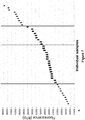
- the function "Measure RGB" the average Green pixels intensity is determined on a 300x300 pixel area of the seed picture. These values are sorted in ascending order and entered in a histogram. Seeds are allocated into four class relative to their relative fluorescence intensity by a Kmeans function (see 2.6). The results for 48 seeds are illustrated in Figure 1 .
- the same plates were used with a fluorimeter.
- the FLUOstar OPTIMA Microplate Reader (BMG LABTECH, Ortenberg, Germany) is used to measure fluorescence at an excitation wavelength of 485 nm and an emission wavelength of 520 nm.
- This automat is controlled with the OPTIMA Control Software V2.20. Once measured, the data obtained are processed with the suite OPTIMA MARS Data Analysis V2.41. The automat is programed in order to avoid obtaining data with a maximum of 65 000 RFU (Relative Fluorescence Units).
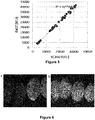
- Each well of the plate was scanned by 80 consecutive flashes (SCAN protocol) distributed over a disk 10 mm in diameter centered on each well. An average of 80 values for each well is done.
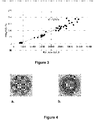
- the FLUOstar proposes the "orbital averaging" measurement mode (FAST protocol), which measures the fluorescence emitted on the circumference of a circle centered on the well, the diameter of which having been pre-selected, and the maximum number of flashes depending on the selected diameter Figure 4 .
- the number of flashes per well has less influence, especially when the diameter is small (3mm).
- event 1 to 4 For 4 independent seed lots, event 1 to 4, all 48 seeds measured by FLUOstar and classified as wild type (null segregant), homozygous for the transgene (3X) and heterozygous for the transgene (1X or 2X) were sown. The corresponding plantlets were analyzed by qPCR and classified into wild type, homozygous or heterozygous for the transgene. The table below shows the percentage of seeds with identical results between both methods. Table 1: result concordance of FLUOstar classification on seeds and pPCR on resulting plantlets in pourcentage. Null segregant Heterozygous Homozygous Overall concordance Event 1 100 94 67 88 Event 2 100 85 86 89 Event 3 100 100 90 97 Event 4 100 96 60 94 total 100 93 76 92
- a construct containing a gene coding for a fluorescent protein under the control of an endosperm specific promoter, a selection marker and a gene of interest under the control of a suitable promoter is used for genetic transformation.
- Maize transgenic events were produced in tissue culture and seeds from the transgenic T0 plants harvested. After self-pollination of the T1 plants the segregation rate obtained from the seeds (with regards to the transgene) is 50% of heterozygous seeds, 25% homozygous and 25% wild type.
- the seeds are obtained from plants genetically transformed with Agrobacterium tumefaciens (Ishida et al ., 2015), each construct comprising:
- the expected Mendelian segregation is 3 ⁇ 4 FP+, 1 ⁇ 4 FP- is obtained for most of the lots. It appears that it is possible to discriminate fluorescence-positive from fluorescence-negative grains, with sometimes hesitation to differentiate a wild-type seed from a weakly positive seed.
- the seeds of each event were classified after visual evaluation in one of the following three classes: - Highly fluorescent grains (FP++) - Fluorescent grains (FP+), not considered highly fluorescent - Non-fluorescent grains (FP-) Table 3: sorting of seeds for the event 20, into tree classes, absence of fluorescent protein, and presence of fluorescent protein with two level of intensity.
- Event Nb seeds FP- FP+ FP++ Event 20 94 25 (27%) 47 (50%) 22 (23%)
- the proportions obtained confirm the Mendelian segregation of 1 ⁇ 4 seeds homozygous (FP++), 1 ⁇ 4 wild-type seeds (FP-) and 1 ⁇ 2 hemizygous seeds (FP+).
- each picture shows four seeds two soaked seeds on the left and two dry seeds on the right, (a) wild type seeds and (b) fluorescent positive seeds.
- the automat was programed in order to avoid obtaining data with a maximum of 65 000 RFU (Relative Fluorescence Units).
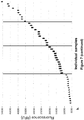
- Each well of the plate was scanned by 10 consecutive flashes distributed over a disk 2 mm in diameter centered on each well. An average of 10 values for each well is done. These values are sorted in ascending order and entered in a histogram.
- the measurements were made on dry seeds and then on imbibed seeds. The results for 48 seeds are illustrated in Figures 7 (a, dry seeds and b, imbibed seeds). The comparison of graphics shows a better separation of the classes with the imbibed seeds.
- the soaked grains appear swelled, and the differences in fluorescence intensity seem easier to determine, in particular improves the detection of the negative (wild-type) grains, as it seems easier to visually detect positive grains. Fluorescence measurements were made on dry grains and on soaked grains. All events were assessed with the FLUOstar as dry grains and soaked seeds to obtain the two intensity values. All events were soaked directly in the microplate for 8 hours before another run with FLUOstar.
- the orientation of the seed is important (opposite side to the embryo that is measured).
- the embryo representing a small part of the grain, the measurement can be made on any side yielding similar results.
- the fluorescence intensity data in the Excel file are then exported to the R software to perform the Kmeans function.
- This tool generates a matrix of each microplate with the 48 wells scanned by the FLUOstar and a graph of these 48 wells according to the increasing intensity of fluorescence.
- the Kmeans function also allows dividing the data set in a number of classes defined by assessing the distance of one point to the average of the other points in its class.
- the software was parametered as to provide 4 classes that are expected for the four zygosity levels (WT / 1X / 2X / 3X).
- the classes are represented by different symbols ( Figure 1, 2 , 7 ).
- the Kmeans function also provides the identity of the four grains having the highest fluorescence intensity.
- the method as disclosed above makes it possible to identify homozygous seeds in half the time needed using the prior methods, for a much lower cost (essentially null) where the other qPCR methods have, at least, the cost of reagents.
- the method can be used in the same way as described for maize for the phenotypic evaluation of transgenic events in wheat.
- the method is also very applicable to angiosperm plants (as herein exemplified on maize and wheat) and also allows determine whether the transgene, in hemizygous plants, comes from the maternal or paternal side.
Landscapes
- Life Sciences & Earth Sciences (AREA)
- Health & Medical Sciences (AREA)
- Chemical & Material Sciences (AREA)
- Engineering & Computer Science (AREA)
- Immunology (AREA)
- Molecular Biology (AREA)
- Biomedical Technology (AREA)
- Physics & Mathematics (AREA)
- Analytical Chemistry (AREA)
- Biochemistry (AREA)
- General Health & Medical Sciences (AREA)
- Urology & Nephrology (AREA)
- Hematology (AREA)
- General Physics & Mathematics (AREA)
- Pathology (AREA)
- Microbiology (AREA)
- Biotechnology (AREA)
- Organic Chemistry (AREA)
- Cell Biology (AREA)
- Food Science & Technology (AREA)
- Medicinal Chemistry (AREA)
- Wood Science & Technology (AREA)
- Chemical Kinetics & Catalysis (AREA)
- Zoology (AREA)
- Proteomics, Peptides & Aminoacids (AREA)
- Botany (AREA)
- Nuclear Medicine, Radiotherapy & Molecular Imaging (AREA)
- Biophysics (AREA)
- Bioinformatics & Cheminformatics (AREA)
- General Engineering & Computer Science (AREA)
- Genetics & Genomics (AREA)
- Measuring Or Testing Involving Enzymes Or Micro-Organisms (AREA)
- Investigating, Analyzing Materials By Fluorescence Or Luminescence (AREA)
- Breeding Of Plants And Reproduction By Means Of Culturing (AREA)
Priority Applications (4)
| Application Number | Priority Date | Filing Date | Title |
|---|---|---|---|
| EP17305341.4A EP3379253A1 (fr) | 2017-03-24 | 2017-03-24 | Procédé pour déterminer le niveau de zygosité d'une graine |
| PCT/EP2018/057441 WO2018172522A1 (fr) | 2017-03-24 | 2018-03-23 | Procédé de détermination de taux de zygosité dans une graine |
| US16/490,368 US11668703B2 (en) | 2017-03-24 | 2018-03-23 | Method for determining the level of zygosity of a seed |
| EP18711583.7A EP3602064B1 (fr) | 2017-03-24 | 2018-03-23 | Procédé pour déterminer le niveau de zygosité d'une graine |
Applications Claiming Priority (1)
| Application Number | Priority Date | Filing Date | Title |
|---|---|---|---|
| EP17305341.4A EP3379253A1 (fr) | 2017-03-24 | 2017-03-24 | Procédé pour déterminer le niveau de zygosité d'une graine |
Publications (1)
| Publication Number | Publication Date |
|---|---|
| EP3379253A1 true EP3379253A1 (fr) | 2018-09-26 |
Family
ID=58489274
Family Applications (2)
| Application Number | Title | Priority Date | Filing Date |
|---|---|---|---|
| EP17305341.4A Withdrawn EP3379253A1 (fr) | 2017-03-24 | 2017-03-24 | Procédé pour déterminer le niveau de zygosité d'une graine |
| EP18711583.7A Active EP3602064B1 (fr) | 2017-03-24 | 2018-03-23 | Procédé pour déterminer le niveau de zygosité d'une graine |
Family Applications After (1)
| Application Number | Title | Priority Date | Filing Date |
|---|---|---|---|
| EP18711583.7A Active EP3602064B1 (fr) | 2017-03-24 | 2018-03-23 | Procédé pour déterminer le niveau de zygosité d'une graine |
Country Status (3)
| Country | Link |
|---|---|
| US (1) | US11668703B2 (fr) |
| EP (2) | EP3379253A1 (fr) |
| WO (1) | WO2018172522A1 (fr) |
Families Citing this family (1)
| Publication number | Priority date | Publication date | Assignee | Title |
|---|---|---|---|---|
| CN111254160B (zh) * | 2020-03-30 | 2021-10-19 | 扬州大学 | 一种高效鉴定水稻增强子的原生质体验证方法 |
Citations (2)
| Publication number | Priority date | Publication date | Assignee | Title |
|---|---|---|---|---|
| JPH05192172A (ja) | 1992-01-21 | 1993-08-03 | Sumitomo Chem Co Ltd | 外来遺伝子を導入した植物根培養による物質製造方法 |
| EP1135532B1 (fr) | 1998-12-11 | 2011-03-16 | Clontech Laboratories Inc. | Proteines fluorescentes appartenant a des especes non bioluminescentes de la classe des anthozoaires, genes codant pour ces proteines et utilisations |
Family Cites Families (1)
| Publication number | Priority date | Publication date | Assignee | Title |
|---|---|---|---|---|
| AR091868A1 (es) * | 2012-07-23 | 2015-03-04 | Dow Agrosciences Llc | Desarrollo de los parametros del ensayo de cigosidad para detectar el gen rf4 en maiz |
-
2017
- 2017-03-24 EP EP17305341.4A patent/EP3379253A1/fr not_active Withdrawn
-
2018
- 2018-03-23 EP EP18711583.7A patent/EP3602064B1/fr active Active
- 2018-03-23 US US16/490,368 patent/US11668703B2/en active Active
- 2018-03-23 WO PCT/EP2018/057441 patent/WO2018172522A1/fr not_active Ceased
Patent Citations (2)
| Publication number | Priority date | Publication date | Assignee | Title |
|---|---|---|---|---|
| JPH05192172A (ja) | 1992-01-21 | 1993-08-03 | Sumitomo Chem Co Ltd | 外来遺伝子を導入した植物根培養による物質製造方法 |
| EP1135532B1 (fr) | 1998-12-11 | 2011-03-16 | Clontech Laboratories Inc. | Proteines fluorescentes appartenant a des especes non bioluminescentes de la classe des anthozoaires, genes codant pour ces proteines et utilisations |
Non-Patent Citations (42)
| Title |
|---|
| CARLSON A R ET AL: "Visual screening of microspore-derived transgenic barley (Hordeum vulgare L.) with green-fluorescent protein", PLANT CELL REPORTS, SPRINGER INTERNATIONAL, DE, vol. 20, no. 4, 1 June 2001 (2001-06-01), pages 331 - 337, XP002278146, ISSN: 0721-7714, DOI: 10.1007/S002990100328 * |
| CHRISTENSEN ET AL., PLANT MOL. BIOL., vol. 18, no. 4, 1992, pages 675 - 689 |
| CHRISTENSEN ET AL.: "Maize polyubiquitin genes: structure, thermal perturbation of expression and transcript splicing, and promoter activity following transfer to protoplasts by electroporation", PLANT MOL. BIOL., vol. 18, no. 4, 1992, pages 675 - 689, XP009002808, DOI: doi:10.1007/BF00020010 |
| CHYTILOVA E; MACAS J; GALBRAITH D.W: "Annals of Botany", vol. 83, 1999, article "Green fluorescent protein targeted to the nucleus, a transgenic phenotype useful for studies in plant biology", pages: 645 - 654 |
| FIUME ET AL., PLANTA, vol. 218, no. 5, March 2004 (2004-03-01), pages 693 - 703 |
| FIUME, E. ET AL.: "Introns are key regulatory elements of rice tubulin expression", PLANTA, vol. 218, 2004, pages 693, XP002466522, DOI: doi:10.1007/s00425-003-1150-0 |
| GOETZ HENSEL ET AL: "Supporting Information: Transgenic Production of an Anti HIV Antibody in the Barley Endosperm", PLOS ONE, vol. 10, no. 10, 13 October 2015 (2015-10-13), pages e0140476, XP055375085, DOI: 10.1371/journal.pone.0140476 * |
| GOETZ HENSEL ET AL: "Transgenic Production of an Anti HIV Antibody in the Barley Endosperm", PLOS ONE, vol. 10, no. 10, 13 October 2015 (2015-10-13), pages e0140476, XP055375088, DOI: 10.1371/journal.pone.0140476 * |
| H. A. RICHARDS ET AL: "Quantitative GFP fluorescence as an indicator of recombinant protein synthesis in transgenic plants", PLANT CELL REPORTS, vol. 22, no. 2, 4 July 2003 (2003-07-04), DE, pages 117 - 121, XP055375184, ISSN: 0721-7714, DOI: 10.1007/s00299-003-0638-1 * |
| HALFHILL M. ET AL: "Transgenic Plants: Methods and Protocols", 2004, HUMANA PRESS, article "Green Fluorescent Protein Quantification in Whole Plants" |
| HALFORD ET AL., PLANT SCIENCE, vol. 62, 1989, pages 207 - 216 |
| HALFORD ET AL.: "Functional analysis of the upstream regions of a silent and an expressed member of a family of wheat seed protein genes in transgenic tobacco", PLANT SCIENCE, vol. 62, 1989, pages 207 - 216, XP025447576, DOI: doi:10.1016/0168-9452(89)90083-6 |
| HENSEL ET AL: "Supporting Information: Transgenic Production of an Anti HIV Antibody in the Barley Endosperm", PLOS, 13 October 2015 (2015-10-13), XP055375680, Retrieved from the Internet <URL:https://doi.org/10.1371/journal.pone.0140476.s003> [retrieved on 20170524] * |
| HRASKA M; RAKOUSKY S; CURN V: "Green fluorescent protein as a vital marker for non-destructive detection of transformation events in transgenic plants", PLANT CELL, TISSUE AND ORGAN CULTURE, vol. 86, 2006, pages 303 - 318, XP019409386, DOI: doi:10.1007/s11240-006-9131-1 |
| HU W; CHENG C.L: "Expression of Aequorea green fluorescent protein in plant cells", FEBS LETTERS, vol. 369, 1995, pages 331 - 334 |
| ISHIDA Y. ET AL: "Wheat (Triticum aestivum L.) Transformation Using Immature Embryos", METHODS IN MOLECULAR BIOLOGY, vol. 1223, 2015, pages 189 - 198 |
| LAMACCHIA C. ET AL: "Endosperm-specific activity of a storage protein gene promoter in transgenic wheat seed", JOURNAL OF EXPERIMENTAL BOTANY, vol. 52, 2001, pages 243 - 250, XP008109570, DOI: doi:10.1093/jexbot/52.355.243 |
| MATZ M.V. ET AL: "Fluorescent proteins from nonbioluminescent Anthozoa species", NAT BIOTECHNOL, vol. 17, 1999, pages 969 - 973, XP002927208, DOI: doi:10.1038/13657 |
| MATZ, M.V. ET AL., NATURE BIOTECHNOL., vol. 17, no. 10, 1999, pages 969 - 973 |
| MCELROY ET AL., PLANT CELL, vol. 2, 1990, pages 163 |
| MCELROY ET AL.: "Isolation of an efficient actin promoter for use in rice transformation", PLANT CELL, vol. 2, 1990, pages 163, XP002942152, DOI: doi:10.1105/tpc.2.2.163 |
| MOLINIER J ET AL: "Use of green fluorescent protein for detection of transformed shoots and homozygous offspring", PLANT CELL REPORTS, SPRINGER INTERNATIONAL, DE, vol. 19, no. 3, 1 January 1999 (1999-01-01), pages 219 - 223, XP002278145, ISSN: 0721-7714, DOI: 10.1007/S002990050002 * |
| MOLINIER J. ET AL: "Use of green fluorescent protein for detection of transformed shoots and homozygous offspring", PLANT CELL REPORTS, vol. 19, 2000, pages 219 - 223, XP002278145, DOI: doi:10.1007/s002990050002 |
| NIELSEN, K. ET AL: "A transient expression system to assay putative antifungal genes on powdery mildew infected barley leaves", PHYSIOLOGICAL AND MOLECULAR PLANT PATHOLOGY, vol. 54, 1999, pages 1 - 12 |
| NIWA Y. ET AL: "Non-invasive quantitative detection and applications of non-toxic, S65T-type green fluorescent protein in living plants", THE PLANT JOURNAL, vol. 18, 1999, pages 455 - 463 |
| ODELL ET AL., NATURE, vol. 313, 1985, pages 810 - 812 |
| ODELL ET AL.: "ldentification of DNA sequences required for activity of the cauliflower mosaic virus 35S promoter", NATURE, vol. 313, 1985, pages 810 - 812, XP002915192, DOI: doi:10.1038/313810a0 |
| RADEMACHER T ET AL: "Recombinant antibody 2G12 produced in maize endosperm efficiently neutralizes HIV-1 and contains predominantly single-GlcNAc N-glycans", PLANT BIOTECHNOLOGY JOU, BLACKWELL PUB, GB, vol. 6, no. 2, 1 February 2008 (2008-02-01), pages 189 - 201, XP008090758, ISSN: 1467-7644 * |
| RICHARDS H.A. ET AL: "Quantitative GFP fluorescence as an indicator of recombinant protein synthesis in transgenic plants", PLANT CELL REPORTS, vol. 22, 2003, pages 117 - 121, XP055375184, DOI: doi:10.1007/s00299-003-0638-1 |
| RUSSEL; FROMM, TRANSGENIC RES., vol. 6, no. 2, March 1997 (1997-03-01), pages 157 - 168 |
| RUSSEL; FROMM: "Tissue-specific expression in transgenic maize of four endosperm promoters from maize and rice", TRANSGENIC RES., vol. 6, no. 2, March 1997 (1997-03-01), pages 157 - 168, XP002973507, DOI: doi:10.1023/A:1018429821858 |
| SHIMOMURA O: "Structure of the chromophore of Aequorea green fluorescent protein", FEBS LETTERS, vol. 104, 1979, pages 220 - 222, XP025594663, DOI: doi:10.1016/0014-5793(79)80818-2 |
| STEWART C.N, JR: "The utility of green fluorescent protein in transgenic plants", PLANT CELL REPORTS, vol. 20, 2001, pages 376 - 382, XP002549328, DOI: doi:10.1007/s002990100346 |
| TAKASHI L. SHIMADA ET AL: "A rapid and non-destructive screenable marker, FAST, for identifying transformed seeds of Arabidopsis thaliana", THE PLANT JOURNAL, vol. 61, no. 3, 1 February 2010 (2010-02-01), GB, pages 519 - 528, XP055375069, ISSN: 0960-7412, DOI: 10.1111/j.1365-313X.2009.04060.x * |
| TAKASHI SHIMADA ET AL: "A non-destructive screenable marker, OsFAST, for identifying transgenic rice seeds", PLANT SIGNALING & BEHAVIOR, vol. 6, no. 10, 1 October 2011 (2011-10-01), pages 1454 - 1456, XP055375267, DOI: 10.4161/psb.6.10.17344 * |
| THOMAS M.S; FLAVELL R.B: "Identification of an Enhancer Element for the Endosperm-Specific Expression of High Molecular Weight Glutenin", THE PLANT CELL, vol. 2, 1990, pages 1171 - 1180, XP002533662, DOI: doi:10.1105/tpc.2.12.1171 |
| VAIN ET AL., PLANT CELL REPORTS, vol. 15, 1996, pages 489 - 494 |
| VAIN, P. ET AL.: "Intron-mediated enhancement of gene expression in maize (Zea mays L.) and bluegrass (Poa pratensis L.", PLANT CELL REPORTS, vol. 15, 1996, pages 489, XP008040835, DOI: doi:10.1007/s002990050060 |
| VERDAGUER B. ET AL: "Isolation and Expression in Transgenic Tobacco and Rice Plants, of the Cassava Vein Mosaic Virus (CVMV) Promoter", PLANT MOL BIOL., vol. 31, no. 6, September 1996 (1996-09-01), pages 1129 - 1139, XP002127064, DOI: doi:10.1007/BF00040830 |
| VERDAGUER ET AL., PLANT MOL. BIOL., vol. 31, 1996, pages 1129 - 1139 |
| WENCK A. ET AL: "Reef-coral proteins as visual, non-destructive reporters for plant transformation", PLANT CELL REPORTS, vol. 22, 2003, pages 244 - 251, XP002459243, DOI: doi:10.1007/s00299-003-0690-x |
| YU WC: "A green fluorescent protein-engineered haploid inducer line facilitates haploid mutant screens and doubled haploid breeding in maize", MOLECULAR BREEDING, vol. 36, no. 1, 2016 |
Also Published As
| Publication number | Publication date |
|---|---|
| WO2018172522A1 (fr) | 2018-09-27 |
| EP3602064B1 (fr) | 2021-05-19 |
| US20200072818A1 (en) | 2020-03-05 |
| US11668703B2 (en) | 2023-06-06 |
| EP3602064A1 (fr) | 2020-02-05 |
Similar Documents
| Publication | Publication Date | Title |
|---|---|---|
| Yu et al. | Duplication of a manganese/cadmium transporter gene reduces cadmium accumulation in rice grain | |
| Parker et al. | Pod shattering in grain legumes: emerging genetic and environment-related patterns | |
| Lei et al. | Breeding for low cadmium barley by introgression of a Sukkula-like transposable element | |
| Lin et al. | Origin of seed shattering in rice (Oryza sativa L.) | |
| Lo et al. | Rice Big Grain 1 promotes cell division to enhance organ development, stress tolerance and grain yield | |
| US7157281B2 (en) | High lysine maize compositions and event LY038 maize plants | |
| Demeke et al. | Adventitious presence of GMOs: scientific overview for Canadian grains | |
| Schnurbusch et al. | Boron toxicity tolerance in wheat and barley: Australian perspectives | |
| Taverniers et al. | Gene stacking in transgenic plants: towards compliance between definitions, terminology, and detection within the EU regulatory framework | |
| EP2798612A1 (fr) | Photométrie d'épis immatures de maïs | |
| Vrána et al. | Flow cytometry in plant research: a success story | |
| Peng et al. | Characterization and evaluation of transgenic rice pyramided with the Pi genes Pib, Pi25 and Pi54 | |
| US20140115730A1 (en) | Apparatuses and Methods for Evaluating and Sorting Pollen and Plants | |
| Sekiya et al. | Haploid induction in tropical supersweet corn and ploidy determination at the seedling stage | |
| EP3602064B1 (fr) | Procédé pour déterminer le niveau de zygosité d'une graine | |
| Giaveno et al. | Rapid screening for aluminum tolerance in maize (Zea mays L.) | |
| CN114342800B (zh) | 一种快速选育糯质单倍体诱导系的双重诱导方法 | |
| Zeliang et al. | Wide Hybridization in the genus Oryza: Aspects and prospects | |
| Cook et al. | A cell-based fluorescent system and statistical framework to detect meiosis-like induction in plants | |
| CN113234700A (zh) | 一种水稻类钙调磷酸酶b蛋白及其在育种中的应用 | |
| Cho et al. | Strong fluorescence expression of zsGreen1 in petunia flowers by agrobacterium tumefaciens–mediated transformation | |
| Eagles et al. | Using unbalanced data from a barley breeding program to estimate gene effects: the Ha2, Ha4, and sdw1 genes | |
| Lang et al. | Breeding for low phytic acid mutants in rice (Oryza sativa L.) | |
| Shen et al. | Correlated expression of gfp and Bt cry1Ac gene facilitates quantification of transgenic hybridization between Brassicas | |
| Fakhrana et al. | Minimal inhibitory concentration of hygromycin for selecting transformed oil palm embryogenic calli |
Legal Events
| Date | Code | Title | Description |
|---|---|---|---|
| PUAI | Public reference made under article 153(3) epc to a published international application that has entered the european phase |
Free format text: ORIGINAL CODE: 0009012 |
|
| AK | Designated contracting states |
Kind code of ref document: A1 Designated state(s): AL AT BE BG CH CY CZ DE DK EE ES FI FR GB GR HR HU IE IS IT LI LT LU LV MC MK MT NL NO PL PT RO RS SE SI SK SM TR |
|
| AX | Request for extension of the european patent |
Extension state: BA ME |
|
| STAA | Information on the status of an ep patent application or granted ep patent |
Free format text: STATUS: THE APPLICATION IS DEEMED TO BE WITHDRAWN |
|
| 18D | Application deemed to be withdrawn |
Effective date: 20190327 |