EP3414332B1 - Verbesserung von photosynthetischen organismen durch modulation der guanosin-diadenosintetraphosphat-homeostase - Google Patents
Verbesserung von photosynthetischen organismen durch modulation der guanosin-diadenosintetraphosphat-homeostase Download PDFInfo
- Publication number
- EP3414332B1 EP3414332B1 EP17706701.4A EP17706701A EP3414332B1 EP 3414332 B1 EP3414332 B1 EP 3414332B1 EP 17706701 A EP17706701 A EP 17706701A EP 3414332 B1 EP3414332 B1 EP 3414332B1
- Authority
- EP
- European Patent Office
- Prior art keywords
- ppgpp
- senescence
- plants
- chloroplast
- dna
- Prior art date
- Legal status (The legal status is an assumption and is not a legal conclusion. Google has not performed a legal analysis and makes no representation as to the accuracy of the status listed.)
- Active
Links
Images









Classifications
-
- C—CHEMISTRY; METALLURGY
- C12—BIOCHEMISTRY; BEER; SPIRITS; WINE; VINEGAR; MICROBIOLOGY; ENZYMOLOGY; MUTATION OR GENETIC ENGINEERING
- C12N—MICROORGANISMS OR ENZYMES; COMPOSITIONS THEREOF; PROPAGATING, PRESERVING, OR MAINTAINING MICROORGANISMS; MUTATION OR GENETIC ENGINEERING; CULTURE MEDIA
- C12N15/00—Mutation or genetic engineering; DNA or RNA concerning genetic engineering, vectors, e.g. plasmids, or their isolation, preparation or purification; Use of hosts therefor
- C12N15/09—Recombinant DNA-technology
- C12N15/63—Introduction of foreign genetic material using vectors; Vectors; Use of hosts therefor; Regulation of expression
- C12N15/79—Vectors or expression systems specially adapted for eukaryotic hosts
- C12N15/82—Vectors or expression systems specially adapted for eukaryotic hosts for plant cells, e.g. plant artificial chromosomes (PACs)
- C12N15/8241—Phenotypically and genetically modified plants via recombinant DNA technology
- C12N15/8261—Phenotypically and genetically modified plants via recombinant DNA technology with agronomic (input) traits, e.g. crop yield
- C12N15/8262—Phenotypically and genetically modified plants via recombinant DNA technology with agronomic (input) traits, e.g. crop yield involving plant development
- C12N15/8266—Abscission; Dehiscence; Senescence
-
- C—CHEMISTRY; METALLURGY
- C12—BIOCHEMISTRY; BEER; SPIRITS; WINE; VINEGAR; MICROBIOLOGY; ENZYMOLOGY; MUTATION OR GENETIC ENGINEERING
- C12N—MICROORGANISMS OR ENZYMES; COMPOSITIONS THEREOF; PROPAGATING, PRESERVING, OR MAINTAINING MICROORGANISMS; MUTATION OR GENETIC ENGINEERING; CULTURE MEDIA
- C12N15/00—Mutation or genetic engineering; DNA or RNA concerning genetic engineering, vectors, e.g. plasmids, or their isolation, preparation or purification; Use of hosts therefor
-
- C—CHEMISTRY; METALLURGY
- C12—BIOCHEMISTRY; BEER; SPIRITS; WINE; VINEGAR; MICROBIOLOGY; ENZYMOLOGY; MUTATION OR GENETIC ENGINEERING
- C12N—MICROORGANISMS OR ENZYMES; COMPOSITIONS THEREOF; PROPAGATING, PRESERVING, OR MAINTAINING MICROORGANISMS; MUTATION OR GENETIC ENGINEERING; CULTURE MEDIA
- C12N15/00—Mutation or genetic engineering; DNA or RNA concerning genetic engineering, vectors, e.g. plasmids, or their isolation, preparation or purification; Use of hosts therefor
- C12N15/09—Recombinant DNA-technology
- C12N15/63—Introduction of foreign genetic material using vectors; Vectors; Use of hosts therefor; Regulation of expression
- C12N15/79—Vectors or expression systems specially adapted for eukaryotic hosts
- C12N15/82—Vectors or expression systems specially adapted for eukaryotic hosts for plant cells, e.g. plant artificial chromosomes (PACs)
- C12N15/8241—Phenotypically and genetically modified plants via recombinant DNA technology
- C12N15/8261—Phenotypically and genetically modified plants via recombinant DNA technology with agronomic (input) traits, e.g. crop yield
-
- C—CHEMISTRY; METALLURGY
- C12—BIOCHEMISTRY; BEER; SPIRITS; WINE; VINEGAR; MICROBIOLOGY; ENZYMOLOGY; MUTATION OR GENETIC ENGINEERING
- C12N—MICROORGANISMS OR ENZYMES; COMPOSITIONS THEREOF; PROPAGATING, PRESERVING, OR MAINTAINING MICROORGANISMS; MUTATION OR GENETIC ENGINEERING; CULTURE MEDIA
- C12N15/00—Mutation or genetic engineering; DNA or RNA concerning genetic engineering, vectors, e.g. plasmids, or their isolation, preparation or purification; Use of hosts therefor
- C12N15/09—Recombinant DNA-technology
- C12N15/63—Introduction of foreign genetic material using vectors; Vectors; Use of hosts therefor; Regulation of expression
- C12N15/79—Vectors or expression systems specially adapted for eukaryotic hosts
- C12N15/82—Vectors or expression systems specially adapted for eukaryotic hosts for plant cells, e.g. plant artificial chromosomes (PACs)
- C12N15/8241—Phenotypically and genetically modified plants via recombinant DNA technology
- C12N15/8261—Phenotypically and genetically modified plants via recombinant DNA technology with agronomic (input) traits, e.g. crop yield
- C12N15/8262—Phenotypically and genetically modified plants via recombinant DNA technology with agronomic (input) traits, e.g. crop yield involving plant development
- C12N15/8269—Photosynthesis
-
- Y—GENERAL TAGGING OF NEW TECHNOLOGICAL DEVELOPMENTS; GENERAL TAGGING OF CROSS-SECTIONAL TECHNOLOGIES SPANNING OVER SEVERAL SECTIONS OF THE IPC; TECHNICAL SUBJECTS COVERED BY FORMER USPC CROSS-REFERENCE ART COLLECTIONS [XRACs] AND DIGESTS
- Y02—TECHNOLOGIES OR APPLICATIONS FOR MITIGATION OR ADAPTATION AGAINST CLIMATE CHANGE
- Y02A—TECHNOLOGIES FOR ADAPTATION TO CLIMATE CHANGE
- Y02A40/00—Adaptation technologies in agriculture, forestry, livestock or agroalimentary production
- Y02A40/10—Adaptation technologies in agriculture, forestry, livestock or agroalimentary production in agriculture
- Y02A40/146—Genetically Modified [GMO] plants, e.g. transgenic plants
Definitions
- the present invention relates to the subject-matters of claims 1 to 11.
- the present disclosure concerns methods and approaches for modifying guanosine tetraphosphate (ppGpp) homeostasis in photosynthetic eukaryotes, in particular plants or algae, in order to modulate senescence for the remobilisation of nitrogen and other nutrients from chloroplast, and modified photosynthetic eukaryoets thus obtained.
- ppGpp guanosine tetraphosphate
- the present invention may be useful in domains such as agriculture, horticulture and bioenergy (biomass, biofuel).
- Chloroplast gene expression changes dramatically during development and in response to environmental signals such as light or temperature (Liere et al., 2011; Rochaix, 2013; Pfannschmidt and Munné-Bosch, 2013; Tiller and Bock, 2014) [60-63].
- ppGpp guanosine penta- and tetra-phosphate
- RSHs chloroplast-targeted RelA and SpoT homologues
- ppGpp The nucleotide guanosine tetraphosphate (ppGpp) mediates what is probably the most important nutrient and stress signaling pathway in bacteria. Thanks to just a handful papers over recent years it is now clear that plants are also able to make ppGpp. In plants ppGpp has been proposed to play a role during stress responses because it accumulates following environmental stress and the application of stress-related plant hormones such as abcisic acid (ABA) and jasmonic acid (JA) (Takahashi et al., 2004; Ihara et al., 2015) [10, 11].
- ABA abcisic acid
- JA jasmonic acid
- ppGpp may function in planta by inhibiting translation and/or transcription in a manner analogous to the bacterial stringent response (Sato et al., 2009, Masuda, 2012, Nomura et al., 2012, Nomura et al., 2014) [12, 5, 13, 14].
- ppGpp may function in planta by inhibiting translation and/or transcription in a manner analogous to the bacterial stringent response (Sato et al., 2009, Masuda, 2012, Nomura et al., 2012, Nomura et al., 2014) [12, 5, 13, 14].
- ppGpp may function in planta by inhibiting translation and/or transcription in a manner analogous to the bacterial stringent response
- the four RSH genes found in Arabidopsis show diurnal expression rhythms in photosynthetic tissues, and their expression can be regulated by application of the jasmonate precursor 2-oxo-phytodienoic acid, ABA and during environmental stress (Mizusawa et al., 2008; Chen et al., 2014; Yamburenko et al., 2015) [17, 19, 20].
- the contribution of the different RSH genes to plant growth and development and to plant stress responses has so far received surprisingly little attention.
- CRSH encoding a member of calcium-binding RSH family
- RSH2 and RSH3 have also been implicated in the ABA-mediated downregulation of chloroplast transcription (Yamburenko et al., 2015) [20].
- ppGpp directly suppresses the accumulation of chloroplast transcripts and proteins in vivo, and is thus a potent controller of global chloroplast gene expression in vivo that directly reduces the quantity of chloroplast transcripts and chloroplast-encoded proteins.
- RSHs plant RelA SpoT homologues
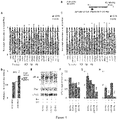
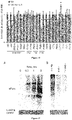
- PpGpp appears to act principally through the inhibition of chloroplast transcription to reduce the quantities of individual transcript available for translation, and also the total translational capacity of the chloroplast by reducing rRNA and tRNA transcript levels (Figure 4A, B) .
- These results are broadly in agreement with previous in vitro data and a recent study with the phytohormone ABA that suggested a link between RSH gene function and chloroplast gene transcription (Sato et al., 2009; Nomura et al., 2012; Yamburenko et al., 2015) [12, 13, 20].
- a less extensive study that lead to similar conclusions was also published during the final preparation of this manuscript (Maekawa et al., 2015) [40].
- ppGpp and RSH enzymes reveal new roles for ppGpp and RSH enzymes during plant growth and development. They first show an unexpected role for ppGpp in regulating chloroplast function during vegetative growth (Figure 5, 6) . Although small quantities of ppGpp have previously been detected in vegetative tissues (Takahashi et al., 2004; Ihara et al., 2015) [10, 11], ppGpp is usually thought to be involved in stress responses in plants, as it is in bacteria. However, they show that the antagonistic activity of RSH enzymes is required for maintaining ppGpp levels in vegetatively growing plants (Figure 5, 6) .
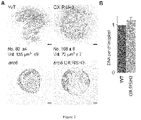
- ppGpp The resulting ppGpp pool appears to be involved in fine-tuning chloroplast gene expression and alteration of the pool by mutations (site-directed mutagenesis) in RSH genes or overexpression of the RSH1 hydrolase perturbs chloroplast transcription and can negatively affect plant growth (Figure 5, 6) . Growth may be affected by imbalances in chloroplast volume to cell volume ( Figure 6B ) as well as in the composition of protein complexes and metabolic pathways that involve proteins of nuclear and chloroplast origin. Indeed, the inventors show that one of the major functions of ppGpp is in regulating the stoichiometry of the chloroplast-encoded RC subunits with the nucleus-encoded LHCII subunits of the PSII complex. This suggests that PSII assembly may be coupled to the regulation of RSH function in an autoregulatory feedback loop within the chloroplast.
- Chloroplasts contain 70% of leaf nitrogen, mostly as photosynthetic proteins. During senescence chloroplasts reduce in size and activity and are then broken down as part of a tightly regulated process that remobilizes nutrients to the developing seeds (Lim et al., 2007; Pfannschmidt and Munné-Bosch, 2013) [58, 62].
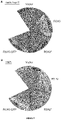
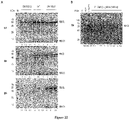
- ppGpp synthesis by RSH2, RSH3 and CRSH is constrained by the ppGpp hydrolase activity of RSH1, and is required for the timely initiation of senescence and for the breakdown of chlorophyll and RuBisCO ( Figure 7 ).
- RuBisCO which is the most abundant protein in the cell and alone accounts for 20% to 30% of total nitrogen (Feller et al., 2008) [65] is subject to a complex degradation pathway during senescence that involves intra-organellar degradation as well as the intervention of extra-plastidic pathways such as autophagy (Lim et al., 2007, Ishida et al., 2014) [58, 66].
- the retention of RuBisCO by plants lacking the RSH2/RSH3 ppGpp synthases or over-expressing the ppGpp hydrolase RSH1 is therefore remarkable, and indicates that ppGpp is specifically involved in the regulation of the progression of senescence, and is therefore a key player in nitrogen remobilization.
- RSH genes in the nucleus appears to govern the capacity of chloroplasts to synthesize ppGpp ( Figure 1 , Figure 18 ). Intriguingly, regulation of RSH expression may also modulate ppGpp homeostasis during the circadian period and in response to abiotic stress and phytohormones (Takahashi et al., 2004; Mizusawa et al., 2008; Yamburenko et al., 2015) [10, 17, 20].
- the C-terminal regions of bacterial RSH enzymes are involved in the regulation of enzyme activity (Potrykus and Cashel, 2008) [67].
- RSH enzymes are likely to be able to receive signals generated during chloroplast biogenesis, operation and differentiation.
- ppGpp levels could be rapidly modulated by changes in chloroplast status, for example in response to redox conditions, hormone signaling, temperature or changes in nutrient availability as occurs in bacteria.
- ppGpp signaling is likely to operate in a similar manner in all photosynthetic eukaryotes due to the broad conservation of both ppGpp targets and RSH genes (Atkinson et al., 2011) [8]. Indeed, ppGpp signaling may have been critical for taming the bacterial ancestor of the chloroplast by preventing its growth rate from outstripping the capacity of the eukaryotic host to provide nutrients.
- ppGpp signaling is not only linked to stress responses in plants but is also an important mediator of cooperation between the chloroplast and the nucleocytoplasmic compartment during plant growth and development.
- a photosynthetic eukaryote e.g. plant or algae
- trangenesis e.g. trangenesis
- gene-editing technologies can be used to alter the level of guanosine tetraphosphate (ppGpp) thereby altering nitrogen remobilization and/or senescence compared to that of a non-modified photosynthetic eukaryote, wherein said modified photosynthetic eukaryote (e.g. transgenic plant or algae) displays a delayed or accelerated nitrogen remobilization and/or senescence relative to a non-modified photosynthetic eukaryote.
- ppGpp guanosine tetraphosphate
- the disclosure also concerns a modified photosynthetic eukaryote (e.g. transgenic plant or algae) having a modified level of guanosine tetraphosphate (ppGpp) capable of altering nitrogen remobilization and/or senescence in a photosynthetic eukaryote, compared to that of a non-modified photosynthetic enkaryote ( e.g. non-transgenic plant or algae), wherein said modified photosynthetic eukaryote displays a delayed or accelerated nitrogen remobilization and/or senescence relative to a non-modified photosynthetic eukaryote.
- ppGpp guanosine tetraphosphate
- a "photosynthetic eukaryote” as used in the present invention is an eukaryote organism (i.e. an organism whose cells contain complex structures enclosed with membranes) which is able to perform photosynthesis (i.e . synthesis of glucose directly from carbon dioxide and water using energy from light) taking place in chloroplasts.
- photosynthetic eukaryote are plants and most algae.
- Senescence as used in the present invention is the organized process that eventually leads to the death of the whole or part of a photosynthetic organism. For example, during the progression of senescence, a plant reclaims and reallocates the valuable cellular building blocks that have been deposited in the leaves (and in particular the chloroplasts) and other parts of the plant during growth. Senescence can be induced by external factors (light flux, nutrient availability, water stress, temperature etc) as well as internal factors (such as by plant growth regulators: ethylene, abcissic acid, cytokinins, auxins etx) and during the course of development. Maintaining an efficient senescence process is essential for survival of an organism or its future generations.
- the modified photosynthetic enkaryote displaying delayed nitrogen remobilization and/or senescence is transformed with a nucleic acid molecule effective in reducing levels of ppGpp.
- said nucleic acid molecule encodes RSH1 or MESH hydrolase encoding respectively for RSH1 ppGpp hydrolase, MESH hydrolase, or comprises an antisense form of a nucleic acid molecule encoding RSH2 and/or RSH3 encoding respectively for RSH2 or RHS3 ppGpp synthase.
- the transgenic plant displaying accelerated nitrogen remobilization and/or senescence is transformed with a nucleic acid molecule effective in increasing levels of ppGpp.
- said acid nucleic molecule encodes RSH2, RSH3 and/or the bacterial RelA (SYN) encoding for RelA ppGpp synthase, or comprises an antisense form of a nucleic acid molecule encoding RSH1 or an RSH1 mutant.
- Another means for modifying levels of ppGpp in a photosynthetic eukaryote and obtaining a modified photosynthetic eukaryote comprise, for example, gene editing technologies to mutate RSH1 or RSH2/RSH3 in said photosynthetic eukaryote; using well-known methods from the art.
- the present invention also concerns a seed with altered nitrogen remobilization and/or senescence characteristics produced from the modified photosynthetic eukaryote of the present invention displaying an accelerated nitrogen remobilization and/or senescence, wherein said seed comprises the nucleic acid molecule.
- the present invention also concerns a seed with altered nitrogen remobilization and/or senescence characteristics, wherein said seed is transformed with a nucleic acid molecule effective in increasing levels of ppGpp.
- said nucleic acid molecule encodes RSH2, RSH3 and/or the bacterial RelA (SYN), or comprises an antisense form of a nucleic acid molecule encoding RSH1 or an RSH1 mutant.
- the present disclosure also concerns a method for delaying nitrogen remobilization and/or senescence in a photosynthetic eukaryote, said method comprising providing a photosynthetic eukaryote transformed with a nucleic acid molecule effective in reducing ppGpp levels.
- said nucleic acid molecule encodes RSH1 or MESH hydrolase, or comprises an antisense form of a nucleic acid molecule encoding RSH2 and/or RSH3.
- the present disclosure also concerns a method for accelerating nitrogen remobilization and/or senescence in a photosynthetic eukaryote, said method comprising providing a modified photosynthetic eukaryote transformed with a nucleic acid molecule effective in increasing levels of ppGpp.
- said acid nucleic molecule encodes RSH2, RSH3 and/or the bacterial RelA (SYN), or comprises an antisense form of a nucleic acid molecule encoding RSH1 or an RSH1 mutant.
- Another means for modifying levels of ppGpp in a photosynthetic eukaryote and obtaining a modified photosynthetic eukaryote comprise, for example, gene editing technologies to mutate RSH1 or RSH2/RSH3 in said photosynthetic eukaryote; using well-known methods from the art.
- the present disclosure also concerns a method for producing a modified photosynthetic eukaryote, e.g. transgenic plant or algae, with altered nitrogen remobilization and/or senescence characterictics which comprises transformation of said photosynthetic eukaryote with a DNA construct adapted to modify ppGpp homeostasis, and subsequent selection of said modified photosynthetic eukaryote in which the nitrogen remobilization and/or senescence is either delayed or accelerated.
- a modified photosynthetic eukaryote e.g. transgenic plant or algae
- altered nitrogen remobilization and/or senescence characterictics which comprises transformation of said photosynthetic eukaryote with a DNA construct adapted to modify ppGpp homeostasis, and subsequent selection of said modified photosynthetic eukaryote in which the nitrogen remobilization and/or senescence is either delayed or accelerated.
- the claimed method for producing a photosynthetic eukaryote with delayed nitrogen remobilization and/or senescence comprises transformation of said plant with a DNA construct encoding RSH1 or MESH hydrolase, or with an antisense form of a nucleic acid molecule encoding RSH2 and/or RSH3.
- the claimed method for producing a photosynthetic eukaryote with accelerated nitrogen remobilization and/or senescence comprises transformation of said plant with a DNA construct encoding RSH2, RSH3 and/or the bacterial RelA (SYN), or with an antisense form of a nucleic acid molecule encoding RSH1 or an RSH1 mutant.
- Another means for modifying levels of ppGpp in a photosynthetic eukaryote and obtaining a modified photosynthetic eukaryote comprise, for example, gene editing technologies to mutate RSH1 or RSH2/RSH3 in said photosynthetic eukaryote; using well-known methods from the art.
- EXEMPLE 1 MATERIAL AND METHODS
- Arabidopsis thaliana T-DNA insertion mutants were provided by the Signal Insertion Mutant Library ( http://signal.salk.edu/cgi-bin/tdnaexpress/ ) and were obtained via the Nottingham Arabidopsis Stock Centre ( http://nasc.life.nott.ac.uk/) ( Figure 14 ). Homozygous insertion mutants were isolated by PCR genotyping (see Table 1 for primers). Mutant lines were combined by crossing and confirmed by PCR genotyping. qRT-PCR was used to determine the accumulation of transcripts in the mutants ( Figure 14 ). The arc6 allele was the T-DNA insertion line SAIL_693_G04 (kindly provided by C. Laloi).
- the seeds for each line to be analyzed were harvested and bulked from multiple individual plants that had grown alongside all the other lines analyzed.
- For in vitro growth seeds were surface-sterilized with 75% ethanol, dried, plated onto Petri dishes containing growth medium (0.5X MS salts (Sigma-Aldrich, Saint-Quentin-Fallavier, France), 1% sucrose, 0.5 g/l MES, 0.4 % phytagel (Sigma-Aldrich), pH 5.7 KOH), and placed at 4°C for 2 days in the darkness for stratification.
- RSH1, RSH2, and RSH3 sequences were amplified from Arabidopsis genomic or cDNA using Phusion polymerase (New England Biolabs, Evry, France) (see Table 1 for primers).
- the PCR products were then introduced by Invitrogen BP GATEWAY recombination (Life Technologies, Saint Aubin, France) into pDONR207.
- the entry clones were confirmed by sequencing and recombined by Invitrogen LR GATEWAY recombination (Life Technologies) into pEarleyGate103 under the control of the constitutive 35S promoter and with C-terminal GFP tag (Earley et al., 2006) [21].
- the resulting constructs were transferred into Agrobacterium (strain GV3101) and used to transform wildtype plants by floral dipping. Transgenic plants were then selected by screening the resulting seeds for BASTA resistance. Lines stably expressing RSH genes across multiple generations were then identified by immunoblotting.
- the genomic RSH3 sequence including the 3' UTR, 5' UTR and 3.4 Kb of upstream sequence containing the promoter was amplified from Arabidopsis genomic DNA using Phusion polymerase (New England Biolabs).
- the PCR product was then introduced by Invitrogen BP GATEWAY recombination into pDONR207.
- the entry clone was confirmed by sequencing and recombined by Invitrogen LR GATEWAY recombination into pGGW6 (Field and Osbourn, 2008) [22] (kindly provided by Alan Herr).
- the resulting constructs were transferred into Agrobacterium (strain GV3101) and used to transform DM-23 plants by floral dipping.
- a fragment corresponding to amino acids 1-386 of RelA was amplified from E. coli K-12 MG1655 by PCR. Fragments of RelA that lack the C-terminus have constitutive ppGpp synthase activity in E . coli (Schreiber et al., 1991) [23].
- the RelA fragment was then fused by PCR to a genomic sequence coding for the 80 amino acid Rubisco small subunit 1A (RBCS1A) target peptide that is able to target chimeric proteins to the chloroplast (Lee et al., 2002) [24].
- the fused PCR product (SYN) was then introduced into pENTR/D-Topo (Life Technologies). The entry clone was confirmed by sequencing.
- ⁇ SYN was then created by using site directed mutagenesis to convert the codon encoding aspartate 275 of RelA to glycine, thereby inactivating the ppGpp synthase domain (Hogg et al., 2004) [25].
- SYN and ⁇ SYN were then recombined by Invitrogen LR GATEWAY recombination into the plant steroid inducible expression vector pOPOn2.1 (kindly provided by Ian Moore) (Craft et al., 2005) [26].
- the resulting constructs were transferred into Agrobacterium (strain GV3101) and used to transform wildtype plants by floral dipping to give SYN and ⁇ SYN inducible plants.
- the Drosophila melanogaster MESH1 was PCR amplified from cDNA clone IP06414 (provided by the Drosophila Genomics Resource Center).
- the MESH1 PCR fragment was fused by PCR to a genomic sequence coding for the RBCS1A target peptide and introduced into pENTR/D-Topo.
- the entry clone (MESH) was confirmed by sequencing.
- ⁇ MESH was created by using site directed mutagenesis to convert the codon encoding histidine 62 of MESH to phenylalanine, thereby inactivating the ppGpp hydrolase domain (Sun et al., 2010) [28].
- cytMESH was constructed as for MESH but without the Rubisco small subunit target peptide.
- the resulting clones were then recombined by Invitrogen LR GATEWAY recombination into the plant expression vector pOPOn2, transferred into Agrobacterium (strain GV3101) and used to transform wildtype plants by floral dipping to give inducible MESH, ⁇ MESH and cytMESH plants. Independent lines with stable inducible expression across multiple generations were selected.
- MESH and ⁇ MESH sequences were amplified from plasmids pENTR-MESH and pENTR- ⁇ MESH (see above).
- the DNA fragments were digested with EcoRI and Xhol enzymes and introduced into pBAD24 (Guzman et al., 1995) [30] opened with EcoRI and Sall enzymes.
- the mature RSH1, RSH2, RSH3 and CRSH coding sequences were amplified from Arabidopsis cDNA using Phusion polymerase (New England Biolabs), and the mature RSH1-GFP, RSH2-GFP and RSH3-GFP coding sequences were amplified from the pEarleyGate103 constructs described above for plant transformation or constructed by fusion PCR.
- PCR fragments were digested with Pcil and Pstl and introduced into pBAD24 opened with Ncol and PstI.
- Vectors encoding inactive forms of the enzymes were made by mutating essential residues in the synthase domains in RSH2 (D451G) and RSH3 (D452G), and the hydrolase domain in RSH1 (R166A) (Hogg et al., 2004) [25]. All the introduced sequences were confirmed by sequencing.
- RNA gels ( Figure 1D and Figure 2E) total RNA was denatured by heating at 70°C for 10 minutes in 47.5% formamide, 0.25 mM EDTA, and 0.0125% SDS before loading.
- ppGpp extraction was performed according to Ihara et al ., 2015 [11] with minor modifications. Approximately 100 mg of plant tissue was extracted in 3 ml 2M formic acid on ice. After 30 minutes 3 ml of 50 mM ammonium acetate pH 4.5 was added and the sample split into two portions to one of which was added 25 ⁇ l 500 nM ppGpp (Trilink, USA). Samples were then passed through prepared 1 ml Oasis WAX columns (Waters, Guyancourt, France), washed with 1 ml 50 mM ammonium acetate pH 4.5 and 1 ml MeOH, and eluted with 1 ml MeOH/H 2 0/NH 4 OH (20:70:10).
- the eluate was lyophilized, resuspended in 200 ⁇ l water and filtered through a NucleoSpin column (Machery and Nagel, Hoerdt, France). The eluate was then adjusted to 6% acetonitrile and 10 ⁇ l injected into an Acquity UPLC system (Waters) and separated on a Kinetex C18 (100 x 2,10 mm) with 2.6 ⁇ m particle size (Phenomenex, Le Pecq, France). Mass spectrometric detection was performed with a SYNAP G2S mass spectrometer (Waters) with the ESI ion source set to negative ion mode. ppGpp was detected in tof MRM mode.
- the mass of the chosen parent ion (601.95 m/z) was selected by the quadrupole, and fragmented in the collision cell to the target ion (158.95 m/z).
- the cone voltage was at 30V and the collision energy followed a power ramp from 15 to 40eV.
- Unbound biotin was removed by chloroform extraction using phase lock gel (5 Prime, Hilden, Germany) and the RNA was precipitated from the aqueous phase by adding 1/10 volume of 5 M NaCl and 1.1 volumes of isopropanol. Biotinylated RNA was then was separated from unlabelled RNA using streptavidin coated magnetic beads (New England Biolabs, Évry, France).75- 100 ⁇ g of biotinylated RNA was added to the beads and the solution incubated for 20 minutes at room temperature. The beads were washed three times with 1 ml of 65 °C washing buffer (1 M NaCl, 100 mM Tris-CI pH 7.4, 10 mM EDTA) and three times with 1 ml of room temperature washing buffer.
- a fraction highly enriched in whole chloroplasts was then extracted from the frozen tissue essentially as previously described by homogenization in homogenization buffer (10 mM tricine KOH pH 7.5, 0.4 M sucrose, 10 mM NaCl, 5 mM MgCl 2 , 100 mM ascorbate, 0.2 mM PMSF, 1 mM benzamidine, 5 mM aminocaproic acid, 1 mM lincomycin), filtration through a 30 ⁇ M mesh, and centrifugation (Pesaresi, 2011) [33]. Purified chloroplasts were then used directly for protein extraction and immunoblotting.
- Frozen plant powder or leaf discs were extracted with ice-cold 90% acetone saturated with sodium carbonate. The extract was adjusted to 80% acetone and the absorbance measured between 350 and 750 nm in a Varian Cary 300 spectrophotometer (Agilent, Les Ulis, France). Chlorophyll concentrations and chlorophyll a/b ratios were calculated using a fitting algorithm as described previously (Croce et al., 2002) [34].
- Proteins were extracted in 2X SDS sample buffer (100 mM Tris-HCI pH 6.8, 25 mM EDTA, 4% SDS, 20% glycerol) by heating at 85°C for 5 minutes. Protein concentration was measured using the BCA assay (Sigma-Aldrich). Proteins were then reduced with 5% betamercaptoethanol and equal quantities separated by SDS-PAGE and either stained with Coomassie Brilliant Blue or transferred onto nitrocellulose membranes according to the manufacturer's instructions (Bio-Rad, Marnes-La-Coquette, France). Transfer homogeneity was confirmed by Ponceau Red staining.
- the membrane was washed three times for 5 min in TBST and then incubated with horseradish peroxidase conjugated anti-mouse or anti-rabbit antibodies for 1 hr at room temperature. The membrane was then washed a further three times in TBST, developed using Immobilon ECL substrate (Millipore, Molsheim, France), and imaged with a Fusion FX7 imager (Vilber Lourmat, Collegien, France). For quantitative analysis bands or lanes from the raw 16-bit TIFF images were integrated using ImageJ analysis software (National Institutes of Health, USA).
- Protoplasts were made from leaves by digestion with cellulase and macerozyme (Yoo et al., 2007) [35], and examined in resuspension solution within 16 hours using a light microscope. Chloroplast volume was approximated to a hemisphere (2/3- ⁇ r 3 ) and the Feret diameter used calculate the radius. Average chloroplast volume was calculated for 300 chloroplasts for each sample within an experiment. This was then used to calculate total chloroplast volume in individual protoplasts. Chloroplast area was also analyzed in fixed cells as described previously (Pyke and Leech, 1991) [36].
- ppGpp synthase activity plasmids were transformed either into E. coli strain EB425 (MG1655 ⁇ relA ⁇ spoT) (Wahl et al., 2011) [37] and grown at 37 °C on plates of M9 minimal media without amino acids, or into E. coli strain EB421 (MG1655 ⁇ relA) (Wahl et al., 2011) [37] and grown at 37 °C on SMG media as described previously (Battesti and Bouveret, 2006) [38].
- ppGpp hydrolase activity plasmids were transformed into E. coli strain EB544 (MG1655 ⁇ relAspoT203) (My et al., 2013) [39]. Transformants could not be obtained for plasmids containing RSH2 or RSH3 presumably due to leaky expression and the accumulation of lethal levels of ppGpp.
- Precultures from independent colonies for each replicate were diluted in 150 ⁇ l LB containing ampicillin in a 96 well microplate, and growth was performed in a TECAN automated plate reader (TECAN, Lyon, France) at 37°C and optical density was measured at 600nm every 10 minutes.
- leaves were detached from 3-4 week old long day grown or 6-8 week old short day grown plants and placed together in individual Petri dishes with moistened filter paper. The Petri dishes were then wrapped in foil and placed in the dark at 18-22°C. Leaves were analyzed after 3-6 days. For analysis all the leaves from each plant were ground to a fine powder with liquid nitrogen before measurement of chlorophyll levels. At least three plants were analyzed per line and per treatment.
- Sample sizes were chosen to identify the smallest effect size that was practically obtainable.
- the two-way Student t-test was used to compare control samples with treatment samples.
- ANOVA was used to compare multiple sample means, with the Dunnett test post hoc.
- samples with non-normal distributions Jarque-Bara test
- the non-parametric Kruskal-Wallis test was used with the Dunn test post hoc.
- EXEMPLE 2 ppGpp CONTROLS GLOBAL CHLOROPLAST FUNCTION
- RSH2 and RSH3 are likely to function as the major ppGpp synthases in Arabidopsis because they possess conserved ppGpp synthase domains, and are the most highly expressed of the RSH enzymes (Mizusawa et al., 2008) [17].
- RSH2 and RSH3 also share 90% amino acid similarity and belong to the same RSH family (Atkinson et al., 2011) [8] ( Figure 8 ). Therefore, as a first step towards understanding the role of ppGpp in Arabidopsis we created plants overexpressing RSH2 and RSH3 with the addition of a C-terminal GFP tag.
- the photosynthetic parameters of the overexpressers were determined using chlorophyll fluorescence analysis.
- ppGpp In bacteria many of the principal physiological effects of ppGpp are caused by the inhibition of transcription which can occur by at least two distinct mechanisms (Dalebroux and Swanson, 2012) [6]. In E . coli ppGpp directly interacts with the RNA polymerase in cooperation with the transcription factor DskA to alter promoter selection. Transcription from rRNA genes is subject to particulary strong inhibition in the presence of ppGpp.
- ppGpp guanylate kinase
- Chloroplasts also contain an alternative Nucleus-Encoded Polymerase (NEP), which plays a minor role in green tissues, and which is not inhibited by ppGpp.
- NEP Nucleus-Encoded Polymerase
- a recent study also provides support for a B. subtilis like mechanism by showing that recombinant chloroplastic GK enzymes from rice and Arabidopsis are as sensitive to inhibition by ppGpp in vitro as the Bacillus subtilis GK with IC50s of around 30 ⁇ M (Nomura et al., 2014) [14].
- transcript levels were also reduced for genes that are thought to be exclusively or significantly transcribed by NEP in green tissues such as RPS18, RPOA, RPOB, PETB, YCF1, YCF2 and ACCD (Borner et al., 2015) [46].
- ppGpp levels are somewhat lower and at equilibrium, there was also a significant reduction in the accumulation of chloroplast transcripts ( Figure 12 ).
- the reduction in transcript accumulation was limited to a subset of PEP dependent genes, and NEP dependent genes were not significantly affected. This may suggest that ppGpp levels are not sufficient for the effects seen in SYN plants, or that constitutive accumulation of ppGpp can lead to the activation of compensatory mechanisms.
- ppGpp specifically downregulates transcription under in vivo conditions
- 4-thio uridine (4SU) 4-thio uridine
- RNA was then isolated and the quantity of newly synthesized chloroplast transcripts from SYN and ⁇ SYN plants was analyzed by qRT-PCR using nucleus-encoded reference genes ( Figure 4B ). Consistent with ppGpp-mediated transcriptional downregulation we found that the quantity of newly synthesized RNA was significantly lower in SYN plants for the majority of those genes that are principally transcribed by PEP ( Figure 4C ). In contrast, we found that SYN induction had significantly less effect on the transcription of genes that are principally transcribed by NEP ( Figure 4D ). This would suggest that the accumulation of certain transcripts may also be regulated post-transcriptionally.
- GTP is the initiating nucleotide for the principal P1 and minor PC promoters of the chloroplast rRNA operon containing the 16S and 23S rRNAs in Arabidopsis and this phenomenon is widespread in other plants including the monocots (Suzuki et al., 2003, Swiatecka-Hagenbruch et al., 2007) [51, 52].
- ppGpp directly inhibits translation through interaction with translation initiation and elongation factors (Dalebroux and Swanson, 2012) [6]. Chloroplasts contain a bacterial-like translation machinery, and ppGpp has also been shown to inhibit chloroplast translation in in vitro assays (Nomura et al., 2012) [13]. We therefore tested whether ppGpp directly represses chloroplast translation in vivo in SYN plants. Despite the inhibition of transcription by ppGpp there is only a small reduction in rRNA levels 24 hours after SYN induction, and thus a near wild type translational capacity should be present ( Figure 3E and 4A ).
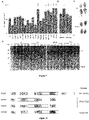
- rsh1-1, rsh2-1, rsh3-1 and crsh-1 We therefore isolated single insertion mutants for each RSH1, RSH2, RSH3 and CRSH (referred to here as rsh1-1, rsh2-1, rsh3-1 and crsh-1) ( Figure 14A ).
- the TDNA insertions in rsh1-1, rsh2-1 and rsh3-1 are upstream of the regions encoding the ppGpp metabolizing domains and result in a complete loss of mature mRNA.
- We could also detect no or little ectopic transcription in the regions downstream of the TDNA insertions ( Figure 14B ).
- the TDNA insertion in crsh-1 is downstream of the regions encoding the ppGpp metabolizing domains, and there is only a partial reduction in mature CRSH transcript levels.
- a low F0 is consistent with low ppGpp levels: a reduction in ppGpp would be expected to derepress plastid gene expression and thus increase the proportion of chloroplast-encoded PSII RC subunits relative to nucleus-encoded LHCII. Higher proportions of PSII RC are known to increase the efficiency of excitation transfer to photochemistry, and therefore to directly diminish the proportion of excitation energy that is released as fluorescence (Engelmann et al., 2005) [54]. Interestingly, we found that rsh1-1 has a higher F0 than the wildtype, a similar phenotype to SYN and OX:RSH3 plants that over-accumulate ppGpp.
- RSH1 lacks a functional ppGpp synthase domain and has a conserved ppGpp hydrolase domain, although ppGpp hydrolysis activity has not previously been demonstrated ( Figure 8 ) (Mizusawa et al., 2008) [17].
- the fluorescence data therefore supports the idea that RSH1 may act as a ppGpp hydrolase, and that loss of RSH1 in rsh1-1 results in greater ppGpp accumulation and the consequent repression of PSII RC expression.
- the rsh1-1 mutant phenotype is epistatic to mutations in the ppGpp synthases.
- EXAMPLE 8 CHLOROPLAST FUNCTION AND VEGETATIVE GROWTH ARE AFFECTED IN RSH MUTANTS
- ppGpp acts on chloroplast transcription during vegetative growth we might expect to see alterations in the ratio between chloroplast-encoded and nuclear-encoded transcripts for chloroplast complexes and pathways in plants with lower ppGpp levels.
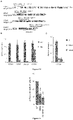
- transcripts including those for chloroplast and cytosolic ribosomal RNA ( 16S / 18S, 23S / 18S ), the arginine tRNA TRNR and RPL21C that encodes a subunit of the chloroplast ribosome, transcripts encoding the RC and LHC subunits of PSI and PSII ( PSAB / LHCA1, PSBA / LHCB11, and PSBA / LHCB22 ), transcripts encoding the small and large subunits of RuBisCO ( RBCL / RBCS ), and transcripts encoding the acetyl-CoA carboxylase ⁇ subunit and malonyl/acetyltransferase of fatty acid biosynthesis ( ACCD / MAT ) ( Figure 6A ).
- TRNR was robust as it could also be observed when normalized against nuclear-encoded reference genes ( Figure 16A ).
- TRNR was also the most affected transcript in SYN lines at the steady-state and transcription levels ( Figure 4A, B) .
- ppGpp hydrolase RSH1 acts antagonistically with the ppGpp synthase activities of RSH2, RSH3 and CRSH to control ppGpp levels during vegetative growth.
- the differences in F0 and steady state chloroplast transcript ratios in the different RSH mutants suggest that the small quantities of ppGpp found in growing plants are sufficient to regulate the expression of at least a subset of chloroplast genes and consequently to alter the stoichiometry of nucleus and chloroplast-encoded proteins within the PSII supercomplex and other chloroplast complexes.
- the presence of functional ppGpp synthases and hydrolases is also important for controlling chloroplast volume per cell as well as vegetative growth.
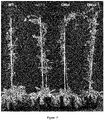
- ppGpp accumulation alone is not sufficient to trigger senescence because OX:RSH3 plants and induced SYN plants do not show obvious senescence symptoms in vegetative tissues ( Figure 1A ), although they do show accelerated senescence during the seed filling stage.
- the induced senescence phenotypes of the RSH mutants are also relevant during natural plant growth. We saw differences in natural senescence in plants grown under long day conditions that became very strong under short days conditions ( Figure 17 ). QMaii plants were particularly striking because rather than becoming pale old leaves crumpled and died while still green ( Figure 20 ). A similar phenotype was also observed in OX:RSH1.10 plants.
- RuBisCO retention in these lines can be directly linked to ppGpp levels because overexpression of RSH3 accelerated and overexpression of RSH1 greatly slowed the degradation of RuBisCO during the dark-induced senescence assay ( Figure 22A ).
- the retention of RuBisCO in DM-23 could also be reversed by complementation with RSH3 indicating that during senescence RSH2 and RSH3 are redundant for RuBisCO degradation as they are for chlorophyll degradation ( Figure 22B ).
Landscapes
- Health & Medical Sciences (AREA)
- Genetics & Genomics (AREA)
- Life Sciences & Earth Sciences (AREA)
- Engineering & Computer Science (AREA)
- Zoology (AREA)
- Wood Science & Technology (AREA)
- Organic Chemistry (AREA)
- Biomedical Technology (AREA)
- Chemical & Material Sciences (AREA)
- Biotechnology (AREA)
- General Engineering & Computer Science (AREA)
- Bioinformatics & Cheminformatics (AREA)
- Molecular Biology (AREA)
- Microbiology (AREA)
- Physics & Mathematics (AREA)
- Plant Pathology (AREA)
- Biophysics (AREA)
- Biochemistry (AREA)
- General Health & Medical Sciences (AREA)
- Cell Biology (AREA)
- Physiology (AREA)
- Peptides Or Proteins (AREA)
- Breeding Of Plants And Reproduction By Means Of Culturing (AREA)
Claims (11)
- Verfahren zum Verzögern oder Beschleunigen von Stickstoffremobilisierung und/oder Seneszenz in einem photosynthetischen Eukaryoten, umfassend das Bereitstellen eines genetisch modifizierten photosynthetischen Eukaryoten, gewonnen durch Transgenese oder ortsgerichtete Mutagenese von RSH-, MESH- und/oder RelA (SYN)-Genen, jeweils für RSH1 ppGpp-Hydrolase, RSH2 oder RHS3 ppGpp-Synthase, MESH-Hydrolase und/oder RelA ppGpp-Synthase codierend, einen modifizierten Spiegel von Guanosintetraphosphat (ppGpp) aufweisend, der in der Lage ist, Stickstoffremobilisierung zu verändern und/oder in einem photosynthetischen Eukaryoten Seneszenz zu verursachen, verglichen mit demjenigen in einem nicht-modifizierten photosynthetischen Eukaryoten, wobei der modifizierte photosynthetische Eukaryot eine verzögerte oder beschleunigte Stickstoffremobilisierung und/oder Seneszenz aufweist im Verhältnis zu einem nicht-modifizierten photosynthetischen Eukaryoten.
- Verfahren nach Anspruch 1, wobei Mutation durch Genveränderungstechnologien erreicht wird.
- Verfahren nach Anspruch 1 zum Verzögern von Stickstoffremobilisierung und/oder Seneszenz in einem photosynthetischen Eukaryoten, wobei der photosynthetische Eukaryot, der eine verzögerte Stickstoffremobilisierung und/oder Seneszenz aufweist, mit einem Nukleinsäuremodul transformiert wird, das wirksam ist zum Reduzieren der ppGpp-Spiegel, das RSH1 und/oder MESH-Hydrolase codiert oder eine Antisenseform eines Nukleinsäuremoleküls umfasst, das für RSH2-und/oder RSH3-Synthase codiert.
- Verfahren nach Anspruch 1 zum Verzögern oder Beschleunigen von Stickstoffremobilisierung und/oder Seneszenz in einem photosynthetischen Eukaryoten, wobei der modifizierte photosynthetische Eukaryot, der eine beschleunigte Stickstoffremobilisierung und/oder Seneszenz aufweist, mit einem Nukleinsäuremolekül transformiert wird, das wirksam ist zum Erhöhen der Expression von ppGpp, das RSH2-, RSH3- und/oder die bakterielle RelA (SYN)-Synthase codiert, oder eine Antisenseform eines Nukleinsäuremolekül umfasst, das RSH1-Hydrolase oder eine RSH1-Mutante codiert.
- Modifizierter photosynthetischer Eukaryot, mit einem modifizierten Spiegel von Guanosintetraphosphat (ppGpp), der in der Lage ist, Stickstoffremobilisierung zu verändern und/oder in einem photosynthetischen Eukaryoten Seneszenz zu verursachen, verglichen mit dem eines nicht-modifizierten photosynthetischen Eukaryoten des gleichen Typs und gezüchtet unter den selben Bedingungen wie der modifizierte photosynthetische Organismus, wobei der genetisch modifizierte photosynthetische Eukaryot, der durch Transgenese von MESH und/oder RRelA (SYN)-Genen gewonnen wurde, die jeweils für MESH-ppGpp-Hydrolase und/oder RelA ppGpp-Synthase oder Mutation von RSH1 codiert, eine verzögerte oder beschleunigte Stickstoffremobilisierung und/oder Seneszenz relativ zu einem nicht modifizierten photosynthetischen Eukaryoten aufweist.
- Modifizierter photosynthetischer Eukaryot nach Anspruch 5, wobei der modifizierte photosynthetische Eukaryot, der eine verzögerte Stickstoffremobilisierung und/oder Seneszenz aufweist, mit einem Nukleinsäuremodul transformiert wird, das wirksam ist beim Reduzieren von ppGpp-Spiegeln, das MESH-Hydrolase codiert.
- Modifizierter photosynthetischer Eukaryot nach Anspruch 5, wobei der modifizierte photosynthetische Eukaryot, der eine beschleunigte Stickstoffremobilisierung und/oder Seneszenz anzeigt, mit einem Nukleinsäuremodul transformiert wird, das wirksam ist beim Erhöhen des ppGpp-Spiegels ist, das die bakterielle RelA (SYN)-Synthase codiert, oder eine RSH1-Mutante umfasst.
- Samen mit modifizierten Seneszenzseigenschaften, produziert aus dem genetisch modifizierten photosynthetischen Eukaryoten gemäß entweder einer der Ansprüche 5 oder 6, wobei der Samen ein Nukleinsäuremolekül umfasst, das MESH-Hydrolase codiert oder das Nukleinsäuremolekül, das bakterielle RelA (SYN)-Synthase codiert.
- Samen mit modifizierten Seneszenzseigenschaften, produziert aus dem genetisch modifizierten photosynthetischen Eukaryoten gemäß entweder einem der Ansprüche 5 oder 6, wobei der Samen eine RSH1-Mutante umfasst.
- Verfahren zum Herstellen eines photosynthetischen Eukaryoten mit modifizierten Stickstoffremobilisierungs- und/oder Seneszenzseigenschaften, der die Transformation eines photosynthetischen Eukaryoten mit einem DNA-Konstrukt umfasst, das darauf ausgelegt ist, ppGpp-Homöostase zu modifizieren, und nachfolgendes Auswählen des modifizierten photosynthetischen Eukaryoten, in dem die Seneszenz entweder verzögert oder beschleunigt wird, wobei das DNA-Konstrukt aus der Gruppe ausgewählt ist bestehend aus:- einem Nukleinsäuremolekül, das MESH-Hydrolase zum Herstellen eines photosynthetischen Eukaryoten mit verzögertem Stickstoff und/oder Seneszenz codiert, oder- einem Nukleinsäuremolekül, das die bakterielle RelA (SYN)-Synthase codiert zum Herstellen eines photosynthetischen Eukaryoten mit beschleunigten Stickstoffremobilisierungs- und/oder Seneszenzseigenschaften.
- Verfahren zum Herstellen eines photosynthetischen Eukaryoten mit modifizierten Stickstoffremobilisierungs- und/oder Seneszenzseigenschaften, der die Mutation von RSH1 eines photosynthetischen Eukaryoten umfasst, um die ppGpp-Homöostase zu modifizieren, insbesondere durch Genveränderungstechnologien, und nachfolgendes Auswählen des modifizierten photosynthetischen Eukaryoten, in dem die Seneszenz entweder verzögert oder beschleunigt wird.
Applications Claiming Priority (2)
| Application Number | Priority Date | Filing Date | Title |
|---|---|---|---|
| US201662292580P | 2016-02-08 | 2016-02-08 | |
| PCT/EP2017/052600 WO2017137374A1 (en) | 2016-02-08 | 2017-02-07 | Improvement of photosynthetic organisms through the modulation of guanosine tetraphosphate homeostatis |
Publications (2)
| Publication Number | Publication Date |
|---|---|
| EP3414332A1 EP3414332A1 (de) | 2018-12-19 |
| EP3414332B1 true EP3414332B1 (de) | 2022-06-29 |
Family
ID=58108580
Family Applications (1)
| Application Number | Title | Priority Date | Filing Date |
|---|---|---|---|
| EP17706701.4A Active EP3414332B1 (de) | 2016-02-08 | 2017-02-07 | Verbesserung von photosynthetischen organismen durch modulation der guanosin-diadenosintetraphosphat-homeostase |
Country Status (3)
| Country | Link |
|---|---|
| US (1) | US11104913B2 (de) |
| EP (1) | EP3414332B1 (de) |
| WO (1) | WO2017137374A1 (de) |
Families Citing this family (3)
| Publication number | Priority date | Publication date | Assignee | Title |
|---|---|---|---|---|
| CN112708603B (zh) * | 2021-01-28 | 2022-06-14 | 中国科学院遗传与发育生物学研究所 | 水稻are2基因在植物氮代谢调控中的应用 |
| CN114324540B (zh) * | 2021-11-09 | 2023-12-26 | 天津商业大学 | 一种鸟苷四磷酸电化学型纳米酶传感器及其制备方法 |
| PL443288A1 (pl) * | 2022-12-28 | 2023-07-17 | Uniwersytet Mikołaja Kopernika W Toruniu | Sposób oceny jakości nasion, zwłaszcza pomidora |
Family Cites Families (3)
| Publication number | Priority date | Publication date | Assignee | Title |
|---|---|---|---|---|
| GB9917109D0 (en) * | 1999-07-21 | 1999-09-22 | Plant Bioscience Ltd | Plant genes |
| EP2048939A4 (de) * | 2006-08-17 | 2010-04-28 | Monsanto Technology Llc | Transgene pflanzen mit erweiterten agronomischen merkmalen |
| US9322029B2 (en) * | 2010-09-22 | 2016-04-26 | British American Tobacco (Investments) Limited | Transgenic plants with reduced nitrate content |
-
2017
- 2017-02-07 EP EP17706701.4A patent/EP3414332B1/de active Active
- 2017-02-07 US US16/076,303 patent/US11104913B2/en active Active
- 2017-02-07 WO PCT/EP2017/052600 patent/WO2017137374A1/en not_active Ceased
Also Published As
| Publication number | Publication date |
|---|---|
| US11104913B2 (en) | 2021-08-31 |
| WO2017137374A1 (en) | 2017-08-17 |
| US20190169630A1 (en) | 2019-06-06 |
| EP3414332A1 (de) | 2018-12-19 |
Similar Documents
| Publication | Publication Date | Title |
|---|---|---|
| Sugliani et al. | An ancient bacterial signaling pathway regulates chloroplast function to influence growth and development in Arabidopsis | |
| Trovato et al. | Proline metabolism and its functions in development and stress tolerance | |
| Wang et al. | NF‐Y plays essential roles in flavonoid biosynthesis by modulating histone modifications in tomato | |
| Ren et al. | Target of rapamycin signaling regulates metabolism, growth, and life span in Arabidopsis | |
| Hao et al. | The nuclear-localized PPR protein OsNPPR1 is important for mitochondrial function and endosperm development in rice | |
| Funck et al. | Ornithine-δ-aminotransferase is essential for arginine catabolism but not for proline biosynthesis | |
| Wang et al. | UGT87A2, an Arabidopsis glycosyltransferase, regulates flowering time via FLOWERING LOCUS C | |
| Zuo et al. | Dek42 encodes an RNA‐binding protein that affects alternative pre‐mRNA splicing and maize kernel development | |
| Thangasamy et al. | Rice SIZ1, a SUMO E3 ligase, controls spikelet fertility through regulation of anther dehiscence | |
| WO2015023639A2 (en) | Transgenic plants and a transient transformation system for genome-wide transcription factor target discovery | |
| US11535855B2 (en) | Nitrogen responsive transcription factors in plants | |
| CN101652480A (zh) | 具有提高的胁迫耐受性和产量的转基因植物 | |
| CN106232818A (zh) | 改良植株 | |
| CN103080315A (zh) | 用于改进植物的农艺学性状的udp-葡萄糖-4-差向异构酶 | |
| US20250223573A1 (en) | Methods of altering seed weight and seed oil content by manipulating alpha-carboxyl-transferase (a-ct) activity via carboxyl-transferase interaction (cti) protein expression | |
| EP3414332B1 (de) | Verbesserung von photosynthetischen organismen durch modulation der guanosin-diadenosintetraphosphat-homeostase | |
| US10385356B1 (en) | Nitrogen uptake in plants | |
| WO2015095186A2 (en) | Nitrogen use efficiency in plants | |
| AU2014336957B2 (en) | Method for modulating plant growth | |
| McGuire et al. | The first intron and promoter of Arabidopsis DIACYLGLYCEROL ACYLTRANSFERASE 1 exert synergistic effects on pollen and embryo lipid accumulation | |
| US20170306346A1 (en) | Improved agronomic characteristics under water limiting conditions for plants expressing pub10 polypeptides | |
| WO2004081204A1 (ja) | 細胞増殖、発生分化が改変された植物細胞及び植物体 | |
| US20160108416A1 (en) | Atsp1, an e3 ubiquitin ligase, and its use | |
| WO2015113118A1 (en) | Yield promoter to increase sucrose and sucrose derivatives in plants | |
| Hui et al. | BnaC04. bZIP16 can be phosphorylated and inhibited by BnaA06. SnRK2 and negatively regulates the accumulation of fatty acids in Brassica napus |
Legal Events
| Date | Code | Title | Description |
|---|---|---|---|
| STAA | Information on the status of an ep patent application or granted ep patent |
Free format text: STATUS: UNKNOWN |
|
| STAA | Information on the status of an ep patent application or granted ep patent |
Free format text: STATUS: THE INTERNATIONAL PUBLICATION HAS BEEN MADE |
|
| PUAI | Public reference made under article 153(3) epc to a published international application that has entered the european phase |
Free format text: ORIGINAL CODE: 0009012 |
|
| STAA | Information on the status of an ep patent application or granted ep patent |
Free format text: STATUS: REQUEST FOR EXAMINATION WAS MADE |
|
| 17P | Request for examination filed |
Effective date: 20180907 |
|
| AK | Designated contracting states |
Kind code of ref document: A1 Designated state(s): AL AT BE BG CH CY CZ DE DK EE ES FI FR GB GR HR HU IE IS IT LI LT LU LV MC MK MT NL NO PL PT RO RS SE SI SK SM TR |
|
| AX | Request for extension of the european patent |
Extension state: BA ME |
|
| RIN1 | Information on inventor provided before grant (corrected) |
Inventor name: FIELD, BENJAMIN Inventor name: SUGLIANI, MATTEO Inventor name: ROBAGLIA, CHRISTOPHE Inventor name: ABDELKEFI, HELA |
|
| DAV | Request for validation of the european patent (deleted) | ||
| DAX | Request for extension of the european patent (deleted) | ||
| STAA | Information on the status of an ep patent application or granted ep patent |
Free format text: STATUS: EXAMINATION IS IN PROGRESS |
|
| 17Q | First examination report despatched |
Effective date: 20191104 |
|
| GRAP | Despatch of communication of intention to grant a patent |
Free format text: ORIGINAL CODE: EPIDOSNIGR1 |
|
| STAA | Information on the status of an ep patent application or granted ep patent |
Free format text: STATUS: GRANT OF PATENT IS INTENDED |
|
| INTG | Intention to grant announced |
Effective date: 20220131 |
|
| GRAS | Grant fee paid |
Free format text: ORIGINAL CODE: EPIDOSNIGR3 |
|
| GRAA | (expected) grant |
Free format text: ORIGINAL CODE: 0009210 |
|
| STAA | Information on the status of an ep patent application or granted ep patent |
Free format text: STATUS: THE PATENT HAS BEEN GRANTED |
|
| AK | Designated contracting states |
Kind code of ref document: B1 Designated state(s): AL AT BE BG CH CY CZ DE DK EE ES FI FR GB GR HR HU IE IS IT LI LT LU LV MC MK MT NL NO PL PT RO RS SE SI SK SM TR |
|
| REG | Reference to a national code |
Ref country code: CH Ref legal event code: EP |
|
| REG | Reference to a national code |
Ref country code: AT Ref legal event code: REF Ref document number: 1501381 Country of ref document: AT Kind code of ref document: T Effective date: 20220715 |
|
| REG | Reference to a national code |
Ref country code: IE Ref legal event code: FG4D |
|
| REG | Reference to a national code |
Ref country code: DE Ref legal event code: R096 Ref document number: 602017058972 Country of ref document: DE |
|
| REG | Reference to a national code |
Ref country code: NL Ref legal event code: FP |
|
| REG | Reference to a national code |
Ref country code: LT Ref legal event code: MG9D |
|
| PG25 | Lapsed in a contracting state [announced via postgrant information from national office to epo] |
Ref country code: SE Free format text: LAPSE BECAUSE OF FAILURE TO SUBMIT A TRANSLATION OF THE DESCRIPTION OR TO PAY THE FEE WITHIN THE PRESCRIBED TIME-LIMIT Effective date: 20220629 Ref country code: NO Free format text: LAPSE BECAUSE OF FAILURE TO SUBMIT A TRANSLATION OF THE DESCRIPTION OR TO PAY THE FEE WITHIN THE PRESCRIBED TIME-LIMIT Effective date: 20220929 Ref country code: LT Free format text: LAPSE BECAUSE OF FAILURE TO SUBMIT A TRANSLATION OF THE DESCRIPTION OR TO PAY THE FEE WITHIN THE PRESCRIBED TIME-LIMIT Effective date: 20220629 Ref country code: HR Free format text: LAPSE BECAUSE OF FAILURE TO SUBMIT A TRANSLATION OF THE DESCRIPTION OR TO PAY THE FEE WITHIN THE PRESCRIBED TIME-LIMIT Effective date: 20220629 Ref country code: GR Free format text: LAPSE BECAUSE OF FAILURE TO SUBMIT A TRANSLATION OF THE DESCRIPTION OR TO PAY THE FEE WITHIN THE PRESCRIBED TIME-LIMIT Effective date: 20220930 Ref country code: FI Free format text: LAPSE BECAUSE OF FAILURE TO SUBMIT A TRANSLATION OF THE DESCRIPTION OR TO PAY THE FEE WITHIN THE PRESCRIBED TIME-LIMIT Effective date: 20220629 Ref country code: BG Free format text: LAPSE BECAUSE OF FAILURE TO SUBMIT A TRANSLATION OF THE DESCRIPTION OR TO PAY THE FEE WITHIN THE PRESCRIBED TIME-LIMIT Effective date: 20220929 |
|
| REG | Reference to a national code |
Ref country code: AT Ref legal event code: MK05 Ref document number: 1501381 Country of ref document: AT Kind code of ref document: T Effective date: 20220629 |
|
| PG25 | Lapsed in a contracting state [announced via postgrant information from national office to epo] |
Ref country code: RS Free format text: LAPSE BECAUSE OF FAILURE TO SUBMIT A TRANSLATION OF THE DESCRIPTION OR TO PAY THE FEE WITHIN THE PRESCRIBED TIME-LIMIT Effective date: 20220629 Ref country code: LV Free format text: LAPSE BECAUSE OF FAILURE TO SUBMIT A TRANSLATION OF THE DESCRIPTION OR TO PAY THE FEE WITHIN THE PRESCRIBED TIME-LIMIT Effective date: 20220629 |
|
| PG25 | Lapsed in a contracting state [announced via postgrant information from national office to epo] |
Ref country code: SM Free format text: LAPSE BECAUSE OF FAILURE TO SUBMIT A TRANSLATION OF THE DESCRIPTION OR TO PAY THE FEE WITHIN THE PRESCRIBED TIME-LIMIT Effective date: 20220629 Ref country code: SK Free format text: LAPSE BECAUSE OF FAILURE TO SUBMIT A TRANSLATION OF THE DESCRIPTION OR TO PAY THE FEE WITHIN THE PRESCRIBED TIME-LIMIT Effective date: 20220629 Ref country code: RO Free format text: LAPSE BECAUSE OF FAILURE TO SUBMIT A TRANSLATION OF THE DESCRIPTION OR TO PAY THE FEE WITHIN THE PRESCRIBED TIME-LIMIT Effective date: 20220629 Ref country code: PT Free format text: LAPSE BECAUSE OF FAILURE TO SUBMIT A TRANSLATION OF THE DESCRIPTION OR TO PAY THE FEE WITHIN THE PRESCRIBED TIME-LIMIT Effective date: 20221031 Ref country code: ES Free format text: LAPSE BECAUSE OF FAILURE TO SUBMIT A TRANSLATION OF THE DESCRIPTION OR TO PAY THE FEE WITHIN THE PRESCRIBED TIME-LIMIT Effective date: 20220629 Ref country code: EE Free format text: LAPSE BECAUSE OF FAILURE TO SUBMIT A TRANSLATION OF THE DESCRIPTION OR TO PAY THE FEE WITHIN THE PRESCRIBED TIME-LIMIT Effective date: 20220629 Ref country code: AT Free format text: LAPSE BECAUSE OF FAILURE TO SUBMIT A TRANSLATION OF THE DESCRIPTION OR TO PAY THE FEE WITHIN THE PRESCRIBED TIME-LIMIT Effective date: 20220629 |
|
| PG25 | Lapsed in a contracting state [announced via postgrant information from national office to epo] |
Ref country code: PL Free format text: LAPSE BECAUSE OF FAILURE TO SUBMIT A TRANSLATION OF THE DESCRIPTION OR TO PAY THE FEE WITHIN THE PRESCRIBED TIME-LIMIT Effective date: 20220629 Ref country code: IS Free format text: LAPSE BECAUSE OF FAILURE TO SUBMIT A TRANSLATION OF THE DESCRIPTION OR TO PAY THE FEE WITHIN THE PRESCRIBED TIME-LIMIT Effective date: 20221029 |
|
| REG | Reference to a national code |
Ref country code: DE Ref legal event code: R097 Ref document number: 602017058972 Country of ref document: DE |
|
| PG25 | Lapsed in a contracting state [announced via postgrant information from national office to epo] |
Ref country code: AL Free format text: LAPSE BECAUSE OF FAILURE TO SUBMIT A TRANSLATION OF THE DESCRIPTION OR TO PAY THE FEE WITHIN THE PRESCRIBED TIME-LIMIT Effective date: 20220629 |
|
| PG25 | Lapsed in a contracting state [announced via postgrant information from national office to epo] |
Ref country code: DK Free format text: LAPSE BECAUSE OF FAILURE TO SUBMIT A TRANSLATION OF THE DESCRIPTION OR TO PAY THE FEE WITHIN THE PRESCRIBED TIME-LIMIT Effective date: 20220629 Ref country code: CZ Free format text: LAPSE BECAUSE OF FAILURE TO SUBMIT A TRANSLATION OF THE DESCRIPTION OR TO PAY THE FEE WITHIN THE PRESCRIBED TIME-LIMIT Effective date: 20220629 |
|
| PLBE | No opposition filed within time limit |
Free format text: ORIGINAL CODE: 0009261 |
|
| STAA | Information on the status of an ep patent application or granted ep patent |
Free format text: STATUS: NO OPPOSITION FILED WITHIN TIME LIMIT |
|
| 26N | No opposition filed |
Effective date: 20230330 |
|
| PG25 | Lapsed in a contracting state [announced via postgrant information from national office to epo] |
Ref country code: SI Free format text: LAPSE BECAUSE OF FAILURE TO SUBMIT A TRANSLATION OF THE DESCRIPTION OR TO PAY THE FEE WITHIN THE PRESCRIBED TIME-LIMIT Effective date: 20220629 |
|
| PG25 | Lapsed in a contracting state [announced via postgrant information from national office to epo] |
Ref country code: MC Free format text: LAPSE BECAUSE OF FAILURE TO SUBMIT A TRANSLATION OF THE DESCRIPTION OR TO PAY THE FEE WITHIN THE PRESCRIBED TIME-LIMIT Effective date: 20220629 |
|
| REG | Reference to a national code |
Ref country code: CH Ref legal event code: PL |
|
| REG | Reference to a national code |
Ref country code: BE Ref legal event code: MM Effective date: 20230228 |
|
| PG25 | Lapsed in a contracting state [announced via postgrant information from national office to epo] |
Ref country code: LU Free format text: LAPSE BECAUSE OF NON-PAYMENT OF DUE FEES Effective date: 20230207 Ref country code: LI Free format text: LAPSE BECAUSE OF NON-PAYMENT OF DUE FEES Effective date: 20230228 Ref country code: CH Free format text: LAPSE BECAUSE OF NON-PAYMENT OF DUE FEES Effective date: 20230228 |
|
| REG | Reference to a national code |
Ref country code: IE Ref legal event code: MM4A |
|
| PG25 | Lapsed in a contracting state [announced via postgrant information from national office to epo] |
Ref country code: IT Free format text: LAPSE BECAUSE OF FAILURE TO SUBMIT A TRANSLATION OF THE DESCRIPTION OR TO PAY THE FEE WITHIN THE PRESCRIBED TIME-LIMIT Effective date: 20220629 Ref country code: IE Free format text: LAPSE BECAUSE OF NON-PAYMENT OF DUE FEES Effective date: 20230207 |
|
| PG25 | Lapsed in a contracting state [announced via postgrant information from national office to epo] |
Ref country code: BE Free format text: LAPSE BECAUSE OF NON-PAYMENT OF DUE FEES Effective date: 20230228 |
|
| PG25 | Lapsed in a contracting state [announced via postgrant information from national office to epo] |
Ref country code: BG Free format text: LAPSE BECAUSE OF FAILURE TO SUBMIT A TRANSLATION OF THE DESCRIPTION OR TO PAY THE FEE WITHIN THE PRESCRIBED TIME-LIMIT Effective date: 20220629 |
|
| PG25 | Lapsed in a contracting state [announced via postgrant information from national office to epo] |
Ref country code: BG Free format text: LAPSE BECAUSE OF FAILURE TO SUBMIT A TRANSLATION OF THE DESCRIPTION OR TO PAY THE FEE WITHIN THE PRESCRIBED TIME-LIMIT Effective date: 20220629 |
|
| PG25 | Lapsed in a contracting state [announced via postgrant information from national office to epo] |
Ref country code: CY Free format text: LAPSE BECAUSE OF FAILURE TO SUBMIT A TRANSLATION OF THE DESCRIPTION OR TO PAY THE FEE WITHIN THE PRESCRIBED TIME-LIMIT; INVALID AB INITIO Effective date: 20170207 |
|
| PG25 | Lapsed in a contracting state [announced via postgrant information from national office to epo] |
Ref country code: HU Free format text: LAPSE BECAUSE OF FAILURE TO SUBMIT A TRANSLATION OF THE DESCRIPTION OR TO PAY THE FEE WITHIN THE PRESCRIBED TIME-LIMIT; INVALID AB INITIO Effective date: 20170207 |
|
| PG25 | Lapsed in a contracting state [announced via postgrant information from national office to epo] |
Ref country code: TR Free format text: LAPSE BECAUSE OF FAILURE TO SUBMIT A TRANSLATION OF THE DESCRIPTION OR TO PAY THE FEE WITHIN THE PRESCRIBED TIME-LIMIT Effective date: 20220629 |
|
| PGFP | Annual fee paid to national office [announced via postgrant information from national office to epo] |
Ref country code: NL Payment date: 20260226 Year of fee payment: 10 |
|
| PGFP | Annual fee paid to national office [announced via postgrant information from national office to epo] |
Ref country code: GB Payment date: 20260225 Year of fee payment: 10 |
|
| PGFP | Annual fee paid to national office [announced via postgrant information from national office to epo] |
Ref country code: DE Payment date: 20260324 Year of fee payment: 10 |
|
| PGFP | Annual fee paid to national office [announced via postgrant information from national office to epo] |
Ref country code: FR Payment date: 20260227 Year of fee payment: 10 |