EP3425860B1 - Procédés et appareils de sélection du type de tunnel - Google Patents
Procédés et appareils de sélection du type de tunnel Download PDFInfo
- Publication number
- EP3425860B1 EP3425860B1 EP18160906.6A EP18160906A EP3425860B1 EP 3425860 B1 EP3425860 B1 EP 3425860B1 EP 18160906 A EP18160906 A EP 18160906A EP 3425860 B1 EP3425860 B1 EP 3425860B1
- Authority
- EP
- European Patent Office
- Prior art keywords
- tunnel type
- switch
- tunnel
- hop
- openflow switch
- Prior art date
- Legal status (The legal status is an assumption and is not a legal conclusion. Google has not performed a legal analysis and makes no representation as to the accuracy of the status listed.)
- Active
Links
Images


Classifications
-
- H—ELECTRICITY
- H04—ELECTRIC COMMUNICATION TECHNIQUE
- H04L—TRANSMISSION OF DIGITAL INFORMATION, e.g. TELEGRAPHIC COMMUNICATION
- H04L12/00—Data switching networks
- H04L12/28—Data switching networks characterised by path configuration, e.g. LAN [Local Area Networks] or WAN [Wide Area Networks]
- H04L12/46—Interconnection of networks
- H04L12/4633—Interconnection of networks using encapsulation techniques, e.g. tunneling
-
- H—ELECTRICITY
- H04—ELECTRIC COMMUNICATION TECHNIQUE
- H04L—TRANSMISSION OF DIGITAL INFORMATION, e.g. TELEGRAPHIC COMMUNICATION
- H04L41/00—Arrangements for maintenance, administration or management of data switching networks, e.g. of packet switching networks
- H04L41/12—Discovery or management of network topologies
-
- H—ELECTRICITY
- H04—ELECTRIC COMMUNICATION TECHNIQUE
- H04L—TRANSMISSION OF DIGITAL INFORMATION, e.g. TELEGRAPHIC COMMUNICATION
- H04L45/00—Routing or path finding of packets in data switching networks
- H04L45/38—Flow based routing
-
- H—ELECTRICITY
- H04—ELECTRIC COMMUNICATION TECHNIQUE
- H04L—TRANSMISSION OF DIGITAL INFORMATION, e.g. TELEGRAPHIC COMMUNICATION
- H04L45/00—Routing or path finding of packets in data switching networks
- H04L45/64—Routing or path finding of packets in data switching networks using an overlay routing layer
Definitions
- the present invention relates to the field of information technologies, and in particular, to tunnel type selection methods and apparatuses.
- interface protocol OpenFlow specifications define a technology in which a control plane is separated from a forwarding plane.
- an OpenFlow switch needs to support various tunnel types.
- the tunnel types include VLAN (Virtual Local Area Network, virtual local area network), VxLAN (Virtual extensible Local Area Network, Virtual Extensible Local Area Network), GRE (Generic Routing Encapsulation, Generic Routing Encapsulation), and the like.
- tunnel switching and a mapping mechanism need to be used, so as to implement forwarding of a data packet from the first-hop switch to the next-hop switch.
- the document US 2012/0155467 A1 shows that traffic is forwarded through encapsulation and decapsulation engines running on specific switches to allow tunneling between isolated network domains.
- the controller server generates flow tables such that packets from the host in domain A are forwarded to the specific switch running the encapsulation engine in domain A. Then the encapsulated packets can pass through at least one switch supporting flow tables in domain A before they enter the local core not supporting flow tables. In domain B the packets also can pass through at least one switch supporting flow tables before they are forwarded to a specific switch running the decapsulation engine, which forwards the decapsulated packets to the destination host in domain B.
- Openflow switch specification version 1.3.1 OpenFlow switch specification version 1.3.1 - (Wire Protocol 0x04), Open Flow Networking Foundation, US, vol. ONF TS-007, 6 September 2012 (2012-09-06), pages 1-128 , shows that a OXM_OF_TUNNEL_ID match field carries metadata associated with a logical port.
- Embodiments of the present invention provide tunnel type selection methods and apparatuses, which can reduce data packet forwarding complexity
- an embodiment of the present invention provides a tunnel type selection method, including:
- the method before the step of determining, by a controller, a tunnel type supported by a next-hop switch, the method further includes:
- the method before the step of determining, by a controller, a tunnel type supported by a switch, the method further includes:
- the method further includes:
- the tunnel type and code mapping table includes a user-defined tunnel type and code corresponding to the user-defined tunnel type.
- an embodiment of the present invention provides a tunnel type selection apparatus, including:
- the determining unit is further configured to determine whether the previous-hop OpenFlow switch is an OpenFlow switch that supports the OXM_OF_TUNNEL_ID match field; and the determining unit is specifically configured to: when the previous-hop OpenFlow switch is an OpenFlow switch that supports the OXM_OF_TUNNEL_ID match field, determine the tunnel type supported by the next-hop switch.
- the generation unit is further configured to generate code respectively corresponding to all tunnel types; and the apparatus further includes an establishment unit; where the establishment unit is further configured to establish the tunnel type and code mapping table, where the tunnel type and code mapping table includes all the tunnel types and the code that is respectively corresponding to all the tunnel types and that is generated by the generation unit.
- the determining unit is further configured to: when a switch that newly accesses a network exists, determine a tunnel type supported by the switch; the generation unit is further configured to generate code corresponding to the tunnel type that is determined by the determining unit and that is supported by the switch that newly accesses the network; and the apparatus further includes an update unit; where the update unit is configured to update the tunnel type and code mapping table according to the code that is generated by the generation unit and that is corresponding to the tunnel type supported by the switch that newly accesses the network.
- the tunnel type and code mapping table established by the establishment unit includes a user-defined tunnel type and code corresponding to the user-defined tunnel type.
- an embodiment of the present invention provides a controller, including:
- the processor is further configured to determine whether the previous-hop OpenFlow switch is an OpenFlow switch that supports the OXM_OF_TUNNEL_ID match field; and the processor is specifically configured to: when the previous-hop OpenFlow switch is an OpenFlow switch that supports the OXM_OF_TUNNEL_ID match field, determine the tunnel type supported by the next-hop switch.
- the processor is further configured to generate code respectively corresponding to all tunnel types; and the processor is further configured to establish the tunnel type and code mapping table, where the tunnel type and code mapping table includes all the tunnel types and the code respectively corresponding to all the tunnel types.
- the processor is further configured to: when a switch that newly accesses a network exists, determine a tunnel type supported by the switch; the processor is further configured to generate code corresponding to the tunnel type supported by the switch that newly accesses the network; and the processor is further configured to update the tunnel type and code mapping table according to the code corresponding to the tunnel type supported by the switch that newly accesses the network.
- the tunnel type and code mapping table established by the processor includes a user-defined tunnel type and code corresponding to the user-defined tunnel type.
- an embodiment of the present invention provides a tunnel type selection method, including:
- an embodiment of the present invention provides a tunnel type selection apparatus, including:
- an OpenFlow switch including:
- a controller combines code and a label value that are corresponding to a tunnel type supported by a next-hop switch, generates an OXM_OF_TUNNEL_ID match field, and sends a forwarding policy that carries the OXM_OF_TUNNEL_ID match field to a previous-hop OpenFlow switch; then, the previous-hop OpenFlow switch extracts, from the received OXM_OF_TUNNEL_ID match field, the code and the label value that are corresponding to the tunnel type, and encapsulates a data packet according to the code and the label value that are corresponding to the tunnel type; finally, the previous-hop OpenFlow switch sends the encapsulated data packet to the next-hop switch.
- a controller Compared with data packet forwarding by using a gateway or a bridge in the prior art, in the embodiments of the present invention, a controller generates an OXM_OF_TUNNEL_ID match field according to a tunnel type supported by a next-hop switch, and sends a forwarding policy that carries the OXM_OF_TUNNEL_ID match field to a previous-hop OpenFlow switch, so that the previous-hop OpenFlow switch encapsulates a data packet according to the tunnel type supported by the switch, which avoids using tunnel switching, a mapping mechanism, a gateway, or a bridge into a data packet forwarding process, and further reduces data packet forwarding complexity.
- a controller cluster (Controller Cluster) in SDN (Software Defined Network, software defined network) is a controller in the embodiments of the present invention.
- An OpenFlow switch 1 and an OpenFlow switch 2 are OpenFlow switches in the embodiments of the present invention, can support an OXM_OF_TUNNEL_ID match field, and in addition allow support for a user-defined tunnel type.
- the OpenFlow switch 1 is a previous-hop OpenFlow switch in the embodiments of the present invention.
- a switch is a next-hop switch in the embodiments of the present invention, and can support tunnel types such as VLAN, VxLAN, and GRE.
- a switch in the embodiments of the present invention may be a conventional switch or an OpenFlow switch.
- a data packet is forwarded according to a solid-line path with an arrow in the figure. Specifically, the data packet is first forwarded by a source OpenFlow switch to a conventional switch, and then is forwarded by the conventional switch to a destination OpenFlow switch.
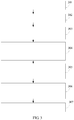
- An embodiment of the present invention provides a tunnel type selection method. As shown in FIG. 2 , the method includes: 201. A controller determines a tunnel type supported by a next-hop switch.
- the tunnel type supported by the next-hop switch includes VLAN, VxLAN, GRE, and the like.
- different switches may support different tunnel types.
- the controller obtains, from a tunnel type and code mapping table, code corresponding to the tunnel type, and generates a label value corresponding to the tunnel type.
- an OpenFlow switch is a switch that can support an OXM_OF_TUNNEL_ID match field.
- the OXM_OF_TUNNEL_ID match field may be applicable to multiple different tunnel types.
- the OXM_OF_TUNNEL_ID match field may support a VLAN tunnel type mode, a VxLAN tunnel type mode, a GRE tunnel type mode, a hybrid mode of a VLAN tunnel type and a VxLAN tunnel type, a hybrid mode of a VLAN tunnel type and a GRE tunnel type, a hybrid mode of a VxLAN tunnel type and a GRE tunnel type, and the like.
- the OXM_OF_TUNNEL_ID match field may further be applicable to a user-defined tunnel type.
- the controller may obtain, from the tunnel type and code mapping table, the code corresponding to the tunnel type.
- the code corresponding to the tunnel type may be represented by using 8 bits (bit), or may be represented by using 16 bits, which is not limited in this embodiment of the present invention.
- tunnel type and code mapping table may be shown in the following table: Tunnel type Code corresponding to the tunnel type User-defined tunnel type 00000000 VLAN tunnel type 00000001 VxLAN tunnel type 00000010 GRE tunnel type 00000011 Hybrid mode of a VLAN tunnel type and a VxLAN tunnel type 00000100 Hybrid mode of a VLAN tunnel type and a GRE tunnel type 00000101 Hybrid mode of a VxLAN tunnel type and a GRE tunnel type 00000110
- 00000000 represents the user-defined tunnel type
- 00000001 represents the VLAN tunnel type
- 00000010 represents the VxLAN tunnel type
- 00000011 represents the GRE tunnel type
- 00000100 represents the hybrid mode of a VLAN tunnel type and a VxLAN tunnel type
- 00000101 represents the hybrid mode of a VLAN tunnel type and a GRE tunnel type
- 00000110 represents the hybrid mode of a VxLAN tunnel type and a GRE tunnel type.
- step 202 may be as follows: Code that is corresponding to the VLAN tunnel type and is obtained by the controller from the tunnel type and code mapping table may be 00000001, and a generated label value corresponding to the tunnel type is 00000000000000000000000000001111111110001000.
- the controller combines the code corresponding to the tunnel type with the label value corresponding to the tunnel type, so as to generate an OXM_OF_TUNNEL_ID match field.
- step 203 may be as follows: The controller may combine the code 00000001 corresponding to the tunnel type with the label value 0000000000000000000000001111111110001000 corresponding to the tunnel type, and a generated OXM_OF_TUNNEL_ID match field may be 0000000100000000000000000000000000000000000000001111111110001000.
- the controller sends a forwarding policy to a previous-hop OpenFlow switch.
- the controller sends the forwarding policy to the previous-hop OpenFlow switch, so that the previous-hop OpenFlow switch encapsulates a data packet according to the code corresponding to the tunnel type and the label value corresponding to the tunnel type.
- the forwarding policy carries the OXM_OF_TUNNEL_ID match field.
- the controller sends the forwarding policy to the previous-hop OpenFlow switch, so that the previous-hop OpenFlow switch encapsulates a data packet according to the forwarding policy and a tunnel type supported by a next-hop conventional switch.
- the next-hop switch may be a conventional switch or an OpenFlow switch.
- the tunnel type supported by the conventional switch may be VLAN, VxLAN, GRE, or the like.
- the OpenFlow switch may support the OXM_OF_TUNNEL_ID match field.
- the next-hop switch is a next-hop switch of the previous-hop OpenFlow switch; the previous-hop OpenFlow switch is a previous-hop switch of the next-hop switch.
- a data packet may be encapsulated according to code and a label that are of a tunnel type supported by the next-hop conventional switch, which can implement an exchange of the data packet directly between the previous-hop OpenFlow switch and the next-hop conventional switch, thereby further avoiding using the gateway or the bridge, and reducing data packet forwarding complexity.
- a next-hop switch of the previous-hop OpenFlow switch is an OpenFlow switch
- a data packet from the previous-hop OpenFlow switch may be encapsulated according to a tunnel type supported by the next-hop OpenFlow switch, which can implement an exchange of the data packet directly between the previous-hop OpenFlow switch and next-hop OpenFlow switch.
- an OpenFlow switch can support any tunnel type, that is, can support a tunnel type such as VLAN, VxLAN, or GRE at the same time.
- the OpenFlow switch 1 may forward the encapsulated data packet to the switch, and the switch may further forward the data packet to the OpenFlow switch 2 according to a tunnel type matched with the switch.
- the OpenFlow switch 2 parses an encapsulation format of the received data packet, extracts a label value of the tunnel type from the received data packet, generates by means of combination an OXM_OF_TUNNEL_ID match field corresponding to the data packet according to the label value of the tunnel type and code that is of the tunnel type and that is preset by the controller, and in addition, matches a corresponding flow table entry in a flow table of the OpenFlow switch 2.
- a controller combines code and a label value that are corresponding to a tunnel type supported by a next-hop switch, generates an OXM_OF_TUNNEL_ID match field, and sends a forwarding policy that carries the OXM_OF_TUNNEL_ID match field to a previous-hop OpenFlow switch; then, the previous-hop OpenFlow switch extracts, from the received OXM_OF_TUNNEL_ID match field, the code and the label value that are corresponding to the tunnel type, and encapsulates a data packet according to the code and the label value that are corresponding to the tunnel type; finally, the previous-hop OpenFlow switch sends the encapsulated data packet to the next-hop switch.
- a controller Compared with data packet forwarding by using a gateway or a bridge at present, in this embodiment of the present invention, a controller generates an OXM_OF_TUNNEL_ID match field according to a tunnel type supported by a next-hop switch, and sends a forwarding policy that carries the OXM_OF_TUNNEL_ID match field to a previous-hop OpenFlow switch, so that the previous-hop OpenFlow switch encapsulates a data packet according to the tunnel type supported by the switch, which avoids using tunnel switching, a mapping mechanism, a gateway, or a bridge into a data packet forwarding process, and further reduces data packet forwarding complexity.
- An embodiment of the present invention provides another tunnel type selection method. As shown in FIG. 3 , the method includes: 301. A controller generates code respectively corresponding to all tunnel types.
- the controller may generate code 00000000 corresponding to a user-defined tunnel type mode, code 00000001 corresponding to a VLAN tunnel type mode, code 00000010 corresponding to a VxLAN tunnel type mode, code 00000011 corresponding to a GRE tunnel type mode, code 00000100 corresponding to a hybrid mode of a VLAN tunnel type and a VxLAN tunnel type, code 00000101 corresponding to a hybrid mode of a VLAN tunnel type and a GRE tunnel type, and code 00000110 corresponding to a hybrid mode of a VxLAN tunnel type and a GRE tunnel type.
- the code corresponding to the tunnel type may be 8 bits, or 16 bits, which is not limited in this embodiment of the present invention.
- a 64-bit OXM_OF_TUNNEL_ID match field is split, where some bits of the 64-bit OXM_OF_TUNNEL_ID match field are used to represent the code corresponding to the tunnel type, and the other bits are used to represent a label value corresponding to the tunnel type.
- the former 8 bits are used as a tunnel type identifier (tunnel type) and are used to represent the code corresponding to the tunnel type
- the latter 56 bits are used as a tunnel type label value (tunnel ID) and are used to represent the label value corresponding to the tunnel type.
- the former 16 bits are used as the tunnel type identifier and are used to represent the code corresponding to the tunnel type
- the latter 48 bits are used as the tunnel type label value and are used to represent the label value corresponding to the tunnel type.
- the controller establishes a tunnel type and code mapping table.
- the tunnel type and code mapping table includes all the tunnel types and the code respectively corresponding to all the tunnel types.
- a tunnel type supported by a conventional switch includes VLAN, VxLAN, GRE, and the like.
- different conventional switches may support different tunnel types.
- an OpenFlow switch is a switch that can support an OXM_OF_TUNNEL_ID match field.
- the OXM_OF_TUNNEL_ID match field may be applicable to multiple different tunnel types.
- the OXM_OF_TUNNEL_ID match field may support the VLAN tunnel type mode, the VxLAN tunnel type mode, the GRE tunnel type mode, the hybrid mode of a VLAN tunnel type and a VxLAN tunnel type, the hybrid mode of a VLAN tunnel type and a GRE tunnel type, the hybrid mode of a VxLAN tunnel type and a GRE tunnel type, and the like.
- the OXM_OF_TUNNEL_ID match field may further be applicable to a user-defined tunnel type.
- the tunnel type and code mapping table is established, so that tunnel type code corresponding to the tunnel type supported by the conventional switch can be obtained according to the tunnel type supported by the conventional switch, which can implement that an OpenFlow switch can encapsulate a data packet according to the tunnel type supported by the conventional switch.
- tunnel type and code mapping table may be shown in the following table: Tunnel type Code corresponding to the tunnel type User-defined tunnel type 00000000 VLAN tunnel type 00000001 VxLAN tunnel type 00000010 GRE tunnel type 00000011 Hybrid mode of a VLAN tunnel type and a VxLAN tunnel type 00000100 Hybrid mode of a VLAN tunnel type and a GRE tunnel type 00000101 Hybrid mode of a VxLAN tunnel type and a GRE tunnel type 00000110
- 00000000 represents the user-defined tunnel type
- 00000001 represents the VLAN tunnel type
- 00000010 represents the VxLAN tunnel type
- 00000011 represents the GRE tunnel type
- 00000100 represents the hybrid mode of a VLAN tunnel type and a VxLAN tunnel type
- 00000101 represents the hybrid mode of a VLAN tunnel type and a GRE tunnel type
- 00000110 represents the hybrid mode of a VxLAN tunnel type and a GRE tunnel type.
- the tunnel type and code mapping table may include the user-defined tunnel type and code corresponding to the user-defined tunnel type.
- the tunnel type mapping table includes the user-defined tunnel type and the code corresponding to the user-defined tunnel type, so that the OXM_OF_TUNNEL_ID match field can support the user-defined tunnel type, and the OpenFlow switch can encapsulate a data packet according to the user-defined tunnel type supported by the conventional switch.
- the tunnel type supported by the conventional switch is the user-defined tunnel type
- a label value corresponding to the user-defined tunnel type may be represented by using a relatively small quantity of bits, and data packet encapsulation, data forwarding and isolation, and the like may be performed according to the label value corresponding to the user-defined tunnel type; for example, the label value corresponding to the user-defined tunnel type is represented by using 24 bits.
- capacity expansion may be performed on the label value corresponding to the user-defined tunnel; for example, when the controller finds that the label value corresponding to the user-defined tunnel type in a current network is insufficient, capacity expansion may be performed on the label value corresponding to the user-defined tunnel type.
- 0s may be added to the front of or Is may be added to the front of label values corresponding to all current user-defined tunnel types, so that capacity expansion is performed on the label value corresponding to the user-defined tunnel type while ensuring compatibility of a new user-defined tunnel type with an original user-defined tunnel type. For example, if a label value corresponding to an original user-defined tunnel type is 24 bits, after a 0 or a 1 is added to the first 8 bits, the label value corresponding to the user-defined tunnel type may be expanded to 32 bits.
- the method may further include: when a switch that newly accesses a network exists, first, determining, by the controller, a tunnel type supported by the switch, then, generating code corresponding to the tunnel type supported by the switch that newly accesses the network, and finally, updating the tunnel type and code mapping table according to the code corresponding to the tunnel type supported by the switch that newly accesses the network.
- the controller may perform capability negotiation with the switch that newly accesses the network, and therefore determines the tunnel type supported by the switch, and further updates the tunnel type and code table in real time.
- the tunnel type supported by the switch that newly accesses the network and the code corresponding to the tunnel type are updated to the tunnel type and code mapping table, which can ensure that the tunnel type and code table includes all tunnel types supported by all switches in a network system.
- the controller determines whether a previous-hop OpenFlow switch is an OpenFlow switch that supports an OXM_OF_TUNNEL_ID match field.
- a data packet may be forwarded directly between the previous-hop switch and the next-hop switch according to a value of the OXM_OF_TUNNEL_ID match field.
- the previous-hop switch is an OpenFlow switch that supports the OXM_OF_TUNNEL_ID match field
- the next-hop switch is a conventional switch
- a data packet needs to be first encapsulated, according to a tunnel type supported by the conventional switch, on the first-hop OpenFlow switch that supports the OXM_OF_TUNNEL_ID match field, and then forwards the encapsulated data packet to the next-hop conventional switch.
- the method may further include: receiving, by the controller, a new flow forwarding request sent by the previous-hop OpenFlow switch, and calculating a forwarding path according to the new flow forwarding request.
- the controller receives the new flow forwarding request (packet in) sent by the OpenFlow switch, and therefore the controller can be triggered to generate the OXM_OF_TUNNEL_ID match field according to the tunnel type supported by the conventional switch.
- the new flow forwarding request may carry a user requirement and a service requirement, so that the controller can calculate the forwarding path according to the user requirement and the service requirement, and determine tunnel types respectively supported by all switches on the forwarding path.
- the controller by calculating the forwarding path, the controller can sense a current network topology and further generate a flow table entry dynamically by means of a decision.
- the controller determines a tunnel type supported by a next-hop switch.
- the controller obtains, from the tunnel type and code mapping table, code corresponding to the tunnel type, and generates a label value corresponding to the tunnel type.
- code that is obtained by the controller according to the VLAN tunnel type and that is corresponding to the tunnel type is 00000001
- a generated label value corresponding to the tunnel type may be 00000000000000000000000000001111111110001000.
- the controller combines the code corresponding to the tunnel type with the label value corresponding to the tunnel type, so as to generate an OXM_OF_TUNNEL_ID match field.
- the code that is obtained by the controller according to the VLAN tunnel type and that is corresponding to the tunnel type is 00000001
- the generated label value corresponding to the tunnel type may be 00000000000000000000000000001111111110001000
- a finally-generated OXM_OF_TUNNEL_ID match field is 0000000100000000000000000000000000000000000000001111111110001000.
- the controller sends a forwarding policy to the previous-hop OpenFlow switch.
- the controller sends the forwarding policy to the previous-hop OpenFlow switch, so that the previous-hop OpenFlow switch encapsulates a data packet according to the code corresponding to the tunnel type and the label value corresponding to the tunnel type.
- the forwarding policy carries the OXM_OF_TUNNEL_ID match field.
- the controller sends the forwarding policy to the previous-hop OpenFlow switch, so that the previous-hop OpenFlow switch encapsulates a data packet according to the forwarding policy and a tunnel type supported by a conventional switch.
- the next-hop switch may be a conventional switch or an OpenFlow switch.
- the tunnel type supported by the conventional switch may be VLAN, VxLAN, GRE, or the like.
- the OpenFlow switch may support the OXM_OF_TUNNEL_ID match field.
- the next-hop switch is a next-hop switch of the previous-hop OpenFlow switch; the previous-hop OpenFlow switch is a previous-hop switch of the next-hop switch.
- a data packet may be encapsulated according to code and a label that are of a tunnel type supported by the next-hop conventional switch, which can implement an exchange of the data packet directly between the previous-hop OpenFlow switch and the next-hop conventional switch, thereby further avoiding using the gateway or the bridge, and reducing data packet forwarding complexity.
- a data packet from the previous-hop OpenFlow switch may also be encapsulated according to a tunnel type supported by the next-hop OpenFlow switch, which can implement an exchange of the data packet directly between the previous-hop OpenFlow switch and next-hop OpenFlow switch.
- an OpenFlow switch can support any tunnel type, that is, an OpenFlow switch can support a tunnel type such as VLAN, VxLAN, or GRE at the same time.
- the OpenFlow switch 1 may forward the encapsulated data packet to the switch, and the switch may further forward the data packet to the OpenFlow switch 2 according to a tunnel type matched with the switch.
- the OpenFlow switch 2 parses an encapsulation format of the received data packet, extracts a label value of the tunnel type from the received data packet, generates by means of combination an OXM_OF_TUNNEL_ID match field corresponding to the data packet according to the label value of the tunnel type and code that is of the tunnel type and that is preset by the controller, and in addition, matches a corresponding flow table entry in a flow table of the OpenFlow switch 2.
- a controller combines code and a label value that are corresponding to a tunnel type supported by a next-hop switch, generates an OXM_OF_TUNNEL_ID match field, and sends a forwarding policy that carries the OXM_OF_TUNNEL_ID match field to a previous-hop OpenFlow switch; then, the previous-hop OpenFlow switch extracts, from the received OXM_OF_TUNNEL_ID match field, the code and the label value that are corresponding to the tunnel type, and encapsulates a data packet according to the code and the label value that are corresponding to the tunnel type; finally, the previous-hop OpenFlow switch sends the encapsulated data packet to the next-hop switch.
- a controller Compared with data packet forwarding by using a gateway or a bridge at present, in this embodiment of the present invention, a controller generates an OXM_OF_TUNNEL_ID match field according to a tunnel type supported by a next-hop switch, and sends a forwarding policy that carries the OXM_OF_TUNNEL_ID match field to a previous-hop OpenFlow switch, so that the previous-hop OpenFlow switch encapsulates a data packet according to the tunnel type supported by the switch, which avoids using tunnel switching, a mapping mechanism, a gateway, or a bridge into a data packet forwarding process, and further reduces data packet forwarding complexity.
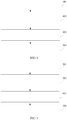
- An embodiment of the present invention provides still another tunnel type selection method. As shown in FIG. 4 , the method includes: 401.
- An OpenFlow switch receives a forwarding policy sent by a controller.
- the forwarding policy carries an OXM_OF_TUNNEL_ID match field.
- the OpenFlow switch receives the forwarding policy sent by the controller, so that the OpenFlow switch encapsulates a data packet according to the forwarding policy and a tunnel type supported by a conventional switch.
- the tunnel type supported by the conventional switch includes VLAN, VxLAN, GRE, and the like. Different conventional switches may support different tunnel types.
- the tunnel type supported by the conventional switch may include VLAN, VxLAN, GRE, and the like.
- different conventional switches may support different tunnel types.
- an OpenFlow switch is a switch that can support an OXM_OF_TUNNEL_ID match field.
- the OXM_OF_TUNNEL_ID match field may be applicable to multiple different tunnel types.
- the OXM_OF_TUNNEL_ID match field may support a VLAN tunnel type mode, a VxLAN tunnel type mode, a GRE tunnel type mode, a hybrid mode of a VLAN tunnel type and a VxLAN tunnel type, a hybrid mode of a VLAN tunnel type and a GRE tunnel type, a hybrid mode of a VxLAN tunnel type and a GRE tunnel type, and the like.
- the OXM_OF_TUNNEL_ID match field may further be applicable to a user-defined tunnel type.
- the OpenFlow switch extracts, from an OXM_OF_TUNNEL_ID match field, code corresponding to a tunnel type supported by a next-hop switch and a label value corresponding to the tunnel type.
- step 402 may be as follows: A value of the OXM_OF_TUNNEL_ID match field received by the OpenFlow switch is 000000010000000000000000000000000000000000001111111110001000, the code that is corresponding to the tunnel type supported by the next-hop switch and that is extracted from the OXM_OF_TUNNEL_ID match field is 00000001, and the label value corresponding to the tunnel type supported by the next-hop switch is 000000000000000000000000000000001111111111110001000.
- the OpenFlow switch encapsulates a data packet according to the code corresponding to the tunnel type and the label value corresponding to the tunnel type.
- step 403 may be as follows: The OpenFlow switch may determine, according to the code 00000001 corresponding to the tunnel type and the label value 0000000000000000000000001111111110001000 corresponding to the tunnel type, that the corresponding tunnel type is the VLAN tunnel type, and encapsulates a data packet according to a format corresponding to the VLAN tunnel type.
- the code corresponding to the tunnel type may be represented by using 8 bits (bit), or may be represented by using 16 bits, which is not limited in this embodiment of the present invention.
- a 64-bit OXM_OF_TUNNEL_ID match field is split, where some bits of the 64-bit OXM_OF_TUNNEL_ID match field are used to represent the code corresponding to the tunnel type, and the other bits are used to represent a label value corresponding to the tunnel type.
- the former 8 bits are used as a tunnel type identifier and are used to represent the code corresponding to the tunnel type
- the latter 56 bits are used as a tunnel type label value and are used to represent the label value corresponding to the tunnel type.
- the former 16 bits are used as the tunnel type identifier and are used to represent the code corresponding to the tunnel type
- the latter 48 bits are used as the tunnel type label value and are used to represent the label value corresponding to the tunnel type.
- the OpenFlow switch sends the encapsulated data packet to the next-hop switch.
- the OpenFlow switch sends the encapsulated data packet to a conventional switch, so that the data packet received by the conventional switch is a data packet that is encapsulated according to the tunnel type supported by the conventional switch.
- a data packet may be forwarded directly between the previous-hop switch and the next-hop switch according to a value of the OXM_OF_TUNNEL_ID match field.
- the previous-hop switch is an OpenFlow switch that supports the OXM_OF_TUNNEL_ID match field
- the next-hop switch is a conventional switch
- a data packet needs to be first encapsulated, according to a tunnel type supported by the conventional switch, on the previous-hop OpenFlow switch that supports the OXM_OF_TUNNEL_ID match field, and then forwards the encapsulated data packet to the next-hop conventional switch.
- the next-hop switch may be a conventional switch or an OpenFlow switch.
- the tunnel type supported by the conventional switch may be VLAN, VxLAN, GRE, or the like.
- the OpenFlow switch may support the OXM_OF_TUNNEL_ID match field.
- the next-hop switch is a next-hop switch of the previous-hop OpenFlow switch; the previous-hop OpenFlow switch is a previous-hop switch of the next-hop switch.
- a data packet may be encapsulated according to code and a label that are of a tunnel type supported by the next-hop conventional switch, which can implement an exchange of the data packet directly between the previous-hop OpenFlow switch and the next-hop conventional switch, thereby further avoiding using the gateway or the bridge, and reducing data packet forwarding complexity.
- a data packet from the previous-hop OpenFlow switch may also be encapsulated according to a tunnel type supported by the next-hop OpenFlow switch, which can implement an exchange of the data packet directly between the previous-hop OpenFlow switch and next-hop OpenFlow switch.
- an OpenFlow switch can support any tunnel type, that is, an OpenFlow switch can support a tunnel type such as VLAN, VxLAN, or GRE at the same time.
- the switch may further forward the data packet to the OpenFlow switch 2 according to a tunnel type matched with the switch.
- the OpenFlow switch 2 parses an encapsulation format of the received data packet, extracts a label value of the tunnel type from the received data packet, generates by means of combination an OXM_OF_TUNNEL_ID match field corresponding to the data packet according to the label value of the tunnel type and code that is of the tunnel type and that is preset by the controller, and in addition, matches a corresponding flow table entry in a flow table of the OpenFlow switch 2.
- a controller combines code and a label value that are corresponding to a tunnel type supported by a next-hop switch, generates an OXM_OF_TUNNEL_ID match field, and sends a forwarding policy that carries the OXM_OF_TUNNEL_ID match field to a previous-hop OpenFlow switch; then, the previous-hop OpenFlow switch extracts, from the received OXM_OF_TUNNEL_ID match field, the code and the label value that are corresponding to the tunnel type, and encapsulates a data packet according to the code and the label value that are corresponding to the tunnel type; finally, the previous-hop OpenFlow switch sends the encapsulated data packet to the next-hop switch.
- a controller Compared with data packet forwarding by using a gateway or a bridge at present, in this embodiment of the present invention, a controller generates an OXM_OF_TUNNEL_ID match field according to a tunnel type supported by a next-hop switch, and sends a forwarding policy that carries the OXM_OF_TUNNEL_ID match field to a previous-hop OpenFlow switch, so that the previous-hop OpenFlow switch encapsulates a data packet according to the tunnel type supported by the switch, which avoids using tunnel switching, a mapping mechanism, a gateway, or a bridge into a data packet forwarding process, and further reduces data packet forwarding complexity.
- An embodiment of the present invention provides yet another tunnel type selection method. As shown in FIG. 5 , the method includes: 501.
- An OpenFlow switch receives a forwarding policy sent by a controller.
- the forwarding policy carries an OXM_OF_TUNNEL_ID match field.
- the OpenFlow switch receives the forwarding policy sent by the controller, so that the OpenFlow switch encapsulates a data packet according to the forwarding policy and a tunnel type supported by a conventional switch.
- the method may further include: sending, by the OpenFlow switch, a new flow forwarding request to the controller.
- the OpenFlow switch sends the new stream forwarding request (packet in) to the controller, and therefore the controller can be triggered to generate the OXM_OF_TUNNEL_ID match field according to the tunnel type supported by the conventional switch.
- the new flow forwarding request may carry a user requirement and a service requirement, so that the controller can calculate a forwarding path according to the user requirement and the service requirement, and determine tunnel types respectively supported by all switches on the forwarding path.
- the tunnel type supported by the conventional switch includes VLAN, VxLAN, GRE, and the like.
- different conventional switches may support different tunnel types.
- an OpenFlow switch is a switch that can support an OXM_OF_TUNNEL_ID match field.
- the OXM_OF_TUNNEL_ID match field may be applicable to multiple different tunnel types.
- the OXM_OF_TUNNEL_ID match field may support a VLAN tunnel type mode, a VxLAN tunnel type mode, a GRE tunnel type mode, a hybrid mode of a VLAN tunnel type and a VxLAN tunnel type, a hybrid mode of a VLAN tunnel type and a GRE tunnel type, a hybrid mode of a VxLAN tunnel type and a GRE tunnel type, and the like.
- the OXM_OF_TUNNEL_ID match field may further be applicable to a user-defined tunnel type.
- the OpenFlow switch extracts, from an OXM_OF_TUNNEL_ID match field, code corresponding to a tunnel type supported by a next-hop switch and a label value corresponding to the tunnel type.
- the OpenFlow switch extracts, from some bits of the OXM_OF_TUNNEL_ID match field, the code corresponding to the tunnel type, and extracts, from the other bits of the OXM_OF_TUNNEL_ID match field, the label value corresponding to the tunnel type.
- a value of the OXM_OF_TUNNEL_ID match field received by the OpenFlow switch is 00000001000000000000000000000000000000001111111110001000
- the code that is corresponding to the tunnel type supported by the next-hop switch and that is extracted from the OXM_OF_TUNNEL_ID match field is 00000001
- the label value corresponding to the tunnel type supported by the next-hop switch is 00000000000000000000000000001111111111110001000.
- the OpenFlow switch may determine that the corresponding tunnel type is the VLAN tunnel type.
- the code corresponding to the tunnel type may be represented by using 8 bits (bit), or may be represented by using 16 bits, which is not limited in this embodiment of the present invention.
- a 64-bit OXM_OF_TUNNEL_ID match field is split, where some bits of the 64-bit OXM_OF_TUNNEL_ID match field are used to represent the code corresponding to the tunnel type, and the other bits are used to represent a label value corresponding to the tunnel type.
- the former 8 bits are used as a tunnel type identifier and are used to represent the code corresponding to the tunnel type
- the latter 56 bits are used as a tunnel type label value and are used to represent the label value corresponding to the tunnel type.
- the former 16 bits are used as the tunnel type identifier and are used to represent the code corresponding to the tunnel type
- the latter 48 bits are used as the tunnel type label value and are used to represent the label value corresponding to the tunnel type.
- the controller pre-configures a correspondence between a tunnel type and code corresponding to the tunnel type, and stores the correspondence in a tunnel type and code mapping table.
- the correspondence that is between a tunnel type and code corresponding to the tunnel type and that is pre-configured by the controller is as follows: Code corresponding to a user-defined tunnel type mode is 00000000; code corresponding to a VLAN tunnel type mode is 00000001; code corresponding to a VxLAN tunnel type mode is 00000010; code corresponding to a GRE tunnel type mode is 00000011; code corresponding to a hybrid mode of a VLAN tunnel type and a VxLAN tunnel type is 00000100; code corresponding to a hybrid mode of a VLAN tunnel type and a GRE tunnel type is 00000101; code corresponding to a hybrid mode of a VxLAN tunnel type and a GRE tunnel type is 00000110.
- tunnel type and code mapping table may be shown in the following table: Tunnel type Code corresponding to the tunnel type User-defined tunnel type 00000000 VLAN tunnel type 00000001 VxLAN tunnel type 00000010 GRE tunnel type 00000011 Hybrid mode of a VLAN tunnel type and a VxLAN tunnel type 00000100 Hybrid mode of a VLAN tunnel type and a GRE tunnel type 00000101 Hybrid mode of a VxLAN tunnel type and a GRE tunnel type 00000110
- the tunnel type and code mapping table may include the user-defined tunnel type and code corresponding to the user-defined tunnel type.
- the tunnel type mapping table includes the user-defined tunnel type and the code corresponding to the user-defined tunnel type, so that the OXM_OF_TUNNEL_ID match field can support the user-defined tunnel type, and the OpenFlow switch can encapsulate a data packet according to the user-defined tunnel type supported by the conventional switch.
- the tunnel type supported by the conventional switch is the user-defined tunnel type
- a label value corresponding to the user-defined tunnel type may be represented by using a relatively small quantity of bits, and data packet encapsulation, data forwarding and isolation, and the like may be performed according to the label value corresponding to the user-defined tunnel type; for example, the label value corresponding to the user-defined tunnel type is represented by using 24 bits.
- capacity expansion may be performed on the label value corresponding to the user-defined tunnel; for example, when the controller finds that the label value corresponding to the user-defined tunnel type in a current network is insufficient, capacity expansion may be performed on the label value corresponding to the user-defined tunnel type.
- 0s may be added to the front of or Is may be added to the front of label values corresponding to all current user-defined tunnel types, so that capacity expansion is performed on the label value corresponding to the user-defined tunnel type while ensuring compatibility of a new user-defined tunnel type with an original user-defined tunnel type. For example, if a label value corresponding to an original user-defined tunnel type is 24 bits, after a 0 or a 1 is added to the first 8 bits, the label value corresponding to the user-defined tunnel type may be expanded to 32 bits.
- the OpenFlow switch encapsulates a data packet according to the code corresponding to the tunnel type and the label value corresponding to the tunnel type.
- the OpenFlow switch sends the encapsulated data packet to the next-hop switch.
- the OpenFlow switch sends the encapsulated data packet to a conventional switch, so that the data packet received by the conventional switch is a data packet that is encapsulated according to the tunnel type supported by the conventional switch.
- a data packet may be forwarded directly between the previous-hop switch and the next-hop switch according to a value of the OXM_OF_TUNNEL_ID match field.
- the previous-hop switch is an OpenFlow switch that supports the OXM_OF_TUNNEL_ID match field
- the next-hop switch is a conventional switch
- a data packet needs to be first encapsulated, according to a tunnel type supported by the conventional switch, on the previous-hop OpenFlow switch that supports the OXM_OF_TUNNEL_ID match field, and then forwards the encapsulated data packet to the next-hop conventional switch.
- the next-hop switch may be a conventional switch or an OpenFlow switch.
- the tunnel type supported by the conventional switch may be VLAN, VxLAN, GRE, or the like.
- the OpenFlow switch may support the OXM_OF_TUNNEL_ID match field.
- the next-hop switch is a next-hop switch of the previous-hop OpenFlow switch; the previous-hop OpenFlow switch is a previous-hop switch of the next-hop switch.
- a data packet may be encapsulated according to code and a label that are of a tunnel type supported by the next-hop conventional switch, which can implement an exchange of the data packet directly between the previous-hop OpenFlow switch and the next-hop conventional switch, thereby further avoiding using the gateway or the bridge, and reducing data packet forwarding complexity.
- a data packet from the previous-hop OpenFlow switch may also be encapsulated according to a tunnel type supported by the next-hop OpenFlow switch, which can implement an exchange of the data packet directly between the previous-hop OpenFlow switch and next-hop OpenFlow switch.
- an OpenFlow switch can support any tunnel type, that is, an OpenFlow switch can support a tunnel type such as VLAN, VxLAN, or GRE at the same time.
- the switch may further forward the data packet to the OpenFlow switch 2 according to a tunnel type matched with the switch.
- the OpenFlow switch 2 parses an encapsulation format of the received data packet, extracts a label value of the tunnel type from the received data packet, generates by means of combination an OXM_OF_TUNNEL_ID match field corresponding to the data packet according to the label value of the tunnel type and code that is of the tunnel type and that is preset by the controller, and in addition, matches a corresponding flow table entry in a flow table of the OpenFlow switch 2.
- a controller combines code and a label value that are corresponding to a tunnel type supported by a next-hop switch, generates an OXM_OF_TUNNEL_ID match field, and sends a forwarding policy that carries the OXM_OF_TUNNEL_ID match field to a previous-hop OpenFlow switch; then, the previous-hop OpenFlow switch extracts, from the received OXM_OF_TUNNEL_ID match field, the code and the label value that are corresponding to the tunnel type, and encapsulates a data packet according to the code and the label value that are corresponding to the tunnel type; finally, the previous-hop OpenFlow switch sends the encapsulated data packet to the next-hop switch.
- a controller Compared with data packet forwarding by using a gateway or a bridge at present, in this embodiment of the present invention, a controller generates an OXM_OF_TUNNEL_ID match field according to a tunnel type supported by a next-hop switch, and sends a forwarding policy that carries the OXM_OF_TUNNEL_ID match field to a previous-hop OpenFlow switch, so that the previous-hop OpenFlow switch encapsulates a data packet according to the tunnel type supported by the switch, which avoids using tunnel switching, a mapping mechanism, a gateway, or a bridge into a data packet forwarding process, and further reduces data packet forwarding complexity.
- An embodiment of the present invention provides a tunnel type selection apparatus.
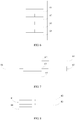
- an entity of the apparatus may be a controller, and the apparatus includes a determining unit 61, an obtaining unit 62, a generation unit 63, and a sending unit 64.
- the determining unit 61 is configured to determine a tunnel type supported by a next-hop switch.
- the obtaining unit 62 is configured to obtain, from a tunnel type and code mapping table, code corresponding to the tunnel type determined by the determining unit 61.
- the generation unit 63 is configured to generate a label value corresponding to the tunnel type, and combine the code that is corresponding to the tunnel type and that is obtained by the obtaining unit 62 with the label value corresponding to the tunnel type, so as to generate an OXM_OF_TUNNEL_ID match field.
- the sending unit 64 is configured to send a forwarding policy to a previous-hop OpenFlow switch.
- the forwarding policy carries the OXM_OF_TUNNEL_ID match field generated by the generation unit 63.
- the determining unit 61 is further configured to determine whether the previous-hop OpenFlow switch is an OpenFlow switch that supports the OXM_OF_TUNNEL_ID match field.
- the determining unit 61 is specifically configured to: when the previous-hop OpenFlow switch is an OpenFlow switch that supports the OXM_OF_TUNNEL_ID match field, determine the tunnel type supported by the next-hop switch.
- the generation unit 62 is further configured to generate code respectively corresponding to all tunnel types.
- this embodiment of the present invention provides another tunnel type selection apparatus.
- the apparatus may further include an establishment unit 65.
- the establishment unit 65 is further configured to establish the tunnel type and code mapping table.
- the tunnel type and code mapping table includes all the tunnel types and the code that is respectively corresponding to all the tunnel types and that is generated by the generation unit 62.
- the determining unit 61 is further configured to: when a switch that newly accesses a network exists, determine a tunnel type supported by the switch.
- the generation unit 62 is further configured to generate code corresponding to the tunnel type that is determined by the determining unit 61 and that is supported by the switch that newly accesses the network.
- the apparatus may further include an update unit 66.
- the update unit 66 is configured to update the tunnel type and code mapping table according to the code that is generated by the generation unit 62 and that is corresponding to the tunnel type supported by the switch that newly accesses the network.
- the tunnel type and code mapping table established by the establishment unit 65 includes a user-defined tunnel type and code corresponding to the user-defined tunnel type.
- the controller may include a processor 81, a transmitter 82, a receiver 83, and a memory 84, and the receiver 83 and the memory 84 are connected to the processor 81.
- the processor 81 is configured to first determine a tunnel type supported by a next-hop switch, then obtain, from a tunnel type and code mapping table, code corresponding to the tunnel type, generate a label value corresponding to the tunnel type, and finally combine the code corresponding to the tunnel type with the label value corresponding to the tunnel type, so as to generate an OXM_OF_TUNNEL_ID match field.
- the transmitter 82 is configured to send a forwarding policy to a previous-hop OpenFlow switch.
- the forwarding policy may carry the OXM_OF_TUNNEL_ID match field generated by the processor 81.
- the processor 81 is further configured to determine whether the previous-hop OpenFlow switch is an OpenFlow switch that supports the OXM_OF_TUNNEL_ID match field.
- the processor 81 is specifically configured to: when the previous-hop OpenFlow switch is an OpenFlow switch that supports the OXM_OF_TUNNEL_ID match field, determine the tunnel type supported by the next-hop switch.
- the processor 81 is further configured to generate code respectively corresponding to all tunnel types.
- the processor 81 is further configured to establish a tunnel type and code mapping table.
- the tunnel type and code mapping table includes all the tunnel types and the code respectively corresponding to all the tunnel types.
- the processor 81 is further configured to: when a switch that newly accesses a network exists, determine a tunnel type supported by the switch.
- the processor 81 is further configured to generate code corresponding to the tunnel type supported by the switch that newly accesses the network.
- the processor 81 is further configured to update the tunnel type and code mapping table according to the code corresponding to the tunnel type supported by the switch that newly accesses the network.
- the tunnel type and code mapping table established by the processor 81 includes a user-defined tunnel type and code corresponding to the user-defined tunnel type.
- an embodiment of the present invention provides still another tunnel type selection apparatus.
- an entity of the apparatus may be an OpenFlow switch, and the apparatus includes a receiving unit 91, an extraction unit 92, an encapsulation unit 93, and a sending unit 94.
- the receiving unit 91 is configured to receive a forwarding policy sent by a controller.
- the forwarding policy carries an OXM_OF_TUNNEL_ID match field.
- the extraction unit 92 is configured to extract, from the OXM_OF_TUNNEL_ID match field received by the receiving unit 91, code corresponding to a tunnel type supported by a next-hop switch and a label value corresponding to the tunnel type.
- the encapsulation unit 93 is configured to encapsulate a data packet according to the code that is corresponding to the tunnel type and that is extracted by the extraction unit 92 and the label value that is corresponding to the tunnel type and that is extracted by the extraction unit 92.
- the sending unit 94 is configured to send a data packet encapsulated by the encapsulation unit 93 to a conventional switch.
- the OpenFlow switch may include a receiver 101, a processor 102, a transmitter 103, and a memory 104, and the memory 104 is connected to the processor 102.
- the receiver 101 is configured to receive a forwarding policy sent by a controller.
- the forwarding policy carries an OXM_OF_TUNNEL_ID match field.
- the processor 102 is configured to extract, from the OXM_OF_TUNNEL_ID match field received by the receiver 101, code corresponding to a tunnel type supported by a next-hop switch and a label value corresponding to the tunnel type, and encapsulate a data packet according to the code corresponding to the tunnel type and the label value corresponding to the tunnel type.
- the transmitter 103 is configured to send a data packet encapsulated by the processor to the next-hop switch.
- the tunnel type selection apparatuses provided in the embodiments of the present invention may implement the foregoing provided method embodiments. For specific function implementation, refer to descriptions in the method embodiments, and details are not described herein again.
- the tunnel type selection method and apparatus provided in the embodiments of the present invention may be applicable to data packet forwarding in a hybrid networking environment of an OpenFlow switch and a conventional switch, however, the present invention is not limited thereto.
- the program may be stored in a computer-readable storage medium.
- the foregoing storage medium may include: a magnetic disk, an optical disc, a read-only memory (Read-Only Memory, ROM), a random access memory (Random Access Memory, RAM), or the like.
Landscapes
- Engineering & Computer Science (AREA)
- Computer Networks & Wireless Communication (AREA)
- Signal Processing (AREA)
- Data Exchanges In Wide-Area Networks (AREA)
Claims (12)
- Procédé de sélection de type de tunnel destiné à une architecture de système de réseautage hybride d'un commutateur OpenFlow et d'un commutateur classique, comprenant les étapes suivantes :détermination (201), par un contrôleur, d'un type de tunnel pris en charge par un commutateur OpenFlow de prochain saut ;obtention (202, 305), par le contrôleur, à partir d'une table de mappage de type de tunnel et de code, d'un code correspondant au type de tunnel, et la génération d'une valeur d'étiquette correspondant au type de tunnel ;combinaison (203, 306), par le contrôleur, du code correspondant au type de tunnel à la valeur d'étiquette correspondant au type de tunnel, dans le but de générer un champ d'appariement comprenant ladite combinaison de valeur de code et d'étiquette ; ettransmission (204, 307), par le contrôleur, d'une politique de réacheminement à un commutateur OpenFlow de saut précédent, la politique de réacheminement véhiculant le champ d'appariement, de manière à ce que le commutateur OpenFlow de saut précédent encapsule un paquet de données selon le code correspondant au type de tunnel et la valeur d'étiquette correspondant au type de tunnel ;le commutateur OpenFlow de prochain saut étant un commutateur de prochain saut du commutateur OpenFlow de saut précédent.
- Procédé de sélection de type de tunnel selon la revendication 1, comprenant en outre, avant l'étape (201) de détermination, par un contrôleur, d'un type de tunnel pris en charge par un commutateur OpenFlow de prochain saut, l'étape suivante :détermination (303), par le contrôleur, si le commutateur OpenFlow de saut précédent est un commutateur OpenFlow qui prend en charge le champ d'appariement ;l'étape (201) de détermination, par un contrôleur, d'un type de tunnel pris en charge par un commutateur OpenFlow de prochain saut comprenant l'étape suivante :
si le commutateur OpenFlow de saut précédent est un commutateur OpenFlow qui prend en charge le champ d'appariement, détermination (304), par le contrôleur, du type de tunnel pris en charge par le commutateur OpenFlow de prochain saut. - Procédé de sélection de type de tunnel selon la revendication 1 ou 2, comprenant en outre, avant l'étape (201) de détermination, par un contrôleur, d'un type de tunnel pris en charge par un commutateur OpenFlow de prochain saut, les étapes suivantes :génération (301), par le contrôleur, d'un code correspondant respectivement à tous les types de tunnel ; etétablissement (302), par le contrôleur, de la table de mappage de type de tunnel et de code, la table de mappage de type de tunnel et de code comprenant tous les types de tunnel et le code correspondant respectivement à tous les types de tunnel.
- Procédé de sélection de type de tunnel selon la revendication 3, comprenant en outre, après l'étape (302) d'établissement (302), par le contrôleur, de la table de mappage de type de tunnel et de code, les étapes suivantes :en présence d'un commutateur qui accède pour la première fois à un réseau, détermination, par le contrôleur, d'un type de tunnel pris en charge par le commutateur qui accède pour la première fois au réseau ;génération, par le contrôleur, d'un code correspondant au type de tunnel pris en charge par le commutateur qui accède pour la première fois au réseau ; etmise à jour, par le contrôleur, de la table de mappage de type de tunnel et de code selon le code correspondant au type de tunnel pris en charge par le commutateur qui accède pour la première fois au réseau.
- Procédé de sélection de type de tunnel selon l'une quelconque des revendications 1 à 4, dans lequel la table de mappage de type de tunnel et de code comprend un type de tunnel défini par un utilisateur et un code correspondant au type de tunnel défini par l'utilisateur.
- Procédé de sélection de type de tunnel destiné à une architecture de système de réseautage hybride d'un commutateur OpenFlow et d'un commutateur classique, comprenant les étapes suivantes :réception (401, 501), par un commutateur OpenFlow, d'une politique de réacheminement transmise par un contrôleur, la politique de réacheminement véhiculant un champ d'appariement ;extraction (402, 502), par le commutateur OpenFlow, à partir du champ d'appariement, d'un code correspondant à un type de tunnel pris en charge par un commutateur OpenFlow de prochain saut et d'une valeur d'étiquette correspondant au type de tunnel ;encapsulation (403, 503), par le commutateur OpenFlow, d'un paquet de données selon le code correspondant au type de tunnel et la valeur d'étiquette correspondant au type de tunnel ; ettransmission (404, 504), par le commutateur OpenFlow, du paquet de données encapsulé au commutateur OpenFlow de prochain saut ;le commutateur OpenFlow de prochain saut étant un commutateur de prochain saut du commutateur OpenFlow.
- Appareil de sélection de type de tunnel destiné à une architecture de système de réseautage hybride d'un commutateur OpenFlow et d'un commutateur classique, comprenant :une unité de détermination (61), configurée pour déterminer un type de tunnel pris en charge par un commutateur OpenFlow de prochain saut ;une unité d'obtention (62), configurée pour obtenir, à partir d'une table de mappage de type de tunnel et de code, un code correspondant au type de tunnel déterminé par l'unité de détermination (61) ;une unité de génération (63), configurée pour générer une valeur d'étiquette correspondant au type de tunnel, et combiner le code correspondant au type de tunnel qui est obtenu par l'unité d'obtention (62) à la valeur d'étiquette correspondant au type de tunnel, dans le but de générer un champ d'appariement comprenant ladite combinaison de valeur de code et d'étiquette ; etune unité de transmission (64), configurée pour transmettre une politique de réacheminement à un commutateur OpenFlow de saut précédent, la politique de réacheminement véhiculant le champ d'appariement généré par l'unité de génération (63) ;le commutateur OpenFlow de prochain saut étant un commutateur de prochain saut du commutateur OpenFlow de saut précédent.
- Appareil de sélection de type de tunnel selon la revendication 7, dans lequel :l'unité de détermination (61) est configurée en outre pour déterminer si le commutateur OpenFlow de saut précédent est un commutateur OpenFlow qui prend en charge le champ d'appariement ; etl'unité de détermination (61) est plus particulièrement configurée pour : si le commutateur OpenFlow de saut précédent est un commutateur OpenFlow qui prend en charge le champ d'appariement, déterminer le type de tunnel pris en charge par le commutateur OpenFlow de prochain saut.
- Appareil de sélection de type de tunnel selon l'une ou l'autre des revendications 7 et 8, dans lequel
l'unité de génération (63) est configurée en outre pour générer un code correspondant respectivement à tous les types de tunnel ; et
lequel appareil comprend en outre une unité d'établissement (65) ;
l'unité d'établissement (65) étant configurée en outre pour établir la table de mappage de type de tunnel et de code, la table de mappage de type de tunnel et de code comprenant tous les types de tunnel et le code correspondant respectivement à tous les types de tunnel et qui est généré par l'unité de génération (63). - Appareil de sélection de type de tunnel selon la revendication 9, dans lequel :l'unité de détermination (61) est configurée en outre pour : en présence d'un commutateur qui accède pour la première fois à un réseau, déterminer un type de tunnel pris en charge par le commutateur qui accède pour la première fois au réseau ;l'unité de génération (63) est configurée en outre pour générer un code correspondant au type de tunnel qui est déterminé par l'unité de détermination (61) et qui est pris en charge par le commutateur qui accède pour la première fois au réseau ; etlequel appareil comprend en outre une unité de mise à jour (66) ;l'unité de mise à jour (66) étant configurée pour mettre à jour la table de mappage de type de tunnel et de code selon le code généré par l'unité de génération (63) qui correspond au type de tunnel pris en charge par le commutateur qui accède pour la première fois au réseau.
- Appareil de sélection de type de tunnel selon l'une quelconque des revendications 7 à 10, dans lequel :
la table de mappage de type de tunnel et de code établie par l'unité d'établissement (65) comprend un type de tunnel défini par un utilisateur et un code correspondant au type de tunnel défini par l'utilisateur. - Appareil de sélection de type de tunnel destiné à une architecture de système de réseautage hybride d'un commutateur OpenFlow et d'un commutateur classique, comprenant :une unité de réception (91), configurée pour recevoir une politique de réacheminement transmise par un contrôleur, la politique de réacheminement véhiculant un champ d'appariement ;une unité d'extraction (92), configurée pour extraire, à partir du champ d'appariement reçu par l'unité de réception (91), un code correspondant à un type de tunnel pris en charge par un commutateur OpenFlow de prochain saut et une valeur d'étiquette correspondant au type de tunnel ;une unité d'encapsulation (93), configurée pour encapsuler un paquet de données selon le code correspondant au type de tunnel qui est extrait par l'unité d'extraction (92) et la valeur d'étiquette correspondant au type de tunnel qui est extraite par l'unité d'extraction (92) ; etune unité de transmission (94), configurée pour transmettre un paquet de données encapsulé par l'unité d'encapsulation (93) au commutateur OpenFlow de prochain saut.
Priority Applications (1)
| Application Number | Priority Date | Filing Date | Title |
|---|---|---|---|
| EP18160906.6A EP3425860B1 (fr) | 2014-04-21 | 2014-04-21 | Procédés et appareils de sélection du type de tunnel |
Applications Claiming Priority (3)
| Application Number | Priority Date | Filing Date | Title |
|---|---|---|---|
| EP14890202.6A EP3119046B1 (fr) | 2014-04-21 | 2014-04-21 | Procédé et appareil de sélection de type de tunnel |
| EP18160906.6A EP3425860B1 (fr) | 2014-04-21 | 2014-04-21 | Procédés et appareils de sélection du type de tunnel |
| PCT/CN2014/075788 WO2015161404A1 (fr) | 2014-04-21 | 2014-04-21 | Procédé et appareil de sélection de type de tunnel |
Related Parent Applications (2)
| Application Number | Title | Priority Date | Filing Date |
|---|---|---|---|
| EP14890202.6A Division-Into EP3119046B1 (fr) | 2014-04-21 | 2014-04-21 | Procédé et appareil de sélection de type de tunnel |
| EP14890202.6A Division EP3119046B1 (fr) | 2014-04-21 | 2014-04-21 | Procédé et appareil de sélection de type de tunnel |
Publications (2)
| Publication Number | Publication Date |
|---|---|
| EP3425860A1 EP3425860A1 (fr) | 2019-01-09 |
| EP3425860B1 true EP3425860B1 (fr) | 2021-08-25 |
Family
ID=54331549
Family Applications (2)
| Application Number | Title | Priority Date | Filing Date |
|---|---|---|---|
| EP18160906.6A Active EP3425860B1 (fr) | 2014-04-21 | 2014-04-21 | Procédés et appareils de sélection du type de tunnel |
| EP14890202.6A Active EP3119046B1 (fr) | 2014-04-21 | 2014-04-21 | Procédé et appareil de sélection de type de tunnel |
Family Applications After (1)
| Application Number | Title | Priority Date | Filing Date |
|---|---|---|---|
| EP14890202.6A Active EP3119046B1 (fr) | 2014-04-21 | 2014-04-21 | Procédé et appareil de sélection de type de tunnel |
Country Status (4)
| Country | Link |
|---|---|
| US (1) | US10003503B2 (fr) |
| EP (2) | EP3425860B1 (fr) |
| CN (1) | CN105379203B (fr) |
| WO (1) | WO2015161404A1 (fr) |
Families Citing this family (6)
| Publication number | Priority date | Publication date | Assignee | Title |
|---|---|---|---|---|
| EP3425860B1 (fr) * | 2014-04-21 | 2021-08-25 | Huawei Technologies Co., Ltd. | Procédés et appareils de sélection du type de tunnel |
| US9628292B2 (en) * | 2015-04-23 | 2017-04-18 | Fortinet, Inc. | Intelligent bridging of Wi-Fi flows in a software-defined network (SDN) |
| CN107666447B (zh) * | 2016-07-27 | 2020-09-08 | 新华三技术有限公司 | 数据流的处理方法和装置 |
| WO2018019270A1 (fr) | 2016-07-27 | 2018-02-01 | 新华三技术有限公司 | Traitement de flux de données |
| WO2018079947A1 (fr) * | 2016-10-25 | 2018-05-03 | 엘지전자(주) | Procédé de prise en charge de mobilité d'équipement utilisateur dans un système de communication sans fil et dispositif associé |
| CN111147399A (zh) * | 2018-11-06 | 2020-05-12 | 中国移动通信有限公司研究院 | 一种交换机配置方法、交换机及控制器 |
Family Cites Families (9)
| Publication number | Priority date | Publication date | Assignee | Title |
|---|---|---|---|---|
| US7616637B1 (en) * | 2002-04-01 | 2009-11-10 | Cisco Technology, Inc. | Label switching in fibre channel networks |
| US7940695B1 (en) * | 2007-06-08 | 2011-05-10 | Juniper Networks, Inc. | Failure detection for tunneled label-switched paths |
| US9001827B2 (en) * | 2010-12-17 | 2015-04-07 | Big Switch Networks, Inc. | Methods for configuring network switches |
| CN103460666B (zh) * | 2011-03-29 | 2017-02-15 | 日本电气株式会社 | 网络系统和vlan标签数据获取方法 |
| US8521905B2 (en) * | 2011-12-22 | 2013-08-27 | Telefonaktiebolaget L M Ericsson (Publ) | System for flexible and extensible flow processing in software-defined networks |
| US9769049B2 (en) * | 2012-07-27 | 2017-09-19 | Gigamon Inc. | Monitoring virtualized network |
| CN103107934B (zh) * | 2013-01-25 | 2016-02-10 | 杭州华三通信技术有限公司 | 一种报文处理控制方法及装置 |
| CN103607348A (zh) * | 2013-11-27 | 2014-02-26 | 北京邮电大学 | 一种基于OpenFlow协议的虚拟网络流量分类方法 |
| EP3425860B1 (fr) * | 2014-04-21 | 2021-08-25 | Huawei Technologies Co., Ltd. | Procédés et appareils de sélection du type de tunnel |
-
2014
- 2014-04-21 EP EP18160906.6A patent/EP3425860B1/fr active Active
- 2014-04-21 CN CN201480000396.8A patent/CN105379203B/zh active Active
- 2014-04-21 EP EP14890202.6A patent/EP3119046B1/fr active Active
- 2014-04-21 WO PCT/CN2014/075788 patent/WO2015161404A1/fr not_active Ceased
-
2016
- 2016-10-20 US US15/298,476 patent/US10003503B2/en active Active
Non-Patent Citations (1)
| Title |
|---|
| DEEPAK BANSAL ET AL: "OpenFlow Management and Configuration Protocol (OF-Config 1.1.1)", 23 March 2013 (2013-03-23), XP055550385, Retrieved from the Internet <URL:https://www.opennetworking.org/wp-content/uploads/2013/02/of-config-1-1-1.pdf> [retrieved on 20190201] * |
Also Published As
| Publication number | Publication date |
|---|---|
| US10003503B2 (en) | 2018-06-19 |
| WO2015161404A1 (fr) | 2015-10-29 |
| CN105379203A (zh) | 2016-03-02 |
| EP3119046B1 (fr) | 2018-06-06 |
| EP3119046A1 (fr) | 2017-01-18 |
| US20170041195A1 (en) | 2017-02-09 |
| EP3425860A1 (fr) | 2019-01-09 |
| EP3119046A4 (fr) | 2017-04-26 |
| CN105379203B (zh) | 2018-12-07 |
Similar Documents
| Publication | Publication Date | Title |
|---|---|---|
| US10237377B2 (en) | Packet rewriting apparatus, control apparatus, communication system, packet transmission method and program | |
| US10237177B2 (en) | Transfer device and transfer system | |
| EP3273643B1 (fr) | Procédé pour envoyer un paquet de réseau local extensible virtuel, dispositif informatique et support lisible | |
| CN103795602B (zh) | 虚拟网络的网络策略配置方法及装置 | |
| EP3425860B1 (fr) | Procédés et appareils de sélection du type de tunnel | |
| EP2869509B1 (fr) | Procédé, appareil et système de traitement de paquet de données | |
| US20170118171A1 (en) | Method and apparatus for implementing communication between virtual machines | |
| US10263808B2 (en) | Deployment of virtual extensible local area network | |
| CN108768817A (zh) | 一种虚拟化网络组网系统、数据包发送方法 | |
| EP3069471B1 (fr) | Routage multidiffusion optimisé dans un réseau de type clos | |
| CN104601432A (zh) | 一种报文传输方法和设备 | |
| EP3965382A1 (fr) | Procédé et dispositif permettant de mettre en oeuvre un traitement de fonction de service | |
| CN104660574B (zh) | 数据中心的配置方法、控制实体和转发实体 | |
| CN1981485A (zh) | 通信系统、无线局域网基站控制装置以及无线局域网基站装置 | |
| JP2019523608A (ja) | パケット監視 | |
| JPWO2015025845A1 (ja) | 通信システム、スイッチ、コントローラ、アンシラリデータ管理装置、データ転送方法及びプログラム | |
| EP3902211B1 (fr) | Procédé de transfert de paquets et dispositif de réseau | |
| CN105812221B (zh) | 虚拟可扩展本地区域网络中数据传输的设备和方法 | |
| EP2996303A1 (fr) | Procédé et dispositif de génération de paramètre d'entrée | |
| CN119583443A (zh) | 报文转发方法、装置、计算机设备和可读存储介质 | |
| JP6718739B2 (ja) | 通信装置および通信方法 | |
| US9998376B2 (en) | Control device, communication system, control method, and non-transitory recording medium | |
| CN113300931B (zh) | 一种虚拟机迁移发现方法及vtep | |
| CN104283814B (zh) | 控制数据转发的方法及逻辑交换机 | |
| CN103166825B (zh) | 通过扩展通用路由封装技术实现网络互通的方法和系统 |
Legal Events
| Date | Code | Title | Description |
|---|---|---|---|
| PUAI | Public reference made under article 153(3) epc to a published international application that has entered the european phase |
Free format text: ORIGINAL CODE: 0009012 |
|
| STAA | Information on the status of an ep patent application or granted ep patent |
Free format text: STATUS: REQUEST FOR EXAMINATION WAS MADE |
|
| 17P | Request for examination filed |
Effective date: 20180309 |
|
| AC | Divisional application: reference to earlier application |
Ref document number: 3119046 Country of ref document: EP Kind code of ref document: P |
|
| AK | Designated contracting states |
Kind code of ref document: A1 Designated state(s): AL AT BE BG CH CY CZ DE DK EE ES FI FR GB GR HR HU IE IS IT LI LT LU LV MC MK MT NL NO PL PT RO RS SE SI SK SM TR |
|
| STAA | Information on the status of an ep patent application or granted ep patent |
Free format text: STATUS: EXAMINATION IS IN PROGRESS |
|
| 17Q | First examination report despatched |
Effective date: 20200415 |
|
| GRAP | Despatch of communication of intention to grant a patent |
Free format text: ORIGINAL CODE: EPIDOSNIGR1 |
|
| STAA | Information on the status of an ep patent application or granted ep patent |
Free format text: STATUS: GRANT OF PATENT IS INTENDED |
|
| INTG | Intention to grant announced |
Effective date: 20210408 |
|
| GRAS | Grant fee paid |
Free format text: ORIGINAL CODE: EPIDOSNIGR3 |
|
| GRAA | (expected) grant |
Free format text: ORIGINAL CODE: 0009210 |
|
| STAA | Information on the status of an ep patent application or granted ep patent |
Free format text: STATUS: THE PATENT HAS BEEN GRANTED |
|
| AC | Divisional application: reference to earlier application |
Ref document number: 3119046 Country of ref document: EP Kind code of ref document: P |
|
| AK | Designated contracting states |
Kind code of ref document: B1 Designated state(s): AL AT BE BG CH CY CZ DE DK EE ES FI FR GB GR HR HU IE IS IT LI LT LU LV MC MK MT NL NO PL PT RO RS SE SI SK SM TR |
|
| REG | Reference to a national code |
Ref country code: CH Ref legal event code: EP |
|
| REG | Reference to a national code |
Ref country code: DE Ref legal event code: R096 Ref document number: 602014079772 Country of ref document: DE |
|
| REG | Reference to a national code |
Ref country code: IE Ref legal event code: FG4D Ref country code: AT Ref legal event code: REF Ref document number: 1424962 Country of ref document: AT Kind code of ref document: T Effective date: 20210915 |
|
| REG | Reference to a national code |
Ref country code: DE Ref legal event code: R079 Ref document number: 602014079772 Country of ref document: DE Free format text: PREVIOUS MAIN CLASS: H04L0012723000 Ipc: H04L0045500000 |
|
| REG | Reference to a national code |
Ref country code: LT Ref legal event code: MG9D |
|
| REG | Reference to a national code |
Ref country code: NL Ref legal event code: MP Effective date: 20210825 |
|
| REG | Reference to a national code |
Ref country code: AT Ref legal event code: MK05 Ref document number: 1424962 Country of ref document: AT Kind code of ref document: T Effective date: 20210825 |
|
| PG25 | Lapsed in a contracting state [announced via postgrant information from national office to epo] |
Ref country code: NO Free format text: LAPSE BECAUSE OF FAILURE TO SUBMIT A TRANSLATION OF THE DESCRIPTION OR TO PAY THE FEE WITHIN THE PRESCRIBED TIME-LIMIT Effective date: 20211125 Ref country code: PT Free format text: LAPSE BECAUSE OF FAILURE TO SUBMIT A TRANSLATION OF THE DESCRIPTION OR TO PAY THE FEE WITHIN THE PRESCRIBED TIME-LIMIT Effective date: 20211227 Ref country code: LT Free format text: LAPSE BECAUSE OF FAILURE TO SUBMIT A TRANSLATION OF THE DESCRIPTION OR TO PAY THE FEE WITHIN THE PRESCRIBED TIME-LIMIT Effective date: 20210825 Ref country code: BG Free format text: LAPSE BECAUSE OF FAILURE TO SUBMIT A TRANSLATION OF THE DESCRIPTION OR TO PAY THE FEE WITHIN THE PRESCRIBED TIME-LIMIT Effective date: 20211125 Ref country code: AT Free format text: LAPSE BECAUSE OF FAILURE TO SUBMIT A TRANSLATION OF THE DESCRIPTION OR TO PAY THE FEE WITHIN THE PRESCRIBED TIME-LIMIT Effective date: 20210825 Ref country code: RS Free format text: LAPSE BECAUSE OF FAILURE TO SUBMIT A TRANSLATION OF THE DESCRIPTION OR TO PAY THE FEE WITHIN THE PRESCRIBED TIME-LIMIT Effective date: 20210825 Ref country code: SE Free format text: LAPSE BECAUSE OF FAILURE TO SUBMIT A TRANSLATION OF THE DESCRIPTION OR TO PAY THE FEE WITHIN THE PRESCRIBED TIME-LIMIT Effective date: 20210825 Ref country code: ES Free format text: LAPSE BECAUSE OF FAILURE TO SUBMIT A TRANSLATION OF THE DESCRIPTION OR TO PAY THE FEE WITHIN THE PRESCRIBED TIME-LIMIT Effective date: 20210825 Ref country code: FI Free format text: LAPSE BECAUSE OF FAILURE TO SUBMIT A TRANSLATION OF THE DESCRIPTION OR TO PAY THE FEE WITHIN THE PRESCRIBED TIME-LIMIT Effective date: 20210825 Ref country code: HR Free format text: LAPSE BECAUSE OF FAILURE TO SUBMIT A TRANSLATION OF THE DESCRIPTION OR TO PAY THE FEE WITHIN THE PRESCRIBED TIME-LIMIT Effective date: 20210825 |
|
| PG25 | Lapsed in a contracting state [announced via postgrant information from national office to epo] |
Ref country code: PL Free format text: LAPSE BECAUSE OF FAILURE TO SUBMIT A TRANSLATION OF THE DESCRIPTION OR TO PAY THE FEE WITHIN THE PRESCRIBED TIME-LIMIT Effective date: 20210825 Ref country code: LV Free format text: LAPSE BECAUSE OF FAILURE TO SUBMIT A TRANSLATION OF THE DESCRIPTION OR TO PAY THE FEE WITHIN THE PRESCRIBED TIME-LIMIT Effective date: 20210825 Ref country code: GR Free format text: LAPSE BECAUSE OF FAILURE TO SUBMIT A TRANSLATION OF THE DESCRIPTION OR TO PAY THE FEE WITHIN THE PRESCRIBED TIME-LIMIT Effective date: 20211126 |
|
| PG25 | Lapsed in a contracting state [announced via postgrant information from national office to epo] |
Ref country code: NL Free format text: LAPSE BECAUSE OF FAILURE TO SUBMIT A TRANSLATION OF THE DESCRIPTION OR TO PAY THE FEE WITHIN THE PRESCRIBED TIME-LIMIT Effective date: 20210825 |
|
| PG25 | Lapsed in a contracting state [announced via postgrant information from national office to epo] |
Ref country code: DK Free format text: LAPSE BECAUSE OF FAILURE TO SUBMIT A TRANSLATION OF THE DESCRIPTION OR TO PAY THE FEE WITHIN THE PRESCRIBED TIME-LIMIT Effective date: 20210825 |
|
| REG | Reference to a national code |
Ref country code: DE Ref legal event code: R097 Ref document number: 602014079772 Country of ref document: DE |
|
| PG25 | Lapsed in a contracting state [announced via postgrant information from national office to epo] |
Ref country code: SM Free format text: LAPSE BECAUSE OF FAILURE TO SUBMIT A TRANSLATION OF THE DESCRIPTION OR TO PAY THE FEE WITHIN THE PRESCRIBED TIME-LIMIT Effective date: 20210825 Ref country code: SK Free format text: LAPSE BECAUSE OF FAILURE TO SUBMIT A TRANSLATION OF THE DESCRIPTION OR TO PAY THE FEE WITHIN THE PRESCRIBED TIME-LIMIT Effective date: 20210825 Ref country code: RO Free format text: LAPSE BECAUSE OF FAILURE TO SUBMIT A TRANSLATION OF THE DESCRIPTION OR TO PAY THE FEE WITHIN THE PRESCRIBED TIME-LIMIT Effective date: 20210825 Ref country code: EE Free format text: LAPSE BECAUSE OF FAILURE TO SUBMIT A TRANSLATION OF THE DESCRIPTION OR TO PAY THE FEE WITHIN THE PRESCRIBED TIME-LIMIT Effective date: 20210825 Ref country code: CZ Free format text: LAPSE BECAUSE OF FAILURE TO SUBMIT A TRANSLATION OF THE DESCRIPTION OR TO PAY THE FEE WITHIN THE PRESCRIBED TIME-LIMIT Effective date: 20210825 Ref country code: AL Free format text: LAPSE BECAUSE OF FAILURE TO SUBMIT A TRANSLATION OF THE DESCRIPTION OR TO PAY THE FEE WITHIN THE PRESCRIBED TIME-LIMIT Effective date: 20210825 |
|
| PLBE | No opposition filed within time limit |
Free format text: ORIGINAL CODE: 0009261 |
|
| STAA | Information on the status of an ep patent application or granted ep patent |
Free format text: STATUS: NO OPPOSITION FILED WITHIN TIME LIMIT |
|
| PG25 | Lapsed in a contracting state [announced via postgrant information from national office to epo] |
Ref country code: IT Free format text: LAPSE BECAUSE OF FAILURE TO SUBMIT A TRANSLATION OF THE DESCRIPTION OR TO PAY THE FEE WITHIN THE PRESCRIBED TIME-LIMIT Effective date: 20210825 |
|
| 26N | No opposition filed |
Effective date: 20220527 |
|
| PG25 | Lapsed in a contracting state [announced via postgrant information from national office to epo] |
Ref country code: SI Free format text: LAPSE BECAUSE OF FAILURE TO SUBMIT A TRANSLATION OF THE DESCRIPTION OR TO PAY THE FEE WITHIN THE PRESCRIBED TIME-LIMIT Effective date: 20210825 |
|
| REG | Reference to a national code |
Ref country code: CH Ref legal event code: PL |
|
| REG | Reference to a national code |
Ref country code: BE Ref legal event code: MM Effective date: 20220430 |
|
| PG25 | Lapsed in a contracting state [announced via postgrant information from national office to epo] |
Ref country code: MC Free format text: LAPSE BECAUSE OF FAILURE TO SUBMIT A TRANSLATION OF THE DESCRIPTION OR TO PAY THE FEE WITHIN THE PRESCRIBED TIME-LIMIT Effective date: 20210825 Ref country code: LU Free format text: LAPSE BECAUSE OF NON-PAYMENT OF DUE FEES Effective date: 20220421 Ref country code: LI Free format text: LAPSE BECAUSE OF NON-PAYMENT OF DUE FEES Effective date: 20220430 Ref country code: CH Free format text: LAPSE BECAUSE OF NON-PAYMENT OF DUE FEES Effective date: 20220430 |
|
| PG25 | Lapsed in a contracting state [announced via postgrant information from national office to epo] |
Ref country code: BE Free format text: LAPSE BECAUSE OF NON-PAYMENT OF DUE FEES Effective date: 20220430 |
|
| PG25 | Lapsed in a contracting state [announced via postgrant information from national office to epo] |
Ref country code: IE Free format text: LAPSE BECAUSE OF NON-PAYMENT OF DUE FEES Effective date: 20220421 |
|
| PG25 | Lapsed in a contracting state [announced via postgrant information from national office to epo] |
Ref country code: HU Free format text: LAPSE BECAUSE OF FAILURE TO SUBMIT A TRANSLATION OF THE DESCRIPTION OR TO PAY THE FEE WITHIN THE PRESCRIBED TIME-LIMIT; INVALID AB INITIO Effective date: 20140421 |
|
| PG25 | Lapsed in a contracting state [announced via postgrant information from national office to epo] |
Ref country code: MK Free format text: LAPSE BECAUSE OF FAILURE TO SUBMIT A TRANSLATION OF THE DESCRIPTION OR TO PAY THE FEE WITHIN THE PRESCRIBED TIME-LIMIT Effective date: 20210825 Ref country code: CY Free format text: LAPSE BECAUSE OF FAILURE TO SUBMIT A TRANSLATION OF THE DESCRIPTION OR TO PAY THE FEE WITHIN THE PRESCRIBED TIME-LIMIT Effective date: 20210825 |
|
| PG25 | Lapsed in a contracting state [announced via postgrant information from national office to epo] |
Ref country code: MT Free format text: LAPSE BECAUSE OF FAILURE TO SUBMIT A TRANSLATION OF THE DESCRIPTION OR TO PAY THE FEE WITHIN THE PRESCRIBED TIME-LIMIT Effective date: 20210825 |
|
| PGFP | Annual fee paid to national office [announced via postgrant information from national office to epo] |
Ref country code: DE Payment date: 20250305 Year of fee payment: 12 |
|
| PG25 | Lapsed in a contracting state [announced via postgrant information from national office to epo] |
Ref country code: TR Free format text: LAPSE BECAUSE OF FAILURE TO SUBMIT A TRANSLATION OF THE DESCRIPTION OR TO PAY THE FEE WITHIN THE PRESCRIBED TIME-LIMIT Effective date: 20210825 |
|
| PGFP | Annual fee paid to national office [announced via postgrant information from national office to epo] |
Ref country code: GB Payment date: 20260312 Year of fee payment: 13 |
|
| PGFP | Annual fee paid to national office [announced via postgrant information from national office to epo] |
Ref country code: FR Payment date: 20260309 Year of fee payment: 13 |