EP3446680A1 - Wasserbasierte capsaicinoidformulierungen und verfahren zur herstellung und verwendung - Google Patents
Wasserbasierte capsaicinoidformulierungen und verfahren zur herstellung und verwendung Download PDFInfo
- Publication number
- EP3446680A1 EP3446680A1 EP18182795.7A EP18182795A EP3446680A1 EP 3446680 A1 EP3446680 A1 EP 3446680A1 EP 18182795 A EP18182795 A EP 18182795A EP 3446680 A1 EP3446680 A1 EP 3446680A1
- Authority
- EP
- European Patent Office
- Prior art keywords
- weight
- capsaicin
- capsaicinoid
- pain
- site
- Prior art date
- Legal status (The legal status is an assumption and is not a legal conclusion. Google has not performed a legal analysis and makes no representation as to the accuracy of the status listed.)
- Withdrawn
Links
Images



Classifications
-
- A—HUMAN NECESSITIES
- A61—MEDICAL OR VETERINARY SCIENCE; HYGIENE
- A61K—PREPARATIONS FOR MEDICAL, DENTAL OR TOILETRY PURPOSES
- A61K31/00—Medicinal preparations containing organic active ingredients
- A61K31/56—Compounds containing cyclopenta[a]hydrophenanthrene ring systems; Derivatives thereof, e.g. steroids
- A61K31/57—Compounds containing cyclopenta[a]hydrophenanthrene ring systems; Derivatives thereof, e.g. steroids substituted in position 17 beta by a chain of two carbon atoms, e.g. pregnane or progesterone
- A61K31/573—Compounds containing cyclopenta[a]hydrophenanthrene ring systems; Derivatives thereof, e.g. steroids substituted in position 17 beta by a chain of two carbon atoms, e.g. pregnane or progesterone substituted in position 21, e.g. cortisone, dexamethasone, prednisone or aldosterone
-
- A—HUMAN NECESSITIES
- A61—MEDICAL OR VETERINARY SCIENCE; HYGIENE
- A61K—PREPARATIONS FOR MEDICAL, DENTAL OR TOILETRY PURPOSES
- A61K31/00—Medicinal preparations containing organic active ingredients
- A61K31/045—Hydroxy compounds, e.g. alcohols; Salts thereof, e.g. alcoholates
-
- A—HUMAN NECESSITIES
- A61—MEDICAL OR VETERINARY SCIENCE; HYGIENE
- A61K—PREPARATIONS FOR MEDICAL, DENTAL OR TOILETRY PURPOSES
- A61K31/00—Medicinal preparations containing organic active ingredients
- A61K31/045—Hydroxy compounds, e.g. alcohols; Salts thereof, e.g. alcoholates
- A61K31/05—Phenols
-
- A—HUMAN NECESSITIES
- A61—MEDICAL OR VETERINARY SCIENCE; HYGIENE
- A61K—PREPARATIONS FOR MEDICAL, DENTAL OR TOILETRY PURPOSES
- A61K31/00—Medicinal preparations containing organic active ingredients
- A61K31/075—Ethers or acetals
- A61K31/085—Ethers or acetals having an ether linkage to aromatic ring nuclear carbon
-
- A—HUMAN NECESSITIES
- A61—MEDICAL OR VETERINARY SCIENCE; HYGIENE
- A61K—PREPARATIONS FOR MEDICAL, DENTAL OR TOILETRY PURPOSES
- A61K31/00—Medicinal preparations containing organic active ingredients
- A61K31/16—Amides, e.g. hydroxamic acids
- A61K31/165—Amides, e.g. hydroxamic acids having aromatic rings, e.g. colchicine, atenolol, progabide
-
- A—HUMAN NECESSITIES
- A61—MEDICAL OR VETERINARY SCIENCE; HYGIENE
- A61K—PREPARATIONS FOR MEDICAL, DENTAL OR TOILETRY PURPOSES
- A61K31/00—Medicinal preparations containing organic active ingredients
- A61K31/70—Carbohydrates; Sugars; Derivatives thereof
- A61K31/715—Polysaccharides, i.e. having more than five saccharide radicals attached to each other by glycosidic linkages; Derivatives thereof, e.g. ethers, esters
- A61K31/738—Cross-linked polysaccharides
-
- A—HUMAN NECESSITIES
- A61—MEDICAL OR VETERINARY SCIENCE; HYGIENE
- A61K—PREPARATIONS FOR MEDICAL, DENTAL OR TOILETRY PURPOSES
- A61K45/00—Medicinal preparations containing active ingredients not provided for in groups A61K31/00 - A61K41/00
- A61K45/06—Mixtures of active ingredients without chemical characterisation, e.g. antiphlogistics and cardiaca
-
- A—HUMAN NECESSITIES
- A61—MEDICAL OR VETERINARY SCIENCE; HYGIENE
- A61K—PREPARATIONS FOR MEDICAL, DENTAL OR TOILETRY PURPOSES
- A61K9/00—Medicinal preparations characterised by special physical form
- A61K9/0012—Galenical forms characterised by the site of application
- A61K9/0019—Injectable compositions; Intramuscular, intravenous, arterial, subcutaneous administration; Compositions to be administered through the skin in an invasive manner
-
- A—HUMAN NECESSITIES
- A61—MEDICAL OR VETERINARY SCIENCE; HYGIENE
- A61K—PREPARATIONS FOR MEDICAL, DENTAL OR TOILETRY PURPOSES
- A61K9/00—Medicinal preparations characterised by special physical form
- A61K9/08—Solutions
-
- A—HUMAN NECESSITIES
- A61—MEDICAL OR VETERINARY SCIENCE; HYGIENE
- A61K—PREPARATIONS FOR MEDICAL, DENTAL OR TOILETRY PURPOSES
- A61K9/00—Medicinal preparations characterised by special physical form
- A61K9/10—Dispersions; Emulsions
- A61K9/107—Emulsions ; Emulsion preconcentrates; Micelles
-
- A—HUMAN NECESSITIES
- A61—MEDICAL OR VETERINARY SCIENCE; HYGIENE
- A61P—SPECIFIC THERAPEUTIC ACTIVITY OF CHEMICAL COMPOUNDS OR MEDICINAL PREPARATIONS
- A61P17/00—Drugs for dermatological disorders
- A61P17/02—Drugs for dermatological disorders for treating wounds, ulcers, burns, scars, keloids, or the like
-
- A—HUMAN NECESSITIES
- A61—MEDICAL OR VETERINARY SCIENCE; HYGIENE
- A61P—SPECIFIC THERAPEUTIC ACTIVITY OF CHEMICAL COMPOUNDS OR MEDICINAL PREPARATIONS
- A61P19/00—Drugs for skeletal disorders
- A61P19/02—Drugs for skeletal disorders for joint disorders, e.g. arthritis, arthrosis
-
- A—HUMAN NECESSITIES
- A61—MEDICAL OR VETERINARY SCIENCE; HYGIENE
- A61P—SPECIFIC THERAPEUTIC ACTIVITY OF CHEMICAL COMPOUNDS OR MEDICINAL PREPARATIONS
- A61P29/00—Non-central analgesic, antipyretic or antiinflammatory agents, e.g. antirheumatic agents; Non-steroidal antiinflammatory drugs [NSAID]
Definitions
- the present invention is directed to compositions for the administration of a capsaicinoid into localized areas.
- the compositions are useful for the treatment of multiple disorders involving pain (acute and chronic, moderate to severe), and they provide extended pain relief.
- the invention also relates to methods including pretreatments which limit burning and stinging pain associated with capsaicinoid injection.
- Capsaicin a pungent substance in the fruit of capsicum plants, works to relieve pain by causing a localized degradation of the C neuron endings; capsaicinoids being the only analgesics known to relieve pain by this mechanism.
- the activity of capsaicin results from its binding to, and activating, an ion channel called vanilloid receptor 1 (VR1).
- VR1 vanilloid receptor 1
- the VR1 ion channel opens for a short time, causing the C neurons to transmit a pain signal toward the brain.
- capsaicin binds to, and activates VR1, it causes a series of events within the cell that degrade the C neural endings, or terminals of the C neuron, thereby preventing the neuron from transmitting pain signals.
- capsaicin's analgesic effect was thought to be due to depletion of the substance P, recent evidence suggests a process of "defunctionalization" of nociceptor fibers as being responsible for the analgesic effect of capsaicin.
- Capsaicin topical ointments and creams relieve minor aches and pains of muscles and joints.
- Capsaicin is currently marketed as over-the-counter topically applied, non-sterile creams and patches containing capsaicin at low doses. Concentrations of capsaicin are typically between 0.025 wt.% and 0.075 wt.%. These over-the-counter topical preparations are used topically by consumers to relieve pain with variable and often inadequate results when used to treat conditions such as osteoarthritis, shingles (herpes zoster), psoriasis and diabetic neuropathy. Capsaicin is also available in large adhesive bandages that can be applied to the back.
- Topical preparations of capsaicin are used in a variety of skin disorders that involve pain and itching, such as postherpetic neuralgia, diabetic neuropathy, pruritus, psoriasis, cluster headache, postmastectomy pain syndrome, rhinopathy, oral mucositis, cutaneous allergy, detrusor hyperreflexia, loin pain/hematuria syndrome, neck pain, amputation stump pain, reflex sympathetic dystrophy, skin tumor, arthritis including rheumatoid arthritis and osteoarthritis, post-surgical pain, oral pain, and pain caused by injury, amongst others.
- pain and itching such as postherpetic neuralgia, diabetic neuropathy, pruritus, psoriasis, cluster headache, postmastectomy pain syndrome, rhinopathy, oral mucositis, cutaneous allergy, detrusor hyperreflexia, loin pain/hematuria syndrome, neck pain, amputation stump pain, reflex sympathetic dystrophy, skin tumor, arthritis including rheuma
- Anti-inflammatories decrease the inflammation and swelling at the tissue site. They do this by blocking certain physiologically active substances. For example, these substances, prostaglandin, substance P and histamine, can cause small arteries to dilate with subsequent edema or fluid formation. Soft tissue, muscle, and nerve cells become irritable inflamed and hyper excitable. Anti-inflammatory medications can inhibit this inflammatory process. The treatment of chronic pain with anti-inflammatories however, is limited.
- the mainstays for pain relief after total hip arthroplasty and total knee arthroplasty have been the opioids. Although these medications are excellent analgesics, opioids have problems that limit their effectiveness. Alternative analgesics have been considered too mild for the pain caused by these procedures.
- US Patent 5962532 discloses methods and compositions for treating pain at a specific site with an effective concentration of capsaicin or analogues thereof. The methods involve providing anesthesia to the site where the capsaicin or analogues thereof is to be administered, and then administering an effective concentration of capsaicin to the joint.
- US Patent 8,158,682 relates to methods for treating or attenuating pain in a patient.
- the invention provides a method for attenuating pain in proximity to the site of an open wound or surgical incision comprising instilling a pharmaceutical composition comprising a capsaicinoid into the wound or incision, allowing the pharmaceutical composition to dwell for a predetermined period of time, and aspirating the wound or incision to remove the pharmaceutical composition.
- the invention also provides a method for attenuating pain in proximity to a joint comprising intra-articularly injecting a pharmaceutical composition comprising a capsaicinoid into the joint, allowing the pharmaceutical composition to dwell for predetermined period of time, and aspirating the joint to remove the pharmaceutical composition.
- the capsaicinoid is capsaicin.
- US Patent 8,420,600 discloses compositions and methods for relieving pain at a site in a human or animal by administering at a discrete site in a human or animal a dose of capsaicin in an amount effective to denervate the discrete site without eliciting an effect outside the discrete location.
- US 2004/0161481 discloses a method for relieving pain at a site in a human or animal in need thereof, comprising administering by injection or infiltration, a dose of a capsaicinoid and coadministering an effective amount of a NSAID to decrease an undesired effect of the capsaicinoid.
- US 2004/0156931 discloses a method for relieving pain at a site in a human or animal in need thereof, comprising administering by injection or infiltration, a dose of a capsaicinoid and coadministering a vasodilator.
- US 2004/0186182 discloses a method for relieving pain at a site in a human or animal in need thereof, comprising administering by injection or infiltration, a dose of a capsaicinoid and coadministering a non-anesthetic sodium channel blocker.
- US 2005/0019436 discloses compositions and methods for relieving pain at a site in a human or animal in need thereof by administering at a discrete site in a human or animal in need thereof a dose of capsaicin in an amount effective to denervate a discrete site without eliciting an effect outside the discrete location, the dose of capsaicin ranging from 1 ⁇ g to 3000 ⁇ g.
- US 2005/0020690 discloses compositions and methods for attenuating or relieving pain at a site in a human or animal in need thereof by infiltrating at a surgical site or open wound in a human or animal a dose of capsaicinoid in an amount effective to denervate the surgical site or open wound substantially without eliciting an effect outside the surgical site or open wound.
- US 2005/0058734 discloses a method for relieving pain at a site in a human or animal in need thereof, comprising administering by injection or infiltration, a dose of a capsaicinoid and coadministering a vasoconstrictor.
- US 2006/0269628 discloses compositions and methods for attenuating or relieving pain at a site in a human or animal in need thereof by infiltrating at a surgical site or open wound in a human or animal a dose of capsaicinoid in an amount effective to denervate the surgical site or open wound substantially without eliciting an effect outside the surgical site or open wound.
- U.S. Patent Application 2006/0100272 discloses compositions and methods for the treatment of pain, and neuropathic pain in particular.
- US 2006/0148903 provides capsaicinoid gel formulations and methods for relieving pre- and post-surgical pain at a site in a human or animal by administering at a surgical site in a human or animal in need thereof a dose of capsaicinoid gel in an amount effective to attenuate post-surgical pain at the surgical site, the dose of capsaicin ranging from 100 ⁇ g to 10,000 ⁇ g.
- US 2007/0293703 provides methods for synthesizing the trans isomer of capsaicin and/or capsaicin-like compounds by utilizing a process wherein the trans geometry is set from the beginning of the synthesis reaction and carried through the entire synthesis process.
- US 2008/0153780 relates to the use of a vanilloid receptor agonist together with a glycosaminoglycan for producing an agent for treating pain.
- US 2007/0036876 provides compositions and methods for relieving pain at a site in a human or animal in need thereof by administering at a discrete site in a human or animal in need thereof a dose of capsaicin in an amount effective to denervate a discrete site without eliciting an effect outside the discrete location, the dose of capsaicin ranging from 1 ⁇ g to 3000 ⁇ g.
- US 2008/0260791 provides compositions and methods for relieving pain at a site in a human or animal in need thereof by administering at a discrete site in a human or animal in need thereof a dose of capsaicin in an amount effective to denervate a discrete site without eliciting an effect outside the discrete location, the dose of capsaicin ranging from 1 ⁇ g to 5000 ⁇ g.
- US 2008/0262091 A1 provides compositions and methods for attenuating or relieving pain at a site in a human or animal in need thereof by infiltrating at a surgical site or open wound in a human or animal a dose of capsaicinoid in an amount effective to denervate the surgical site or open wound substantially without eliciting an effect outside the surgical site or open wound.
- US 2009/0062359 relates to a method for relieving pain at a site in a human or animal in need thereof, comprising administering by injection or infiltration, a dose of a capsaicinoid and coadministering a non-anesthetic sodium channel blocker.
- US 2009/0054527 discloses a method for relieving pain at a site in a human or animal in need thereof, comprising administering by injection or infiltration, a dose of a capsaicinoid and coadministering a vasodilator.
- US 2009/0111792 discloses a method for relieving pain at a site in a human or animal in need thereof, comprising administering by injection or infiltration, a dose of a capsaicinoid and coadministering a tricyclic antidepressant.
- US 2009/0117167 A1 discloses a method for relieving pain at a site in a human or animal in need thereof, comprising administering by injection or infiltration, a dose of a capsaicinoid and coadministering a vasoconstrictor.
- US 2009/0118242 discloses a method for relieving pain at a site in a human or animal in need thereof, comprising administering by injection or infiltration, a dose of a capsaicinoid and coadministering an effective amount of a NSAID to decrease an undesired effect of the capsaicinoid.
- US 2011/0311592 teaches methods of increasing solubility of poorly soluble compounds and methods of making and using formulations of such compounds.
- ALGRX-4975 was in clinical developed to treat the pain associated with osteoarthritis, tendonitis and postsurgical conditions, as well as for neuropathic pain occurring secondary to nerve injury and other chronic pain conditions. By targeting only the C neuron pain fibers, ALGRX-4975 was able to produce significant long-term analgesia. In clinical studies, ALGRX-4975 has provided long-term relief of pain from a single treatment as summarized in TABLE I.
- a high purity trans-capsaicin was supplied in vials containing 5 mL of purified capsaicin at concentrations of 0.5 mg/ml dissolved in PEG-300.
- the capsaicin /PEG-300 concentrate was stored at a temperature between 15 °C and 25 °C.
- the capsaicin concentrate was diluted to make a formulation comprising about 20% PEG-300, about 1.5 mg/ml histidine and about 5% sucrose.
- the capsaicin concentrations of the 3 listed examples in US Patent 8,420,600 are 0.002 mg/ml, 0.02 mg/ml and 0.06 mg/ml.
- a present limitation on the use of injectable capsaicin formulations is the likelihood of intense burning and stinging (B&S) pain for up to 1 hour and mild pain for another 1 -2 hours.
- B&S intense burning and stinging
- the expected B&S of the capsaicin dose are believed to be from the intense nociceptor discharge occurring during the excitatory phase before nociceptor desensitization.
- capsaicin can activate sensory nerves to induce release of neuropeptides, in particular calcitonin gene-related peptide (CGRP) and the inflammatory substance P (SP) Lundberg et al, Co-existence of substance P and calcitonin gene-relatedpeptide-like immunoreactivities in sensory nerves in relation to cardiovascular and bronchoconstrictor effects of capsaicin.
- CGRP calcitonin gene-related peptide
- SP inflammatory substance P
- capsaicin induced edema is insensitive to treatment with the anti-inflammatory steroid, dexamethasone, which is in contrast to other forms of inflammatory edema formation.
- capsaicin formulations and pain treatment procedures that minimize the acute burning sensation produced following capsaicin injection.
- Clinical studies conducted with capsaicinoid injections have shown the ability of capsaicin to reduce pre and postsurgical pain, pain caused by osteoarthritis, tendonitis and other surgical procedures.
- Many current pain therapies have a slow onset of action. Pain ailments are most often managed with opioids and NSAIDs and chronic use is often limited by side effects.
- a further object of the subject invention is to provide formulations and methods of use to ameliorate or prevent the burning or stinging associated with capsaicinoid injection administration.
- the subject invention includes aqueous pharmaceutical compositions comprising:
- the invention comprises an aqueous pharmaceutical composition comprising:
- the aqueous mixture comprises an aqueous pharmaceutical composition comprising:
- the nonionic surfactant is Cremophor® RH 40 (Polyoxyl 40 Hydrogenated Castor Oil; alternatively, Cremophor® ELP, or Solute® HS 15), and the weight ratio of capsaicin to Cremophor® RH 40 can vary from 1/1 to 1/6.
- the capsaicinoid is solubilized by the formation of an anhydrous concentrate with the nonionic surfactant.
- the analgesic agent is typically phenol, menthol and/or eugenol or a mixture thereof.
- the composition further comprises an anesthetic agent.
- the composition further comprises 0.1% - 1.25% by weight of hyaluronic acid.
- the aqueous composition comprises
- the invention includes an optically clear solution containing aqueous and lipophilic ingredients which are totally miscible.
- the clear solution formed as a result of producing clear and stable aqueous mixtures is a solution, a micelle, a microemulsion and a submicron emulsion or a suspension (i.e., of nano-sized particulates).
- the invention also relates to methods for treating pain in a mammal; i.e., pain from osteoarthritis, rheumatoid arthritis, tendonitis, bursitis, a wound or surgical site, comprising:
- a method for treating joint pain in a mammal comprising:
- the joint is repeatedly flexed and extended.
- An ice pack or cooling pack can be applied to the site, prior to, during, or after the capsaicinoid administration.
- step i) is removed, i.e. the corticosteroid administration is not included.
- an anesthetic agent is administered intra-articular prior to, or simultaneously with said capsaicinoid composition.
- an anesthetic agent is administered intra-articular prior to, or simultaneously with said capsaicinoid composition.
- examples are lidocaine, bupivacaine, ropivacaine, dibucaine, procaine, chloroprocaine, prilocaine, mepivacaine, etidocaine, tetracaine, and xylocaine, and mixtures thereof.
- the invention also includes a method for reducing the burning and stinging from administration of a capsaicinoid to a site in a mammal comprising administering a corticosteroid prior to administration of said capsaicinoid.
- the corticosteroid is typically administered at least 4 hours prior to the administration of said capsaicinoid.
- Examples of the corticosteroid are dexamethasone acetate, methylprednisolone acetate, methylprednisolone sodium succinate, hydrocortisone acetate, and mixtures thereof.
- the costicosteroid selected is long acting.
- the capsaicin dose level ranges from 0.001 mg to 1 mg.
- the aqueous capsaicinoid composition is administered in a pharmaceutically acceptable vehicle in a volume from about 0.1 ml to 25 ml.
- pain is treated by administration of a topical corticosteroid, advantageously a high potency corticosteroid topical preparation, prior to (30 minutes, 1 hour or 4 hours) topical administration of a topical capsaicinoid formulation- see US Application 2013/0157985 A1 hereby incorporated by reference in its entirety.
- the topical corticosteroid is formulated with the capsaicinoid for topical application.
- kits for administering a capsaicinoid comprising:
- the formulations of the invention provide a long-acting, non-opioid, treatment options for the management of moderate to severe chronic (greater than 3 months) or acute pain.
- Effective capsaicinoid injection therapies must include treatment modalities that address the potential intense acute burning pain following capsaicinoid administration.
- the capsaicinoid formulations and methods disclosed herein can be utilized to treat/attenuate pain in mammals typically via injection at a discrete site to provide pain relief for an extended period of time.
- the formulations are administered in a pharmaceutically acceptable vehicle for infiltration.
- the methods and formulations further include the administration of analgesic and/or anesthetic in an amount to attenuate the burning and hyperalgesia effects of capsaicinoid administration. This can be done in conjunction with the application of ice packs or gel packs, prior to or subsequent to capsaicinoid injection.
- the present invention provides for administration of an aqueous capsaicinoid formulation for treatment of pain.
- a single dose of the capsaicinoid formulation is administered at a discrete site, a surgical site or open wound in an amount effective to denervate the injection site, surgical site (e.g. laparoscopy) or wound (e.g. bone fracture or torn ligament). Examples of sites are joints, muscles, tendons, nerves or tumors.
- Selective and reversible defunctionalization of sensory neurons by site-specific capsaicin injections provides long-lasting (weeks to months) pain relief in patients with disabling chronic pain conditions with no or minor systemic side effects.
- the capsaicinoid formulations of the invention alleviate or attenuate pain at the site for a prolonged period of time.
- a single unit dose capsaicinoid injection or implantation attenuates pain at the site for at least about 3 months to at least about 4 months.
- a single unit dose capsaicinoid injection or implantation attenuates pain at the site for at least about one month, at least about 3 months, and from about 3 to about 6 months.
- a single unit dose capsaicinoid injection or implantation attenuates pain at the site for at least about one week, and in certain embodiments for at least about 1 month.
- the dose of capsaicinoid is prepared for topical application, injection, implantation or infiltration by being incorporated into a pharmaceutically and physiologically acceptable aqueous vehicle for administration with diminished burning sensation upon application.
- the present invention is directed to the injectable administration of microgram and/or fractions of microgram quantities of capsaicin into discrete localized areas for the treatment and lessening of pain.
- Significant advantages result from milligram and/or fractions of milligram quantities of capsaicin in order to produce therapeutic results through alteration of sensory nerve function (TRPV-1) function in a limited area.
- capsaicinoid includes capsaicin, a capsaicinoid other that capsaicin, a mixture of capsaicin with one or more capsaicinoids.
- the amount of drug used being based on a therapeutically dose to a dose of capsaicin.
- a capsaicin analogue such as resiniferatoxin, can be administered in place of part or all of the capsaicinoid.
- analogue administered being the therapeutically equivalent dose of capsaicin-see US patent application 2008/0262091 , hereby incorporated by reference in its entirety.
- a TRPV1 agonist other than a capsaicinoid is utilized in the formulations and methods of the invention.
- aqueous pharmaceutical compositions of the invention utilize pharmaceutically acceptable delivery vehicles that are single phase aqueous/water systems composed of pharmaceutically acceptable solvents including polyethylene glycol (e.g. PEG 300 and PEG 400), ethanol and a nonionic surfactant, e.g. polysorbate 80 (PS 80); buffers; sodium chloride and/or sugar to control osmotic pressure gradients; and hyaluronic acid to control the viscosity of the formulation and aid in formulation stability.
- PEG 300 and PEG 400 polyethylene glycol
- PS 80 polysorbate 80
- buffers sodium chloride and/or sugar to control osmotic pressure gradients
- hyaluronic acid to control the viscosity of the formulation and aid in formulation stability.
- aqueous pharmaceutical vehicles examples include dextrose and/or sodium chloride solutions to adjust osmotic pressure and tonicity, as well as buffering agents to adjust pH. Further, the inclusion of 0.9% NaCl, 0.25% phenol, 0.25% menthol and 5% dextrose in the capsaicin/PS 80 aqueous solution did not result in a cloudy appearance or precipitate formation.
- Polyethylene glycol referred to as PEG
- PEG Polyethylene glycol
- PEG is used as an inactive ingredient in the pharmaceutical industry as a solvent, plasticizer, surfactant, ointment and suppository base, and in tablets and capsules as a lubricant.
- PEG has low systemic toxicity with systemic absorption less than 0.5%.
- the term "PEG" is used, in combination with a number. Within the pharmaceutical industry, the number indicates the mean molecular weight.
- the low-molecular weight liquid polyethylene glycols PEG 300 and 400 are excellent solvents and co-solvents for a large number of substances that do not readily dissolve in water. They are therefore widely used as solvents and solubilizing agents for active substances and excipients in liquid and semi-solid preparations.
- the ability of PEGs to form complexes with active substances is responsible for their excellent solvent power.
- Polyethylene glycols can also be used to adjust the viscosity of liquid pharmaceutical preparations and to modify their absorption properties
- Polyethylene glycols with a mean molecular weight up to 400 are non-volatile liquids at room temperature.
- Liquid PEGs up to PEG 600 are miscible with water in any ratio. But even higher molecular weight solid PEG grades have excellent solubility in water.
- polyethylene glycols show outstanding toxicological safety regarding acute and chronic oral toxicity, embryotoxicity or skin compatibility, supported by parenteral/ absorption/ excretion investigations. Therefore they have been used for many years in cosmetics, foodstuffs and the pharmaceutical industry. Many of these compounds are listed on the FDA Inactive Ingredient List for use in prescription products.
- a surfactant such as a nonionic surfactant, e.g. PS 80 and/or Cremophor® RH 40 (Polyoxyl 40 Hydrogenated Castor Oil); alternatively, Cremophor® ELP, or Solute® HS 15
- a nonionic surfactant e.g. PS 80 and/or Cremophor® RH 40 (Polyoxyl 40 Hydrogenated Castor Oil); alternatively, Cremophor® ELP, or Solute® HS 15
- the surfactant agent serves as a wetting agent and emulsifier, and can lessen the initial stinging or burning discomfort associated with capsaicinoid administration.
- surfactant/capsaicin (or other capsaicinoids) concentrates can be formed for use in the formulations and methods of the invention as described in commonly owned U.S. Patent Application 2011/0311592 (Methods of Increasing Solubility of Poorly Soluble Compounds and Methods of Making and Using Formulations of Such Compounds) hereby incorporated by reference in its entirety.
- alcohols including ethyl alcohol, glycerol, polyethylene glycols, etc. can be added to the formulations as effective capsaicin solubilizing agents and/or as safe for injectable.
- capsaicin using the nonionic surfactants PS 80 and/or Cremophor® RH 40 together with hyaluronic acid and its salts thereof, a substance that is naturally present in the human body that occurs in various tissues (skin, synovial fluids of joints and connective tissues), contributes to ameliorating the burning and stinging associated with topical and injectable capsaicin formulations.
- hyaluronic acid or its salts a substance that is naturally present in the human body that occurs in various tissues (skin, synovial fluids of joints and connective tissues.
- ⁇ 1% to 2% hyaluronic acid or its salts is used.
- the hyaluronic acid molecular weight used in the experimental tests described herein had an average molecular weight ranging from 800 to 1,200 kDaltons.
- micellar solubilized capsaicin forms a polysaccharide network within the aqueous solution that stabilizes the micelles and serves to prevent micellar agglomeration and aggregation while causing capsaicin to be released more slowly in a controlled manner that results in a lessening of the burning and stinging pain.
- Analgesic ingredients are used in the formulations of the invention to ameliorate or prevent the initial acute burning or stinging pain associated with capsaicin.
- a variety of analgesic agents can be used in the subject invention.
- Phenol and/or menthol can be administered at the surgical incision, open wound, or injection site to be treated. Phenol and menthol can be administered prior to administration of the capsaicinoid, or can be co-administered with the dose of capsaicinoid.
- the effective 24 hour intracapsular capsular concentration for bolus injected phenol and menthol concentrations should be ⁇ 25 ⁇ g/ml or ⁇ 250 ⁇ g for a joint fluid injection volume of 10 ml.
- Both phenol and menthol (1) rapidly penetrate the surfaces in contact with the injected formulation; and (2) serve to reduce or eliminate the acute burning and stinging pain sensation associated with the administration of the TRPV1 agonist (e.g. capsaicin).
- the TRPV1 agonist e.g. capsaicin
- Eugenol can also be used.
- the subject invention includes the use of specific injectable analgesics (phenol and menthol) that have a fast "onset of action" relative to capsaicin to effectively moderate the burning sensation effect of capsaicin. Onset of action of a compound is linked to its physicochemical properties; some agents are listed in Table III. TABLE III - Onset of Action of Selected Analgesic and Anesthetic Ingredients Ingredients MW Oil Soluble Aqueous Soluble.
- the use of these selected analgesics with a fast onset of action effectively moderates the burning effect of capsaicin when concomitantly administered, but also provides more immediate pain relief relative to capsaicin.
- the injected analgesic agent has a molecular weight of 160 or less. Capsaicin provides more long term / long lasting pain relief relative to these fast onset of action injectable analgesics.
- NSAIDs Non-Steroidal Anti-Inflammatory Drugs
- Non-steroidal anti-inflammatories such as aspirin, naproxin, indomethacin, diclofenac sodium, refecoxib, and ibuprofen, inhibit the enzyme cyclooxygenase (COX-2 inhibitor) and therefore decrease prostaglandin synthesis.
- Prostaglandins are inflammatory mediators that are released during allergic and inflammatory processes. In whole, the NSAIDs prevent the prostaglandins from ever being synthesized, reducing or eliminating the pain.
- An NSAID anti-inflammatory agent such as diclofenac, aspirin, ibuprofen, naproxen, benoxaprofen, flurbiprofen, fenoprofen, and others, can be added to the injectable composition to provide localized pain relief with minimal or no systemic absorption.
- Local anesthetics such as lidocaine
- lidocaine are common additions to intra articular injections. They are used in many basic medical procedures to produce numbness for a short period of time, including being used in doctor's offices or at hospitals to numb an area that is injured or that requires minor surgical manipulation.
- a local anesthetic agent can be added to the injectable vehicle to provide localized pain relief.
- anesthetics are lidocaine, bupivacaine, ropivacaine, dibucaine, procaine, chloroprocaine, prilocaine, mepivacaine, etidocaine, tetracaine, and xylocale.
- the anesthetic is administered prior, ie 2-20 minutes, to the capsaicinoid administration due to differences in the onset of action of the compounds.
- an adjunctive agent such as a corticosteroid (glucocorticoid) is administered prior to, or concurrently with, capsaicin to attenuate an initial acute burning and stinging pain from the administered dose of capsaicin.
- a corticosteroid glucocorticoid
- corticosteroids Some of the most potent anti-inflammatories are the corticosteroids. Corticosteroids have been shown to reduce inflammation by inhibiting the production of substances that cause inflammation. The use of injectable corticosteroids is widespread in pain management. These drugs can diminish or eliminate painful foci by virtue of their anti-inflammatory properties. Corticosteroid injection can be highly effective because it delivers the medication directly to the site of inflammation.
- the corticosteroid injection is an effective way to alleviate inflammation including that resulting from the inflammatory substances from the TRPV-1 nerve endings due to the presence of capsaicin. While not wishing to be bound by theory, it is believed that prior administration of the corticosteroids works by calming nerves and reducing the inflammatory effects of certain bio-transmitters, such as substance P and bradykinin, resulting from the subsequent capsaicinoid administration.
- corticosteroids there are several corticosteroids that can be used including dexamethasone, methylprednisolone acetate, methylprednisolone sodium succinate and mixtures thereof. Other equivalent corticosteroids known to those skilled in the art can also be used.
- the corticosteroid solubility is increased by the formation of a corticosteroid concentrate (e.g. using PS 80 or polyoxy 40 hydrogenated castor oil) according to US application 2011/0311592 , hereby incorporated by reference in its entirety.
- Injectable corticosteroids are available in either water-soluble or depot formulations.
- Water-soluble corticosteroids are typically not used for intra-articular injections because they rapidly diffuse from the injected area, exerting systemic effects. Depot formulations remain for a longer period of time at the injected site, maintaining a local effect, and are advantageous for joint injections.
- There are a variety of depot corticosteroids available for use including methyl prednisolone acetate, betamethasone sodium phosphate, betamethasone acetate, hydrocortisone acetate, prednisolone tebulate, triamcinolone acetonide, triamcinolone hexacetonide and mixtures thereof. Corticosteroids with lower solubility compared to compounds with greater solubility have an added benefit of maintaining effective synovial levels for a longer time and produce lower systemic levels.
- the corticosteroid administration provides burning and stinging pain relief to the area to be treated with the capsaicinoid (see Example 6).
- the pre-administration of corticosteroids resulted in tolerable pain levels for the injection of a capsaicin containing formulations within intra-articular joint spaces.
- movement of the joint by bending the joint and/or walking within the first minute after capsaicin administration served to circulate the formulation and reduce the burning and stinging pain.
- Cooling the joint via external cooling means such as gel and/or ice packs also reduces the painful effects from capsaicin administration.
- corticosteroid prior to the administration of capsaicin or capsaicin-like compounds results in less pain upon capsaicin administration, and pain relief at the site for a prolonged period of time - greater than 1 month, advantageously greater than 3 months, and most advantageously, greater than 6 months.
- compositions containing 1mg/ml of capsaicin within an aqueous solution required 10 mg/ml of PS80 in aqueous solutions. It was also noted that for each 10 mg/ml increase in the PS 80 concentration that the aqueous solubility of capsaicin increases by about 1 mg/ml.
- polyethylene glycols such as PEG-300 or PEG-400
- PEG-300 or PEG-400 ⁇ 5 -10%
- water ⁇ 10%
- the formulations of the present invention are useful in 1) relieving pain at an intra-articular site or at a body space; 2) alleviating the post surgical pain experienced by patients following discharge from a clinical care facility; 3) providing effective post-surgical analgesia such that the amount of narcotics taken by a patient is reduced thereby decreasing post-surgical rehabilitation time.
- compositions of the inventions include but are not limited to orthopedic disorders of the knee, shoulder, hip, back, spine, neck, elbows, hand, foot and other disorders which involve pain at a specific site.
- intra-articular administration include injection to the knee, elbow, hip, carpal, tarsal, wrist, intervertebral disk, ankle, and any other joints subject to arthritic conditions.
- body spaces include bursae or peritoneum.
- compositions of the invention can be used for management and prolonged relief of nociceptive pain in mammals associated with osteoarthritis, rheumatoid arthritis, tendonitis, bursitis, pre- and post-surgical conditions, as well as for neuropathic pain occurring secondary to nerve injury.
- Other uses and methods of administration are described in US patent 8,420,600 , and commonly owned US Ser. No. 13/609,100 (Pain Relief Compositions, Manufacture and Uses) each of which is hereby incorporated by reference in its entirety.
- injection means administration to a site through the skin.
- transplantation shall mean administration at a site by embedding a dose of material into the skin, muscle, tendon or joint.
- the capsaicin formulations can be administered via injection or infiltration to a site.
- the dose is administered to the muscle, tissue or bones surrounding the surgical or wound site.
- the capsaicinoid is administered by infiltration, the capsaicinoid is administered to the surgical site or wound with an instrument known to those skilled in the art for administering via infiltration, e.g. a needle and syringe.
- terapéuticaally effective amount refers to that quantity or dose of an agent to produce a clinically desired result such as a biological response, or a reduction of a symptom of a disease or condition, e.g. reduction in or elimination of pain.
- the injection volume of capsaicin depends on the localized site of administration. Suitable injection volumes to be delivered advantageously range from about 0.1 to about 20 ml, more advantageously from about 0.5 to about 10 ml and most advantageously from about 1.0 to about 5 ml, depending on the site to be treated.
- injectable compositions of the invention for treatment of joint pain and to minimize or eliminate the burning and stinging effects of injectable capsaicin follows.
- Sterile technique must be used for injections in order to reduce the risk of infection.
- the skin is initially cleaned with Betadine or other suitable antiseptic agent.
- trans-capsaicin dose level ranges from 0.001 mg to 1.0 mg., advantageously from 0.2 mg. to 0.4 mg.
- the methods utilize an aqueous vehicle in a volume from about 0.1 ml to 25 ml, advantageously 5-10 ml.
- the amounts used of capsaicinoid and vehicle for small joint or non-joint applications will vary as determined by a person skilled in the art.
- the formulations and methods of the subject invention provide pain relief for 2 to 5 days, advantageously 7 to 21 days, or more advantageously 6 to 8 weeks, or greater than 14 weeks (1 to 4 months).
- Capsaicin/PS 80 solution did not result in capsaicin precipitates being formed thus indicating that the capsaicin solution was not supersaturated. Unexpectedly high concentrations levels were achieved; i.e., 200 mg capsaicin in 1.0 ml of PS 80 (200 mg/ml).
- this 20% capsaicin/PS 80 concentrate to water resulted in an aqueous capsaicin solubility level of 4 mg/ml.
- the resulting mixture was crystal clear and was moderately viscous.
- the viscosity of the mixture can be adjusted by varying the hyaluronic acid content.
- capsaicin solubility levels within an aqueous medium allows for significant reductions in the liquid volume of capsaicin to be injected.
- PEG-400 did not achieve the capsaicin solubility levels when compared to the PS80 (micellar solubilization) surfactant.
- Table 6 contains the ingredients contained within the 0.06 mg/ml capsaicin solution.
- Table 6 contains the ingredients contained within the 0.06 mg/ml capsaicin solution.
- the capsaicin solution was manufactured by dissolving capsaicin in 100% polyethylene glycol 300 (PEG 300). The resulting solution was sterile filtered and aseptically filled into 5 ml sterile Type I glass vials which are then sealed. The components and compositions of the capsaicin solution are listed in Table VI1. TABLE VI1 - Components of the Capsaicin Solution INGREDIENTS CONCENTRATION FUNCTION ( 1 ) 99 + wt. % Trans-Capsaicin 0.04 wt.
- Tests were conducted to evaluate the effectiveness of a corticosteroid injection into a site prior to injection of a capsaicin formulation. Subjects with arthritic knee joints were selected and treated as follows:
- the subject experienced extreme pain for a duration of about 1 hour before the pain level subsided to tolerable levels. Bending and straightening and multiple applications of ice packs to the joint did not result in alleviating the discomfort from the capsaicin injection.
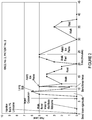
- TABLE IX and Figure 1 include summaries of procedural pain levels as a function of elapsed time. This is the only knee in this Example that did not receive Lidocaine.
- TABLE IX INJECTED KNEE # 1 Patient # 1, left knee treated
- ELAPSED TIME Minutes
- PROCEDURE PAIN SCORE (0 - 10) 0 Clean skin with an antiseptic wipe
- massage knee 10 Bend knee 10 18 Walk 10 20 Lie down 10 21 - 10 22 Ice pack to knee 10 24 Bend knee 9 25 Rest 3 29 Walk 8 30 Lie down 7 32 Bend knee 10 36 Stand 10 38 Weight on leg 10 39 Sit 2 40 Weight on leg 10 41 Sit 2 45 Walk 10 48 Bend 10 55 Stand 5 60 Stand & walk 5 80 Walking 3
- Depo-Medrol methylprednisolone acetate
- 8 ml of a solution containing 1% Lidocaine was injected into the intra-articular cavity of this same knee and distributed throughout the joint cavity by walking and bending of the knee for about 4 minutes prior to intra-articular injection of a 5 ml solution containing 0.2 mg capsaicin.
- Depo-Medrol methylprednisolone acetate
- 8 ml of a solution containing 1% Lidocaine was injected into the intra-articular cavity of this same knee and distributed throughout the joint cavity by bending and straightening of the knee for about 3 minutes prior to intra-articular injection of a 5 ml solution containing 0.2 mg capsaicin.
- Depo-Medrol methylprednisolone acetate
- a gel pack was applied to the knee then 8 ml of a solution containing 1% Lidocaine was injected into the intra-articular cavity of the left knee and distributed throughout the joint cavity by walking and bending of the knee for about 6 minutes prior to intra-articular injection of a 5 ml solution containing 0.2 mg capsaicin.
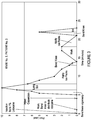
- TABLE XII and Figure 4 include summaries of procedural pain levels as a function of elapsed time.
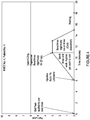
- TABLE XIII and Figure 5 includes summaries of procedural pain levels as a function of elapsed time.
- TABLE XIV and Figure 6 include a summary of pain levels as a function of elapsed time.
Landscapes
- Health & Medical Sciences (AREA)
- Life Sciences & Earth Sciences (AREA)
- Chemical & Material Sciences (AREA)
- Animal Behavior & Ethology (AREA)
- Pharmacology & Pharmacy (AREA)
- General Health & Medical Sciences (AREA)
- Public Health (AREA)
- Veterinary Medicine (AREA)
- Medicinal Chemistry (AREA)
- Epidemiology (AREA)
- Chemical Kinetics & Catalysis (AREA)
- Organic Chemistry (AREA)
- Nuclear Medicine, Radiotherapy & Molecular Imaging (AREA)
- General Chemical & Material Sciences (AREA)
- Dermatology (AREA)
- Engineering & Computer Science (AREA)
- Bioinformatics & Cheminformatics (AREA)
- Rheumatology (AREA)
- Molecular Biology (AREA)
- Dispersion Chemistry (AREA)
- Physical Education & Sports Medicine (AREA)
- Orthopedic Medicine & Surgery (AREA)
- Immunology (AREA)
- Pain & Pain Management (AREA)
- Acyclic And Carbocyclic Compounds In Medicinal Compositions (AREA)
- Pharmaceuticals Containing Other Organic And Inorganic Compounds (AREA)
- Medicinal Preparation (AREA)
- Medicines That Contain Protein Lipid Enzymes And Other Medicines (AREA)
Applications Claiming Priority (3)
| Application Number | Priority Date | Filing Date | Title |
|---|---|---|---|
| US201261725161P | 2012-11-12 | 2012-11-12 | |
| EP13812219.7A EP2916817B1 (de) | 2012-11-12 | 2013-11-12 | Wasserbasierte capsaicinoidformulierungen und verfahren zur herstellung und verwendung |
| PCT/US2013/069711 WO2014075084A2 (en) | 2012-11-12 | 2013-11-12 | Aqueous based capsaicinoid formulations and methods of manufacture and use |
Related Parent Applications (2)
| Application Number | Title | Priority Date | Filing Date |
|---|---|---|---|
| EP13812219.7A Division EP2916817B1 (de) | 2012-11-12 | 2013-11-12 | Wasserbasierte capsaicinoidformulierungen und verfahren zur herstellung und verwendung |
| EP13812219.7A Division-Into EP2916817B1 (de) | 2012-11-12 | 2013-11-12 | Wasserbasierte capsaicinoidformulierungen und verfahren zur herstellung und verwendung |
Publications (1)
| Publication Number | Publication Date |
|---|---|
| EP3446680A1 true EP3446680A1 (de) | 2019-02-27 |
Family
ID=49880927
Family Applications (2)
| Application Number | Title | Priority Date | Filing Date |
|---|---|---|---|
| EP18182795.7A Withdrawn EP3446680A1 (de) | 2012-11-12 | 2013-11-12 | Wasserbasierte capsaicinoidformulierungen und verfahren zur herstellung und verwendung |
| EP13812219.7A Not-in-force EP2916817B1 (de) | 2012-11-12 | 2013-11-12 | Wasserbasierte capsaicinoidformulierungen und verfahren zur herstellung und verwendung |
Family Applications After (1)
| Application Number | Title | Priority Date | Filing Date |
|---|---|---|---|
| EP13812219.7A Not-in-force EP2916817B1 (de) | 2012-11-12 | 2013-11-12 | Wasserbasierte capsaicinoidformulierungen und verfahren zur herstellung und verwendung |
Country Status (9)
| Country | Link |
|---|---|
| US (2) | US20140142073A1 (de) |
| EP (2) | EP3446680A1 (de) |
| JP (1) | JP6695140B2 (de) |
| KR (2) | KR20200119351A (de) |
| CN (1) | CN105101949A (de) |
| AU (1) | AU2013341380B2 (de) |
| CA (1) | CA2891218A1 (de) |
| MX (2) | MX362804B (de) |
| WO (1) | WO2014075084A2 (de) |
Families Citing this family (13)
| Publication number | Priority date | Publication date | Assignee | Title |
|---|---|---|---|---|
| US20150133561A1 (en) * | 2013-11-12 | 2015-05-14 | Vizuri Health Sciences Llc | Aqueous based capsaicinoid formulations and methods of manufacture and use |
| EP3131531B1 (de) | 2014-04-15 | 2022-04-06 | Propella Therapeutics, Inc. | Topische zusammensetzungen zur schmerzlinderung, herstellung und verwendung |
| JP6948762B2 (ja) * | 2015-10-16 | 2021-10-13 | 株式会社マンダム | Trpv1活性抑制剤作用増幅用組成物 |
| CA3011647A1 (en) * | 2016-01-22 | 2017-07-27 | Centrexion Therapeutics Corporation | Capsaicin sequential dosing method for treatment of morton's neuroma pain |
| ES3066533T3 (en) * | 2016-11-02 | 2026-05-13 | Centrexion Therapeutics Corp | Stable aqueous capsaicin injectable formulations and medical uses thereof |
| US20200206166A1 (en) * | 2017-07-20 | 2020-07-02 | Centrexion Therapeutics Corporation | Methods and compositions for treatment of pain using capsaicin |
| AU2018351640B2 (en) * | 2017-10-20 | 2024-02-29 | Axichem Ab | Synthetic capsaicin analogues as bioenhancers |
| CA3109932A1 (en) * | 2018-08-24 | 2020-02-27 | Centrexion Therapeutics Corporation | Capsaicin sequential dosing method for treatment of knee joint pain |
| CN112691091A (zh) * | 2021-01-09 | 2021-04-23 | 胡宝贤 | 低浓度石炭酸的新应用 |
| CN114903851A (zh) * | 2021-02-10 | 2022-08-16 | 北京泰德制药股份有限公司 | 一种辣椒碱脂肪乳 |
| CN118267355A (zh) * | 2022-12-29 | 2024-07-02 | 南京清普生物科技有限公司 | 一种辣椒素的乳剂组合物及其制备方法和应用 |
| WO2025153517A1 (en) | 2024-01-15 | 2025-07-24 | Grünenthal GmbH | Treating knee joint pain by injecting resiniferatoxin at ultra low doses |
| WO2025214431A1 (zh) * | 2024-04-11 | 2025-10-16 | 泰励生物科技(上海)有限公司 | 负载辣椒素的透明质酸交联物 |
Citations (14)
| Publication number | Priority date | Publication date | Assignee | Title |
|---|---|---|---|---|
| US4599342A (en) * | 1984-01-16 | 1986-07-08 | The Procter & Gamble Company | Pharmaceutical products providing enhanced analgesia |
| US4702916A (en) * | 1985-12-03 | 1987-10-27 | Warner-Lambert Company | Analgesic stick compositions |
| US5962532A (en) | 1997-03-13 | 1999-10-05 | Campbell; James N. | Therapeutic method with capsaicin and capsaicin analogues |
| US6573302B1 (en) * | 1999-09-29 | 2003-06-03 | Medical Merchandising, Inc. | Cream utilizing capsaicin |
| US20040156931A1 (en) | 2002-12-18 | 2004-08-12 | Algorx | Administration of capsaicinoids |
| US20050020690A1 (en) | 2002-12-18 | 2005-01-27 | Algorx | Infiltration of capsaicin into surgical sites and open wounds |
| US20060100272A1 (en) | 2004-06-02 | 2006-05-11 | Sri International | Formulations for the treatment of pain |
| US20060148903A1 (en) | 2004-11-24 | 2006-07-06 | Algorx Pharmaceuticals, Inc. | Capsaicinoid gel formulation and uses thereof |
| US20070293703A1 (en) | 2003-04-08 | 2007-12-20 | Algorx Pharmaceuticals, Inc. | Preparation and purification of synthetic capsaicin |
| US20080153780A1 (en) | 2004-12-28 | 2008-06-26 | Mestex Ag | Use Of A Vanilloid Receptor Agonist Together With A Glycosaminoglycan Or Proteoglycan For Producing An Agent For Treating Articular Pains And Method For Applying Said Agent |
| US20100047181A1 (en) * | 2004-12-22 | 2010-02-25 | Mestex Ag | Mixture of a vanilloid receptor agonist and a substance inhibiting nerve regeneration, use thereof for producing a painkiller, and method for applying said painkiller |
| US20110311592A1 (en) | 2009-10-22 | 2011-12-22 | Api Genesis, Llc | Methods of increasing solubility of poorly soluble compounds and methods of making and using formulations of such compounds |
| US8158682B2 (en) | 2008-09-12 | 2012-04-17 | Vallinex, Inc. | Instillation administration of capsaicinoids for the treatment of pain |
| US20130157985A1 (en) | 2011-09-09 | 2013-06-20 | Api Genesis, Llc | Pain relief compositions, manufacture and uses |
Family Cites Families (9)
| Publication number | Priority date | Publication date | Assignee | Title |
|---|---|---|---|---|
| JPS63130540A (ja) * | 1986-11-18 | 1988-06-02 | Sunstar Inc | 鎮痛用組成物 |
| JPH0621063B2 (ja) * | 1986-12-06 | 1994-03-23 | サンスタ−株式会社 | 歯科用鎮痛剤組成物 |
| JP3022541B1 (ja) * | 1999-01-11 | 2000-03-21 | 株式会社ヘルスサイエンスセンター | 外用剤 |
| US6579543B1 (en) * | 2002-02-22 | 2003-06-17 | Jackie H. McClung | Composition for topical application to skin |
| JP2006298944A (ja) * | 2004-11-05 | 2006-11-02 | Maruishi Pharmaceutical Co Ltd | インスリン様成長因子−1分泌促進剤 |
| US20070098660A1 (en) * | 2005-10-27 | 2007-05-03 | Jim Taneri | Methods and compositions for epilation |
| US8623335B2 (en) * | 2007-09-10 | 2014-01-07 | Tauna Ann Waddington | Scar and rosacea and other skin care treatment composition and method |
| CA2792729C (en) * | 2010-03-12 | 2016-06-28 | Allergan Industrie, Sas | Fluid compositions for improving skin conditions |
| AU2011318580B2 (en) * | 2010-10-22 | 2016-01-07 | Technology Investments Lc | Methods of increasing solubility of poorly soluble compounds and methods of making and using formulations of such compounds |
-
2013
- 2013-11-12 WO PCT/US2013/069711 patent/WO2014075084A2/en not_active Ceased
- 2013-11-12 KR KR1020207028806A patent/KR20200119351A/ko not_active Ceased
- 2013-11-12 MX MX2015005879A patent/MX362804B/es active IP Right Grant
- 2013-11-12 CN CN201380070214.XA patent/CN105101949A/zh active Pending
- 2013-11-12 AU AU2013341380A patent/AU2013341380B2/en not_active Ceased
- 2013-11-12 EP EP18182795.7A patent/EP3446680A1/de not_active Withdrawn
- 2013-11-12 MX MX2018013715A patent/MX387113B/es unknown
- 2013-11-12 US US14/078,253 patent/US20140142073A1/en not_active Abandoned
- 2013-11-12 CA CA2891218A patent/CA2891218A1/en not_active Abandoned
- 2013-11-12 JP JP2015542018A patent/JP6695140B2/ja not_active Expired - Fee Related
- 2013-11-12 KR KR1020157015545A patent/KR20150084996A/ko not_active Ceased
- 2013-11-12 EP EP13812219.7A patent/EP2916817B1/de not_active Not-in-force
-
2018
- 2018-07-26 US US16/045,782 patent/US20190022110A1/en not_active Abandoned
Patent Citations (28)
| Publication number | Priority date | Publication date | Assignee | Title |
|---|---|---|---|---|
| US4599342A (en) * | 1984-01-16 | 1986-07-08 | The Procter & Gamble Company | Pharmaceutical products providing enhanced analgesia |
| US4702916A (en) * | 1985-12-03 | 1987-10-27 | Warner-Lambert Company | Analgesic stick compositions |
| US5962532A (en) | 1997-03-13 | 1999-10-05 | Campbell; James N. | Therapeutic method with capsaicin and capsaicin analogues |
| US6573302B1 (en) * | 1999-09-29 | 2003-06-03 | Medical Merchandising, Inc. | Cream utilizing capsaicin |
| US20090117167A1 (en) | 2002-12-18 | 2009-05-07 | Algorx | Injectable capsaicin with vasocontrictor adjunctive agent |
| US20070036876A1 (en) | 2002-12-18 | 2007-02-15 | Algorx | Injectable capsaicin |
| US20040186182A1 (en) | 2002-12-18 | 2004-09-23 | Algorx | Administration of capsaicinoids |
| US20050020690A1 (en) | 2002-12-18 | 2005-01-27 | Algorx | Infiltration of capsaicin into surgical sites and open wounds |
| US20050019436A1 (en) | 2002-12-18 | 2005-01-27 | Algorx | Injectable capsaicin |
| US20050058734A1 (en) | 2002-12-18 | 2005-03-17 | Algorx | Administration of capsaicinoids |
| US20040161481A1 (en) | 2002-12-18 | 2004-08-19 | Algorx | Administration of capsaicinoids |
| US8420600B2 (en) | 2002-12-18 | 2013-04-16 | Vallinex, Inc. | Injectable capsaicin |
| US20060269628A1 (en) | 2002-12-18 | 2006-11-30 | Algorx | Infiltration of capsaicin into surgical sites and open wounds |
| US20040156931A1 (en) | 2002-12-18 | 2004-08-12 | Algorx | Administration of capsaicinoids |
| US20090111792A1 (en) | 2002-12-18 | 2009-04-30 | Algorx | Injectable capsaicin with tricyclic antidepressant adjunctive agent |
| US20090118242A1 (en) | 2002-12-18 | 2009-05-07 | Algorx | Injectable capsaicin with non-steroidal anti-inflammatory adjunctive agent |
| US20080262091A1 (en) | 2002-12-18 | 2008-10-23 | Algorx | Infiltration of capsaicin into surgical sites and open wounds |
| US20080260791A1 (en) | 2002-12-18 | 2008-10-23 | Algorx | Injectable capsaicin |
| US20090054527A1 (en) | 2002-12-18 | 2009-02-26 | Algorx | Administration of capsaicinoids |
| US20090062359A1 (en) | 2002-12-18 | 2009-03-05 | Algorx | Injectable capsaicin with non-local anesthetic sodium channel-blocker adjunctive agent |
| US20070293703A1 (en) | 2003-04-08 | 2007-12-20 | Algorx Pharmaceuticals, Inc. | Preparation and purification of synthetic capsaicin |
| US20060100272A1 (en) | 2004-06-02 | 2006-05-11 | Sri International | Formulations for the treatment of pain |
| US20060148903A1 (en) | 2004-11-24 | 2006-07-06 | Algorx Pharmaceuticals, Inc. | Capsaicinoid gel formulation and uses thereof |
| US20100047181A1 (en) * | 2004-12-22 | 2010-02-25 | Mestex Ag | Mixture of a vanilloid receptor agonist and a substance inhibiting nerve regeneration, use thereof for producing a painkiller, and method for applying said painkiller |
| US20080153780A1 (en) | 2004-12-28 | 2008-06-26 | Mestex Ag | Use Of A Vanilloid Receptor Agonist Together With A Glycosaminoglycan Or Proteoglycan For Producing An Agent For Treating Articular Pains And Method For Applying Said Agent |
| US8158682B2 (en) | 2008-09-12 | 2012-04-17 | Vallinex, Inc. | Instillation administration of capsaicinoids for the treatment of pain |
| US20110311592A1 (en) | 2009-10-22 | 2011-12-22 | Api Genesis, Llc | Methods of increasing solubility of poorly soluble compounds and methods of making and using formulations of such compounds |
| US20130157985A1 (en) | 2011-09-09 | 2013-06-20 | Api Genesis, Llc | Pain relief compositions, manufacture and uses |
Non-Patent Citations (5)
Also Published As
| Publication number | Publication date |
|---|---|
| US20190022110A1 (en) | 2019-01-24 |
| AU2013341380A1 (en) | 2014-05-15 |
| AU2013341380A2 (en) | 2015-10-22 |
| AU2013341380B2 (en) | 2018-04-26 |
| MX362804B (es) | 2019-02-14 |
| CN105101949A (zh) | 2015-11-25 |
| CA2891218A1 (en) | 2014-05-15 |
| KR20200119351A (ko) | 2020-10-19 |
| WO2014075084A2 (en) | 2014-05-15 |
| WO2014075084A3 (en) | 2014-07-10 |
| JP6695140B2 (ja) | 2020-05-20 |
| JP2015536998A (ja) | 2015-12-24 |
| MX2015005879A (es) | 2016-02-05 |
| MX2018013715A (es) | 2019-07-29 |
| MX387113B (es) | 2025-03-19 |
| US20140142073A1 (en) | 2014-05-22 |
| EP2916817A2 (de) | 2015-09-16 |
| EP2916817B1 (de) | 2018-09-12 |
| KR20150084996A (ko) | 2015-07-22 |
Similar Documents
| Publication | Publication Date | Title |
|---|---|---|
| EP2916817B1 (de) | Wasserbasierte capsaicinoidformulierungen und verfahren zur herstellung und verwendung | |
| EP3068373B1 (de) | Wasserbasierte capsaicinoidformulierungen und verfahren zur herstellung und verwendung | |
| JP6563954B2 (ja) | 痛みの緩和のための局所組成物、製造および使用 | |
| EP2948182B1 (de) | Pharmazeutische formulierung mit einem unlöslichen corticosteroid und einem löslichen corticosteroid | |
| AU2019203449B2 (en) | Topical diclofenac sodium compositions | |
| EP2938325B1 (de) | Diclofenaczusammensetzung | |
| TWI772659B (zh) | 醫藥配方 | |
| WO2009026178A2 (en) | High concentration local anesthetic formulations | |
| WO2016170401A1 (en) | Novel injectable composition of diclofenac sodium | |
| US9687549B2 (en) | Topical pharmaceutical gel composition of diclofenac sodium | |
| US20160263065A1 (en) | Topical pharmaceutical gel composition of diclofenac sodium | |
| HK1218074B (en) | Pharmaceutical formulation comprising an insoluble corticosteroid and a soluble corticosteroid |
Legal Events
| Date | Code | Title | Description |
|---|---|---|---|
| PUAI | Public reference made under article 153(3) epc to a published international application that has entered the european phase |
Free format text: ORIGINAL CODE: 0009012 |
|
| STAA | Information on the status of an ep patent application or granted ep patent |
Free format text: STATUS: REQUEST FOR EXAMINATION WAS MADE |
|
| 17P | Request for examination filed |
Effective date: 20180710 |
|
| AC | Divisional application: reference to earlier application |
Ref document number: 2916817 Country of ref document: EP Kind code of ref document: P |
|
| AK | Designated contracting states |
Kind code of ref document: A1 Designated state(s): AL AT BE BG CH CY CZ DE DK EE ES FI FR GB GR HR HU IE IS IT LI LT LU LV MC MK MT NL NO PL PT RO RS SE SI SK SM TR |
|
| RAP1 | Party data changed (applicant data changed or rights of an application transferred) |
Owner name: PROPELLA THERAPEUTICS, INC. |
|
| STAA | Information on the status of an ep patent application or granted ep patent |
Free format text: STATUS: EXAMINATION IS IN PROGRESS |
|
| 17Q | First examination report despatched |
Effective date: 20210309 |
|
| STAA | Information on the status of an ep patent application or granted ep patent |
Free format text: STATUS: THE APPLICATION IS DEEMED TO BE WITHDRAWN |
|
| 18D | Application deemed to be withdrawn |
Effective date: 20230601 |