EP3447149B1 - Hcbi-sequenzen als früher marker für die zukünftige entwicklung von krebs und erkrankungen des zentralen nervensystems sowie als ziel zur behandlung und prävention von krebs - Google Patents
Hcbi-sequenzen als früher marker für die zukünftige entwicklung von krebs und erkrankungen des zentralen nervensystems sowie als ziel zur behandlung und prävention von krebs Download PDFInfo
- Publication number
- EP3447149B1 EP3447149B1 EP18192671.8A EP18192671A EP3447149B1 EP 3447149 B1 EP3447149 B1 EP 3447149B1 EP 18192671 A EP18192671 A EP 18192671A EP 3447149 B1 EP3447149 B1 EP 3447149B1
- Authority
- EP
- European Patent Office
- Prior art keywords
- dna
- artificial sequences
- polynucleic acid
- sequences
- hcbi
- Prior art date
- Legal status (The legal status is an assumption and is not a legal conclusion. Google has not performed a legal analysis and makes no representation as to the accuracy of the status listed.)
- Active
Links
Images











Classifications
-
- C—CHEMISTRY; METALLURGY
- C07—ORGANIC CHEMISTRY
- C07K—PEPTIDES
- C07K14/00—Peptides having more than 20 amino acids; Gastrins; Somatostatins; Melanotropins; Derivatives thereof
- C07K14/435—Peptides having more than 20 amino acids; Gastrins; Somatostatins; Melanotropins; Derivatives thereof from animals; from humans
- C07K14/46—Peptides having more than 20 amino acids; Gastrins; Somatostatins; Melanotropins; Derivatives thereof from animals; from humans from vertebrates
- C07K14/47—Peptides having more than 20 amino acids; Gastrins; Somatostatins; Melanotropins; Derivatives thereof from animals; from humans from vertebrates from mammals
-
- C—CHEMISTRY; METALLURGY
- C12—BIOCHEMISTRY; BEER; SPIRITS; WINE; VINEGAR; MICROBIOLOGY; ENZYMOLOGY; MUTATION OR GENETIC ENGINEERING
- C12Q—MEASURING OR TESTING PROCESSES INVOLVING ENZYMES, NUCLEIC ACIDS OR MICROORGANISMS; COMPOSITIONS OR TEST PAPERS THEREFOR; PROCESSES OF PREPARING SUCH COMPOSITIONS; CONDITION-RESPONSIVE CONTROL IN MICROBIOLOGICAL OR ENZYMOLOGICAL PROCESSES
- C12Q1/00—Measuring or testing processes involving enzymes, nucleic acids or microorganisms; Compositions therefor; Processes of preparing such compositions
- C12Q1/68—Measuring or testing processes involving enzymes, nucleic acids or microorganisms; Compositions therefor; Processes of preparing such compositions involving nucleic acids
- C12Q1/6876—Nucleic acid products used in the analysis of nucleic acids, e.g. primers or probes
- C12Q1/6883—Nucleic acid products used in the analysis of nucleic acids, e.g. primers or probes for diseases caused by alterations of genetic material
-
- A—HUMAN NECESSITIES
- A61—MEDICAL OR VETERINARY SCIENCE; HYGIENE
- A61P—SPECIFIC THERAPEUTIC ACTIVITY OF CHEMICAL COMPOUNDS OR MEDICINAL PREPARATIONS
- A61P25/00—Drugs for disorders of the nervous system
-
- A—HUMAN NECESSITIES
- A61—MEDICAL OR VETERINARY SCIENCE; HYGIENE
- A61P—SPECIFIC THERAPEUTIC ACTIVITY OF CHEMICAL COMPOUNDS OR MEDICINAL PREPARATIONS
- A61P25/00—Drugs for disorders of the nervous system
- A61P25/28—Drugs for disorders of the nervous system for treating neurodegenerative disorders of the central nervous system, e.g. nootropic agents, cognition enhancers, drugs for treating Alzheimer's disease or other forms of dementia
-
- A—HUMAN NECESSITIES
- A61—MEDICAL OR VETERINARY SCIENCE; HYGIENE
- A61P—SPECIFIC THERAPEUTIC ACTIVITY OF CHEMICAL COMPOUNDS OR MEDICINAL PREPARATIONS
- A61P35/00—Antineoplastic agents
-
- C—CHEMISTRY; METALLURGY
- C07—ORGANIC CHEMISTRY
- C07K—PEPTIDES
- C07K16/00—Immunoglobulins [IG], e.g. monoclonal or polyclonal antibodies
- C07K16/18—Immunoglobulins [IG], e.g. monoclonal or polyclonal antibodies against material from animals or humans
-
- C—CHEMISTRY; METALLURGY
- C12—BIOCHEMISTRY; BEER; SPIRITS; WINE; VINEGAR; MICROBIOLOGY; ENZYMOLOGY; MUTATION OR GENETIC ENGINEERING
- C12N—MICROORGANISMS OR ENZYMES; COMPOSITIONS THEREOF; PROPAGATING, PRESERVING, OR MAINTAINING MICROORGANISMS; MUTATION OR GENETIC ENGINEERING; CULTURE MEDIA
- C12N15/00—Mutation or genetic engineering; DNA or RNA concerning genetic engineering, vectors, e.g. plasmids, or their isolation, preparation or purification; Use of hosts therefor
- C12N15/09—Recombinant DNA-technology
- C12N15/11—DNA or RNA fragments; Modified forms thereof; Non-coding nucleic acids having a biological activity
- C12N15/113—Non-coding nucleic acids modulating the expression of genes, e.g. antisense oligonucleotides; Antisense DNA or RNA; Triplex- forming oligonucleotides; Catalytic nucleic acids, e.g. ribozymes; Nucleic acids used in co-suppression or gene silencing
-
- C—CHEMISTRY; METALLURGY
- C12—BIOCHEMISTRY; BEER; SPIRITS; WINE; VINEGAR; MICROBIOLOGY; ENZYMOLOGY; MUTATION OR GENETIC ENGINEERING
- C12Q—MEASURING OR TESTING PROCESSES INVOLVING ENZYMES, NUCLEIC ACIDS OR MICROORGANISMS; COMPOSITIONS OR TEST PAPERS THEREFOR; PROCESSES OF PREPARING SUCH COMPOSITIONS; CONDITION-RESPONSIVE CONTROL IN MICROBIOLOGICAL OR ENZYMOLOGICAL PROCESSES
- C12Q1/00—Measuring or testing processes involving enzymes, nucleic acids or microorganisms; Compositions therefor; Processes of preparing such compositions
- C12Q1/70—Measuring or testing processes involving enzymes, nucleic acids or microorganisms; Compositions therefor; Processes of preparing such compositions involving virus or bacteriophage
- C12Q1/701—Specific hybridization probes
-
- C—CHEMISTRY; METALLURGY
- C12—BIOCHEMISTRY; BEER; SPIRITS; WINE; VINEGAR; MICROBIOLOGY; ENZYMOLOGY; MUTATION OR GENETIC ENGINEERING
- C12N—MICROORGANISMS OR ENZYMES; COMPOSITIONS THEREOF; PROPAGATING, PRESERVING, OR MAINTAINING MICROORGANISMS; MUTATION OR GENETIC ENGINEERING; CULTURE MEDIA
- C12N2310/00—Structure or type of the nucleic acid
- C12N2310/10—Type of nucleic acid
- C12N2310/11—Antisense
-
- C—CHEMISTRY; METALLURGY
- C12—BIOCHEMISTRY; BEER; SPIRITS; WINE; VINEGAR; MICROBIOLOGY; ENZYMOLOGY; MUTATION OR GENETIC ENGINEERING
- C12N—MICROORGANISMS OR ENZYMES; COMPOSITIONS THEREOF; PROPAGATING, PRESERVING, OR MAINTAINING MICROORGANISMS; MUTATION OR GENETIC ENGINEERING; CULTURE MEDIA
- C12N2310/00—Structure or type of the nucleic acid
- C12N2310/10—Type of nucleic acid
- C12N2310/14—Type of nucleic acid interfering nucleic acids [NA]
Definitions
- the present invention relates to HCBI (Healthy Cattle Blood Isolate) nucleotide sequences as well as probes and primers comprising part of said nucleotide sequences and antibodies against polypeptides encoded by said nucleotide sequences.
- HCBI Health Cattle Blood Isolate
- probes and primers comprising part of said nucleotide sequences and antibodies against polypeptides encoded by said nucleotide sequences.
- the present invention relates to the use of said compounds as an early marker for the future development of diseases such as cancer and diseases of the CNS and as a target for cancer treatment and prevention.
- the technical problem underlying the present invention is to identify specific nucleotide sequences that might be associated with diseases such as cancer or diseases of the CNS and, thus, to provide means for diagnosis and therapy.
- the TSE isolates have also been suspected to play a role in cancer induction (Manuelidis, 2011), thus, it is reasonable to assume that the viral sequences described might be associated with the development of diseases like cancer and diseases of the CNS.
- Brassard et al., Veterinary Microbiology, Vol. 126, No. 1-3, pp. 271-276 (2007 ) describe the molecular detection of bovine and porcine Torque teno virus in plasma and feces.
- Schuurman et al., Biologicals, Vol. 19, pp. 265-270 (1991 ) describe that bovine polyomavirus is a frequent contamination of calf serum.
- the present invention relates to an HCBI polynucleic acid comprising:
- polynucleic acid refers to a single-stranded or double-stranded nucleic acid sequence.
- a polynucleic acid may consist of deoxyribonucleotides or ribonucleotides, nucleotide analogues or modified nucleotides or may have been adapted for diagnostic or therapeutic purposes.
- a polynucleic acid may also comprise a double stranded cDNA clone which can be used, for example, for cloning purposes.
- the HCBI5.173 polynucleic acids of the invention can be prepared according to well-known routine methods, for example, by (a) isolating the entire DNA or RNA from a sample, (b) detecting the HCBI sequence by hybridization or PCR and (c) cloning of the HCBI sequence into a vector.
- sequence variants of the polynucleic acid of the invention containing either deletions and/or insertions of one or more nucleotides, especially insertions or deletions of one or more codons, mainly at the extremities of oligonucleotides (either 3' or 5') and which show at least 90%, 95% or 98% identity to said polynucleic acid sequences of the invention.
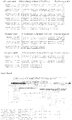
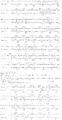
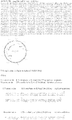
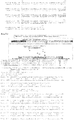
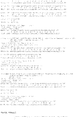
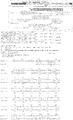
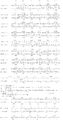
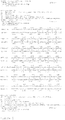
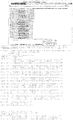
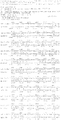
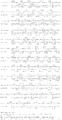
- Polynucleic acid sequences according to the present invention which are similar to the sequence as shown in Figure 5 can be characterized and isolated according to any of the techniques known in the art, such as amplification by means of sequence-specific primers, hybridization with sequence-specific probes under more or less stringent conditions, sequence determination of the genetic information of HCBI etc.
- the present invention also provides fragments of the nucleotide sequences of the present invention described above that are, preferably, capable of replicating autonomously as described in Example 1.
- An autonomous replicating nucleotide sequence comprises a nucleotide sequence of the replication gene or a fragment thereof which is capable of inducing autonomous replication.
- Replication protein represents an endonuclease which binds single-stranded DNA inducing a single-stranded cut at or near the origin of replication (Wolds, 1997). The skilled person can derive at such fragments capable of inducing autonomous replication without undue experimentation. Such fragments may have a length of at least 45, at least 55, or at least 65 nt.
- nucleic acid sequences are related to a nucleotide sequence of Figure 5 or which fragments are still capable of replicating autonomously by using standard assays.
- the present invention also provides polynucleic acid sequences which are redundant as a result of the degeneracy of the genetic code compared to any of the above-given nucleotide sequences. These variant polynucleic acid sequences will thus encode the same amino acid sequence as the polynucleic acids they are derived from.
- the HCBI5.173 polynucleic acid of the invention might be present as an extrachromosomal episome, might be integrated into the host's genome and/or might be linked to a host cell DNA.
- the present invention also relates to an oligonucleotide primer comprising or consisting of part of a polynucleic acid as defined above, with said primer being able to act as primer for specifically sequencing or specifically amplifying HCBI5.173 polynucleic acid of the invention.
- primer refers to a single stranded DNA oligonucleotide sequence capable of acting as a point of initiation for synthesis of a primer extension product which is complementary to the nucleic acid strand to be copied.
- the length and the sequence of the primer must be such that they allow priming the synthesis of the extension products.
- the primer is about 5-50 nucleotides. Specific length and sequence will depend on the complexity of the required DNA or RNA targets, as well as on the conditions of primer use such as temperature and ionic strength.
- amplification primers do not have to match exactly with corresponding template sequence to warrant proper amplification is amply documented in the literature.
- the amplification method used can be , for example, polymerase chain reaction (PCR), ligase chain reaction (LCR), nucleic acid sequence-based amplification (NASBA), transcription-based amplification system (TAS), strand displacement amplification (SDA) or amplification by means of Q ⁇ replicase or any other suitable method to amplify nucleic acid molecules using primer extension.
- PCR polymerase chain reaction
- LCR ligase chain reaction
- NASBA nucleic acid sequence-based amplification
- TAS transcription-based amplification system
- SDA strand displacement amplification
- the amplified products can be conveniently labelled either using labelled primers or by incorporating labelled nucleotides.
- Labels may be isotopic (32P, 35S, etc.) or non-isotopic (biotin, digoxigenin, etc.).
- the amplification reaction is repeated between 20 and 70 times, advantageously between 25 and 45 times.
- sequencing reactions Any of a variety of sequencing reactions known in the art can be used to directly sequence the viral genetic information and determine the orf by translating the sequence of the sample into the corresponding amino acid sequence.
- Exemplary sequencing reactions include those based on techniques developed by Sanger or Maxam and Gilbert. It is also contemplated that a variety of automated sequencing procedures may be utilized when performing the subject assays including sequencing by mass spectrometry (see, for example: PCT publication WO 94/16101 ). It will be evident to one skilled in the art that, for example the occurrence of only two or three nucleic bases needs to be determined in the sequencing reaction.
- these primers are about 5 to 50 nucleotides long, more preferably from about 10 to 25 nucleotides. Most preferred are primers having a length of at least 13 bases.
- the present invention also relates to an oligonucleotide probe comprising or consisting of part of a HCBI5.173 polynucleic acid as defined above, with said probe being able to act as a hybridization probe for specific detection of a HCBI5.173 polynucleic acid according to the invention.
- the probe can be labelled or attached to a solid support.
- probe refers to single stranded sequence-specific oligonucleotides which have a sequence which is complementary to the target sequence of a HCBI5.173 polynucleic acid to be detected.
- these probes are about 5 to 50 nucleotides long, more preferably from about 10 to 25 nucleotides. Most preferred are probes having a length of at least 13 bases.
- solid support can refer to any substrate to which an oligonucleotide probe can be coupled, provided that it retains its hybridization characteristics and provided that the background level of hybridization remains low.
- the solid substrate will be a microtiter plate, a membrane (e.g. nylon or nitrocellulose) or a microsphere (bead).
- a membrane e.g. nylon or nitrocellulose
- a microsphere bead
- modifications may encompass homopolymer tailing, coupling with different reactive groups such as aliphatic groups, NH 2 groups, SH groups, carboxylic groups, or coupling with biotin or haptens.
- oligonucleotides according to the present invention used as primers or probes may also contain or consist of nucleotide analogues such as phosphorothioates, alkylphosphoriates or peptide nucleic acids or may contain intercalating agents. These modifications will necessitate adaptions with respect to the conditions under which the oligonucleotide should be used to obtain the required specificity and sensitivity. However, the eventual results will be essentially the same as those obtained with the unmodified oligonucleotides.
- the polynucleic acids of the invention may be comprised in a composition of any kind.
- Said composition may be for diagnostic, therapeutic or prophylactic use.
- the present invention also relates to a recombinant expression vector comprising an HCBI5.173 polynucleic acid of the invention as defined above operably linked to prokaryotic, eukaryotic or viral transcription and translation control elements as well as host cells containing such vector.
- vector may comprise a plasmid, a cosmid, an artificial chromosome, a phage, or a virus or a transgenic non-human animal.
- Particularly useful for vaccine development may be HCBI5.173 recombinant molecules, BCG or adenoviral vectors, as well as avipox recombinant viruses.
- recombinant expression used within the context of the present invention refers to the fact that the polypeptides of the present invention are produced by recombinant expression methods be it in prokaryotes, or lower or higher eukaryotes as discussed in detail below.
- host cell refers to cells which can be or have been, used as recipients for a recombinant vector or other transfer polynucleotide, and include the progeny of the original cell which has been transfected.
- progeny of a single parental cell may not necessarily be completely identical in morphology or in genomic or total DNA complement as the original parent, due to natural, accidental, or deliberate mutation or recombination.
- lower eukaryote refers to host cells such as yeast, fungi and the like.
- Lower eukaryotes are generally (but not necessarily) unicellular.
- Preferred lower eukaryotes are yeasts, particularly species within Saccharomyces, Schizosaccharomyces, Kluiveromyces, Pichia (e. g. Pichia pastoris), Hansenula (e. g. Hansenula polymorph), Schwaniomyces, Schizosaccharomyces, Yarowia, Zygosaccharomyces and the like.
- Saccharomyces cerevisiae, S. carlsbergensis and K. lactis are the most commonly used yeast hosts, and are convenient fungal hosts.
- higher eukaryote refers to host cells derived from higher animals, such as mammals, reptiles, insects, and the like.
- Presently preferred higher eukaryote host cells are derived from Chinese hamster (e. g. CHO), monkey (e. g. COS and Vero cells), baby hamster kidney (BHK), pig kidney (PK15), rabbit kidney 13 cells (RK13), the human osteosarcoma cell line 143 B, the human cell line HeLa and human hepatoma cell lines like Hep G2, the 293TT cell line (Buck et al., 2004) and insectcell lines (e.g. Spodoptera frugiperda).
- the host cells may be provided in suspension or flask cultures, tissue cultures, organ cultures and the like. Alternatively the host cells may also be transgenic non-human animals.
- prokaryotes refers to hosts such as E. coli, Lactobacillus, Lactococcus, Salmonella, Streptococcus, Bacillus subtilis or Streptomyces. Also these hosts are contemplated within the present invention.
- the segment of the HCBI5.173 DNA encoding the desired sequence inserted into the vector sequence may be attached to a signal sequence.
- Said signal sequence may be that from a non-HCBI5.173 source, but particularly preferred constructs according to the present invention contain signal sequences appearing in the HCBI genome before the respective start points of the proteins.
- Higher eukaryotes may be transformed with vectors, or may be infected with a recombinant virus, for example a recombinant vaccinia virus.
- Techniques and vectors for the insertion of foreign DNA into vaccinia virus are well known in the art, and utilize, for example homologous recombination.
- a wide variety of viral promoter sequences, possibly terminator sequences and poly(A)-addition sequences, possibly enhancer sequences and possibly amplification sequences, all required for the mammalian expression, are available in the art.
- Vaccinia is particularly preferred since vaccinia halts the expression of host cell proteins.
- AMV Ankara Modified Virus
- insect expression transfer vectors derived from baculovirus Autographa californica nuclear polyhedrosis virus (AcNPV), which is a helper-independent viral expression vector.
- AcNPV Autographa californica nuclear polyhedrosis virus
- Expression vectors derived from this system usually use the strong viral polyhedrin gene promoter to drive the expression of heterologous genes.
- Different vectors as well as methods for the introduction of heterologous DNA into the desired site of baculovirus are available to the man skilled in the art for baculovirus expression.
- signals for post translational modification recognized by insect cells are known in the art.
- the present invention also relates to a polypeptide having an amino acid sequence encoded by an HBCI polynucleic acid as defined above, or a part or an analogue thereof being substantially similar and biologically equivalent.
- polypeptide refers to a polymer of amino acids and does not refer to a specific length of the product.
- peptides, oligopeptides, and proteins are included within the definition of polypeptide. This term also does not refer to or exclude post-expression modifications of the polypeptide, for example, glycosylations, acetylations, phosphorylations and the like. Included within the definition are, for example, polypeptides containing one or more analogues of an amino acid (including, for example, unnatural amino acids, peptide nucleic acid (PNA), etc.), polypeptides with substituted linkages, as well as other modifications known in the art, both naturally occurring and non-naturally occurring.
- PNA peptide nucleic acid
- polypeptides according to the present invention contain preferably at least 3, preferably 4 or 5 contiguous HCBI5.173 amino acids, 6 or 7 preferably however at least 8 contiguous HCBI5.173 amino acids, at least 10 or at least 15.
- the polypeptides of the invention can be prepared by classical chemical synthesis. The synthesis can be carried out in homogeneous solution or in solid phase.
- the polypeptides according to this invention can also be prepared by means of recombinant DNA techniques.
- the present invention also relates to a method for production of a recombinant polypeptide as defined above, comprising: (a) transformation of an appropriate cellular host with a recombinant vector, in which a polynucleic acid or a part thereof as defined above has been inserted under the control of the appropriate regulatory elements, (b) culturing said transformed cellular host under conditions enabling the expression of said insert, and (c) harvesting said polypeptide.
- the present invention also relates to an antibody raised upon immunization with at least one polypeptide as defined above, with said antibody being specifically reactive with any of said polypeptides, and with said antibody being preferably a monoclonal antibody.
- antibody preferably, relates to antibodies which consist essentially of pooled monoclonal antibodies with different epitopic specifities, as well as distinct monoclonal antibody preparations.
- Monoclonal antibodies are made from an antigen containing, e.g., a polypeptide encoded by an HCBI5.173 polynucleic acid of the invention or a fragment thereof by methods well known to those skilled in the art.
- antibody As used herein, the term "antibody” (Ab) or “monoclonal antibody” (Mab) is meant to include intact molecules as well as antibody fragments (such as, for example, Fab and F(ab')2 fragments) which are capable of specifically binding to protein. Fab and F(ab')2 fragments lack the Fc fragment of intact antibody, clear more rapidly from the circulation, and may have less non-specific tissue binding than an intact antibody. Thus, these fragments are preferred, as well as the products of a FAB or other immunoglobulin expression library. Moreover, antibodies useful for the purposes of the present invention include chimerical, single chain, and humanized antibodies.
- the antibody or antigen binding fragment thereof carries a detectable label.
- the antibody/fragment can be directly or indirectly detectably labeled, for example, with a radioisotope, a fluorescent compound, a bioluminescent compound, a chemiluminescent compound, a metal chelator or an enzyme.
- a radioisotope for example, with a radioisotope, a fluorescent compound, a bioluminescent compound, a chemiluminescent compound, a metal chelator or an enzyme.
- the present invention also relates to a diagnostic kit for use in determining the presence of a HCBI5.173 polynucleic acid or polypeptide of the invention, said kit comprising a primer, a probe, and/or an antibody of the invention.
- the present invention also relates to a method for the detection of an HCBI5.173 polynucleic acid according to the invention present in a biological sample, comprising: (a) optionally extracting sample polynucleic acid, (b) amplifying the polynucleic acid as described above with at least one primer as defined above, optionally a labelled primer, and (c) detecting the amplified polynucleic acids.
- polynucleic acid can also be referred to as analyte strand and corresponds to a single- or double-stranded polynucleic acid molecule.
- labelled refers to the use of labelled nucleic acids. This may include the use of labelled nucleotides incorporated during the polymerase step of the amplification or labelled primers, or by any other method known to the person skilled in the art.
- the present invention also relates to a method for the detection of an HCBI5.173 polynucleic acid according to the invention present in a biological sample, comprising: (a) optionally extracting sample polynucleic acid, (b) hybridizing the polynucleic acid as described above with at least one probe as defined above, and (c) detecting the hybridized polynucleic acids.
- hybridization and washing conditions are to be understood as stringent and are generally known in the art. However, according to the hybridization solution (SSC, SSPE, etc.), these probes should be hybridized at their appropriate temperature in order to attain sufficient specificity.
- these probes should be stringently hybridized at their appropriate temperature in order to attain sufficient specificity.
- these probes or variants thereof can be caused to hybridize specifically at the same hybridization conditions (i. e. the same temperature and the same hybridization solution).
- the amount (concentration) of probe used may be beneficial to obtain more specific hybridization results. It should be noted in this context, that probes of the same length, regardless of their GC content, will hybridize specifically at approximately the same temperature in TMACI solutions.
- Suitable assay methods for purposes of the present invention to detect hybrids formed between the oligonucleotide probes and the HCBI5.173 polynucleic acid sequences in a sample may comprise any of the assay formats known in the art, such as the conventional dot-blot format, sandwich hybridization or reverse hybridization.
- the detection can be accomplished using a dot blot format, the unlabelled amplified sample being bound to a membrane, the membrane being incorporated with at least one labelled probe under suitable hybridization and wash conditions, and the presence of bound probe being monitored.
- An alternative and preferred method is a "reverse" dot-blot format, in which the amplified sequence contains a label.
- the unlabelled oligonucleotide probes are bound to a solid support and exposed to the labelled sample under appropriate stringent hybridization and subsequent washing conditions. It is to be understood that also any other assay method which relies on the formation of a hybrid between the polynucleic acids of the sample and the oligonucleotide probes according to the present invention may be used.
- the present invention also relates to a method for detecting a polypeptide encoded by an HCBI5.173 polynucleic acid of the present invention or an antibody against said polypeptide present in a biological sample, comprising: (a) contacting the biological sample for the presence of such polypeptide or antibody as defined above, and (b) detecting the immunological complex formed between said antibody and said polypeptide.
- the immunoassay methods according to the present invention may utilize antigens from different domains of the new and unique polypeptide sequences of the present invention. It is within the scope of the invention to use for instance single or specific oligomeric antigens, dimeric antigens, as well as combinations of single or specific oligomeric antigens.
- the HCBI antigen of the present invention may be employed in virtually any assay format that employs a known antigen to detect antibodies. Of course, a format that denatures the HCBI conformational epitope should be avoided or adapted.
- a common feature of all of these assays is that the antigen is contacted with the body component suspected of containing HCBI antibodies under conditions that permit the antigen to bind to any such antibody present in the component. Such conditions will typically be physiologic temperature, pH and ionic strength using an excess of antigen. The incubation of the antigen with the specimen is followed by detection of immune complexes comprised of the antigen.
- Protocols may, for example, use solid supports, or immunoprecipitation.
- Most assays involve the use of labeled antibody or polypeptide; the labels may be, for example, enzymatic, fluorescent, chemiluminescent, radioactive, or dye molecules.
- Assays which amplify the signals from the immune complex are also known; examples of which are assays which utilize biotin and avidin or streptavidin, and enzyme-labeled and mediated immunoassays, such as ELISA assays.
- the immunoassay may be in a heterogeneous or in a homogeneous format, and of a standard or competitive type.
- the polypeptide is typically bound to a solid matrix or support to facilitate separation of the sample from the polypeptide after incubation.
- solid supports that can be used are nitrocellulose (e. g., in membrane or microtiter well form), polyvinyl chloride (e. g., in sheets or microtiter wells), polystyrene latex (e. g., in beads or microtiter plates, polyvinylidine fluoride (known as Immunolon), diazotized paper, nylon membranes, activated beads, and Protein A beads.
- the solid support containing the antigenic polypeptides is typically washed after separating it from the test sample, and prior to detection of bound antibodies. Both standard and competitive formats are known in the art.
- test sample is incubated with the combination of antigens in solution.
- the combination of antigens may be under conditions that will precipitate any antigen-antibody complexes which are formed.
- Both standard and competitive formats for these assays are known in the art.
- the amount of HCBI antibodies in the antibody-antigen complexes is directly monitored. This may be accomplished by determining whether (labelled) anti-xenogeneic (e. g. anti-human) antibodies which recognize an epitope on anti-HCBI antibodies will bind due to complex formation.
- anti-xenogeneic e. g. anti-human
- the amount of HCBI antibodies in the sample is deduced by monitoring the competitive effect on the binding of a known amount of labeled antibody (or other competing ligand) in the complex.
- HCBI antibody or in the case of competitive assays, the amount of competing antibody
- HCBI antibodies in the complex may be detected using a conjugate of anti-xenogeneic Ig complexed with a label (e. g. an enzyme label).
- a label e. g. an enzyme label
- the reaction between the HCBI antigens and the antibody forms a network that precipitates from the solution or suspension and forms a visible layer or film of precipitate. If no anti-HCBI antibody is present in the test specimen, no visible precipitate is formed.
- PA particle agglutination
- two artificial carriers may be used instead of RBC in the PA.
- the solid phase selected can include polymeric or glass beads, nitrocellulose, microparticles, microwells of a reaction tray, test tubes and magnetic beads.
- the signal generating compound can include an enzyme, a luminescent compound, a chromogen, a radioactive element and a chemiluminescent compound.
- enzymes include alkaline phosphatase, horseradish peroxidase and beta-galactosidase.
- enhancer compounds include biotin, anti-biotin and avidin.
- enhancer compounds binding members include biotin, anti-biotin and avidin.
- the above methods are useful for evaluating the risk of developing diseases like cancer or an autoimmune disease due to the deleterious effects of the presence of a subgenomic HCBI polynucleotide sequence by itself or linked to a particular host gene or gene fragment within the patient's cells and allow taking appropriate counter measures.
- the present invention also relates to an antisense oligonucleotide or iRNA specific for the HCBI5.173 virus polynucleic acid of the invention.
- a preferred intragenic site is (a) the region encompassing the translation initiation or termination codon of the open reading frame (ORF) of the gene or (b) a region of the mRNA which is a "loop" or “bulge", i.e., not part of a secondary structure.
- oligonucleotides are chosen which are sufficiently complementary to the target, i.e., hybridize sufficiently well and with sufficient specificity, to give the desired effect.
- hybridization means hydrogen bonding, which may be Watson-Crick, Hoogsteen or reversed Hoogsteen hydrogen bonding, between complementary nucleoside or nucleotide bases.
- Complementary refers to the capacity for precise pairing between two nucleotides.
- oligonucleotide and the DNA or RNA are considered to be complementary to each other at that position.
- the oligonucleotide and the DNA or RNA are complementary to each other when a sufficient number of corresponding positions in each molecule are occupied by nucleotides which can hydrogen bond with each other.
- “specifically hybridizable” and “complementary” are terms which are used to indicate a sufficient degree of complementarity or precise pairing such that stable and specific binding occurs between the oligonucleotide and the DNA or RNA target.
- an antisense compound does not need to be 100% complementary to that of its target nucleic acid to be specifically hybridizable.
- An antisense compound is specifically hybridizable when binding of the compound to the target DNA or RNA molecule interferes with the normal function of the target DNA or RNA to cause a loss of utility, and there is a sufficient degree of complementarity to avoid non-specific binding of the antisense compound to non-target sequences under conditions in which specific binding is desired, i.e., in the case of therapeutic treatment.
- Oligonucleotide refers to an oligomer or polymer of ribonucleic acid (RNA) or deoxyribonucleic acid (DNA) or mimetics thereof.
- RNA ribonucleic acid
- DNA deoxyribonucleic acid
- Oligonucleotides composed of naturally-occurring nucleobases, sugars and covalent internucleoside (backbone) linkages as well as oligonucleotides having non-naturally-occurring portions which function similarly.
- Such modified or substituted oligonucleotides are often preferred over native forms because of desirable properties such as, for example, enhanced cellular uptake, enhanced affinity for nucleic acid target and increased stability in the presence of nucleases.
- antisense oligonucleotides are a preferred form of the antisense compound
- the present invention comprehends other oligomeric antisense compounds, including but not limited to oligonucleotide mimetics such as are described below.
- the antisense compounds in accordance with this invention comprise from about 8 to about 50 nucleobases (i.e. from about 8 to about 50 linked nucleosides).
- Particularly preferred antisense compounds are antisense oligonucleotides, even more preferably those comprising from about 15 to about 25 nucleobases.
- Antisense compounds include ribozymes, external guide sequences (EGS), oligonucleotides (oligozymes), and other short catalytic RNAs or catalytic oligonucleotides which hybridize to the target nucleic acid and inhibit its expression.
- the antisense compounds also include an iRNA comprising a sense sequence and an antisense sequence, wherein the sense and antisense sequences form an RNA duplex and wherein the antisense sequence comprises a nucleotide sequence sufficiently complementary to the nucleotide sequence of an HCBI5.173 polynucleic acid of the present invention.
- the invention provides a vector allowing to transcribe an antisense oligonucleotide of the invention, e.g., in a mammalian host.
- a vector is a vector useful for gene therapy.
- Preferred vectors useful for gene therapy are viral vectors, e.g. adenovirus, adeno-associated virus, herpes simplex virus, vaccinia, or, more preferably, an RNA virus such as a retrovirus.
- the retroviral vector is a derivative of a murine or avian retrovirus.
- retroviral vectors which can be used in the present invention are: Moloney murine leukemia virus (MoMuLV), Harvey murine sarcoma virus (HaMuSV), murine mammary tumor virus (MuMTV) and Rous sarcoma virus (RSV).
- MoMuLV Moloney murine leukemia virus
- HaMuSV Harvey murine sarcoma virus
- MuMTV murine mammary tumor virus
- RSV Rous sarcoma virus
- a non-human primate retroviral vector is employed, such as the gibbon ape leukemia virus (GaLV), providing a broader host range compared to murine vectors. Since recombinant retroviruses are defective, assistance is required in order to produce infectious particles.
- GaLV gibbon ape leukemia virus
- helper cell lines that contain plasmids encoding all of the structural genes of the retrovirus under the control of regulatory sequences within the LTR.
- Suitable helper cell lines are well known to those skilled in the art.
- Said vectors can additionally contain a gene encoding a selectable marker so that the transduced cells can be identified.
- the retroviral vectors can be modified in such a way that they become target specific. This can be achieved, e.g., by inserting a polynucleotide encoding a sugar, a glycolipid, or a protein, preferably an antibody.
- Those skilled in the art know additional methods for generating target specific vectors.
- HCBI polynucleotide sequences of the invention may also serve as a suitable vector itself, either composed solely of rearranged HCBI sequences or of chimeric HCBIhost cell DNA sequences.
- nucleotide sequences of the invention may be used for the construction of artificial chromosomes.
- the DNA sequences for transcription of the antisense oligonucleotides can be linked to a tissue specific promoter and used for gene therapy.
- tissue specific promoters are well known to those skilled in the art.
- the phosphate groups are commonly referred to as forming the internucleoside backbone of the oligonucleotide.
- the normal linkage or backbone of RNA and DNA is a 3' to 5' phosphodiester linkage.
- Specific examples of preferred antisense compounds useful in the present invention include oligonucleotides containing modified backbones or non-natural internucleoside linkages. Oligonucleotides having modified backbones include those that retain a phosphorus atom in the backbone and those that do not have a phosphorus atom in the backbone. Modified oligonucleotide backbones which can result in increased stability are known to the person skilled in the art, preferably such modification is a phosphorothioate linkage.
- a preferred oligonucleotide mimetic is an oligonucleotide mimetic that has been shown to have excellent hybridization properties, and is referred to as a peptide nucleic acid (PNA).
- PNA peptide nucleic acid
- the sugar-backbone of an oligonucleotide is replaced with an amide containing backbone, in particular an aminoethylglycine backbone.
- the nucleobases are retained and are bound directly or indirectly to aza nitrogen atoms of the amide portion of the backbone.
- Modified oligonucleotides may also contain one or more substituted or modified sugar moieties.
- Preferred oligonucleotides comprise one of the following at the 2' position: OH; F; 0-, S-, or N-alkyl; 0-, S-, or N-alkenyl; 0-, S- or N-alkynyl; or 0-alkyl-O-alkyl, wherein the alkyl, alkenyl and alkynyl may be substituted or unsubstituted C 1 to C 10 alkyl or C 2 to C 10 alkenyl and alkynyl.
- a particularly preferred modified sugar moiety is a 2'-O-methoxyethyl sugar moiety.
- Antisense-oligonucleotides of the invention may also include nucleobase modifications or substitutions.
- Modified nucleobases include other synthetic and natural nucleobases such as 5-methylcytosine (5-me-C), 5-hydroxymethyl cytosine, xanthine, hypoxanthine, 2-aminoadenine, 6-methyl and other alkyl derivatives of adenine and guanine, 2-propyl and other alkyl derivatives of adenine and guanine, 2-thiouracil, 2-thiothymine and 2-thiocytosine etc., with 5-methylcytosine substitutions being preferred since these modifications have been shown to increase nucleic acid duplex stability.
- oligonucleotides of the invention involves chemically linking to the oligonucleotide one or more moieties or conjugates which enhance the activity, cellular distribution or cellular uptake of the oligonucleotide.
- moieties include lipid moieties such as a cholesterol moiety, cholic acid, a thioether, a thiocholesterol, an aliphatic chain, e.g., dodecandiol or undecyl residues, a phospholipid, a polyamine or a polyethylene glycol chain, or adamantane acetic acid, a palmityl moiety, or an octadecylamine or hexylamino-carbonyl-oxycholesterol moiety.
- the present invention also includes antisense compounds which are chimeric compounds.
- "Chimeric” antisense compounds or “chimeras,” in the context of this invention are antisense compounds, particularly oligonucleotides, which contain two or more chemically distinct regions, each made up of at least one monomer unit, i.e., a nucleotide in the case of an oligonucleotide compound. These oligonucleotides typically contain at least one region wherein the oligonucleotide is modified so as to confer upon the oligonucleotide increased resistance to nuclease degradation, increased cellular uptake, and/or increased binding affinity for the target nucleic acid.
- An additional region of the oligonucleotide may serve as a substrate for enzymes capable of cleaving RNA:DNA or RNA:RNA hybrids.
- RNase H is a cellular endonuclease which cleaves the RNA strand of an RNA:DNA duplex. Activation of RNase H, therefore, results in cleavage of the RNA target, thereby greatly enhancing the efficiency of oligonucleotide inhibition of gene expression. Consequently, comparable results can often be obtained with shorter oligonucleotides when chimeric oligonucleotides are used, compared to phosphorothioate deoxyoligonucleotides hybridizing to the same target region.
- Chimeric antisense compounds of the invention may be formed as composite structures of two or more oligonucleotides, modified oligonucleotides, oligonucleosides and/or oligonucleotide mimetics as described above. Such compounds have also been referred to in the art as hybrids or gapmers.
- the present invention also relates to a pharmaceutical composition
- a pharmaceutical composition comprising an antibody or antisense oligonucleotide of the invention and a suitable excipient, diluent or carrier.
- a pharmaceutical composition such compound as described above is combined with a pharmaceutically acceptable carrier.
- “Pharmaceutically acceptable” is meant to encompass any carrier, which does not interfere with the effectiveness of the biological activity of the active ingredient and that is not toxic to the host to which it is administered.
- suitable pharmaceutical carriers are well known in the art and include phosphate buffered saline solutions, water, emulsions, such as oil/water emulsions, various types of wetting agents, sterile solutions etc..
- Such carriers can be formulated by conventional methods and the active compound can be administered to the subject at an effective dose.
- an “effective dose” refers to an amount of the active ingredient that is sufficient to prevent the disease or to affect the course and the severity of the disease, leading to the reduction or remission of such pathology.
- An “effective dose” useful for treating and/or preventing these diseases or disorders may be determined using methods known to one skilled in the art.
- Administration of the suitable compositions may be effected by different ways, e.g. by intravenous, intraperitoneal, oral, subcutaneous, intramuscular, topical or intradermal administration.
- the route of administration depends on the kind of therapy and the kind of compound contained in the pharmaceutical composition.
- the dosage regimen will be determined by the attending physician and other clinical factors. As is well known in the medical arts, dosages for any one patient depends on many factors, including the patient's size, body surface area, age, sex, the particular compound to be administered, time and route of administration, the kind of therapy, general health and other drugs being administered concurrently.
- the disease that can be prevented/treated is cancer, preferably colorectal, breast, prostate and pancreatic cancer, or a disease of the CNS, preferably Alzheimer's disease or multiple sclerosis (MS).
- cancer preferably colorectal, breast, prostate and pancreatic cancer
- a disease of the CNS preferably Alzheimer's disease or multiple sclerosis (MS).
- MS multiple sclerosis
- the present invention also relates to a vaccine for immunizing a mammal against an HCBI infection, comprising at least one polypeptide or HCBI polynucleic acid as defined above, in a pharmaceutically acceptable carrier.
- a “vaccine” is an immunogenic composition capable of eliciting protection against HCBI, whether partial or complete.
- a vaccine may also be useful for treatment of an individual, in which case it is called a therapeutic vaccine.
- the term "therapeutic” refers to a composition capable of treating HCBI infection or diseases linked to this infection.
- the term “effective amount” refers to an amount of epitope-bearing polypeptide sufficient to induce an immunogenic response in the individual to which it is administered, or to otherwise detectably immunoreact in its intended system (e. g., immunoassay).
- the effective amount is sufficient to effect treatment, as defined above.
- the exact amount necessary will vary according to the application.
- the effective amount may vary depending on the species, age, and general condition of the individual, the severity of the condition being treated, the particular polypeptide selected and its mode of administration, etc.
- Effective amounts will be found within a relatively large, non-critical range. An appropriate effective amount can be readily determined using only routine experimentation.
- Preferred ranges of proteins for prophylaxis of HCBI caused diseases are 0.01 to 100 ⁇ g/dose, preferably 0.1 to 50 ⁇ g/dose. Several doses may be needed per individual in order to achieve a sufficient immune response and subsequent protection against an HCBI infection and an HCBI linked disease, respectively.
- Pharmaceutically acceptable carriers include any carrier that does not itself induce the production of antibodies harmful to the individual receiving the vaccine.
- Suitable carriers are typically large, slowly metabolized macromolecules such as proteins, polysaccharides, polylactic acids, polyglycolic acids, polymeric amino acids, and amino acid copolymers. Such carriers are well known to those of ordinary skill in the art.
- Preferred adjuvants to enhance effectiveness of the composition include, but are not limited to: aluminium hydroxide (alum), N-acetyl-muramyl-L-threonyl-D-isoglutamine (thr-MDP) as found in U.S. Patent No.
- N-acetyl-normuramyl-L-alanyl-D-isoglutamine (nor-MDP)
- N-acetylmuramyl-L-alanyl-D-isoglutaminyl-L-alanine-2-(1'-2'-dipalmitoyl sn-glycero-3-hydroxy-phosphoryloxy)-ethylamine (MTP-PE)
- RIBI which contains three components extracted from bacteria, monophosphoryl lipid A, trehalose dimycolate, and cell wall Skeleton (MPL +TDM + CWS) in a 2% squalene/Tween 80 emulsion.
- any of the 3 components MPL, TDM or CWS may also be used alone or combined 2 by 2. Additionally, adjuvants such as Stimulon (Cambridge Bioscience, Worcester, MA) or SAF-1 (Syntex) may be used. Further, Complete Freund's Adjuvant (CFA) and Incomplete Freund's Adjuvant (IFA) may be used for non-human applications and research purposes.
- adjuvants such as Stimulon (Cambridge Bioscience, Worcester, MA) or SAF-1 (Syntex) may be used.
- CFA Complete Freund's Adjuvant
- IFA Incomplete Freund's Adjuvant
- the immunogenic compositions typically will contain pharmaceutically acceptable vehicles, such as water, saline, glycerol, ethanol, etc. Additionally, auxiliary substances, such as wetting or emulsifying agents, pH buffering substances, preservatives, and the like, may be included in such vehicles.
- pharmaceutically acceptable vehicles such as water, saline, glycerol, ethanol, etc.
- auxiliary substances such as wetting or emulsifying agents, pH buffering substances, preservatives, and the like, may be included in such vehicles.
- the immunogenic compositions are prepared as injectables, either as liquid solutions or suspensions. Solid forms suitable for solution in, or suspension in, liquid vehicles prior to injection may also be prepared. The preparation also may be emulsified or encapsulated in liposomes for enhanced adjuvant effect.
- the proteins may also be incorporated into Immune Stimulating Complexes together with saponins, for example Quil A (ISCOMS).
- Immunogenic compositions used as vaccines comprise a "sufficient amount” or “an immunologically effective amount” of the proteins of the present invention, as well as any other of the above mentioned components, as needed.
- “Immunologically effective amount” means that the administration of that amount to an individual, either in a single dose or as part of a series, is effective for treatment, as defined above. This amount varies depending upon the health and physical condition of the individual to be treated, the capacity of the individual's immune system to synthesize antibodies, the degree of protection desired, the formulation of the vaccine, the treating doctor's assessment of the medical situation, and other relevant factors. It is expected that the amount will fall in a relatively broad range that can be determined through routine trials. Usually, the amount will vary from 0.01 to 1000 ⁇ g/dose, more particularly from 0.1 -100 ⁇ g/dose.
- Bovine sera were separated on Optiprep (iodixanol) step gradients as previously described (Buck et al., 2004). Fractions were collected and DNA extracted. Rolling circle amplification was performed (de V Amsterdam et al., 2011) on each fraction before digestion with the restriction enzymes BamH1 and EcoR1. Resulting fragments were cloned into pUC18 or pUC19 prior to sequencing.
- Linear full-length HCBI1.225 was transfected into 293TT cells (Lipofectamine). Cultures were passaged every 2-3 days. DNA and RNA were extracted from a fraction of the cells upon passaging. Input DNA was removed by Dpn1 digestion. DNA and RNA of HCBI1.225 were demonstrated up to day 17 in cell culture.
- diseases of the CNS e.g., Multiple Sclerosis, Alzheimer's disease
- diseases of the CNS are also highly interesting since the similar sequences described by Manuelidis are primarily found in the CNS.
- the "Sphinx" sequences show high homologies to plasmid sequences of the bacterium Acinetobacter (Vallenet et al. , 2008; Longkummer et al., 2013).
- the sequences obtained in the present invention also exhibit striking homologies to the corresponding plasmid sequences.
- the results are due to contamination of the samples with Acinetobacter viruses.
- Acinetobacter plasmids none of these sequences corresponds to the DNA sequences of the present invention that were obtained from three different batches of sera.
Landscapes
- Health & Medical Sciences (AREA)
- Chemical & Material Sciences (AREA)
- Life Sciences & Earth Sciences (AREA)
- Organic Chemistry (AREA)
- Engineering & Computer Science (AREA)
- Genetics & Genomics (AREA)
- Proteomics, Peptides & Aminoacids (AREA)
- Zoology (AREA)
- Wood Science & Technology (AREA)
- General Health & Medical Sciences (AREA)
- Bioinformatics & Cheminformatics (AREA)
- Molecular Biology (AREA)
- Biochemistry (AREA)
- Biophysics (AREA)
- Immunology (AREA)
- Biotechnology (AREA)
- General Engineering & Computer Science (AREA)
- Biomedical Technology (AREA)
- Analytical Chemistry (AREA)
- Microbiology (AREA)
- Physics & Mathematics (AREA)
- Medicinal Chemistry (AREA)
- General Chemical & Material Sciences (AREA)
- Neurosurgery (AREA)
- Nuclear Medicine, Radiotherapy & Molecular Imaging (AREA)
- Pharmacology & Pharmacy (AREA)
- Animal Behavior & Ethology (AREA)
- Public Health (AREA)
- Veterinary Medicine (AREA)
- Chemical Kinetics & Catalysis (AREA)
- Neurology (AREA)
- Pathology (AREA)
- Virology (AREA)
- Plant Pathology (AREA)
- Gastroenterology & Hepatology (AREA)
- Toxicology (AREA)
- Psychiatry (AREA)
- Hospice & Palliative Care (AREA)
- Peptides Or Proteins (AREA)
- Measuring Or Testing Involving Enzymes Or Micro-Organisms (AREA)
Claims (11)
- HCBI Polynukleinsäure, umfassend:(a) eine in Figur 5 dargestellte Nukleotidsequenz (SEQ ID NO: 72);(b) eine Nukleotidsequenz mit mindestens 90 % Identität zu einer Nukleotidsequenz von (a);(c) eine Nukleotidsequenz, die komplementär zu einer Nukleotidsequenz von (a) oder (b) ist; oder(d) eine Nukleotidsequenz, die als Ergebnis der Degeneration des genetischen Codes im Vergleich zu einer der oben angegebenen Nukleotidsequenzen redundant ist.
- Oligonukleotidprimer, umfassend einen Teil einer HCBI Polynukleinsäure nach Anspruch 1, wobei der Primer in der Lage ist, als Primer für eine spezielle Sequenzierung oder spezielle Amplifizierung der Nukleinsäure eines bestimmten HCBI Isolats zu fungieren, das eine Nukleotidsequenz nach Anspruch 1 enthält.
- Oligonukleotidsonde, umfassend einen Teil einer HCBI Polynukleinsäure nach Anspruch 1, wobei die Sonde in der Lage ist, als Hybridisierungssonde zur gezielten Feststellung der Nukleinsäure eines bestimmten HCBI Isolats zu fungieren, das eine Nukleotidsequenz nach Anspruch 1 enthält.
- Expressionsvektor, umfassend eine HCBI Polynukleinsäure nach Anspruch 1, die mit prokaryotischen, eukaryotischen oder viralen Transkriptions- und Translationssteuerelementen funktionsfähig verknüpft ist.
- Wirtszelle, die mit einem Expressionsvektor nach Anspruch 4 transformiert ist.
- Polypeptid, das von einer HCBI Polynukleinsäure nach Anspruch 1 kodiert wird.
- Antikörper oder Antigenbindungsfragment davon, der bzw. das spezifisch an ein Polypeptid nach Anspruch 6 bindet.
- Verfahren zur Detektion einer HCBI Polynukleinsäure nach Anspruch 1 in einer biologischen Probe, umfassend: (a) wahlweise Extraktion einer Polynukleinsäure der Probe, (b) Amplifizieren der Polynukleinsäure, wie oben beschrieben, mit mindestens einem Primer nach Anspruch 2, wahlweise einem markierten Primer, und (c) Detektion der amplifizierten Polynukleinsäure.
- Verfahren zur Detektion einer HCBI Polynukleinsäure nach Anspruch 1 in einer biologischen Probe, umfassend: (a) wahlweises Extrahieren einer Polynukleinsäure der Probe, (b) Hybridisieren der Polynukleinsäure, wie oben beschrieben, mit mindestens einer Sonde nach Anspruch 3, wahlweise einer markierten Sonde, und (c) Detektion der hybridisierten Polynukleinsäure.
- Verfahren zur Detektion eines Polypeptids nach Anspruch 6 oder eines Antikörpers nach Anspruch 7, das bzw. der in einer biologischen Probe vorliegt, umfassend: (a) Kontaktieren der biologischen Probe auf das Vorhandensein eines solchen Polypeptids oder Antikörpers, wie oben definiert, und (b) Detektion des immunologischen Komplexes, der zwischen dem Antikörper und dem Polypeptid gebildet wird.
- Antisense-Oligonukleotid, das die Expression einer HCBI Polynukleinsäure nach Anspruch 1 reduziert oder hemmt oder ein Vektor, der das Antisense-Oligonukleotid enthält.
Applications Claiming Priority (3)
| Application Number | Priority Date | Filing Date | Title |
|---|---|---|---|
| EP20130005138 EP2868751A1 (de) | 2013-10-30 | 2013-10-30 | HCBI-Sequenzen als früher Marker für die zukünftige Entwicklung von Krebs und Erkrankungen des zentralen Nervensystems, und als Ziel zur Behandlung und Prävention von Krebs |
| EP14806534.5A EP3063298B1 (de) | 2013-10-30 | 2014-10-30 | Hcbi-sequenzen als früher marker für die zukünftige entwicklung von krebs und erkrankungen des zentralen nervensystems sowie als ziel zur behandlung und prävention von krebs |
| PCT/EP2014/002912 WO2015062726A2 (en) | 2013-10-30 | 2014-10-30 | Hcbi sequences as an early marker for the future development of cancer and diseases of the cns and as a target for cancer treatment and prevention |
Related Parent Applications (1)
| Application Number | Title | Priority Date | Filing Date |
|---|---|---|---|
| EP14806534.5A Division EP3063298B1 (de) | 2013-10-30 | 2014-10-30 | Hcbi-sequenzen als früher marker für die zukünftige entwicklung von krebs und erkrankungen des zentralen nervensystems sowie als ziel zur behandlung und prävention von krebs |
Publications (2)
| Publication Number | Publication Date |
|---|---|
| EP3447149A1 EP3447149A1 (de) | 2019-02-27 |
| EP3447149B1 true EP3447149B1 (de) | 2021-02-17 |
Family
ID=49518640
Family Applications (3)
| Application Number | Title | Priority Date | Filing Date |
|---|---|---|---|
| EP20130005138 Withdrawn EP2868751A1 (de) | 2013-10-30 | 2013-10-30 | HCBI-Sequenzen als früher Marker für die zukünftige Entwicklung von Krebs und Erkrankungen des zentralen Nervensystems, und als Ziel zur Behandlung und Prävention von Krebs |
| EP14806534.5A Active EP3063298B1 (de) | 2013-10-30 | 2014-10-30 | Hcbi-sequenzen als früher marker für die zukünftige entwicklung von krebs und erkrankungen des zentralen nervensystems sowie als ziel zur behandlung und prävention von krebs |
| EP18192671.8A Active EP3447149B1 (de) | 2013-10-30 | 2014-10-30 | Hcbi-sequenzen als früher marker für die zukünftige entwicklung von krebs und erkrankungen des zentralen nervensystems sowie als ziel zur behandlung und prävention von krebs |
Family Applications Before (2)
| Application Number | Title | Priority Date | Filing Date |
|---|---|---|---|
| EP20130005138 Withdrawn EP2868751A1 (de) | 2013-10-30 | 2013-10-30 | HCBI-Sequenzen als früher Marker für die zukünftige Entwicklung von Krebs und Erkrankungen des zentralen Nervensystems, und als Ziel zur Behandlung und Prävention von Krebs |
| EP14806534.5A Active EP3063298B1 (de) | 2013-10-30 | 2014-10-30 | Hcbi-sequenzen als früher marker für die zukünftige entwicklung von krebs und erkrankungen des zentralen nervensystems sowie als ziel zur behandlung und prävention von krebs |
Country Status (8)
| Country | Link |
|---|---|
| US (1) | US10287335B2 (de) |
| EP (3) | EP2868751A1 (de) |
| JP (1) | JP2017500883A (de) |
| AU (1) | AU2014344236B2 (de) |
| CA (2) | CA2922872C (de) |
| DK (2) | DK3063298T3 (de) |
| ES (2) | ES2700746T3 (de) |
| WO (1) | WO2015062726A2 (de) |
Families Citing this family (7)
| Publication number | Priority date | Publication date | Assignee | Title |
|---|---|---|---|---|
| EP2868751A1 (de) * | 2013-10-30 | 2015-05-06 | Deutsches Krebsforschungszentrum | HCBI-Sequenzen als früher Marker für die zukünftige Entwicklung von Krebs und Erkrankungen des zentralen Nervensystems, und als Ziel zur Behandlung und Prävention von Krebs |
| US20200002723A1 (en) | 2014-07-10 | 2020-01-02 | Deutsches Krebsforschungszentrum | Msbi sequences as an early marker for the future development of cancer and diseases of the cns and as a target for the treatment and prevention of these diseases |
| EP3306316A1 (de) * | 2016-10-10 | 2018-04-11 | Deutsches Krebsforschungszentrum Stiftung des Öffentlichen Rechts | Rep-protein als proteinantigen zur verwendung in diagnostischen tests |
| EP3517960A1 (de) | 2018-01-30 | 2019-07-31 | Deutsches Krebsforschungszentrum | Verwendung von bmmf rep protein als biomarker für kolonkarzinom |
| EP3686289A1 (de) * | 2019-01-24 | 2020-07-29 | Deutsches Krebsforschungszentrum, Stiftung des öffentlichen Rechts | Cmi-sequenzen als frühmarker für die zukünftige entwicklung von krebs, atherosklerose, diabetes und erkrankungen des zns und als ziel für die behandlung und prävention dieser erkrankungen |
| EP3699595A1 (de) | 2019-02-22 | 2020-08-26 | Deutsches Krebsforschungszentrum, Stiftung des öffentlichen Rechts | Verwendung von bmmf1-rep-protein als ein biomarker für brustkrebs |
| EP3699594A1 (de) | 2019-02-22 | 2020-08-26 | Deutsches Krebsforschungszentrum, Stiftung des öffentlichen Rechts | Verwendung von bmmf1-rep-protein als ein biomarker für prostatakrebs |
Family Cites Families (7)
| Publication number | Priority date | Publication date | Assignee | Title |
|---|---|---|---|---|
| US4606918A (en) | 1983-08-22 | 1986-08-19 | Syntex (U.S.A.) Inc. | Polyoxypropylene-polyoxyethylene block polymer based adjuvants |
| DE69433811T2 (de) | 1993-01-07 | 2005-06-23 | Sequenom, Inc., San Diego | Dns - sequenzierung durch massenspektronomie |
| JP3626187B2 (ja) | 1993-06-07 | 2005-03-02 | バイカル インコーポレイテッド | 遺伝子治療に適するプラスミド |
| CA2225460A1 (en) | 1995-06-23 | 1997-01-09 | Winston Campbell Patterson | Transcriptional regulation of genes encoding vascular endothelial growth factor receptors |
| US6498242B1 (en) * | 1999-02-19 | 2002-12-24 | E. I. Du Pont De Nemours And Company | Biological method for the production of adipic acid and intermediates |
| US20130267429A1 (en) * | 2009-12-21 | 2013-10-10 | Lawrence Livermore National Security, Llc | Biological sample target classification, detection and selection methods, and related arrays and oligonucleotide probes |
| EP2868751A1 (de) * | 2013-10-30 | 2015-05-06 | Deutsches Krebsforschungszentrum | HCBI-Sequenzen als früher Marker für die zukünftige Entwicklung von Krebs und Erkrankungen des zentralen Nervensystems, und als Ziel zur Behandlung und Prävention von Krebs |
-
2013
- 2013-10-30 EP EP20130005138 patent/EP2868751A1/de not_active Withdrawn
-
2014
- 2014-10-30 DK DK14806534.5T patent/DK3063298T3/en active
- 2014-10-30 EP EP14806534.5A patent/EP3063298B1/de active Active
- 2014-10-30 JP JP2016549626A patent/JP2017500883A/ja active Pending
- 2014-10-30 WO PCT/EP2014/002912 patent/WO2015062726A2/en not_active Ceased
- 2014-10-30 DK DK18192671.8T patent/DK3447149T3/da active
- 2014-10-30 CA CA2922872A patent/CA2922872C/en active Active
- 2014-10-30 ES ES14806534T patent/ES2700746T3/es active Active
- 2014-10-30 AU AU2014344236A patent/AU2014344236B2/en active Active
- 2014-10-30 EP EP18192671.8A patent/EP3447149B1/de active Active
- 2014-10-30 ES ES18192671T patent/ES2867553T3/es active Active
- 2014-10-30 CA CA3065670A patent/CA3065670C/en active Active
-
2016
- 2016-04-21 US US15/134,436 patent/US10287335B2/en active Active
Non-Patent Citations (1)
| Title |
|---|
| None * |
Also Published As
| Publication number | Publication date |
|---|---|
| CA3065670A1 (en) | 2015-05-07 |
| DK3447149T3 (da) | 2021-05-17 |
| EP3447149A1 (de) | 2019-02-27 |
| EP3063298A2 (de) | 2016-09-07 |
| CA2922872C (en) | 2020-03-10 |
| EP2868751A1 (de) | 2015-05-06 |
| WO2015062726A2 (en) | 2015-05-07 |
| US10287335B2 (en) | 2019-05-14 |
| CA2922872A1 (en) | 2015-05-07 |
| ES2867553T3 (es) | 2021-10-20 |
| DK3063298T3 (en) | 2019-01-07 |
| WO2015062726A3 (en) | 2015-06-25 |
| JP2017500883A (ja) | 2017-01-12 |
| ES2700746T3 (es) | 2019-02-19 |
| AU2014344236B2 (en) | 2017-11-23 |
| EP3063298B1 (de) | 2018-09-12 |
| US20160244492A1 (en) | 2016-08-25 |
| AU2014344236A1 (en) | 2016-03-17 |
| CA3065670C (en) | 2023-03-14 |
Similar Documents
| Publication | Publication Date | Title |
|---|---|---|
| US10287335B2 (en) | HCBI sequences as an early marker for the future development of cancer and diseases of the CNS and as a target for cancer treatment and prevention | |
| AU2018226469B2 (en) | HCBI, MSBI, MSSI and CMI sequences as an early marker for the future development of cancer and diseases of the CNS and as a target for the treatment and prevention of these diseases | |
| US9624511B2 (en) | Specific TT virus sequences and chimeric TT virus host cell DNA molecules for use in diagnosis, prevention and treatment of cancer and autoimmunity | |
| EP2399928A1 (de) | Spezifische TT-Virus-Sequenzen und chimäre DNA-Moleküle von TT-Virus-Wirtszellen zur Verwendung bei Diagnose, Vorbeugung und Behandlung von Krebs und Autoimmunität | |
| US12559770B2 (en) | MSBI sequences as an early marker for the future development of cancer and diseases of the CNS and as a target for the treatment and prevention of these diseases | |
| US20220025371A1 (en) | Cmi sequences as an early marker for the future development of cancer, atherosclerosis, diabetes and diseases of the cns and as a target for the treatment and prevention of these diseases |
Legal Events
| Date | Code | Title | Description |
|---|---|---|---|
| PUAI | Public reference made under article 153(3) epc to a published international application that has entered the european phase |
Free format text: ORIGINAL CODE: 0009012 |
|
| STAA | Information on the status of an ep patent application or granted ep patent |
Free format text: STATUS: THE APPLICATION HAS BEEN PUBLISHED |
|
| AC | Divisional application: reference to earlier application |
Ref document number: 3063298 Country of ref document: EP Kind code of ref document: P |
|
| AK | Designated contracting states |
Kind code of ref document: A1 Designated state(s): AL AT BE BG CH CY CZ DE DK EE ES FI FR GB GR HR HU IE IS IT LI LT LU LV MC MK MT NL NO PL PT RO RS SE SI SK SM TR |
|
| STAA | Information on the status of an ep patent application or granted ep patent |
Free format text: STATUS: REQUEST FOR EXAMINATION WAS MADE |
|
| 17P | Request for examination filed |
Effective date: 20190827 |
|
| RBV | Designated contracting states (corrected) |
Designated state(s): AL AT BE BG CH CY CZ DE DK EE ES FI FR GB GR HR HU IE IS IT LI LT LU LV MC MK MT NL NO PL PT RO RS SE SI SK SM TR |
|
| RIC1 | Information provided on ipc code assigned before grant |
Ipc: C12Q 1/6886 20180101ALI20200604BHEP Ipc: C12Q 1/6883 20180101ALI20200604BHEP Ipc: C12Q 1/68 20180101AFI20200604BHEP Ipc: C12Q 1/70 20060101ALI20200604BHEP |
|
| GRAP | Despatch of communication of intention to grant a patent |
Free format text: ORIGINAL CODE: EPIDOSNIGR1 |
|
| STAA | Information on the status of an ep patent application or granted ep patent |
Free format text: STATUS: GRANT OF PATENT IS INTENDED |
|
| INTG | Intention to grant announced |
Effective date: 20200911 |
|
| GRAS | Grant fee paid |
Free format text: ORIGINAL CODE: EPIDOSNIGR3 |
|
| GRAA | (expected) grant |
Free format text: ORIGINAL CODE: 0009210 |
|
| STAA | Information on the status of an ep patent application or granted ep patent |
Free format text: STATUS: THE PATENT HAS BEEN GRANTED |
|
| AC | Divisional application: reference to earlier application |
Ref document number: 3063298 Country of ref document: EP Kind code of ref document: P |
|
| AK | Designated contracting states |
Kind code of ref document: B1 Designated state(s): AL AT BE BG CH CY CZ DE DK EE ES FI FR GB GR HR HU IE IS IT LI LT LU LV MC MK MT NL NO PL PT RO RS SE SI SK SM TR |
|
| REG | Reference to a national code |
Ref country code: GB Ref legal event code: FG4D |
|
| REG | Reference to a national code |
Ref country code: CH Ref legal event code: EP |
|
| REG | Reference to a national code |
Ref country code: DE Ref legal event code: R096 Ref document number: 602014075027 Country of ref document: DE |
|
| REG | Reference to a national code |
Ref country code: AT Ref legal event code: REF Ref document number: 1361528 Country of ref document: AT Kind code of ref document: T Effective date: 20210315 |
|
| REG | Reference to a national code |
Ref country code: IE Ref legal event code: FG4D |
|
| REG | Reference to a national code |
Ref country code: CH Ref legal event code: NV Representative=s name: ING. MARCO ZARDI C/O M. ZARDI AND CO. S.A., CH |
|
| REG | Reference to a national code |
Ref country code: DK Ref legal event code: T3 Effective date: 20210510 |
|
| REG | Reference to a national code |
Ref country code: SE Ref legal event code: TRGR |
|
| REG | Reference to a national code |
Ref country code: NL Ref legal event code: FP |
|
| REG | Reference to a national code |
Ref country code: LT Ref legal event code: MG9D |
|
| PG25 | Lapsed in a contracting state [announced via postgrant information from national office to epo] |
Ref country code: BG Free format text: LAPSE BECAUSE OF FAILURE TO SUBMIT A TRANSLATION OF THE DESCRIPTION OR TO PAY THE FEE WITHIN THE PRESCRIBED TIME-LIMIT Effective date: 20210517 Ref country code: FI Free format text: LAPSE BECAUSE OF FAILURE TO SUBMIT A TRANSLATION OF THE DESCRIPTION OR TO PAY THE FEE WITHIN THE PRESCRIBED TIME-LIMIT Effective date: 20210217 Ref country code: HR Free format text: LAPSE BECAUSE OF FAILURE TO SUBMIT A TRANSLATION OF THE DESCRIPTION OR TO PAY THE FEE WITHIN THE PRESCRIBED TIME-LIMIT Effective date: 20210217 Ref country code: NO Free format text: LAPSE BECAUSE OF FAILURE TO SUBMIT A TRANSLATION OF THE DESCRIPTION OR TO PAY THE FEE WITHIN THE PRESCRIBED TIME-LIMIT Effective date: 20210517 Ref country code: PT Free format text: LAPSE BECAUSE OF FAILURE TO SUBMIT A TRANSLATION OF THE DESCRIPTION OR TO PAY THE FEE WITHIN THE PRESCRIBED TIME-LIMIT Effective date: 20210617 Ref country code: LT Free format text: LAPSE BECAUSE OF FAILURE TO SUBMIT A TRANSLATION OF THE DESCRIPTION OR TO PAY THE FEE WITHIN THE PRESCRIBED TIME-LIMIT Effective date: 20210217 |
|
| PG25 | Lapsed in a contracting state [announced via postgrant information from national office to epo] |
Ref country code: RS Free format text: LAPSE BECAUSE OF FAILURE TO SUBMIT A TRANSLATION OF THE DESCRIPTION OR TO PAY THE FEE WITHIN THE PRESCRIBED TIME-LIMIT Effective date: 20210217 Ref country code: PL Free format text: LAPSE BECAUSE OF FAILURE TO SUBMIT A TRANSLATION OF THE DESCRIPTION OR TO PAY THE FEE WITHIN THE PRESCRIBED TIME-LIMIT Effective date: 20210217 Ref country code: LV Free format text: LAPSE BECAUSE OF FAILURE TO SUBMIT A TRANSLATION OF THE DESCRIPTION OR TO PAY THE FEE WITHIN THE PRESCRIBED TIME-LIMIT Effective date: 20210217 |
|
| PG25 | Lapsed in a contracting state [announced via postgrant information from national office to epo] |
Ref country code: IS Free format text: LAPSE BECAUSE OF FAILURE TO SUBMIT A TRANSLATION OF THE DESCRIPTION OR TO PAY THE FEE WITHIN THE PRESCRIBED TIME-LIMIT Effective date: 20210617 |
|
| REG | Reference to a national code |
Ref country code: ES Ref legal event code: FG2A Ref document number: 2867553 Country of ref document: ES Kind code of ref document: T3 Effective date: 20211020 |
|
| PG25 | Lapsed in a contracting state [announced via postgrant information from national office to epo] |
Ref country code: CZ Free format text: LAPSE BECAUSE OF FAILURE TO SUBMIT A TRANSLATION OF THE DESCRIPTION OR TO PAY THE FEE WITHIN THE PRESCRIBED TIME-LIMIT Effective date: 20210217 Ref country code: EE Free format text: LAPSE BECAUSE OF FAILURE TO SUBMIT A TRANSLATION OF THE DESCRIPTION OR TO PAY THE FEE WITHIN THE PRESCRIBED TIME-LIMIT Effective date: 20210217 Ref country code: SM Free format text: LAPSE BECAUSE OF FAILURE TO SUBMIT A TRANSLATION OF THE DESCRIPTION OR TO PAY THE FEE WITHIN THE PRESCRIBED TIME-LIMIT Effective date: 20210217 |
|
| REG | Reference to a national code |
Ref country code: DE Ref legal event code: R097 Ref document number: 602014075027 Country of ref document: DE |
|
| PG25 | Lapsed in a contracting state [announced via postgrant information from national office to epo] |
Ref country code: SK Free format text: LAPSE BECAUSE OF FAILURE TO SUBMIT A TRANSLATION OF THE DESCRIPTION OR TO PAY THE FEE WITHIN THE PRESCRIBED TIME-LIMIT Effective date: 20210217 Ref country code: RO Free format text: LAPSE BECAUSE OF FAILURE TO SUBMIT A TRANSLATION OF THE DESCRIPTION OR TO PAY THE FEE WITHIN THE PRESCRIBED TIME-LIMIT Effective date: 20210217 |
|
| PLBE | No opposition filed within time limit |
Free format text: ORIGINAL CODE: 0009261 |
|
| STAA | Information on the status of an ep patent application or granted ep patent |
Free format text: STATUS: NO OPPOSITION FILED WITHIN TIME LIMIT |
|
| 26N | No opposition filed |
Effective date: 20211118 |
|
| PG25 | Lapsed in a contracting state [announced via postgrant information from national office to epo] |
Ref country code: AL Free format text: LAPSE BECAUSE OF FAILURE TO SUBMIT A TRANSLATION OF THE DESCRIPTION OR TO PAY THE FEE WITHIN THE PRESCRIBED TIME-LIMIT Effective date: 20210217 |
|
| PG25 | Lapsed in a contracting state [announced via postgrant information from national office to epo] |
Ref country code: SI Free format text: LAPSE BECAUSE OF FAILURE TO SUBMIT A TRANSLATION OF THE DESCRIPTION OR TO PAY THE FEE WITHIN THE PRESCRIBED TIME-LIMIT Effective date: 20210217 |
|
| PG25 | Lapsed in a contracting state [announced via postgrant information from national office to epo] |
Ref country code: IS Free format text: LAPSE BECAUSE OF FAILURE TO SUBMIT A TRANSLATION OF THE DESCRIPTION OR TO PAY THE FEE WITHIN THE PRESCRIBED TIME-LIMIT Effective date: 20210617 |
|
| PG25 | Lapsed in a contracting state [announced via postgrant information from national office to epo] |
Ref country code: MC Free format text: LAPSE BECAUSE OF FAILURE TO SUBMIT A TRANSLATION OF THE DESCRIPTION OR TO PAY THE FEE WITHIN THE PRESCRIBED TIME-LIMIT Effective date: 20210217 |
|
| PG25 | Lapsed in a contracting state [announced via postgrant information from national office to epo] |
Ref country code: LU Free format text: LAPSE BECAUSE OF NON-PAYMENT OF DUE FEES Effective date: 20211030 |
|
| REG | Reference to a national code |
Ref country code: AT Ref legal event code: UEP Ref document number: 1361528 Country of ref document: AT Kind code of ref document: T Effective date: 20210217 |
|
| PG25 | Lapsed in a contracting state [announced via postgrant information from national office to epo] |
Ref country code: CY Free format text: LAPSE BECAUSE OF FAILURE TO SUBMIT A TRANSLATION OF THE DESCRIPTION OR TO PAY THE FEE WITHIN THE PRESCRIBED TIME-LIMIT Effective date: 20210217 |
|
| PG25 | Lapsed in a contracting state [announced via postgrant information from national office to epo] |
Ref country code: HU Free format text: LAPSE BECAUSE OF FAILURE TO SUBMIT A TRANSLATION OF THE DESCRIPTION OR TO PAY THE FEE WITHIN THE PRESCRIBED TIME-LIMIT; INVALID AB INITIO Effective date: 20141030 Ref country code: GR Free format text: LAPSE BECAUSE OF FAILURE TO SUBMIT A TRANSLATION OF THE DESCRIPTION OR TO PAY THE FEE WITHIN THE PRESCRIBED TIME-LIMIT Effective date: 20210217 |
|
| PG25 | Lapsed in a contracting state [announced via postgrant information from national office to epo] |
Ref country code: MK Free format text: LAPSE BECAUSE OF FAILURE TO SUBMIT A TRANSLATION OF THE DESCRIPTION OR TO PAY THE FEE WITHIN THE PRESCRIBED TIME-LIMIT Effective date: 20210217 |
|
| PG25 | Lapsed in a contracting state [announced via postgrant information from national office to epo] |
Ref country code: TR Free format text: LAPSE BECAUSE OF FAILURE TO SUBMIT A TRANSLATION OF THE DESCRIPTION OR TO PAY THE FEE WITHIN THE PRESCRIBED TIME-LIMIT Effective date: 20210217 |
|
| PG25 | Lapsed in a contracting state [announced via postgrant information from national office to epo] |
Ref country code: MT Free format text: LAPSE BECAUSE OF FAILURE TO SUBMIT A TRANSLATION OF THE DESCRIPTION OR TO PAY THE FEE WITHIN THE PRESCRIBED TIME-LIMIT Effective date: 20210217 |
|
| PGFP | Annual fee paid to national office [announced via postgrant information from national office to epo] |
Ref country code: NL Payment date: 20250424 Year of fee payment: 11 |
|
| PGFP | Annual fee paid to national office [announced via postgrant information from national office to epo] |
Ref country code: DE Payment date: 20250428 Year of fee payment: 11 |
|
| PGFP | Annual fee paid to national office [announced via postgrant information from national office to epo] |
Ref country code: GB Payment date: 20250417 Year of fee payment: 11 Ref country code: ES Payment date: 20250416 Year of fee payment: 11 Ref country code: DK Payment date: 20250424 Year of fee payment: 11 |
|
| PGFP | Annual fee paid to national office [announced via postgrant information from national office to epo] |
Ref country code: IT Payment date: 20250422 Year of fee payment: 11 Ref country code: BE Payment date: 20250424 Year of fee payment: 11 |
|
| PGFP | Annual fee paid to national office [announced via postgrant information from national office to epo] |
Ref country code: FR Payment date: 20250424 Year of fee payment: 11 |
|
| PGFP | Annual fee paid to national office [announced via postgrant information from national office to epo] |
Ref country code: CH Payment date: 20250424 Year of fee payment: 11 |
|
| PGFP | Annual fee paid to national office [announced via postgrant information from national office to epo] |
Ref country code: AT Payment date: 20250417 Year of fee payment: 11 |
|
| PGFP | Annual fee paid to national office [announced via postgrant information from national office to epo] |
Ref country code: IE Payment date: 20250417 Year of fee payment: 11 |
|
| PGFP | Annual fee paid to national office [announced via postgrant information from national office to epo] |
Ref country code: SE Payment date: 20250424 Year of fee payment: 11 |
|
| REG | Reference to a national code |
Ref country code: CH Ref legal event code: U11 Free format text: ST27 STATUS EVENT CODE: U-0-0-U10-U11 (AS PROVIDED BY THE NATIONAL OFFICE) Effective date: 20260423 |