EP3464571B1 - Procédés d'isolement de virus adéno-associé à l'aide d'un sel de polydiallyldialkylammonium - Google Patents
Procédés d'isolement de virus adéno-associé à l'aide d'un sel de polydiallyldialkylammonium Download PDFInfo
- Publication number
- EP3464571B1 EP3464571B1 EP17803551.5A EP17803551A EP3464571B1 EP 3464571 B1 EP3464571 B1 EP 3464571B1 EP 17803551 A EP17803551 A EP 17803551A EP 3464571 B1 EP3464571 B1 EP 3464571B1
- Authority
- EP
- European Patent Office
- Prior art keywords
- aav
- cell
- biomass
- virus
- producer cell
- Prior art date
- Legal status (The legal status is an assumption and is not a legal conclusion. Google has not performed a legal analysis and makes no representation as to the accuracy of the status listed.)
- Active
Links
Images
Classifications
-
- A—HUMAN NECESSITIES
- A61—MEDICAL OR VETERINARY SCIENCE; HYGIENE
- A61K—PREPARATIONS FOR MEDICAL, DENTAL OR TOILETRY PURPOSES
- A61K39/00—Medicinal preparations containing antigens or antibodies
- A61K39/12—Viral antigens
- A61K39/235—Adenoviridae
-
- C—CHEMISTRY; METALLURGY
- C12—BIOCHEMISTRY; BEER; SPIRITS; WINE; VINEGAR; MICROBIOLOGY; ENZYMOLOGY; MUTATION OR GENETIC ENGINEERING
- C12N—MICROORGANISMS OR ENZYMES; COMPOSITIONS THEREOF; PROPAGATING, PRESERVING, OR MAINTAINING MICROORGANISMS; MUTATION OR GENETIC ENGINEERING; CULTURE MEDIA
- C12N7/00—Viruses; Bacteriophages; Compositions thereof; Preparation or purification thereof
-
- C—CHEMISTRY; METALLURGY
- C12—BIOCHEMISTRY; BEER; SPIRITS; WINE; VINEGAR; MICROBIOLOGY; ENZYMOLOGY; MUTATION OR GENETIC ENGINEERING
- C12N—MICROORGANISMS OR ENZYMES; COMPOSITIONS THEREOF; PROPAGATING, PRESERVING, OR MAINTAINING MICROORGANISMS; MUTATION OR GENETIC ENGINEERING; CULTURE MEDIA
- C12N15/00—Mutation or genetic engineering; DNA or RNA concerning genetic engineering, vectors, e.g. plasmids, or their isolation, preparation or purification; Use of hosts therefor
- C12N15/09—Recombinant DNA-technology
- C12N15/10—Processes for the isolation, preparation or purification of DNA or RNA
-
- C—CHEMISTRY; METALLURGY
- C12—BIOCHEMISTRY; BEER; SPIRITS; WINE; VINEGAR; MICROBIOLOGY; ENZYMOLOGY; MUTATION OR GENETIC ENGINEERING
- C12N—MICROORGANISMS OR ENZYMES; COMPOSITIONS THEREOF; PROPAGATING, PRESERVING, OR MAINTAINING MICROORGANISMS; MUTATION OR GENETIC ENGINEERING; CULTURE MEDIA
- C12N2750/00—MICROORGANISMS OR ENZYMES; COMPOSITIONS THEREOF; PROPAGATING, PRESERVING, OR MAINTAINING MICROORGANISMS; MUTATION OR GENETIC ENGINEERING; CULTURE MEDIA ssDNA viruses
- C12N2750/00011—Details
- C12N2750/14011—Parvoviridae
- C12N2750/14111—Dependovirus, e.g. adenoassociated viruses
- C12N2750/14141—Use of virus, viral particle or viral elements as a vector
- C12N2750/14143—Use of virus, viral particle or viral elements as a vector viral genome or elements thereof as genetic vector
-
- C—CHEMISTRY; METALLURGY
- C12—BIOCHEMISTRY; BEER; SPIRITS; WINE; VINEGAR; MICROBIOLOGY; ENZYMOLOGY; MUTATION OR GENETIC ENGINEERING
- C12N—MICROORGANISMS OR ENZYMES; COMPOSITIONS THEREOF; PROPAGATING, PRESERVING, OR MAINTAINING MICROORGANISMS; MUTATION OR GENETIC ENGINEERING; CULTURE MEDIA
- C12N2750/00—MICROORGANISMS OR ENZYMES; COMPOSITIONS THEREOF; PROPAGATING, PRESERVING, OR MAINTAINING MICROORGANISMS; MUTATION OR GENETIC ENGINEERING; CULTURE MEDIA ssDNA viruses
- C12N2750/00011—Details
- C12N2750/14011—Parvoviridae
- C12N2750/14111—Dependovirus, e.g. adenoassociated viruses
- C12N2750/14151—Methods of production or purification of viral material
Definitions
- the invention relates to methods of selectively purifying an adeno-associated virus (AAV) from an aqueous biomass using a flocculent.
- the flocculent is polydiallyldialkylammonium salt, e.g., polydiallyldimethylammonium chloride (pDADMAC).
- Adeno-associated virus is a helper-virus-dependent parvovirus used as a vector in gene therapy because of its ability to transduce dividing and non-dividing cells, its low immunogenicity, and its ability to generate AAV serotypes with broad or narrow tissue specificity.
- rAAV recombinant adeno-associated virus
- AAV has shown stable and efficacious gene transfer in clinical studies. Increasing interest in AAV drives the need to improve large-scale vector production for clinical supply.
- One of most scalable ways to generate AAV gene therapy products is by using recombinant producer cell lines which produce essential genetic elements required to assemble AAV, such as replicase and capsid protein encoding sequences as well as the target transgene of interest. These genetic elements and transgenes of interest have been stably transfected into permissive host cell lines.
- AAV-helper viruses encoding regions such as E1, E2a and E4 are needed, requiring infection of the producer cell line with AAV-helper viruses.
- the invention provides a method of purifying adeno-associated virus (AAV) from an aqueous biomass containing said adeno-associated virus and at least one AAV-helper virus, comprising: (a) contacting said biomass with a polydiallyldialkylammonium salt to form an aggregate and a clarified solution, wherein said aggregate comprises said at least one AAV-helper virus, (b) removing said aggregate from the clarified solution, and (c) further isolating the AAV from the clarified solution.
- AAV adeno-associated virus
- the invention further provides a method of isolating an adeno-associated virus (AAV) containing a target transgene, comprising: (a) transfecting a producer cell with the AAV and an AAV-helper virus to produce transfected producer cell; (b) culturing said transfected producer cell; (c) lysing said transfected producer cell to create an aqueous biomass; (d) introducing polydiallyldialkylammonium salt into said biomass to produce an aggregate comprising said AAV-helper virus and a clarified solution comprising the AAV; and (e) contacting said clarified solution with a purification column to produce isolated AAV.
- AAV adeno-associated virus
- the invention further provides a method of isolating an adeno-associated virus (AAV) containing a target transgene, comprising: (a) transfecting a producer cell with the AAV and an AAV-helper virus to produce transfected producer cell; (b) culturing said transfected producer cell to produce an aqueous biomass; (c) introducing polydiallyldialkylammonium salt into said biomass; and (d) processing said clarified solution with a purification column to produce isolated AAV.
- AAV adeno-associated virus
- the present invention provides a method of purifying adeno associate viruses (AAV) from at least one AAV-helper virus in an aqueous biomass containing the AAV virus and the AAV-helper virus.
- AAV adeno associate viruses
- the invention provides contacting the biomass with polymer comprising a strong cationic and activated-adsorbent group radical, e.g., polydiallyldimethylammonium chloride (pDADMAC), to form an aggregate that contains the AAV-helper virus, and removing the aggregate to form a clarified solution. Once the aggregate is removed, the remaining clarified solution contains the AAV substantially free of the helper virus, and the filtrate can then be subjected to chromatography to further isolate the AAV.
- pDADMAC polydiallyldimethylammonium chloride
- the polymer is a polydiallyldialkylammonium salt, e.g., a polydiallyldialkylammonium fluoride, chloride, or bromide.
- the polymer is a polydiallyldimethylammonium salt, a polydiallyldiethylammonium salt, or a polydiallyldipropylammonium salt, for example polydiallyldimethylammonium chloride, polydiallyldimethylammonium fluoride, or polydiallyldimethylammonium bromide.
- the polymer is polydiallyldimethylammonium chloride.
- Polydiallyldimethylammonium chloride pDADMAC
- pDADMAC polydiallyldimethylammonium chloride
- the polymer body contains strong cationic and activated-adsorbent group radicals that can destabilize and flocculate any suspended solids and negatively-charged water soluble matter in a liquid while minimizing flocculation of AAV.
- polydiallyldialkylammonium salt e.g., pDADMAC
- pDADMAC polydiallyldialkylammonium salt
- Polydiallyldialkylammonium salts have previously been shown to be effective in decoloring liquids, and in coagulating and flocculating inorganic and organic particles such as silt, clay, algae, bacteria and viruses in several industries such as effluent treatment, water treatment and papermaking.
- the present invention is the first to demonstrate polydiallyldialkylammonium salts can selectively flocculate other AAV-helper viruses, while not substantially flocculating AAV, thereby providing a method for selectively purifying AAV from AAV-helper viruses.
- the biomass is a cell lysate and the polydiallyldialkylammonium salt, e.g., pDADMAC, is added to the biomass at a concentration of about 0.01% to about 0.5%, or about 0.025% to about 0.1% (w/v).
- the polydiallyldialkylammonium salt, e.g., pDADMAC concentration is 0.025%, 0.03%, 0.035%, 0.04%, 0.05%, 0.07%, 0.08%, 0.09%, 0.1%, 0.2%, 0.3%, 0.4%, or 0.5% (w/v).
- Adeno-associated viruses include small, replication-defective, non-enveloped viruses of the genus Dependoparvovirus, which in turn belongs to the family Parvoviridae (parovovirus).
- the AAV is a recombinant AAV (rAAV).
- rAAV recombinant AAV
- the term AAV can be replaced with rAAV if appropriate.
- the rAAV comprises a transgene.
- AAVs are dependent on an AAV helper-virus for propagation.
- the AAV is active.
- active refers to the ability of the AAV to form a titer when plated.
- AAV production has evolved since the first reported use of AAV as a transducing vector, however, the basic requirements remain unchanged. All current AAV production methods require a common set of factors acting in trans with respect to the vector genome. In some embodiments these components consist of the AAV non-structural proteins, the AAV structural proteins, a set of helper-virus gene products and cellular factors necessary for macromolecular syntheses, including DNA polymerase components for vector genome replication.
- Both the AAV genome and vector genome are linear, single-stranded DNA with interrupted terminal palindromes, usually referred to as inverted terminal repeats (ITRs).
- ITRs are the only cis element required for AAV DNA rescue from a duplex form and subsequent replication, packaging and possibly for stabilizing the vg in the transduced cell.
- AAV-helper viruses provide additional trans-acting factors required for productive AAV infection in mammalian cells.
- the AAV-helper virus is selected from the group comprising adenovirus, herpes simplex virus and baculovirus.
- the same set of adenovirus gene products necessary for AAV infection is also required for efficient recombinant AAV (rAAV) production.
- the adenovirus genes providing AAV helper-viruses can provide Ela, E1b55k, E4orf6, E2a and VA RNA.
- E1A also has a well-defined role in the regulation transcriptional activator/repressor protein YY1.
- AAV can be produced in a mammalian cell.
- AAV can be produced in an insect cell.
- the AAV can be produced in a HeLa cell.
- the cells used for AAV production i.e., "producer cells," are HeLa cells, human embryonic kidney cells, such as HEK293, and insect cells, such as Spodoptera frugiperda (Sf9) cells.
- the producer cells are HEK293 cells.
- the producer cells are Sf9 cells.
- the cells can be any other type of mammalian cells, including CHO, Per.C6. In some embodiment, helper virus is required.
- AAV is produced using HEK 293 cells chemically co-transfected with plasmids encoding the necessary virus proteins and the viral genome.
- the absence of cell-to-cell transmission limits AAV production to cells initially transfected with plasmid DNAs and perhaps retained in sufficient copy number in daughter cells.
- plasmids are typically incapable of replication in mammalian cells, the copy numbers of the rep and cap genes are not geometrically expanded.
- the adenovirus helper genes are introduced into the HEK 293 cells as non-infectious plasmids, and the helper gene dosages remain constant during production.
- AAV production basically requires increasing the cell number in a manner compatible with the upstream production process.
- AAV production typically is performed on adherent cells or suspension cultures.
- adherent cells are typically grown as monolayers in plastic cell culture plates or roller bottles.
- the available surface area determines the maximum number of cells and, therefore, the amount of AAV produced.
- suspension cultures allow cell expansion based on volume rather than area.
- Transfection methods for producing AAV using either inorganic compounds, e.g. calcium phosphate, or organic compounds, e.g. polyethyleneimine (PEI), or nonchemical. e.g. electroporation, have been extensively described using adherent cells. However, for suspension cells, transfection using either calcium phosphate or PEI is most commonly used. PEI is often used, presumably due to the reproducibility and reliability of using a commercially available, single reagent rather than the more complicated (and idiosyncratic) calcium phosphate transfection procedure.
- the AAV-helper virus is a baculovirus expression vector, used for producing AAV in Spodoptera frugiperda (Sf9) cells.
- the recombinant baculovirus initiates a productive infection and subsequently the progeny baculovirus can secondarily infect additional cells in the culture. With about 100 infectious baculovirus particles released per cell, the entire cell culture population becomes infected within one or two infection cycles depending on the initial multiplicity of infection.
- Sf9 host cells replicate the vector DNA much more efficiently than HEK 293 cells.
- the baculovirus can provide the insect cells with sequences required for AAV structural protein production, viral assembly and packaging of the transgene.
- the physical, biochemical and biological characteristics of Sf9 cell-produced AAV indicate that AAV produced in Sf9 cells is equivalent to AAV produced in HEK 293 cells.
- Analysis of vector-derived genomes demonstrated that up to 4.7 kb of linear, single-stranded DNA is efficiently packaged.
- recovery of AAV from an aqueous cell culture biomass involves (i) liberating AAV from cells if needed, (ii) separating AAV from other cell debris and media components and (iii) concentrating and purifying the AAV.
- the AAV capsids are resilient and robust; therefore, downstream processes can exploit conditions that are otherwise avoided, such as prolonged exposure to elevated temperatures, repeated freezing and thawing cycles, acidic conditions and exposure to organic solvents. However, care must be taken to not co-isolate other viruses, e.g., AAV-helper viruses, when recovering the AAV.
- Adherent cells may be lysed in situ or detached from the growth substrates and lysed in a small, disposable vessel by freeze-thaw lysis, mechanical homogenization or chemically via the use of surfactants.
- Large volume suspension cultures may be treated with surfactants, e.g. Triton X-100, Tween 20, or homogenized with a mechanical device.
- Nuclease treatment e.g., benzonase treatment, may be incorporated following lysis to reduce DNA contaminants and facilitate subsequent filtration and chromatography steps.
- the lysed cell biomass can be flocculated by the addition of a polydiallyldialkylammonium salt, e.g., pDADMAC.
- the aggregates of cell components can be removed either by filtration (convenient for large volumes) or centrifugation, leaving the AAV substantially in the clarified biomass solution.
- a series of filters with decreasing pore sizes are used to prevent clogging by cellular components.
- tangential flow filtration THF
- the aggregate formed by biomass floccullation is removed via filtration, for example using Clarisolve filtration.
- a viral clearance filter such as Viresolve is used in combination with the methods of the invention to isolate AAV.
- analytical techniques e.g., HPLC, PCR, and/or bioassay can be used to verify the clarified biomass lysate is essentially free of AAV-helper viruses.
- Other assays such as Mass Spectroscopy can be used to determine the removal of flocculent.
- the AAV in the remaining biomass can be further isolated, concentrated, and/or purified using techniques well known in the art, such as chromatographic purification.
- the capsids are recoverable from the clarified cell lysate by ion exchange chromatography, both cation and anion exchange media.
- Immunoaffinity chromatography medium produced with a recombinant single-chain antibody are known to bind several AAV capsid serotypes, including AAV1, AAV2, AAV6 and AAV8.
- the antibody can bind capsids with high specificity and affinity.
- 'Polishing' step including but not limited to size-exclusion, IEX, or other chromatography produces a near homogenous final AAV product.
- TFF concentration and sterile filtration AAV produced by these methods can be used in pre-clinical studies and, with cGMP compliant practices, in clinical studies.
- polyethylene glycol may be used to precipitate AAV from the clarified solution.
- the pellet containing the AAV may be resuspended in buffer and further concentrated and purified by density gradient centrifugation, e.g. cesium chloride isopycnic gradients or iodixanol step gradients.
- density gradient centrifugation e.g. cesium chloride isopycnic gradients or iodixanol step gradients.
- a series of filters with decreasing pore sizes are used to prevent clogging and increase the recovery of AAV.
- Tangential flow filtration is a convenient technique for concentrating AAV, and also enables buffer exchange.
- the invention is directed to a method of isolating an adeno-associated virus (AAV) containing a target transgene, comprising: (a) providing the AAV producer cell with required DNA elements such as AAV structural/replic elements, transgene and an AAV-helper virus to generate producer cells; (b) culturing said transfected producer cell; (c) lysing said transfected producer cell to create an aqueous biomass; (d) introducing a polydiallyldialkylammonium salt into said biomass to produce an aggregate comprising said AAV-helper virus and a clarified solution comprising the AAV; and (e) processing said clarified solution with a purification column to produce isolated AAV.
- AAV adeno-associated virus
- the invention is directed to a method of isolating an adeno-associated virus (AAV) containing a target transgene, comprising: (a) transfecting a producer cell with the AAV and an AAV-helper virus to produce transfected producer cell; (b) culturing said transfected producer cell to produce an aqueous biomass; (c) lysing said transfected producer cell to produce a cell lysate, wherein the cell lysate forms an aggregate comprising said AAV-helper virus and a clarified solution comprising the AAV (d); introducing polydiallyldialkylammonium salt into said biomass; and (e) contacting said clarified solution with a purification column to produce isolated AAV.
- AAV adeno-associated virus
- AAV-helper virus Ad5
- pDADMAC controlled flocculation of the production reactor cell culture suspension using pDADMAC was used to optimize the harvest/upstream process as well as enhance downstream chromatography.
- Cell lysate containing AAV and Ad5 virus was treated with 0.025% pDADMAC (EMD Millipore, catalog number 137069.0100). The cell lysate was then filtered using a Clarisolve 60 filter.
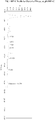
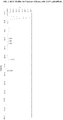
- Figure 2 shows that the addition of pDADMAC to the cell lysate results in significant reduction of Ad5 titer by HPCL, i.e., no detectable Ad5 in pDADMAC treated clarified solution when compared with control ( Figure 1 and 2 ).
- Table 2 Data showing AAV and Ad5 titers in production cell culture treated with pDADMAC after cell lysis clarification Test ID Flocculent (%) AAV (vp/mL) Turbidity (NTU) Ad GFP Titer (E10 vp/mL) by HPLC GFP qPCR assay (vg/mL) AAV qPCR GOI (vg/mL) T1 0 (control) NA 28.5 9.49 1.17E+11 NA T2 0.01 NA 5.12 0 5.51E+08 NA T3 0.025 NA 3.63 0 2.36E+09 NA T4 0.05 NA 142 4.85 9.33E+10 NA T5 0.1 NA 190 4.50 2.02E+10 NA T6 0 (control) 1.0E11 28.9 8.43 1.43E+ 11 4.47E+10 T7 0.01 1.0E11 5.95 0 2.36E+09 4.12E+10 T8 0.025 1.0E11 3.69 0 2.36E+09 4.46E+ 10 T9 0.05
- the flocculation process was tested to AAV generated using a Baculovirus based system.
- AAV was produced in insect cells, and pDADMAC was added into culture lysate at 0, 0.025%, 0.050% and 0.1%.
- AAV in each sample was analyzed by qPCR (Table 3). As expected, no difference in AAV titers was observed between the control samples and the samples harvested using pDADMAC.
- pDADMAC was also tested in a Baculovirus system with a recombinant Baculovirus (rBV). Culture lysate with 0, 0.025% and 0.1% pDADMAC were tested. Recombinant Baculovirus (rBV) in each sample was tested in pDADMAC treated and untreated (harvested using standard filters- control) samples using an infectious titer assay (BacPAK), and results are summarized in Table 4. Data obtained in this experiment showed that rBV infectious titers were not affected when pDADMAC for harvesting compared to the standard procedure. Table 4: Impact of pDADMAC on baculovirus titer Sample Tested Flocculent conc. (pDADMAC) BacPAK titer (IFU/mL) Control N/A 7.73E7 Trial 1 0.025% 6.32E7 Trial 2 0.1% 7.77E7
Landscapes
- Life Sciences & Earth Sciences (AREA)
- Health & Medical Sciences (AREA)
- Chemical & Material Sciences (AREA)
- Engineering & Computer Science (AREA)
- Genetics & Genomics (AREA)
- Organic Chemistry (AREA)
- Bioinformatics & Cheminformatics (AREA)
- Wood Science & Technology (AREA)
- Zoology (AREA)
- General Engineering & Computer Science (AREA)
- Biomedical Technology (AREA)
- Biotechnology (AREA)
- General Health & Medical Sciences (AREA)
- Microbiology (AREA)
- Biochemistry (AREA)
- Virology (AREA)
- Medicinal Chemistry (AREA)
- Immunology (AREA)
- Molecular Biology (AREA)
- Physics & Mathematics (AREA)
- Biophysics (AREA)
- Crystallography & Structural Chemistry (AREA)
- Plant Pathology (AREA)
- Mycology (AREA)
- Pharmacology & Pharmacy (AREA)
- Epidemiology (AREA)
- Animal Behavior & Ethology (AREA)
- Public Health (AREA)
- Veterinary Medicine (AREA)
- Micro-Organisms Or Cultivation Processes Thereof (AREA)
Claims (15)
- Procédé de purification d'un virus adénoassocié (AAV) d'une biomasse aqueuse contenant ledit virus adénoassocié et au moins un virus AAV auxiliaire, comprenant :a. la mise en contact de ladite biomasse avec un sel de polydiallyldialkylammonium pour former un agrégat et une solution clarifiée, dans lequel ledit agrégat comprend ledit au moins un virus AAV auxiliaire,b. le retrait dudit agrégat de la solution clarifiée, etc. ensuite l'isolement de l'AAV de la solution clarifiée.
- Procédé selon la revendication 1, dans lequel la solution clarifiée contient significativement moins de virus AAV auxiliaire.
- Procédé selon la revendication 1, dans lequel le sel de polydiallyldialkylammonium est un sel de polydiallyldiméthylammonium.
- Procédé selon la revendication 1, dans lequel le sel de polydiallyldialkylammonium est le chlorure de polydiallyldiméthylammonium (pDADMAC).
- Procédé selon la revendication 1, dans lequel ledit au moins un virus AAV auxiliaire est sélectionné dans le groupe consistant en un adénovirus, un virus herpès simplex, et un baculovirus.
- Procédé selon l'une quelconque des revendications 1 à 5, dans lequel ladite biomasse est un lysat cellulaire.
- Procédé selon l'une quelconque des revendications 1 à 6, dans lequel ledit sel de polydiallyldialkylammonium est présent dans ladite biomasse en une concentration comprise entre 0,01 % et 0,5 % (p/v).
- Procédé d'isolement d'un virus adénoassocié (AAV) contenant un transgène cible, comprenant :a. la transfection d'une cellule productrice avec l'AAV et un virus AAV auxiliaire pour produire une cellule productrice transfectée ;b. la culture de ladite cellule productrice transfectée pour produire une biomasse aqueuse ;c. l'introduction d'un sel de polydiallyldialkylammonium dans ladite biomasse ; etd. le traitement de ladite solution clarifiée avec une colonne de purification pour produire un AAV isolé.
- Procédé d'isolement d'un virus adénoassocié (AAV) contenant un transgène cible, selon la revendication 8, comprenant :a. la transfection d'une cellule productrice avec l'AAV et un virus AAV auxiliaire pour produire une cellule productrice transfectée ;b. la culture de ladite cellules productrice transfectée ;c. la lyse de ladite cellule productrice transfectée pour créer une biomasse aqueuse ;d. l'introduction d'un sel de polydiallyldialkylammonium dans ladite biomasse pour produire un agrégat comprenant ledit virus AAV auxiliaire et une solution clarifiée comprenant l'AAV ; ete. la mise en contact de ladite solution clarifiée avec une colonne de purification pour produire un AAV isolé.
- Procédé selon l'une quelconque des revendications 8 et 9, dans lequel ledit virus AAV auxiliaire est sélectionné dans le groupe consistant en un adénovirus, un virus herpès simplex et un baculovirus.
- Procédé selon l'une quelconque des revendications 8 à 10, dans lequel le sel de polydiallyldialkylammonium est le chlorure de polydiallyldiméthylammonium (pDADMAC).
- Procédé selon l'une quelconque des revendications 8 à 11, dans lequel ladite lignée cellulaire productrice est une cellule lignée cellulaire HeLa, une lignée cellulaire CHO, une lignée cellulaire HEK293, ou une lignée cellulaire Spodoptera frugiperda (Sf9), ou tout autre lignée cellulaire productrice.
- Procédé selon l'une quelconque des revendications 8 à 12, comprenant en outre la mise en contact de ladite cellule productrice avec un élément génétique supplémentaire requis pour assembler l'AAV.
- Procédé selon la revendication 13, dans lequel ledit élément génétique est sélectionné dans le groupe consistant en des protéines non structurales d'AAV, des protéines structurales d'AAV et des facteurs cellulaires nécessaires pour la synthèse macromoléculaire, dans lequel lesdits facteurs cellulaires sont des séquences codantes de la réplicase et de la protéine de capside.
- Procédé selon l'une quelconque des revendications 8 à 14, dans lequel l'AAV comprend un transgène.
Applications Claiming Priority (2)
| Application Number | Priority Date | Filing Date | Title |
|---|---|---|---|
| US201662341520P | 2016-05-25 | 2016-05-25 | |
| PCT/US2017/034389 WO2017205573A1 (fr) | 2016-05-25 | 2017-05-25 | Procédés d'isolement de virus adéno-associé à l'aide d'un sel de polydiallyldialkylammonium |
Publications (3)
| Publication Number | Publication Date |
|---|---|
| EP3464571A1 EP3464571A1 (fr) | 2019-04-10 |
| EP3464571A4 EP3464571A4 (fr) | 2019-10-23 |
| EP3464571B1 true EP3464571B1 (fr) | 2021-04-14 |
Family
ID=60411642
Family Applications (1)
| Application Number | Title | Priority Date | Filing Date |
|---|---|---|---|
| EP17803551.5A Active EP3464571B1 (fr) | 2016-05-25 | 2017-05-25 | Procédés d'isolement de virus adéno-associé à l'aide d'un sel de polydiallyldialkylammonium |
Country Status (8)
| Country | Link |
|---|---|
| US (1) | US11427809B2 (fr) |
| EP (1) | EP3464571B1 (fr) |
| JP (1) | JP6908331B2 (fr) |
| KR (1) | KR102450255B1 (fr) |
| CN (1) | CN109153978B (fr) |
| AU (1) | AU2017269371B2 (fr) |
| IL (1) | IL262960B (fr) |
| WO (1) | WO2017205573A1 (fr) |
Families Citing this family (2)
| Publication number | Priority date | Publication date | Assignee | Title |
|---|---|---|---|---|
| WO2020254483A1 (fr) * | 2019-06-20 | 2020-12-24 | UCB Biopharma SRL | Détection basée sur hplc d'agents de floculation dans un échantillon de protéine |
| JP2025539773A (ja) * | 2022-11-16 | 2025-12-09 | ジェンザイム・コーポレーション | 凝集aav精製 |
Family Cites Families (11)
| Publication number | Priority date | Publication date | Assignee | Title |
|---|---|---|---|---|
| ATE309000T1 (de) * | 1995-06-27 | 2005-11-15 | Bavarian Nordic As | Verkapselte zellen die virenpartikeln produzieren |
| WO1997008298A1 (fr) * | 1995-08-30 | 1997-03-06 | Genzyme Corporation | Purification d'adenovirus et de virus adeno-associe (aav) par voie chromatographique |
| DK1009808T3 (da) * | 1997-09-05 | 2013-01-21 | Genzyme Corp | Fremgangsmåder til generering af hjælper-frie præparater af rekombinante aav-vektorer med høj titer |
| CA2342849C (fr) * | 1998-09-04 | 2013-01-29 | Genzyme Corporation | Procedes pour produire des preparations de vecteurs aav recombinants de forte teneur depourvues de virus assistants |
| JP4370690B2 (ja) * | 2000-05-22 | 2009-11-25 | Jsr株式会社 | ウイルス濃縮用粒子、ウィルス濃縮用試薬、ウイルス濃縮方法およびウイルス検出方法 |
| CN101453889A (zh) * | 2006-05-24 | 2009-06-10 | 日晷公司 | 用于控制类诺瓦克病毒传染的组合物和方法 |
| WO2011151428A1 (fr) * | 2010-06-01 | 2011-12-08 | Qiagen Gmbh | Procédé d'isolation et/ou de purification d'un ou plusieurs acide(s) nucléique(s) |
| FR3002948B1 (fr) * | 2013-03-06 | 2017-09-08 | Colcom | Procede de capture de virus. |
| EP3044231B1 (fr) | 2013-09-12 | 2020-08-05 | BioMarin Pharmaceutical Inc. | Vecteurs de virus adeno-associes comprentants un gène du facteur viii |
| WO2016004319A1 (fr) | 2014-07-02 | 2016-01-07 | University Of Florida Research Foundation, Inc. | Compositions et procédés pour purifier un virus adéno-associé recombinant |
| KR101641859B1 (ko) * | 2014-10-16 | 2016-07-22 | (주)비케이 | 정수슬러지를 이용한 흡착제 및 그 제조방법 |
-
2017
- 2017-05-25 EP EP17803551.5A patent/EP3464571B1/fr active Active
- 2017-05-25 AU AU2017269371A patent/AU2017269371B2/en active Active
- 2017-05-25 WO PCT/US2017/034389 patent/WO2017205573A1/fr not_active Ceased
- 2017-05-25 KR KR1020187036182A patent/KR102450255B1/ko active Active
- 2017-05-25 US US16/303,545 patent/US11427809B2/en active Active
- 2017-05-25 JP JP2018560225A patent/JP6908331B2/ja active Active
- 2017-05-25 CN CN201780032195.XA patent/CN109153978B/zh active Active
-
2018
- 2018-11-12 IL IL262960A patent/IL262960B/en unknown
Non-Patent Citations (1)
| Title |
|---|
| None * |
Also Published As
| Publication number | Publication date |
|---|---|
| KR102450255B1 (ko) | 2022-10-04 |
| CA3023473A1 (fr) | 2017-11-30 |
| AU2017269371B2 (en) | 2021-08-05 |
| EP3464571A4 (fr) | 2019-10-23 |
| KR20190012181A (ko) | 2019-02-08 |
| AU2017269371A1 (en) | 2018-11-22 |
| IL262960A (en) | 2018-12-31 |
| WO2017205573A1 (fr) | 2017-11-30 |
| US11427809B2 (en) | 2022-08-30 |
| IL262960B (en) | 2021-09-30 |
| JP6908331B2 (ja) | 2021-07-21 |
| JP2019519213A (ja) | 2019-07-11 |
| CN109153978B (zh) | 2022-12-06 |
| CN109153978A (zh) | 2019-01-04 |
| US20200407695A1 (en) | 2020-12-31 |
| EP3464571A1 (fr) | 2019-04-10 |
Similar Documents
| Publication | Publication Date | Title |
|---|---|---|
| JP6788056B2 (ja) | 組換えaavベクターの改良された精製方法 | |
| JP6322605B2 (ja) | 組換えaavベクターの高力価ヘルパーなし調製物を生成するための方法 | |
| US6593123B1 (en) | Large-scale recombinant adeno-associated virus (rAAV) production and purification | |
| CA2776461C (fr) | Procede de purification de particules d'adenovirus. | |
| US6479273B1 (en) | Filtration method for separating viruses | |
| EP3464571B1 (fr) | Procédés d'isolement de virus adéno-associé à l'aide d'un sel de polydiallyldialkylammonium | |
| KR20230011935A (ko) | 아데노 연관 바이러스 입자 또는 아데노바이러스를 정제하기 위한 방법 및 조성물 | |
| CA3023473C (fr) | Procedes d'isolement de virus adeno-associe a l'aide d'un sel de polydiallyldialkylammonium | |
| HK40000235A (en) | Methods for isolating adeno-associated virus using a polydiallyldialkylammonium salt | |
| HK40000235B (en) | Methods for isolating adeno-associated virus using a polydiallyldialkylammonium salt | |
| EP4606892A1 (fr) | Procédés de production de particules virales | |
| WO2025252480A1 (fr) | Procédé de purification d'adn plasmidique | |
| TW202613305A (zh) | 純化質體dna之方法 | |
| WO2023085382A1 (fr) | Procédé de purification de virus | |
| HK1174948B (en) | Method for the purification of adenovirus particles from high cell density cultures |
Legal Events
| Date | Code | Title | Description |
|---|---|---|---|
| STAA | Information on the status of an ep patent application or granted ep patent |
Free format text: STATUS: THE INTERNATIONAL PUBLICATION HAS BEEN MADE |
|
| PUAI | Public reference made under article 153(3) epc to a published international application that has entered the european phase |
Free format text: ORIGINAL CODE: 0009012 |
|
| STAA | Information on the status of an ep patent application or granted ep patent |
Free format text: STATUS: REQUEST FOR EXAMINATION WAS MADE |
|
| 17P | Request for examination filed |
Effective date: 20181112 |
|
| AK | Designated contracting states |
Kind code of ref document: A1 Designated state(s): AL AT BE BG CH CY CZ DE DK EE ES FI FR GB GR HR HU IE IS IT LI LT LU LV MC MK MT NL NO PL PT RO RS SE SI SK SM TR |
|
| AX | Request for extension of the european patent |
Extension state: BA ME |
|
| DAV | Request for validation of the european patent (deleted) | ||
| DAX | Request for extension of the european patent (deleted) | ||
| A4 | Supplementary search report drawn up and despatched |
Effective date: 20190923 |
|
| RIC1 | Information provided on ipc code assigned before grant |
Ipc: C12N 15/10 20060101ALI20190917BHEP Ipc: C12N 15/86 20060101ALI20190917BHEP Ipc: C12N 15/864 20060101ALI20190917BHEP Ipc: C12N 7/02 20060101AFI20190917BHEP Ipc: A61K 39/235 20060101ALI20190917BHEP Ipc: C02F 1/28 20060101ALI20190917BHEP |
|
| GRAP | Despatch of communication of intention to grant a patent |
Free format text: ORIGINAL CODE: EPIDOSNIGR1 |
|
| STAA | Information on the status of an ep patent application or granted ep patent |
Free format text: STATUS: GRANT OF PATENT IS INTENDED |
|
| INTG | Intention to grant announced |
Effective date: 20201106 |
|
| GRAS | Grant fee paid |
Free format text: ORIGINAL CODE: EPIDOSNIGR3 |
|
| GRAA | (expected) grant |
Free format text: ORIGINAL CODE: 0009210 |
|
| STAA | Information on the status of an ep patent application or granted ep patent |
Free format text: STATUS: THE PATENT HAS BEEN GRANTED |
|
| AK | Designated contracting states |
Kind code of ref document: B1 Designated state(s): AL AT BE BG CH CY CZ DE DK EE ES FI FR GB GR HR HU IE IS IT LI LT LU LV MC MK MT NL NO PL PT RO RS SE SI SK SM TR |
|
| REG | Reference to a national code |
Ref country code: GB Ref legal event code: FG4D |
|
| REG | Reference to a national code |
Ref country code: CH Ref legal event code: EP |
|
| REG | Reference to a national code |
Ref country code: DE Ref legal event code: R096 Ref document number: 602017036775 Country of ref document: DE |
|
| REG | Reference to a national code |
Ref country code: IE Ref legal event code: FG4D |
|
| REG | Reference to a national code |
Ref country code: AT Ref legal event code: REF Ref document number: 1382409 Country of ref document: AT Kind code of ref document: T Effective date: 20210515 |
|
| REG | Reference to a national code |
Ref country code: LT Ref legal event code: MG9D |
|
| REG | Reference to a national code |
Ref country code: AT Ref legal event code: MK05 Ref document number: 1382409 Country of ref document: AT Kind code of ref document: T Effective date: 20210414 |
|
| REG | Reference to a national code |
Ref country code: NL Ref legal event code: MP Effective date: 20210414 |
|
| PG25 | Lapsed in a contracting state [announced via postgrant information from national office to epo] |
Ref country code: NL Free format text: LAPSE BECAUSE OF FAILURE TO SUBMIT A TRANSLATION OF THE DESCRIPTION OR TO PAY THE FEE WITHIN THE PRESCRIBED TIME-LIMIT Effective date: 20210414 Ref country code: HR Free format text: LAPSE BECAUSE OF FAILURE TO SUBMIT A TRANSLATION OF THE DESCRIPTION OR TO PAY THE FEE WITHIN THE PRESCRIBED TIME-LIMIT Effective date: 20210414 Ref country code: AT Free format text: LAPSE BECAUSE OF FAILURE TO SUBMIT A TRANSLATION OF THE DESCRIPTION OR TO PAY THE FEE WITHIN THE PRESCRIBED TIME-LIMIT Effective date: 20210414 Ref country code: BG Free format text: LAPSE BECAUSE OF FAILURE TO SUBMIT A TRANSLATION OF THE DESCRIPTION OR TO PAY THE FEE WITHIN THE PRESCRIBED TIME-LIMIT Effective date: 20210714 Ref country code: LT Free format text: LAPSE BECAUSE OF FAILURE TO SUBMIT A TRANSLATION OF THE DESCRIPTION OR TO PAY THE FEE WITHIN THE PRESCRIBED TIME-LIMIT Effective date: 20210414 Ref country code: FI Free format text: LAPSE BECAUSE OF FAILURE TO SUBMIT A TRANSLATION OF THE DESCRIPTION OR TO PAY THE FEE WITHIN THE PRESCRIBED TIME-LIMIT Effective date: 20210414 |
|
| PG25 | Lapsed in a contracting state [announced via postgrant information from national office to epo] |
Ref country code: IS Free format text: LAPSE BECAUSE OF FAILURE TO SUBMIT A TRANSLATION OF THE DESCRIPTION OR TO PAY THE FEE WITHIN THE PRESCRIBED TIME-LIMIT Effective date: 20210814 Ref country code: GR Free format text: LAPSE BECAUSE OF FAILURE TO SUBMIT A TRANSLATION OF THE DESCRIPTION OR TO PAY THE FEE WITHIN THE PRESCRIBED TIME-LIMIT Effective date: 20210715 Ref country code: PT Free format text: LAPSE BECAUSE OF FAILURE TO SUBMIT A TRANSLATION OF THE DESCRIPTION OR TO PAY THE FEE WITHIN THE PRESCRIBED TIME-LIMIT Effective date: 20210816 Ref country code: LV Free format text: LAPSE BECAUSE OF FAILURE TO SUBMIT A TRANSLATION OF THE DESCRIPTION OR TO PAY THE FEE WITHIN THE PRESCRIBED TIME-LIMIT Effective date: 20210414 Ref country code: NO Free format text: LAPSE BECAUSE OF FAILURE TO SUBMIT A TRANSLATION OF THE DESCRIPTION OR TO PAY THE FEE WITHIN THE PRESCRIBED TIME-LIMIT Effective date: 20210714 Ref country code: PL Free format text: LAPSE BECAUSE OF FAILURE TO SUBMIT A TRANSLATION OF THE DESCRIPTION OR TO PAY THE FEE WITHIN THE PRESCRIBED TIME-LIMIT Effective date: 20210414 Ref country code: RS Free format text: LAPSE BECAUSE OF FAILURE TO SUBMIT A TRANSLATION OF THE DESCRIPTION OR TO PAY THE FEE WITHIN THE PRESCRIBED TIME-LIMIT Effective date: 20210414 Ref country code: SE Free format text: LAPSE BECAUSE OF FAILURE TO SUBMIT A TRANSLATION OF THE DESCRIPTION OR TO PAY THE FEE WITHIN THE PRESCRIBED TIME-LIMIT Effective date: 20210414 |
|
| REG | Reference to a national code |
Ref country code: DE Ref legal event code: R097 Ref document number: 602017036775 Country of ref document: DE |
|
| PG25 | Lapsed in a contracting state [announced via postgrant information from national office to epo] |
Ref country code: ES Free format text: LAPSE BECAUSE OF FAILURE TO SUBMIT A TRANSLATION OF THE DESCRIPTION OR TO PAY THE FEE WITHIN THE PRESCRIBED TIME-LIMIT Effective date: 20210414 Ref country code: SM Free format text: LAPSE BECAUSE OF FAILURE TO SUBMIT A TRANSLATION OF THE DESCRIPTION OR TO PAY THE FEE WITHIN THE PRESCRIBED TIME-LIMIT Effective date: 20210414 Ref country code: SK Free format text: LAPSE BECAUSE OF FAILURE TO SUBMIT A TRANSLATION OF THE DESCRIPTION OR TO PAY THE FEE WITHIN THE PRESCRIBED TIME-LIMIT Effective date: 20210414 Ref country code: RO Free format text: LAPSE BECAUSE OF FAILURE TO SUBMIT A TRANSLATION OF THE DESCRIPTION OR TO PAY THE FEE WITHIN THE PRESCRIBED TIME-LIMIT Effective date: 20210414 Ref country code: EE Free format text: LAPSE BECAUSE OF FAILURE TO SUBMIT A TRANSLATION OF THE DESCRIPTION OR TO PAY THE FEE WITHIN THE PRESCRIBED TIME-LIMIT Effective date: 20210414 Ref country code: DK Free format text: LAPSE BECAUSE OF FAILURE TO SUBMIT A TRANSLATION OF THE DESCRIPTION OR TO PAY THE FEE WITHIN THE PRESCRIBED TIME-LIMIT Effective date: 20210414 Ref country code: CZ Free format text: LAPSE BECAUSE OF FAILURE TO SUBMIT A TRANSLATION OF THE DESCRIPTION OR TO PAY THE FEE WITHIN THE PRESCRIBED TIME-LIMIT Effective date: 20210414 Ref country code: LU Free format text: LAPSE BECAUSE OF NON-PAYMENT OF DUE FEES Effective date: 20210525 Ref country code: MC Free format text: LAPSE BECAUSE OF FAILURE TO SUBMIT A TRANSLATION OF THE DESCRIPTION OR TO PAY THE FEE WITHIN THE PRESCRIBED TIME-LIMIT Effective date: 20210414 |
|
| REG | Reference to a national code |
Ref country code: BE Ref legal event code: MM Effective date: 20210531 |
|
| PLBE | No opposition filed within time limit |
Free format text: ORIGINAL CODE: 0009261 |
|
| STAA | Information on the status of an ep patent application or granted ep patent |
Free format text: STATUS: NO OPPOSITION FILED WITHIN TIME LIMIT |
|
| 26N | No opposition filed |
Effective date: 20220117 |
|
| PG25 | Lapsed in a contracting state [announced via postgrant information from national office to epo] |
Ref country code: IE Free format text: LAPSE BECAUSE OF NON-PAYMENT OF DUE FEES Effective date: 20210525 |
|
| PG25 | Lapsed in a contracting state [announced via postgrant information from national office to epo] |
Ref country code: IS Free format text: LAPSE BECAUSE OF FAILURE TO SUBMIT A TRANSLATION OF THE DESCRIPTION OR TO PAY THE FEE WITHIN THE PRESCRIBED TIME-LIMIT Effective date: 20210814 Ref country code: AL Free format text: LAPSE BECAUSE OF FAILURE TO SUBMIT A TRANSLATION OF THE DESCRIPTION OR TO PAY THE FEE WITHIN THE PRESCRIBED TIME-LIMIT Effective date: 20210414 |
|
| PG25 | Lapsed in a contracting state [announced via postgrant information from national office to epo] |
Ref country code: IT Free format text: LAPSE BECAUSE OF FAILURE TO SUBMIT A TRANSLATION OF THE DESCRIPTION OR TO PAY THE FEE WITHIN THE PRESCRIBED TIME-LIMIT Effective date: 20210414 Ref country code: BE Free format text: LAPSE BECAUSE OF NON-PAYMENT OF DUE FEES Effective date: 20210531 |
|
| PG25 | Lapsed in a contracting state [announced via postgrant information from national office to epo] |
Ref country code: CY Free format text: LAPSE BECAUSE OF FAILURE TO SUBMIT A TRANSLATION OF THE DESCRIPTION OR TO PAY THE FEE WITHIN THE PRESCRIBED TIME-LIMIT Effective date: 20210414 |
|
| PG25 | Lapsed in a contracting state [announced via postgrant information from national office to epo] |
Ref country code: HU Free format text: LAPSE BECAUSE OF FAILURE TO SUBMIT A TRANSLATION OF THE DESCRIPTION OR TO PAY THE FEE WITHIN THE PRESCRIBED TIME-LIMIT; INVALID AB INITIO Effective date: 20170525 |
|
| REG | Reference to a national code |
Ref country code: CH Ref legal event code: PK Free format text: BERICHTIGUNGEN |
|
| REG | Reference to a national code |
Ref country code: DE Ref legal event code: R081 Ref document number: 602017036775 Country of ref document: DE Owner name: LONZA HOUSTON, INC., PEARLAND, US Free format text: FORMER OWNER: LONZA HOUSTON INC., HOUSTON, TX, US |
|
| PG25 | Lapsed in a contracting state [announced via postgrant information from national office to epo] |
Ref country code: MK Free format text: LAPSE BECAUSE OF FAILURE TO SUBMIT A TRANSLATION OF THE DESCRIPTION OR TO PAY THE FEE WITHIN THE PRESCRIBED TIME-LIMIT Effective date: 20210414 |
|
| REG | Reference to a national code |
Ref country code: GB Ref legal event code: S117 Free format text: REQUEST FILED; REQUEST FOR CORRECTION UNDER SECTION 117 FILED ON 10 APRIL 2024 |
|
| REG | Reference to a national code |
Ref country code: GB Ref legal event code: S117 Free format text: CORRECTIONS ALLOWED; REQUEST FOR CORRECTION UNDER SECTION 117 FILED ON 10 APRIL 2024 WAS ALLOWED ON 30 APRIL 2024 |
|
| PG25 | Lapsed in a contracting state [announced via postgrant information from national office to epo] |
Ref country code: TR Free format text: LAPSE BECAUSE OF FAILURE TO SUBMIT A TRANSLATION OF THE DESCRIPTION OR TO PAY THE FEE WITHIN THE PRESCRIBED TIME-LIMIT Effective date: 20210414 |
|
| PG25 | Lapsed in a contracting state [announced via postgrant information from national office to epo] |
Ref country code: MT Free format text: LAPSE BECAUSE OF FAILURE TO SUBMIT A TRANSLATION OF THE DESCRIPTION OR TO PAY THE FEE WITHIN THE PRESCRIBED TIME-LIMIT Effective date: 20210414 |
|
| PGFP | Annual fee paid to national office [announced via postgrant information from national office to epo] |
Ref country code: DE Payment date: 20250528 Year of fee payment: 9 |
|
| PGFP | Annual fee paid to national office [announced via postgrant information from national office to epo] |
Ref country code: GB Payment date: 20250520 Year of fee payment: 9 |
|
| PGFP | Annual fee paid to national office [announced via postgrant information from national office to epo] |
Ref country code: FR Payment date: 20250526 Year of fee payment: 9 |
|
| PGFP | Annual fee paid to national office [announced via postgrant information from national office to epo] |
Ref country code: CH Payment date: 20250601 Year of fee payment: 9 |