EP3473242A1 - Microstructure d'acide hyaluronique présentant d'excellentes caractéristiques de solubilité - Google Patents
Microstructure d'acide hyaluronique présentant d'excellentes caractéristiques de solubilité Download PDFInfo
- Publication number
- EP3473242A1 EP3473242A1 EP17813641.2A EP17813641A EP3473242A1 EP 3473242 A1 EP3473242 A1 EP 3473242A1 EP 17813641 A EP17813641 A EP 17813641A EP 3473242 A1 EP3473242 A1 EP 3473242A1
- Authority
- EP
- European Patent Office
- Prior art keywords
- microstructure
- hyaluronic acid
- skin
- minutes
- penetration
- Prior art date
- Legal status (The legal status is an assumption and is not a legal conclusion. Google has not performed a legal analysis and makes no representation as to the accuracy of the status listed.)
- Withdrawn
Links
Images









Classifications
-
- A—HUMAN NECESSITIES
- A61—MEDICAL OR VETERINARY SCIENCE; HYGIENE
- A61K—PREPARATIONS FOR MEDICAL, DENTAL OR TOILETRY PURPOSES
- A61K47/00—Medicinal preparations characterised by the non-active ingredients used, e.g. carriers or inert additives; Targeting or modifying agents chemically bound to the active ingredient
- A61K47/30—Macromolecular organic or inorganic compounds, e.g. inorganic polyphosphates
- A61K47/36—Polysaccharides; Derivatives thereof, e.g. gums, starch, alginate, dextrin, hyaluronic acid, chitosan, inulin, agar or pectin
-
- A—HUMAN NECESSITIES
- A61—MEDICAL OR VETERINARY SCIENCE; HYGIENE
- A61K—PREPARATIONS FOR MEDICAL, DENTAL OR TOILETRY PURPOSES
- A61K8/00—Cosmetics or similar toiletry preparations
- A61K8/02—Cosmetics or similar toiletry preparations characterised by special physical form
- A61K8/0216—Solid or semisolid forms
-
- A—HUMAN NECESSITIES
- A61—MEDICAL OR VETERINARY SCIENCE; HYGIENE
- A61K—PREPARATIONS FOR MEDICAL, DENTAL OR TOILETRY PURPOSES
- A61K47/00—Medicinal preparations characterised by the non-active ingredients used, e.g. carriers or inert additives; Targeting or modifying agents chemically bound to the active ingredient
- A61K47/30—Macromolecular organic or inorganic compounds, e.g. inorganic polyphosphates
- A61K47/36—Polysaccharides; Derivatives thereof, e.g. gums, starch, alginate, dextrin, hyaluronic acid, chitosan, inulin, agar or pectin
- A61K47/38—Cellulose; Derivatives thereof
-
- A—HUMAN NECESSITIES
- A61—MEDICAL OR VETERINARY SCIENCE; HYGIENE
- A61K—PREPARATIONS FOR MEDICAL, DENTAL OR TOILETRY PURPOSES
- A61K8/00—Cosmetics or similar toiletry preparations
- A61K8/18—Cosmetics or similar toiletry preparations characterised by the composition
- A61K8/72—Cosmetics or similar toiletry preparations characterised by the composition containing organic macromolecular compounds
- A61K8/73—Polysaccharides
- A61K8/735—Mucopolysaccharides, e.g. hyaluronic acid; Derivatives thereof
-
- A—HUMAN NECESSITIES
- A61—MEDICAL OR VETERINARY SCIENCE; HYGIENE
- A61K—PREPARATIONS FOR MEDICAL, DENTAL OR TOILETRY PURPOSES
- A61K9/00—Medicinal preparations characterised by special physical form
- A61K9/0012—Galenical forms characterised by the site of application
- A61K9/0019—Injectable compositions; Intramuscular, intravenous, arterial, subcutaneous administration; Compositions to be administered through the skin in an invasive manner
- A61K9/0021—Intradermal administration, e.g. through microneedle arrays or needleless injectors
-
- A—HUMAN NECESSITIES
- A61—MEDICAL OR VETERINARY SCIENCE; HYGIENE
- A61K—PREPARATIONS FOR MEDICAL, DENTAL OR TOILETRY PURPOSES
- A61K9/00—Medicinal preparations characterised by special physical form
- A61K9/0012—Galenical forms characterised by the site of application
- A61K9/0019—Injectable compositions; Intramuscular, intravenous, arterial, subcutaneous administration; Compositions to be administered through the skin in an invasive manner
- A61K9/0024—Solid, semi-solid or solidifying implants, which are implanted or injected in body tissue
-
- A—HUMAN NECESSITIES
- A61—MEDICAL OR VETERINARY SCIENCE; HYGIENE
- A61M—DEVICES FOR INTRODUCING MEDIA INTO, OR ONTO, THE BODY; DEVICES FOR TRANSDUCING BODY MEDIA OR FOR TAKING MEDIA FROM THE BODY; DEVICES FOR PRODUCING OR ENDING SLEEP OR STUPOR
- A61M37/00—Other apparatus for introducing media into the body; Percutany, i.e. introducing medicines into the body by diffusion through the skin
-
- A—HUMAN NECESSITIES
- A61—MEDICAL OR VETERINARY SCIENCE; HYGIENE
- A61M—DEVICES FOR INTRODUCING MEDIA INTO, OR ONTO, THE BODY; DEVICES FOR TRANSDUCING BODY MEDIA OR FOR TAKING MEDIA FROM THE BODY; DEVICES FOR PRODUCING OR ENDING SLEEP OR STUPOR
- A61M37/00—Other apparatus for introducing media into the body; Percutany, i.e. introducing medicines into the body by diffusion through the skin
- A61M37/0015—Other apparatus for introducing media into the body; Percutany, i.e. introducing medicines into the body by diffusion through the skin by using microneedles
-
- A—HUMAN NECESSITIES
- A61—MEDICAL OR VETERINARY SCIENCE; HYGIENE
- A61Q—SPECIFIC USE OF COSMETICS OR SIMILAR TOILETRY PREPARATIONS
- A61Q19/00—Preparations for care of the skin
-
- A—HUMAN NECESSITIES
- A61—MEDICAL OR VETERINARY SCIENCE; HYGIENE
- A61Q—SPECIFIC USE OF COSMETICS OR SIMILAR TOILETRY PREPARATIONS
- A61Q19/00—Preparations for care of the skin
- A61Q19/08—Anti-ageing preparations
-
- A—HUMAN NECESSITIES
- A61—MEDICAL OR VETERINARY SCIENCE; HYGIENE
- A61K—PREPARATIONS FOR MEDICAL, DENTAL OR TOILETRY PURPOSES
- A61K2800/00—Properties of cosmetic compositions or active ingredients thereof or formulation aids used therein and process related aspects
- A61K2800/80—Process related aspects concerning the preparation of the cosmetic composition or the storage or application thereof
- A61K2800/91—Injection
Definitions
- the present invention relates to a hyaluronic acid microstructure having excellent dissolution characteristics. More specifically, the present invention relates to a biodegradable microstructure containing crosslinked hyaluronic acid and having excellent dissolution characteristics when penetrating the skin.
- a drug delivery system refers to a series of techniques that delivers a pharmacologically active substance to target sites, such as cells, tissues, internal organs, and entrails, organs, so as to reduce side effects and maximize efficacies of drugs by controlling absorption and release of drugs using various physicochemical techniques.
- the drug delivery systems are, in addition to a general oral intake type drug delivery system, an inhalation administration type drug delivery system by which a drug is delivered into the lung, a transdermal administration type drug delivery system by which a drug can be locally applied, and the like. Studies have been continuously conducted for efficiently and safely administering drugs while increasing patient compliance according to chemical properties and the purposes of use in vivo of pharmacologically active substances.
- the injection therapy has an advantage in that an accurate amount of drug can reach the systemic circulation bloodstream at a high rate, but has disadvantages in that the administration method is inconvenient, some patients may suffer from pain, and frequent injection administration is needed due to a short half-life.
- the transdermal drug delivery system compared with the injection administration type, has advantages in that the convenience of a user is increased, drug efficacy can be exerted immediately since a drug is not metabolized in the liver or stomach, a drug with a short half-life can be continuously delivered, and the administration of a drug is easy to stop even in the event of side effects, but has disadvantages in that the release rate of a drug is difficult to accurately control and the system can be applied to only low-molecular weight drugs since high-molecular weight drugs are difficult to penetrate the skin.
- a microstructure can significantly increase the level of a drug, which can be delivered through the skin, to not only a low-molecular weight drug and a high-molecular weight drug but also a particle, and thus the microstructure has been recently attracting attention as a use in association with a transdermal drug delivery vehicle, and has been developed as various purposes in several fields, such as blood collection, biosensors, and skin care.
- microneedles are manufactured by injecting a biodegradable viscous substance in a micro-mold manufactured of a curable polymer, followed by drying and de-molding (molding technique), or microneedles are manufactured by coating a biodegradable viscous substance for forming a biodegradable solid microneedle, drawing and drying the coated biodegradable viscous substance on a frame that is patterned in pillars, and then cutting the drawn biodegradable viscous substance (drawing technique).
- biodegradable polymer microstructures manufactured by the methods of the prior art may be bent or crushed at the time of skin penetration due to relatively low mechanical strength thereof, and especially, in cases where a polymer derivative having high elasticity is used as a raw material, a desired structural shape is not uniformly created through a molding technique or a drawing technique and the mechanical strength of the microstructures necessary for skin penetration is hard to satisfy. Moreover, such microstructures only puncture the skin and cannot be used as mediators to delivering drugs, and therefore, a separate drug delivery system for drug application is needed.
- the present inventors endeavored to solve the problems of the above-described conventional drug delivery systems and microstructures.
- the present inventors verified that when a hydrogel formed of crosslinked hyaluronic acid, which is a derivative of hyaluronic acid as a constituent component of the skin, is used as a main ingredient of a microstructure, the microstructure has excellent dissolution characteristics in the skin, the dissolution rate of the microstructure in the skin can be easily controlled depending on the content proportion of the crosslinked hyaluronic acid, the effective ingredient loaded in the microstructure is stably delivered into the skin, and the release rate of the loaded effective ingredient can be easily controlled, and thus the present inventors completed the present invention.
- an aspect of the present invention is to provide a microstructure containing crosslinked hyaluronic acid and having excellent dissolution characteristics when penetrating the skin.
- a skin penetrating microstructure containing, as a main ingredient, i) crosslinked hyaluronic acid or ii) a mixture of crosslinked hyaluronic acid and non-crosslinked hyaluronic acid, wherein, relative to the weight of the overall hyaluronic acid, the content of the crosslinked hyaluronic acid is 5-100 %(w/w) and the content of the non-crosslinked hyaluronic acid is 0-95 %(w/w).
- hyaluronic acid refers to a biodegradable polymer having a linkage structure in which a disaccharide unit composed of N-acetyl glucosamine and glucuronic acid is repeated, and the term is used to mean including all of not only hyaluronic acid but also hyaluronic acid salts (e.g., sodium hyaluronate, potassium hyaluronate, magnesium hyaluronate, and calcium hyaluronate) and mixtures thereof.
- hyaluronic acid salts e.g., sodium hyaluronate, potassium hyaluronate, magnesium hyaluronate, and calcium hyaluronate
- hydrogel refers to a three-dimensional structure of hydrophilic polymer retaining a sufficient amount of moisture.
- the hydrogel is formed by characteristics of crosslinked hyaluronic acid.
- the present invention can provide various forms of microstructures, and for example, a microneedle, a microblade, a microknife, a microfiber, a microspike, a microprobe, a microbarb, a microarray, or a microelectrode can be provided.
- the microstructure of the present invention is a microneedle.
- the microstructure (microneedle) of the present invention has a length of 80-150 ⁇ m.
- the "penetration” refers to the passing of a protrusion portion of a microstructure through the epidermal layer of the skin when the microstructure is applied to the skin, and preferably the reach of the microstructure up to the dermal layer.
- the microstructure of the present invention shows different dissolution characteristics in an agarose gel depending on the content proportion of crosslinked hyaluronic acid.
- microstructures of the present invention were manufactured by adding hyaluronic acid to purified water such that crosslinked hyaluronic acid is contained at a mixing proportion of 0%, 10%, 20%, 40%, 80%, or 100%(w/w) relative to the weight of the overall hyaluronic acid (non-crosslinked hyaluronic acid and crosslinked hyaluronic acid) contained in the microstructure, completely dissolving the mixture to prepare a hyaluronic acid hydrogel polymer, mixing 0.1% of methylene blue with the hyaluronic acid hydrogel, and then supplying, injecting, and drying the resultant mixture in a PDMS mold.
- the dissolution rate of the microstructure in an agarose gel is slowly decreased with an increasing mixing proportion of crosslinked hyaluronic acid, and the dissolution rate of the microstructure in an agarose gel is gradually increased with a decreasing mixing proportion of crosslinked hyaluronic acid.
- the microstructure of the present invention has particular dissolution characteristics in the skin when penetrating the skin.
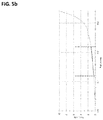
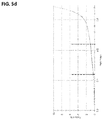
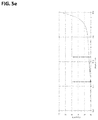
- the microstructure of the present invention when allowed to penetrate the skin by a force of 3 kgf, 60% or less of the length of the microstructure dissolves 10 minutes after skin penetration, 75% or less of the length of the microstructure dissolves 30 minutes after skin penetration, and 85% or less of the length of the microstructure dissolves 60 minutes after skin penetration.
- the crosslinked hyaluronic acid is contained at 15-30% relative to the weight of the overall hyaluronic acid, 50-60% of the length of the microstructure dissolves 10 minutes after skin penetration, 65-75% of the length of the microstructure dissolves 30 minutes after skin penetration, and 70-85% of the length of the microstructure dissolves 60 minutes after skin penetration.
- the crosslinked hyaluronic acid is contained at 30-35% relative to the weight of the overall hyaluronic acid, 45-55% of the length of the microstructure dissolves 10 minutes after skin penetration, 58-68% of the length of the microstructure dissolves 30 minutes after skin penetration, and 65-75% of the length of the microstructure dissolves 60 minutes after skin penetration.
- the crosslinked hyaluronic acid is contained at 35-50% relative to the weight of the overall hyaluronic acid, 40-55% of the length of the microstructure dissolves 10 minutes after skin penetration, 51-61% of the length of the microstructure dissolves 30 minutes after skin penetration, and 55-65% of the length of the microstructure dissolves 60 minutes after skin penetration.
- the crosslinked hyaluronic acid is contained at 50-70% relative to the weight of the overall hyaluronic acid, 35-45% of the length of the microstructure dissolves 10 minutes after skin penetration, 44-54% of the length of the microstructure dissolves 30 minutes after skin penetration, and 48-58% of the length of the microstructure dissolves 60 minutes after skin penetration.
- the crosslinked hyaluronic acid is contained at 70-90% relative to the weight of the overall hyaluronic acid, 30-45% of the length of the microstructure dissolves 10 minutes after skin penetration, 41-51% of the length of the microstructure dissolves 30 minutes after skin penetration, and 45-56% of the length of the microstructure dissolves 60 minutes after skin penetration.
- the dissolution rate according to the time of skin penetration time by concentration (content) of crosslinked hyaluronic acid as described above is only exemplified in order to explain that the dissolution rate of the microstructure can be controlled by adjusting the concentration of crosslinked hyaluronic acid. Therefore, the range in the present invention is not necessarily limited to the above range.
- porcine skin tissue used in the above examples is frequently used as a substitute for human skin tissue since porcine tissue is considered as a material having the highest similarity in the structure and functions, such as metabolic characteristics, of human skin tissue in academia and industries associated with the present microstructure, and especially, the porcine skin tissue shows almost the same degree of similarity as in diffusion characteristics in human skin in a drug transdermal administration and diffusion experiment ( Kong R et al., "Characterization of porcine skin as a model for human skin studies using infrared spectroscopic imaging", Analyst. 2011 Jun 7; 136(11): 2359-66 ), which provides the results obtained from the porcine skin tissue, but it can be predicted that the porcine skin tissue shows similar results to dissolution characteristics in the human skin tissue.
- the concentration of the hyaluronic acid contained as a main ingredient in the microstructure of the present invention is 1-10 %(w/v) relative to water or an aqueous solvent constituting i) the crosslinked hyaluronic acid or ii) the hyaluronic acid mixture, and the content of the crosslinked hyaluronic acid is 5-100 %(w/w) and the content of the non-crosslinked hyaluronic acid is 0-95 %(w/w) relative to the weight of the overall hyaluronic acid.
- the water is not particularly limited, but is preferably purified water or sterile water for use as a drug delivery vehicle that directly penetrates the skin to apply a cosmetic agent or deliver a drug.
- the aqueous solvent is a generic term for hydrophilic solvents that can be used in mix with water.
- the aqueous solvent is not particularly limited, but is preferably a physiological saline solution, which may be administered in vivo, such as a phosphate buffer, an acetate buffer, or a tris buffer, in consideration of a use for direct skin penetration.
- the molecular weight of the hyaluronic acid contained as a main ingredient in the microstructure of the present invention may be 100-5000 kDa, specifically 200-400 kDa, but is not limited thereto.
- the crosslinked hyaluronic acid of the present invention has a degree of crosslinking of 1-50%.
- the crosslinked hyaluronic acid has a degree of crosslinking of 1-40%, 2-40%, 5-40%, 7-40%, 10-40%, 15-40%, 18-40%, 20-40%, 22-40%, 25-40%, 28-40%, 30-40%, 1-35%, 2-35%, 5-35%, 7-35%, 10-35%, 15-35%, 18-35%, 20-35%, 22-35%, 25-35%, 28-35%, 1-30%, 2-30%, 5-30%, 7-30%, 10-30%, 15-30%, 18-30%, 20-30%, 22-30%, 25-30%, 28-30%, 1-25%, 2-25%, 5-25%, 7-25%, 10-25%, 15-25%, 18-25%, 20-25%, 22-25%, 1-20%, 2-20%, 5-20%, 7-20%, 10-20%, 15-20%, 18-20%,
- the microstructure of the present invention may further contain a biocompatible polymer or an additive.
- the biocompatible polymer includes all biocompatible polymers that are ordinarily used in a field of microstructures.
- the biocompatible polymer is at least one polymer selected from the group consisting of carboxymethyl cellulose (CMC), alginic acid, pectin, carrageenan, chondroitin (sulfate), dextran (sulfate), chitosan, polylysine, collagen, gelatin, carboxymethyl chitin, fibrin, agarose, pullulan polylactide, polyglycolide (PGA), polylactide-glycolide copolymer (PLGA), pullulan polyanhydride, polyorthoester, polyetherester, polycaprolactones, polyesteramide, poly(butyric acid), poly(valeric acid), polyurethane, polyacrylate, ethylene-vinyl acetate polymer, acrylic substituted cellulose acetate, non-degradable polyurethane, polystyrene, polyvinyl chloride, polyvin
- the additive includes all additives that are ordinarily used in a field of microstructures.
- the adhesive is at least one adhesive selected from the group consisting of silicone, polyurethane, a physical adhesive (Gecko), polyacryl, ethyl cellulose, hydroxy methyl cellulose, ethylene vinyl acetate, and polyisobutylene.
- the microstructure of the present invention is manufactured by dissolving various biocompatible polymers including hyaluronic acid, or an adhesive, in water or an aqueous solvent and then supplying, injecting, and drying the resultant solution in a polydimethyl silozane (PDMS) mold.
- PDMS polydimethyl silozane
- the biocompatible polymer or adhesive supplied into the PDMS is contained at a concentration of 1-10 %(w/v) in water or an aqueous solvent, but is not limited thereto.
- microstructure containing crosslinked hyaluronic acid as a main ingredient of the present invention may be manufactured by employing any micro-mold manufacturing method in the art.
- the microstructure of the present invention may contain a physiologically active substance or a substance for skin improvement.
- a physiologically active substance or a substance for skin improvement.
- Specific examples thereof include an anti-inflammatory agent, a pain reliever, an antiarthritic agent, an antispasmodic, an anti-depressive agent, an antipsychotic, a tranquilizer, an anti-anxiety drug, a narcotic antagonist, an anti-Parkinson's disease drug, a cholinergic agonist, an anti-cancer drug, an anti-angiogenic agent, an immunosuppressive agent, an antiviral agent, an antibiotic, an appetite suppressant, a pain reliever, an anti-cholinergic agent, an anti-histamine, an antimigraine agent, a hormonal agent, a coronary, cerebral, or peripheral vasodilator, a contraceptive, an anti-thrombotic agent, a diuretic, an anti-hypertensive agent, a cardiovascular therapeutic agent, and a cosmetic ingredient (e.g
- the microstructure of the present invention can load a pharmacologically active substance as such, can effectively release and diffuse the loaded pharmacologically active substance when penetrating the skin, and can control the release and diffusion rates of the pharmacologically active substance depending on the proportions of crosslinked hyaluronic acid and non-crosslinked hyaluronic acid constituting the microstructure.
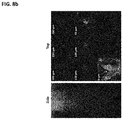
- a microstructure manufactured by mixing calcein as a fluorescent substance with a crosslinked hyaluronic acid hydrogel polymer such that the calcein is contained at 5 %(w/v) was allowed to vertically penetrate the porcine skin for 1, 30, and 120 minutes.
- the microstructure dissolved at a fast rate 1-30 minutes after skin penetration and a fluorescent signal of calcein was released, diffused, and maintained at a fast rate, and the fluorescent signal of calcein was strongly observed even 120 minutes after skin penetration of the microstructure.
- the microstructure of the present invention can be manufactured by chemically binding a pharmacologically active substance to hyaluronic acid as a main ingredient, and can exhibit excellent dissolution characteristics when penetrating the skin and can effectively deliver the pharmacologically active substance.
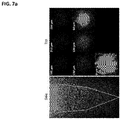
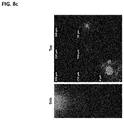
- a microstructure of the present invention was manufactured by using a fluorescent substance (fluorescein)-conjugated hyaluronic acid, and the manufactured microstructure was allowed to penetrate the skin. As a result, the tip portion of a needle started to dissolve, and non-crosslinked hyaluronic acid started to dissolve immediately after skin penetration of the needle, and dissolved at a very fast rate from skin penetration to about 30 minutes. Furthermore, it could be verified that, due to a slow dissolution rate of crosslinked hyaluronic acid, a fluorescent signal was maintained for 120 minutes or longer while the shape of the microstructure was maintained even after 120 minutes.
- the microstructure of the present invention has a degree of elasticity appropriate for skin penetration. More specifically, the microstructure of the present invention has a Young's modulus of 0.4-0.7 N/100 ⁇ m.
- the Young's modulus is an intrinsic property of an object, and the Young's modulus is used to predict the degree of strain of the object when the pressure applied to the object is known, and vice versa.
- the range of the Young's modulus corresponds to a range of mechanical strength sufficient for penetrating the porcine skin.
- the microstructure of the present invention has high mechanical strength since 80% or more of the height of the microstructure penetrates the skin, and according to the example, the mechanical strength was 80-100 (penetration ratio, %).
- the microstructure of the present invention has very excellent dissolution characteristics when penetrating the skin, and the dissolution rate of the microstructure is easy to control by adjusting the content (mixing) proportion of crosslinked hyaluronic acid.
- a pharmacologically active substance can be easily loaded in a manner in which the pharmacologically active substance is mixed, hyaluronic acid chemically linked to a pharmacologically active substance is used, or the like when the microstructure is manufactured; the loaded pharmacologically active substance can be effectively released and diffused when the microstructure penetrates the skin, and thus an effective ingredient can be stably delivered into the skin; and the dissolution rate of hyaluronic acid and the release and diffusion rates of the effective ingredient can be easily controlled by adjusting the content of crosslinked hyaluronic acid. Therefore, the microstructure of the present invention can be effectively used as a transdermal delivery vehicle for a pharmacologically active substance or a substance for skin improvement.
- % used to express the concentration of a specific material, unless otherwise particularly stated, refers to (wt/wt)% for solid/solid, (wt/vol)% for solid/liquid, and (vol/vol)% for liquid/liquid.
- Example 1 Experiment of dissolution rates when microstructures containing crosslinked hyaluronic acid penetrate agarose gel
- Example 1-1 Manufacturing of microstructures containing crosslinked hyaluronic acid
- a positive or negative master mold was manufactured by using photography and etching techniques performed on a silicon wafer, and then a final negative mold was manufactured from the mast mold using curable silicone (polydimethylsiloxane, PDMS).
- curable silicone polydimethylsiloxane
- Hyaluronic acid having an average molecular weight of 360 kDa (molecular weight range: 240-490 kDa) as a biocompatible polymer was completely dissolved in alkaline water (0.25 N NaOH), and then, for crosslinkage thereof, 1,4-butanediol diglycidyl ether (BDDE) as a cross-linking agent was added thereto, thereby preparing crosslinked hyaluronic acid.
- BDDE 1,4-butanediol diglycidyl ether
- the prepared crosslinked hyaluronic acid was added to purified water such that the crosslinked hyaluronic acid was contained at mixing proportions of 0%, 10%, 20%, 40%, 80%, and 100%(w/w) relative to the weight of the overall hyaluronic acid (non-crosslinked hyaluronic acid and crosslinked hyaluronic acid), followed by complete dissolution, to prepare crosslinked/non-crosslinked hyaluronic acid hydrogel polymers.
- a hyaluronic acid hydrogel polymer containing crosslinked hyaluronic acid at a mixing proportion of 10 %(w/w) relative to the weight of the overall hyaluronic acid can be prepared when 0.5 g of crosslinked hyaluronic acid and 4.5 g of non-crosslinked hyaluronic acid were dissolved in 100 ml of purified water.
- the prepared thus hyaluronic acid hydrogel polymers were supplied, injected, and dried in a PDMS micromold, followed by demolding, thereby manufacturing microstructures of the present invention.
- Example 1-2 Experiment of dissolution rate when microstructures containing crosslinked hyaluronic acid penetrate agarose gel
- blue hyaluronic acid microstructures were manufactured by mixing the same volume of 0.1% methylene blue with crosslinked/non-crosslinked hyaluronic acid hydrogels, which were prepared by containing crosslinked hyaluronic acid at weight proportions of 0-100 %(w/w) relative to the weight of the overall hyaluronic acid in example 1-1, and then supplying, injecting, and drying the resultant mixtures in a PDMS micromold, followed by demolding.
- agarose powder 0.75 g was added to 25 ml of distilled water, and dissolved therein through heating, followed by cooling, to prepare a 3 %(w/v) agarose gel, which was cut into an appropriate size (about 0.8 cm x 1 cm).
- Each of the prepared microstructures containing methylene blue was cut into a width of 0.1-0.15 cm, and then attached on the agarose gel in a vertical direction so as to allow the microstructure to penetrate the gel.
- a phenomenon in which the microstructure was dissolved in the agarose gel according to the proportion of crosslinked hyaluronic acid contained in the microstructure was observed using a microscope (Sunny SZMN, 40 magnification or higher) for 2 minutes.
- FIG. 1 The results are shown FIG. 1 .
- the dissolution rate of the microstructure of the present invention can be controlled by adjusting the mixing proportion of the crosslinked hyaluronic acid.
- Example 2 Experiment of dissolution rate when microstructure containing 50 %(w/w) of crosslinked hyaluronic acid penetrates porcine skin
- the microstructure of the present invention was manufactured by the same method as in example 1 except that the crosslinked hyaluronic acid and the non-crosslinked hyaluronic acid were contained at the same weight proportion.
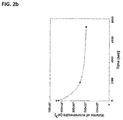
- the dissolution rate of the manufactured microstructure was compared by allowing the microstructure to penetrate (be inserted) into the porcine skin for a predetermined time using predetermined force and then checking the degrees of strain before and after the penetration.
- Example 2-1 Dissolution rate on the basis of length of microstructure
- Each of the manufactured microstructures was cut into 0.7 cm x 0.7 cm, and then was allowed to penetrate the porcine skin in a vertical direction by applying a force of 5 kgf for 10 seconds to 120 minutes.
- the dissolution rate at the time of penetration was measured by observing a penetration portion of the microstructure via an optical microscope and then checking the degrees of strain of the microstructure before and after skin penetration using a scanning electron microscope (SEM, JEOL JSM-7500F) with regard to length and volume before the penetration, 10 seconds after the penetration, 10 minutes after the penetration, 20 minutes after the penetration, 30 minutes after the penetration, 60 minutes after the penetration, and 120 minutes after the penetration.
- SEM scanning electron microscope
- Example 2-2 Dissolution rate on the basis of volume of microstructure
- the microstructure of the present invention containing crosslinked hyaluronic acid when applied to the human skin, the microstructure can provide a prompt effect until 30 minutes after the penetration since the initial dissolution rate of the non-crosslinked hyaluronic acid is very fast, and then can continuously provide a predetermined effect from 30 minutes after the penetration since the crosslinked hyaluronic acid is slowly dissolved Therefore, the microstructure of the present invention can be effectively used for application to the skin.
- Example 3 Comparative experiment of dissolution rate when microstructures containing crosslinked hyaluronic acid at different proportions penetrate porcine skin
- crosslinked/non-crosslinked hyaluronic acid hydrogel polymers were prepared by adding crosslinked hyaluronic acid to purified water such that the crosslinked hyaluronic acid was contained at mixing proportions of 0%, 20%, 33%, 40%, 60%, and 80%(w/w) relative to the weight of the overall crosslinked hyaluronic acid (non-crosslinked hyaluronic acid and crosslinked hyaluronic acid), followed by complete dissolution, by the same method as in example 1.
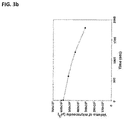
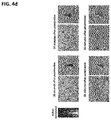
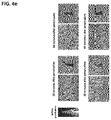
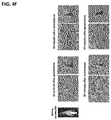
- Each of the microstructures manufactured by using the polymers was cut into 0.7 cm x 0.7 cm, and then was allowed to penetrate the porcine skin in a vertical direction by applying a force of 3 kgf for 10 seconds to 60 minutes.
- the dissolution rate at the time of penetration was measured by observing a penetration portion of the microstructure and the microstructure before the skin penetration via an optical microscope and then checking the degrees of strain of the microstructure, with regard to length, before the penetration, 10 seconds after the penetration, 10 minutes after the penetration, 30 minutes after the penetration, and 60 minutes after the penetration, using a scanning electron microscope.
- the microstructure containing crosslinked hyaluronic acid of the present invention can control the time to show useful effects for skin care, such as skin moisturizing and anti-wrinkling effects, since the dissolution time of the microstructure in the skin can be controlled by adjusting the mixing proportion of the crosslinked hyaluronic acid when the microstructure was applied to human skin. Furthermore, when an effective ingredient, such as a skin care functional ingredient or a drug, was contained in the microstructure, the microstructure can be effectively used for appropriately controlling the release rate of the effective ingredients into the skin (controlled release).
- an effective ingredient such as a skin care functional ingredient or a drug
- Example 4 Comparative experiment of mechanical strength of microstructures containing crosslinked hyaluronic acid at different mixing proportions
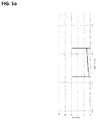
- the strain patterns of the microstructure were checked by a force displacement equipment (Zwick/Roell, Germany) when a particular range of force was applied.
- hyaluronic acid was added to purified water such that crosslinked hyaluronic acid was contained at mixing proportions of 0%, 20%, 33%, 40%, 60%, and 80%(w/w) relative to the weight of the overall hyaluronic acid (non-crosslinked hyaluronic acid and crosslinked hyaluronic acid), followed by complete dissolution, to prepare crosslinked/non-crosslinked hyaluronic acid hydrogel polymers.
- the microstructures manufactured by the polymers were used to prepare 2 x 2 structure samples (a total of four structures).
- the microstructure samples by mixing proportion were mounted on the force displacement equipment, and a force in the range of 0-10 N was applied thereto, specifically to the strained sections of the microstructure, from the tip portion to 100-200 ⁇ m, and were observed and compared.
- the Young's moduli (N/100 ⁇ m) of the structures by mixing portion were measured and compared.
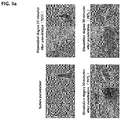
- Example 5 Experiment of diffusion pattern and diffusion rate when fluorescent substance (calcein) penetrate skin after being loaded in present microstructure
- a fluorescent substance was loaded in the microstructure of the present invention, and then the diffusion pattern and diffusion rate of the fluorescent substance, including the penetration depth, at the time of porcine skin penetration, were checked.
- the microstructure sample was cut into 0.7 cm x 0.7 cm before use, and then allowed to penetrate the porcine skin by a vertical application of a force of 5 kgf for 1 minute, 30 minutes, and 120 minutes.
- the fluorescent substance remaining on the porcine skin was observed using a confocal microscope (Nikon, ECLIPSE TE2000-E) to check the penetration depth and the diffusion pattern with time.
- the microstructure of the present invention can be effectively used as a drug delivery vehicle in a form of loading a drug and releasing the drug into the skin, and can easily control the release rate of drugs, such as increasing the amount of a drug released in an extended-release manner by increasing the mixing proportion of crosslinked hyaluronic acid in the manufactured microstructure, and increasing the amount of a drug released in a fast-release manner by increasing the mixing proportion of non-crosslinked hyaluronic acid.
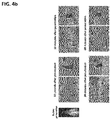
- Example 6 Experiment of dissolution pattern and dissolution rate over time when present microstructure manufactured of fluorescent substance-conjugated hyaluronic acid (fluorescein hyaluronic acid) penetrates skin
- the dissolution pattern and dissolution rate of the microstructure of the present invention in the skin when the microstructure penetrates the skin, the dissolution pattern and dissolution rate of the microstructure of the present invention manufactured of a fluorescent substance-conjugated hyaluronic acid were checked when the microstructure penetrated the porcine skin.
- hyaluronic acid having an average molecular weight of 360 kDa (molecular weight range of 240-490 kDa) was used.
- fluorescent substance-conjugated hyaluronic acid fluorescein-tagged hyaluronic acid
- fluorescent substance-conjugated hyaluronic acid was prepared by adding fluorescent substance-conjugated hyaluronic acid (fluorescein-labeled hyaluronic acid, average molecular weight: 800 kDa, Sigma Aldrich) at a proportion of 5 %(w/w) and using BDDE as a crosslinking agent.
- hyaluronic acid was added to purified water such that the crosslinked hyaluronic acid was contained at a mixing proportion of 30 %(w/w) relative to the weight of the overall hyaluronic acid (non-crosslinked hyaluronic acid and crosslinked hyaluronic acid), followed by complete dissolution, to prepare a crosslinked hyaluronic acid hydrogel polymer.
- the polymer was supplied, injected, and dried in a PDMS micromold, followed by demolding, to manufacture a microstructure (microneedle) with a height of 265 ⁇ m.
- the microstructure sample was cut into 0.7 cm x 0.7 cm before use, and then allowed to penetrate the porcine skin by a vertical application of a force of 5 kgf for 1 minute, 30 minutes, and 120 minutes.
- the fluorescent substance remaining on the porcine skin was observed using a confocal microscope (Nikon, ECLIPSE TE2000-E) to check the penetration depth, dissolution pattern, and dissolution rate.
- the microstructure of the present invention has excellent dissolution characteristics at the time of skin penetration, and the dissolution rate of the microstructure can be easily controlled by increasing or decreasing the mixing proportion of crosslinked hyaluronic acid to dissolve the microstructure slowly for a long time or fast for a short time.
Landscapes
- Health & Medical Sciences (AREA)
- Life Sciences & Earth Sciences (AREA)
- Veterinary Medicine (AREA)
- Animal Behavior & Ethology (AREA)
- General Health & Medical Sciences (AREA)
- Public Health (AREA)
- Chemical & Material Sciences (AREA)
- Epidemiology (AREA)
- Dermatology (AREA)
- Medicinal Chemistry (AREA)
- Pharmacology & Pharmacy (AREA)
- Engineering & Computer Science (AREA)
- Biomedical Technology (AREA)
- Inorganic Chemistry (AREA)
- Birds (AREA)
- Medical Informatics (AREA)
- Anesthesiology (AREA)
- Heart & Thoracic Surgery (AREA)
- Hematology (AREA)
- Gerontology & Geriatric Medicine (AREA)
- Neurosurgery (AREA)
- Medicinal Preparation (AREA)
- Pharmaceuticals Containing Other Organic And Inorganic Compounds (AREA)
- Polysaccharides And Polysaccharide Derivatives (AREA)
- Materials For Medical Uses (AREA)
- Cosmetics (AREA)
- Media Introduction/Drainage Providing Device (AREA)
- Biological Depolymerization Polymers (AREA)
Applications Claiming Priority (2)
| Application Number | Priority Date | Filing Date | Title |
|---|---|---|---|
| KR20160074985 | 2016-06-16 | ||
| PCT/KR2017/006342 WO2017217818A1 (fr) | 2016-06-16 | 2017-06-16 | Microstructure d'acide hyaluronique présentant d'excellentes caractéristiques de solubilité |
Publications (2)
| Publication Number | Publication Date |
|---|---|
| EP3473242A1 true EP3473242A1 (fr) | 2019-04-24 |
| EP3473242A4 EP3473242A4 (fr) | 2019-06-19 |
Family
ID=60663275
Family Applications (1)
| Application Number | Title | Priority Date | Filing Date |
|---|---|---|---|
| EP17813641.2A Withdrawn EP3473242A4 (fr) | 2016-06-16 | 2017-06-16 | Microstructure d'acide hyaluronique présentant d'excellentes caractéristiques de solubilité |
Country Status (8)
| Country | Link |
|---|---|
| US (1) | US11013670B2 (fr) |
| EP (1) | EP3473242A4 (fr) |
| JP (1) | JP6900405B2 (fr) |
| KR (1) | KR101973801B1 (fr) |
| CN (1) | CN109310625A (fr) |
| MX (1) | MX385220B (fr) |
| TW (2) | TWI675666B (fr) |
| WO (1) | WO2017217818A1 (fr) |
Cited By (2)
| Publication number | Priority date | Publication date | Assignee | Title |
|---|---|---|---|---|
| EP3854375A1 (fr) * | 2020-01-23 | 2021-07-28 | Paean Aesthetics Inc | Composition de microspicules pour contrôler sa forme et son procédé de production |
| EP4084801A4 (fr) * | 2019-12-31 | 2024-04-17 | VSY Biyoteknoloji Ve Ilac Sanayi Anonim Sirketi | Nouvelle formulation viscoélastique pour le traitement de l'arthrose et son procédé de production |
Families Citing this family (15)
| Publication number | Priority date | Publication date | Assignee | Title |
|---|---|---|---|---|
| KR102025546B1 (ko) | 2017-11-22 | 2019-09-26 | 단국대학교 천안캠퍼스 산학협력단 | 히알루론산-칼슘 복합체 및 알지네이트를 포함하는 약물 전달체 |
| EP3787702B1 (fr) | 2018-05-03 | 2024-08-07 | CollPlant Ltd. | Produits de comblement cutanés et leurs applications |
| EP3928767A4 (fr) * | 2019-02-22 | 2022-12-14 | Seikagaku Corporation | Procédé d'amélioration de la stabilité au stockage |
| KR102728107B1 (ko) * | 2019-08-08 | 2024-11-11 | (주)아모레퍼시픽 | 동결건조 제형 조성물 및 이를 포함하는 피부 외용제 화장품 키트 |
| US11129788B1 (en) * | 2020-03-24 | 2021-09-28 | Elc Management Llc | Sprayable film forming compositions for improving the performance of topical preparations |
| KR102122208B1 (ko) * | 2020-04-07 | 2020-06-12 | 주식회사 라파스 | 마이크로니들 패치를 이용한 최소 침습적 아토피 피부염 검사 방법 및 마이크로니들 패치를 포함하는 최소 침습적 아토피 검사 키트 |
| FR3109153B1 (fr) * | 2020-04-10 | 2022-07-15 | Teoxane SA | Compositions à base d’au moins deux glycosaminoglycanes |
| JP2023523952A (ja) | 2020-04-28 | 2023-06-08 | ティコナ・エルエルシー | マイクロニードルアセンブリ |
| KR102740968B1 (ko) * | 2020-09-18 | 2024-12-11 | 강원대학교산학협력단 | 비타민c 유도체를 포함하는 피부미백 및 주름개선 이중기능성 마이크로니들, 이의 제조방법 및 이를 포함하는 경피전달용 패치 |
| US20250339365A1 (en) * | 2020-10-28 | 2025-11-06 | Fount Bio, Inc. | Transdermal delivery |
| KR102798205B1 (ko) * | 2021-08-12 | 2025-04-22 | 주식회사 페로카 | 마이크로니들 패치 |
| CN114311721B (zh) | 2021-12-27 | 2023-09-08 | 青岛农业大学 | 一种可食用、可生物降解餐具的制备方法 |
| KR102643334B1 (ko) * | 2022-08-23 | 2024-03-05 | 주식회사 큐에이치바이오 | 가교 히알루론산 및 생체 적합성 미립자를 포함하는 피부 필러 조성물, 및 그 제조방법 |
| WO2025174199A1 (fr) * | 2024-02-15 | 2025-08-21 | 주식회사 티앤엘 | Composition pour micro-aiguille et micro-aiguille l'utilisant |
| KR20250161695A (ko) * | 2024-05-08 | 2025-11-18 | 정성희 | 광역학 치료용 용해성 마이크로니들 및 이의 제조방법 |
Family Cites Families (17)
| Publication number | Priority date | Publication date | Assignee | Title |
|---|---|---|---|---|
| US7963997B2 (en) * | 2002-07-19 | 2011-06-21 | Kensey Nash Corporation | Device for regeneration of articular cartilage and other tissue |
| JP3420851B2 (ja) | 1994-12-06 | 2003-06-30 | 株式会社資生堂 | 癒着防止剤 |
| JP4210231B2 (ja) | 2004-03-25 | 2009-01-14 | 株式会社資生堂 | 皮膚のシワを改善する美容方法及びシワ改善具 |
| FR2909560B1 (fr) | 2006-12-06 | 2012-12-28 | Fabre Pierre Dermo Cosmetique | Gel d'acide hyaluronique pour injection intradermique |
| JP5243560B2 (ja) * | 2008-02-27 | 2013-07-24 | ケーシーアイ ライセンシング インコーポレイテッド | 組織部位における創傷を治療するシステムおよび方法 |
| JP5267910B2 (ja) * | 2008-02-28 | 2013-08-21 | コスメディ製薬株式会社 | マイクロニードルアレイ |
| DK2346563T3 (da) * | 2008-10-07 | 2019-01-02 | Tuo Jin | Polymere faseovergangsmikronåle |
| WO2012008722A2 (fr) * | 2010-07-12 | 2012-01-19 | 신풍제약 주식회사 | Composition de charge pour le renforcement de tissus |
| US20140200508A1 (en) | 2012-06-29 | 2014-07-17 | Isaac D. Cohen | Microneedles Comprising One Or More Cosmetic Ingredients |
| BR112015005073B1 (pt) | 2012-09-13 | 2021-06-01 | Amir Avraham | Aplicador configurado para a administração de uma composição de melhoria de pele para uma pele e/ou subcútis de um sujeito, uso de um, microagulha e método para manufaturar uma microagulha |
| KR101435888B1 (ko) | 2012-10-23 | 2014-09-01 | 연세대학교 산학협력단 | 히알루론산을 이용한 생분해성 마이크로니들 제조방법 |
| EP2934660B1 (fr) * | 2012-12-21 | 2019-07-17 | Corium, Inc. | Micro-réseau pour la distribution d'un agent thérapeutique et son procédé de fabrication |
| CN104095761A (zh) * | 2013-04-08 | 2014-10-15 | 上海汇林医药科技有限公司 | 一种高分子聚合物微针贴剂及其应用 |
| JP6906885B2 (ja) | 2014-11-14 | 2021-07-21 | ロレアル | しわを減少させるためのマイクロニードルシート |
| BR112017016655B1 (pt) * | 2015-02-13 | 2022-05-03 | Endo Derma Co., Ltd | Micro-agulha biodegradável contendo hidrogel de ácido hialurônico reticulado e método para sua preparação |
| CN104921961B (zh) | 2015-05-25 | 2017-11-17 | 成都凤磐生物科技有限公司 | 一种多效修复的可降解生物微针贴 |
| MY188756A (en) | 2015-12-28 | 2021-12-29 | Endoderma Co Ltd | Microstructure for transdermal absorption and method for manufacturing same |
-
2017
- 2017-06-16 WO PCT/KR2017/006342 patent/WO2017217818A1/fr not_active Ceased
- 2017-06-16 US US16/310,488 patent/US11013670B2/en active Active
- 2017-06-16 TW TW106120234A patent/TWI675666B/zh active
- 2017-06-16 EP EP17813641.2A patent/EP3473242A4/fr not_active Withdrawn
- 2017-06-16 TW TW108122646A patent/TWI718576B/zh active
- 2017-06-16 MX MX2018015607A patent/MX385220B/es unknown
- 2017-06-16 CN CN201780037595.XA patent/CN109310625A/zh active Pending
- 2017-06-16 JP JP2018565661A patent/JP6900405B2/ja active Active
- 2017-06-16 KR KR1020170076877A patent/KR101973801B1/ko active Active
Cited By (2)
| Publication number | Priority date | Publication date | Assignee | Title |
|---|---|---|---|---|
| EP4084801A4 (fr) * | 2019-12-31 | 2024-04-17 | VSY Biyoteknoloji Ve Ilac Sanayi Anonim Sirketi | Nouvelle formulation viscoélastique pour le traitement de l'arthrose et son procédé de production |
| EP3854375A1 (fr) * | 2020-01-23 | 2021-07-28 | Paean Aesthetics Inc | Composition de microspicules pour contrôler sa forme et son procédé de production |
Also Published As
| Publication number | Publication date |
|---|---|
| CN109310625A (zh) | 2019-02-05 |
| TWI718576B (zh) | 2021-02-11 |
| JP6900405B2 (ja) | 2021-07-07 |
| KR101973801B1 (ko) | 2019-04-30 |
| EP3473242A4 (fr) | 2019-06-19 |
| TW201808310A (zh) | 2018-03-16 |
| US11013670B2 (en) | 2021-05-25 |
| JP2019523680A (ja) | 2019-08-29 |
| WO2017217818A1 (fr) | 2017-12-21 |
| TWI675666B (zh) | 2019-11-01 |
| US20190336411A1 (en) | 2019-11-07 |
| TW201938175A (zh) | 2019-10-01 |
| KR20170142127A (ko) | 2017-12-27 |
| BR112018075703A2 (pt) | 2019-04-02 |
| MX385220B (es) | 2025-03-13 |
| MX2018015607A (es) | 2019-03-14 |
Similar Documents
| Publication | Publication Date | Title |
|---|---|---|
| US11013670B2 (en) | Hyaluronic acid microstructure having excellent solubility characteristics | |
| JP6754378B2 (ja) | 架橋されたヒアルロン酸ハイドロゲルを用いたマイクロ構造体及びその製造方法 | |
| WO2020043167A1 (fr) | Timbre à micro-aiguilles à libération prolongée implantable rapide et son procédé de préparation | |
| US11737973B2 (en) | Microneedle percutaneous patch containing donepezil | |
| KR20170077809A (ko) | 경피 흡수용 마이크로구조체 및 이의 제조방법 | |
| CN102238943A (zh) | 能够控制多种药物释放的固体微结构及其制备方法 | |
| KR102409490B1 (ko) | 국소피부용 마이크로니들 및 이의 제조방법 | |
| CN114146046A (zh) | 具有多层结构的涂层微针、其制备方法及包含该涂层微针的微针贴片 | |
| CN120417885A (zh) | 包含司美格鲁肽的微针及其制造方法 | |
| CN107349175A (zh) | 一种负载脂肪褐变剂的微针贴片及其制备方法 | |
| TW200812642A (en) | Compositions and methods for treating conditions of the nail unit | |
| KR20170132087A (ko) | 사마귀 치료를 위한 블레오마이신을 함유하는 마이크로니들 패치 및 이의 제작방법 | |
| CN117159439A (zh) | 含降糖药物的药物组合物、微针制剂、给药系统、制备方法和应用 | |
| CN113827544B (zh) | 一种耐热型可植入式聚合物微针及其制备方法和应用 | |
| KR102883442B1 (ko) | 마이크로니들용 조성물, 마이크로니들 어레이 및 이를 포함하는 경피 패치 | |
| CN115737532B (zh) | 一种超分子水杨酸复合微针贴片及制备方法和应用 | |
| CN116687784B (zh) | 一种美容类可溶解微针、制备方法及应用 | |
| HK1260402A1 (en) | Hyaluronic acid microstructure having excellent solubility characteristics | |
| Santos et al. | Natural-based biomaterials for drug delivery wound healing patches | |
| US12616824B2 (en) | Heat-resistant implantable polymer microneedle and preparation method therefor and application thereof | |
| BR112018075703B1 (pt) | Microagulha dissolvível de penetração na pele | |
| EP4578442A1 (fr) | Composition de microsphères pour micro-aiguilles contraceptives et micro-aiguilles contraceptives comprenant ladite composition | |
| KR20170046043A (ko) | 백반증 치료제 전달을 위한 용해성 미세바늘 패치 | |
| KR20250155706A (ko) | 분리형 용해성 마이크로 니들 및 이의 제조방법 | |
| CN120531668A (zh) | 一种绿原酸-甲氨蝶呤可溶性微针及其制备方法 |
Legal Events
| Date | Code | Title | Description |
|---|---|---|---|
| STAA | Information on the status of an ep patent application or granted ep patent |
Free format text: STATUS: THE INTERNATIONAL PUBLICATION HAS BEEN MADE |
|
| PUAI | Public reference made under article 153(3) epc to a published international application that has entered the european phase |
Free format text: ORIGINAL CODE: 0009012 |
|
| STAA | Information on the status of an ep patent application or granted ep patent |
Free format text: STATUS: REQUEST FOR EXAMINATION WAS MADE |
|
| 17P | Request for examination filed |
Effective date: 20190109 |
|
| AK | Designated contracting states |
Kind code of ref document: A1 Designated state(s): AL AT BE BG CH CY CZ DE DK EE ES FI FR GB GR HR HU IE IS IT LI LT LU LV MC MK MT NL NO PL PT RO RS SE SI SK SM TR |
|
| AX | Request for extension of the european patent |
Extension state: BA ME |
|
| RIC1 | Information provided on ipc code assigned before grant |
Ipc: A61K 9/00 20060101AFI20190509BHEP Ipc: A61K 47/38 20060101ALI20190509BHEP Ipc: A61M 37/00 20060101ALI20190509BHEP Ipc: A61K 47/36 20060101ALI20190509BHEP Ipc: A61Q 19/00 20060101ALI20190509BHEP Ipc: A61K 8/73 20060101ALI20190509BHEP |
|
| A4 | Supplementary search report drawn up and despatched |
Effective date: 20190517 |
|
| DAV | Request for validation of the european patent (deleted) | ||
| DAX | Request for extension of the european patent (deleted) | ||
| STAA | Information on the status of an ep patent application or granted ep patent |
Free format text: STATUS: EXAMINATION IS IN PROGRESS |
|
| 17Q | First examination report despatched |
Effective date: 20201217 |
|
| STAA | Information on the status of an ep patent application or granted ep patent |
Free format text: STATUS: THE APPLICATION IS DEEMED TO BE WITHDRAWN |
|
| 18D | Application deemed to be withdrawn |
Effective date: 20210429 |