EP3497237B1 - Verfahren und reagenzien zum nachweis von piperaquinresistenter plasmodium-falciparum-malaria - Google Patents
Verfahren und reagenzien zum nachweis von piperaquinresistenter plasmodium-falciparum-malaria Download PDFInfo
- Publication number
- EP3497237B1 EP3497237B1 EP17777074.0A EP17777074A EP3497237B1 EP 3497237 B1 EP3497237 B1 EP 3497237B1 EP 17777074 A EP17777074 A EP 17777074A EP 3497237 B1 EP3497237 B1 EP 3497237B1
- Authority
- EP
- European Patent Office
- Prior art keywords
- pfpm2
- plasmodium
- cluster
- copy number
- ppq
- Prior art date
- Legal status (The legal status is an assumption and is not a legal conclusion. Google has not performed a legal analysis and makes no representation as to the accuracy of the status listed.)
- Active
Links
Images












Classifications
-
- C—CHEMISTRY; METALLURGY
- C12—BIOCHEMISTRY; BEER; SPIRITS; WINE; VINEGAR; MICROBIOLOGY; ENZYMOLOGY; MUTATION OR GENETIC ENGINEERING
- C12Q—MEASURING OR TESTING PROCESSES INVOLVING ENZYMES, NUCLEIC ACIDS OR MICROORGANISMS; COMPOSITIONS OR TEST PAPERS THEREFOR; PROCESSES OF PREPARING SUCH COMPOSITIONS; CONDITION-RESPONSIVE CONTROL IN MICROBIOLOGICAL OR ENZYMOLOGICAL PROCESSES
- C12Q1/00—Measuring or testing processes involving enzymes, nucleic acids or microorganisms; Compositions therefor; Processes of preparing such compositions
- C12Q1/68—Measuring or testing processes involving enzymes, nucleic acids or microorganisms; Compositions therefor; Processes of preparing such compositions involving nucleic acids
- C12Q1/6876—Nucleic acid products used in the analysis of nucleic acids, e.g. primers or probes
- C12Q1/6888—Nucleic acid products used in the analysis of nucleic acids, e.g. primers or probes for detection or identification of organisms
- C12Q1/6893—Nucleic acid products used in the analysis of nucleic acids, e.g. primers or probes for detection or identification of organisms for protozoa
-
- C—CHEMISTRY; METALLURGY
- C12—BIOCHEMISTRY; BEER; SPIRITS; WINE; VINEGAR; MICROBIOLOGY; ENZYMOLOGY; MUTATION OR GENETIC ENGINEERING
- C12Q—MEASURING OR TESTING PROCESSES INVOLVING ENZYMES, NUCLEIC ACIDS OR MICROORGANISMS; COMPOSITIONS OR TEST PAPERS THEREFOR; PROCESSES OF PREPARING SUCH COMPOSITIONS; CONDITION-RESPONSIVE CONTROL IN MICROBIOLOGICAL OR ENZYMOLOGICAL PROCESSES
- C12Q1/00—Measuring or testing processes involving enzymes, nucleic acids or microorganisms; Compositions therefor; Processes of preparing such compositions
- C12Q1/68—Measuring or testing processes involving enzymes, nucleic acids or microorganisms; Compositions therefor; Processes of preparing such compositions involving nucleic acids
- C12Q1/6813—Hybridisation assays
- C12Q1/6827—Hybridisation assays for detection of mutation or polymorphism
-
- C—CHEMISTRY; METALLURGY
- C12—BIOCHEMISTRY; BEER; SPIRITS; WINE; VINEGAR; MICROBIOLOGY; ENZYMOLOGY; MUTATION OR GENETIC ENGINEERING
- C12Q—MEASURING OR TESTING PROCESSES INVOLVING ENZYMES, NUCLEIC ACIDS OR MICROORGANISMS; COMPOSITIONS OR TEST PAPERS THEREFOR; PROCESSES OF PREPARING SUCH COMPOSITIONS; CONDITION-RESPONSIVE CONTROL IN MICROBIOLOGICAL OR ENZYMOLOGICAL PROCESSES
- C12Q2600/00—Oligonucleotides characterized by their use
- C12Q2600/156—Polymorphic or mutational markers
-
- C—CHEMISTRY; METALLURGY
- C12—BIOCHEMISTRY; BEER; SPIRITS; WINE; VINEGAR; MICROBIOLOGY; ENZYMOLOGY; MUTATION OR GENETIC ENGINEERING
- C12Q—MEASURING OR TESTING PROCESSES INVOLVING ENZYMES, NUCLEIC ACIDS OR MICROORGANISMS; COMPOSITIONS OR TEST PAPERS THEREFOR; PROCESSES OF PREPARING SUCH COMPOSITIONS; CONDITION-RESPONSIVE CONTROL IN MICROBIOLOGICAL OR ENZYMOLOGICAL PROCESSES
- C12Q2600/00—Oligonucleotides characterized by their use
- C12Q2600/158—Expression markers
-
- G—PHYSICS
- G01—MEASURING; TESTING
- G01N—INVESTIGATING OR ANALYSING MATERIALS BY DETERMINING THEIR CHEMICAL OR PHYSICAL PROPERTIES
- G01N2333/00—Assays involving biological materials from specific organisms or of a specific nature
- G01N2333/435—Assays involving biological materials from specific organisms or of a specific nature from animals; from humans
- G01N2333/44—Assays involving biological materials from specific organisms or of a specific nature from animals; from humans from protozoa
- G01N2333/445—Plasmodium
-
- Y—GENERAL TAGGING OF NEW TECHNOLOGICAL DEVELOPMENTS; GENERAL TAGGING OF CROSS-SECTIONAL TECHNOLOGIES SPANNING OVER SEVERAL SECTIONS OF THE IPC; TECHNICAL SUBJECTS COVERED BY FORMER USPC CROSS-REFERENCE ART COLLECTIONS [XRACs] AND DIGESTS
- Y02—TECHNOLOGIES OR APPLICATIONS FOR MITIGATION OR ADAPTATION AGAINST CLIMATE CHANGE
- Y02A—TECHNOLOGIES FOR ADAPTATION TO CLIMATE CHANGE
- Y02A50/00—TECHNOLOGIES FOR ADAPTATION TO CLIMATE CHANGE in human health protection, e.g. against extreme weather
- Y02A50/30—Against vector-borne diseases, e.g. mosquito-borne, fly-borne, tick-borne or waterborne diseases whose impact is exacerbated by climate change
Definitions
- ACTs artemisinin-based combination therapies
- ART artemisinin-based combination therapies
- ARTs fast-acting artemisinin
- partner drugs Resistance to ARTs, which is now fixed in western Cambodia and observed across Southeast Asia, increases the proportion of parasites surviving a 3-day course of an ACT.
- Resistance to the partner drug is a greater risk when more parasites survive ARTs.
- the reduced efficacy of ARTs and partner drugs translates into late treatment failures and prolonged parasite carriage, thereby increasing the transmission potential of drug-resistant infections.
- the inventors used in-vitro PSA-based phenotypic information to compare whole-genome sequences of Cambodian P. falciparum lines dichotomized as PPQ-susceptible or -resistant based on their in-vitro PSA results. 7
- the exomes of culture-adapted ART-resistant parasite lines (all harboring the K13-C580Y mutation) were compared for single nucleotide polymorphisms (SNPs) and copy number variations (CNVs).
- SNPs single nucleotide polymorphisms
- CNVs copy number variations
- Pfplasmepsin2 PF3D7_1408000
- Pfplasmepsin 3 PF3D7_1408100
- Increased Pfplasmepsin2 ( PfPM2) gene copy number was then assessed as a candidate resistance marker in 134 isolates with known ex-vivo PSA survival rates and in 725 blood samples collected during the years 2009-2015 from Cambodian patients treated with DHA-PPQ and followed up for 42 days.
- Methods for genotyping a plasmodium comprise (a) providing a sample containing a plasmodium; and (b) detecting the presence of an increased copy number of the genomic plasmepsin2-3 cluster.
- said methods comprise in a sample containing a plasmodium, detecting the presence of an increased copy number of the genomic plasmepsin2-3 cluster.
- the sample is a biological sample previously obtained from a patient.
- the plasmodium is Plasmodium falciparum.
- the presence of increased copy number of the genomic plasmepsin2-3 cluster in the sample is detected by sequencing.
- the presence of increased copy number of the genomic plasmepsin2-3 cluster in the sample is detected by PCR.
- the PCR is quantitative PCR (qPCR).
- the method comprises determining the copy number of at least one of the Pfplasmepsin2 (PF3D7_1408000) gene ( PfPM2 ) and the Pfplasmepsin3 (PF3D7_1408100) gene ( PfPM3 ).
- the method comprises determining the level of at least one mRNA selected from a PfPM2 mRNA and a PfPM3 mRNA.
- the method comprises determining the level of at least one protein selected from a PfPM2 protein and a PfPM3 protein.
- the methods further comprise detecting the presence of a mutated K-13 propeller nucleic acid or protein in the sample. In some embodiments the methods further comprise detecting the presence of no more than a single copy of a Pfmdr1 nucleic acid in the sample.
- Methods for detecting a plasmodium infection in a patient comprise: (a) providing a blood sample from a patient and (b) detecting the presence or absence of an increased copy number of the genomic plasmepsin2-3 cluster in the blood sample.
- the methods comprise: on a blood sample previously obtained from a patient, in vitro detecting the presence or absence of an increased copy number of the genomic plasmepsin2-3 cluster.
- the plasmodium is Plasmodium falciparum.
- the presence or absence of increased copy number of the genomic plasmepsin2-3 cluster in the sample is detected by sequencing.
- the presence or absence of an increased copy number of the genomic plasmepsin2-3 cluster in the sample is detected by PCR. In some embodiments the presence of increased copy number of the genomic plasmepsin2-3 cluster in the sample is detected by quantitative PCR (qPCR). In some embodiments the method comprises determining the copy number of at least one of the Pfplasmepsin2 (PF3D7_1408000) gene ( PfPM2 ) and the Pfplasmepsin3 (PF3D7_1408100) gene ( PfPM3 ). In some embodiments the method comprises determining the level of at least one mRNA selected from a PfPM2 mRNA and a PfPM3 mRNA.
- the method comprises determining the level of at least one protein selected from a PfPM2 protein and a PfPM3 protein. In some embodiments 2, 3, or 4 copies of the genomic plasmepsin2-3 cluster are detected. In some embodiments the methods further comprise detecting the presence or absence of a mutated K-13 propeller nucleic acid or protein in the sample. In some embodiments the methods further comprise detecting the presence or absence of no more than a single copy of a Pfmdr1 nucleic acid in the sample. In some embodiments the presence of an increased copy number of the genomic plasmepsin2-3 cluster indicates that the plasmodium is resistant to piperaquine.
- the presence of a mutated K13 propeller nucleic acid or protein indicates that the plasmodium is also resistant to artemisinin derivatives.
- the methods further comprise administering to said patient infected with a plasmodium resistant to piperaquine a treatment based on artemisinin derivatives for longer than the routine protocol, and/or another anti-malarial drug.
- kits for detecting a plasmodium infection comprise primers for the amplification of a plasmepsin2-3 cluster nucleic acid and reagents for the detection of the amplified product.
- the kit contains a probe for detecting a plasmepsin2-3 cluster nucleic acid.
- the probe is labeled with a fluorescent, radioactive or enzymatic label.
- the kit detects a PfPM2 nucleic acid.
- the kit detects a PfPM3 nucleic acid.
- the kit comprises at least one of the following primers: 5'-TGGTGATGCAGAAGTTGGAG-3' (SEQ ID NO.1); 5'-TGGGACCCATAAATTAGCAGA-3' (SEQ ID NO.2); 5'-GGATTCGAACCAACTTATACTGC-3' (SEQ ID NO.3); and 5'-AATTGGATCTACTGAACCTATTGATAA-3' (SEQ ID NO.4).
- the kit comprises at least one probe comprising the sequence 5'-CAACATTTGATGGTATCCTTGGTTTAGGATGGA-3' (SEQ ID NO.5).
- the kit comprises the following probe: 5'-FAM-CAACATTTGATGGTATCCTTGGTTTAGGATGGA-BHQ1-3' (SEQ ID NO.6).
- the kit further comprises primers for the amplification of a K-13 propeller nucleic acid and reagents for the detection of the amplified product.
- the kit further comprises primers for the amplification of a Pfmdr1 nucleic acid and reagents for the detection of the amplified product.
- DHA-PPQ dihydroartemisinin-piperaquine
- Multicopy PfPM2 predicted DHA-PPQ failures with 0.94 (95% CI 0.88-0.98) sensitivity and 0.77 (95% CI 0.74-0.81) specificity.
- the proportion of multicopy PfPM2 parasites steadily increased from 2009 to 2015 in western Cambodia and in 2014-2015 for eastern Cambodia, correlating with increasing DHA-PPQ treatment failure rates in both areas.
- DHA-PPQ efficacy at day 42 fell below 90% when the proportion of multicopy PfPM2 parasites exceeded 22%.
- this invention provided methods and reagents for detecting and treating piperaquine-resistant plasmodium falciparum malaria.
- the invention encompasses methods for genotyping a plasmodium and/or detecting a plasmodium infection, particularly Plasmodium falciparum.
- the method comprises providing a sample containing a plasmodium and detecting the presence or absence of an increased copy number of the genomic plasmepsin2-3 cluster in the sample.
- the presence or absence of an increased copy number of the genomic plasmepsin2-3 cluster is detected by routine techniques in the art. For example, the techniques described in the examples, or elsewhere herein, can be used.
- An increased copy number of the genomic plasmepsin2-3 cluster can be detected by numerous techniques known in the art, such as sequencing, hybridization, or amplification assays.
- the data in the examples indicates that an increase in copy number of the genomic plasmepsin2-3 cluster results in an increase in PfPM2 mRNA level. Therefore, an assay that measures the level of PfPM2 mRNA may be used to detect the presence or absence of an increase in copy number of the genomic plasmepsin2-3 cluster.
- the data in the examples indicates that an increase in copy number of the genomic plasmepsin2-3 cluster results in an increase in PfPM2 protein level. Therefore, an assay that measures the level of PfPM2 protein may be used to detect the presence or absence of an increase in copy number of the genomic plasmepsin2-3 cluster.
- a skilled artisan will appreciate that these examples are not limiting.
- a "an increase in copy number of the genomic plasmepsin2-3 cluster” means more than one copy of the genomic plasmepsin2-3 cluster in each haploid genome of a plasmodium. In some embodiments a total of two copies are present. In some embodiments a total of three copies are present. In some embodiments a total of four copies are present. In some embodiments a total of from two to four copies are present. In some embodiments more than four copies are present.
- the genomic plasmepsin2-3 cluster means a fragment of plasmodium genomic DNA that includes at least the PfPM2 and PfPM3 coding sequences and the intervening genomic DNA.
- the genomic plasmepsin2-3 cluster comprises the plasmepsin-4 (PfPM4), plasmepsin-1 (PfPM1), PfPM2 , PfPM3 , and transcription factor with AP2 domains(s) (AP2-G2) coding sequences and the intervening genomic DNA.
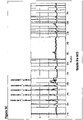
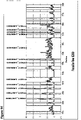
- the genomic plasmepsin2-3 cluster is selected from DNA expansion type 1, DNA expansion type 2, DNA expansion type 3, and DNA expansion type 4, as shown in Figure 9A .
- the genomic plasmepsin2-3 cluster is no more than 10 kb or no more than 5 kb in size.
- the presence of increased copy number of the genomic plasmepsin2-3 cluster in the sample is detected by sequencing. In some embodiments the presence of increased copy number of the genomic plasmepsin2-3 cluster in the sample is detected by PCR. In a preferred embodiment the PCR is quantitative PCR (qPCR).
- the method comprises determining the copy number of at least one of the Pfplasmepsin2 (PF3D7_1408000) gene ( PfPM2 ) and the Pfplasmepsin3 (PF3D7_1408100) gene ( PfPM3 ).
- the copy number of the PfPM2 gene can serve as a proxy for the copy number of the genomic plasmepsin2-3 cluster.
- the data in the examples also indicate that the copy number of the PfPM3 gene can serve as a proxy for the copy number of the genomic plasmepsin2-3 cluster.
- the method comprises determining the level of at least one mRNA selected from a PfPM2 mRNA and a PfPM3 mRNA. In some embodiments the method comprises determining the level of at least one protein selected from a PfPM2 protein and a PfPM3 protein.
- a “mutant P. falciparum K-13 propeller nucleic acid” means a nucleic acid sequence having one or more difference from the wild type sequence of P. falciparum K-13 propeller nucleic acid that results in a difference of at least one amino acid from the wild type amino acid sequence of the encoded protein.
- a “mutant P. falciparum K-13 propeller protein” means an amino acid sequence having one or more difference from the wild type P. falciparum K-13 propeller protein.
- the method comprises detecting the presence or absence of a wild-type or mutated K-13 propeller protein in the cell sample. This can be performed by using specific antibodies that discriminate between wild-type and mutant K-13 propeller proteins. These antibodies can be contacted with patient samples and the presence or absence of a wild-type or mutated K-13 propeller proteins can be determined by detecting the presence or absence of an immunological reaction.
- the method comprises an ELISA assay.
- the method comprises providing a sample containing a plasmodium and detecting the presence of a mutated K-13 propeller nucleic acid or protein in the sample.
- the presence of a mutated K-13 propeller nucleic acid in the sample is detected by sequencing or by PCR.
- the presence of a mutated K13-propeller nucleic acid in a sample is detected according to anyone of the methods disclosed in WO 2015/071759 A1 .
- the method comprises detecting the number of copies (in particular detecting 2 copies) of PfPM2 gene disclosed herein, and detecting a C580Y K13 allele.
- the plasmodium is selected from Plasmodium falciparum , Plasmodium vivax, Plasmodium ovale curtisi , Plasmodium ovale wallikeri , Plasmodium malariae , Plasmodium knowlesi , Plasmodium brasilianum , Plasmodium cynomolgi , Plasmodium cynomolgi bastianellii , Plasmodium inui, Plasmodium rhodiani , Plasmodium schweitzi , Plasmodium semiovale, Plasmodium simium , Plasmodium berghei , Plasmodium yoelii , and Plasmodium chabaudi.
- the disclosure encompasses methods for the detection of a plasmodium infection and diagnosis of the infection in a patient suspected to be infected.
- Patients can be diagnosed by providing a cell sample from a patient.
- the method comprises providing a cell sample from a patient and detecting the presence or absence of an increased copy number of the genomic plasmepsin2-3 cluster in the sample.
- the cell sample can be any cell sample obtained from patient that contains plasmodium.
- the cell sample is generated by drawing blood.
- the cell sample is preferably a blood sample.
- the blood sample can be further processed to culture the plasmodium in the sample in vitro. For example, the techniques described in van Schalkwyk et al. Malaria Journal 2013, 12:320 can be used.
- the method comprises providing a blood sample from patient; optionally culture the plasmodium in the sample in vitro, and detecting the presence or absence of an increased copy number of the genomic plasmepsin2-3 cluster in the sample.
- the method comprises providing a blood sample from a patient and detecting the presence or absence of an increased copy number of a plasmepsin2-3 nucleic acid or protein in the sample.
- PCR and more preferable qPCR
- nucleic acid hybridization or nucleic acid sequencing is used to detect the presence or absence of an increased copy number of the genomic plasmepsin2-3 cluster in a cell sample. Any sequencing method known in the art can be employed.
- sequencing is used in a broad sense and refers to any technique known by the skilled person including but not limited to Sanger dideoxy termination sequencing, whole-genome sequencing, sequencing by hybridization, pyrosequencing, capillary electrophoresis, cycle sequencing, single-base extension sequencing, solid- phase sequencing, high-throughput sequencing, massively parallel signature sequencing (MPSS), sequencing by reversible dye terminator, paired-end sequencing, near-term sequencing, exonuclease sequencing, sequencing by ligation, short-read sequencing, single-molecule sequencing, sequencing-by-synthesis, real-time sequencing, reverse-terminator sequencing, nanopore sequencing, 454 sequencing, Solexa Genome Analyzer sequencing, SOLiD(R) sequencing, MS-PET sequencing, mass spectrometry, and a combination thereof.
- MPSS massively parallel signature sequencing
- the method of the invention is adapted to run on ABI PRISM(R) 377 DNA Sequencer, an ABI PRISM(R) 310, 3100, 3100-Avant, 3730, or 3730 ⁇ 1 Genetic Analyzer, an ABI PRISM(R) 3700 DNA Analyzer, or an Applied Biosystems SOLiD(TM) System (all from Applied Biosystems), a Genome Sequencer 20 System (Roche Applied Science). Any nucleic acid hybridization method known in the art can be employed, see, e.g.
- At least one of the following hybridization probes is used for hybridization : 5'-caattcaacatttgatggattaaacattga-3' (SEQ ID NO.20) for PfPM2 ; 5'-tgaagaatcctttaacacgtttcgagtaac-3' (SEQ ID NO.21) for PfPM3.
- 5'-caattcaacatttgatggattaaacattga-3' SEQ ID NO.20
- 5'-tgaagaatcctttaacacgtttcgagtaac-3' SEQ ID NO.21
- the method comprises detecting an amplified nucleic acid product.
- the starting nucleic acid that is amplified may be DNA and/or RNA. Any suitable method known in the art may be used.
- the amplification method can be RCA, MDA, NASBA, TMA, SDA, LCR, b-DNA, PCR (all forms including RT-PCR), RAM, LAMP, ICAN, SPIA, QB-replicase, or Invader.
- a preferred amplification method is the polymerase chain reaction (PCR) amplification. See, e.g., PCR Technology: Principles and Applications for DNA Amplification (Ed. H. A. Erlich, Freeman Press, NY, N.Y., 1992 ); PCR Protocols: A Guide to Methods and Applications (Eds. Iinis, et al., Academic Press, San Diego, Calif., 1990 ); Mattila et al., Nucleic Acids Res.
- PCR polymerase chain reaction
- PCR-HRM High-Resolution DNA Melting
- PCR-HRM High-Resolution DNA Melting
- LCR ligase chain reaction
- LCR ligase chain reaction
- Landegren et al. Science 241, 1077 (1988 ) and Barringer et al. Gene 89:117 (1990 )
- transcription amplification Kwoh et al., Proc. Natl. Acad. Sci. USA 86, 1173 (1989 ) and WO88/10315
- self-sustained sequence replication Guatelli et al., Proc. Nat. Acad. Sci. USA, 87, 1874 (1990 ) and WO90/06995
- selective amplification of target polynucleotide sequences U.S. Pat. No.
- nucleic acid based sequence amplification ( U.S. Pat. Nos. 5,130,238 , 5,409,818 , 5,554,517 , and 6,063,603 ).
- Other amplification methods that may be used are described in U.S. Pat. Nos. 5,242,794 , 5,494,810 , 4,988,617 and 6,582,938 .
- At least one of the following primers is used for amplification: 5'-TGGTGATGCAGAAGTTGGAG-3' (SEQ ID NO.1); 5'-TGGGACCCATAAATTAGCAGA-3' (SEQ ID NO.2); 5'-GGATTCGAACCAACTTATACTGC-3' (SEQ ID NO.3); and 5'-AATTGGATCTACTGAACCTATTGATAA-3' (SEQ ID NO.4)
- RNA is extracted and reverse-transcribed into cDNA. Amplification or sequencing is then performed on the cDNA. Otherwise northern hybridization can be performed directly on extracted RNA.
- the method can comprise isolating RNA from a sample from a patient, reverse-transcribing the RNA into cDNA, amplifying or sequencing the cDNA, or northern hybridizing the RNA, and determining the presence or absence of an increased copy number of the genomic plasmepsin2-3 cluster in the sample.
- the method comprises detecting the presence or absence of an increased amount of a protein encoded by the plasmepsin2-3 cluster in the sample. As shown in the examples, this approach may be used to detect an increase in copy number of the plasmepsin2-3 cluster. This can be performed by using specific antibodies that detect the PfPM2 and/or PfPM3 proteins. These antibodies can be contacted with patient samples and the presence or absence of an increased amount of PfPM2 and/or PfPM3 proteins can be determined by detecting the presence or absence of an immunological reaction.
- the method comprises an ELISA assay.
- Antibodies can be synthetic, monoclonal, or polyclonal and can be made by techniques well known in the art. Such antibodies specifically bind via the antigen-binding sites of the antibody (as opposed to non-specific binding). PfPM2 and/or PfPM3 polypeptides, fragments, variants, fusion proteins, etc., can be employed as immunogens in producing antibodies immunoreactive therewith. More specifically, the polypeptides, fragment, variants, fusion proteins, etc. contain antigenic determinants or epitopes that elicit the formation of antibodies.
- Linear epitopes are composed of a single section of amino acids of the polypeptide, while conformational or discontinuous epitopes are composed of amino acids sections from different regions of the polypeptide chain that are brought into close proximity upon protein folding ( C. A. Janeway, Jr. and P. Travers, Immuno Biology 3:9 (Garland Publishing Inc., 2nd ed. 1996 )). Because folded proteins have complex surfaces, the number of epitopes available is quite numerous; however, due to the conformation of the protein and steric hinderances, the number of antibodies that actually bind to the epitopes is less than the number of available epitopes ( C. A.
- Epitopes can be identified by any of the methods known in the art. Both polyclonal and monoclonal antibodies can be prepared by conventional techniques.
- PfPM2 and/or PfPM3 peptides based on the amino acid sequence of wild-type and PfPM2 and/or PfPM3 proteins can be utilized to prepare antibodies that specifically bind to PfPM2 and/or PfPM3 proteins.
- the term "antibodies” is meant to include polyclonal antibodies, monoclonal antibodies, fragments thereof, such as F(ab')2 and Fab fragments, single-chain variable fragments (scFvs), single-domain antibody fragments (VHHs or Nanobodies), bivalent antibody fragments (diabodies), as well as any recombinantly and synthetically produced binding partners.
- Antibodies are defined to be specifically binding if they bind to their target protein with a Ka of greater than or equal to about 10 7 Mo1. Affinities of binding partners or antibodies can be readily determined using conventional techniques, for example those described by Scatchard et al., Ann. N.Y. Acad. Sci., 51:660 (1949 ).
- Polyclonal antibodies can be readily generated from a variety of sources, for example, horses, cows, goats, sheep, dogs, chickens, rabbits, mice, or rats, using procedures that are well known in the art.
- purified PfPM2 and/or PfPM3 proteins or a peptide based on the amino acid sequence of PfPM2 and/or PfPM3 proteins that is appropriately conjugated is administered to the host animal typically through parenteral injection.
- the immunogenicity of PfPM2 and/or PfPM3 proteins can be enhanced through the use of an adjuvant, for example, Freund's complete or incomplete adjuvant. Following booster immunizations, small samples of serum are collected and tested for reactivity to PfPM2 and/or PfPM3 proteins.
- Examples of various assays useful for such determination include those described in Antibodies: A Laboratory Manual, Harlow and Lane (eds.), Cold Spring Harbor Laboratory Press, 1988 ; as well as procedures, such as countercurrent immuno-electrophoresis (CIEP), radioimmunoassay, radio-immunoprecipitation, enzyme-linked immunosorbent assays (ELISA), dot blot assays, and sandwich assays. See U.S. Pat. Nos. 4,376,110 and 4,486,530 .
- Monoclonal antibodies can be readily prepared using well known procedures. See, for example, the procedures described in U.S. Pat. Nos. 4,902,614 , 4,543,439 , and 4,411,993 ; Monoclonal Antibodies, Hybridomas: A New Dimension in Biological Analyses, Plenum Press, Kennett, McKeam, and Bechtol (eds.), 1980 .
- the host animals such as mice
- Mouse sera are then assayed by conventional dot blot technique or antibody capture (ABC) to determine which animal is best to fuse.
- ABSC antibody capture
- mice are given an intravenous boost of protein or peptide.
- Mice are later sacrificed and spleen cells fused with commercially available myeloma cells, such as Ag8.653 (ATCC), following established protocols.
- ATCC Ag8.653
- the myeloma cells are washed several times in media and fused to mouse spleen cells at a ratio of about three spleen cells to one myeloma cell.
- the fusing agent can be any suitable agent used in the art, for example, polyethylene glycol (PEG). Fusion is plated out into plates containing media that allows for the selective growth of the fused cells. The fused cells can then be allowed to grow for approximately eight days. Supernatants from resultant hybridomas are collected and added to a plate that is first coated with goat anti-mouse Ig. Following washes, a label, such as a labeled PfPM2 and/or PfPM3 polypeptide, is added to each well followed by incubation. Positive wells can be subsequently detected. Positive clones can be grown in bulk culture and supernatants are subsequently purified over a Protein A column (Pharmacia).
- PEG polyethylene glycol
- the monoclonal antibodies can be produced using alternative techniques, such as those described by Alting-Mees et al., "Monoclonal Antibody Expression Libraries: A Rapid Alternative to Hybridomas", Strategies in Molecular Biology 3:1-9 (1990 ).
- binding partners can be constructed using recombinant DNA techniques to incorporate the variable regions of a gene that encodes a specific binding antibody. Such a technique is described in Larrick et al., Biotechnology, 7:394 (1989 ).
- Antigen-binding fragments of such antibodies which can be produced by conventional techniques, can also be used for detecting the PfPM2 and/or PfPM3 proteins.
- Examples of such fragments include, but are not limited to, Fab and F(ab')2 fragments.
- Antibody fragments and derivatives produced by genetic engineering techniques are also provided.
- the monoclonal antibodies include chimeric antibodies, e.g., humanized versions of murine monoclonal antibodies. Such humanized antibodies can be prepared by known techniques, and offer the advantage of reduced immunogenicity when the antibodies are administered to humans.
- a humanized monoclonal antibody comprises the variable region of a murine antibody (or just the antigen binding site thereof) and a constant region derived from a human antibody.
- a humanized antibody fragment can comprise the antigen binding site of a murine monoclonal antibody and a variable region fragment (lacking the antigen-binding site) derived from a human antibody. Procedures for the production of chimeric and further engineered monoclonal antibodies include those described in Riechmann et al.
- Antibodies produced by genetic engineering methods such as chimeric and humanized monoclonal antibodies, comprising both human and non-human portions, which can be made using standard recombinant DNA techniques, can be used.
- Such chimeric and humanized monoclonal antibodies can be produced by genetic engineering using standard DNA techniques known in the art, for example using methods described in Robinson et al. International Publication No. WO 87/02671 ; Akira, et al. European Patent Application 0184187 ; Taniguchi, M., European Patent Application 0171496 ; Morrison et al. European Patent Application 0173494 ; Neuberger et al. PCT International Publication No. WO 86/01533 ; Cabilly et al. U.S.
- antibodies In connection with synthetic and semi-synthetic antibodies, such terms are intended to cover but are not limited to antibody fragments, isotype switched antibodies, humanized antibodies (e.g., mouse-human, human-mouse), hybrids, antibodies having plural specificities, and fully synthetic antibody-like molecules.
- the method comprises detecting a plasmodium infection.
- the method can further comprise determining whether the plasmodium has an increased copy number of the genomic plasmepsin2-3 cluster using any method of this disclosure.
- the disclosure encompasses methods for treating a plasmodium infection.
- the method comprises determining whether a patient is infected by a plasmodium containing an increased copy number of the genomic plasmepsin2-3 cluster and adjusting the anti-parasitic treatment based on whether patient is infected by a plasmodium containing an increased copy number of the genomic plasmepsin2-3 cluster.
- the patient is infected by a plasmodium that does not have an increased copy number of the genomic plasmepsin2-3 cluster, the patient is treated with piperaquine.
- the patient is treated with artemisinin or artemisinin derivatives and with piperaquine.
- the patient is infected by a plasmodium that does have an increased copy number of the genomic plasmepsin2-3 cluster, the patient is treated with an anti-parasitic treatment without piperaquine.
- the invention also relates to the use of piperaquine for the treatment of patients who have previously been submitted to a method of in vitro assessment of an increased copy number of the genomic plasmepsin2-3 cluster and wherein said assessment has revealed no such increase.
- Piperaquine may be used in association with artemisinin or artemisinin derivatives.
- the disclosure also relates to the use of anti-parasitic (especially anti-malarial) treatment without piperaquine for the treatment of patients who have previously been submitted to a method of in vitro assessment of an increased copy number of the genomic plasmepsin2-3 cluster and wherein said assessment has revealed such increase.
- kits for detecting a plasmodium infection are also disclosed but are not part of the invention, In some embodiments the kits comprise primers for the amplification of a plasmepsin2-3 cluster nucleic acid and reagents for the detection of the amplified product. In some embodiments the kit comprises a probe for detecting a plasmepsin2-3 cluster nucleic acid. In some embodiments the probe is labeled with a fluorescent, radioactive or enzymatic label. In some embodiments the kit detects a PfPM2 nucleic acid. In some embodiments the kit detects a PfPM3 nucleic acid.
- the kit comprises at least one of the following primers: 5'-TGGTGATGCAGAAGTTGGAG-3' (SEQ ID NO.1); 5'-TGGGACCCATAAATTAGCAGA-3' (SEQ ID NO.2); 5'-GGATTCGAACCAACTTATACTGC-3' (SEQ ID NO.3); and 5'-AATTGGATCTACTGAACCTATTGATAA-3' (SEQ ID NO.4).
- the kit comprises at least one probe comprising the sequence 5'-CAACATTTGATGGTATCCTTGGTTTAGGATGGA-3' (SEQ ID NO.5).
- the kit comprises the following probe: 5'-FAM-CAACATTTGATGGTATCCTTGGTTTAGGATGGA-BHQ1-3' (SEQ ID NO.6).
- the kit further comprises primers for the amplification of a K-13 propeller nucleic acid and reagents for the detection of the amplified product.
- the kit further comprises primers for the amplification of a Pfmdr1 nucleic acid and reagents for the detection of the amplified product.
- the kit comprises a probe for detecting a plasmepsin2-3 cluster nucleic acid.
- the probe is labeled with a fluorescent or enzymatic label.
- the probe is labeled with a combination of FAM and BAQ1 labels.
- DHA-PPQ Duo-Cotecxin ® , dihydroartemisinin 40mg and piperaquine 320mg, Zhejiang Holley Nanhu Pharamaceutical Co. Ltd, China
- DHA-PPQ Duo-Cotecxin ® , dihydroartemisinin 40mg and piperaquine 320mg, Zhejiang Holley Nanhu Pharamaceutical Co. Ltd, China
- the endpoint to evaluate DHA-PPQ efficacy was the proportion of PCR-corrected recrudescent P. falciparum infections at day 42. 11 All studies were approved by the Ethical Committee for Health Research of the Cambodian Ministry of Health. Clinical trials were registered at the Australian New Zealand Clinical Trials Registry (ACTRN 12615000793516, 12612000184875, 12612000183886, 12612000181808 and 12614000344695).
- Blood samples were collected into acid-citrate-dextrose tubes (Becton-Dickinson, USA) before treatment and sent to Institut Pasteur in Cambodia within 24 hours. A sub-set of freshly collected samples was used to perform the ex-vivo PSA. 7 All samples were cryopreserved in glycerolyte. Red cell pellets were stored at -20°C for molecular studies. Blood spots were prepared on day 0 and when applicable on the day of recrudescence.
- Cryopreserved parasites were culture-adapted as described. 12 Susceptibility to PPQ was investigated using in-vitro PSA for culture-adapted parasites and ex-vivo PSA for fresh isolates. Survival rates were assessed microscopically and parasites with a survival rate ⁇ 10% were considered PPQ-resistant. 7 msp1, msp2 and glurp polymorphisms were determined to distinguish recrudescent from new infections. 13 Sequencing of the K13-propeller domain was used to screen for ART-resistance. 1 Whole-genome sequencing was performed using Illumina paired-reads sequencing.
- In-vitro susceptibility to PPQ was investigated using the in-vitro or the ex-vivo PSA, which is based on exposing very early ring-stage parasites to 200 nM PPQ for 48 hours, washing away the drug, and assessing parasite growth after a further 24 hours of culture. Survival rates at the 72 hour time point were assessed microscopically by counting the proportion of viable parasites in exposed and non-exposed cultures that developed into second-generation rings or trophozoites with normal morphology. Parasites with a survival rate ⁇ 10% were considered PPQ-resistant. 5
- the parasite pellet was washed four times with PBS, resuspended at 400,000 parasites per ⁇ L of PBS with 1 ⁇ protease inhibitor cocktail (Sigma-Aldrich, St. Louis, MO, USA) and lysed with a BioRuptor Twin (10 cycles of 10 seconds each, low intensity).
- CNVs Copy Number Variations
- SNPs Single Nucleotide Polymorphisms
- Phen2gen is a program developed with Perl and R software's. We conducted SNP-wise analysis and used the exact Fisher's exact test to identify significant SNPs differences between PPQ-resistant and -sensitive parasite lines. A Bonferroni threshold (0.05/number of SNPs analyzed) was used to evaluate genome-wide significance.
- Parasite lysates (synchronized trophozoite-stage cultures; 24-30 hours post invasion), were mixed with complete Laemmli buffer and boiled for 10 minutes at 95C. Samples were run on a 10% Tris-Gly-SDS precast gel (BioRad) at 120V for 2 h with a Precision Kaleidoscope protein marker (Biorad). The gel contents were transferred to a nitrocellulose membrane (315 mA 90 minutes). Membranes were blocked with 2% nonfat dry milk and 1% BSA in TBS for 90 minutes at room temperature. Membranes were probed with antibody diluted in the blocking buffer at 4°C overnight.
- Dilutions used were 1:2,000 for anti-Plasmepsin2 (gift from Dan Goldberg) and 1:5000 for anti-beta actin (NovusBio). Membranes were washed in TBST, then probed with the appropriate 1:10,000 secondary antibody in blocking buffer for one hour at room temperature. Membranes were washed with TBS, then treated with ECL (Pierce) and exposed to film.
- PfPM2 (PF3D7_1408000) and Pfmdr1 (PF3D7_0523000) copy numbers were measured by qPCR using a CFX96 real-time PCR machine (Bio-Rad).
- PF3D7_1008700 the single copy ⁇ -tubulin gene.
- Quantitative PCR was carried out in 20 ⁇ l volumes in a 96-well plate containing 5X HOT FIREPol EvaGreen qPCR Mix ROX (Solis BioDyne, Estonia), 0.25 ⁇ M of each forward and reverse primer and 4 ⁇ l of template DNA. Final MgCl 2 concentrations were 2.5 mM and 4 mM for PfPM2 and Pf ⁇ -tubulin , respectively. Amplifications were performed under the following conditions: 95°C for 15min, followed by 45 cycles of 95°C for 15s, 58°C for 20s, and 72°C for 20s.
- PfPM2 copy number of each sample was measured in triplicate relative to a standard curve using five standards of mixed synthetic gene fragments (Eurofins Genomics, Ebersberg, Germany).
- the lengths of the synthetic fragments for PfPM2 and Pf ⁇ -tubulin, including gene locations are for PfPM2 (PF3D7_1408000, from position 367 to 560, 193 bp): 367-aggtagttcaaatgataatatatcgaattagtagattttccaaaatataatgttttta tggtgatgcagaagttggagataa ccaacaaccatttacatttattcttgatacaggatctgctaatttatgggtccca agtgttaaatgtacaactgcaggatgtttaacta aacatctatatgattcatctaaatc-560 (SEQ ID NO.13); and for Pf ⁇ -
- the five standards of mixed synthetic gene fragments were: standard 1 (1:1 molar ratio of PfPM2 & ⁇ -tubulin), standard 2 (2:1 molar ratio of PfPM2 & ⁇ -tubulin), standard 3 (3:1 molar ratio of PfPM2 & ⁇ -tubulin), standard 4 (4:1 molar ratio of PfPM2 & ⁇ -tubulin ) and standard 5 (5:1 molar ratio of PfPM2 & ⁇ -tubulin ).
- the 3D7 (Africa) line was included in each run as control (one copy of PfPM2 ).
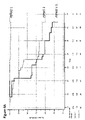
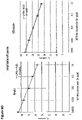
- Fig. 6A A PfPM2 copy number >1.6 was defined as an amplification of the gene. Amplification efficiencies of the PfPM2 and the Pf ⁇ -tubulin genes, measured using ten-fold dilutions of 3D7 DNA, were similar (99% and 95%, respectively).
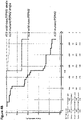
- Fig. 6B Amplification efficiencies of the PfPM2 and the Pf ⁇ -tubulin genes, measured using ten-fold dilutions of 3D7 DNA, were similar (99% and 95%, respectively).
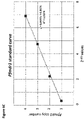
- qPCRs were carried out in 25 ⁇ l volumes in a 96-well plate containing 5 ⁇ HOT FIREPol EvaGreen qPCR Mix Plus (Solis BioDyne, Estonia), 0.3 ⁇ M concentrations of each forward and reverse primers, and 4 ⁇ l of template DNA. Amplifications were performed under the following conditions: 94°C for 15min, followed by 40 cycles of 94°C for 15s, 58°C for 20s, and 72°C for 20s. For each run, the Pfmdr1 copy number of each sample was measured in triplicate relative to a standard curve ( Fig. 6C ) using four standards of mixed synthetic gene fragments (Eurofins Genomics, Ebersberg, Germany).
- the lengths of the synthetic fragments for Pfmdr1 (F3D7_0523000) , including gene location are for PfPM2 (PF3D7_1408000), from position 3981 to 4260 (204 bp): 3981-ctattgtagatattaaagataaagctgacaaactattattactattgcccacagaat t gcatctataaaacgatcagacaaaattgtgg tatttaataaccctgatcgaaatggaacctttgtacagtcacatggaacacacga tgaattattatcagcacaagatggaatatata aaaaatatgtaaattagctaaatga-4260 (SEQ ID NO.15) (shown in bold font, the qPCR amplified portion).
- the four standards of mixed synthetic gene fragments were: from standard 1 (1:1 molar ratio of Pfmdr1 and ⁇ -tubulin) to standard 4 (4:1 molar ratio of Pfmdr-1 and ⁇ -tubulin).
- standard 1 (1:1 molar ratio of Pfmdr1 and ⁇ -tubulin)
- standard 4 (4:1 molar ratio of Pfmdr-1 and ⁇ -tubulin).
- the 3D7 Africa line which has one copy of Pfmdr1
- the Dd2line which has three copies of Pfmdr1
- a Pfmdr1 copy number >1.6 was defined as an amplification of the gene.
- RT-qPCRs were carried out using a CFX96 real-time PCR machine (Bio-Rad) in 25 ⁇ l volumes in a 96-well plate containing 2X SuperScript TM III Platinum One step qRT-PCR kit (Life Technologies, Courtaboeuf, France), 0.2 ⁇ M concentrations of each forward and reverse primers, 0.1 ⁇ M concentrations of specific probes (FAM-BHQ1) and 3 ⁇ l of DNase-treated RNA.
- Listing of primers, protocols and PCR amplification efficiencies are provided in the table below.
- Amplifications were performed under the following conditions: 50°C for 15min, and 95°C for 2min, followed by 35 cycles of 95°C for 15s, 60°C for 30s and a final cycle at 35°C for 30s. Fluorescence data were collected during the 60°C annealing-extension steps.
- PfPM2 and Pfserine-tRNA ligase mRNAs expression were measured in triplicate for each sample.
- DNase-treated RNA from 3D7 parasites collected at trophozoite stage, 24h post-invasion was included in each run as control.
- PfPM2 mRNA expression normalized to Pfserine-tRNA ligase mRNA expression, was calculated by the 2 - ⁇ Ct method, using the following formula:
- ⁇ C t [(C t PfPM2 - C t Pfserine-tRNA ligase ) sample - (C t PfPM2 - C t Pfserine-tRNA ligase ) 3D7 ], where C t is the threshold cycle.
- the Cox proportional-hazards regression model was used to evaluate association between parasite genotypes ( K13 mutations, PfPM2 and Pfmdr1 copy number) and treatment responses.
- a linear regression analysis was used to evaluate the relationship between DHA-PPQ efficacy and the proportion of parasites with multicopy PfPM2. We deemed p-values of less than 0.05 as significant.
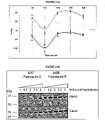
- DNA expansion type 1 (approx. 10 kb-long segment amplified) was the most frequent (13/22), and included PfPM2 and PfPM3 genes.
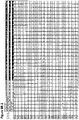
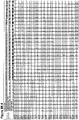
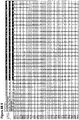
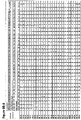
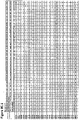
- Specific signature of the parasite line ID 6224 is given as example (see Table 2 for details).
- DNA expansion type 2 (6/22), approx. 18kb-long, included the upstream PfPM4 and the downstream AP2-G2 genes.
- Specific signature of the parasite line ID 6224 is given as example (see Table 2 for details).
- Fig. 9C . DNA expansion type 3 (observed once) 26 kb-long, included an additional downstream gene.
- Specific signature of the parasite line ID 6293 is given as example (see Table 2 for details).
- Fig. 9D . DNA expansion type 4 (observed in two samples) spanned 72 kb from PfPM-4 and extending downstream up to a WD-repeat containing protein.
- Specific signature of the parasite line ID 6280 is given as example (see Table 2 for details).
- Fig. 9E .
- PfPM2 / PfPM3 copy numbers were confirmed to be significantly increased in resistant lines (p ⁇ 10 -5 ).
- a cluster of 5 genes on chromosome 5 (PF3D7_0531700, PF3D7_0522900, PF3D7_0523000, PF3D7_0523100, PF3D7_0523200), which included Pfmdr1, presented increased copy numbers in sensitive lines.
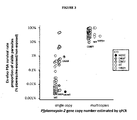
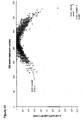
- PfPM2 copy number detected by qPCR was 100% concordant with the whole-genome sequencing estimates for the 31 culture-adapted parasites (p ⁇ 0.0001, Fisher test). From a set of 134 isolates with known ex-vivo PSA profiles, PfPM2 was amplified in 67 of 69 PPQ-resistant parasites (50, 15 and 2 isolates with 2, 3 or 4 PfPM2 copies, respectively), and 0 of 65 PPQ-susceptible parasites (Figure_3). The median ex-vivo PSA survival rate was significantly higher in isolates with ⁇ 2 PfPM2 copies compared to those with unamplified (single copy) PfPM2 (51.7% [IQR 29.7-75.1%] vs .
- Example 5 mRNA and protein levels in single and multicopy PfPM2 parasites
- PfPM2 transcript levels were 4.1- to 5.3-fold higher in the PPQ-resistant line (ID_6320) as compared to the PPQ-sensitive line (ID_6267) at all time points of the intra-erythrocytic cycle investigated.
- PfPM2 protein levels were at least two-fold higher in PPQ-resistant parasites (ID_6408) compared to the sensitive line (ID_6267) ( Figure 11 ).
- ID_6408 PPQ-resistant parasites
- the mean time to recrudescence decreased with increasing PfPM2 copy number: 41.9 days (95%CI: 41.8-42.0) for patients with unamplified PfPM2 , 36.0 days (95%CI: 34.6-37.4) for those with 2 copies, or 34.0 days (95%CI: 32.1-35.9) for those with ⁇ 3 copies.
- An increased PfPM2 copy number predicted DHA-PPQ treatment failures with a sensitivity of 0.94 (95%CI: 0 ⁇ 88-0 ⁇ 98) and a specificity of 0.77 (95%CI: 0 ⁇ 74-0 ⁇ 81).
- the AUC area under the ROC curve was 0.86 (95% CI 0.83-0.88), significantly different from 0.5 (p ⁇ 0.0001).
- Example 7 K13 propeller polymorphism and Pfmdr1 gene amplification
- K13 mutants were detected in 443/725 (61.1%) day 0 isolates ( Figure_4B).
- a single Pfmdr1 gene copy was detected in 610/725 (84.1%) day 0 isolates.
- Example 8 Spatio-temporal trends in DHA-PPQ efficacy in Cambodia
- the proportion of multicopy PfPM2 parasites increased from 27.9% (19/68) in 2008-2009 to 91.2% (52/57) in 2014-2015 in western provinces.
- multicopy PfPM2 parasites were infrequent until 2012-13 (3.2%, 1/31) but increased to 45.5% (40/88) in 2014-2015 ( Figure 12 ).
- the strategy used by the inventors to search for genetic associations with PPQ resistance relied on genome-wide sequence comparisons of ART-resistant parasite lines presenting in-vitro PSA survival rates indicative of PPQ resistance or susceptibility.
- Results identified amplification of the PfPM2-3 cluster as the most significant molecular event associated with PPQ resistance.
- the inventors focused on PfPM2, located in the center of the amplicon and presenting the highest statistical association ( Figures 9 and 10 ).
- PfPM2 amplification strongly correlated with ex-vivo PSA survival rates irrespective of ART susceptibility and was highly predictive of DHA-PPQ failures.
- PfPM2 amplification thus represents the first, robust informative marker for PPQ resistance.
- Drug-selected gene amplification is a well-known phenomenon in malaria parasites. 18-21 The size of the amplicons on chromosome 14 varied depending on the isolate, as reported for Pfmdr1. 22 Gene amplification, which is more frequent than point mutation in P. falciparum parasites 22 is consistent with the remarkably rapid rise and spread of PPQ-resistance in Cambodia. Conversely, Pfmdr1 de-amplification, consistent with regained susceptibility to mefloquine, occurred in Cambodia in the recent years, 6,8,23 and as shown here is associated with the emergence of PPQ-resistant strains.
- Plasmepsins are expressed during the intra-erythrocytic asexual blood stage cycle as well as by sexual stage gametocytes that can be transmitted to the mosquito vector. All four plasmepsins ( PfPM1-4 ) are located in the digestive vacuole of intra-erythrocytic developmental forms where they engage in different steps of hemoglobin degradation. Studies of parasites disrupted in the PfPM genes pointed to redundancy in the hemoglobin degradation machinery. 24 To the inventors' knowledge, there are no reported studies about the consequences of overexpression of these proteases. The inventors show here that PfPM2 amplification is associated with a notable increase of steady state mRNA and protein levels in two culture-adapted isolates. This observation needs to be confirmed with additional isolates.
- PPQ is a well-tolerated partner drug currently used in combination with ART derivatives or the ozonide compound arterolane (OZ277). 29
Landscapes
- Chemical & Material Sciences (AREA)
- Life Sciences & Earth Sciences (AREA)
- Organic Chemistry (AREA)
- Proteomics, Peptides & Aminoacids (AREA)
- Health & Medical Sciences (AREA)
- Zoology (AREA)
- Analytical Chemistry (AREA)
- Wood Science & Technology (AREA)
- Engineering & Computer Science (AREA)
- Immunology (AREA)
- Biochemistry (AREA)
- Microbiology (AREA)
- Molecular Biology (AREA)
- Biotechnology (AREA)
- Biophysics (AREA)
- Genetics & Genomics (AREA)
- Physics & Mathematics (AREA)
- Bioinformatics & Cheminformatics (AREA)
- General Engineering & Computer Science (AREA)
- General Health & Medical Sciences (AREA)
- Tropical Medicine & Parasitology (AREA)
- Measuring Or Testing Involving Enzymes Or Micro-Organisms (AREA)
- Pharmaceuticals Containing Other Organic And Inorganic Compounds (AREA)
Claims (16)
- Verfahren zum Genotypisieren eines Plasmodiums in vitro ,umfassend:
in einer Probe, die ein Plasmodium enthält, das Detektieren des Vorhandenseins einer erhöhten Kopienanzahl des genomischen Plasmepsin2-3-Clusters, wobei insbesondere das Plasmodium Plasmodium falciparum ist. - Verfahren gemäß Anspruch 1, wobei das Vorhandensein einer erhöhten Kopienanzahl des genomischen Plasmepsin2-3-Clusters in der Probe durch Sequenzieren detektiert wird und/oder durch PCR, insbesondere durch quantitatives PCR (qPCR) detektiert wird oder durch Nukleinsäure-Hybridisierung detektiert wird.
- Verfahren gemäß irgendeinem der Ansprüche 1-2, wobei das Verfahren das Bestimmen der Kopienanzahl wenigstens eines des Pfplasmepsin2 (PF3D7 1408000)-Gens (PfPM2) und des Pfplasmepsin3 (PF3D7 1408100)-Gens (PfPM3) umfasst oder das Bestimmen des Niveaus wenigstens eines mRNA umfasst, das ausgewählt wird aus PfPM2 mRNA und einem PfPM3 mRNA oder das Bestimmen des Niveaus wenigstens eines Proteins umfasst, das ausgewählt ist aus einem PfPM2-Protein und einem PfPM3-Protein.
- Verfahren gemäß einem der Ansprüche 1-3, wobei 2, 3 oder 4 Kopien des genomischen Palsmepsin2-3-Clusters detektiert werden.
- Verfahren gemäß irgendeinem der Ansprüche 1-4, weiterhin umfassend das Vorhandensein einer mutierten K-13 Propeller-Nukleinsäure oder eines Proteins in der Probe und/oder weiterhin umfassend das Detektieren des Vorhandensein von nicht weniger als einer einzigen Kopie einer Pfmdr1 Nukleinsäure in der Probe.
- Verfahren zur Detektion in vitro einer Plasmodiuminfektion bei einem Patienten, umfassend:
in einer Blutprobe, die zuvor von einem Patienten erhalten wurde, das Detektieren des Vorhandenseins oder des Fehlens einer erhöhten Kopienanzahl des genomischen Plasmepsin2-3-Clusters in der Blutprobe, wobei insbesondere das Plasmodium Plasmodium falciparum ist. - Verfahren gemäß Anspruch 6, wobei das Vorhandensein oder das Fehlen einer erhöhten Kopienanzahl des genomischen Plasmepsin2-3-Clusters in der Probe durch Sequenzieren detektiert wird oder durch PCR, insbesondere durch quantitatives PCR (qPCR) detektiert wird oder durch Nukleinsäure-Hybridisation detektiert wird.
- Verfahren gemäß irgendeinem der Ansprüche 6-7, wobei das Verfahren das Bestimmen der Kopienanzahl wenigstens eines des Pfplasmepsin2 (PF3D7 1408000)-Gens (PfPM2) und des Pfplasmepsin3 (PF3D7 1408100)-Gens (PfPM3) umfasst oder das Verfahren das Bestimmen des Niveaus wenigstens eines mRNA umfasst, das ausgewählt wird aus PfPM2 mRNA und einem PfPM3 mRNA oder das Bestimmen des Niveaus wenigstens eines Proteins umfasst, das ausgewählt wird aus einem PfPM2-Protein und einem PfPM3-Protein.
- Verfahren gemäß irgendeinem der Ansprüche 6-8, wobei 2, 3 oder 4 Kopien des genomischen Palsmepsin2-3-Clusters detektiert werden.
- Verfahren gemäß irgendeinem der Ansprüche 6-9, weiterhin umfassend das Vorhandensein oder das Fehlen einer mutierten K-13 Propeller-Nukleinsäure oder eines Proteins in der Probe und/oder weiterhin umfassend das Detektieren des Vorhandenseins oder des Fehlens von nicht weniger als einer einzigen Kopie einer Pfmdr1 Nukleinsäure in der Probe.
- Verwendung wenigstens einer der folgenden Primer:5'-TGGTGATGCAGAAGTTGGAG-3' (SEQ ID NR.1);5'-TGGGACCCATAAATTAGCAGA-3' (SEQ ID NR.2);5'-GGATTCGAACCAACTTATACTGC-3' (SEQ ID NR.3); und5'-AATTGGATCTACTGAACCTATTGATAA-3' (SEQ ID NR.4) und optional wenigstens einer Sonde, umfassend die Sequenz 5'-CAACATTTGATGGTATCCTTGGTTTAGGATGGA-3' (SEQ ID NR.5), insbesondere die folgende Sonde: 5'-FAM-CAACATTTGATGGTATCCTTGGTTTAGGATGGA-BHQ 1-3' (SEQ ID NR.6) zum Genotypisieren oder zum Detektieren einer Plasmodiuminfektion durch die Verstärkung einer Plasmepsin2-3-Clusternukleinsäure.
- Verwendung gemäß Anspruch 11 zum Detektieren einer Plasmodiuminfektion durch die Verstärkung einer Plasmepsin2-3-Clusternukleinsäure, wobei die Sonde wenigstens eine Sonde ist, umfassend die Sequenz 5'-CAACATTTGATGGTATCCTTGGTTTAGGATGGA-3' (SEQ ID NR.5), insbesondere die Sonde 5'-FAM-CAACATTTGATGGTATCCTTGGTTTAGGATGGA-BHQ1-3' (SEQ ID NR.6) oder wenigstens eine Sonde 5'-CAATTCAACATTTGATGGATTAAACATTGA-3' (SEQ ID NR.20) für PfPM2 ist.
- Verwendung gemäß irgendeinem der Ansprüche 11-12, weiterhin umfassend Primer für die Verstärkung einer K-13 Propeller-Nukleinsäure und Reagentien zur Detektion des verstärkten Produkts und/oder weiterhin umfassend Primer für die Verstärkung einer Pfmdr1 Nukleinsäure und Reagentien zur Detektion des verstärkten Produkts.
- Verfahren gemäß irgendeinem der Ansprüche 1-13, wobei das Vorhandensein einer erhöhten Kopienanzahl des genomischen Plasmepsin2-3-Clusters anzeigt, dass das Plasmodium gegenüber Piperaquin resistent ist.
- Verfahren gemäß Anspruch 14, wobei das Vorhandensein einer mutierten K13 Propeller-Nukleinsäure oder eines Proteins anzeigt, dass das Plasmodium ebenfalls gegenüber Artemisinin-Derivaten resistent ist.
- Piperaquin zur Verwendung bei der Behandlung von Patienten, die zuvor einem Verfahren einer in vitro - Bestimmung einer erhöhten Kopienanzahl des genomischen Plasmepsin2-3-Clusters unterzogen wurden und wobei die genannte Bestimmung keine derartige Erhöhung ergeben hat.
Applications Claiming Priority (2)
| Application Number | Priority Date | Filing Date | Title |
|---|---|---|---|
| US201662373179P | 2016-08-10 | 2016-08-10 | |
| PCT/IB2017/001125 WO2018029532A1 (en) | 2016-08-10 | 2017-08-04 | Methods and reagents for detecting piperaquine-resistant plasmodium falciparum malaria |
Publications (2)
| Publication Number | Publication Date |
|---|---|
| EP3497237A1 EP3497237A1 (de) | 2019-06-19 |
| EP3497237B1 true EP3497237B1 (de) | 2022-05-04 |
Family
ID=59974729
Family Applications (1)
| Application Number | Title | Priority Date | Filing Date |
|---|---|---|---|
| EP17777074.0A Active EP3497237B1 (de) | 2016-08-10 | 2017-08-04 | Verfahren und reagenzien zum nachweis von piperaquinresistenter plasmodium-falciparum-malaria |
Country Status (6)
| Country | Link |
|---|---|
| US (2) | US12168805B2 (de) |
| EP (1) | EP3497237B1 (de) |
| CA (1) | CA3033016A1 (de) |
| ES (1) | ES2919927T3 (de) |
| MA (1) | MA45934A (de) |
| WO (1) | WO2018029532A1 (de) |
Families Citing this family (1)
| Publication number | Priority date | Publication date | Assignee | Title |
|---|---|---|---|---|
| CN109504791A (zh) * | 2018-12-29 | 2019-03-22 | 潮州市人民医院 | 用于检测疟原虫青蒿素耐药性相关k13基因突变的试剂盒 |
Family Cites Families (30)
| Publication number | Priority date | Publication date | Assignee | Title |
|---|---|---|---|---|
| US4376110A (en) | 1980-08-04 | 1983-03-08 | Hybritech, Incorporated | Immunometric assays using monoclonal antibodies |
| US4486530A (en) | 1980-08-04 | 1984-12-04 | Hybritech Incorporated | Immunometric assays using monoclonal antibodies |
| US4411993A (en) | 1981-04-29 | 1983-10-25 | Steven Gillis | Hybridoma antibody which inhibits interleukin 2 activity |
| US4543439A (en) | 1982-12-13 | 1985-09-24 | Massachusetts Institute Of Technology | Production and use of monoclonal antibodies to phosphotyrosine-containing proteins |
| US4816567A (en) | 1983-04-08 | 1989-03-28 | Genentech, Inc. | Recombinant immunoglobin preparations |
| JPS6147500A (ja) | 1984-08-15 | 1986-03-07 | Res Dev Corp Of Japan | キメラモノクロ−ナル抗体及びその製造法 |
| EP0173494A3 (de) | 1984-08-27 | 1987-11-25 | The Board Of Trustees Of The Leland Stanford Junior University | Chimäre Rezeptoren durch Verbindung und Expression von DNS |
| GB8422238D0 (en) | 1984-09-03 | 1984-10-10 | Neuberger M S | Chimeric proteins |
| US4902614A (en) | 1984-12-03 | 1990-02-20 | Teijin Limited | Monoclonal antibody to human protein C |
| JPS61134325A (ja) | 1984-12-04 | 1986-06-21 | Teijin Ltd | ハイブリツド抗体遺伝子の発現方法 |
| US5242794A (en) | 1984-12-13 | 1993-09-07 | Applied Biosystems, Inc. | Detection of specific sequences in nucleic acids |
| US4683195A (en) | 1986-01-30 | 1987-07-28 | Cetus Corporation | Process for amplifying, detecting, and/or-cloning nucleic acid sequences |
| US4683202A (en) | 1985-03-28 | 1987-07-28 | Cetus Corporation | Process for amplifying nucleic acid sequences |
| US5333675C1 (en) | 1986-02-25 | 2001-05-01 | Perkin Elmer Corp | Apparatus and method for performing automated amplification of nucleic acid sequences and assays using heating and cooling steps |
| US4965188A (en) | 1986-08-22 | 1990-10-23 | Cetus Corporation | Process for amplifying, detecting, and/or cloning nucleic acid sequences using a thermostable enzyme |
| EP0247091B1 (de) | 1985-11-01 | 1993-09-29 | Xoma Corporation | Modulare einheit von antikörpergenen, daraus hergestellte antikörper und verwendung |
| US4800159A (en) | 1986-02-07 | 1989-01-24 | Cetus Corporation | Process for amplifying, detecting, and/or cloning nucleic acid sequences |
| US5225539A (en) | 1986-03-27 | 1993-07-06 | Medical Research Council | Recombinant altered antibodies and methods of making altered antibodies |
| IL86724A (en) | 1987-06-19 | 1995-01-24 | Siska Diagnostics Inc | Methods and kits for amplification and testing of nucleic acid sequences |
| CA1340843C (en) | 1987-07-31 | 1999-12-07 | J. Lawrence Burg | Selective amplification of target polynucleotide sequences |
| JP2650159B2 (ja) | 1988-02-24 | 1997-09-03 | アクゾ・ノベル・エヌ・ベー | 核酸増幅方法 |
| CA1340807C (en) | 1988-02-24 | 1999-11-02 | Lawrence T. Malek | Nucleic acid amplification process |
| US4988617A (en) | 1988-03-25 | 1991-01-29 | California Institute Of Technology | Method of detecting a nucleotide change in nucleic acids |
| US5130238A (en) | 1988-06-24 | 1992-07-14 | Cangene Corporation | Enhanced nucleic acid amplification process |
| WO1990006995A1 (en) | 1988-12-16 | 1990-06-28 | Siska Diagnostics, Inc. | Self-sustained sequence replication system |
| US5494810A (en) | 1990-05-03 | 1996-02-27 | Cornell Research Foundation, Inc. | Thermostable ligase-mediated DNA amplifications system for the detection of genetic disease |
| AU8507191A (en) | 1990-08-29 | 1992-03-30 | Genpharm International, Inc. | Transgenic non-human animals capable of producing heterologous antibodies |
| US5545806A (en) | 1990-08-29 | 1996-08-13 | Genpharm International, Inc. | Ransgenic non-human animals for producing heterologous antibodies |
| US6582938B1 (en) | 2001-05-11 | 2003-06-24 | Affymetrix, Inc. | Amplification of nucleic acids |
| AU2014349828B2 (en) | 2013-11-15 | 2021-01-28 | Centre National De La Recherche Scientifique | A molecular marker of Plasmodium falciparum artemisinin resistance |
-
2017
- 2017-08-04 ES ES17777074T patent/ES2919927T3/es active Active
- 2017-08-04 MA MA045934A patent/MA45934A/fr unknown
- 2017-08-04 US US16/324,140 patent/US12168805B2/en active Active
- 2017-08-04 WO PCT/IB2017/001125 patent/WO2018029532A1/en not_active Ceased
- 2017-08-04 CA CA3033016A patent/CA3033016A1/en active Pending
- 2017-08-04 EP EP17777074.0A patent/EP3497237B1/de active Active
-
2024
- 2024-11-25 US US18/958,408 patent/US20250092471A1/en active Pending
Also Published As
| Publication number | Publication date |
|---|---|
| CA3033016A1 (en) | 2018-02-15 |
| US12168805B2 (en) | 2024-12-17 |
| WO2018029532A1 (en) | 2018-02-15 |
| MA45934A (fr) | 2019-06-19 |
| US20190218623A1 (en) | 2019-07-18 |
| ES2919927T3 (es) | 2022-07-29 |
| EP3497237A1 (de) | 2019-06-19 |
| US20250092471A1 (en) | 2025-03-20 |
Similar Documents
| Publication | Publication Date | Title |
|---|---|---|
| Witkowski et al. | A surrogate marker of piperaquine-resistant Plasmodium falciparum malaria: a phenotype–genotype association study | |
| US10113198B2 (en) | Genetic polymorphisms associated with rheumatoid arthritis, methods of detection and uses thereof | |
| US11732312B2 (en) | Molecular marker of plasmodium falciparum artemisinin resistance | |
| JP2017201989A (ja) | 脳卒中に関連した遺伝子遺伝子多型およびその検出方法および使用 | |
| EP2276855A2 (de) | Mit venenthrombose assoziierte genetische polymorphismen sowie verfahren zu ihrer erkennung und verwendung | |
| US20200165688A1 (en) | Methods and compositions for the detection of calr mutations in myeloproliferative diseases | |
| US20250092471A1 (en) | Methods and reagents for detecting piperaquine-resistant plasmodium falciparum malaria | |
| WO2004083403A2 (en) | Genetic polymorphisms associated with rheumatoid arthritis, methods of detection and uses thereof | |
| WO2007039721A1 (en) | ASSOCIATION BETWEEN HLA-DRBl* 07 ALLELE AND SUSCEPTIBILY TO INCREASED LEVELS OF ALAT FOLLOWING XIMELAGATRAN ADMINISTRATION | |
| Noranate et al. | Population diversity and antibody selective pressure to Plasmodium falciparum MSP1 block2 locus in an African malaria-endemic setting | |
| OA19184A (en) | Methods and reagents for detecting piperaquine-resistant plasmodium falciparum malaria. | |
| CA2928014C (en) | Method for detecting a molecular marker of plasmodium falciparum artemisinin resistance | |
| HK1225757B (en) | A molecular marker of plasmodium falciparum artemisinin resistance | |
| WO2014028974A1 (en) | Diagnostic markers for spondyloarthropathies and uses thereof | |
| CN108404132A (zh) | Ifna4与ifna10基因在克罗恩病中的应用 | |
| EP3695011A1 (de) | Diagnose und therapie des humanen respiratorischen syncytialvirus (hrsv) | |
| JP2009189304A (ja) | 慢性閉塞性肺疾患における肺機能低下に関連する多型、およびその利用 | |
| WO2018045162A1 (en) | Biomarkers predictive of primary progressive multiple sclerosis and uses thereof |
Legal Events
| Date | Code | Title | Description |
|---|---|---|---|
| STAA | Information on the status of an ep patent application or granted ep patent |
Free format text: STATUS: UNKNOWN |
|
| STAA | Information on the status of an ep patent application or granted ep patent |
Free format text: STATUS: THE INTERNATIONAL PUBLICATION HAS BEEN MADE |
|
| PUAI | Public reference made under article 153(3) epc to a published international application that has entered the european phase |
Free format text: ORIGINAL CODE: 0009012 |
|
| STAA | Information on the status of an ep patent application or granted ep patent |
Free format text: STATUS: REQUEST FOR EXAMINATION WAS MADE |
|
| 17P | Request for examination filed |
Effective date: 20190308 |
|
| AK | Designated contracting states |
Kind code of ref document: A1 Designated state(s): AL AT BE BG CH CY CZ DE DK EE ES FI FR GB GR HR HU IE IS IT LI LT LU LV MC MK MT NL NO PL PT RO RS SE SI SK SM TR |
|
| AX | Request for extension of the european patent |
Extension state: BA ME |
|
| DAV | Request for validation of the european patent (deleted) | ||
| DAX | Request for extension of the european patent (deleted) | ||
| STAA | Information on the status of an ep patent application or granted ep patent |
Free format text: STATUS: EXAMINATION IS IN PROGRESS |
|
| 17Q | First examination report despatched |
Effective date: 20200806 |
|
| REG | Reference to a national code |
Ref country code: DE Ref legal event code: R079 Ref document number: 602017056977 Country of ref document: DE Free format text: PREVIOUS MAIN CLASS: C12Q0001680000 Ipc: C12Q0001689300 |
|
| RIC1 | Information provided on ipc code assigned before grant |
Ipc: C12Q 1/6893 20180101AFI20210331BHEP |
|
| GRAP | Despatch of communication of intention to grant a patent |
Free format text: ORIGINAL CODE: EPIDOSNIGR1 |
|
| STAA | Information on the status of an ep patent application or granted ep patent |
Free format text: STATUS: GRANT OF PATENT IS INTENDED |
|
| INTG | Intention to grant announced |
Effective date: 20211126 |
|
| RAV | Requested validation state of the european patent: fee paid |
Extension state: MA Effective date: 20190308 |
|
| GRAS | Grant fee paid |
Free format text: ORIGINAL CODE: EPIDOSNIGR3 |
|
| GRAA | (expected) grant |
Free format text: ORIGINAL CODE: 0009210 |
|
| STAA | Information on the status of an ep patent application or granted ep patent |
Free format text: STATUS: THE PATENT HAS BEEN GRANTED |
|
| AK | Designated contracting states |
Kind code of ref document: B1 Designated state(s): AL AT BE BG CH CY CZ DE DK EE ES FI FR GB GR HR HU IE IS IT LI LT LU LV MC MK MT NL NO PL PT RO RS SE SI SK SM TR |
|
| REG | Reference to a national code |
Ref country code: GB Ref legal event code: FG4D |
|
| REG | Reference to a national code |
Ref country code: CH Ref legal event code: EP |
|
| REG | Reference to a national code |
Ref country code: AT Ref legal event code: REF Ref document number: 1489117 Country of ref document: AT Kind code of ref document: T Effective date: 20220515 |
|
| REG | Reference to a national code |
Ref country code: IE Ref legal event code: FG4D Ref country code: DE Ref legal event code: R096 Ref document number: 602017056977 Country of ref document: DE |
|
| REG | Reference to a national code |
Ref country code: ES Ref legal event code: FG2A Ref document number: 2919927 Country of ref document: ES Kind code of ref document: T3 Effective date: 20220729 |
|
| REG | Reference to a national code |
Ref country code: NL Ref legal event code: FP |
|
| REG | Reference to a national code |
Ref country code: LT Ref legal event code: MG9D |
|
| REG | Reference to a national code |
Ref country code: AT Ref legal event code: MK05 Ref document number: 1489117 Country of ref document: AT Kind code of ref document: T Effective date: 20220504 |
|
| PG25 | Lapsed in a contracting state [announced via postgrant information from national office to epo] |
Ref country code: SE Free format text: LAPSE BECAUSE OF FAILURE TO SUBMIT A TRANSLATION OF THE DESCRIPTION OR TO PAY THE FEE WITHIN THE PRESCRIBED TIME-LIMIT Effective date: 20220504 Ref country code: PT Free format text: LAPSE BECAUSE OF FAILURE TO SUBMIT A TRANSLATION OF THE DESCRIPTION OR TO PAY THE FEE WITHIN THE PRESCRIBED TIME-LIMIT Effective date: 20220905 Ref country code: NO Free format text: LAPSE BECAUSE OF FAILURE TO SUBMIT A TRANSLATION OF THE DESCRIPTION OR TO PAY THE FEE WITHIN THE PRESCRIBED TIME-LIMIT Effective date: 20220804 Ref country code: LT Free format text: LAPSE BECAUSE OF FAILURE TO SUBMIT A TRANSLATION OF THE DESCRIPTION OR TO PAY THE FEE WITHIN THE PRESCRIBED TIME-LIMIT Effective date: 20220504 Ref country code: HR Free format text: LAPSE BECAUSE OF FAILURE TO SUBMIT A TRANSLATION OF THE DESCRIPTION OR TO PAY THE FEE WITHIN THE PRESCRIBED TIME-LIMIT Effective date: 20220504 Ref country code: GR Free format text: LAPSE BECAUSE OF FAILURE TO SUBMIT A TRANSLATION OF THE DESCRIPTION OR TO PAY THE FEE WITHIN THE PRESCRIBED TIME-LIMIT Effective date: 20220805 Ref country code: FI Free format text: LAPSE BECAUSE OF FAILURE TO SUBMIT A TRANSLATION OF THE DESCRIPTION OR TO PAY THE FEE WITHIN THE PRESCRIBED TIME-LIMIT Effective date: 20220504 Ref country code: BG Free format text: LAPSE BECAUSE OF FAILURE TO SUBMIT A TRANSLATION OF THE DESCRIPTION OR TO PAY THE FEE WITHIN THE PRESCRIBED TIME-LIMIT Effective date: 20220804 Ref country code: AT Free format text: LAPSE BECAUSE OF FAILURE TO SUBMIT A TRANSLATION OF THE DESCRIPTION OR TO PAY THE FEE WITHIN THE PRESCRIBED TIME-LIMIT Effective date: 20220504 |
|
| PG25 | Lapsed in a contracting state [announced via postgrant information from national office to epo] |
Ref country code: RS Free format text: LAPSE BECAUSE OF FAILURE TO SUBMIT A TRANSLATION OF THE DESCRIPTION OR TO PAY THE FEE WITHIN THE PRESCRIBED TIME-LIMIT Effective date: 20220504 Ref country code: PL Free format text: LAPSE BECAUSE OF FAILURE TO SUBMIT A TRANSLATION OF THE DESCRIPTION OR TO PAY THE FEE WITHIN THE PRESCRIBED TIME-LIMIT Effective date: 20220504 Ref country code: LV Free format text: LAPSE BECAUSE OF FAILURE TO SUBMIT A TRANSLATION OF THE DESCRIPTION OR TO PAY THE FEE WITHIN THE PRESCRIBED TIME-LIMIT Effective date: 20220504 Ref country code: IS Free format text: LAPSE BECAUSE OF FAILURE TO SUBMIT A TRANSLATION OF THE DESCRIPTION OR TO PAY THE FEE WITHIN THE PRESCRIBED TIME-LIMIT Effective date: 20220904 |
|
| PG25 | Lapsed in a contracting state [announced via postgrant information from national office to epo] |
Ref country code: SM Free format text: LAPSE BECAUSE OF FAILURE TO SUBMIT A TRANSLATION OF THE DESCRIPTION OR TO PAY THE FEE WITHIN THE PRESCRIBED TIME-LIMIT Effective date: 20220504 Ref country code: SK Free format text: LAPSE BECAUSE OF FAILURE TO SUBMIT A TRANSLATION OF THE DESCRIPTION OR TO PAY THE FEE WITHIN THE PRESCRIBED TIME-LIMIT Effective date: 20220504 Ref country code: RO Free format text: LAPSE BECAUSE OF FAILURE TO SUBMIT A TRANSLATION OF THE DESCRIPTION OR TO PAY THE FEE WITHIN THE PRESCRIBED TIME-LIMIT Effective date: 20220504 Ref country code: EE Free format text: LAPSE BECAUSE OF FAILURE TO SUBMIT A TRANSLATION OF THE DESCRIPTION OR TO PAY THE FEE WITHIN THE PRESCRIBED TIME-LIMIT Effective date: 20220504 Ref country code: DK Free format text: LAPSE BECAUSE OF FAILURE TO SUBMIT A TRANSLATION OF THE DESCRIPTION OR TO PAY THE FEE WITHIN THE PRESCRIBED TIME-LIMIT Effective date: 20220504 Ref country code: CZ Free format text: LAPSE BECAUSE OF FAILURE TO SUBMIT A TRANSLATION OF THE DESCRIPTION OR TO PAY THE FEE WITHIN THE PRESCRIBED TIME-LIMIT Effective date: 20220504 |
|
| REG | Reference to a national code |
Ref country code: DE Ref legal event code: R097 Ref document number: 602017056977 Country of ref document: DE |
|
| PLBE | No opposition filed within time limit |
Free format text: ORIGINAL CODE: 0009261 |
|
| STAA | Information on the status of an ep patent application or granted ep patent |
Free format text: STATUS: NO OPPOSITION FILED WITHIN TIME LIMIT |
|
| PG25 | Lapsed in a contracting state [announced via postgrant information from national office to epo] |
Ref country code: MC Free format text: LAPSE BECAUSE OF FAILURE TO SUBMIT A TRANSLATION OF THE DESCRIPTION OR TO PAY THE FEE WITHIN THE PRESCRIBED TIME-LIMIT Effective date: 20220504 Ref country code: AL Free format text: LAPSE BECAUSE OF FAILURE TO SUBMIT A TRANSLATION OF THE DESCRIPTION OR TO PAY THE FEE WITHIN THE PRESCRIBED TIME-LIMIT Effective date: 20220504 |
|
| 26N | No opposition filed |
Effective date: 20230207 |
|
| PG25 | Lapsed in a contracting state [announced via postgrant information from national office to epo] |
Ref country code: LU Free format text: LAPSE BECAUSE OF NON-PAYMENT OF DUE FEES Effective date: 20220804 |
|
| PG25 | Lapsed in a contracting state [announced via postgrant information from national office to epo] |
Ref country code: SI Free format text: LAPSE BECAUSE OF FAILURE TO SUBMIT A TRANSLATION OF THE DESCRIPTION OR TO PAY THE FEE WITHIN THE PRESCRIBED TIME-LIMIT Effective date: 20220504 |
|
| PG25 | Lapsed in a contracting state [announced via postgrant information from national office to epo] |
Ref country code: IE Free format text: LAPSE BECAUSE OF NON-PAYMENT OF DUE FEES Effective date: 20220804 |
|
| PG25 | Lapsed in a contracting state [announced via postgrant information from national office to epo] |
Ref country code: HU Free format text: LAPSE BECAUSE OF FAILURE TO SUBMIT A TRANSLATION OF THE DESCRIPTION OR TO PAY THE FEE WITHIN THE PRESCRIBED TIME-LIMIT; INVALID AB INITIO Effective date: 20170804 |
|
| PG25 | Lapsed in a contracting state [announced via postgrant information from national office to epo] |
Ref country code: MK Free format text: LAPSE BECAUSE OF FAILURE TO SUBMIT A TRANSLATION OF THE DESCRIPTION OR TO PAY THE FEE WITHIN THE PRESCRIBED TIME-LIMIT Effective date: 20220504 Ref country code: CY Free format text: LAPSE BECAUSE OF FAILURE TO SUBMIT A TRANSLATION OF THE DESCRIPTION OR TO PAY THE FEE WITHIN THE PRESCRIBED TIME-LIMIT Effective date: 20220504 |
|
| VS25 | Lapsed in a validation state [announced via postgrant information from nat. office to epo] |
Ref country code: MA Free format text: LAPSE BECAUSE OF FAILURE TO SUBMIT A TRANSLATION OF THE DESCRIPTION OR TO PAY THE FEE WITHIN THE PRESCRIBED TIME-LIMIT Effective date: 20220504 |
|
| PG25 | Lapsed in a contracting state [announced via postgrant information from national office to epo] |
Ref country code: MT Free format text: LAPSE BECAUSE OF FAILURE TO SUBMIT A TRANSLATION OF THE DESCRIPTION OR TO PAY THE FEE WITHIN THE PRESCRIBED TIME-LIMIT Effective date: 20220504 |
|
| PG25 | Lapsed in a contracting state [announced via postgrant information from national office to epo] |
Ref country code: BG Free format text: LAPSE BECAUSE OF FAILURE TO SUBMIT A TRANSLATION OF THE DESCRIPTION OR TO PAY THE FEE WITHIN THE PRESCRIBED TIME-LIMIT Effective date: 20220504 |
|
| PG25 | Lapsed in a contracting state [announced via postgrant information from national office to epo] |
Ref country code: BG Free format text: LAPSE BECAUSE OF FAILURE TO SUBMIT A TRANSLATION OF THE DESCRIPTION OR TO PAY THE FEE WITHIN THE PRESCRIBED TIME-LIMIT Effective date: 20220504 |
|
| PGFP | Annual fee paid to national office [announced via postgrant information from national office to epo] |
Ref country code: NL Payment date: 20250724 Year of fee payment: 9 |
|
| PGFP | Annual fee paid to national office [announced via postgrant information from national office to epo] |
Ref country code: ES Payment date: 20250908 Year of fee payment: 9 |
|
| PGFP | Annual fee paid to national office [announced via postgrant information from national office to epo] |
Ref country code: DE Payment date: 20250812 Year of fee payment: 9 |
|
| PGFP | Annual fee paid to national office [announced via postgrant information from national office to epo] |
Ref country code: IT Payment date: 20250808 Year of fee payment: 9 |
|
| PGFP | Annual fee paid to national office [announced via postgrant information from national office to epo] |
Ref country code: BE Payment date: 20250826 Year of fee payment: 9 Ref country code: GB Payment date: 20250826 Year of fee payment: 9 |
|
| PGFP | Annual fee paid to national office [announced via postgrant information from national office to epo] |
Ref country code: FR Payment date: 20250828 Year of fee payment: 9 |
|
| PGFP | Annual fee paid to national office [announced via postgrant information from national office to epo] |
Ref country code: CH Payment date: 20250901 Year of fee payment: 9 |
|
| PG25 | Lapsed in a contracting state [announced via postgrant information from national office to epo] |
Ref country code: TR Free format text: LAPSE BECAUSE OF FAILURE TO SUBMIT A TRANSLATION OF THE DESCRIPTION OR TO PAY THE FEE WITHIN THE PRESCRIBED TIME-LIMIT Effective date: 20220504 |