EP3517603A1 - Compositions pour la préparation de cellules dendritiques matures - Google Patents
Compositions pour la préparation de cellules dendritiques matures Download PDFInfo
- Publication number
- EP3517603A1 EP3517603A1 EP18248089.7A EP18248089A EP3517603A1 EP 3517603 A1 EP3517603 A1 EP 3517603A1 EP 18248089 A EP18248089 A EP 18248089A EP 3517603 A1 EP3517603 A1 EP 3517603A1
- Authority
- EP
- European Patent Office
- Prior art keywords
- cells
- dendritic cell
- mature dendritic
- dcs
- cell
- Prior art date
- Legal status (The legal status is an assumption and is not a legal conclusion. Google has not performed a legal analysis and makes no representation as to the accuracy of the status listed.)
- Withdrawn
Links
Images




Classifications
-
- C—CHEMISTRY; METALLURGY
- C12—BIOCHEMISTRY; BEER; SPIRITS; WINE; VINEGAR; MICROBIOLOGY; ENZYMOLOGY; MUTATION OR GENETIC ENGINEERING
- C12N—MICROORGANISMS OR ENZYMES; COMPOSITIONS THEREOF; PROPAGATING, PRESERVING, OR MAINTAINING MICROORGANISMS; MUTATION OR GENETIC ENGINEERING; CULTURE MEDIA
- C12N5/00—Undifferentiated human, animal or plant cells, e.g. cell lines; Tissues; Cultivation or maintenance thereof; Culture media therefor
- C12N5/06—Animal cells or tissues; Human cells or tissues
- C12N5/0602—Vertebrate cells
- C12N5/0634—Cells from the blood or the immune system
- C12N5/0639—Dendritic cells, e.g. Langherhans cells in the epidermis
-
- A—HUMAN NECESSITIES
- A61—MEDICAL OR VETERINARY SCIENCE; HYGIENE
- A61K—PREPARATIONS FOR MEDICAL, DENTAL OR TOILETRY PURPOSES
- A61K40/00—Cellular immunotherapy
- A61K40/10—Cellular immunotherapy characterised by the cell type used
- A61K40/19—Dendritic cells
-
- A—HUMAN NECESSITIES
- A61—MEDICAL OR VETERINARY SCIENCE; HYGIENE
- A61K—PREPARATIONS FOR MEDICAL, DENTAL OR TOILETRY PURPOSES
- A61K40/00—Cellular immunotherapy
- A61K40/20—Cellular immunotherapy characterised by the effect or the function of the cells
- A61K40/24—Antigen-presenting cells [APC]
-
- A—HUMAN NECESSITIES
- A61—MEDICAL OR VETERINARY SCIENCE; HYGIENE
- A61K—PREPARATIONS FOR MEDICAL, DENTAL OR TOILETRY PURPOSES
- A61K40/00—Cellular immunotherapy
- A61K40/40—Cellular immunotherapy characterised by antigens that are targeted or presented by cells of the immune system
- A61K40/41—Vertebrate antigens
- A61K40/42—Cancer antigens
-
- A—HUMAN NECESSITIES
- A61—MEDICAL OR VETERINARY SCIENCE; HYGIENE
- A61K—PREPARATIONS FOR MEDICAL, DENTAL OR TOILETRY PURPOSES
- A61K40/00—Cellular immunotherapy
- A61K40/40—Cellular immunotherapy characterised by antigens that are targeted or presented by cells of the immune system
- A61K40/46—Viral antigens
-
- C—CHEMISTRY; METALLURGY
- C12—BIOCHEMISTRY; BEER; SPIRITS; WINE; VINEGAR; MICROBIOLOGY; ENZYMOLOGY; MUTATION OR GENETIC ENGINEERING
- C12N—MICROORGANISMS OR ENZYMES; COMPOSITIONS THEREOF; PROPAGATING, PRESERVING, OR MAINTAINING MICROORGANISMS; MUTATION OR GENETIC ENGINEERING; CULTURE MEDIA
- C12N15/00—Mutation or genetic engineering; DNA or RNA concerning genetic engineering, vectors, e.g. plasmids, or their isolation, preparation or purification; Use of hosts therefor
- C12N15/09—Recombinant DNA-technology
- C12N15/63—Introduction of foreign genetic material using vectors; Vectors; Use of hosts therefor; Regulation of expression
- C12N15/79—Vectors or expression systems specially adapted for eukaryotic hosts
- C12N15/85—Vectors or expression systems specially adapted for eukaryotic hosts for animal cells
-
- A—HUMAN NECESSITIES
- A61—MEDICAL OR VETERINARY SCIENCE; HYGIENE
- A61K—PREPARATIONS FOR MEDICAL, DENTAL OR TOILETRY PURPOSES
- A61K35/00—Medicinal preparations containing materials or reaction products thereof with undetermined constitution
- A61K35/12—Materials from mammals; Compositions comprising non-specified tissues or cells; Compositions comprising non-embryonic stem cells; Genetically modified cells
- A61K2035/124—Materials from mammals; Compositions comprising non-specified tissues or cells; Compositions comprising non-embryonic stem cells; Genetically modified cells the cells being hematopoietic, bone marrow derived or blood cells
-
- C—CHEMISTRY; METALLURGY
- C12—BIOCHEMISTRY; BEER; SPIRITS; WINE; VINEGAR; MICROBIOLOGY; ENZYMOLOGY; MUTATION OR GENETIC ENGINEERING
- C12N—MICROORGANISMS OR ENZYMES; COMPOSITIONS THEREOF; PROPAGATING, PRESERVING, OR MAINTAINING MICROORGANISMS; MUTATION OR GENETIC ENGINEERING; CULTURE MEDIA
- C12N2501/00—Active agents used in cell culture processes, e.g. differentation
- C12N2501/02—Compounds of the arachidonic acid pathway, e.g. prostaglandins, leukotrienes
-
- C—CHEMISTRY; METALLURGY
- C12—BIOCHEMISTRY; BEER; SPIRITS; WINE; VINEGAR; MICROBIOLOGY; ENZYMOLOGY; MUTATION OR GENETIC ENGINEERING
- C12N—MICROORGANISMS OR ENZYMES; COMPOSITIONS THEREOF; PROPAGATING, PRESERVING, OR MAINTAINING MICROORGANISMS; MUTATION OR GENETIC ENGINEERING; CULTURE MEDIA
- C12N2501/00—Active agents used in cell culture processes, e.g. differentation
- C12N2501/20—Cytokines; Chemokines
- C12N2501/23—Interleukins [IL]
-
- C—CHEMISTRY; METALLURGY
- C12—BIOCHEMISTRY; BEER; SPIRITS; WINE; VINEGAR; MICROBIOLOGY; ENZYMOLOGY; MUTATION OR GENETIC ENGINEERING
- C12N—MICROORGANISMS OR ENZYMES; COMPOSITIONS THEREOF; PROPAGATING, PRESERVING, OR MAINTAINING MICROORGANISMS; MUTATION OR GENETIC ENGINEERING; CULTURE MEDIA
- C12N2501/00—Active agents used in cell culture processes, e.g. differentation
- C12N2501/20—Cytokines; Chemokines
- C12N2501/23—Interleukins [IL]
- C12N2501/2301—Interleukin-1 (IL-1)
-
- C—CHEMISTRY; METALLURGY
- C12—BIOCHEMISTRY; BEER; SPIRITS; WINE; VINEGAR; MICROBIOLOGY; ENZYMOLOGY; MUTATION OR GENETIC ENGINEERING
- C12N—MICROORGANISMS OR ENZYMES; COMPOSITIONS THEREOF; PROPAGATING, PRESERVING, OR MAINTAINING MICROORGANISMS; MUTATION OR GENETIC ENGINEERING; CULTURE MEDIA
- C12N2501/00—Active agents used in cell culture processes, e.g. differentation
- C12N2501/20—Cytokines; Chemokines
- C12N2501/24—Interferons [IFN]
-
- C—CHEMISTRY; METALLURGY
- C12—BIOCHEMISTRY; BEER; SPIRITS; WINE; VINEGAR; MICROBIOLOGY; ENZYMOLOGY; MUTATION OR GENETIC ENGINEERING
- C12N—MICROORGANISMS OR ENZYMES; COMPOSITIONS THEREOF; PROPAGATING, PRESERVING, OR MAINTAINING MICROORGANISMS; MUTATION OR GENETIC ENGINEERING; CULTURE MEDIA
- C12N2501/00—Active agents used in cell culture processes, e.g. differentation
- C12N2501/20—Cytokines; Chemokines
- C12N2501/25—Tumour necrosing factors [TNF]
-
- C—CHEMISTRY; METALLURGY
- C12—BIOCHEMISTRY; BEER; SPIRITS; WINE; VINEGAR; MICROBIOLOGY; ENZYMOLOGY; MUTATION OR GENETIC ENGINEERING
- C12N—MICROORGANISMS OR ENZYMES; COMPOSITIONS THEREOF; PROPAGATING, PRESERVING, OR MAINTAINING MICROORGANISMS; MUTATION OR GENETIC ENGINEERING; CULTURE MEDIA
- C12N2501/00—Active agents used in cell culture processes, e.g. differentation
- C12N2501/50—Cell markers; Cell surface determinants
-
- C—CHEMISTRY; METALLURGY
- C12—BIOCHEMISTRY; BEER; SPIRITS; WINE; VINEGAR; MICROBIOLOGY; ENZYMOLOGY; MUTATION OR GENETIC ENGINEERING
- C12N—MICROORGANISMS OR ENZYMES; COMPOSITIONS THEREOF; PROPAGATING, PRESERVING, OR MAINTAINING MICROORGANISMS; MUTATION OR GENETIC ENGINEERING; CULTURE MEDIA
- C12N2501/00—Active agents used in cell culture processes, e.g. differentation
- C12N2501/999—Small molecules not provided for elsewhere
Definitions
- the invention relates to novel compositions for the preparation of mature dendritic cells as well as to methods for in vitro maturation of immature dendritic cells and to therapeutic uses of the dendritic cells obtainable by the method of the invention.
- Dendritic cells have a high potential as adjuvants in the induction of tumor-specific killer and helper cells in the patient ( Schuler G, Schuler-Thurner B, Steinman RM. The use of dendritic cells in cancer immunotherapy. Curr Opin Immunol. 2003 Apr; 15(2): 138-47 . Review. Banchereau J, Palucka AK. Dendritic cells as therapeutic vaccines against cancer. Nat Rev Immunol. 2005 Apr; 5(4):296-306 .
- mature dendritic cells which have been maturated in vitro from immature dendritic cells derived from the patient, are loaded with tumor-specific antigens and reinjected into the body, preferably next to or in the lymph nodes.
- DCs regulate CD4 positive T helper (h) cell polarizations.
- Th1 cells for example, support CTLs by secretion certain cytokine patterns (e.g.
- Th2 cells induce antibodies as well as eosinophiles and degranulation of mast cells by IL-4, IL-5, IL-10 and IL-13 ( Langenkamp A, Messi M, Lanzavecchia A, Sallusto F. Kinetics of dendritic cell activation: impact on priming of TH1, TH2 and nonpolarized T cells. Nat Immunol. 2000 Oct; 1(4):311-6 , O'Gara,A: Cytokines induce the development of functionally heterogeneous T helper cell subsets. Immunity 1998, 8: 275-283 , Rengarajan J, Szabo SJ, Glimcher LH. Transcriptional regulation of Th1/Th2 polarization. Immunol Today. 2000 Oct; 21(10):479-83 . Review).
- dendritic cells For the therapy with dendritic cells, it is essential that a sufficient number of major DCs is available. Since, in the patient, only 0.2 % of the white blood cells are dendritic cells, it is necessary to have an efficient method for the in vitro production of mature dendritic cells.
- Dendritic cells produced by incubation of immature dendritic cells with this composition show the surface markers for mature dendritic cells and can be well harvested. However, these cells fail to produce biological active IL-12p70, which is the most important factor for the induction of Th1 cells in the lymph nodes.
- Mailliard, R. et al. describe a composition comprising TNF- ⁇ , IL-1, interferon ⁇ , interferon ⁇ and polyI:C (Mailliard, R. et al., 2004, supra).
- this so called Kalinski cocktail results in mature dendritic cells (as demonstrated by the respective surface markers), which produce IL-12p70.
- these cells are very adherent to the bottom of the culture flasks and are, therefore, nearly impossible to harvest. It is, therefore, very difficult, if not impossible, to obtain sufficient mature dendritic cells for the vaccination therapy with this method.
- WO 00/47719 describes a compound (R848) which is proposed for the preparation of mature dendritic cells.
- R848 immature dendritic cells are stimulated with R848 only.
- R848 as a single maturation substance is not able to provide all characteristics suitable for clinical dendritic cells. All experiments have been carried out with FCS (fetal calf serum) and, therefore, not applicable under GMP (good manufacturing process) conditions because fetal calf serum-free conditions are crucial for a GMP process.
- FCS fetal calf serum
- the invention provides a method for in vitro maturation of at least one immature dendritic cell, comprising stimulating said immature dendritic cell with TNF- ⁇ , IL-1 ⁇ , IFN ⁇ , a TLR7/8 agonist and prostaglandin E2 (PG).
- the present invention is based on the surprising finding that the combination of TNF- ⁇ , IL-1 ⁇ , IFN ⁇ , a TLR7/8 agonist and prostaglandin E2 (PG) is especially suitable for promoting the in vitro maturation of dendritic cells.
- the mature dendritic cells obtained by using said combination surprisingly express IL-12p70 in considerable amounts and are surprisingly easy to harvest, which allows for obtaining mature dendritic cells in considerable amounts.
- Such mature dendritic cell populations could not be produced with the cocktails known in the art, and especially not with the Jonuleit cocktail or the Kalinski cocktail, as explained above.
- the basic techniques such as incubation periods, media used, etc., for producing mature dendritic cells out of immature dendritic cells, are known in the art.
- the present invention relates to a novel combination of factors to be used in the context of these prior art techniques.
- the method of the present invention can, therefore, be easily practiced by the person skilled in the art, simply by performing prior art methods, but using the above identified combination of factors during the incubation of immature dendritic cells in order to obtain mature dendritic cells.
- TNF- ⁇ and IL-1 ⁇ might be used at concentrations from 1 ng/ml to 50 ng/ml, more preferably from 5 ng/ml to 40 ng/ml, and even more preferably at 10 ng/ml.
- PG might be used at concentrations from 50 ng/ml to 5000 ng/ml, preferably from 50 ng/ml to 1000 ng/ml, even more preferably from 50 ng/ml to 500 ng/ml or at 100 ng/ml or 250 ng/ml.
- IFN ⁇ might be used at a concentration between 500 U/ml and 10000 U/ml, preferably between 1000 and 5000 U/ml, and more preferably either at 1000 or 5000 U/ml.
- the TLR7/8 agonist, preferably R848, might be used at a concentration between 0.2 and 5 ⁇ g/ml, preferably 0,5 ⁇ g/ml to 2 ⁇ g/ml, more preferably 1 ⁇ g/ml.
- immature dendritic cells are cultivated with the above combination of factors. This can be performed by adding the factors to the culture medium.
- the culture medium in which the immature dendritic cells have been grown is replaced by a medium already containing the factors.
- the substances mentioned above are part of a composition added to the culture medium of said immature dendritic cell.
- Said culture medium may be of any suitable kind, i.e. it may contain human serum or not, may be supplemented with or without any other animal supplements, like proteins, amino acids, or antibiotics.
- the medium is produced and used under GMP conditions.
- DCs may be harvested by up and down pipetting, shaking (by hand or mechanically) and rinsing with salt solution, medium components (e.g. RPMI) or complete medium without cytokines.
- Salt solution e.g. RPMI
- cytokines may be washed out by at least one more resuspension of pelleted DCs.
- the immature dendritic cells may further be treated with a TLR3 ligand, preferably polyI:C, e.g. at a concentration of between 10 and 50 ng/ml, preferably 20 ng/ml.
- TLR3 ligand may be added separately to the cells or may be part of the composition comprising also the other factors.
- said TLR7/8 agonist is an imidazoquinilone type immune response modifying compound, more preferably 4-amino-2-ethoxymethyl- ⁇ , ⁇ -dimethyl-1H-imidazol[4,5-c]quinoline-1-ethanol (R848).
- R848 4-amino-2-ethoxymethyl- ⁇ , ⁇ -dimethyl-1H-imidazol[4,5-c]quinoline-1-ethanol
- R837 imiquimod
- guanine analog loxoribine TLR8 agonists as single-stranded RNAs which bind to TLR7/8, e.g. ss polyU and ss RNA40 or combinations of TLR7/8 agonists may be used.
- the immature dendritic cell used as the starting material of the method of the invention is a monocyte derived immature dendritic cell.
- monocytic progenitors obtained from peripheral blood or leukapheresis and enriched by density gradient centrifugation, elutriation or simply plastic adherence techniques are used.
- CD34 positive progenitor cells obtained by in vitro differentiation to CD14 positive cells, e.g. with FLT3L, SCF, TPO, Il-3 and/or IL-6.
- said immature dendritic cell is obtained by incubating human peripheral blood mononuclear cells, monocytes or other myeloid progenitor cells with GM-CSF and IL-4 or IL-13.
- GM-CSF myeloid progenitor cells
- IL-4 or IL-13 myeloid progenitor cells
- Any medium suitable for physiological conditioning of mammalian cells e.g. containing standard amino acids, growth factors, carbon source, buffer system, or certain salts may be used.
- Cell culture may be performed at 37°C according to medium composition at certain CO 2 concentrations.
- the immature DC may be obtained directly from peripheral blood e.g. via leukapheresis.
- the immature dendritic cell is of human origin, although situations, e.g. scientific research or veterinary medicine applications, may be feasible where immature dendritic cells of mammalian origin may be used.
- the method of the invention comprises the following steps:
- the mononuclear cells may be obtained by leukapheresis from peripheral blood. Furthermore, mononuclear cells may be isolated by magnetic or FACS sorting, elutriation or plastic adherence or density gradient centrifugation (e.g. metricamide)
- the incubation in step b) takes 1 to 9, preferably 2 to 9, more preferably 2 to 6 days.
- step b) lasts only hours and may be performed in combination with step c).
- the incubation in step c) may take 12 hours to 72 hours, preferably 24 hours or 20 hours.
- the mature dendritic cell or cells is / are further loaded in vitro with one or more antigens.
- the loading of the mature cells with said antigens is described below in more detail.
- said antigen or antigens are supposed to trigger the effector T cell maturation within the lymph nodes.
- said loading is performed by incubating the mature dendritc cell or cells with at least one peptide of said antigen or by transfecting the dendritic cell or cells with antigen encoding RNA or DNA.
- the invention further relates to a mature dendritic cell or population of mature dendritic cells, obtainable by the method of the invention.
- the mature dendritic cells obtained by the method of the invention produce considerable amounts of IL-12p70 and are easy to harvest. These combined effects were not observed with the Jonuleit or Kalinski cocktail in the experiments presented herein (see Example).
- the population of mature dendritic cells of the invention is capable of stimulating interferon-gamma production both of natural killer cells ( Figure (8 ) as well as of peptide-specific T cells ( Figure 7 ). Consequently, the dendritic cells obtainable by the method of the invention are especially suitable in the context of activating T cells in vivo, in order to treat diseases where such activation of T cells is necessary. Consequently, in a further aspect, the present invention also relates to a pharmaceutical composition comprising the mature dendritic cell or the mature dendritic cells.
- the invention also relates to the use of the mature dendritic cell or of the population of mature dendritic cells of the invention for the preparation of a medicament for the treatment of a disease selected from the group consisting of tumorigenic diseases, and infectious diseases (e.g. provoked by viruses, bacteria, intracellular bacteria or fungi).
- a disease selected from the group consisting of tumorigenic diseases, and infectious diseases (e.g. provoked by viruses, bacteria, intracellular bacteria or fungi).
- said dendritic cells are obtainable by a method of the invention wherein the cells are incubated also with poly I:C.
- such dendritic cells are especially capable of stimulating NK cells and are as potent as cells incubated according to the invention without poly I:C in stimulating peptide-specific T cells.
- the dendritic cells are loaded in vitro with antigens supposed to trigger the effector T cell maturation within the lymph nodes.
- antigens supposed to trigger the effector T cell maturation within the lymph nodes.
- Such techniques are known in the art ( Dieckmann D, Schultz ES, Ring B, Chames P, Held G, Hoogenboom HR, Schuler G.Optimizing the exogenous antigen loading of monocyte-derived dendritic cells. Int Immunol. 2005 May; 17(5):621-35 .
- Loading of dendritic cells with respective antigens could be by competitive displacement of peptides within solutions from the MHC binding groove, or for more complex antigens, like proteins and original tumor lysates or lysates of tumor cell lines, through phagocytosis of immature DCs and proper processing.
- Transfection methods lipofection, electroporation or simply incubation of naked nucleic acids
- nucleic acids such as antigen encoding plasmids, RNA of them or DNA and especially RNA from original tumors or tumor cell lines into the DCs.
- antigen sources of any kind There might also be other antigenic combinations with original MHC molecules conceivable such as membrane fragments or exosomes to use as antigen sources of any kind.
- the dendritic cells can be administered directly to the organism to produce T cells active against a selected, e.g. cancerous cell type.
- Administration of these cells, often with pharmaceutically acceptable carriers, is by any of the routes normally used for introducing a cell into ultimate contact with a mammal's blood or tissue cells.
- Formulations suitable for parenteral administration such as, for example, by intraarticular (in the joints), intravenous, intramuscular, intradermal, intraperitoneal, and subcutaneous routes (preferably intradermal or subcutaneous), and carriers include aqueous isotonic sterile injection solutions, which can contain antioxidants, buffers, bacteriostats, and solutes that render the formulation isotonic with the blood of the intended recipient, and aqueous and non-aqueous sterile suspensions that can include suspending agents, solubilizers, thickening agents, stabilizers, and preservatives.
- Intravenous or intraperitoneal administration are the preferred method of administration for dendritic cells of the invention.
- the dose of the dendritic cells administered to a patient should be sufficient to effect a beneficial therapeutic response in the patient over time, or to inhibit growth of cancer cells, or to inhibit infection.
- cells are administered to a patient in an amount sufficient to elicit an effective CTL response to the virus or tumor antigen and/or to alleviate, reduce, cure or at least partially arrest symptoms and/or complications from the disease or infection.
- An amount adequate to accomplish this is defined as a "therapeutically effective dose.”
- the dose will be determined by the activity of dendritic cell produced and the condition of the patient, as well as the body weight or surface area of the patient to be treated.
- the size of the dose also will be determined by the existence, nature, and extent of any adverse side-effects that accompany the administration of a particular cell in a particular patient.
- the physician In determining the effective amount of the cell to be administered in the treatment or prophylaxis of diseases such as cancer (e.g., metastatic melanoma, prostate cancer, etc.), the physician needs to evaluate circulating plasma levels, CTL toxicity, progression of the disease, and the induction of immune response against any introduced cell type.
- blood samples Prior to infusion, blood samples are obtained and saved for analysis. Generally at least about 10 4 to 10 6 and typically, between 10 8 and 10 10 cells are infused intravenously or intraperitoneally into a 70 kg patient over roughly 60-120 minutes. Preferably, cell numbers of at least 10 7 / vaccination point are used.
- the injections may be e.g. 4 times repeated in a 2 weeks interval and should be given preferably near lymph nodes by intradermal or subcutaneous injections. Booster injections may be performed after a 4 weeks pause. Vital signs and oxygen saturation by pulse oximetry are closely monitored. Blood samples are obtained 5 minutes and 1 hour following infusion and saved for analysis. Cell reinfusion are repeated roughly every month for a total of 10-12 treatments in a one year period. After the first treatment, infusions can be performed on a outpatient basis at the discretion of the clinician. If the reinfusion is given as an outpatient, the participant is monitored for at least 4 hours following the therapy.
- cells of the present invention can be administered at a rate determined by the LD-50 (or other measure of toxicity) of the cell type, and the side-effects of the cell type at various concentrations, as applied to the mass and overall health of the patient. Administration can be accomplished via single or divided doses.
- the cells of this invention can supplement other treatments for a condition by known conventional therapy, including cytotoxic agents, nucleotide analogues and biologic response modifiers.
- biological response modifiers are optionally added for treatment by the dendritic cells.
- the cells are optionally administered with an adjuvant, a cytokine such as GM-CSF, IL-12, or IL-2, or with KLH.
- the invention also relates to the combined use of TNF- ⁇ , IL-1 ⁇ , IFN ⁇ , a TLR7/8 agonist, prostaglandin E2 (PG) and, optionally, a TLR3 agonist, preferably polyI:C for the preparation of at least one mature dendritic cell. Furthermore, the invention also relates to a composition comprising TNF- ⁇ , IL-1 ⁇ , IFN ⁇ , a TLR7/8 agonist, prostaglandin E2 (PG) and, optionally, a TLR3 agonist, preferably polyI:C.
- said TLR7/8 agonist is an imidazoquinilone type immune response modifying compound, preferably 4-amino-2-ethoxymethyl- ⁇ , ⁇ -dimethyl-1H-imidazol[4,5-c]quinoline-1-ethanol (R848).
- DCs dendritic cells
- DCs were washed out from cytokines and cultured additional 40h after maturation within DC culture medium with serum and gentamycin only.
- DCs were frozen and stored under gas phase of liquid nitrogen and analyzed after thawing.
- Immature DCs were cultured with different maturation cocktails and the amounts of IL-12p70 and IL-10 were determined by standard ELISA. Filled bars indicate IL-12p70 and empty bars IL-10 respectively.
- Flow cytometry histogram overlays show EGFP RNA-transfected into mature DCs (filled curves) 24 h after electroporation and corresponding untransfected DCs (empty curves) as negative controls.
- DCs were matured in the four cocktails indicated, RNA was introduced by electroporation, the DCs were returned to their corresponding media containing maturation cocktails and harvested for flow cytometry 24 h later. Numbers indicate the percentages of EGFP-positive DCs and their mean fluorescence intensities.
- Figure 7 Response of autologous lymphocytes from an HLA-A*0201-positive donor responding to virus-peptide pulsed DCs
- 4x10 3 autologous in vitro activated lymphocytes were stimulated with 2x10 3 monocytes together with the five peptide CEF pool. The mean ⁇ S.D. was calculated for triplicate wells. Note: Due to insufficient recoveries, lymphocytes activated by DC2 cells were not included in the assay.
- FIG. 8 Interferon-gamma response of autologous lymphocytes stimulated with mature DCs
- Lymphocytes from an HLA-A*0201 donor were stimulated with autologous DCs matured using the Jonuleit cocktail, the Kalinski cocktail and the three new cocktails described herein.
- Peripheral blood lymphocytes were separated by elutriation and contained in fraction 3, in which 54.8% of the cells were CD3-positive T lymphocytes and 17,7% CD56 positive cells, which is characteristic for natural killer (NK) cells.
- NK natural killer
- the elutriation fraction 3 PBLs were directly incubated with the different DC populations matured using the different cocktails and their interferon-gamma secretion (IFN-gamma) was measured after 24 h in a standard ELISPOT assay.
- IFN-gamma interferon-gamma secretion
- the following example represents the description of one experiment as a representative example of at least three independent experiments performed using different donor cells.
- monocytes as a progenitor cell population for generation of human dendritic cells
- ELUTRA Globro BCT, Lakewood, USA
- Leukapheresis products were processed by ELUTRA (Gambro BCT, Lakewood, USA) according manufacturer's instructions by a method of counter-flow cenrifugal elutriation using a fixed rotor speed (2400rpm) and computer controlled stepwise adjustment of media flow rate followed by rotor-off harvesting. Therefore 5000ml of running buffer containing HANKs buffered salt solution (Biochrom, Berlin, Germany) with 1% human serum albumin (Octalbine®, Octapharma, Langen, Germany) were prepared. ELUTRA process resulted in five fractions, with enriched monocytes in the rotor-off fraction. Cellular composition of fractions were characterised by automatic blood counter ACT Diff (Beckman Coulter, Krefeld, Germany) and FACS analysis.
- FITC fluorescein isothiocyanate
- PE phycoerythrin conjugated monoclonal mouse antibodies: IgG isotype controls (clone X-40), anti-CD14-FITC (clone: M ⁇ P9), anti-CD19-FITC (clone: 4G7), anti-HLA-DR-FITC (clone: L243) (BD Biosciences, Heidelberg, Germany) and anti-CD3-PE (clone UCHT1), anti-CD56-PE (C5.9), anti-CD16-PE (clone: DJ130c), and as a additional control CD14-PE (TÜK4) (Dako Diagnostics, Hamburg, Germany) and anti-CD67-FITC (clone: 80H3) (Immunotech, Marseille, France).
- IgG isotype controls clone X-40
- anti-CD14-FITC clone: M ⁇ P9
- anti-CD19-FITC clone: 4G7
- Fraction 5 cells were harvested from ELUTRA collecting bag and washed once with PBS + 0,5 % human serum and seeded at 35 x 10 6 /175cm 2 cell culture flask (NUNC, Wiesbaden, Germany) in 35ml DC medium containing RPMI 1640 with very low endotoxin (Biochrom, Berlin, Germany), 1,5% human serum (pool of AB-positive adult males) (Blood Bank, University of Tuebingen, Germany) and 10 ⁇ g/ml Gentamycin (Biochrom, Berlin, Germany) and cultivated for six days by 37°C, 5% CO 2 in a humidified atmosphere.
- DCs were labeled with the following fluorescence-conjugated monoclonal mouse antibodies with specificities for isotype controls (clone X-40), CD14 (FITC, M ⁇ P9), CD19 (FITC, clone: 4G7), CD86 (FITC, clone: 2331 FUN-1), CD80 (PE, clone: L307.4) (BD Biosciences, Heidelberg, Germany) and CD209 (PE, clone: DCN46) (Pharmingen, San Diego, USA) and CD3 (FITC, clone: UCHT1), CD56 (FITC, clone: C5.9a), CDla (FITC, clone: NA1/34) (Dako, Hamburg, Germany) and HLA-DR (PE, clone: B8.12.2, CD40 (PE, clone: mAb89, CD83 (PE, clone: HB15a) (Immunotech, Marseille, France).
- CCR7 staining was performed with a rat hybridoma BLR-2 (clone 8E8) (E.Kremmer, GSF) in comparison to isotype control for IgG2a of hybridoma EBNA-A2 (clone R3) by incubation of DCs in culture supernatant for 60 minutes and followed by after washing, and detection with secondary mouse antibody against rat IgG conjugated with cyanin 5 (Jackson Immuno, West Grove, USA).
- DCs were pelleted and resuspended for 20 minutes in 7-Aminoactinomycin D (Sigma-Aldrich, Deisenhofen, Germany) at final concentrations of 10 ⁇ g/ml in PBS + 2% fetal calf serum. After washing, cells were analyzed in the third channel of the FACS Calibur machine.
- DCs Matured, harvested and washed DCs were reseeded to 2,5 - 3 x 10 6 /9ml fresh DC medium without any cytokines in 25cm2 cell culture flasks (NUNC, Wiesbaden, Germany). After approximately 44 h, DCs were harvested and phenotyped by FACS analyses.
- DCs were co-cultured with T cell-mimicking cells as described previously (Kalinski, 2004). Briefly, matured, harvested and washed DCs were reseeded in 96 well plates at concentrations of 2 x 10 4 /well and incubated together with mouse fibroblasts stably transfected with human CD40L Garrone P, Neidhardt EM, Garcia E, Galibert L, van Kooten C, Banchereau J. Fas ligation induces apoptosis of CD40-activated human B lymphocytes. JExp Med. 1995 Nov 1;182(5):1265-73 ) at concentrations of 5x 10 4 /well.
- IL-12p70 and IL-10 secretion of IL-12p70 and IL-10 by DCs during maturation process (primary DCs) and DCs within Signal 3-assay were detected by standard quantitative ELISA.
- ELISA was performed utilizing pre-tested antibody duo sets for detection of IL-12p70 and IL-10 (R&D Systems, Wiesbaden, Germany) according to manufacturer's instructions. Colorimetric substrate reaction with tetramethylbenzidine and H 2 O 2 was measured after stopping with H 3 PO 4 at 450nm and wavelength correction by 620nm and analyzed by software easy fit (SLT, Crailsheim, Germany).
- DCs were collected in 0,5ml cold 20% human serum albumin (Octalbine®, Octapharma, Langen, Germany) and gently mixed with 0,5 ml (equal amounts) freshly prepared freezing solution containing 10% glucose (Braun, Melsungen, Germany), 20 % DMSO (CryoSURE®, WAK-Chemie, Dessau-Thornau, Germany) in 20% human serum albumin.
- Cryotubes (NUNC, Wiesbaden, Germany) were stored over night at -80°C and transferred into the gas phase of a liquid nitrogen container.
- DCs were matured in vitro as indicated, washed 2 times in PBS + 0,5% human serum, irradiated with 40Gy and plated into 96-well round bottom microplates at 1x10 4 /well (Nunc, Wiesbaden, Germany) in RPMI 1640 + 1,5% human serum. Cryopreserved cells of fraction 3 after ELUTRA procedure from different donors were used as a source of responder cells and seeded at 1 x 10 5 /well to the DCs of allogenic donors.
- third party cells were used as follows: a mixture of MNCs of 5 independent donors obtained from buffy coats after irradication by 40Gy were used as stimulating cells.
- General unspecific potential of the T cells to proliferate was controlled by incubation of responder cells with IL-2 (Proleukin® by Chiron, Emeryville, USA) at 50IU/ml and Phycohaemagglutinin at 10 ⁇ g/ml (Sigma-Aldrich, Deisenhofen, Germany).
- EGFP-RNA was produced in vitro and electroporated into mature DCs at 24 h as described previously ( Nair, S. K., Boczkowski, D., Morse, M., Cumming, R. I., Lyerly, H. K. and Gilboa, E. (1998). Induction of primary carcinoembryonic antigen (CEA)-specific cytotoxic T lymphocytes in vitro using human dendritic cells transfected with RNA. Nat Biotechnol. 16:364-369 , Javorovic, M., Pohla, H., Frankenberger, B., Wolfel, T. and Schendel, D.J. (2005).
- CEA primary carcinoembryonic antigen
- lymphocytes from ELUTRA fraction 3 were plated at 1x10 6 cells/well with 1x10 5 viral peptide-loaded DCs in 24-well plates, in RPMI 1640 medium with 10% human serum; 30 IU/ml IL-2 was added at d3 and lymphocytes harvested at d7.
- HLA-A*0201-binding peptides included: CMVpp65 495-503 (NLVPMVATV), EBV-BMLF1 280-288 (GLCTLVAML), influenza M1 protein 58-66 (GILGFVFTL) or the CEF pool (PANATecs GmbH, Tuebingen, Germany) containing two additional peptides, EBV-LMP-2 426-434 (CLGGLLTMV) and influenza RNA polymerase PA 46-54 (FMYSDFHFI).
- the ELUTRA fraction 5 of the described example contained: 80,6% CD14 positive cells and the following contaminants, 2,89% CD3, 2,2% CD56, 1,47% CD19 and 7,72 % CD67-positive cells and was therefore appropriate to generate dendritic cells.
- CD83 on the other hand serves as the most important marker to indicate the maturation status of DCs. Expression of CD83, in combination with nearly undetectable expression of CD14, demonstrated that in all five matured DC populations, cells were of DC identity and highly mature ( Figure 1B ).
- the chemokine receptor 7 (CD197) indicates a migratory potential of DCs towards lymph nodes along chemokine gradients of CCL19 and CCL21 within high endothelial venules. All different matured DC populations expressed CCR7 at high levels ( Figure 1C ).
- Stability of maturation status is an important characteristic of clinically applicable DCs, because patients with malignant diseases often show high serum titers of inhibitory cytokines (e.g. IL-10, TGF-beta, IL-6). These cytokines may influence injected DCs by reversing them to an immature status and tolerize a patient's immune system towards vaccinated tumour antigens.
- inhibitory cytokines e.g. IL-10, TGF-beta, IL-6.
- Figure 2C showed stability of high expression levels of co stimulatory molecules, CD80 and CD86, and of maintenance the migratory potential by CCR7 expression.
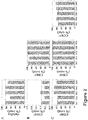
- Figure 3 shows viability and maturation markers of the different matured DCs after freezing, storage within the gas phase of liquid nitrogen and the thawing procedure. Viability of over 80% is acceptable, which was obtained by DCs matured with Jonuleit and our new cocktails ( Figure 3A ), but not by DCs matured with Kalinski and cocktail 5 (both containing poly I:C). DC markers CD83 and CCR7 were expressed at high levels, and only very low numbers of CD14 cells were detected in all thawed DC populations ( Figure 3B and C ).
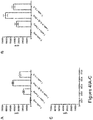
- FIG. 5A shows secretion of biologically active IL-12p70 (filled bars) and IL-10 (empty bars) into primary DC cultures.
- DCs matured with Jonuleit cocktail do not secrete detectable amounts of IL-12p70, whereas Kalinski cocktail as well as our new cocktails induced IL-12p70 in ng-ranges per ml.
- IL-10 as a potential Th2 cytokine, counter-regulates Th1 polarization.
- Th2 cytokine counter-regulates Th1 polarization.
- Figure 5C represents as the results showing that Kalinski cocktail is superior to Jonuleit, as in the literature described, but our new cocktails also revealed positive quotients for IL-12 re-induction after 24h of CD40 ligation and thereby secrete more IL-12p70 than DCs matured with Jonuleit cocktail.
- Mature DCs generated with our new cocktail combine the best characteristics of Jonuleit cocktail in addition to gaining Th1-inducing capacities via IL-12p70.
- our new cocktail results in DCs with IL-12p70 secretion without the negative impact of loss of cell numbers and poor caused by extended cell death processes.
- RNA is an attractive candidate to provide whole proteins to DCs for processing and presentation, thereby bypassing the need to know specific MHC-binding peptides.
- DC3 cells were not included because cocktail 3 was identical to cocktail 4, except for lower amounts of IFN ⁇ and PGE2 (see e.g. legend to Fig. 1 ).
- EGFP expression was found previously to peak 12-24 h following RNA transfection into DC1 cells and expression was stable for 48 h ( Javorovic, M., Pohla, H., Frankenberger, B., Wolfel, T. and Schendel, D.J. (2005). RNA transfer by electroporation into mature dendritic cells leading to reactivation of effector-memory cytotoxic T lymphocytes: a quantitative analysis.Mol Ther. 12: 734-743 ), therefore, percentages of EGFP-positive cells and mean fluorescence intensities (MFI) were measured 24 and 48 h after electroporation.
- MFI mean fluorescence intensities
- DC1 and DC4 cells expressed EGFP whereas DC2 cells did not express EGFP and DC5 cells expressed no ( Fig.6 ) or only very low levels of EGFP (data not shown). This same pattern was seen at 48 h (data not shown).
- the TLR3 ligand, poly (I:C) was present in Kalinski and cocktail 5 (DC2 and DC5 cells, respectively) but was missing in Jonuleit (DC1 cells) and cocktail 4 (DC4 cells).
- Kalinski cocktail also contained IFN ⁇ , which was not present in any other cocktail.
- DCs matured only with IFN ⁇ also failed to express EGFP protein following RNA transfer ( Frankenberger, B., et al. (2005). Cell-based vaccines for metastatic renal cell carcinoma: genetically-engineered tumor cells and monocyte-derived dendritic cells. World J Urol. 3:166-174 ).
- alpha-type-1 polarized dendritic cells a novel immunization tool with optimized CTL-inducing activity. Cancer Res. 64: 5934-5937 ).
- cocktails 3 and 4 would be well suited for generating IL-12p70-producing DCs using either peptides or RNA as sources of tumor-associated antigens for cancer vaccine development.
- Lymphocytes from an HLA-A*0201 donor were stimulated with autologous DCs matured using the Jonuleit cocktail, the Kalinski cocktail and the three new cocktails described in the patent.
- Peripheral blood lymphocytes were separated by elutriation and contained in fraction 3, in which 54.8% of the cells were CD3-positive T lymphocytes and 17,7% CD56 positive cells, which is characteristic for natural killer (NK) cells.
- the elutriation fraction 3 PBLs were directly incubated with the different DC populations matured using the different cocktails and their interferon-gamma secretion (IFN-gamma) was measured after 24 h in a standard ELISPOT assay.
- IFN-gamma interferon-gamma secretion
- PBLs of ELUTRA fraction 3 were plated in 50 ⁇ l per well in triplicates on antibody precoated PVDF plates (Mabtech AB, Nacka, Sweden), following incubation of the plates for 2 h at 37°C in RPMI 1640 culture medium supplemented with 2 mM L-glutamine, 1 mM sodium pyruvate, penicillin/streptomycin (100 U/ml) and 10% human AB serum (BioWhittaker, Verviers, Belgium) to block unspecific binding.
- the capture antibody was the IPN ⁇ -specific clone 1-D1K (Mabtech).
- the DC populations were carefully added to the wells. For background evaluation, DCs and lymphocytes were plated alone.
- the total culture volume was 150 ⁇ l and the plates were incubated in a 37°C humidified incubator with 5% CO 2 for 24 h. After removal of the cells and extensive washing with PBS/0.5% Tween20, incubation with the biotinylated detection antibody, clone 7-B6-1 (Mabtech) and the development of the spots were performed as described previously (1,2), with the exception that streptavidin-alkaline phosphatase and a ready-to-use BCIP/NBT-plus substrate solution were used. Spots were counted using the AID reader system ELR03 with the software version 3.2.3 (AID Autoimmun Diagnostika GmbH, Strassberg, Germany).
- lymphocytes from ELUTRA fraction 3 were plated at 1x10 6 cells/well with 1x10 5 viral peptide-loaded DCs in 24-well plates, in RPMI 1640 medium with 10% human serum; 30 IU/ml IL-2 was added at d3 and lymphocytes harvested at d7.
- HLA-A*0201-binding peptides included: CMVpp65 495-503 (NLVPMVATV), EBV-BMLF1 280-288 (GLCTLVAML), influenza M1 protein 58-66 (GILGFVFTL) or the CEF pool (PANATecs GmbH, Tuebingen, Germany) containing two additional peptides, EBV-LMP-2 426-434 (CLGGLLTMV) and influenza RNA polymerase PA 46-54 (FMYSDFHFI).
- NK cells The dominant interferon-gamma producing cells detected at this early time point (see Figure 8 ) are activated NK cells, in contrast to the experiments above, where the responses represent those of peptide-specific T cells stimulated by the DCs during the 7 d activation period (see Figure 7 ).
- DC-based vaccines often utilize monocyte-derived DCs matured with a cytokine cocktail (Jonuleit) of IL-1 ⁇ , TNF ⁇ , IL-6 and prostaglandin E2 (PG).
- cytokine cocktail Jonuleit
- PG prostaglandin E2
- Immature DCs were matured for 24h with various cocktails, containing TLR7/8 ligands with or without poly I:C and interferon ⁇ , PG, IL-1 ⁇ and TNF ⁇ . Matured DCs expressed >80% CD83, CD86, CD80 and HLA-DR, CD40, >60% CD209 (data not shown), ⁇ 2% CD14, and >60% lymph node homing chemokine receptor CCR7. DCs retained full maturity and expressed typical surface markers after cryopreservation and after washing out cytokines and reculture for 44h.
- IL-12p70 and IL-10 were present in supernatants of DCs matured with cocktails containing TLR7/8 ligands.
- a cocktail of IFN ⁇ , IL-1 ⁇ , TNF ⁇ , PG and the TLR7/8 ligand R848 yielded DCs that secreted IL-12p70 after harvest and 24h coculture with CD40L-transfected fibroblasts, mimicking encounter with T cells in lymph nodes.
- this new cocktail for DC maturation combines characteristics of good harvesting, reasonable recoveries, stability of maturation markers and Thl-inducing capacity with GMP-procedures required for high quality DC vaccines.
Landscapes
- Health & Medical Sciences (AREA)
- Life Sciences & Earth Sciences (AREA)
- Engineering & Computer Science (AREA)
- General Health & Medical Sciences (AREA)
- Biomedical Technology (AREA)
- Genetics & Genomics (AREA)
- Epidemiology (AREA)
- Veterinary Medicine (AREA)
- Public Health (AREA)
- Animal Behavior & Ethology (AREA)
- Chemical & Material Sciences (AREA)
- Biotechnology (AREA)
- Zoology (AREA)
- Bioinformatics & Cheminformatics (AREA)
- Organic Chemistry (AREA)
- Wood Science & Technology (AREA)
- Immunology (AREA)
- General Engineering & Computer Science (AREA)
- Microbiology (AREA)
- Biochemistry (AREA)
- Hematology (AREA)
- Cell Biology (AREA)
- Molecular Biology (AREA)
- Biophysics (AREA)
- Physics & Mathematics (AREA)
- Plant Pathology (AREA)
- Medicines Containing Material From Animals Or Micro-Organisms (AREA)
- Micro-Organisms Or Cultivation Processes Thereof (AREA)
- Medicinal Chemistry (AREA)
- Pharmacology & Pharmacy (AREA)
- Developmental Biology & Embryology (AREA)
- Virology (AREA)
- Oncology (AREA)
- Mycology (AREA)
Applications Claiming Priority (5)
| Application Number | Priority Date | Filing Date | Title |
|---|---|---|---|
| EP06006373A EP1840206A1 (fr) | 2006-03-28 | 2006-03-28 | Composition pour la préparation de cellules dendritiques matures |
| US82582206P | 2006-09-15 | 2006-09-15 | |
| EP07723717.0A EP2004807B1 (fr) | 2006-03-28 | 2007-03-28 | Compositions pour la préparation de cellules dendritiques matures |
| PCT/EP2007/002773 WO2007110240A1 (fr) | 2006-03-28 | 2007-03-28 | Compositions pour la préparation de cellules dendritiques matures |
| EP15157220.3A EP2918673B1 (fr) | 2006-03-28 | 2007-03-28 | Compositions pour la préparation de cellules dendritiques matures |
Related Parent Applications (2)
| Application Number | Title | Priority Date | Filing Date |
|---|---|---|---|
| EP07723717.0A Division EP2004807B1 (fr) | 2006-03-28 | 2007-03-28 | Compositions pour la préparation de cellules dendritiques matures |
| EP15157220.3A Division EP2918673B1 (fr) | 2006-03-28 | 2007-03-28 | Compositions pour la préparation de cellules dendritiques matures |
Publications (1)
| Publication Number | Publication Date |
|---|---|
| EP3517603A1 true EP3517603A1 (fr) | 2019-07-31 |
Family
ID=36441990
Family Applications (4)
| Application Number | Title | Priority Date | Filing Date |
|---|---|---|---|
| EP06006373A Withdrawn EP1840206A1 (fr) | 2006-03-28 | 2006-03-28 | Composition pour la préparation de cellules dendritiques matures |
| EP15157220.3A Active EP2918673B1 (fr) | 2006-03-28 | 2007-03-28 | Compositions pour la préparation de cellules dendritiques matures |
| EP07723717.0A Active EP2004807B1 (fr) | 2006-03-28 | 2007-03-28 | Compositions pour la préparation de cellules dendritiques matures |
| EP18248089.7A Withdrawn EP3517603A1 (fr) | 2006-03-28 | 2007-03-28 | Compositions pour la préparation de cellules dendritiques matures |
Family Applications Before (3)
| Application Number | Title | Priority Date | Filing Date |
|---|---|---|---|
| EP06006373A Withdrawn EP1840206A1 (fr) | 2006-03-28 | 2006-03-28 | Composition pour la préparation de cellules dendritiques matures |
| EP15157220.3A Active EP2918673B1 (fr) | 2006-03-28 | 2007-03-28 | Compositions pour la préparation de cellules dendritiques matures |
| EP07723717.0A Active EP2004807B1 (fr) | 2006-03-28 | 2007-03-28 | Compositions pour la préparation de cellules dendritiques matures |
Country Status (13)
| Country | Link |
|---|---|
| US (3) | US8679840B2 (fr) |
| EP (4) | EP1840206A1 (fr) |
| AU (1) | AU2007229640B2 (fr) |
| CA (1) | CA2647622C (fr) |
| CY (1) | CY1121448T1 (fr) |
| DK (2) | DK2918673T3 (fr) |
| ES (2) | ES2718525T3 (fr) |
| HU (1) | HUE042138T2 (fr) |
| PL (2) | PL2004807T3 (fr) |
| PT (2) | PT2918673T (fr) |
| SI (1) | SI2918673T1 (fr) |
| TR (1) | TR201904207T4 (fr) |
| WO (1) | WO2007110240A1 (fr) |
Families Citing this family (16)
| Publication number | Priority date | Publication date | Assignee | Title |
|---|---|---|---|---|
| EP1780220A1 (fr) * | 2005-11-01 | 2007-05-02 | Charité - Universitätsmedizin Berlin | Utilisation des substances de CEACAM8-specific pour traiter les maladies autoimmunes et une méthode pour examiner les substances qui induisent l'apoptosis |
| WO2010049152A1 (fr) * | 2008-10-29 | 2010-05-06 | Helmholtz Zentrum München Deutsches Forschungszentrum Für Gesundheit Und Umwelt (Gmbh) | Nouvelle composition pour la préparation de cellules dendritiques matures |
| PL2534242T3 (pl) * | 2010-02-10 | 2016-11-30 | Polepszona kompozycja do hamowania proliferacji komórek nowotworowych | |
| RU2575978C2 (ru) * | 2010-03-15 | 2016-02-27 | Дзе Трастиз Оф Дзе Юниверсити Оф Пенсильвания | Система и способ получения и хранения активированных зрелых дендритных клеток |
| EP2617434A1 (fr) * | 2012-01-20 | 2013-07-24 | Laboratorios Del. Dr. Esteve, S.A. | Immunogènes déficients en intégrase du VIH-1 et procédé pour le chargement de cellules dendritiques avec de tels immunogènes |
| JP2015513401A (ja) * | 2012-03-02 | 2015-05-14 | ラボラトリオス・デル・ドクトル・エステベ・ソシエダッド・アノニマ | 樹状細胞ワクチンの調製方法 |
| SI2788474T1 (sl) * | 2012-12-18 | 2016-01-29 | Immunicum Ab | Ko-diferenciacija monocitov iz alogenskih darovalcev |
| US20150335679A1 (en) * | 2014-05-20 | 2015-11-26 | Kiromic, Llc | Methods and Compositions for Treating Malignancies with Dendritic Cells |
| EP3317402B1 (fr) | 2015-06-30 | 2024-02-14 | Universidade Nova de Lisboa | Population de cellules viables, procédé de production et utilisations de celle-ci |
| TWI752930B (zh) * | 2015-12-23 | 2022-01-21 | 德商梅迪基因免疫治療公司 | 抗原特異性tcr的新生成 |
| KR101946572B1 (ko) * | 2017-01-31 | 2019-02-11 | 주식회사 큐라티스 | 면역 관용성 플라즈마사이토이드 수지상 세포 및 그 제조방법 |
| GB201711379D0 (en) * | 2017-07-14 | 2017-08-30 | Univ Cape Town | Maturation of dendritic cells |
| KR102356510B1 (ko) * | 2017-09-05 | 2022-02-08 | 메디진 이뮤노테라피스 게엠바하 | 수지상 세포 효능 분석 |
| EP3460052B1 (fr) * | 2017-09-20 | 2019-10-30 | Immunicum AB | Cellules dendritiques allogéniques améliorées destinées à être utilisées dans le traitement du cancer |
| CN109182384A (zh) * | 2018-09-30 | 2019-01-11 | 北京鼎成肽源生物技术有限公司 | 一种rff1细胞的构建方法 |
| CN115068598A (zh) * | 2022-04-25 | 2022-09-20 | 福建医科大学孟超肝胆医院(福州市传染病医院) | Tlr激动剂以及包含新生抗原的免疫原性组合物在制备药物中的应用 |
Citations (1)
| Publication number | Priority date | Publication date | Assignee | Title |
|---|---|---|---|---|
| WO2000047719A2 (fr) | 1999-02-11 | 2000-08-17 | 3M Innovative Properties Company | Maturation de cellules dendritiques a l'aide de composes modifiant la reponse immunitaire |
Family Cites Families (2)
| Publication number | Priority date | Publication date | Assignee | Title |
|---|---|---|---|---|
| CA2459713C (fr) * | 2001-09-06 | 2015-08-18 | Northwest Biotherapeutics, Inc. | Compositions et procedes d'amorcage de cellules dendritiques monocytaires et lymphocytes t pour reponse th-1 |
| US20050003533A1 (en) * | 2003-05-08 | 2005-01-06 | Pawel Kalinski | Mature type-1 polarized dendritic cells with enhanced IL-12 production and methods of serum-free production and use |
-
2006
- 2006-03-28 EP EP06006373A patent/EP1840206A1/fr not_active Withdrawn
-
2007
- 2007-03-28 ES ES15157220T patent/ES2718525T3/es active Active
- 2007-03-28 TR TR2019/04207T patent/TR201904207T4/tr unknown
- 2007-03-28 PT PT15157220T patent/PT2918673T/pt unknown
- 2007-03-28 PL PL07723717T patent/PL2004807T3/pl unknown
- 2007-03-28 PT PT77237170T patent/PT2004807E/pt unknown
- 2007-03-28 EP EP15157220.3A patent/EP2918673B1/fr active Active
- 2007-03-28 DK DK15157220.3T patent/DK2918673T3/en active
- 2007-03-28 DK DK07723717.0T patent/DK2004807T3/en active
- 2007-03-28 CA CA2647622A patent/CA2647622C/fr active Active
- 2007-03-28 AU AU2007229640A patent/AU2007229640B2/en not_active Ceased
- 2007-03-28 EP EP07723717.0A patent/EP2004807B1/fr active Active
- 2007-03-28 US US12/294,453 patent/US8679840B2/en not_active Expired - Fee Related
- 2007-03-28 ES ES07723717.0T patent/ES2535835T3/es active Active
- 2007-03-28 HU HUE15157220A patent/HUE042138T2/hu unknown
- 2007-03-28 WO PCT/EP2007/002773 patent/WO2007110240A1/fr not_active Ceased
- 2007-03-28 PL PL15157220T patent/PL2918673T3/pl unknown
- 2007-03-28 EP EP18248089.7A patent/EP3517603A1/fr not_active Withdrawn
- 2007-03-28 SI SI200732101T patent/SI2918673T1/sl unknown
-
2014
- 2014-02-06 US US14/174,064 patent/US9512402B2/en not_active Expired - Fee Related
-
2016
- 2016-10-25 US US15/333,476 patent/US20170037372A1/en not_active Abandoned
-
2019
- 2019-03-20 CY CY20191100332T patent/CY1121448T1/el unknown
Patent Citations (2)
| Publication number | Priority date | Publication date | Assignee | Title |
|---|---|---|---|---|
| WO2000047719A2 (fr) | 1999-02-11 | 2000-08-17 | 3M Innovative Properties Company | Maturation de cellules dendritiques a l'aide de composes modifiant la reponse immunitaire |
| US6558951B1 (en) * | 1999-02-11 | 2003-05-06 | 3M Innovative Properties Company | Maturation of dendritic cells with immune response modifying compounds |
Non-Patent Citations (41)
| Title |
|---|
| AHN JS; AGRAWAL B.: "IL-4 is more effective than IL-13 for in vitro differentiation of dendritic cells from peripheral blood mononuclear cells", INT IMMUNOL., vol. 17, no. 10, October 2005 (2005-10-01), pages 1337 - 46 |
| BANCHEREAU J; PALUCKA AK: "Dendritic cells as therapeutic vaccines against cancer", NAT REV IMMUNOL, vol. 5, no. 4, April 2005 (2005-04-01), pages 296 - 306, XP055202452, DOI: doi:10.1038/nri1592 |
| BECKER, C.: "Adoptive tumor therapy with T lymphocytes enriched through an IFNy capture assay", NAT MED., vol. 7, 2001, pages 1159 - 1162 |
| BERGER TG; STRASSER E; SMITH R; CARSTE C; SCHULER-THURNER B; KAEMPGEN E; SCHULER G: "Efficient elutriation of monocytes within a closed system (Elutra) for clinical-scale generation of dendritic cells", J IMMUNOL METHODS, vol. 298, no. 1-2, March 2005 (2005-03-01), pages 61 - 72, XP004853237, DOI: doi:10.1016/j.jim.2005.01.005 |
| CAMPBELL JD; PIECHACZEK C; WINKELS G; SCHWAMBORN E; MICHELI D; HENNEMANN S; SCHMITZ J: "Isolation and generation of clinical-grade dendritic cells using the CliniMACS system", METHODS MOL MED, vol. 109, 2005, pages 55 - 70 |
| DIECKMANN D; SCHULTZ ES; RING B; CHAMES P; HELD G; HOOGENBOOM HR; SCHULER G: "Optimizing the exogenous antigen loading of monocyte-derived dendritic cells", INT IMMUNOL., vol. 17, no. 5, May 2005 (2005-05-01), pages 621 - 35 |
| DUBSKY P; UENO H; PIQUERAS B; CONNOLLY J; BANCHEREAU J; PALUCKA AK: "Human dendritic cell subsets for vaccination", J CLIN IMMUNOL, vol. 25, no. 6, November 2005 (2005-11-01), pages 551 - 72, XP019281112 |
| ESCUDIER B; DORVAL T; CHAPUT N; ANDRE F; CABY MP; NOVAULT S; FLAMENT C; LEBOULAIRE C; BORG C; AMIGORENA S: "Vaccination of metastatic melanoma patients with autologous dendritic cell (DC) derived-exosomes: results of thefirst phase I clinical trial", J TRANSL MED., vol. 3, no. 1, 2 March 2005 (2005-03-02), pages 10, XP021009856, DOI: doi:10.1186/1479-5876-3-10 |
| FRANKENBERGER, B. ET AL.: "Cell-based vaccines for metastatic renal cell carcinoma: genetically-engineered tumor cells and monocyte-derived dendritic cells", WORLD J UROL., vol. 3, 2005, pages 166 - 174, XP019337830, DOI: doi:10.1007/s00345-005-0505-5 |
| GARRONE P; NEIDHARDT EM; GARCIA E; GALIBERT L; VAN KOOTEN C; BANCHEREAU J.: "Fas ligation induces apoptosis of CD40-activated human B lymphocytes", JEXP MED., vol. 182, no. 5, 1 November 1995 (1995-11-01), pages 1265 - 73, XP008046814, DOI: doi:10.1084/jem.182.5.1557 |
| GAUTIER G; HUMBERT M; DEAUVIEAU F; SCUILLER M; HISCOTT J; BATES EE; TRINCHIERI G; CAUX C; GARRONE P.: "A type I interferon autocrine-paracrine loop is involved in Toll-like receptor-induced interleukin-12p70 secretion by dendritic cells", J EXP MED., vol. 201, no. 9, 2 May 2005 (2005-05-02), pages 1435 - 46 |
| GONG J; KOIDO S; KATO Y; TANAKA Y; CHEN D; JONAS A; GALINSKY I; DEANGELO D; AVIGAN D; KUFE D: "Induction of anti-leukemic ' cytotoxic T lymphocytes by fusion of patient-derived dendritic cells with autologous myeloblasts", LEUK RES., vol. 28, no. 12, December 2004 (2004-12-01), pages 1303 - 12, XP004593138, DOI: doi:10.1016/j.leukres.2004.03.018 |
| GRIFFIOEN M; BORGHI M; SCHRIER PI; OSANTO S; SCHADENDORF D: "Analysis of T-cell responses in metastatic melanoma patients vaccinated with dendritic cells pulsed with tumor lysates", CANCER IMMUNOL IMMUNOTHER., vol. 53, no. 8, August 2004 (2004-08-01), pages 715 - 22 |
| GRUNEBACH F; KAYSER K; WEEK MM; MULLER MR; APPEL S; BROSSART P: "Cotransfection of dendritic cells with RNA coding for HER-2/neu and 4-1BBL increases the induction of tumor antigen specific cytotoxic T lymphocytes", CANCER GENE THER., vol. 12, no. 9, September 2005 (2005-09-01), pages 749 - 56 |
| J IMMUNOL METHODS, vol. 303, no. 1-2, August 2005 (2005-08-01), pages 152 |
| JAVOROVIC, M.; POHLA, H.; FRANKENBERGER, B.; WOLFEL, T.; SCHENDEL, D.J.: "RNA transfer by electroporation into mature dendritic cells leading to reactivation of effector-memory cytotoxic T lymphocytes: a quantitative analysis", MOL THER., vol. 12, 2005, pages 734 - 743, XP005078453, DOI: doi:10.1016/j.ymthe.2005.03.034 |
| JONULEIT H ET AL: "Cytokines and their effects on maturation, differentiation and migration of dendritic cells", ARCHIVES OF DERMATOLOGICAL RESEARCH, SPRINGER, INTERNATIONAL, BERLIN, DE, vol. 289, no. 1, 1996, pages 1 - 8, XP002177609, ISSN: 0340-3696 * |
| JONULEIT H ET AL: "PRO-INFLAMMATORY CYTOKINES AND PROSTAGLANDINS INDUCE MATURATION OF POTENT IMMUNOSTIMULATORY DENDRITIC CELLS UNDER FETAL CALF SERUM-FREE CONDITIONS", EUROPEAN JOURNAL OF IMMUNOLOGY, WEINHEIM, DE, vol. 27, no. 12, 1997, pages 3135 - 3142, XP000906835, ISSN: 0014-2980 * |
| JONULEIT H; KUHN U; MULLER G; STEINBRINK K; PARAGNIK L; SCHMITT E; KNOP J; ENK AH.: "Pro-inflammatory cytokines and prostaglandins induce maturation of potent immunostimulatory dendritic cells under fetal calf serum-free conditions", EUR J IMMUNOL, vol. 27, no. 12, December 1997 (1997-12-01), pages 3135 - 42, XP002659213 |
| KATO, H. ET AL.: "Differential roles of MDA5 and RIG-I helicases in the recognition of RNA viruses", NATURE, vol. 441, 2006, pages 101 - 105, XP003017391, DOI: doi:10.1038/nature04734 |
| KAWAMURA K; KADOWAKI N; SUZUKI R; UDAGAWA S; KASAOKA S; UTOGUCHI N; KITAWAKI T; SUGIMOTO N; OKADA N; MARUYAMA K: "Dendritic cells that endocytosed antigen-containing IgG-liposomes elicit effective antitumor immunity", J IMMUNOTHER., vol. 29, no. 2, March 2006 (2006-03-01), pages 165 - 74 |
| KIKUCHI T; AKASAKI Y; ABE T; FUKUDA T; SAOTOME H; RYAN JL; KUFE DW; OHNO T: "Vaccination of glioma patients with fusions of dendritic and glioma cells and recombinant human interleukin 12", J IMMUNOTHER., vol. 27, no. 6, November 2004 (2004-11-01), pages 452 - 9, XP055181809, DOI: doi:10.1097/00002371-200411000-00005 |
| KYTE JA; KVALHEIM G; AAMDAL S; SAEBOE-LARSSEN S; GAUDEMACK G: "Preclinical full-scale evaluation of dendritic cells transfected with autologous tumor-mRNA for melanoma vaccination", CANCER GENE THER., vol. 12, no. 6, June 2005 (2005-06-01), pages 579 - 91 |
| LANGENKAMP A; MESSI M; LANZAVECCHIA A; SALLUSTO F.: "Kinetics of dendritic cell activation: impact on priming of TH1, TH2 and nonpolarized T cells", NAT IMMUNOL, vol. 1, no. 4, October 2000 (2000-10-01), pages 311 - 6 |
| MAILLIARD RB; WANKOWICZ-KALINSKA A; CAI Q; WESA A; HILKENS CM; KAPSENBERG ML; KIRKWOOD JM; STORKUS WJ; KALINSKI P.: "alpha-type-1 polarized dendritic cells: a novel immunization tool with optimized CTL-inducing activity", CANCER RES., vol. 64, no. 17, 1 September 2004 (2004-09-01), pages 5934 - 7, XP002505994, DOI: doi:10.1158/0008-5472.CAN-04-1261 |
| MAILLIARD, R. B. ET AL.: "alpha-type-1 polarized dendritic cells: a novel immunization tool with optimized CTL-inducing activity", CANCER RES., vol. 64, 2004, pages 5934 - 5937, XP002505994, DOI: doi:10.1158/0008-5472.CAN-04-1261 |
| MOSCA PJ; HOBEIKA AC; CLAY TM; NAIR SK; THOMAS EK; MORSE MA; LYERLY HK.: "A subset of human monocyte-derived dendritic cells expresses high levels of interleukin-12 in response to combined CD40 ligand and interferon-gamma treatment", BLOOD, vol. 96, no. 10, 15 November 2000 (2000-11-15), pages 3499 - 504, XP002383698 |
| MULLER G. ET AL.: "FETAL CALF SERUM-FREE GENERATION OF FUNCTIONALLY ACTIVE MURINE DENDRITIC CELLS SUITABLE FOR IN VIVO THERAPEUTIC APPROACHES", THE JOURNAL OF INVESTIGATIVE DERMATOLOGY, vol. 114, no. 1, 2000, pages 142 - 148, XP002383384 * |
| NAIR, S. K.; BOCZKOWSKI, D.; MORSE, M.; CUMMING, R. I.; LYERLY, H. K.; GILBOA, E.: "Induction of primary carcinoembryonic antigen (CEA)-specific cytotoxic T lymphocytes in vitro using human dendritic cells transfected with RNA", NAT BIOTECHNOL., vol. 16, 1998, pages 364 - 369, XP001027228, DOI: doi:10.1038/nbt0498-364 |
| NAPOLITANI G; RINALDI A; BERTONI F; SALLUSTO F; LANZAVECCHIA A.: "Selected Toll-like receptor agonist combinations synergistically trigger a T helper type 1-polarizing program in dendritic cells", NAT IMMUNOL, vol. 6, no. 8, August 2005 (2005-08-01), pages 769 - 76, XP055403614, DOI: doi:10.1038/ni1223 |
| NAVABI H; CROSTON D; HOBOT J; CLAYTON A; ZITVOGEL L; JASANI B; BAILEY-WOOD R; WILSON K; TABI Z; MASON MD: "Preparation of human ovarian cancer ascites-derived exosomes for a clinical trial", BLOOD CELLS MOL DIS, vol. 35, no. 2, September 2005 (2005-09-01), pages 149 - 52, XP005074521, DOI: doi:10.1016/j.bcmd.2005.06.008 |
| O'GARA,A: "Cytokines induce the development of functionally heterogeneous T helper cell subsets", IMMUNITY, vol. 8, 1998, pages 275 - 283, XP002174915, DOI: doi:10.1016/S1074-7613(00)80533-6 |
| PENG J.C. ET AL: "GENERATION AND MATURATION OF DENDRITIC CELLS FOR CLINICAL APPLICATIONS UNDER SERUM FREE CONDITIONS", J. IMMUNOTHER., vol. 28, no. 6, December 2005 (2005-12-01), pages 599 - 609, XP009067007 * |
| POHLA, H. ET AL.: "Allogeneic vaccination for renal cell carcinoma: Development and monitoring", BONE MARROW TRANSPLANT., vol. 25, 2000, pages 83 - 87 |
| RENGARAJAN J; SZABO SJ; GLIMCHER LH.: "Transcriptional regulation of Thl/Th2 polarization", IMMUNOL TODAY, vol. 21, no. 10, October 2000 (2000-10-01), pages 479 - 83, XP004217456, DOI: doi:10.1016/S0167-5699(00)01712-6 |
| SALCEDO M; BERCOVICI N; TAYLOR R; VEREECKEN P; MASSICARD S; DURIAU D; VERNEL-PAUILLAC F; BOYER A; BARON-BODO V; MALLARD E: "Vaccination of melanoma patients using dendritic cells loaded with an allogeneic tumor cell lysate", CANCER IMMUNOL IMMUNOTHER, 27 September 2005 (2005-09-27), pages 1 - 11 |
| SCHULER G; SCHULER-THURNER B; STEINMAN RM: "The use of dendritic cells in cancer immunotherapy", CURR OPIN IMMUNOL, vol. 15, no. 2, April 2003 (2003-04-01), pages 138 - 47, XP004414291, DOI: doi:10.1016/S0952-7915(03)00015-3 |
| STRASSER EF; BERGER TG; WEISBACH V; ZIMMERMANN R; RINGWALD J; SCHULER-THURNER B; ZINGSEM J; ECKSTEIN R: "Comparison of two apheresis systems for the collection of CD14+ cells intended to be used in dendritic cell culture", TRANSFUSION, vol. 43, no. 9, September 2003 (2003-09-01), pages 1309 - 16 |
| SU Z; DANNULL J; YANG BK; DAHM P; COLEMAN D; YANCEY D; SICHI S; NIEDZWIECKI D; BOCZKOWSKI D; GILBOA E: "Telomerase mRNA-transfected dendritic cells stimulate antigen-specific CD8+ and CD4+ T cell responses in patients with metastatic prostate cancer", J IMMUNOL., vol. 174, no. 6, 15 March 2005 (2005-03-15), pages 3798 - 807 |
| TRANSFUSION, vol. 43, no. 10, October 2003 (2003-10-01), pages 1502 |
| WEERATNA ET AL: "TLR agonists as vaccine adjuvants: comparison of CpG ODN and Resiquimod (R-848)", VACCINE, BUTTERWORTH SCIENTIFIC. GUILDFORD, GB, vol. 23, no. 45, 1 November 2005 (2005-11-01), pages 5263 - 5270, XP005115867, ISSN: 0264-410X * |
Also Published As
| Publication number | Publication date |
|---|---|
| CA2647622A1 (fr) | 2007-10-04 |
| EP2918673A1 (fr) | 2015-09-16 |
| HUE042138T2 (hu) | 2019-06-28 |
| US20140302096A1 (en) | 2014-10-09 |
| WO2007110240A1 (fr) | 2007-10-04 |
| ES2718525T3 (es) | 2019-07-02 |
| ES2535835T3 (es) | 2015-05-18 |
| US20100284976A1 (en) | 2010-11-11 |
| US8679840B2 (en) | 2014-03-25 |
| CY1121448T1 (el) | 2020-05-29 |
| EP2004807A1 (fr) | 2008-12-24 |
| EP1840206A1 (fr) | 2007-10-03 |
| CA2647622C (fr) | 2017-04-18 |
| AU2007229640B2 (en) | 2013-05-02 |
| EP2918673B1 (fr) | 2019-01-16 |
| PL2004807T3 (pl) | 2015-07-31 |
| PL2918673T3 (pl) | 2019-08-30 |
| US9512402B2 (en) | 2016-12-06 |
| DK2004807T3 (en) | 2015-05-11 |
| EP2004807B1 (fr) | 2015-03-04 |
| TR201904207T4 (tr) | 2019-05-21 |
| PT2004807E (pt) | 2015-05-20 |
| AU2007229640A1 (en) | 2007-10-04 |
| DK2918673T3 (en) | 2019-04-01 |
| SI2918673T1 (sl) | 2019-05-31 |
| PT2918673T (pt) | 2019-04-23 |
| US20170037372A1 (en) | 2017-02-09 |
Similar Documents
| Publication | Publication Date | Title |
|---|---|---|
| EP2918673B1 (fr) | Compositions pour la préparation de cellules dendritiques matures | |
| Zobywalski et al. | Generation of clinical grade dendritic cells with capacity to produce biologically active IL-12p70 | |
| KR101679602B1 (ko) | 내추럴킬러 세포의 제조방법 | |
| EP2459707B1 (fr) | Compositions et méthodes de préparation de lymphocytes t cytotoxiques alloréactifs | |
| KR101415039B1 (ko) | 자기유래 활성화 림프구의 대량 증식을 위한 배지 조성물 및 배양방법 | |
| CN112313328B (zh) | 用于治疗用途的树突细胞的体外分化和成熟方法 | |
| WO2023275219A1 (fr) | Production et multiplication conformes aux normes bpf de cellules dendritiques plasmacytoïdes à partir de cellules souches et progénitrices hématopoïétiques | |
| US10626371B2 (en) | Co-differentiation of monocytes from allogeneic donors | |
| WO2010049152A1 (fr) | Nouvelle composition pour la préparation de cellules dendritiques matures | |
| EP2847321B1 (fr) | Méthode pour induire la maturation des cellules dendritique | |
| WO2025076176A2 (fr) | Cellules dendritiques à présentation croisée | |
| CN113521266A (zh) | 一种冠状病毒疫苗 | |
| Lazarova et al. | Experimental attempt to produce mRNA transfected dendritic cells derived from enriched CD34+ blood progenitor cells |
Legal Events
| Date | Code | Title | Description |
|---|---|---|---|
| PUAI | Public reference made under article 153(3) epc to a published international application that has entered the european phase |
Free format text: ORIGINAL CODE: 0009012 |
|
| AC | Divisional application: reference to earlier application |
Ref document number: 2004807 Country of ref document: EP Kind code of ref document: P Ref document number: 2918673 Country of ref document: EP Kind code of ref document: P |
|
| AK | Designated contracting states |
Kind code of ref document: A1 Designated state(s): AT BE BG CH CY CZ DE DK EE ES FI FR GB GR HU IE IS IT LI LT LU LV MC MT NL PL PT RO SE SI SK TR |
|
| STAA | Information on the status of an ep patent application or granted ep patent |
Free format text: STATUS: THE APPLICATION IS DEEMED TO BE WITHDRAWN |
|
| 18D | Application deemed to be withdrawn |
Effective date: 20200201 |