EP3523339B1 - Lubricating block copolymers and their use as biomimetic boundary lubricants - Google Patents
Lubricating block copolymers and their use as biomimetic boundary lubricants Download PDFInfo
- Publication number
- EP3523339B1 EP3523339B1 EP17859078.2A EP17859078A EP3523339B1 EP 3523339 B1 EP3523339 B1 EP 3523339B1 EP 17859078 A EP17859078 A EP 17859078A EP 3523339 B1 EP3523339 B1 EP 3523339B1
- Authority
- EP
- European Patent Office
- Prior art keywords
- block copolymer
- groups
- group
- copolymer
- hydrogen atom
- Prior art date
- Legal status (The legal status is an assumption and is not a legal conclusion. Google has not performed a legal analysis and makes no representation as to the accuracy of the status listed.)
- Active
Links
Images




Classifications
-
- A—HUMAN NECESSITIES
- A61—MEDICAL OR VETERINARY SCIENCE; HYGIENE
- A61K—PREPARATIONS FOR MEDICAL, DENTAL OR TOILETRY PURPOSES
- A61K31/00—Medicinal preparations containing organic active ingredients
- A61K31/74—Synthetic polymeric materials
- A61K31/785—Polymers containing nitrogen
-
- A—HUMAN NECESSITIES
- A61—MEDICAL OR VETERINARY SCIENCE; HYGIENE
- A61K—PREPARATIONS FOR MEDICAL, DENTAL OR TOILETRY PURPOSES
- A61K31/00—Medicinal preparations containing organic active ingredients
- A61K31/74—Synthetic polymeric materials
- A61K31/795—Polymers containing sulfur
-
- A—HUMAN NECESSITIES
- A61—MEDICAL OR VETERINARY SCIENCE; HYGIENE
- A61P—SPECIFIC THERAPEUTIC ACTIVITY OF CHEMICAL COMPOUNDS OR MEDICINAL PREPARATIONS
- A61P19/00—Drugs for skeletal disorders
- A61P19/02—Drugs for skeletal disorders for joint disorders, e.g. arthritis, arthrosis
-
- C—CHEMISTRY; METALLURGY
- C08—ORGANIC MACROMOLECULAR COMPOUNDS; THEIR PREPARATION OR CHEMICAL WORKING-UP; COMPOSITIONS BASED THEREON
- C08F—MACROMOLECULAR COMPOUNDS OBTAINED BY REACTIONS ONLY INVOLVING CARBON-TO-CARBON UNSATURATED BONDS
- C08F220/00—Copolymers of compounds having one or more unsaturated aliphatic radicals, each having only one carbon-to-carbon double bond, and only one being terminated by only one carboxyl radical or a salt, anhydride ester, amide, imide or nitrile thereof
- C08F220/02—Monocarboxylic acids having less than ten carbon atoms; Derivatives thereof
- C08F220/10—Esters
- C08F220/26—Esters containing oxygen in addition to the carboxy oxygen
- C08F220/28—Esters containing oxygen in addition to the carboxy oxygen containing no aromatic rings in the alcohol moiety
- C08F220/285—Esters containing oxygen in addition to the carboxy oxygen containing no aromatic rings in the alcohol moiety and containing a polyether chain in the alcohol moiety
- C08F220/286—Esters containing oxygen in addition to the carboxy oxygen containing no aromatic rings in the alcohol moiety and containing a polyether chain in the alcohol moiety and containing polyethylene oxide in the alcohol moiety, e.g. methoxy polyethylene glycol (meth)acrylate
-
- C—CHEMISTRY; METALLURGY
- C08—ORGANIC MACROMOLECULAR COMPOUNDS; THEIR PREPARATION OR CHEMICAL WORKING-UP; COMPOSITIONS BASED THEREON
- C08F—MACROMOLECULAR COMPOUNDS OBTAINED BY REACTIONS ONLY INVOLVING CARBON-TO-CARBON UNSATURATED BONDS
- C08F293/00—Macromolecular compounds obtained by polymerisation on to a macromolecule having groups capable of inducing the formation of new polymer chains bound exclusively at one or both ends of the starting macromolecule
- C08F293/005—Macromolecular compounds obtained by polymerisation on to a macromolecule having groups capable of inducing the formation of new polymer chains bound exclusively at one or both ends of the starting macromolecule using free radical "living" or "controlled" polymerisation, e.g. using a complexing agent
-
- C—CHEMISTRY; METALLURGY
- C08—ORGANIC MACROMOLECULAR COMPOUNDS; THEIR PREPARATION OR CHEMICAL WORKING-UP; COMPOSITIONS BASED THEREON
- C08F—MACROMOLECULAR COMPOUNDS OBTAINED BY REACTIONS ONLY INVOLVING CARBON-TO-CARBON UNSATURATED BONDS
- C08F8/00—Chemical modification by after-treatment
- C08F8/44—Preparation of metal salts or ammonium salts
-
- C—CHEMISTRY; METALLURGY
- C08—ORGANIC MACROMOLECULAR COMPOUNDS; THEIR PREPARATION OR CHEMICAL WORKING-UP; COMPOSITIONS BASED THEREON
- C08F—MACROMOLECULAR COMPOUNDS OBTAINED BY REACTIONS ONLY INVOLVING CARBON-TO-CARBON UNSATURATED BONDS
- C08F2438/00—Living radical polymerisation
- C08F2438/03—Use of a di- or tri-thiocarbonylthio compound, e.g. di- or tri-thioester, di- or tri-thiocarbamate, or a xanthate as chain transfer agent, e.g . Reversible Addition Fragmentation chain Transfer [RAFT] or Macromolecular Design via Interchange of Xanthates [MADIX]
-
- C—CHEMISTRY; METALLURGY
- C08—ORGANIC MACROMOLECULAR COMPOUNDS; THEIR PREPARATION OR CHEMICAL WORKING-UP; COMPOSITIONS BASED THEREON
- C08F—MACROMOLECULAR COMPOUNDS OBTAINED BY REACTIONS ONLY INVOLVING CARBON-TO-CARBON UNSATURATED BONDS
- C08F2800/00—Copolymer characterised by the proportions of the comonomers expressed
- C08F2800/10—Copolymer characterised by the proportions of the comonomers expressed as molar percentages
-
- C—CHEMISTRY; METALLURGY
- C08—ORGANIC MACROMOLECULAR COMPOUNDS; THEIR PREPARATION OR CHEMICAL WORKING-UP; COMPOSITIONS BASED THEREON
- C08F—MACROMOLECULAR COMPOUNDS OBTAINED BY REACTIONS ONLY INVOLVING CARBON-TO-CARBON UNSATURATED BONDS
- C08F2810/00—Chemical modification of a polymer
- C08F2810/50—Chemical modification of a polymer wherein the polymer is a copolymer and the modification is taking place only on one or more of the monomers present in minority
Definitions
- This invention generally relates to pharmaceutically acceptable lubricating compositions and their use in methods of lubricating biological tissue, especially joint, cartilage, and bone surfaces.
- the invention more particularly relates to polymeric compositions that mimic the action of lubricin, and more particularly, to methods of using such compositions for treating a variety of conditions, such as osteoarthritis, where lubrication is especially beneficial in treating and ameliorating the effects of the disease or condition.
- Lubricin is a glycosylated protein found in synovial fluid, plays a pivotal role in joint boundary lubrication and prevention of osteoarthritis.
- Lubricin reduces the coefficient of friction (COF) of articular cartilage in the boundary mode by as much as 70 percent ( Gleghorn, J. P. et al., J. Orthop. Res. 2009, 27 (6), 77 ).
- COF coefficient of friction
- This potent lubricating ability arises from the structure of lubricin: a central mucin-like domain of lubricin consists of an extensively glycosylated core protein that attracts and retains water near the molecule; and the C-terminus of lubricin binds the protein to the cartilage surface ( Zappone, B.
- Osteoarthritis afflicts over 50 million individuals in the developed world and this number is expected to rise as median age and life expectancy increase.
- the economic impact of osteoarthritis treatment exceeds $30 billion annually in the United States alone.
- the financial burden, as well as other factors i.e., quality of life, loss of labor hours, etc. incentivizes development of more effective treatments.
- HA is known to increase synovial fluid viscosity (e.g., viscosupplementation) to reduce the coefficient of friction in the hydrodynamic mode of lubrication (e.g., Tadmor et al. (2002) J. Biomed. Mat. Res. 61:514-23 ).
- the other predominant lubrication component in synovial fluid is lubricin, a high molecular weight glycoprotein that reduces the coefficient of friction in the boundary mode of lubrication.
- chondrocyte production of lubricin is compromised and boundary mode lubrication is reduced.
- Natural lubricants such as proteoglycan aggregates and mucins (e.g., lubricin), keep natural surfaces hydrophilic.
- Intra-articular injection of supplemental lubricin, as well as the truncated recombinant lubricin construct LUB:1, have been shown to slow progression of OA in rat models of disease (e.g., Jay et al. (2010) Arthritis Rheum. 62:2382-91 ; Flannery et al. (2009) Arthritis Rheum. 60:840-7 ).
- the present disclosure is directed to the design, synthesis, and use of specialized block copolymers having a lubricin-mimetic structure and which provide substantial lubrication capacity under boundary mode lubrication conditions.
- the block copolymer contains a lubrication block (e.g., M n ⁇ 200 kDa) that mimicks the mucin-like domain of lubricin and a smaller cartilage-binding block (e.g., M n ⁇ 3 kDa) that mimicks the hemopexin-like domain.
- a lubrication block e.g., M n ⁇ 200 kDa
- cartilage-binding block e.g., M n ⁇ 3 kDa
- the invention is directed to block copolymers having the following structure: wherein: R 1 , R 2 , and R 3 are independently selected from hydrocarbon groups having at least one and up to twelve carbon atoms; X and X' are independently selected from -NR'-, -O-, and a bond, wherein R' is selected from hydrogen atom and hydrocarbon groups having at least one and up to six carbon atoms; Y is selected from polyalkylene glycol, saccharide, and polyalcohol; subscripts a and b are independently integers of at least 3 and no more than 2000; and subscript c is an integer of at least 1.
- the block copolymer is terminated on each end by terminal groups, and the total positive charge of quaternary ammonium groups in the copolymer is counterbalanced by a total negative charge of equivalent magnitude provided by anions associated with the ammonium groups.
- the invention is directed to block copolymers having the following structure: wherein: X is selected from -NR'-, -O-, and a bond, wherein R' is selected from hydrogen atom and hydrocarbon groups having at least one and up to six carbon atoms; Y is selected from polyalkylene glycol having the structure (-CR' 2 CR' 2 O-) n H, wherein R' is independently selected from a hydrogen atom and hydrocarbon group for each instance of R', and n is at least 2 and up to 500, saccharide, and polyalcohol; R is a hydrogen atom, hydrocarbon group (R) having 1-12 carbon atoms, or a cartilage binding domain; subscripts d and e are independently integers of at least 3; and subscript f is 0 or an integer of at least 1.
- the hydrogen atom on the shown carboxylic acid group is optionally replaced with a positively charged metal ion or positively charged organic group.
- the block copolymer is terminated on the end opposite to the thiol group by a terminal group.
- the instant invention relates to compositions for use in methods for imparting a suitable level of lubricity to a biological tissue in a patient in need thereof by contacting the biological tissue with a sufficient amount of a lubricating composition to increase the lubricity of the biological tissue.
- the lubricating composition can be, for example, any of the block copolymers described above.
- the biological tissue can be selected from, for example, joints, bone, ocular tissue, nasal tissue, tendons, tendon capsule, and vaginal tissue.
- the invention is directed to block copolymers that mimic lubricin by having a mucin-like domain and a C-terminal hemopexin-like (PEX-like) domain.
- the copolymer may, for example, contain a polymer block containing positively or negatively charged pendant groups and a polymer block containing pendant non-ionic hydrophilic groups, particularly hydrophilic groups containing ether and/or hydroxy functional groups.
- the pendant group is polymeric, the copolymer can be further classified as a graft brush copolymer.
- the term "copolymer,” as used herein, refers to the presence of at least two polymer blocks.
- the copolymer may be, for example, a diblock copolymer, triblock copolymer, tetrablock copolymer, or higher copolymer.
- a first class of block copolymers considered herein is encompassed by the following generic structure:
- the substituents R 1 , R 2 , and R 3 in Formula (1) are independently selected from hydrocarbon groups (R) having at least one and up to twelve carbon atoms.
- the substituents R 1 , R 2 , and R 3 may, in some embodiments, be more particularly defined as having precisely one, two, three, four, five, six, seven, eight, nine, ten, eleven, or twelve carbon atoms, or a particular range of carbon atoms therein, e.g., 1-10, 1-8, 1-6, 1-4, 1-3, 2-12, 2-10, 2-8, 2-6, 2-4, 3-12, 3-10, 3-8, or 3-6 carbon atoms.
- R 1 , R 2 , and R 3 are all the same, while in other embodiments, R 1 , R 2 , and R 3 are not all the same (or at least two of R 1 , R 2 , and R 3 are different).
- the hydrocarbon group R can be saturated or unsaturated, straight-chained (linear) or branched, and cyclic or acyclic.
- R 1 , R 2 , and R 3 are selected from hydrocarbon groups composed solely of carbon and hydrogen.
- the hydrocarbon group composed solely of carbon and hydrogen can be, for example, an alkyl, alkenyl, cycloalkyl, cycloalkenyl (aliphatic), or aromatic group.
- straight-chained alkyl groups include methyl, ethyl, n -propyl, n -butyl, n -pentyl, n -hexyl, n -heptyl, n -octyl, n -nonyl, n- decyl, n -undecyl, and n -dodecyl groups.
- branched alkyl groups include isopropyl (2-propyl), isobutyl (2-methylprop-1-yl), sec -butyl (2-butyl), t -butyl, 2-pentyl, 3-pentyl, 2-methylbut-1-yl, isopentyl (3-methylbut-1-yl), 1,2-dimethylprop-1-yl, 1,1-dimethylprop-1-yl, neopentyl (2,2-dimethylprop-1-yl), 2-hexyl, 3-hexyl, 2-methylpent-1-yl, 3-methylpent-1-yl, and isohexyl (4-methylpent-1-yl), wherein the "1-yl" suffix represents the point of attachment of the group.
- cycloalkyl groups include cyclopropyl, cyclobutyl, cyclopentyl, cyclohexyl, cycloheptyl, and cyclooctyl groups.
- the cycloalkyl group can also be a polycyclic (e.g., bicyclic) group by either possessing a bond between two ring groups (e.g., dicyclohexyl) or a shared (i.e., fused) side (e.g., decalin and norbornane).
- cycloalkenyl (aliphatic) groups include cyclopropenyl, cyclobutenyl, cyclopentenyl, cyclopentadienyl, cyclohexenyl, cyclohexadienyl, cycloheptenyl, cycloheptadienyl, cyclooctenyl, cyclooctadienyl, and cyclooctatetraenyl groups.
- aromatic groups include phenyl and benzyl.
- the unsaturated cyclic hydrocarbon group can also be a polycyclic group (such as a bicyclic or tricyclic polyaromatic group) by either possessing a bond between two of the ring groups (e.g., biphenyl) or a shared (i.e., fused) side, as in naphthalene, anthracene, phenanthrene, phenalene, or indene.
- a polycyclic group such as a bicyclic or tricyclic polyaromatic group
- At least one of R 1 , R 2 , and R 3 is selected from hydrocarbon groups containing at least one heteroatom (i.e., non-carbon and non-hydrogen atom), such as one or more heteroatoms selected from oxygen, nitrogen, sulfur, and halide atoms, as well as groups containing one or more of these heteroatoms (i.e., heteroatom-containing groups).
- the hydrocarbon group does not contain hydrogen atoms (e.g., where all hydrogen atoms are replaced with heteroatoms, such as in -CF 3 ), while in other embodiments, the hydrocarbon group contains at least one hydrogen atom.
- oxygen-containing groups include hydroxy (OH), alkoxy (OR), carbonyl-containing (e.g., carboxylic acid, ketone, aldehyde, carboxylic ester, amide, and urea functionalities), nitro (NO 2 ), carbon-oxygen-carbon (ether), sulfonyl, and sulfinyl (i.e., sulfoxide) groups.
- OH hydroxy
- OR alkoxy
- carbonyl-containing e.g., carboxylic acid, ketone, aldehyde, carboxylic ester, amide, and urea functionalities
- NO 2 carbon-oxygen-carbon
- ether sulfonyl
- sulfinyl i.e., sulfoxide
- alkoxy groups include methoxy, ethoxy, n -propoxy, isopropoxy, n -butoxy, isobutoxy, t -butoxy, phenoxy, benzyloxy, 2-hydroxyethoxy, 2-methoxyethoxy, 2-ethoxyethoxy, vinyloxy, and allyloxy groups.
- the ether group can also be a polyalkyleneoxide (polyalkyleneglycol) group, such as a polyethyleneoxide group.
- -NR' 2 or NR' 3 + wherein R' is independently selected from H and hydrocarbon groups set forth above
- CN nitrile
- amide i.e., -C
- halide atoms include fluorine, chlorine, bromine, and iodine.
- heteroatoms described above e.g., oxygen, nitrogen, and/or sulfur atoms
- carbon atoms e.g., as -O-, -NR'-, or -S-
- one or more of the heteroatom-containing groups can replace one or more hydrogen atoms on the hydrocarbon group. In some embodiments, any one or more of the above groups is excluded.
- variables X and X' in Formula (1) are independently selected from -NR'-, -O-, and a bond, wherein R' is selected from hydrogen atom and hydrocarbon groups (selected from R groups) having at least one and up to six carbon atoms. In some embodiments, R' is specifically selected from hydrogen atom, methyl, ethyl, n -propyl, isopropyl, n -butyl, sec -butyl, isobutyl, and t -butyl groups, or a more specific selection thereof.
- variable Y in Formula (1) is or includes a polyalkylene glycol group.
- the polyalkylene glycol group can be conveniently expressed by the following structure: (-CR' 2 CR' 2 O-) n R', wherein R' is independently selected from hydrogen atom and hydrocarbon group (e.g., methyl or ethyl) for each instance of R', and n is at least 2, 3, 4, 5, or 6 and up to, for example, 8, 9, 10, 12, 15, 20, 25, 30, 35, 40, 50, 60, 70, 80, 90, 100, 200, 300, 400, or 500, or n is within a range bounded by any two of the foregoing values, wherein each of the foregoing values corresponds to the number of alkylene oxide (-CR' 2 CR' 2 O-) monomer units.
- the polyalkylene glycol is a polyethylene glycol or polypropylene glycol group.
- the polyalkylene glycol group may or may not be integrated into a copolymer, such as a copolymer containing polyethylene glycol and an anionic polymer portion, such as polyacrylic acid (PAA), polyglutamic acid, or polyaspartic acid.
- PAA polyacrylic acid
- PAG polyglutamic acid
- variable Y in Formula (1) is or includes a saccharide group.
- saccharide includes monosaccharides (contains one monosaccharide unit) and saccharides containing at least or more than two monosaccharide units, such as disaccharides, trisaccharides, oligosaccharides (e.g., at least 4 and up to 20, 30, 40, 50, or 60 monosaccharide units), and polysaccharides (generally greater than 60, 70, or 80 monosaccharide units, and up to, for example, 100, 200, 300, 400, 500, or 1000 monosaccharide units).
- the saccharide may also be derivatized in such a manner (e.g., esterified, etherified, aminated, or halogenated) that the derivatized version would still reasonably be classified as a saccharide by one skilled in the art.
- Some examples of monosaccharides include glucose, galactose, fructose, mannose, sialic acid, glucosamine, N- acetylglucosamine, and galacturonic acid.
- Some examples of disaccharides include lactose, sucrose, maltose, trehalose, cellobiose, and mannobiose.
- oligosaccharides include the fructooligosaccharides (FOS), galactooligosaccharides (GOS), and mannanoligosaccharides (MOS).
- polysaccharides include dextran, dextran sulfate, starch (e.g., amylose or amylopectin), cellulose, hemicellulose, polysialic acid, pectin, glycogen, mannan, galactomannan, xylan, pullulan, xanthan, carrageenan, guar gum, polygalacturonic acid, poly( N -acetylgalactosamine), heparin, hyaluronic acid, and chondroitin sulfate.
- FOS fructooligosaccharides
- GOS galactooligosaccharides
- MOS mannanoligosaccharides
- polysaccharides include dextran, dextran sulfate, starch (e
- the saccharide is selected to have an overall anionic charge, such as in those saccharides having carboxylic acid, carboxylate, sulfate, or sulfonate groups.
- the saccharide group may or may not be integrated into a copolymer, such as a copolymer containing an oligosaccharide portion and an oligopeptide or polyacrylic acid portion.
- the saccharide-containing copolymer contains a saccharide portion and an anionic polymer portion, such as polyacrylic acid (PAA), polyglutamic acid, or polyaspartic acid.
- variable Y in Formula (1) is or includes a polyalcohol group.
- polyalcohol refers to non-saccharide groups having a multiplicity (i.e., at least 2, 3, or 4) of hydroxy groups.
- the polyalcohol may be, for example, a sugar alcohol or polyhydric alcohol.
- sugar alcohols include erythritol, xylitol, mannitol, glycerol, and sorbitol.
- the saccharide or polyalcohol (as Y) is generally attached to the block copolymer of Formula (1) by one of its hydroxy groups in deprotonated form, wherein X' can represent the oxygen atom from the group Y; or X' can represent a bond, with Y representing a saccharide or polyalcohol bound by one its oxygen atoms to the shown C(O) group; or X' is -NR'-, with Y representing a saccharide or polyalcohol bound by one its carbon atoms to the -NR'- group.
- the polyalcohol is a polymer that contains hydroxy groups.
- the hydroxy-containing polymer may include, for example, at least 2, 3, 4, 5, or 6 and up to, for example, 8, 9, 10, 12, 15, 20, 25, 30, 35, 40, 50, 60, 70, 80, 90, 100, 200, 300, 400, or 500 monomer units.
- Some examples of such polymers include polyvinylalcohol, poly(hydroxyethylmethacrylate), and poly(hydroxypropylmethacrylate).
- the polyalcohol group may or may not be integrated into a copolymer, such as a polyvinylalcohol-polyacrylic acid (PVA-PAA) copolymer.
- PVA-PAA polyvinylalcohol-polyacrylic acid
- the polyalcohol-containing copolymer contains a polyalcohol portion and an anionic portion, which may be an anionic polymer portion, such as polyacrylic acid (PAA), polyglutamic acid, or polyaspartic acid
- subscripts a and b in Formula (1) are independently integers of at least 3, 4, 5, 6, 7, 8, 9, 10, 12, 15, 20, 25, 30, 35, 40, or 50.
- subscripts a and b are independently no more than 30, 40, 50, 60, 70, 80, 90, 100, 150, 200, 250, 300, 350, 400, 450, 500, 600, 700, 800, 900, 1000, 1200, 1500, 1800, or 2000.
- subscript a is selected to be smaller than subscript b.
- subscript a may be within a range of 3-10, 3-20, 3-30, or 3-40 while subscript b is within a range of 30-500, 40-500, 50-500, or 60-500.
- subscript a is selected to be larger than subscript b.
- subscript a may be within a range of 30-500, 40-500, 50-500, or 60-500 while subscript b is within a range of 3-10, 3-20, 3-30, or 3-40.
- Subscript c in Formula (1) is an integer of at least 1.
- c is precisely 1, 2, 3, 4, 5, 6, 7,8, 9, 10, 11, or 12, or c is within a range bounded by any two of the foregoing values.
- the value of c corresponds to the number of methylene groups subtended by c. That is, when subscript c is 1, a CH 2 linker is present between X and the quaternary ammonium group shown in Formula (1); and when subscript c is 2, a CH 2 CH 2 linker is present between X and the quaternary ammonium group shown in Formula (1).
- the structure depicted in Formula (1) necessarily (i.e., by the laws of chemistry) includes a terminating group on each of the two ends of the copolymer.
- the terminating group is independently selected from, for example, hydrogen atom, hydrocarbon groups R, or a heteroatom-containing group, such as -OH, -OCH 3 , nitrile-containing alkyl (such as provided by the radical initiator or chain transfer agent), thiol (-SH), or dithioester group (as provided by a RAFT chain transfer agent).
- at least one of the terminal groups is a thiol group.
- the terminating groups often correspond to groups originally present in precursor reactants used to synthesize the block copolymer, and thus, the type of terminating group is often dependent on the chemistry used to synthesize the block copolymer. Nevertheless, the terminating group may be suitably adjusted by reacting the initially produced block copolymer to append a specific terminating group, e.g., a cartilage binding domain (e.g., a peptide-containing group) which aids in binding the block copolymer to a desired biological tissue.
- a specific terminating group e.g., a cartilage binding domain (e.g., a peptide-containing group) which aids in binding the block copolymer to a desired biological tissue.
- the cartilage binding domain is attached to the block copolymer via an -S- linker, as in the form RS-, where R is the cartilage binding domain.
- the total positive charge of quaternary ammonium groups in the copolymer depicted in Formula (1) is counterbalanced by a total negative charge of equivalent magnitude provided by anions associated with the ammonium groups.
- the anions may be selected from any species acceptable for administration into a living organism, such as, for example, halides (e.g., chloride, bromide, or iodide), carbonate, bicarbonate, sulfate, bisulfate, bisulfite, carboxylates (e.g., acetate, propionate, butyrate, maleate, and citrate), mesylate), and sulfonates (e.g., mesylate).
- halides e.g., chloride, bromide, or iodide
- carbonate bicarbonate
- sulfate bisulfate
- bisulfite bisulfite
- carboxylates e.g., acetate, propionate, butyrate, maleate,
- a second class of block copolymers considered herein is encompassed by the following generic structure:
- the variables X and Y in Formula (2) are defined as provided above under Formula (1).
- the variable R is a hydrogen atom, hydrocarbon group (R) having 1-12 carbon atoms (or more particularly, at least 4, 5, or 6 and up to 7, 8, 9, 10, 11, or 12 carbon atoms), or a cartilage binding domain.
- R is a hydrocarbon group having 1-12 carbon atoms
- the hydrocarbon group may be, more particularly, a linear or branched alkyl or alkenyl group.
- the cartilage binding domain is a peptide-containing group (or "peptide"), which may be a monopeptide, dipeptide, tripeptide, or oligopeptide containing at least 4 and up to 5, 6, 7, 8, 9, or 10 peptide units.
- the cartilage-binding peptide may be, for example, TKKTLRT, SQNPVQP, WYRGRL, SYIRIADTN or CQDSETRFY (SEQ ID. NOs: 1-5, respectively), a cholesterol or other sterol moiety, or any other moiety useful for binding the block copolymer to a biological tissue.
- Conjugation chemistry for attaching cartilage binding domains, hydrophobic alkyl chains, sterols, or other agents to the block copolymer are known to those of skill in the art.
- the structure in Formula (2) necessarily also includes a terminating group opposite to the RS- terminating group.
- the other terminating group can be as described above under Formula (1).
- subscripts d and e in Formula (2) are independently integers of at least 3, 4, 5, 6, 7, 8, 9, 10, 12, 15, 20, 25, 30, 35, 40, or 50.
- subscripts d and e are independently no more than 30, 40, 50, 60, 70, 80, 90, 100, 150, 200, 250, 300, 350, 400, 450, 500, 600, 700, 800, 900, 1000, 1200, 1500, 1800, or 2000.
- subscript d is selected to be smaller than subscript e.
- subscript d may be within a range of 3-10, 3-20, 3-30, or 3-40 while subscript e is within a range of 30-500, 40-500, 50-500, or 60-500.
- subscript d is selected to be larger than subscript e.
- subscript d may be within a range of 30-500, 40-500, 50-500, or 60-500 while subscript e is within a range of 3-10, 3-20, 3-30, or 3-40.
- Subscript f in Formula (2) is an integer of at least 1. In different embodiments, f is precisely 1, 2, 3, 4, 5, 6, 7,8, 9, 10, 11, or 12, or f is within a range bounded by any two of the foregoing values. When subscript f is 1, a CH 2 linker is present. When subscript f is 2, a CH 2 CH 2 linker is present.
- the hydrogen atom on the shown carboxylic acid group may be (i.e., is optionally) replaced with a positively charged metal ion or positively charged organic group.
- positively charged metal ions include lithium, sodium, and potassium ions.
- positively charged organic groups include ammonium ions, such as dimethyl, trimethyl, or tetramethyl ammonium ions.
- the block copolymers described above may be synthesized by any suitable polymerization method.
- the block copolymers are synthesized by reversible addition-fragmentation chain-transfer (RAFT) polymerization, which is well known in the art.
- RAFT reversible addition-fragmentation chain-transfer
- a first polymeric block is produced by reacting a first functionalized vinyl monomer (e.g., 2-(dimethylamino)ethyl acrylate, i.e., DMAEA) with a RAFT transfer agent (e.g., 4-cyanopentanoic acid dithiobenzoate, i.e., CPADB) in the presence of a polymerization initiator (e.g., 4,4'-Azobis(4-cyanopentanoic acid), i.e., ACPA).
- a first functionalized vinyl monomer e.g., 2-(dimethylamino)ethyl acrylate, i.e., DMAEA
- a RAFT transfer agent e.g., 4-cyanopentanoic acid dithiobenzoate, i.e., CPADB
- a polymerization initiator e.g., 4,4'-Azobis(4-cyanopentanoic acid),
- the first polymeric block is then reacted with a second functionalized vinyl monomer (e.g., poly(ethylene glycol) methyl ether acrylate) in the presence of a polymerization initiator to append a block of polymerized second functionalized vinyl monomer onto the first polymeric block.
- a second functionalized vinyl monomer e.g., poly(ethylene glycol) methyl ether acrylate
- a pharmaceutical formulation containing one or more block copolymers of the invention and a pharmaceutically-acceptable carrier i.e., excipient or diluent.
- the pharmaceutical formulation can be prepared for use suitable for a variety of delivery forms, including for intraarticular, intranasal, intravaginal, or ocular delivery.
- pharmaceutically acceptable carrier or equivalent term, as used herein, refers to a pharmaceutically acceptable material, composition, or vehicle, which may be a liquid (diluent or excipient) or solid filler.
- pharmaceutically acceptable refers to those compounds, materials, compositions, and/or dosage forms which are, within the scope of sound medical judgment, suitable for use in contact with the tissues of human beings and animals without excessive toxicity, irritation, allergic response, or other problem or complication commensurate with a reasonable benefit/risk ratio.
- the compound is generally dispersed in the physiologically acceptable carrier, by either being mixed (e.g., in solid form with a solid carrier) or dissolved or emulsified in a liquid carrier.
- the carrier should be compatible with the other ingredients of the formulation and physiologically safe to the subject. Any of the carriers known in the art can be suitable herein depending on the mode of administration. Some examples of suitable carriers include aqueous solutions, gelatin, fatty acids (e.g., stearic acid) and salts thereof, talc, vegetable fats or oils, gums and glycols, starches, dextrans, and the like.
- the pharmaceutical composition can also include one or more auxiliary agents, such as stabilizers, surfactants, salts, buffering agents, additives, or a combination thereof, all of which are well known in the pharmaceutical arts.
- the stabilizer can be, for example, an oligosaccharide (e.g., sucrose, trehalose, lactose, or a dextran), a sugar alcohol (e.g., mannitol), or a combination thereof.
- the surfactant can be any suitable surfactant including, for example, those containing polyalkylene oxide units (e.g., Tween 20, Tween 80, Pluronic F-68), which are typically included in amounts of from about 0.001% (w/v) to about 10% (w/v).
- the salt or buffering agent can be any suitable salt or buffering agent, such as, for example, sodium chloride, or sodium or potassium phosphate, respectively.
- suitable salt or buffering agent such as, for example, sodium chloride, or sodium or potassium phosphate, respectively.
- additives include, for example, glycerol, benzyl alcohol, and 1,1,1-trichloro-2-methyl-2-propanol (e.g., chloretone or chlorobutanol).
- the pH of the solutions can be suitably adjusted by inclusion of a pH adjusting agent.
- Pharmaceutical compositions and formulations for topical administration may include transdermal patches, ointments, lotions, creams, gels, drops, suppositories, sprays, liquids and powders.
- the pharmaceutical formulation may be in the form of a sterile aqueous solution that contains one or more buffers, diluents, and/or other suitable additives such as, but not limited to, penetration enhancers and carrier compounds.
- the invention is directed to compositions for use in methods for imparting lubricity to a biological tissue, such as to joints, cartilage, and bone, by using the biomimetic copolymers described above under Formulas (1) and (2).
- a biological tissue such as to joints, cartilage, and bone
- the biomimetic copolymers can reduce the discomfort, pain, and additional damage resulting from direct bone-on-bone contact, as sometimes occurs in the advanced stages of osteoarthritis.
- biological tissue is contacted with a sufficient (i.e., effective or therapeutically-effective) amount of any of the copolymer compositions described above under Formulas (1) and (2) so as to increase the lubricity or to impart a suitable level of lubricity to the biological tissue.
- An increased level of lubricity generally corresponds to a lower level of friction (i.e., frictional coefficient, or coefficient of friction, COF) when the biological tissue slides against the same tissue or other material.
- Frictional coefficients can be measured using a tribometer, which evaluates surface lubrication by linear oscillation of a sample at variable speeds (generally, 0.1, 0.3, 1, 3, and 10 mm/s) and variable compressive normal stresses (generally 250 to 300 kPa).
- the terms “sufficient amount,” “therapeutically-effective amount,” and “effective amount” are used interchangeably to refer to an amount of a copolymeric composition of the invention that is sufficient to result in sufficient lubricity of a biological tissue, or the prevention of the development, recurrence, or onset of the disease or condition (e.g., osteoarthritis) or one or more symptoms thereof, or to enhance or improve the prophylactic effect(s) of another therapy, reduce the severity and duration of the disease or condition, ameliorate one or more symptoms of the disease or condition, prevent the advancement of disease or condition, and/or enhance or improve the therapeutic effect(s) of additional treatment(s).
- the disease or condition e.g., osteoarthritis
- a therapeutically-effective amount of the block copolymer can be administered to a patient in one or more doses sufficient to palliate, ameliorate, stabilize, reverse, or slow the progression of the disease or condition, or otherwise reduce the pathological consequences of the disease or condition, or reduce the symptoms of the disease or condition.
- the amelioration or reduction need not be permanent, but may be for a period of time ranging from at least one hour, at least one day, or at least one week, or more.
- the effective amount is generally determined by the physician on a case-by-case basis and is within the skill of one in the art. Several factors are typically taken into account when determining an appropriate dosage to achieve an effective amount.
- the therapeutically effective amount is an amount that is effective to treat osteoarthritis, achieves pain relief over a period of time, to improve joint movement and flexibility, to reduce friction in the joint or other accepted osteoarthritic measure of improvement.
- dosage levels range from about 0.1-10 mg/mL in injection volumes of 0.1-10 mL (for humans), and more typically about 1-5 mg/mL in an injection volume of 0.1 to 3 mL.
- the biological tissue to be lubricated can be contacted with any of the block copolymers of Formulas (1) or (2) by any of the means well known in the medical arts.
- the biological tissue can be contacted with the block copolymer by, for example, injecting, infusing, implanting, spraying, or coating the block copolymer directly into or onto the biological tissue, or indirectly into biological tissue surrounding the tissue to be lubricated.
- contacting a biological tissue means that the block copolymer is delivered to the tissue in any manner that leads to coating of the surface or bathing of the tissue with the copolymer.
- the tissue is contacted by injection or infusion of the composition into a joint space, thereby leading to a coating of cartilage and/or the meniscus found in that joint space.
- the volumes used are at least partly dependent on the type of tissue being contacted, whether a space is being filled, or a surface is being coated, as could be determined by one skilled in the medical arts.
- the block copolymer is injected or infused into or onto an arthritic or injured joint or bone to improve the lubricity of the joint or bone.
- the copolymer provides boundary lubrication.
- the treatment may be specifically directed for treating or preventing osteoarthritis.
- the treatment of osteoarthritis or an injured joint, cartilage, or bone preferably results in reduction of symptoms, improved mobility, less joint pain, and overall inhibition of disease progression, or prophylaxis in the case of an injured joint.
- the method can also comprise administering one or more of the block copolymers described above along with simultaneous or sequential administration of another composition that functions to augment or work in tandem with the block copolymer while being outside the scope of Formulas (1) and (2).
- the augmenting (i.e., auxiliary) composition may be selected from, for example, hyaluronic acid, lubricin, synovial fluid, glycosaminoglycan, or other auxiliary agent. These other agents can also be administered by, for example, injection or infusion. In some embodiments, these other agents may work synergistically with one or more of the block copolymers described above to provide enhanced lubrication and wear protection.
- the biological tissue is a joint, cartilage, or bone, and more typically, an injured or arthritic joint, cartilage, or bone.
- the joint is a weight bearing joint, such as a hip, knee or ankle joint.
- Many different joints can benefit from an increased level of lubricity, including the shoulder, elbow, wrist, hand, finger and toe joints.
- the biological tissue being lubricated is not limited to joints, cartilage, and bone.
- Other biological tissues that may be lubricated by use of the disclosed block copolymer include eye tissue, nasal tissue, and vaginal tissue.
- Some of these other conditions include, for example, dry eye syndrome, dry nose, post-menopausal vaginal dryness, carpal tunnel syndrome, and more.
- Those skilled in the medical arts can determine the appropriate delivery route and method for contacting a particular biological tissue. For example, for dry eyes, contacting may be achieved by instilling drops; for dry nose, contacting may be achieved by nasal spray; for carpal tunnel syndrome contacting may be achieved by injecting near or around the inflamed tendon and capsule; and for post-menopausal dry vagina, a pill, troche or suppository can be placed in or implanted in the vagina.
- this method can be used to achieve boundary mode lubrication for any of a wide variety of biological tissues that could benefit from additional lubrication.
- a diblock copolymer was herein prepared which included a large lubrication block (M n ⁇ 200 kDa) mimicking the mucin-like domain of lubricin and a small cartilage-binding block (M n ⁇ 3-10 kDa) mimicking the C-terminus domain.
- An exemplary composition showing the two mimicking domains is provided in FIG. 1 .
- the lubrication domain of the diblock copolymer shown in FIG. 1 contains a polyacrylic acid backbone grafted with polyethylene glycol (PEG) brushes. The foregoing feature aids in hydration and resistance to compression in the polymer.
- PEG polyethylene glycol
- a general schematic is provided as follows (with R and R' representing moieties provided by the RAFT chain transfer agent):
- PEG(9)-acrylate, methoxy-terminated (3.46 g, 7.2 mmol) was added to a solution containing 30.9 mg (0.009 mmol) of (1) and 0.5 mg (0.0018 mmol) of ACPA in 6 mL of anisole.
- the mixture was deoxygenated by five freeze-thaw cycles before it was heated up to 65 °C for 8 hours.
- the reaction was then quenched by liquid nitrogen freezing, and the residue was purified by inducing precipitation by addition of hexane (repeated five times).
- the structure of the purified product was confirmed by 1 H NMR and GPC to have the following structure:
- the tribological behavior of the copolymer was assessed using a custom-built cartilage-on-glass tribometer ( Gleghorn, J. P. et al., J. Orthop. Res. 2009, 27 (6), 77 ).
- Cartilage samples were obtained from the patellofemoral groove of neonatal bovine stifles and incubated in 1.5 M NaCl to remove lubricin. Samples were incubated in PBS and then in polymer solution for 120 minutes to saturate the cartilage surface.
- FIG. 2 is a graph plotting the coefficient of friction (COF) results for PBS, the diblock copolymer (3), the binding block only, and the lubrication block only.
- COF coefficient of friction
- FIG. 3 is a graph plotting the COFs of solutions varying in binding block:diblock copolymer (3) ratios.
- COFs of the samples exhibited dose-response behavior.
- high concentrations of the binding domain effectively inhibited lubrication by the diblock copolymer, which suggests that efficiently binding the polymers on the surface is crucial to their success in effectively lubricating cartilage.
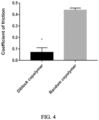
- FIG. 4 is a graph plotting the COFs (using the same method of tribological testing as described above) of the diblock copolymer (3) and random polymer version.
- the random copolymer was significantly less capable in lubricating articular cartilage than the block copolymer.
- FIG. 5A is a graph plotting COF as a function of concentration of the diblock copolymer (3).
- 5B is a graph plotting COF as a function of incubation time, with 1 mg/mL of diblock copolymer (3) for different durations.
- the resulting graph can be considered a binding kinetics curve.
- the concentration was selected using the inflection point of the sigmoidal dosing curve.
- the binding kinetic curve FIG. 5B ) revealed a binding time constant ( ⁇ ) of 7.19 minutes, which is comparable to that of natural lubricin ( ⁇ 9 minutes), e.g., Gleghorn et al., supra.
- Bone samples were obtained from the femoral condyle of neonatal bovine stifles. The bone plugs were extracted by a 6 mm diameter drill through the cartilage layer to the growth plate and trimmed to 2 mm in height. The subchondral surface was exposed by removing the cartilage layer, and the trabecular bone plugs were obtained by cutting the medial part of the drilled bone plugs. Bone samples were incubated in PBS solution and then the polymer solution containing (3) (10 mg/mL for 2 hours or 1 mg/mL for 1 hour).
- the tribological properties were measured on a custom bone-on-glass tribometer (Gleghorn et al., supra) under 450 g normal load and linear oscillation speeds of 0.3, 1, and 3 mm/s. Coefficient of friction was calculated as the average shear force while sliding divided by the normal force. One-way ANOVA and Student's t-test with matched sliding speeds were used to determine the mathematical significance between treatments.
- FIGS. 6A and 6B are graphs plotting the COF of trabecular and subchondral bone samples, respectively, treated with the diblock copolymer (3) solution (10 mg/mL for 2 hours or 1 mg/mL for 1 hour) or PBS solution.
- the COF of cartilage in PBS in boundary mode or in synovial fluid is also shown. As shown by the data in FIGS.
- bone plug samples incubated in polymer solution exhibited COFs significantly lower than PBS controls ( ⁇ COF ⁇ -0.2 for trabecular bone, p ⁇ 0.05; ⁇ COF ⁇ 0.15 for subchondral bone, p ⁇ 0.05).
- the lubrication is more improved using a higher concentration (e.g., above 1 mg/mL, or at least 2, 5, or 10 mg/mL) of polymer solution and/or longer incubation time (e.g., more than 1 hour, or at least 1.5 or 2 hours).
Landscapes
- Health & Medical Sciences (AREA)
- Chemical & Material Sciences (AREA)
- Medicinal Chemistry (AREA)
- Veterinary Medicine (AREA)
- Pharmacology & Pharmacy (AREA)
- Life Sciences & Earth Sciences (AREA)
- Animal Behavior & Ethology (AREA)
- General Health & Medical Sciences (AREA)
- Public Health (AREA)
- Organic Chemistry (AREA)
- Chemical Kinetics & Catalysis (AREA)
- Epidemiology (AREA)
- Polymers & Plastics (AREA)
- General Chemical & Material Sciences (AREA)
- Orthopedic Medicine & Surgery (AREA)
- Rheumatology (AREA)
- Engineering & Computer Science (AREA)
- Bioinformatics & Cheminformatics (AREA)
- Physical Education & Sports Medicine (AREA)
- Immunology (AREA)
- Nuclear Medicine, Radiotherapy & Molecular Imaging (AREA)
- Medicinal Preparation (AREA)
- Pharmaceuticals Containing Other Organic And Inorganic Compounds (AREA)
- Graft Or Block Polymers (AREA)
- Medicines That Contain Protein Lipid Enzymes And Other Medicines (AREA)
- Materials For Medical Uses (AREA)
Applications Claiming Priority (2)
| Application Number | Priority Date | Filing Date | Title |
|---|---|---|---|
| US201662403962P | 2016-10-04 | 2016-10-04 | |
| PCT/US2017/055057 WO2018067648A1 (en) | 2016-10-04 | 2017-10-04 | Lubricating block copolymers and their use as biomimetic boundary lubricants |
Publications (3)
| Publication Number | Publication Date |
|---|---|
| EP3523339A1 EP3523339A1 (en) | 2019-08-14 |
| EP3523339A4 EP3523339A4 (en) | 2020-06-03 |
| EP3523339B1 true EP3523339B1 (en) | 2025-05-14 |
Family
ID=61831218
Family Applications (1)
| Application Number | Title | Priority Date | Filing Date |
|---|---|---|---|
| EP17859078.2A Active EP3523339B1 (en) | 2016-10-04 | 2017-10-04 | Lubricating block copolymers and their use as biomimetic boundary lubricants |
Country Status (8)
| Country | Link |
|---|---|
| US (2) | US11376276B2 (da) |
| EP (1) | EP3523339B1 (da) |
| JP (2) | JP7085536B2 (da) |
| CN (2) | CN110050003B (da) |
| DK (1) | DK3523339T3 (da) |
| ES (1) | ES3039978T3 (da) |
| PL (1) | PL3523339T3 (da) |
| WO (1) | WO2018067648A1 (da) |
Families Citing this family (5)
| Publication number | Priority date | Publication date | Assignee | Title |
|---|---|---|---|---|
| DK3523339T3 (da) | 2016-10-04 | 2025-08-25 | Univ Cornell | Smørende blok-copolymerer og deres anvendelse som biomimetiske grænsesmøremidler |
| CN110522953B (zh) * | 2018-05-24 | 2022-02-15 | 中国科学院兰州化学物理研究所 | 一种仿生关节润滑剂及其制备方法 |
| JP7725041B2 (ja) * | 2023-07-26 | 2025-08-19 | 株式会社高研 | コラーゲン結合型膜透過性ペプチド、並びに、該ペプチド及びコラーゲン若しくはコラーゲン誘導体を含む運搬体 |
| CN121773146A (zh) * | 2023-08-11 | 2026-03-31 | 科凝生物医药科技(杭州)有限公司 | 嵌段式共聚物的润滑组合物及其用途 |
| WO2025250734A1 (en) * | 2024-05-29 | 2025-12-04 | University Of Florida Research Foundation, Inc. | High molecular weight polymers and methods of making the same |
Citations (1)
| Publication number | Priority date | Publication date | Assignee | Title |
|---|---|---|---|---|
| US20090018270A1 (en) * | 2003-09-03 | 2009-01-15 | Regan Crooks | Copolymer having a controlled structure and use thereof |
Family Cites Families (17)
| Publication number | Priority date | Publication date | Assignee | Title |
|---|---|---|---|---|
| US3110615A (en) * | 1957-09-30 | 1963-11-12 | Congoleum Nairn Inc | Urethane coating for cork surface and process therefor |
| US6024954A (en) * | 1994-12-12 | 2000-02-15 | Allergan | Compositions and methods for disinfecting contact lenses and preserving contact lens care products |
| WO2002077075A1 (fr) | 2001-03-22 | 2002-10-03 | Rhodia Chimie | Procede de fabrication de particules colloidales de forme controlee avec des copolymeres a blocs hydrosolubles comprenant un bloc hydrophobe et un bloc hydrophile |
| US7879820B2 (en) * | 2002-04-22 | 2011-02-01 | L'oreal S.A. | Use of a cyclodextrin as pearlescent agent and pearlescent compositions |
| US20090088846A1 (en) * | 2007-04-17 | 2009-04-02 | David Myung | Hydrogel arthroplasty device |
| DK1809345T3 (da) * | 2004-10-07 | 2009-07-13 | Coloplast As | Medikoindretning med en vædet hydrofil coating |
| JP5182732B2 (ja) * | 2007-04-17 | 2013-04-17 | ボード オブ トラスティーズ オブ ザ レランド スタンフォード ジュニア ユニバーシティ | ヒドロゲル関節形成装置 |
| EP2285853B1 (en) * | 2008-05-13 | 2013-02-27 | University of Washington | Micellic assemblies |
| JP5540599B2 (ja) * | 2008-10-31 | 2014-07-02 | Jsr株式会社 | 着色層形成用感放射線性組成物、カラーフィルタ及びカラー液晶表示素子 |
| US20140051771A1 (en) * | 2012-08-20 | 2014-02-20 | Ticona Llc | Biomedical Devices Comprising Molded Polyethylene Components |
| WO2014063102A1 (en) | 2012-10-19 | 2014-04-24 | Cornell University | Biomimetic boundary lubricants for articular cartilage |
| CN105073155B (zh) * | 2013-04-01 | 2018-10-19 | 泰尔茂株式会社 | 医疗器械及医疗器械的制造方法 |
| WO2015054452A1 (en) | 2013-10-11 | 2015-04-16 | Basf Se | Keratin conditioning bio-based polymers for use in personal care compositions |
| WO2015144886A1 (de) | 2014-03-27 | 2015-10-01 | Sika Technology Ag | Blockcopolymer |
| US9913927B2 (en) * | 2014-07-14 | 2018-03-13 | University Of Utah Research Foundation | In situ solidifying complex coacervates and methods of making and using thereof |
| US10646574B2 (en) * | 2014-07-21 | 2020-05-12 | Board Of Regents, The University Of Texas System | Formulations of intraarticular pharmaceutical agents and methods for preparing and using the same |
| DK3523339T3 (da) * | 2016-10-04 | 2025-08-25 | Univ Cornell | Smørende blok-copolymerer og deres anvendelse som biomimetiske grænsesmøremidler |
-
2017
- 2017-10-04 DK DK17859078.2T patent/DK3523339T3/da active
- 2017-10-04 WO PCT/US2017/055057 patent/WO2018067648A1/en not_active Ceased
- 2017-10-04 ES ES17859078T patent/ES3039978T3/es active Active
- 2017-10-04 JP JP2019518233A patent/JP7085536B2/ja active Active
- 2017-10-04 CN CN201780074895.5A patent/CN110050003B/zh active Active
- 2017-10-04 EP EP17859078.2A patent/EP3523339B1/en active Active
- 2017-10-04 PL PL17859078.2T patent/PL3523339T3/pl unknown
- 2017-10-04 US US16/339,474 patent/US11376276B2/en active Active
- 2017-10-04 CN CN202210792713.0A patent/CN115386055B/zh active Active
-
2022
- 2022-04-05 JP JP2022062729A patent/JP2022088630A/ja active Pending
- 2022-07-01 US US17/856,198 patent/US12364710B2/en active Active
Patent Citations (1)
| Publication number | Priority date | Publication date | Assignee | Title |
|---|---|---|---|---|
| US20090018270A1 (en) * | 2003-09-03 | 2009-01-15 | Regan Crooks | Copolymer having a controlled structure and use thereof |
Also Published As
| Publication number | Publication date |
|---|---|
| PL3523339T3 (pl) | 2025-12-15 |
| CN110050003A (zh) | 2019-07-23 |
| US11376276B2 (en) | 2022-07-05 |
| US20230210892A1 (en) | 2023-07-06 |
| DK3523339T3 (da) | 2025-08-25 |
| JP2019534922A (ja) | 2019-12-05 |
| US12364710B2 (en) | 2025-07-22 |
| CN110050003B (zh) | 2022-07-22 |
| EP3523339A1 (en) | 2019-08-14 |
| CN115386055B (zh) | 2025-07-08 |
| WO2018067648A1 (en) | 2018-04-12 |
| EP3523339A4 (en) | 2020-06-03 |
| JP7085536B2 (ja) | 2022-06-16 |
| ES3039978T3 (en) | 2025-10-28 |
| CN115386055A (zh) | 2022-11-25 |
| JP2022088630A (ja) | 2022-06-14 |
| US20190231811A1 (en) | 2019-08-01 |
Similar Documents
| Publication | Publication Date | Title |
|---|---|---|
| US12364710B2 (en) | Lubricating block copolymers and their use as biomimetic boundary lubricants | |
| US10344243B2 (en) | Biomimetic boundary lubricants for articular cartilage | |
| US11426490B2 (en) | Mixture of polymers, lubricating fluid and porous materials comprising said mixture, and surface bearing said mixture | |
| US10821204B2 (en) | Injectable tissue supplement | |
| US7456275B2 (en) | Hyaluronic acid modification product | |
| US10821131B2 (en) | Pharmaceutical formulations comprising chondroitin sulfate and hyaluronic acid derivatives | |
| US11707473B2 (en) | Method for the manufacture and use of a bionic hydrogel composition for medical applications | |
| US20130129797A1 (en) | Polymeric compositions and methods of making and using thereof | |
| US20190070216A1 (en) | Methods of Treating Osteoarthritis | |
| JP7093372B2 (ja) | 新規な粘弾性溶液及びそのリウマチ学における使用 | |
| US20130344023A1 (en) | Polymer-active agent conjugates | |
| AU2024325349A1 (en) | Lubricating composition comprising block copolymer and use thereof | |
| US20250230267A1 (en) | Microgel compositions and their use as lubricants | |
| Jurkūnas et al. | Synthesis of nature inspired, phosphorylcholine moieties and poly (ethylene oxide) brushes containing copolymers which synergise steric repulsion and hydration lubrication for articular cartilage | |
| US20240024487A1 (en) | Self-repairing biomimetic lubricants and methods of making and using same | |
| US20240382648A1 (en) | Polyacrylamide hydrogel for use in the treatment and/or prevention of osteoarthritis | |
| Sun | Design, Synthesis, and Evaluation of Lubricin Mimetic Polymers and Their Lubrication of Cartilage and Bone |
Legal Events
| Date | Code | Title | Description |
|---|---|---|---|
| STAA | Information on the status of an ep patent application or granted ep patent |
Free format text: STATUS: THE INTERNATIONAL PUBLICATION HAS BEEN MADE |
|
| PUAI | Public reference made under article 153(3) epc to a published international application that has entered the european phase |
Free format text: ORIGINAL CODE: 0009012 |
|
| STAA | Information on the status of an ep patent application or granted ep patent |
Free format text: STATUS: REQUEST FOR EXAMINATION WAS MADE |
|
| 17P | Request for examination filed |
Effective date: 20190430 |
|
| AK | Designated contracting states |
Kind code of ref document: A1 Designated state(s): AL AT BE BG CH CY CZ DE DK EE ES FI FR GB GR HR HU IE IS IT LI LT LU LV MC MK MT NL NO PL PT RO RS SE SI SK SM TR |
|
| AX | Request for extension of the european patent |
Extension state: BA ME |
|
| DAV | Request for validation of the european patent (deleted) | ||
| DAX | Request for extension of the european patent (deleted) | ||
| A4 | Supplementary search report drawn up and despatched |
Effective date: 20200508 |
|
| RIC1 | Information provided on ipc code assigned before grant |
Ipc: C08F 20/54 20060101ALI20200501BHEP Ipc: C08F 120/06 20060101ALI20200501BHEP Ipc: C08F 20/06 20060101AFI20200501BHEP Ipc: C08F 220/30 20060101ALI20200501BHEP Ipc: C08F 220/28 20060101ALI20200501BHEP Ipc: C08F 20/52 20060101ALI20200501BHEP Ipc: C08F 22/02 20060101ALI20200501BHEP Ipc: C08F 8/44 20060101ALI20200501BHEP Ipc: C08F 20/56 20060101ALI20200501BHEP |
|
| STAA | Information on the status of an ep patent application or granted ep patent |
Free format text: STATUS: EXAMINATION IS IN PROGRESS |
|
| 17Q | First examination report despatched |
Effective date: 20230111 |
|
| P01 | Opt-out of the competence of the unified patent court (upc) registered |
Effective date: 20230527 |
|
| P02 | Opt-out of the competence of the unified patent court (upc) changed |
Effective date: 20230527 |
|
| REG | Reference to a national code |
Ref country code: DE Free format text: PREVIOUS MAIN CLASS: C08F0020060000 Ref legal event code: R079 Ref document number: 602017089490 Country of ref document: DE Ipc: A61K0031785000 |
|
| GRAP | Despatch of communication of intention to grant a patent |
Free format text: ORIGINAL CODE: EPIDOSNIGR1 |
|
| STAA | Information on the status of an ep patent application or granted ep patent |
Free format text: STATUS: GRANT OF PATENT IS INTENDED |
|
| RIC1 | Information provided on ipc code assigned before grant |
Ipc: C08F 220/28 20060101ALI20241126BHEP Ipc: C08F 293/00 20060101ALI20241126BHEP Ipc: C08F 8/44 20060101ALI20241126BHEP Ipc: A61P 19/02 20060101ALI20241126BHEP Ipc: A61K 31/795 20060101ALI20241126BHEP Ipc: A61K 31/785 20060101AFI20241126BHEP |
|
| INTG | Intention to grant announced |
Effective date: 20241204 |
|
| GRAS | Grant fee paid |
Free format text: ORIGINAL CODE: EPIDOSNIGR3 |
|
| GRAA | (expected) grant |
Free format text: ORIGINAL CODE: 0009210 |
|
| STAA | Information on the status of an ep patent application or granted ep patent |
Free format text: STATUS: THE PATENT HAS BEEN GRANTED |
|
| AK | Designated contracting states |
Kind code of ref document: B1 Designated state(s): AL AT BE BG CH CY CZ DE DK EE ES FI FR GB GR HR HU IE IS IT LI LT LU LV MC MK MT NL NO PL PT RO RS SE SI SK SM TR |
|
| REG | Reference to a national code |
Ref country code: GB Ref legal event code: FG4D |
|
| REG | Reference to a national code |
Ref country code: CH Ref legal event code: EP |
|
| REG | Reference to a national code |
Ref country code: DE Ref legal event code: R096 Ref document number: 602017089490 Country of ref document: DE |
|
| REG | Reference to a national code |
Ref country code: IE Ref legal event code: FG4D |
|
| REG | Reference to a national code |
Ref country code: DK Ref legal event code: T3 Effective date: 20250818 |
|
| REG | Reference to a national code |
Ref country code: NL Ref legal event code: MP Effective date: 20250514 |
|
| PG25 | Lapsed in a contracting state [announced via postgrant information from national office to epo] |
Ref country code: PT Free format text: LAPSE BECAUSE OF FAILURE TO SUBMIT A TRANSLATION OF THE DESCRIPTION OR TO PAY THE FEE WITHIN THE PRESCRIBED TIME-LIMIT Effective date: 20250915 Ref country code: FI Free format text: LAPSE BECAUSE OF FAILURE TO SUBMIT A TRANSLATION OF THE DESCRIPTION OR TO PAY THE FEE WITHIN THE PRESCRIBED TIME-LIMIT Effective date: 20250514 |
|
| PGFP | Annual fee paid to national office [announced via postgrant information from national office to epo] |
Ref country code: DK Payment date: 20250812 Year of fee payment: 9 |
|
| REG | Reference to a national code |
Ref country code: LT Ref legal event code: MG9D |
|
| PG25 | Lapsed in a contracting state [announced via postgrant information from national office to epo] |
Ref country code: NO Free format text: LAPSE BECAUSE OF FAILURE TO SUBMIT A TRANSLATION OF THE DESCRIPTION OR TO PAY THE FEE WITHIN THE PRESCRIBED TIME-LIMIT Effective date: 20250814 Ref country code: GR Free format text: LAPSE BECAUSE OF FAILURE TO SUBMIT A TRANSLATION OF THE DESCRIPTION OR TO PAY THE FEE WITHIN THE PRESCRIBED TIME-LIMIT Effective date: 20250815 |
|
| PG25 | Lapsed in a contracting state [announced via postgrant information from national office to epo] |
Ref country code: NL Free format text: LAPSE BECAUSE OF FAILURE TO SUBMIT A TRANSLATION OF THE DESCRIPTION OR TO PAY THE FEE WITHIN THE PRESCRIBED TIME-LIMIT Effective date: 20250514 |
|
| PGFP | Annual fee paid to national office [announced via postgrant information from national office to epo] |
Ref country code: IT Payment date: 20250827 Year of fee payment: 9 Ref country code: TR Payment date: 20250813 Year of fee payment: 9 |
|
| REG | Reference to a national code |
Ref country code: AT Ref legal event code: MK05 Ref document number: 1794257 Country of ref document: AT Kind code of ref document: T Effective date: 20250514 |
|
| PG25 | Lapsed in a contracting state [announced via postgrant information from national office to epo] |
Ref country code: BG Free format text: LAPSE BECAUSE OF FAILURE TO SUBMIT A TRANSLATION OF THE DESCRIPTION OR TO PAY THE FEE WITHIN THE PRESCRIBED TIME-LIMIT Effective date: 20250514 |
|
| PGFP | Annual fee paid to national office [announced via postgrant information from national office to epo] |
Ref country code: GB Payment date: 20250822 Year of fee payment: 9 |
|
| PG25 | Lapsed in a contracting state [announced via postgrant information from national office to epo] |
Ref country code: HR Free format text: LAPSE BECAUSE OF FAILURE TO SUBMIT A TRANSLATION OF THE DESCRIPTION OR TO PAY THE FEE WITHIN THE PRESCRIBED TIME-LIMIT Effective date: 20250514 |
|
| PG25 | Lapsed in a contracting state [announced via postgrant information from national office to epo] |
Ref country code: AT Free format text: LAPSE BECAUSE OF FAILURE TO SUBMIT A TRANSLATION OF THE DESCRIPTION OR TO PAY THE FEE WITHIN THE PRESCRIBED TIME-LIMIT Effective date: 20250514 |
|
| PG25 | Lapsed in a contracting state [announced via postgrant information from national office to epo] |
Ref country code: RS Free format text: LAPSE BECAUSE OF FAILURE TO SUBMIT A TRANSLATION OF THE DESCRIPTION OR TO PAY THE FEE WITHIN THE PRESCRIBED TIME-LIMIT Effective date: 20250814 |
|
| PG25 | Lapsed in a contracting state [announced via postgrant information from national office to epo] |
Ref country code: IS Free format text: LAPSE BECAUSE OF FAILURE TO SUBMIT A TRANSLATION OF THE DESCRIPTION OR TO PAY THE FEE WITHIN THE PRESCRIBED TIME-LIMIT Effective date: 20250914 |
|
| REG | Reference to a national code |
Ref country code: ES Ref legal event code: FG2A Ref document number: 3039978 Country of ref document: ES Kind code of ref document: T3 Effective date: 20251028 |
|
| PG25 | Lapsed in a contracting state [announced via postgrant information from national office to epo] |
Ref country code: LV Free format text: LAPSE BECAUSE OF FAILURE TO SUBMIT A TRANSLATION OF THE DESCRIPTION OR TO PAY THE FEE WITHIN THE PRESCRIBED TIME-LIMIT Effective date: 20250514 |
|
| REG | Reference to a national code |
Ref country code: CH Ref legal event code: U11 Free format text: ST27 STATUS EVENT CODE: U-0-0-U10-U11 (AS PROVIDED BY THE NATIONAL OFFICE) Effective date: 20251101 |
|
| PGFP | Annual fee paid to national office [announced via postgrant information from national office to epo] |
Ref country code: DE Payment date: 20251028 Year of fee payment: 9 |
|
| PG25 | Lapsed in a contracting state [announced via postgrant information from national office to epo] |
Ref country code: SM Free format text: LAPSE BECAUSE OF FAILURE TO SUBMIT A TRANSLATION OF THE DESCRIPTION OR TO PAY THE FEE WITHIN THE PRESCRIBED TIME-LIMIT Effective date: 20250514 |
|
| PGFP | Annual fee paid to national office [announced via postgrant information from national office to epo] |
Ref country code: FR Payment date: 20251027 Year of fee payment: 9 |
|
| PGFP | Annual fee paid to national office [announced via postgrant information from national office to epo] |
Ref country code: CH Payment date: 20251101 Year of fee payment: 9 |
|
| PG25 | Lapsed in a contracting state [announced via postgrant information from national office to epo] |
Ref country code: CZ Free format text: LAPSE BECAUSE OF FAILURE TO SUBMIT A TRANSLATION OF THE DESCRIPTION OR TO PAY THE FEE WITHIN THE PRESCRIBED TIME-LIMIT Effective date: 20250514 |
|
| PGFP | Annual fee paid to national office [announced via postgrant information from national office to epo] |
Ref country code: PL Payment date: 20250811 Year of fee payment: 9 |
|
| PG25 | Lapsed in a contracting state [announced via postgrant information from national office to epo] |
Ref country code: EE Free format text: LAPSE BECAUSE OF FAILURE TO SUBMIT A TRANSLATION OF THE DESCRIPTION OR TO PAY THE FEE WITHIN THE PRESCRIBED TIME-LIMIT Effective date: 20250514 |
|
| PG25 | Lapsed in a contracting state [announced via postgrant information from national office to epo] |
Ref country code: SK Free format text: LAPSE BECAUSE OF FAILURE TO SUBMIT A TRANSLATION OF THE DESCRIPTION OR TO PAY THE FEE WITHIN THE PRESCRIBED TIME-LIMIT Effective date: 20250514 Ref country code: RO Free format text: LAPSE BECAUSE OF FAILURE TO SUBMIT A TRANSLATION OF THE DESCRIPTION OR TO PAY THE FEE WITHIN THE PRESCRIBED TIME-LIMIT Effective date: 20250514 |
|
| PGFP | Annual fee paid to national office [announced via postgrant information from national office to epo] |
Ref country code: ES Payment date: 20251103 Year of fee payment: 9 |
|
| REG | Reference to a national code |
Ref country code: DE Ref legal event code: R097 Ref document number: 602017089490 Country of ref document: DE |
|
| PLBE | No opposition filed within time limit |
Free format text: ORIGINAL CODE: 0009261 |
|
| STAA | Information on the status of an ep patent application or granted ep patent |
Free format text: STATUS: NO OPPOSITION FILED WITHIN TIME LIMIT |
|
| REG | Reference to a national code |
Ref country code: CH Ref legal event code: L10 Free format text: ST27 STATUS EVENT CODE: U-0-0-L10-L00 (AS PROVIDED BY THE NATIONAL OFFICE) Effective date: 20260325 |
|
| 26N | No opposition filed |
Effective date: 20260217 |