EP3529975B1 - Kommunikationssystem für ein schienenfahrzeug und verfahren zum betreiben des kommunikationssystems - Google Patents
Kommunikationssystem für ein schienenfahrzeug und verfahren zum betreiben des kommunikationssystems Download PDFInfo
- Publication number
- EP3529975B1 EP3529975B1 EP17817661.6A EP17817661A EP3529975B1 EP 3529975 B1 EP3529975 B1 EP 3529975B1 EP 17817661 A EP17817661 A EP 17817661A EP 3529975 B1 EP3529975 B1 EP 3529975B1
- Authority
- EP
- European Patent Office
- Prior art keywords
- functional
- rail vehicle
- network address
- network
- configuration
- Prior art date
- Legal status (The legal status is an assumption and is not a legal conclusion. Google has not performed a legal analysis and makes no representation as to the accuracy of the status listed.)
- Active
Links
Images
Classifications
-
- B—PERFORMING OPERATIONS; TRANSPORTING
- B61—RAILWAYS
- B61L—GUIDING RAILWAY TRAFFIC; ENSURING THE SAFETY OF RAILWAY TRAFFIC
- B61L15/00—Indicators provided on the vehicle or train for signalling purposes
- B61L15/0018—Communication with or on the vehicle or train
- B61L15/0027—Radio-based, e.g. using GSM-R
-
- B—PERFORMING OPERATIONS; TRANSPORTING
- B61—RAILWAYS
- B61L—GUIDING RAILWAY TRAFFIC; ENSURING THE SAFETY OF RAILWAY TRAFFIC
- B61L15/00—Indicators provided on the vehicle or train for signalling purposes
- B61L15/0018—Communication with or on the vehicle or train
- B61L15/0036—Conductor-based, e.g. using CAN-Bus, train-line or optical fibres
-
- B—PERFORMING OPERATIONS; TRANSPORTING
- B61—RAILWAYS
- B61L—GUIDING RAILWAY TRAFFIC; ENSURING THE SAFETY OF RAILWAY TRAFFIC
- B61L15/00—Indicators provided on the vehicle or train for signalling purposes
- B61L15/0072—On-board train data handling
-
- B—PERFORMING OPERATIONS; TRANSPORTING
- B61—RAILWAYS
- B61L—GUIDING RAILWAY TRAFFIC; ENSURING THE SAFETY OF RAILWAY TRAFFIC
- B61L25/00—Recording or indicating positions or identities of vehicles or trains or setting of track apparatus
- B61L25/02—Indicating or recording positions or identities of vehicles or trains
- B61L25/028—Determination of vehicle position and orientation within a train consist, e.g. serialisation
-
- B—PERFORMING OPERATIONS; TRANSPORTING
- B61—RAILWAYS
- B61L—GUIDING RAILWAY TRAFFIC; ENSURING THE SAFETY OF RAILWAY TRAFFIC
- B61L27/00—Central railway traffic control systems; Trackside control; Communication systems specially adapted therefor
- B61L27/70—Details of trackside communication
-
- H—ELECTRICITY
- H04—ELECTRIC COMMUNICATION TECHNIQUE
- H04L—TRANSMISSION OF DIGITAL INFORMATION, e.g. TELEGRAPHIC COMMUNICATION
- H04L61/00—Network arrangements, protocols or services for addressing or naming
- H04L61/09—Mapping addresses
- H04L61/10—Mapping addresses of different types
- H04L61/106—Mapping addresses of different types across networks, e.g. mapping telephone numbers to data network addresses
-
- H—ELECTRICITY
- H04—ELECTRIC COMMUNICATION TECHNIQUE
- H04L—TRANSMISSION OF DIGITAL INFORMATION, e.g. TELEGRAPHIC COMMUNICATION
- H04L61/00—Network arrangements, protocols or services for addressing or naming
- H04L61/50—Address allocation
- H04L61/5007—Internet protocol [IP] addresses
-
- H—ELECTRICITY
- H04—ELECTRIC COMMUNICATION TECHNIQUE
- H04L—TRANSMISSION OF DIGITAL INFORMATION, e.g. TELEGRAPHIC COMMUNICATION
- H04L61/00—Network arrangements, protocols or services for addressing or naming
- H04L61/50—Address allocation
- H04L61/5038—Address allocation for local use, e.g. in LAN or USB networks, or in a controller area network [CAN]
Definitions
- the invention relates to a communication system for a rail vehicle and a method for operating a communication system of a rail vehicle.
- control application based on an absolute location or an absolute position of the component within the rail vehicle.
- the control application is designed for a particular configuration of the rail vehicle.
- US 2006/180709 A1 describes a method and system for train inauguration via a communication system based on an Internet Protocol (IP).
- IP Internet Protocol
- a leading car of a plurality of cars which form a train is identified.
- the train includes at least one car unit, the first car unit having the leading car.
- Network and configuration information is discovered through a discovery protocol for cars on the train.
- the network and configuration information is broadcast to the units on the train.
- the topology of the cars and units of the train is based on the network and configuration information as well as the identified leading Car generated.
- NAT translation addresses are generated for fixed IP addresses of devices in the multitude of cars. Routing information is exchanged between routers to enable communication between devices within the train using NAT translation addresses.
- DE 10 2006 018 163 A1 describes a method for automatically assigning addresses to mobile communication users who are assigned to rail vehicles in particular.
- To assign addresses to the communication participants at least one identifier of directly adjacent communication participants is determined and this is transmitted to a communication participant functioning as a higher-level unit. Based on the transmitted data, the unit recognizes neighborhood relationships between the communication participants, uses these identified neighborhood relationships to determine the sequence of the communication participants and assigns an address based on this or triggers it.
- EP 1 995 147 A1 describes a transmission system for rail vehicles.
- the transmission system comprises a transmission device with a plurality of transmission ports.
- the transmission device is mounted on each of a plurality of vehicles and is configured to transmit data received at a port to a required transmission port in accordance with a prescribed instruction.
- a transmission path connects the transmission devices mounted in each of the plurality of vehicles.
- An electrical device is connected to a corresponding transmission device and is designed to exchange data with the transmission device.
- a transmission relay control device is arranged in a corresponding transmission device and configured to set a transmission station address of the electrical device which is connected to a host transmission device.
- the transmission device is designed when addressing an electrical device with an automatic address setting function in a network in which a plurality of electrical devices of the same type are arranged, to generate a state in which only the transmission device itself and an electrical device connected to the transmission device are connected to the network. This state is created by stopping data exchange with another transmission device and designating the transmission station addresses of the electrical device according to a prescribed setting.
- the object of the invention is to increase the flexibility with regard to the configurability of the rail vehicle.
- a communication system for a rail vehicle comprising: a communication network which has at least one functional device, the at least one functional device being assigned a functional network address for addressing the functional device by means of a control application, and the functional network address having a function-specific component which has a function the functional device represented in a given configuration of the rail vehicle.
- the distribution of functional devices depends on the configuration of the rail vehicle.
- Devices for supplying and converting energy can be arranged in one or more different carriages of the rail vehicle, depending on space requirements and performance.
- Facilities for the bistro or restaurant operation can be located in one or more specially provided wagons of the rail vehicle.
- facilities for air conditioning of driver's cabs and / or passenger compartments, sanitary facilities and other special facilities e.g. a train conductor's compartment, access for the disabled, etc.
- the control application is designed for a specific configuration of the rail vehicle. In other words: in previous solutions, the control application can only correctly address the functional devices with a given configuration. When the configuration is changed, the control application must be changed so that functional devices can be correctly addressed in the context of the use of the control application.
- the communication system solves this problem in that functional devices can be addressed by means of the control application using a functional network address which is at least partially independent of the configuration of the rail vehicle.
- This has the essential advantage that the control application for the rail vehicle can be designed independently of the configuration of the rail vehicle. Even if the configuration is changed, the same control application can continue to be used. In this way, a change in the configuration of the rail vehicle, for example the removal of a restaurant car or a traction car, is simplified because the control application or at least essential parts of it do not have to be adapted. This increases the flexibility in the operation of the rail vehicle.
- the communication network preferably comprises an Ethernet network or is designed as such.
- the rail vehicle is preferably designed as a multiple unit.
- the functional device is formed by a plurality of network components which can be jointly addressed using a functional network address.
- An example of a functional device within the meaning of the invention is a carriage of the rail vehicle with individual network components present in the carriage.
- control application preferably as control and communication software.
- the Control application is also preferably a control application provided for the vehicle driver and operable from the driver's cab.
- a person skilled in the art understands the phrase "addressing the functional device by means of a control application" to mean that the control application is designed to address the functional device using the functional network address.
- the configuration represents a distribution of functional devices along or within the rail vehicle and their assigned function.
- the person skilled in the art understands the configuration as a specific combination of several cars to form a multiple unit (multiple unit configuration).
- the functional network address comprises a relative part which identifies a functional device to be addressed from among a plurality of functional devices with the same function. It has been recognized that, in particular when the rail vehicle is configured with a plurality of functional devices with the same function, ambiguity can arise in the addressing based on the function-specific portion. In order to achieve unambiguous addressing in such a configuration, the relative portion serves to identify the functional device to be addressed among the plurality of functional devices with the same function.
- the relative component represents a relative position of the functional device relative to a further functional device with the same function.
- the relative position preferably represents a position of the functional device along a longitudinal extension, further preferably seen in the direction of travel of the rail vehicle.
- the relative position in a series of functional devices with the same function preferably comprises a position number, which represents the position of the functional device within the row.
- TW2 An example of a functional network address when addressing a car as functional devices is "TW2".
- the function-specific part “TW” represents the function "railcar” and the item number "2" represents the second railcar in a row of several railcars of the rail vehicle.
- the communication system comprises a communication device which is designed to map the functional network address to a network address of a network component of a configuration-dependent network structure of the rail vehicle.
- the person skilled in the art understands the term “communication device” preferably as a communication layer for translating the functional network address used by means of the control application into a network address which is used by the communication protocols present in the vehicle.
- the network address preferably includes an IP address. All the data addressed to a functional device by means of the control application preferably pass through the communication layer.
- the communication device When using the embodiment for the addressing of cars within a multiple unit configuration by means of the control application, the communication device is preferably designed independently of the multiple unit configuration. The design of the communication device is also preferably dependent on a communication network or bus used in the multiple unit and an assignment of a network component to a car, which can be addressed for the desired functionality. For example, the control application only needs to address the desired traction car using the functional network address to control a local traction. The communication device translates the functional network address used by the control application into a network address for the traction control responsible control unit (as network component) of the traction car.
- the network structure preferably comprises an Ethernet network, consisting of networks for communication at vehicle or car level “vehicle bus” (preferably PROFINET) and a "train bus” for communication at train level (preferably an Ethernet train backbone ETB)).
- the network structure preferably depends on the configuration.
- the communication device translates the functional network address into a network address, for example an IP address, which is dependent on the configuration and the associated network structure of the rail vehicle.
- the communication device is designed to carry out the mapping on the basis of a determination of the configuration of the rail vehicle.
- a functional device is preferably assigned a functional attribute which specifies a function of the functional devices.
- the communication device knows the communication network or communication bus present in the rail vehicle.
- the communication device knows which control device can be addressed as a network component in a car (eg traction car) for a desired functionality (eg traction control).
- the determination of the multiple unit configuration provides a basis for this.
- the determination can be carried out on the basis of a train inauguration and / or on the basis of specified configuration information.
- the determination based on a train inauguration represents a dynamic and automated method for determining the configuration.
- an inauguration result is preferably determined.
- the communication device translates the functional network address into the network address of the network structure of the rail vehicle.
- the train baptism preferably includes an ETB baptism.
- the configuration can be provided statically on the basis of the specified configuration information.
- the configuration can be predetermined by a construction of the rail vehicle.
- several different configuration information items, each representing one of several configuration variants can be provided.
- the configuration can be selected from several predefined configuration variants. The selection is preferably made by the operating or maintenance personnel of the rail vehicle.
- the invention also relates to a method for operating a communication system of a rail vehicle, comprising: determining a configuration of the rail vehicle, assigning a functional network address to a functional device of a communication network of the communication system based on the determined configuration and addressing the at least one functional device of the communication network using the functional network address by means of a control application , wherein the functional network address comprises a function-specific part which represents a function of the functional device.
- a preferred embodiment of the method according to the invention comprises: mapping the functional network address to a network address of a network component of a configuration-dependent network structure of the rail vehicle by means of a communication device.
- determining the configuration comprises: determining a function of the functional device and a position of the functional device within and / or along the rail vehicle.
- the mapping takes place on the basis of the determination of the configuration of the rail vehicle.
- the determination takes place on the basis of a train inauguration and / or on the basis of specified configuration information.
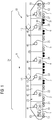
- Figure 1 shows a rail vehicle 10 in a lateral cross-sectional view.
- the rail vehicle 10 is designed as an association of several cars 1-7 with at least one railcar.
- the rail vehicle 10 is provided for transporting passengers.
- the rail vehicle 10 moves in a driving mode in the direction of travel 9.
- the rail vehicle 10 comprises a communication network 20, which has a train bus 32 and in each of the cars 1-7 an Ethernet network 21-27 with a vehicle bus, in particular according to the Profinet standard.
- the train bus 32 is designed as an Ethernet train backbone 33.
- the train bus 32 and the Ethernet networks 21-27 form a network structure 34 of the rail vehicle 10.
- the network structure 34 depends on a configuration of the rail vehicle 10, which represents a distribution of the cars 1-7 and their assigned function along the rail vehicle 10.
- a functional device 41-47 of the communication network 20 is shown in each case.
- Car 1 is an end car EW in the direction of travel 9 at the front.
- Car 7 is an end car EW in the direction of travel 9 at the rear.
- Car 2 is an intermediate car MW that has no drive.
- the wagons 3, 4 and 6 are traction wagons TW, the wagons 3 and 6 each having a pantograph 11 and 12, respectively.
- the traction cars 3, 4 and 6 are used to drive the rail vehicle 10 and each have (not shown) a transformer, a traction converter, an auxiliary converter and at least one traction motor.
- a computing unit 51 and 52 is arranged in the car 1 and 7, respectively.
- the processing units 51 and 52 are each designed to execute a control application 60 in the form of control and communication software. As part of the execution of the control application 60, it is necessary to address at least one of the functional devices 41-47.
- the control application 60 uses a functional network address TW1, TW2 and / or TW3. As seen in the direction of travel 9, the car 3, which can be addressed by means of the control application 60 using the functional network address TW1, is at the absolute position 3. Car 4, which can be addressed by means of the control application 60 which can be addressed using the functional network address TW2 is located at the absolute position 4. Carriage 6, which can be addressed using the control application 60 using the functional network address TW3, is located at the absolute position 6.
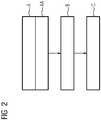
- a configuration of the rail vehicle 10 is determined during a train inauguration.
- the configuration according to method step A is determined in that the function of the carriages 1-7 and the position of the carriages 1-7 within the rail vehicle 10 is determined in a method step AA.
- the respective function of a wagon is indicated by function attributes, for example: "leading”, “can control traction overriding", “has traction”, etc.
- function attributes for example: "leading”, “can control traction overriding", “has traction”, etc.
- the embodiment shown determines that the cars 1 and 7 are each designed as end cars that can control traction at a higher level.
- a functional network address EW1 or EW2 of the car 1 or 7 has a function-specific part “EW” and a relative part “1” or “2”.
- the function-specific part "EW” represents the function of the end car 1 or 7, according to which it can control the traction at a higher level.
- the functional network address TW1, TW2 or TW3 of the car 3, 4 or 6 has a function-specific part “TW” and a relative part “1”, “2” or “3”.
- the function-specific part "TW” represents the function of the cars 3, 4 and 6, according to which they have traction.
- the control application 60 addresses one of the functional devices 41-47 using the respective functional network address.
- the control application 60 addresses the car 6 using the functional network address TW3.
- the functional network address TW3 is mapped to a network address, for example an IP address, of the network structure 34 of the rail vehicle 10 in a method step C by means of a communication device 61 of the car 1 and a communication device 62 of the car 7.
- the communication device 61 or 62 translates the functional network address TW3 into an IP address of the network structure 34 of the rail vehicle 10. If, for example, it is desired to control the traction of the third traction car 6, the communication device 61 translates the one used by the control application 60 Functional network address TW3 into an IP address 35 of a control device 36 of the car 6 responsible for traction control.
- control application 60 has the advantage that the control application 60 is enabled to address functional devices 41-47 of the rail vehicle 10 independently of the current configuration of the rail vehicle 10.
- the control application 60 does not have to be adapted when the configuration of the rail vehicle 10 is changed.
Landscapes
- Engineering & Computer Science (AREA)
- Mechanical Engineering (AREA)
- Computer Networks & Wireless Communication (AREA)
- Signal Processing (AREA)
- Small-Scale Networks (AREA)
- Electric Propulsion And Braking For Vehicles (AREA)
Description
- Die Erfindung betrifft ein Kommunikationssystem für ein Schienenfahrzeug sowie ein Verfahren zum Betreiben eines Kommunikationssystems eines Schienenfahrzeugs.
- Grundsätzlich ist es bei Kommunikationssystemen wünschenswert, Funktionseinrichtungen des Kommunikationssystems eindeutig zu adressieren. Anhand der Adressierung können Informationen, beispielsweise in Form von Datenpaketen, bei einer Übertragung mittels des Kommunikationssystems ihren Weg zur Funktionseinrichtung finden. Bei Triebzügen können gleiche und/oder unterschiedliche Funktionseinrichtungen in einem einzigen und/oder mehreren Wagen angeordnet sein.
- Bisher wird eine Steuerung einer Funktion der Funktionseinrichtung sowie eine Kommunikation mit der Funktionseinrichtung mittels einer Steuerapplikation anhand eines absoluten Ortes bzw. einer absoluten Position der Komponente innerhalb des Schienenfahrzeugs ausgeführt. Die Steuerapplikation ist dabei für eine jeweilige Konfiguration des Schienenfahrzeugs ausgelegt.
-
US 2006/180709 A1 beschreibt ein Verfahren und System zur Zugtaufe über ein Kommunikationssystem, welches auf einem Internet Protokoll (IP) basiert. Es wird ein führender Wagen einer Vielzahl von Wagen, welche einen Zug bilden, identifiziert. Der Zug umfasst wenigstens eine Wageneinheit, wobei die erste Wageneinheit den führenden Wagen aufweist. Netzwerk- und Konfigurationsinformationen werden über ein Erkennungsprotokoll für Wagen in dem Zug erkannt. Die Netzwerk- und Konfigurationsinformationen werden über einen Broadcast an die Einheiten des Zugs gesendet. Die Topologie der Wagen und Einheiten des Zugs wird basierend auf den Netzwerk- und Konfigurationsinformationen sowie dem identifizierten führenden Wagen erzeugt. NAT-Übersetzungsadressen werden für feste IP-Adressen von Geräten in der Vielzahl von Wagen erzeugt. Routinginformationen werden zwischen Routern ausgetauscht, um eine Kommunikation zwischen Geräten innerhalb des Zugs unter Verwendung von NAT-Übersetzungsadressen zu ermöglichen. -
DE 10 2006 018 163 A1 beschreibt ein Verfahren zur automatischen Adressvergabe an mobile Kommunikationsteilnehmer, die insbesondere Schienenfahrzeugen zugeordnet sind. Dabei wird zur Adressvergabe der Kommunikationsteilnehmer zumindest eine Kennung unmittelbar benachbarter Kommunikationsteilnehmer ermittelt und diese an einen als übergeordnete Einheit fungierenden Kommunikationsteilnehmer übermittelt. Die Einheit erkennt anhand der übermittelten Daten Nachbarschaftsbeziehungen zwischen den Kommunikationsteilnehmern, ermittelt anhand dieser erkannten Nachbarschaftsbeziehungen die Abfolge der Kommunikationsteilnehmer und nimmt eine daran angelehnte Adresszuweisung vor oder löst diese aus. -
EP 1 995 147 A1 beschreibt ein Übertragungssystem für Schienenfahrzeuge. Das Übertragungssystem umfasst ein Übertragungsgerät mit einer Vielzahl von Übertragungsports. Das Übertragungsgerät ist an jedem einer Vielzahl von Fahrzeugen angebracht und zum Übertragen von Daten, die an einem Port empfangen werden, an einen benötigten Übertragungsport gemäß einer vorgeschriebenen Instruktion ausgebildet. Ein Übertragungspfad verbindet die Übertragungsgeräte, die in jedem der Vielzahl von Fahrzeugen angebracht sind. Ein elektrisches Gerät ist mit einem entsprechenden Übertragungsgerät verbunden und ausgebildet zum Austauschen von Daten mit dem Übertragungsgerät. Ein Übertragungsweiterleit-Steuergerät ist in einem entsprechenden Übertragungsgerät angeordnet und ausgebildet, eine Übertragungsstationsadresse des elektrischen Geräts, welches mit einem Host-Übertragungsgerät verbunden ist, zu setzen. Das Übertragungsgerät ist ausgebildet, beim Adressensetzen eines elektrischen Geräts mit einer automatischen Adressensetzfunktion in einem Netzwerk, in dem eine Vielzahl von elektrischen Geräten des gleichen Typs angeordnet ist, einen Zustand zu erzeugen, in dem nur das Übertragungsgerät selbst und ein mit dem Übertragungsgerät verbundenes elektrisches Gerät mit dem Netzwerk verbunden sind. Dieser Zustand wird durch Stoppen eines Datenaustauschs mit einem anderen Übertragungsgerät und Bezeichnen der Übertragungsstationsadressen des elektrischen Geräts gemäß einer vorgeschriebenen Einstellung erzeugt. - Vor diesem Hintergrund ist es Aufgabe der Erfindung, die Flexibilität hinsichtlich der Konfigurierbarkeit des Schienenfahrzeugs zu erhöhen.
- Diese Aufgabe wird gelöst durch ein Kommunikationssystem für ein Schienenfahrzeug, umfassend: ein Kommunikationsnetzwerk, welches wenigstens eine Funktionseinrichtung aufweist, wobei der wenigstens einen Funktionseinrichtung eine Funktionalnetzwerkadresse für eine Adressierung der Funktionseinrichtung mittels einer Steuerapplikation zugeordnet ist und die Funktionalnetzwerkadresse einen funktionsspezifischen Anteil aufweist, welcher eine Funktion der Funktionseinrichtung bei einer vorgegebenen Konfiguration des Schienenfahrzeugs repräsentiert.
- Mit der Erfindung wurde erkannt, dass die Verteilung von Funktionseinrichtungen von der Konfiguration des Schienenfahrzeugs abhängig ist. So können Einrichtungen zur Energiezufuhr und -umwandlung je nach Platzbedarf und Leistung in einem oder mehreren unterschiedlichen Wagen des Schienenfahrzeugs angeordnet sein. Einrichtungen für den Bistro- oder Restaurant-Betrieb können in einem oder mehreren speziell dafür vorgesehenen Wagen des Schienenfahrzeugs verortet sein. Des Weiteren können Einrichtungen zur Klimatisierung von Führerräumen und/oder Fahrgasträumen, Sanitäreinrichtungen und weitere Spezialeinrichtungen (z.B. ein Zugbegleiter-Abteil, Zugangsmöglichkeiten für Behinderte, etc.) an einem oder mehreren unterschiedlichen Orten im Schienenfahrzeug verortet sein. Für eine Ausführung einer Steuerapplikation ist es bei den bisherigen Lösungen erforderlich, dass die Steuerapplikation für eine bestimmte Konfiguration des Schienenfahrzeugs ausgelegt ist. Mit anderen Worten: Die Steuerapplikation kann die Funktionseinrichtungen bei bisherigen Lösungen nur bei einer vorgegebenen Konfiguration korrekt adressieren. Bei einer Änderung der Konfiguration ist eine Änderung der Steuerapplikation erforderlich, damit Funktionseinrichtung im Rahmen der Anwendung der Steuerapplikation korrekt adressiert werden können.
- Das erfindungsgemäße Kommunikationssystem löst dieses Problem, indem Funktionseinrichtungen anhand einer Funktionalnetzwerkadresse, die zumindest teilweise von der Konfiguration des Schienenfahrzeugs unabhängig ist, mittels der Steuerapplikation adressierbar sind. Dies hat den wesentlichen Vorteil, dass die Steuerapplikation für das Schienenfahrzeug unabhängig von der Konfiguration des Schienenfahrzeugs entworfen werden kann. Selbst bei einer Änderung der Konfiguration kann somit die gleiche Steuerapplikation weiter verwendet werden. Auf diese Weise wird eine Änderung der Konfiguration des Schienenfahrzeugs, beispielsweise das Entfernen eines Restaurant-Wagens oder eines Traktionswagen, vereinfacht, da die Steuerapplikation oder zumindest wesentliche Teile davon nicht angepasst werden müssen. Dies erhöht die Flexibilität beim Betrieb des Schienenfahrzeugs.
- Das Kommunikationsnetzwerk umfasst vorzugsweise ein Ethernet-Netzwerk oder ist als solches ausgebildet. Das Schienenfahrzeug ist vorzugsweise als Triebzug ausgebildet.
- Die Funktionseinrichtung ist von einer Mehrzahl von Netzwerckomponenten, die gemeinsam anhand einer Funktionalnetzwerkadresse adressierbar sind, gebildet. Ein Beispiel für eine Funktionseinrichtung im Sinne der Erfindung ist ein Wagen des Schienenfahrzeugs mit im Wagen vorhandenen einzelnen Netzwerkkomponenten.
- Der Fachmann versteht den Begriff Steuerapplikation vorzugsweise als eine Steuerungs- und Kommunikations-Software. Die Steuerapplikation ist weiter vorzugsweise eine für den Fahrzeugführer vorgesehene und aus dem Führerraum bedienbare Steuerapplikation. Der Fachmann versteht die Formulierung "Adressierung der Funktionseinrichtung mittels einer Steuerapplikation" dahingehend, dass die Steuerapplikation ausgebildet ist, die Funktionseinrichtung unter Verwendung der Funktionalnetzwerkadresse zu adressieren.
- Die Konfiguration repräsentiert gemäß dem fachmännischen Verständnis eine Verteilung von Funktionseinrichtungen entlang oder innerhalb des Schienenfahrzeugs sowie ihre zugeordnete Funktion. Insbesondere versteht der Fachmann die Konfiguration als eine bestimmte Zusammenstellung mehrerer Wagen zu einem Triebzug (Triebzug-Konfiguration).
- Erfindungsgemäß umfasst die Funktionalnetzwerkadresse einen Relativanteil, welcher eine zu adressierende Funktionseinrichtung unter einer Mehrzahl von Funktionseinrichtungen gleicher Funktion identifiziert. Es wurde erkannt, dass insbesondere bei einer Konfiguration des Schienenfahrzeugs mit mehreren Funktionseinrichtungen gleicher Funktion eine Mehrdeutigkeit bei der Adressierung anhand des funktionsspezifischen Anteils auftreten kann. Um in einer solchen Konfiguration eine eindeutige Adressierung zu erreichen, dient der Relativanteil zur Identifizierung der zu adressierenden Funktionseinrichtung unter der Mehrzahl von Funktionseinrichtungen gleicher Funktion.
- Bei einer bevorzugten Weiterbildung repräsentiert der Relativanteil eine Relativposition der Funktionseinrichtung relativ zu einer weiteren Funktionseinrichtung gleicher Funktion. Vorzugsweise stellt die Relativposition eine Position der Funktionseinrichtung entlang einer Längserstreckung, weiter vorzugsweise in Fahrtrichtung des Schienenfahrzeugs gesehen, dar.
- Bevorzugt umfasst die Relativposition in einer Reihe von Funktionseinrichtungen gleicher Funktion eine Positionszahl, welche die Position der Funktionseinrichtung innerhalb der Reihe repräsentiert.
- Ein Beispiel für eine Funktionalnetzwerkadresse bei einer Adressierung eines Wagens als Funktionseinrichtungen ist "TW2". Dabei repräsentiert der funktionsspezifische Anteil "TW" die Funktion "Triebwagen" und die Positionszahl "2" den zweiten Triebwagen in einer Reihe von mehreren Triebwagen des Schienenfahrzeugs.
- Erfindungsgemäß umfasst das Kommunikationssystems eine Kommunikationseinrichtung, welche ausgebildet ist, die Funktionalnetzwerkadresse auf eine Netzwerkadresse einer Netzwerkkomponente einer konfigurationsabhängigen Netzwerkstruktur des Schienenfahrzeugs abzubilden. Der Fachmann versteht den Begriff "Kommunikationseinrichtung" vorzugsweise als eine Kommunikationsschicht zur Übersetzung der mittels der Steuerapplikation verwendeten Funktionalnetzwerkadresse in eine Netzwerkadresse, welche von den im Fahrzeug vorhandenen Kommunikationsprotokollen verwendet wird. Die Netzwerkadresse umfasst vorzugsweise eine IP-Adresse. Vorzugsweise durchlaufen sämtliche mittels der Steuerapplikation an eine Funktionseinrichtung adressierte Daten die Kommunikationsschicht.
- Bei der Anwendung der Ausführungsform für die Adressierung von Wagen innerhalb einer Triebzug-Konfiguration mittels der Steuerapplikation ist die Kommunikationseinrichtung vorzugsweise unabhängig von der Triebzug-Konfiguration ausgebildet. Weiter vorzugsweise ist die Ausbildung der Kommunikationseinrichtung anhängig von einem im Triebzug eingesetzten Kommunikationsnetzwerk bzw. -bus und einer Zuordnung einer Netzwerckomponente zu einem Wagen, die für die gewünschte Funktionalität adressiert werden kann. So muss die Steuerapplikation beispielsweise für eine Steuerung einer wagenlokalen Traktion lediglich den gewünschten Traktionswagen anhand der Funktionalnetzwerkadresse adressieren. Die Kommunikationseinrichtung übersetzt die von der Steuerapplikation verwendete Funktionalnetzwerkadresse in eine Netzwerkadresse des für die Traktionssteuerung zuständigen Steuergeräts (als Netzwerkkomponente) des Traktionswagens.
- Bei einer bevorzugten Weiterbildung des Kommunikationssystems umfasst die Netzwerkstruktur vorzugsweise ein Ethernet-Netzwerk, bestehend aus Netzwerken zur Kommunikation auf Fahrzeug- oder Wagenebene "Fahrzeugbus" (vorzugsweise PROFINET) und einen "Zugbus" zur Kommunikation auf Zugebene (vorzugsweise ein Ethernet-Train-Backbone (ETB)). Vorzugsweise hängt die Netzwerkstruktur von der Konfiguration ab. Mit anderen Worten: Die Kommunikationseinrichtung übersetzt die Funktionalnetzwerkadresse in eine Netzwerkadresse, beispielsweise eine IP-Adresse, welche abhängig von der Konfiguration und der damit einhergehenden Netzwerkstruktur des Schienenfahrzeugs ist.
- Gemäß einer weiteren bevorzugten Weiterbildung des Kommunikationssystems ist die Kommunikationseinrichtung ausgebildet, die Abbildung auf Basis einer Ermittlung der Konfiguration des Schienenfahrzeugs durchzuführen. Im Rahmen der Ermittlung wird einer Funktionseinrichtung vorzugsweise ein Funktionsattribut zugeordnet, welches eine Funktion der Funktionseinrichtungen angibt.
- Für die beispielhafte Anwendung bei einer Adressierung von Wagen innerhalb einer Triebzug-Konfiguration kann dies wie folgt verstanden werden: Die Kommunikationseinrichtung kennt das im Schienenfahrzeug vorhandene Kommunikationsnetzwerk bzw. den Kommunikationsbus. Zudem hat die Kommunikationseinrichtung Kenntnis darüber, welches Steuergerät als Netzwerckomponente in einem Wagen (z.B. Traktionswagen) für eine gewünschte Funktionalität (z.B. Traktionssteuerung) adressiert werden kann. Damit die Kommunikationseinrichtung in die Lage versetzt wird, die Funktionalnetzwerkadresse auf eine Netzwerkadresse der Netzwerkstruktur bei einer bestimmten Triebzug-Konfiguration abzubilden, liefert die Ermittlung der Triebzug-Konfiguration eine Basis hierfür.
- Gemäß einer weitergehenden Weiterbildung ist die Ermittlung auf Basis einer Zugtaufe und/oder anhand einer vorgegebenen Konfigurationsinformation durchführbar. Die Ermittlung auf Basis einer Zugtaufe stellt ein dynamisches und automatisiertes Verfahren zum Ermitteln der Konfiguration dar. Im Rahmen der Zugtaufe wird vorzugsweise ein Taufergebnis ermittelt. Anhand des Taufergebnisses übersetzt die Kommunikationseinrichtung die Funktionalnetzwerkadresse in die Netzwerkadresse der Netzwerkstruktur des Schienenfahrzeugs. Die Zugtaufe umfasst vorzugsweise eine ETB-Taufe. Alternativ oder zusätzlich kann die Konfiguration anhand der vorgegebenen Konfigurationsinformation statisch bereitgestellt werden. Beispielsweise kann die Konfiguration durch eine Konstruktion des Schienenfahrzeugs vorgegeben sein. Alternativ oder zusätzlich können mehrere unterschiedliche Konfigurationsinformationen, welcher jeweils eine von mehreren Konfigurationsvarianten repräsentieren, bereitgestellt werden. Des Weiteren kann die Konfiguration aus mehreren vorgegebenen Konfigurationsvarianten auswählbar sein. Die Auswahl erfolgt vorzugsweise durch das Bedien- oder Instandhaltungspersonal des Schienenfahrzeugs.
- Die Erfindung betrifft ferner ein Verfahren zum Betreiben eines Kommunikationssystems eines Schienenfahrzeugs, umfassend: Ermitteln einer Konfiguration des Schienenfahrzeugs, Zuordnen einer Funktionalnetzwerkadresse zu einer Funktionseinrichtung eines Kommunikationsnetzwerks des Kommunikationssystems auf Basis der ermittelten Konfiguration und Adressieren der wenigstens einen Funktionseinrichtung des Kommunikationsnetzwerks anhand der Funktionalnetzwerkadresse mittels einer Steuerapplikation, wobei die Funktionalnetzwerkadresse einen funktionsspezifischen Anteil, welcher eine Funktion der Funktionseinrichtung repräsentiert, umfasst.
- Eine bevorzugte Ausführungsform des erfindungsgemäßen Verfahrens umfasst: Abbilden der Funktionalnetzwerkadresse auf eine Netzwerkadresse einer Netzwerkkomponente einer konfigurationsabhängigen Netzwerkstruktur des Schienenfahrzeugs mittels einer Kommunikationseinrichtung.
- Gemäß einer weiteren bevorzugten Ausführungsform des erfindungsgemäßen Verfahrens umfasst das Ermitteln der Konfiguration: Ermitteln einer Funktion der Funktionseinrichtung und einer Position der Funktionseinrichtung innerhalb und/oder entlang des Schienenfahrzeugs.
- Gemäß einer weiteren bevorzugten Ausführungsform des erfindungsgemäßen Verfahrens erfolgt das Abbilden auf Basis des Ermittelns der Konfiguration des Schienenfahrzeugs.
- Bei einer Weiterbildung des Verfahrens erfolgt das Ermitteln auf Basis einer Zugtaufe und/oder anhand einer vorgegebenen Konfigurationsinformation.
- Zu Ausgestaltungen, Weiterbildungen, Ausgestaltungsdetails und Vorteilen des erfindungsgemäßen Verfahrens wird auf die Beschreibung zu den entsprechenden Systemmerkmalen verwiesen.
- Ein Ausführungsbeispiel der Erfindung wird nun anhand der Zeichnungen erläutert. Es zeigen
- Figur 1
- eine schematische Querschnittsansicht eines Schienenfahrzeugs gemäß einem Ausführungsbeispiel eines erfindungsgemäßen Kommunikationssystems und
- Figur 2
- ein schematisches Ablaufdiagramm eines Ausführungsbeispiels eines erfindungsgemäßen Verfahrens.
-
Figur 1 zeigt ein Schienenfahrzeug 10 in einer seitlichen Querschnittsansicht. In der betrachteten Ausführung ist das Schienenfahrzeug 10 als Verband von mehreren Wagen 1-7 mit zumindest einem Triebwagen ausgebildet. Das Schienenfahrzeug 10 ist zum Transport von Passagieren vorgesehen. - Das Schienenfahrzeug 10 bewegt sich in einem Fahrbetrieb in Fahrtrichtung 9. Das Schienenfahrzeug 10 umfasst ein Kommunikationsnetzwerk 20, welches einen Zugbus 32 sowie in jedem der Wagen 1-7 ein Ethernet-Netzwerk 21-27 mit einem Fahrzeugbus, insbesondere gemäß dem Profinet-Standard, aufweist. Der Zugbus 32 ist als Ethernet-Train-Backbone 33 ausgebildet. Der Zugbus 32 und die Ethernet-Netzwerke 21-27 bilden eine Netzwerkstruktur 34 des Schienenfahrzeugs 10. Die Netzwerkstruktur 34 hängt von einer Konfiguration des Schienenfahrzeugs 10 ab, welche eine Verteilung der Wagen 1-7 und ihre zugeordnete Funktion entlang des Schienenfahrzeugs 10 repräsentiert. Die Wagen 1-7 bilden zusammen mit ihren jeweiligen Ethernet-Netzwerken 21-27 in der in
Figur 1 gezeigten Betrachtungsweise jeweils eine Funktionseinrichtung 41-47 des Kommunikationsnetzwerks 20. - Wagen 1 ist ein Endwagen EW in Fahrtrichtung 9 vorn. Wagen 7 ist ein Endwagen EW in Fahrtrichtung 9 hinten. Wagen 2 ist ein Mittelwagen MW, welcher keinen Antrieb aufweist. Die Wagen 3, 4 und 6 sind Traktionswagen TW, wobei die Wagen 3 bzw. 6 jeweils einen Pantographen 11 bzw. 12 aufweisen. Die Traktionswagen 3, 4 und 6 dienen zum Antrieb des Schienenfahrzeugs 10 und weisen jeweils (nicht gezeigt) einen Transformator, einen Traktionsstromrichter, einen Hilfsbetriebeumrichter und wenigstens einen Fahrmotor auf.
- In dem Wagen 1 bzw. 7 ist jeweils eine Recheneinheit 51 bzw. 52 angeordnet. Die Recheneinheiten 51 und 52 sind jeweils ausgebildet, eine Steuerapplikation 60 in Form einer Steuerungs- und Kommunikations-Software auszuführen. Im Rahmen der Ausführung der Steuerapplikation 60 ist es erforderlich, wenigstens eine der Funktionseinrichtungen 41-47 zu adressieren.
- Die Adressierung der Funktionseinrichtungen 41-47 wird im Folgenden am Beispiel der Traktionswagen 3, 4 und 6 beschrieben: Für die Adressierung von Traktionswagen nutzt die Steuerapplikation 60 eine Funktionalnetzwerkadresse TW1, TW2 und/oder TW3. In Fahrtrichtung 9 gesehen befindet sich der Wagen 3, welcher mittels der Steuerapplikation 60 anhand der Funktionalnetzwerkadresse TW1 adressierbar ist, an der absoluten Position 3. Wagen 4, welcher mittels der Steuerapplikation 60 anhand der Funktionalnetzwerkadresse TW2 adressierbar ist, befindet sich an der absoluten Position 4. Wagen 6, welcher mittels der Steuerapplikation 60 anhand der Funktionalnetzwerkadresse TW3 adressierbar ist, befindet sich an der absoluten Position 6.
- In einem Verfahrensschritt A (
Figur 2 ) wird bei einer Zugtaufe eine Konfiguration des Schienenfahrzeugs 10 ermittelt. Mit anderen Worten: Das Ermitteln der Konfiguration gemäß Verfahrensschritt A erfolgt dadurch, dass die Funktion der Wagen 1-7 und die Position der Wagen 1-7 innerhalb des Schienenfahrzeugs 10 in einem Verfahrensschritt AA ermittelt wird. - Die jeweilige Funktion eines Wagens wird durch Funktionsattribute angegeben, beispielsweise: "führend", "kann Traktion übergeordnet steuern", "hat Traktion", etc. So wird im Rahmen der Zugtaufe für das in
Figur 1 gezeigte Ausführungsbeispiel ermittelt, dass die Wagen 1 bzw. 7 jeweils als Endwagen ausgebildet sind, die Traktion übergeordnet steuern können. Eine Funktionalnetzwerkadresse EW1 bzw. EW2 des Wagens 1 bzw. 7 weist einen funktionsspezifischen Anteil "EW" und einen Relativanteil "1" bzw. "2" auf. Der funktionsspezifische Anteil "EW" repräsentiert die Funktion der Endwagens 1 bzw. 7, wonach dieser die Traktion übergeordnet steuern kann. - Zudem wird im Rahmen der Zugtaufe ermittelt, dass die Wagen 3, 4 und 6 jeweils als Traktionswagen ausgebildet sind. Die Funktionalnetzwerkadresse TW1, TW2 bzw. TW3 des Wagens 3, 4 bzw. 6 weist einen funktionsspezifischen Anteil "TW" und einen Relativanteil "1", "2" bzw. "3" auf. Der funktionsspezifische Anteil "TW" repräsentiert die Funktion der Wagen 3, 4 bzw. 6, wonach diese eine Traktion aufweisen.
- In einem Verfahrensschritt B adressiert die Steuerapplikation 60 eine der Funktionseinrichtungen 41-47 mittels der jeweiligen Funktionalnetzwerkadresse. Beispielsweise adressiert die Steuerapplikation 60 den Wagen 6 unter Verwendung der Funktionalnetzwerkadresse TW3. Die Funktionalnetzwerkadresse TW3 wird in einem Verfahrensschritt C mittels einer Kommunikationseinrichtung 61 des Wagens 1 und einer Kommunikationseinrichtung 62 des Wagens 7 auf eine Netzwerkadresse, beispielsweise eine IP-Adresse, der Netzwerkstruktur 34 des Schienenfahrzeugs 10 abgebildet. Mit anderen Worten: Die Kommunikationseinrichtung 61 bzw. 62 übersetzt die Funktionalnetzwerkadresse TW3 in eine IP-Adresse der Netzwerkstruktur 34 des Schienenfahrzeugs 10. Ist es beispielsweise gewünscht, die Traktion des dritten Traktionswagens 6 zu steuern, übersetzt die Kommunikationseinrichtung 61 die von der Steuerapplikation 60 verwendete Funktionalnetzwerkadresse TW3 in eine IP-Adresse 35 eines für die Traktionssteuerung zuständigen Steuergeräts 36 des Wagen 6.
- Die Verwendung der Funktionalnetzwerkadresse durch die Steuerapplikation 60 hat den Vorteil, dass die Steuerapplikation 60 in die Lage versetzt wird, Funktionseinrichtungen 41-47 des Schienenfahrzeugs 10 unabhängig von der aktuellen Konfiguration des Schienenfahrzeugs 10 zu adressieren. Die Steuerapplikation 60 muss bei einer Änderung der Konfiguration des Schienenfahrzeugs 10 nicht angepasst werden.
Claims (9)
- Kommunikationssystem für ein Schienenfahrzeug (10), umfassend:- ein Kommunikationsnetzwerk (20), welches wenigstens eine Funktionseinrichtung (41-47) aufweist, welche von einer Mehrzahl von Netzwerkkomponenten, die gemeinsam anhand einer Funktionalnetzwerkadresse adressierbar sind, gebildet ist,o wobei der wenigstens einen Funktionseinrichtung (43; 44; 46) die Funktionalnetzwerkadresse (TW1; TW2; TW3) für eine Adressierung der Funktionseinrichtung (43; 44; 46) mittels einer Steuerapplikation (60) zugeordnet ist,o wobei die Funktionalnetzwerkadresse (TW1; TW2; TW3) einen funktionsspezifischen Anteil (TW) aufweist, welcher eine Funktion der Funktionseinrichtung (43; 44; 46) bei einer vorgegebenen Konfiguration des Schienenfahrzeugs (10) repräsentiert, undo wobei die Funktionalnetzwerkadresse (TW1; TW2; TW3) einen Relativanteil ("1"; "2"; "3") umfasst, welcher eine zu adressierende Funktionseinrichtung (43; 44; 46) unter einer Mehrzahl von Funktionseinrichtungen (43, 44, 46) gleicher Funktion (TW) identifiziert, und- eine Kommunikationseinrichtung (61, 62), welche ausgebildet ist, die Funktionalnetzwerkadresse (TW3) auf eine Netzwerkadresse (35) einer Netzwerkkomponente (36) einer konfigurationsabhängigen Netzwerkstruktur (34) des Schienenfahrzeugs (10) abzubilden.
- Kommunikationssystem nach Anspruch 1,
wobei der Relativanteil ("1"; "2"; "3") eine Relativposition der Funktionseinrichtung (43; 44; 46) relativ zu einer weiteren Funktionseinrichtung (43; 44; 46) gleicher Funktion repräsentiert. - Kommunikationssystem nach Anspruch 1 oder 2,
wobei die Netzwerkstruktur (34)- vorzugsweise ein Ethernet-Netzwerk, bestehend aus Netzwerken zur Kommunikation auf Fahrzeug- oder Wagenebene, vorzugsweise PROFINET, und- einen Zugbus (32), vorzugsweise einen Ethernet-Train-Backbone (33),
umfasst. - Kommunikationssystem nach wenigstens einem der vorhergehenden Ansprüche,
wobei die Kommunikationseinrichtung (61, 62) ausgebildet ist, die Abbildung auf Basis einer Ermittlung der Konfiguration des Schienenfahrzeugs (10) durchzuführen. - Kommunikationssystem nach Anspruch 4,
wobei die Ermittlung- auf Basis einer Zugtaufe und/oder- anhand einer vorgegebenen Konfigurationsinformation durchführbar ist. - Verfahren zum Betreiben eines Kommunikationssystems eines Schienenfahrzeugs (10), umfassend:Ermitteln (A) einer Konfiguration des Schienenfahrzeugs (10), Zuordnen einer Funktionalnetzwerkadresse (TW1; TW2; TW3) zu einer Funktionseinrichtung (43; 44; 46) eines Kommunikationsnetzwerks (20) des Kommunikationssystems auf Basis der ermittelten Konfiguration, wobei die Funktionseinrichtung (41-47) von einer Mehrzahl von Netzwerkkomponenten, die gemeinsam anhand der Funktionalnetzwerkadresse adressierbar sind, gebildet ist,Adressieren (B) der wenigstens einen Funktionseinrichtung (43; 44; 46) des Kommunikationsnetzwerks (20) anhand der Funktionalnetzwerkadresse (TW1; TW2; TW3) mittels einer Steuerapplikation (60) undAbbilden (C) der Funktionalnetzwerkadresse auf eine Netzwerkadresse (35) einer Netzwerkkomponente (36) einer konfigurationsabhängigen Netzwerkstruktur (34) des Schienenfahrzeugs (10) mittels einer Kommunikationseinrichtung (61, 62), wobei die Funktionalnetzwerkadresse (TW1; TW2; TW3) einen funktionsspezifischen Anteil (TW), welcher eine Funktion der Funktionseinrichtung (43; 44; 46) repräsentiert, umfasst und wobei die Funktionalnetzwerkadresse (TW1; TW2; TW3) einen Relativanteil ("1"; "2"; "3"), welcher eine zu adressierende Funktionseinrichtung (43; 44; 46) unter einer Mehrzahl von Funktionseinrichtungen (43, 44, 46) gleicher Funktion (TW) identifiziert, umfasst.
- Verfahren nach Anspruch 6, wobei das Ermitteln (A) der Konfiguration umfasst:
Ermitteln (AA) einer Funktion der Funktionseinrichtung (41-47) und einer Position der Funktionseinrichtung (41-47) innerhalb und/oder entlang des Schienenfahrzeugs (10). - Verfahren nach Anspruch 6 oder 7,
wobei das Abbilden (C) auf Basis des Ermittelns (A) der Konfiguration des Schienenfahrzeugs (10) erfolgt. - Verfahren nach wenigstens einem der vorhergehenden Ansprüche 6-8,
wobei das Ermitteln (A)- auf Basis einer Zugtaufe und/oder- anhand eine vorgegebenen Konfigurationsinformation erfolgt.
Priority Applications (1)
| Application Number | Priority Date | Filing Date | Title |
|---|---|---|---|
| PL17817661T PL3529975T3 (pl) | 2016-12-20 | 2017-11-23 | System komunikacyjny dla pojazdu szynowego oraz sposób działania systemu komunikacyjnego |
Applications Claiming Priority (2)
| Application Number | Priority Date | Filing Date | Title |
|---|---|---|---|
| DE102016225585.1A DE102016225585A1 (de) | 2016-12-20 | 2016-12-20 | Kommunikationssystem für ein Schienenfahrzeug und Verfahren zum Betreiben des Kommunikationssystems |
| PCT/EP2017/080174 WO2018114203A1 (de) | 2016-12-20 | 2017-11-23 | Kommunikationssystem für ein schienenfahrzeug und verfahren zum betreiben des kommunikationssystems |
Publications (2)
| Publication Number | Publication Date |
|---|---|
| EP3529975A1 EP3529975A1 (de) | 2019-08-28 |
| EP3529975B1 true EP3529975B1 (de) | 2020-12-30 |
Family
ID=60765582
Family Applications (1)
| Application Number | Title | Priority Date | Filing Date |
|---|---|---|---|
| EP17817661.6A Active EP3529975B1 (de) | 2016-12-20 | 2017-11-23 | Kommunikationssystem für ein schienenfahrzeug und verfahren zum betreiben des kommunikationssystems |
Country Status (6)
| Country | Link |
|---|---|
| EP (1) | EP3529975B1 (de) |
| DE (1) | DE102016225585A1 (de) |
| DK (1) | DK3529975T3 (de) |
| ES (1) | ES2864154T3 (de) |
| PL (1) | PL3529975T3 (de) |
| WO (1) | WO2018114203A1 (de) |
Family Cites Families (3)
| Publication number | Priority date | Publication date | Assignee | Title |
|---|---|---|---|---|
| US8037204B2 (en) * | 2005-02-11 | 2011-10-11 | Cisco Technology, Inc. | Method and system for IP train inauguration |
| DE102006018163B4 (de) * | 2006-04-19 | 2008-12-24 | Siemens Ag | Verfahren zur automatischen Adressvergabe |
| JP4966094B2 (ja) * | 2007-05-24 | 2012-07-04 | 株式会社東芝 | 鉄道車両用伝送システム及びそれに用いる伝送装置 |
-
2016
- 2016-12-20 DE DE102016225585.1A patent/DE102016225585A1/de not_active Ceased
-
2017
- 2017-11-23 PL PL17817661T patent/PL3529975T3/pl unknown
- 2017-11-23 WO PCT/EP2017/080174 patent/WO2018114203A1/de not_active Ceased
- 2017-11-23 ES ES17817661T patent/ES2864154T3/es active Active
- 2017-11-23 EP EP17817661.6A patent/EP3529975B1/de active Active
- 2017-11-23 DK DK17817661.6T patent/DK3529975T3/da active
Non-Patent Citations (1)
| Title |
|---|
| None * |
Also Published As
| Publication number | Publication date |
|---|---|
| PL3529975T3 (pl) | 2021-06-28 |
| DE102016225585A1 (de) | 2018-06-21 |
| EP3529975A1 (de) | 2019-08-28 |
| ES2864154T3 (es) | 2021-10-13 |
| DK3529975T3 (da) | 2021-02-22 |
| WO2018114203A1 (de) | 2018-06-28 |
Similar Documents
| Publication | Publication Date | Title |
|---|---|---|
| EP1065127B1 (de) | Einrichtung zur Konvertierung von Kommunikationsprotokollen zwischen einem Fahrzeugbus und einem Zugbus in einem Zugkommunikationssystem | |
| EP2907268B1 (de) | Verfahren zum konfigurieren einer steuereinheit, steuereinheit und fahrzeug | |
| EP1306283A2 (de) | Verfahren zum Betreiben eines Kommunikationsystems für Züge | |
| EP3102474B1 (de) | Schienenfahrzeug mit einer etcs-bordeinheit, schienenfahrzeug-verband mit mindestens zwei schienenfahrzeugen mit jeweils einer etcs-bordeinheit und verfahren zum steuern eines derartigen schienenfahrzeug-verbands | |
| DE19915253A1 (de) | Verfahren und Vorrichtung zum Betreiben eines verteilten Steuersystems in einem Fahrzeug | |
| WO2007118837A1 (de) | Verfahren zur automatischen adressvergabe | |
| DE102018215706A1 (de) | Fahrzeug-Netzwerk-Vorrichtung | |
| DE102004043602B3 (de) | Verfahren zur Zugbildung aus Einzelwagen | |
| DE102005002742A1 (de) | Zugbeeinflussungssystem | |
| DE102012216391A1 (de) | Kommunikation zwischen Wagen eines Schienenfahrzeugs | |
| DE102015211587A1 (de) | Steueranordnung für ein Fahrzeug | |
| EP3046817B1 (de) | Schienenfahrzeugverband | |
| EP3529975B1 (de) | Kommunikationssystem für ein schienenfahrzeug und verfahren zum betreiben des kommunikationssystems | |
| EP4385175B1 (de) | Kommunikationssystem und kommunikationsverfahren mit einer statusnachricht | |
| WO2023052333A1 (de) | Verfahren zur ansteuerung einer vielzahl von türen in einem fahrzeug | |
| DE102013020550A1 (de) | Verfahren und Einrichtung zur Datenkommunikation in Fahrzeugen, insbesondere in Kraftfahrzeugen | |
| DE102013215029B4 (de) | Verfahren zur Datenkommunikation in einem Netzwerk sowie Netzwerk | |
| EP3284221B1 (de) | Übertragung von telegrammen über ein gemeinsam genutztes medium | |
| DE102020206295A1 (de) | Fahrzeug-Steuerungssystem mit Schnittstelle zwischen Datenverarbeitungspfaden | |
| DE19856539C2 (de) | Datenkommunikationssystem im Zug mit Masterbus | |
| EP4240622B1 (de) | Leittechnische einrichtung | |
| DE102009045127A1 (de) | Verfahren zur Vergabe von Identifier an bussystemgeschalteten Einheiten | |
| DE102011085304A1 (de) | Vorrichtung und Verfahren zur drahtlosen Kommunikation mit einem Schienenfahrzeug | |
| WO2025113910A1 (de) | Netzwerksystem für ein zugfahrzeug eines mehrgliedrigen fahrzeugs, insbesondere nutzfahrzeugs, zugfahrzeug, verfahren, computerprogramm und/oder computerlesbares medium | |
| DE102015218812A1 (de) | Fahrerassistenzsystem für ein Kraftfahrzeug und Verfahren zum Betreiben eines Fahrerassistenzsystems |
Legal Events
| Date | Code | Title | Description |
|---|---|---|---|
| STAA | Information on the status of an ep patent application or granted ep patent |
Free format text: STATUS: UNKNOWN |
|
| STAA | Information on the status of an ep patent application or granted ep patent |
Free format text: STATUS: THE INTERNATIONAL PUBLICATION HAS BEEN MADE |
|
| PUAI | Public reference made under article 153(3) epc to a published international application that has entered the european phase |
Free format text: ORIGINAL CODE: 0009012 |
|
| STAA | Information on the status of an ep patent application or granted ep patent |
Free format text: STATUS: REQUEST FOR EXAMINATION WAS MADE |
|
| 17P | Request for examination filed |
Effective date: 20190523 |
|
| AK | Designated contracting states |
Kind code of ref document: A1 Designated state(s): AL AT BE BG CH CY CZ DE DK EE ES FI FR GB GR HR HU IE IS IT LI LT LU LV MC MK MT NL NO PL PT RO RS SE SI SK SM TR |
|
| AX | Request for extension of the european patent |
Extension state: BA ME |
|
| DAV | Request for validation of the european patent (deleted) | ||
| DAX | Request for extension of the european patent (deleted) | ||
| GRAP | Despatch of communication of intention to grant a patent |
Free format text: ORIGINAL CODE: EPIDOSNIGR1 |
|
| STAA | Information on the status of an ep patent application or granted ep patent |
Free format text: STATUS: GRANT OF PATENT IS INTENDED |
|
| RIC1 | Information provided on ipc code assigned before grant |
Ipc: B61L 25/02 20060101ALI20200703BHEP Ipc: B61L 15/00 20060101ALI20200703BHEP Ipc: B61L 27/00 20060101ALI20200703BHEP Ipc: H04L 29/12 20060101AFI20200703BHEP |
|
| INTG | Intention to grant announced |
Effective date: 20200729 |
|
| GRAS | Grant fee paid |
Free format text: ORIGINAL CODE: EPIDOSNIGR3 |
|
| GRAA | (expected) grant |
Free format text: ORIGINAL CODE: 0009210 |
|
| STAA | Information on the status of an ep patent application or granted ep patent |
Free format text: STATUS: THE PATENT HAS BEEN GRANTED |
|
| AK | Designated contracting states |
Kind code of ref document: B1 Designated state(s): AL AT BE BG CH CY CZ DE DK EE ES FI FR GB GR HR HU IE IS IT LI LT LU LV MC MK MT NL NO PL PT RO RS SE SI SK SM TR |
|
| REG | Reference to a national code |
Ref country code: GB Ref legal event code: FG4D Free format text: NOT ENGLISH |
|
| REG | Reference to a national code |
Ref country code: DE Ref legal event code: R096 Ref document number: 502017008900 Country of ref document: DE |
|
| REG | Reference to a national code |
Ref country code: AT Ref legal event code: REF Ref document number: 1351092 Country of ref document: AT Kind code of ref document: T Effective date: 20210115 |
|
| REG | Reference to a national code |
Ref country code: CH Ref legal event code: NV Representative=s name: SIEMENS SCHWEIZ AG, CH |
|
| REG | Reference to a national code |
Ref country code: IE Ref legal event code: FG4D Free format text: LANGUAGE OF EP DOCUMENT: GERMAN |
|
| REG | Reference to a national code |
Ref country code: DK Ref legal event code: T3 Effective date: 20210218 |
|
| REG | Reference to a national code |
Ref country code: NL Ref legal event code: FP |
|
| PG25 | Lapsed in a contracting state [announced via postgrant information from national office to epo] |
Ref country code: RS Free format text: LAPSE BECAUSE OF FAILURE TO SUBMIT A TRANSLATION OF THE DESCRIPTION OR TO PAY THE FEE WITHIN THE PRESCRIBED TIME-LIMIT Effective date: 20201230 Ref country code: FI Free format text: LAPSE BECAUSE OF FAILURE TO SUBMIT A TRANSLATION OF THE DESCRIPTION OR TO PAY THE FEE WITHIN THE PRESCRIBED TIME-LIMIT Effective date: 20201230 Ref country code: NO Free format text: LAPSE BECAUSE OF FAILURE TO SUBMIT A TRANSLATION OF THE DESCRIPTION OR TO PAY THE FEE WITHIN THE PRESCRIBED TIME-LIMIT Effective date: 20210330 Ref country code: GR Free format text: LAPSE BECAUSE OF FAILURE TO SUBMIT A TRANSLATION OF THE DESCRIPTION OR TO PAY THE FEE WITHIN THE PRESCRIBED TIME-LIMIT Effective date: 20210331 |
|
| PG25 | Lapsed in a contracting state [announced via postgrant information from national office to epo] |
Ref country code: BG Free format text: LAPSE BECAUSE OF FAILURE TO SUBMIT A TRANSLATION OF THE DESCRIPTION OR TO PAY THE FEE WITHIN THE PRESCRIBED TIME-LIMIT Effective date: 20210330 Ref country code: LV Free format text: LAPSE BECAUSE OF FAILURE TO SUBMIT A TRANSLATION OF THE DESCRIPTION OR TO PAY THE FEE WITHIN THE PRESCRIBED TIME-LIMIT Effective date: 20201230 Ref country code: SE Free format text: LAPSE BECAUSE OF FAILURE TO SUBMIT A TRANSLATION OF THE DESCRIPTION OR TO PAY THE FEE WITHIN THE PRESCRIBED TIME-LIMIT Effective date: 20201230 |
|
| PG25 | Lapsed in a contracting state [announced via postgrant information from national office to epo] |
Ref country code: HR Free format text: LAPSE BECAUSE OF FAILURE TO SUBMIT A TRANSLATION OF THE DESCRIPTION OR TO PAY THE FEE WITHIN THE PRESCRIBED TIME-LIMIT Effective date: 20201230 |
|
| REG | Reference to a national code |
Ref country code: LT Ref legal event code: MG9D |
|
| PG25 | Lapsed in a contracting state [announced via postgrant information from national office to epo] |
Ref country code: SK Free format text: LAPSE BECAUSE OF FAILURE TO SUBMIT A TRANSLATION OF THE DESCRIPTION OR TO PAY THE FEE WITHIN THE PRESCRIBED TIME-LIMIT Effective date: 20201230 Ref country code: PT Free format text: LAPSE BECAUSE OF FAILURE TO SUBMIT A TRANSLATION OF THE DESCRIPTION OR TO PAY THE FEE WITHIN THE PRESCRIBED TIME-LIMIT Effective date: 20210430 Ref country code: RO Free format text: LAPSE BECAUSE OF FAILURE TO SUBMIT A TRANSLATION OF THE DESCRIPTION OR TO PAY THE FEE WITHIN THE PRESCRIBED TIME-LIMIT Effective date: 20201230 Ref country code: LT Free format text: LAPSE BECAUSE OF FAILURE TO SUBMIT A TRANSLATION OF THE DESCRIPTION OR TO PAY THE FEE WITHIN THE PRESCRIBED TIME-LIMIT Effective date: 20201230 Ref country code: EE Free format text: LAPSE BECAUSE OF FAILURE TO SUBMIT A TRANSLATION OF THE DESCRIPTION OR TO PAY THE FEE WITHIN THE PRESCRIBED TIME-LIMIT Effective date: 20201230 |
|
| PG25 | Lapsed in a contracting state [announced via postgrant information from national office to epo] |
Ref country code: IS Free format text: LAPSE BECAUSE OF FAILURE TO SUBMIT A TRANSLATION OF THE DESCRIPTION OR TO PAY THE FEE WITHIN THE PRESCRIBED TIME-LIMIT Effective date: 20210430 |
|
| REG | Reference to a national code |
Ref country code: DE Ref legal event code: R097 Ref document number: 502017008900 Country of ref document: DE |
|
| REG | Reference to a national code |
Ref country code: ES Ref legal event code: FG2A Ref document number: 2864154 Country of ref document: ES Kind code of ref document: T3 Effective date: 20211013 |
|
| PG25 | Lapsed in a contracting state [announced via postgrant information from national office to epo] |
Ref country code: AL Free format text: LAPSE BECAUSE OF FAILURE TO SUBMIT A TRANSLATION OF THE DESCRIPTION OR TO PAY THE FEE WITHIN THE PRESCRIBED TIME-LIMIT Effective date: 20201230 |
|
| PLBE | No opposition filed within time limit |
Free format text: ORIGINAL CODE: 0009261 |
|
| STAA | Information on the status of an ep patent application or granted ep patent |
Free format text: STATUS: NO OPPOSITION FILED WITHIN TIME LIMIT |
|
| REG | Reference to a national code |
Ref country code: DE Ref legal event code: R079 Ref document number: 502017008900 Country of ref document: DE Free format text: PREVIOUS MAIN CLASS: H04L0029120000 Ipc: H04L0067286900 |
|
| 26N | No opposition filed |
Effective date: 20211001 |
|
| PG25 | Lapsed in a contracting state [announced via postgrant information from national office to epo] |
Ref country code: SI Free format text: LAPSE BECAUSE OF FAILURE TO SUBMIT A TRANSLATION OF THE DESCRIPTION OR TO PAY THE FEE WITHIN THE PRESCRIBED TIME-LIMIT Effective date: 20201230 |
|
| PG25 | Lapsed in a contracting state [announced via postgrant information from national office to epo] |
Ref country code: IS Free format text: LAPSE BECAUSE OF FAILURE TO SUBMIT A TRANSLATION OF THE DESCRIPTION OR TO PAY THE FEE WITHIN THE PRESCRIBED TIME-LIMIT Effective date: 20210430 |
|
| PG25 | Lapsed in a contracting state [announced via postgrant information from national office to epo] |
Ref country code: MC Free format text: LAPSE BECAUSE OF FAILURE TO SUBMIT A TRANSLATION OF THE DESCRIPTION OR TO PAY THE FEE WITHIN THE PRESCRIBED TIME-LIMIT Effective date: 20201230 |
|
| PG25 | Lapsed in a contracting state [announced via postgrant information from national office to epo] |
Ref country code: LU Free format text: LAPSE BECAUSE OF NON-PAYMENT OF DUE FEES Effective date: 20211123 |
|
| PG25 | Lapsed in a contracting state [announced via postgrant information from national office to epo] |
Ref country code: IE Free format text: LAPSE BECAUSE OF NON-PAYMENT OF DUE FEES Effective date: 20211123 |
|
| PG25 | Lapsed in a contracting state [announced via postgrant information from national office to epo] |
Ref country code: CY Free format text: LAPSE BECAUSE OF FAILURE TO SUBMIT A TRANSLATION OF THE DESCRIPTION OR TO PAY THE FEE WITHIN THE PRESCRIBED TIME-LIMIT Effective date: 20201230 |
|
| PG25 | Lapsed in a contracting state [announced via postgrant information from national office to epo] |
Ref country code: SM Free format text: LAPSE BECAUSE OF FAILURE TO SUBMIT A TRANSLATION OF THE DESCRIPTION OR TO PAY THE FEE WITHIN THE PRESCRIBED TIME-LIMIT Effective date: 20201230 Ref country code: HU Free format text: LAPSE BECAUSE OF FAILURE TO SUBMIT A TRANSLATION OF THE DESCRIPTION OR TO PAY THE FEE WITHIN THE PRESCRIBED TIME-LIMIT; INVALID AB INITIO Effective date: 20171123 |
|
| PGFP | Annual fee paid to national office [announced via postgrant information from national office to epo] |
Ref country code: NL Payment date: 20231106 Year of fee payment: 7 |
|
| PGFP | Annual fee paid to national office [announced via postgrant information from national office to epo] |
Ref country code: TR Payment date: 20231120 Year of fee payment: 7 Ref country code: IT Payment date: 20231122 Year of fee payment: 7 Ref country code: DK Payment date: 20231124 Year of fee payment: 7 Ref country code: CZ Payment date: 20231110 Year of fee payment: 7 |
|
| PGFP | Annual fee paid to national office [announced via postgrant information from national office to epo] |
Ref country code: PL Payment date: 20231109 Year of fee payment: 7 Ref country code: BE Payment date: 20231120 Year of fee payment: 7 |
|
| PGFP | Annual fee paid to national office [announced via postgrant information from national office to epo] |
Ref country code: ES Payment date: 20240221 Year of fee payment: 7 |
|
| PG25 | Lapsed in a contracting state [announced via postgrant information from national office to epo] |
Ref country code: MK Free format text: LAPSE BECAUSE OF FAILURE TO SUBMIT A TRANSLATION OF THE DESCRIPTION OR TO PAY THE FEE WITHIN THE PRESCRIBED TIME-LIMIT Effective date: 20201230 |
|
| PG25 | Lapsed in a contracting state [announced via postgrant information from national office to epo] |
Ref country code: MT Free format text: LAPSE BECAUSE OF FAILURE TO SUBMIT A TRANSLATION OF THE DESCRIPTION OR TO PAY THE FEE WITHIN THE PRESCRIBED TIME-LIMIT Effective date: 20201230 |
|
| REG | Reference to a national code |
Ref country code: DK Ref legal event code: EBP Effective date: 20241130 |
|
| REG | Reference to a national code |
Ref country code: NL Ref legal event code: MM Effective date: 20241201 |
|
| PG25 | Lapsed in a contracting state [announced via postgrant information from national office to epo] |
Ref country code: CZ Free format text: LAPSE BECAUSE OF NON-PAYMENT OF DUE FEES Effective date: 20241123 |
|
| PG25 | Lapsed in a contracting state [announced via postgrant information from national office to epo] |
Ref country code: NL Free format text: LAPSE BECAUSE OF NON-PAYMENT OF DUE FEES Effective date: 20241201 |
|
| REG | Reference to a national code |
Ref country code: DE Ref legal event code: R081 Ref document number: 502017008900 Country of ref document: DE Owner name: SIEMENS MOBILITY GMBH, DE Free format text: FORMER OWNER: SIEMENS MOBILITY GMBH, 81739 MUENCHEN, DE |
|
| REG | Reference to a national code |
Ref country code: BE Ref legal event code: MM Effective date: 20241130 |
|
| PG25 | Lapsed in a contracting state [announced via postgrant information from national office to epo] |
Ref country code: DK Free format text: LAPSE BECAUSE OF NON-PAYMENT OF DUE FEES Effective date: 20241130 |
|
| PG25 | Lapsed in a contracting state [announced via postgrant information from national office to epo] |
Ref country code: IT Free format text: LAPSE BECAUSE OF NON-PAYMENT OF DUE FEES Effective date: 20241123 |
|
| PG25 | Lapsed in a contracting state [announced via postgrant information from national office to epo] |
Ref country code: BE Free format text: LAPSE BECAUSE OF NON-PAYMENT OF DUE FEES Effective date: 20241130 |
|
| REG | Reference to a national code |
Ref country code: ES Ref legal event code: FD2A Effective date: 20260107 |
|
| PGFP | Annual fee paid to national office [announced via postgrant information from national office to epo] |
Ref country code: GB Payment date: 20251211 Year of fee payment: 9 |
|
| PGFP | Annual fee paid to national office [announced via postgrant information from national office to epo] |
Ref country code: AT Payment date: 20251014 Year of fee payment: 9 |
|
| PGFP | Annual fee paid to national office [announced via postgrant information from national office to epo] |
Ref country code: FR Payment date: 20251114 Year of fee payment: 9 |
|
| PG25 | Lapsed in a contracting state [announced via postgrant information from national office to epo] |
Ref country code: ES Free format text: LAPSE BECAUSE OF NON-PAYMENT OF DUE FEES Effective date: 20241124 |
|
| REG | Reference to a national code |
Ref country code: CH Ref legal event code: U11 Free format text: ST27 STATUS EVENT CODE: U-0-0-U10-U11 (AS PROVIDED BY THE NATIONAL OFFICE) Effective date: 20260209 |
|
| PGFP | Annual fee paid to national office [announced via postgrant information from national office to epo] |
Ref country code: DE Payment date: 20260119 Year of fee payment: 9 |
|
| PGFP | Annual fee paid to national office [announced via postgrant information from national office to epo] |
Ref country code: CH Payment date: 20260209 Year of fee payment: 9 |
|
| PG25 | Lapsed in a contracting state [announced via postgrant information from national office to epo] |
Ref country code: PL Free format text: LAPSE BECAUSE OF NON-PAYMENT OF DUE FEES Effective date: 20241123 |