EP3530260A1 - Procédé de prévention de l'oxydation d'un matériau antioxydant à l'aide d'un aptamère, matériau et utilisation de celui-ci - Google Patents
Procédé de prévention de l'oxydation d'un matériau antioxydant à l'aide d'un aptamère, matériau et utilisation de celui-ci Download PDFInfo
- Publication number
- EP3530260A1 EP3530260A1 EP17862142.1A EP17862142A EP3530260A1 EP 3530260 A1 EP3530260 A1 EP 3530260A1 EP 17862142 A EP17862142 A EP 17862142A EP 3530260 A1 EP3530260 A1 EP 3530260A1
- Authority
- EP
- European Patent Office
- Prior art keywords
- aptamer
- vitamin
- hydrogel
- antioxidant
- present disclosure
- Prior art date
- Legal status (The legal status is an assumption and is not a legal conclusion. Google has not performed a legal analysis and makes no representation as to the accuracy of the status listed.)
- Granted
Links
Images





Classifications
-
- A—HUMAN NECESSITIES
- A61—MEDICAL OR VETERINARY SCIENCE; HYGIENE
- A61K—PREPARATIONS FOR MEDICAL, DENTAL OR TOILETRY PURPOSES
- A61K8/00—Cosmetics or similar toiletry preparations
- A61K8/18—Cosmetics or similar toiletry preparations characterised by the composition
- A61K8/30—Cosmetics or similar toiletry preparations characterised by the composition containing organic compounds
- A61K8/60—Sugars; Derivatives thereof
- A61K8/606—Nucleosides; Nucleotides; Nucleic acids
-
- A—HUMAN NECESSITIES
- A45—HAND OR TRAVELLING ARTICLES
- A45D—HAIRDRESSING OR SHAVING EQUIPMENT; EQUIPMENT FOR COSMETICS OR COSMETIC TREATMENTS, e.g. FOR MANICURING OR PEDICURING
- A45D44/00—Other cosmetic or toiletry articles, e.g. for hairdressers' rooms
- A45D44/002—Masks for cosmetic treatment of the face
-
- A—HUMAN NECESSITIES
- A45—HAND OR TRAVELLING ARTICLES
- A45D—HAIRDRESSING OR SHAVING EQUIPMENT; EQUIPMENT FOR COSMETICS OR COSMETIC TREATMENTS, e.g. FOR MANICURING OR PEDICURING
- A45D44/00—Other cosmetic or toiletry articles, e.g. for hairdressers' rooms
- A45D44/22—Face shaping devices, e.g. chin straps; Wrinkle removers, e.g. stretching the skin
-
- A—HUMAN NECESSITIES
- A61—MEDICAL OR VETERINARY SCIENCE; HYGIENE
- A61K—PREPARATIONS FOR MEDICAL, DENTAL OR TOILETRY PURPOSES
- A61K8/00—Cosmetics or similar toiletry preparations
- A61K8/02—Cosmetics or similar toiletry preparations characterised by special physical form
- A61K8/0212—Face masks
-
- A—HUMAN NECESSITIES
- A61—MEDICAL OR VETERINARY SCIENCE; HYGIENE
- A61K—PREPARATIONS FOR MEDICAL, DENTAL OR TOILETRY PURPOSES
- A61K8/00—Cosmetics or similar toiletry preparations
- A61K8/02—Cosmetics or similar toiletry preparations characterised by special physical form
- A61K8/04—Dispersions; Emulsions
- A61K8/042—Gels
-
- A—HUMAN NECESSITIES
- A61—MEDICAL OR VETERINARY SCIENCE; HYGIENE
- A61K—PREPARATIONS FOR MEDICAL, DENTAL OR TOILETRY PURPOSES
- A61K8/00—Cosmetics or similar toiletry preparations
- A61K8/18—Cosmetics or similar toiletry preparations characterised by the composition
- A61K8/30—Cosmetics or similar toiletry preparations characterised by the composition containing organic compounds
- A61K8/33—Cosmetics or similar toiletry preparations characterised by the composition containing organic compounds containing oxygen
- A61K8/35—Ketones, e.g. benzophenone
-
- A—HUMAN NECESSITIES
- A61—MEDICAL OR VETERINARY SCIENCE; HYGIENE
- A61K—PREPARATIONS FOR MEDICAL, DENTAL OR TOILETRY PURPOSES
- A61K8/00—Cosmetics or similar toiletry preparations
- A61K8/18—Cosmetics or similar toiletry preparations characterised by the composition
- A61K8/30—Cosmetics or similar toiletry preparations characterised by the composition containing organic compounds
- A61K8/33—Cosmetics or similar toiletry preparations characterised by the composition containing organic compounds containing oxygen
- A61K8/36—Carboxylic acids; Salts or anhydrides thereof
-
- A—HUMAN NECESSITIES
- A61—MEDICAL OR VETERINARY SCIENCE; HYGIENE
- A61K—PREPARATIONS FOR MEDICAL, DENTAL OR TOILETRY PURPOSES
- A61K8/00—Cosmetics or similar toiletry preparations
- A61K8/18—Cosmetics or similar toiletry preparations characterised by the composition
- A61K8/30—Cosmetics or similar toiletry preparations characterised by the composition containing organic compounds
- A61K8/40—Cosmetics or similar toiletry preparations characterised by the composition containing organic compounds containing nitrogen
- A61K8/41—Amines
-
- A—HUMAN NECESSITIES
- A61—MEDICAL OR VETERINARY SCIENCE; HYGIENE
- A61K—PREPARATIONS FOR MEDICAL, DENTAL OR TOILETRY PURPOSES
- A61K8/00—Cosmetics or similar toiletry preparations
- A61K8/18—Cosmetics or similar toiletry preparations characterised by the composition
- A61K8/30—Cosmetics or similar toiletry preparations characterised by the composition containing organic compounds
- A61K8/64—Proteins; Peptides; Derivatives or degradation products thereof
-
- A—HUMAN NECESSITIES
- A61—MEDICAL OR VETERINARY SCIENCE; HYGIENE
- A61K—PREPARATIONS FOR MEDICAL, DENTAL OR TOILETRY PURPOSES
- A61K8/00—Cosmetics or similar toiletry preparations
- A61K8/18—Cosmetics or similar toiletry preparations characterised by the composition
- A61K8/30—Cosmetics or similar toiletry preparations characterised by the composition containing organic compounds
- A61K8/64—Proteins; Peptides; Derivatives or degradation products thereof
- A61K8/65—Collagen; Gelatin; Keratin; Derivatives or degradation products thereof
-
- A—HUMAN NECESSITIES
- A61—MEDICAL OR VETERINARY SCIENCE; HYGIENE
- A61K—PREPARATIONS FOR MEDICAL, DENTAL OR TOILETRY PURPOSES
- A61K8/00—Cosmetics or similar toiletry preparations
- A61K8/18—Cosmetics or similar toiletry preparations characterised by the composition
- A61K8/30—Cosmetics or similar toiletry preparations characterised by the composition containing organic compounds
- A61K8/67—Vitamins
- A61K8/671—Vitamin A; Derivatives thereof, e.g. ester of vitamin A acid, ester of retinol, retinol, retinal
-
- A—HUMAN NECESSITIES
- A61—MEDICAL OR VETERINARY SCIENCE; HYGIENE
- A61K—PREPARATIONS FOR MEDICAL, DENTAL OR TOILETRY PURPOSES
- A61K8/00—Cosmetics or similar toiletry preparations
- A61K8/18—Cosmetics or similar toiletry preparations characterised by the composition
- A61K8/30—Cosmetics or similar toiletry preparations characterised by the composition containing organic compounds
- A61K8/67—Vitamins
- A61K8/676—Ascorbic acid, i.e. vitamin C
-
- A—HUMAN NECESSITIES
- A61—MEDICAL OR VETERINARY SCIENCE; HYGIENE
- A61K—PREPARATIONS FOR MEDICAL, DENTAL OR TOILETRY PURPOSES
- A61K8/00—Cosmetics or similar toiletry preparations
- A61K8/18—Cosmetics or similar toiletry preparations characterised by the composition
- A61K8/72—Cosmetics or similar toiletry preparations characterised by the composition containing organic macromolecular compounds
- A61K8/84—Cosmetics or similar toiletry preparations characterised by the composition containing organic macromolecular compounds obtained by reactions otherwise than those involving only carbon-carbon unsaturated bonds
- A61K8/89—Polysiloxanes
- A61K8/891—Polysiloxanes saturated, e.g. dimethicone, phenyl trimethicone, C24-C28 methicone or stearyl dimethicone
- A61K8/893—Polysiloxanes saturated, e.g. dimethicone, phenyl trimethicone, C24-C28 methicone or stearyl dimethicone modified by an alkoxy or aryloxy group, e.g. behenoxy dimethicone or stearoxy dimethicone
-
- A—HUMAN NECESSITIES
- A61—MEDICAL OR VETERINARY SCIENCE; HYGIENE
- A61K—PREPARATIONS FOR MEDICAL, DENTAL OR TOILETRY PURPOSES
- A61K8/00—Cosmetics or similar toiletry preparations
- A61K8/18—Cosmetics or similar toiletry preparations characterised by the composition
- A61K8/96—Cosmetics or similar toiletry preparations characterised by the composition containing materials, or derivatives thereof of undetermined constitution
- A61K8/97—Cosmetics or similar toiletry preparations characterised by the composition containing materials, or derivatives thereof of undetermined constitution from algae, fungi, lichens or plants; from derivatives thereof
-
- A—HUMAN NECESSITIES
- A61—MEDICAL OR VETERINARY SCIENCE; HYGIENE
- A61Q—SPECIFIC USE OF COSMETICS OR SIMILAR TOILETRY PREPARATIONS
- A61Q19/00—Preparations for care of the skin
-
- A—HUMAN NECESSITIES
- A61—MEDICAL OR VETERINARY SCIENCE; HYGIENE
- A61Q—SPECIFIC USE OF COSMETICS OR SIMILAR TOILETRY PREPARATIONS
- A61Q19/00—Preparations for care of the skin
- A61Q19/02—Preparations for care of the skin for chemically bleaching or whitening the skin
-
- A—HUMAN NECESSITIES
- A61—MEDICAL OR VETERINARY SCIENCE; HYGIENE
- A61Q—SPECIFIC USE OF COSMETICS OR SIMILAR TOILETRY PREPARATIONS
- A61Q19/00—Preparations for care of the skin
- A61Q19/08—Anti-ageing preparations
-
- C—CHEMISTRY; METALLURGY
- C08—ORGANIC MACROMOLECULAR COMPOUNDS; THEIR PREPARATION OR CHEMICAL WORKING-UP; COMPOSITIONS BASED THEREON
- C08G—MACROMOLECULAR COMPOUNDS OBTAINED OTHERWISE THAN BY REACTIONS ONLY INVOLVING UNSATURATED CARBON-TO-CARBON BONDS
- C08G77/00—Macromolecular compounds obtained by reactions forming a linkage containing silicon with or without sulfur, nitrogen, oxygen or carbon in the main chain of the macromolecule
- C08G77/04—Polysiloxanes
- C08G77/14—Polysiloxanes containing silicon bound to oxygen-containing groups
- C08G77/18—Polysiloxanes containing silicon bound to oxygen-containing groups to alkoxy or aryloxy groups
-
- C—CHEMISTRY; METALLURGY
- C12—BIOCHEMISTRY; BEER; SPIRITS; WINE; VINEGAR; MICROBIOLOGY; ENZYMOLOGY; MUTATION OR GENETIC ENGINEERING
- C12N—MICROORGANISMS OR ENZYMES; COMPOSITIONS THEREOF; PROPAGATING, PRESERVING, OR MAINTAINING MICROORGANISMS; MUTATION OR GENETIC ENGINEERING; CULTURE MEDIA
- C12N15/00—Mutation or genetic engineering; DNA or RNA concerning genetic engineering, vectors, e.g. plasmids, or their isolation, preparation or purification; Use of hosts therefor
- C12N15/09—Recombinant DNA-technology
- C12N15/11—DNA or RNA fragments; Modified forms thereof; Non-coding nucleic acids having a biological activity
- C12N15/115—Aptamers, i.e. nucleic acids binding a target molecule specifically and with high affinity without hybridising therewith ; Nucleic acids binding to non-nucleic acids, e.g. aptamers
-
- A—HUMAN NECESSITIES
- A61—MEDICAL OR VETERINARY SCIENCE; HYGIENE
- A61K—PREPARATIONS FOR MEDICAL, DENTAL OR TOILETRY PURPOSES
- A61K2800/00—Properties of cosmetic compositions or active ingredients thereof or formulation aids used therein and process related aspects
- A61K2800/40—Chemical, physico-chemical or functional or structural properties of particular ingredients
- A61K2800/52—Stabilizers
- A61K2800/522—Antioxidants; Radical scavengers
-
- C—CHEMISTRY; METALLURGY
- C08—ORGANIC MACROMOLECULAR COMPOUNDS; THEIR PREPARATION OR CHEMICAL WORKING-UP; COMPOSITIONS BASED THEREON
- C08G—MACROMOLECULAR COMPOUNDS OBTAINED OTHERWISE THAN BY REACTIONS ONLY INVOLVING UNSATURATED CARBON-TO-CARBON BONDS
- C08G2210/00—Compositions for preparing hydrogels
-
- C—CHEMISTRY; METALLURGY
- C12—BIOCHEMISTRY; BEER; SPIRITS; WINE; VINEGAR; MICROBIOLOGY; ENZYMOLOGY; MUTATION OR GENETIC ENGINEERING
- C12N—MICROORGANISMS OR ENZYMES; COMPOSITIONS THEREOF; PROPAGATING, PRESERVING, OR MAINTAINING MICROORGANISMS; MUTATION OR GENETIC ENGINEERING; CULTURE MEDIA
- C12N2310/00—Structure or type of the nucleic acid
- C12N2310/10—Type of nucleic acid
- C12N2310/16—Aptamers
-
- C—CHEMISTRY; METALLURGY
- C12—BIOCHEMISTRY; BEER; SPIRITS; WINE; VINEGAR; MICROBIOLOGY; ENZYMOLOGY; MUTATION OR GENETIC ENGINEERING
- C12N—MICROORGANISMS OR ENZYMES; COMPOSITIONS THEREOF; PROPAGATING, PRESERVING, OR MAINTAINING MICROORGANISMS; MUTATION OR GENETIC ENGINEERING; CULTURE MEDIA
- C12N2310/00—Structure or type of the nucleic acid
- C12N2310/30—Chemical structure
- C12N2310/35—Nature of the modification
- C12N2310/351—Conjugate
- C12N2310/3517—Marker; Tag
Definitions
- the present disclosure relates to a method for preventing the oxidation of an antioxidant using a nucleotide aptamer, its material, and its use.
- Ascorbic acid being one of representative components among antioxidants is widely used in medicine, cosmetics, food and beverage industries due to the antioxidant activity via neutralization of its free radical.
- Advantages of AA when it is used as food additive and/or medical active component were reported as that inhibiting the acute oxidation process of pulmonary cell resulted from the inhalation of ZnO NPs which can be generated in industrial disaster (tire and rubber plant, cosmetics-manufacturing plant) by supplying drinking water added AA. It was known that in these industries which cost tens of trillion won, Vitamin C is commonly used as a major solution.
- AA can be easily degraded essentially by oxidation due to its antioxidant ability.
- Major factors affecting the oxidation of AA are temperature, pH, oxygen, metal ion, light, enzyme, etc.
- temperature, pH, oxygen, metal ion, light, enzyme, etc. In the industries utilizing AA as a major component, since such oxidation and degradation properties affect both storage period and effect, this has long been recognized as the matter in hand. Therefore, many studies and costs are invested on development and finding new and better method as well as the understanding on the oxidative degradation of AA in these industries.
- ROS reactive oxygen species
- Antioxidants can be divided into those that are naturally present in the body (endogenous antioxidant) and those that are administered externally (exogenous antioxidant). Antioxidants that are naturally present in the body include enzymes such as superoxide dismutase (SOD), glutathione, peroxidase, and catalase. Externally administered antioxidants include phytochemicals such as kaempferol, catechin, and genistein; vitamin E, vitamin C, and beta carotene; and minerals such as selenium.
- SOD superoxide dismutase
- glutathione glutathione
- peroxidase peroxidase
- catalase catalase
- Externally administered antioxidants include phytochemicals such as kaempferol, catechin, and genistein; vitamin E, vitamin C, and beta carotene; and minerals such as selenium.
- UVA ultraviolet A
- UVB ultraviolet B
- the production of materials such as collagen and elastin is reduced or denatured by these materials, causing the skin to lose its elasticity and resulting in wrinkles.
- antioxidants such as vitamins A, C, and E
- vitamin C(L-ascorbic acid) is easily oxidized in the air and by sunlight, and thus its antioxidant effect disappears. Therefore, there is a problem in manufacturing various formulations having a long storage period.
- vitamin C having very high reducing power reacts to materials having high oxidation potential very sensitively and vitamin C is oxidized rapidly. It is well-known fact that when vitamin C is oxidized the efficiency thereof is deteriorated since water has high oxidation potential, vitamin C is sensitively reacted, and thus rapidly oxidized.
- preventing the oxidation of antioxidants using aptamer is a safe and innovative new approach compared to existing methods, and this can be applied to various industries so as to prepare so that the effect is maximized.
- it will be a catalyst for transforming existing chemical-based cosmetics, nutritional supplements, and food markets into a market based on DNA (BIO).
- BIO DNA
- it can be newly used in various industries. In the future, it is expected to provide explosive increase in DNA market and innovative solution.
- the present disclosure has been made in view of the above needs, and an object of the present disclosure is to provide a method for preventing oxidation of an antioxidant using aptamer.
- Another object of the present disclosure is to provide material preventing oxidation of antioxidant.
- Still another object of the present disclosure is to provide a method for functionalized hydrogel which contains aptamer preventing oxidation of an antioxidant and has a function of controlling the release rate and composition of active cosmeceutical ingredient according to the amount of a specific substance released from the skin.
- Another object of the present disclosure is to provide uses as a cosmetic, a hair nutrient, a hairy dye, a topical skin treatment agent and a nutritional supplement by using a material having antioxidant-inhibiting action.
- Another object of the present disclosure is to provide a material which maintains antioxidant function of Vitamin C for a longer time by maintaining the reduced state thereof.
- Another object of the present disclosure is to provide a method for preparing foods and beverages through a method for maintaining the reduced state of vitamin C in a liquid such as water for a longer time.
- the present disclosure provides a method for treating an aptamer to antioxidant to reduce oxidizing rater of the antioxidant and maintain the reduction power thereof.
- the antioxidant is preferably, but not limited to, a material selected from the group consisting of vitamin C, vitamin A, retinol, vitamin E, astaxanthin, resveratrol, polyphenol, coenzyme Q10, peptides and oils.
- an example of the aptamer is preferably a single-strand DNA nucleotide whose sequence is shown in SEQ ID NO: 1 or SEQ ID NO. 2.
- all the aptamers which achieve the desired effect of the present disclosure and have other sequences as demonstrated by the examples, etc. of the present disclosure are included in the scope of protection of the present disclosure.
- the aptamer when the antioxidant is vitamin C, preferably but not limited to, inhibits the oxidation of the second and third OH groups of the lactone ring of vitamin C.
- an aptamin is defined as a complex of antioxidant and aptamer.
- an aptamin C means a complex of vitamnin C and aptamer.
- the present disclosure provides an aptamer for reducing oxidation rate of the antioxidant.
- the present disclosure also provides a method for producing an aptamer-trapped hydrogel, including the steps of: a) binding an amine group to an aptamer of the present disclosure; b) silanizing hydroxyl group of the hydrogel monomer with 3-glycidoxypropyltrimethoxysilane (3-GPTMS) and then binding the aptamer-bound amine group to the epoxy group; and c) polymerizing the hydrogel monomer.
- a) binding an amine group to an aptamer of the present disclosure b) silanizing hydroxyl group of the hydrogel monomer with 3-glycidoxypropyltrimethoxysilane (3-GPTMS) and then binding the aptamer-bound amine group to the epoxy group; and c) polymerizing the hydrogel monomer.
- 3-GPTMS 3-glycidoxypropyltrimethoxysilane
- a method includes the steps of binding biotin to the aptamer-bound amine group of the step a), reacting them with a particle having streptavidin, and then mixing the particles having the aptamer with the hydrogel monomer during the hydrogel polymerization.
- a method preferably, but not limited to, chemically binds an amine group or a carboxyl group attached to the aptamer to the hydroxyl group of the hydrogel.
- the present disclosure provides an aptamer trapped hydrogel produced by the method of the present disclosure.
- the hydrogel is such that the aptamer is attached to a surface of hydrogel and a specific ingredient is attached to an end of the aptamer.
- the specific ingredient is preferably, but not limited to, a component having skin aging resistance, wrinkle removal, whitening, and moisturizing effect.
- the specific ingredient of the present disclosure may be any raw material used in cosmetics, regardless of the kind of extracts or active ingredients.
- examples thereof may include various extracts such as, for whitening, a green tea extract, a licorice extract, a mulberry extract, a mulberry root extract, a golden extract, a pueraria extract, a red ginseng extract, for preventing aging, an apricot extract, an oil extract, an orange extract, a lemon extract, a bamboo extract, a guava extract, a rosemary extract, a cornus officinalis extract, a lingshi mushroom extract, a ginkgo extract, a gleditschia australis thorn extract, a paeonia lactiflora root extract, for moisturizing, a quince extract, a white lotus flower extract, a paprika extract, an aloe extract, a cylindrica extract, a seaweed extract, for anti-oxidation, a carrot extract, a soybean
- the present disclosure provides a cosmetic composition including the aptamer-trapped hydrogel of the present disclosure.
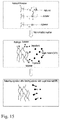
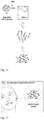
- the present disclosure provides a method for controlling the release of the skin active material according to the amount of the target material released from the skin, including the steps of applying an aptamer-trapped hydrogel of the present disclosure to the skin to cause the aptamer binding to an ingredient from the hydrogel, so as to penetrate into the skin, binding the ingredient- aptamer comples to the target substances from the skin, and releasing a active ingredient from hydrogel.
- the target substance form the skin is preferably, but not limited to, ATP whose levels are changed according to the skin condtions.
- aptamers can effectively stablize antioxidants presented in the present disclosure including vitamin C, peptide, and retinol, by preventing its spontaneous oxidation, it is expected that its cosmeceutical effects for skin whitening and wrinkle improvemnts could be improved when they are slowly released from the hydrogels.
- materials used as the main ingredients of functional cosmetics such as vitamin C, peptide, and retinol are very unstable .
- the materials When the materials are exposed to air and light they are easily oxidized and lose their antioxidant function quickly ,. These materials are captured by the aptamer to inhibit the materials to bind to the oxygen (oxidation), thereby giving the role of sustaining the materials as stable as possible (continuous function).
- the release rate of the active cosmeceutical ingredients is controlled by aptamers. Since most hydrogels have non-compact structure, the permeability is high for many kinds of materials so that the materials contained therein are easily released. It has been experimentally proven that when aptamer which reacts with specific active ingredient is included in the hydrogel, the release rate of the materials can be controlled by controlling the binding force of the aptamer to the materials.
- Aptamer can regulate the release rate of the active ingredients according to the amount of the specific substance released from the skin.
- This technique called Aptasensing, is a method that can be used for various purposes such as cosmetics and therapy by releasing the necessary materials to the skin according to the condition of the skin after detecting the various states of the skin.
- There is an implementable system that detects ATP released at a different concentration depending on the temperature of the skin, or detects, e.g., cytokines, by the aptamer, then the active ingredients are released according to the skin condition..
- it allows an appropriate amount of various active ingredients to be released by sensing the skin condtions so as to be designed to control the duration time or reduce unnecessary overload to the skin.
- a three-dimensional structure of aptamers such as single strand DNA or RNA confers great flexibility and specificity toward its target molecule. Even though it is similar to an antigen-antibody reaction, its size is much smaller, and its activity can be controlled by various methods. Thus, it has the advantages of easy production and storage as compared to antibodies. Further, the aptamer may be synthesized to bind to a chemical substance (vitamin) having a very small size unlike an antibody. Since it is produced by chemical synthesis, it is easy to maintain its effect constantly.
- vitamin chemical substance
- Vitamin C is a water-soluble six-carbon compound, which includes a reduced form in which C-3 and C-4 (3- and 4-) are formed in dihydroxy and semidehydroascorbic acid and dehydroascorbic acid in which those carbons are oxidized respectively.
- the reduced state of vitamin C is maintained through the hydrogen bonding of the hydroxyl group of vitamin C and the base constituting the aptamer (RNA or DNA) of the present disclosure ( See FIG. 1 ).
- Vitamin C which is in a reduced state in combination with the aptamer of the present disclosure, can be used for nutritional supplements or cosmetic compositions of various formulations of hydrogel-type or cream-type, including, e.g., collagen, elastin, hyaluronic acid, and peptides.
- the present disclosure also includes a method for slowly releasing vitamin C according to various conditions of the skin through aptamer (aptasensing) which differently reacts depending on the state of the skin or external stimuli (for example, ultraviolet rays, skin temperature, and acidity).
- aptamer aptasensing
- Such examples include a method that the bound vitamin C is released when the structure of the aptamer is changed depending on the irradiation ultraviolet on the skin, and that vitamin C is released when the amount of ATP is changed depending on the change of the skin temperature or acidity.
- the present disclosure includes uses in various formulations (SERUM, Gel, lotion, cream, toner, Mask pact, etc.) cosmetics, hair nutrients and colorants comprising the complex of the aptamers and antioxidant of the present disclosure as an effective ingredient.
- formulations SERUM, Gel, lotion, cream, toner, Mask pact, etc.
- said cosmetic composition preferably includes at least one of collagen, elastin, hyaluronic acid and peptide, but is not limited thereto.
- the present disclosure provides an nutritional additive composition comprising a complex of aptamer and antioxidant or an aptamer alone as an effective component.
- vitamin suitable for nutritional additive of the present disclosure examples include vitamin A, vitamin C, vitamin D, vitamin E, vitamin E, vitamin K, vitamin B6, vitamin B12, thyamine, riboflavin, biotin, folic acid, niacin, pantothenic acid, mixtures thereof, etc.
- suitable mineral nutrients to be included in the nutritional additive composition include those comprising at least one elements selected from sodium, potassium, calcium, magnesium, phosphorous, sulphur, chlorine, iron, copper, iodine, zinc, selenium, manganese, chromium, molybdenium, fluorine, cobalt, and mixtures thereof.
- the herb is selected from those having medicine or diet additive property.
- the herb is a part of aromatic plant or plant.
- the present disclosure provides a method for delaying oxidation rate by binding aptamer to antoxidant and maintaining the reduction state of the antioxidant.
- the present disclosure can use antioxidants being very unstable to oxidation, such as vitamin A (Retinol), Vitamin E, astazantin, resveratinol, polyphenol, coenzyme Q10, peptide, oil, etc. as the nutritional additive by binding them with the aptamer.
- antioxidants being very unstable to oxidation, such as vitamin A (Retinol), Vitamin E, astazantin, resveratinol, polyphenol, coenzyme Q10, peptide, oil, etc.
- the present disclosure provides a complex of an antioxidant component and aptamer which is developed in accordance with the antioxidant component thereof, or separately provides the active aptamer and the antioxidant components.
- said antioxidant is preferably the materials selected from the group consisting of vitamin C, vitamin A, retinol, vitamin E, astazantin, resveratrol, 4'-acetoxy resveratrol, catechin, various polyphenols, epigalocatechinm galate, coenzyme Q10, ubiquionol, ubiquinone, omega 3, and oil, but is not limited thereto.
- the present disclosure provides a beverage composition comprising a complex of an aptamer and antioxidant as an effective component, or comprising an aptamer alone.
- said composition comprises preferably further comprises at least one of collagen, elastin, hyaluronic acid and peptide, but is not limited thereto.
- the present disclosure provides a food composition comprising the aptamer of the present disclosure and/or antioxidant as an effective ingredient.
- said food composition comprises preferably further comprises at least one of collagen, elastin, hyaluronic acid and peptide, but is not limited thereto.
- said food composition is preferably confectionaries, candies, dairy products, gums, soy sauces, breads, or ice cream, but is not limited thereto.
- the present disclosure provides a method for preparing foods by adding the aptamer of the present disclosure to the foods.
- the food or beverage composition makes the bound vitamin C to release when the food or beverage is absorbed into the body and the structure of aptamer is changed, or allows the vitamin C to release by changing the structure of the aptamer bound thereto when the amount of ATP is changed depending on the change of environment, but is not limited thereto.
- the aptamer of the present disclosure has a preventive effect of spontaneous oxidation of antioxidants such as vitamin C, and the hydrogel trapped by the aptamer of the present disclosure have functions controlling the release rate through the aptamer, and controlling the release component depending on the amount of specific material released from a skin
- the aptamer of the present disclosure has antioxidation effect of the antioxidant such as vitamin C, the aptamer alone or the complex of the aptamer and antioxidant can be used in the various formulations of functional cosmetics and dietary supplements for oral use, etc., by maintaining the reduction state of vitamin C using the aptamer selectively binding to vitamin C (ascorbic acid), for example, and maintaining the antioxidant function thereof for a longer time.
- the continued and maximized antioxidation effect can be expected even with a small amount of vitamin C by using the aptamer selectively binding to vitamin C.
- the present disclosure can be used in various health beverage, antioxidation beverage, antioxidation food, etc. by maintaining the reduction state of vitamin C using the aptamer selectively binding to vitamin C (ascorbic acid), etc., and maintaining the antioxidant function thereof for a longer time.
- preventing the oxidation of antoxidant by using the aptamer is new safe and innovative approach of concept compared to existing methods, and this can be applied to various industries and thus the preparation is possible so as to obtain the effect.
- this will be an initiator which dramatically changes the existing cosmetics, nutritional additive and food markets based on chemicals into the DNA (BIO)-based markets.
- BIO DNA-based markets
- Example 1 DNA aptamer selection and sequencing
- the buffer composition used is as follows: 50 mM Sodium Acetate pH 5.5 (Sigma), 1 mM MgCl2 (Sigma), 0.05% Tween 20 (Sigma), 1% BSA (Sigma) and 1 mM glutathione (Sigma).
- the stringency of the SELEX was changed by deceasing the binding time of aptamer to the target, changing the buffer composition and decreasing the concentration of the target at the free molecular elution.
- the negative selection for DNA was performed so as to remove aptamers binding to ascorbic acid in an oxidation state from an enriched library.
- Example 2 Fluorescence analysis for oxidation products of ascorbic acid
- oxidation of ascorbic acid was measured reversely by modifying the method as described in Vislisel et al. ( Vislisel, J.M., Schafer, F.Q. and Buettner, G.R. (2007) Analytical biochemistry, 365, 31-39 ) and detecting the oxidized product, dehydroascorbic acid (DHA).
- DHA dehydroascorbic acid
- aptamers (41.3 ⁇ M) were incubated with AA (10.3 ⁇ M) at 4X concentration for 30 minutes at room temperature before adding an oxidant (10.3 ⁇ M for CuSO4 (EM Science) and H2O2 (Sigma), 103.3 ⁇ M for TEMPOL (Sigma) and NaIO4 (Sigma). Before adding OPDA dye (Sigma) it was incubated for 10 minutes at room temperature after adding oxidizing agent sample. It was read under the condition of excitation at 345 nm; emission at 425 nm with SpectraMax® i3X plate reader (Molecular Devices) for 45 minutes at 60 second intervals until the control is converged immediately after adding dye (954.6 ⁇ M) sample.
- DHA oxidation product
- OPDA assay dye
- aptamers for AA were 10x, 5x, 2x, 1x, 0.5x, 0.25x and 0.1x (1.03 ⁇ M aptamer at 103 ⁇ M). All aptamers / AA mixtures were incubated at room temperature for 30 min before the addition of 10.3 ⁇ M CuSO4, and the sample was incubated at room temperature for additional 10 min before the addition of 954.6 ⁇ M OPDA. The plate was read for 10 min at ex: 345 nm; em: 425 nm, and collected data every 60 seconds. Each sample was repeated three times.
- Aptamer A (50 uM) was incubated to vitaminwater® (kiwi-strawberry) (Glaceau, Coca-cola). The samples were incubated at room temperature and 10 uL was collected at 0 h, 1, 2, 4, 8, 24, 48, 72, 96 and 168h. Ascorbic acid (Cerilliant Cat # V-038) and dehydroascorbic acid (Sigma-Aldrich Cat # 261556) controls were injected before and after each time in order to monitor AA and DHA stability during LC-MS/MS assay. Each sample and control were spiked with an ascorbic acid internal standard C13 (Toronto Research Chemicals Cat#A786992) at a final concentration of 200 ng/mL.
- AA stock solution (Cerilliant 1 mg/mL in acetonitrile: H2O, 50:50) was diluted with 10 ug/mL and AAC13 to 1000 ng/mL.
- DHA control group was prepared with a final concentration of 1 ug/ml with 900 ng/ml of AA-C13.
- 10 uL of sample at each time was diluted 1 : 200 in the same internal standard solution and analyzed by LC-MS/MS.
- the mobile phases consisted of solvent A (10 mM TBA and 15 mM acetic acid in water) and solvent B (10 mM TBA and 15 mM acetic acid in methanol) at a flow rate of 30 ⁇ L/min.
- the gradient was started at 100 : 0 A : B.
- TBA was used as an ion-pairing reagent, and each sample was repeated three times.
- Aptamer A was incubated with ascorbic acid at relative concentrations of 10x, 5x, 2x, 1x, 0.5x, 0.25x and 0.1x.
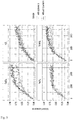
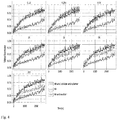
- the titration data were drawn for the positive and negative controls ( Fig. 4 ). Titration was applied in a dose-dependent manner. The oxidation protection effect was not observed at the lowest two concentrations (0.1x and 0.25x), and the oxidation protection effect was increased as the proportion of aptamer to AA is increased. The degree of oxidative protection did not show a steady state in the tested range, and thus the maximum protection effect of AA by the aptamer A occurred at a concentration of 10x or more of AA.
- the vitamin beverage is pH 2.5, this means that the aptamin is also active at this pH.
- Example 6 Construction of a group of aptamers binding to reduced vitamin C
- SELEX systematic evolution of ligands by exponential enrichment
- aptamers were selected according to the type of the secondary structure, and the experiment regarding prevention of oxidation of vitamin C was carried out. After the aptamer dissolved in the annealing buffer was heated to 95°C, the secondary structure of the aptamer was formed as the temperature was gradually lowered to room temperature. Then, the mixture was mixed and reacted with the reduced L-ascorbic acid for 30 minutes so as to allow the mixture to bind to the L-ascorbic acid. Then, hydrogen peroxide solution was added to provide the oxidation condition. Oxidation of L-ascorbic acid was measured by adding OPDA (o-phenylenediamine) as a fluorescent dye.
- OPDA o-phenylenediamine
- the level of DHA production can be quantitatively analyzed by measuring the amount of fluorescence from DHA-OPDA produced by the reaction of DHA, an oxide of L-ascorbic acid, with OPDA. Under the above conditions, the amount of fluorescence of DHA-OPDA was measured every 34 seconds for 25 minutes.
- Example 8 Determination of steady-state solution dissociation constant (KD) of aptamer of the present disclosure for ascorbic acid (AA) and dehydroascorbic acid (DHA)
- the dissociation constants were determined using microscale thermophoresis (MST).
- the present Example includes MST data and KDs computed for the three aptamers in assay buffers for both targets. All reagents, including ascorbic acid and dehydroascorbic acid, were purchased from Sigma-Aldrich (St. Louis, MO), and deionized water was treated with Chelex-100 resin for 1 hour to remove accidental metals prior to buffer preparation. After Chelex treatment, the water was sprayed with nitrogen gas for 10 minutes to minimize oxygen, and then kept sealed. This water was used in all aqueous solutions. The final buffer included 50 mM sodium acetate, pH 5.5, 1 mM MgCl 2 , and 0.05% Tween-20.
- AA and DHA were analyzed in 1:1 passages dilution from e5 ⁇ M to 153 pM (final) (for aptamers # 10 & # 12) and from 50 ⁇ M to 1.53 nM (final) (for aptamer # 8), respectively in buffer.
- the final concentration of each Cy5-conjugated aptamer is 20 nM.
- FIGS. 9 to 14 The results are shown in FIGS. 9 to 14 . Each data point is shown with a mean and fitted curve (black line) in the drawings. The vertical dashed line in each graph represents KD.
- the method of trapping the aptamer of the present disclosure on the hydrogel is a way to trap hydrothermal particles in the hydrogel by first attaching biotin to the amine group attached to the aptamer, then functionalizing them with the particle having streptavidin binding thereto, and then mixing them at a rate of 20% on calcination of the hydrogel.
- This method does not cause chemical bonding between the aptamer and the hydrogel, and it is relatively simple to implement.
- Another method is to chemically attach the amine or carboxy group attached to the aptamer to the hydroxyl group of the hydrogel, which chemically binds the aptamer to the hydrogel.
- bonds can be brought by modifying the chemical composition of the hydrogel, or by changing the functional group to be bonded to the aptamer.
- the specific trapping method includes the steps of: a) binding the amine group to the aptamer; b) silanizing the hydroxyl group of the hydrogel monomer with 3-glycidoxypropyltrimethoxysilane (3-GPTMS) having an epoxy group, and then binding amine group binding to the aptamer to the epoxy group; and c) polymerizing the hydrogel monomer, so that the aptamer-trapped hydrogel can be prepared.
- 3-GPTMS 3-glycidoxypropyltrimethoxysilane
- a collagen hydrogel which is currently widely used due to moisturizing effects, can be made into an aptamer-collagen hydrogel in the same manner as described above, and it can add a function of more slowly releasing ingredients after sensing (detecting).
- a smart sensing (detecting) function can be added so that teprenone or caprylic acid, which is used to prevent skin aging, is gradually supplied to the skin with an aptamer-collagen hydrogel or is released according to the amount of cytokine related to skin aging, which is released from the cell.
- Example 10 Production of Vitamin C-containing beverage based on aptamer of the present disclosure
- the beverage was prepared under the condition that all the procedures were the same as those of Example 10, except that 1 g of vitamin C (UK DSM) was used instead of the aptamer vitamin C complex of the present disclosure.
- 1 g of vitamin C (UK DSM) was used instead of the aptamer vitamin C complex of the present disclosure.
- Table 1 shows the sensory evaluation results of the beverage of the Example and the beverage of Comparative Example.
- the sensory test means that the higher the value of the sensory test, the better the sensuality.
Landscapes
- Health & Medical Sciences (AREA)
- Life Sciences & Earth Sciences (AREA)
- General Health & Medical Sciences (AREA)
- Public Health (AREA)
- Veterinary Medicine (AREA)
- Animal Behavior & Ethology (AREA)
- Birds (AREA)
- Epidemiology (AREA)
- Chemical & Material Sciences (AREA)
- Engineering & Computer Science (AREA)
- Genetics & Genomics (AREA)
- Dermatology (AREA)
- Biomedical Technology (AREA)
- Molecular Biology (AREA)
- Biotechnology (AREA)
- Organic Chemistry (AREA)
- Biochemistry (AREA)
- Zoology (AREA)
- General Engineering & Computer Science (AREA)
- Wood Science & Technology (AREA)
- Bioinformatics & Cheminformatics (AREA)
- Dispersion Chemistry (AREA)
- Microbiology (AREA)
- Biophysics (AREA)
- Plant Pathology (AREA)
- Physics & Mathematics (AREA)
- Emergency Medicine (AREA)
- Gerontology & Geriatric Medicine (AREA)
- Polymers & Plastics (AREA)
- Medicinal Chemistry (AREA)
- Chemical Kinetics & Catalysis (AREA)
- Botany (AREA)
- Mycology (AREA)
- Cosmetics (AREA)
- Coloring Foods And Improving Nutritive Qualities (AREA)
- Pharmaceuticals Containing Other Organic And Inorganic Compounds (AREA)
Applications Claiming Priority (2)
| Application Number | Priority Date | Filing Date | Title |
|---|---|---|---|
| PCT/KR2016/011740 WO2017150785A1 (fr) | 2016-03-04 | 2016-10-19 | Procédé d'anti-oxydation pour substance anti-oxydante, et substance et utilisation associées |
| PCT/KR2017/010756 WO2018074763A1 (fr) | 2016-10-19 | 2017-09-27 | Procédé de prévention de l'oxydation d'un matériau antioxydant à l'aide d'un aptamère, matériau et utilisation de celui-ci |
Publications (3)
| Publication Number | Publication Date |
|---|---|
| EP3530260A1 true EP3530260A1 (fr) | 2019-08-28 |
| EP3530260A4 EP3530260A4 (fr) | 2020-06-03 |
| EP3530260B1 EP3530260B1 (fr) | 2023-11-01 |
Family
ID=67386420
Family Applications (1)
| Application Number | Title | Priority Date | Filing Date |
|---|---|---|---|
| EP17862142.1A Active EP3530260B1 (fr) | 2016-10-19 | 2017-09-27 | Procédé de prévention de l'oxydation d'un matériau antioxydant à l'aide d'un aptamère, matériau et utilisation de celui-ci |
Country Status (3)
| Country | Link |
|---|---|
| EP (1) | EP3530260B1 (fr) |
| CA (1) | CA3038495C (fr) |
| WO (1) | WO2018074763A1 (fr) |
Cited By (2)
| Publication number | Priority date | Publication date | Assignee | Title |
|---|---|---|---|---|
| US20220002729A1 (en) * | 2018-11-14 | 2022-01-06 | NEXMOS Co., Ltd | Composition comprising aptamer as active ingredient for treatment and prevention of degenerative brain disease |
| EP3845647A4 (fr) * | 2018-08-30 | 2023-05-03 | Nexmos Co., Ltd. | Aptamère se liant spécifiquement à l'acide l-ascorbique et son utilisation |
Families Citing this family (3)
| Publication number | Priority date | Publication date | Assignee | Title |
|---|---|---|---|---|
| WO2020085812A1 (fr) * | 2018-10-25 | 2020-04-30 | 주식회사 넥스모스 | Composition de gouttes oculaires comprenant de l'aptamin c en tant que principe actif |
| WO2020096296A1 (fr) * | 2018-11-06 | 2020-05-14 | 주식회사 넥스모스 | Procédé pour empêcher l'oxydation de polyphenol à l'aide d'un aptamère, matériau correspondant et utilisation correspondante |
| WO2021177657A1 (fr) * | 2020-03-03 | 2021-09-10 | 주식회사 넥스모스 | Aptamère d'adn se liant de manière spécifique au glutathion, et utilisation associée |
Family Cites Families (7)
| Publication number | Priority date | Publication date | Assignee | Title |
|---|---|---|---|---|
| FR2798078B1 (fr) * | 1999-09-06 | 2001-10-12 | Oreal | Organogel, comprenant un compose hydrophile sensible a l'oxydation et ses utilisations notamment cosmetiques |
| US7125859B2 (en) * | 2003-07-24 | 2006-10-24 | Materials Evolution And Development Usa, Inc. | Nucleic acid antioxidant compositions, methods for obtaining such compositions and formulations thereof |
| KR100819173B1 (ko) * | 2007-09-04 | 2008-04-03 | 주식회사 콧데 | 장기간 안정적으로 비타민 씨를 적용할 수 있는 화장품조성물 |
| WO2011091307A1 (fr) * | 2010-01-23 | 2011-07-28 | University Of Connecticut | Hydrogels à affinité, pour libération régulée de protéines |
| KR101197677B1 (ko) | 2012-02-17 | 2012-11-07 | 아이큐어 주식회사 | 활성물질 및 수분의 저장고가 있는 하이드로젤 마스크팩 및 그 제조방법 |
| US10309975B2 (en) * | 2014-08-21 | 2019-06-04 | University Of Central Florida Research Foundation, Inc. | Functionalized eyewear device for detecting biomarker in tears |
| WO2017150785A1 (fr) * | 2016-03-04 | 2017-09-08 | 주식회사 넥스모스 | Procédé d'anti-oxydation pour substance anti-oxydante, et substance et utilisation associées |
-
2017
- 2017-09-27 EP EP17862142.1A patent/EP3530260B1/fr active Active
- 2017-09-27 WO PCT/KR2017/010756 patent/WO2018074763A1/fr not_active Ceased
- 2017-09-27 CA CA3038495A patent/CA3038495C/fr active Active
Cited By (3)
| Publication number | Priority date | Publication date | Assignee | Title |
|---|---|---|---|---|
| EP3845647A4 (fr) * | 2018-08-30 | 2023-05-03 | Nexmos Co., Ltd. | Aptamère se liant spécifiquement à l'acide l-ascorbique et son utilisation |
| US20220002729A1 (en) * | 2018-11-14 | 2022-01-06 | NEXMOS Co., Ltd | Composition comprising aptamer as active ingredient for treatment and prevention of degenerative brain disease |
| US12227747B2 (en) | 2018-11-14 | 2025-02-18 | Nexmos Co., Ltd. | Composition comprising aptamer as active ingredient for treatment and prevention of degenerative brain disease |
Also Published As
| Publication number | Publication date |
|---|---|
| CA3038495A1 (fr) | 2018-04-26 |
| EP3530260A4 (fr) | 2020-06-03 |
| WO2018074763A1 (fr) | 2018-04-26 |
| EP3530260B1 (fr) | 2023-11-01 |
| CA3038495C (fr) | 2022-03-22 |
Similar Documents
| Publication | Publication Date | Title |
|---|---|---|
| CN109862866B (zh) | 利用核酸适体的防止抗氧化物质被氧化的方法、物质、其用途 | |
| EP3530260B1 (fr) | Procédé de prévention de l'oxydation d'un matériau antioxydant à l'aide d'un aptamère, matériau et utilisation de celui-ci | |
| Wang et al. | Free radical scavenging and immunomodulatory activities of Ganoderma lucidum polysaccharides derivatives | |
| CH692837A5 (it) | Composizione farmaceutica per uso alimentare, dietetico o medicinale adatta a migliorare l'assorbimento orale dei polifenoli e particolarmente del resveratrolo presenti nell'uva e nei suoi p | |
| Almeida et al. | Dietary antioxidant supplements: benefits of their combined use | |
| KR101973639B1 (ko) | 콩잎 추출물을 함유하는 항산화용 조성물 | |
| EP3845647A1 (fr) | Aptamère se liant spécifiquement à l'acide l-ascorbique et son utilisation | |
| Mishra et al. | Comparison of antioxidant properties in cap and stipe of Lentinula edodes—A medicinal mushroom | |
| WO2017196077A1 (fr) | Additif cosmétique et nutritionnel utilisant un aptamère et procédé pour le produire | |
| Massilia | Cytotoxic and antioxidant properties in vitro of functional beverages based on blackberry (Rubus glaucus Benth) and soursop (Annona muricata L) pulps | |
| KR102161179B1 (ko) | 홍차줄기 추출물을 함유하는 항산화성 조성물 | |
| Manosroi et al. | Antioxidant activities and skin hydration effects of rice bran bioactive compounds entrapped in niosomes | |
| JP7737073B2 (ja) | ミネラル代謝異常抑制剤 | |
| US20190078094A1 (en) | Aptamer specifically binding to L-Ascorbic acid and use of the same | |
| CN102860925A (zh) | 茶黄素在制备酪氨酸酶抑制剂中的应用 | |
| KR101428486B1 (ko) | 초임계 유체 추출법을 이용한 기능성이 증진된 클로렐라 추출물의 제조방법 | |
| KR101736981B1 (ko) | 납떼기콩 추출물을 포함하는 조성물 | |
| EP2902022A1 (fr) | Promoteur de production de vegfc | |
| KR101914441B1 (ko) | 퓨코스테롤을 유효성분으로 포함하는 피부 보습용 화장료 조성물 | |
| Kusolkumbot et al. | Physical stability of astaxanthin from haematococcus pluvialis loaded in micromeulsion as a cosmetic ingredient for melanogenesis inhibition | |
| Alqodri et al. | Comparison of antioxidant and anti-collagenase activities ethanol extract of black soybeans with daidzein compounds | |
| An et al. | Skin permeability of petroselinum crispum extract using polymer micelles and epidermal penetration peptide | |
| KR101989067B1 (ko) | 쿠메스트린을 함유하는 조성물 | |
| KR20190092686A (ko) | 혼합 추출물을 유효성분으로 함유하는 미백용 화장료 조성물 및 화장품 조성물, 그리고 미백용 화장물 조성물 및 화장품 조성물의 제조 방법 | |
| AKKOL et al. | Developing liposomal and ethosomal formulations with potent antioxidant and cytotoxic effects: unleashing the power of Achillea millefolium L. |
Legal Events
| Date | Code | Title | Description |
|---|---|---|---|
| STAA | Information on the status of an ep patent application or granted ep patent |
Free format text: STATUS: THE INTERNATIONAL PUBLICATION HAS BEEN MADE |
|
| PUAI | Public reference made under article 153(3) epc to a published international application that has entered the european phase |
Free format text: ORIGINAL CODE: 0009012 |
|
| STAA | Information on the status of an ep patent application or granted ep patent |
Free format text: STATUS: REQUEST FOR EXAMINATION WAS MADE |
|
| 17P | Request for examination filed |
Effective date: 20190516 |
|
| AK | Designated contracting states |
Kind code of ref document: A1 Designated state(s): AL AT BE BG CH CY CZ DE DK EE ES FI FR GB GR HR HU IE IS IT LI LT LU LV MC MK MT NL NO PL PT RO RS SE SI SK SM TR |
|
| AX | Request for extension of the european patent |
Extension state: BA ME |
|
| DAV | Request for validation of the european patent (deleted) | ||
| DAX | Request for extension of the european patent (deleted) | ||
| A4 | Supplementary search report drawn up and despatched |
Effective date: 20200507 |
|
| RIC1 | Information provided on ipc code assigned before grant |
Ipc: A61K 8/04 20060101AFI20200429BHEP Ipc: A45D 44/22 20060101ALI20200429BHEP Ipc: A61K 8/64 20060101ALI20200429BHEP Ipc: A61K 8/97 20170101ALI20200429BHEP Ipc: A61K 8/02 20060101ALI20200429BHEP Ipc: A61Q 19/00 20060101ALI20200429BHEP Ipc: A61K 8/41 20060101ALI20200429BHEP Ipc: A45D 44/00 20060101ALI20200429BHEP Ipc: A61K 8/67 20060101ALI20200429BHEP |
|
| GRAP | Despatch of communication of intention to grant a patent |
Free format text: ORIGINAL CODE: EPIDOSNIGR1 |
|
| STAA | Information on the status of an ep patent application or granted ep patent |
Free format text: STATUS: GRANT OF PATENT IS INTENDED |
|
| INTG | Intention to grant announced |
Effective date: 20230711 |
|
| GRAS | Grant fee paid |
Free format text: ORIGINAL CODE: EPIDOSNIGR3 |
|
| GRAA | (expected) grant |
Free format text: ORIGINAL CODE: 0009210 |
|
| STAA | Information on the status of an ep patent application or granted ep patent |
Free format text: STATUS: THE PATENT HAS BEEN GRANTED |
|
| AK | Designated contracting states |
Kind code of ref document: B1 Designated state(s): AL AT BE BG CH CY CZ DE DK EE ES FI FR GB GR HR HU IE IS IT LI LT LU LV MC MK MT NL NO PL PT RO RS SE SI SK SM TR |
|
| REG | Reference to a national code |
Ref country code: GB Ref legal event code: FG4D |
|
| REG | Reference to a national code |
Ref country code: CH Ref legal event code: EP |
|
| REG | Reference to a national code |
Ref country code: DE Ref legal event code: R096 Ref document number: 602017076138 Country of ref document: DE |
|
| REG | Reference to a national code |
Ref country code: IE Ref legal event code: FG4D |
|
| REG | Reference to a national code |
Ref country code: SE Ref legal event code: TRGR |
|
| REG | Reference to a national code |
Ref country code: LT Ref legal event code: MG9D |
|
| REG | Reference to a national code |
Ref country code: NL Ref legal event code: MP Effective date: 20231101 |
|
| PG25 | Lapsed in a contracting state [announced via postgrant information from national office to epo] |
Ref country code: GR Free format text: LAPSE BECAUSE OF FAILURE TO SUBMIT A TRANSLATION OF THE DESCRIPTION OR TO PAY THE FEE WITHIN THE PRESCRIBED TIME-LIMIT Effective date: 20240202 |
|
| PG25 | Lapsed in a contracting state [announced via postgrant information from national office to epo] |
Ref country code: IS Free format text: LAPSE BECAUSE OF FAILURE TO SUBMIT A TRANSLATION OF THE DESCRIPTION OR TO PAY THE FEE WITHIN THE PRESCRIBED TIME-LIMIT Effective date: 20240301 |
|
| REG | Reference to a national code |
Ref country code: ES Ref legal event code: FG2A Ref document number: 2964950 Country of ref document: ES Kind code of ref document: T3 Effective date: 20240410 |
|
| PG25 | Lapsed in a contracting state [announced via postgrant information from national office to epo] |
Ref country code: LT Free format text: LAPSE BECAUSE OF FAILURE TO SUBMIT A TRANSLATION OF THE DESCRIPTION OR TO PAY THE FEE WITHIN THE PRESCRIBED TIME-LIMIT Effective date: 20231101 |
|
| REG | Reference to a national code |
Ref country code: AT Ref legal event code: MK05 Ref document number: 1626388 Country of ref document: AT Kind code of ref document: T Effective date: 20231101 |
|
| PG25 | Lapsed in a contracting state [announced via postgrant information from national office to epo] |
Ref country code: NL Free format text: LAPSE BECAUSE OF FAILURE TO SUBMIT A TRANSLATION OF THE DESCRIPTION OR TO PAY THE FEE WITHIN THE PRESCRIBED TIME-LIMIT Effective date: 20231101 |
|
| PG25 | Lapsed in a contracting state [announced via postgrant information from national office to epo] |
Ref country code: AT Free format text: LAPSE BECAUSE OF FAILURE TO SUBMIT A TRANSLATION OF THE DESCRIPTION OR TO PAY THE FEE WITHIN THE PRESCRIBED TIME-LIMIT Effective date: 20231101 |
|
| PG25 | Lapsed in a contracting state [announced via postgrant information from national office to epo] |
Ref country code: NL Free format text: LAPSE BECAUSE OF FAILURE TO SUBMIT A TRANSLATION OF THE DESCRIPTION OR TO PAY THE FEE WITHIN THE PRESCRIBED TIME-LIMIT Effective date: 20231101 Ref country code: LT Free format text: LAPSE BECAUSE OF FAILURE TO SUBMIT A TRANSLATION OF THE DESCRIPTION OR TO PAY THE FEE WITHIN THE PRESCRIBED TIME-LIMIT Effective date: 20231101 Ref country code: IS Free format text: LAPSE BECAUSE OF FAILURE TO SUBMIT A TRANSLATION OF THE DESCRIPTION OR TO PAY THE FEE WITHIN THE PRESCRIBED TIME-LIMIT Effective date: 20240301 Ref country code: GR Free format text: LAPSE BECAUSE OF FAILURE TO SUBMIT A TRANSLATION OF THE DESCRIPTION OR TO PAY THE FEE WITHIN THE PRESCRIBED TIME-LIMIT Effective date: 20240202 Ref country code: BG Free format text: LAPSE BECAUSE OF FAILURE TO SUBMIT A TRANSLATION OF THE DESCRIPTION OR TO PAY THE FEE WITHIN THE PRESCRIBED TIME-LIMIT Effective date: 20240201 Ref country code: AT Free format text: LAPSE BECAUSE OF FAILURE TO SUBMIT A TRANSLATION OF THE DESCRIPTION OR TO PAY THE FEE WITHIN THE PRESCRIBED TIME-LIMIT Effective date: 20231101 Ref country code: PT Free format text: LAPSE BECAUSE OF FAILURE TO SUBMIT A TRANSLATION OF THE DESCRIPTION OR TO PAY THE FEE WITHIN THE PRESCRIBED TIME-LIMIT Effective date: 20240301 |
|
| PG25 | Lapsed in a contracting state [announced via postgrant information from national office to epo] |
Ref country code: RS Free format text: LAPSE BECAUSE OF FAILURE TO SUBMIT A TRANSLATION OF THE DESCRIPTION OR TO PAY THE FEE WITHIN THE PRESCRIBED TIME-LIMIT Effective date: 20231101 Ref country code: PL Free format text: LAPSE BECAUSE OF FAILURE TO SUBMIT A TRANSLATION OF THE DESCRIPTION OR TO PAY THE FEE WITHIN THE PRESCRIBED TIME-LIMIT Effective date: 20231101 Ref country code: NO Free format text: LAPSE BECAUSE OF FAILURE TO SUBMIT A TRANSLATION OF THE DESCRIPTION OR TO PAY THE FEE WITHIN THE PRESCRIBED TIME-LIMIT Effective date: 20240201 Ref country code: LV Free format text: LAPSE BECAUSE OF FAILURE TO SUBMIT A TRANSLATION OF THE DESCRIPTION OR TO PAY THE FEE WITHIN THE PRESCRIBED TIME-LIMIT Effective date: 20231101 Ref country code: HR Free format text: LAPSE BECAUSE OF FAILURE TO SUBMIT A TRANSLATION OF THE DESCRIPTION OR TO PAY THE FEE WITHIN THE PRESCRIBED TIME-LIMIT Effective date: 20231101 |
|
| PG25 | Lapsed in a contracting state [announced via postgrant information from national office to epo] |
Ref country code: DK Free format text: LAPSE BECAUSE OF FAILURE TO SUBMIT A TRANSLATION OF THE DESCRIPTION OR TO PAY THE FEE WITHIN THE PRESCRIBED TIME-LIMIT Effective date: 20231101 |
|
| PG25 | Lapsed in a contracting state [announced via postgrant information from national office to epo] |
Ref country code: CZ Free format text: LAPSE BECAUSE OF FAILURE TO SUBMIT A TRANSLATION OF THE DESCRIPTION OR TO PAY THE FEE WITHIN THE PRESCRIBED TIME-LIMIT Effective date: 20231101 |
|
| PG25 | Lapsed in a contracting state [announced via postgrant information from national office to epo] |
Ref country code: SK Free format text: LAPSE BECAUSE OF FAILURE TO SUBMIT A TRANSLATION OF THE DESCRIPTION OR TO PAY THE FEE WITHIN THE PRESCRIBED TIME-LIMIT Effective date: 20231101 |
|
| PG25 | Lapsed in a contracting state [announced via postgrant information from national office to epo] |
Ref country code: SM Free format text: LAPSE BECAUSE OF FAILURE TO SUBMIT A TRANSLATION OF THE DESCRIPTION OR TO PAY THE FEE WITHIN THE PRESCRIBED TIME-LIMIT Effective date: 20231101 Ref country code: SK Free format text: LAPSE BECAUSE OF FAILURE TO SUBMIT A TRANSLATION OF THE DESCRIPTION OR TO PAY THE FEE WITHIN THE PRESCRIBED TIME-LIMIT Effective date: 20231101 Ref country code: EE Free format text: LAPSE BECAUSE OF FAILURE TO SUBMIT A TRANSLATION OF THE DESCRIPTION OR TO PAY THE FEE WITHIN THE PRESCRIBED TIME-LIMIT Effective date: 20231101 Ref country code: DK Free format text: LAPSE BECAUSE OF FAILURE TO SUBMIT A TRANSLATION OF THE DESCRIPTION OR TO PAY THE FEE WITHIN THE PRESCRIBED TIME-LIMIT Effective date: 20231101 Ref country code: CZ Free format text: LAPSE BECAUSE OF FAILURE TO SUBMIT A TRANSLATION OF THE DESCRIPTION OR TO PAY THE FEE WITHIN THE PRESCRIBED TIME-LIMIT Effective date: 20231101 |
|
| REG | Reference to a national code |
Ref country code: DE Ref legal event code: R097 Ref document number: 602017076138 Country of ref document: DE |
|
| PLBE | No opposition filed within time limit |
Free format text: ORIGINAL CODE: 0009261 |
|
| STAA | Information on the status of an ep patent application or granted ep patent |
Free format text: STATUS: NO OPPOSITION FILED WITHIN TIME LIMIT |
|
| 26N | No opposition filed |
Effective date: 20240802 |
|
| PG25 | Lapsed in a contracting state [announced via postgrant information from national office to epo] |
Ref country code: SI Free format text: LAPSE BECAUSE OF FAILURE TO SUBMIT A TRANSLATION OF THE DESCRIPTION OR TO PAY THE FEE WITHIN THE PRESCRIBED TIME-LIMIT Effective date: 20231101 |
|
| PG25 | Lapsed in a contracting state [announced via postgrant information from national office to epo] |
Ref country code: SI Free format text: LAPSE BECAUSE OF FAILURE TO SUBMIT A TRANSLATION OF THE DESCRIPTION OR TO PAY THE FEE WITHIN THE PRESCRIBED TIME-LIMIT Effective date: 20231101 |
|
| P01 | Opt-out of the competence of the unified patent court (upc) registered |
Free format text: CASE NUMBER: APP_63790/2024 Effective date: 20241202 |
|
| PGFP | Annual fee paid to national office [announced via postgrant information from national office to epo] |
Ref country code: DE Payment date: 20250331 Year of fee payment: 8 |
|
| PG25 | Lapsed in a contracting state [announced via postgrant information from national office to epo] |
Ref country code: MC Free format text: LAPSE BECAUSE OF FAILURE TO SUBMIT A TRANSLATION OF THE DESCRIPTION OR TO PAY THE FEE WITHIN THE PRESCRIBED TIME-LIMIT Effective date: 20231101 |
|
| PG25 | Lapsed in a contracting state [announced via postgrant information from national office to epo] |
Ref country code: LU Free format text: LAPSE BECAUSE OF NON-PAYMENT OF DUE FEES Effective date: 20240927 |
|
| REG | Reference to a national code |
Ref country code: BE Ref legal event code: MM Effective date: 20240930 |
|
| PG25 | Lapsed in a contracting state [announced via postgrant information from national office to epo] |
Ref country code: BE Free format text: LAPSE BECAUSE OF NON-PAYMENT OF DUE FEES Effective date: 20240930 |
|
| PG25 | Lapsed in a contracting state [announced via postgrant information from national office to epo] |
Ref country code: IE Free format text: LAPSE BECAUSE OF NON-PAYMENT OF DUE FEES Effective date: 20240927 |
|
| PG25 | Lapsed in a contracting state [announced via postgrant information from national office to epo] |
Ref country code: FI Free format text: LAPSE BECAUSE OF FAILURE TO SUBMIT A TRANSLATION OF THE DESCRIPTION OR TO PAY THE FEE WITHIN THE PRESCRIBED TIME-LIMIT Effective date: 20231101 |
|
| PG25 | Lapsed in a contracting state [announced via postgrant information from national office to epo] |
Ref country code: RO Free format text: LAPSE BECAUSE OF FAILURE TO SUBMIT A TRANSLATION OF THE DESCRIPTION OR TO PAY THE FEE WITHIN THE PRESCRIBED TIME-LIMIT Effective date: 20231101 |
|
| PG25 | Lapsed in a contracting state [announced via postgrant information from national office to epo] |
Ref country code: CY Free format text: LAPSE BECAUSE OF FAILURE TO SUBMIT A TRANSLATION OF THE DESCRIPTION OR TO PAY THE FEE WITHIN THE PRESCRIBED TIME-LIMIT; INVALID AB INITIO Effective date: 20170927 |
|
| PG25 | Lapsed in a contracting state [announced via postgrant information from national office to epo] |
Ref country code: HU Free format text: LAPSE BECAUSE OF FAILURE TO SUBMIT A TRANSLATION OF THE DESCRIPTION OR TO PAY THE FEE WITHIN THE PRESCRIBED TIME-LIMIT; INVALID AB INITIO Effective date: 20170927 |
|
| REG | Reference to a national code |
Ref country code: CH Ref legal event code: U11 Free format text: ST27 STATUS EVENT CODE: U-0-0-U10-U11 (AS PROVIDED BY THE NATIONAL OFFICE) Effective date: 20260319 |
|
| PGFP | Annual fee paid to national office [announced via postgrant information from national office to epo] |
Ref country code: SE Payment date: 20260320 Year of fee payment: 9 |
|
| PGFP | Annual fee paid to national office [announced via postgrant information from national office to epo] |
Ref country code: GB Payment date: 20260317 Year of fee payment: 9 |
|
| PGFP | Annual fee paid to national office [announced via postgrant information from national office to epo] |
Ref country code: ES Payment date: 20260330 Year of fee payment: 9 |
|
| PGFP | Annual fee paid to national office [announced via postgrant information from national office to epo] |
Ref country code: IT Payment date: 20260319 Year of fee payment: 9 |
|
| PGFP | Annual fee paid to national office [announced via postgrant information from national office to epo] |
Ref country code: FR Payment date: 20260317 Year of fee payment: 9 |
|
| PGFP | Annual fee paid to national office [announced via postgrant information from national office to epo] |
Ref country code: CH Payment date: 20260319 Year of fee payment: 9 |